1960 Facsimile Reprint
DOCTOR ROBERT FLUDD (ROBERTUS DE FLUCTIBUS). THE ENGLISH ROSICRUCIAN. LIFE AND WRITINGS
By James Brown Craven
KEY DETAILS
Condition: Very Good
Format: Hardcover, Octavo (Standard) (8vo 6 × 9 in 152 × 229 mm )
Note: Binding/size selection follows standard bibliographic conventions and is approximate; exact measurements may vary.
Published By: Occult Research Press, New York, 1960
Language: English
Limited Edition: 274/300 Copies
Provenance: The front free endpaper bears a distinctive blue pictorial ownership or library stamp depicting a kneeling, winged anthropomorphic figure with raised arms, a five-pointed star and a curved base.
Collation: xvi, 260 pp. Complete.
Dust Jacket: None, as issued
SKU: BTETM0002684
Shipping Info: Approximate Package Dimensions H: 12.5, L: 30, W: 25 (Units: cm), W: 2Kg
Tracked Shipping, Insurance Coverage as per Customer Request
DESCRIPTION
DOCTOR ROBERT FLUDD (Robertus de Fluctibus). THE ENGLISH ROSICRUCIAN. LIFE AND WRITINGS
A scarce hand-numbered limited edition of James Brown Craven's important study of Robert Fludd (1574–1637), the English physician, Paracelsian natural philosopher, Christian Hermeticist and celebrated defender of the Rosicrucian movement.
First published at Kirkwall in 1902, Craven's work was among the earliest substantial English-language studies devoted entirely to Fludd and remains an important introduction to one of the most extraordinary intellectual figures of the seventeenth century. The present Occult Research Press edition reproduces the original text and illustrations and was issued in a limitation of 300 numbered copies, this being copy No. 272. The limitation leaf itself gives the individual copy number but does not state the total edition; the 300-copy limitation is recorded by specialist booksellers who have handled other numbered examples.
Craven examines Fludd's intellectual inheritance from medieval mysticism, Neoplatonism, Cabala and Renaissance occult philosophy through the writings of figures including Trithemius, Agrippa and Paracelsus. He follows Fludd from his Kentish origins and Oxford education through his travels on the Continent and subsequent medical career, before turning to the vast philosophical system expressed in works such as the Utriusque Cosmi Historia.
Central to the volume is Fludd's conception of the universe as an ordered network of correspondences between the macrocosm and microcosm. Medicine, music, mathematics, astrology, number, theology and natural philosophy are treated not as separate disciplines but as manifestations of an underlying divine harmony. Craven reproduces several of Fludd's celebrated diagrams, including representations of the macrocosm and microcosm and the cosmic monochord.
The volume also treats Fludd's association with the early Rosicrucian controversy, his defence of the ideals expressed in the Rosicrucian manifestos, and his disputes with such contemporaries as Johannes Kepler, Marin Mersenne and Pierre Gassendi. Craven concludes with Fludd's later writings and reputation, together with appendices and a substantial bibliography of his works. The original 1902 edition is bibliographically recorded as xvi, 260 pages with illustrations and portrait, matching the present facsimile.
Issued by Occult Research Press, the early publishing imprint associated with Samuel Weiser, this edition has an additional significance within the history of twentieth-century esoteric publishing. Weiser Antiquarian describes it as scarce in this issue and records the distinctive faux-reptile binding found on the present copy.
PROVENANCE
The front free endpaper bears a distinctive blue pictorial ownership or library stamp depicting a kneeling, winged anthropomorphic figure with raised arms, a five-pointed star and a curved base.
The design corresponds closely to the image captioned “An Egyptian Phœnix” reproduced by Manly P. Hall in The Secret Teachings of All Ages, where Hall credits the figure to Wilkinson's Manners and Customs of the Ancient Egyptians. The image shows the same characteristic human form, large bird wing, feathered head tuft, raised arms and star. The owner represented by the stamp has not presently been identified, and no attribution of the device to a particular collector or institution is made.
According to the previous owner, this volume may previously have formed part of the collection of Charles A. Muses (1919–2000), the American mathematician, philosopher, publisher and collector of esoteric literature. No documentary evidence establishing this stage of the provenance has yet been located, and the Muses association is therefore recorded as reported provenance only rather than as an established ownership.
CONDITION, COLLATION & COPY NOTES
COLLATION
xvi, 260 pp. Complete.
With portrait frontispiece; the rose device from Summum Bonum reproduced on the title page; and six further illustrations, comprising Bearsted Church, Macro- et Microcosmos, Microcosmus, Monochordum, the interior of Bearsted Church and a window in Bearsted Church. Complete according to the printed List of Illustrations.
Final page 260 present, retaining the facsimile printer's imprint of Wm. Peace & Son, Printers, Kirkwall.
No dust jacket, as issued; Weiser Antiquarian specifically records this edition as having been issued without
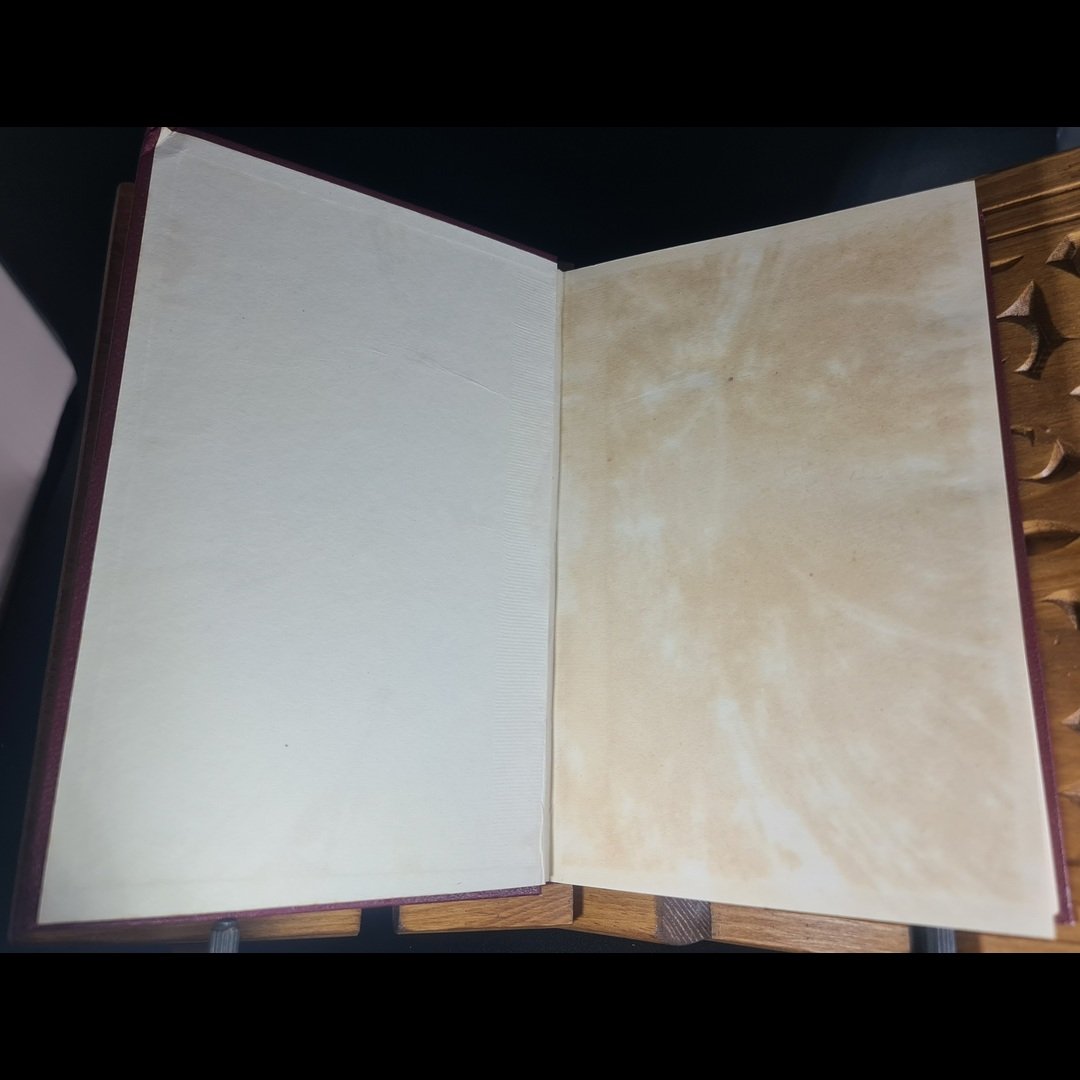
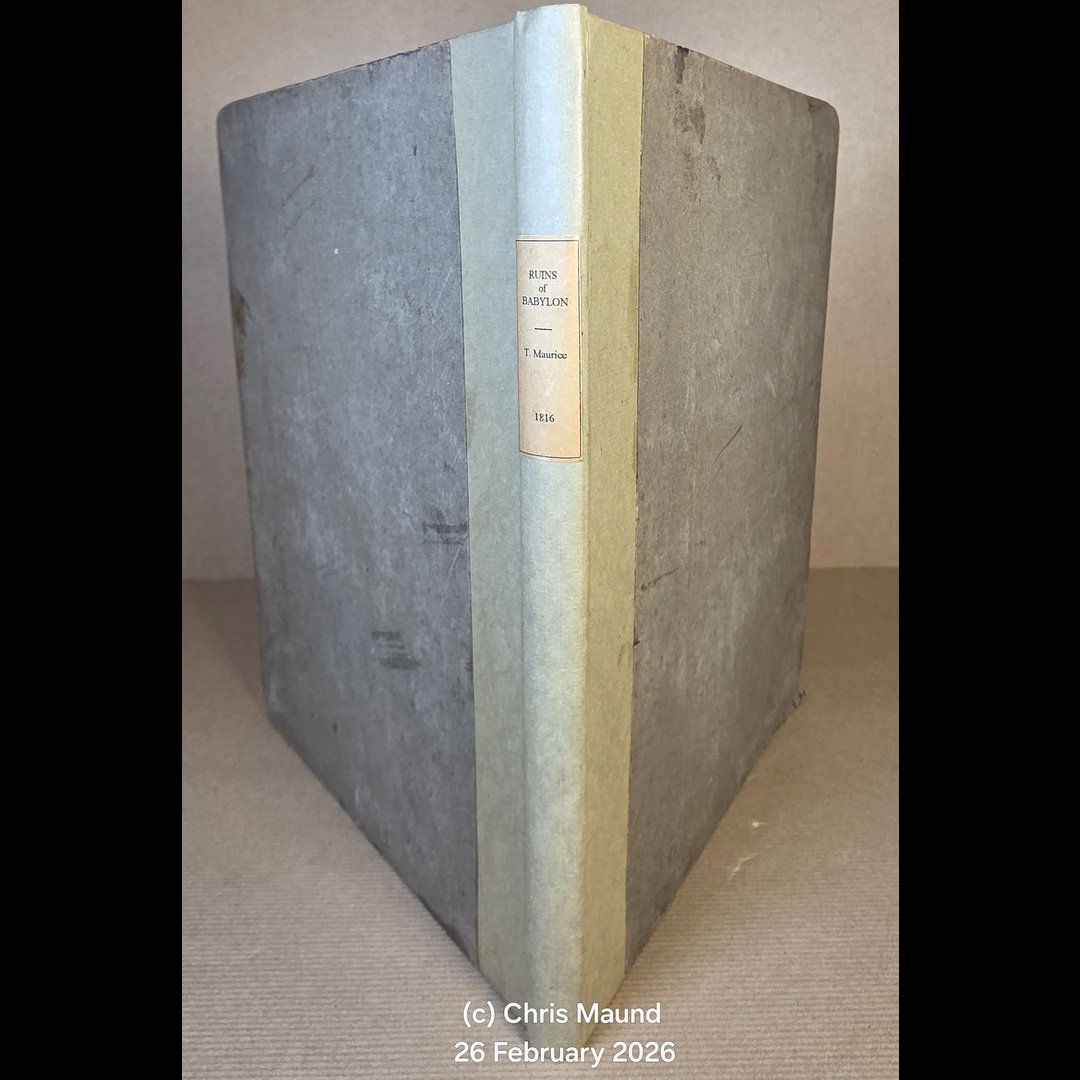
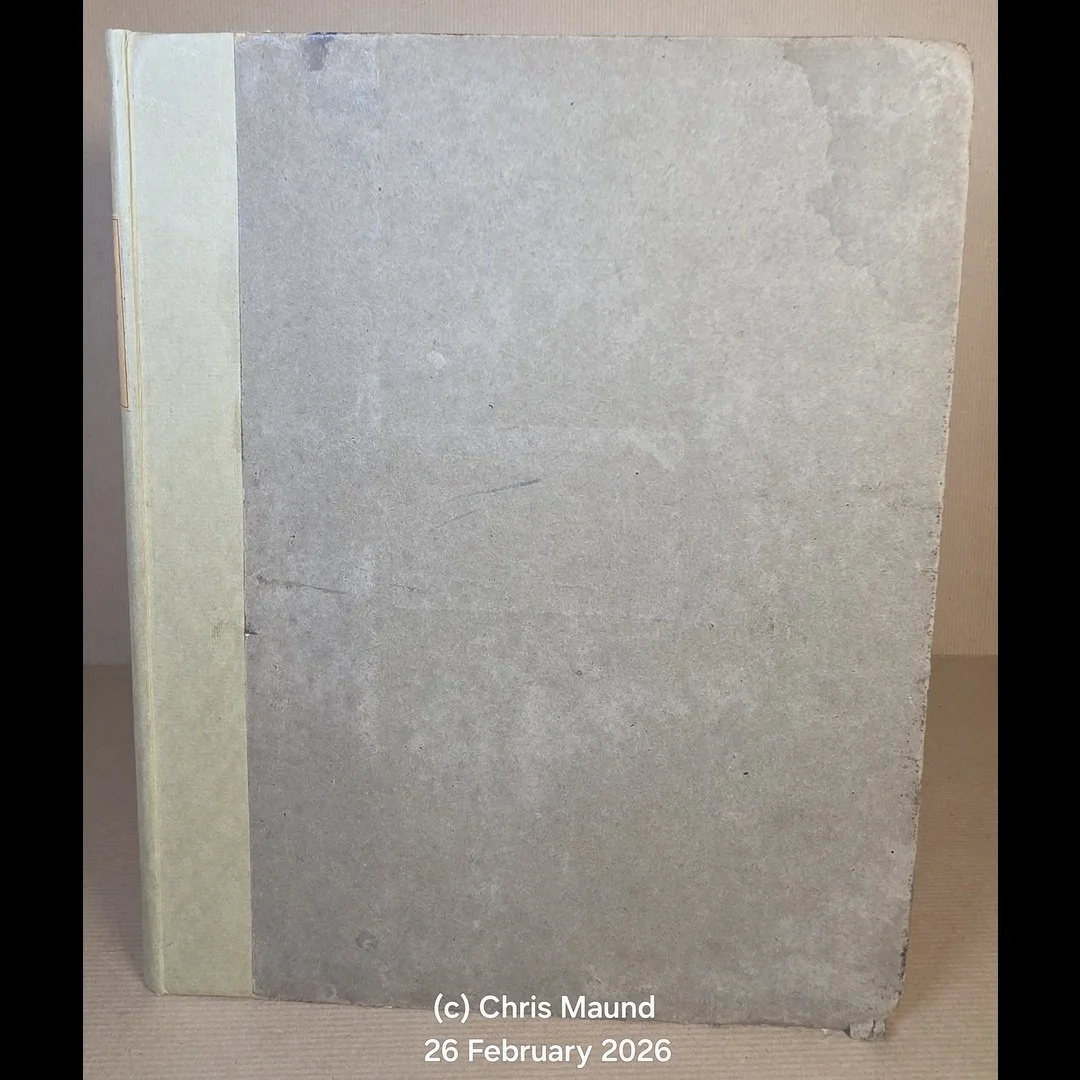
Publisher's brown faux-reptile-patterned cloth over boards. Binding firm and attractive with light general shelf wear and rubbing, principally to the extremities. Corners remain generally tidy. Spine with surface wear and no readily legible titling; comparison copies of the edition are recorded with spine lettering, although variation and wear among surviving examples is evident.
Internally clean and well preserved with light age-related toning and occasional minor handling marks. Hinges sound and text block secure. No textual annotation noted.
Distinctive blue Egyptian Phoenix pictorial stamp to the front free endpaper, as described under Provenance.
Hand-numbered limitation leaf: Limited Edition This is No. 272
The printed limitation leaf does not itself give the total number produced; specialist catalogues record the edition as comprising 300 numbered copies.
Please see Photos as part of condition report.
REFERENCES
Craven, James Brown. Doctor Robert Fludd (Robertus de Fluctibus), the English Rosicrucian: Life and Writings. Kirkwall: William Peace, 1902. xvi, 260 pp. Wellcome Collection and Folger Shakespeare Library both record the 1902 Kirkwall edition with this pagination.
Weiser Antiquarian Books. Occult Research Press, n.d. [c.1960], Limited Edition, copy No. 274; xvi, 260 pp.; publisher's faux-reptile binding; no dust jacket issued. Weiser notes that the total limitation is not stated in the book but is believed to have been 300 copies.
Ken Sanders Rare Books. Occult Research Press, n.d., Limited Edition Facsimile Reprint, copy No. 17 of 300, 260 pp., brown reptile-patterned cloth.
Second Story Books. Occult Research Press, c.1950, copy No. 122/300; xvi, 260 pp.; facsimile reprint of the William Peace edition of 1902. The earlier dating assigned by this catalogue differs from the circa 1960 attribution given by Weiser Antiquarian.
Hall, Manly P. The Secret Teachings of All Ages. Illustration captioned “An Egyptian Phœnix”, after Wilkinson's Manners and Customs of the Ancient Egyptians.
SYNOPSIS
Robert Fludd was one of the most remarkable figures of early seventeenth-century English intellectual and esoteric culture. A physician, writer and natural philosopher, he attempted to explain creation as a unified system in which the human body, the heavens, medicine, mathematics, music and divine power reflected one another through an elaborate structure of correspondences.
Craven begins by examining the philosophical and theological traditions that shaped Fludd's worldview, moving from medieval Christian mysticism and Neoplatonism through Renaissance Hermetic and occult philosophy. Particular attention is given to Trithemius, Agrippa and Paracelsus and to the intellectual environment from which Fludd's own synthesis emerged.
The narrative follows Fludd through his education, Continental travels and medical career before turning to the remarkable body of literature he produced. His monumental Utriusque Cosmi Historia receives particular attention, together with the diagrams through which Fludd attempted to represent the relationship between God, nature and humanity.
Craven explores Fludd's ideas concerning the divine Monad, number and proportion, celestial influences, medicine and disease, body and soul, music and cosmic harmony, and the relationship between the visible and invisible worlds. The illustrations reproduced throughout the volume form an important part of this argument, presenting visually the interconnected universe that lay at the centre of Fludd's philosophy.
The book also addresses Fludd's prominent role in the Rosicrucian debates of the early seventeenth century. Fludd publicly defended the aspirations associated with the Brotherhood of the Rosy Cross and consequently became one of the best-known English figures connected with the European Rosicrucian controversy. His philosophical positions brought him into dispute with several major intellectuals of his age, including Kepler, Mersenne and Gassendi.
The concluding sections discuss Fludd's later writings, religious and mystical thought and subsequent reputation, followed by appendices dealing with his bibliography, portraits and related questions including the much-debated relationship between Fludd, Rosicrucianism and early Freemasonry. Craven treats the latter question cautiously rather than claiming a demonstrable Masonic affiliation.
An important study of a central figure in the history of Rosicrucianism, Hermetic philosophy, occult medicine and Renaissance cosmology, here preserved in a scarce numbered edition issued during the formative period of modern specialist occult publishing.
AUTHOR BIO
James Brown Craven (1850–1924) was a Scottish Episcopal clergyman, antiquary and historian. He moved to Orkney in 1876 as rector of St Olaf's Episcopal Church, Kirkwall, where he remained for the rest of his career, later becoming Archdeacon of Orkney. He received an honorary Doctor of Divinity from Aberdeen University in 1908 and was a founder and the first president of the Orkney Antiquarian Society. The National Records of Scotland preserves his papers and records his particular interest in seventeenth-century history.
Alongside his ecclesiastical and local historical studies, Craven developed a notable interest in the figures of Renaissance and early-modern Hermeticism. His writings included studies of Robert Fludd, the physician and Rosicrucian Michael Maier, and the mystical alchemist Heinrich Khunrath. His work on Fludd combined biographical reconstruction with extensive examination of the original writings and helped introduce an otherwise difficult corpus of Latin and early-modern esoteric literature to a wider English-speaking readership.

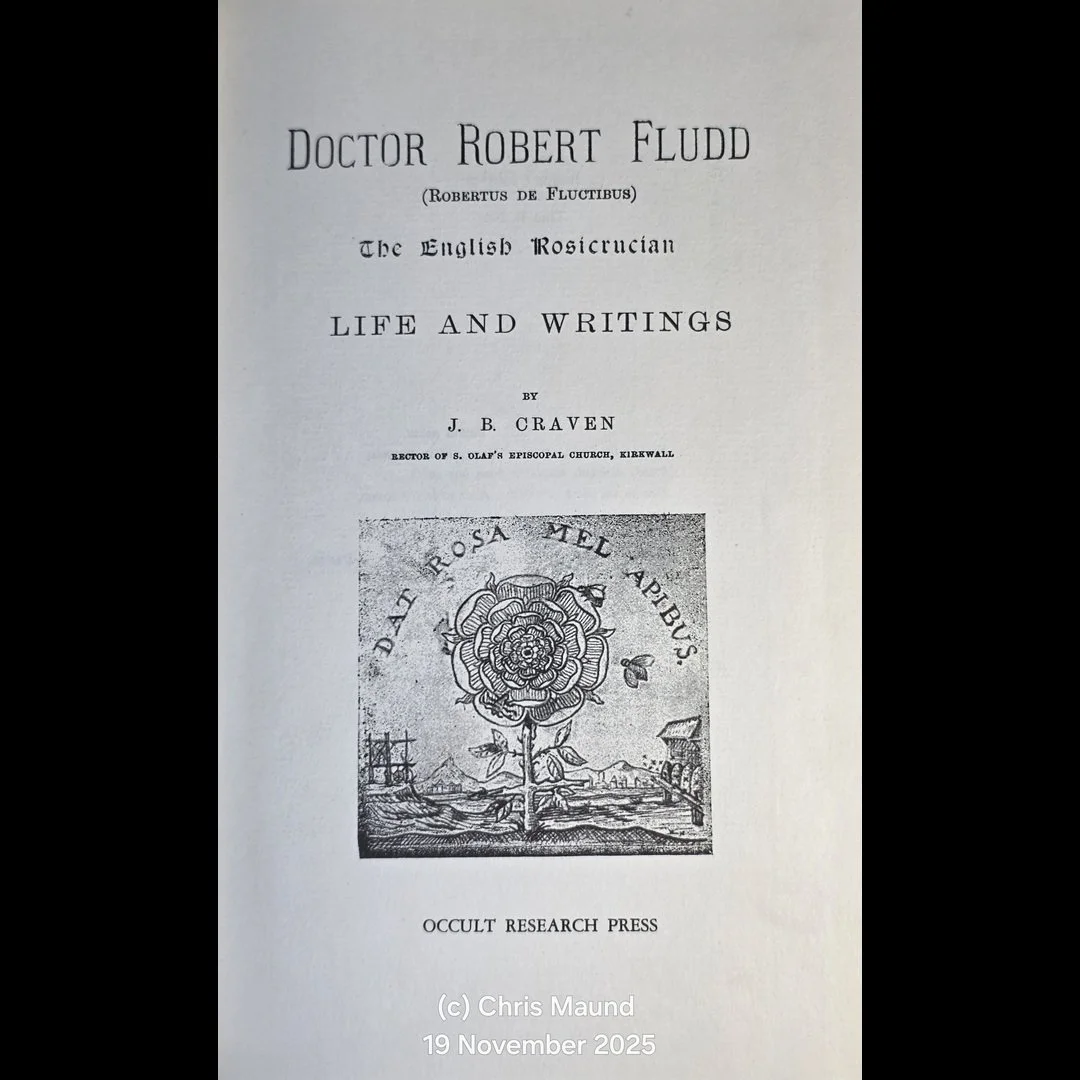 Image 1 of 27
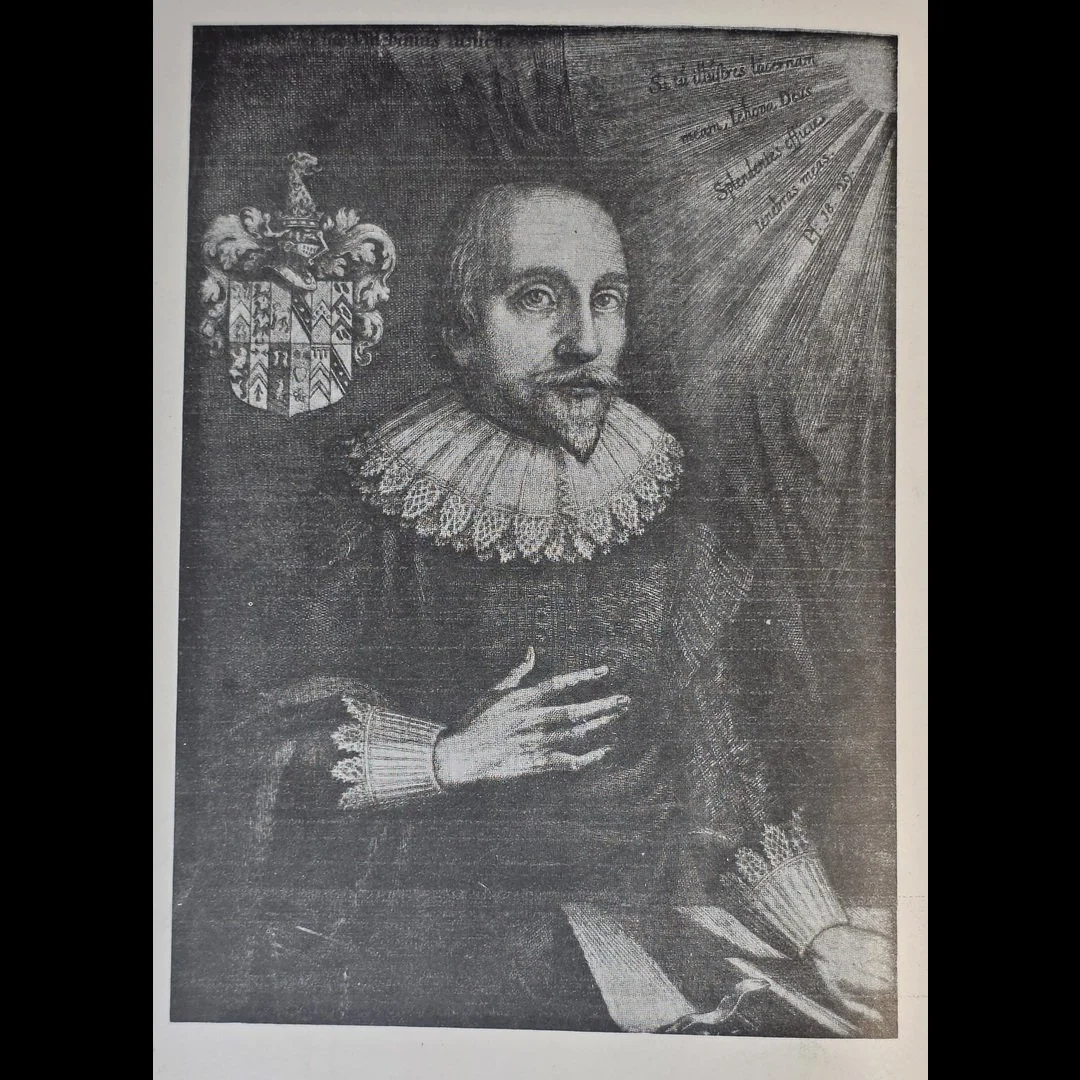 Image 2 of 27
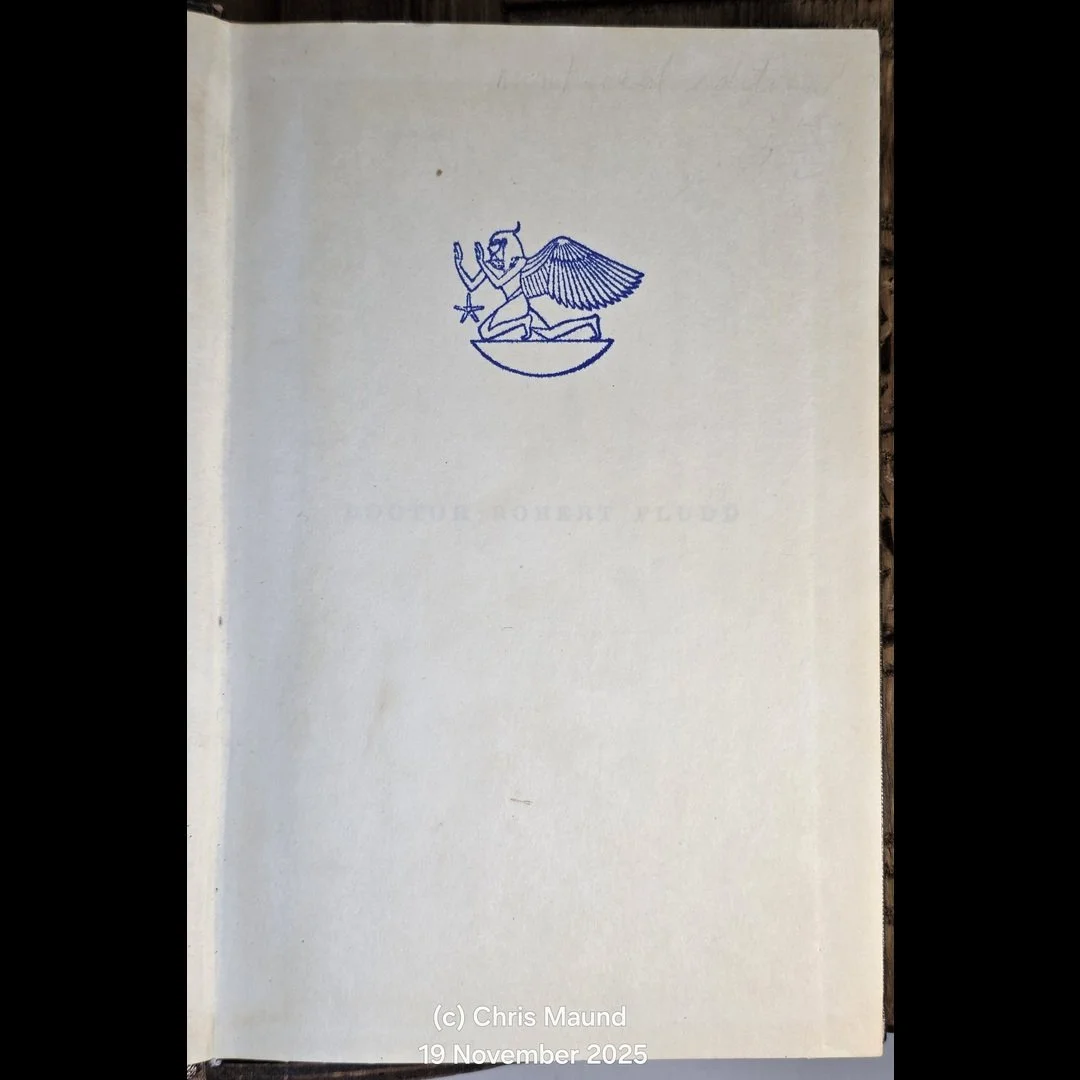 Image 3 of 27
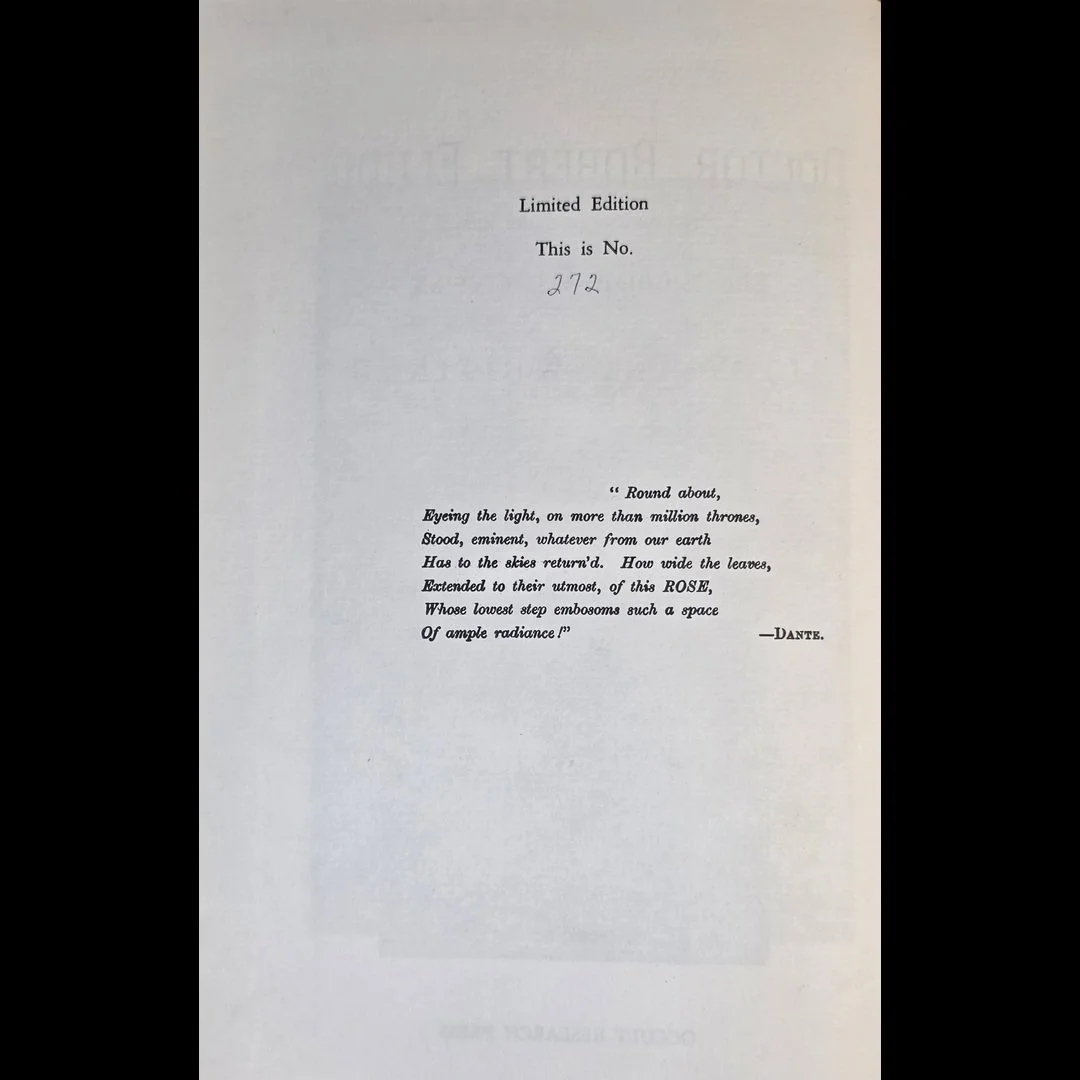 Image 4 of 27
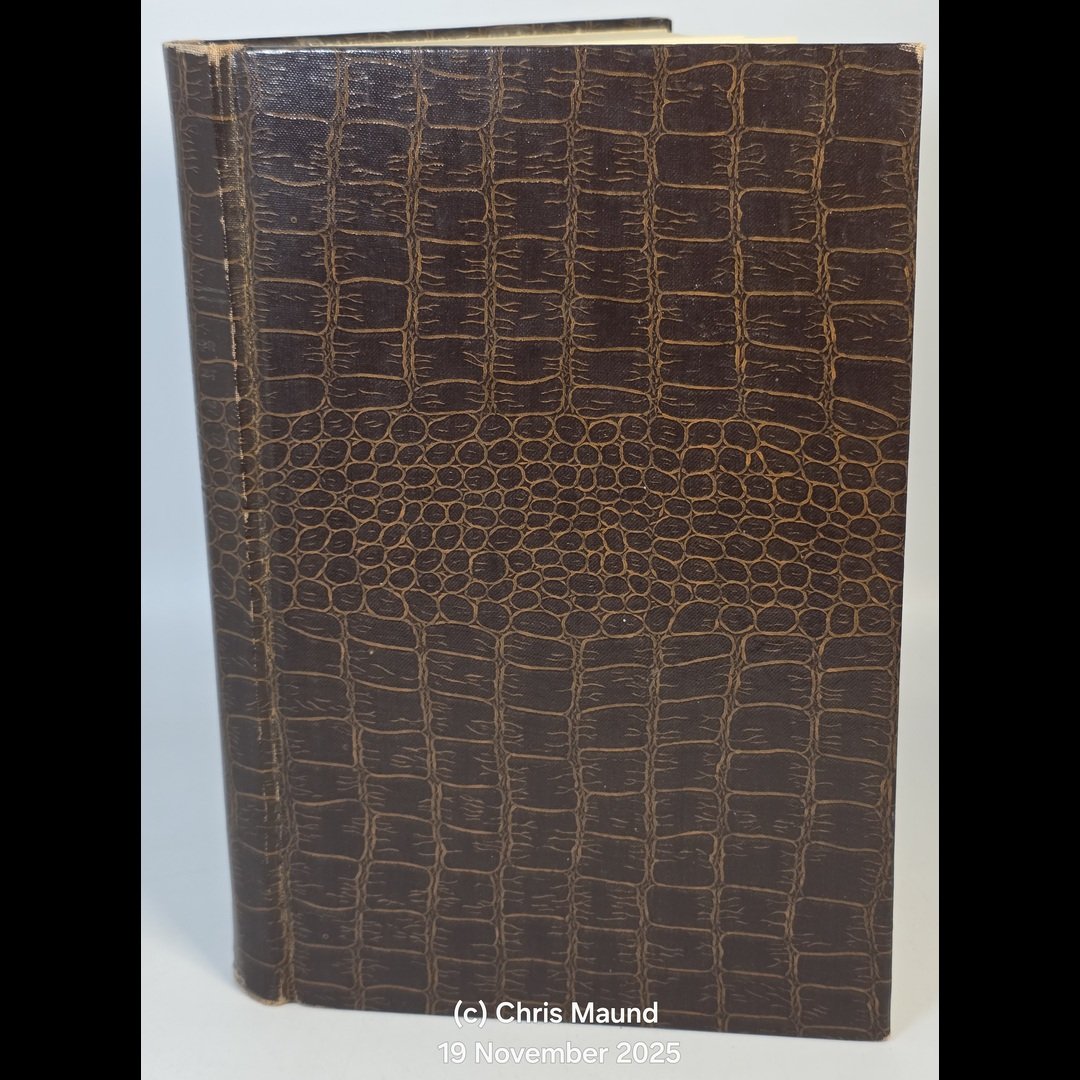 Image 5 of 27
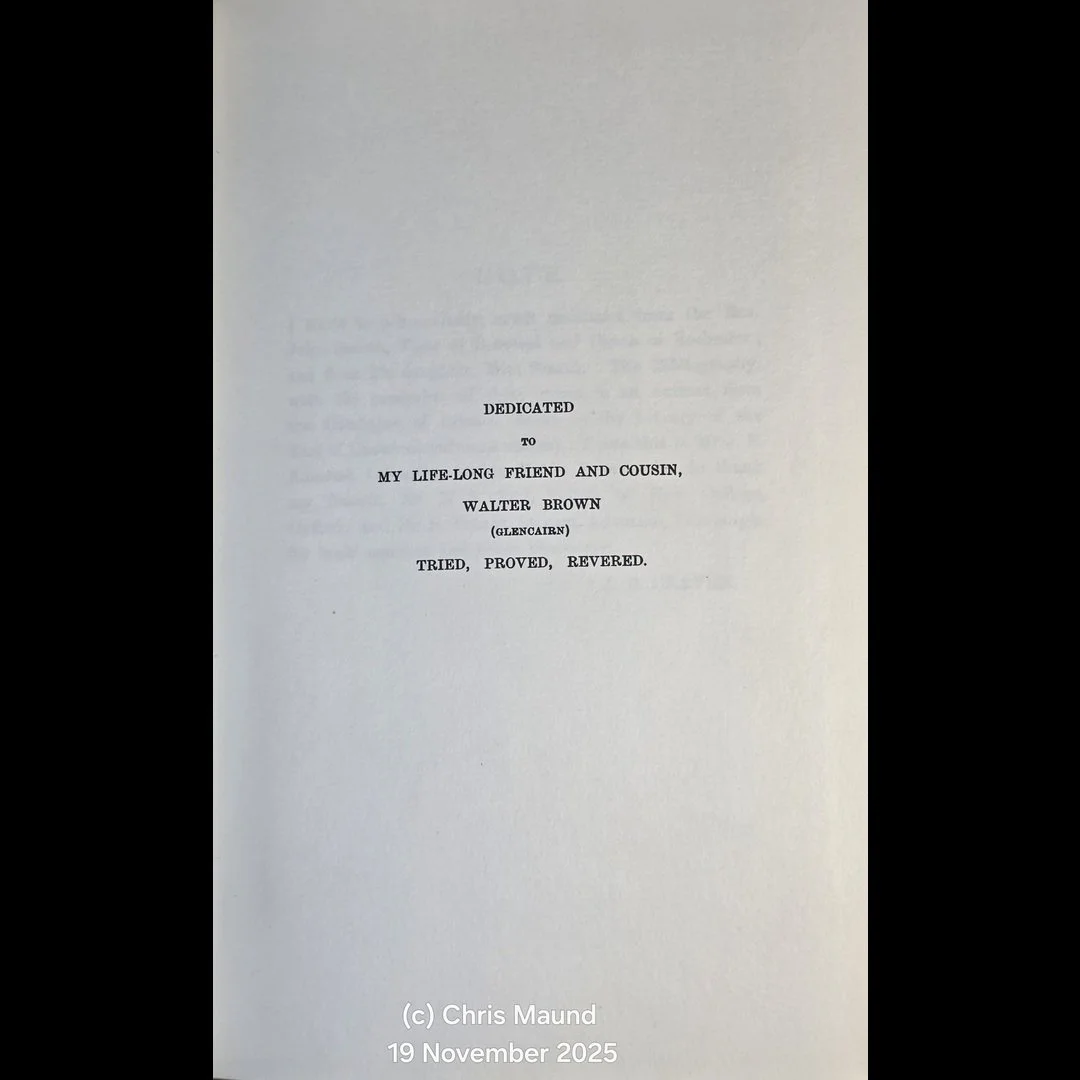 Image 6 of 27
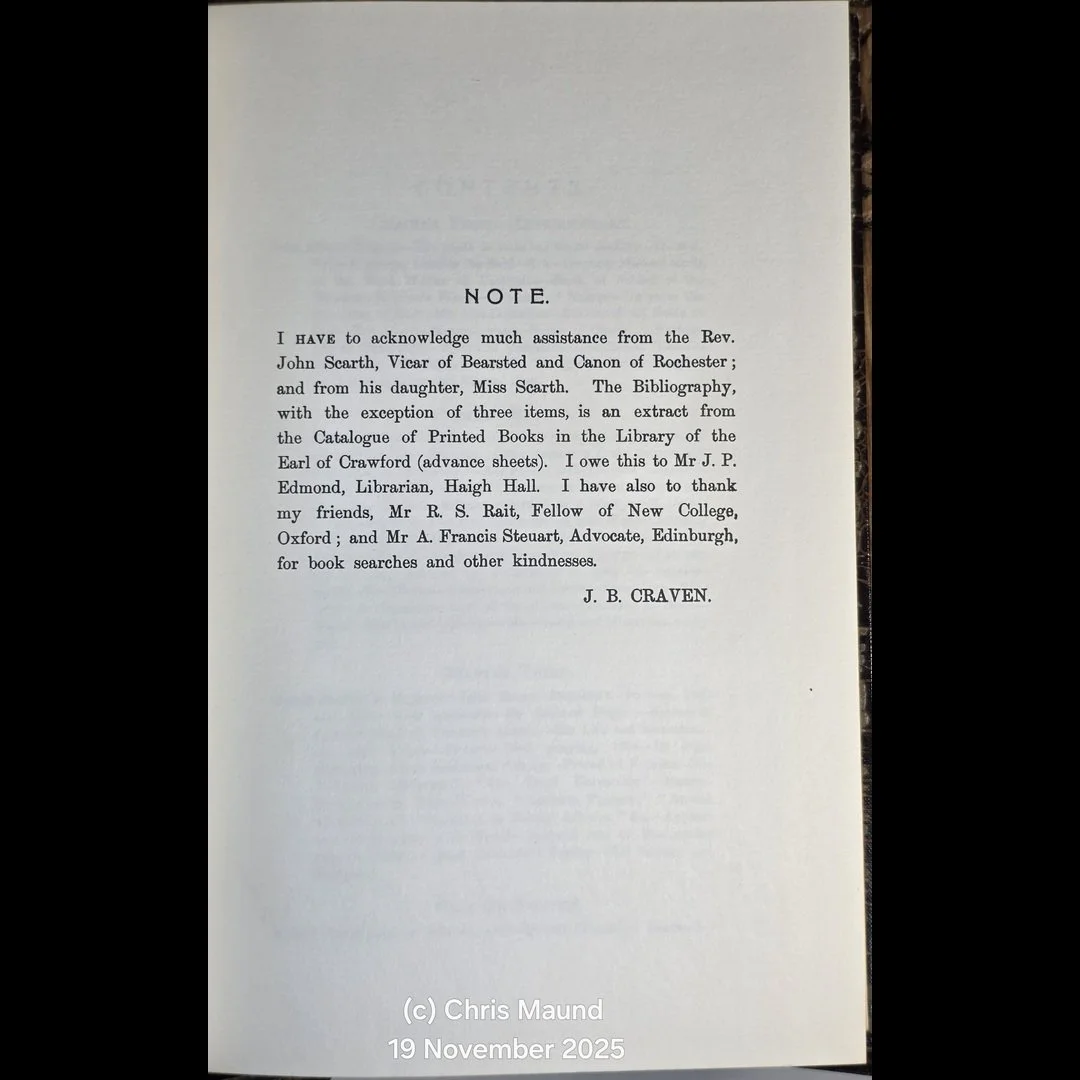 Image 7 of 27
 Image 8 of 27
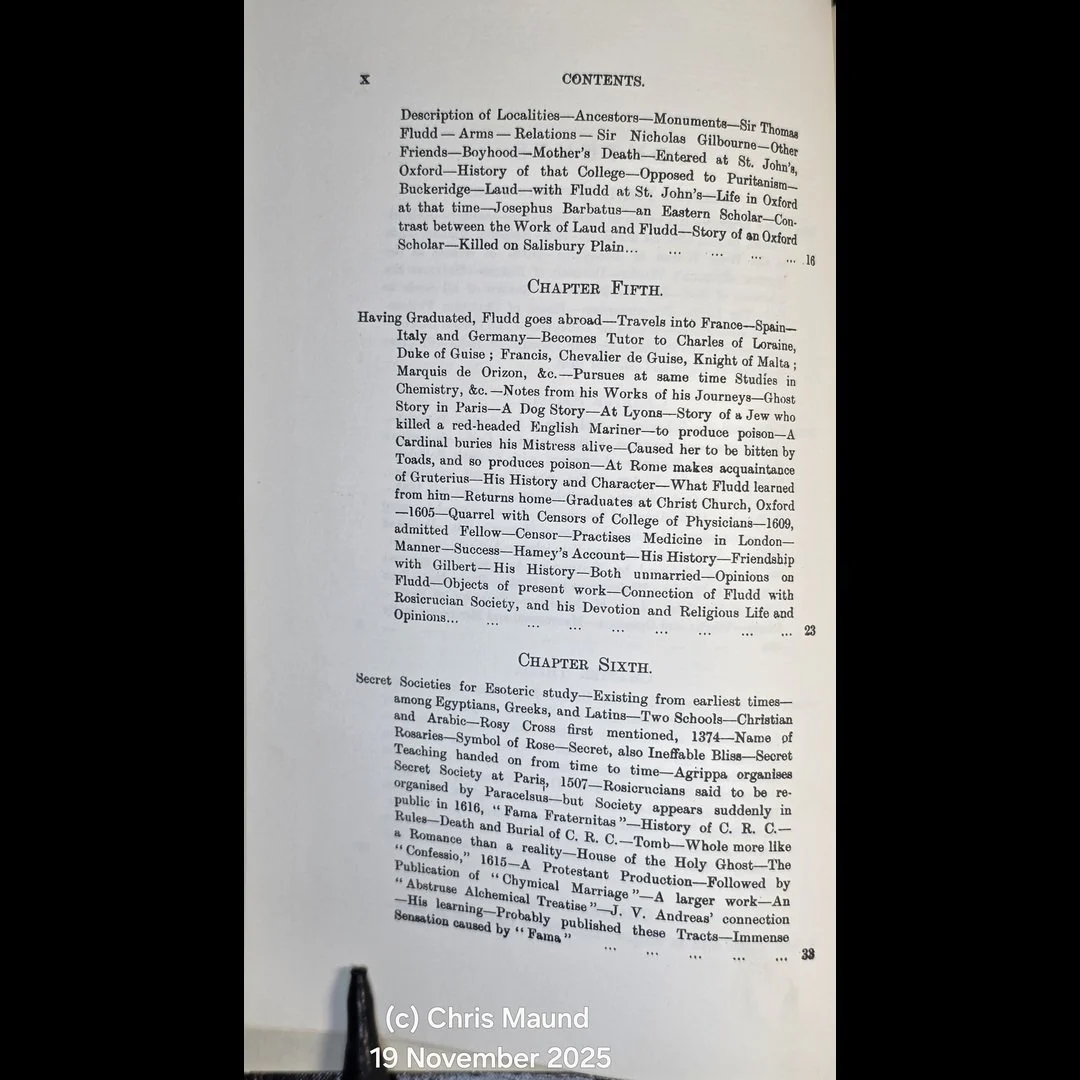 Image 9 of 27
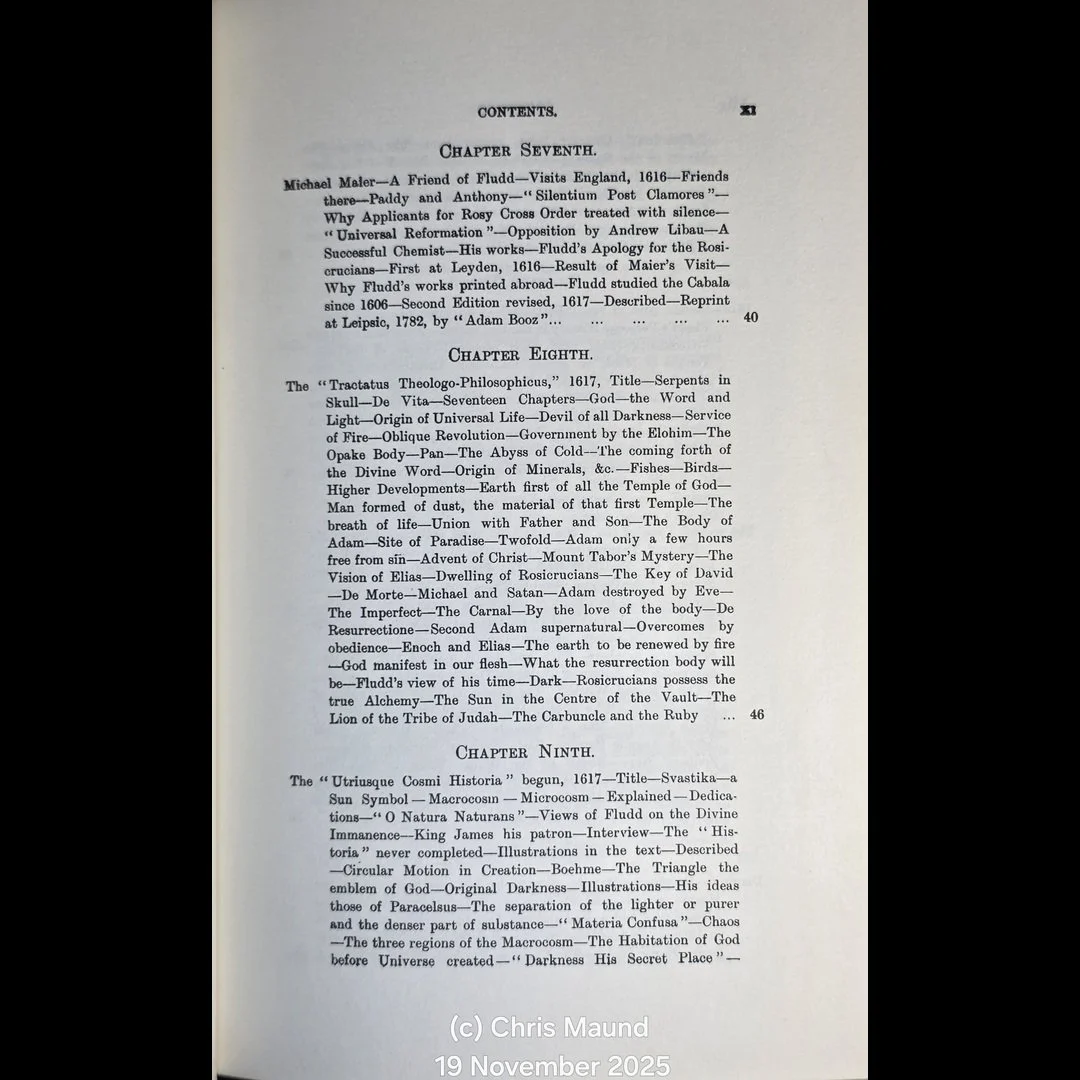 Image 10 of 27
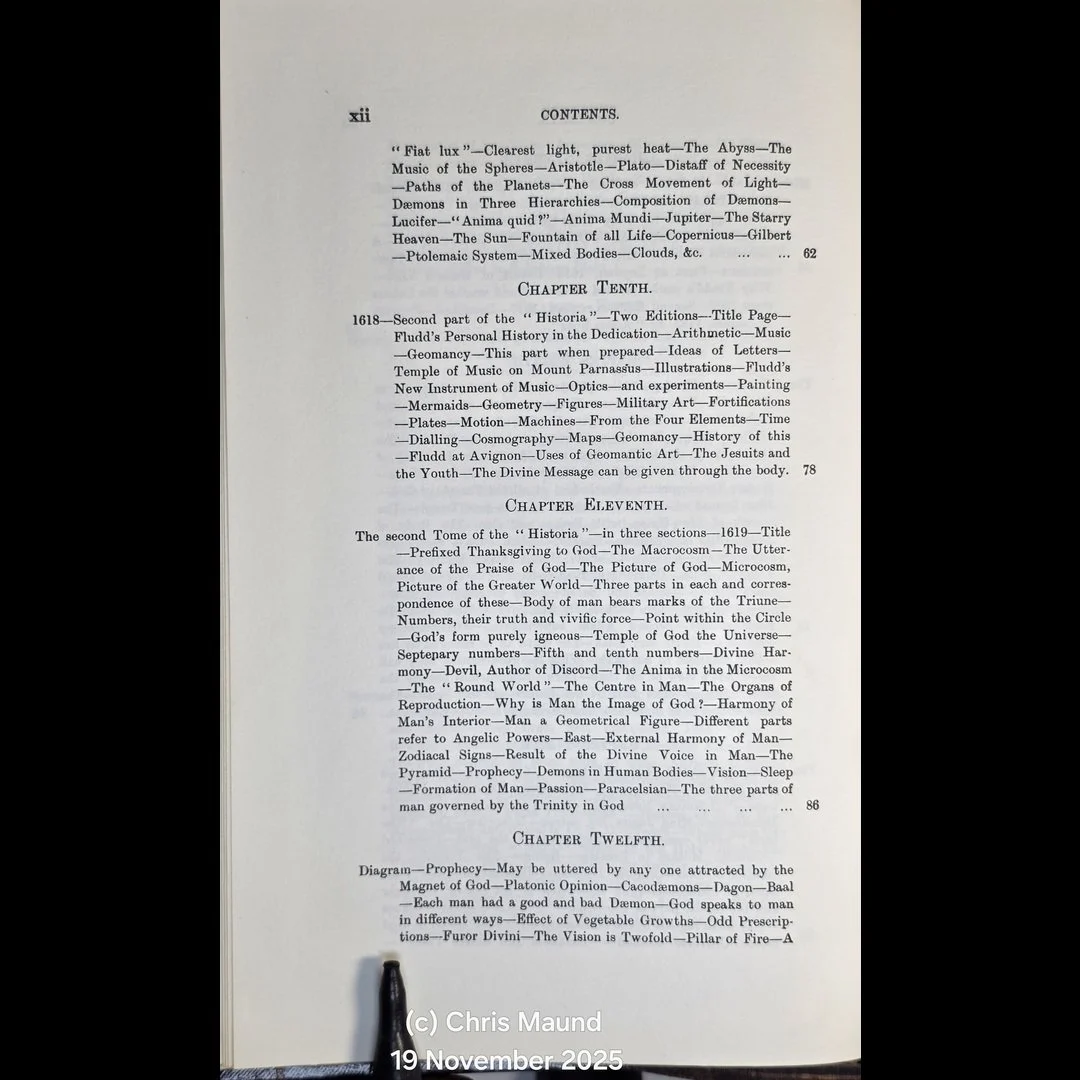 Image 11 of 27
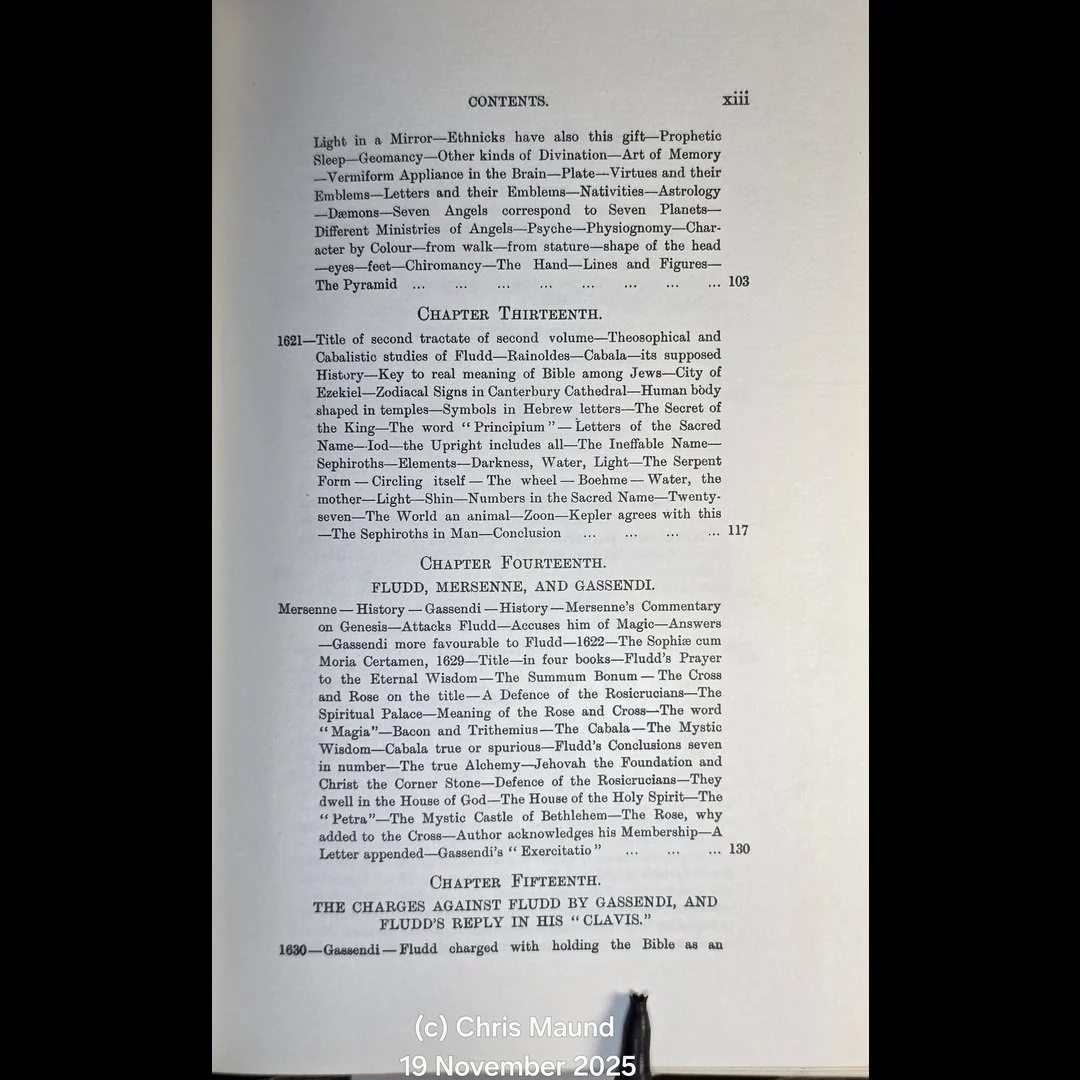 Image 12 of 27
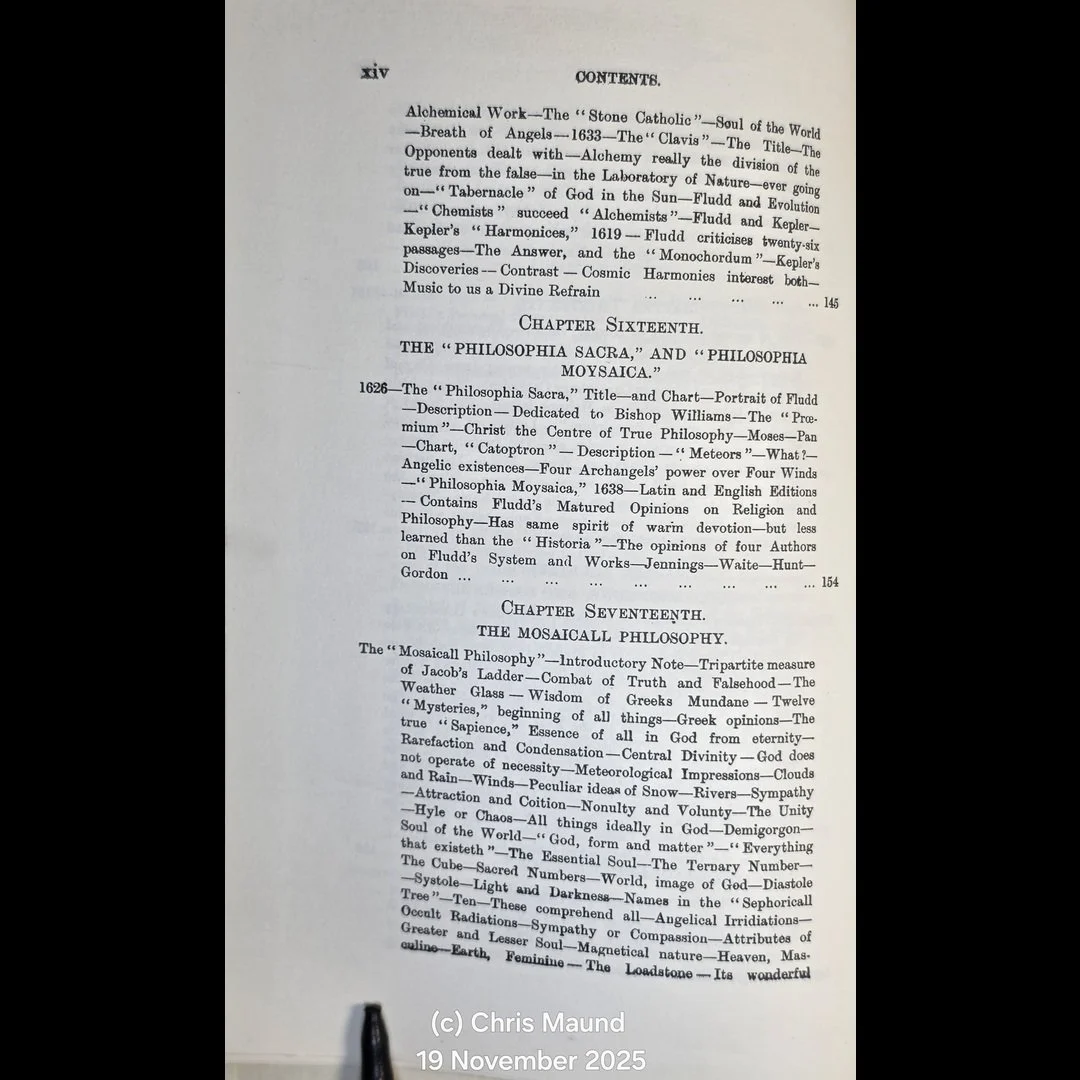 Image 13 of 27
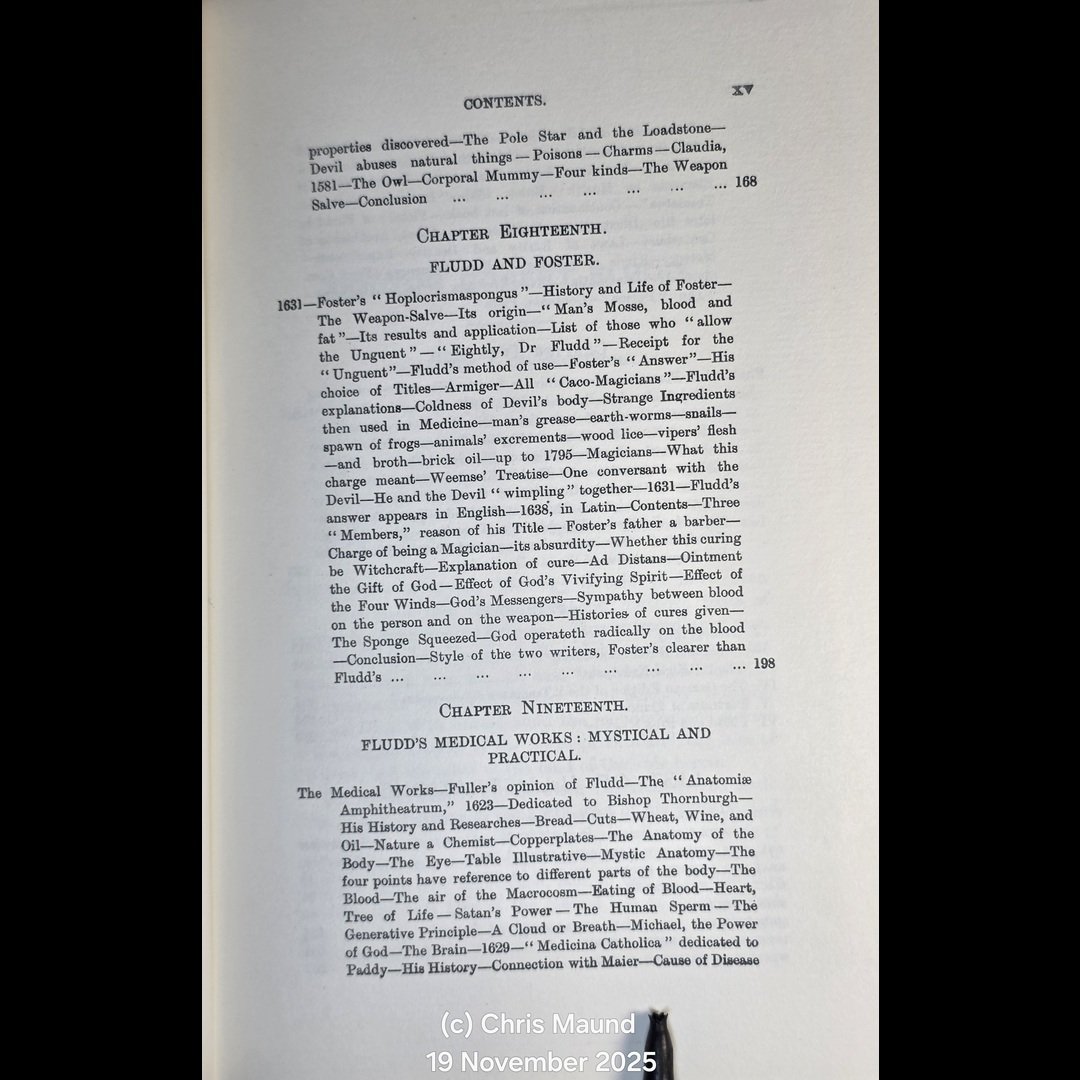 Image 14 of 27
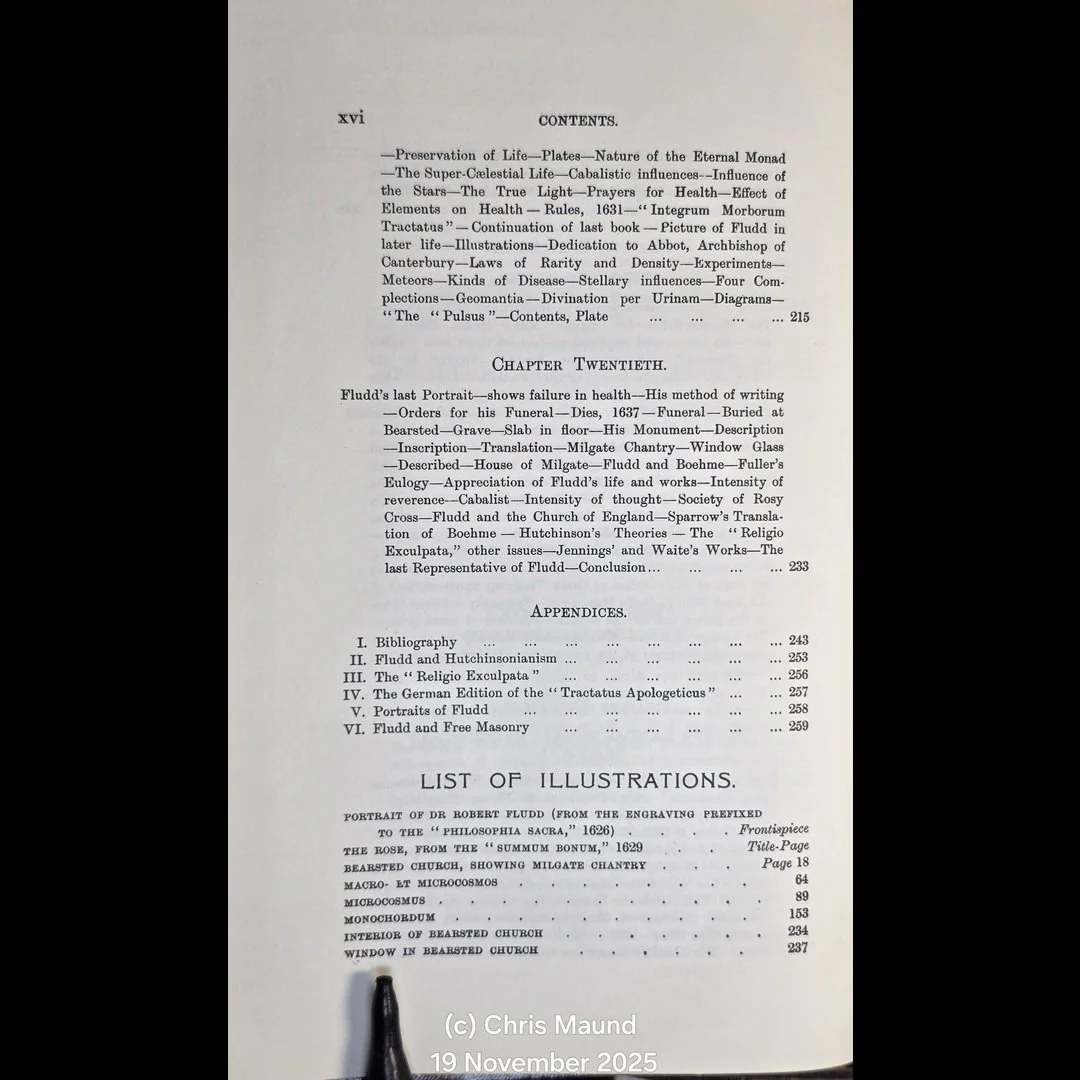 Image 15 of 27
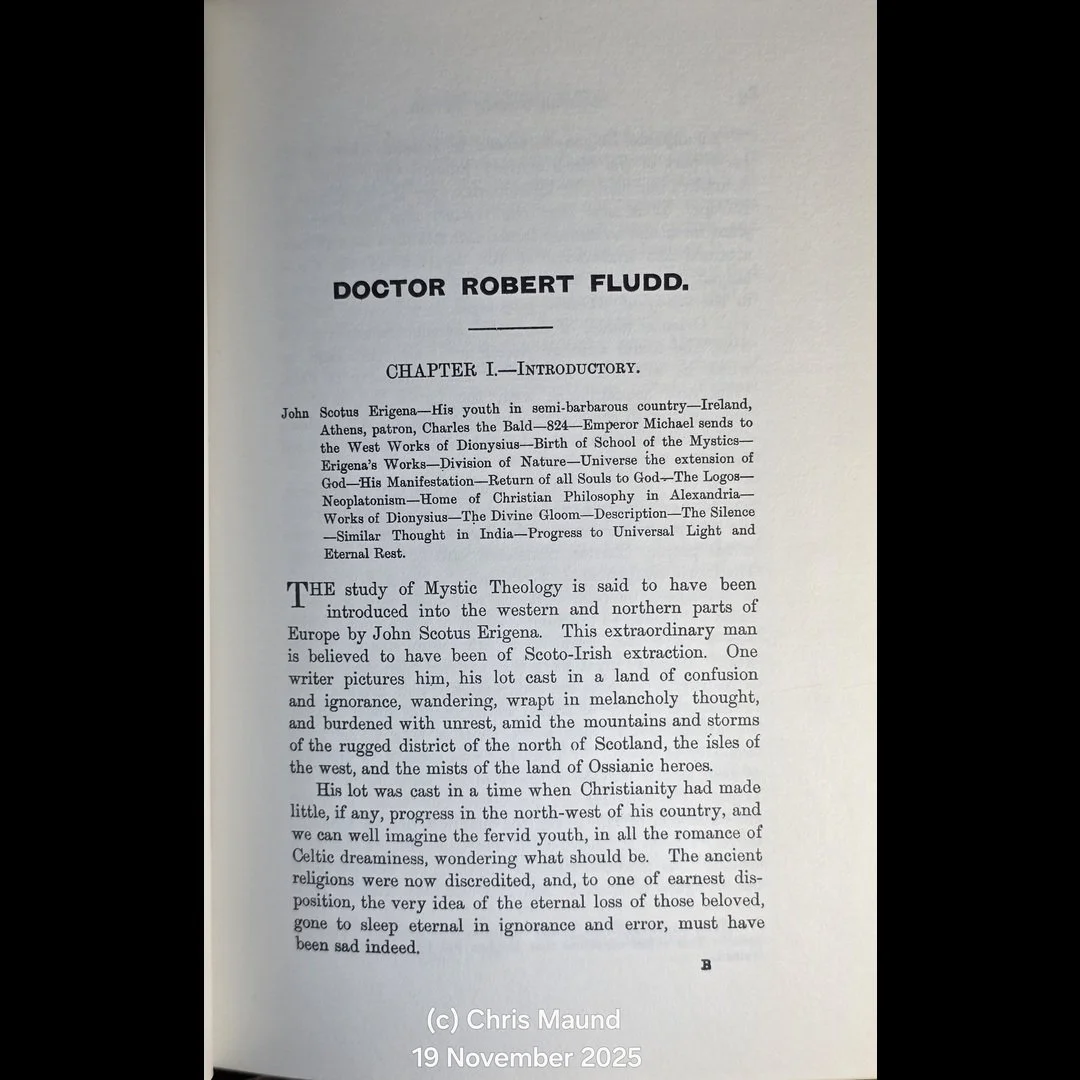 Image 16 of 27
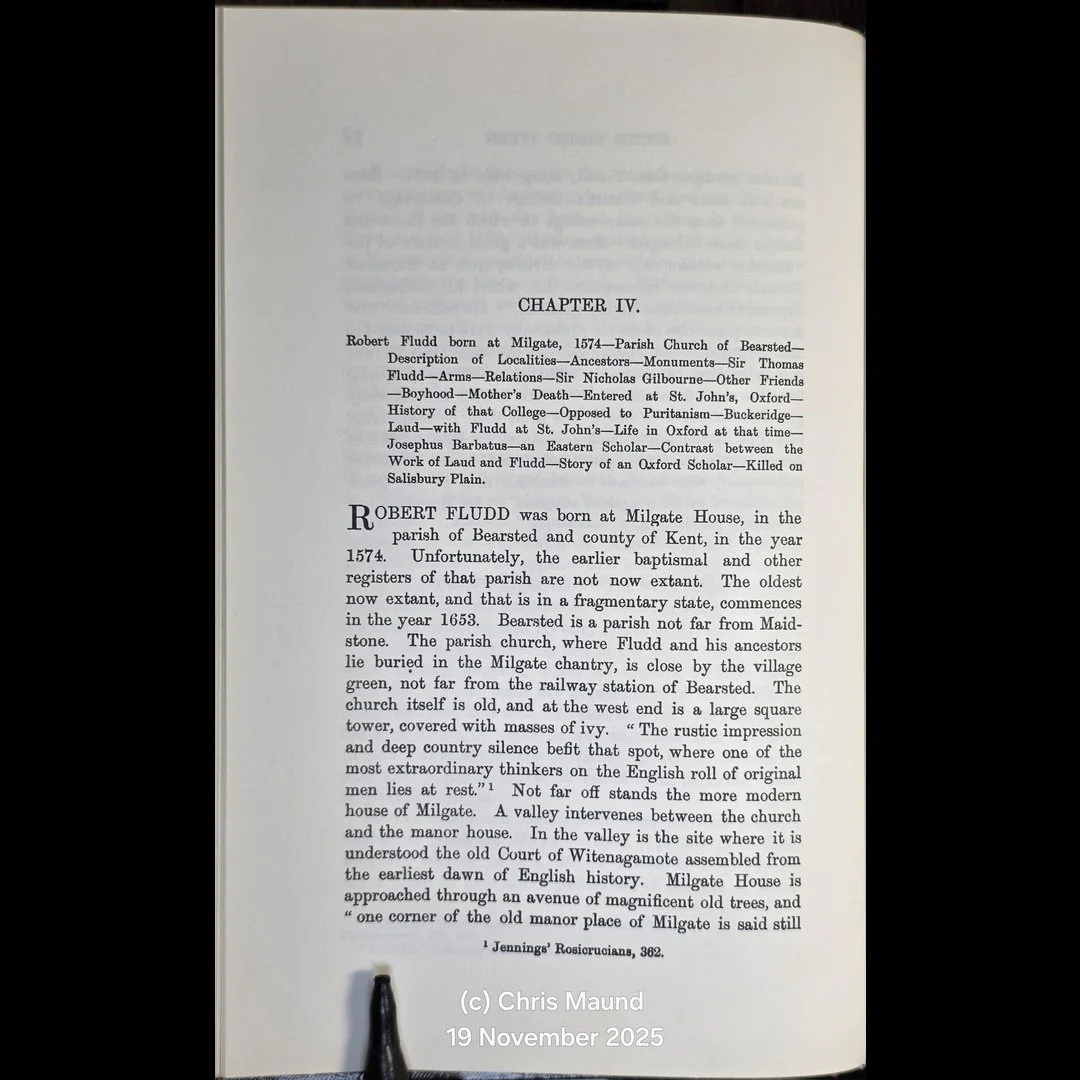 Image 17 of 27
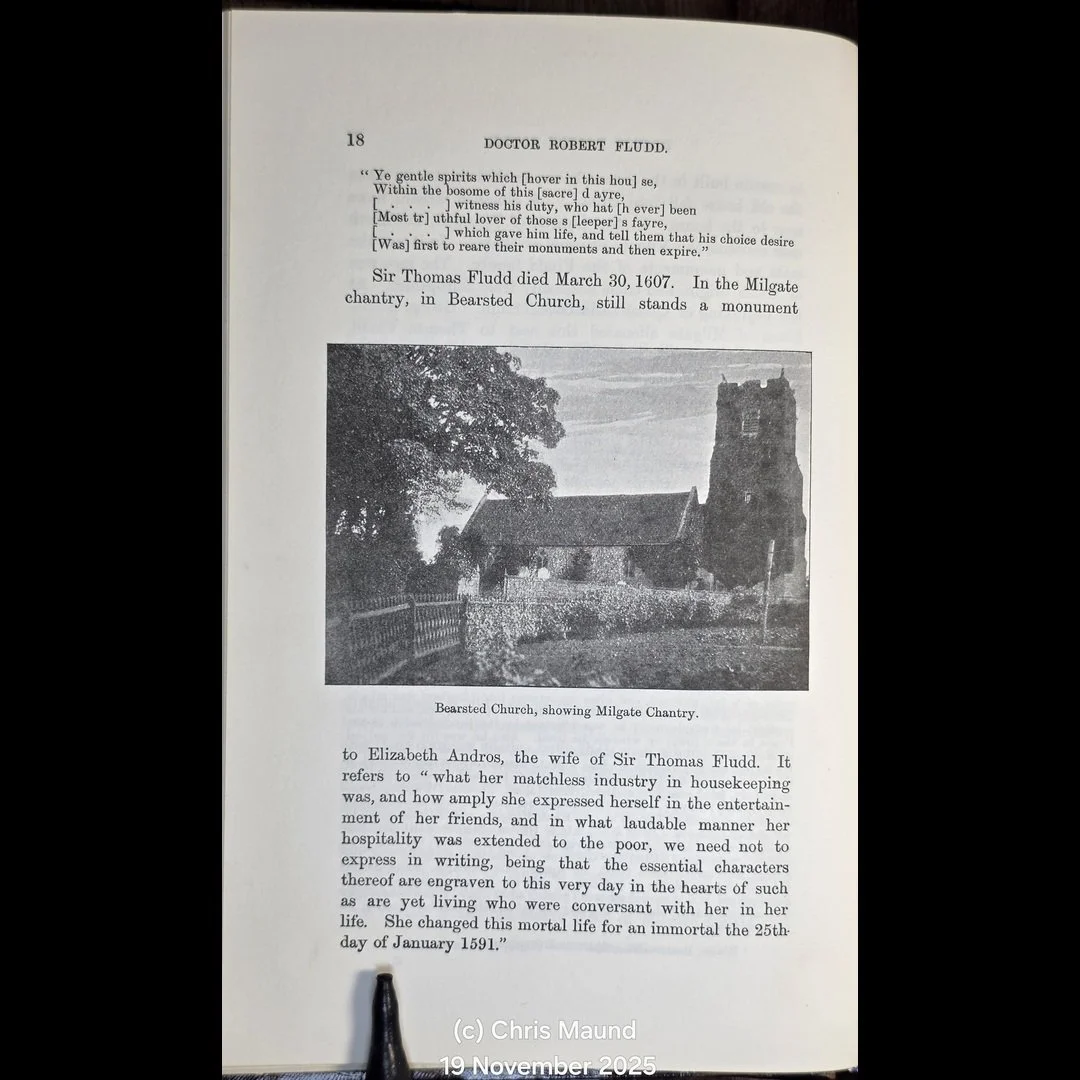 Image 18 of 27
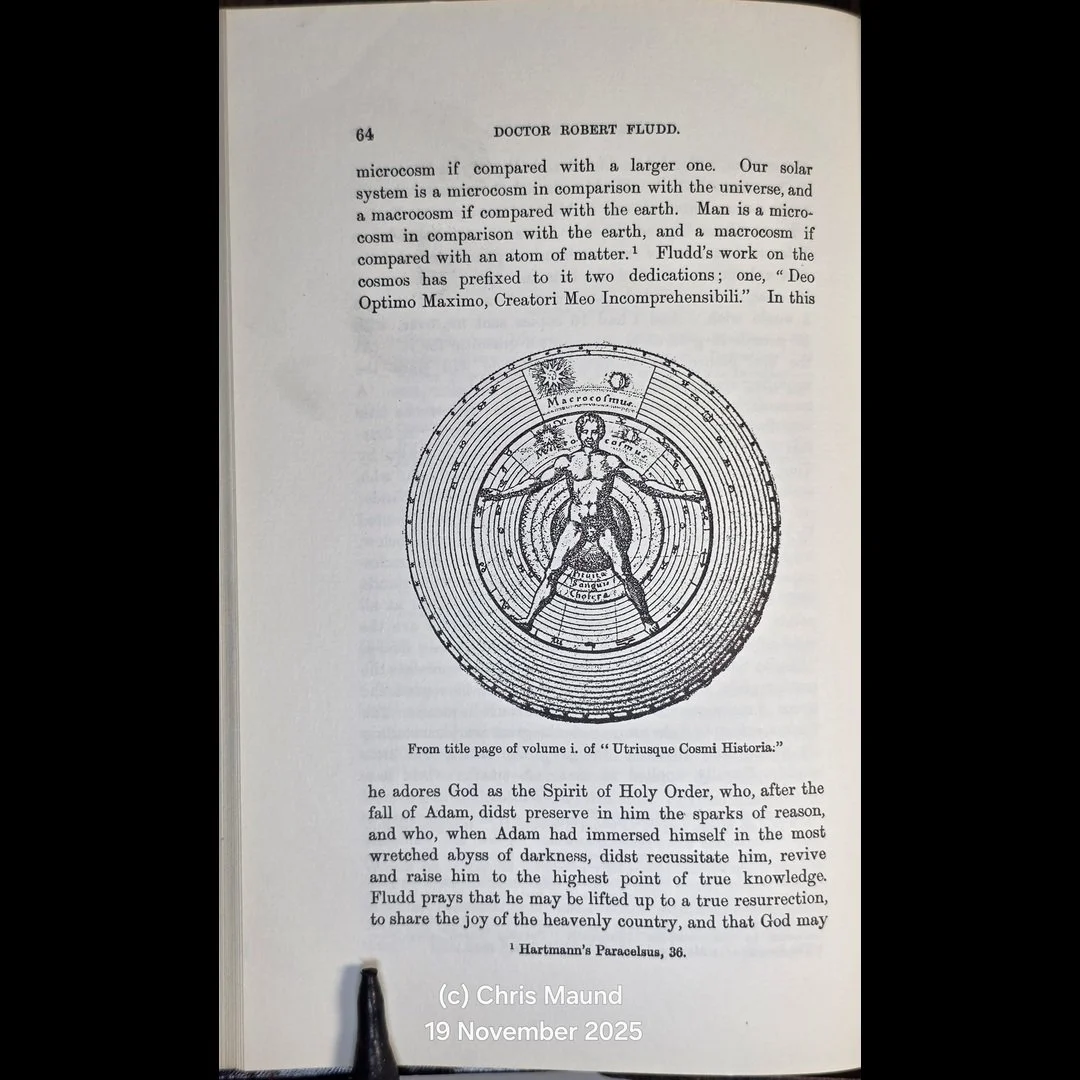 Image 19 of 27
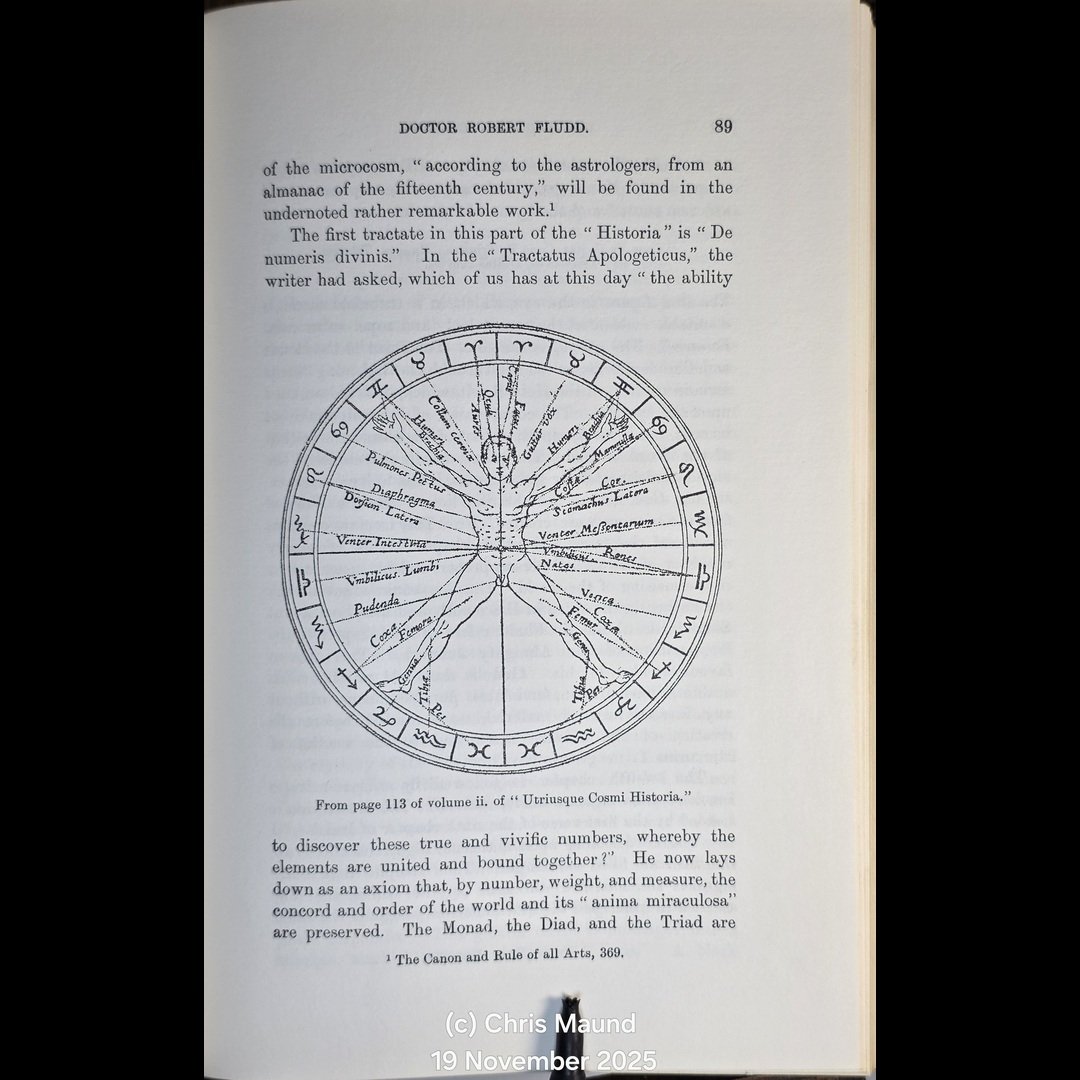 Image 20 of 27
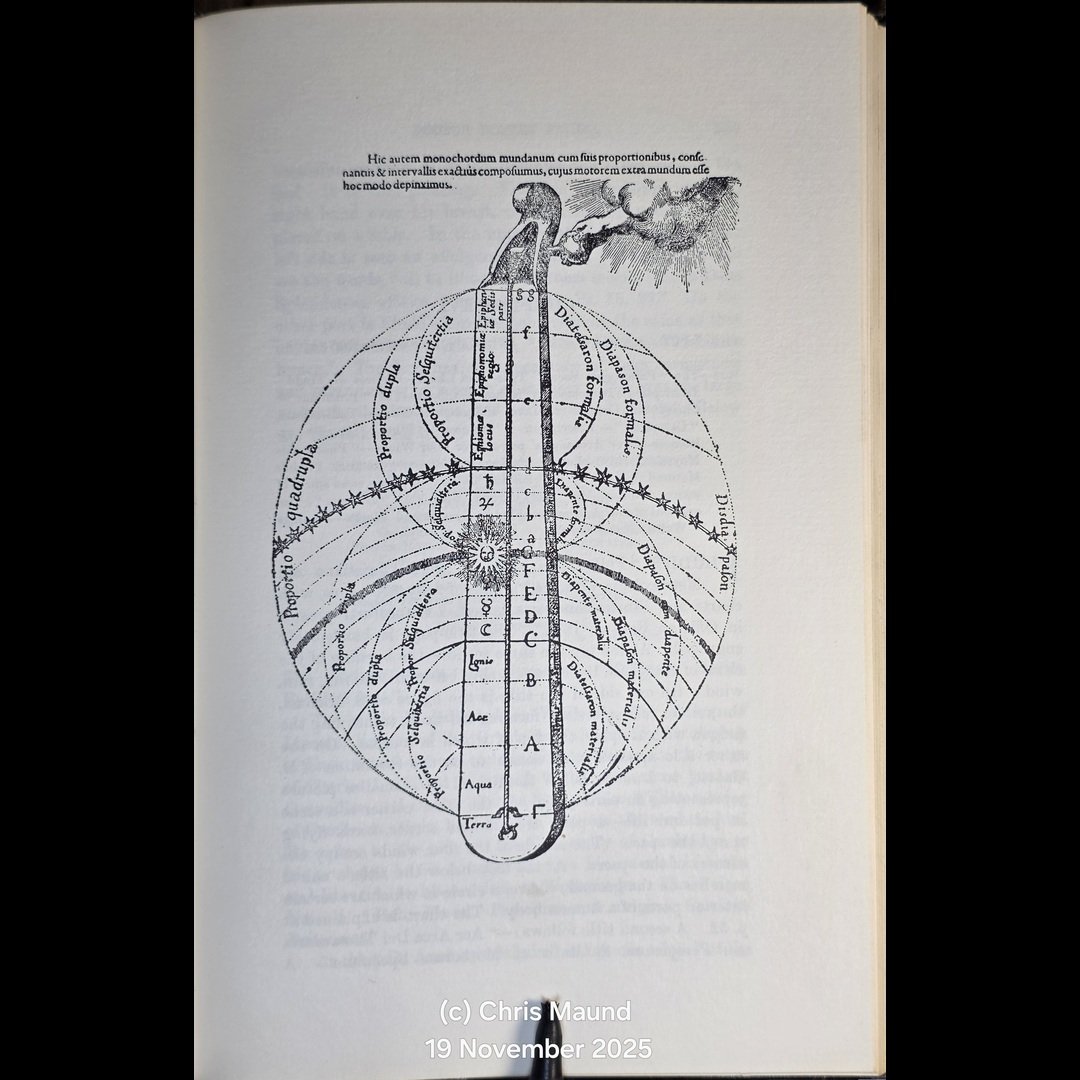 Image 21 of 27
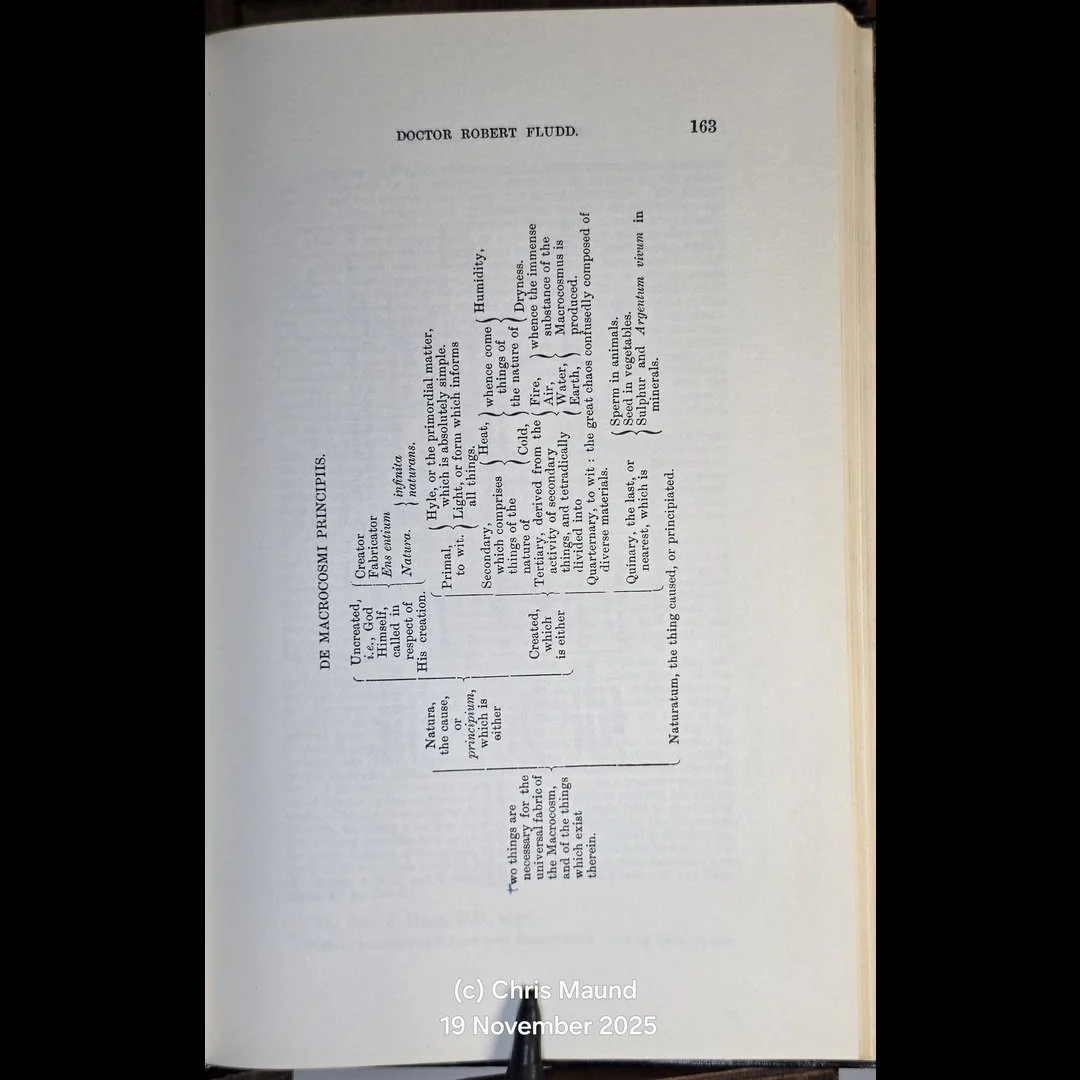 Image 22 of 27
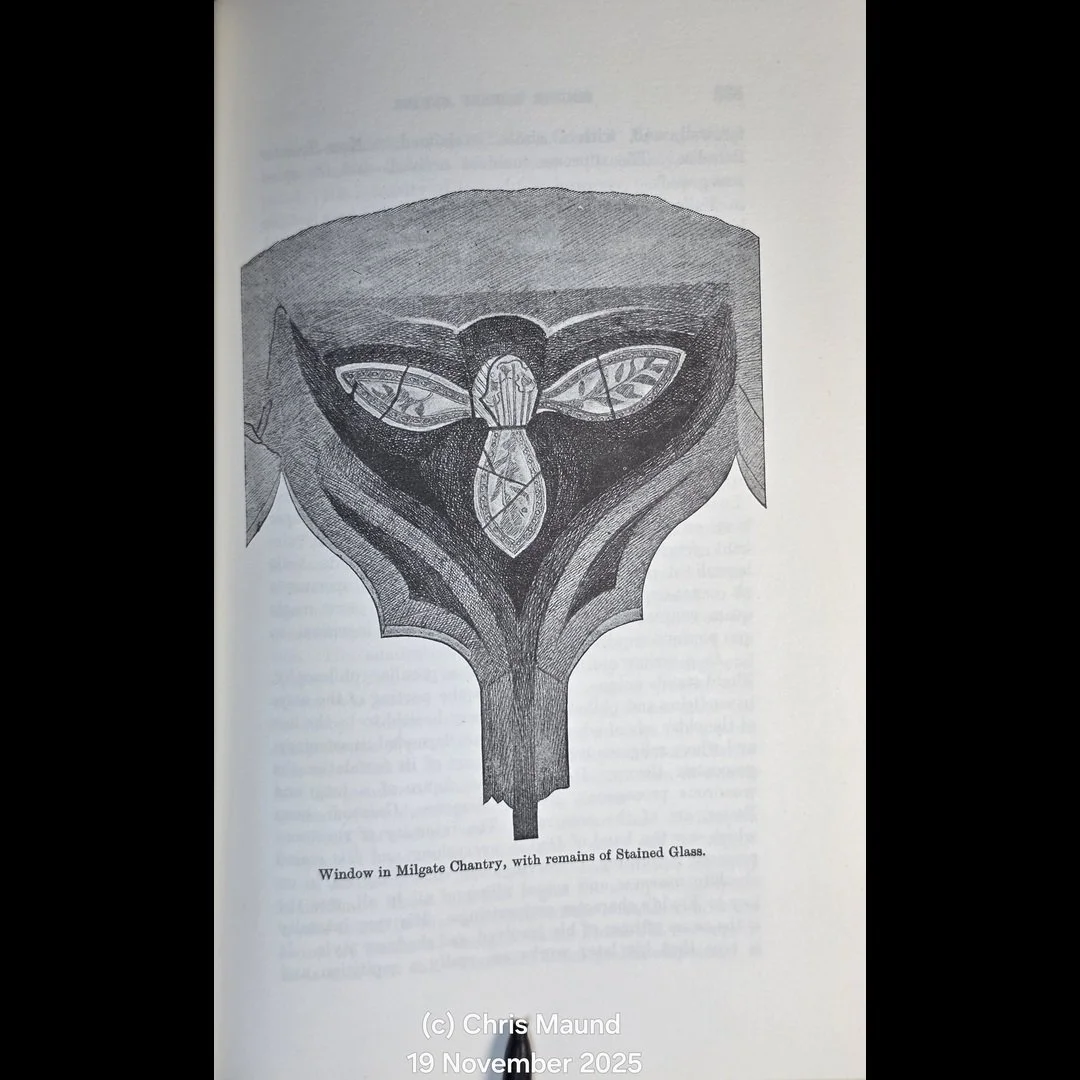 Image 23 of 27
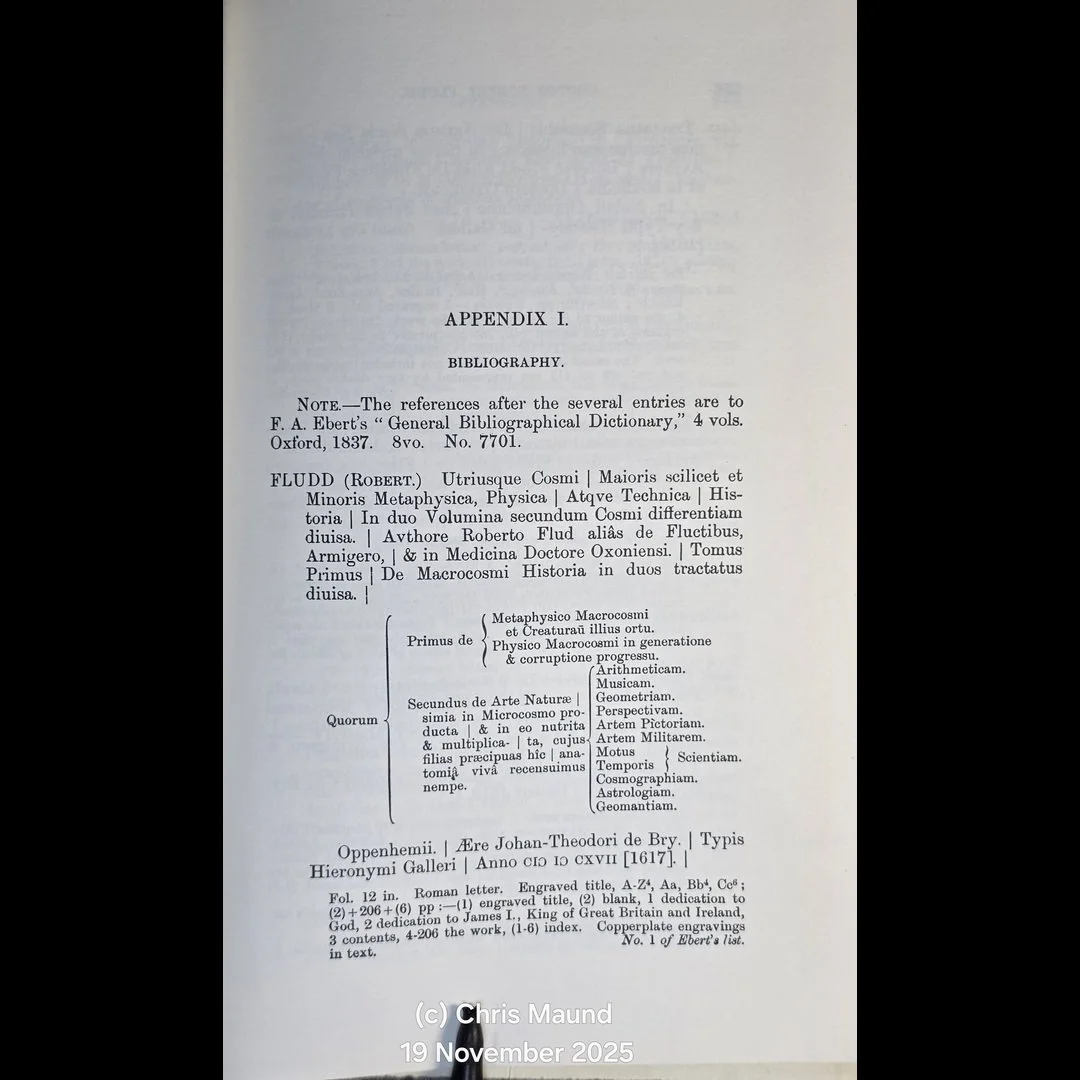 Image 24 of 27
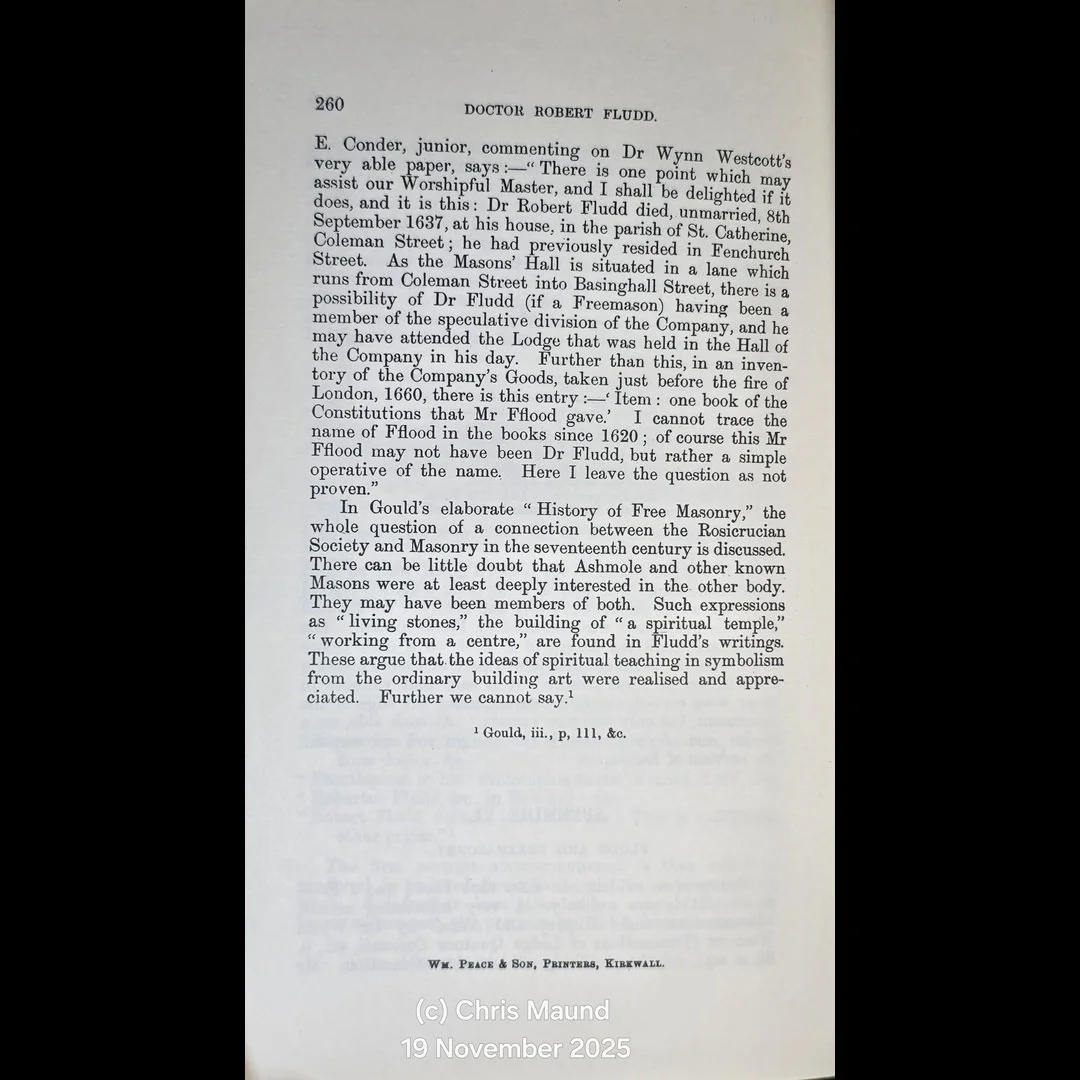 Image 25 of 27
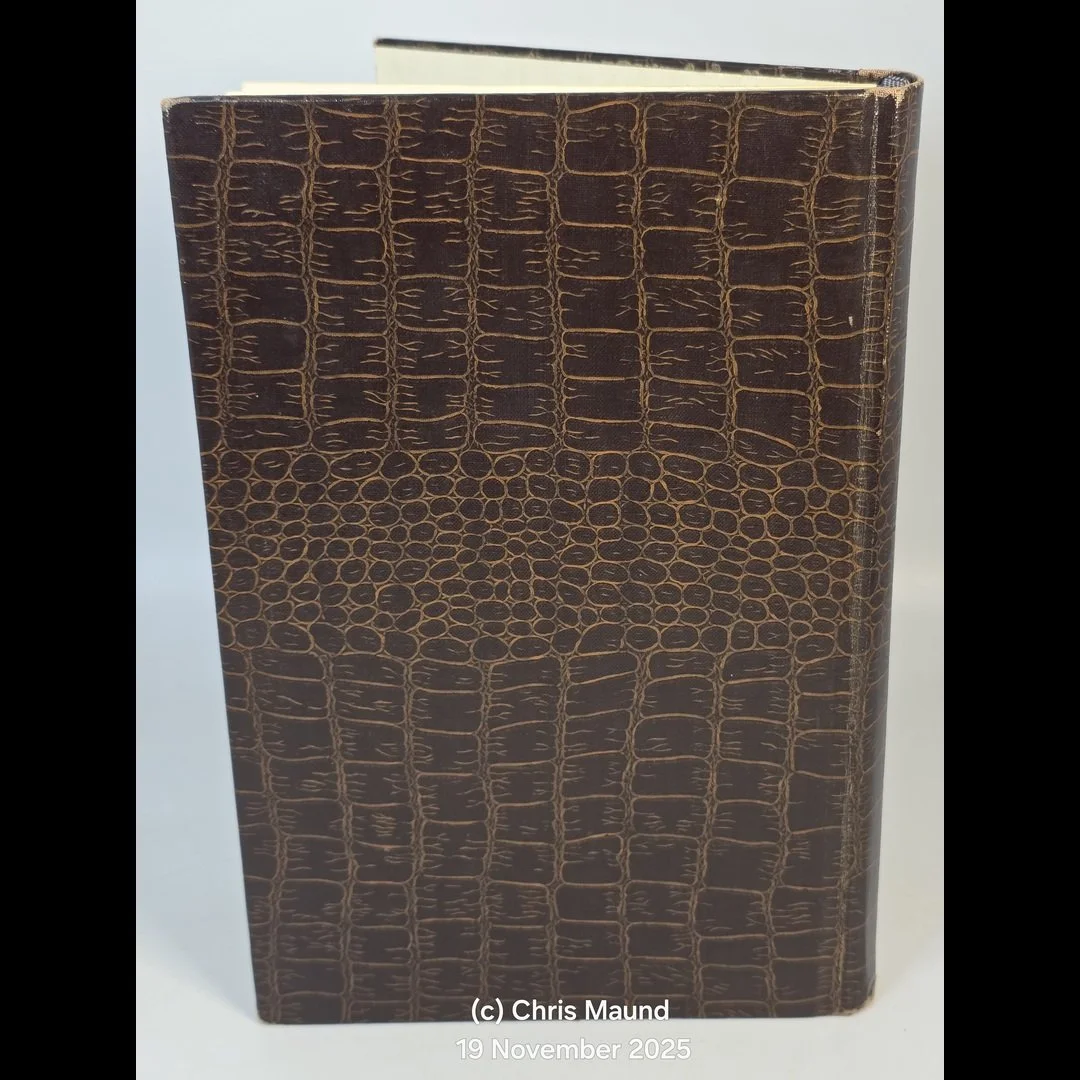 Image 26 of 27
 Image 27 of 27