Sale Price:
£1,900.00
Original Price:
£1,995.00
1536 Venice Edition
EUSEBII CAESARIENSIS EVANGELICAE DEMONSTRATIONIS LIBRI DECEM
By Eusebio di Cesarea
KEY DETAILS
Condition: Good+
Format: Vellum, folio (fo 12 × 19 in 305 × 483 mm )
Note: Binding/size selection follows standard bibliographic conventions and is approximate; exact measurements may vary.
Published By: Venetiis, in officina Aurelii Pincii Veneti, Italy, 1536
Language: Latin
Illustrated By: Anon
Collation: π⁶ A–H⁴ I–Z⁶ AA–GG⁶ HH¹⁰
Dust Jacket: None, as issued
SKU: BTETM0002687
Shipping Info: Approximate Package Dimensions H: 12.5, L: 30, W: 25 (Units: cm), W: 2Kg
Tracked Shipping, Insurance Coverage as per Customer Request
DESCRIPTION
EUSEBII CAESARIENSIS EVANGELICAE DEMONSTRATIONIS LIBRI DECEM
Donatus Veronensis vertit
A substantial and appealing Renaissance folio of one of the foundational texts of early Christian apologetics: Eusebius of Caesarea’s Demonstratio Evangelica, here in the Latin translation of the Veronese humanist Bernardino Donato, and printed at Venice by Aurelio Pinzi in March 1536.
This Venice edition belongs to the wider humanist recovery of the Greek Fathers in sixteenth-century Italy, and preceded the first printed Greek text of the Demonstratio Evangelica by about eight years. The work itself was conceived as the companion to Eusebius’s Praeparatio Evangelica and represents one of the most ambitious apologetic syntheses of the early Church.
With an attractive old vellum binding, the spine formed or restored with manuscript waste from an earlier liturgical manuscript or antiphonal, giving the volume considerable shelf presence. The title page bears a striking woodcut vignette, and the text is enlivened throughout by decorative woodcut initials.
CONDITION, COLLATION & COPY NOTES
COLLATION
π⁶ A–H⁴ I–Z⁶ AA–GG⁶ HH¹⁰
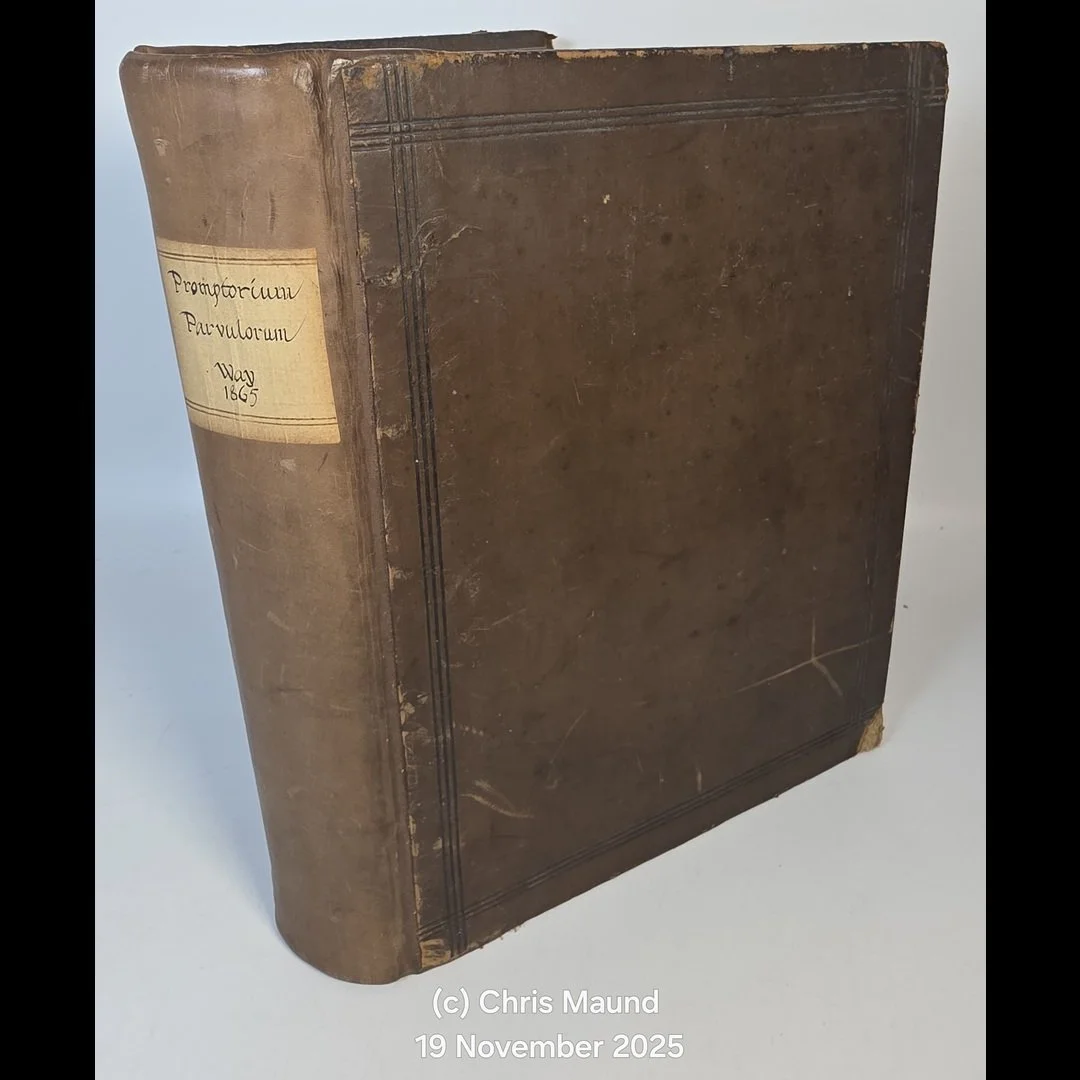
A sound and attractive old vellum folio, the spine formed or restored using manuscript waste from an earlier liturgical manuscript or antiphonal. Binding with expected external marking, age-soiling, rubbing, wear to extremities and evidence of old restoration or reworking at the spine. The manuscript-waste spine remains highly evocative and gives the volume strong visual and historical appeal.
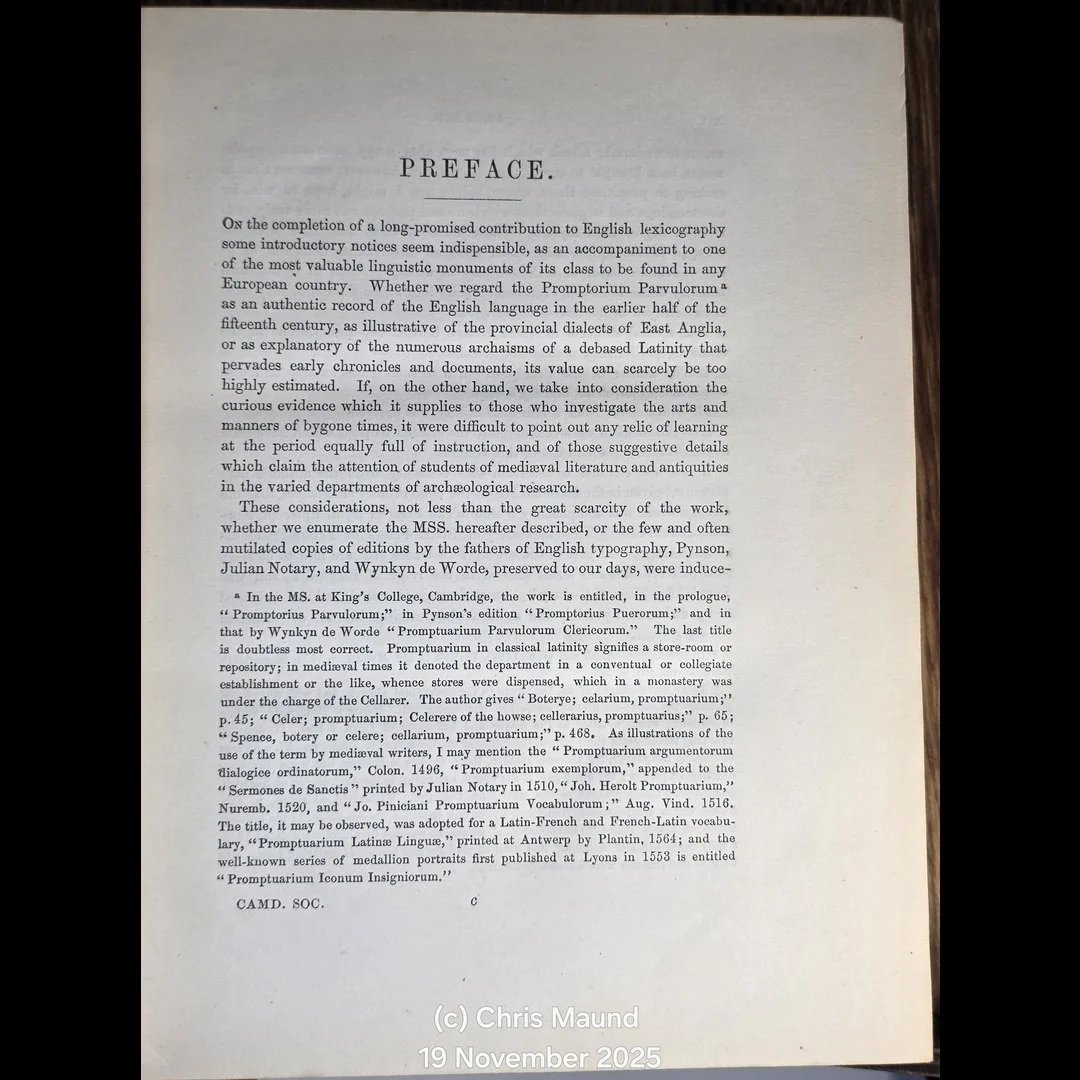
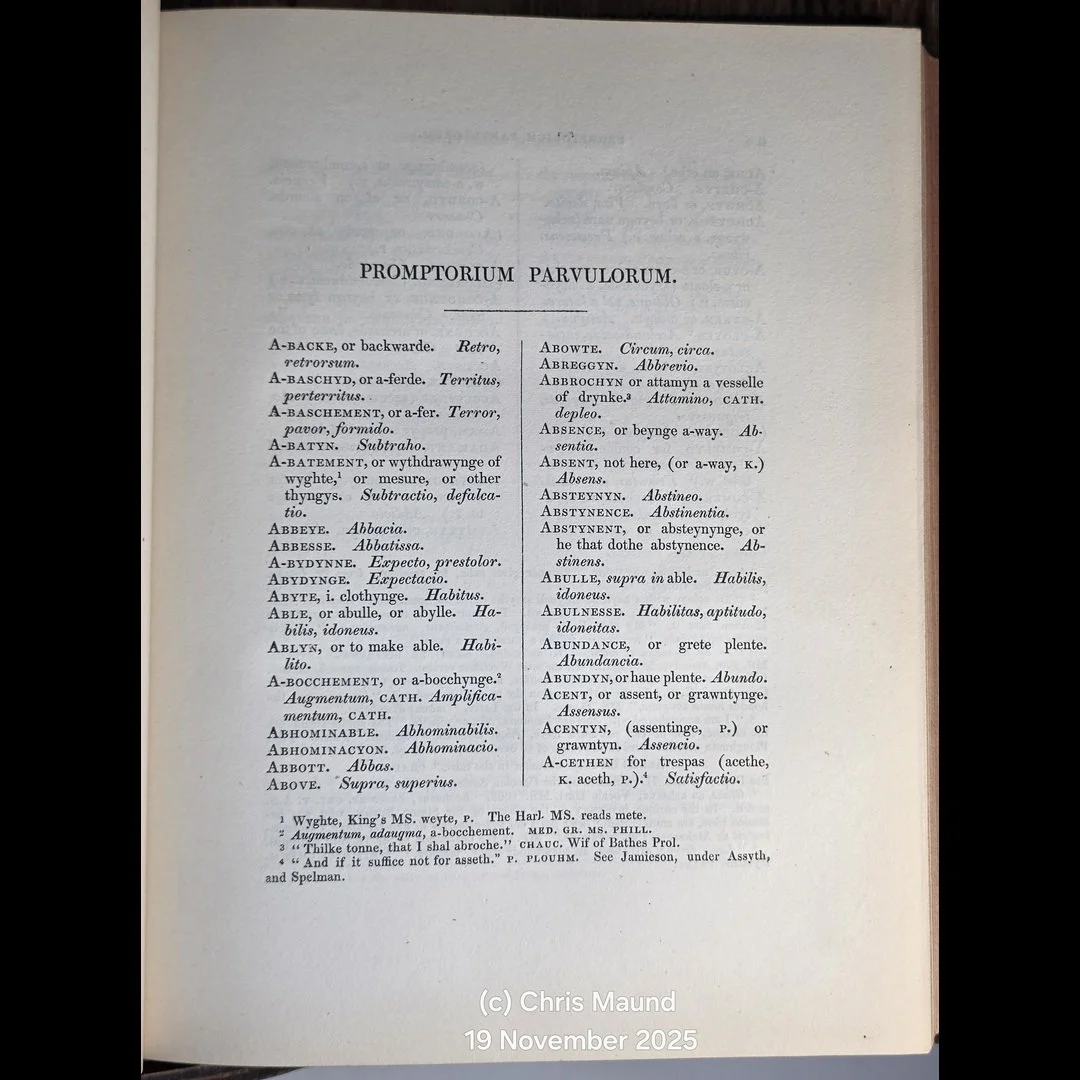
Title page present, with old ownership inscriptions and areas of erasure or abrasion. The title vignette remains clear. Text with general age-toning, light scattered spotting, occasional marks from use, and some handling wear consistent with a sixteenth-century theological folio. The text is substantially clean and legible overall, the impression strong, and the woodcut material crisp.
Title page, preliminaries, main text and terminal colophon leaf from the supplied images. Complete. Bibliographical descriptions record the edition as π⁶ A–H⁴ I–Z⁶ AA–GG⁶ HH¹⁰, i.e. 180 leaves including the final blank.
A handsome working copy of a scarce sixteenth-century patristic imprint, notable both for its textual importance and for its evocative vellum-and-manuscript-waste binding. The wear and repairs reflect prolonged historical use without detracting from the legibility or appeal of the book.
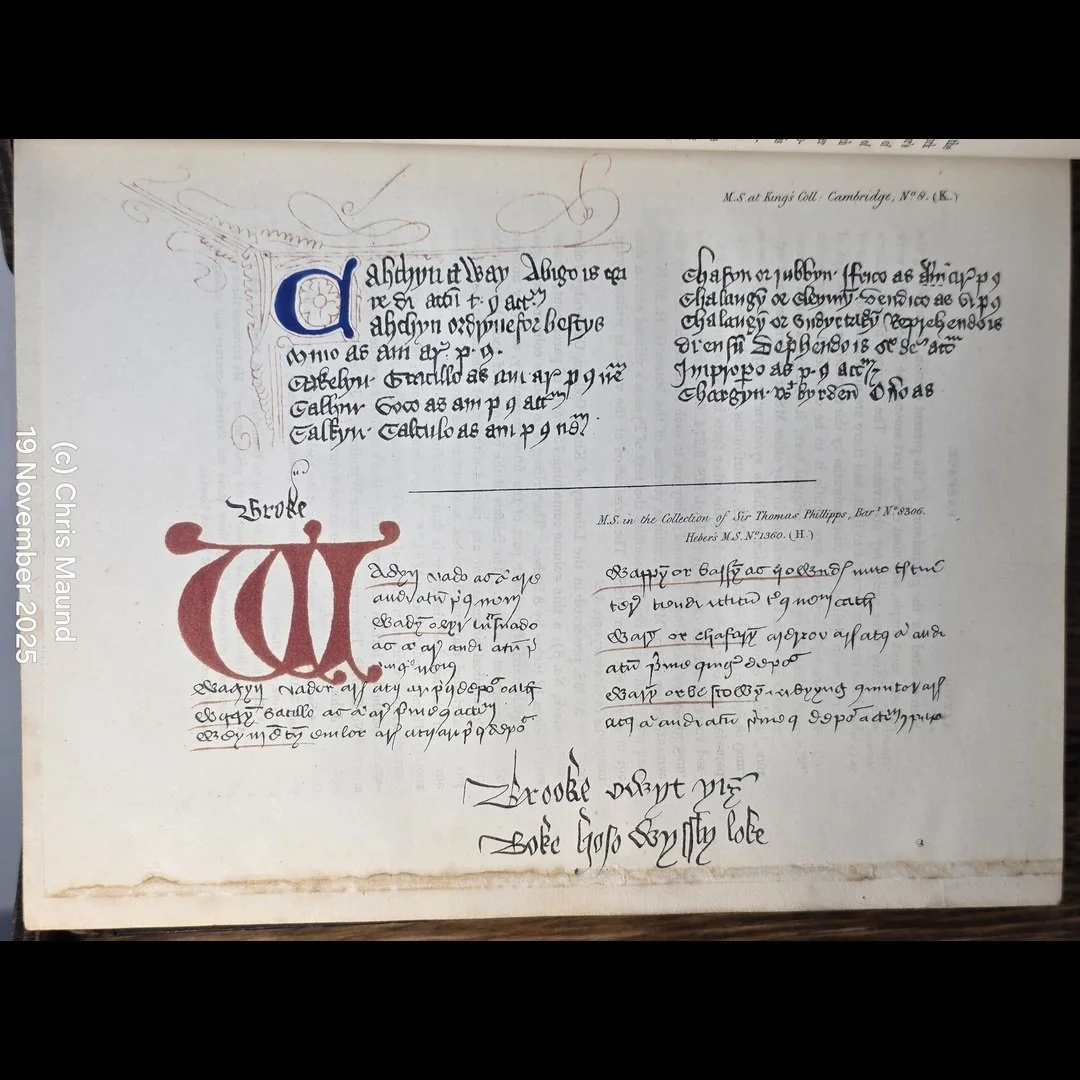
Title page with woodcut vignette; decorative woodcut initials throughout; terminal colophon leaf present.
Please see Photos as part of condition report.
REFERENCES
EDIT16 CNCE 18381
USTC 828510
Sotheby’s, Bibliotheca Brookeriana, lot 32
Digitised Rome copy at Internet Archive
Graesse II, 525
SYNOPSIS
The Demonstratio Evangelica was conceived as the companion and continuation to Eusebius’s Praeparatio Evangelica. Originally planned in twenty books, only ten survive.
In the Praeparatio, Eusebius defended Christianity against pagan religion and philosophy. In the Demonstratio, he turns from preparation to proof, arguing through close scriptural and prophetic interpretation that Christianity fulfils the promises of Hebrew revelation.
The work seeks to show why Christians accepted the Hebrew scriptures while rejecting the ceremonial exclusivity of the Mosaic law. Eusebius distinguishes between the older universal piety of the patriarchs and the later particular law of the Jews, presenting Christianity as the fulfilment of the former rather than a simple continuation of the latter.
The surviving books range across prophecy, Gospel interpretation, Christology, the calling of the nations, the rejection of pagan worship, and the claim that the life and work of Christ had been anticipated in the Hebrew scriptures.
A major monument of early Christian apologetics, the Demonstratio Evangelica is one of the most important witnesses to the intellectual culture of the Constantinian age and to the learned Christian use of scripture, history and classical argument.
AUTHOR BIO
Eusebius of Caesarea, also known as Eusebius Pamphili, was a bishop, exegete, apologist and historian of the early fourth century. His Ecclesiastical History remains the great narrative source for the first centuries of Christianity, while his apologetic writings stand at the meeting-point of scriptural interpretation, classical learning and early Christian intellectual history.
One of the most learned Christian authors of late antiquity, Eusebius wrote in the age of Constantine and helped shape how later generations understood the history, authority and intellectual claims of the Christian Church.
Translator Bio:
Bernardino Donato, styled Donatus Veronensis, was a Veronese humanist, teacher of Greek and rhetoric, editor and translator associated with the learned circle fostered by Gian Matteo Giberti. His Latin version of Eusebius formed part of the Renaissance programme of making the Greek Fathers newly available to Western readers.
ILLUSTRATOR
Anon
No named engraver is recorded for this edition in the bibliographical descriptions consulted. The title-page vignette and decorative initials appear to be the work of anonymous woodcut cutters employed for the Venetian printing.
1536 Venice Edition
EUSEBII CAESARIENSIS EVANGELICAE DEMONSTRATIONIS LIBRI DECEM
By Eusebio di Cesarea
KEY DETAILS
Condition: Good+
Format: Vellum, folio (fo 12 × 19 in 305 × 483 mm )
Note: Binding/size selection follows standard bibliographic conventions and is approximate; exact measurements may vary.
Published By: Venetiis, in officina Aurelii Pincii Veneti, Italy, 1536
Language: Latin
Illustrated By: Anon
Collation: π⁶ A–H⁴ I–Z⁶ AA–GG⁶ HH¹⁰
Dust Jacket: None, as issued
SKU: BTETM0002687
Shipping Info: Approximate Package Dimensions H: 12.5, L: 30, W: 25 (Units: cm), W: 2Kg
Tracked Shipping, Insurance Coverage as per Customer Request
DESCRIPTION
EUSEBII CAESARIENSIS EVANGELICAE DEMONSTRATIONIS LIBRI DECEM
Donatus Veronensis vertit
A substantial and appealing Renaissance folio of one of the foundational texts of early Christian apologetics: Eusebius of Caesarea’s Demonstratio Evangelica, here in the Latin translation of the Veronese humanist Bernardino Donato, and printed at Venice by Aurelio Pinzi in March 1536.
This Venice edition belongs to the wider humanist recovery of the Greek Fathers in sixteenth-century Italy, and preceded the first printed Greek text of the Demonstratio Evangelica by about eight years. The work itself was conceived as the companion to Eusebius’s Praeparatio Evangelica and represents one of the most ambitious apologetic syntheses of the early Church.
With an attractive old vellum binding, the spine formed or restored with manuscript waste from an earlier liturgical manuscript or antiphonal, giving the volume considerable shelf presence. The title page bears a striking woodcut vignette, and the text is enlivened throughout by decorative woodcut initials.
CONDITION, COLLATION & COPY NOTES
COLLATION
π⁶ A–H⁴ I–Z⁶ AA–GG⁶ HH¹⁰
A sound and attractive old vellum folio, the spine formed or restored using manuscript waste from an earlier liturgical manuscript or antiphonal. Binding with expected external marking, age-soiling, rubbing, wear to extremities and evidence of old restoration or reworking at the spine. The manuscript-waste spine remains highly evocative and gives the volume strong visual and historical appeal.
Title page present, with old ownership inscriptions and areas of erasure or abrasion. The title vignette remains clear. Text with general age-toning, light scattered spotting, occasional marks from use, and some handling wear consistent with a sixteenth-century theological folio. The text is substantially clean and legible overall, the impression strong, and the woodcut material crisp.
Title page, preliminaries, main text and terminal colophon leaf from the supplied images. Complete. Bibliographical descriptions record the edition as π⁶ A–H⁴ I–Z⁶ AA–GG⁶ HH¹⁰, i.e. 180 leaves including the final blank.
A handsome working copy of a scarce sixteenth-century patristic imprint, notable both for its textual importance and for its evocative vellum-and-manuscript-waste binding. The wear and repairs reflect prolonged historical use without detracting from the legibility or appeal of the book.
Title page with woodcut vignette; decorative woodcut initials throughout; terminal colophon leaf present.
Please see Photos as part of condition report.
REFERENCES
EDIT16 CNCE 18381
USTC 828510
Sotheby’s, Bibliotheca Brookeriana, lot 32
Digitised Rome copy at Internet Archive
Graesse II, 525
SYNOPSIS
The Demonstratio Evangelica was conceived as the companion and continuation to Eusebius’s Praeparatio Evangelica. Originally planned in twenty books, only ten survive.
In the Praeparatio, Eusebius defended Christianity against pagan religion and philosophy. In the Demonstratio, he turns from preparation to proof, arguing through close scriptural and prophetic interpretation that Christianity fulfils the promises of Hebrew revelation.
The work seeks to show why Christians accepted the Hebrew scriptures while rejecting the ceremonial exclusivity of the Mosaic law. Eusebius distinguishes between the older universal piety of the patriarchs and the later particular law of the Jews, presenting Christianity as the fulfilment of the former rather than a simple continuation of the latter.
The surviving books range across prophecy, Gospel interpretation, Christology, the calling of the nations, the rejection of pagan worship, and the claim that the life and work of Christ had been anticipated in the Hebrew scriptures.
A major monument of early Christian apologetics, the Demonstratio Evangelica is one of the most important witnesses to the intellectual culture of the Constantinian age and to the learned Christian use of scripture, history and classical argument.
AUTHOR BIO
Eusebius of Caesarea, also known as Eusebius Pamphili, was a bishop, exegete, apologist and historian of the early fourth century. His Ecclesiastical History remains the great narrative source for the first centuries of Christianity, while his apologetic writings stand at the meeting-point of scriptural interpretation, classical learning and early Christian intellectual history.
One of the most learned Christian authors of late antiquity, Eusebius wrote in the age of Constantine and helped shape how later generations understood the history, authority and intellectual claims of the Christian Church.
Translator Bio:
Bernardino Donato, styled Donatus Veronensis, was a Veronese humanist, teacher of Greek and rhetoric, editor and translator associated with the learned circle fostered by Gian Matteo Giberti. His Latin version of Eusebius formed part of the Renaissance programme of making the Greek Fathers newly available to Western readers.
ILLUSTRATOR
Anon
No named engraver is recorded for this edition in the bibliographical descriptions consulted. The title-page vignette and decorative initials appear to be the work of anonymous woodcut cutters employed for the Venetian printing.

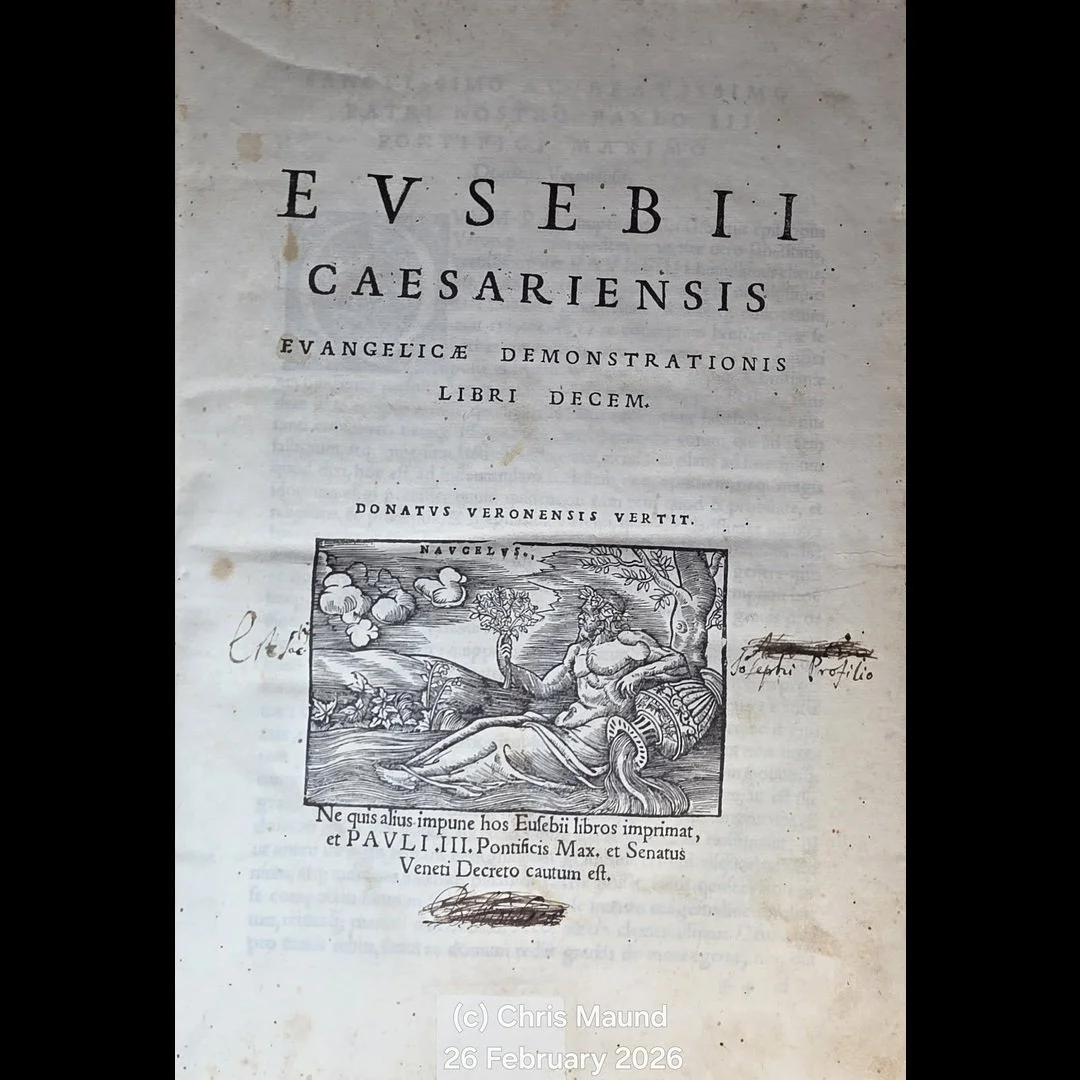 Image 1 of 39
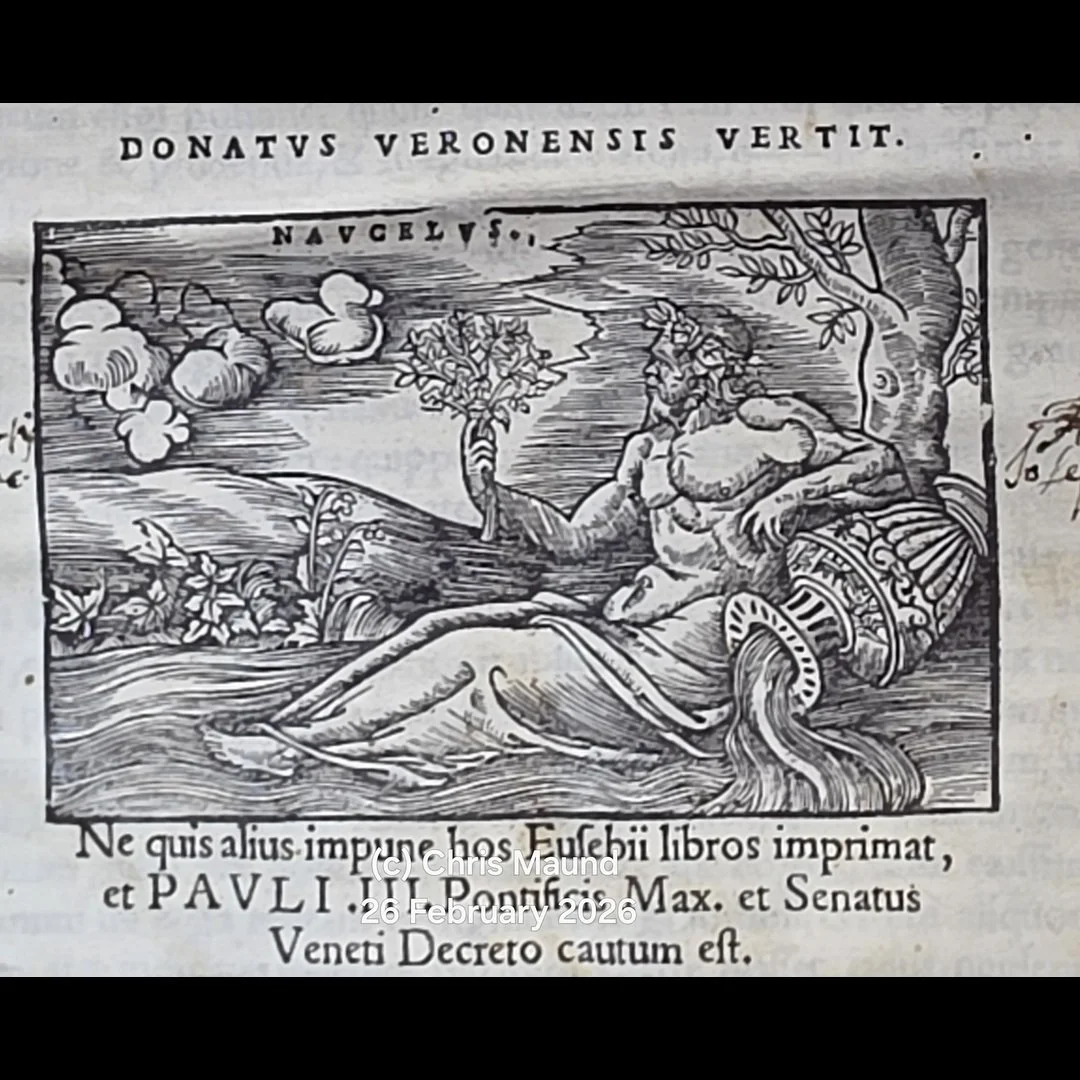 Image 2 of 39
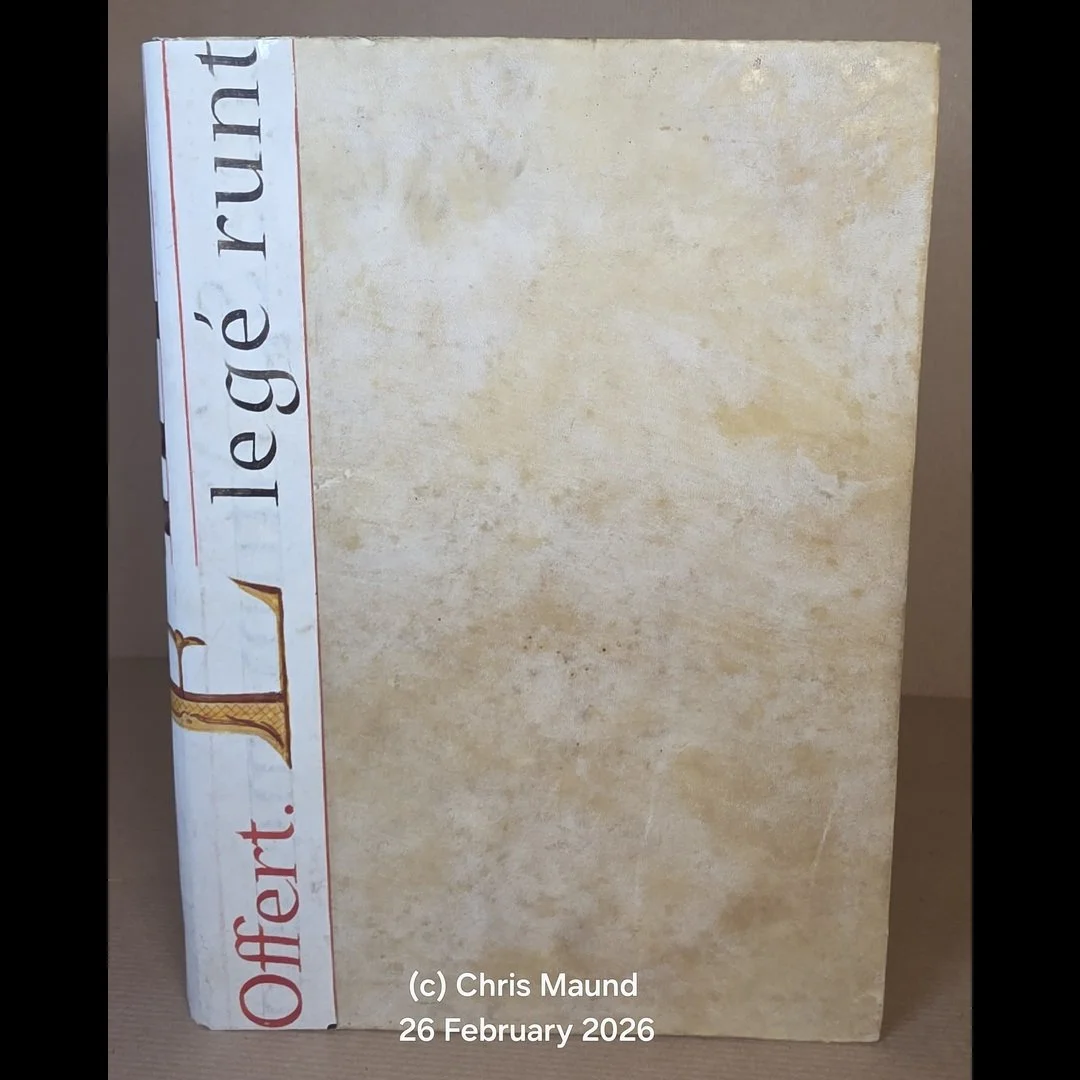 Image 3 of 39
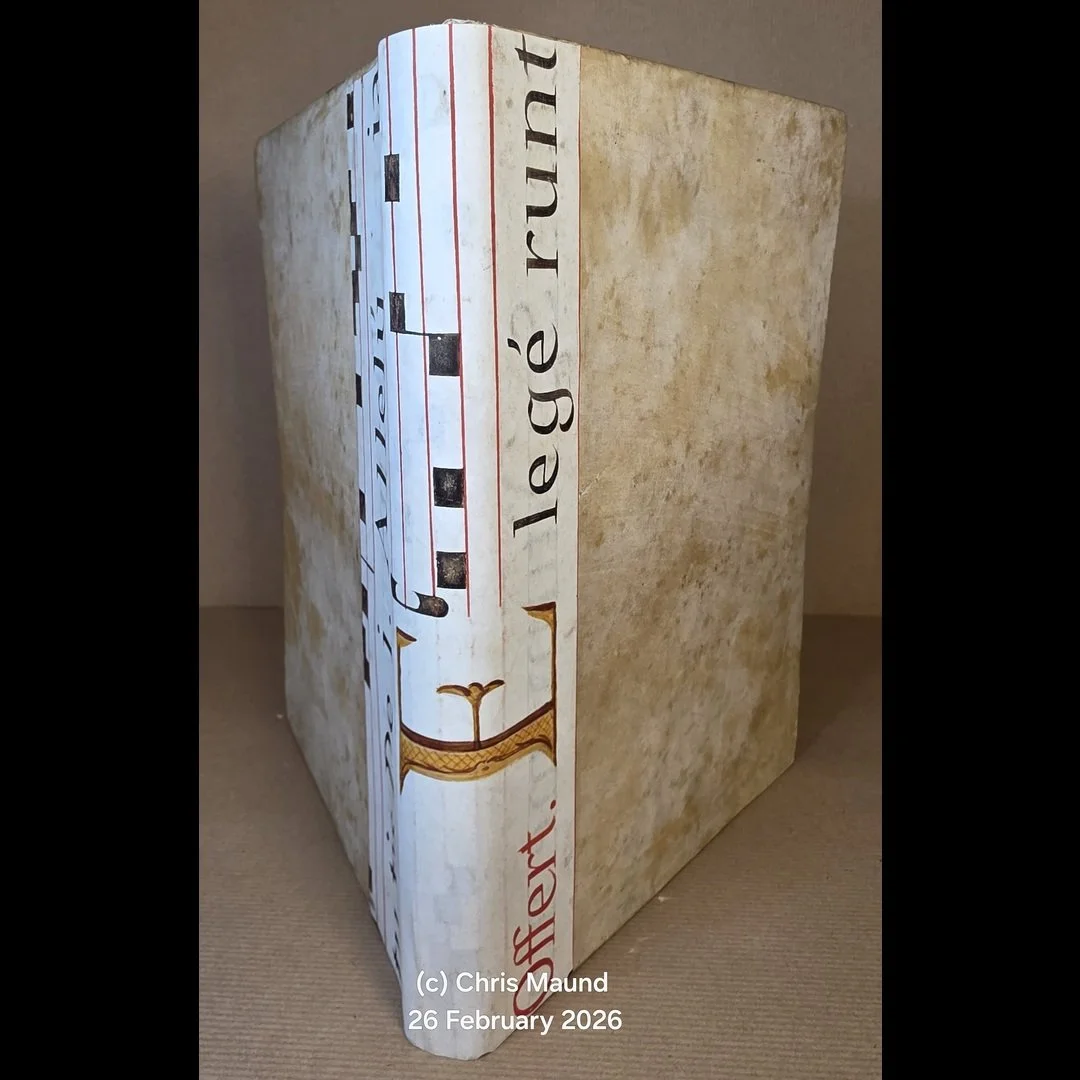 Image 4 of 39
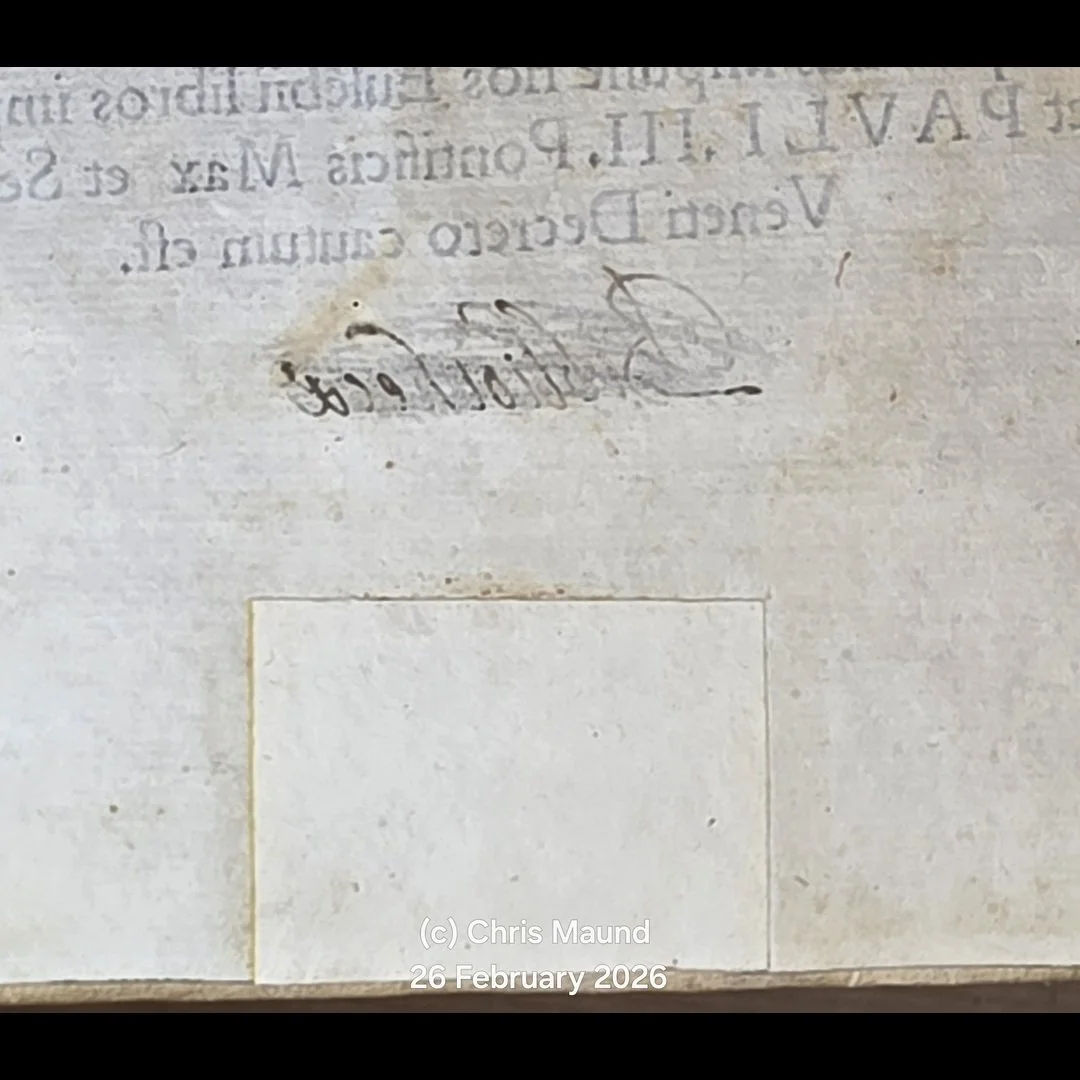 Image 5 of 39
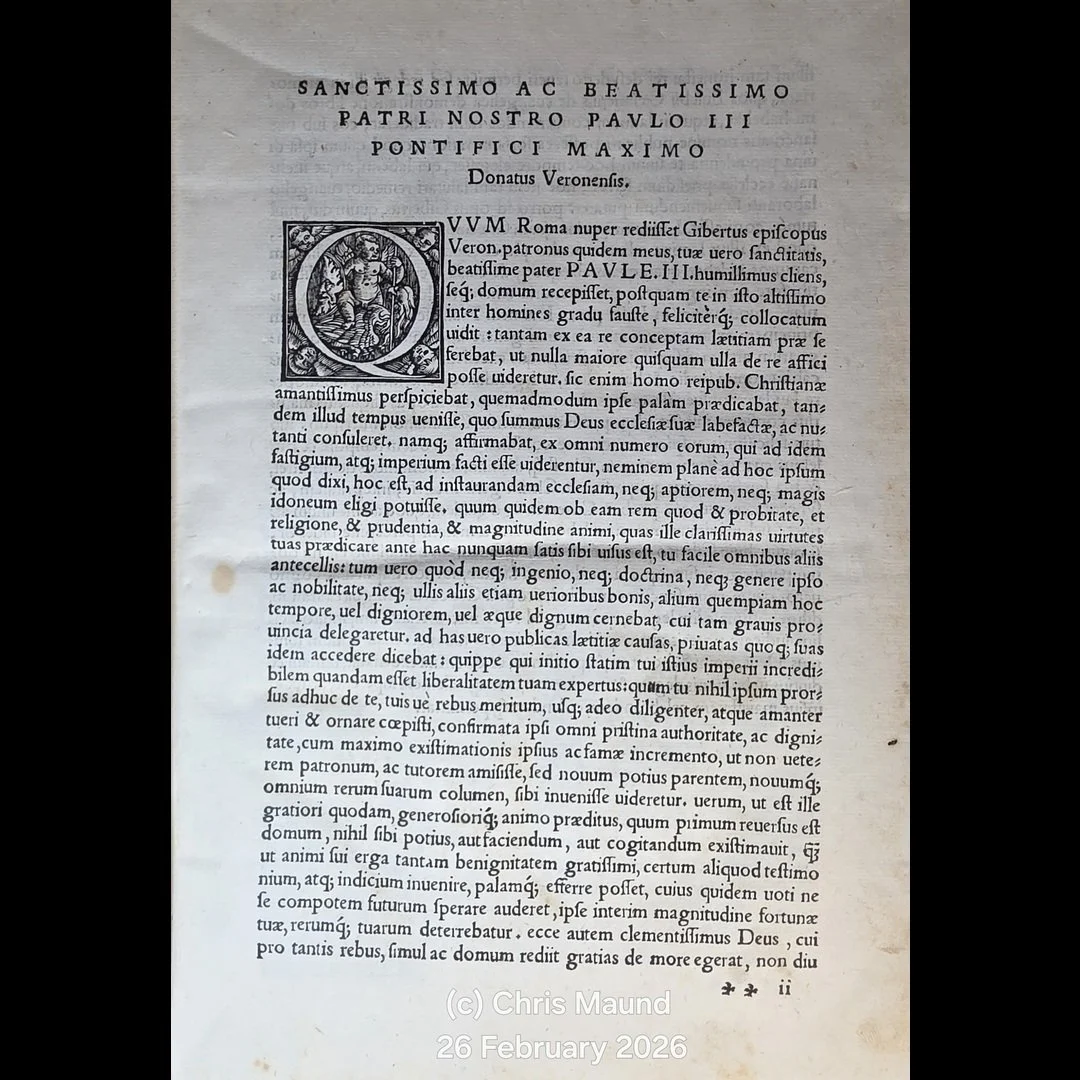 Image 6 of 39
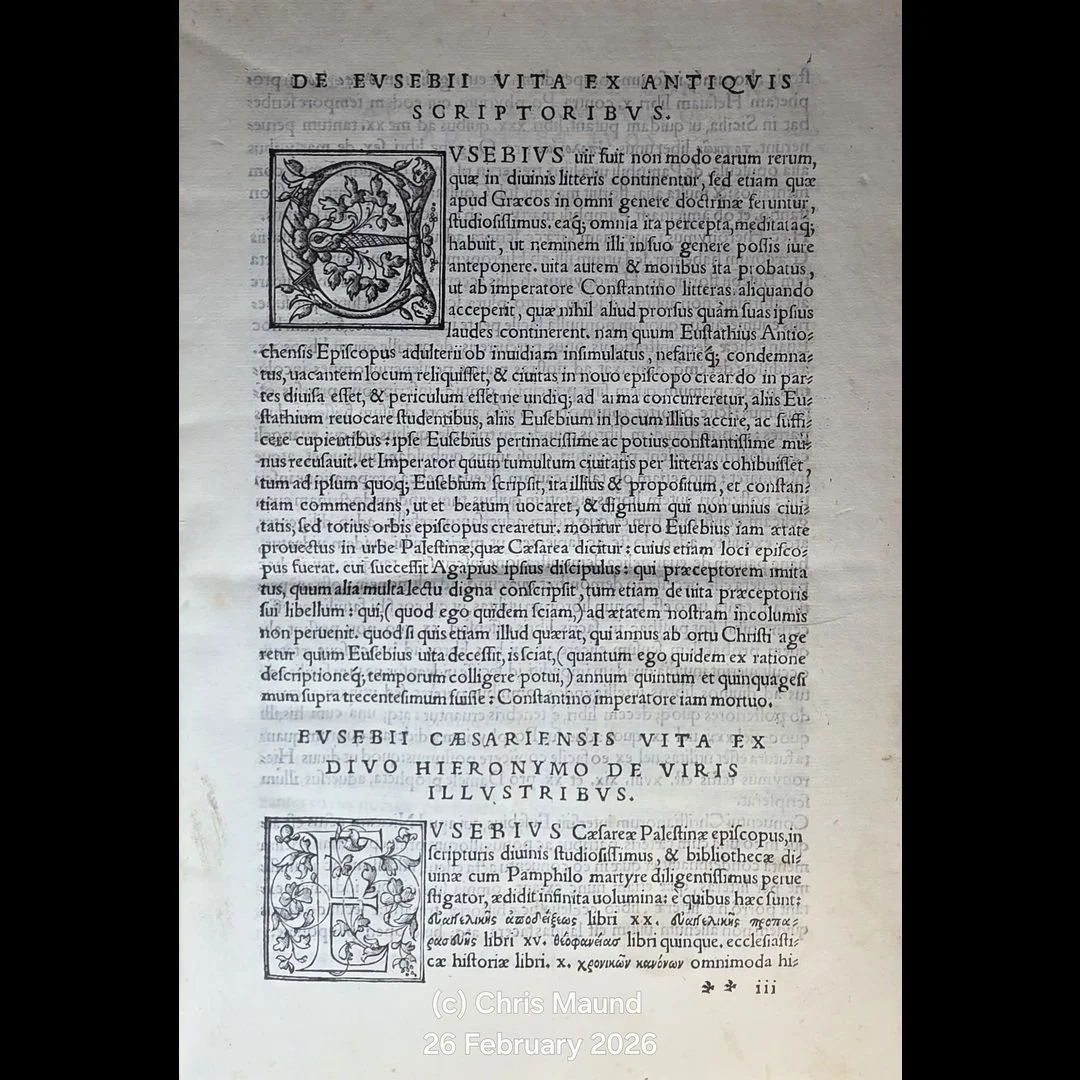 Image 7 of 39
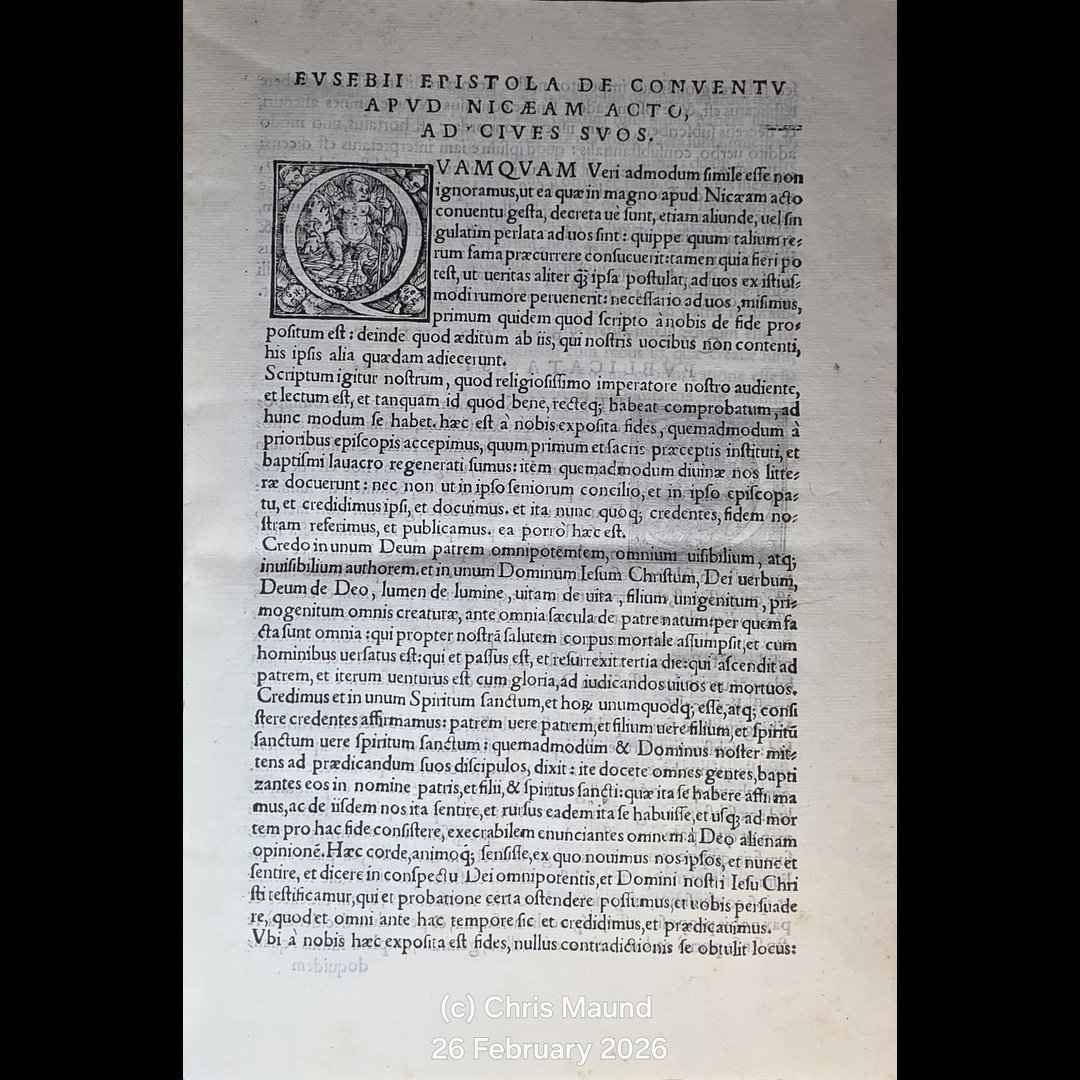 Image 8 of 39
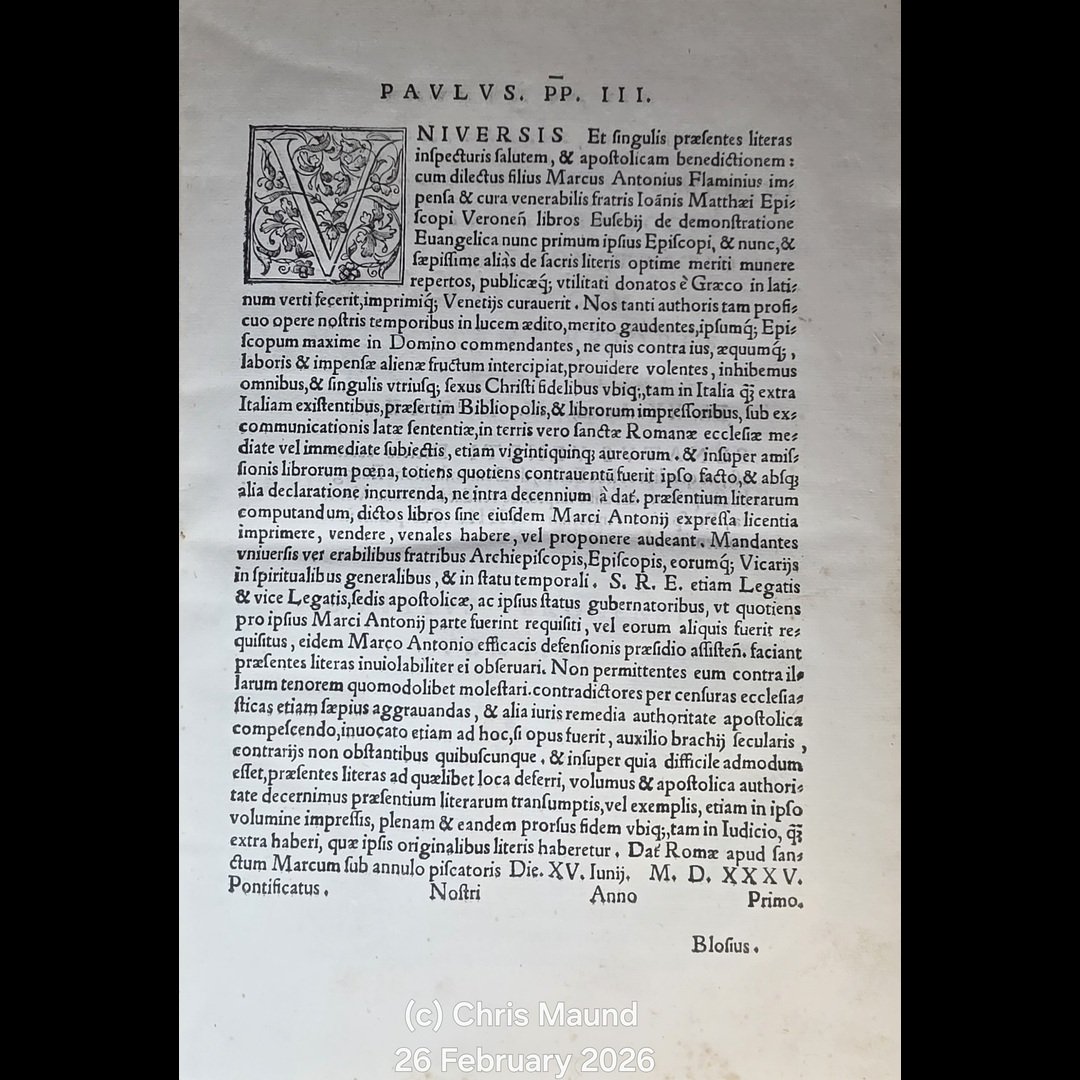 Image 9 of 39
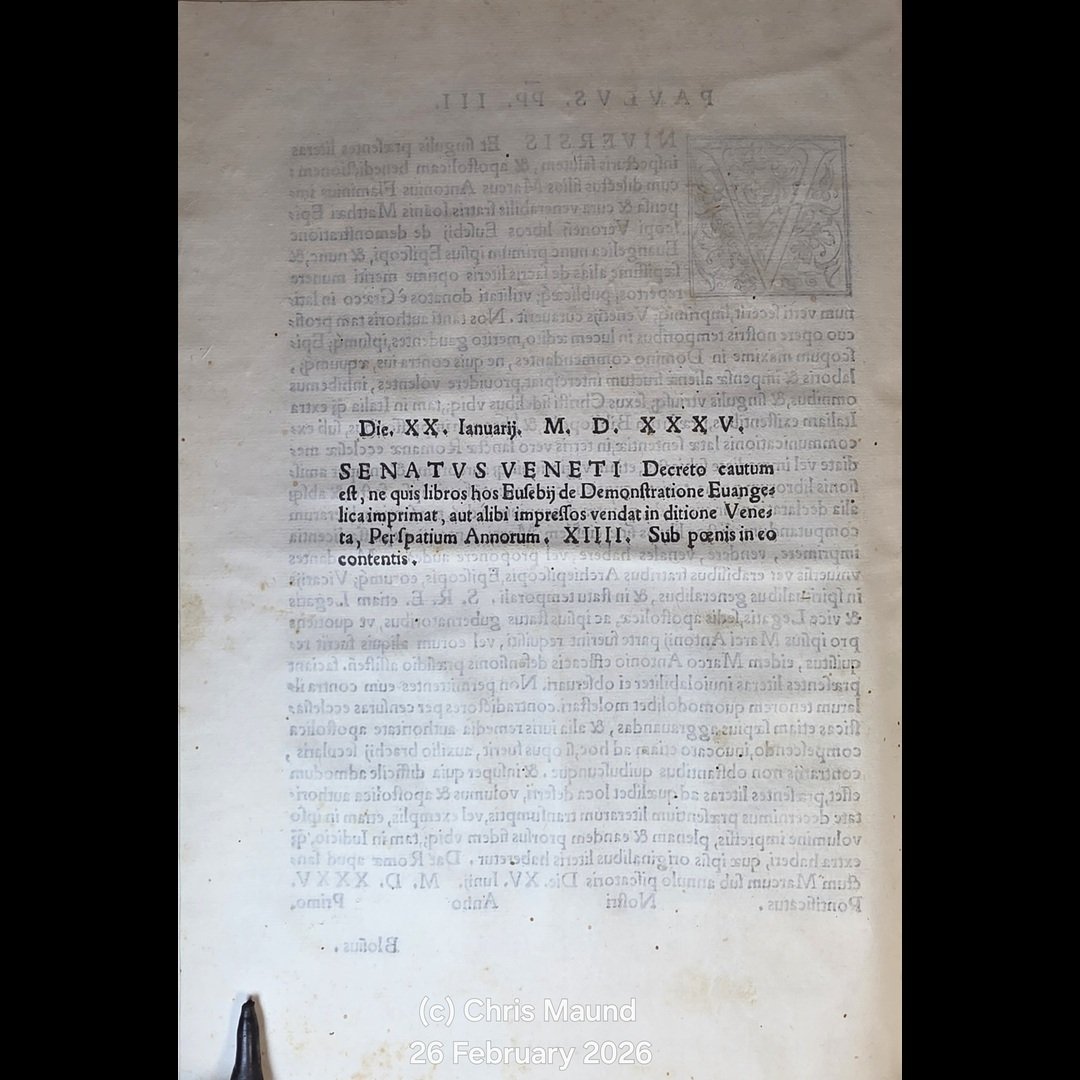 Image 10 of 39
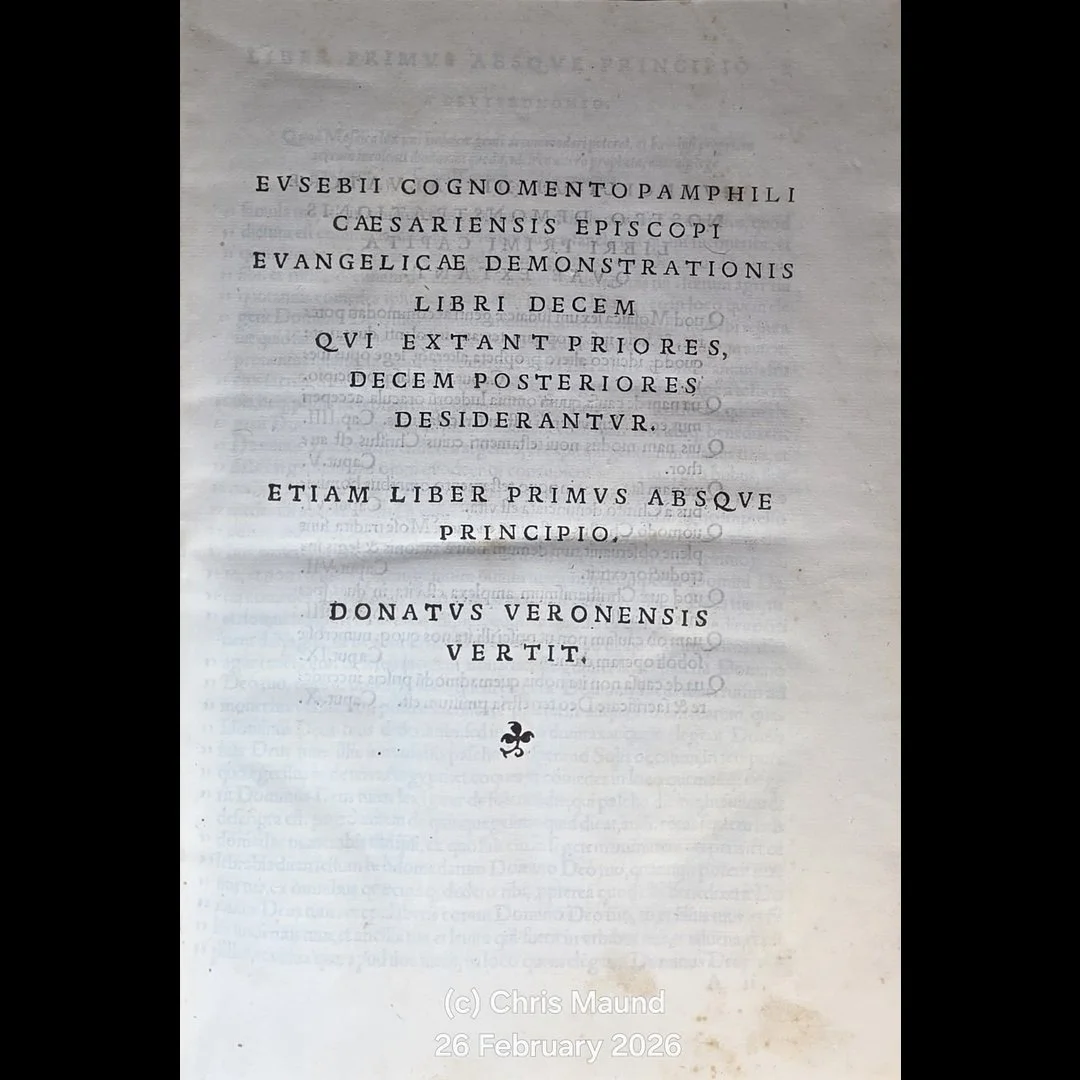 Image 11 of 39
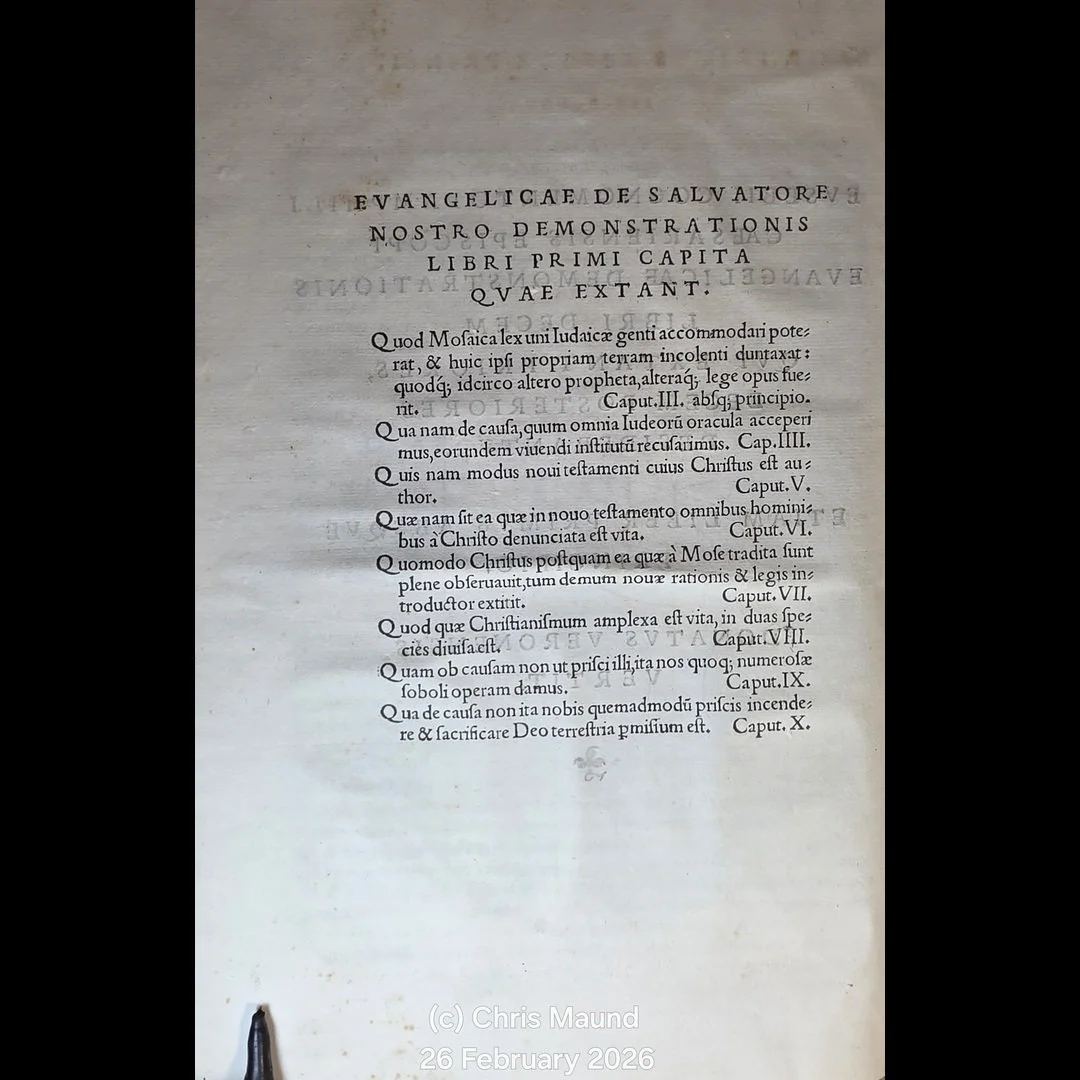 Image 12 of 39
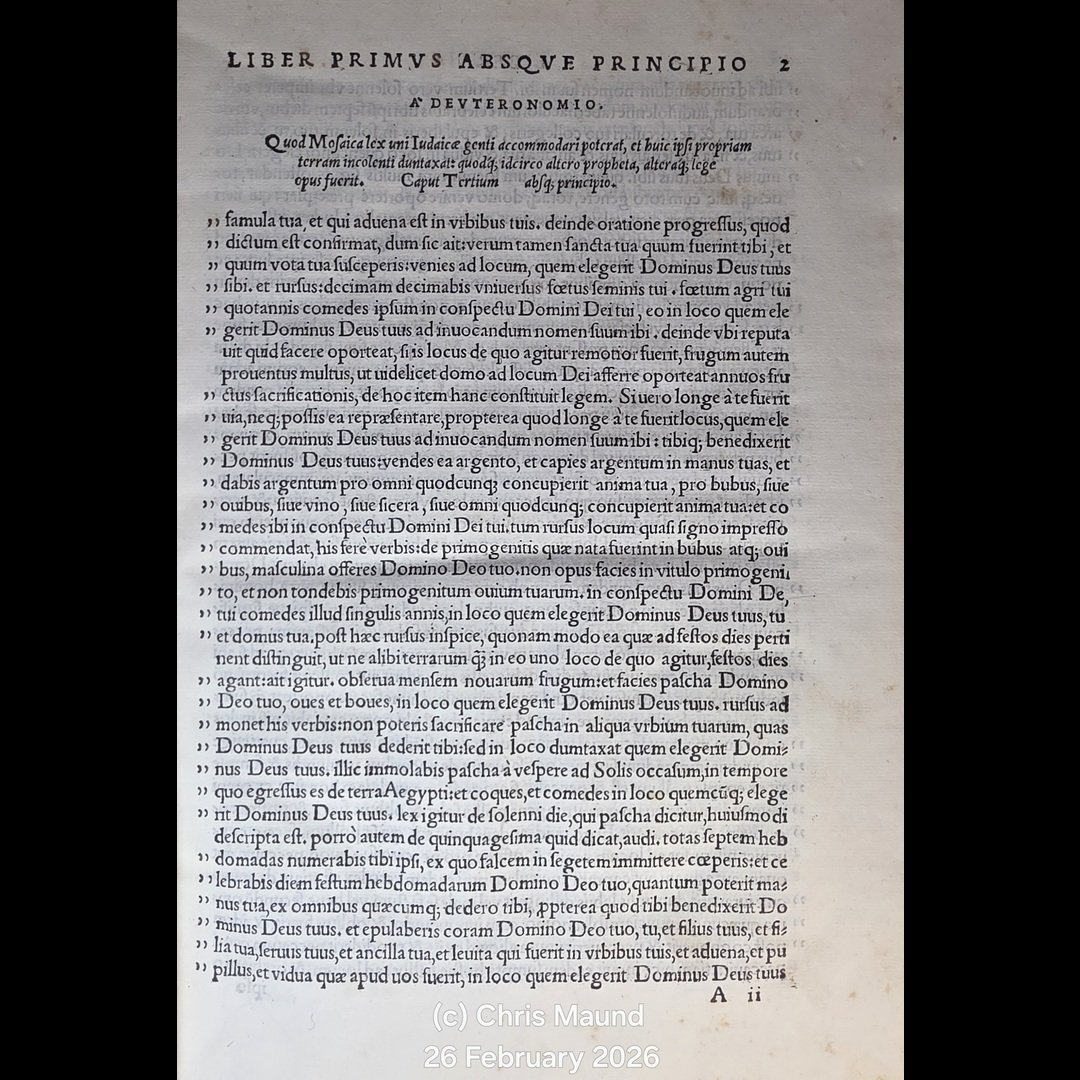 Image 13 of 39
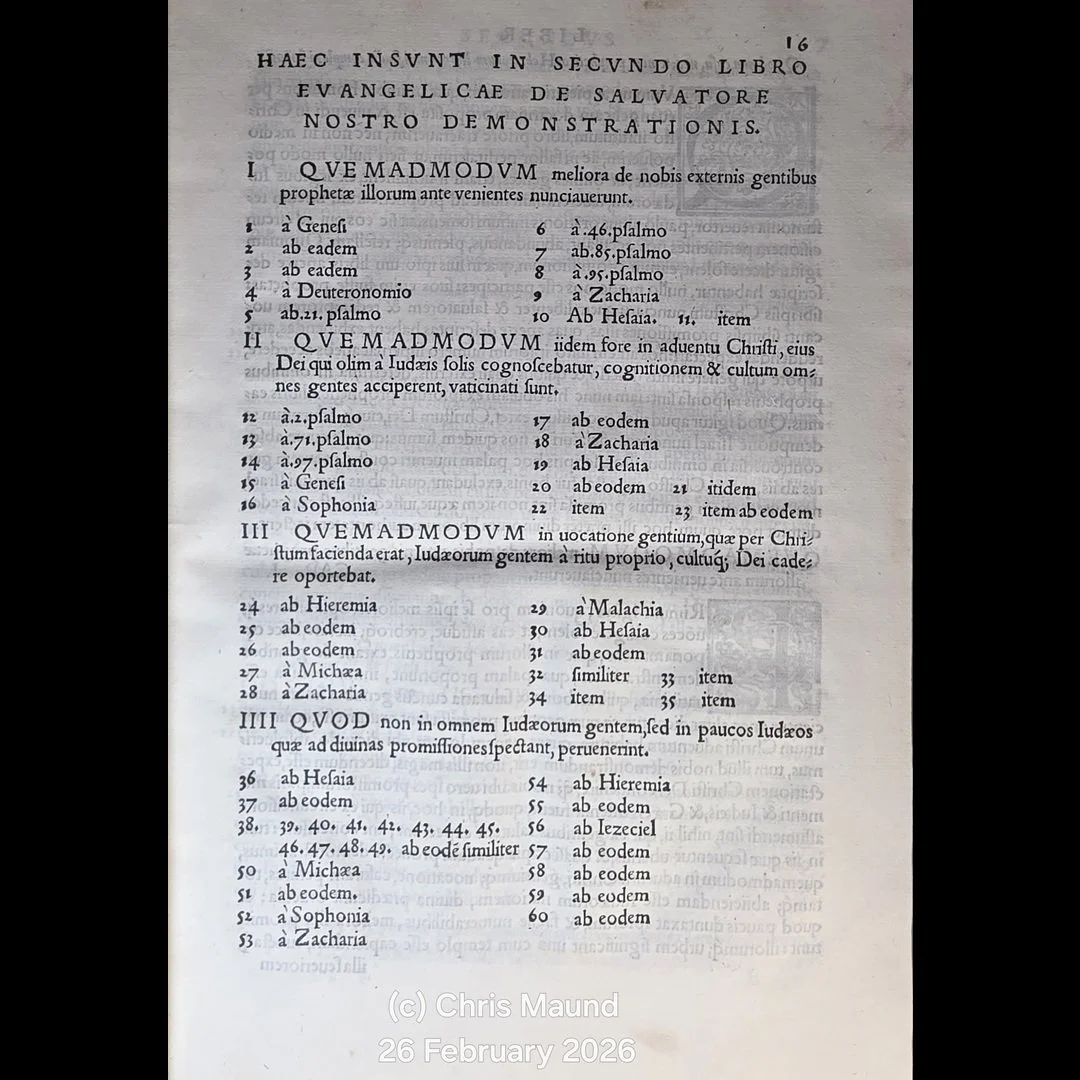 Image 14 of 39
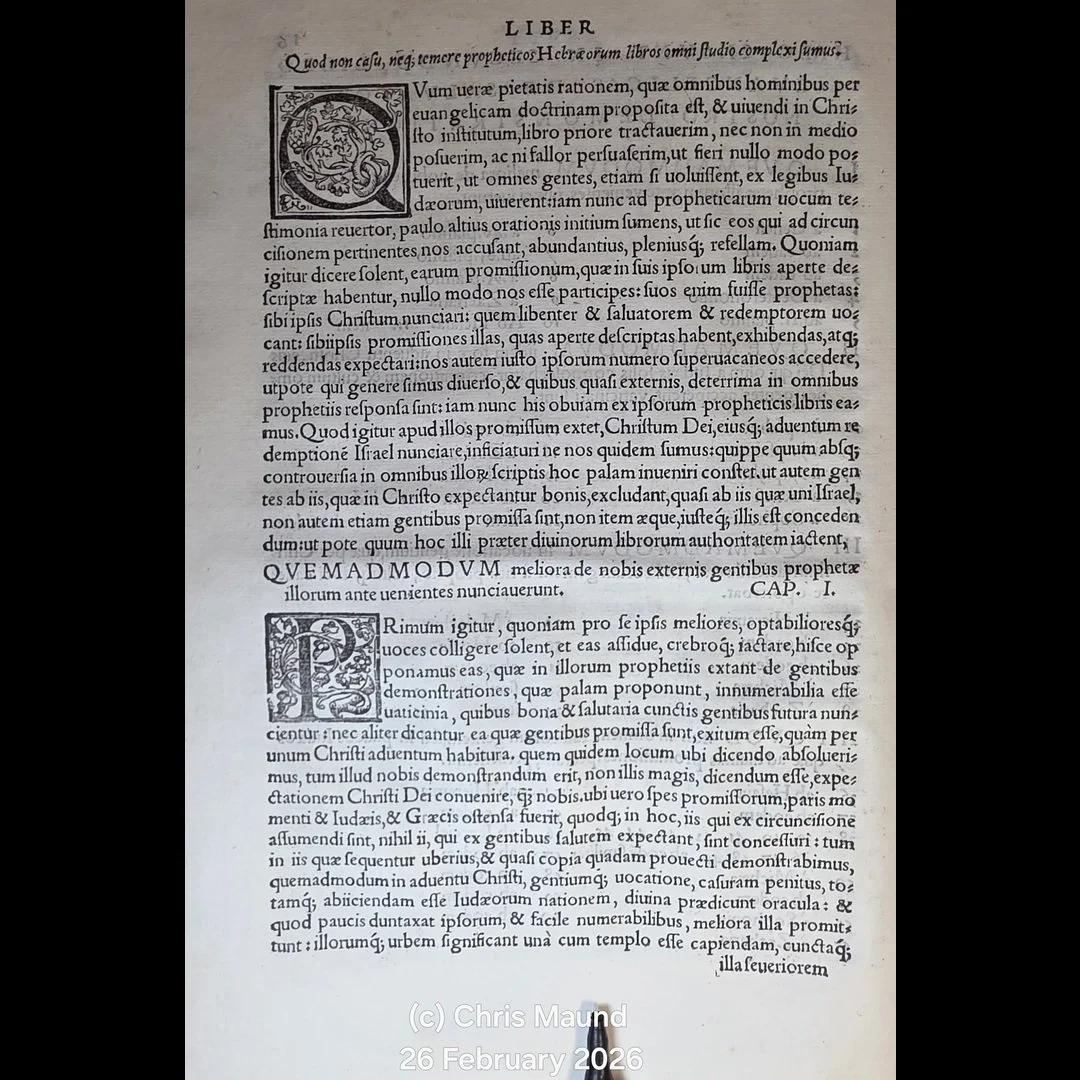 Image 15 of 39
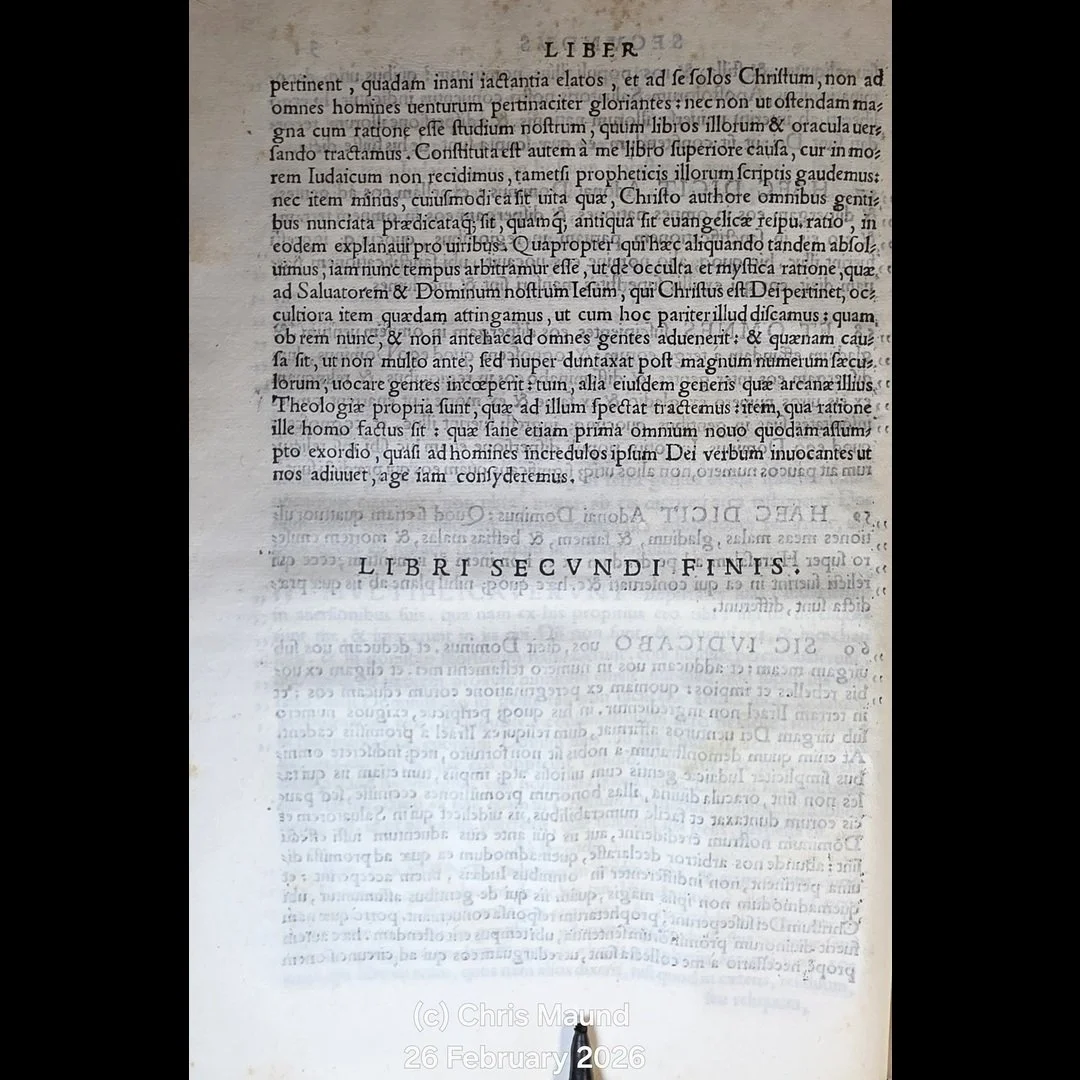 Image 16 of 39
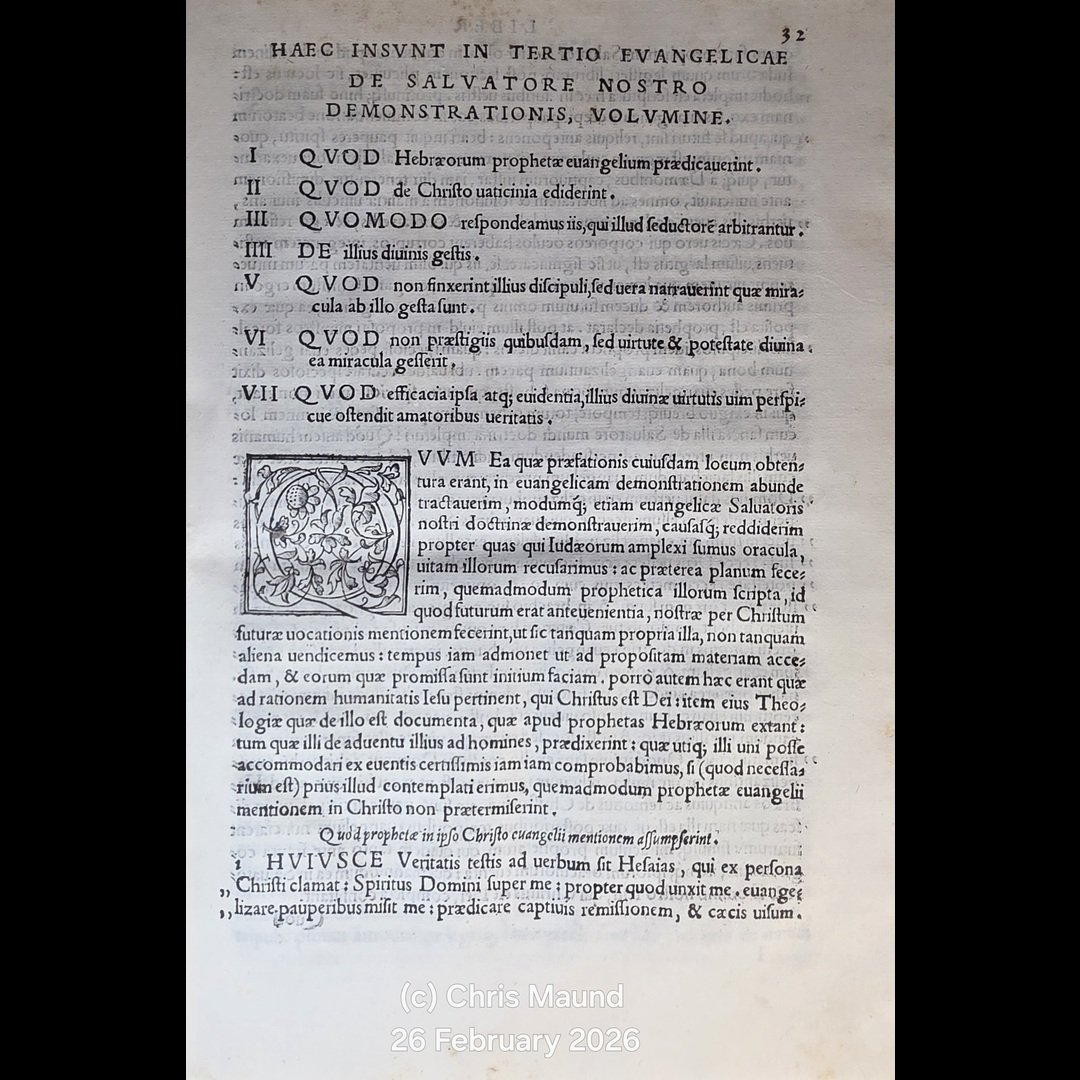 Image 17 of 39
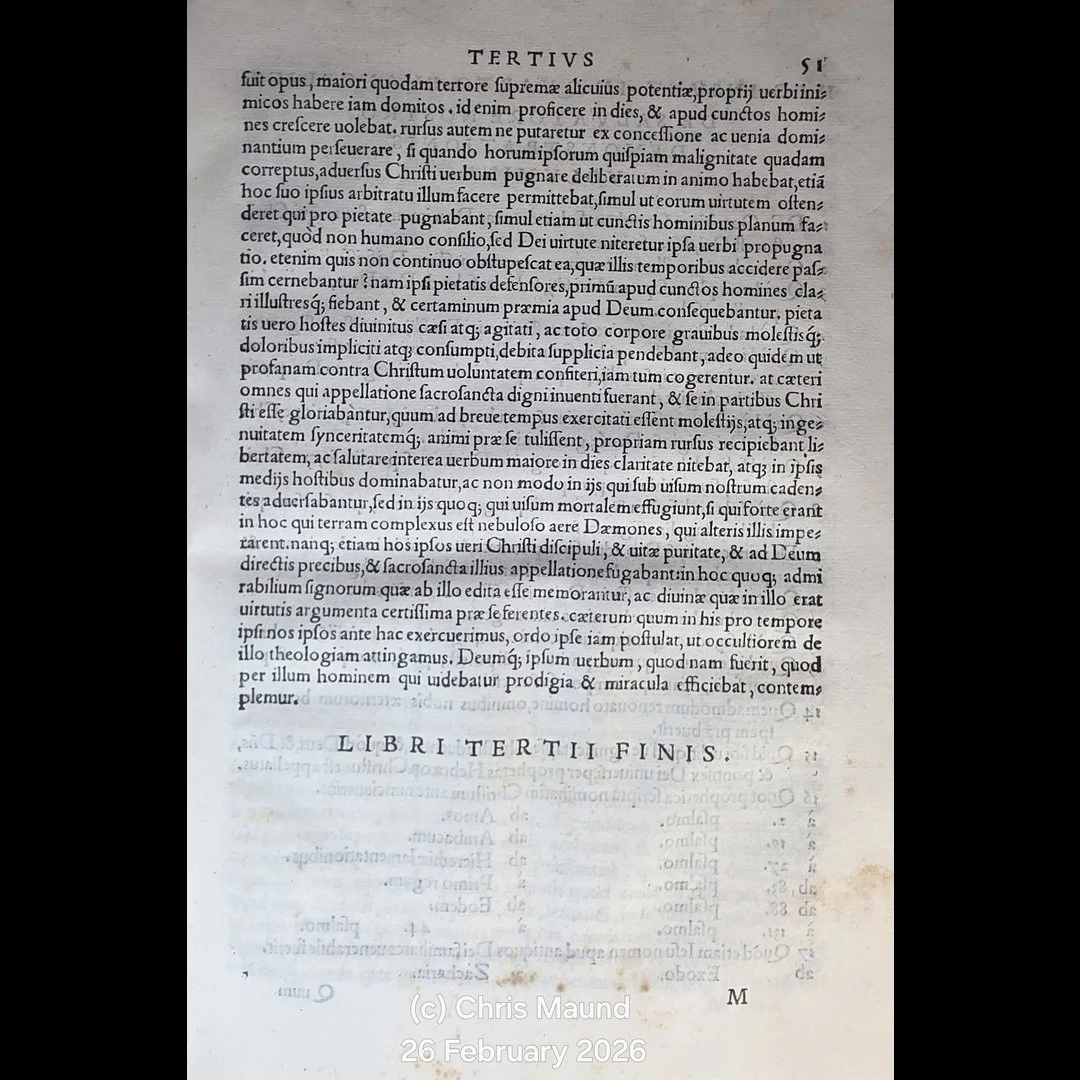 Image 18 of 39
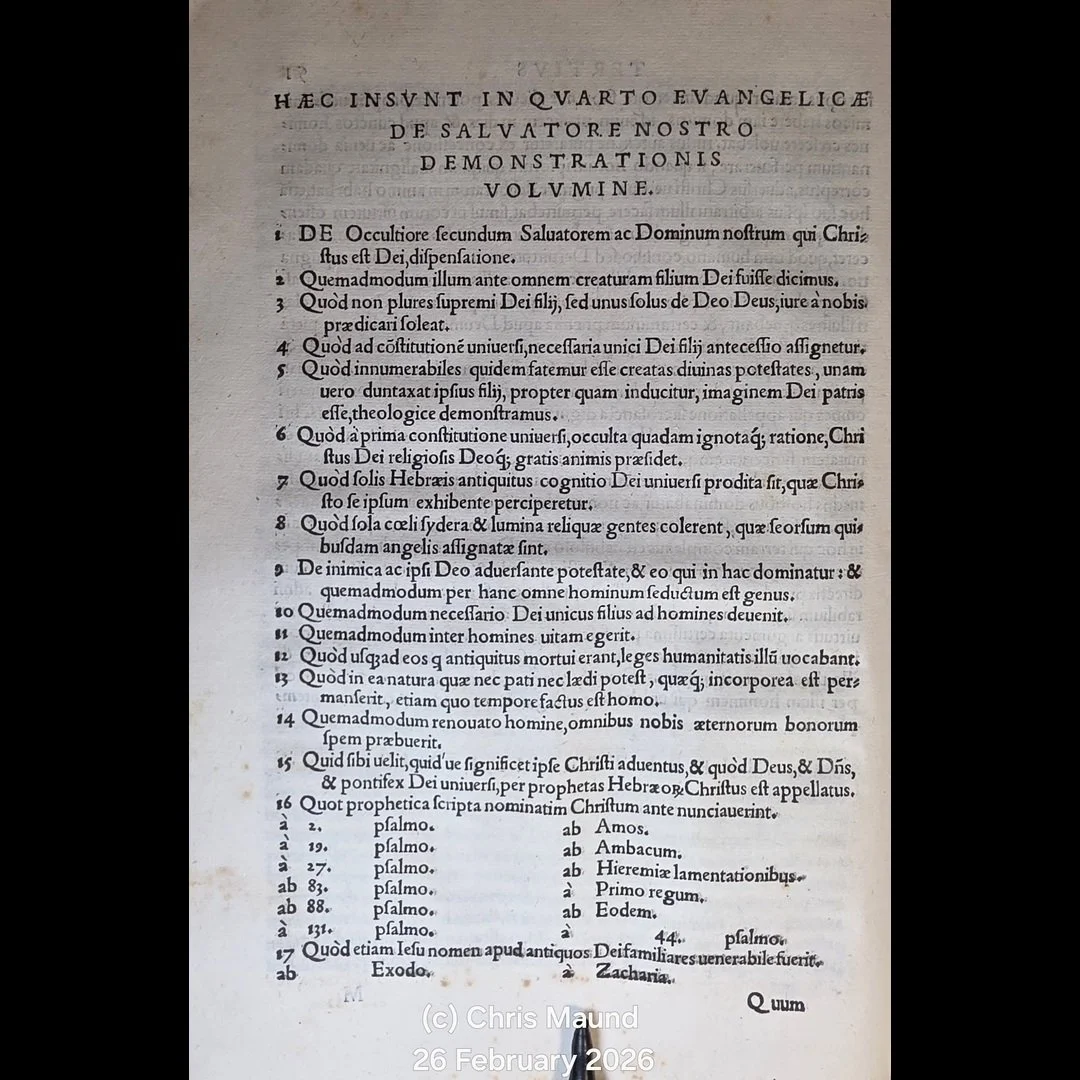 Image 19 of 39
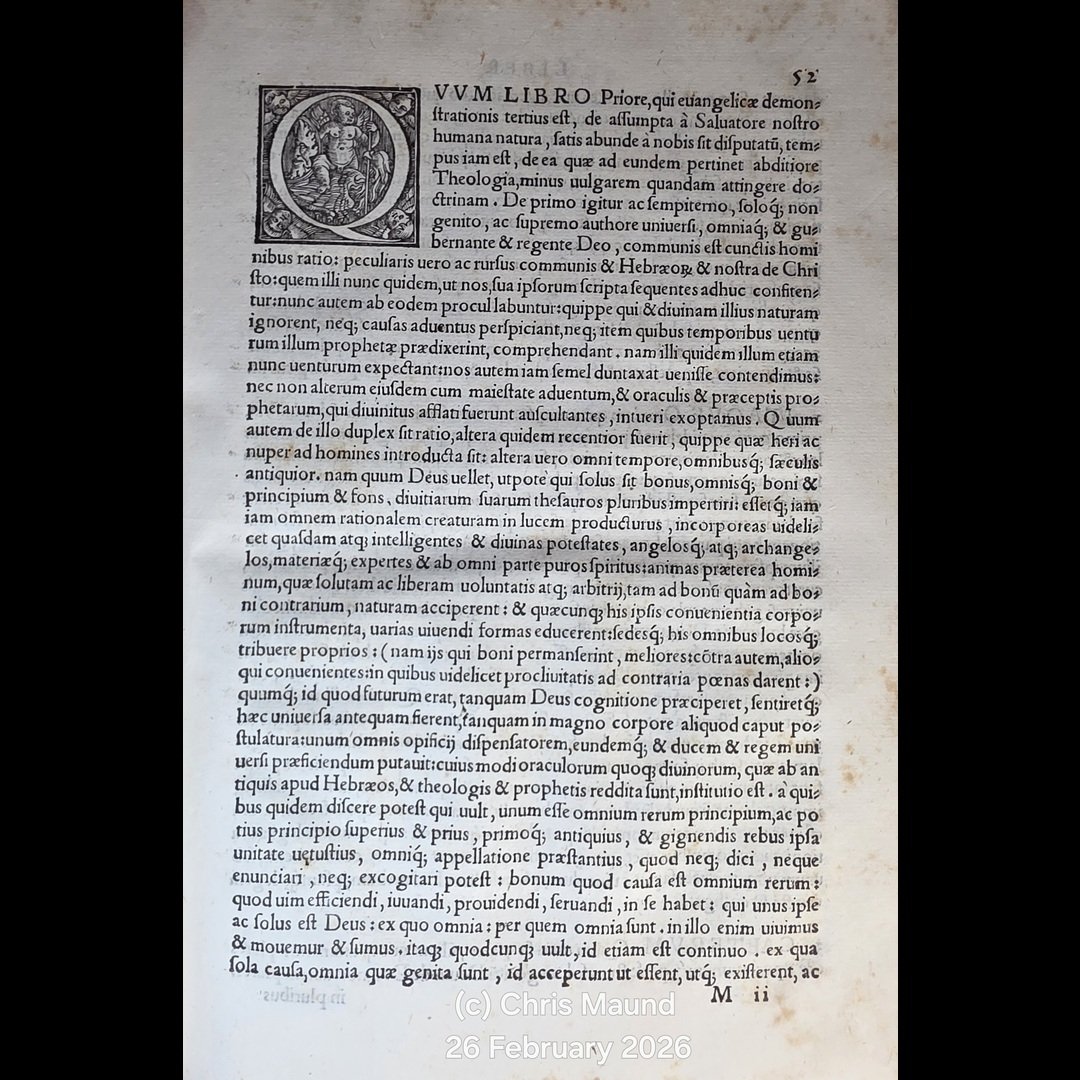 Image 20 of 39
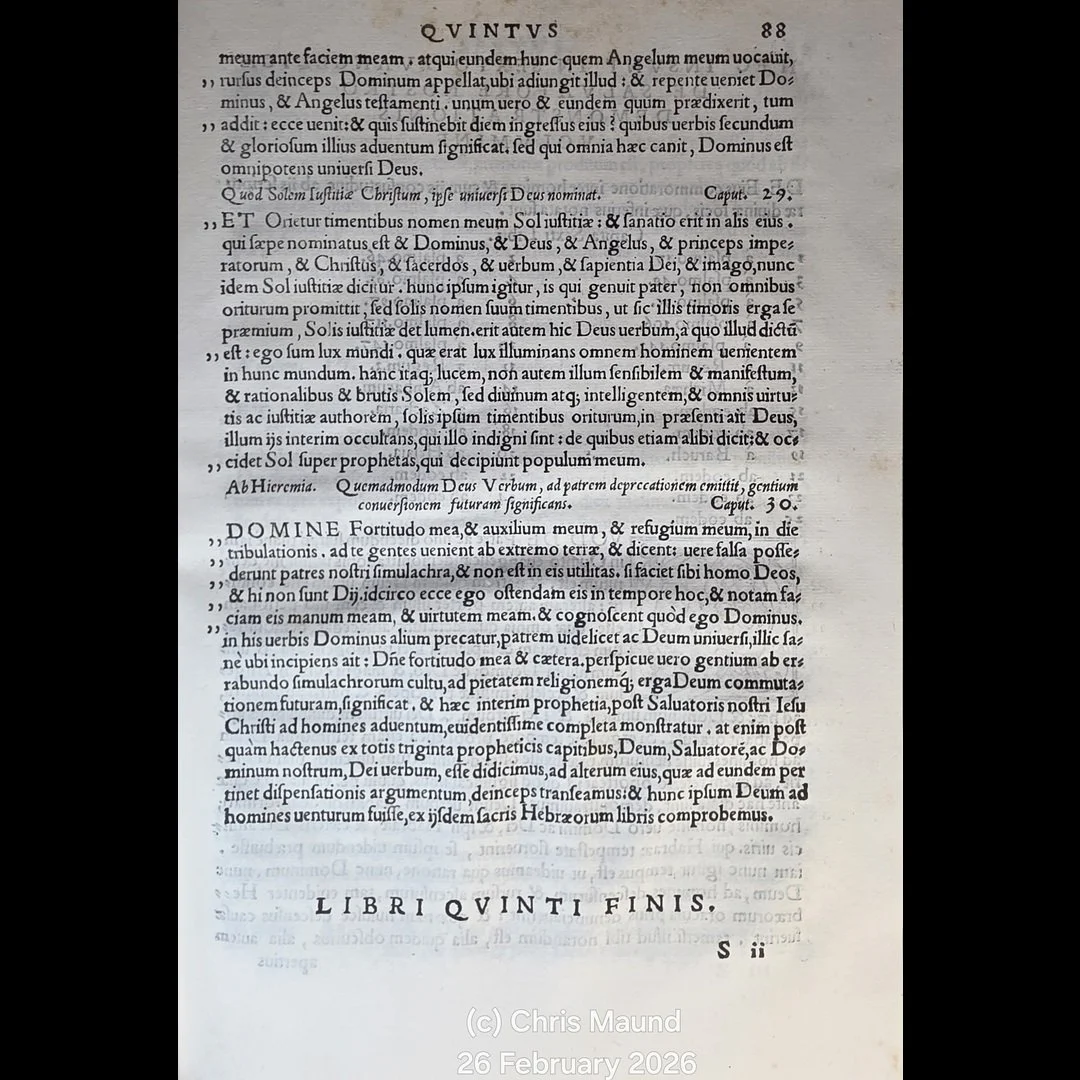 Image 21 of 39
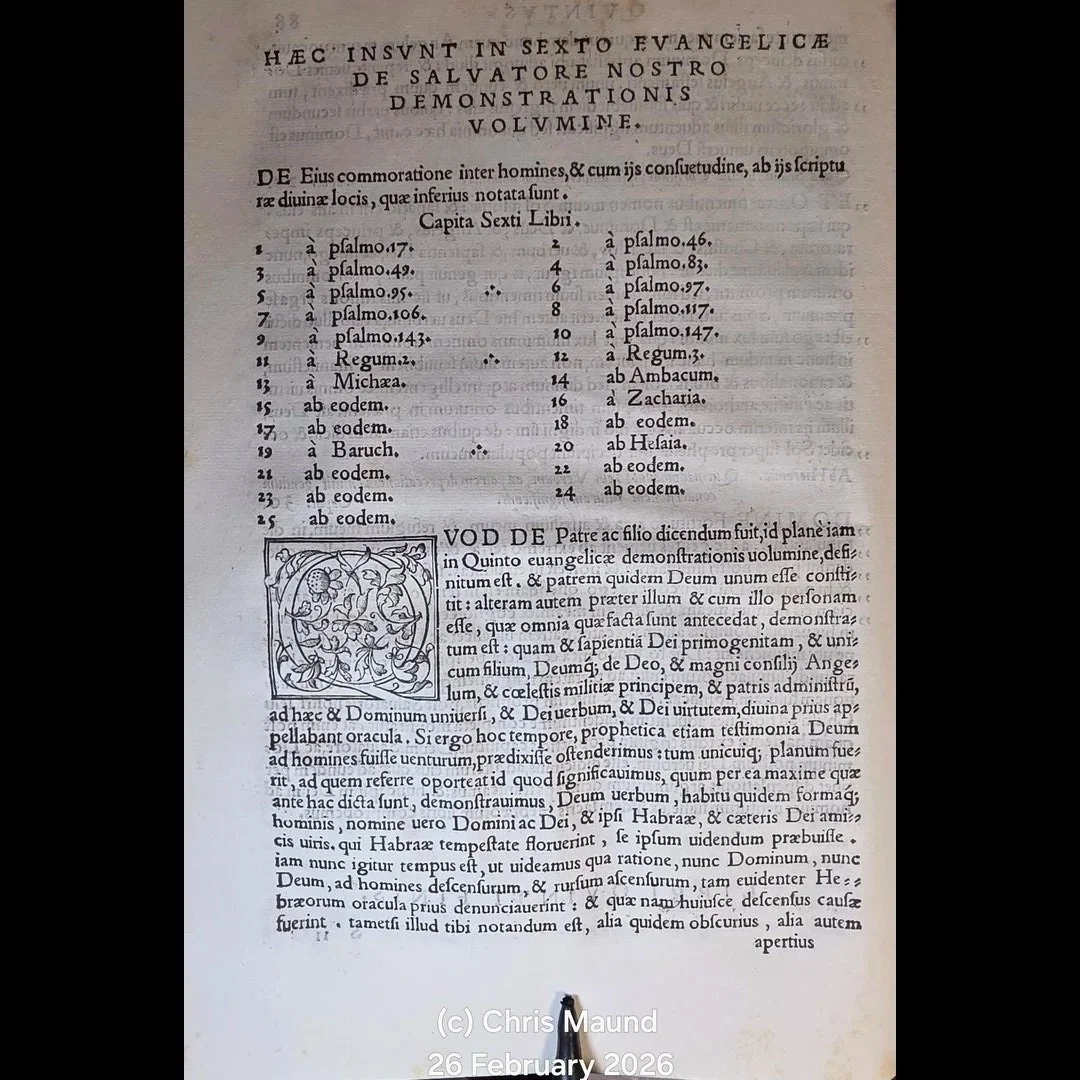 Image 22 of 39
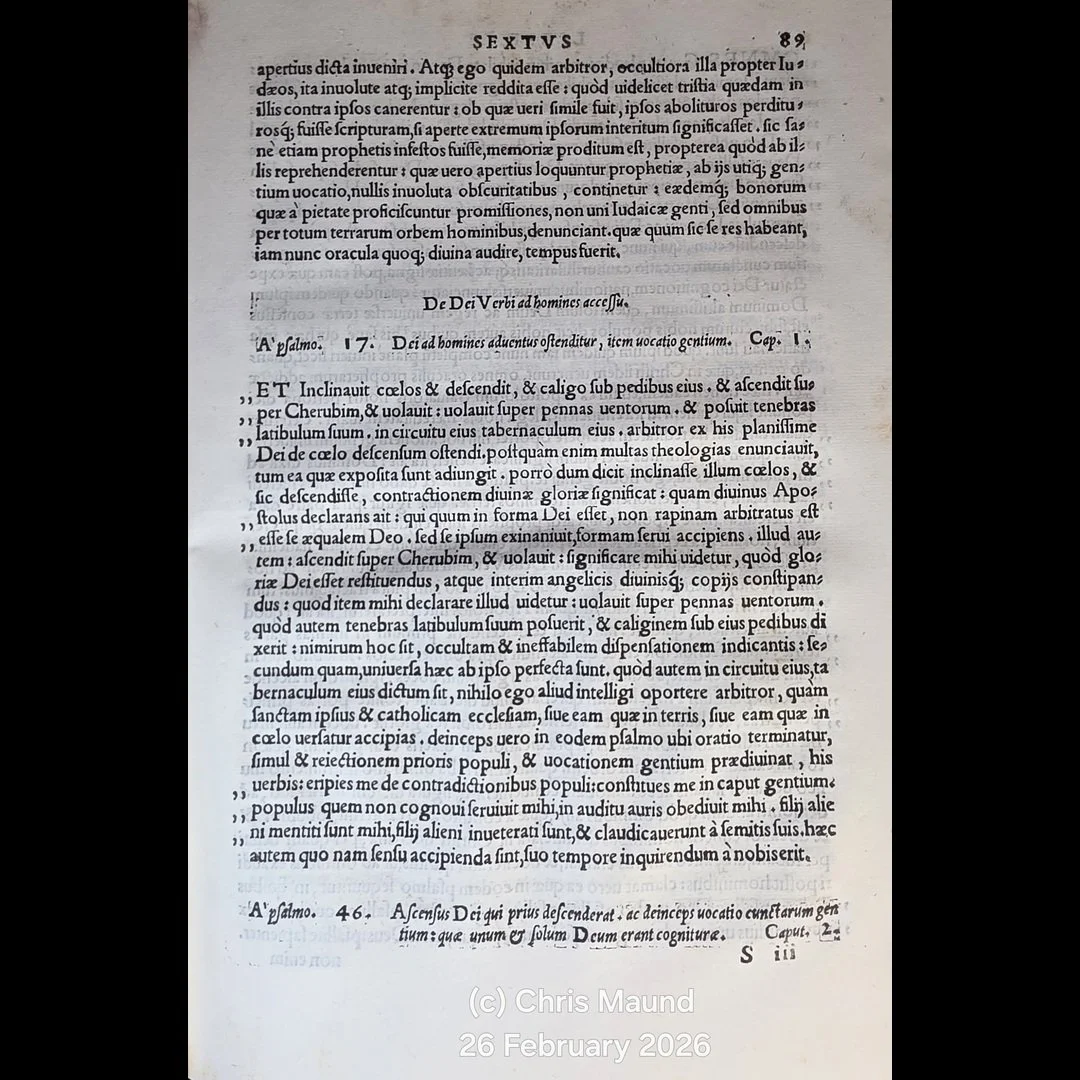 Image 23 of 39
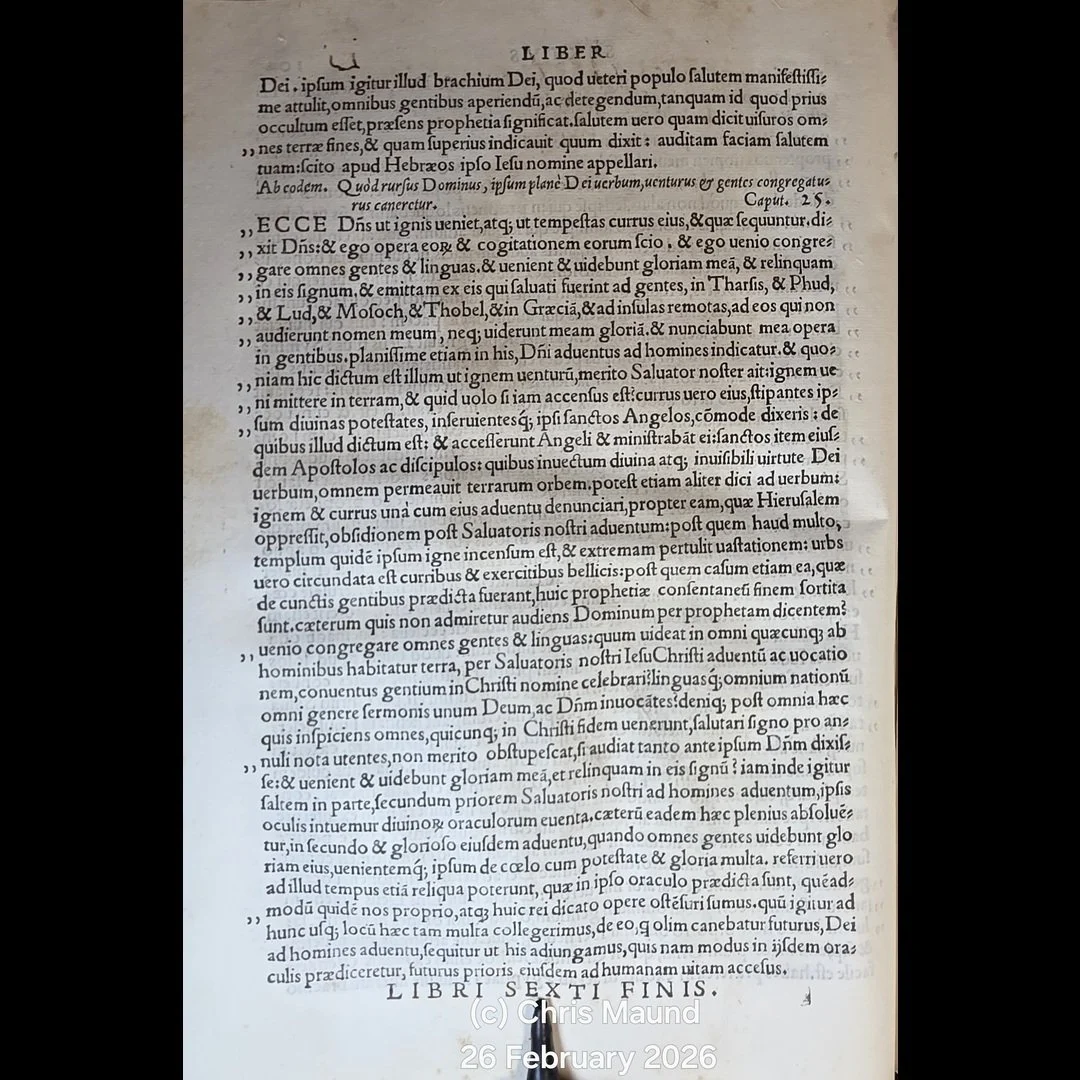 Image 24 of 39
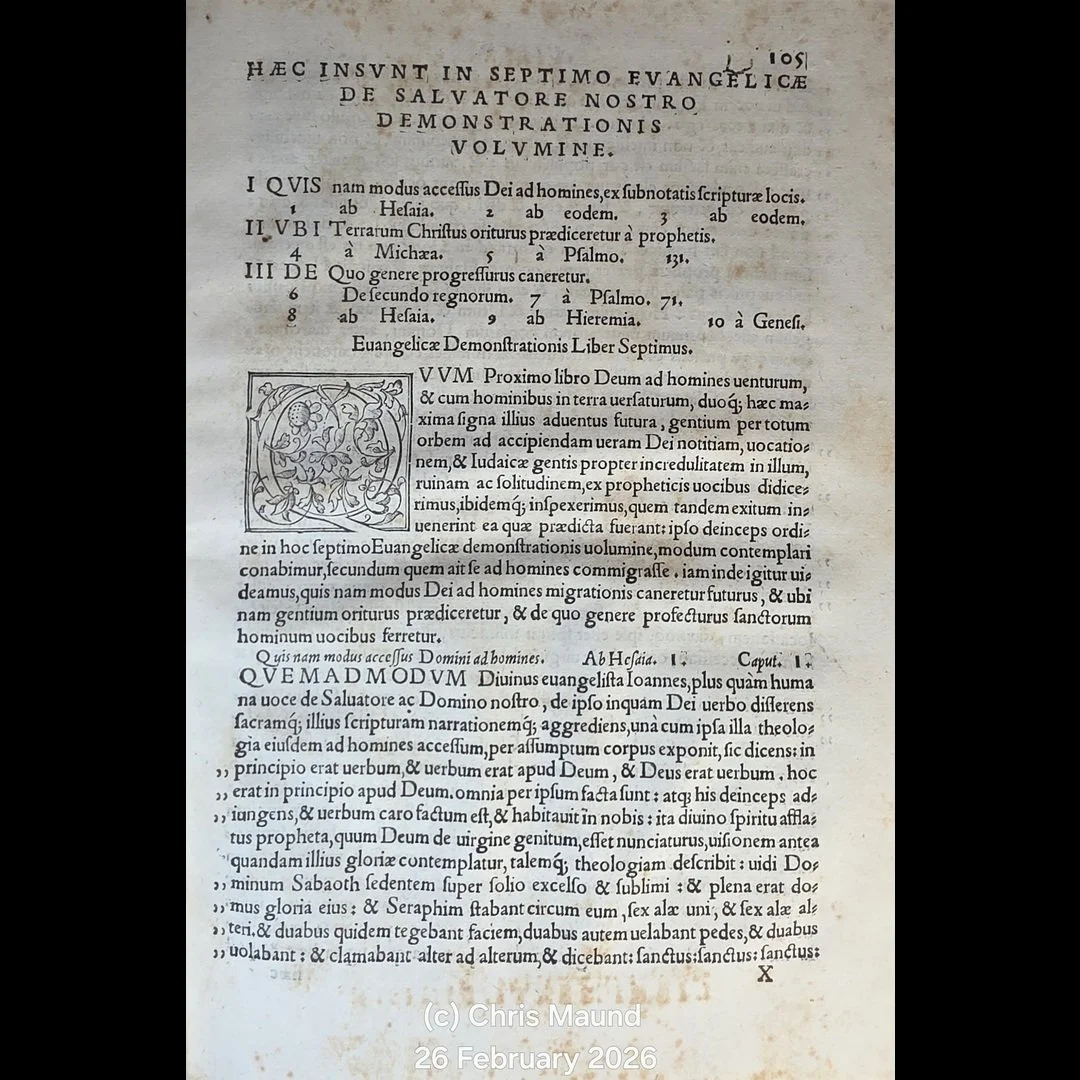 Image 25 of 39
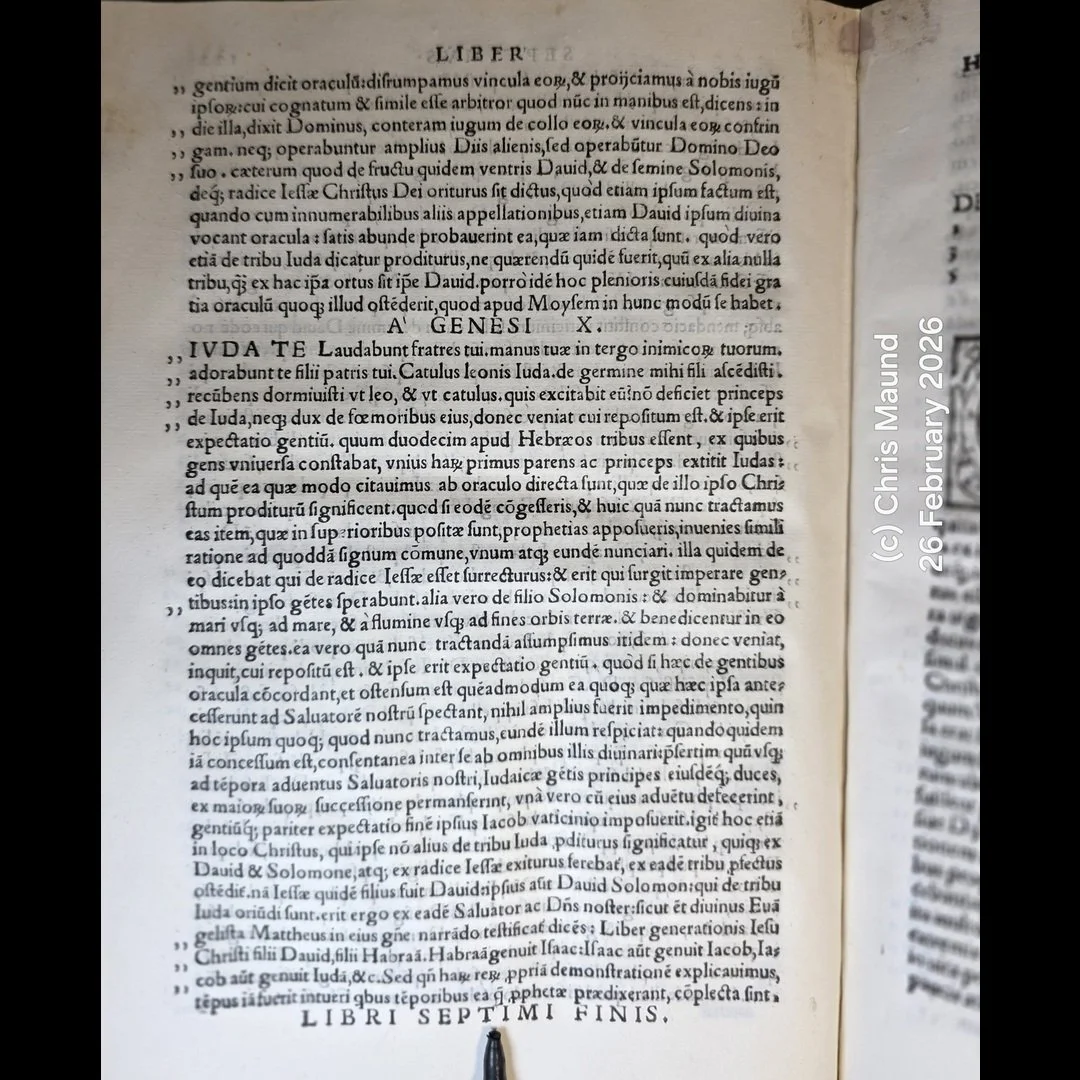 Image 26 of 39
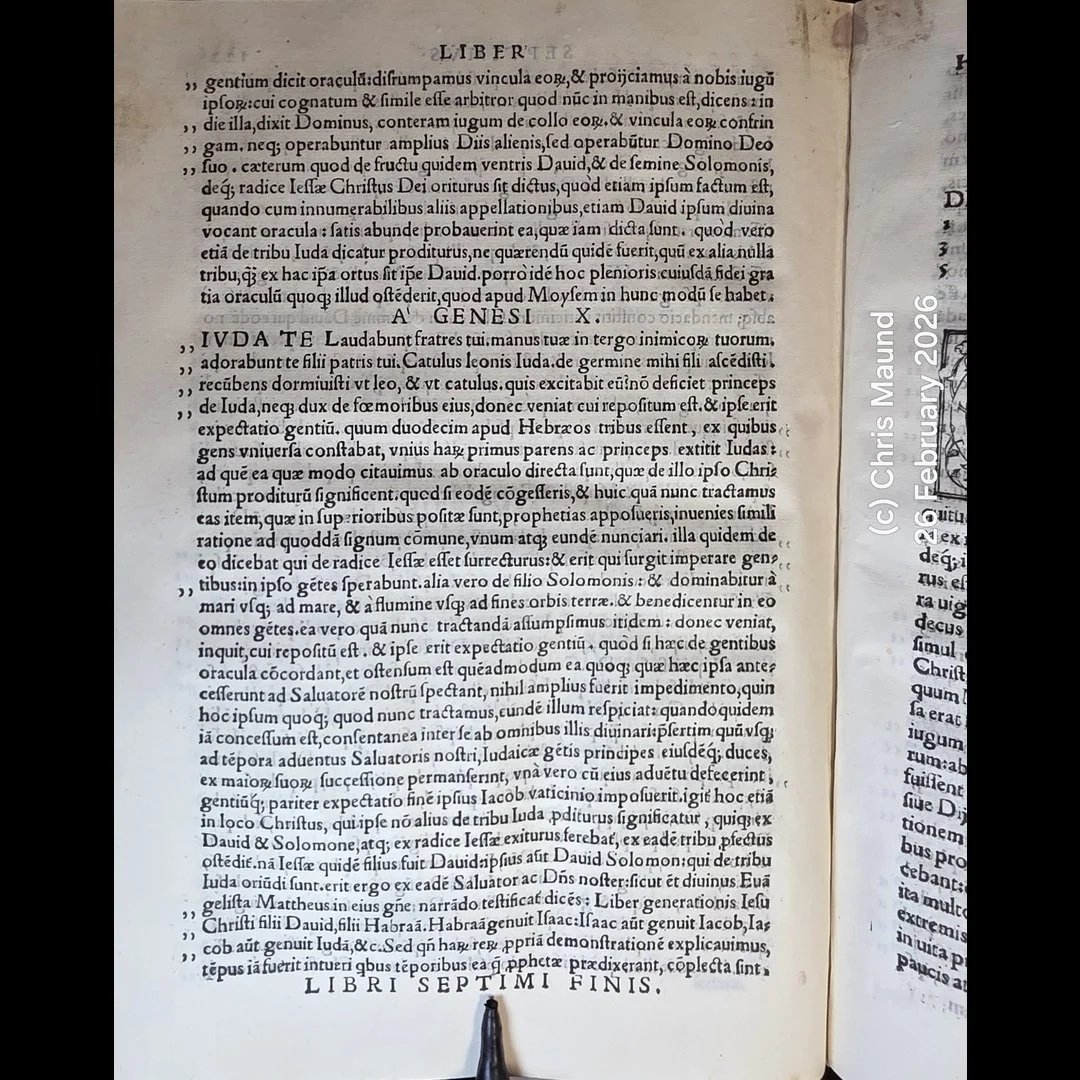 Image 27 of 39
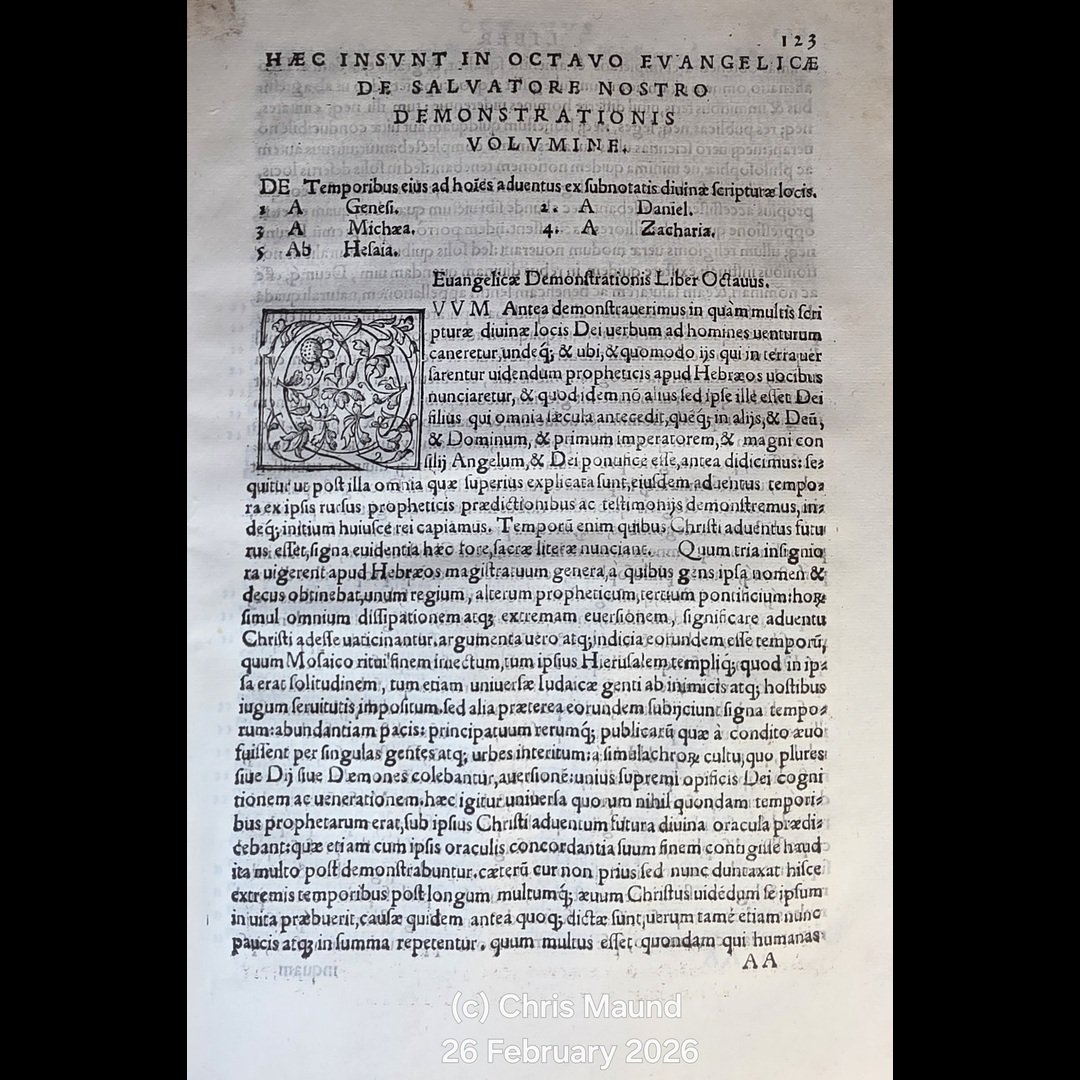 Image 28 of 39
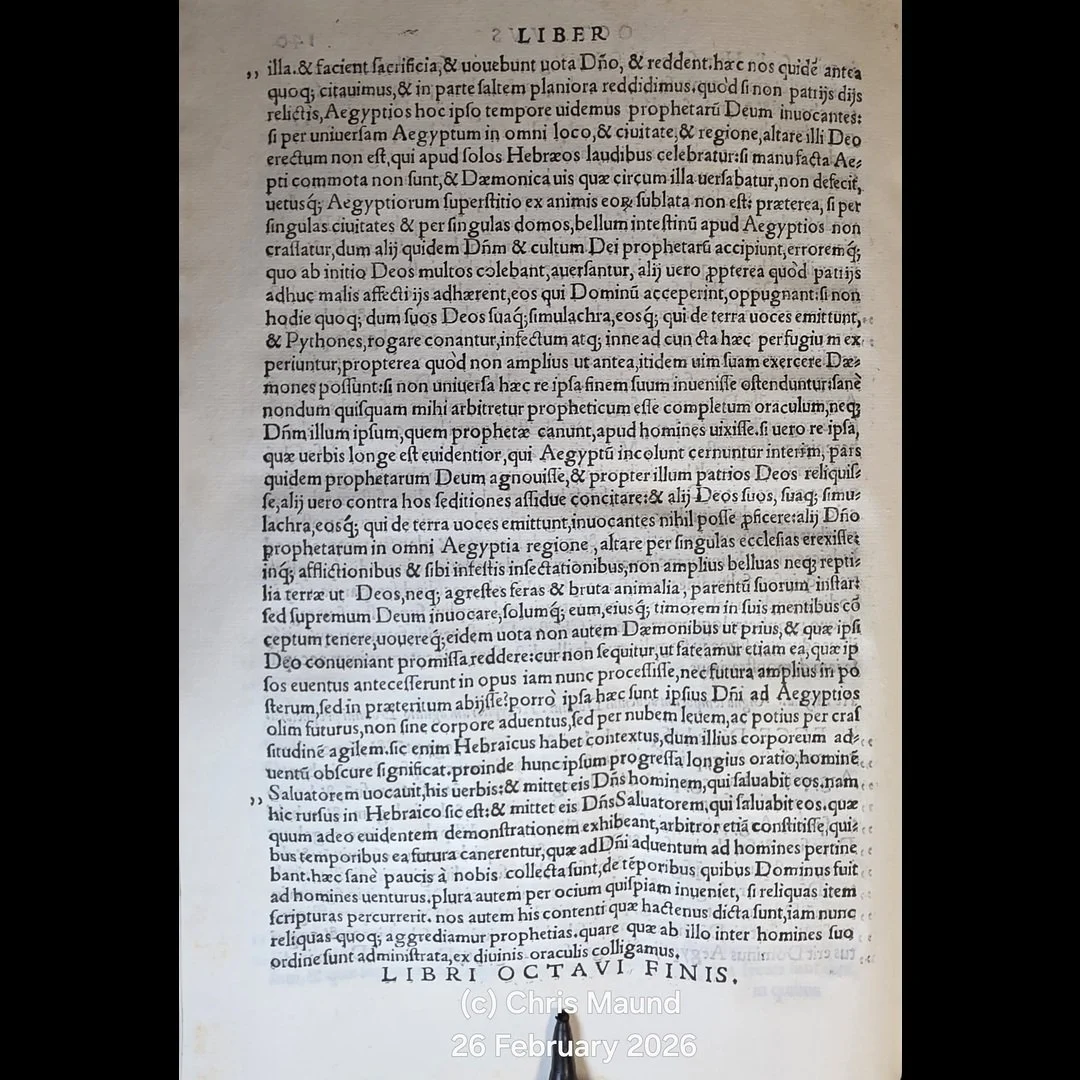 Image 29 of 39
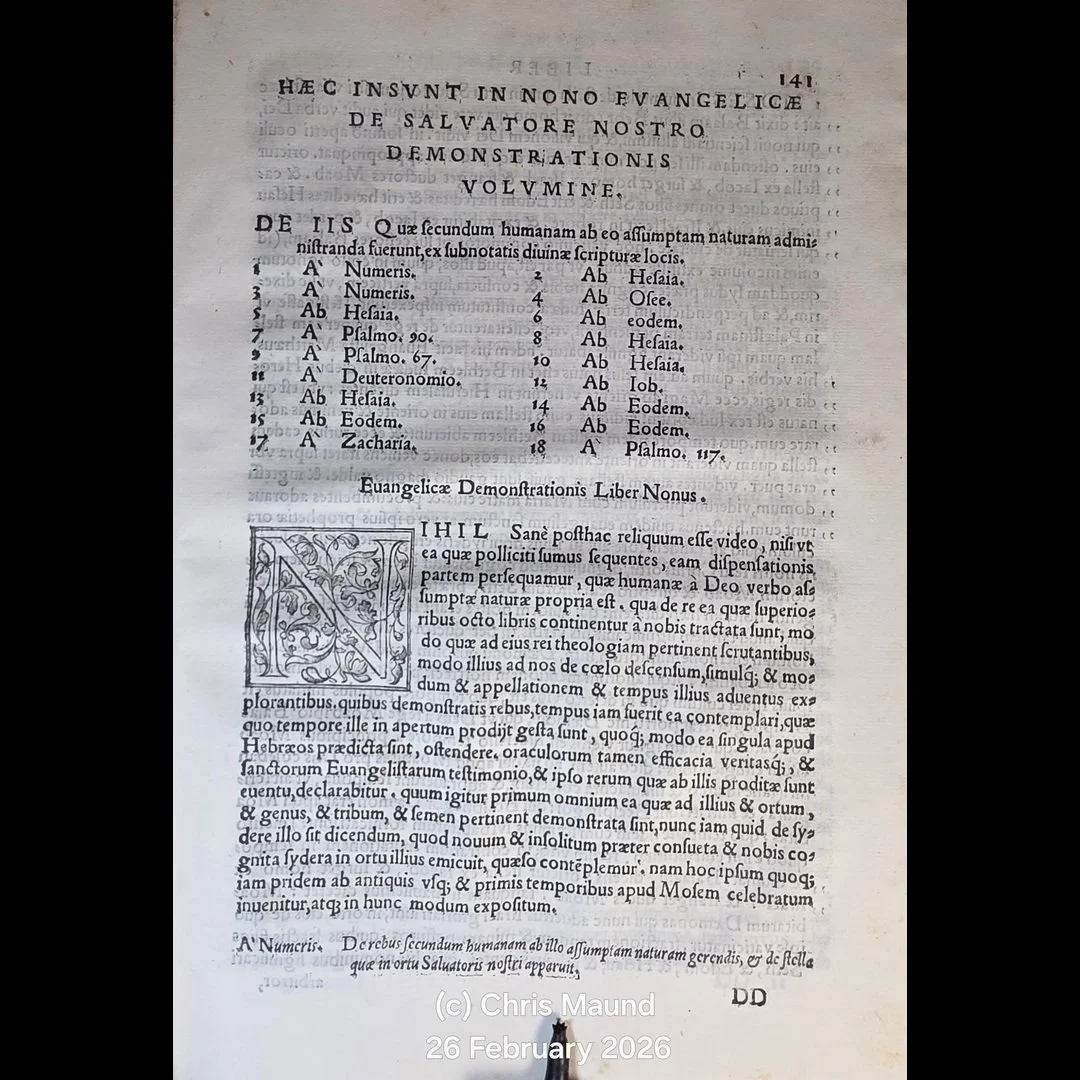 Image 30 of 39
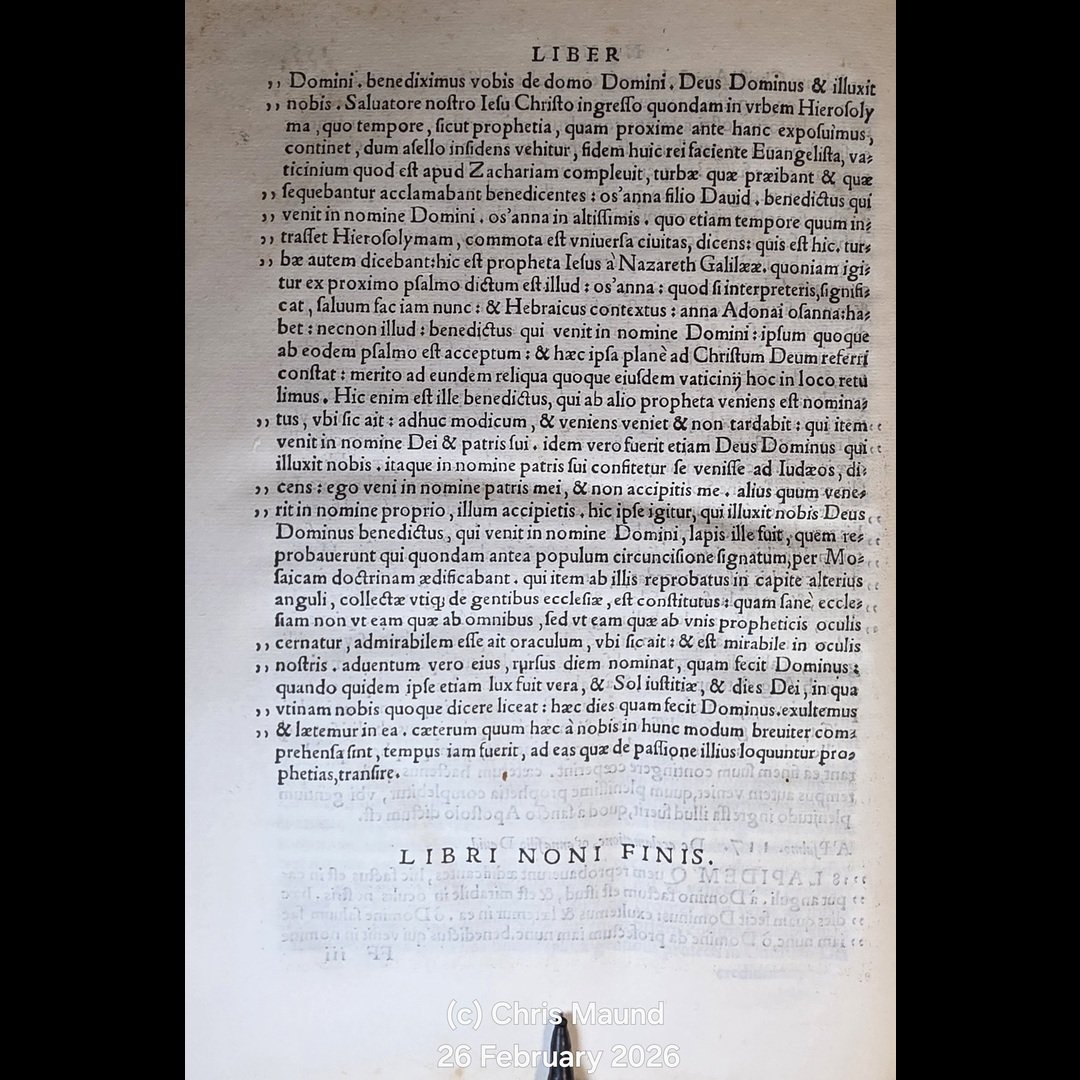 Image 31 of 39
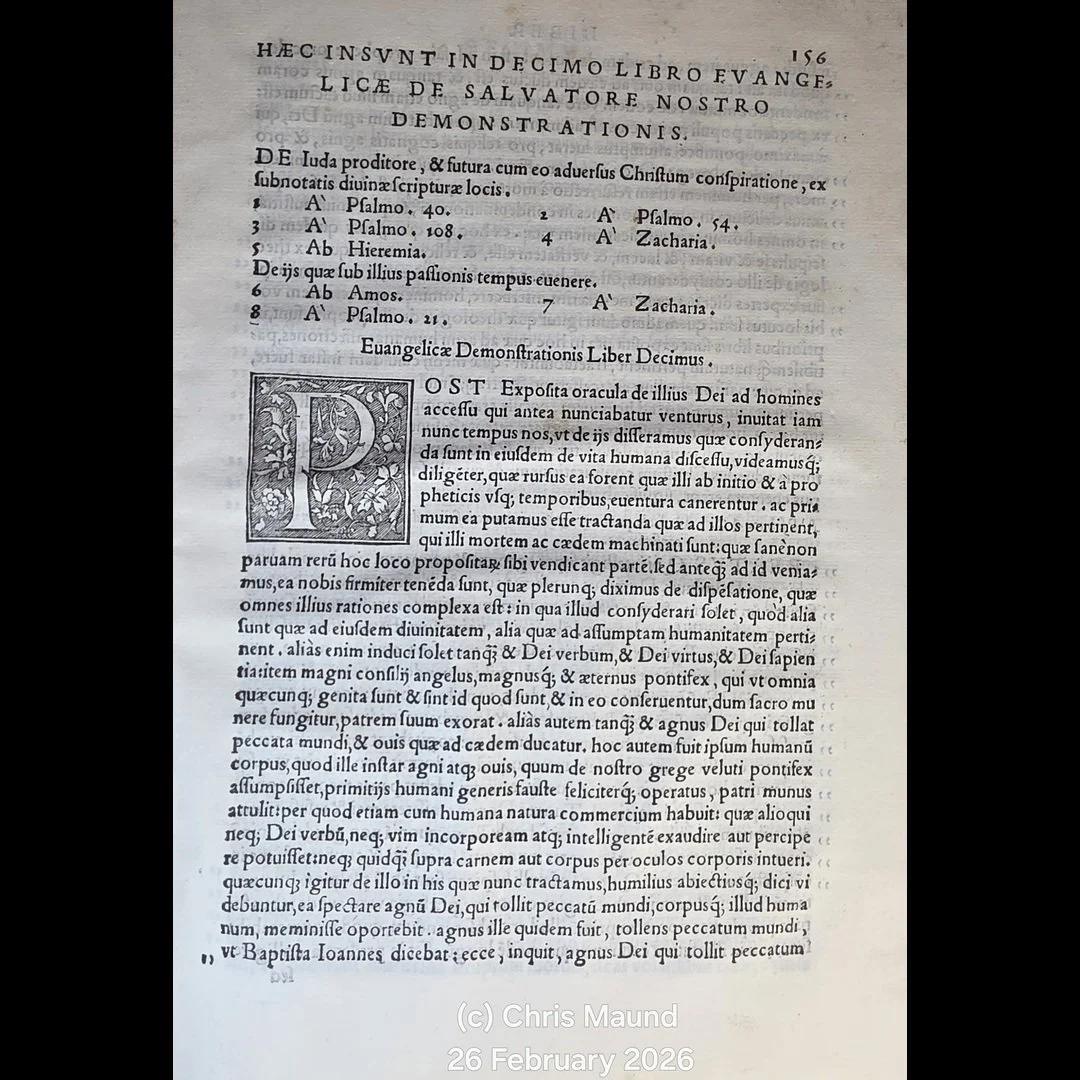 Image 32 of 39
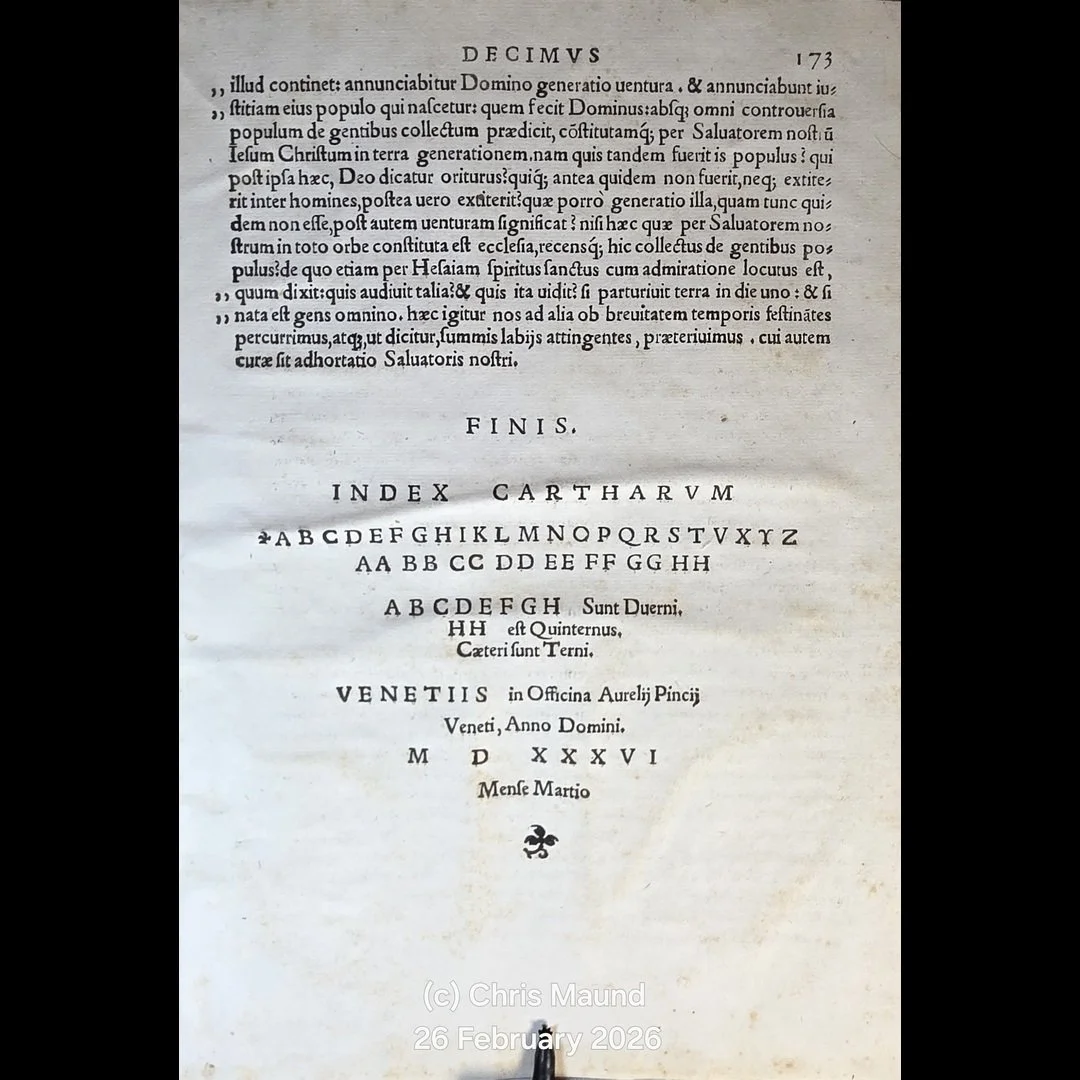 Image 33 of 39
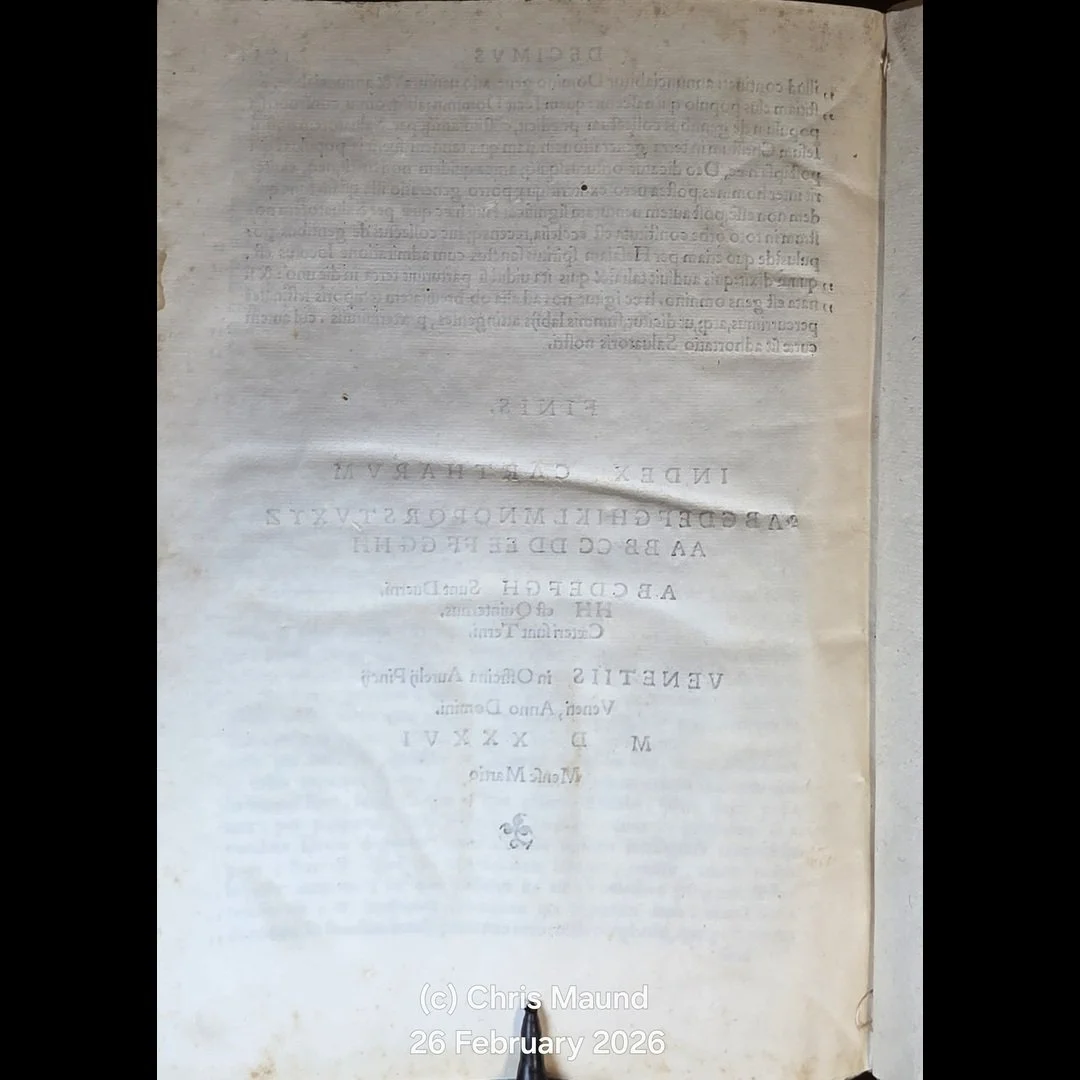 Image 34 of 39
 Image 35 of 39
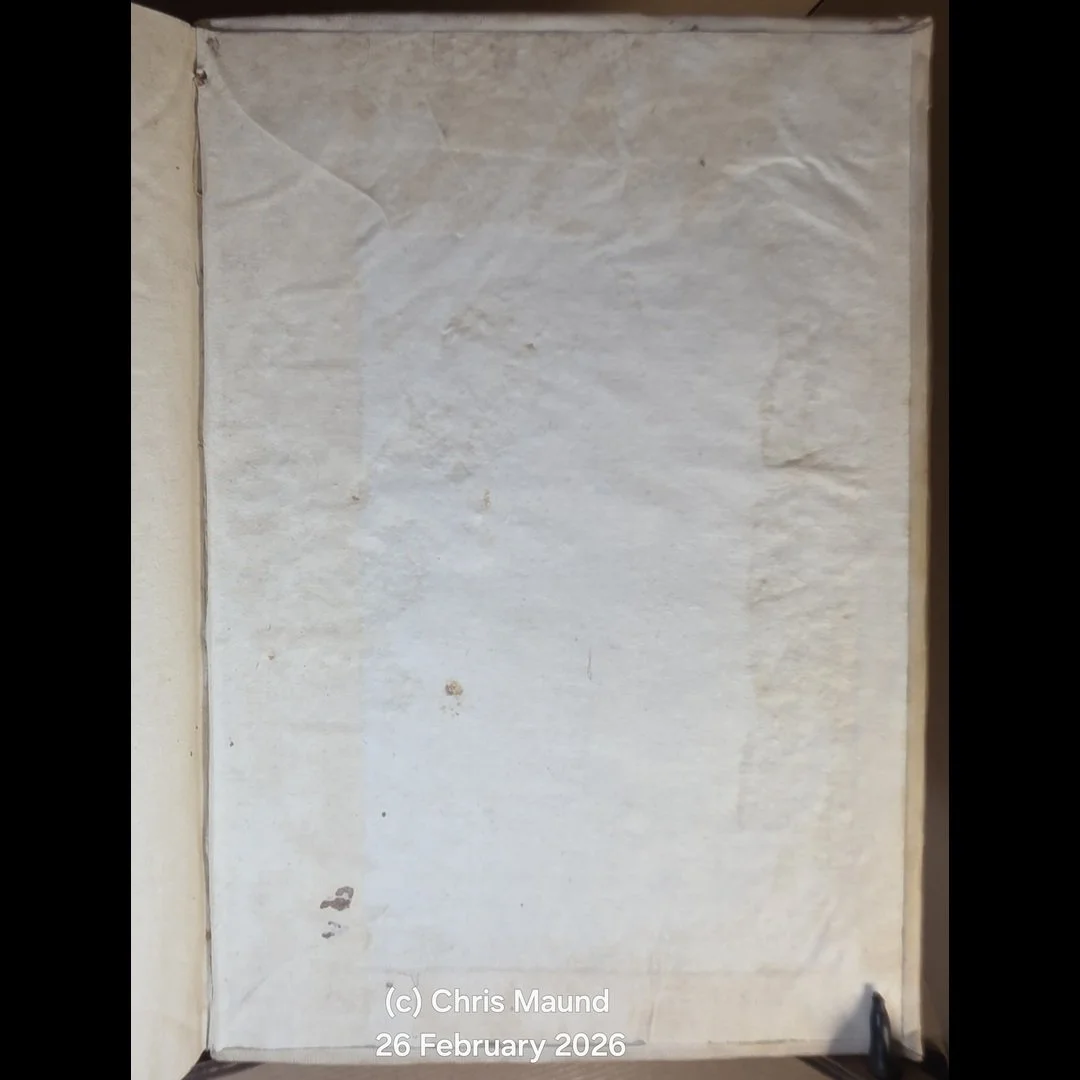 Image 36 of 39
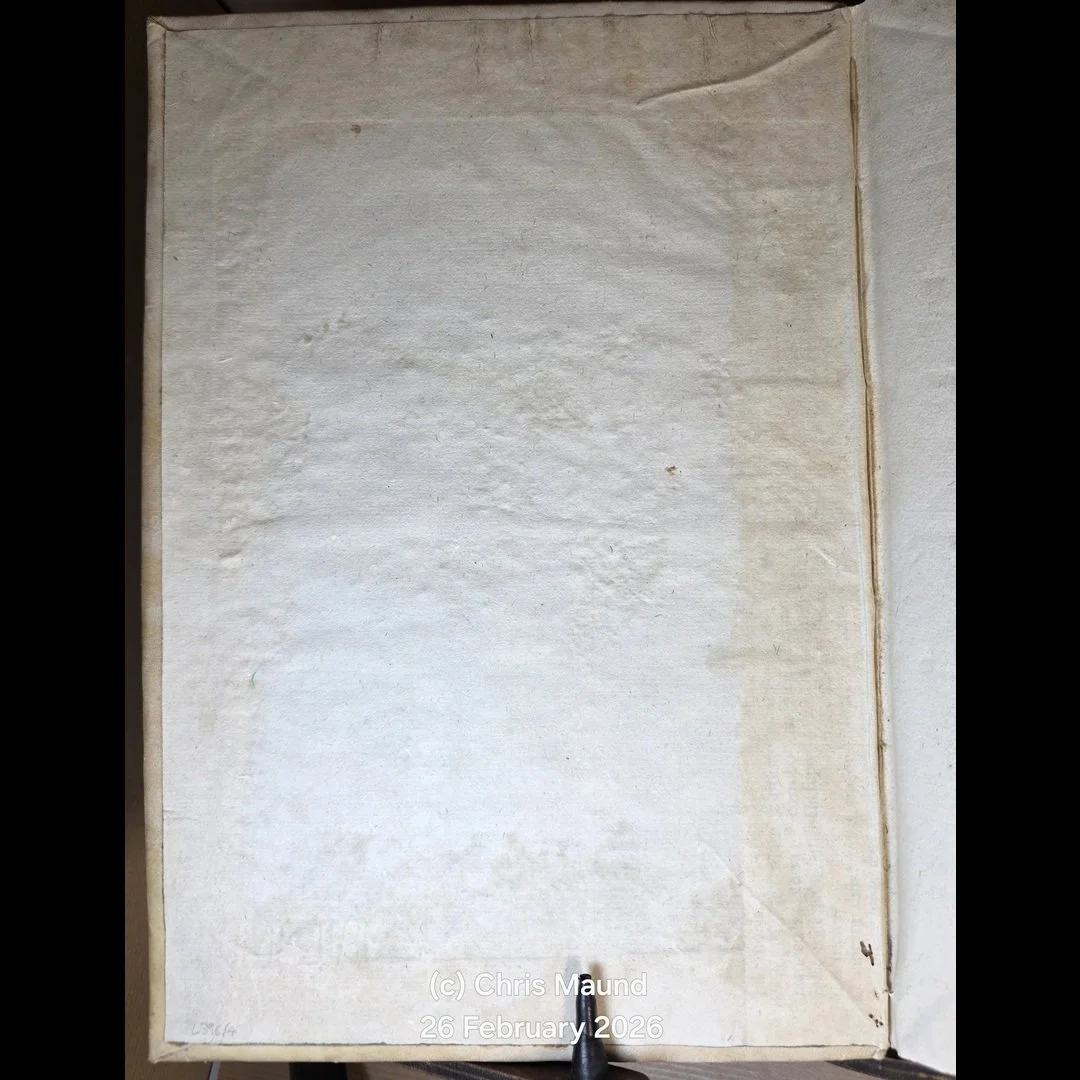 Image 37 of 39
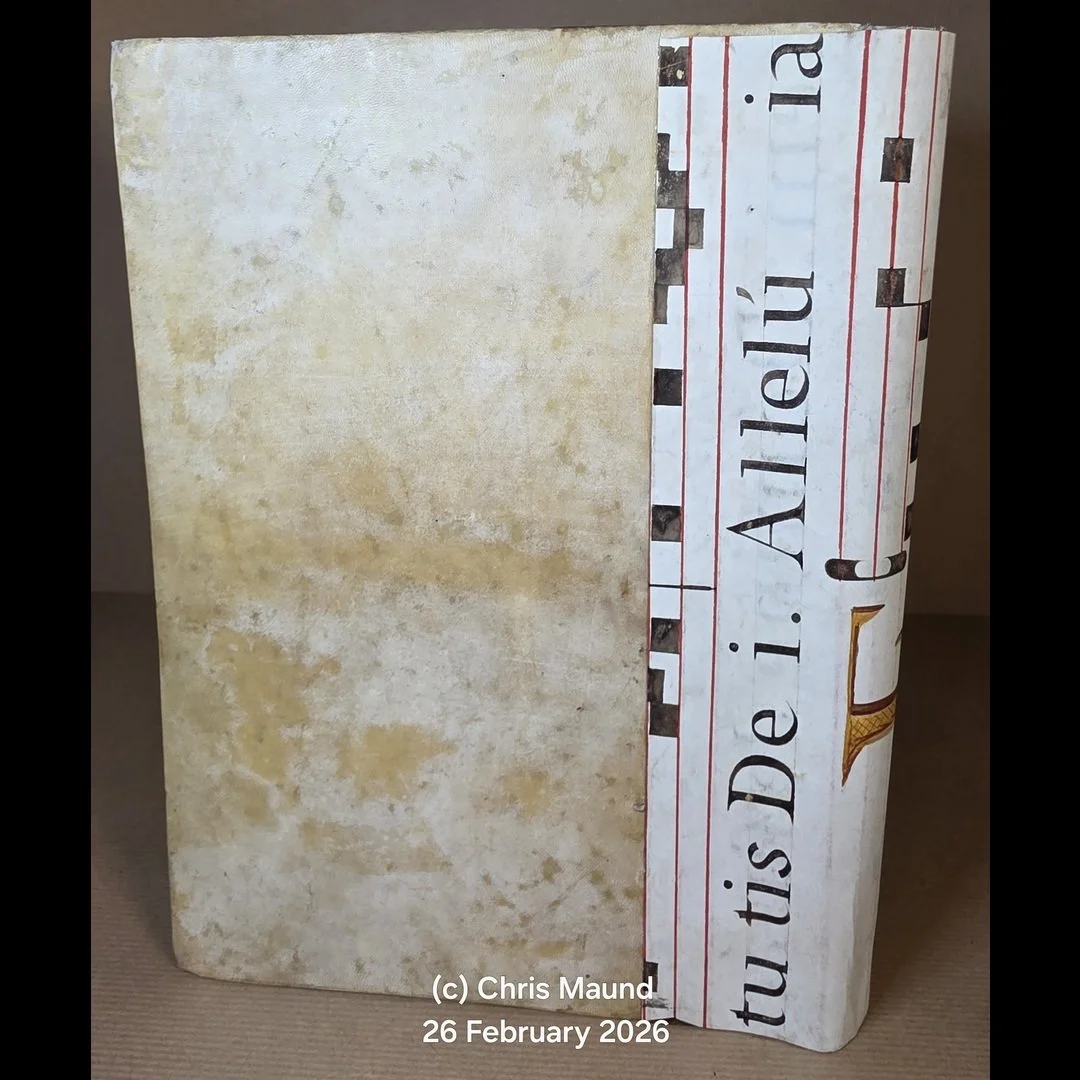 Image 38 of 39
 Image 39 of 39