1586 Illustrated Renaissance Folio
METAMORPHOSEON LIBRI XV
By Publius Ovidius Naso (Ovid)
KEY DETAILS
Condition: Good+
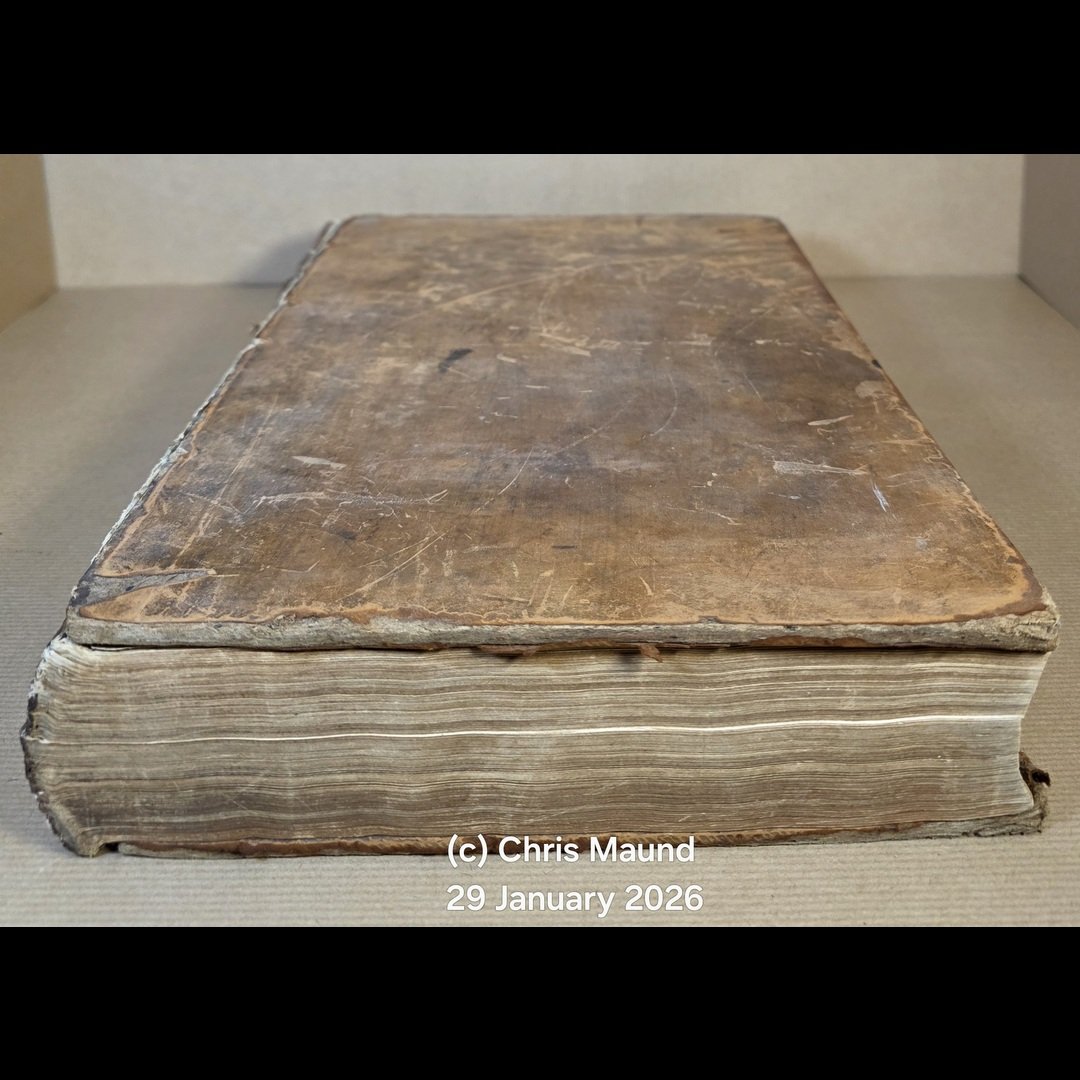
Format: Hardcover, Half leather (later binding), with cloth sides; folio; approx. 302 × 204 mm.
Published By: Niccolò Moretti (Nicolaus Moretus), Venice, 1586
Language: Latin with occasional Greek in the scholarly apparatus
Collation: Folio. α⁶ A–V⁸; [12], 315, [3] pp., with the original final blank V8 present. The concluding index terminates with FINIS TABULAE. Complete.
Dust Jacket: None, as issued
SKU: BTETM0002689
Shipping Info: Approximate Package Dimensions H: 12.5, L: 30, W: 25 (Units: cm), W: 2Kg
Tracked Shipping, Insurance Coverage as per Customer Request
DESCRIPTION
Metamorphoseon Libri XV
An important and profusely illustrated Venetian Renaissance edition of Ovid's Metamorphoses, printed by Niccolò Moretti in 1586, presenting the complete fifteen books of one of classical antiquity's most influential poems alongside an extensive apparatus of Renaissance humanist commentary.
This substantial folio is particularly notable for its more than sixty narrative woodcuts, belonging to the long-lived Venetian tradition of illustrating Ovid, and for the distinguished scholarship surrounding the classical text. The edition represents not merely the transmission of Ovid's poetry, but the ways in which it was interpreted, illustrated and studied during the Renaissance.
The principal commentary is that of Raffaele Regio (Raphael Regius), the Italian humanist whose luculentissima explanatio became one of the most influential Renaissance commentaries on the Metamorphoses. His explanations accompany Ovid's verse throughout, supplemented by the mythological arguments traditionally attributed to Lactantius Placidus and annotations associated with Caelius Rhodiginus, Giovanni Battista Egnazio, Heinrich Glarean, Gilbert de Longueil and Giacomo Costanzi (Jacobus Fanensis).
The text is arranged with Ovid's poetry prominently positioned within a dense framework of explanatory commentary, bringing together classical mythology, philology, textual criticism, historical interpretation and Renaissance scholarship. The title page announces the edition as newly corrected and purged of numerous errors.
The Renaissance Woodcuts and Their Origins
The volume is extensively illustrated with more than sixty large narrative woodcuts, many depicting several successive mythological episodes within a single composition and identifying individual characters through inscriptions cut directly into the images.
These illustrations belong to the early-sixteenth-century Venetian Regio tradition, particularly associated with the illustrated Metamorphoses printed by Giovanni Tacuino at Venice in 1513.
That edition employed a celebrated series of approximately sixty-one narrative woodcuts, itself developed within the rich tradition of illustrated Venetian Ovid editions established during the late fifteenth century. The series and its designs continued to circulate through subsequent sixteenth-century editions, with documented reuse of earlier woodcuts.
Research into the present copy has established a particularly close correspondence between its Hercules, Busiris, Prometheus and Atlas woodcut and the illustration appearing on folio 89 verso of Tacuino's 1513 edition.
Comparison with two surviving impressions of the 1513 illustration reveals exceptionally close agreement in composition, inscriptions and fine internal linework. Although this supports the possibility that the same physical woodblock remained in use, identical blocks have not been conclusively established through shared accidental defects.
The illustrations should therefore be understood as belonging to the 1513 Venetian Regio illustrative tradition, without an unqualified attribution to the original Tacuino printing blocks.
The extensive pictorial cycle includes the Creation and Flood narratives, the exploits of Perseus and Hercules, Jason and Medea, Orpheus and Eurydice, the punishment of Athamas and Ino, and numerous other transformations and mythological episodes.
Together, the woodcuts form an extensive visual commentary upon Ovid's poem, demonstrating how classical mythology was represented and interpreted by Renaissance artists and readers.
The title page bears Moretti's large ornamental woodcut printer's device, depicting Fortune holding a billowing sail above the sea, accompanied by the motto NON BIS.
An Early Censored Woodcut
Of particular copy-specific interest is the woodcut in Book IV illustrating Tisiphone afflicting Athamas and Ino with madness.
The composition identifies its principal figures within the image, including Tisiphone, Athamas, Ino, Learchus and Melicertes. It depicts the Fury's intervention in the household of Athamas, setting in motion the tragic events recounted by Ovid.
An early reader has deliberately applied brown ink to selected areas of exposed flesh, partially obscuring the nudity of several figures while leaving much of the surrounding composition intact.
The intervention is particularly interesting because other woodcuts containing nudity within the volume remain uncensored. It therefore represents a selective response to the imagery rather than a systematic alteration of the entire illustrated cycle.
This early censorship provides an unusual material record of the reception of classical mythology and its visual representation, reflecting the ways in which readers could physically modify printed books according to their own sensibilities.
Occasional early manuscript annotations or corrections elsewhere in the volume provide further evidence of engagement with the scholarly text.
The combination of its extensive Renaissance commentary, early Venetian woodcut tradition and distinctive evidence of reader intervention makes this an especially interesting example of the illustrated Metamorphoses.
CONDITION, COLLATION & COPY NOTES
COLLATION
Folio. α⁶ A–V⁸; [12], 315, [3] pp., with the original final blank V8 present. The concluding index terminates with FINIS TABULAE. Complete.
The final gathering has been examined, including the printed signature V4 on page 311 and the subsequent leaves through V8, followed by later binder's endpapers.
Overall: A substantial and attractive illustrated Renaissance folio, with an extensive scholarly apparatus and particularly interesting evidence of early reader interaction. The later binding and ordinary signs of age are balanced by the survival of its illustrated text, final original blank and distinctive copy-specific features.
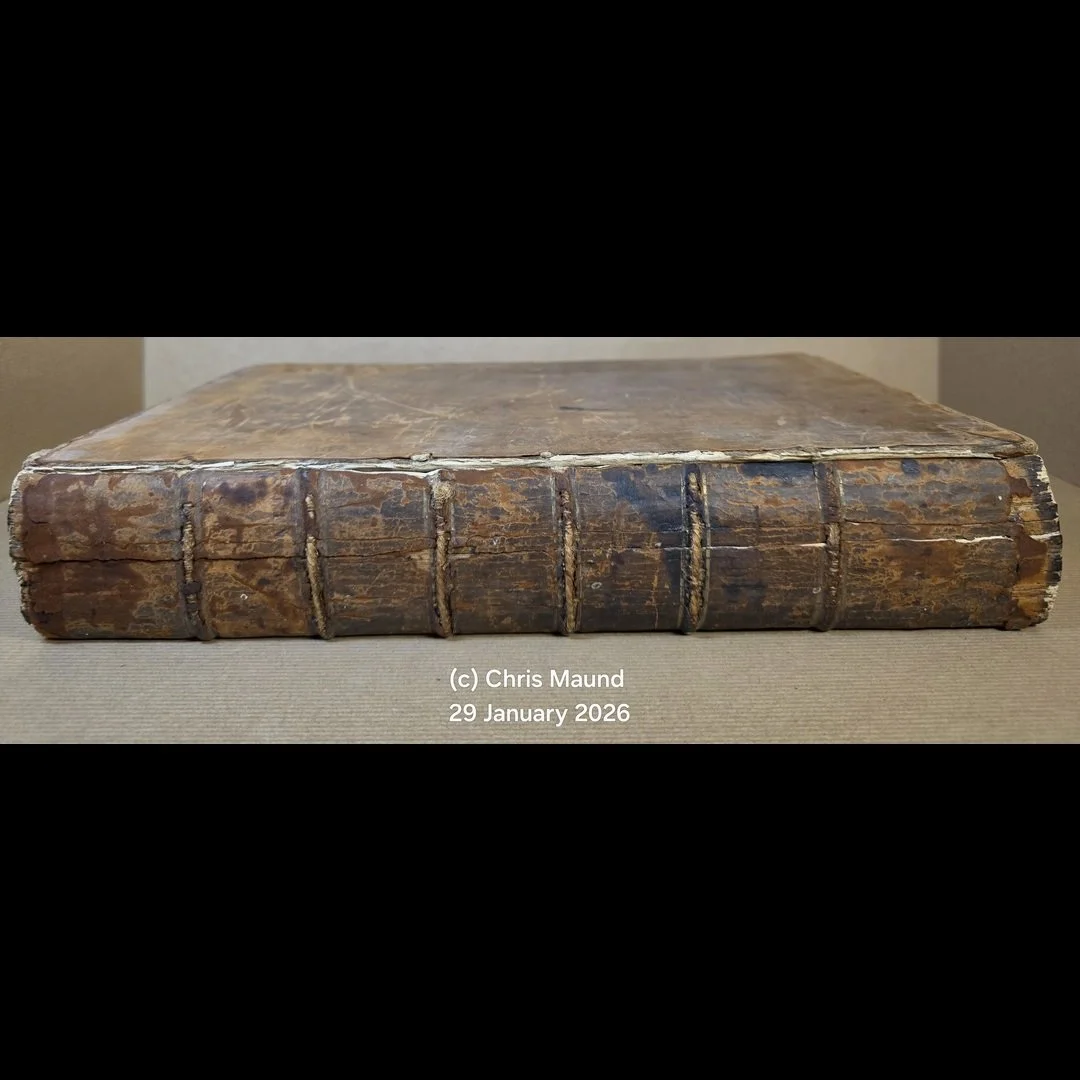
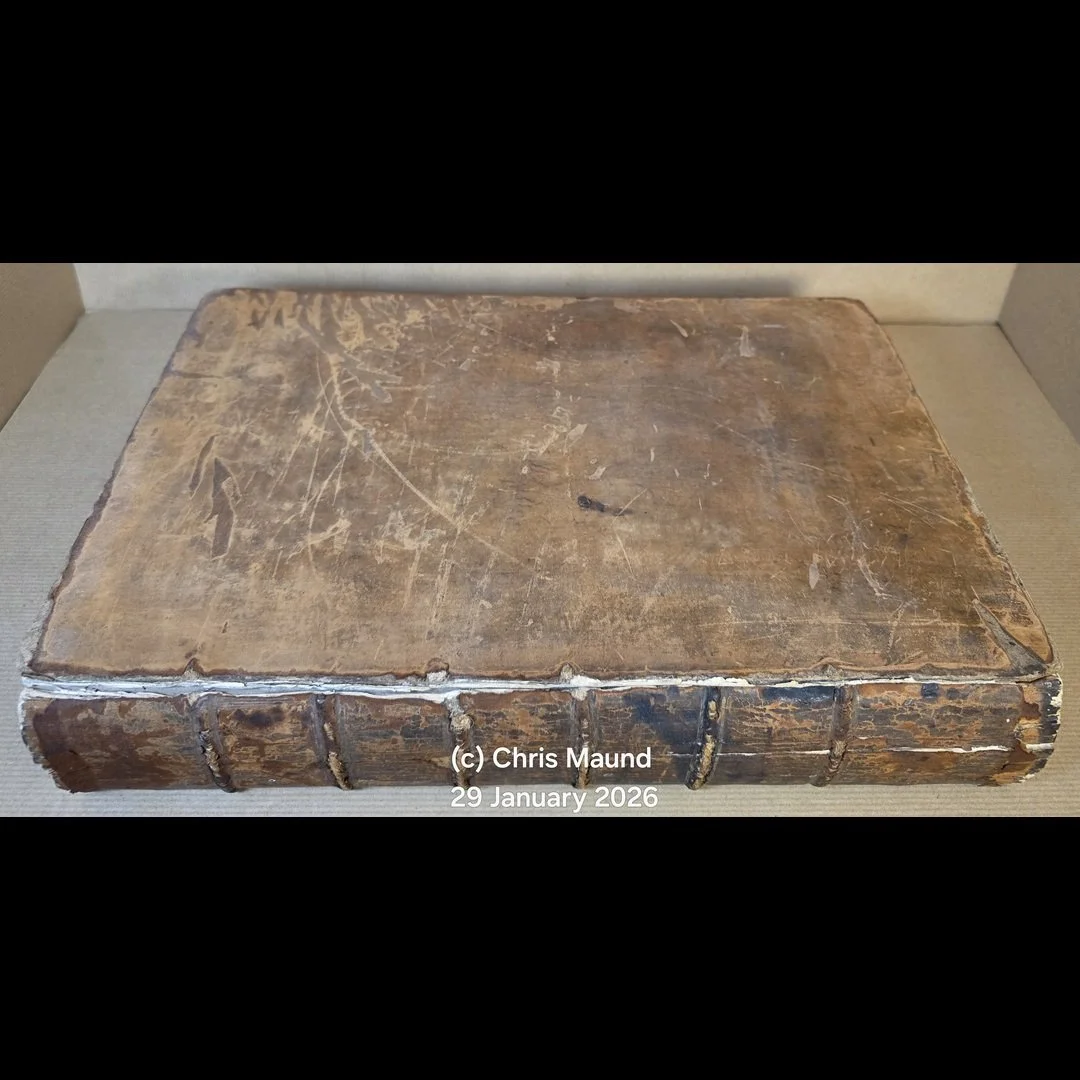
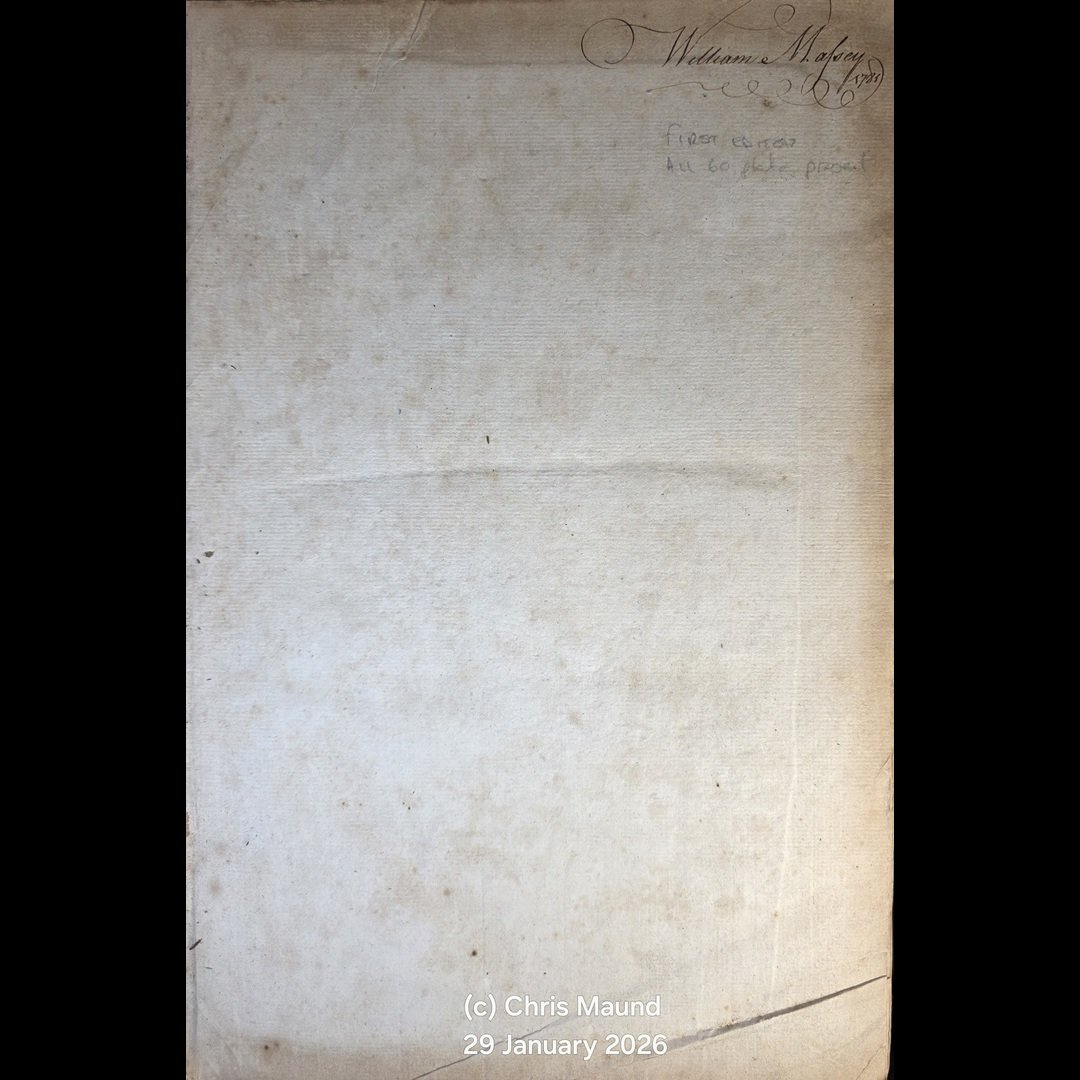
Binding: Later half leather over cloth-covered boards, with later endpapers. The binding is solid and serviceable, with the boards securely attached. General external wear consistent with age and subsequent rebinding.
Text Block: Internally generally well preserved for a sixteenth-century folio. The paper displays age-related cockling and waviness, occasional spotting, staining, minor soiling and handling marks. Text and commentary remain legible throughout.
Illustrations: More than sixty narrative woodcuts, together with ornamental initials and the title-page printer's device. The illustrations generally retain good definition, with variations in impression strength and occasional age-related marks.
Early Censorship: The Book IV woodcut depicting Tisiphone, Athamas and Ino has been deliberately censored in brown ink, selectively obscuring areas of nudity. Some additional old ink marks extend into the surrounding text.
Manuscript Annotations: Occasional early marginal annotation or correction, including intervention within the scholarly commentary.
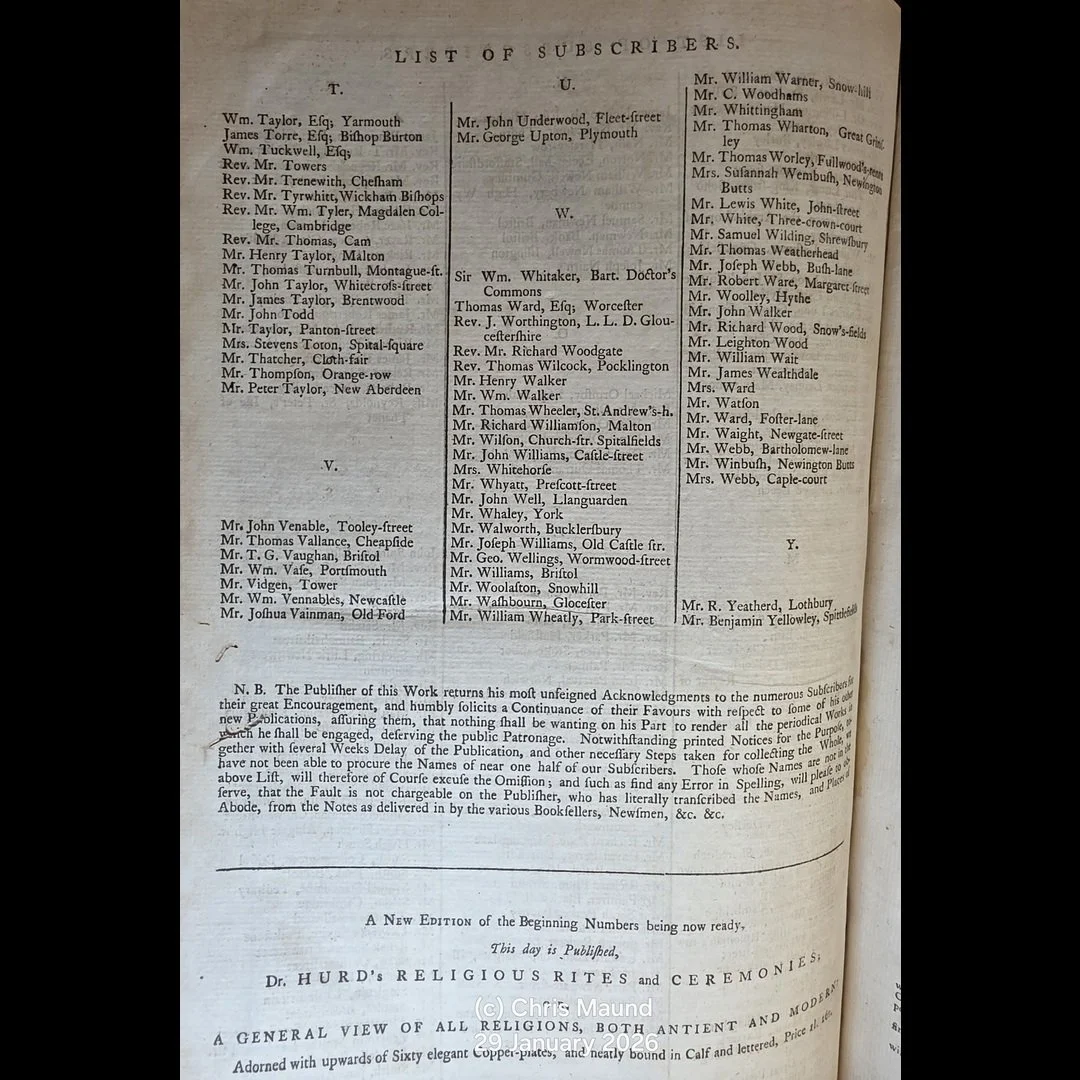
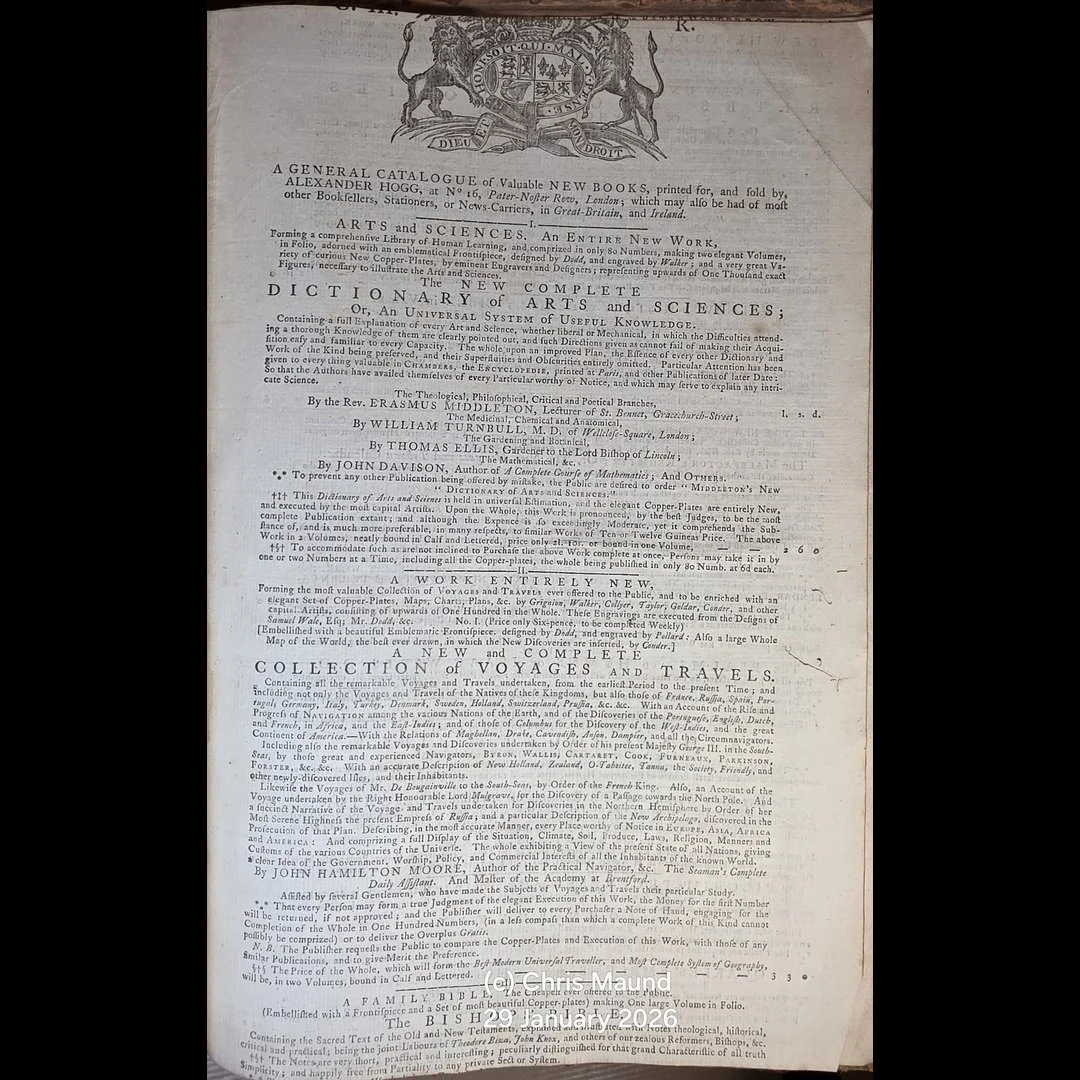
Please see Photos as part of condition report.
REFERENCES
Adams, Catalogue of Books Printed on the Continent of Europe, 1501–1600, O502.
EDIT16, CNCE 31201.
British Museum, Short-title Catalogue of Books Printed in Italy and of Italian Books Printed in Other Countries from 1465 to 1600, p. 481.
Short-Title Catalogue of Italian Books, Vol. II, p. 499.
University of Toronto, Centre for Reformation and Renaissance Studies, catalogue of the 1586 Moretti edition.
Giovanni Tacuino, Metamorphosis cum luculentissimis Raphaelis Regii enarrationibus, Venice, 1513; illustrated edition containing approximately sixty-one narrative woodcuts.
Warburg Institute Iconographic Database, Venetian Metamorphoses illustration cycle, 1513, including the Hercules–Busiris–Prometheus composition on fol. 89v.
Rijksmuseum Research Library, Metamorphoseon libri XV, Venice, 1565; catalogue noting the relationship between its illustrations and those of the 1513 Venetian edition.
Giulio Pesavento, Ovidio in bianco e nero: l'illustrazione delle Metamorfosi nelle prime edizioni a stampa (2018), for the early Venetian illustration tradition.
SYNOPSIS
Ovid's Metamorphoses is one of the foundational works of Western literature, comprising fifteen books and approximately 12,000 lines of Latin hexameter verse devoted to the theme of transformation.
Beginning with the creation of the universe from primordial chaos, the poem unfolds through an extraordinary succession of interconnected myths, legends and historical narratives, ultimately concluding with the apotheosis of Julius Caesar and the celebration of Augustan Rome.
Its stories include the transformations of Daphne, Narcissus and Echo, Actaeon, Arachne, Pygmalion and many others, together with the adventures of Perseus, Jason, Medea, Daedalus and Icarus, Orpheus and Eurydice, and numerous gods, heroes and mortals.
Transformation operates throughout the poem as both a literal event and a profound literary metaphor. Humans become animals, plants, stones or stars; divine interventions reshape the natural world; and the boundaries between humanity, nature and the supernatural are repeatedly crossed.
The Metamorphoses became one of the principal sources through which classical mythology entered medieval and Renaissance European literature and art. Its narratives inspired generations of poets, dramatists, painters and sculptors, including Dante, Chaucer, Shakespeare, Titian, Rubens and Bernini.
The present edition is especially revealing of the poem's Renaissance reception. Its combination of classical verse, humanist commentary and extensive narrative illustration demonstrates how Ovid was simultaneously studied as literature, interpreted as mythology and translated into visual imagery.
AUTHOR BIO
Publius Ovidius Naso (43 BCE–c. 17/18 CE), commonly known as Ovid, was a Roman poet of the Augustan age and one of the three great canonical Latin poets alongside Virgil and Horace.
Born at Sulmo in central Italy, Ovid received a rhetorical education before pursuing a literary career in Rome. His early works, including the Amores, Ars Amatoria and Heroides, established his reputation for elegance, wit and innovative treatment of love and mythology.
His greatest surviving achievement, the Metamorphoses, brought together hundreds of mythological narratives within an ambitious continuous poem, creating one of the most influential literary works of antiquity.
In AD 8, Ovid was exiled by Augustus to Tomis on the Black Sea, where he remained until his death. The precise reasons for his exile remain uncertain, although Ovid himself famously attributed it to a carmen et error — a poem and a mistake.
His influence endured throughout the Middle Ages and Renaissance, when his writings became essential to classical education and provided an inexhaustible source of mythological material for European literature and the visual arts.
COMMENTATOR
Raffaele Regio (Raphael Regius, c. 1440/50–1520) was an Italian humanist, classical scholar and teacher particularly associated with the Renaissance revival of Latin literature.
His commentary on Ovid's Metamorphoses became an influential scholarly apparatus, widely reproduced in printed editions and valued for its philological explanations, mythological interpretations and engagement with classical learning.
The continued publication of Regio's commentary throughout the sixteenth century, including in the present 1586 Moretti edition, illustrates its enduring importance in the teaching and interpretation of Ovid during the Renaissance.

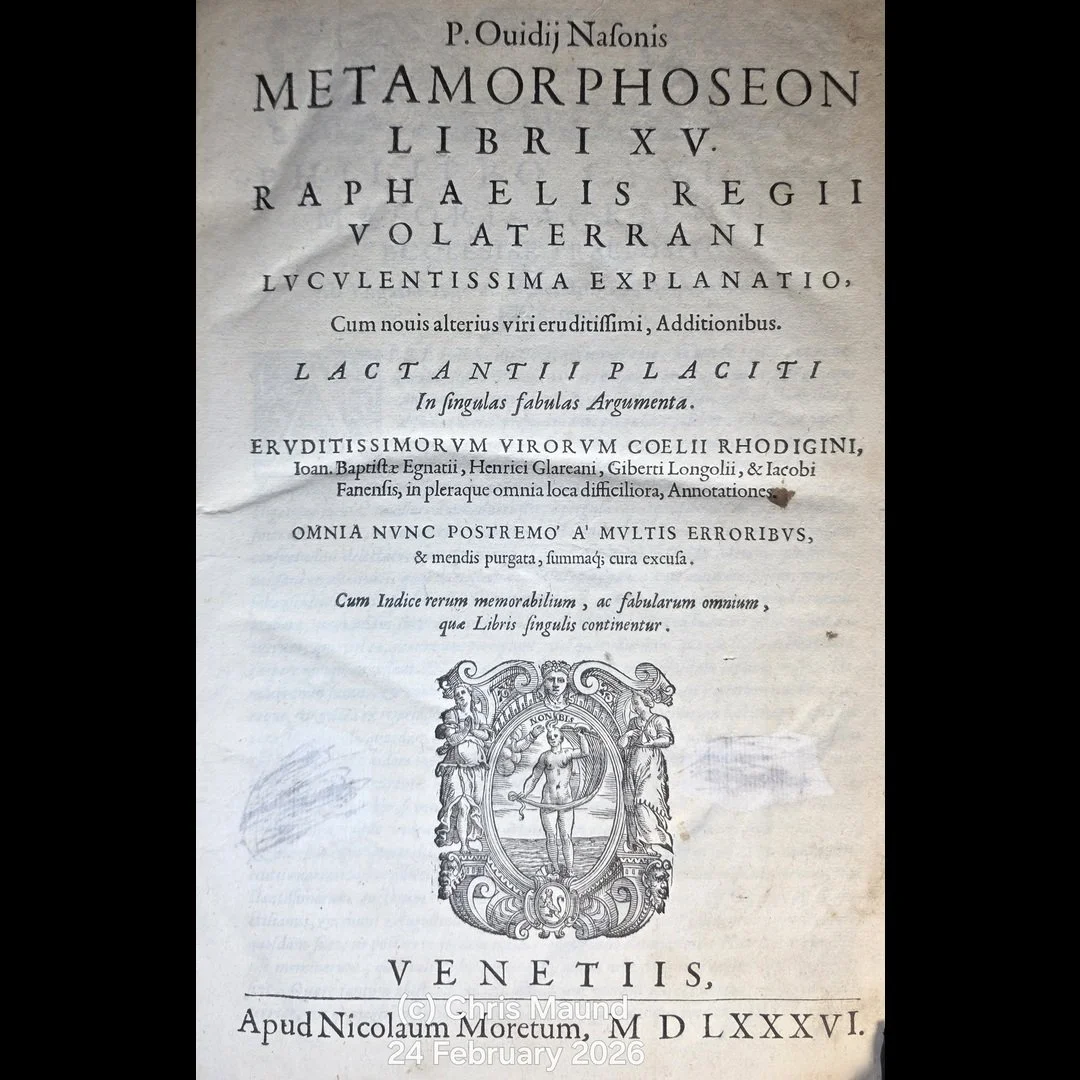 Image 1 of 47
 Image 2 of 47
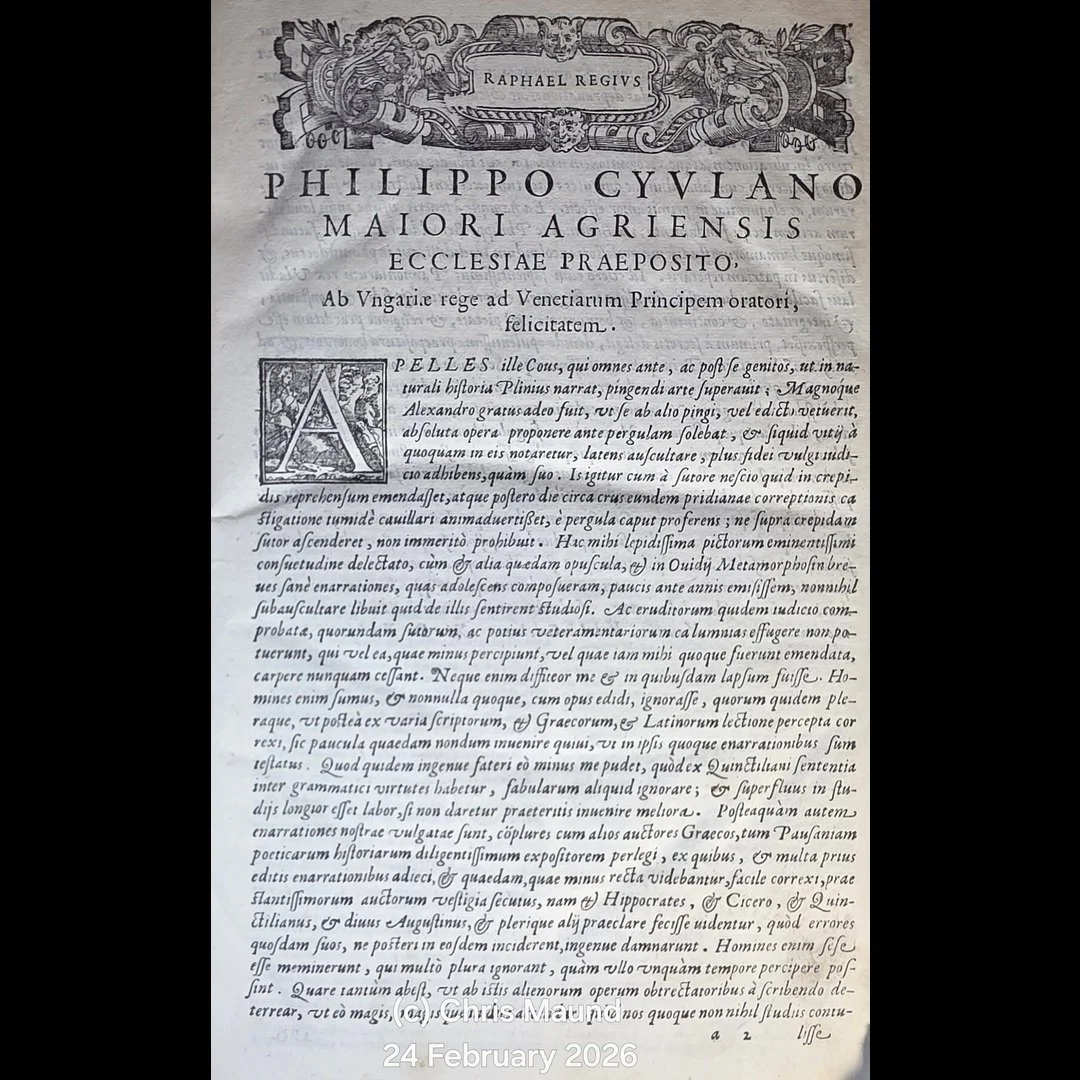 Image 3 of 47
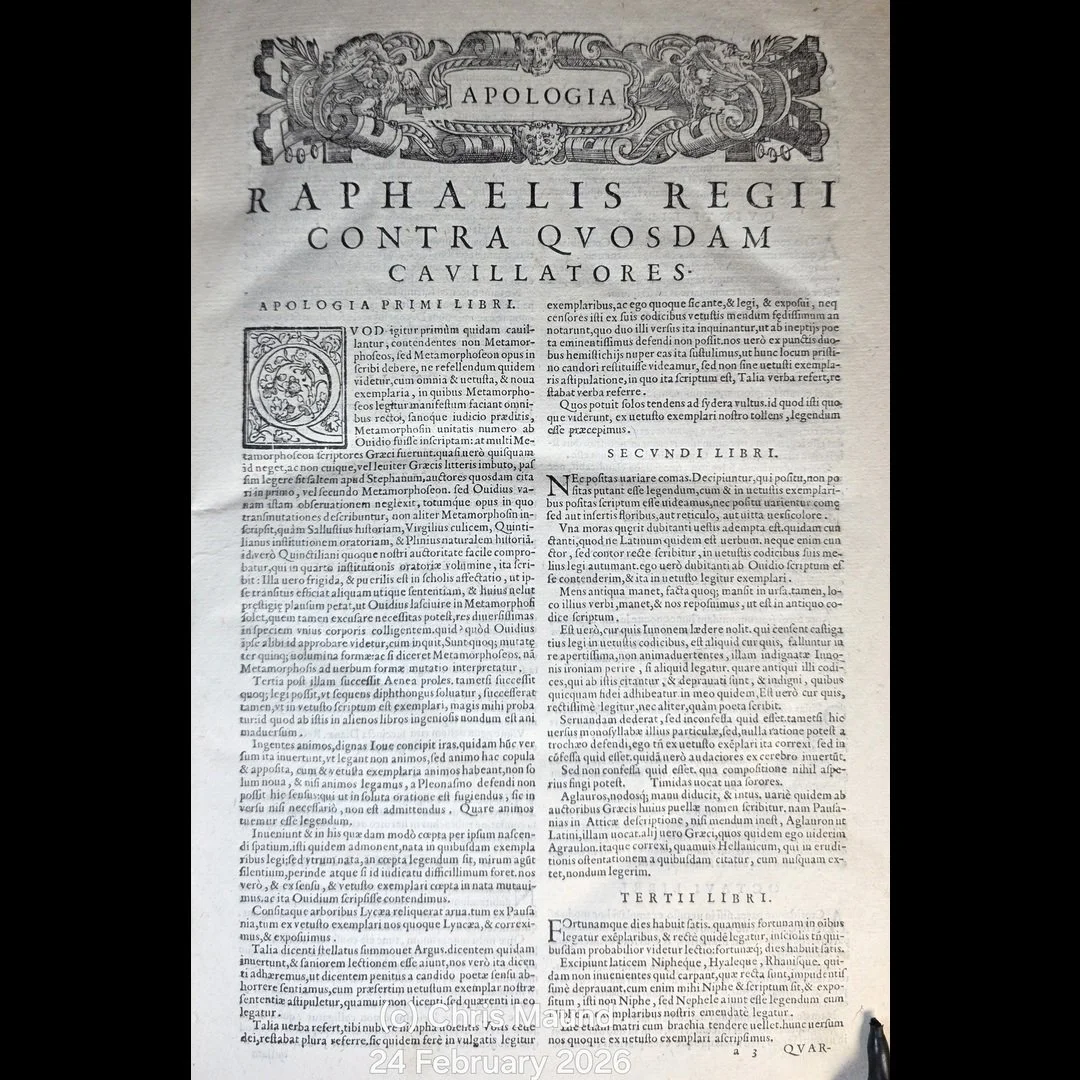 Image 4 of 47
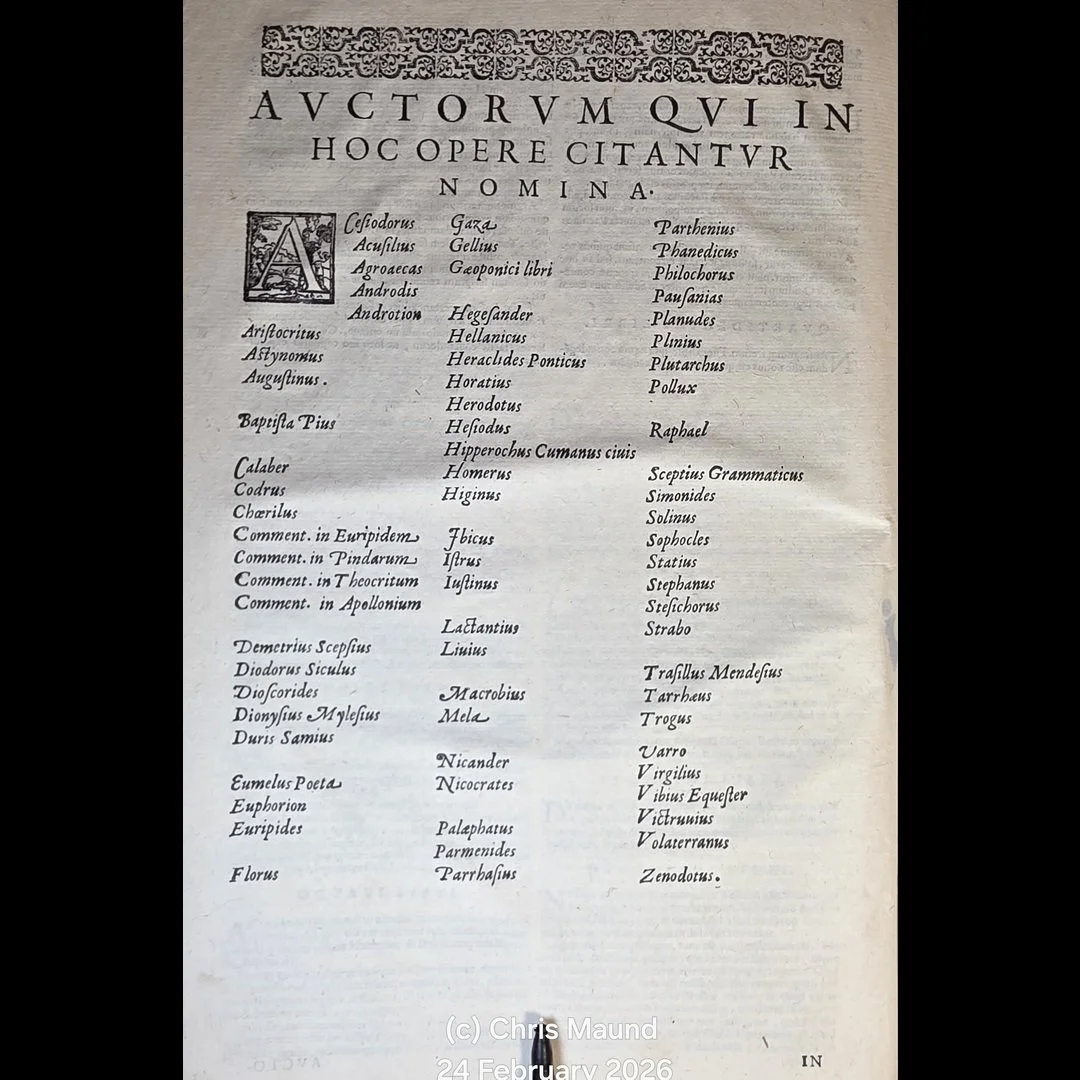 Image 5 of 47
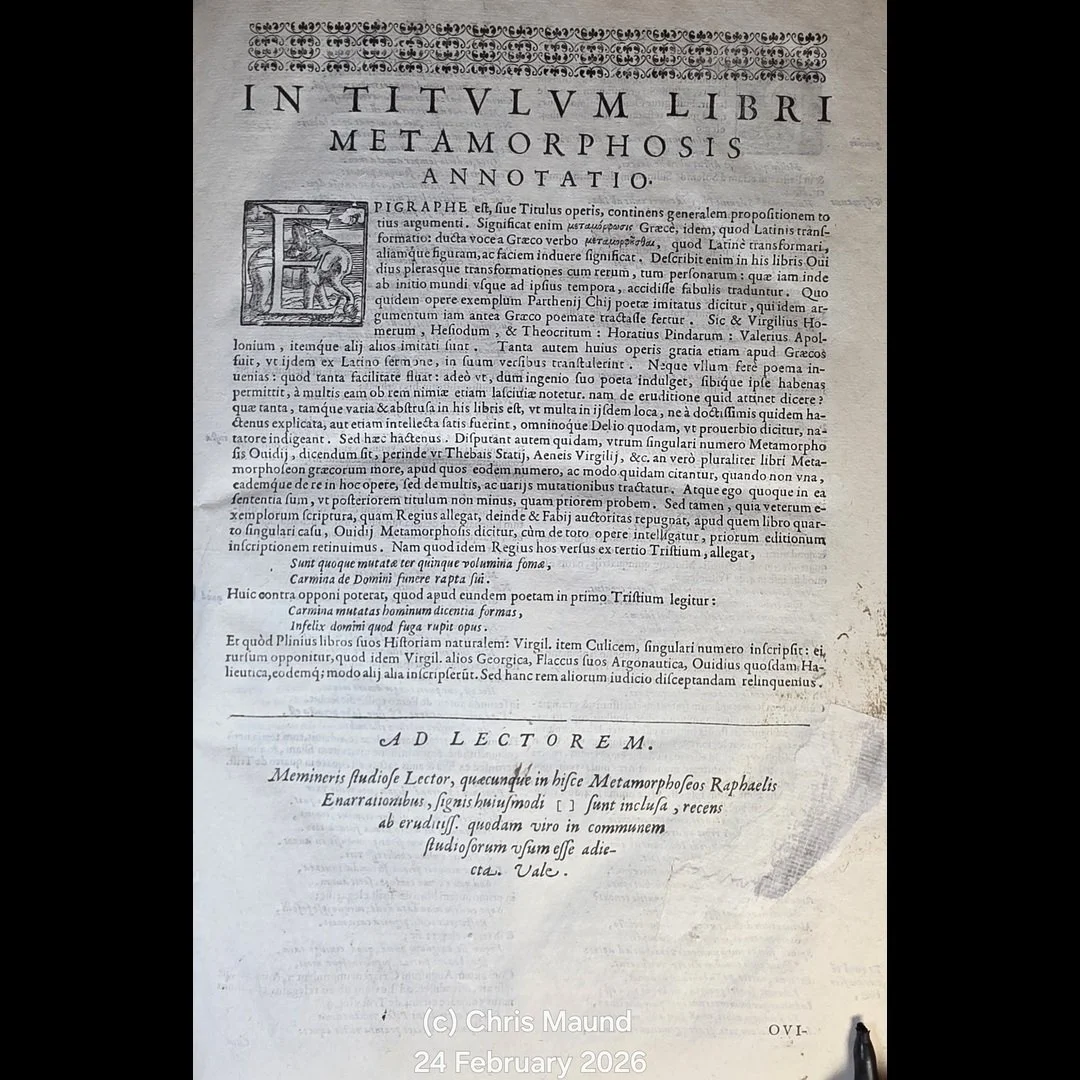 Image 6 of 47
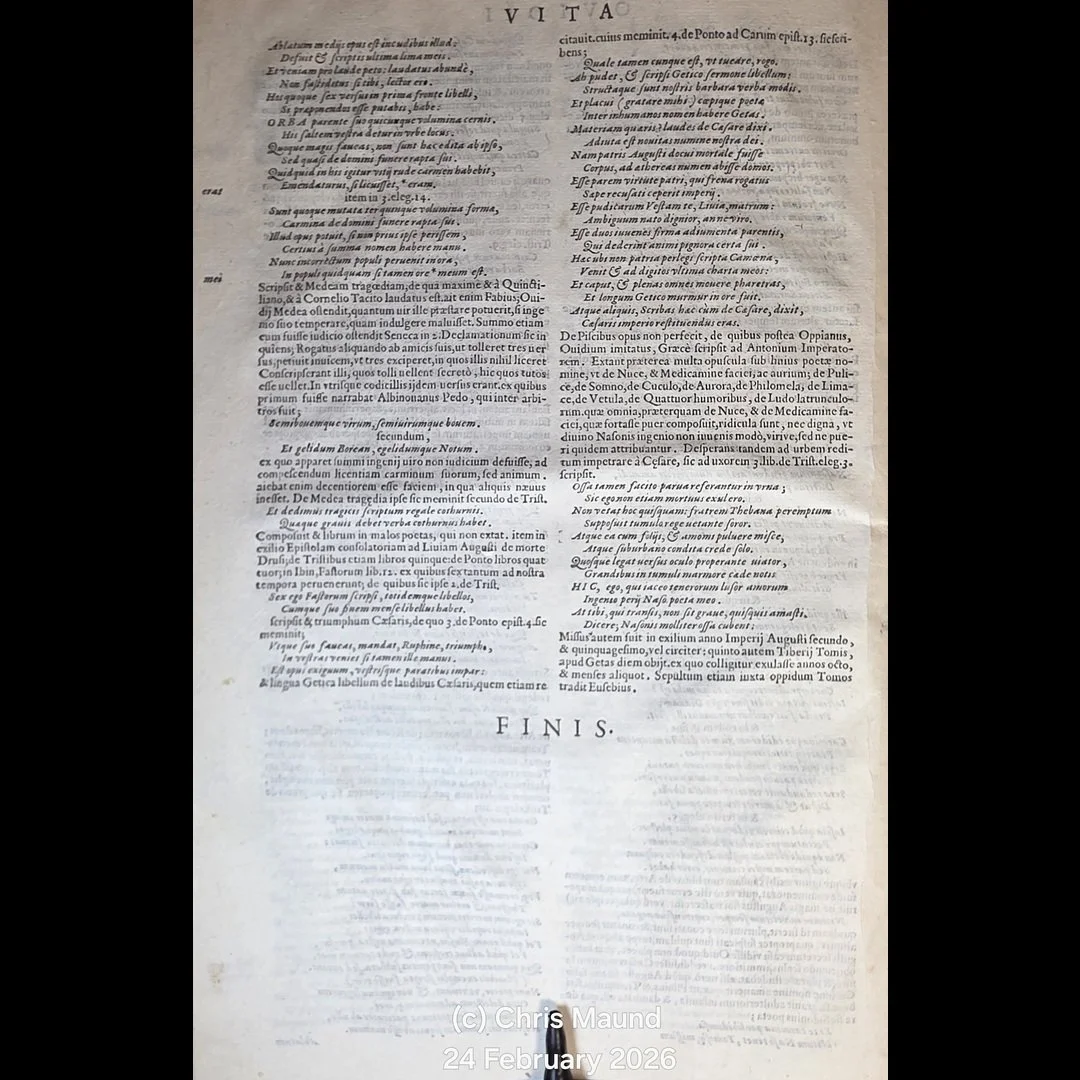 Image 7 of 47
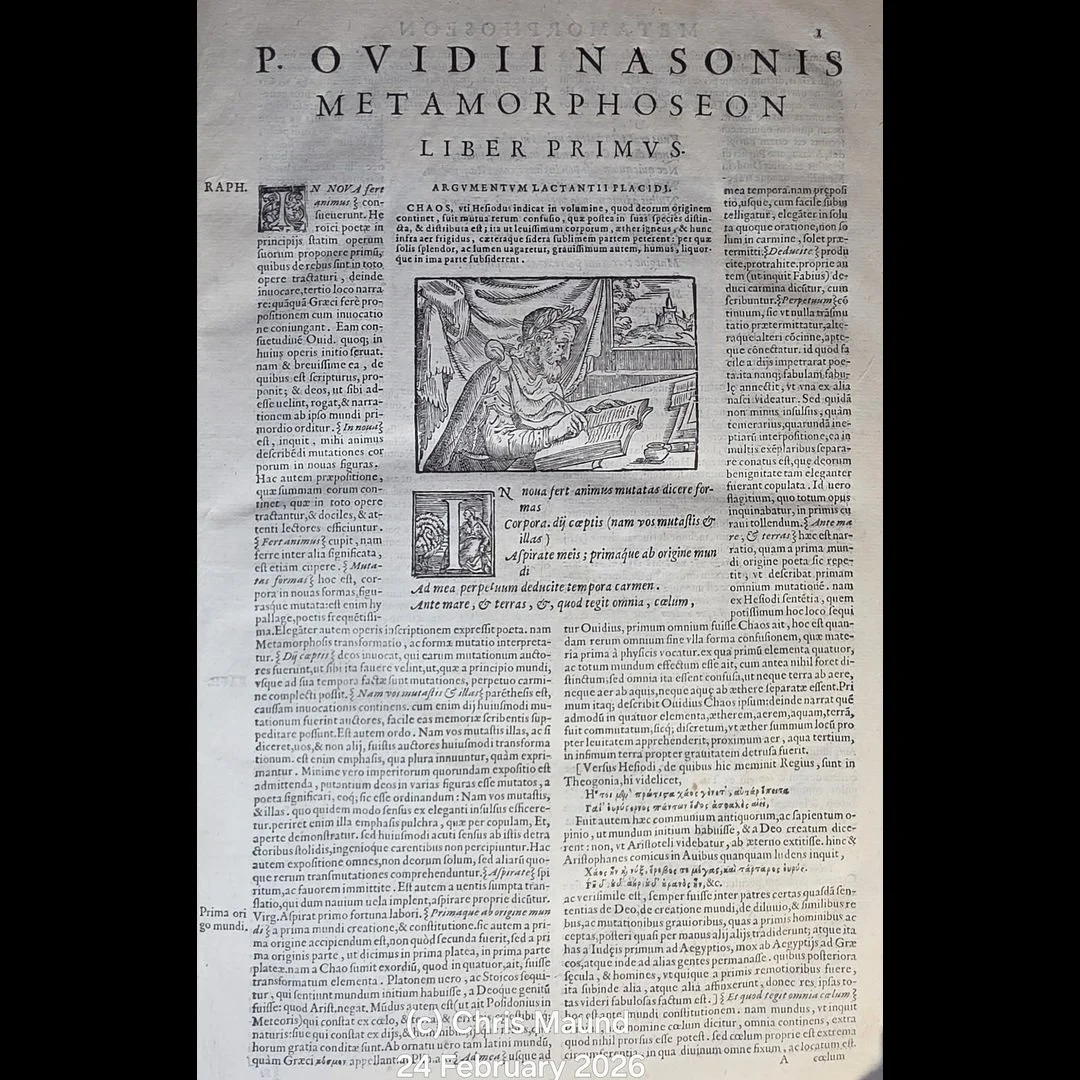 Image 8 of 47
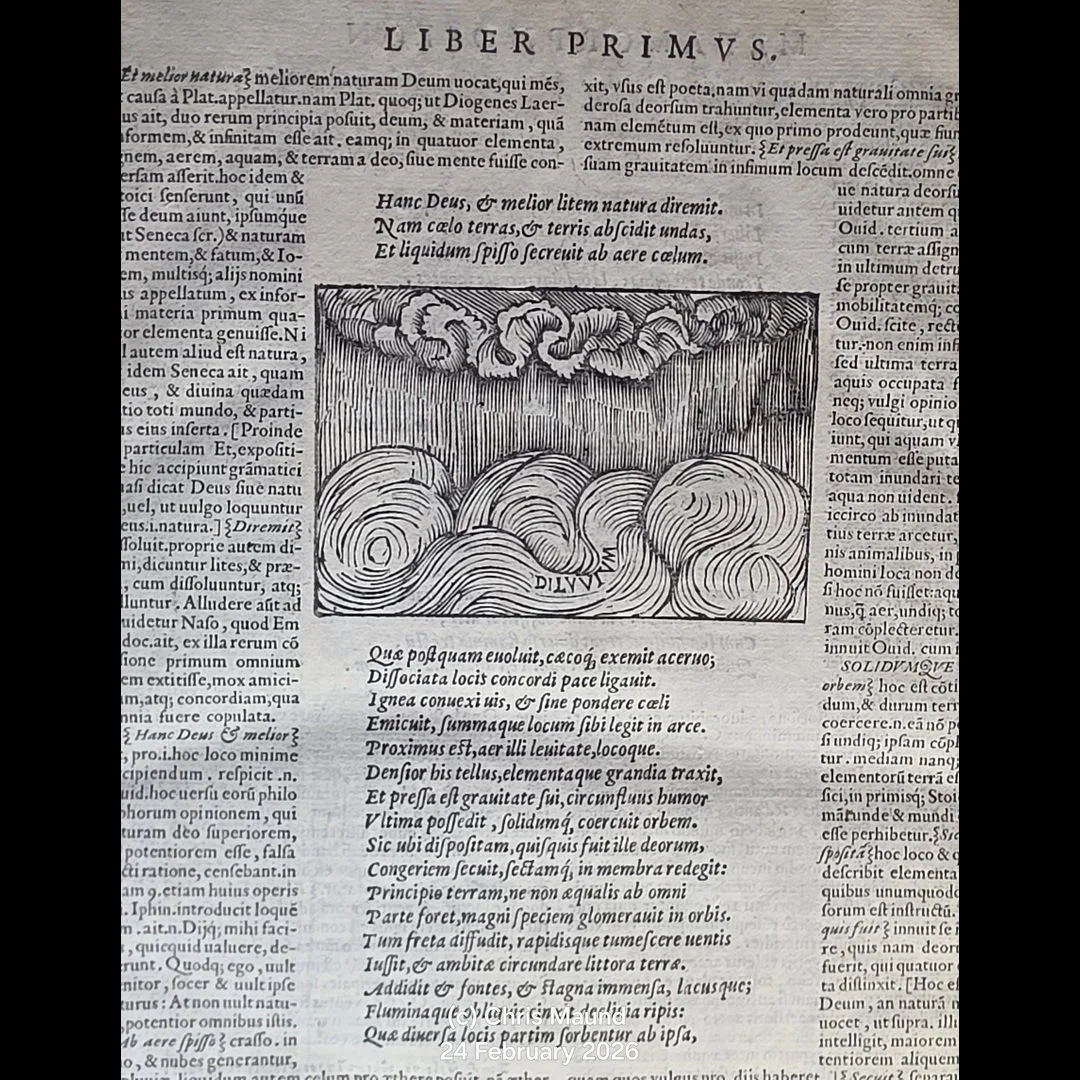 Image 9 of 47
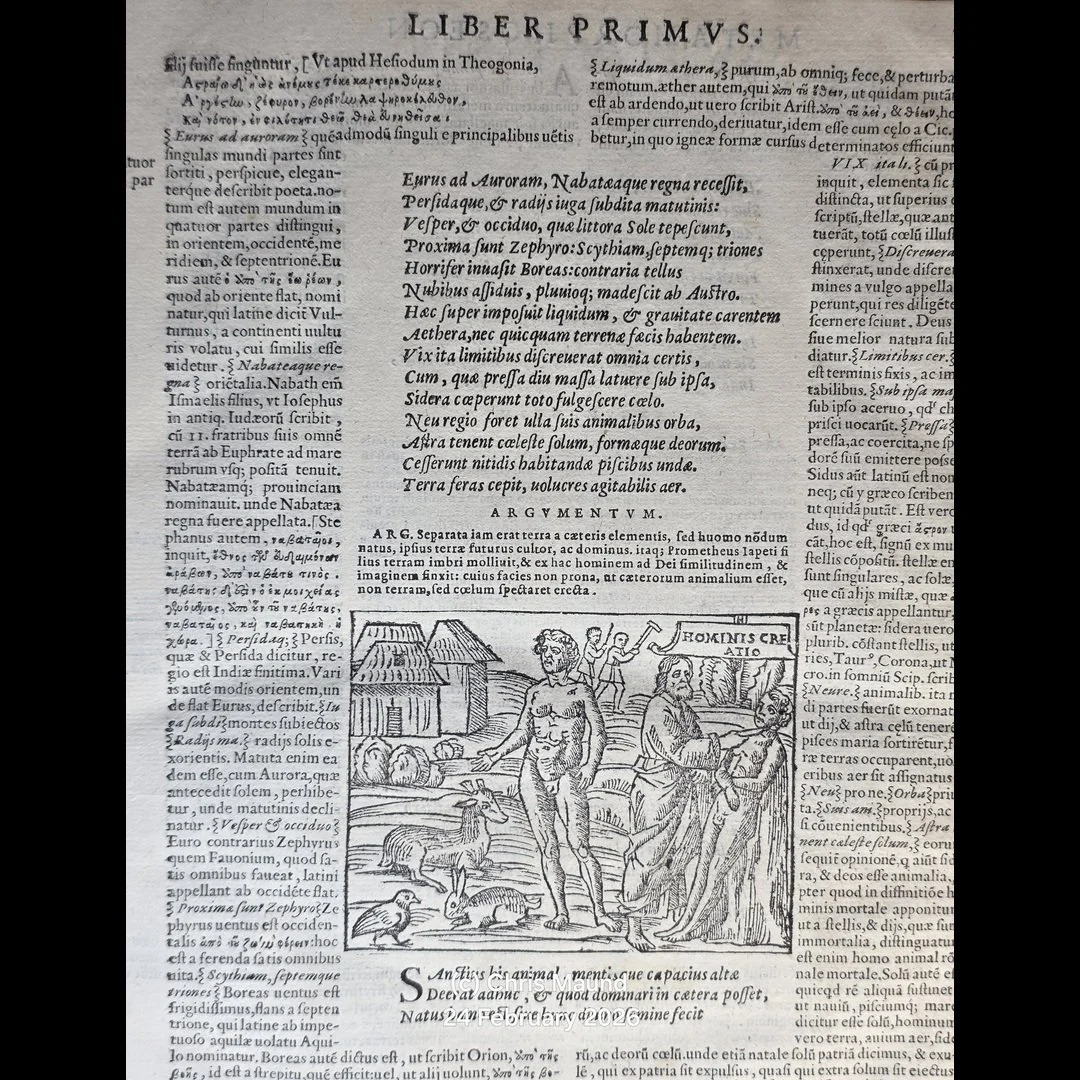 Image 10 of 47
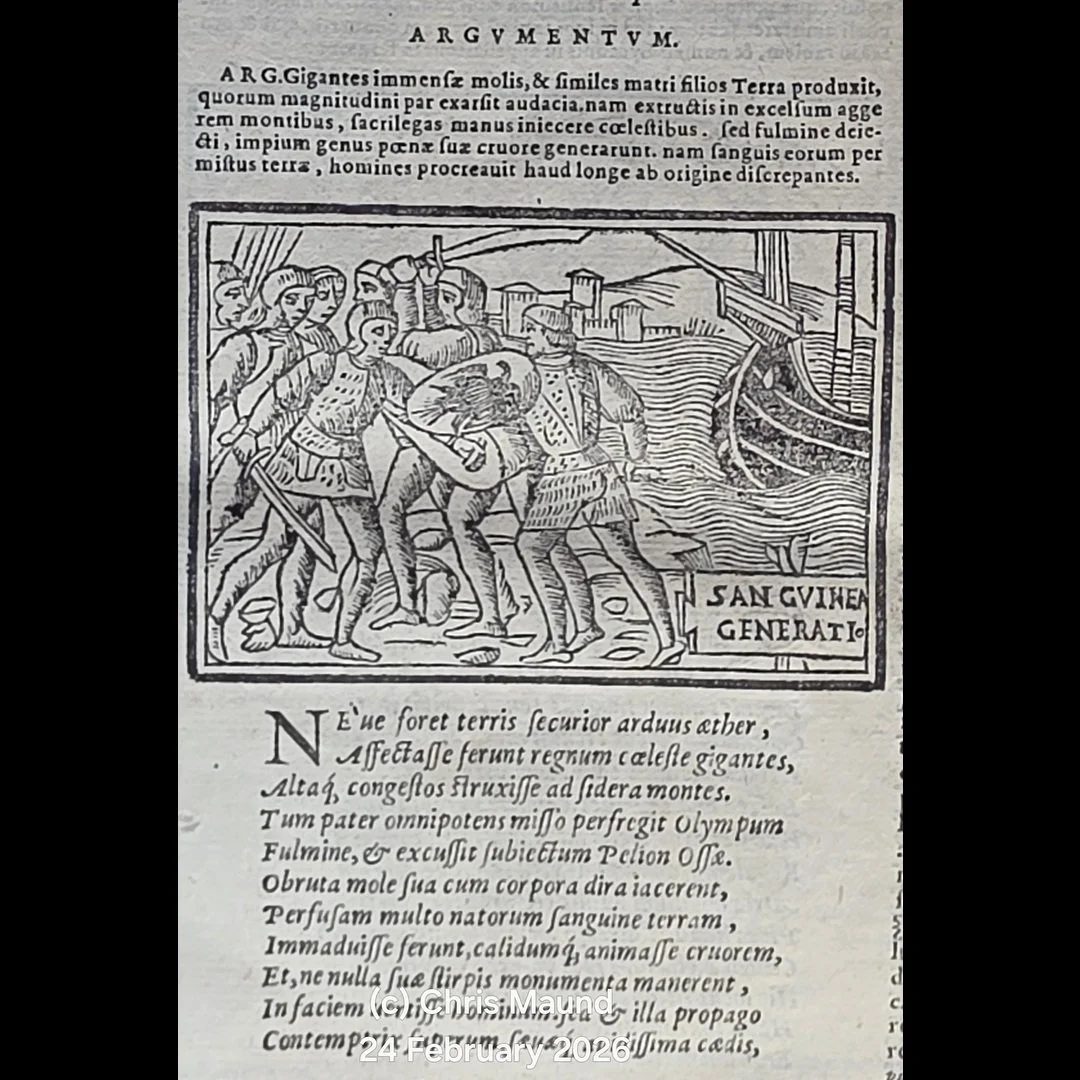 Image 11 of 47
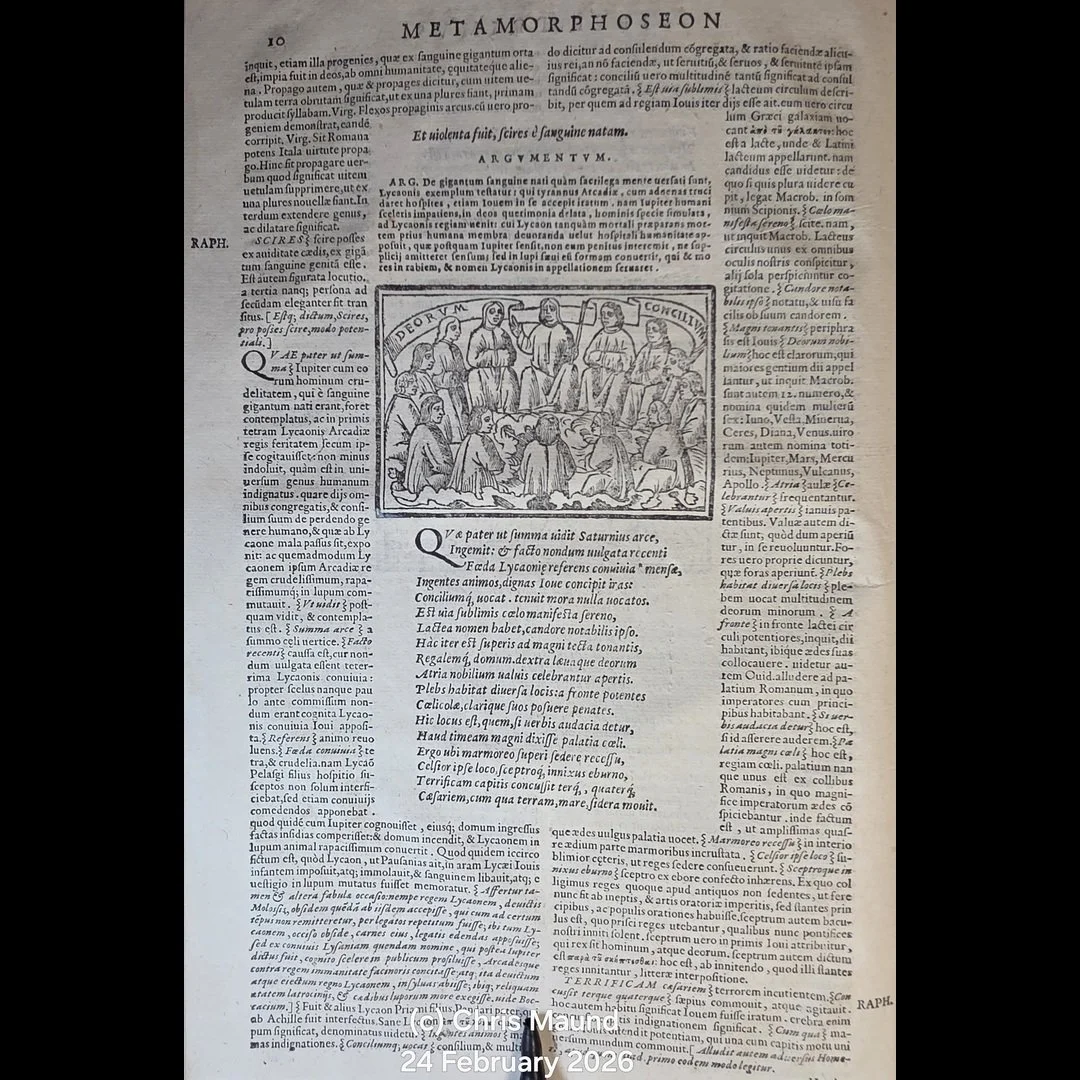 Image 12 of 47
 Image 13 of 47
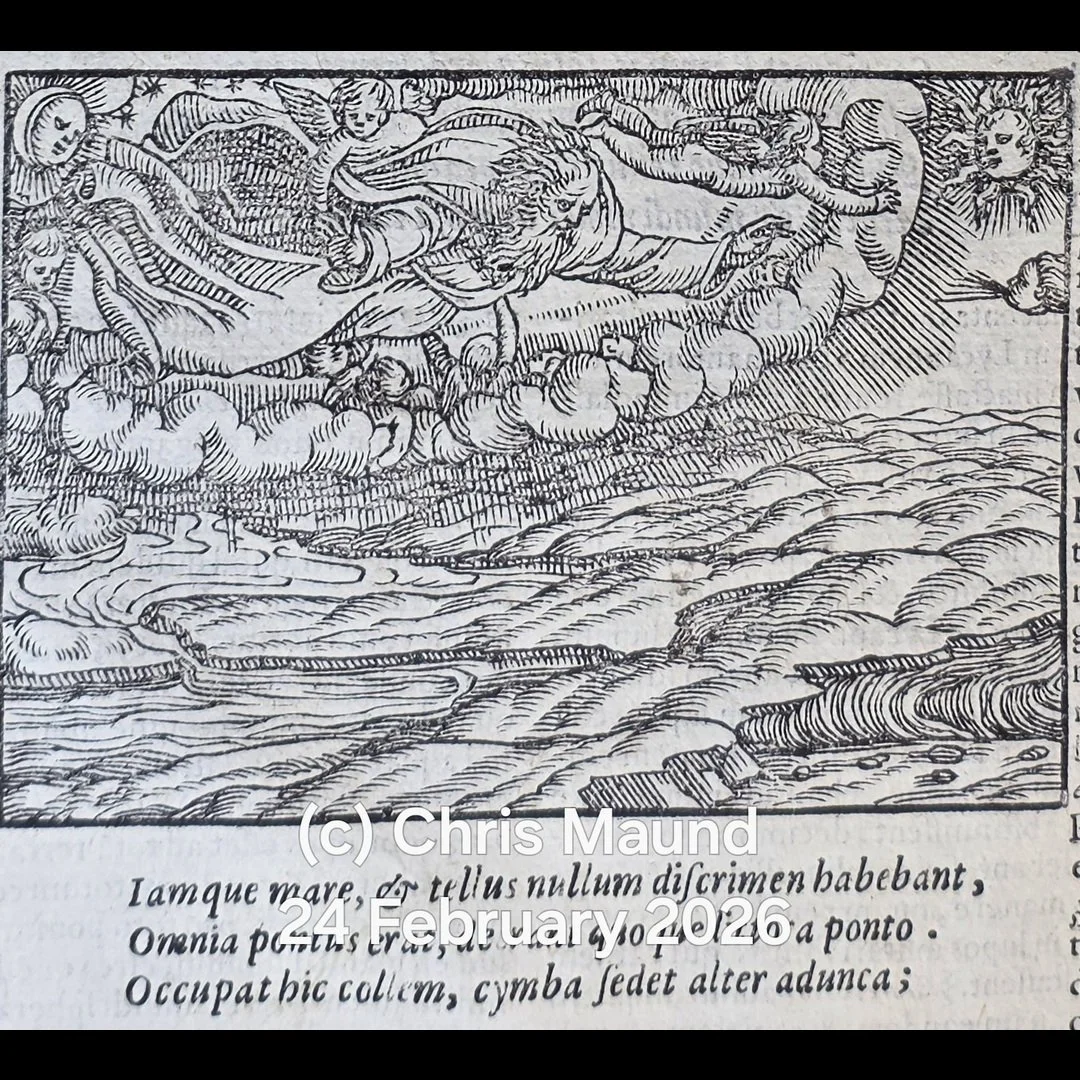 Image 14 of 47
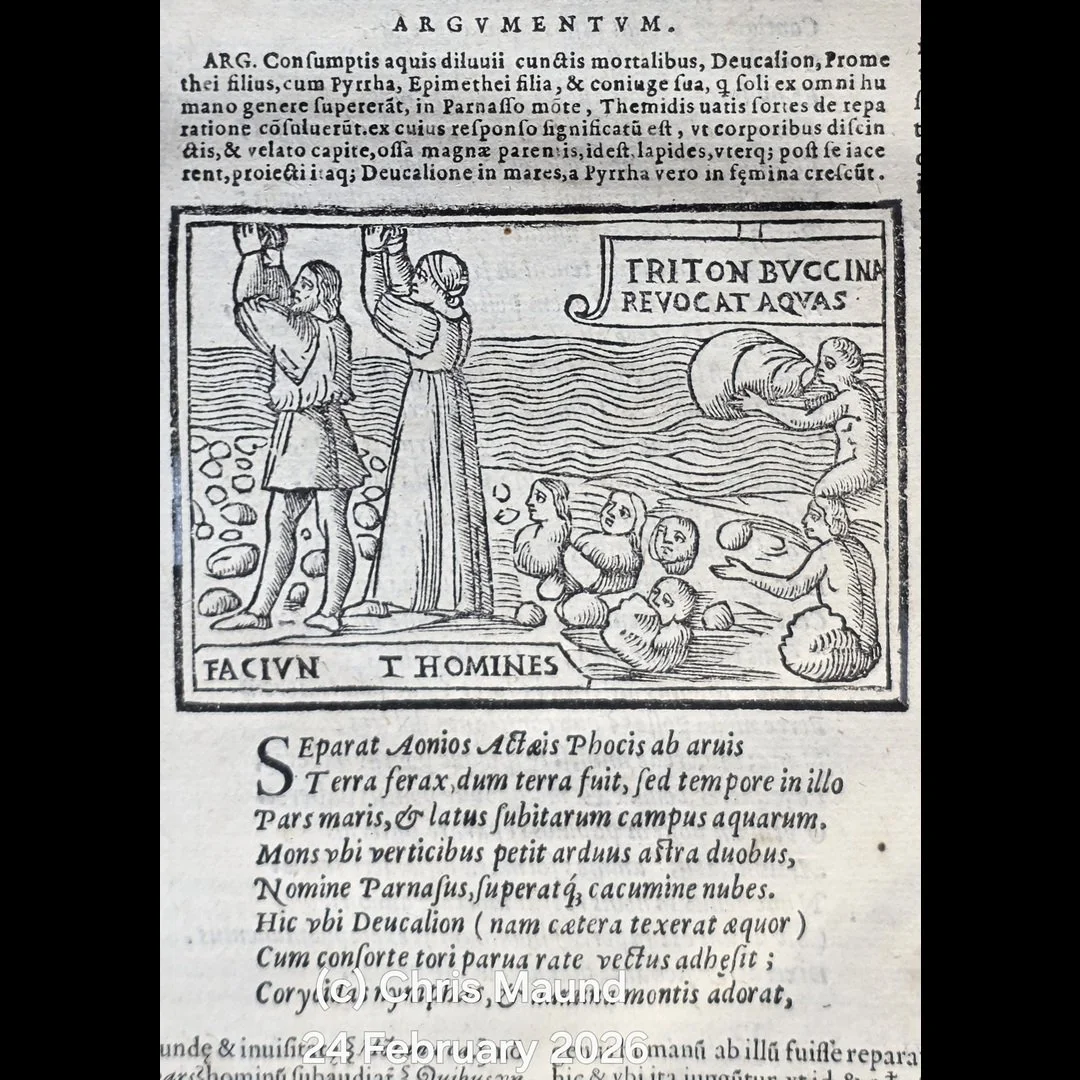 Image 15 of 47
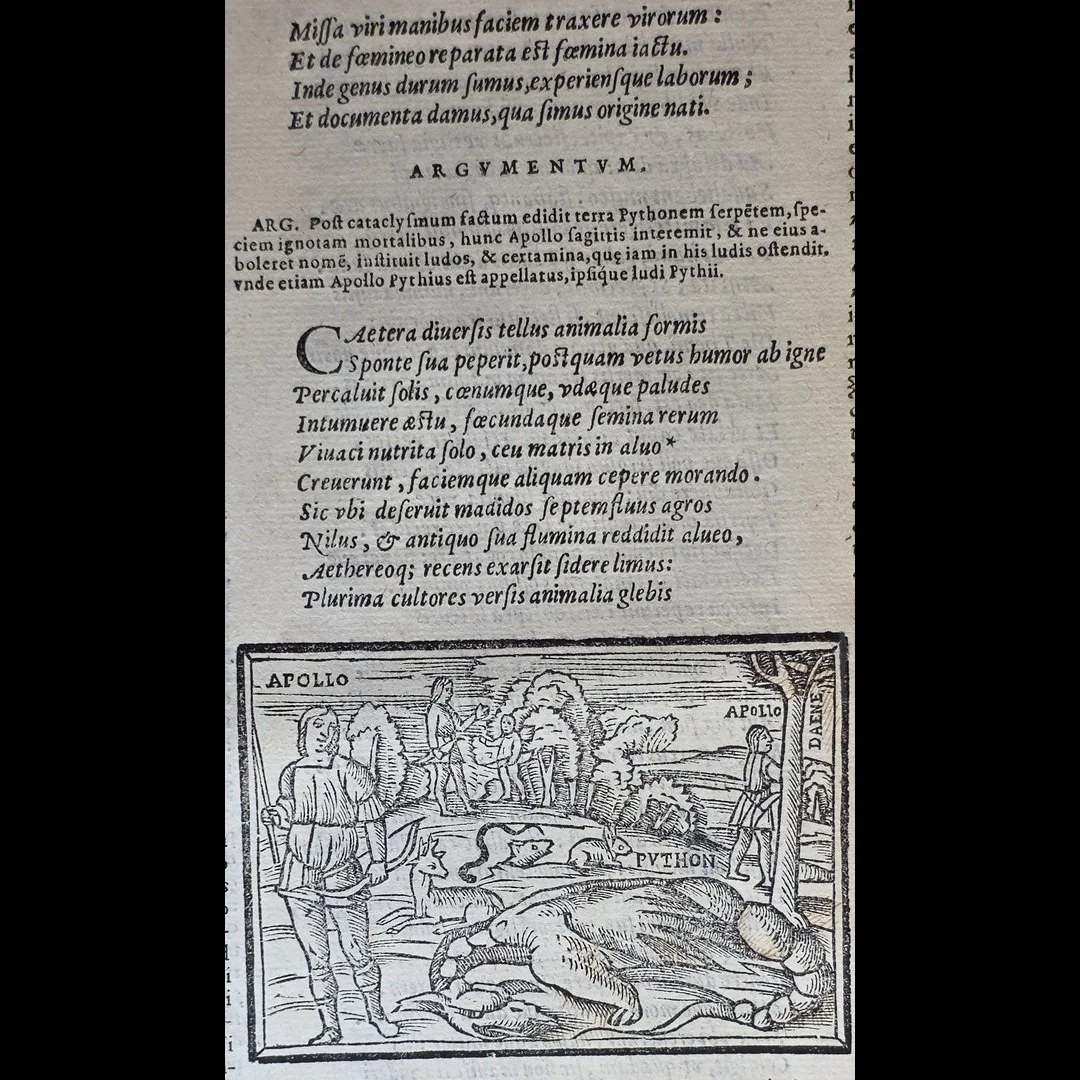 Image 16 of 47
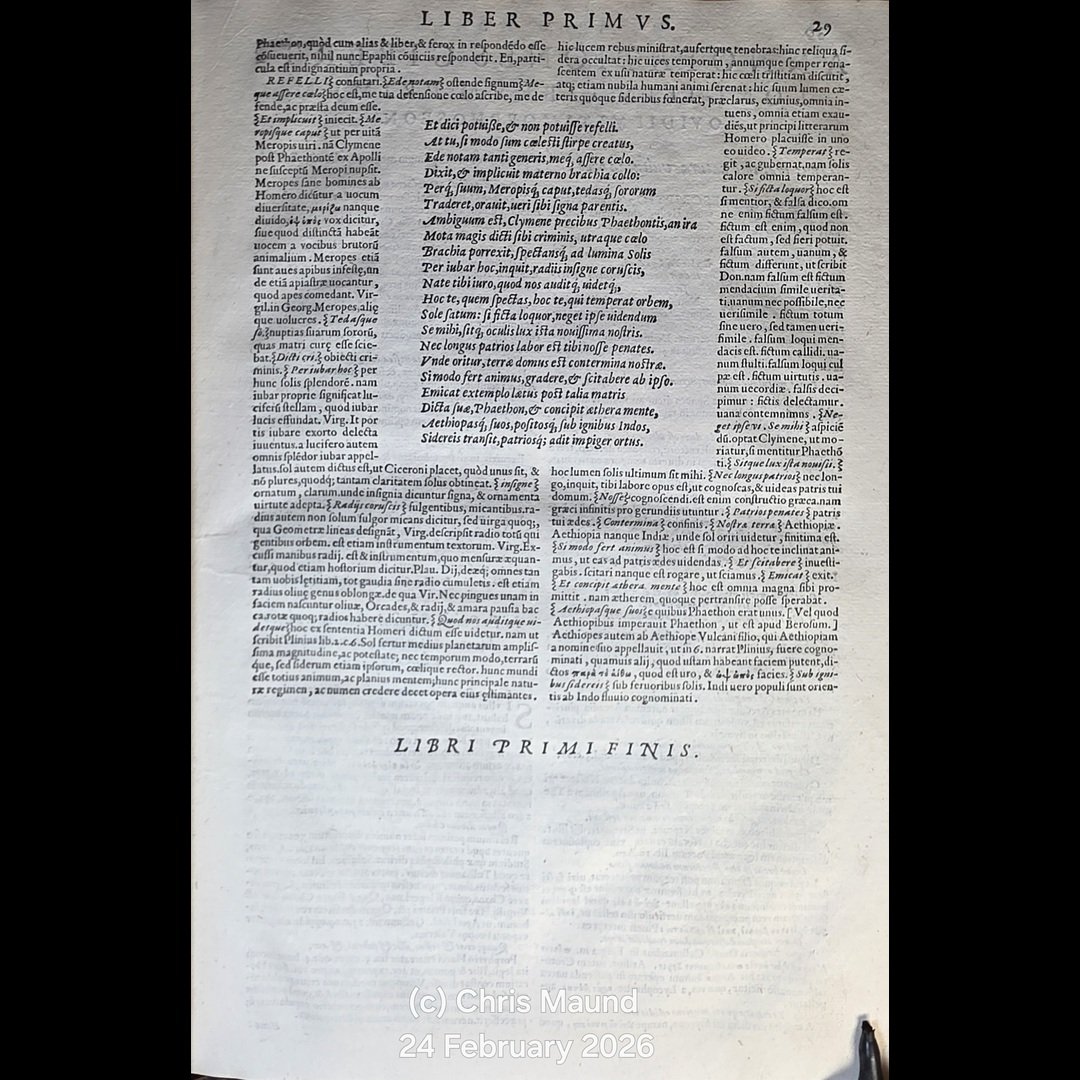 Image 17 of 47
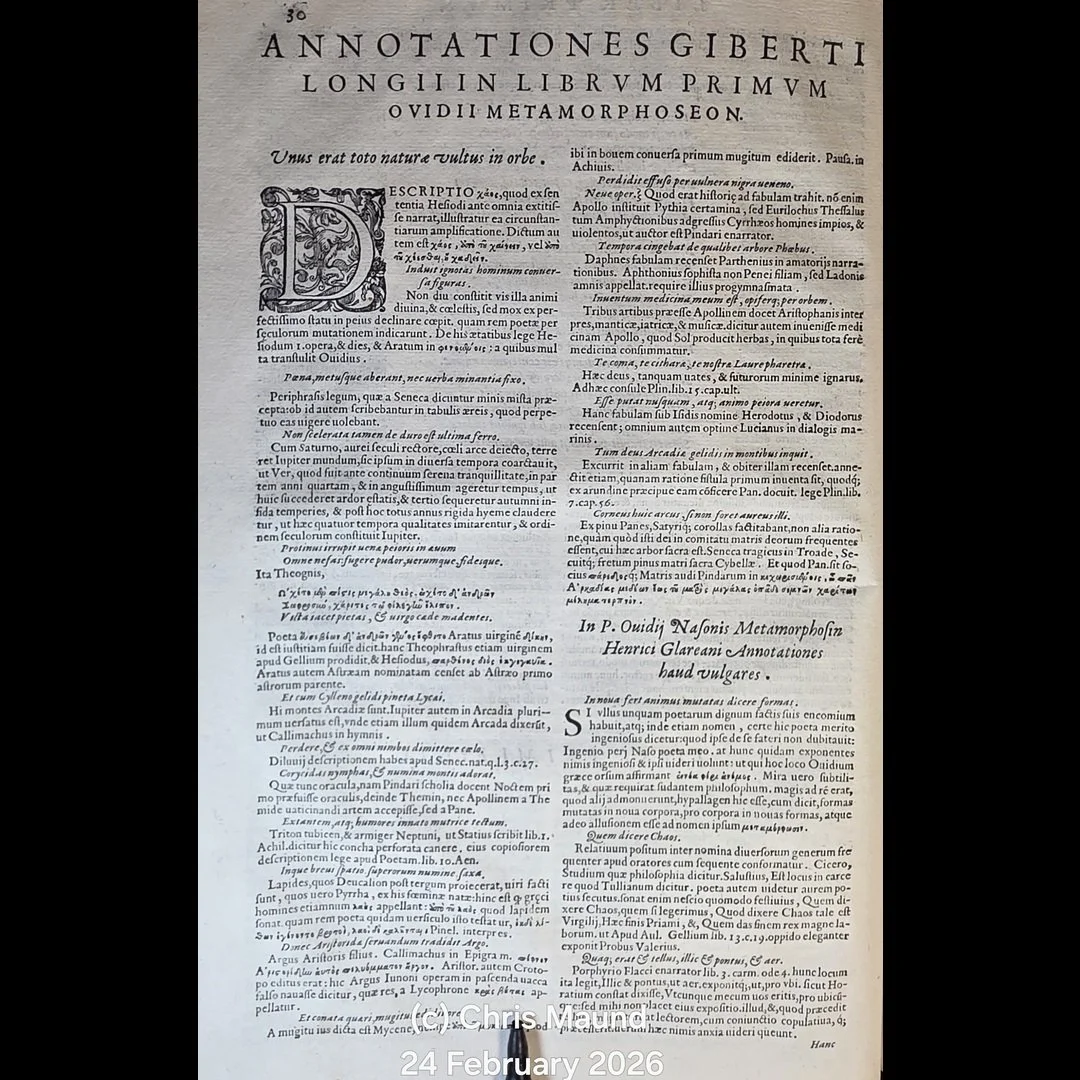 Image 18 of 47
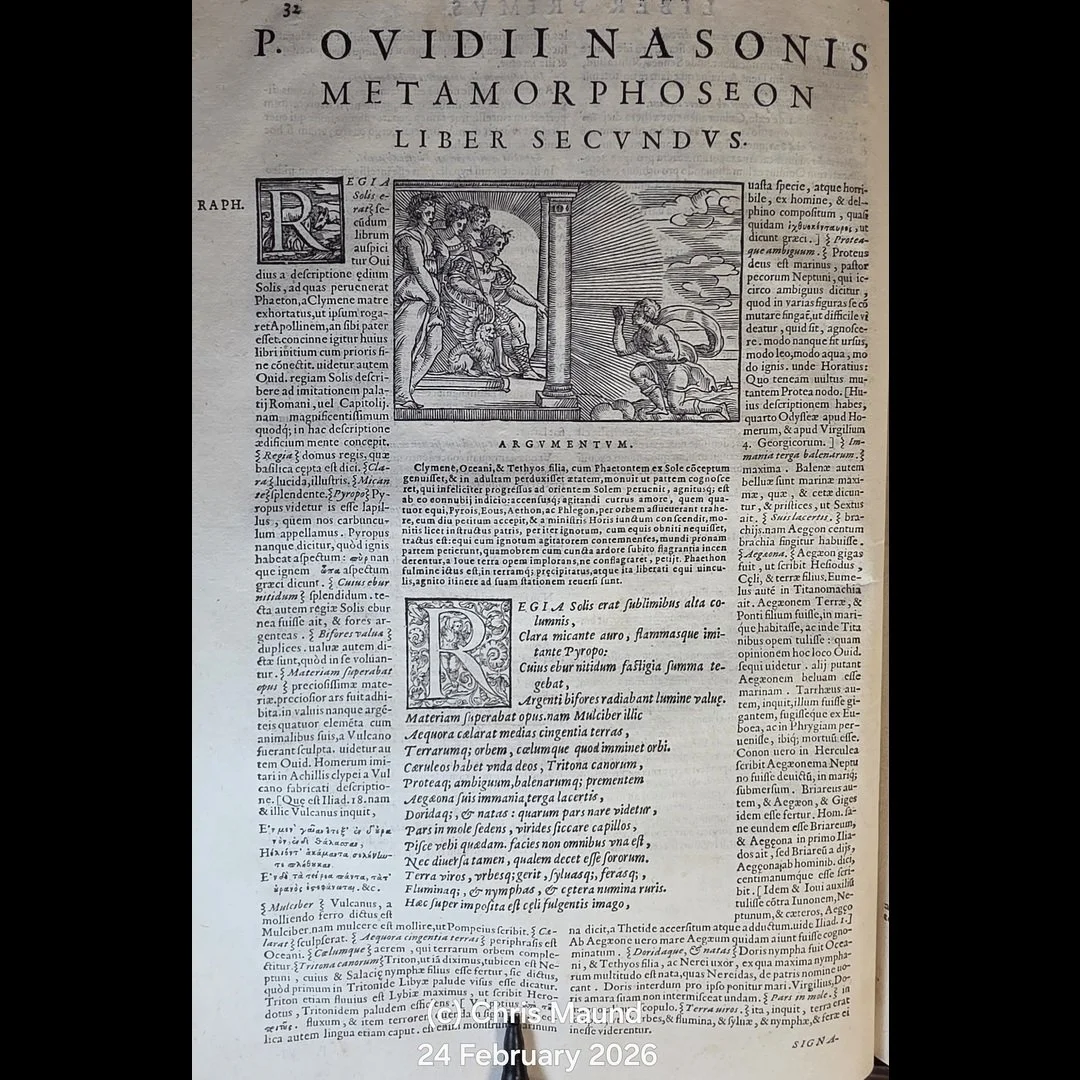 Image 19 of 47
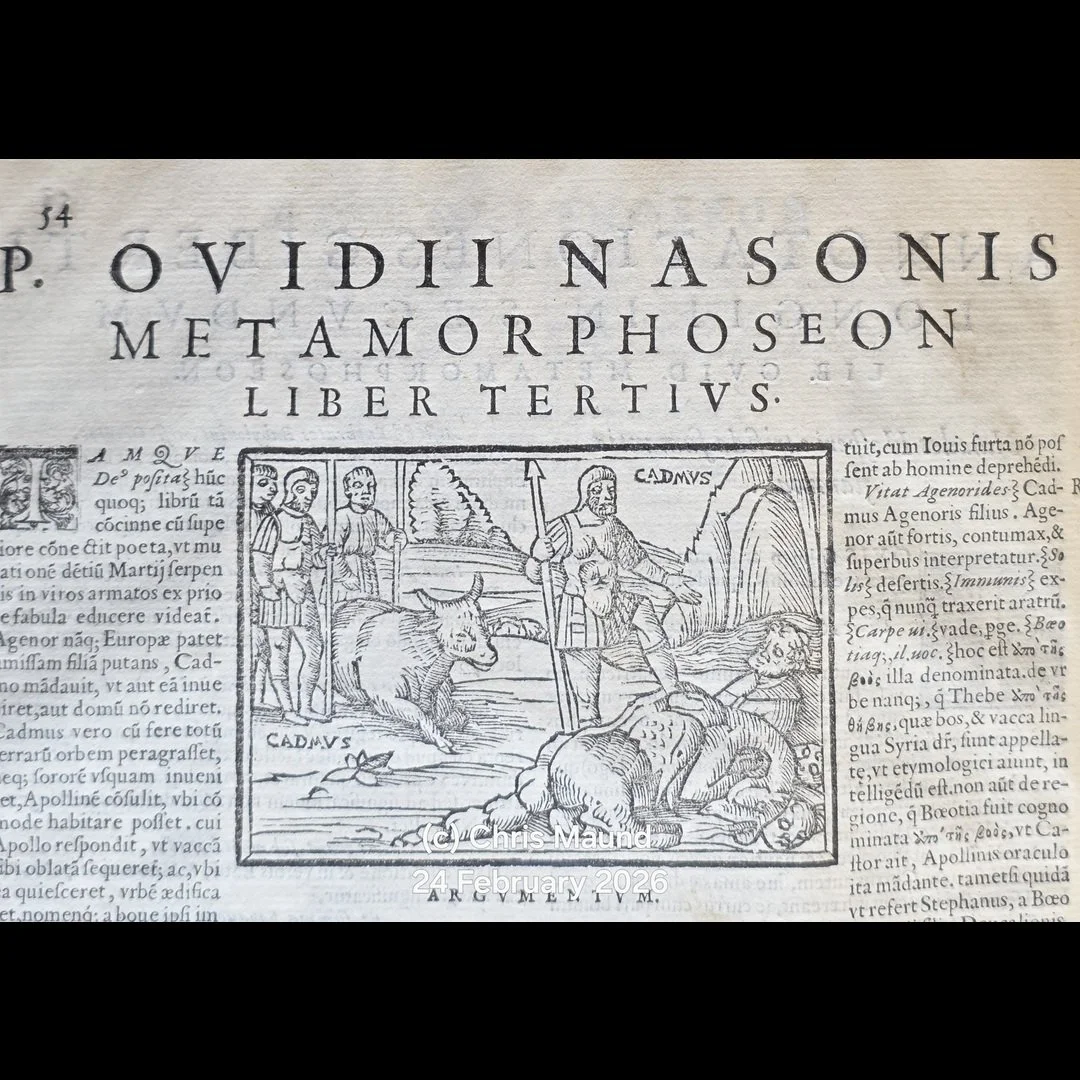 Image 20 of 47
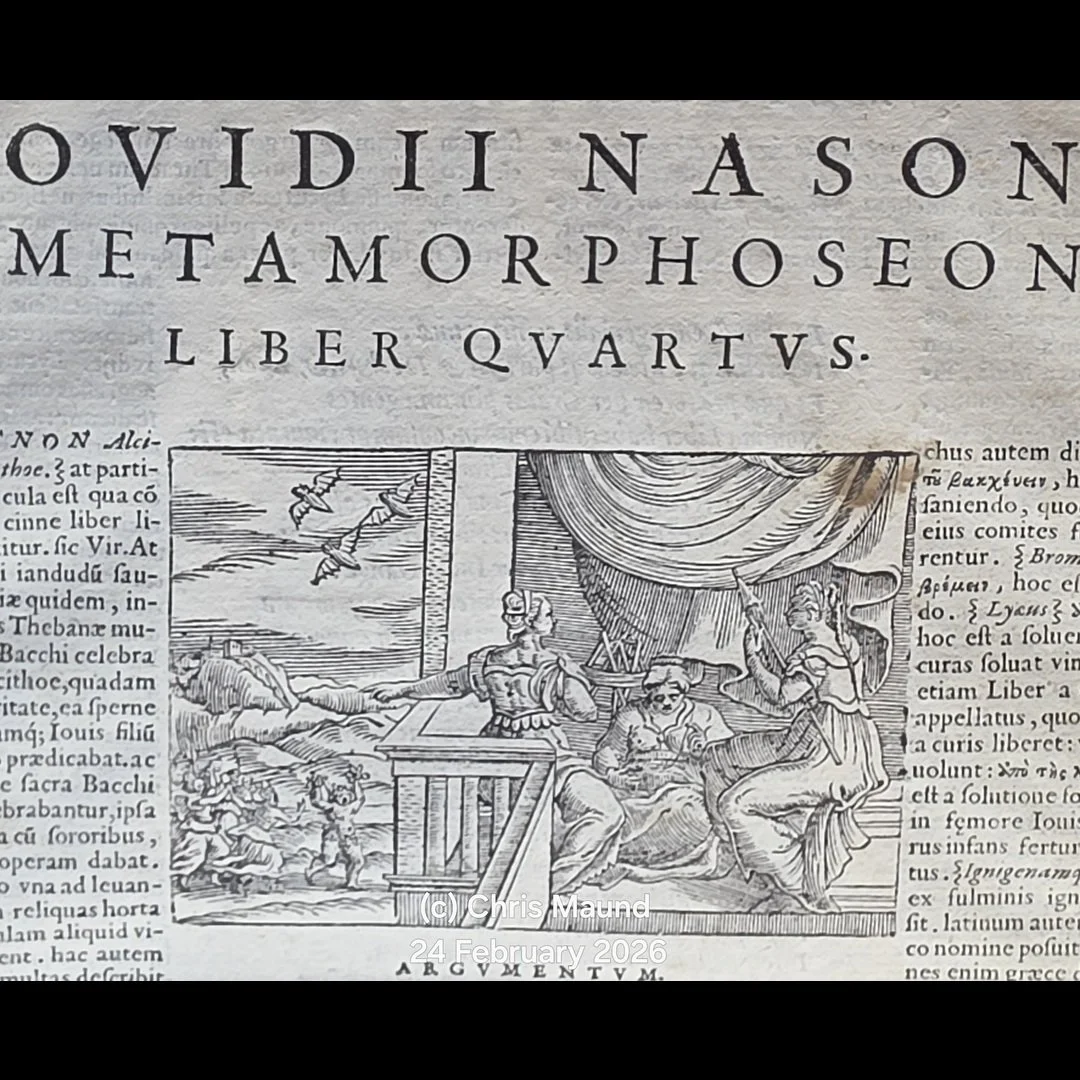 Image 21 of 47
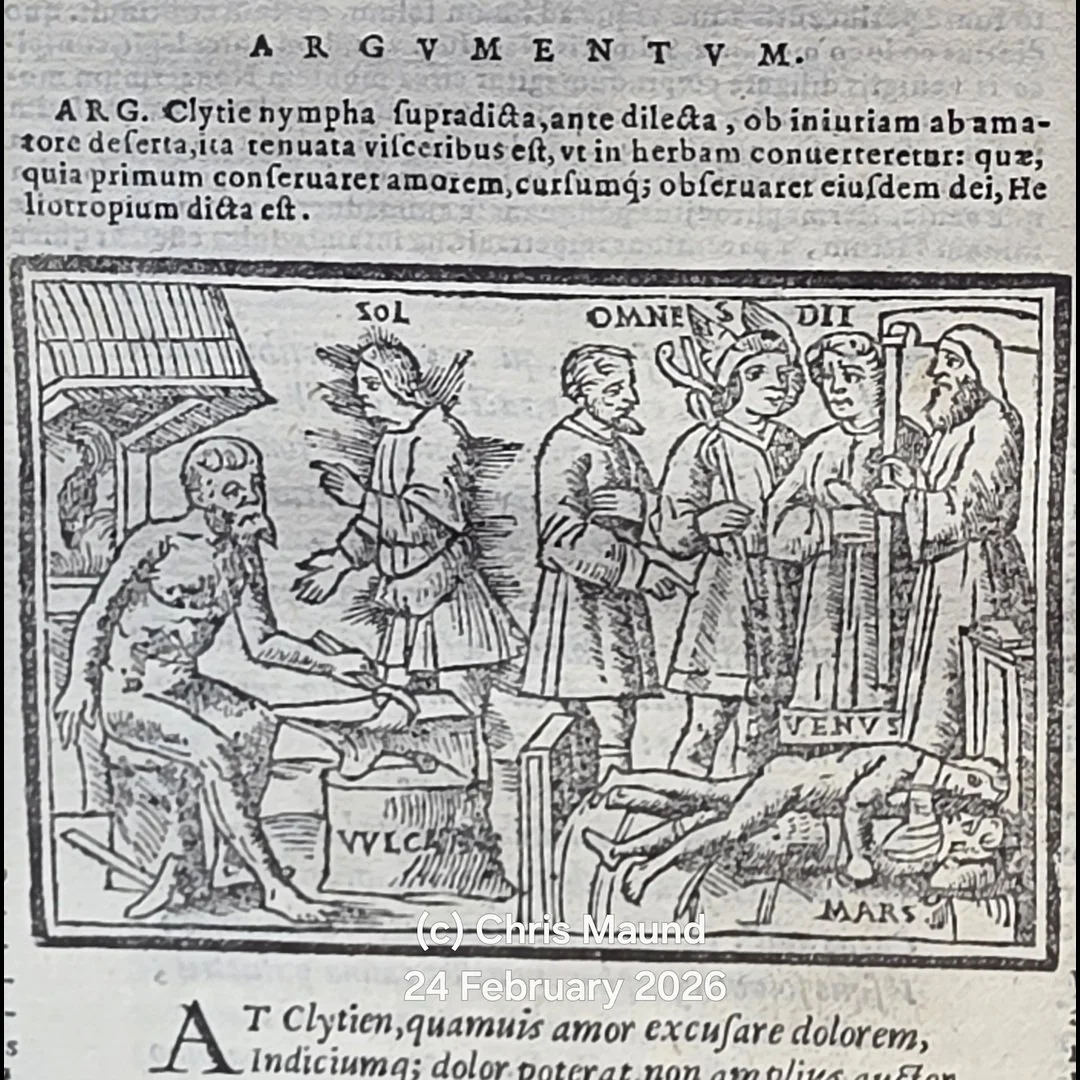 Image 22 of 47
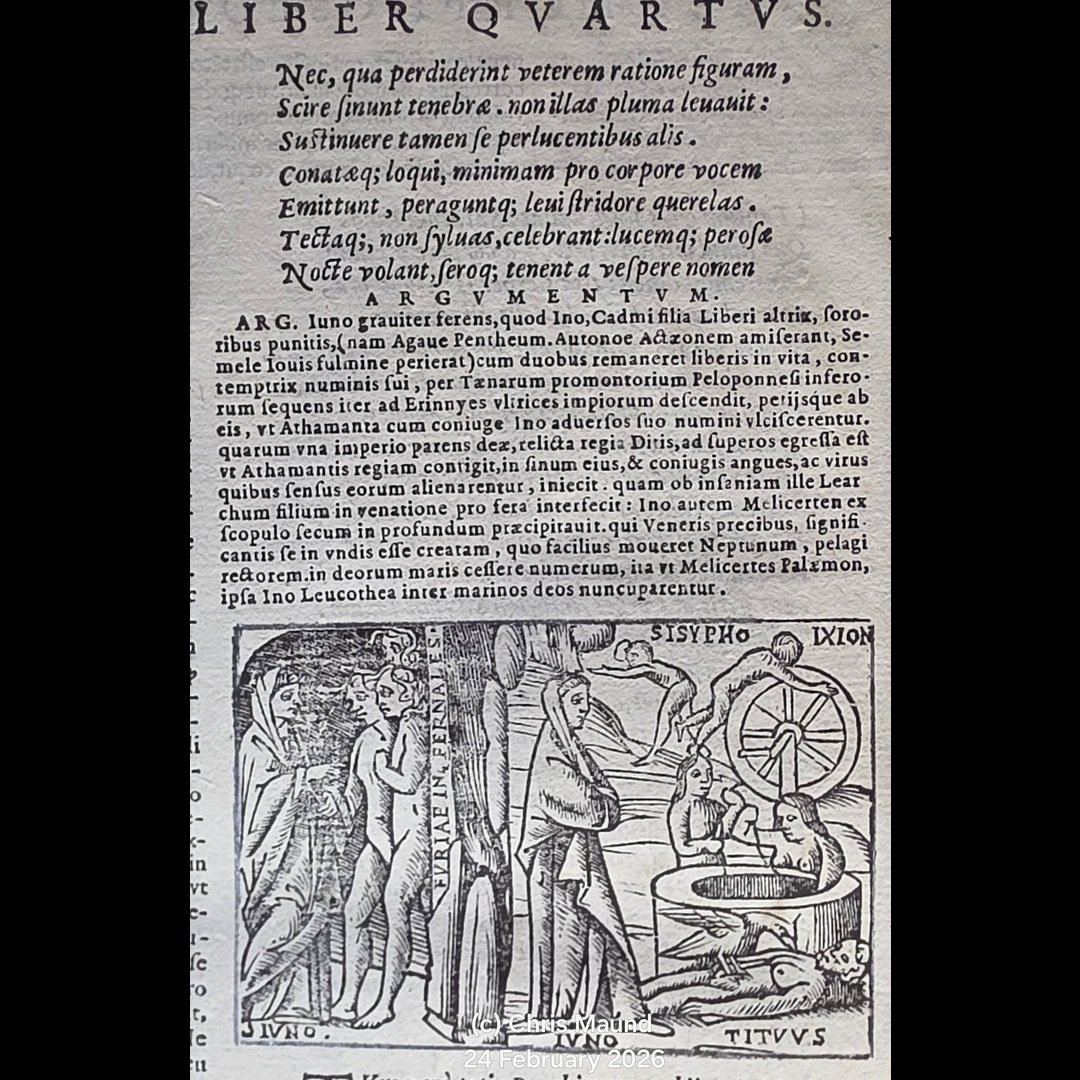 Image 23 of 47
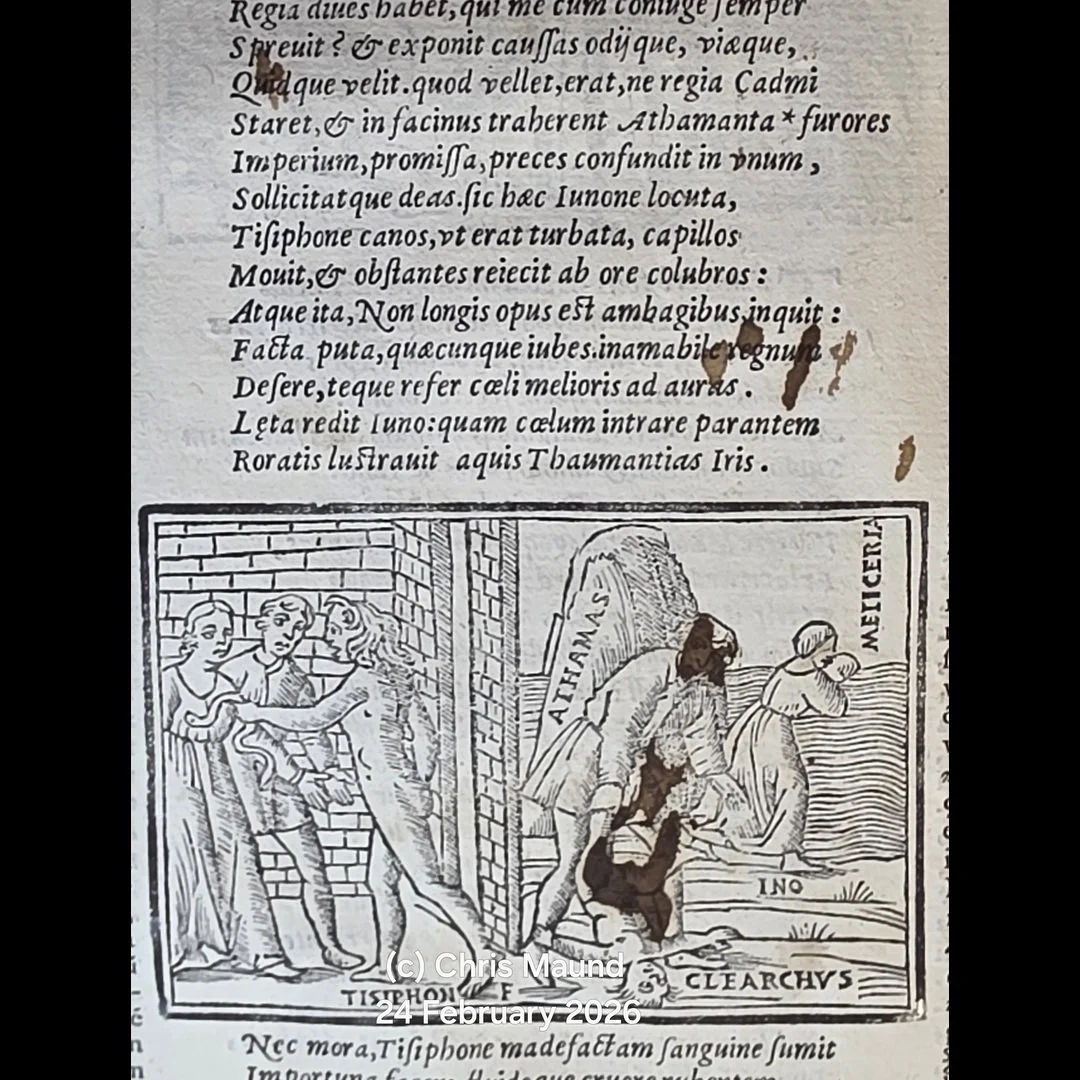 Image 24 of 47
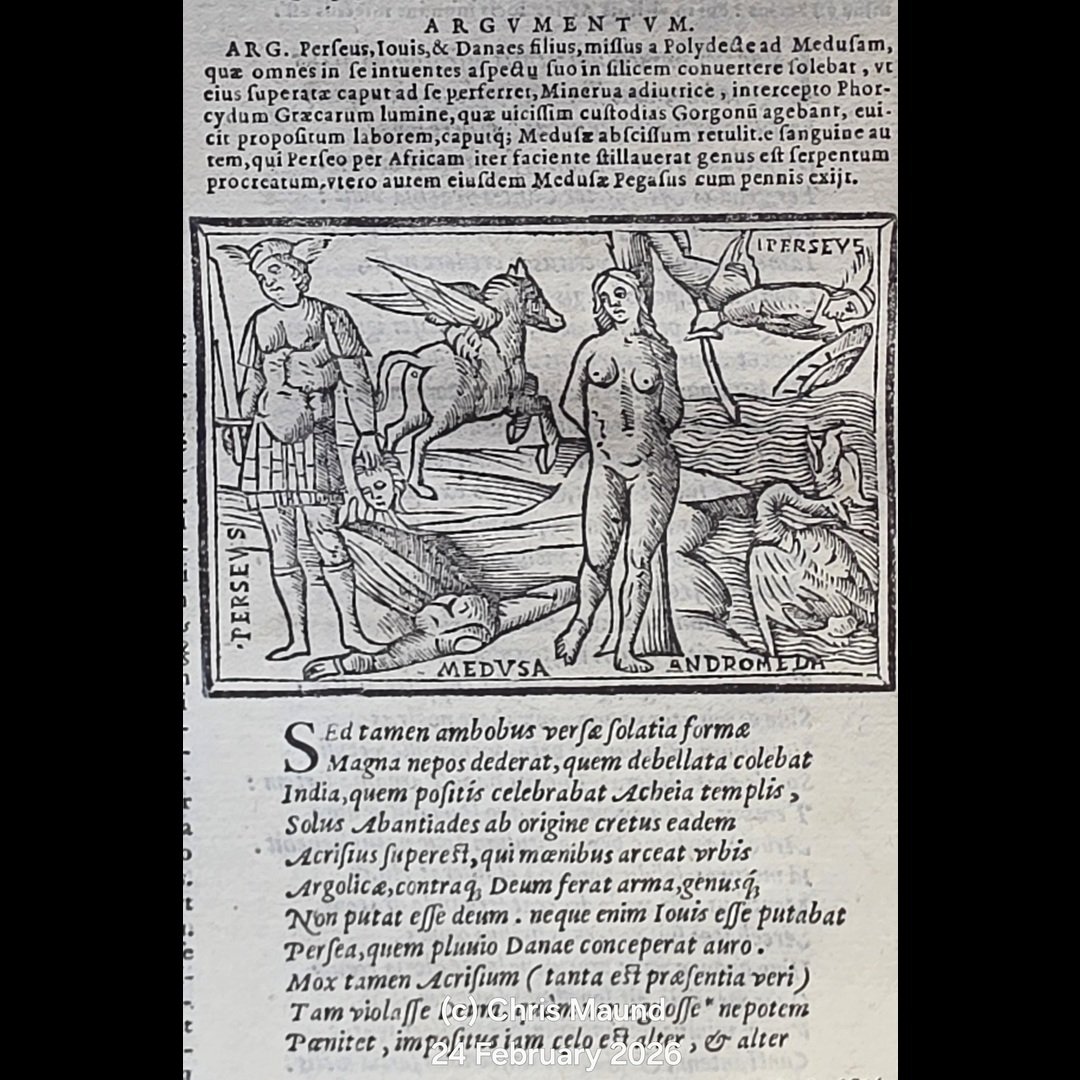 Image 25 of 47
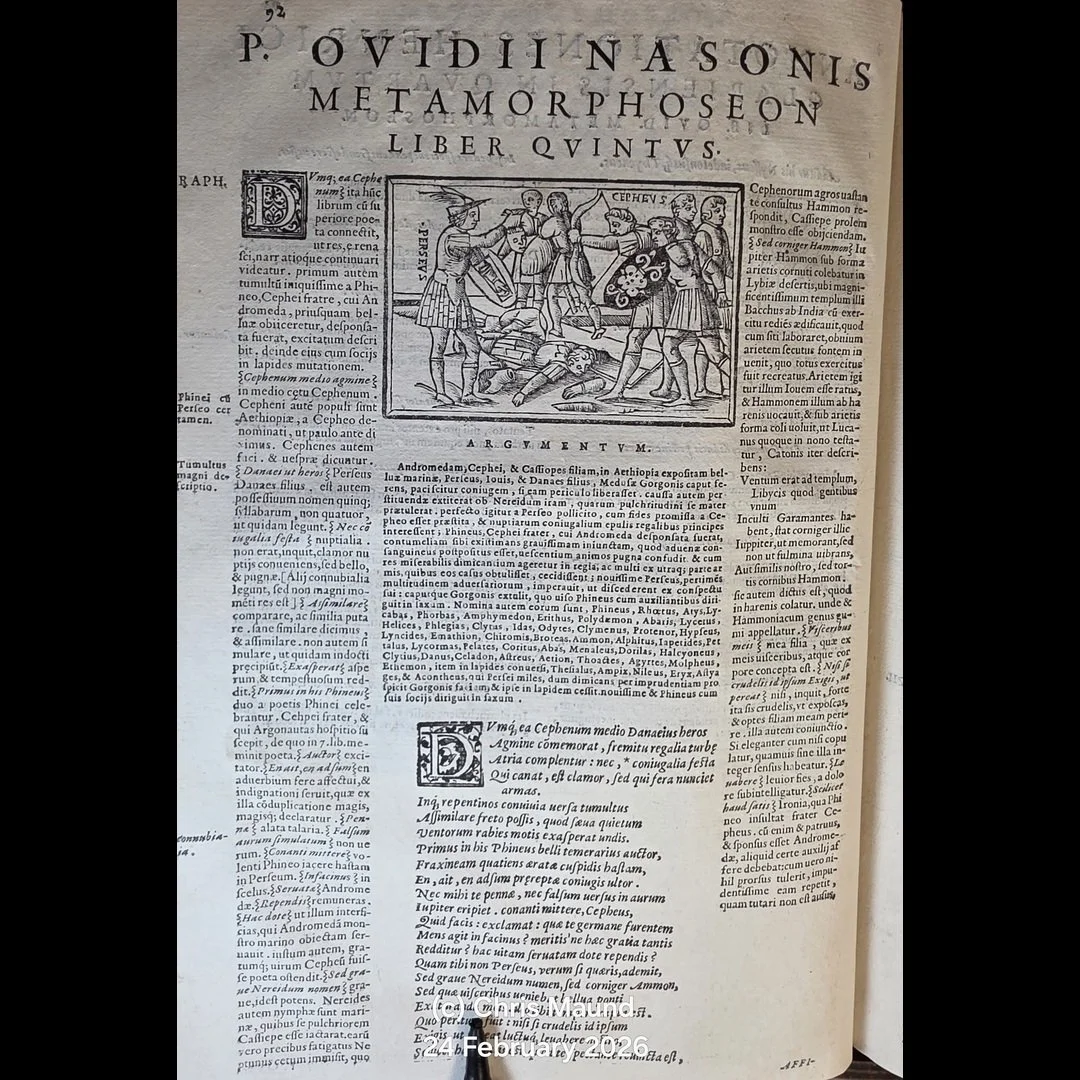 Image 26 of 47
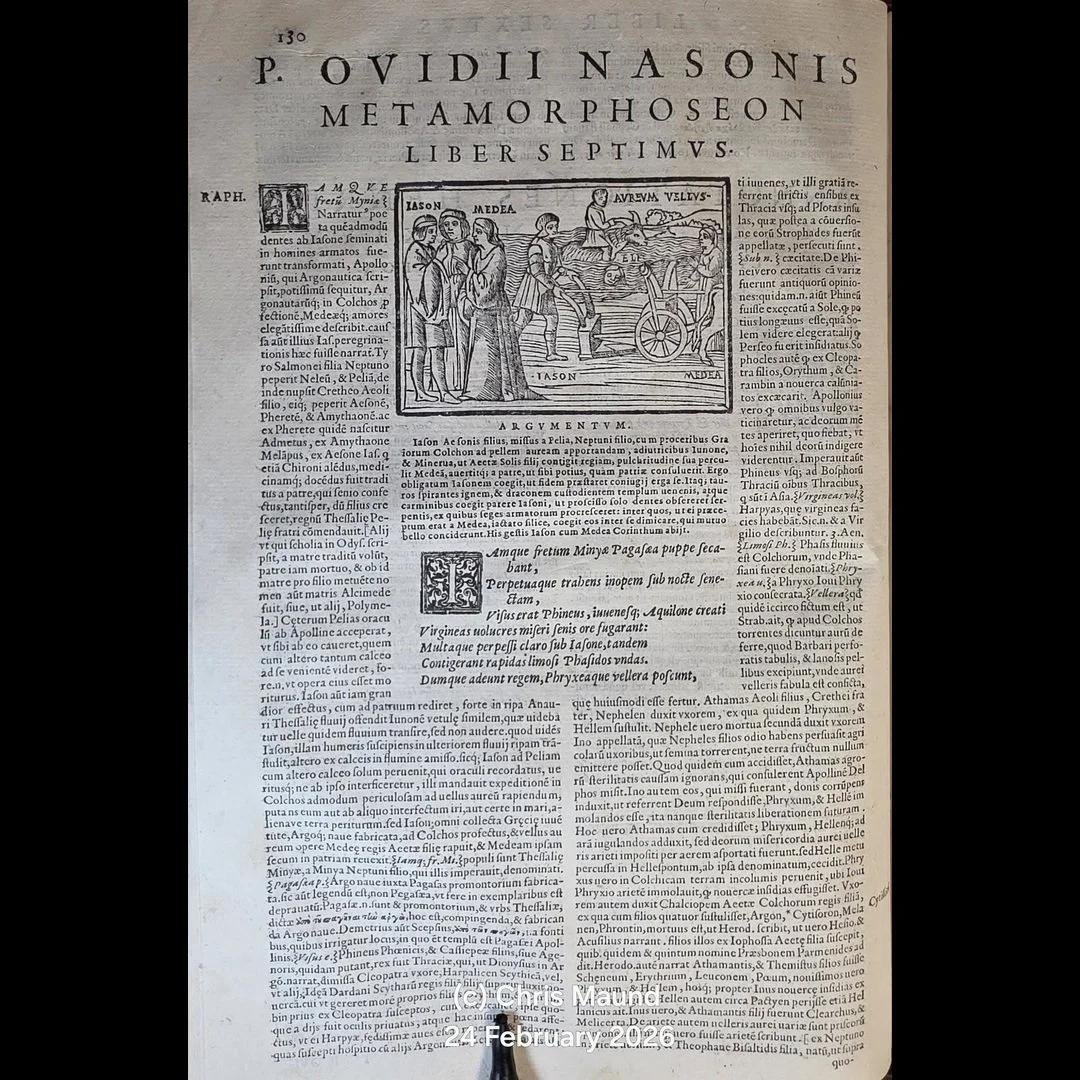 Image 27 of 47
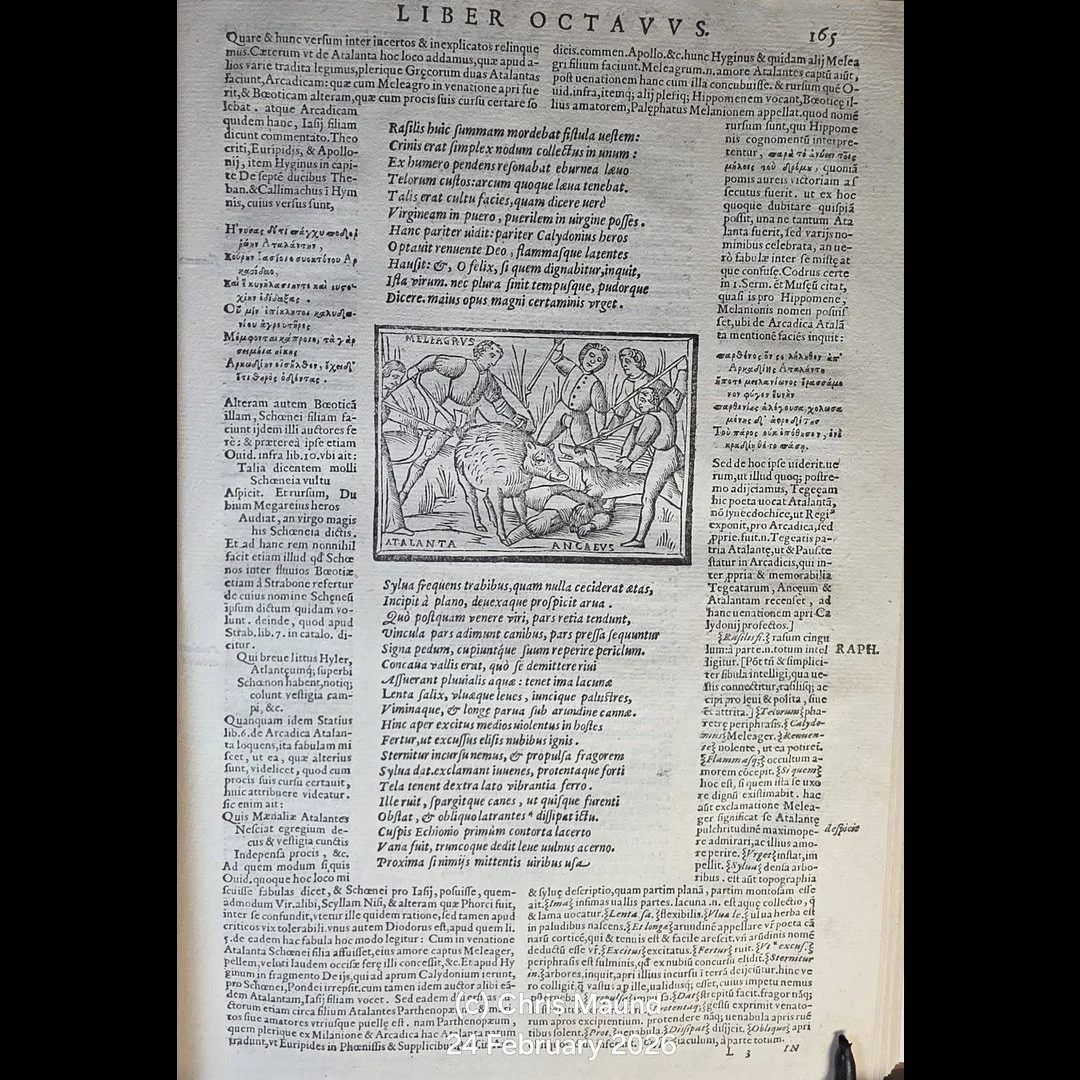 Image 28 of 47
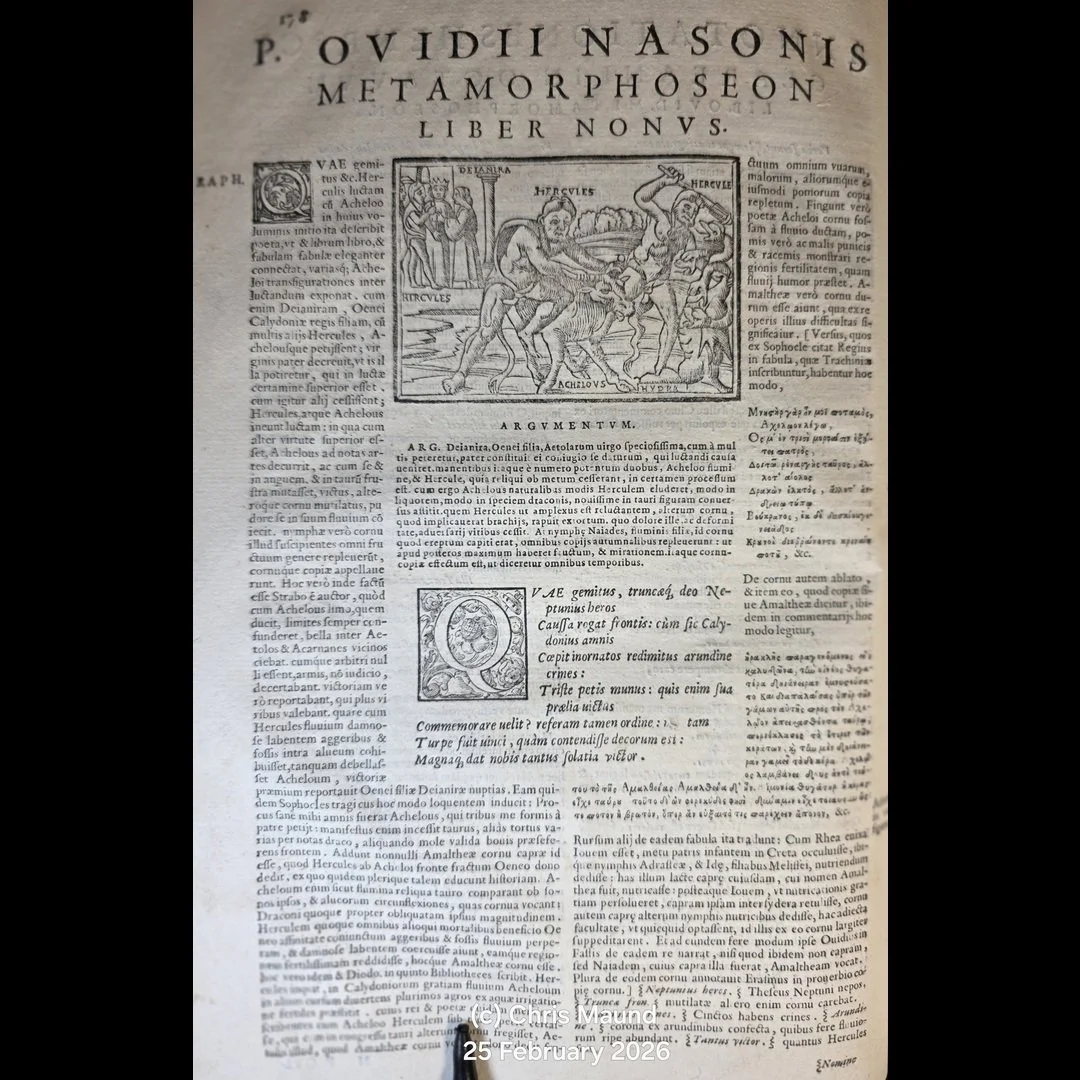 Image 29 of 47
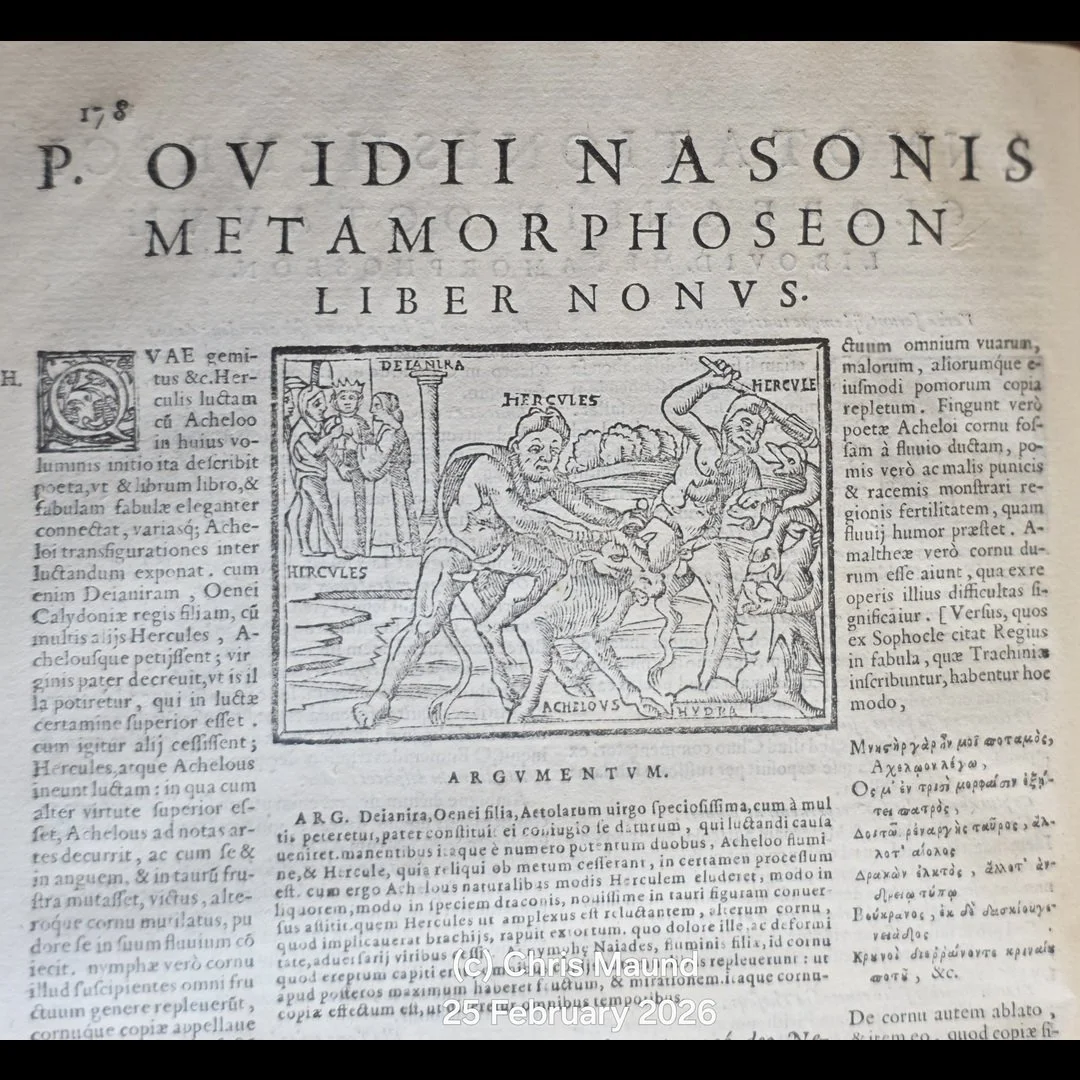 Image 30 of 47
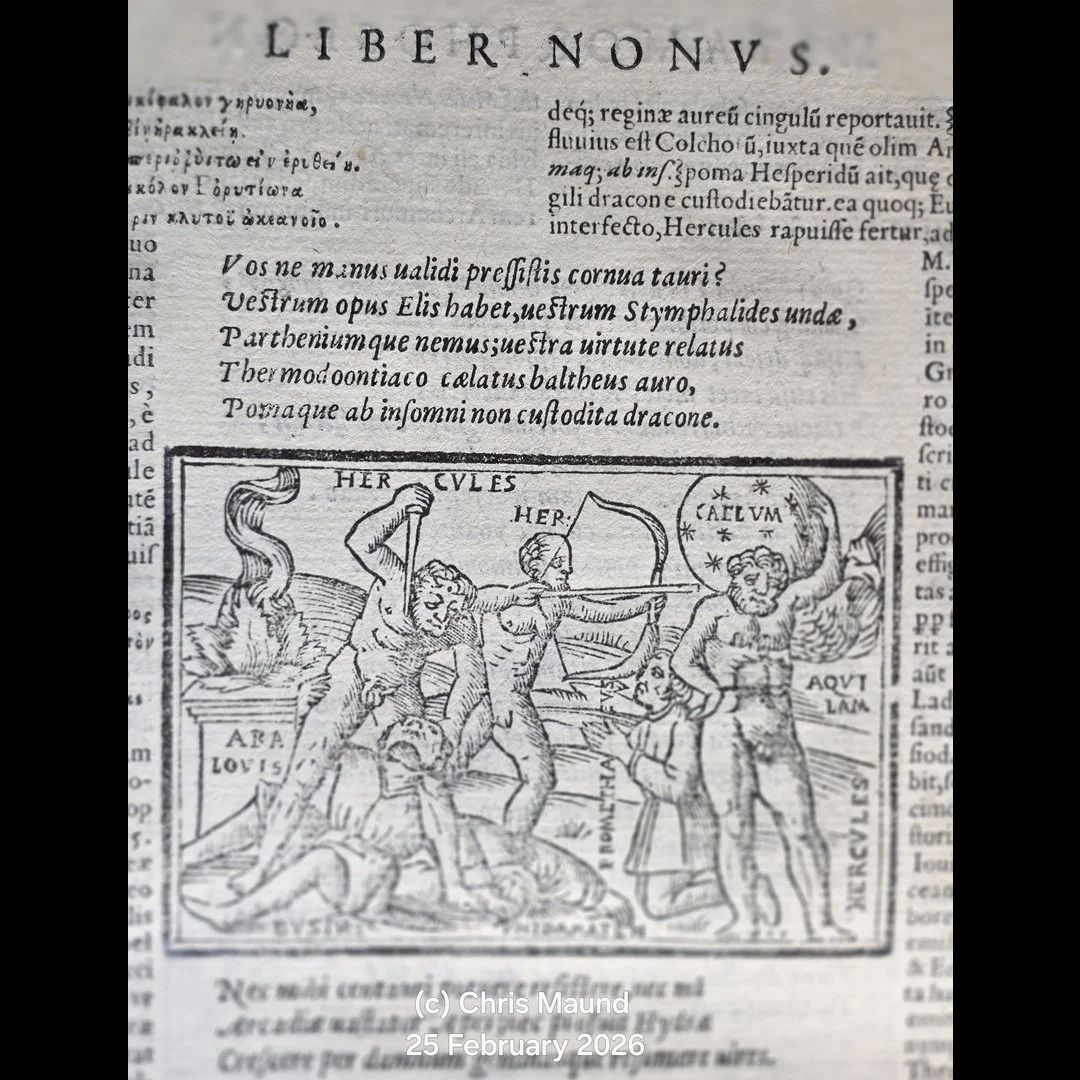 Image 31 of 47
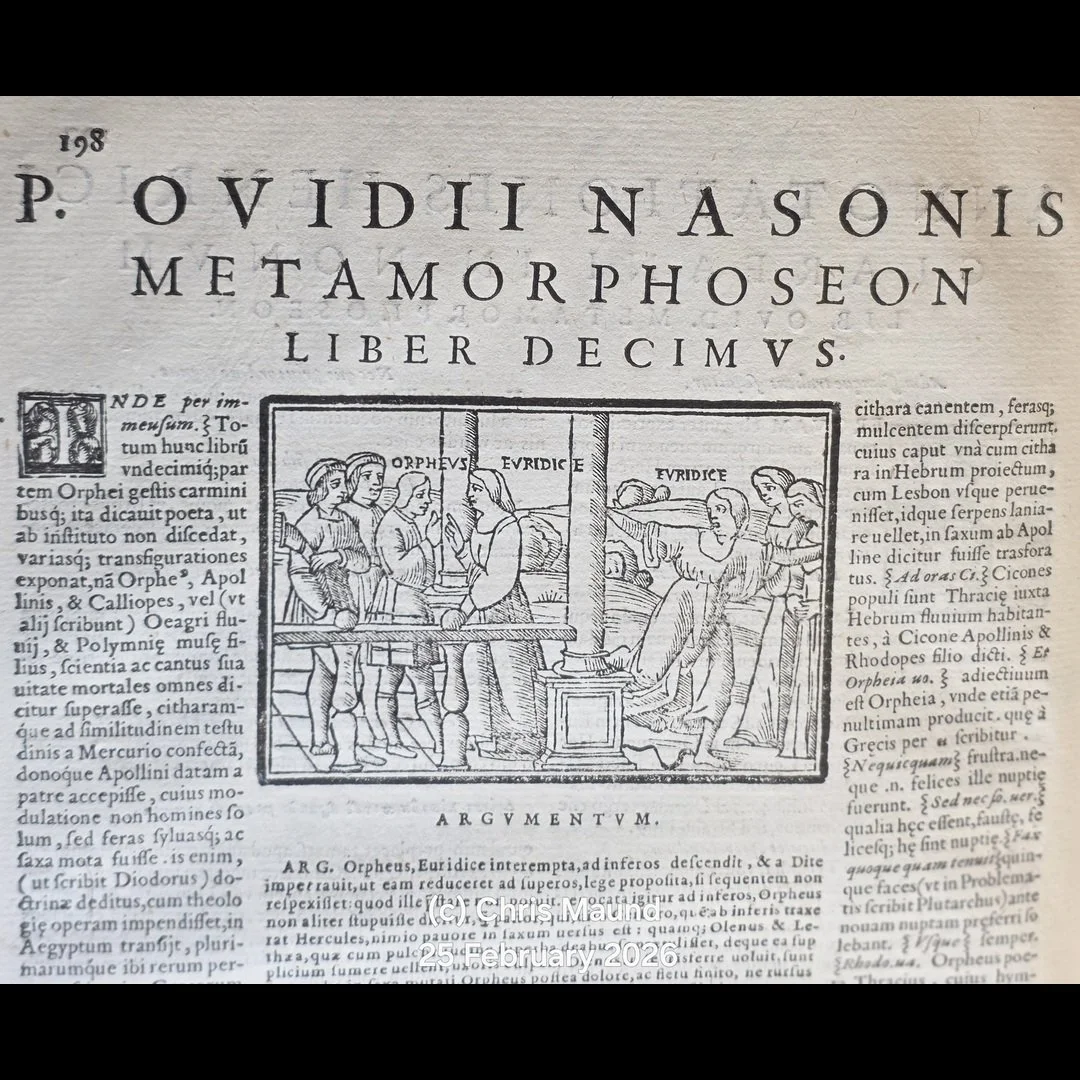 Image 32 of 47
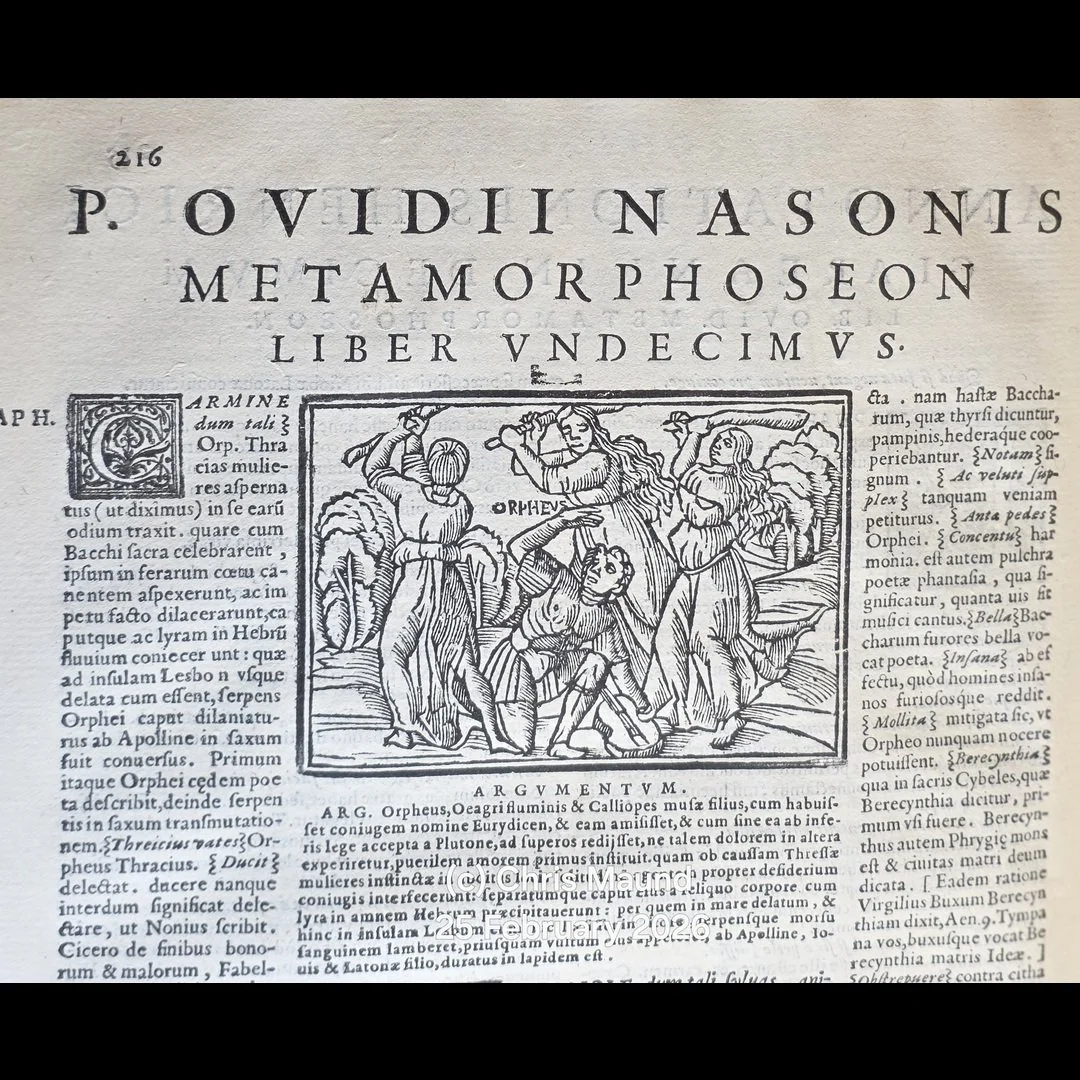 Image 33 of 47
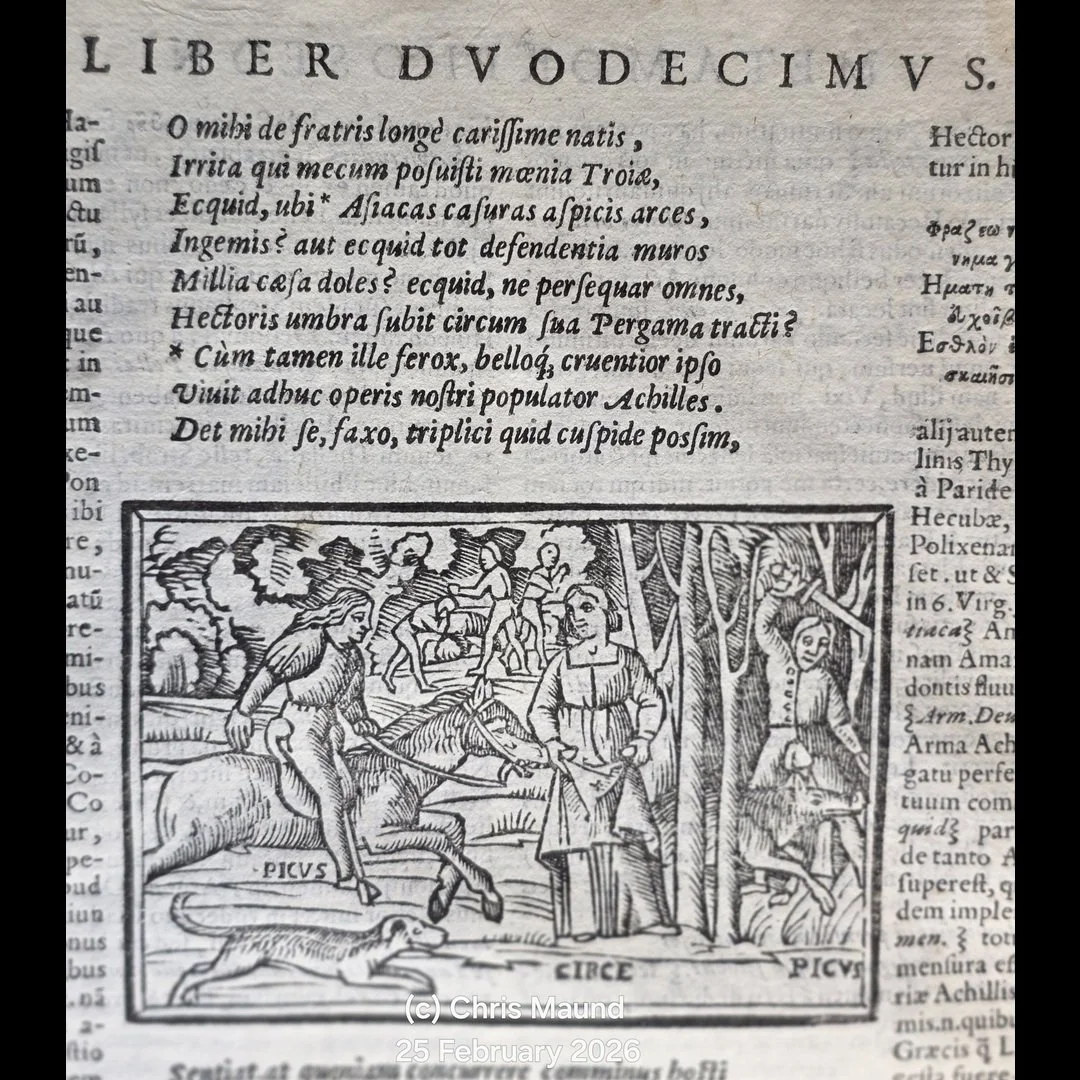 Image 34 of 47
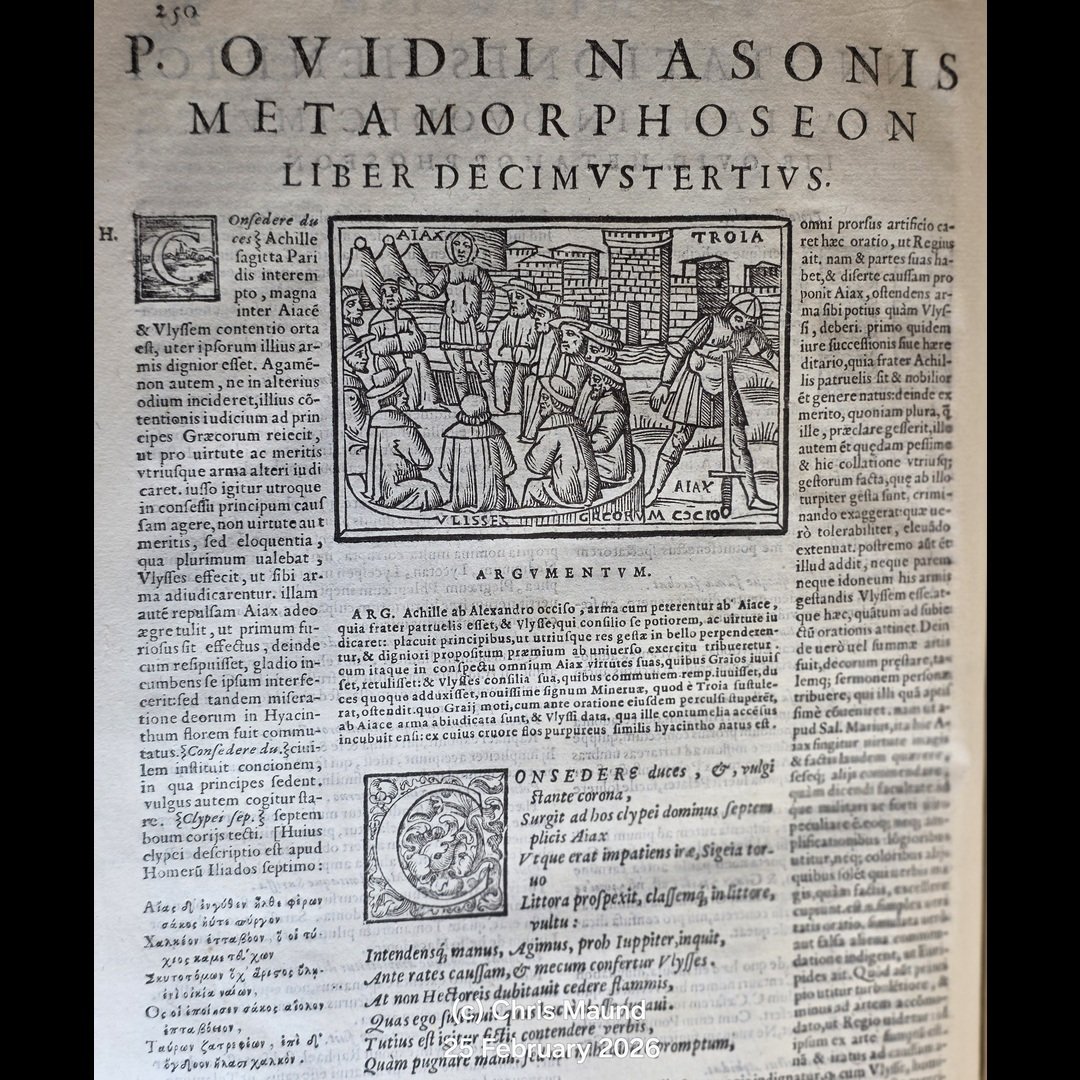 Image 35 of 47
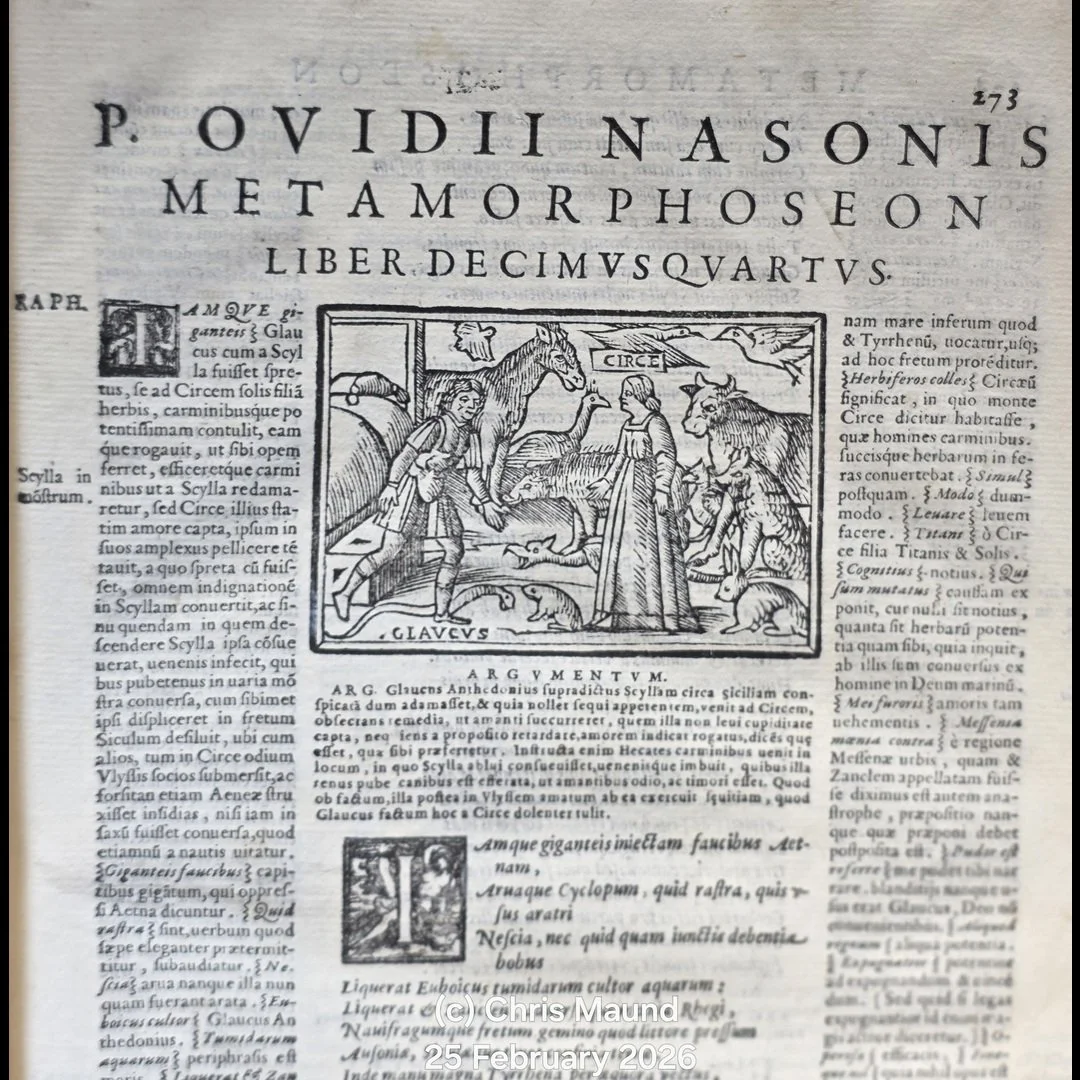 Image 36 of 47
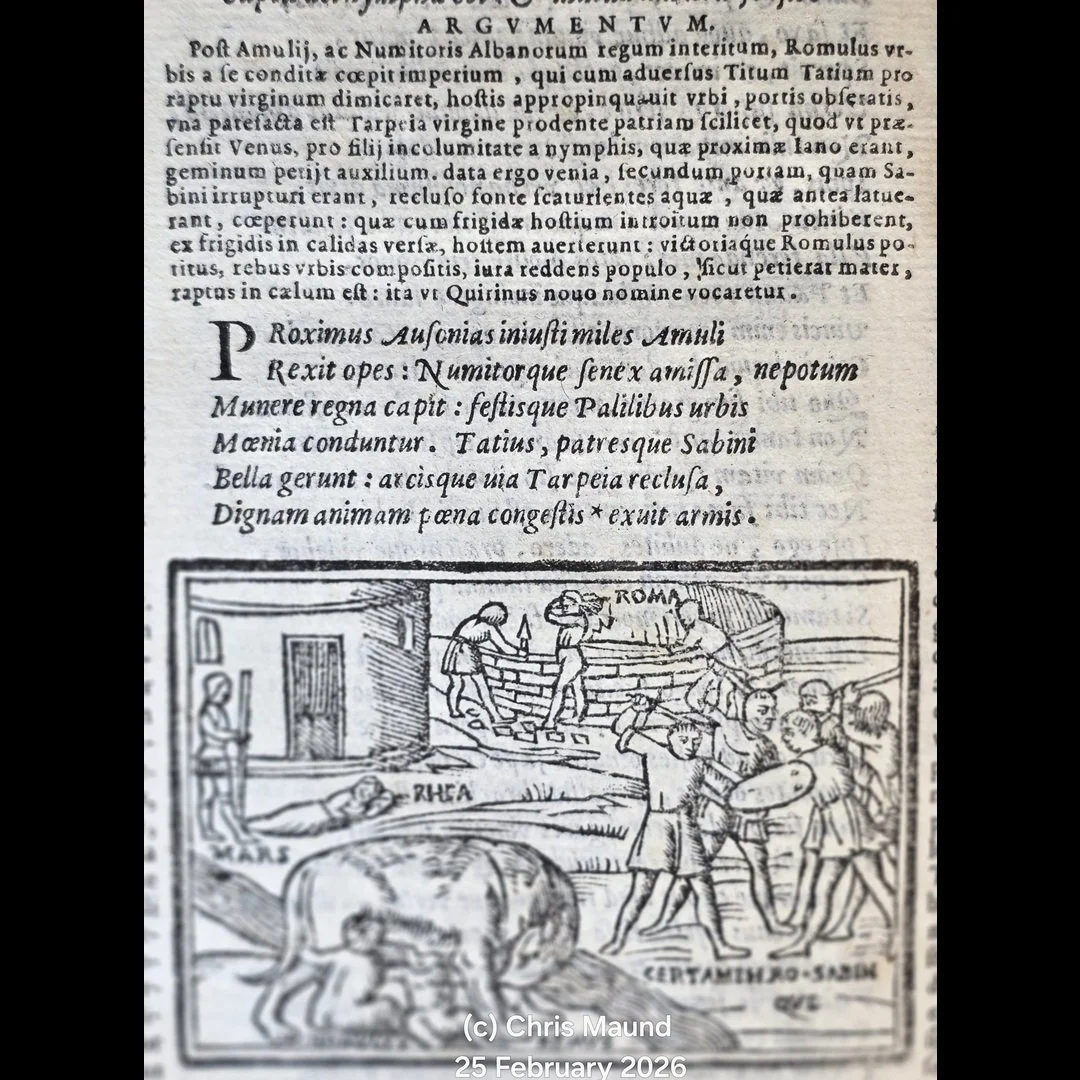 Image 37 of 47
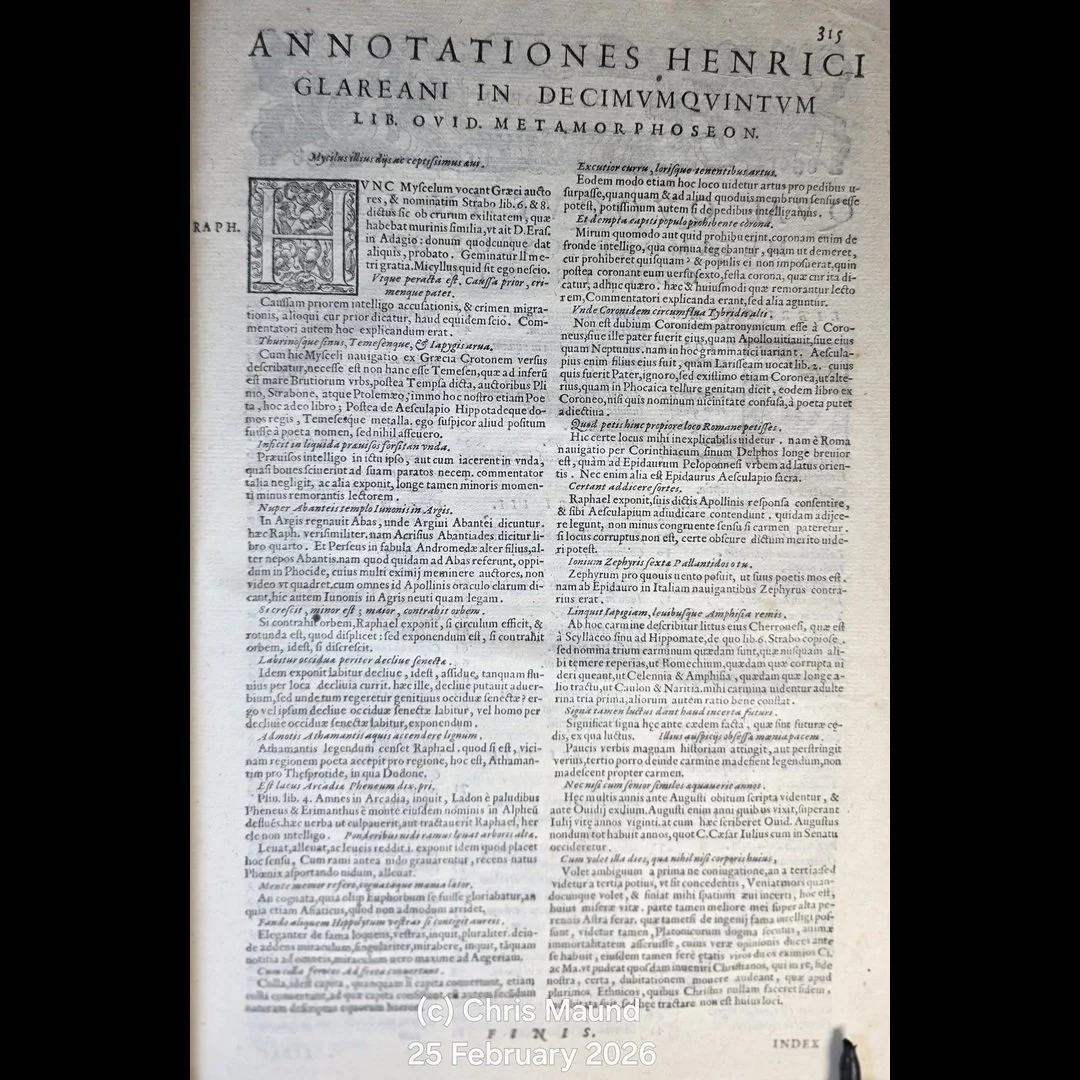 Image 38 of 47
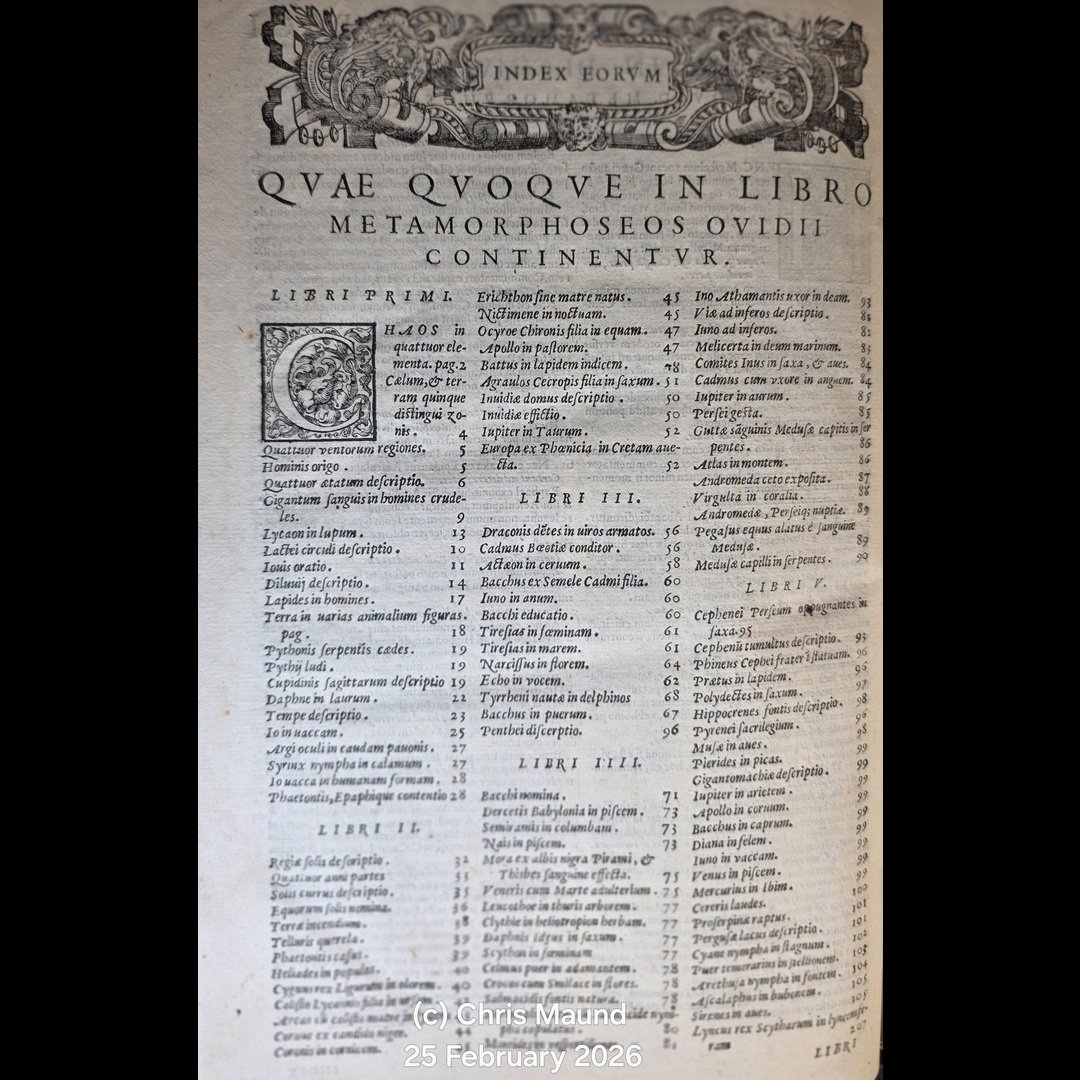 Image 39 of 47
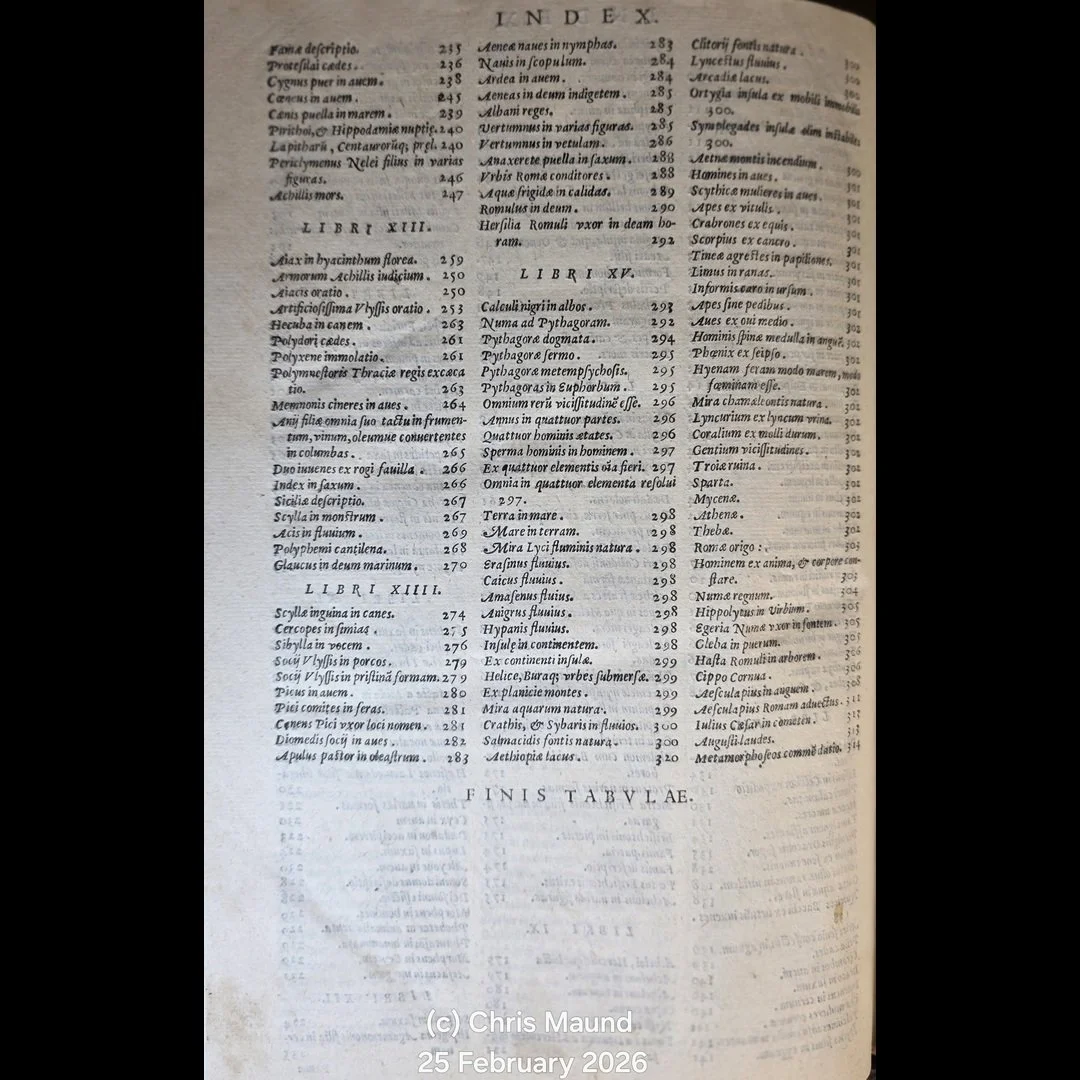 Image 40 of 47
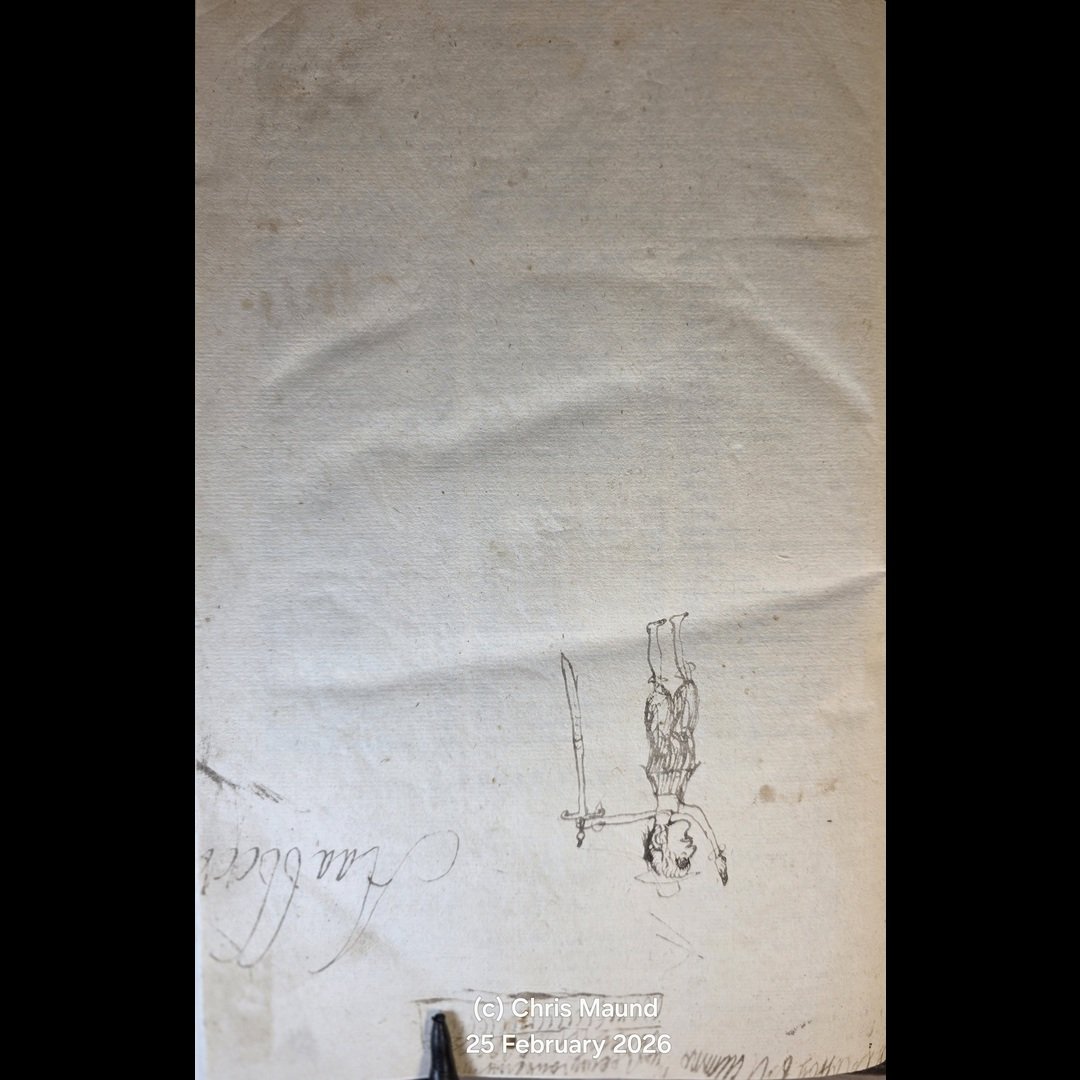 Image 41 of 47
 Image 42 of 47
 Image 43 of 47
 Image 44 of 47
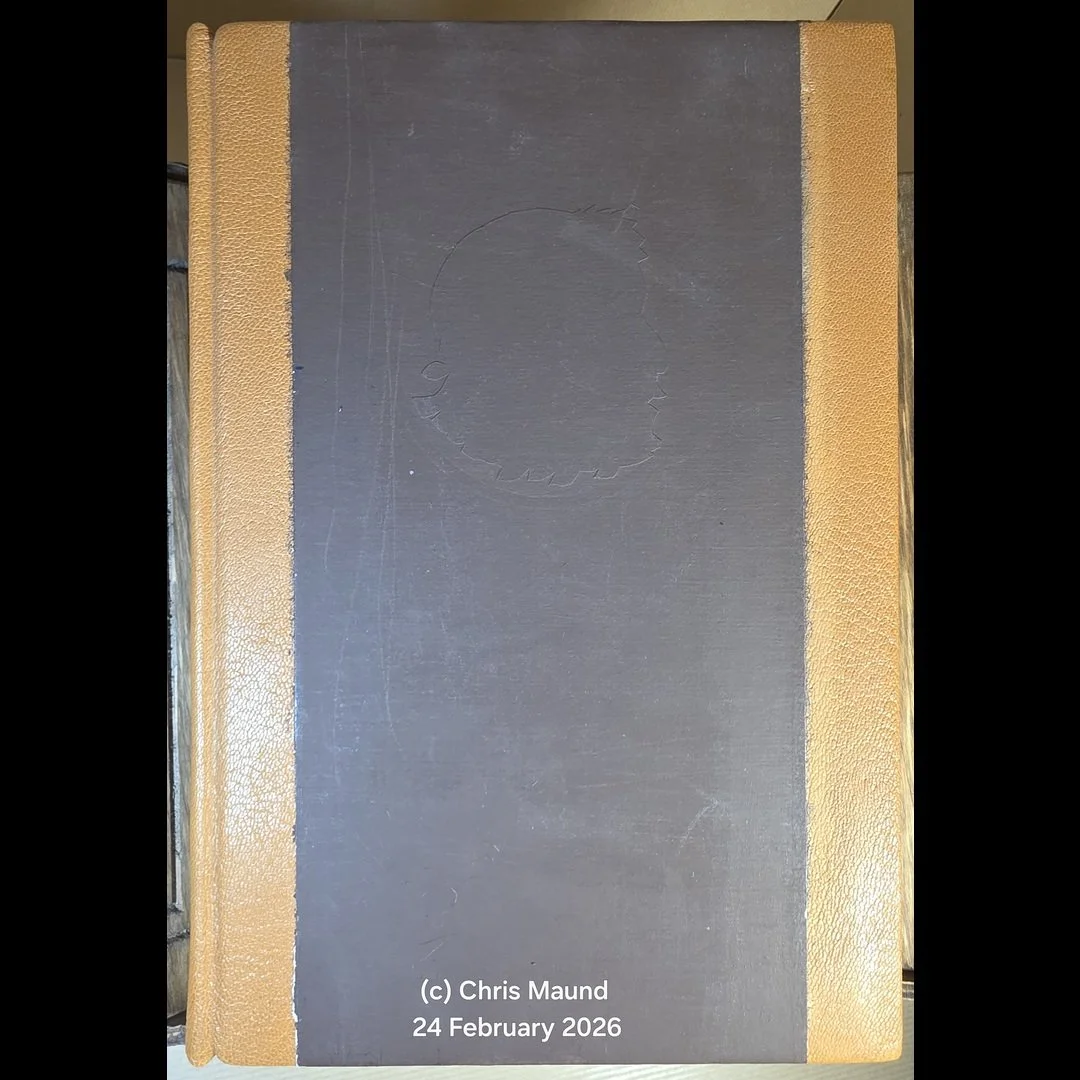 Image 45 of 47
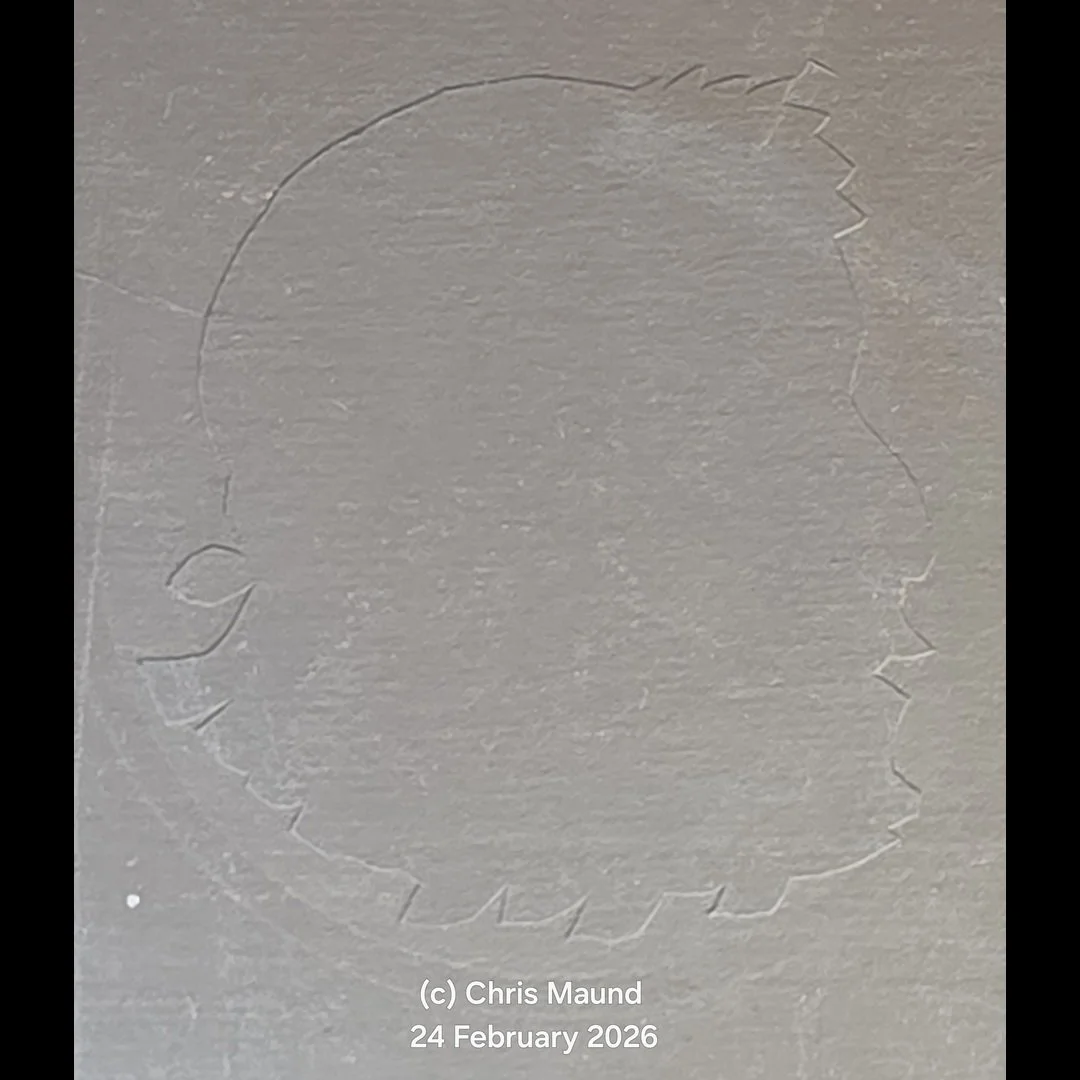 Image 46 of 47
 Image 47 of 47