1551 First Edition
AN HOMO BONUS VEL MALUS VOLENS FIAT
By Simone Porzio
KEY DETAILS
Condition: Very Good
Format: Vellum, Quarto (4to); Later full vellum over boards
Published By: [Lorenzo Torrentino], Florence, 1551
Language: Latin
Collation: Pagination: 67, [1] pp.; Signatures: a–g⁴ h⁶.; Complete.; The additional blank leaves at the beginning and end belong to the later binding and are therefore not included within the bibliographical collation.
Dust Jacket: None, as issued
SKU: BTETM0002693
Shipping Info: Approximate Package Dimensions H: 12.5, L: 30, W: 25 (Units: cm), W: 2Kg
Tracked Shipping, Insurance Coverage as per Customer Request
DESCRIPTION
AN HOMO BONUS VEL MALUS VOLENS FIAT
Simonis Portii disputatio, ad Laelium Taurellum iurisconsultiss. Duci Florentinorum à Secretis.
First edition of Simone Porzio's important Renaissance philosophical disputation on free will, moral responsibility and the formation of human character, published at Florence in 1551.
The title, An homo bonus vel malus volens fiat — approximately, “Whether a Man Becomes Good or Bad Willingly” — poses one of the central ethical questions of Renaissance philosophy: to what extent does an individual freely choose to become virtuous or vicious?
Porzio approaches the question through the Aristotelian tradition, examining the relationship between reason, appetite, deliberation, habit, voluntary action and necessity. Stoic and Platonic positions are considered alongside the Peripatetic tradition as he explores whether moral character truly lies within human control.
Although ostensibly defending human freedom, Porzio arrives at a substantially qualified conception of free will. The resulting argument therefore occupies a particularly interesting position between Renaissance Aristotelian ethics, moral psychology and contemporary theological debates concerning freedom, grace and necessity.
The work was sufficiently significant to receive an Italian translation by the Florentine humanist Giambattista Gelli in the same year, extending Porzio's argument beyond the normal Latin scholarly readership.
Dedicated to Lelio Torelli (1489–1576), jurist and senior administrator in the service of Cosimo I de' Medici, the work belongs firmly to the intellectual culture of mid-sixteenth-century Florence.
A scarce and intellectually substantial first edition dealing with questions of human freedom and responsibility that remain immediately recognisable nearly five centuries after its publication.
CONDITION, COLLATION & COPY NOTES
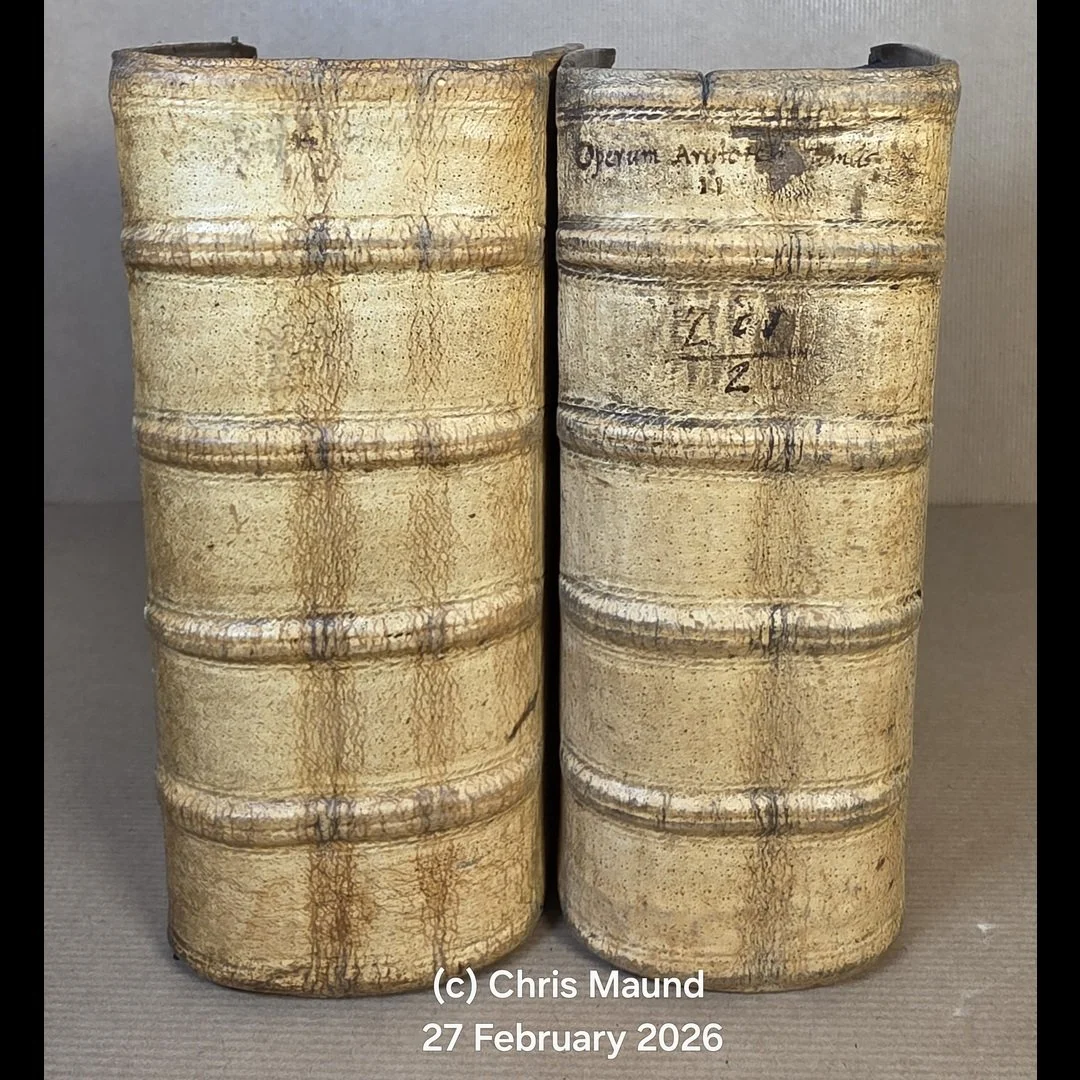
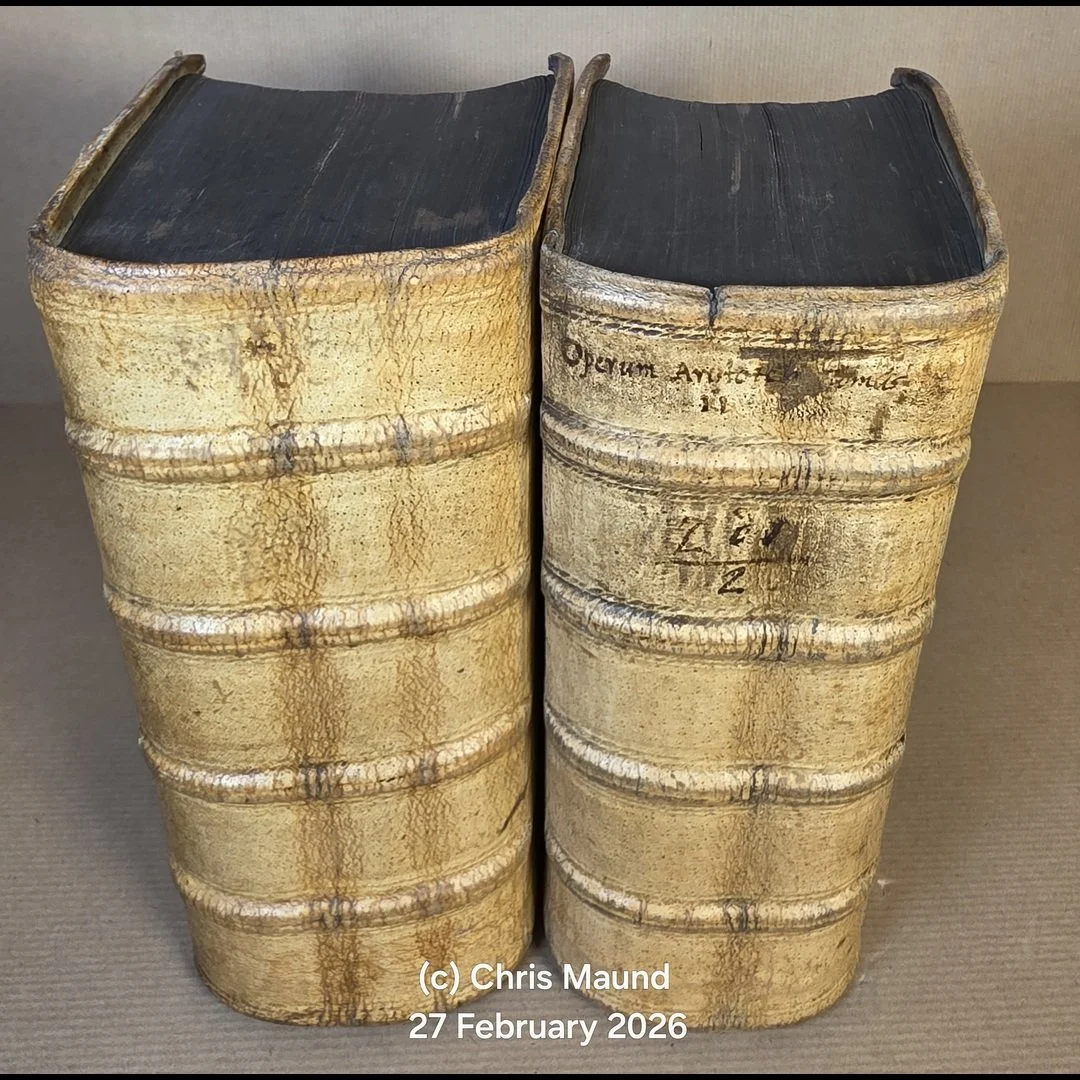
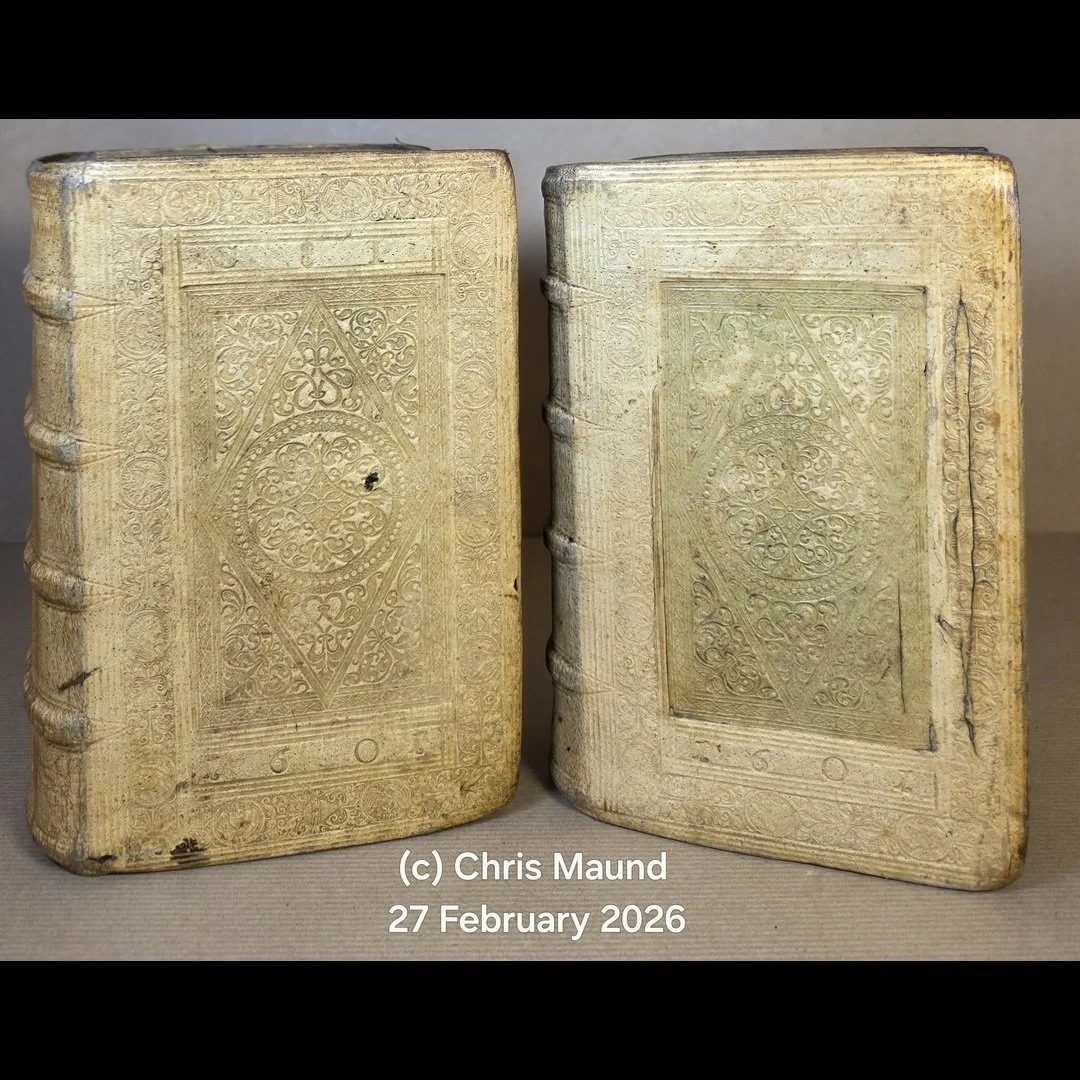
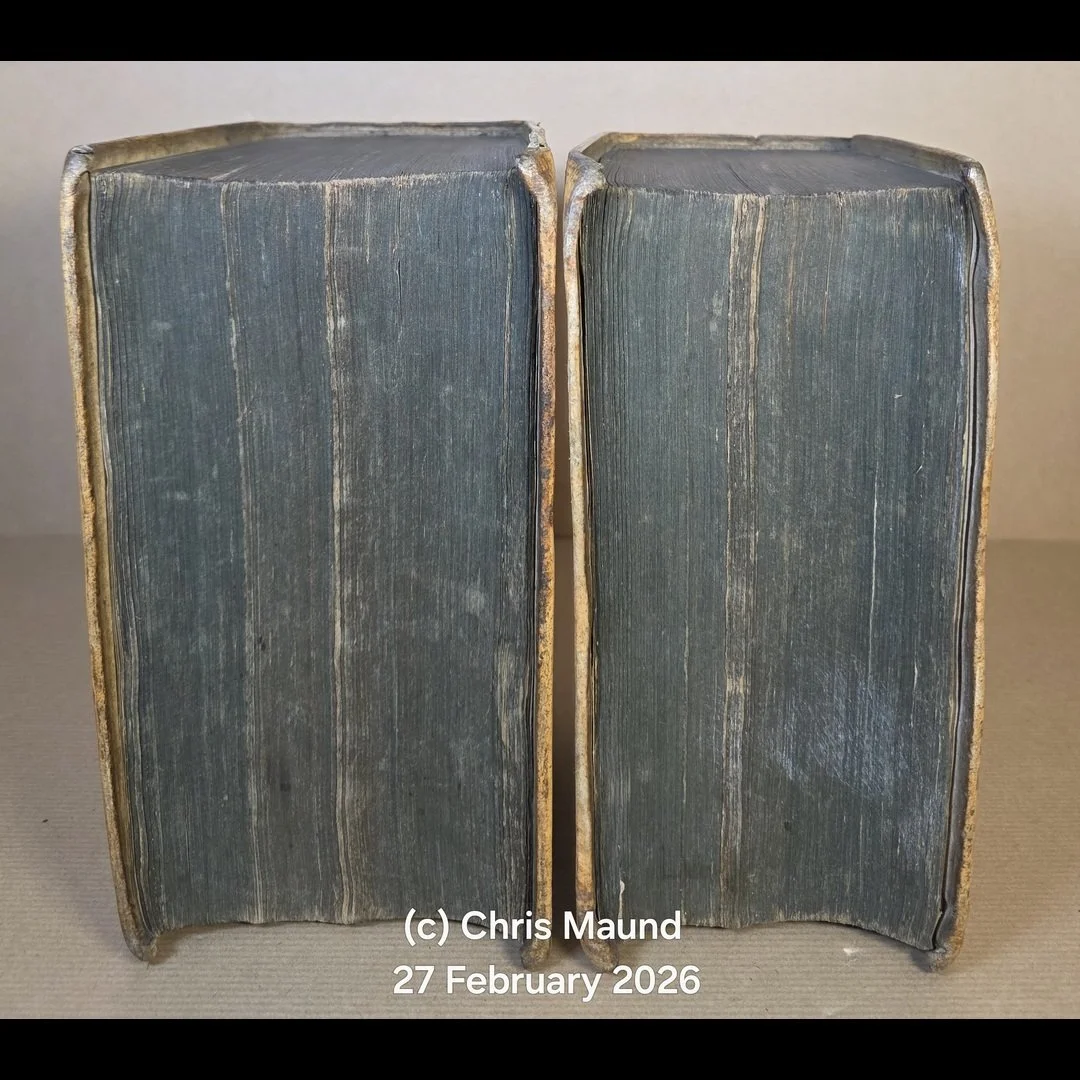
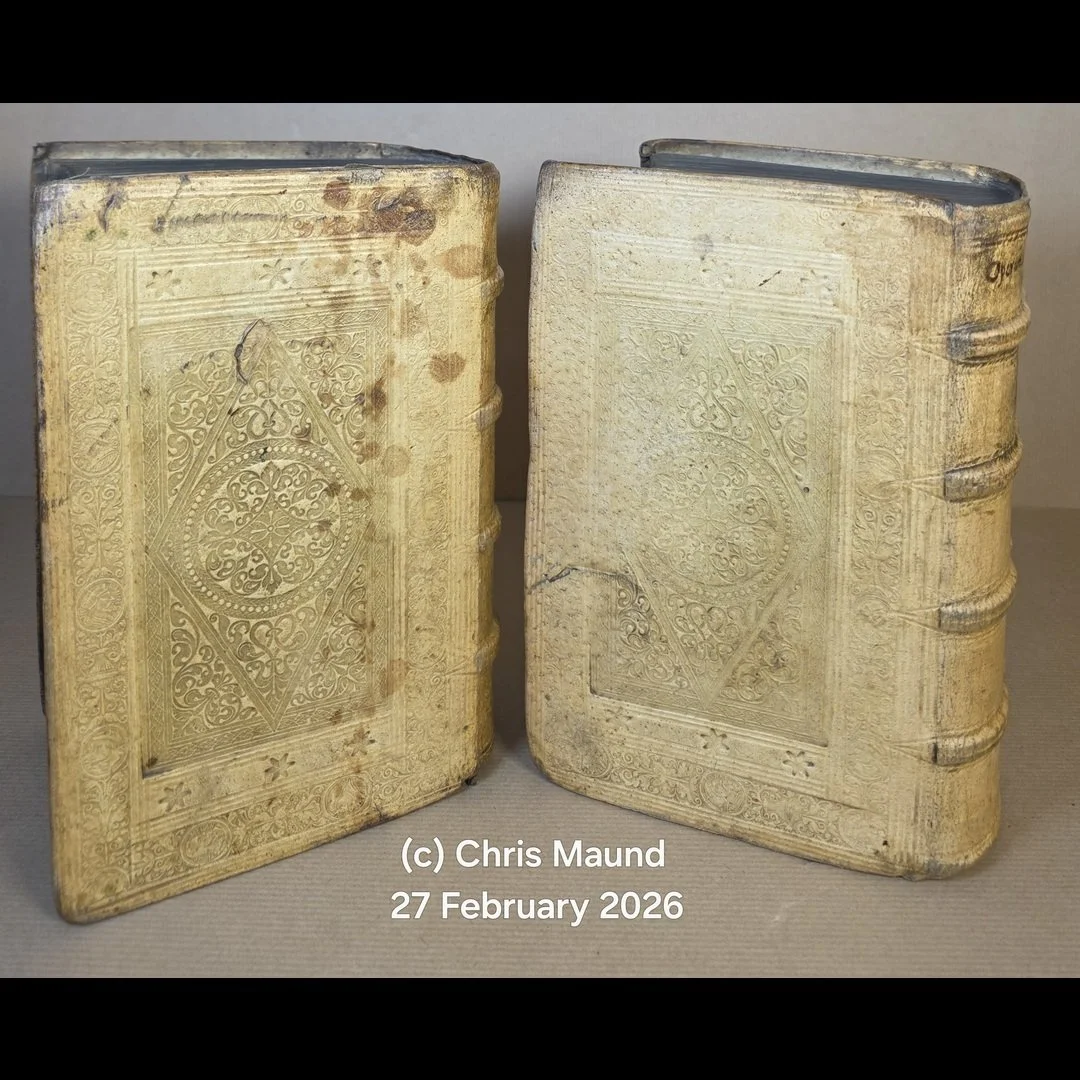
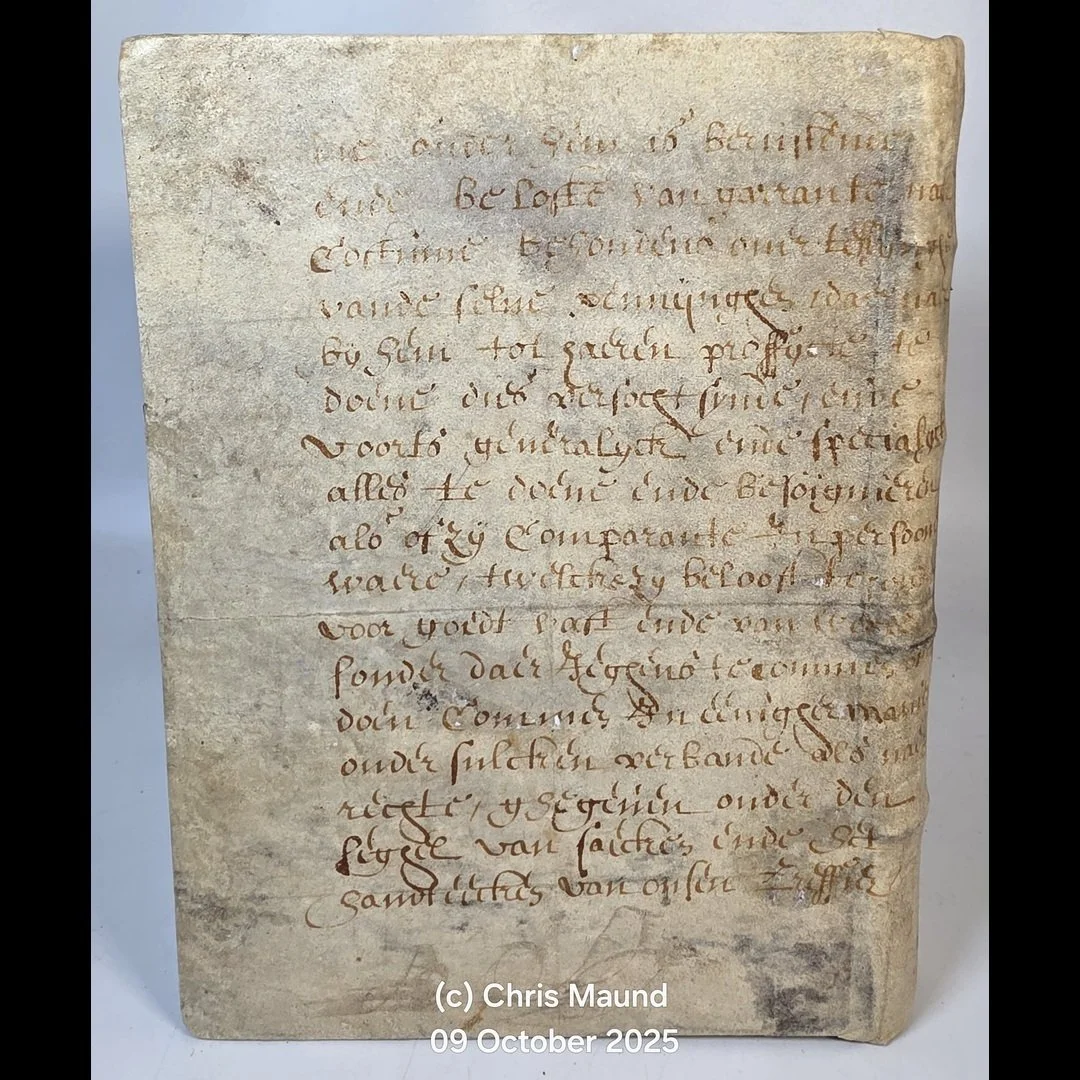
Later plain full vellum over boards, the vellum naturally mottled and lightly marked with age. Binding sound and well preserved. Textblock edges stained red.
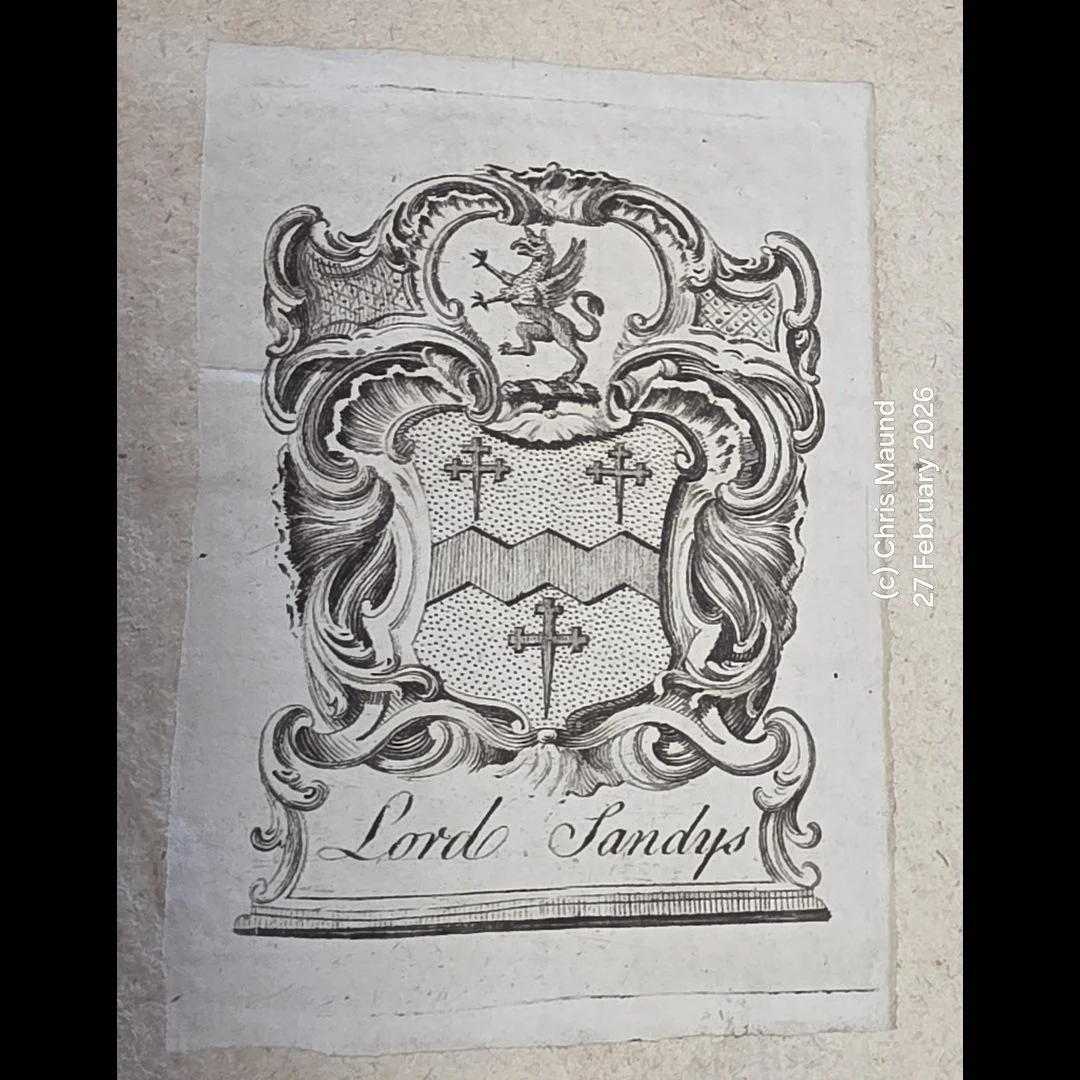
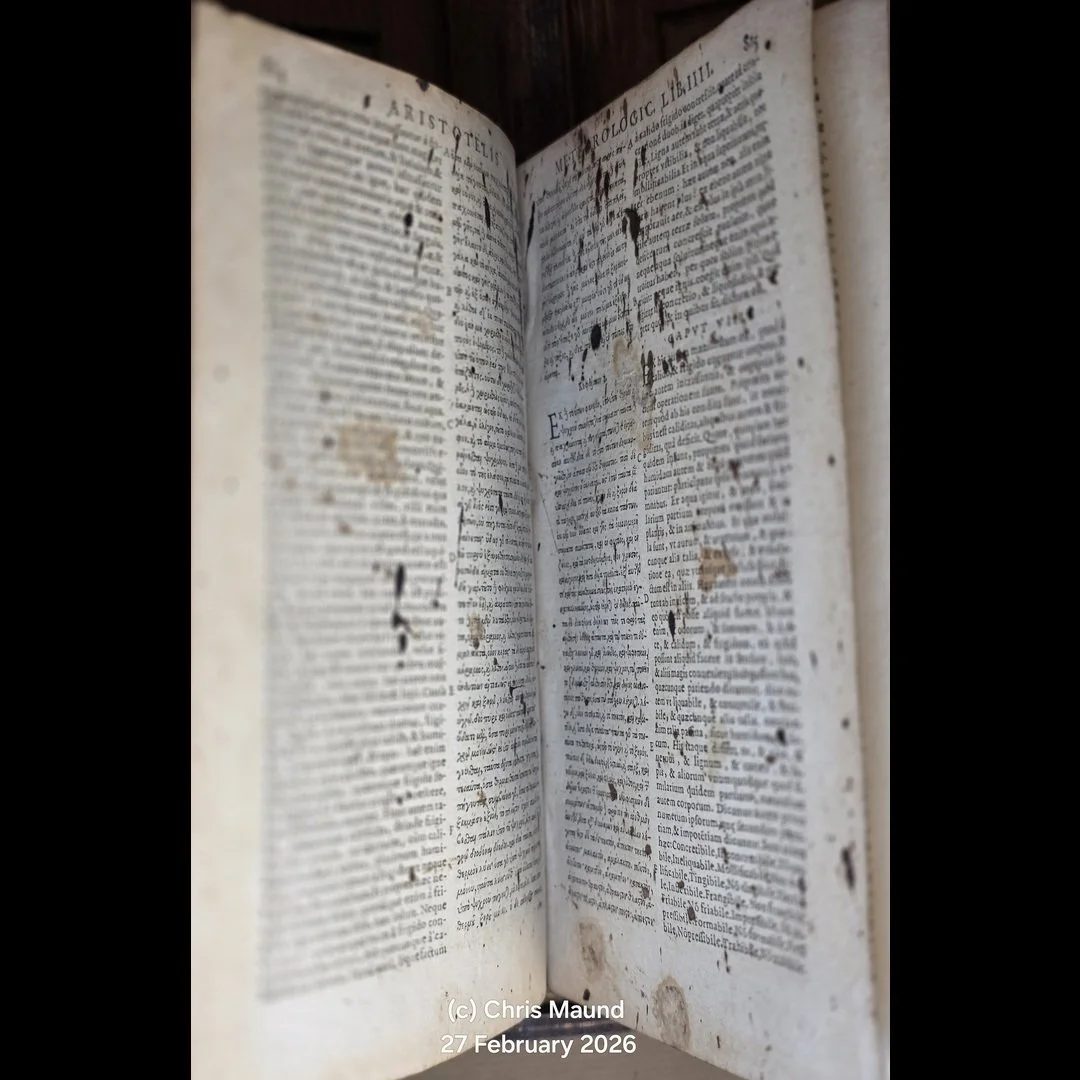
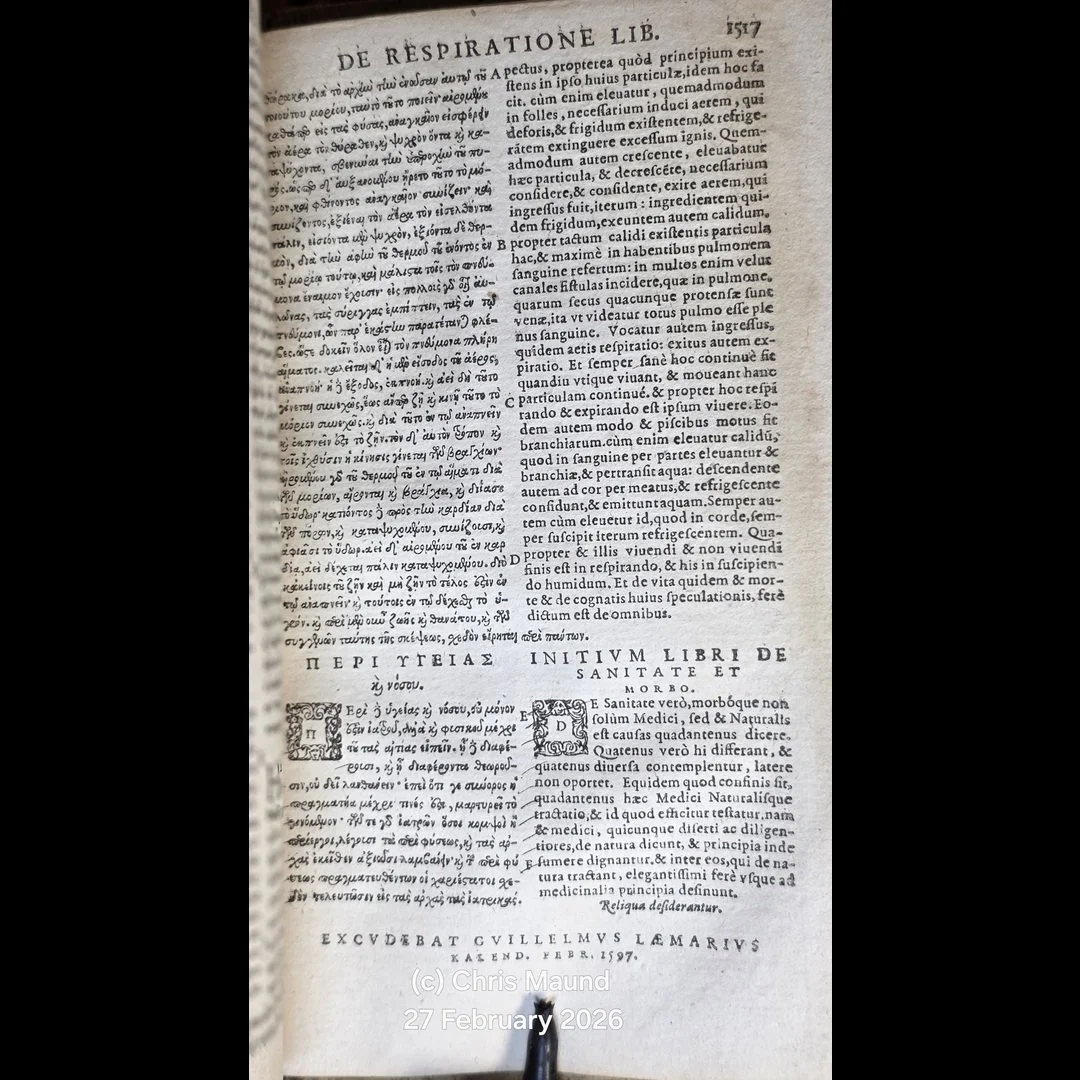
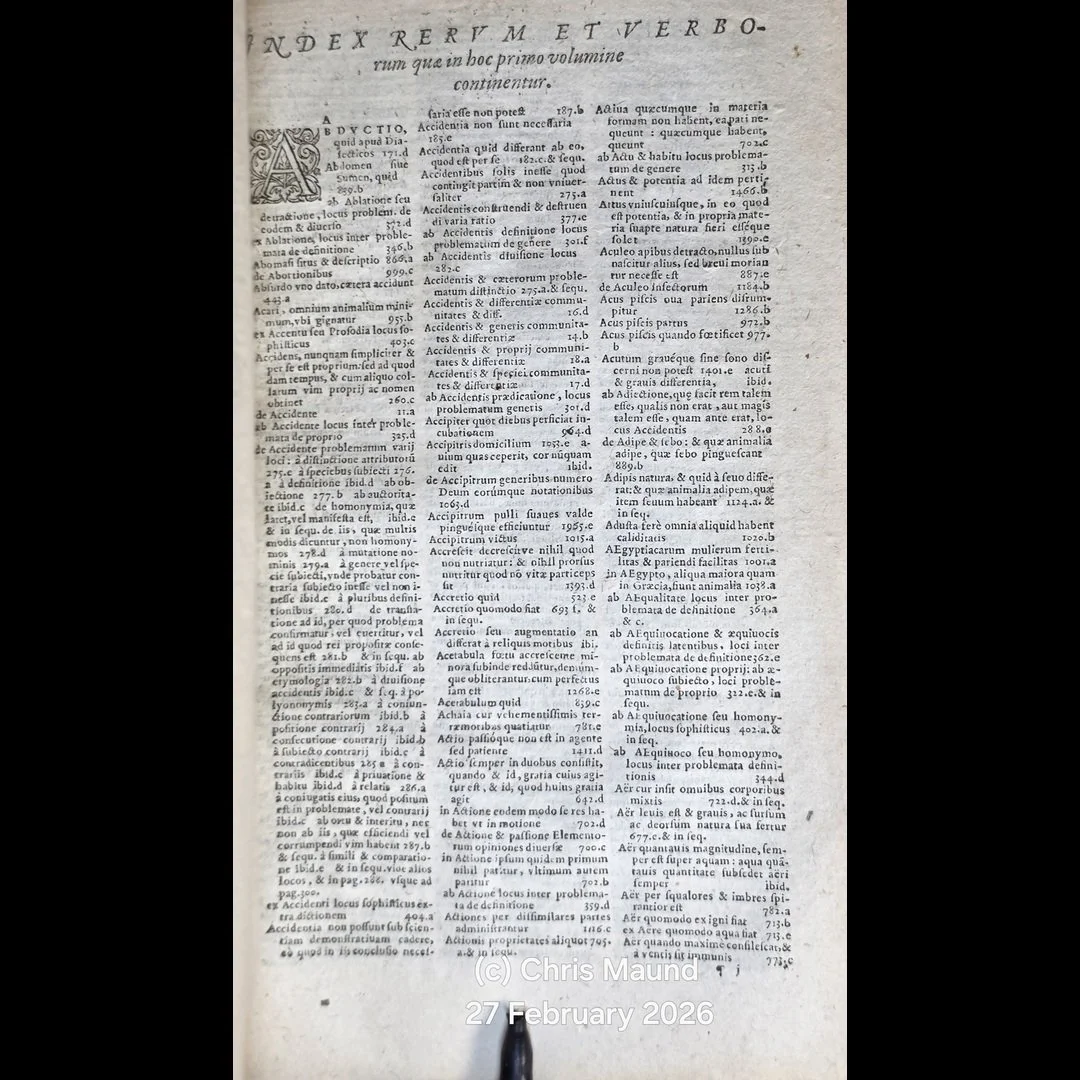
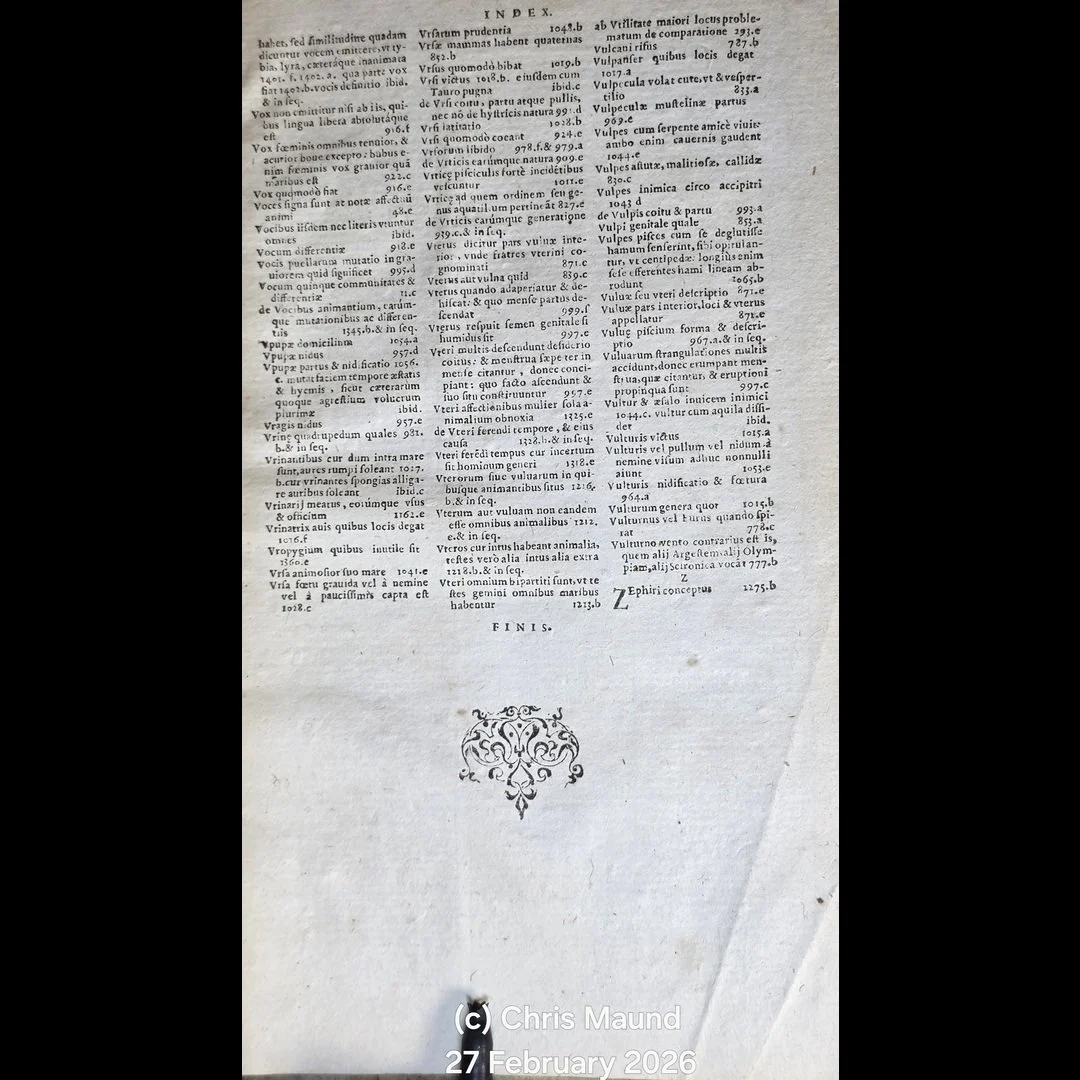
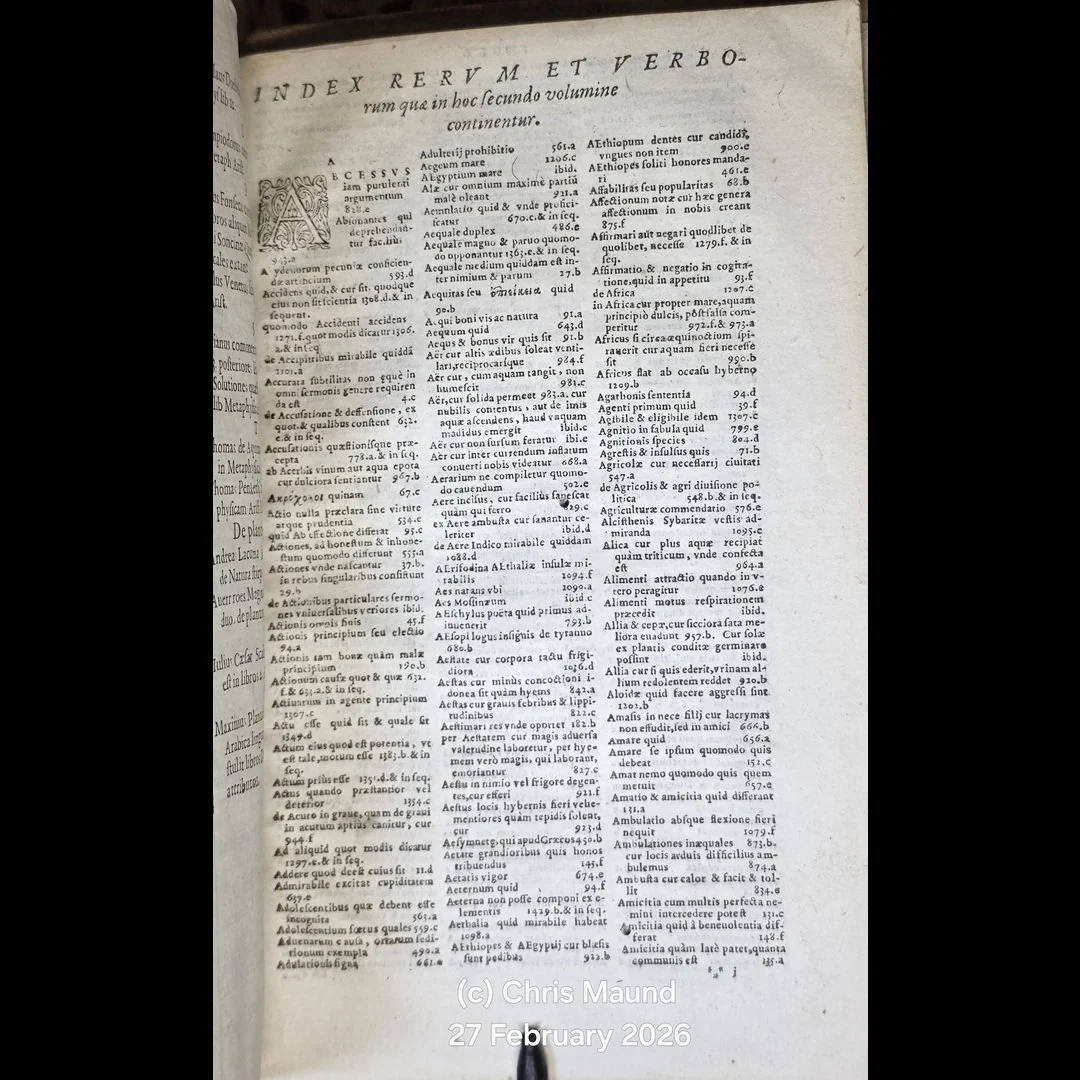
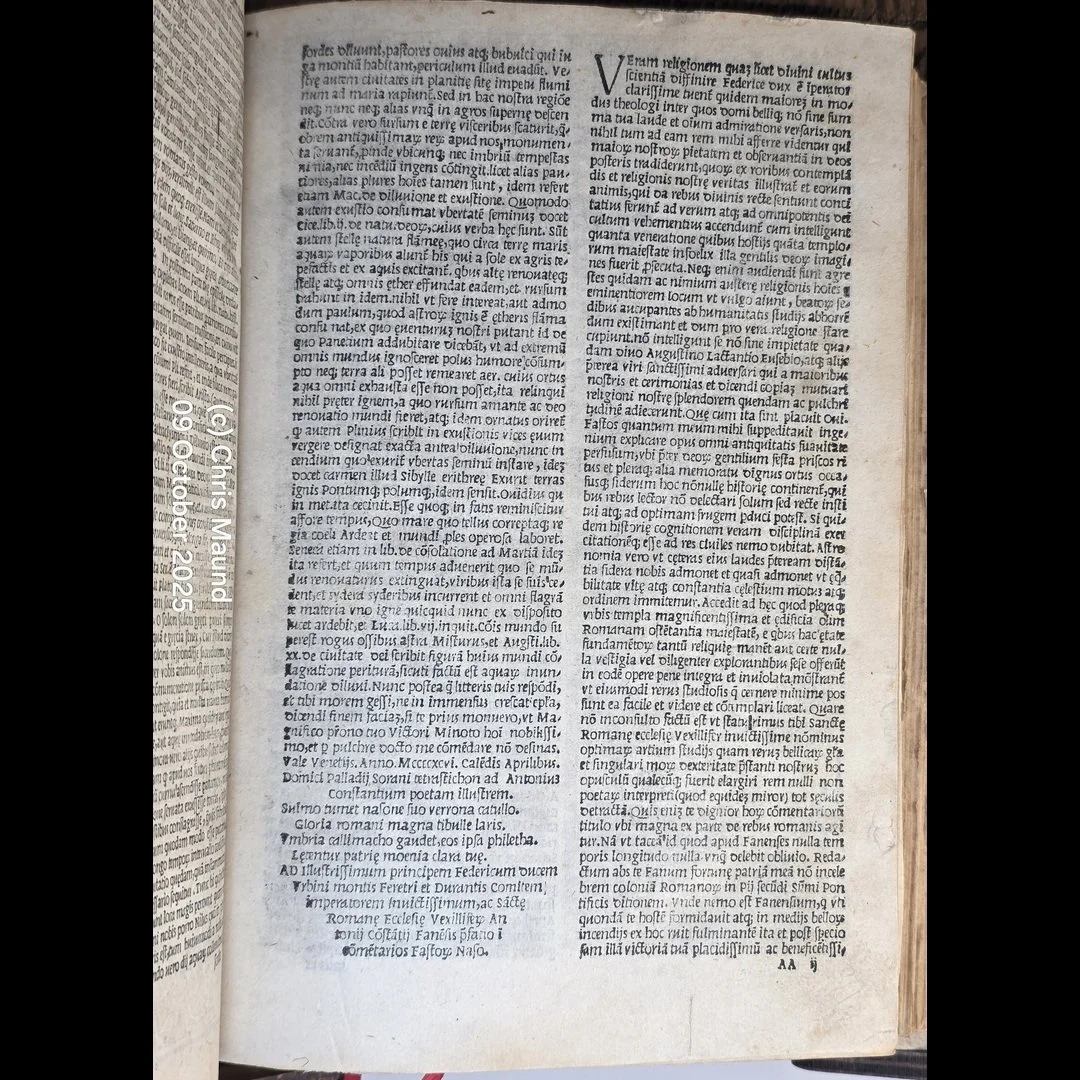
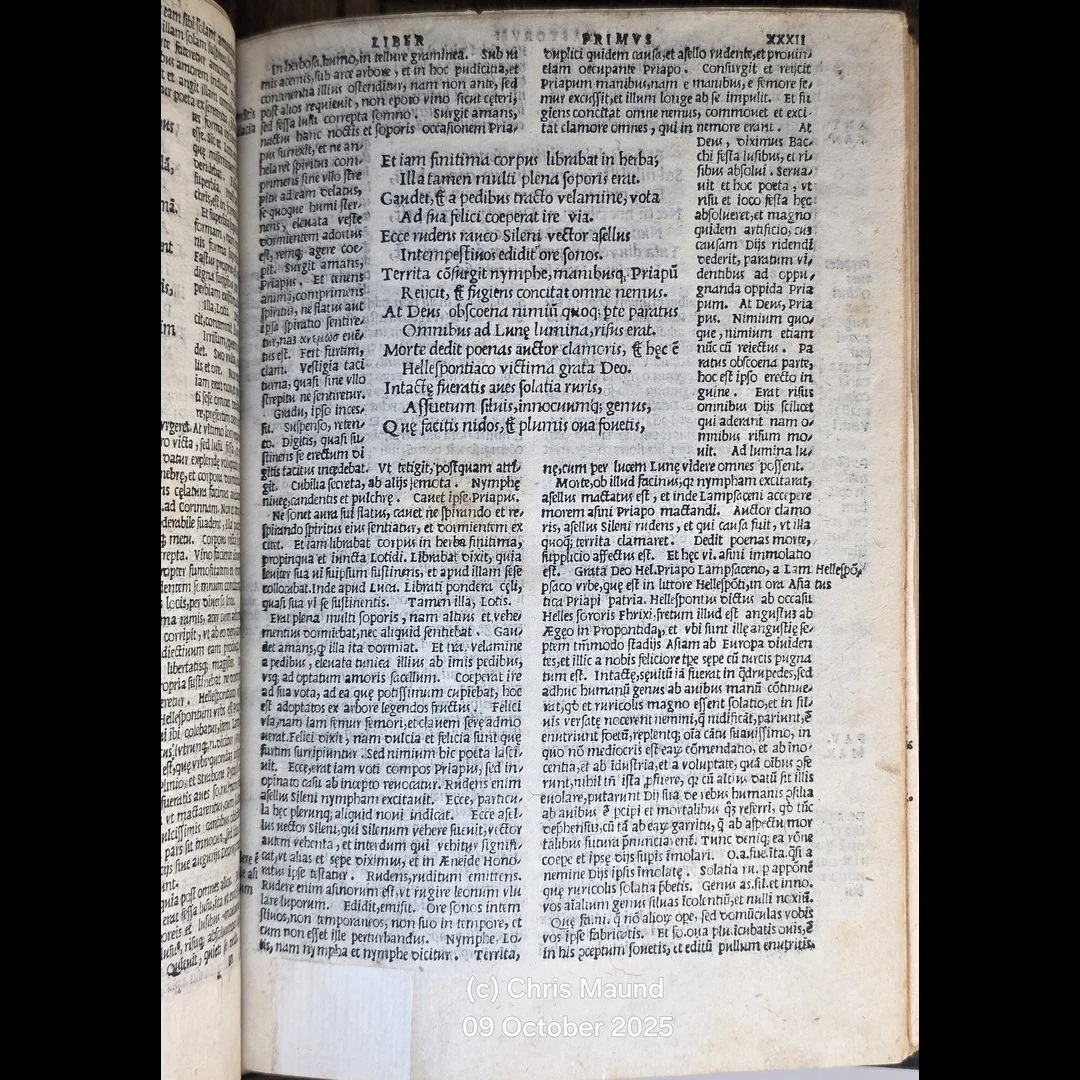
Internally a notably well-margined copy, printed in a strong, clear Roman type. The leaves remain generally clean and well preserved, with scattered light age-toning, spotting and foxing, somewhat more noticeable to the title page and occasionally towards the outer margins.
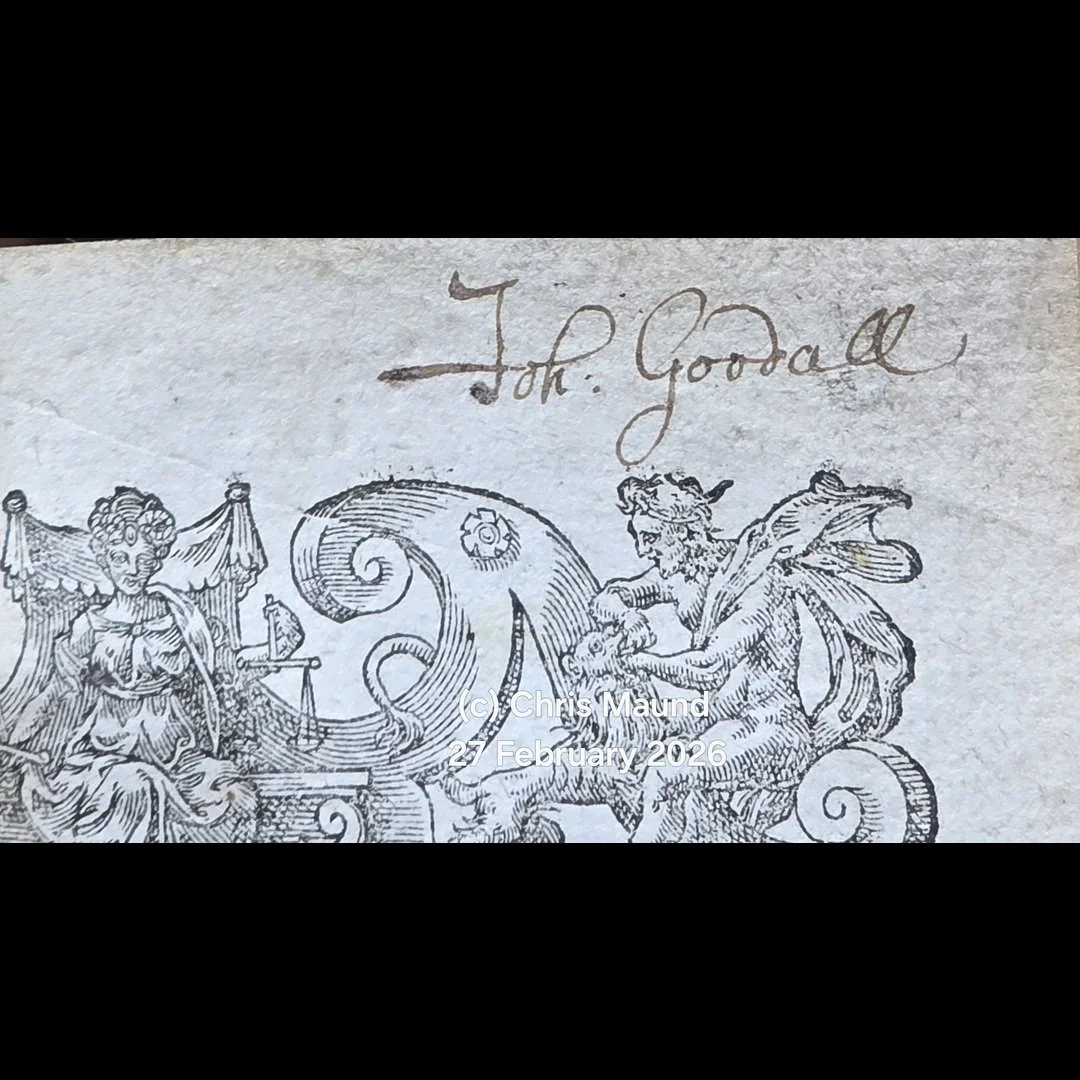
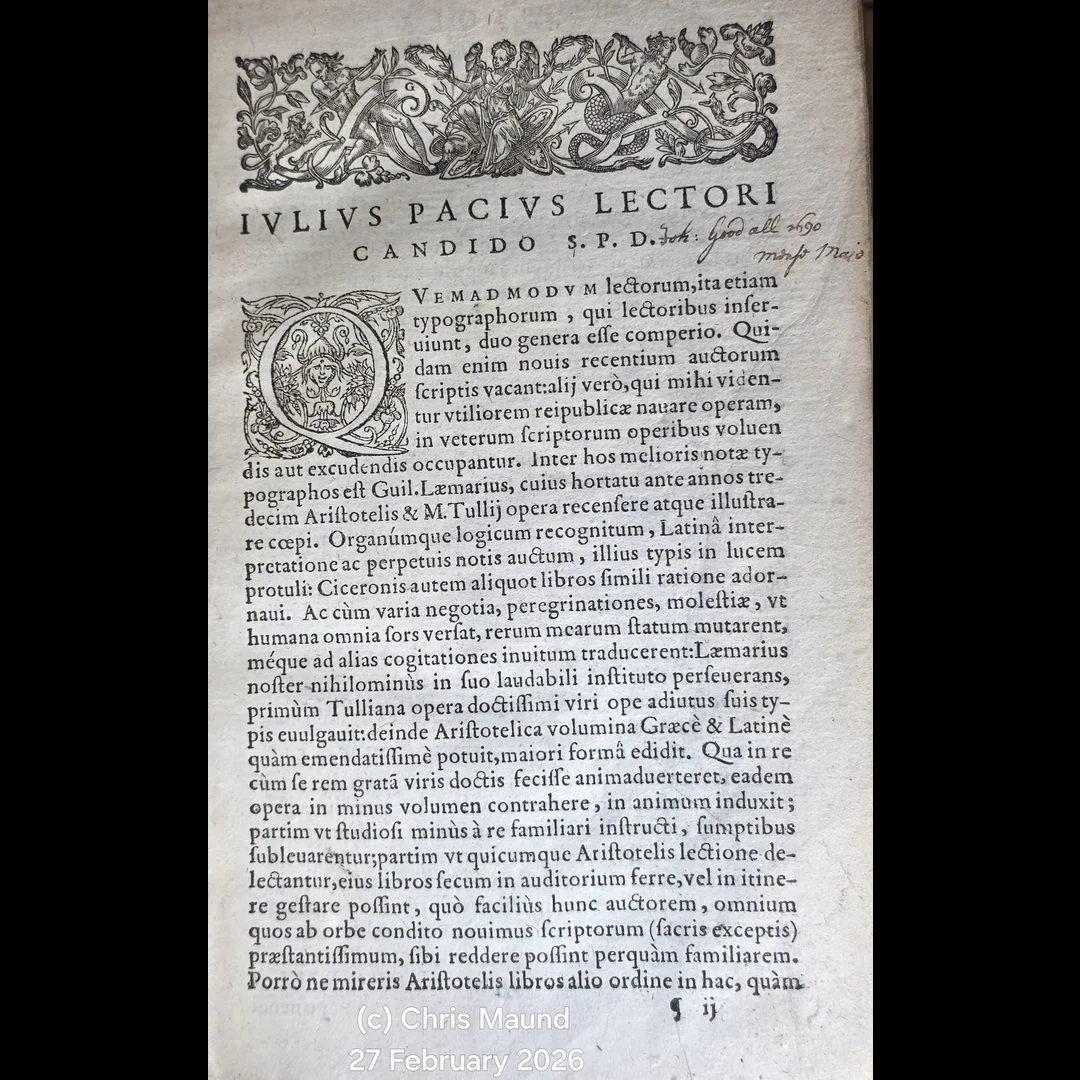
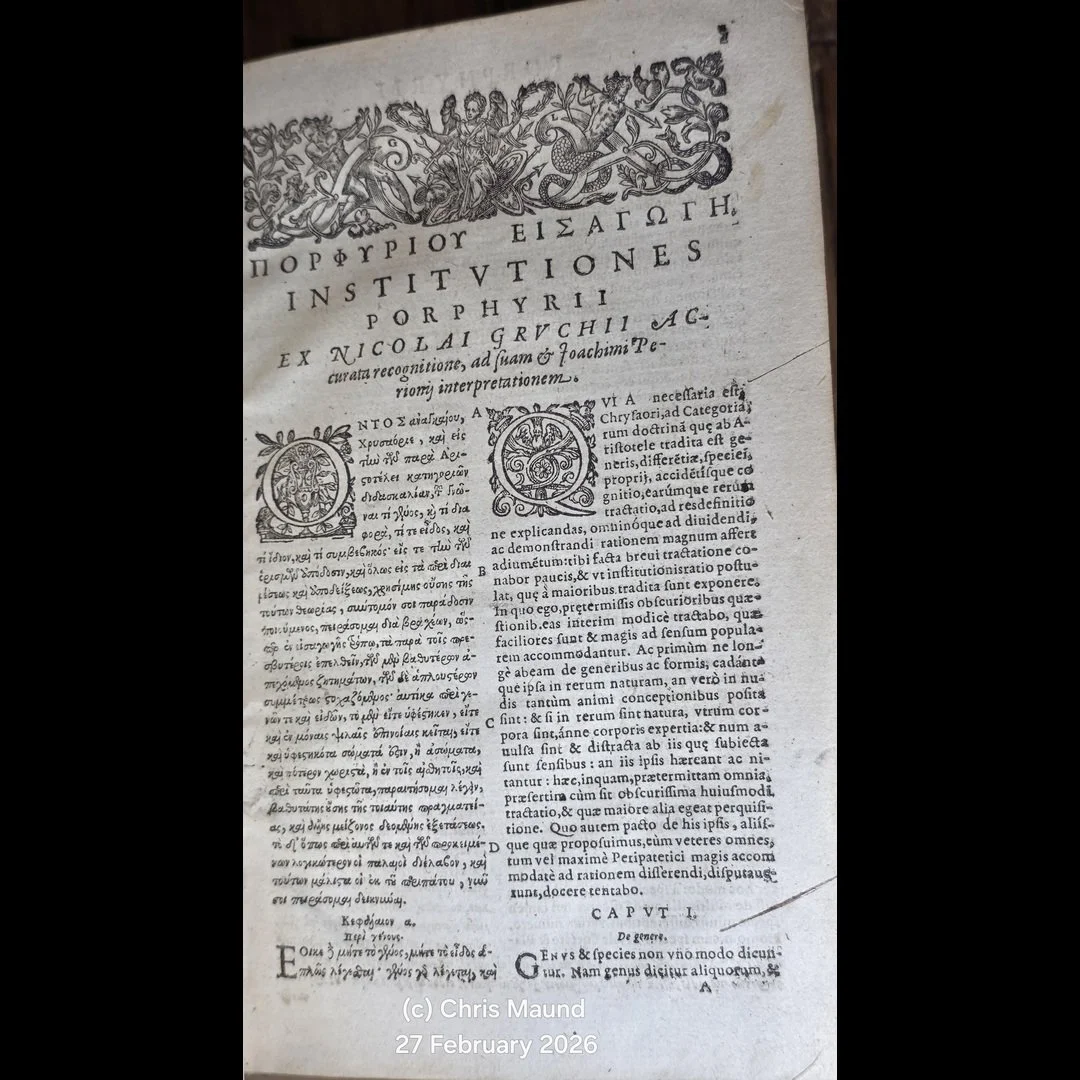
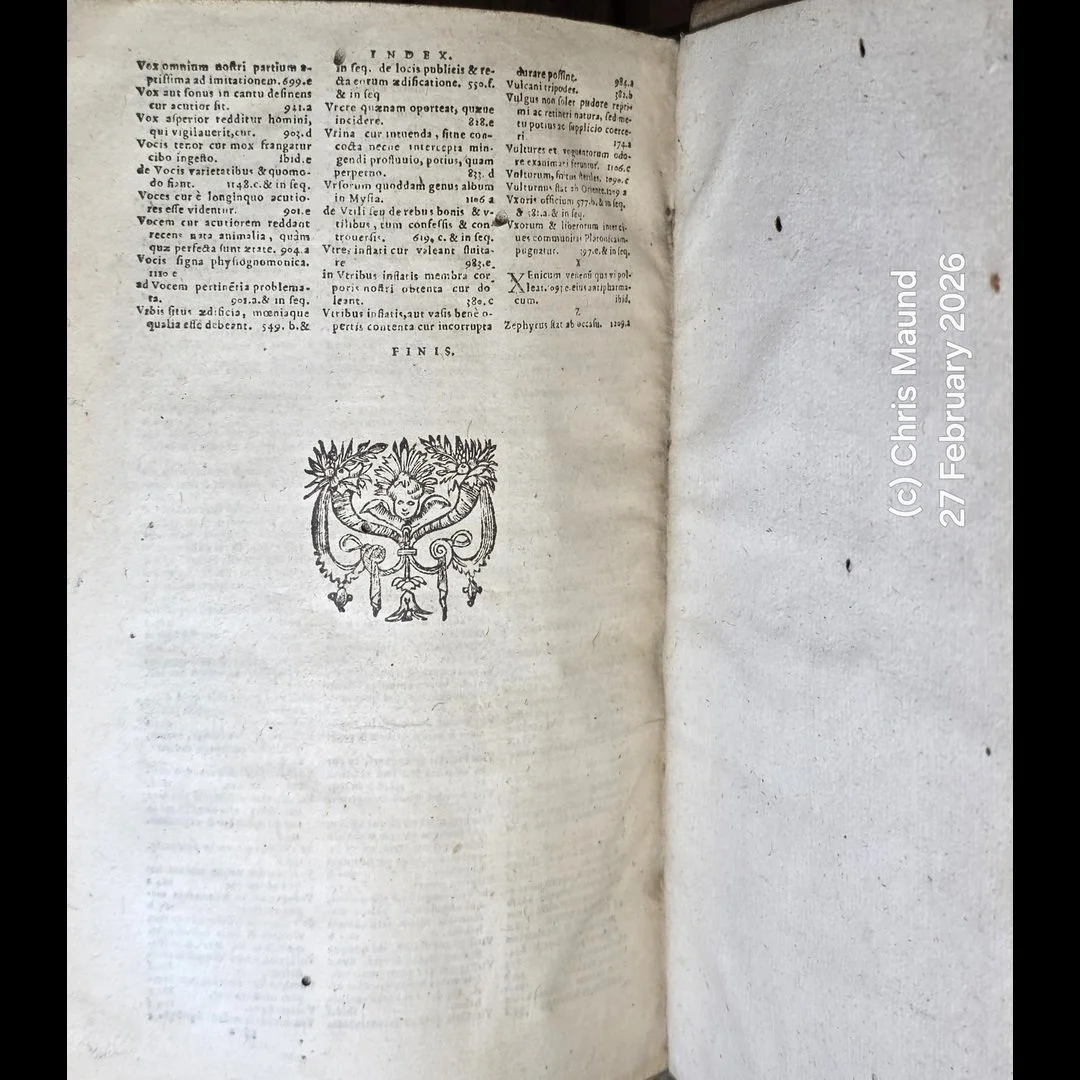
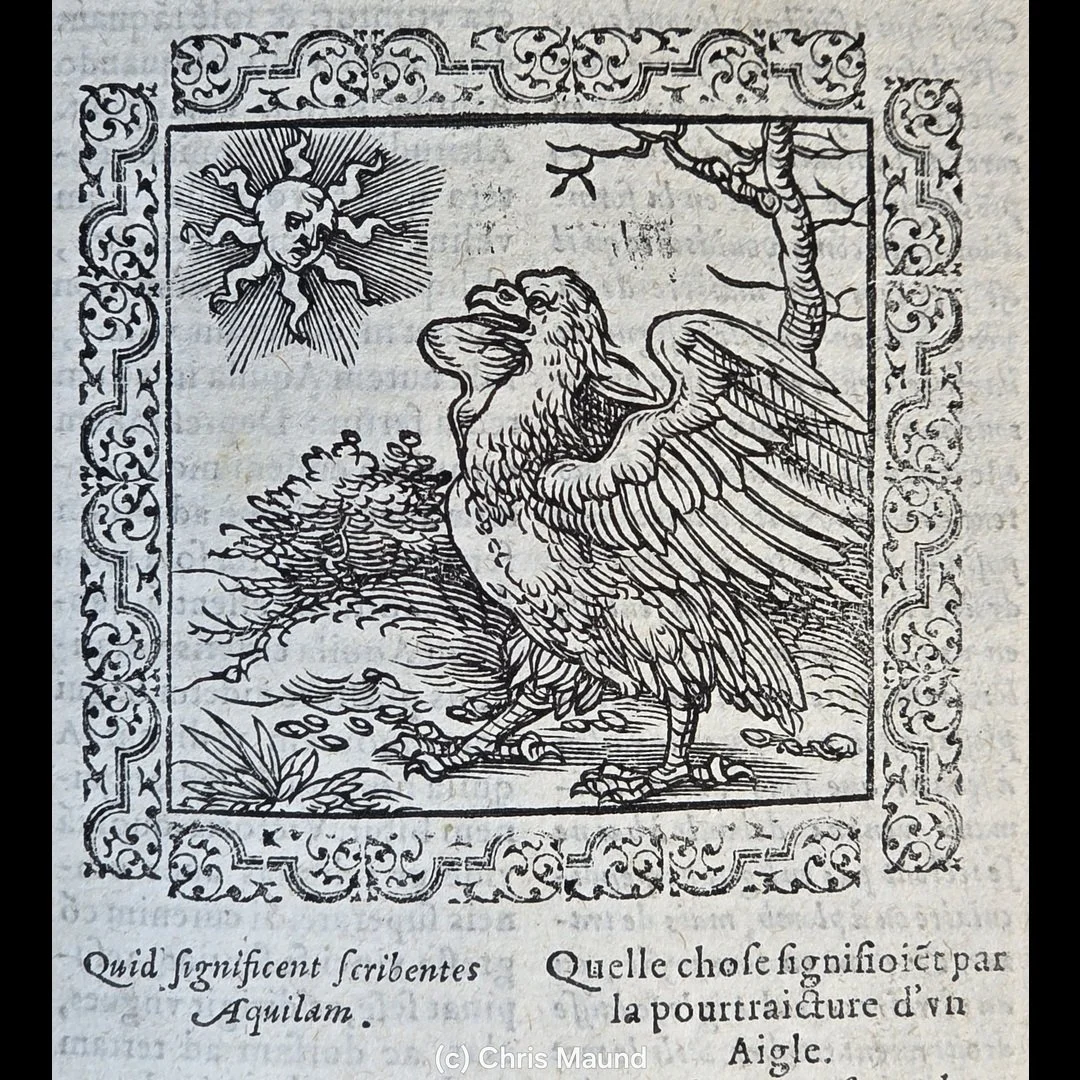
Two large decorative woodcut initials are present, including an especially attractive figurative historiated initial at the opening of the first chapter.
No significant worming, tears or textual loss observed in the leaves examined.
Please see Photos as part of condition report.
REFERENCES
Adams: P1957.
British Museum, Short-Title Catalogue of Books Printed in Italy, 1465–1600: p. 537.
Moreni, Domenico: Annali della tipografia fiorentina di Lorenzo Torrentino, p. 92, no. XVII.
Folger Shakespeare Library: An homo bonus vel malus volens fiat, Simonis Portii disputatio, Florence, 1551.
SYNOPSIS
Porzio begins with an apparently straightforward problem: if a human being becomes good or bad, does he do so willingly?
The question carries profound consequences. If virtue and vice are voluntary, individuals can properly be held responsible for their actions; if behaviour instead follows necessarily from nature, appetite, circumstance or forces beyond the individual's control, conventional ideas of praise, blame and moral responsibility become considerably harder to sustain.
Drawing upon Aristotle's ethical and psychological writings, Porzio considers the operation of the intellect and appetites, the nature of voluntary and involuntary action, the formation of habits and the role of deliberation and choice.
His argument does not result in an uncomplicated celebration of human autonomy. Porzio acknowledges a form of free will, but places significant limits upon its scope. Human freedom exists within the constraints imposed by man's composite nature as a rational but embodied being, subject to sensation, appetite, habit and circumstance.
The work consequently stands at the intersection of philosophy, psychology and theology. Its treatment of free will had obvious implications for sixteenth-century debates concerning grace, predestination and moral responsibility, while modern scholarship has identified connections with the arguments surrounding Erasmus's De libero arbitrio.
The publication of Giambattista Gelli's Italian translation in 1551 demonstrates the contemporary interest surrounding Porzio's argument and the desire to make the discussion accessible beyond university and Latin-reading circles.
AUTHOR BIO
Simone Porzio (1496–1554)
Simone Porzio — also encountered in Latinised forms as Simon Portius or Porcius — was a Neapolitan physician, natural philosopher and one of the significant Aristotelian thinkers of the Italian Renaissance.
Closely associated with the intellectual tradition that developed around Pietro Pomponazzi, Porzio combined close engagement with Aristotle with interests extending into medicine, natural philosophy, psychology, ethics and theology.
During his Florentine period he enjoyed the patronage of Cosimo I de' Medici and became involved with the Accademia Fiorentina. His major works of this period include De coloribus oculorum (1550), De dolore (1551), De humana mente disputatio (1551) and the present An homo bonus vel malus volens fiat.
Porzio's writings are notable for the sometimes uncomfortable conclusions produced when Aristotelian natural philosophy is applied rigorously to questions traditionally governed by theology. In the present work this tension is particularly evident in his treatment of free will: human beings possess a capacity for choice, but that capacity operates within substantial natural limitations.
His collaboration with Giambattista Gelli, who translated several of Porzio's works into Italian, also places him within the wider sixteenth-century movement to communicate philosophical ideas beyond the traditional Latin-speaking academic elite.
LELIO TORELLI
Lelio Torelli (1489–1576) was a distinguished Florentine jurist and senior official under Cosimo I de' Medici.
As secretary and legal adviser within the Medici administration, Torelli occupied an influential position at the intersection of law, scholarship and government. Porzio's dedication of this philosophical disputation to him situates the work within the courtly and intellectual world of ducal Florence, where questions of ethics, civic responsibility and human conduct carried political as well as philosophical significance.
1551 First Edition
AN HOMO BONUS VEL MALUS VOLENS FIAT
By Simone Porzio
KEY DETAILS
Condition: Very Good
Format: Vellum, Quarto (4to); Later full vellum over boards
Published By: [Lorenzo Torrentino], Florence, 1551
Language: Latin
Collation: Pagination: 67, [1] pp.; Signatures: a–g⁴ h⁶.; Complete.; The additional blank leaves at the beginning and end belong to the later binding and are therefore not included within the bibliographical collation.
Dust Jacket: None, as issued
SKU: BTETM0002693
Shipping Info: Approximate Package Dimensions H: 12.5, L: 30, W: 25 (Units: cm), W: 2Kg
Tracked Shipping, Insurance Coverage as per Customer Request
DESCRIPTION
AN HOMO BONUS VEL MALUS VOLENS FIAT
Simonis Portii disputatio, ad Laelium Taurellum iurisconsultiss. Duci Florentinorum à Secretis.
First edition of Simone Porzio's important Renaissance philosophical disputation on free will, moral responsibility and the formation of human character, published at Florence in 1551.
The title, An homo bonus vel malus volens fiat — approximately, “Whether a Man Becomes Good or Bad Willingly” — poses one of the central ethical questions of Renaissance philosophy: to what extent does an individual freely choose to become virtuous or vicious?
Porzio approaches the question through the Aristotelian tradition, examining the relationship between reason, appetite, deliberation, habit, voluntary action and necessity. Stoic and Platonic positions are considered alongside the Peripatetic tradition as he explores whether moral character truly lies within human control.
Although ostensibly defending human freedom, Porzio arrives at a substantially qualified conception of free will. The resulting argument therefore occupies a particularly interesting position between Renaissance Aristotelian ethics, moral psychology and contemporary theological debates concerning freedom, grace and necessity.
The work was sufficiently significant to receive an Italian translation by the Florentine humanist Giambattista Gelli in the same year, extending Porzio's argument beyond the normal Latin scholarly readership.
Dedicated to Lelio Torelli (1489–1576), jurist and senior administrator in the service of Cosimo I de' Medici, the work belongs firmly to the intellectual culture of mid-sixteenth-century Florence.
A scarce and intellectually substantial first edition dealing with questions of human freedom and responsibility that remain immediately recognisable nearly five centuries after its publication.
CONDITION, COLLATION & COPY NOTES
Later plain full vellum over boards, the vellum naturally mottled and lightly marked with age. Binding sound and well preserved. Textblock edges stained red.
Internally a notably well-margined copy, printed in a strong, clear Roman type. The leaves remain generally clean and well preserved, with scattered light age-toning, spotting and foxing, somewhat more noticeable to the title page and occasionally towards the outer margins.
Two large decorative woodcut initials are present, including an especially attractive figurative historiated initial at the opening of the first chapter.
No significant worming, tears or textual loss observed in the leaves examined.
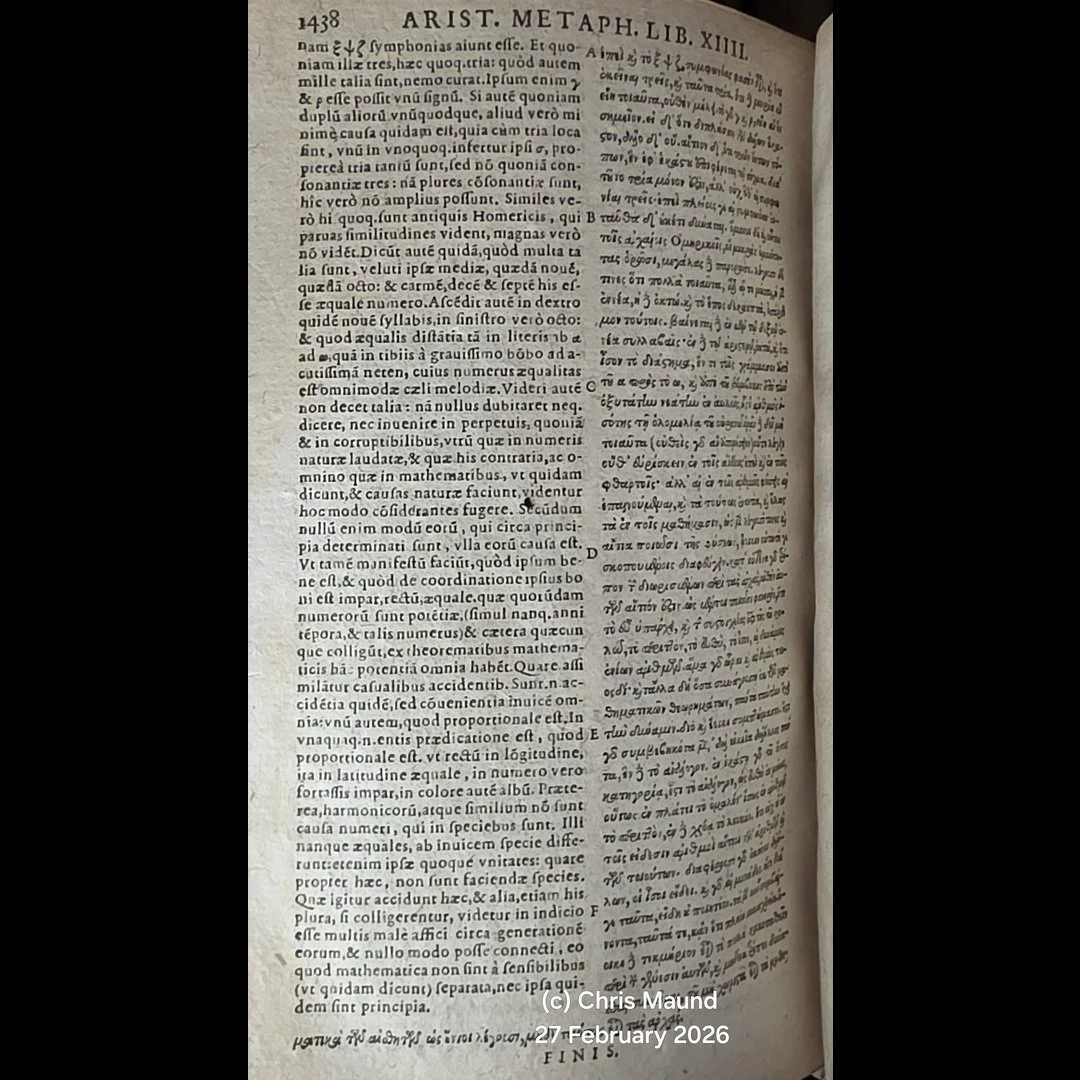
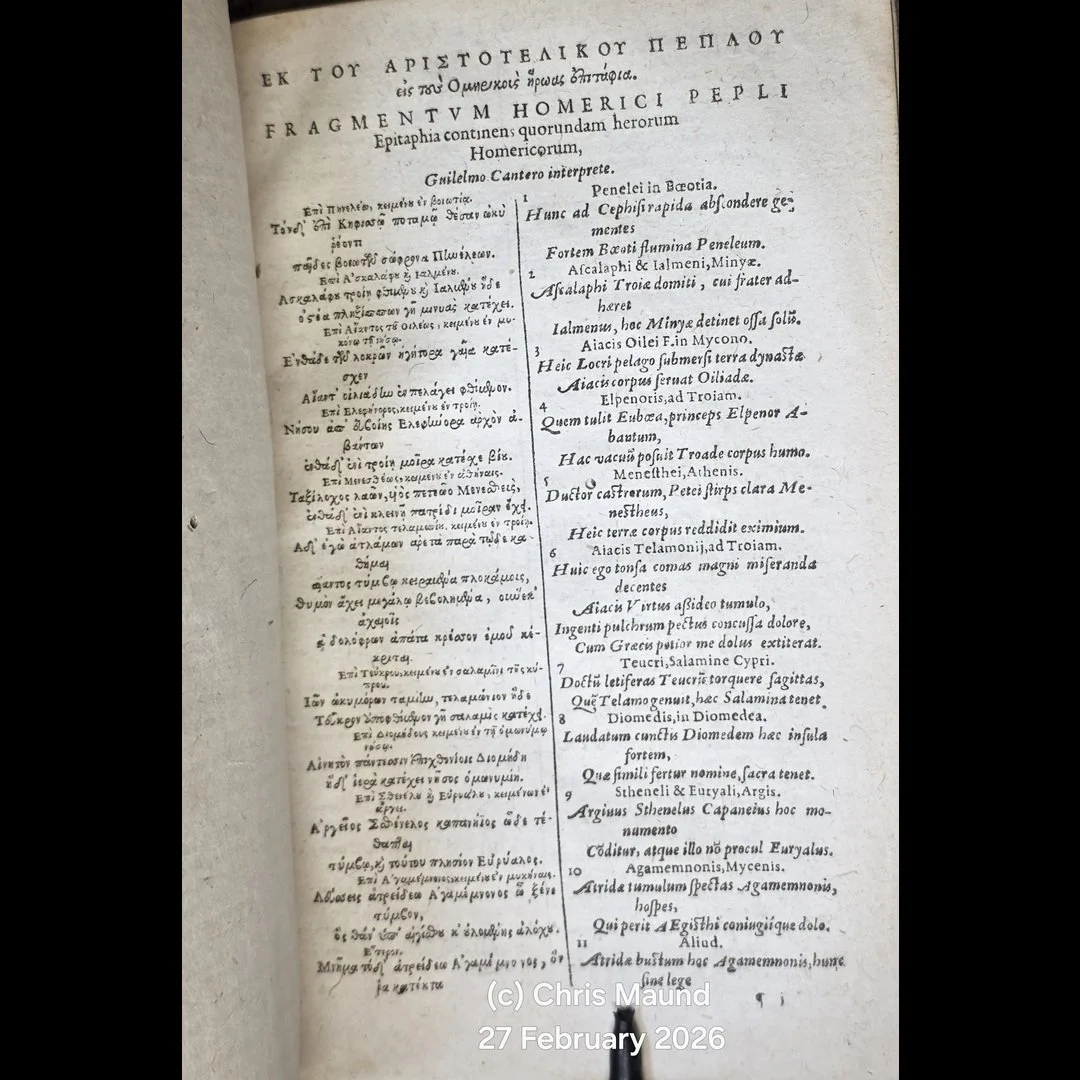
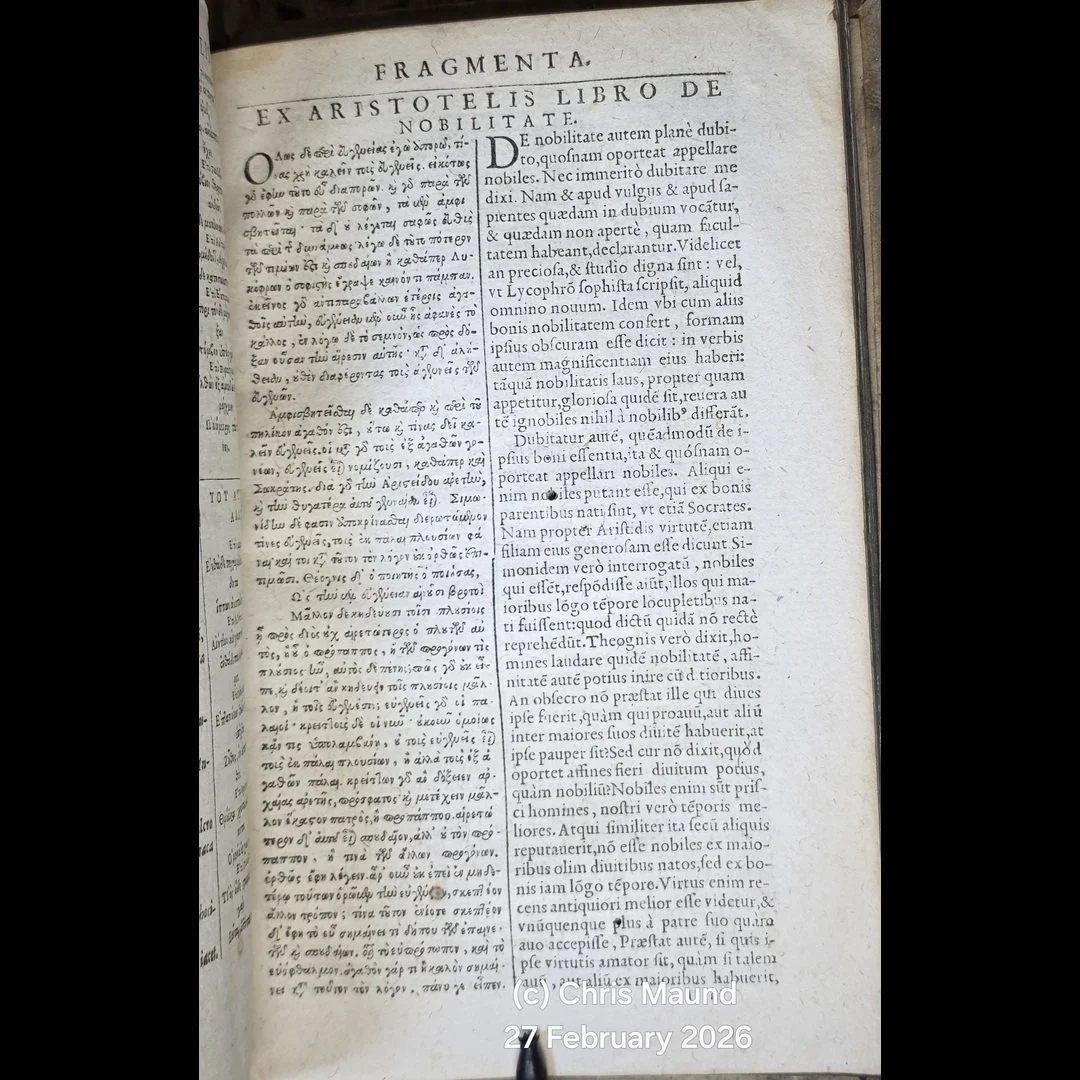
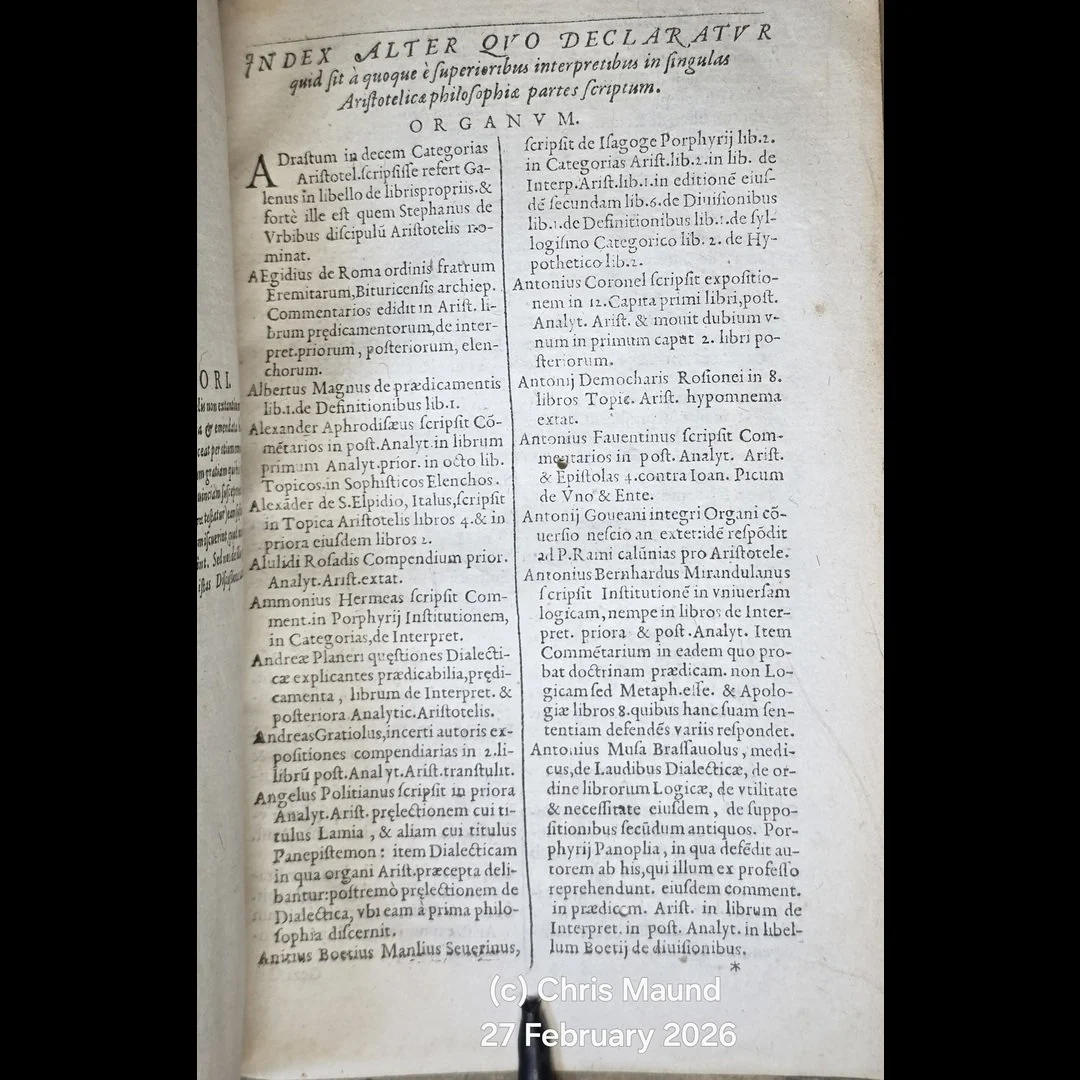
Please see Photos as part of condition report.
REFERENCES
Adams: P1957.
British Museum, Short-Title Catalogue of Books Printed in Italy, 1465–1600: p. 537.
Moreni, Domenico: Annali della tipografia fiorentina di Lorenzo Torrentino, p. 92, no. XVII.
Folger Shakespeare Library: An homo bonus vel malus volens fiat, Simonis Portii disputatio, Florence, 1551.
SYNOPSIS
Porzio begins with an apparently straightforward problem: if a human being becomes good or bad, does he do so willingly?
The question carries profound consequences. If virtue and vice are voluntary, individuals can properly be held responsible for their actions; if behaviour instead follows necessarily from nature, appetite, circumstance or forces beyond the individual's control, conventional ideas of praise, blame and moral responsibility become considerably harder to sustain.
Drawing upon Aristotle's ethical and psychological writings, Porzio considers the operation of the intellect and appetites, the nature of voluntary and involuntary action, the formation of habits and the role of deliberation and choice.
His argument does not result in an uncomplicated celebration of human autonomy. Porzio acknowledges a form of free will, but places significant limits upon its scope. Human freedom exists within the constraints imposed by man's composite nature as a rational but embodied being, subject to sensation, appetite, habit and circumstance.
The work consequently stands at the intersection of philosophy, psychology and theology. Its treatment of free will had obvious implications for sixteenth-century debates concerning grace, predestination and moral responsibility, while modern scholarship has identified connections with the arguments surrounding Erasmus's De libero arbitrio.
The publication of Giambattista Gelli's Italian translation in 1551 demonstrates the contemporary interest surrounding Porzio's argument and the desire to make the discussion accessible beyond university and Latin-reading circles.
AUTHOR BIO
Simone Porzio (1496–1554)
Simone Porzio — also encountered in Latinised forms as Simon Portius or Porcius — was a Neapolitan physician, natural philosopher and one of the significant Aristotelian thinkers of the Italian Renaissance.
Closely associated with the intellectual tradition that developed around Pietro Pomponazzi, Porzio combined close engagement with Aristotle with interests extending into medicine, natural philosophy, psychology, ethics and theology.
During his Florentine period he enjoyed the patronage of Cosimo I de' Medici and became involved with the Accademia Fiorentina. His major works of this period include De coloribus oculorum (1550), De dolore (1551), De humana mente disputatio (1551) and the present An homo bonus vel malus volens fiat.
Porzio's writings are notable for the sometimes uncomfortable conclusions produced when Aristotelian natural philosophy is applied rigorously to questions traditionally governed by theology. In the present work this tension is particularly evident in his treatment of free will: human beings possess a capacity for choice, but that capacity operates within substantial natural limitations.
His collaboration with Giambattista Gelli, who translated several of Porzio's works into Italian, also places him within the wider sixteenth-century movement to communicate philosophical ideas beyond the traditional Latin-speaking academic elite.
LELIO TORELLI
Lelio Torelli (1489–1576) was a distinguished Florentine jurist and senior official under Cosimo I de' Medici.
As secretary and legal adviser within the Medici administration, Torelli occupied an influential position at the intersection of law, scholarship and government. Porzio's dedication of this philosophical disputation to him situates the work within the courtly and intellectual world of ducal Florence, where questions of ethics, civic responsibility and human conduct carried political as well as philosophical significance.

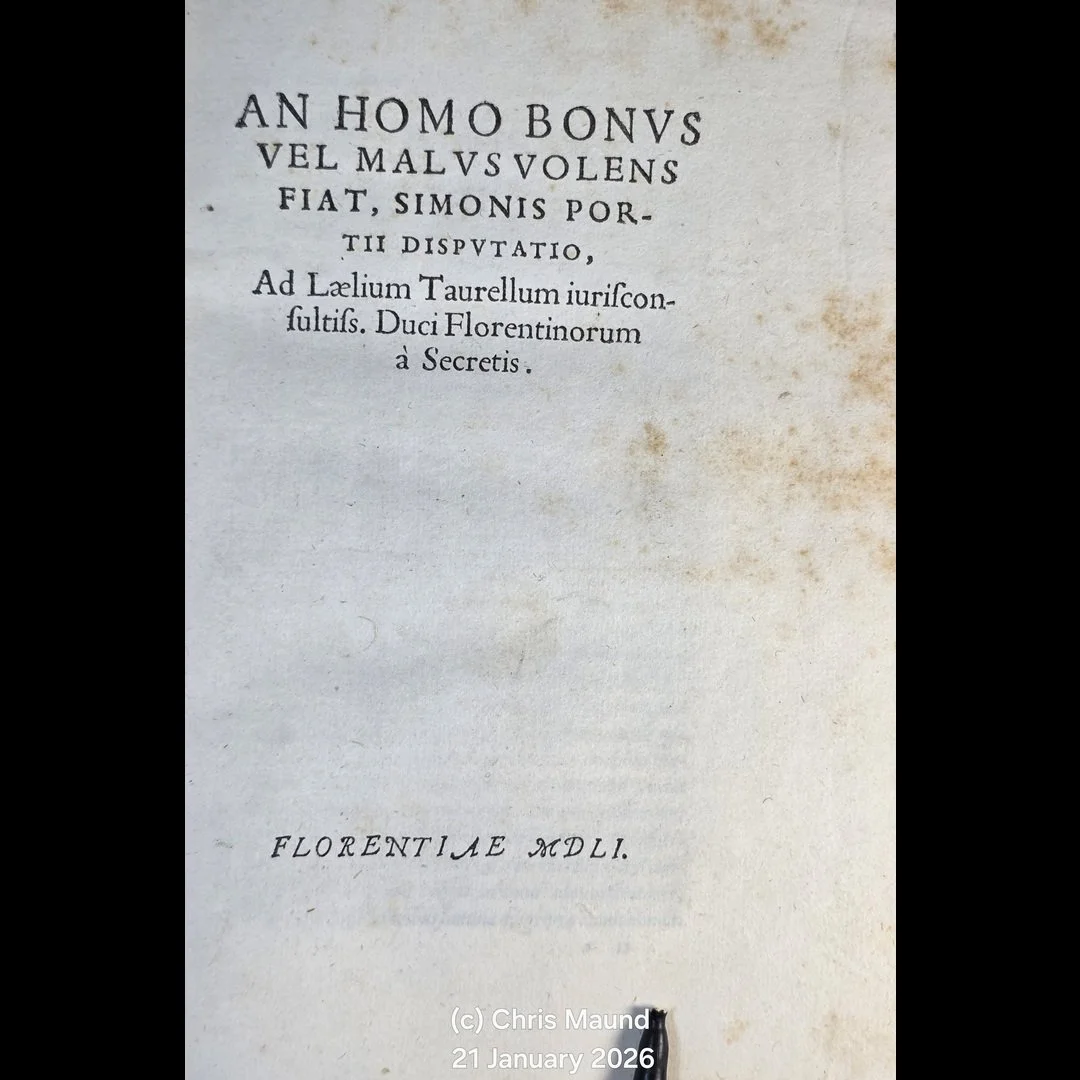 Image 1 of 13
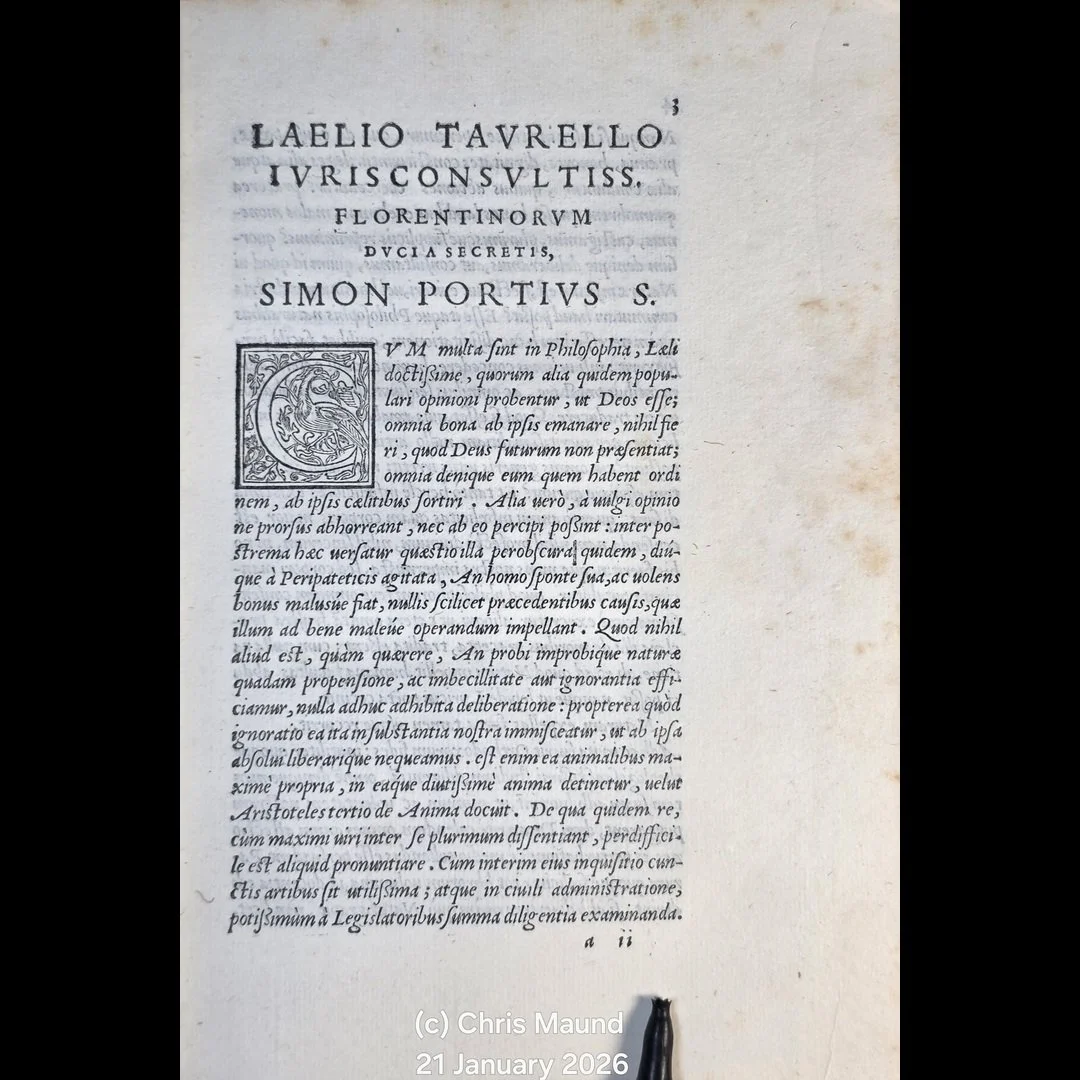 Image 2 of 13
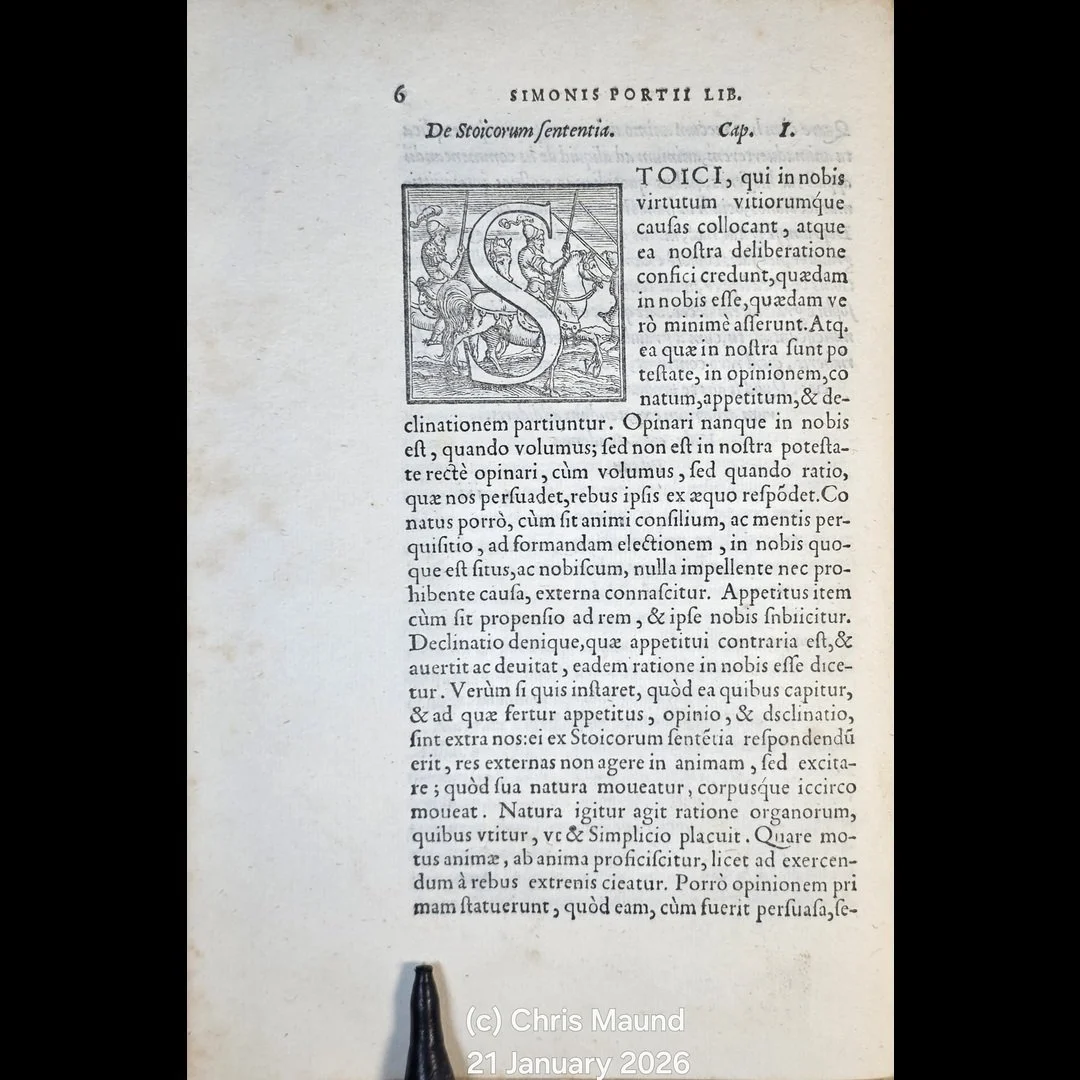 Image 3 of 13
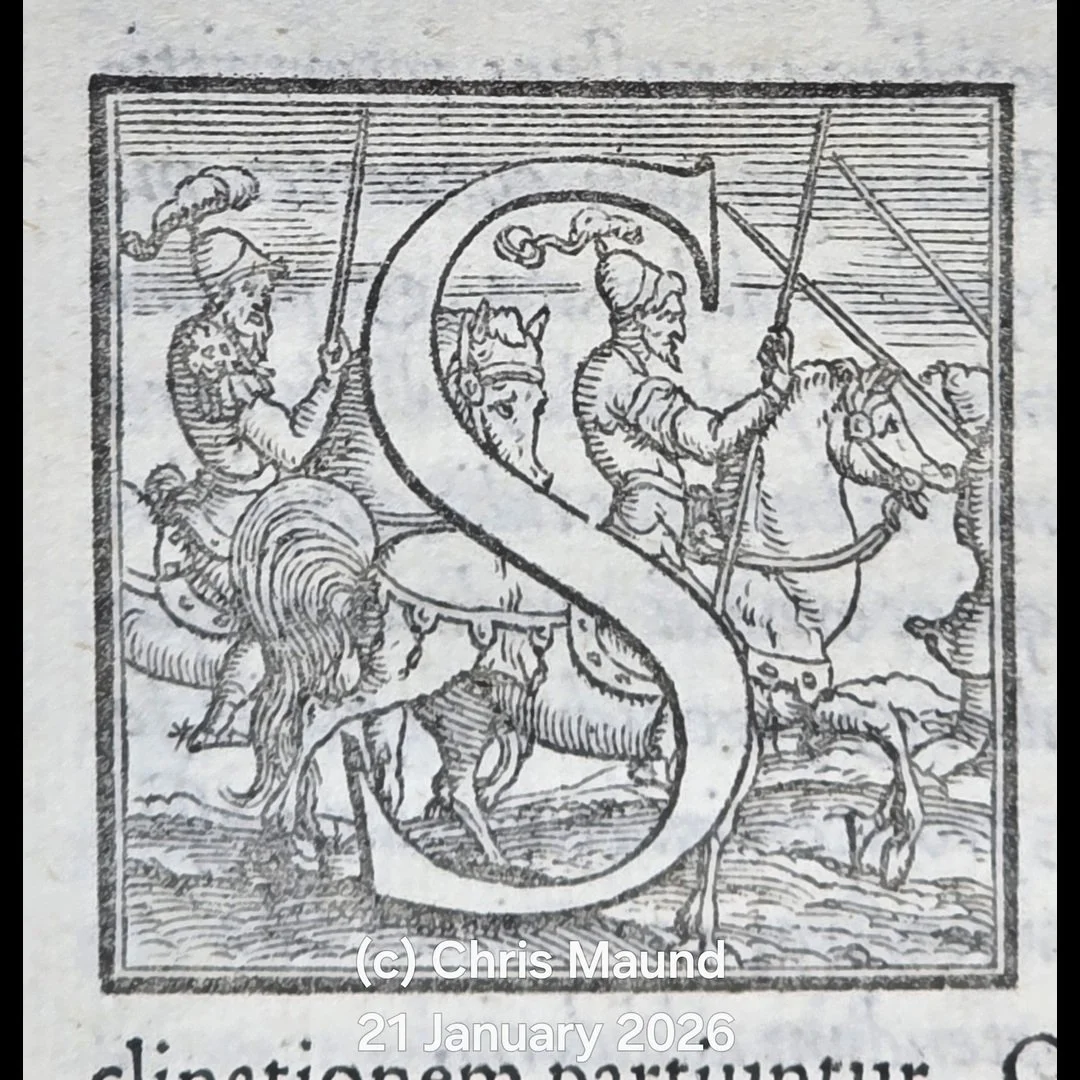 Image 4 of 13
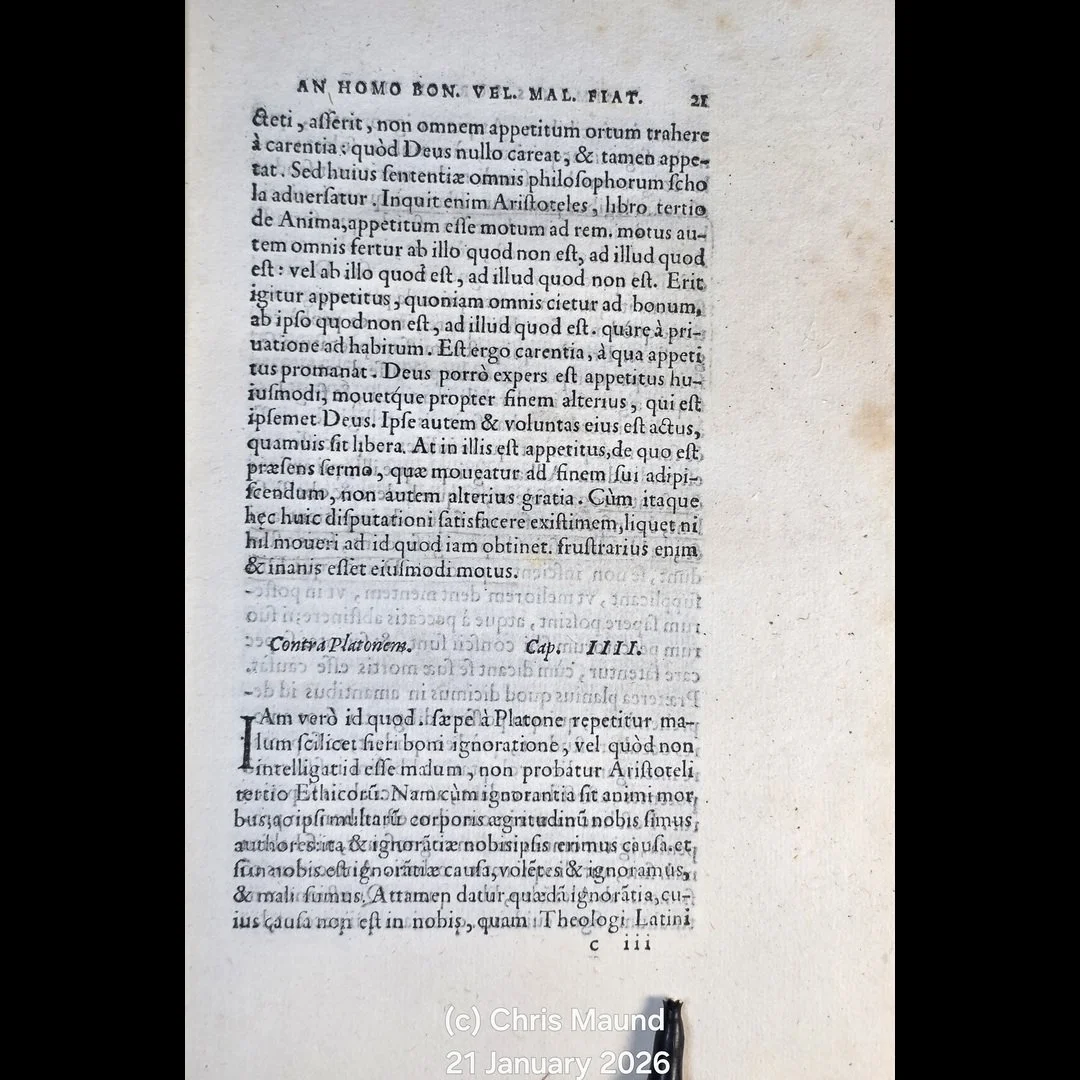 Image 5 of 13
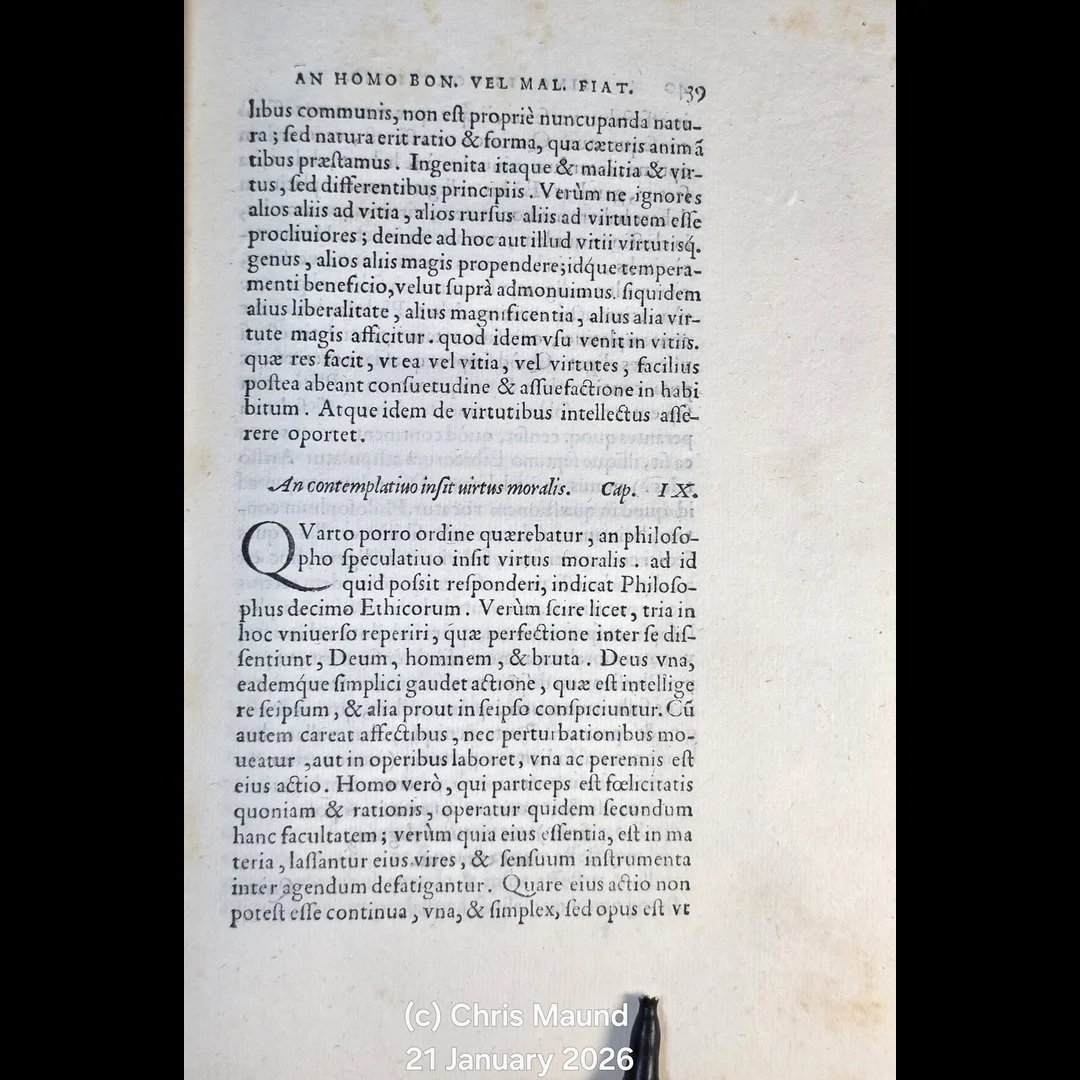 Image 6 of 13
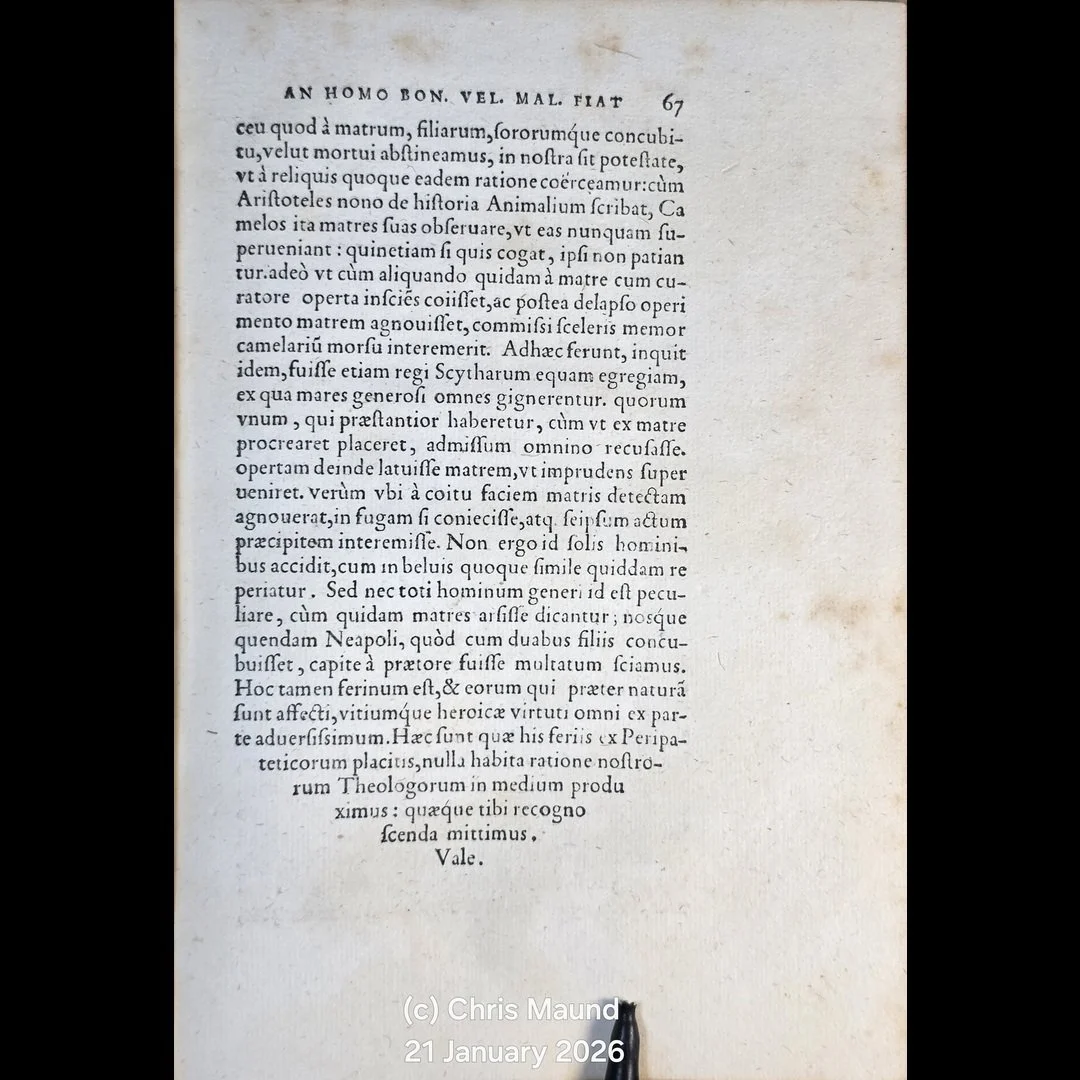 Image 7 of 13
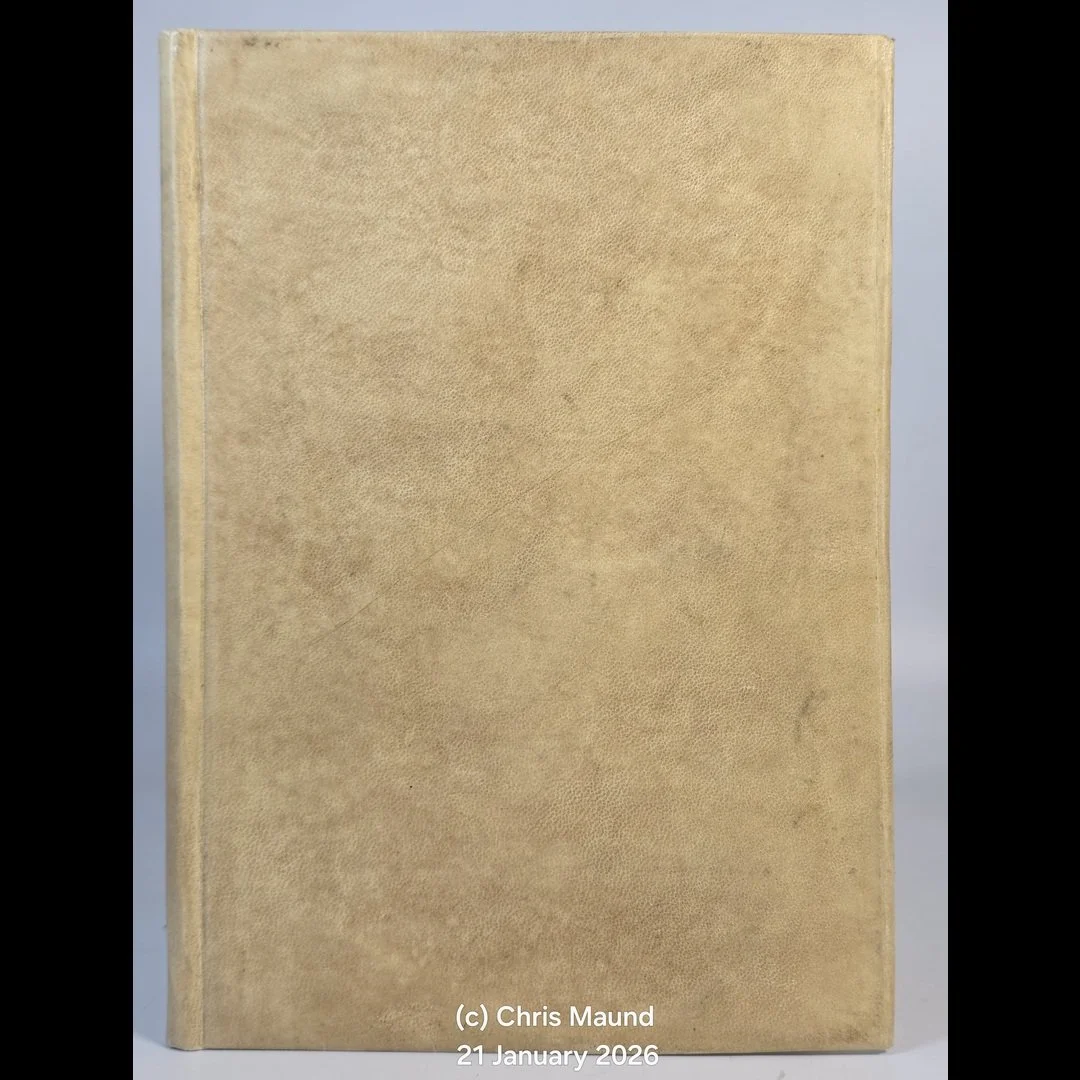 Image 8 of 13
 Image 9 of 13
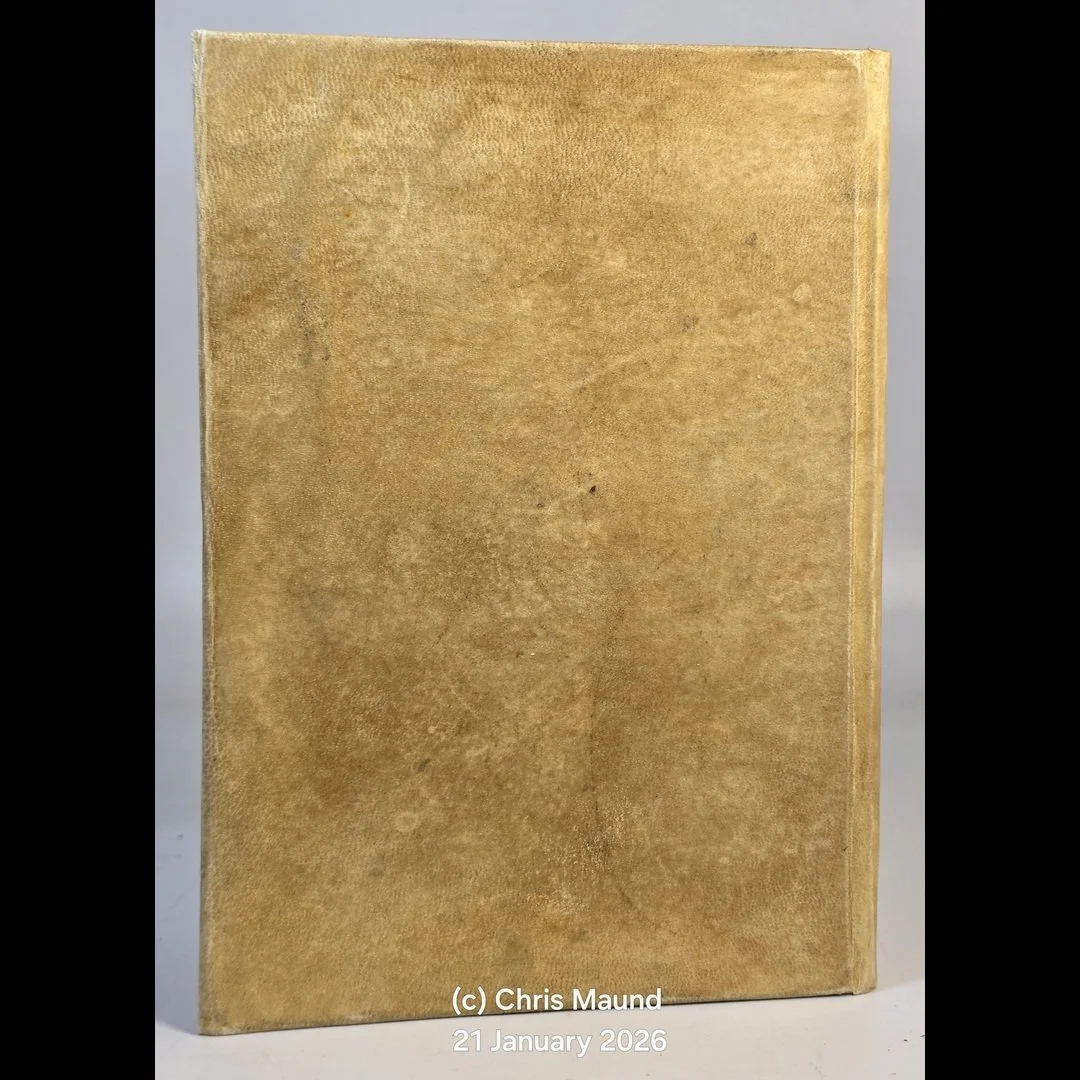 Image 10 of 13
 Image 11 of 13
 Image 12 of 13
 Image 13 of 13