1631 First Paris Edition
LES EMBLEMES D'AMOUR DIVIN ET HUMAIN ENSEMBLE
By Anonymous, “Un Père Capucin”
KEY DETAILS
Condition: Very Good
Format: Hardcover, Octavo (Standard) (8vo 6 × 9 in 152 × 229 mm )
Note: Binding/size selection follows standard bibliographic conventions and is approximate; exact measurements may vary.
Published By: Chez Jean Messager, ruë S. Jacques à l’Esperance, Paris. Avec Privilège du Roy., Paris, 1631
Language: French / Latin
Illustrated By: Jean Messager
Collation: Complete numbered emblem sequence 1–118, together with the engraved title.
Dust Jacket: None, as issued
SKU: BTETM0002695
Shipping Info: Approximate Package Dimensions H: 12.5, L: 30, W: 25 (Units: cm), W: 2Kg
Tracked Shipping, Insurance Coverage as per Customer Request
DESCRIPTION
Les Emblemes D'Amour Divin Et Humain Ensemble
Les Emblemes d'Amour Divin et Humain Ensemble. Expliquez par des vers françois, par un Père Capucin
By “Un Père Capucin” — probably Ludovicus van Leuven (Philippe de Vilers)
A handsome and complete example of one of the most visually compelling French devotional emblem books of the seventeenth century: the first Paris edition of 1631, containing the complete numbered sequence of 118 full-page copper-engraved emblems contrasting Divine and Human Love.
Published in Paris by the engraver and print publisher Jean Messager, the volume transforms theology into a remarkable sequence of miniature allegorical dramas. Winged personifications of Divine and Human Love hunt, fish, fight, play, suffer, travel, trade and confront temptation, vanity, demons, death and salvation. Each image is accompanied by a Latin motto or scriptural reference and explanatory French verse, creating an extraordinarily rich visual meditation upon desire, mortality and the struggle between earthly attachment and spiritual love.
The engravings remain the great attraction of the book: frequently strange, sometimes macabre and often unexpectedly playful, they include scenes of skeletons, devils, apparitions, crucifixion, archery, hunting, games, domestic pursuits and symbolic landscapes. Taken together they form a distinctive piece of Baroque visual theology and an important contribution to the Counter-Reformation emblem tradition.
The work is anonymous on the title-page, attributed only to “un Père Capucin.” Modern bibliographical scholarship, including the Morgan Library catalogue following Adams, considers the author probably to have been Ludovicus van Leuven, secular name Philippe de Vilers, the Capuchin responsible for the major 1629 expansion of the earlier Antwerp emblem sequence.
The iconographical ancestry of the book is complex. An earlier series, Amoris divini et humani effectus varii, had appeared at Antwerp in 1626 under Michiel Snijders. A pirated Paris issue followed in 1628, and Ludovicus van Leuven's considerably enlarged Amoris divini et humani antipathia appeared in 1629 with 83 engravings. The present 1631 Paris publication expanded the concept further to 118 numbered emblems, presenting the mature French form of the series.
It also belongs to the broader seventeenth-century flourishing of devotional emblem literature associated with works such as Herman Hugo's enormously influential Pia Desideria, while remaining a distinct work with its own unusual and extensive iconographical programme.
A particularly appealing copy in handsome nineteenth-century dark-blue morocco, with the complete emblem sequence, strong impressions and attractive marbled endpapers.
Les Emblemes d'Amour Divin et Humain Ensemble belongs to the great European tradition of the emblem book, in which image, motto and text combine to communicate meanings that no single element conveys alone.
Here the central opposition is between Divine Love and Human or Worldly Love.
Love is personified repeatedly as winged or childlike figures who perform recognisable human activities. They hunt, fish, bargain, play games, fight, climb, travel and suffer. Yet each apparently everyday scene operates simultaneously as an allegory.
Objects and actions become spiritual symbols.
Nets become temptation.
Weapons become the instruments of spiritual conflict.
Illness becomes the sickness of disordered desire.
Journeys become the progress of the soul.
Death becomes both an ending and a gateway.
Earthly pleasures are continually measured against eternal reward.
The result is far from a conventional illustrated devotional manual. The book is theatrical, imaginative and sometimes startlingly surreal, bringing together Cupid imagery, biblical symbolism, moral allegory and the visual vocabulary of seventeenth-century Catholic spirituality.
Scenes involving demons, skeletons, the crucifixion and personifications of death sit beside apparently innocent games and domestic occupations. It is precisely this juxtaposition which gives the volume much of its continuing visual fascination.
DIVINE LOVE AND HUMAN LOVE
The intellectual foundation of the series is the Christian distinction between properly ordered love — ultimately directed towards God — and attachment to the temporary pleasures of the material world.
Rather than presenting this distinction purely through theological argument, the emblem tradition turns abstract ideas into pictures.
The two kinds of love therefore acquire bodies, gestures and personalities.
Human Love may be distracted, trapped, sickened, tempted or deceived.
Divine Love disciplines, heals, guides, sacrifices and ultimately triumphs.
This opposition allowed seventeenth-century readers to interpret each engraving as a meditation upon their own spiritual condition.
The extensive sequence of 118 emblems makes the present book particularly notable. Instead of a small collection of isolated moral images, the reader encounters what amounts to a sustained visual vocabulary of Christian love, progressing through temptation, conflict, suffering, contemplation, death and eventual blessedness.
CONDITION, COLLATION & COPY NOTES
COLLATION
Complete numbered emblem sequence 1–118, together with the engraved title.
The copper engravings are printed beneath typographical headings and accompanied by Latin text or scriptural lemmata and French explanatory verse.
The Approbation is dated 20 September 1631, providing the bibliographical basis for the dating of the edition.
The sequence concludes with Emblem 118, “Beatitude,” followed by the terminal printed errata, Fautes survenues à l’Impression.
Old bibliographical notation to the front flyleaf also records the copy as complete with the engraved title and 118 figures.
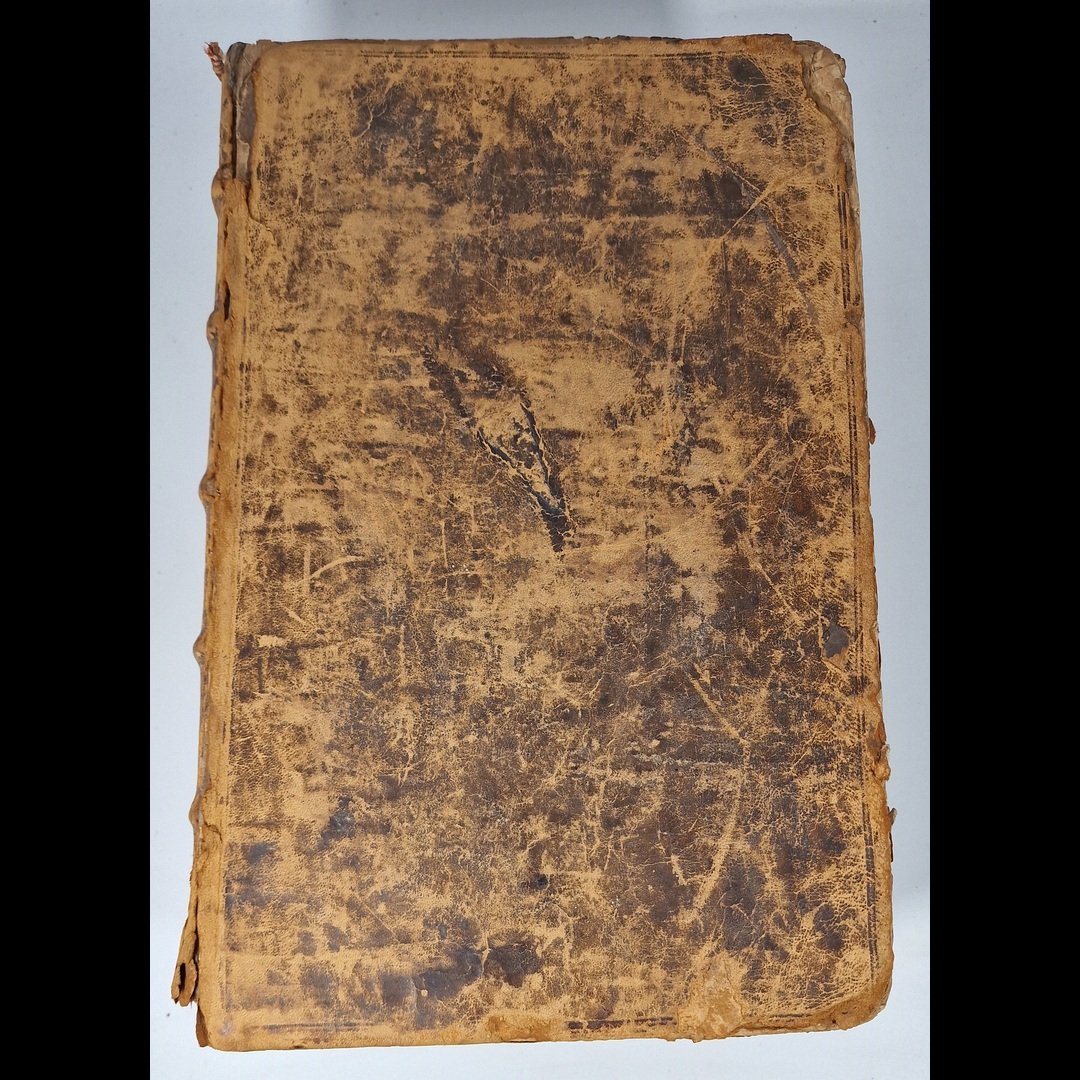
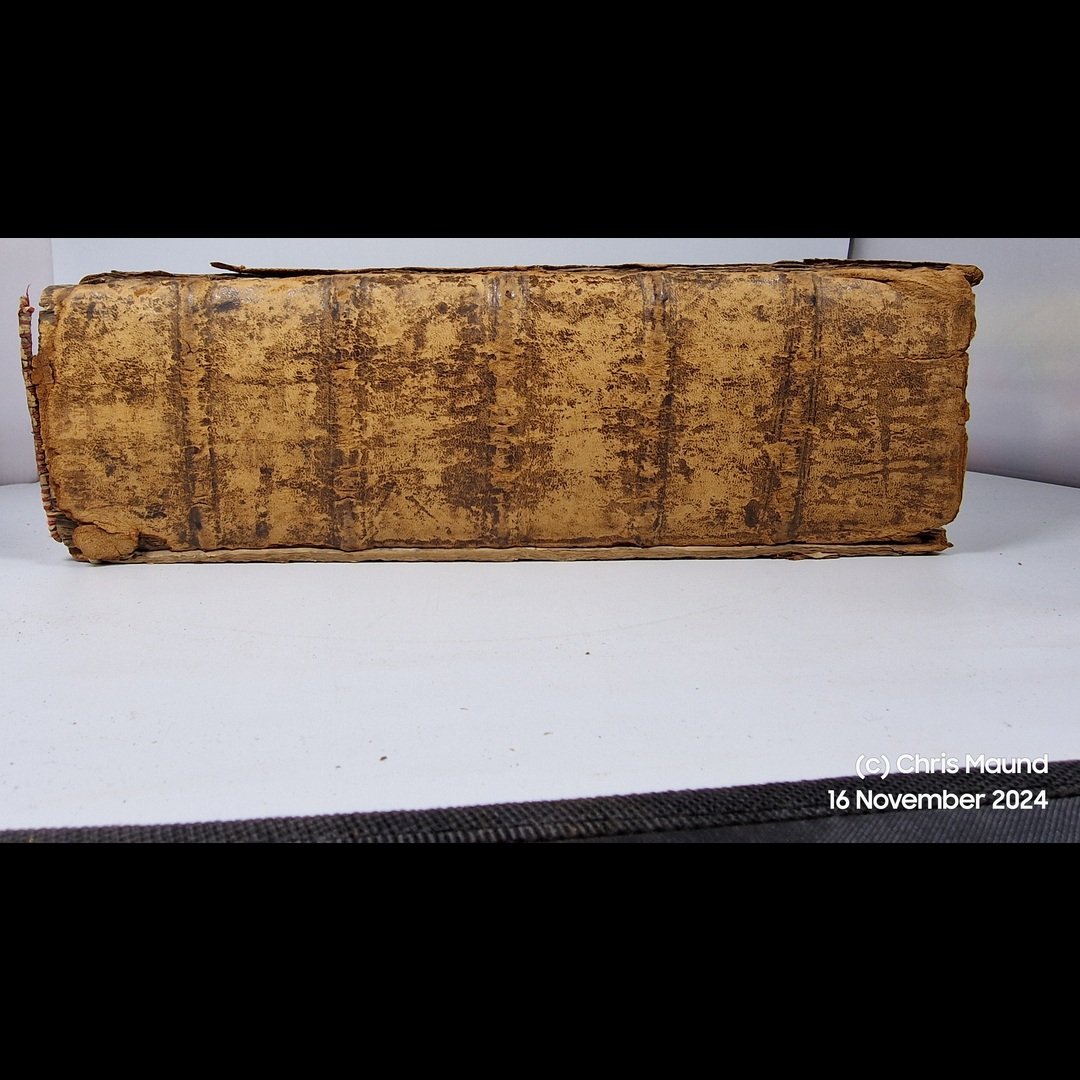
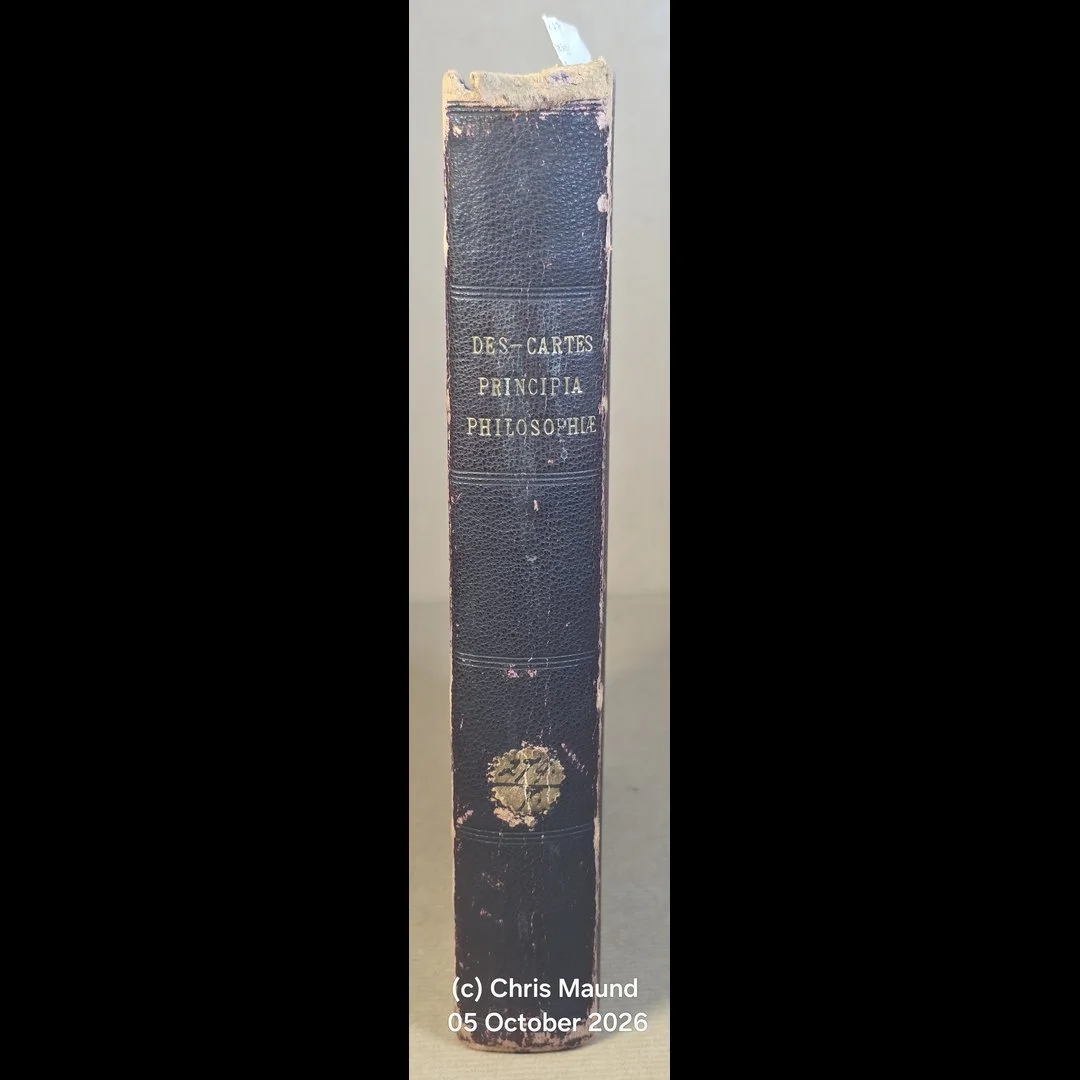
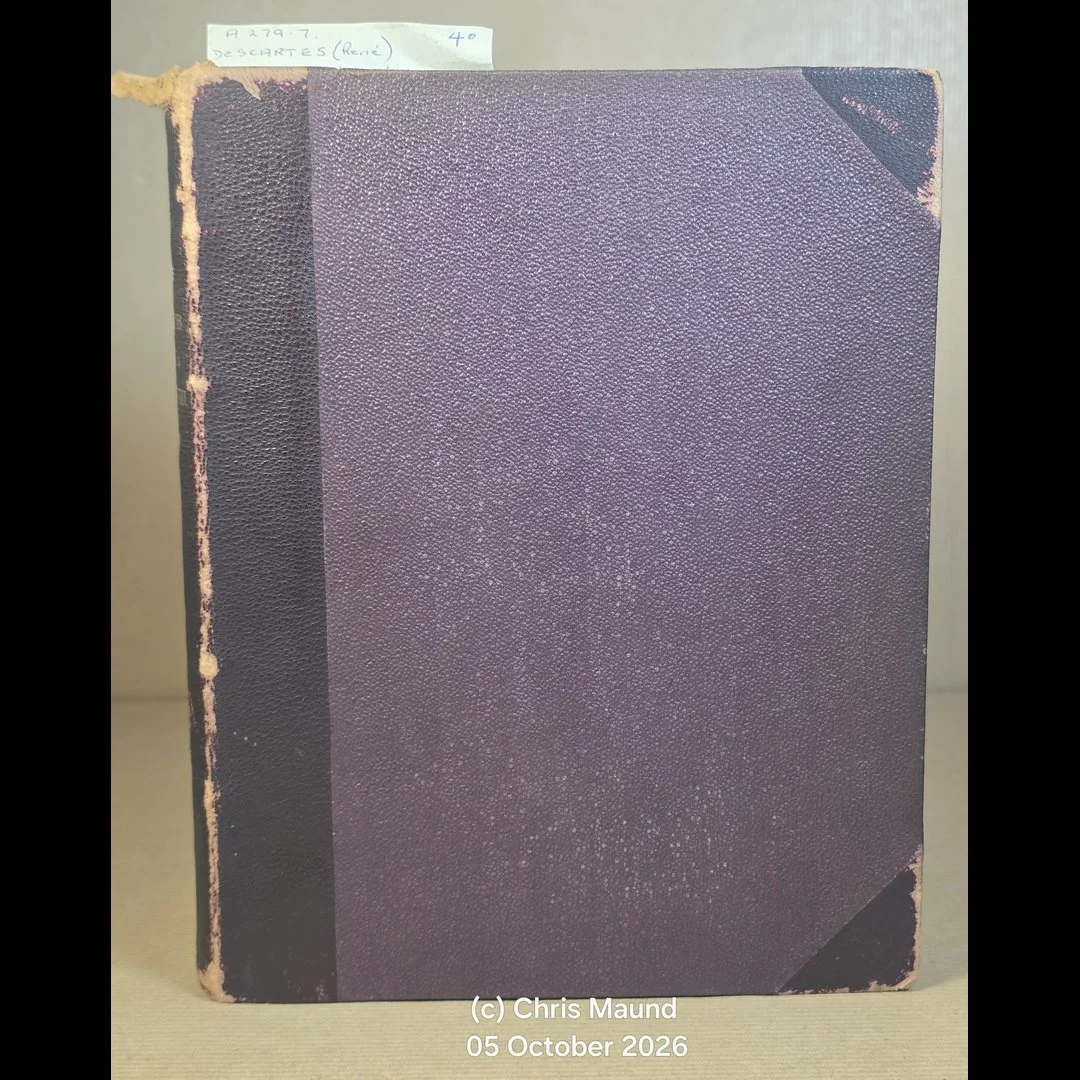
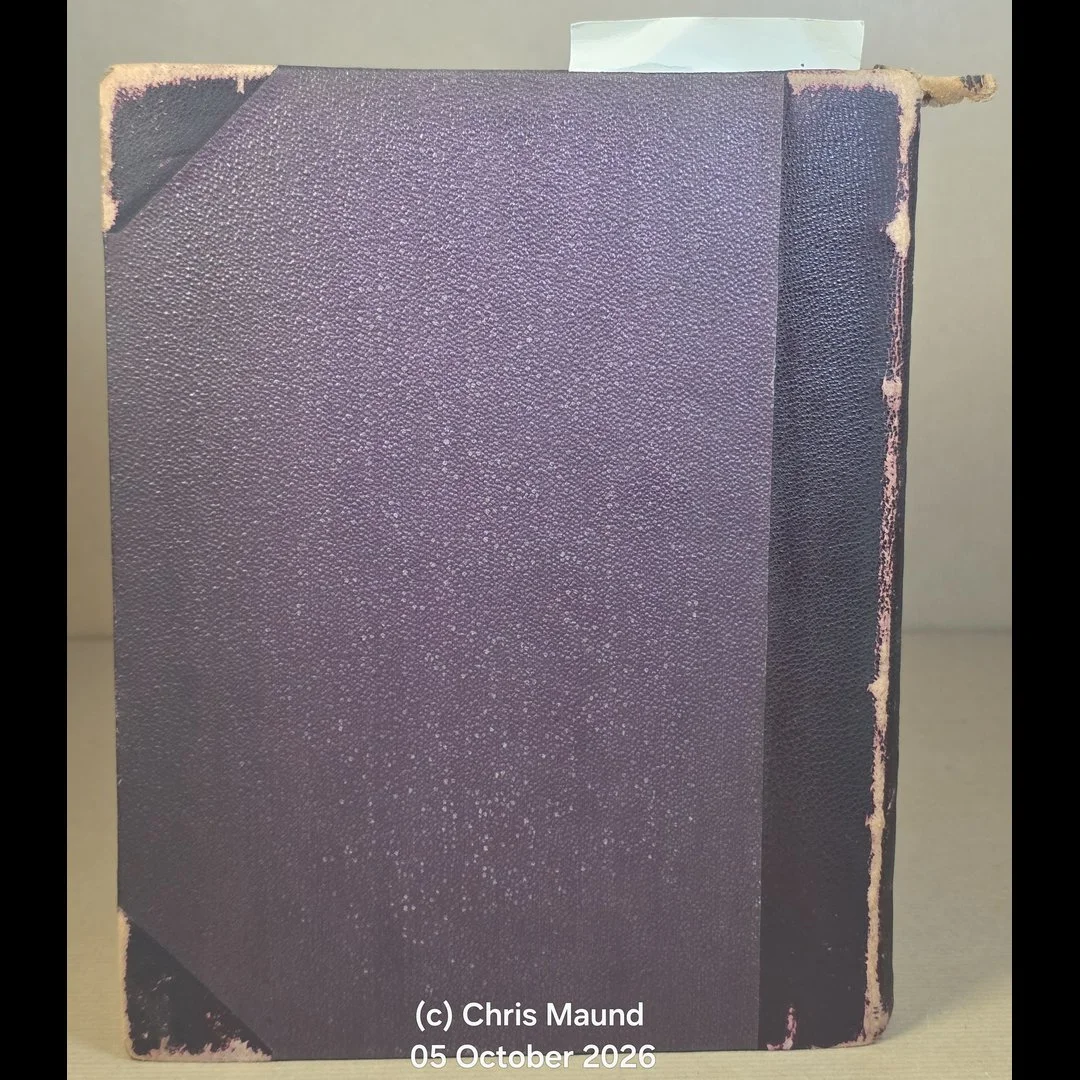
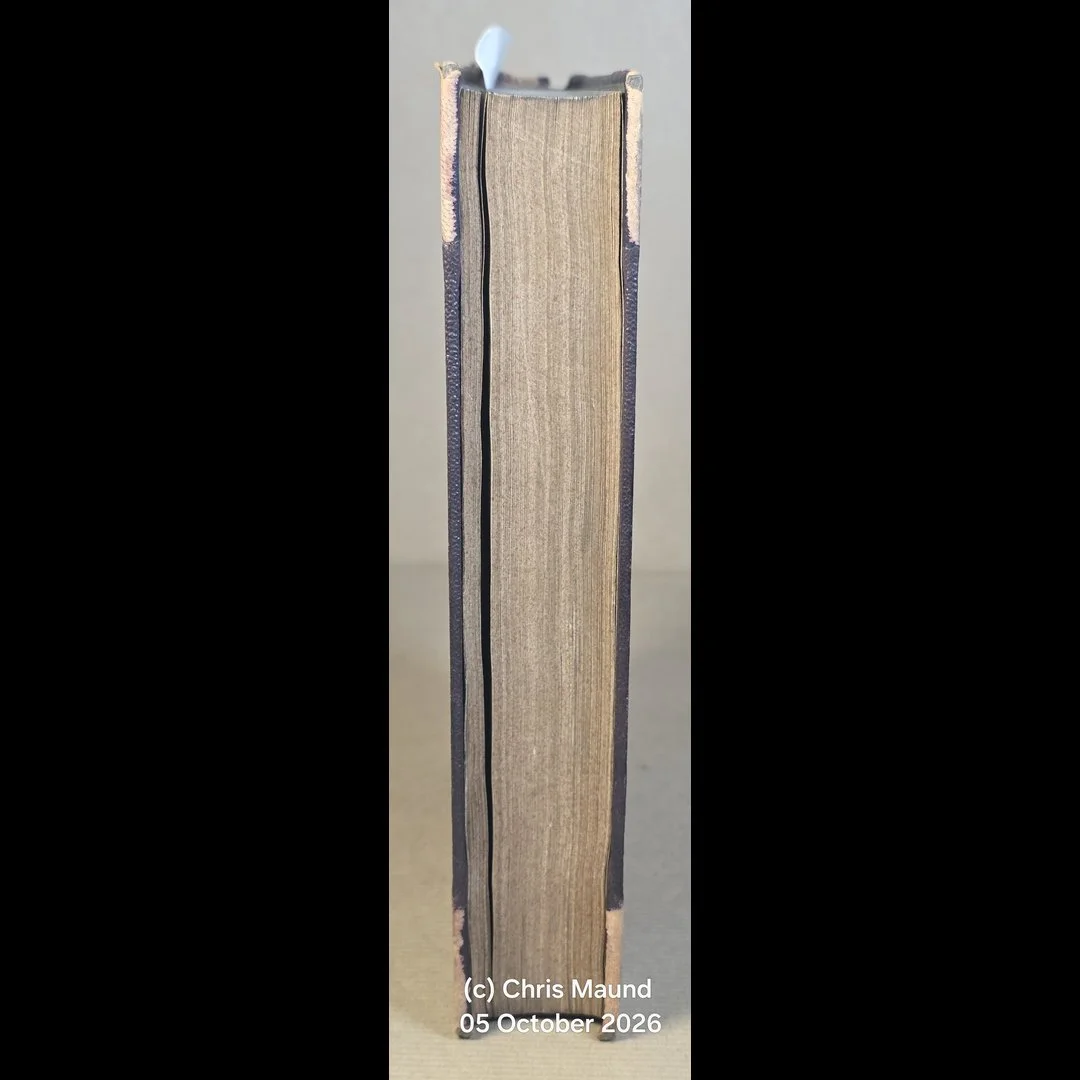
Later, circa 1850, full dark-blue morocco binding, approximate Dimensions: 160 × 105 mm, the spine with raised bands, gilt rules and gilt lettering, gilt decorative turn-ins and all edges gilt. Attractive nineteenth-century multicoloured marbled endpapers.
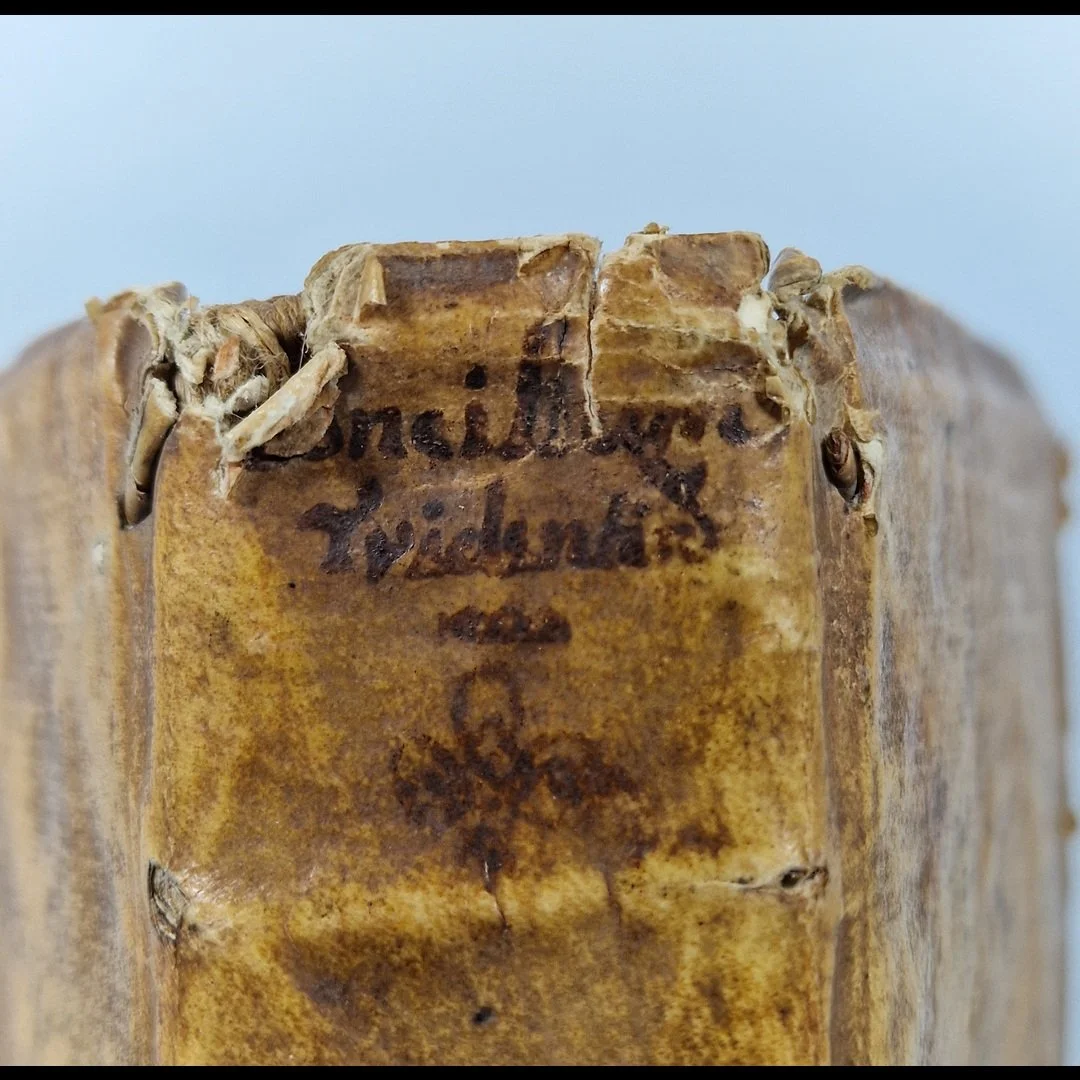
Binding remains firm and structurally sound, with the boards securely attached and hinges holding well. Some rubbing and wear to the extremities, corners and raised bands, together with occasional minor surface marks consistent with age and use.
Internally, a very presentable seventeenth-century copy. The paper shows general age-toning with occasional spotting, handling marks and localized discoloration. More noticeable old staining is present towards the end of the volume, including around the final numbered text and errata leaves, but does not materially affect the engraved sequence.
An old diagonal crease is present to the leaf associated with “Desirs de mort / La mort d’Amour.”
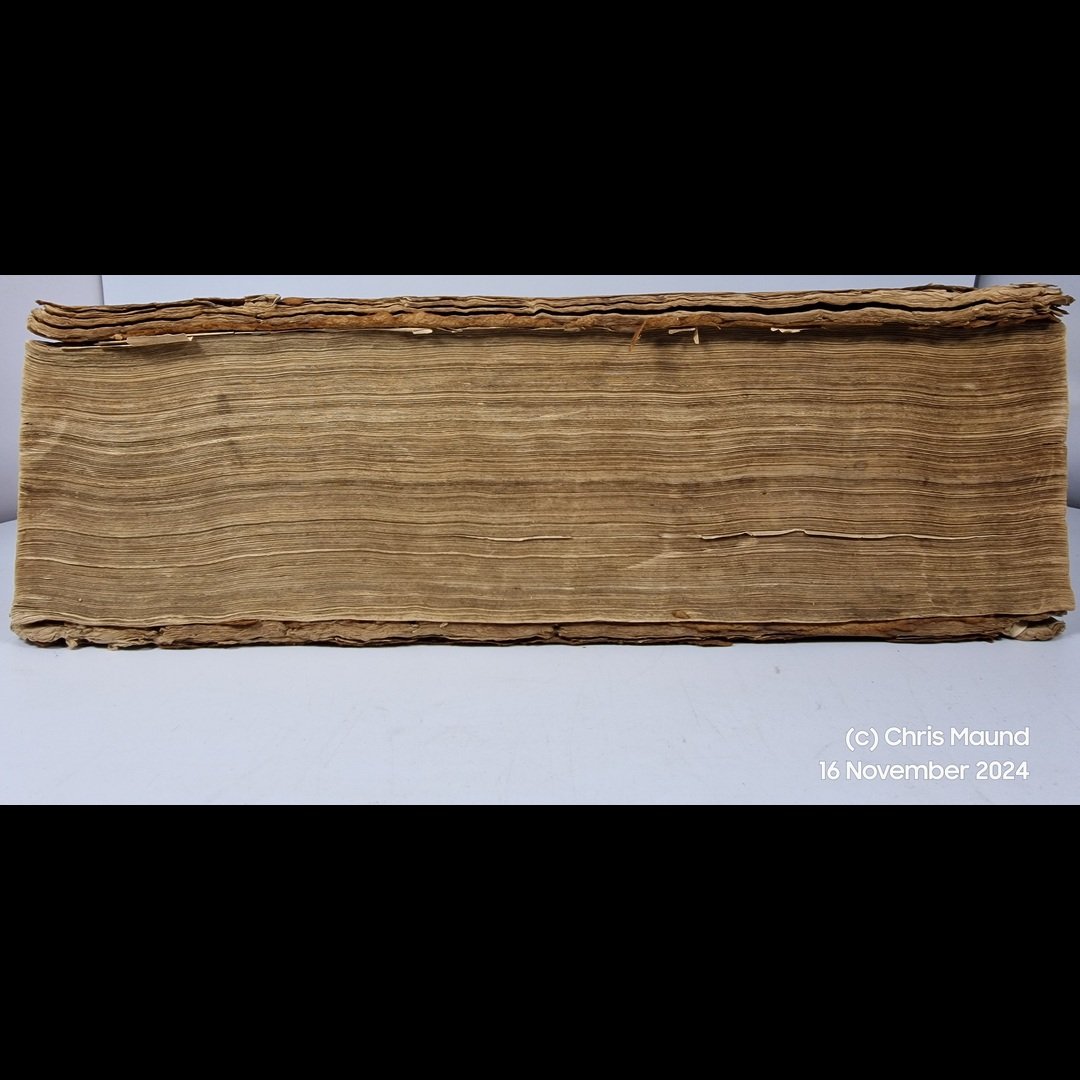
The leaves were evidently trimmed when the volume was rebound and the edges gilt in the nineteenth century. Importantly, the trimming does not result in material loss to the engraved subjects, headings, captions or numbering. Plate marks remain visible on numerous leaves.
The copper engravings are generally dark, crisp and well-defined, retaining considerable detail and visual impact.
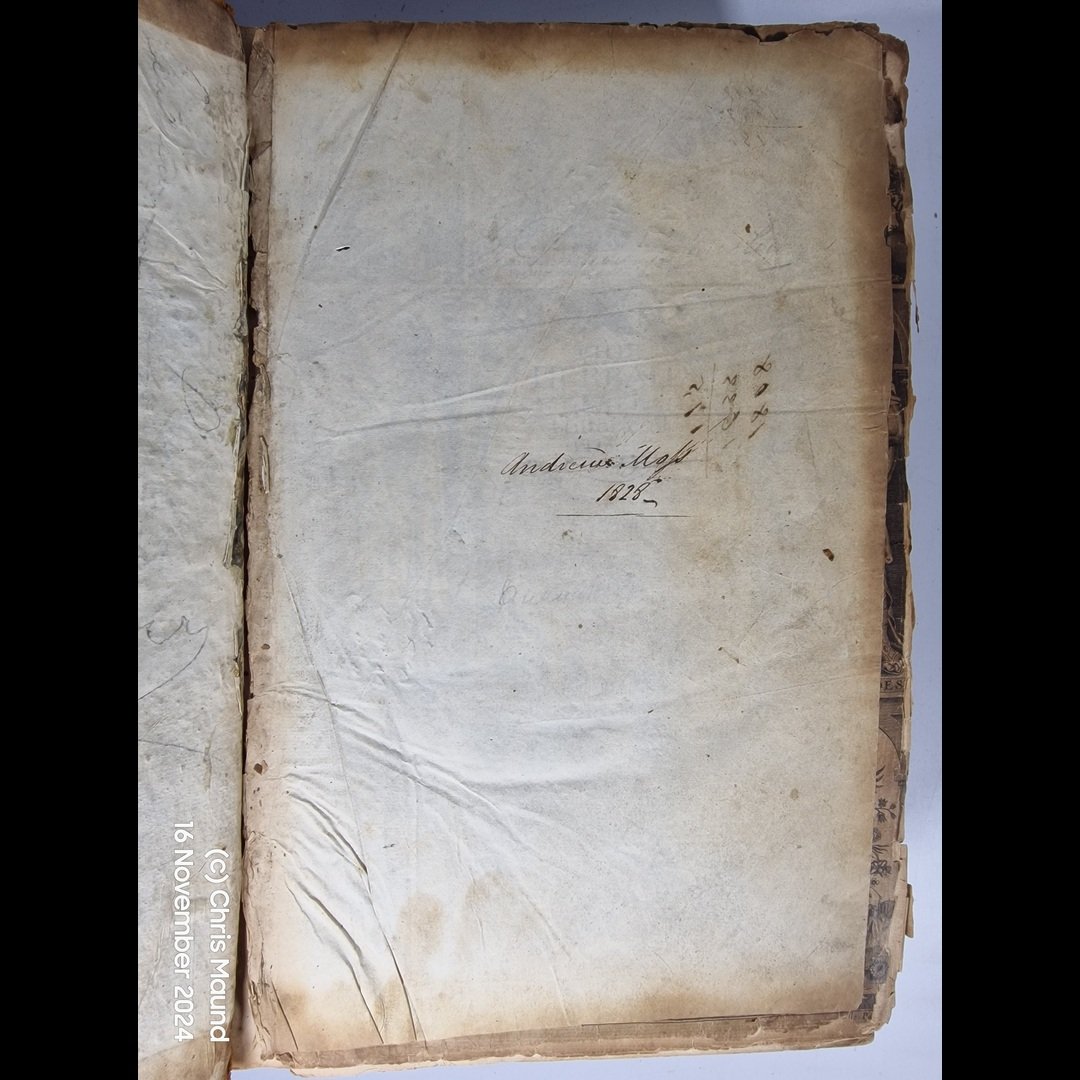
Old pencil bibliographical notation to the front flyleaf records the engraved title and 118 figures, apparently noting their engraving by Messager. Further old pencil notation beneath has not been confidently deciphered.
The volume concludes with Emblem 118, “Beatitude,” followed by the printed errata, Fautes survenues à l’Impression.
Please see Photos as part of condition report.
REFERENCES
Bibliothèque nationale de France, FRBNF39338351
Morgan Library & Museum, PML 126349
Adams, bibliographical attribution of the anonymous Capuchin
Landwehr, Romanic Emblem Books
Praz, Studies in Seventeenth-Century Imagery
SYNOPSIS
A remarkable sequence of 118 engraved meditations upon love, temptation and salvation.
Divine and Human Love are personified and placed within a changing world of games, occupations, landscapes, dangers and supernatural encounters. Through these miniature allegories the reader is invited to distinguish transient earthly desire from the love of God.
The imagery moves effortlessly between the ordinary and the extraordinary: hunting, fishing, trade and play coexist with demons, death, crucifixion, visions and spiritual warfare.
Latin mottos and biblical references establish the intellectual framework, while French verse interprets each scene for the contemporary reader.
The sequence ultimately becomes a journey through the Christian spiritual life — from desire and temptation through suffering and discipline towards death, transcendence and Beatitude.
A scarce and highly attractive seventeenth-century emblem book, of particular interest to collectors of emblemata, early illustrated books, Baroque engraving, religious iconography, Counter-Reformation literature, allegory, Cupid imagery and the history of ideas.
AUTHOR BIO
Anonymous, “Un Père Capucin”; probably Ludovicus van Leuven (Philippe de Vilers)
LUDOVICUS VAN LEUVEN
The author is not named in the book, the title attributing the explanatory verses simply to “un Père Capucin.”
The identification traditionally favoured by modern scholarship is Ludovicus van Leuven, also known by his secular name Philippe de Vilers.
Van Leuven became a Capuchin friar and was responsible for the substantially expanded 1629 Amoris divini et humani antipathia, an important predecessor of the present Paris publication.
The attribution of the 1631 French text remains appropriately described as probable rather than certain, but the close relationship with the earlier Capuchin compilation makes the identification persuasive and it is accepted cautiously in major institutional catalogues.
ILLUSTRATOR
Jean Messager
Engraver / Publisher: Jean Messager
Jean Messager (1580–1649) was a Paris engraver, print publisher and bookseller active during the first half of the seventeenth century.
The present work was issued from his premises in the rue Saint-Jacques à l’Esperance, one of the principal centres of the Parisian book and print trades.
Messager's role extended beyond that of an ordinary bookseller. The copperplates are central to the identity of the publication, and examples bear his engraved imprint or signature.
This intimate relationship between publisher and image-maker helps explain the unusual character of the volume: it is as much an engraved picture book as it is a conventional printed text.
1631 First Paris Edition
LES EMBLEMES D'AMOUR DIVIN ET HUMAIN ENSEMBLE
By Anonymous, “Un Père Capucin”
KEY DETAILS
Condition: Very Good
Format: Hardcover, Octavo (Standard) (8vo 6 × 9 in 152 × 229 mm )
Note: Binding/size selection follows standard bibliographic conventions and is approximate; exact measurements may vary.
Published By: Chez Jean Messager, ruë S. Jacques à l’Esperance, Paris. Avec Privilège du Roy., Paris, 1631
Language: French / Latin
Illustrated By: Jean Messager
Collation: Complete numbered emblem sequence 1–118, together with the engraved title.
Dust Jacket: None, as issued
SKU: BTETM0002695
Shipping Info: Approximate Package Dimensions H: 12.5, L: 30, W: 25 (Units: cm), W: 2Kg
Tracked Shipping, Insurance Coverage as per Customer Request
DESCRIPTION
Les Emblemes D'Amour Divin Et Humain Ensemble
Les Emblemes d'Amour Divin et Humain Ensemble. Expliquez par des vers françois, par un Père Capucin
By “Un Père Capucin” — probably Ludovicus van Leuven (Philippe de Vilers)
A handsome and complete example of one of the most visually compelling French devotional emblem books of the seventeenth century: the first Paris edition of 1631, containing the complete numbered sequence of 118 full-page copper-engraved emblems contrasting Divine and Human Love.
Published in Paris by the engraver and print publisher Jean Messager, the volume transforms theology into a remarkable sequence of miniature allegorical dramas. Winged personifications of Divine and Human Love hunt, fish, fight, play, suffer, travel, trade and confront temptation, vanity, demons, death and salvation. Each image is accompanied by a Latin motto or scriptural reference and explanatory French verse, creating an extraordinarily rich visual meditation upon desire, mortality and the struggle between earthly attachment and spiritual love.
The engravings remain the great attraction of the book: frequently strange, sometimes macabre and often unexpectedly playful, they include scenes of skeletons, devils, apparitions, crucifixion, archery, hunting, games, domestic pursuits and symbolic landscapes. Taken together they form a distinctive piece of Baroque visual theology and an important contribution to the Counter-Reformation emblem tradition.
The work is anonymous on the title-page, attributed only to “un Père Capucin.” Modern bibliographical scholarship, including the Morgan Library catalogue following Adams, considers the author probably to have been Ludovicus van Leuven, secular name Philippe de Vilers, the Capuchin responsible for the major 1629 expansion of the earlier Antwerp emblem sequence.
The iconographical ancestry of the book is complex. An earlier series, Amoris divini et humani effectus varii, had appeared at Antwerp in 1626 under Michiel Snijders. A pirated Paris issue followed in 1628, and Ludovicus van Leuven's considerably enlarged Amoris divini et humani antipathia appeared in 1629 with 83 engravings. The present 1631 Paris publication expanded the concept further to 118 numbered emblems, presenting the mature French form of the series.
It also belongs to the broader seventeenth-century flourishing of devotional emblem literature associated with works such as Herman Hugo's enormously influential Pia Desideria, while remaining a distinct work with its own unusual and extensive iconographical programme.
A particularly appealing copy in handsome nineteenth-century dark-blue morocco, with the complete emblem sequence, strong impressions and attractive marbled endpapers.
Les Emblemes d'Amour Divin et Humain Ensemble belongs to the great European tradition of the emblem book, in which image, motto and text combine to communicate meanings that no single element conveys alone.
Here the central opposition is between Divine Love and Human or Worldly Love.
Love is personified repeatedly as winged or childlike figures who perform recognisable human activities. They hunt, fish, bargain, play games, fight, climb, travel and suffer. Yet each apparently everyday scene operates simultaneously as an allegory.
Objects and actions become spiritual symbols.
Nets become temptation.
Weapons become the instruments of spiritual conflict.
Illness becomes the sickness of disordered desire.
Journeys become the progress of the soul.
Death becomes both an ending and a gateway.
Earthly pleasures are continually measured against eternal reward.
The result is far from a conventional illustrated devotional manual. The book is theatrical, imaginative and sometimes startlingly surreal, bringing together Cupid imagery, biblical symbolism, moral allegory and the visual vocabulary of seventeenth-century Catholic spirituality.
Scenes involving demons, skeletons, the crucifixion and personifications of death sit beside apparently innocent games and domestic occupations. It is precisely this juxtaposition which gives the volume much of its continuing visual fascination.
DIVINE LOVE AND HUMAN LOVE
The intellectual foundation of the series is the Christian distinction between properly ordered love — ultimately directed towards God — and attachment to the temporary pleasures of the material world.
Rather than presenting this distinction purely through theological argument, the emblem tradition turns abstract ideas into pictures.
The two kinds of love therefore acquire bodies, gestures and personalities.
Human Love may be distracted, trapped, sickened, tempted or deceived.
Divine Love disciplines, heals, guides, sacrifices and ultimately triumphs.
This opposition allowed seventeenth-century readers to interpret each engraving as a meditation upon their own spiritual condition.
The extensive sequence of 118 emblems makes the present book particularly notable. Instead of a small collection of isolated moral images, the reader encounters what amounts to a sustained visual vocabulary of Christian love, progressing through temptation, conflict, suffering, contemplation, death and eventual blessedness.
CONDITION, COLLATION & COPY NOTES
COLLATION
Complete numbered emblem sequence 1–118, together with the engraved title.
The copper engravings are printed beneath typographical headings and accompanied by Latin text or scriptural lemmata and French explanatory verse.
The Approbation is dated 20 September 1631, providing the bibliographical basis for the dating of the edition.
The sequence concludes with Emblem 118, “Beatitude,” followed by the terminal printed errata, Fautes survenues à l’Impression.
Old bibliographical notation to the front flyleaf also records the copy as complete with the engraved title and 118 figures.
Later, circa 1850, full dark-blue morocco binding, approximate Dimensions: 160 × 105 mm, the spine with raised bands, gilt rules and gilt lettering, gilt decorative turn-ins and all edges gilt. Attractive nineteenth-century multicoloured marbled endpapers.
Binding remains firm and structurally sound, with the boards securely attached and hinges holding well. Some rubbing and wear to the extremities, corners and raised bands, together with occasional minor surface marks consistent with age and use.
Internally, a very presentable seventeenth-century copy. The paper shows general age-toning with occasional spotting, handling marks and localized discoloration. More noticeable old staining is present towards the end of the volume, including around the final numbered text and errata leaves, but does not materially affect the engraved sequence.
An old diagonal crease is present to the leaf associated with “Desirs de mort / La mort d’Amour.”
The leaves were evidently trimmed when the volume was rebound and the edges gilt in the nineteenth century. Importantly, the trimming does not result in material loss to the engraved subjects, headings, captions or numbering. Plate marks remain visible on numerous leaves.
The copper engravings are generally dark, crisp and well-defined, retaining considerable detail and visual impact.
Old pencil bibliographical notation to the front flyleaf records the engraved title and 118 figures, apparently noting their engraving by Messager. Further old pencil notation beneath has not been confidently deciphered.
The volume concludes with Emblem 118, “Beatitude,” followed by the printed errata, Fautes survenues à l’Impression.
Please see Photos as part of condition report.
REFERENCES
Bibliothèque nationale de France, FRBNF39338351
Morgan Library & Museum, PML 126349
Adams, bibliographical attribution of the anonymous Capuchin
Landwehr, Romanic Emblem Books
Praz, Studies in Seventeenth-Century Imagery
SYNOPSIS
A remarkable sequence of 118 engraved meditations upon love, temptation and salvation.
Divine and Human Love are personified and placed within a changing world of games, occupations, landscapes, dangers and supernatural encounters. Through these miniature allegories the reader is invited to distinguish transient earthly desire from the love of God.
The imagery moves effortlessly between the ordinary and the extraordinary: hunting, fishing, trade and play coexist with demons, death, crucifixion, visions and spiritual warfare.
Latin mottos and biblical references establish the intellectual framework, while French verse interprets each scene for the contemporary reader.
The sequence ultimately becomes a journey through the Christian spiritual life — from desire and temptation through suffering and discipline towards death, transcendence and Beatitude.
A scarce and highly attractive seventeenth-century emblem book, of particular interest to collectors of emblemata, early illustrated books, Baroque engraving, religious iconography, Counter-Reformation literature, allegory, Cupid imagery and the history of ideas.
AUTHOR BIO
Anonymous, “Un Père Capucin”; probably Ludovicus van Leuven (Philippe de Vilers)
LUDOVICUS VAN LEUVEN
The author is not named in the book, the title attributing the explanatory verses simply to “un Père Capucin.”
The identification traditionally favoured by modern scholarship is Ludovicus van Leuven, also known by his secular name Philippe de Vilers.
Van Leuven became a Capuchin friar and was responsible for the substantially expanded 1629 Amoris divini et humani antipathia, an important predecessor of the present Paris publication.
The attribution of the 1631 French text remains appropriately described as probable rather than certain, but the close relationship with the earlier Capuchin compilation makes the identification persuasive and it is accepted cautiously in major institutional catalogues.
ILLUSTRATOR
Jean Messager
Engraver / Publisher: Jean Messager
Jean Messager (1580–1649) was a Paris engraver, print publisher and bookseller active during the first half of the seventeenth century.
The present work was issued from his premises in the rue Saint-Jacques à l’Esperance, one of the principal centres of the Parisian book and print trades.
Messager's role extended beyond that of an ordinary bookseller. The copperplates are central to the identity of the publication, and examples bear his engraved imprint or signature.
This intimate relationship between publisher and image-maker helps explain the unusual character of the volume: it is as much an engraved picture book as it is a conventional printed text.

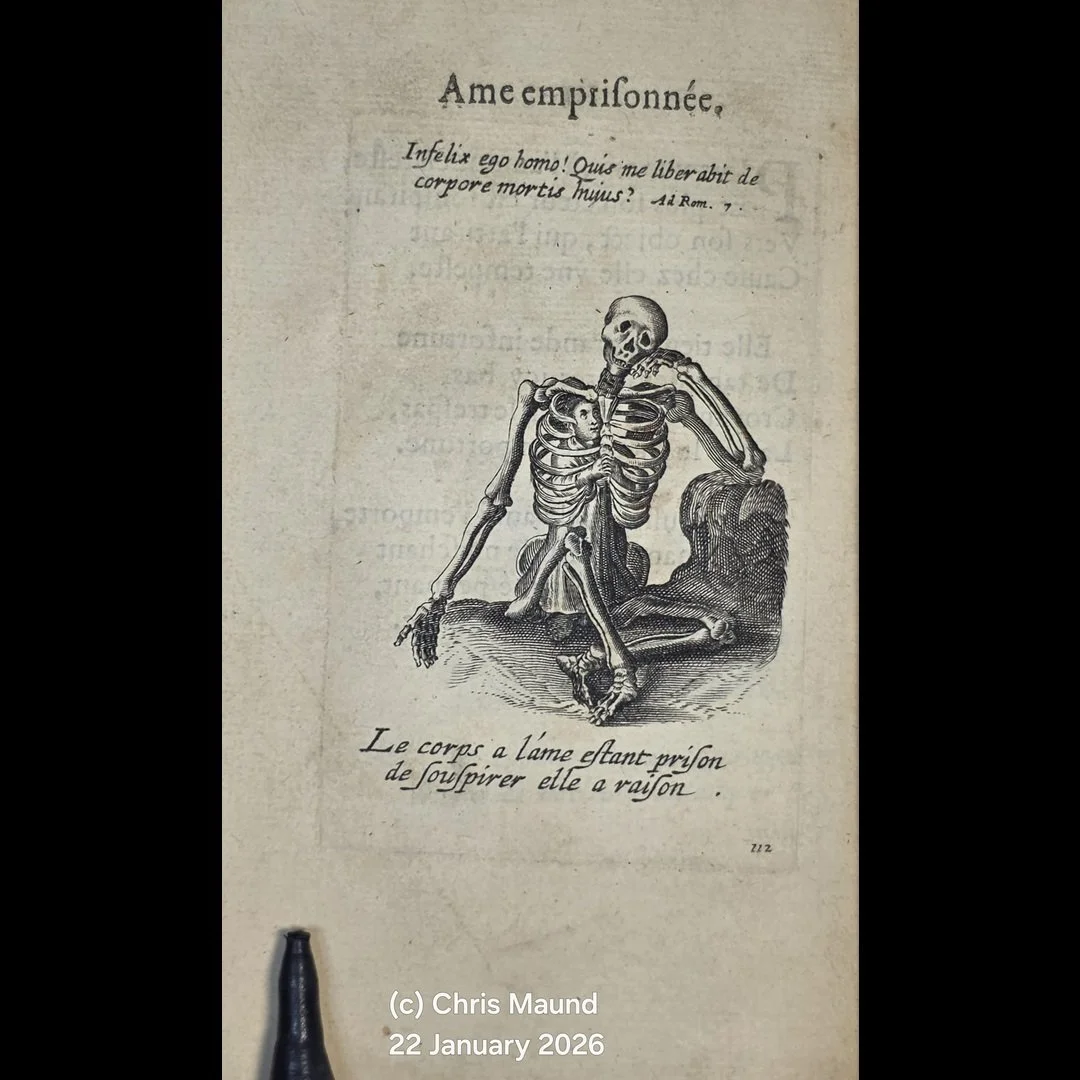 Image 1 of 21
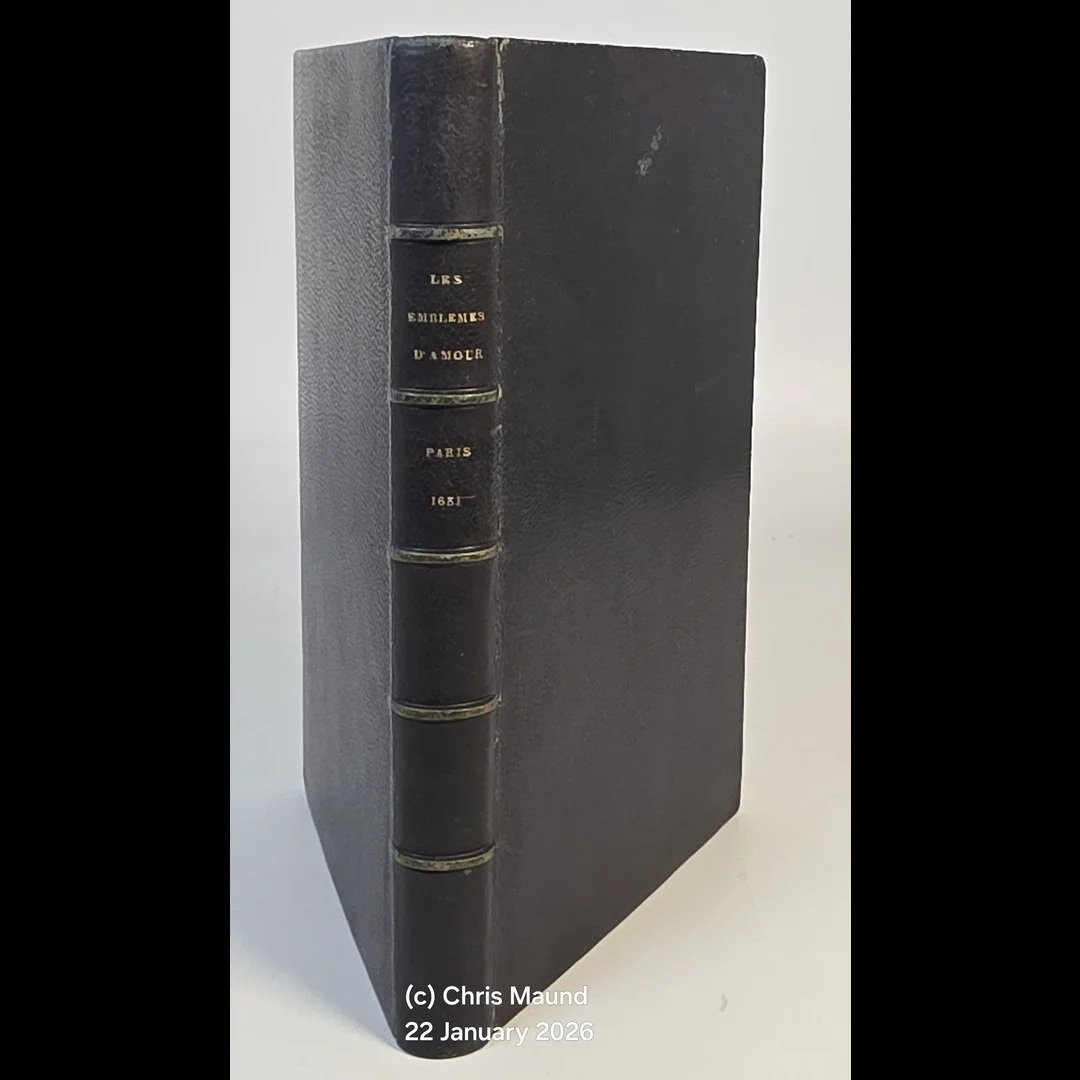 Image 2 of 21
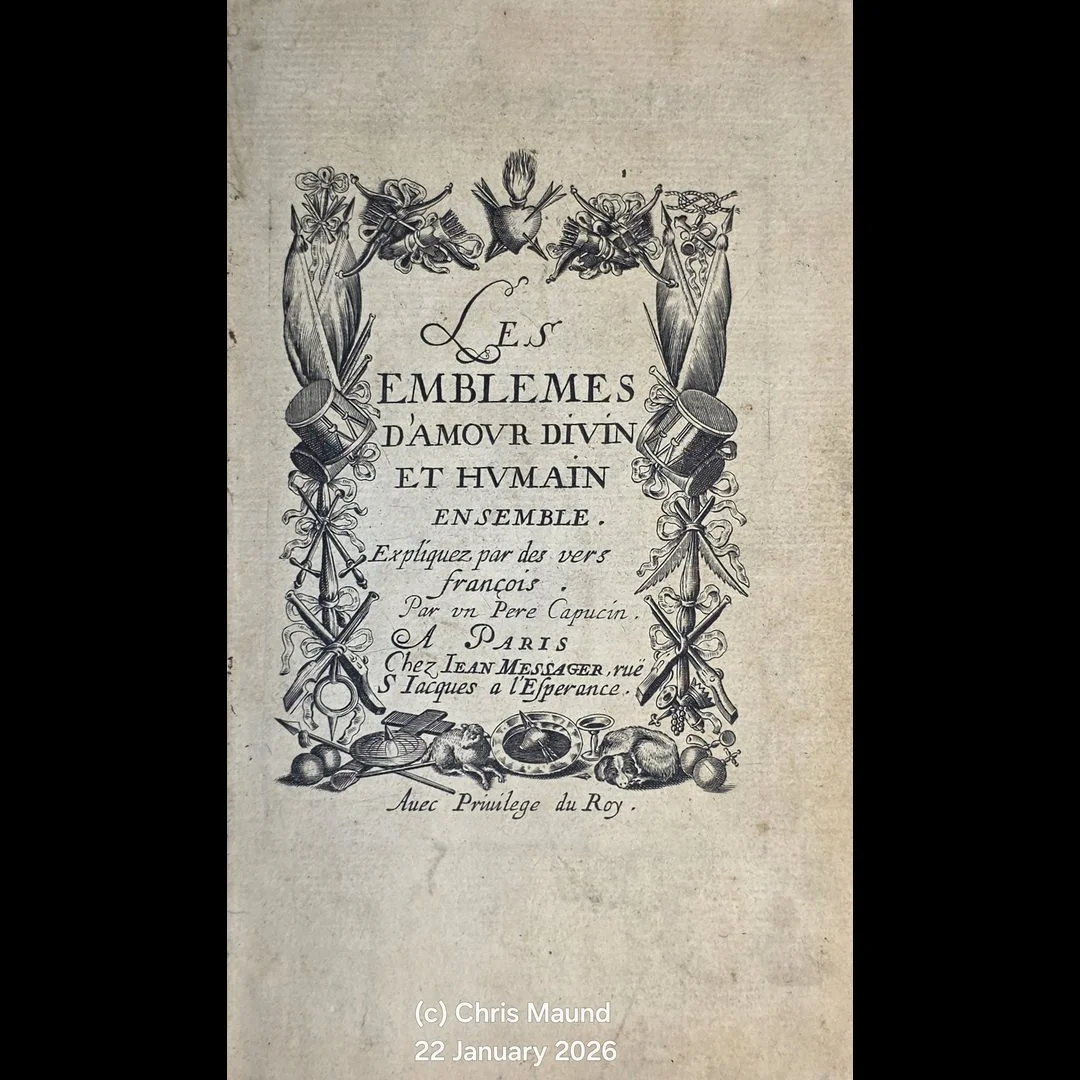 Image 3 of 21
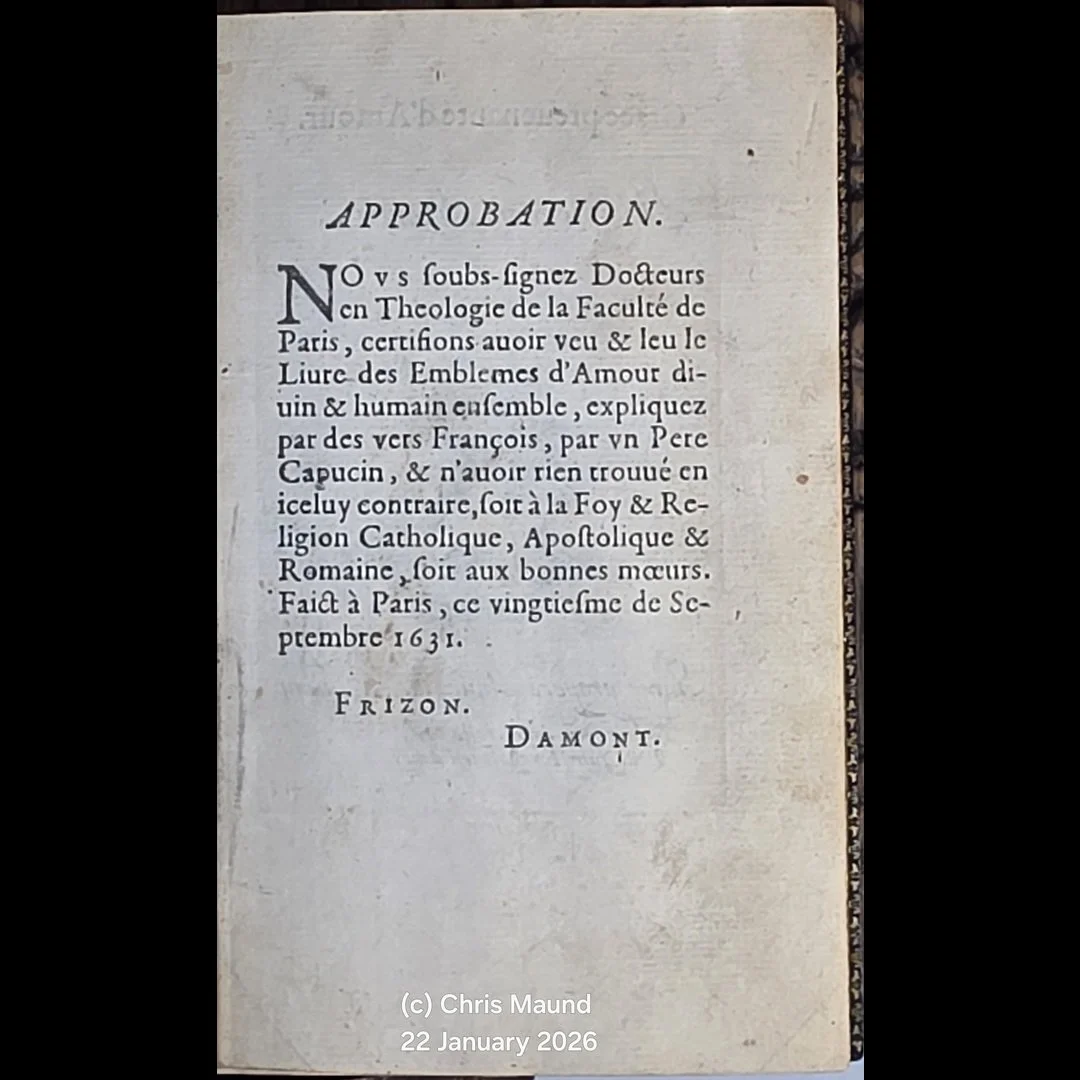 Image 4 of 21
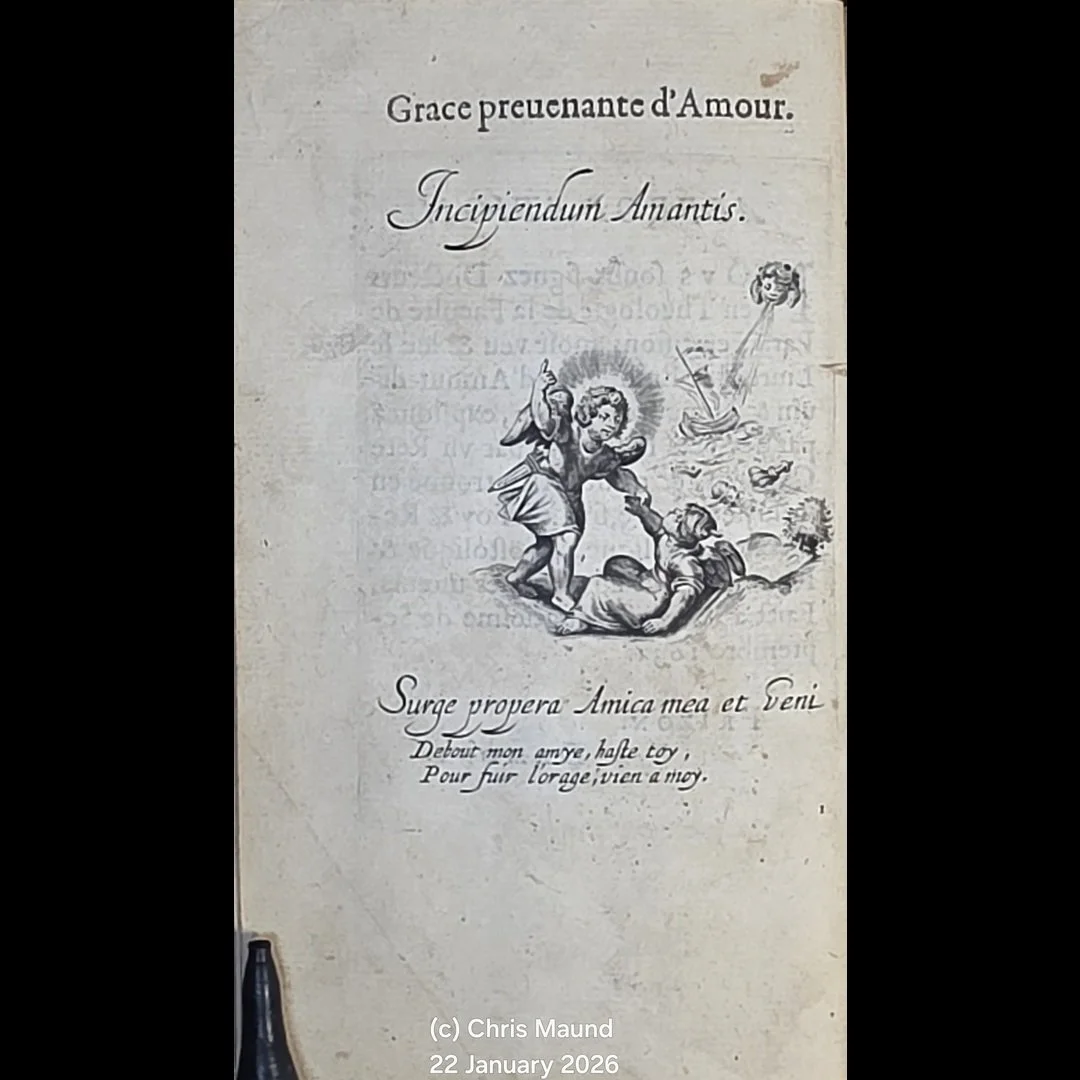 Image 5 of 21
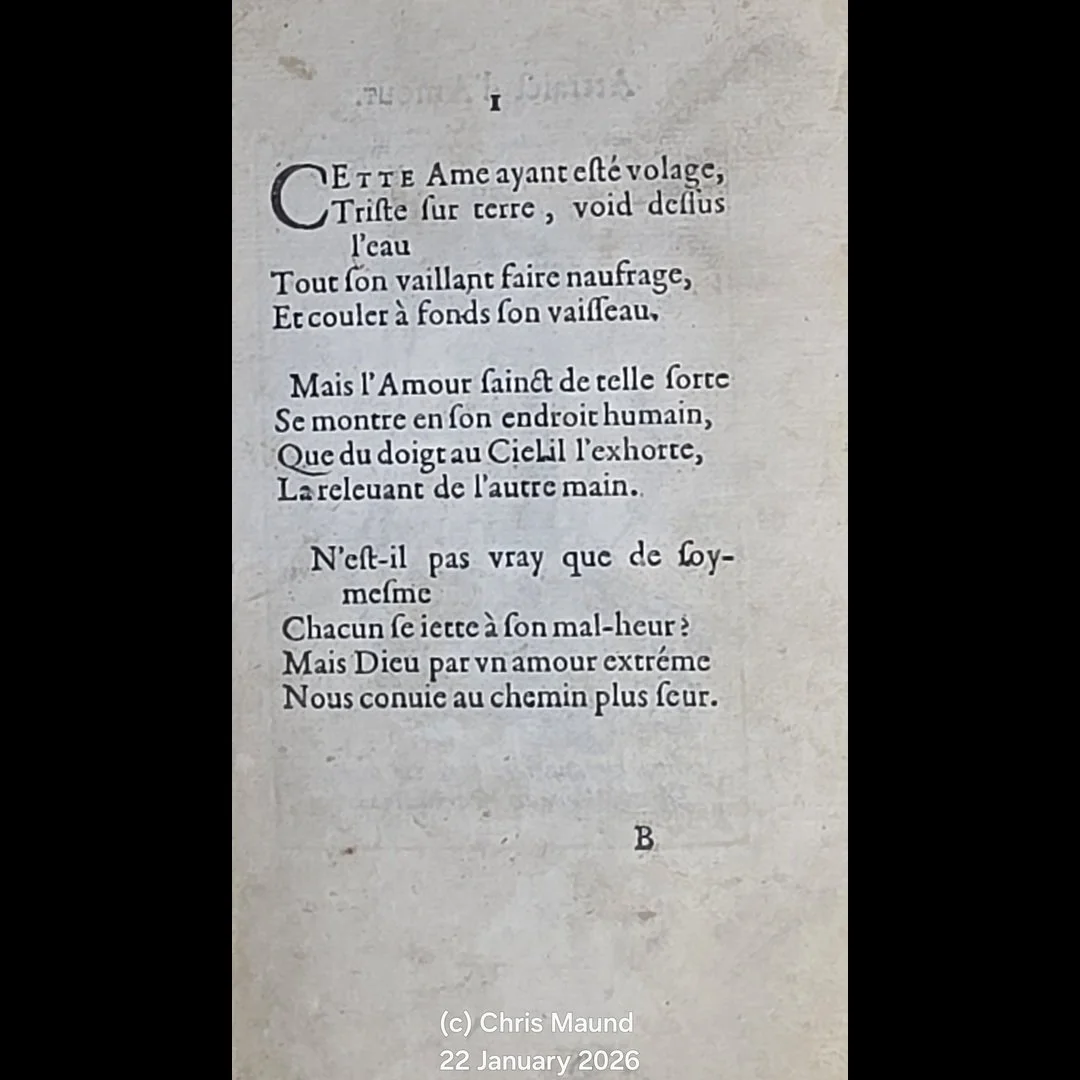 Image 6 of 21
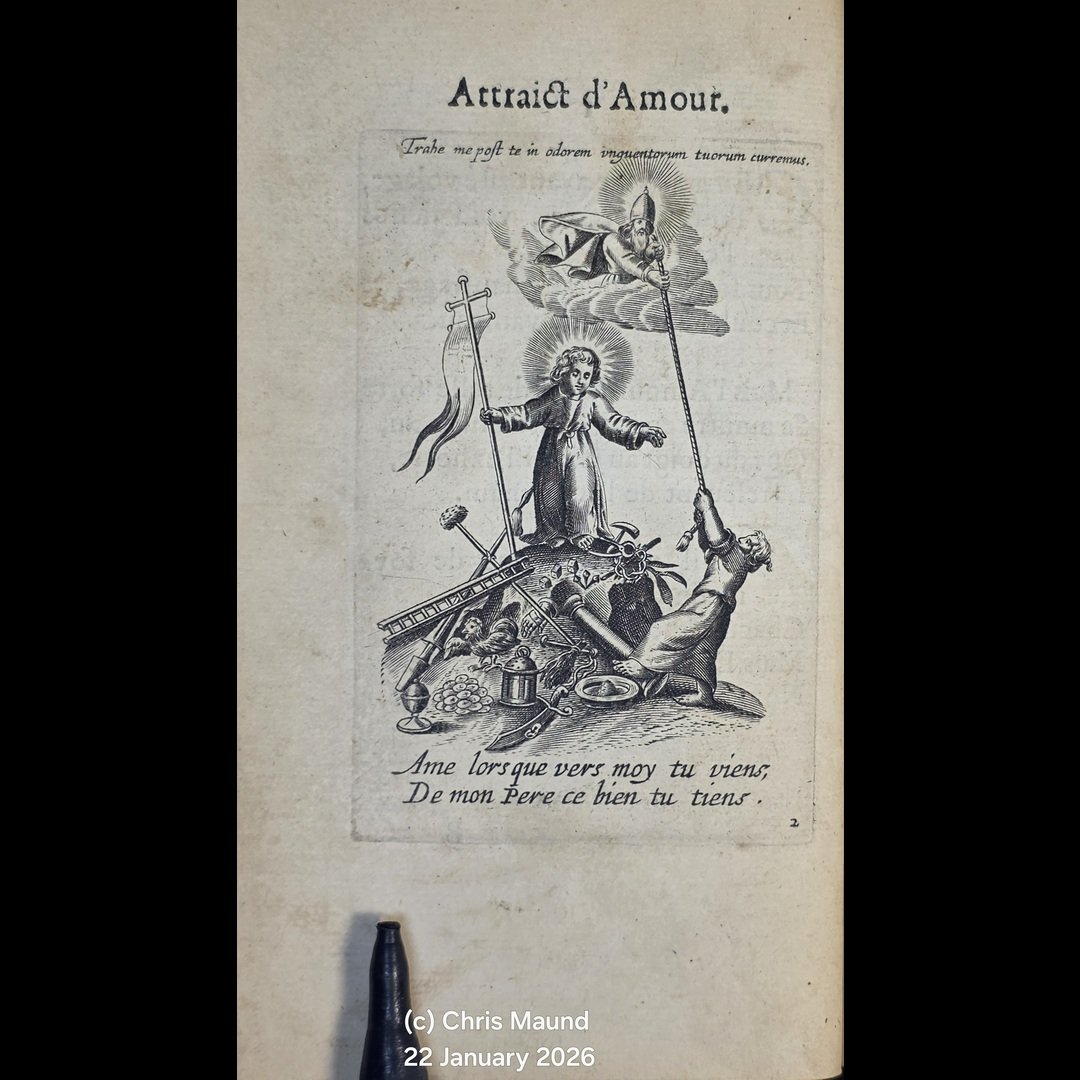 Image 7 of 21
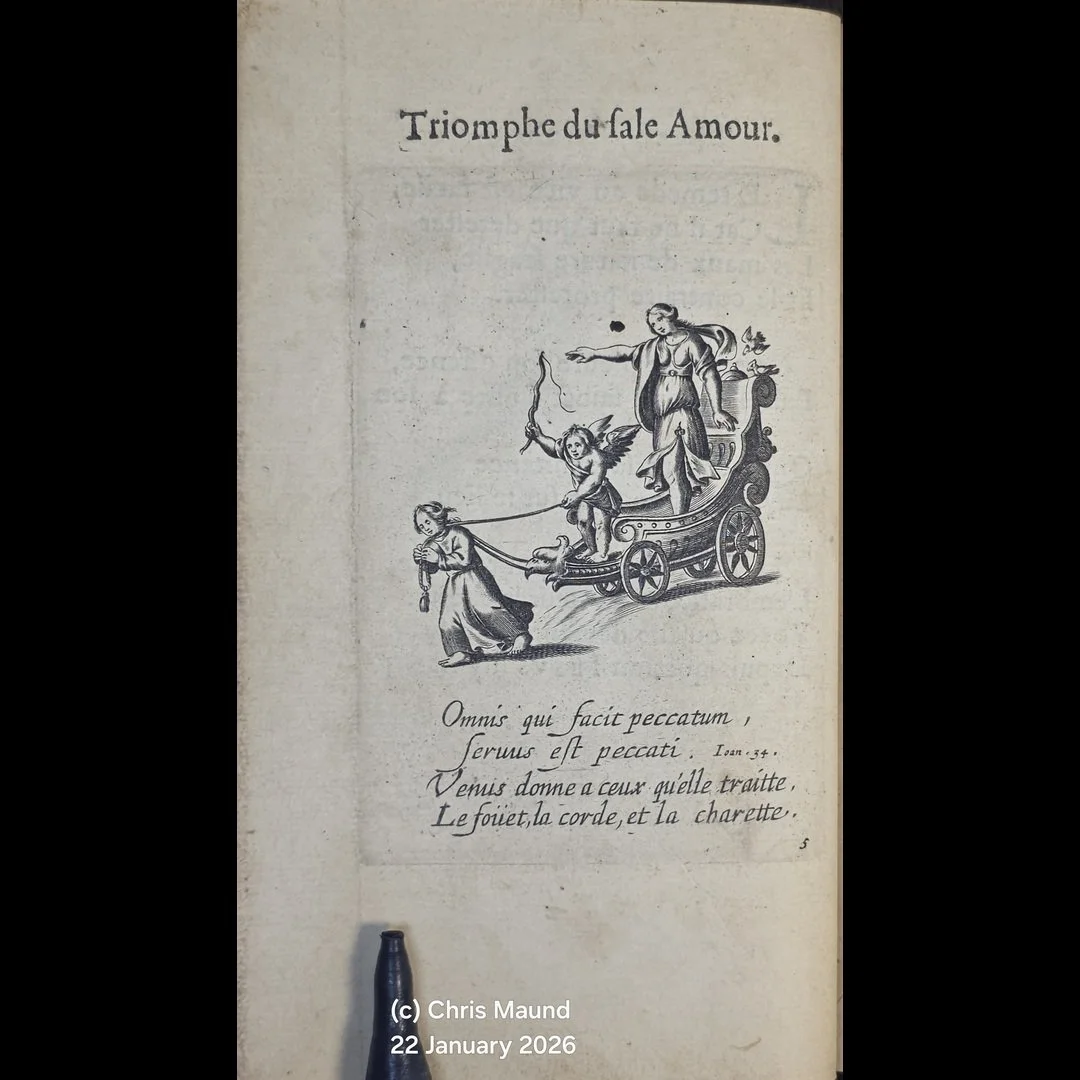 Image 8 of 21
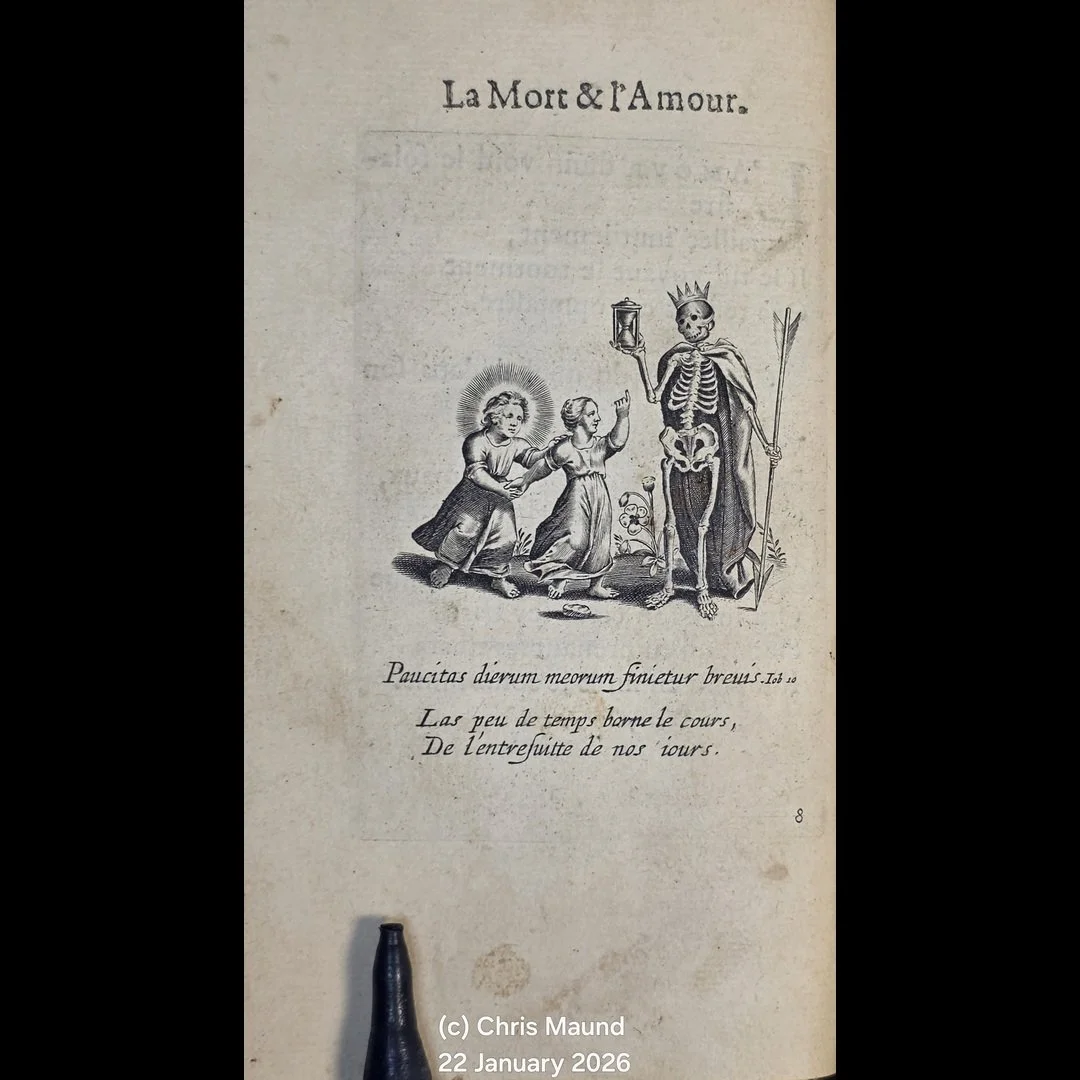 Image 9 of 21
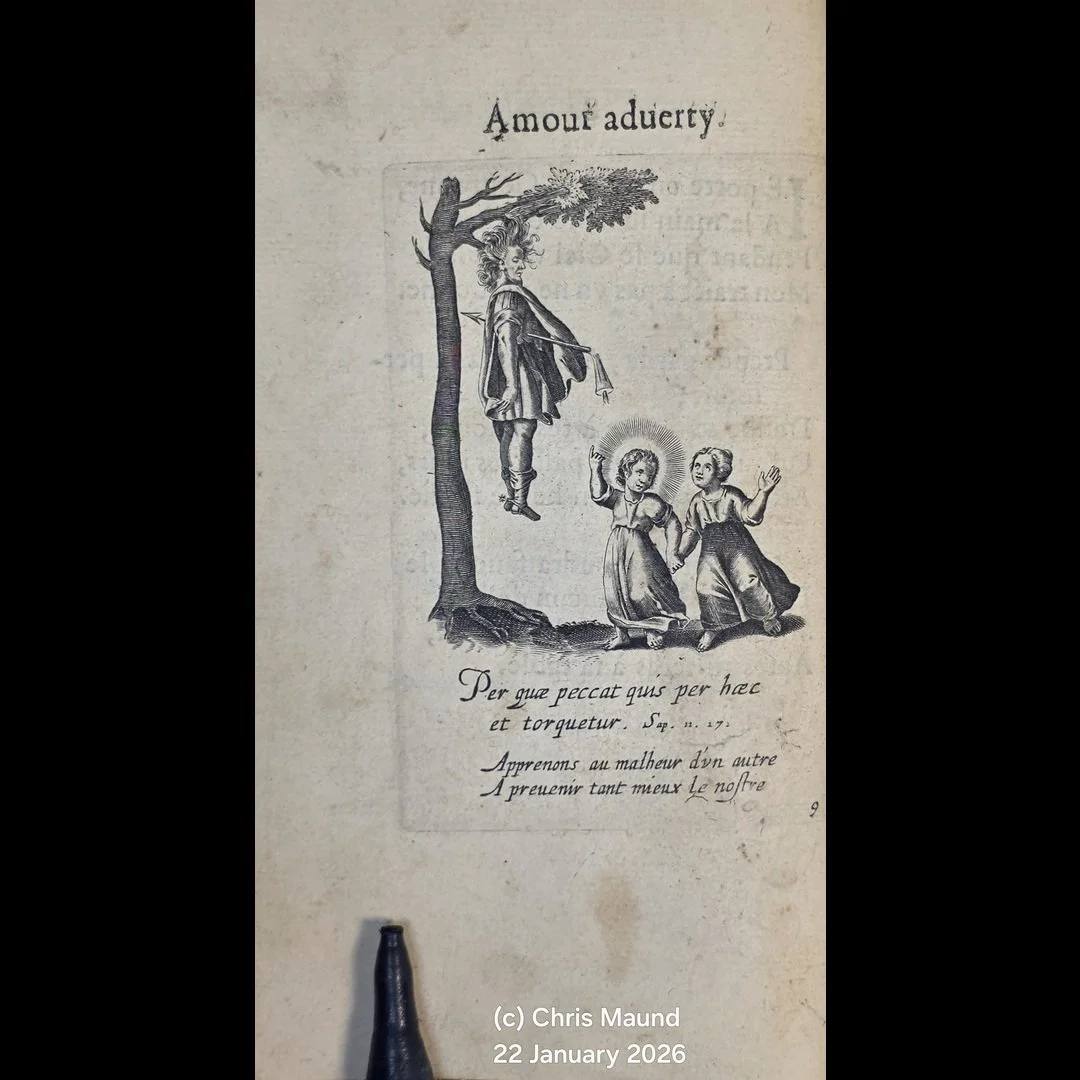 Image 10 of 21
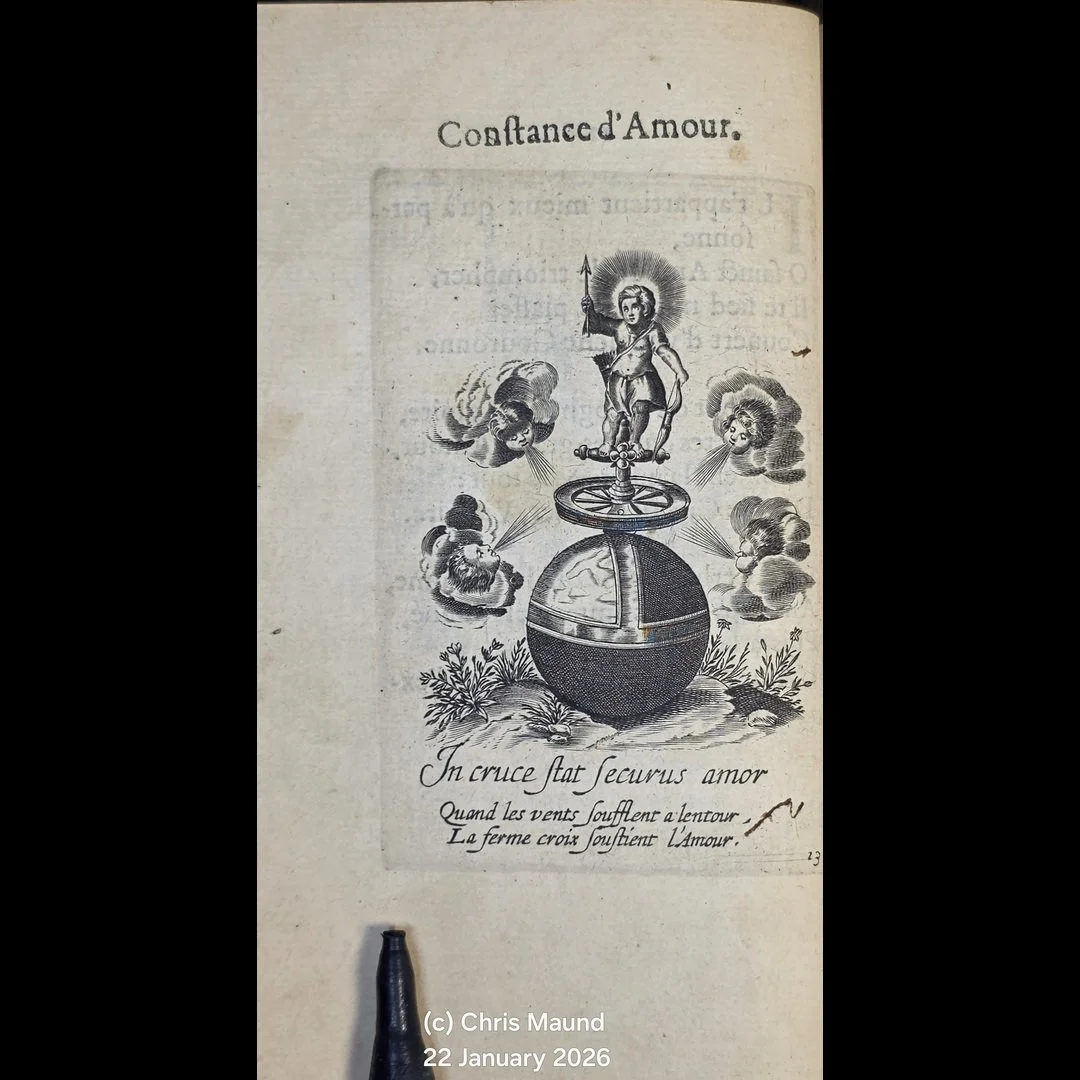 Image 11 of 21
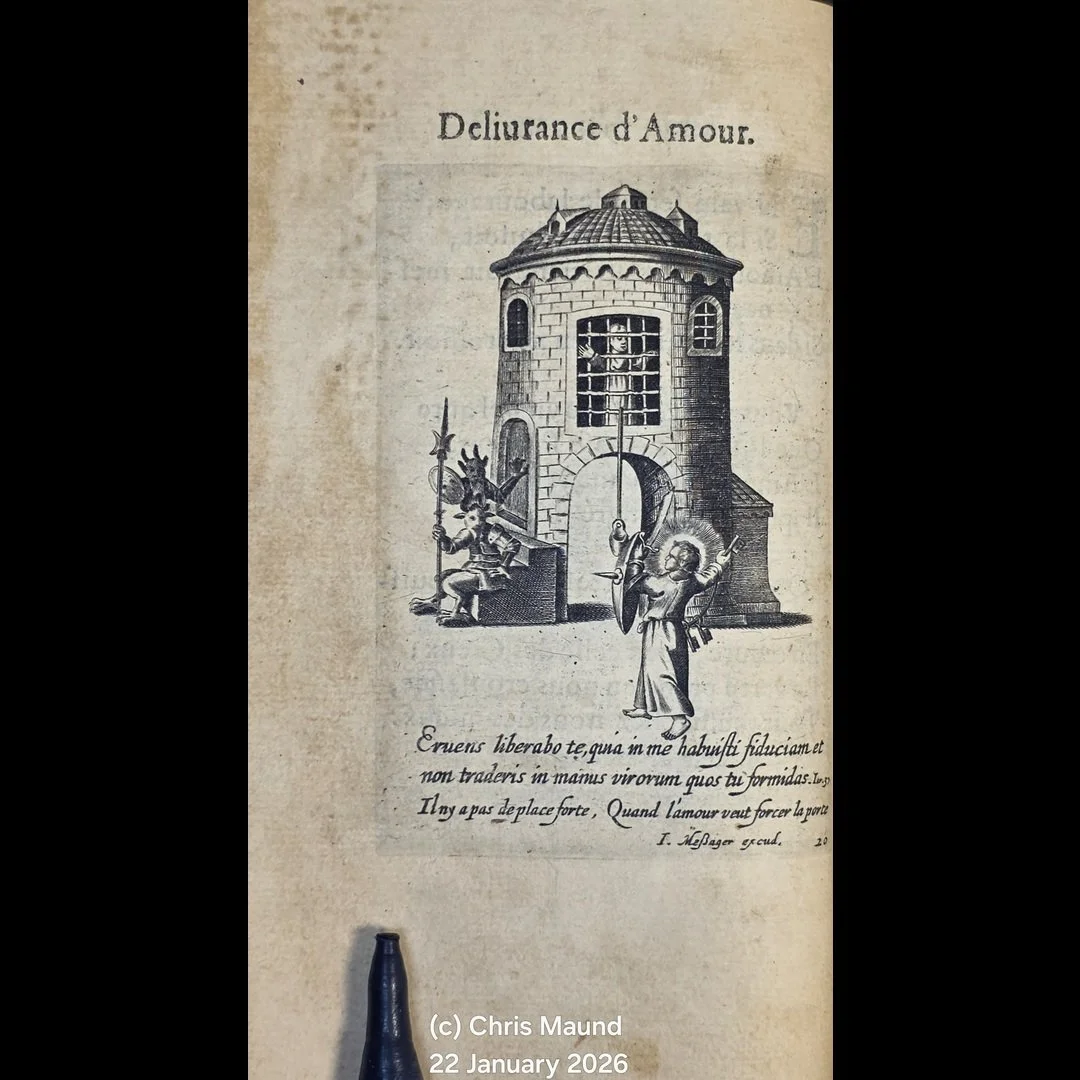 Image 12 of 21
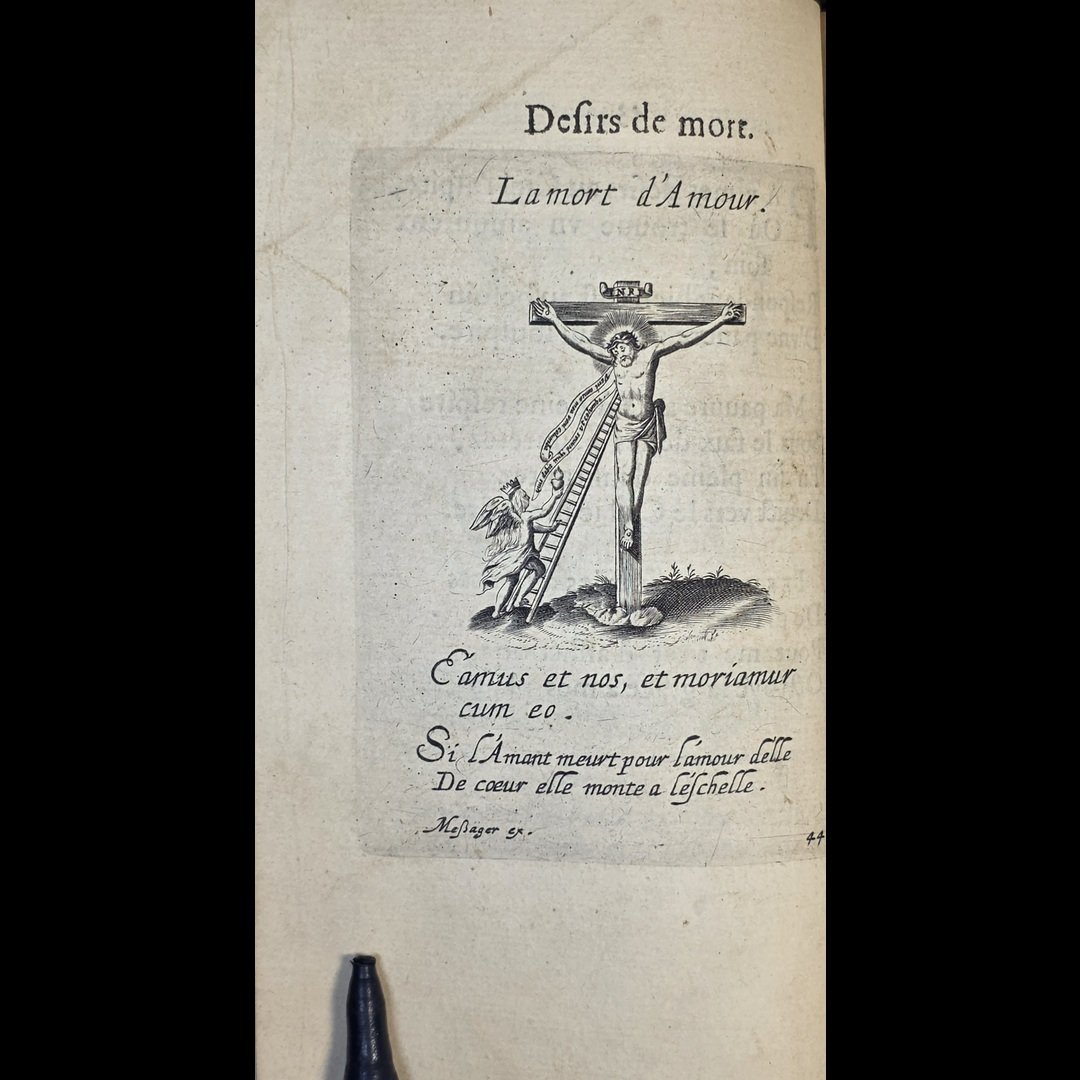 Image 13 of 21
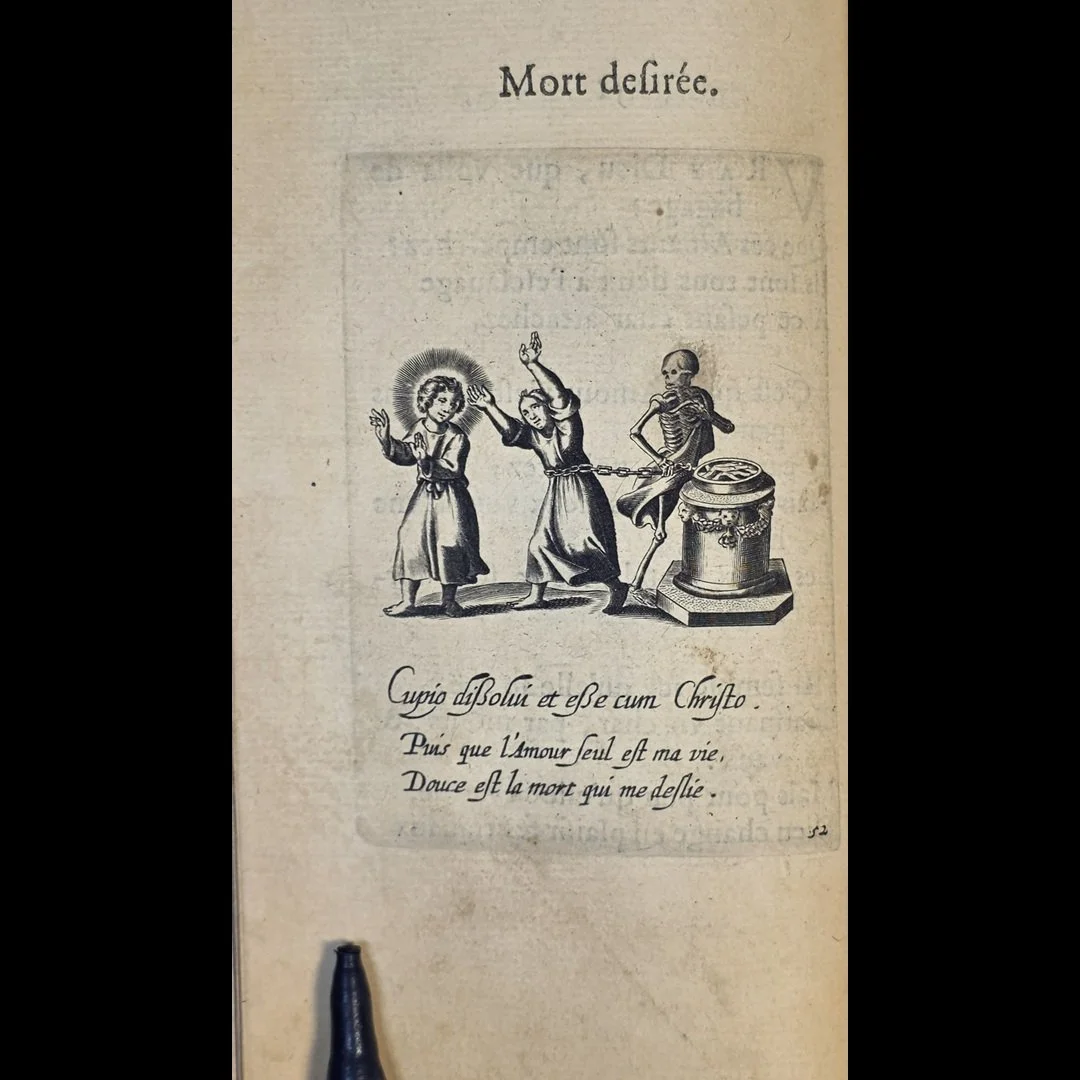 Image 14 of 21
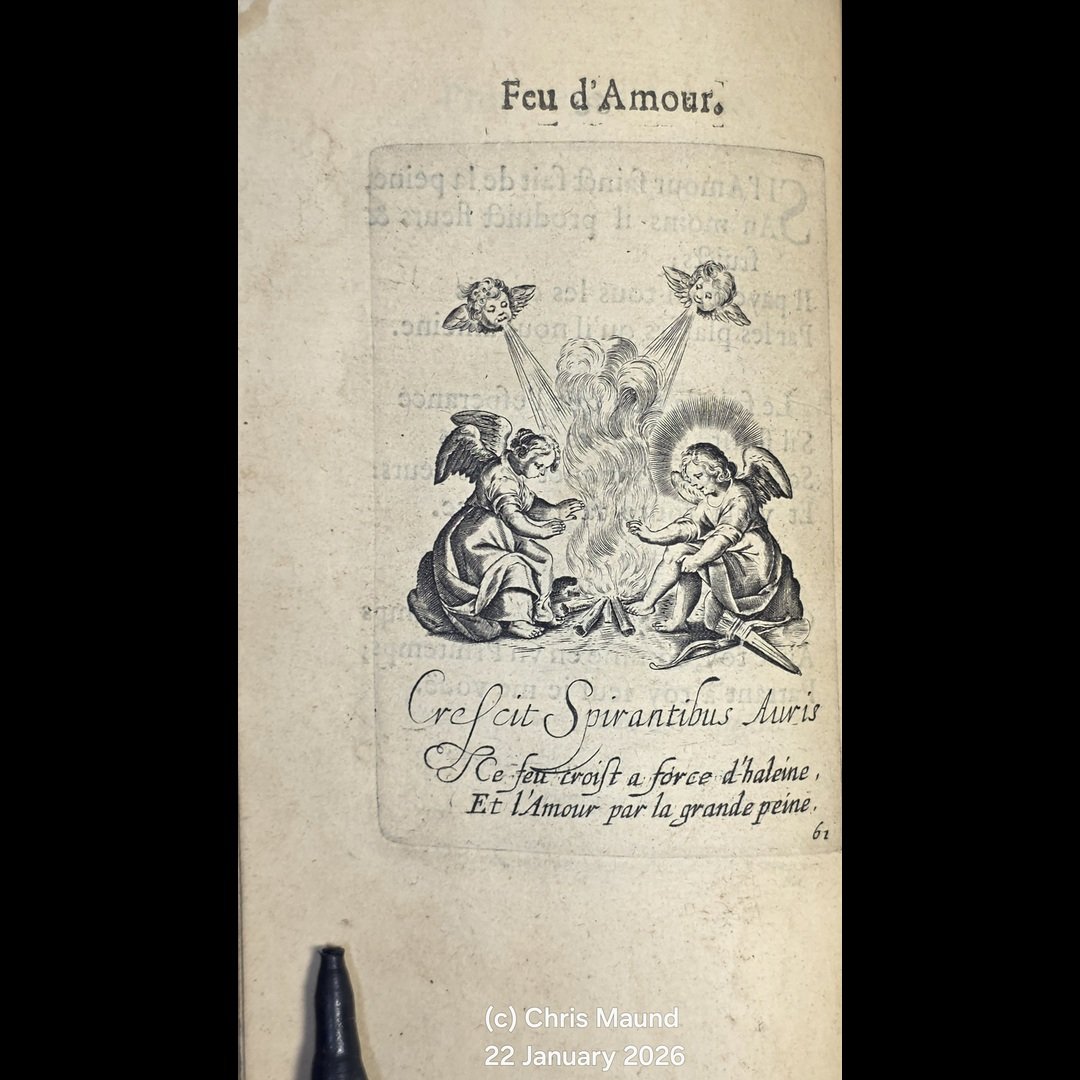 Image 15 of 21
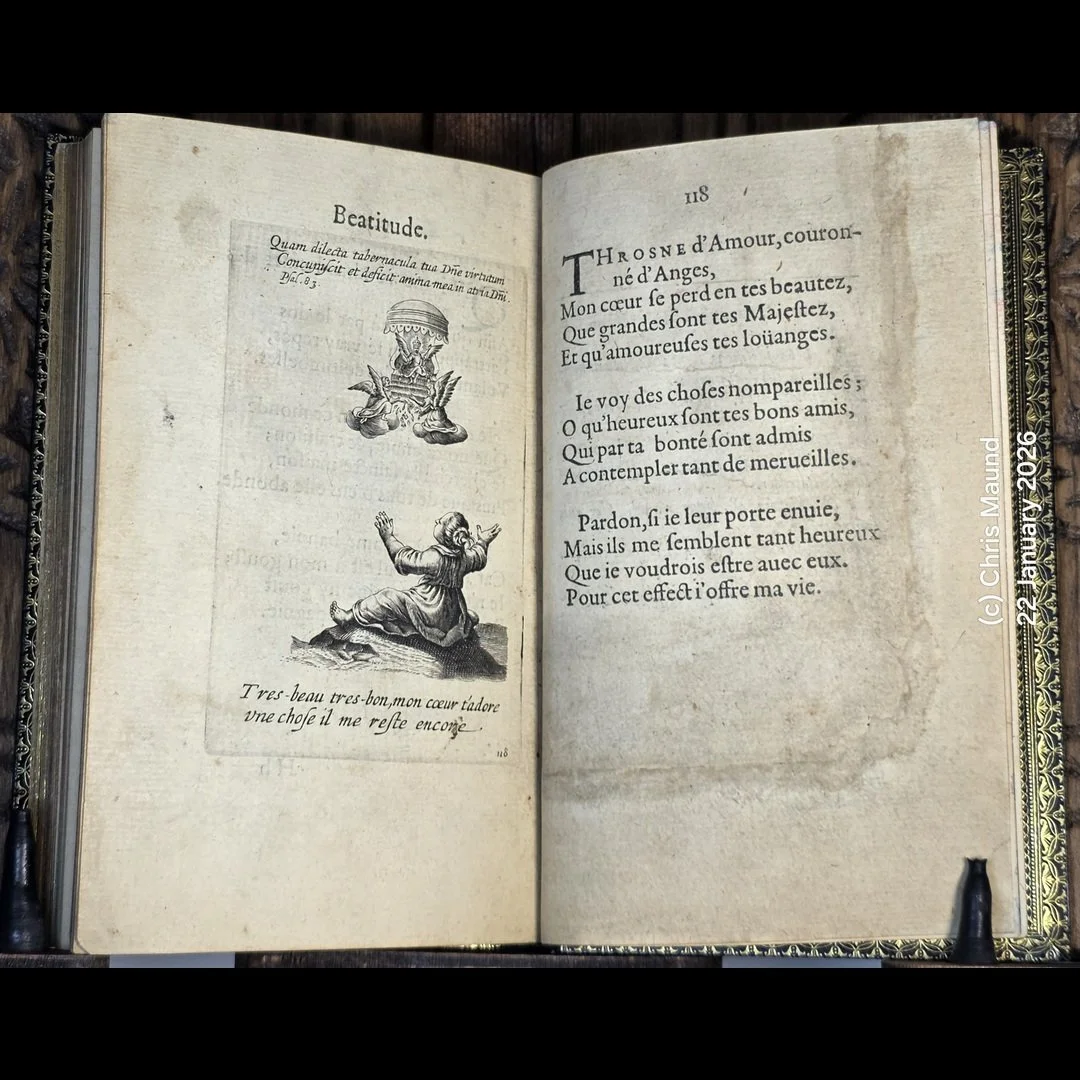 Image 16 of 21
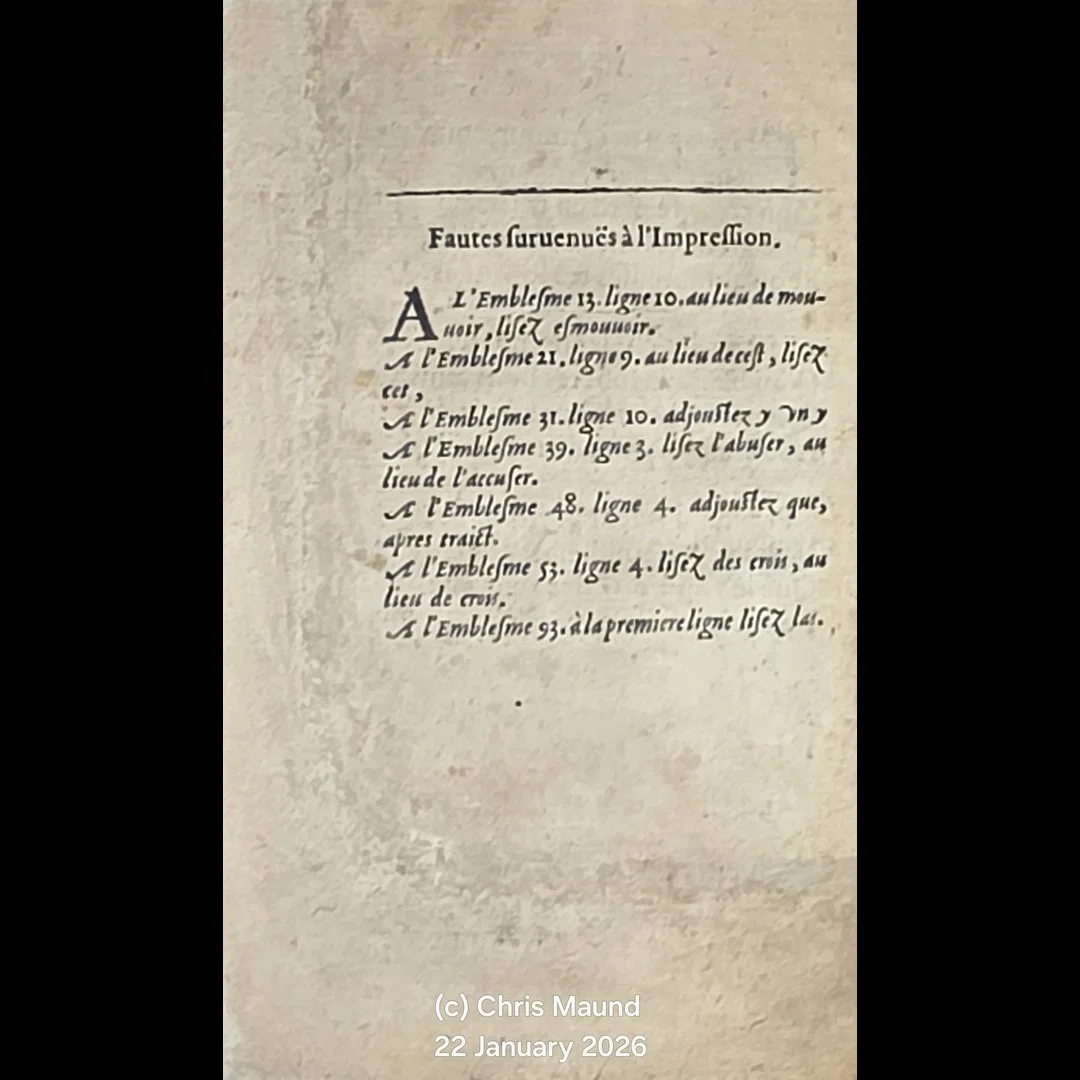 Image 17 of 21
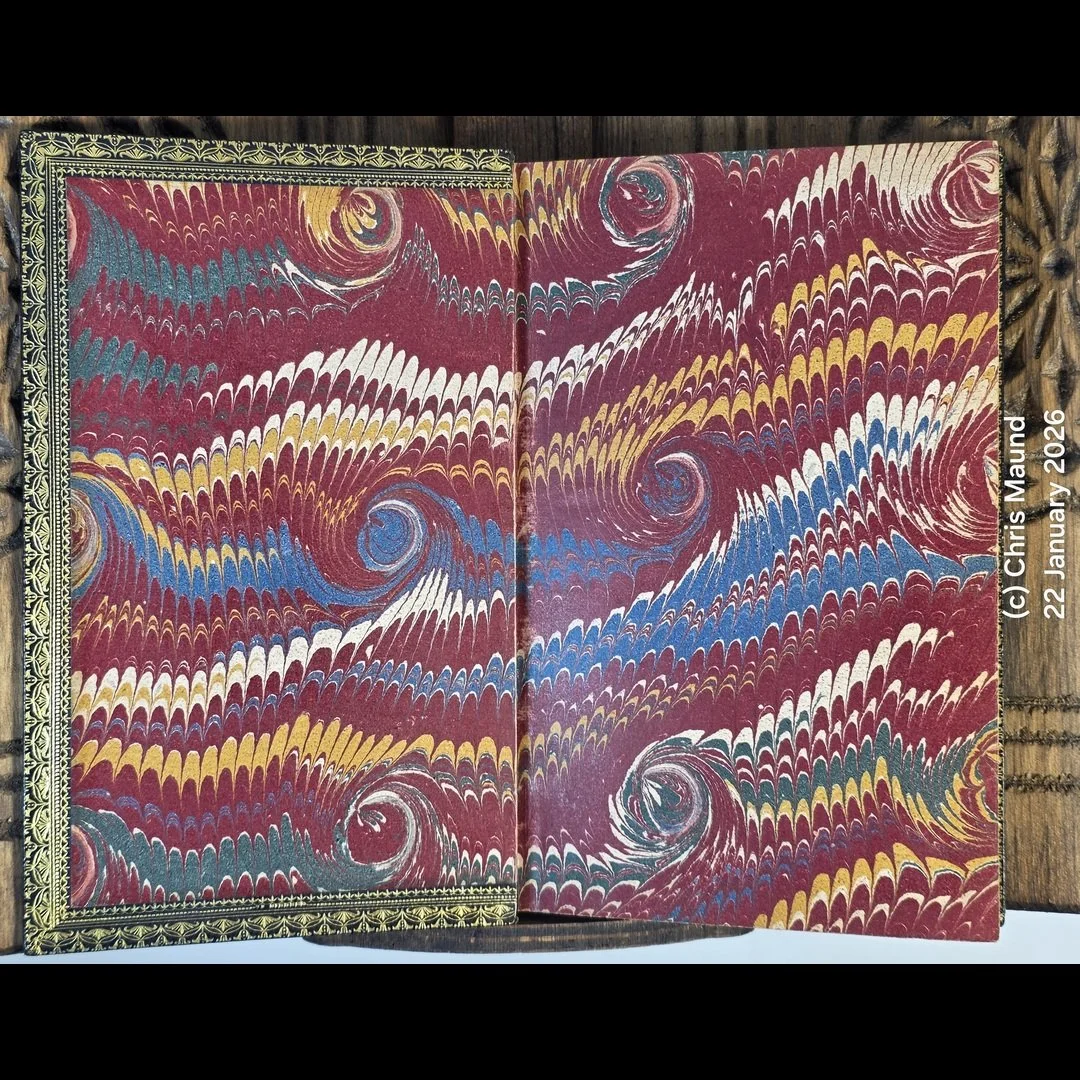 Image 18 of 21
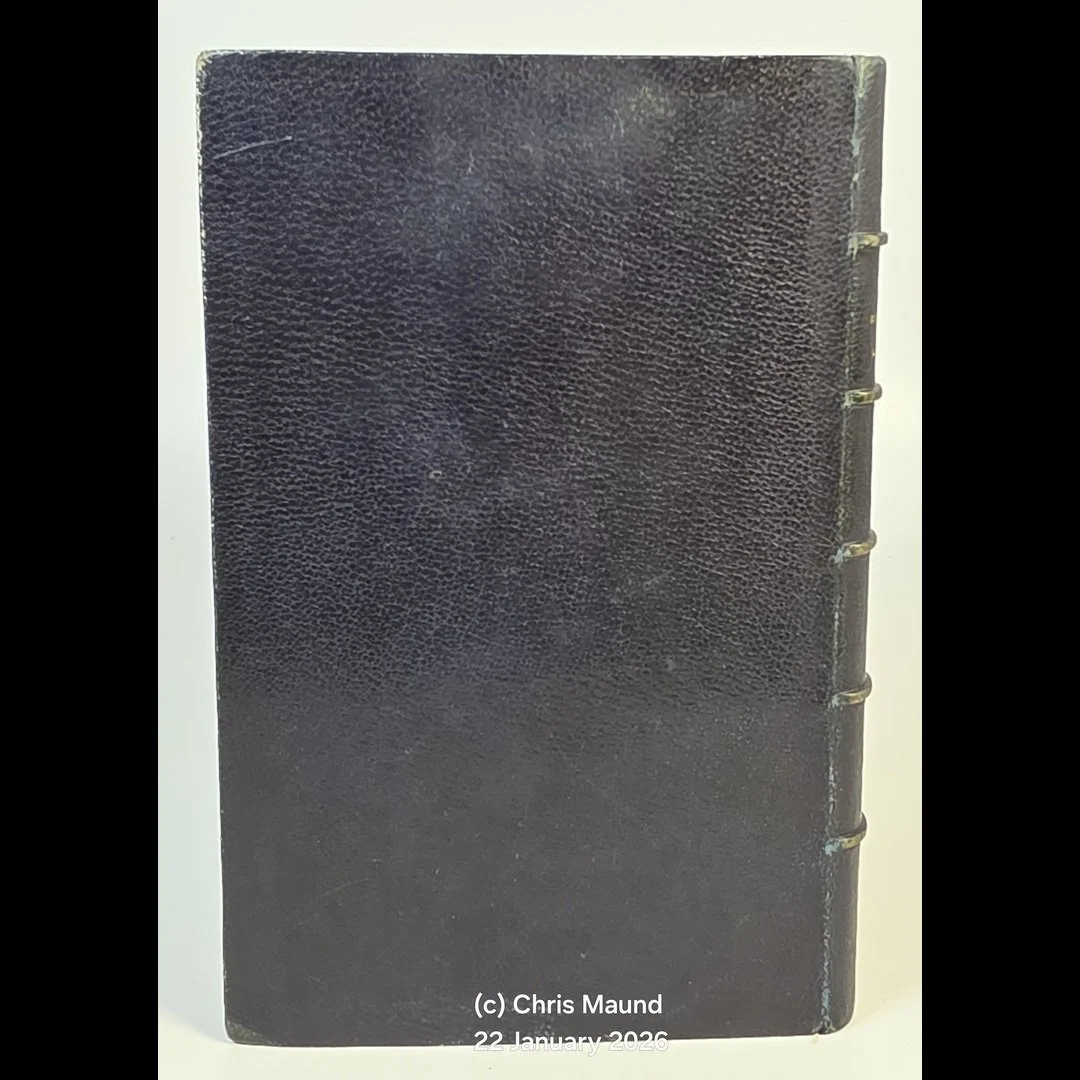 Image 19 of 21
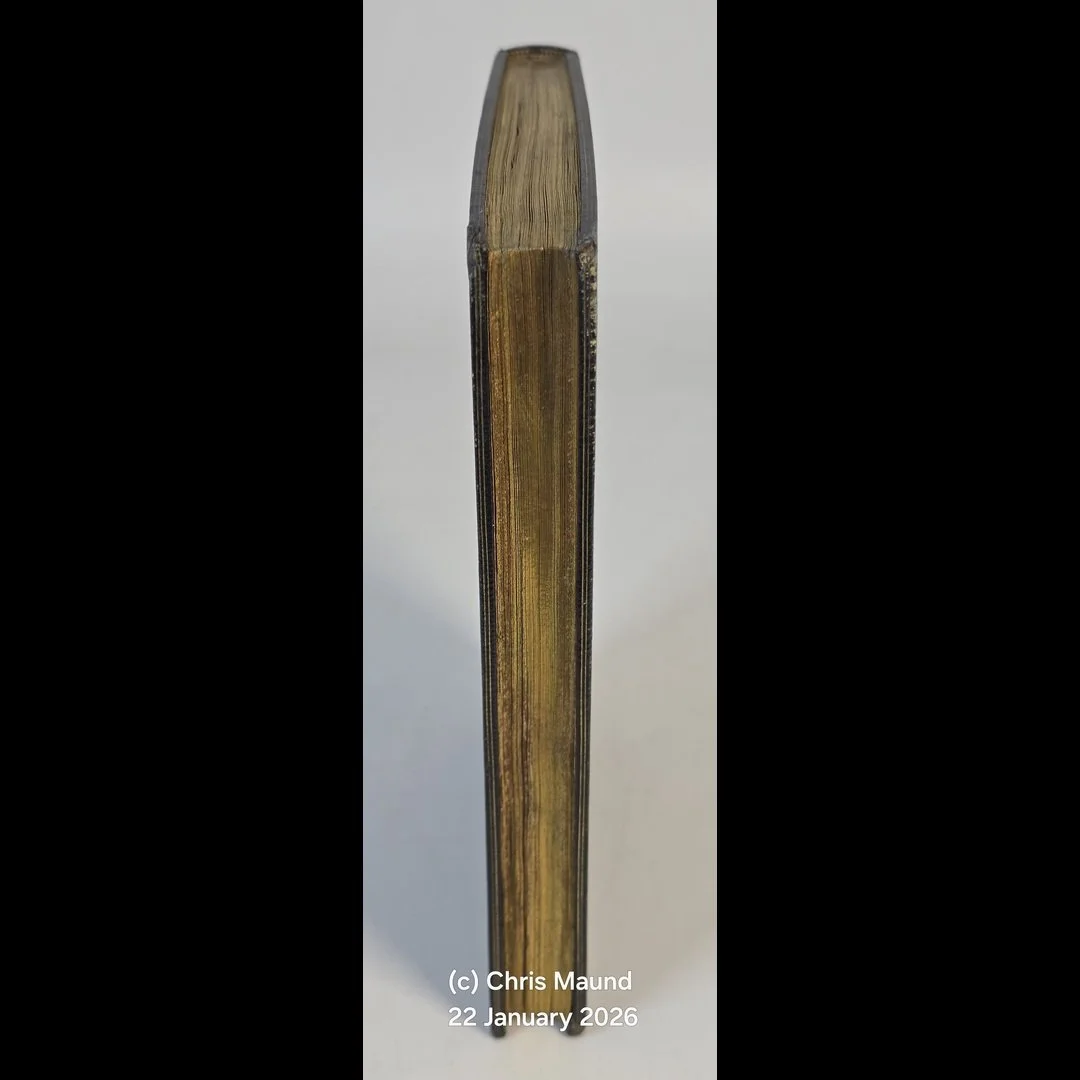 Image 20 of 21
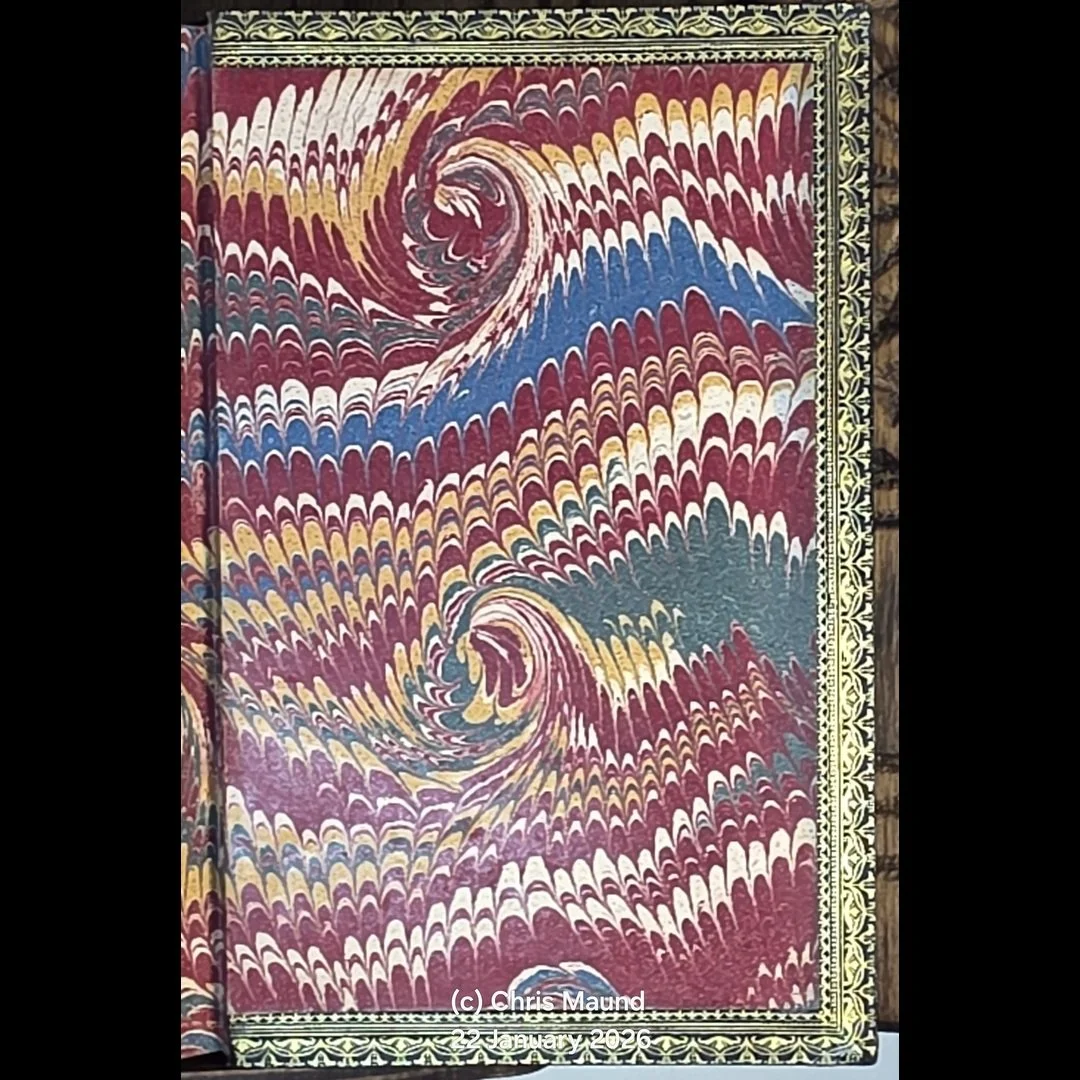 Image 21 of 21
![1633 First Thomas Johnson Edtn THE HERBALL OR GENERALL HISTORIE OF PLANTES By John Gerard Illus. John Gerard / John Payne [Engraver]](https://images.squarespace-cdn.com/content/v1/634dab4938c13d5c1f88d382/9c176c70-dba2-4206-b0d7-d521749a385e/20241116_115112-13.jpg)