1570 Sammelband With Extensive Early Manuscript Medical & Chymical Recipes
PARACELSUS ARCHIDOXA
By Paracelsus
KEY DETAILS
Condition: Good
Format: Vellum, Half Vellum; quarto (4to); approx. 21 × 15.5 cm
Published By: Adam Berg, Munich / Peter Perna, Basel, Germany / Switzerland, 1570
Language: German/Latin
Provenance: An early ownership inscription has been deliberately cancelled and remains unresolved. A possible reading involving the name “Danielis Nebelii” has been investigated, but the evidence is not sufficiently secure to att...
Collation: Archidoxa: 128 leaves.; Etliche Tractetlein: 36 leaves, the last blank.; Dreyzehen Bücher: A–M⁴, 48 leaves.
Dust Jacket: None, as issued
SKU: BTETM0002697
Shipping Info: Approximate Package Dimensions H: 12.5, L: 30, W: 25 (Units: cm), W: 2Kg
Tracked Shipping, Insurance Coverage as per Customer Request
DESCRIPTION
PARACELSUS ARCHIDOXA
1570–1571 SAMMELBAND
PARACELSUS — ARCHIDOXA
WITH ETLICHE TRACTETLEIN ZUR ARCHIDOXA GEHÖRIG & DREYZEHEN BÜCHER
With substantial early manuscript Paracelsian chymical and medical additions
By Theophrastus Paracelsus; Johann Albrecht Wimpinaeus, editor
A substantial Paracelsian sammelband containing the 1570 Munich Wimpinaeus edition of the Archidoxa, its separately titled companion Etliche Tractetlein zur Archidoxa gehörig, and the first edition of Dreyzehen Bücher, printed by Peter Perna at Basel in 1571.
The first two works were issued at Munich by Adam Berg under the editorship of Johann Albrecht Wimpinaeus. The Archidoxa presents Paracelsus's treatment of the hidden properties of natural substances and the preparation of arcana through separation, extraction and related chymical processes. The Wimpinaeus text is bibliographically distinct from the other competing German editions that appeared in 1570; Sudhoff noted substantive differences in its readings. The edition is recorded as Sudhoff 129, VD16 P 393 and USTC 612726.
Bound immediately after it is Etliche Tractetlein zur Archidoxa gehörig, also Munich, Adam Berg, 1570. Its four principal sections concern the medicinal properties of the magnet; De occulta philosophia, including consecrations, characters, apparitions, spirits, imagination and possession; the proper administration of medicines; and remedies concerned with venomous creatures. Wimpinaeus assembled the work from manuscript sources, and it was also issued separately. It is recorded as Sudhoff 128 and VD16 P 629. University of Glasgow
The final printed work is Dreyzehen Bücher, Basel: Peter Perna, 1571, first edition, a collection concerned with the treatment of serious diseases regarded by other physicians as incurable. The edition comprises 48 leaves, signatures A–M⁴, and is recorded as Sudhoff 130, VD16 P 514 and USTC 604926.
MANUSCRIPT ADDITIONS
Of particular interest are the eleven manuscript leaves bound into the volume: six at the front and five at the rear, containing extracts, notes and recipes in several early hands. Reiss & Sohn likewise catalogued these leaves as extracts from other Paracelsian works together with various recipes, noting that the writing on the first leaves is somewhat faded.
The additions are predominantly German with Latin headings and terminology and appear to have accumulated around the late sixteenth and early seventeenth centuries. They include notes on chymical operations and separation, among them distillation, dissolution, putrefaction, extraction, calcination, reverberation, sublimation, reduction and coagulation, together with a classification of degrees of heat used in distillation.
Among the identifiable recipes and headings are:
“Preparatio flos Saturni” — a preparation of the “flowers” of Saturn or lead;
“Arcanum Sulphuris”;
and a plague-related preparation headed “Descriptio Xenecti Paracelsi, gegen Pestem.”
The latter belongs to the wider Paracelsian Zenexton/Xenecton tradition, in which the term came to denote a prophylactic or amulet against plague. Later Paracelsian writers, including Oswald Croll and Jan Baptista van Helmont, transmitted and discussed such preparations. The manuscript text in this volume is not attributed to either writer, but its presence is evidence of continued practical engagement with Paracelsian medical-chymical material after the printed works themselves were published.
The manuscript additions are therefore best regarded not as decoration or casual ownership notes, but as an early working accumulation of Paracelsian material associated directly with the subjects of the printed volume.
PROVENANCE
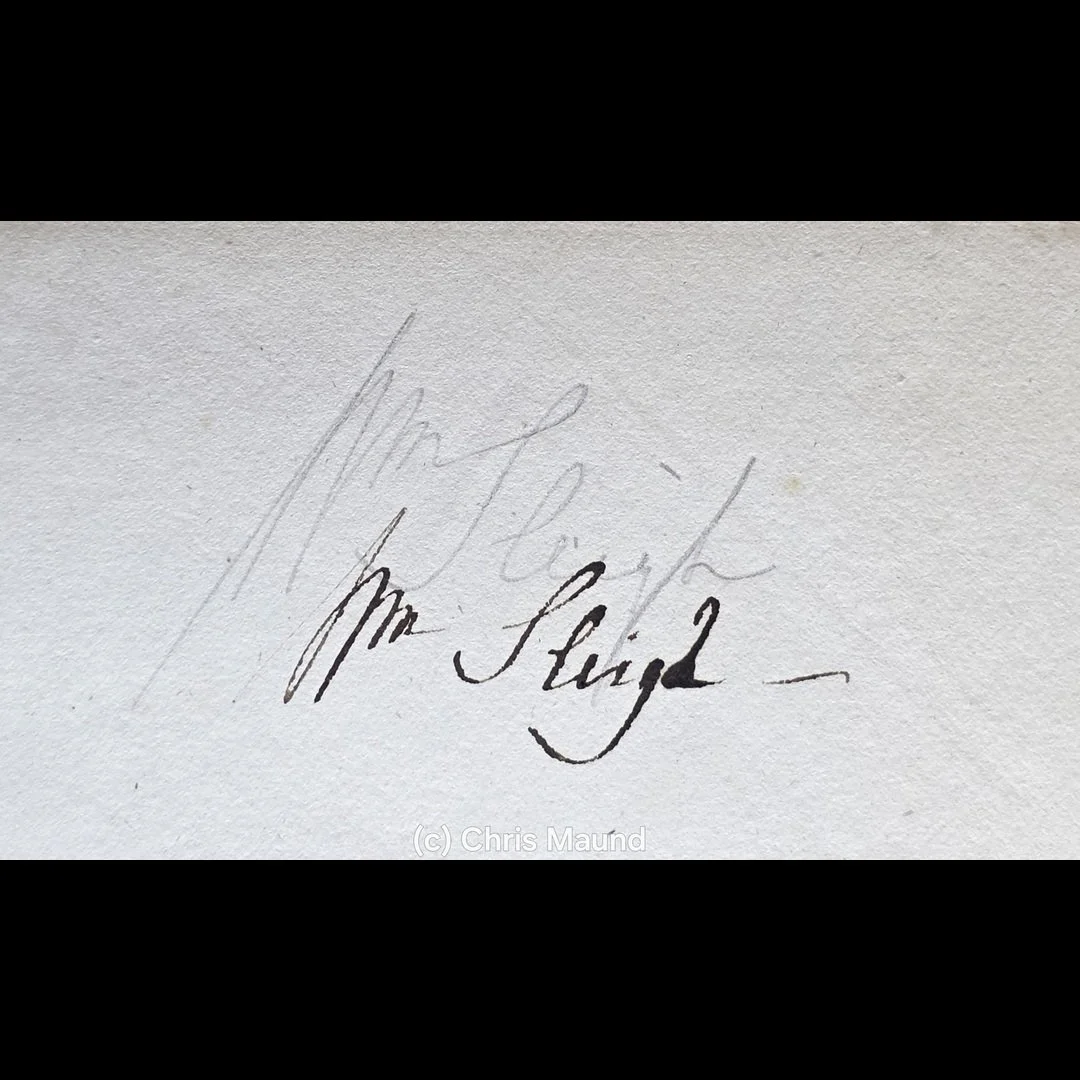
An early ownership inscription has been deliberately cancelled and remains unresolved. A possible reading involving the name “Danielis Nebelii” has been investigated, but the evidence is not sufficiently secure to attribute the copy to Daniel Nebel or to associate the manuscript recipes with him; no such attribution is made here.
This copy subsequently appeared at Reiss & Sohn, Auctions 224–225, 6 May 2025, lot 63. The copy is identifiable from its later half-vellum binding, restored first title, three surviving portrait woodcuts, marginalia, and the distinctive six preliminary and five terminal manuscript leaves.
CONDITION, COLLATION & COPY NOTES
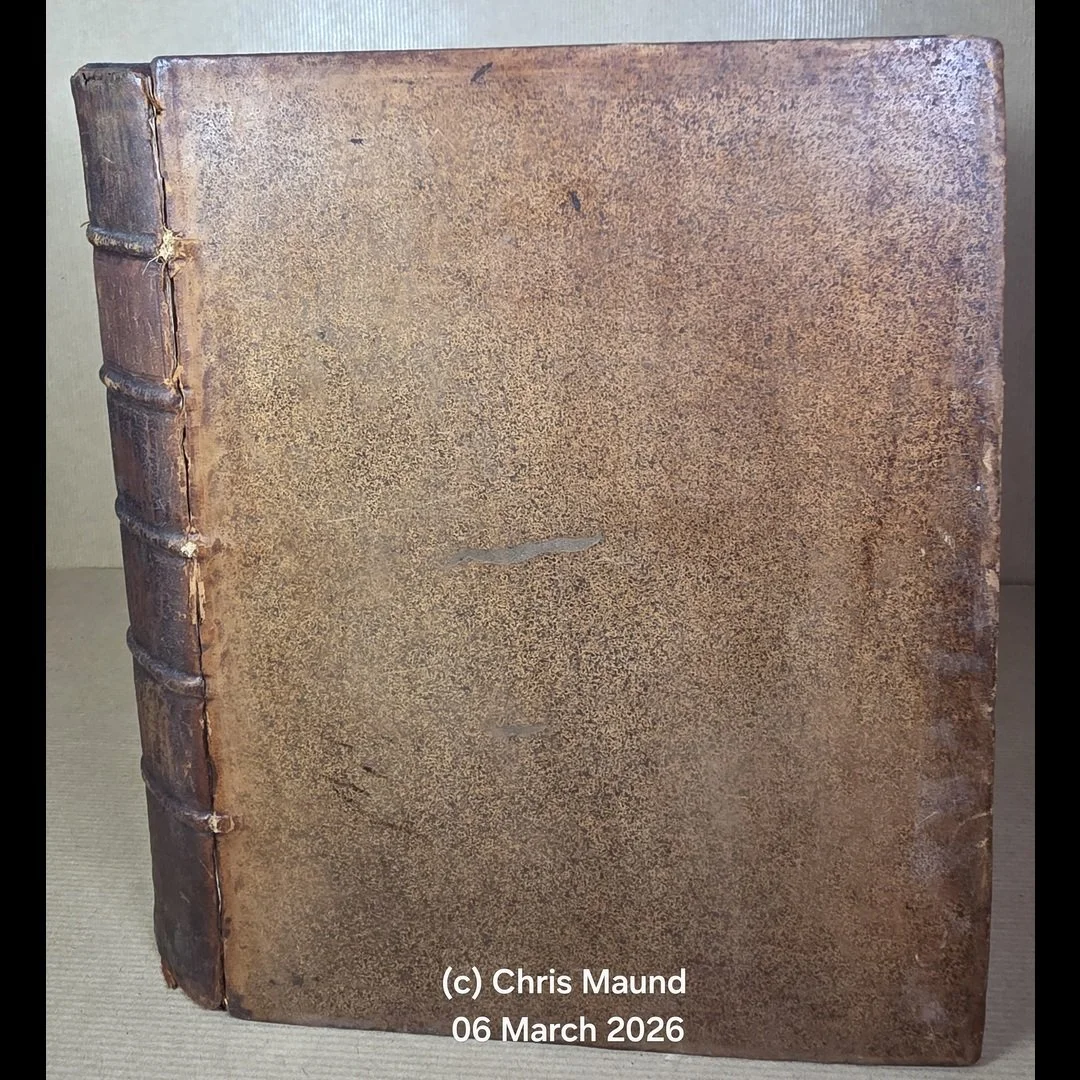
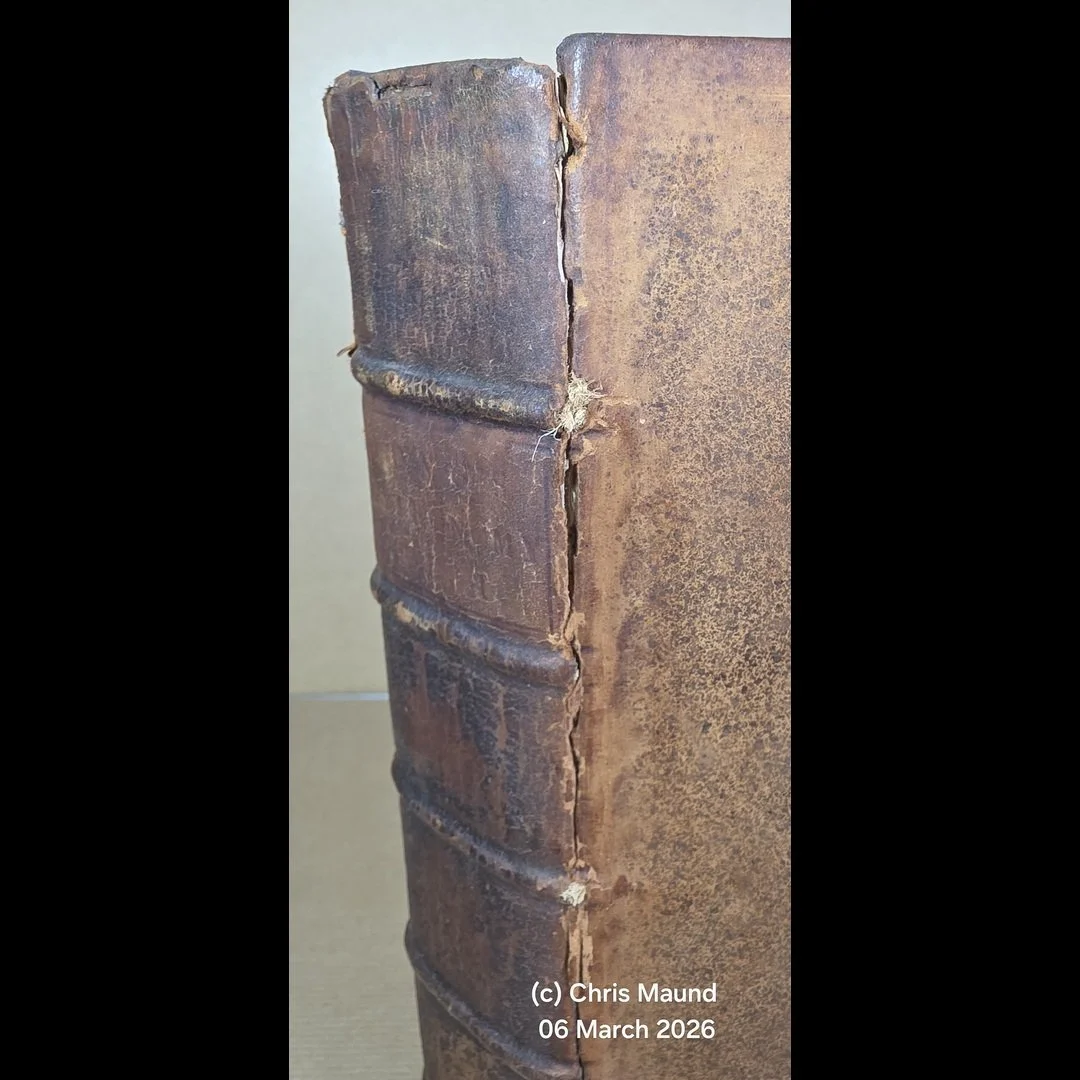
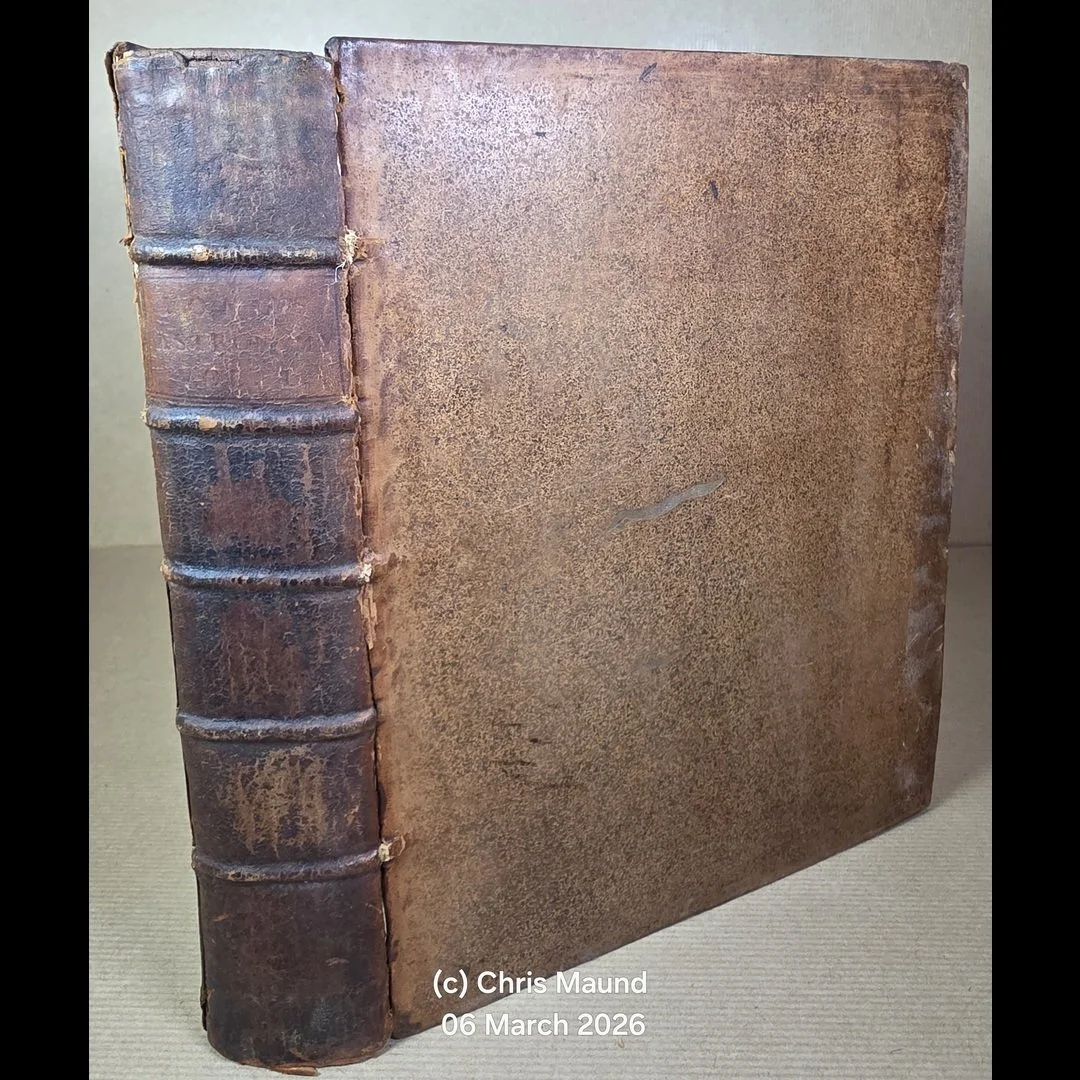
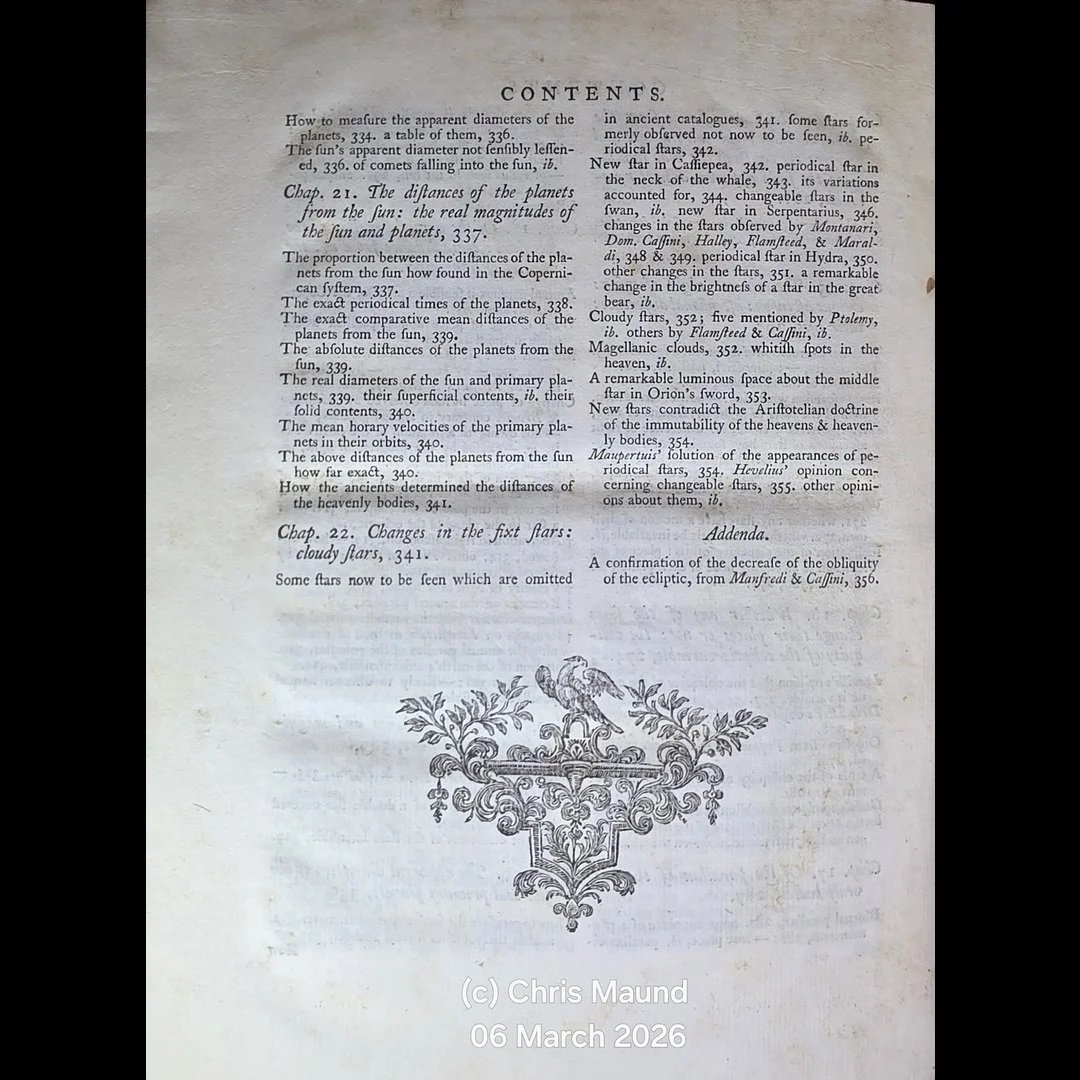
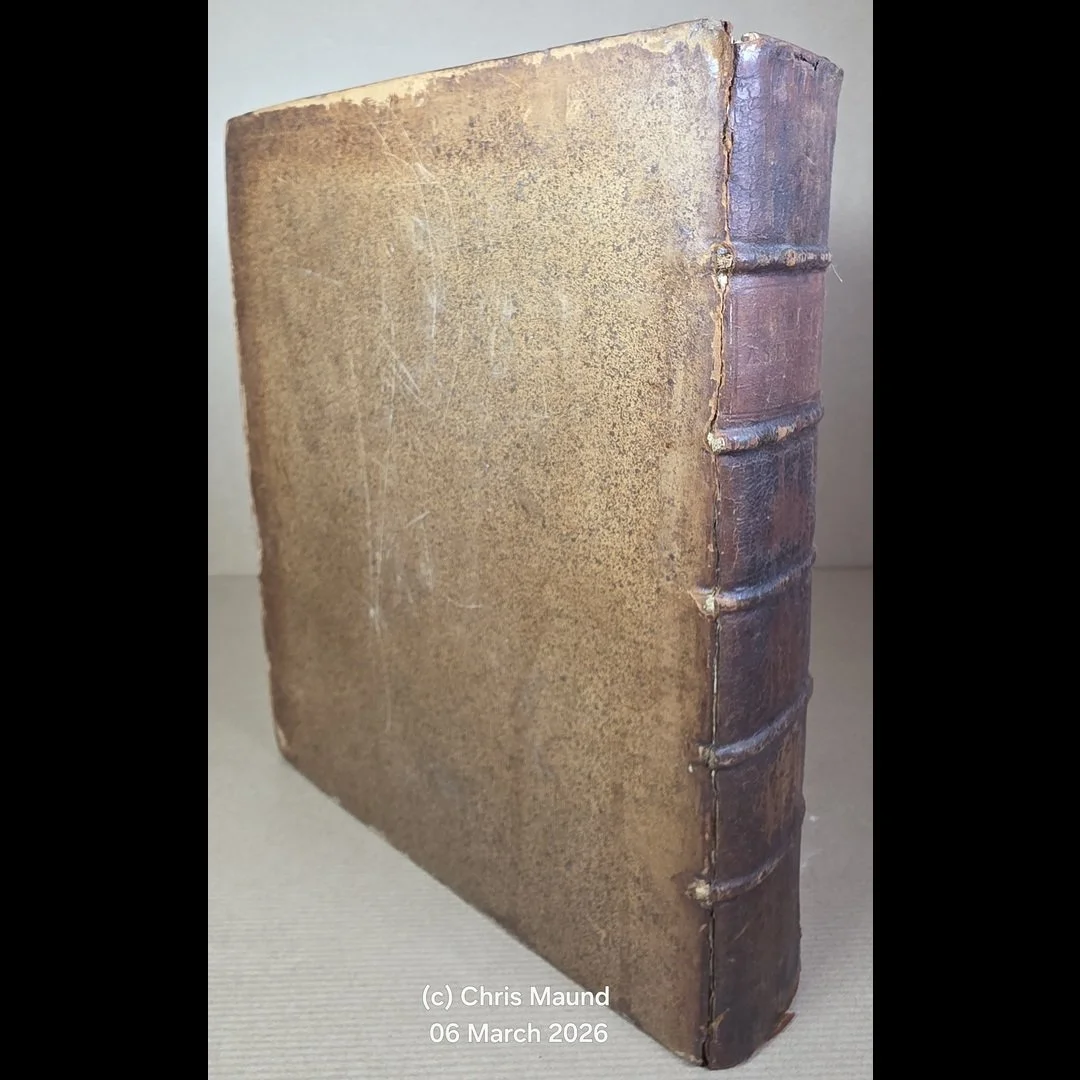
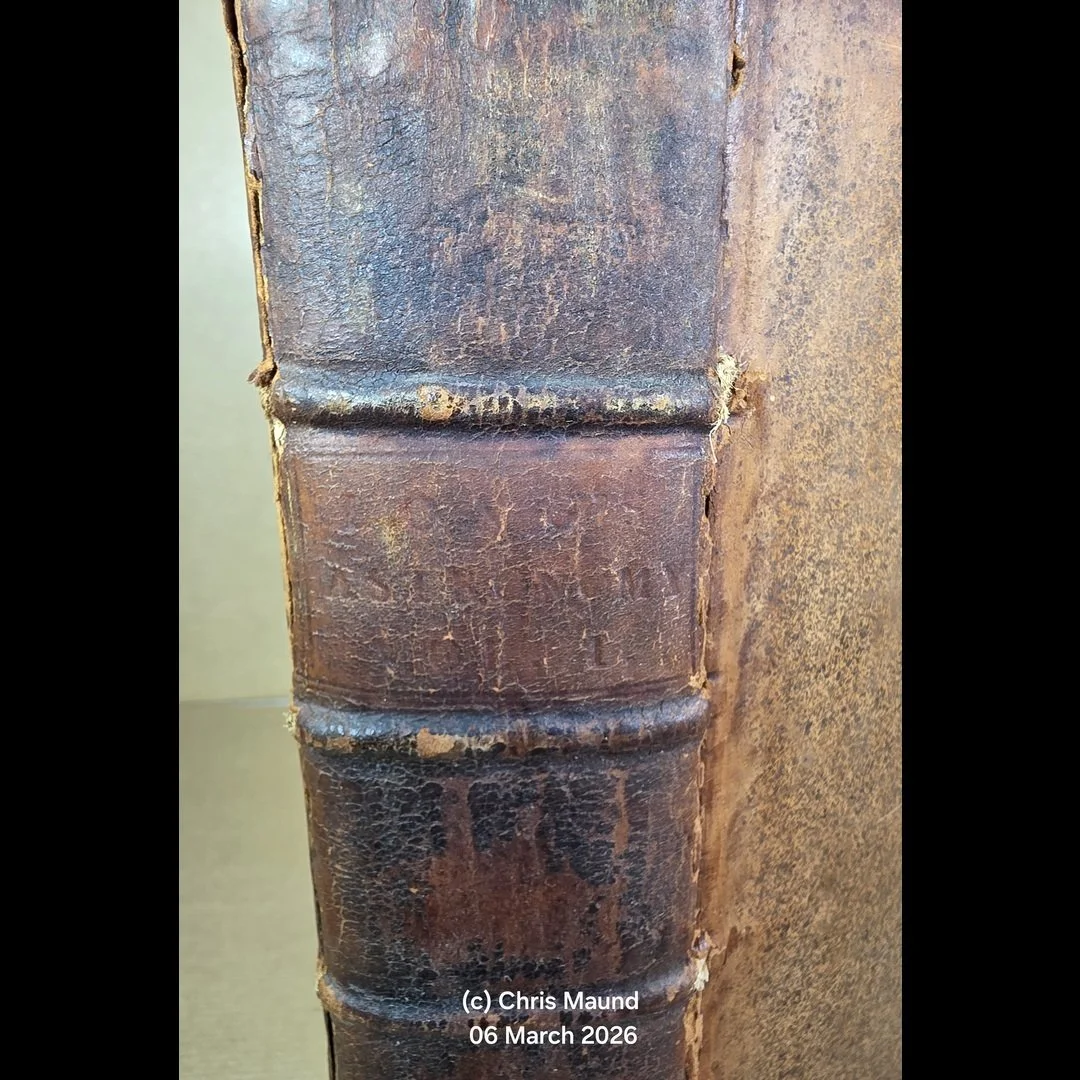
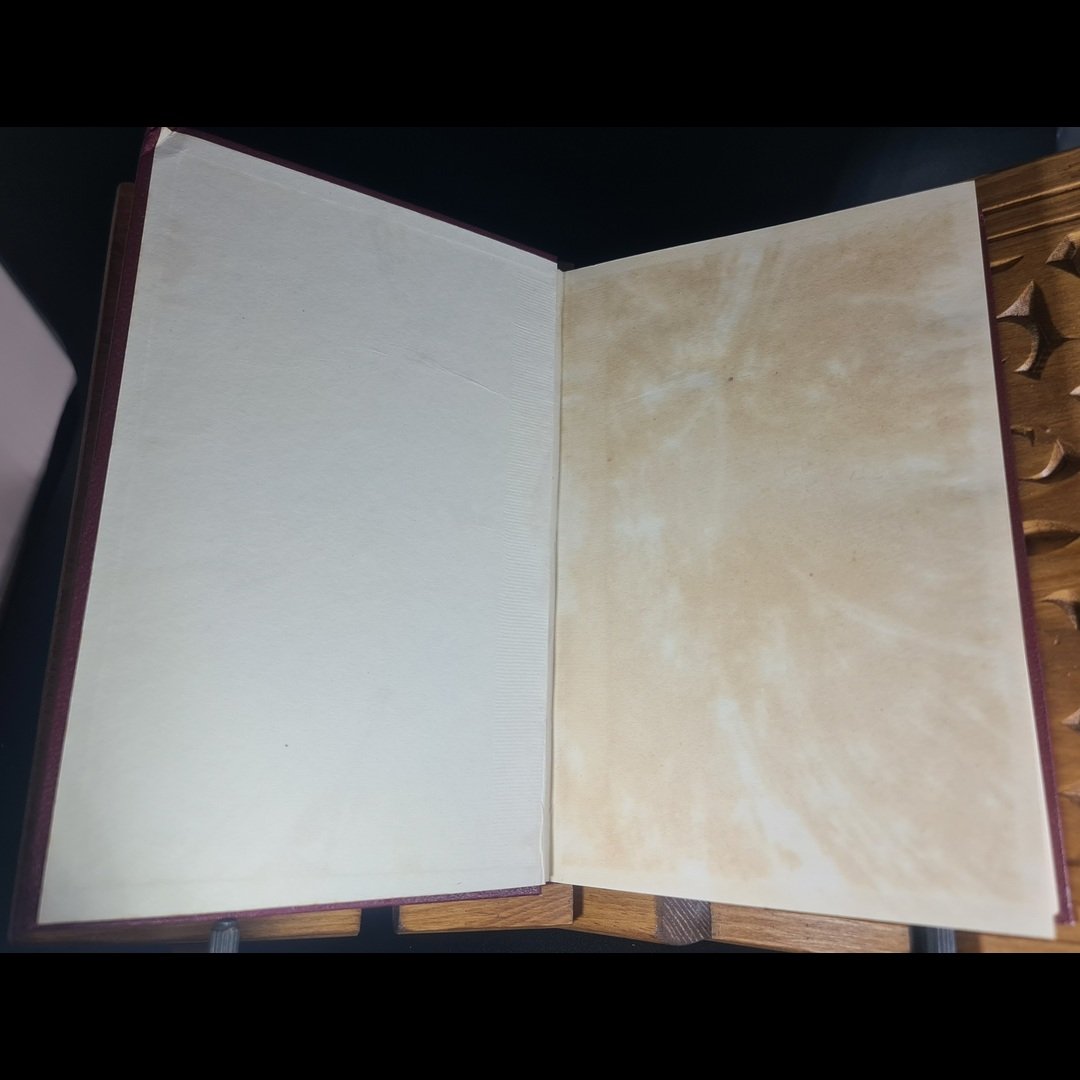
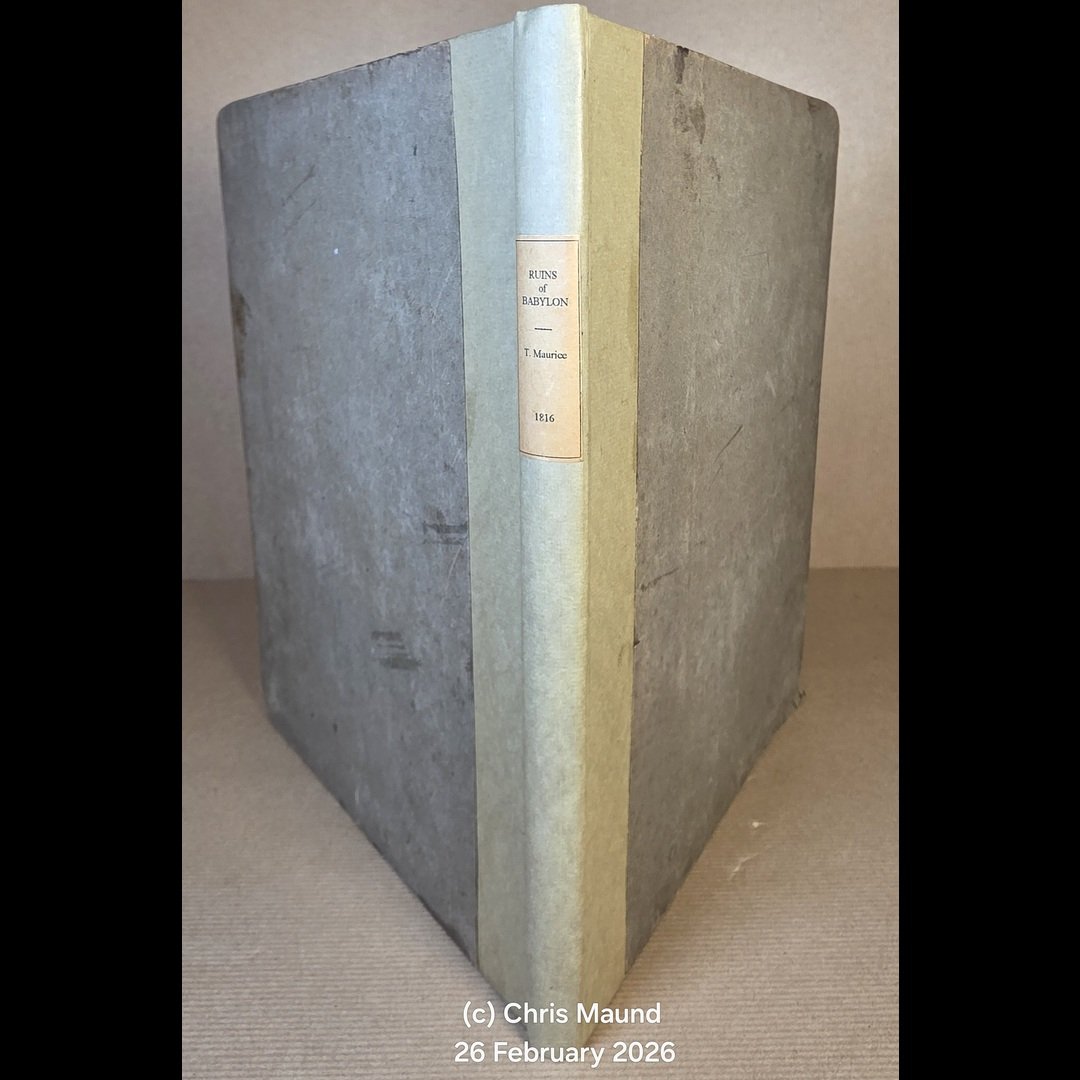
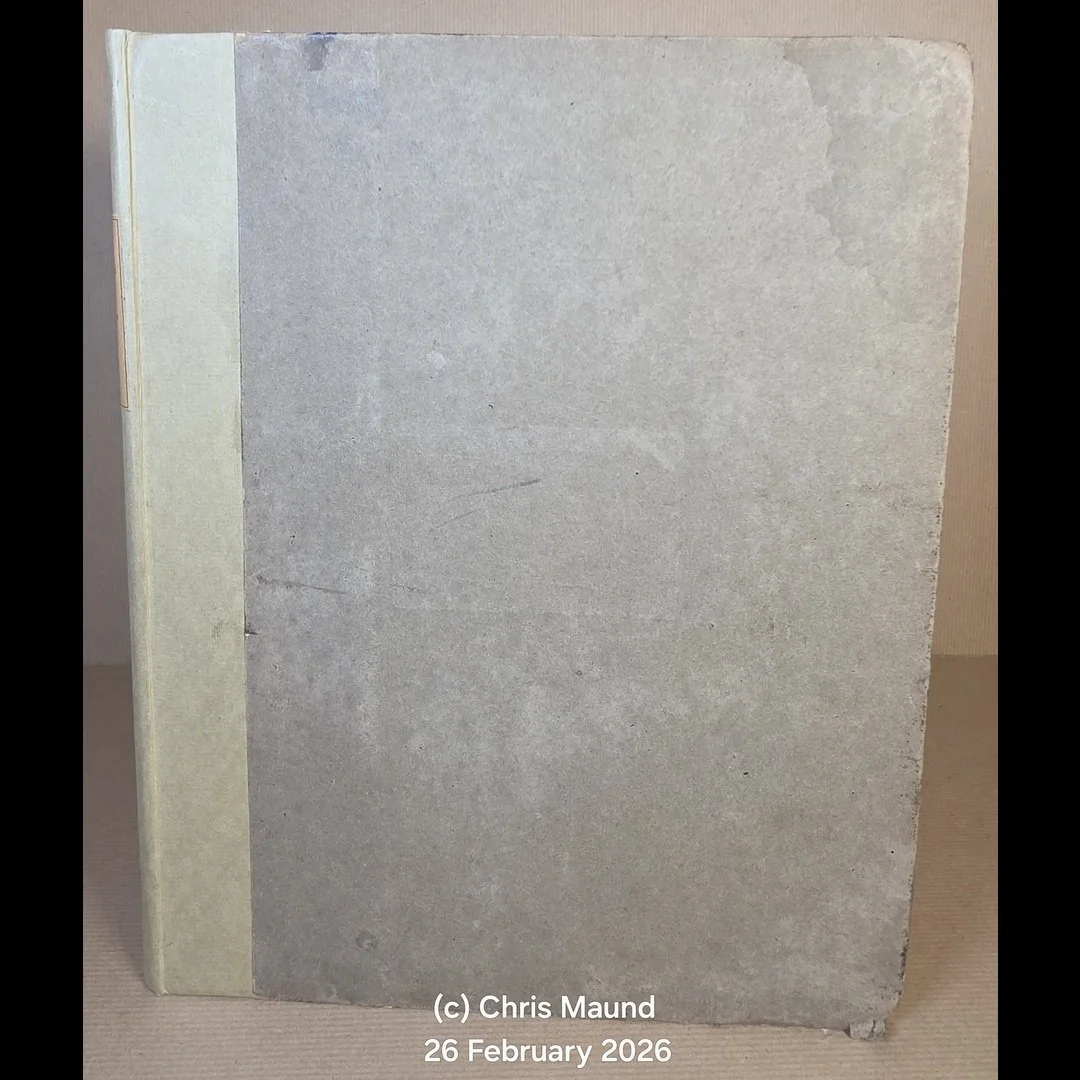
Later half vellum over boards with embossed spine title; vellum stained and extremities worn, the board coverings having been renewed at an earlier date.
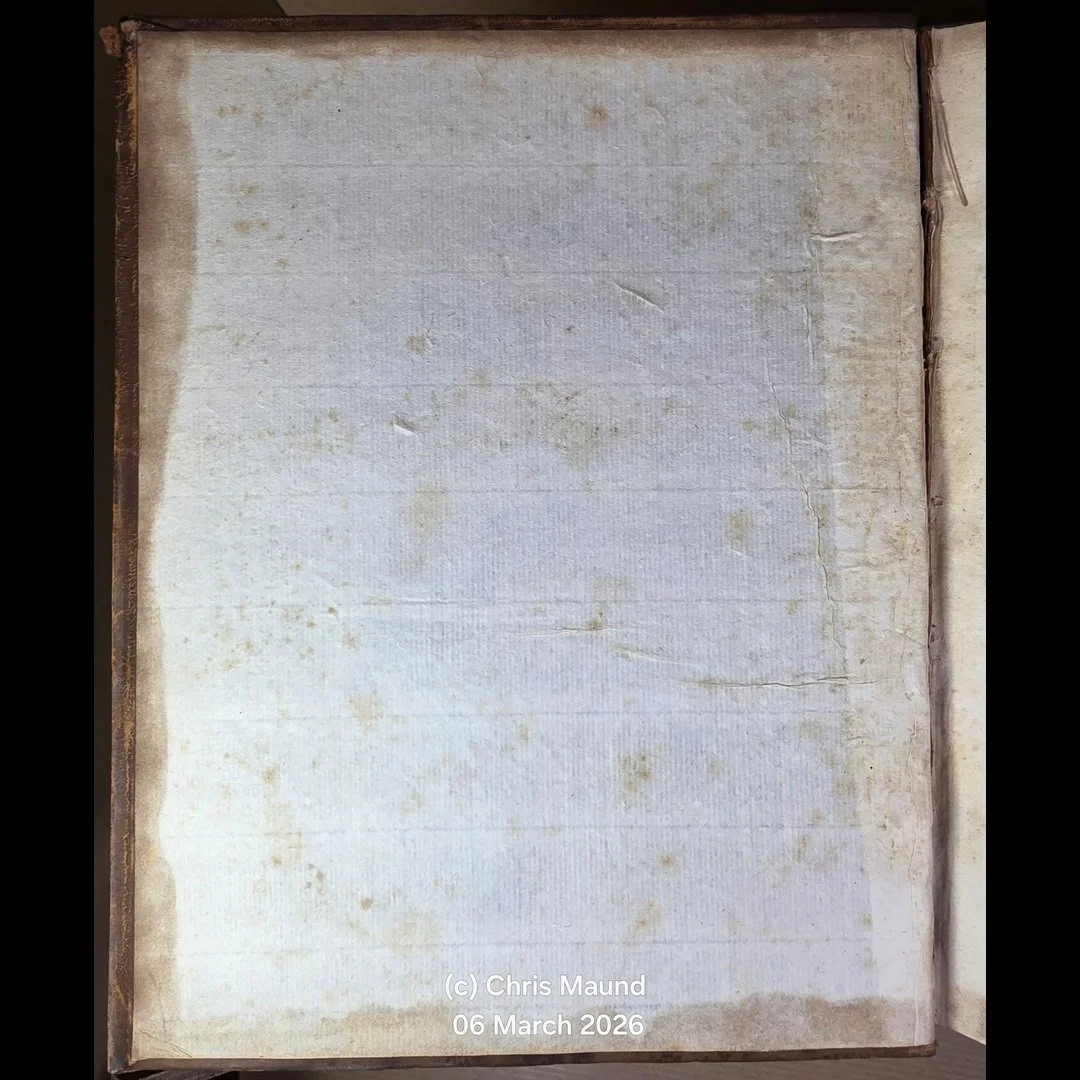
Internally browned and foxed in places, with numerous early ink marginalia and underlinings, some marginal notes cropped.
The lower half of the first Archidoxa title page has been professionally supplied on sympathetic paper. As part of this restoration, much of the title-page portrait and the complete imprint have been supplied. The volume retains three of the four expected woodcut portraits.
Scattered ink staining, heavier at S4r. Minor worming affects individual leaves, with small losses to characters at M2 and Y4.
In Dreyzehen Bücher, four pages in gathering H show offsetting.
The eleven bound manuscript leaves remain substantially legible, although writing on some of the preliminary leaves is faded.
Please see Photos as part of condition report.
REFERENCES
Sudhoff, Bibliographia Paracelsica, nos. 129 and 130.
VD16 P 393, P 629, P 514.
USTC 612726 (Archidoxa) and 604926 (Dreyzehen Bücher).
Norman 1637.
Reiss & Sohn, Auctions 224–225, 6 May 2025, lot 63.
SYNOPSIS
The Archidoxa belongs among Paracelsus's principal writings on the preparation and transformation of natural substances for medical use. Rather than accepting medicines simply in their crude natural state, Paracelsus sought to isolate their active or hidden virtues through processes of separation and purification. The work consequently occupies an important place in the development of Paracelsian chymical medicine.
Etliche Tractetlein broadens that programme into medicine, occult philosophy and natural magic, while Dreyzehen Bücher returns more directly to therapeutics and the treatment of difficult diseases.
In this copy, the printed texts are accompanied by eleven early manuscript leaves containing further Paracelsian extracts, chymical procedures and medical recipes. Their presence gives the volume an additional layer of interest as evidence of how Paracelsian books continued to be read, excerpted and supplemented by their early owners.
AUTHOR BIO
Theophrastus Bombastus von Hohenheim, known as Paracelsus (c.1493–1541), was a Swiss-German physician and natural philosopher whose rejection of many established Galenic doctrines and advocacy of chemically prepared remedies exerted a major influence upon early modern medicine, pharmacy and alchemy.
Much of his work circulated in manuscript during his lifetime and was published only after his death. Editors and printers including Johann Albrecht Wimpinaeus, Michael Toxites, Adam von Bodenstein and Peter Perna played a central role in establishing the printed Paracelsian corpus during the second half of the sixteenth century.
1570 Sammelband With Extensive Early Manuscript Medical & Chymical Recipes
PARACELSUS ARCHIDOXA
By Paracelsus
KEY DETAILS
Condition: Good
Format: Vellum, Half Vellum; quarto (4to); approx. 21 × 15.5 cm
Published By: Adam Berg, Munich / Peter Perna, Basel, Germany / Switzerland, 1570
Language: German/Latin
Provenance: An early ownership inscription has been deliberately cancelled and remains unresolved. A possible reading involving the name “Danielis Nebelii” has been investigated, but the evidence is not sufficiently secure to att...
Collation: Archidoxa: 128 leaves.; Etliche Tractetlein: 36 leaves, the last blank.; Dreyzehen Bücher: A–M⁴, 48 leaves.
Dust Jacket: None, as issued
SKU: BTETM0002697
Shipping Info: Approximate Package Dimensions H: 12.5, L: 30, W: 25 (Units: cm), W: 2Kg
Tracked Shipping, Insurance Coverage as per Customer Request
DESCRIPTION
PARACELSUS ARCHIDOXA
1570–1571 SAMMELBAND
PARACELSUS — ARCHIDOXA
WITH ETLICHE TRACTETLEIN ZUR ARCHIDOXA GEHÖRIG & DREYZEHEN BÜCHER
With substantial early manuscript Paracelsian chymical and medical additions
By Theophrastus Paracelsus; Johann Albrecht Wimpinaeus, editor
A substantial Paracelsian sammelband containing the 1570 Munich Wimpinaeus edition of the Archidoxa, its separately titled companion Etliche Tractetlein zur Archidoxa gehörig, and the first edition of Dreyzehen Bücher, printed by Peter Perna at Basel in 1571.
The first two works were issued at Munich by Adam Berg under the editorship of Johann Albrecht Wimpinaeus. The Archidoxa presents Paracelsus's treatment of the hidden properties of natural substances and the preparation of arcana through separation, extraction and related chymical processes. The Wimpinaeus text is bibliographically distinct from the other competing German editions that appeared in 1570; Sudhoff noted substantive differences in its readings. The edition is recorded as Sudhoff 129, VD16 P 393 and USTC 612726.
Bound immediately after it is Etliche Tractetlein zur Archidoxa gehörig, also Munich, Adam Berg, 1570. Its four principal sections concern the medicinal properties of the magnet; De occulta philosophia, including consecrations, characters, apparitions, spirits, imagination and possession; the proper administration of medicines; and remedies concerned with venomous creatures. Wimpinaeus assembled the work from manuscript sources, and it was also issued separately. It is recorded as Sudhoff 128 and VD16 P 629. University of Glasgow
The final printed work is Dreyzehen Bücher, Basel: Peter Perna, 1571, first edition, a collection concerned with the treatment of serious diseases regarded by other physicians as incurable. The edition comprises 48 leaves, signatures A–M⁴, and is recorded as Sudhoff 130, VD16 P 514 and USTC 604926.
MANUSCRIPT ADDITIONS
Of particular interest are the eleven manuscript leaves bound into the volume: six at the front and five at the rear, containing extracts, notes and recipes in several early hands. Reiss & Sohn likewise catalogued these leaves as extracts from other Paracelsian works together with various recipes, noting that the writing on the first leaves is somewhat faded.
The additions are predominantly German with Latin headings and terminology and appear to have accumulated around the late sixteenth and early seventeenth centuries. They include notes on chymical operations and separation, among them distillation, dissolution, putrefaction, extraction, calcination, reverberation, sublimation, reduction and coagulation, together with a classification of degrees of heat used in distillation.
Among the identifiable recipes and headings are:
“Preparatio flos Saturni” — a preparation of the “flowers” of Saturn or lead;
“Arcanum Sulphuris”;
and a plague-related preparation headed “Descriptio Xenecti Paracelsi, gegen Pestem.”
The latter belongs to the wider Paracelsian Zenexton/Xenecton tradition, in which the term came to denote a prophylactic or amulet against plague. Later Paracelsian writers, including Oswald Croll and Jan Baptista van Helmont, transmitted and discussed such preparations. The manuscript text in this volume is not attributed to either writer, but its presence is evidence of continued practical engagement with Paracelsian medical-chymical material after the printed works themselves were published.
The manuscript additions are therefore best regarded not as decoration or casual ownership notes, but as an early working accumulation of Paracelsian material associated directly with the subjects of the printed volume.
PROVENANCE
An early ownership inscription has been deliberately cancelled and remains unresolved. A possible reading involving the name “Danielis Nebelii” has been investigated, but the evidence is not sufficiently secure to attribute the copy to Daniel Nebel or to associate the manuscript recipes with him; no such attribution is made here.
This copy subsequently appeared at Reiss & Sohn, Auctions 224–225, 6 May 2025, lot 63. The copy is identifiable from its later half-vellum binding, restored first title, three surviving portrait woodcuts, marginalia, and the distinctive six preliminary and five terminal manuscript leaves.
CONDITION, COLLATION & COPY NOTES
Later half vellum over boards with embossed spine title; vellum stained and extremities worn, the board coverings having been renewed at an earlier date.
Internally browned and foxed in places, with numerous early ink marginalia and underlinings, some marginal notes cropped.
The lower half of the first Archidoxa title page has been professionally supplied on sympathetic paper. As part of this restoration, much of the title-page portrait and the complete imprint have been supplied. The volume retains three of the four expected woodcut portraits.
Scattered ink staining, heavier at S4r. Minor worming affects individual leaves, with small losses to characters at M2 and Y4.
In Dreyzehen Bücher, four pages in gathering H show offsetting.
The eleven bound manuscript leaves remain substantially legible, although writing on some of the preliminary leaves is faded.
Please see Photos as part of condition report.
REFERENCES
Sudhoff, Bibliographia Paracelsica, nos. 129 and 130.
VD16 P 393, P 629, P 514.
USTC 612726 (Archidoxa) and 604926 (Dreyzehen Bücher).
Norman 1637.
Reiss & Sohn, Auctions 224–225, 6 May 2025, lot 63.
SYNOPSIS
The Archidoxa belongs among Paracelsus's principal writings on the preparation and transformation of natural substances for medical use. Rather than accepting medicines simply in their crude natural state, Paracelsus sought to isolate their active or hidden virtues through processes of separation and purification. The work consequently occupies an important place in the development of Paracelsian chymical medicine.
Etliche Tractetlein broadens that programme into medicine, occult philosophy and natural magic, while Dreyzehen Bücher returns more directly to therapeutics and the treatment of difficult diseases.
In this copy, the printed texts are accompanied by eleven early manuscript leaves containing further Paracelsian extracts, chymical procedures and medical recipes. Their presence gives the volume an additional layer of interest as evidence of how Paracelsian books continued to be read, excerpted and supplemented by their early owners.
AUTHOR BIO
Theophrastus Bombastus von Hohenheim, known as Paracelsus (c.1493–1541), was a Swiss-German physician and natural philosopher whose rejection of many established Galenic doctrines and advocacy of chemically prepared remedies exerted a major influence upon early modern medicine, pharmacy and alchemy.
Much of his work circulated in manuscript during his lifetime and was published only after his death. Editors and printers including Johann Albrecht Wimpinaeus, Michael Toxites, Adam von Bodenstein and Peter Perna played a central role in establishing the printed Paracelsian corpus during the second half of the sixteenth century.

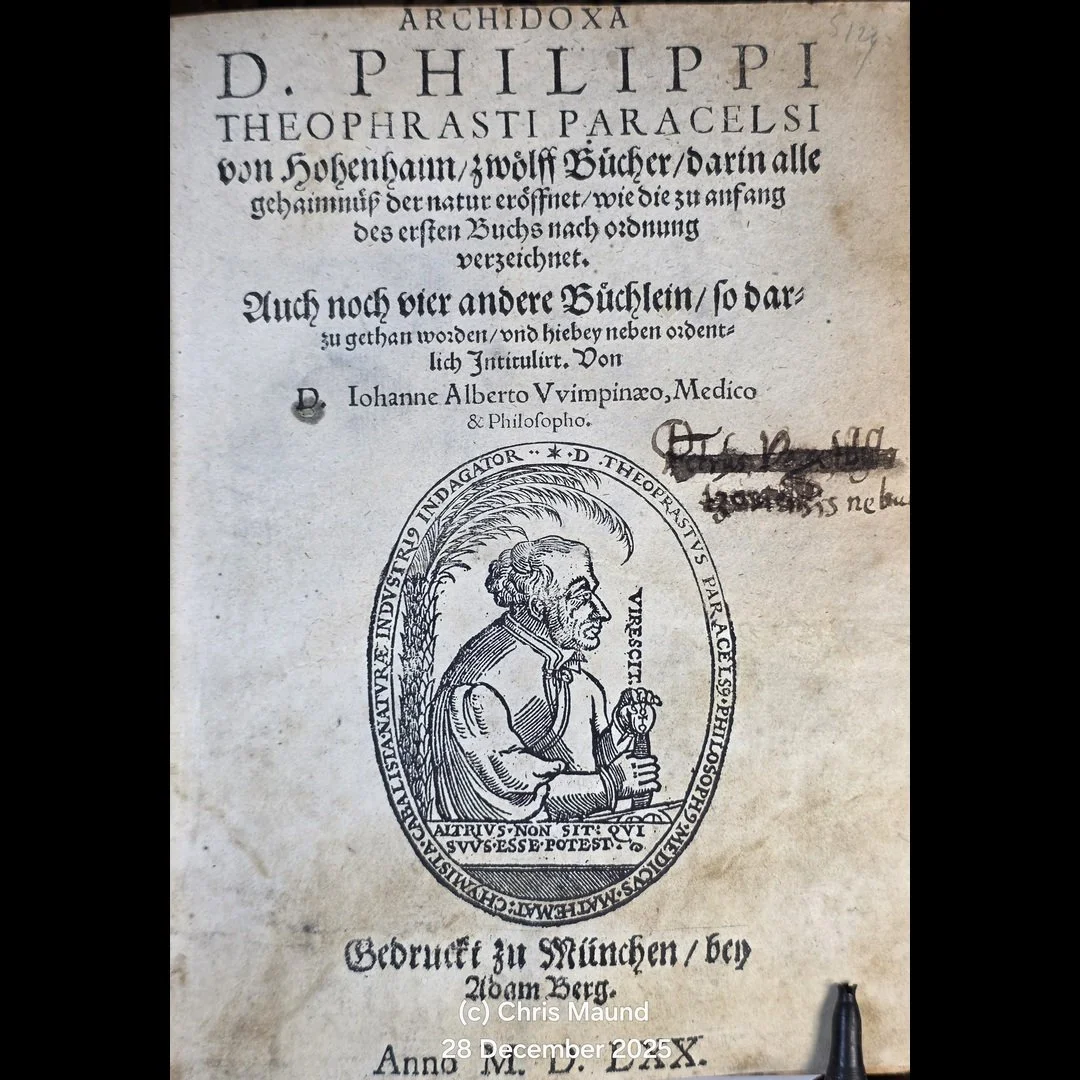 Image 1 of 65
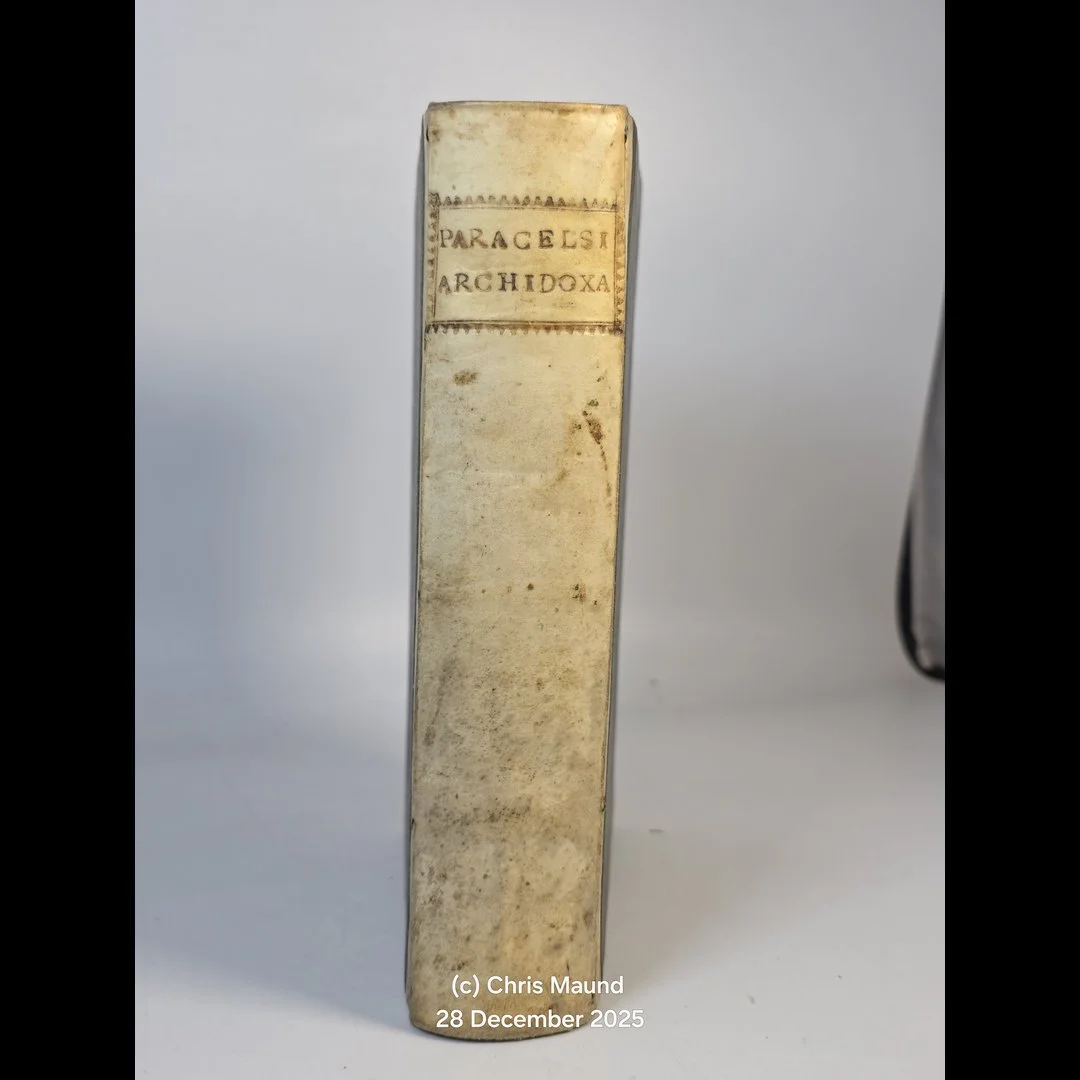 Image 2 of 65
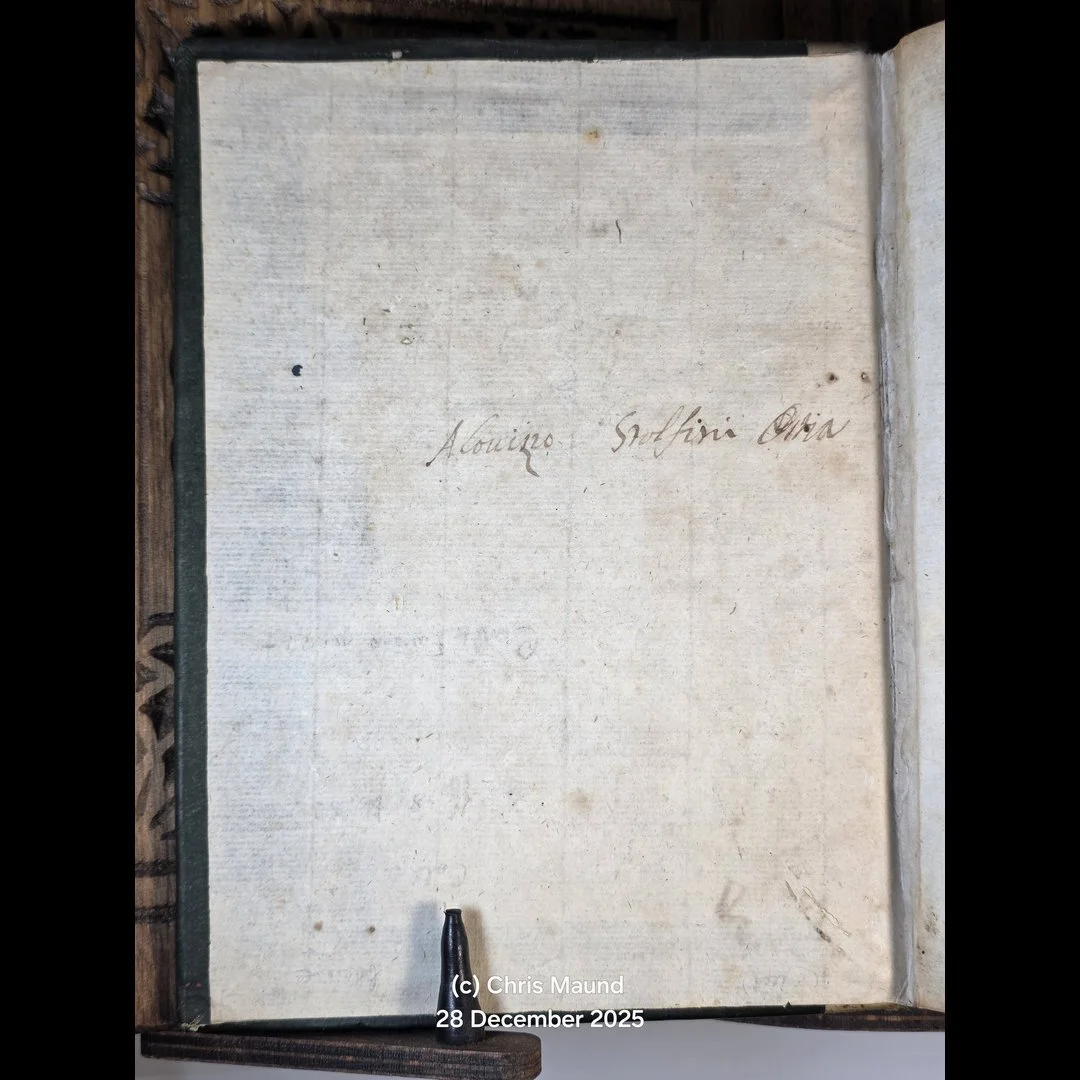 Image 3 of 65
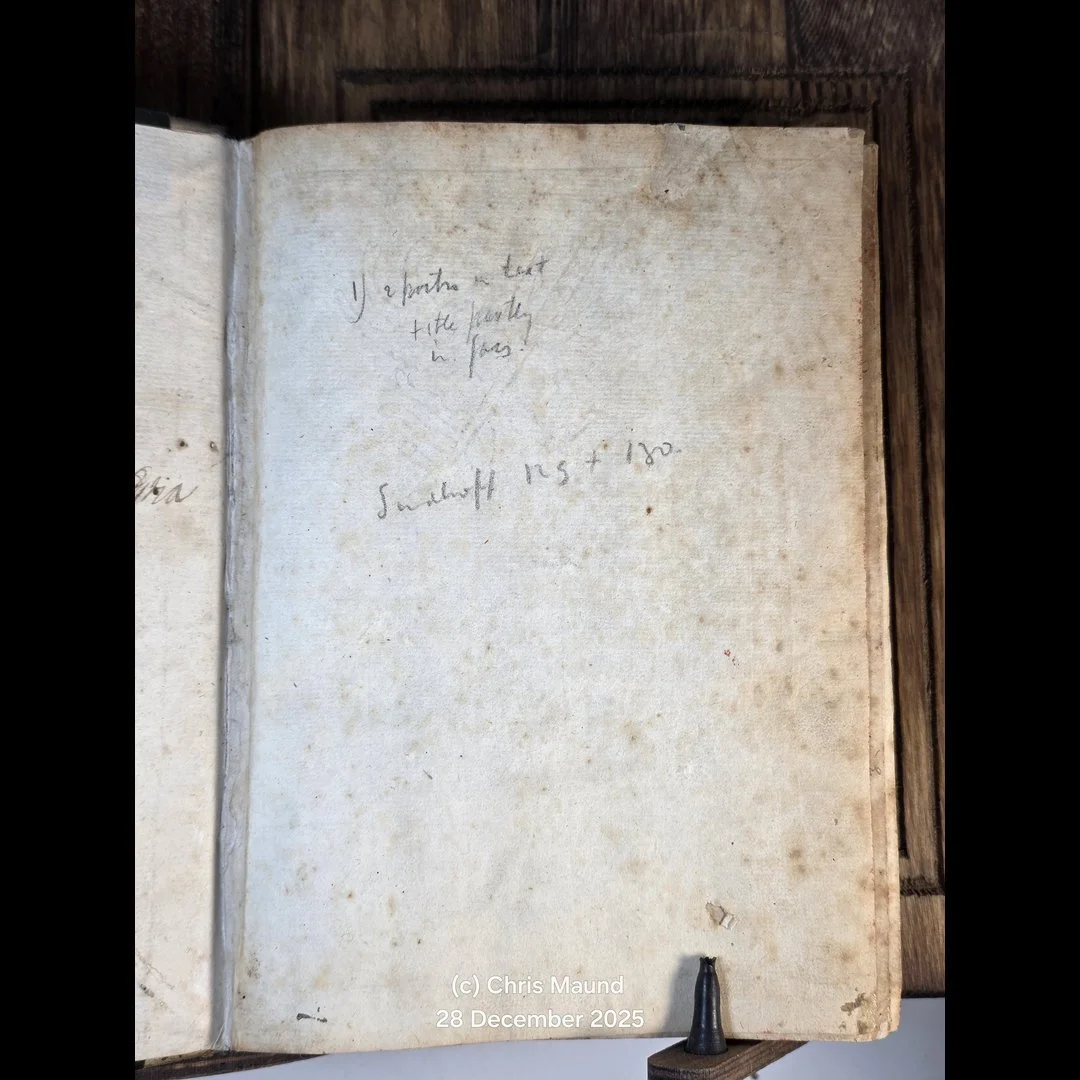 Image 4 of 65
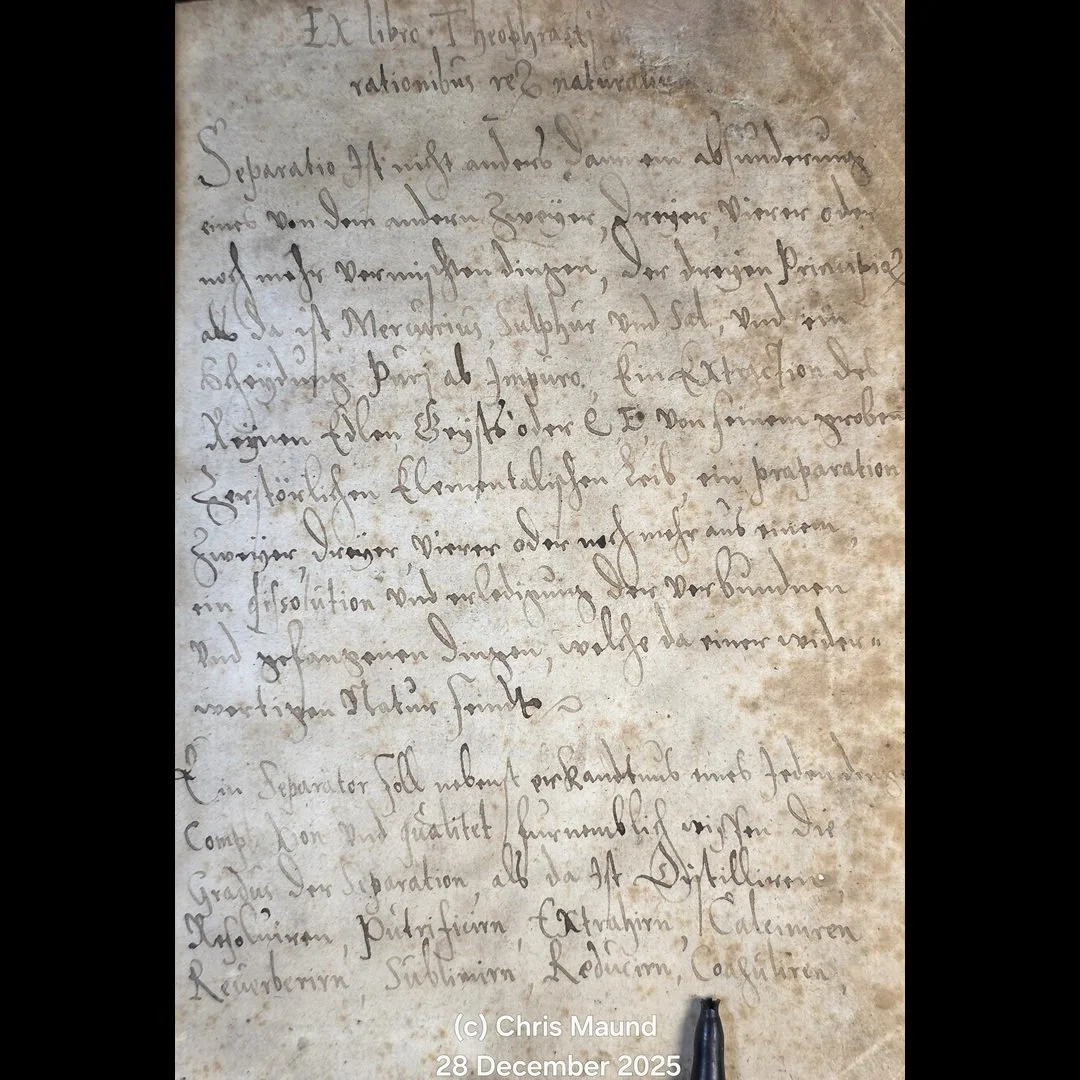 Image 5 of 65
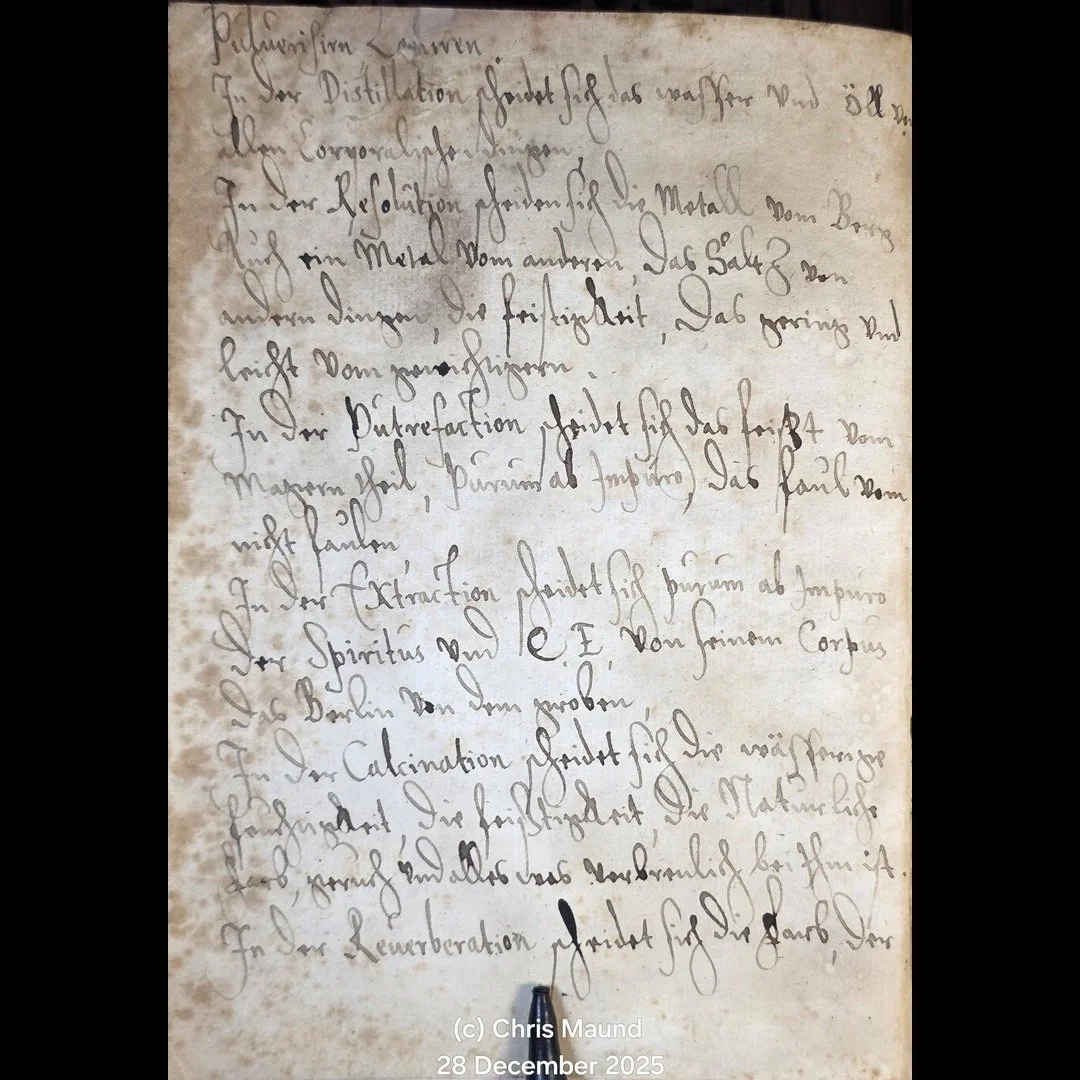 Image 6 of 65
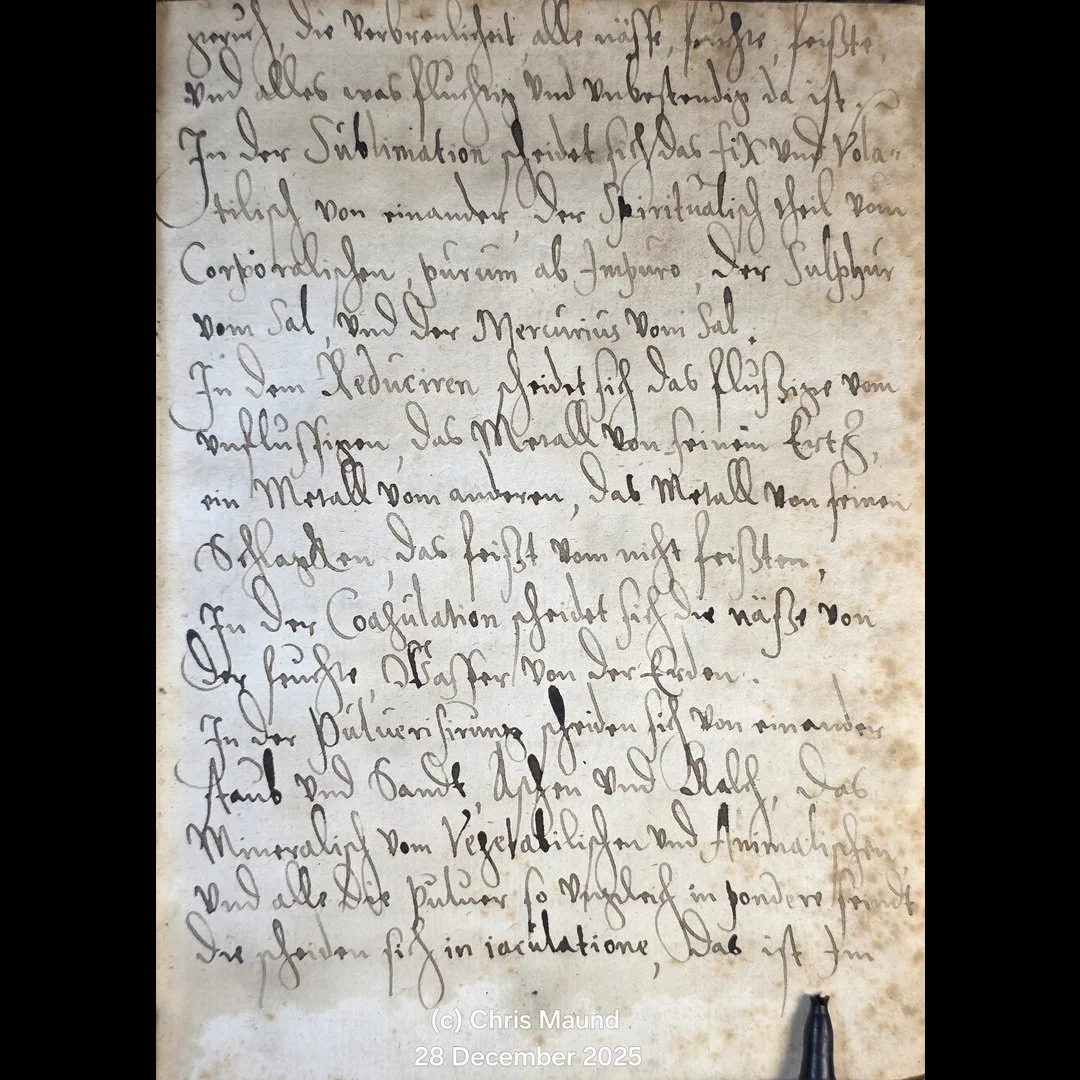 Image 7 of 65
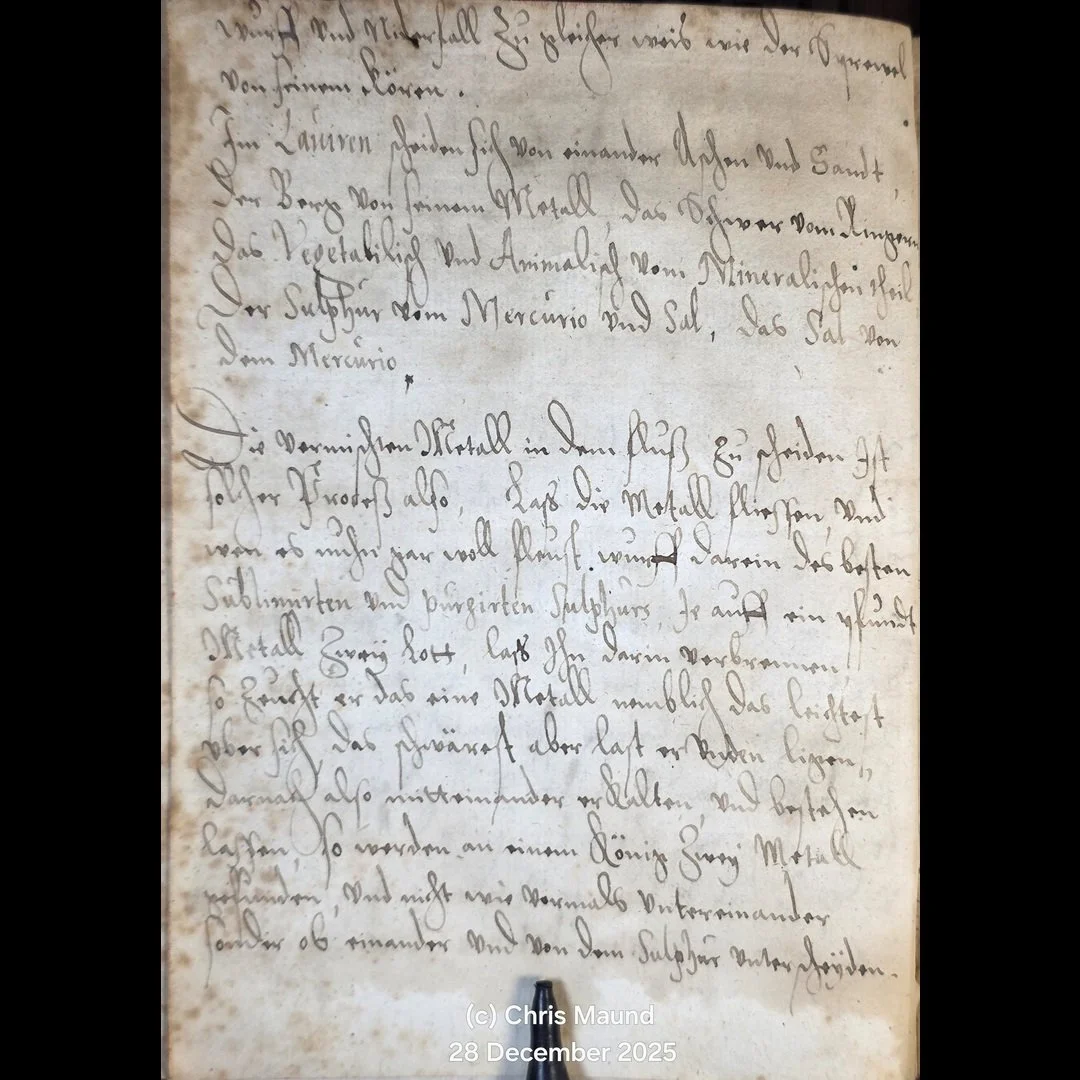 Image 8 of 65
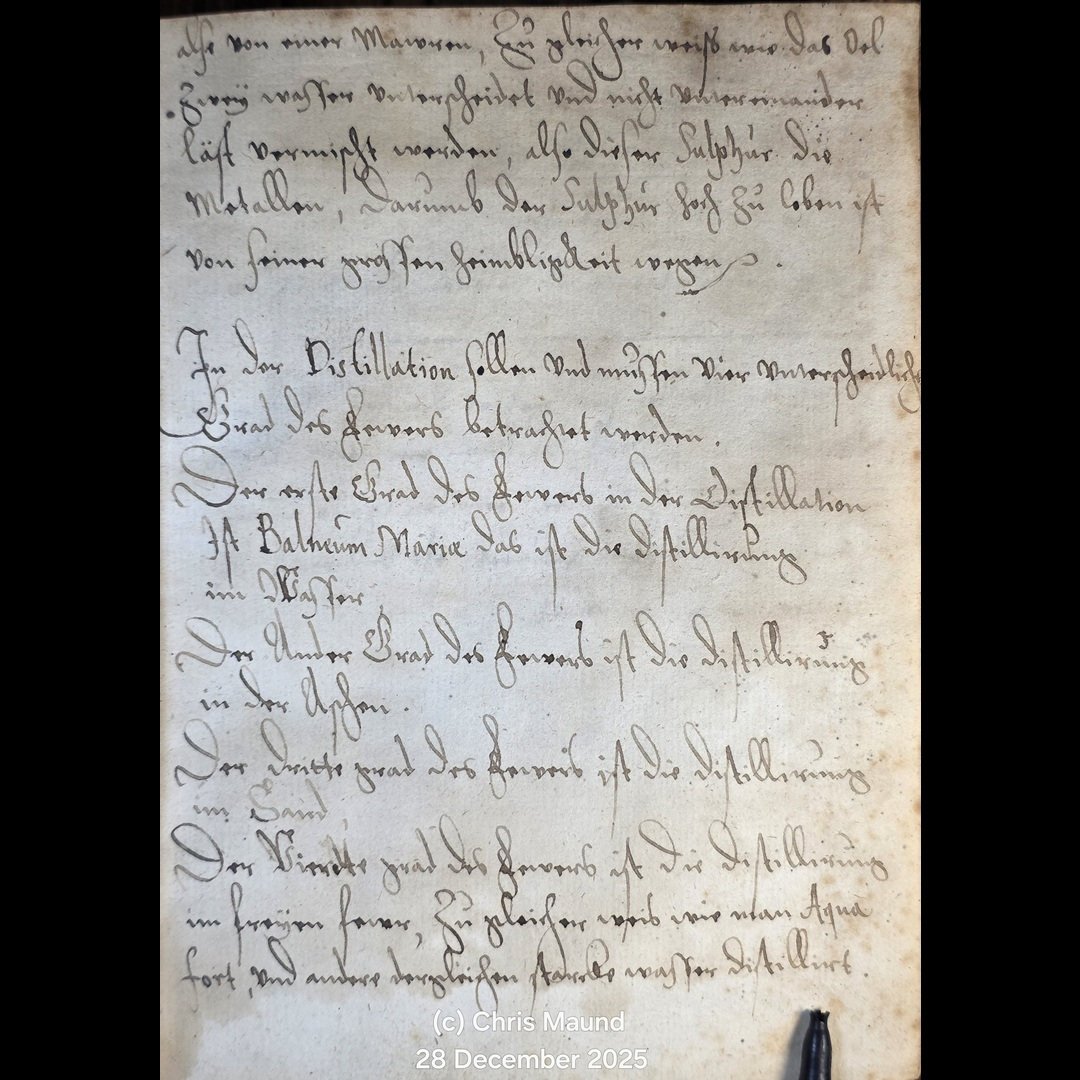 Image 9 of 65
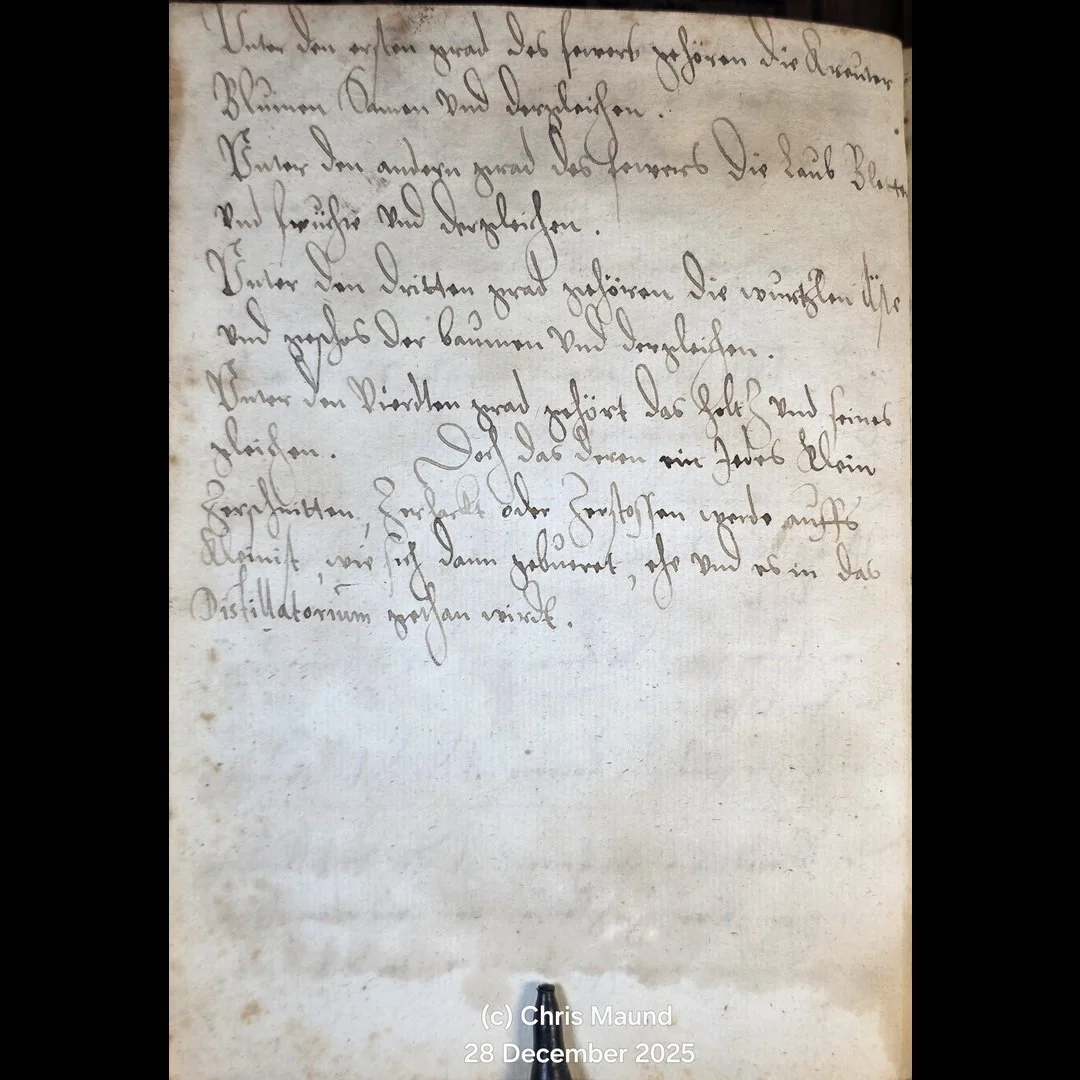 Image 10 of 65
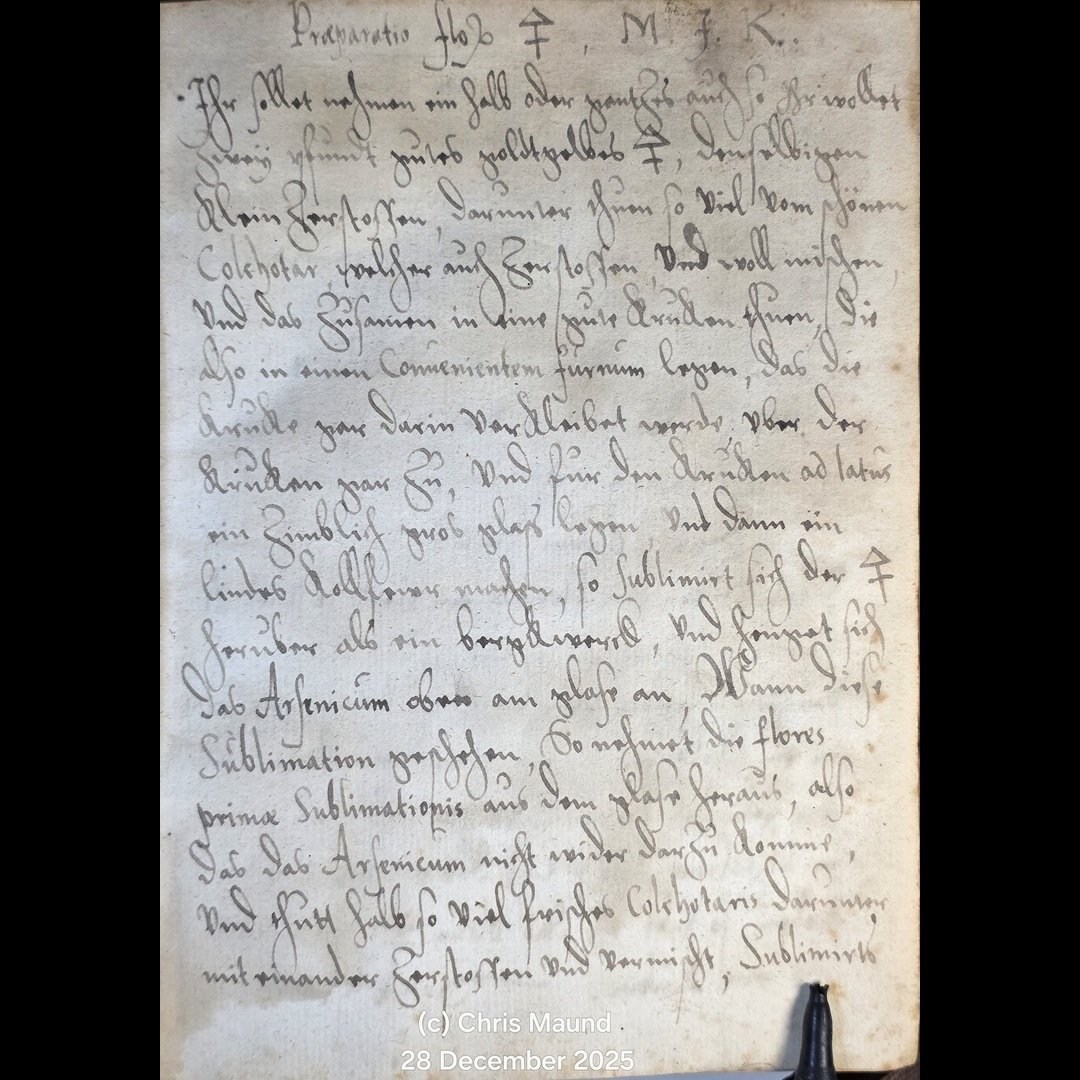 Image 11 of 65
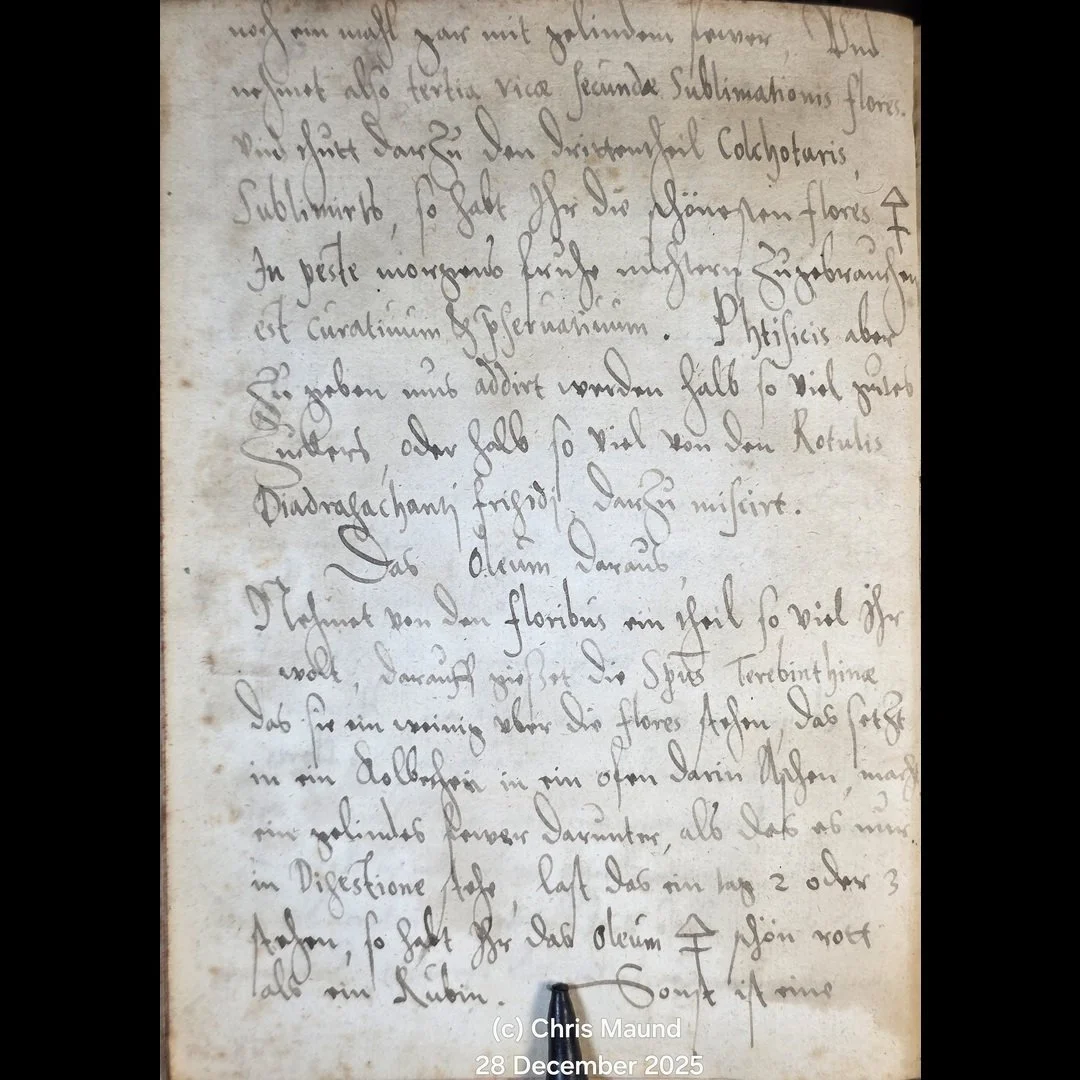 Image 12 of 65
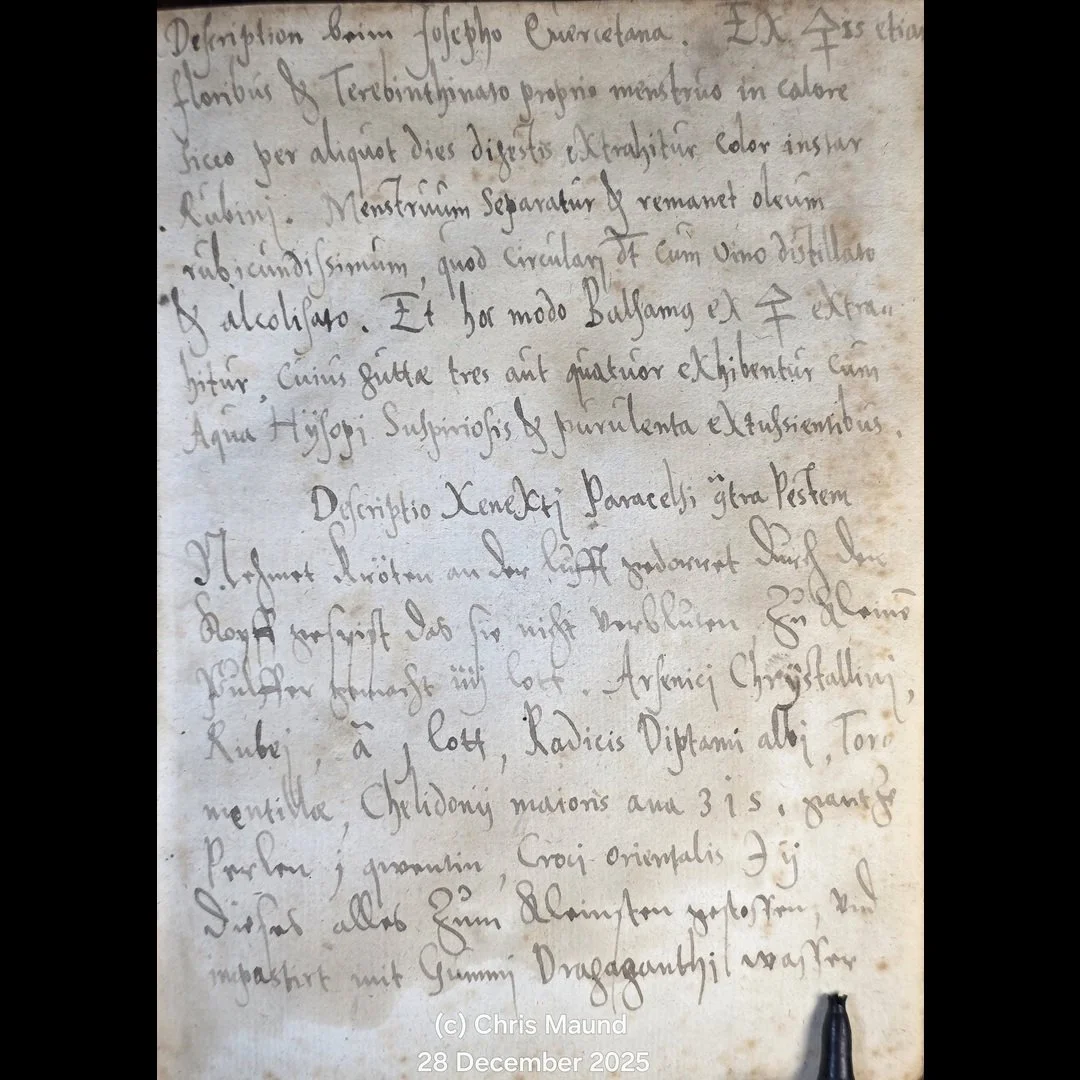 Image 13 of 65
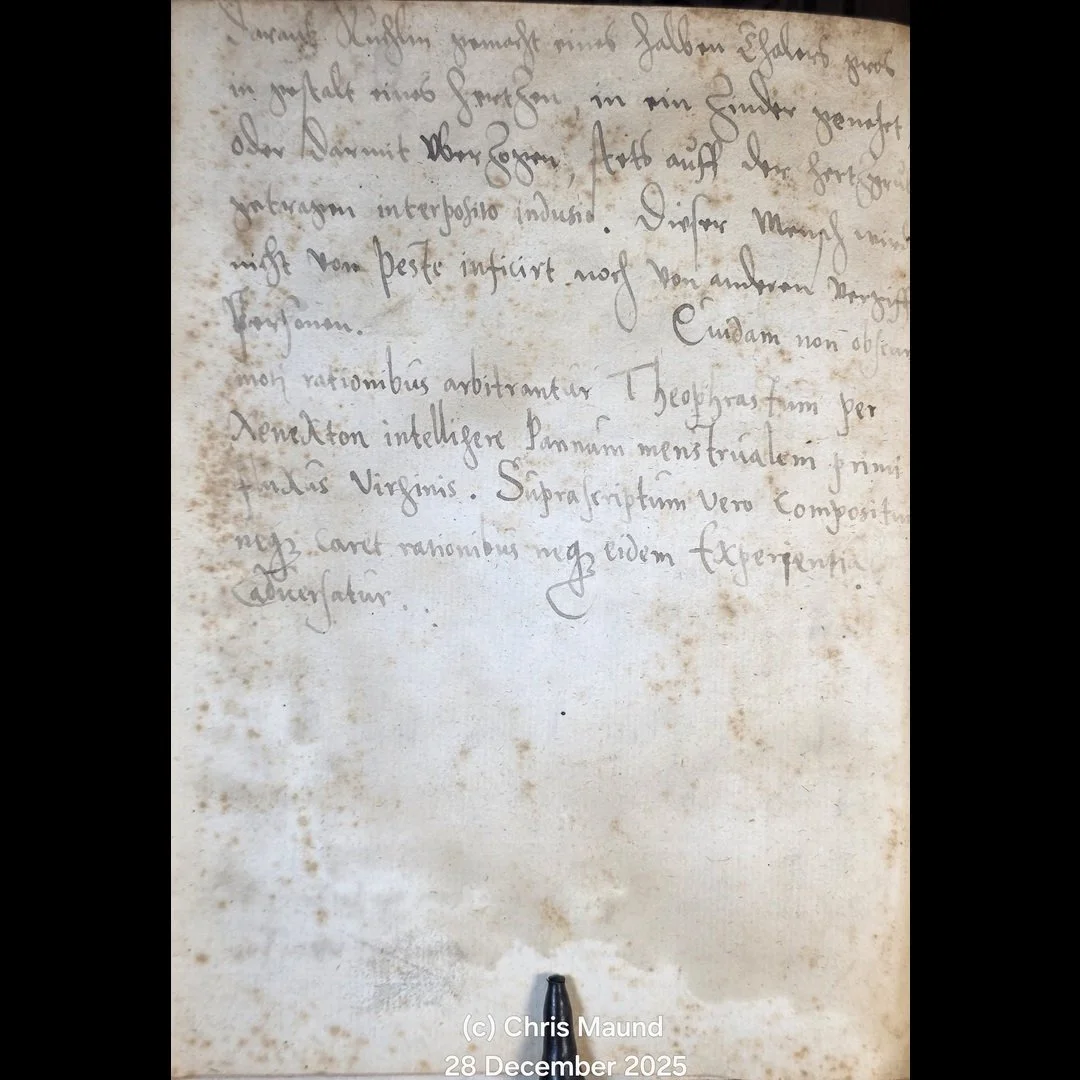 Image 14 of 65
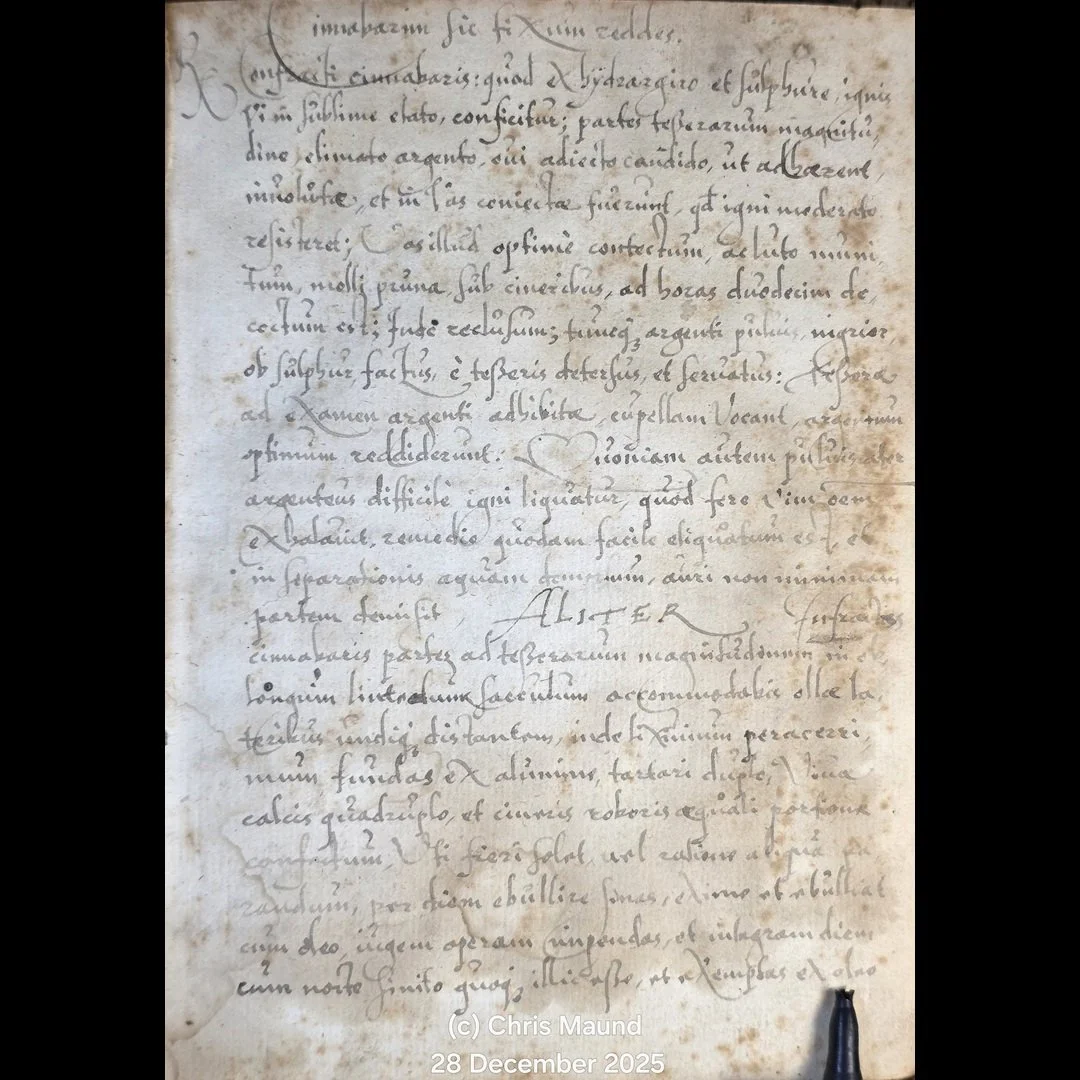 Image 15 of 65
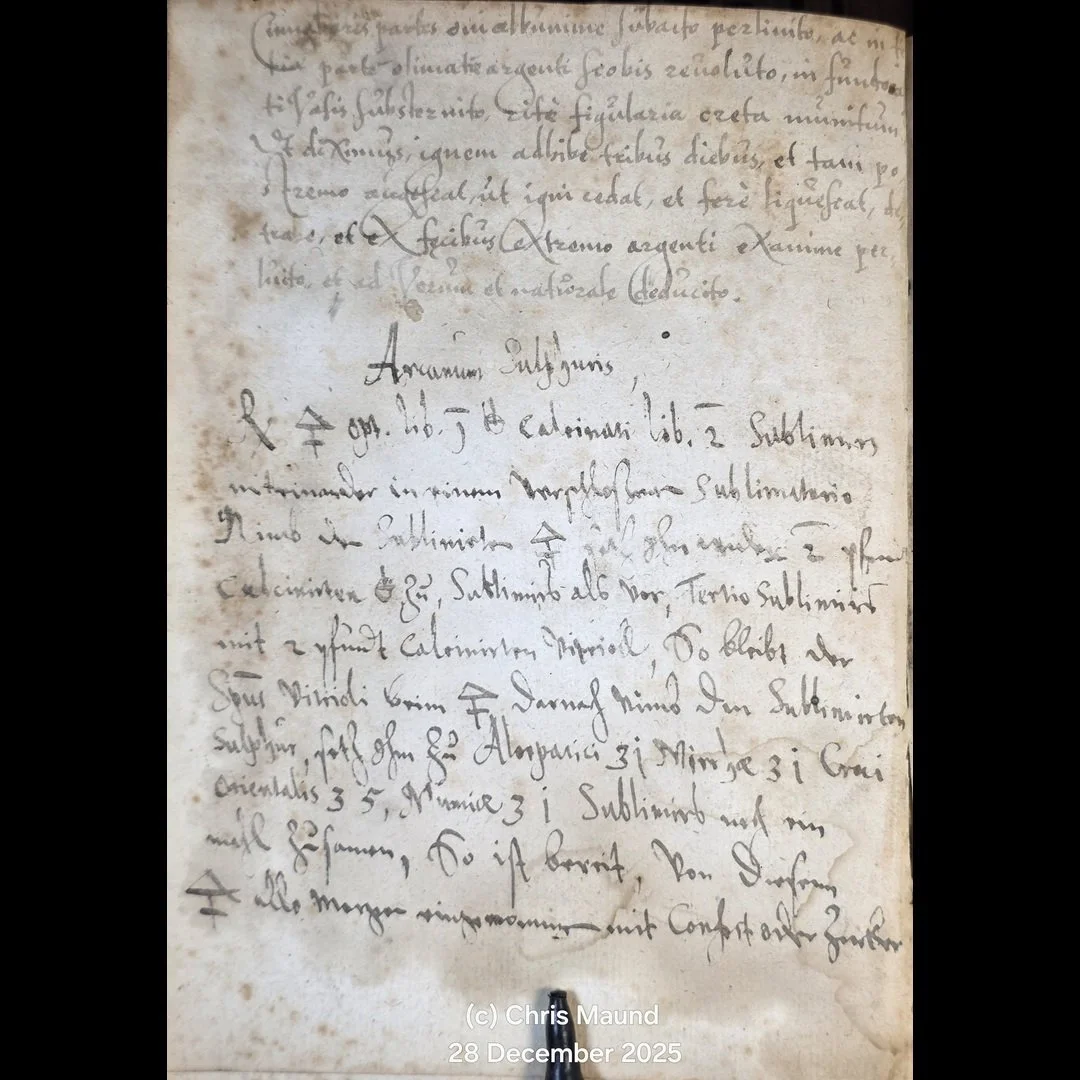 Image 16 of 65
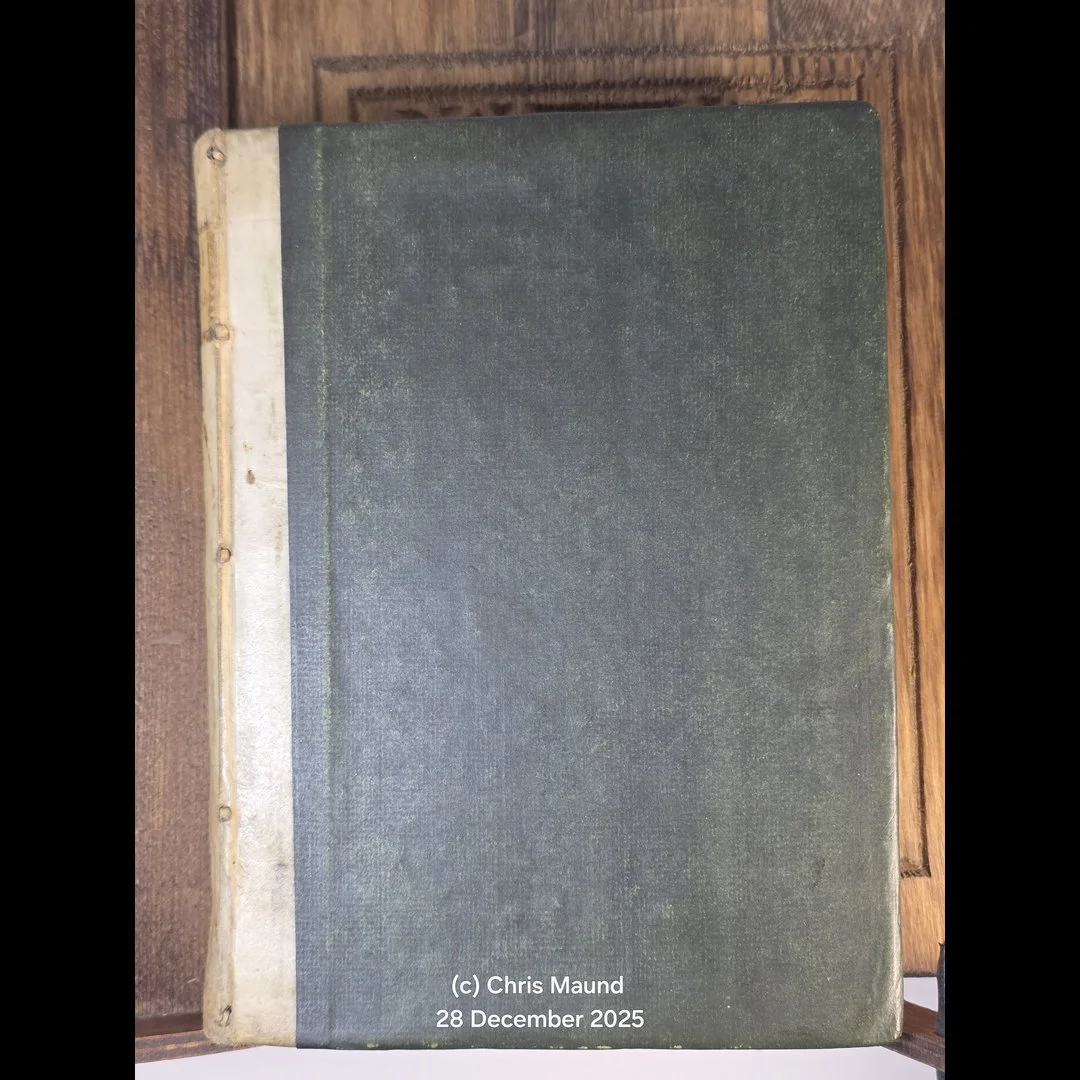 Image 17 of 65
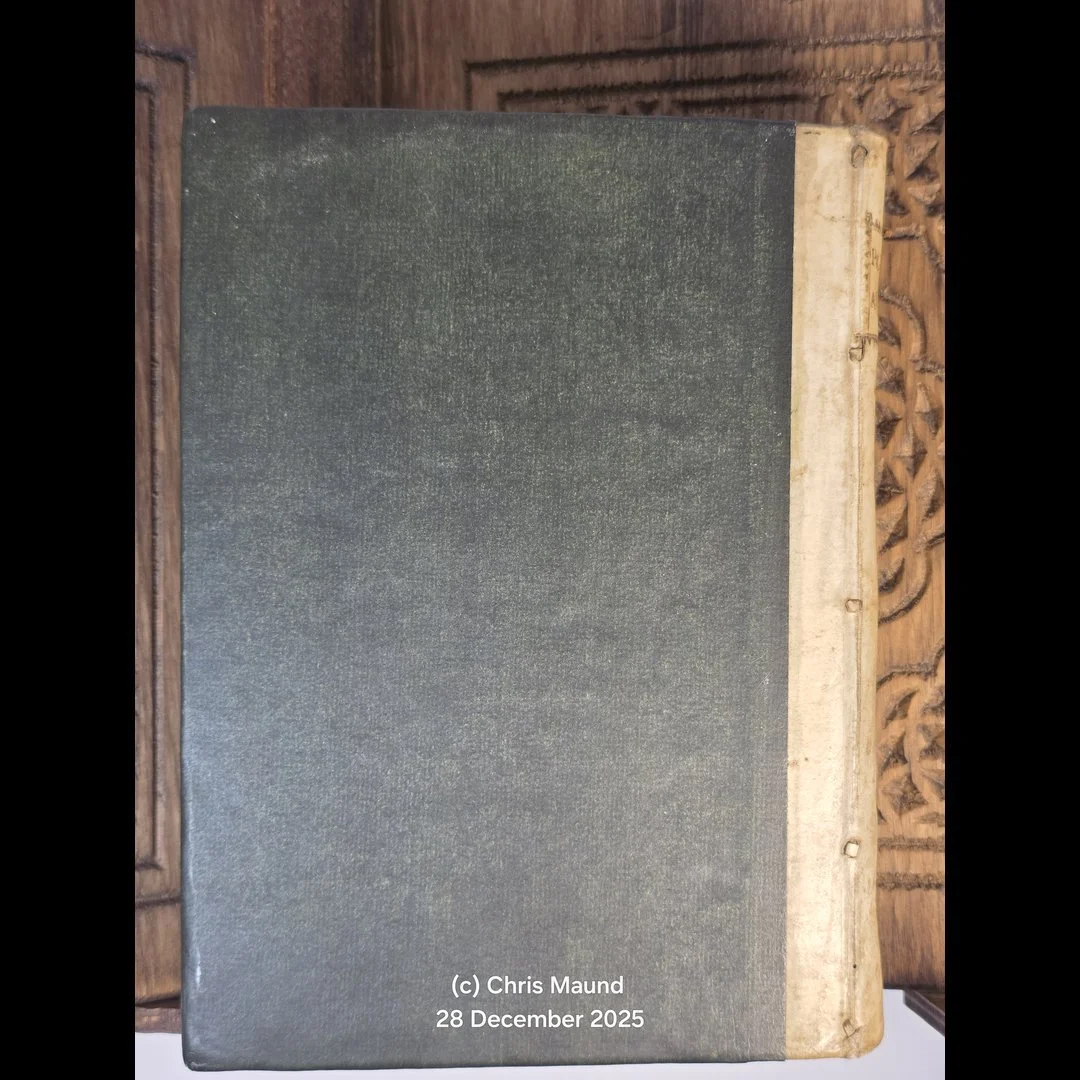 Image 19 of 65
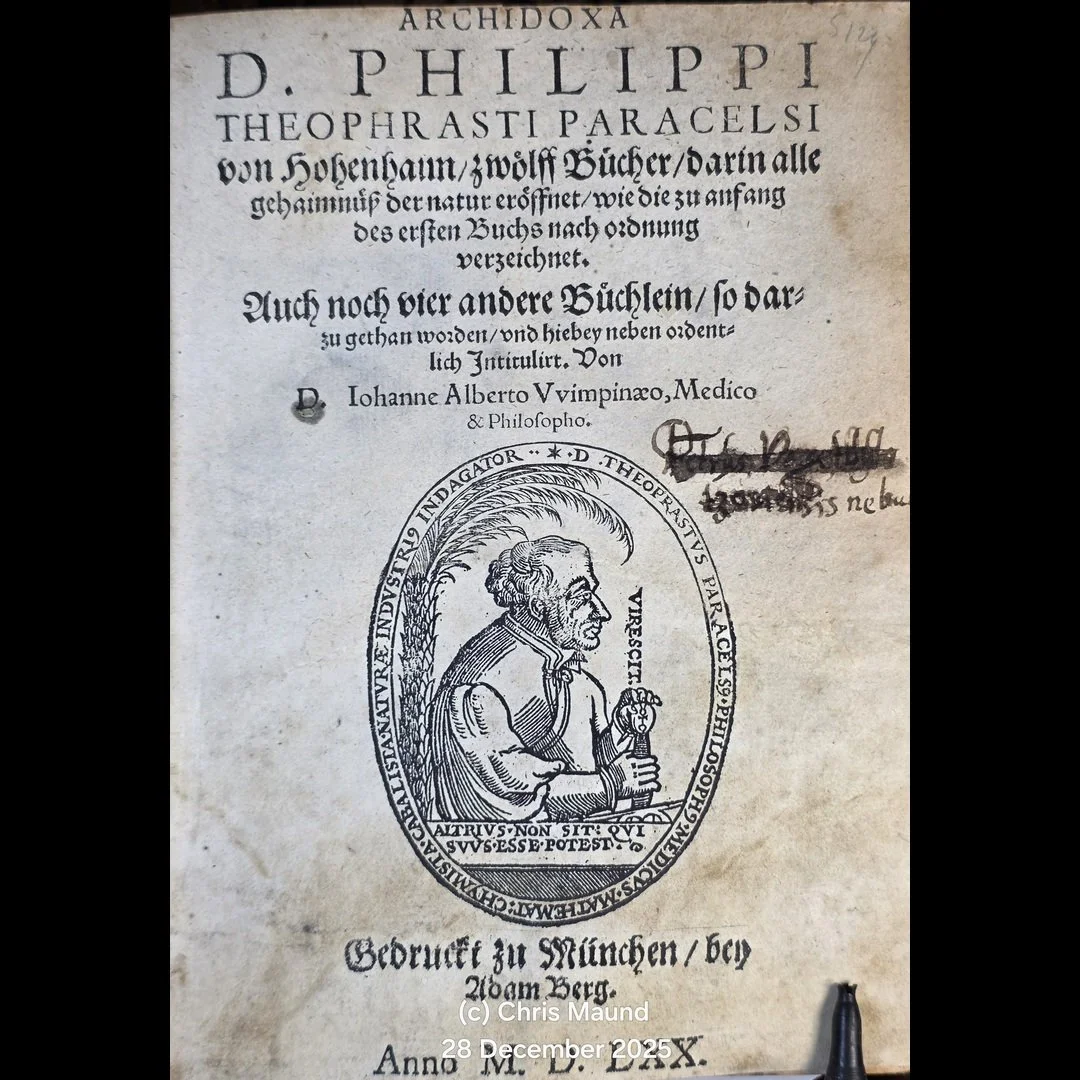 Image 20 of 65
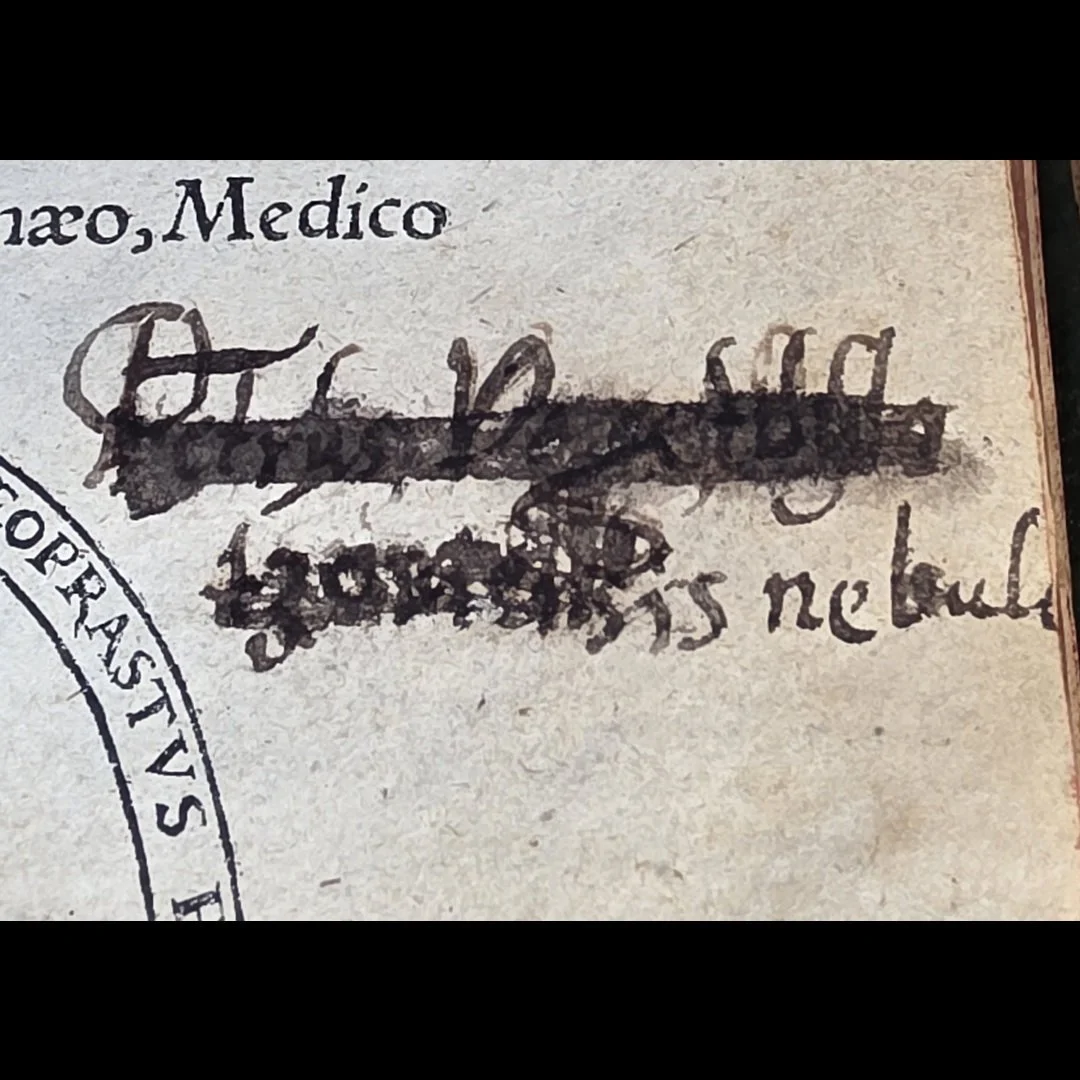 Image 21 of 65
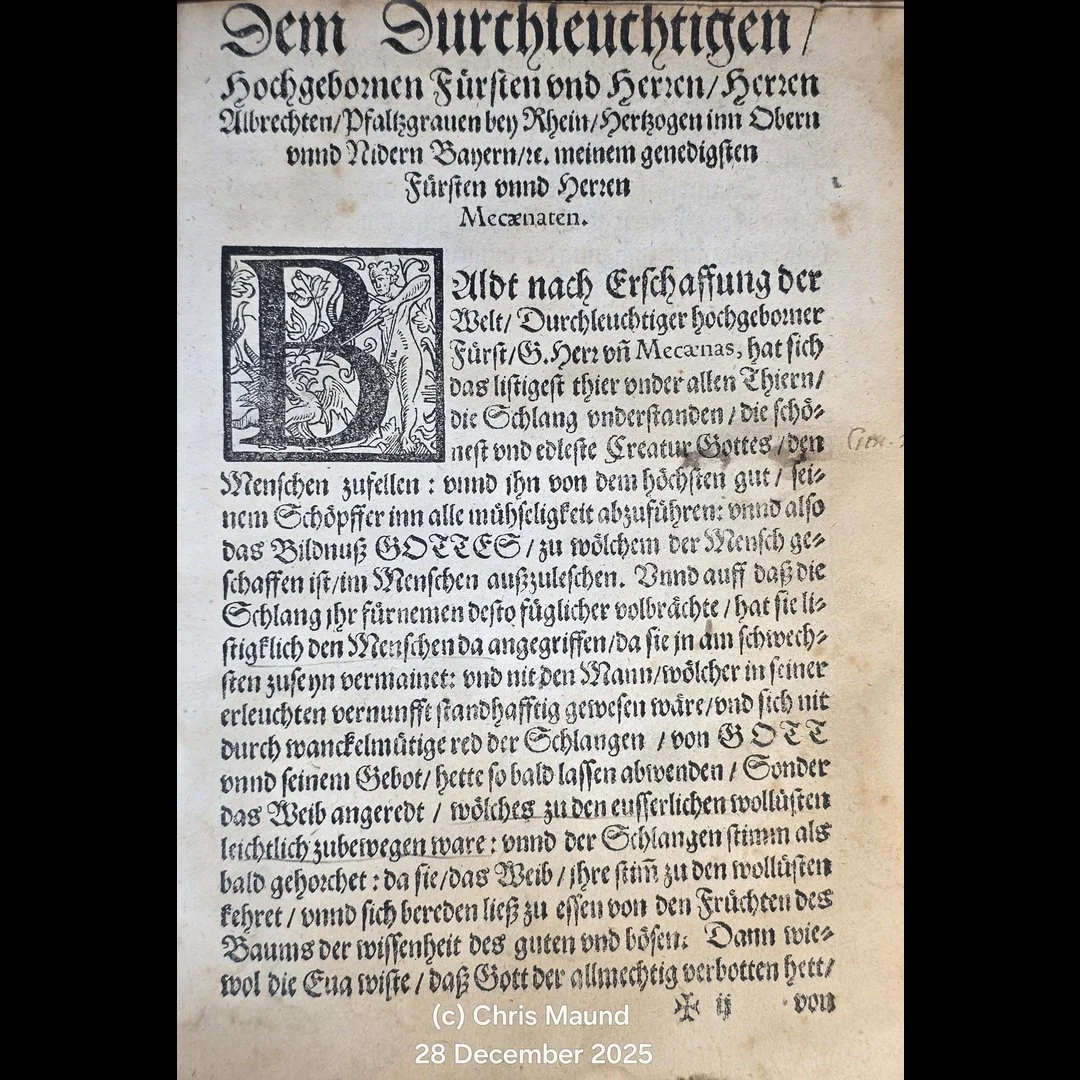 Image 22 of 65
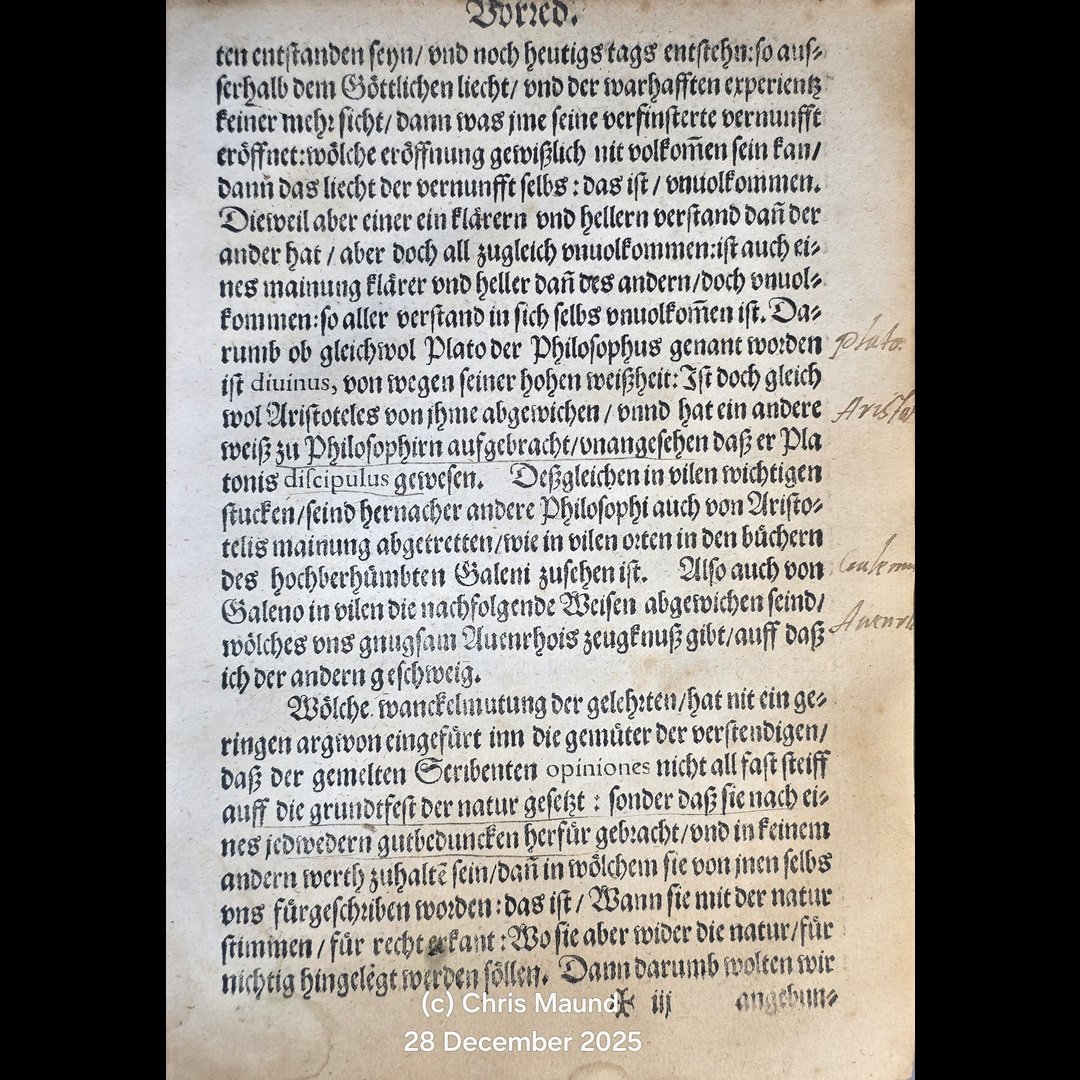 Image 23 of 65
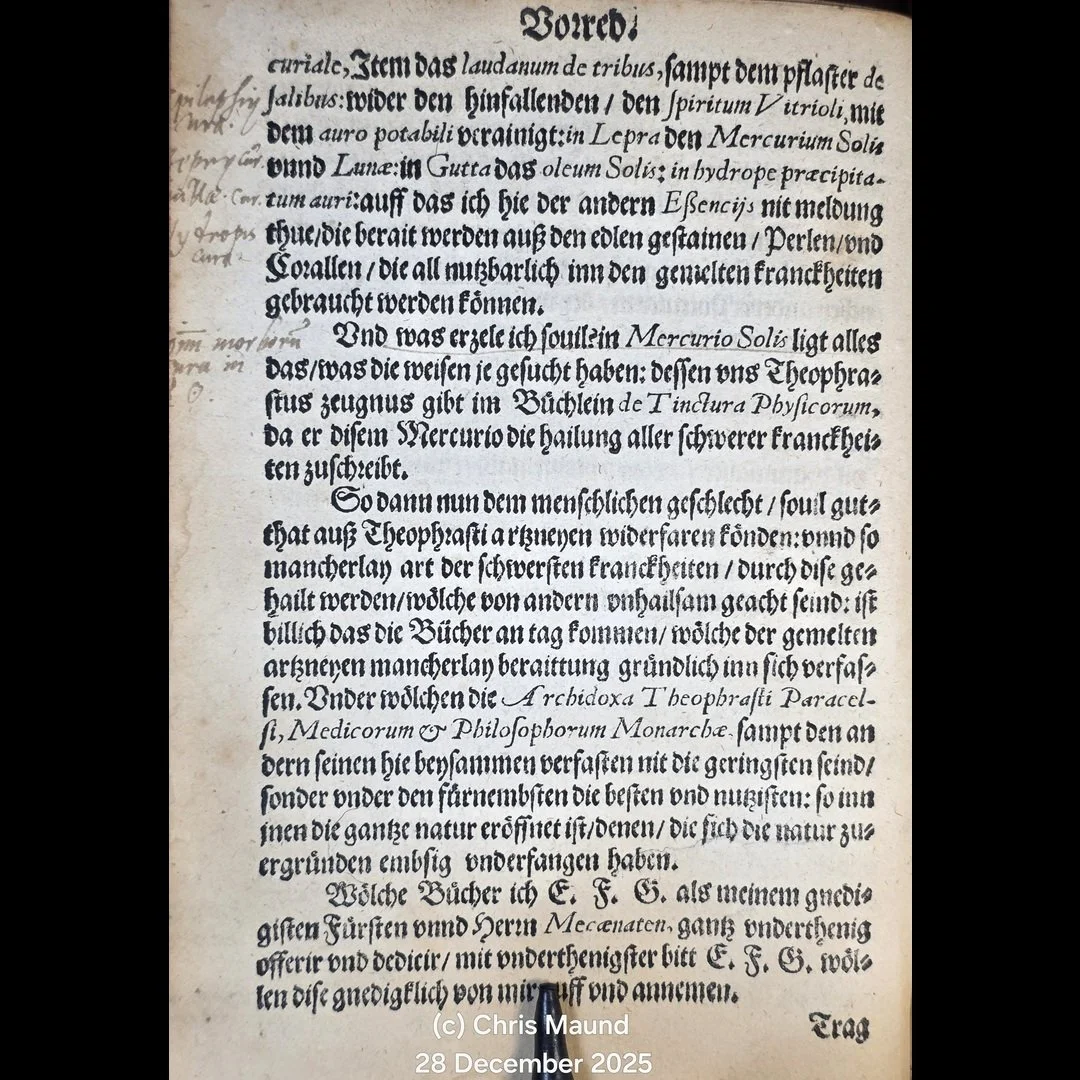 Image 24 of 65
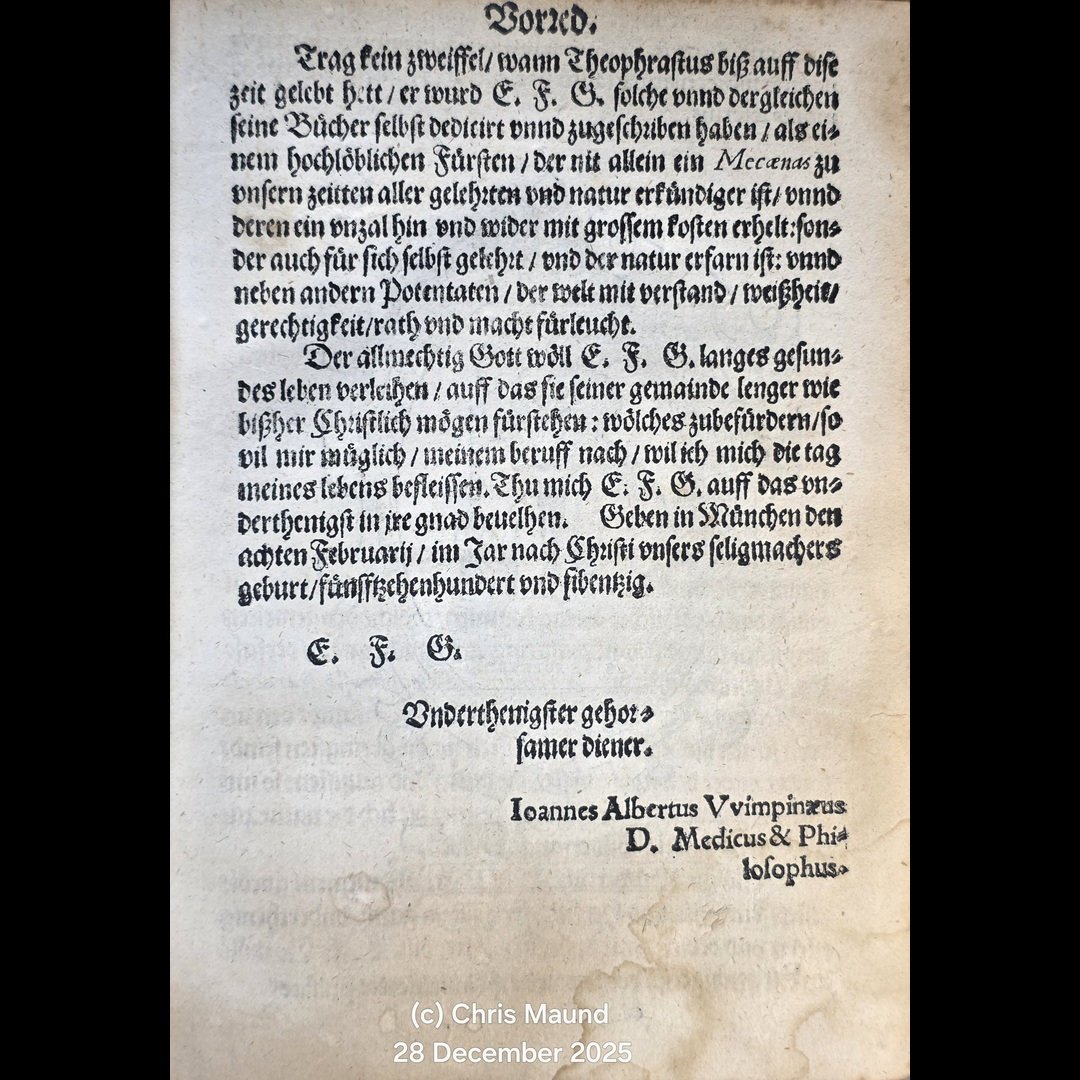 Image 25 of 65
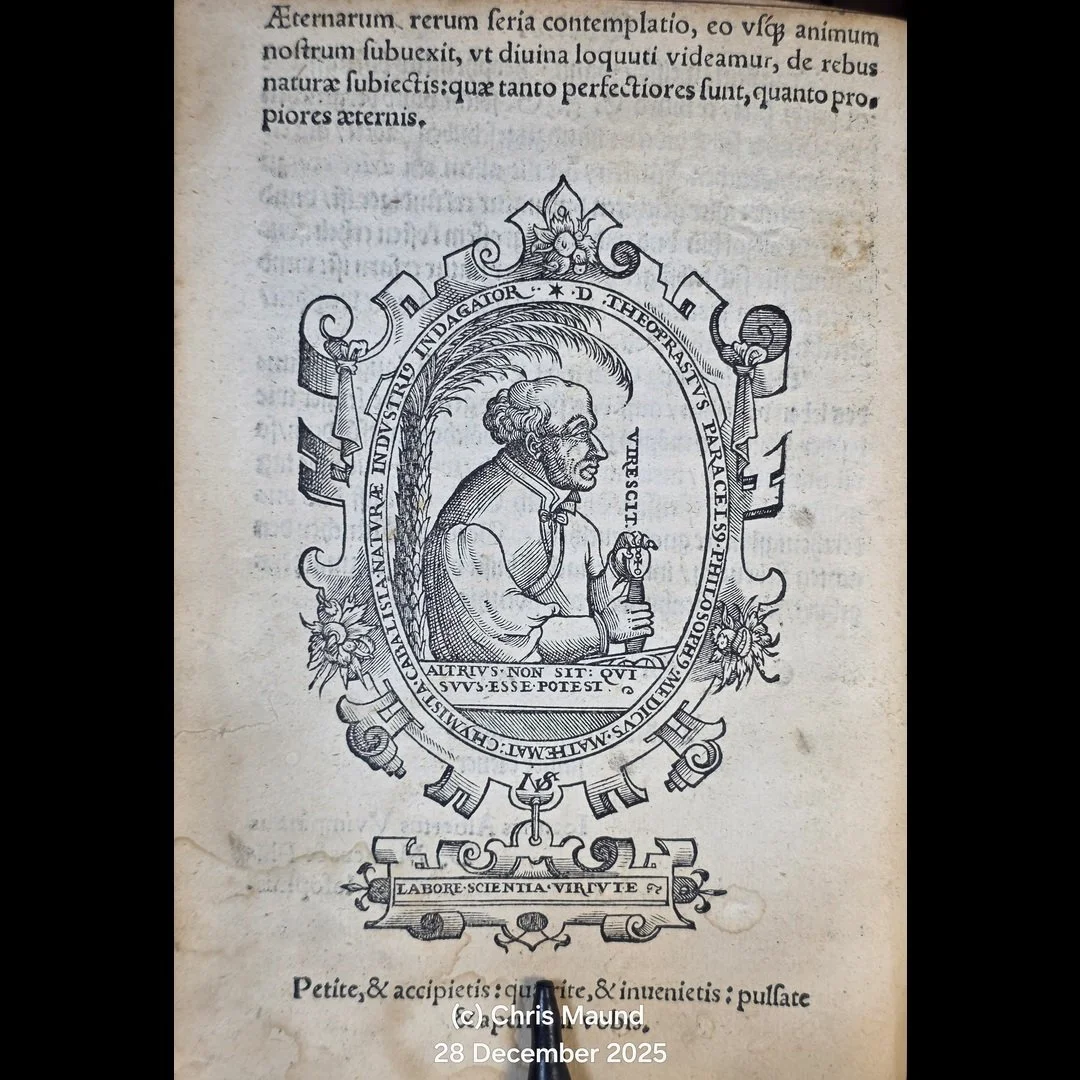 Image 26 of 65
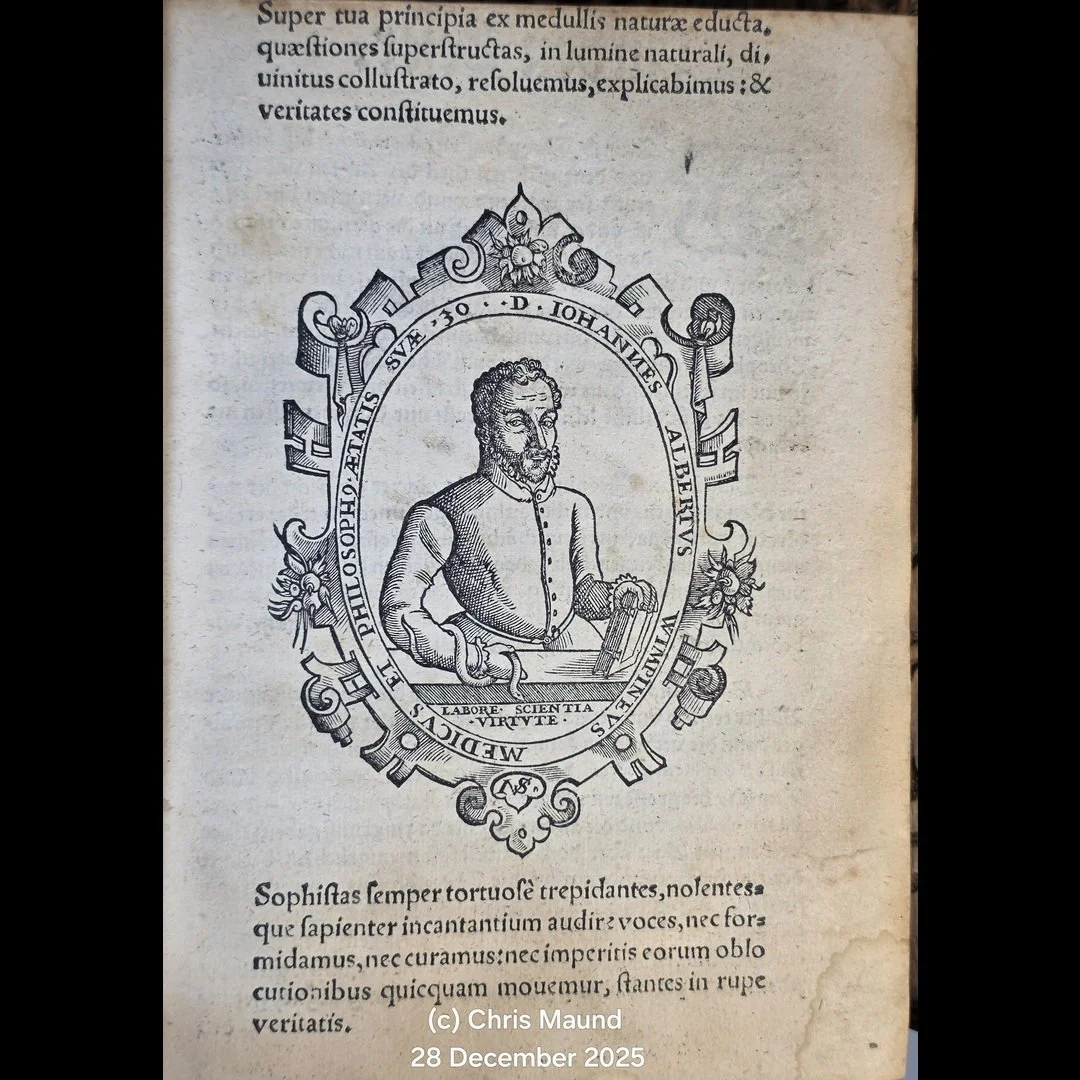 Image 27 of 65
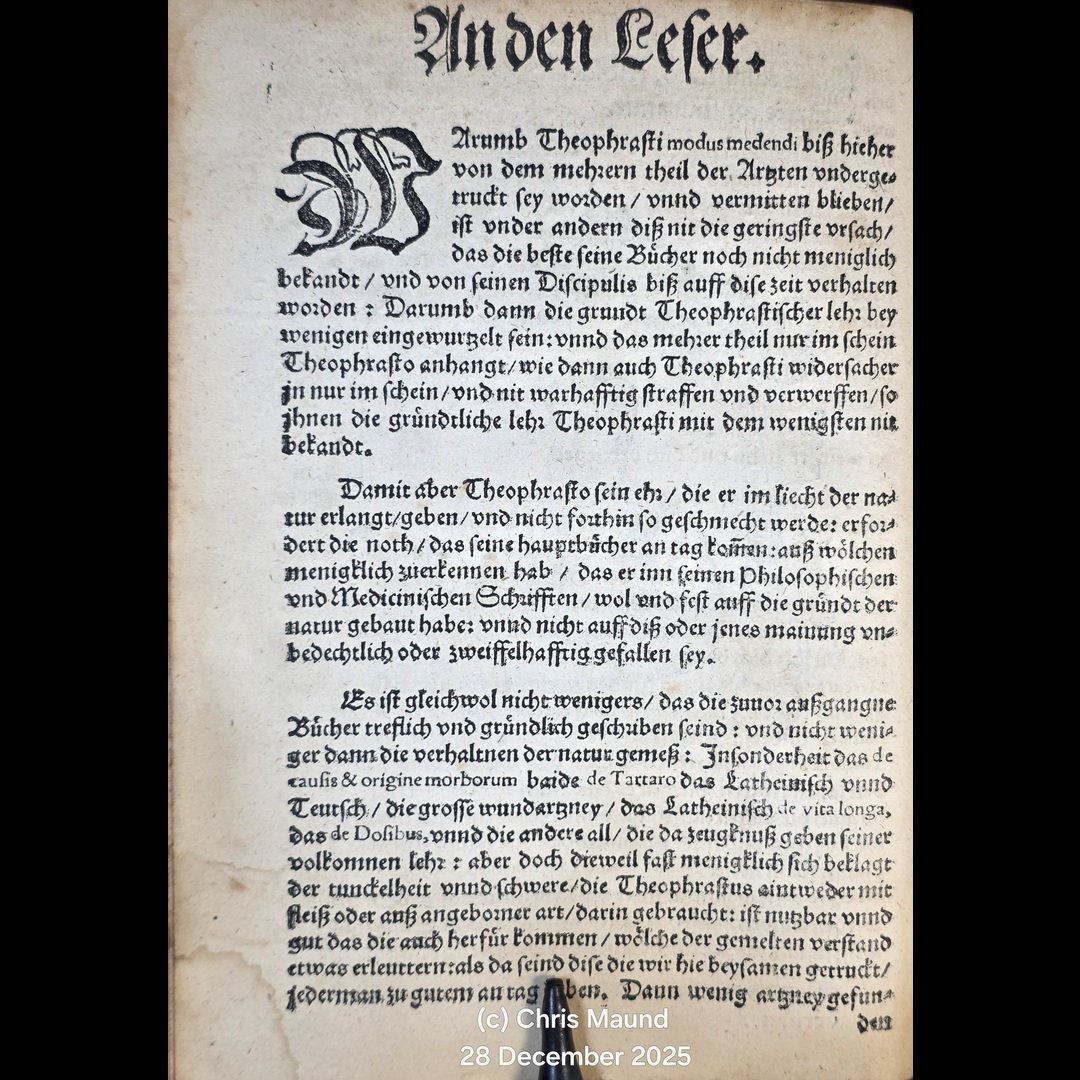 Image 28 of 65
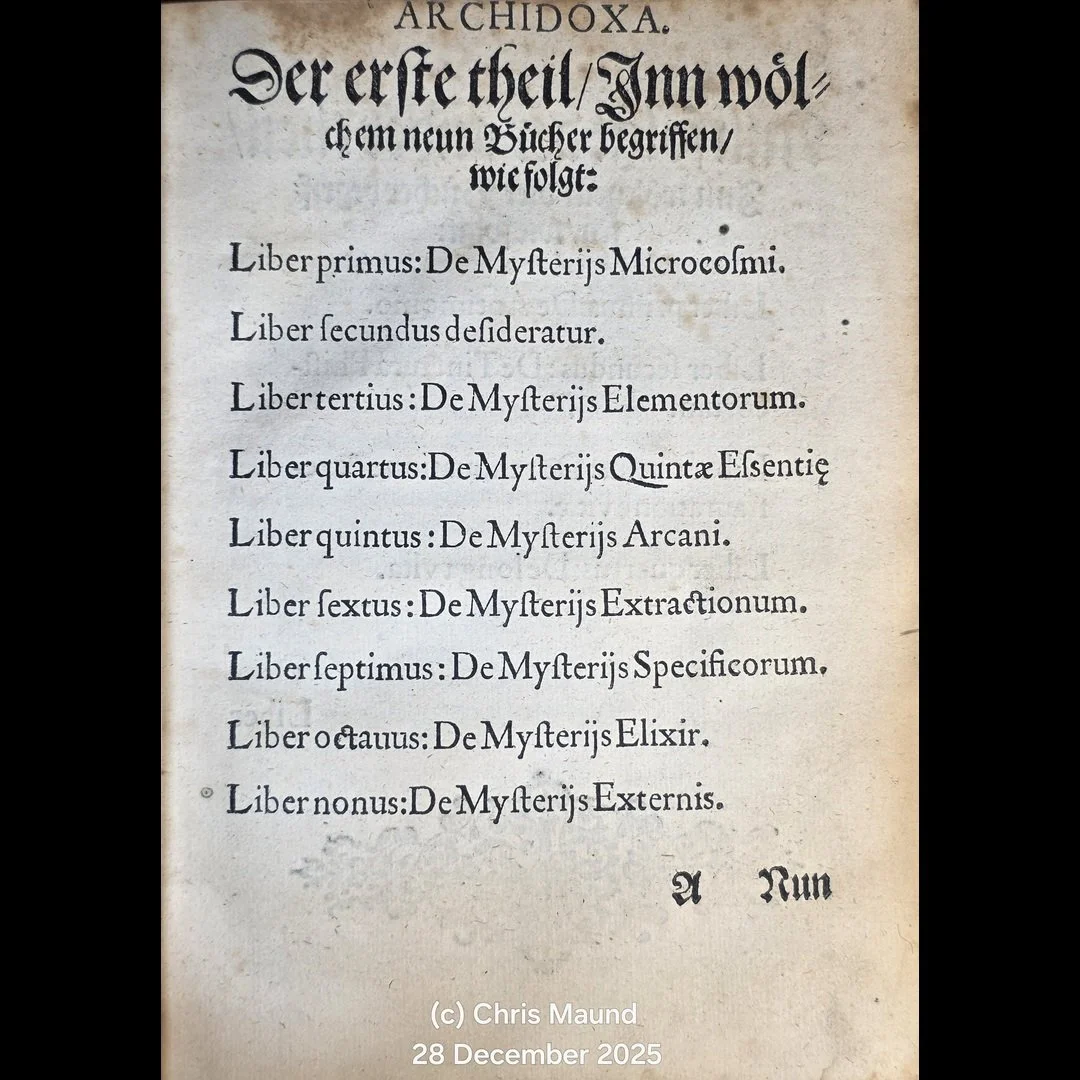 Image 29 of 65
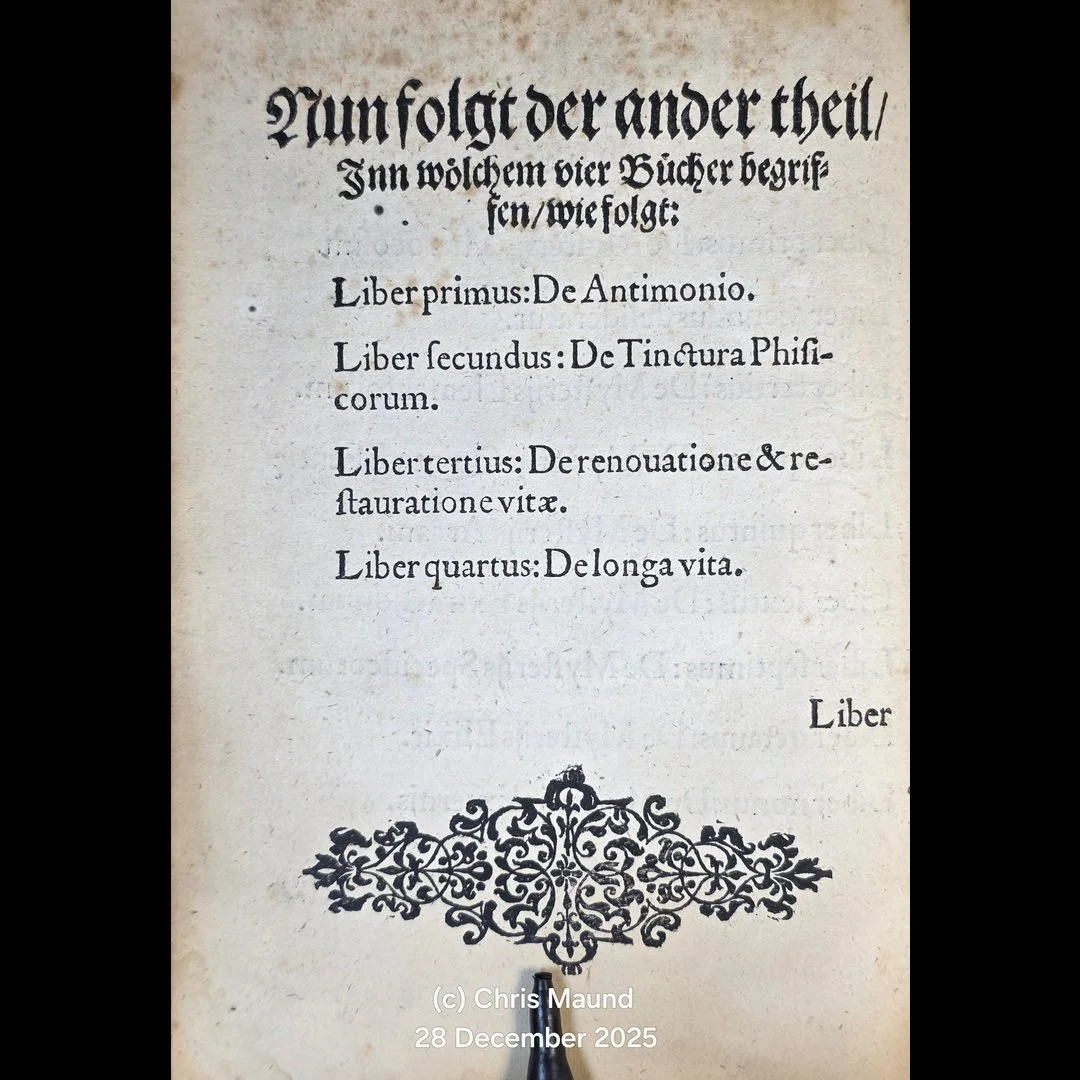 Image 30 of 65
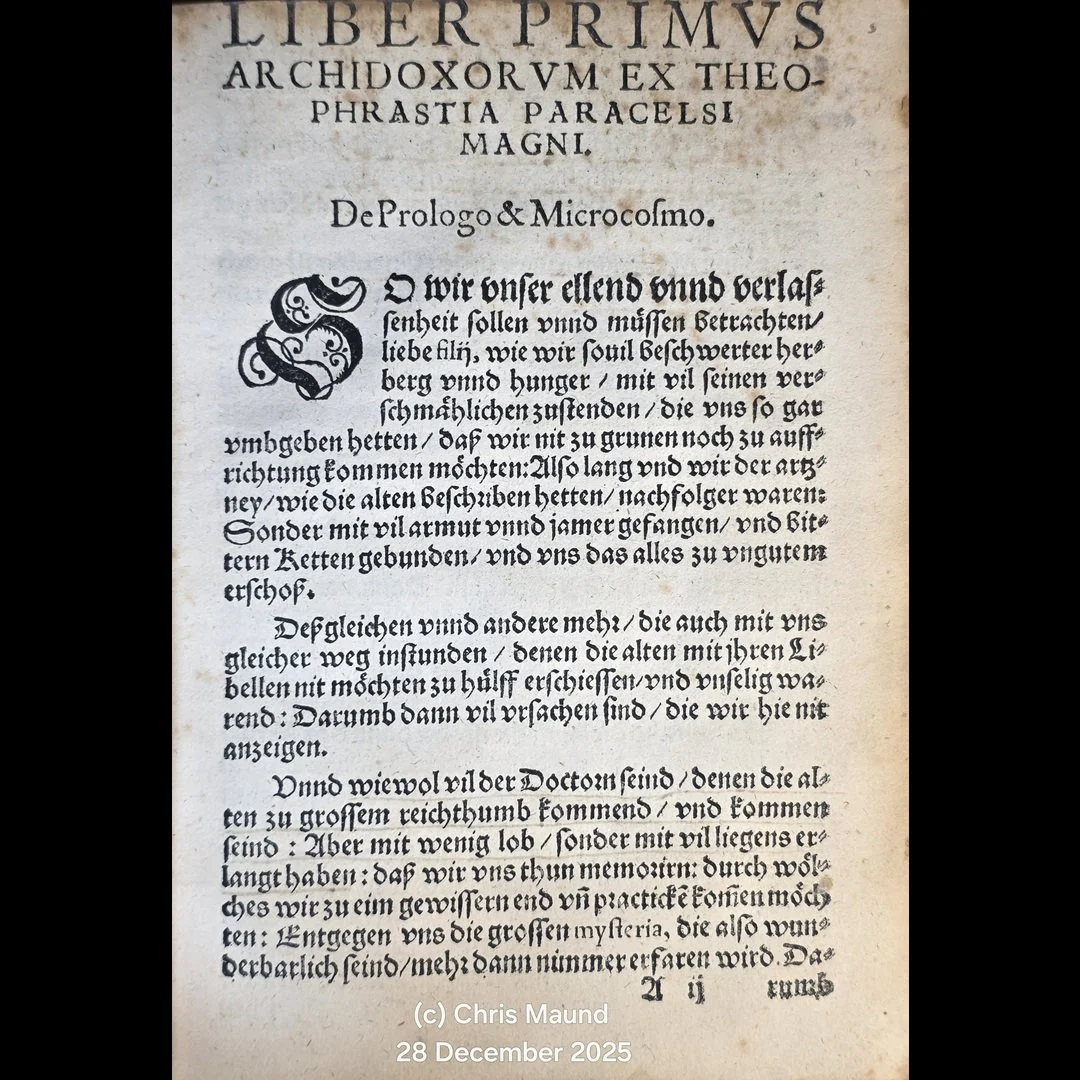 Image 31 of 65
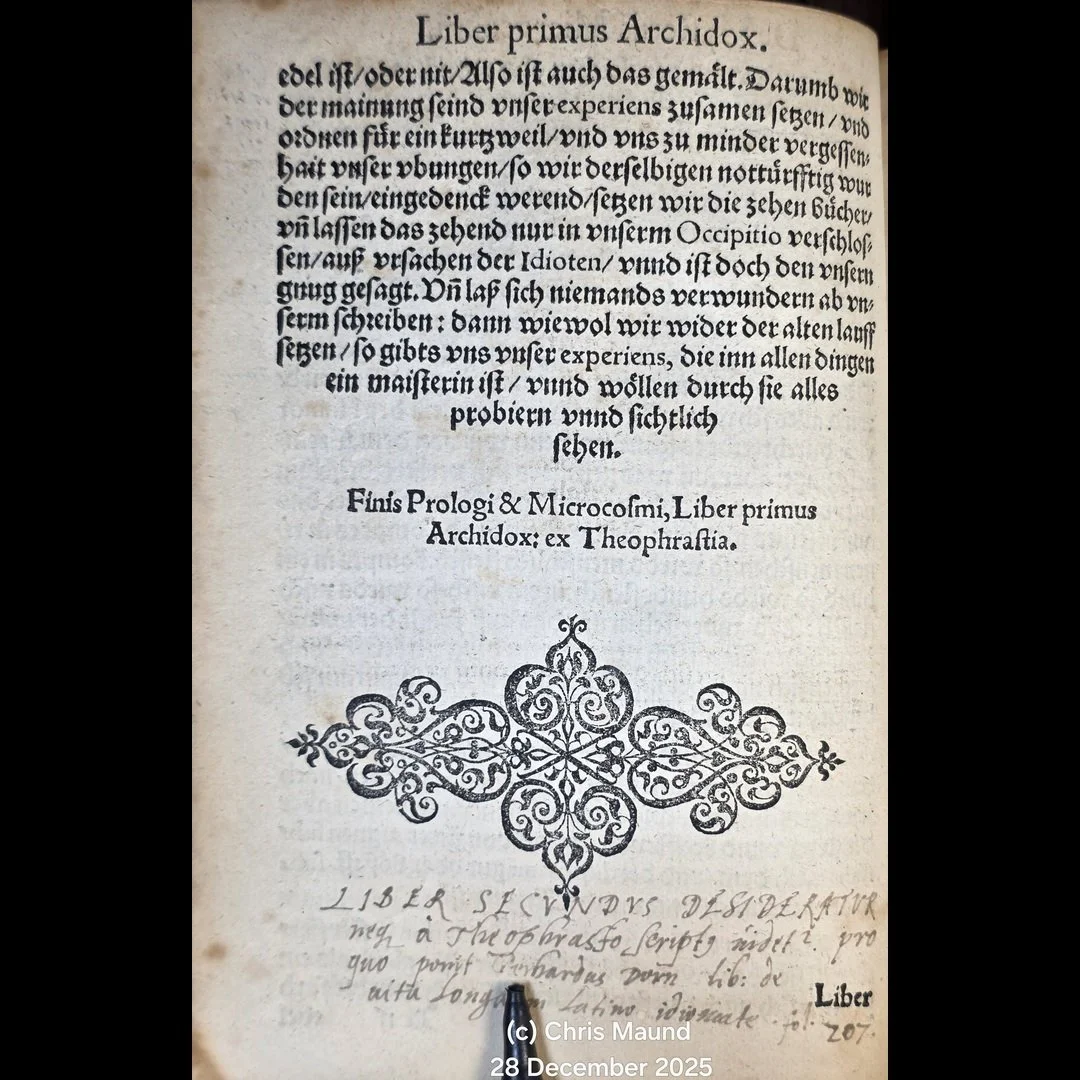 Image 32 of 65
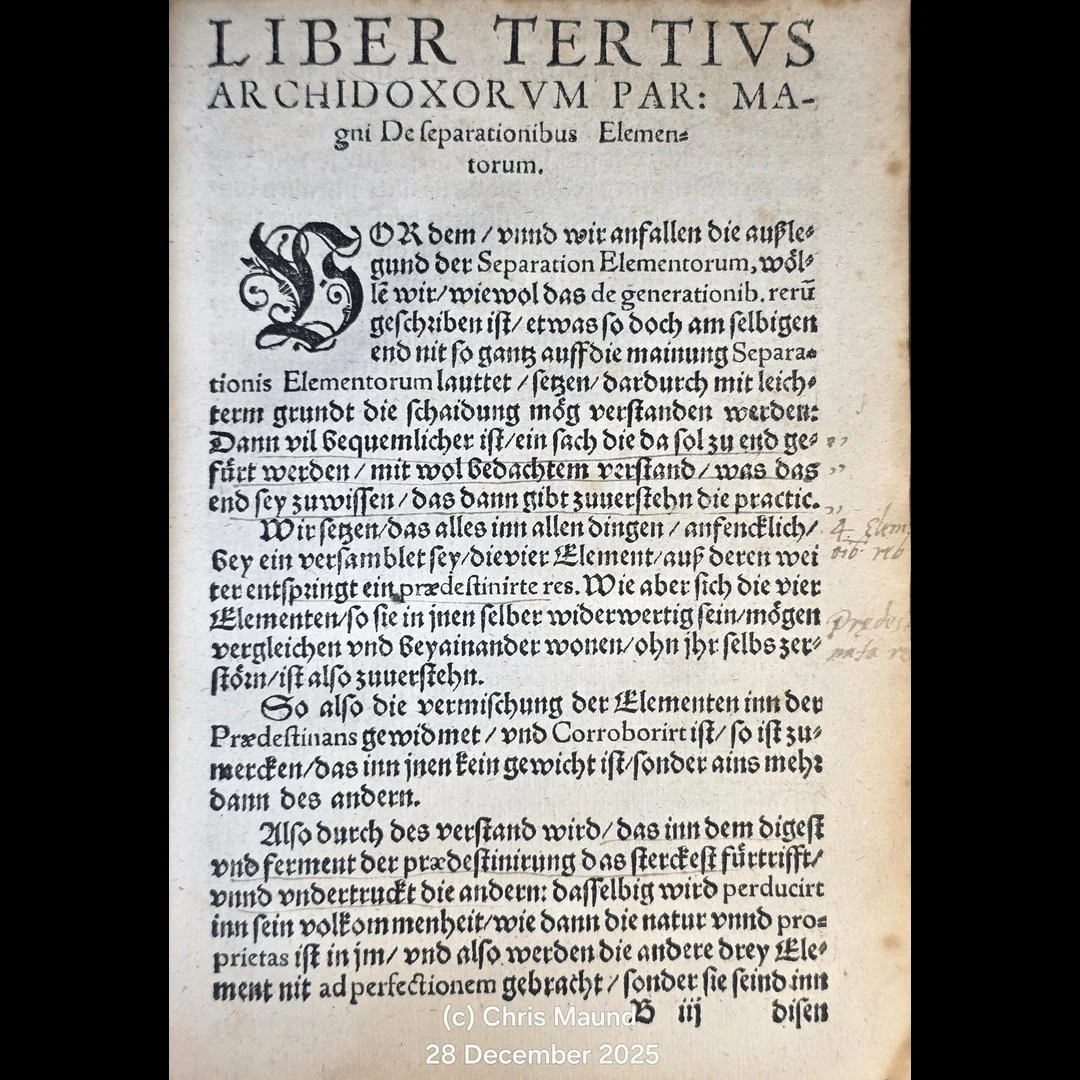 Image 33 of 65
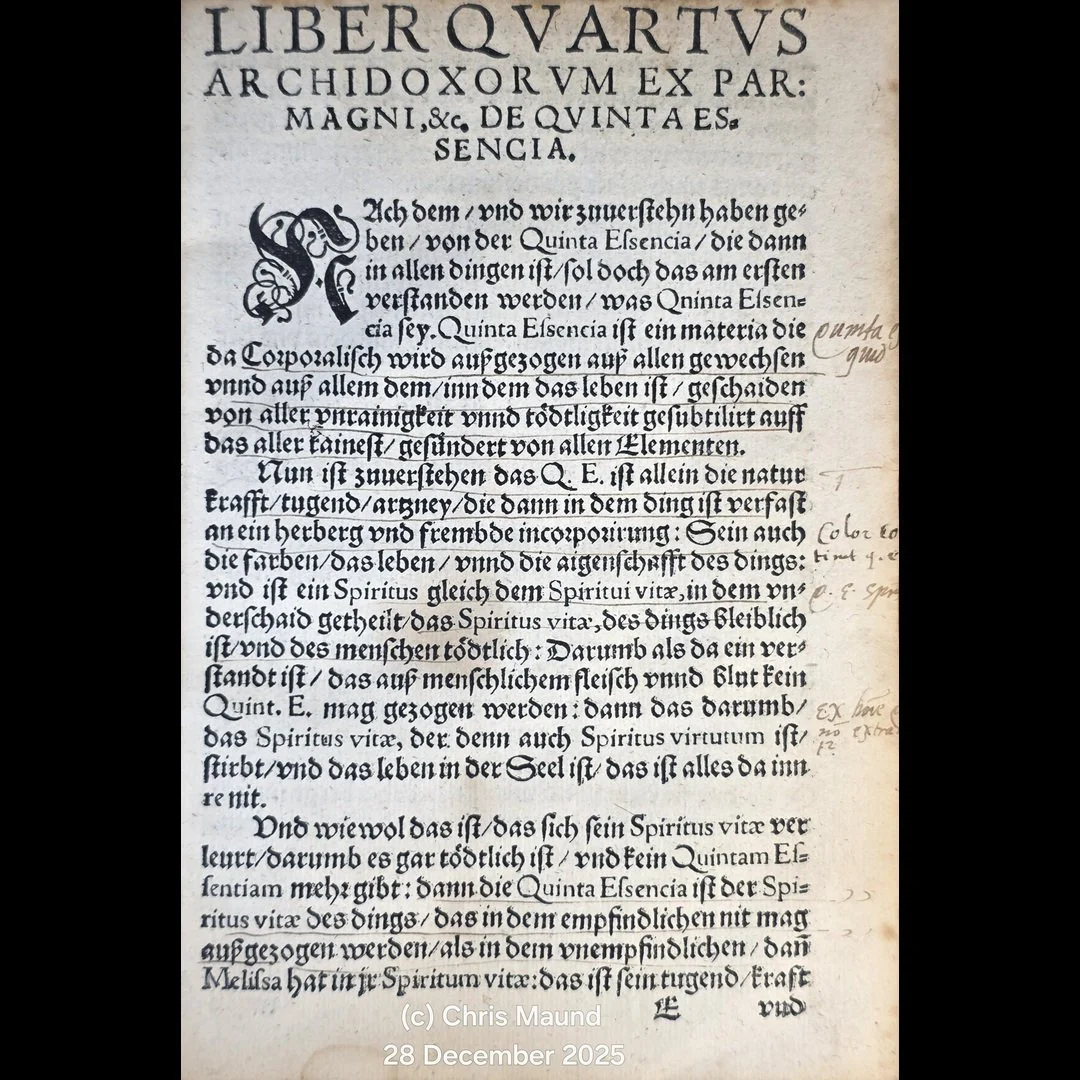 Image 34 of 65
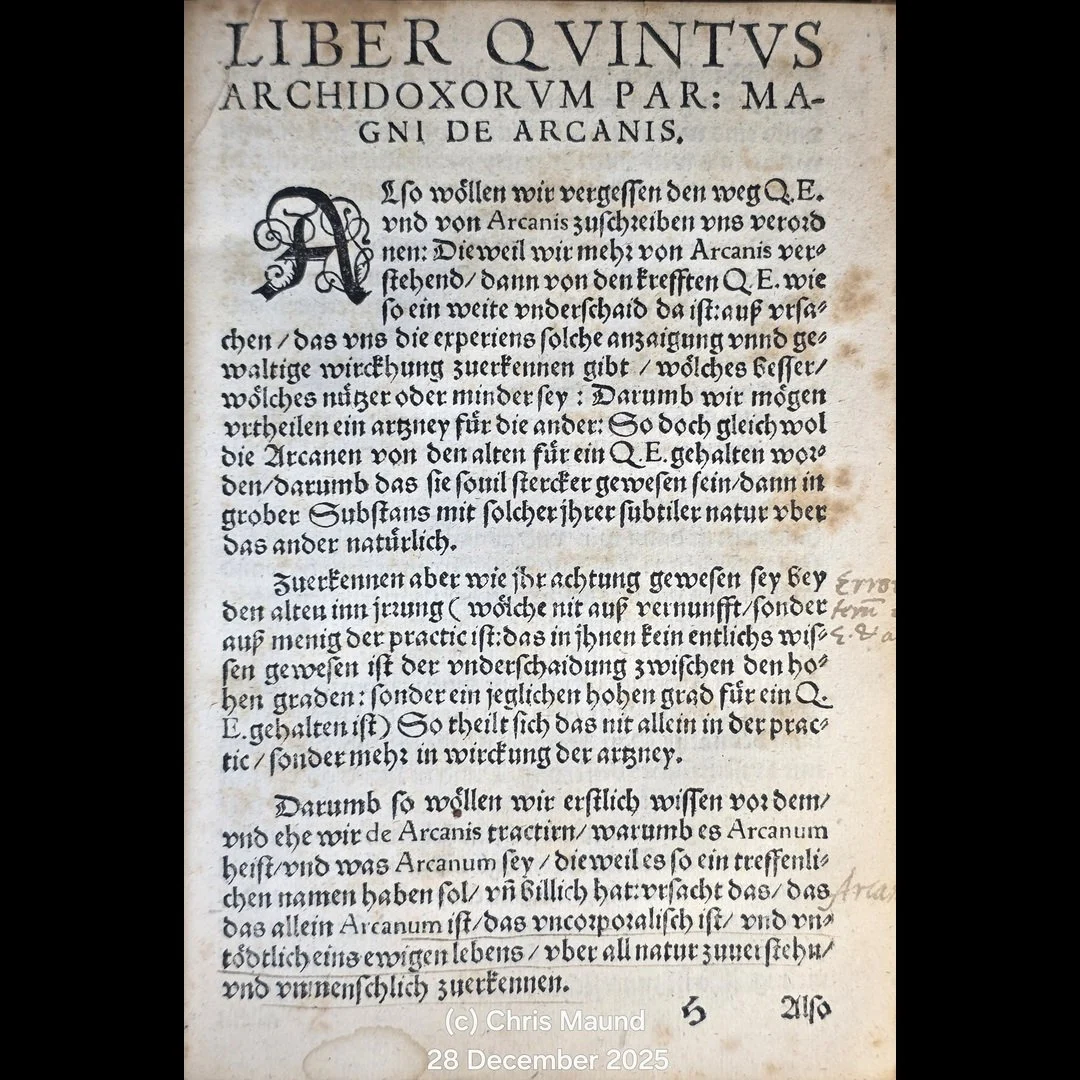 Image 35 of 65
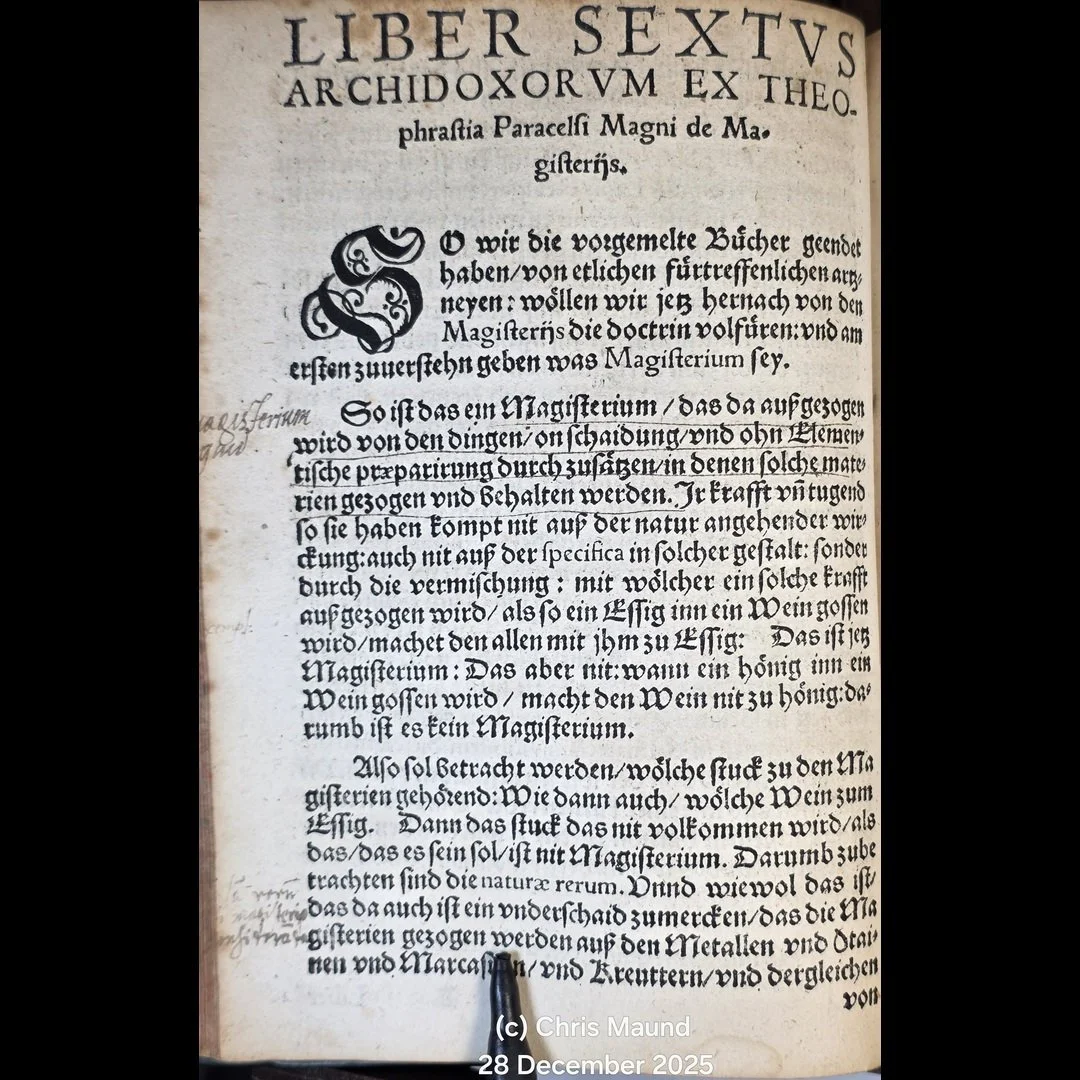 Image 36 of 65
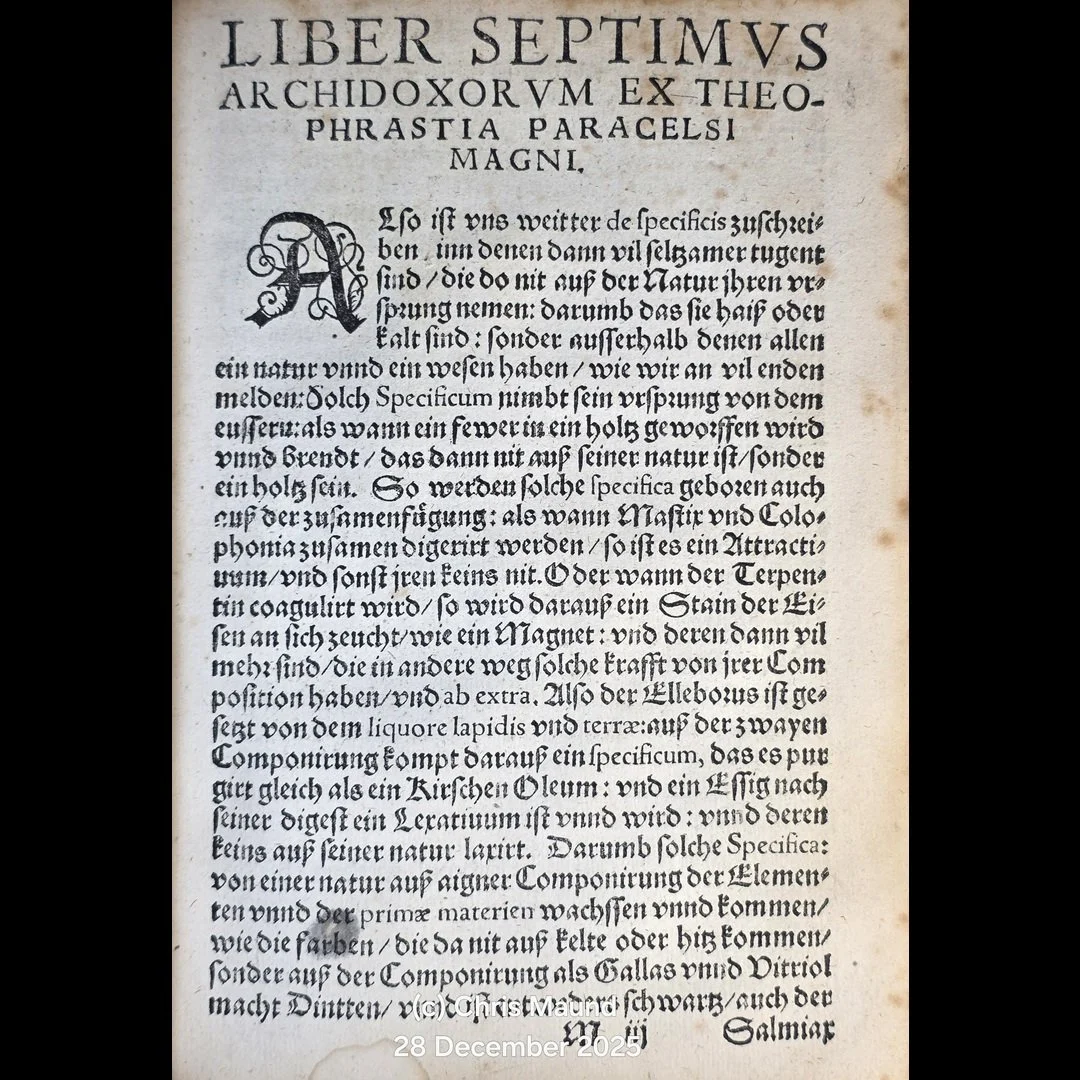 Image 37 of 65
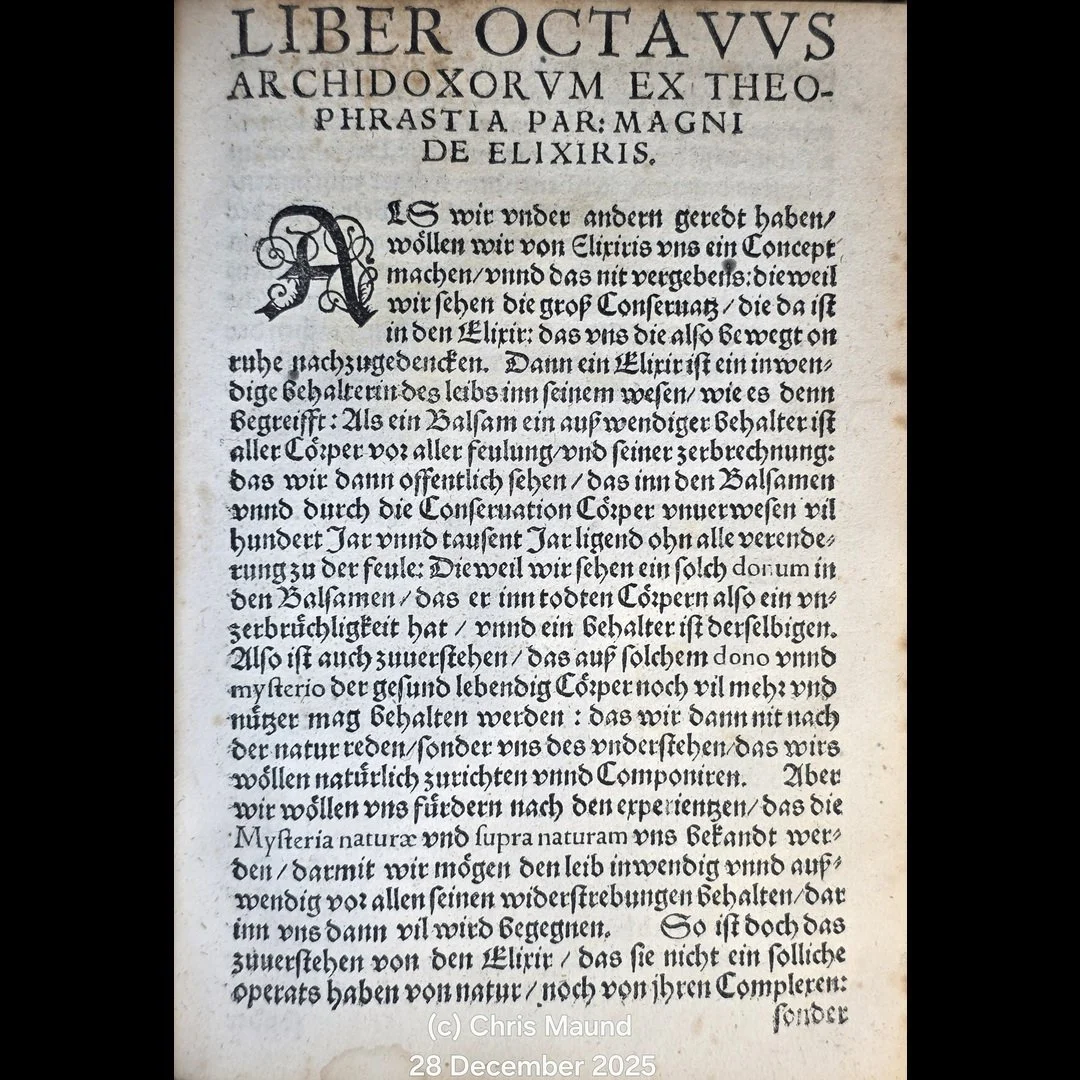 Image 38 of 65
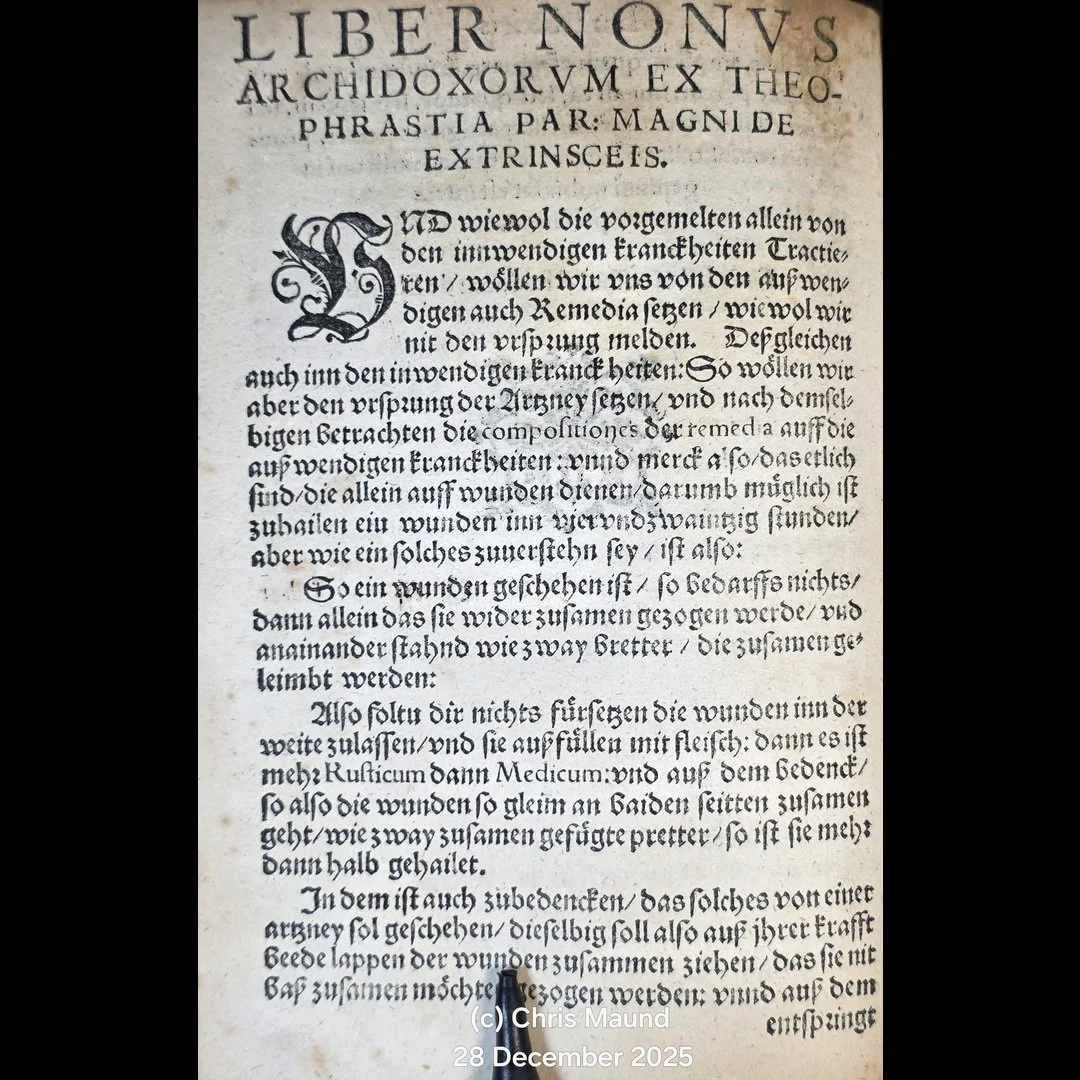 Image 39 of 65
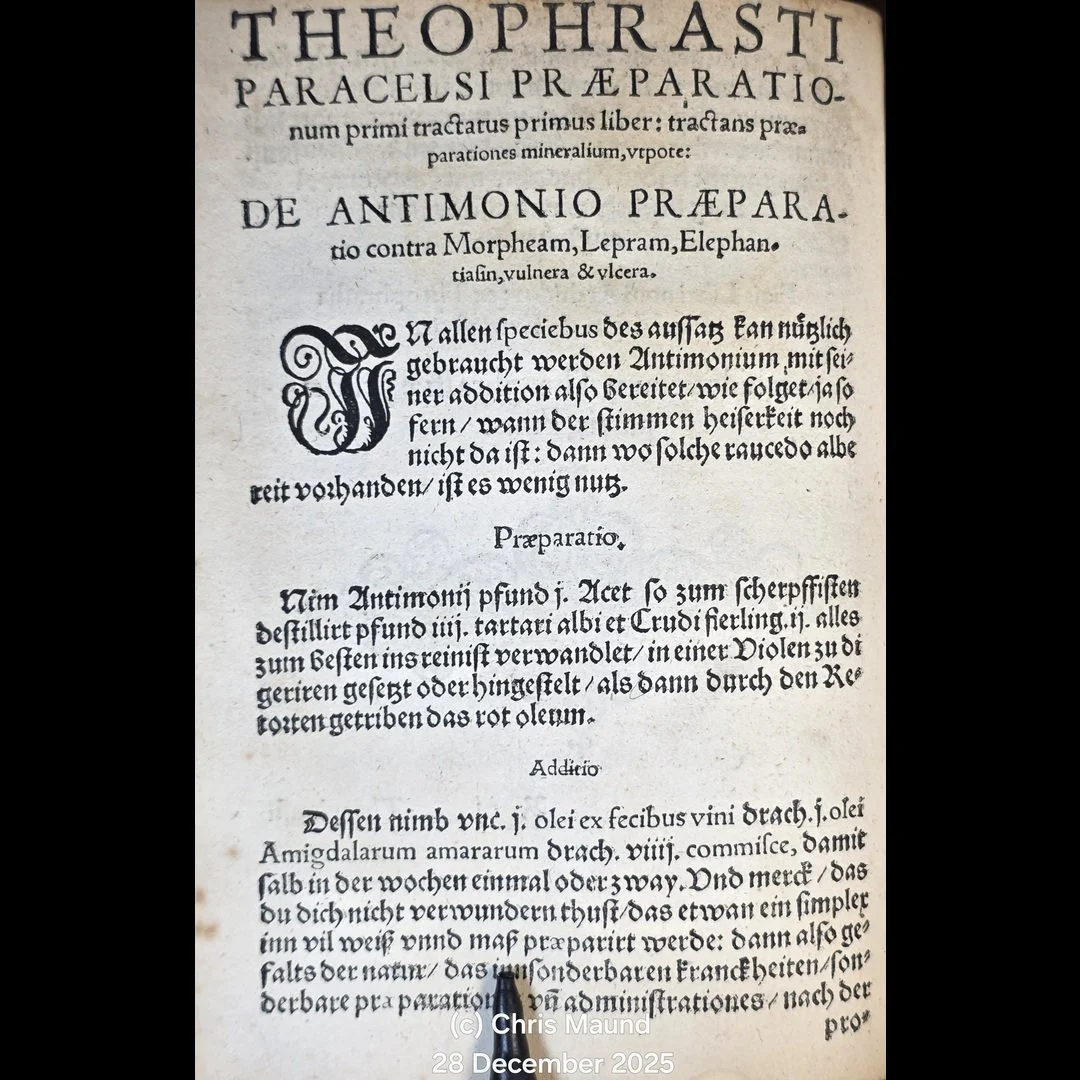 Image 40 of 65
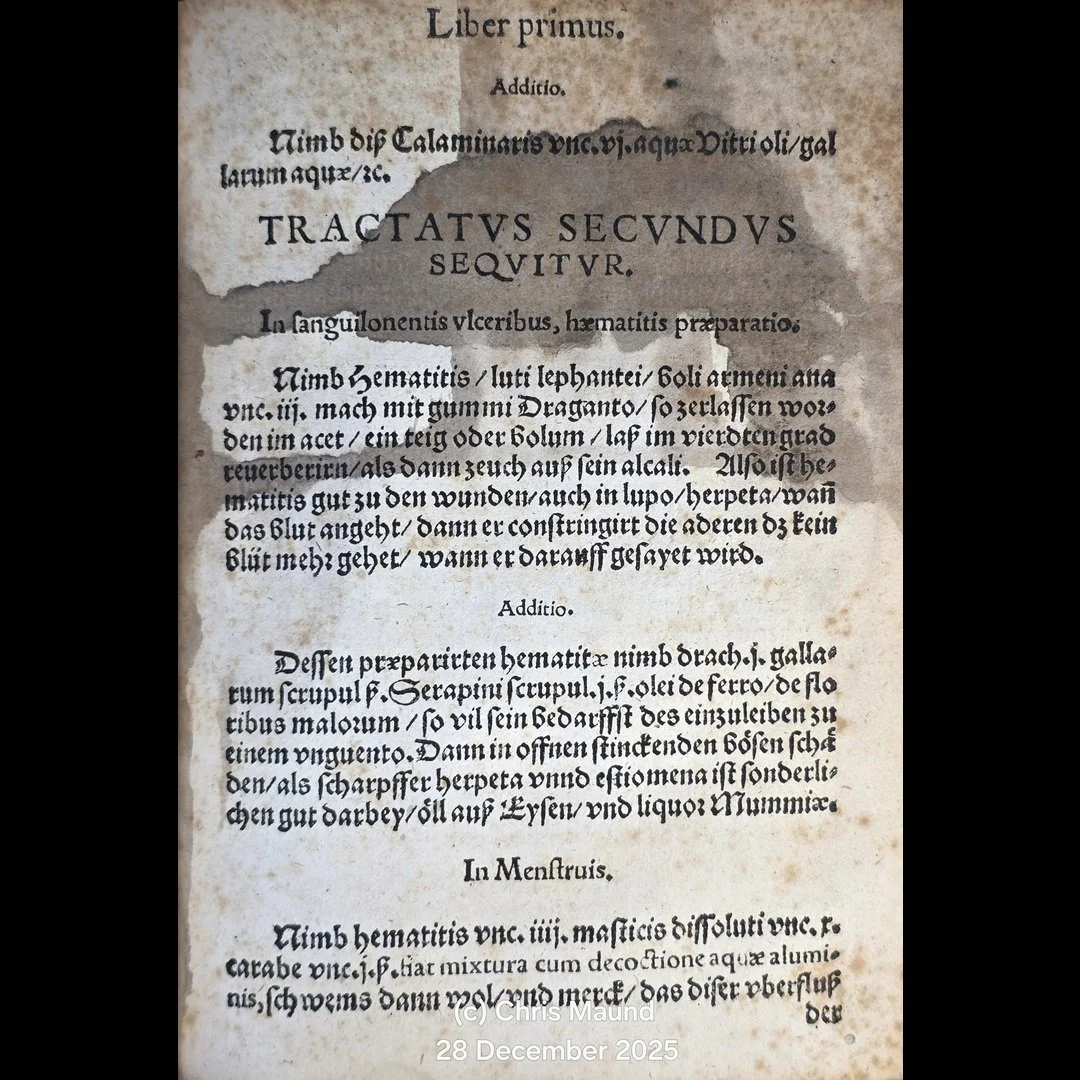 Image 41 of 65
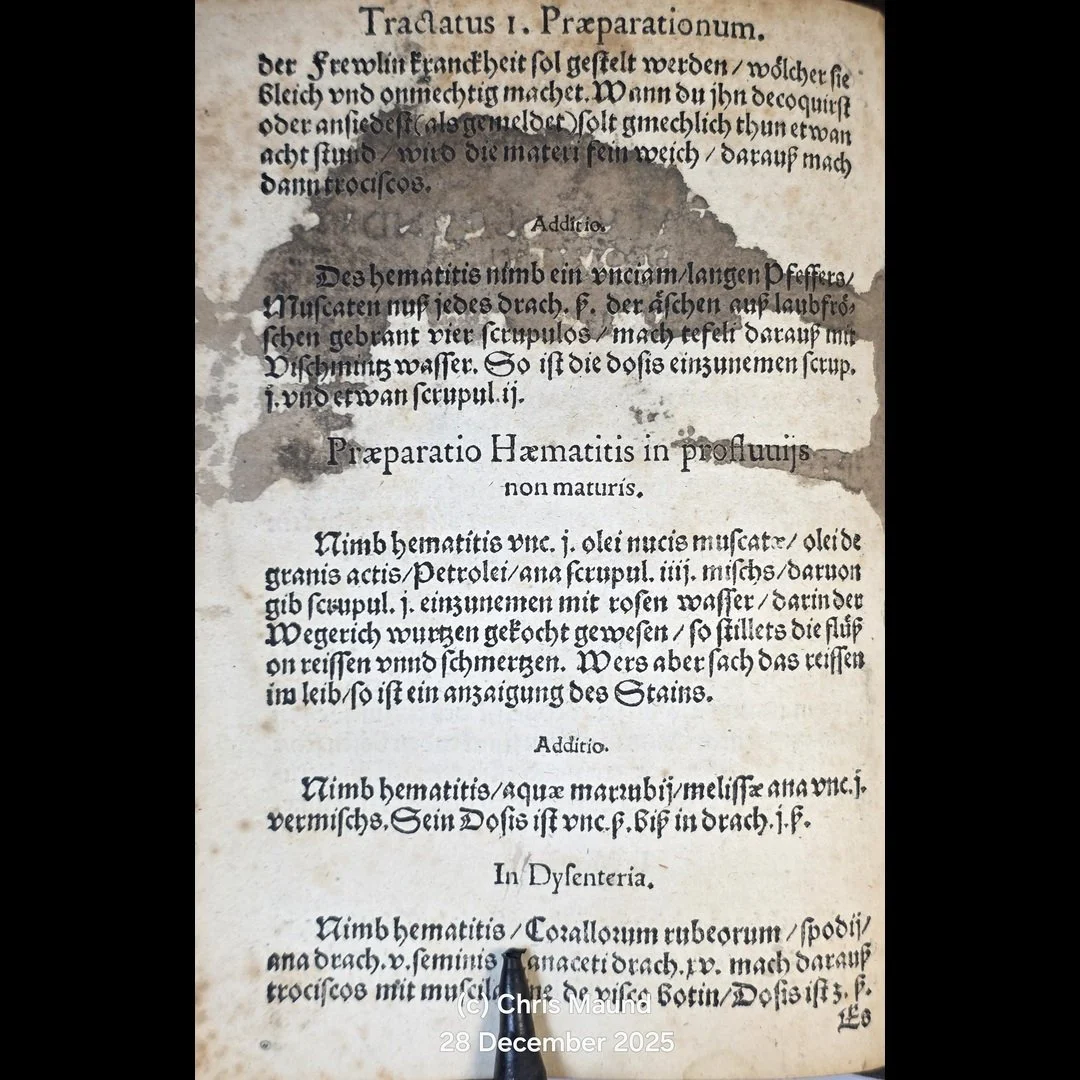 Image 42 of 65
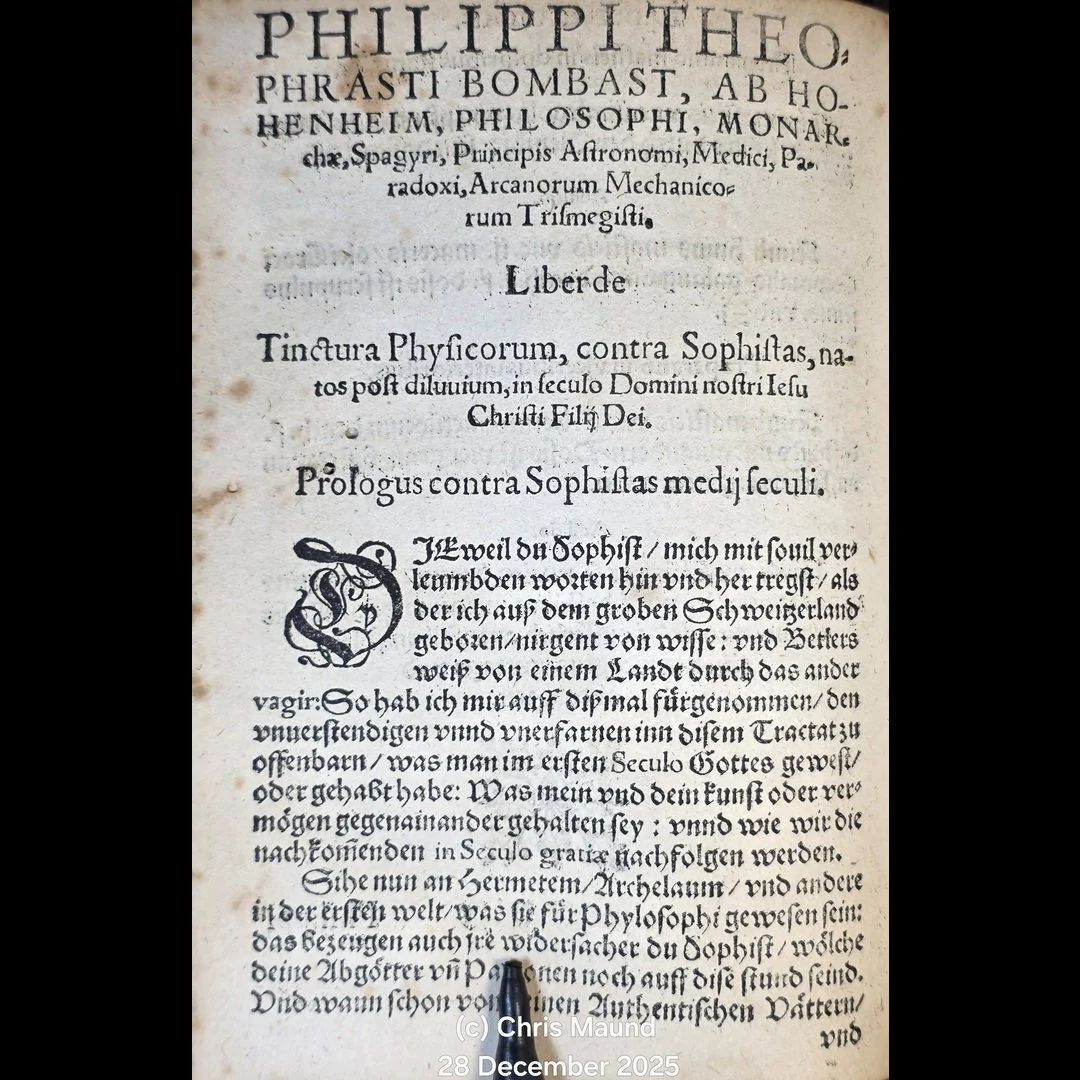 Image 43 of 65
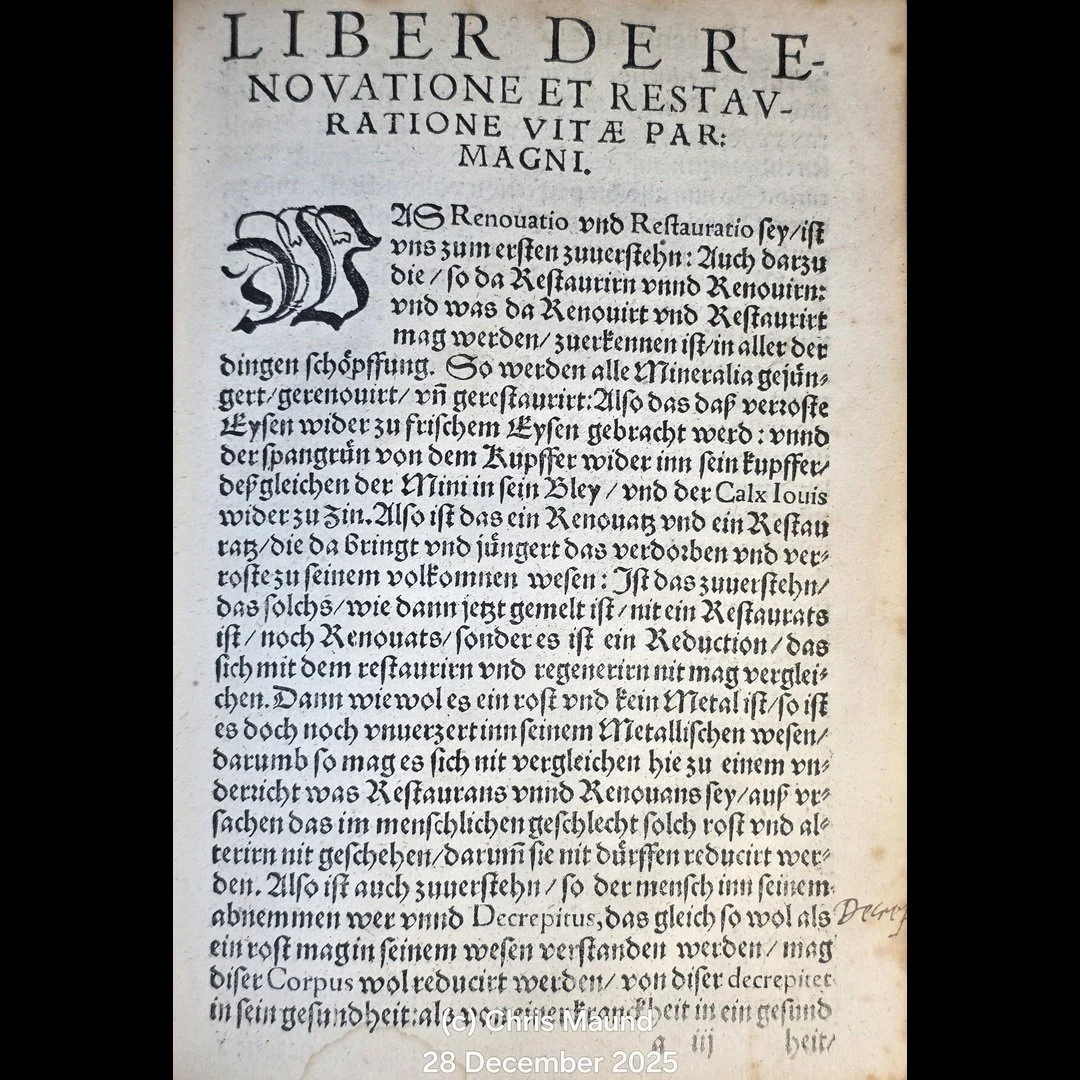 Image 44 of 65
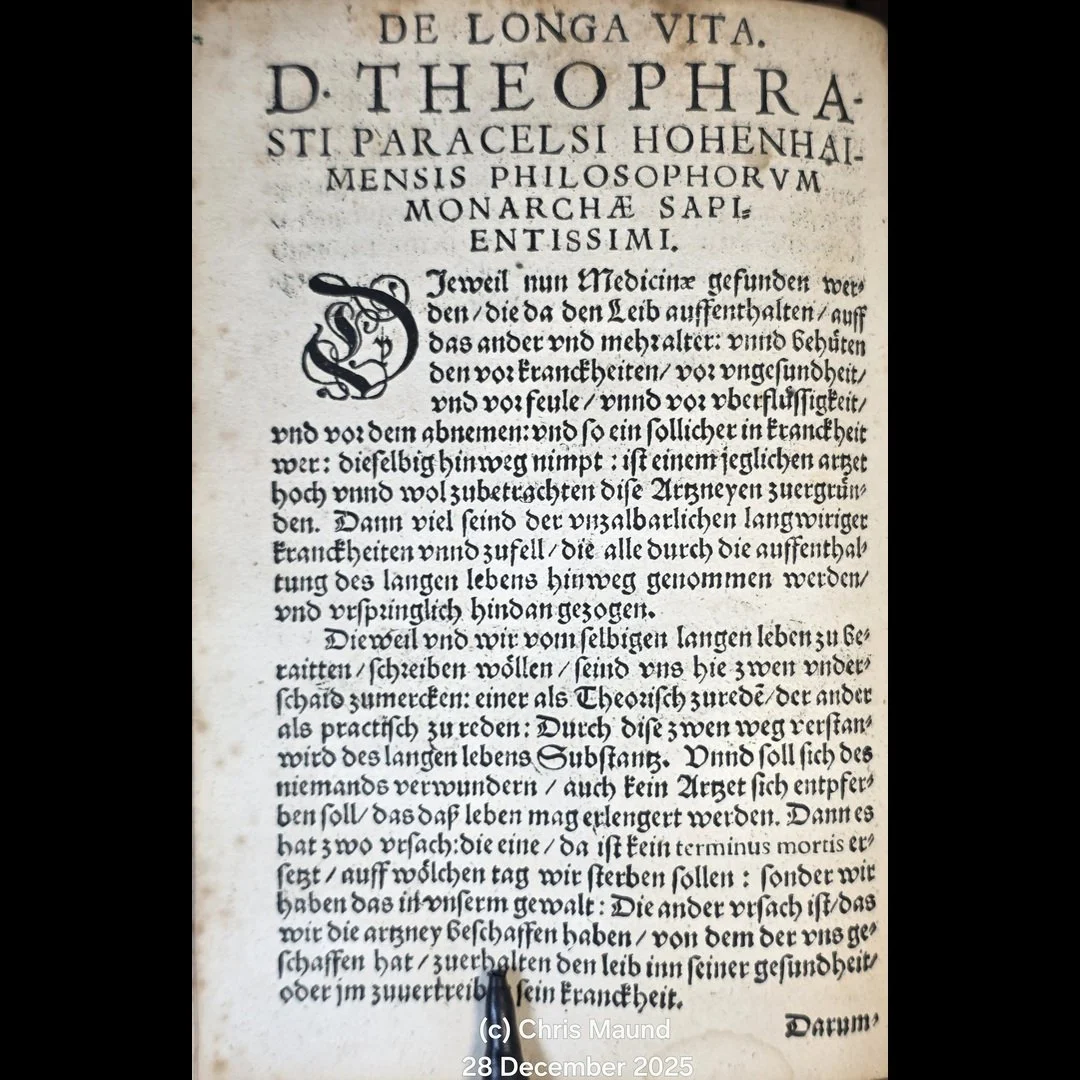 Image 45 of 65
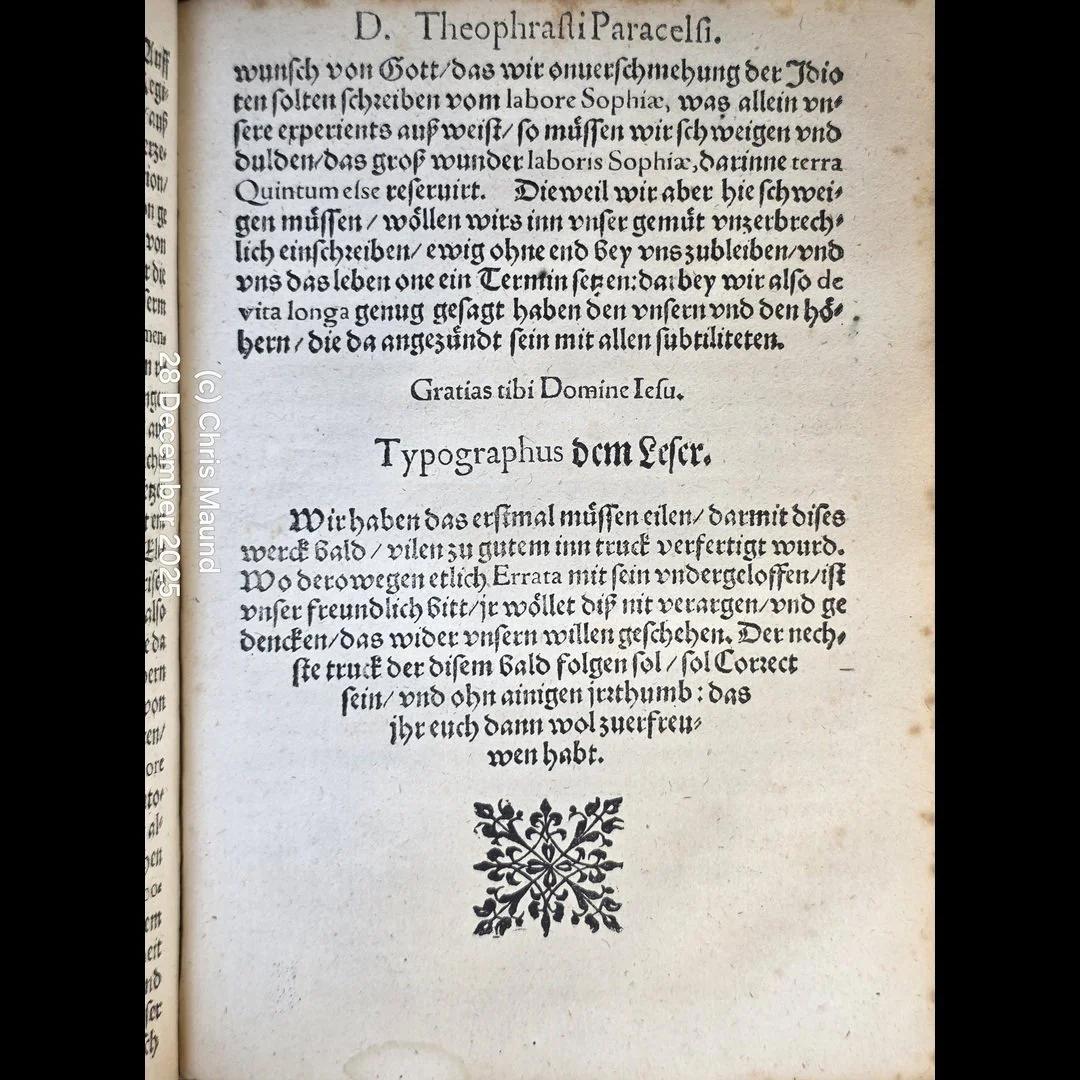 Image 46 of 65
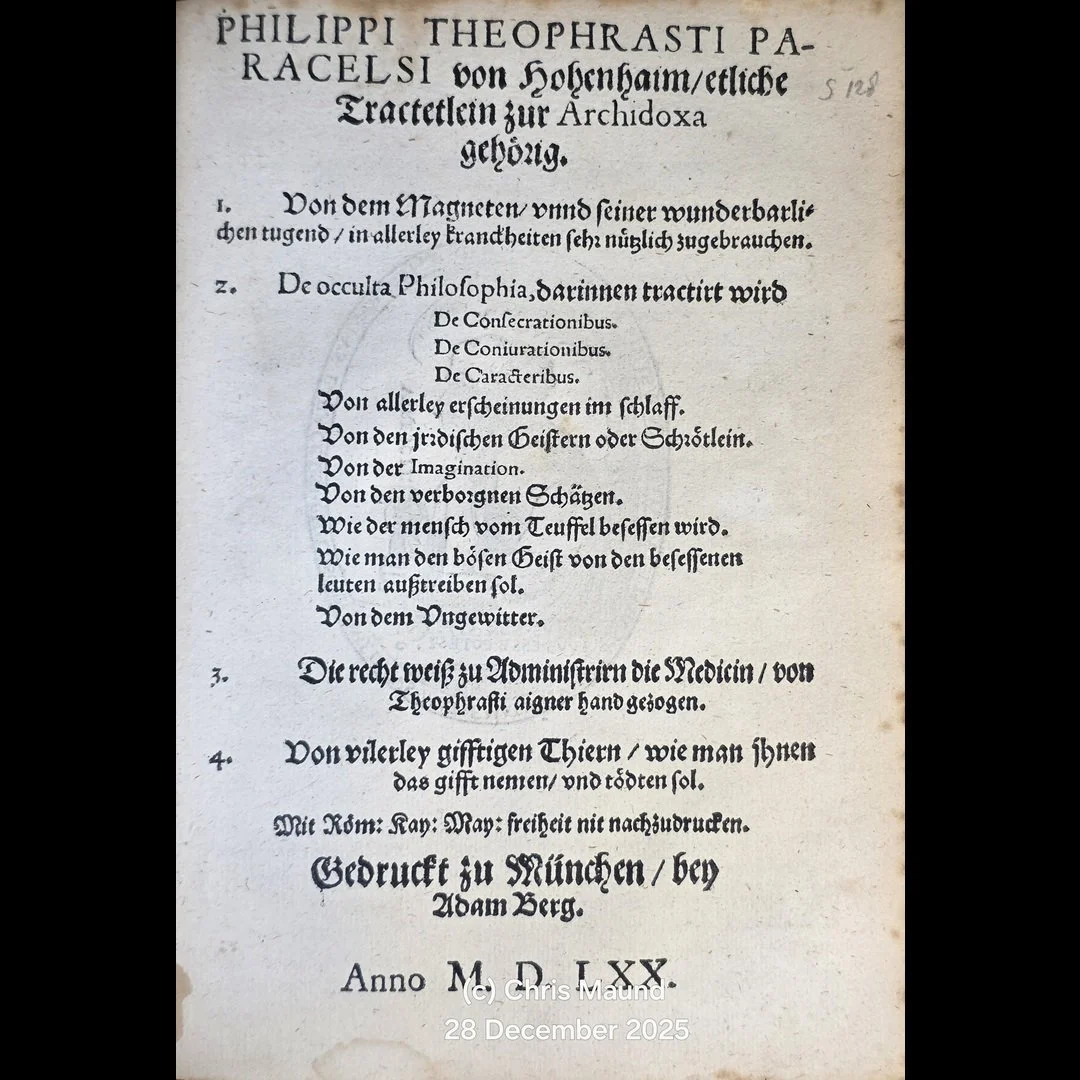 Image 47 of 65
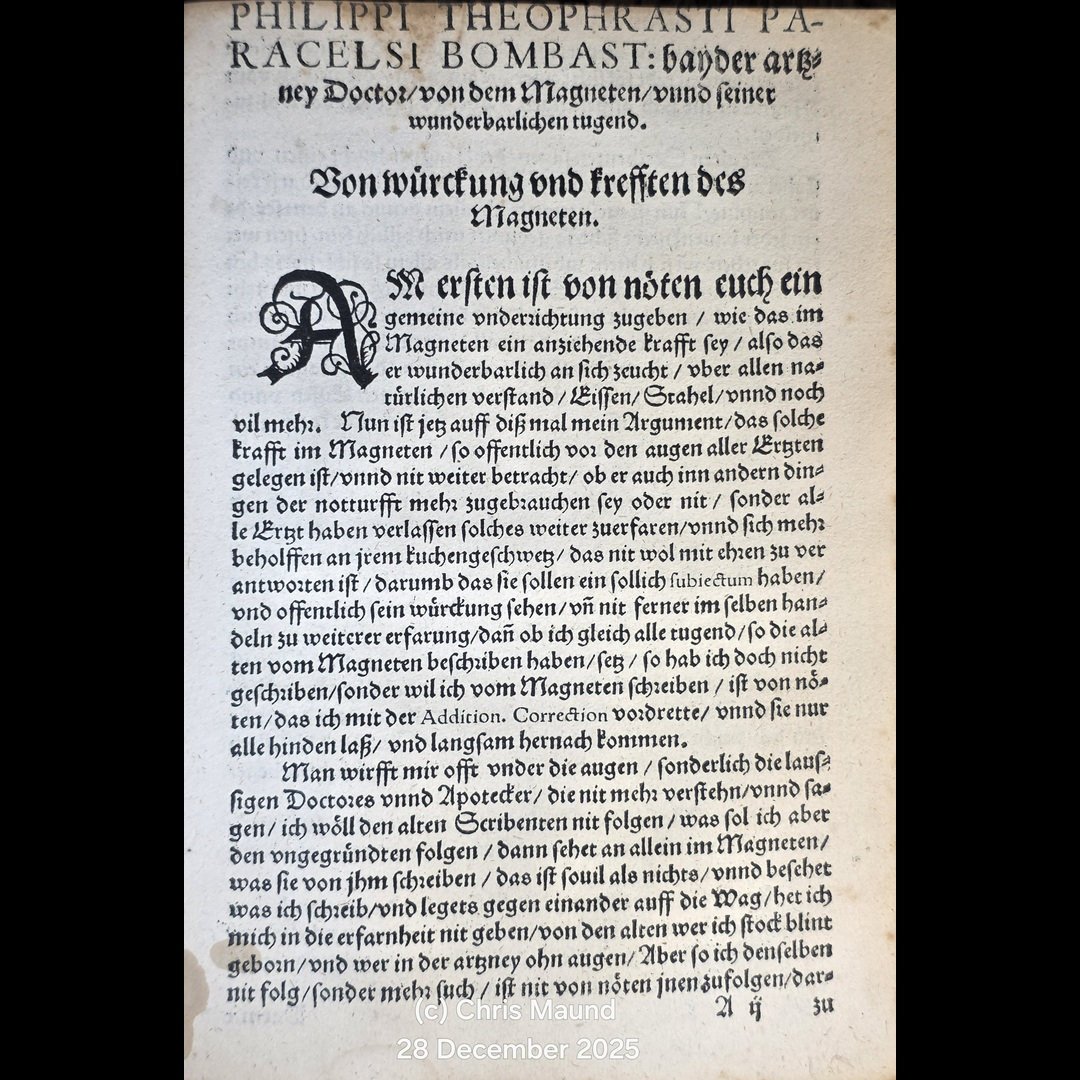 Image 48 of 65
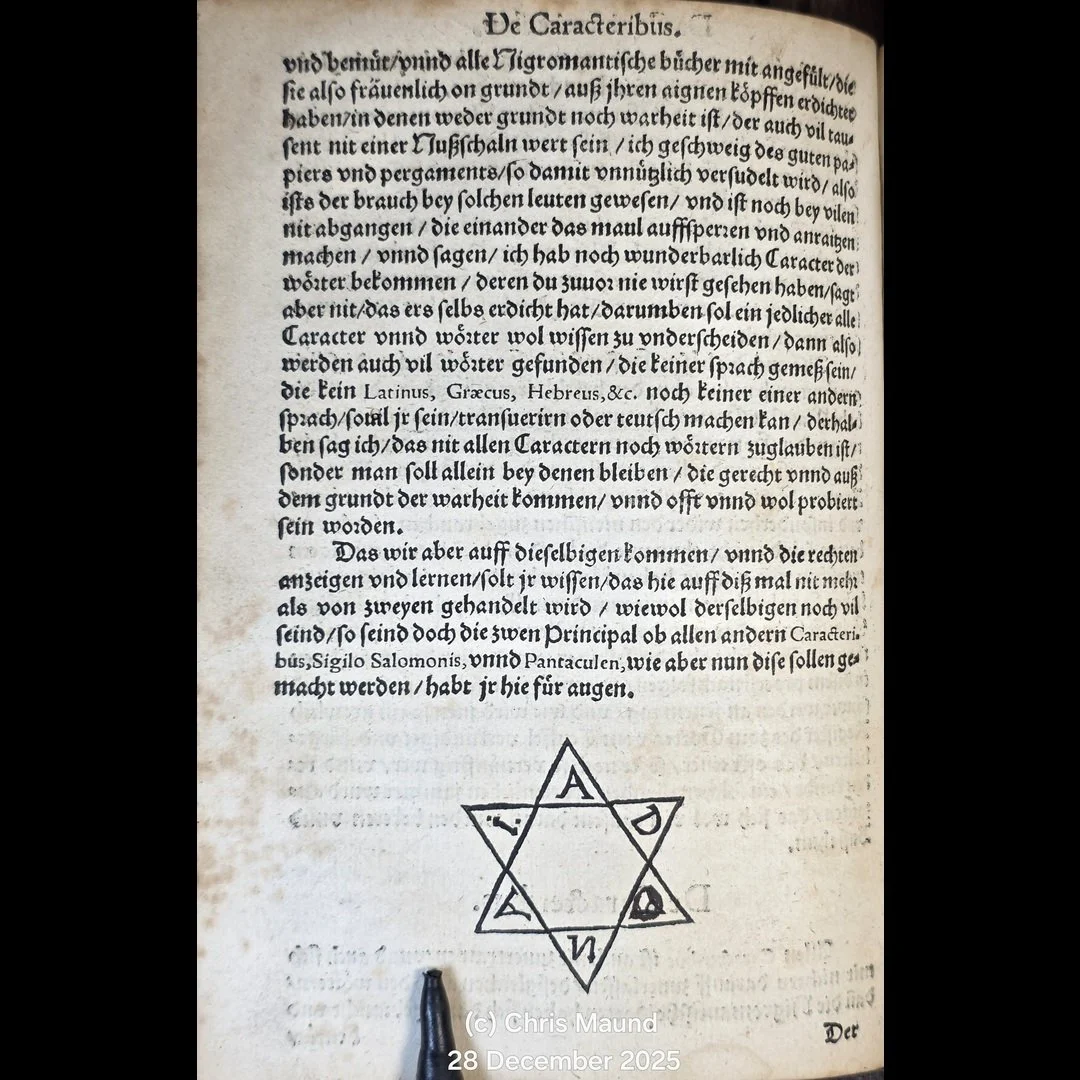 Image 49 of 65
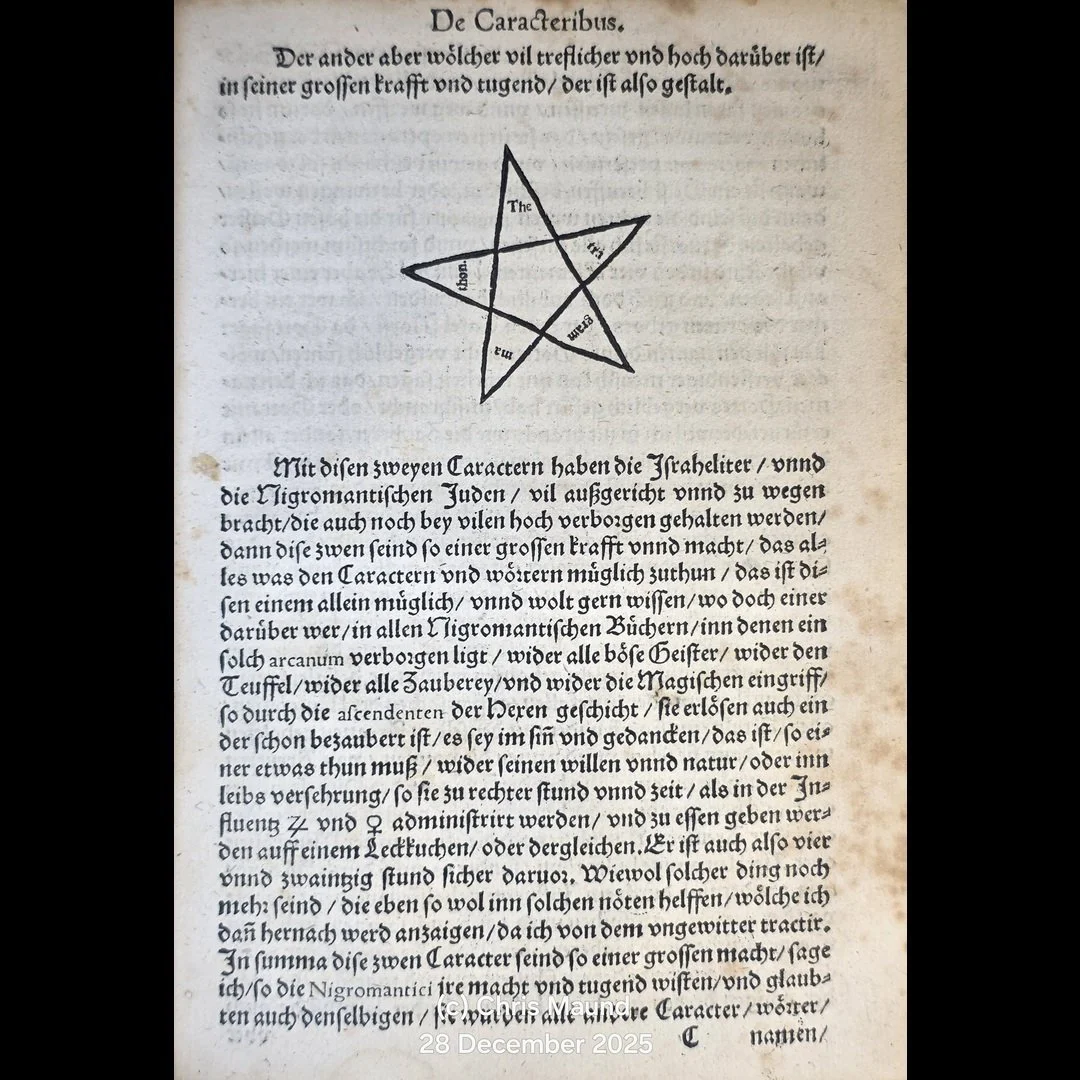 Image 50 of 65
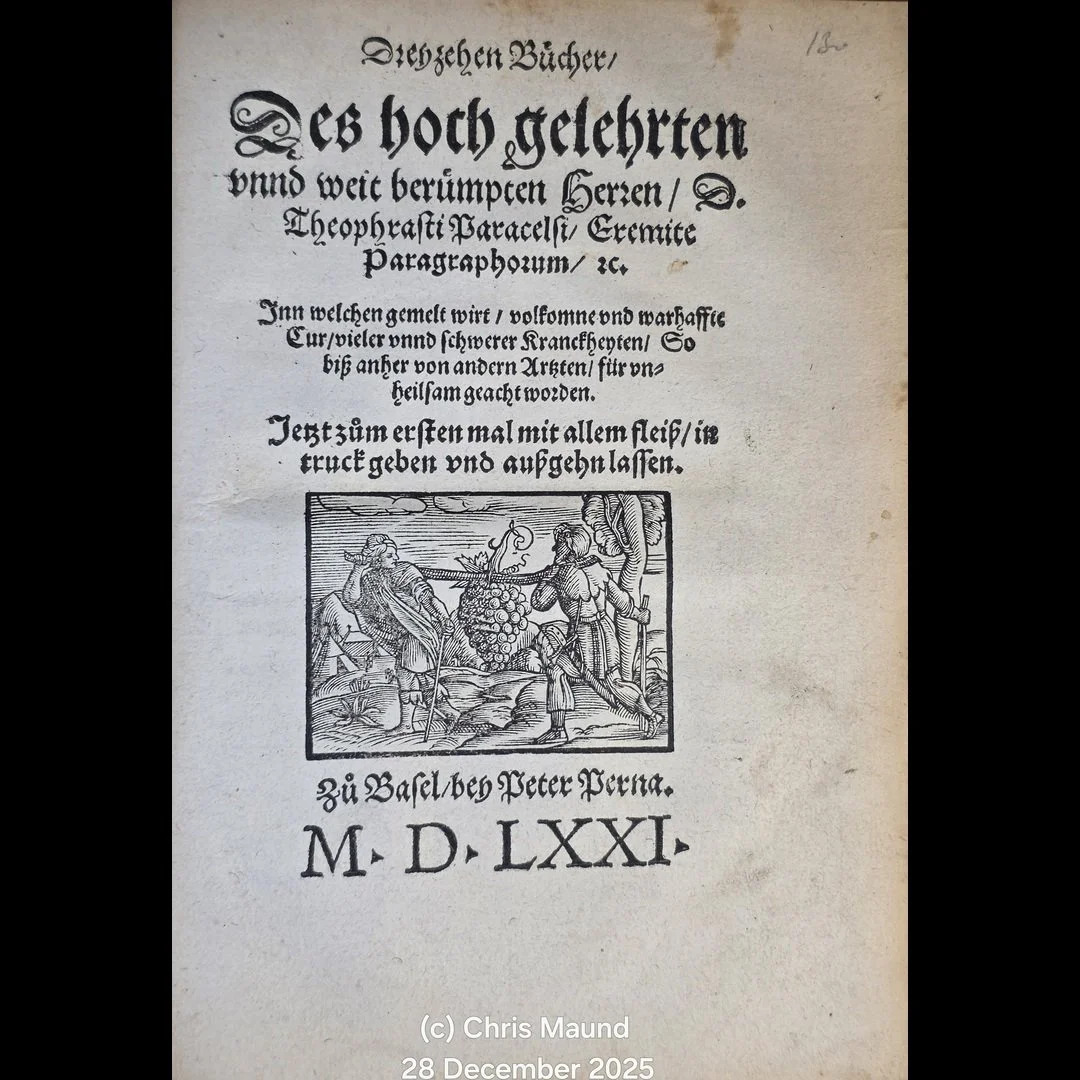 Image 51 of 65
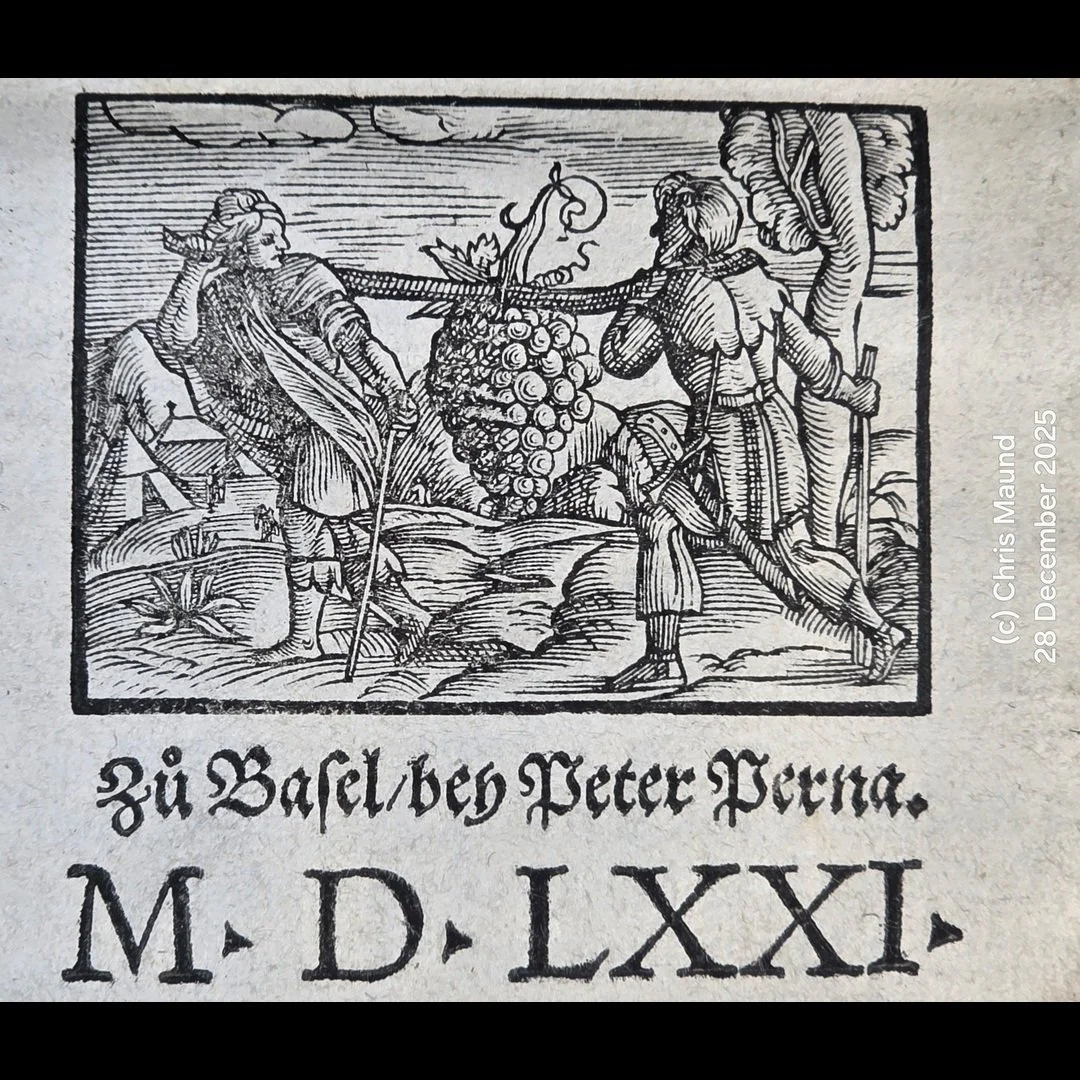 Image 52 of 65
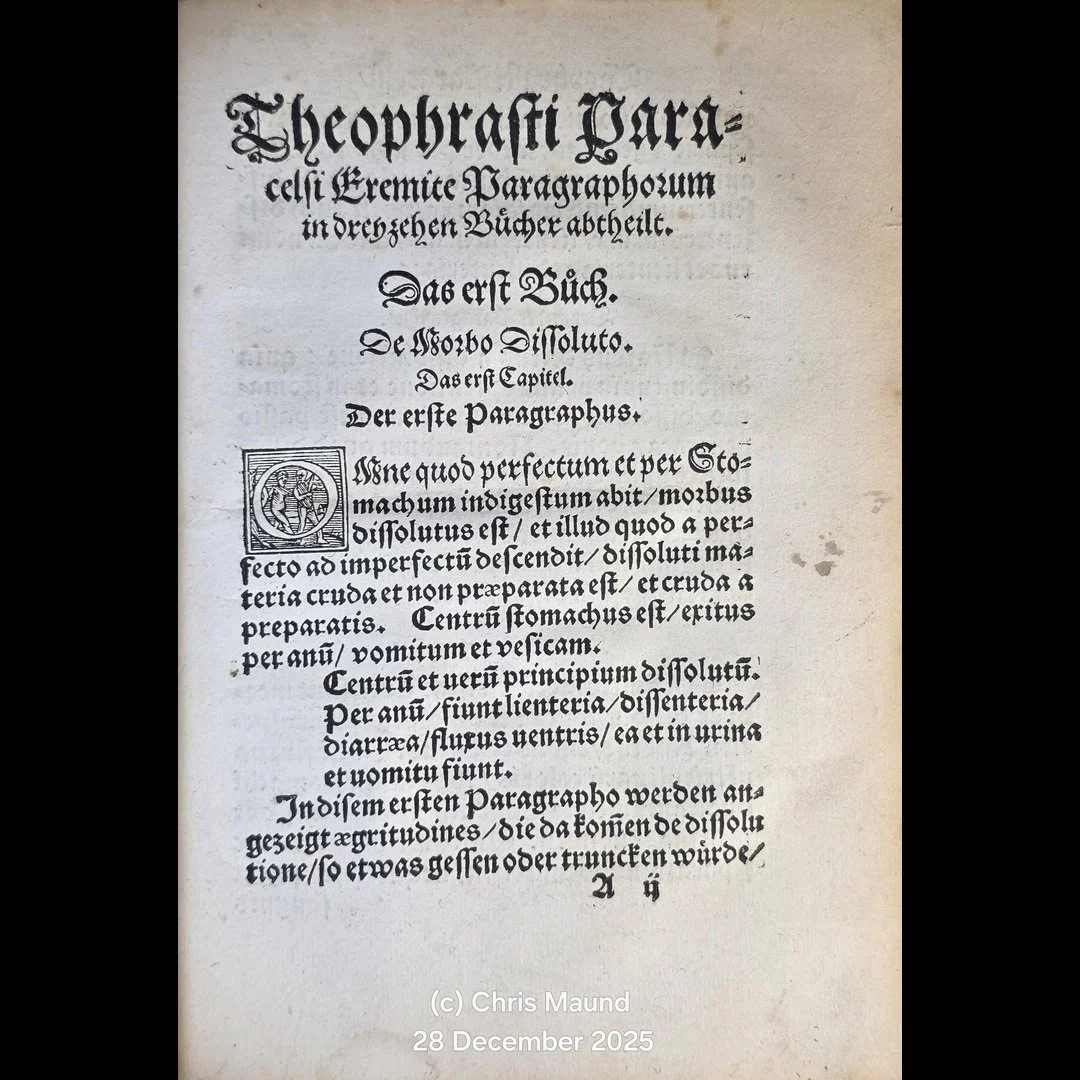 Image 53 of 65
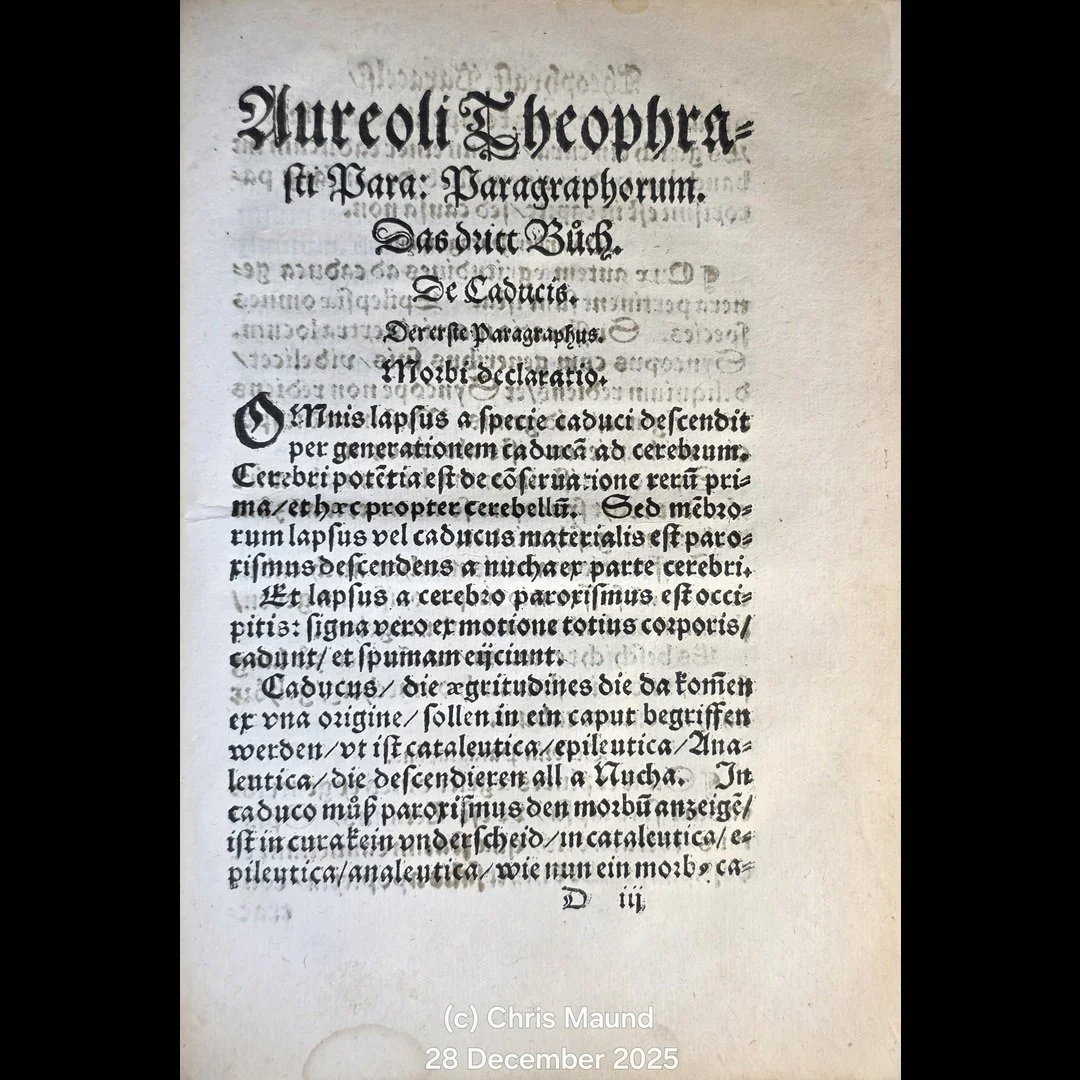 Image 54 of 65
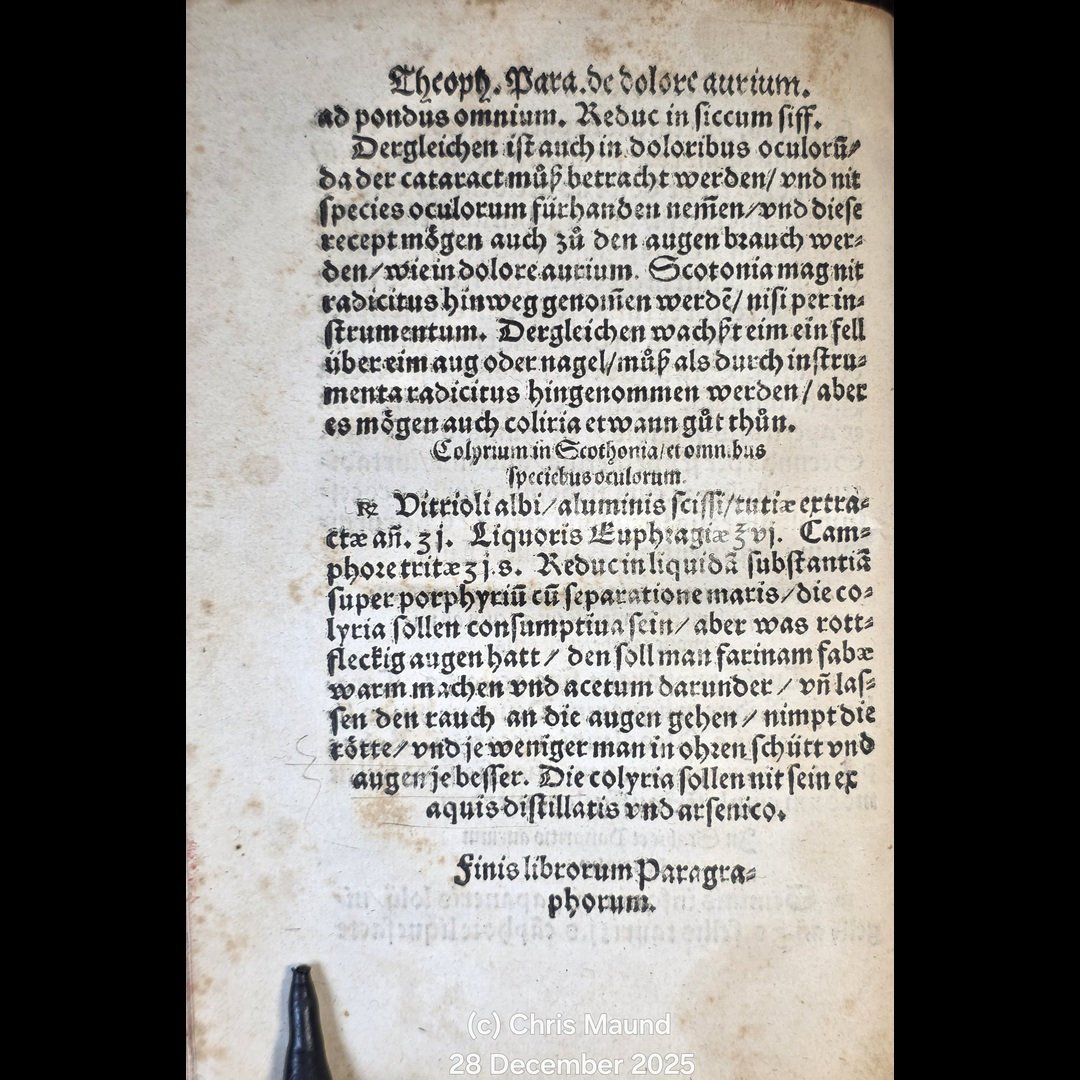 Image 55 of 65
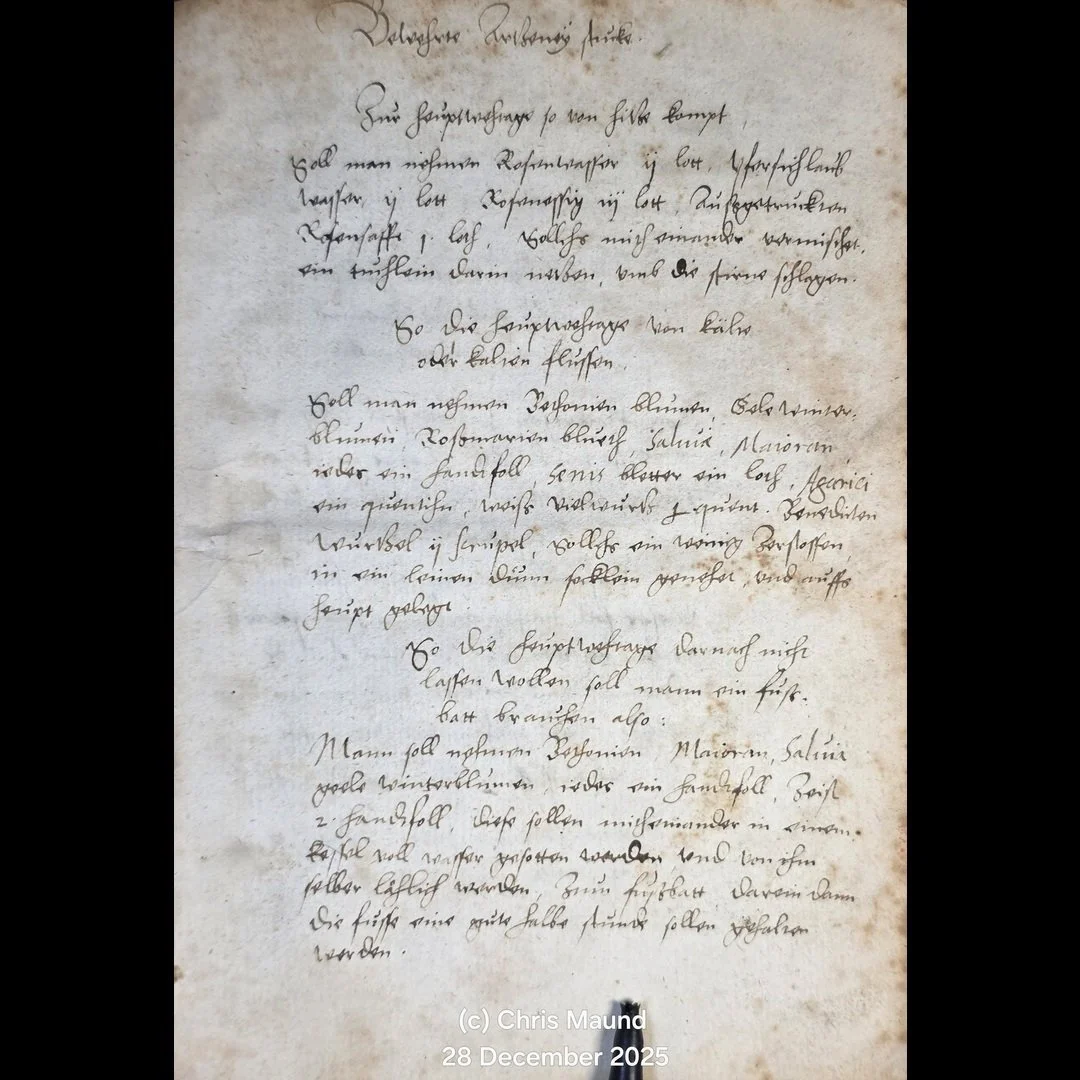 Image 56 of 65
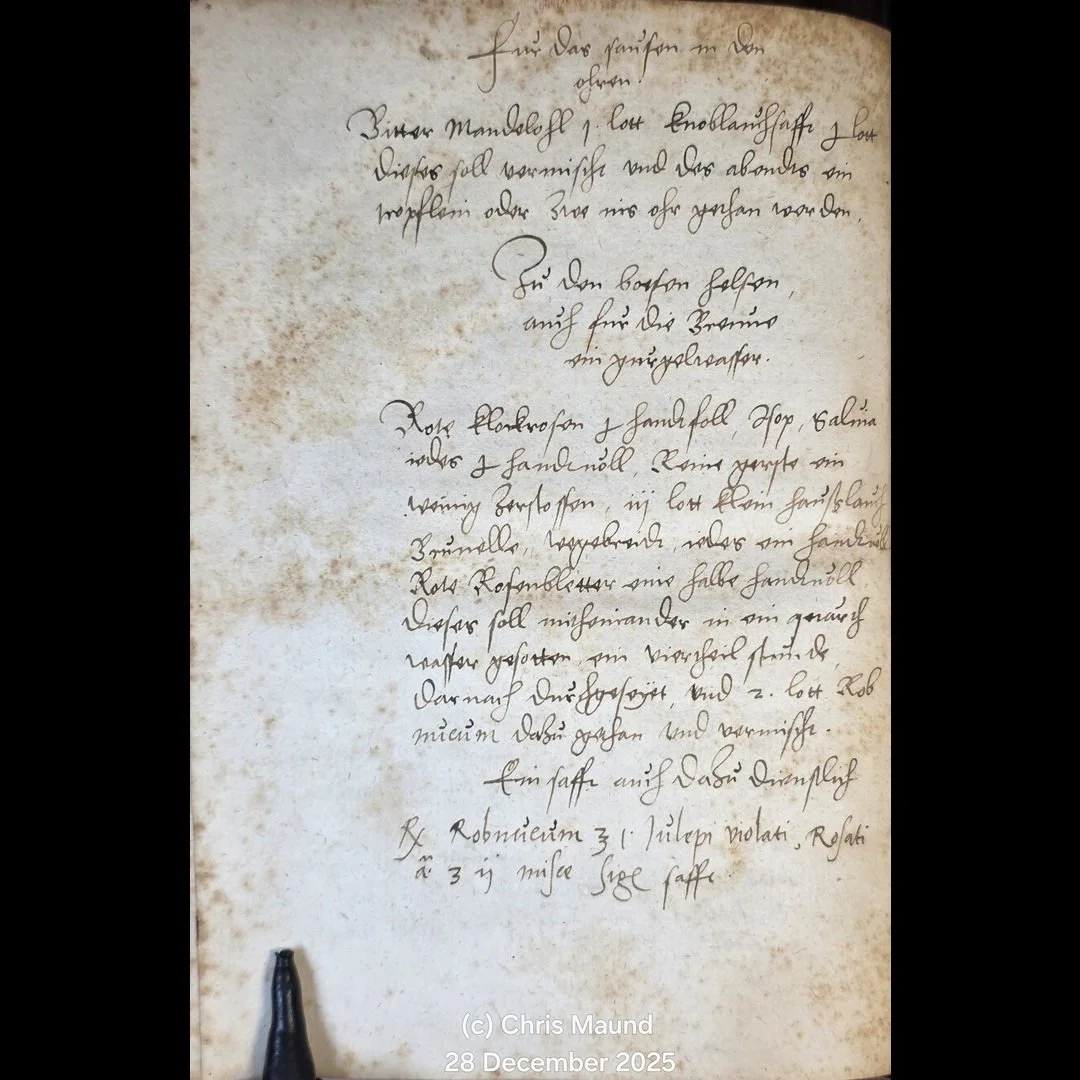 Image 57 of 65
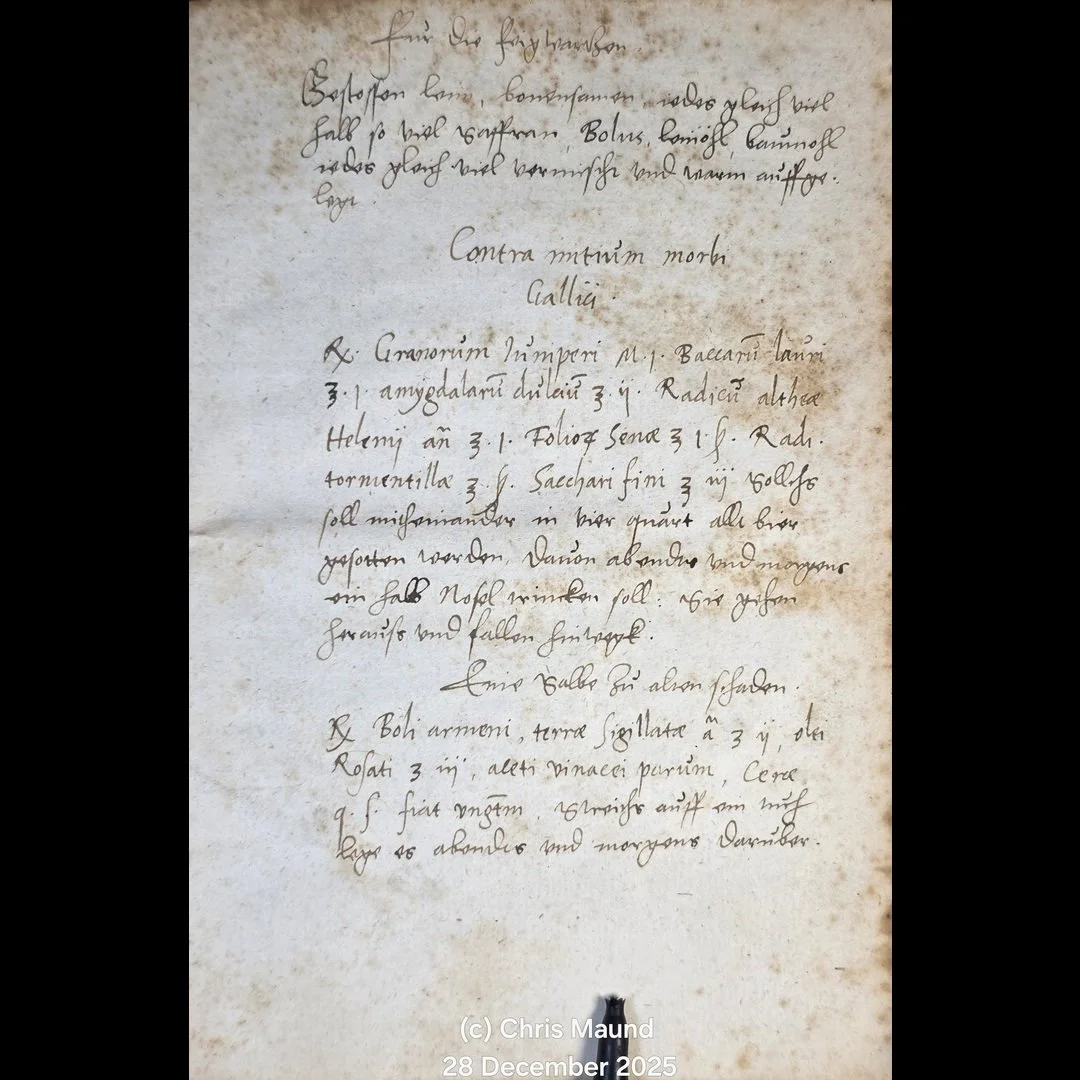 Image 58 of 65
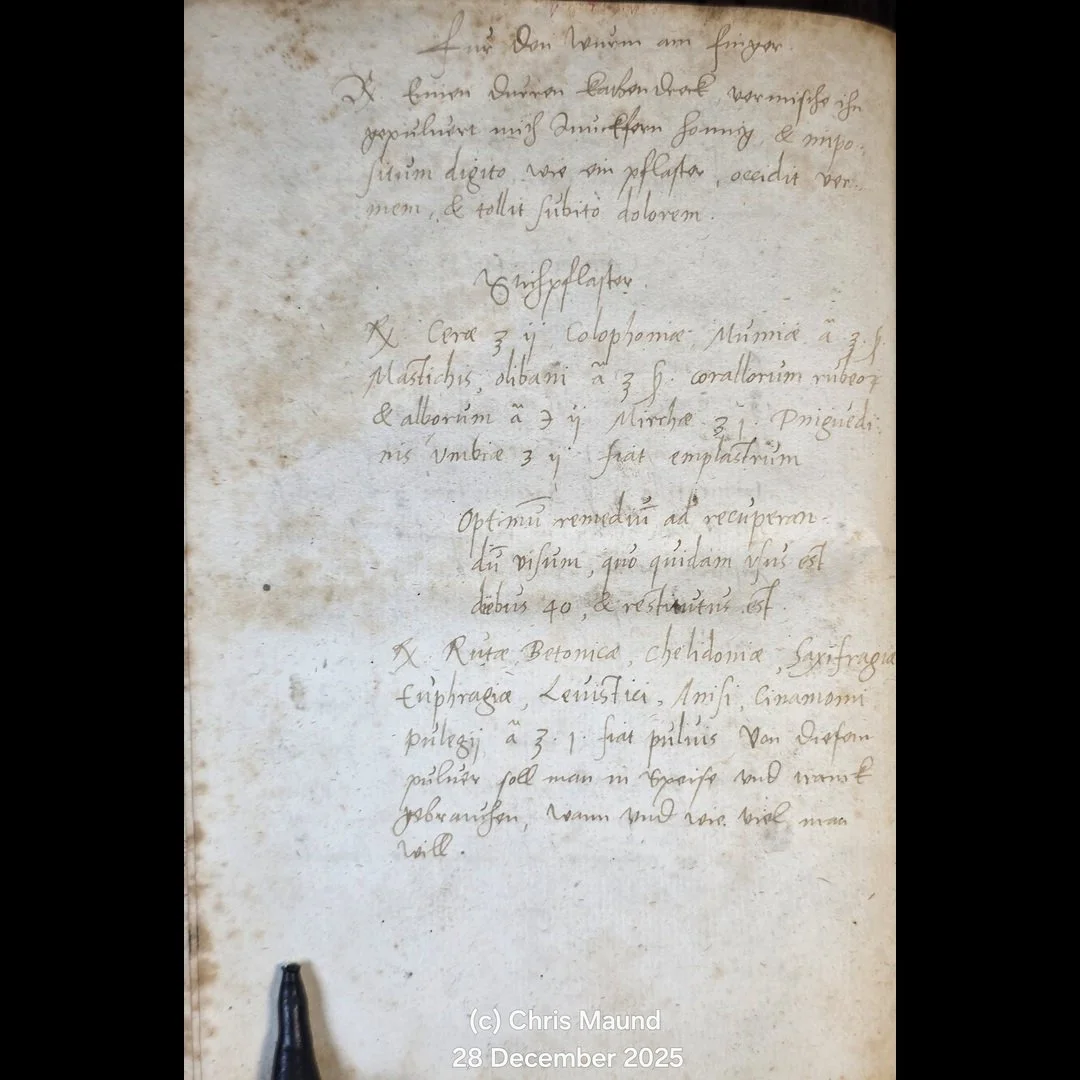 Image 59 of 65
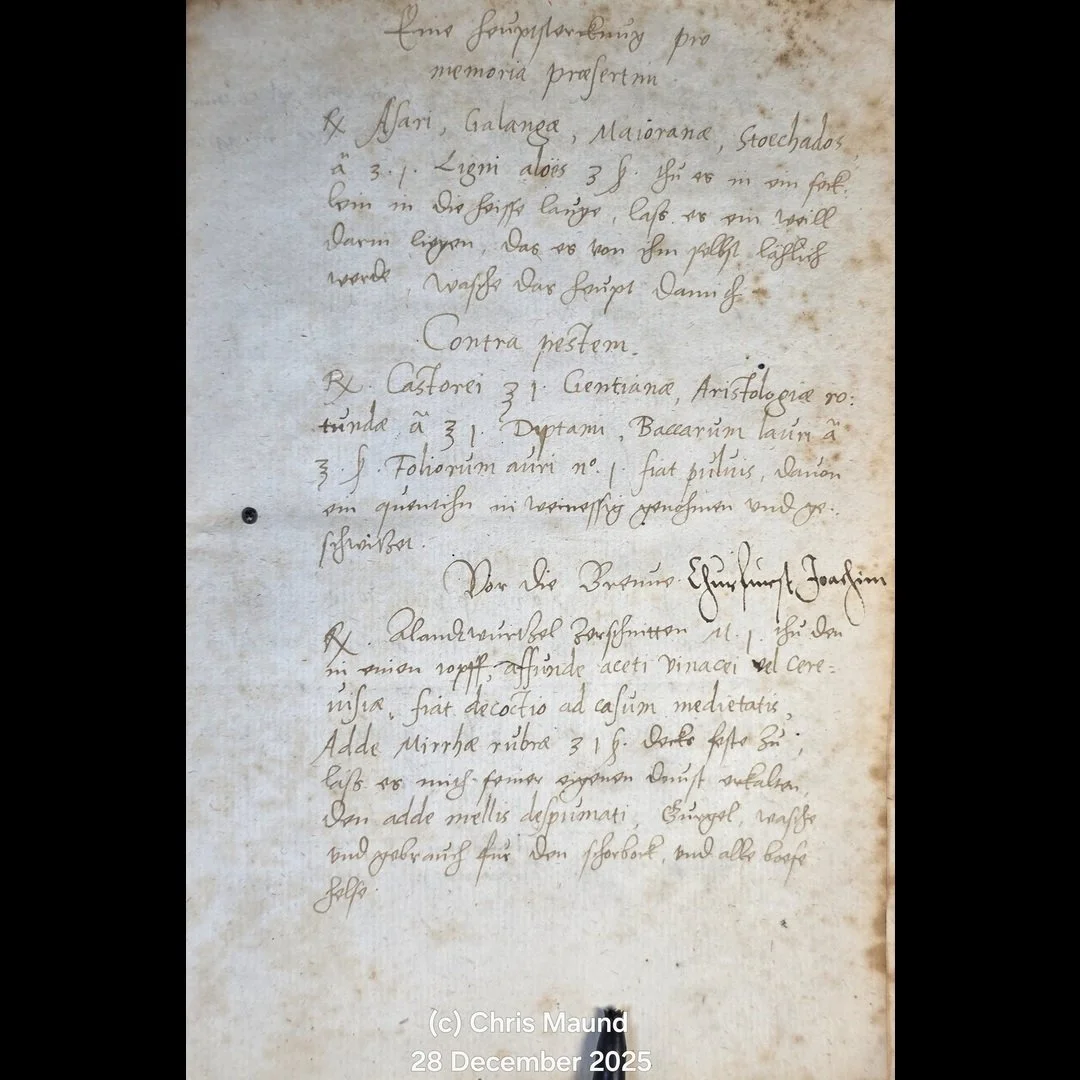 Image 60 of 65
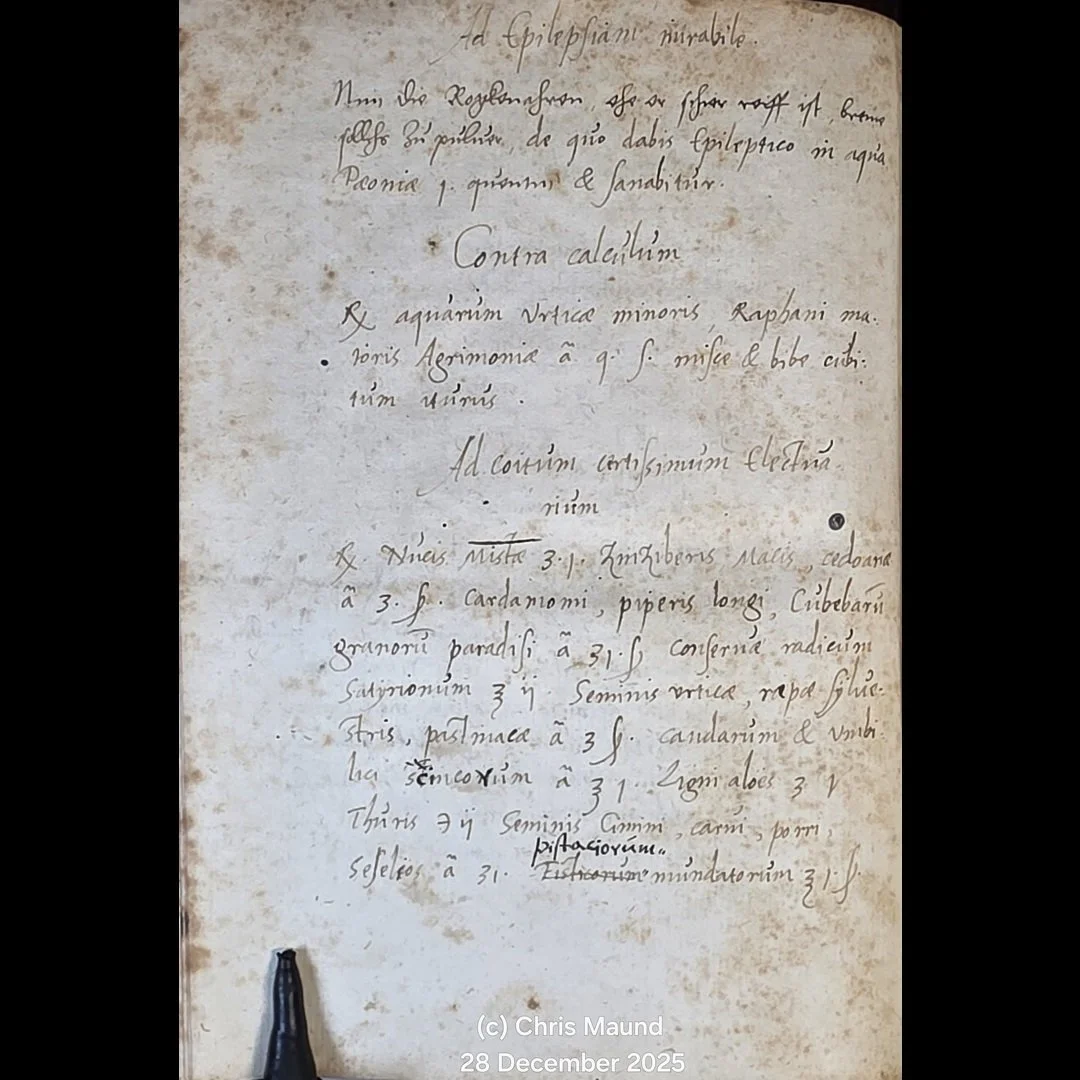 Image 61 of 65
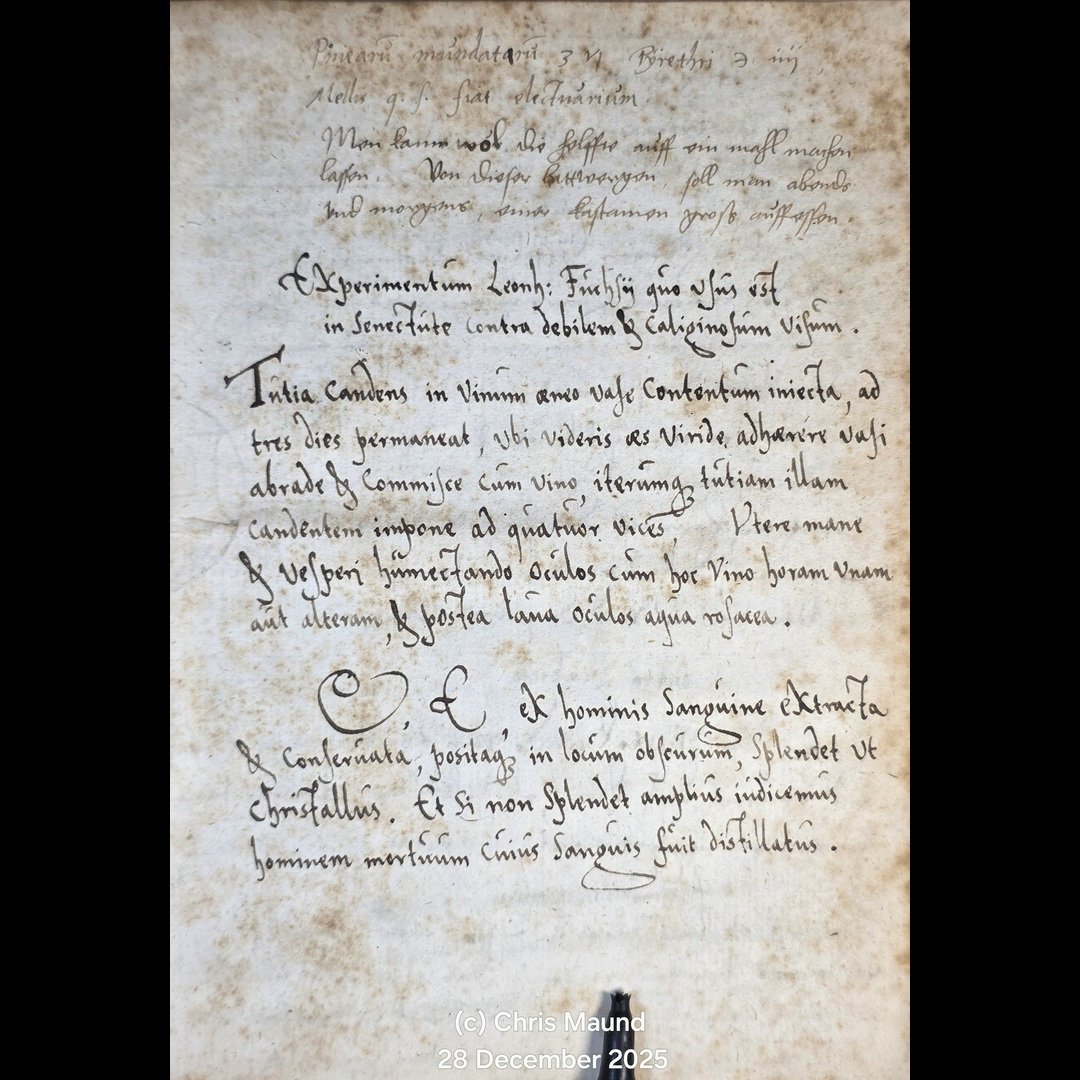 Image 62 of 65
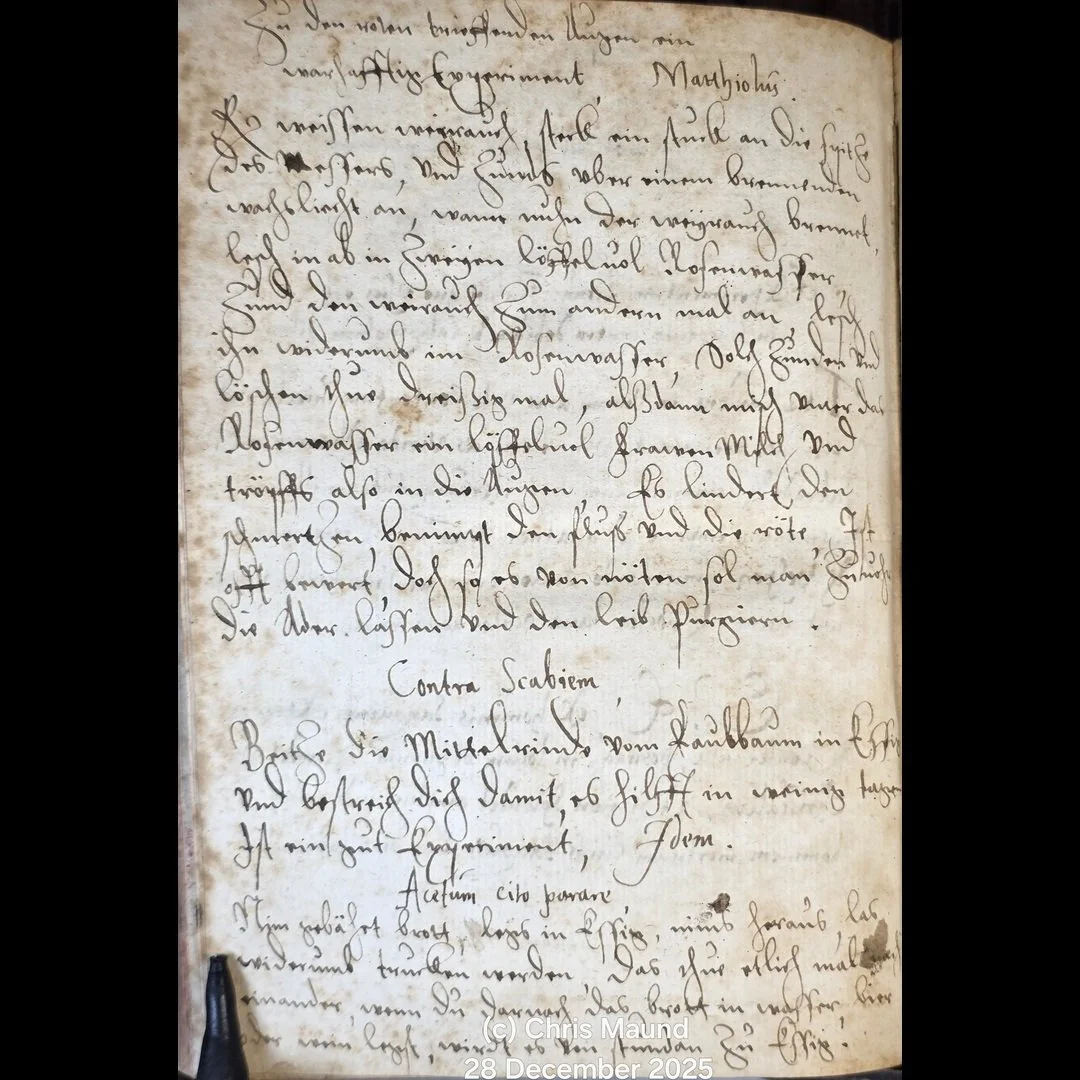 Image 63 of 65
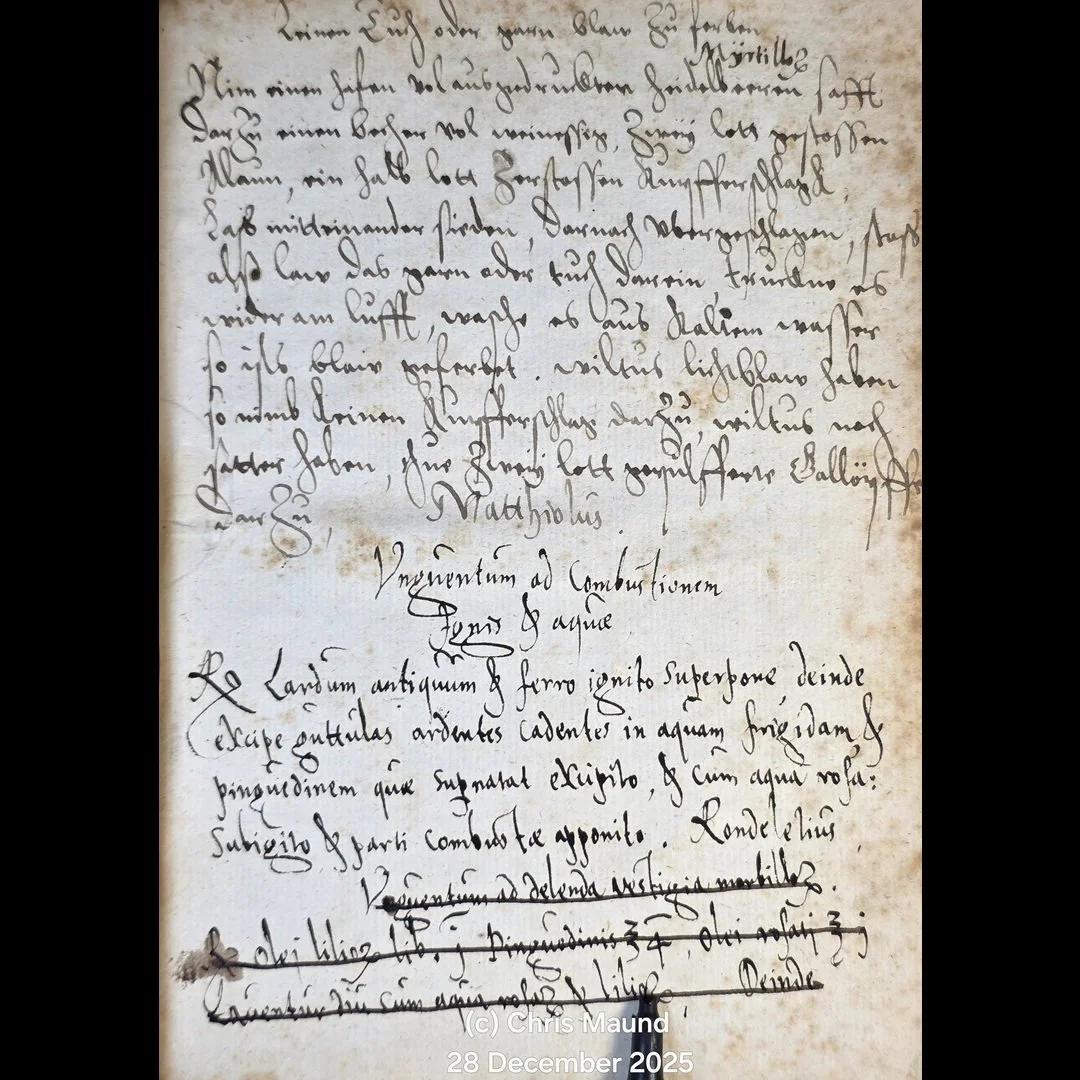 Image 64 of 65
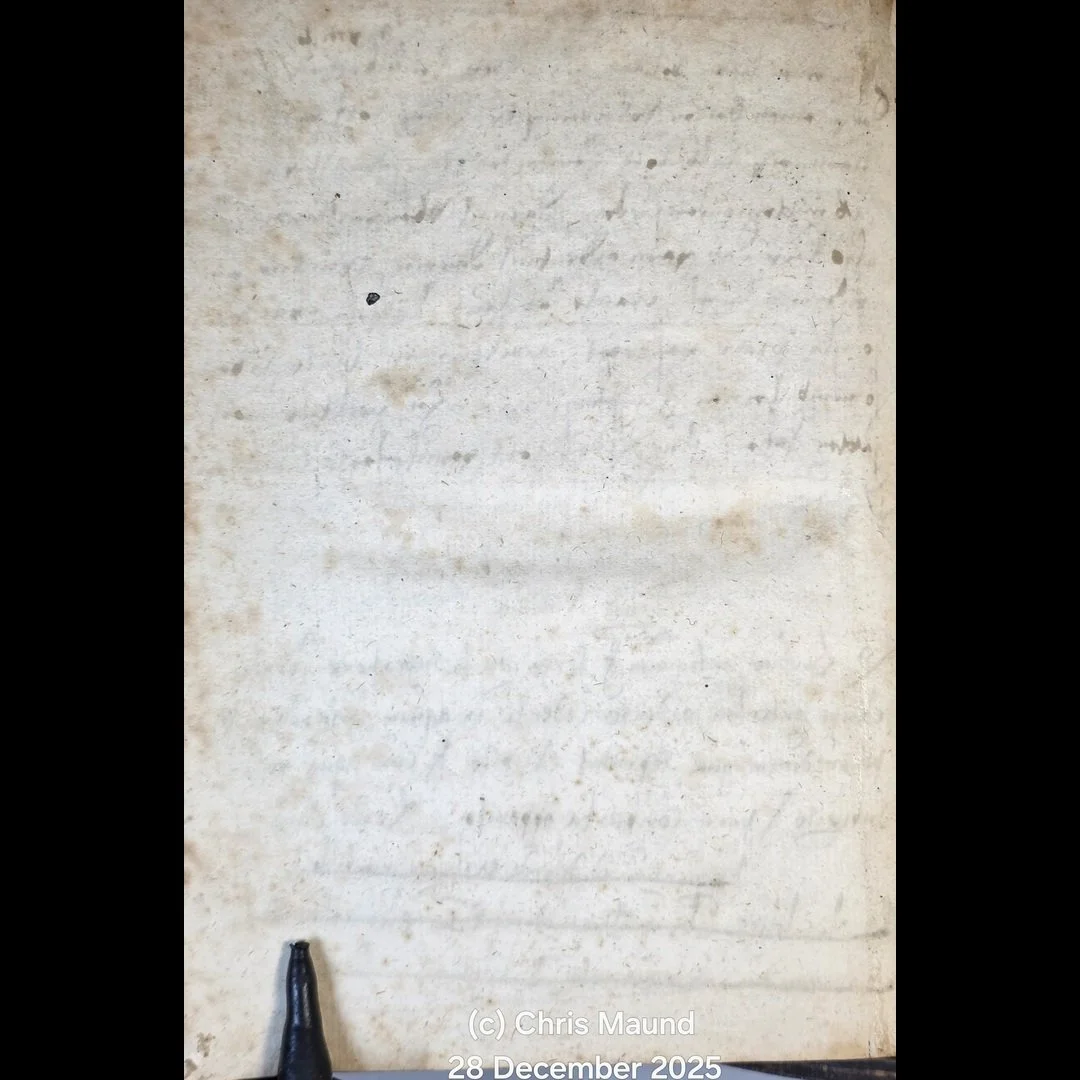 Image 65 of 65