1592 Foillet/Zetzner Montbéliard edition (1592/1593). ,
DE OCCULTIS LITERARUM NOTIS
Seu Artis animi sensa occulte aliis significandi, aut ab aliis significata explicandi… Libri IIII
Io. Baptista Porta, Neapolitano Auctore
Apud Iacobum Foillet, expensis Lazari Zetzneri — title-page dated M.D.XCII (1592) (this edition is commonly catalogued as 1593)
A rare and highly esteemed Renaissance treatise, fundamental to the early history of cryptography and steganography. Porta’s celebrated work explains methods of secret writing, cipher alphabets, symbolic scripts, and message interpretation, extensively illustrated with tables, “unreadable” letterforms, and ingenious dial-based cipher devices.
By Giambattista della Porta
Author Bio: Giambattista della Porta (1535–1615), the Neapolitan polymath whose writings sit at the crossroads of early science, natural magic, and practical technique. Here, “occult” is not merely mystical but literal: the concealment and recovery of meaning through letterforms, codes, and systems designed to defeat unauthorised readers.
Synopsis: Often considered alongside Trithemius as one of the most important early works on secret communication, De occultis literarum notis stands out for its practical ambition and its visual ingenuity: cipher tables, hieroglyphic-like alphabets, and rotating dial-schemes that make the book feel like a Renaissance instrument manual as much as a text.
A compact treasure-house of early modern secret writing. Porta demonstrates how meaning can be hidden in signs and letters, how unfamiliar alphabets and symbol systems can be devised, and how messages may be rendered unreadable (and then made readable again) through keys, tables, and structured encipherment. The work is richly supplied with examples and includes a celebrated cipher-wheel component intended to be cut out and applied to designated pages.
Volvelles / movable parts:
With the NOTA leaf bearing three circular cipher-wheel rings, present and uncut, intended (as printed on the NOTA leaf) to be applied to pp. 92, 98, and 103. The corresponding dial-bases are present on those pages. Notably, those dial pages show no pinprick, paste shadow, or rub-circle, suggesting the wheels were never mounted.
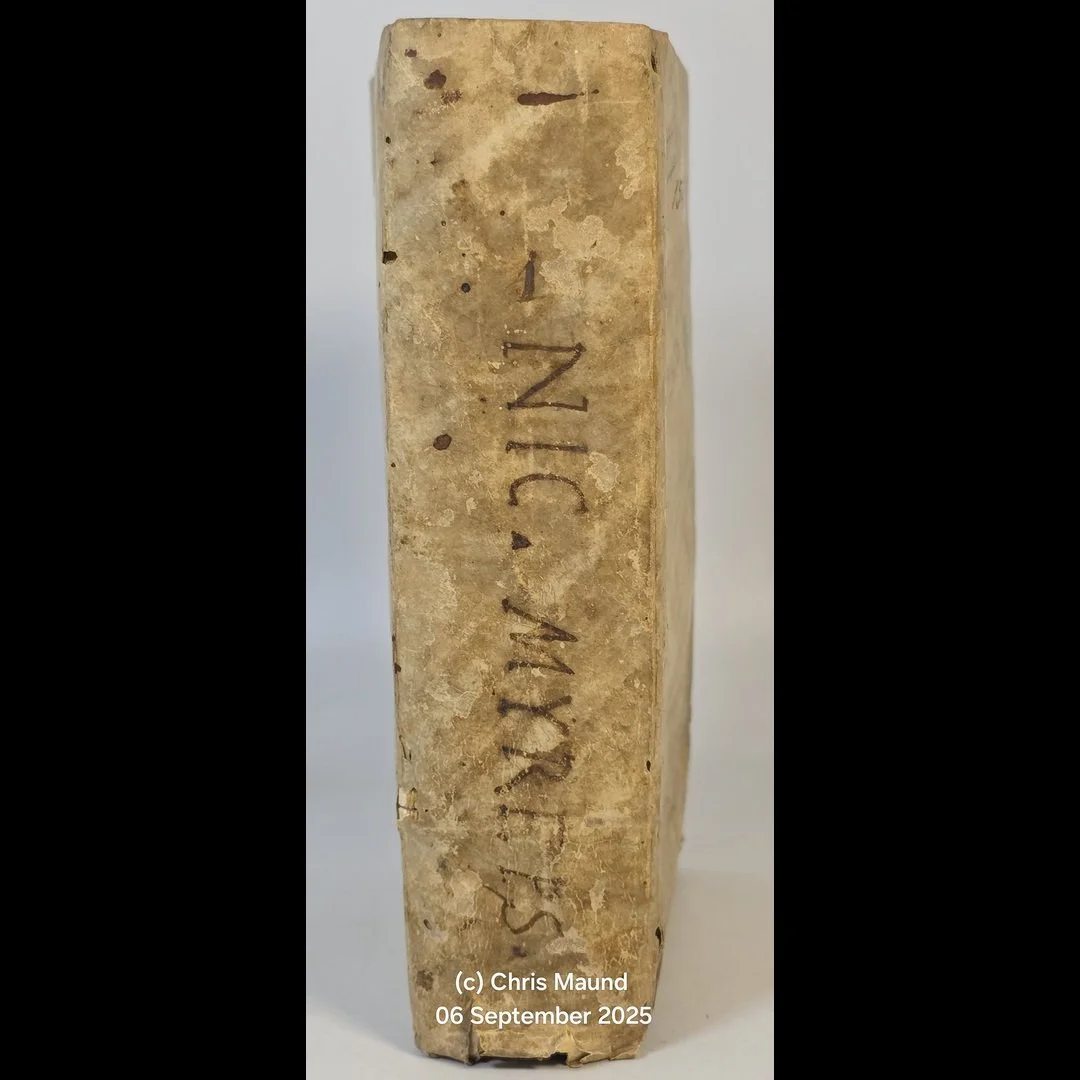
Format: Vellum, sextodecimo or sixteenmo (16mo 4 × 6+3⁄4 102 × 171)
Collation: (8), 275 pp. (pagination error noted by prior cataloguer as “275 = 271”), then 24, (12) pp.
Language: Latin
Published By: Apud Iacobum Foillet, expensis Lazari Zetzneri, Montisbeligardi (Montbéliard), France
Condition Report:
Dust Jacket: No Jacket, Dust Jacket Condition: No Jacket
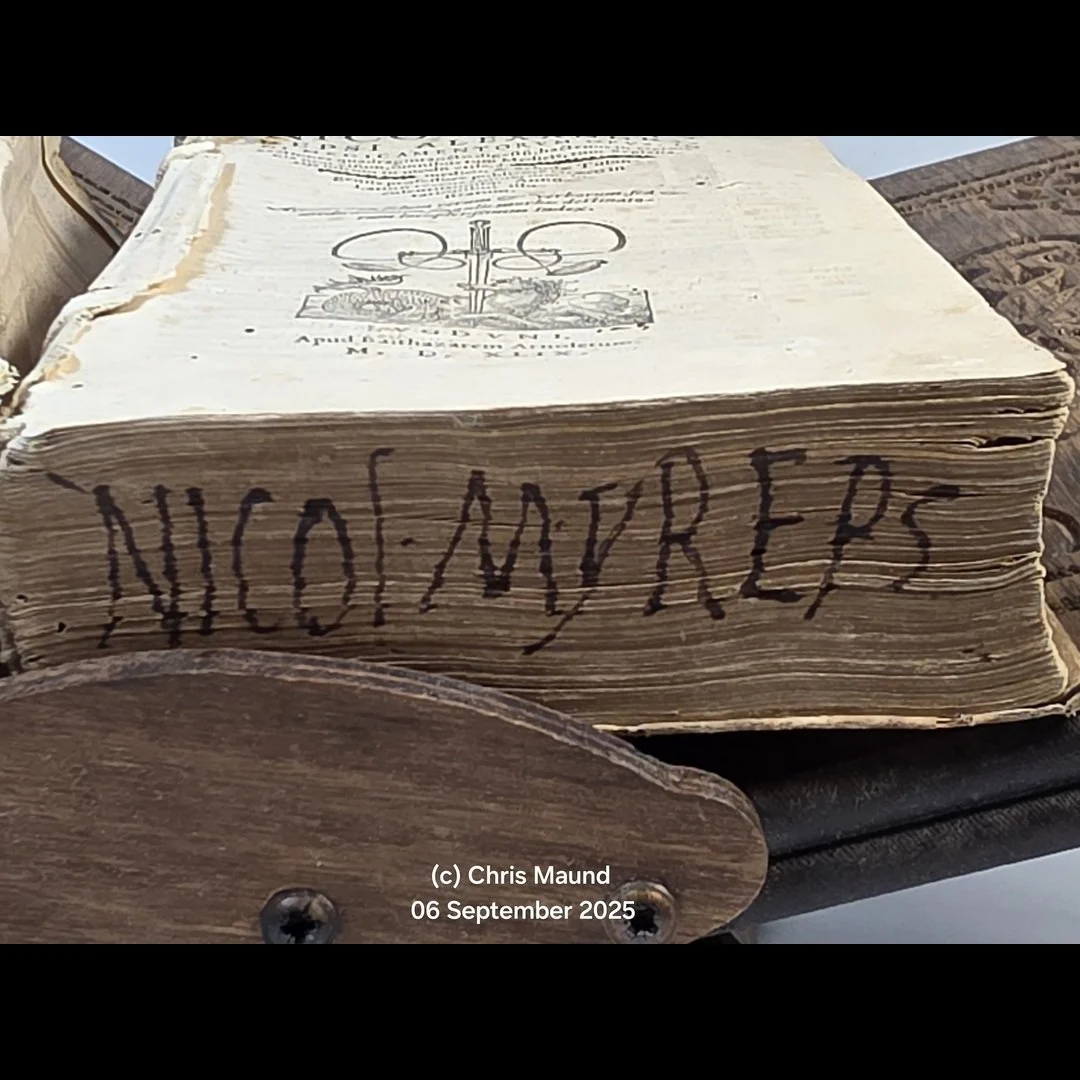
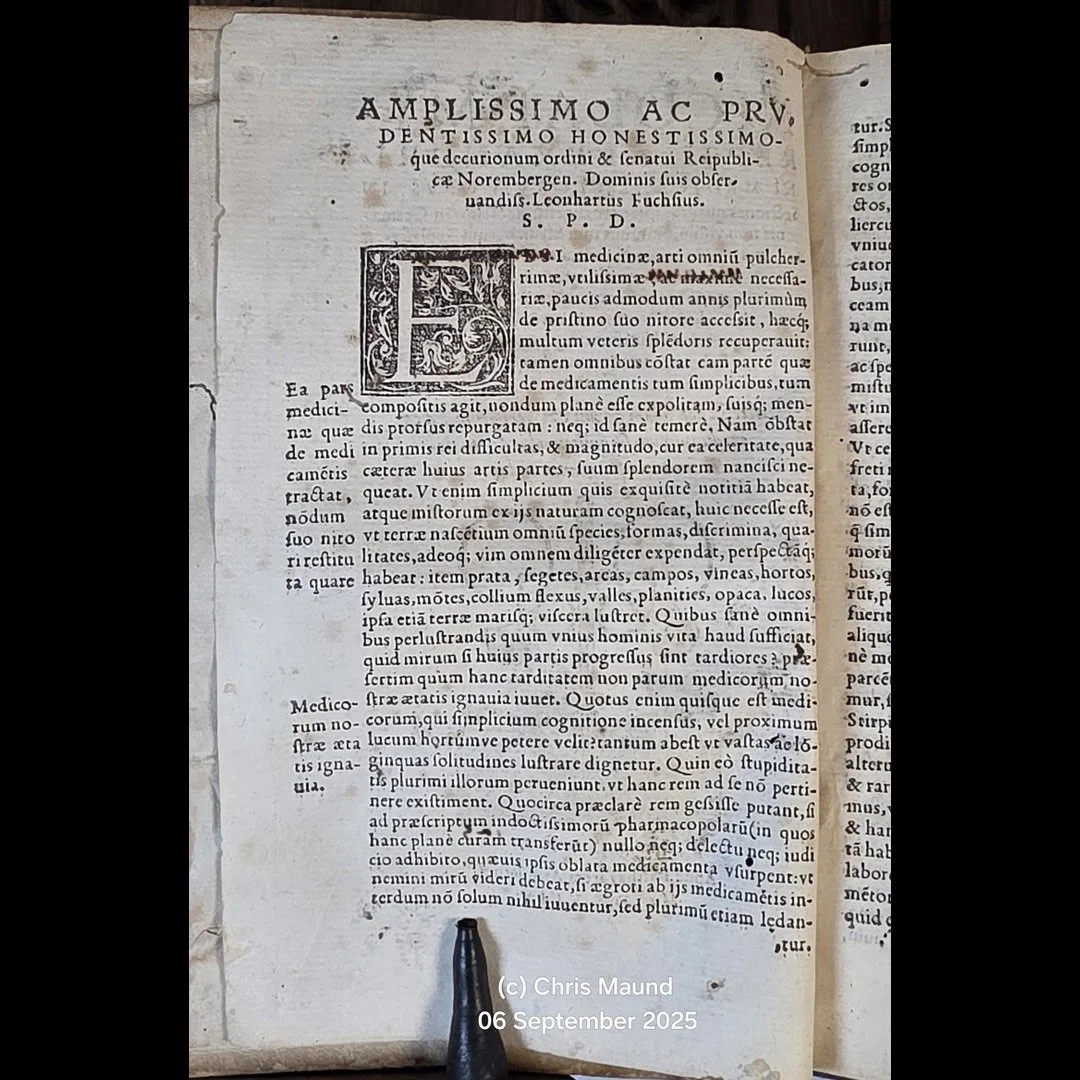
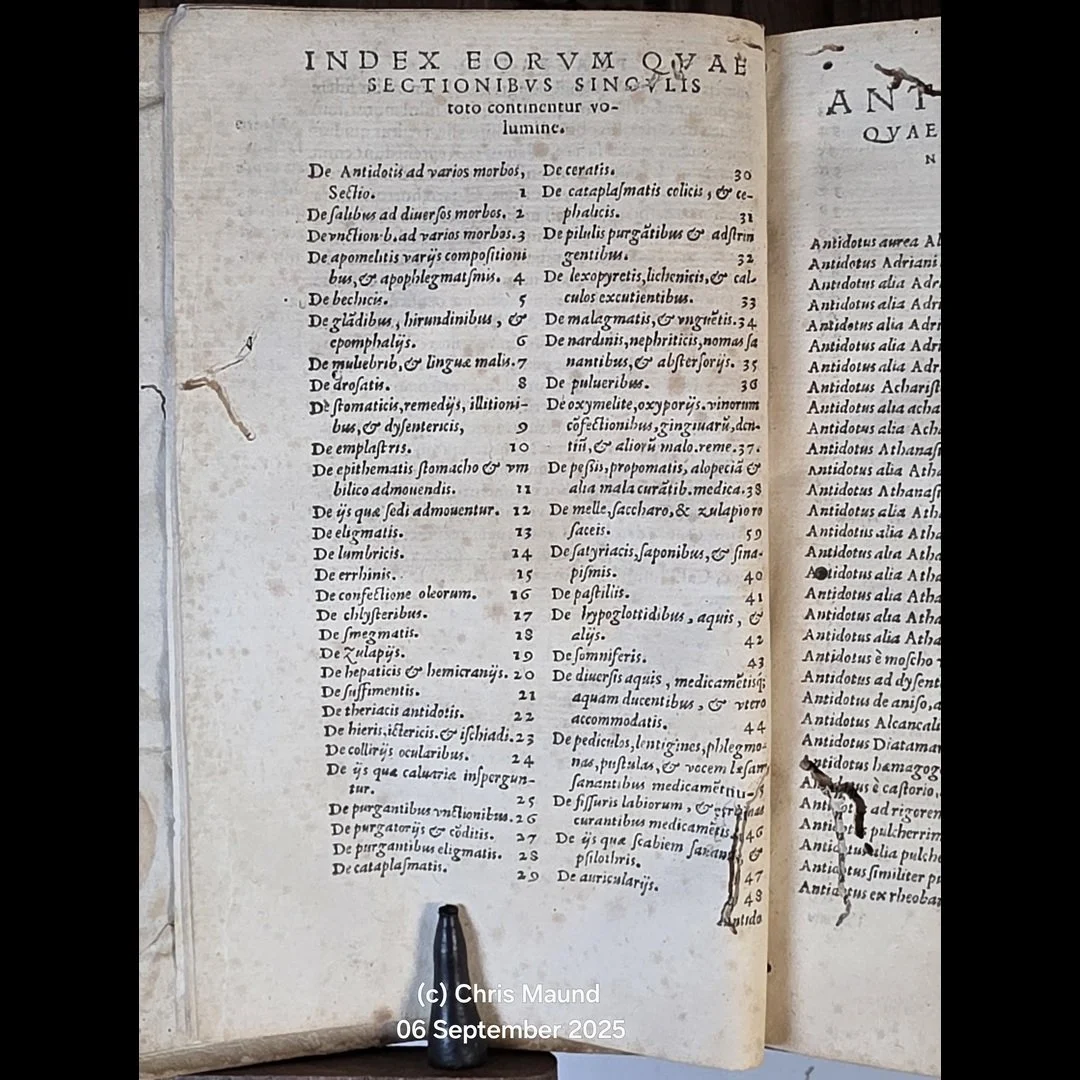
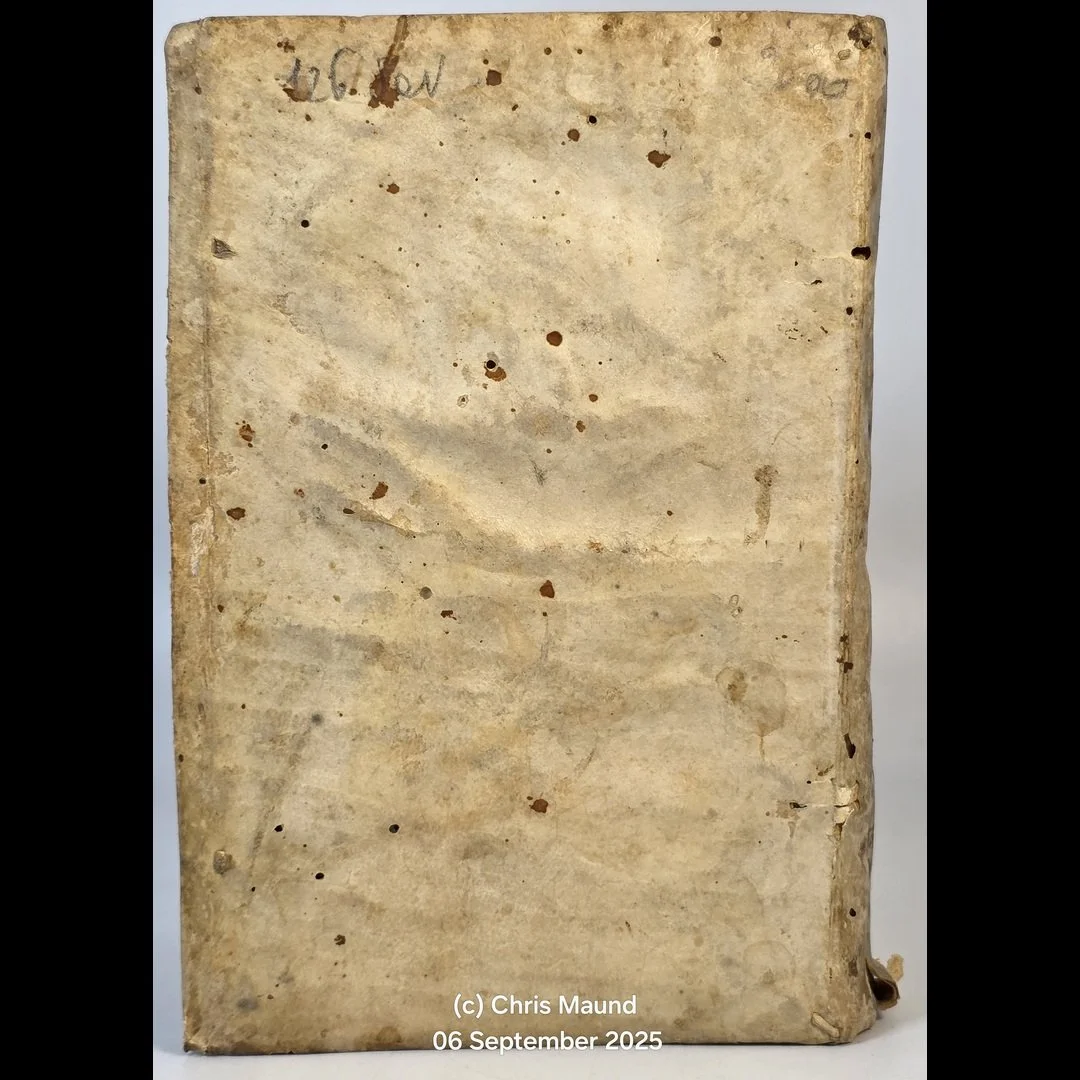
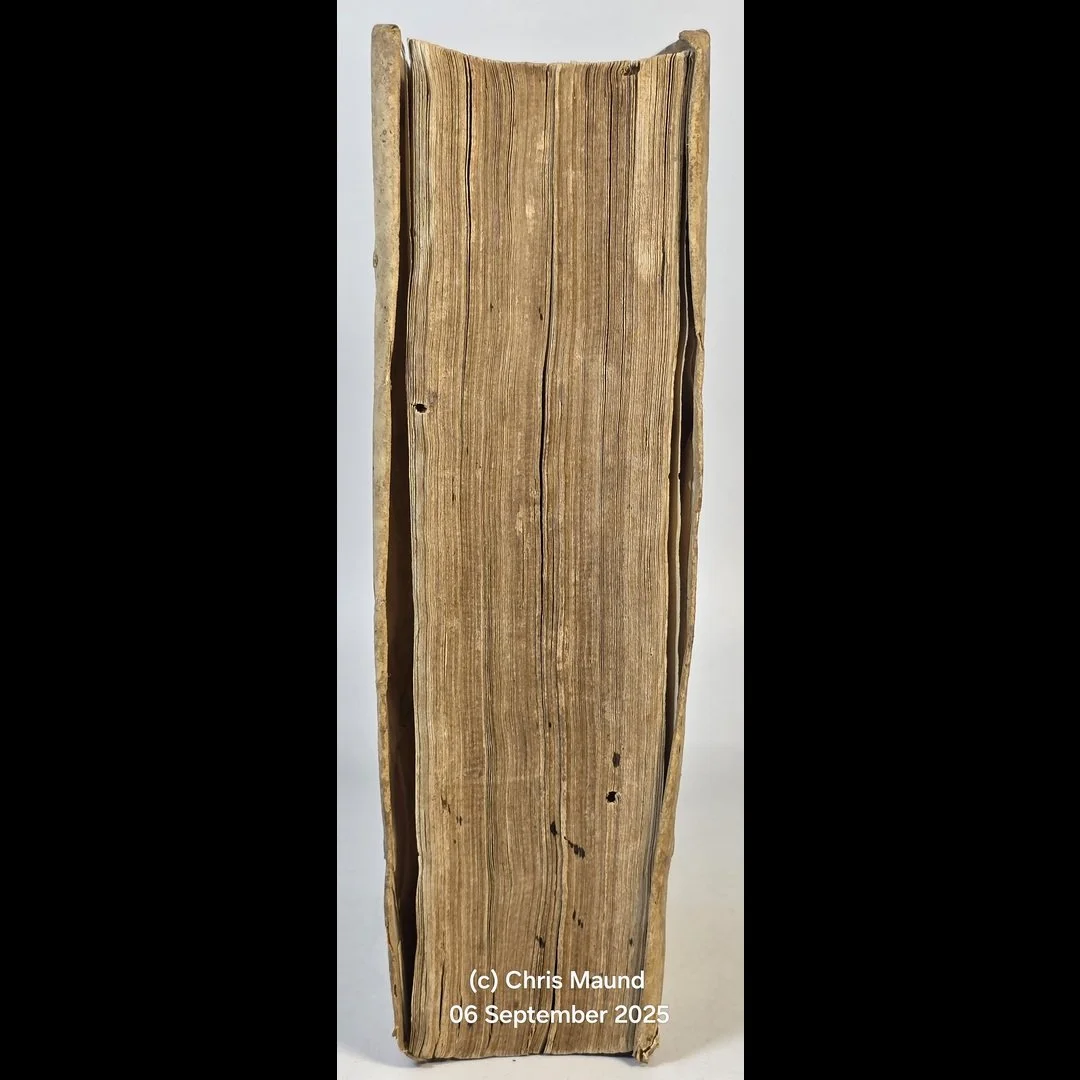
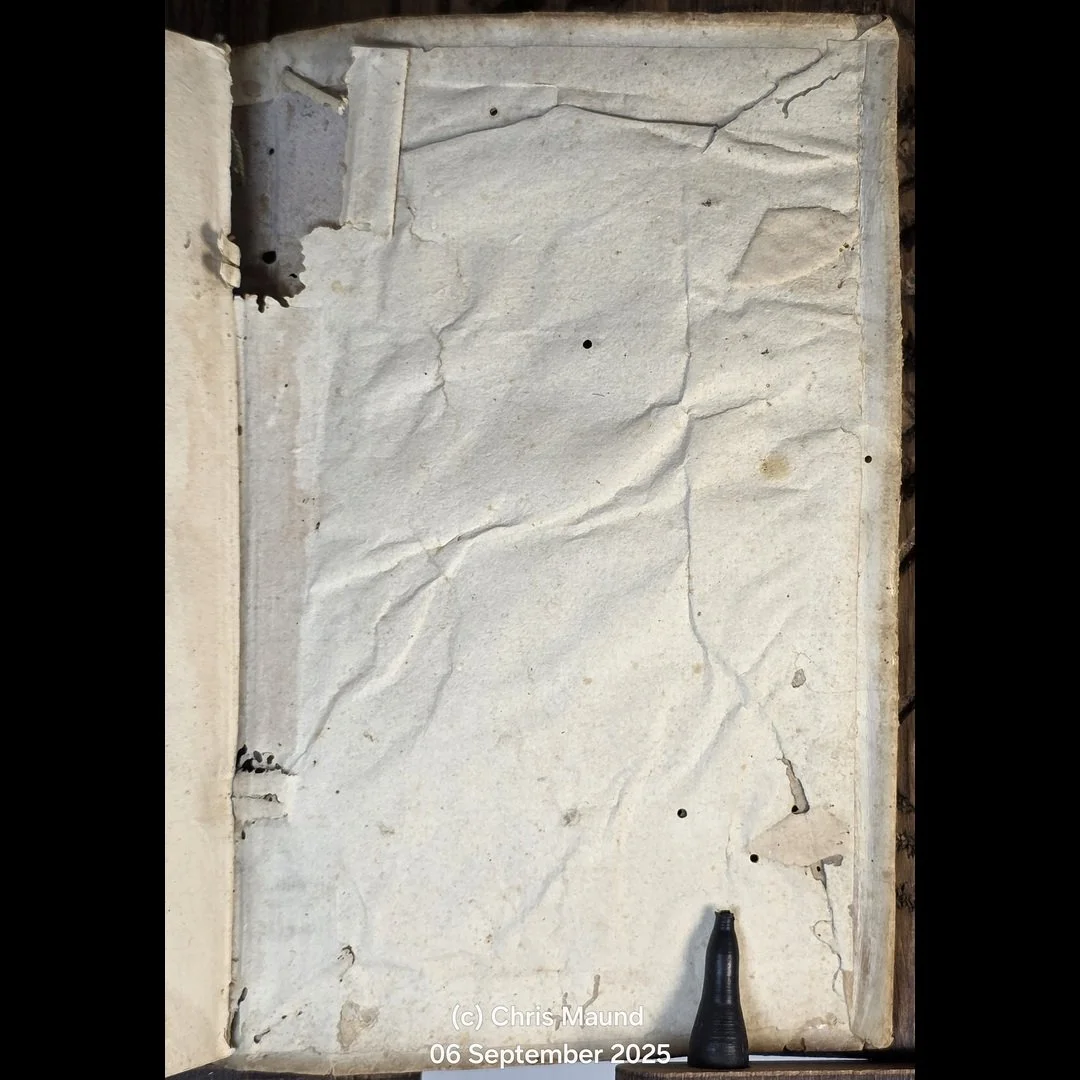
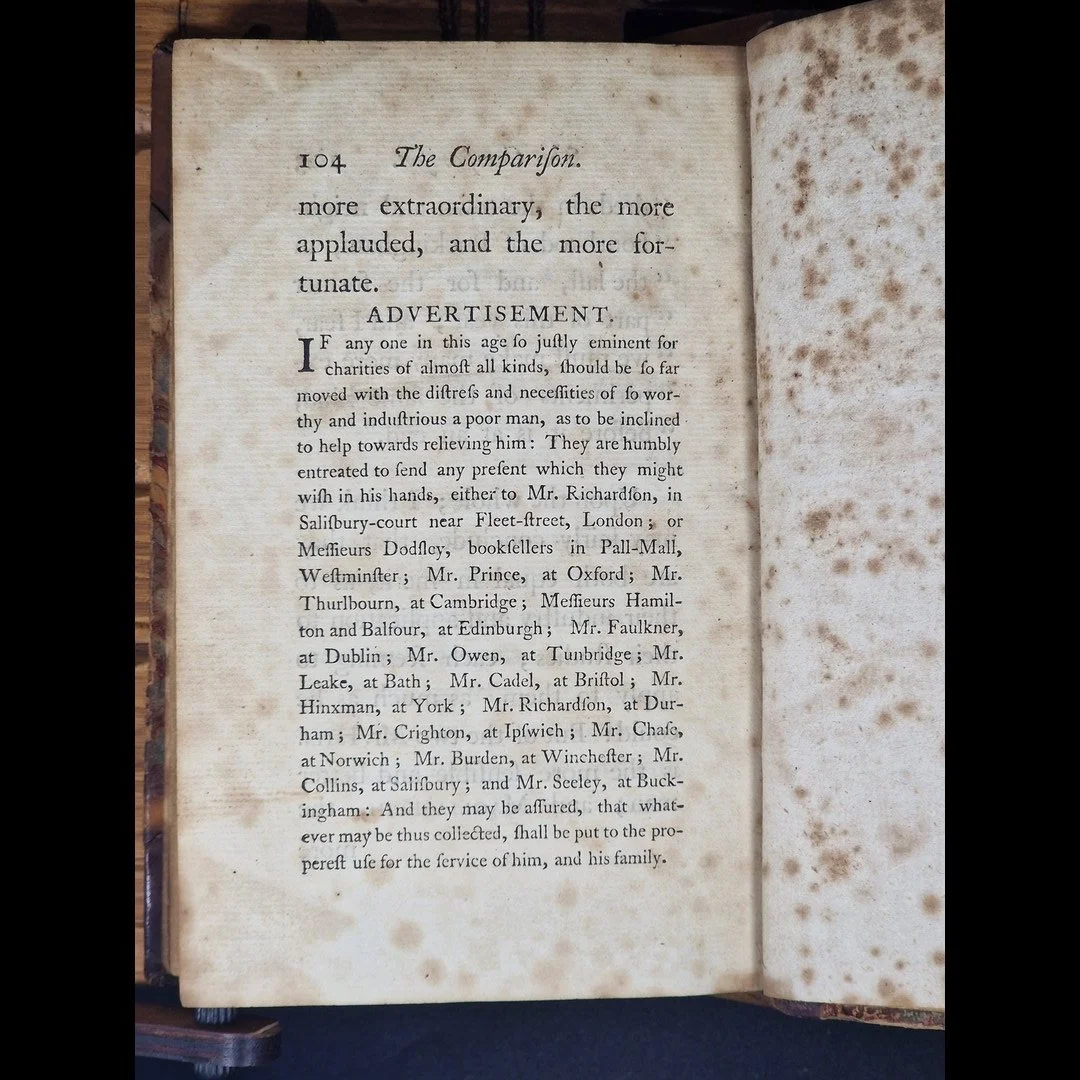
Very Good - Later (likely 19th-century) half vellum with paper-covered boards; red morocco spine label lettered in gilt. Binding tight and solid, hinges sound. Internally very clean for the period with light, even age toning only; diagrams and tables well-inked and crisp. NOTA volvelle sheet integral and on matching paper tone. Pages 92, 98, 103 clean with no evidence of prior wheel mounting.
Format: Hardcover, octavo (8vo) 17 × 11 cm
References
Caillet 8856
Adams P 1928
Riccardi II 309.
Note: Format/size selection follows standard bibliographic conventions and is approximate; exact measurements may vary. Please see photos as part of condition report
SKU: BTETM0002699
Shipping Info: Approximate Package Dimensions H: 12.5, L: 30, W: 25 (Units: cm), W: 2Kg
Tracked Shipping, Insurance Coverage as per Customer Request
1592 Foillet/Zetzner Montbéliard edition (1592/1593). ,
DE OCCULTIS LITERARUM NOTIS
Seu Artis animi sensa occulte aliis significandi, aut ab aliis significata explicandi… Libri IIII
Io. Baptista Porta, Neapolitano Auctore
Apud Iacobum Foillet, expensis Lazari Zetzneri — title-page dated M.D.XCII (1592) (this edition is commonly catalogued as 1593)
A rare and highly esteemed Renaissance treatise, fundamental to the early history of cryptography and steganography. Porta’s celebrated work explains methods of secret writing, cipher alphabets, symbolic scripts, and message interpretation, extensively illustrated with tables, “unreadable” letterforms, and ingenious dial-based cipher devices.
By Giambattista della Porta
Author Bio: Giambattista della Porta (1535–1615), the Neapolitan polymath whose writings sit at the crossroads of early science, natural magic, and practical technique. Here, “occult” is not merely mystical but literal: the concealment and recovery of meaning through letterforms, codes, and systems designed to defeat unauthorised readers.
Synopsis: Often considered alongside Trithemius as one of the most important early works on secret communication, De occultis literarum notis stands out for its practical ambition and its visual ingenuity: cipher tables, hieroglyphic-like alphabets, and rotating dial-schemes that make the book feel like a Renaissance instrument manual as much as a text.
A compact treasure-house of early modern secret writing. Porta demonstrates how meaning can be hidden in signs and letters, how unfamiliar alphabets and symbol systems can be devised, and how messages may be rendered unreadable (and then made readable again) through keys, tables, and structured encipherment. The work is richly supplied with examples and includes a celebrated cipher-wheel component intended to be cut out and applied to designated pages.
Volvelles / movable parts:
With the NOTA leaf bearing three circular cipher-wheel rings, present and uncut, intended (as printed on the NOTA leaf) to be applied to pp. 92, 98, and 103. The corresponding dial-bases are present on those pages. Notably, those dial pages show no pinprick, paste shadow, or rub-circle, suggesting the wheels were never mounted.
Format: Vellum, sextodecimo or sixteenmo (16mo 4 × 6+3⁄4 102 × 171)
Collation: (8), 275 pp. (pagination error noted by prior cataloguer as “275 = 271”), then 24, (12) pp.
Language: Latin
Published By: Apud Iacobum Foillet, expensis Lazari Zetzneri, Montisbeligardi (Montbéliard), France
Condition Report:
Dust Jacket: No Jacket, Dust Jacket Condition: No Jacket
Very Good - Later (likely 19th-century) half vellum with paper-covered boards; red morocco spine label lettered in gilt. Binding tight and solid, hinges sound. Internally very clean for the period with light, even age toning only; diagrams and tables well-inked and crisp. NOTA volvelle sheet integral and on matching paper tone. Pages 92, 98, 103 clean with no evidence of prior wheel mounting.
Format: Hardcover, octavo (8vo) 17 × 11 cm
References
Caillet 8856
Adams P 1928
Riccardi II 309.
Note: Format/size selection follows standard bibliographic conventions and is approximate; exact measurements may vary. Please see photos as part of condition report
SKU: BTETM0002699
Shipping Info: Approximate Package Dimensions H: 12.5, L: 30, W: 25 (Units: cm), W: 2Kg
Tracked Shipping, Insurance Coverage as per Customer Request

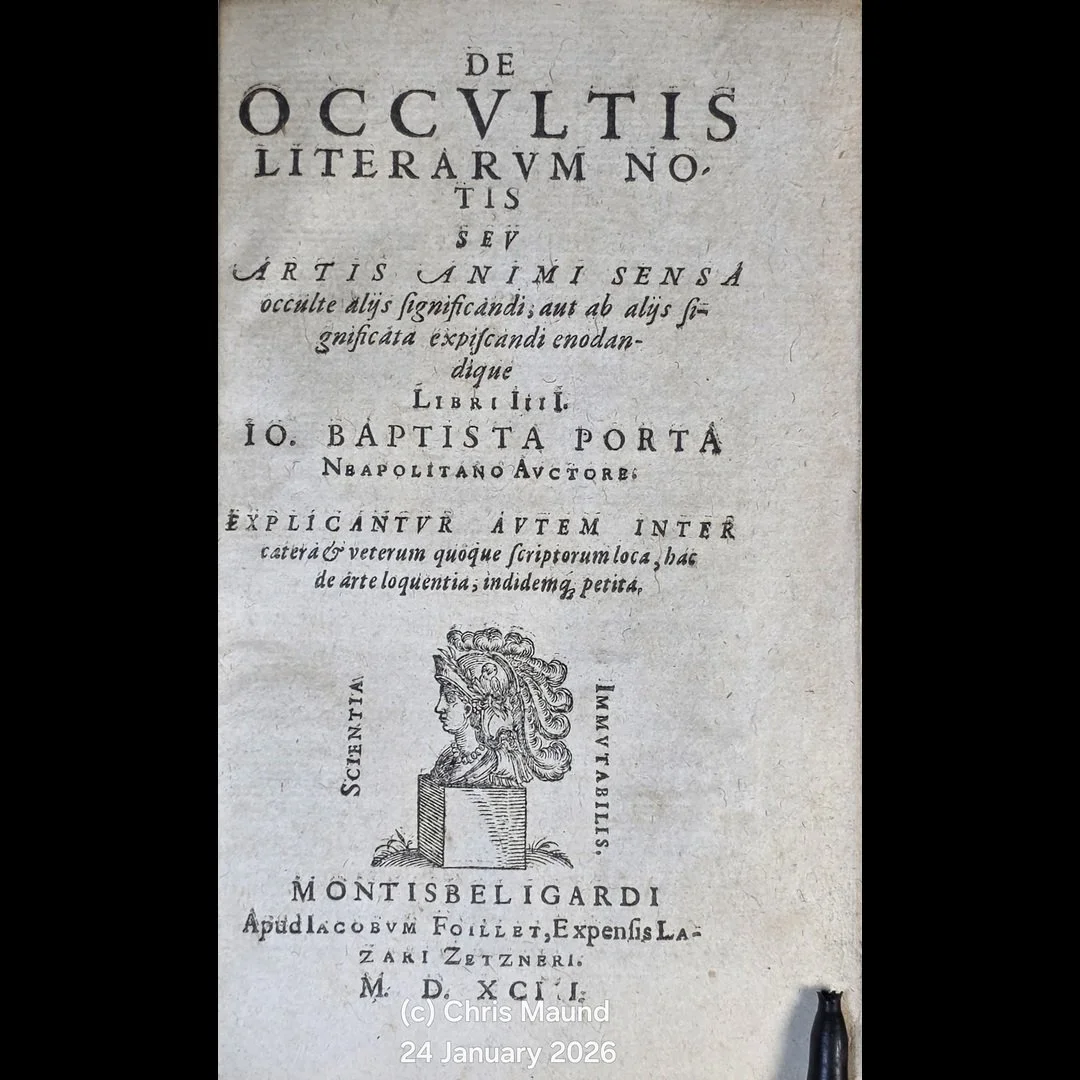 Image 1 of 39
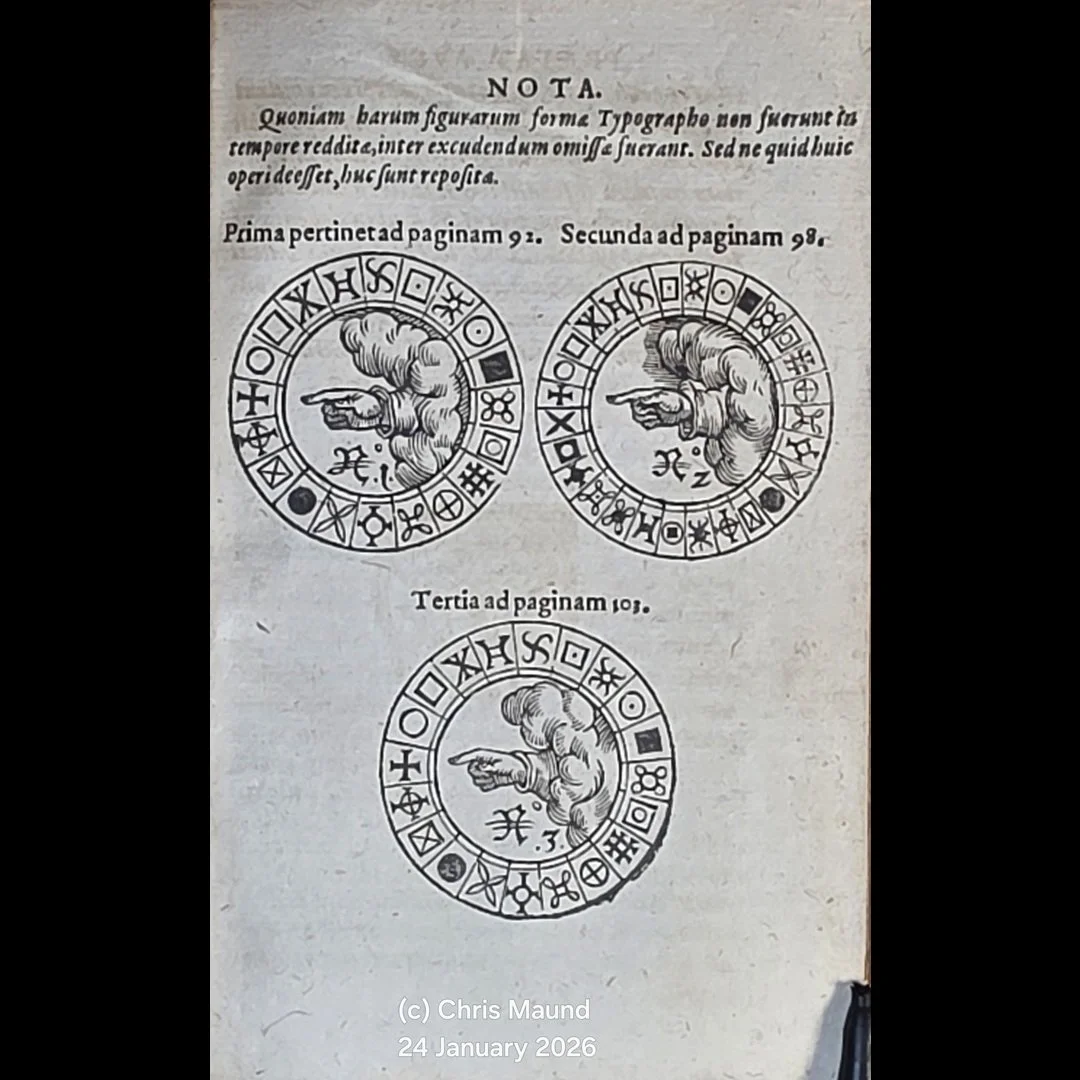 Image 2 of 39
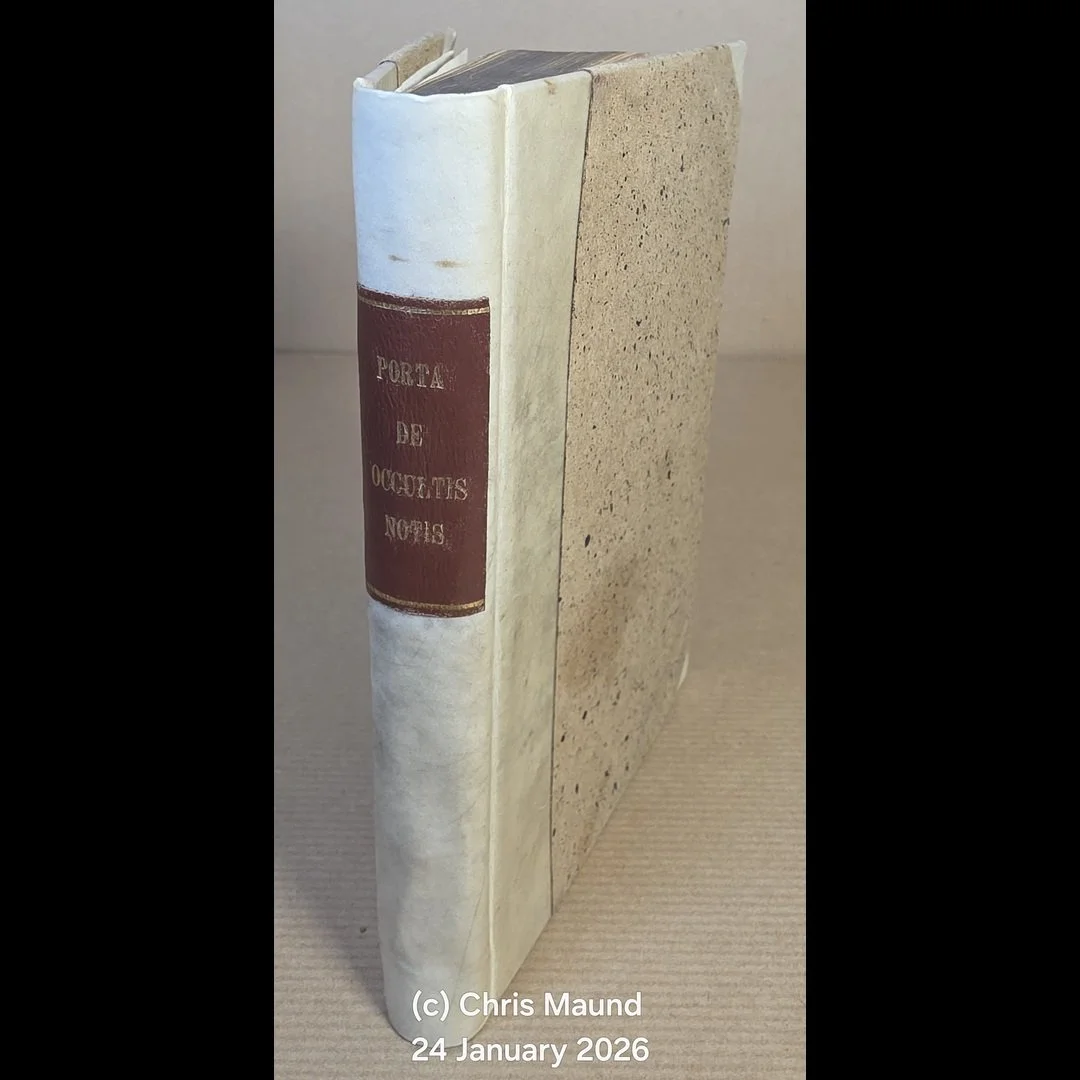 Image 3 of 39
 Image 4 of 39
 Image 5 of 39
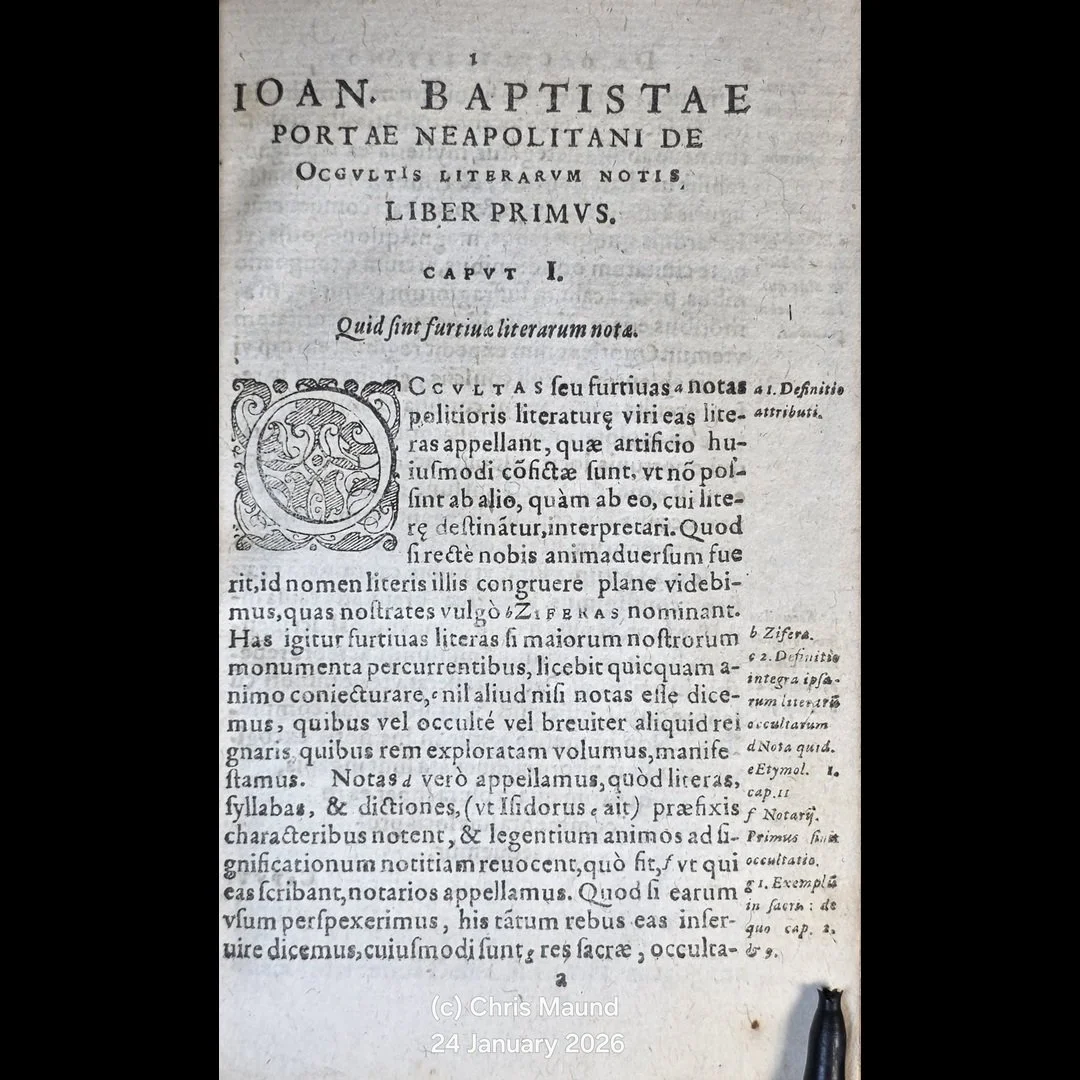 Image 6 of 39
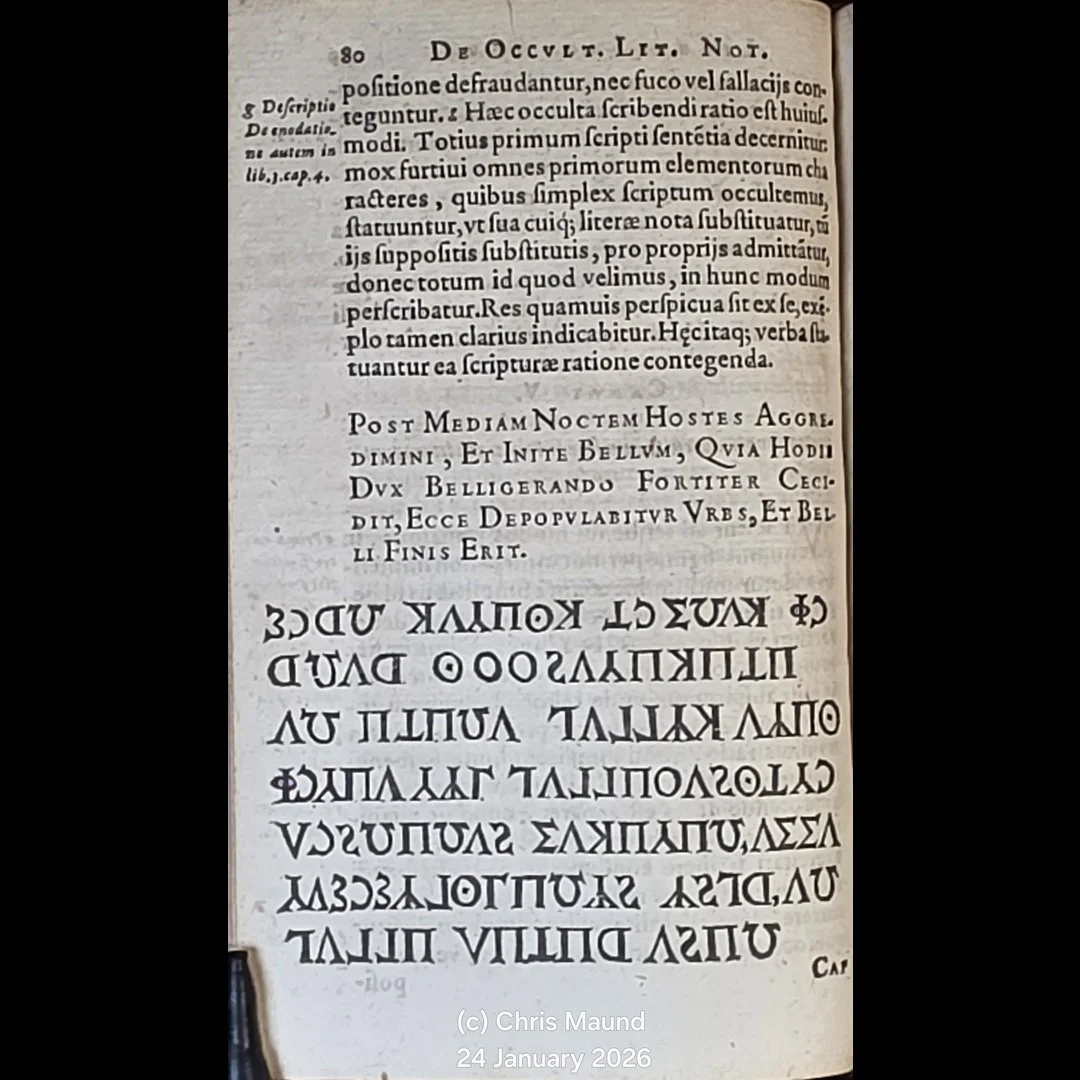 Image 7 of 39
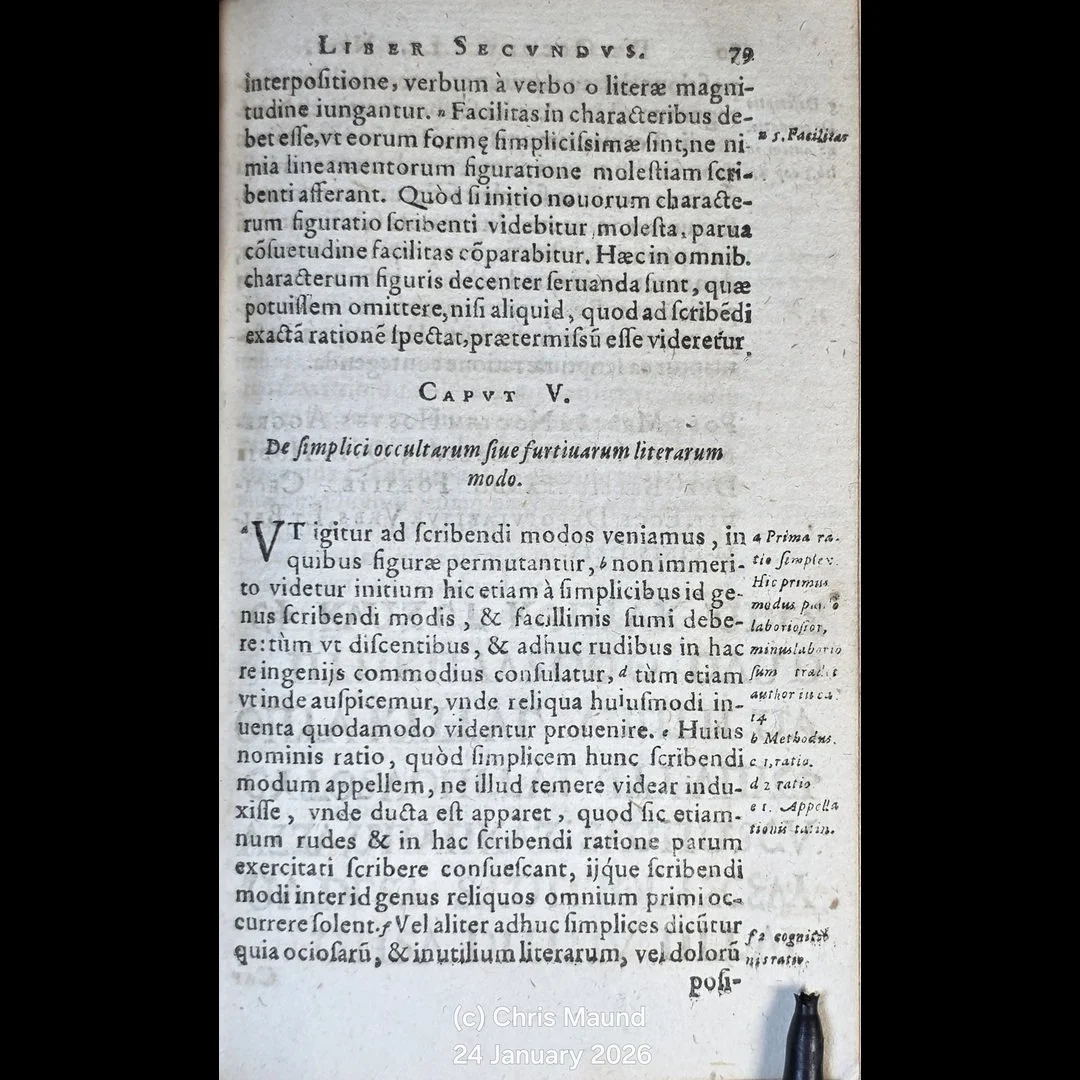 Image 8 of 39
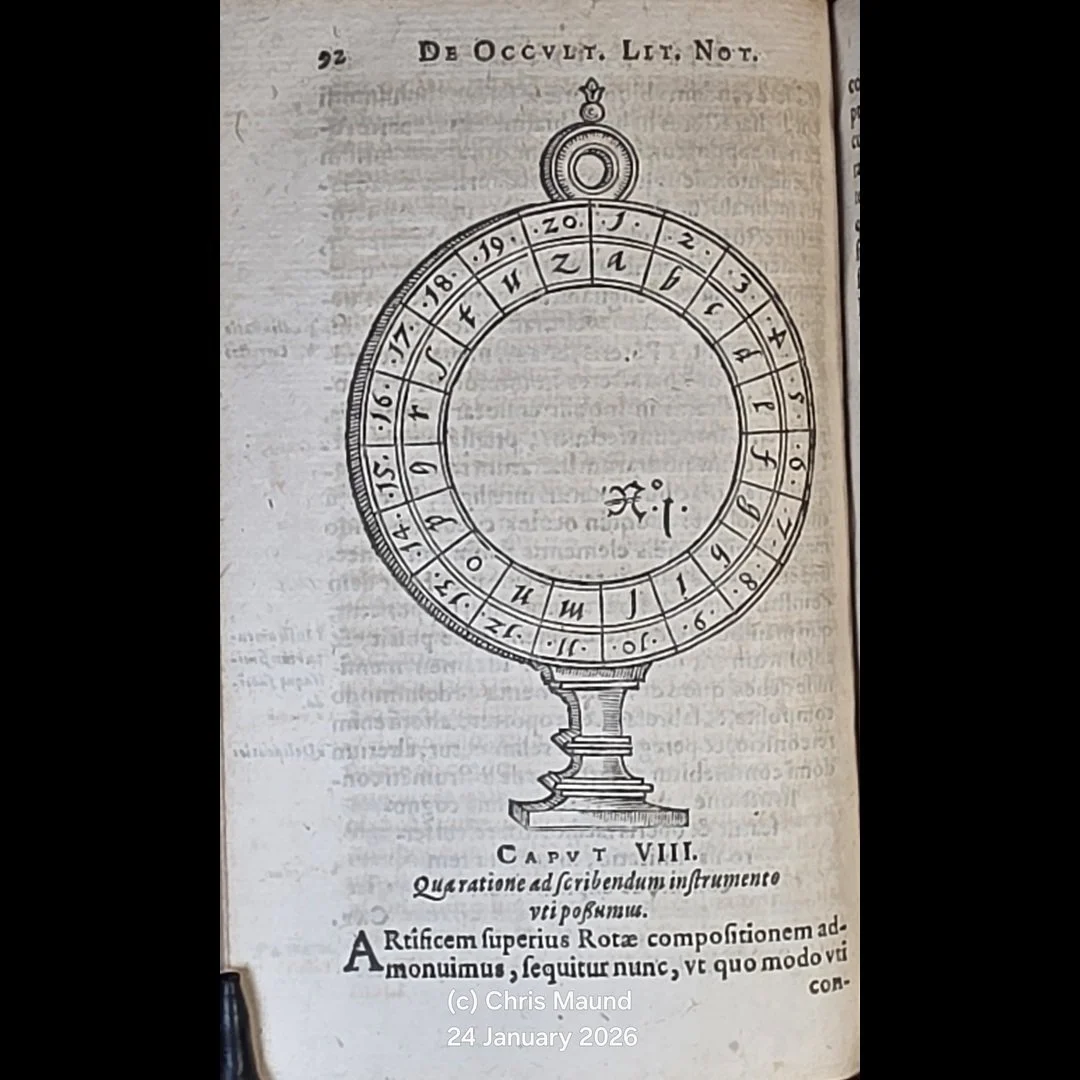 Image 9 of 39
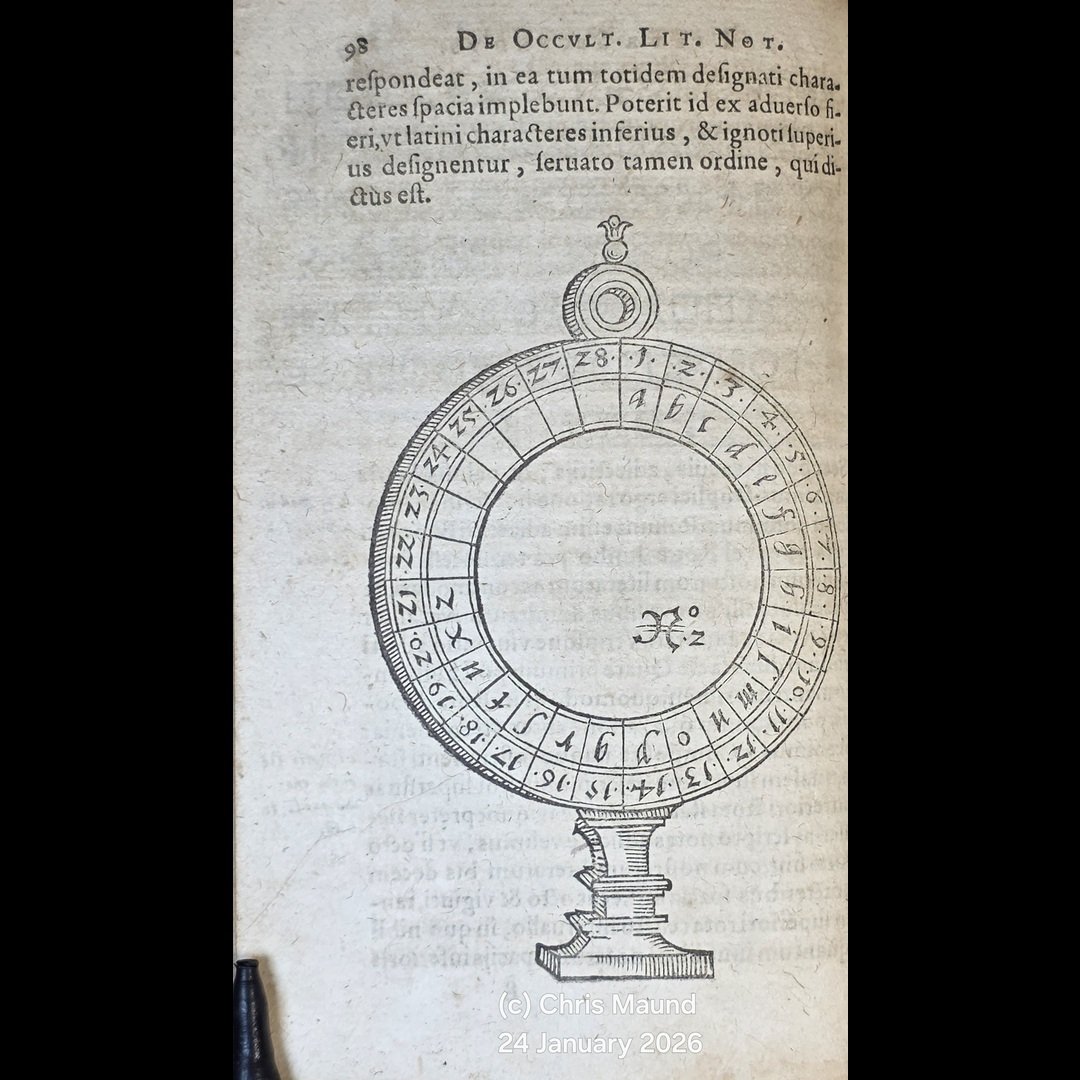 Image 10 of 39
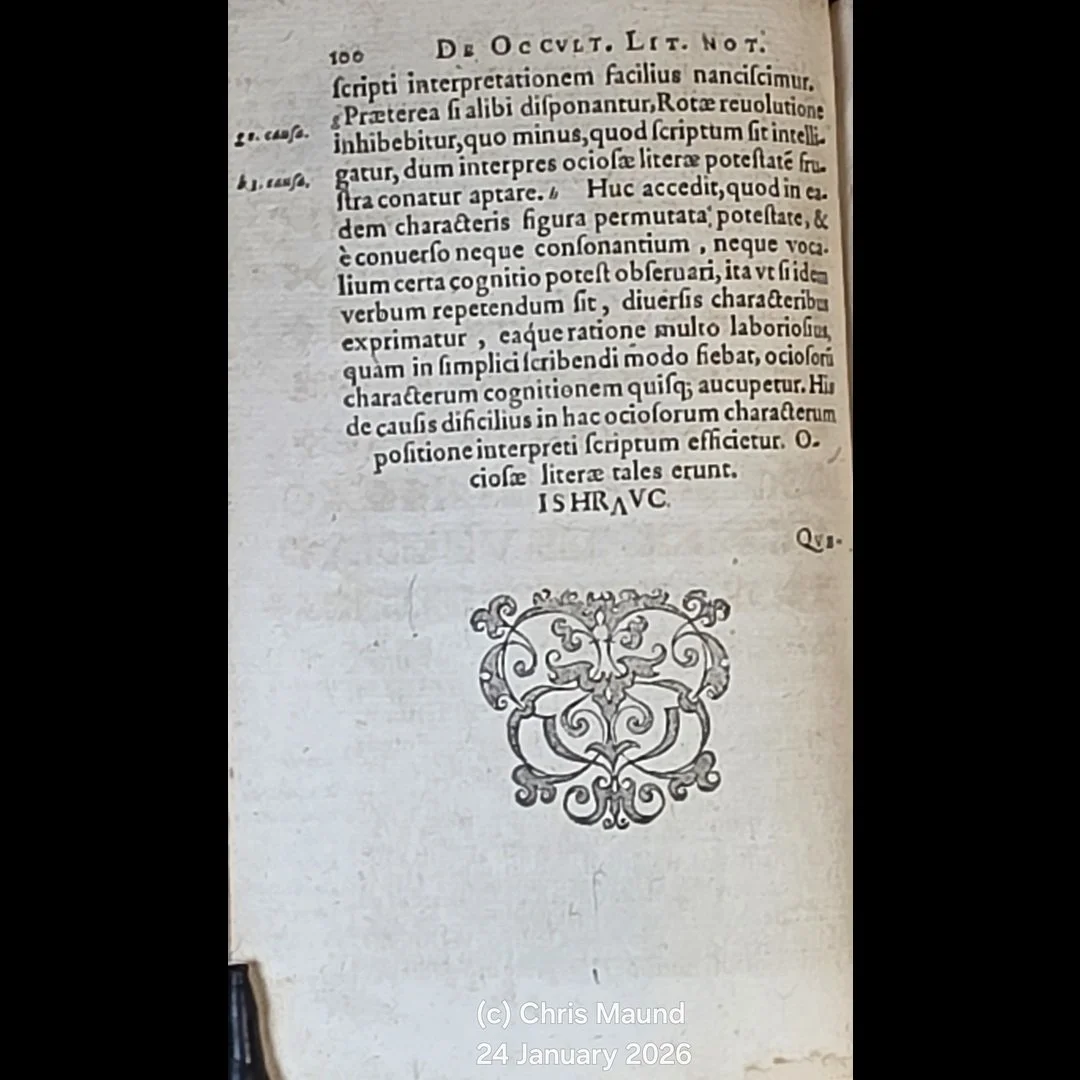 Image 11 of 39
 Image 12 of 39
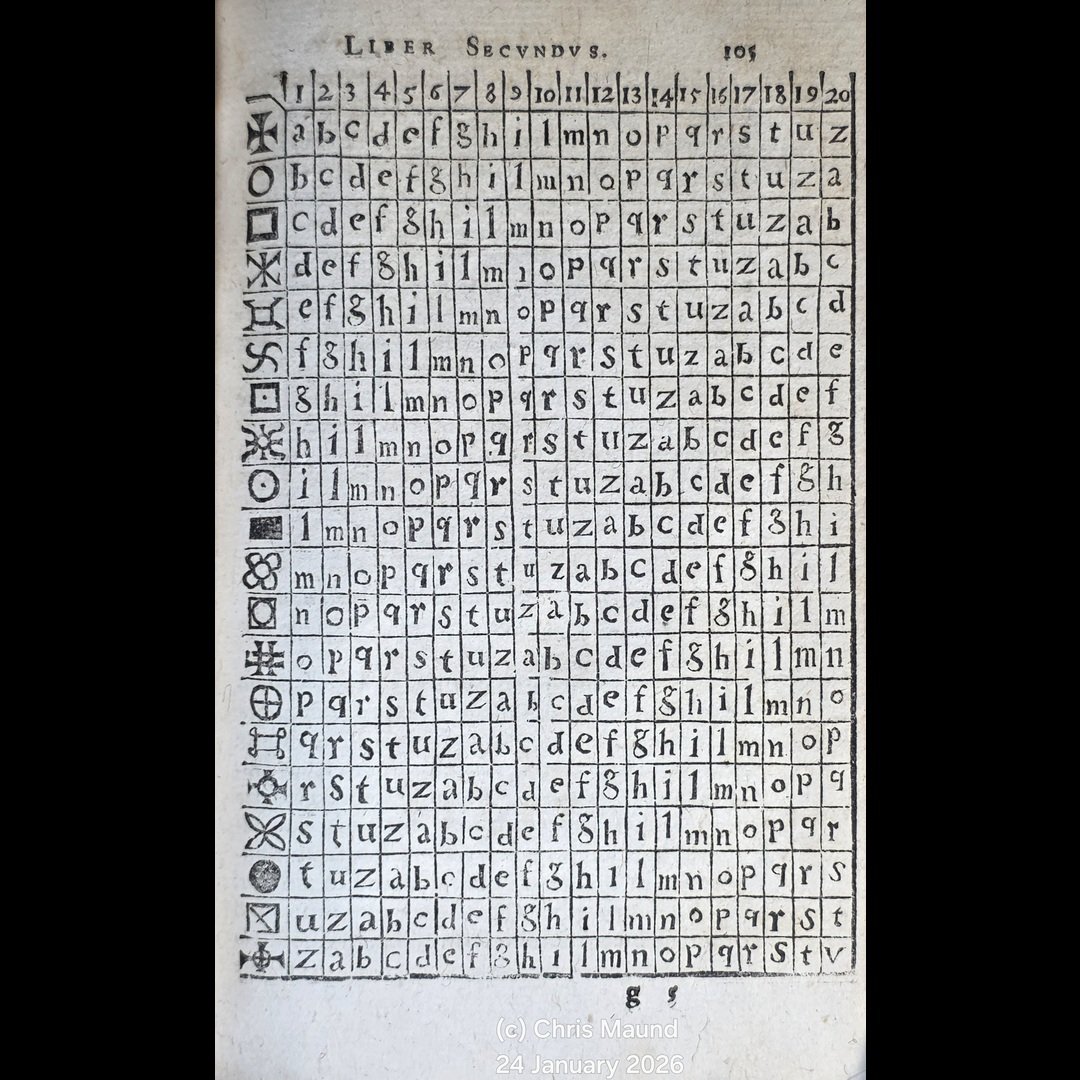 Image 13 of 39
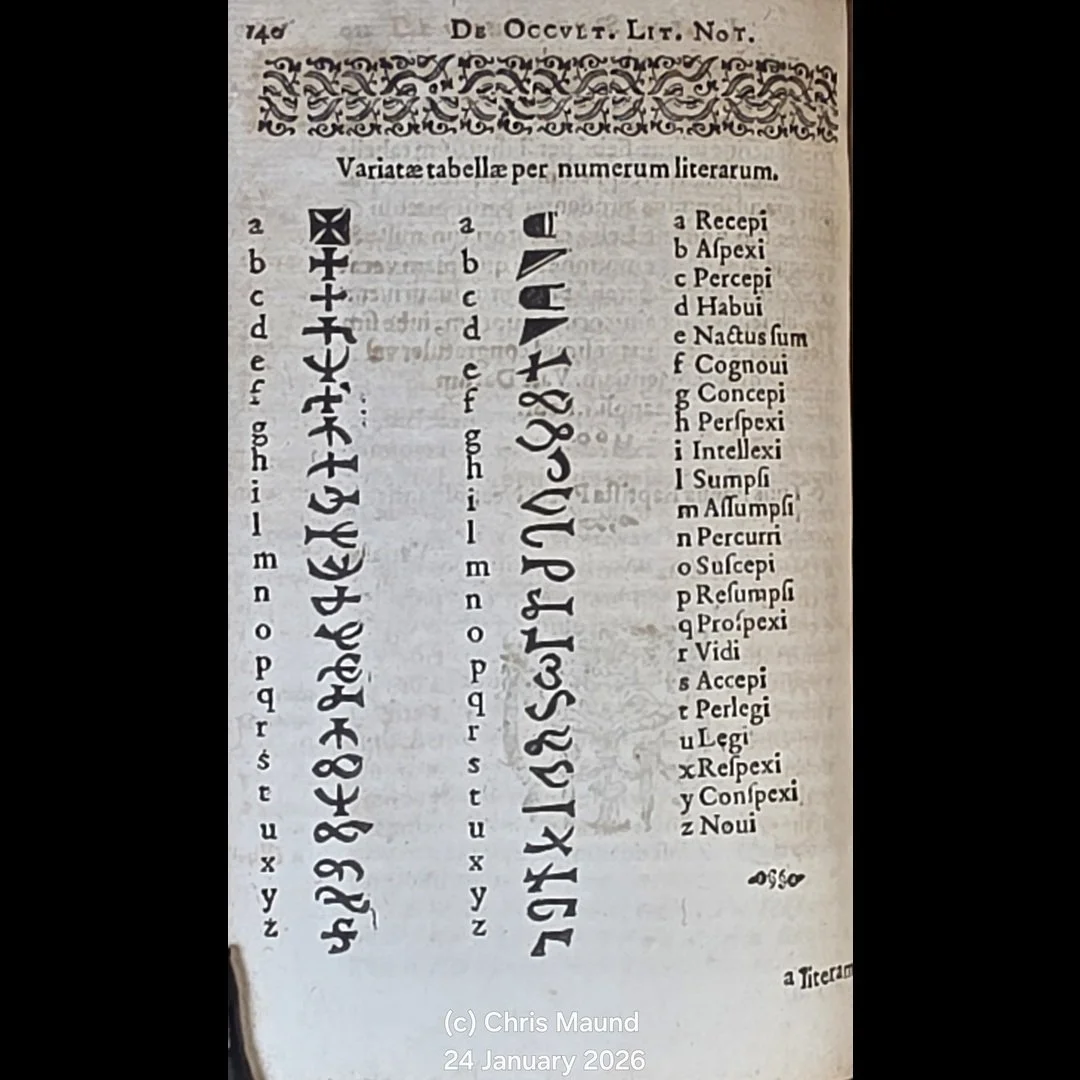 Image 14 of 39
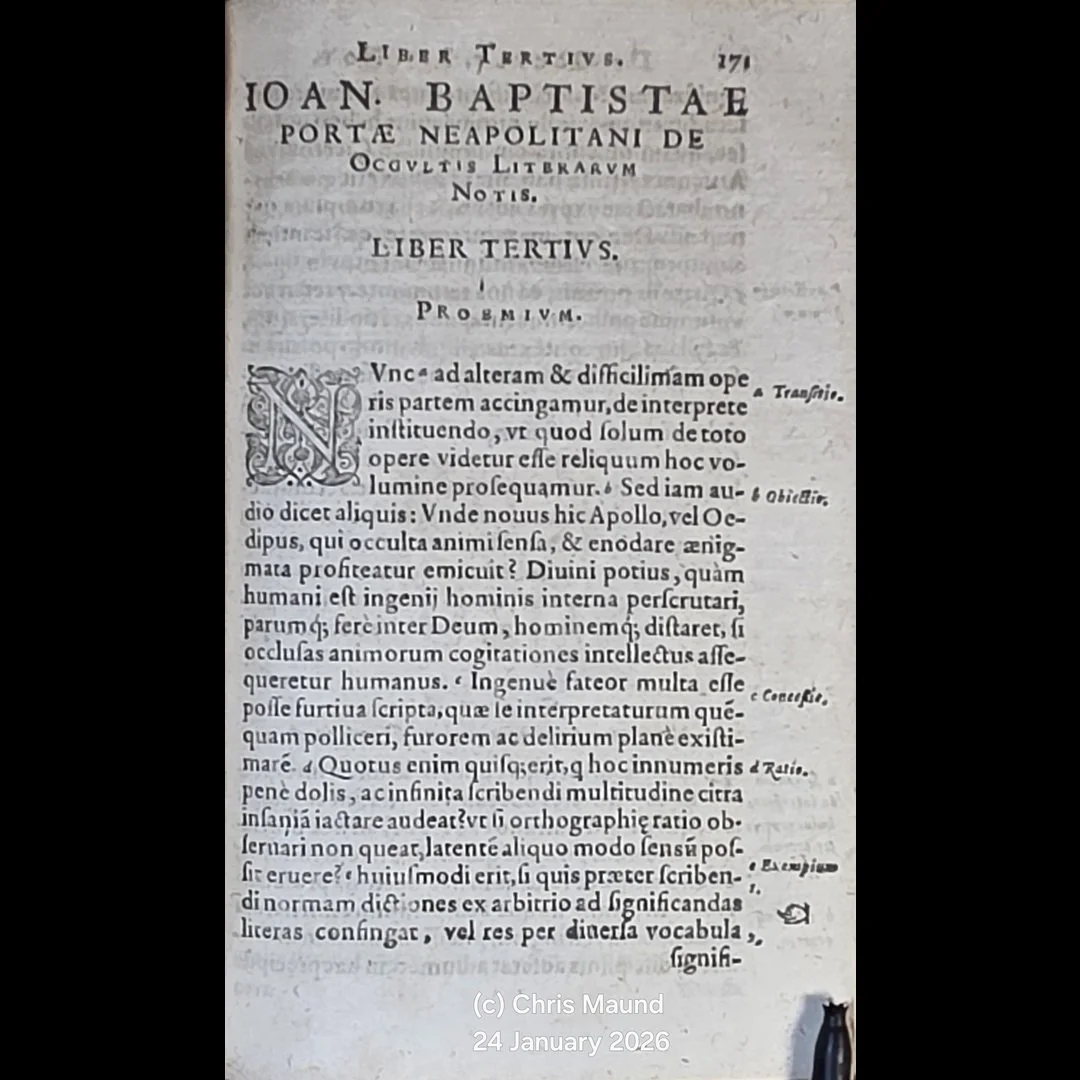 Image 15 of 39
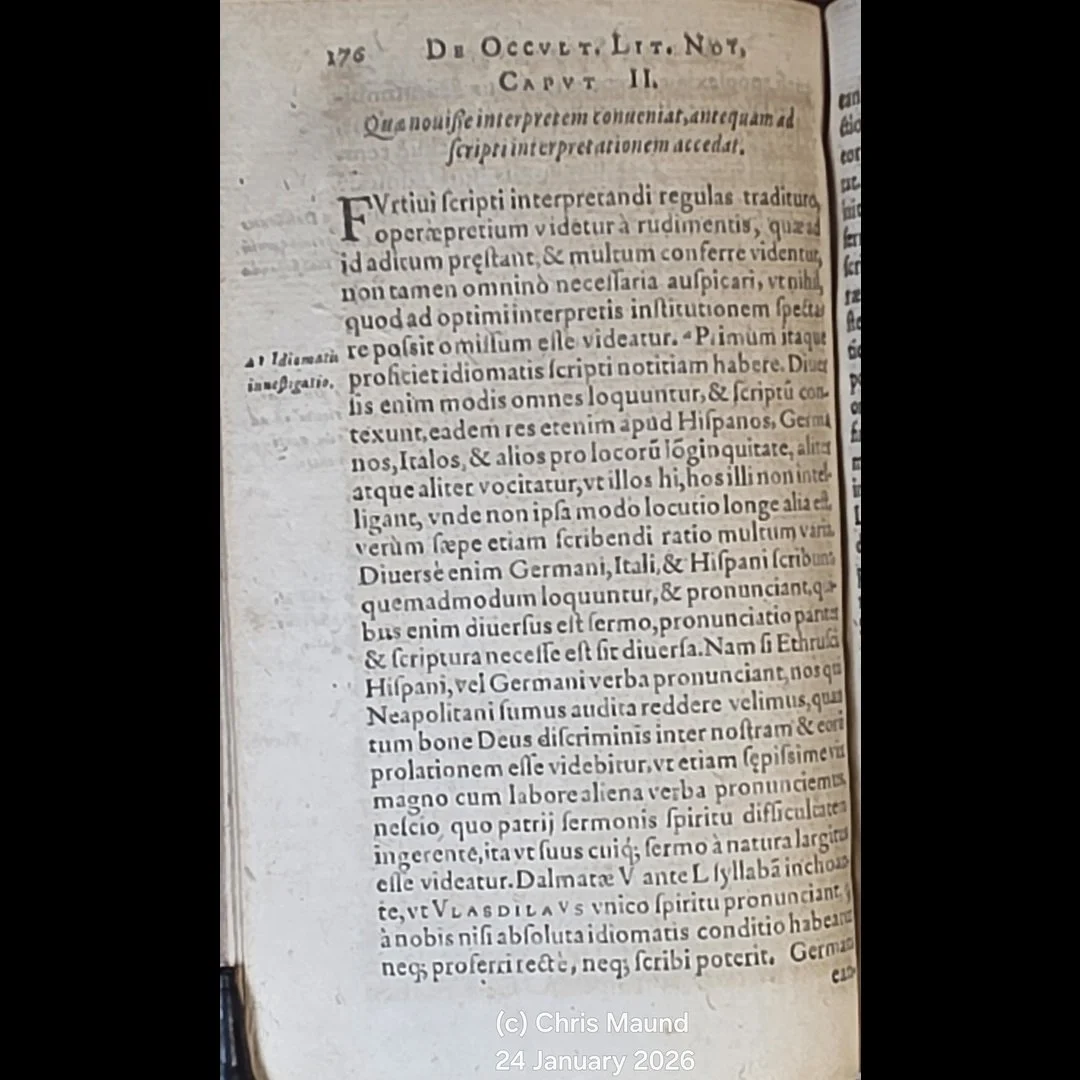 Image 16 of 39
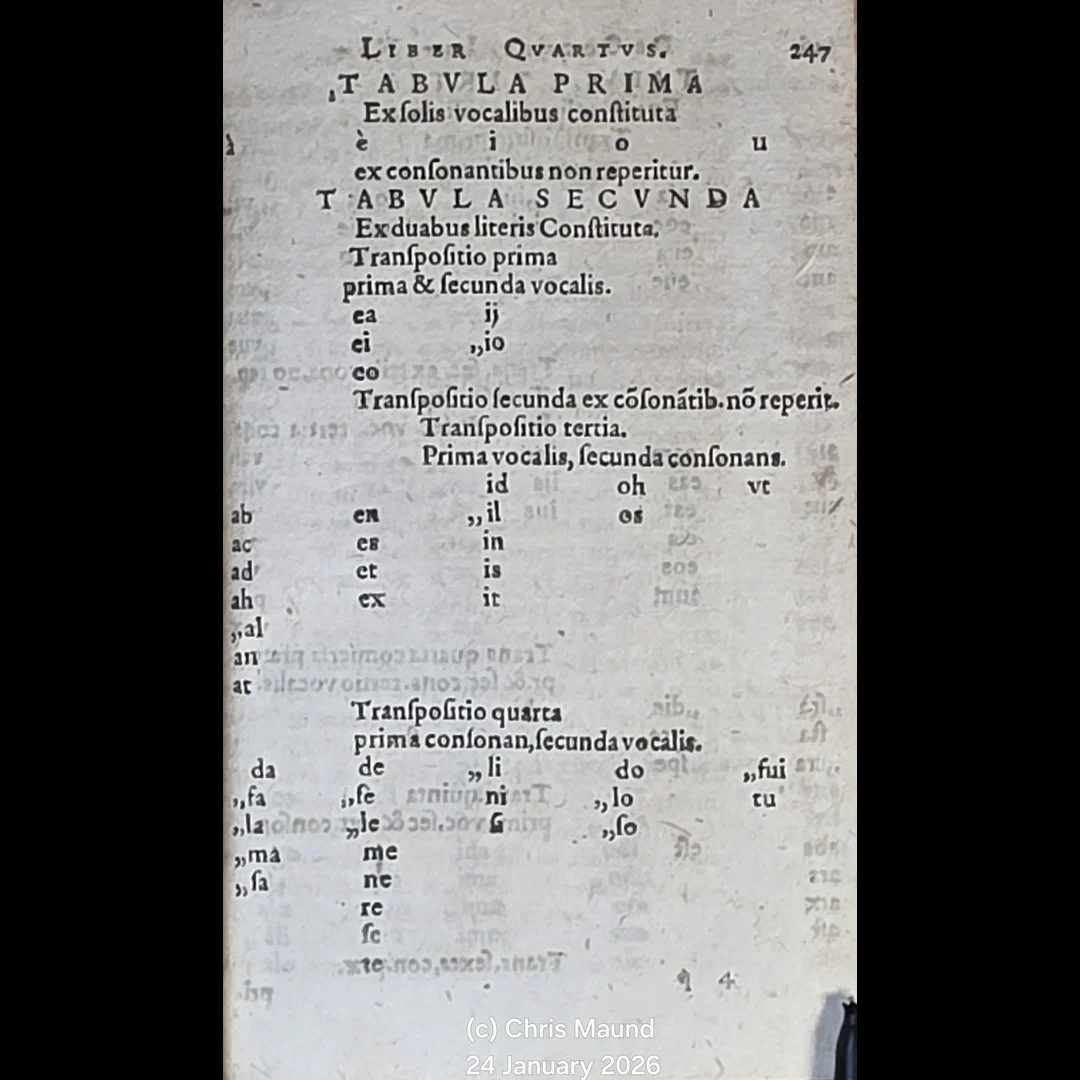 Image 17 of 39
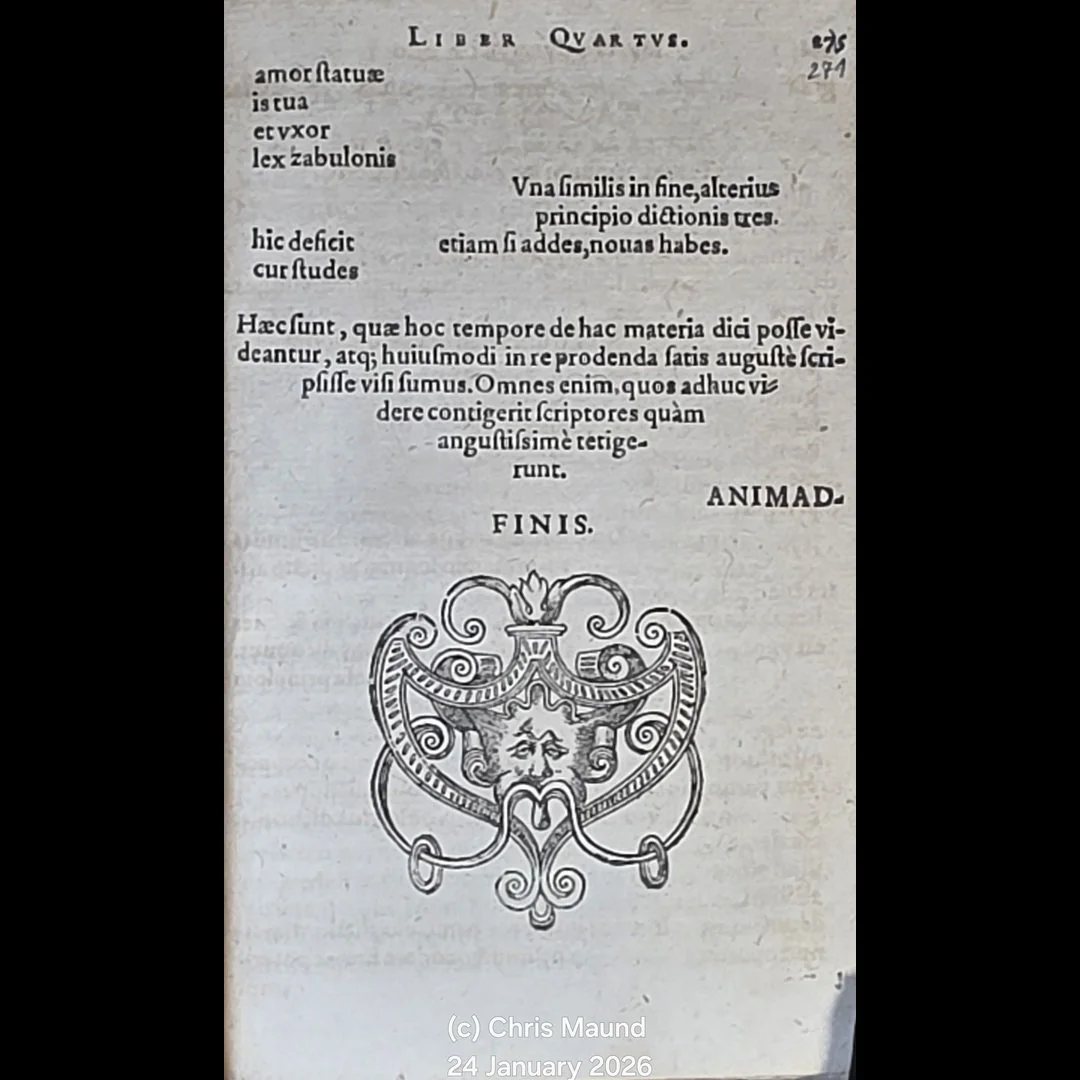 Image 18 of 39
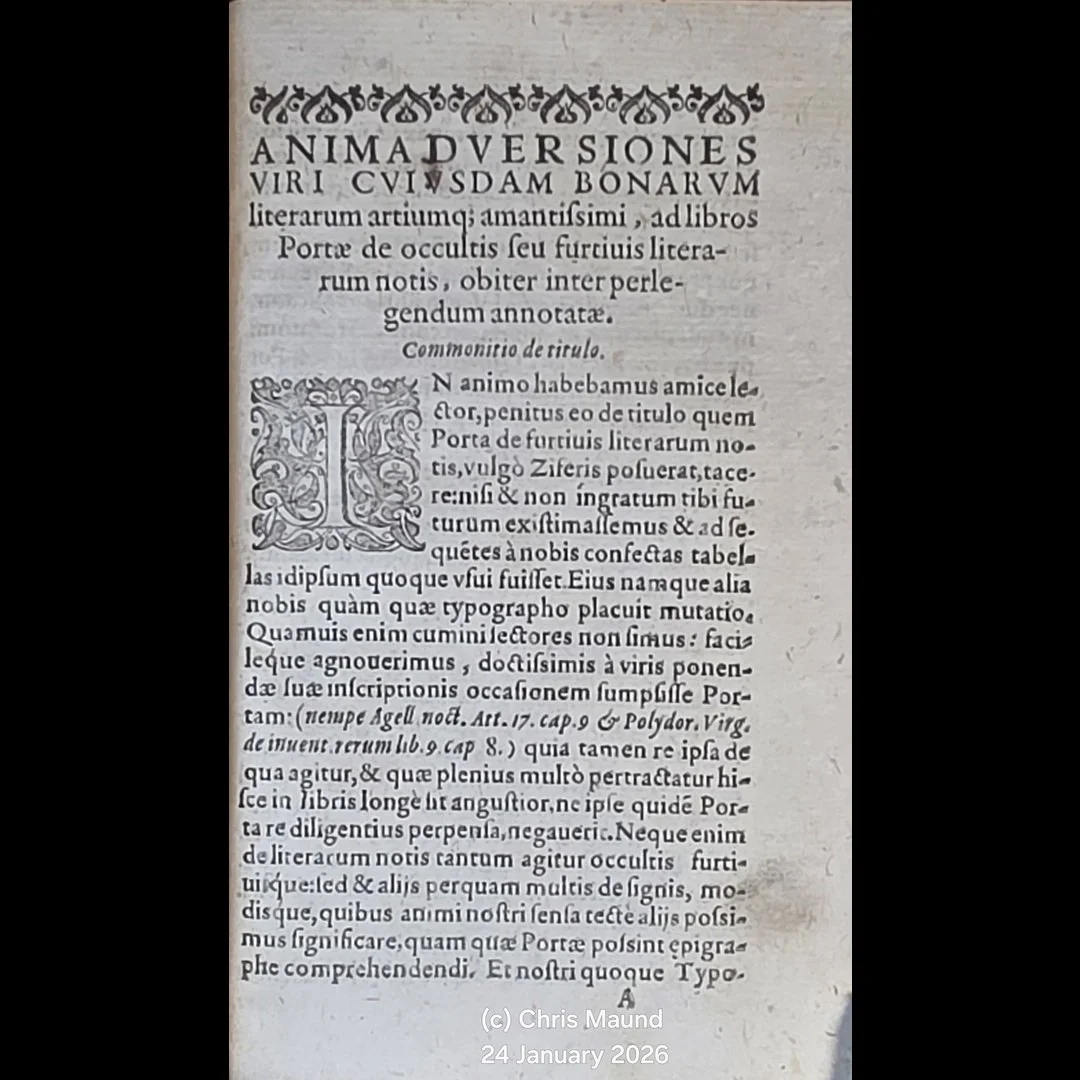 Image 19 of 39
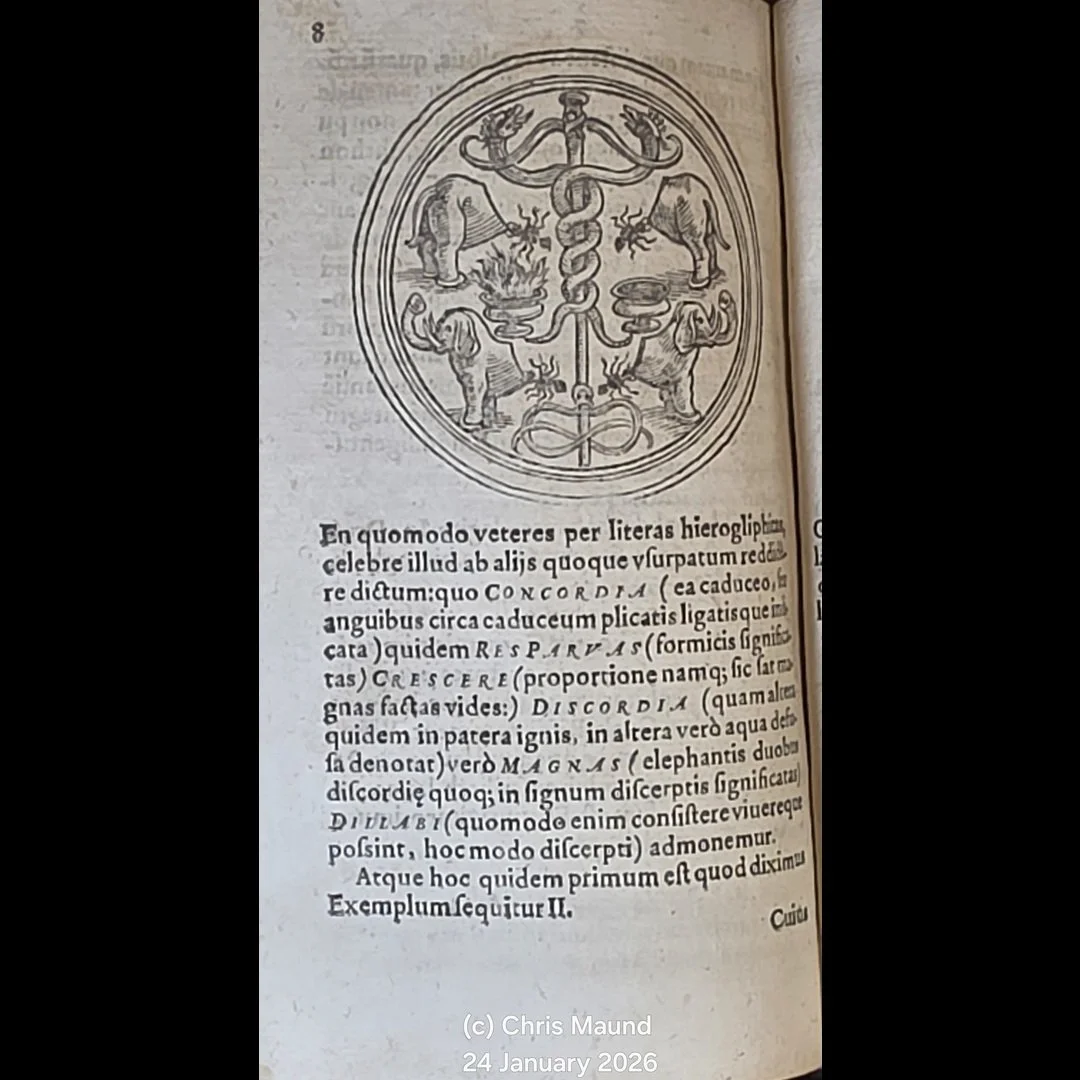 Image 20 of 39
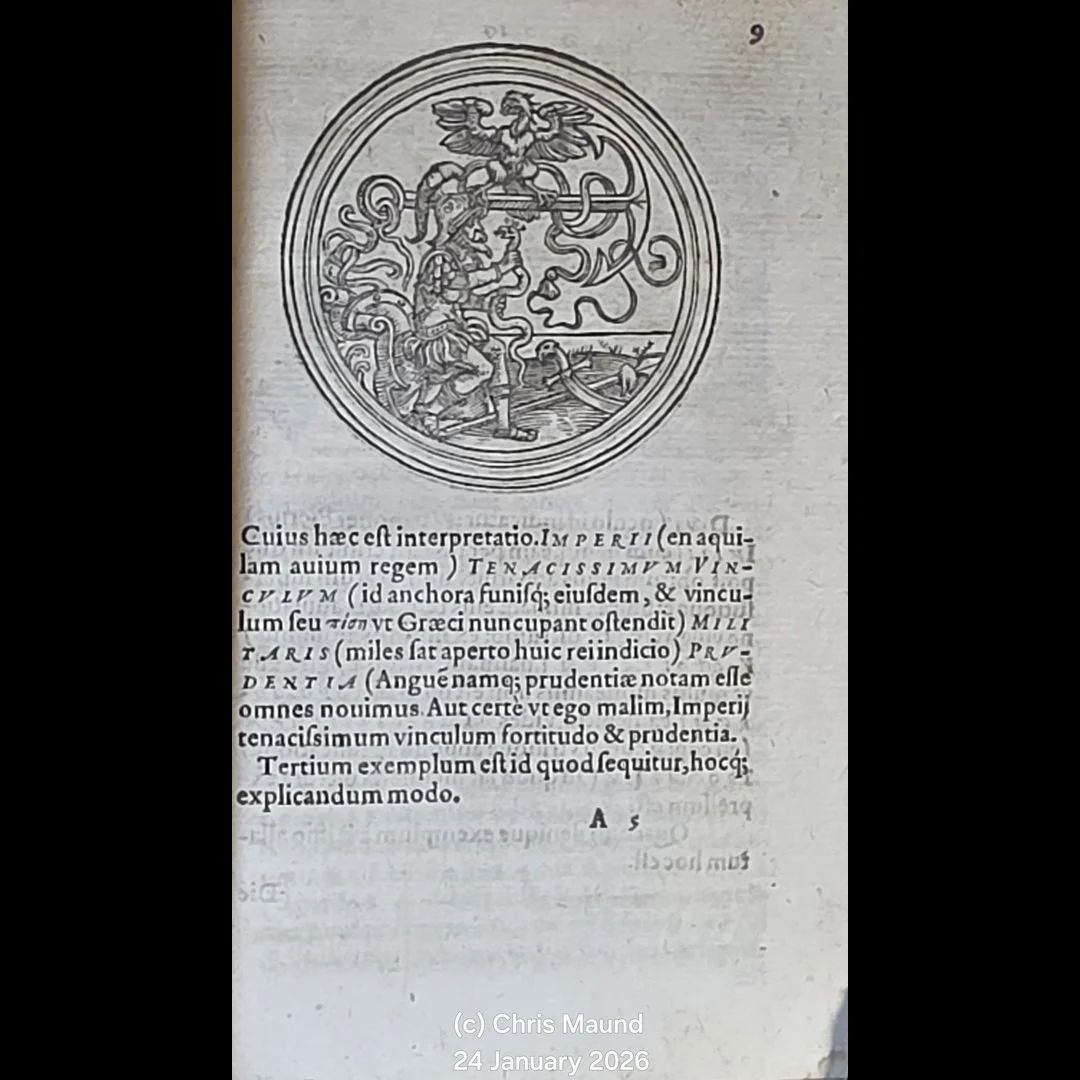 Image 21 of 39
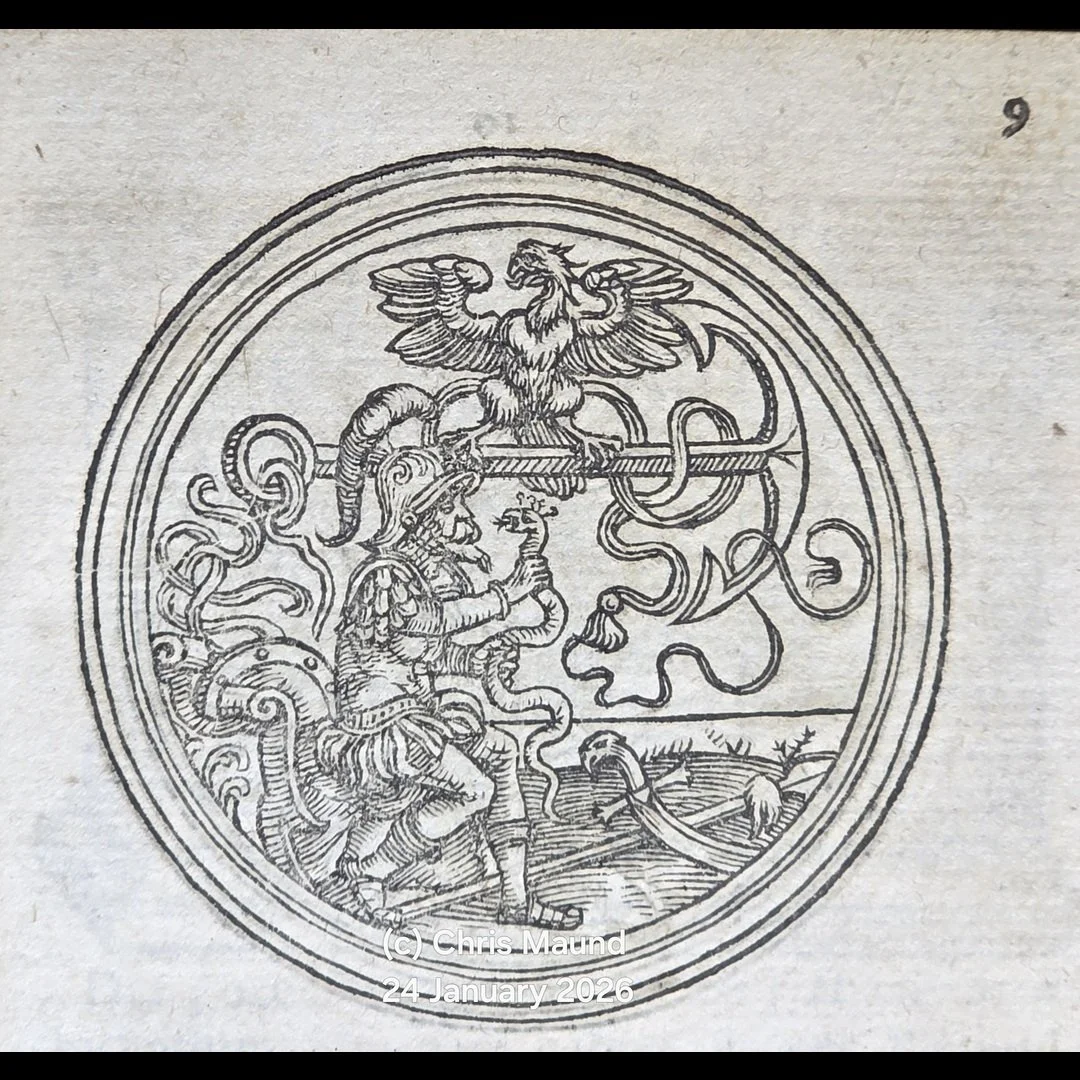 Image 22 of 39
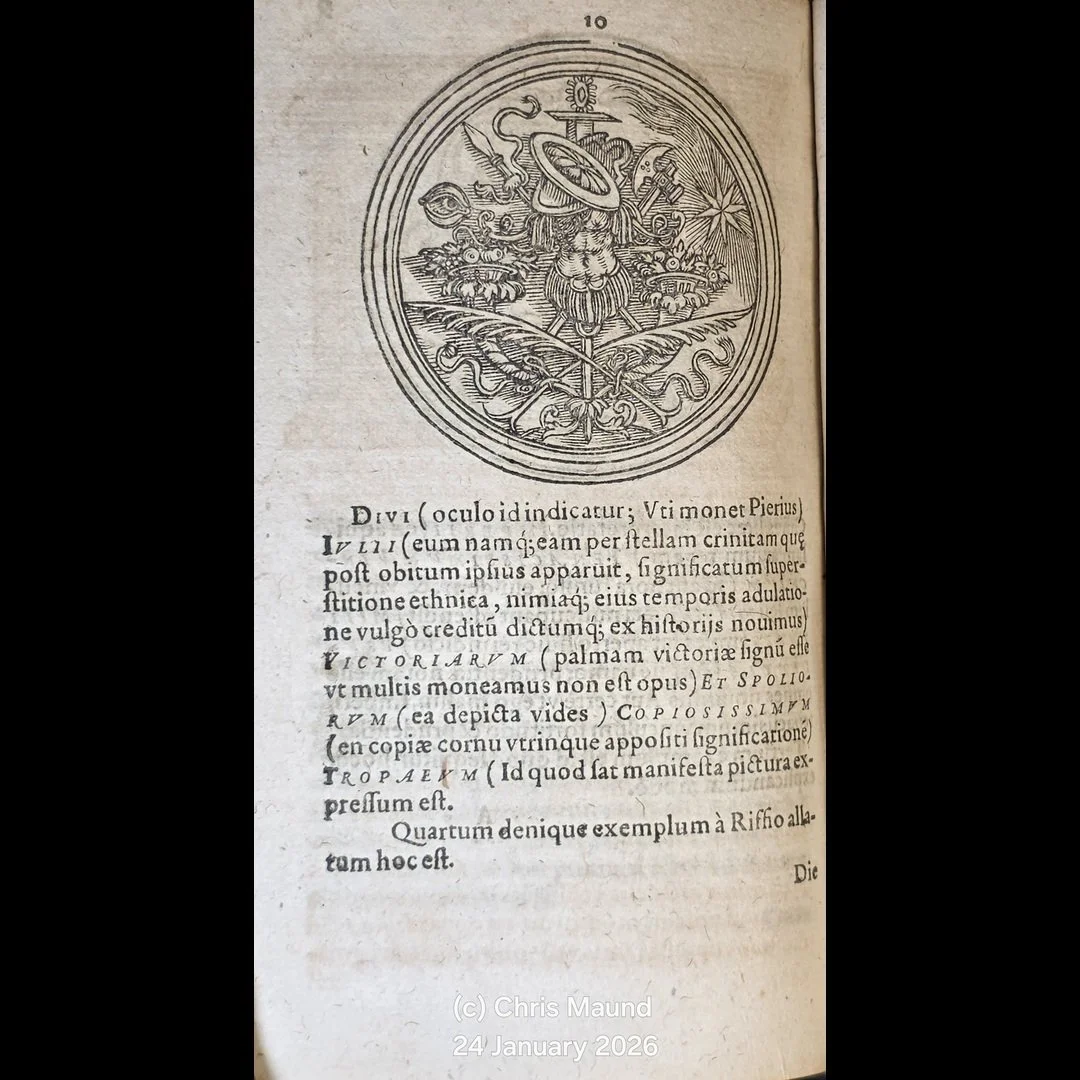 Image 23 of 39
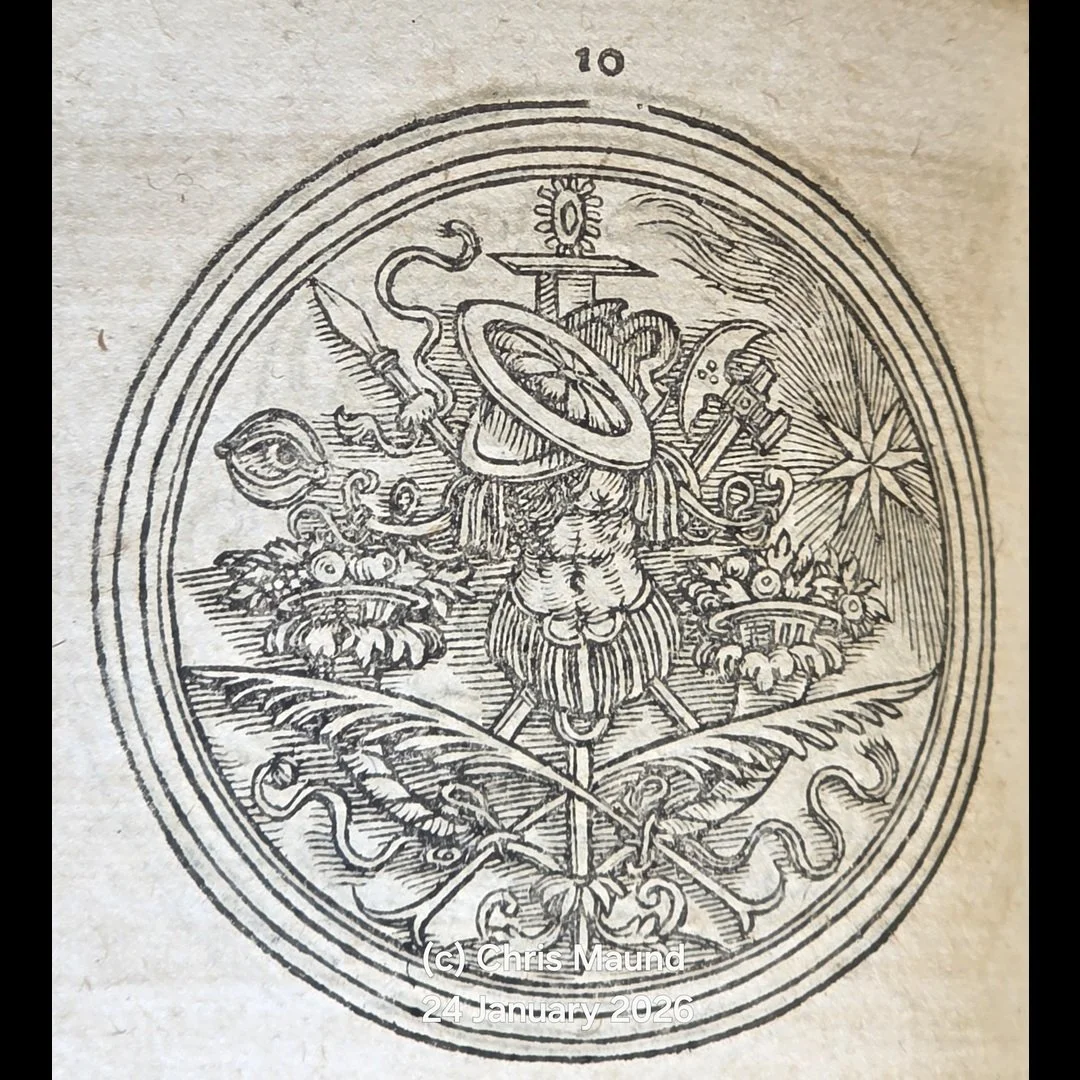 Image 24 of 39
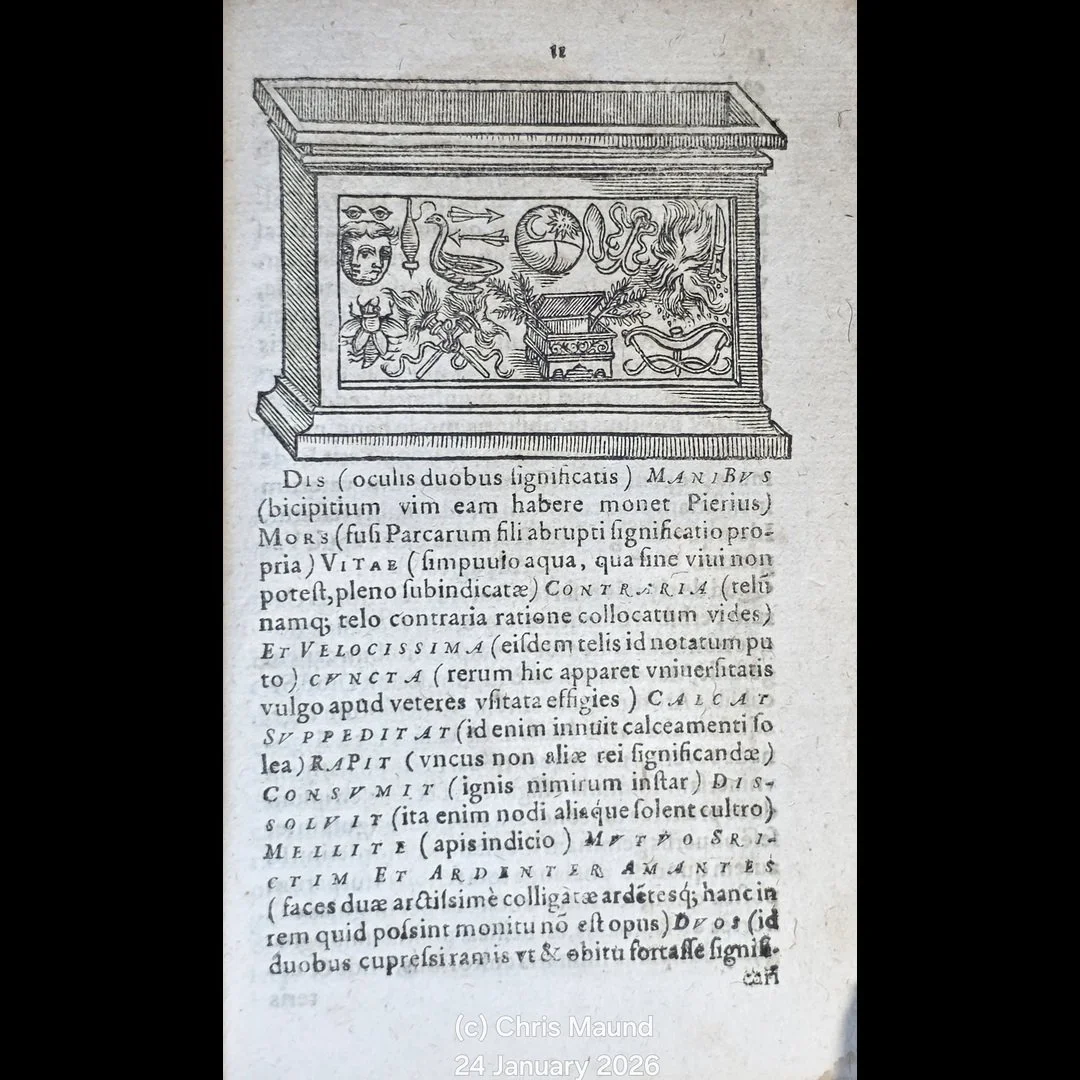 Image 25 of 39
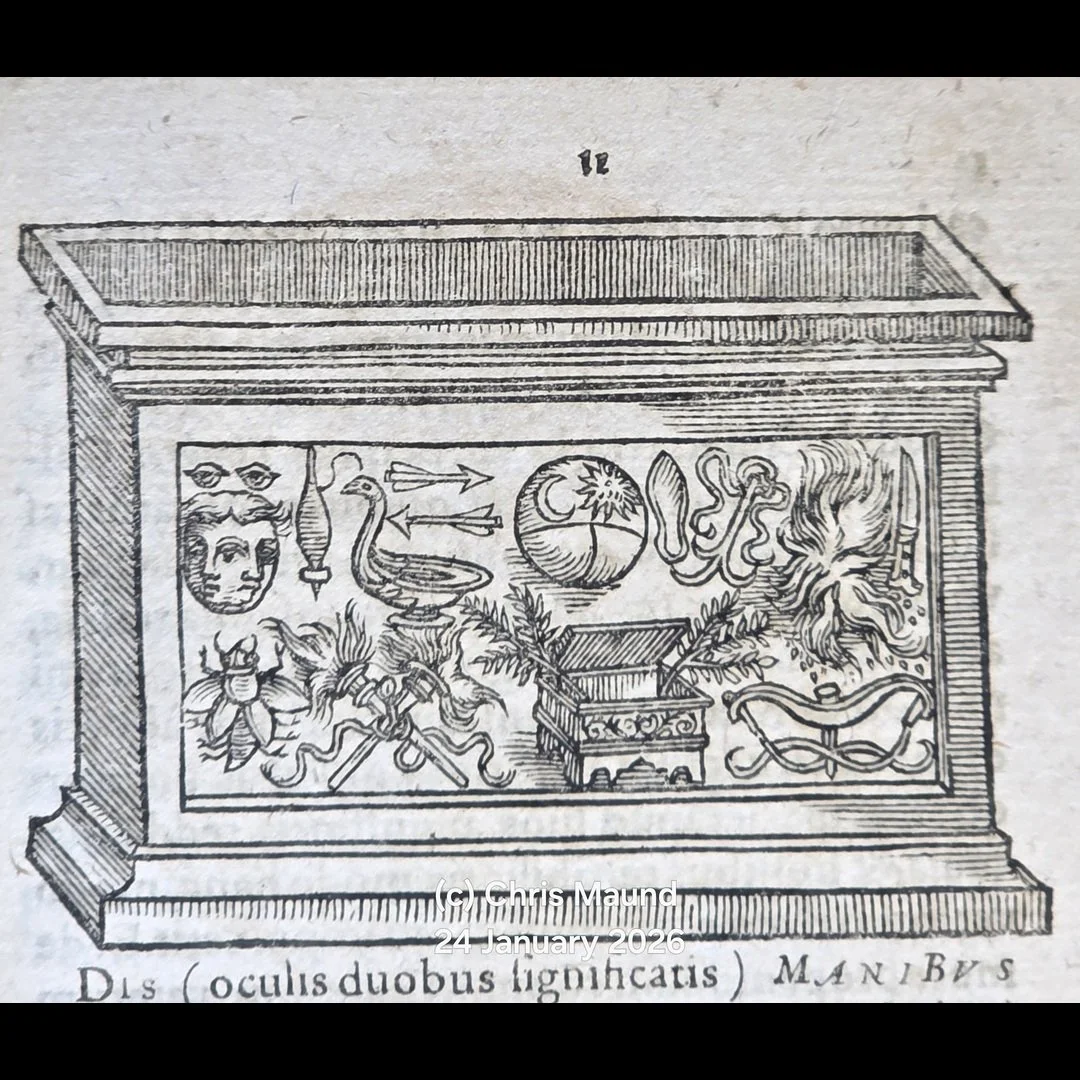 Image 26 of 39
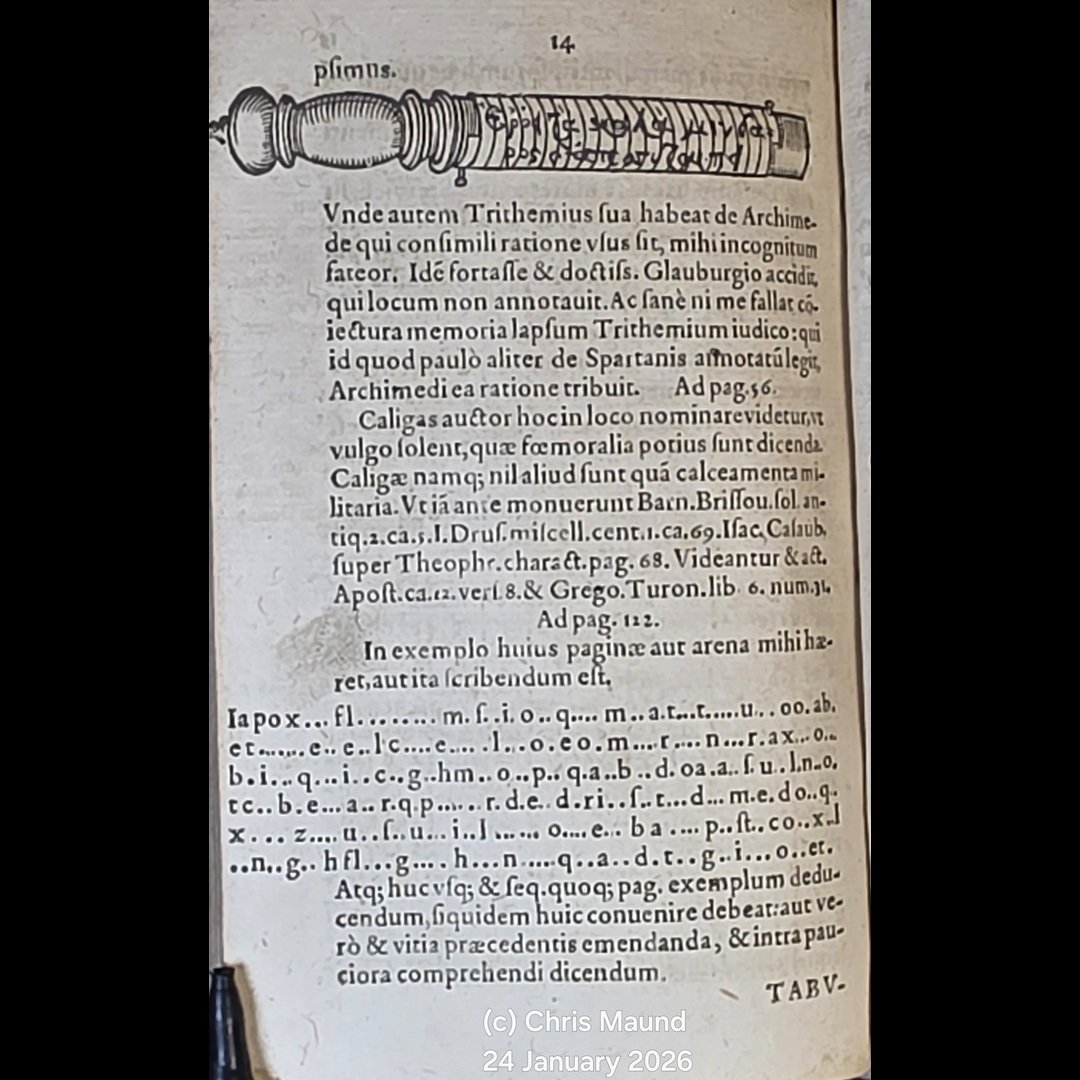 Image 27 of 39
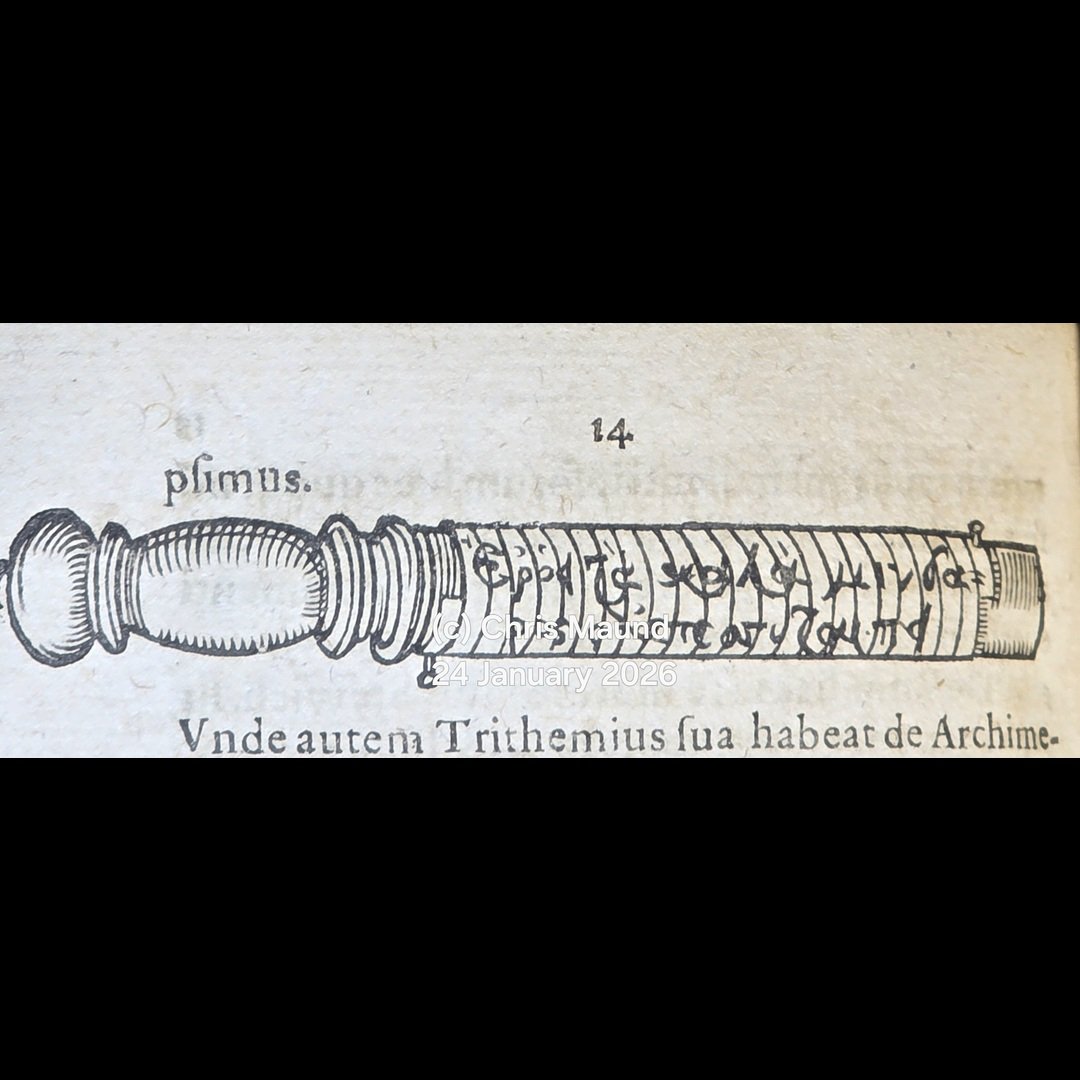 Image 28 of 39
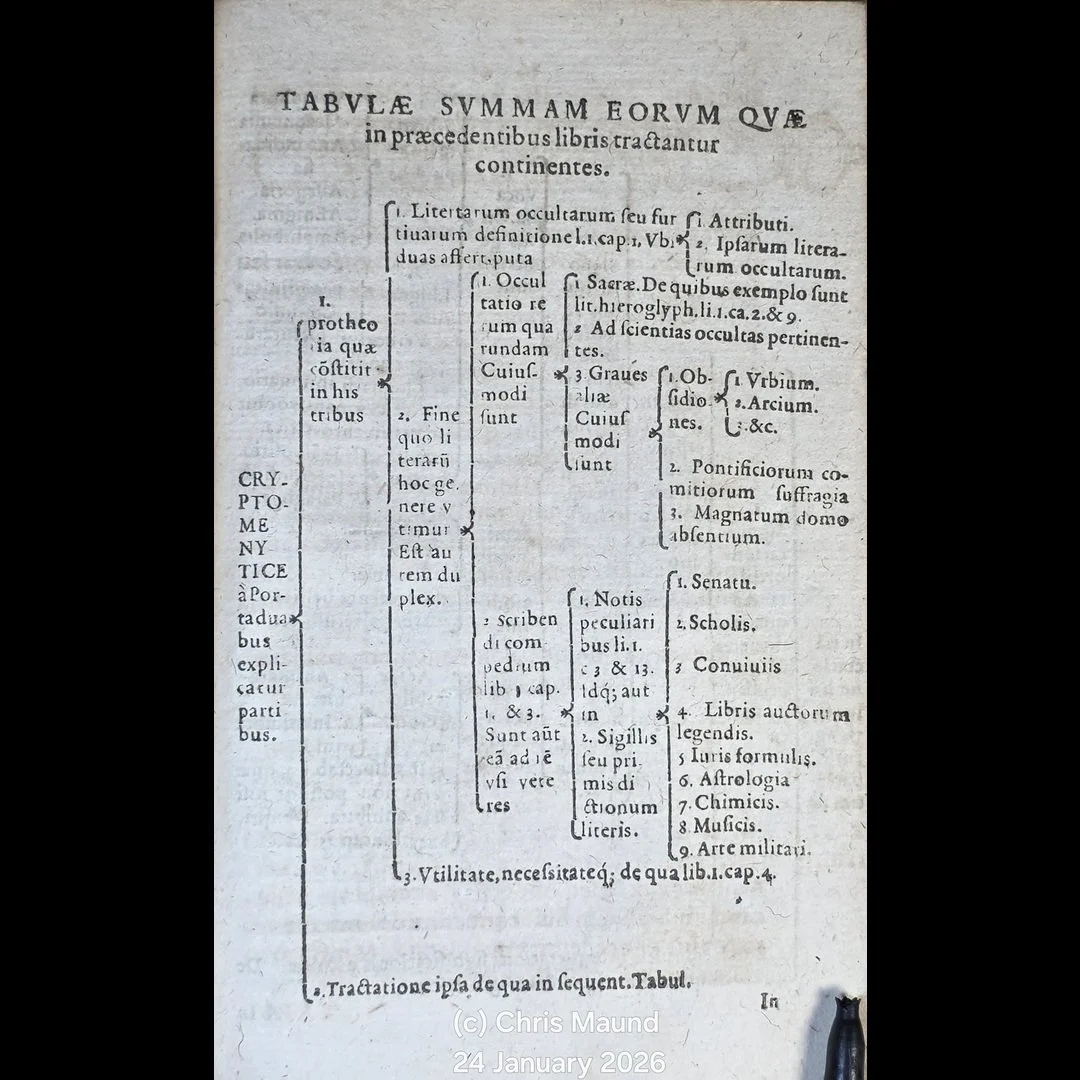 Image 29 of 39
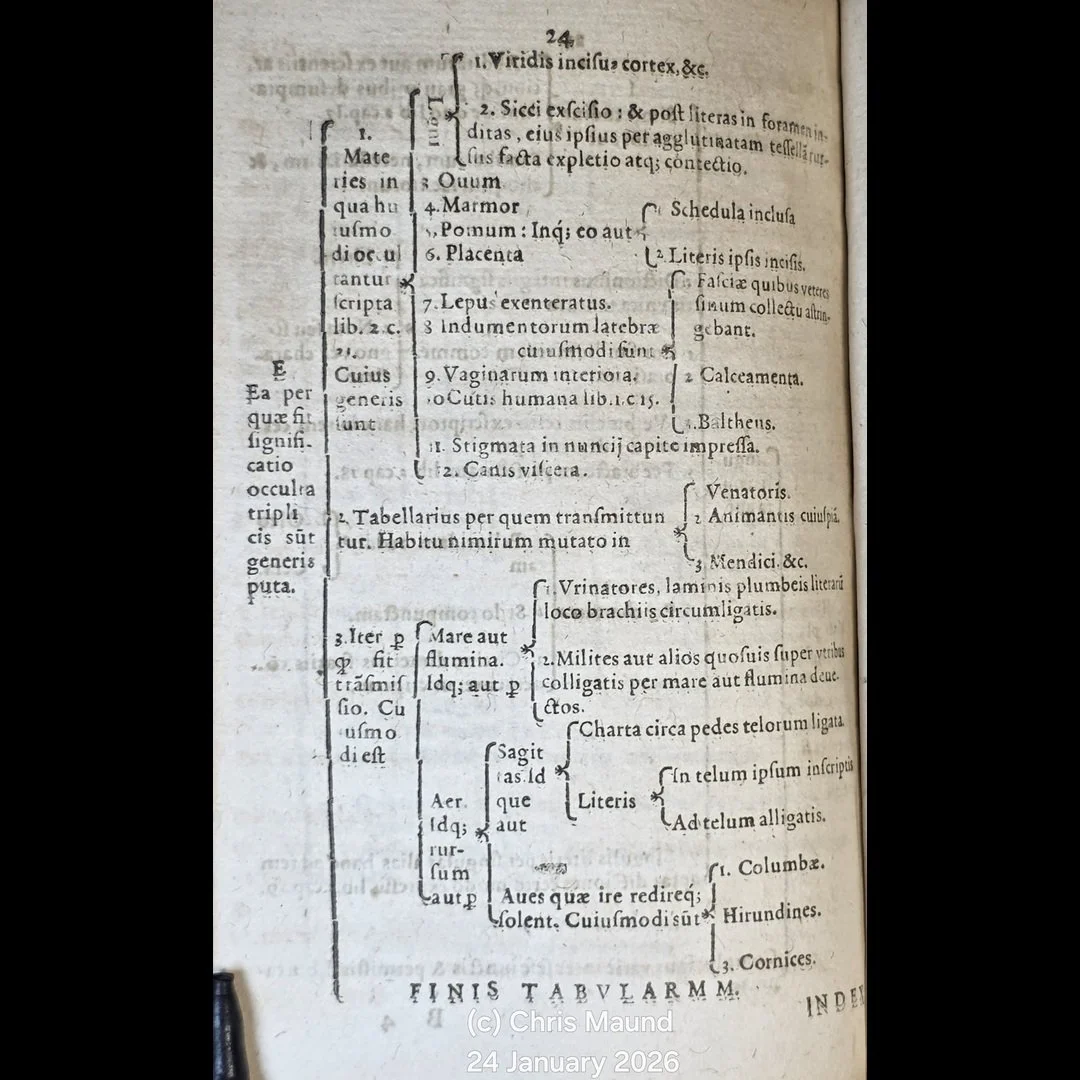 Image 30 of 39
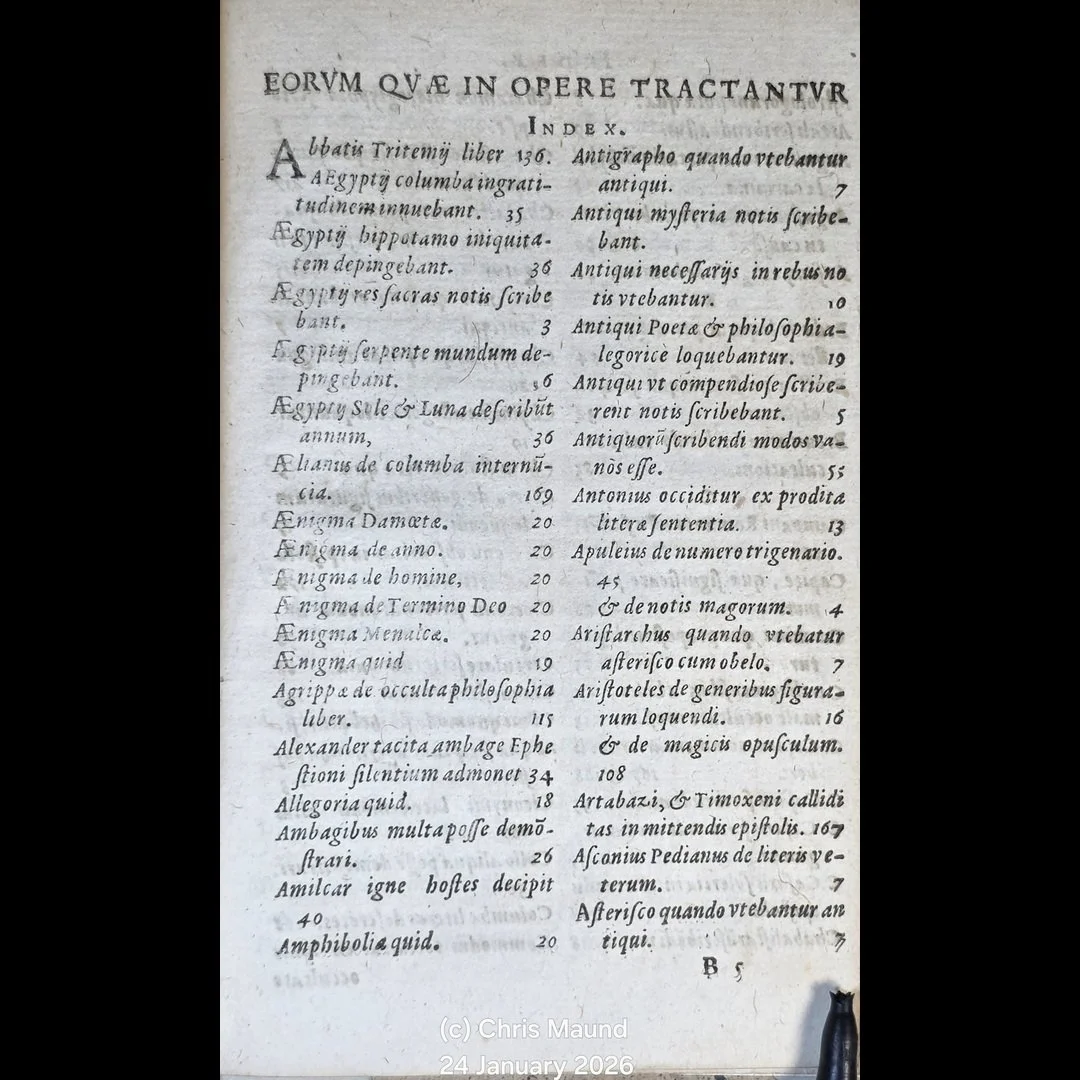 Image 31 of 39
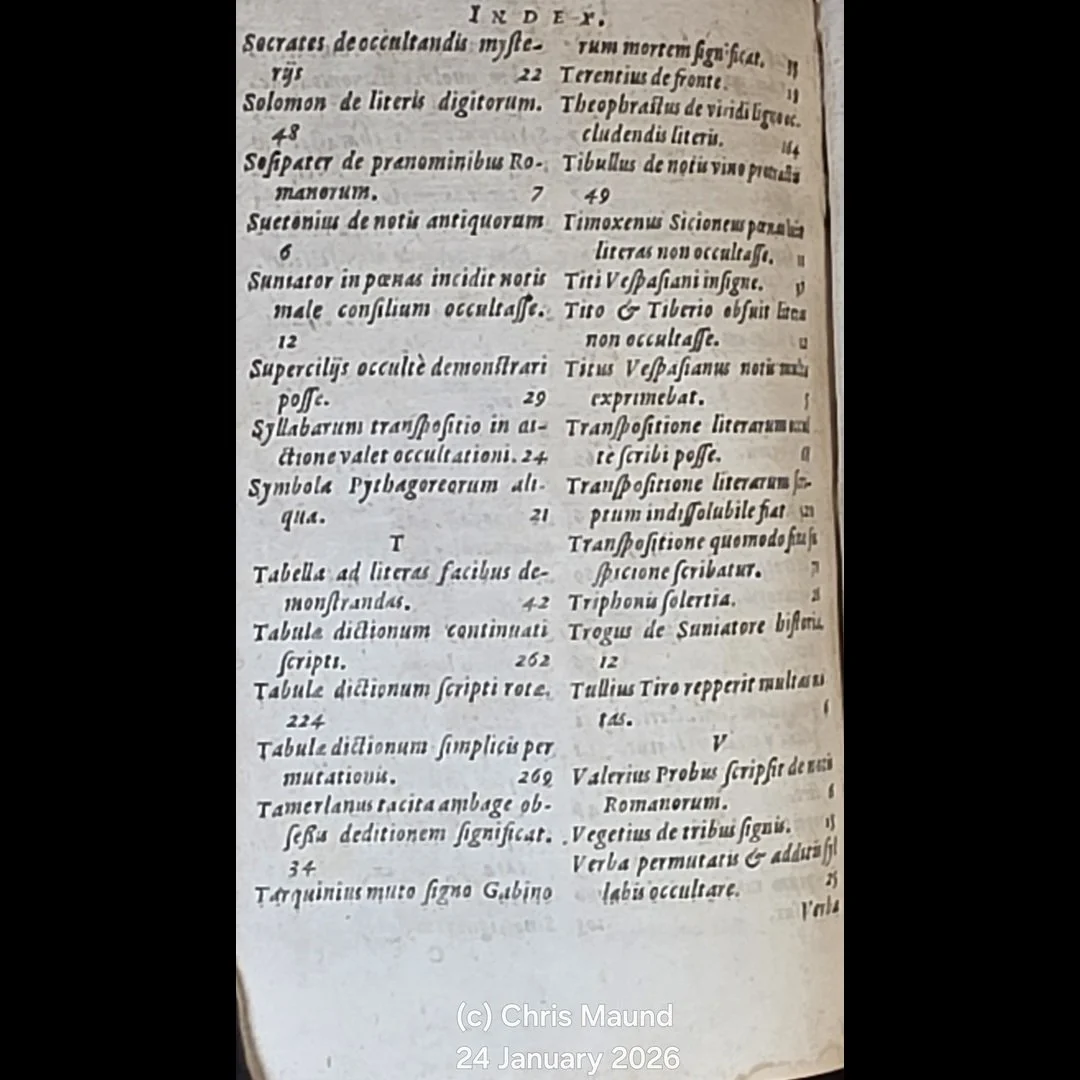 Image 32 of 39
 Image 33 of 39
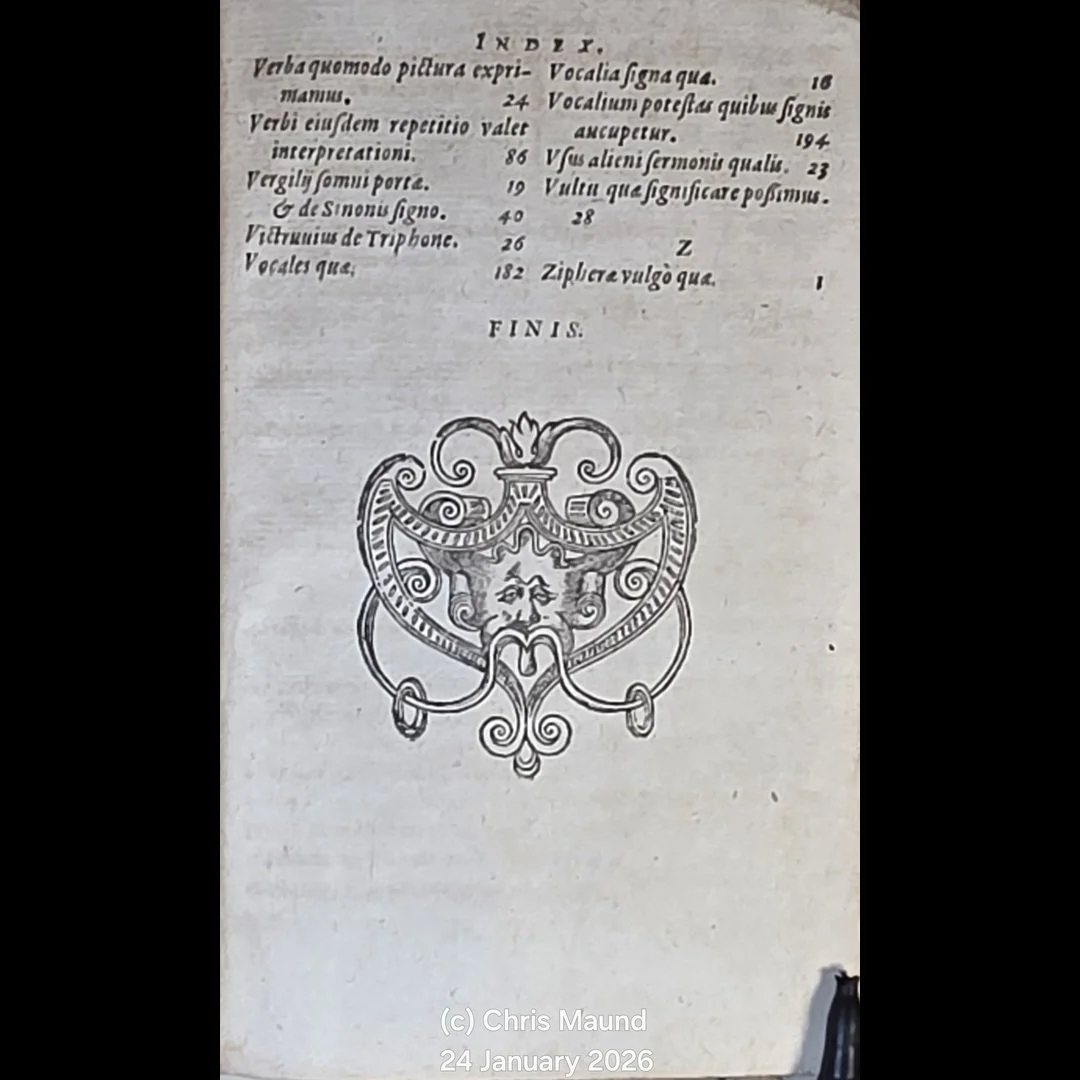 Image 34 of 39
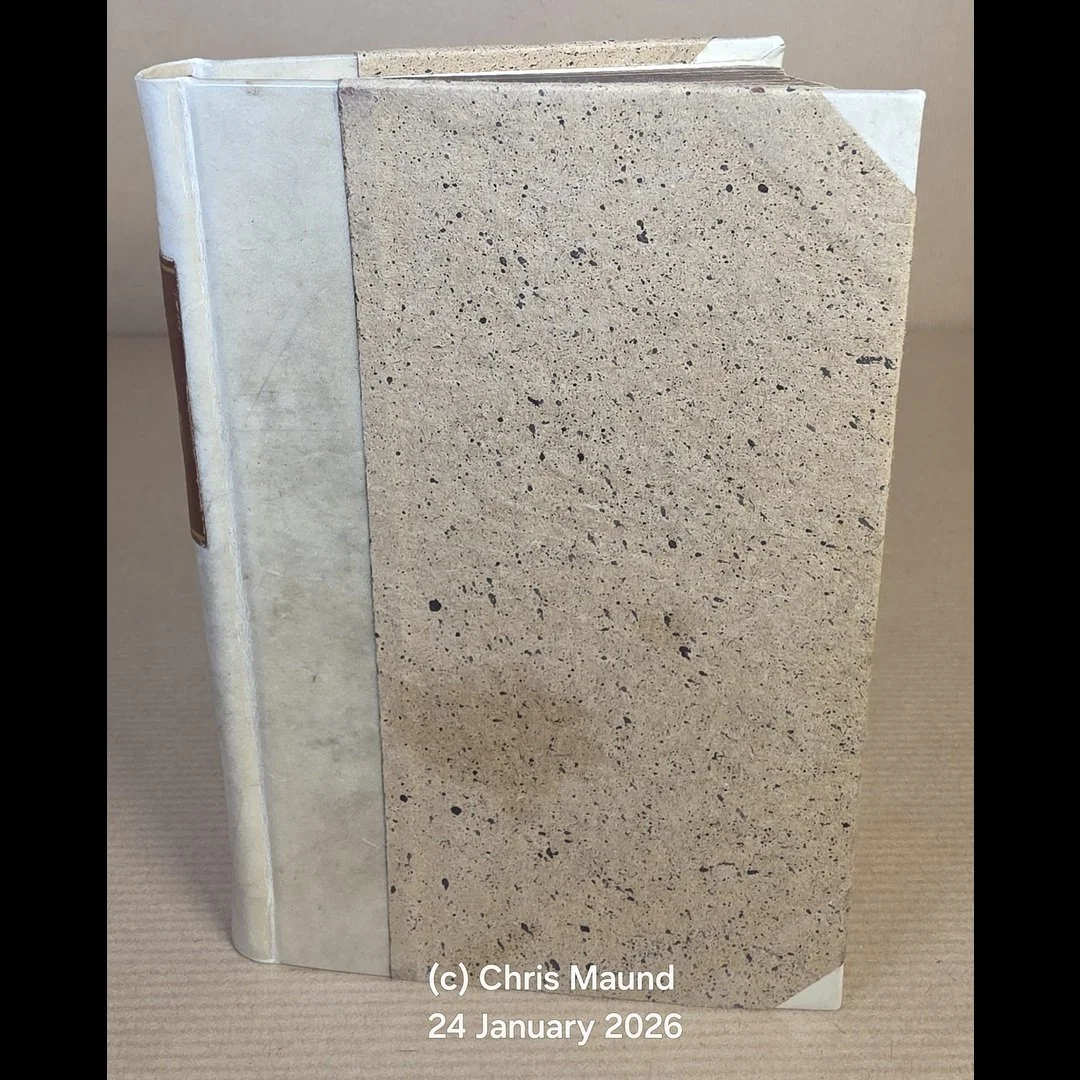 Image 35 of 39
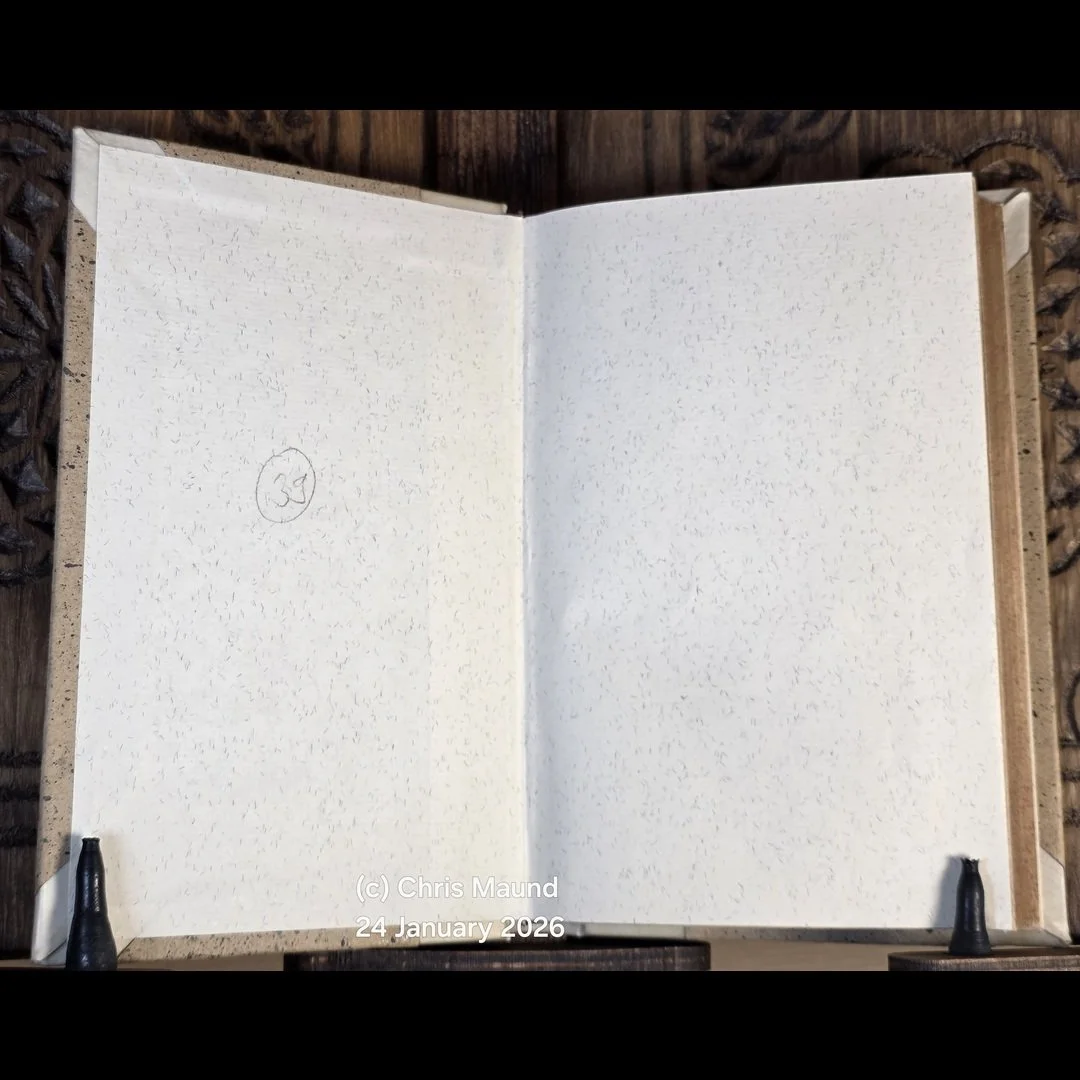 Image 36 of 39
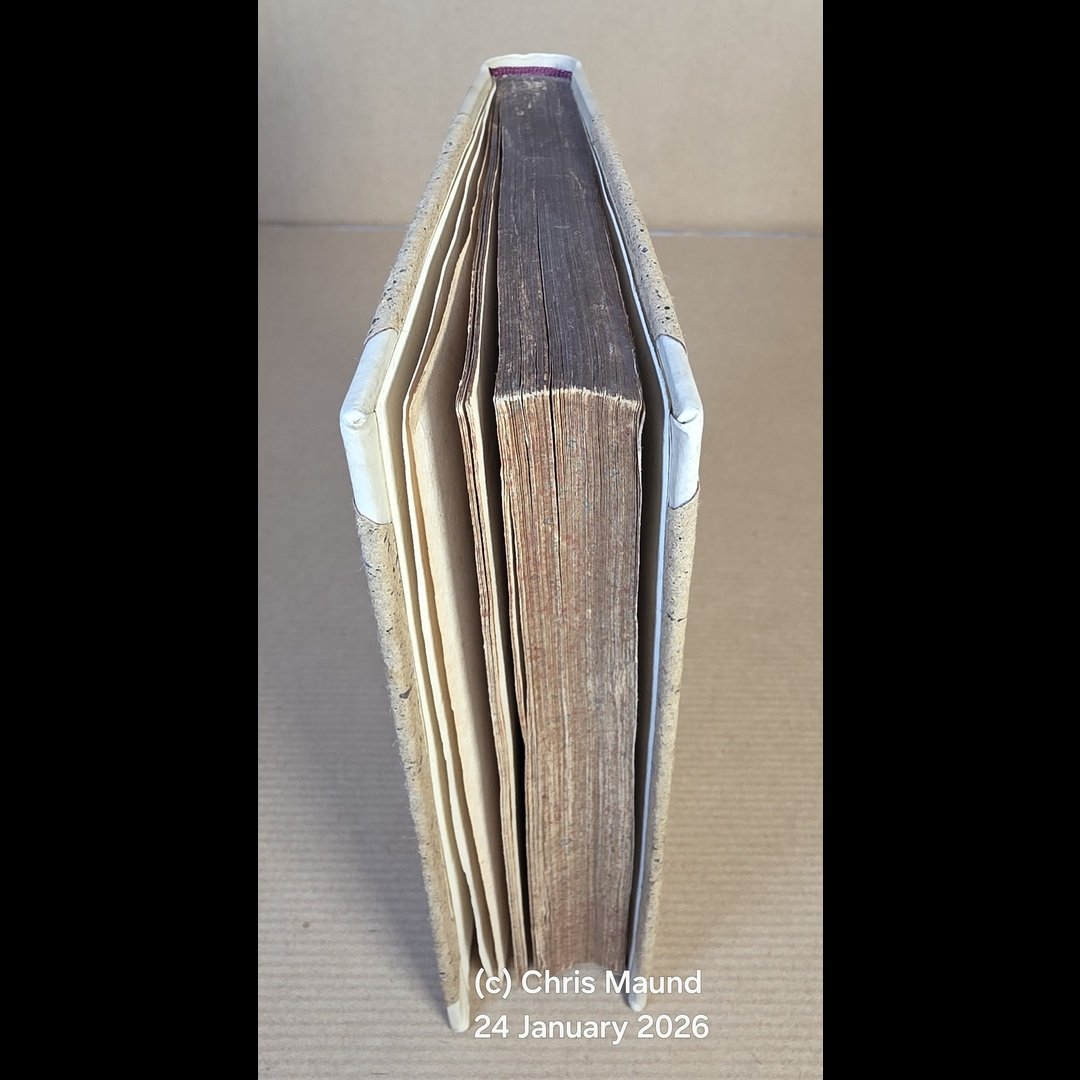 Image 37 of 39
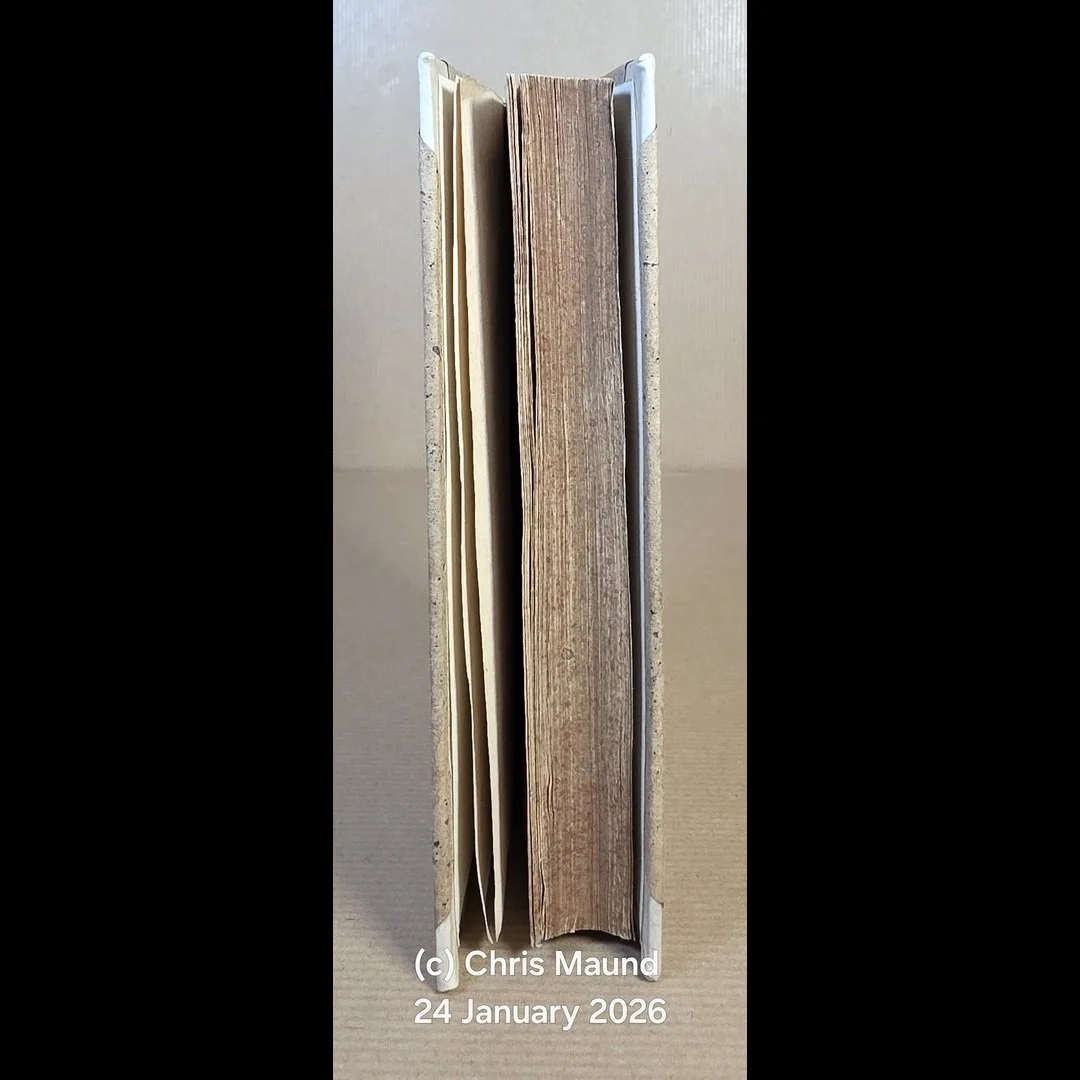 Image 38 of 39
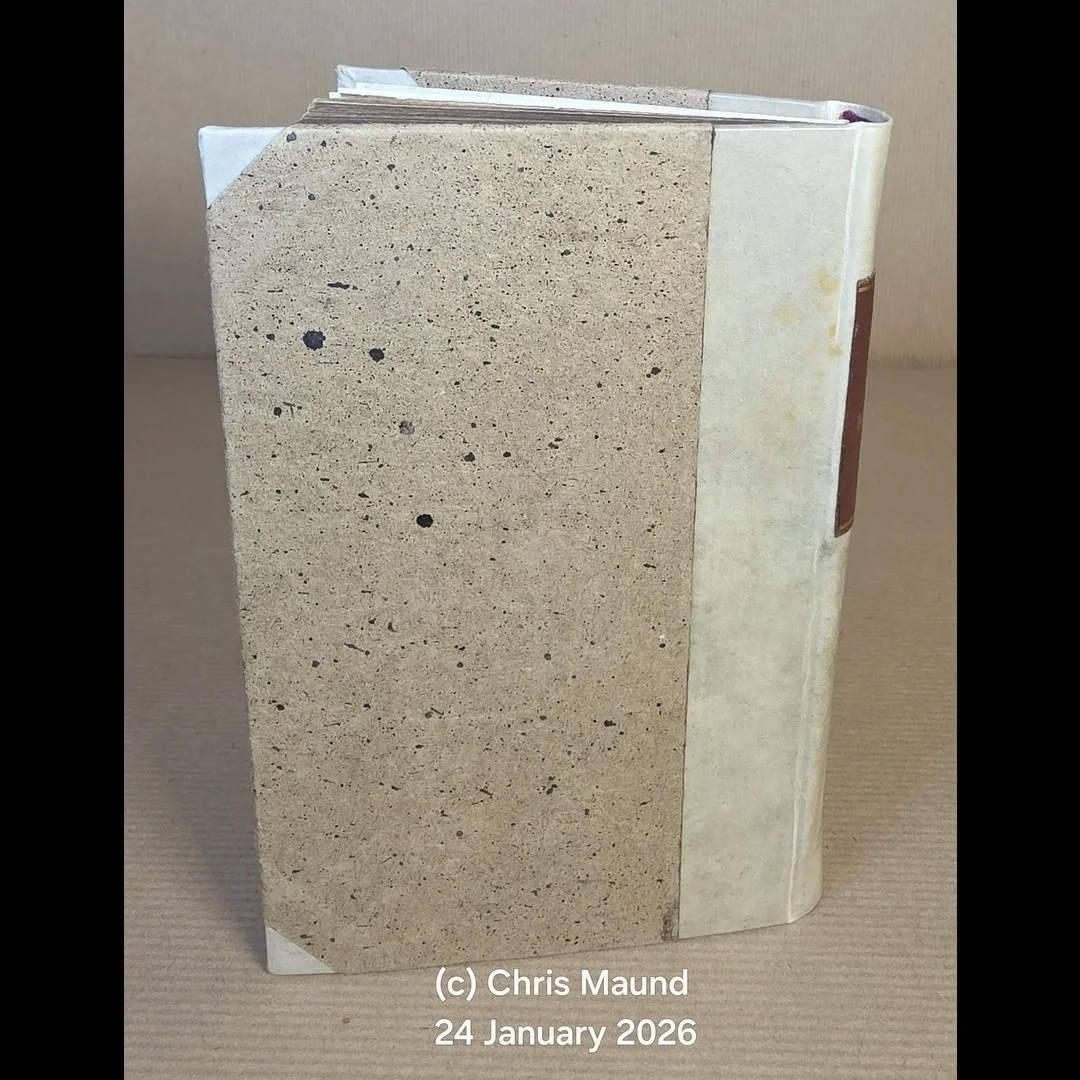 Image 39 of 39