Sale Price:
£105.00
Original Price:
£130.00
1900 Deuxième édition
LA BEAUTE DEL LA FEMME
By Dr C.-H. (Carl Heinrich / Charles-Henri) Stratz, Robert Waltz
KEY DETAILS
Condition: Very Good
Format: Hardcover, Large octavo (in-8), approximately 25 × 16.5 cm
Published By: Gaultier, Magnier et Cie., s.d. [c. 1900–1902]
Printer: Évreux: Imprimerie de Charles Hérissey, Paris, 1900
Language: French
Collation: [4], IV, [2], 337, [3] pp: 337 numbered pages + prelim & terminal leaves. Complete.
Dust Jacket: None, as issued, No Jacket
SKU: BTETM0002714
Shipping Info: Approximate Package Dimensions H: 12.5, L: 30, W: 25 (Units: cm), W: 2Kg
Tracked Shipping, Insurance Coverage as per Customer Request
DESCRIPTION
La Beaute Del La Femme
Series: La Figure Humaine: Collection Artistique et Scientifique Illustrée — Série Scientifique
An attractive early French edition of Carl Heinrich Stratz's influential illustrated study of female beauty, anatomy and bodily proportion, translated from the German by Robert Waltz and issued as part of the scientific series La Figure Humaine.
The title page identifies this as the Deuxième édition and states “Ouvrage orné de 180 illustrations.” Extensively illustrated with photographic studies from life, anatomical and proportional diagrams, comparative figures and examples drawn from art, the volume represents a distinctive Belle Époque intersection of medicine, photography, anthropology and aesthetics.
Stratz sought to establish what he regarded as observable and measurable principles of physical beauty. His discussion ranges across bodily development and proportion, nutrition and lifestyle, heredity and age, posture and movement, the effects of disease and clothing upon the body, individual anatomical features, colour and complexion, and the application of anatomical study to art and artistic criticism.
The work appeared during a period in which photography was increasingly being employed as evidence in medicine, anthropology and artistic anatomy. Its numerous photographic nude studies were not presented simply as illustrations of the human figure, but as comparative material through which Stratz attempted to distinguish what he regarded as normal, beautiful and pathological bodily forms.
A particularly evocative example of turn-of-the-century scientific and artistic publishing, retaining its original decorative publisher's cloth.
A specialist trade description of the publisher's decorated binding attributes its special decorative tooling to Giraldon; the binding of the present copy is of this decorative publisher's type, although no signed attribution has been identified on the copy itself.
CONDITION, COLLATION & COPY NOTES
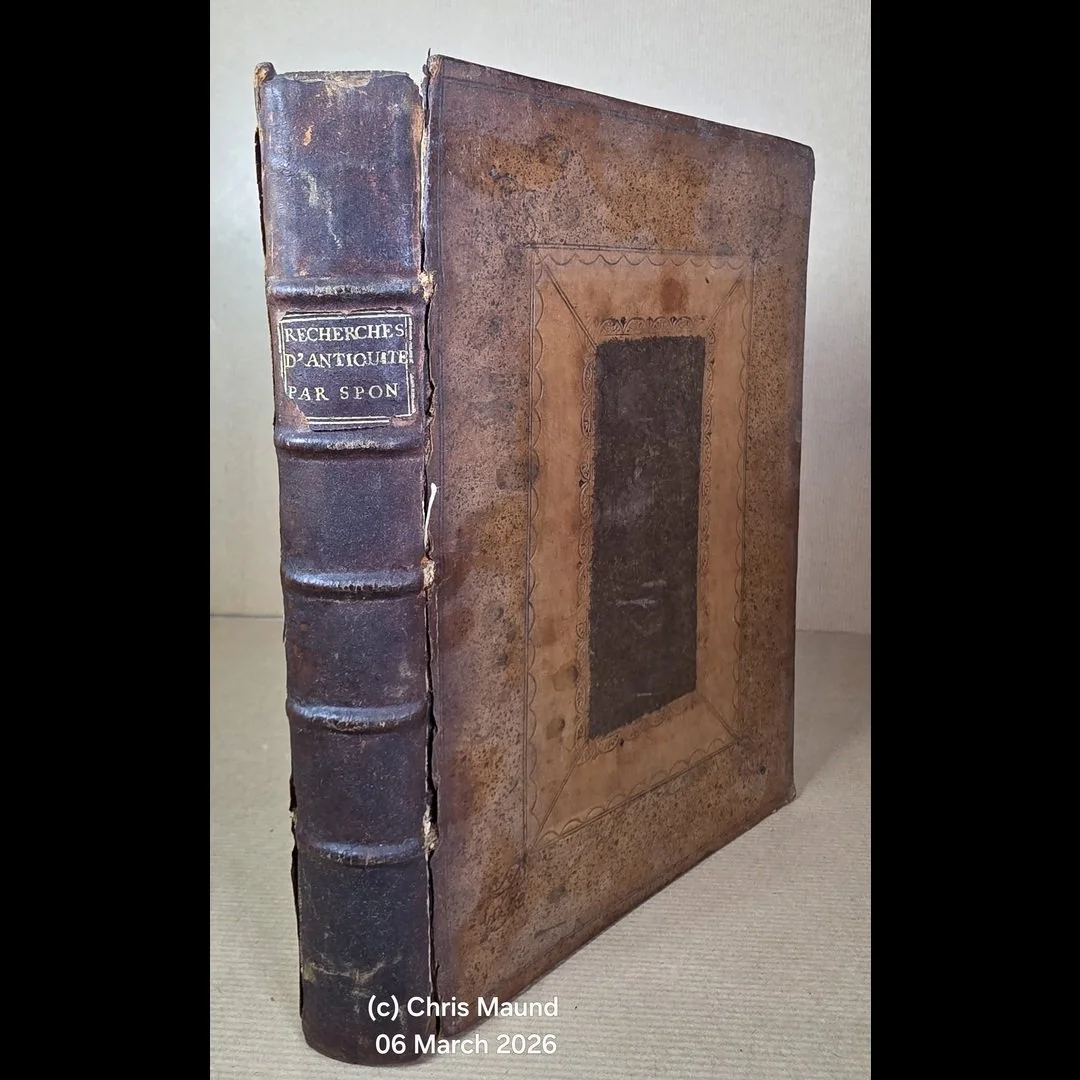
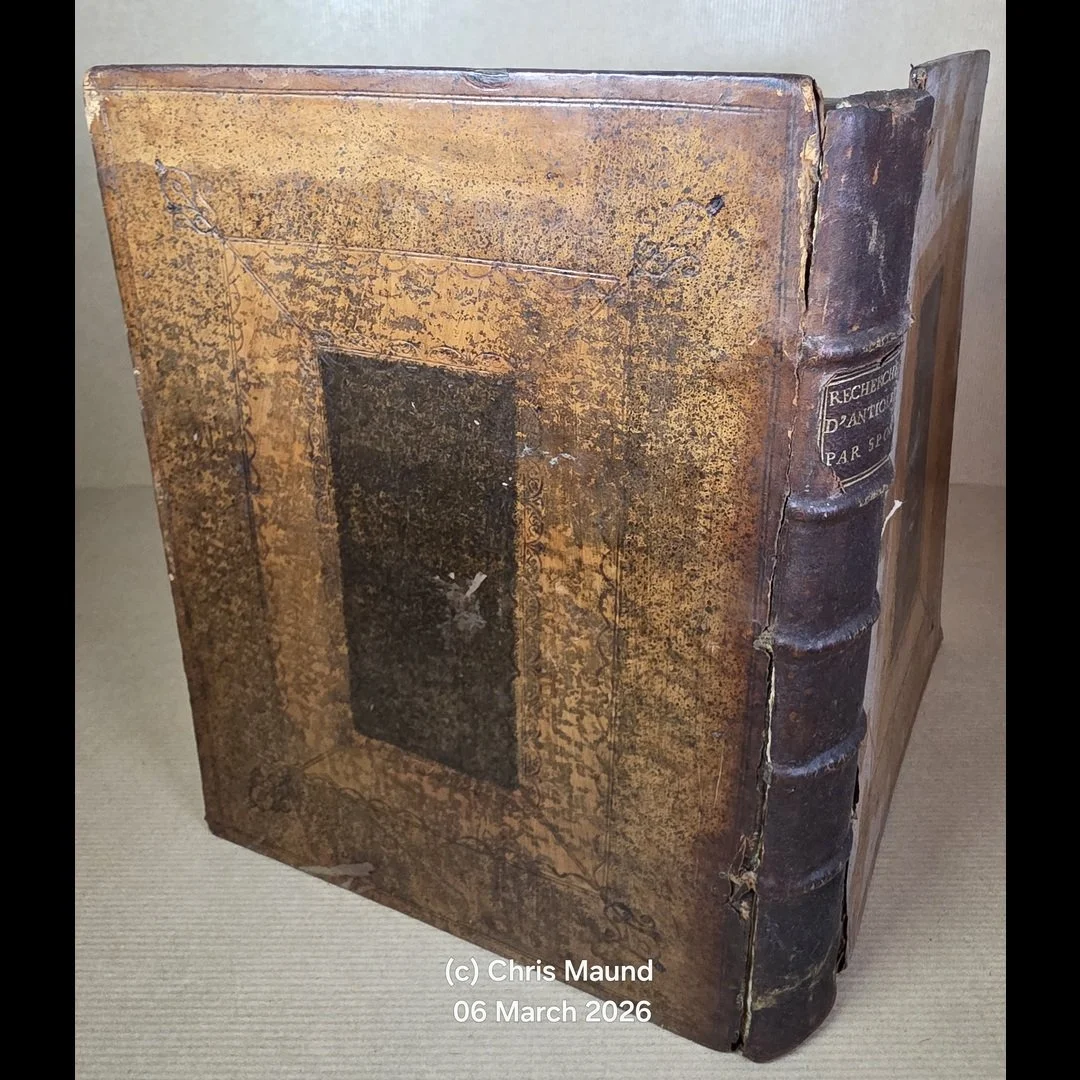
Attractive original decorative publisher's cloth with floral and ornamental Art Nouveau decoration and lettering to the spine.
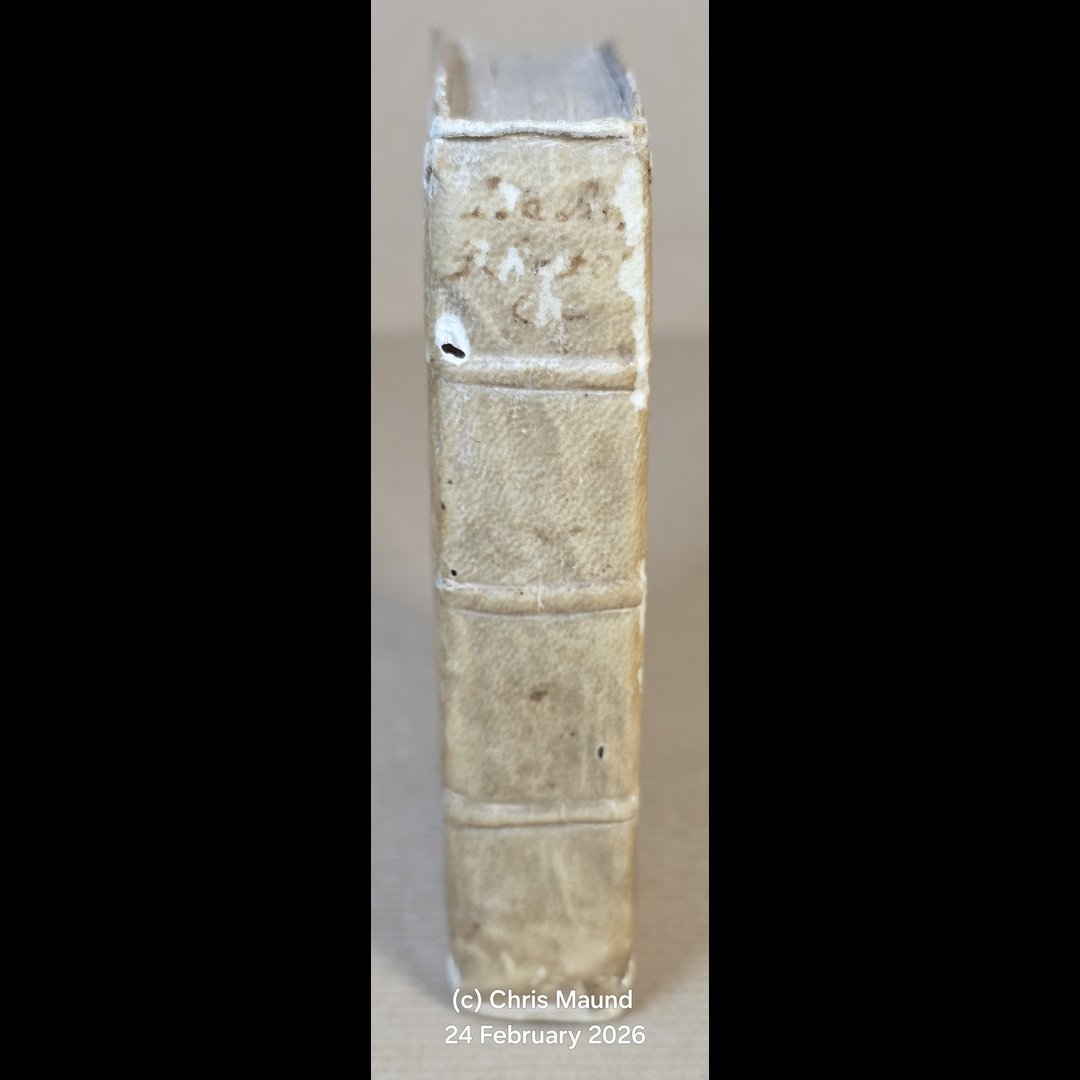
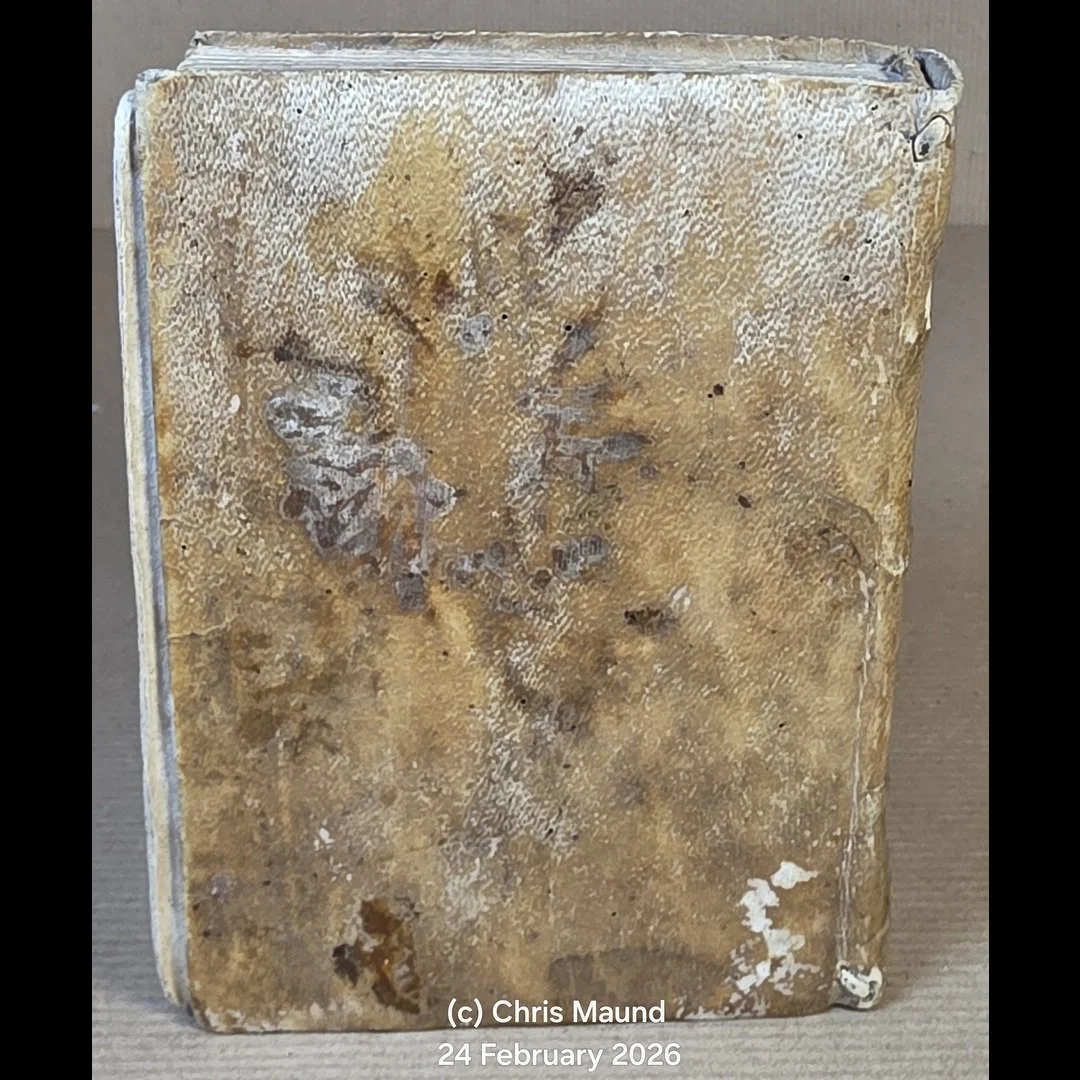
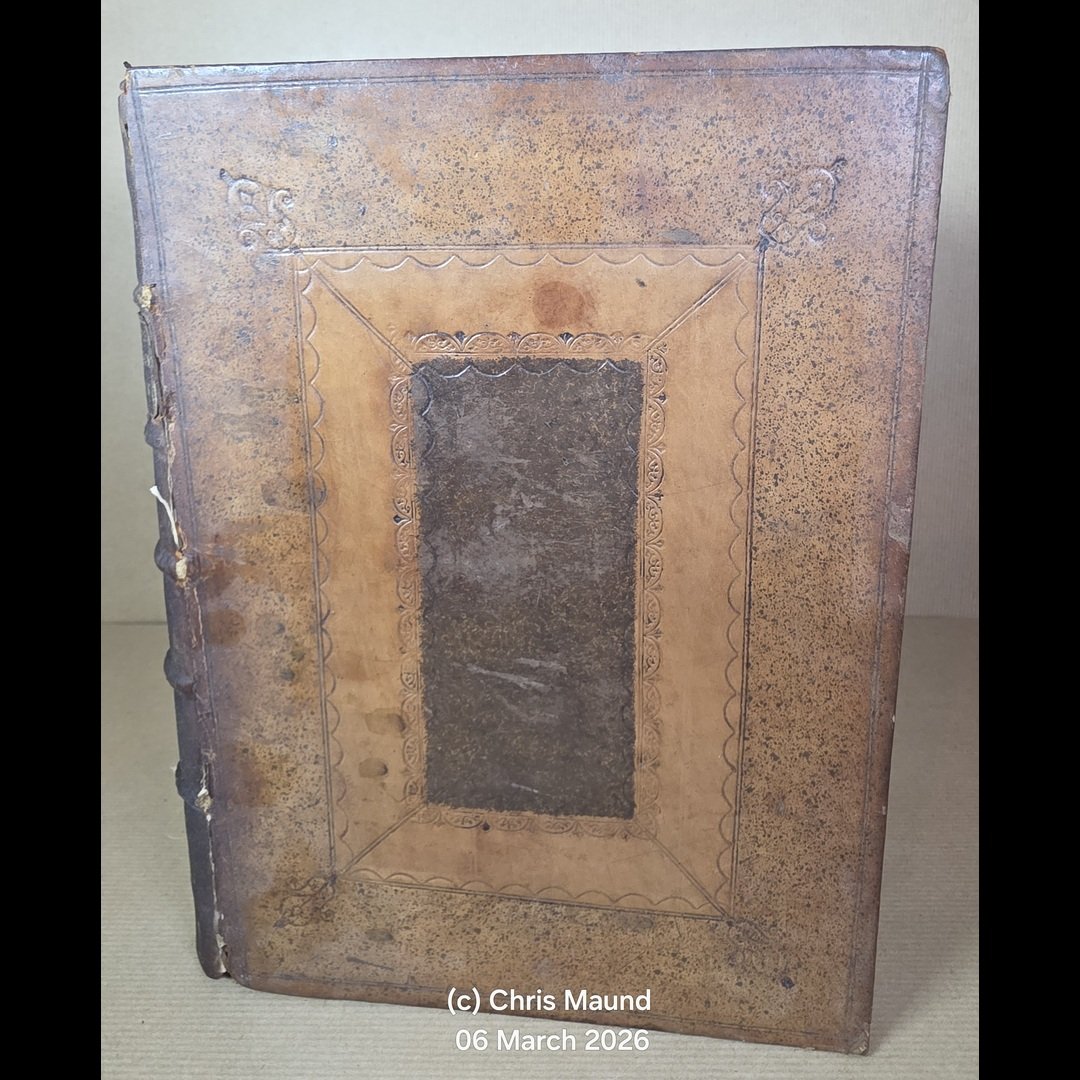
Binding showing light rubbing and edge wear consistent with age, with minor bumping to the corners and light wear at the head and foot of the spine. The binding remains presentable and attractive.
Internally generally clean and well preserved, with normal age-toning and occasional light spotting. No significant textual loss noted from the present examination.
The work is undated on the title page. Contemporary and bibliographical sources place the French Gaultier, Magnier edition around 1900–1902; Alfred Binet's detailed review published in 1902 specifically described the volume as being without a publication date.
The title page states: “Deuxième édition” and “Ouvrage orné de 180 illustrations.”
Format: Hardcover, octavo (in-8 / 8vo), Approx. 25 × 16.5 cm
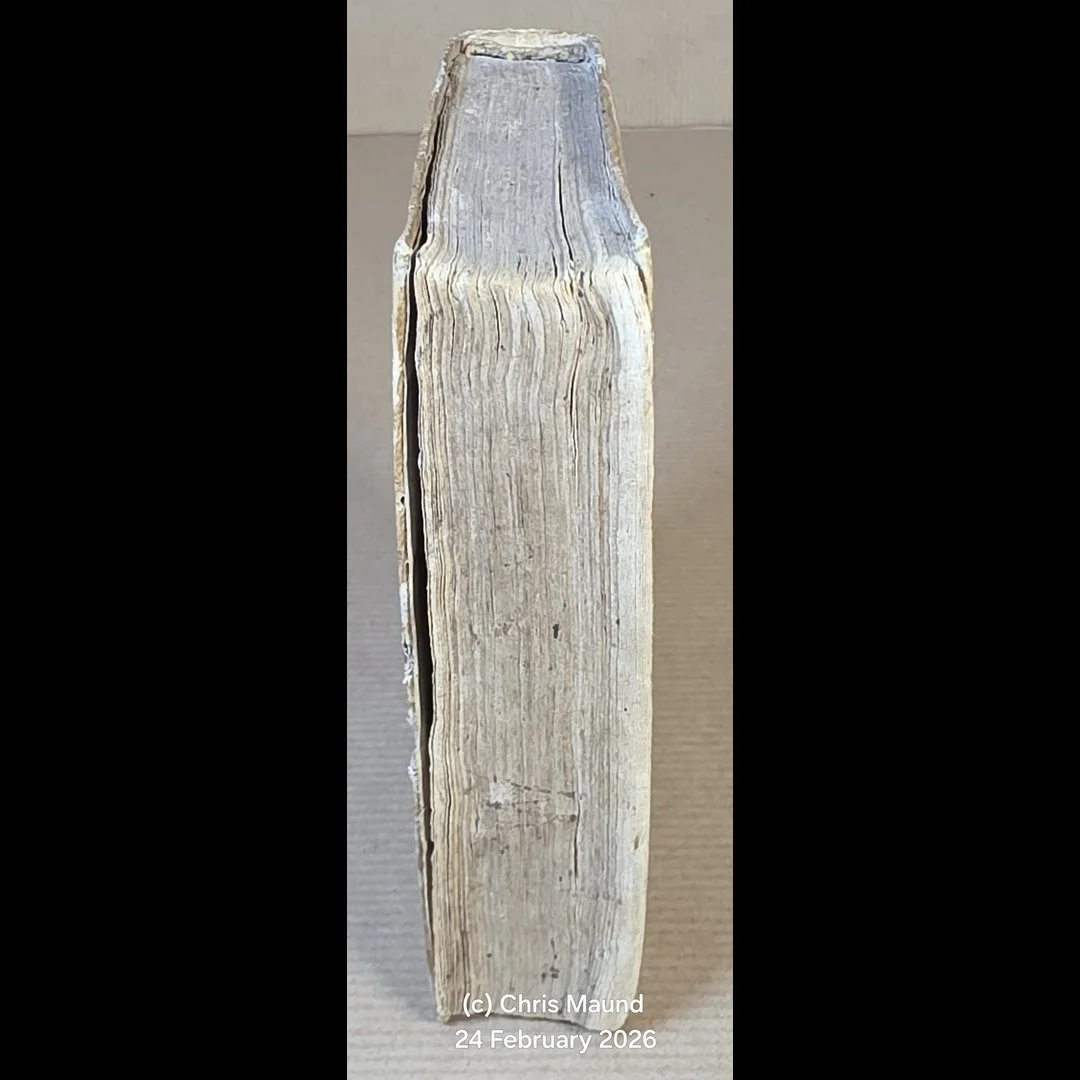
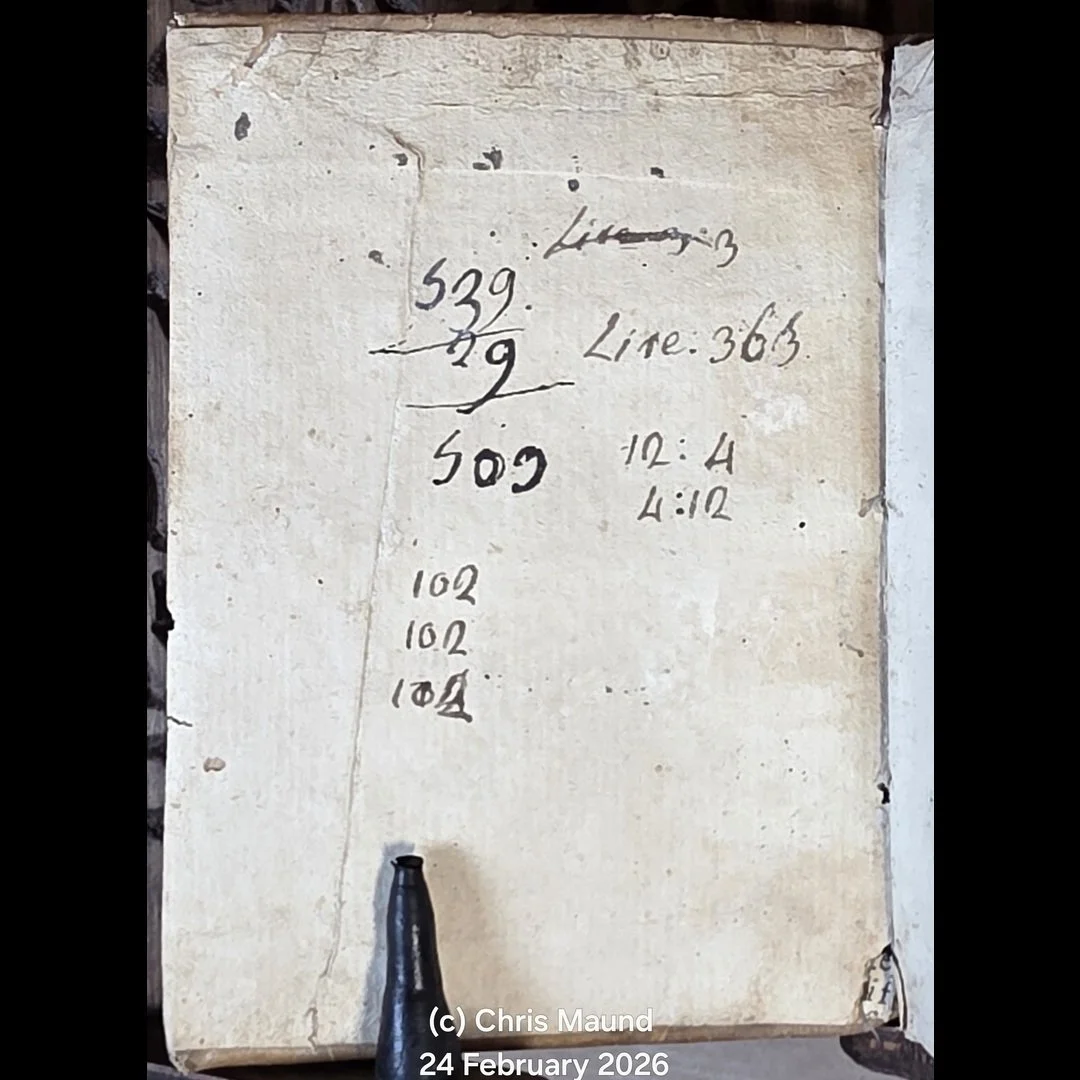
Please see Photos as part of condition report.
REFERENCES
Bibliothèque nationale de France, Catalogue général: La Beauté de la Femme / par le Dr C.-H. Stratz; traduit de l'allemand par Robert Waltz; ouvrage orné de 180 illustrations.
Google Books bibliographical record: La beauté de la femme, Carl Heinrich Stratz; Gaultier, Magnier et Cie.; 2nd edition, 337 pp.
Alfred Binet, “Stratz — La beauté de la femme”, L'Année psychologique, Vol. 9 (1902), pp. 427–434. Binet describes the work as an in-octavo volume translated from the German by Waltz, containing 180 illustrations and published by Gaultier, Magnier without a stated date.
Contemporary and later bibliographical descriptions variously date the French issue to c. 1900–1902.
Modern scholarship concerning the visual sources surrounding Picasso's development towards Les Demoiselles d'Avignon has also discussed Stratz's illustrated publications, including La Beauté de la Femme, as among the photographic and anthropometric material potentially available to Picasso during this period. This remains an art-historical connection rather than evidence of ownership of this particular volume.
SYNOPSIS
La Beauté de la Femme is an ambitious attempt to subject the idea of female physical beauty to scientific analysis.
Rather than treating beauty solely as a matter of artistic convention or personal taste, Stratz approached the female body through his medical experience and through photography, measurement and comparison. Beginning with contemporary theories of beauty, he considers the representation of women in art and literature before examining the physical factors which he believed determined bodily form.
Development from youth to maturity, nutrition, lifestyle, heredity, illness, clothing and corsetry are considered alongside the proportions and characteristics of individual parts of the body. Stratz also examines movement, posture and colour before attempting to translate his conclusions into practical principles applicable to artists and the criticism of art.
Photography is central to the book. The numerous studies of the unclothed body offered Stratz a means of presenting living human forms for comparison with both anatomical ideals and established artistic canons. This combination of medical observation, photography and aesthetic judgement made his books widely known during the early twentieth century.
The work is also now of considerable interest as a historical document. Some of Stratz's anthropological classifications and attempts to rank bodies according to racial or physiological “types” reflect theories current in European medicine and anthropology around 1900 which are now scientifically discredited. Seen in historical context, these elements make the book particularly relevant to the study of the history of medicine, physical anthropology, photography, gender, body culture and the construction of aesthetic ideals.
Beyond its medical context, Stratz's imagery has attracted renewed attention from art historians. His extensively illustrated works have been discussed amongst the photographic, anatomical and ethnographic visual sources circulating in Europe during the formative years of modernism, including scholarship investigating possible visual sources available to Pablo Picasso in the period leading to Les Demoiselles d'Avignon.
The result is a fascinating Belle Époque publication: part anatomical study, part photographic atlas and part theory of aesthetics, documenting an era in which medicine, anthropology, photography and the visual arts increasingly overlapped.
AUTHOR BIO
Carl Heinrich Stratz (1858–1924) was a physician and gynaecologist whose work extended into physical anthropology, human growth and development, photography and the study of bodily form.
Born in Odessa in 1858, Stratz trained in medicine and practised clinically as a gynaecologist while developing a substantial parallel interest in human morphology and development. His publications combined medical observation with extensive visual documentation and addressed subjects including female anatomy, clothing, childhood development and comparative physical anthropology.
Among his best-known works was the German study Die Schönheit des weiblichen Körpers, first published in 1898 and repeatedly revised and reissued. His highly illustrated publications achieved a wide readership among physicians, artists and general readers and became characteristic examples of the period's attempt to unite anatomical science with aesthetic theory.
Modern interest in Stratz extends beyond medical history to the history of photography, visual culture, anthropology, representations of women and the intellectual environment from which early twentieth-century modernism developed.
TRANSLATOR
Robert Waltz was the French translator of Carl Heinrich Stratz's Die Schönheit des weiblichen Körpers, published in France as La Beauté de la Femme by Gaultier, Magnier et Cie.
Waltz's translation helped bring Stratz's influential German study of female anatomy, bodily proportion and aesthetics to a French readership at the beginning of the twentieth century. He is explicitly credited on the title page as “traduit de l'allemand par Robert Waltz.”
Little reliable biographical information concerning Waltz has presently been identified, and his dates and wider literary or professional career remain uncertain.
1900 Deuxième édition
LA BEAUTE DEL LA FEMME
By Dr C.-H. (Carl Heinrich / Charles-Henri) Stratz, Robert Waltz
KEY DETAILS
Condition: Very Good
Format: Hardcover, Large octavo (in-8), approximately 25 × 16.5 cm
Published By: Gaultier, Magnier et Cie., s.d. [c. 1900–1902]
Printer: Évreux: Imprimerie de Charles Hérissey, Paris, 1900
Language: French
Collation: [4], IV, [2], 337, [3] pp: 337 numbered pages + prelim & terminal leaves. Complete.
Dust Jacket: None, as issued, No Jacket
SKU: BTETM0002714
Shipping Info: Approximate Package Dimensions H: 12.5, L: 30, W: 25 (Units: cm), W: 2Kg
Tracked Shipping, Insurance Coverage as per Customer Request
DESCRIPTION
La Beaute Del La Femme
Series: La Figure Humaine: Collection Artistique et Scientifique Illustrée — Série Scientifique
An attractive early French edition of Carl Heinrich Stratz's influential illustrated study of female beauty, anatomy and bodily proportion, translated from the German by Robert Waltz and issued as part of the scientific series La Figure Humaine.
The title page identifies this as the Deuxième édition and states “Ouvrage orné de 180 illustrations.” Extensively illustrated with photographic studies from life, anatomical and proportional diagrams, comparative figures and examples drawn from art, the volume represents a distinctive Belle Époque intersection of medicine, photography, anthropology and aesthetics.
Stratz sought to establish what he regarded as observable and measurable principles of physical beauty. His discussion ranges across bodily development and proportion, nutrition and lifestyle, heredity and age, posture and movement, the effects of disease and clothing upon the body, individual anatomical features, colour and complexion, and the application of anatomical study to art and artistic criticism.
The work appeared during a period in which photography was increasingly being employed as evidence in medicine, anthropology and artistic anatomy. Its numerous photographic nude studies were not presented simply as illustrations of the human figure, but as comparative material through which Stratz attempted to distinguish what he regarded as normal, beautiful and pathological bodily forms.
A particularly evocative example of turn-of-the-century scientific and artistic publishing, retaining its original decorative publisher's cloth.
A specialist trade description of the publisher's decorated binding attributes its special decorative tooling to Giraldon; the binding of the present copy is of this decorative publisher's type, although no signed attribution has been identified on the copy itself.
CONDITION, COLLATION & COPY NOTES
Attractive original decorative publisher's cloth with floral and ornamental Art Nouveau decoration and lettering to the spine.
Binding showing light rubbing and edge wear consistent with age, with minor bumping to the corners and light wear at the head and foot of the spine. The binding remains presentable and attractive.
Internally generally clean and well preserved, with normal age-toning and occasional light spotting. No significant textual loss noted from the present examination.
The work is undated on the title page. Contemporary and bibliographical sources place the French Gaultier, Magnier edition around 1900–1902; Alfred Binet's detailed review published in 1902 specifically described the volume as being without a publication date.
The title page states: “Deuxième édition” and “Ouvrage orné de 180 illustrations.”
Format: Hardcover, octavo (in-8 / 8vo), Approx. 25 × 16.5 cm
Please see Photos as part of condition report.
REFERENCES
Bibliothèque nationale de France, Catalogue général: La Beauté de la Femme / par le Dr C.-H. Stratz; traduit de l'allemand par Robert Waltz; ouvrage orné de 180 illustrations.
Google Books bibliographical record: La beauté de la femme, Carl Heinrich Stratz; Gaultier, Magnier et Cie.; 2nd edition, 337 pp.
Alfred Binet, “Stratz — La beauté de la femme”, L'Année psychologique, Vol. 9 (1902), pp. 427–434. Binet describes the work as an in-octavo volume translated from the German by Waltz, containing 180 illustrations and published by Gaultier, Magnier without a stated date.
Contemporary and later bibliographical descriptions variously date the French issue to c. 1900–1902.
Modern scholarship concerning the visual sources surrounding Picasso's development towards Les Demoiselles d'Avignon has also discussed Stratz's illustrated publications, including La Beauté de la Femme, as among the photographic and anthropometric material potentially available to Picasso during this period. This remains an art-historical connection rather than evidence of ownership of this particular volume.
SYNOPSIS
La Beauté de la Femme is an ambitious attempt to subject the idea of female physical beauty to scientific analysis.
Rather than treating beauty solely as a matter of artistic convention or personal taste, Stratz approached the female body through his medical experience and through photography, measurement and comparison. Beginning with contemporary theories of beauty, he considers the representation of women in art and literature before examining the physical factors which he believed determined bodily form.
Development from youth to maturity, nutrition, lifestyle, heredity, illness, clothing and corsetry are considered alongside the proportions and characteristics of individual parts of the body. Stratz also examines movement, posture and colour before attempting to translate his conclusions into practical principles applicable to artists and the criticism of art.
Photography is central to the book. The numerous studies of the unclothed body offered Stratz a means of presenting living human forms for comparison with both anatomical ideals and established artistic canons. This combination of medical observation, photography and aesthetic judgement made his books widely known during the early twentieth century.
The work is also now of considerable interest as a historical document. Some of Stratz's anthropological classifications and attempts to rank bodies according to racial or physiological “types” reflect theories current in European medicine and anthropology around 1900 which are now scientifically discredited. Seen in historical context, these elements make the book particularly relevant to the study of the history of medicine, physical anthropology, photography, gender, body culture and the construction of aesthetic ideals.
Beyond its medical context, Stratz's imagery has attracted renewed attention from art historians. His extensively illustrated works have been discussed amongst the photographic, anatomical and ethnographic visual sources circulating in Europe during the formative years of modernism, including scholarship investigating possible visual sources available to Pablo Picasso in the period leading to Les Demoiselles d'Avignon.
The result is a fascinating Belle Époque publication: part anatomical study, part photographic atlas and part theory of aesthetics, documenting an era in which medicine, anthropology, photography and the visual arts increasingly overlapped.
AUTHOR BIO
Carl Heinrich Stratz (1858–1924) was a physician and gynaecologist whose work extended into physical anthropology, human growth and development, photography and the study of bodily form.
Born in Odessa in 1858, Stratz trained in medicine and practised clinically as a gynaecologist while developing a substantial parallel interest in human morphology and development. His publications combined medical observation with extensive visual documentation and addressed subjects including female anatomy, clothing, childhood development and comparative physical anthropology.
Among his best-known works was the German study Die Schönheit des weiblichen Körpers, first published in 1898 and repeatedly revised and reissued. His highly illustrated publications achieved a wide readership among physicians, artists and general readers and became characteristic examples of the period's attempt to unite anatomical science with aesthetic theory.
Modern interest in Stratz extends beyond medical history to the history of photography, visual culture, anthropology, representations of women and the intellectual environment from which early twentieth-century modernism developed.
TRANSLATOR
Robert Waltz was the French translator of Carl Heinrich Stratz's Die Schönheit des weiblichen Körpers, published in France as La Beauté de la Femme by Gaultier, Magnier et Cie.
Waltz's translation helped bring Stratz's influential German study of female anatomy, bodily proportion and aesthetics to a French readership at the beginning of the twentieth century. He is explicitly credited on the title page as “traduit de l'allemand par Robert Waltz.”
Little reliable biographical information concerning Waltz has presently been identified, and his dates and wider literary or professional career remain uncertain.

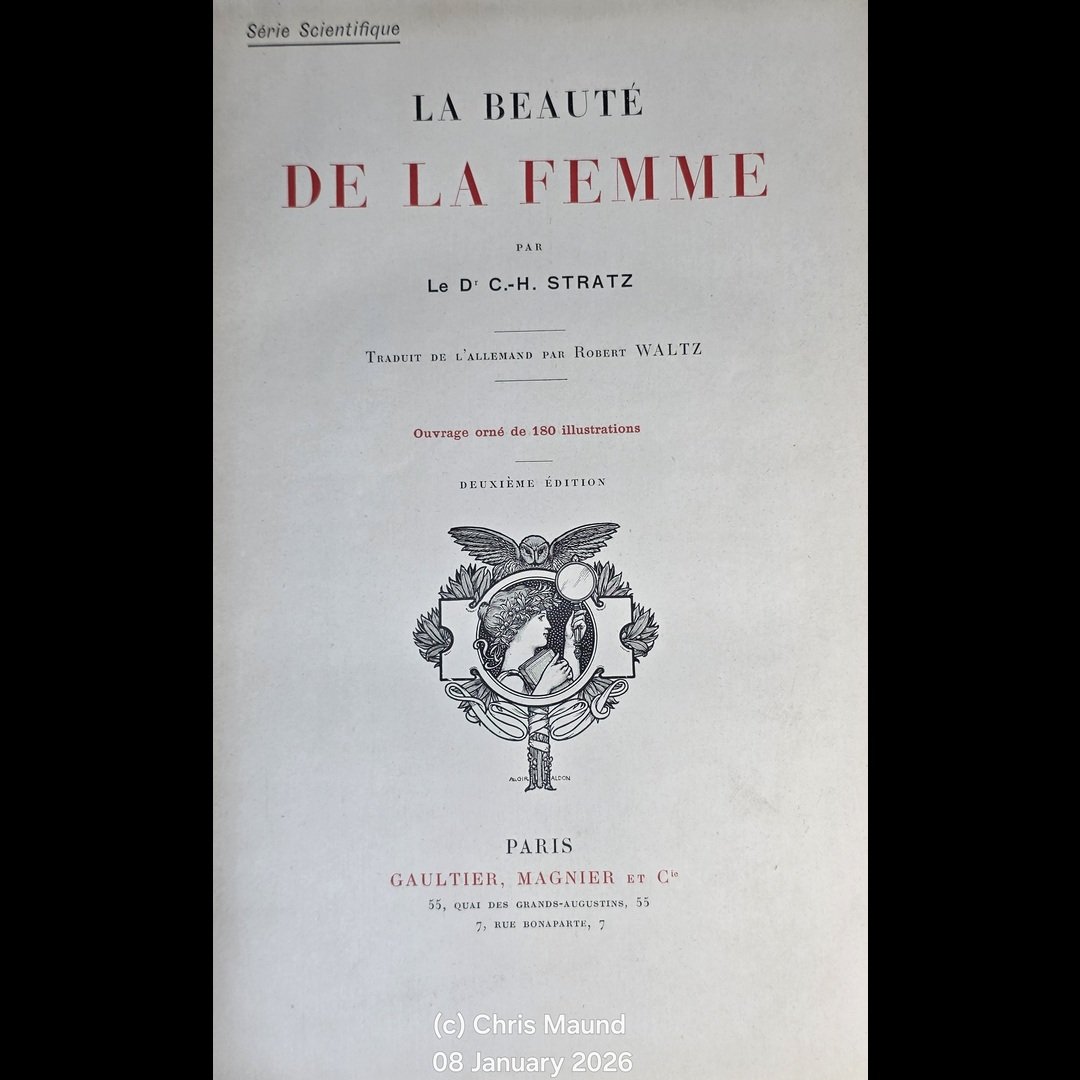 Image 1 of 34
 Image 2 of 34
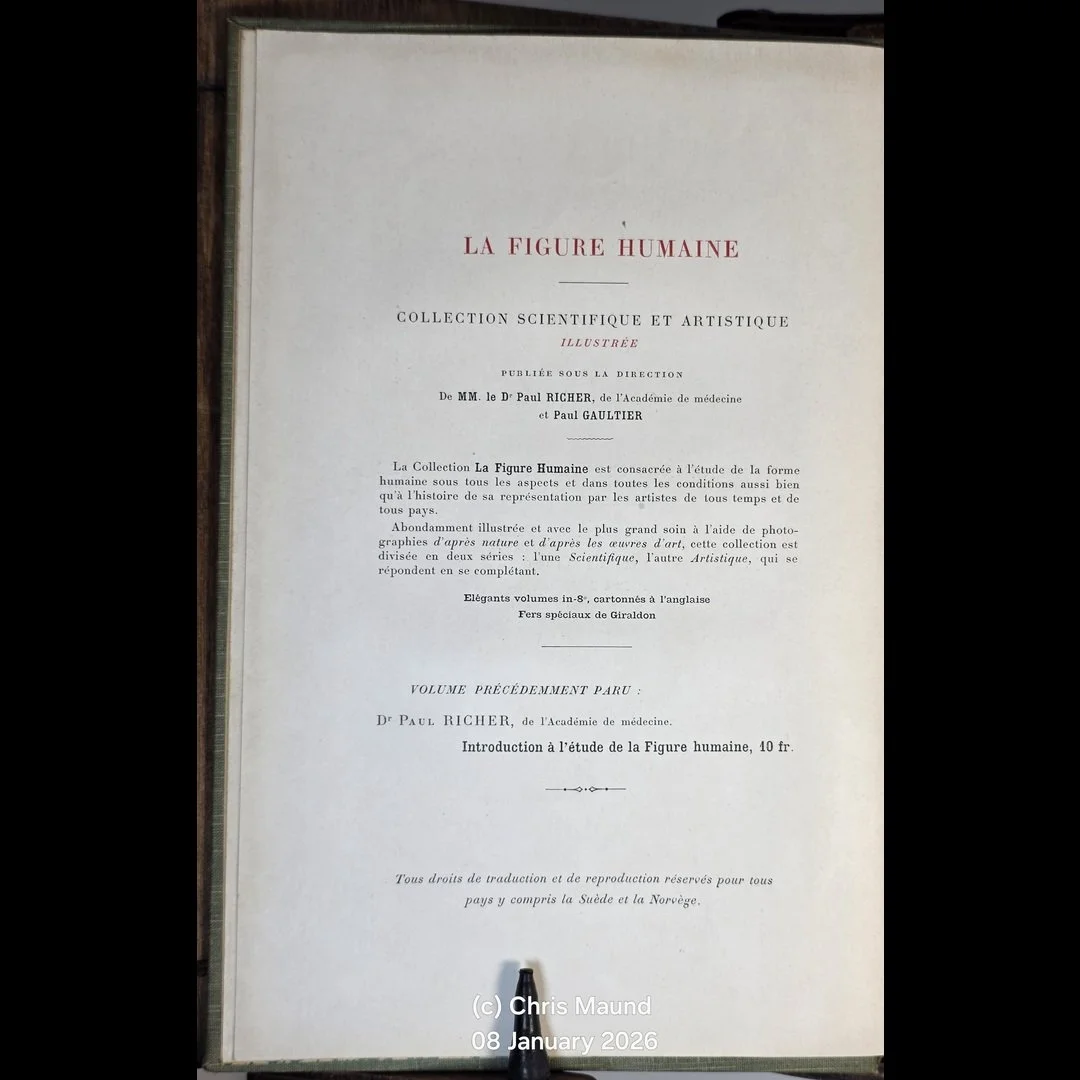 Image 3 of 34
 Image 4 of 34
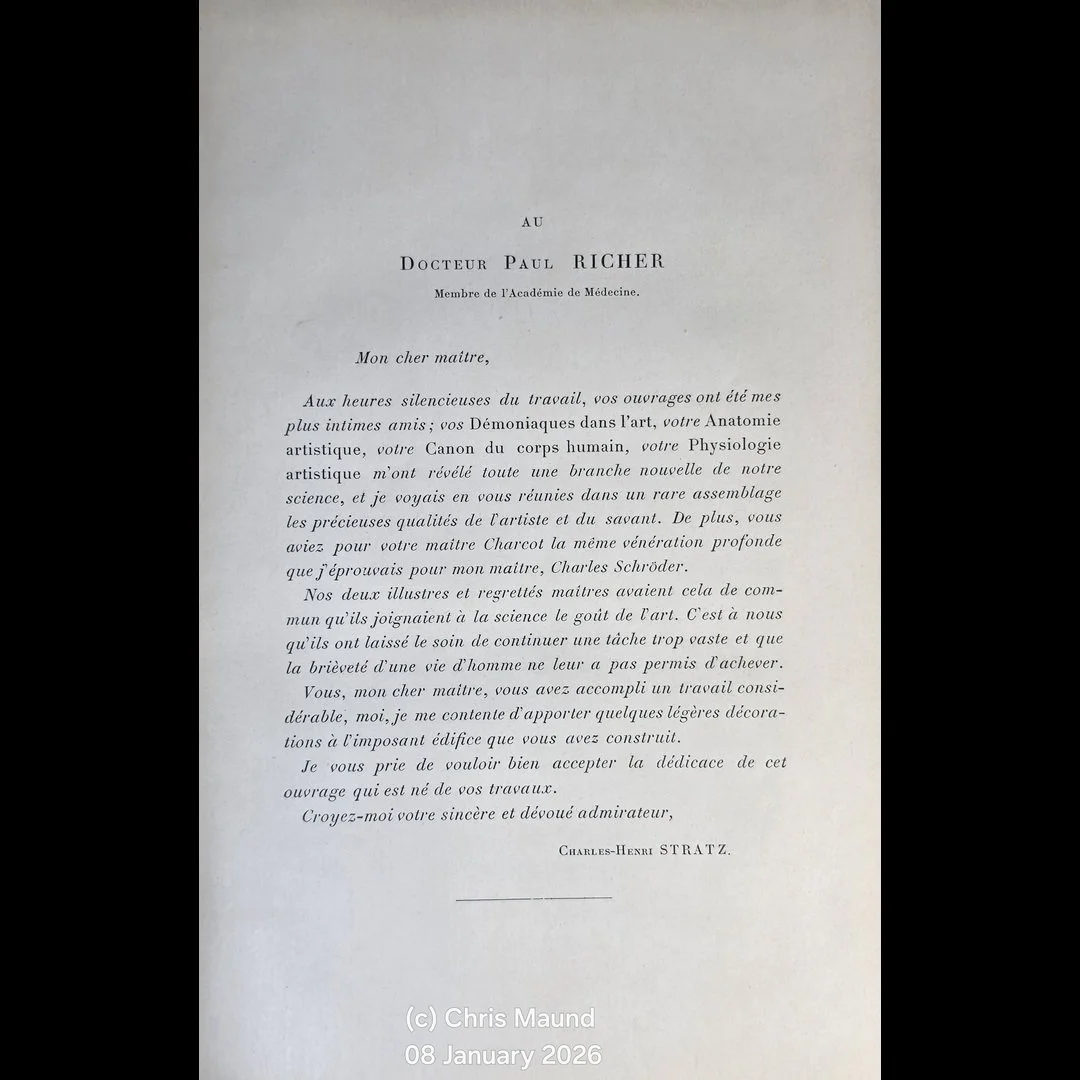 Image 5 of 34
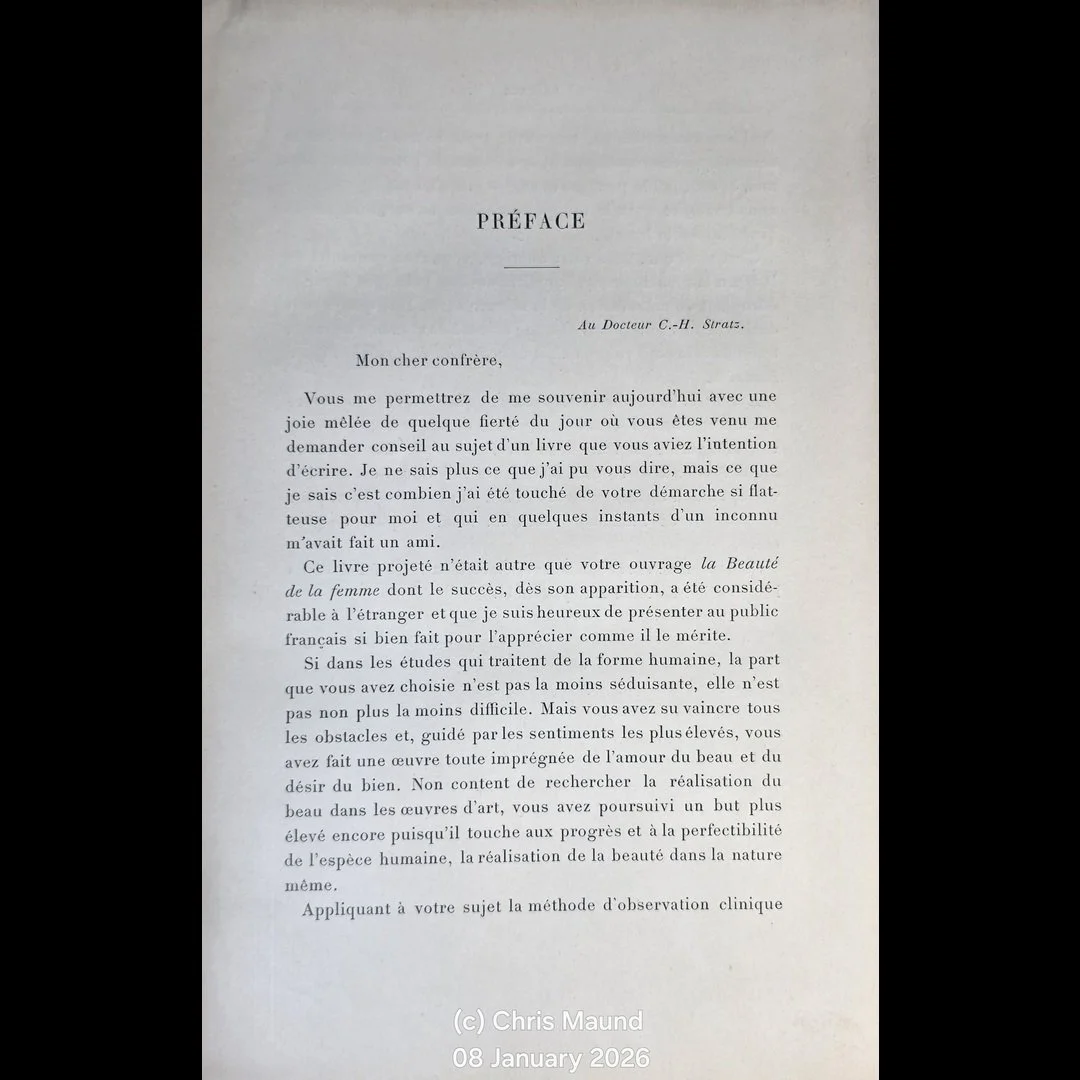 Image 6 of 34
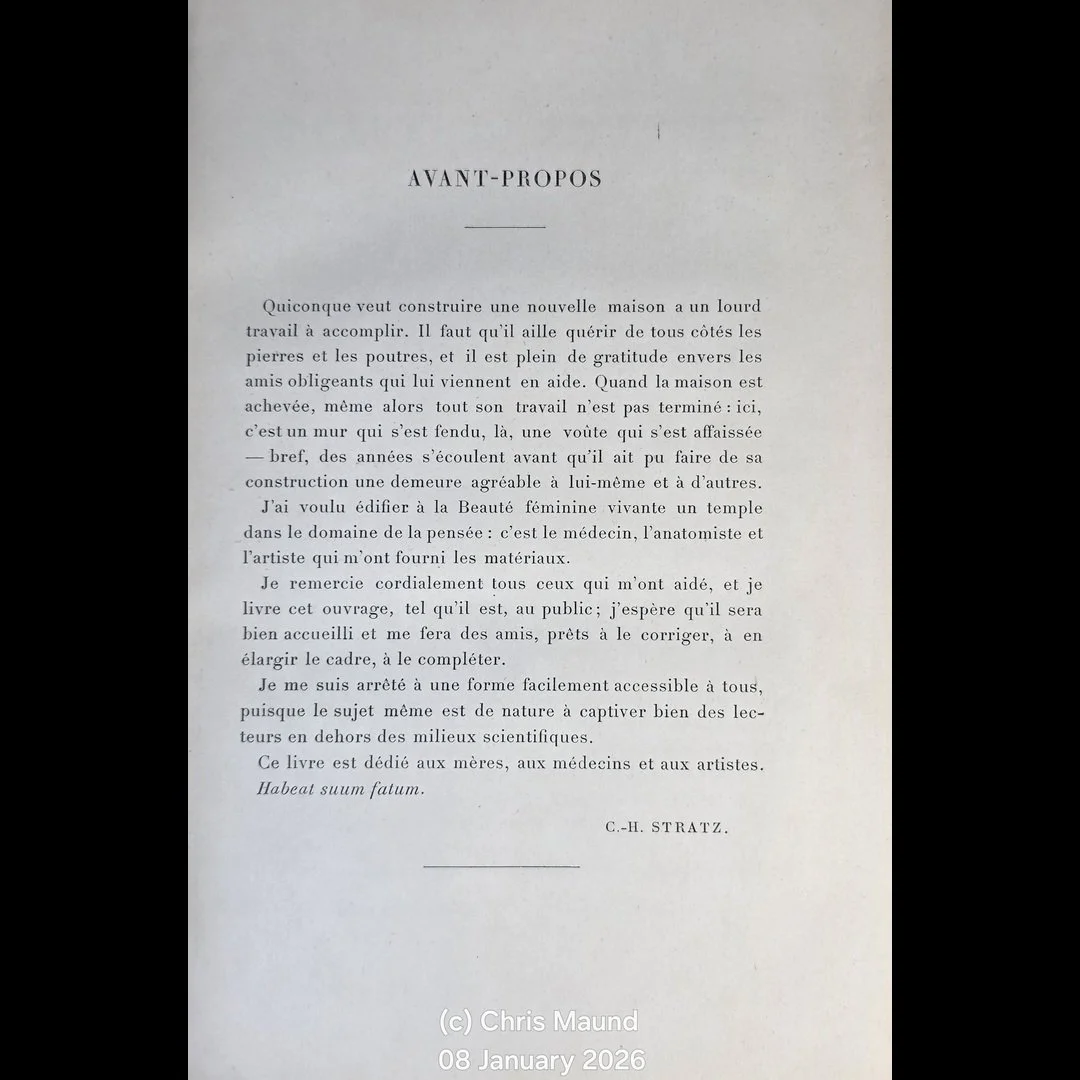 Image 7 of 34
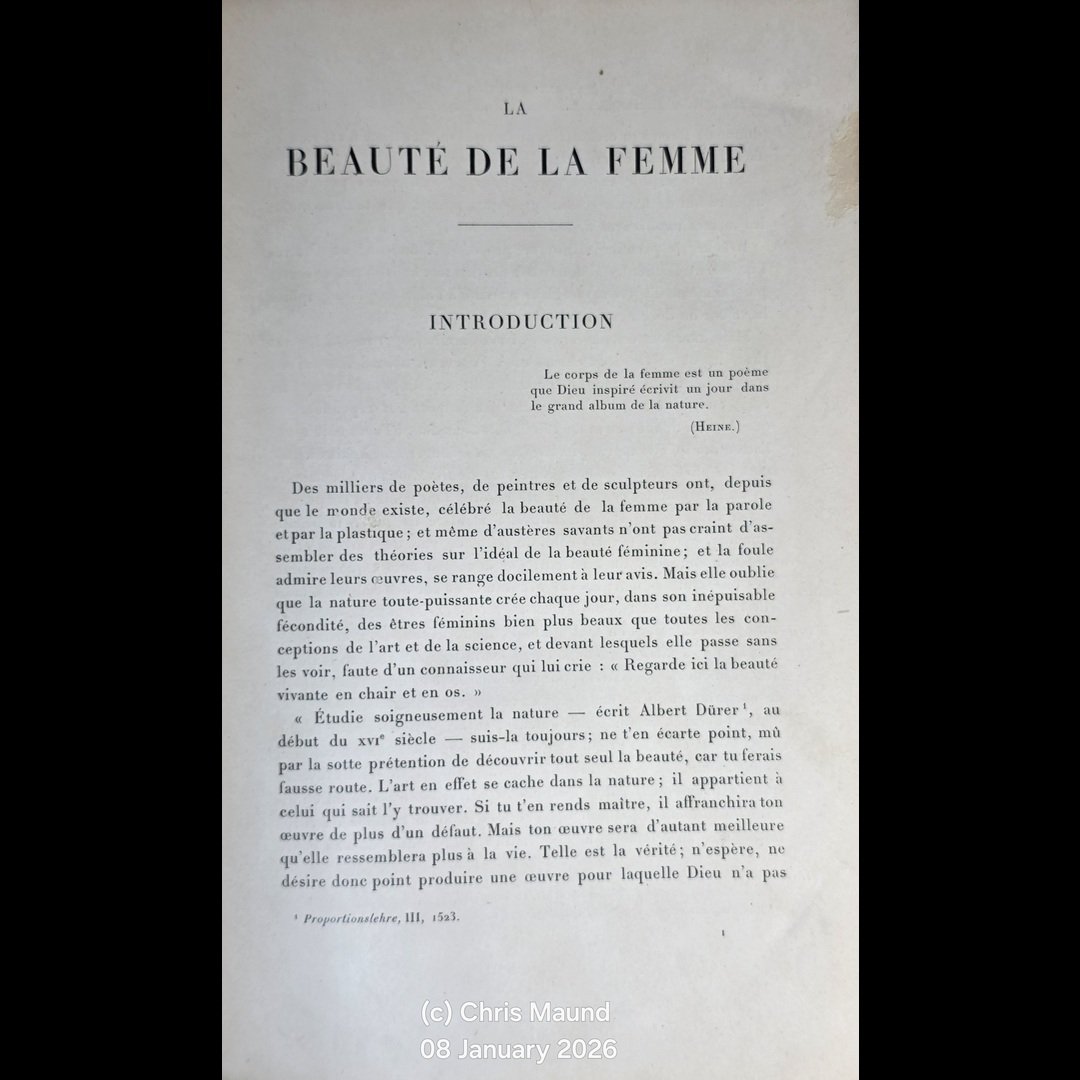 Image 8 of 34
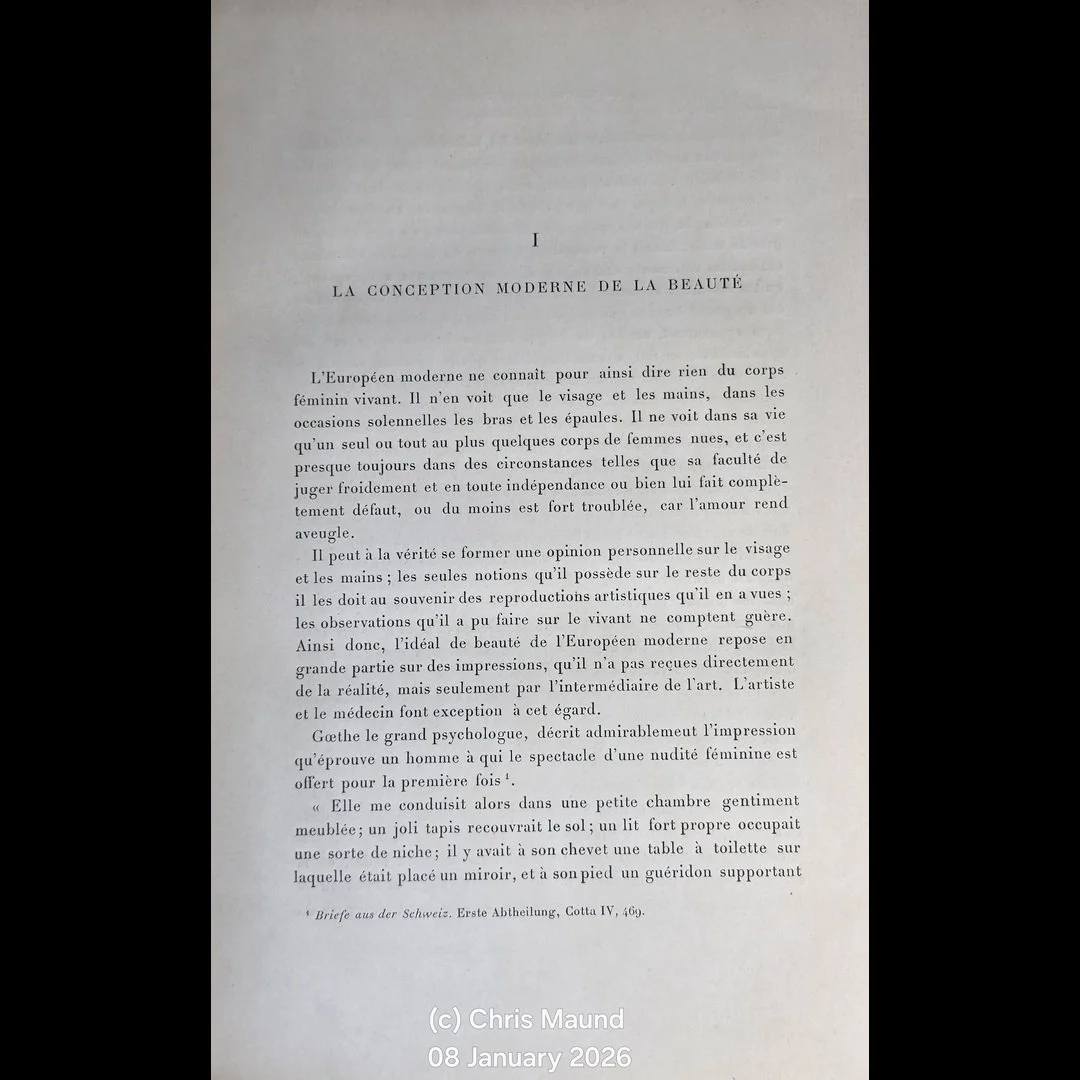 Image 9 of 34
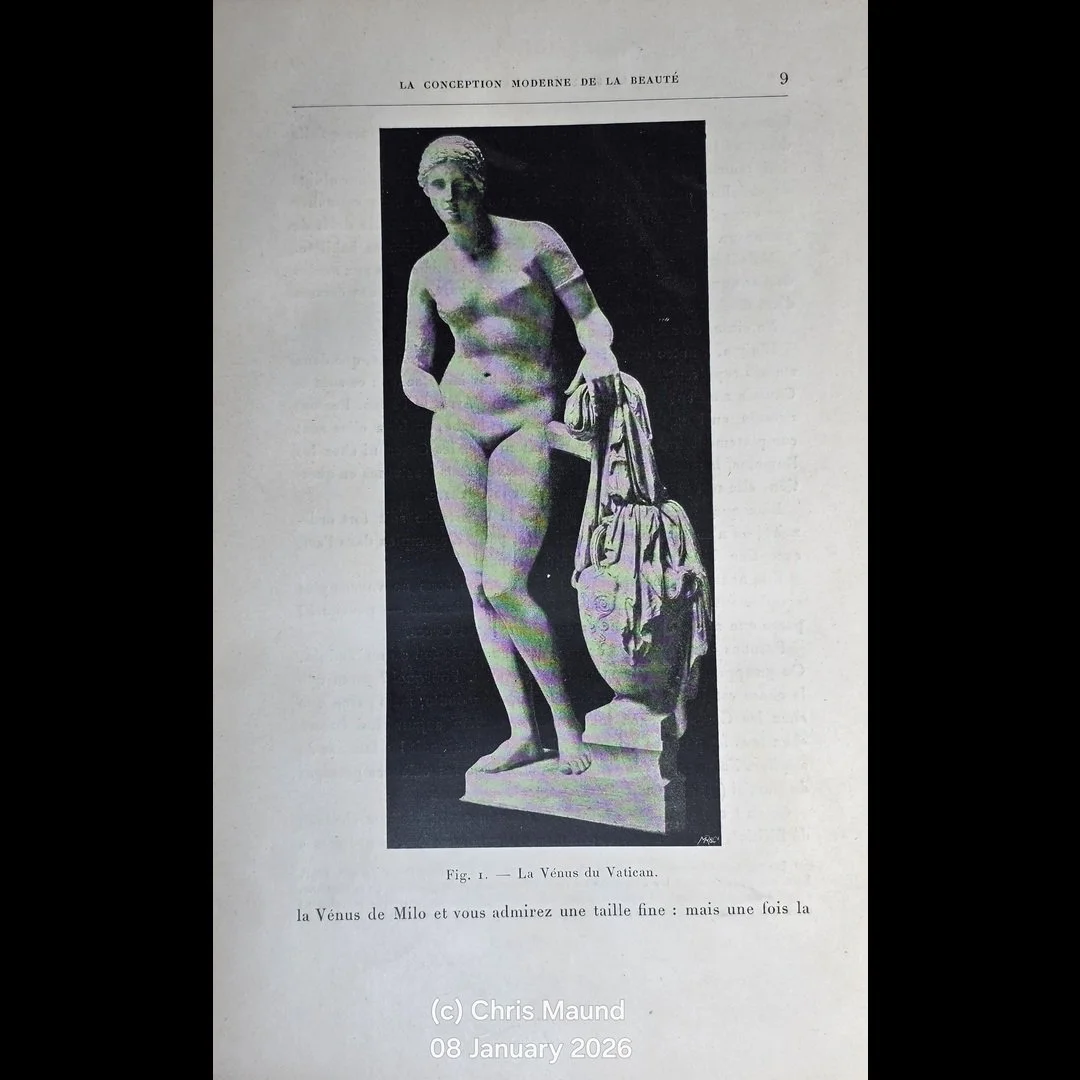 Image 10 of 34
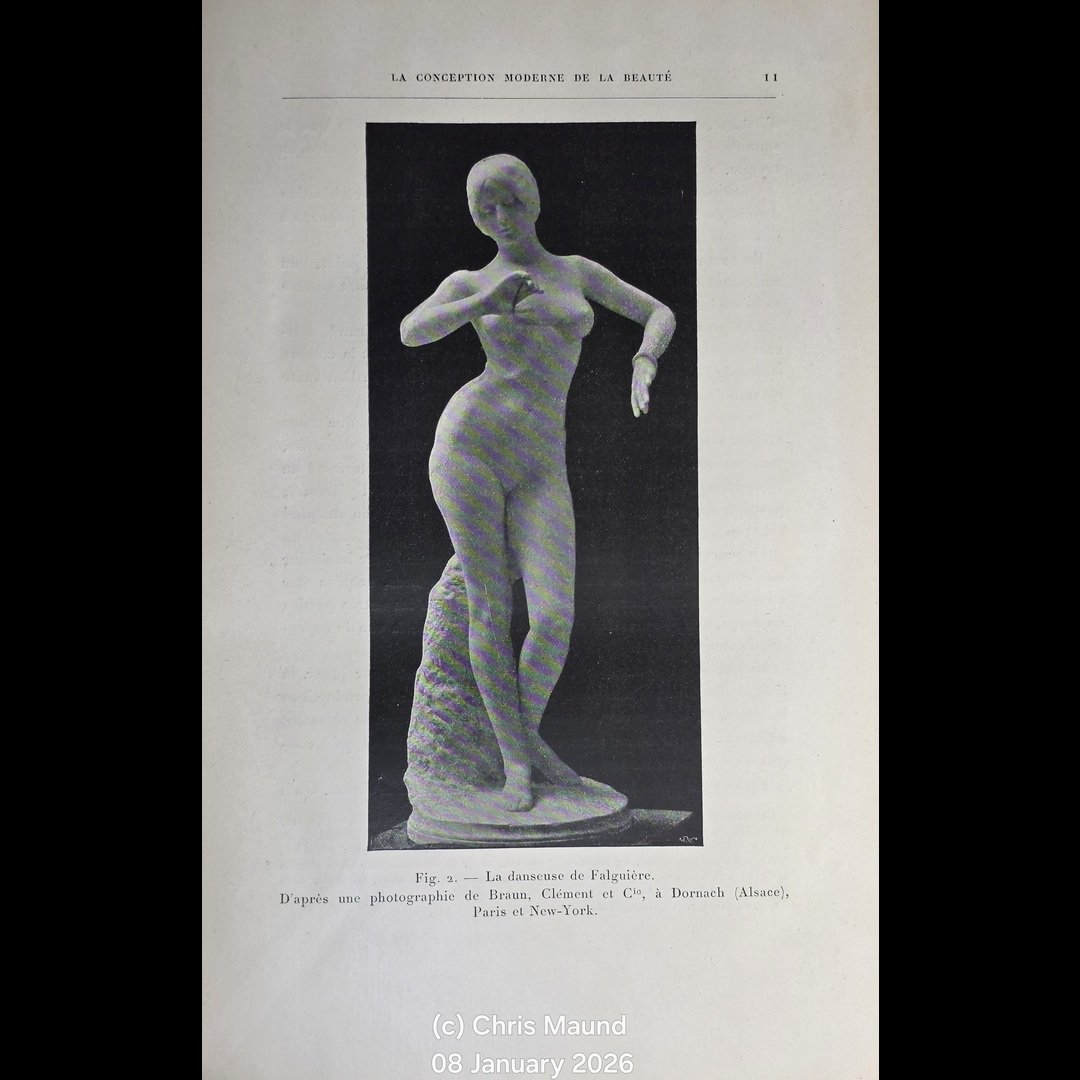 Image 11 of 34
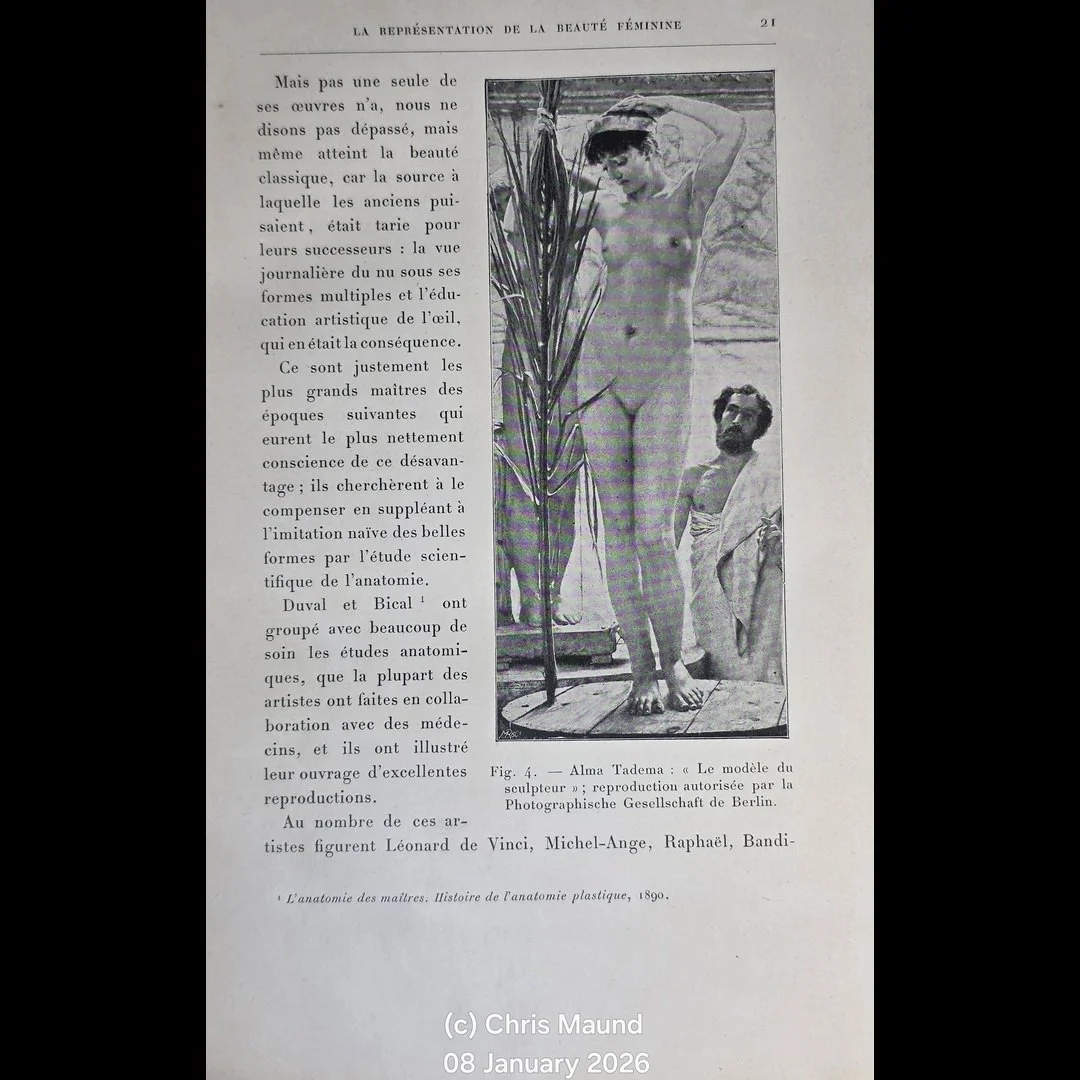 Image 12 of 34
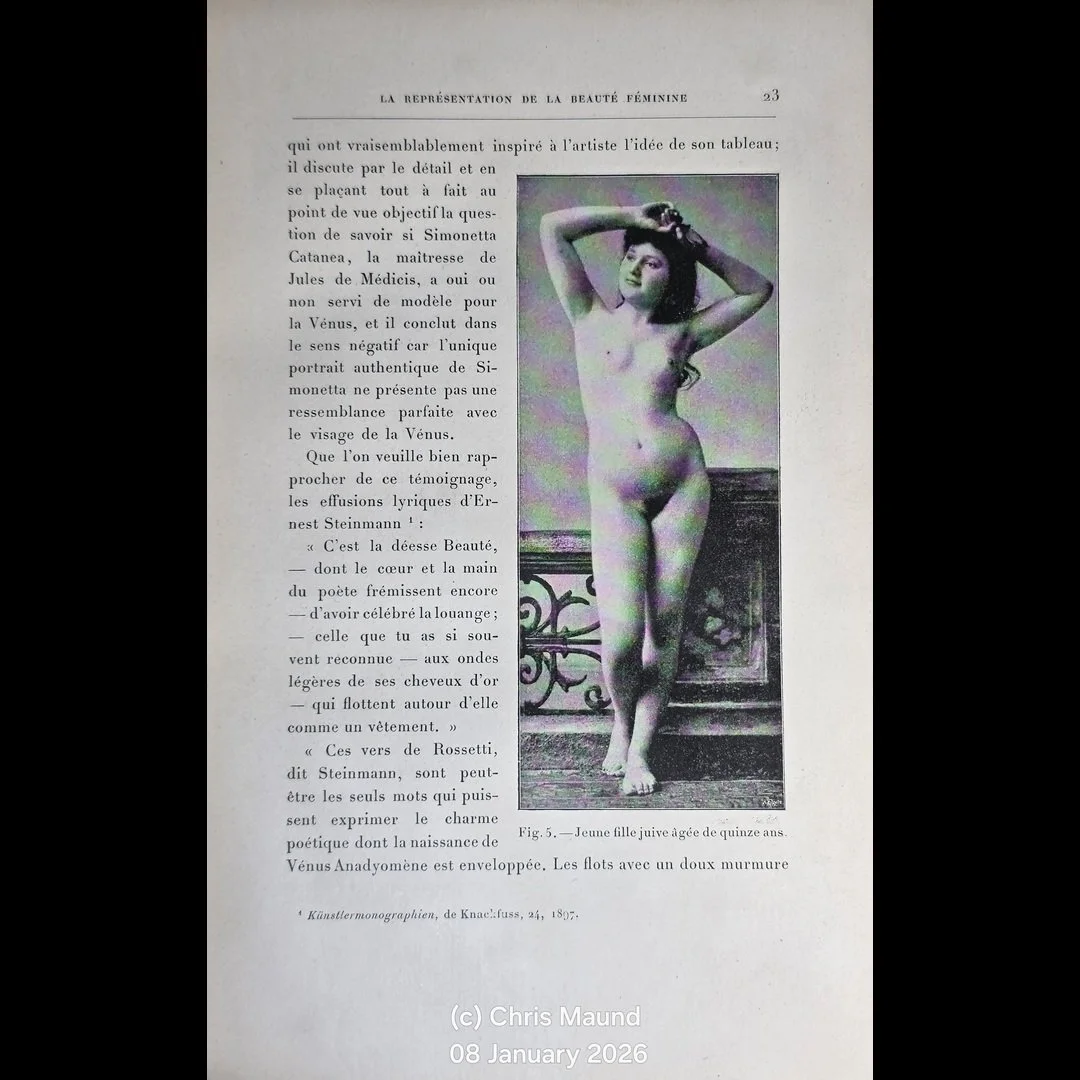 Image 13 of 34
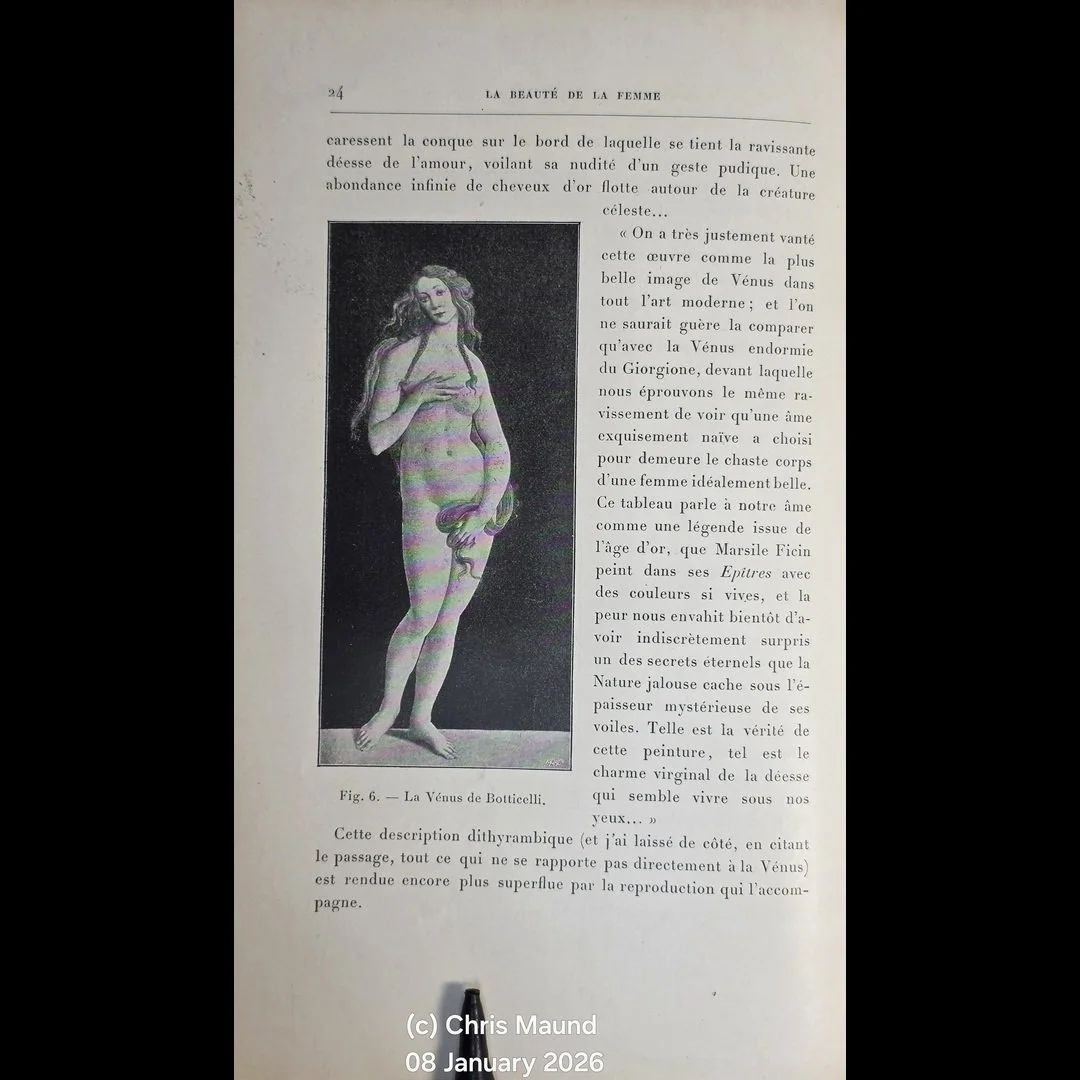 Image 14 of 34
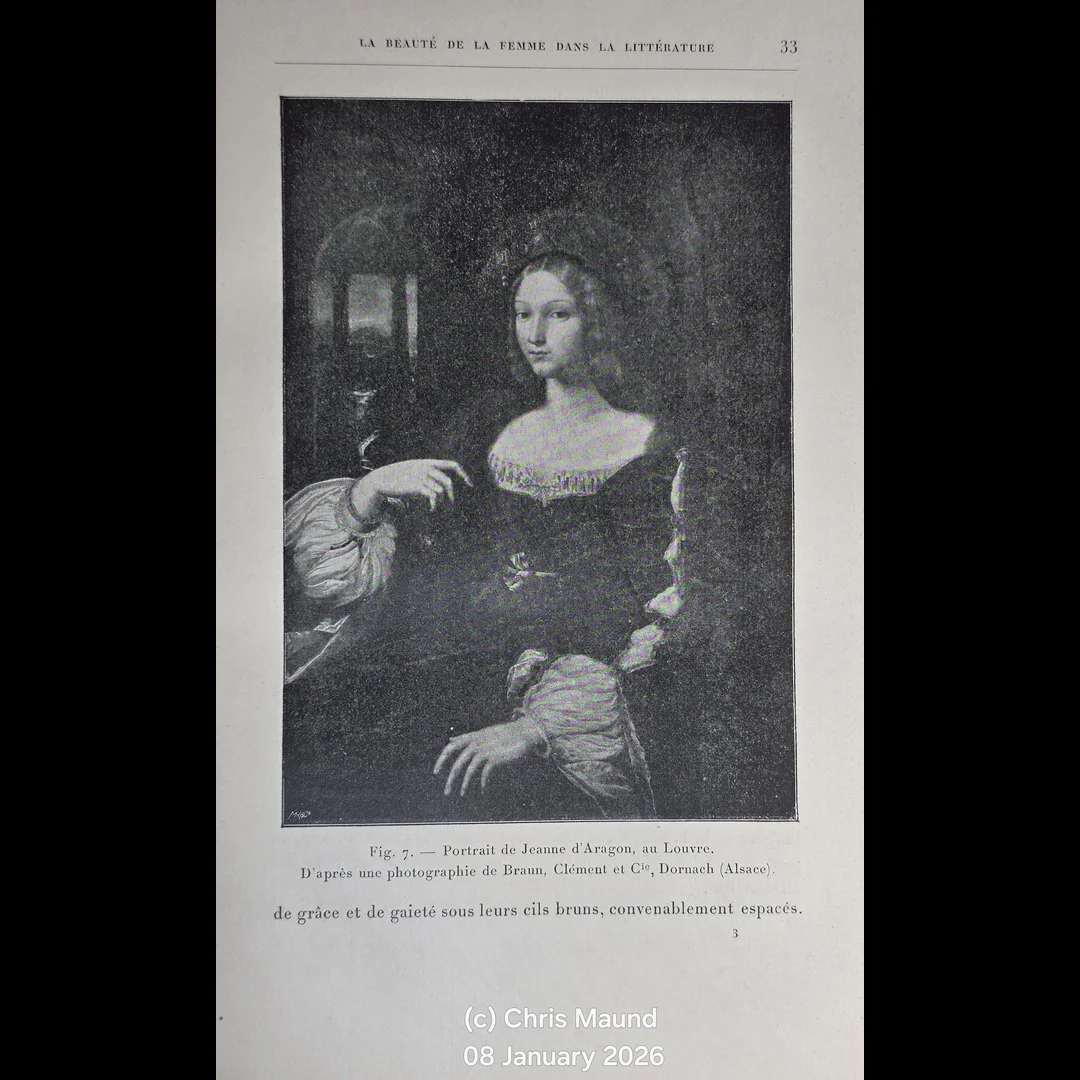 Image 15 of 34
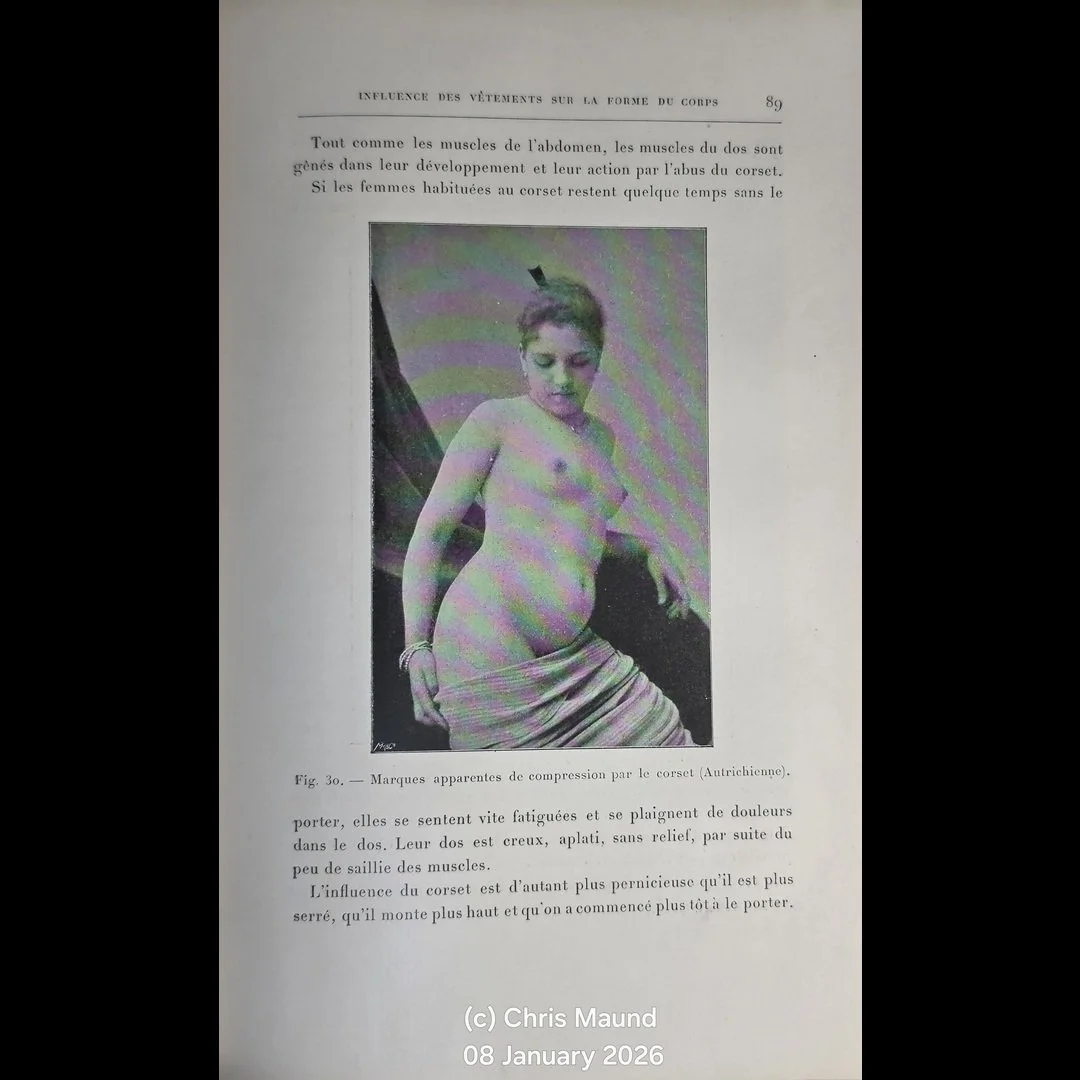 Image 16 of 34
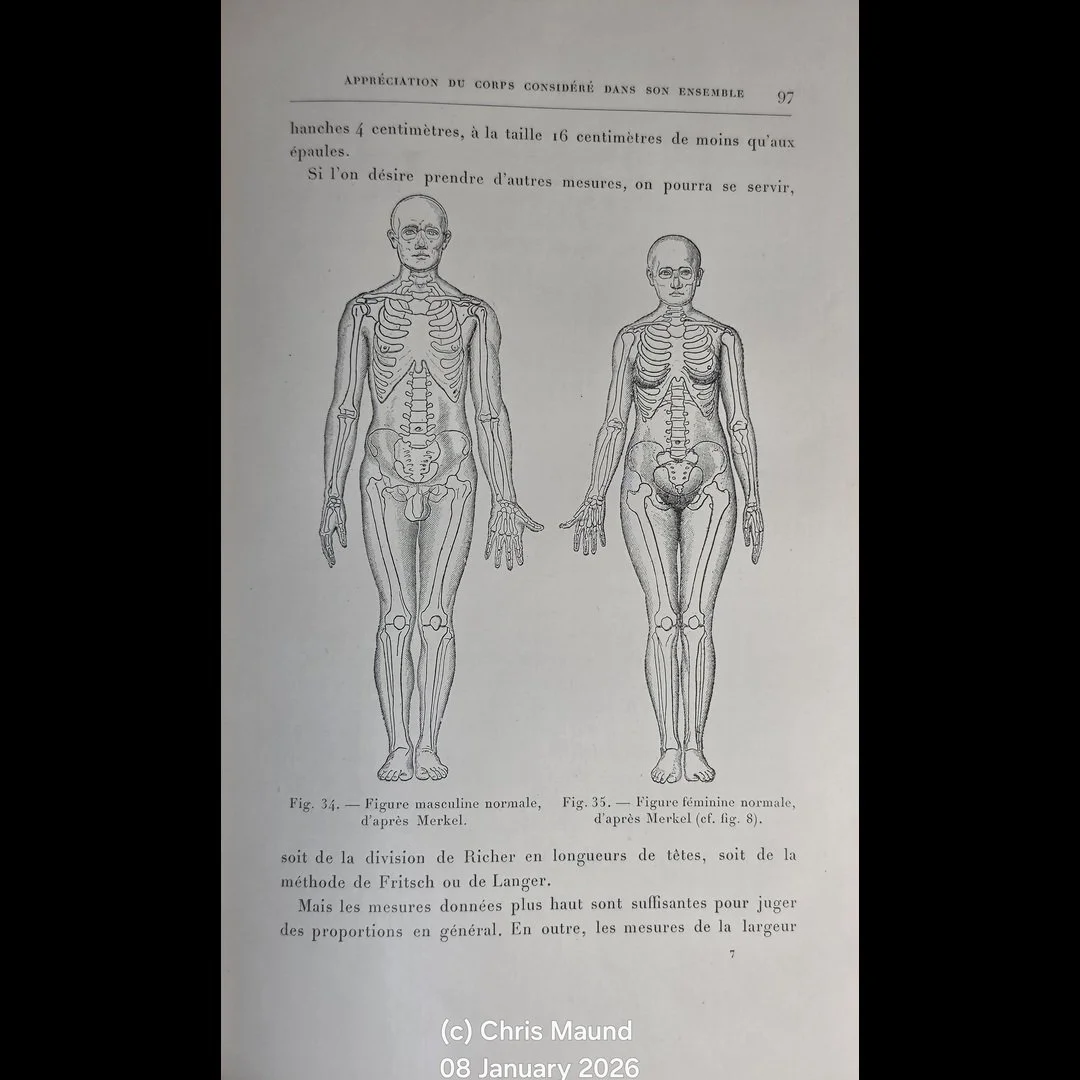 Image 17 of 34
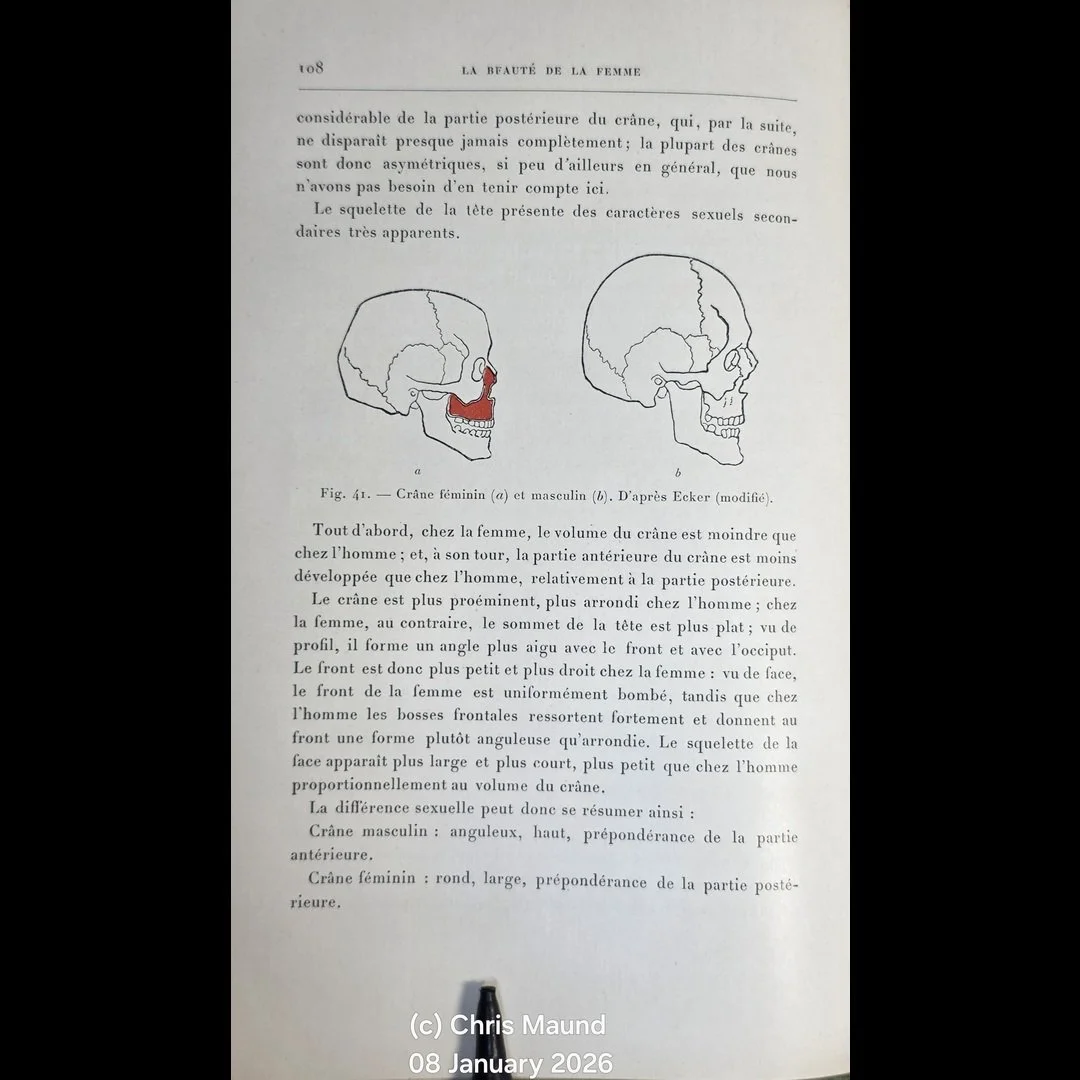 Image 18 of 34
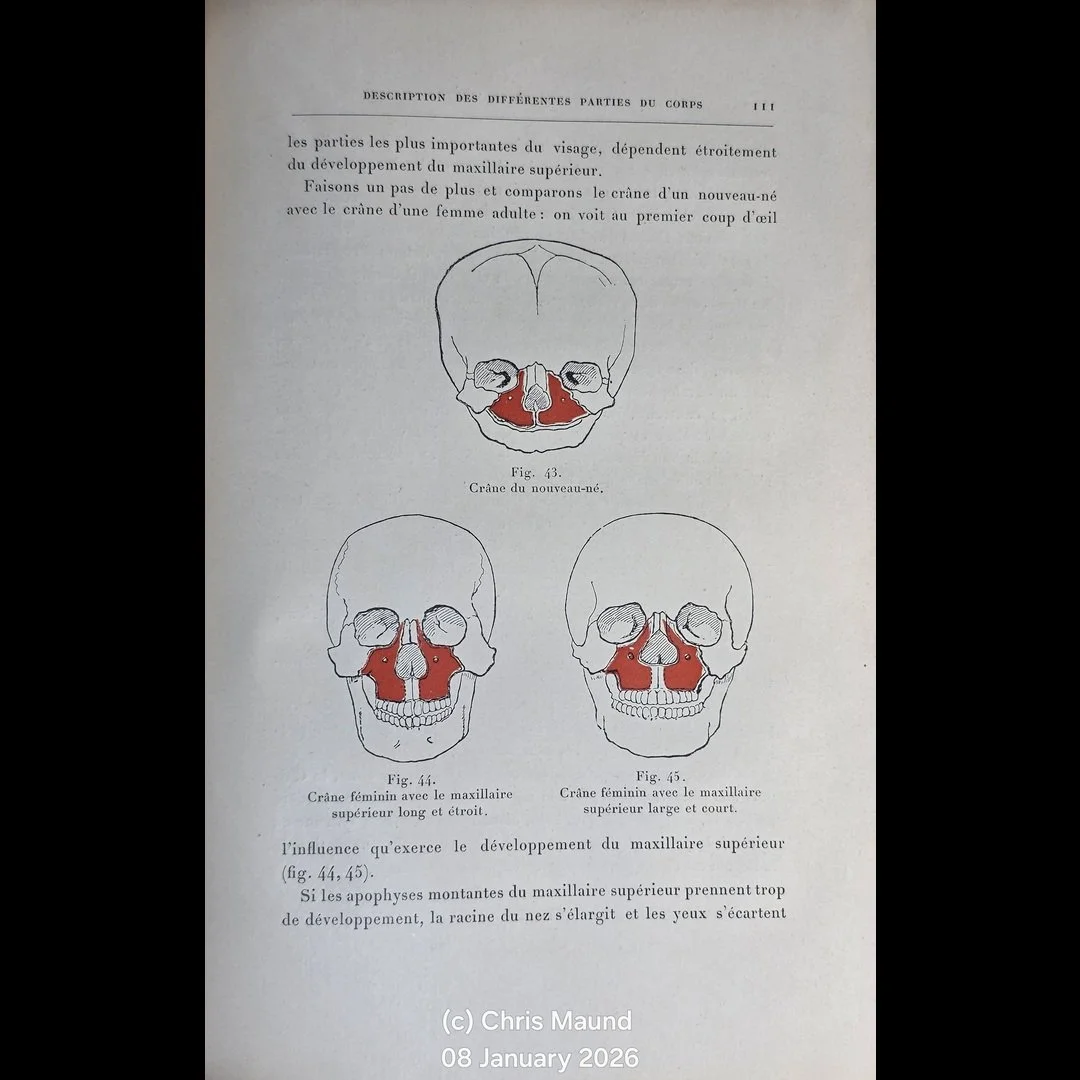 Image 19 of 34
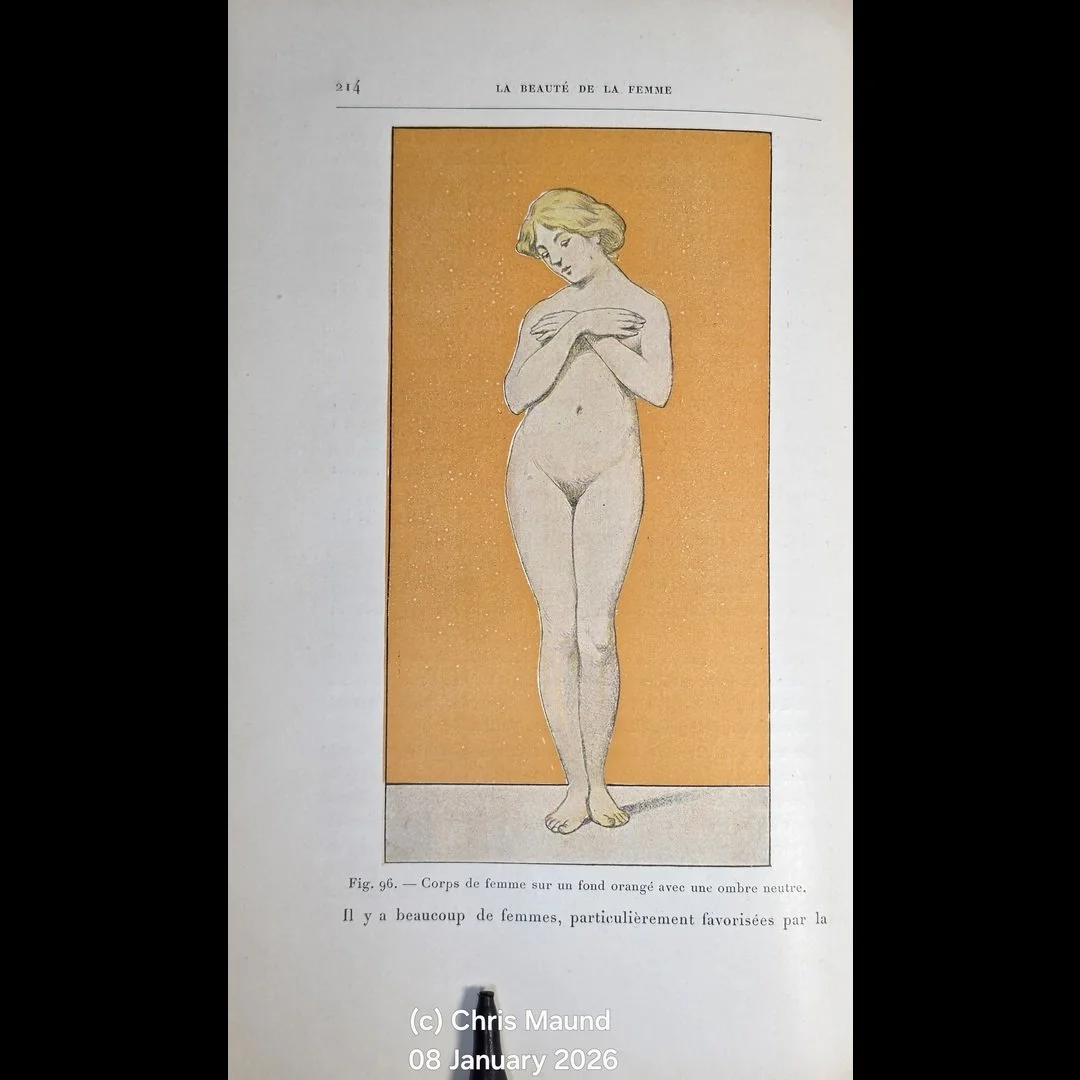 Image 20 of 34
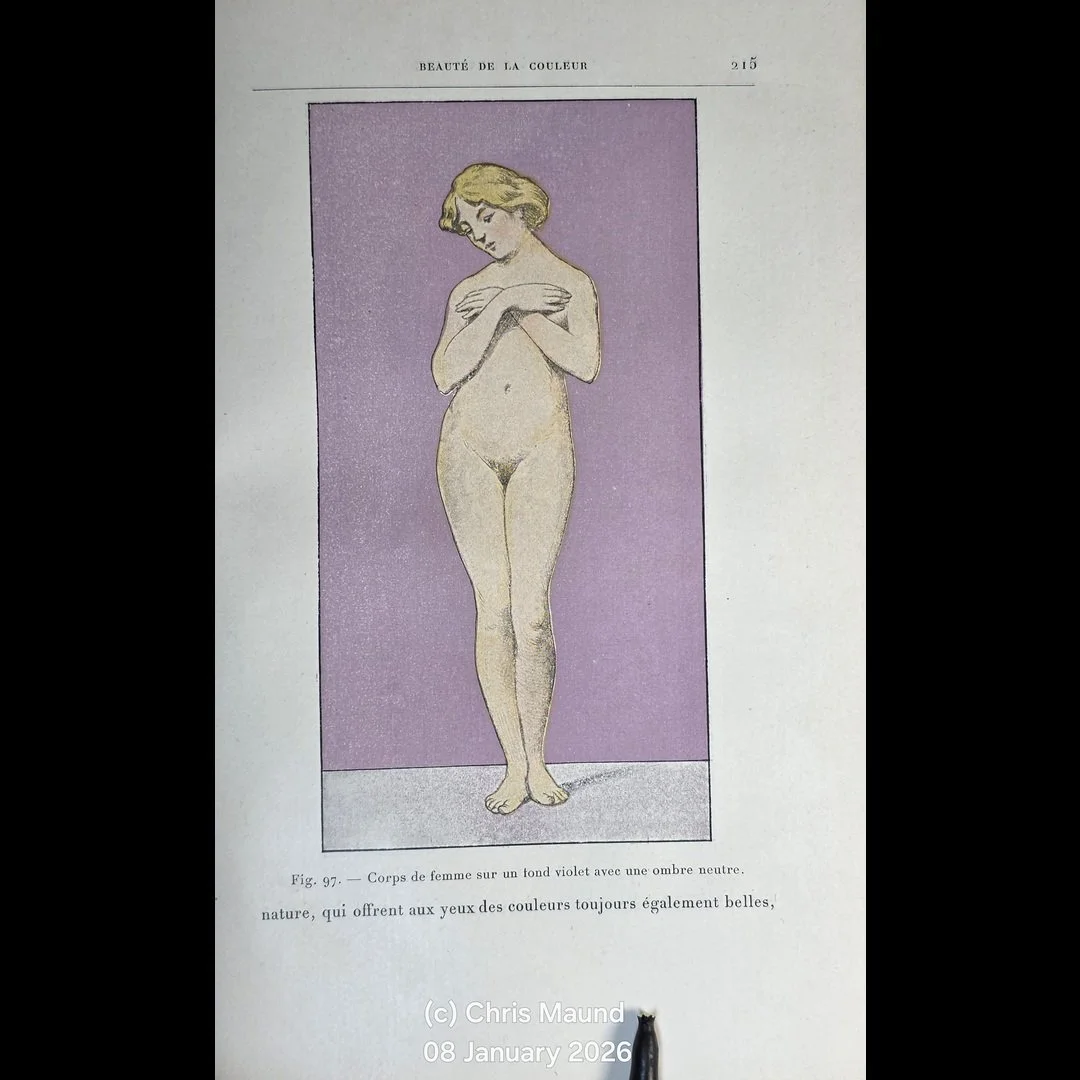 Image 21 of 34
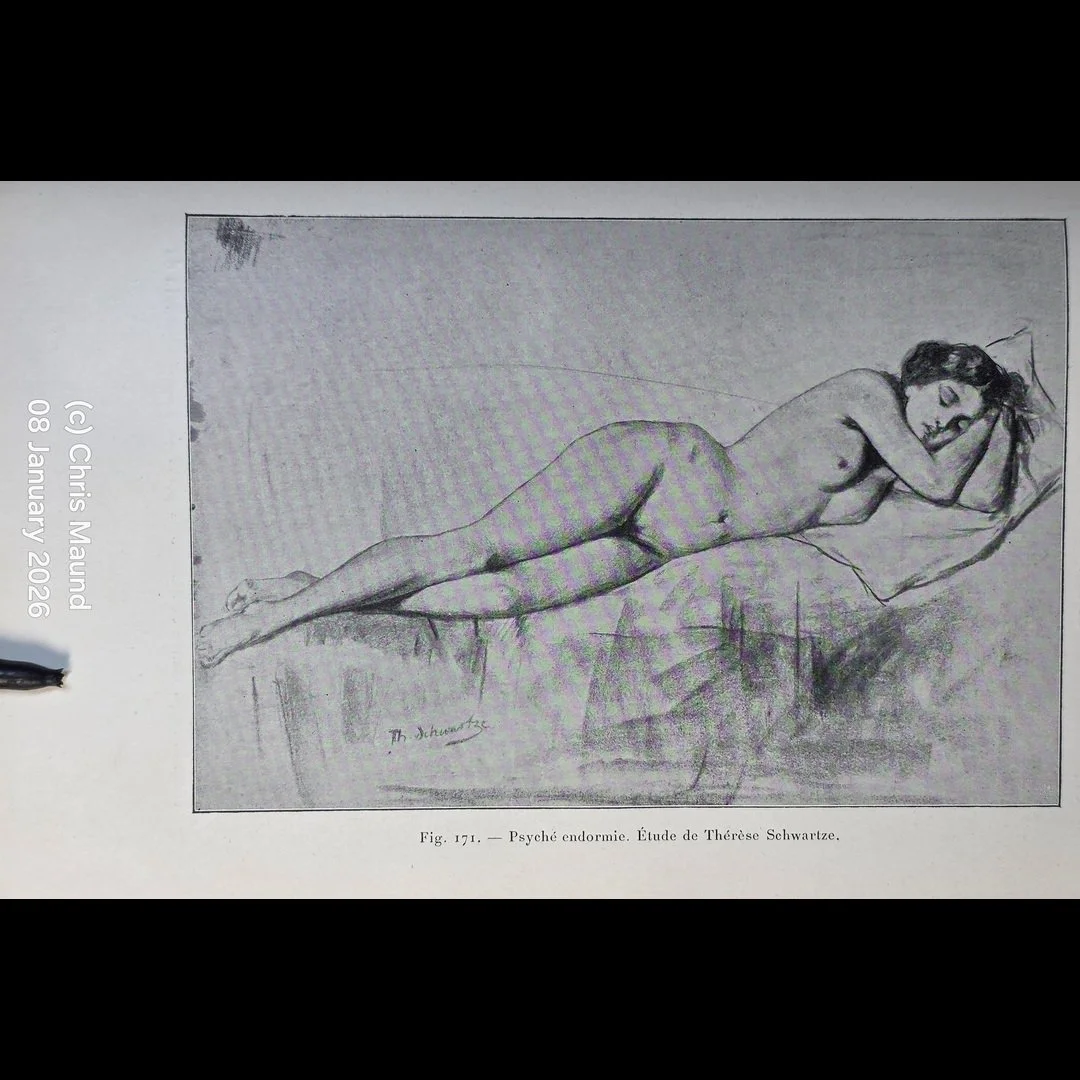 Image 22 of 34
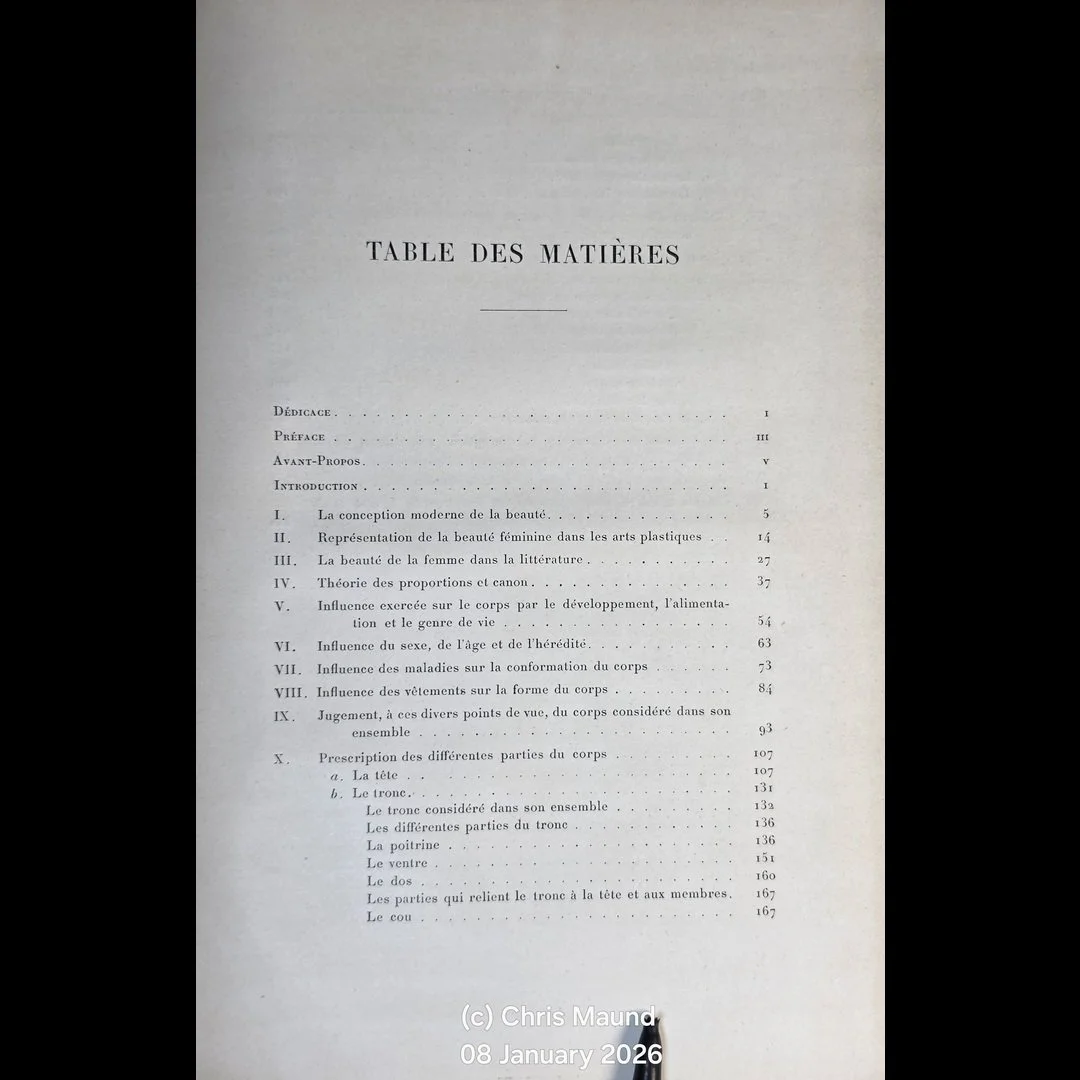 Image 23 of 34
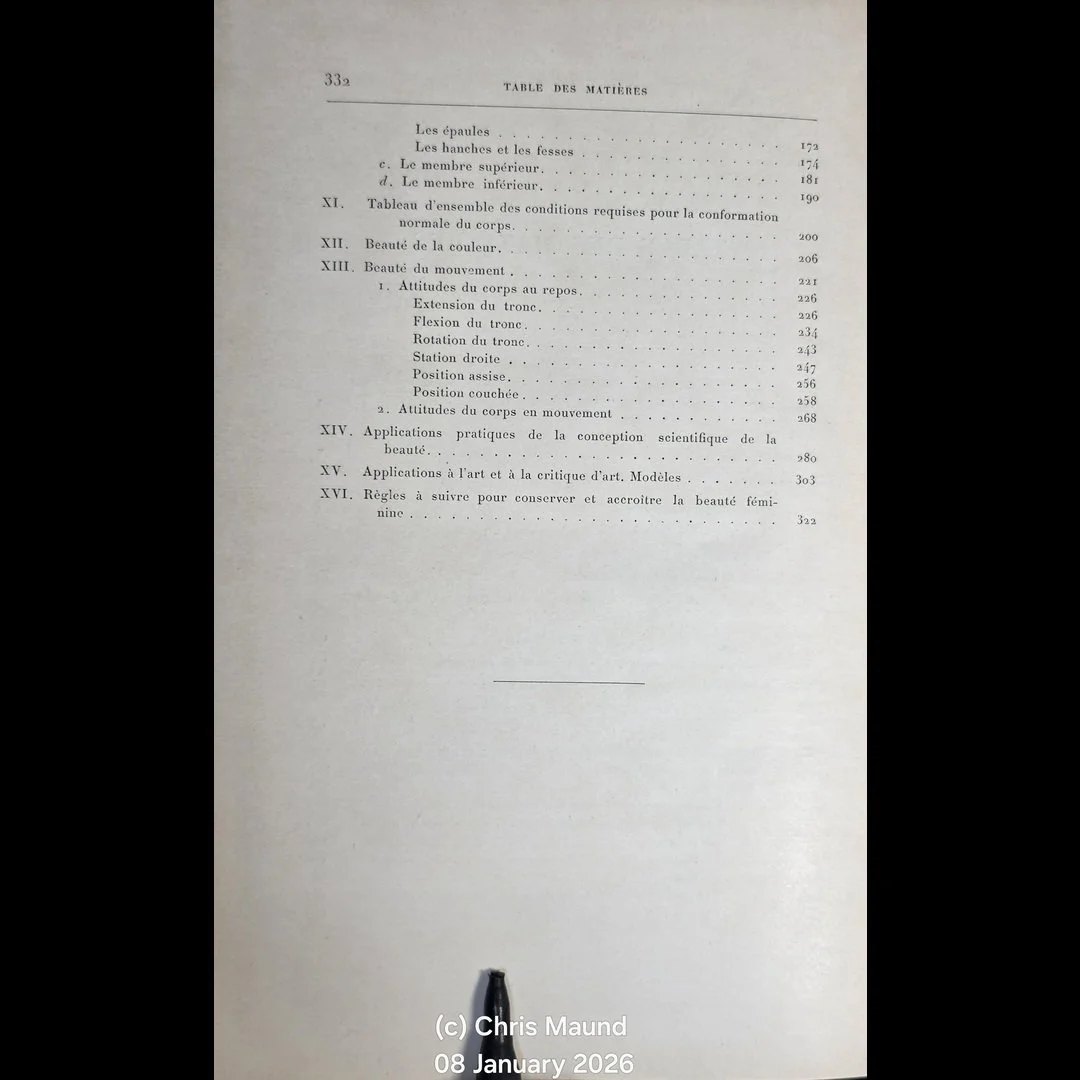 Image 24 of 34
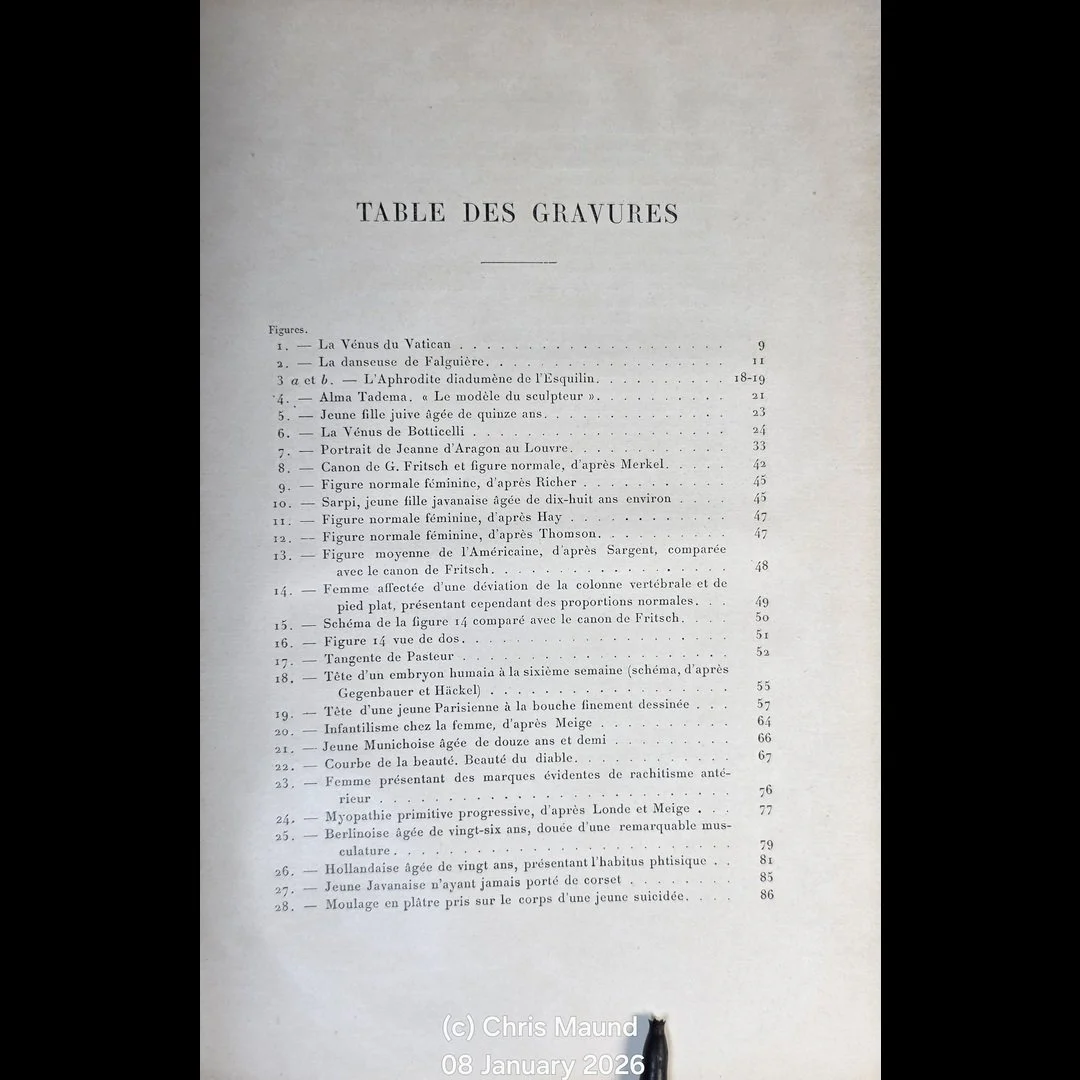 Image 25 of 34
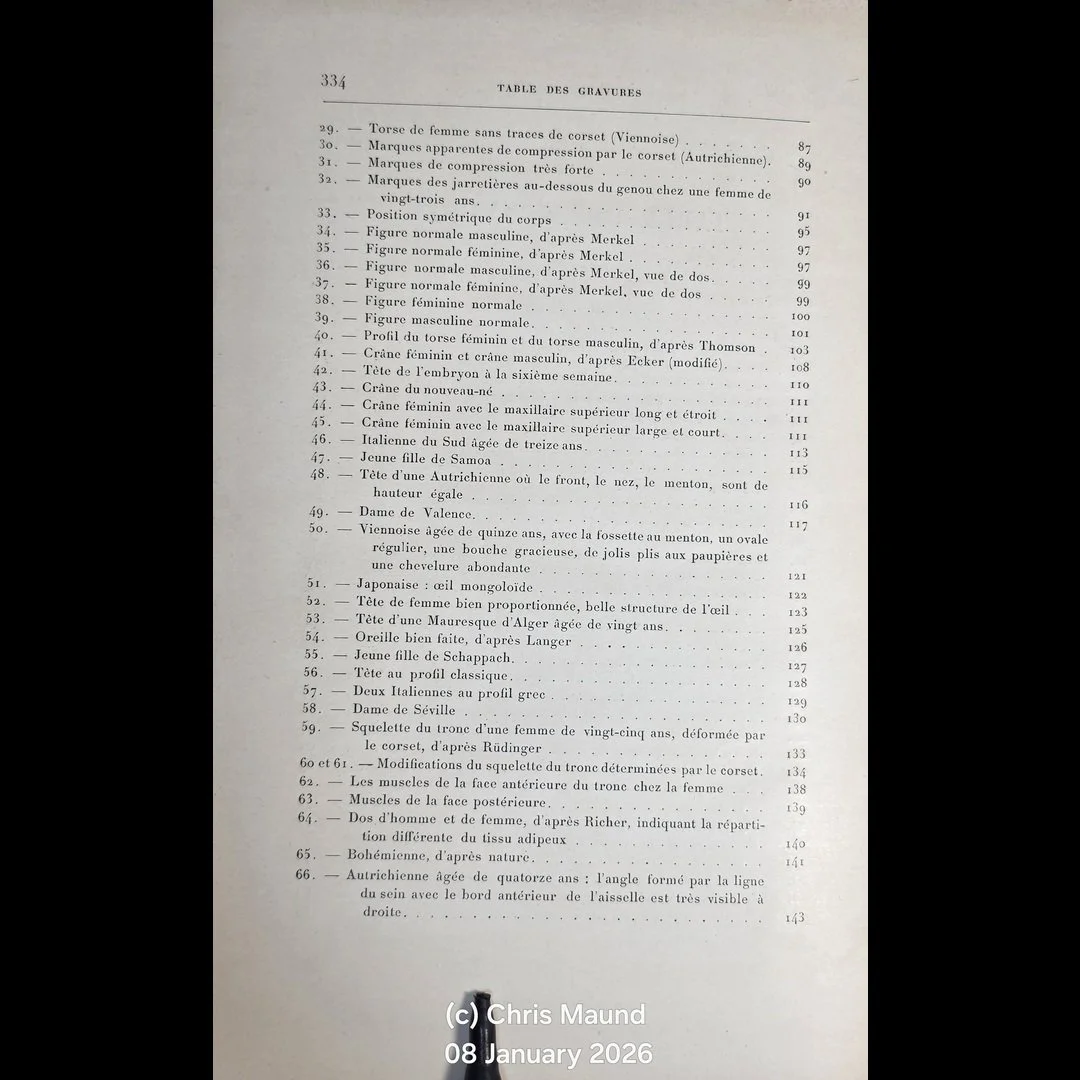 Image 26 of 34
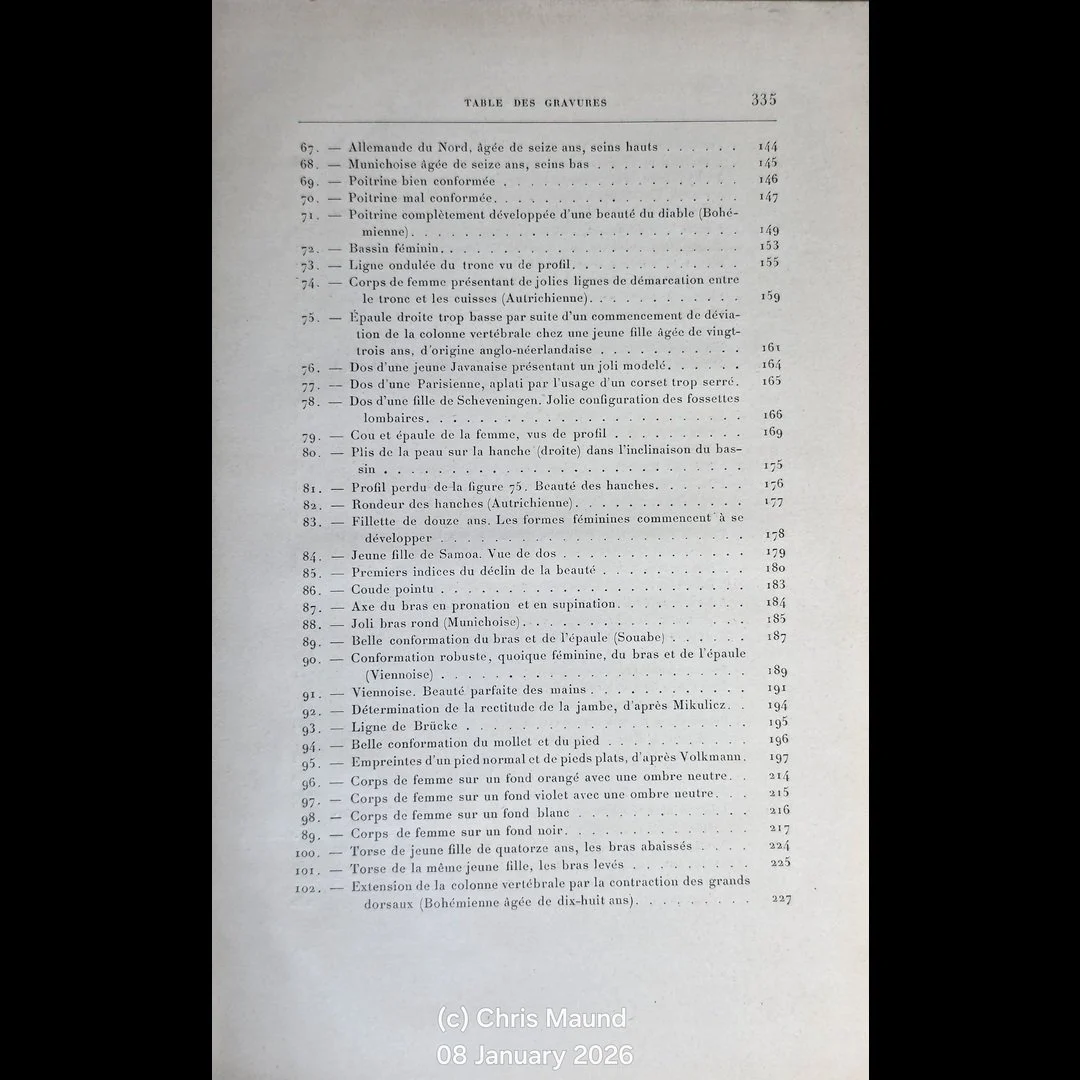 Image 27 of 34
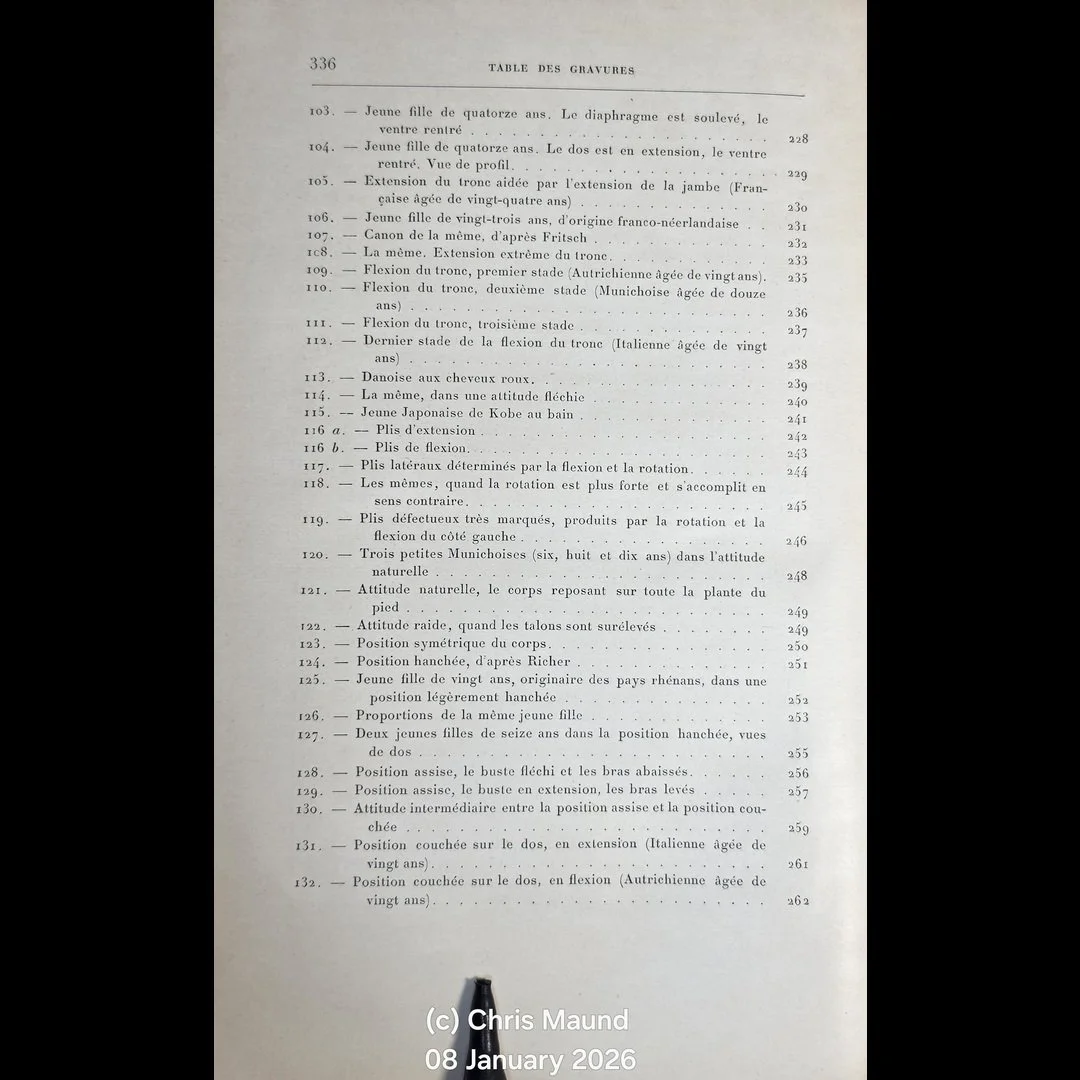 Image 28 of 34
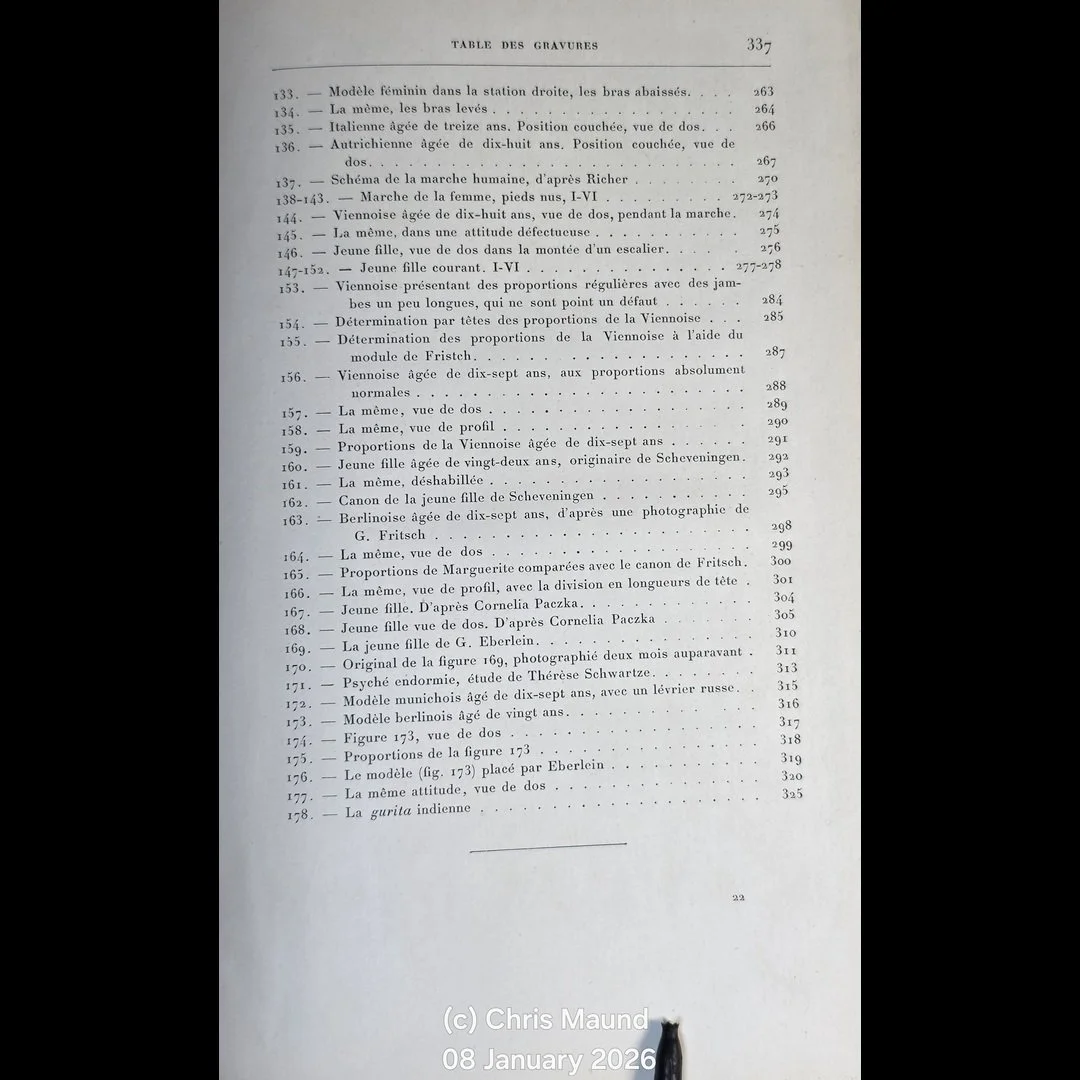 Image 29 of 34
 Image 30 of 34
 Image 31 of 34
 Image 32 of 34
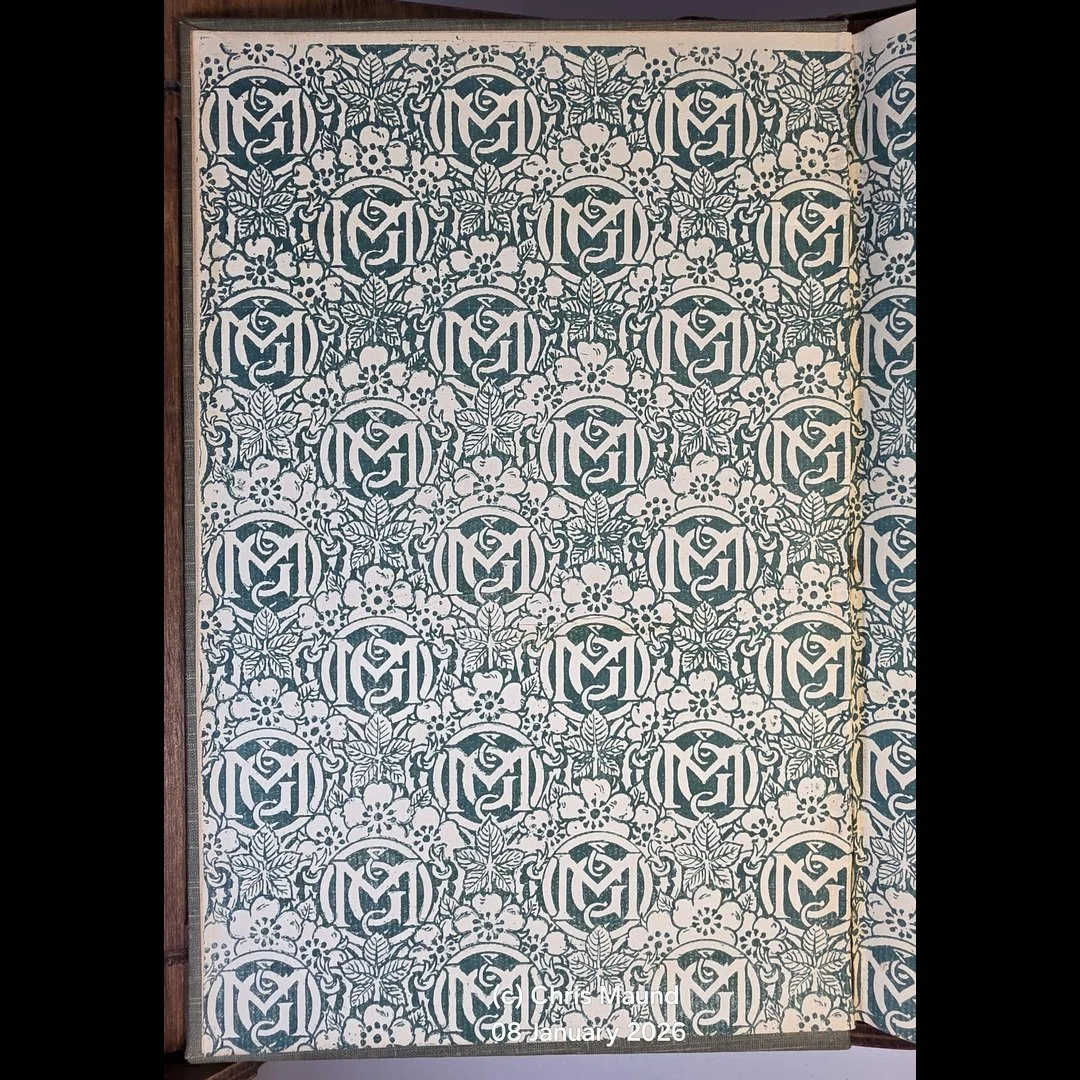 Image 33 of 34
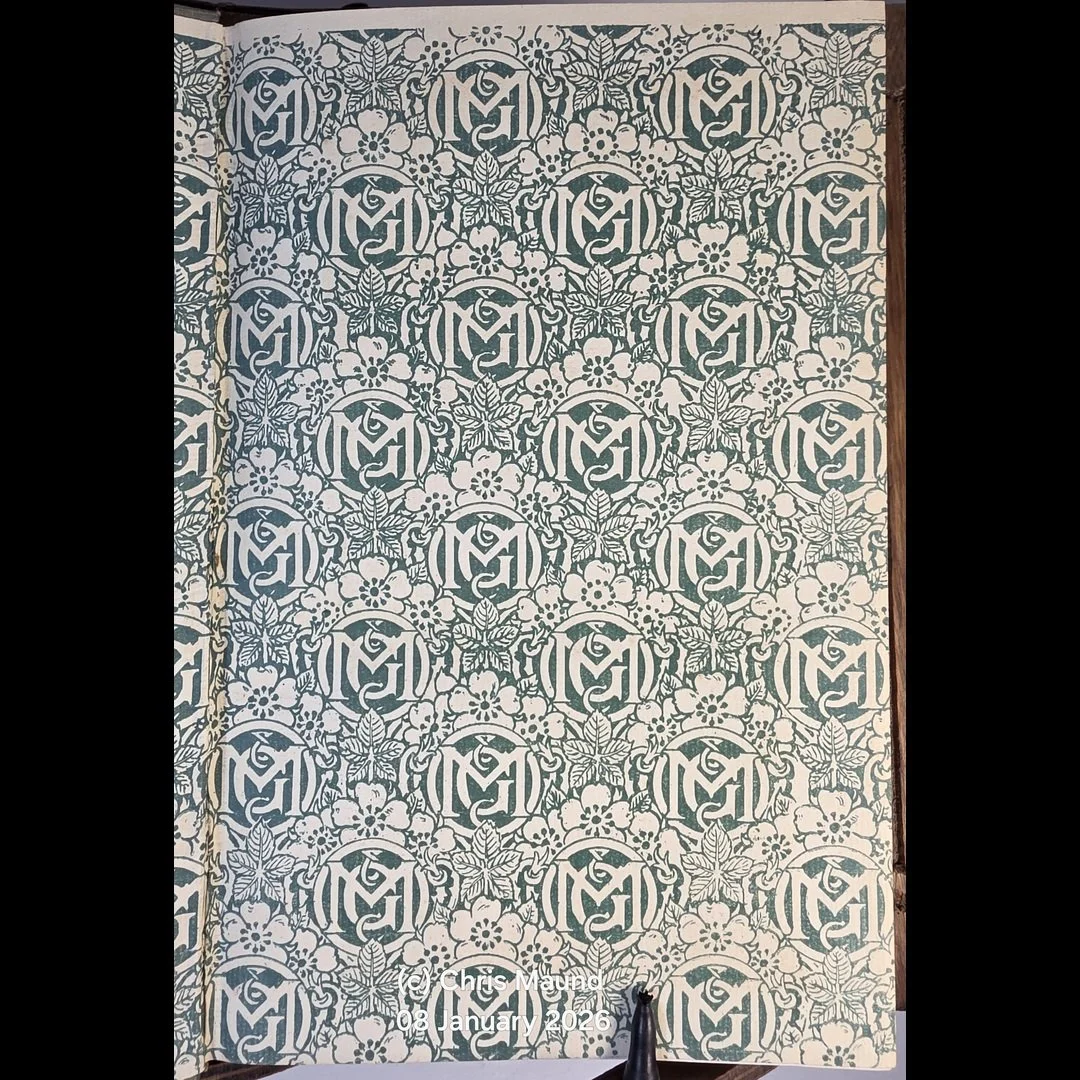 Image 34 of 34