Sale Price:
£95.00
Original Price:
£120.00
1898 First English Edition
CURIOUS BYPATHS OF HISTORY
By Dr Augustin Cabanès
KEY DETAILS
Condition: Good
Format: Hardcover, Large 8vo
Paper: Van Gelder’s vellum paper
Published By: Charles Carrington (Librairie des Bibliophiles), Paris, 1898
Language: English
Limited Edition: 169/500 Copies
Illustrated By: Daniel Vierge
Provenance: No identifiable former owner has presently been established.
Collation: xxiv, 367, [3] pp., [1] frontispiece plate. Complete.
Dust Jacket: None, as issued, No Jacket
SKU: BTETM0002718
Shipping Info: Approximate Package Dimensions H: 12.5, L: 30, W: 25 (Units: cm), W: 2Kg
Tracked Shipping, Insurance Coverage as per Customer Request
DESCRIPTION
Curious Bypaths of History
1898 LIMITED EDITION — No. 169 OF 500 COPIES
CURIOUS BYPATHS OF HISTORY
BEING MEDICO-HISTORICAL STUDIES AND OBSERVATIONS
Pathological Studies of the Past
By Dr Augustin Cabanès
First English edition, translated from the second volume of Cabanès’s Le Cabinet Secret de l’Histoire (Paris, 1895), and issued by Charles Carrington in a strictly limited edition of 500 press-numbered copies printed on Van Gelder’s vellum paper; this copy No. 169.
An attractive and bibliographically interesting copy of Augustin Cabanès’s Curious Bypaths of History, published in Paris in 1898 by Charles Carrington as part of his Pathological Studies of the Past series.
Curious Bypaths of History is the English-language presentation of material from the second volume of Cabanès’s Le Cabinet Secret de l’Histoire. Rather than conventional political history, Cabanès approaches the past through medicine, pathology, anatomy, illness, sexuality, death, bodily remains and the private physical circumstances of celebrated historical figures.
The volume opens with a tissue-guarded copper-engraved frontispiece designed by Daniel Vierge and engraved by F. Massé. The image itself is signed by Vierge and dated “Paris 1897”, the year preceding the book’s publication.
Of particular interest is the prefatory address “To the Reader”, signed “Pisanus Fraxi” — the well-known pseudonym of the Victorian collector and bibliographer Henry Spencer Ashbee (1834–1900). Ashbee was responsible for the celebrated privately printed three-volume bibliography of prohibited, erotic and otherwise uncommon literature comprising Index Librorum Prohibitorum, Centuria Librorum Absconditorum and Catena Librorum Tacendorum.
His presence at the beginning of Curious Bypaths is especially appropriate. The verse addresses the serious bibliophile interested in unusual and hidden books and warns away the merely casual reader, neatly positioning the volume within the late nineteenth-century world of private bibliophily, medical curiosa and literature dealing with subjects conventionally excluded from polite publication.
Subjects examined by Cabanès include the physician of Louis XI; the peregrinations of the body of Cardinal Richelieu; the teeth of Louis XIV; the clandestine accouchements of Mlle de La Vallière; the pregnancies and death of Mme de Montespan; the skeleton of Mme de Maintenon and skull of Mme de Sévigné; the physician of Mme de Pompadour; Sophie Arnould; Dr Guillotin; Charlotte Corday; Robespierre; Napoleon’s superstitions; Mme Récamier; and the celebrated relationship between Alfred de Musset, George Sand and the Venetian physician Pietro Pagello.
A particularly characteristic Charles Carrington production: handsomely produced for a limited bibliophile audience while exploring precisely the medical, intimate, macabre and socially uncomfortable aspects of history which more conventional Victorian historical writing tended to avoid.
PROVENANCE
No identifiable former owner has presently been established.
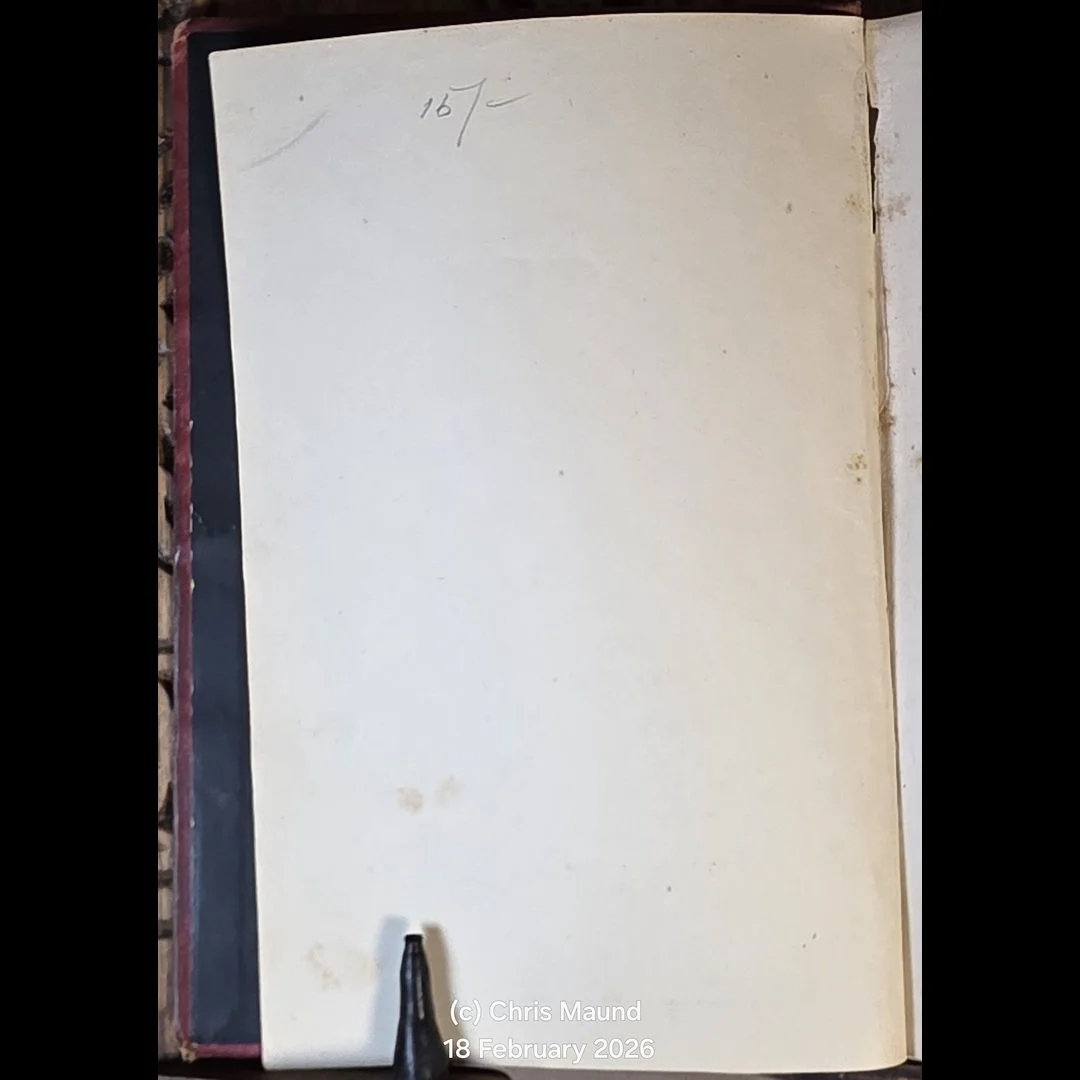
A contemporary or later pencil bibliographical annotation to the half-title records Carrington, Paris 1898 and the limitation of 500 copies.
CONDITION, COLLATION & COPY NOTES
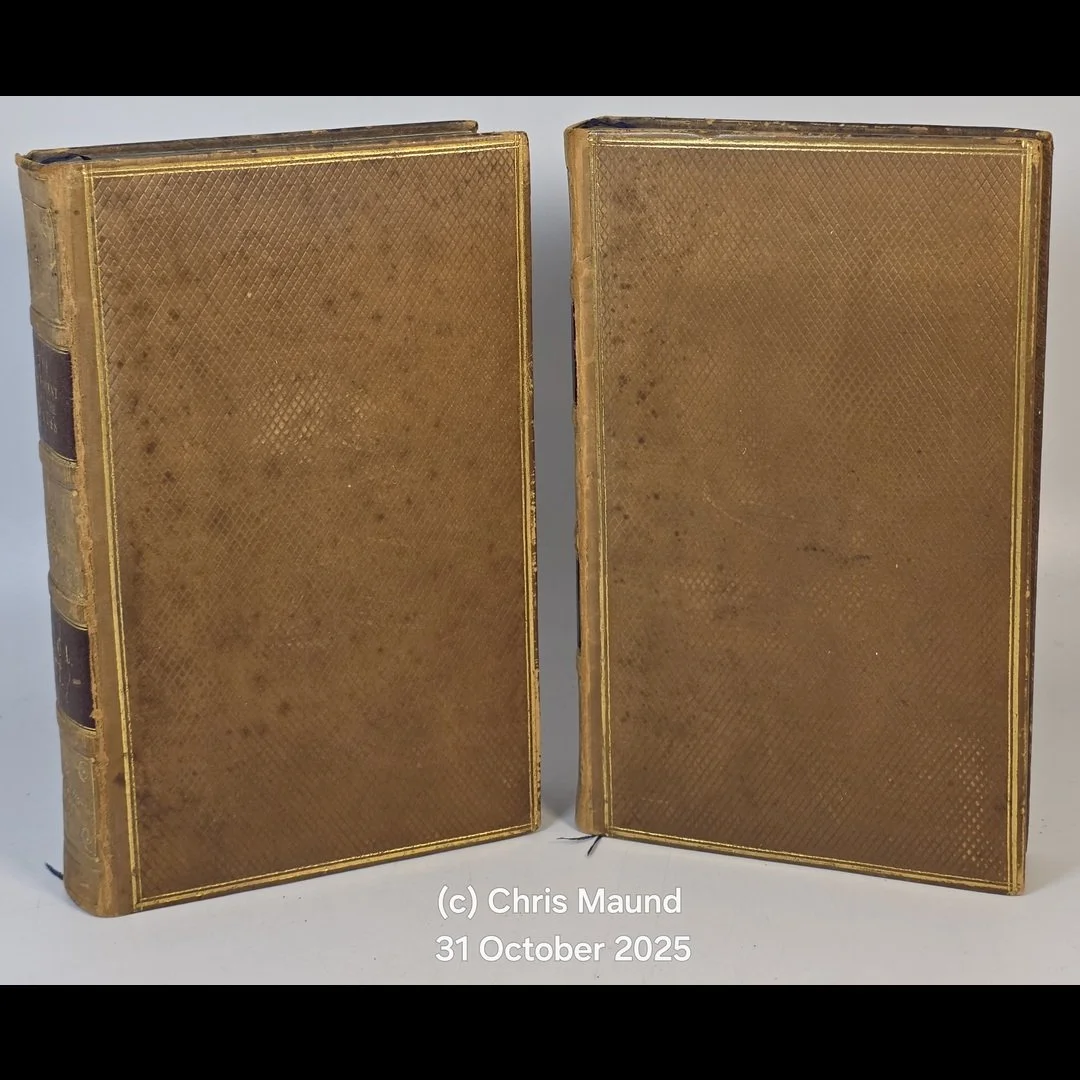
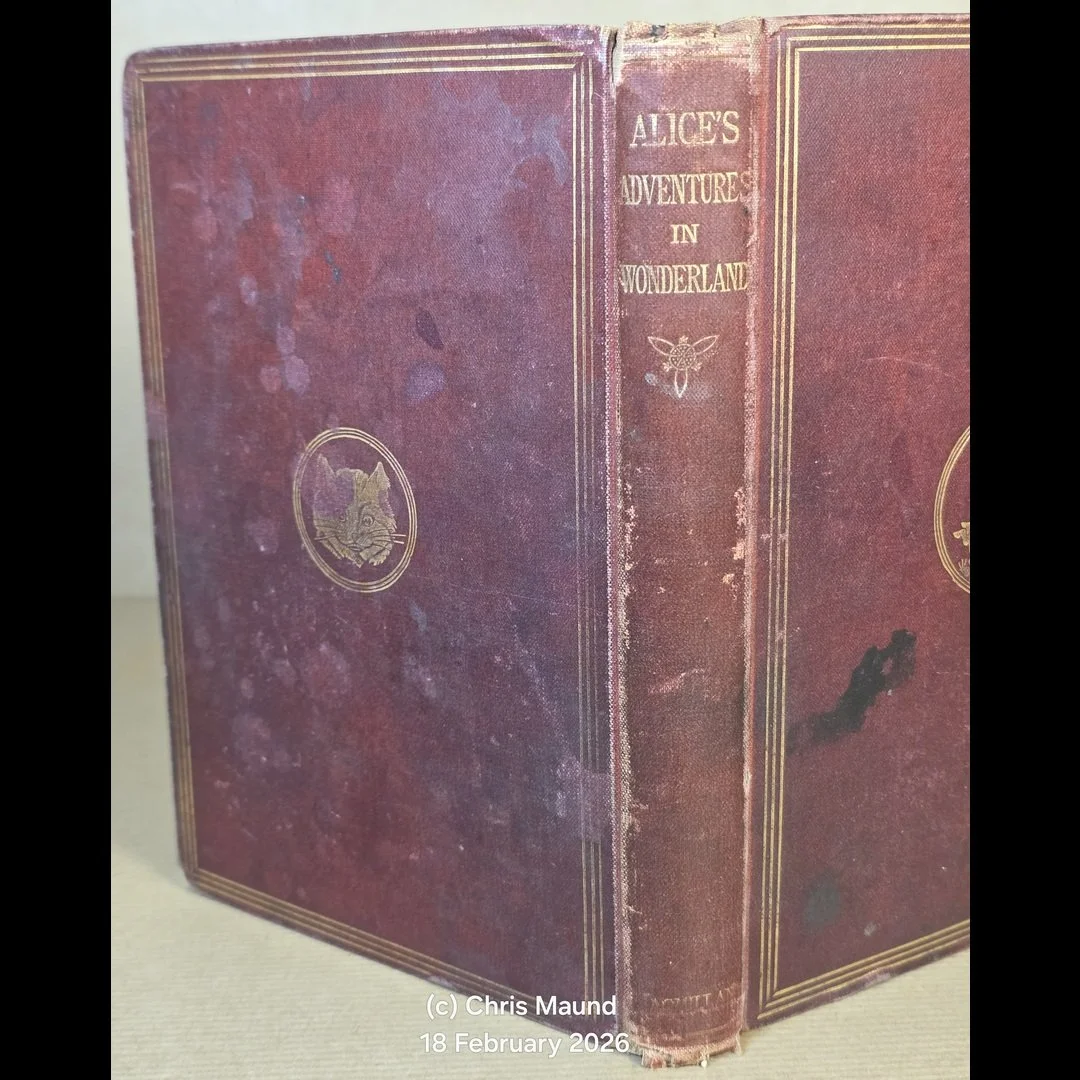
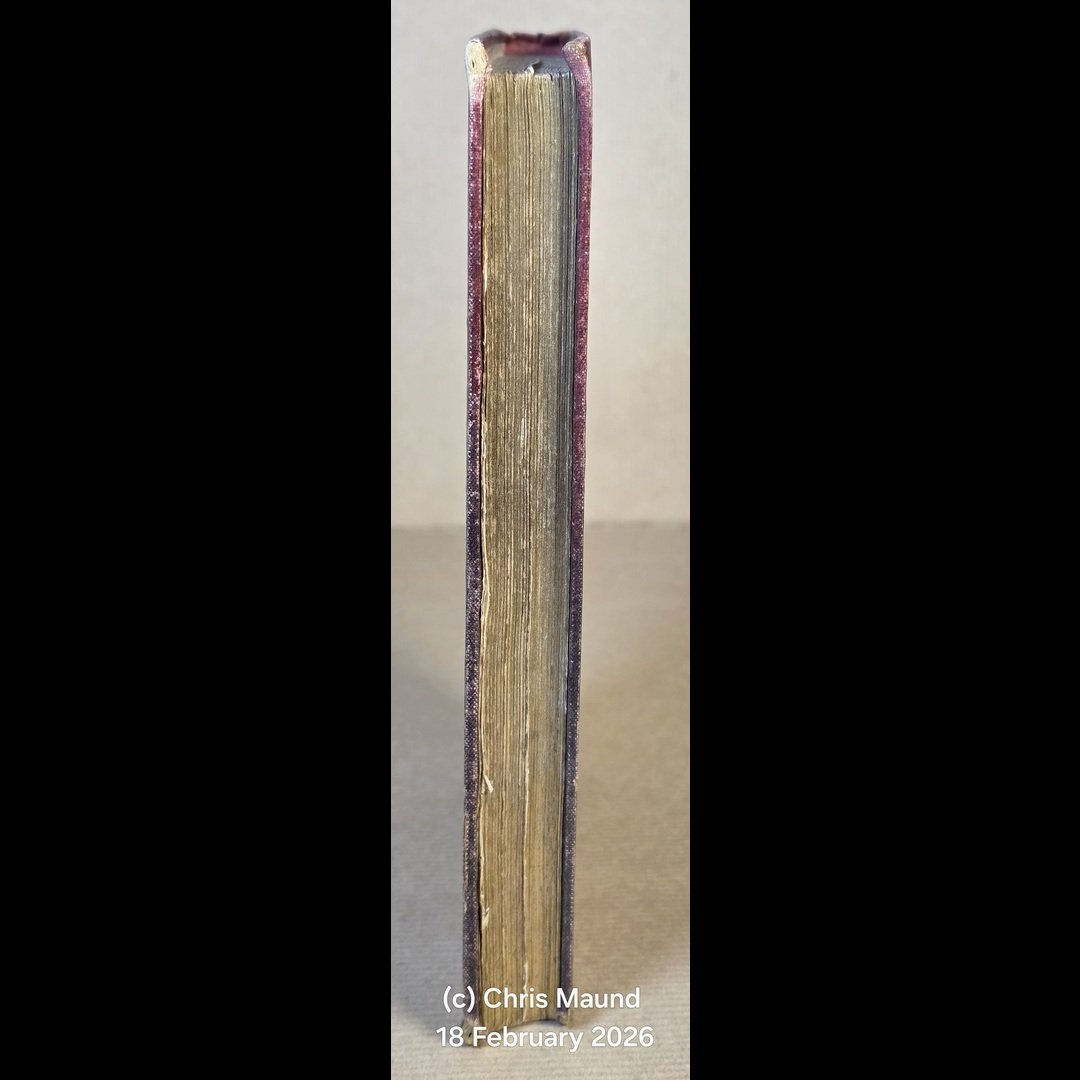
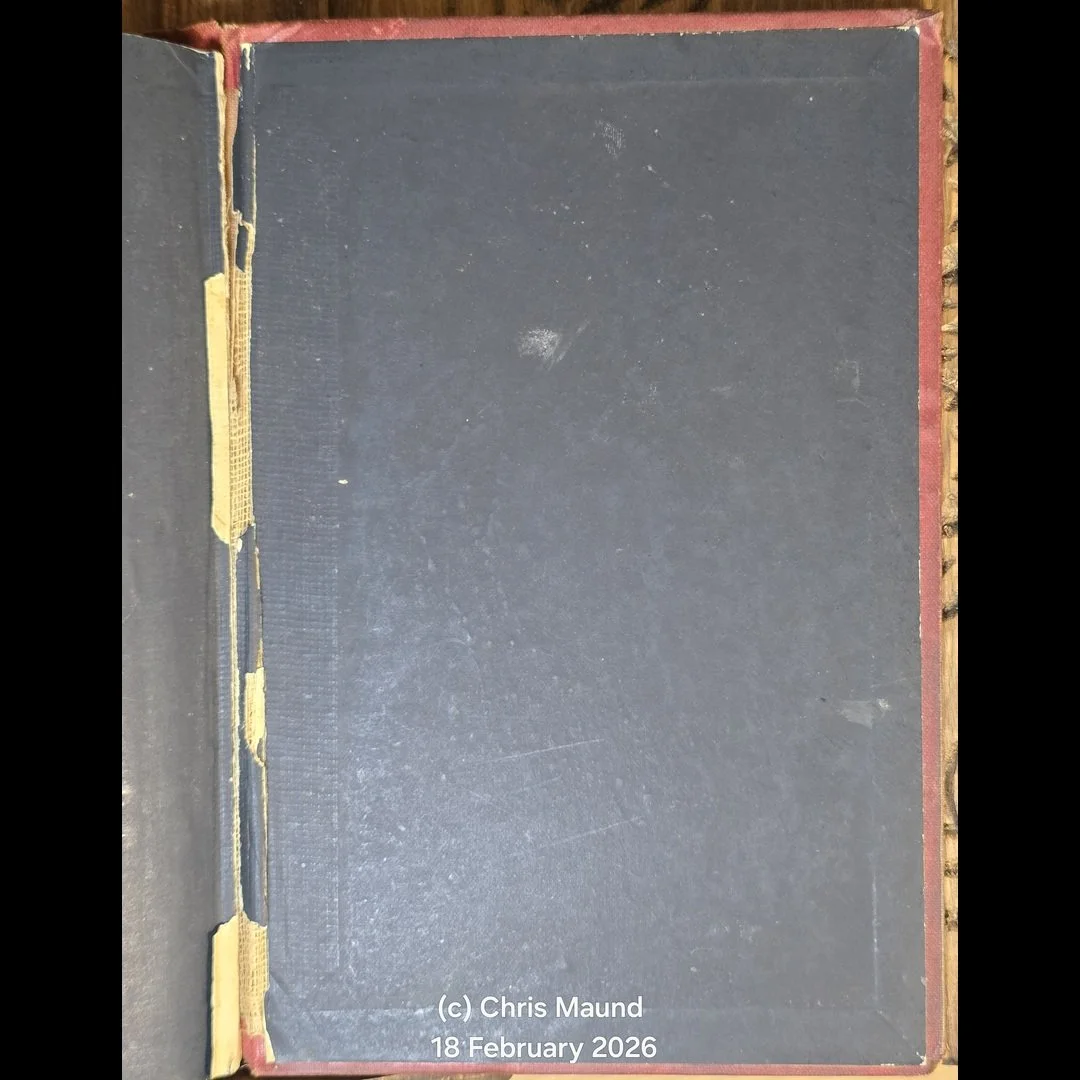
Original publisher’s dark cloth with blind-ruled borders and gilt lettering to the upper board and spine.; externally worn, internally very good.
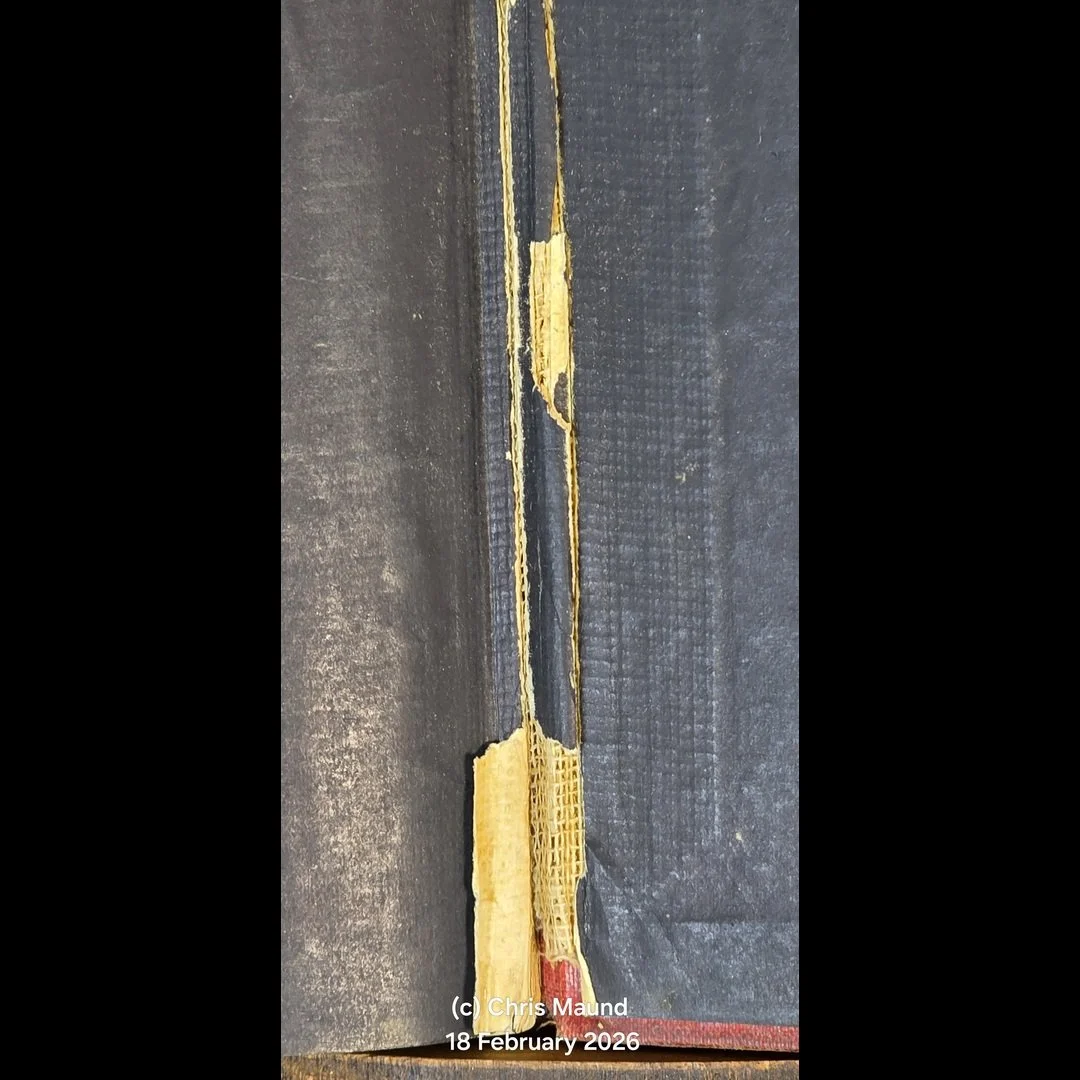
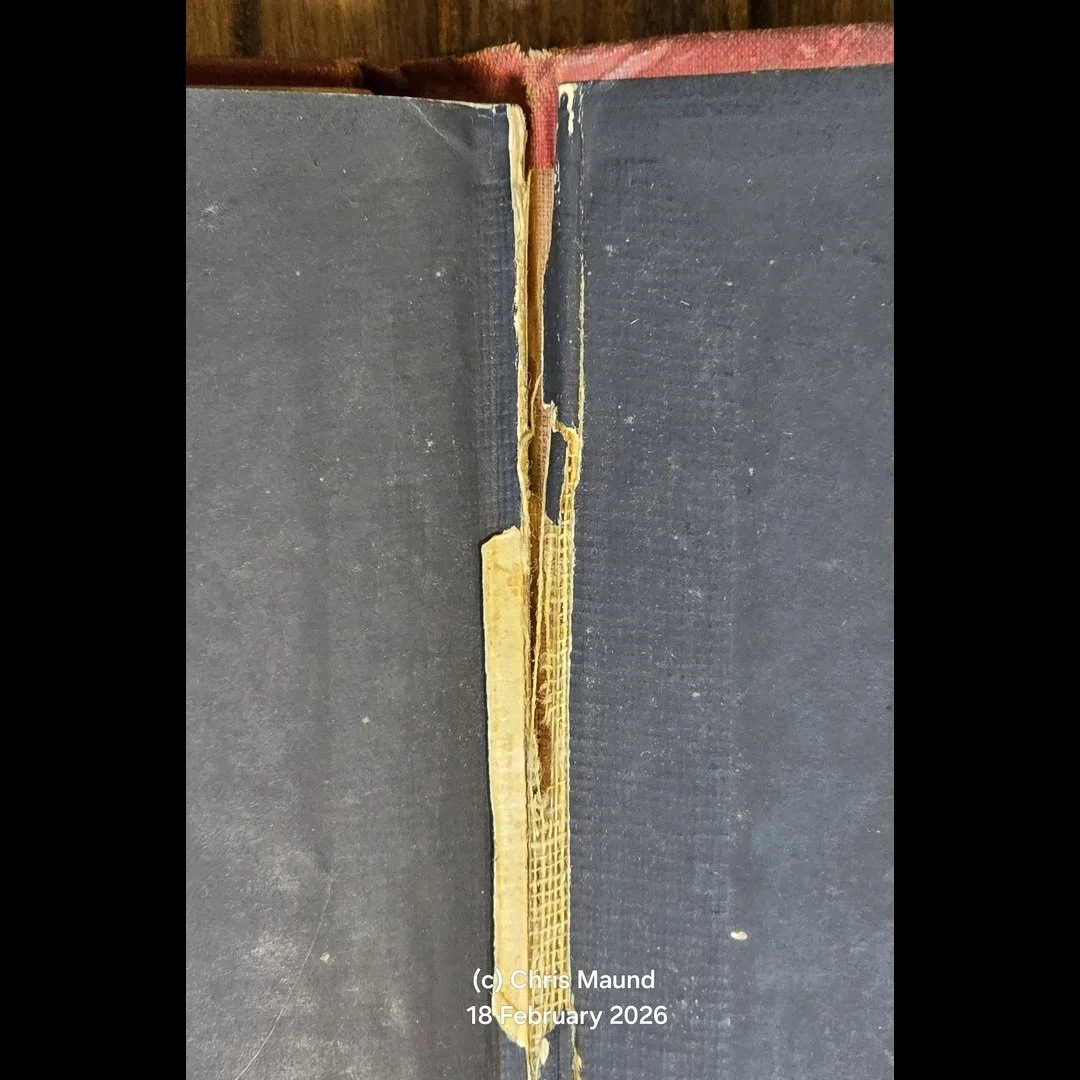
Boards rubbed and marked, with wear to the corners and extremities. Spine lettering dulled but remaining legible. The spine head is notably worn and chipped, with fraying and loss of cloth and splitting to the upper portions of the joints, exposing some of the underlying material. Further rubbing and wear to the spine edges and foot.
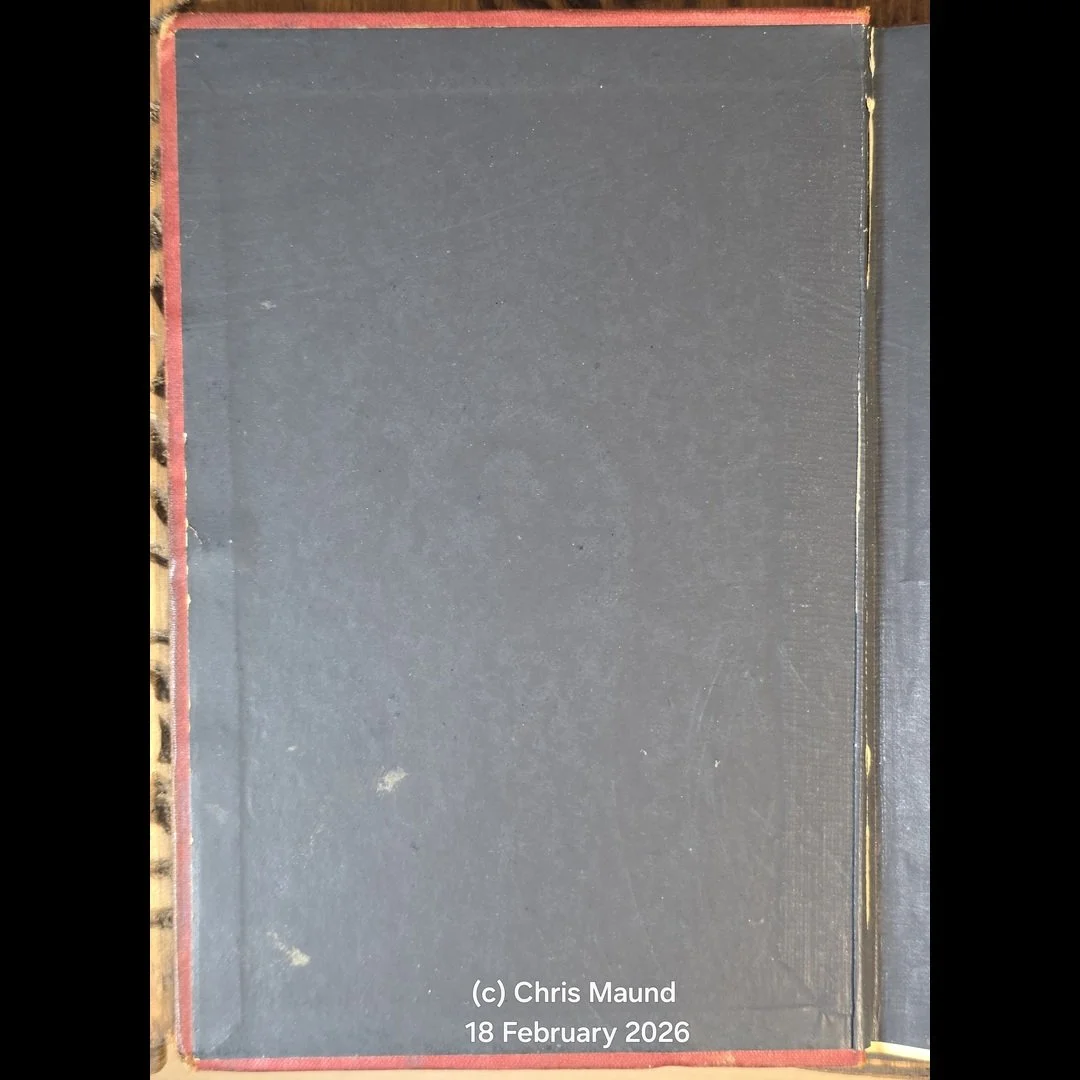
Despite this external wear, the marbled inner hinges remain sound and the text block is firmly held.
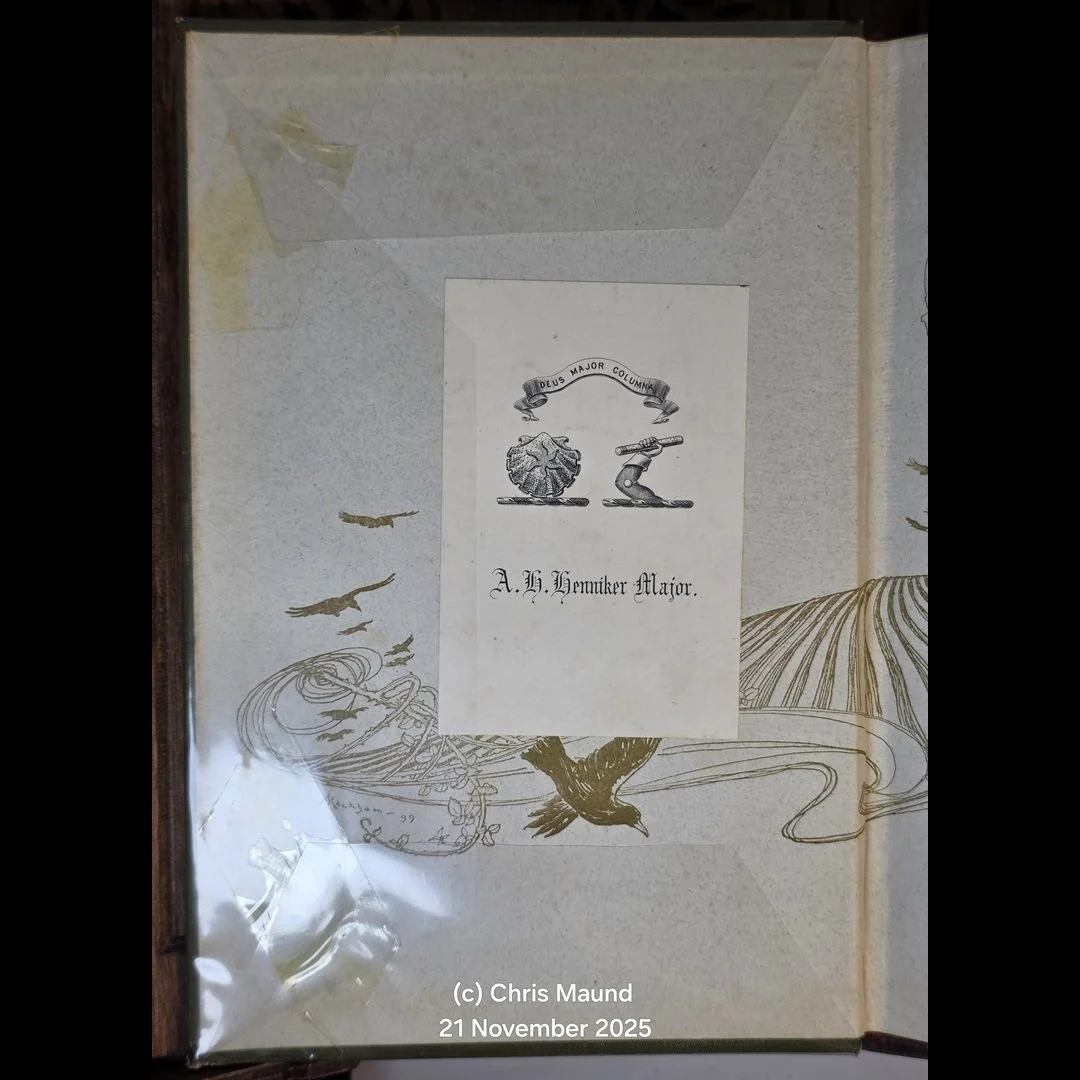
Marbled endpapers present.
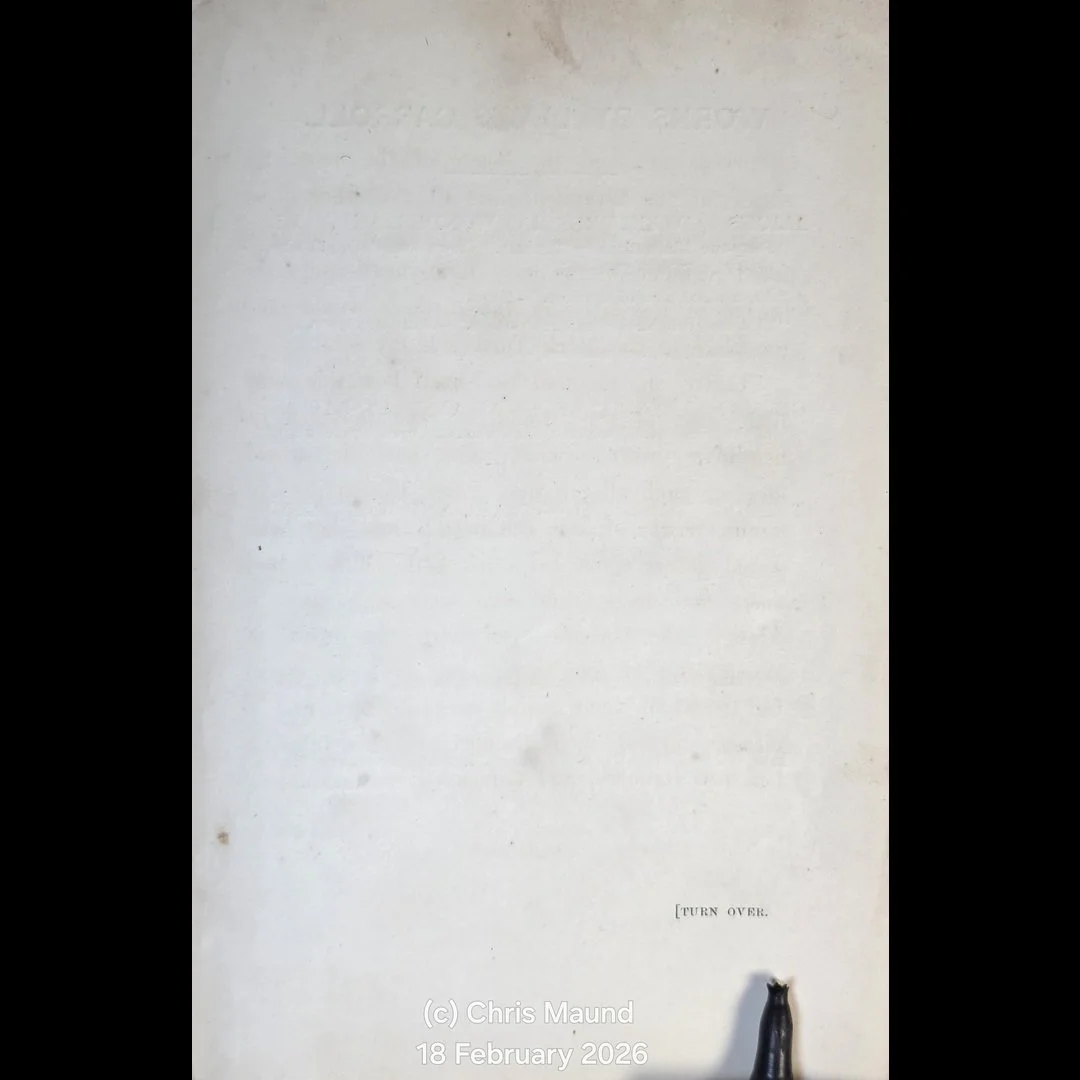
Internally generally clean and well preserved, with occasional light spotting and marks. Some more noticeable spotting to a rear blank. Tissue guard to the frontispiece present, with some spotting.
A number of leaves remain unopened. In particular, the final numbered pages 366–367 remain unopened; consequently p.365 is the final numbered page visible in the photographic record.
Please see Photos as part of condition report.
REFERENCES
OCLC 5747090.
LCCN 08022916.
Open Library OL14002509M.
CiNii Books, NCID BA51309713.
British Library: 09009.d.10.
Bibliothèque nationale de France: 4-T21-640.
Wellcome Library: B13052111.
National Library of Scotland: Hall.203.a.
Charles Carrington Bibliographical Checklist: Curious Bypaths of History.
Harvard University / Google Books digitised copy.
Wellcome Library / Internet Archive digitised copy.
SYNOPSIS
Curious Bypaths of History is a remarkable collection of medico-historical investigations in which Augustin Cabanès looks behind the formal record of history to examine the bodies, illnesses, physicians, deaths, autopsies, remains and intimate lives of celebrated historical figures.
For Cabanès, physical evidence offered another route into history.
Kings suffer from diseased teeth. Famous corpses are exhumed, mutilated or dispersed. Royal mistresses conceal pregnancies. Physicians become privileged witnesses to the private lives of the powerful. Anatomical relics survive their owners. Revolutionary heroes and villains are subjected to medical scrutiny. Familiar historical episodes consequently acquire an entirely different character when viewed through medicine and pathology.
The volume begins with the physician of Louis XI before moving to the extraordinary posthumous history of Cardinal Richelieu’s body and the dental troubles of Louis XIV.
Cabanès then turns to the clandestine pregnancies of Mlle de La Vallière and Mme de Montespan and to the physicians and accoucheurs of the French court, before examining anatomical and historical relics associated with Mme de Maintenon and Mme de Sévigné.
Later studies include the physician of Mme de Pompadour; the infirmities of the celebrated actress and singer Sophie Arnould; the origins and naming of the guillotine; and a substantial sequence devoted to Charlotte Corday, including her appearance, admirers, execution and subsequent necropsy.
The Revolutionary period continues with an examination of Robespierre’s private life while residing with the Duplay family.
Cabanès then considers the superstitions of Napoleon I and the life of Mme Récamier before concluding with a study of one of the nineteenth century’s most famous literary relationships: Alfred de Musset, George Sand and Pietro Pagello.
The result lies somewhere between medical history, cultural history, biography and an historical cabinet of curiosities. Cabanès draws upon memoirs, correspondence, medical testimony and contemporary accounts, but deliberately directs his attention toward the intimate, bodily, macabre and peculiar.
The tone of the edition is established before Cabanès’s text even begins by the prefatory verse signed “Pisanus Fraxi” — Henry Spencer Ashbee — addressing the volume specifically to serious bibliophiles interested in curious and hidden literature.
That association places the book particularly naturally within the publishing world of Charles Carrington.
Carrington specialised in books occupying the margins between scholarship and subjects respectable British publishers were often reluctant to handle openly, including sexuality, anthropology, medical pathology and unconventional social history. His decision to issue Curious Bypaths as a numbered edition on Van Gelder paper transformed what might otherwise have been a popular medical miscellany into a deliberately bibliophilic production.
Curious Bypaths of History consequently offers several overlapping areas of collecting interest: the history of medicine; French history and the ancien régime; the French Revolution and Napoleon; bodily and anatomical history; Victorian curiosa; Charles Carrington; Henry Spencer Ashbee; and fin-de-siècle private bibliophile publishing.
AUTHOR BIO
Augustin Cabanès (1862–1928) was a French physician, medical historian and prolific author best known for applying medical evidence to the lives of important historical and literary figures.
Born at Gourdon in the Lot department of France, Cabanès studied medicine at Bordeaux and Paris and received his doctorate in 1889.
He subsequently became closely associated with the development of popular medical history. In 1894 he founded La Chronique médicale, a journal devoted to the relationship between medicine, history and biography.
Rather than concentrating solely upon the development of medical science, Cabanès examined illness as an instrument for understanding historical personalities. He drew upon memoirs, archives, correspondence, contemporary testimony and medical literature to investigate the illnesses, physical peculiarities, deaths, autopsies and medical treatment of figures from European history.
His extensive writings proved particularly popular because they combined genuine historical research with subjects possessing an immediate human and sometimes sensational interest.
Among his best-known publications was Le Cabinet Secret de l’Histoire, from which Charles Carrington drew material for the English-language volumes Secret Cabinet of History and Curious Bypaths of History.
HENRY SPENCER ASHBEE — “PISANUS FRAXI”
Henry Spencer Ashbee (1834–1900) was an English businessman, traveller, collector and bibliographer whose importance to the study of clandestine and erotic literature considerably outlived the Victorian world in which he collected.
A serious bibliophile with major interests extending far beyond erotica — particularly Cervantes — Ashbee privately published three substantial bibliographical works under the pseudonym “Pisanus Fraxi” between 1877 and 1885:
Index Librorum Prohibitorum; Centuria Librorum Absconditorum; and Catena Librorum Tacendorum.
Together they constitute one of the earliest serious English bibliographies of prohibited, privately printed and erotic literature.
Ashbee ultimately bequeathed his extensive library to the British Museum, and material from his collection became an important component of what later became known as the British Library’s Private Case.
His signed prefatory verse in Curious Bypaths of History is consequently more than a decorative literary flourish. It links Carrington’s edition directly to the sophisticated nineteenth-century culture of collectors interested in uncommon, restricted and intellectually transgressive books.
ILLUSTRATOR
Daniel Vierge
Frontispiece: Daniel Vierge, engraved on copper by F. Massé
FRONTISPIECE ARTIST
Daniel Vierge (Daniel Urrabieta y Vierge, 1851–1904) was a Spanish-born illustrator who spent most of his professional career in France and became one of the most influential European illustrators of the later nineteenth century.
After establishing himself in Paris, Vierge worked extensively for the illustrated press and acquired an international reputation for the economy, immediacy and expressive quality of his line drawing.
His work was especially well suited to the developing reproduction processes of the late nineteenth century and influenced a subsequent generation of illustrators.
For Curious Bypaths of History he supplied the design for the single frontispiece. The image is signed “Vierge” and dated Paris 1897.
ENGRAVER
F. Massé is credited on the title page as the engraver responsible for transferring Daniel Vierge’s frontispiece design to copper.
The book itself identifies him simply as “F. Massé”; in the absence of sufficiently firm evidence connecting the engraver with a more fully identified individual of that name, the abbreviated form used in the original publication is retained here.
1898 First English Edition
CURIOUS BYPATHS OF HISTORY
By Dr Augustin Cabanès
KEY DETAILS
Condition: Good
Format: Hardcover, Large 8vo
Paper: Van Gelder’s vellum paper
Published By: Charles Carrington (Librairie des Bibliophiles), Paris, 1898
Language: English
Limited Edition: 169/500 Copies
Illustrated By: Daniel Vierge
Provenance: No identifiable former owner has presently been established.
Collation: xxiv, 367, [3] pp., [1] frontispiece plate. Complete.
Dust Jacket: None, as issued, No Jacket
SKU: BTETM0002718
Shipping Info: Approximate Package Dimensions H: 12.5, L: 30, W: 25 (Units: cm), W: 2Kg
Tracked Shipping, Insurance Coverage as per Customer Request
DESCRIPTION
Curious Bypaths of History
1898 LIMITED EDITION — No. 169 OF 500 COPIES
CURIOUS BYPATHS OF HISTORY
BEING MEDICO-HISTORICAL STUDIES AND OBSERVATIONS
Pathological Studies of the Past
By Dr Augustin Cabanès
First English edition, translated from the second volume of Cabanès’s Le Cabinet Secret de l’Histoire (Paris, 1895), and issued by Charles Carrington in a strictly limited edition of 500 press-numbered copies printed on Van Gelder’s vellum paper; this copy No. 169.
An attractive and bibliographically interesting copy of Augustin Cabanès’s Curious Bypaths of History, published in Paris in 1898 by Charles Carrington as part of his Pathological Studies of the Past series.
Curious Bypaths of History is the English-language presentation of material from the second volume of Cabanès’s Le Cabinet Secret de l’Histoire. Rather than conventional political history, Cabanès approaches the past through medicine, pathology, anatomy, illness, sexuality, death, bodily remains and the private physical circumstances of celebrated historical figures.
The volume opens with a tissue-guarded copper-engraved frontispiece designed by Daniel Vierge and engraved by F. Massé. The image itself is signed by Vierge and dated “Paris 1897”, the year preceding the book’s publication.
Of particular interest is the prefatory address “To the Reader”, signed “Pisanus Fraxi” — the well-known pseudonym of the Victorian collector and bibliographer Henry Spencer Ashbee (1834–1900). Ashbee was responsible for the celebrated privately printed three-volume bibliography of prohibited, erotic and otherwise uncommon literature comprising Index Librorum Prohibitorum, Centuria Librorum Absconditorum and Catena Librorum Tacendorum.
His presence at the beginning of Curious Bypaths is especially appropriate. The verse addresses the serious bibliophile interested in unusual and hidden books and warns away the merely casual reader, neatly positioning the volume within the late nineteenth-century world of private bibliophily, medical curiosa and literature dealing with subjects conventionally excluded from polite publication.
Subjects examined by Cabanès include the physician of Louis XI; the peregrinations of the body of Cardinal Richelieu; the teeth of Louis XIV; the clandestine accouchements of Mlle de La Vallière; the pregnancies and death of Mme de Montespan; the skeleton of Mme de Maintenon and skull of Mme de Sévigné; the physician of Mme de Pompadour; Sophie Arnould; Dr Guillotin; Charlotte Corday; Robespierre; Napoleon’s superstitions; Mme Récamier; and the celebrated relationship between Alfred de Musset, George Sand and the Venetian physician Pietro Pagello.
A particularly characteristic Charles Carrington production: handsomely produced for a limited bibliophile audience while exploring precisely the medical, intimate, macabre and socially uncomfortable aspects of history which more conventional Victorian historical writing tended to avoid.
PROVENANCE
No identifiable former owner has presently been established.
A contemporary or later pencil bibliographical annotation to the half-title records Carrington, Paris 1898 and the limitation of 500 copies.
CONDITION, COLLATION & COPY NOTES
Original publisher’s dark cloth with blind-ruled borders and gilt lettering to the upper board and spine.; externally worn, internally very good.
Boards rubbed and marked, with wear to the corners and extremities. Spine lettering dulled but remaining legible. The spine head is notably worn and chipped, with fraying and loss of cloth and splitting to the upper portions of the joints, exposing some of the underlying material. Further rubbing and wear to the spine edges and foot.
Despite this external wear, the marbled inner hinges remain sound and the text block is firmly held.
Marbled endpapers present.
Internally generally clean and well preserved, with occasional light spotting and marks. Some more noticeable spotting to a rear blank. Tissue guard to the frontispiece present, with some spotting.
A number of leaves remain unopened. In particular, the final numbered pages 366–367 remain unopened; consequently p.365 is the final numbered page visible in the photographic record.
Please see Photos as part of condition report.
REFERENCES
OCLC 5747090.
LCCN 08022916.
Open Library OL14002509M.
CiNii Books, NCID BA51309713.
British Library: 09009.d.10.
Bibliothèque nationale de France: 4-T21-640.
Wellcome Library: B13052111.
National Library of Scotland: Hall.203.a.
Charles Carrington Bibliographical Checklist: Curious Bypaths of History.
Harvard University / Google Books digitised copy.
Wellcome Library / Internet Archive digitised copy.
SYNOPSIS
Curious Bypaths of History is a remarkable collection of medico-historical investigations in which Augustin Cabanès looks behind the formal record of history to examine the bodies, illnesses, physicians, deaths, autopsies, remains and intimate lives of celebrated historical figures.
For Cabanès, physical evidence offered another route into history.
Kings suffer from diseased teeth. Famous corpses are exhumed, mutilated or dispersed. Royal mistresses conceal pregnancies. Physicians become privileged witnesses to the private lives of the powerful. Anatomical relics survive their owners. Revolutionary heroes and villains are subjected to medical scrutiny. Familiar historical episodes consequently acquire an entirely different character when viewed through medicine and pathology.
The volume begins with the physician of Louis XI before moving to the extraordinary posthumous history of Cardinal Richelieu’s body and the dental troubles of Louis XIV.
Cabanès then turns to the clandestine pregnancies of Mlle de La Vallière and Mme de Montespan and to the physicians and accoucheurs of the French court, before examining anatomical and historical relics associated with Mme de Maintenon and Mme de Sévigné.
Later studies include the physician of Mme de Pompadour; the infirmities of the celebrated actress and singer Sophie Arnould; the origins and naming of the guillotine; and a substantial sequence devoted to Charlotte Corday, including her appearance, admirers, execution and subsequent necropsy.
The Revolutionary period continues with an examination of Robespierre’s private life while residing with the Duplay family.
Cabanès then considers the superstitions of Napoleon I and the life of Mme Récamier before concluding with a study of one of the nineteenth century’s most famous literary relationships: Alfred de Musset, George Sand and Pietro Pagello.
The result lies somewhere between medical history, cultural history, biography and an historical cabinet of curiosities. Cabanès draws upon memoirs, correspondence, medical testimony and contemporary accounts, but deliberately directs his attention toward the intimate, bodily, macabre and peculiar.
The tone of the edition is established before Cabanès’s text even begins by the prefatory verse signed “Pisanus Fraxi” — Henry Spencer Ashbee — addressing the volume specifically to serious bibliophiles interested in curious and hidden literature.
That association places the book particularly naturally within the publishing world of Charles Carrington.
Carrington specialised in books occupying the margins between scholarship and subjects respectable British publishers were often reluctant to handle openly, including sexuality, anthropology, medical pathology and unconventional social history. His decision to issue Curious Bypaths as a numbered edition on Van Gelder paper transformed what might otherwise have been a popular medical miscellany into a deliberately bibliophilic production.
Curious Bypaths of History consequently offers several overlapping areas of collecting interest: the history of medicine; French history and the ancien régime; the French Revolution and Napoleon; bodily and anatomical history; Victorian curiosa; Charles Carrington; Henry Spencer Ashbee; and fin-de-siècle private bibliophile publishing.
AUTHOR BIO
Augustin Cabanès (1862–1928) was a French physician, medical historian and prolific author best known for applying medical evidence to the lives of important historical and literary figures.
Born at Gourdon in the Lot department of France, Cabanès studied medicine at Bordeaux and Paris and received his doctorate in 1889.
He subsequently became closely associated with the development of popular medical history. In 1894 he founded La Chronique médicale, a journal devoted to the relationship between medicine, history and biography.
Rather than concentrating solely upon the development of medical science, Cabanès examined illness as an instrument for understanding historical personalities. He drew upon memoirs, archives, correspondence, contemporary testimony and medical literature to investigate the illnesses, physical peculiarities, deaths, autopsies and medical treatment of figures from European history.
His extensive writings proved particularly popular because they combined genuine historical research with subjects possessing an immediate human and sometimes sensational interest.
Among his best-known publications was Le Cabinet Secret de l’Histoire, from which Charles Carrington drew material for the English-language volumes Secret Cabinet of History and Curious Bypaths of History.
HENRY SPENCER ASHBEE — “PISANUS FRAXI”
Henry Spencer Ashbee (1834–1900) was an English businessman, traveller, collector and bibliographer whose importance to the study of clandestine and erotic literature considerably outlived the Victorian world in which he collected.
A serious bibliophile with major interests extending far beyond erotica — particularly Cervantes — Ashbee privately published three substantial bibliographical works under the pseudonym “Pisanus Fraxi” between 1877 and 1885:
Index Librorum Prohibitorum; Centuria Librorum Absconditorum; and Catena Librorum Tacendorum.
Together they constitute one of the earliest serious English bibliographies of prohibited, privately printed and erotic literature.
Ashbee ultimately bequeathed his extensive library to the British Museum, and material from his collection became an important component of what later became known as the British Library’s Private Case.
His signed prefatory verse in Curious Bypaths of History is consequently more than a decorative literary flourish. It links Carrington’s edition directly to the sophisticated nineteenth-century culture of collectors interested in uncommon, restricted and intellectually transgressive books.
ILLUSTRATOR
Daniel Vierge
Frontispiece: Daniel Vierge, engraved on copper by F. Massé
FRONTISPIECE ARTIST
Daniel Vierge (Daniel Urrabieta y Vierge, 1851–1904) was a Spanish-born illustrator who spent most of his professional career in France and became one of the most influential European illustrators of the later nineteenth century.
After establishing himself in Paris, Vierge worked extensively for the illustrated press and acquired an international reputation for the economy, immediacy and expressive quality of his line drawing.
His work was especially well suited to the developing reproduction processes of the late nineteenth century and influenced a subsequent generation of illustrators.
For Curious Bypaths of History he supplied the design for the single frontispiece. The image is signed “Vierge” and dated Paris 1897.
ENGRAVER
F. Massé is credited on the title page as the engraver responsible for transferring Daniel Vierge’s frontispiece design to copper.
The book itself identifies him simply as “F. Massé”; in the absence of sufficiently firm evidence connecting the engraver with a more fully identified individual of that name, the abbreviated form used in the original publication is retained here.

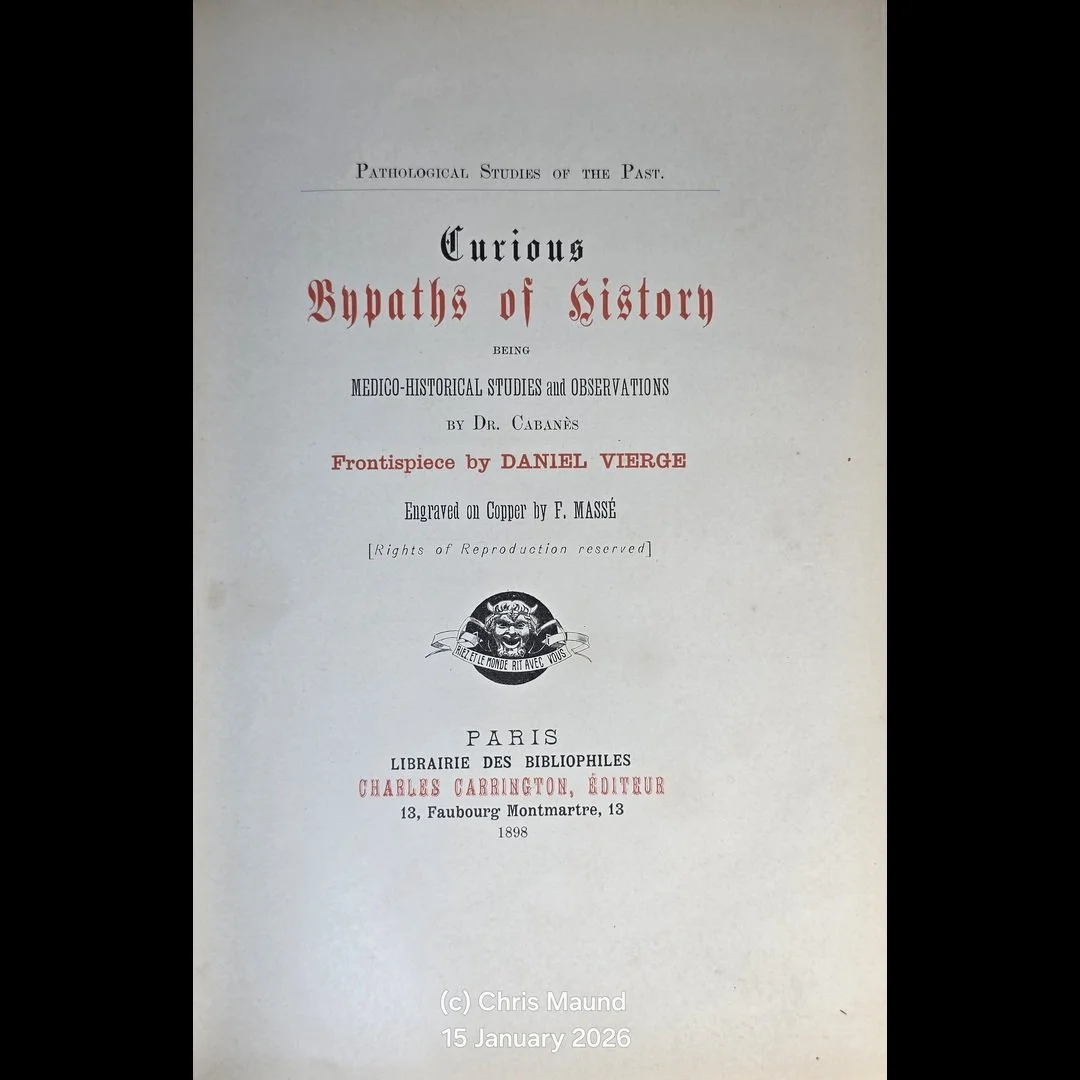 Image 1 of 20
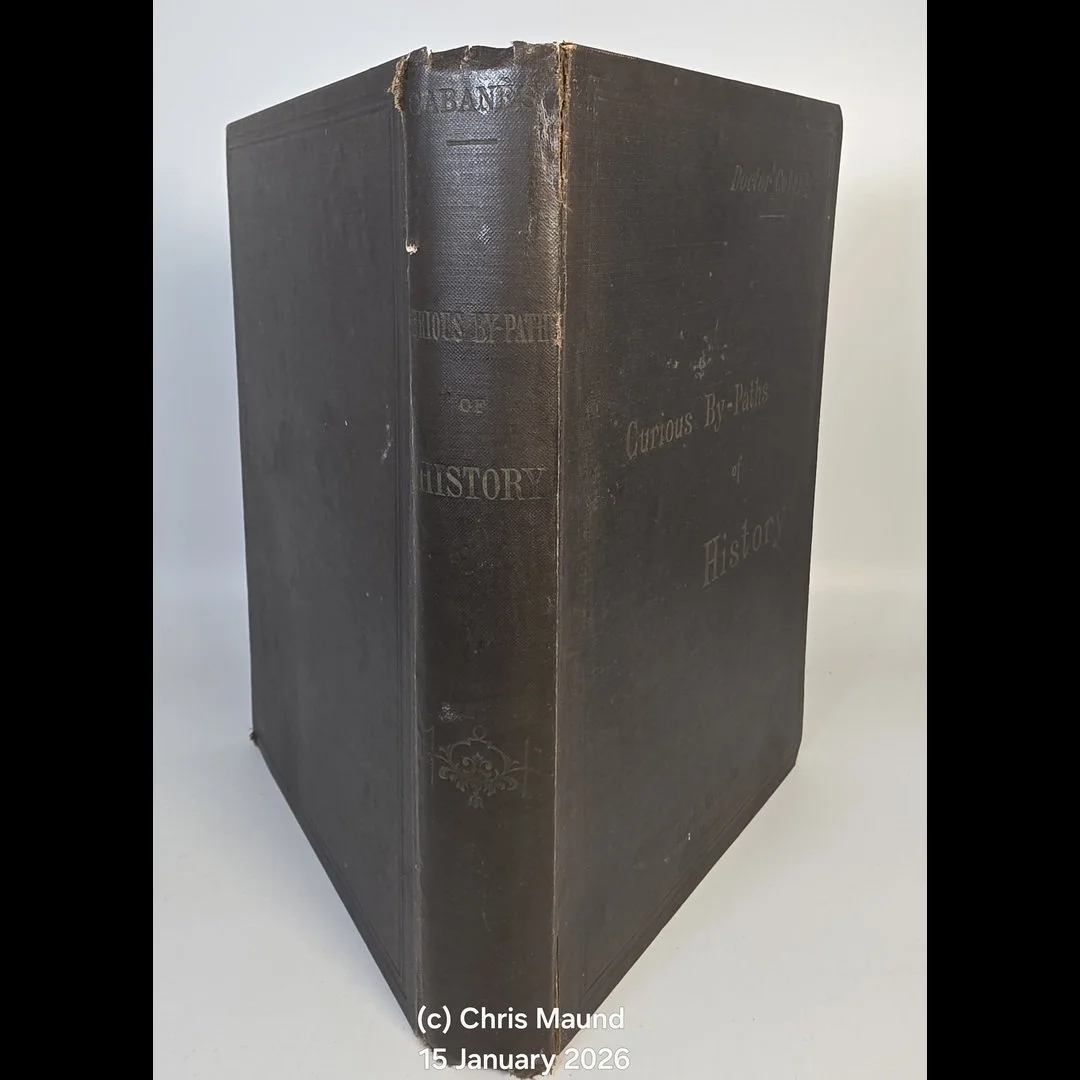 Image 2 of 20
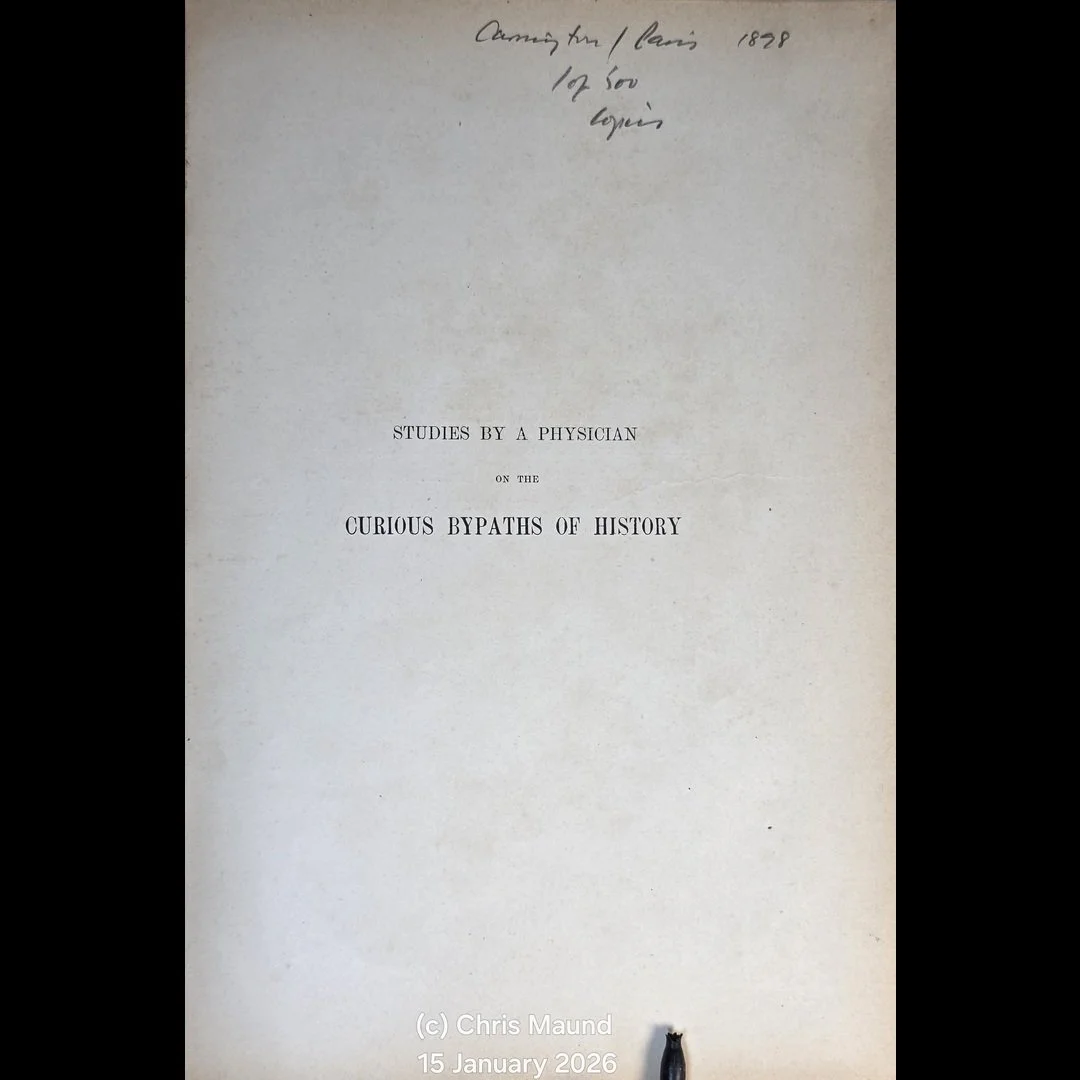 Image 3 of 20
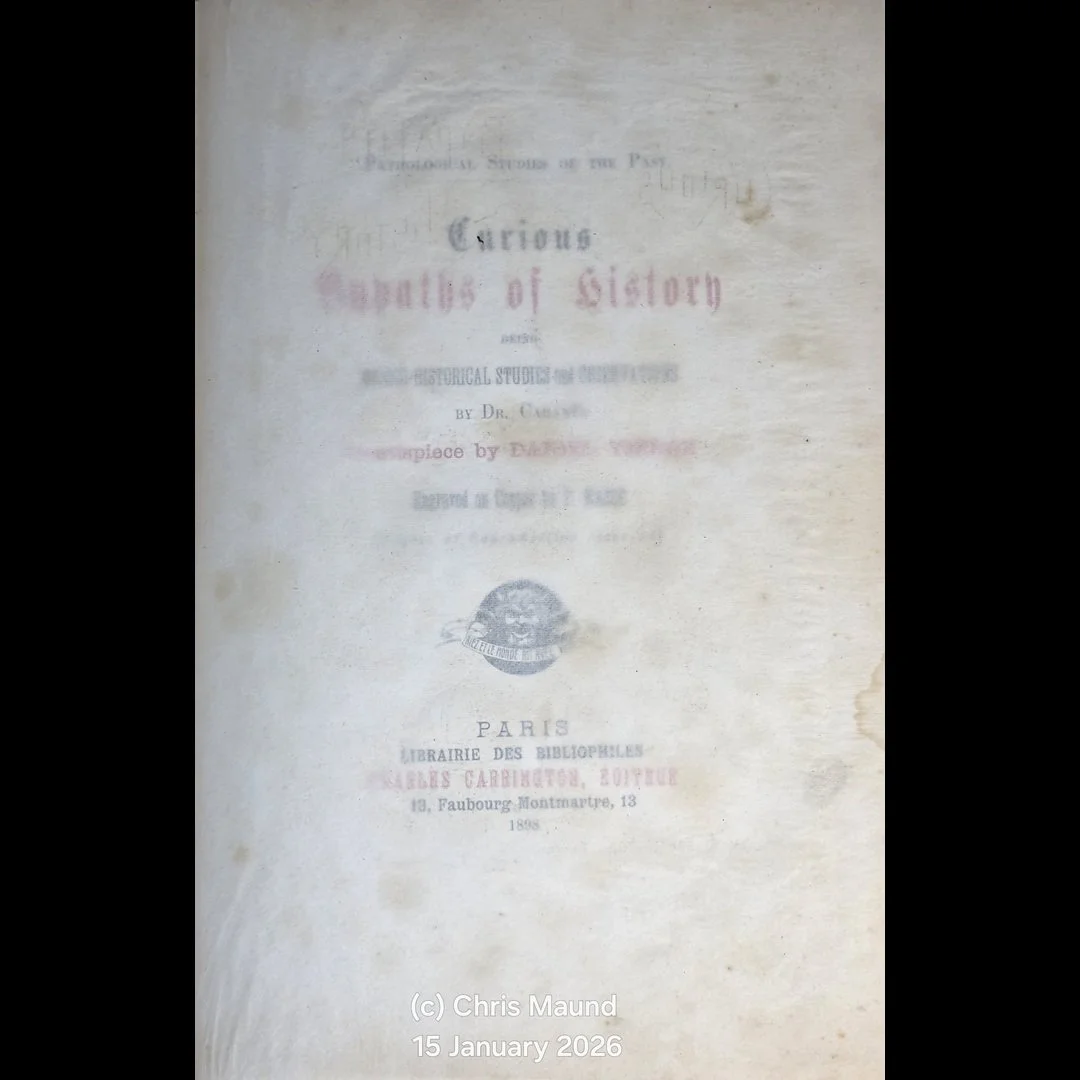 Image 4 of 20
 Image 5 of 20
 Image 6 of 20
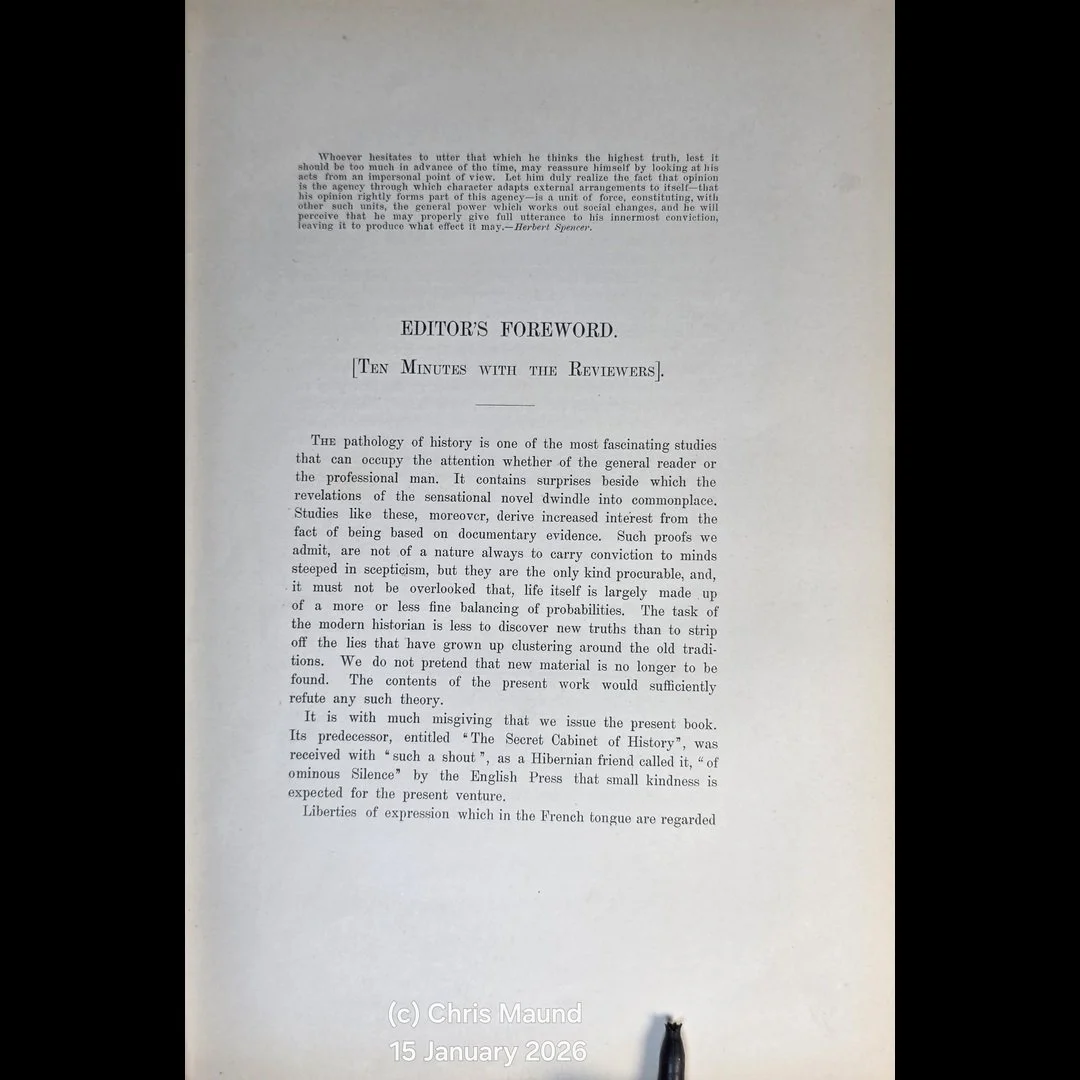 Image 7 of 20
 Image 8 of 20
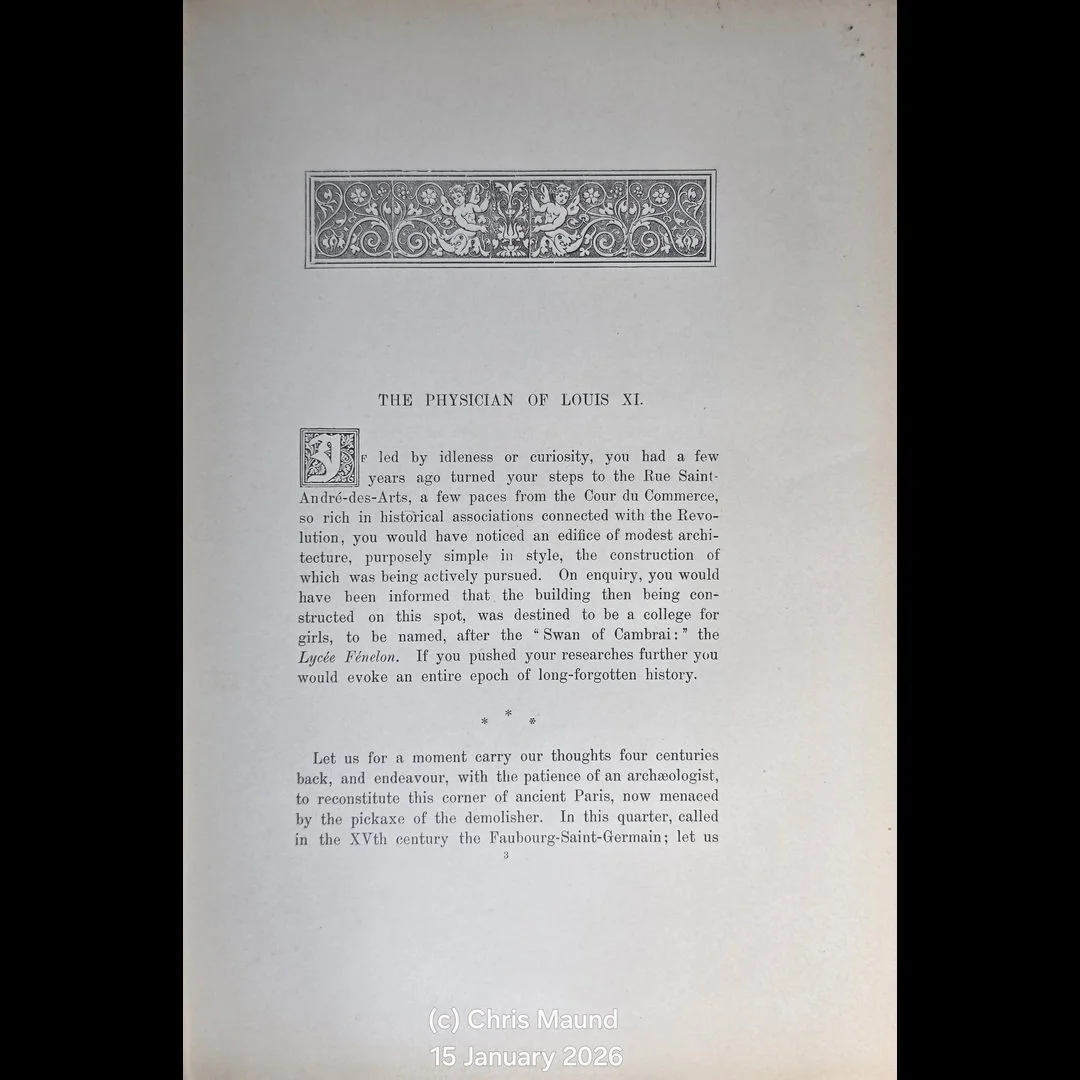 Image 9 of 20
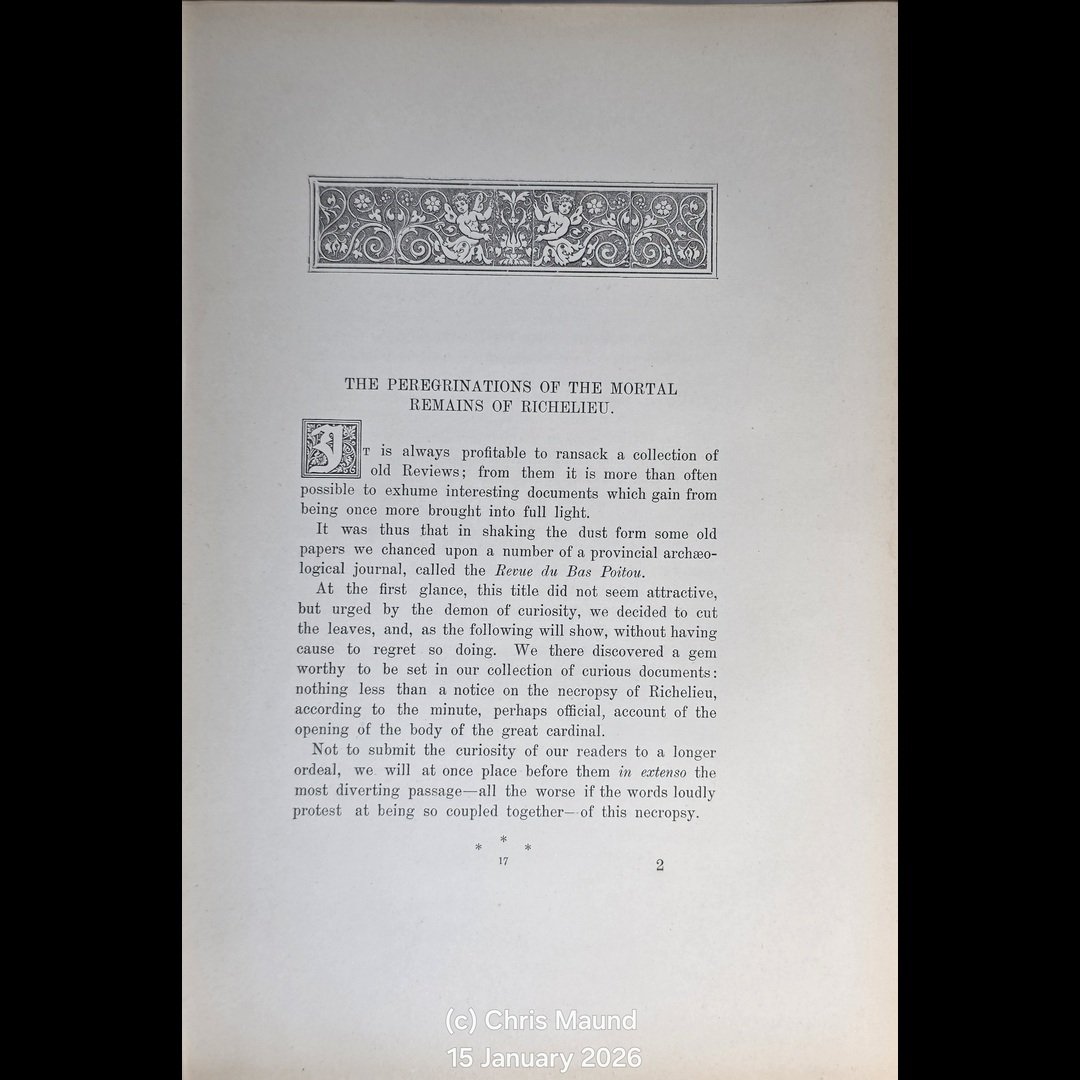 Image 10 of 20
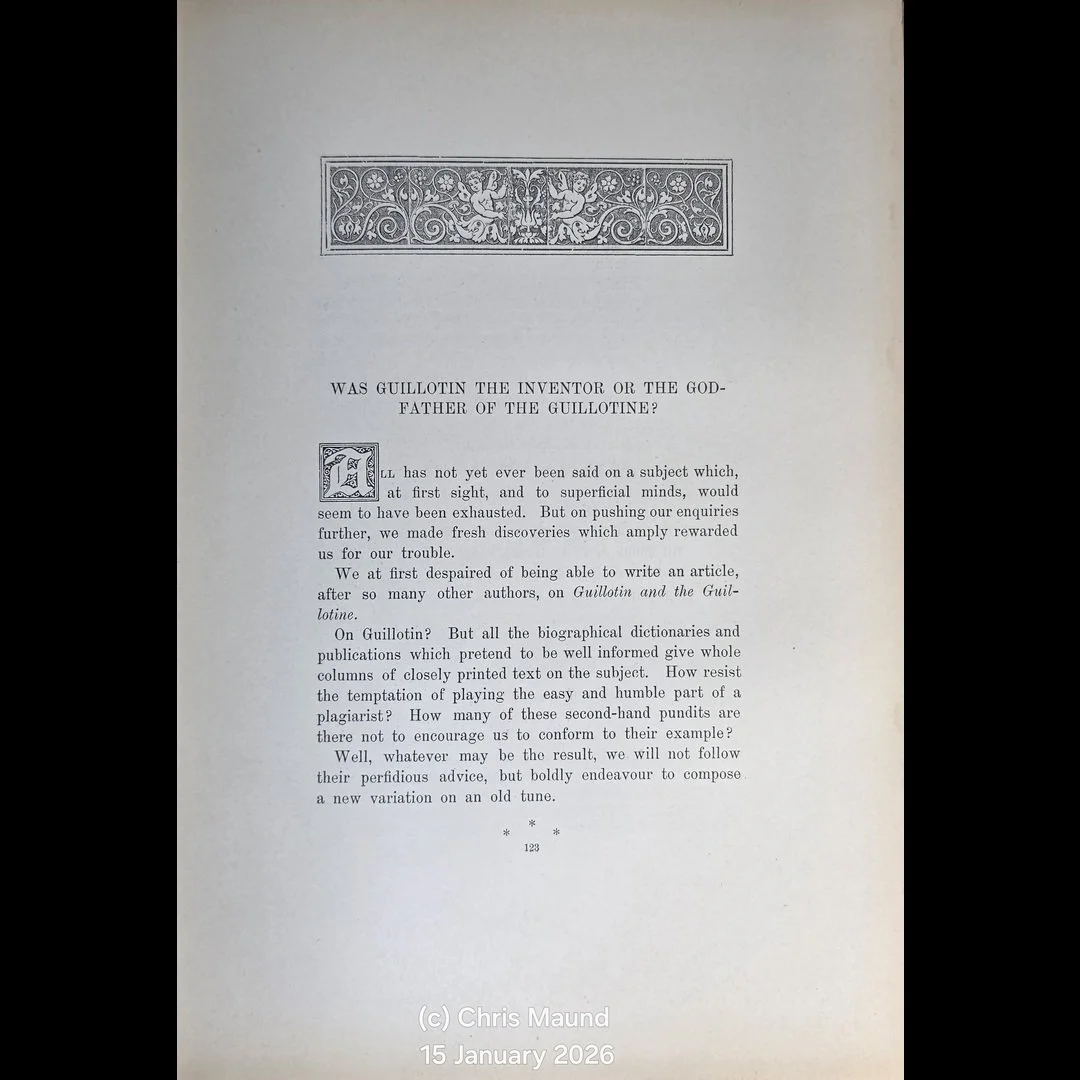 Image 11 of 20
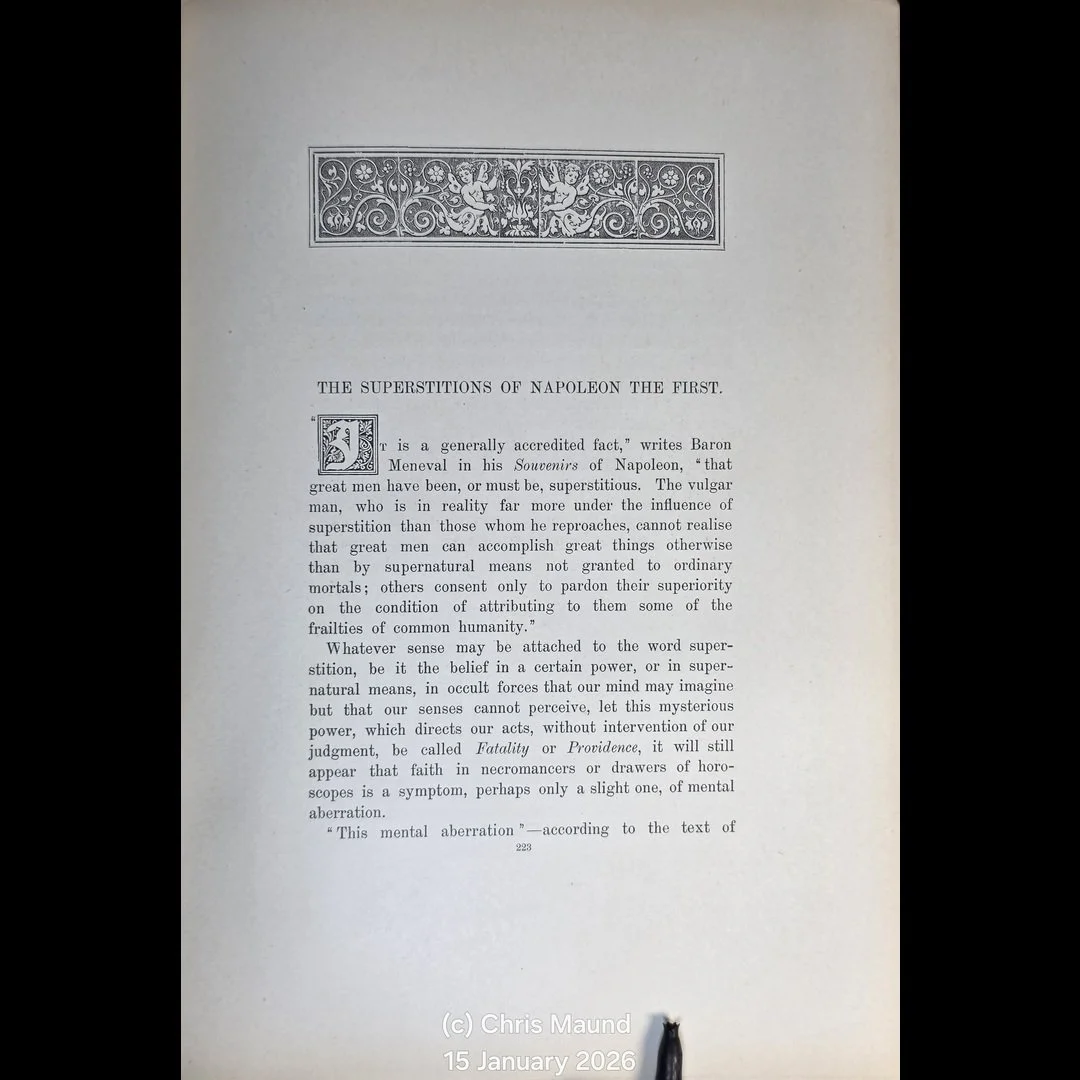 Image 12 of 20
 Image 13 of 20
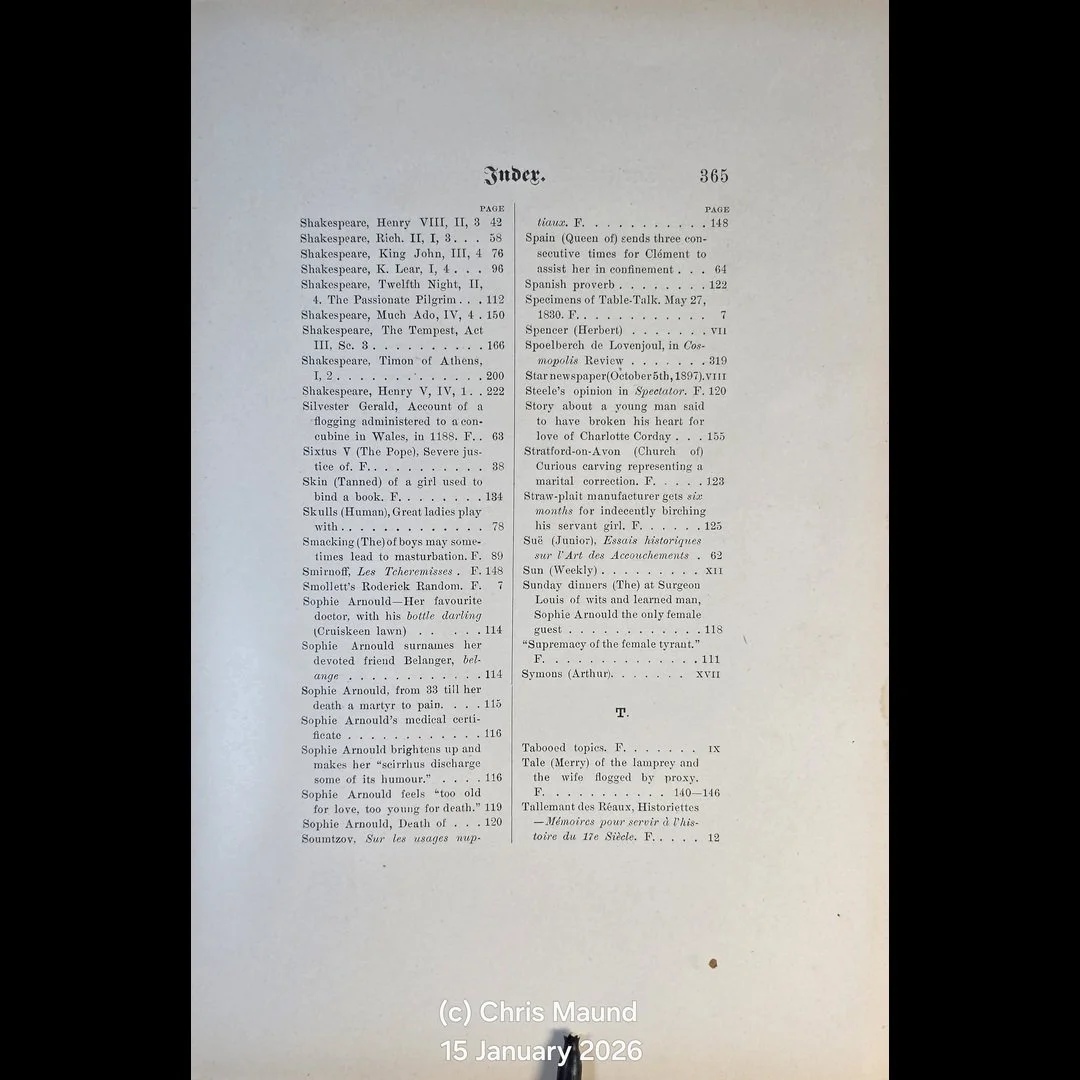 Image 14 of 20
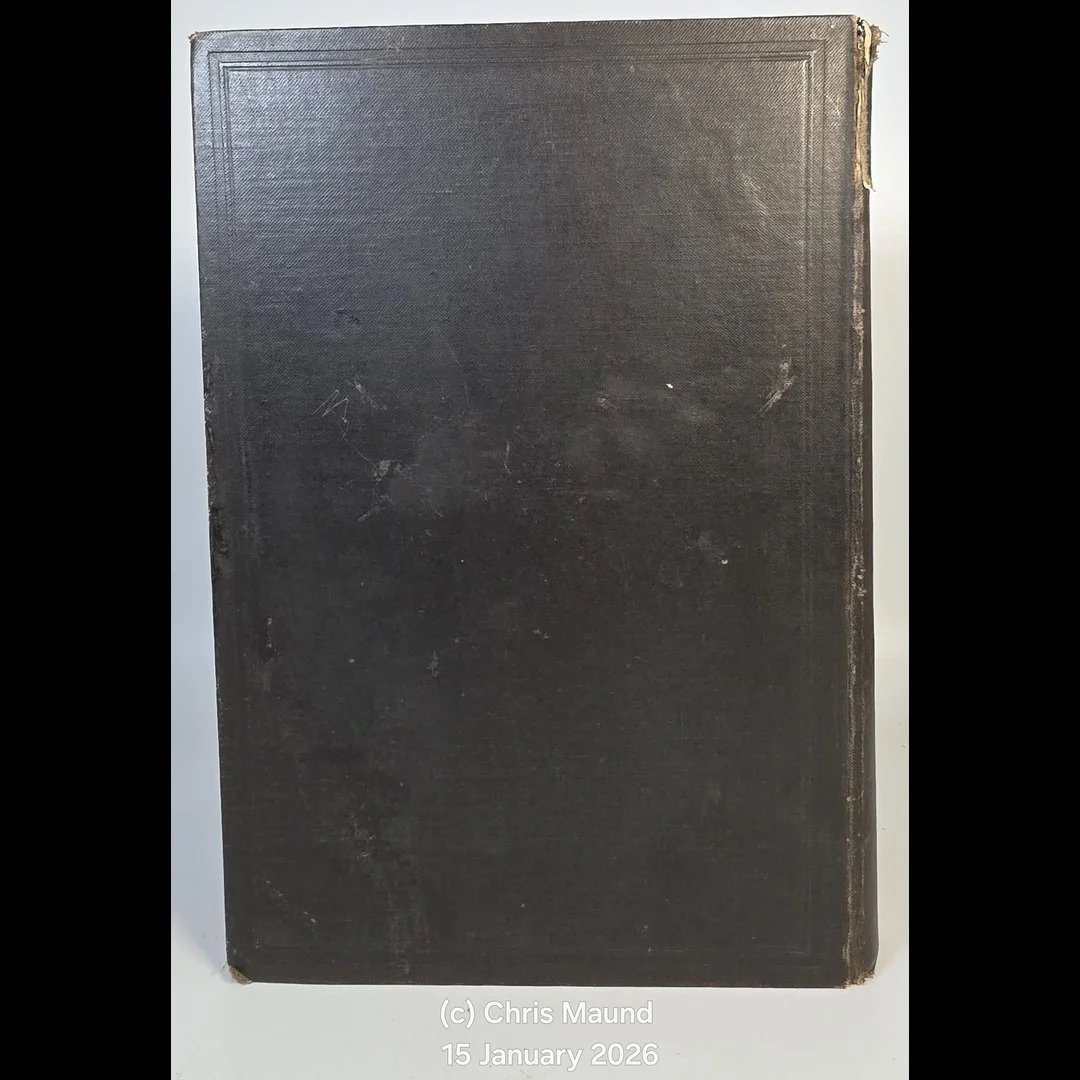 Image 15 of 20
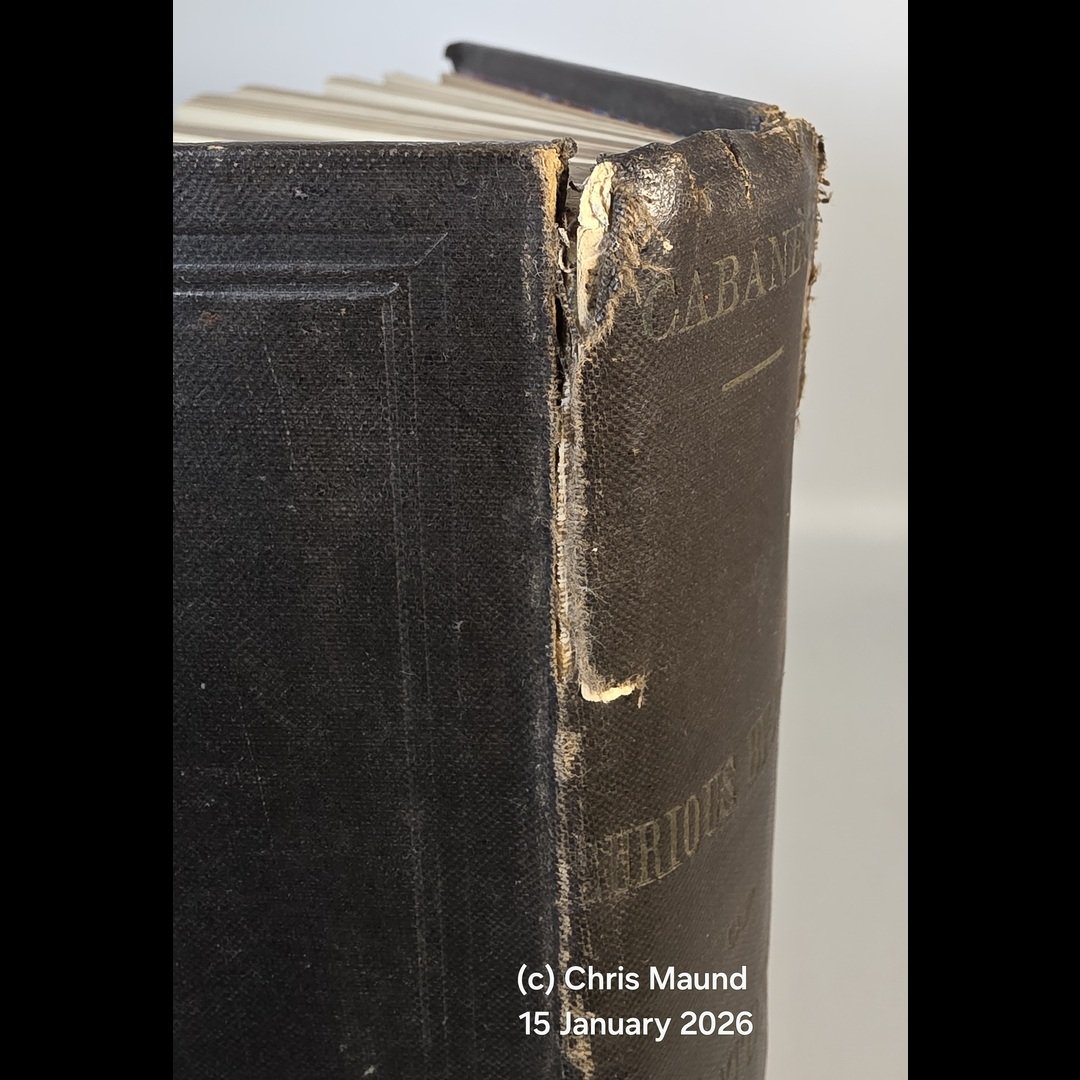 Image 16 of 20
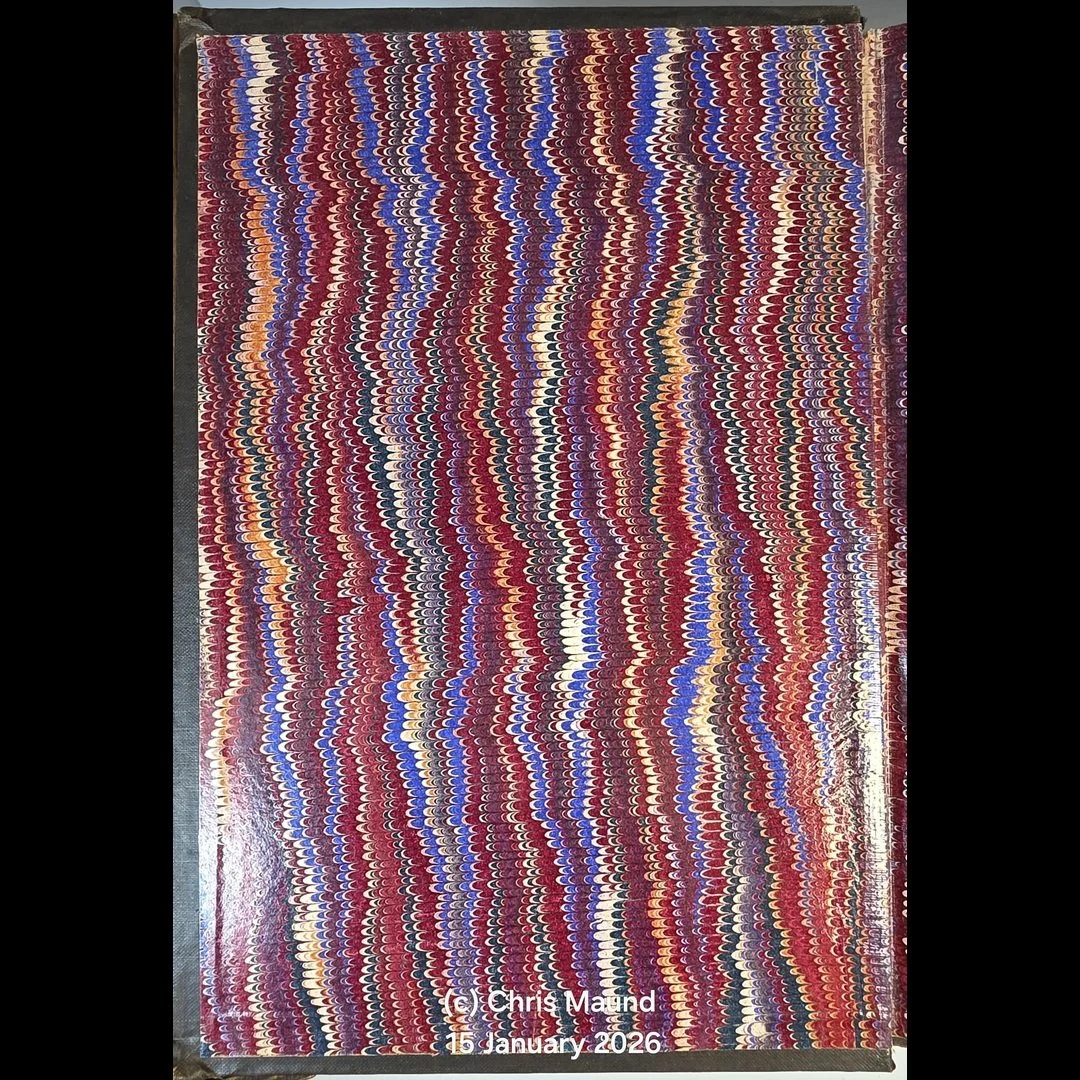 Image 17 of 20
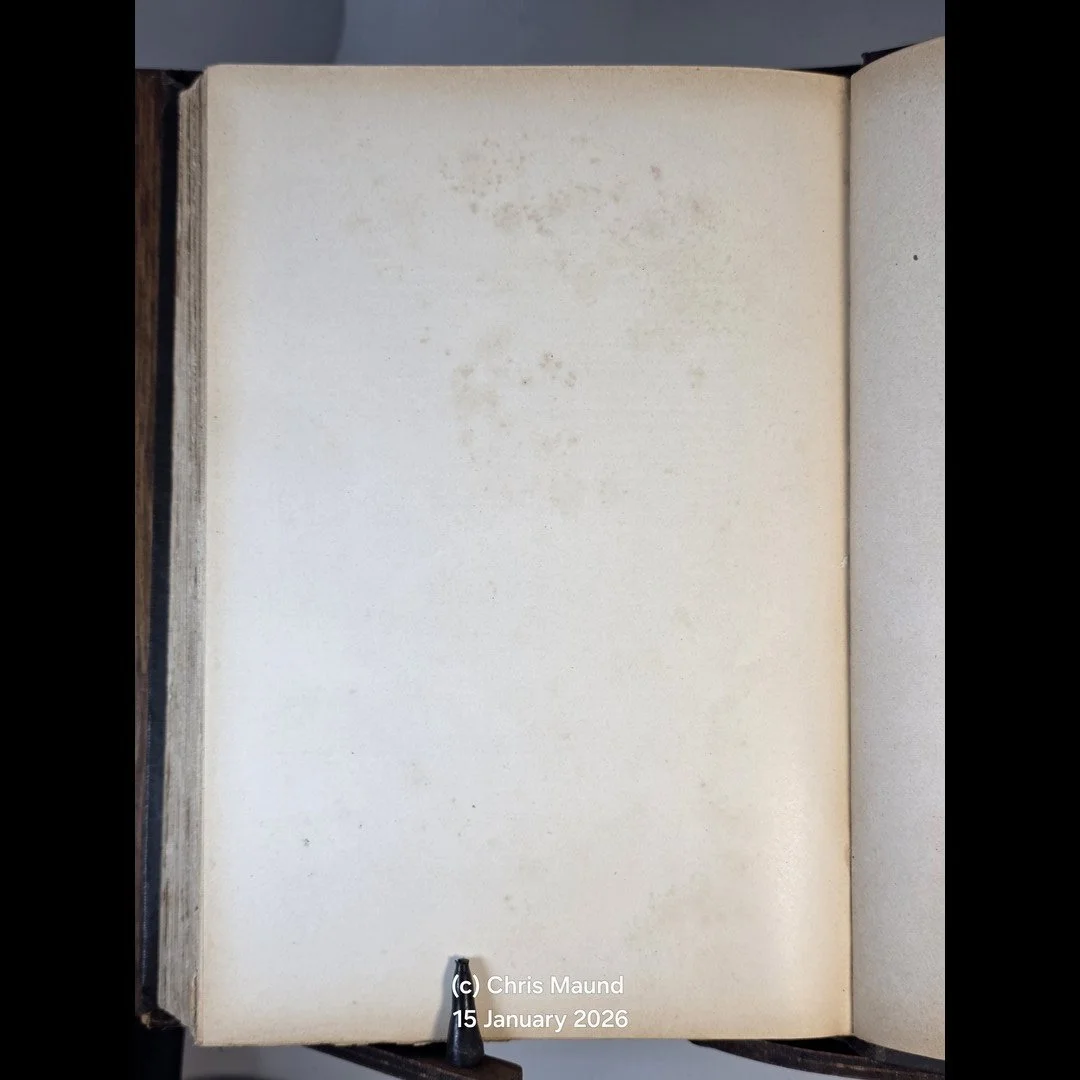 Image 18 of 20
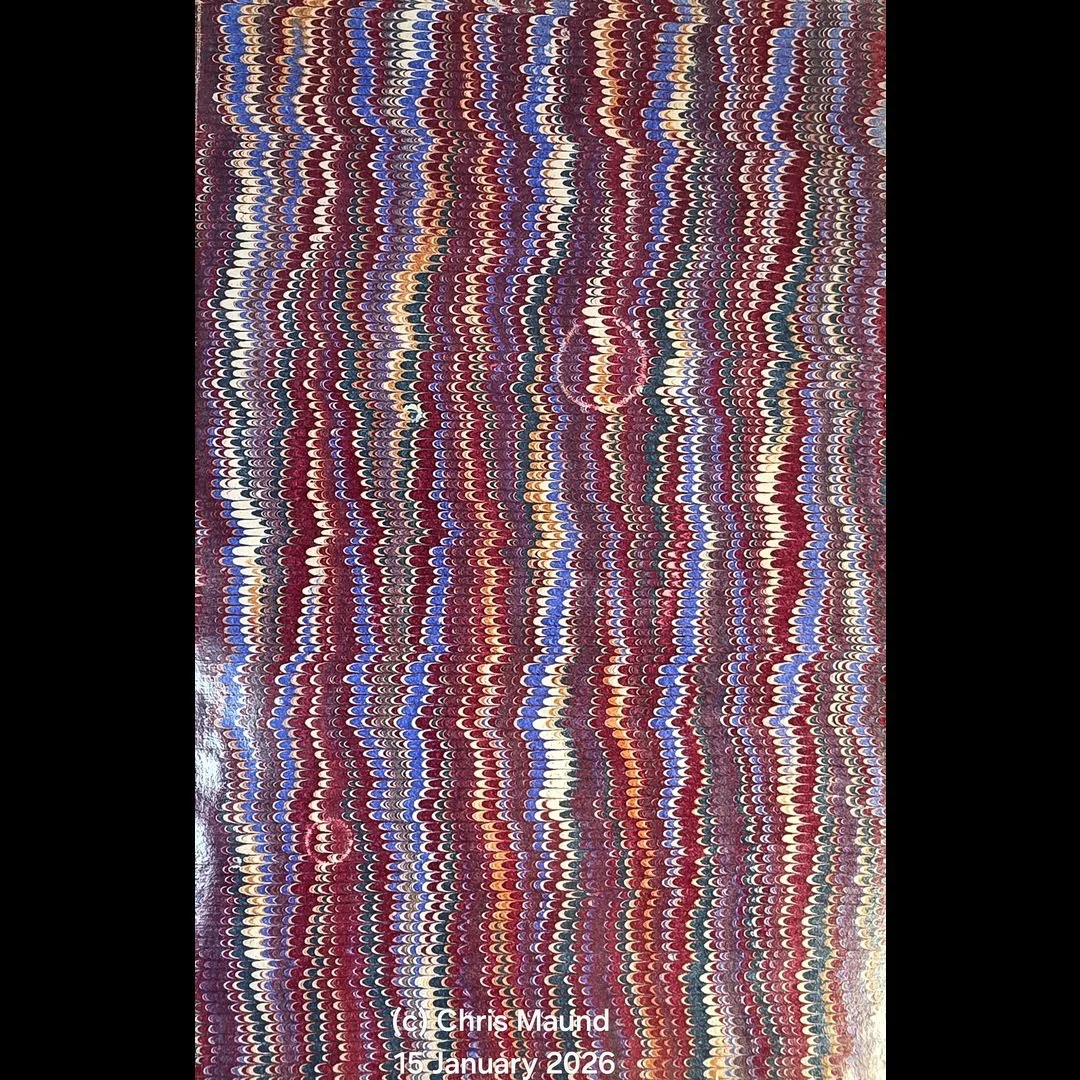 Image 19 of 20
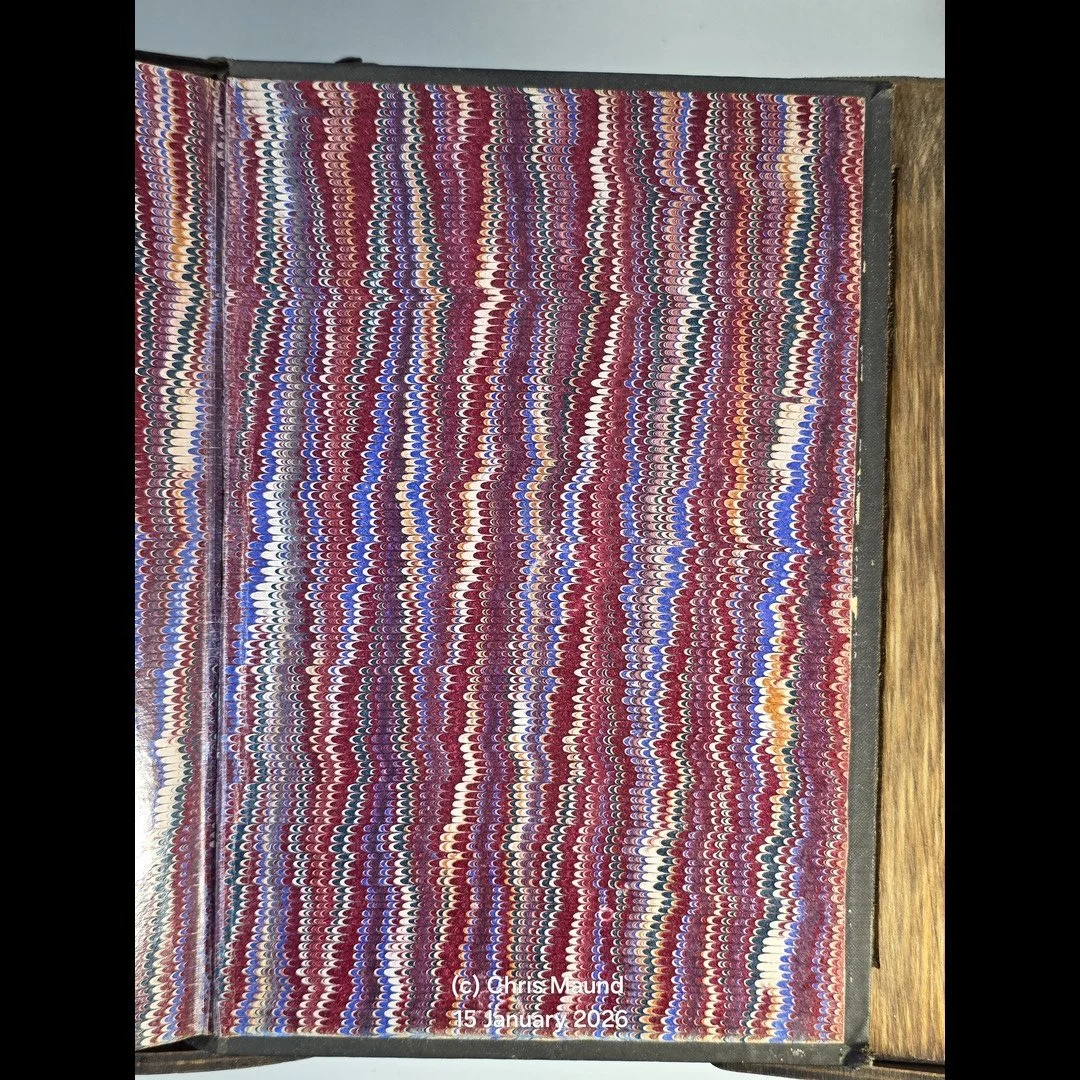 Image 20 of 20