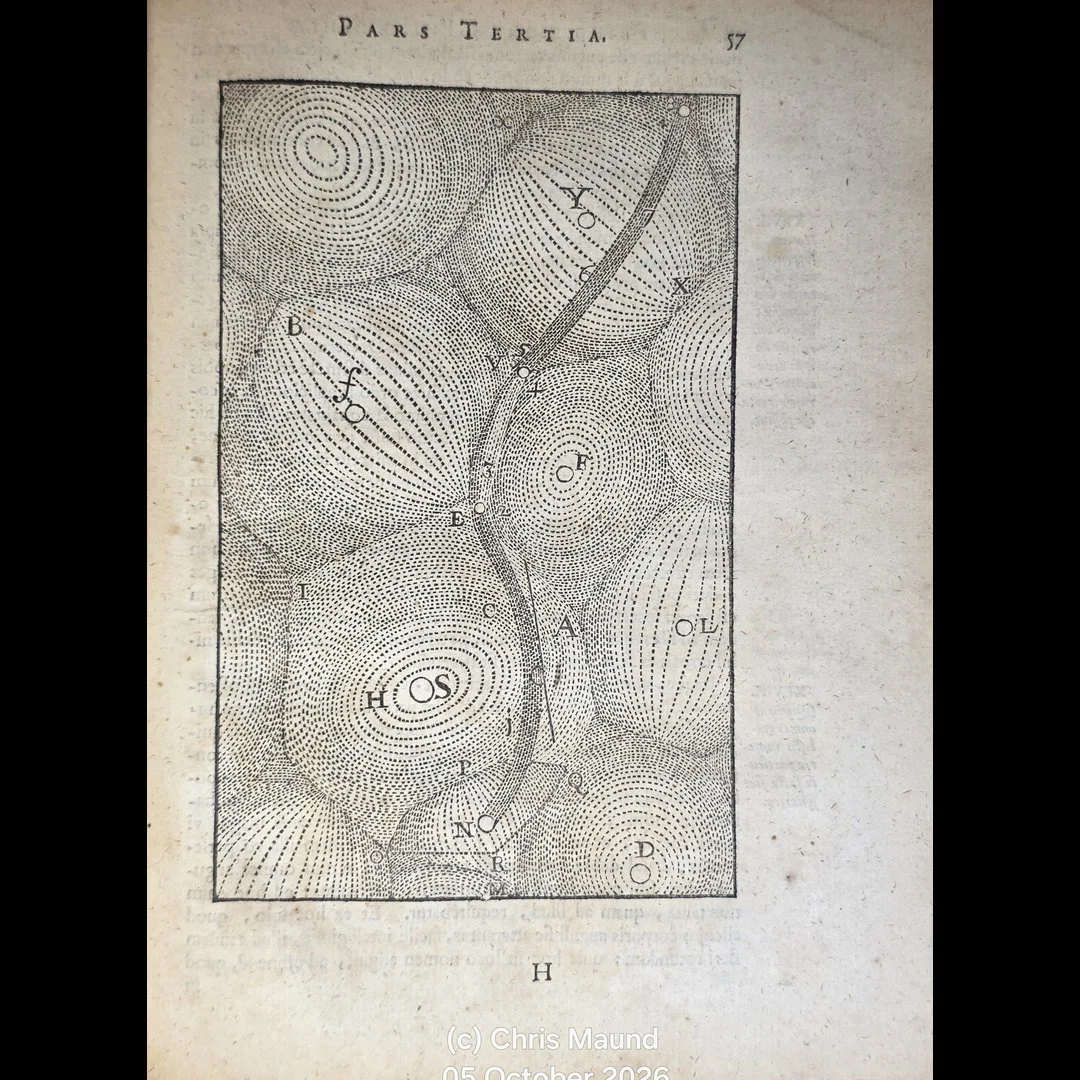
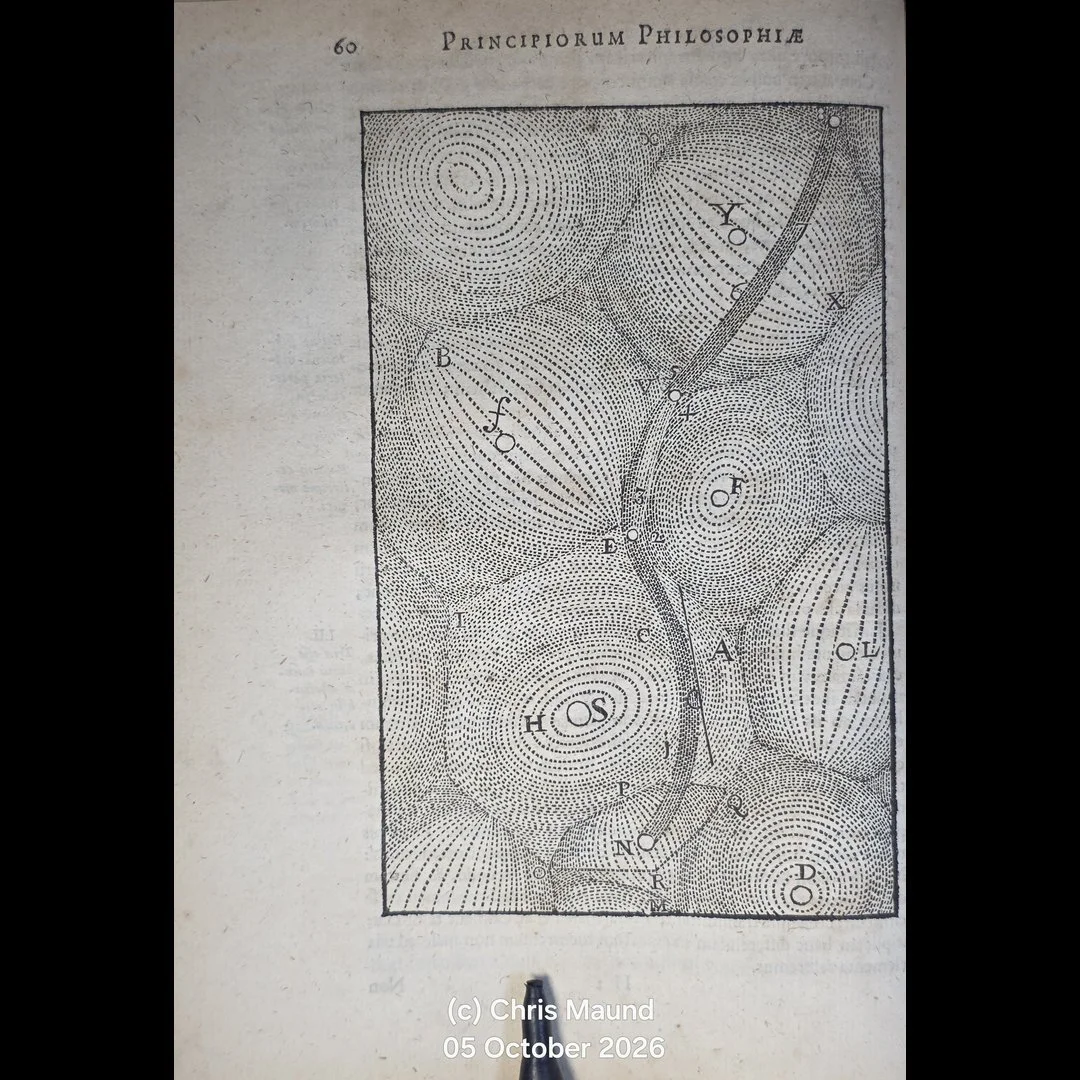
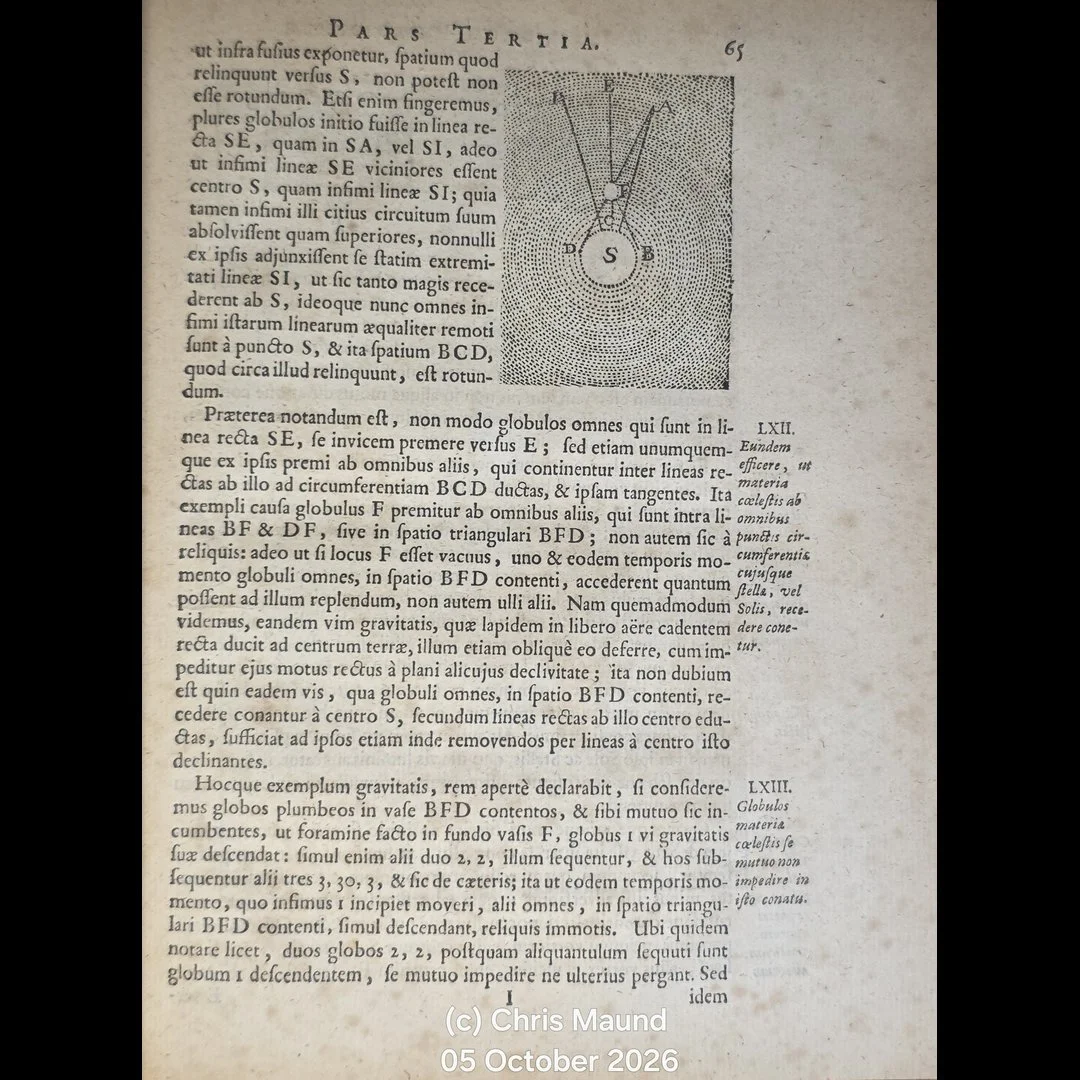
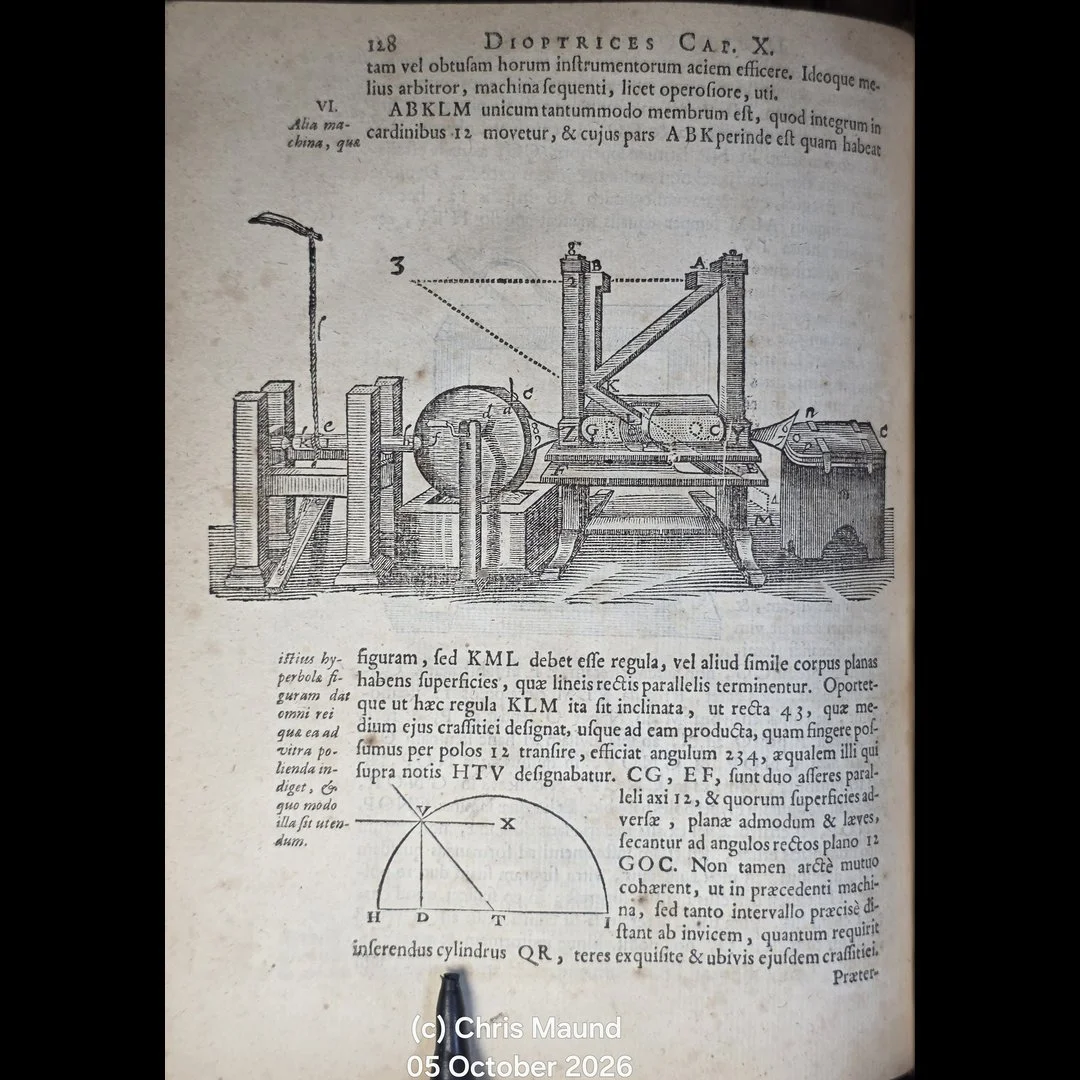
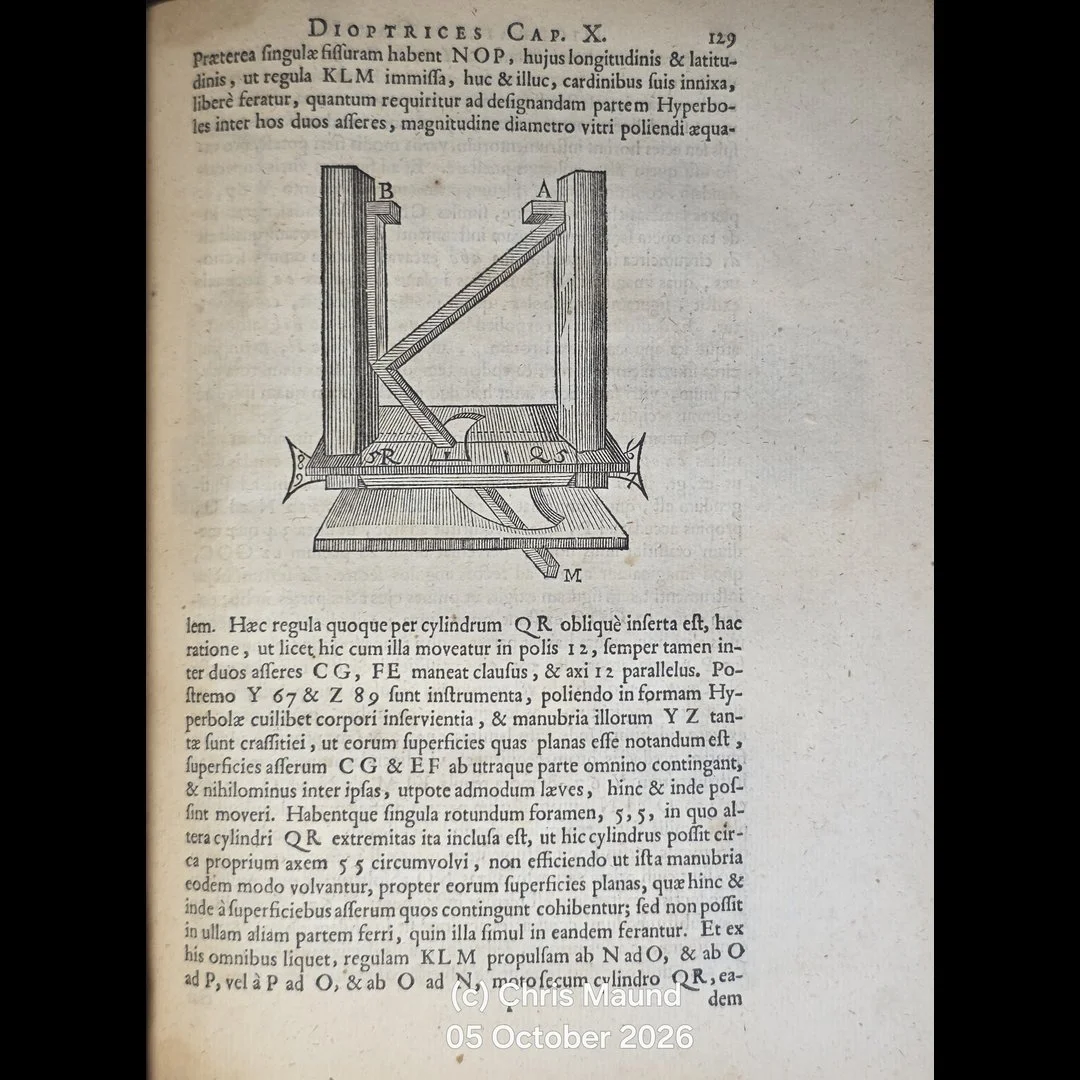
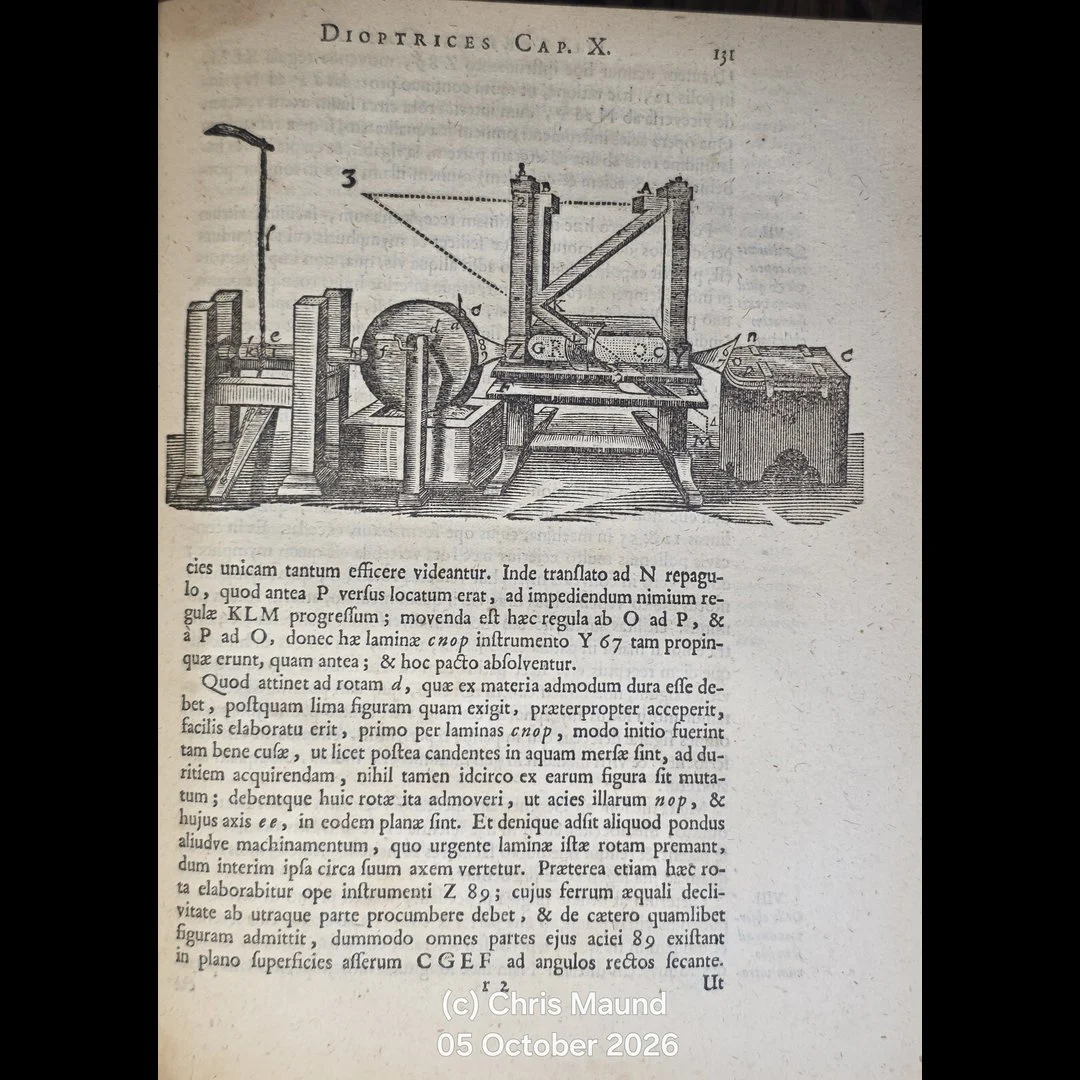
1724 First Edition Signed Thomas Burnet Manuscript Note & Coombe Family Provenance
HISTORY OF HIS OWN TIME TWO VOLUMES
By Gilbert Burnet, Bishop of Salisbury
KEY DETAILS
Condition: Good
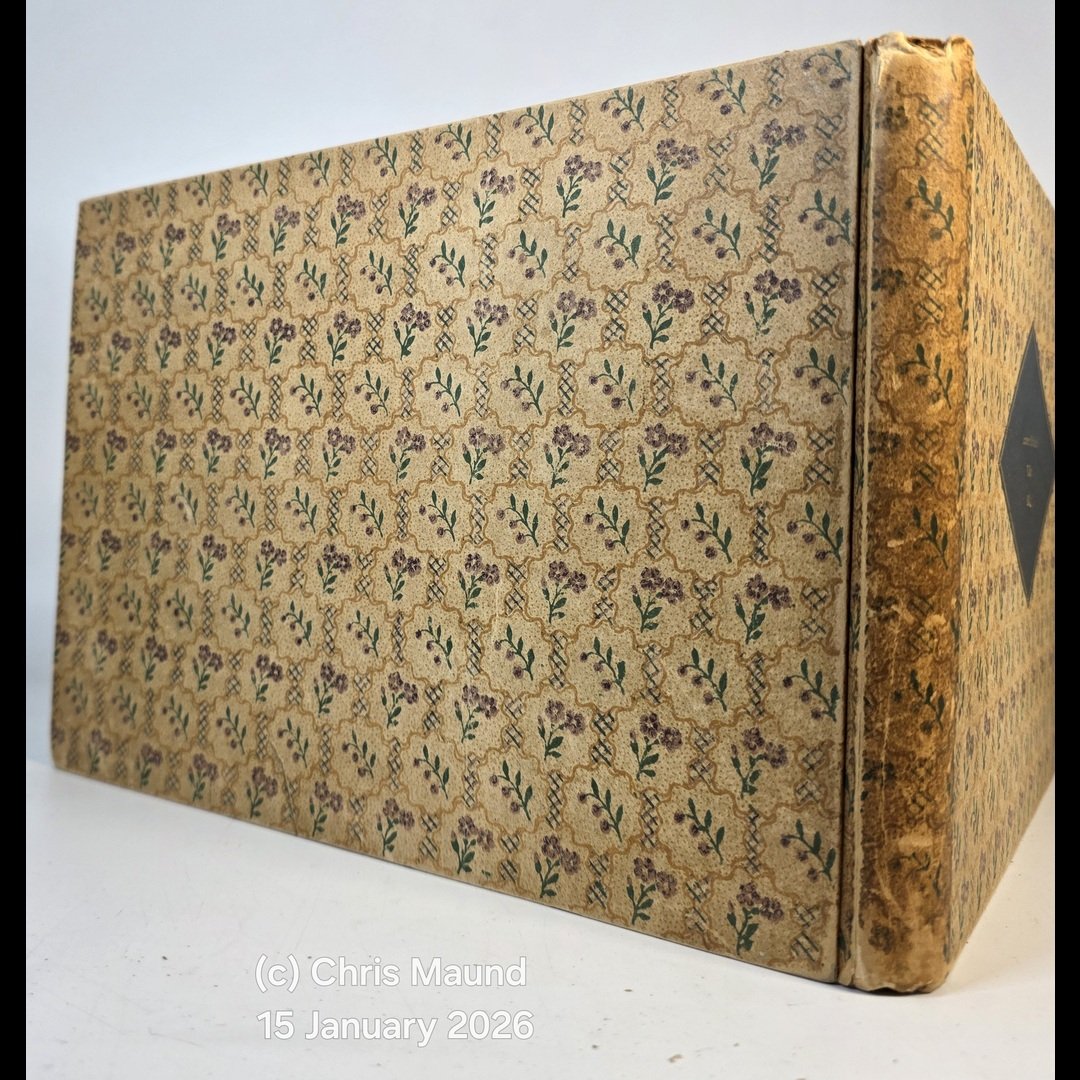
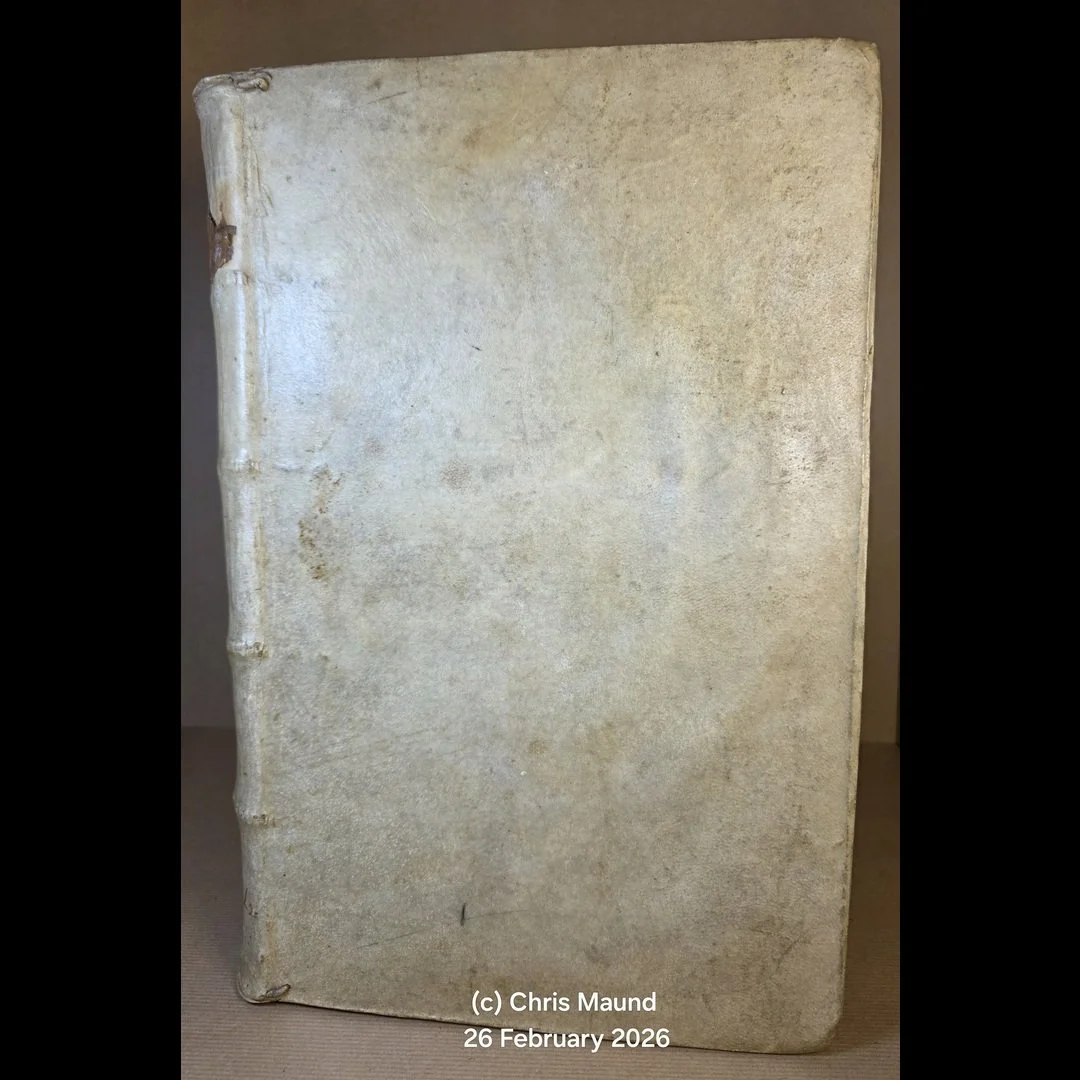
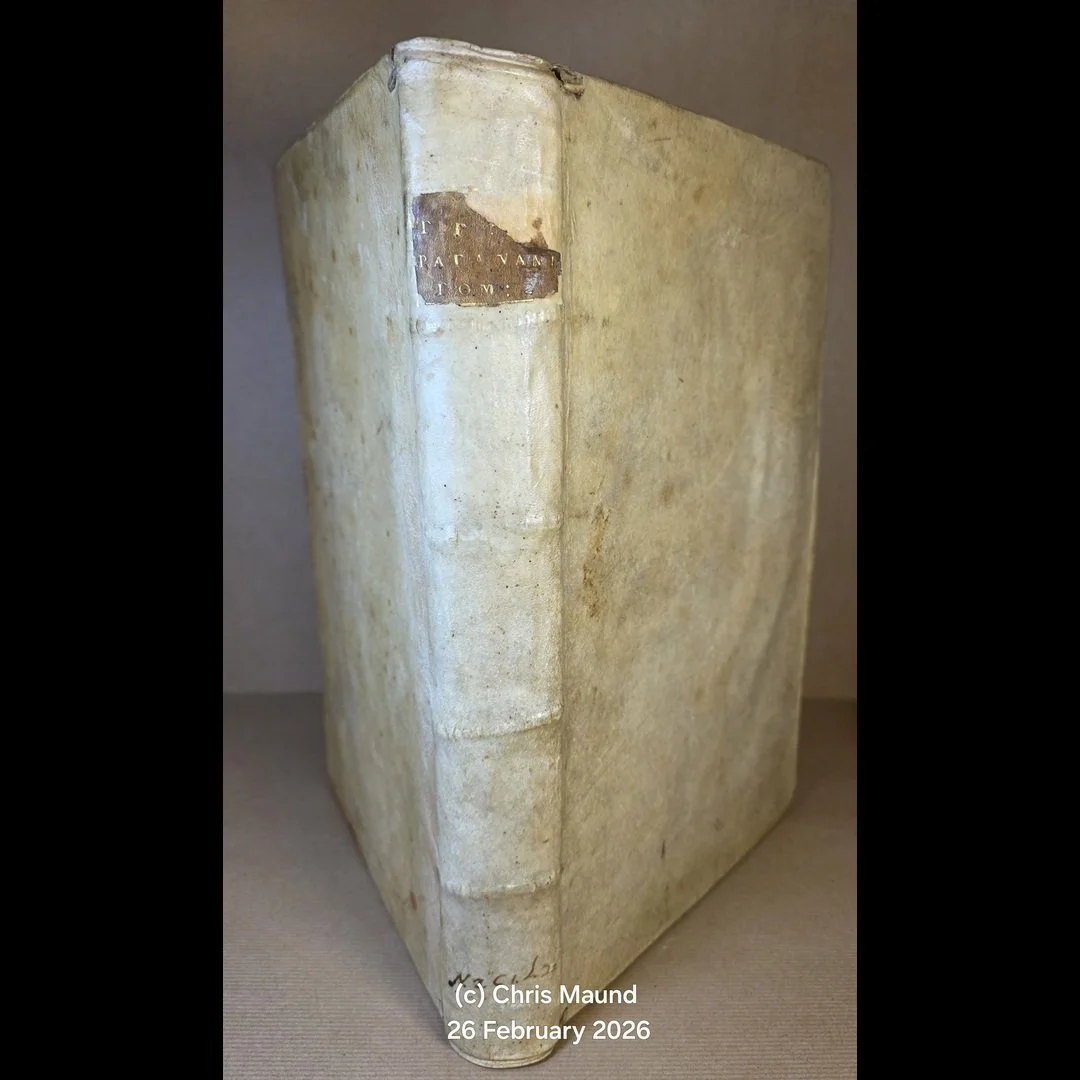
Format: Hardcover, Eighteenth-century full calf; Folio, approx. 360 × 235 mm;
Published By: Vol. I — London: Printed for Thomas Ward in the Inner-Temple Lane, 1724
Vol. II — London: Printed for the Editor, by Joseph Downing in Bartholomew-Close and Henry Woodfall in the Strand, 1734, London, 1724
Language: English
Provenance: From the Coombe family library, with important and now identifiable nineteenth- and early twentieth-century provenance.
Collation: Volume I: [16], 836 pp.
Dust Jacket: None, as issued
SKU: BTETM0002721
Shipping Info: Approximate Package Dimensions H: 30, L: 30, W: 25 (Units: cm), W: 5Kg
Tracked Shipping, Insurance Coverage as per Customer Request
DESCRIPTION
History of His Own Time Two Volumes
A complete two-volume first edition of Gilbert Burnet’s celebrated and controversial History of His Own Time, one of the most important contemporary accounts of British political, religious and constitutional history from the Restoration of Charles II through the Revolution of 1688 and the reigns of William III and Queen Anne.
Burnet wrote as both historian and participant. Closely connected with many of the leading political and ecclesiastical figures of his age, he produced an account combining memoir, political history, religious controversy and sharply drawn portraits of contemporaries.
Volume I was published posthumously in 1724 and traces events from the Restoration of Charles II in 1660 to the settlement of William III and Mary II following the Revolution of 1688. It is preceded by Burnet’s summary of affairs in Church and State from the reign of James I to the Restoration.
Volume II followed in 1734 under the editorship of Burnet’s younger son, Sir Thomas Burnet, continuing the narrative through the reigns of William III and Queen Anne to the Treaty of Utrecht in 1713. It also contains Thomas Burnet’s account of his father’s life.
A particularly desirable feature of the present copy appears on the verso of the Volume II title page. Within a double red-ruled frame is the characteristic manuscript declaration: “The Original Manuscript of both Volumes of this History will be deposited in the Cotton Library by T Burnett.”
The statement is in manuscript and signed “T Burnett” by Sir Thomas Burnet, son and editor of the author. Similar signed declarations occur in a number of first-edition copies and were intended to attest to the existence and preservation of Burnet’s original manuscript. The proposed deposit in the Cotton Library was apparently never carried out.
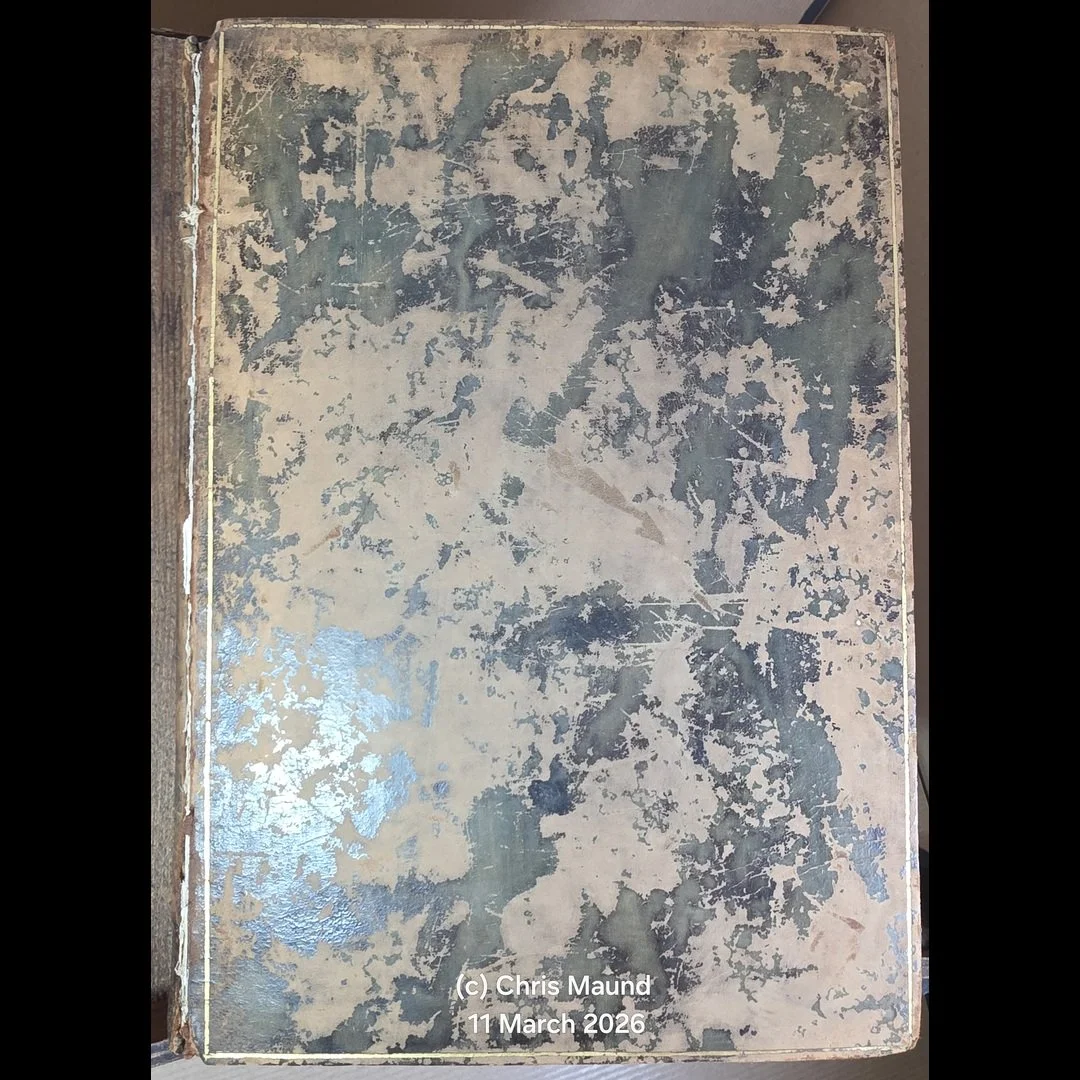
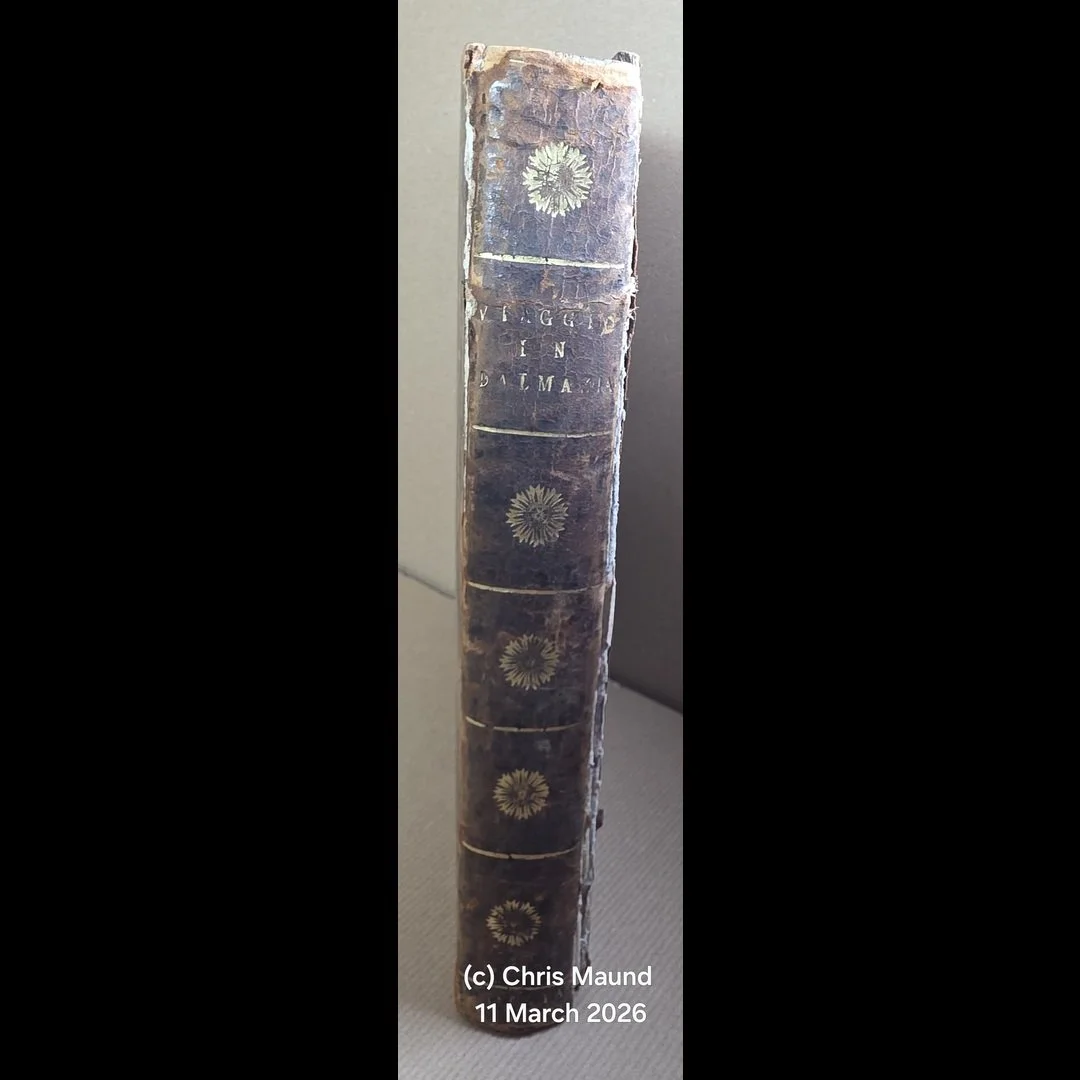
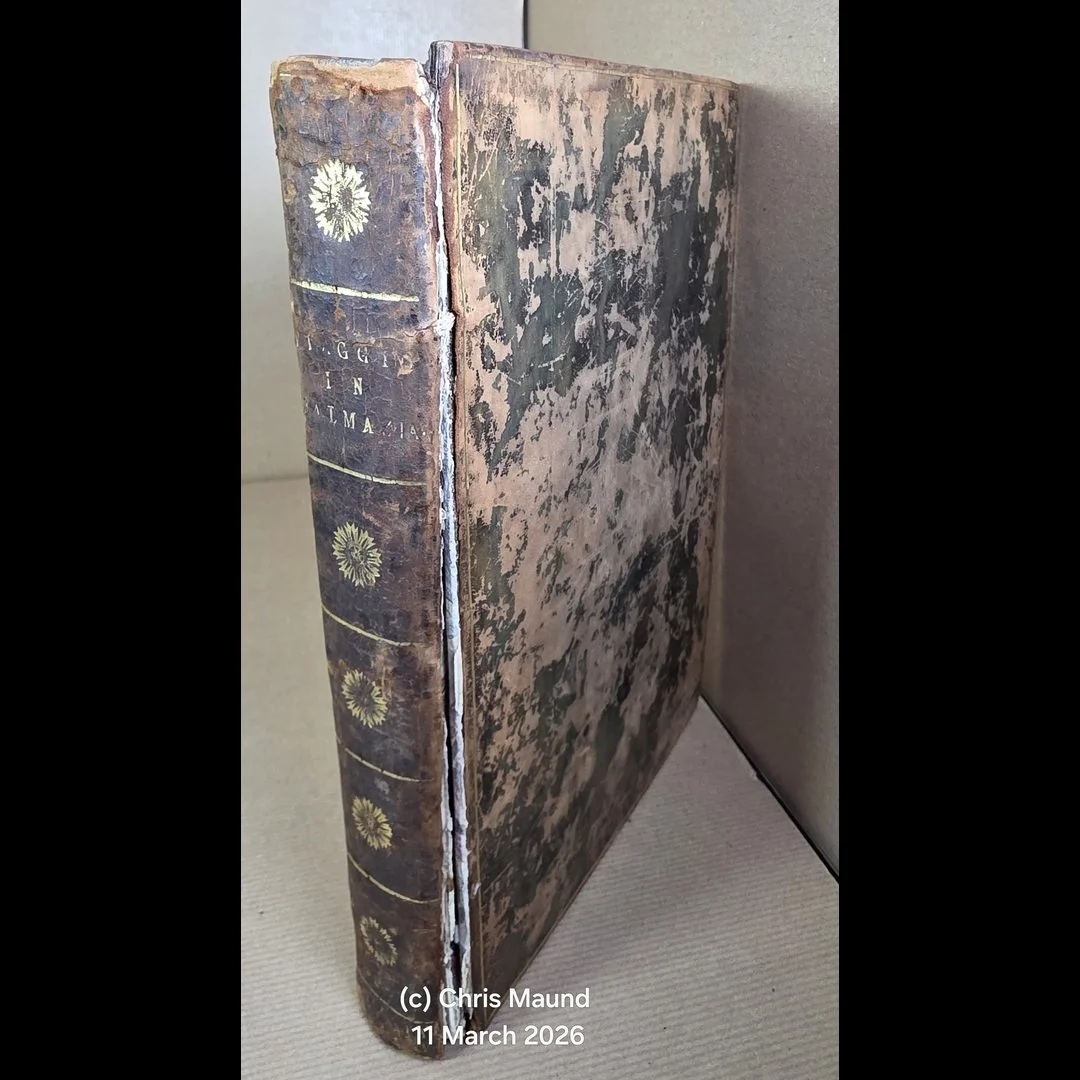
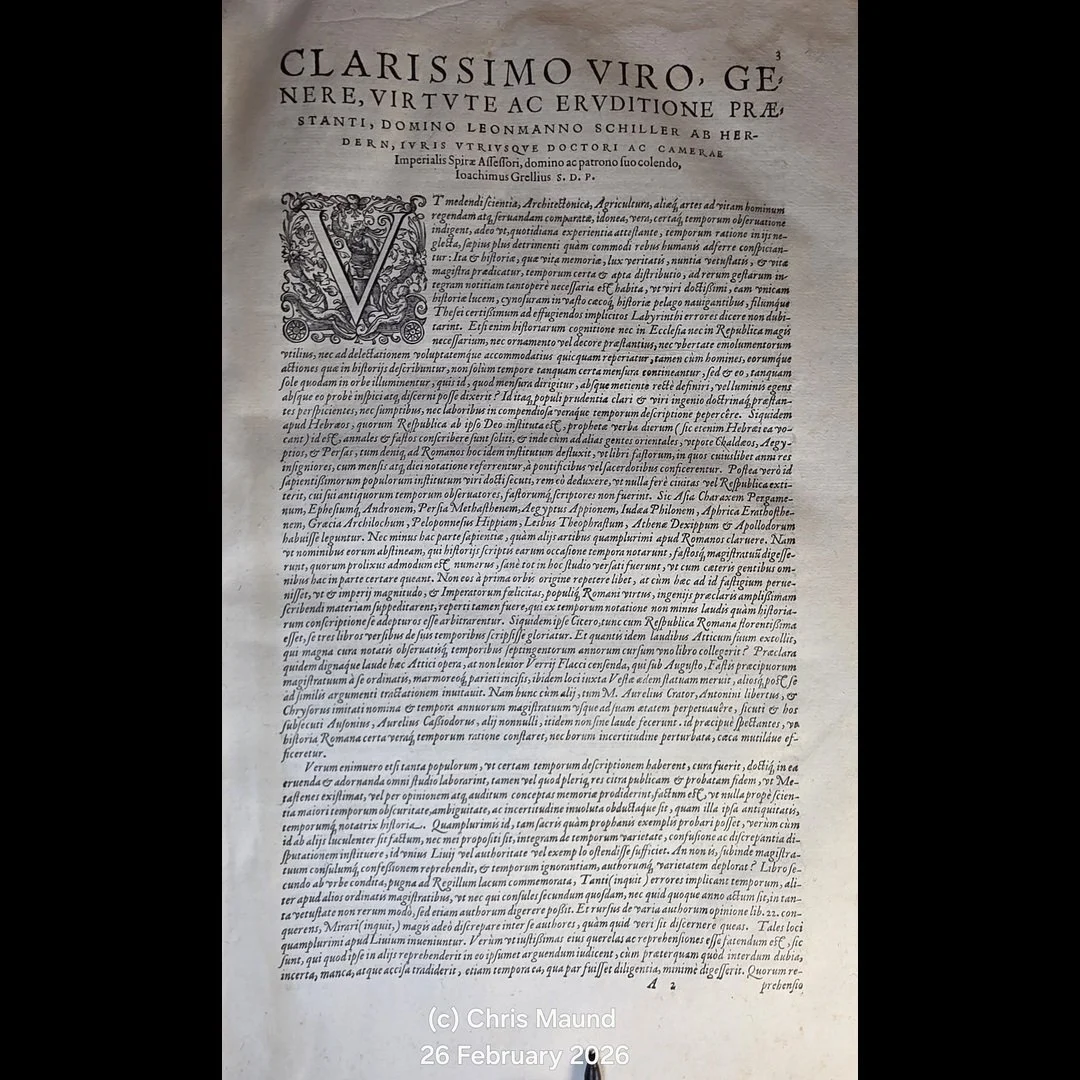
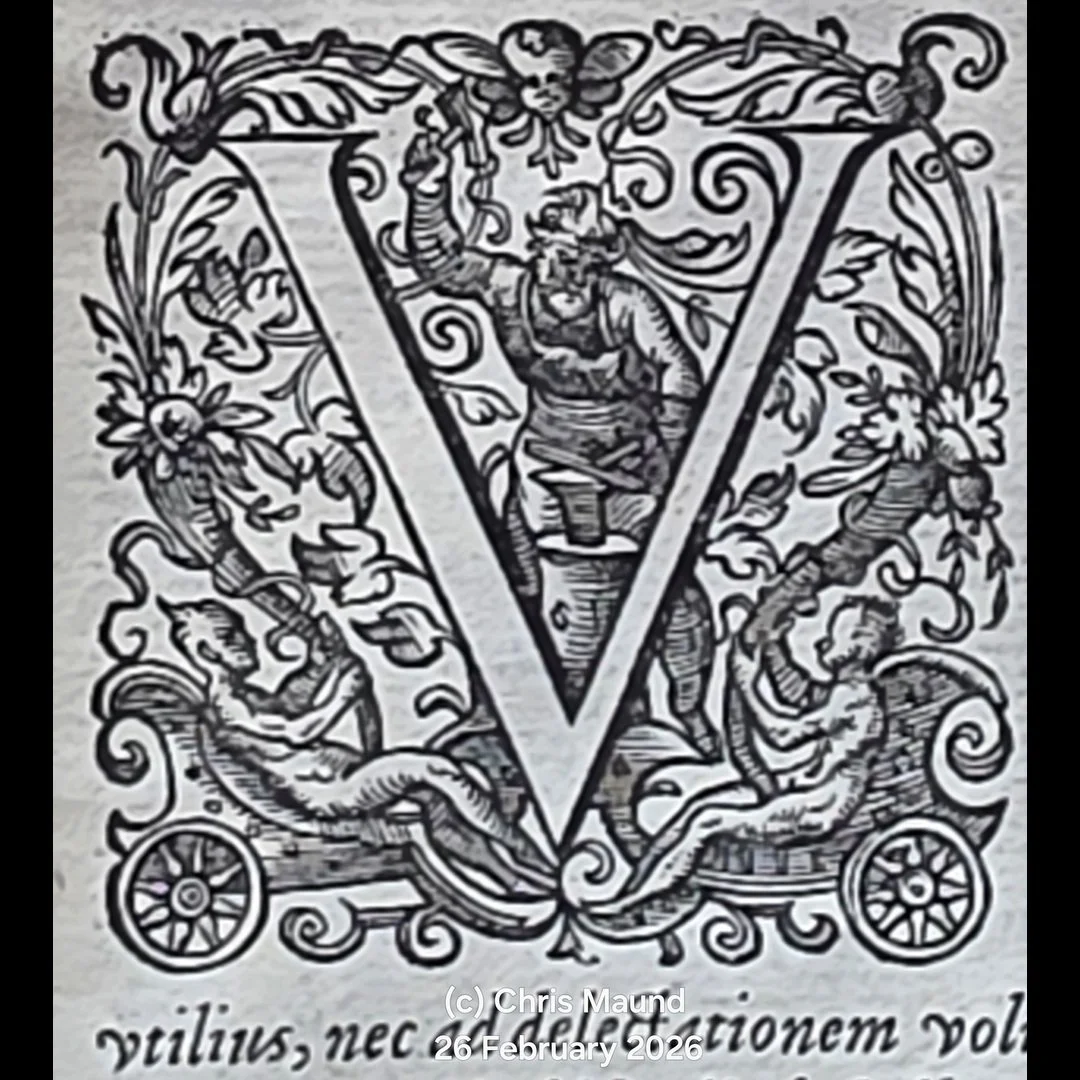
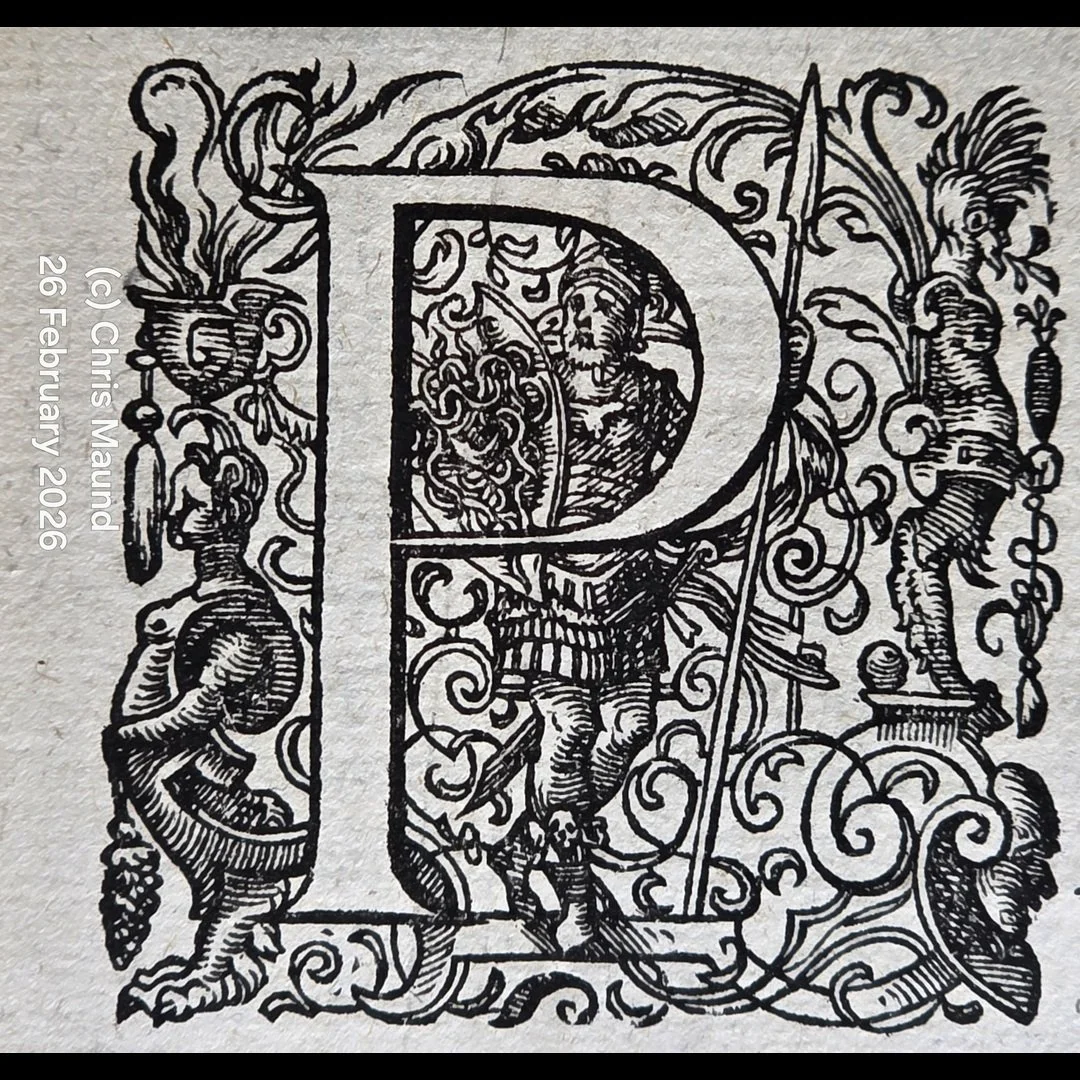
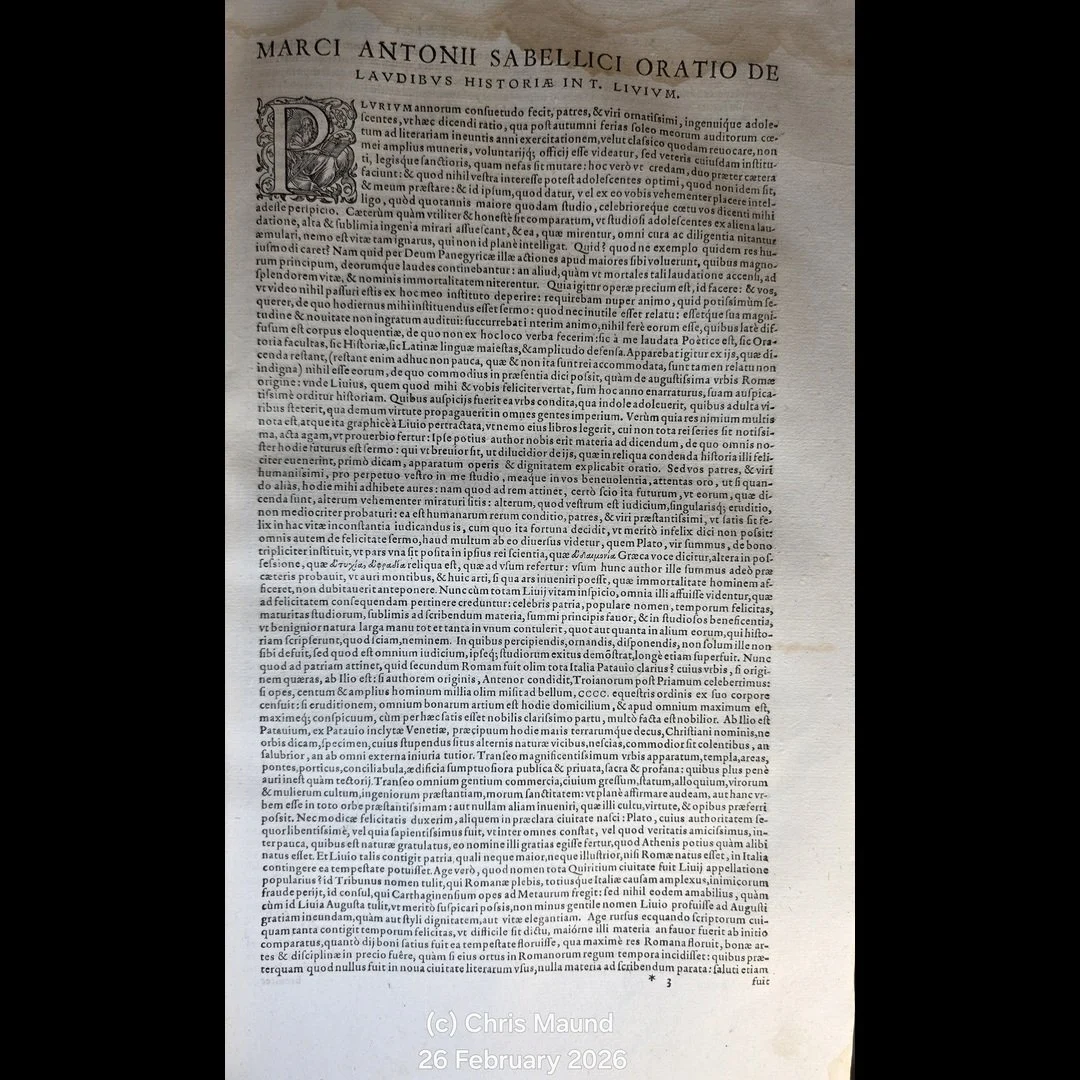
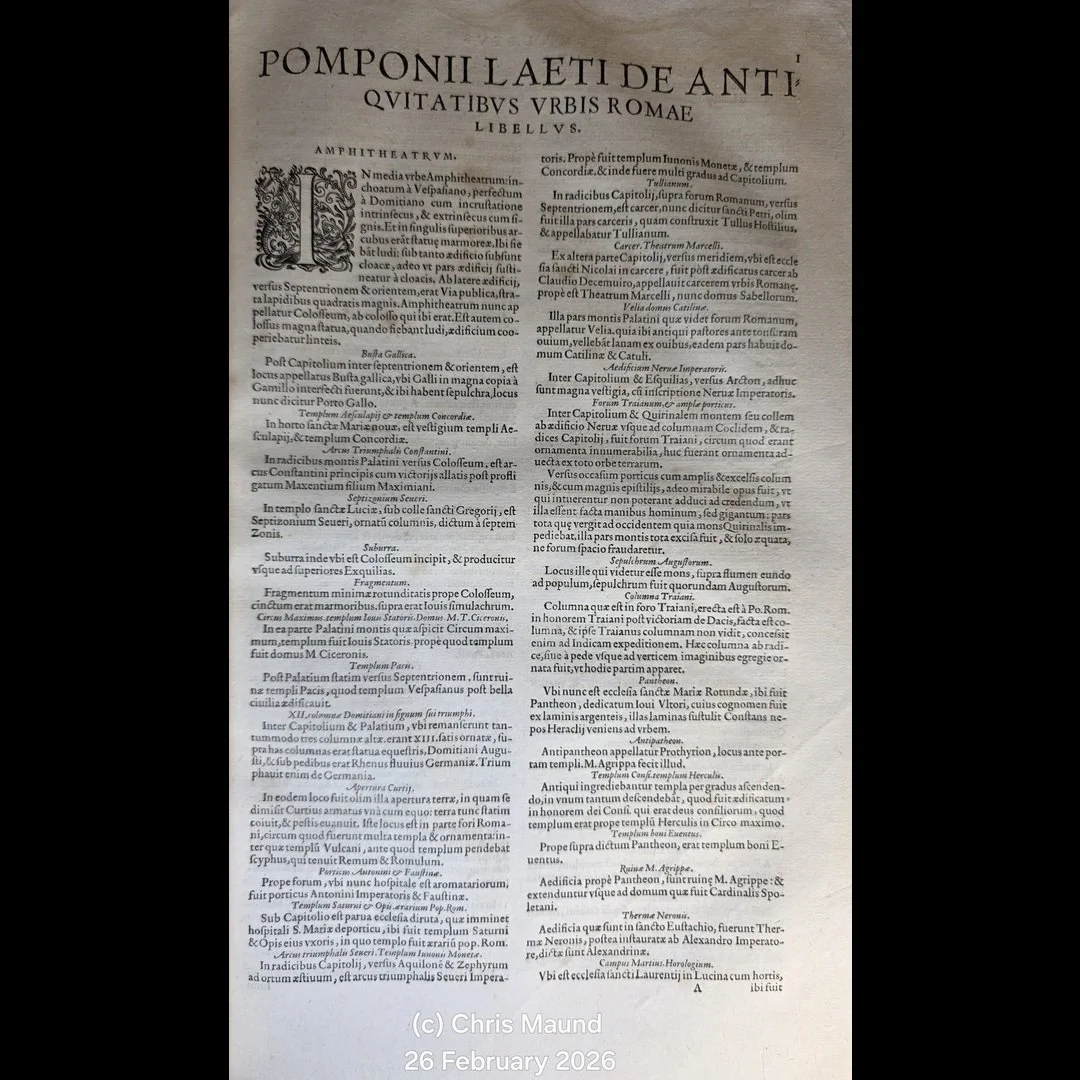
The two volumes remain in imposing eighteenth-century full-calf bindings with raised bands and gilt-lettered spine labels. Decorative woodcut initials, head-pieces and tail-pieces appear throughout.
The present copy is the ordinary-paper first edition, ESTC T144689, measuring approximately 360 × 235 mm. A much scarcer large-paper issue was also produced, but at substantially greater dimensions.
PROVENANCE
From the Coombe family library, with important and now identifiable nineteenth- and early twentieth-century provenance.
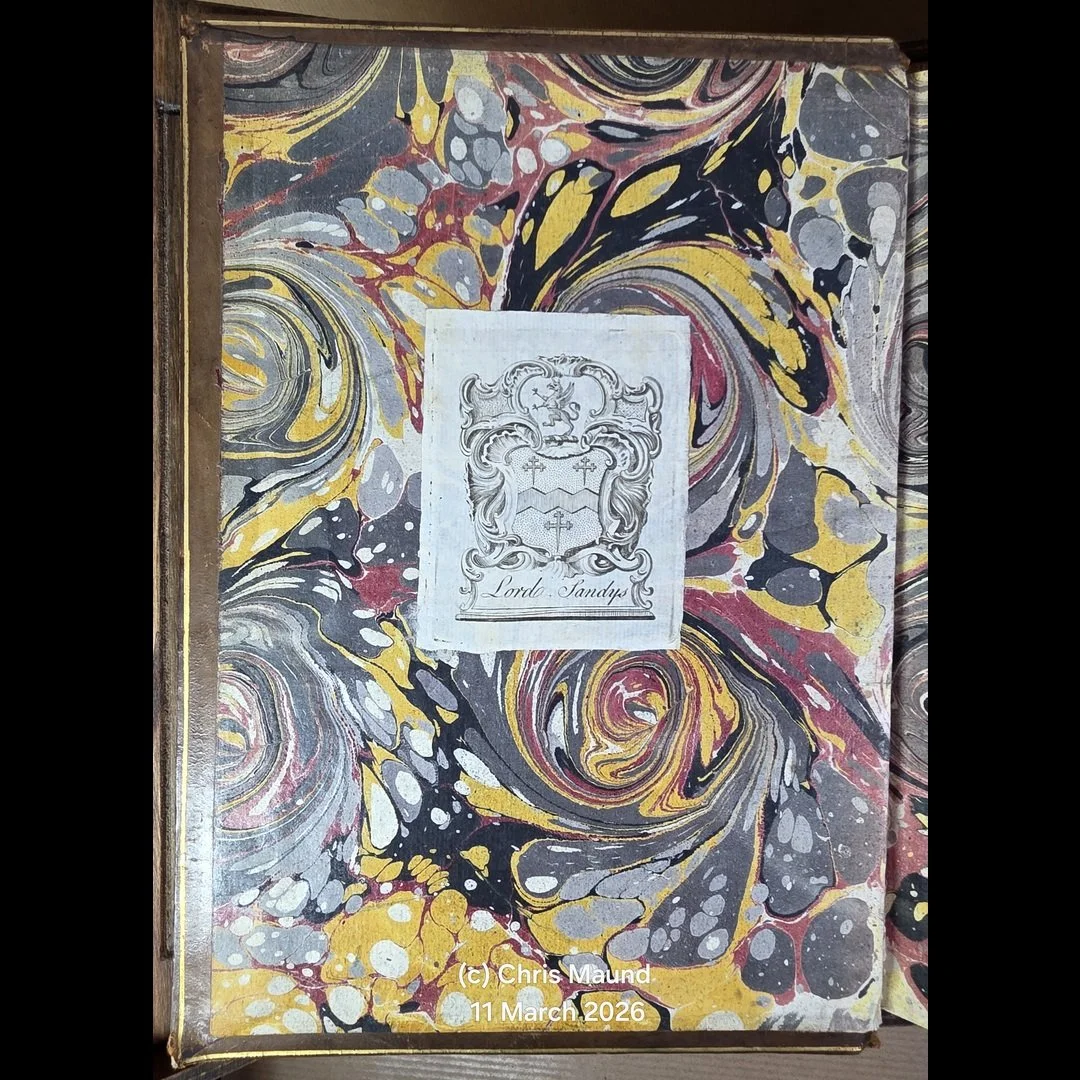
The volumes bear the armorial bookplate of Rev. Thomas Coombe, M.A., with the motto: Sperate Miseri Cavete Felices approximately, “Let the unfortunate hope; let the fortunate beware.”
Volume I additionally bears the later related armorial bookplate of Arthur E. Coombe, employing the same family motto and related heraldic imagery.
The Rev. Thomas Coombe represented by the bookplate can be identified with considerable confidence as Rev. Thomas Coombe (c.1821/22–1886), a Cambridge-educated Anglican clergyman and perpetual curate of All Saints, Brighton.
Contemporary Brighton directories record Rev. Thomas Coombe at All Saints and subsequently at 42 Clifton Road, Brighton.
His son was Arthur Edward Coombe (1863–1936), born in Brighton and later recorded at the same 42 Clifton Road address. Arthur’s marriage record identifies his father as Thomas Coombe, clerk in holy orders, providing independent confirmation of the relationship.
The ownership sequence is further corroborated by another eighteenth-century book now held by the Fine Arts Museums of San Francisco, a 1795 edition of Histoire de Gil Blas de Santillane, whose institutional provenance records precisely:
“Rev. Thomas Coombe (his bookplate); Arthur E. Coombe (his bookplate).”
This establishes that books from the same Coombe family library passed successively from Rev. Thomas Coombe to Arthur E. Coombe.
Arthur Edward Coombe was an engraver, etcher and antiquarian. He exhibited engraved works during the 1880s and, with Alexander Ansted, produced The Portfolio of Sussex Views and Antiquities in 1893, a series of painter-etchings depicting Sussex historical and architectural subjects.
He later lived at Ightham, Kent, and retained a strong interest in architectural history and conservation. He appears in records associated with the historic-survey movement which developed into the Survey of London, and is recorded as a subscriber to specialist works on English church monuments.
The Coombe family also possessed an earlier and significant bibliophilic tradition. Rev. Thomas Coombe’s grandfather, Rev. Thomas Coombe, D.D. (1747–1822), assembled an important collection of early English Bibles and prayer books. After his death the collection was presented by his sons to Canterbury Cathedral Library in 1823, where it became known as the Coombe Collection.
The presence of the Rev. Thomas Coombe and Arthur E. Coombe bookplates in this Burnet therefore places the volumes within a documented multi-generational family tradition of book ownership, antiquarian interest and collecting.
CONDITION, COLLATION & COPY NOTES
COLLATION
Volume I: [16], 836 pp.
Burnet’s principal narrative concludes with FINIS on p.826. This is followed by the separately headed Table of the Contents, whose pagination continues through pp.827–836. The final contents leaf is correctly numbered 836. The conclusion of the narrative at p.826 therefore does not represent a pagination defect or missing leaves.
Volume II: [22], 360, [357–360], 361–765, [1] pp.
Volume II contains the characteristic inserted gathering carrying duplicate pagination [357–360], after which the normal sequence resumes at p.361. This is a recognised feature of the first edition and not a binding or pagination defect.
Two volumes in eighteenth-century full calf.
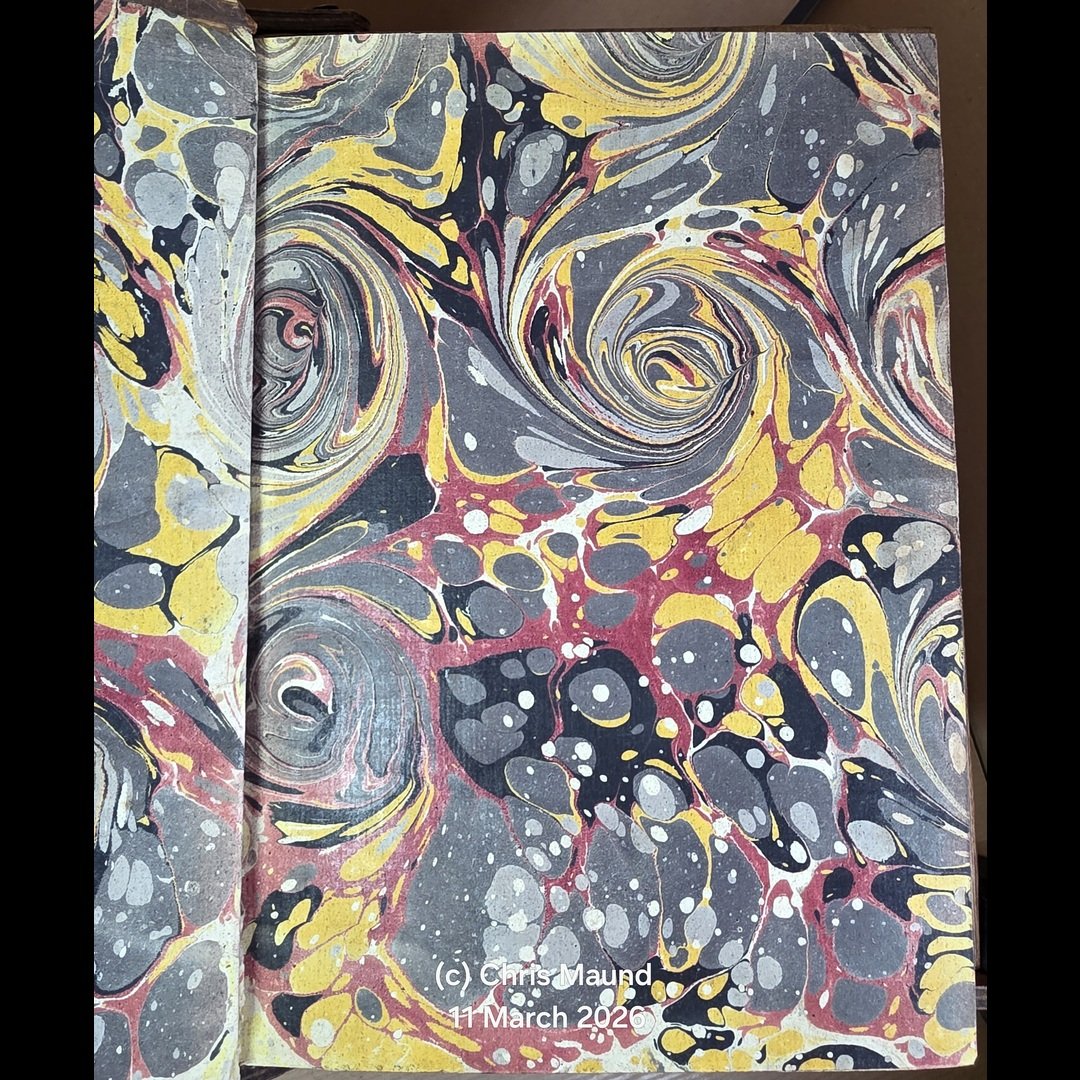
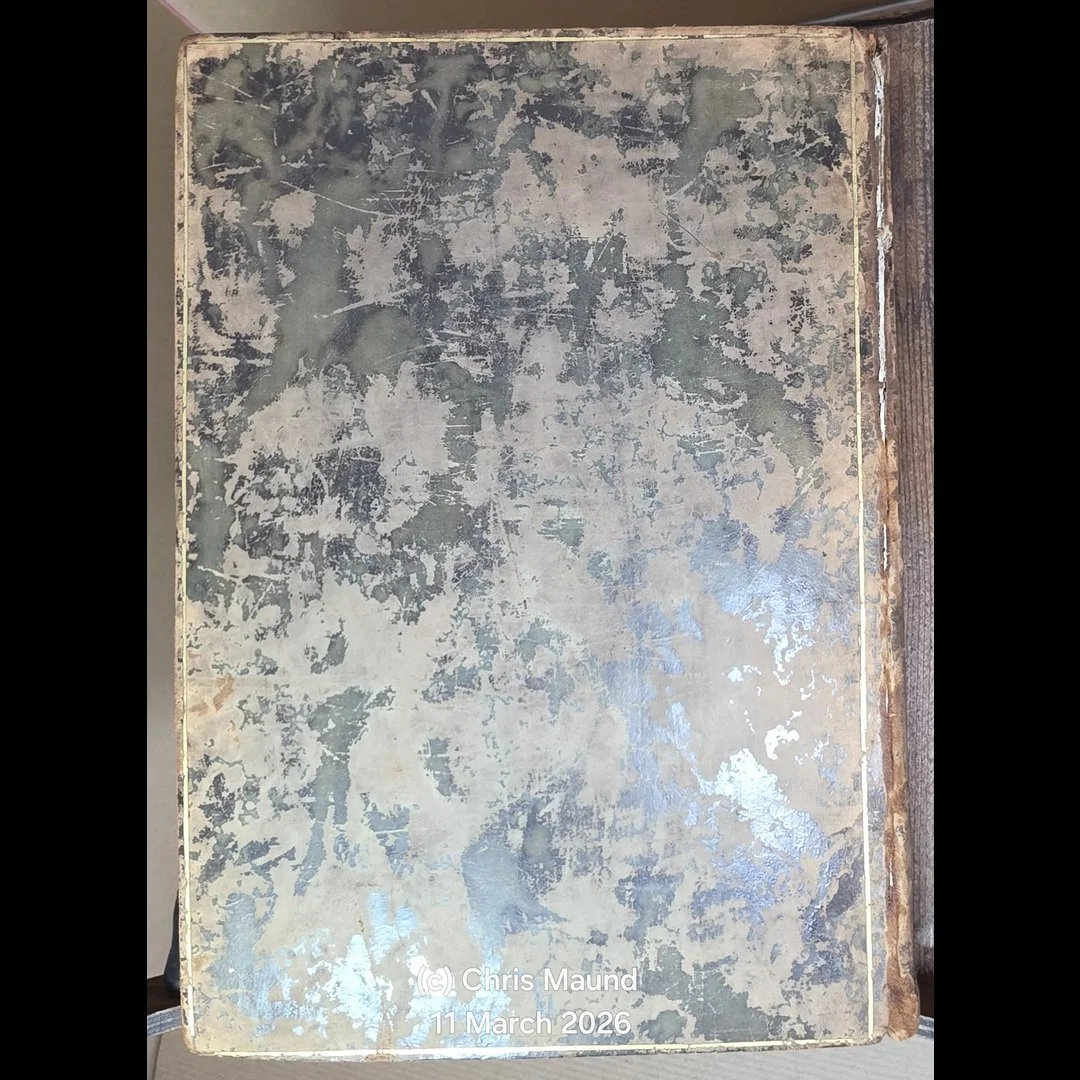
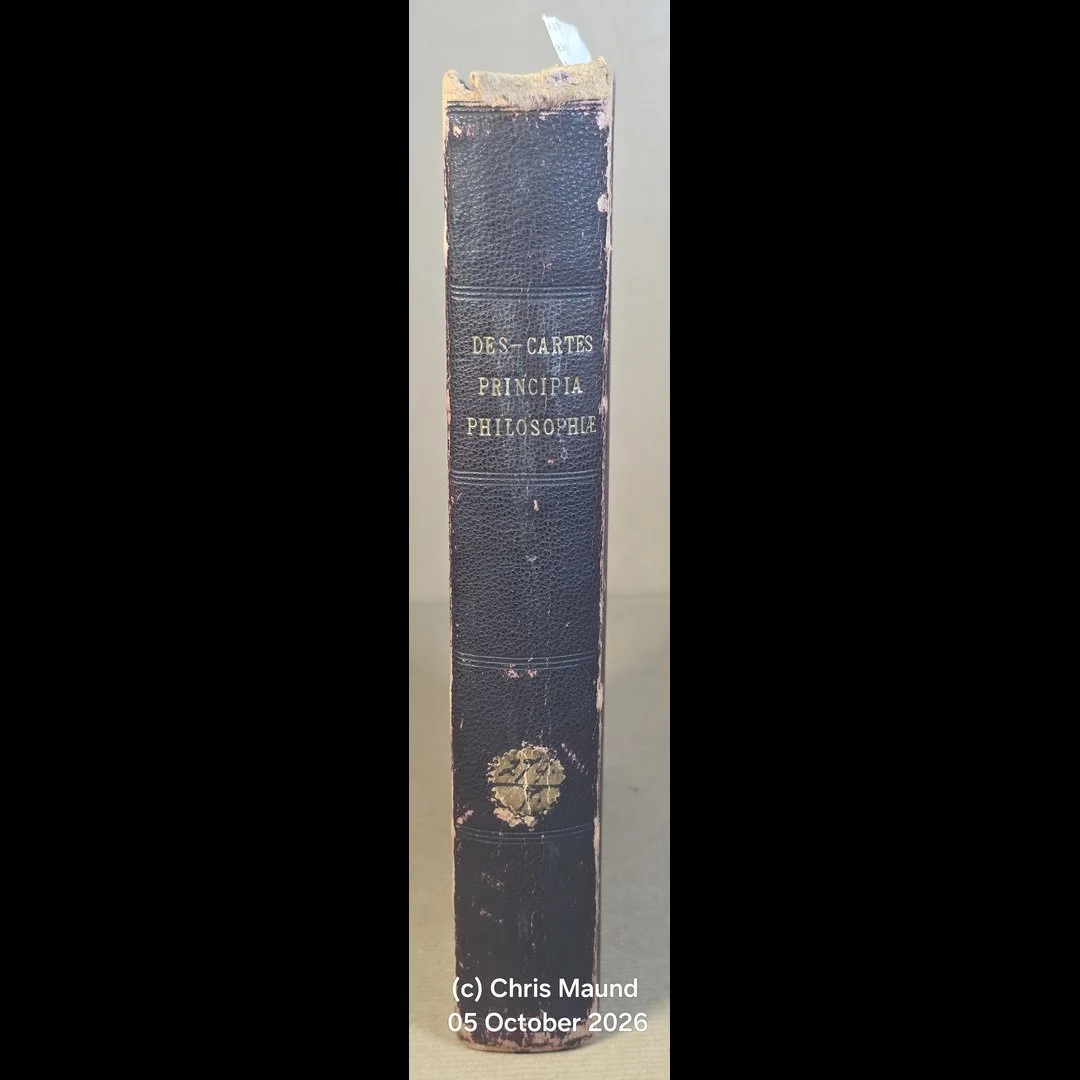
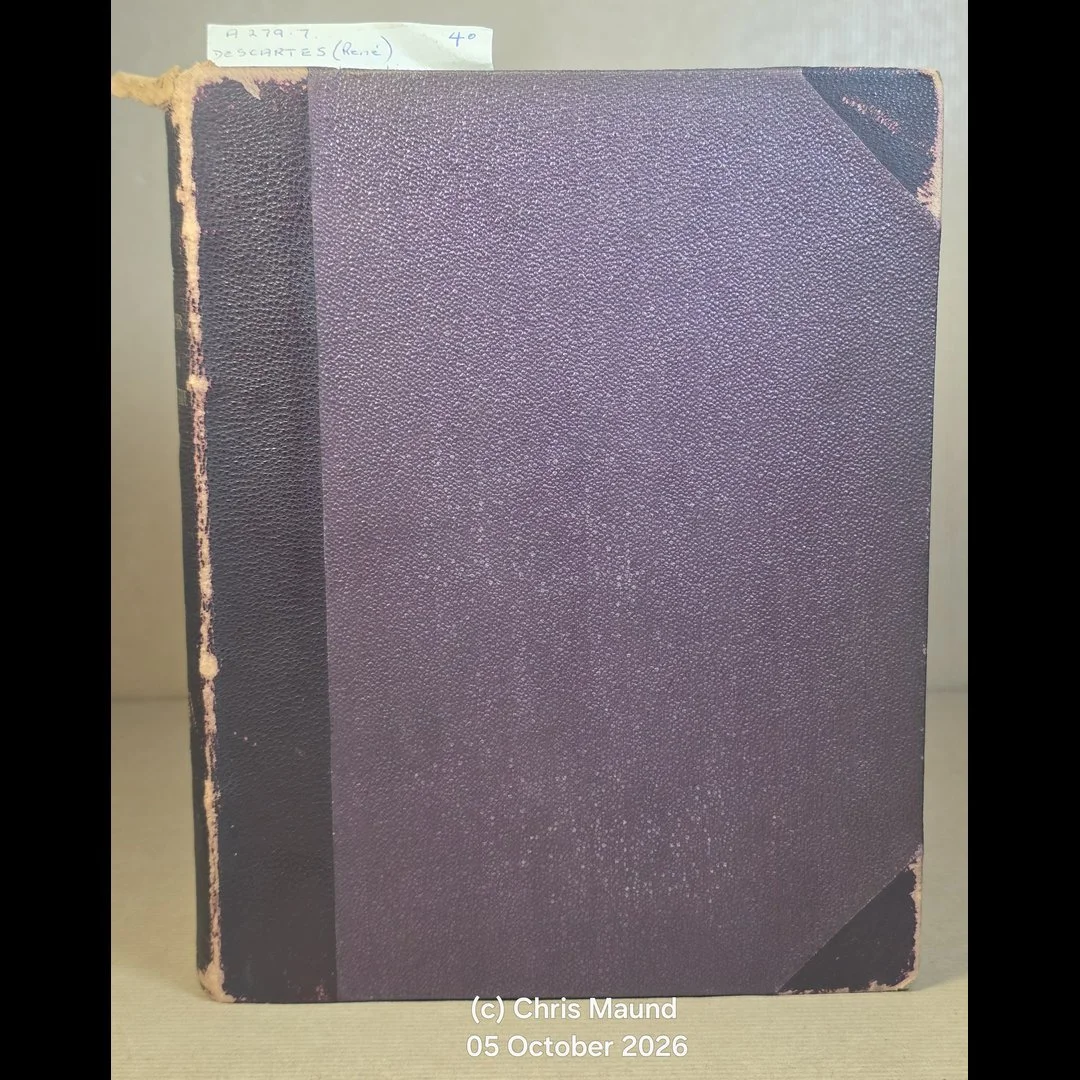
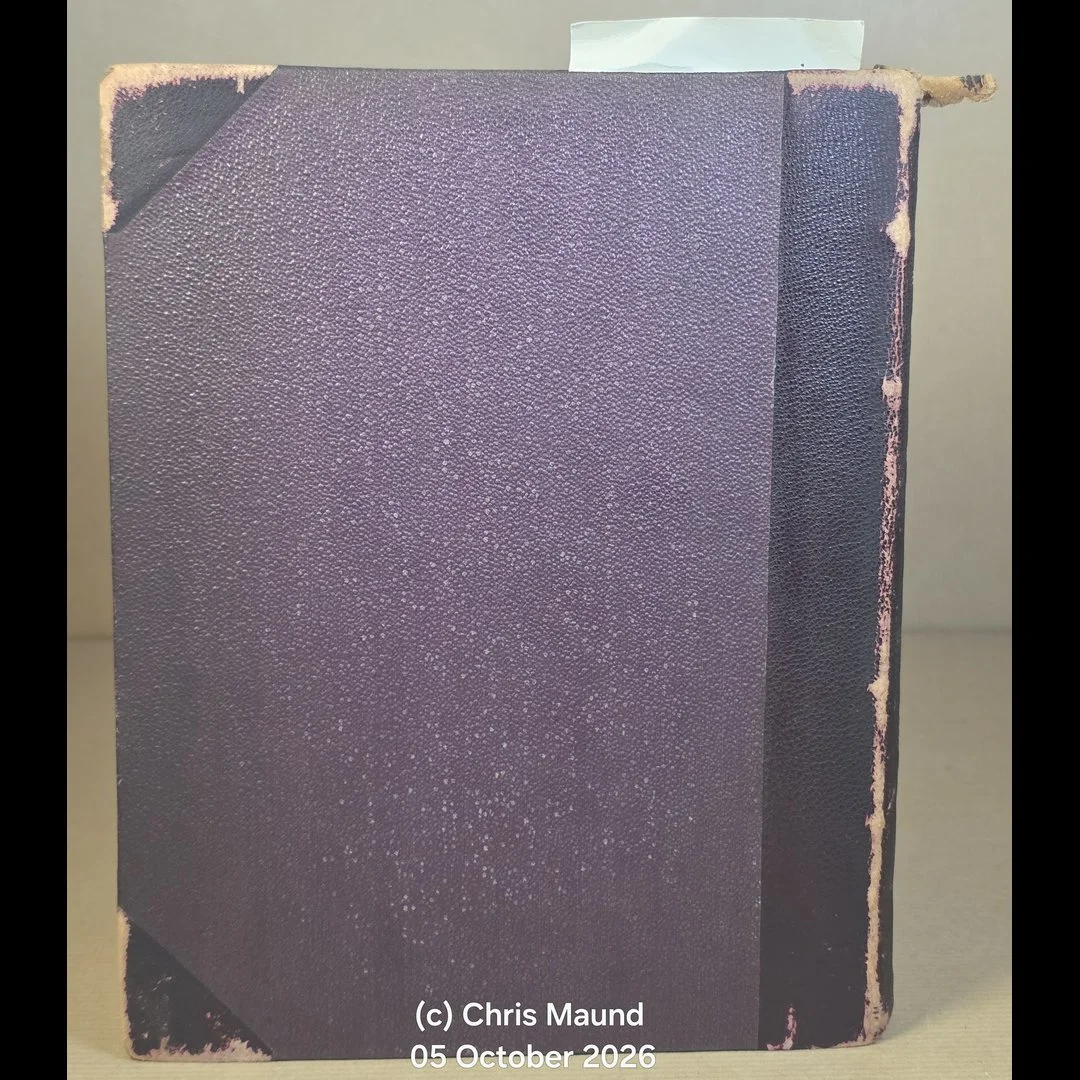
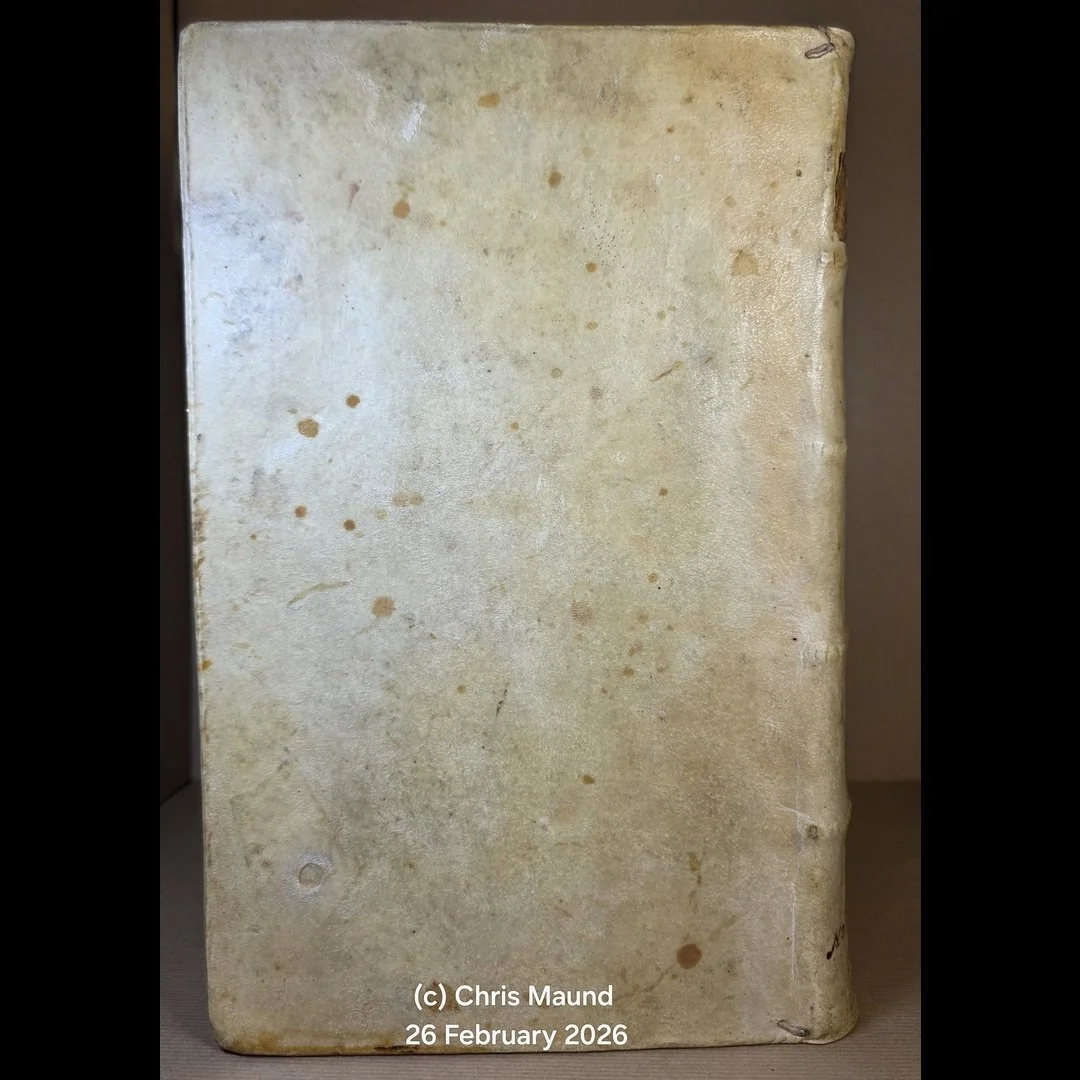
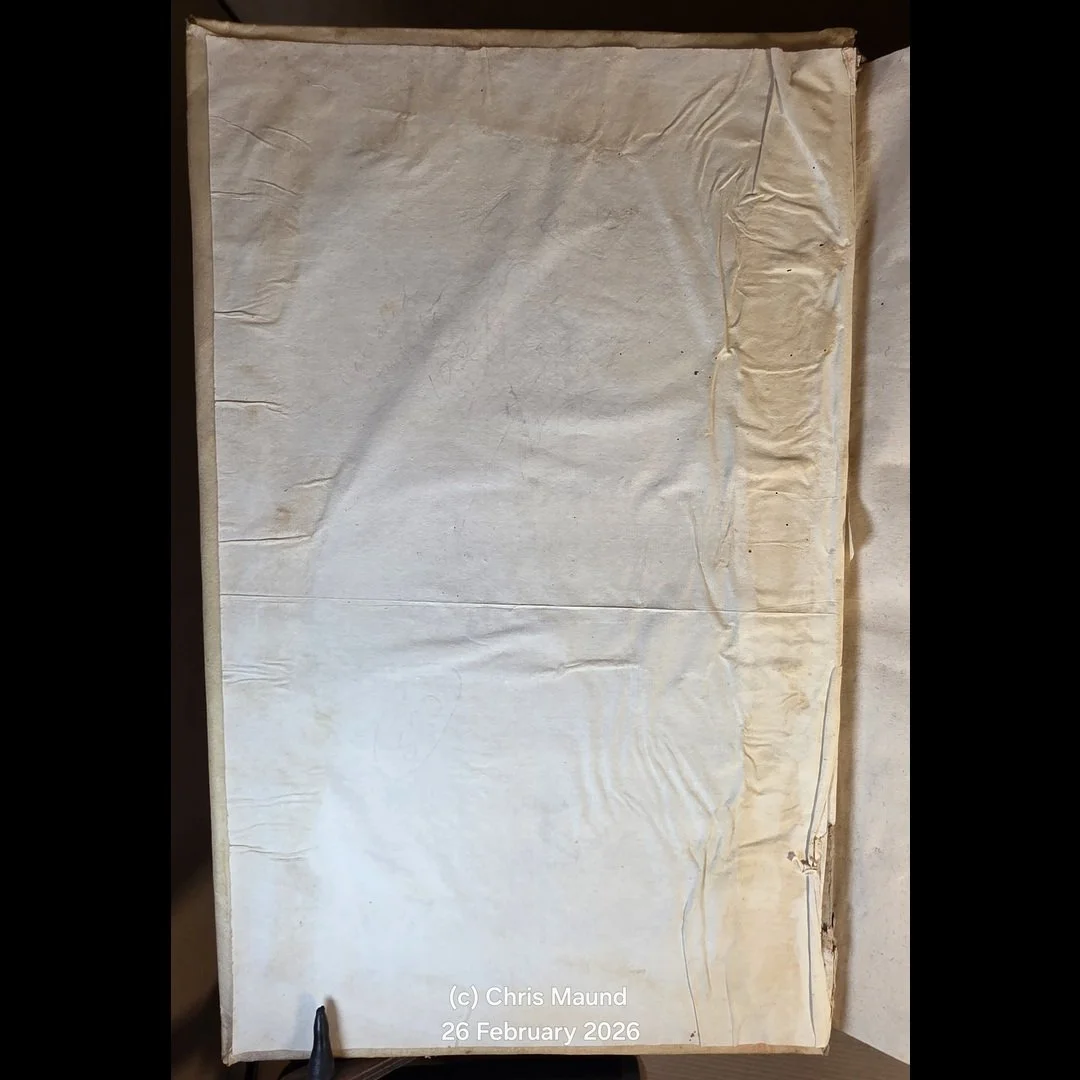
Bindings considerably worn from age and use, with extensive rubbing, scuffing and surface abrasion to boards and spines. Spine ends and corners worn, with losses and general edge wear. Joints cracked and weakened in places, with evidence of earlier repair and reinforcement at the inner hinges and pastedowns.
Boards remain attached.
Volume I retains its lower volume-number label; the corresponding label is absent from Volume II. Both volumes are currently protected by removable clear covers.
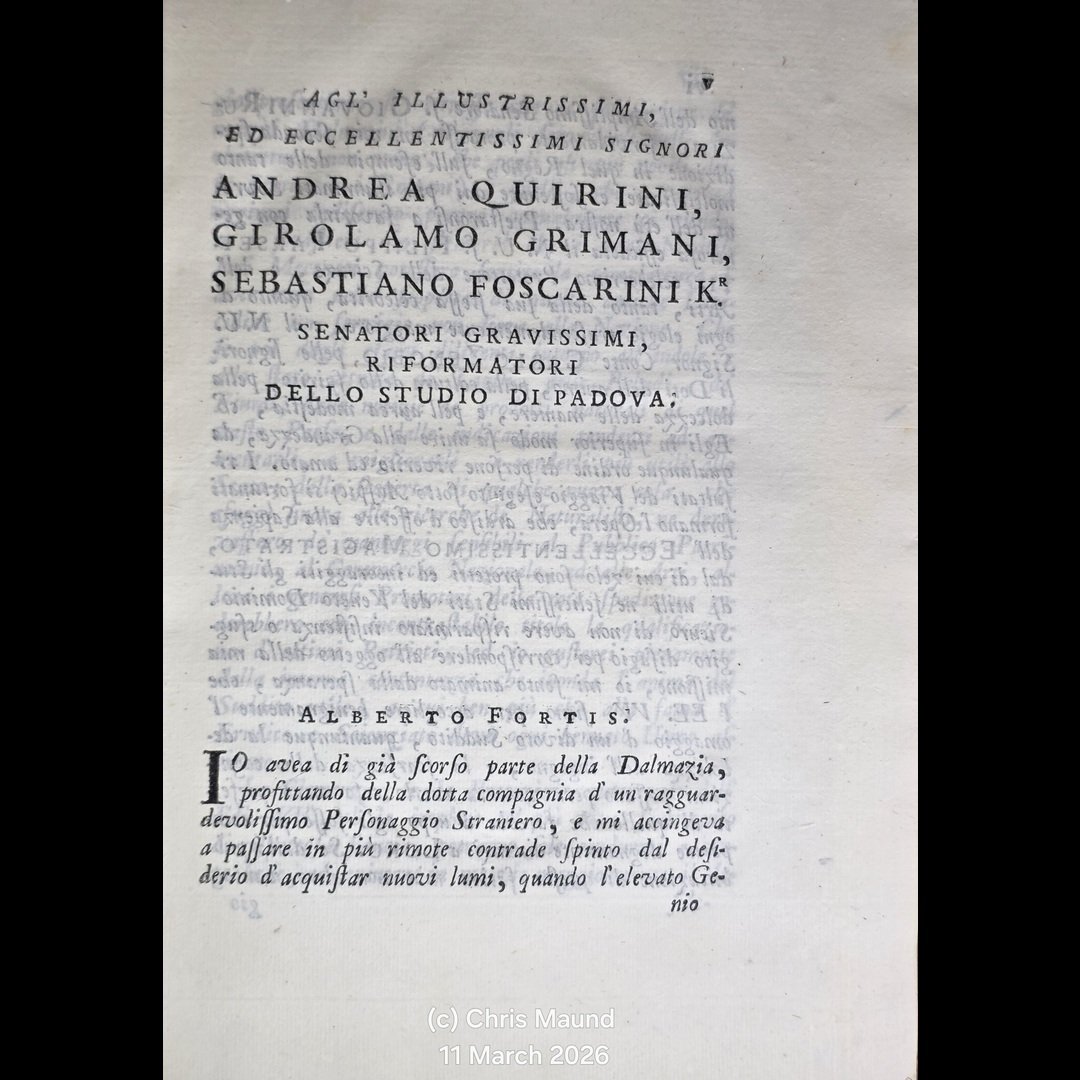
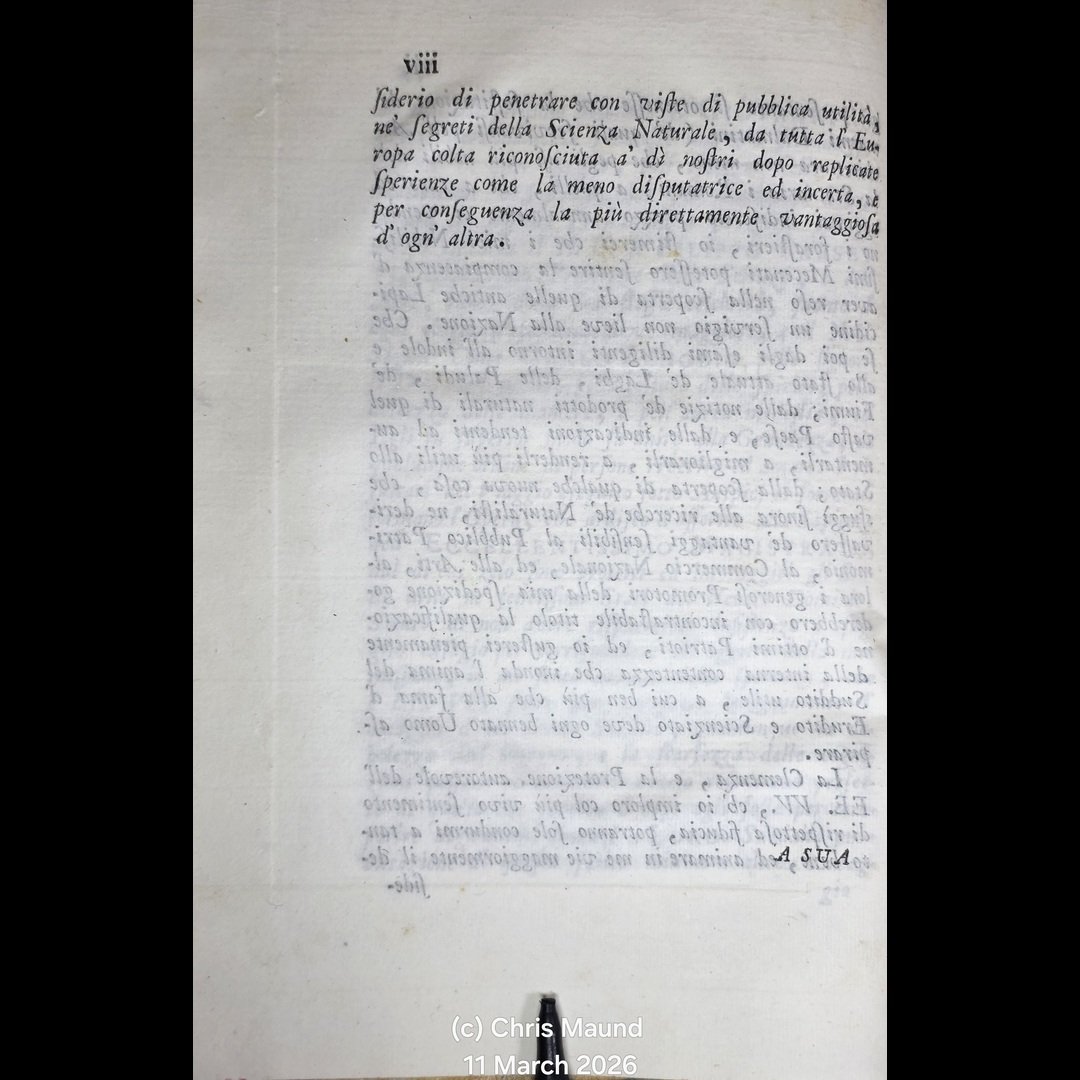
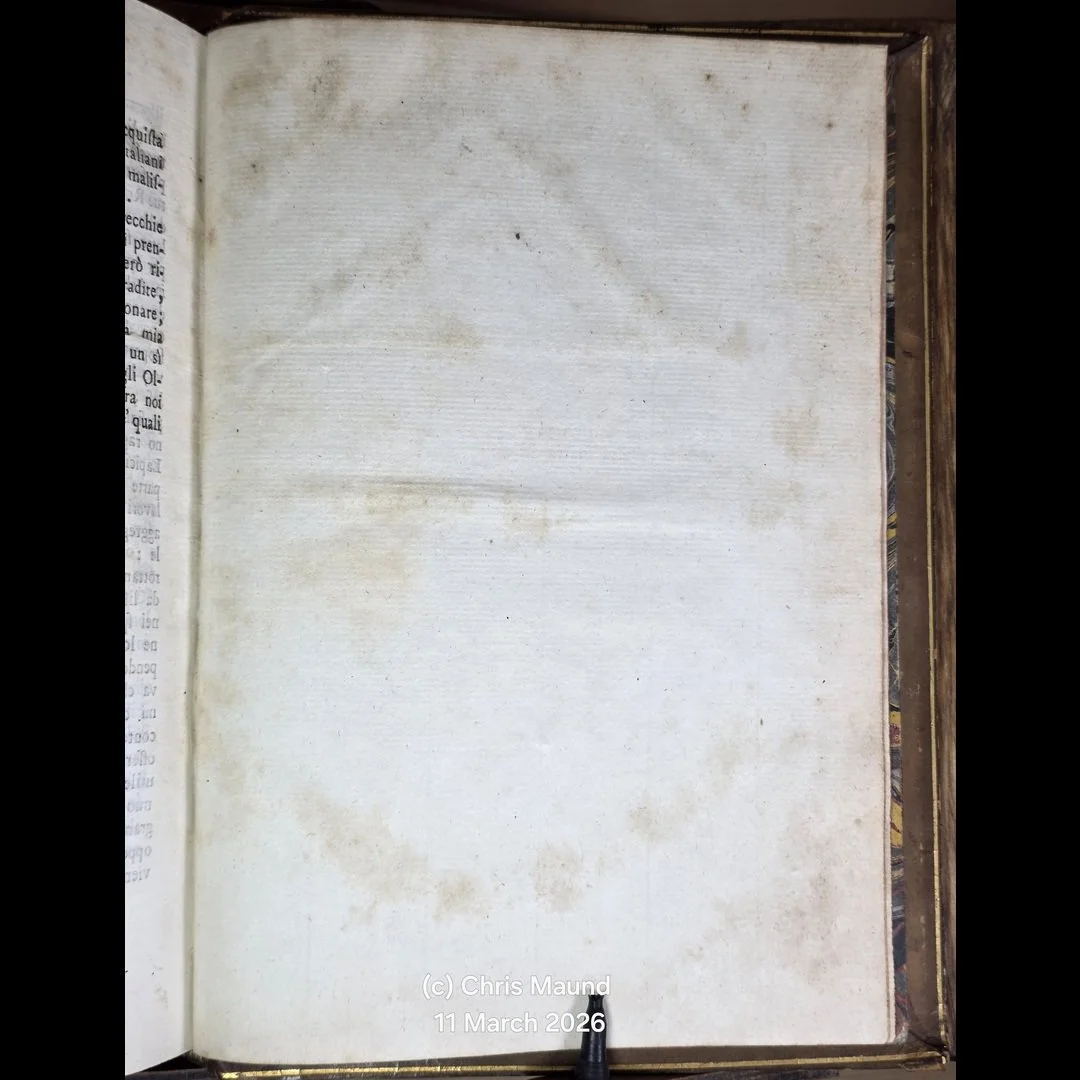
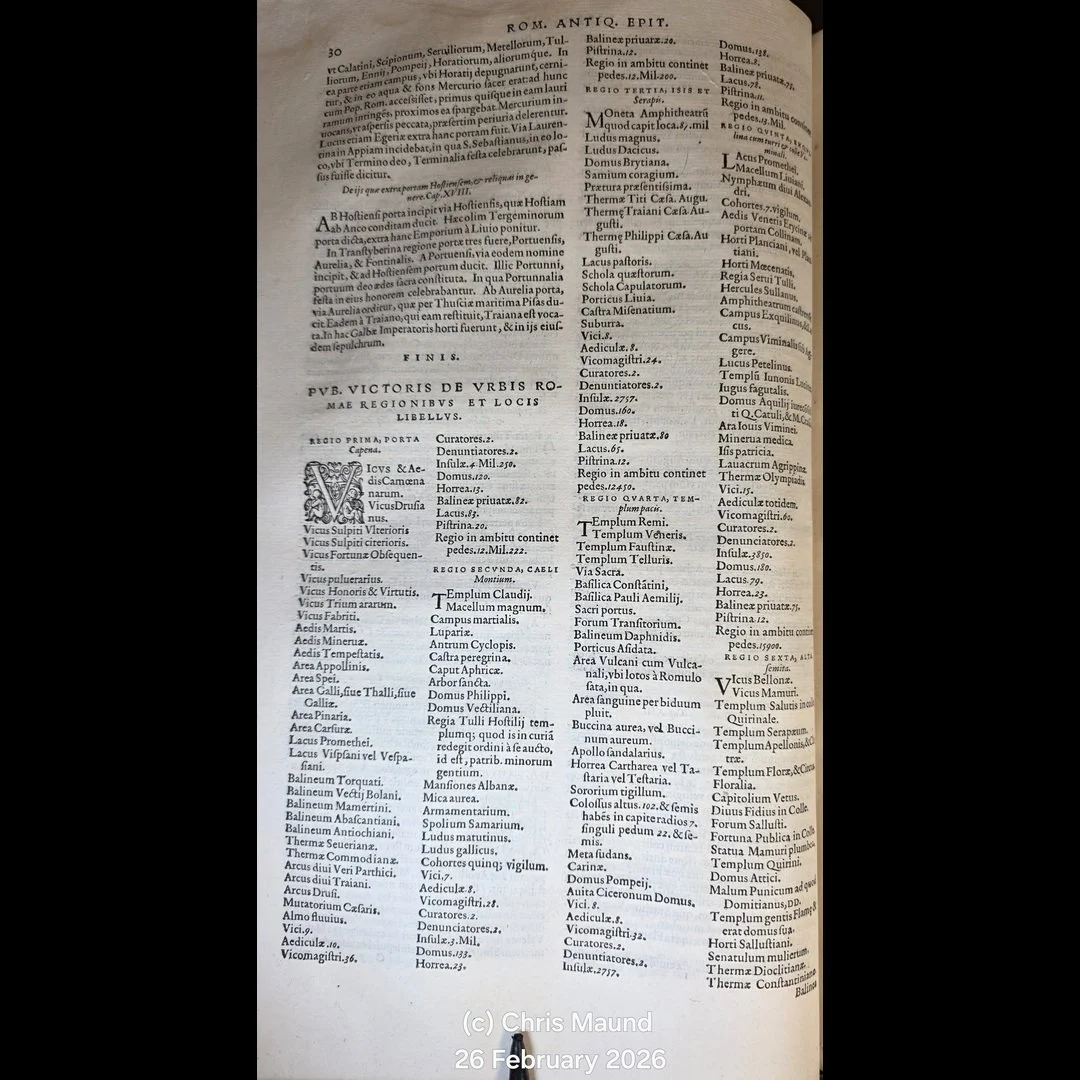
Internally the volumes are considerably better preserved than the bindings suggest. Leaves are generally clean and well preserved with generous margins, occasional age-toning, scattered spotting and minor marks from handling. Printing remains strong and crisp throughout.
Decorative woodcut initials, head-pieces and tail-pieces are present.
Occasional early and later manuscript annotations occur in the margins, including commentary disputing or supplementing points in Burnet’s narrative. These provide an appealing record of historical readership and engagement with the text.
Volume II retains the signed manuscript declaration by Sir Thomas Burnet, enclosed within its double red-ruled frame on the verso of the title page.
Please see Photos as part of condition report.
REFERENCES
ESTC T144689 — First edition, ordinary-paper issue.
Maslen & Lancaster, Bowyer Ledgers, 984 — recording William Bowyer’s involvement in the printing of Volume I.
Institutional copies record the same unusual Volume II collation, including the inserted gathering with duplicate pagination 357–360.
Cambridge University Library provenance collections record examples of both the Rev. Thomas Coombe, M.A. and Arthur E. Coombe bookplates.
Fine Arts Museums of San Francisco records another eighteenth-century volume with the same ownership succession:
Rev. Thomas Coombe → Arthur E. Coombe.
Canterbury Cathedral Library preserves the earlier Coombe Collection, formed by Rev. Thomas Coombe, D.D. (1747–1822) and presented by his sons in 1823.
SYNOPSIS
Gilbert Burnet’s History of His Own Time chronicles one of the most turbulent periods in British political and religious history.
The first volume covers the Restoration of Charles II, the religious and constitutional conflicts of the later Stuart period, the Exclusion Crisis, the reign of James II and the events culminating in the Revolution of 1688 and accession of William III and Mary II.
The second volume continues through the reign of William III and the reign of Queen Anne, including war in Europe, the politics of succession, the continuing struggle between political and religious factions and the negotiations leading to the Peace of Utrecht in 1713.
Burnet was unusually close to many of the people and events he described. He knew leading politicians, churchmen and members of the royal court, spent time in exile on the Continent and became associated with William of Orange before returning to England following the Revolution.
The work is consequently invaluable as contemporary testimony, although Burnet’s political and religious sympathies made it controversial almost from publication. Contemporary readers frequently challenged his interpretations, and later editions restored passages which his original editors had omitted.
That combination of eyewitness history, political memoir, personality and controversy has ensured the work’s lasting importance as a source for the Restoration and Revolutionary periods.
AUTHOR BIO
Gilbert Burnet (1643–1715) was a Scottish historian, theologian and Anglican churchman who became Bishop of Salisbury following the Revolution of 1688.
Educated at Marischal College, Aberdeen, Burnet developed an early reputation as a scholar and theologian. He became deeply involved in the religious and political controversies of the later Stuart period and moved among many of the principal figures of Restoration Britain.
His writings brought him both prominence and controversy. His earlier History of the Reformation of the Church of England established his reputation as a historian, while his political activities ultimately led him to spend time on the Continent during the reign of James II.
Burnet became closely associated with William of Orange and returned to England following the Revolution of 1688. In 1689 he was appointed Bishop of Salisbury.
He began compiling the material which eventually became History of His Own Time during his lifetime but directed that it should not be published immediately.
Burnet died in 1715.
His history therefore appeared posthumously in two volumes: the first in 1724 and the second in 1734, edited by his sons. The result was one of the most substantial contemporary narratives of British political and ecclesiastical life from the Restoration through the early eighteenth century.

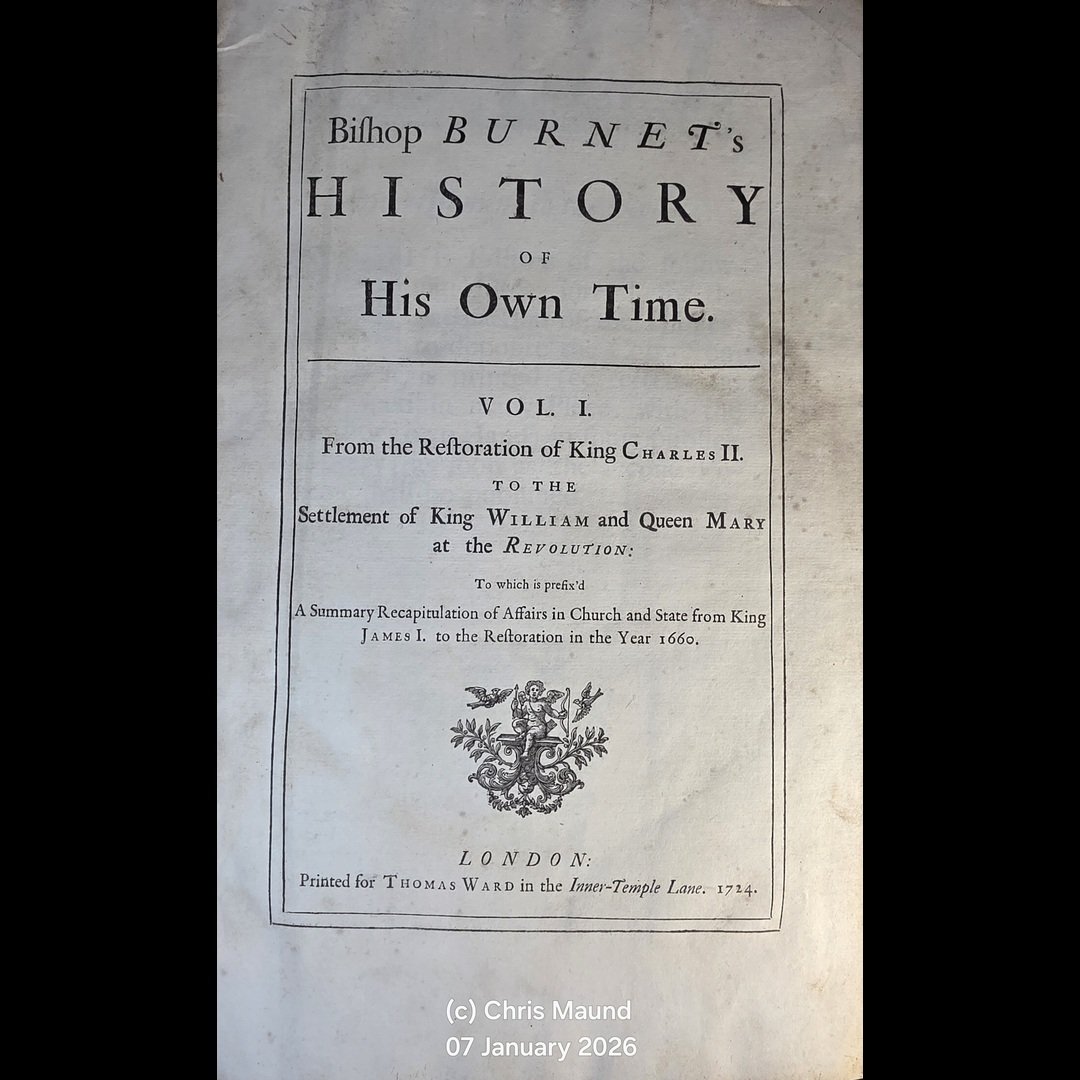 Image 1 of 33
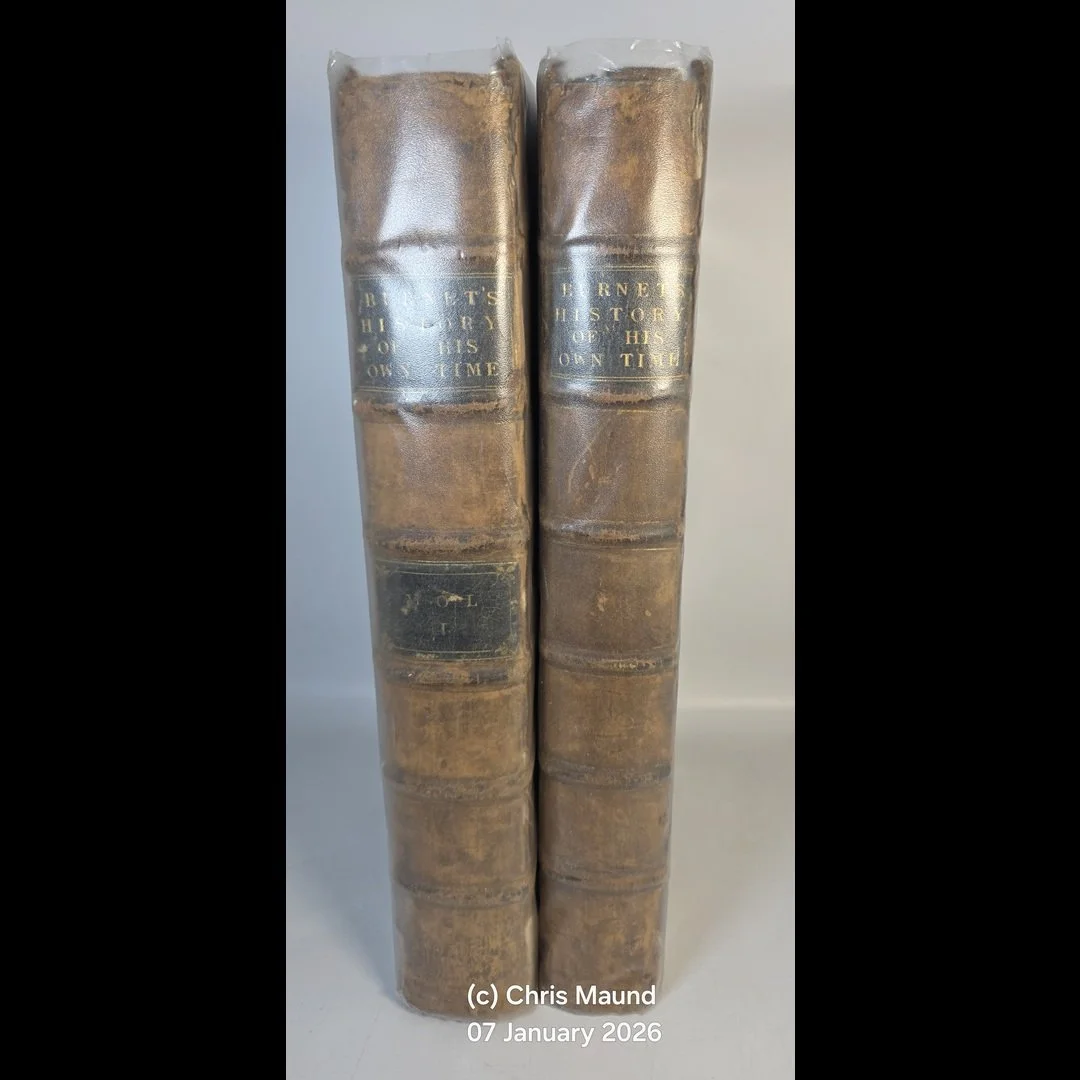 Image 2 of 33
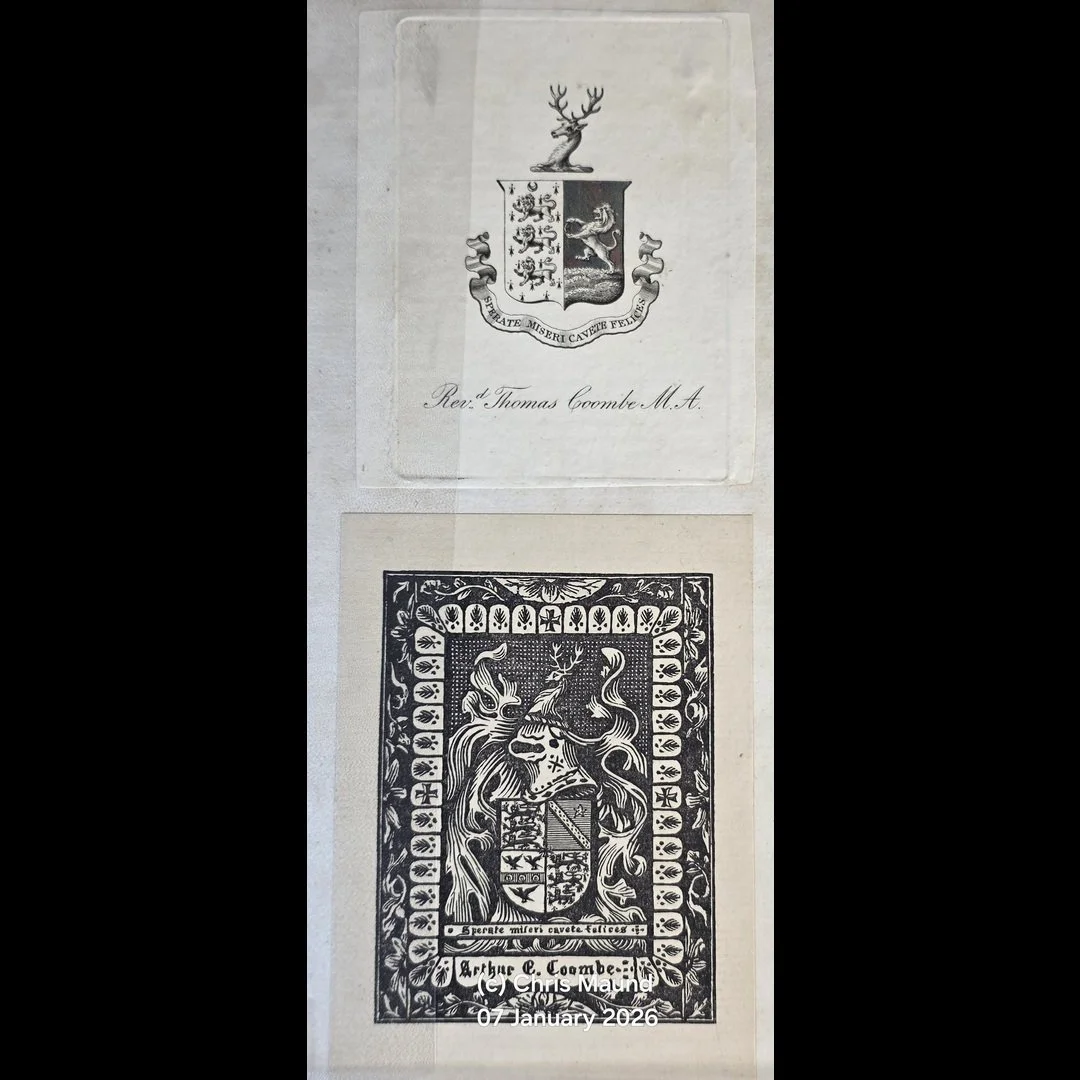 Image 3 of 33
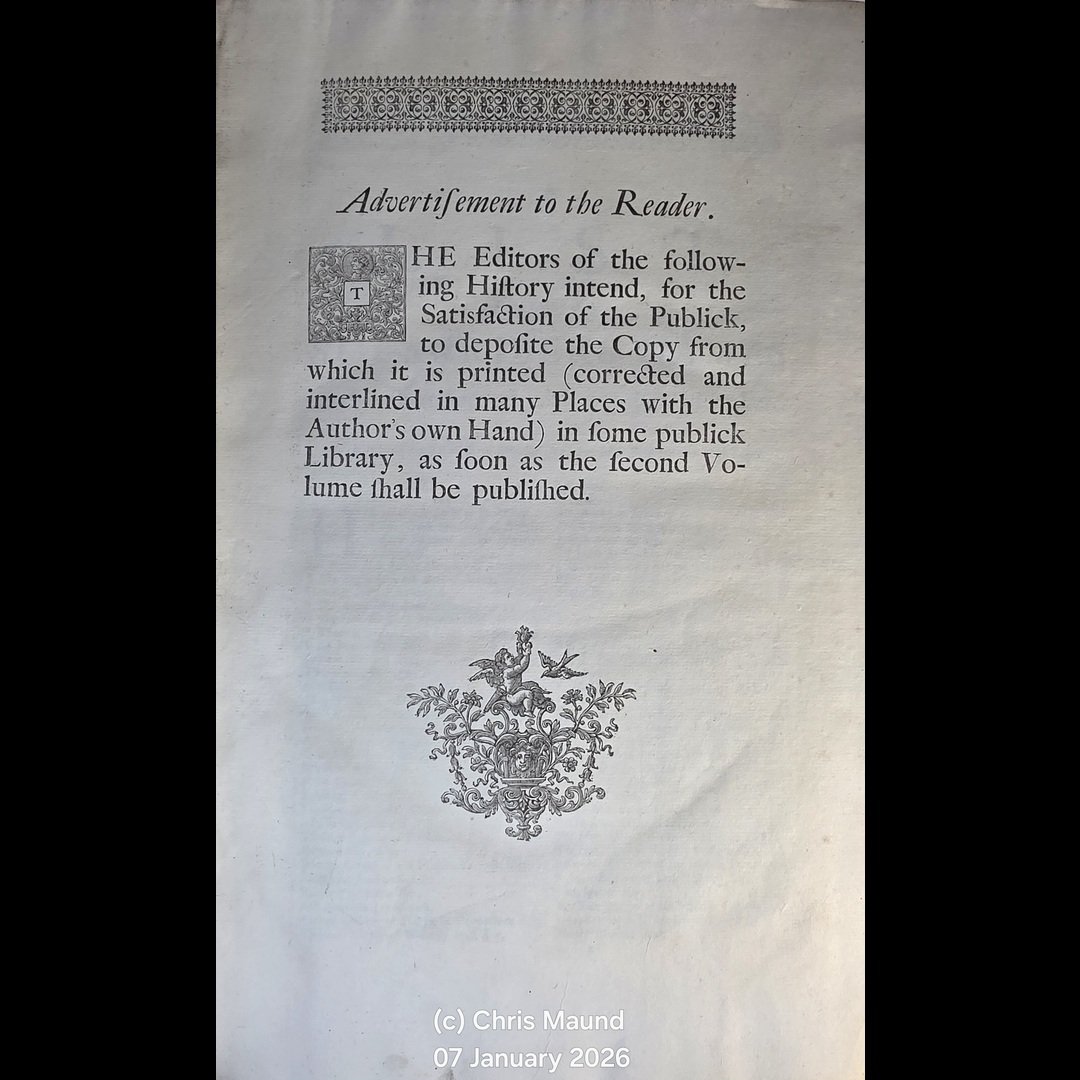 Image 4 of 33
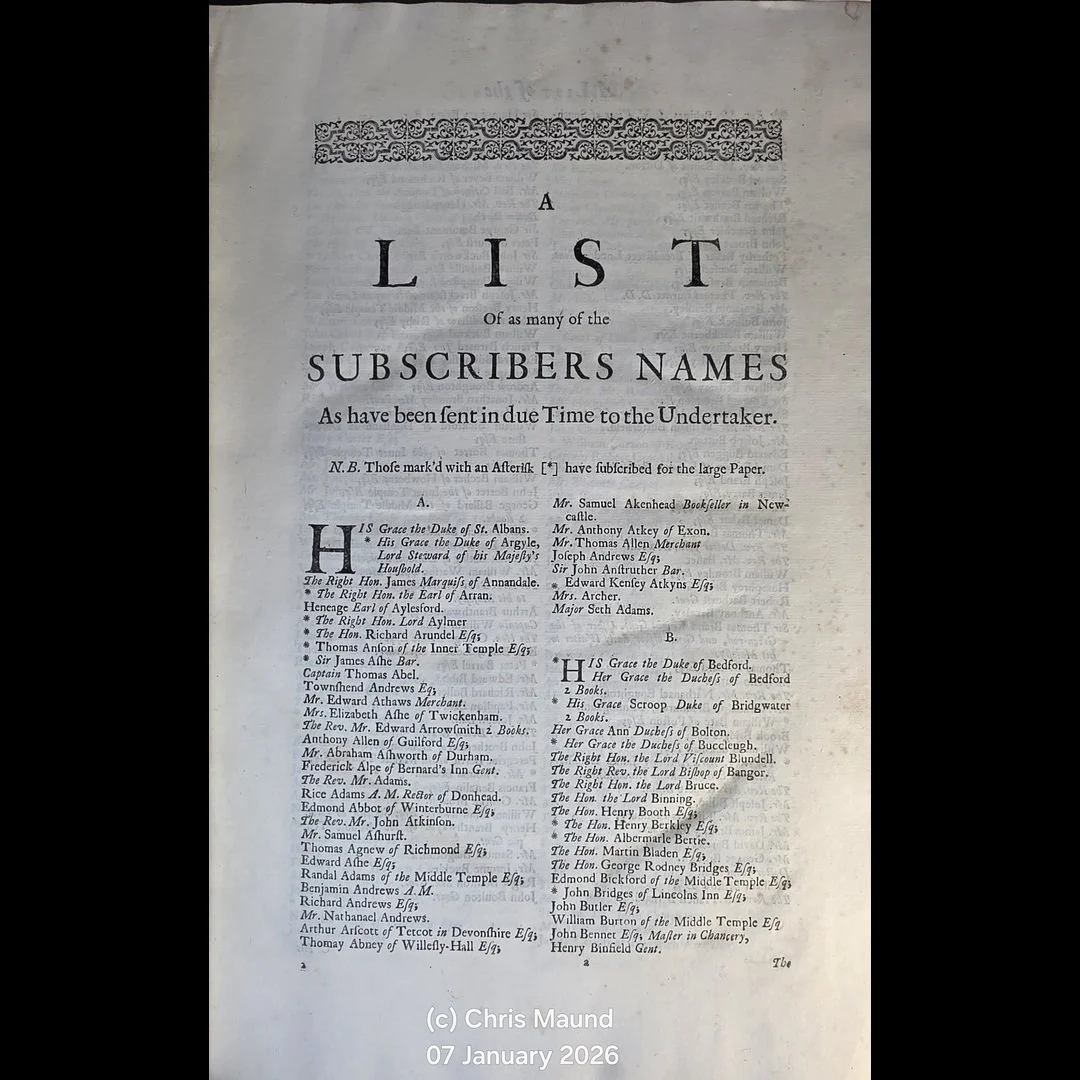 Image 5 of 33
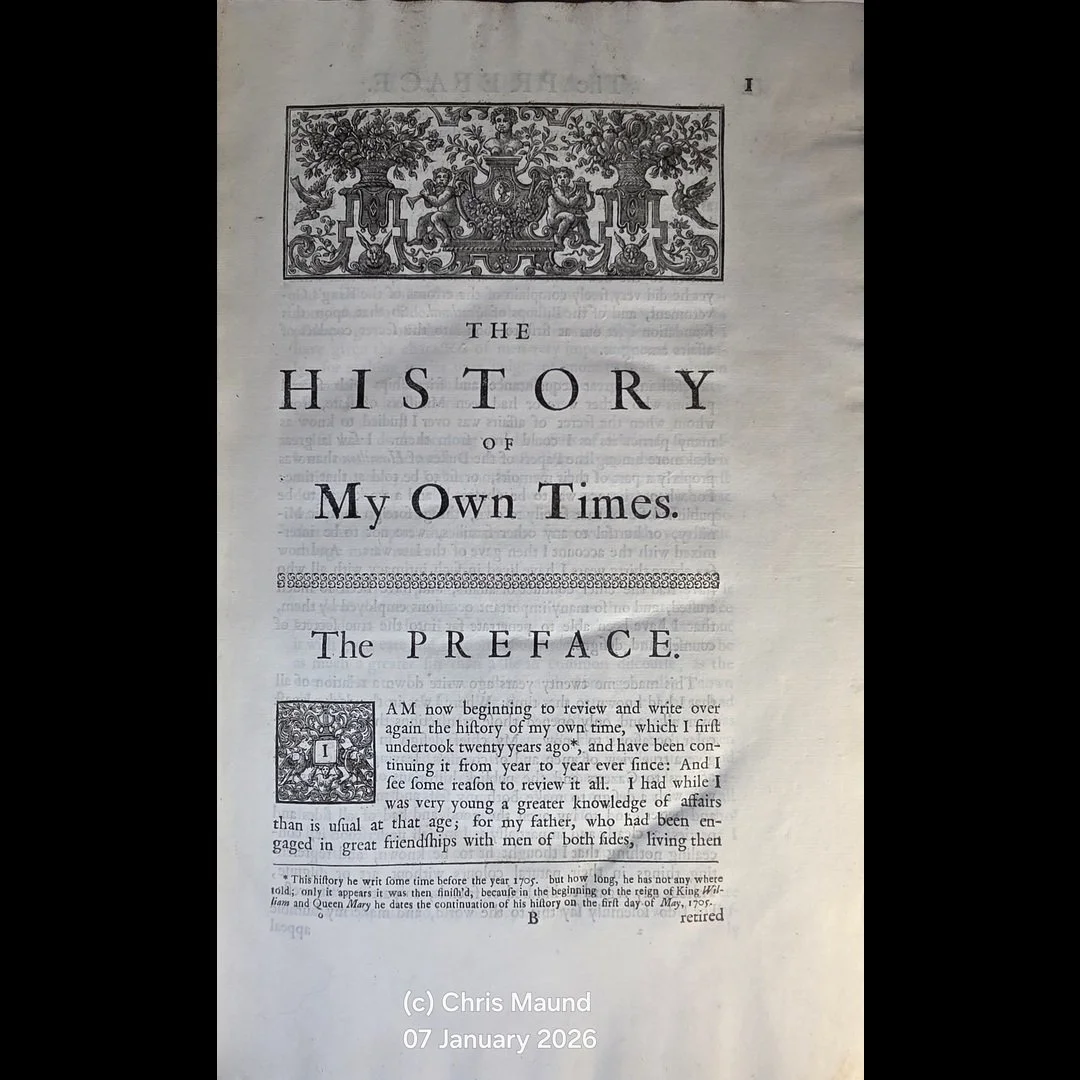 Image 6 of 33
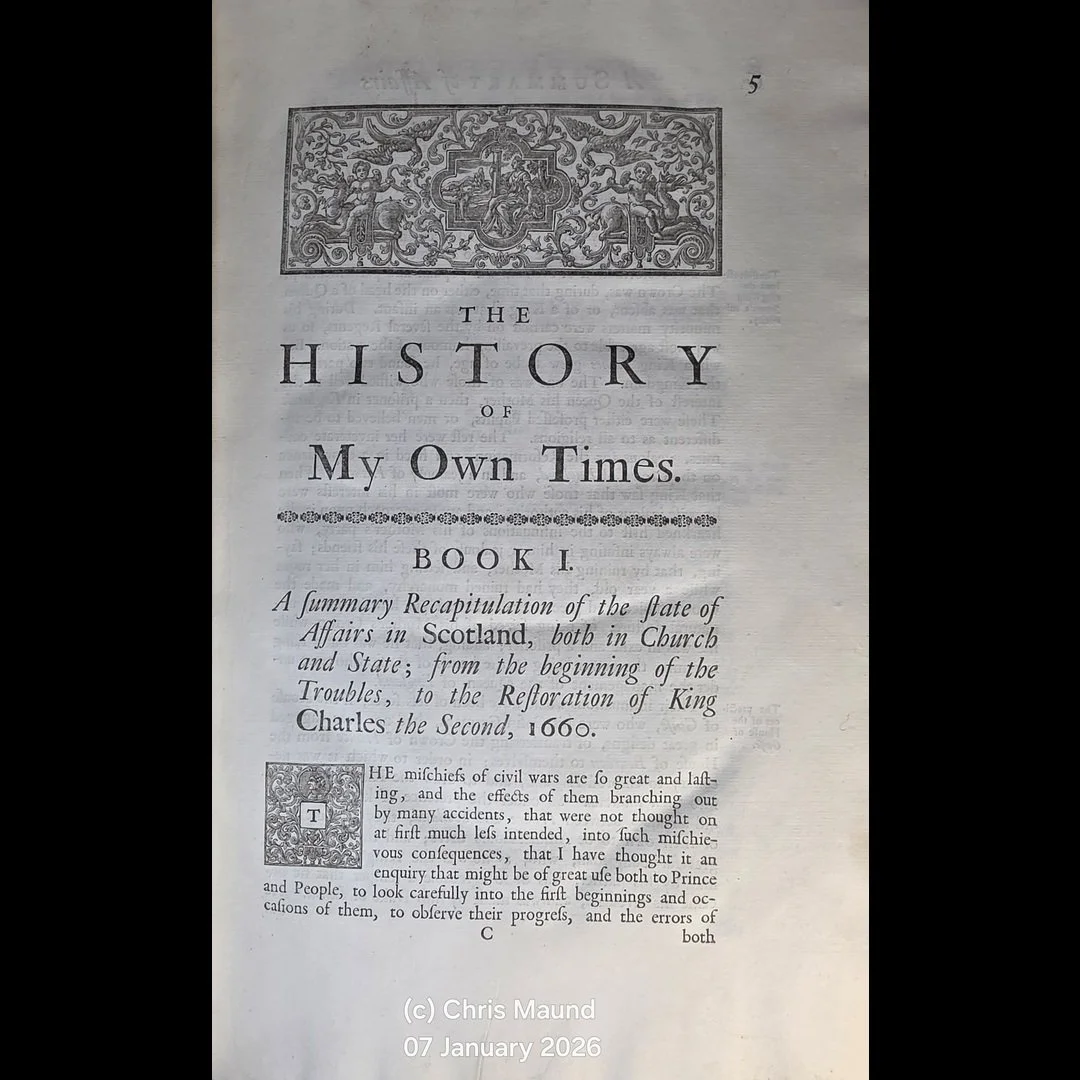 Image 7 of 33
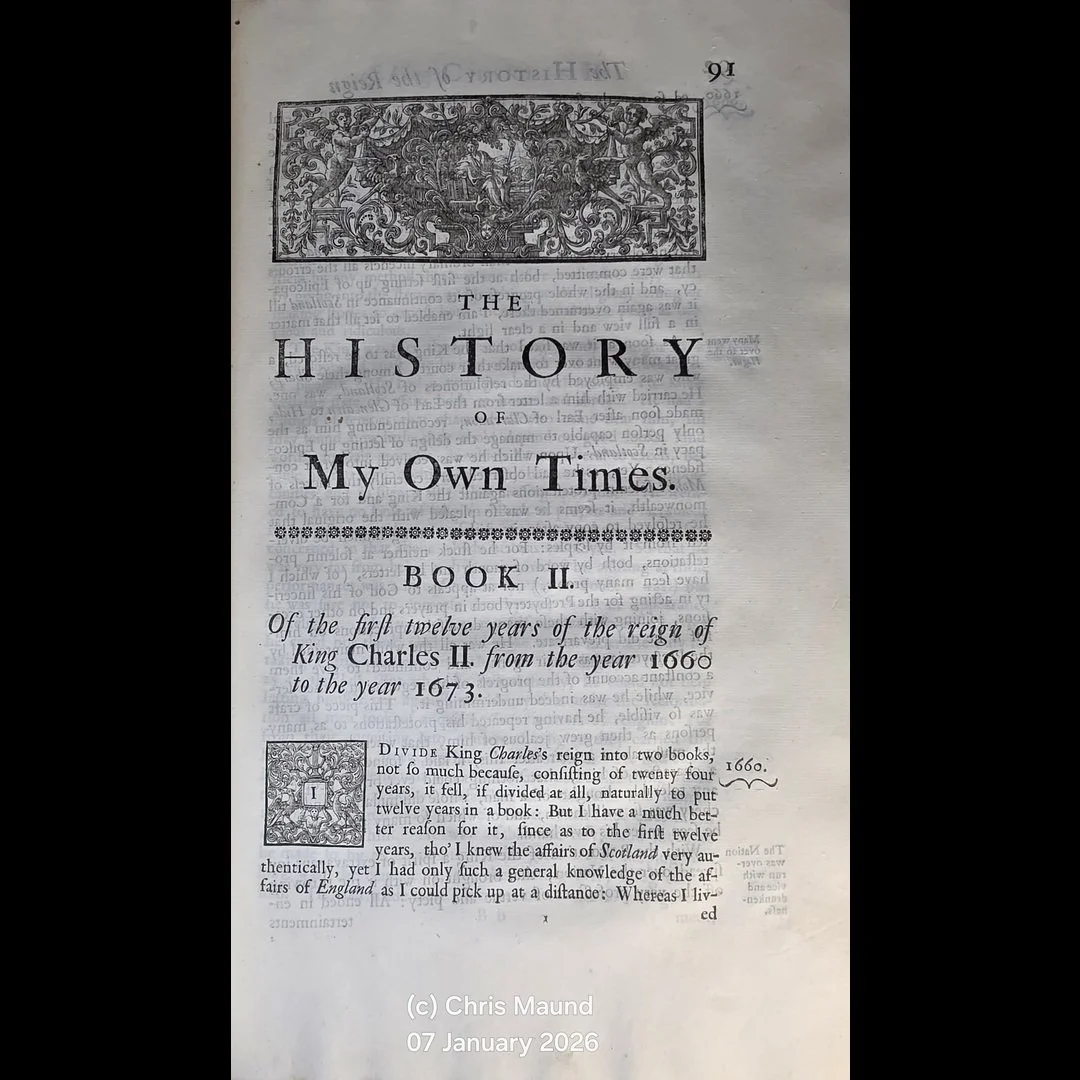 Image 8 of 33
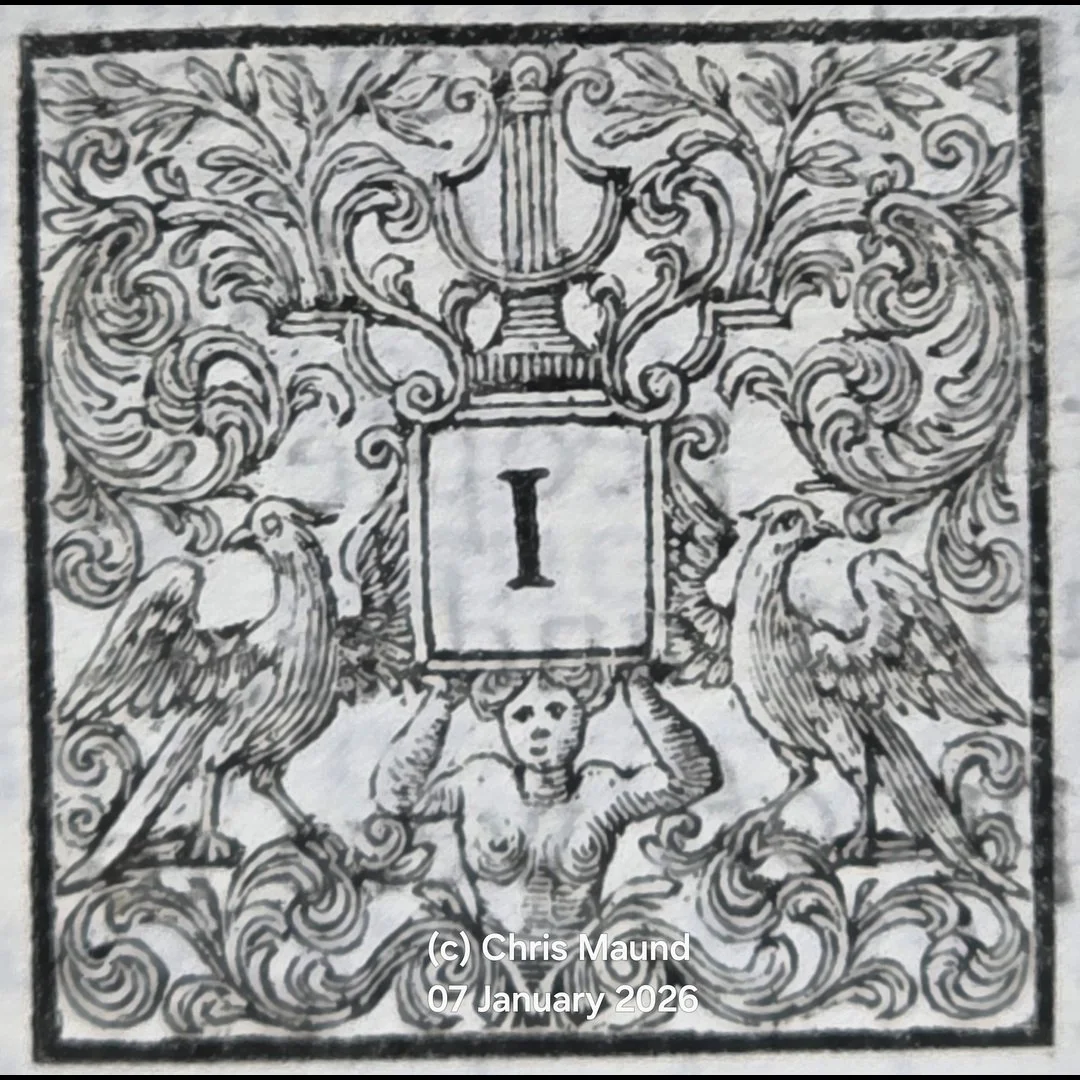 Image 9 of 33
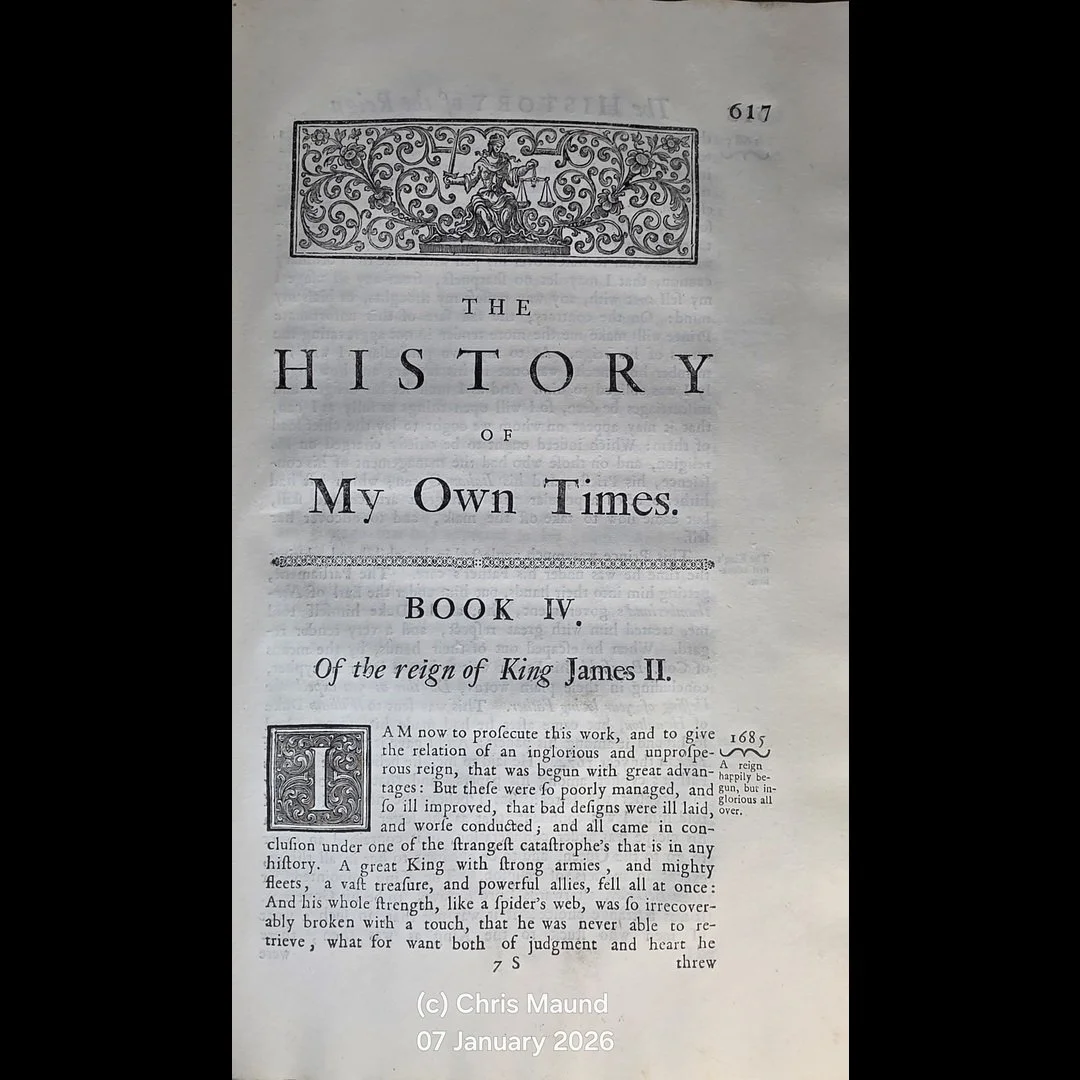 Image 10 of 33
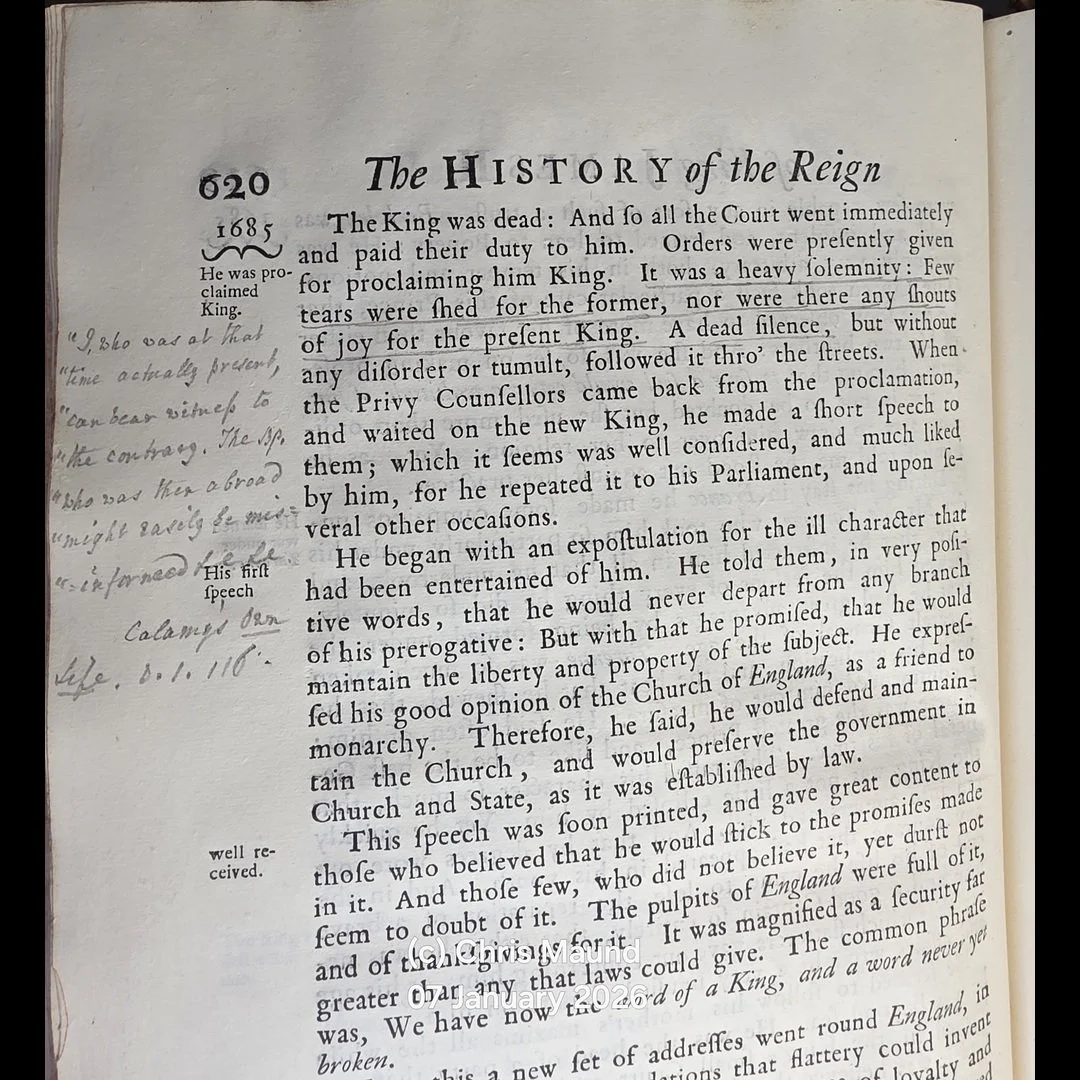 Image 11 of 33
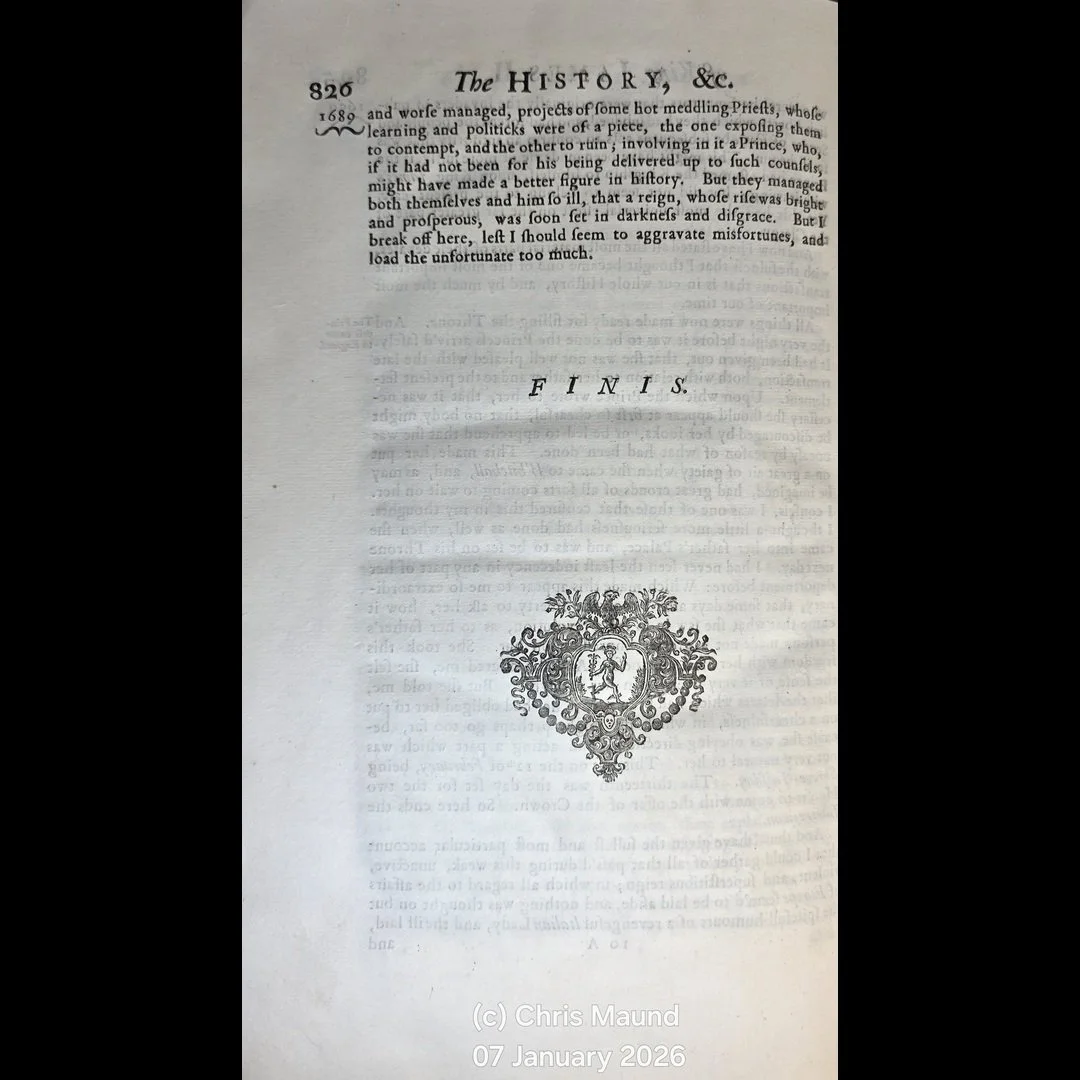 Image 12 of 33
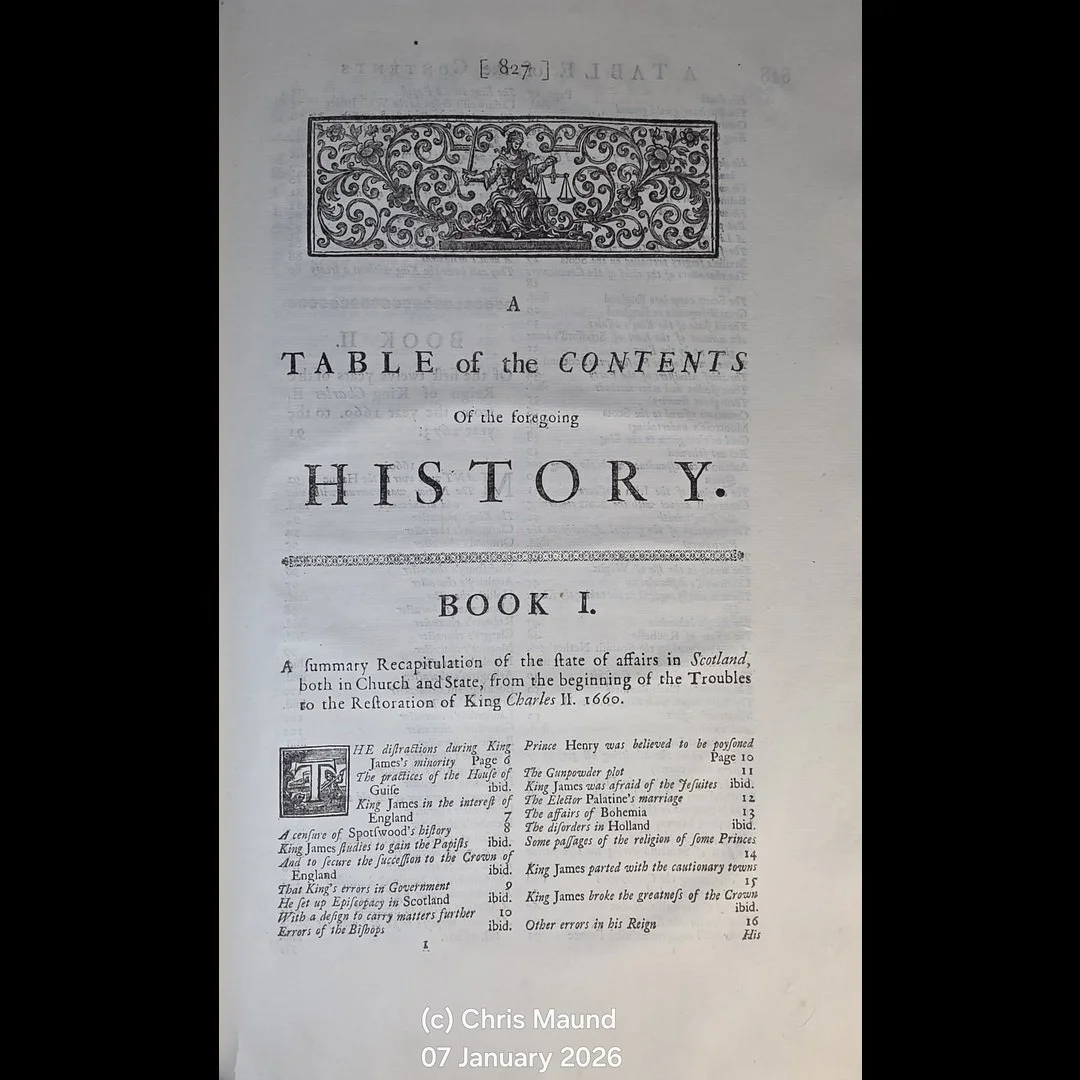 Image 13 of 33
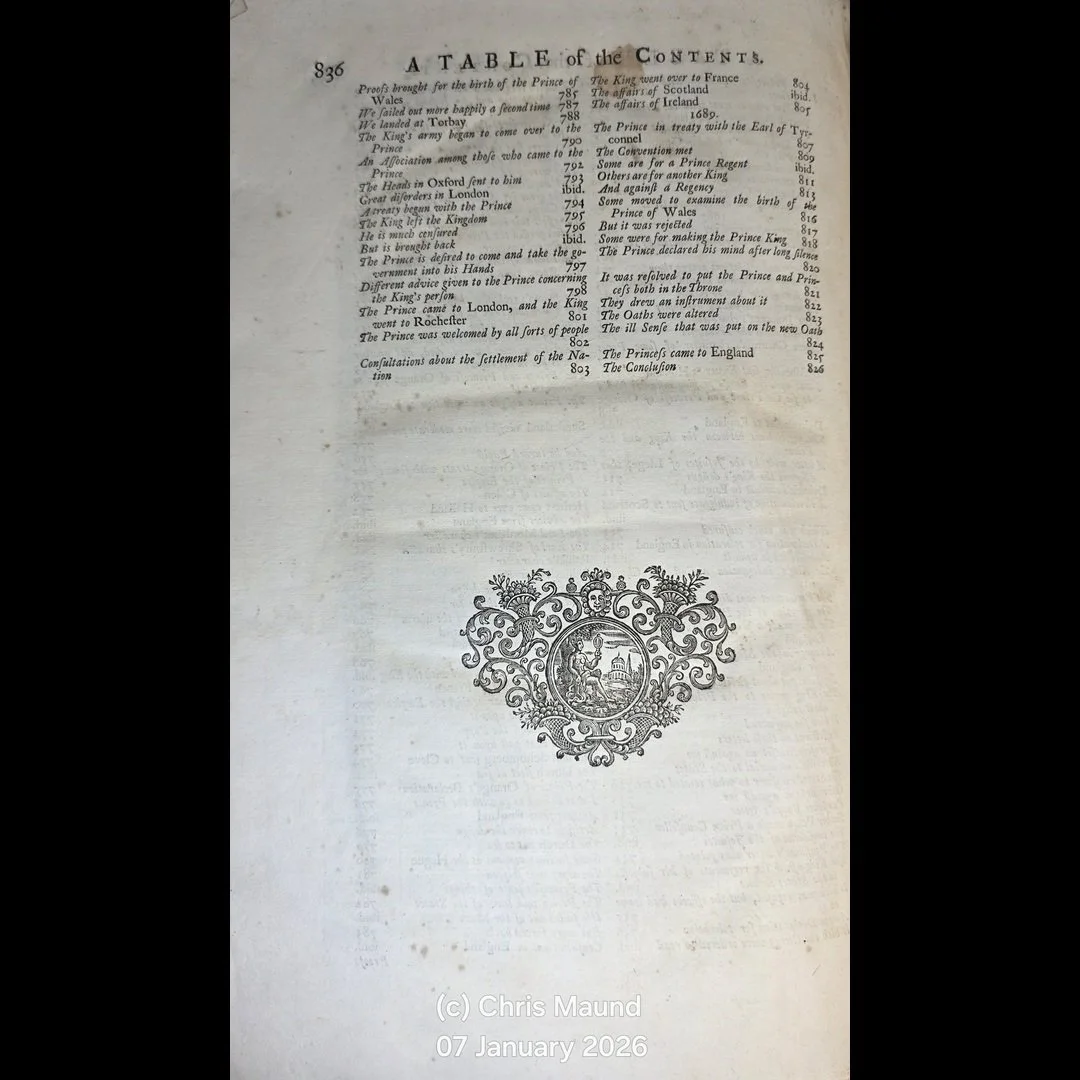 Image 14 of 33
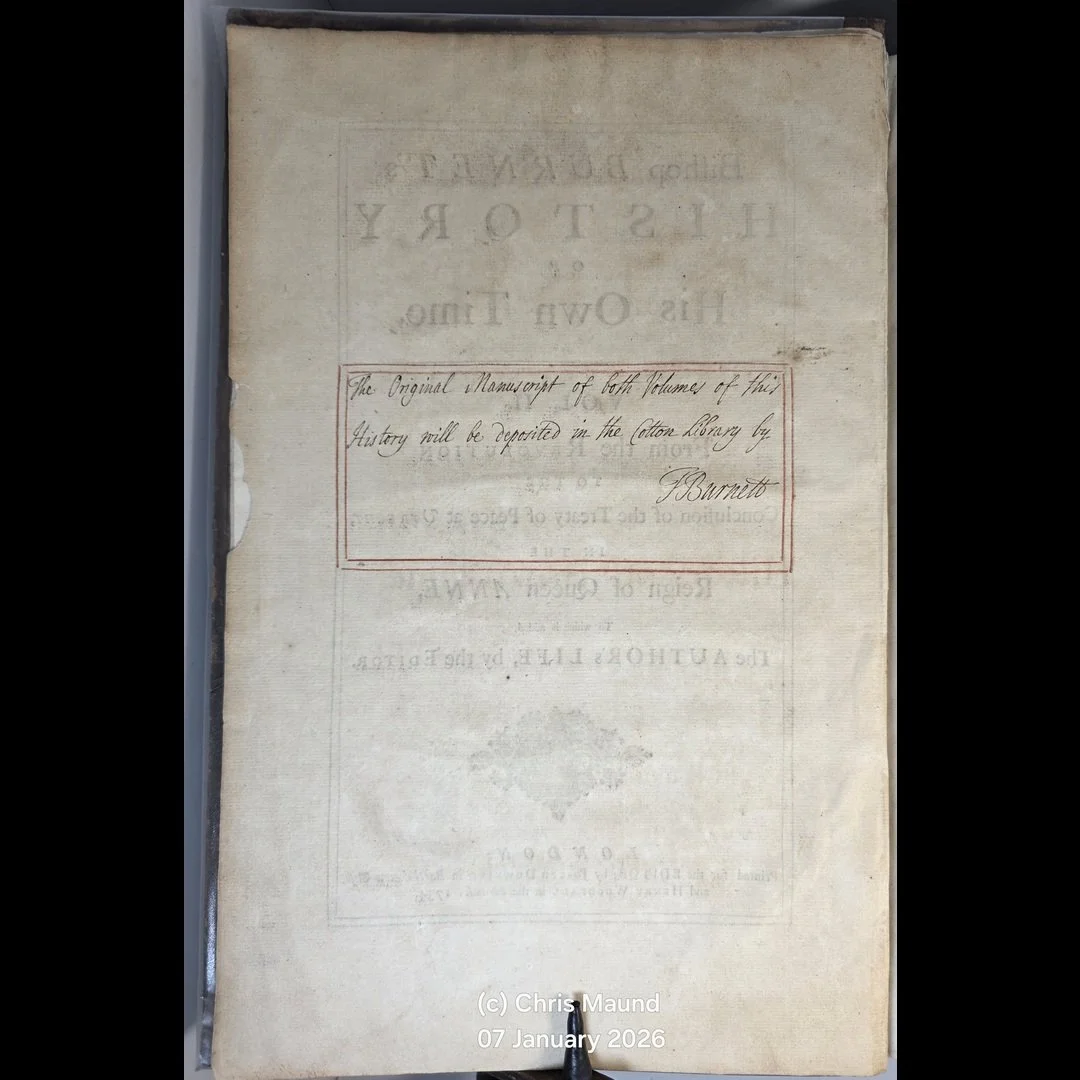 Image 15 of 33
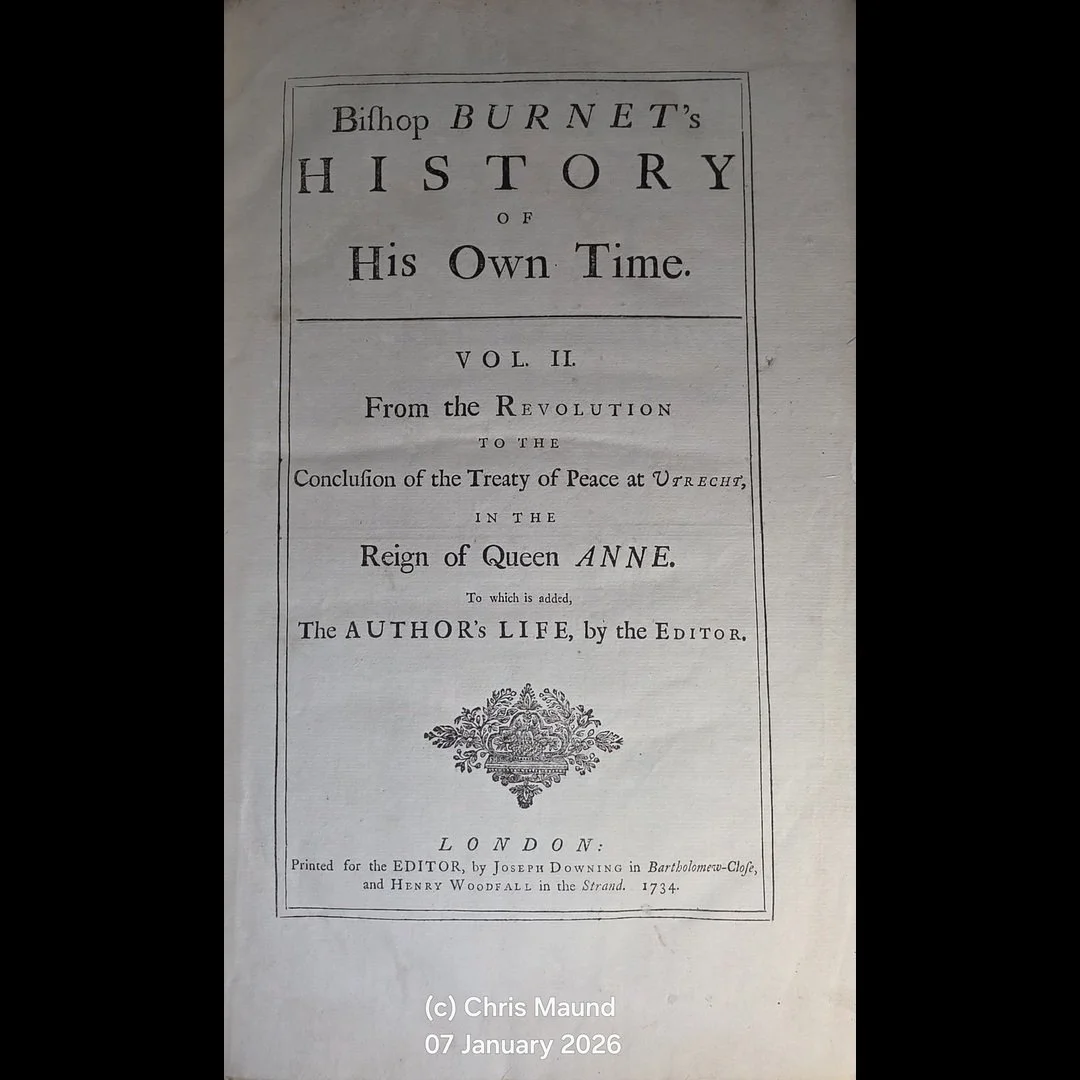 Image 16 of 33
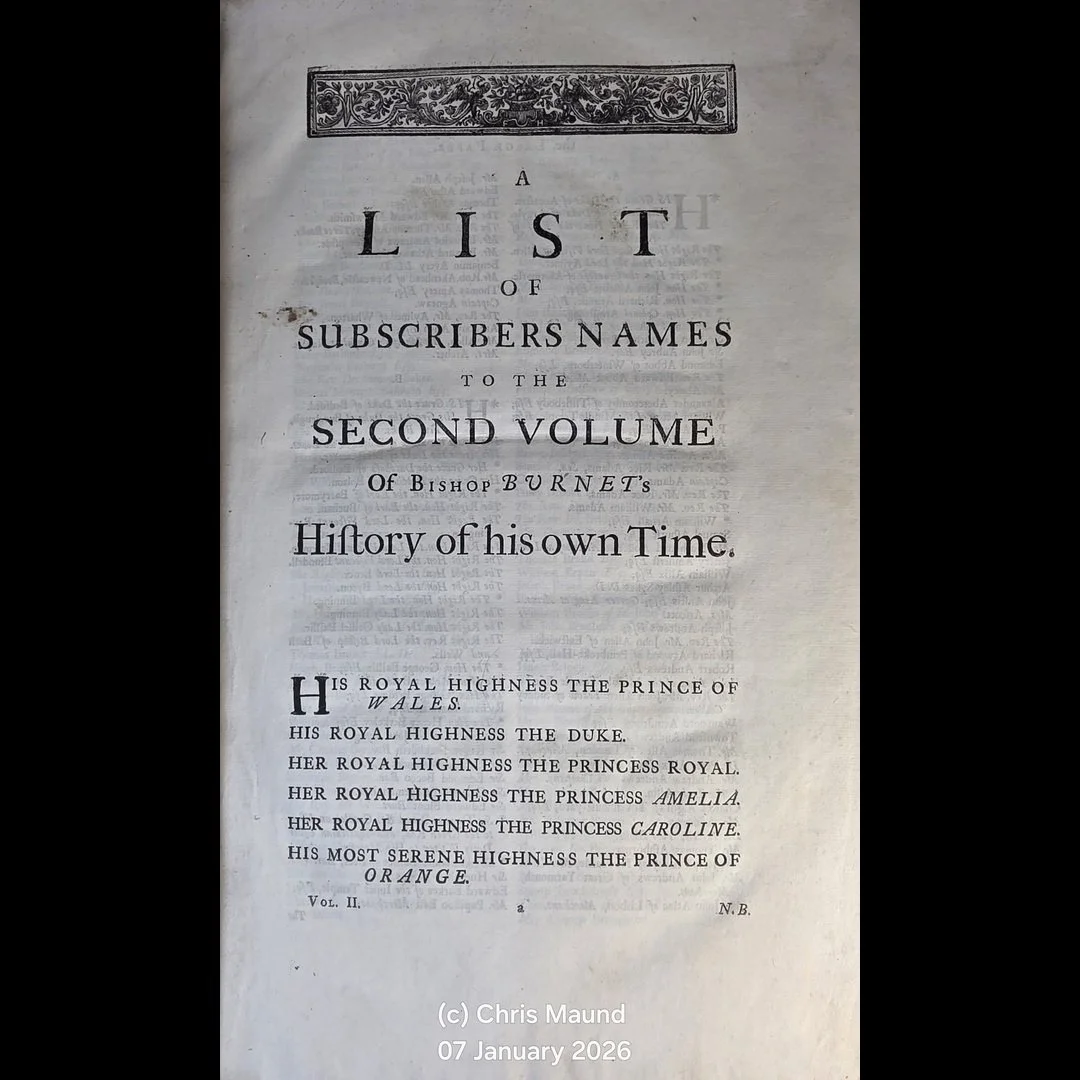 Image 17 of 33
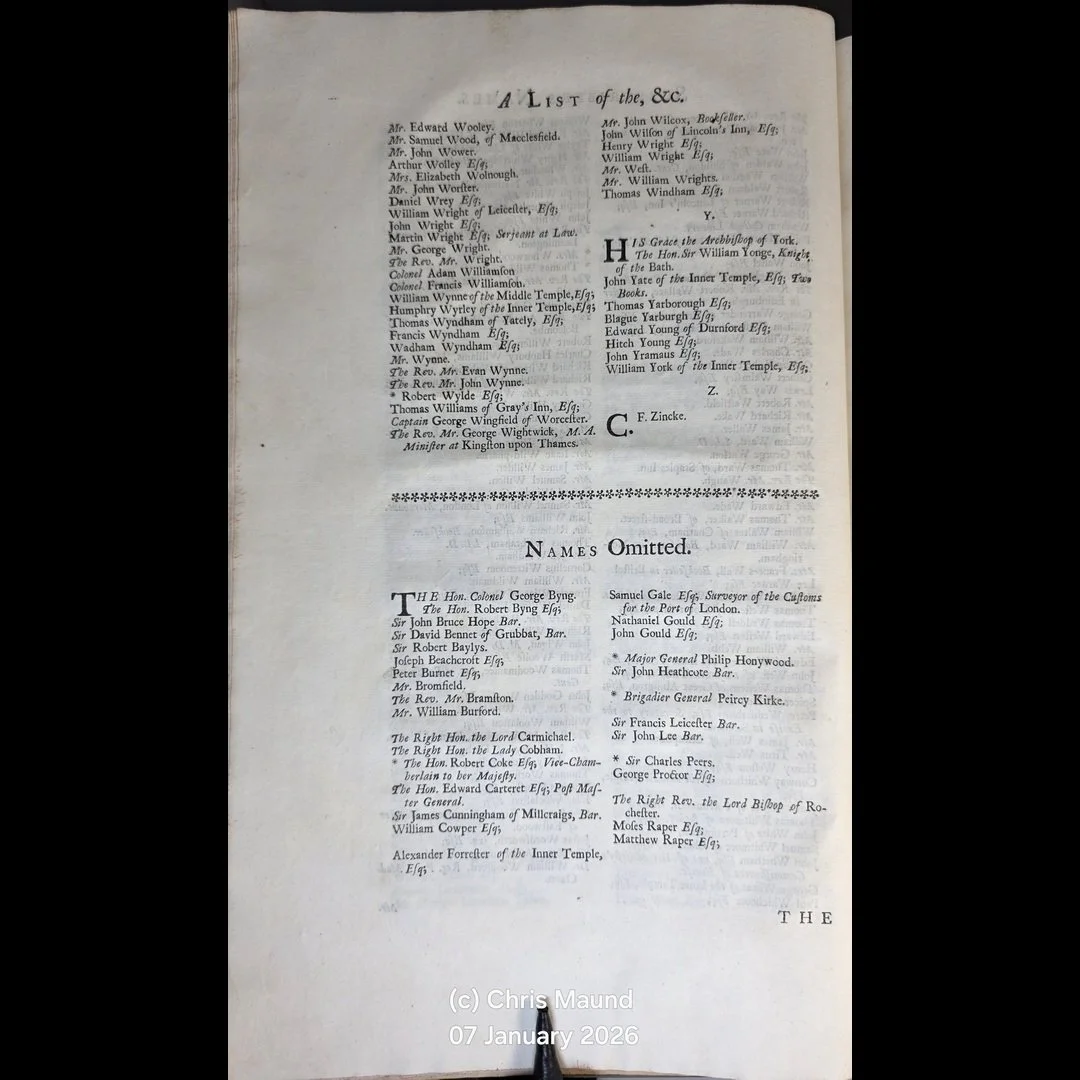 Image 18 of 33
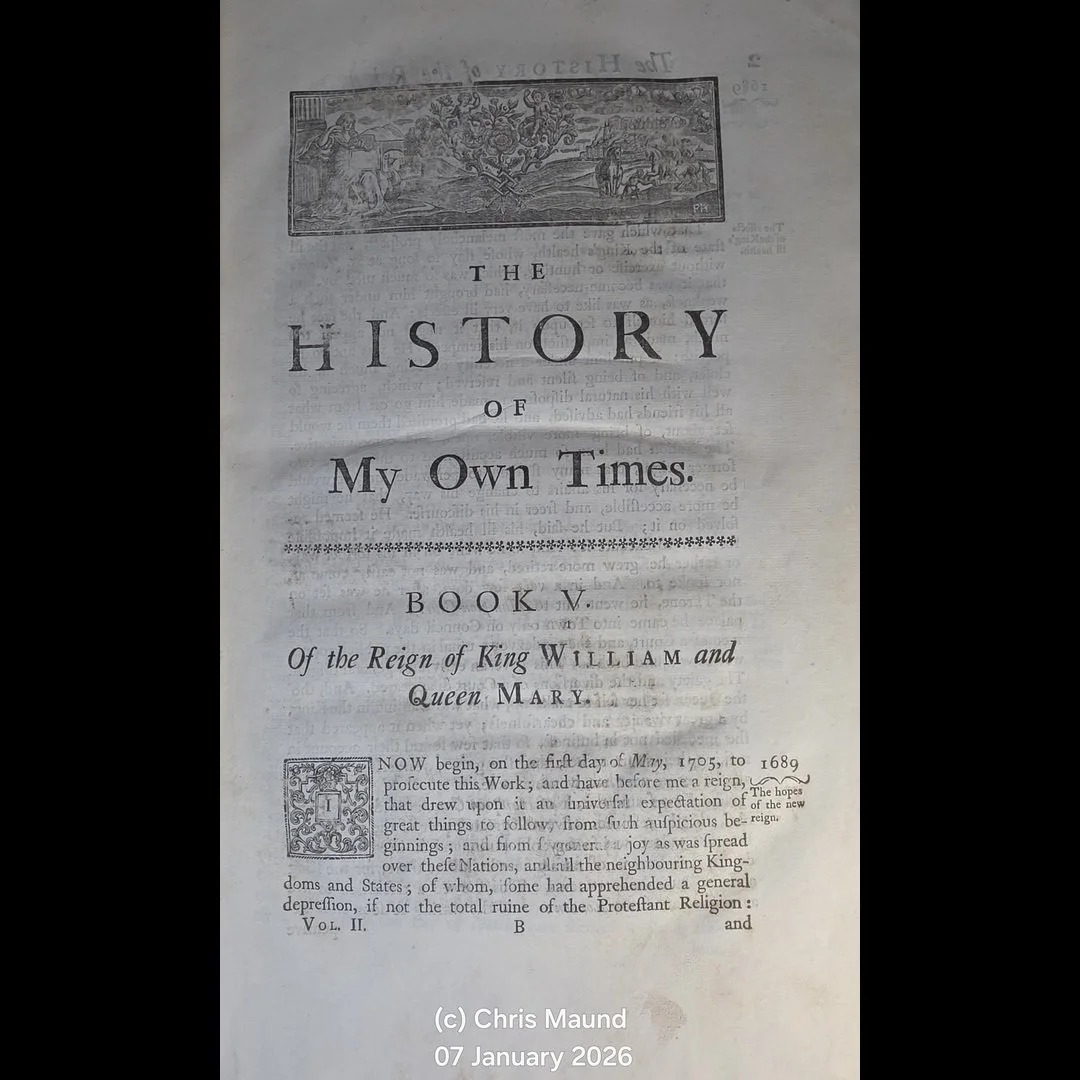 Image 19 of 33
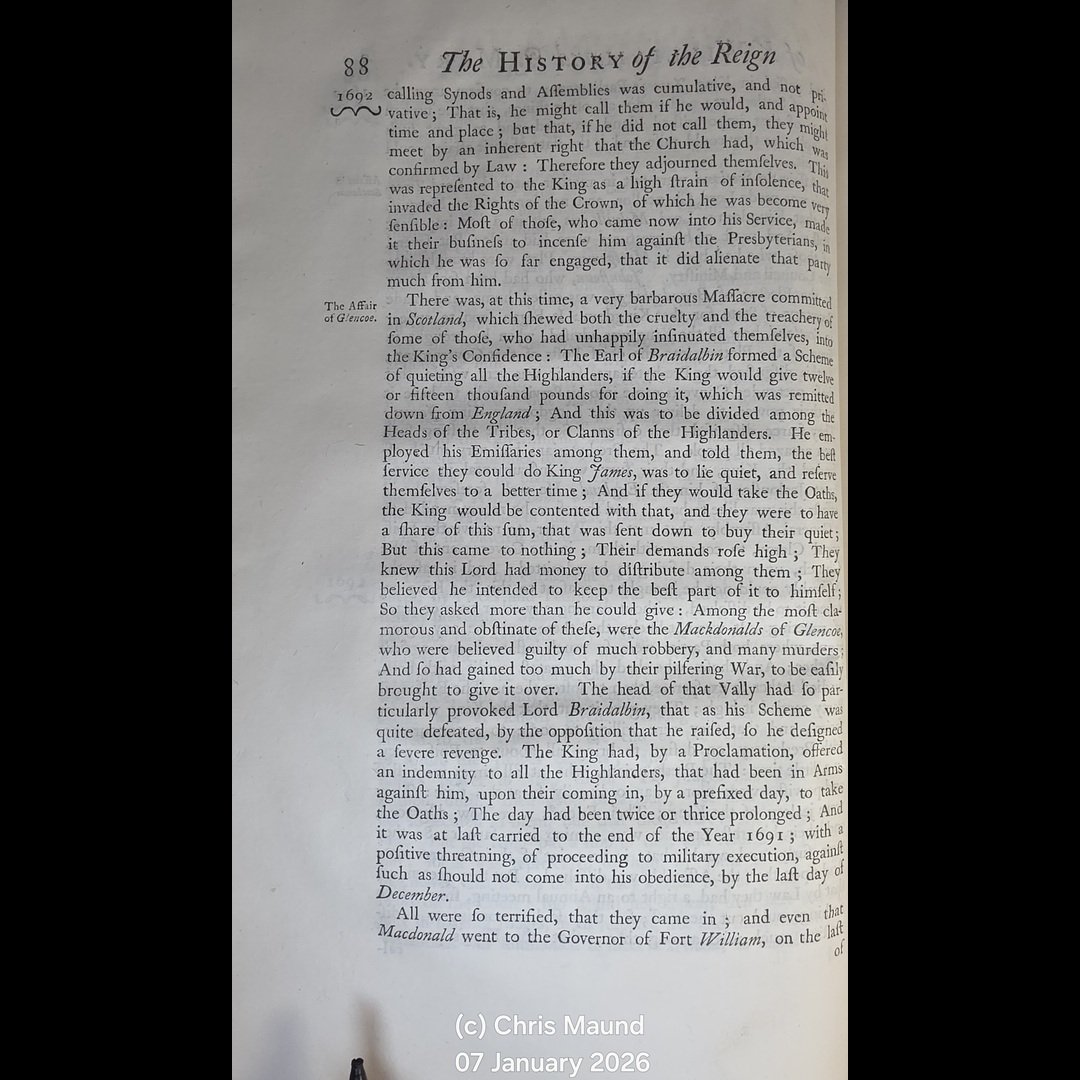 Image 20 of 33
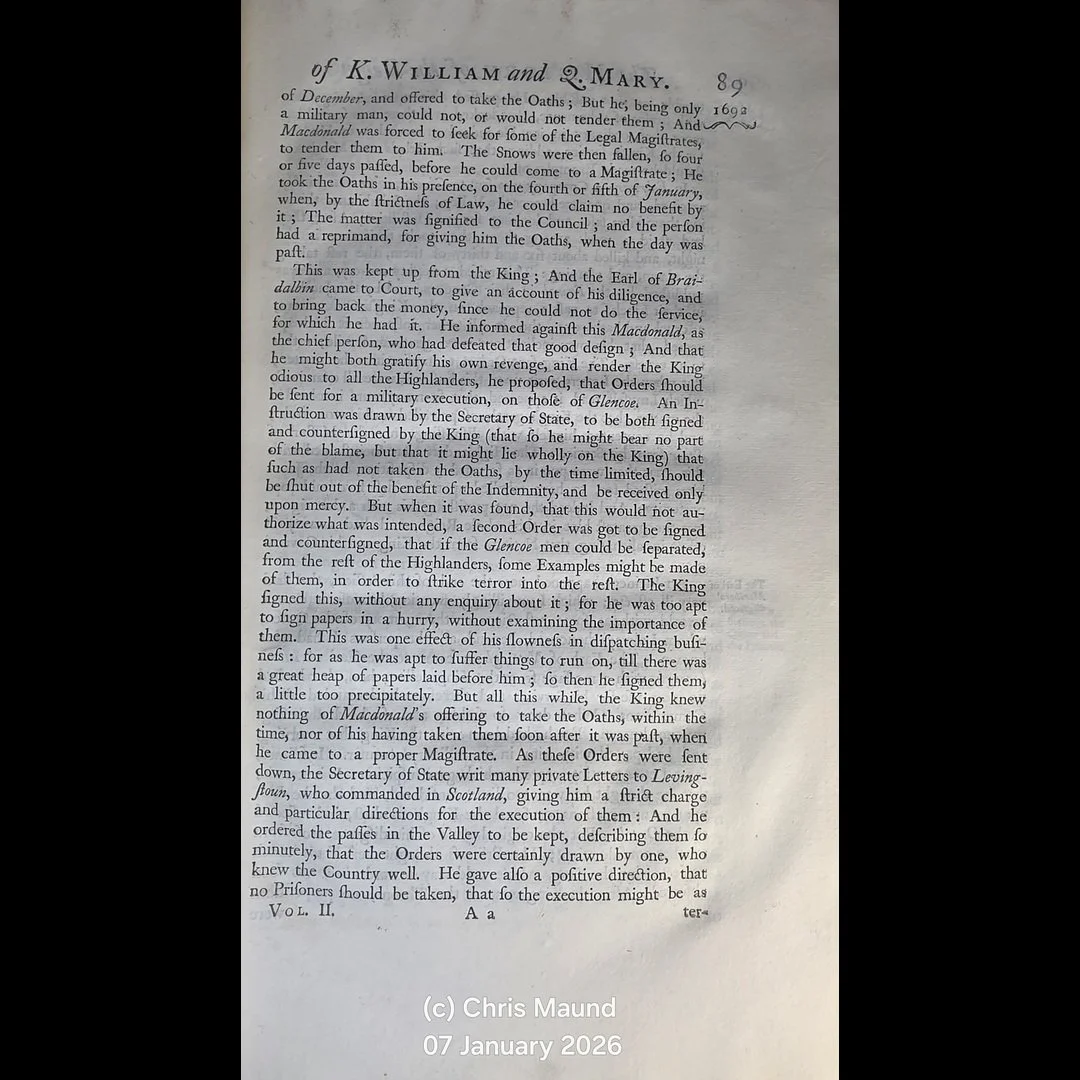 Image 21 of 33
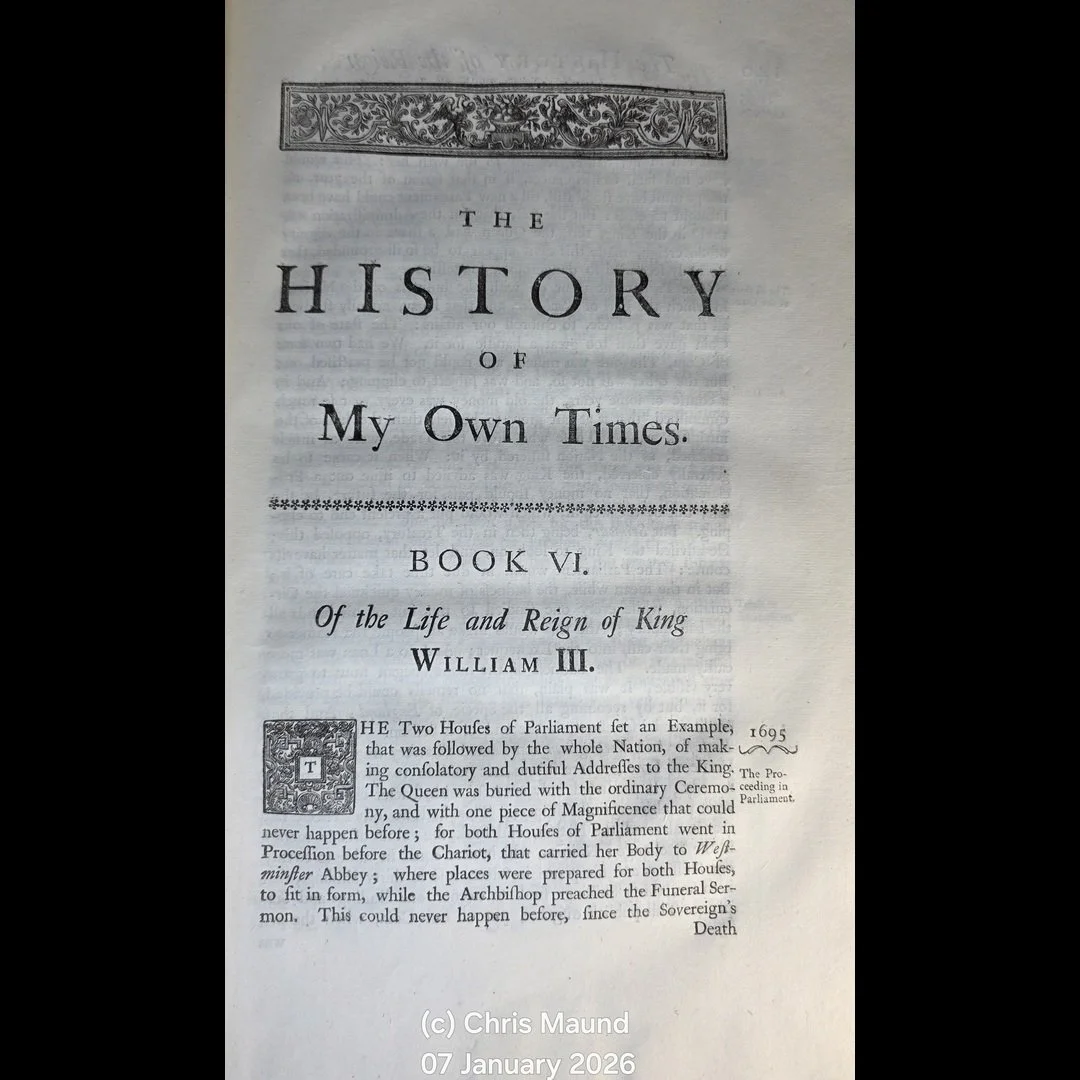 Image 22 of 33
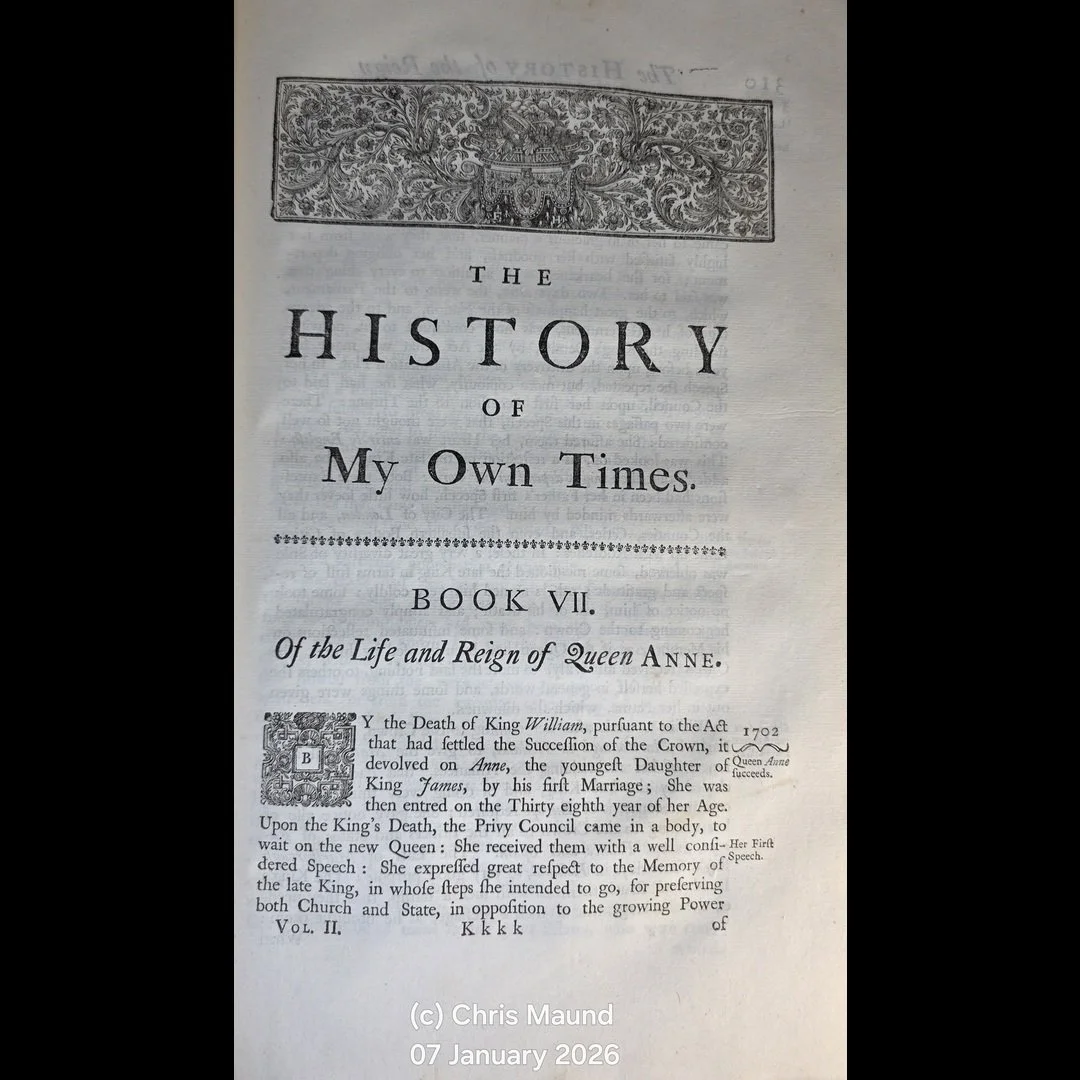 Image 23 of 33
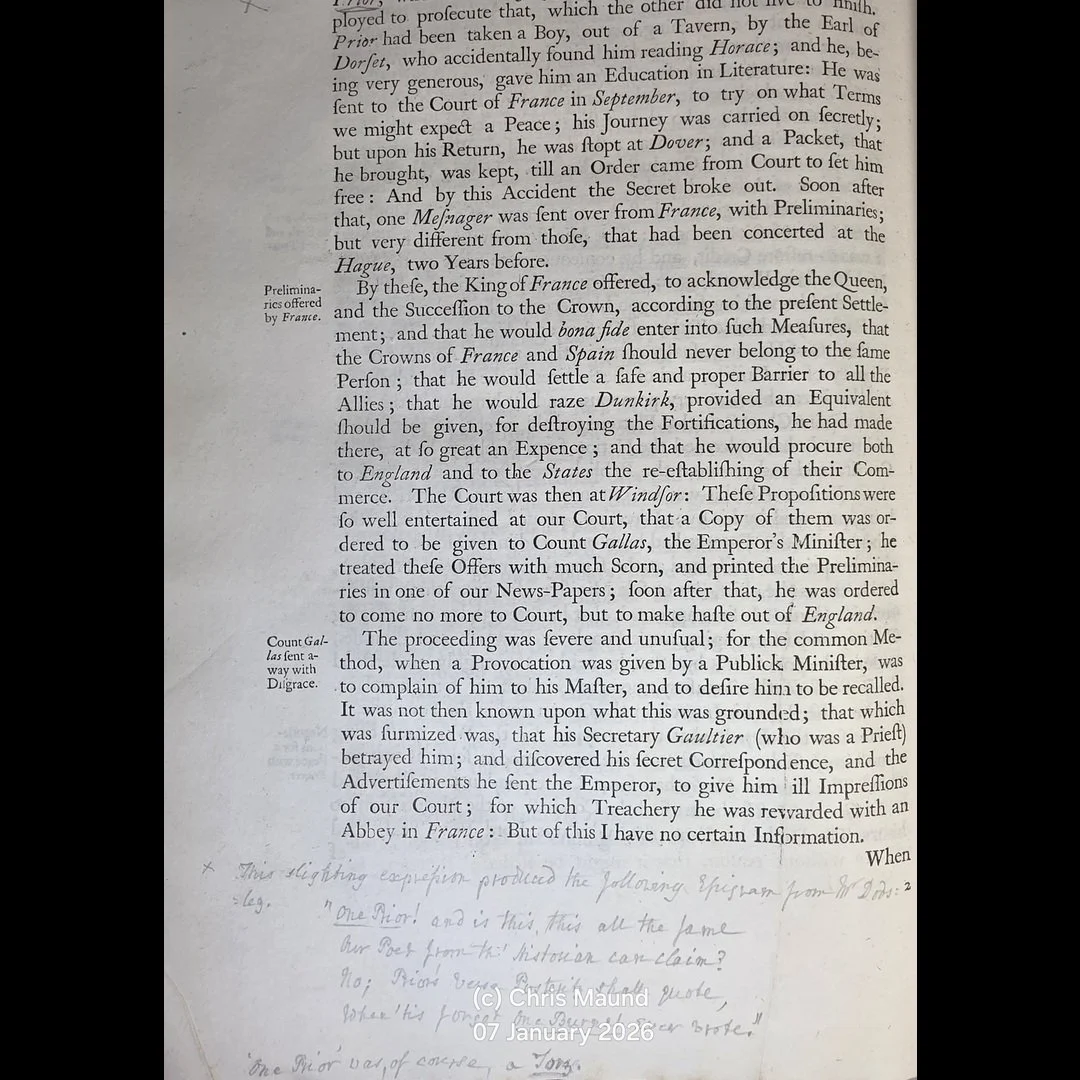 Image 24 of 33
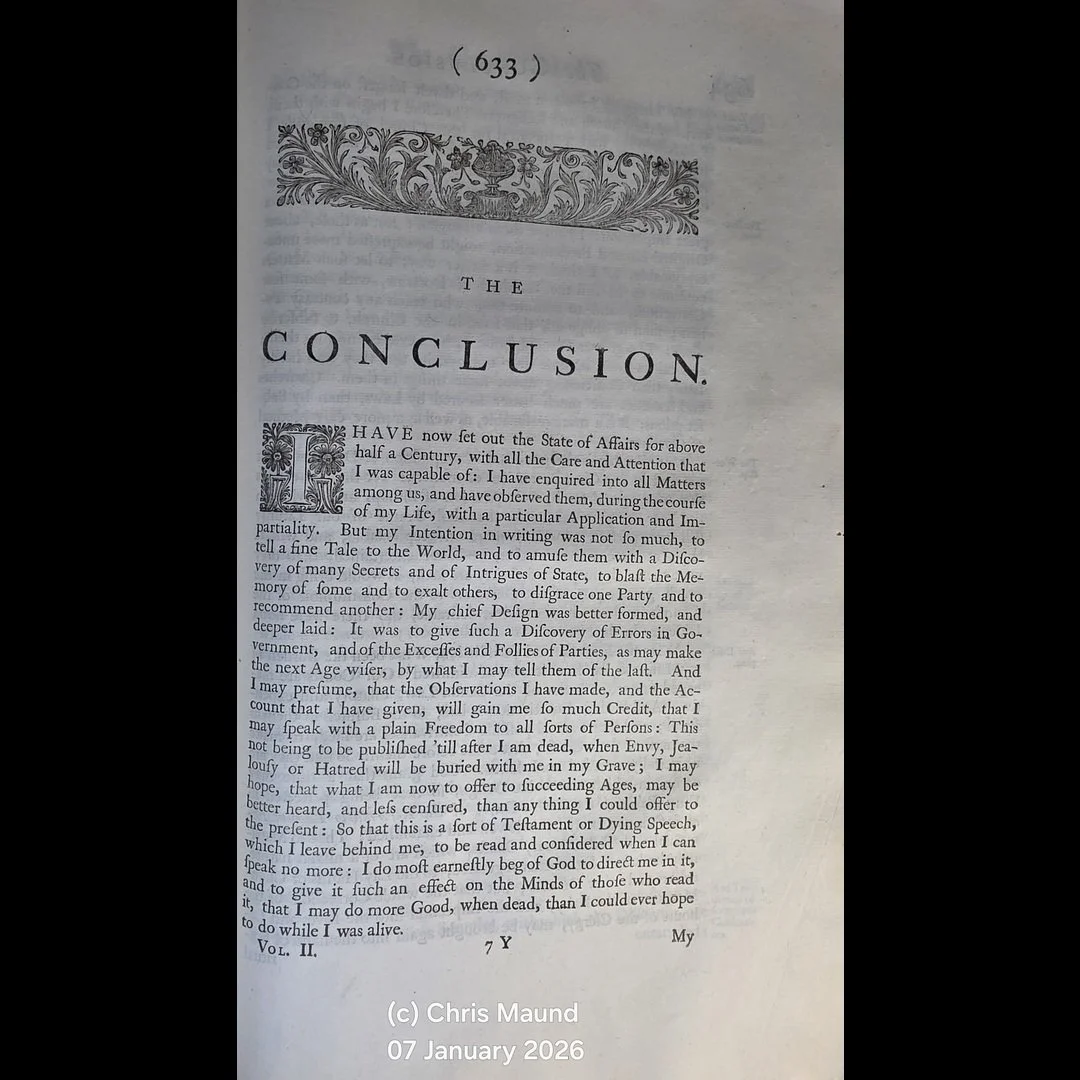 Image 25 of 33
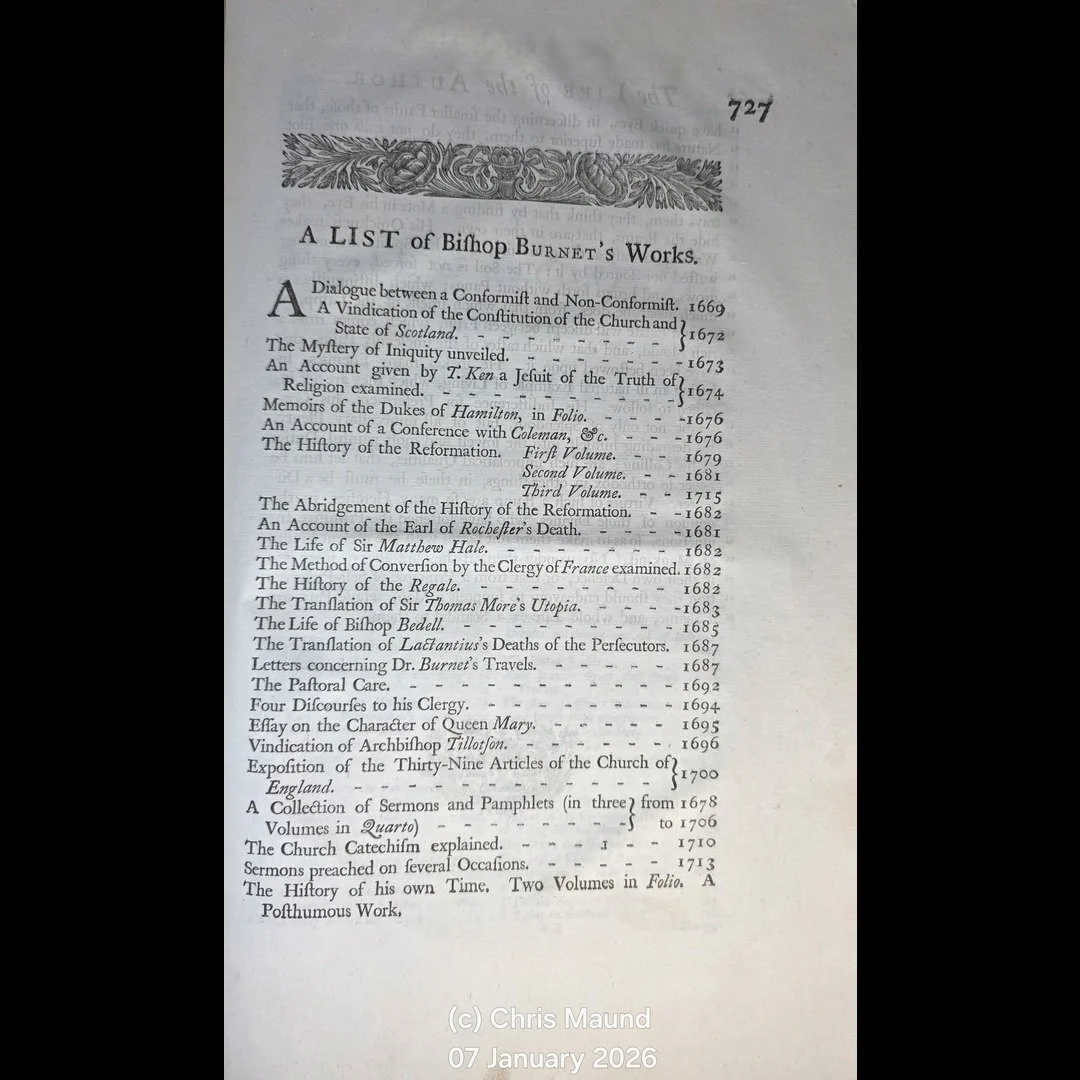 Image 26 of 33
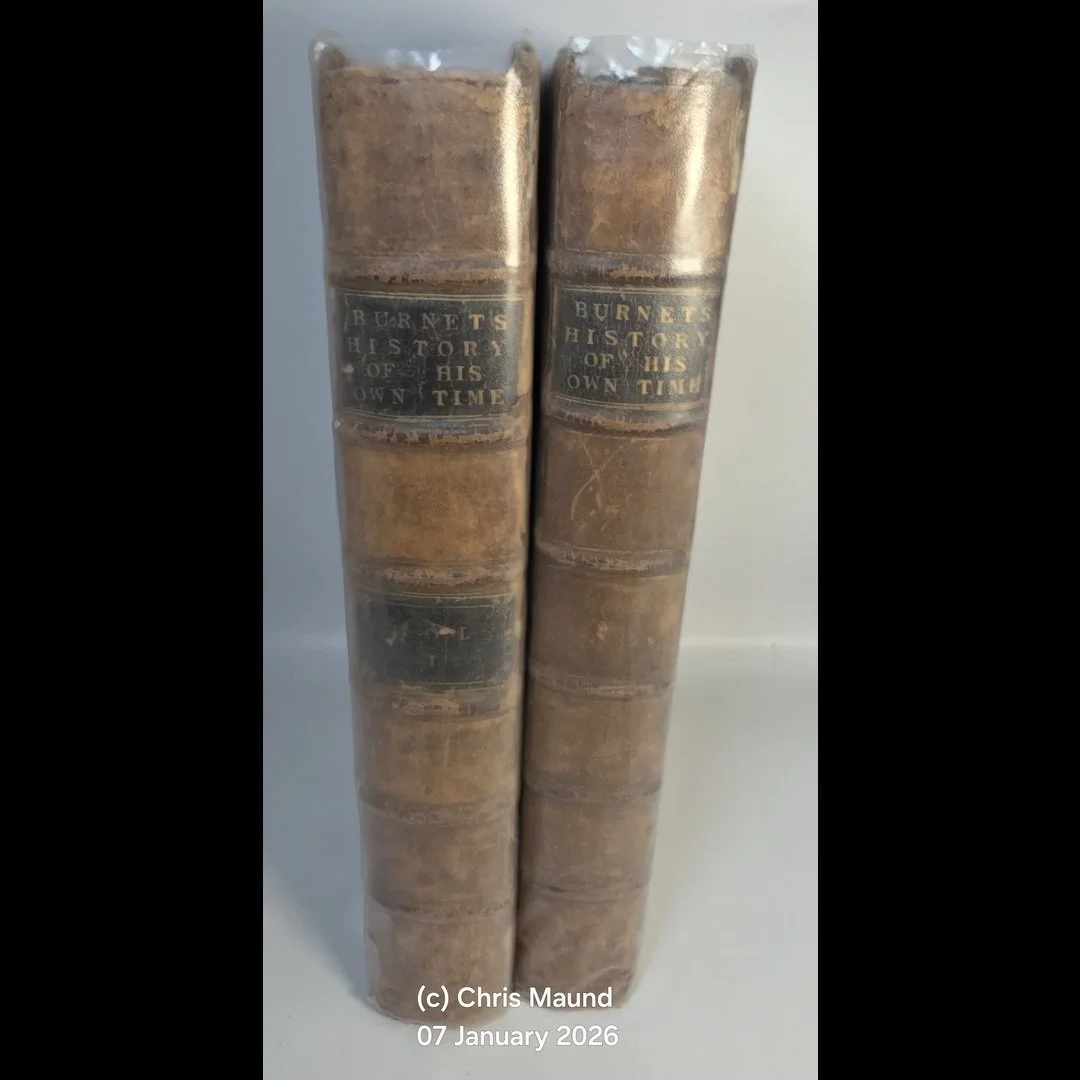 Image 27 of 33
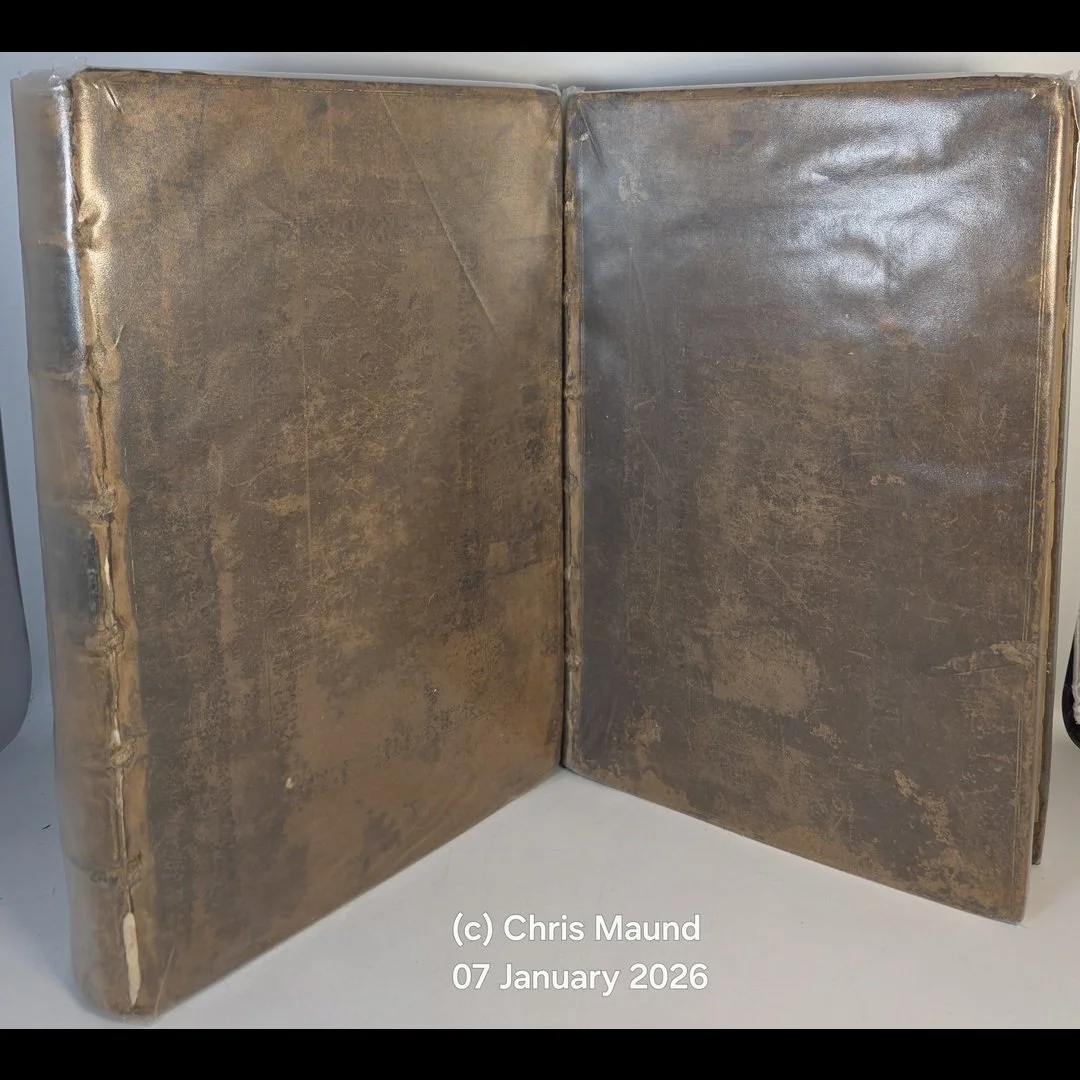 Image 28 of 33
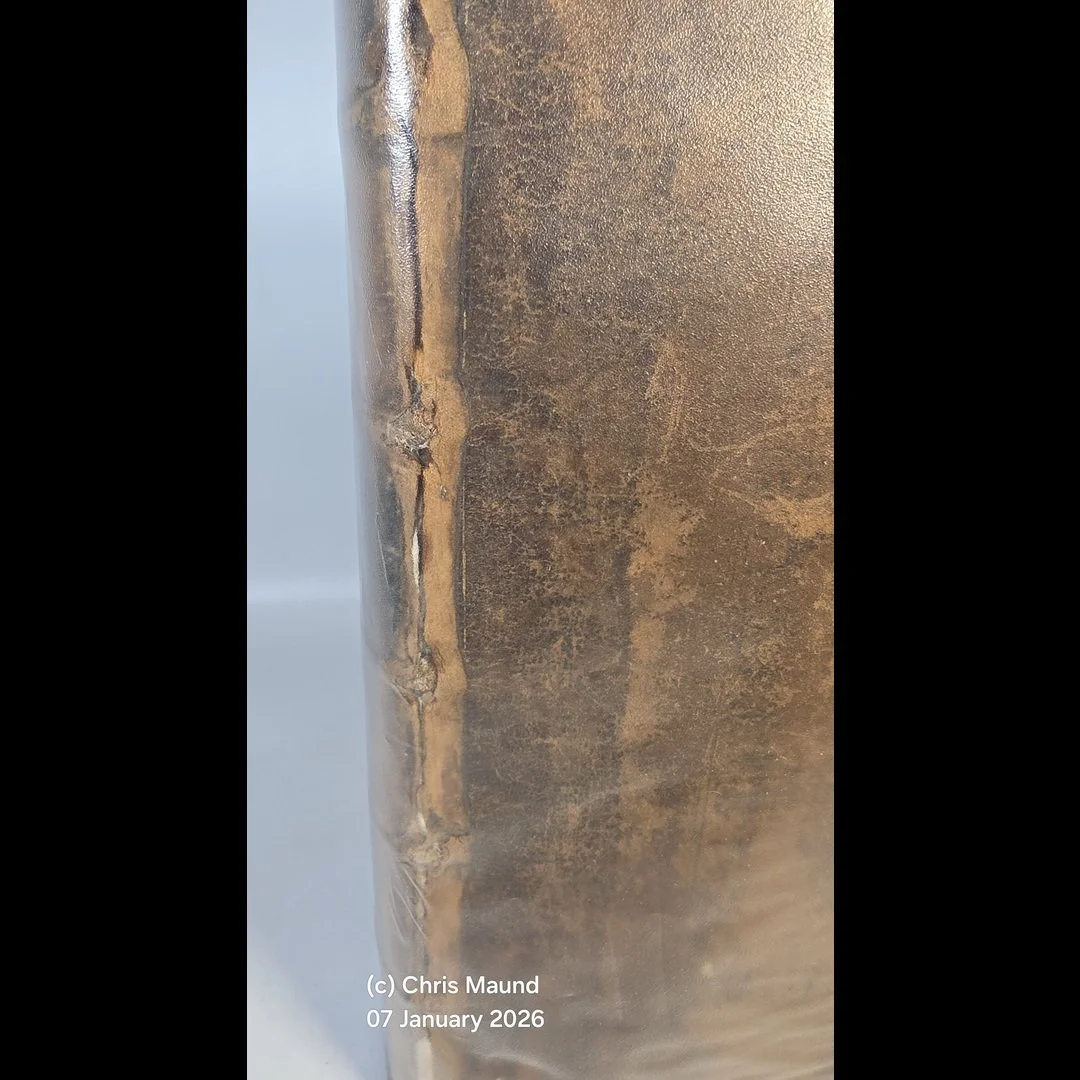 Image 29 of 33
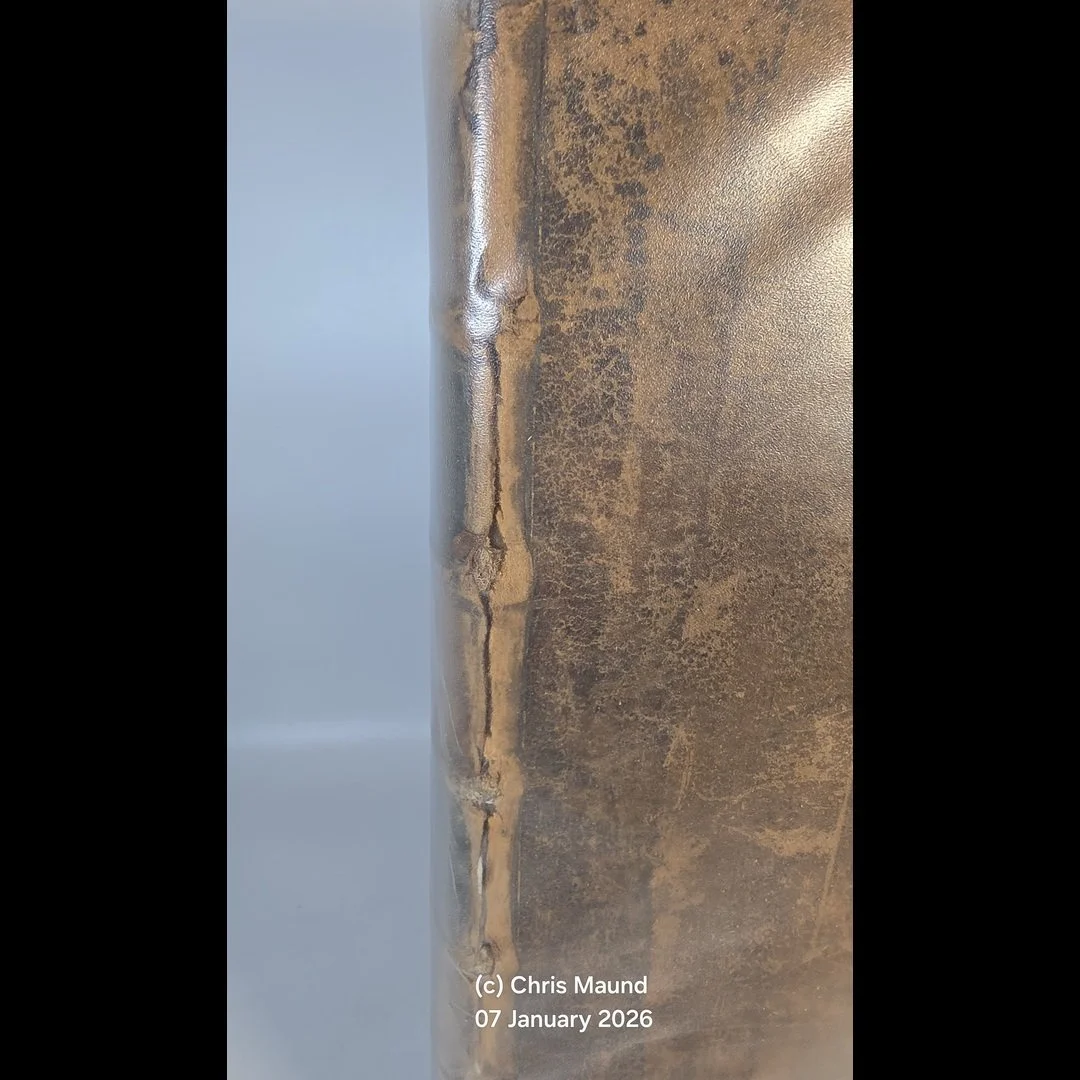 Image 30 of 33
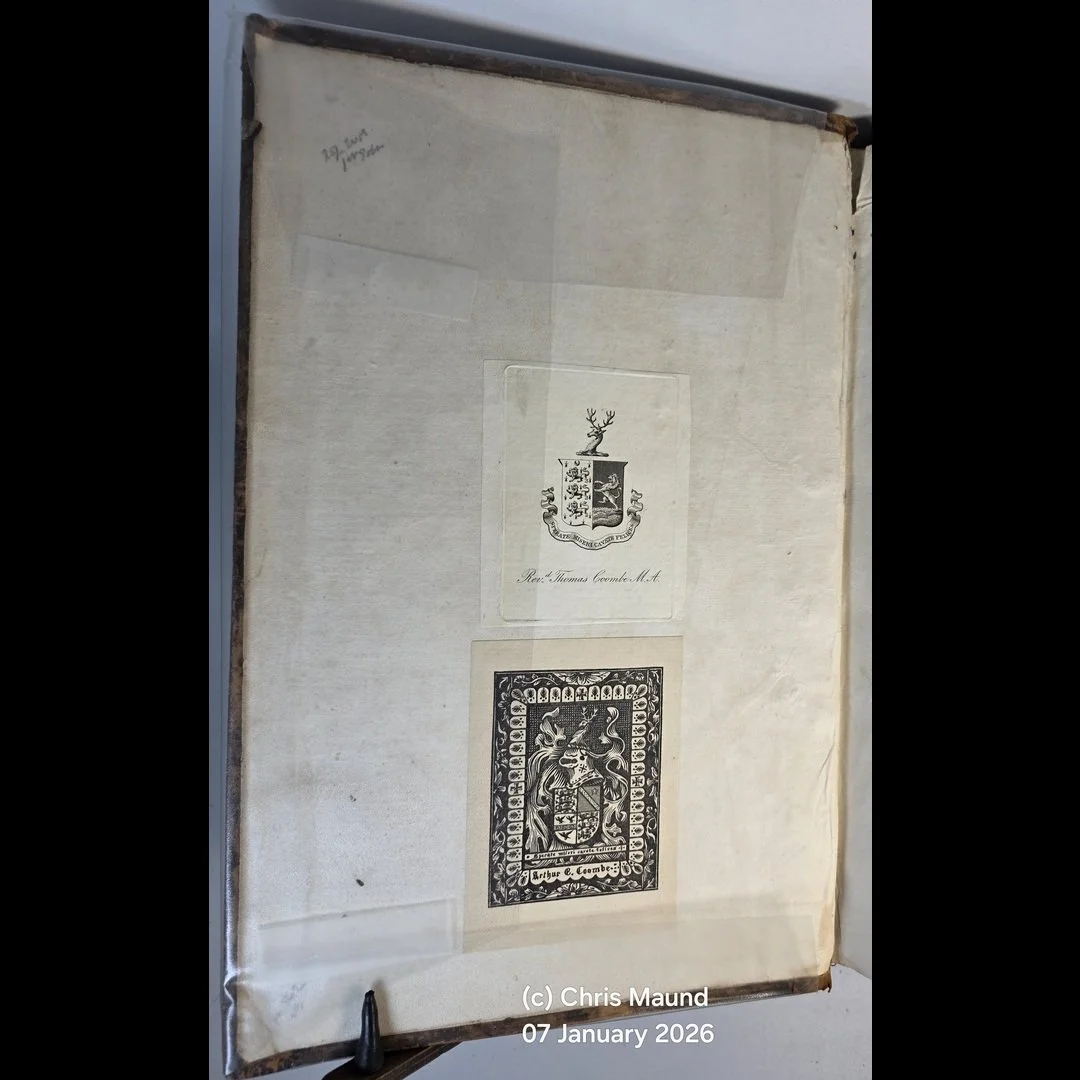 Image 31 of 33
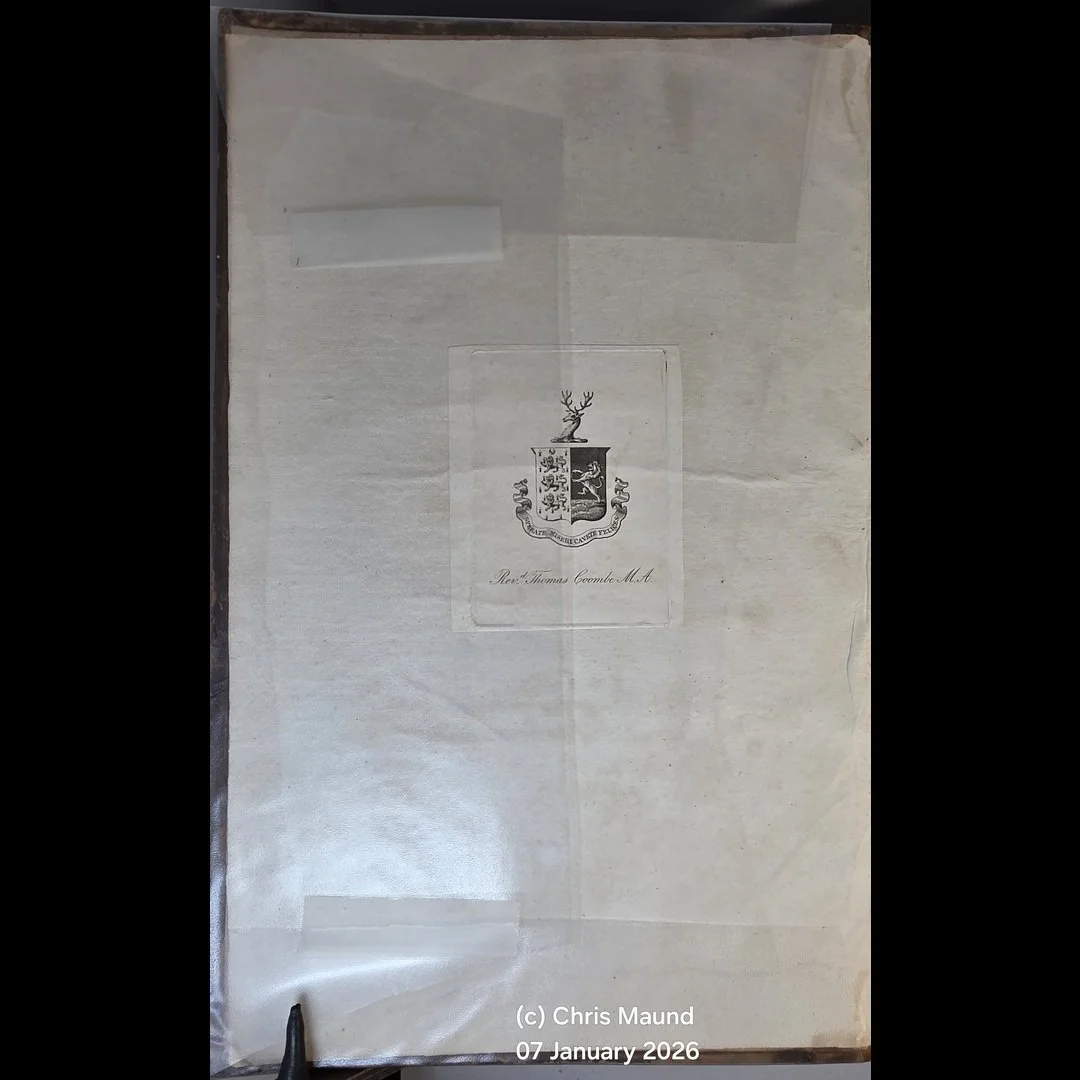 Image 32 of 33
 Image 33 of 33