1876 Fifty-First Thousand 51,000 Printing
ALICE'S ADVENTURES IN WONDERLAND
By Lewis Carroll
KEY DETAILS
Condition: Good
Format: Hardcover, 8vo; approx. 187 × 124 mm
Published By: Macmillan and Co, London, 1876
Language: English
Illustrated By: John Tenniel
Provenance: Contemporary presentation inscription: “To Lottie Aylward with Mrs M. Browne’s love and best wishes Jan. 4 1877.”
Collation: pp. [i]–xii, 1–192, followed by publisher’s advertisement material, including “Works by Lewis Carroll.”; All forty-two Tenniel illustrations are present.; Complete.
Dust Jacket: None, as issued
SKU: BTETM0002728
Shipping Info: Approximate Package Dimensions H: 12.5, L: 30, W: 25 (Units: cm), W: 2Kg
Tracked Shipping, Insurance Coverage as per Customer Request
DESCRIPTION
Alice's Adventures in Wonderland
With Forty-Two Wood-Engraved Illustrations by John Tenniel
An attractive and substantially original Victorian copy of Lewis Carroll’s Alice’s Adventures in Wonderland, published by Macmillan and Co. in 1876 and stated “Fifty-First Thousand” on the title page.
By this date Alice had already become one of the defining books of Victorian children’s literature, yet copies from the early Macmillan printing sequence retain a particularly strong connection with the appearance of the original 1860s editions. This copy remains in the publisher’s characteristic red cloth, elaborately blocked in gilt with the familiar Alice vignette to the upper board and Cheshire Cat vignette to the lower, with gilt spine decoration, blue endpapers and all edges gilt.
The text is illustrated throughout with forty-two engravings after John Tenniel, whose images became inseparable from Carroll’s story and established much of the visual vocabulary by which Alice is still recognised today.
Complete with the frontispiece, its original tissue guard, and the publisher’s advertisement leaf for works by Lewis Carroll.
Of particular interest is a contemporary presentation inscription dated 4 January 1877, apparently presented to “Lottie Aylward” by Mrs M. Browne. Research into the recipient provides an unusually engaging piece of Victorian social-history provenance.
PROVENANCE
Contemporary presentation inscription: “To Lottie Aylward with Mrs M. Browne’s love and best wishes Jan. 4 1877.”
The recipient can be identified with considerable confidence as Emma Charlotte “Lottie” Aylward, born at Chichester circa 1853–54 and later recorded in the 1881 census as an Industrial Trainer at the Cricklade & Wootton Bassett Union Workhouse at Purton, Wiltshire.
The identification is supported by the unusual combination of name, age, birthplace and occupational background.
Emma belonged to a family closely associated with the administration of the Victorian Poor Law. George Aylward, born at Chichester in 1828 and identified in genealogical records as Emma Charlotte’s father, pursued a career as a professional workhouse master. George and Marion Aylward are documented as Master and Matron of Rotherhithe Workhouse in the 1860s and subsequently held senior Poor Law appointments, with George later becoming Master of Kensington Workhouse.
The family’s involvement extended into the next generation. By 1881 another daughter, Esther Ann Aylward, was serving as Assistant Master at Kensington, while Emma Charlotte herself was holding an institutional post at Cricklade.
Although the surviving openly accessible records do not yet provide the single primary birth or census entry required to establish the identification absolutely, the cumulative evidence makes Emma Charlotte Aylward a highly persuasive identification for the “Lottie Aylward” named in this volume.
Mrs M. Browne, who presented the book in January 1877, has not yet been securely identified. Her precise relationship to Emma remains unknown, although the inscription predates Emma’s documented 1881 Poor Law appointment by approximately four years.
The inscription therefore preserves an appealing glimpse into the personal life of a young Victorian woman who would herself become part of the professional workhouse system in which members of her family served.
CONDITION, COLLATION & COPY NOTES
COLLATION
pp. [i]–xii, 1–192, followed by publisher’s advertisement material, including “Works by Lewis Carroll.”; All forty-two Tenniel illustrations are present.; Complete.
A complete, unrestored copy retaining its original Victorian binding and a particularly interesting contemporary presentation inscription.
Original publisher’s red/bordeaux cloth with gilt decoration to boards and spine and all edges gilt.
The binding shows the expected signs of age and use, including rubbing, surface soiling and mottled staining to the cloth, wear and fraying at the head and foot of the spine, and softened and rounded corners.
The rear inner hinge is substantially split with the mull exposed, although the board remains attached and the text block is secure. The front inner hinge remains substantially sound.
The first two preliminary leaves are slightly loosened but remain attached.
The frontispiece is present with its original tissue guard; the tissue is noticeably creased and foxed. Scattered foxing and occasional spotting occur elsewhere internally, consistent with age.
No loose or missing text leaves noted.
Please see Photos as part of condition report.
REFERENCES
Williams, Madan, Green & Crutch, The Lewis Carroll Handbook.
Macmillan and Co., London, 1876, stated Fifty-First Thousand.
Contemporary census and Poor Law records relating to Emma Charlotte Aylward and the Aylward family have been consulted in researching the provenance of this copy.
SYNOPSIS
On a warm afternoon, Alice follows a waistcoated White Rabbit down a rabbit hole and enters a world governed by its own peculiar logic.
Her adventures bring encounters with some of the most enduring figures in English literature: the Cheshire Cat, the Caterpillar, the Mad Hatter and March Hare, the Duchess, the Mock Turtle and the tyrannical Queen of Hearts.
Beneath its apparent structure as a children’s fantasy, Alice’s Adventures in Wonderland is a sophisticated exploration of language, logic, identity, education and authority. Carroll repeatedly disrupts the assumptions of Victorian adulthood through wordplay, paradox and absurdity, while Alice attempts to impose reason upon an environment where the usual rules of language and behaviour continually collapse.
First published in 1865 in an edition subsequently withdrawn, and then effectively relaunched by Macmillan in 1866, Alice rapidly became both a publishing phenomenon and one of the foundational works of literary fantasy.
Its influence has extended far beyond children’s literature into philosophy, mathematics, psychology, visual culture and popular language.
AUTHOR BIO
Lewis Carroll was the pen name of Charles Lutwidge Dodgson (1832–1898), an English mathematician, logician, photographer, Anglican deacon and writer.
Educated at Christ Church, Oxford, Dodgson spent much of his professional life there as a lecturer in mathematics. His academic writings included works on geometry, algebra, logic and electoral systems, while his literary output ranged from poetry and puzzles to the two books for which he remains internationally renowned: Alice’s Adventures in Wonderland and Through the Looking-Glass.
The origins of Alice lie in a boating excursion on 4 July 1862, during which Dodgson entertained Alice Liddell and her sisters with a story about a girl who followed a rabbit underground. At Alice’s request he later wrote the tale down, initially producing the manuscript Alice’s Adventures Under Ground.
Its transformation into the published Alice’s Adventures in Wonderland brought together Carroll’s linguistic invention and mathematical fascination with John Tenniel’s illustrations, producing one of the most enduring collaborations in the history of illustrated literature.
ILLUSTRATOR
John Tenniel
Sir John Tenniel (1820–1914) was an English illustrator and political cartoonist best known for his long association with Punch and for his illustrations to Lewis Carroll’s two Alice books.
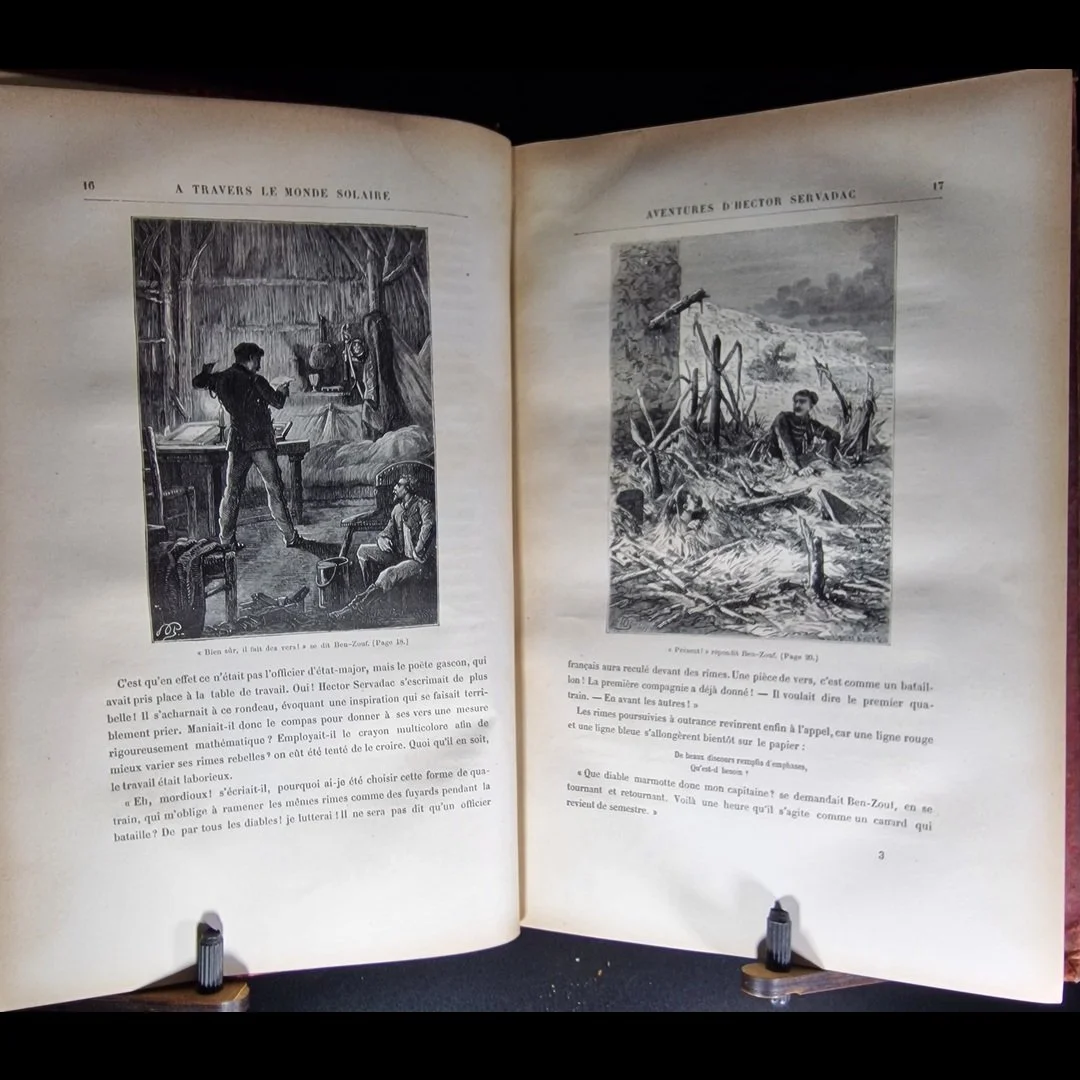
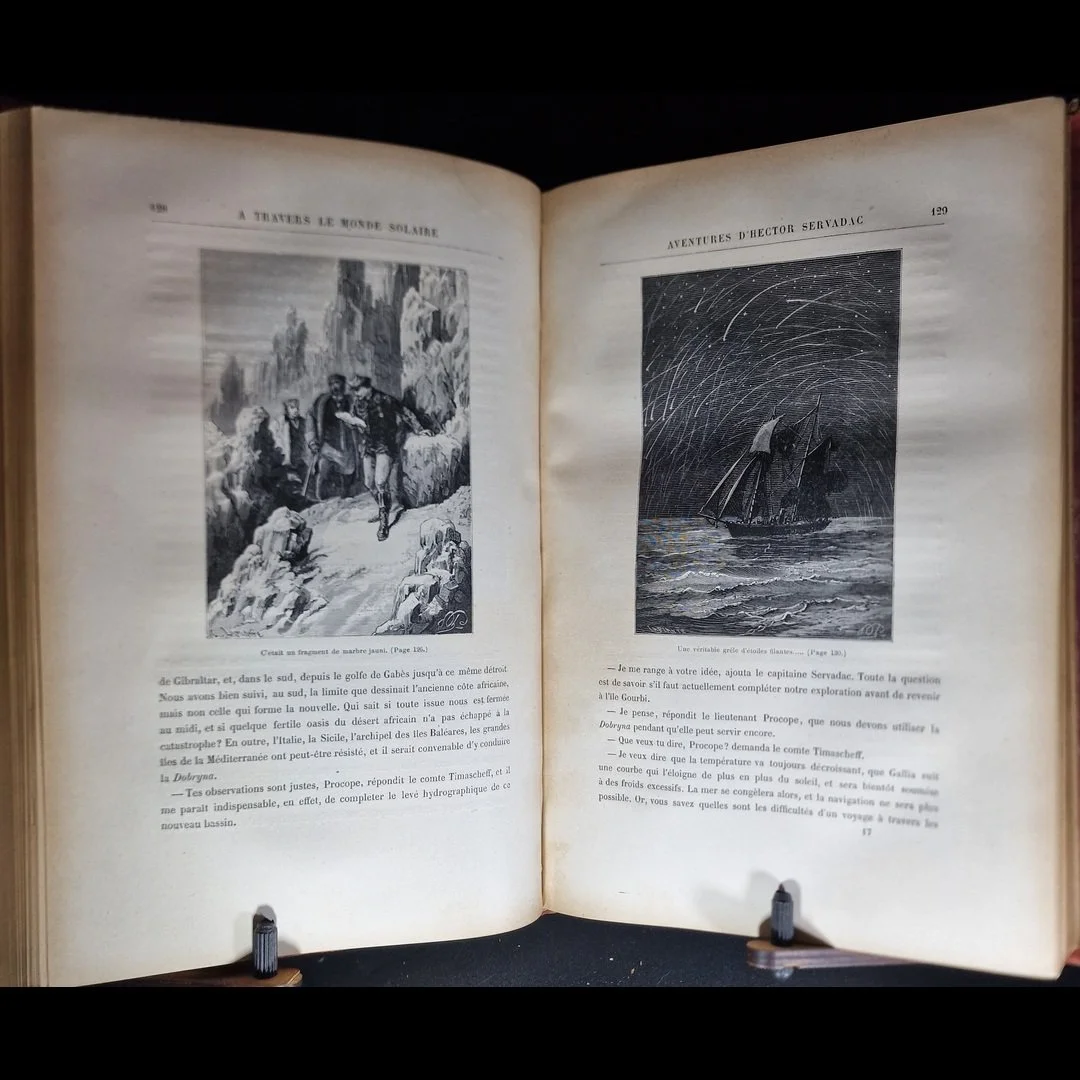
Tenniel’s forty-two illustrations for Alice’s Adventures in Wonderland were transferred to wood blocks by the Dalziel Brothers and engraved for printing. His interpretation of Alice and the inhabitants of Wonderland became so influential that later artists have rarely been able entirely to escape his visual vocabulary.
His White Rabbit, Mad Hatter, Cheshire Cat, Queen of Hearts and other characters remain among the most recognisable images in nineteenth-century book illustration.
The extraordinary longevity of Carroll’s story owes much to the tension between the apparent formality of Tenniel’s Victorian draftsmanship and the increasingly irrational world he was asked to depict.
1876 Fifty-First Thousand 51,000 Printing
ALICE'S ADVENTURES IN WONDERLAND
By Lewis Carroll
KEY DETAILS
Condition: Good
Format: Hardcover, 8vo; approx. 187 × 124 mm
Published By: Macmillan and Co, London, 1876
Language: English
Illustrated By: John Tenniel
Provenance: Contemporary presentation inscription: “To Lottie Aylward with Mrs M. Browne’s love and best wishes Jan. 4 1877.”
Collation: pp. [i]–xii, 1–192, followed by publisher’s advertisement material, including “Works by Lewis Carroll.”; All forty-two Tenniel illustrations are present.; Complete.
Dust Jacket: None, as issued
SKU: BTETM0002728
Shipping Info: Approximate Package Dimensions H: 12.5, L: 30, W: 25 (Units: cm), W: 2Kg
Tracked Shipping, Insurance Coverage as per Customer Request
DESCRIPTION
Alice's Adventures in Wonderland
With Forty-Two Wood-Engraved Illustrations by John Tenniel
An attractive and substantially original Victorian copy of Lewis Carroll’s Alice’s Adventures in Wonderland, published by Macmillan and Co. in 1876 and stated “Fifty-First Thousand” on the title page.
By this date Alice had already become one of the defining books of Victorian children’s literature, yet copies from the early Macmillan printing sequence retain a particularly strong connection with the appearance of the original 1860s editions. This copy remains in the publisher’s characteristic red cloth, elaborately blocked in gilt with the familiar Alice vignette to the upper board and Cheshire Cat vignette to the lower, with gilt spine decoration, blue endpapers and all edges gilt.
The text is illustrated throughout with forty-two engravings after John Tenniel, whose images became inseparable from Carroll’s story and established much of the visual vocabulary by which Alice is still recognised today.
Complete with the frontispiece, its original tissue guard, and the publisher’s advertisement leaf for works by Lewis Carroll.
Of particular interest is a contemporary presentation inscription dated 4 January 1877, apparently presented to “Lottie Aylward” by Mrs M. Browne. Research into the recipient provides an unusually engaging piece of Victorian social-history provenance.
PROVENANCE
Contemporary presentation inscription: “To Lottie Aylward with Mrs M. Browne’s love and best wishes Jan. 4 1877.”
The recipient can be identified with considerable confidence as Emma Charlotte “Lottie” Aylward, born at Chichester circa 1853–54 and later recorded in the 1881 census as an Industrial Trainer at the Cricklade & Wootton Bassett Union Workhouse at Purton, Wiltshire.
The identification is supported by the unusual combination of name, age, birthplace and occupational background.
Emma belonged to a family closely associated with the administration of the Victorian Poor Law. George Aylward, born at Chichester in 1828 and identified in genealogical records as Emma Charlotte’s father, pursued a career as a professional workhouse master. George and Marion Aylward are documented as Master and Matron of Rotherhithe Workhouse in the 1860s and subsequently held senior Poor Law appointments, with George later becoming Master of Kensington Workhouse.
The family’s involvement extended into the next generation. By 1881 another daughter, Esther Ann Aylward, was serving as Assistant Master at Kensington, while Emma Charlotte herself was holding an institutional post at Cricklade.
Although the surviving openly accessible records do not yet provide the single primary birth or census entry required to establish the identification absolutely, the cumulative evidence makes Emma Charlotte Aylward a highly persuasive identification for the “Lottie Aylward” named in this volume.
Mrs M. Browne, who presented the book in January 1877, has not yet been securely identified. Her precise relationship to Emma remains unknown, although the inscription predates Emma’s documented 1881 Poor Law appointment by approximately four years.
The inscription therefore preserves an appealing glimpse into the personal life of a young Victorian woman who would herself become part of the professional workhouse system in which members of her family served.
CONDITION, COLLATION & COPY NOTES
COLLATION
pp. [i]–xii, 1–192, followed by publisher’s advertisement material, including “Works by Lewis Carroll.”; All forty-two Tenniel illustrations are present.; Complete.
A complete, unrestored copy retaining its original Victorian binding and a particularly interesting contemporary presentation inscription.
Original publisher’s red/bordeaux cloth with gilt decoration to boards and spine and all edges gilt.
The binding shows the expected signs of age and use, including rubbing, surface soiling and mottled staining to the cloth, wear and fraying at the head and foot of the spine, and softened and rounded corners.
The rear inner hinge is substantially split with the mull exposed, although the board remains attached and the text block is secure. The front inner hinge remains substantially sound.
The first two preliminary leaves are slightly loosened but remain attached.
The frontispiece is present with its original tissue guard; the tissue is noticeably creased and foxed. Scattered foxing and occasional spotting occur elsewhere internally, consistent with age.
No loose or missing text leaves noted.
Please see Photos as part of condition report.
REFERENCES
Williams, Madan, Green & Crutch, The Lewis Carroll Handbook.
Macmillan and Co., London, 1876, stated Fifty-First Thousand.
Contemporary census and Poor Law records relating to Emma Charlotte Aylward and the Aylward family have been consulted in researching the provenance of this copy.
SYNOPSIS
On a warm afternoon, Alice follows a waistcoated White Rabbit down a rabbit hole and enters a world governed by its own peculiar logic.
Her adventures bring encounters with some of the most enduring figures in English literature: the Cheshire Cat, the Caterpillar, the Mad Hatter and March Hare, the Duchess, the Mock Turtle and the tyrannical Queen of Hearts.
Beneath its apparent structure as a children’s fantasy, Alice’s Adventures in Wonderland is a sophisticated exploration of language, logic, identity, education and authority. Carroll repeatedly disrupts the assumptions of Victorian adulthood through wordplay, paradox and absurdity, while Alice attempts to impose reason upon an environment where the usual rules of language and behaviour continually collapse.
First published in 1865 in an edition subsequently withdrawn, and then effectively relaunched by Macmillan in 1866, Alice rapidly became both a publishing phenomenon and one of the foundational works of literary fantasy.
Its influence has extended far beyond children’s literature into philosophy, mathematics, psychology, visual culture and popular language.
AUTHOR BIO
Lewis Carroll was the pen name of Charles Lutwidge Dodgson (1832–1898), an English mathematician, logician, photographer, Anglican deacon and writer.
Educated at Christ Church, Oxford, Dodgson spent much of his professional life there as a lecturer in mathematics. His academic writings included works on geometry, algebra, logic and electoral systems, while his literary output ranged from poetry and puzzles to the two books for which he remains internationally renowned: Alice’s Adventures in Wonderland and Through the Looking-Glass.
The origins of Alice lie in a boating excursion on 4 July 1862, during which Dodgson entertained Alice Liddell and her sisters with a story about a girl who followed a rabbit underground. At Alice’s request he later wrote the tale down, initially producing the manuscript Alice’s Adventures Under Ground.
Its transformation into the published Alice’s Adventures in Wonderland brought together Carroll’s linguistic invention and mathematical fascination with John Tenniel’s illustrations, producing one of the most enduring collaborations in the history of illustrated literature.
ILLUSTRATOR
John Tenniel
Sir John Tenniel (1820–1914) was an English illustrator and political cartoonist best known for his long association with Punch and for his illustrations to Lewis Carroll’s two Alice books.
Tenniel’s forty-two illustrations for Alice’s Adventures in Wonderland were transferred to wood blocks by the Dalziel Brothers and engraved for printing. His interpretation of Alice and the inhabitants of Wonderland became so influential that later artists have rarely been able entirely to escape his visual vocabulary.
His White Rabbit, Mad Hatter, Cheshire Cat, Queen of Hearts and other characters remain among the most recognisable images in nineteenth-century book illustration.
The extraordinary longevity of Carroll’s story owes much to the tension between the apparent formality of Tenniel’s Victorian draftsmanship and the increasingly irrational world he was asked to depict.

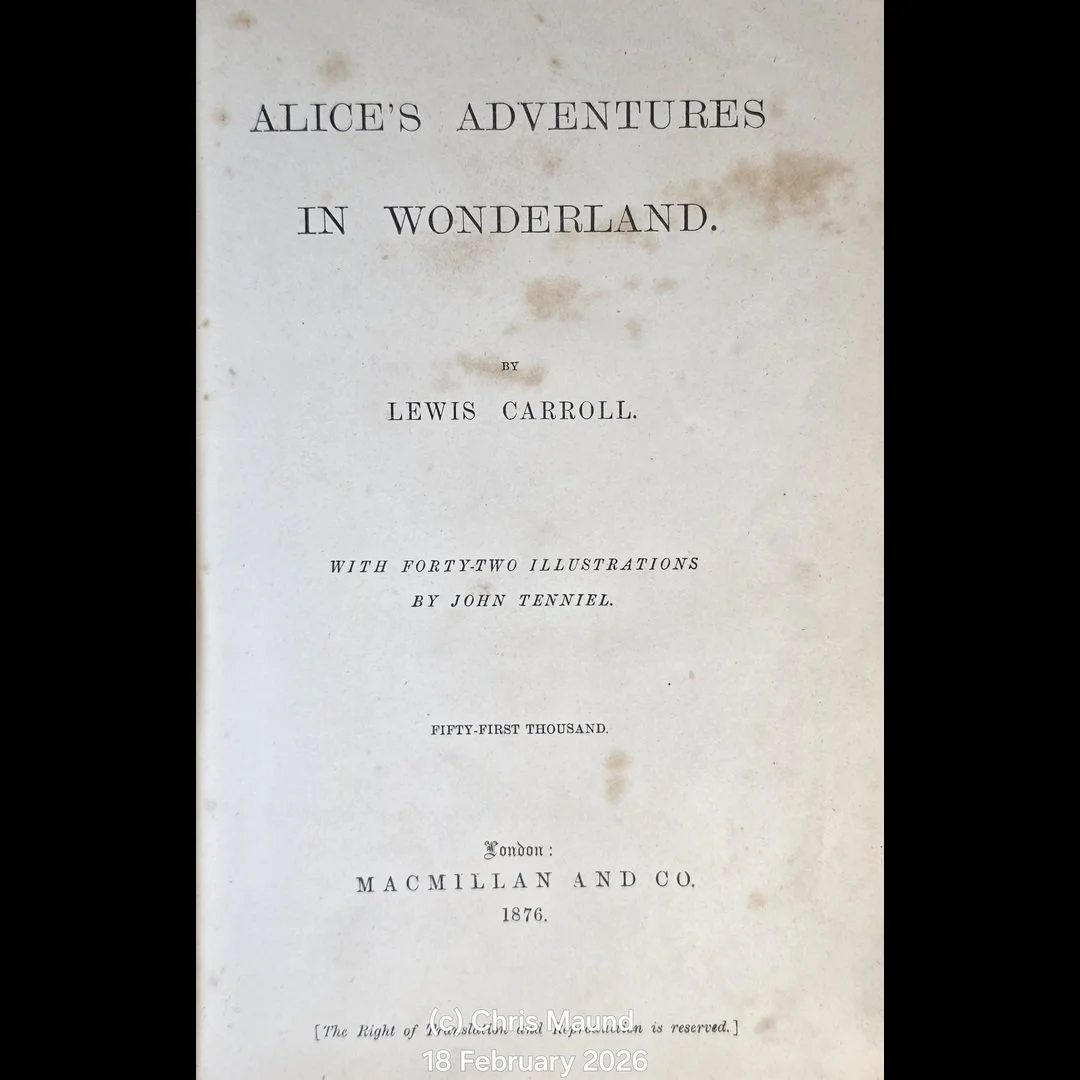 Image 1 of 38
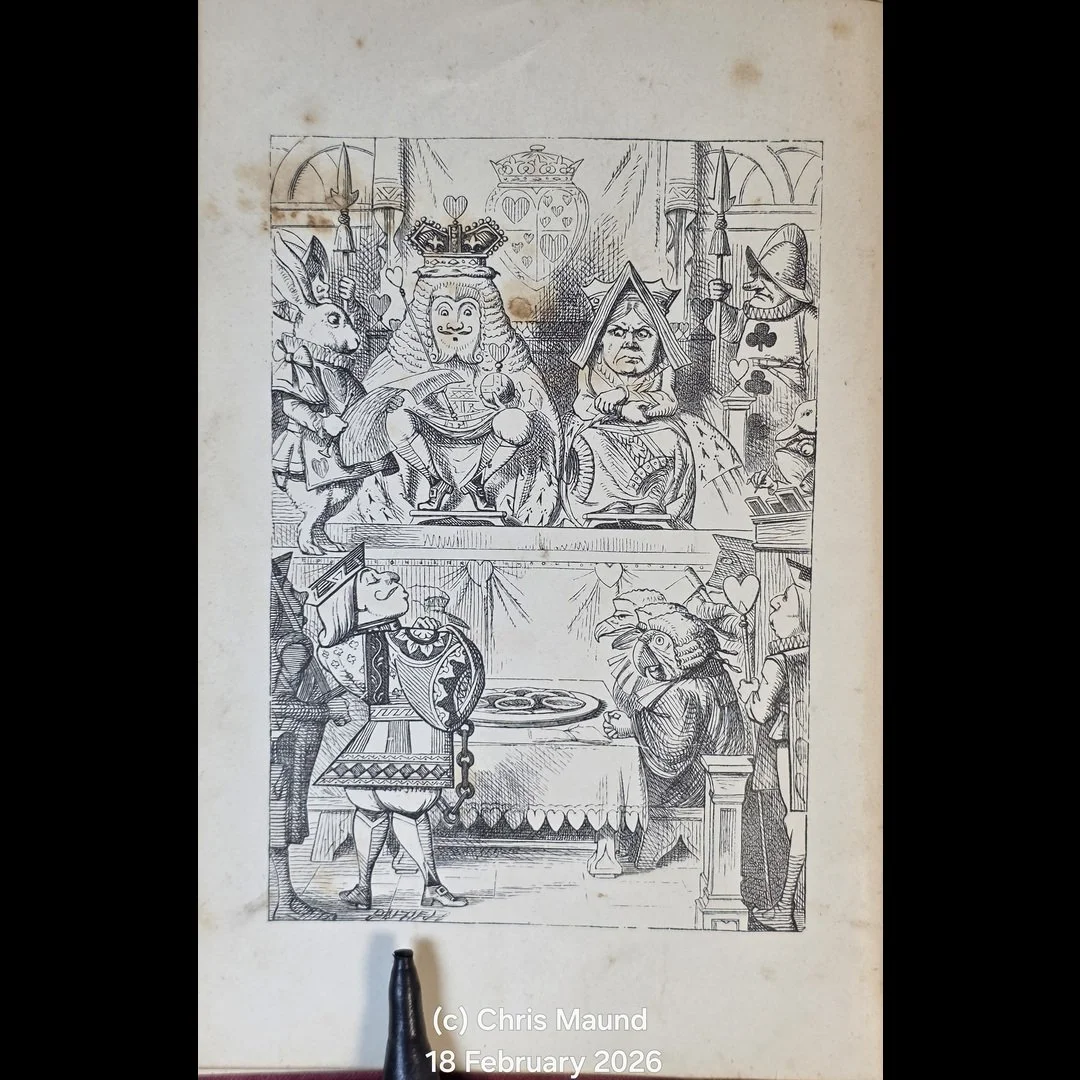 Image 2 of 38
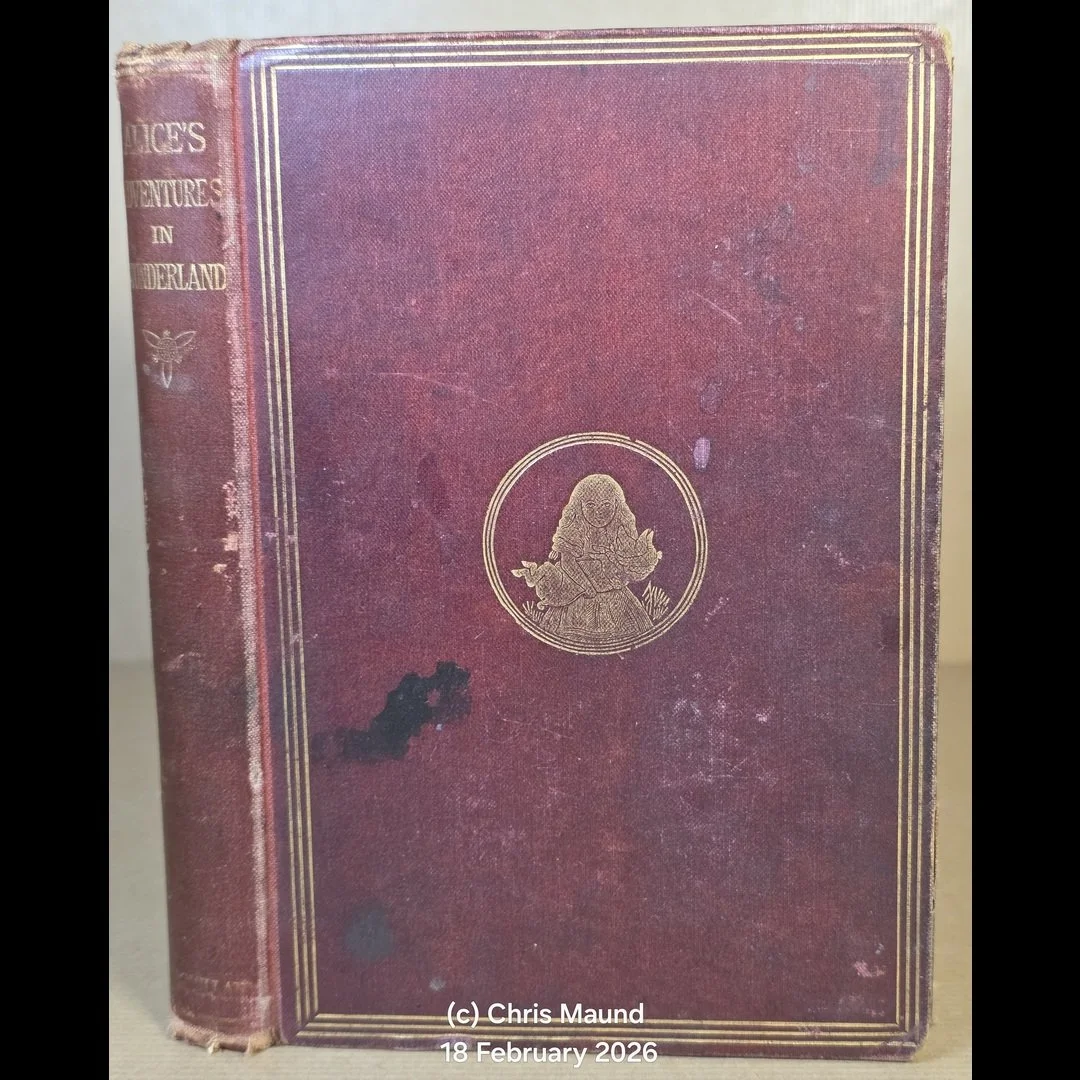 Image 3 of 38
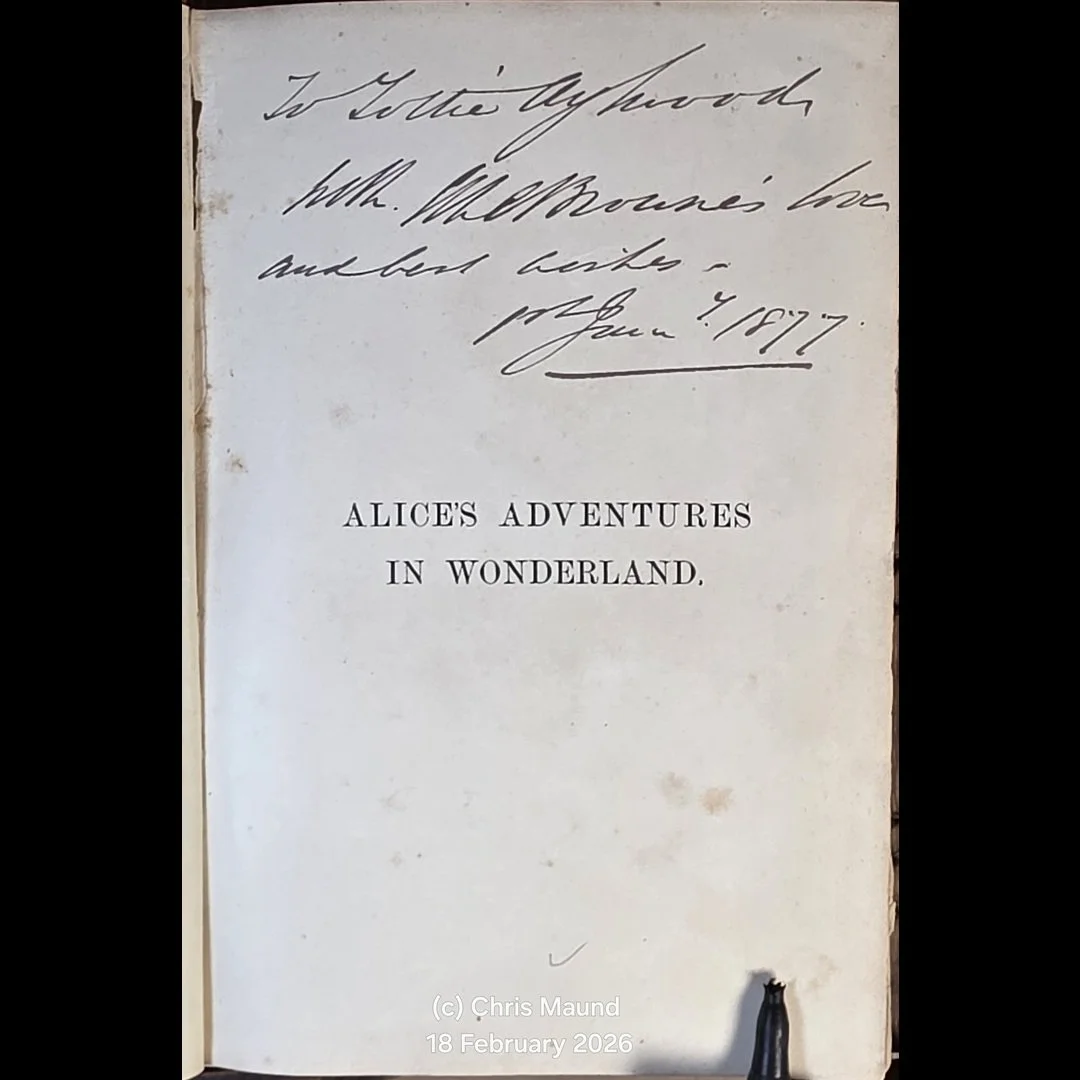 Image 4 of 38
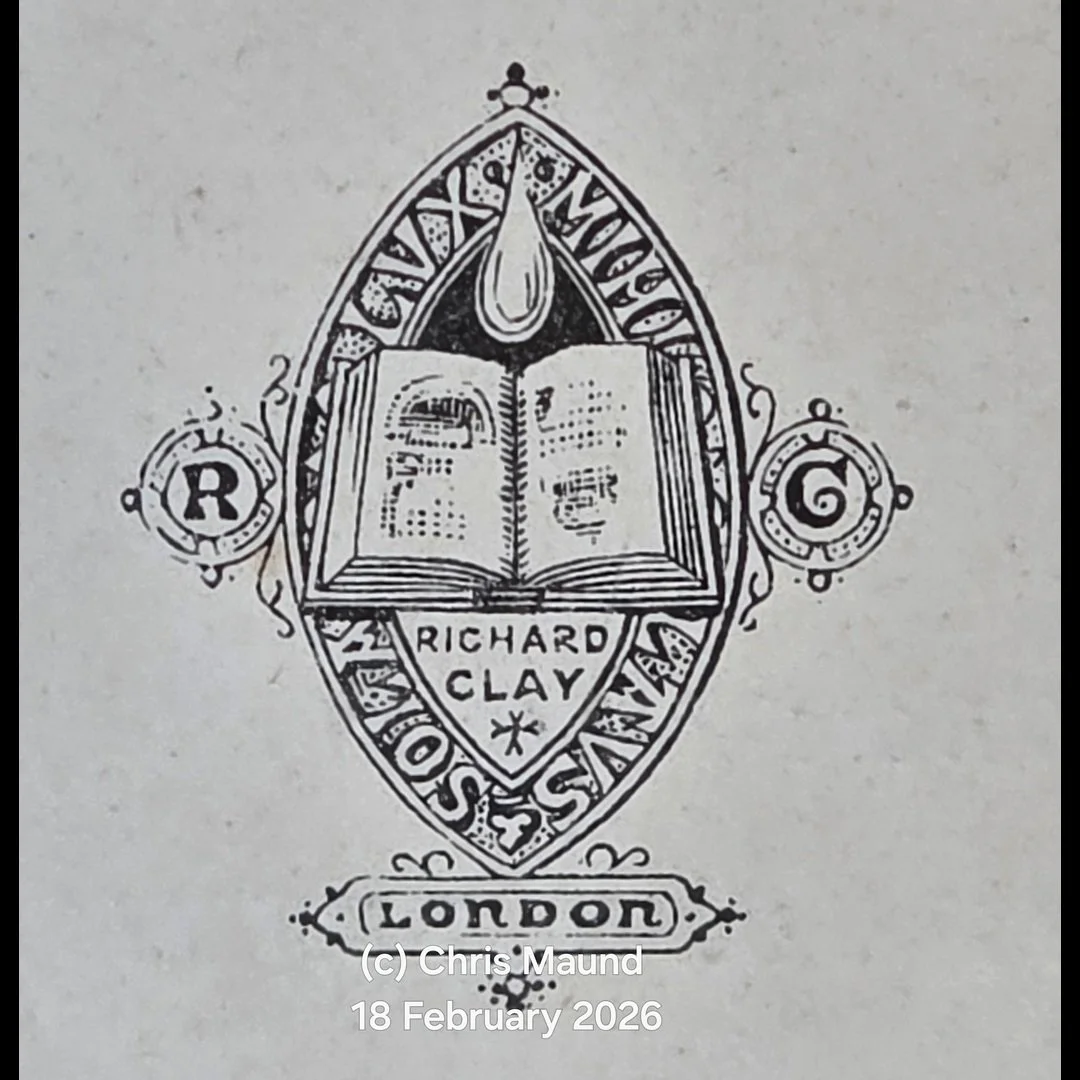 Image 5 of 38
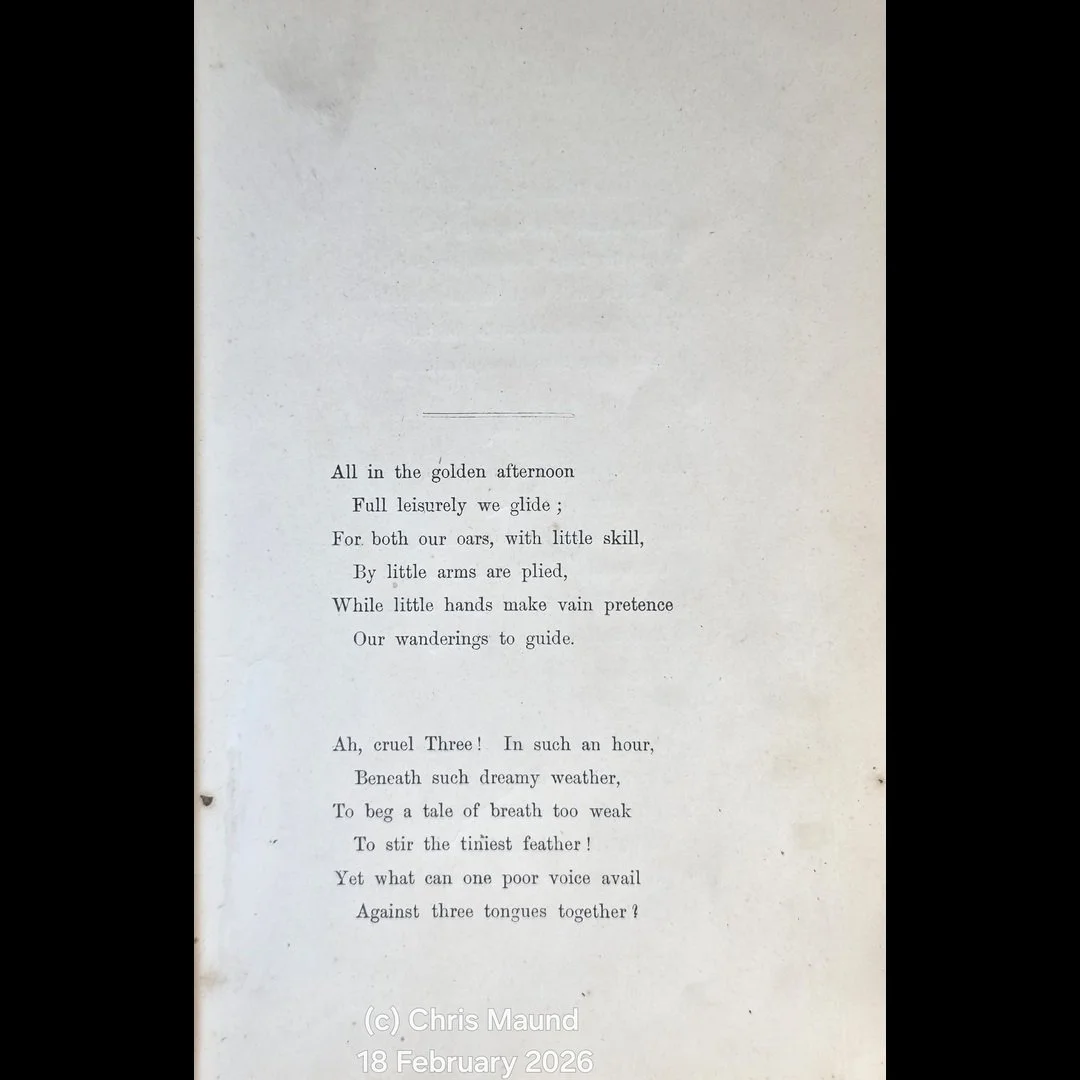 Image 6 of 38
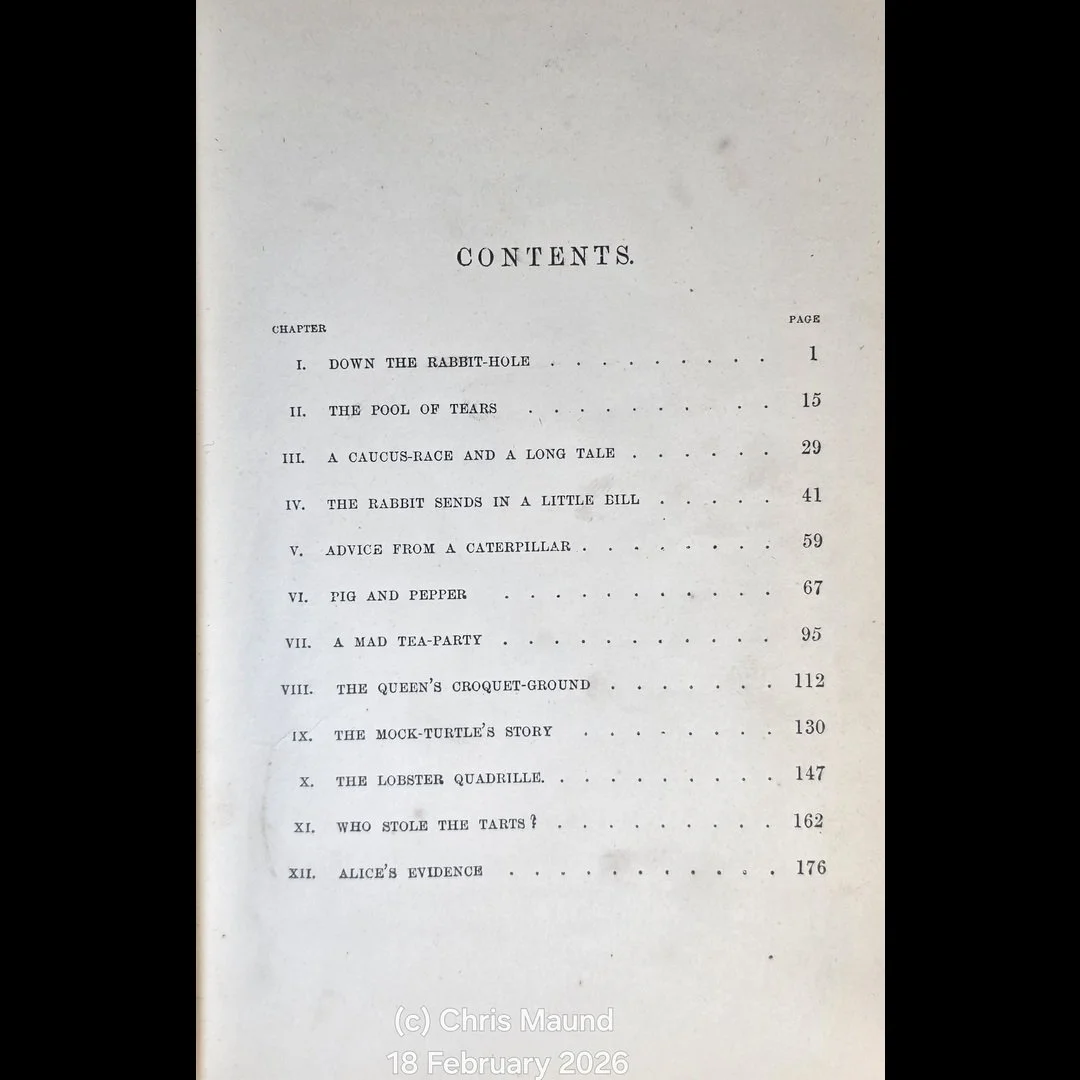 Image 7 of 38
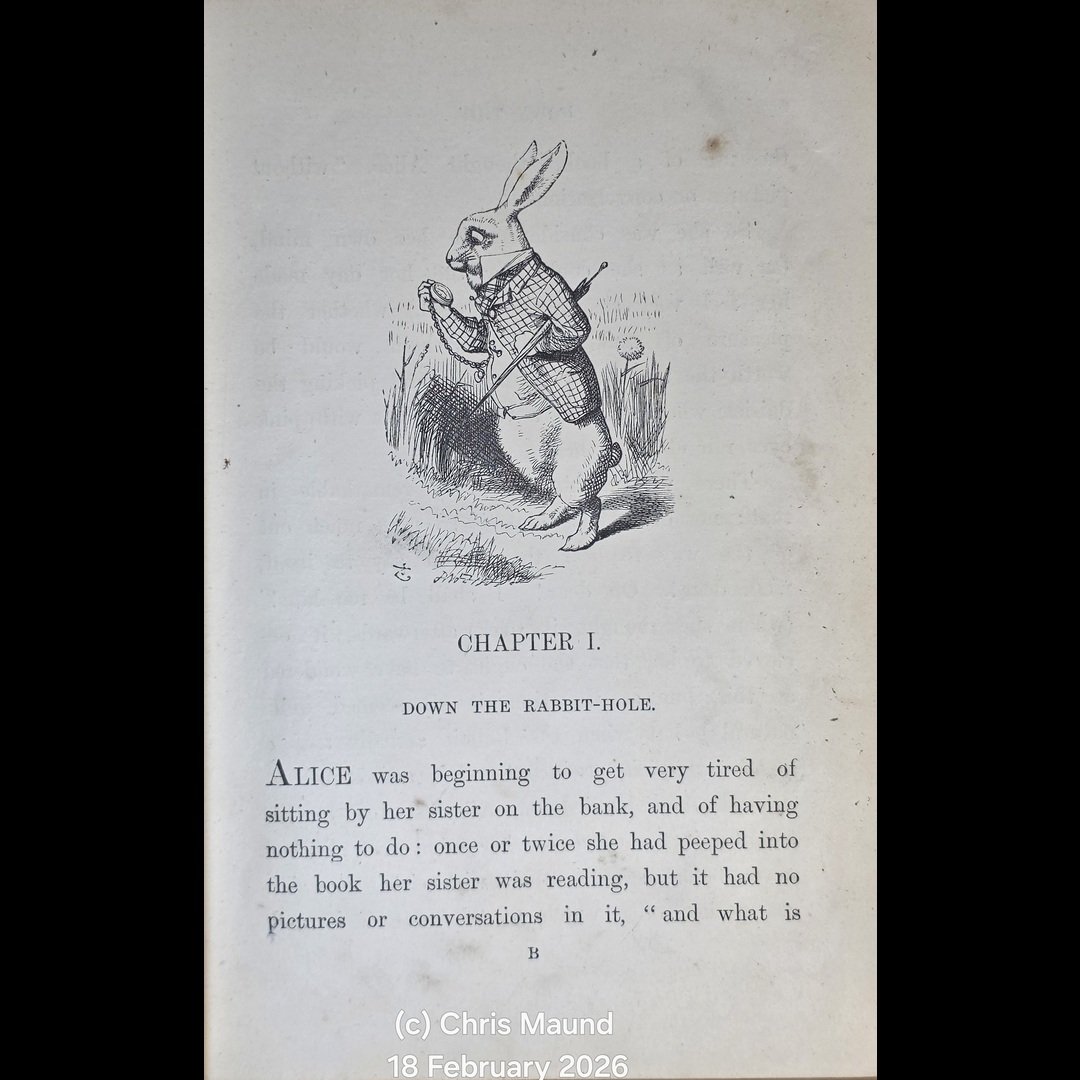 Image 8 of 38
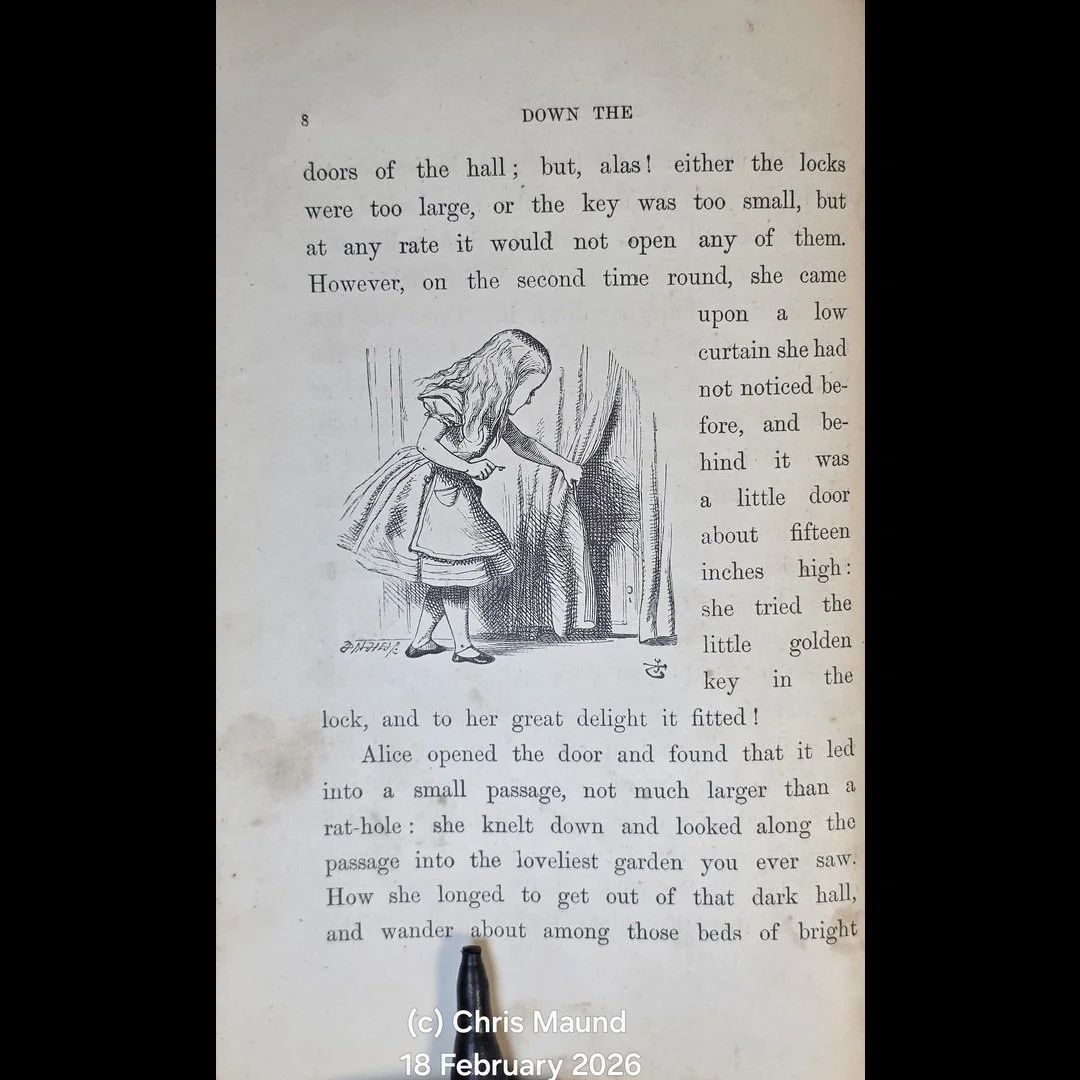 Image 9 of 38
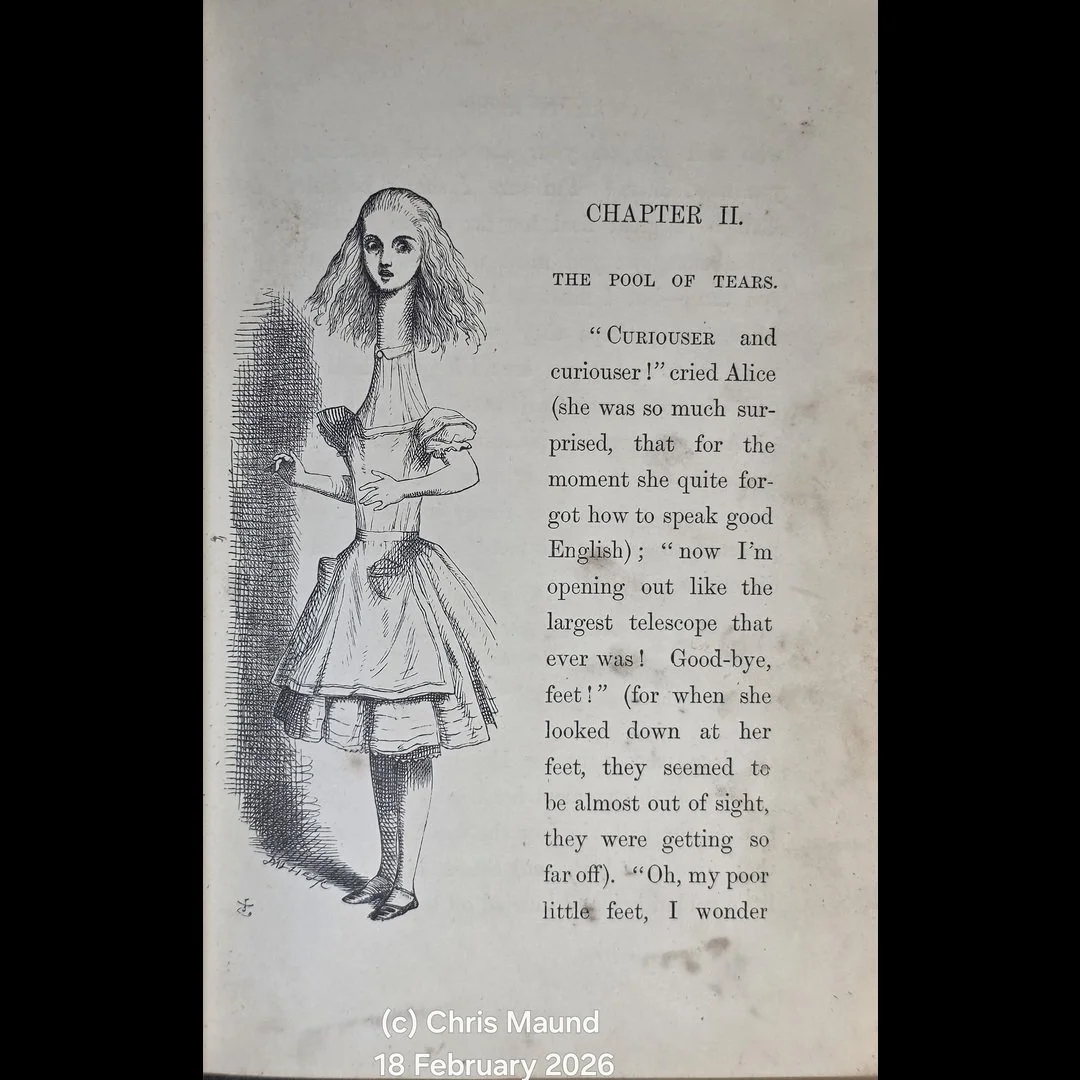 Image 10 of 38
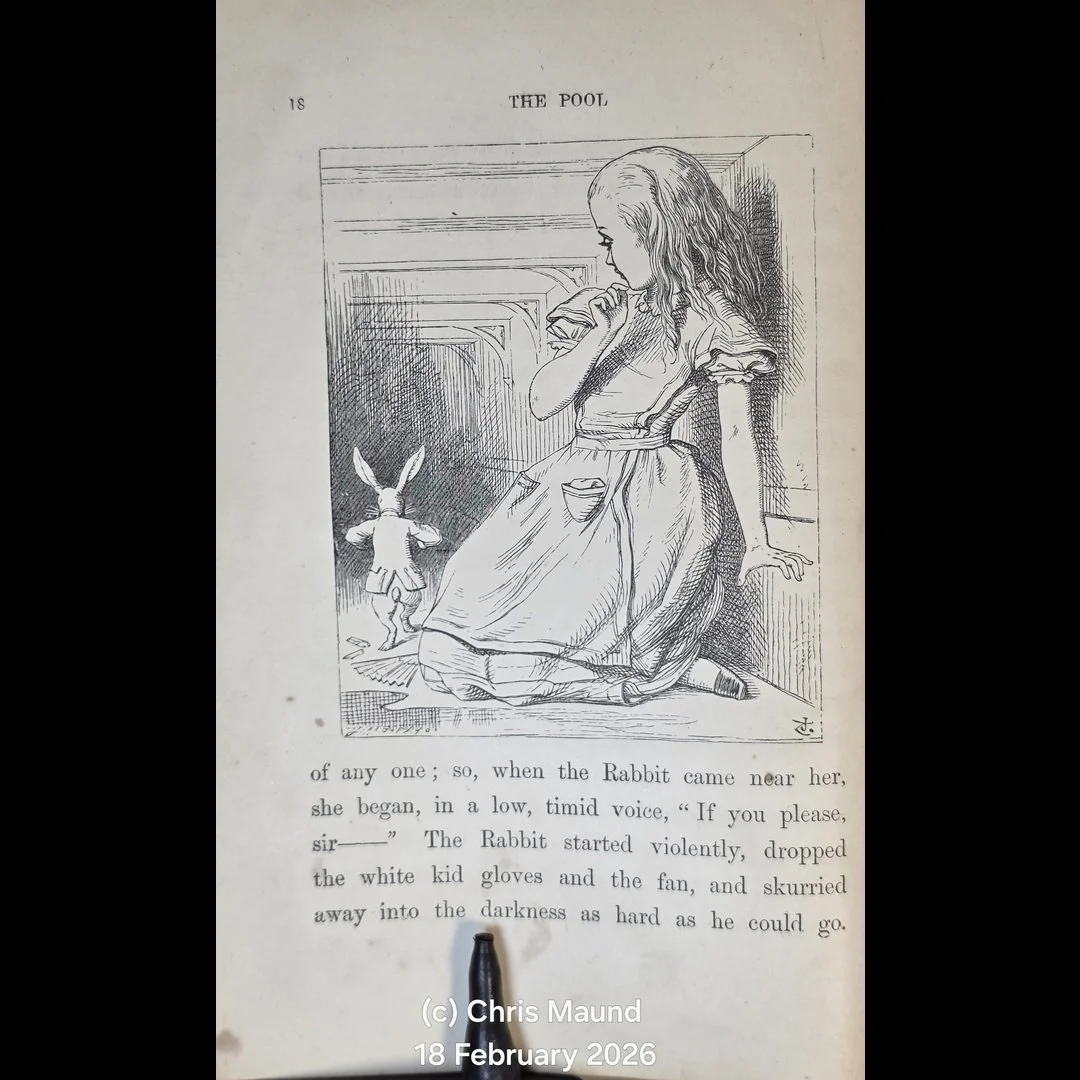 Image 11 of 38
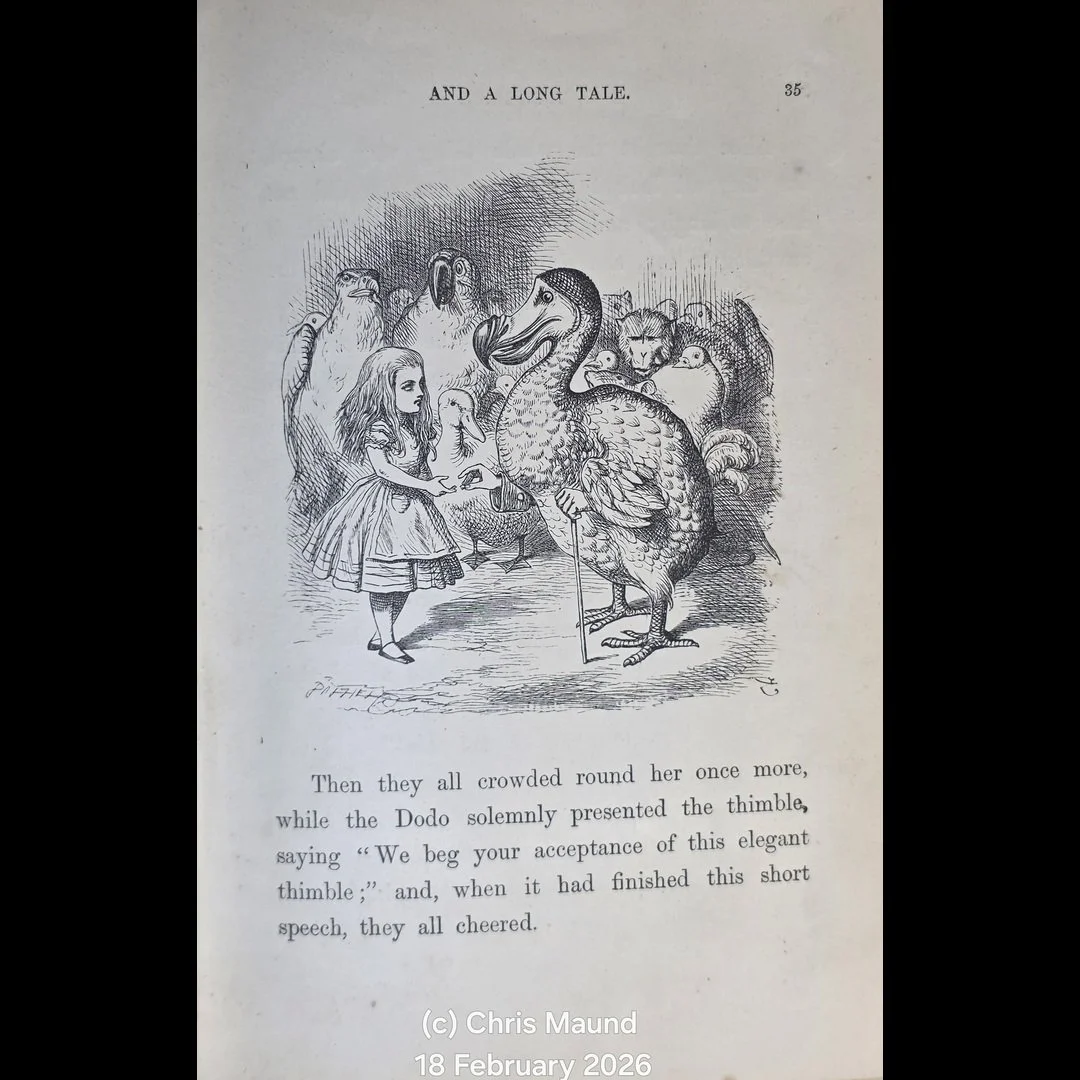 Image 12 of 38
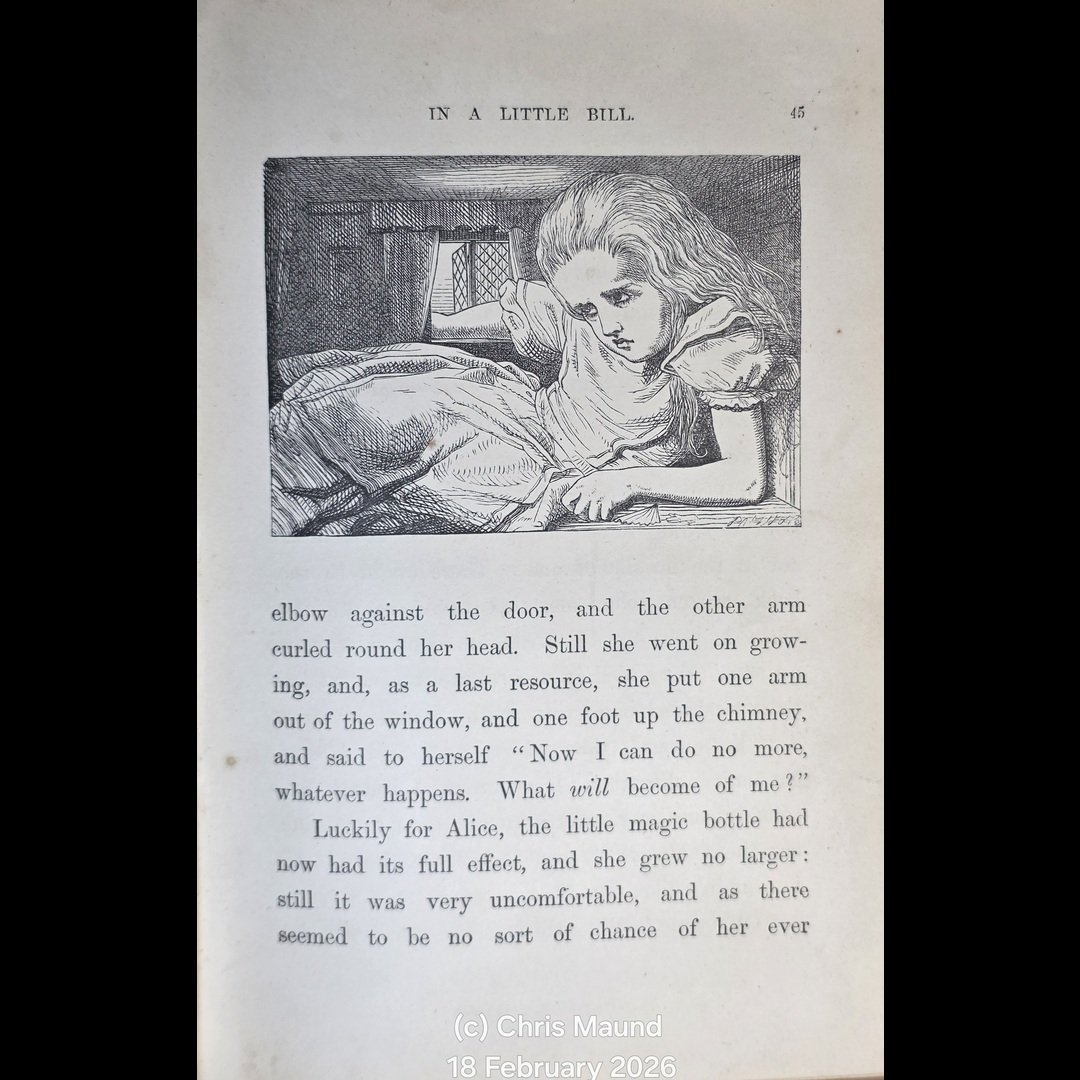 Image 13 of 38
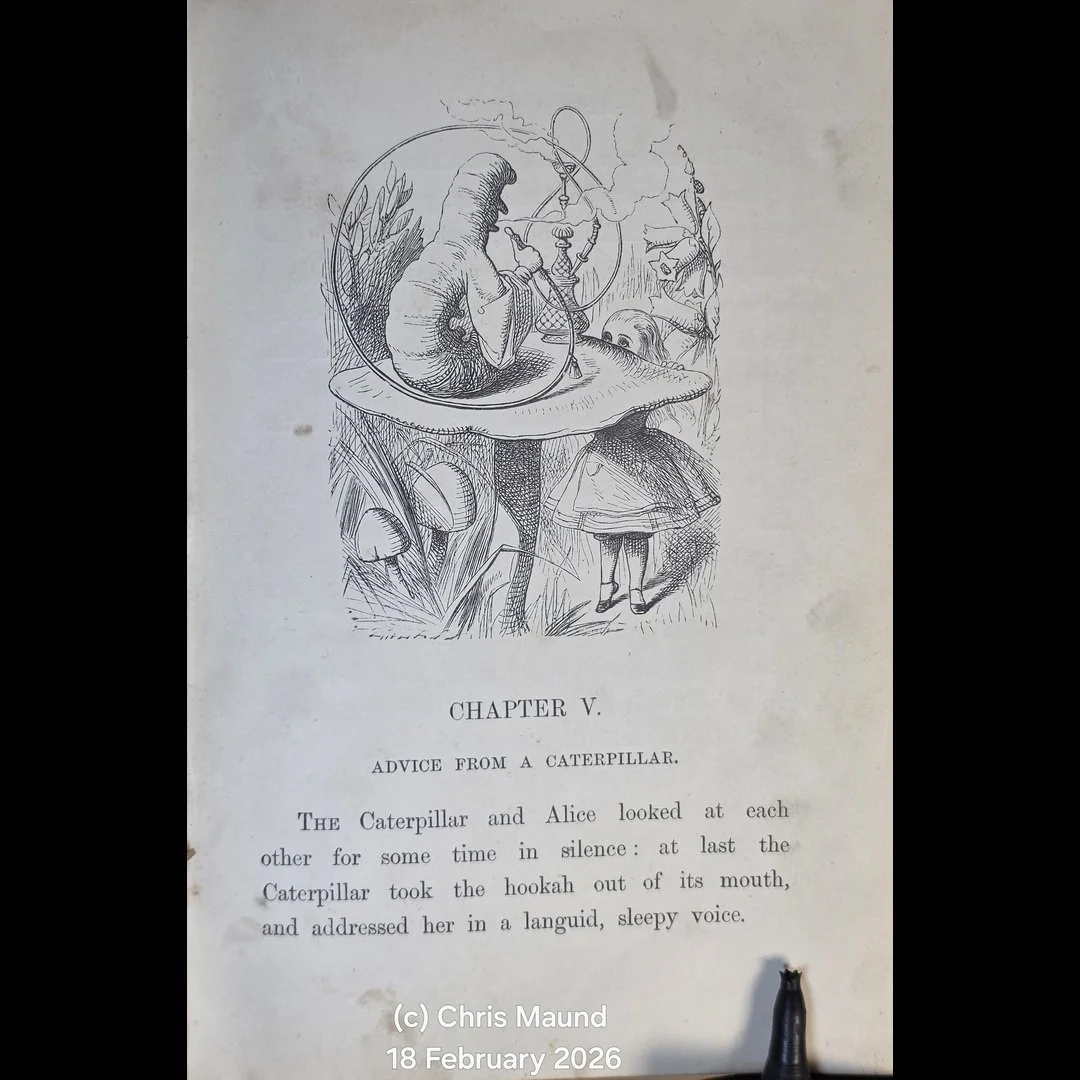 Image 14 of 38
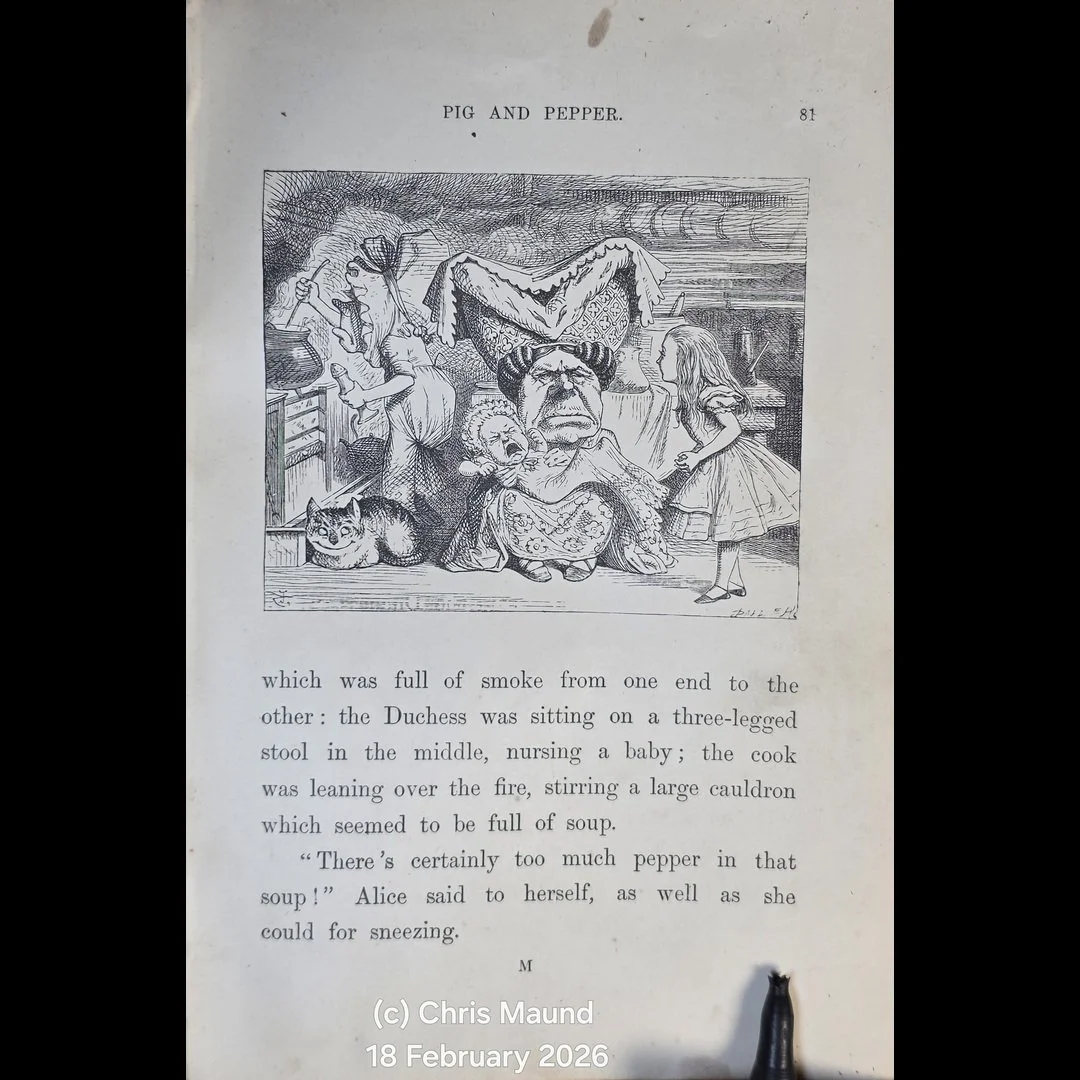 Image 15 of 38
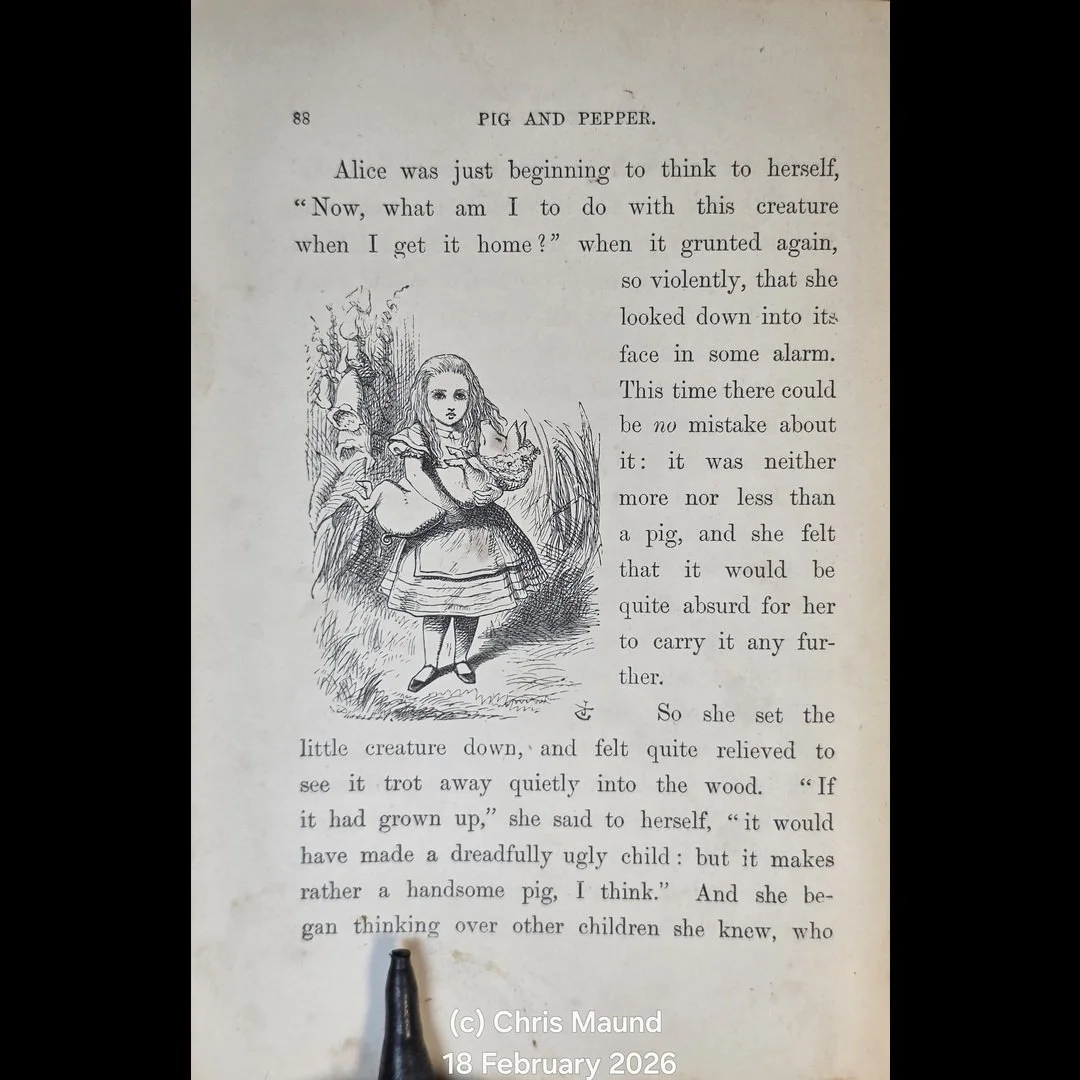 Image 16 of 38
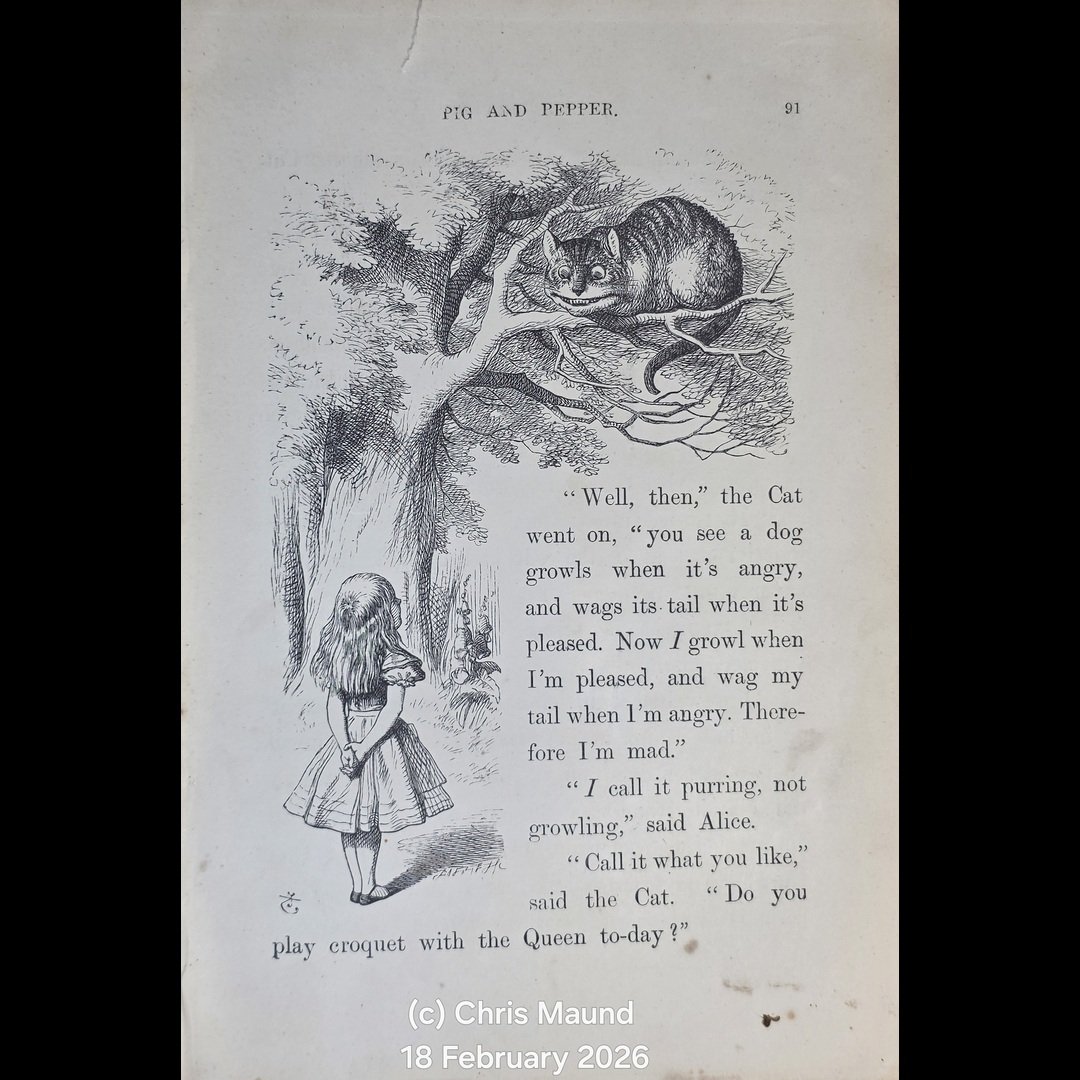 Image 17 of 38
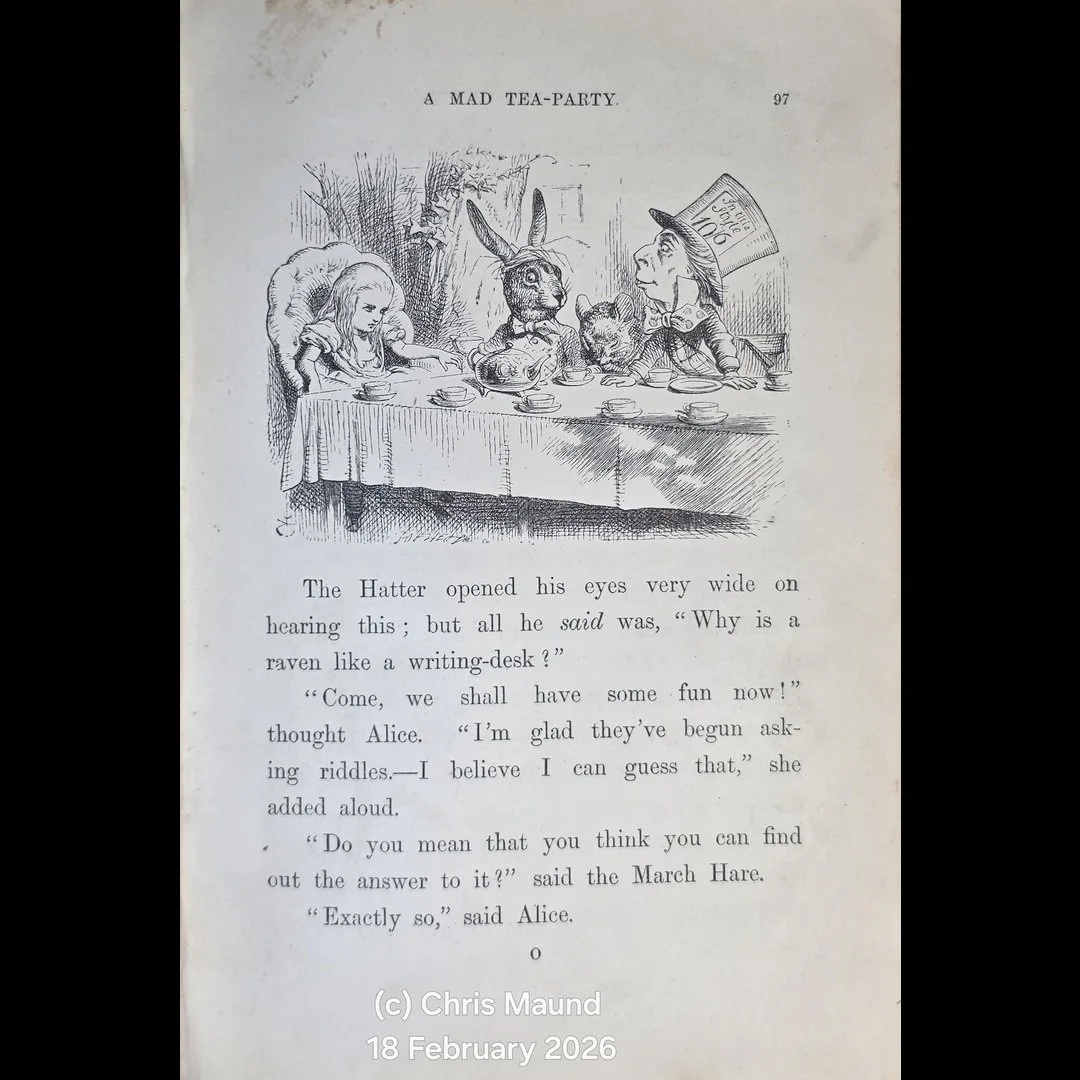 Image 18 of 38
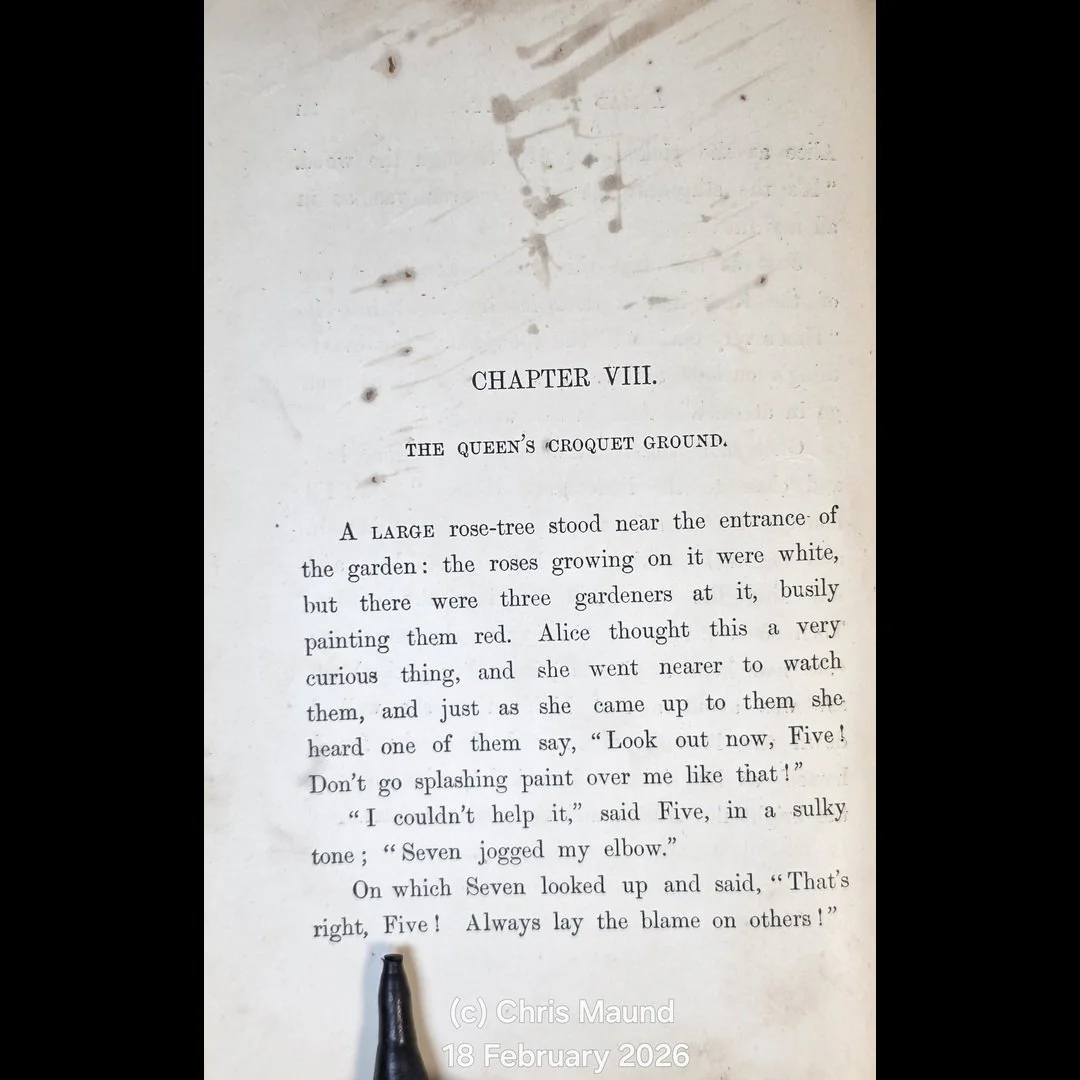 Image 19 of 38
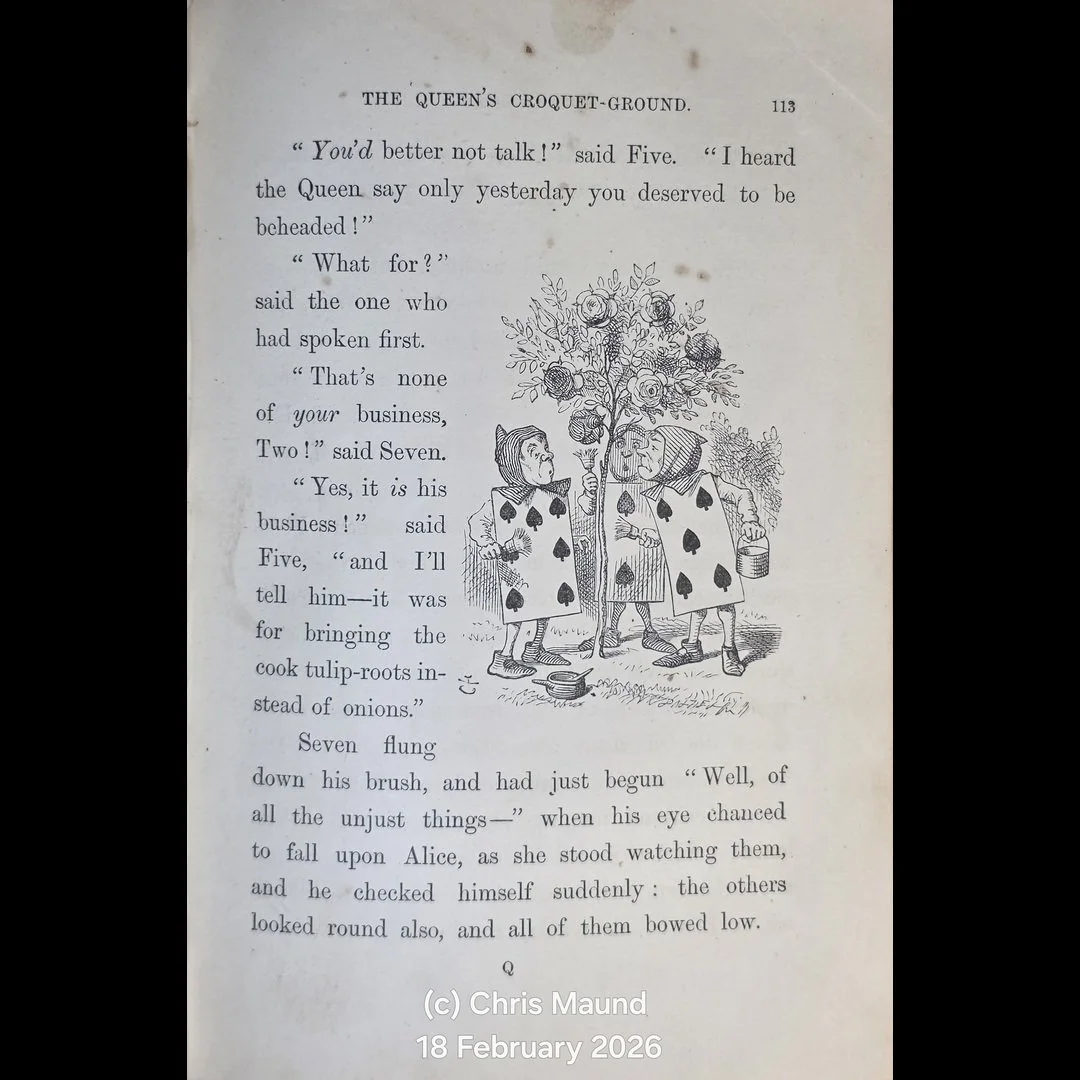 Image 20 of 38
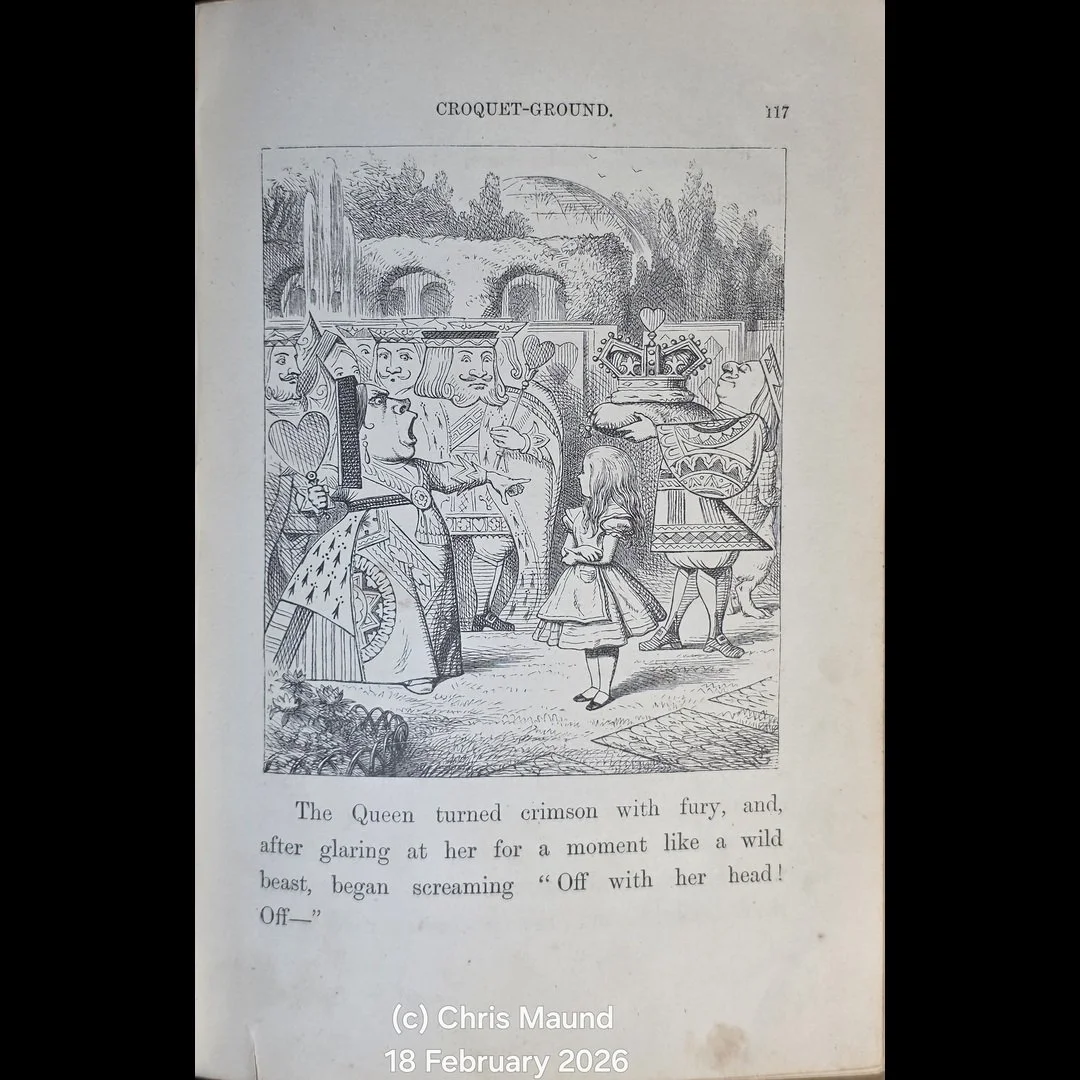 Image 21 of 38
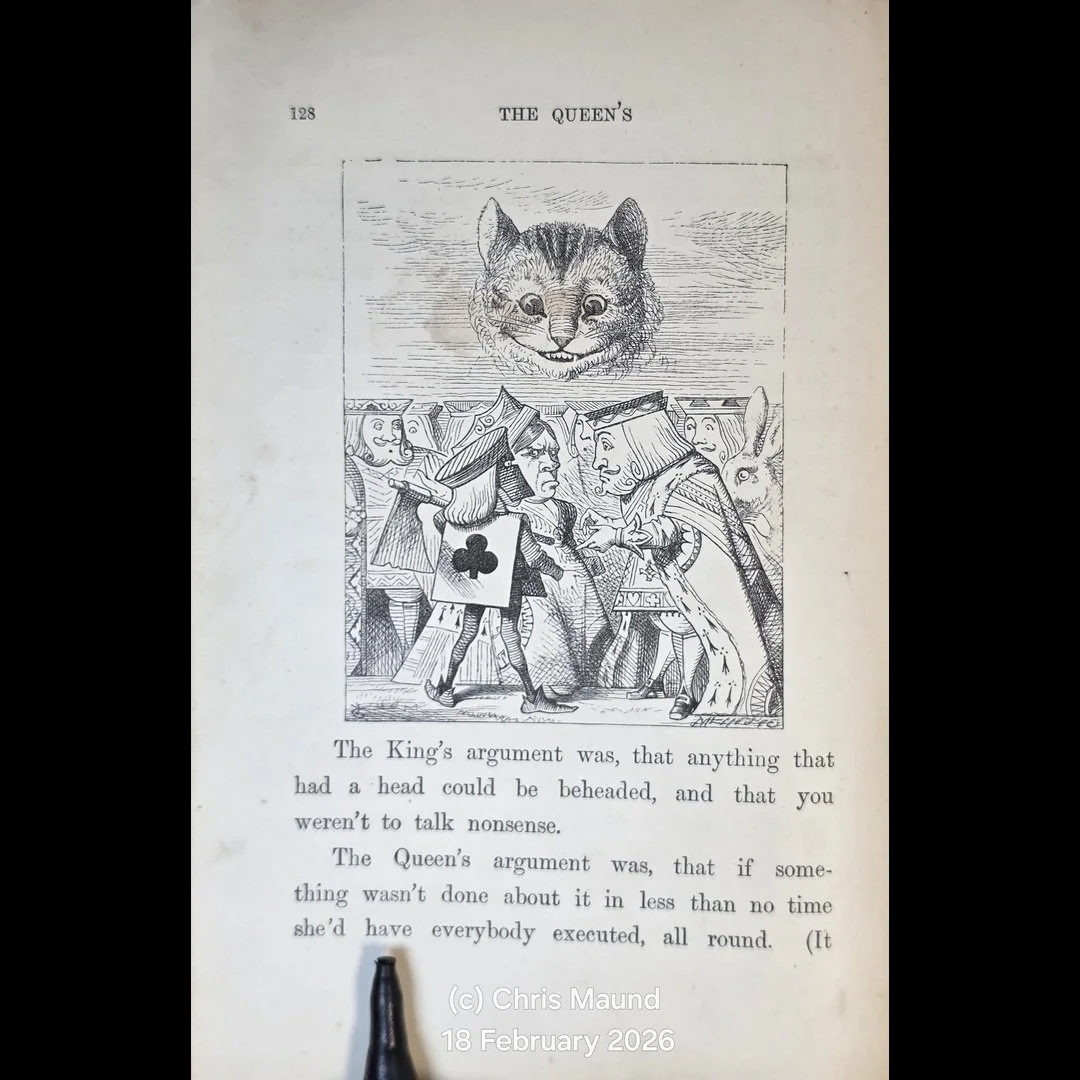 Image 22 of 38
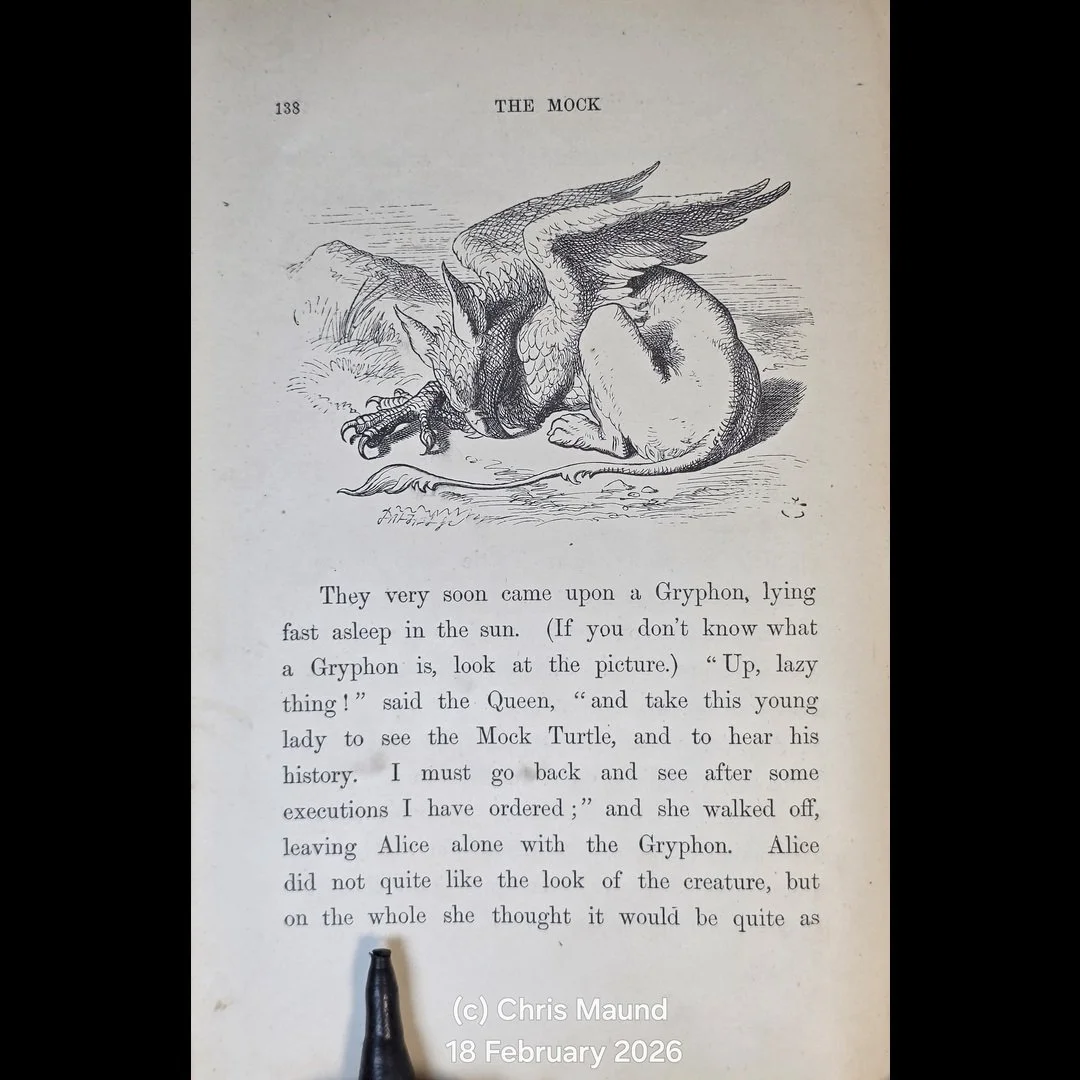 Image 23 of 38
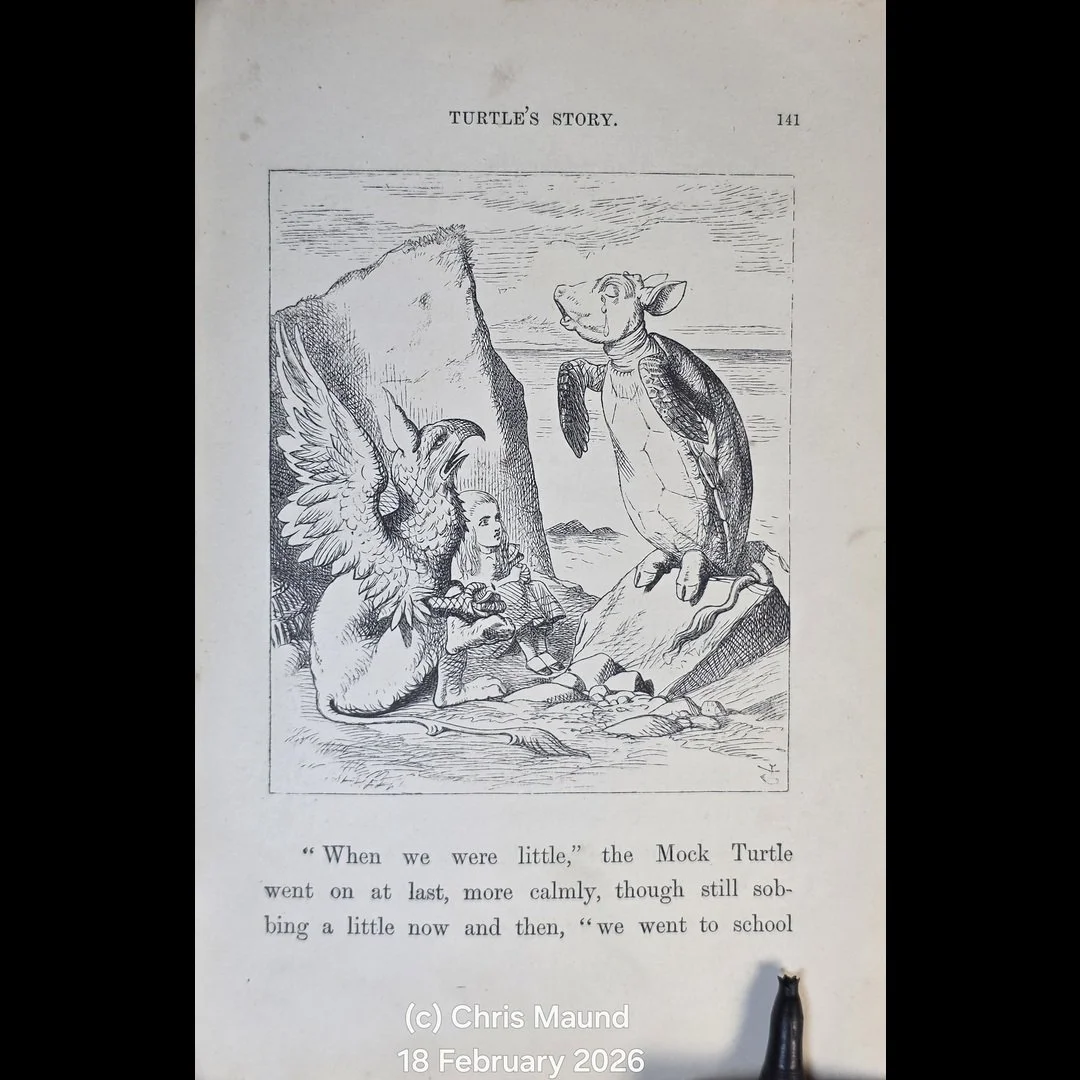 Image 24 of 38
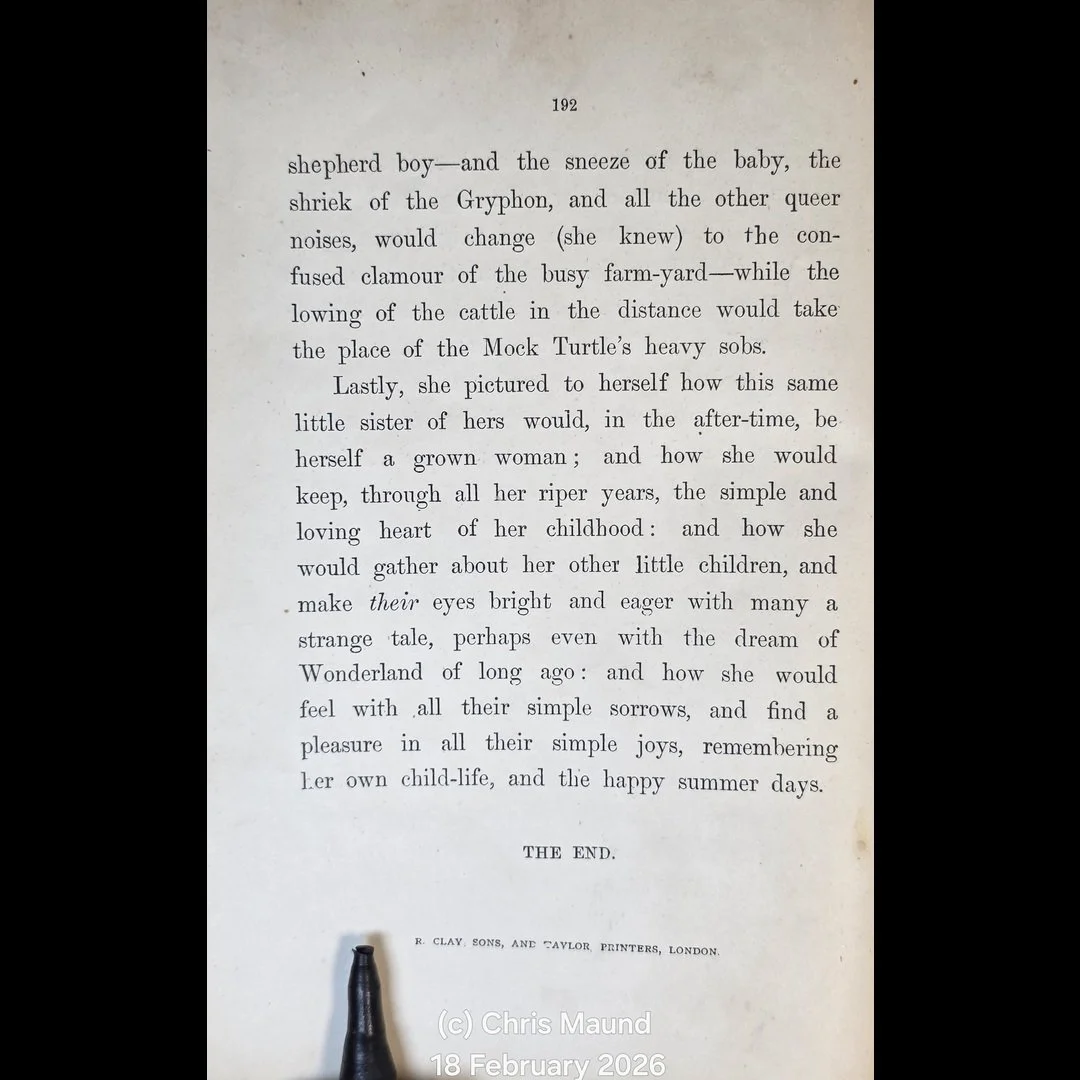 Image 25 of 38
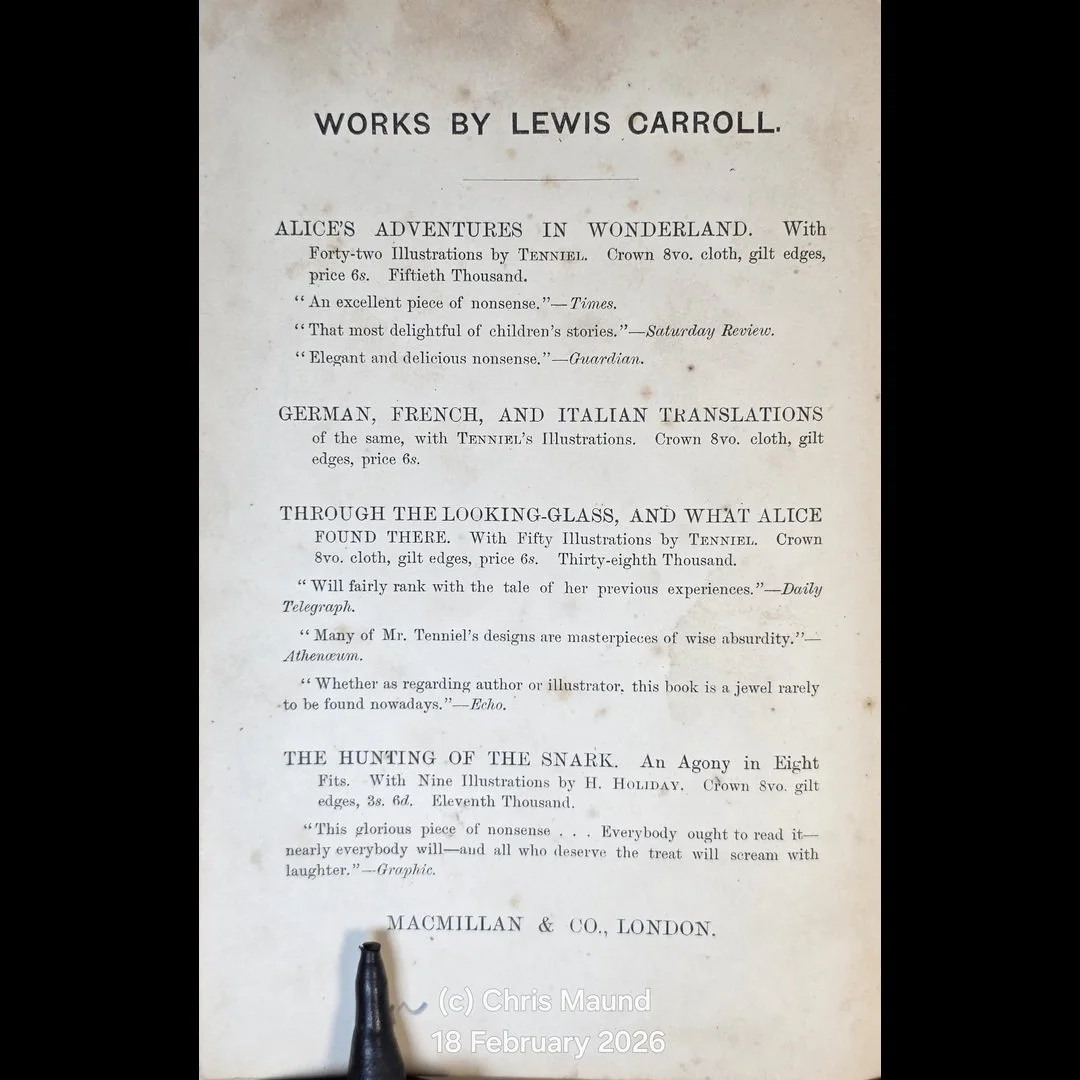 Image 26 of 38
 Image 27 of 38
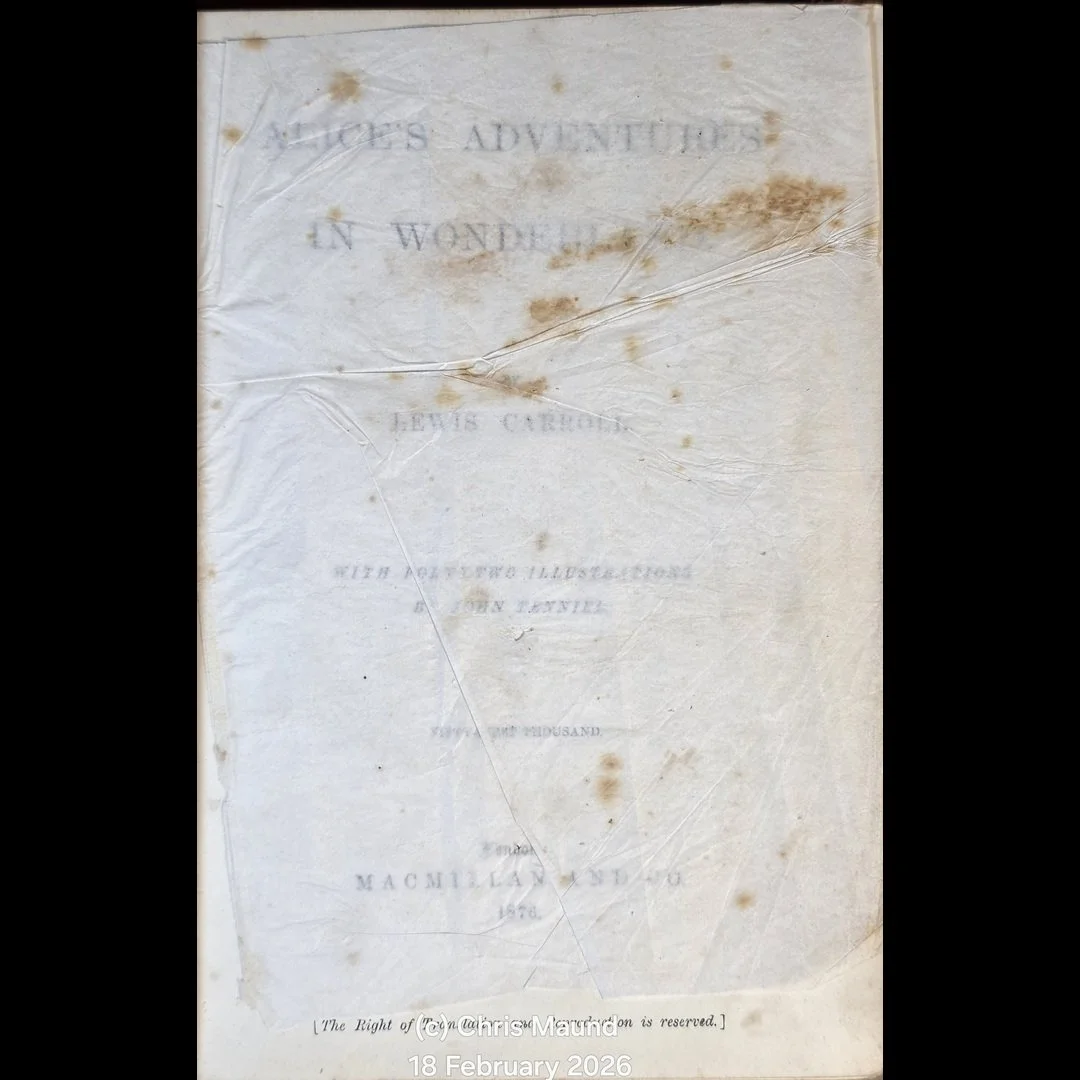 Image 28 of 38
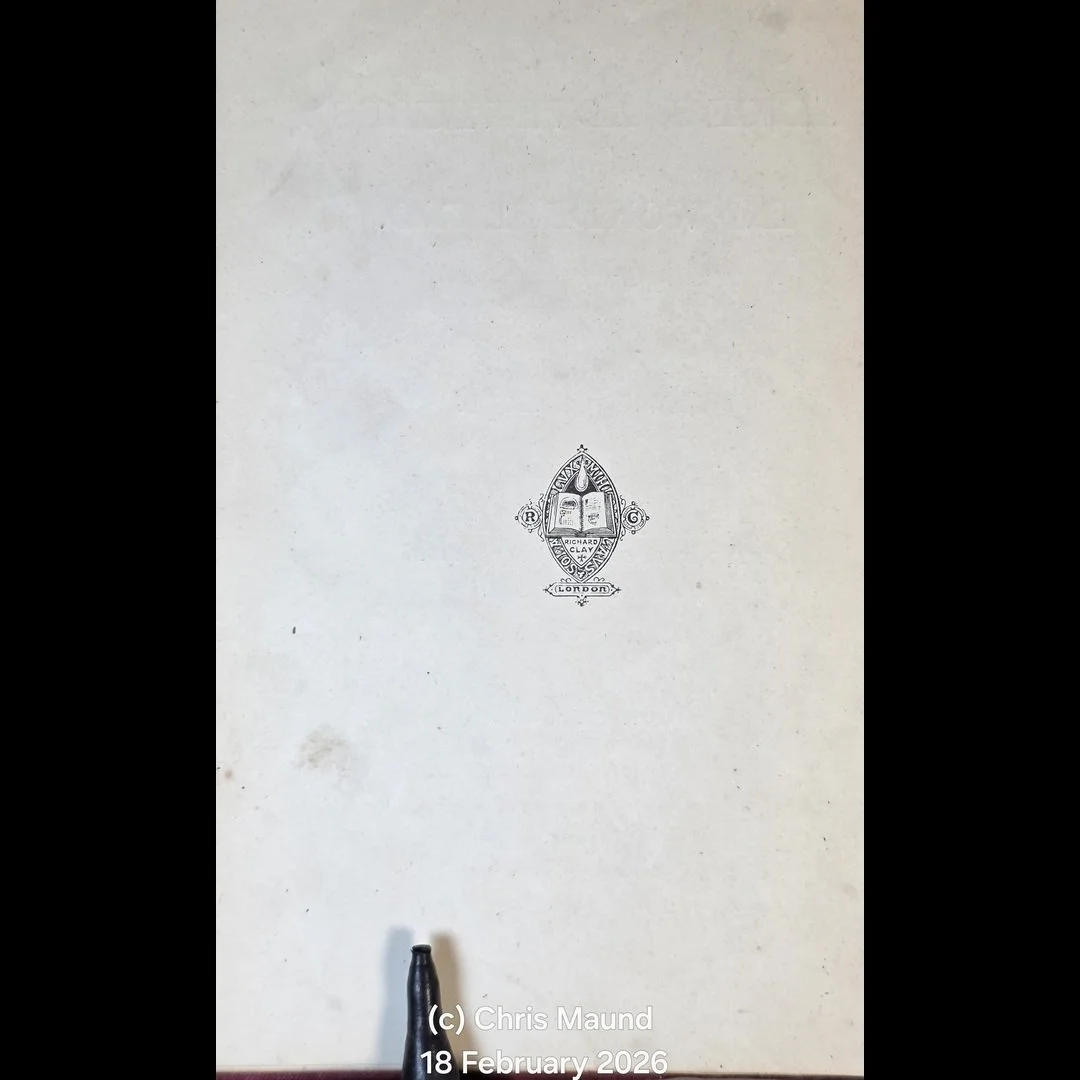 Image 29 of 38
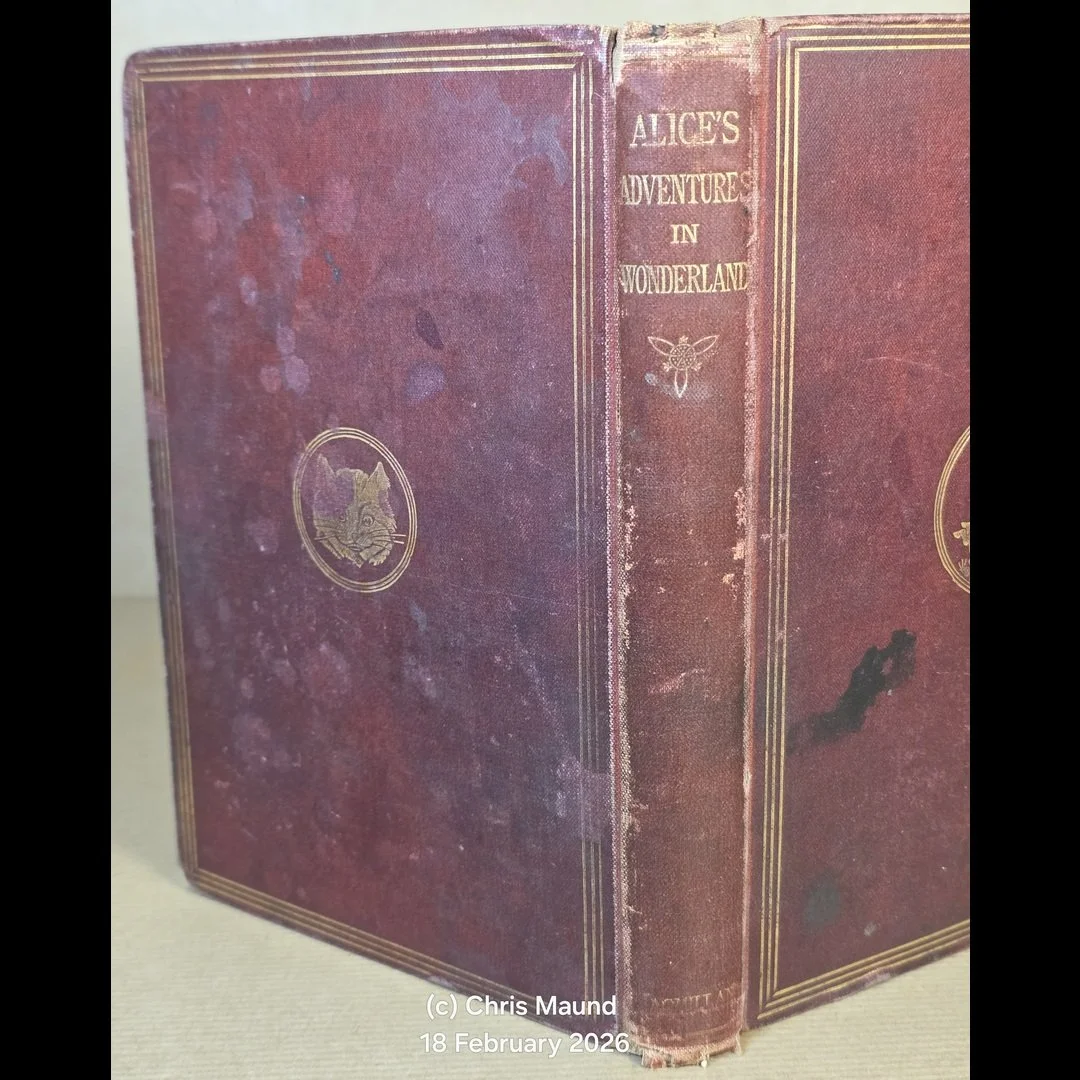 Image 30 of 38
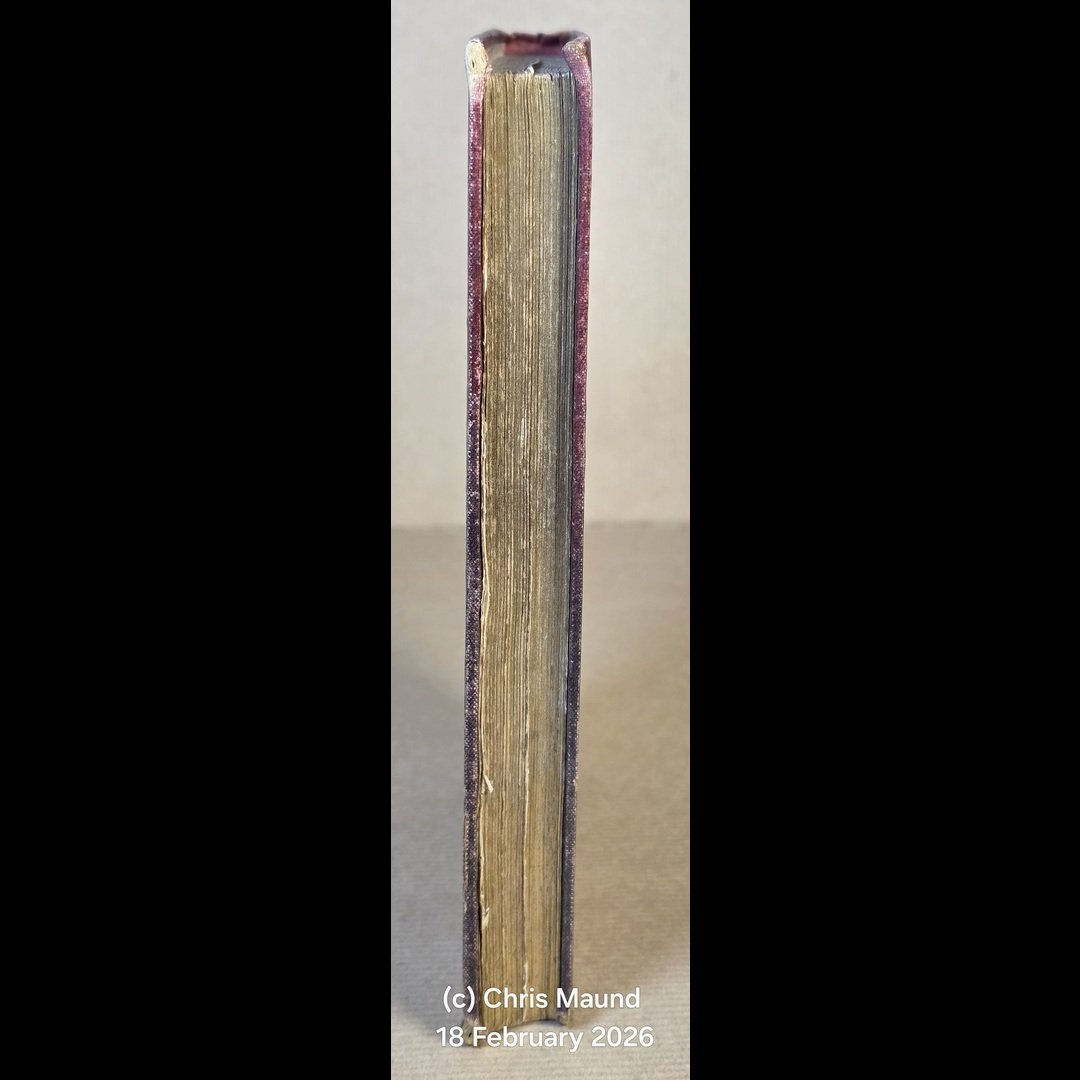 Image 31 of 38
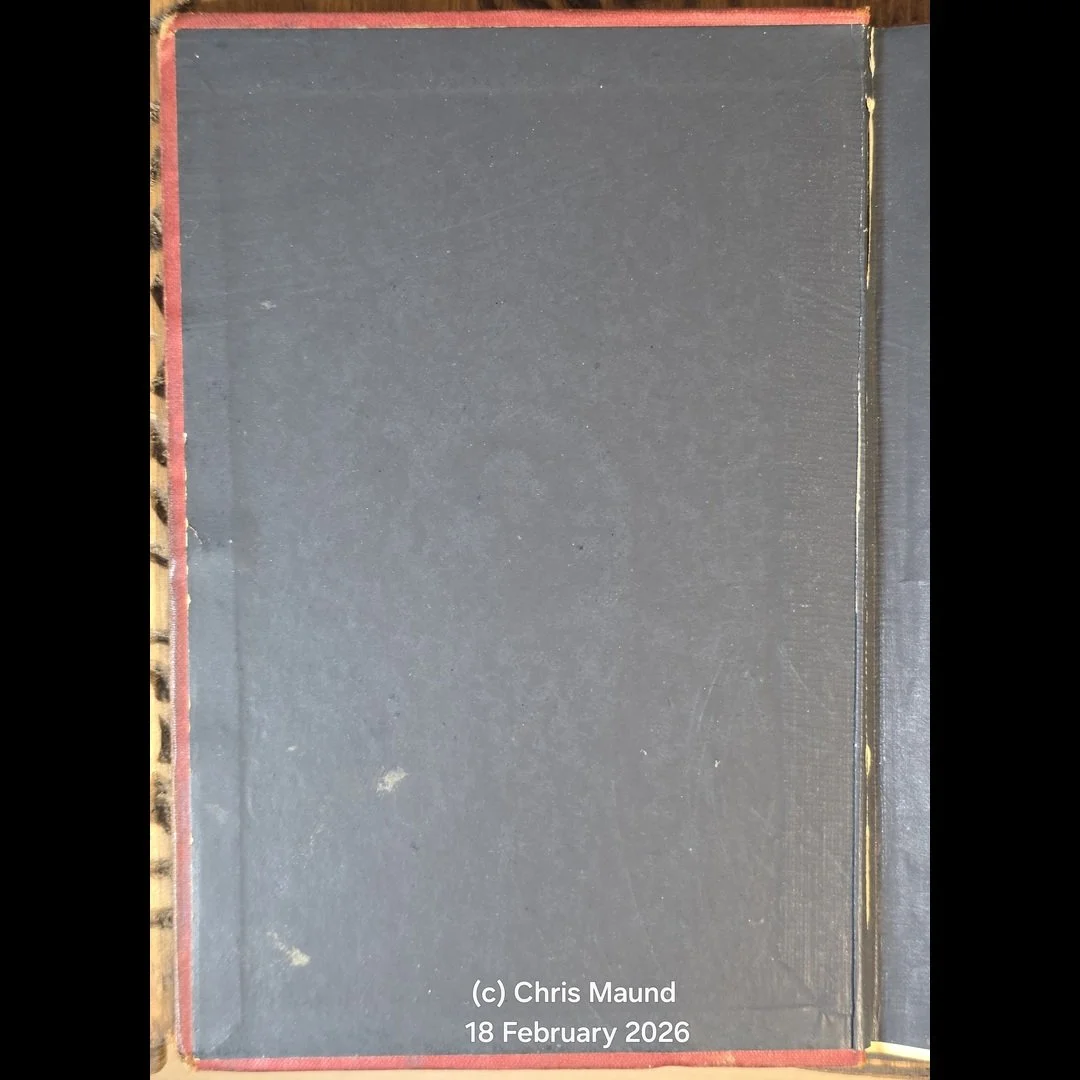 Image 32 of 38
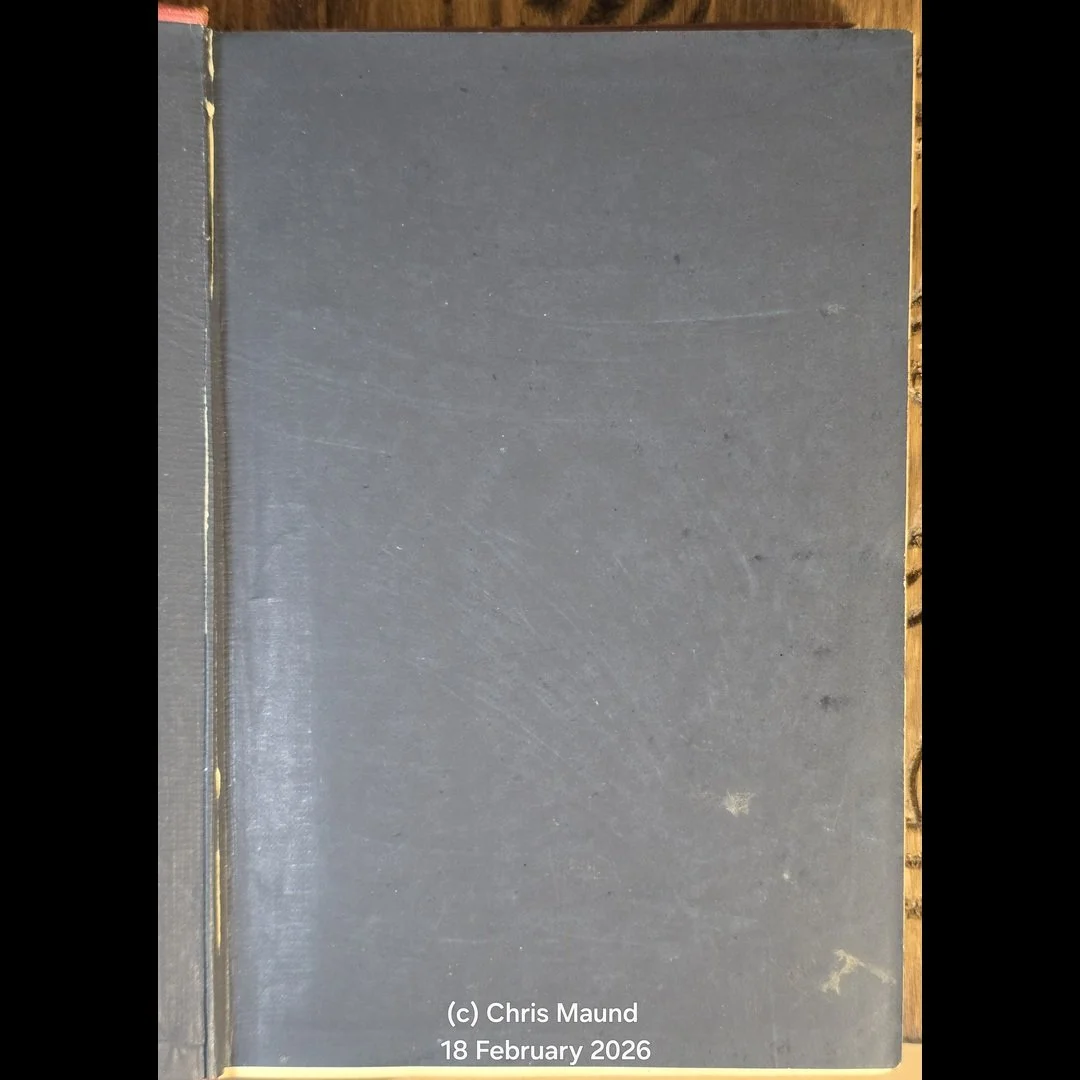 Image 33 of 38
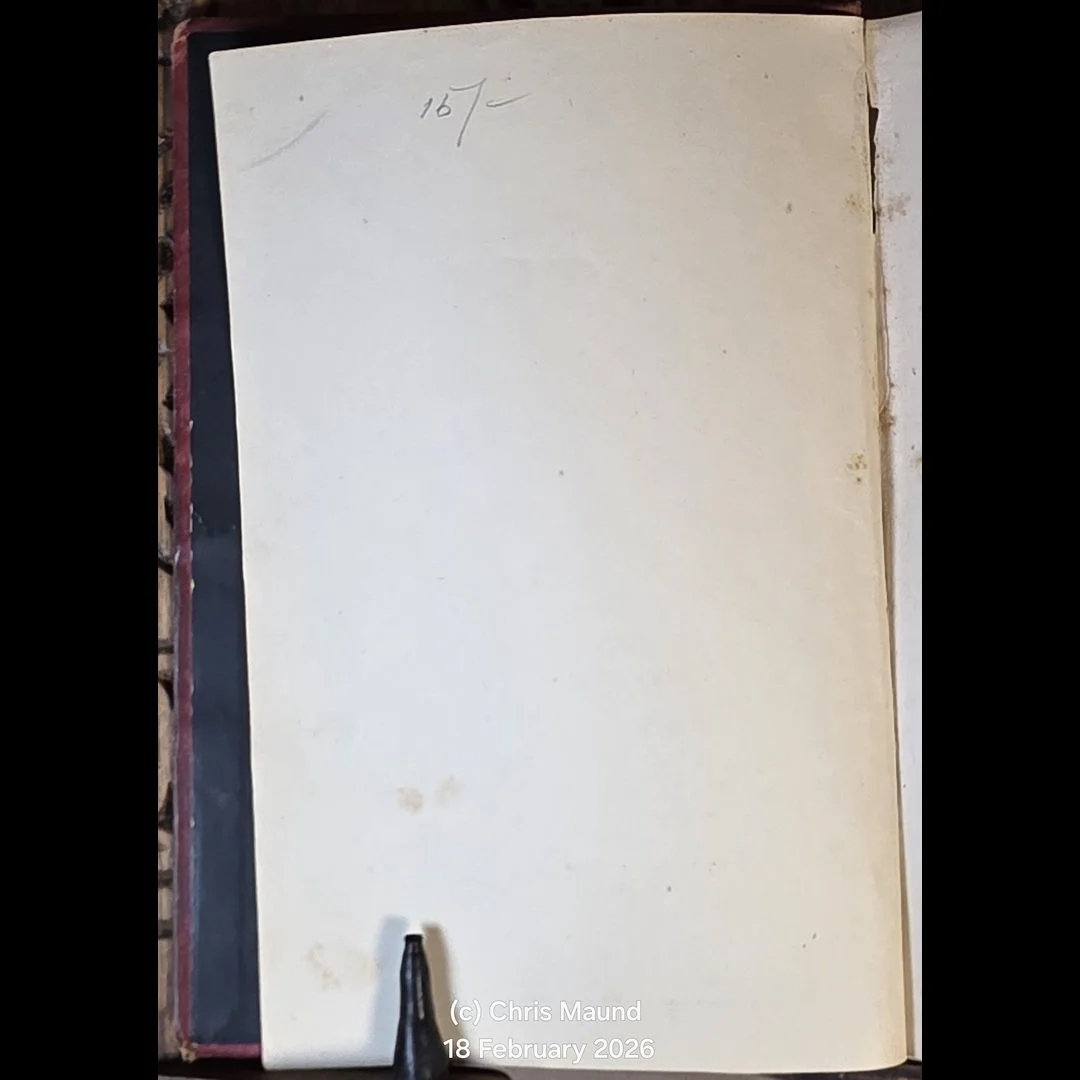 Image 34 of 38
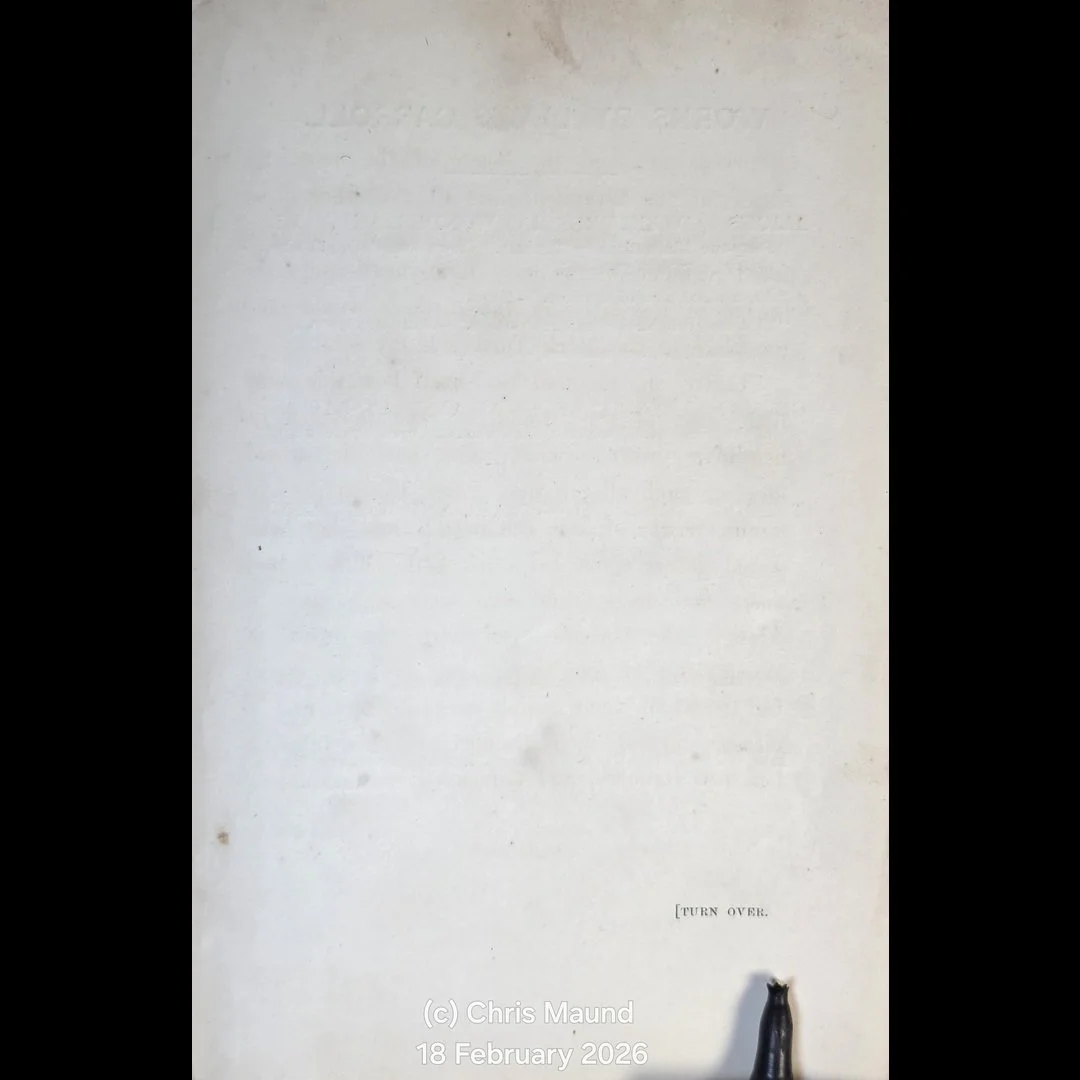 Image 35 of 38
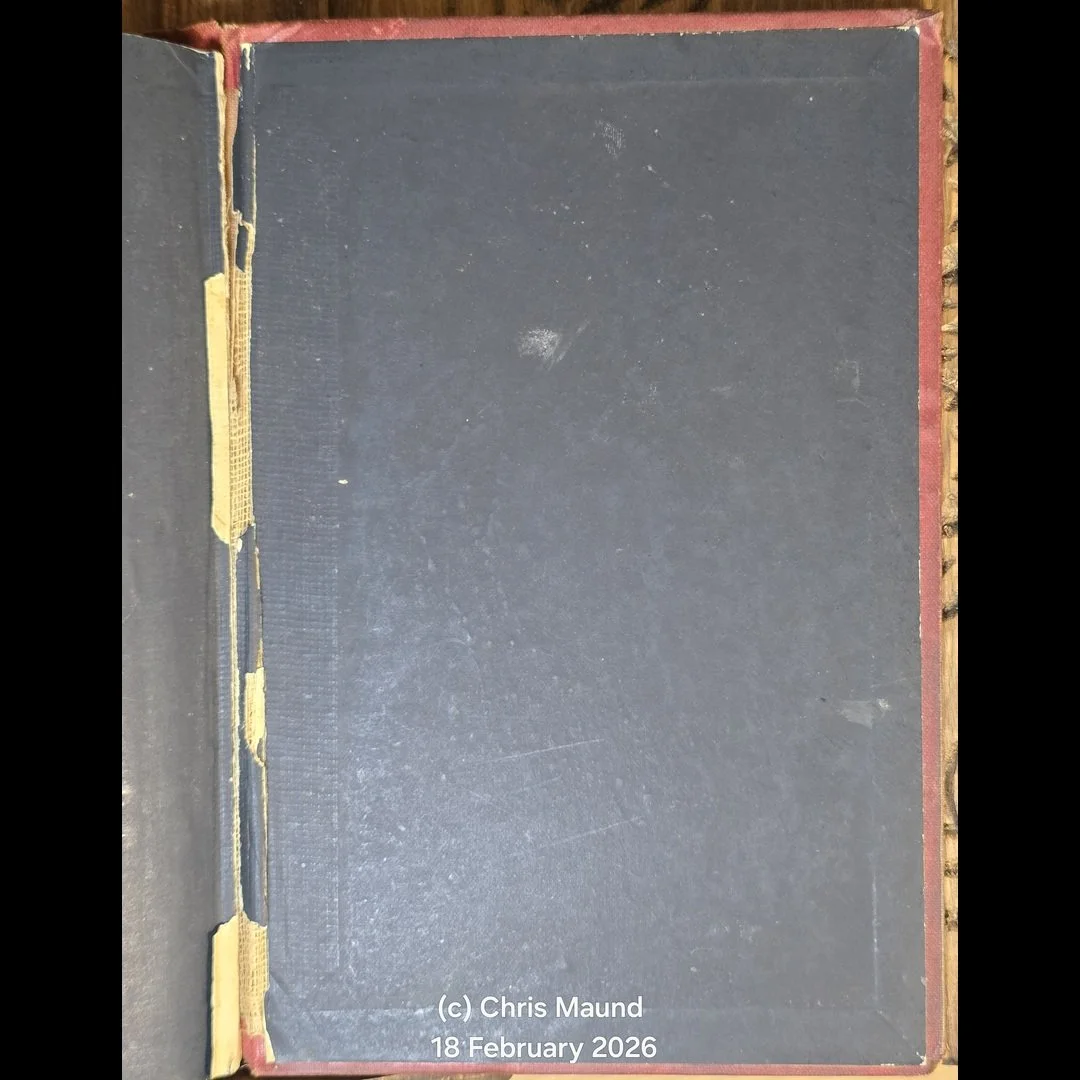 Image 36 of 38
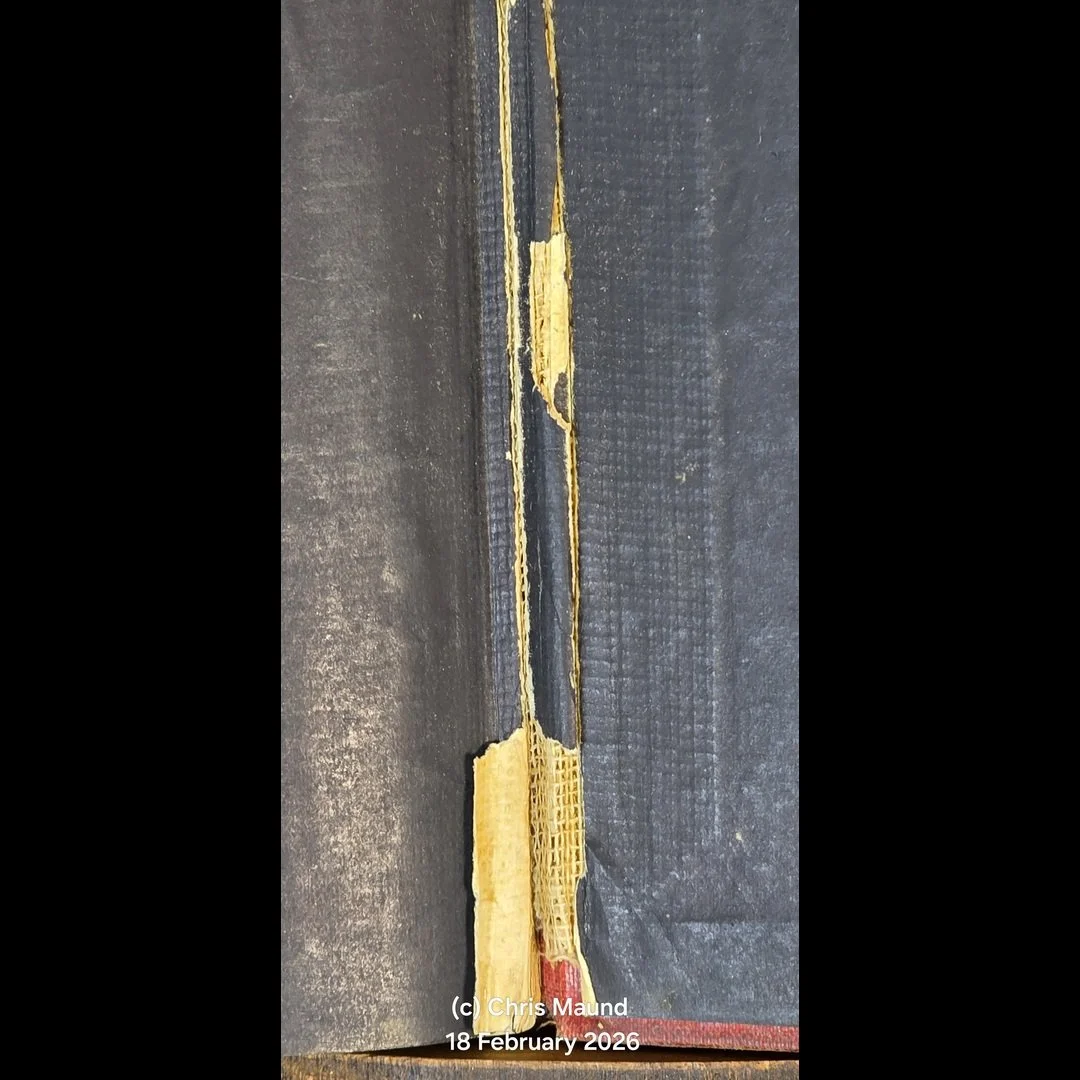 Image 37 of 38
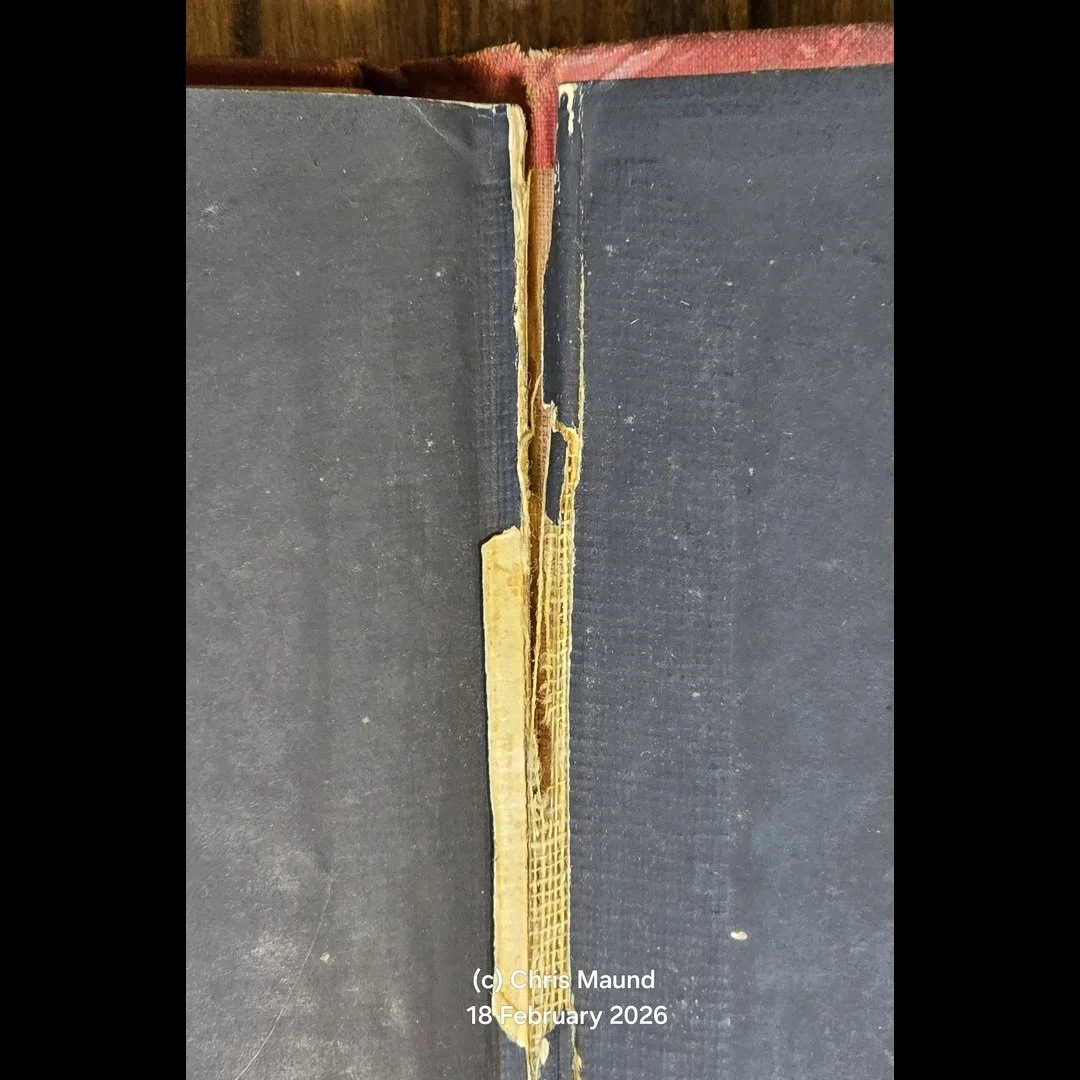 Image 38 of 38






![1892 First English Edtn, Second Impression THE STORY OF A PUPPET By Carlo Collodi [Carlo Lorenzini] Illus. Enrico Mazzanti](https://images.squarespace-cdn.com/content/v1/634dab4938c13d5c1f88d382/dcf6c683-457d-42e7-b01a-6dc7dace012c/20241017_224034-8.jpg)