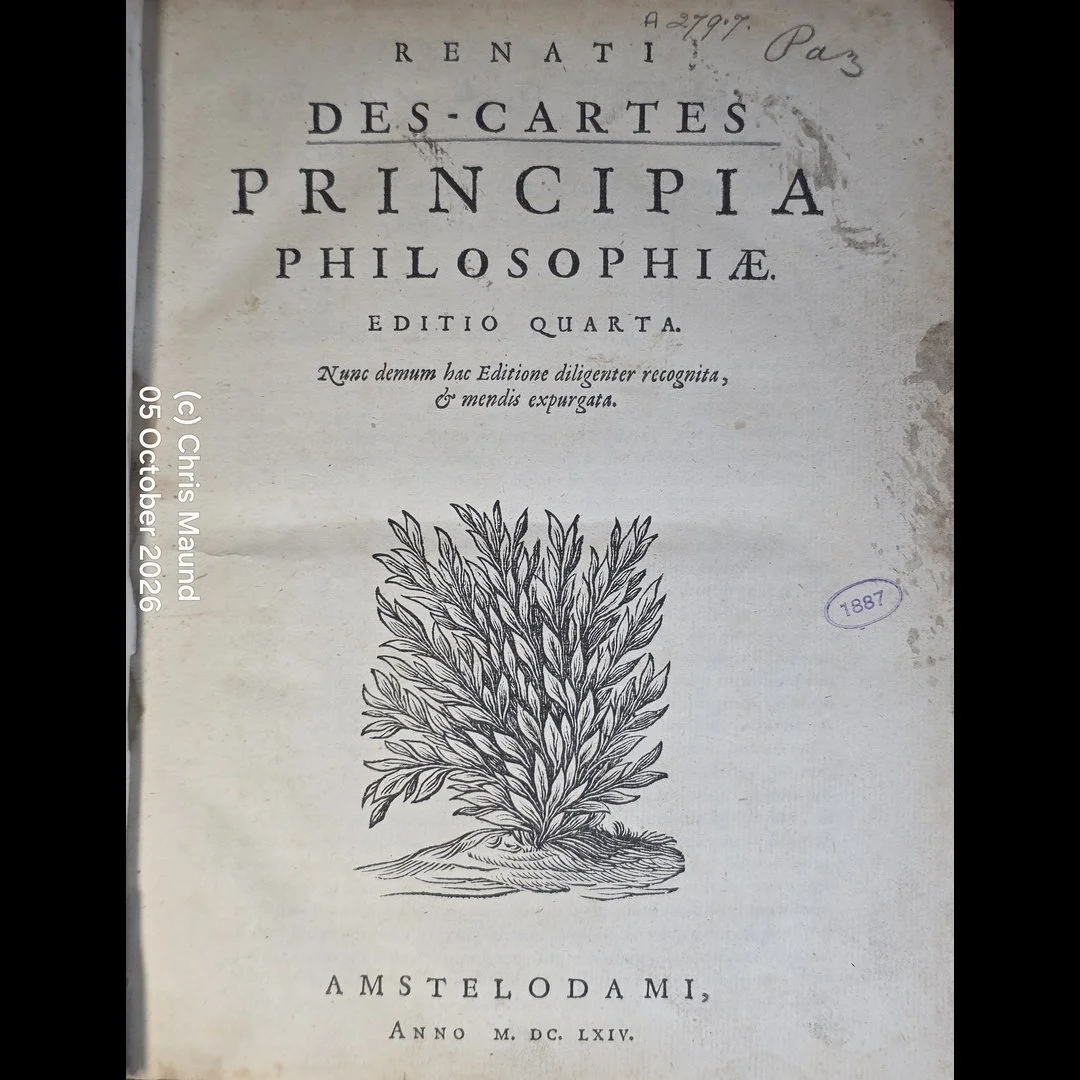
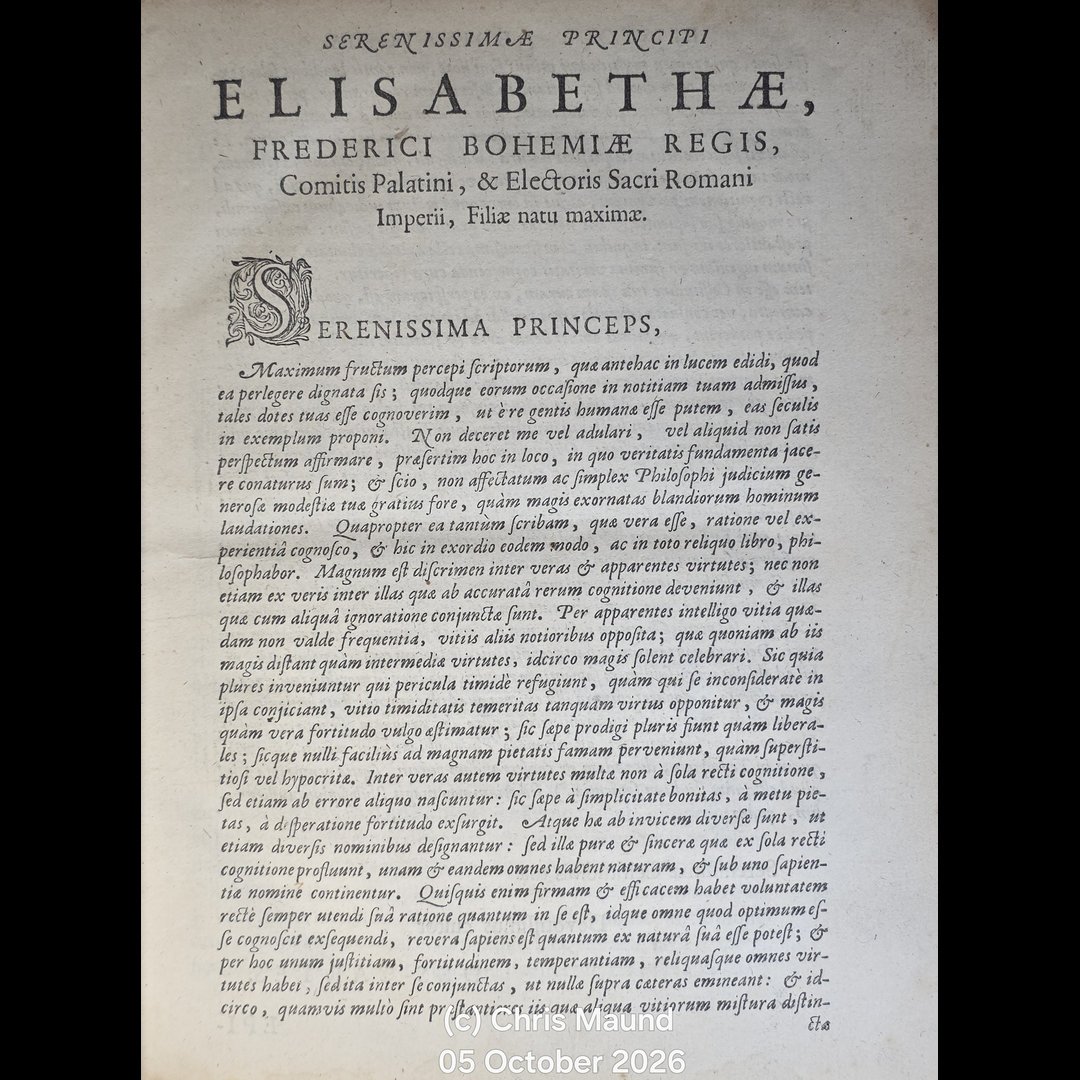
1503 Early Giunta Edition Hand-Finished Renaissance Copy
SALLUSTIUS CRISPUS - OPERA
By Gaius Sallustius Crispus
KEY DETAILS
Condition: Good
Format: Vellum, Octavo (8vo); approximately 159 × 100 mm
Published By: Filippo (Philippus) Giunta, 27 January 1503, Florence, 1503
Language: Latin
Collation: a⁶ b–i⁸ k¹⁰ = 82 leaves. Complete.
Dust Jacket: None, as issued
SKU: BTETM0002730
Shipping Info: Approximate Package Dimensions H: 12.5, L: 30, W: 25 (Units: cm), W: 2Kg
Tracked Shipping, Insurance Coverage as per Customer Request
DESCRIPTION
Sallustius Crispus - Opera
Hic erit, ut perhibent doctorum corda virorum, primus Romana Crispus in historia
A particularly attractive and bibliographically interesting early Florentine edition of Sallust, printed by Filippo Giunta in 1503: one of the earliest Giuntine portable classics and an evocative survival from the first years of the Renaissance pocket book.
Printed in elegant italic type only shortly after the introduction of the Aldine italic octavo, this compact edition presents Sallust’s two great historical works, De Coniuratione Catilinae and De Bello Iugurthino, together with humanist prefatory material including Pietro Crinito’s Vita Sallustii. The latter is of particular significance as its first printing, derived from Crinito’s larger collection of lives of historians and orators, a work which was never separately published and is now lost.
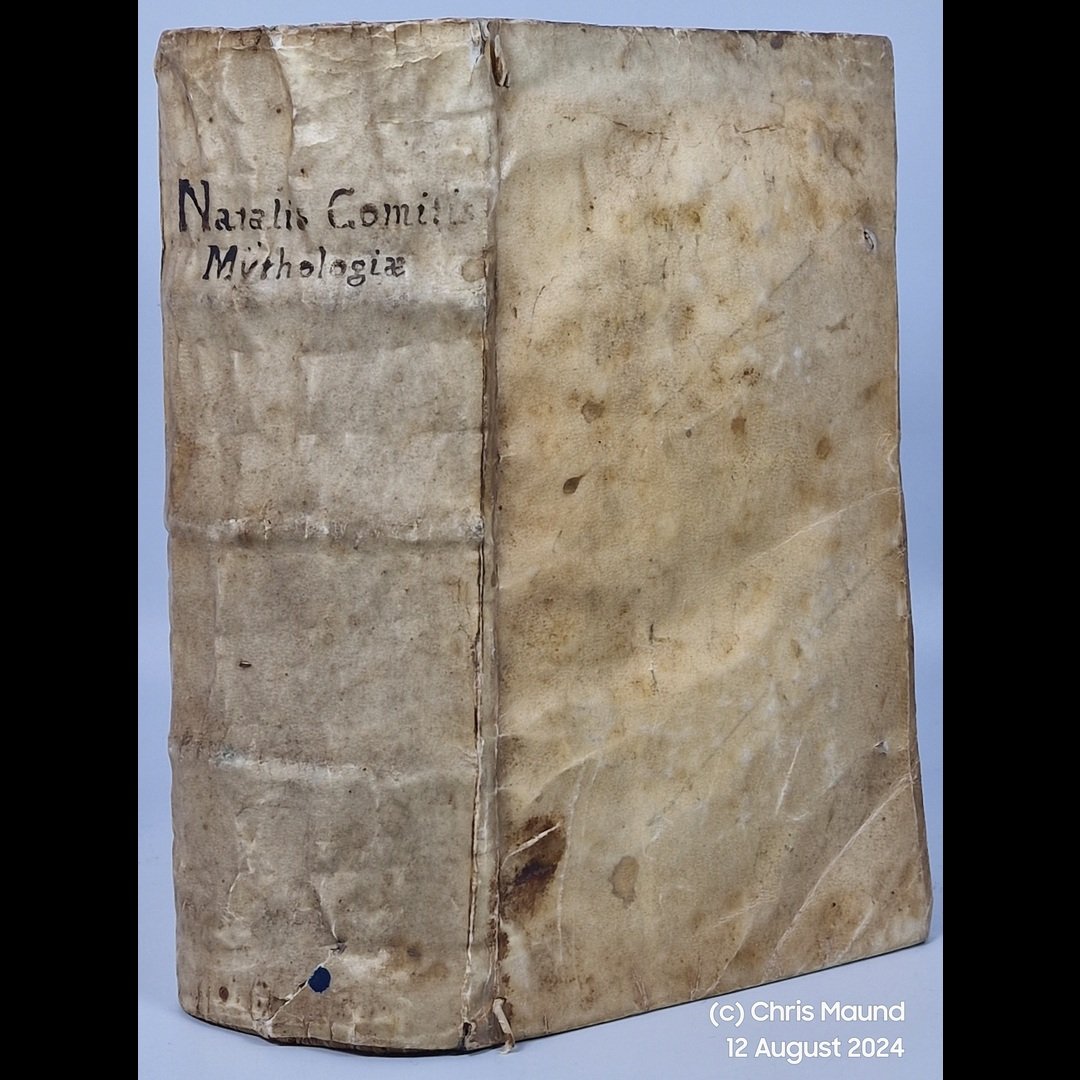
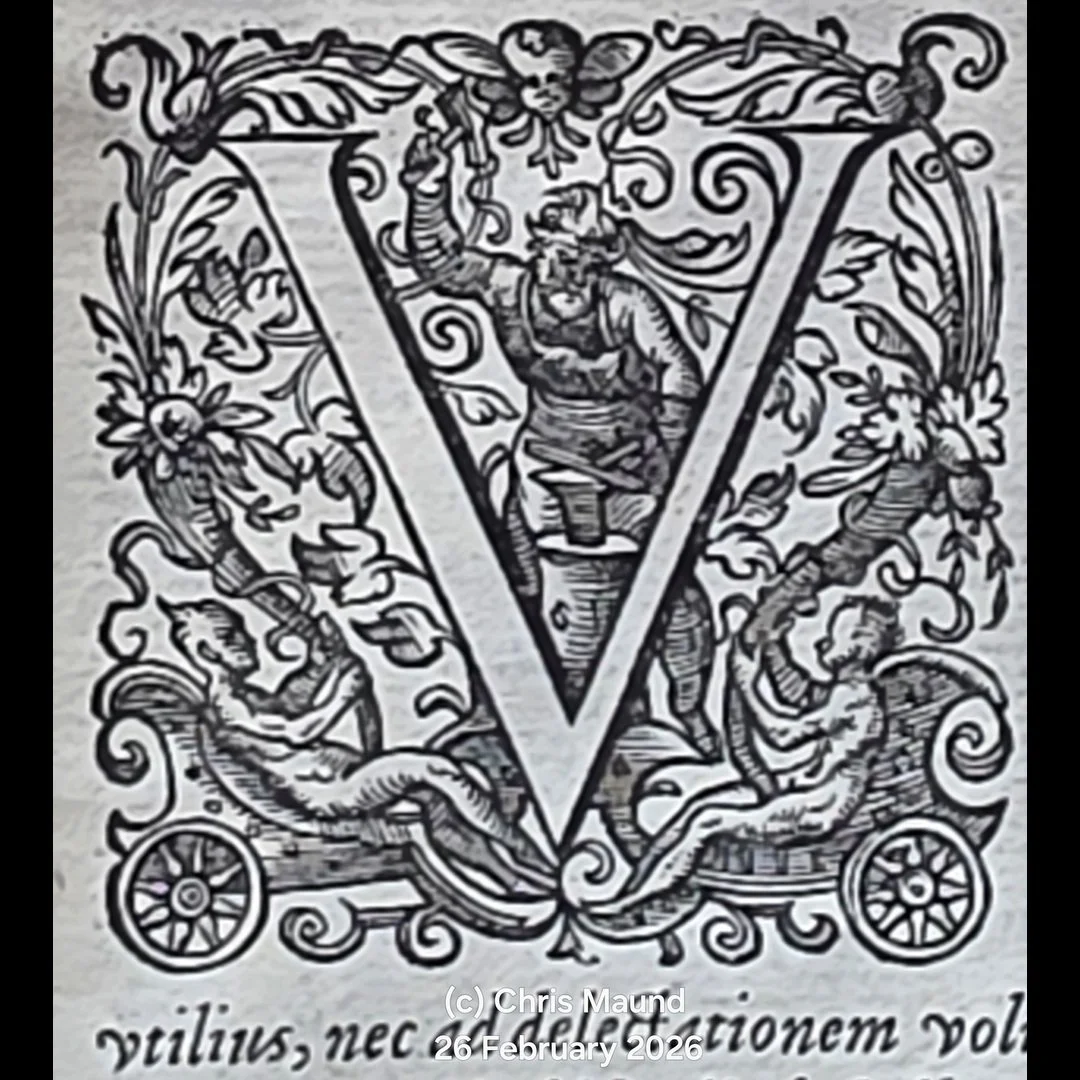
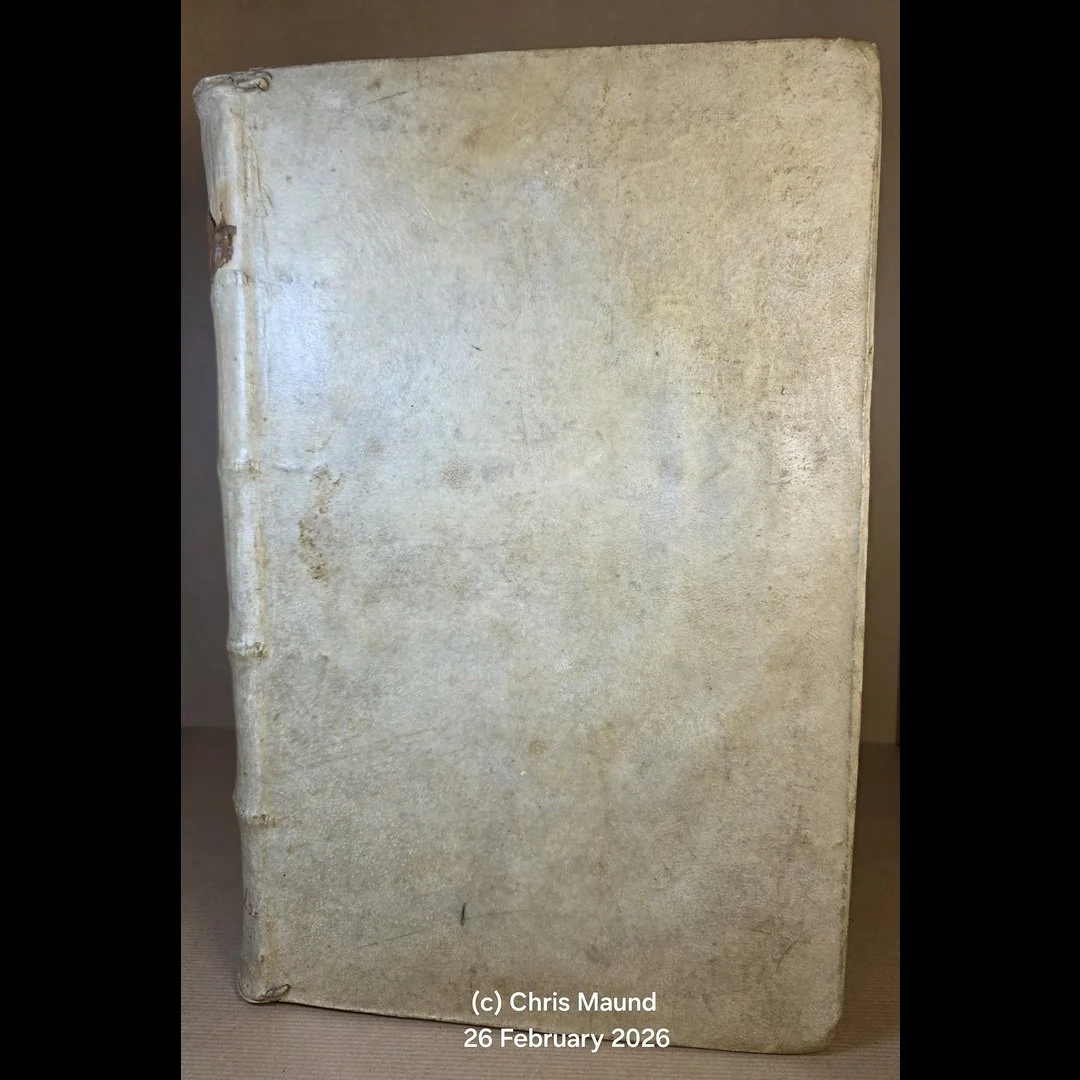
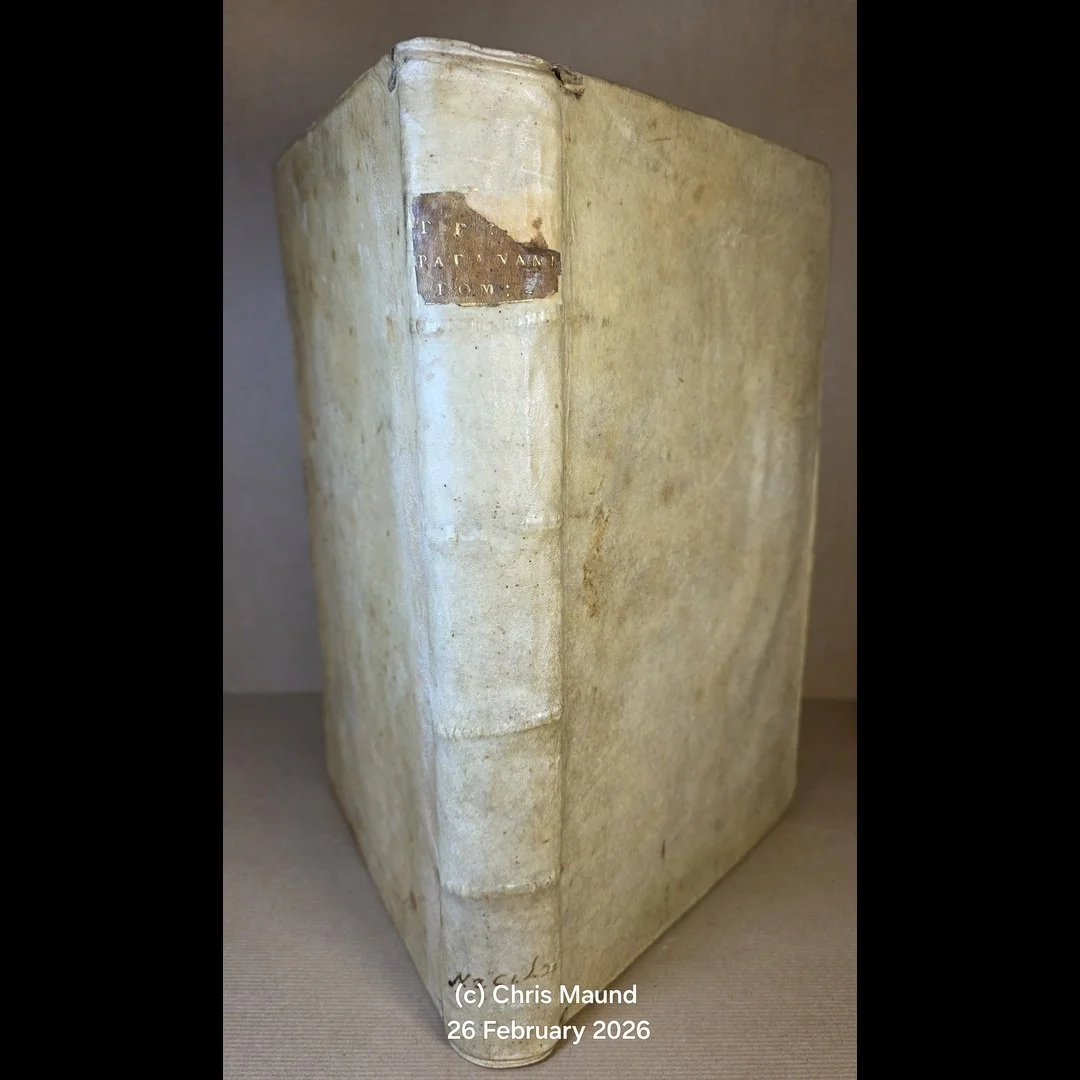
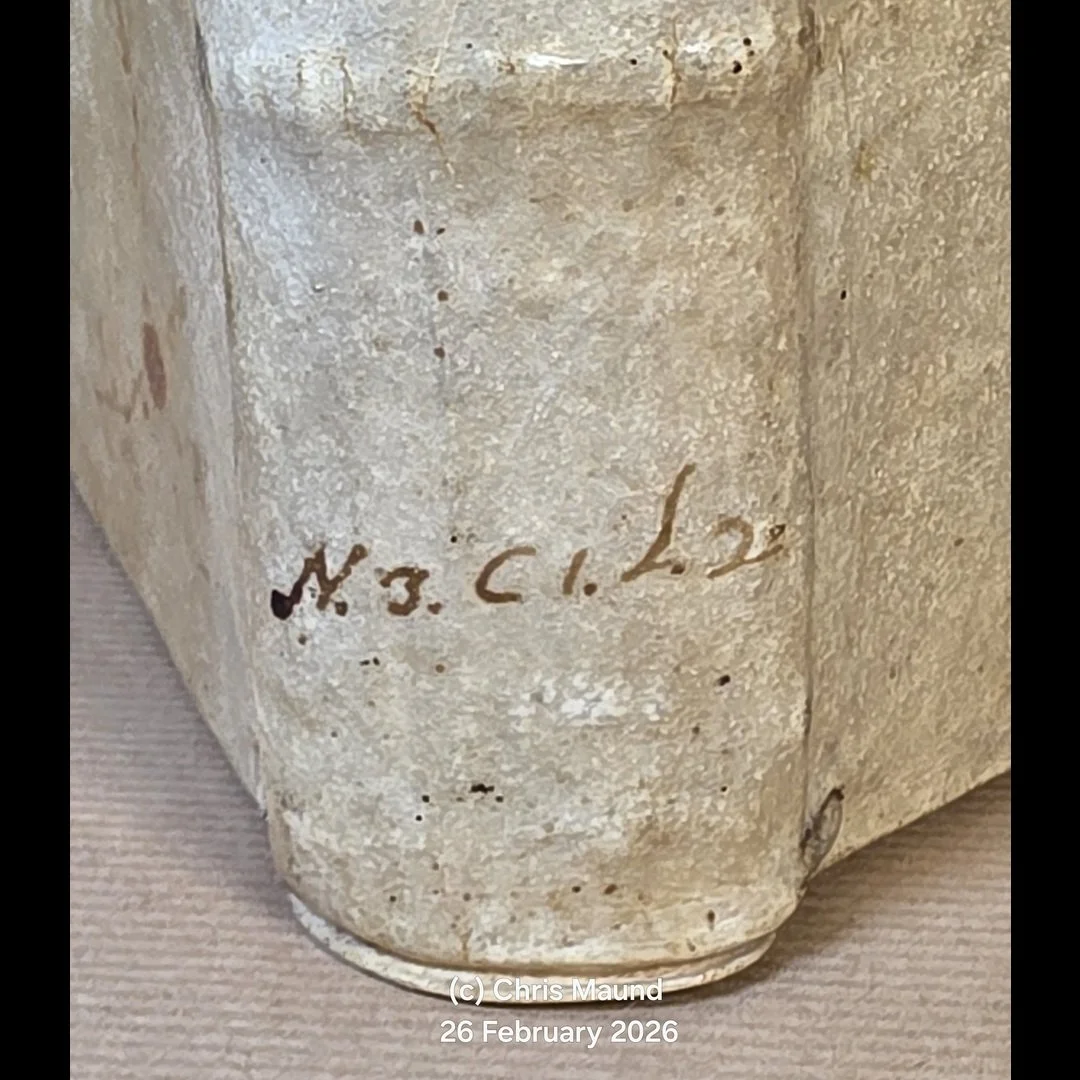
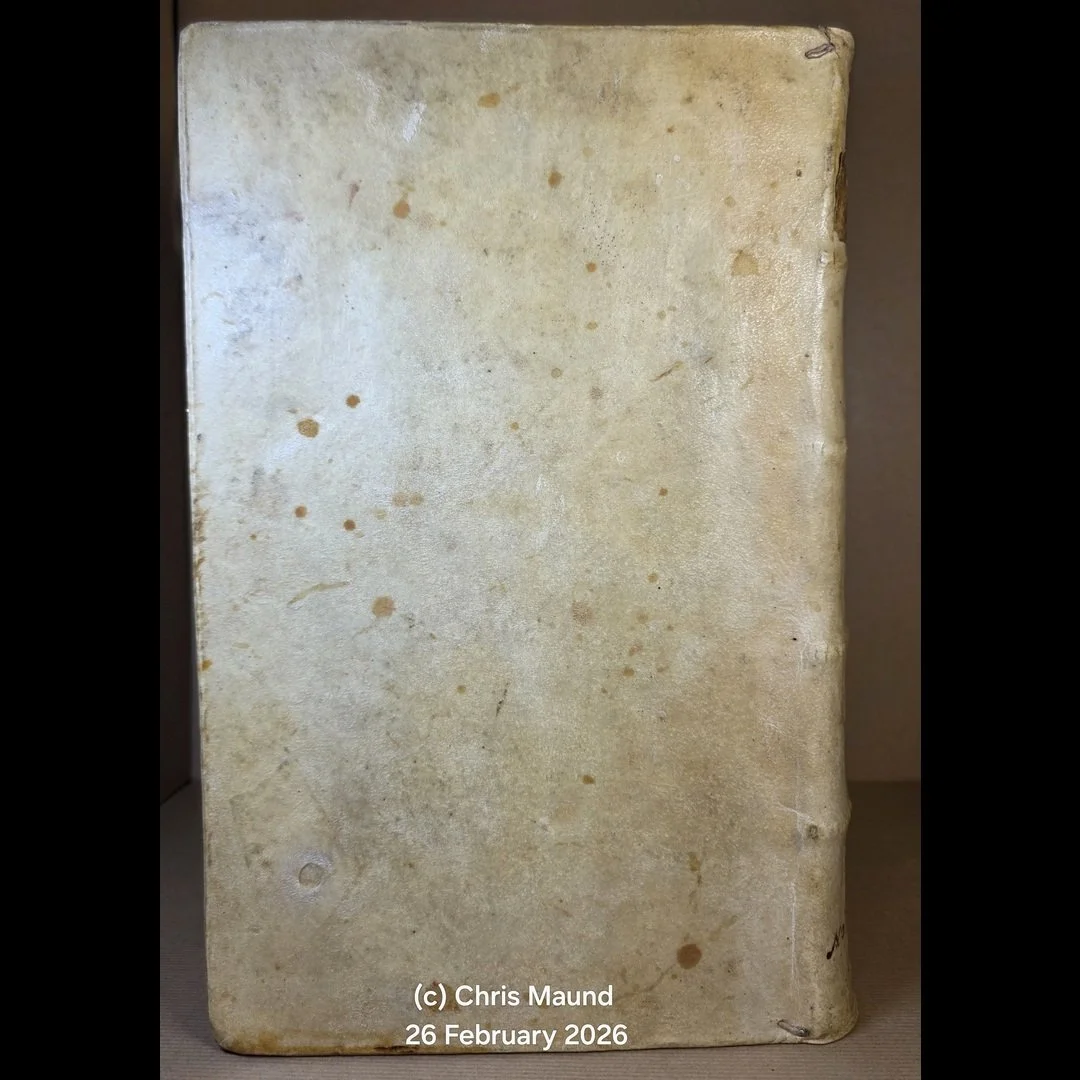
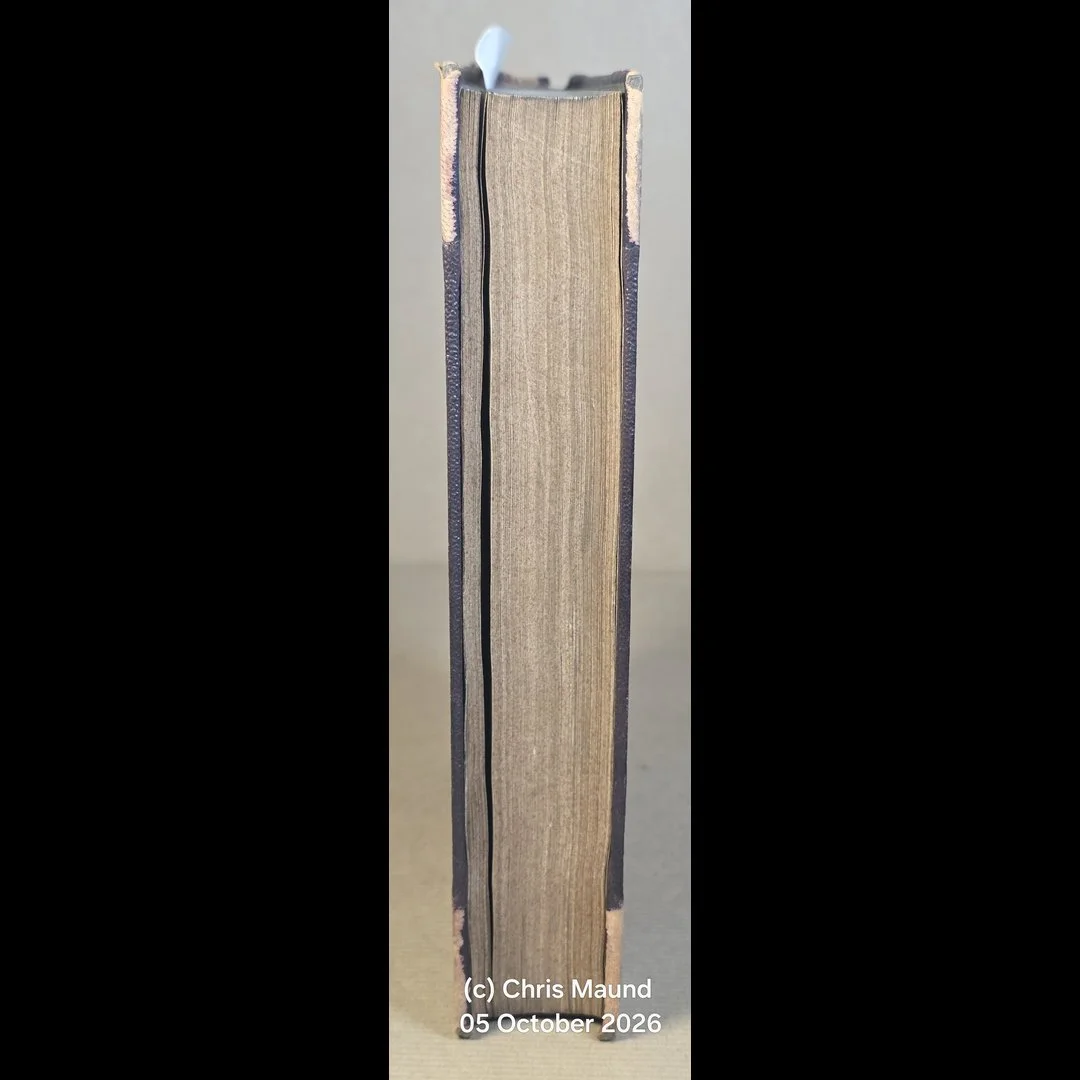
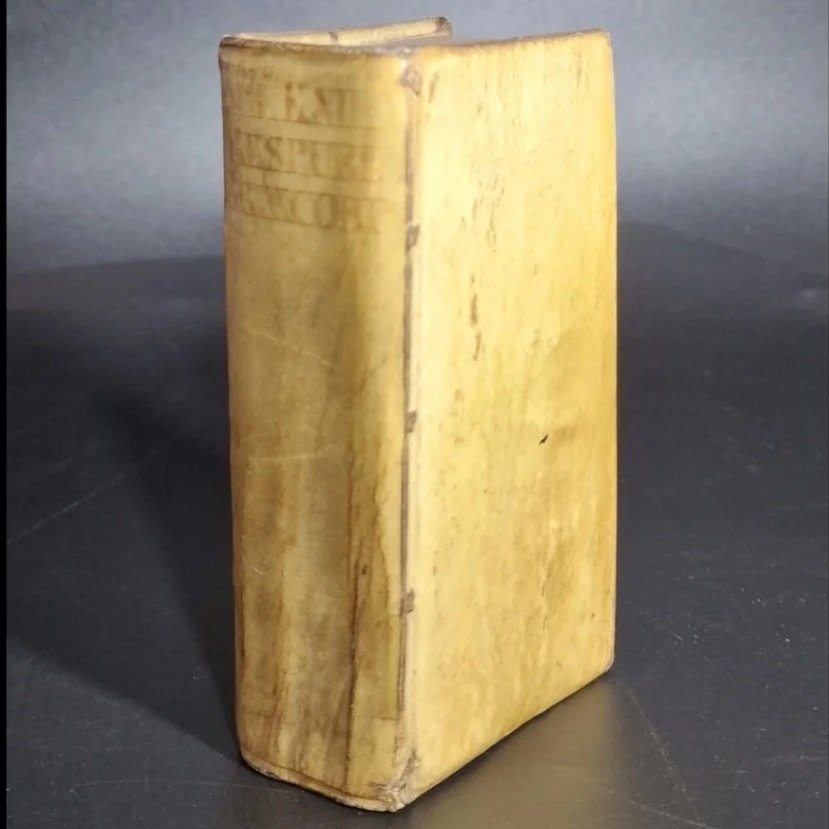
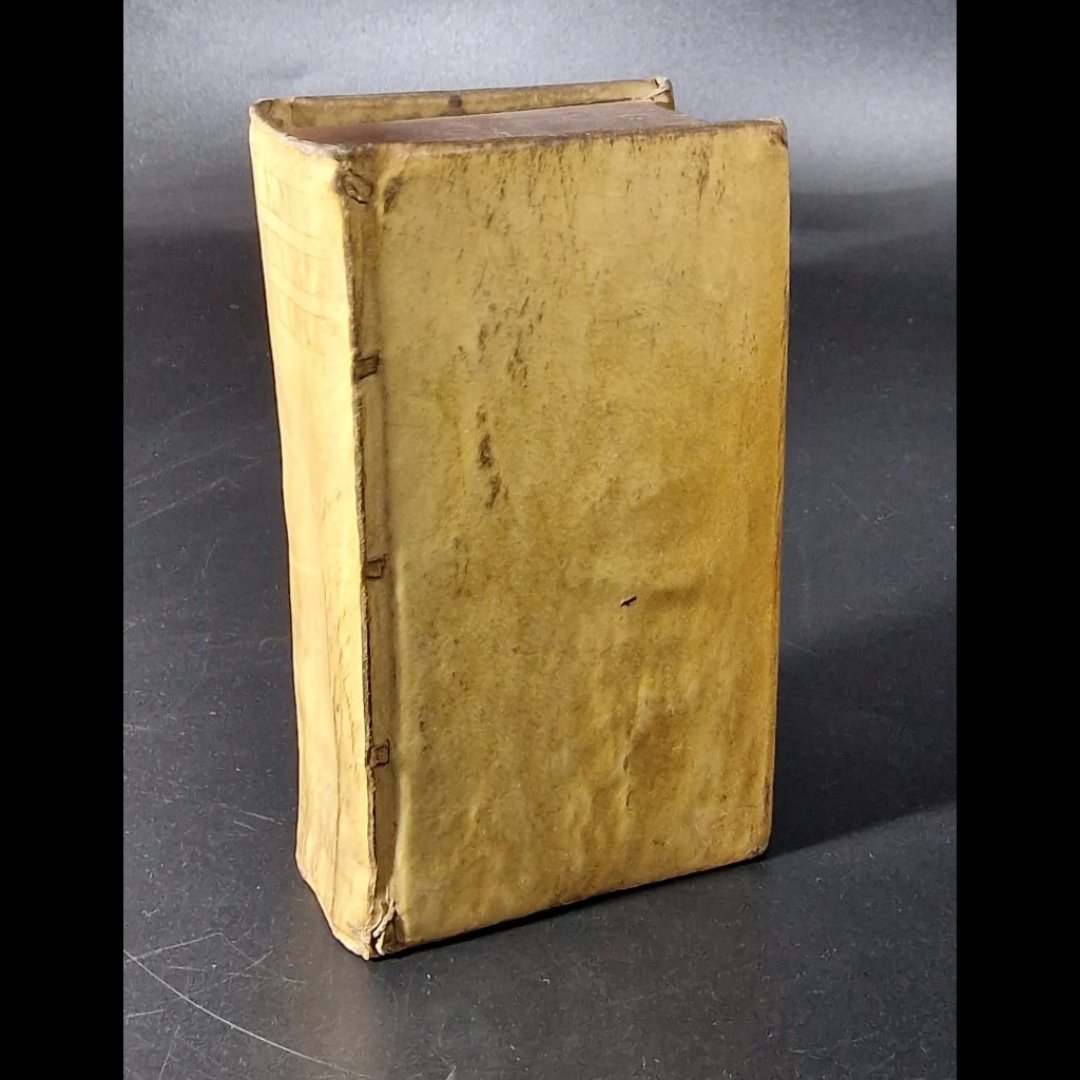
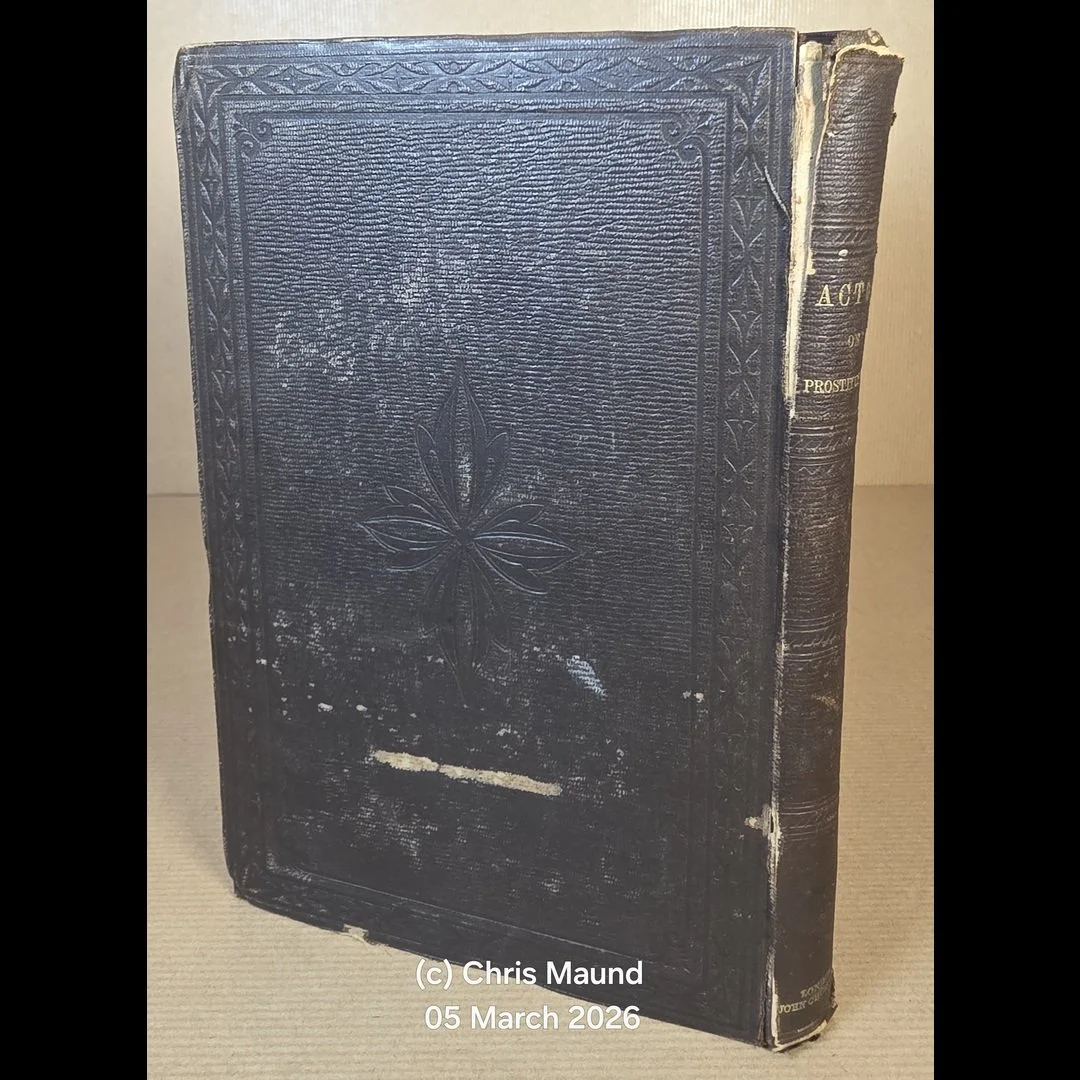
This copy is especially appealing as a hand-finished Renaissance book. Bound in early limp vellum with yapp edges, ruled covers, a small central ornament and manuscript spine title, it retains all three edges gilt. Throughout the text are extensive early, probably contemporary or near-contemporary manuscript rubrication and decoration: initials supplied in red, blue and green, ornamental pen flourishing and a particularly striking large polychrome opening initial incorporating a gilt or gold-coloured metal-leaf centre.
The survival of this manuscript finishing is particularly evocative of the transitional world of the early sixteenth-century printed book. Giunta’s compact italic classics represented the new technology and aesthetics of Renaissance printing, yet individual copies could still be completed by hand in a manner inherited from manuscript culture.
The volume also preserves evidence of historical reading, including occasional early manuscript annotations, underlining and reader’s marks. Printed Greek occurs within the humanist prefatory material.
Bibliographically, the copy is particularly interesting. Two separately typeset versions of Giunta’s 1503 Sallust survive with essentially the same title and dated colophon and have consequently been conflated in modern bibliographies. This copy belongs to the resetting in which the colophon occurs on k9v, followed by the separate blank leaf k10. The alternative setting places the colophon on k10r. The k9v version has been described bibliographically as having been recomposed line-for-line while retaining the same colophon as the other printing.
An old Italian bibliographical inscription on the preliminary blank describes the book as the “Prima edizione Fiorentina” and remarks upon its rarity, stating that it is difficult to encounter even in the most complete collections. The inscription provides appealing evidence of the volume’s earlier collecting history, although its claim to be the first Florentine edition of Sallust should not be understood literally: Sallust had already been printed at Florence by the press of San Jacopo di Ripoli in 1478.
The colophon reads:
“OPVS hoc impressum Florentiae opera et impensa Philippi giuntae Florentini Bibliopolae. Anno salutis millesimo quingentesimo tertio, sexto Calendas Februarias, Petro Soderino vexillifero felicissime.”
The Roman dating formula “sexto Calendas Februarias” corresponds to 27 January 1503.
A highly characterful example of an important early Giunta classical edition, combining Renaissance humanist scholarship, the emerging portable italic book and substantial surviving manuscript finishing in a remarkably appealing early binding.
CONDITION, COLLATION & COPY NOTES
COLLATION
a⁶ b–i⁸ k¹⁰ = 82 leaves. Complete.
Bibliographical Note:
This copy belongs to the k9v-colophon resetting of the 1503 Giunta Sallust. Two separately typeset 1503 versions sharing the same dated colophon are known and have sometimes been conflated in bibliographical repertories. In the present setting the colophon occurs on k9v and is followed by blank k10; in the other setting the colophon occurs on k10r.
The edition belongs to the formative period of Filippo Giunta’s production of compact classical texts at Florence and appeared only shortly after the development of the Aldine italic octavo in Venice. It predates the first Aldine edition of Sallust of 1509.
The prefatory material includes Pietro Crinito’s Vita Sallustii, here printed for the first time, together with material associated with the Florentine humanist milieu in which the Giunta press operated.
A sound and highly attractive early copy in limp vellum, possibly contemporary or near-contemporary, with yapp edges, ruled frame to the covers, small central ornament and manuscript title to the spine. All three page edges gilt.
The vellum displays expected age-soiling, rubbing and handling wear, with wear and small losses at the extremities and corners. The joints and hinges show age and use but the binding remains serviceable and retains considerable period character.
Internally, the paper shows general light age-toning, scattered spotting and occasional staining and handling marks consistent with a book of this age and history of use. Occasional early manuscript annotations, underlining and reader’s marks are present.
Of particular note is the extensive early manuscript finishing throughout the volume. Initials are supplied and ornamented in red, blue and green, accompanied by rubrication and decorative pen flourishing. A large opening initial is especially striking, with polychrome decoration and a gilt or gold-coloured metal-leaf central field. The decoration remains vivid and forms an important part of the historical and visual character of the copy.
Title leaf present. Both De Coniuratione Catilinae and De Bello Iugurthino are present. The terminal Giunta colophon is present on k9v and is followed by the separate blank k10.
Language: Latin, with printed Greek in the prefatory material
Please see Photos as part of condition report.
REFERENCES
Renouard, Annales de l’imprimerie des Giunta, XXXIV, no. 8
EDIT16 CNCE 28708
USTC 854232
Decia & Delfiol, I Giunti tipografi editori di Firenze, p. 67, no. 8
Finarte, Libri, Autografi e Stampe, Rome, 24 June 2025, lot 122 — k9v-colophon resetting
Sotheby’s, Bibliotheca Brookeriana: A Renaissance Library, 2025 — 1503 Giunta Sallust
SYNOPSIS
Sallust’s De Coniuratione Catilinae recounts the conspiracy of Lucius Sergius Catilina against the Roman Republic in 63 BC and its suppression during Cicero’s consulship. Sallust uses the conspiracy as more than a political narrative: Catiline and his followers become symptoms of a wider decline in Roman civic virtue, brought about by ambition, luxury, greed and the struggle for power.
De Bello Iugurthino describes Rome’s war against Jugurtha, king of Numidia, from 112 to 105 BC. The conflict exposes corruption within the Roman political elite as Jugurtha discovers the susceptibility of Roman politicians to bribery and manipulation. Against this background emerge figures including Marius and Metellus and the growing tensions between aristocratic privilege and advancement through military and political ability.
Together the works constitute one of antiquity’s most powerful examinations of political corruption and institutional decay. Sallust’s concern is not simply what happened, but why republics become vulnerable when private ambition overwhelms public virtue.
For Renaissance readers these works combined exemplary Latin with history, ethics and political instruction. In this 1503 Giunta edition that intellectual tradition is embodied particularly vividly: a newly printed portable classical text, produced in the innovative italic format of the early Renaissance and subsequently completed and articulated by hand with coloured and gilt decoration.
AUTHOR BIO
Gaius Sallustius Crispus (86–35 BC), commonly known as Sallust, was a Roman politician, historian and associate of Julius Caesar. After withdrawing from public life he devoted himself to history, producing works whose compressed prose, moral seriousness and penetrating analysis of political behaviour established him as one of the great Latin historians.
His surviving monographs examine not merely military and political events but the corruption of republican institutions, the destructive effects of wealth and ambition, factional politics and the moral character of those who exercise power. His distinctive Latin style made him a central school and university author throughout the Middle Ages and Renaissance, and consequently an important figure in the humanist revival of classical literature.
Pietro Crinito Bio:
Pietro Crinito (Pietro Del Riccio Baldi, 1474–1507) was a Florentine humanist, scholar and pupil of Angelo Poliziano. Closely associated with the intellectual culture of Renaissance Florence, he wrote on classical literature, history and antiquity and became best known for his De honesta disciplina.
His Vita Sallustii, included in this edition, provides a Renaissance humanist life of Sallust and is of particular bibliographical interest here in its first printing.
1503 Early Giunta Edition Hand-Finished Renaissance Copy
SALLUSTIUS CRISPUS - OPERA
By Gaius Sallustius Crispus
KEY DETAILS
Condition: Good
Format: Vellum, Octavo (8vo); approximately 159 × 100 mm
Published By: Filippo (Philippus) Giunta, 27 January 1503, Florence, 1503
Language: Latin
Collation: a⁶ b–i⁸ k¹⁰ = 82 leaves. Complete.
Dust Jacket: None, as issued
SKU: BTETM0002730
Shipping Info: Approximate Package Dimensions H: 12.5, L: 30, W: 25 (Units: cm), W: 2Kg
Tracked Shipping, Insurance Coverage as per Customer Request
DESCRIPTION
Sallustius Crispus - Opera
Hic erit, ut perhibent doctorum corda virorum, primus Romana Crispus in historia
A particularly attractive and bibliographically interesting early Florentine edition of Sallust, printed by Filippo Giunta in 1503: one of the earliest Giuntine portable classics and an evocative survival from the first years of the Renaissance pocket book.
Printed in elegant italic type only shortly after the introduction of the Aldine italic octavo, this compact edition presents Sallust’s two great historical works, De Coniuratione Catilinae and De Bello Iugurthino, together with humanist prefatory material including Pietro Crinito’s Vita Sallustii. The latter is of particular significance as its first printing, derived from Crinito’s larger collection of lives of historians and orators, a work which was never separately published and is now lost.
This copy is especially appealing as a hand-finished Renaissance book. Bound in early limp vellum with yapp edges, ruled covers, a small central ornament and manuscript spine title, it retains all three edges gilt. Throughout the text are extensive early, probably contemporary or near-contemporary manuscript rubrication and decoration: initials supplied in red, blue and green, ornamental pen flourishing and a particularly striking large polychrome opening initial incorporating a gilt or gold-coloured metal-leaf centre.
The survival of this manuscript finishing is particularly evocative of the transitional world of the early sixteenth-century printed book. Giunta’s compact italic classics represented the new technology and aesthetics of Renaissance printing, yet individual copies could still be completed by hand in a manner inherited from manuscript culture.
The volume also preserves evidence of historical reading, including occasional early manuscript annotations, underlining and reader’s marks. Printed Greek occurs within the humanist prefatory material.
Bibliographically, the copy is particularly interesting. Two separately typeset versions of Giunta’s 1503 Sallust survive with essentially the same title and dated colophon and have consequently been conflated in modern bibliographies. This copy belongs to the resetting in which the colophon occurs on k9v, followed by the separate blank leaf k10. The alternative setting places the colophon on k10r. The k9v version has been described bibliographically as having been recomposed line-for-line while retaining the same colophon as the other printing.
An old Italian bibliographical inscription on the preliminary blank describes the book as the “Prima edizione Fiorentina” and remarks upon its rarity, stating that it is difficult to encounter even in the most complete collections. The inscription provides appealing evidence of the volume’s earlier collecting history, although its claim to be the first Florentine edition of Sallust should not be understood literally: Sallust had already been printed at Florence by the press of San Jacopo di Ripoli in 1478.
The colophon reads:
“OPVS hoc impressum Florentiae opera et impensa Philippi giuntae Florentini Bibliopolae. Anno salutis millesimo quingentesimo tertio, sexto Calendas Februarias, Petro Soderino vexillifero felicissime.”
The Roman dating formula “sexto Calendas Februarias” corresponds to 27 January 1503.
A highly characterful example of an important early Giunta classical edition, combining Renaissance humanist scholarship, the emerging portable italic book and substantial surviving manuscript finishing in a remarkably appealing early binding.
CONDITION, COLLATION & COPY NOTES
COLLATION
a⁶ b–i⁸ k¹⁰ = 82 leaves. Complete.
Bibliographical Note:
This copy belongs to the k9v-colophon resetting of the 1503 Giunta Sallust. Two separately typeset 1503 versions sharing the same dated colophon are known and have sometimes been conflated in bibliographical repertories. In the present setting the colophon occurs on k9v and is followed by blank k10; in the other setting the colophon occurs on k10r.
The edition belongs to the formative period of Filippo Giunta’s production of compact classical texts at Florence and appeared only shortly after the development of the Aldine italic octavo in Venice. It predates the first Aldine edition of Sallust of 1509.
The prefatory material includes Pietro Crinito’s Vita Sallustii, here printed for the first time, together with material associated with the Florentine humanist milieu in which the Giunta press operated.
A sound and highly attractive early copy in limp vellum, possibly contemporary or near-contemporary, with yapp edges, ruled frame to the covers, small central ornament and manuscript title to the spine. All three page edges gilt.
The vellum displays expected age-soiling, rubbing and handling wear, with wear and small losses at the extremities and corners. The joints and hinges show age and use but the binding remains serviceable and retains considerable period character.
Internally, the paper shows general light age-toning, scattered spotting and occasional staining and handling marks consistent with a book of this age and history of use. Occasional early manuscript annotations, underlining and reader’s marks are present.
Of particular note is the extensive early manuscript finishing throughout the volume. Initials are supplied and ornamented in red, blue and green, accompanied by rubrication and decorative pen flourishing. A large opening initial is especially striking, with polychrome decoration and a gilt or gold-coloured metal-leaf central field. The decoration remains vivid and forms an important part of the historical and visual character of the copy.
Title leaf present. Both De Coniuratione Catilinae and De Bello Iugurthino are present. The terminal Giunta colophon is present on k9v and is followed by the separate blank k10.
Language: Latin, with printed Greek in the prefatory material
Please see Photos as part of condition report.
REFERENCES
Renouard, Annales de l’imprimerie des Giunta, XXXIV, no. 8
EDIT16 CNCE 28708
USTC 854232
Decia & Delfiol, I Giunti tipografi editori di Firenze, p. 67, no. 8
Finarte, Libri, Autografi e Stampe, Rome, 24 June 2025, lot 122 — k9v-colophon resetting
Sotheby’s, Bibliotheca Brookeriana: A Renaissance Library, 2025 — 1503 Giunta Sallust
SYNOPSIS
Sallust’s De Coniuratione Catilinae recounts the conspiracy of Lucius Sergius Catilina against the Roman Republic in 63 BC and its suppression during Cicero’s consulship. Sallust uses the conspiracy as more than a political narrative: Catiline and his followers become symptoms of a wider decline in Roman civic virtue, brought about by ambition, luxury, greed and the struggle for power.
De Bello Iugurthino describes Rome’s war against Jugurtha, king of Numidia, from 112 to 105 BC. The conflict exposes corruption within the Roman political elite as Jugurtha discovers the susceptibility of Roman politicians to bribery and manipulation. Against this background emerge figures including Marius and Metellus and the growing tensions between aristocratic privilege and advancement through military and political ability.
Together the works constitute one of antiquity’s most powerful examinations of political corruption and institutional decay. Sallust’s concern is not simply what happened, but why republics become vulnerable when private ambition overwhelms public virtue.
For Renaissance readers these works combined exemplary Latin with history, ethics and political instruction. In this 1503 Giunta edition that intellectual tradition is embodied particularly vividly: a newly printed portable classical text, produced in the innovative italic format of the early Renaissance and subsequently completed and articulated by hand with coloured and gilt decoration.
AUTHOR BIO
Gaius Sallustius Crispus (86–35 BC), commonly known as Sallust, was a Roman politician, historian and associate of Julius Caesar. After withdrawing from public life he devoted himself to history, producing works whose compressed prose, moral seriousness and penetrating analysis of political behaviour established him as one of the great Latin historians.
His surviving monographs examine not merely military and political events but the corruption of republican institutions, the destructive effects of wealth and ambition, factional politics and the moral character of those who exercise power. His distinctive Latin style made him a central school and university author throughout the Middle Ages and Renaissance, and consequently an important figure in the humanist revival of classical literature.
Pietro Crinito Bio:
Pietro Crinito (Pietro Del Riccio Baldi, 1474–1507) was a Florentine humanist, scholar and pupil of Angelo Poliziano. Closely associated with the intellectual culture of Renaissance Florence, he wrote on classical literature, history and antiquity and became best known for his De honesta disciplina.
His Vita Sallustii, included in this edition, provides a Renaissance humanist life of Sallust and is of particular bibliographical interest here in its first printing.

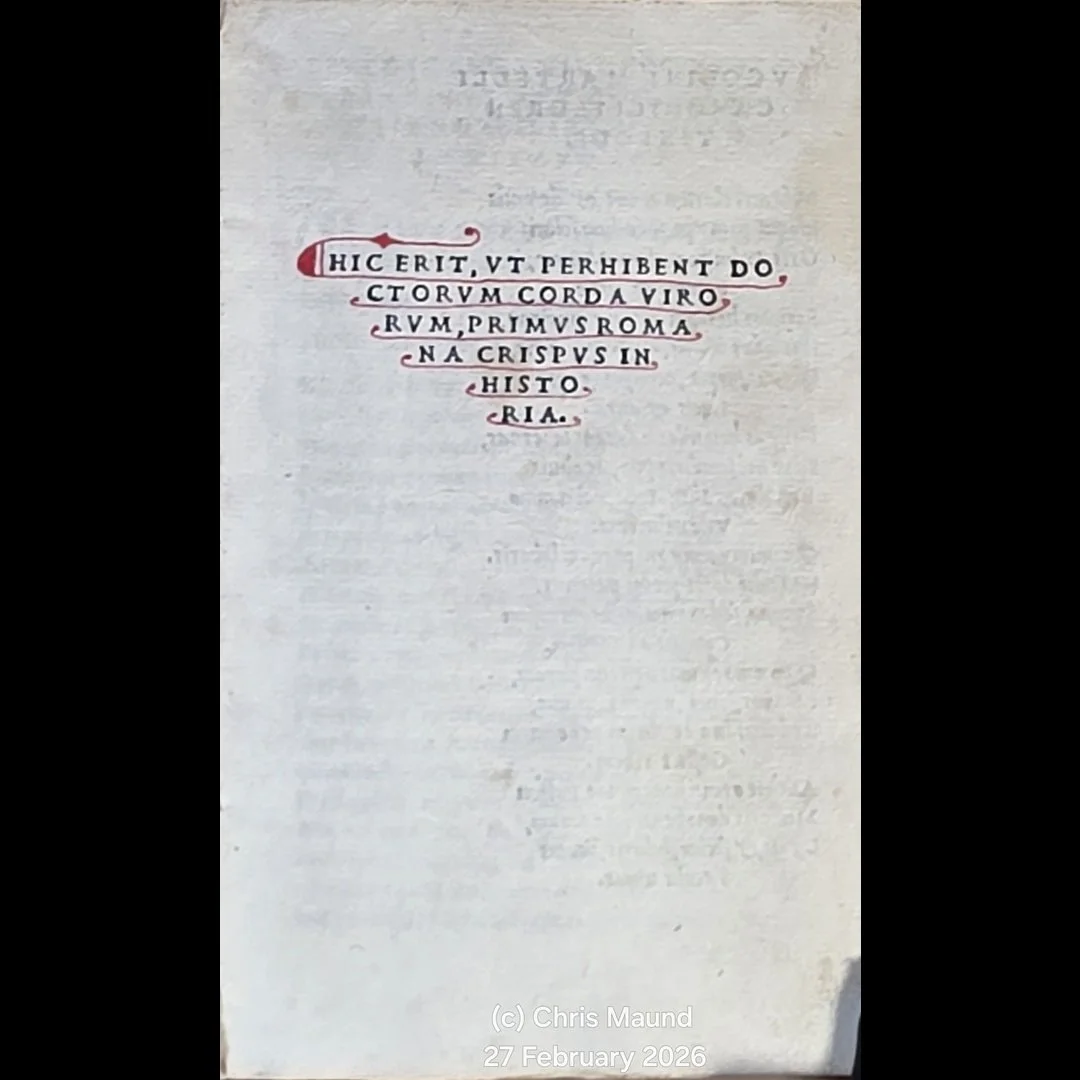 Image 1 of 25
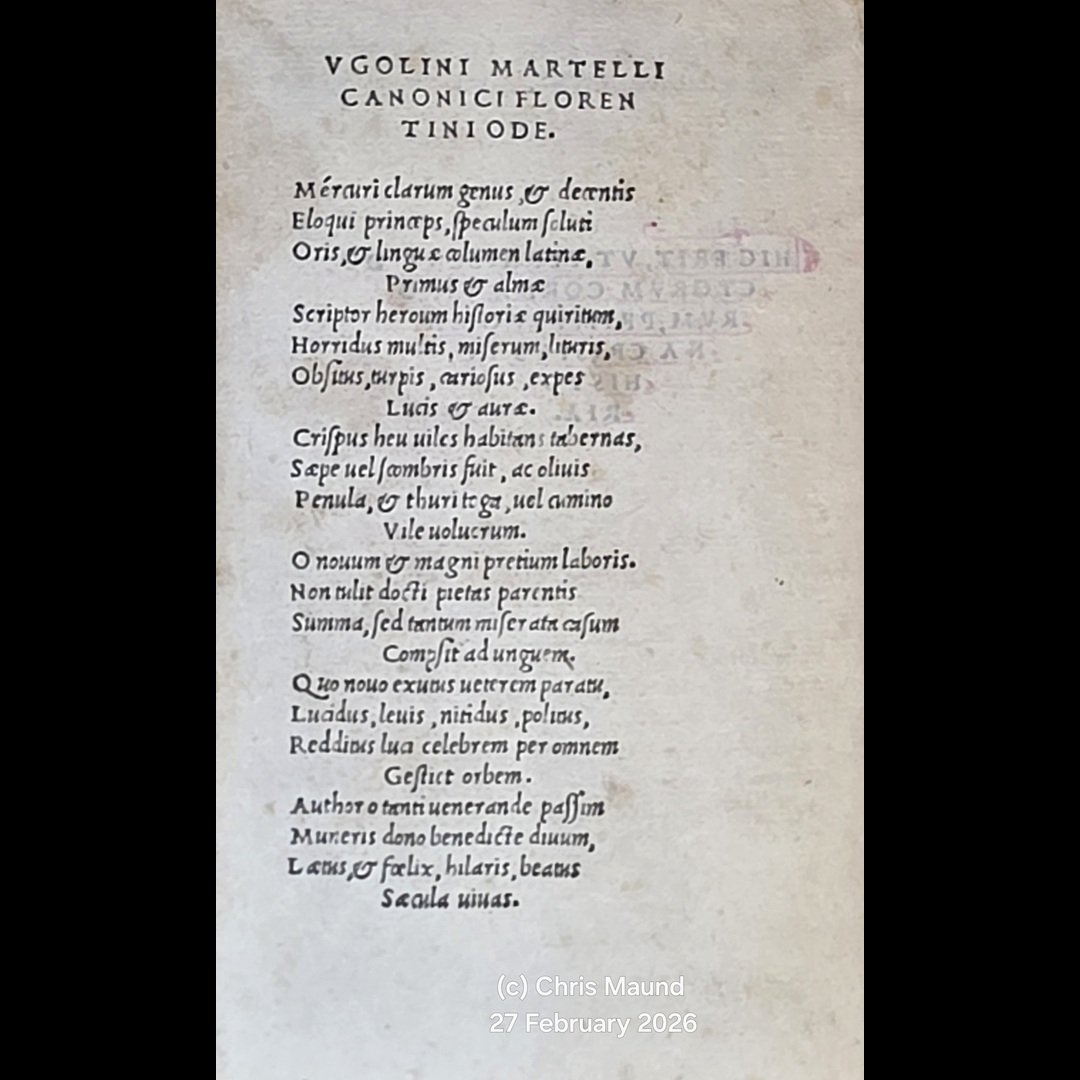 Image 2 of 25
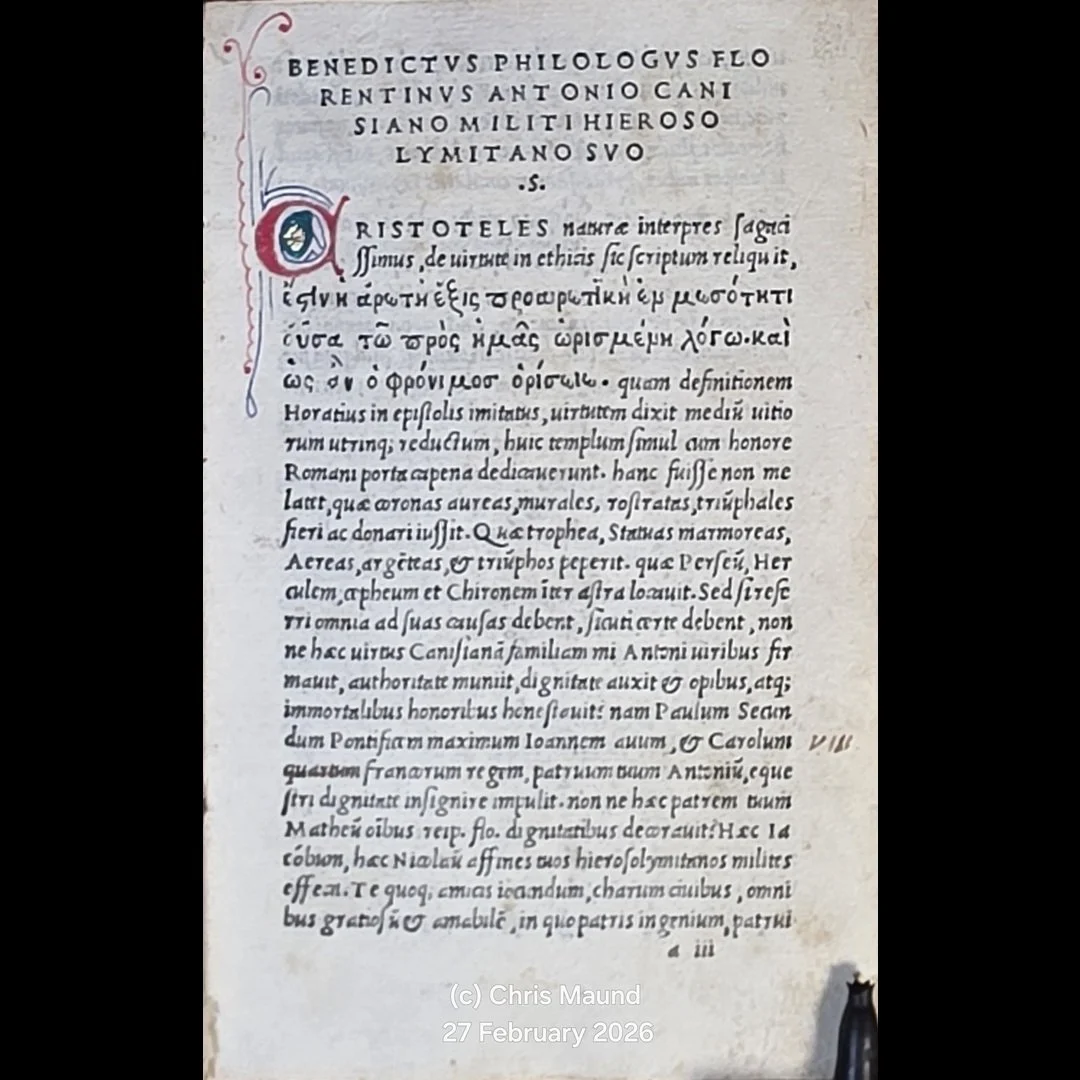 Image 3 of 25
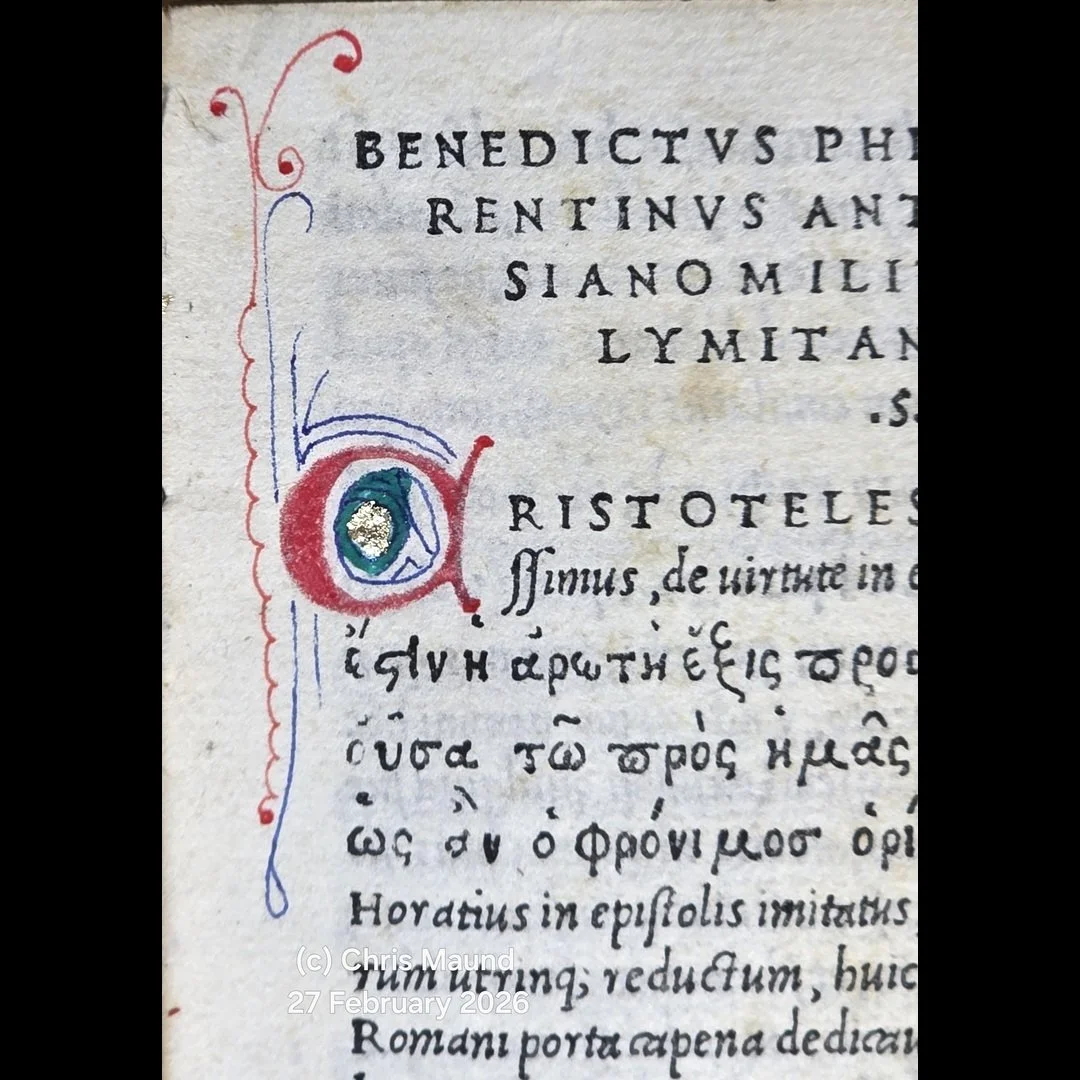 Image 4 of 25
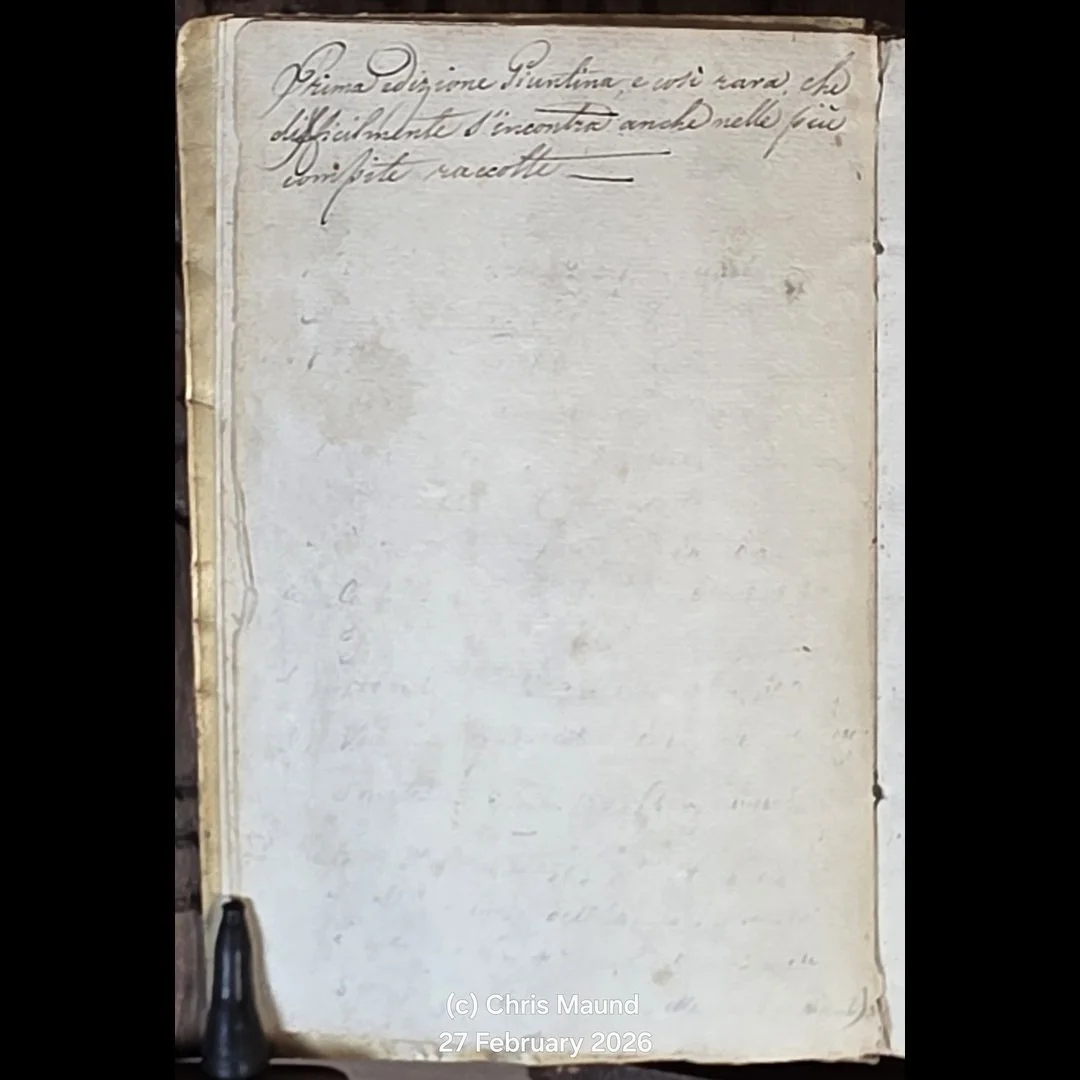 Image 5 of 25
 Image 6 of 25
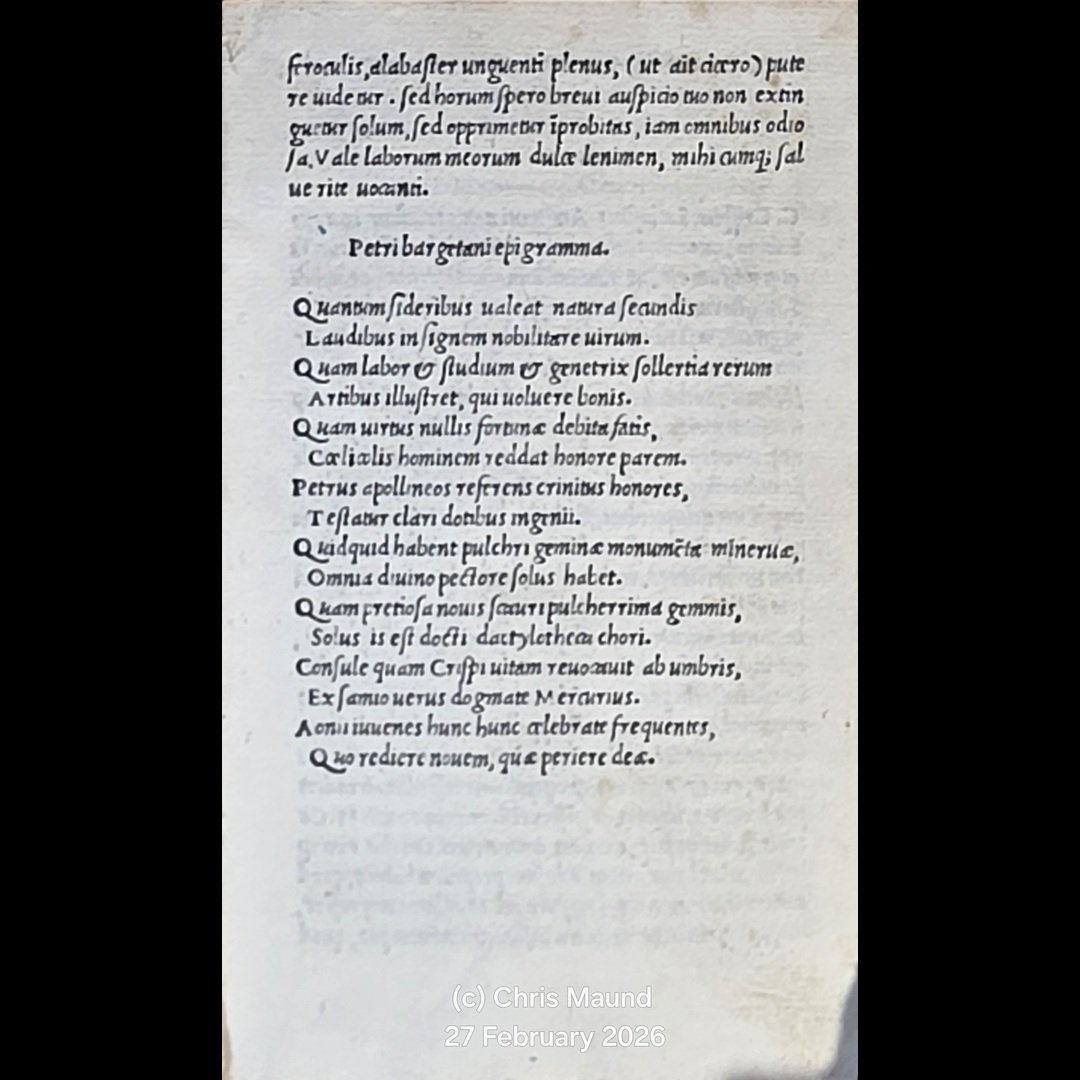 Image 7 of 25
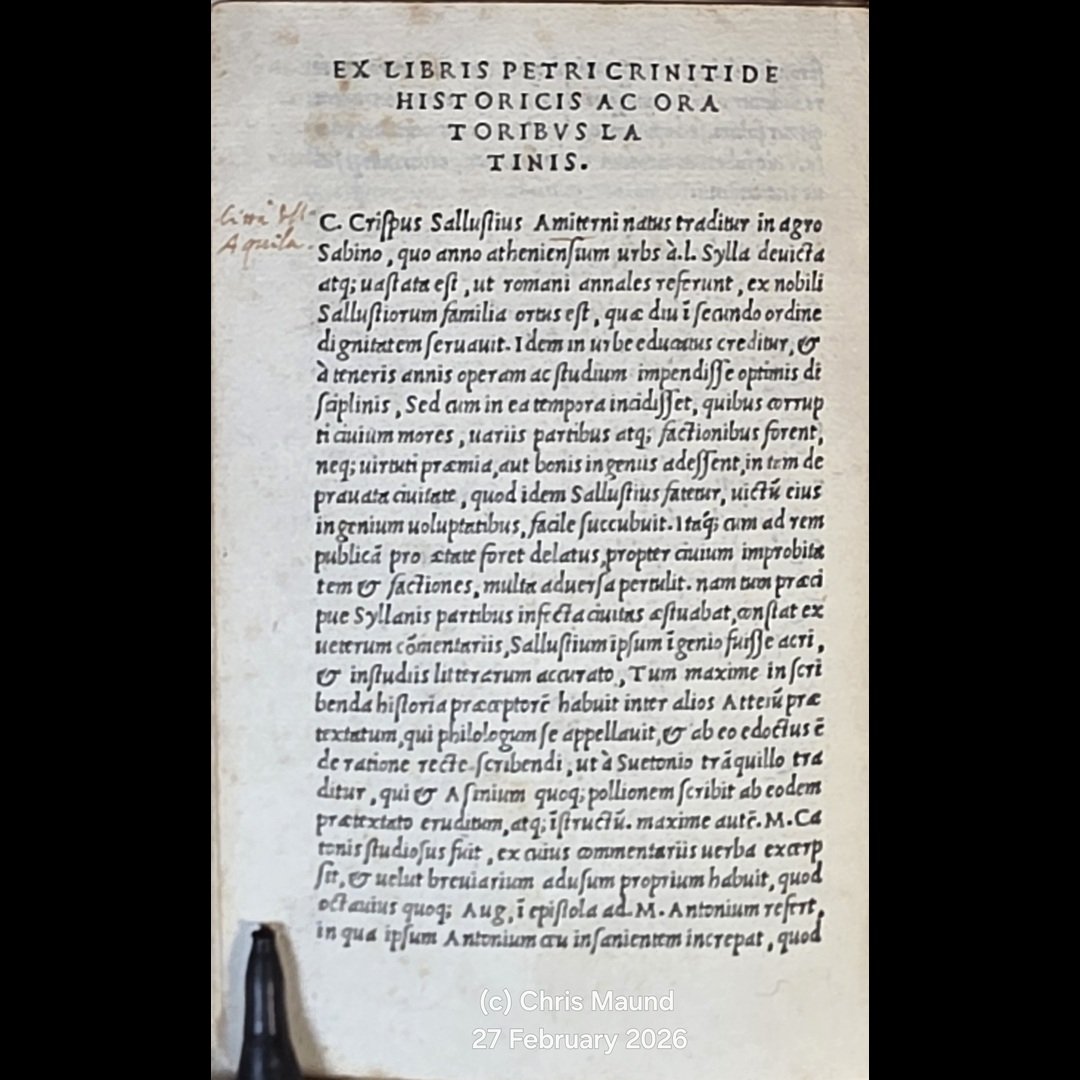 Image 8 of 25
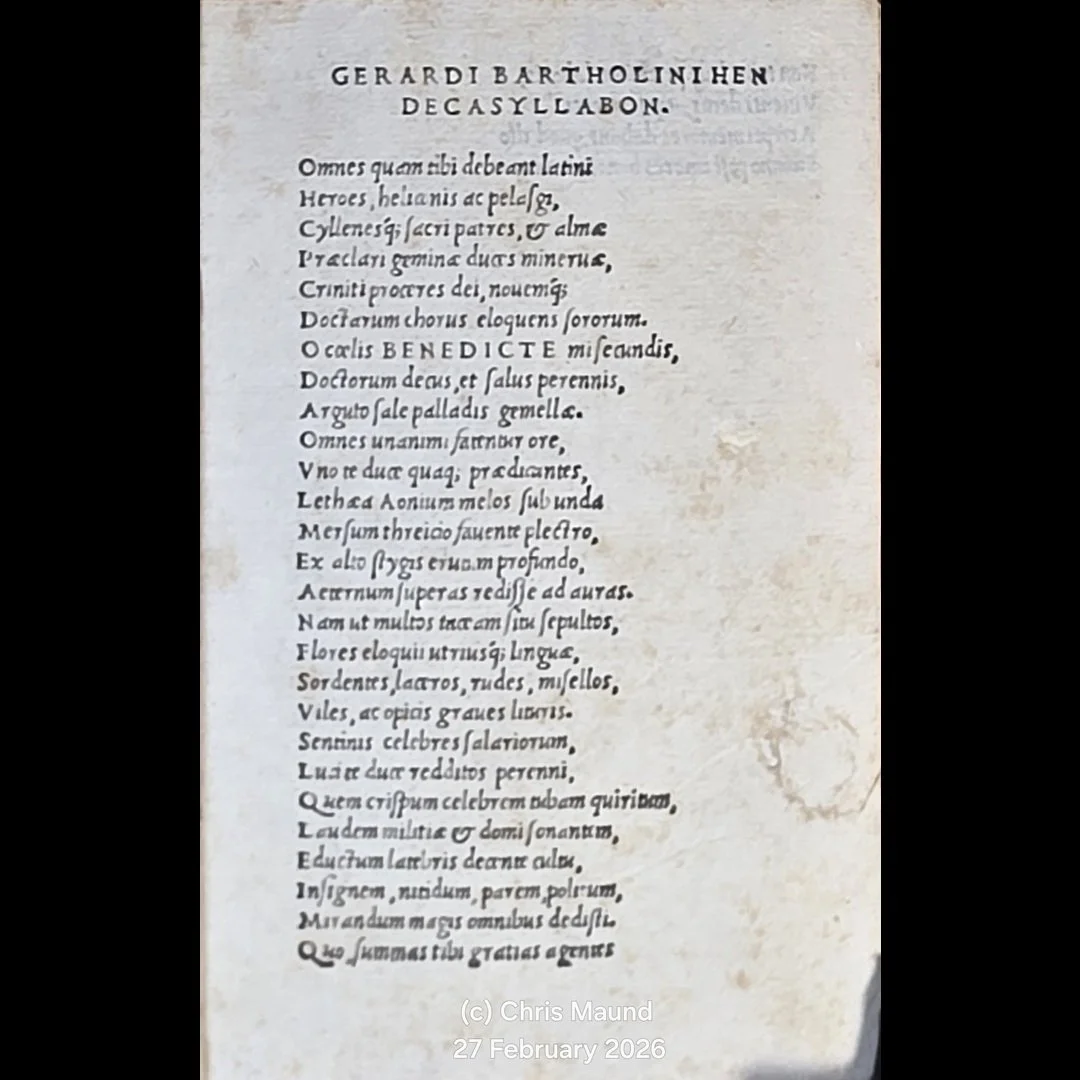 Image 9 of 25
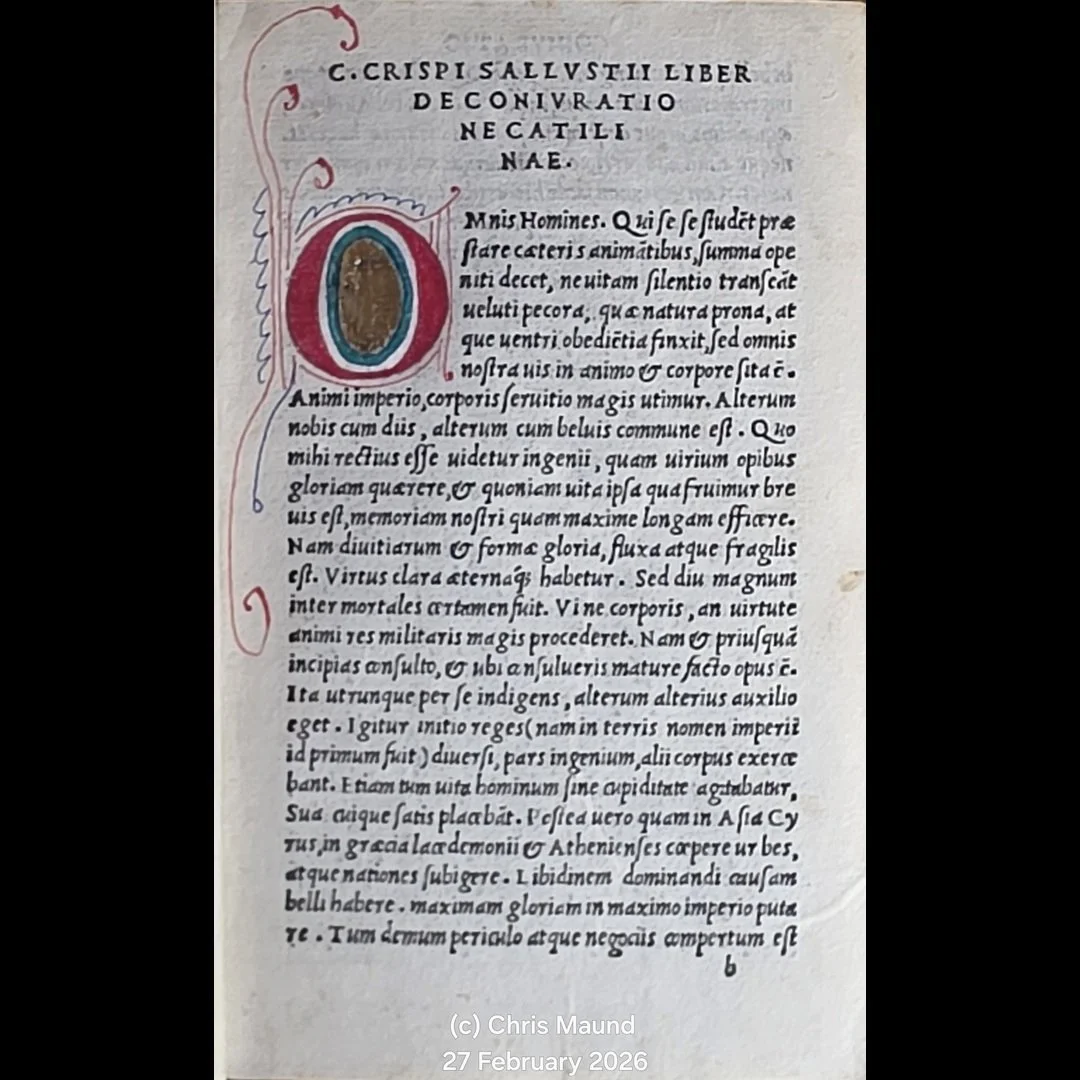 Image 10 of 25
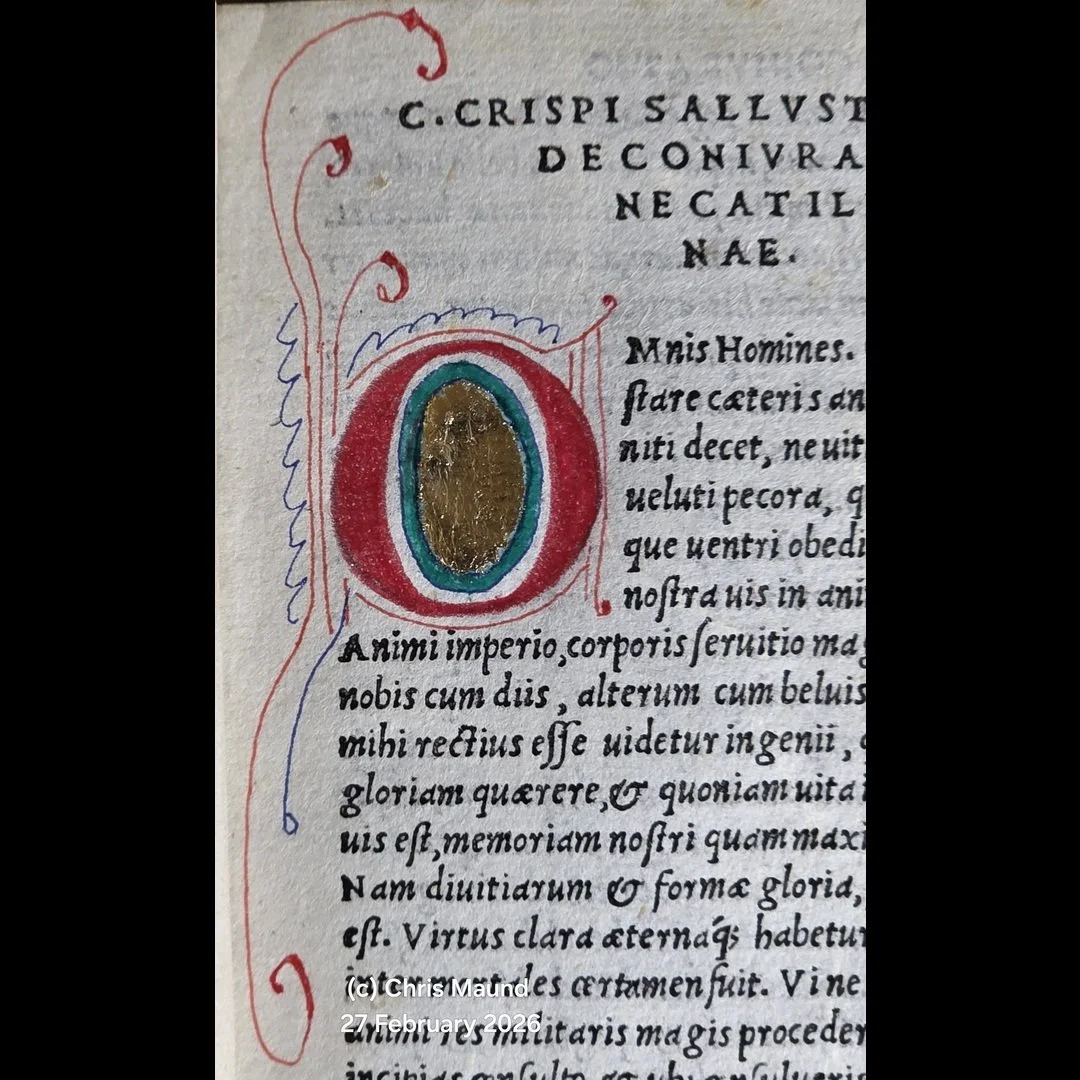 Image 11 of 25
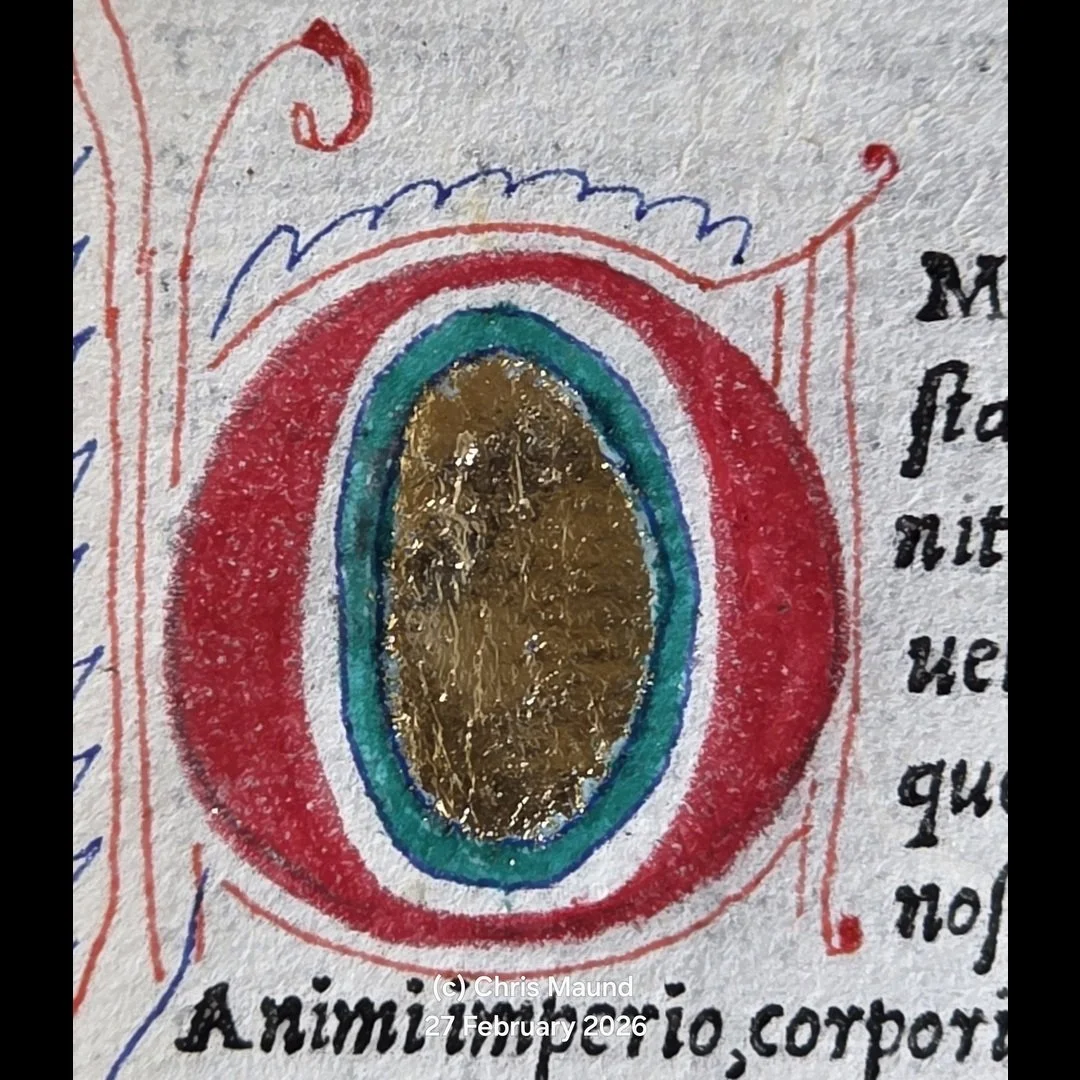 Image 12 of 25
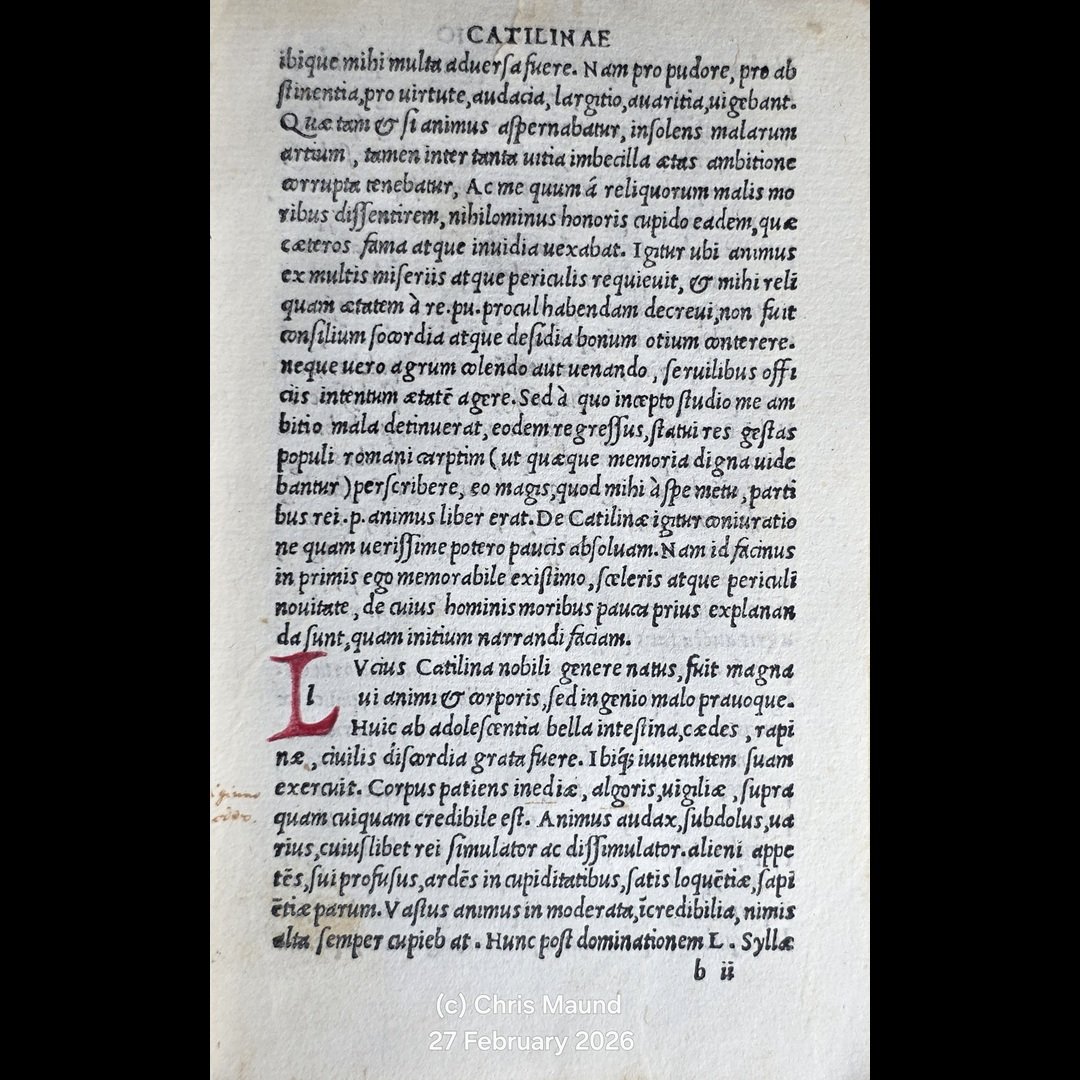 Image 13 of 25
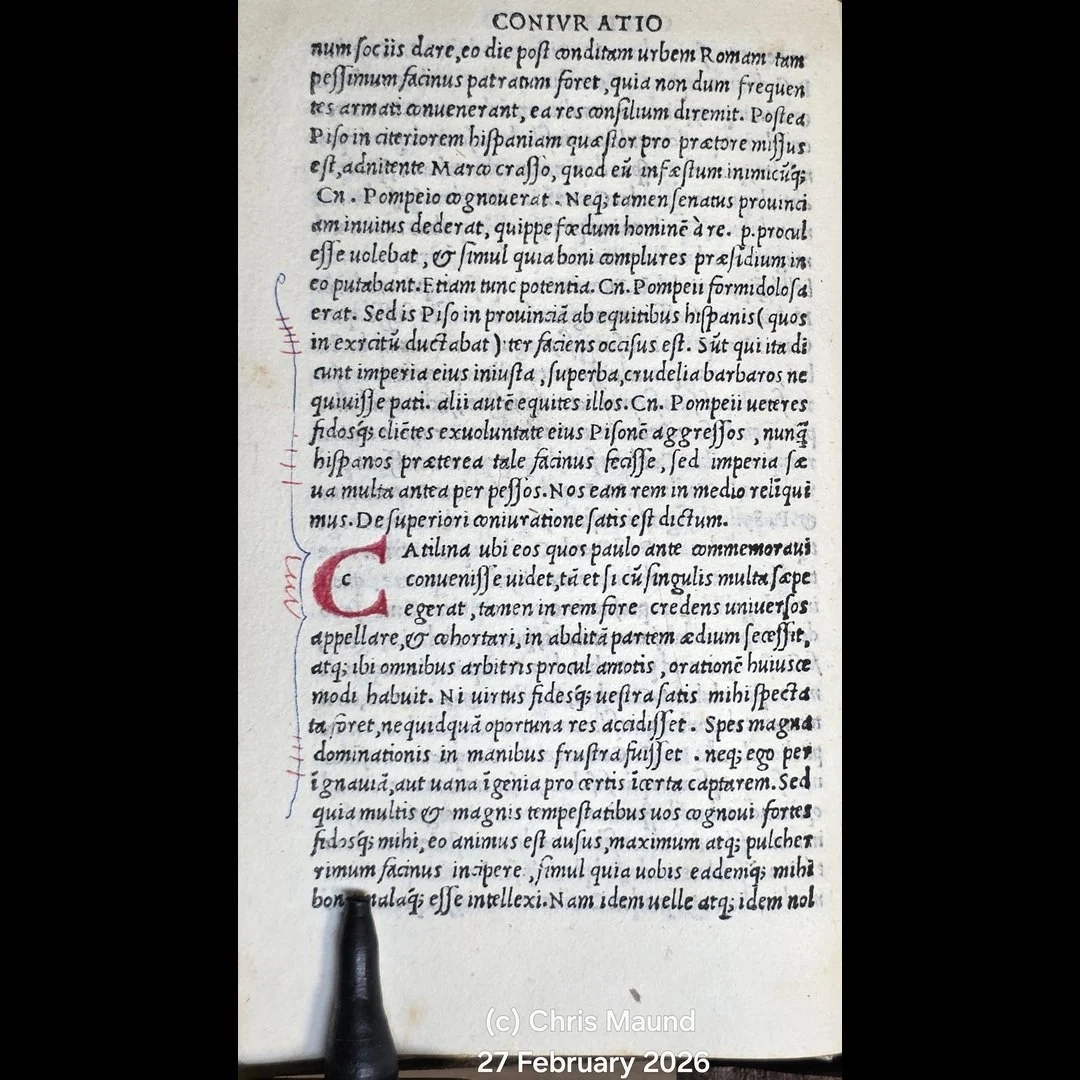 Image 14 of 25
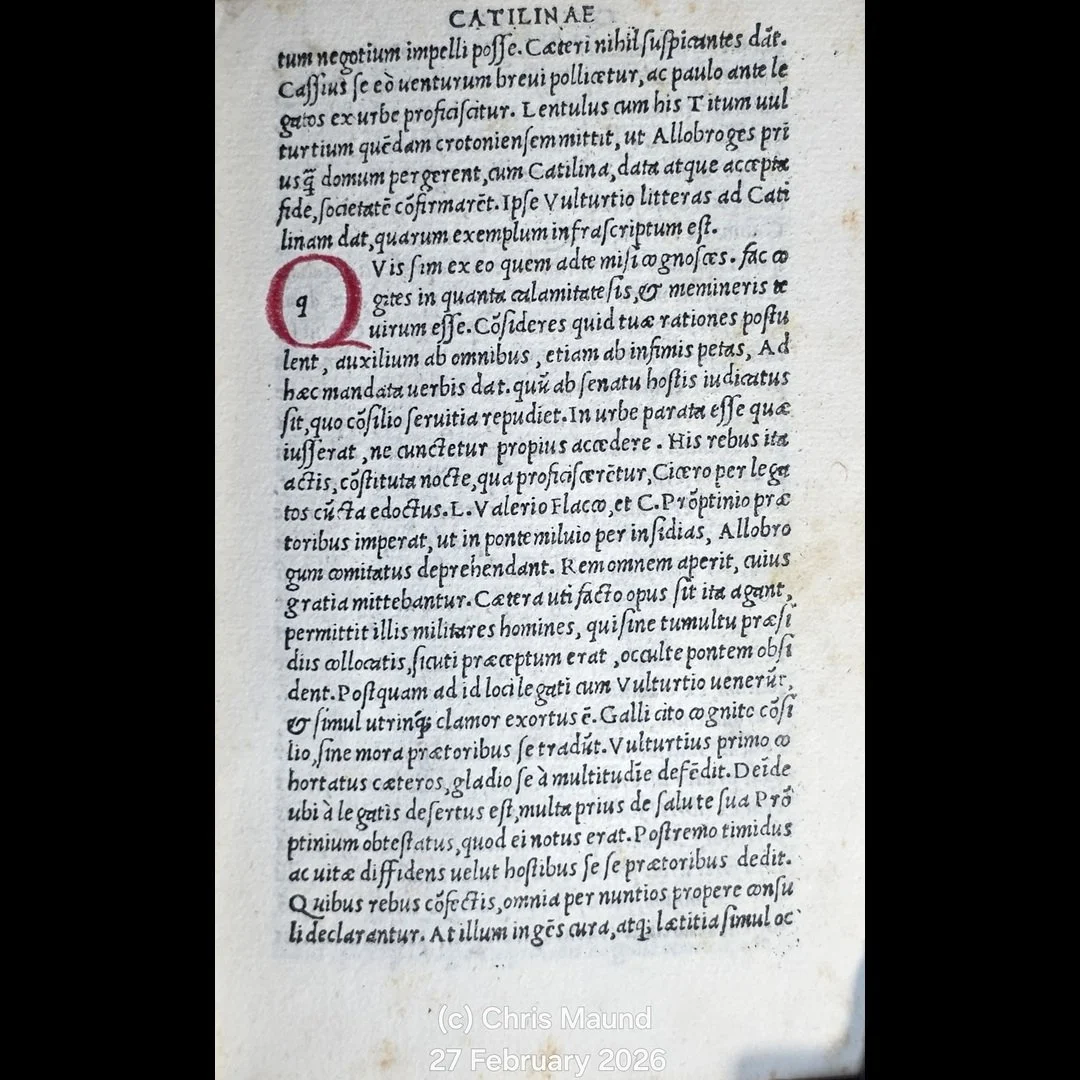 Image 15 of 25
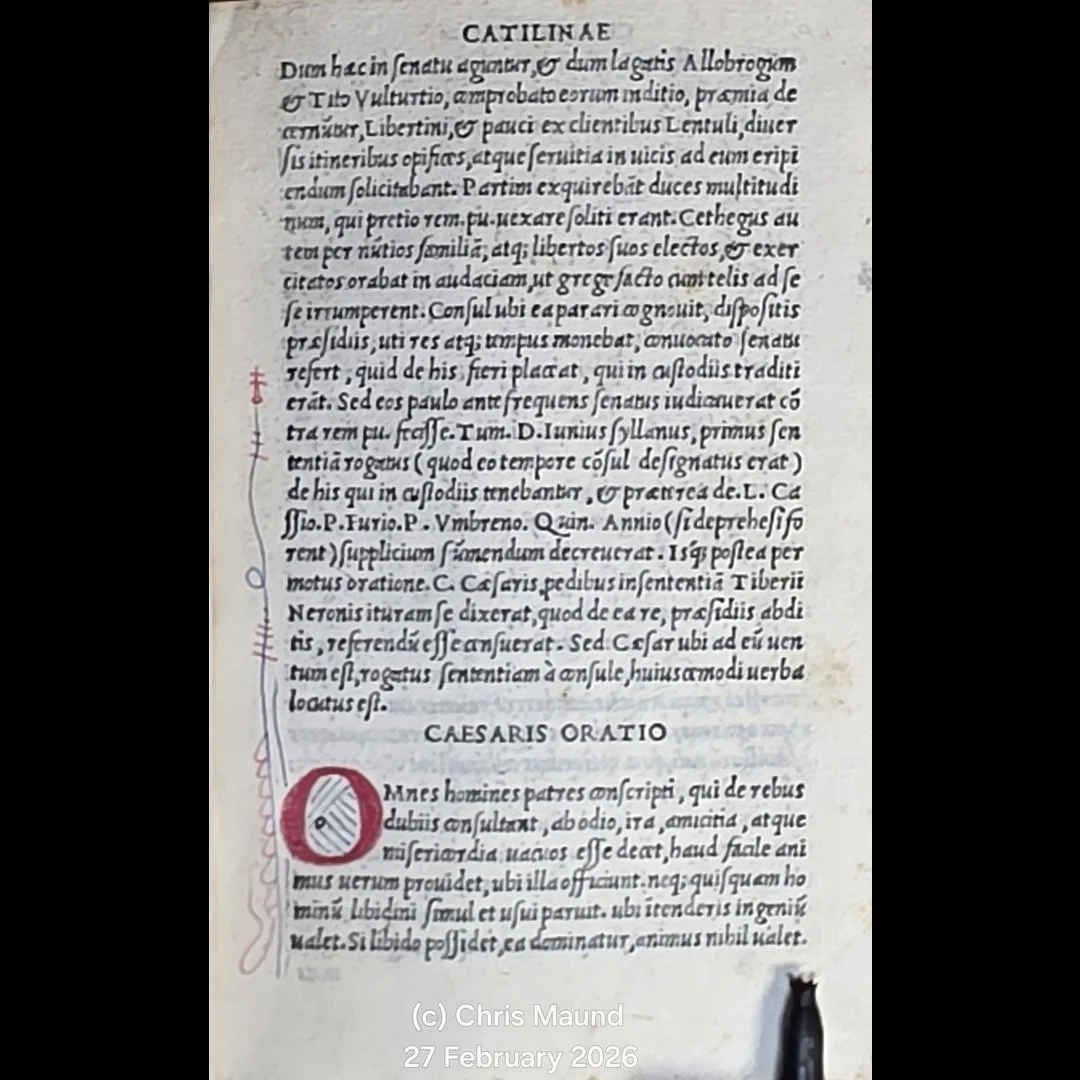 Image 16 of 25
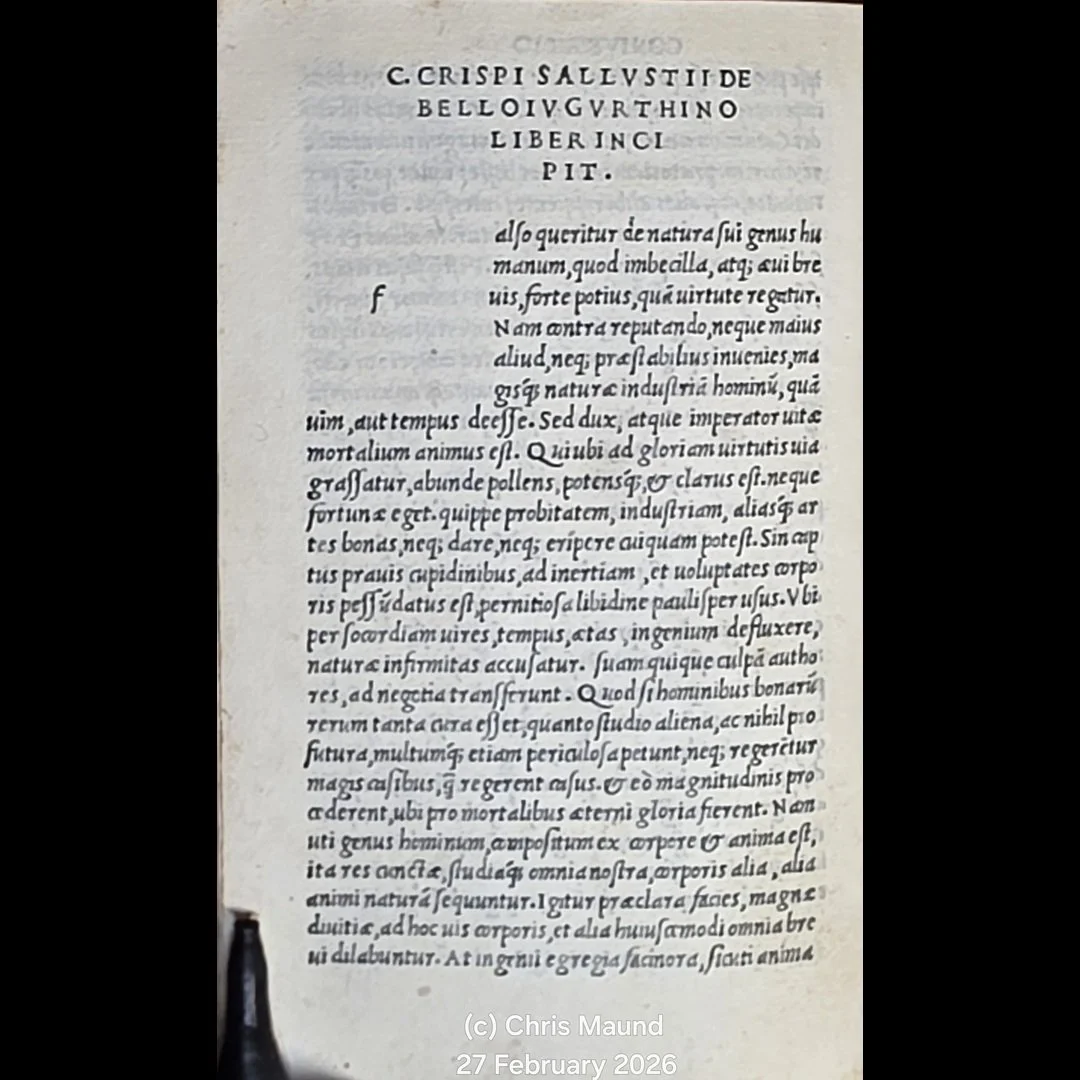 Image 17 of 25
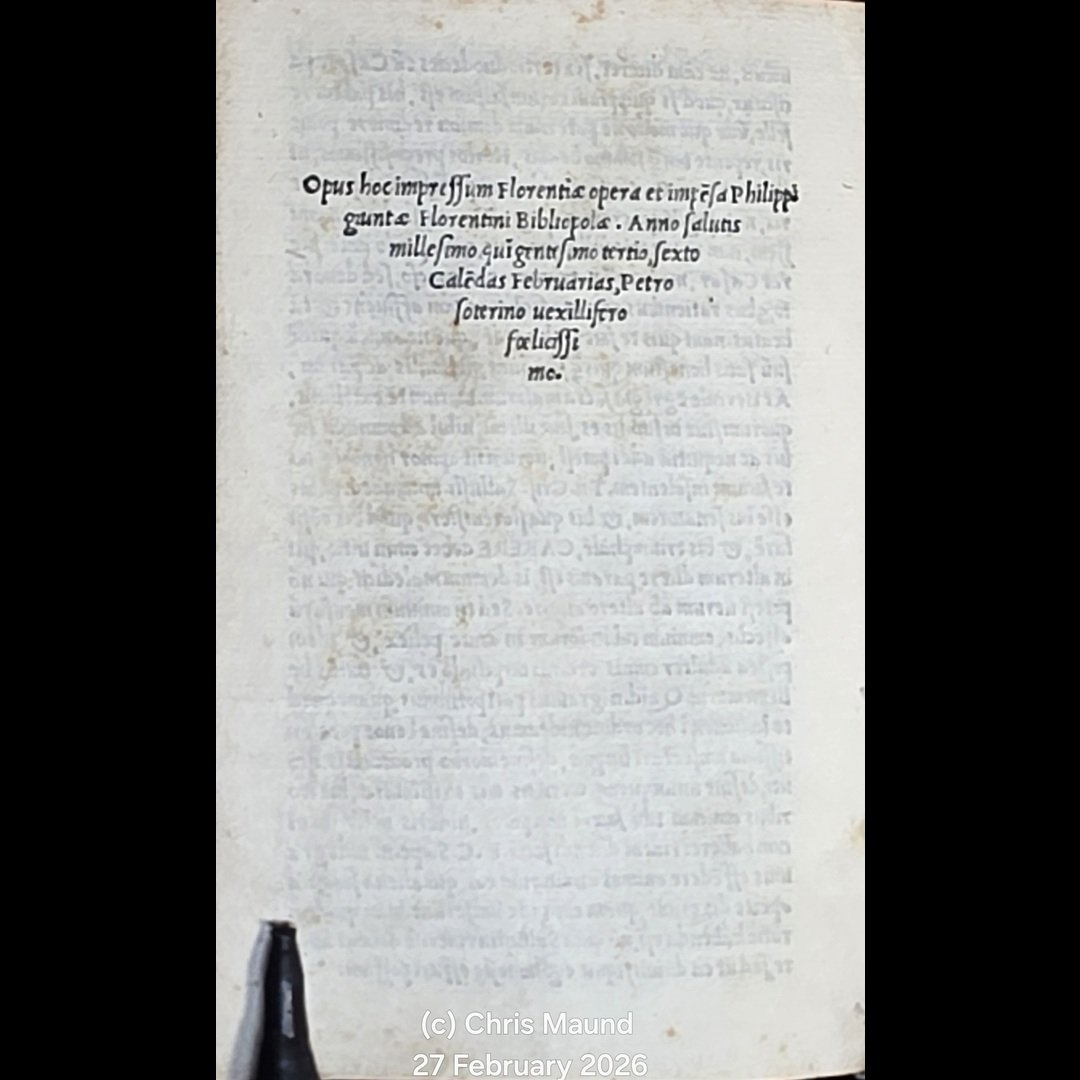 Image 18 of 25
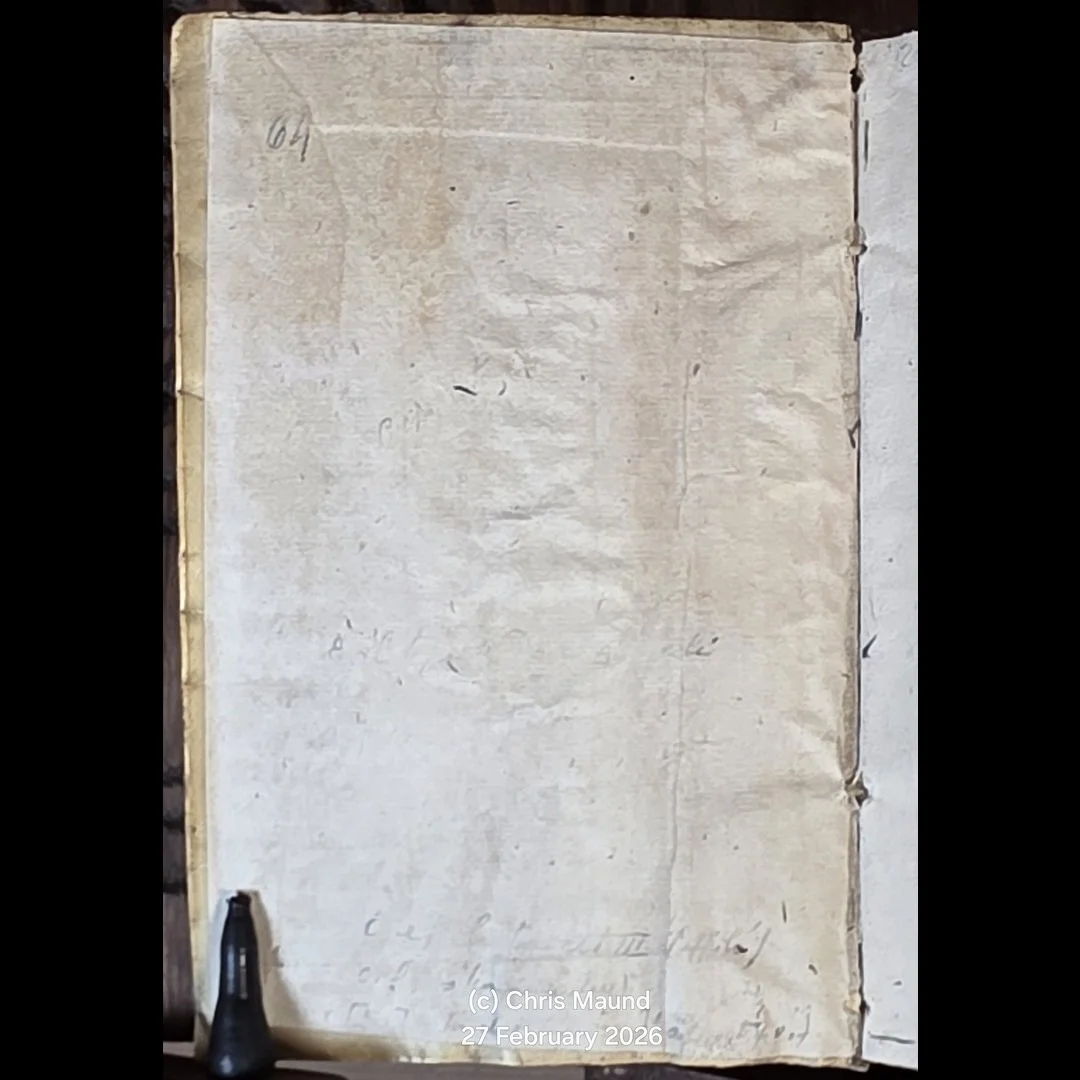 Image 19 of 25
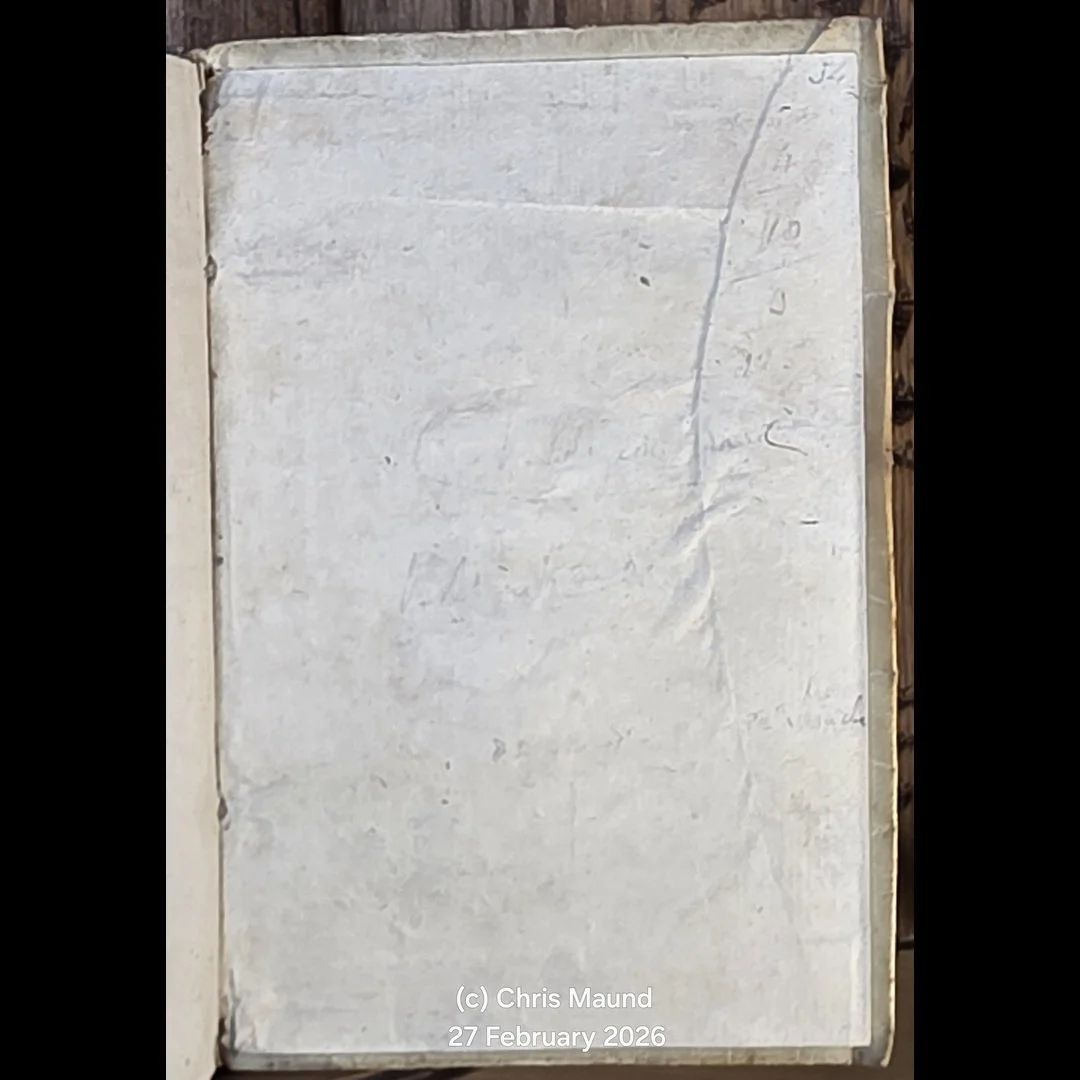 Image 20 of 25
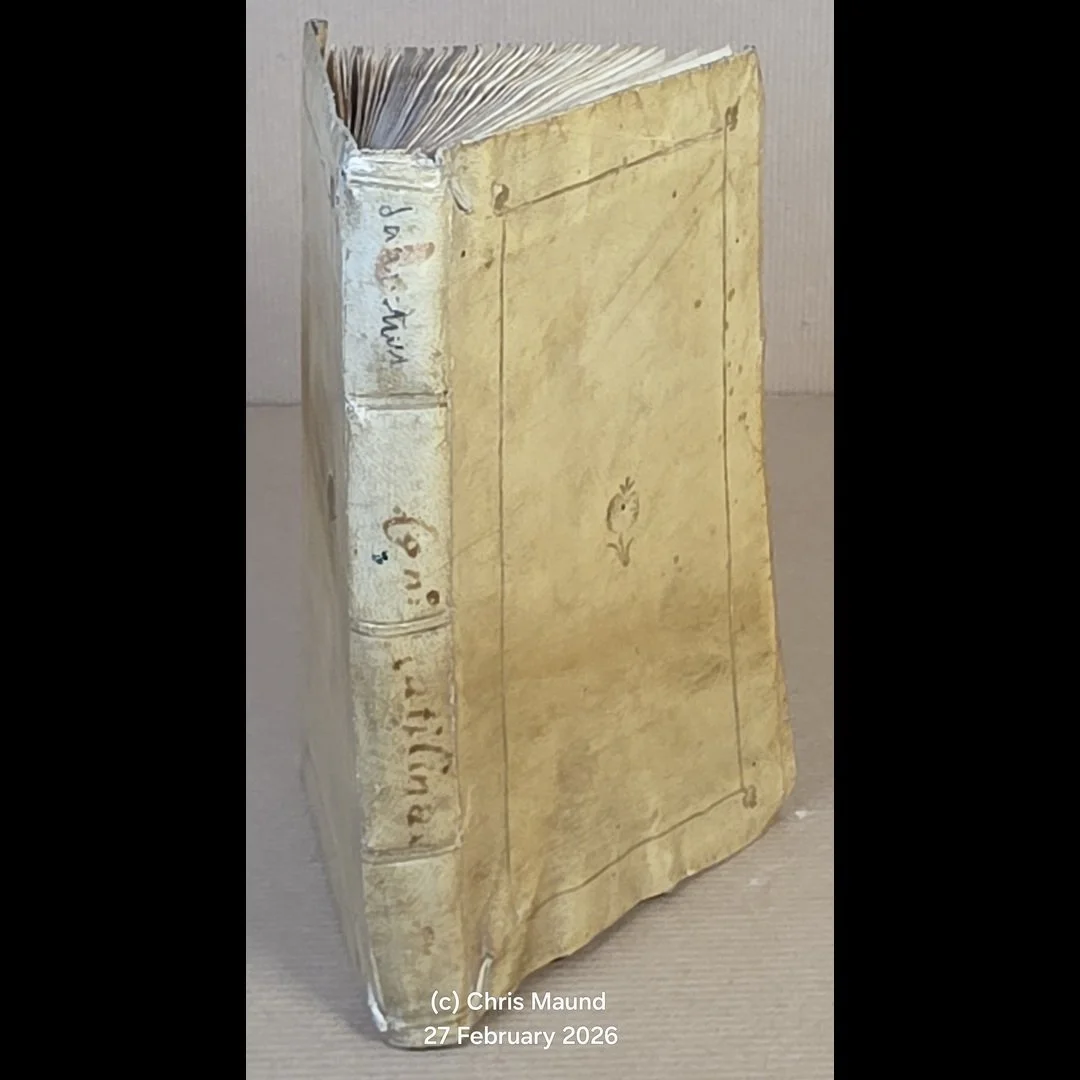 Image 21 of 25
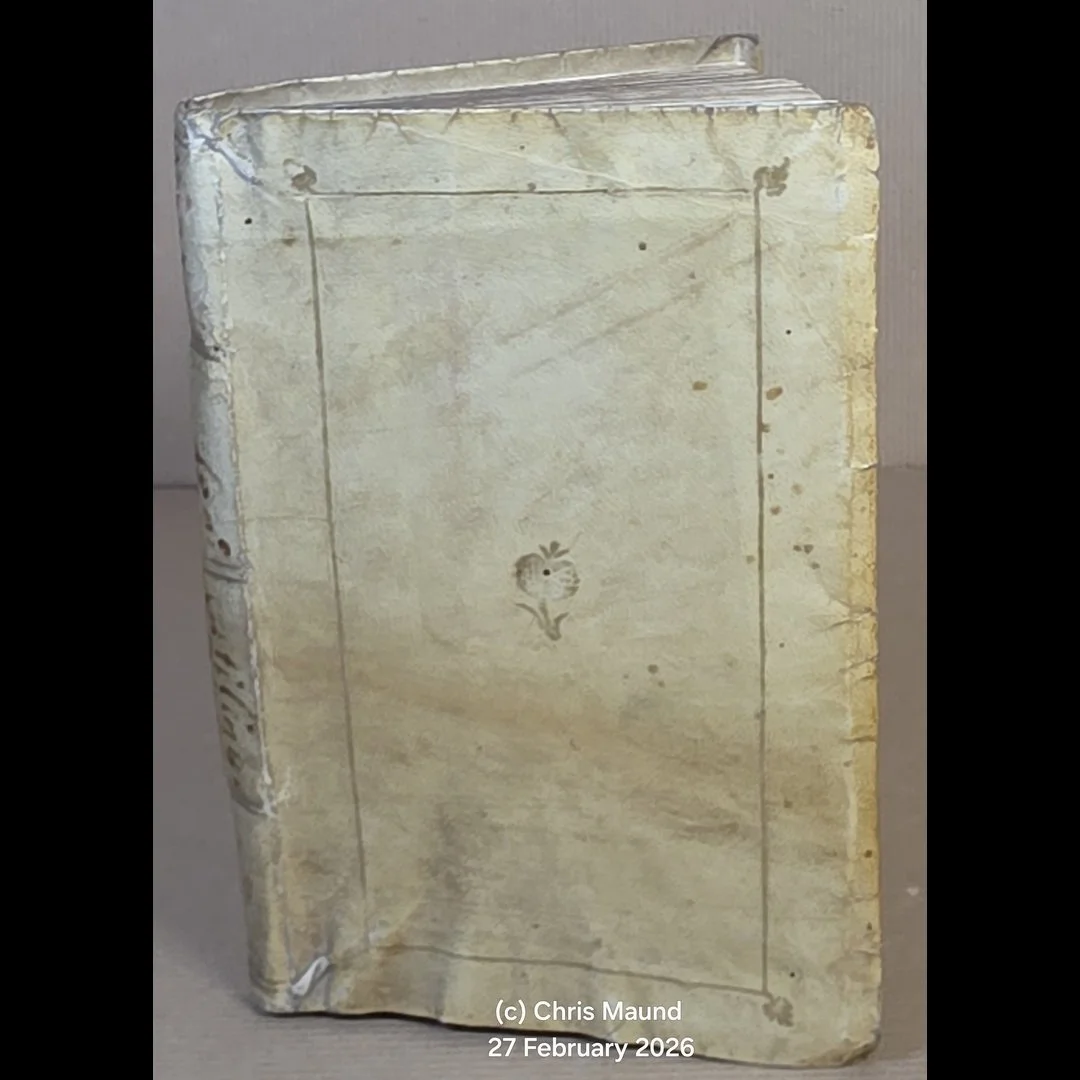 Image 22 of 25
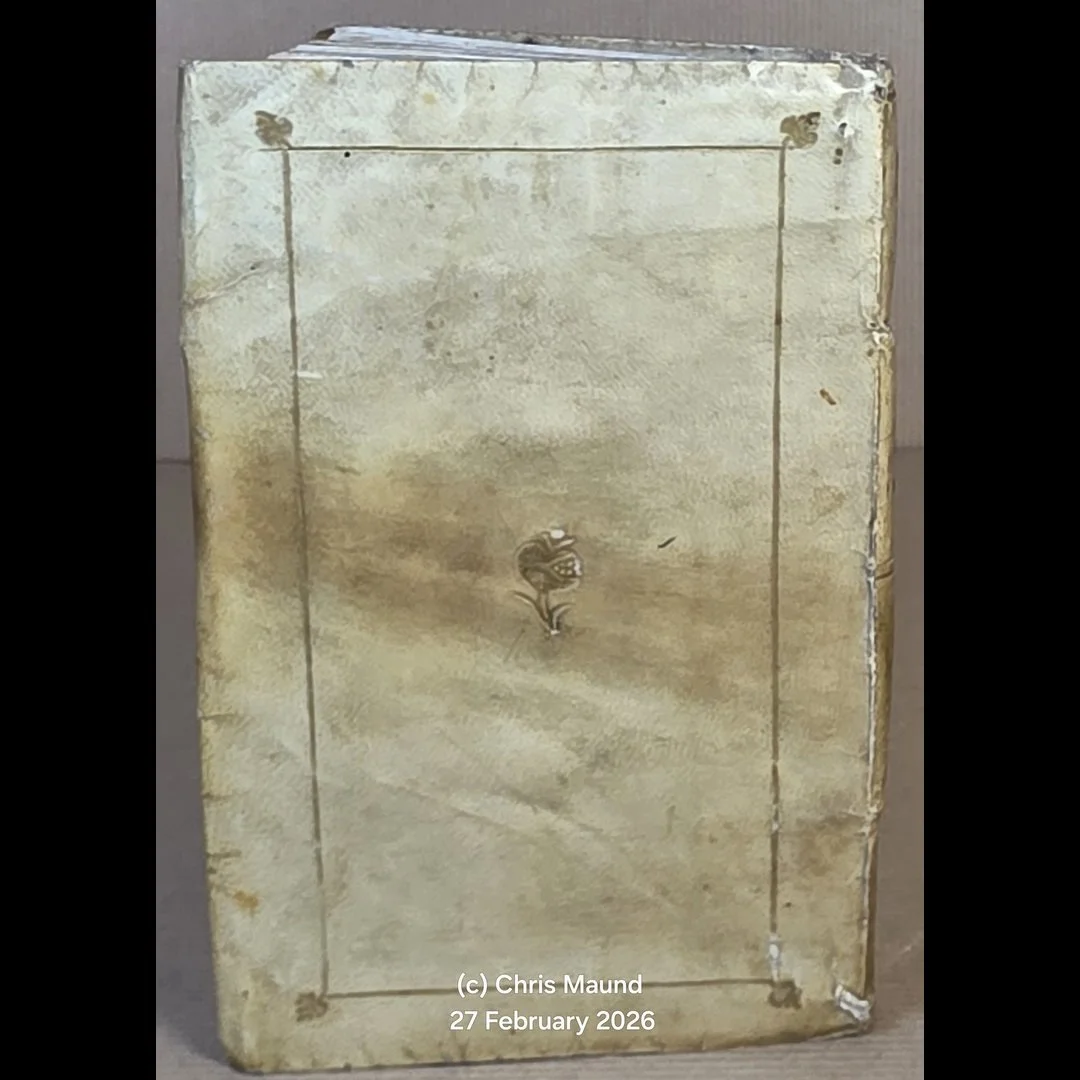 Image 23 of 25
 Image 24 of 25
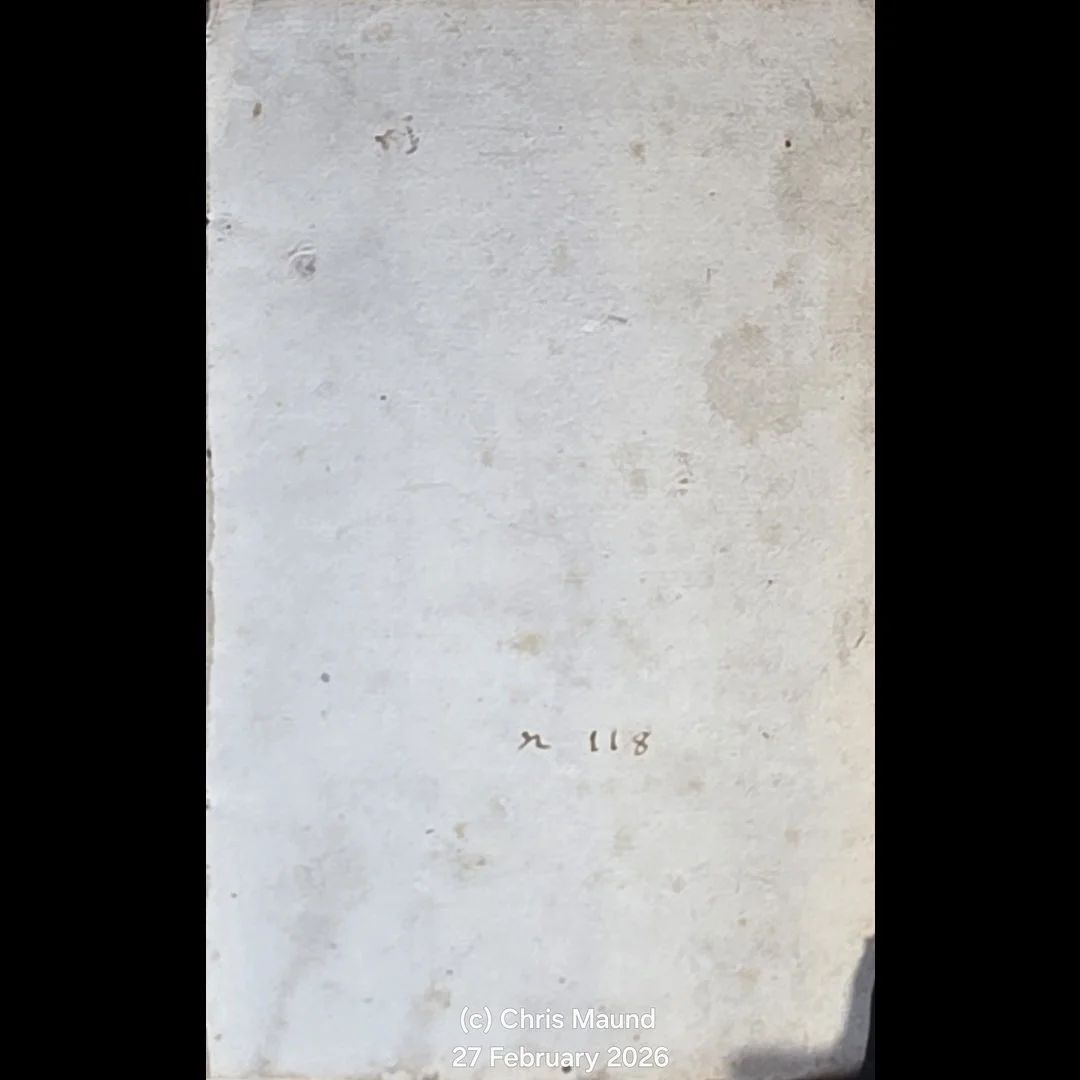 Image 25 of 25

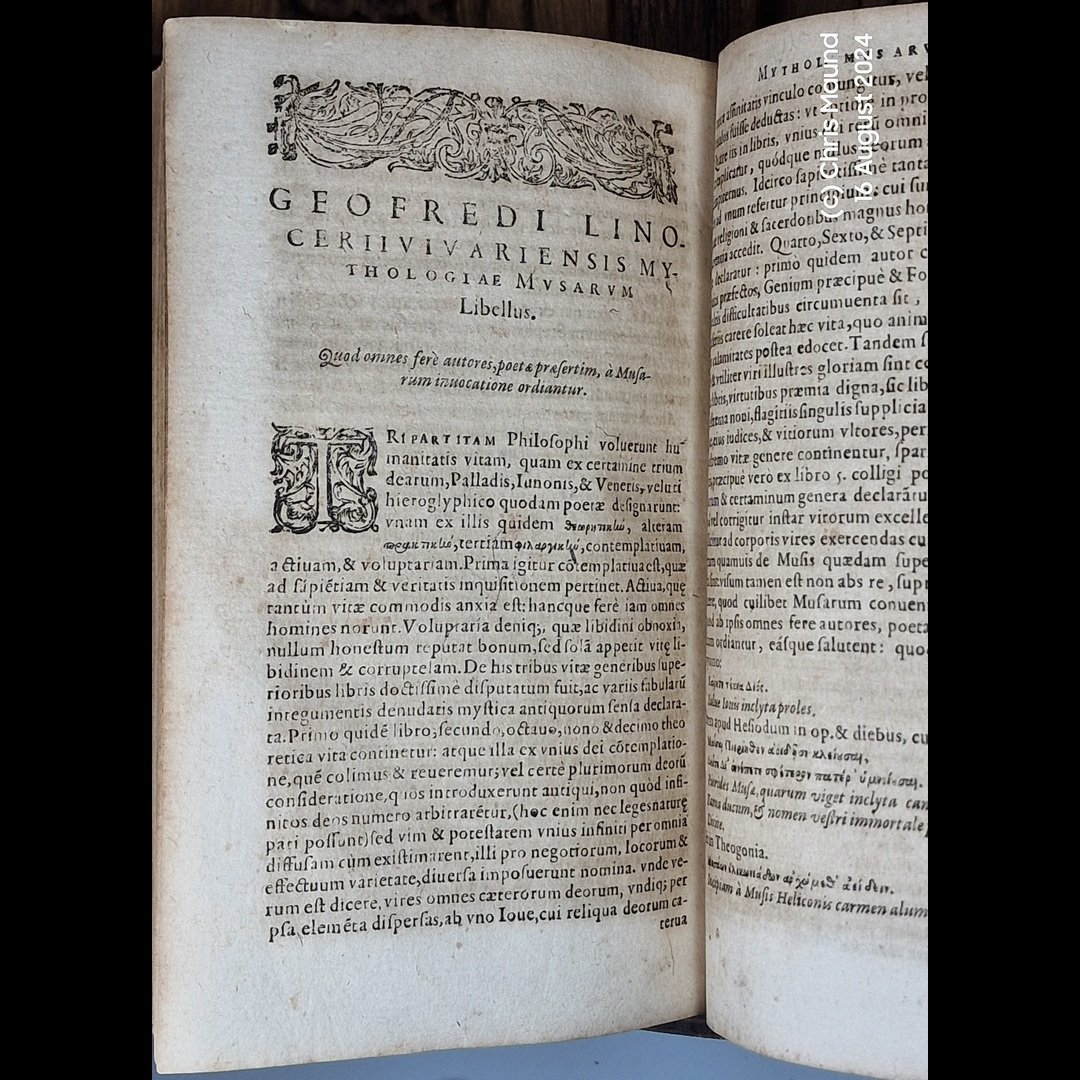
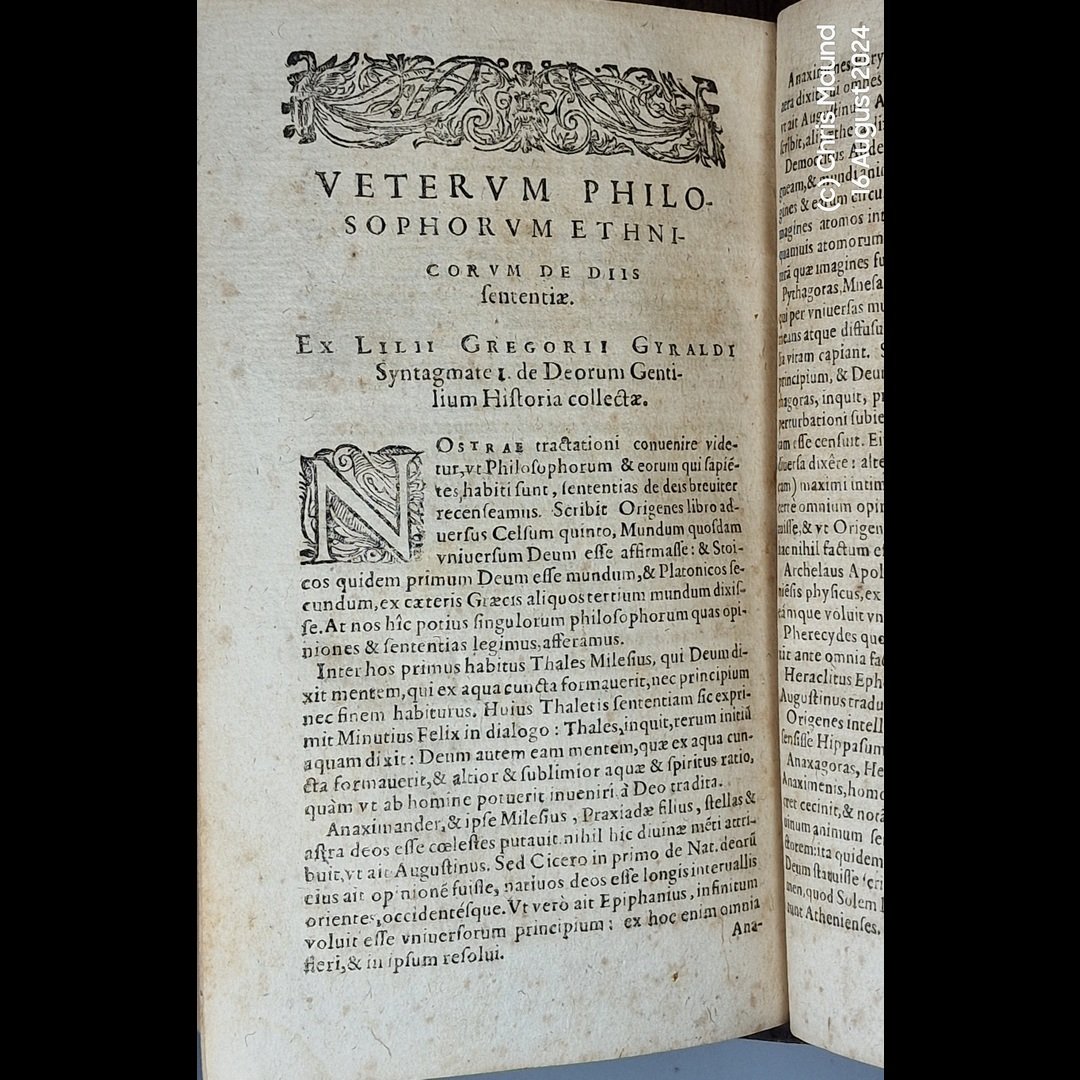
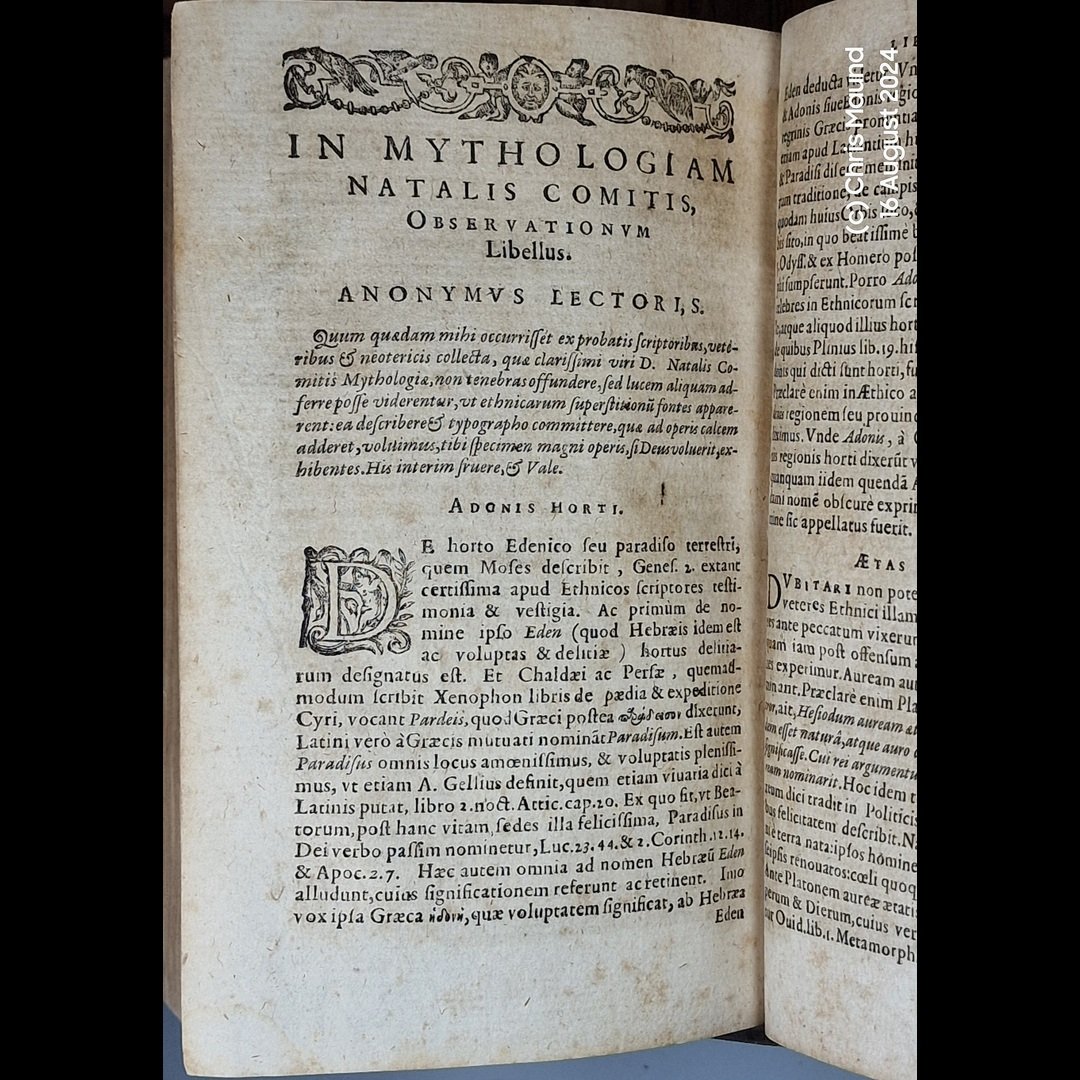
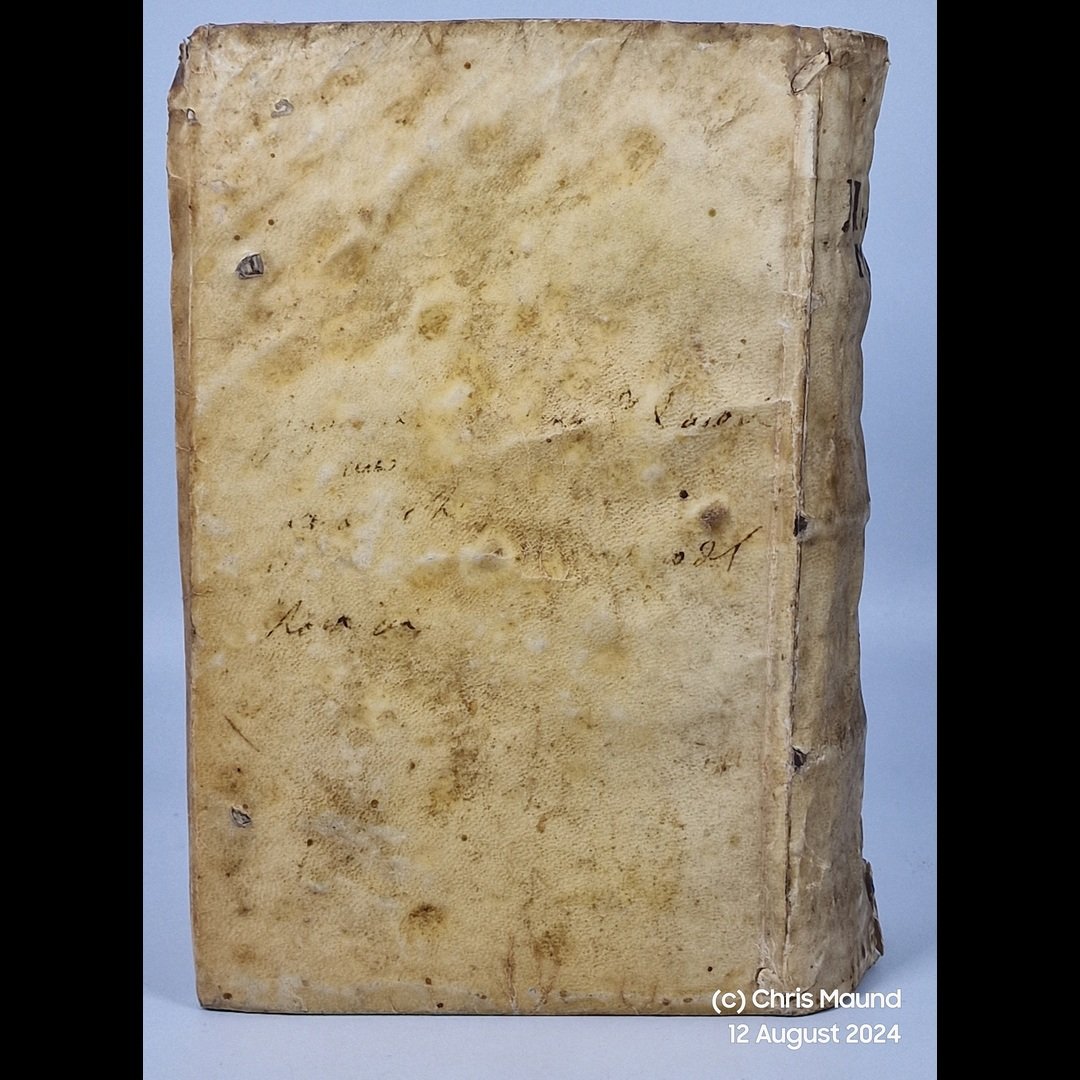
![1610 Geneva Edtn NATALIS COMITIS MYTHOLOGIAE & DE VENATIONE By Natale Conti [Natalis Comes]](https://images.squarespace-cdn.com/content/v1/634dab4938c13d5c1f88d382/352f5479-6802-481e-9fc0-df5e6992e920/20240816_115507-2.jpg)