1604 First Edition With Important Armorial Provenance
GEOMETRIA PRACTICA
By Christophorus Clavius
KEY DETAILS
Condition: Good
Format: Vellum, Contemporary armorial vellum over boards, quarto; binding approximately 215 × 165 mm
Published By: ex typographia Aloisij Zannetti, Rome, 1604
Language: Latin
Provenance: Probable Thomas Egerton, 1st Viscount Brackley provenance, through contemporary armorial binding bearing his recorded Stamp 1.
Collation: [32], 439, [33] pp., including final blank
Dust Jacket: None, as issued
SKU: BTETM0002736
Shipping Info: Approximate Package Dimensions H: 12.5, L: 30, W: 25 (Units: cm), W: 2Kg
Tracked Shipping, Insurance Coverage as per Customer Request
DESCRIPTION
Geometria Practica
A substantial and highly desirable first edition of Christophorus Clavius’s Geometria Practica, one of the most important early-modern syntheses of practical geometry, surveying, mensuration and mathematical instrumentation, printed at Rome by Aloisio Zannetti in 1604.
Arranged in eight books and profusely illustrated with woodcut diagrams, the work brings together theoretical geometry and practical measurement: the construction and use of mathematical instruments; the determination of inaccessible heights, distances and depths; the measurement of plane and solid figures; land division and geodesy; proportion, enlargement and reduction; numerical root extraction; and several of the classical geometrical problems inherited from antiquity.
Clavius was one of the dominant mathematical educators of the late Renaissance, and Geometria Practica represents the mature expression of his conviction that mathematics should be not merely demonstrative but useful. It has particular significance for the development of mathematical surveying and precision measurement, including Clavius’s method for subdividing measuring scales beyond the system associated with Pedro Nunes, an important precursor to later Vernier-type precision subdivision.
This copy is made considerably more important by its contemporary armorial vellum binding. Both covers bear in gilt a large lion rampant supporting an arrow in pale, point downwards. The central tool measures approximately 88 × 50 mm, corresponding in subject and dimensions to Stamp 1 of Thomas Egerton, 1st Viscount Brackley (1540–1617), recorded by the Bibliographical Society’s British Armorial Bindings database. Egerton was successively Solicitor General, Attorney General, Master of the Rolls, Lord Keeper and Lord Chancellor under Elizabeth I and James I, and was created Baron Ellesmere in 1603, the year before publication of this volume. British Armorial Bindings records his Stamp 1 as precisely a lion rampant supporting an arrow point downwards, measuring 88 × 50 mm.
Comparable documented bindings survive at Yale’s Beinecke Library, where a 1605 Book of Common Prayer is bound with Thomas Egerton Stamp 1 in gold on both covers, and at the British Library, where a 1616 Fragmenta XII Tabularum is bound in vellum with the same recorded Stamp 1 in gold on both covers.
The same present copy can also be traced through the modern auction market. Christie’s records a 1604 Geometria Practica in contemporary vellum with two-line gilt ruling, armorial corner tools and a large heraldic lion grasping an arrow in the central panel, sold as part of a group from the property of Manhattan College. The highly distinctive binding description identifies the present volume.
More recently, the same copy appeared at Gonnelli in March 2026, where it was described as complete with final blank, in contemporary rigid vellum with a rampant lion planting a dark arrow and gilt armorial decoration to the boards.
PROVENANCE
Probable Thomas Egerton, 1st Viscount Brackley provenance, through contemporary armorial binding bearing his recorded Stamp 1.
CONDITION, COLLATION & COPY NOTES
COLLATION
[32], 439, [33] pp., including final blank
Bibliographical descriptions vary slightly in the enumeration of the terminal unnumbered leaves; Gonnelli records this copy as [32], 439, [33] with final blank present.
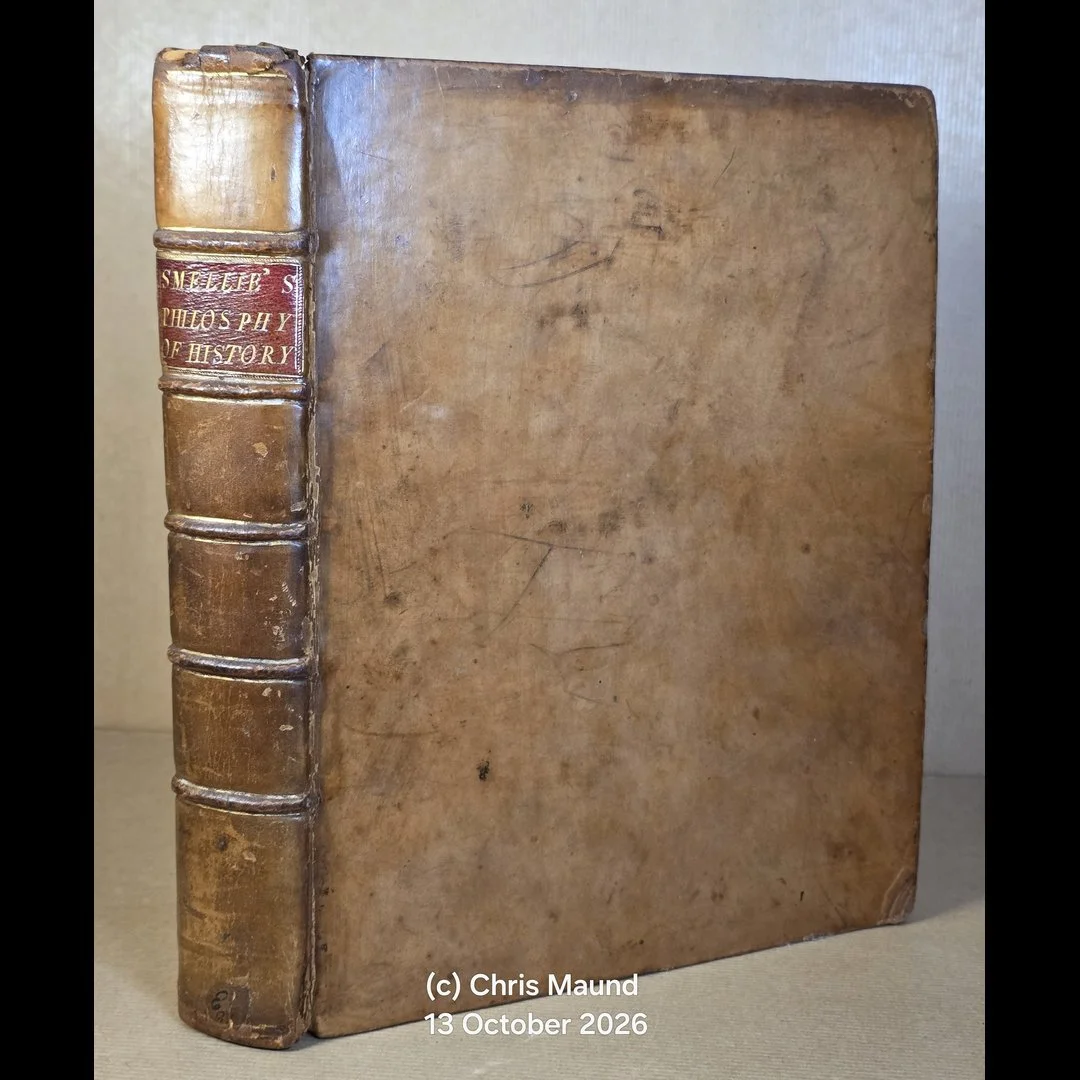
A complete and important copy in contemporary rigid vellum over boards, ruled and decorated in gilt.
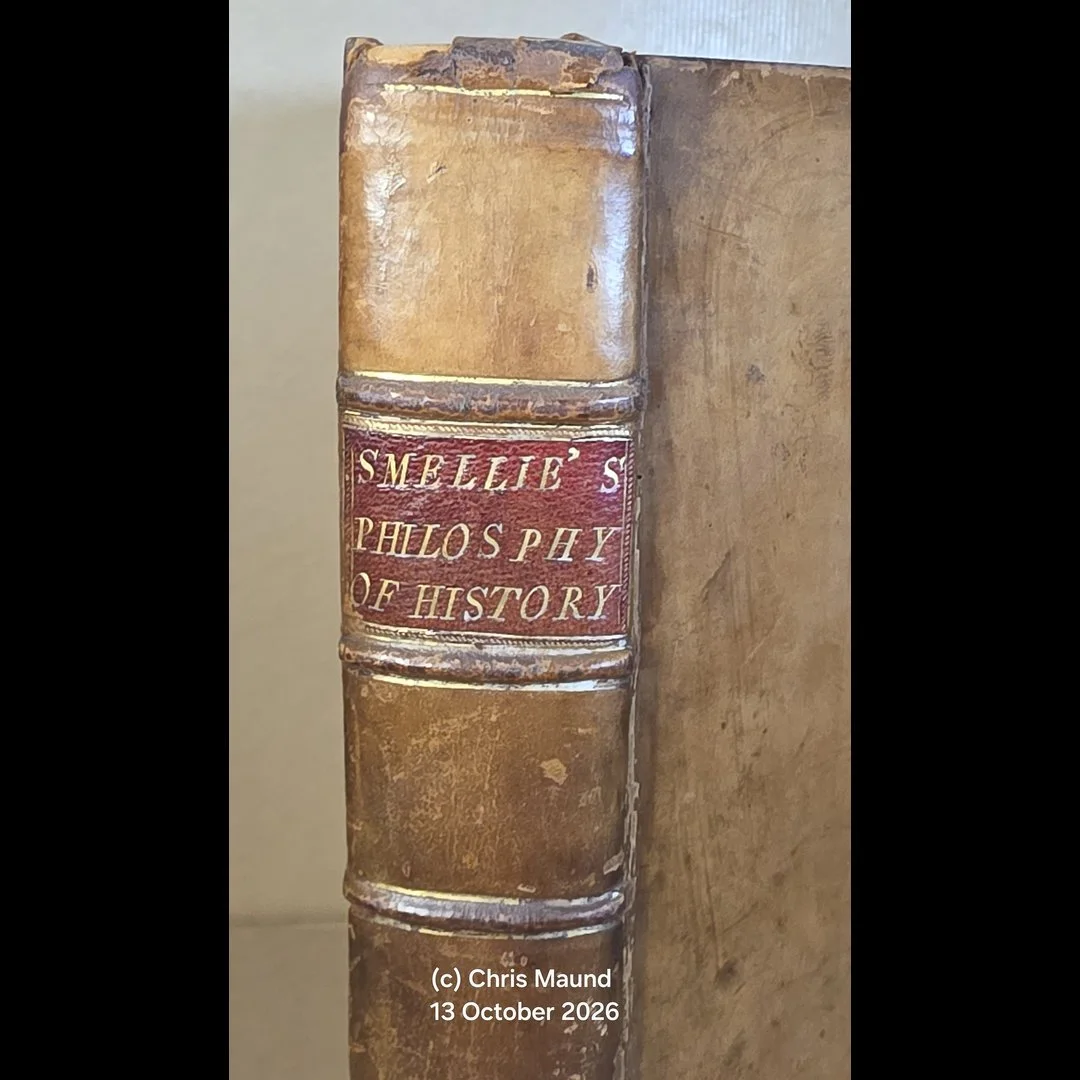
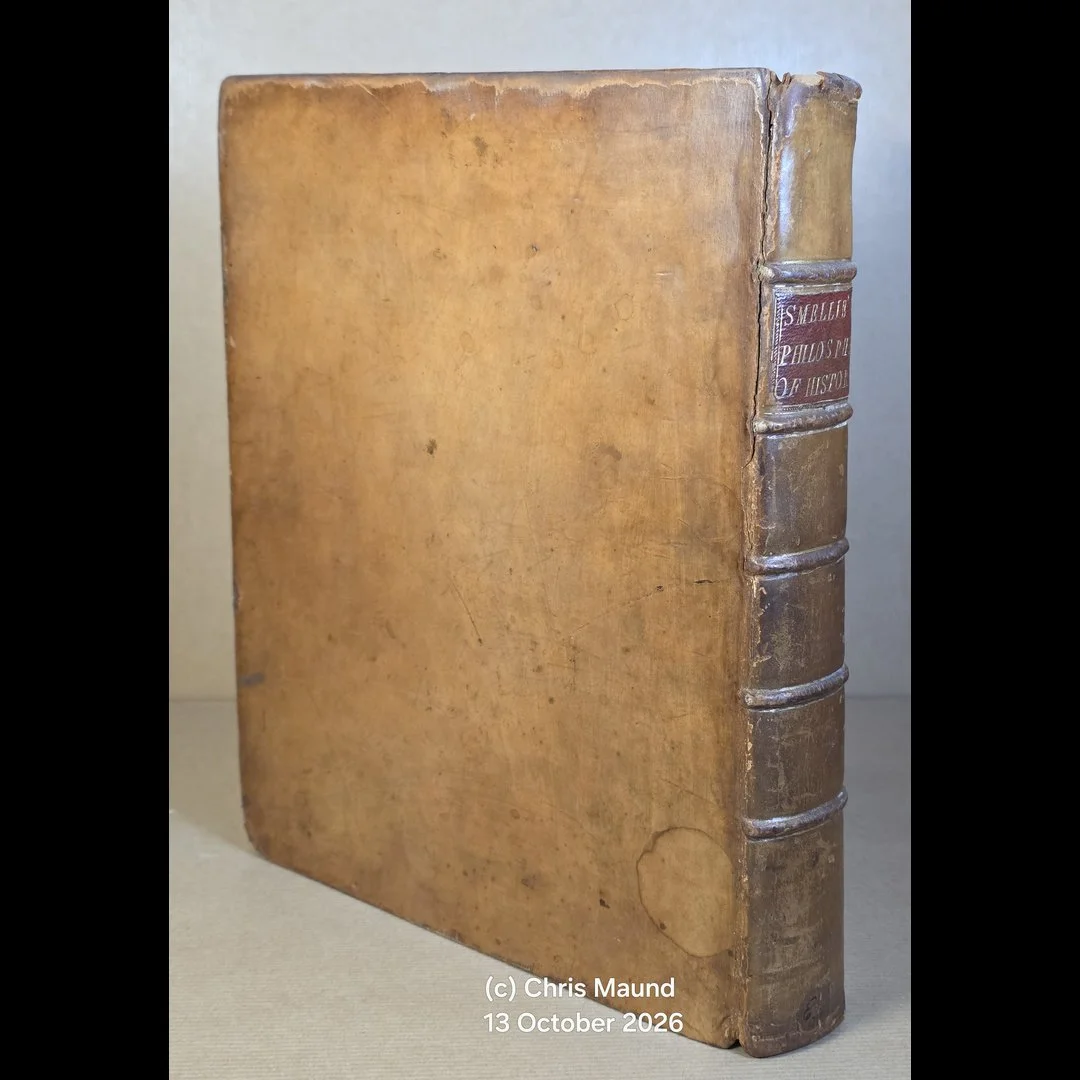
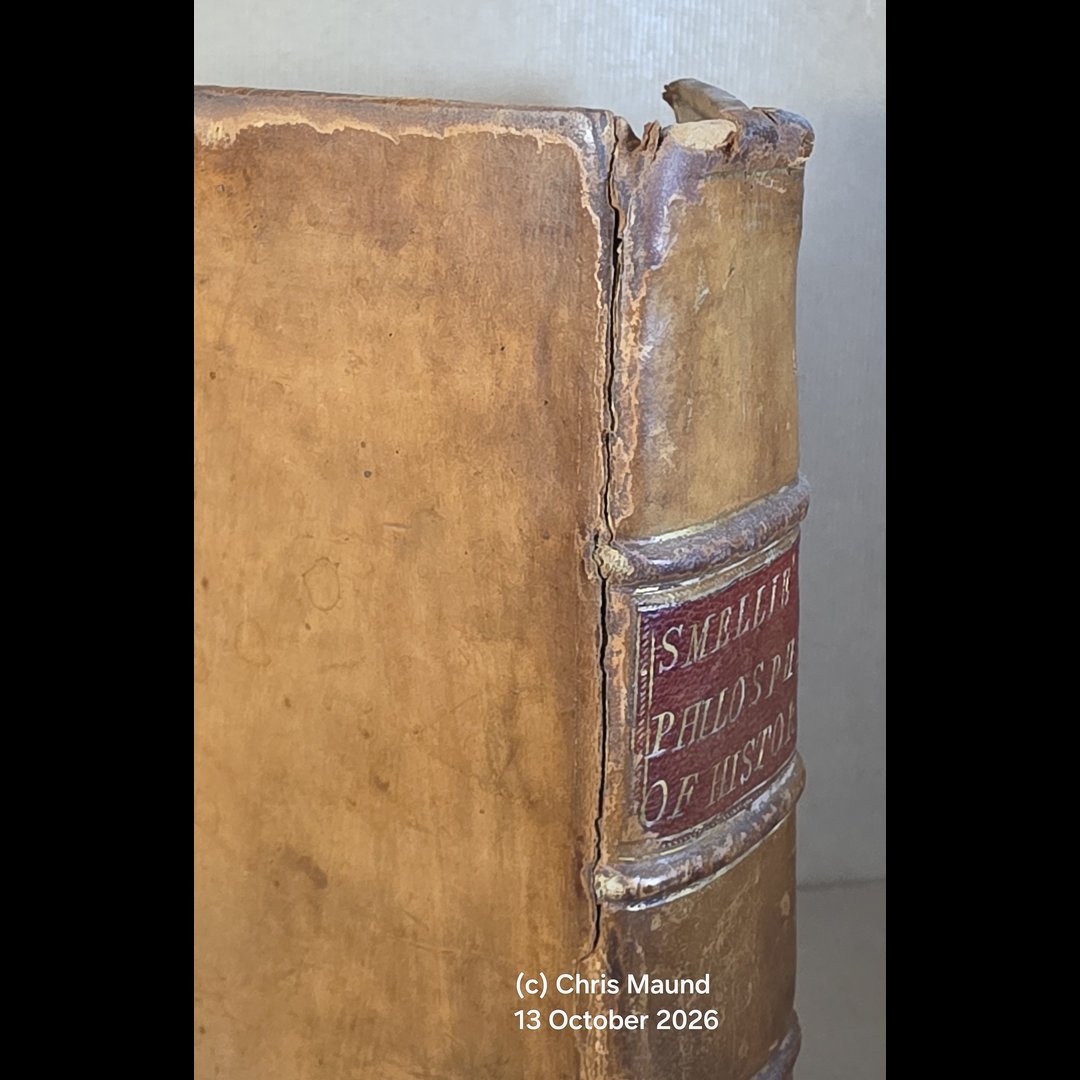
Both boards bear a large central gilt armorial device of a lion rampant supporting an arrow in pale, point downwards, approximately 88 × 50 mm, together with double gilt fillets and smaller gilt corner ornaments. The central device corresponds in design and dimensions to Thomas Egerton’s recorded Stamp 1 in the British Armorial Bindings database. The spine retains a later printed paper title label.
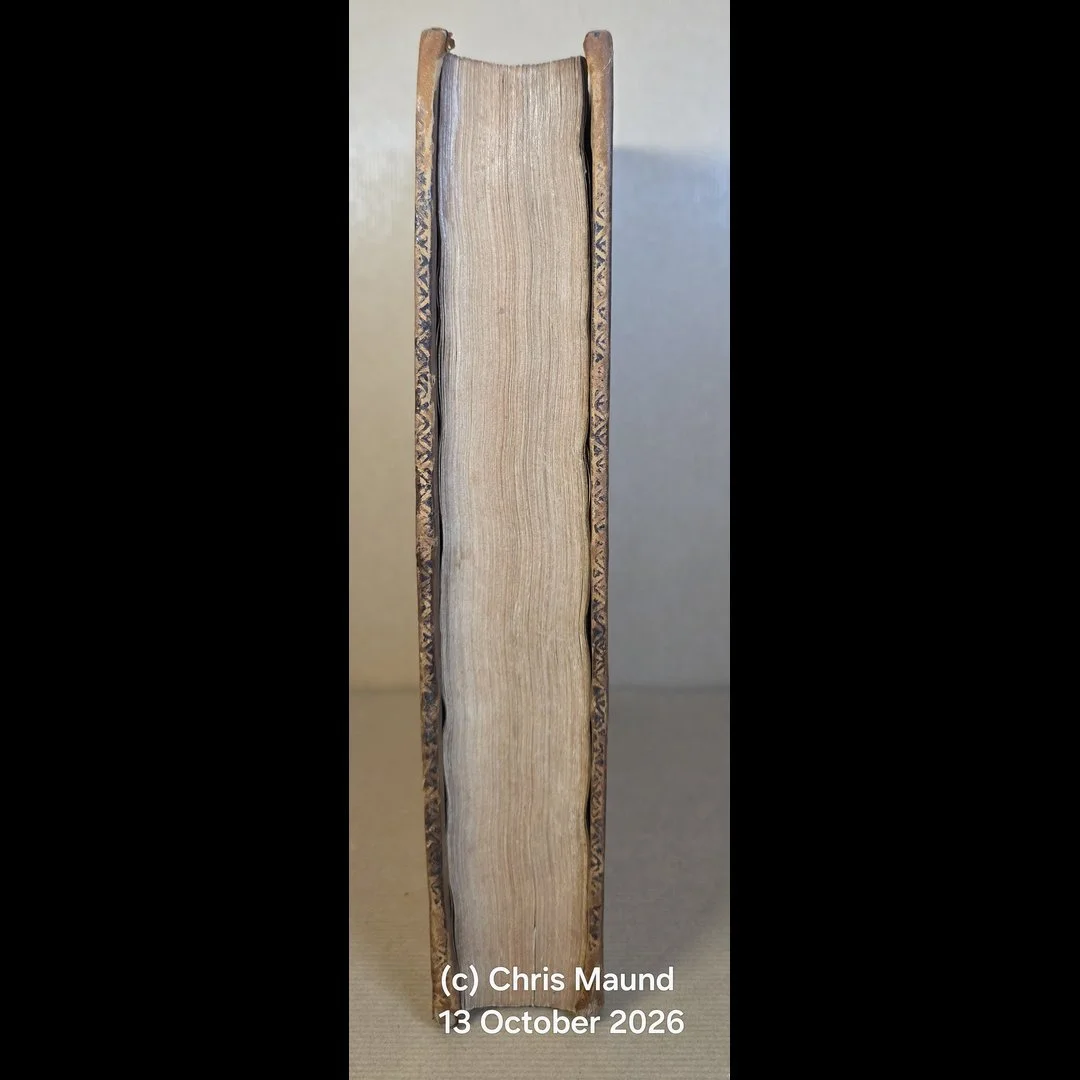
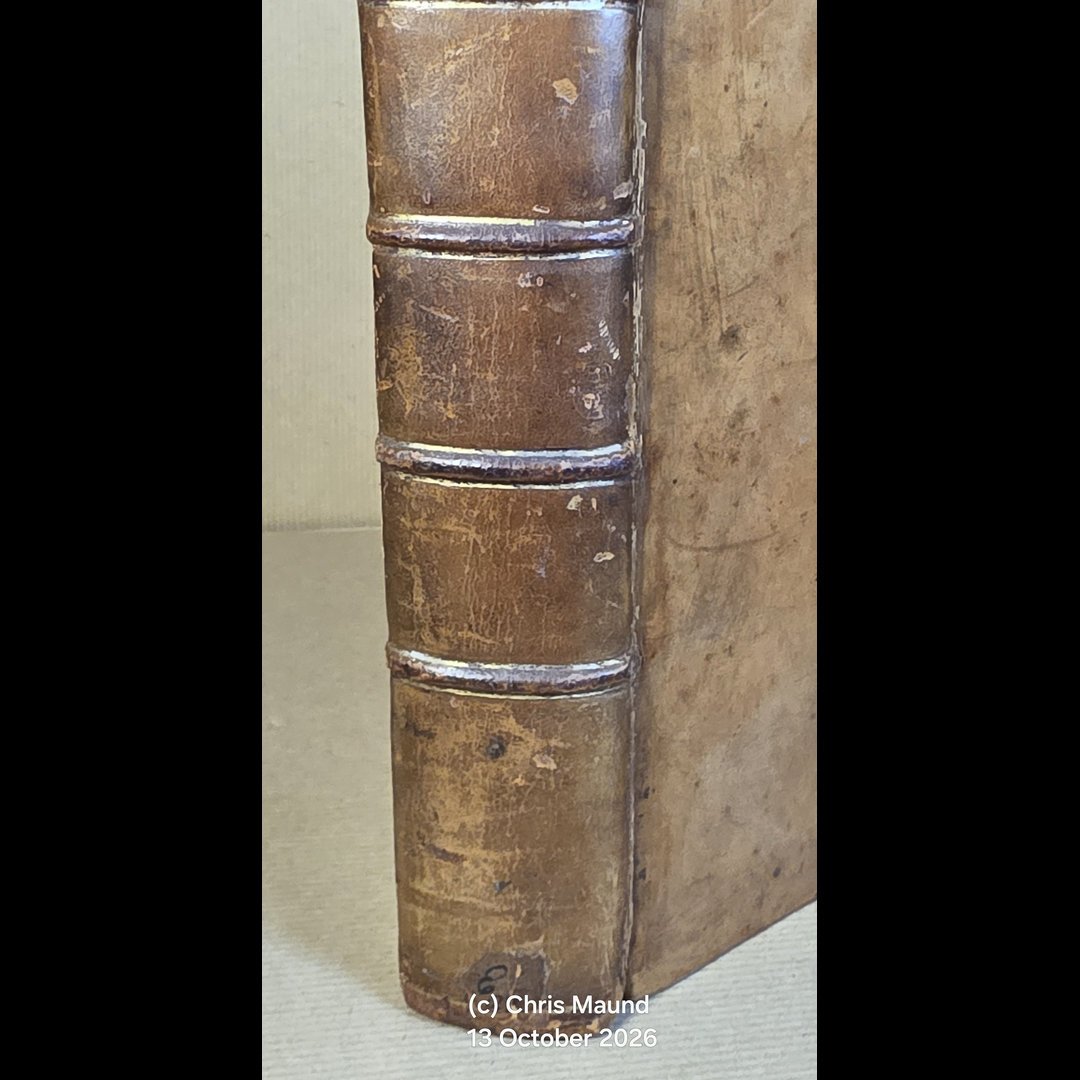
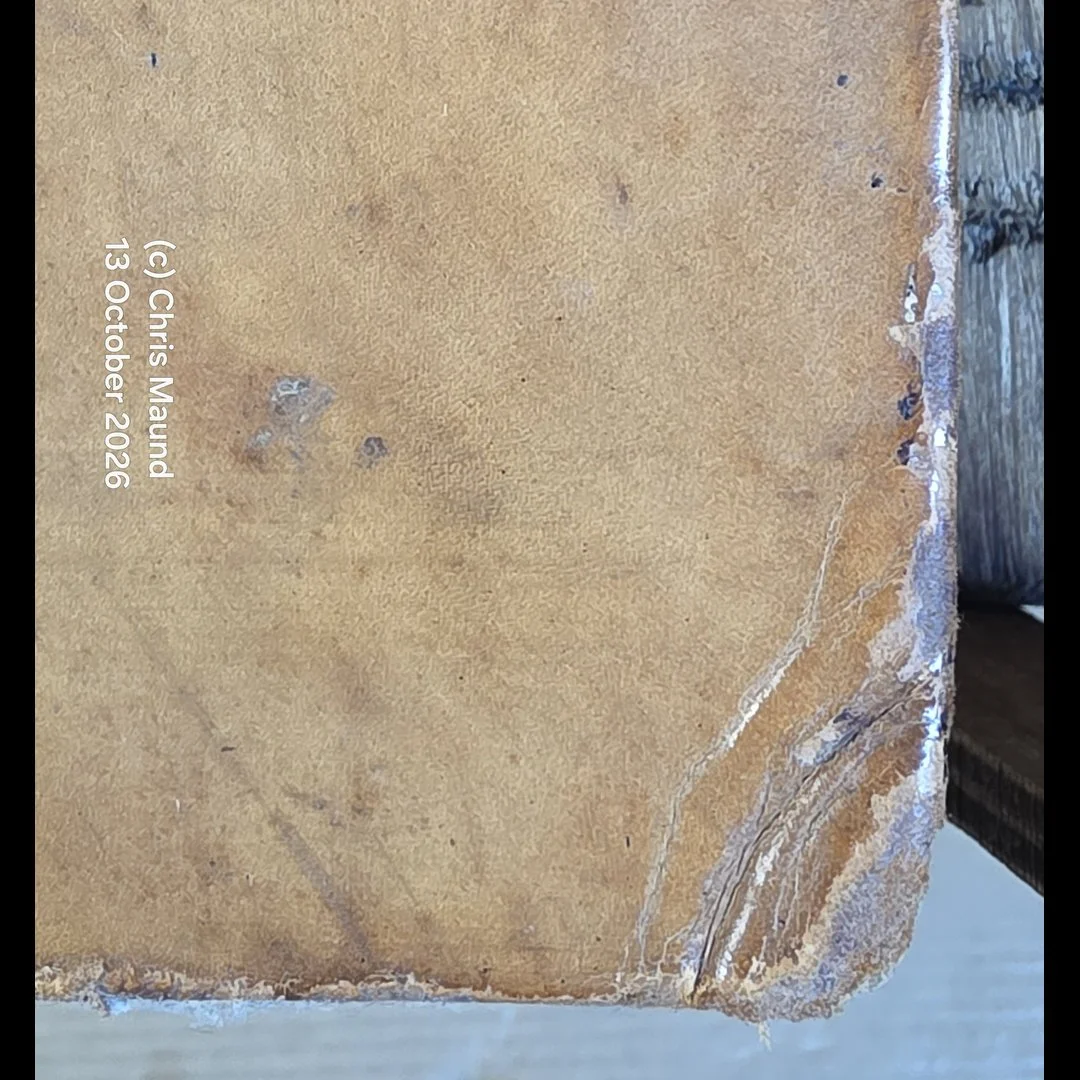
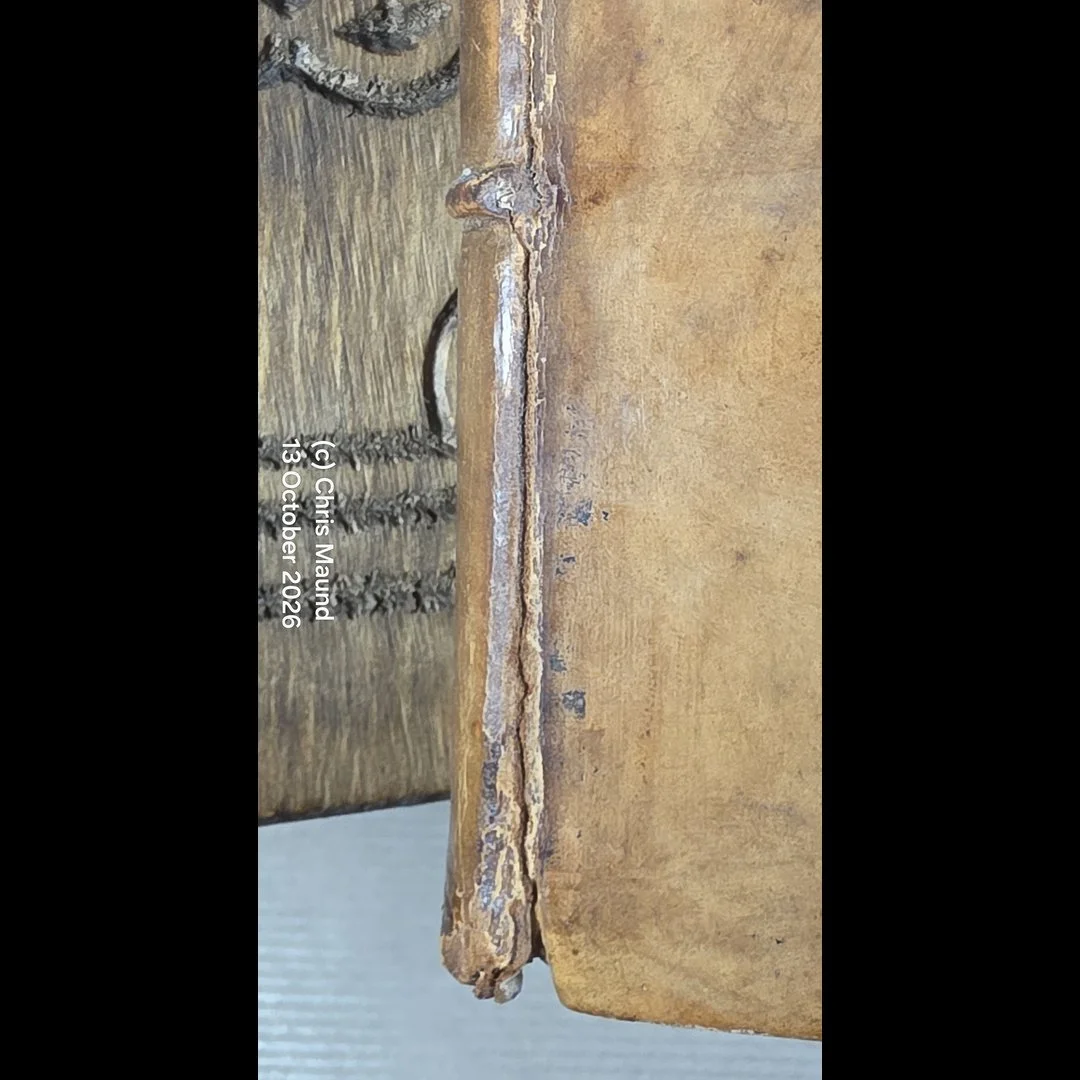
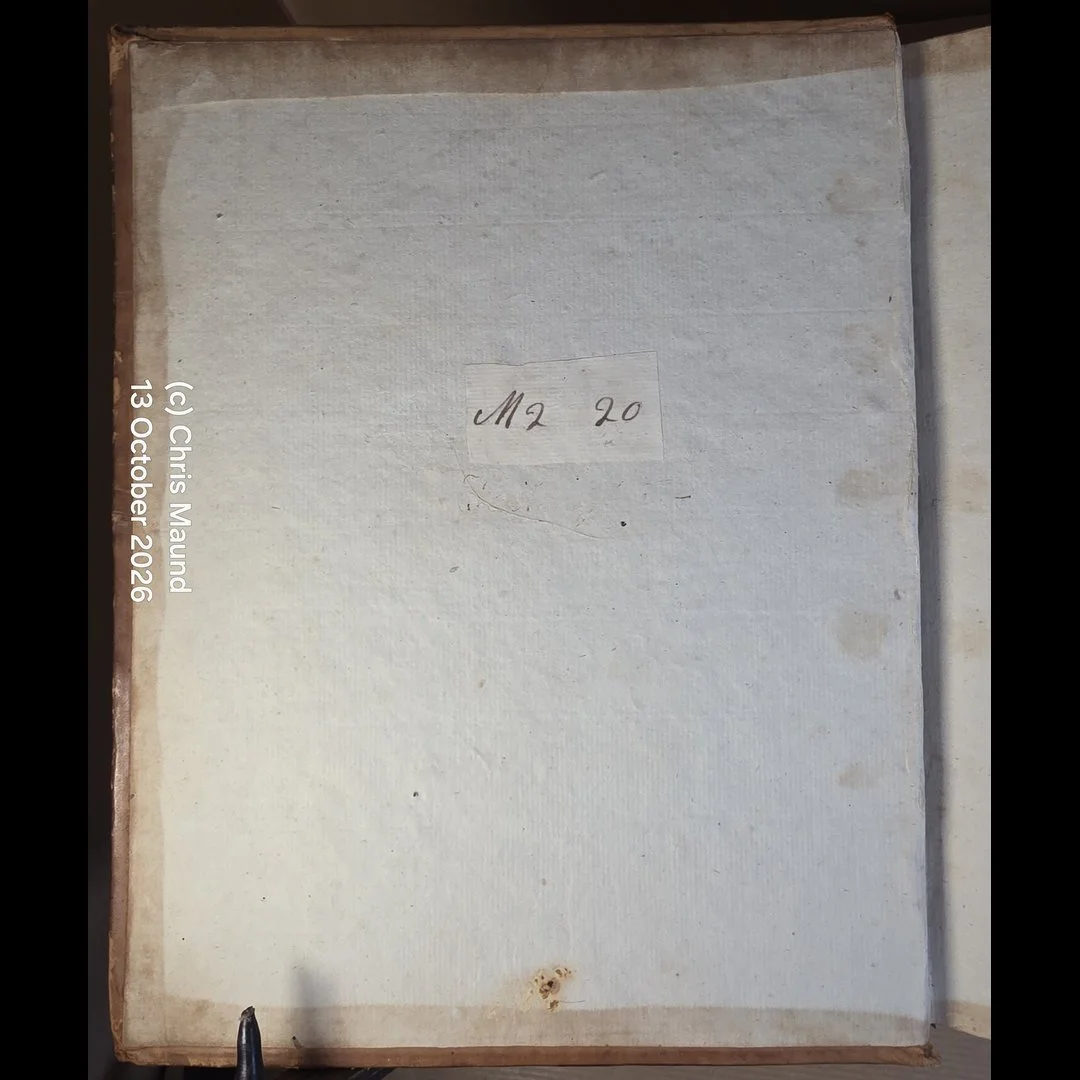
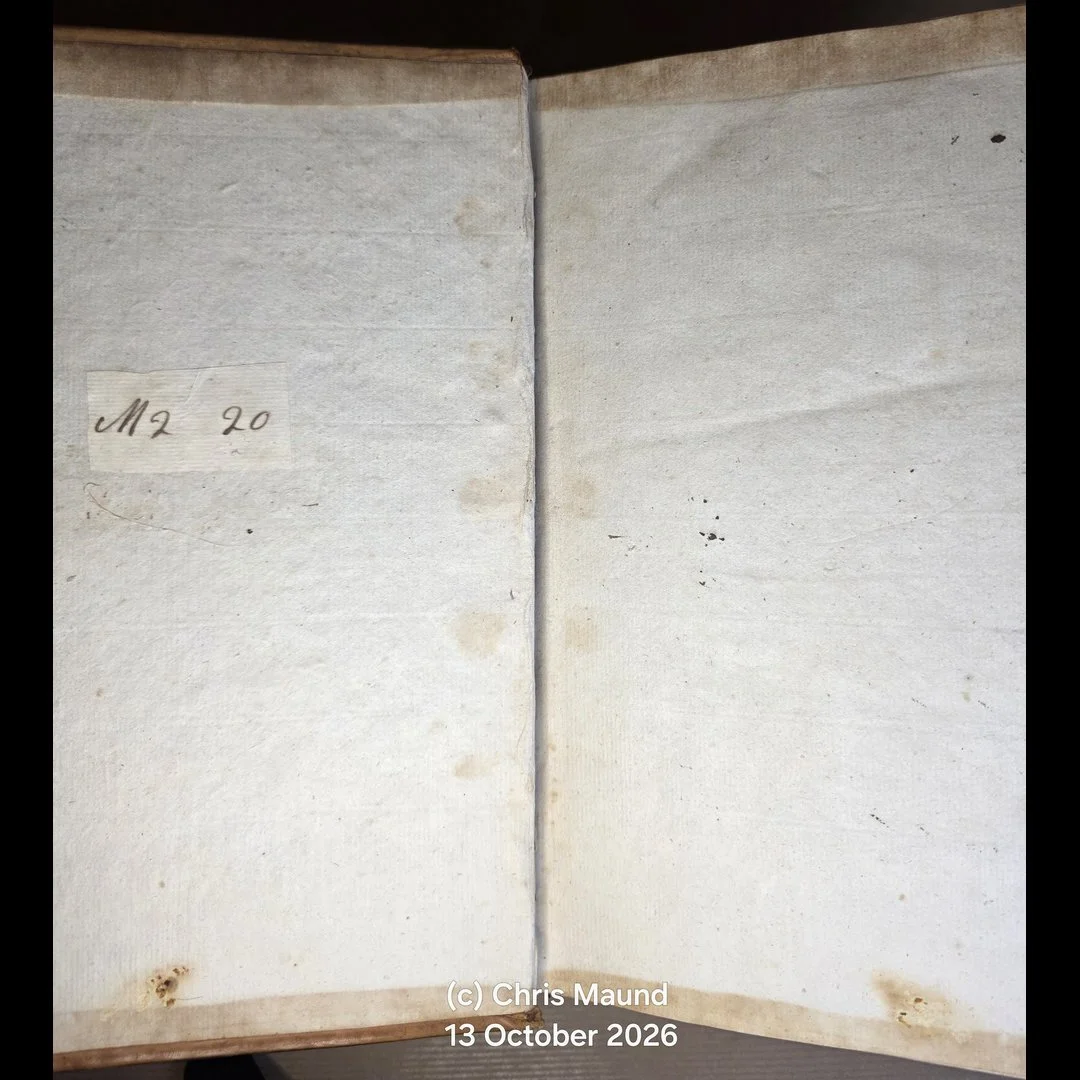
The vellum is age-darkened, rubbed and marked, with surface abrasion, scattered staining, mild warping and wear to corners and spine extremities. Much of the original gilt remains visible, although rubbed and faded in places. Pastedowns and inner joints show old repair and reinforcement, including marginal paper repairs and renewed supporting material. Binding remains sound and securely attached.
Internally complete with title page, preliminaries, all eight books, both indexes, register, terminal colophon/device leaf and final blank present. Numerous woodcut geometrical, mathematical and instrumental diagrams throughout, together with tables, ornamental initials and Jesuit IHS devices.
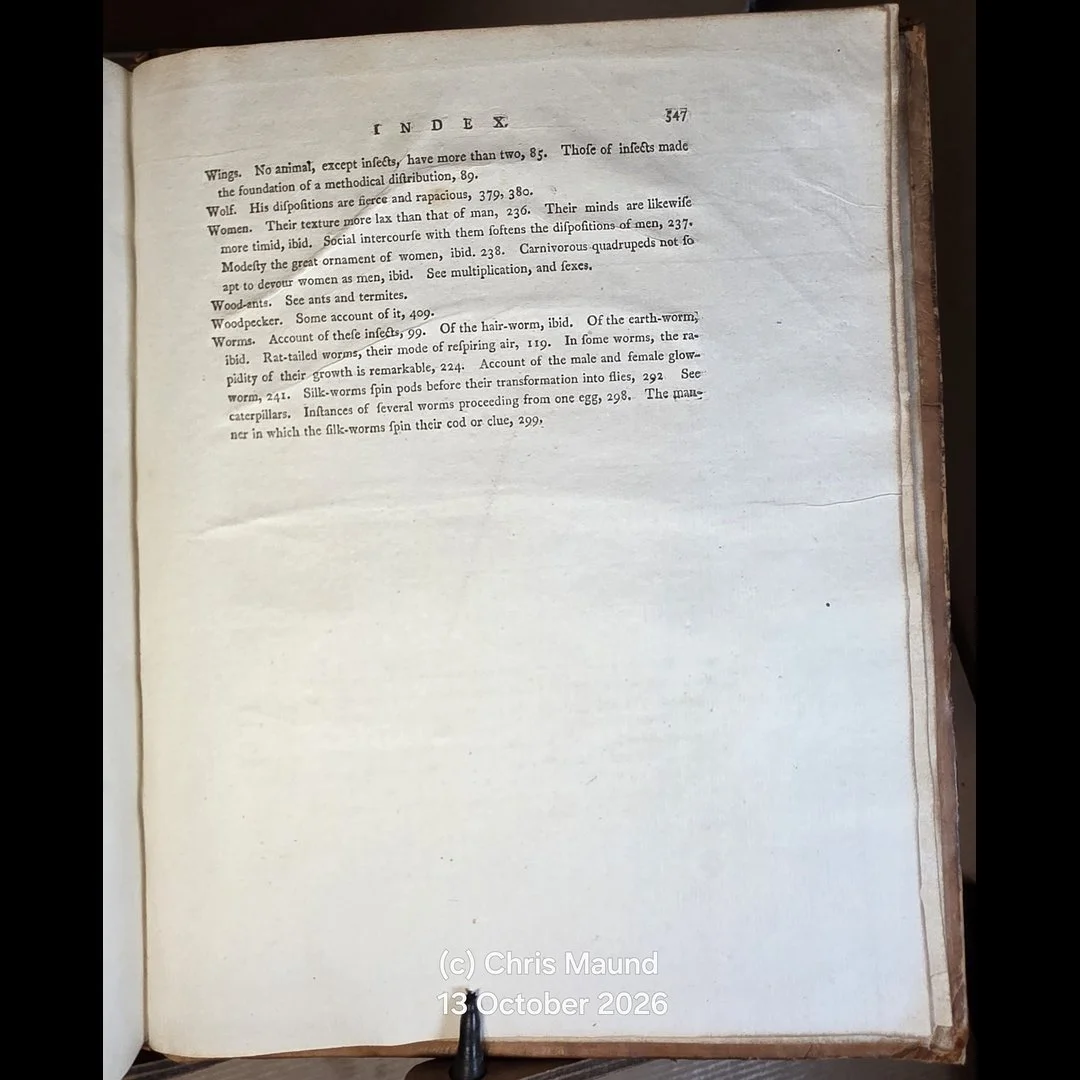
Paper with variable but generally light age-toning, occasional pale browning, spotting, handling marks and show-through. Some gatherings are slightly more toned than others. Text and diagrams remain strong and legible throughout.
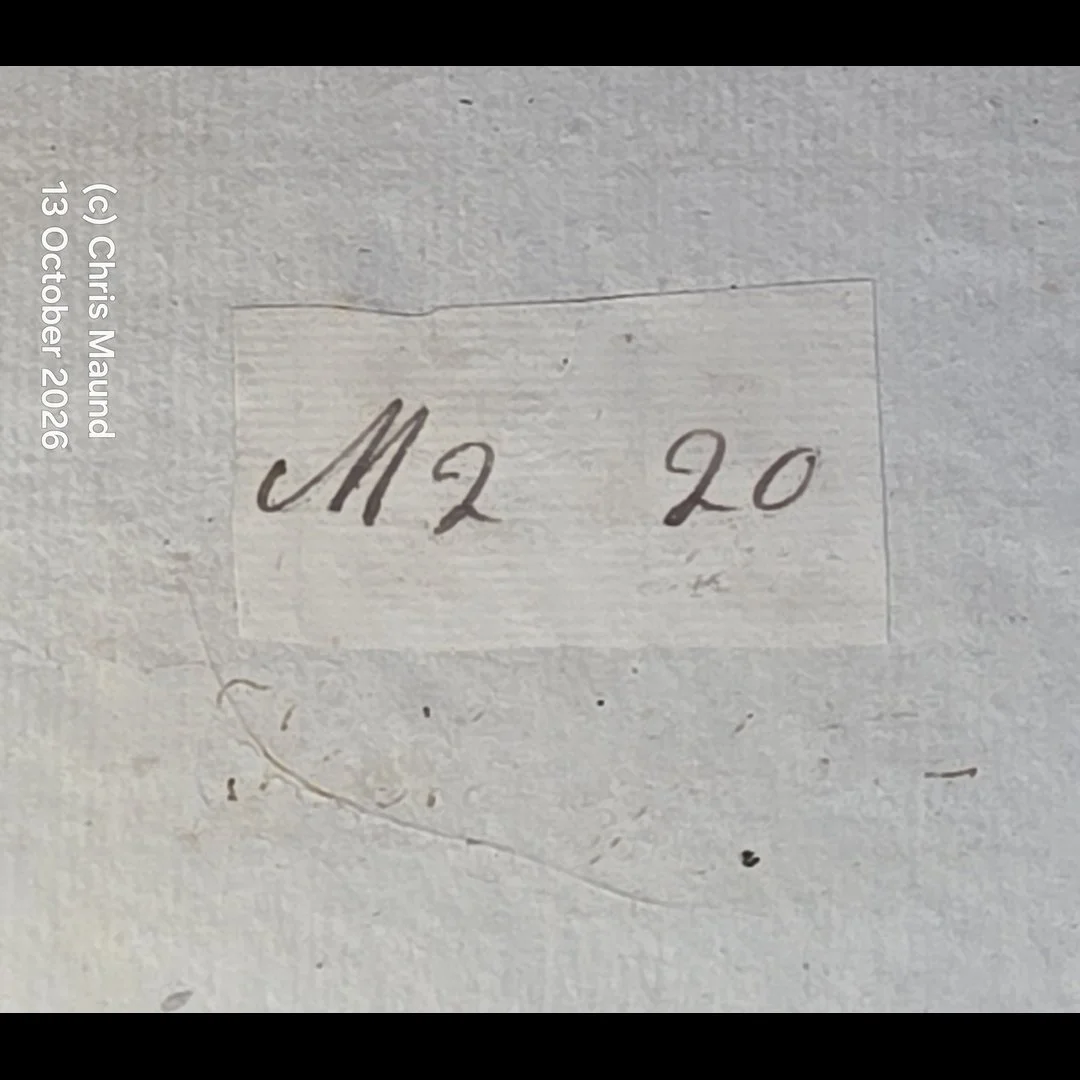
Occasional early ink marks together with later shelf, accession or bookseller notations to endpapers and isolated leaves. No separate named ownership inscription or bookplate has been identified; the armorial binding itself provides the principal early provenance evidence.
A particularly attractive and historically important copy of a major Renaissance mathematical work, combining the scarce first edition with a probable contemporary provenance from the library of one of the most powerful English statesmen of the Elizabethan and Jacobean periods.
Title page with large woodcut Jesuit IHS device; numerous woodcut geometrical and instrumental diagrams throughout; tables; ornamental initials; alphabetical and analytical indexes; register; terminal Roman colophon dated MDCIIII with repeated IHS device; final blank present.
Please see Photos as part of condition report.
REFERENCES
World Cat OCLC n°495075602 & 835753434
USTC n°4030093
Brunet II:92
Honeyman II 718
Sommervogel II, 1220
Early European Books (Proquest)
ita-bnc-mag-00000812-001
New York, USA, Columbia University, Butler Library Shelfmark
PLIMPTON 513 1604 C57
Augsburg, Germany, Universitätsbibliothek Shelfmark: 02/VII.3.4.7
Between Copernicus and Galileo: Christoph Clavius and the Collapse of Ptolemaic Cosmology. University of Chicago Press
Karl Christian Bruhns (1876)
"Clavius, Christoph". Allgemeine Deutsche Biographie. Vol. 4. Leipzig: Duncker & Humblot. pp. 298–299.
SYNOPSIS
First published at Rome in 1604, Geometria Practica is arranged in eight books and was conceived as a comprehensive course in useful geometry.
Book I explains the construction and use of mathematical instruments, including the proportional compass and quadrant, together with the elementary trigonometry required for their operation.
Books II and III concern the measurement of accessible and inaccessible lengths, heights and depths, first by means of the astronomical quadrant and then through the geometer’s square and related procedures.
Book IV treats the measurement of plane figures and incorporates material derived from Archimedes, including the measurement of the circle and quadrature of the parabola.
Book V addresses the dimensions and volumes of solid bodies.
Book VI covers geodesy, the division of rectilinear surfaces, the enlargement and reduction of figures according to a stated proportion, the construction of proportional lines and methods of extracting numerical roots.
Book VII considers isoperimetric figures and the historic problem of squaring the circle, including discussion of the quadratrix associated with Hippias.
Book VIII concludes with miscellaneous theorems, problems and geometrical constructions intended to develop mathematical ingenuity, including the trisection of angles by means of the conchoid.
An unusually wide-ranging synthesis of ancient Greek geometry, Renaissance mathematics and practical measurement, produced by one of the foremost scientific teachers of the period.
AUTHOR BIO
Christophorus Clavius, or Christoph Clau (1538–1612), was a German Jesuit mathematician, astronomer and teacher based for much of his career at the Collegio Romano. His extensive textbooks and commentaries helped establish mathematics as an essential component of Jesuit education and were circulated throughout Europe and, through Jesuit missions, much farther afield.
Clavius was an important mathematical adviser during the reform that produced the Gregorian calendar, promulgated by Pope Gregory XIII in 1582. His reputation as a teacher, commentator on Euclid and organiser of mathematical knowledge earned him the later epithet “the Euclid of the sixteenth century.”
1604 First Edition With Important Armorial Provenance
GEOMETRIA PRACTICA
By Christophorus Clavius
KEY DETAILS
Condition: Good
Format: Vellum, Contemporary armorial vellum over boards, quarto; binding approximately 215 × 165 mm
Published By: ex typographia Aloisij Zannetti, Rome, 1604
Language: Latin
Provenance: Probable Thomas Egerton, 1st Viscount Brackley provenance, through contemporary armorial binding bearing his recorded Stamp 1.
Collation: [32], 439, [33] pp., including final blank
Dust Jacket: None, as issued
SKU: BTETM0002736
Shipping Info: Approximate Package Dimensions H: 12.5, L: 30, W: 25 (Units: cm), W: 2Kg
Tracked Shipping, Insurance Coverage as per Customer Request
DESCRIPTION
Geometria Practica
A substantial and highly desirable first edition of Christophorus Clavius’s Geometria Practica, one of the most important early-modern syntheses of practical geometry, surveying, mensuration and mathematical instrumentation, printed at Rome by Aloisio Zannetti in 1604.
Arranged in eight books and profusely illustrated with woodcut diagrams, the work brings together theoretical geometry and practical measurement: the construction and use of mathematical instruments; the determination of inaccessible heights, distances and depths; the measurement of plane and solid figures; land division and geodesy; proportion, enlargement and reduction; numerical root extraction; and several of the classical geometrical problems inherited from antiquity.
Clavius was one of the dominant mathematical educators of the late Renaissance, and Geometria Practica represents the mature expression of his conviction that mathematics should be not merely demonstrative but useful. It has particular significance for the development of mathematical surveying and precision measurement, including Clavius’s method for subdividing measuring scales beyond the system associated with Pedro Nunes, an important precursor to later Vernier-type precision subdivision.
This copy is made considerably more important by its contemporary armorial vellum binding. Both covers bear in gilt a large lion rampant supporting an arrow in pale, point downwards. The central tool measures approximately 88 × 50 mm, corresponding in subject and dimensions to Stamp 1 of Thomas Egerton, 1st Viscount Brackley (1540–1617), recorded by the Bibliographical Society’s British Armorial Bindings database. Egerton was successively Solicitor General, Attorney General, Master of the Rolls, Lord Keeper and Lord Chancellor under Elizabeth I and James I, and was created Baron Ellesmere in 1603, the year before publication of this volume. British Armorial Bindings records his Stamp 1 as precisely a lion rampant supporting an arrow point downwards, measuring 88 × 50 mm.
Comparable documented bindings survive at Yale’s Beinecke Library, where a 1605 Book of Common Prayer is bound with Thomas Egerton Stamp 1 in gold on both covers, and at the British Library, where a 1616 Fragmenta XII Tabularum is bound in vellum with the same recorded Stamp 1 in gold on both covers.
The same present copy can also be traced through the modern auction market. Christie’s records a 1604 Geometria Practica in contemporary vellum with two-line gilt ruling, armorial corner tools and a large heraldic lion grasping an arrow in the central panel, sold as part of a group from the property of Manhattan College. The highly distinctive binding description identifies the present volume.
More recently, the same copy appeared at Gonnelli in March 2026, where it was described as complete with final blank, in contemporary rigid vellum with a rampant lion planting a dark arrow and gilt armorial decoration to the boards.
PROVENANCE
Probable Thomas Egerton, 1st Viscount Brackley provenance, through contemporary armorial binding bearing his recorded Stamp 1.
CONDITION, COLLATION & COPY NOTES
COLLATION
[32], 439, [33] pp., including final blank
Bibliographical descriptions vary slightly in the enumeration of the terminal unnumbered leaves; Gonnelli records this copy as [32], 439, [33] with final blank present.
A complete and important copy in contemporary rigid vellum over boards, ruled and decorated in gilt.
Both boards bear a large central gilt armorial device of a lion rampant supporting an arrow in pale, point downwards, approximately 88 × 50 mm, together with double gilt fillets and smaller gilt corner ornaments. The central device corresponds in design and dimensions to Thomas Egerton’s recorded Stamp 1 in the British Armorial Bindings database. The spine retains a later printed paper title label.
The vellum is age-darkened, rubbed and marked, with surface abrasion, scattered staining, mild warping and wear to corners and spine extremities. Much of the original gilt remains visible, although rubbed and faded in places. Pastedowns and inner joints show old repair and reinforcement, including marginal paper repairs and renewed supporting material. Binding remains sound and securely attached.
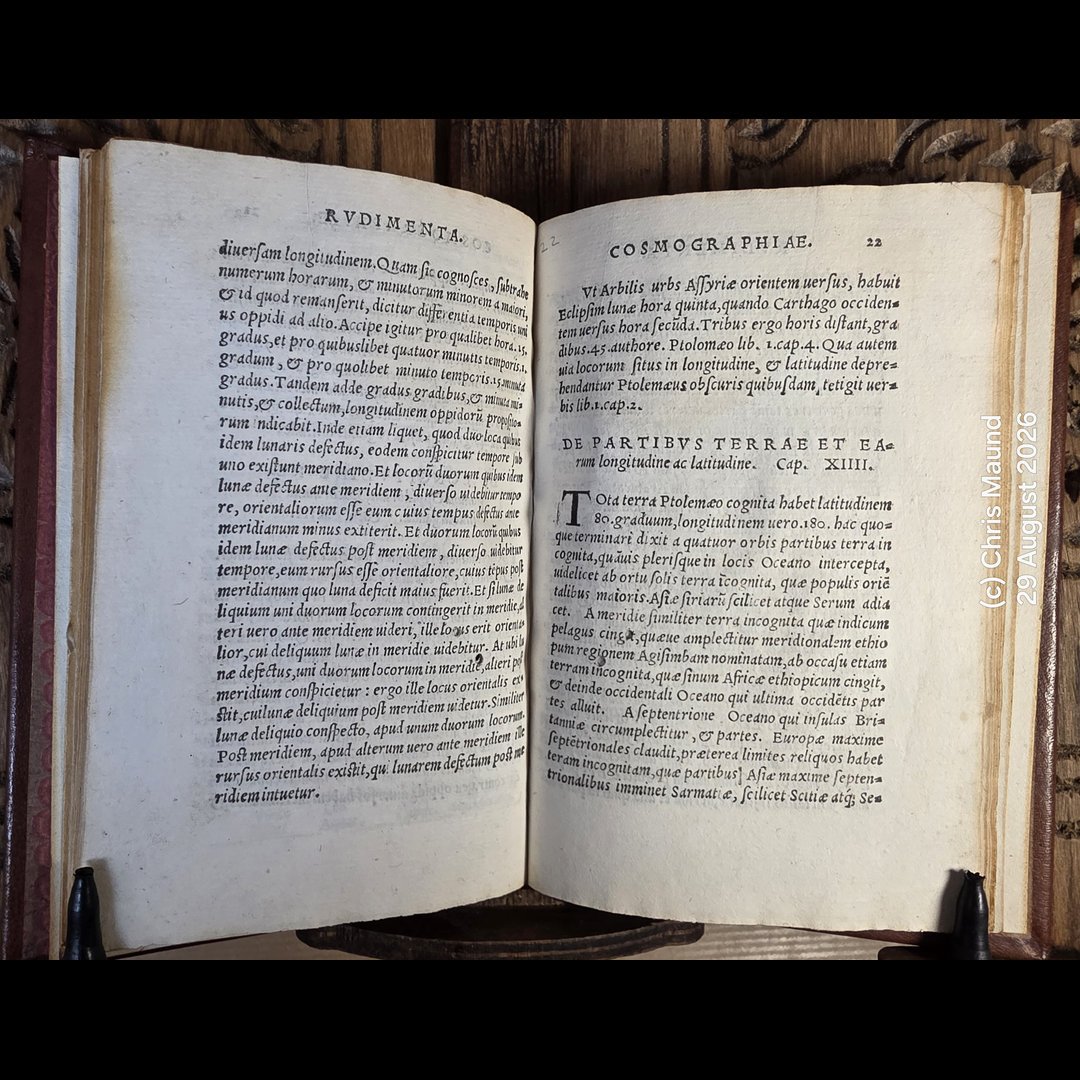
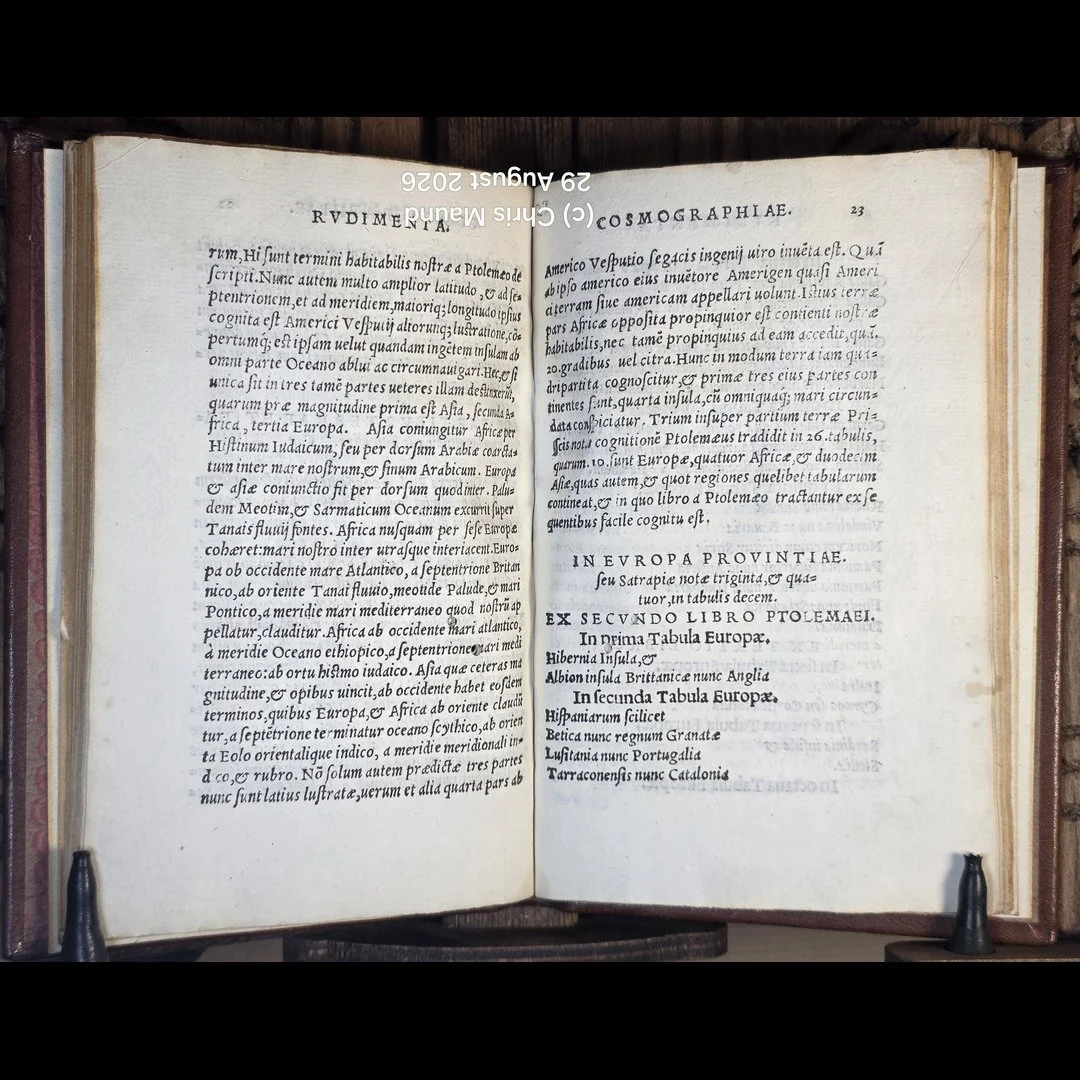
Internally complete with title page, preliminaries, all eight books, both indexes, register, terminal colophon/device leaf and final blank present. Numerous woodcut geometrical, mathematical and instrumental diagrams throughout, together with tables, ornamental initials and Jesuit IHS devices.
Paper with variable but generally light age-toning, occasional pale browning, spotting, handling marks and show-through. Some gatherings are slightly more toned than others. Text and diagrams remain strong and legible throughout.
Occasional early ink marks together with later shelf, accession or bookseller notations to endpapers and isolated leaves. No separate named ownership inscription or bookplate has been identified; the armorial binding itself provides the principal early provenance evidence.
A particularly attractive and historically important copy of a major Renaissance mathematical work, combining the scarce first edition with a probable contemporary provenance from the library of one of the most powerful English statesmen of the Elizabethan and Jacobean periods.
Title page with large woodcut Jesuit IHS device; numerous woodcut geometrical and instrumental diagrams throughout; tables; ornamental initials; alphabetical and analytical indexes; register; terminal Roman colophon dated MDCIIII with repeated IHS device; final blank present.
Please see Photos as part of condition report.
REFERENCES
World Cat OCLC n°495075602 & 835753434
USTC n°4030093
Brunet II:92
Honeyman II 718
Sommervogel II, 1220
Early European Books (Proquest)
ita-bnc-mag-00000812-001
New York, USA, Columbia University, Butler Library Shelfmark
PLIMPTON 513 1604 C57
Augsburg, Germany, Universitätsbibliothek Shelfmark: 02/VII.3.4.7
Between Copernicus and Galileo: Christoph Clavius and the Collapse of Ptolemaic Cosmology. University of Chicago Press
Karl Christian Bruhns (1876)
"Clavius, Christoph". Allgemeine Deutsche Biographie. Vol. 4. Leipzig: Duncker & Humblot. pp. 298–299.
SYNOPSIS
First published at Rome in 1604, Geometria Practica is arranged in eight books and was conceived as a comprehensive course in useful geometry.
Book I explains the construction and use of mathematical instruments, including the proportional compass and quadrant, together with the elementary trigonometry required for their operation.
Books II and III concern the measurement of accessible and inaccessible lengths, heights and depths, first by means of the astronomical quadrant and then through the geometer’s square and related procedures.
Book IV treats the measurement of plane figures and incorporates material derived from Archimedes, including the measurement of the circle and quadrature of the parabola.
Book V addresses the dimensions and volumes of solid bodies.
Book VI covers geodesy, the division of rectilinear surfaces, the enlargement and reduction of figures according to a stated proportion, the construction of proportional lines and methods of extracting numerical roots.
Book VII considers isoperimetric figures and the historic problem of squaring the circle, including discussion of the quadratrix associated with Hippias.
Book VIII concludes with miscellaneous theorems, problems and geometrical constructions intended to develop mathematical ingenuity, including the trisection of angles by means of the conchoid.
An unusually wide-ranging synthesis of ancient Greek geometry, Renaissance mathematics and practical measurement, produced by one of the foremost scientific teachers of the period.
AUTHOR BIO
Christophorus Clavius, or Christoph Clau (1538–1612), was a German Jesuit mathematician, astronomer and teacher based for much of his career at the Collegio Romano. His extensive textbooks and commentaries helped establish mathematics as an essential component of Jesuit education and were circulated throughout Europe and, through Jesuit missions, much farther afield.
Clavius was an important mathematical adviser during the reform that produced the Gregorian calendar, promulgated by Pope Gregory XIII in 1582. His reputation as a teacher, commentator on Euclid and organiser of mathematical knowledge earned him the later epithet “the Euclid of the sixteenth century.”

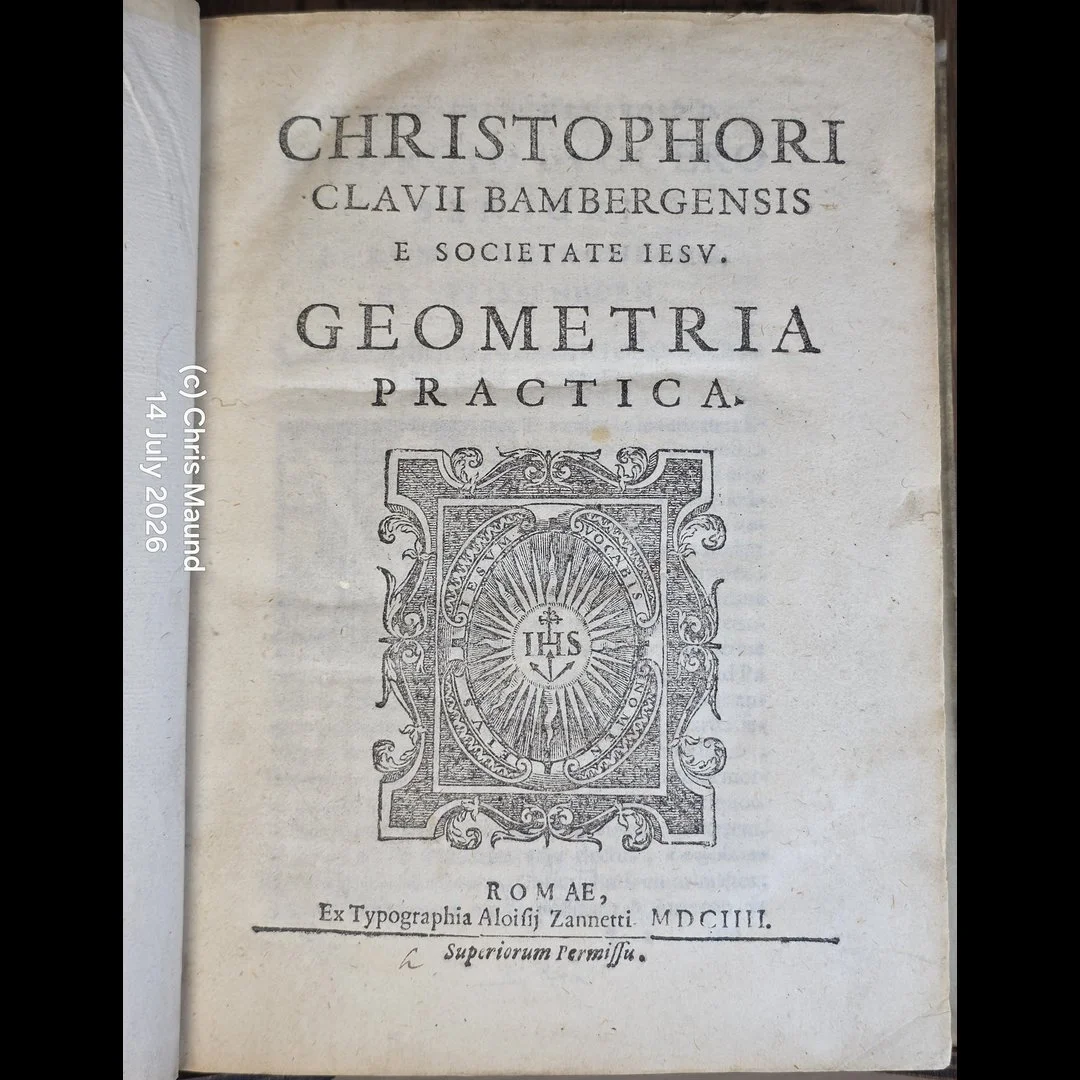 Image 1 of 48
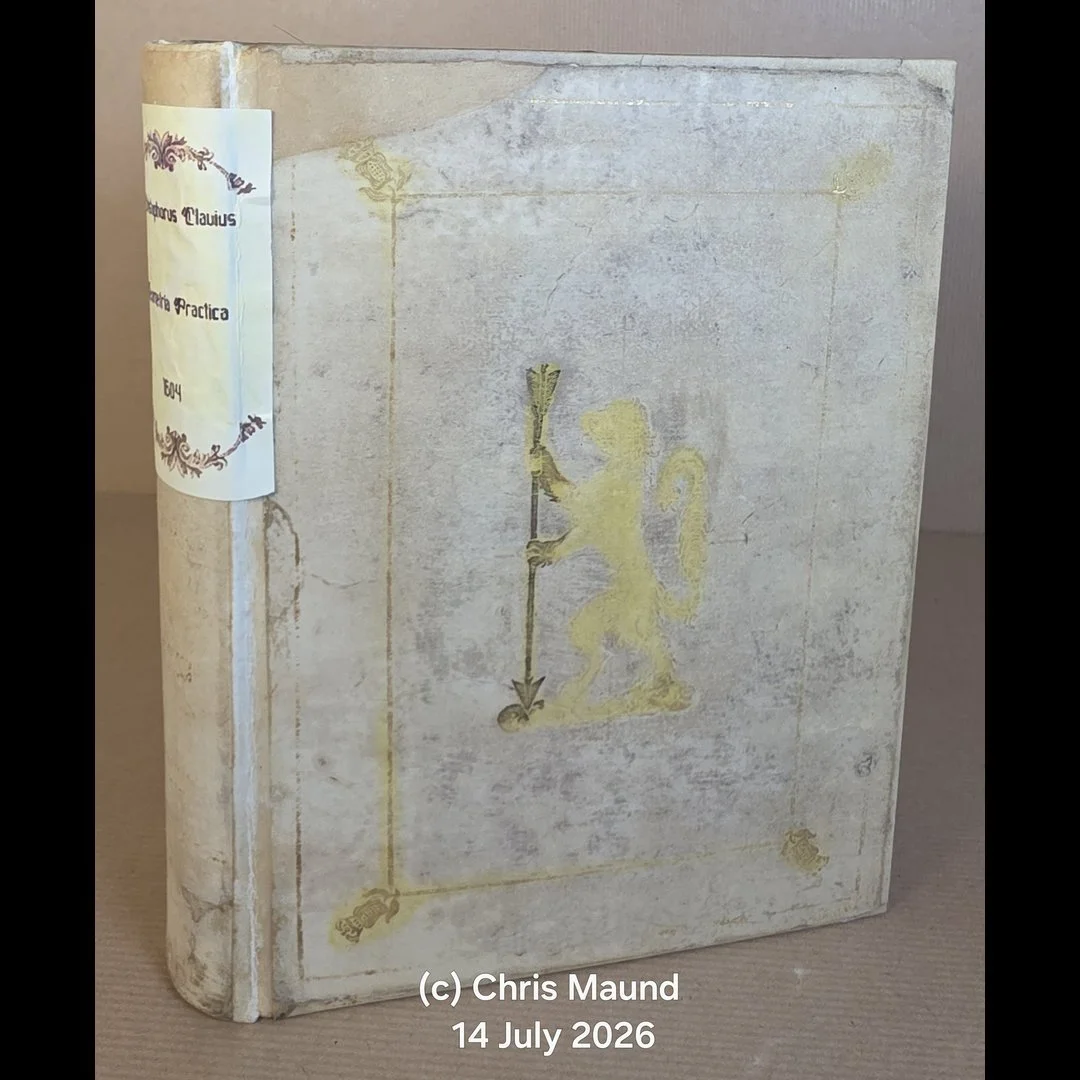 Image 2 of 48
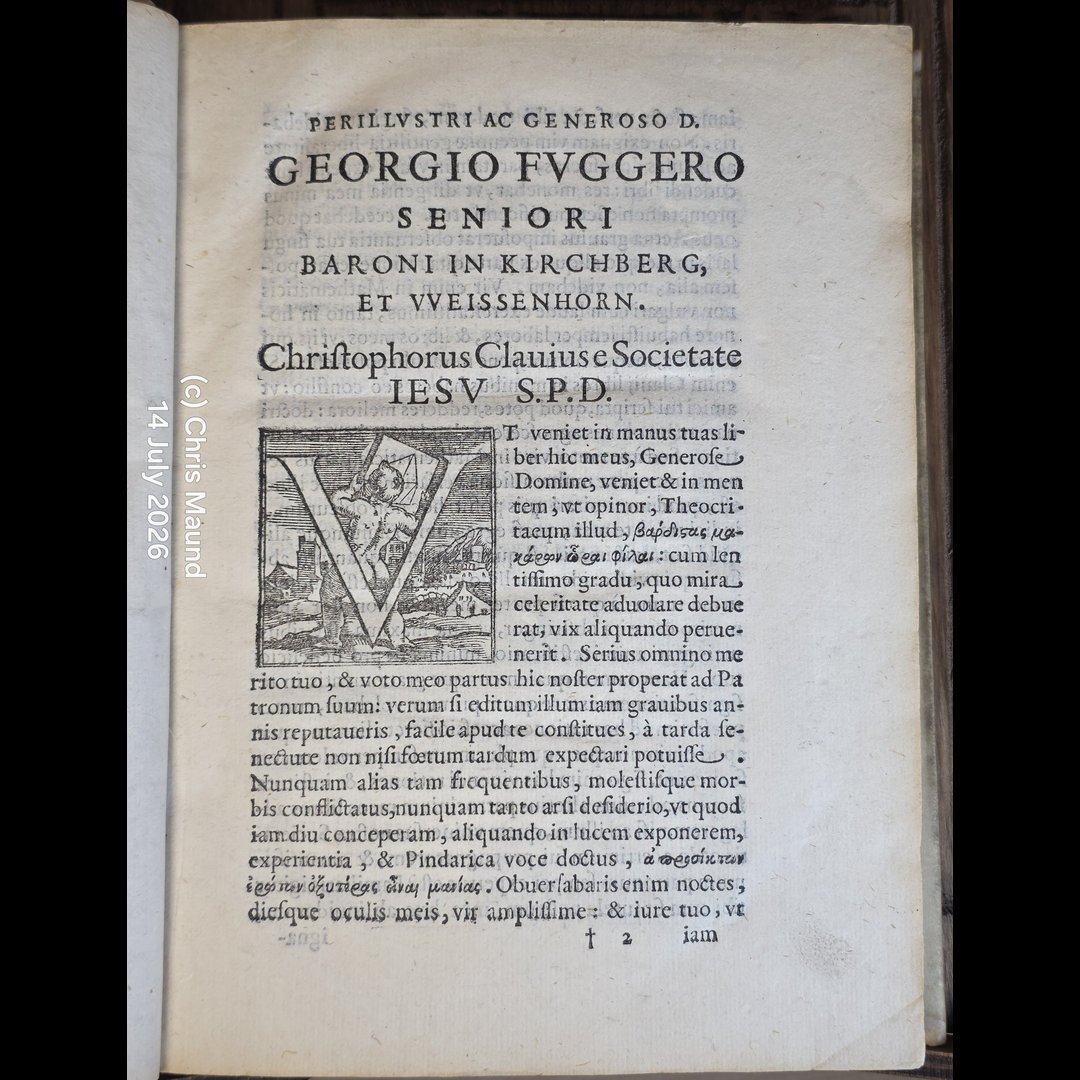 Image 3 of 48
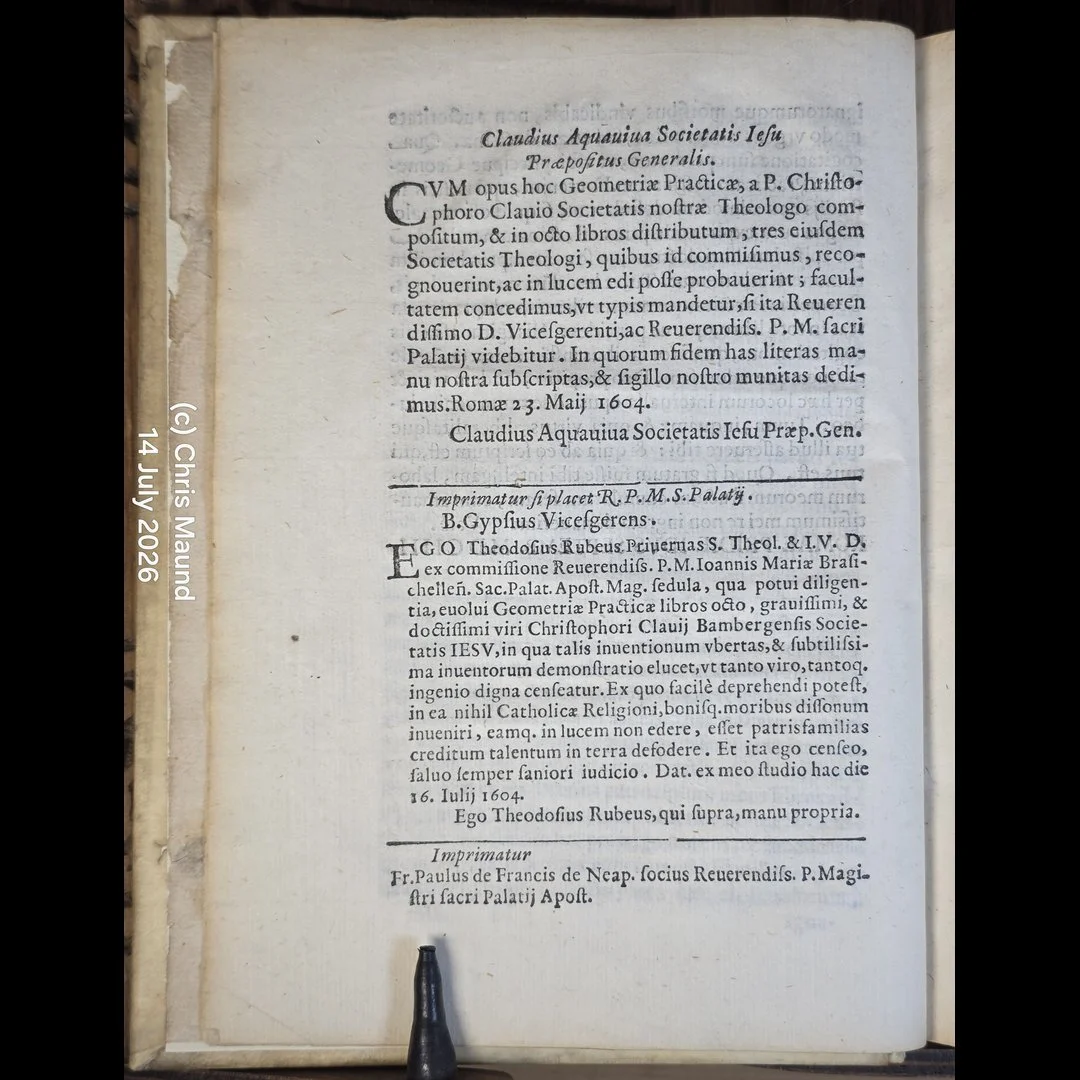 Image 4 of 48
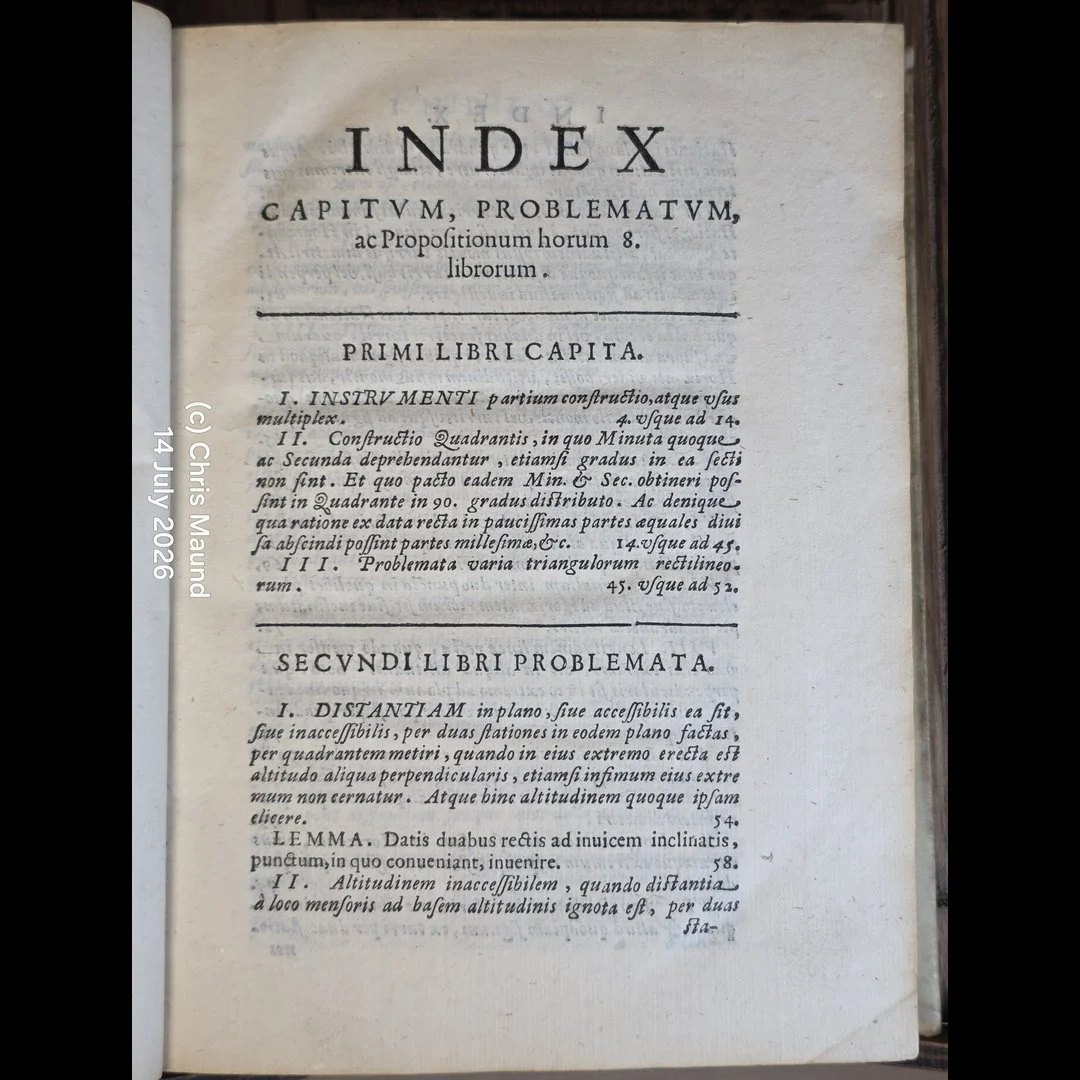 Image 5 of 48
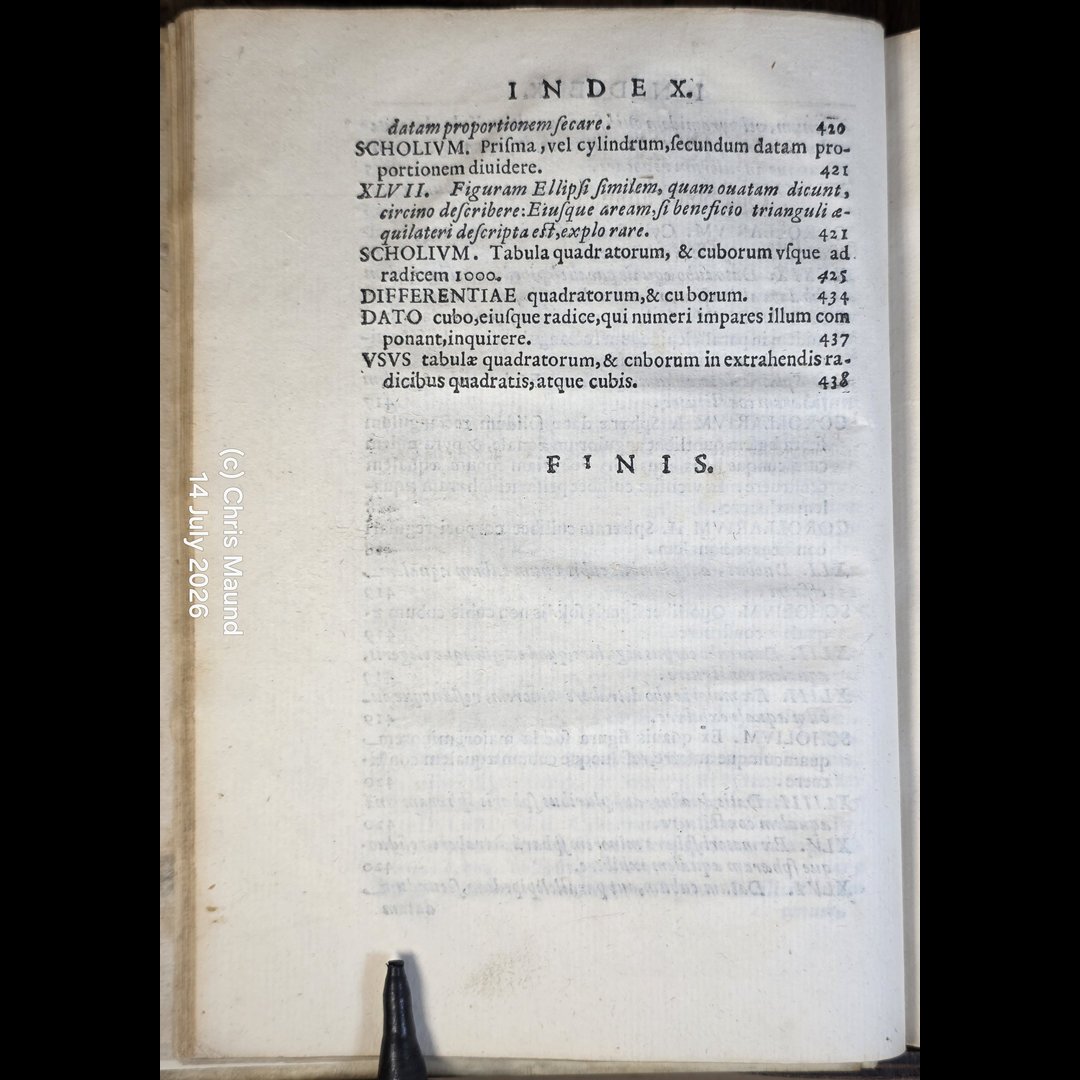 Image 6 of 48
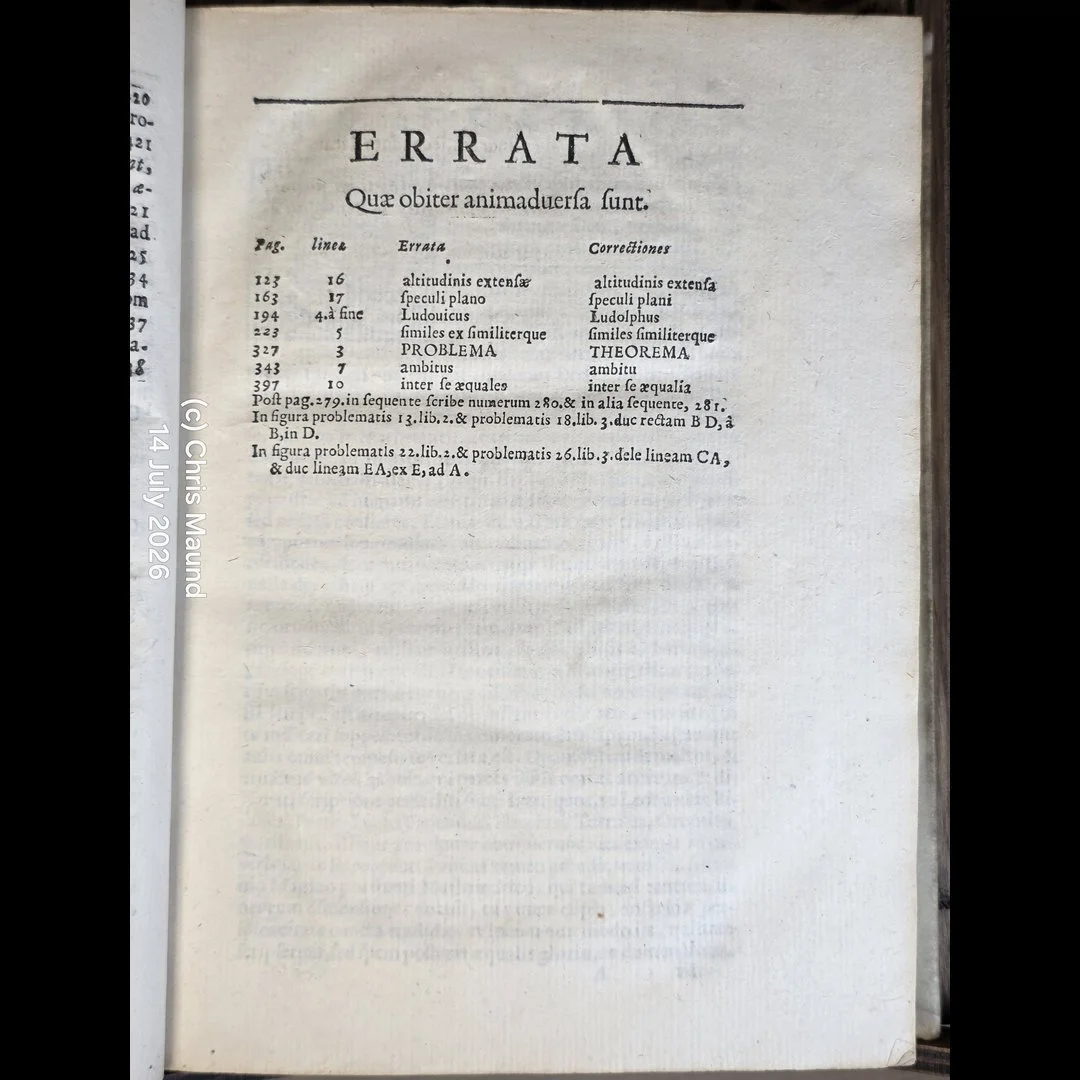 Image 7 of 48
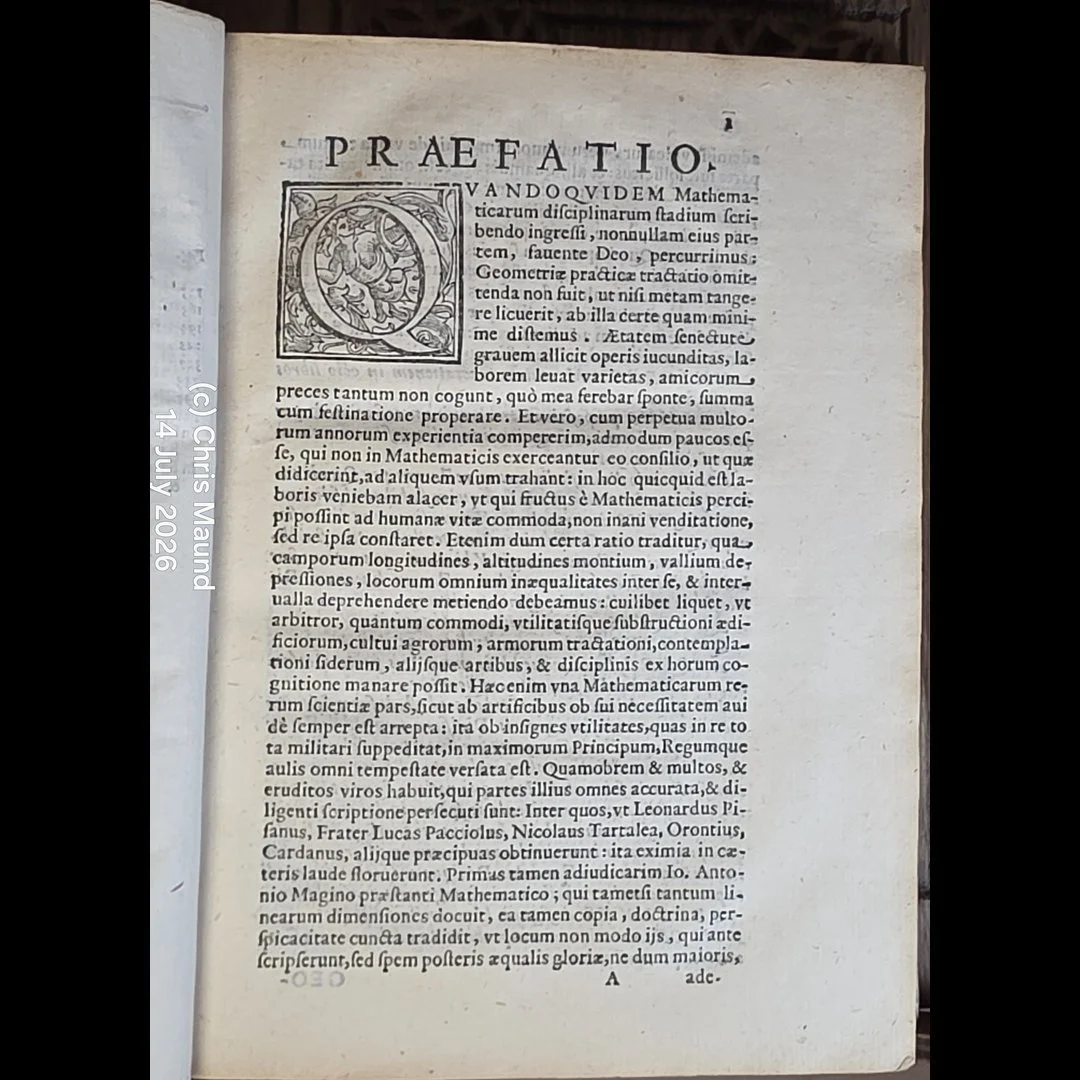 Image 8 of 48
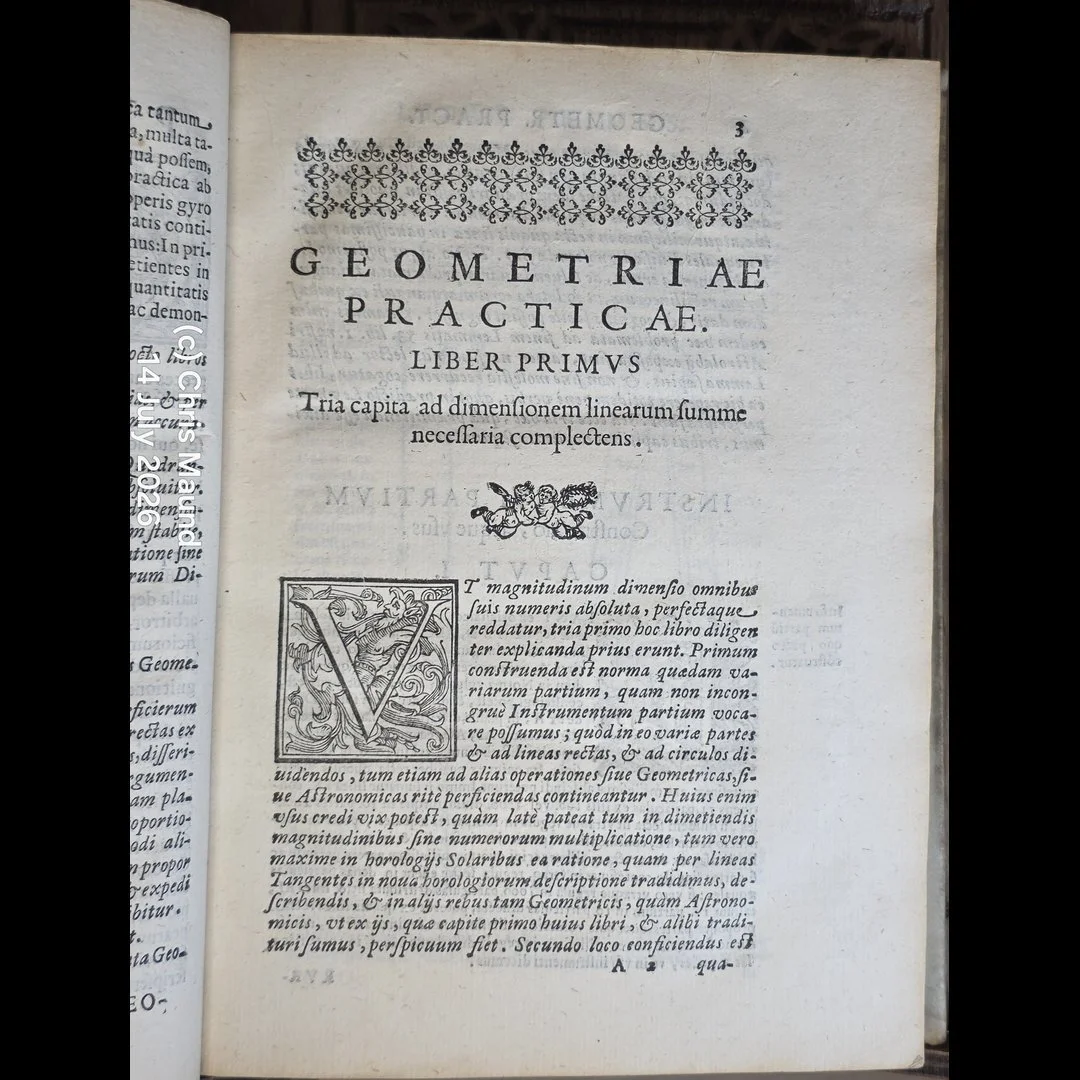 Image 9 of 48
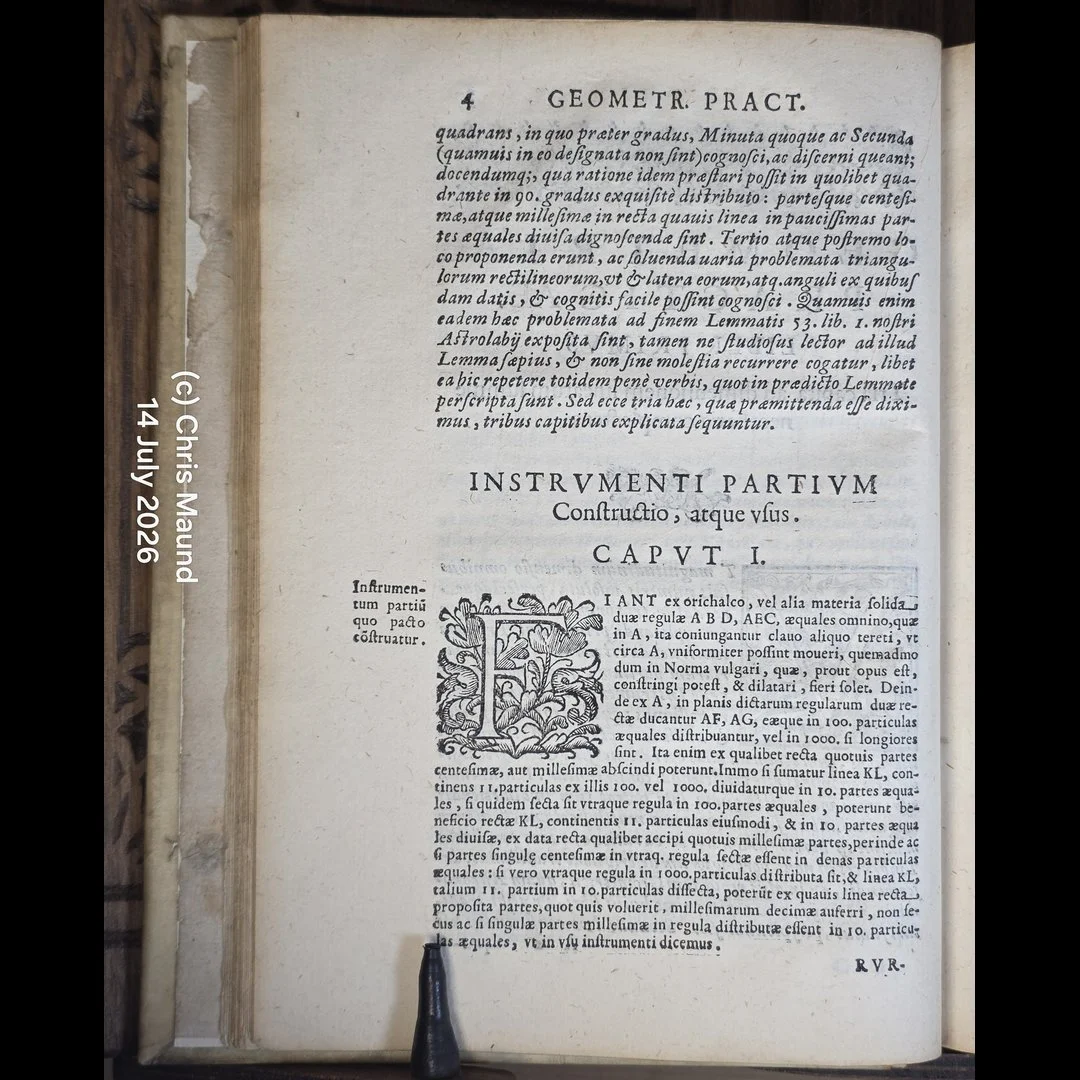 Image 10 of 48
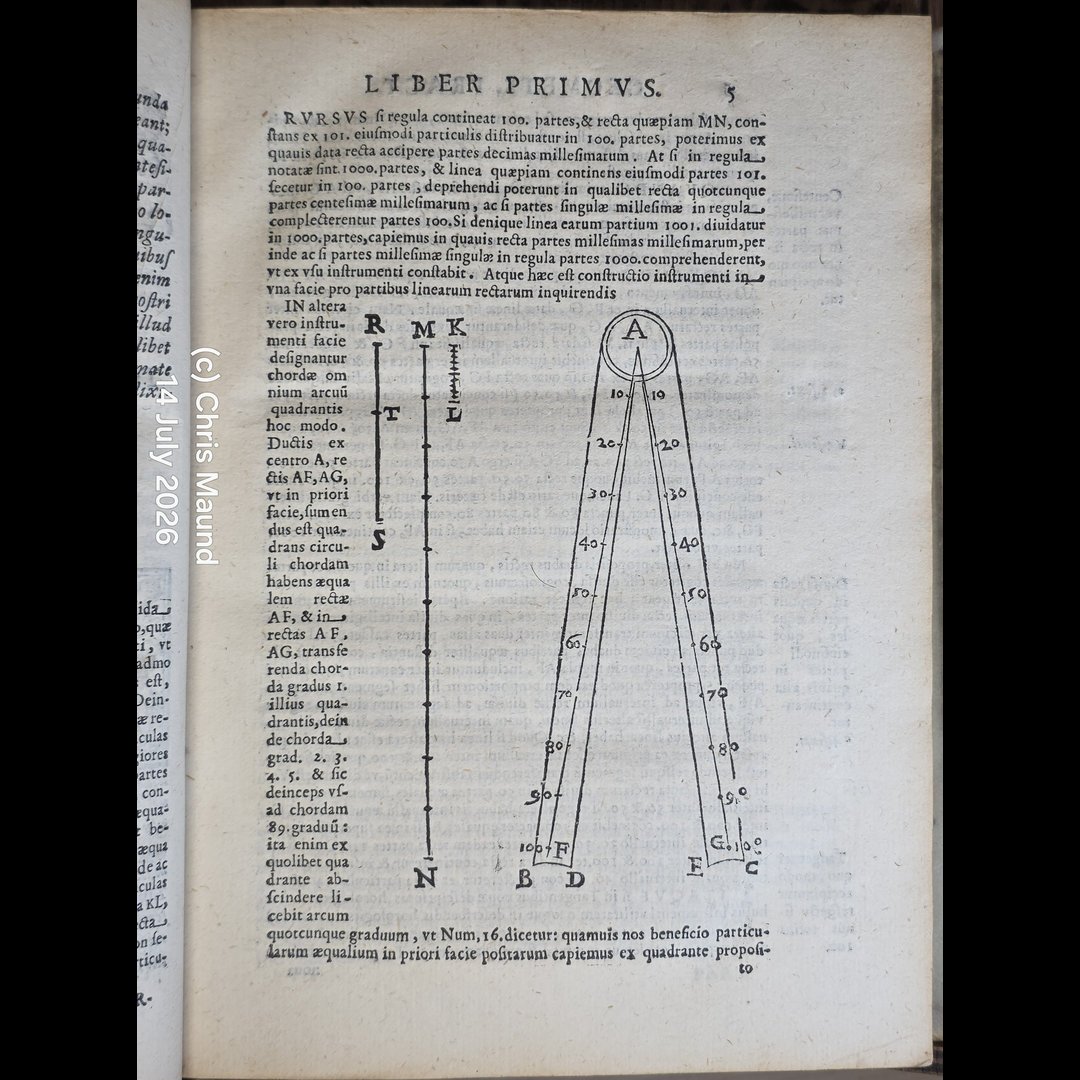 Image 11 of 48
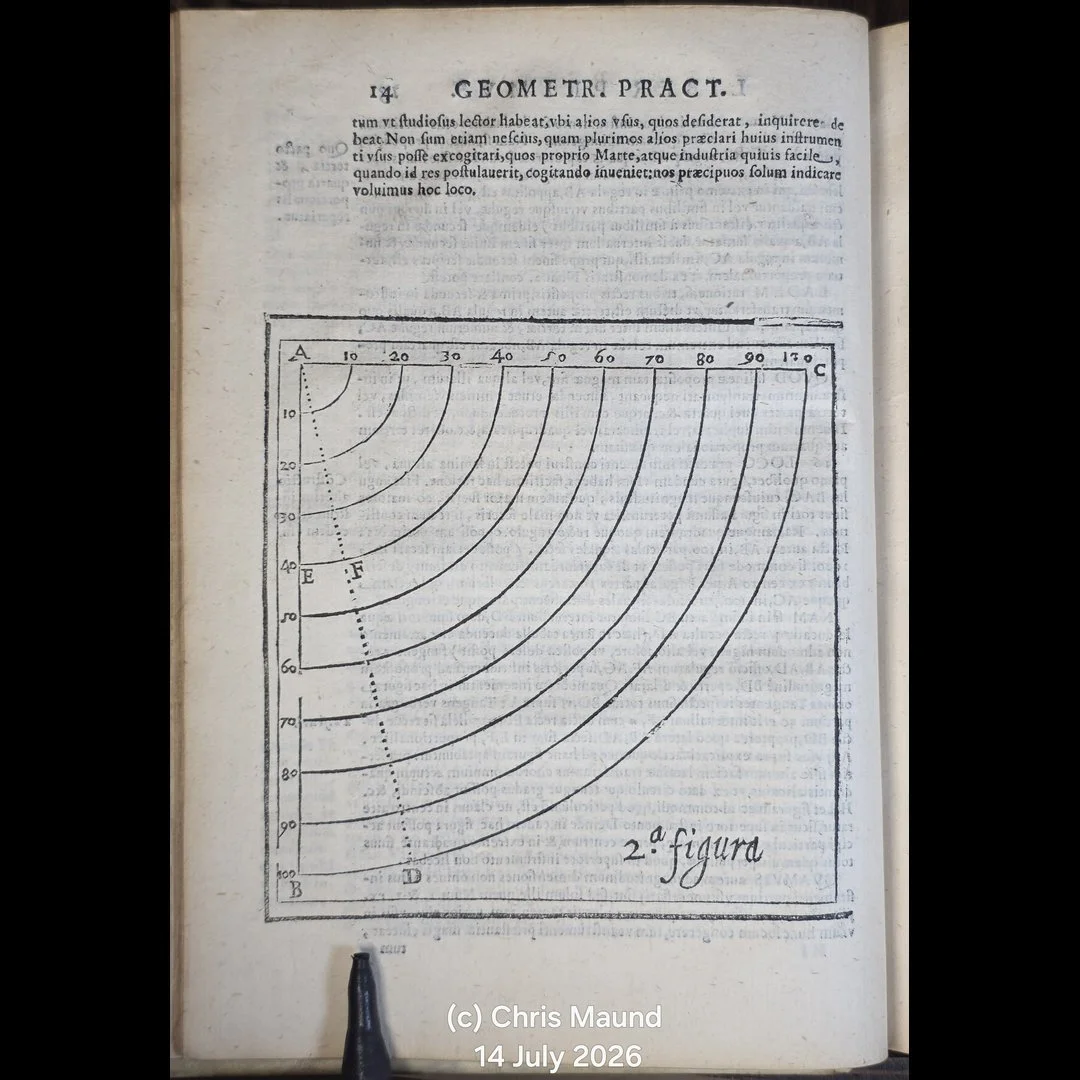 Image 12 of 48
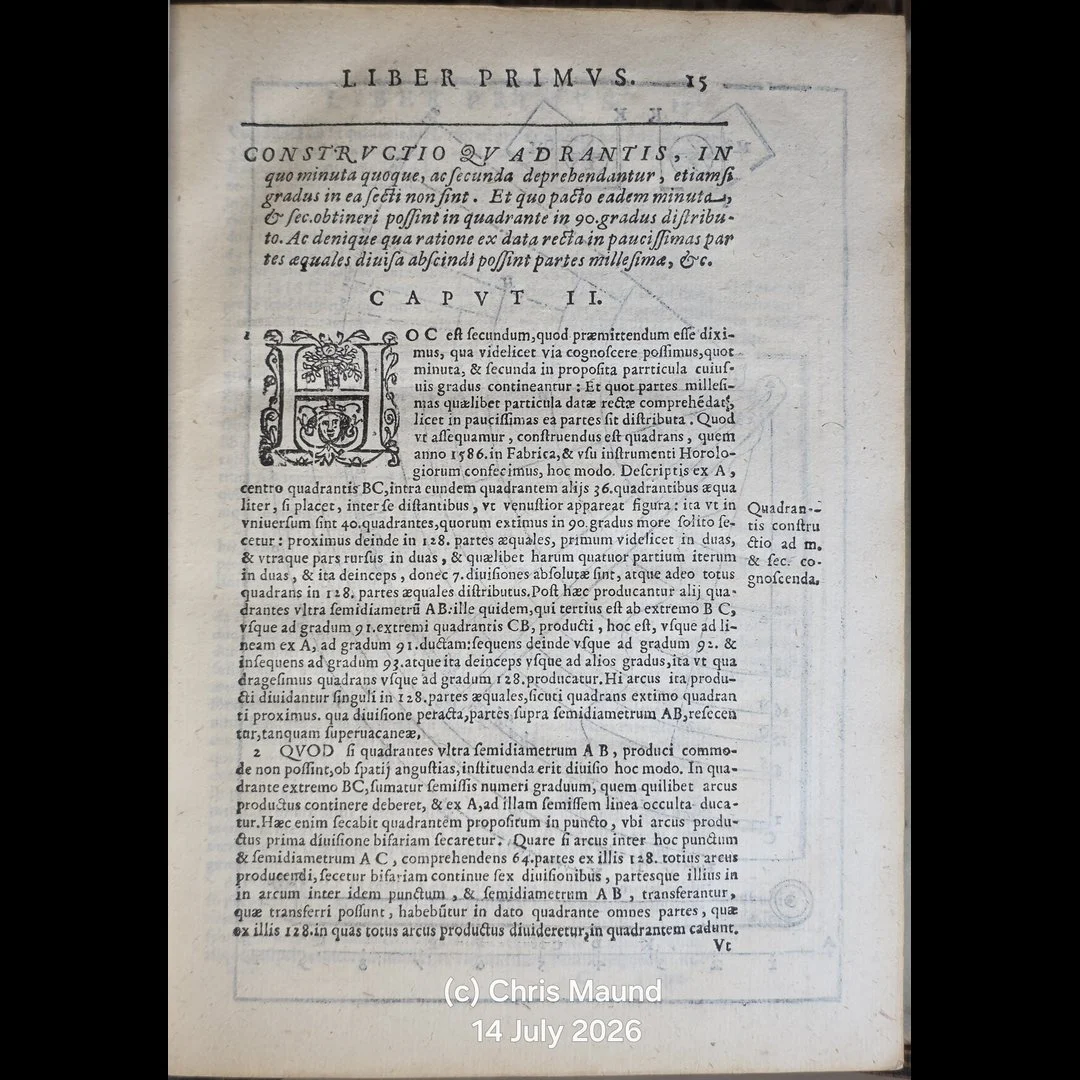 Image 13 of 48
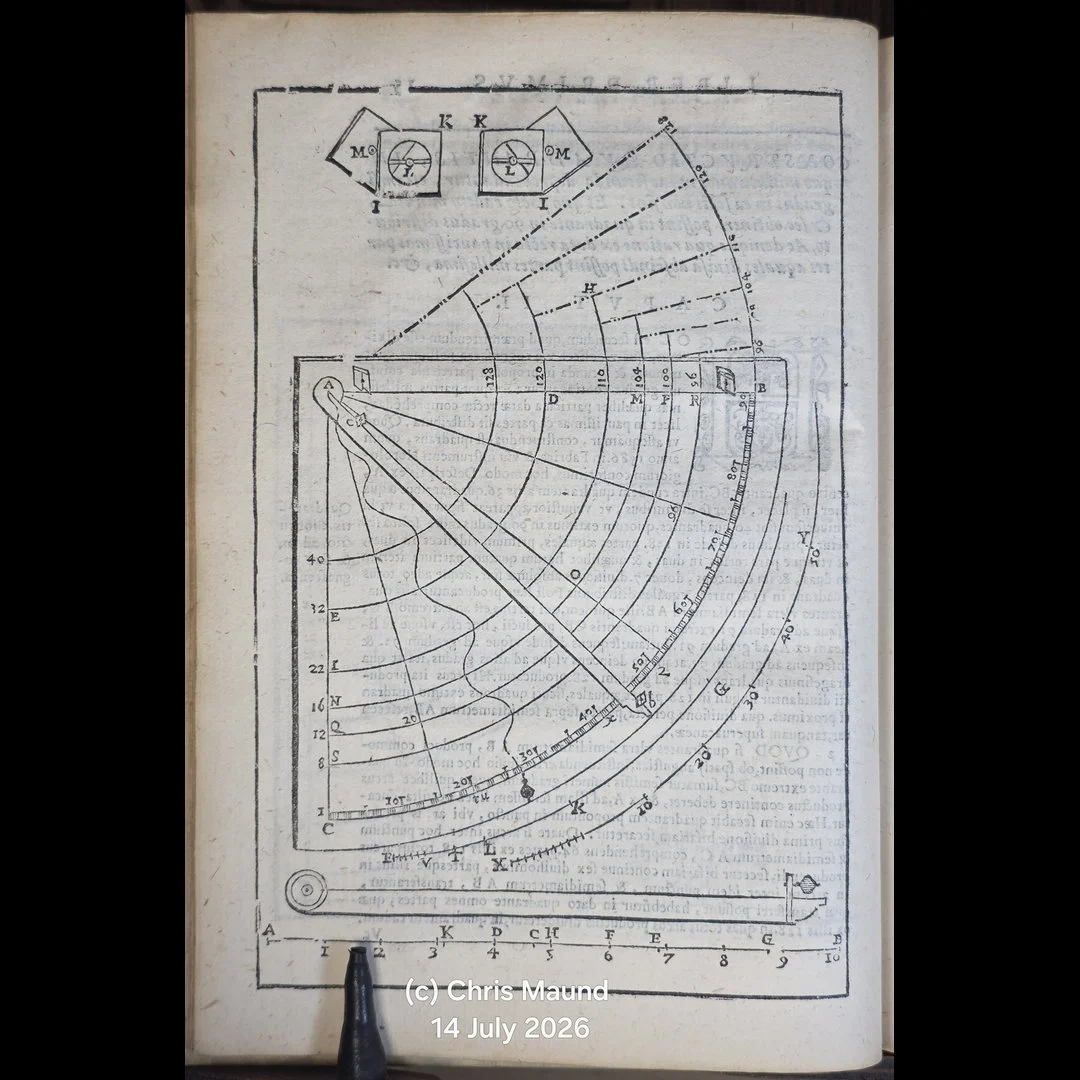 Image 14 of 48
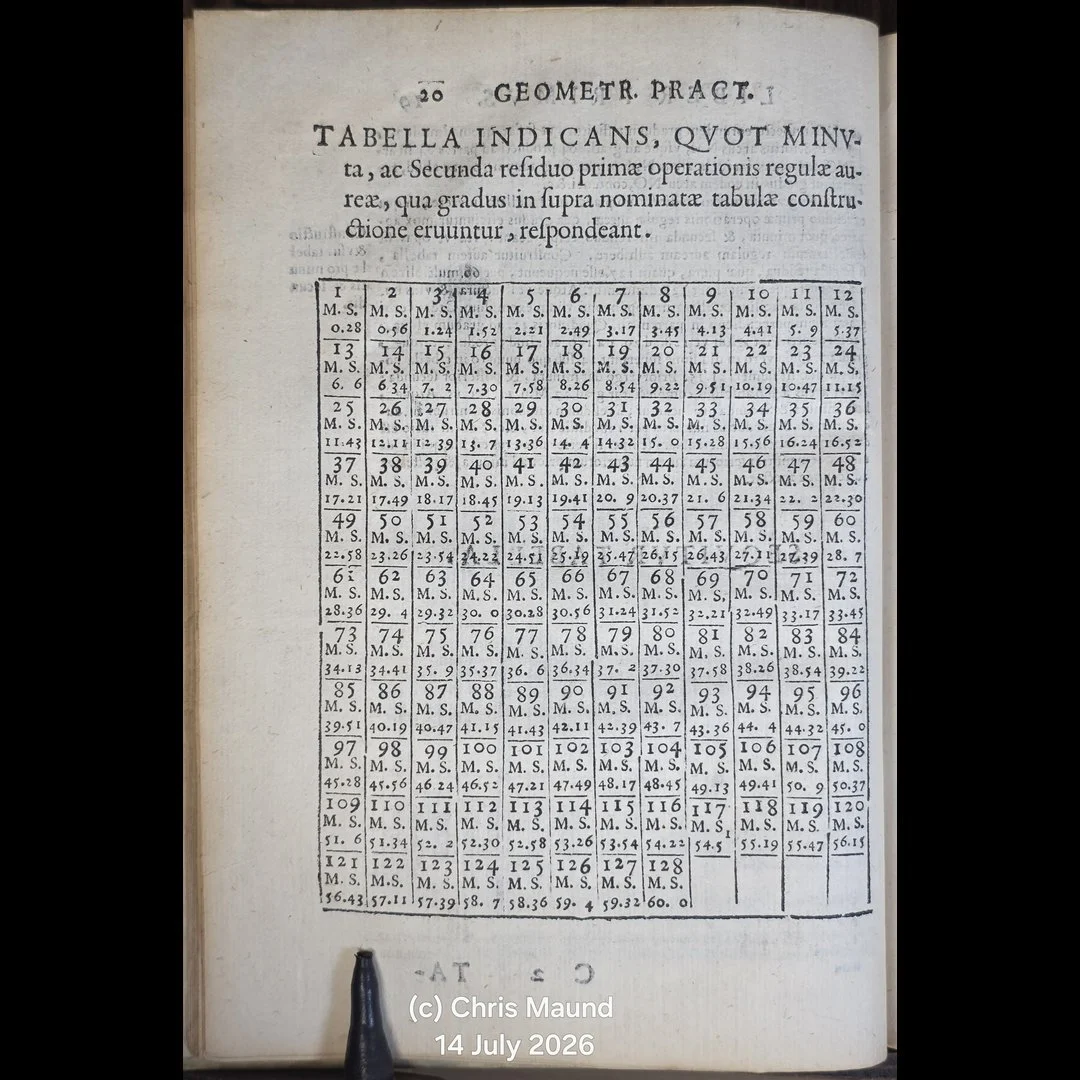 Image 15 of 48
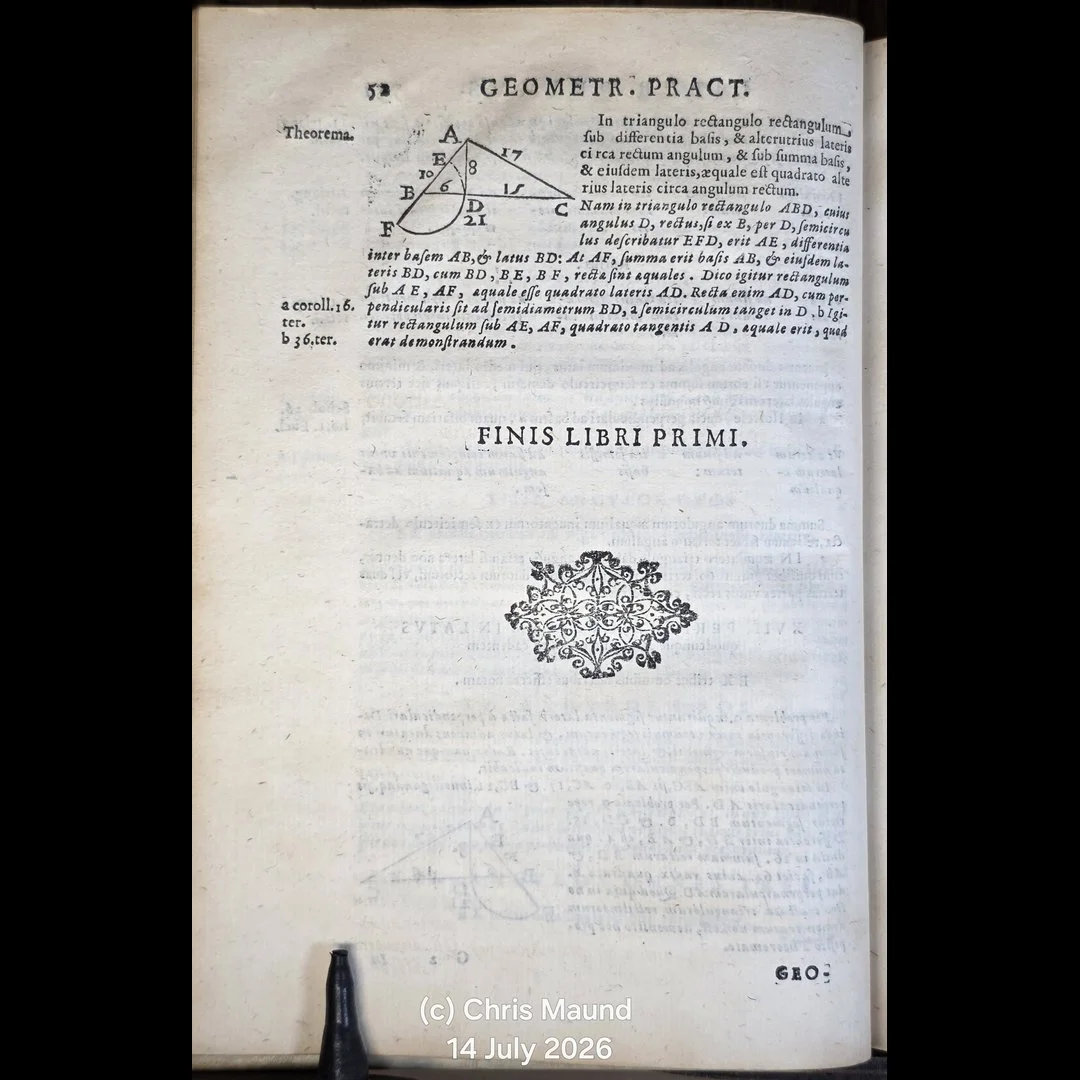 Image 16 of 48
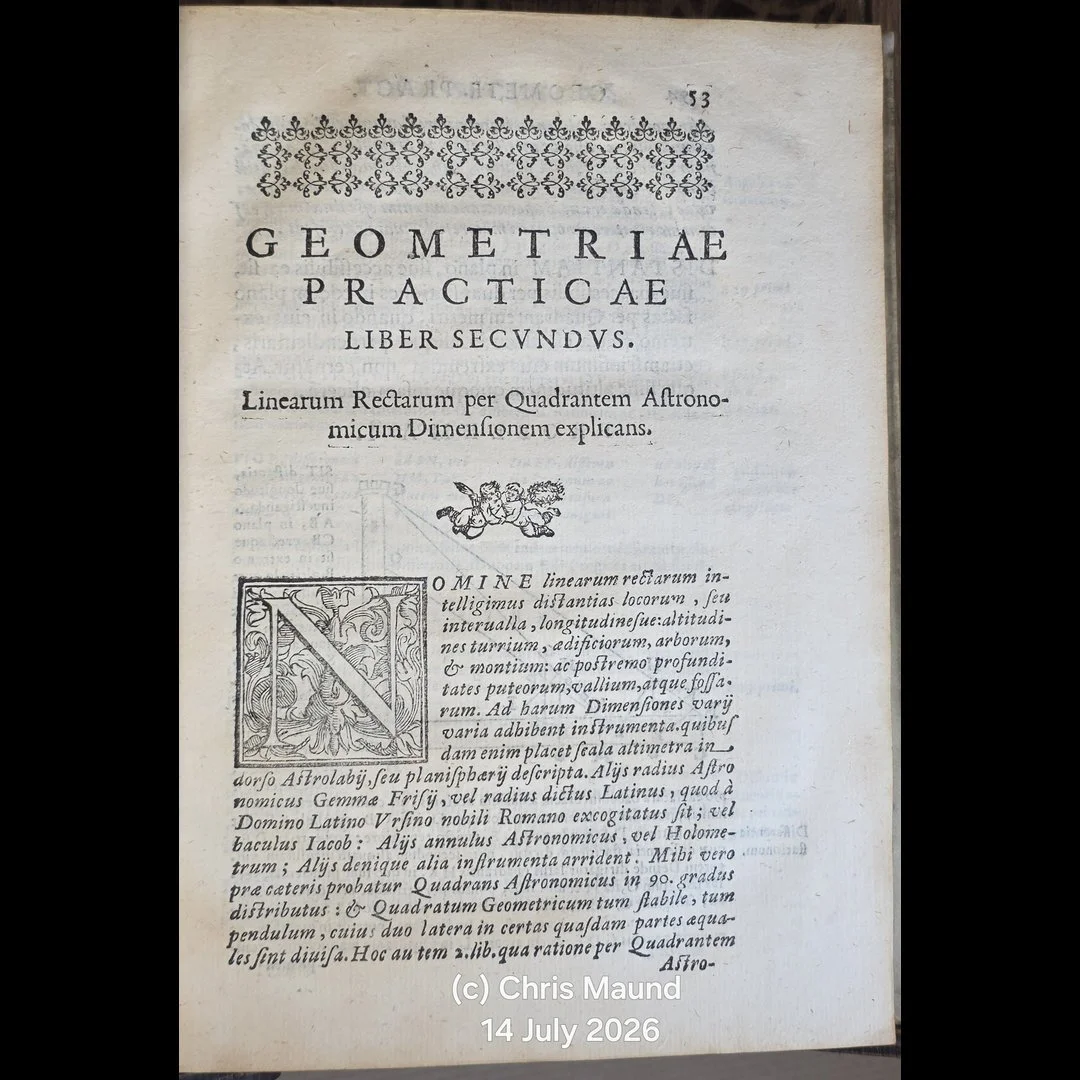 Image 17 of 48
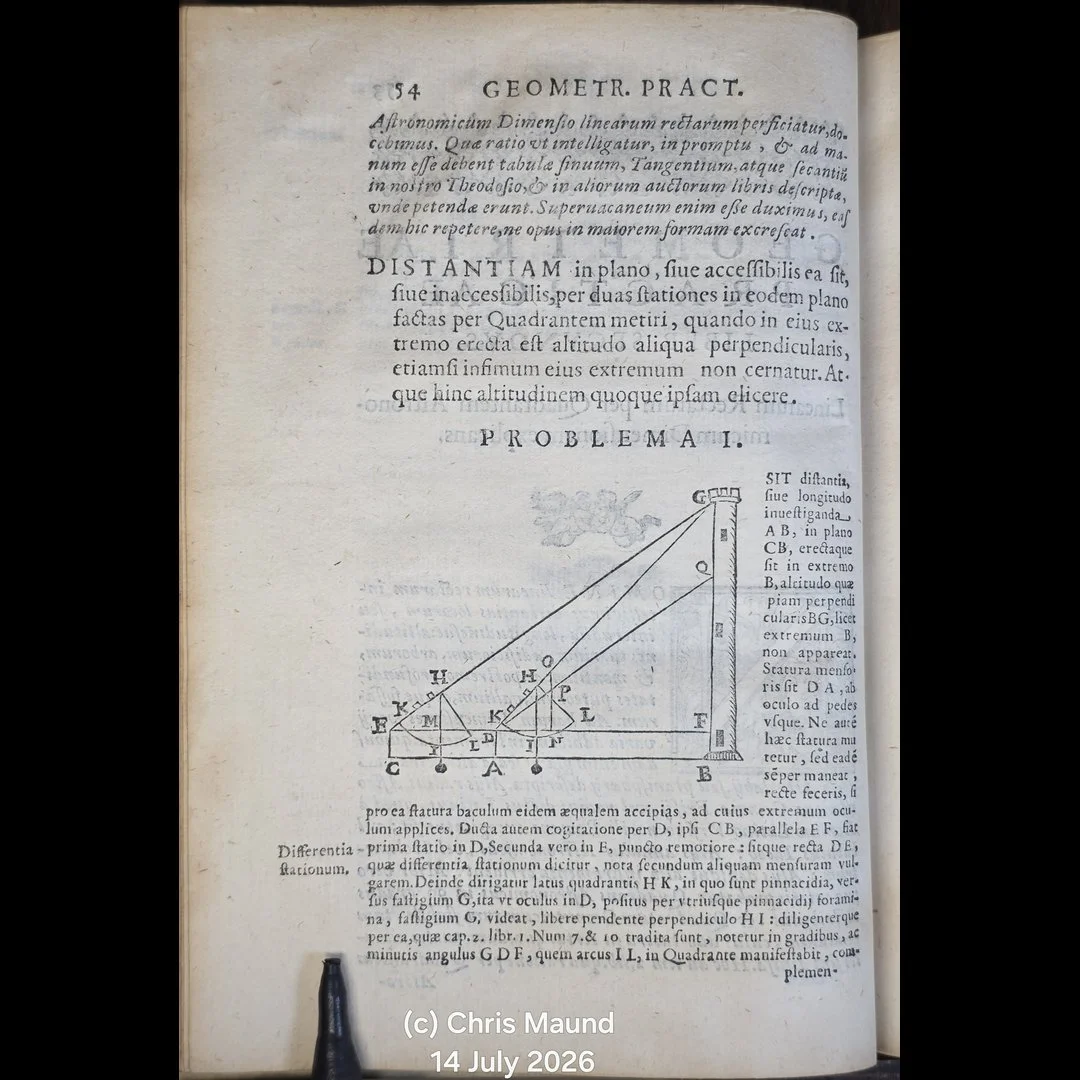 Image 18 of 48
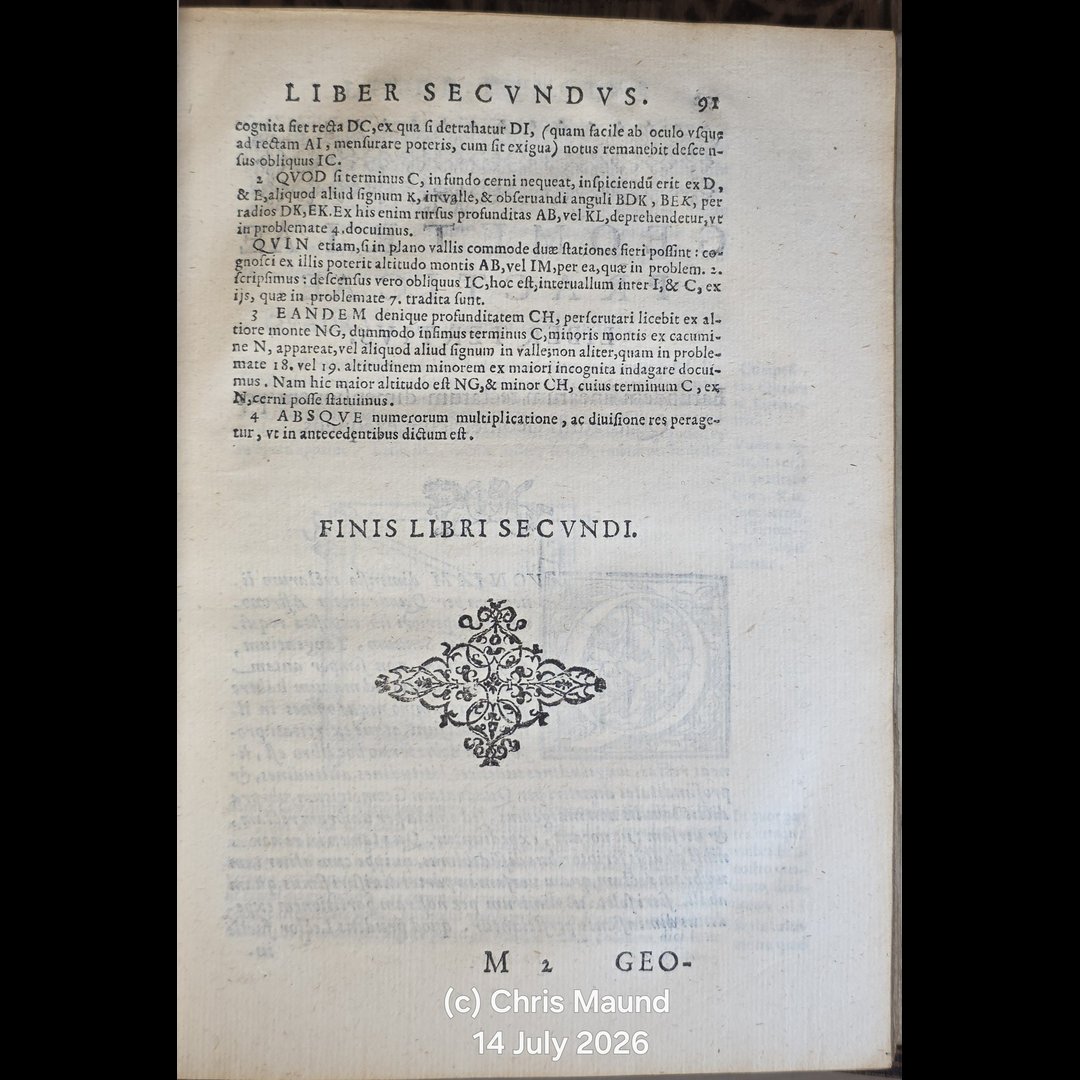 Image 19 of 48
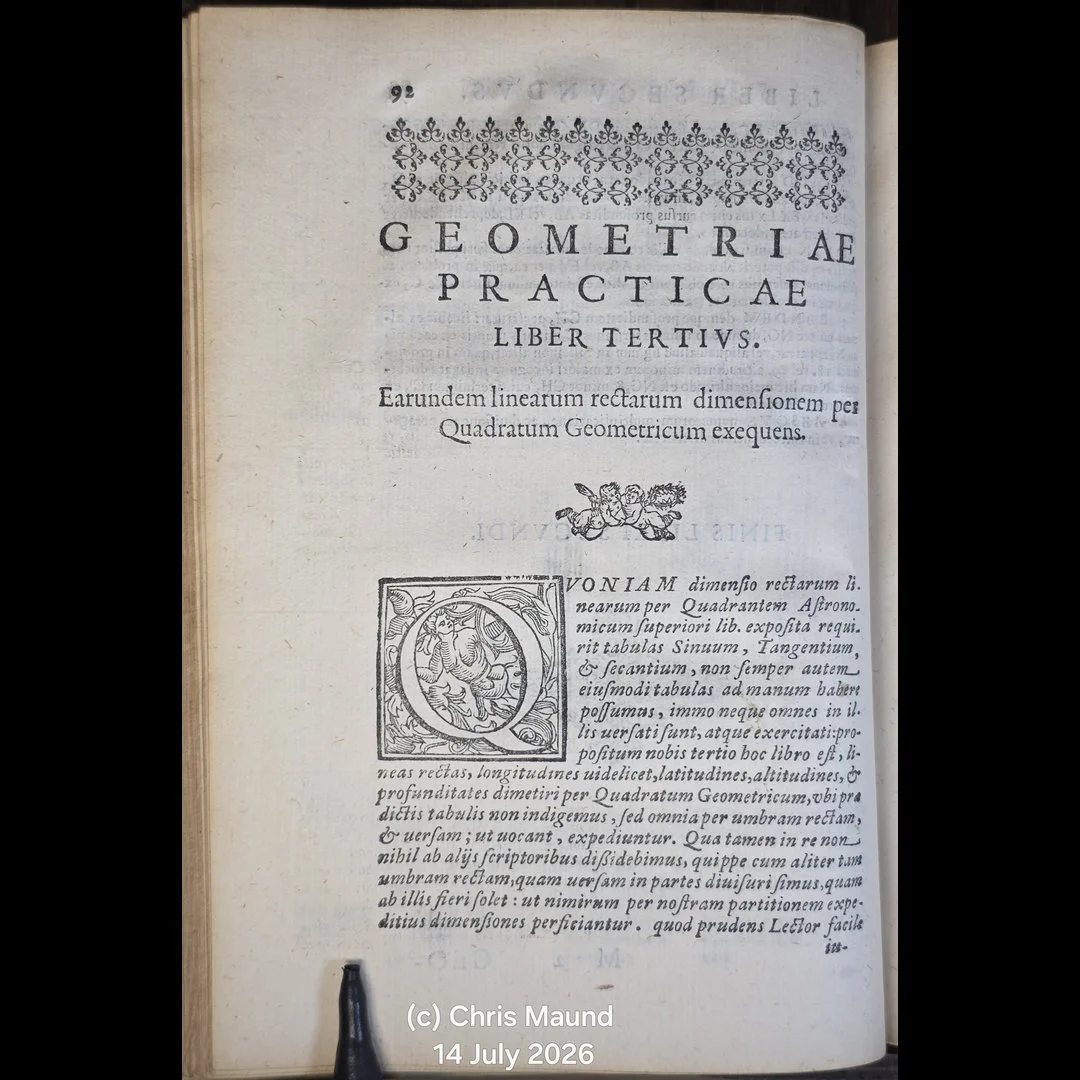 Image 20 of 48
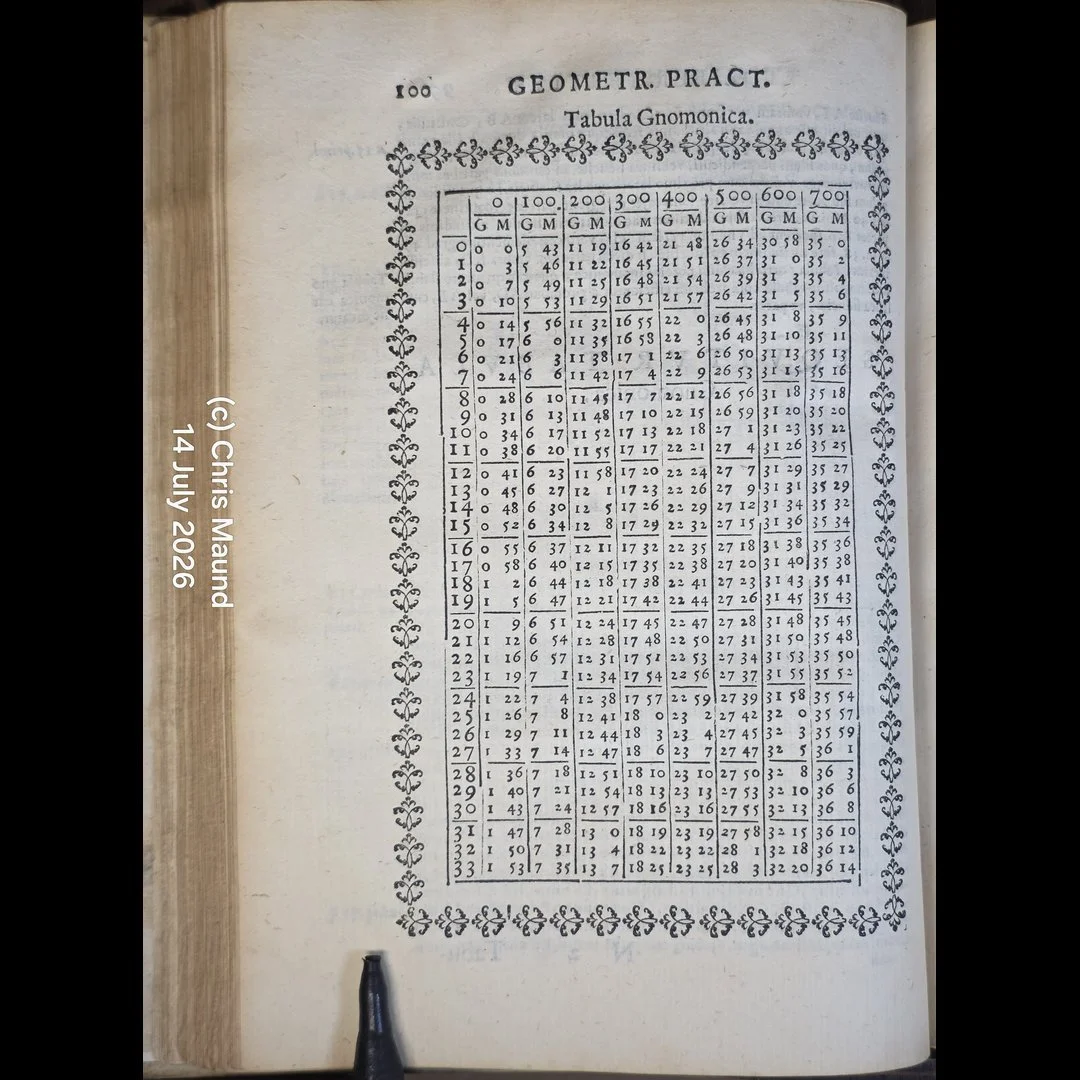 Image 21 of 48
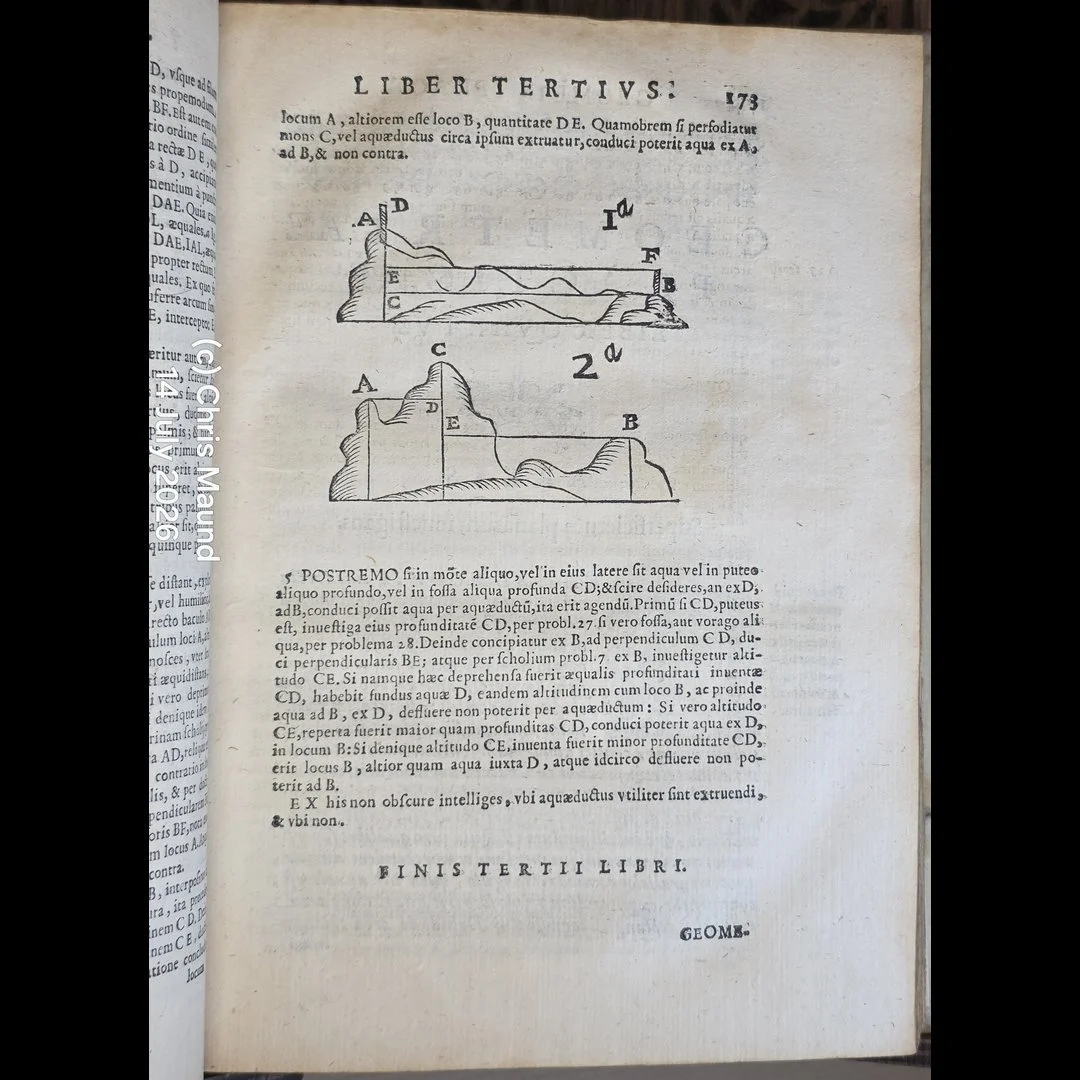 Image 22 of 48
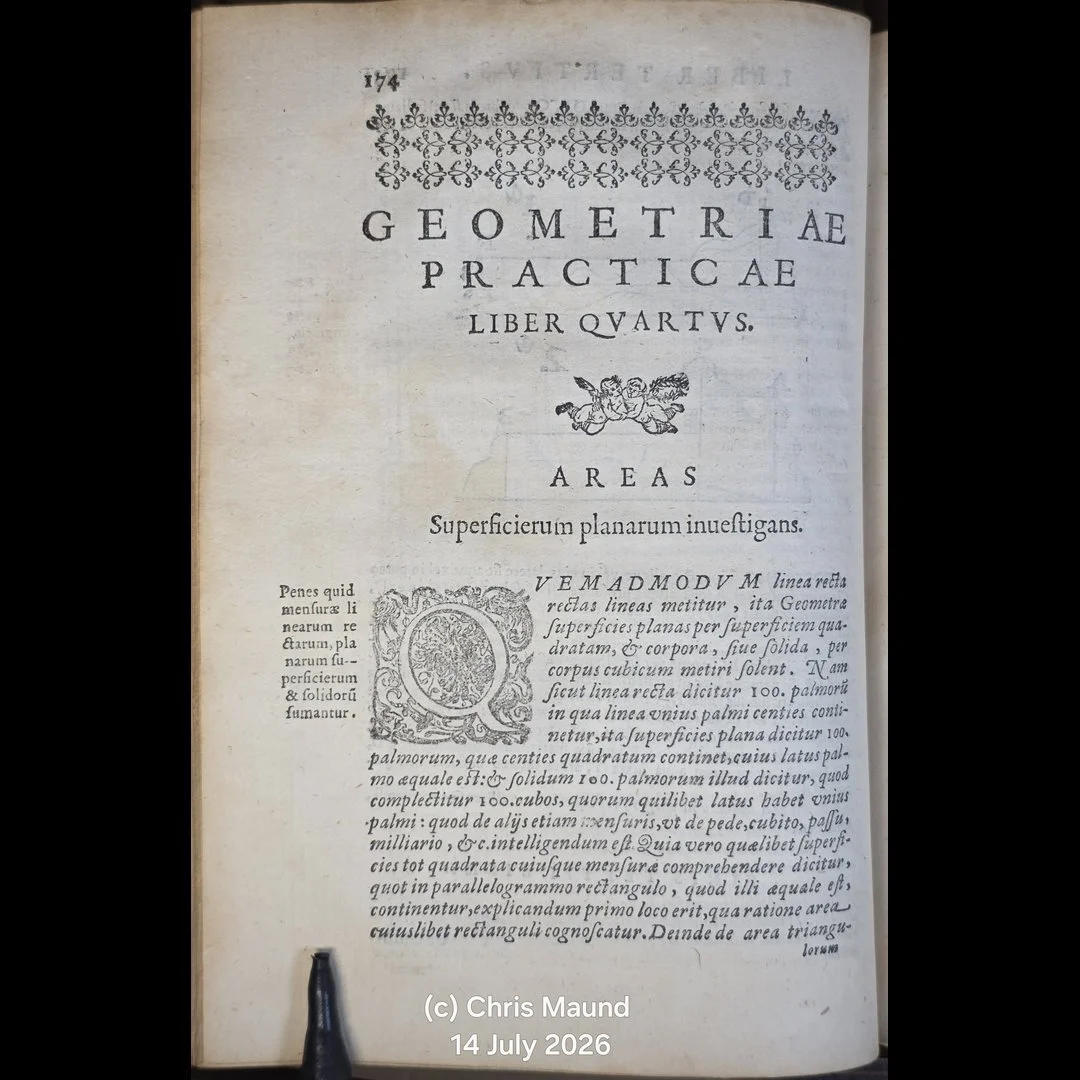 Image 23 of 48
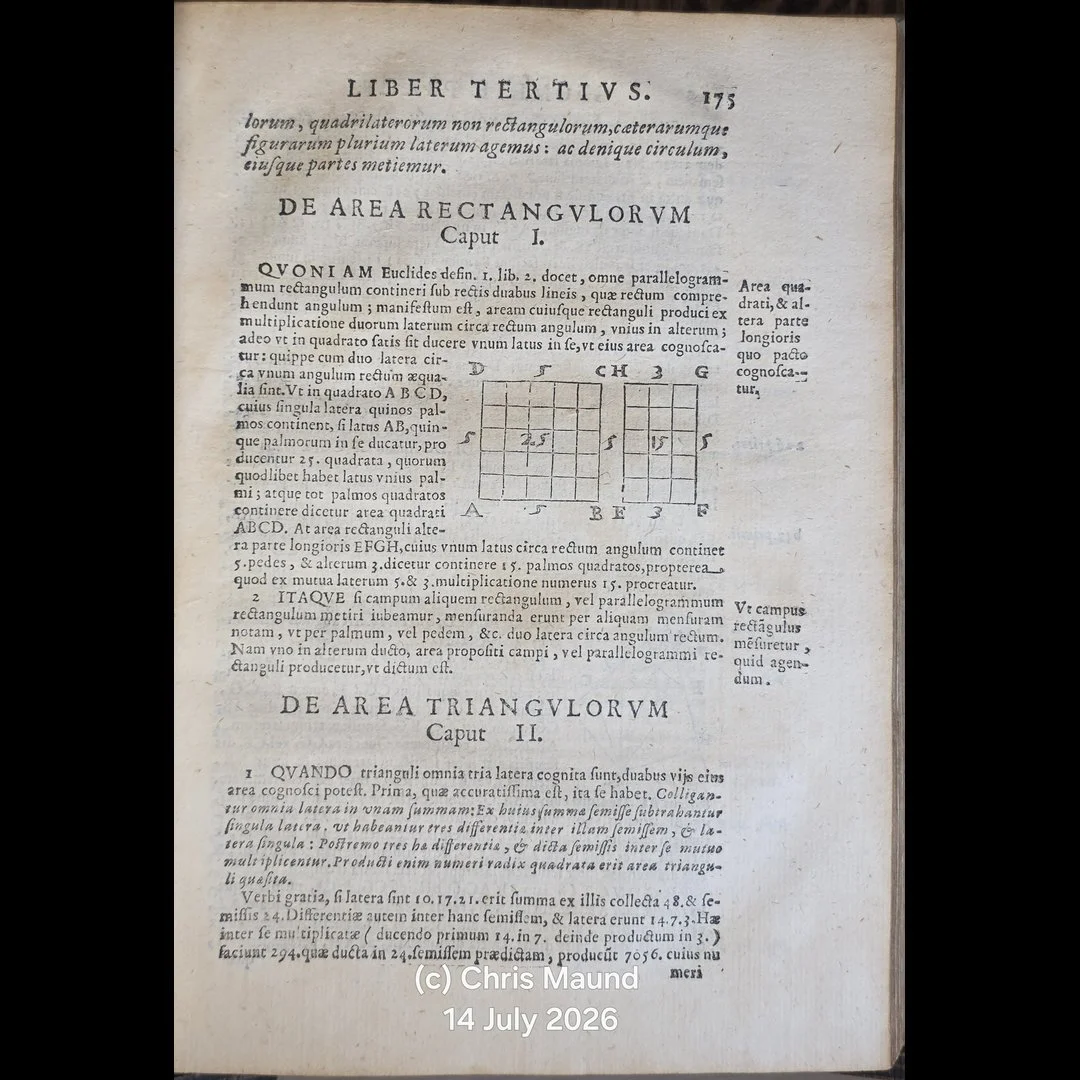 Image 24 of 48
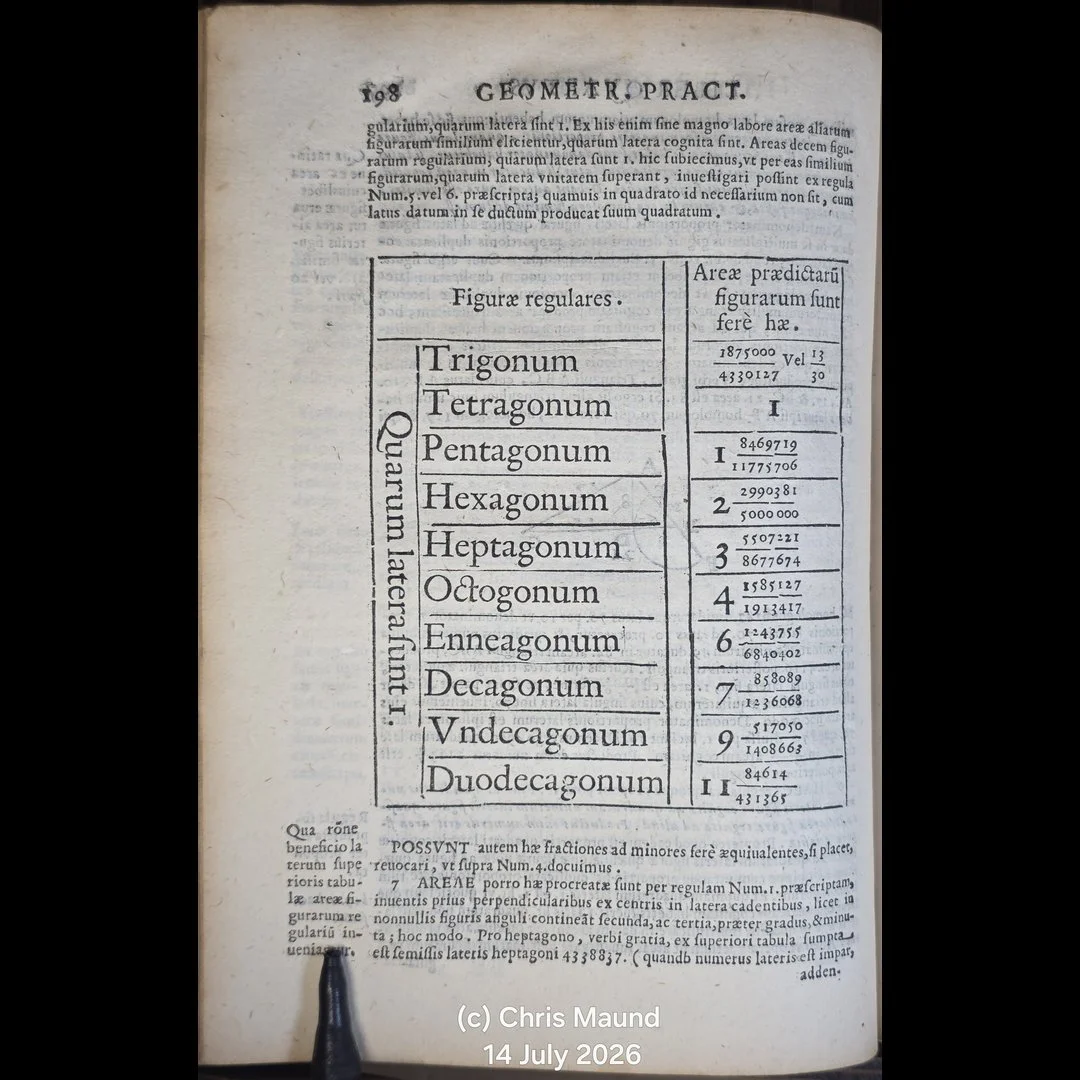 Image 25 of 48
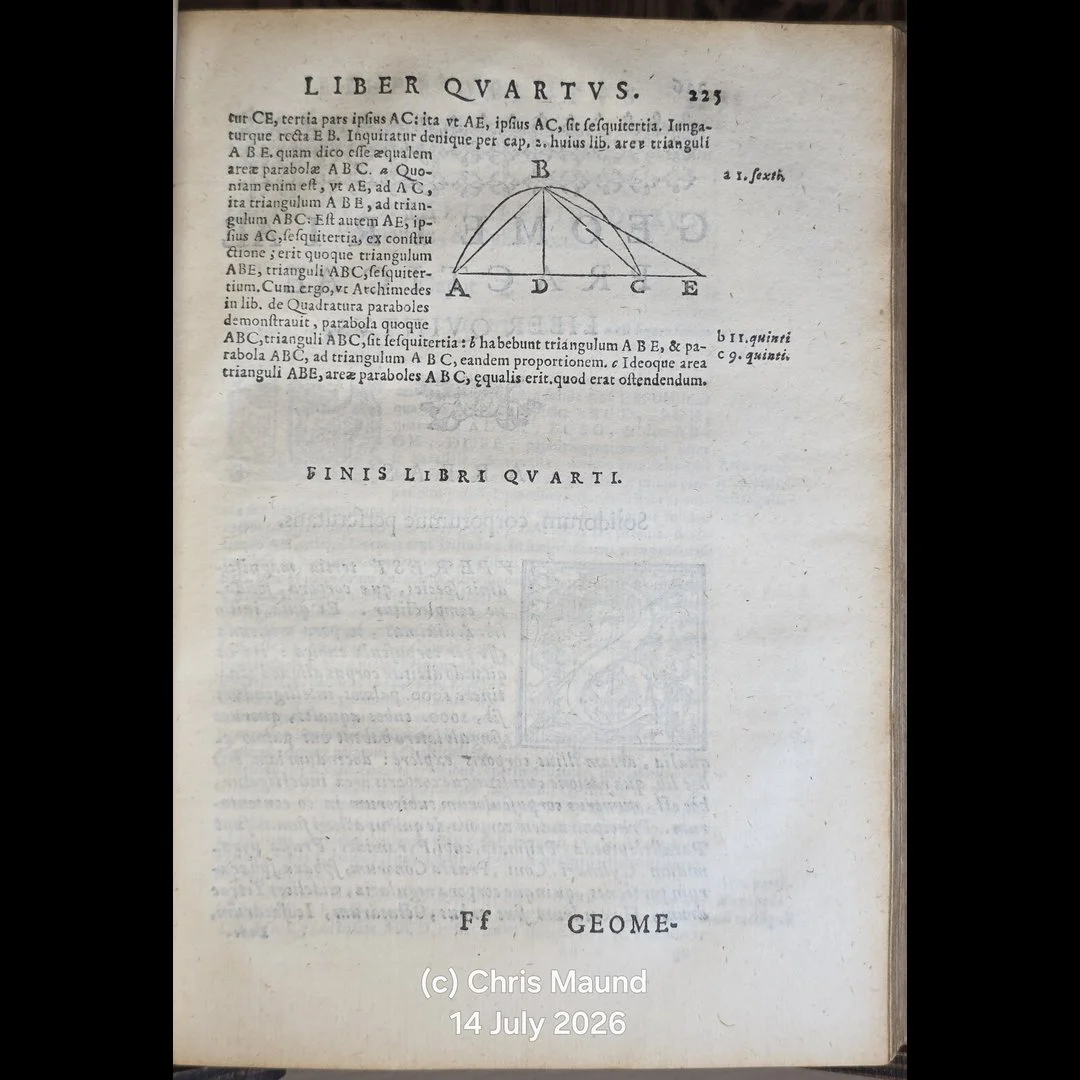 Image 26 of 48
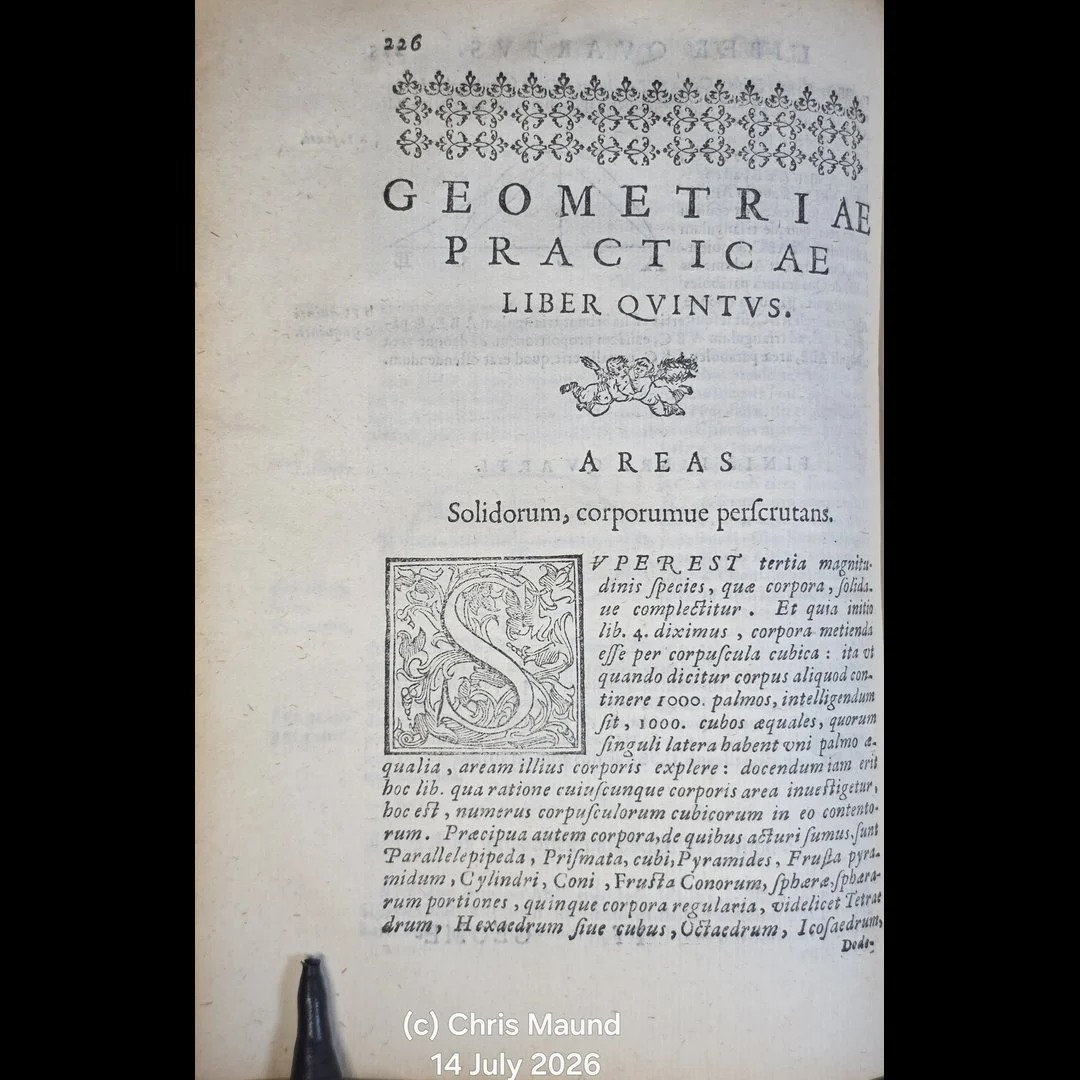 Image 27 of 48
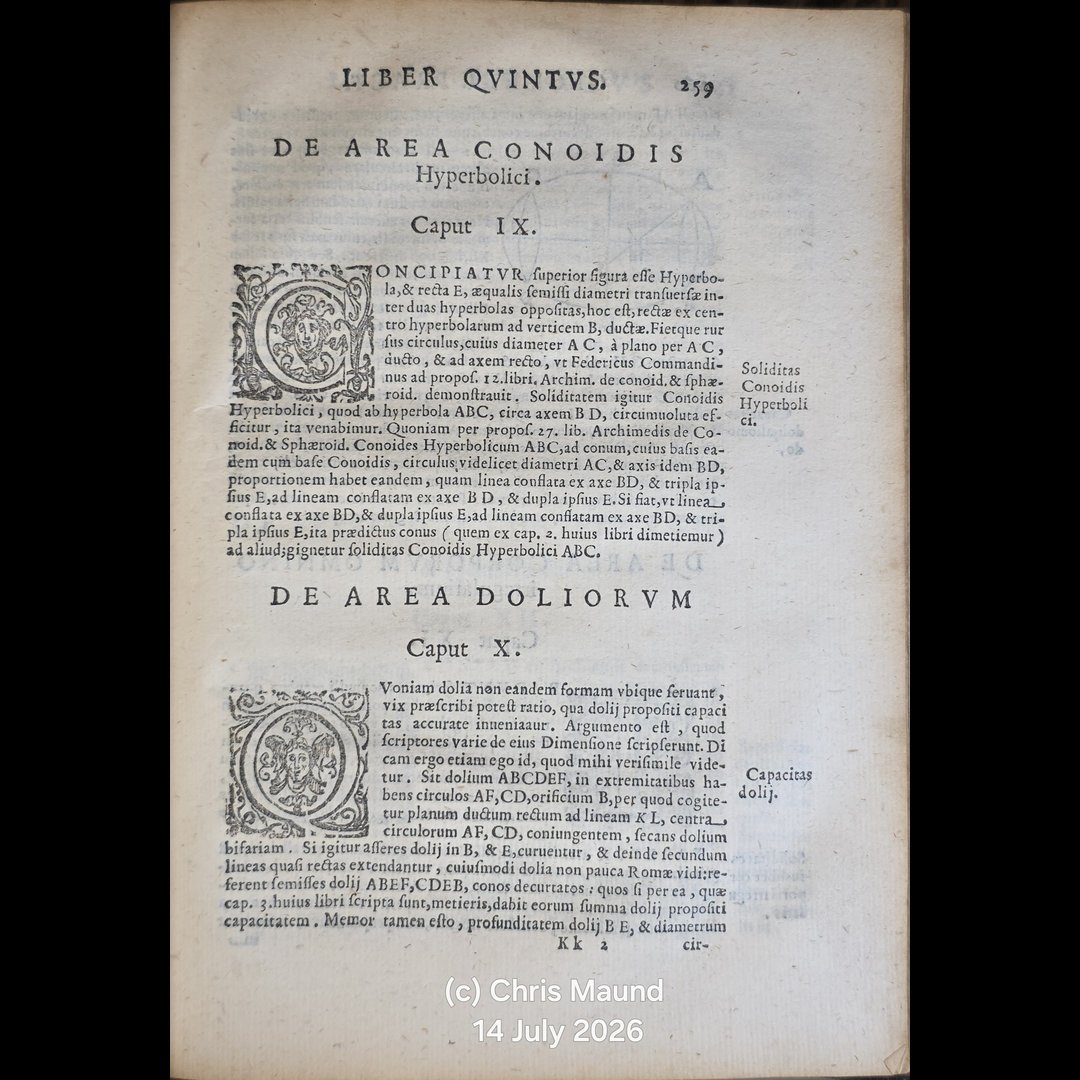 Image 28 of 48
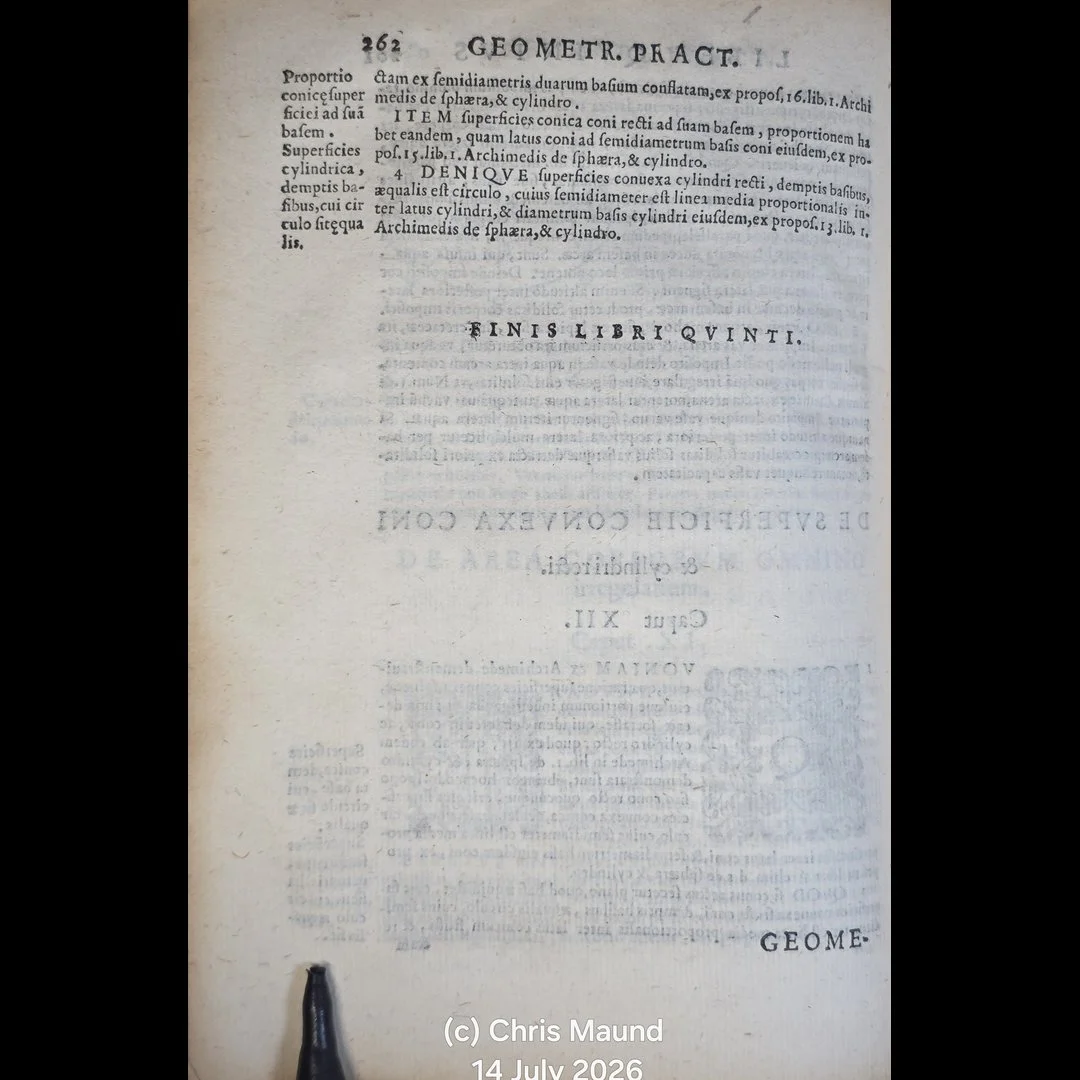 Image 29 of 48
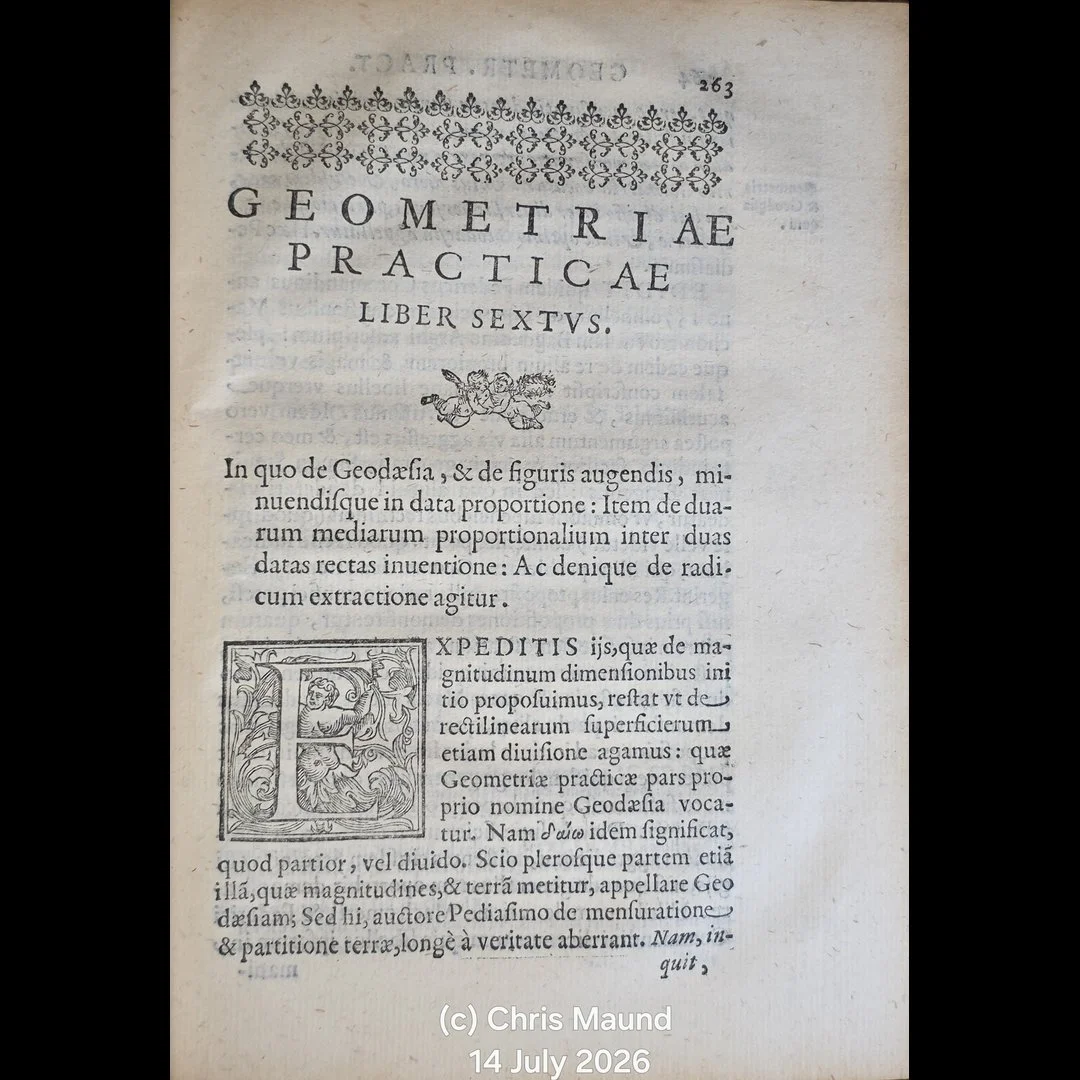 Image 30 of 48
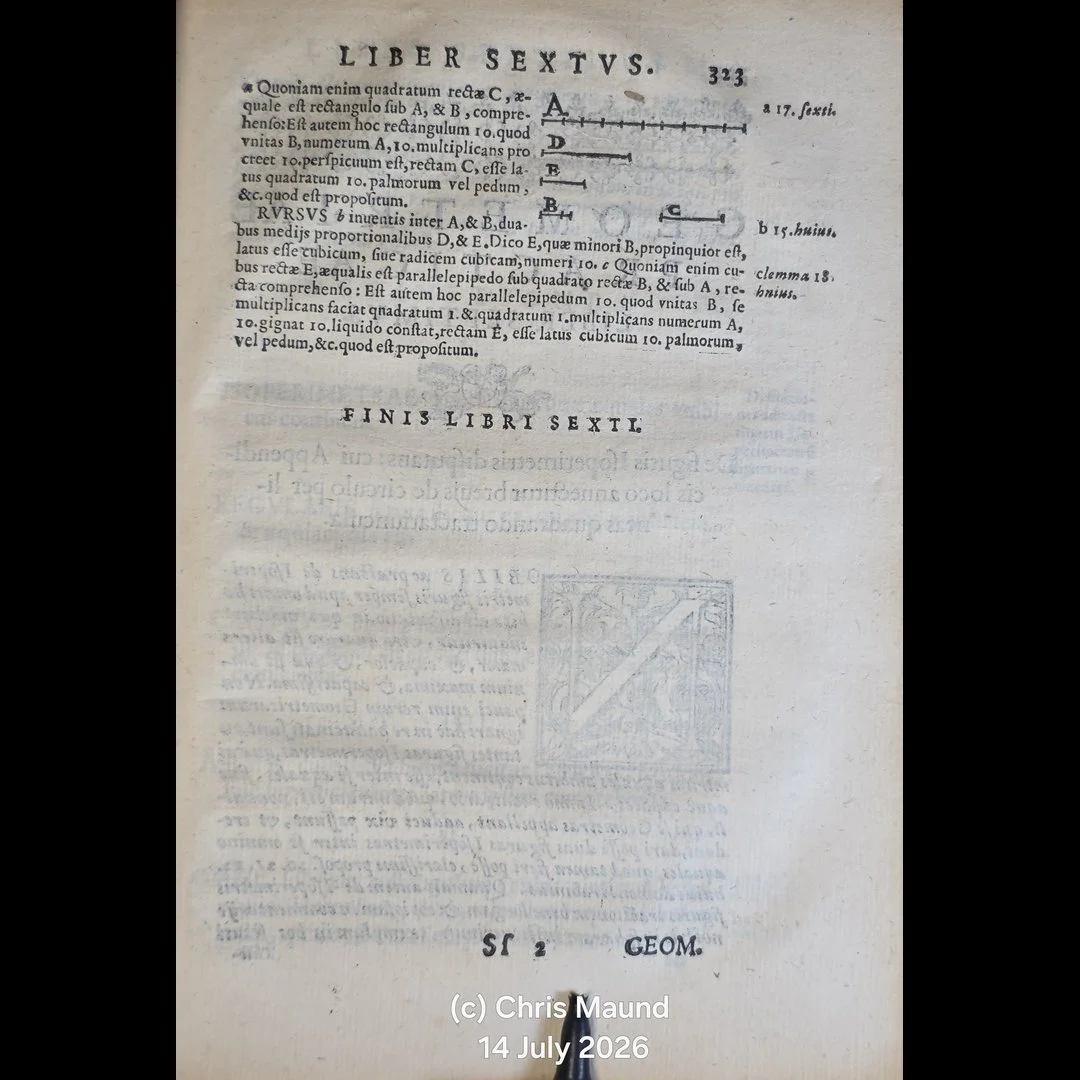 Image 31 of 48
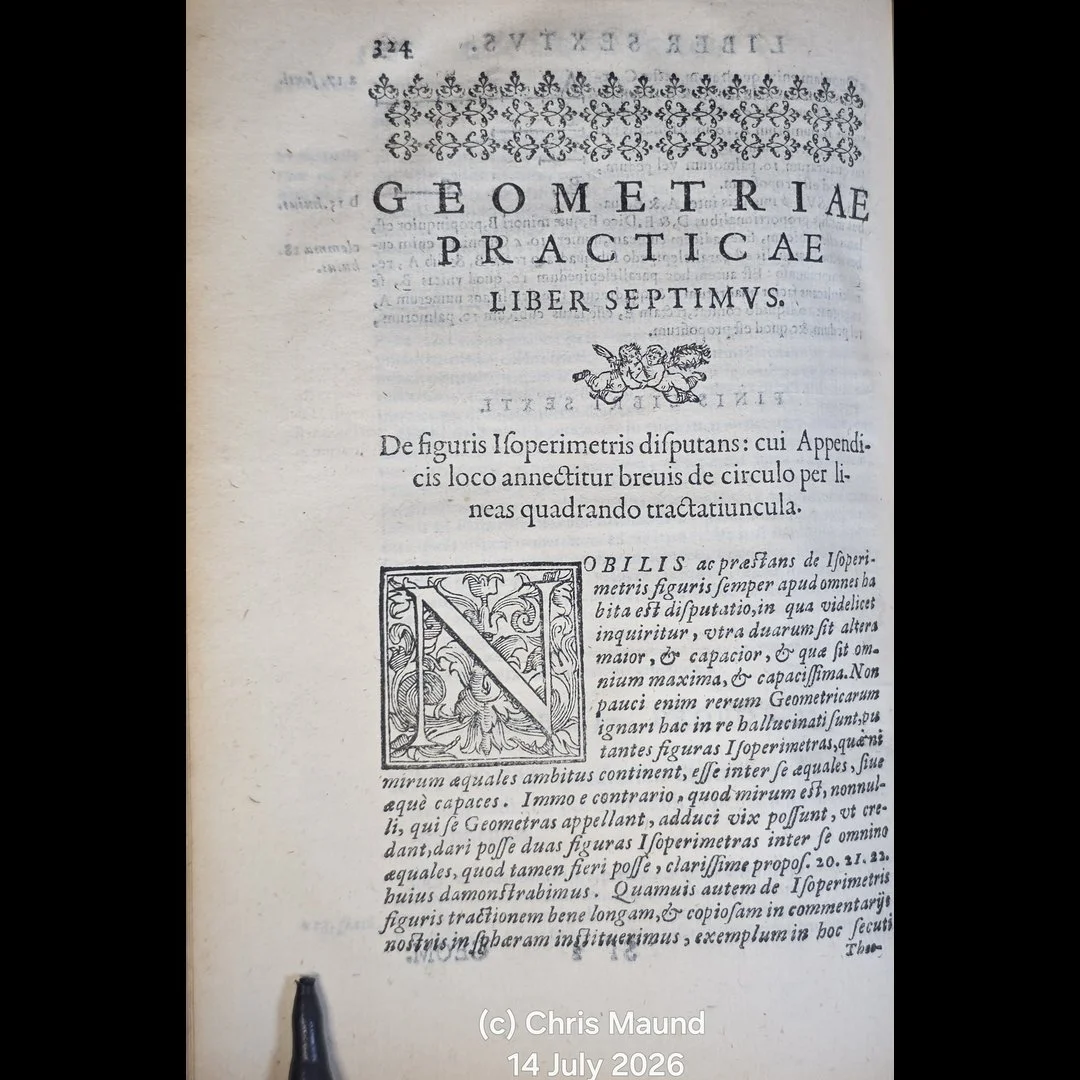 Image 32 of 48
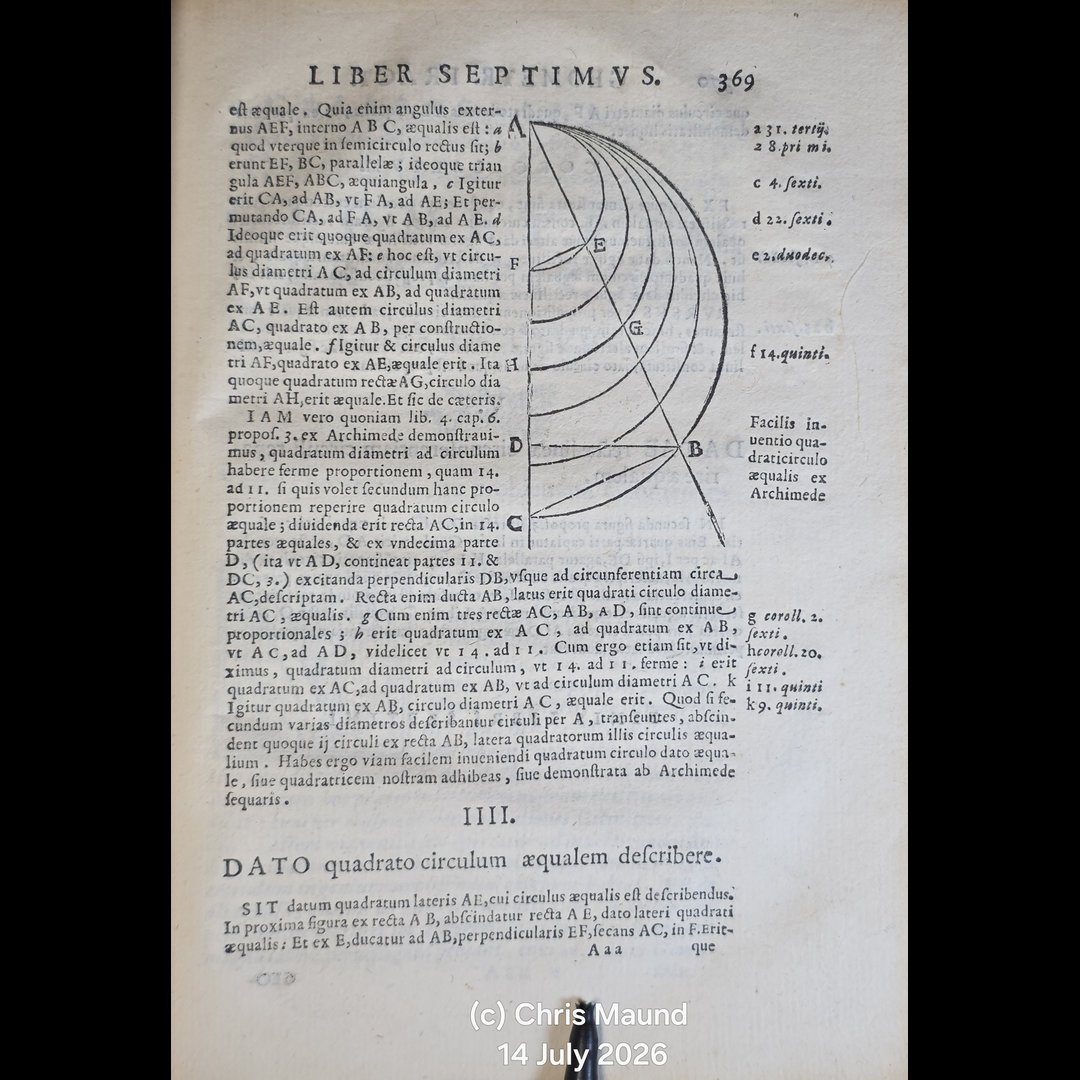 Image 33 of 48
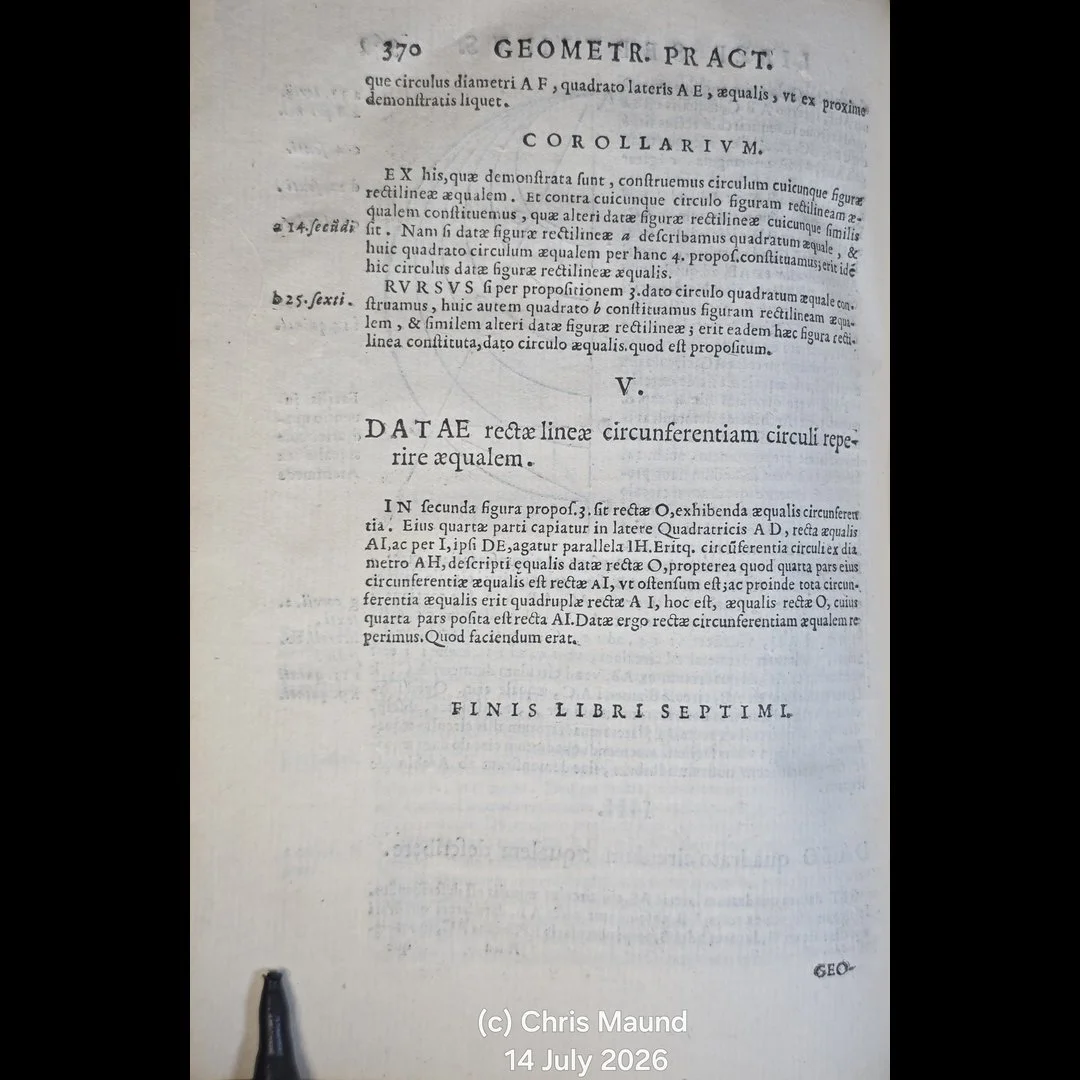 Image 34 of 48
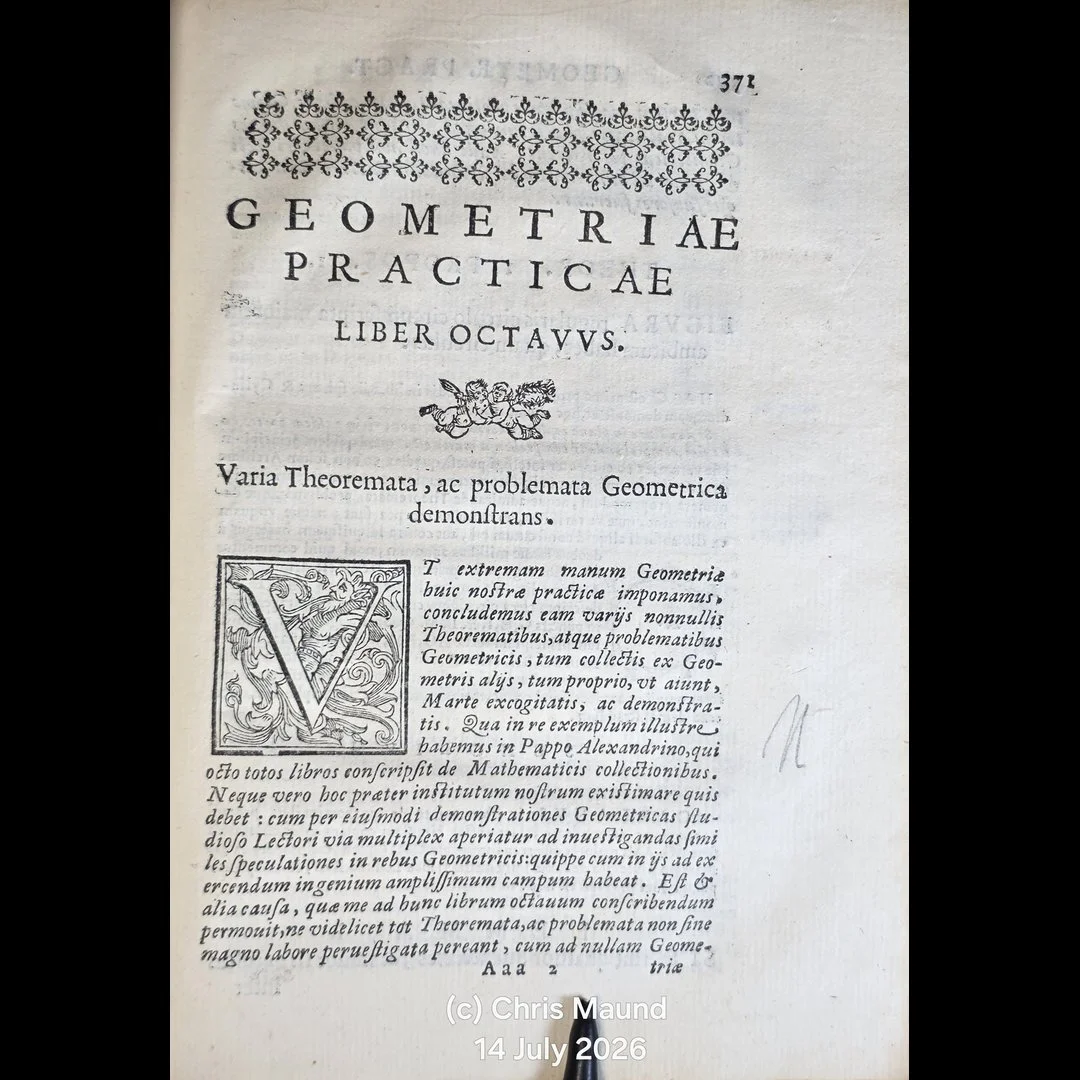 Image 35 of 48
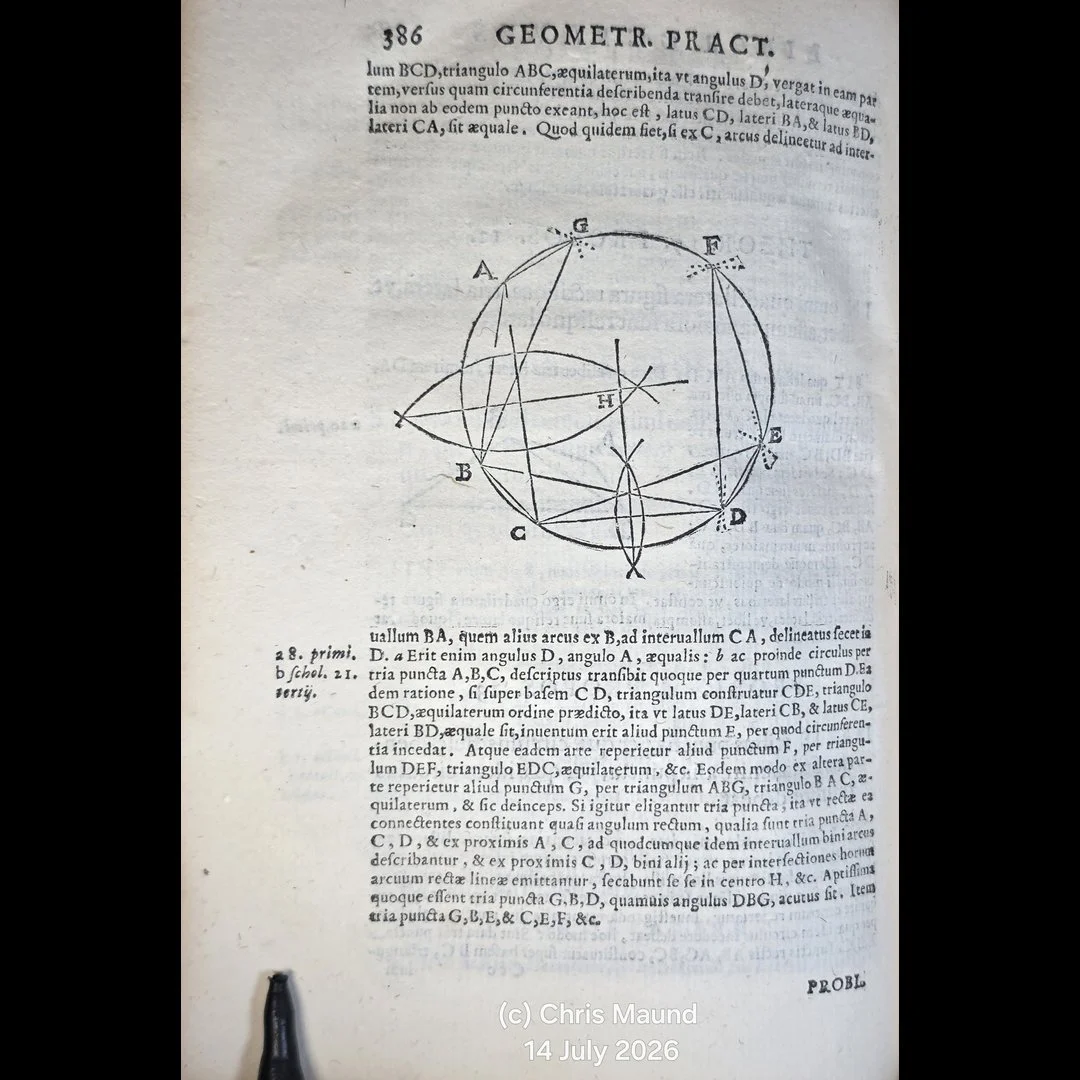 Image 36 of 48
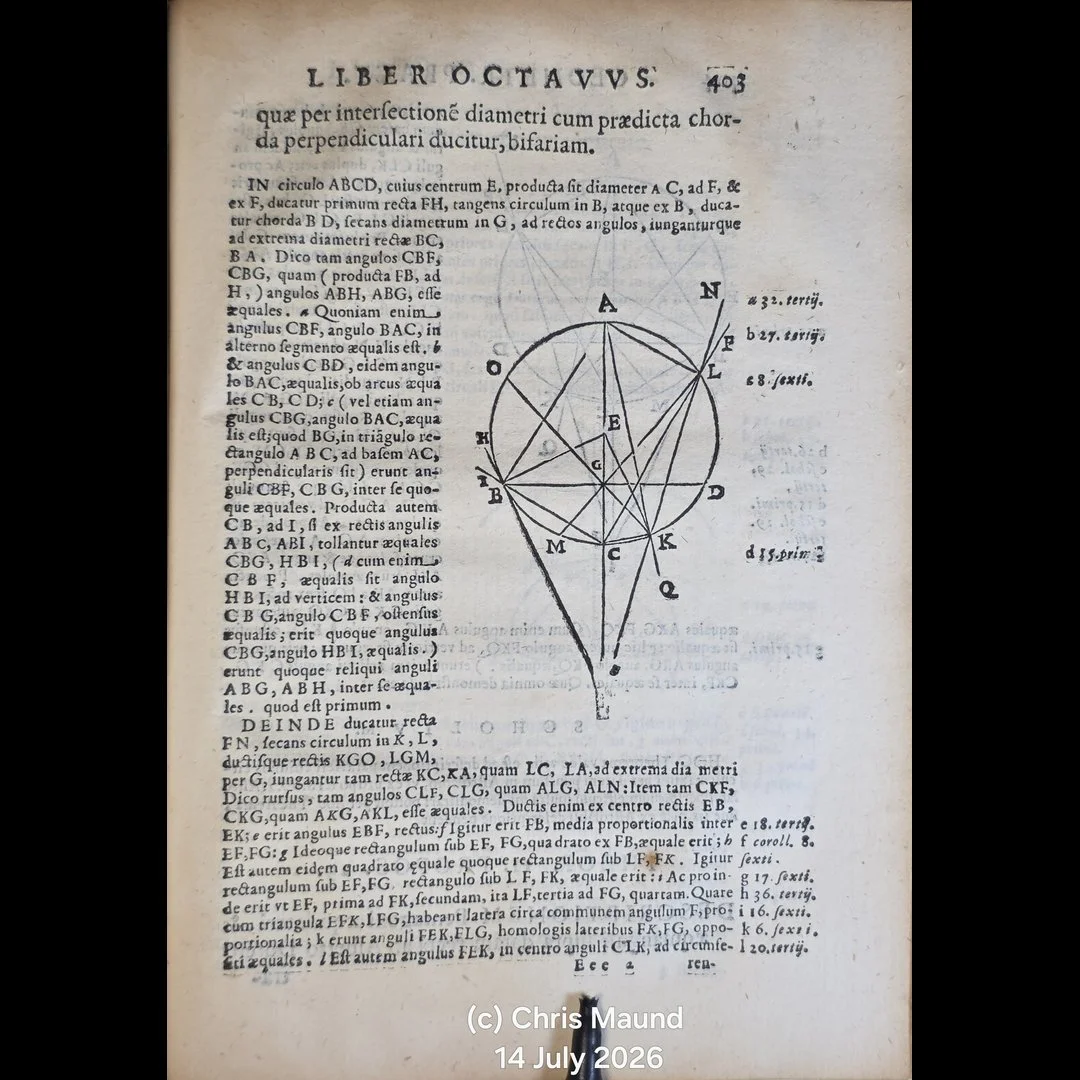 Image 37 of 48
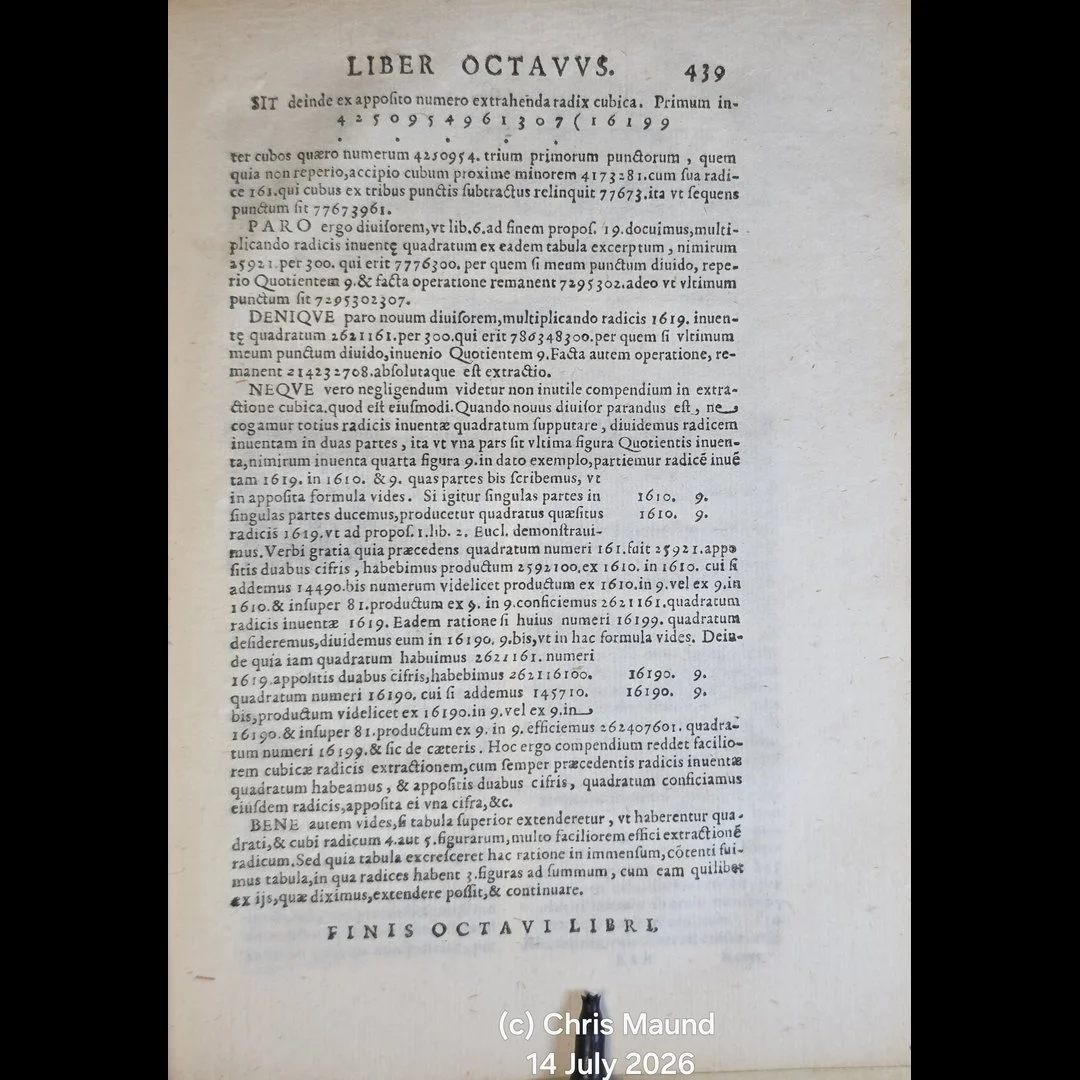 Image 38 of 48
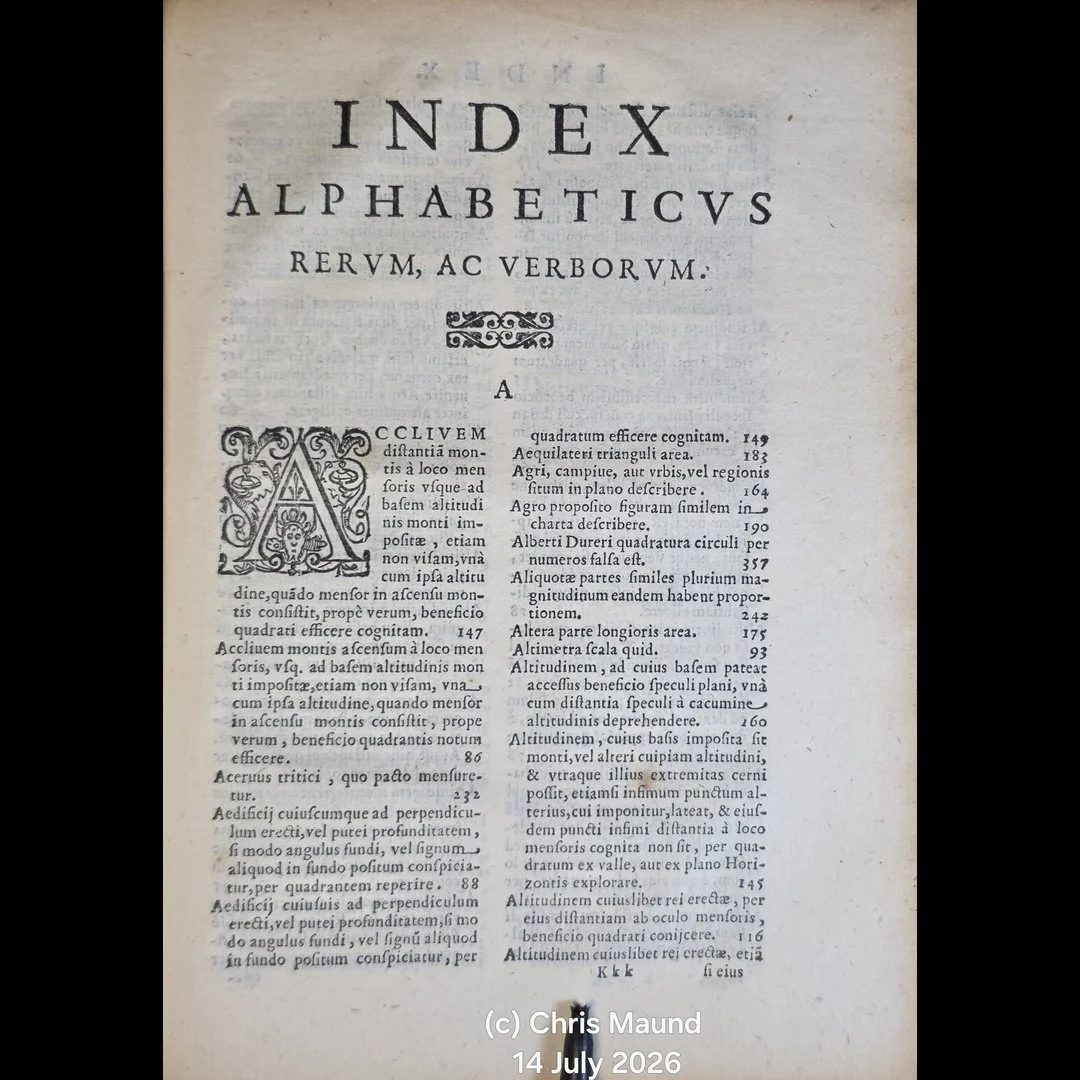 Image 39 of 48
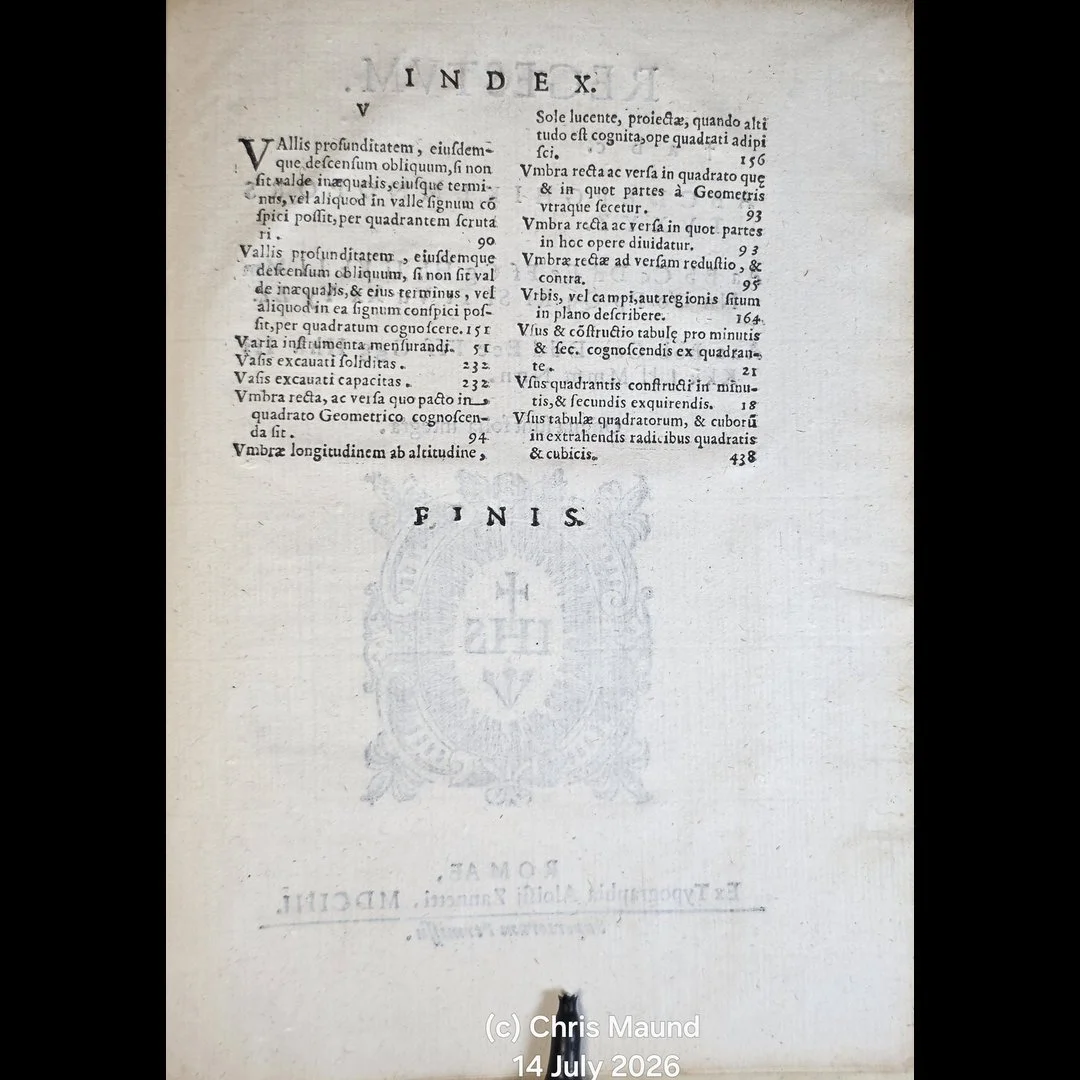 Image 40 of 48
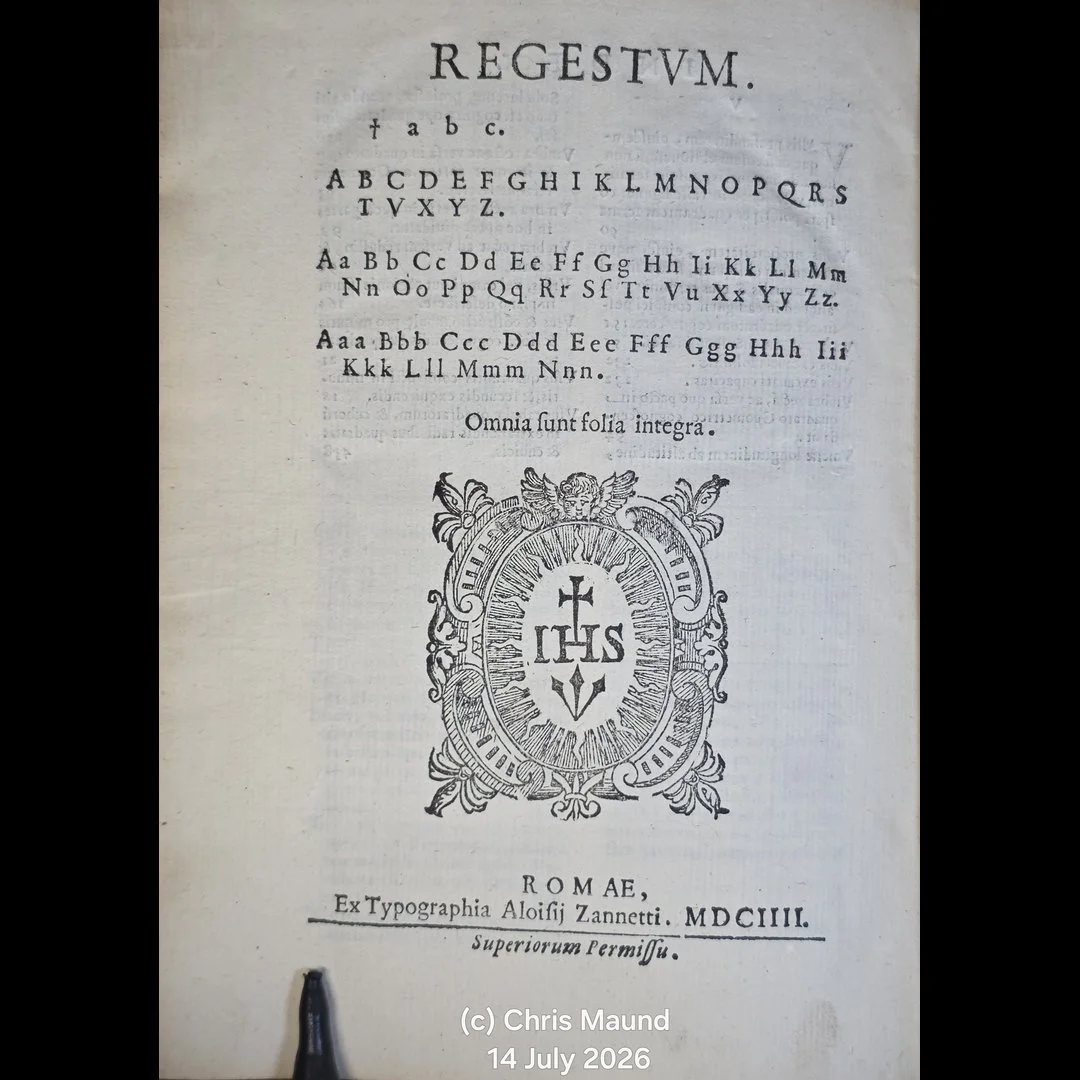 Image 41 of 48
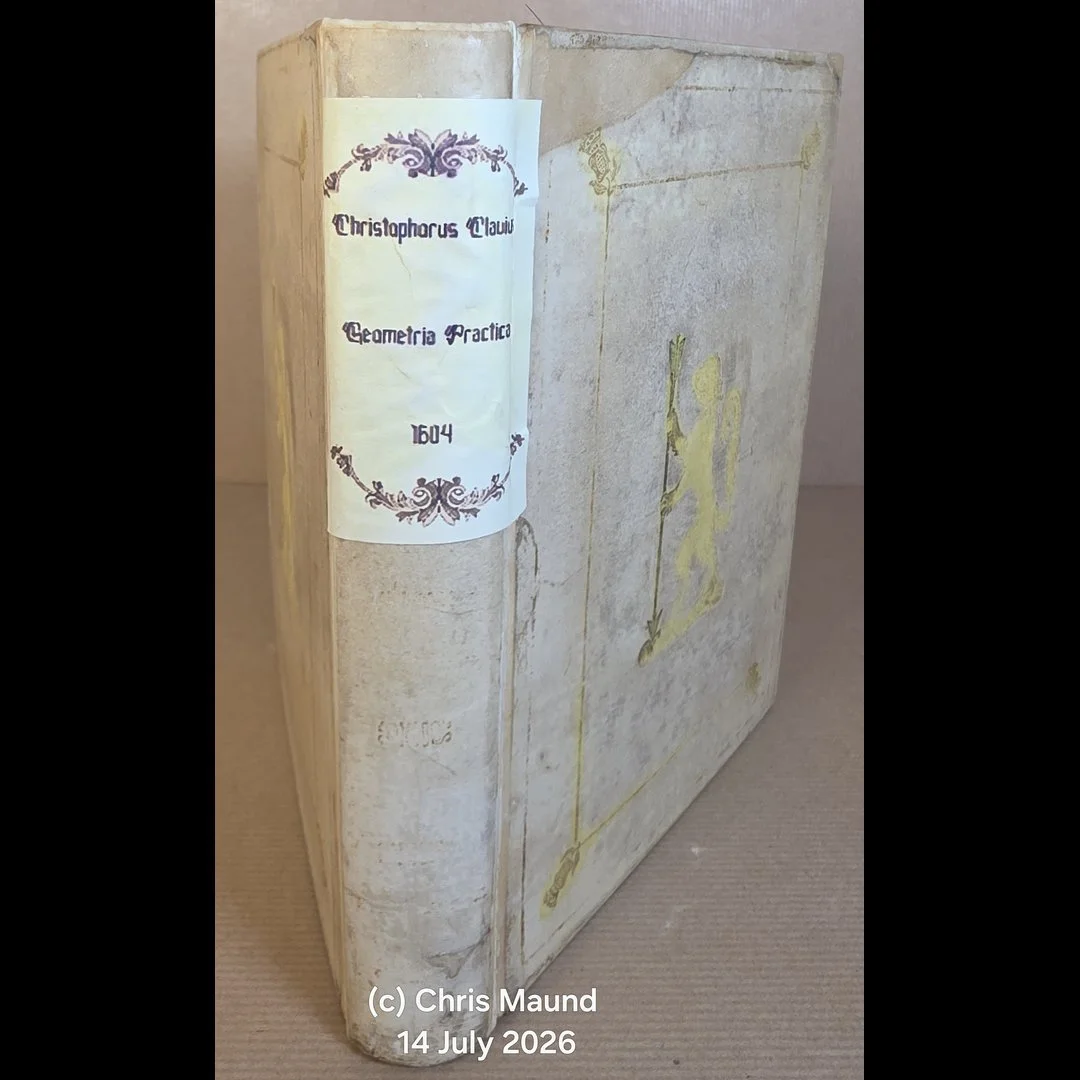 Image 42 of 48
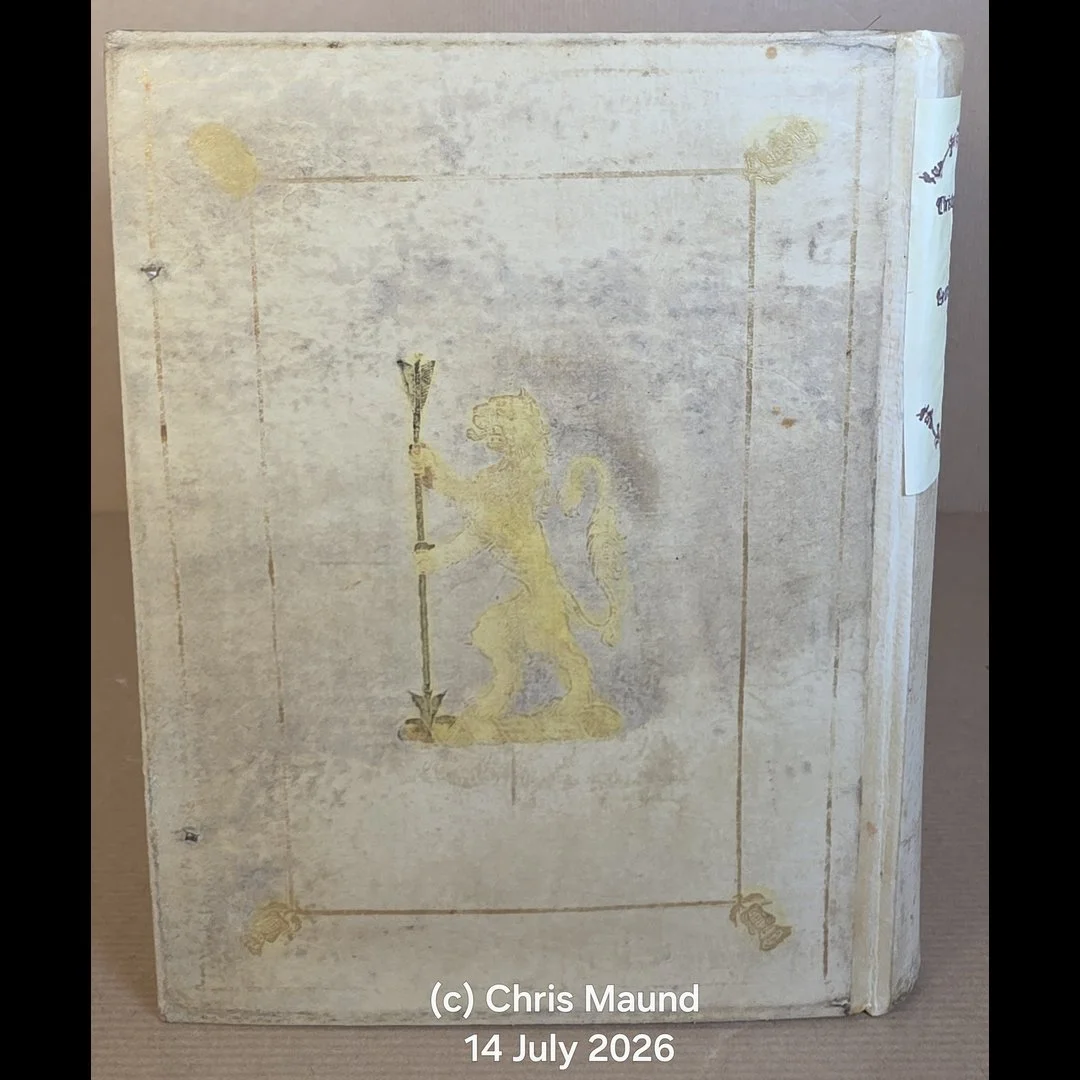 Image 43 of 48
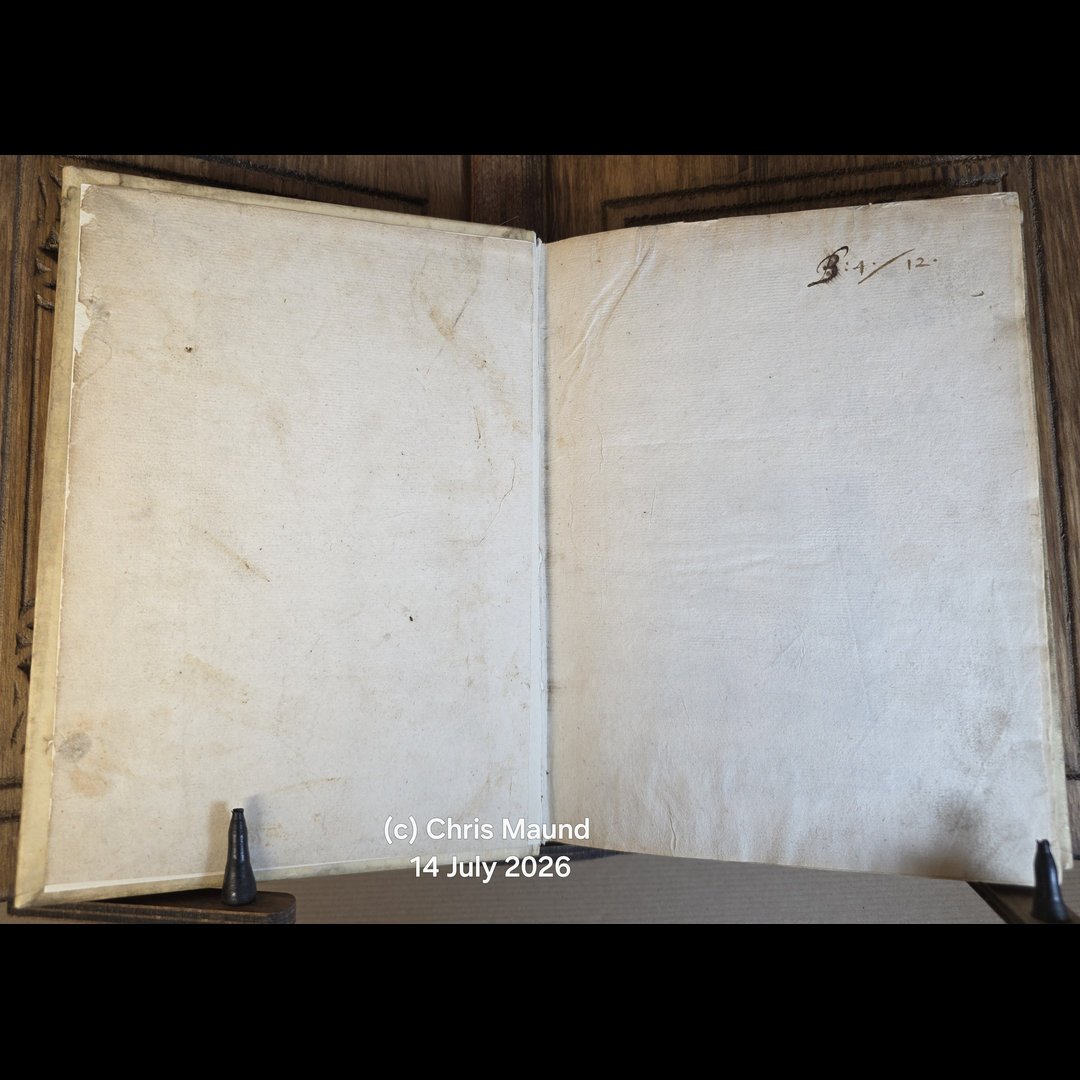 Image 44 of 48
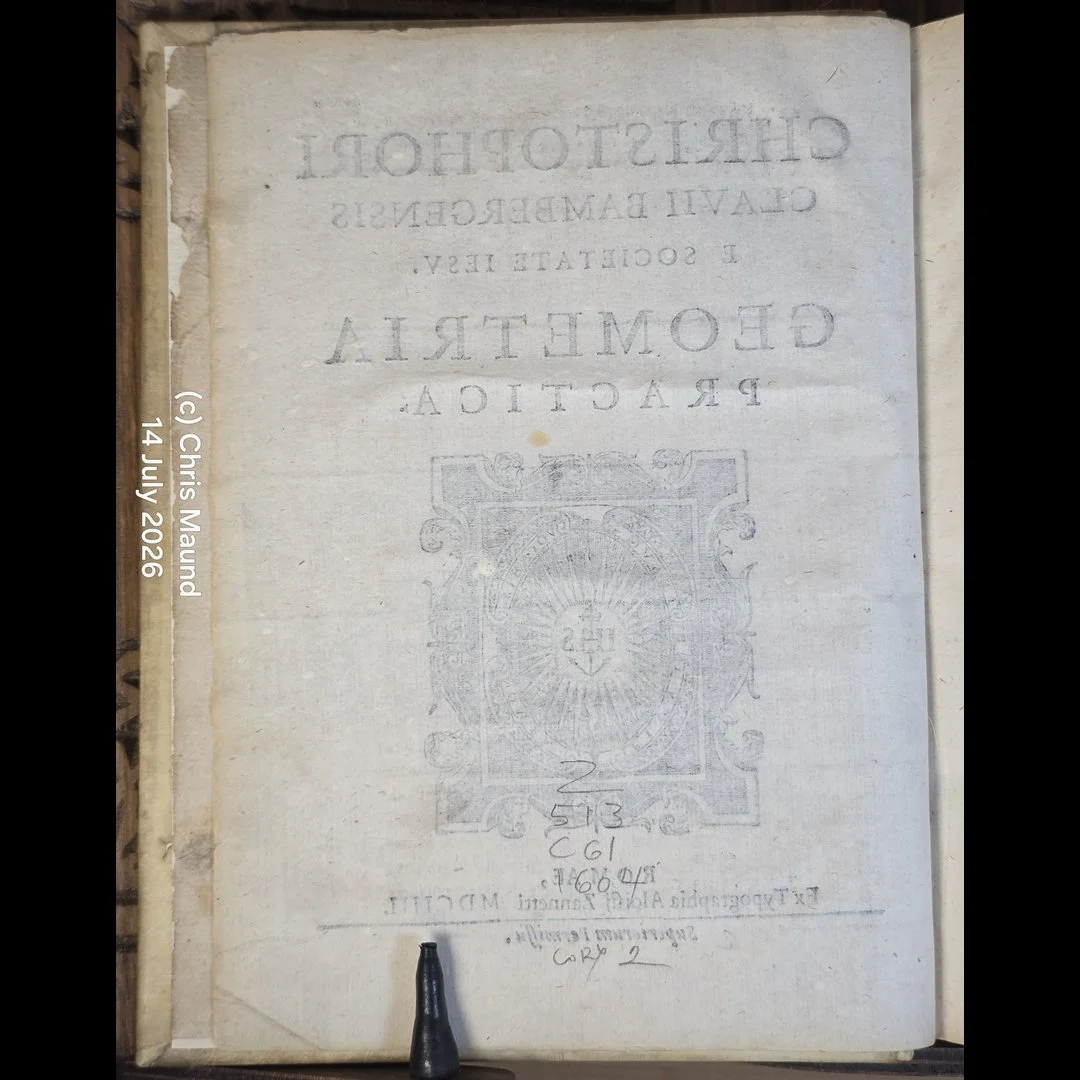 Image 45 of 48
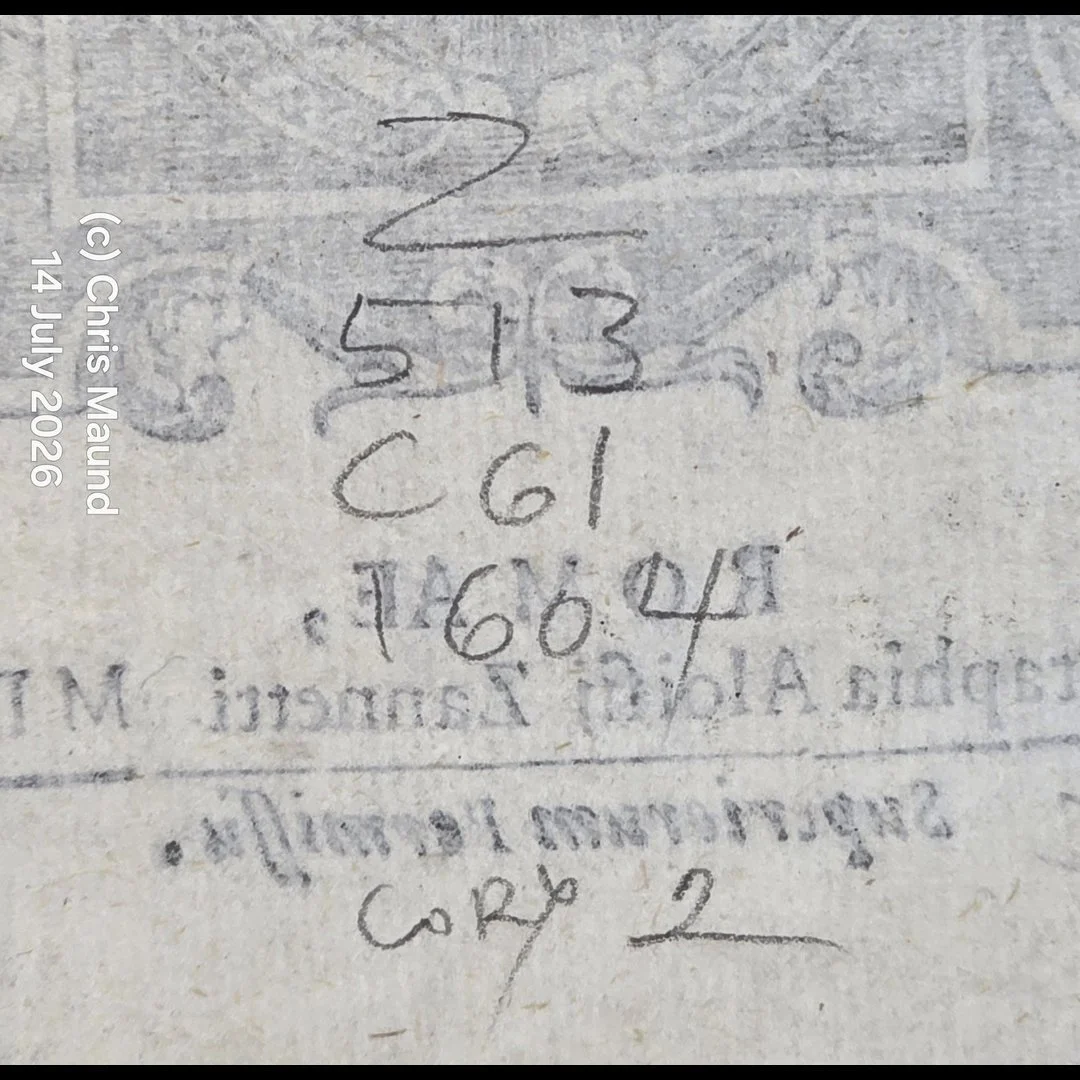 Image 46 of 48
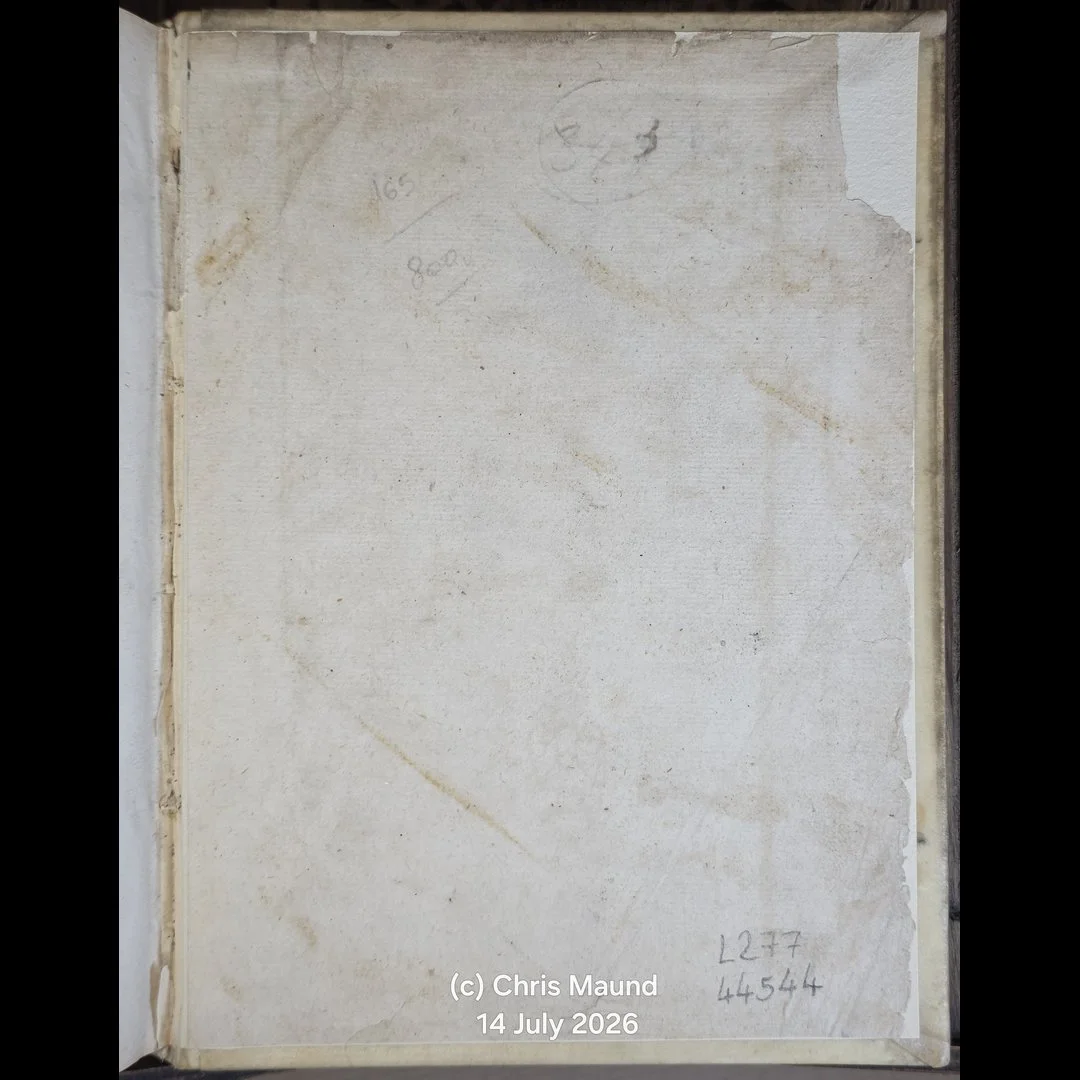 Image 47 of 48
 Image 48 of 48