1823 Second Edition in Original Boards
CONFESSIONS OF AN ENGLISH OPIUM-EATER
By Thomas De Quincy
KEY DETAILS
Condition: Good
Format: Hardcover, 12mo; approx. 183mm x 103mm; Original blue-grey paper-covered boards, deckle-edged text block, retaining much of the original paper backstrip and a substantial portion of the printed spine label
Published By: Printed for Taylor and Hessey, Fleet Street, London, 1823
Language: English
Collation: iv, 206, [6] pp. Complete, including six pages of publisher's advertisements at rear. Complete.
Dust Jacket: None, as issued
SKU: BTETM0002738
Shipping Info: Approximate Package Dimensions H: 12.5, L: 30, W: 25 (Units: cm), W: 2Kg
Tracked Shipping, Insurance Coverage as per Customer Request
DESCRIPTION
Confessions of an English Opium-Eater
The important second edition of Thomas De Quincey's Confessions of an English Opium-Eater, published in 1823 only a year after its first appearance in book form, here preserved in its original publisher's boards, deckle-edged text block, with portions of the original printed spine label still surviving.
First published anonymously in the London Magazine in September and October 1821, Confessions appeared in book form in 1822 and immediately established De Quincey's literary reputation. This second edition followed rapidly and is bibliographically significant in its own right.
Although still essentially the original short-form text of the Confessions, rather than the extensively rewritten and greatly enlarged version De Quincey produced in 1856, the 1823 edition contains evidence of limited authorial revision. Most visibly, it introduces on the title page the quotation from Shakespeare's Sonnet 30, beginning “To weep afresh a long since cancell'd woe”, which does not appear in the first book edition. Ian Jack's textual comparison also records that the second edition corrects the first of two corrupted Greek expressions in the text, while leaving the second uncorrected.
The work combines autobiography, psychological self-examination, dream narrative and an extraordinarily candid account of De Quincey's relationship with laudanum. Its descriptions move from the celebrated “Pleasures of Opium” to the increasingly nightmarish “Pains of Opium”, while the Appendix concludes with a detailed account of his attempts to reduce his consumption.
Particularly desirable in the present copy is the survival of its original deckle-edged state. Rather than having been trimmed and rebound in later leather, as many surviving copies have been, the sheets retain their markedly irregular fore and lower edges. The publisher's binding is heavily worn but substantially preserved, including a sizeable fragment of its printed spine label.
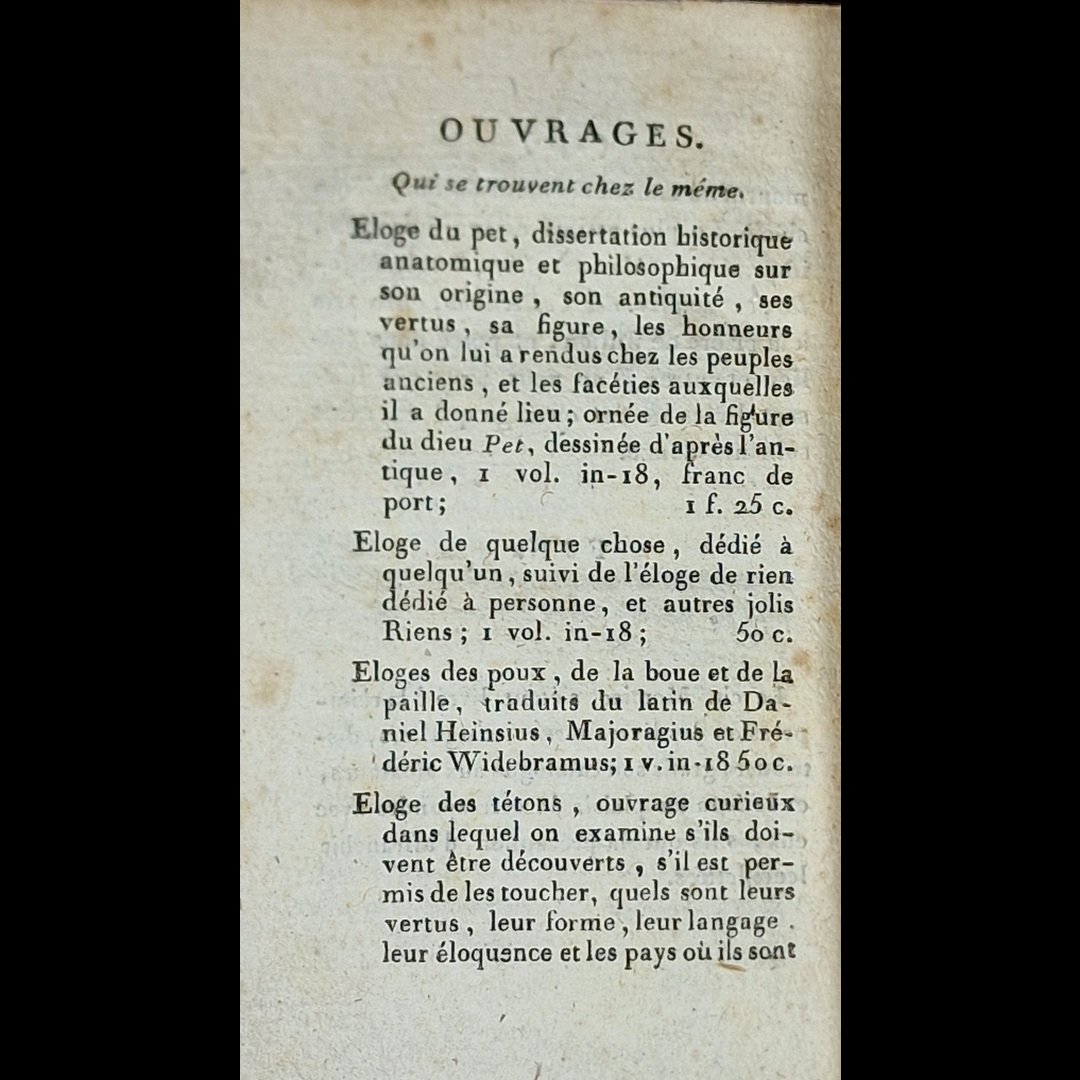
Also present are the complete six pages of publisher's advertisements at the rear. These are of particular literary interest: they advertise the London Magazine, in which De Quincey's Confessions had originally appeared, together with contemporary works by writers including Charles Lamb, William Hazlitt and John Keats.
The Morgan Library records the same second edition as iv, 206, [6] pp., explicitly noting the six pages of publisher's advertisements and the J. Moyes colophon. Jarndyce identifies the edition as Green 355.
CONDITION, COLLATION & COPY NOTES
COLLATION
iv, 206, [6] pp. Complete, including six pages of publisher's advertisements at rear. Complete.
In the original blue-grey paper-covered boards, retaining a substantial portion of the original paper backstrip and surviving printed spine label. Binding considerably worn, with rubbing, marking and edge wear to the boards. Backstrip defective, with significant loss at the head exposing the backs of the gatherings, further surface loss and splitting along the spine, and wear to the remaining label. The binding nevertheless remains recognisably and substantially in its original state.
Deckle-edged text block, with characteristically irregular fore and lower edges; exposed page edges browned, dust-darkened and worn with age. This irregularity is principally a consequence of the book never having been trimmed.
Pronounced foxing and spotting to the endpapers, title and preliminary leaves, becoming substantially lighter through the main body of the text. Further foxing and browning towards the closing leaves, publisher's advertisements and rear endpapers. The principal text is otherwise notably cleaner, with occasional light spotting and age-toning.
No significant textual loss identified. Pagination and terminal advertisements checked against institutional and bibliographical records and found complete.
An appealing example of an important Romantic-period work which retains considerably more of its original physical state than the many surviving copies subsequently rebound in leather.
Please see Photos as part of condition report.
REFERENCES
Green 355 — J. A. Green, Thomas De Quincey: A Bibliography Based upon the De Quincey Collection in the Moss Side Library, Manchester, 1908.
Morgan Library & Museum, PML 143697 — records the 1823 Taylor and Hessey edition as iv, 206, [6] p., with six pages of publisher's advertisements.
Ian Jack, “De Quincey Revises His Confessions,” PMLA — textual comparison noting the introduction of the Shakespeare motto and the partial correction of the Greek passage in the second edition.
SYNOPSIS
Thomas De Quincey's Confessions of an English Opium-Eater is one of the defining works of English Romantic prose and one of the earliest major literary accounts of drug use and dependency.
Presented as an autobiographical confession, it begins with De Quincey's youth, intellectual ambitions, poverty and wanderings in London before turning to his experience of opium, which he initially took for the relief of physical pain. What begins as an account of heightened pleasure, intellectual tranquillity and imaginative expansion gradually becomes something much darker.
In The Pleasures of Opium, De Quincey describes the drug as producing serenity and an intensified imaginative life rather than mere intoxication. In The Pains of Opium, prolonged use transforms that experience into insomnia, anxiety and immense, hallucinatory dreams populated by vast architecture, oppressive landscapes and recurring images from his past.
The Appendix attempts to quantify the reality behind the literary narrative, recording De Quincey's changing consumption and his efforts to reduce it. The combination of autobiography, psychological observation and extraordinary dream prose made Confessions unlike almost anything that preceded it and established the model for a long tradition of literary writing about altered consciousness and addiction.
AUTHOR BIO
Thomas De Quincey (1785–1859) was an English essayist and critic associated with the Romantic movement and particularly with the circle surrounding Wordsworth and Coleridge.
An intellectually precocious but troubled young man, De Quincey ran away from Manchester Grammar School and spent periods in poverty before entering Worcester College, Oxford. He became acquainted with many of the major literary figures of his age and later worked extensively as a journalist and essayist.
His literary reputation rests above all on Confessions of an English Opium-Eater, but his prolific writings ranged across literature, philosophy, political economy, history and biography. His elaborate rhythmic prose and exploration of memory, dreams and altered states of consciousness exerted a substantial influence on later writers, particularly in France, where his work attracted figures including Baudelaire.
1823 Second Edition in Original Boards
CONFESSIONS OF AN ENGLISH OPIUM-EATER
By Thomas De Quincy
KEY DETAILS
Condition: Good
Format: Hardcover, 12mo; approx. 183mm x 103mm; Original blue-grey paper-covered boards, deckle-edged text block, retaining much of the original paper backstrip and a substantial portion of the printed spine label
Published By: Printed for Taylor and Hessey, Fleet Street, London, 1823
Language: English
Collation: iv, 206, [6] pp. Complete, including six pages of publisher's advertisements at rear. Complete.
Dust Jacket: None, as issued
SKU: BTETM0002738
Shipping Info: Approximate Package Dimensions H: 12.5, L: 30, W: 25 (Units: cm), W: 2Kg
Tracked Shipping, Insurance Coverage as per Customer Request
DESCRIPTION
Confessions of an English Opium-Eater
The important second edition of Thomas De Quincey's Confessions of an English Opium-Eater, published in 1823 only a year after its first appearance in book form, here preserved in its original publisher's boards, deckle-edged text block, with portions of the original printed spine label still surviving.
First published anonymously in the London Magazine in September and October 1821, Confessions appeared in book form in 1822 and immediately established De Quincey's literary reputation. This second edition followed rapidly and is bibliographically significant in its own right.
Although still essentially the original short-form text of the Confessions, rather than the extensively rewritten and greatly enlarged version De Quincey produced in 1856, the 1823 edition contains evidence of limited authorial revision. Most visibly, it introduces on the title page the quotation from Shakespeare's Sonnet 30, beginning “To weep afresh a long since cancell'd woe”, which does not appear in the first book edition. Ian Jack's textual comparison also records that the second edition corrects the first of two corrupted Greek expressions in the text, while leaving the second uncorrected.
The work combines autobiography, psychological self-examination, dream narrative and an extraordinarily candid account of De Quincey's relationship with laudanum. Its descriptions move from the celebrated “Pleasures of Opium” to the increasingly nightmarish “Pains of Opium”, while the Appendix concludes with a detailed account of his attempts to reduce his consumption.
Particularly desirable in the present copy is the survival of its original deckle-edged state. Rather than having been trimmed and rebound in later leather, as many surviving copies have been, the sheets retain their markedly irregular fore and lower edges. The publisher's binding is heavily worn but substantially preserved, including a sizeable fragment of its printed spine label.
Also present are the complete six pages of publisher's advertisements at the rear. These are of particular literary interest: they advertise the London Magazine, in which De Quincey's Confessions had originally appeared, together with contemporary works by writers including Charles Lamb, William Hazlitt and John Keats.
The Morgan Library records the same second edition as iv, 206, [6] pp., explicitly noting the six pages of publisher's advertisements and the J. Moyes colophon. Jarndyce identifies the edition as Green 355.
CONDITION, COLLATION & COPY NOTES
COLLATION
iv, 206, [6] pp. Complete, including six pages of publisher's advertisements at rear. Complete.
In the original blue-grey paper-covered boards, retaining a substantial portion of the original paper backstrip and surviving printed spine label. Binding considerably worn, with rubbing, marking and edge wear to the boards. Backstrip defective, with significant loss at the head exposing the backs of the gatherings, further surface loss and splitting along the spine, and wear to the remaining label. The binding nevertheless remains recognisably and substantially in its original state.
Deckle-edged text block, with characteristically irregular fore and lower edges; exposed page edges browned, dust-darkened and worn with age. This irregularity is principally a consequence of the book never having been trimmed.
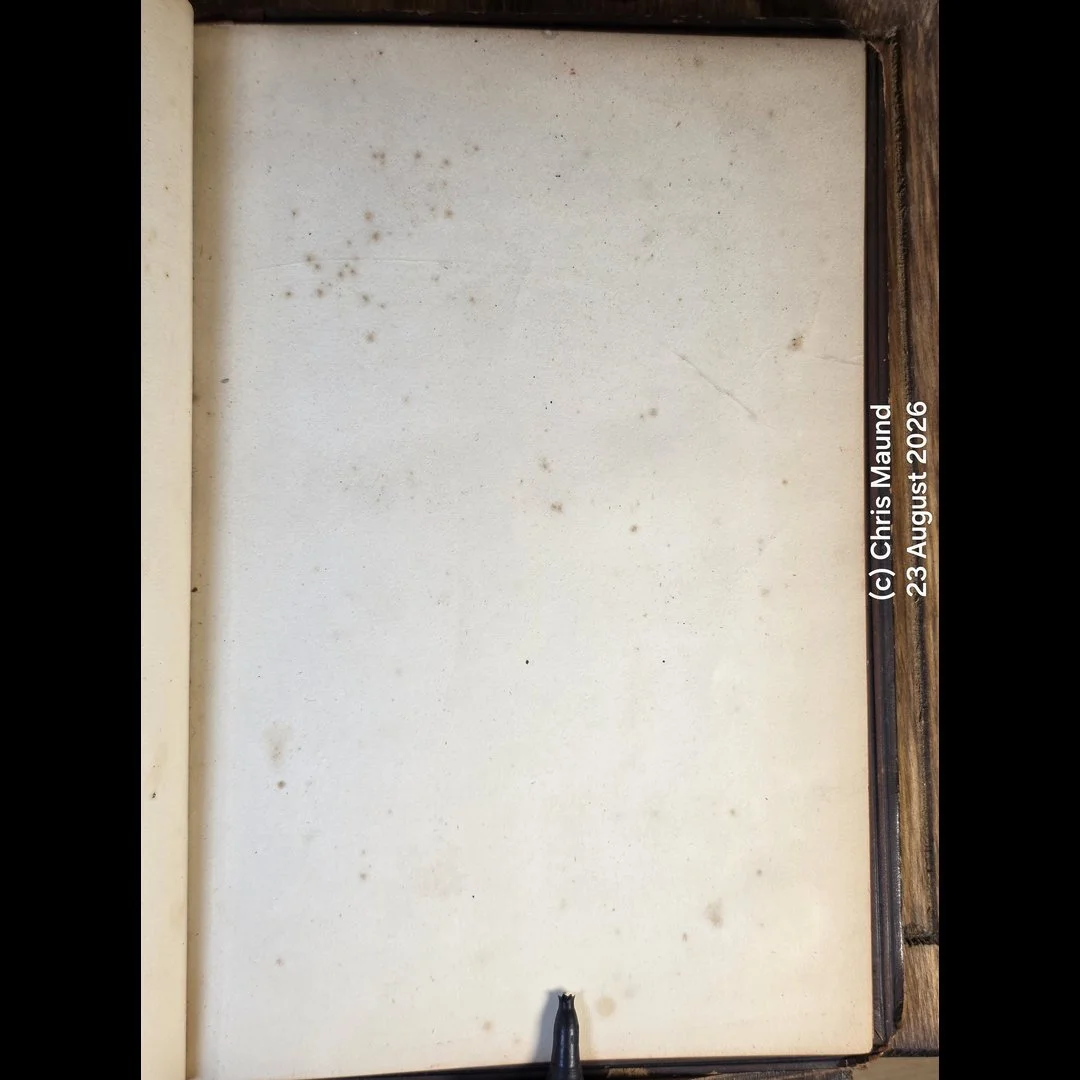
Pronounced foxing and spotting to the endpapers, title and preliminary leaves, becoming substantially lighter through the main body of the text. Further foxing and browning towards the closing leaves, publisher's advertisements and rear endpapers. The principal text is otherwise notably cleaner, with occasional light spotting and age-toning.
No significant textual loss identified. Pagination and terminal advertisements checked against institutional and bibliographical records and found complete.
An appealing example of an important Romantic-period work which retains considerably more of its original physical state than the many surviving copies subsequently rebound in leather.
Please see Photos as part of condition report.
REFERENCES
Green 355 — J. A. Green, Thomas De Quincey: A Bibliography Based upon the De Quincey Collection in the Moss Side Library, Manchester, 1908.
Morgan Library & Museum, PML 143697 — records the 1823 Taylor and Hessey edition as iv, 206, [6] p., with six pages of publisher's advertisements.
Ian Jack, “De Quincey Revises His Confessions,” PMLA — textual comparison noting the introduction of the Shakespeare motto and the partial correction of the Greek passage in the second edition.
SYNOPSIS
Thomas De Quincey's Confessions of an English Opium-Eater is one of the defining works of English Romantic prose and one of the earliest major literary accounts of drug use and dependency.
Presented as an autobiographical confession, it begins with De Quincey's youth, intellectual ambitions, poverty and wanderings in London before turning to his experience of opium, which he initially took for the relief of physical pain. What begins as an account of heightened pleasure, intellectual tranquillity and imaginative expansion gradually becomes something much darker.
In The Pleasures of Opium, De Quincey describes the drug as producing serenity and an intensified imaginative life rather than mere intoxication. In The Pains of Opium, prolonged use transforms that experience into insomnia, anxiety and immense, hallucinatory dreams populated by vast architecture, oppressive landscapes and recurring images from his past.
The Appendix attempts to quantify the reality behind the literary narrative, recording De Quincey's changing consumption and his efforts to reduce it. The combination of autobiography, psychological observation and extraordinary dream prose made Confessions unlike almost anything that preceded it and established the model for a long tradition of literary writing about altered consciousness and addiction.
AUTHOR BIO
Thomas De Quincey (1785–1859) was an English essayist and critic associated with the Romantic movement and particularly with the circle surrounding Wordsworth and Coleridge.
An intellectually precocious but troubled young man, De Quincey ran away from Manchester Grammar School and spent periods in poverty before entering Worcester College, Oxford. He became acquainted with many of the major literary figures of his age and later worked extensively as a journalist and essayist.
His literary reputation rests above all on Confessions of an English Opium-Eater, but his prolific writings ranged across literature, philosophy, political economy, history and biography. His elaborate rhythmic prose and exploration of memory, dreams and altered states of consciousness exerted a substantial influence on later writers, particularly in France, where his work attracted figures including Baudelaire.

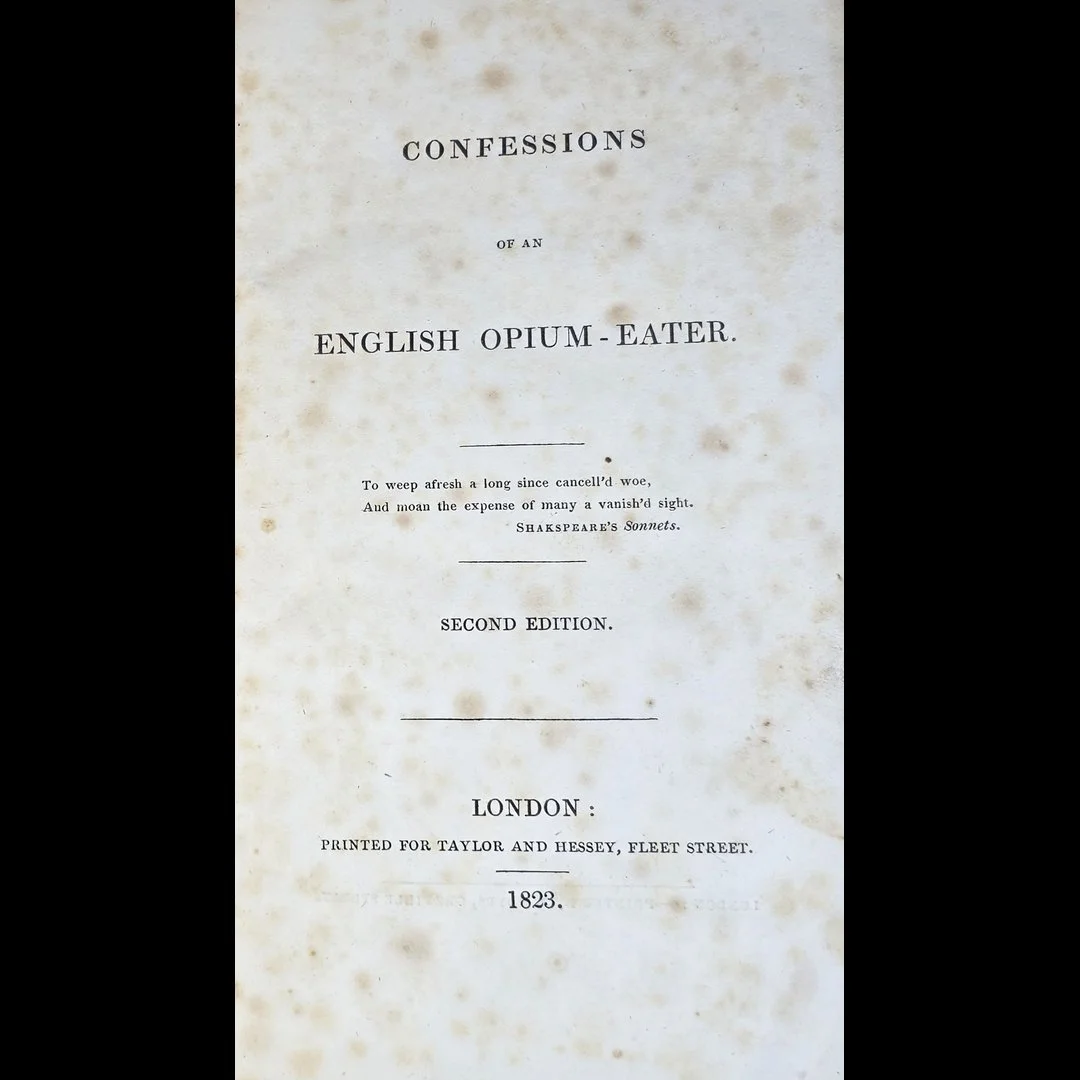 Image 1 of 30
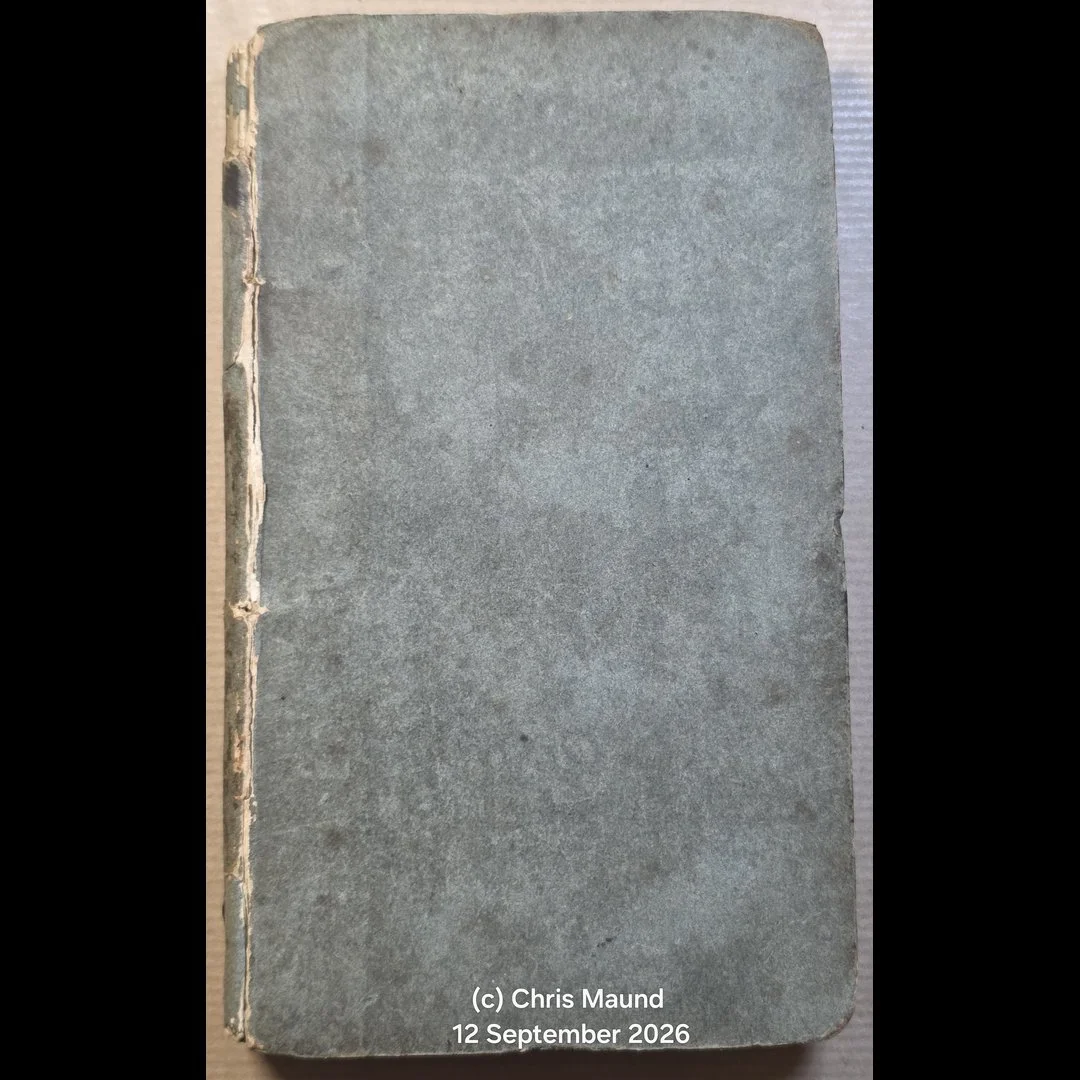 Image 2 of 30
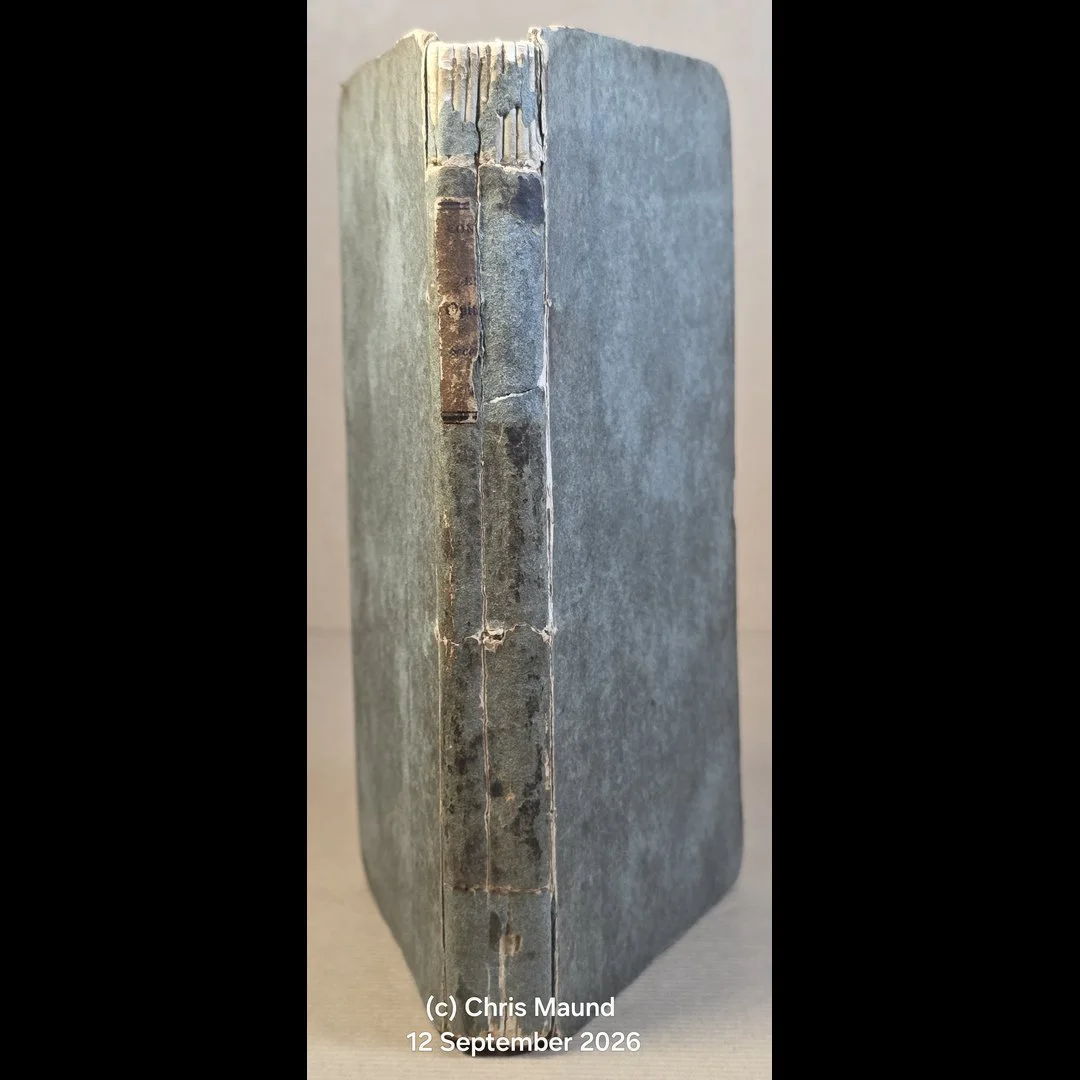 Image 3 of 30
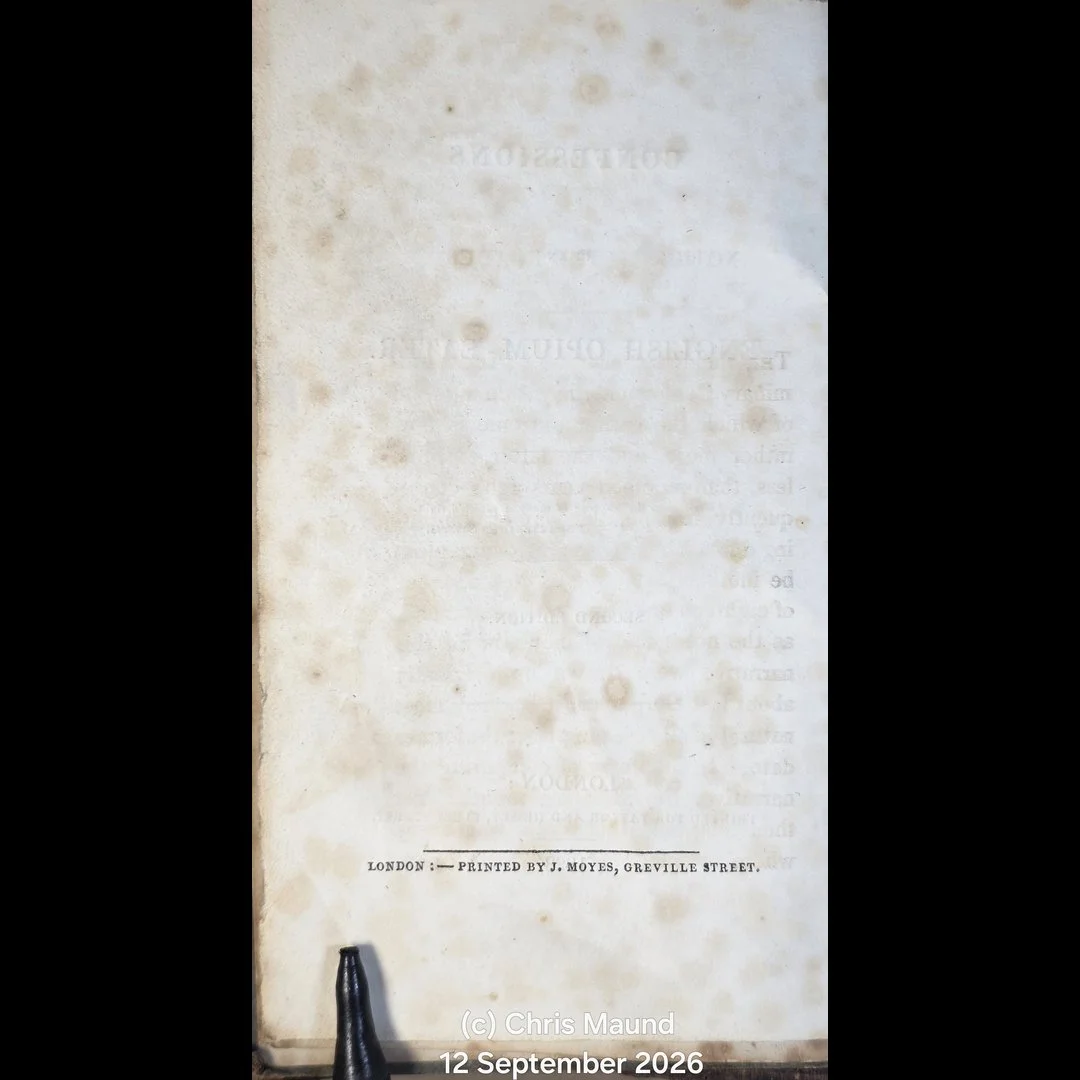 Image 4 of 30
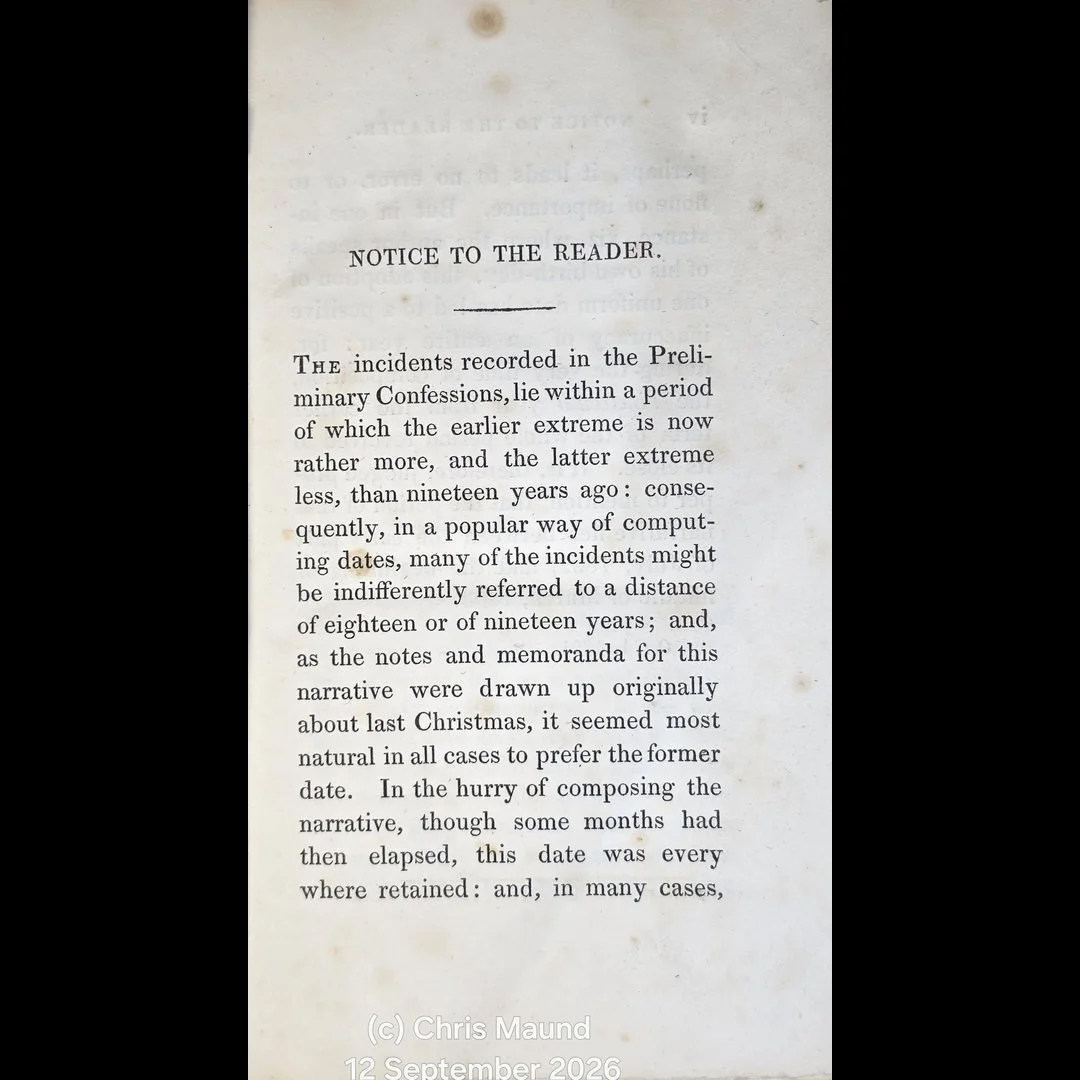 Image 5 of 30
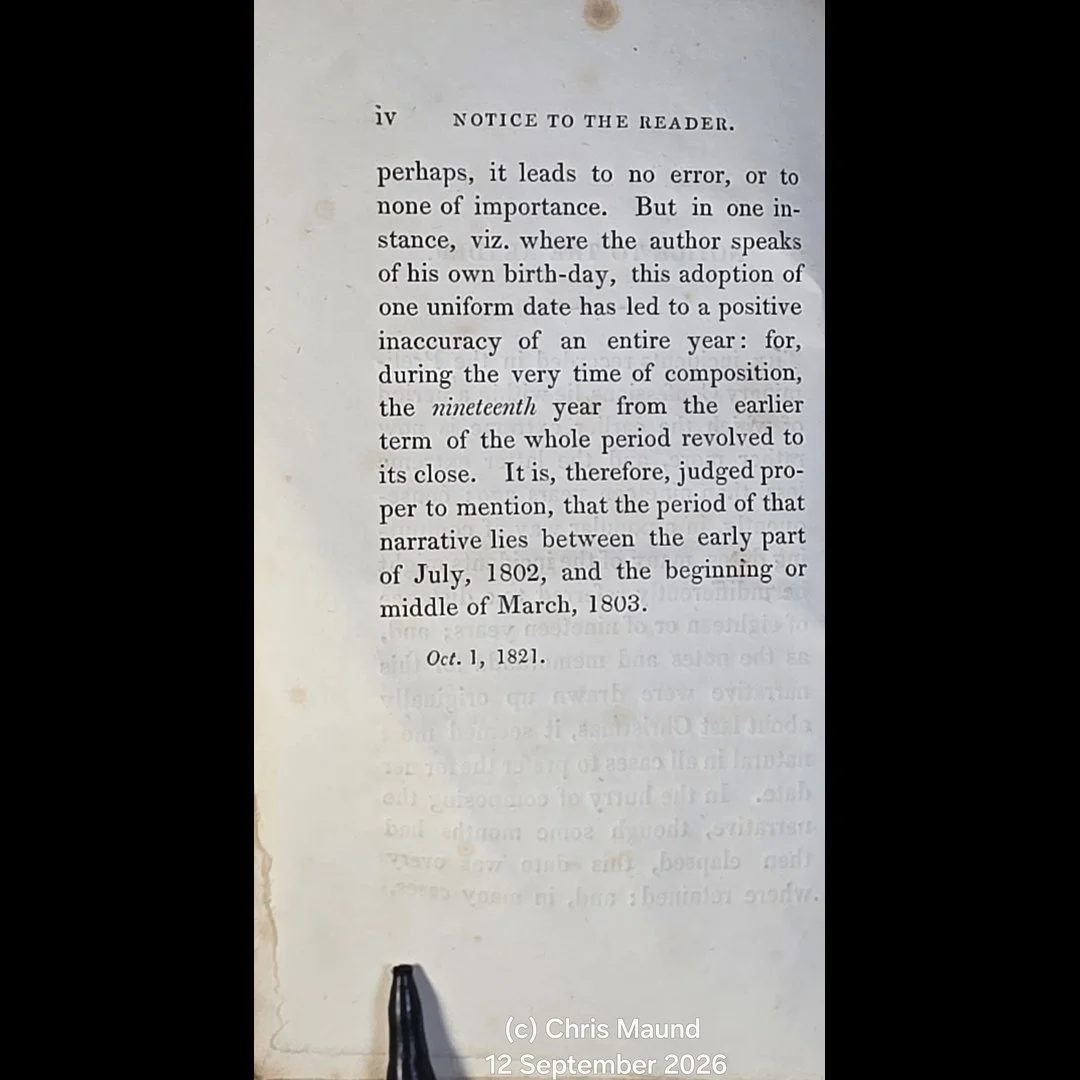 Image 6 of 30
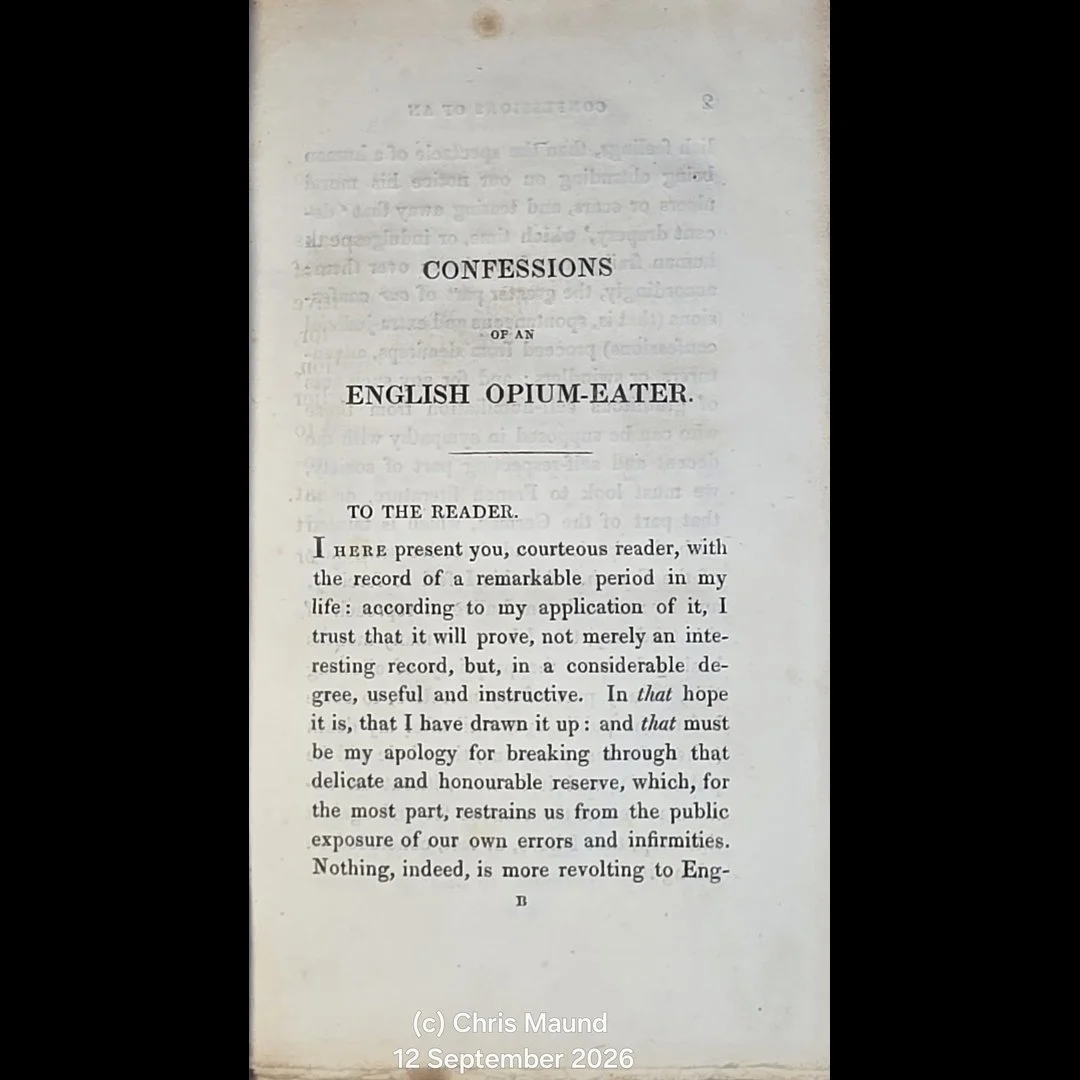 Image 7 of 30
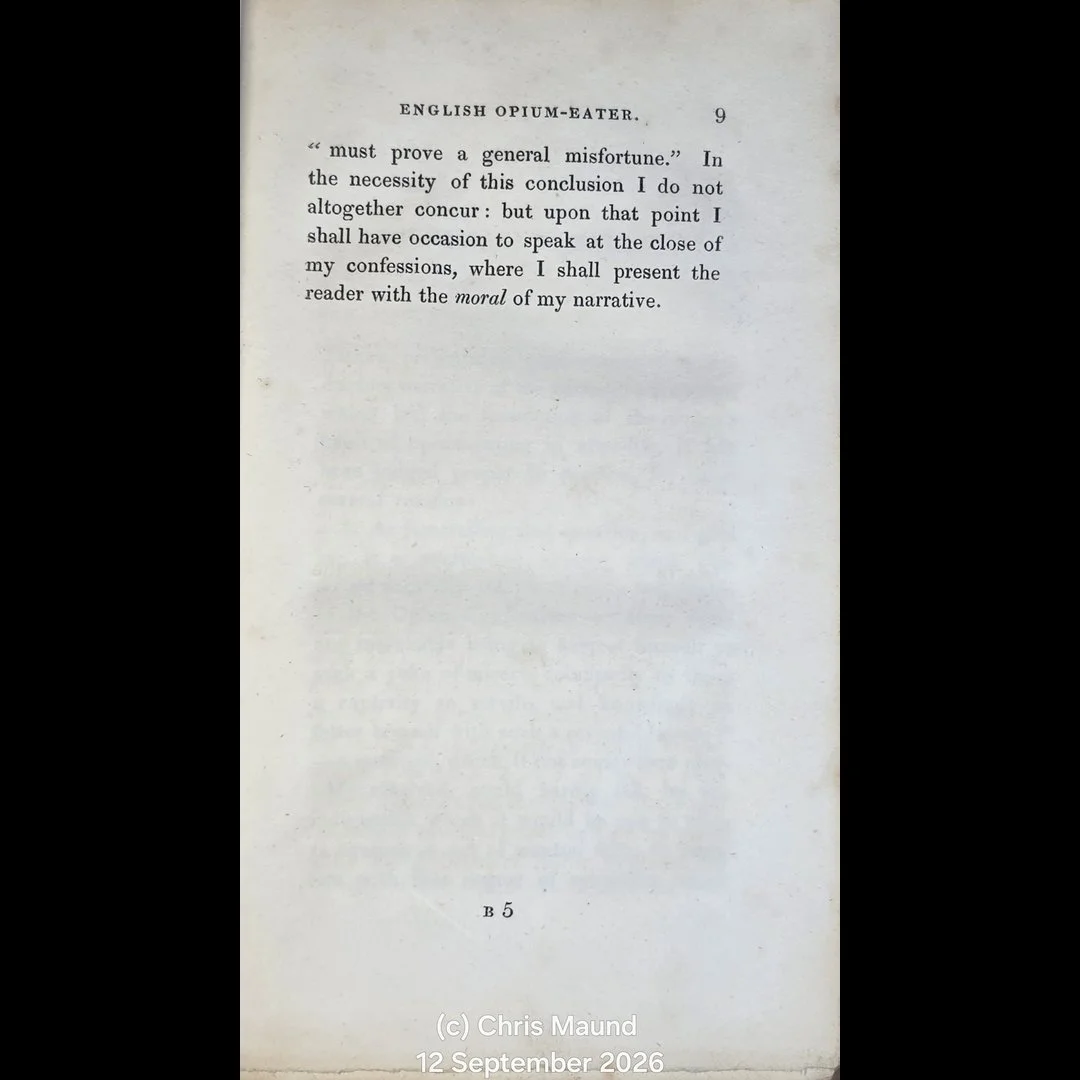 Image 8 of 30
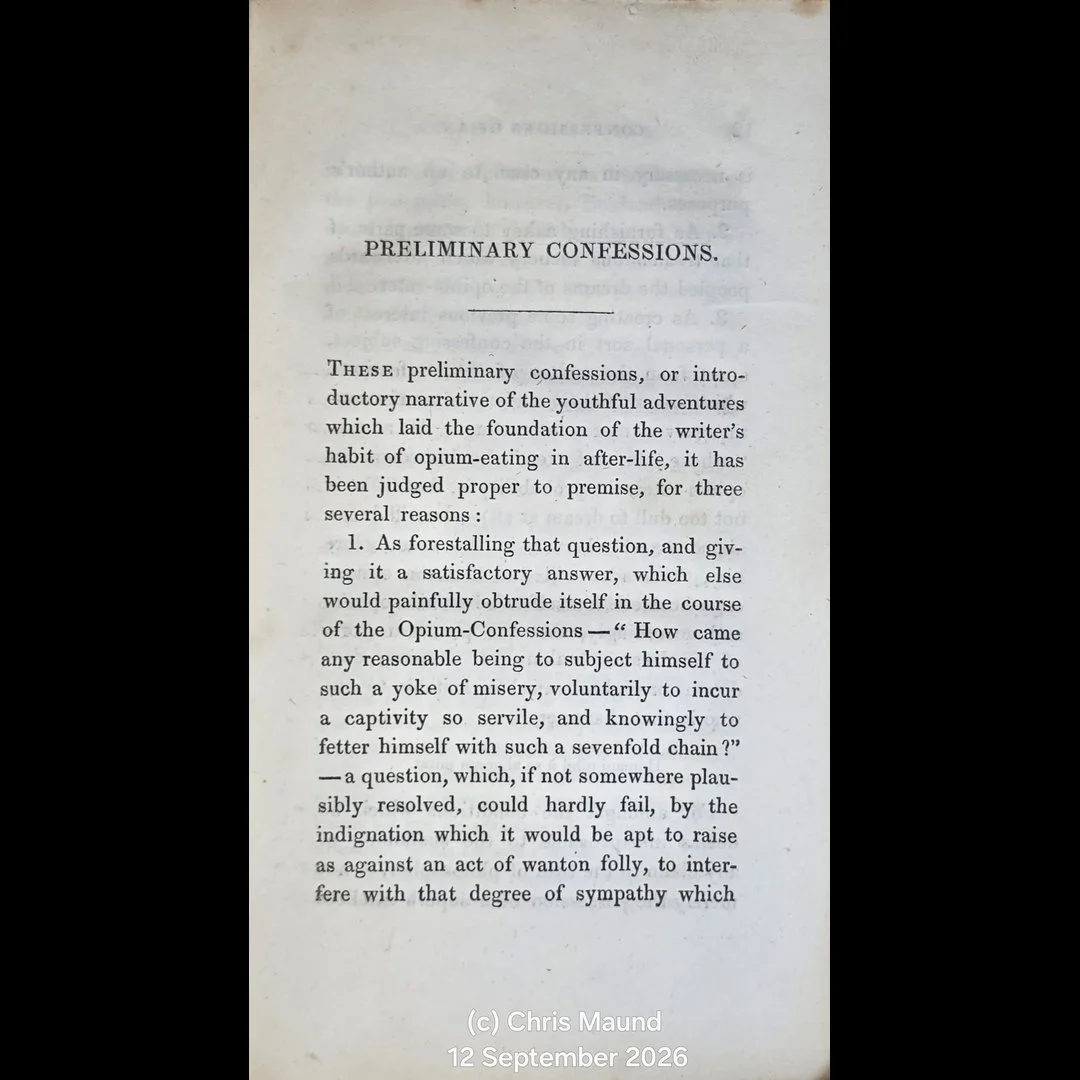 Image 9 of 30
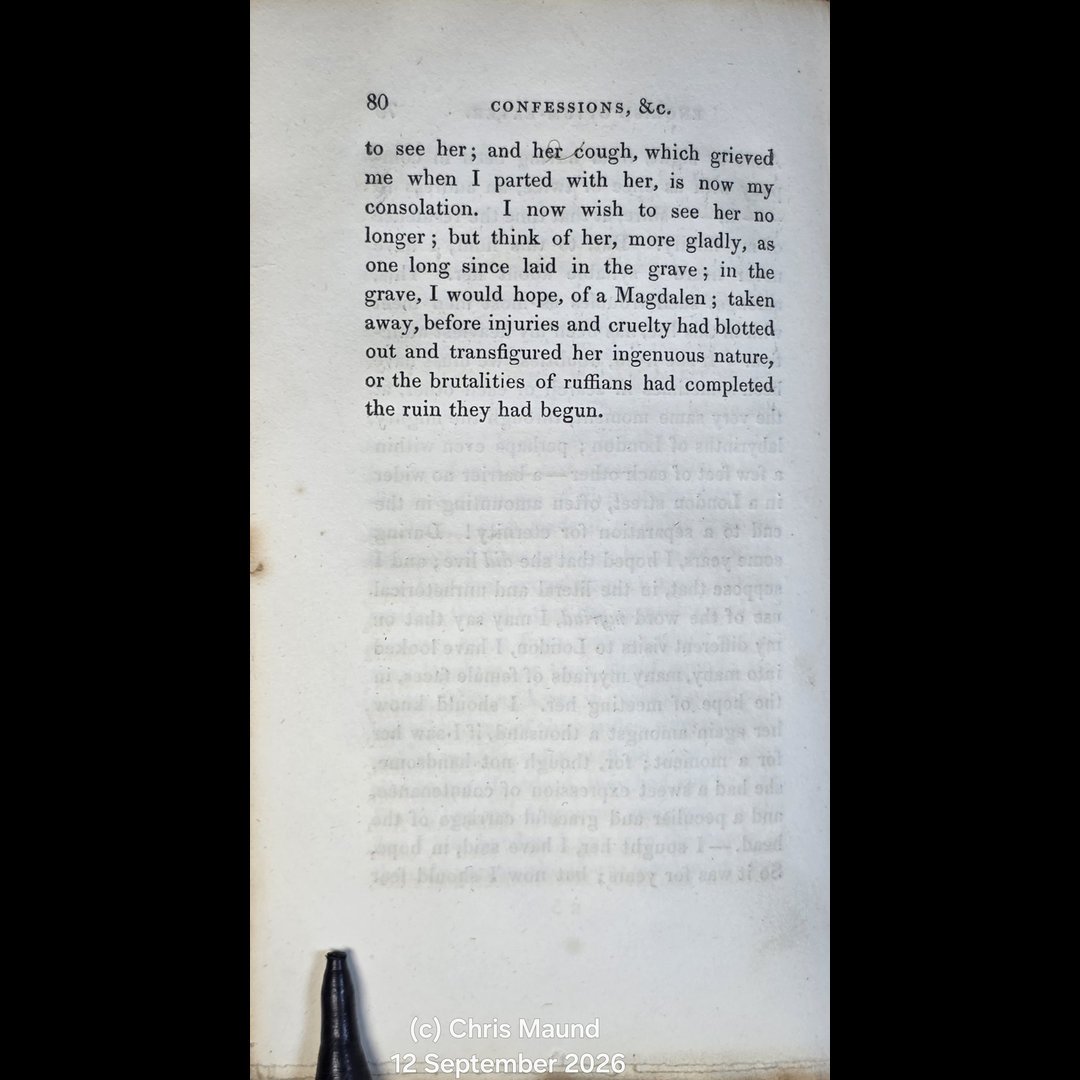 Image 10 of 30
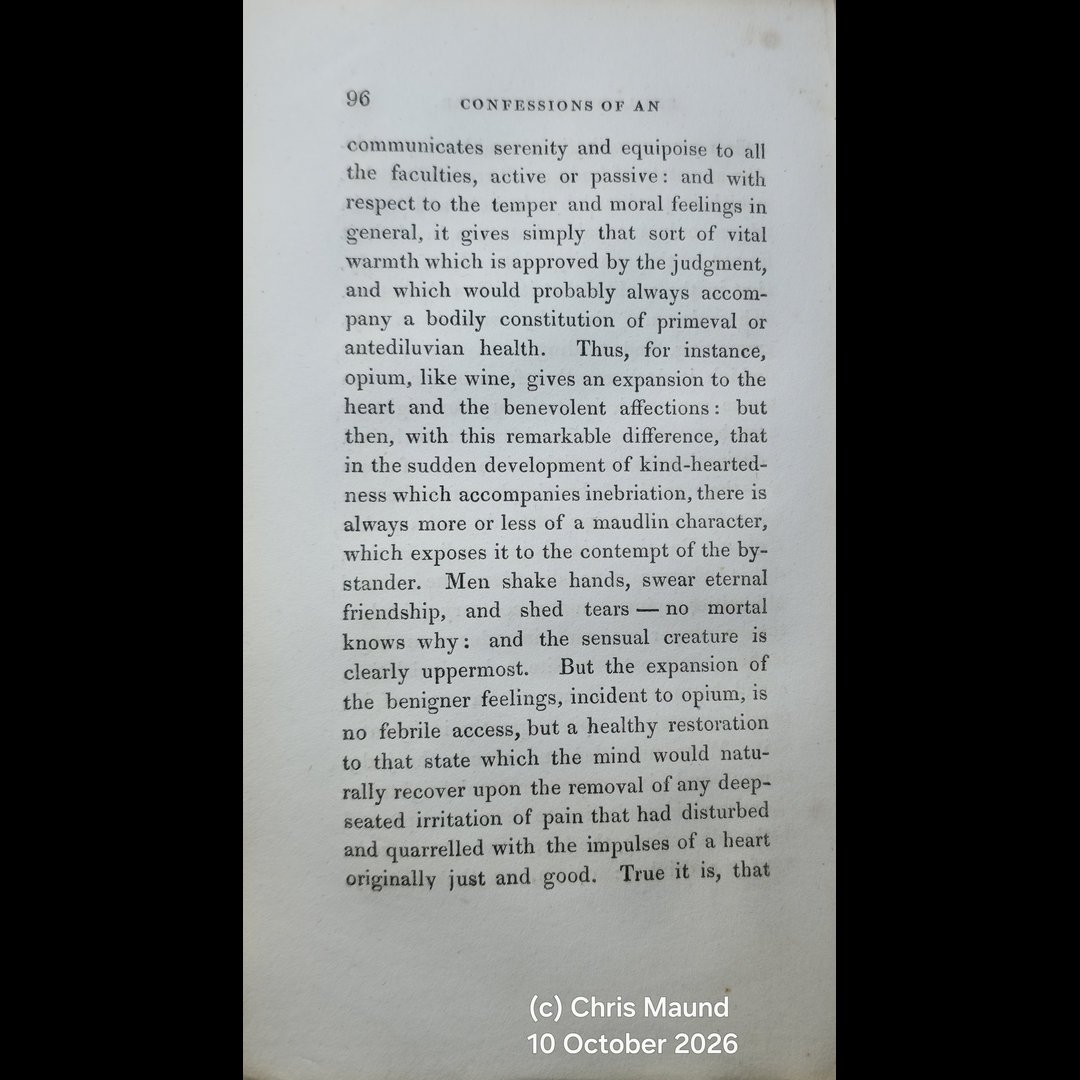 Image 11 of 30
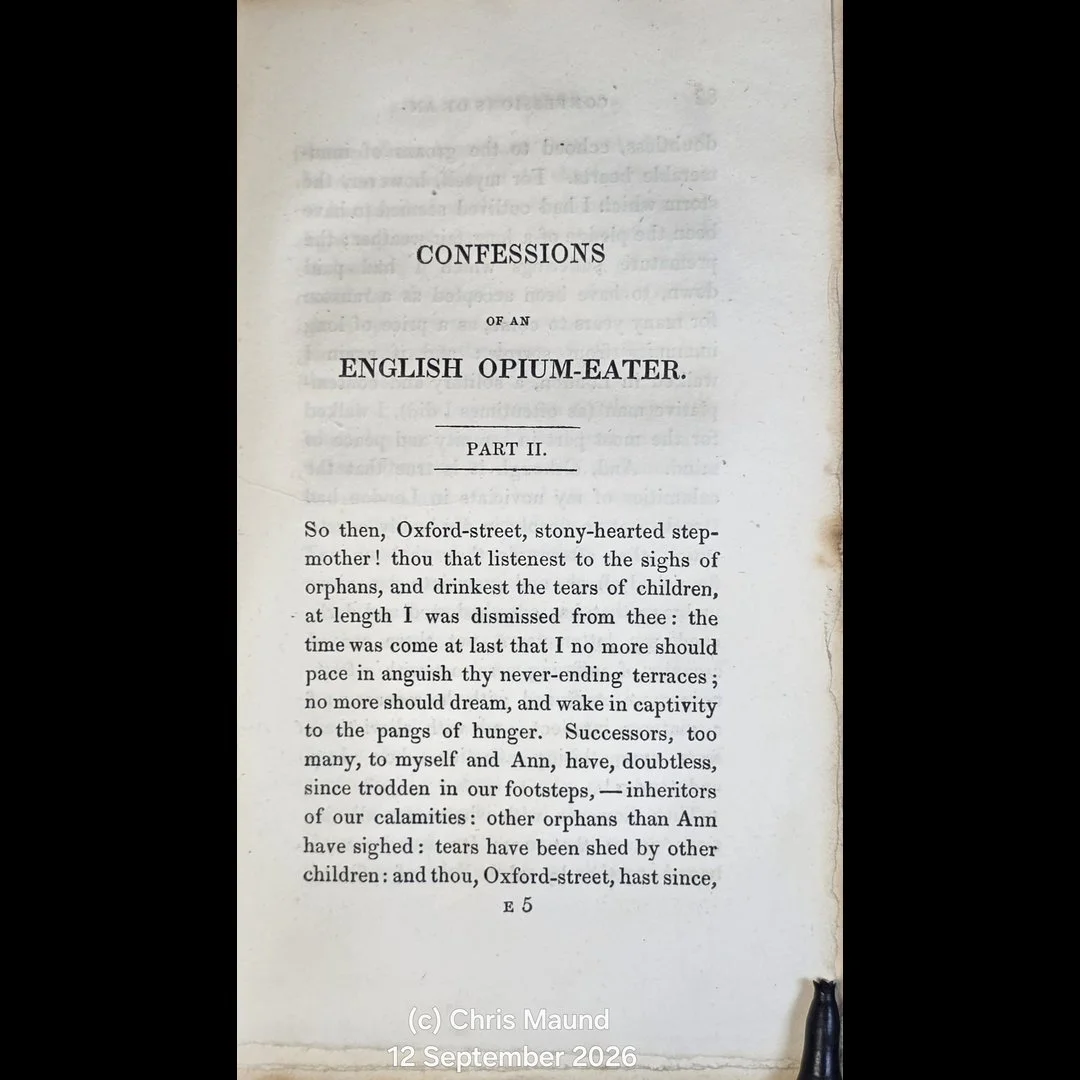 Image 12 of 30
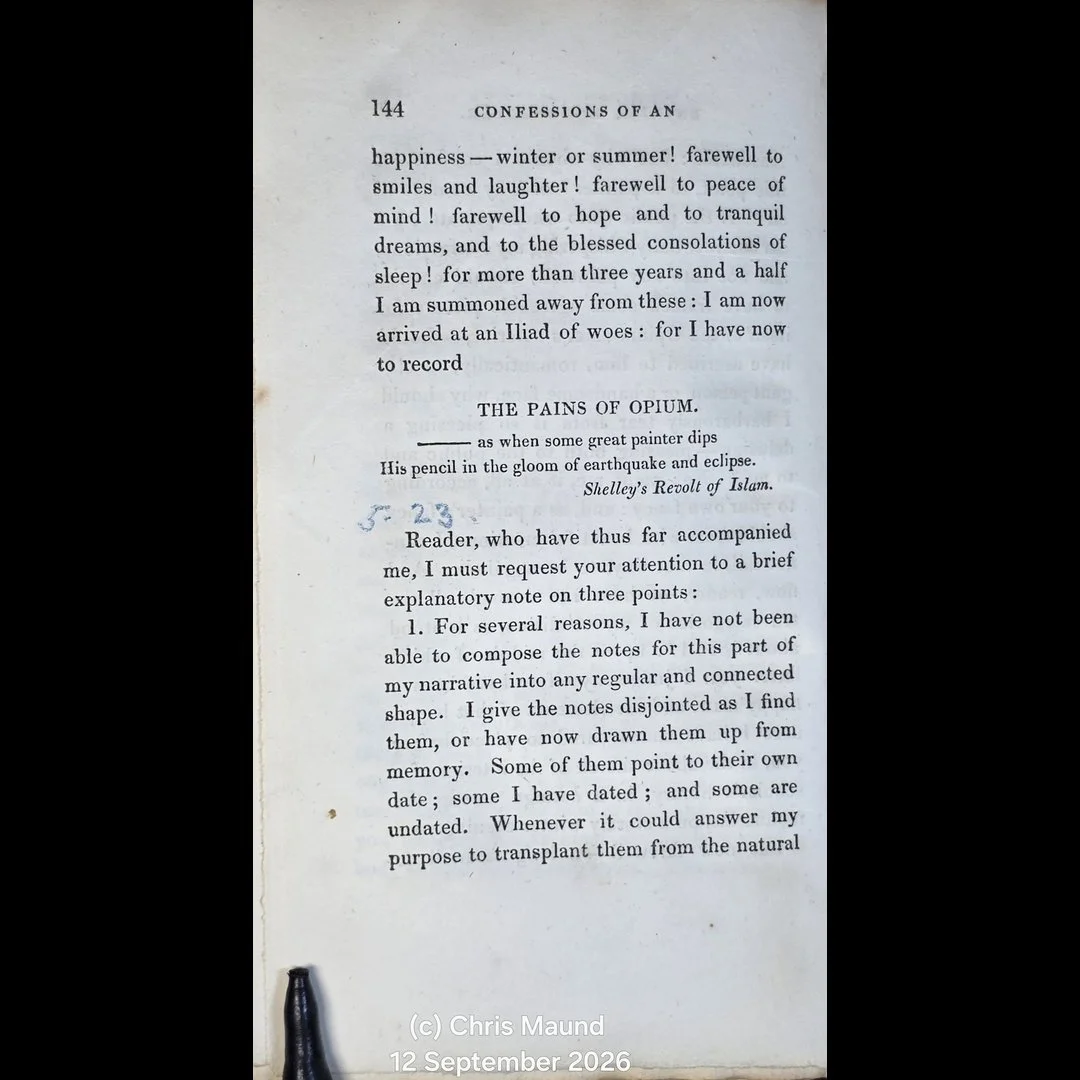 Image 13 of 30
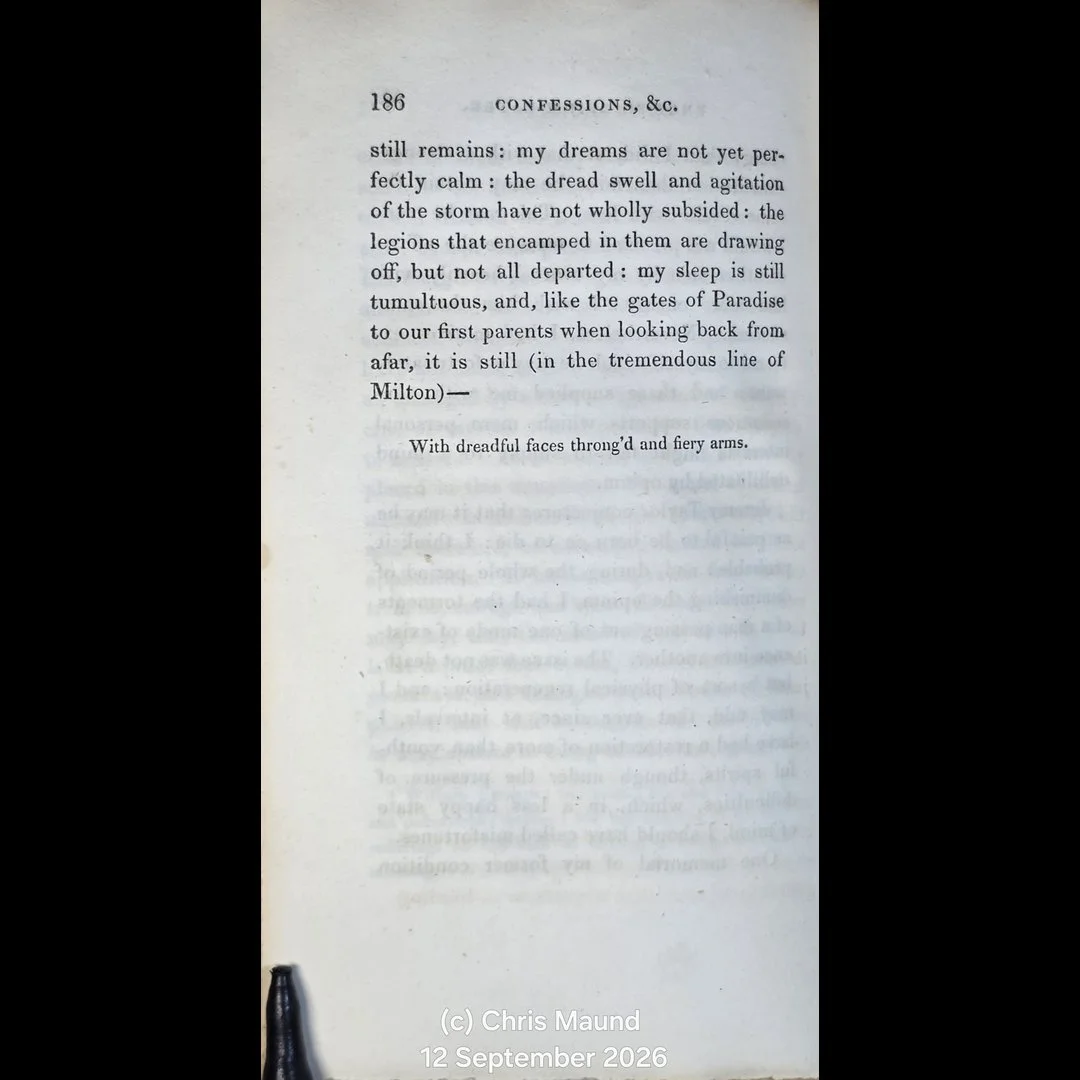 Image 14 of 30
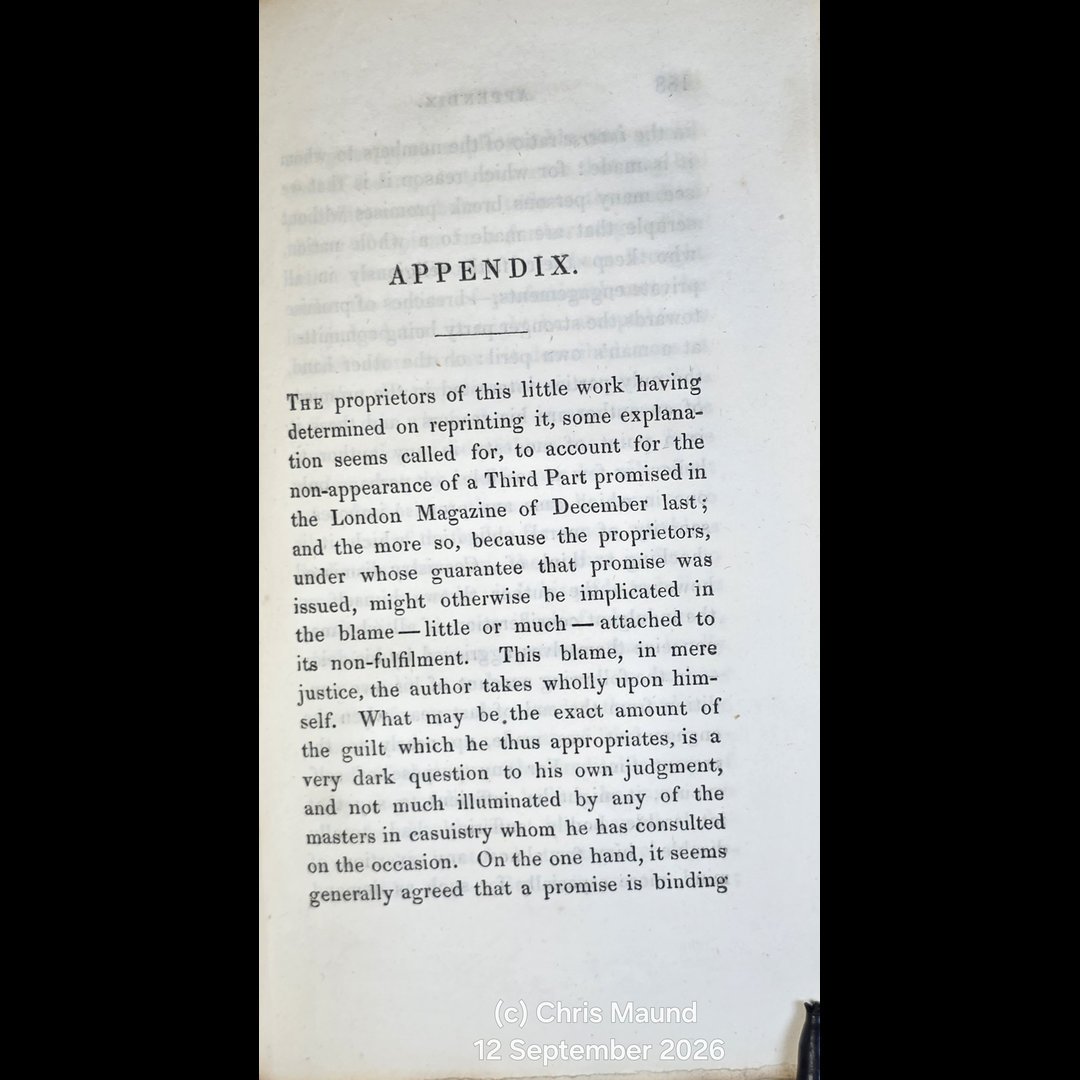 Image 15 of 30
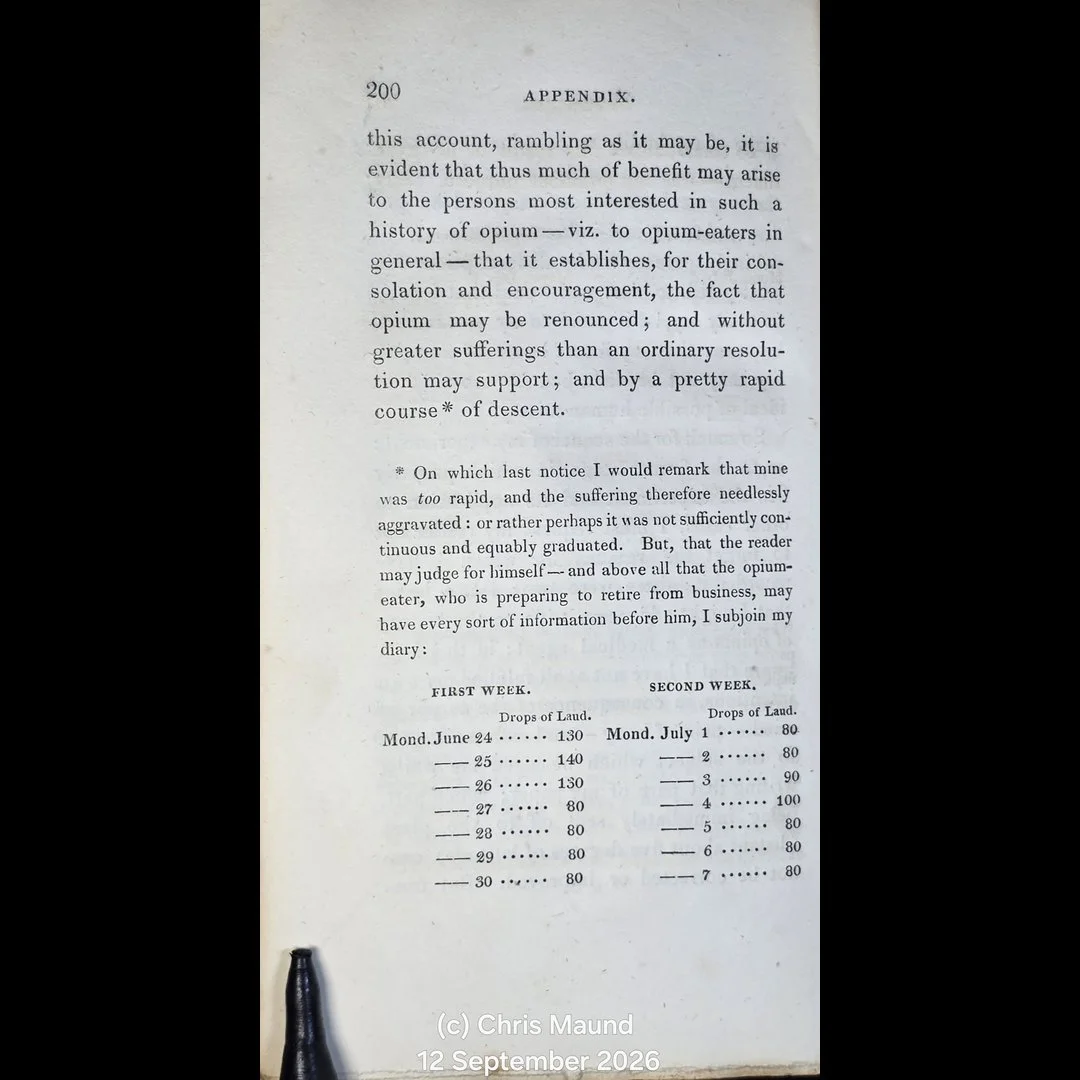 Image 16 of 30
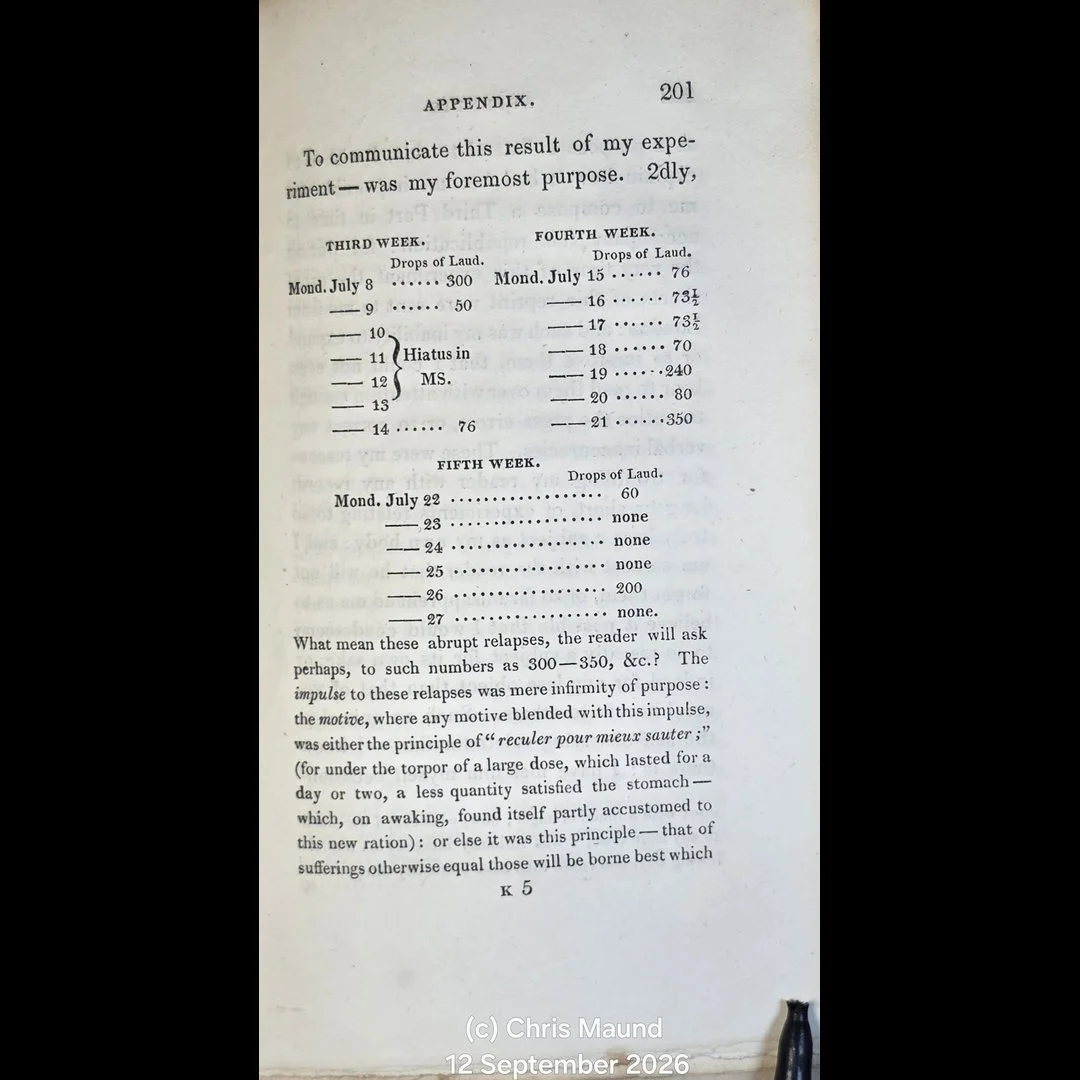 Image 17 of 30
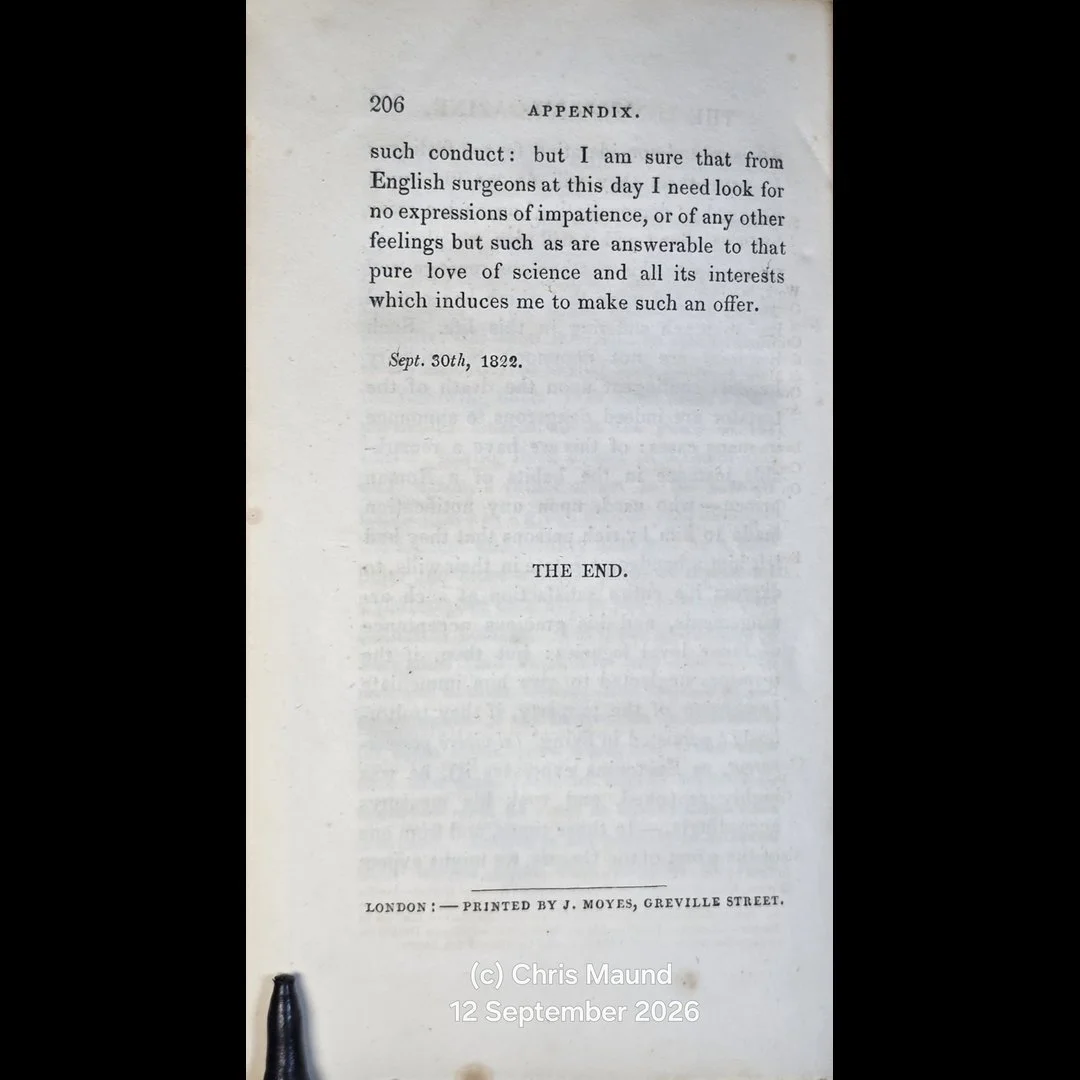 Image 18 of 30
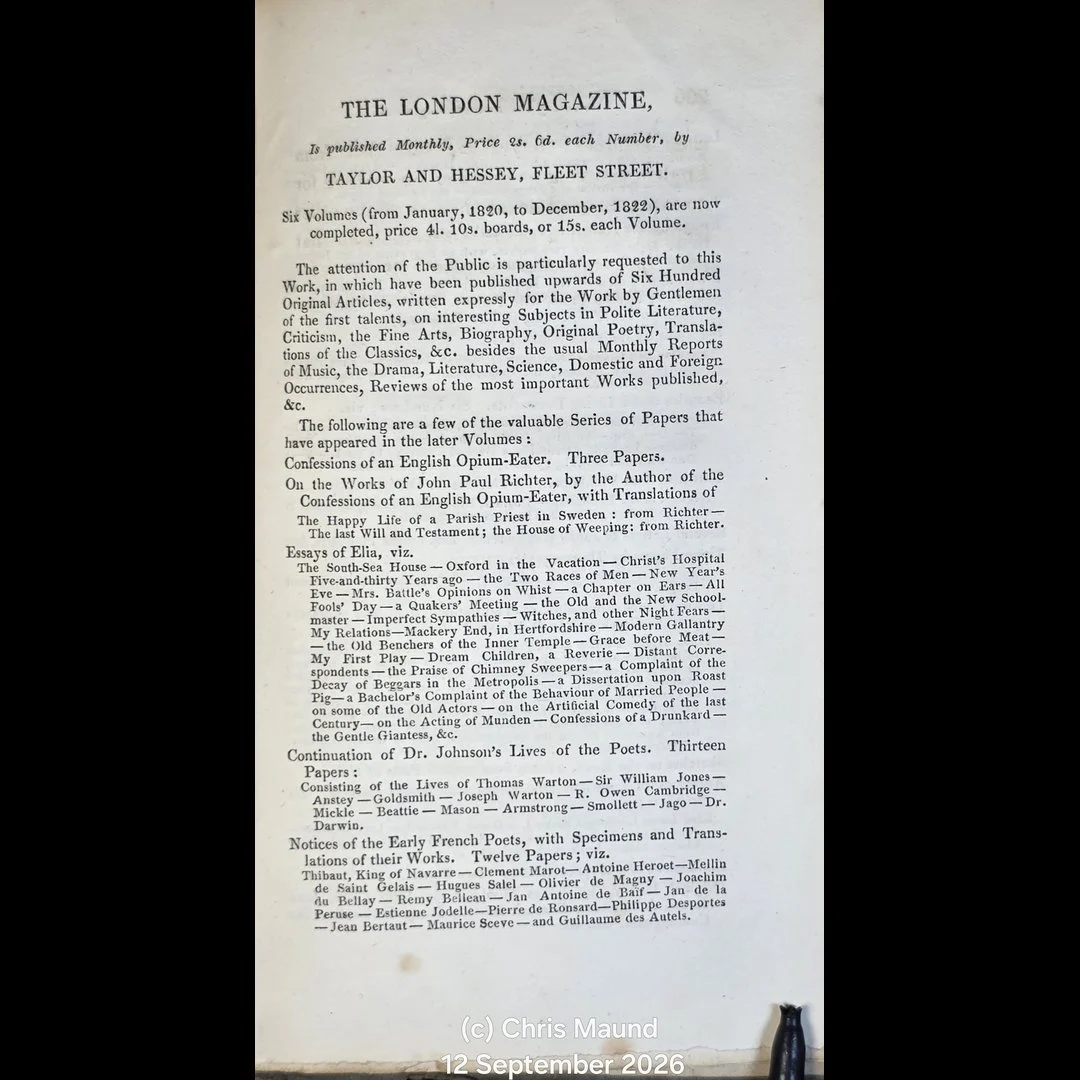 Image 19 of 30
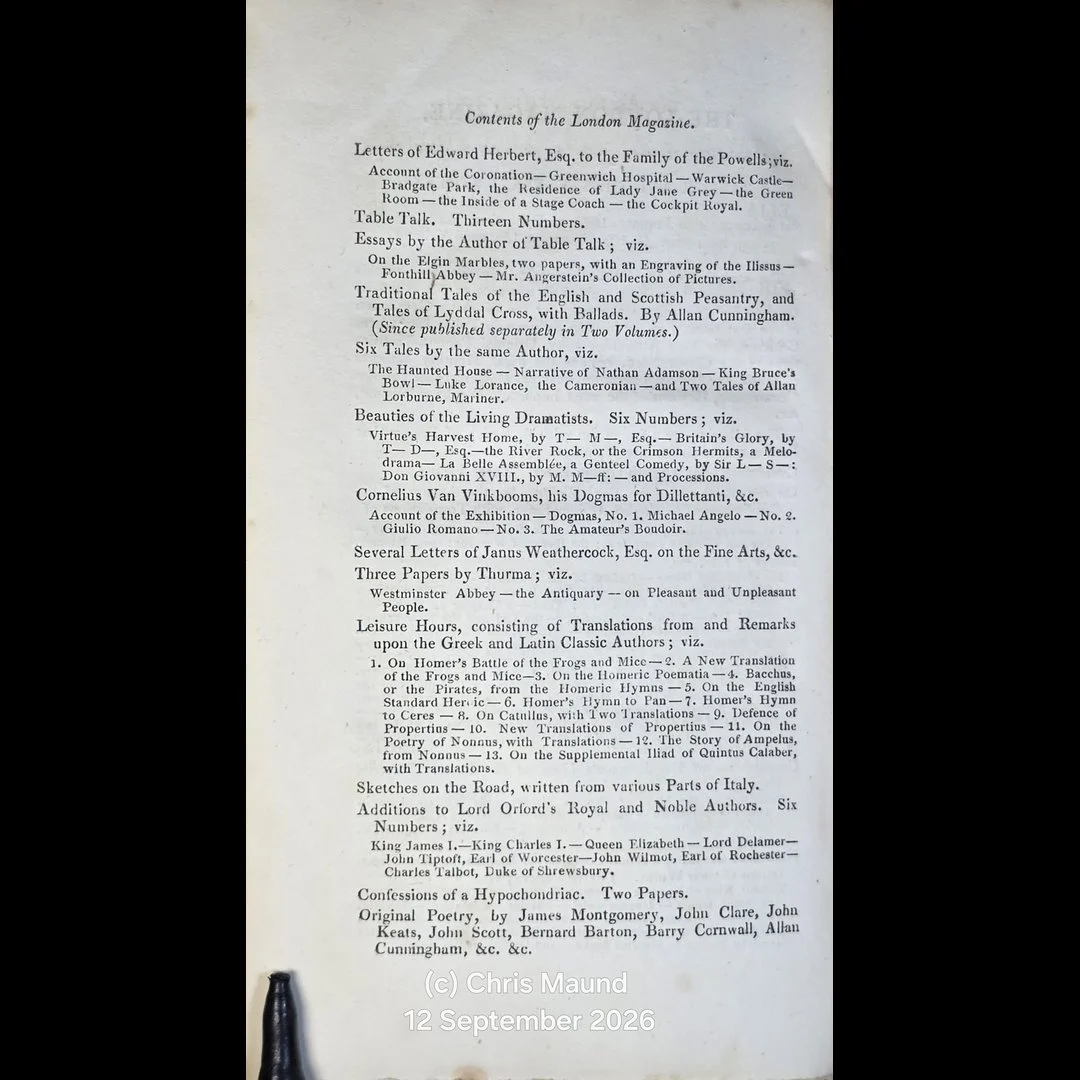 Image 20 of 30
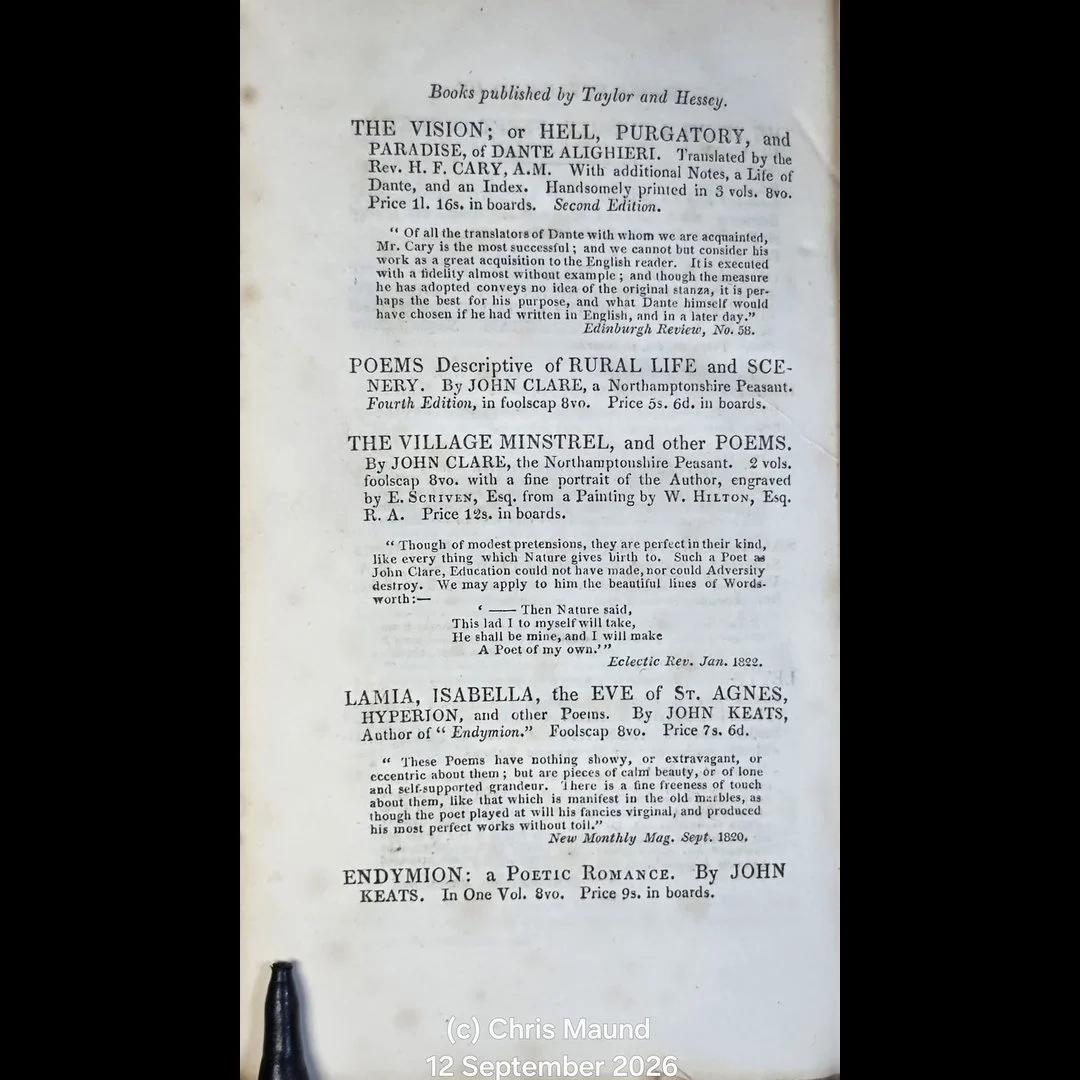 Image 21 of 30
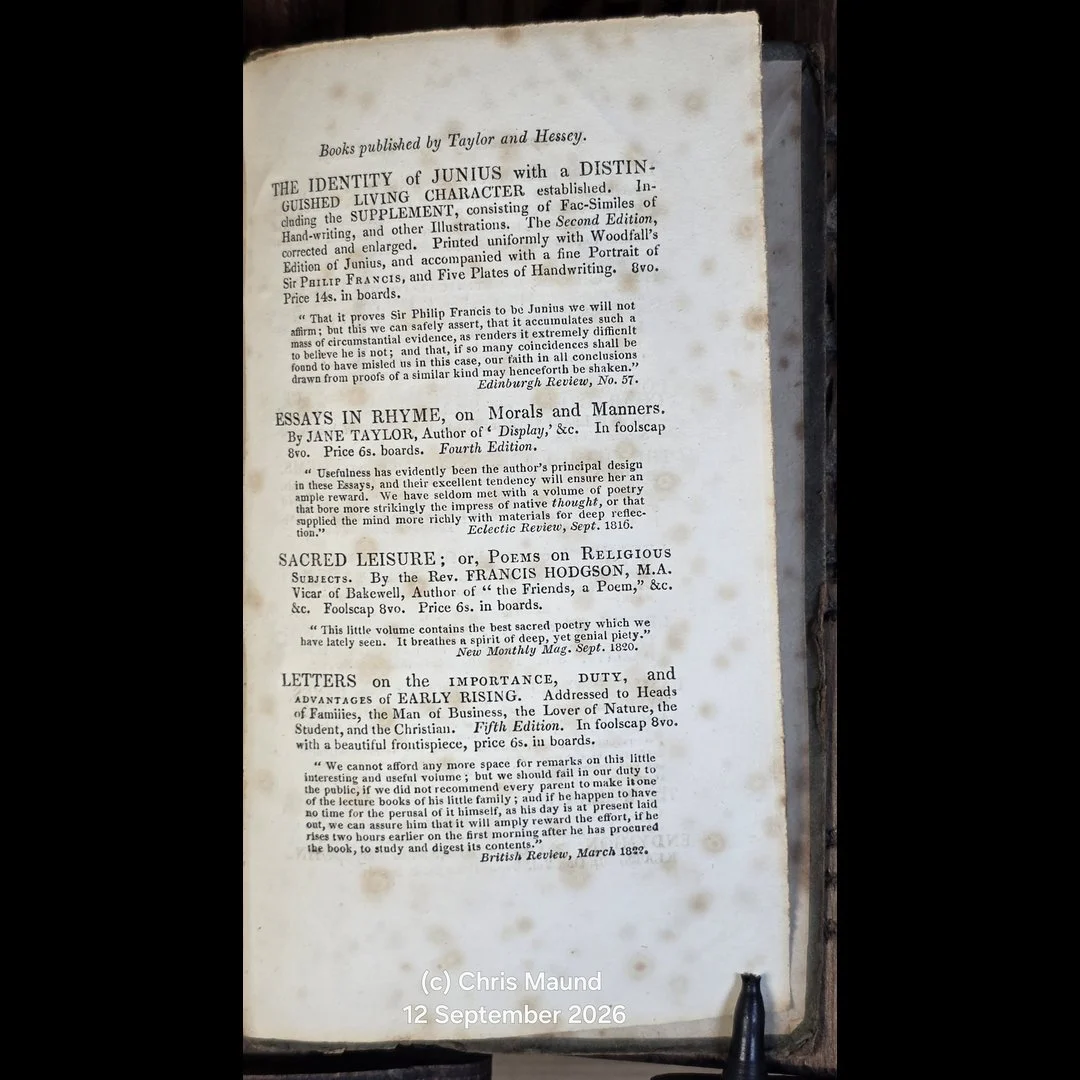 Image 22 of 30
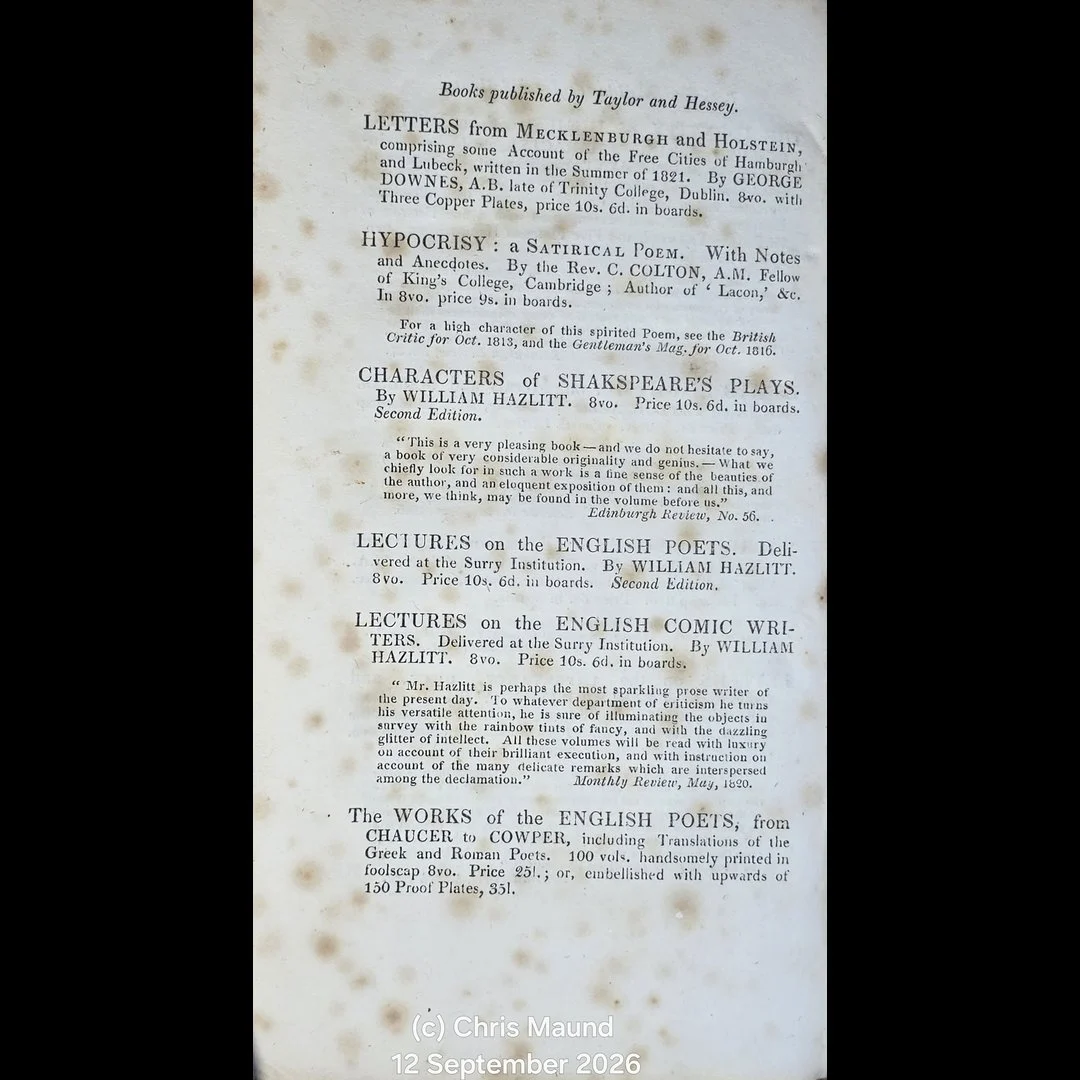 Image 23 of 30
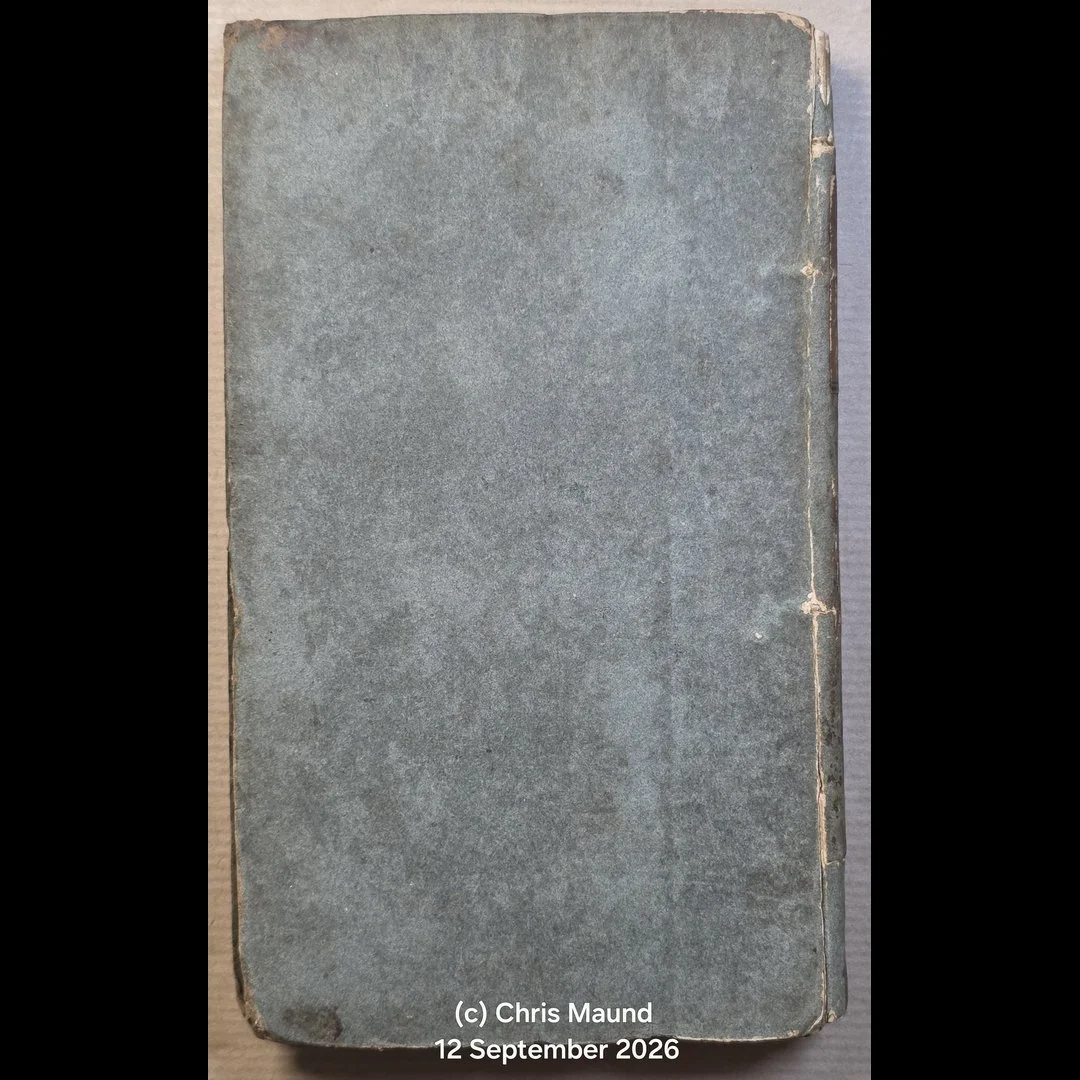 Image 24 of 30
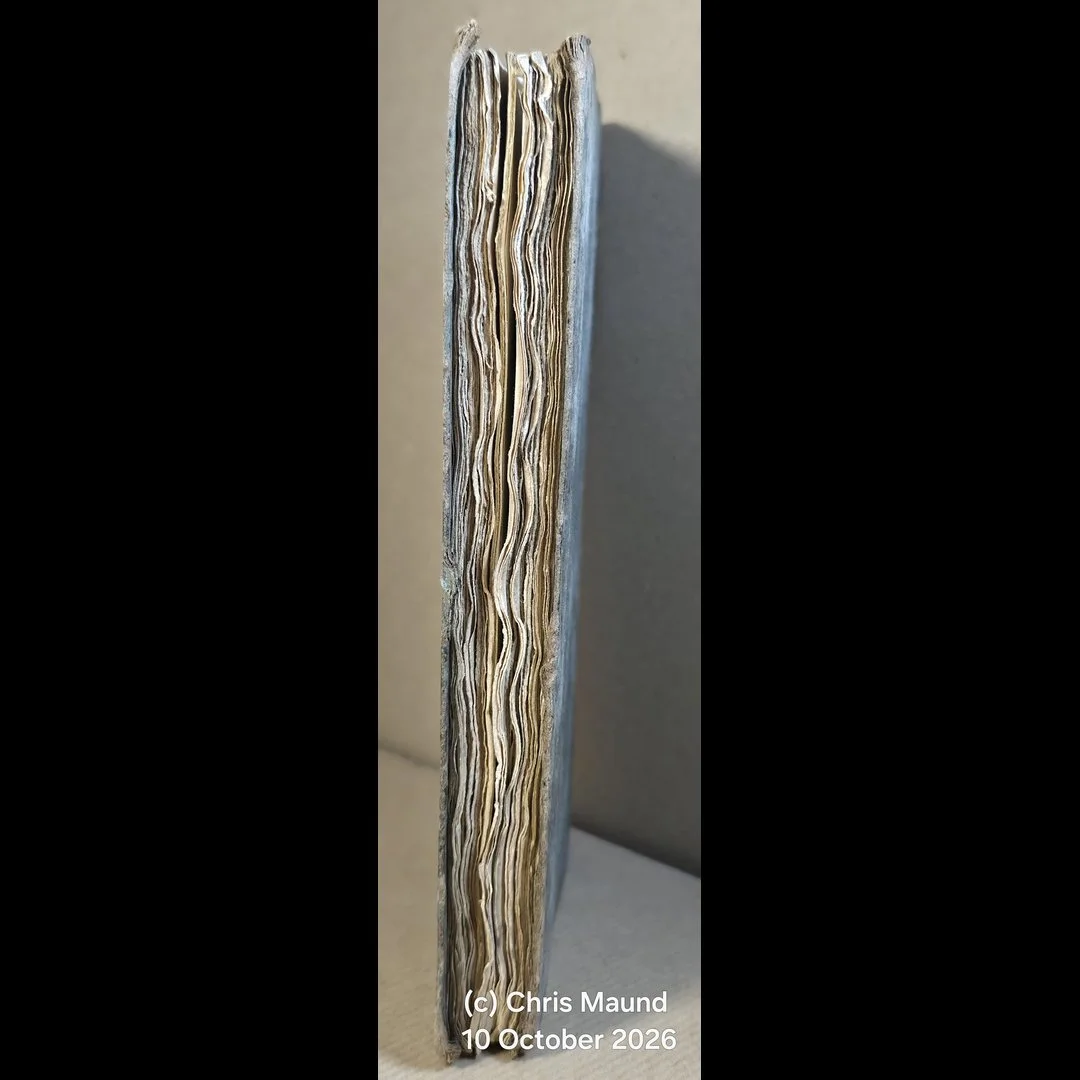 Image 25 of 30
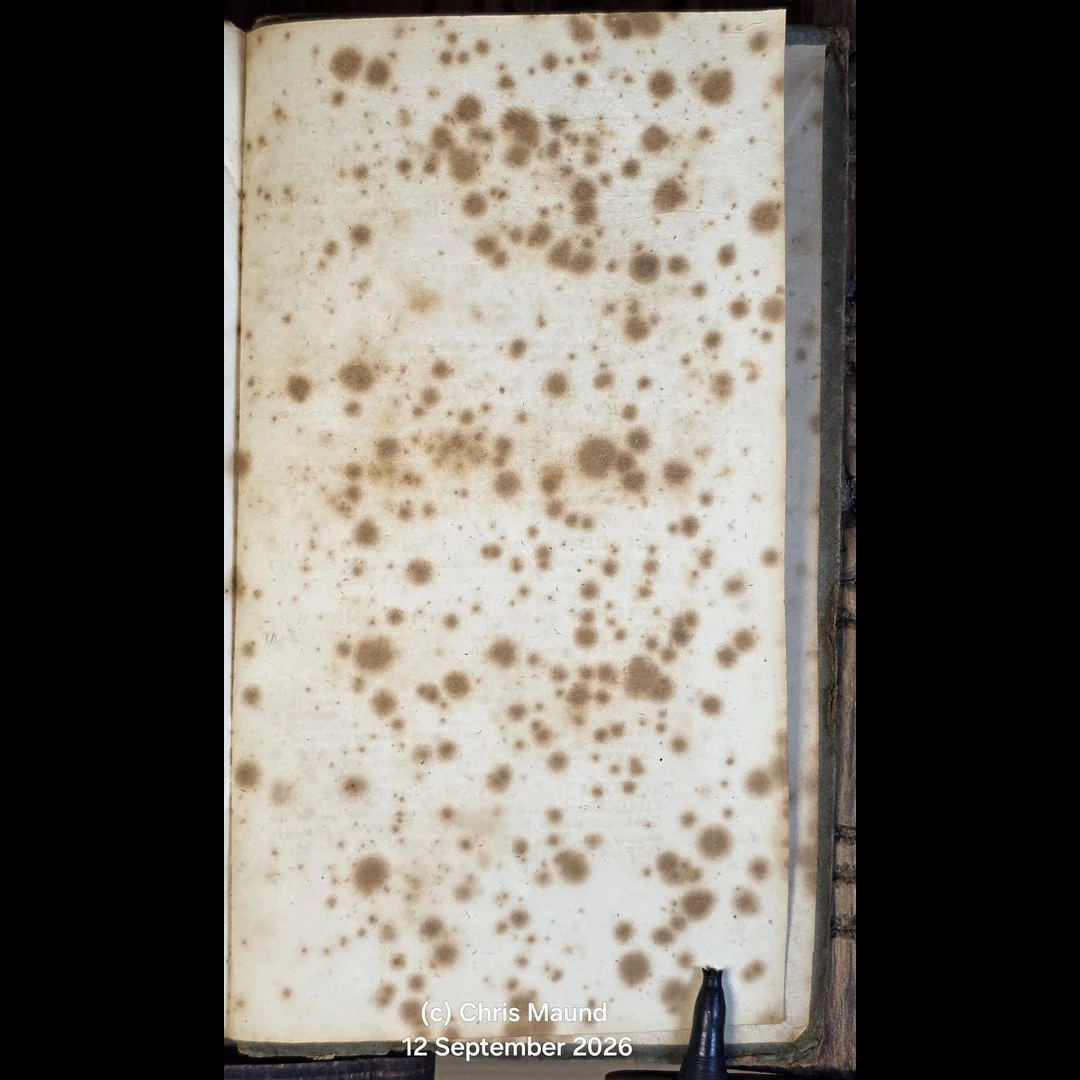 Image 26 of 30
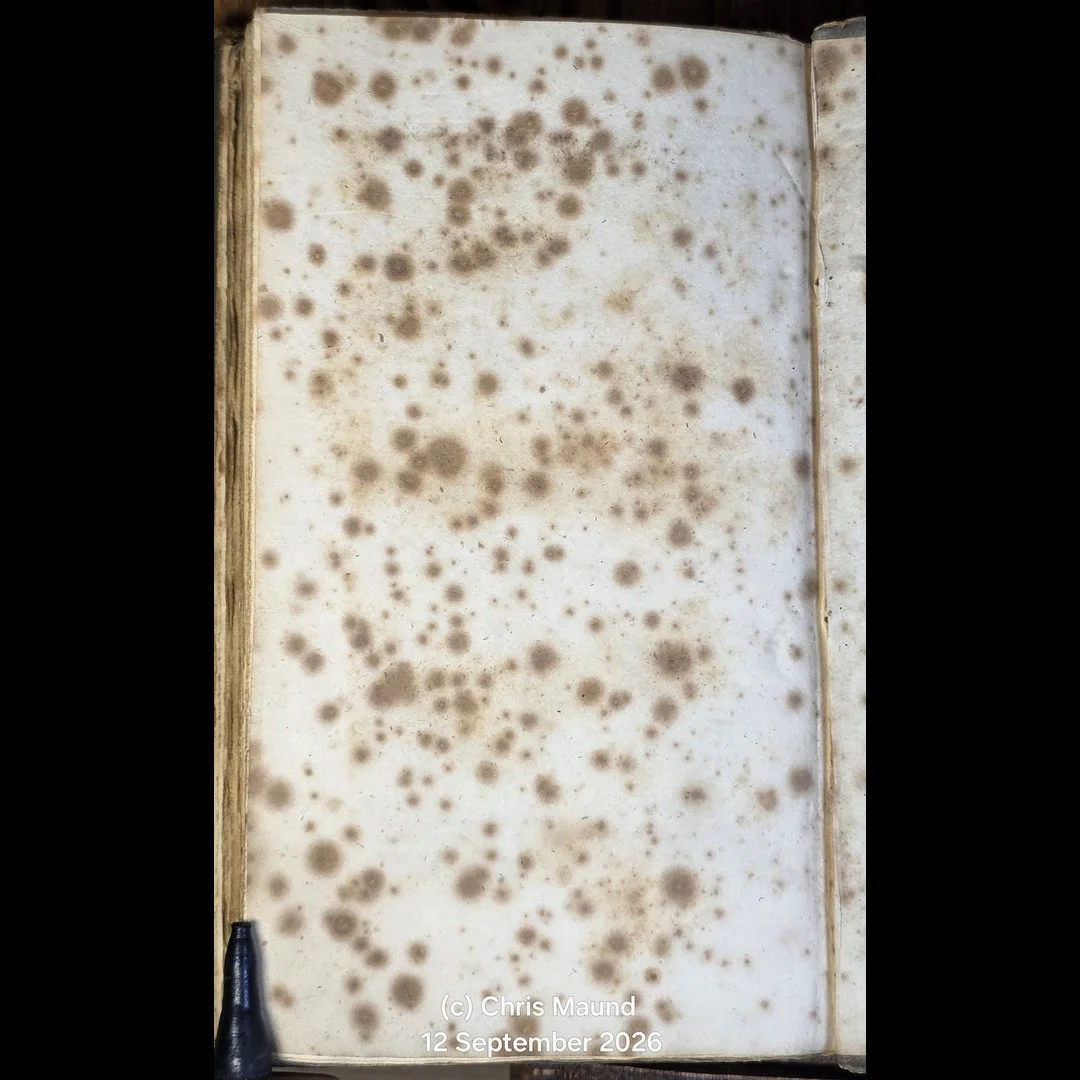 Image 27 of 30
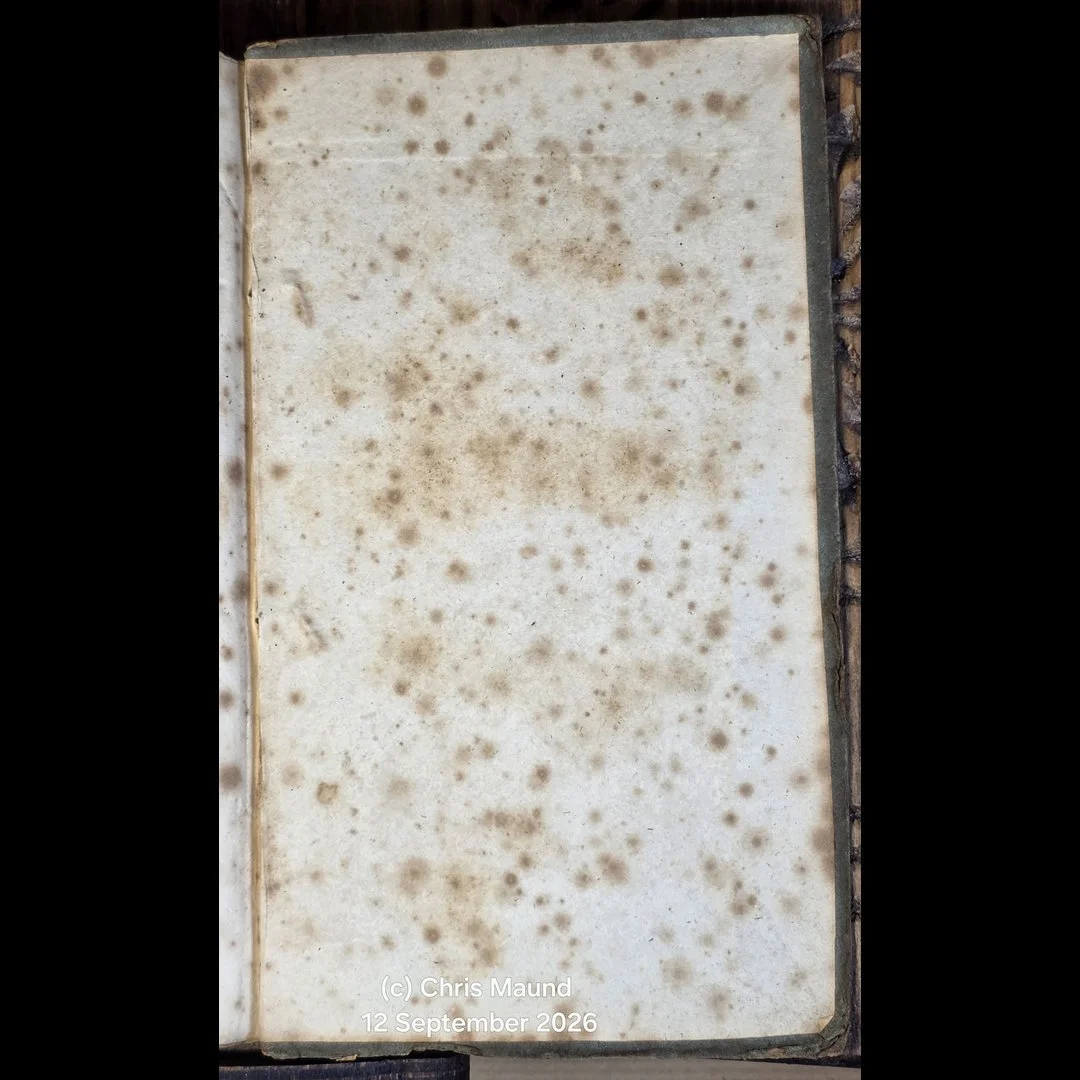 Image 28 of 30
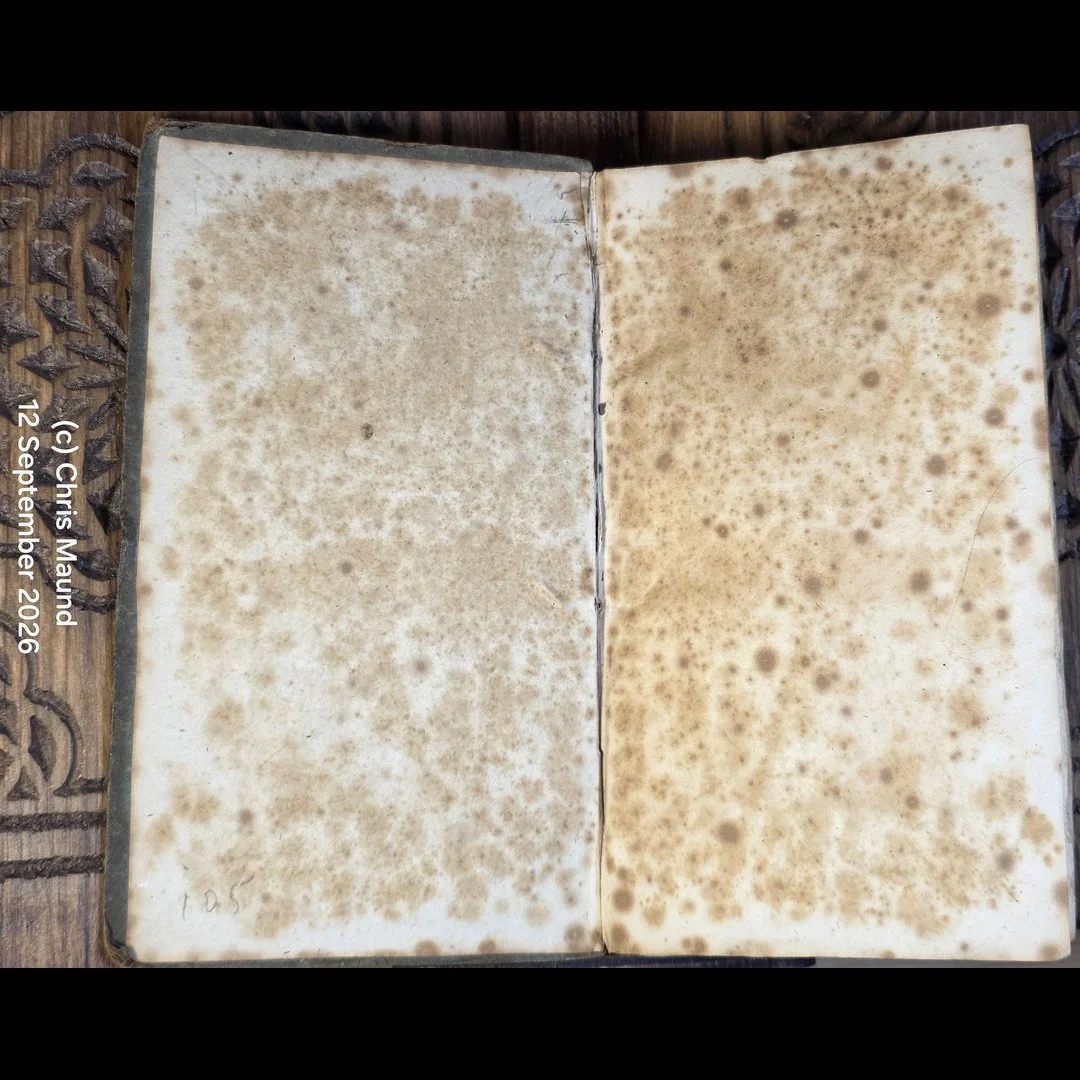 Image 29 of 30
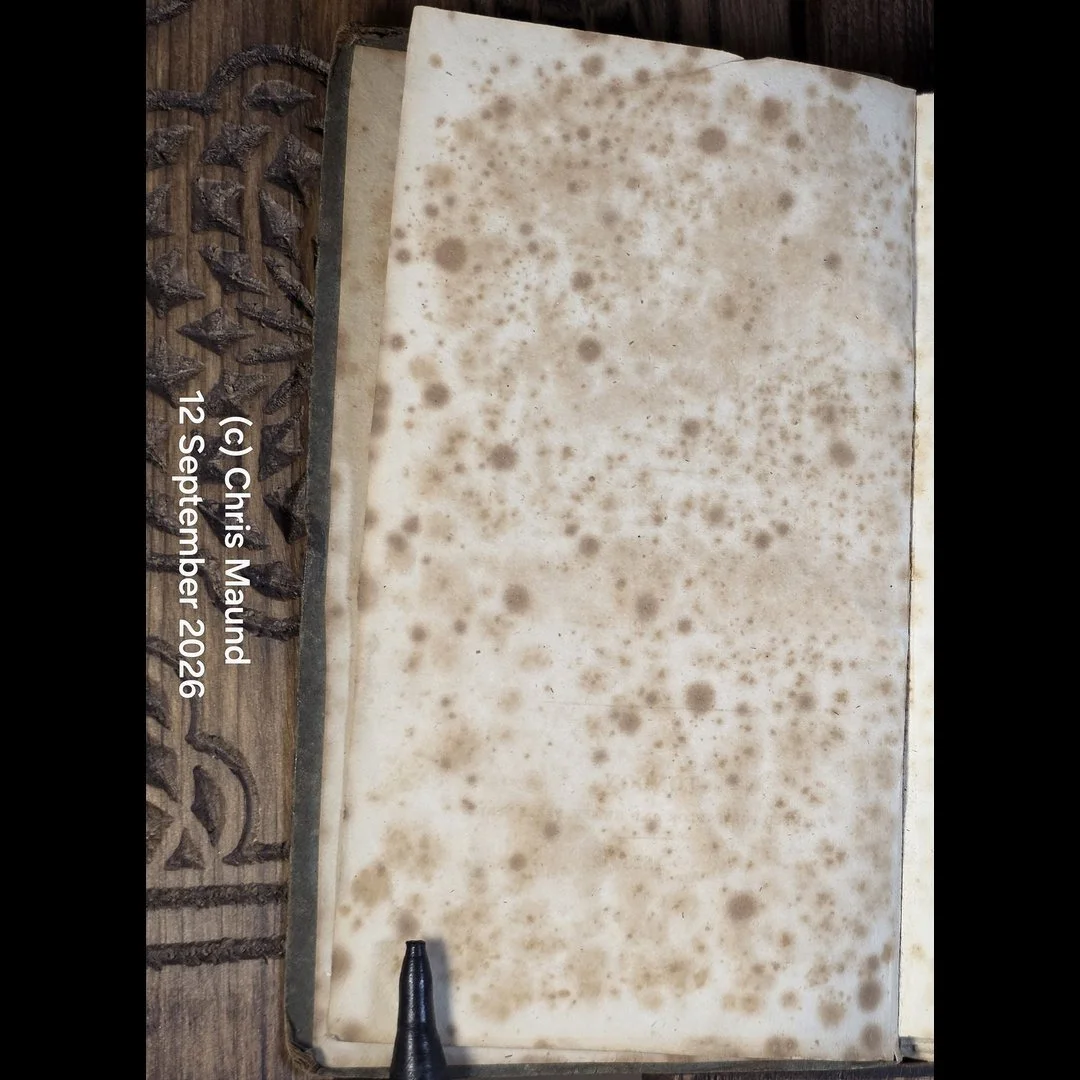 Image 30 of 30

















![1892 First English Edtn, Second Impression THE STORY OF A PUPPET By Carlo Collodi [Carlo Lorenzini] Illus. Enrico Mazzanti](https://images.squarespace-cdn.com/content/v1/634dab4938c13d5c1f88d382/dcf6c683-457d-42e7-b01a-6dc7dace012c/20241017_224034-8.jpg)