1957 First Edition
THE DIAMOND SMUGGLERS
By Ian Fleming
KEY DETAILS
Condition: Very Good
Format: Hardcover, Octavo (Standard) (8vo 6 × 9 in 152 × 229 mm )
Note: Binding/size selection follows standard bibliographic conventions and is approximate; exact measurements may vary.
Published By: Jonathan Cape, Thirty Bedford Square, London, 1957
Language: English
Provenance: With the bookseller’s ticket of:
Collation: Complete with:; - cartoon frontispiece by Bob Connolly;; - 16 pages of photographic plates containing 31 photographs;; - map, “The Million Carat Network,” p. 38;
Dust Jacket: Yes, Good
SKU: BTETM0002740
Shipping Info: Approximate Package Dimensions H: 12.5, L: 30, W: 25 (Units: cm), W: 2Kg
Tracked Shipping, Insurance Coverage as per Customer Request
DESCRIPTION
The Diamond Smugglers
First edition, first impression of Ian Fleming’s first book of non-fiction, with the title and author’s name lettered in white on the spine, the later binding variant employs bronze/gilt lettering.: an account of the international trade in illicit diamonds and the intelligence operation mounted against it, written while Fleming was at the height of his success as the creator of James Bond.
Octavo. Original black cloth, spine lettered in white; in the original pictorial dust wrapper designed by Denis Piper, retaining the publisher’s price of 12s. 6d. net. Cartoon frontispiece by Bob Connolly; 16 pages of monochrome photographic plates containing 31 photographs; three maps within the text at pp. 38, 45 and 103. 160 pp.
Published in 1957, between From Russia, with Love and Dr. No, The Diamond Smugglers occupies an unusual and particularly interesting position in Ian Fleming’s bibliography. It was his first work of non-fiction and grew directly from the research Fleming had undertaken into the international diamond trade while writing Diamonds Are Forever.
The book is based principally upon Fleming’s conversations with John Collard, a former MI5 officer who appears under the pseudonym “John Blaize”, and recounts the activities of the International Diamond Security Organisation. Established under former MI5 Director-General Sir Percy Sillitoe, the organisation attempted to penetrate and disrupt the highly organised networks responsible for smuggling millions of pounds’ worth of diamonds out of Africa.
Fleming presents the material with the narrative pace and eye for detail familiar from the Bond novels. Beginning with the African diamond fields, the story follows illicit stones through a network extending across Sierra Leone, Liberia, South Africa and the Congo to Antwerp, London, Paris, Beirut and beyond.
Particularly striking is the map “The Million Carat Network” on p. 38, illustrating the principal smuggling routes between African diamond-producing regions and international centres including Antwerp, London, Paris, Moscow, Beirut and Bombay. Further maps accompany Fleming’s account, while the photographic plates document individuals, locations and methods involved in the trade.
Although not a Bond novel, the book has an unusually close relationship with Fleming’s fictional world. The same subject matter, locations and intelligence milieu informed Diamonds Are Forever, making The Diamond Smugglers an important companion to the Bond canon as well as a fascinating period account of organised crime, espionage and the international diamond industry.
PROVENANCE
With the bookseller’s ticket of:
THE PILGRIMS BOOKSHOP
N. A. RAE
29 St. Margaret’s St., Canterbury
to the rear endpaper.
The Pilgrims Bookshop was a long-established independent Canterbury bookseller operated by Norman A. Rae and his family from the late 1950s for more than twenty years.
The shop occupied 29 St Margaret’s Street in central Canterbury and was associated with the city’s literary and academic life. The Rae family also operated an early university bookshop serving the newly established University of Kent.
Writer and broadcaster Simon Rae, Norman Rae’s son, later recalled growing up above the shop and his parents’ years in the Canterbury book trade.
The ticket provides attractive and identifiable local bookselling provenance. While the precise date on which this copy passed through Pilgrims cannot presently be established, the shop was already under the Rae family’s ownership from the late 1950s.
CONDITION, COLLATION & COPY NOTES
COLLATION
Complete with:
- cartoon frontispiece by Bob Connolly;
- 16 pages of photographic plates containing 31 photographs;
- map, “The Million Carat Network,” p. 38;
- map at p. 45;
- map at p. 103;
- 160 pp.
First edition, first impression, first-state binding.
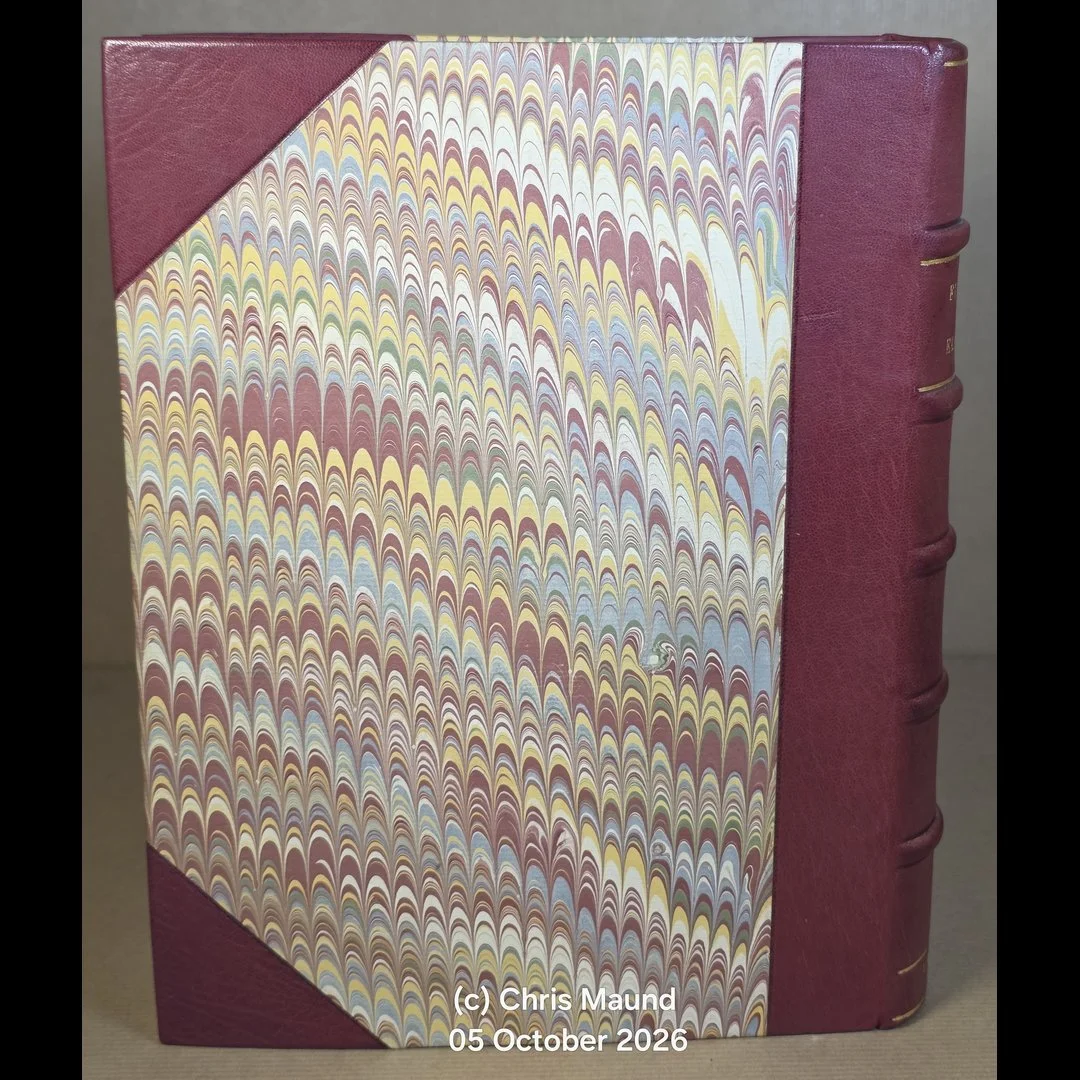
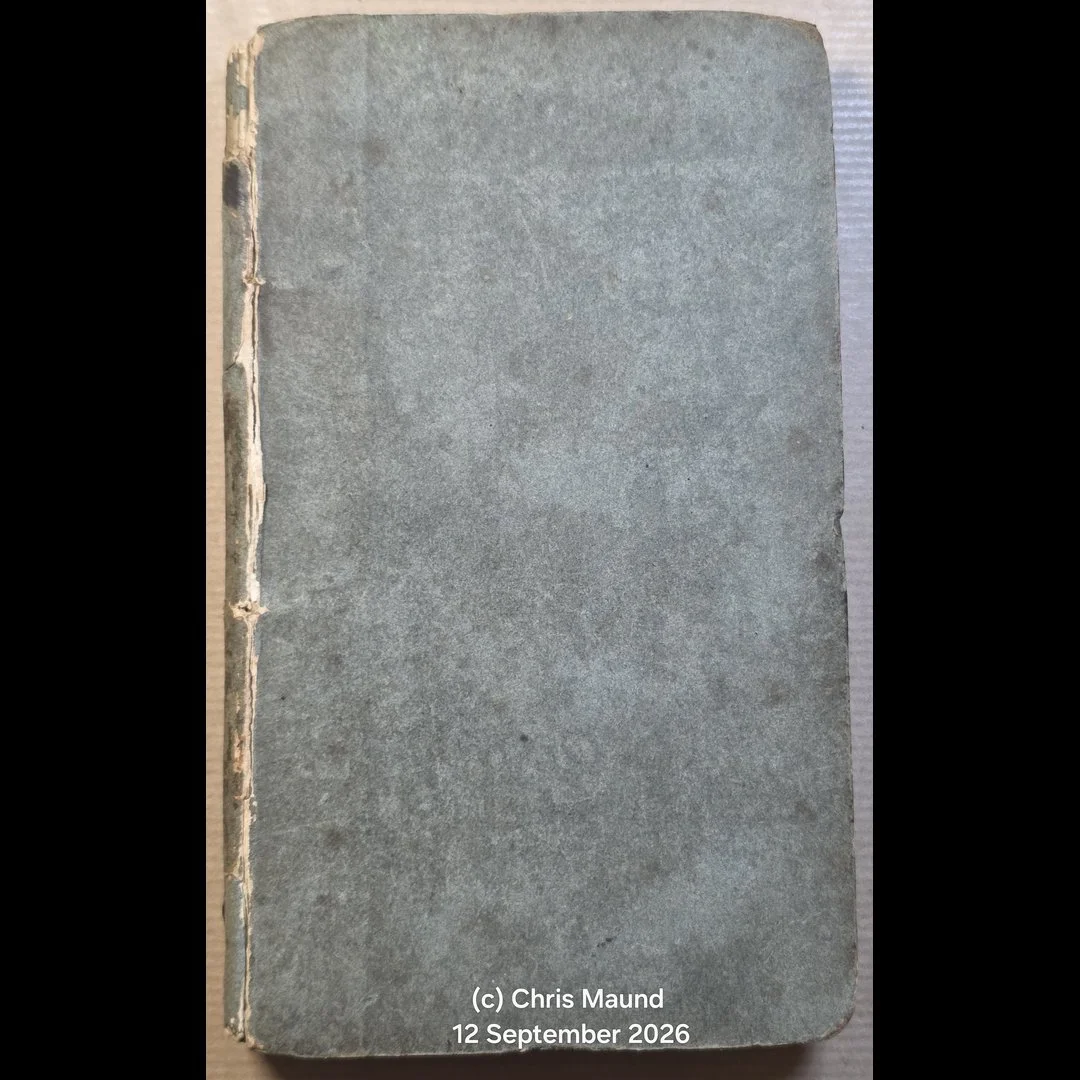
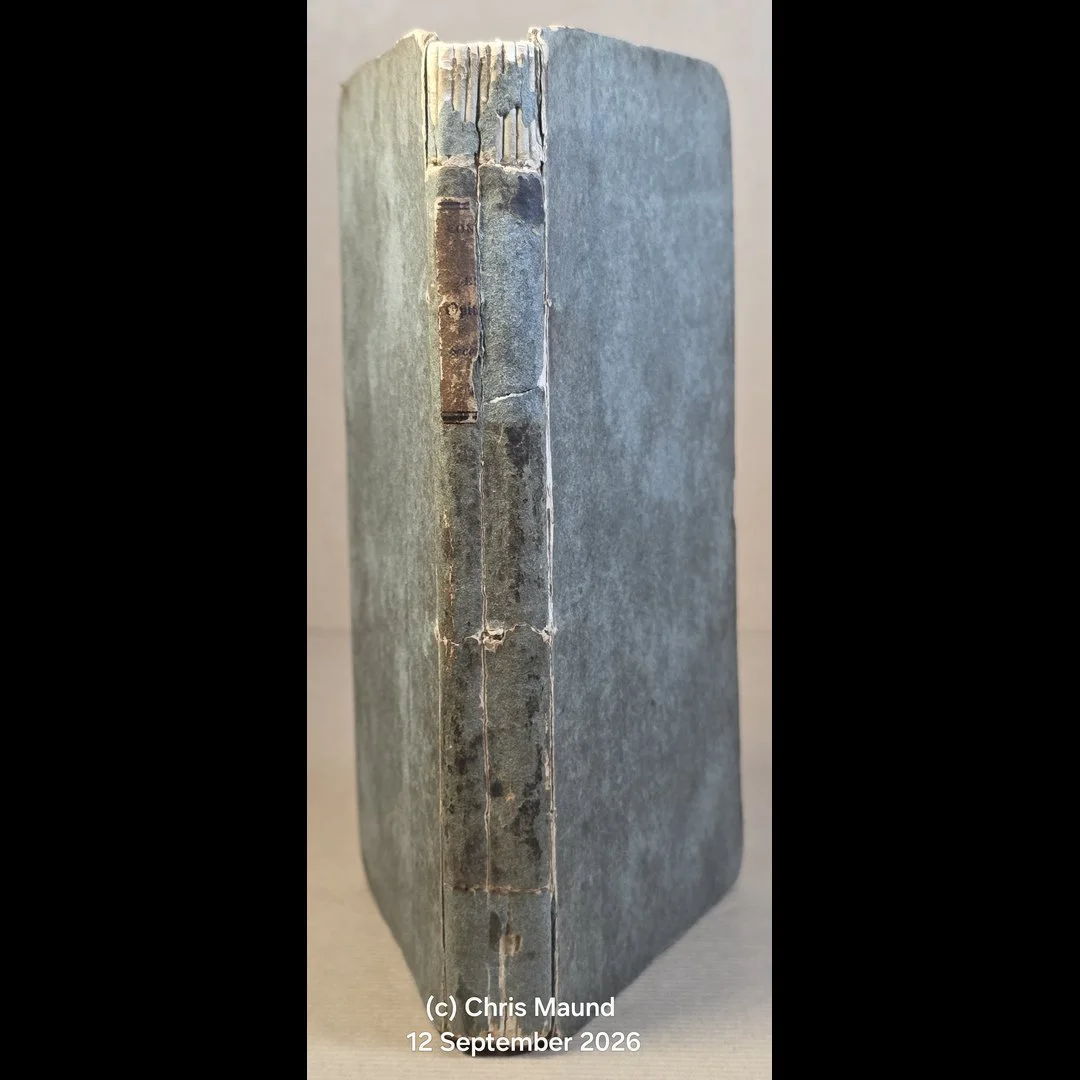
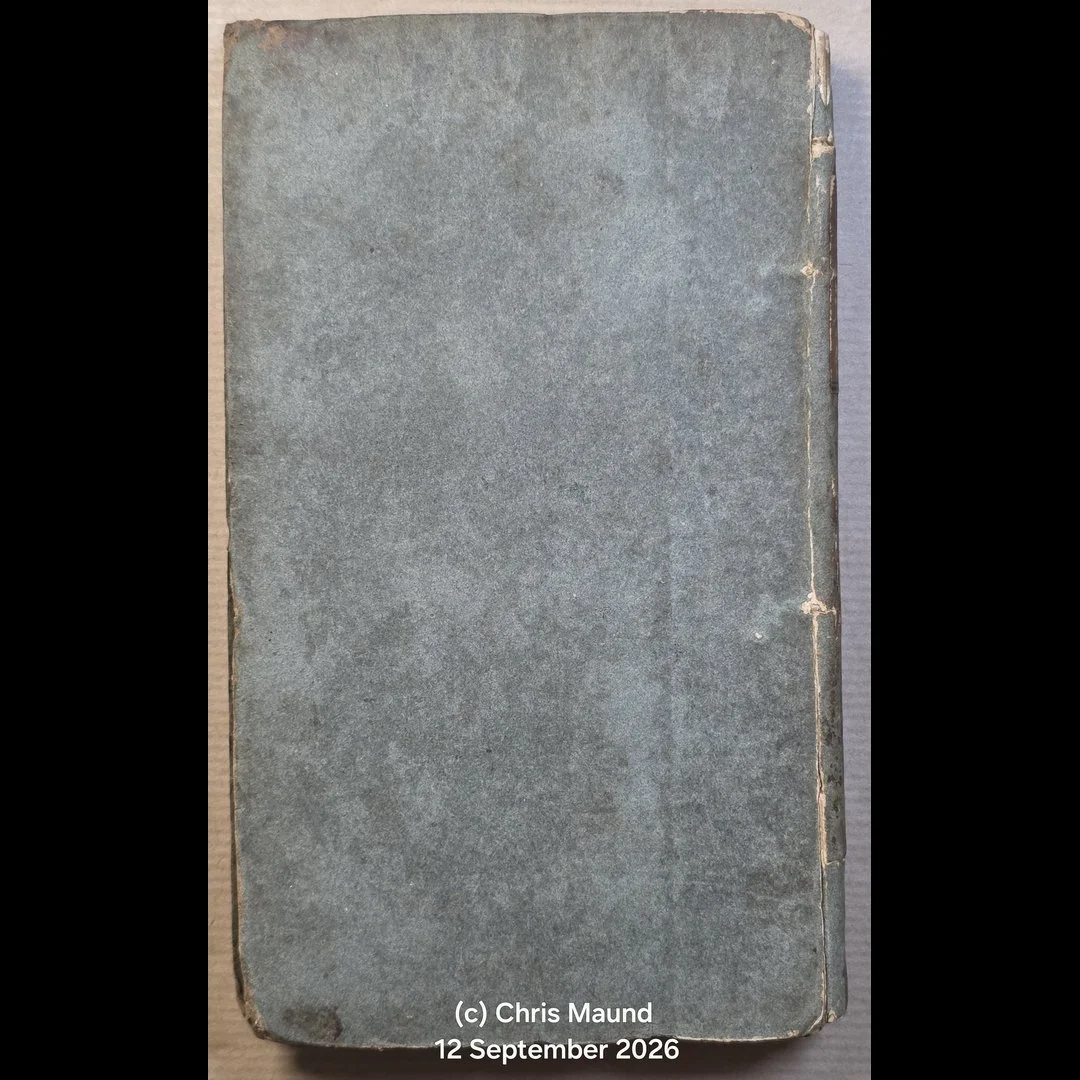
Original black cloth, spine lettered in white. Cloth generally well preserved, with only light handling and minor wear. Spine lettering remains clear and strong. Binding firm and square.
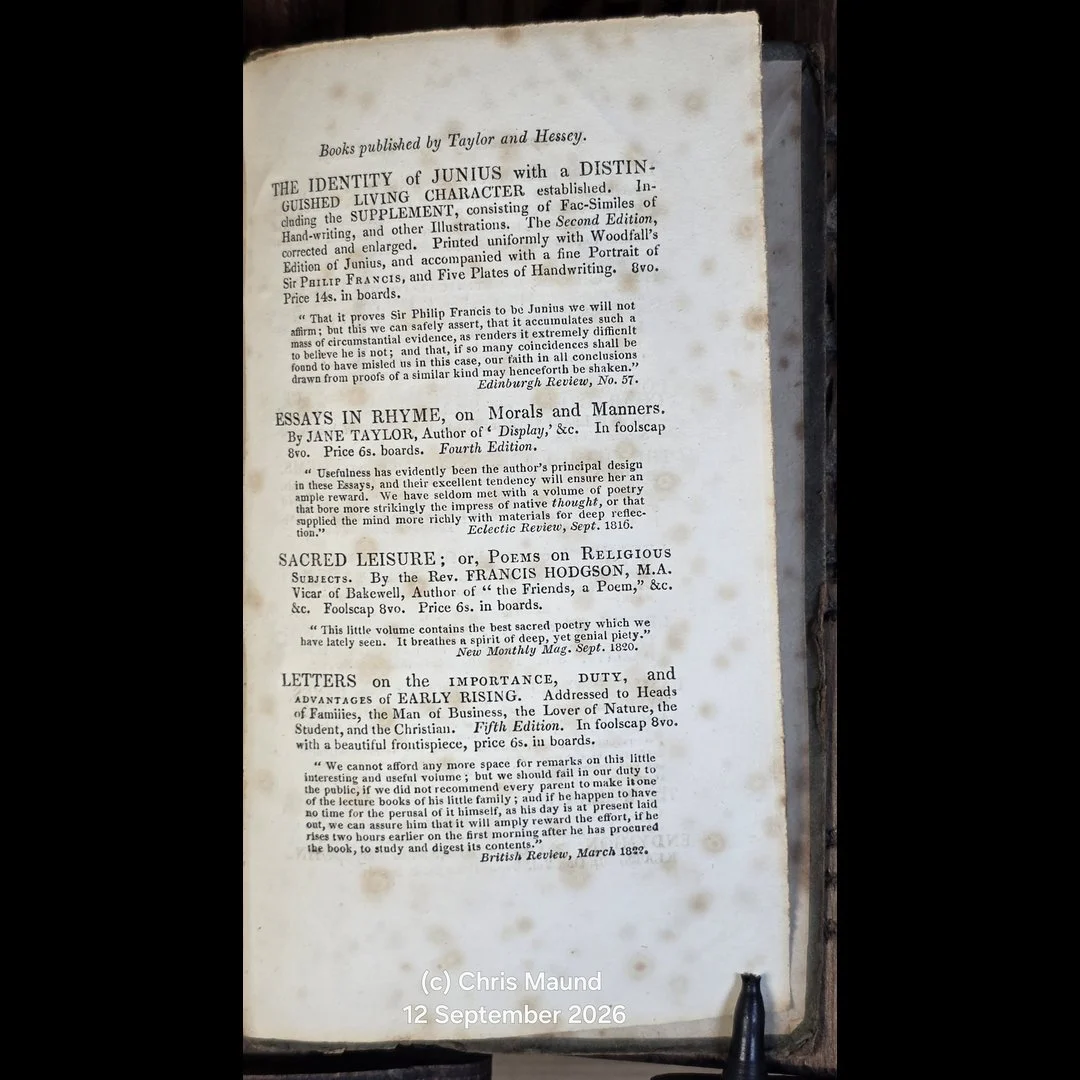
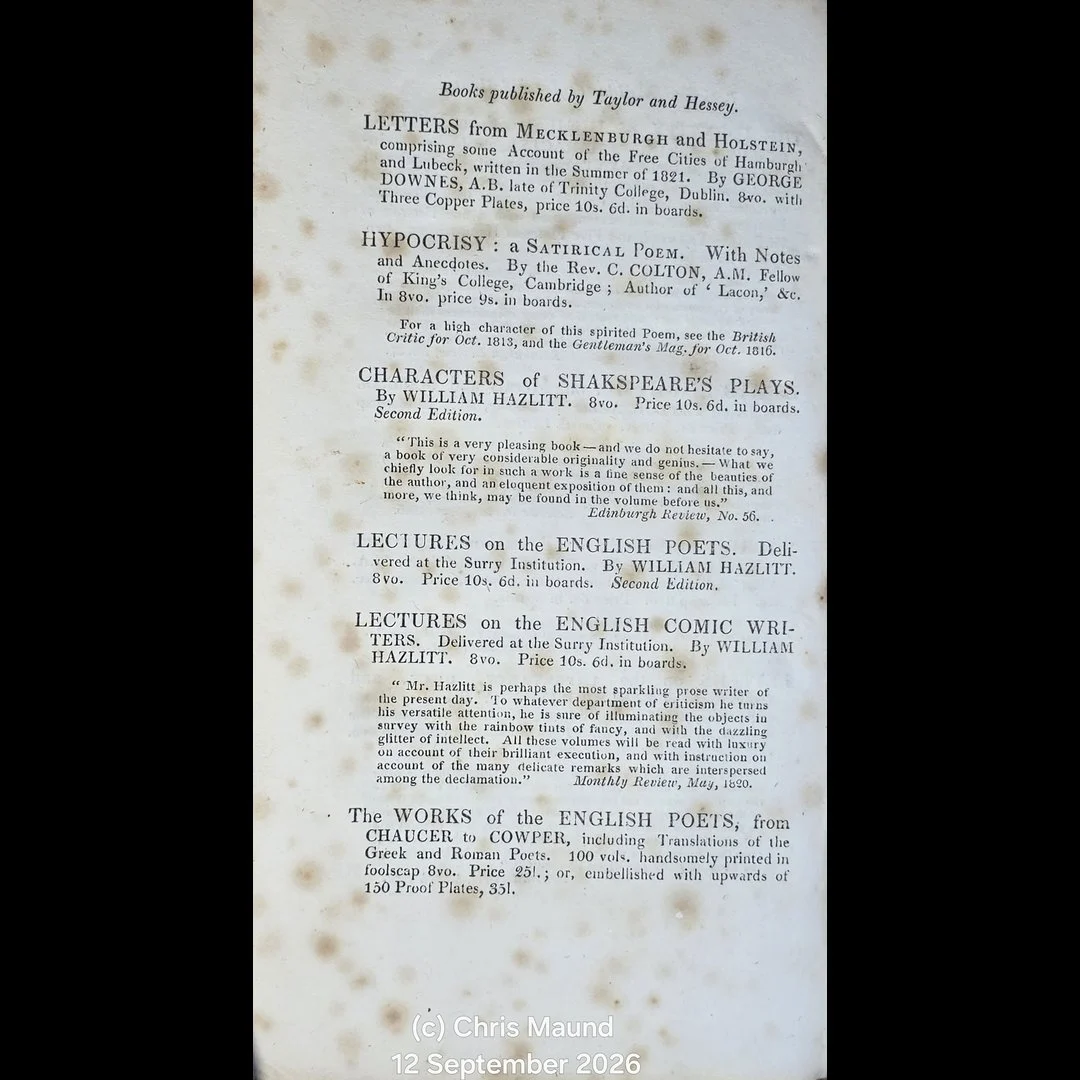
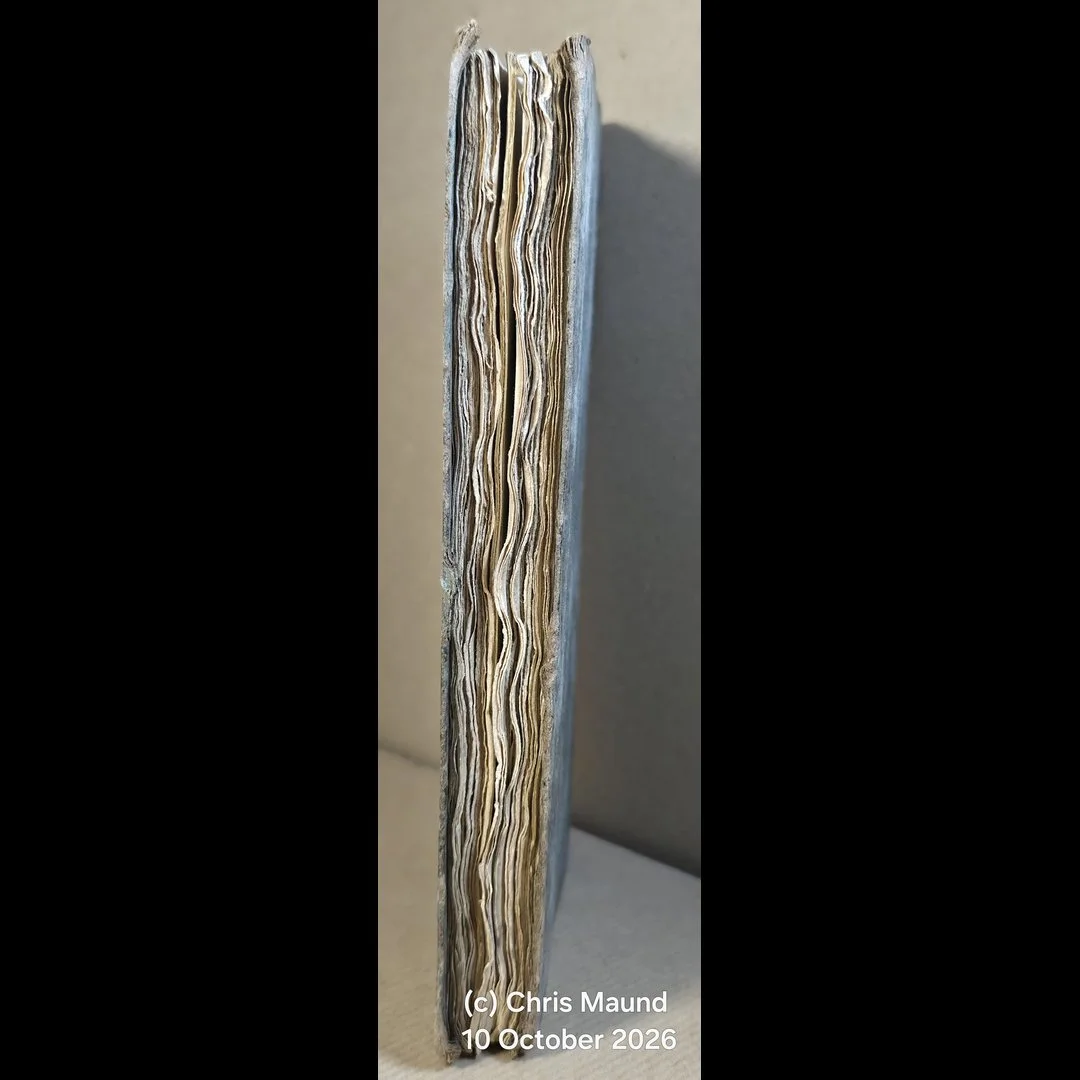
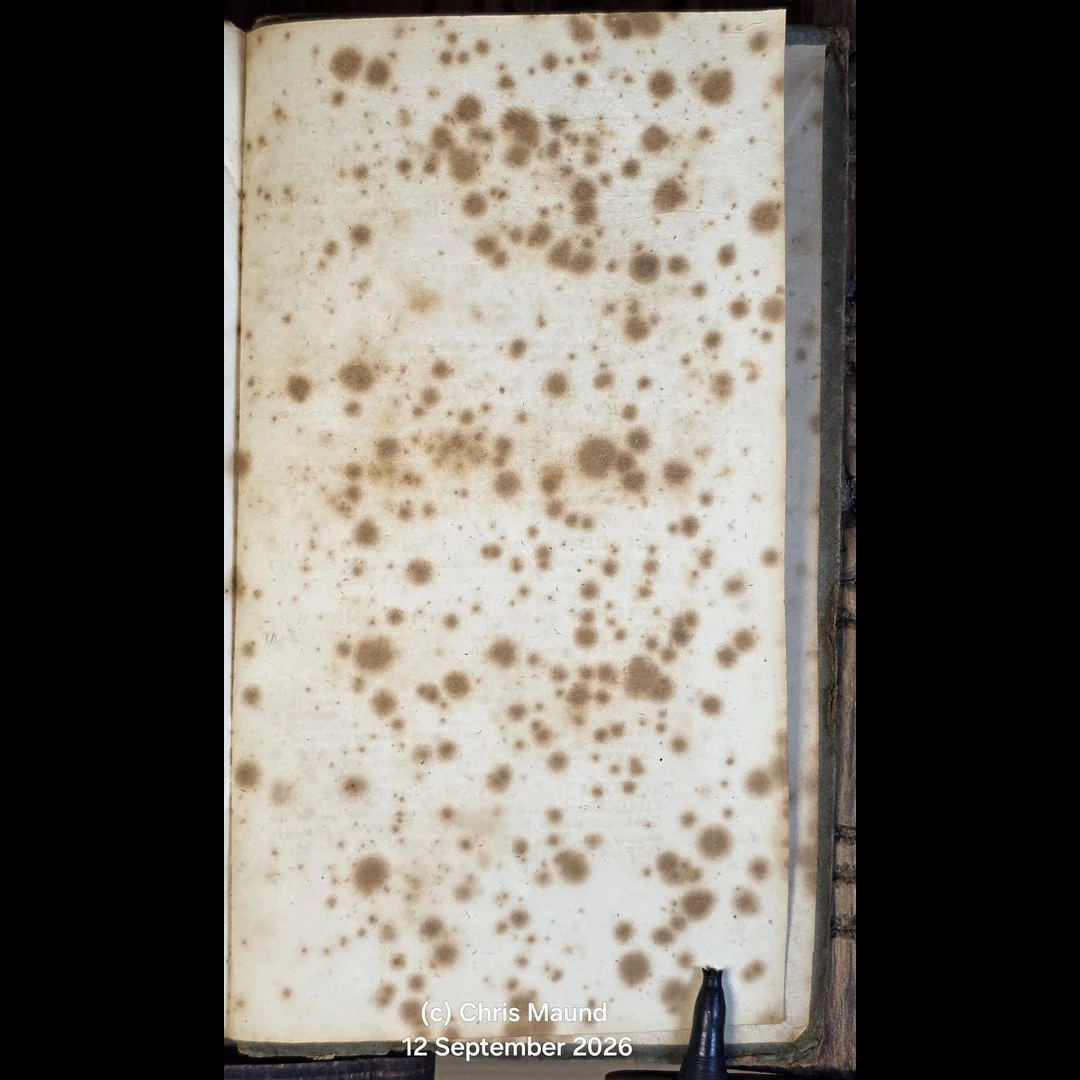
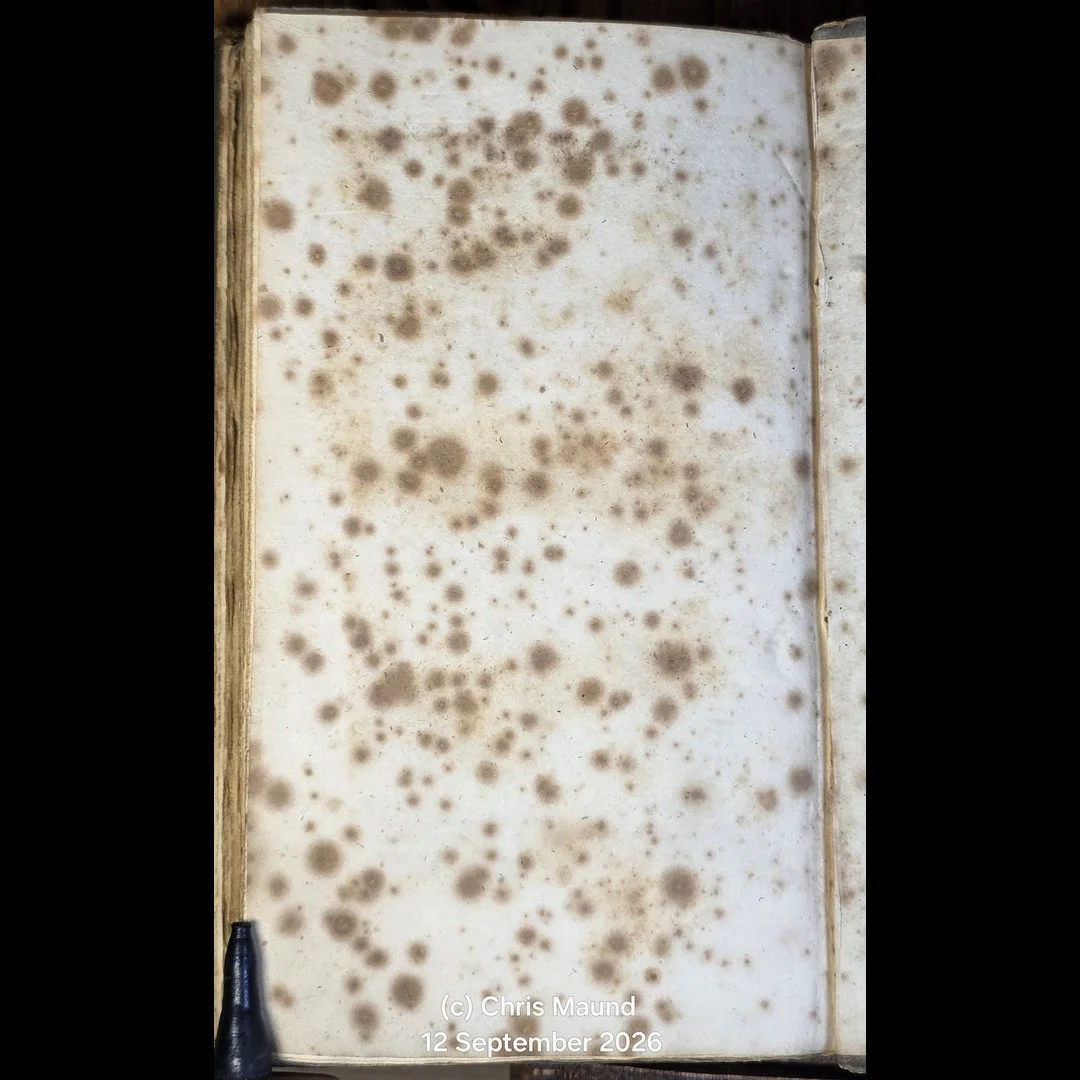
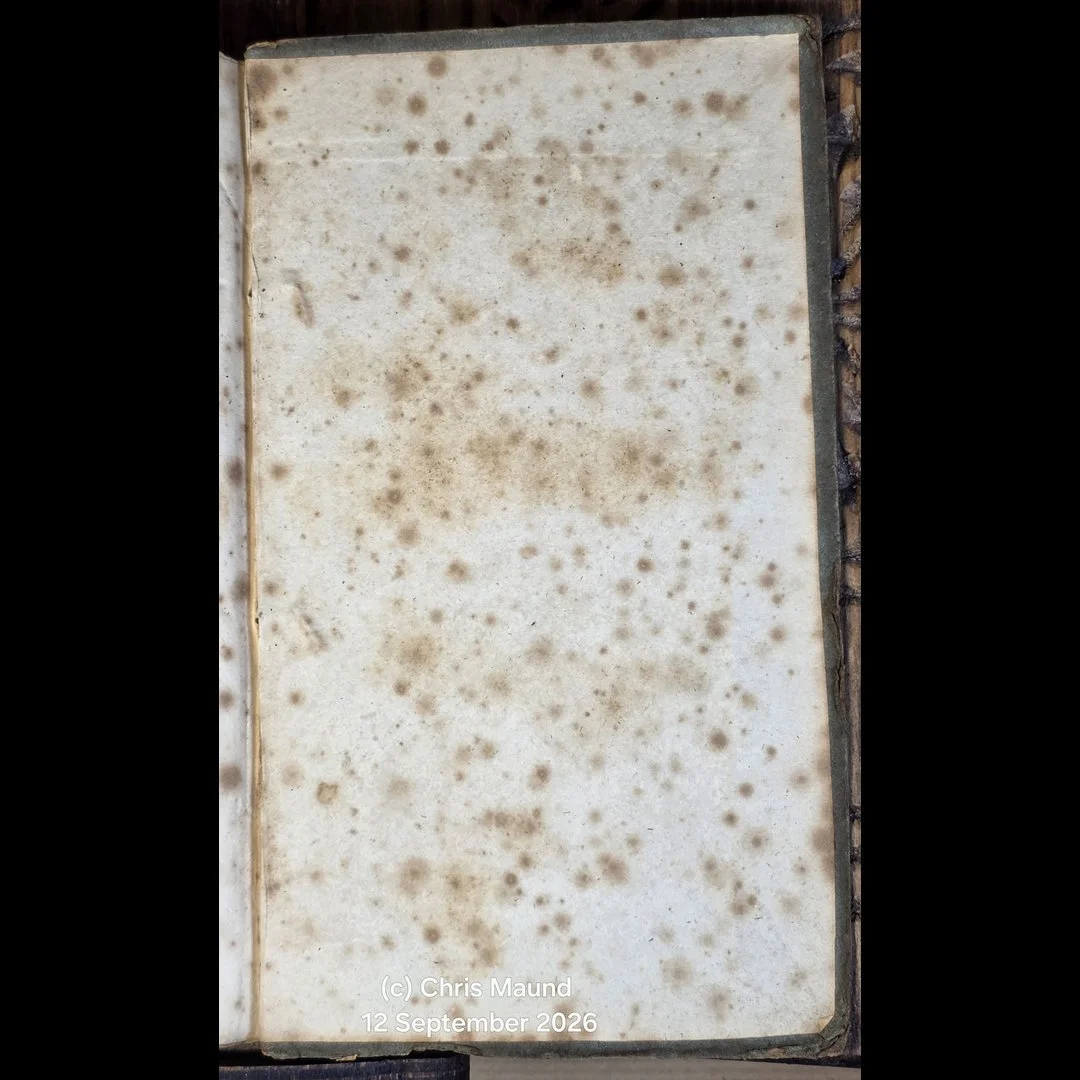
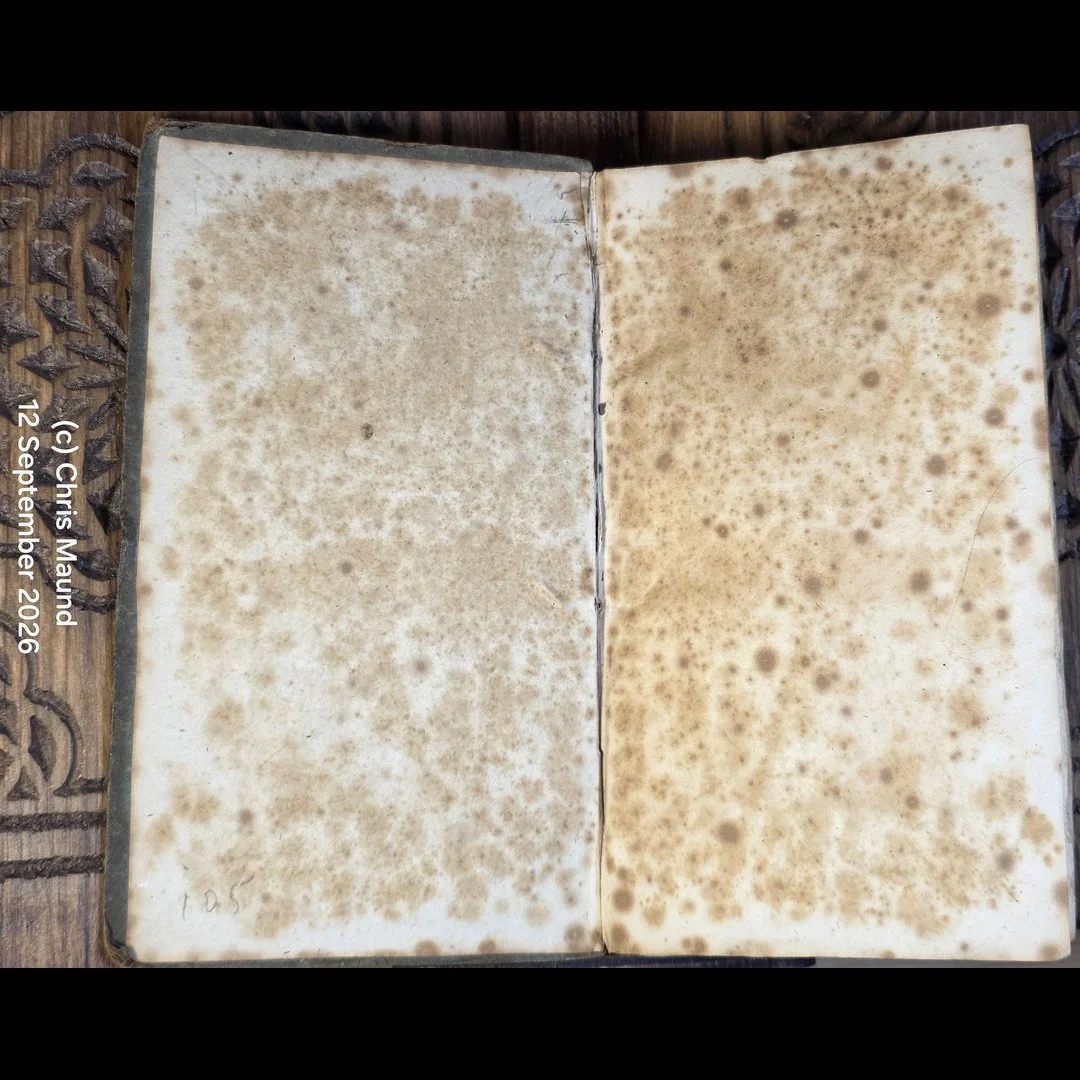
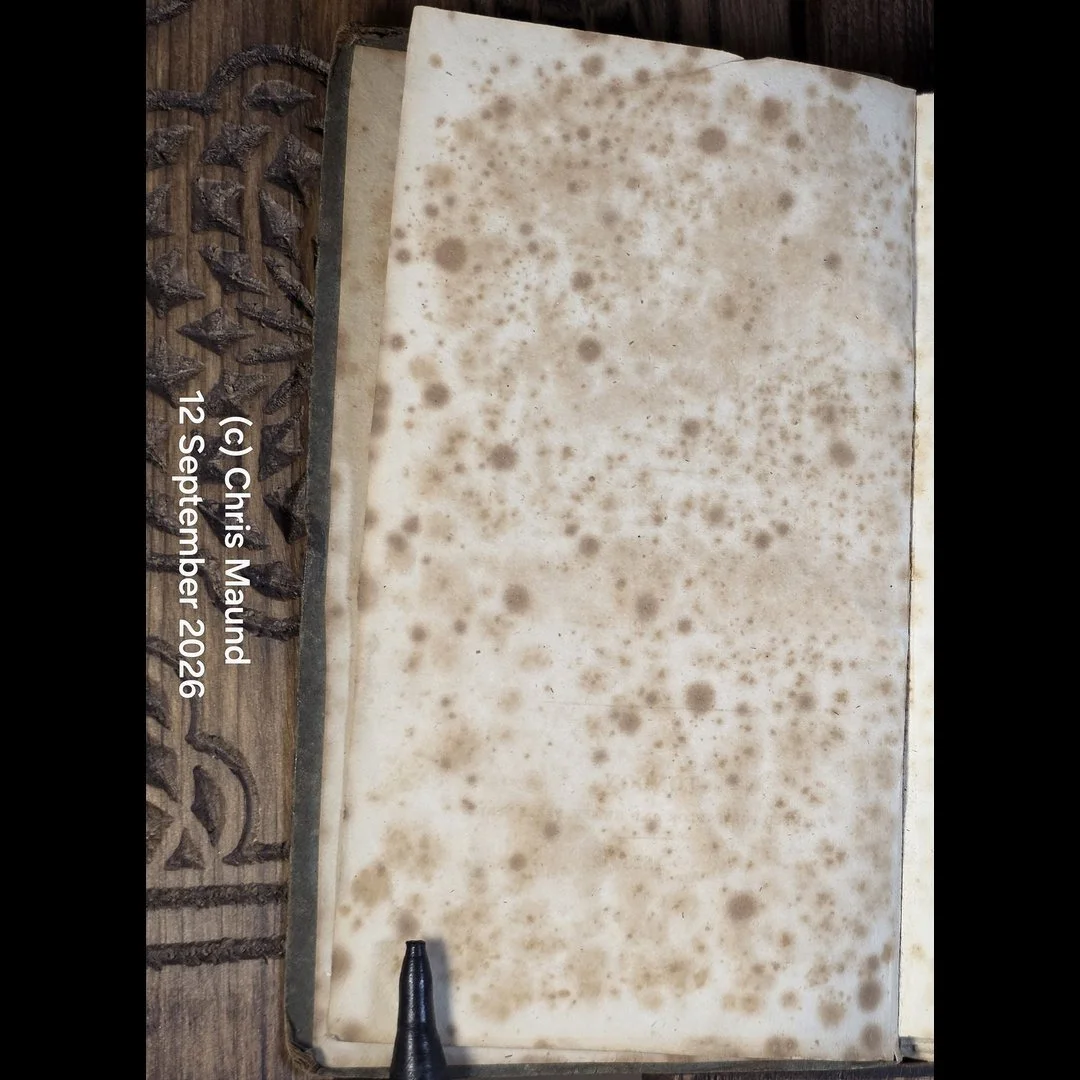
Internally generally clean and bright, with occasional light spotting and age-toning, principally to the endpapers, preliminaries and edges of the text block.
In the original Denis Piper dust wrapper, retaining the printed price of 12s. 6d. net.
The wrapper shows moderate age and handling wear, including rubbing and small nicks or chips at the extremities and several short edge tears/creases. The most noticeable defect is the characteristic sunning of the spine, the original orange-red having faded substantially towards yellow. Some additional toning and spotting to the wrapper verso.
The diagonally trimmed corners of the flaps are part of the publisher’s original production and the jacket remains price intact, rather than conventionally price-clipped.
A very good copy overall, the book itself particularly well preserved, in the uncommon survival of its original priced dust wrapper.
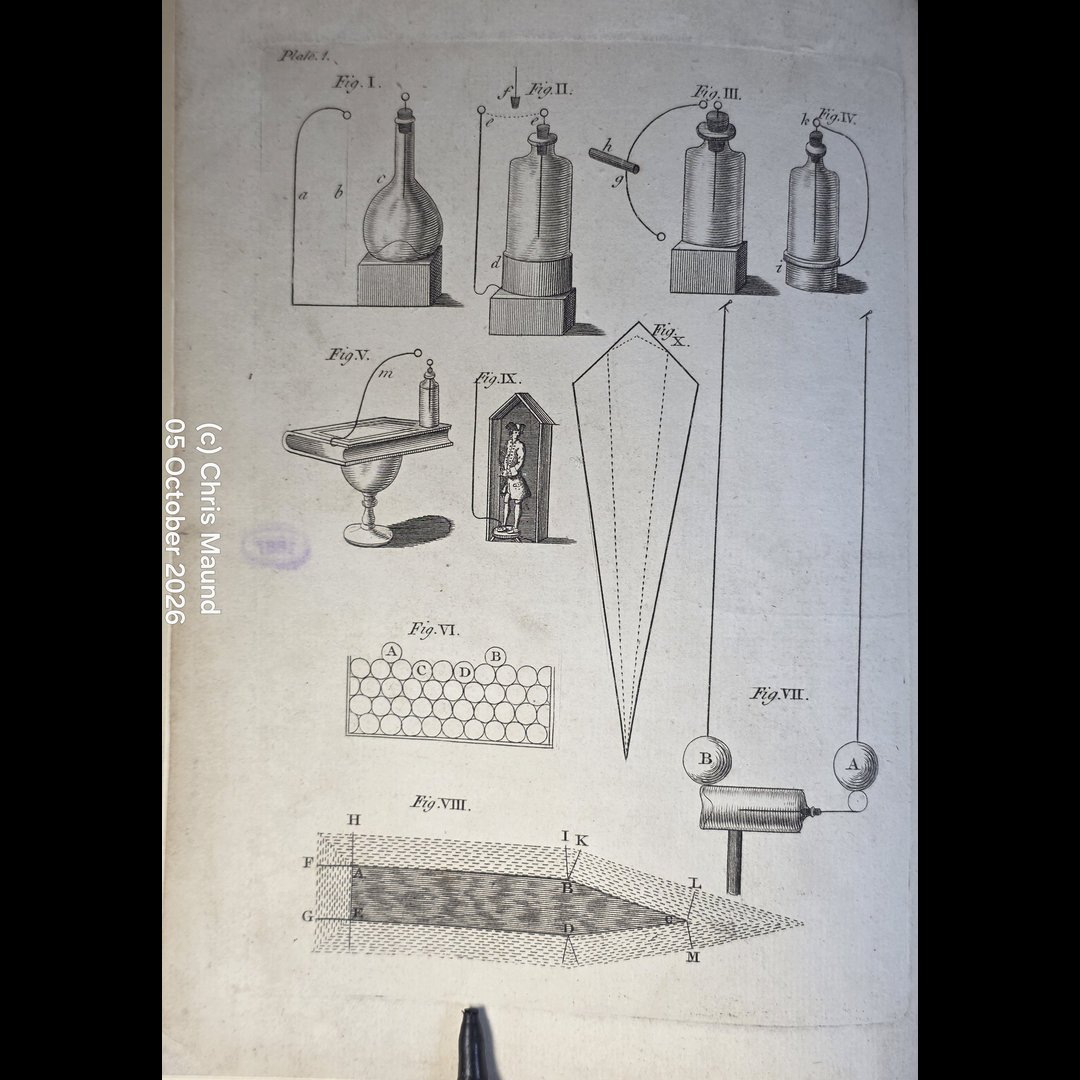
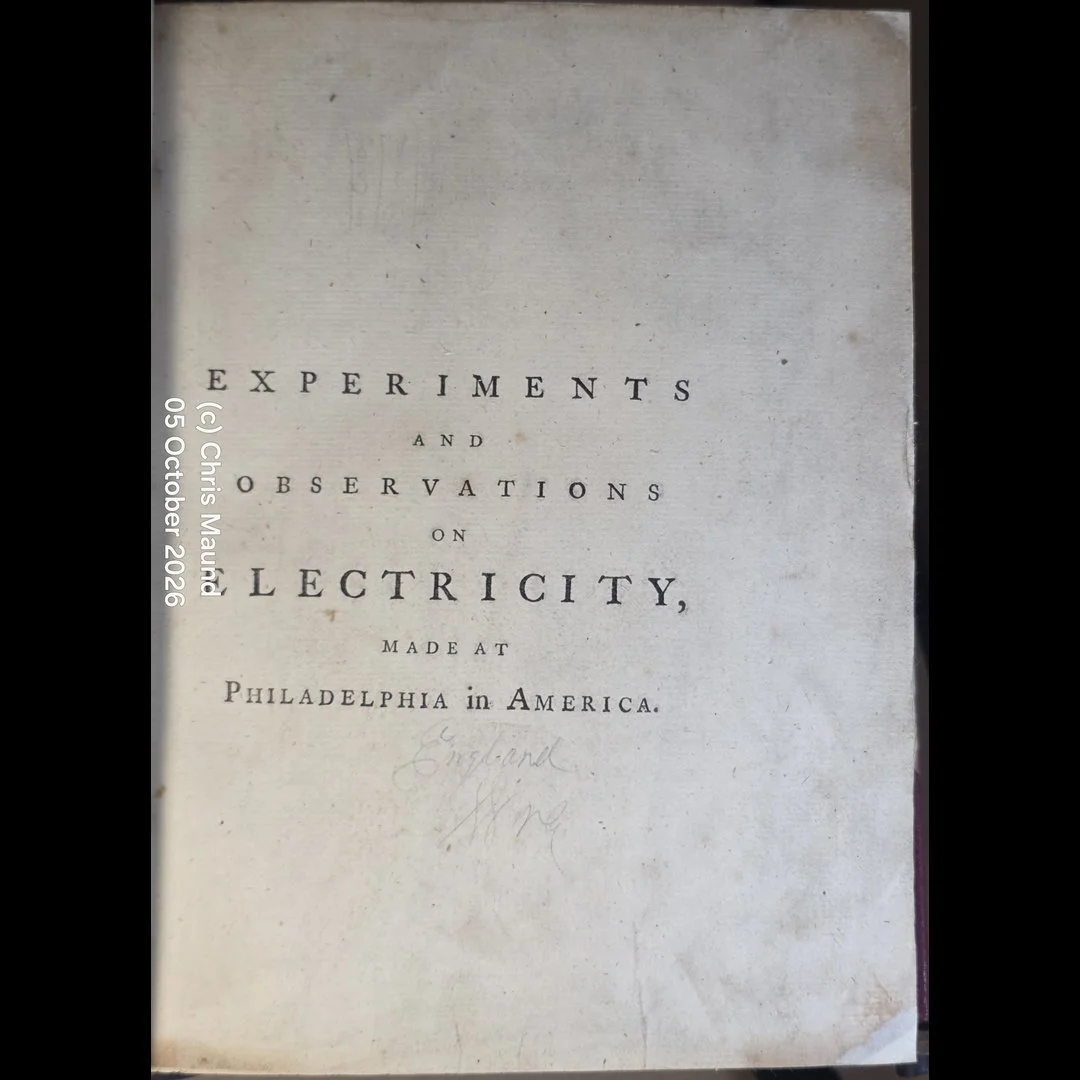
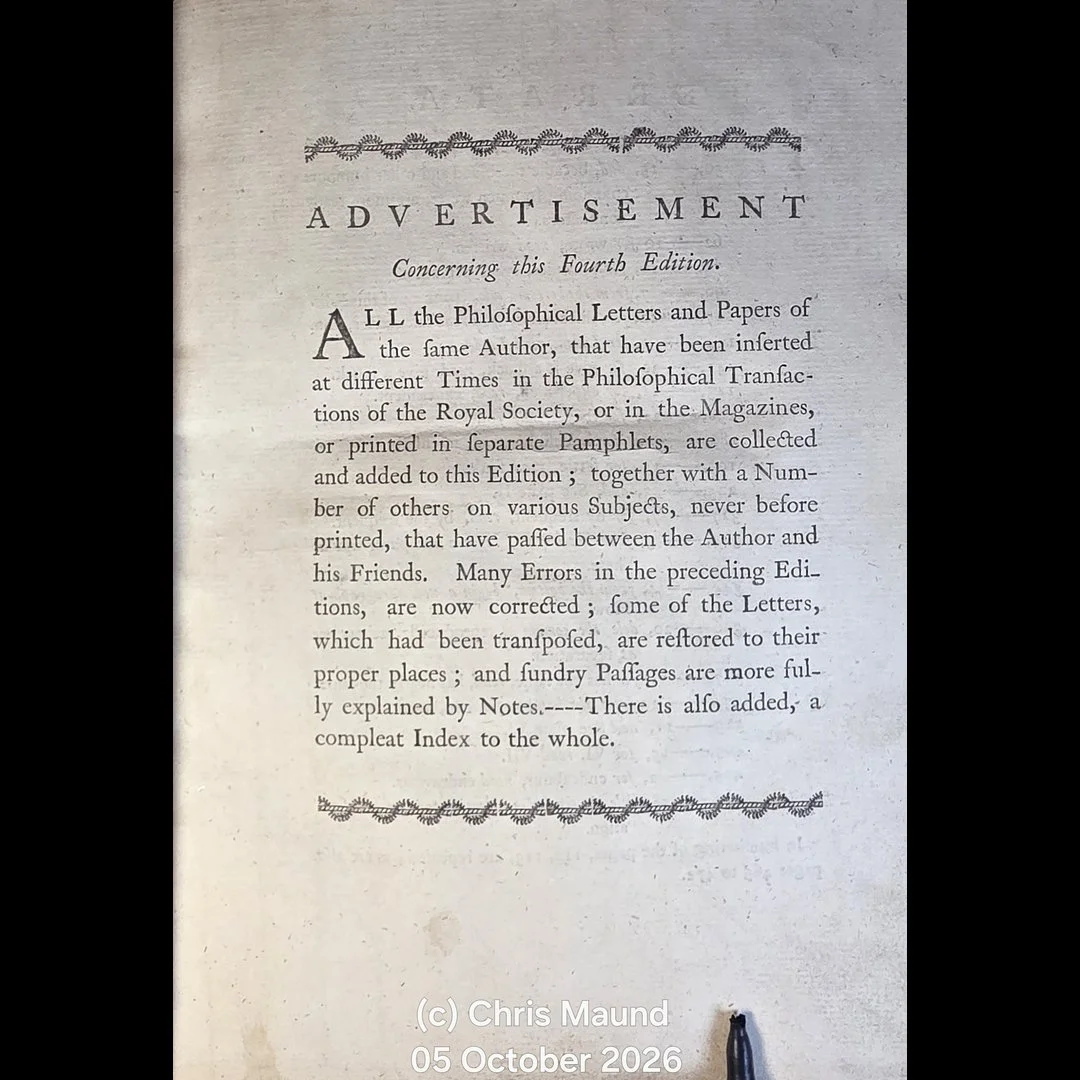
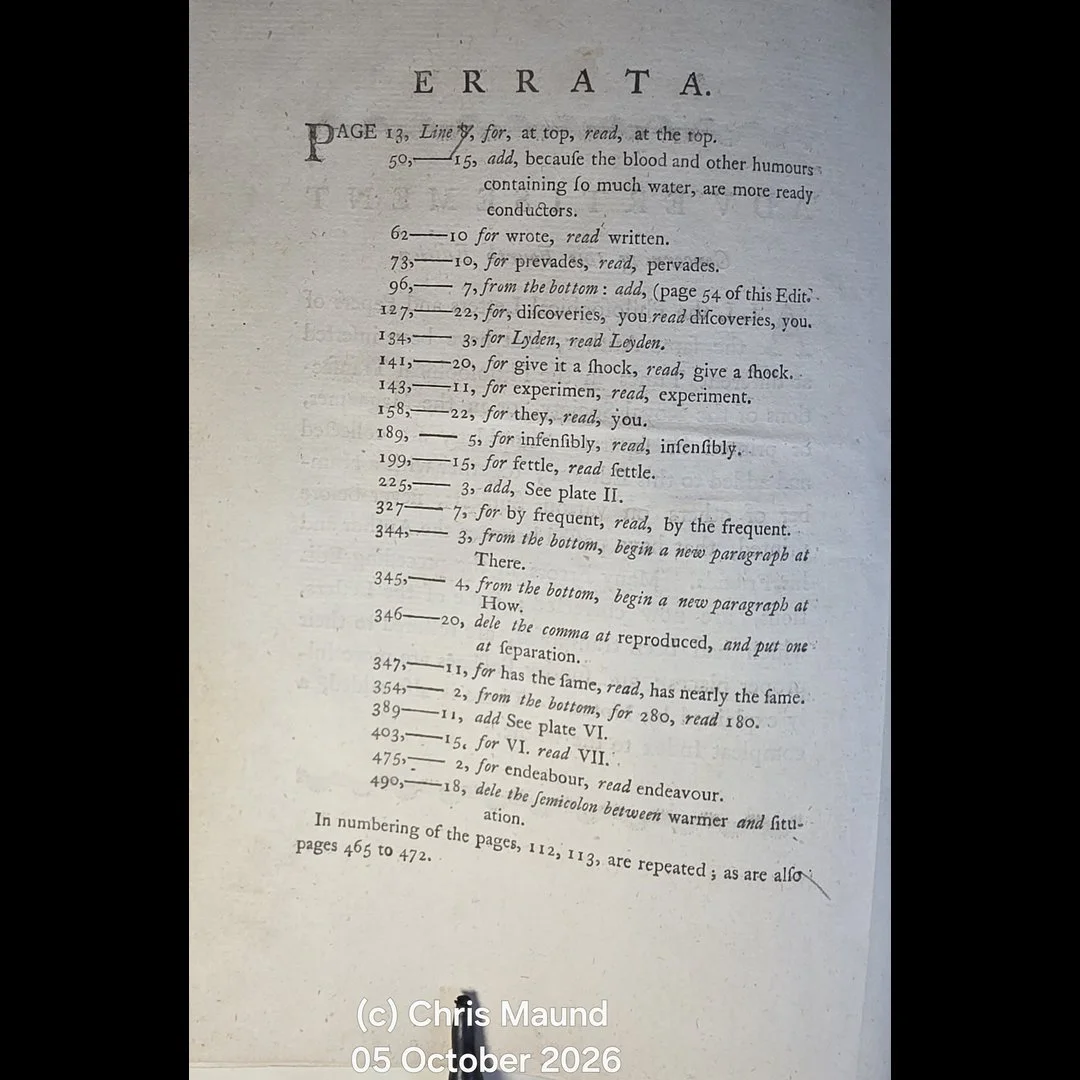
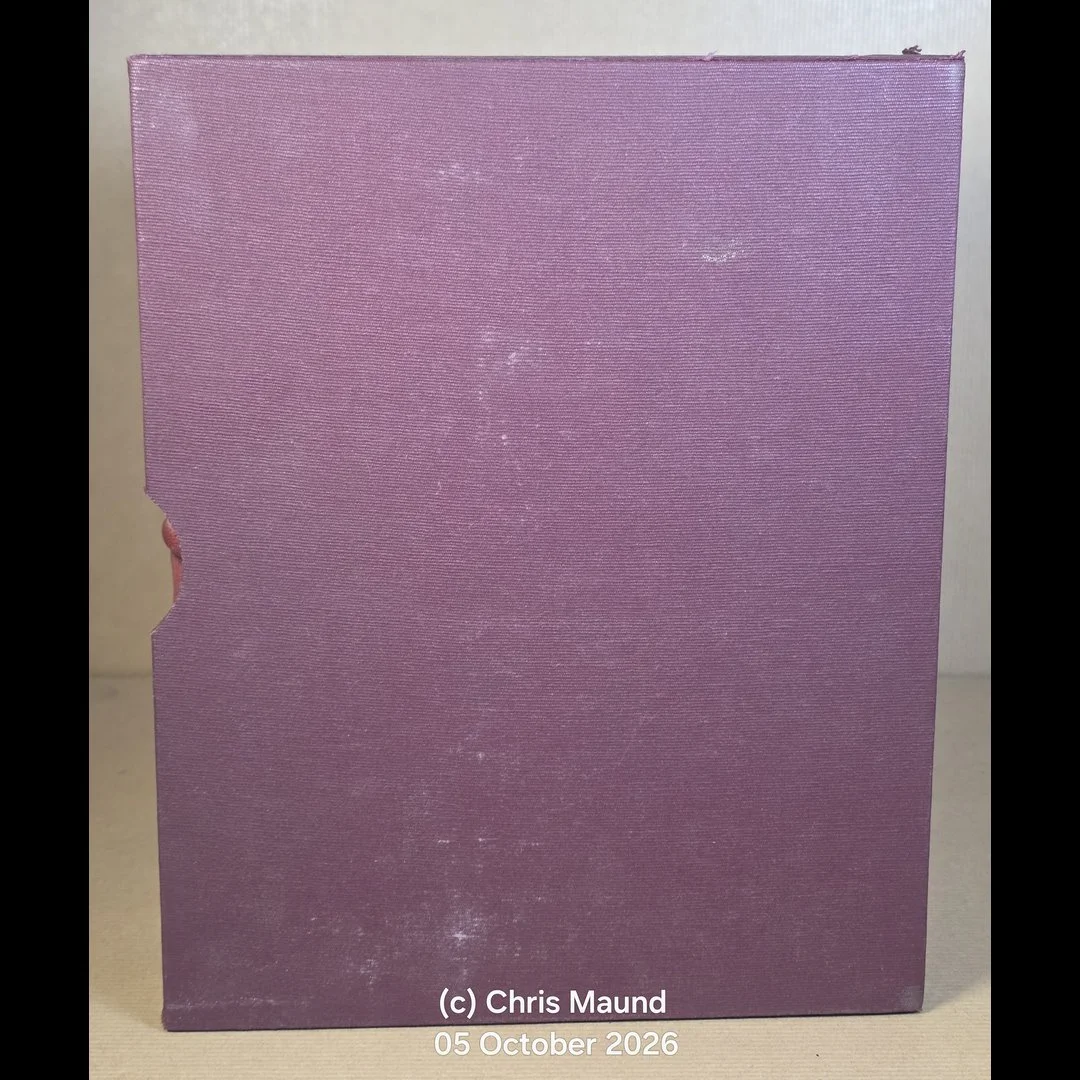
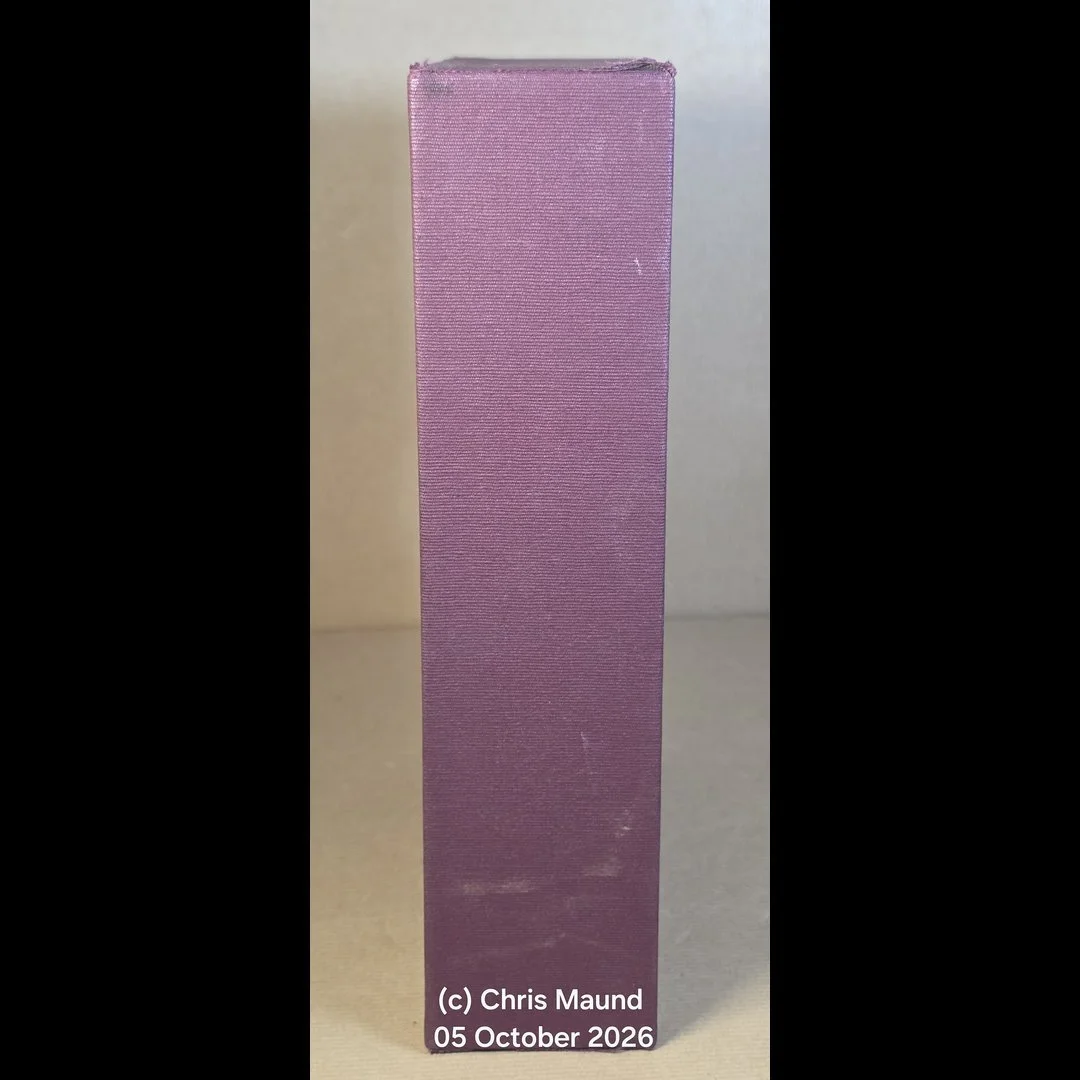
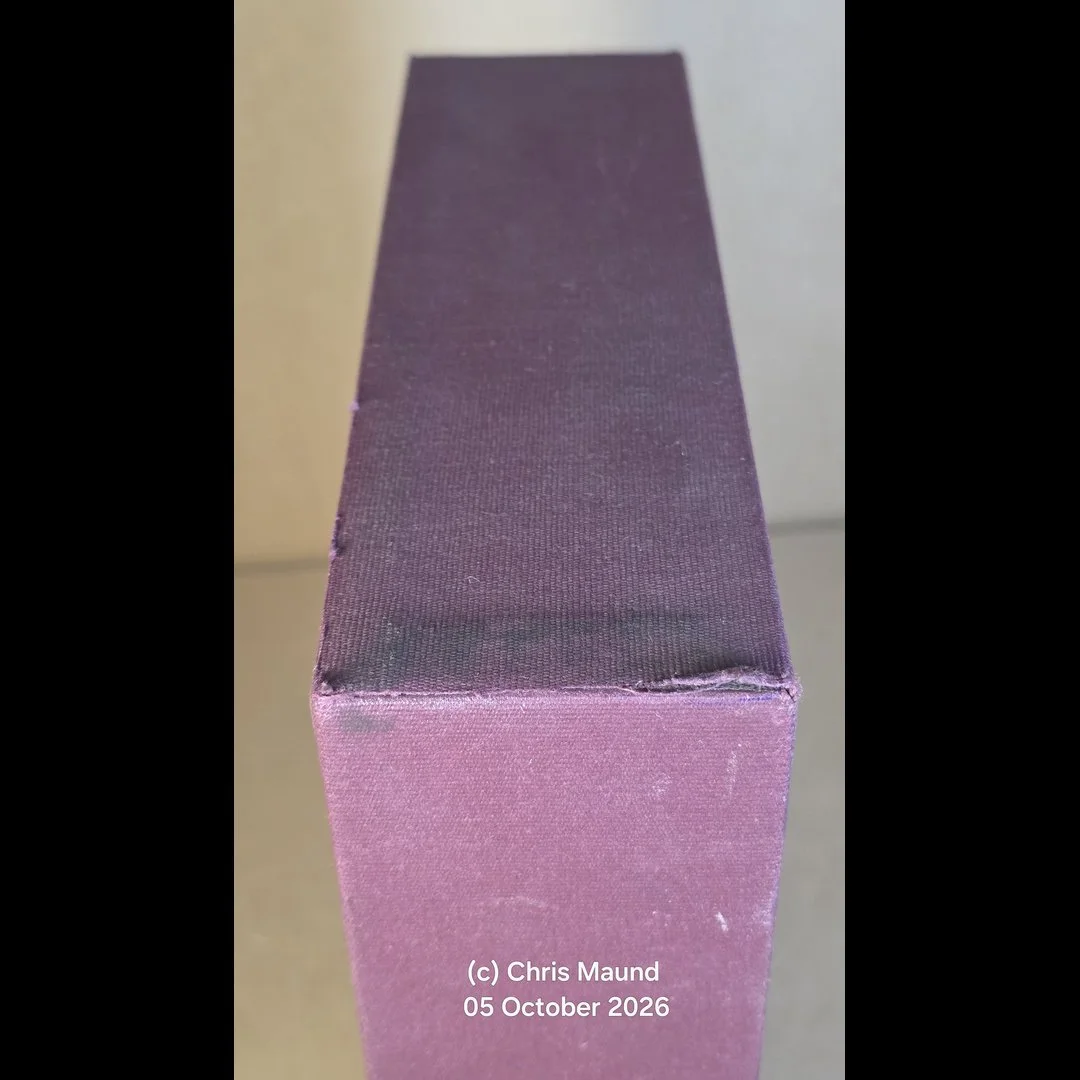
Please see Photos as part of condition report.
REFERENCES
Gilbert, Jon. Ian Fleming: The Bibliography, A15a (1.1).
Jonathan Cape, London, 1957.
SYNOPSIS
In the years following the Second World War, industrial diamonds had become strategically important commodities, while gem diamonds represented an easily transported and immensely valuable form of currency. Large quantities were disappearing illegally from African mines and entering an international black market.
Former MI5 chief Sir Percy Sillitoe was recruited by the diamond industry to investigate the problem. Under his direction an intelligence organisation was established to identify the smuggling routes, infiltrate criminal networks and trace the movement of illicit stones from the mines of Africa into European and Middle Eastern markets.
Ian Fleming gained access to the story through former intelligence officer John Collard — concealed in the book under the name John Blaize — and transformed the resulting interviews and research into The Diamond Smugglers.
The narrative moves from the diamond-producing regions of southern and western Africa through Freetown, Johannesburg, Antwerp, Paris, Beirut and other centres of the international trade. Fleming describes ingenious methods of concealment, undercover operations, informers, criminal intermediaries and the enormous profits generated by an illicit trade extending across continents.
Part reportage, part intelligence history and part true-crime narrative, The Diamond Smugglers provides an unusual glimpse of the real-world environment from which Fleming drew much of the atmosphere of the James Bond novels.
AUTHOR BIO
Ian Lancaster Fleming (1908–1964) was a British author, journalist and former naval intelligence officer, best known as the creator of James Bond.
During the Second World War Fleming served as assistant to the Director of Naval Intelligence, Admiral John Godfrey, and was closely involved with intelligence planning and special operations. His wartime experiences, together with the personalities and environments he encountered, provided much of the background for his later fiction.
Fleming published his first Bond novel, Casino Royale, in 1953. It was followed by Live and Let Die (1954), Moonraker (1955), Diamonds Are Forever (1956) and From Russia, with Love (1957), establishing Bond as one of the defining fictional characters of twentieth-century popular literature.
The Diamond Smugglers, published later in 1957, was Fleming’s first book of non-fiction. Its subject had a particularly close connection with Diamonds Are Forever, and the book demonstrates how Fleming transformed genuine intelligence, criminal and geopolitical material into the world of James Bond.
1957 First Edition
THE DIAMOND SMUGGLERS
By Ian Fleming
KEY DETAILS
Condition: Very Good
Format: Hardcover, Octavo (Standard) (8vo 6 × 9 in 152 × 229 mm )
Note: Binding/size selection follows standard bibliographic conventions and is approximate; exact measurements may vary.
Published By: Jonathan Cape, Thirty Bedford Square, London, 1957
Language: English
Provenance: With the bookseller’s ticket of:
Collation: Complete with:; - cartoon frontispiece by Bob Connolly;; - 16 pages of photographic plates containing 31 photographs;; - map, “The Million Carat Network,” p. 38;
Dust Jacket: Yes, Good
SKU: BTETM0002740
Shipping Info: Approximate Package Dimensions H: 12.5, L: 30, W: 25 (Units: cm), W: 2Kg
Tracked Shipping, Insurance Coverage as per Customer Request
DESCRIPTION
The Diamond Smugglers
First edition, first impression of Ian Fleming’s first book of non-fiction, with the title and author’s name lettered in white on the spine, the later binding variant employs bronze/gilt lettering.: an account of the international trade in illicit diamonds and the intelligence operation mounted against it, written while Fleming was at the height of his success as the creator of James Bond.
Octavo. Original black cloth, spine lettered in white; in the original pictorial dust wrapper designed by Denis Piper, retaining the publisher’s price of 12s. 6d. net. Cartoon frontispiece by Bob Connolly; 16 pages of monochrome photographic plates containing 31 photographs; three maps within the text at pp. 38, 45 and 103. 160 pp.
Published in 1957, between From Russia, with Love and Dr. No, The Diamond Smugglers occupies an unusual and particularly interesting position in Ian Fleming’s bibliography. It was his first work of non-fiction and grew directly from the research Fleming had undertaken into the international diamond trade while writing Diamonds Are Forever.
The book is based principally upon Fleming’s conversations with John Collard, a former MI5 officer who appears under the pseudonym “John Blaize”, and recounts the activities of the International Diamond Security Organisation. Established under former MI5 Director-General Sir Percy Sillitoe, the organisation attempted to penetrate and disrupt the highly organised networks responsible for smuggling millions of pounds’ worth of diamonds out of Africa.
Fleming presents the material with the narrative pace and eye for detail familiar from the Bond novels. Beginning with the African diamond fields, the story follows illicit stones through a network extending across Sierra Leone, Liberia, South Africa and the Congo to Antwerp, London, Paris, Beirut and beyond.
Particularly striking is the map “The Million Carat Network” on p. 38, illustrating the principal smuggling routes between African diamond-producing regions and international centres including Antwerp, London, Paris, Moscow, Beirut and Bombay. Further maps accompany Fleming’s account, while the photographic plates document individuals, locations and methods involved in the trade.
Although not a Bond novel, the book has an unusually close relationship with Fleming’s fictional world. The same subject matter, locations and intelligence milieu informed Diamonds Are Forever, making The Diamond Smugglers an important companion to the Bond canon as well as a fascinating period account of organised crime, espionage and the international diamond industry.
PROVENANCE
With the bookseller’s ticket of:
THE PILGRIMS BOOKSHOP
N. A. RAE
29 St. Margaret’s St., Canterbury
to the rear endpaper.
The Pilgrims Bookshop was a long-established independent Canterbury bookseller operated by Norman A. Rae and his family from the late 1950s for more than twenty years.
The shop occupied 29 St Margaret’s Street in central Canterbury and was associated with the city’s literary and academic life. The Rae family also operated an early university bookshop serving the newly established University of Kent.
Writer and broadcaster Simon Rae, Norman Rae’s son, later recalled growing up above the shop and his parents’ years in the Canterbury book trade.
The ticket provides attractive and identifiable local bookselling provenance. While the precise date on which this copy passed through Pilgrims cannot presently be established, the shop was already under the Rae family’s ownership from the late 1950s.
CONDITION, COLLATION & COPY NOTES
COLLATION
Complete with:
- cartoon frontispiece by Bob Connolly;
- 16 pages of photographic plates containing 31 photographs;
- map, “The Million Carat Network,” p. 38;
- map at p. 45;
- map at p. 103;
- 160 pp.
First edition, first impression, first-state binding.
Original black cloth, spine lettered in white. Cloth generally well preserved, with only light handling and minor wear. Spine lettering remains clear and strong. Binding firm and square.
Internally generally clean and bright, with occasional light spotting and age-toning, principally to the endpapers, preliminaries and edges of the text block.
In the original Denis Piper dust wrapper, retaining the printed price of 12s. 6d. net.
The wrapper shows moderate age and handling wear, including rubbing and small nicks or chips at the extremities and several short edge tears/creases. The most noticeable defect is the characteristic sunning of the spine, the original orange-red having faded substantially towards yellow. Some additional toning and spotting to the wrapper verso.
The diagonally trimmed corners of the flaps are part of the publisher’s original production and the jacket remains price intact, rather than conventionally price-clipped.
A very good copy overall, the book itself particularly well preserved, in the uncommon survival of its original priced dust wrapper.
Please see Photos as part of condition report.
REFERENCES
Gilbert, Jon. Ian Fleming: The Bibliography, A15a (1.1).
Jonathan Cape, London, 1957.
SYNOPSIS
In the years following the Second World War, industrial diamonds had become strategically important commodities, while gem diamonds represented an easily transported and immensely valuable form of currency. Large quantities were disappearing illegally from African mines and entering an international black market.
Former MI5 chief Sir Percy Sillitoe was recruited by the diamond industry to investigate the problem. Under his direction an intelligence organisation was established to identify the smuggling routes, infiltrate criminal networks and trace the movement of illicit stones from the mines of Africa into European and Middle Eastern markets.
Ian Fleming gained access to the story through former intelligence officer John Collard — concealed in the book under the name John Blaize — and transformed the resulting interviews and research into The Diamond Smugglers.
The narrative moves from the diamond-producing regions of southern and western Africa through Freetown, Johannesburg, Antwerp, Paris, Beirut and other centres of the international trade. Fleming describes ingenious methods of concealment, undercover operations, informers, criminal intermediaries and the enormous profits generated by an illicit trade extending across continents.
Part reportage, part intelligence history and part true-crime narrative, The Diamond Smugglers provides an unusual glimpse of the real-world environment from which Fleming drew much of the atmosphere of the James Bond novels.
AUTHOR BIO
Ian Lancaster Fleming (1908–1964) was a British author, journalist and former naval intelligence officer, best known as the creator of James Bond.
During the Second World War Fleming served as assistant to the Director of Naval Intelligence, Admiral John Godfrey, and was closely involved with intelligence planning and special operations. His wartime experiences, together with the personalities and environments he encountered, provided much of the background for his later fiction.
Fleming published his first Bond novel, Casino Royale, in 1953. It was followed by Live and Let Die (1954), Moonraker (1955), Diamonds Are Forever (1956) and From Russia, with Love (1957), establishing Bond as one of the defining fictional characters of twentieth-century popular literature.
The Diamond Smugglers, published later in 1957, was Fleming’s first book of non-fiction. Its subject had a particularly close connection with Diamonds Are Forever, and the book demonstrates how Fleming transformed genuine intelligence, criminal and geopolitical material into the world of James Bond.

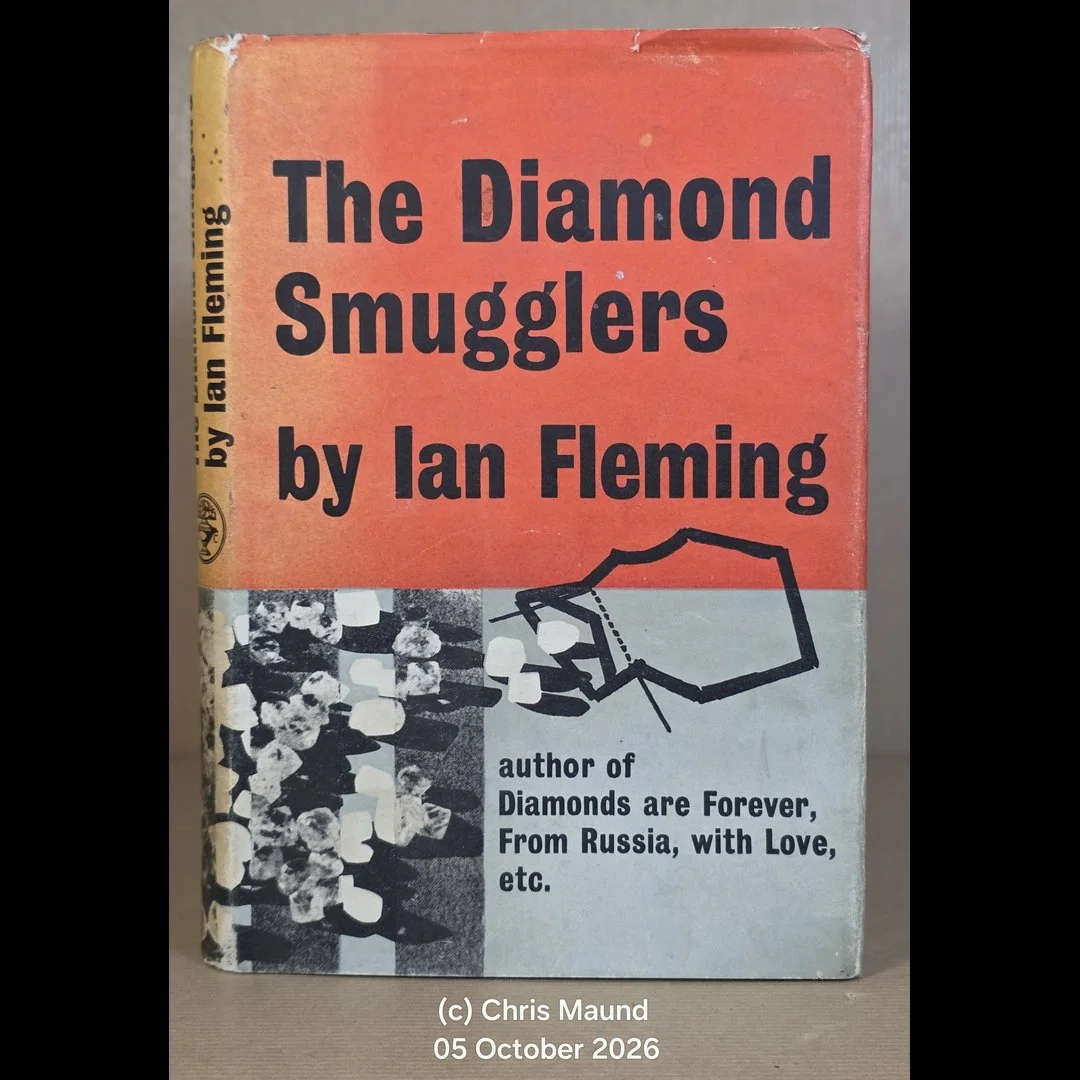 Image 1 of 40
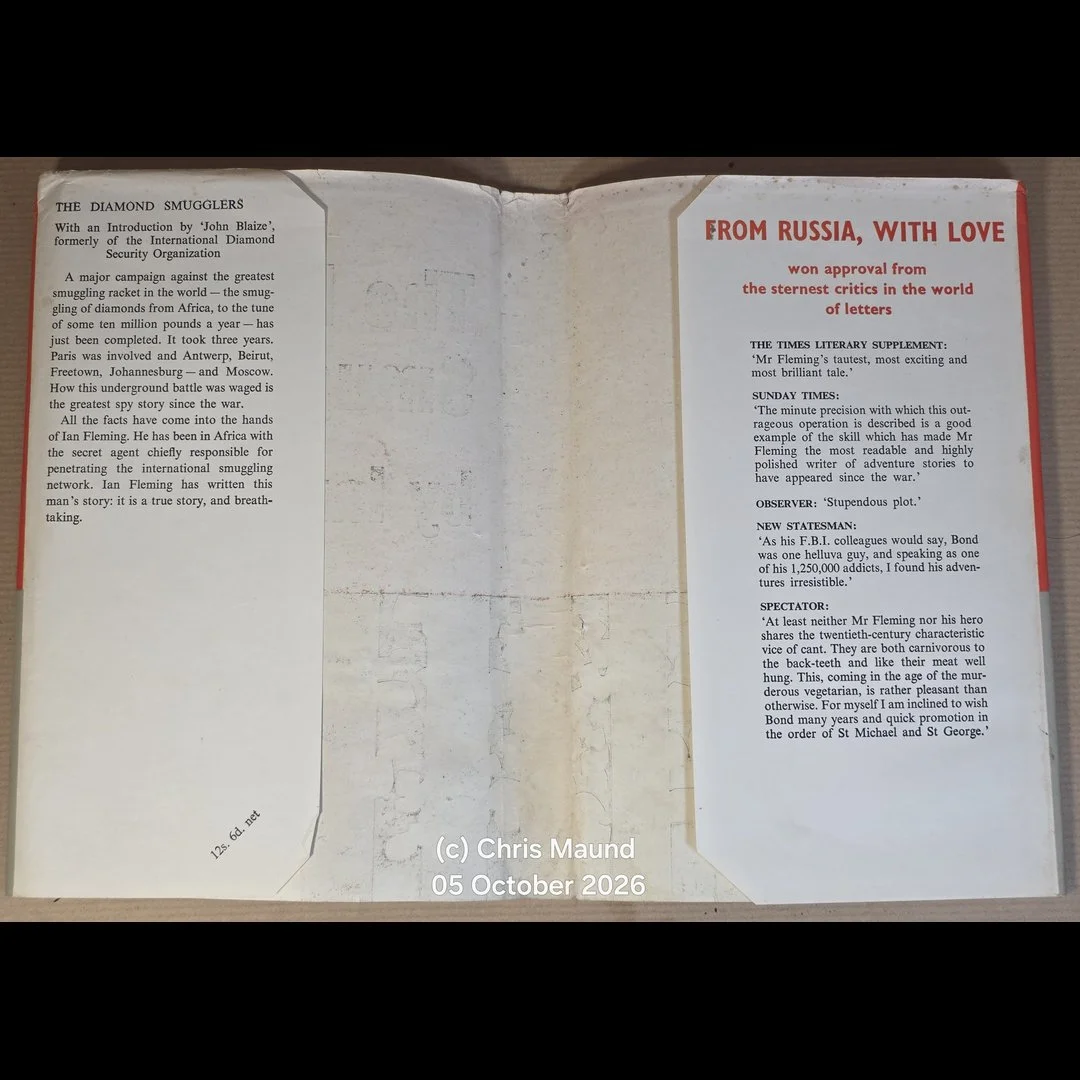 Image 2 of 40
 Image 3 of 40
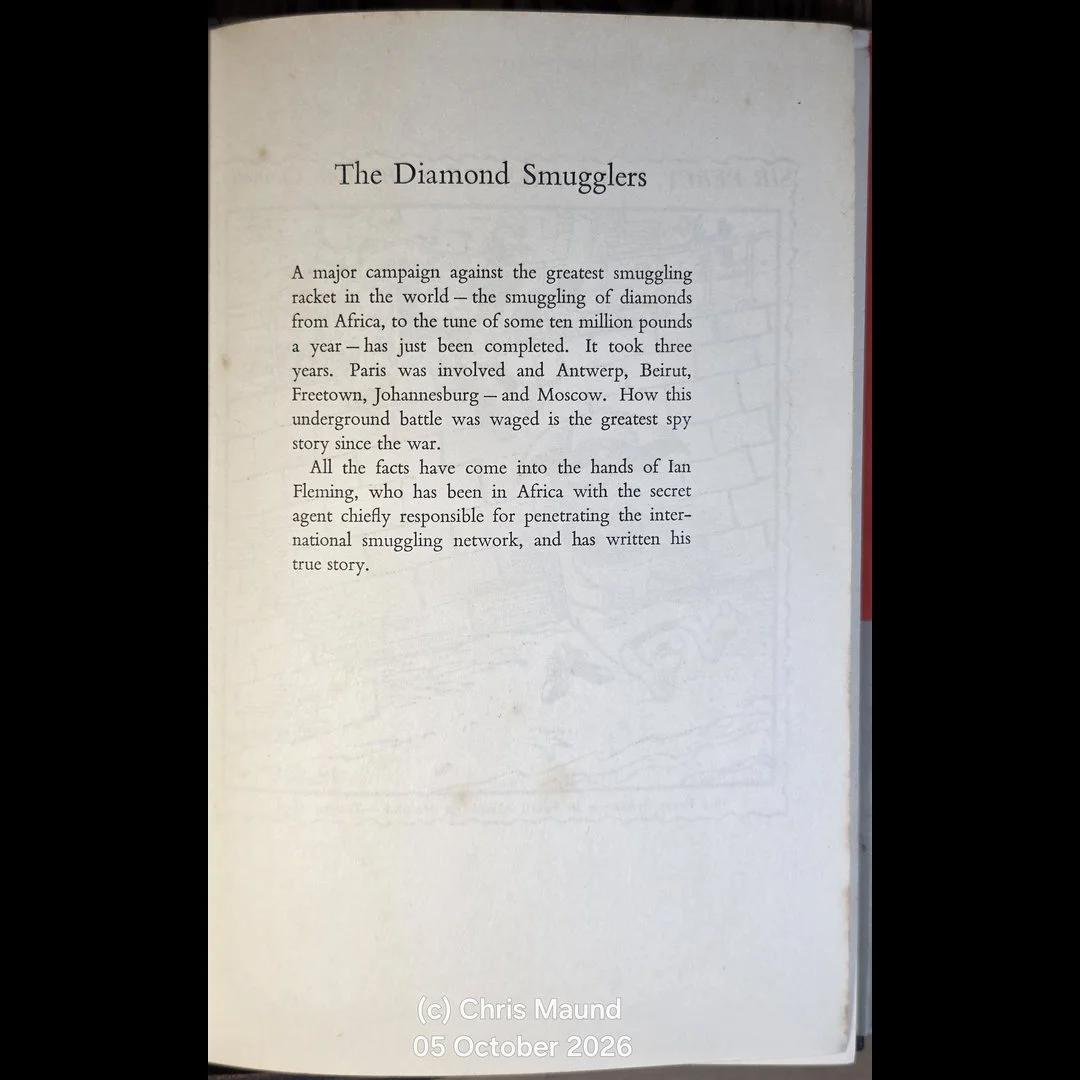 Image 4 of 40
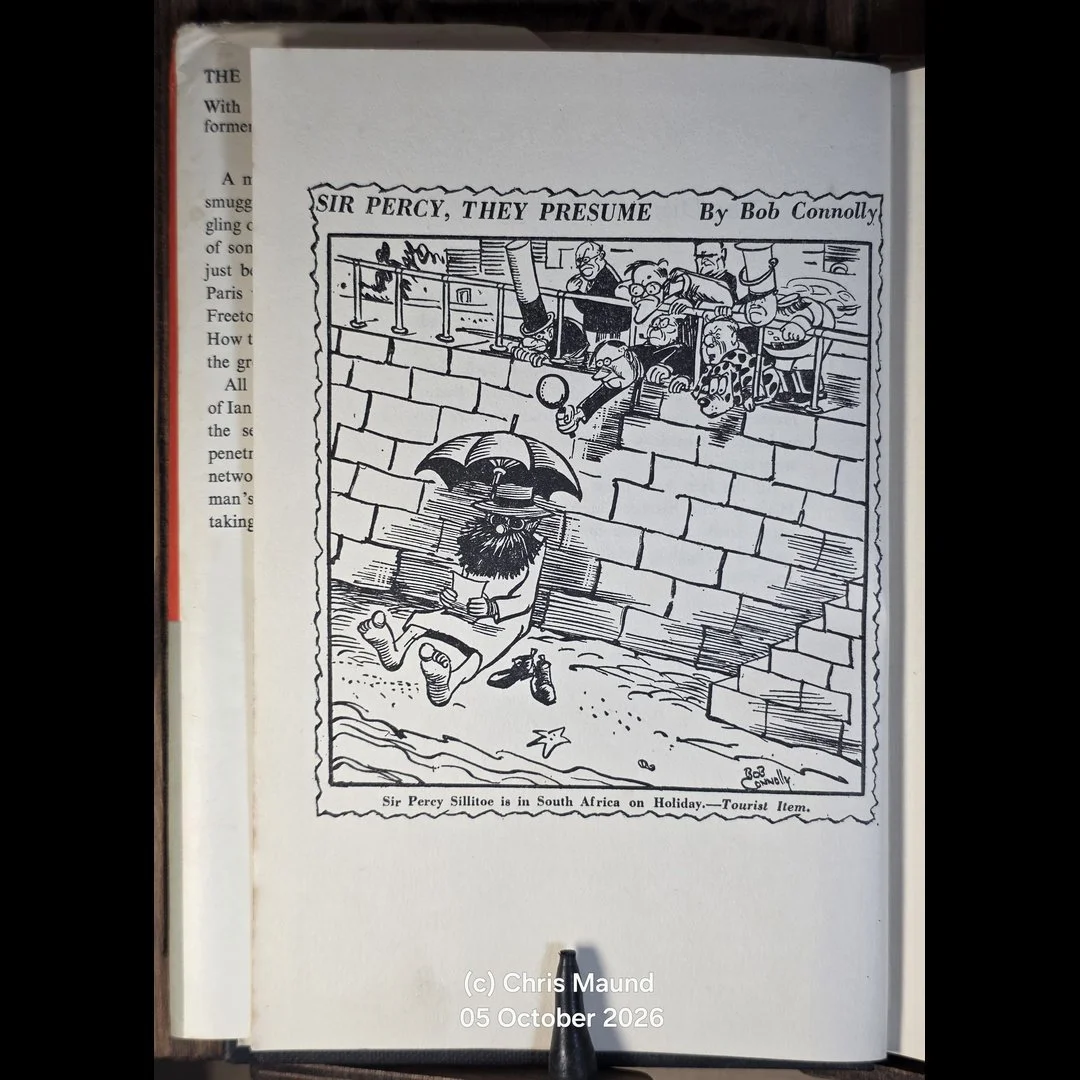 Image 5 of 40
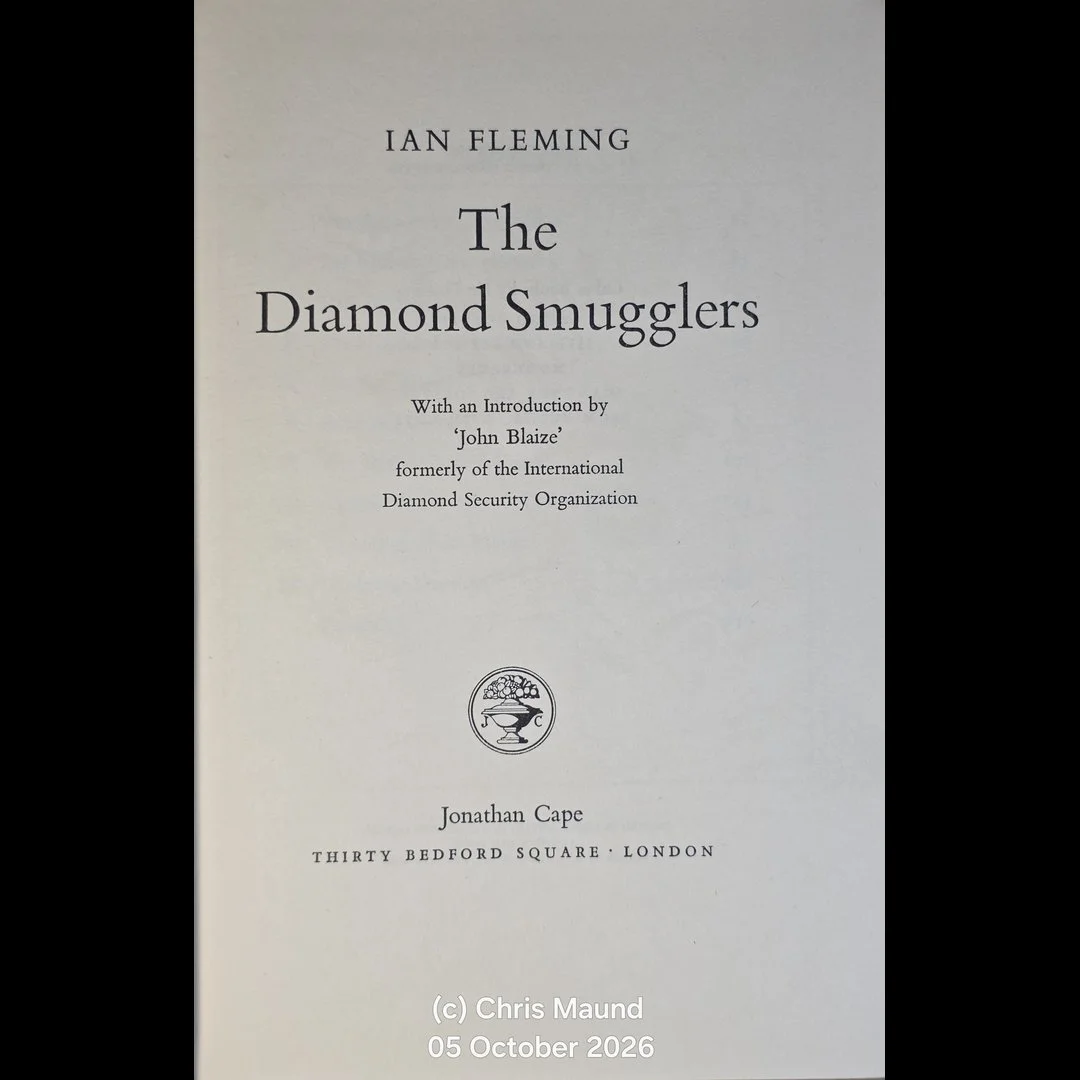 Image 6 of 40
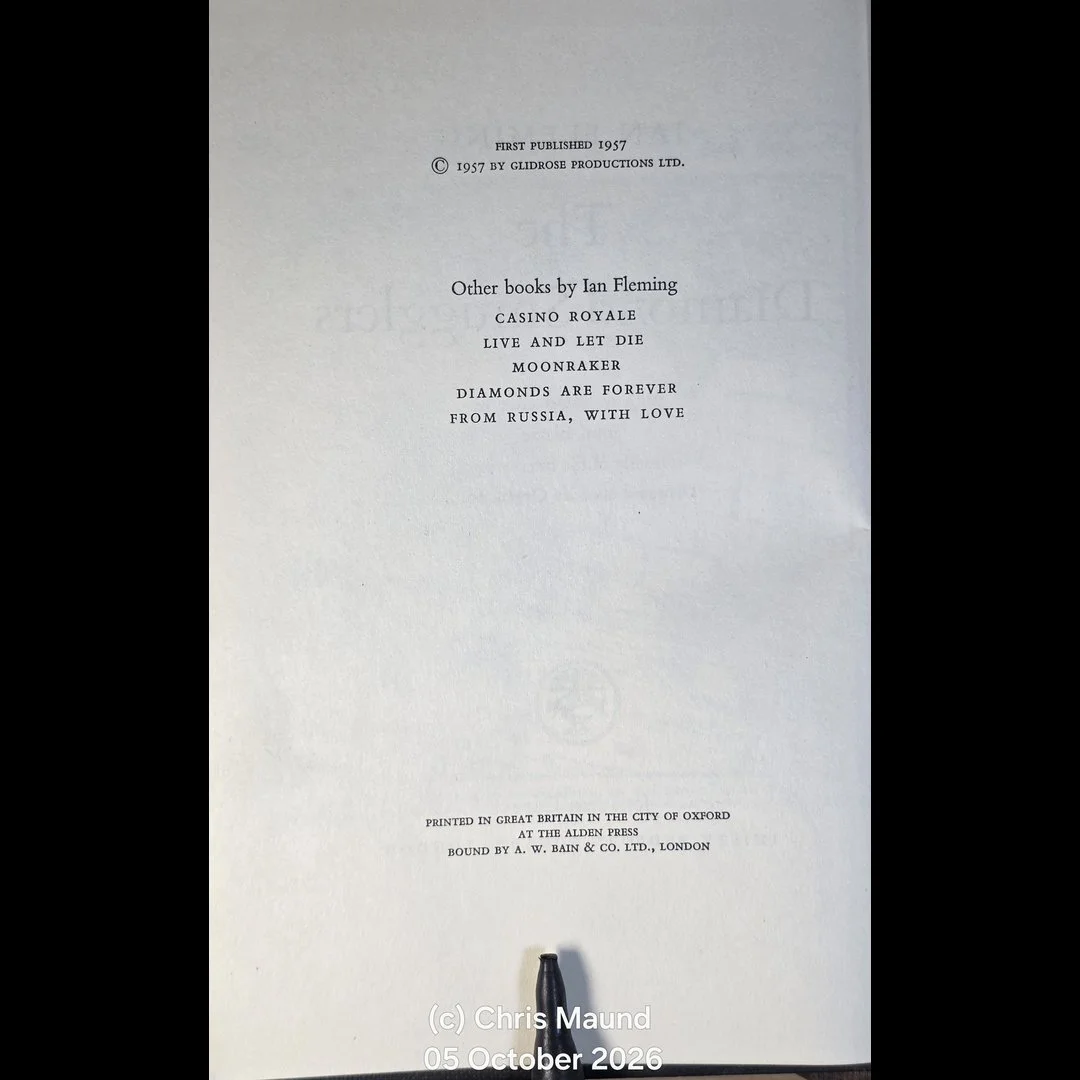 Image 7 of 40
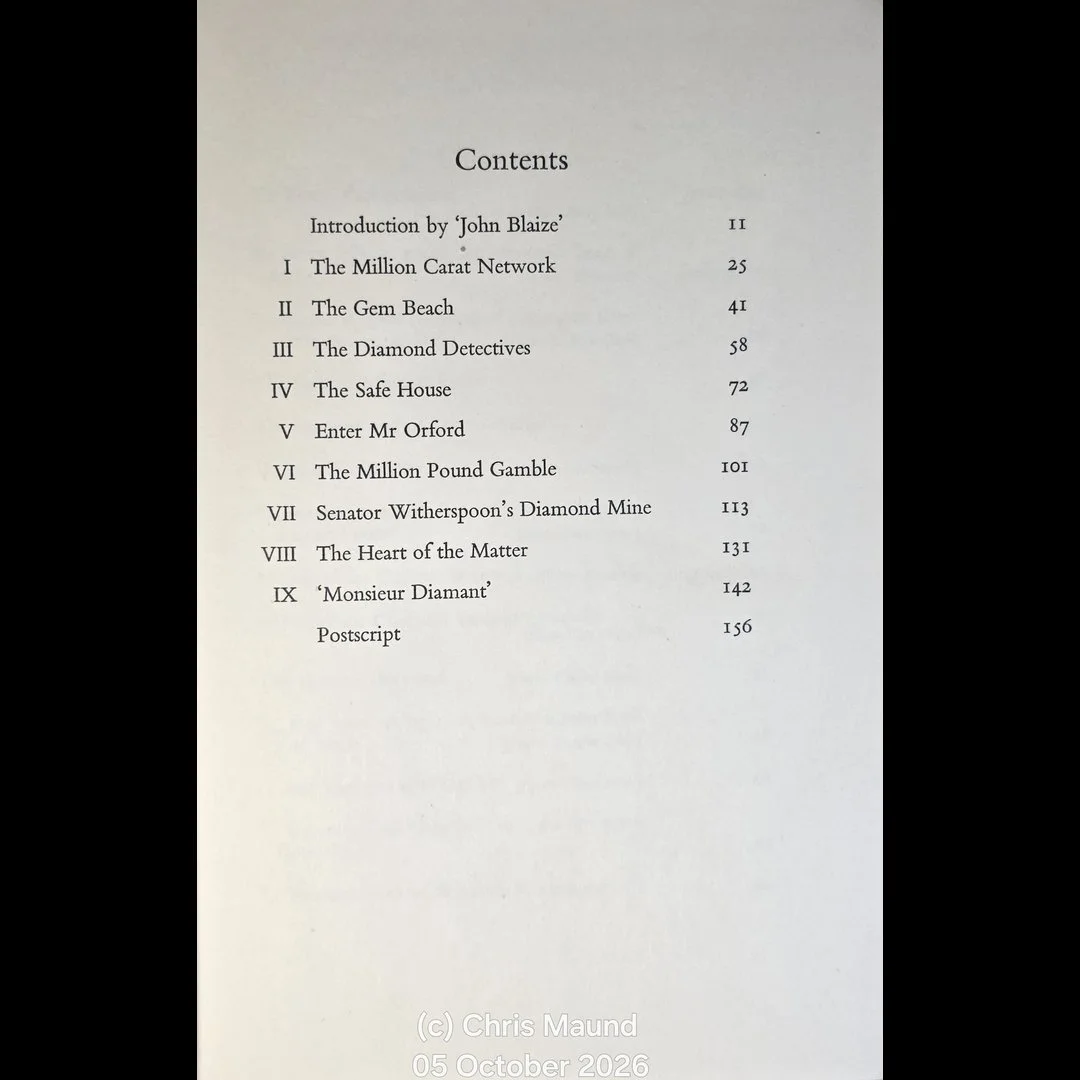 Image 8 of 40
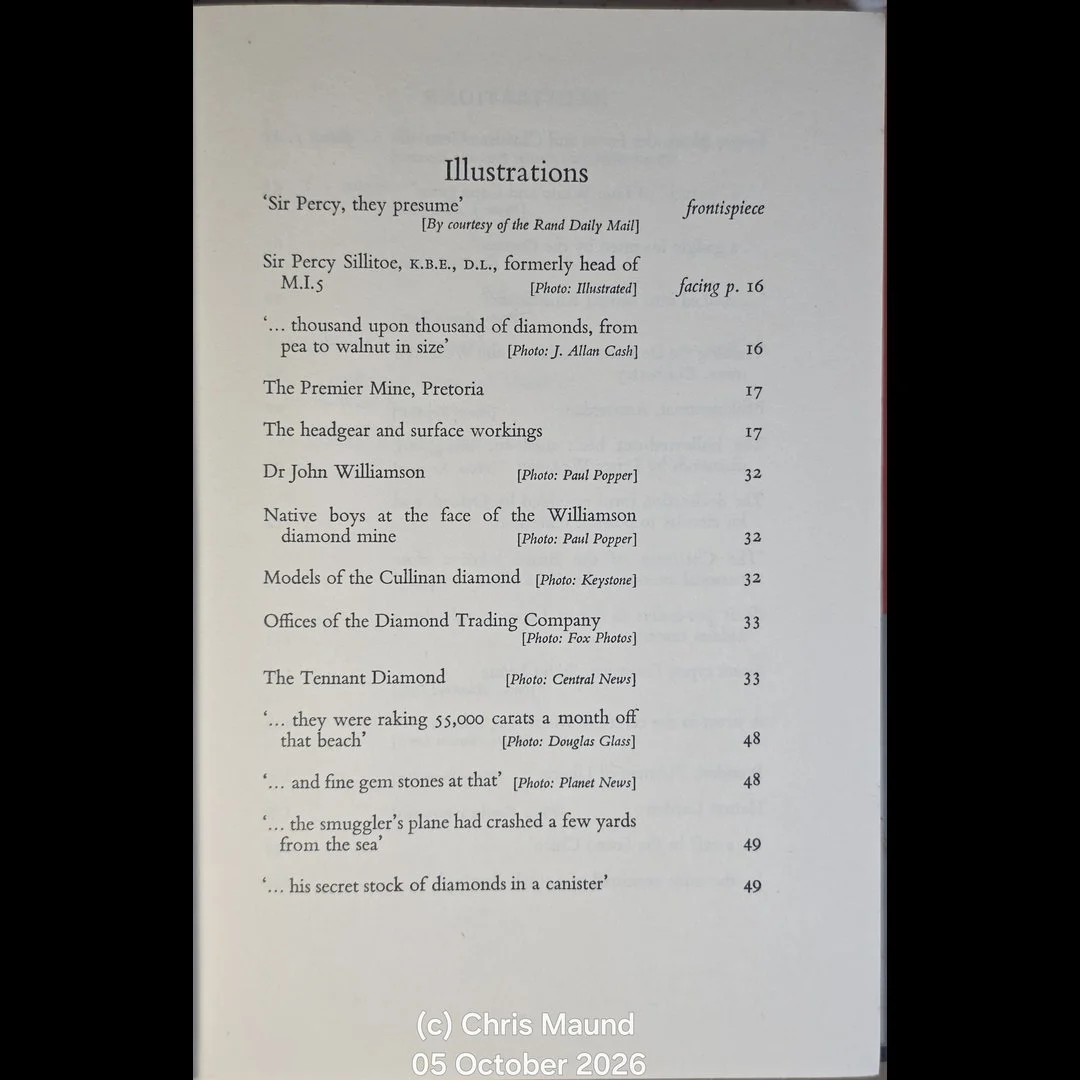 Image 9 of 40
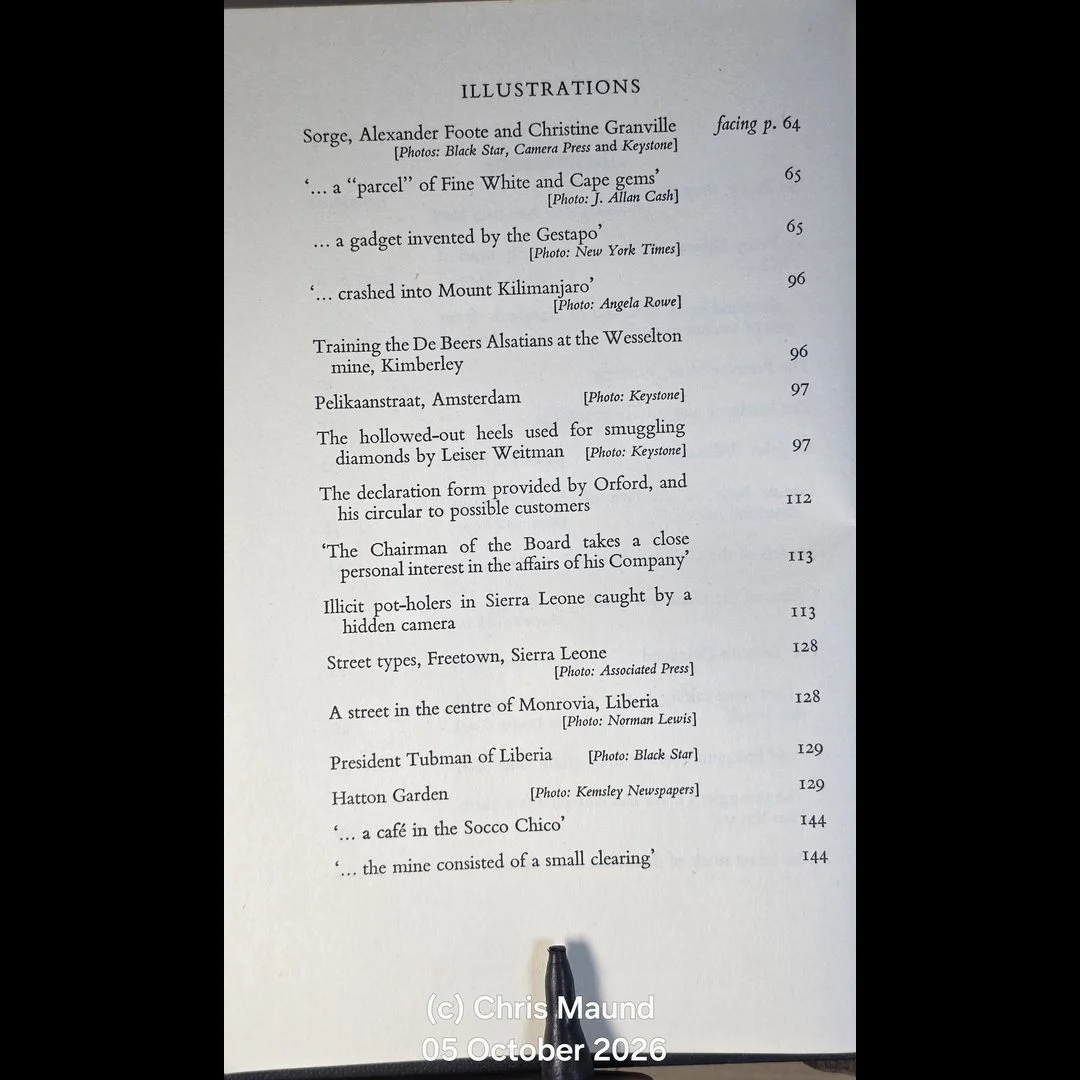 Image 10 of 40
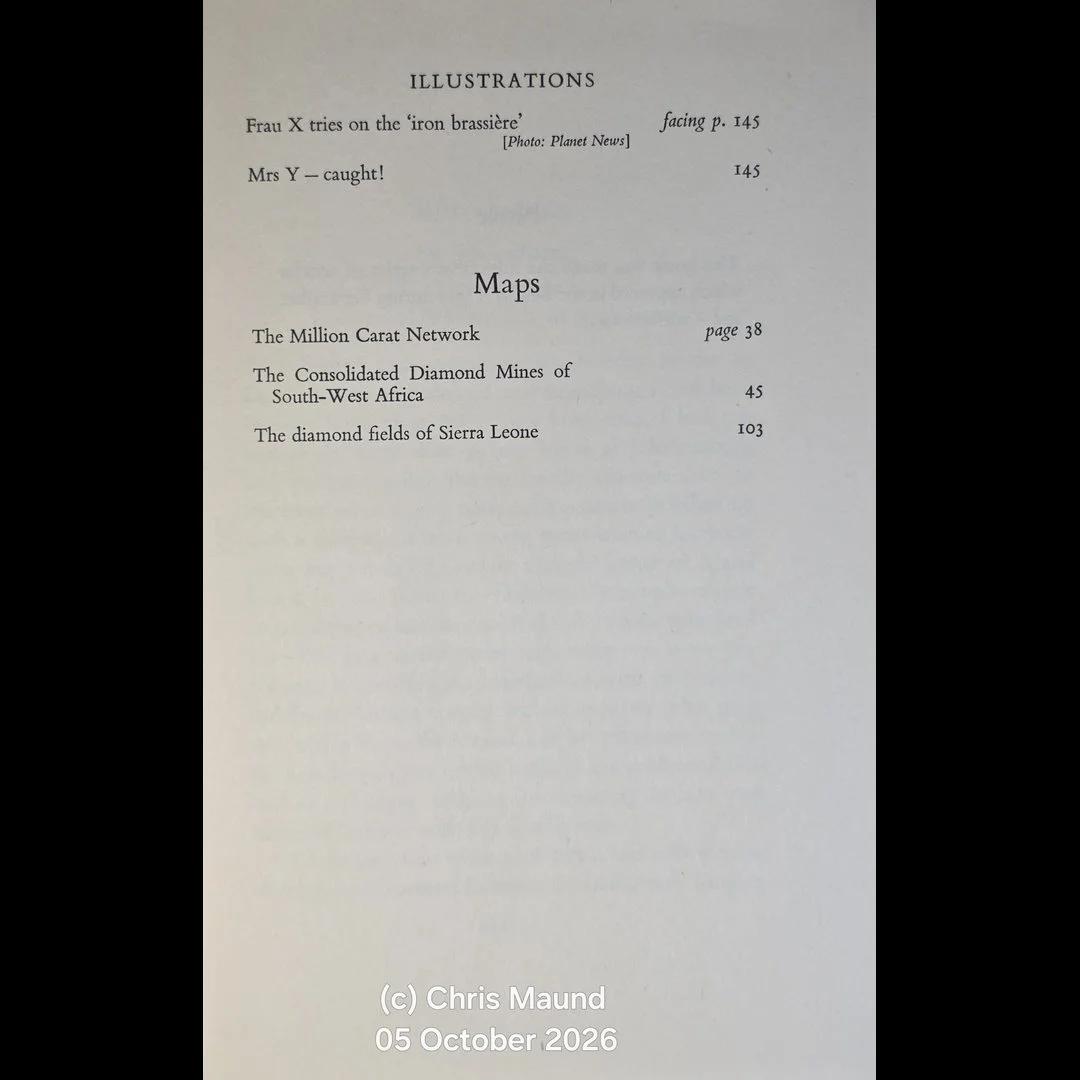 Image 11 of 40
 Image 12 of 40
 Image 13 of 40
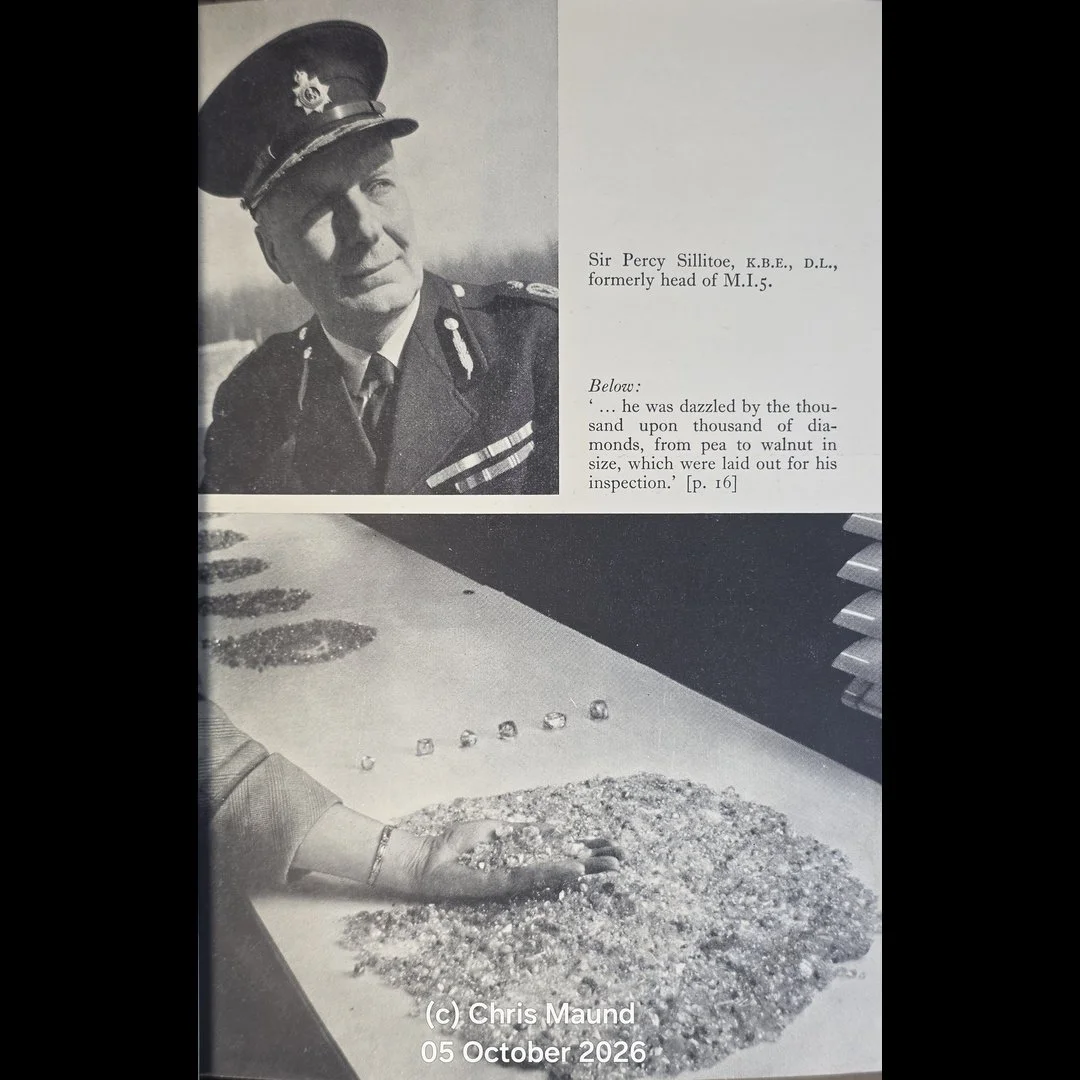 Image 14 of 40
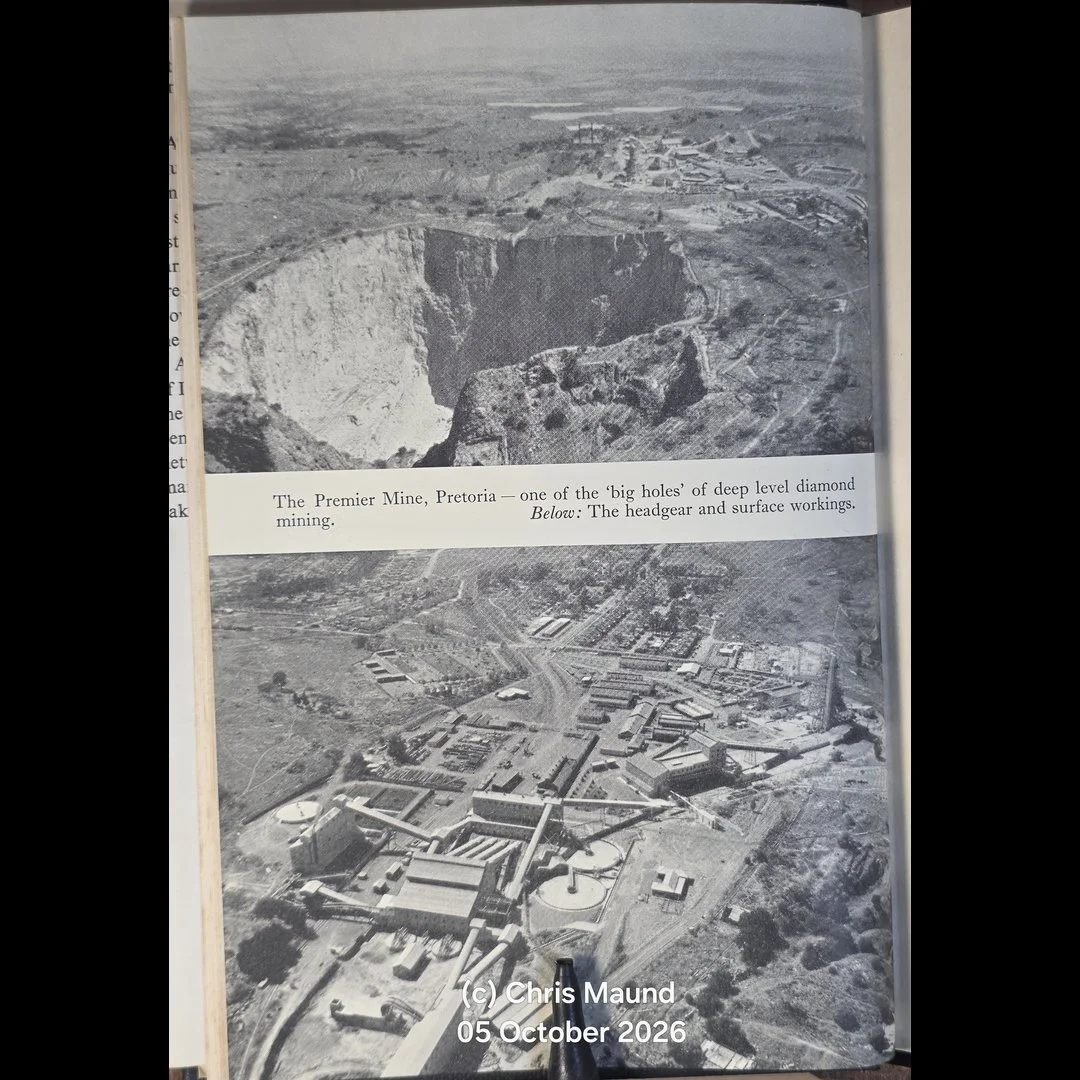 Image 15 of 40
 Image 16 of 40
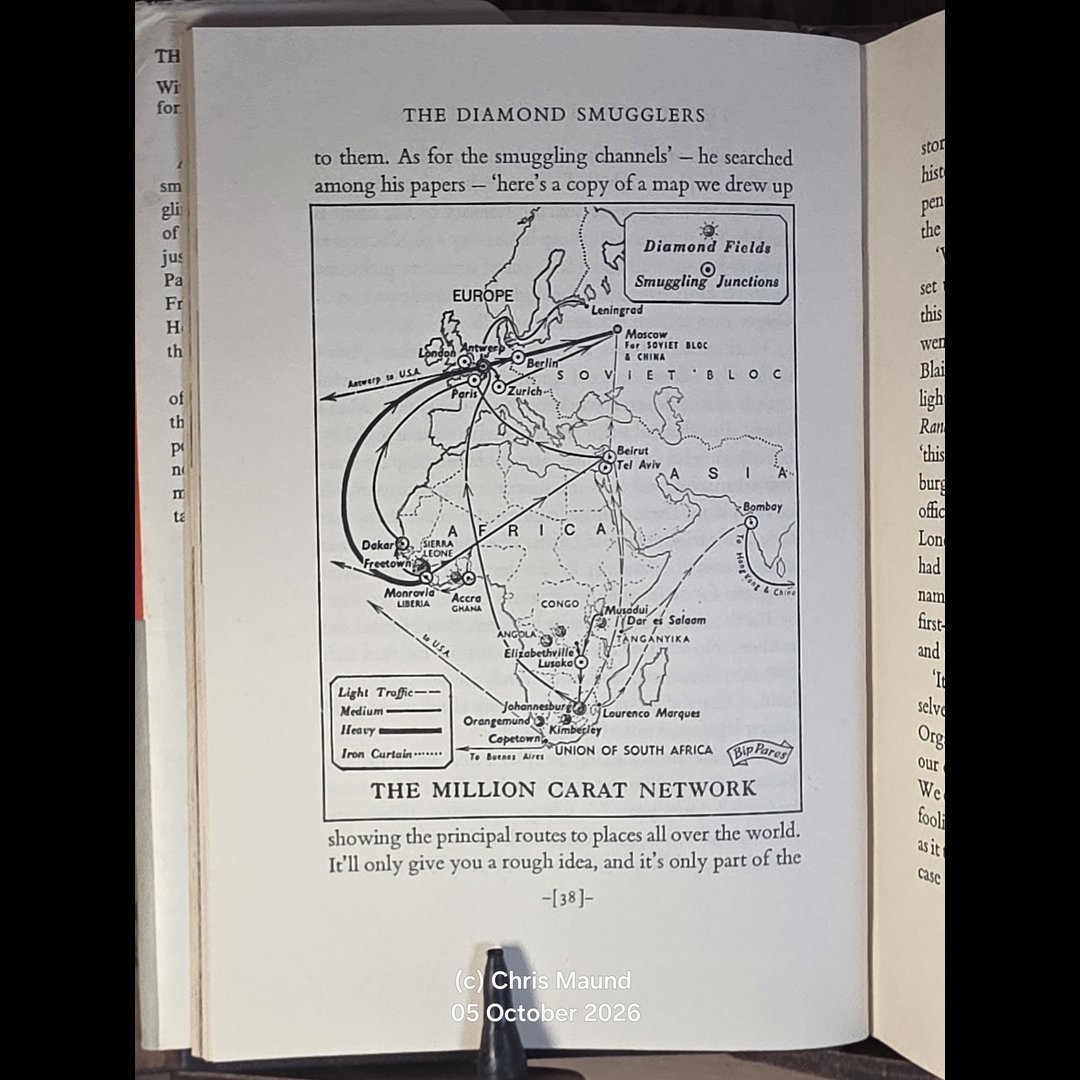 Image 17 of 40
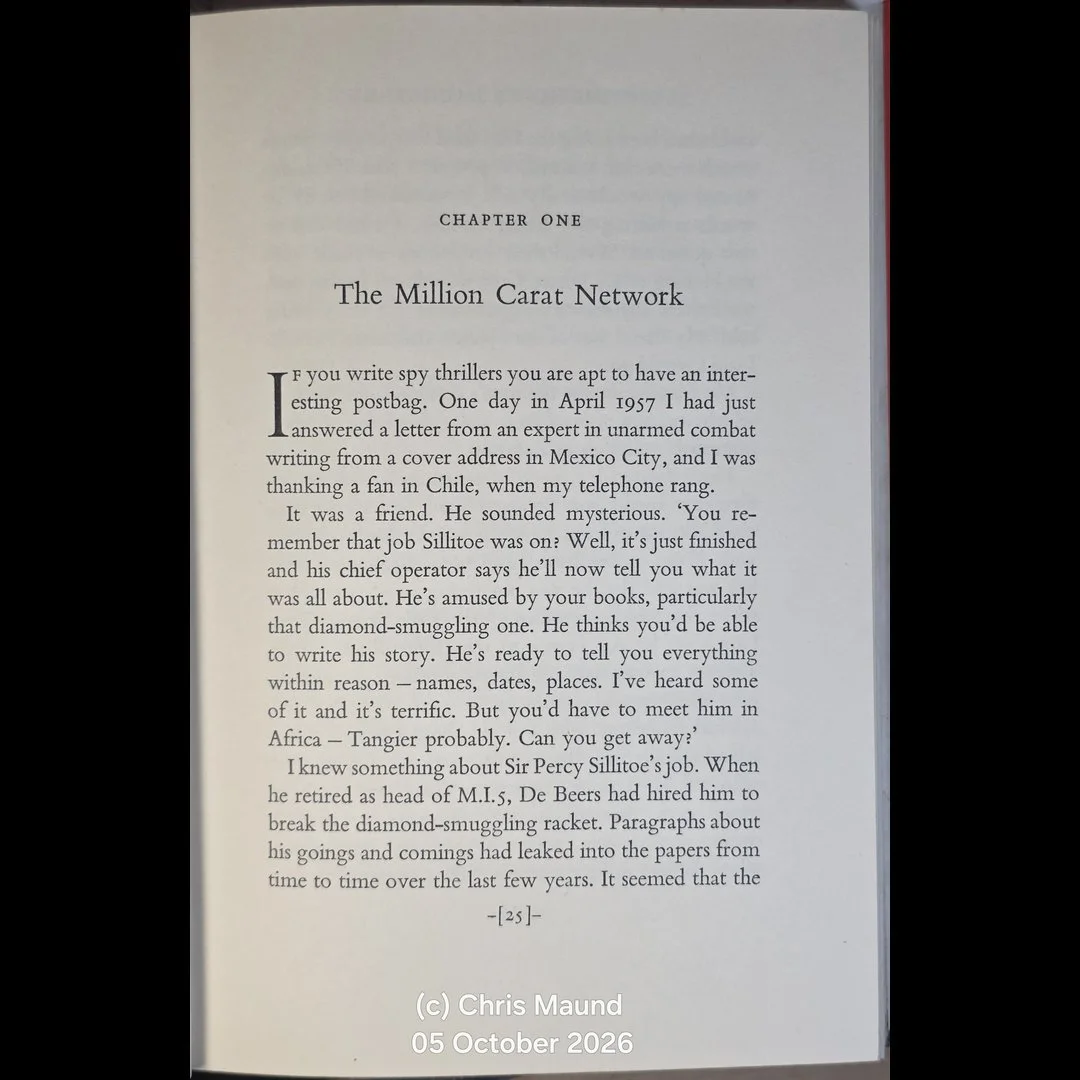 Image 18 of 40
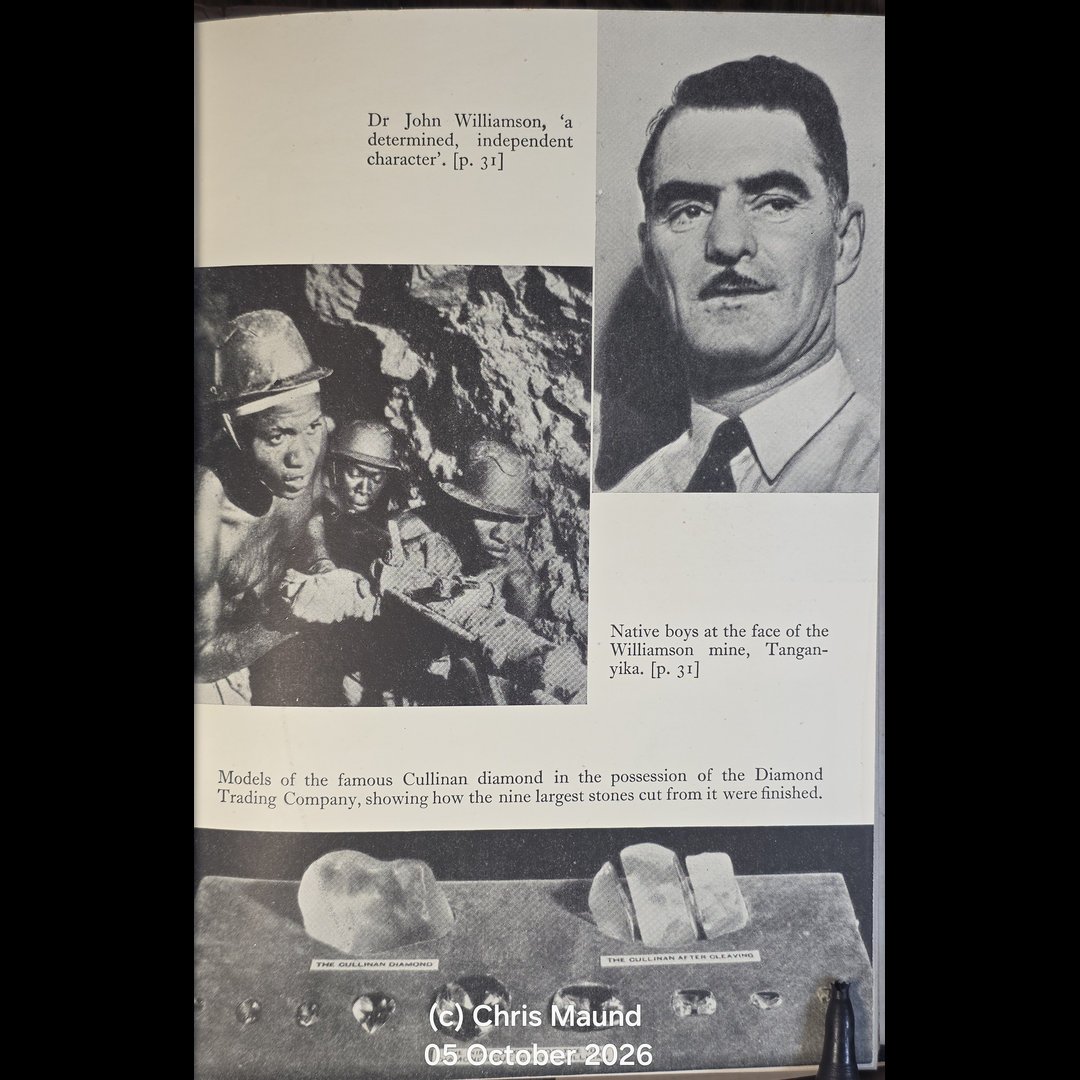 Image 19 of 40
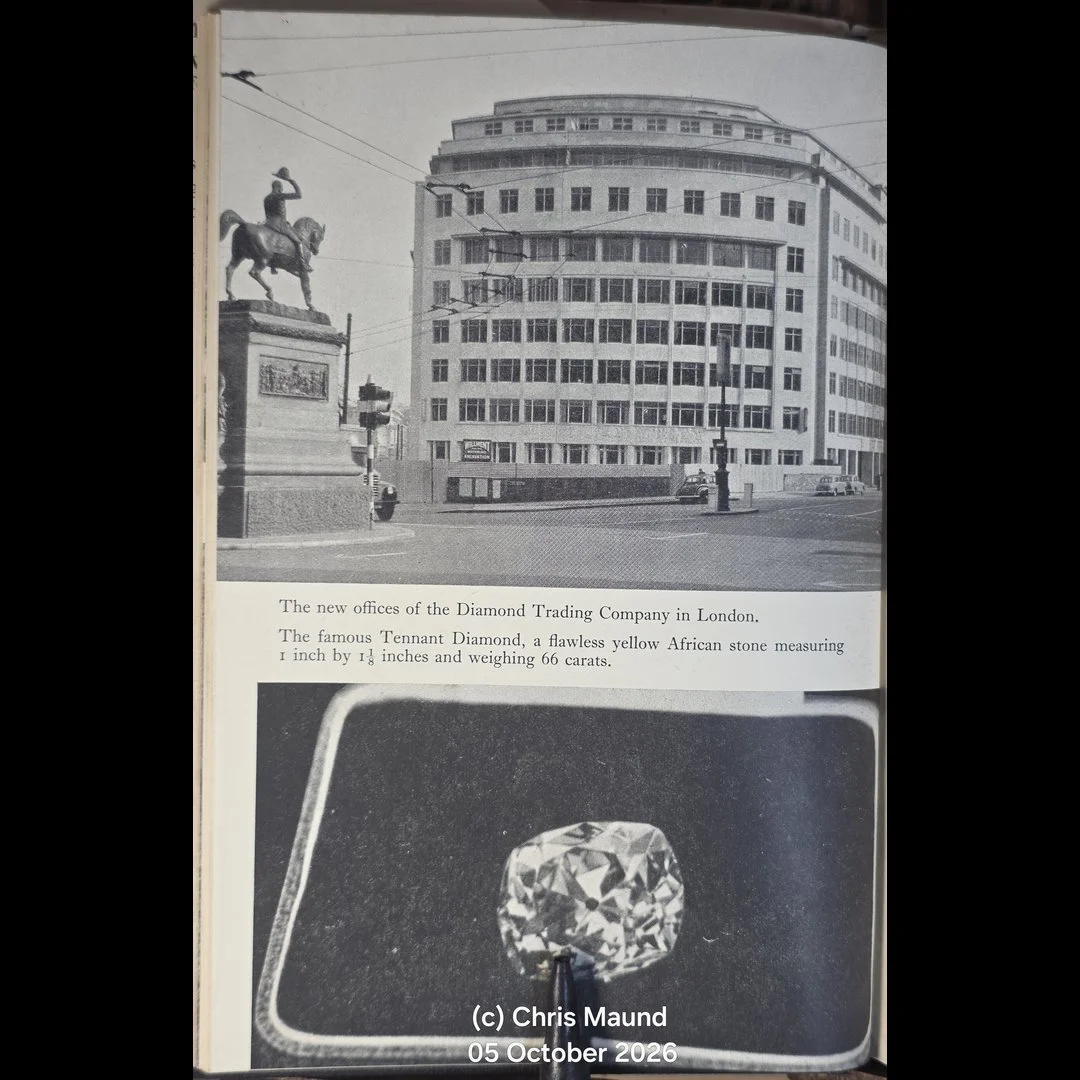 Image 20 of 40
 Image 21 of 40
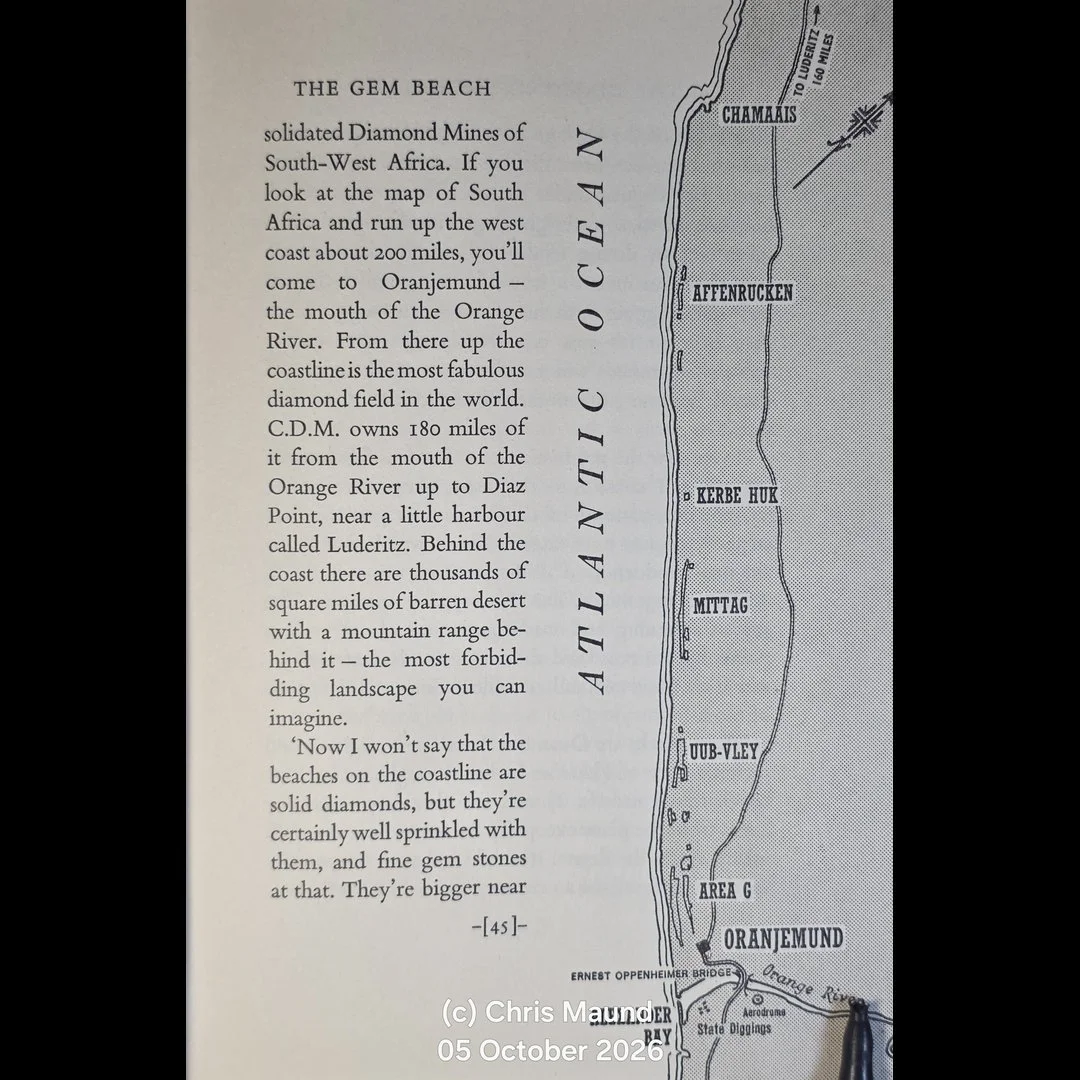 Image 22 of 40
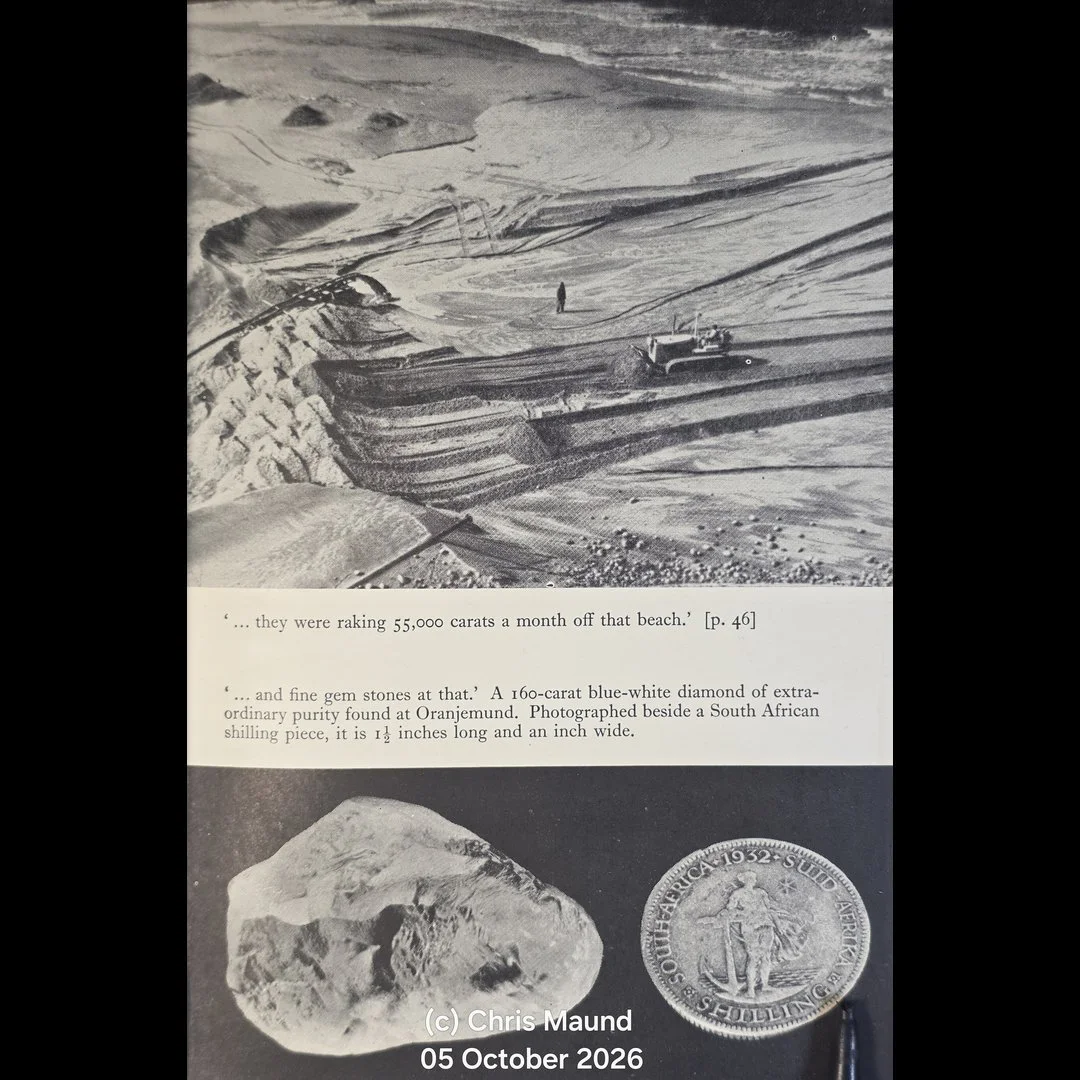 Image 23 of 40
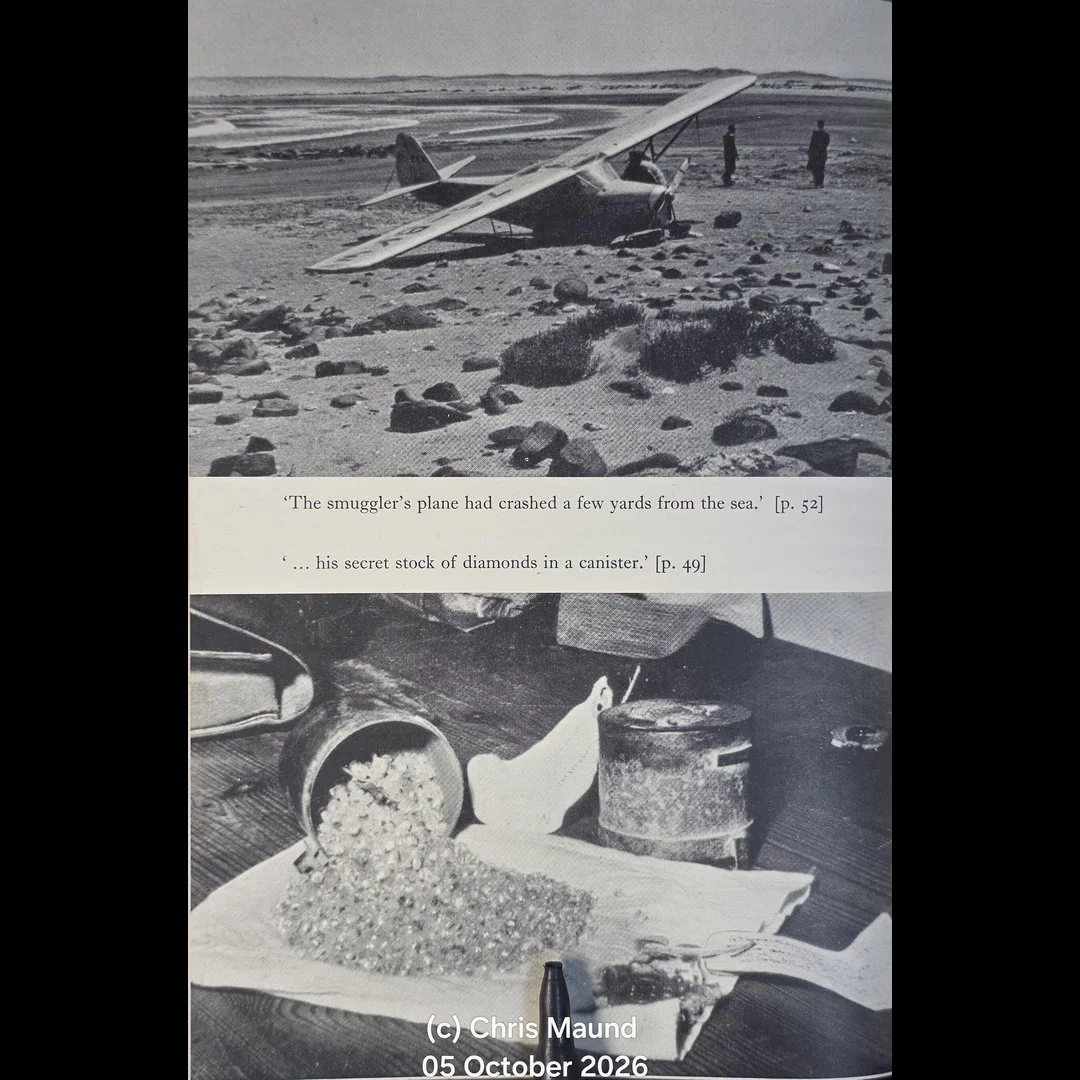 Image 24 of 40
 Image 25 of 40
 Image 26 of 40
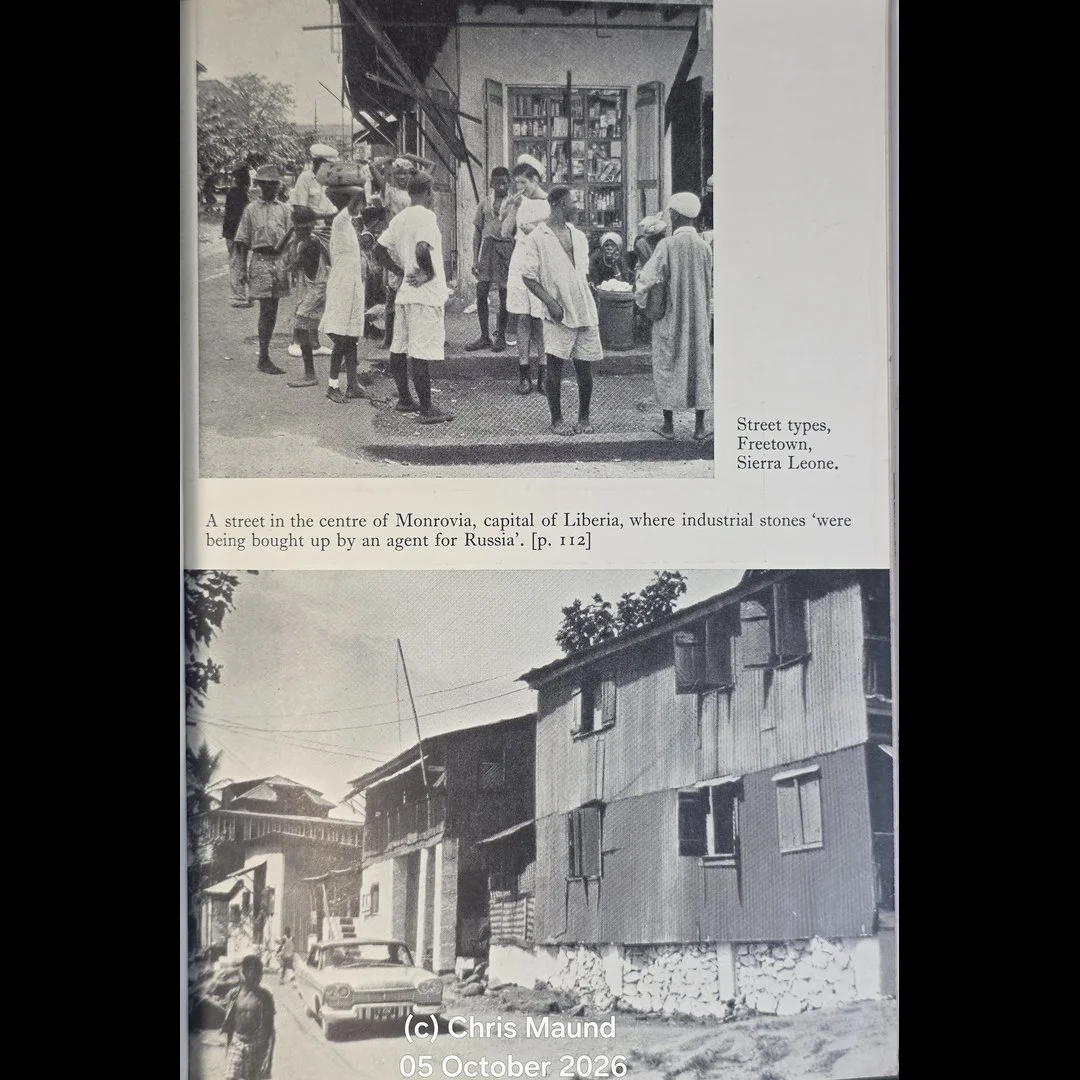 Image 27 of 40
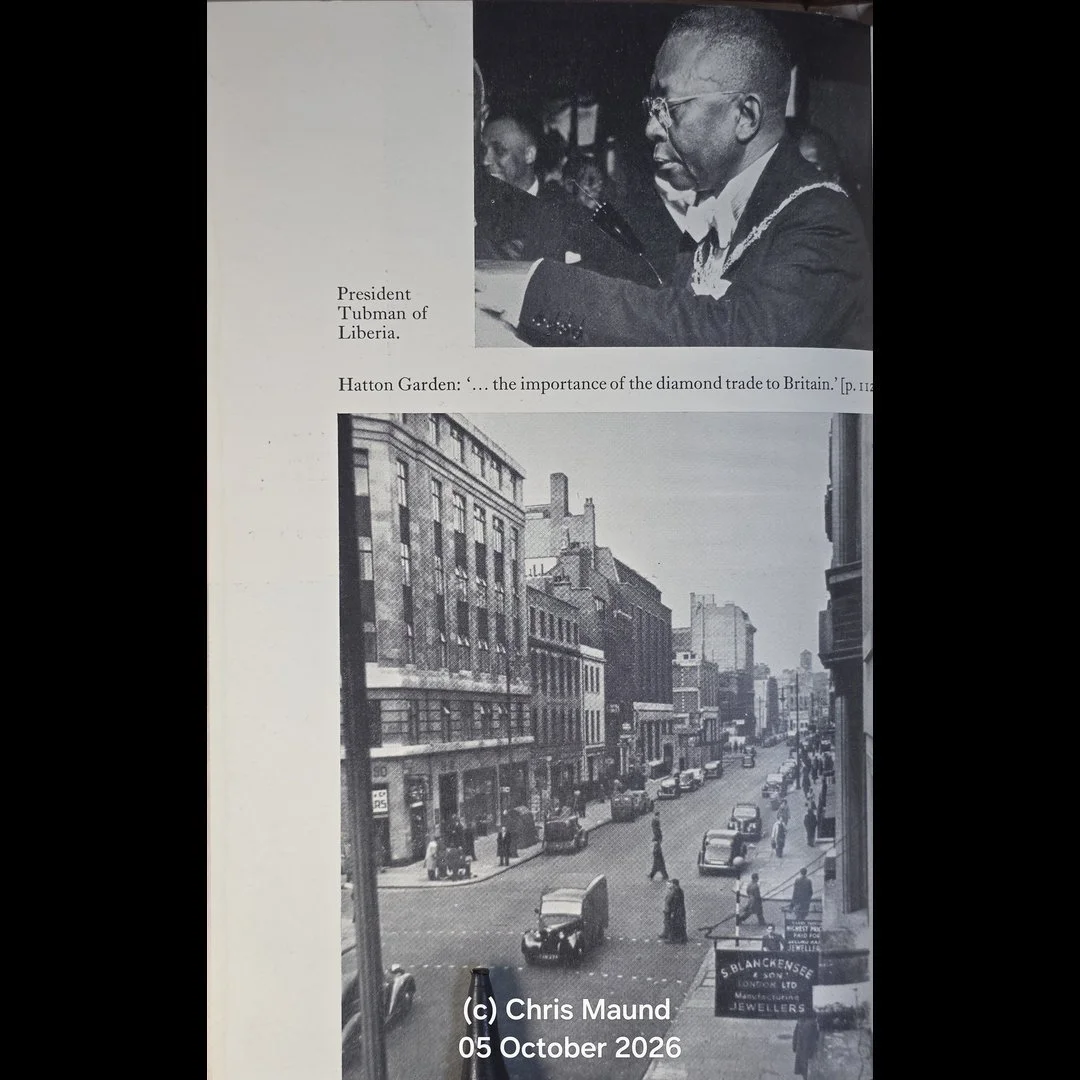 Image 28 of 40
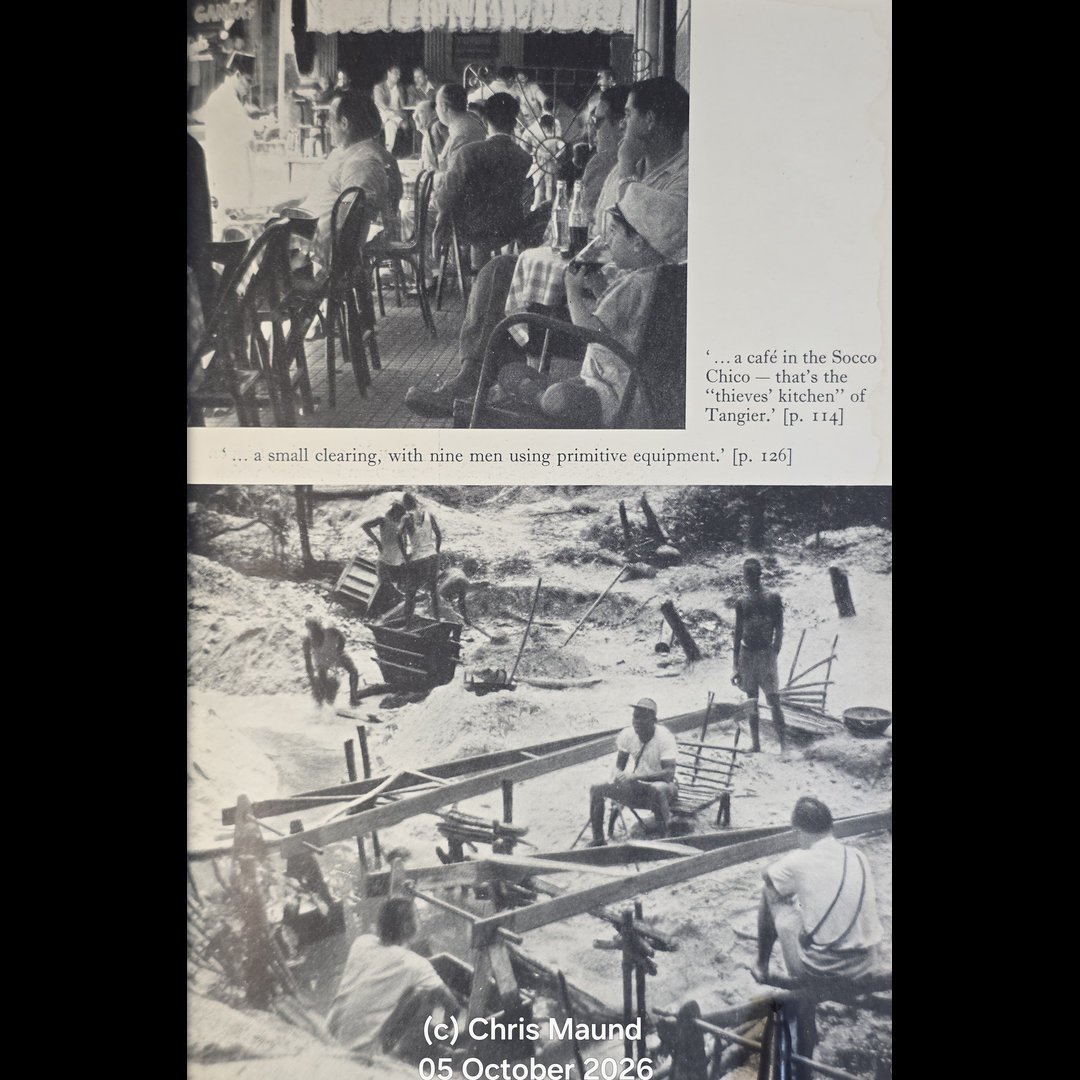 Image 29 of 40
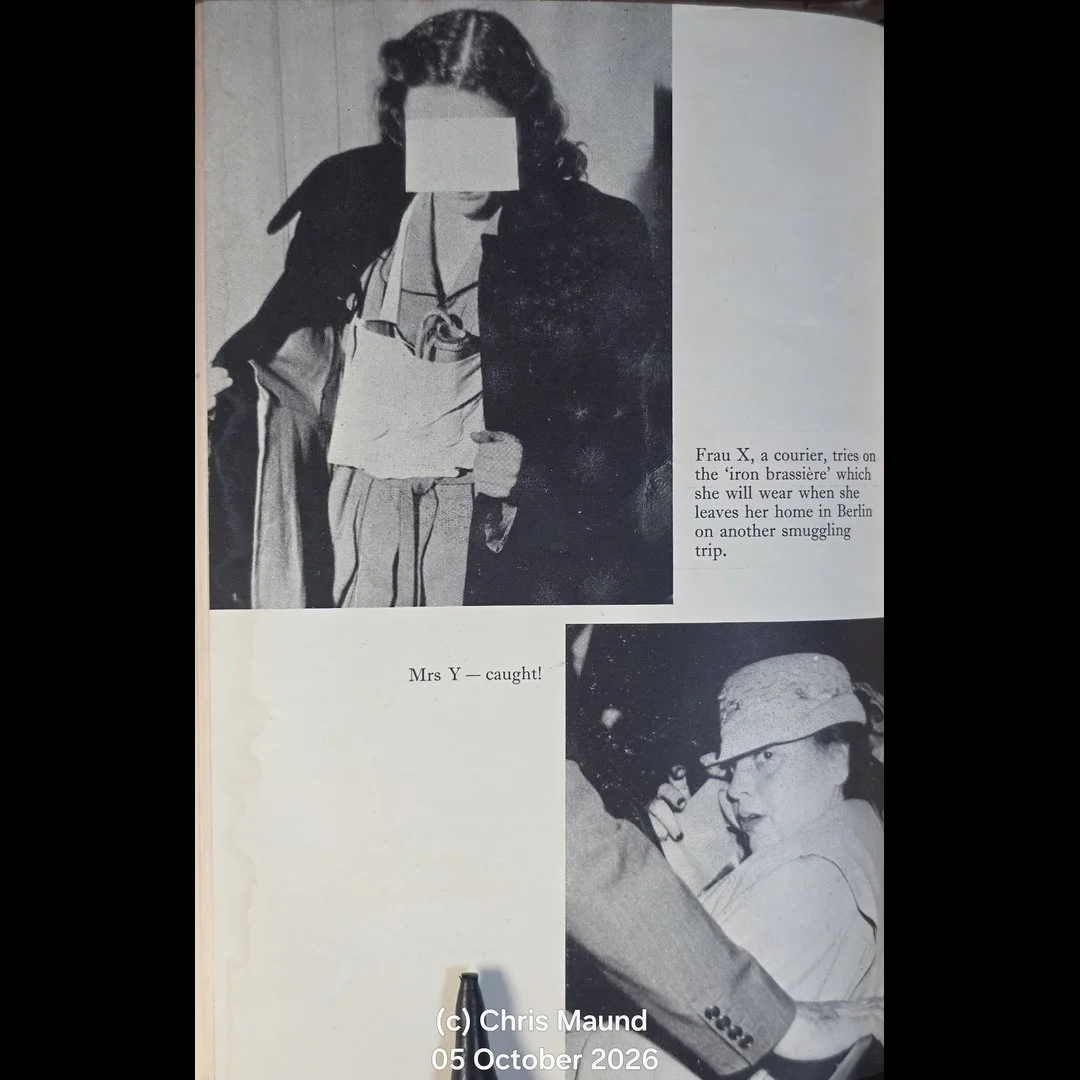 Image 30 of 40
 Image 31 of 40
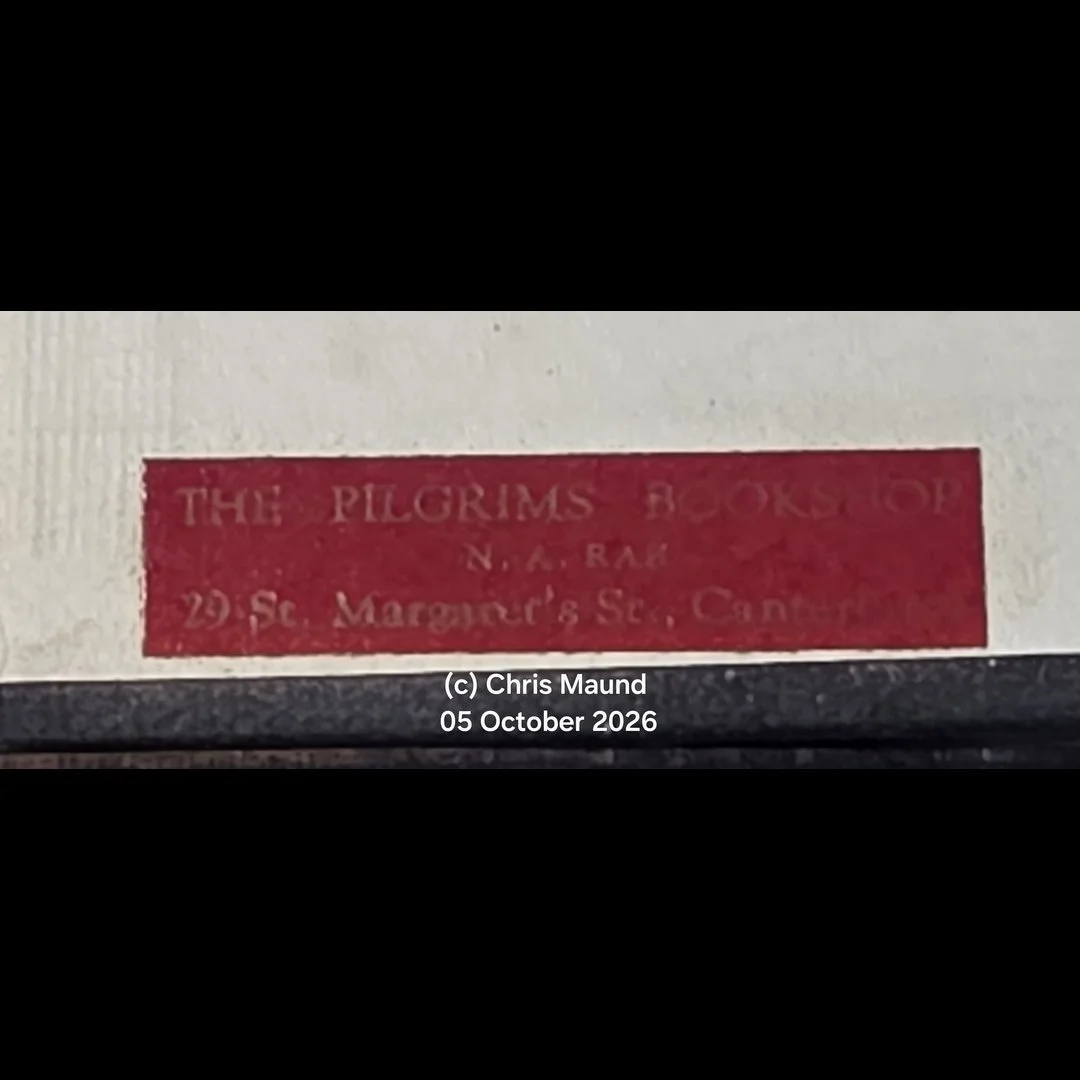 Image 32 of 40
 Image 33 of 40
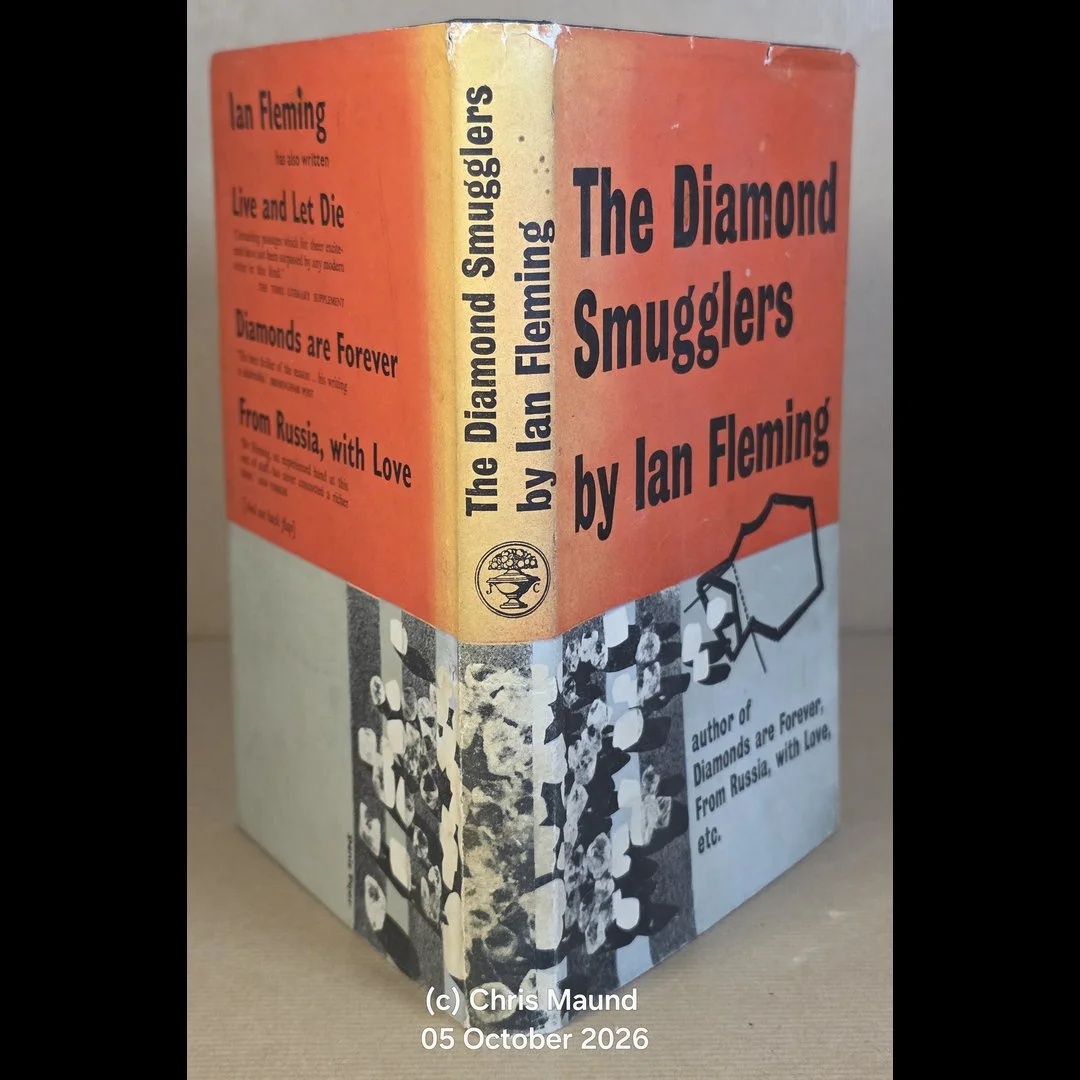 Image 34 of 40
 Image 35 of 40
 Image 36 of 40
 Image 37 of 40
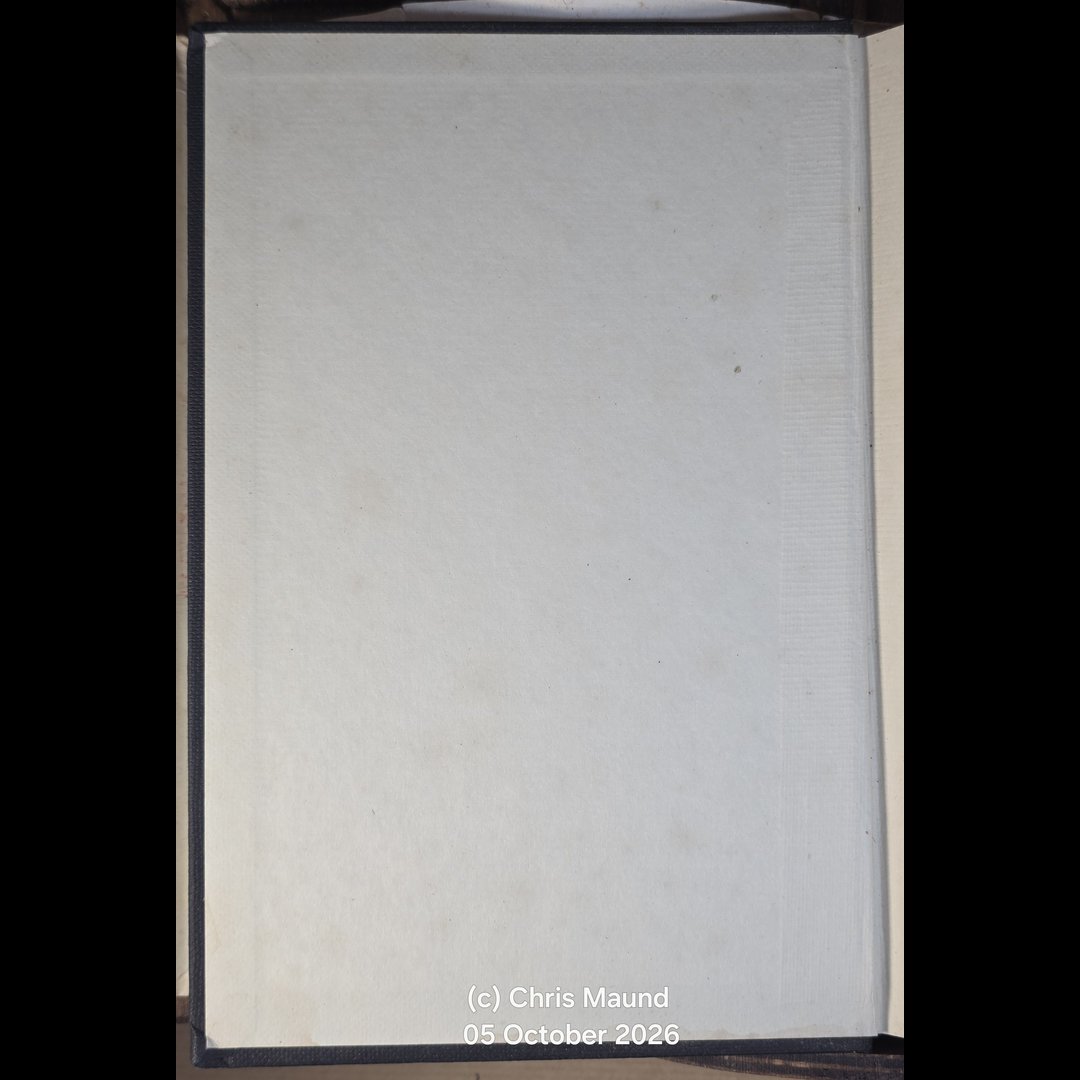 Image 38 of 40
 Image 39 of 40
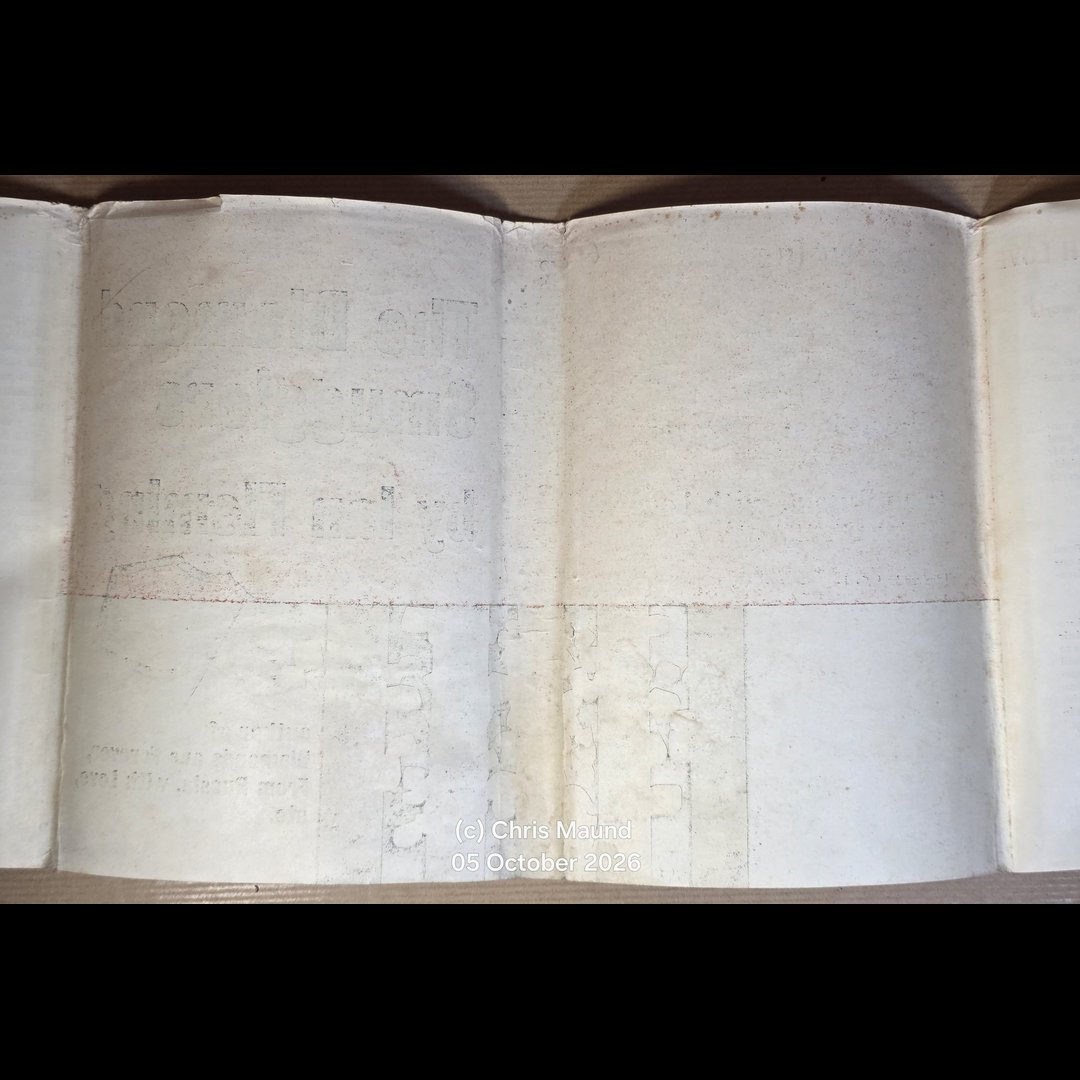 Image 40 of 40