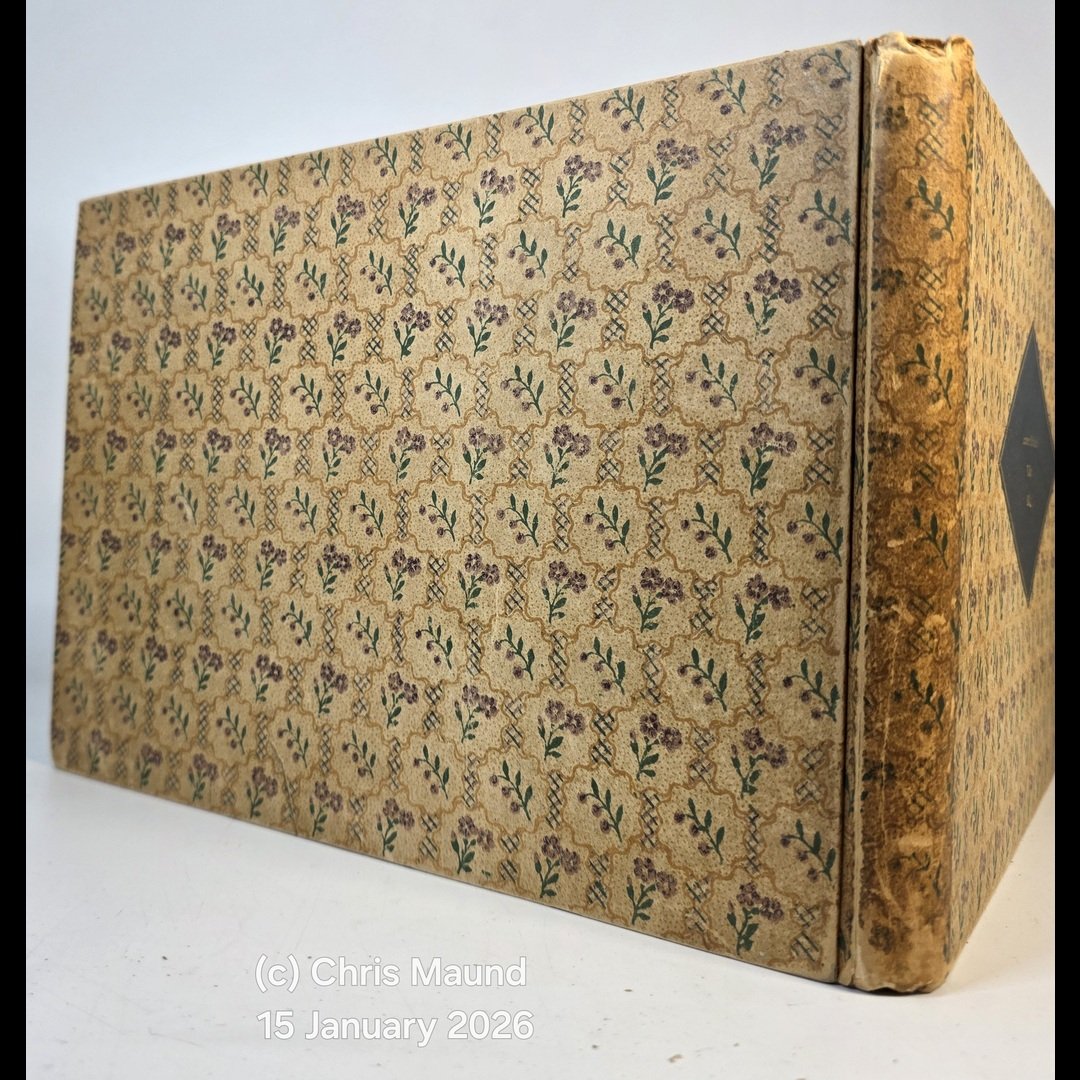
1794 First Edition - All Published Leeds Library Provenance
AN HISTORICAL AND MORAL VIEW OF THE ORIGIN AND PROGRESS OF THE FRENCH REVOLUTION
By Mary Wollstonecraft
KEY DETAILS
Condition: Very Good
Format: Hardcover, 8vo; approx 210 x 130 mm
Published By: Printed for J. Johnson, in St. Paul’s Church-Yard, London, 1794
Language: English
Provenance: The Leeds Library
Collation: xvi, 522, [2] pp. Complete.
Dust Jacket: None, as issued
SKU: BTETM0002747
Shipping Info: Approximate Package Dimensions H: , L: 30, W: 25 (Units: cm), W: 2Kg
Tracked Shipping, Insurance Coverage as per Customer Request
DESCRIPTION
An Historical and Moral View of the Origin and Progress of the French Revolution
And the Effect it has Produced in Europe
A particularly appealing, provenance-rich copy of the first edition of Mary Wollstonecraft’s major analysis of the French Revolution, published by Joseph Johnson in 1794 while the Revolution was still unfolding.
An Historical and Moral View of the Origin and Progress of the French Revolution was intended as the opening volume of a much larger history. No continuation appeared, however, and this substantial first volume constitutes all that Wollstonecraft published of the work.
Written after A Vindication of the Rights of Woman and informed by Wollstonecraft’s own experience of revolutionary France, the book is considerably more than a narrative history. She attempts to explain the Revolution through the political, social and moral conditions that produced it: entrenched inequality, arbitrary government, aristocratic privilege and the corruption fostered by the ancien régime.
Wollstonecraft remained sympathetic to the principles that had inspired the Revolution while refusing to ignore the violence committed in their name. Rather than treating revolutionary excess as evidence that reform itself was mistaken, she traced much of the brutality to generations of political oppression and social degradation.
The work was written partly in answer to the conservative interpretation of the Revolution associated with Edmund Burke. Wollstonecraft had already confronted Burke directly in her Vindication of the Rights of Men of 1790; here she develops her argument on a much larger historical canvas.
The present copy retains the final advertisement leaf, an important component of the first edition. Among the books advertised by Wollstonecraft’s publisher, Joseph Johnson, is the second edition of her landmark A Vindication of the Rights of Woman.
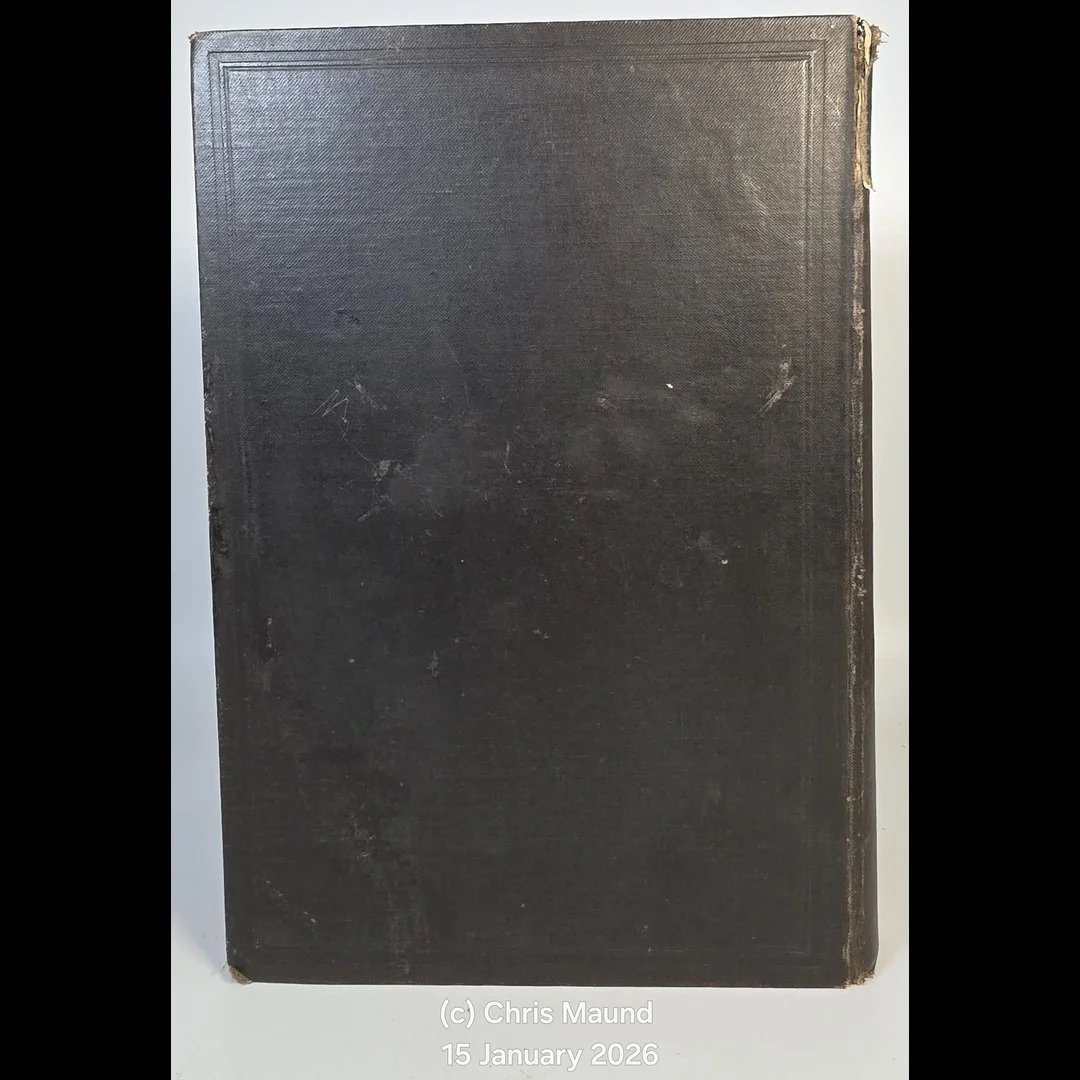
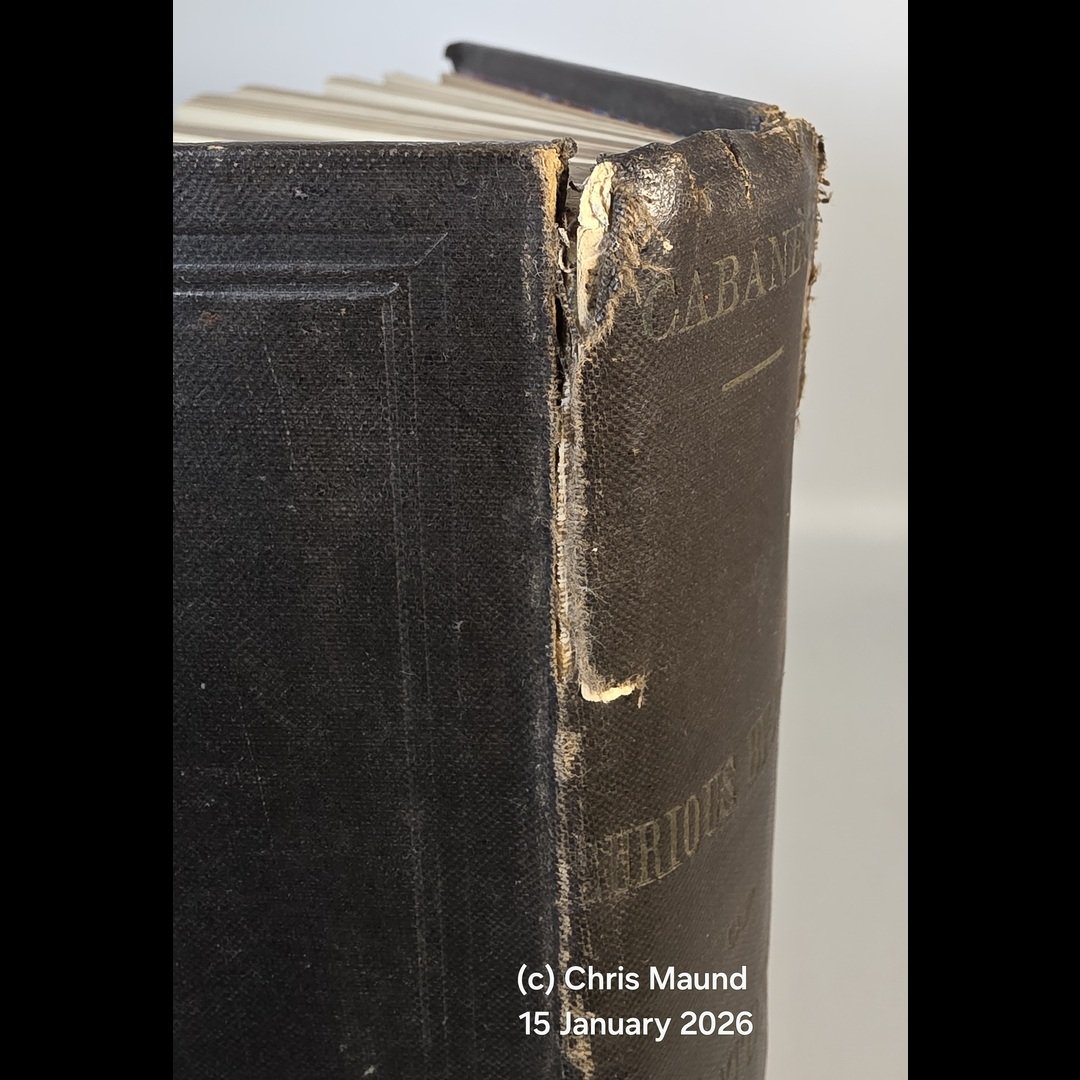
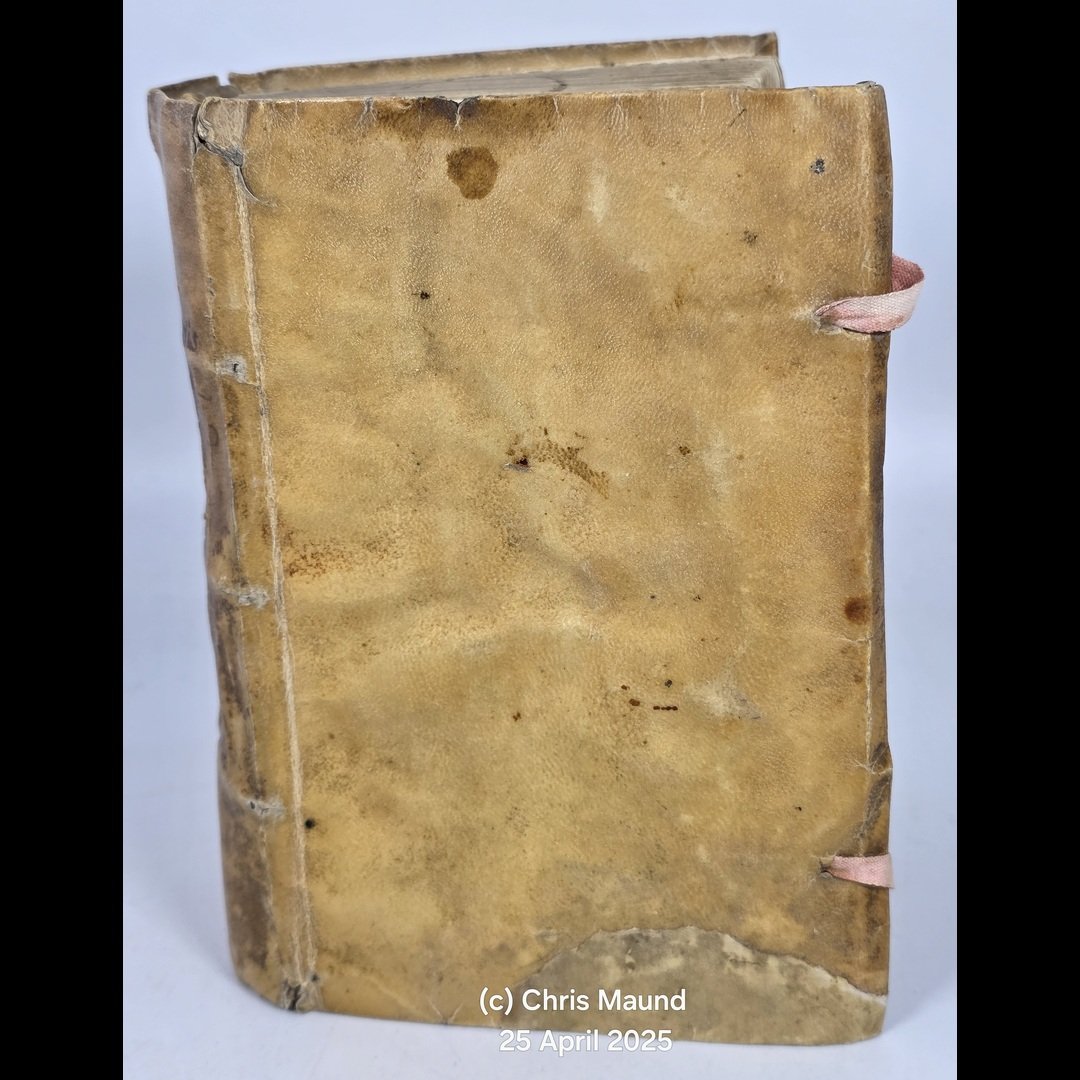
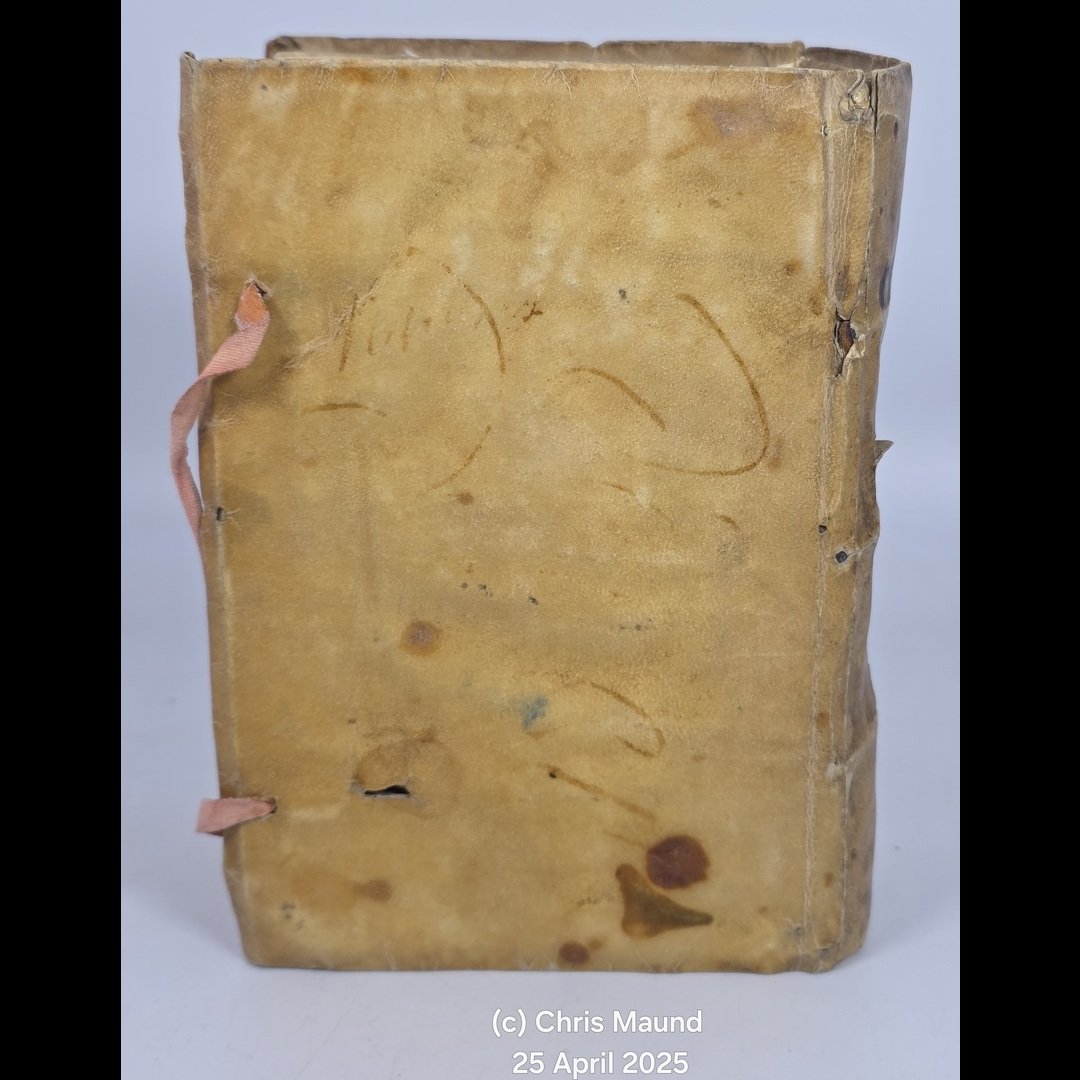
Externally, the volume has clearly seen extensive use during more than two centuries of institutional life. Its contemporary half-calf and marbled-board binding is now heavily worn, the spine split and the joints cracked. Internally, however, the book survives considerably better than its exterior might suggest, with the text generally clean and well preserved.
Particularly notable is its long association with The Leeds Library, one of Britain’s oldest surviving proprietary subscription libraries. The Library was founded in 1768 as the Leeds Circulating Library, with the scientist, theologian and Enlightenment thinker Joseph Priestley serving as its first secretary.
The precise date at which this volume entered the Library remains under investigation, but Wollstonecraft’s 1794 work is specifically recorded in The Leeds Library’s monumental 1889 printed catalogue, establishing its presence there no later than that date. The Library also accumulated a notable group of Wollstonecraft’s writings, demonstrating that this was not merely an isolated title in its collection.
Following more than a century — and potentially considerably longer — in the institution, this copy was formally deaccessioned and sold through Forum Auctions as property of The Leeds Library.
An evocative copy combining an important first edition of one of Wollstonecraft’s major political works with unusually substantial institutional provenance.
PROVENANCE
The Leeds Library
From the historic collection of The Leeds Library, founded in 1768 as the Leeds Circulating Library and today recognised as one of the oldest surviving proprietary subscription libraries in Britain.
The institution emerged from the intellectual and mercantile culture of eighteenth-century Leeds. Joseph Priestley (1733–1804) played an important role in its establishment and became its first secretary.
Unlike commercial circulating libraries primarily associated with popular fiction, the early Leeds Library developed substantial holdings in history, politics, philosophy, science, travel and other serious literature, making Wollstonecraft’s political and historical writings particularly appropriate to its collecting tradition.
This exact edition is identifiable in: Catalogue of the Leeds Library, 1889 where it is recorded under Wollstonecraft as: An Historical and Moral View of the Origin and Progress of the French Revolution, v. 1 only, 8°, 1794.
The catalogue’s description as “v. 1 only” reflects the wording “Volume the First” printed on the title page. No second volume was ever published.
By 1889 The Leeds Library possessed a notably broad representation of Wollstonecraft’s writings, including works such as Thoughts on the Education of Daughters, A Vindication of the Rights of Men, A Vindication of the Rights of Woman, the present Historical and Moral View, her Posthumous Works and Letters Written During a Short Residence in Sweden, Norway, and Denmark.
The precise date of acquisition of the present volume has not yet been established. A surviving 1796 supplement to the Leeds Library catalogue, now held by York Minster Library, provides a possible means of determining whether the work entered the institution within two years of publication; archival research is ongoing.
The volume was ultimately deaccessioned directly from The Leeds Library and sold by Forum Auctions in 2026, preserving a clear modern provenance chain: The Leeds Library → Forum Auctions → Books That Expand The Mind Ltd.
CONDITION, COLLATION & COPY NOTES
COLLATION
xvi, 522, [2] pp. Complete.
Page viii has the expected catchword “An”, with p. [ix] beginning “Contents.”
Retains the final advertisement leaf.
The work concludes on p. 522, followed by the advertisements.
Signatures: [A]⁸ B–2K⁸ 2L⁴ 2M².
Bibliographical Note:
Although described on the title page as “Volume the First,” this was the only volume published and the present copy is therefore complete as issued.
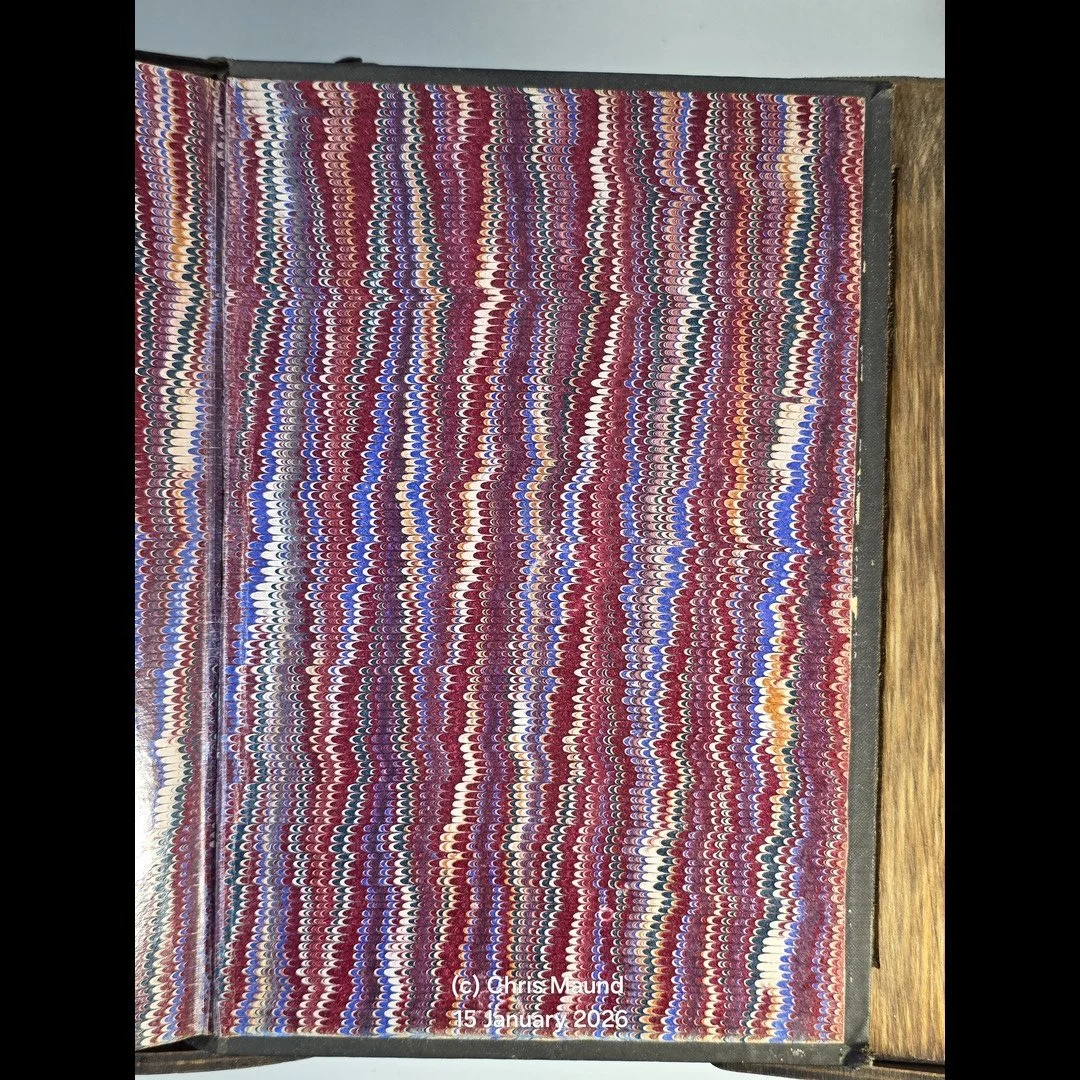
Contemporary half calf over marbled paper-covered boards, the corners tipped in green vellum.
Binding heavily worn and rubbed from prolonged institutional use. Calf significantly abraded; joints cracked; spine split with areas of surface loss and wear. Boards and marbled paper rubbed and scuffed, with edge and corner wear. The binding should consequently be handled with appropriate care.
Leeds Library printed label and associated historic institutional markings to the front pastedown/endpapers.
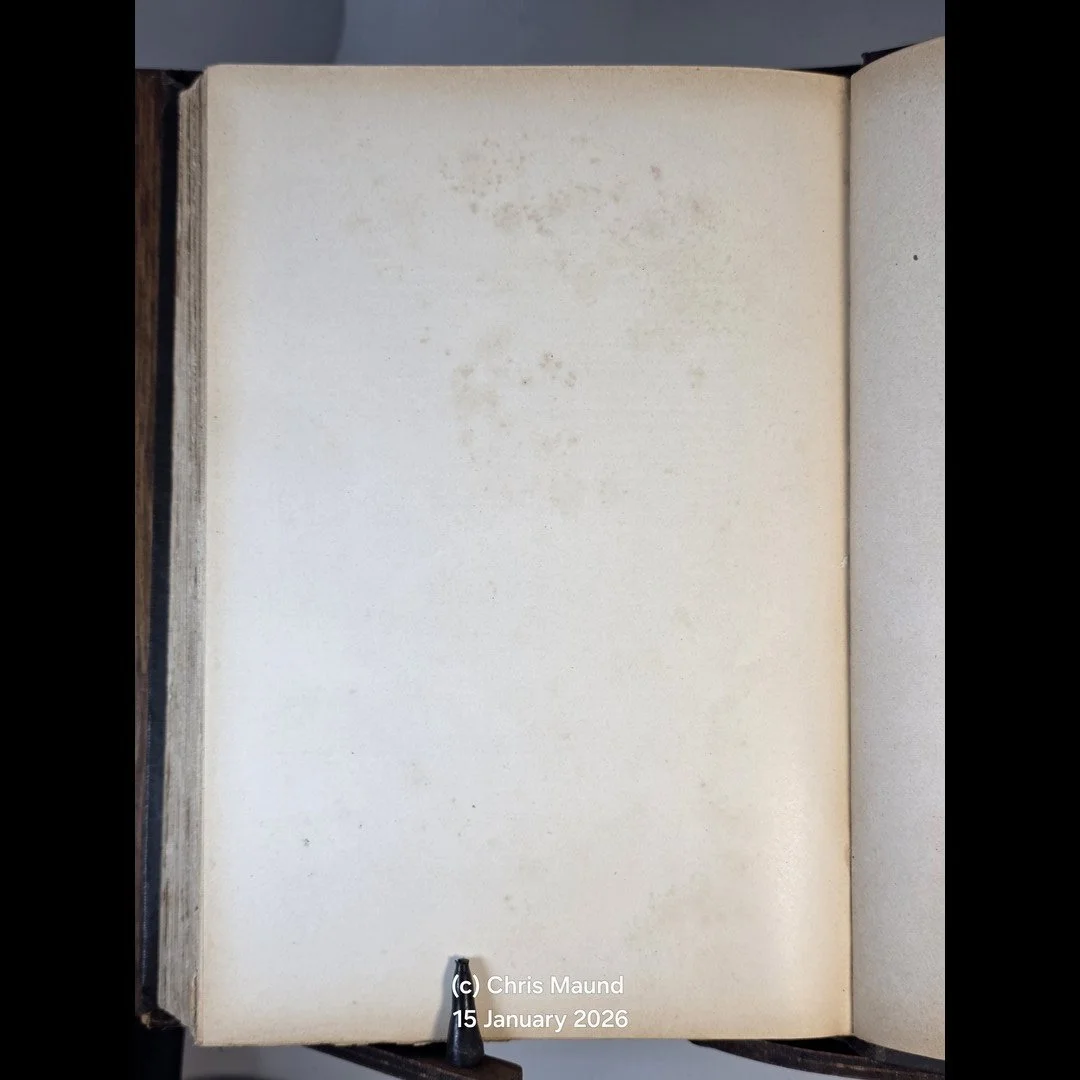
Internally considerably better preserved than the binding. General light age-toning with occasional spotting, foxing and minor handling marks, but the text remains generally clean and readily legible.
Small hole to X7, slightly affecting one word on recto and verso, as recorded in the Forum Auctions catalogue.
Please see Photos as part of condition report.
REFERENCES
ESTC T36310.
English Short Title Catalogue: An historical and moral view of the origin and progress of the French revolution; and the effect it has produced in Europe. By Mary Wollstonecraft. Volume the first. London: J. Johnson, 1794.
Folger Shakespeare Library catalogue: xvi, 522, [2] pp.; final advertisement leaf; signatures [A]⁸ B–2K⁸ 2L⁴ 2M²; no further volumes published.
Catalogue of the Leeds Library, 1889: entry for Wollstonecraft, An Historical and Moral View of the Origin and Progress of the French Revolution, 1794.
SYNOPSIS
Mary Wollstonecraft’s An Historical and Moral View of the Origin and Progress of the French Revolution is an ambitious attempt to understand not merely the events of the Revolution but the political and moral conditions that made it possible.
Wollstonecraft traces the development of French society under the ancien régime, attacking hereditary privilege, absolutism, inequality and the corrupting effects of arbitrary power. She argues that a society denied political liberty and civic virtue for generations inevitably develops the very moral defects later blamed upon revolution.
Her treatment is therefore neither an uncomplicated celebration nor a wholesale condemnation of the French Revolution. Wollstonecraft remained committed to liberty, equality and political reform while confronting the violence and instability that accompanied their pursuit.
The book also occupies an important place in the development of Wollstonecraft’s political thought. Themes central to A Vindication of the Rights of Men and A Vindication of the Rights of Woman — reason, education, equality, independence and the relationship between political institutions and moral character — are here applied to the history of an entire nation.
Written while events were still unfolding and informed by Wollstonecraft’s residence in revolutionary France, the work provides a remarkable contemporary interpretation of one of the defining political upheavals of the eighteenth century.
Only the first projected volume was completed. Wollstonecraft never returned to the project before her death in 1797, leaving this 1794 volume as both the beginning and the entirety of her projected history.
AUTHOR BIO
Mary Wollstonecraft was an English writer, philosopher and political thinker whose work became foundational to the history of feminism and modern arguments for equality.
After working as a teacher, governess and translator, she entered the radical intellectual circle surrounding the publisher Joseph Johnson, contributing reviews and translations while developing her own political writings.
Her response to Edmund Burke’s Reflections on the Revolution in France appeared in 1790 as A Vindication of the Rights of Men. Two years later she published the work for which she remains most famous, A Vindication of the Rights of Woman, arguing that apparent differences in intellectual ability between the sexes were largely products of unequal education and social conditioning rather than nature.
Wollstonecraft travelled to France during the Revolution and remained there through some of its most dangerous phases. Her experiences informed both the present Historical and Moral View and her later Letters Written During a Short Residence in Sweden, Norway, and Denmark.
She died in September 1797, shortly after giving birth to her second daughter, Mary Wollstonecraft Godwin, later Mary Shelley, author of Frankenstein.
Wollstonecraft’s reputation suffered considerably after William Godwin’s unusually candid publication of his Memoirs of the Author of A Vindication of the Rights of Woman in 1798, but her political and philosophical importance was progressively reassessed. She is now recognised as one of the major political writers of the late Enlightenment and one of the foundational figures in the history of women’s rights.
1794 First Edition - All Published Leeds Library Provenance
AN HISTORICAL AND MORAL VIEW OF THE ORIGIN AND PROGRESS OF THE FRENCH REVOLUTION
By Mary Wollstonecraft
KEY DETAILS
Condition: Very Good
Format: Hardcover, 8vo; approx 210 x 130 mm
Published By: Printed for J. Johnson, in St. Paul’s Church-Yard, London, 1794
Language: English
Provenance: The Leeds Library
Collation: xvi, 522, [2] pp. Complete.
Dust Jacket: None, as issued
SKU: BTETM0002747
Shipping Info: Approximate Package Dimensions H: , L: 30, W: 25 (Units: cm), W: 2Kg
Tracked Shipping, Insurance Coverage as per Customer Request
DESCRIPTION
An Historical and Moral View of the Origin and Progress of the French Revolution
And the Effect it has Produced in Europe
A particularly appealing, provenance-rich copy of the first edition of Mary Wollstonecraft’s major analysis of the French Revolution, published by Joseph Johnson in 1794 while the Revolution was still unfolding.
An Historical and Moral View of the Origin and Progress of the French Revolution was intended as the opening volume of a much larger history. No continuation appeared, however, and this substantial first volume constitutes all that Wollstonecraft published of the work.
Written after A Vindication of the Rights of Woman and informed by Wollstonecraft’s own experience of revolutionary France, the book is considerably more than a narrative history. She attempts to explain the Revolution through the political, social and moral conditions that produced it: entrenched inequality, arbitrary government, aristocratic privilege and the corruption fostered by the ancien régime.
Wollstonecraft remained sympathetic to the principles that had inspired the Revolution while refusing to ignore the violence committed in their name. Rather than treating revolutionary excess as evidence that reform itself was mistaken, she traced much of the brutality to generations of political oppression and social degradation.
The work was written partly in answer to the conservative interpretation of the Revolution associated with Edmund Burke. Wollstonecraft had already confronted Burke directly in her Vindication of the Rights of Men of 1790; here she develops her argument on a much larger historical canvas.
The present copy retains the final advertisement leaf, an important component of the first edition. Among the books advertised by Wollstonecraft’s publisher, Joseph Johnson, is the second edition of her landmark A Vindication of the Rights of Woman.
Externally, the volume has clearly seen extensive use during more than two centuries of institutional life. Its contemporary half-calf and marbled-board binding is now heavily worn, the spine split and the joints cracked. Internally, however, the book survives considerably better than its exterior might suggest, with the text generally clean and well preserved.
Particularly notable is its long association with The Leeds Library, one of Britain’s oldest surviving proprietary subscription libraries. The Library was founded in 1768 as the Leeds Circulating Library, with the scientist, theologian and Enlightenment thinker Joseph Priestley serving as its first secretary.
The precise date at which this volume entered the Library remains under investigation, but Wollstonecraft’s 1794 work is specifically recorded in The Leeds Library’s monumental 1889 printed catalogue, establishing its presence there no later than that date. The Library also accumulated a notable group of Wollstonecraft’s writings, demonstrating that this was not merely an isolated title in its collection.
Following more than a century — and potentially considerably longer — in the institution, this copy was formally deaccessioned and sold through Forum Auctions as property of The Leeds Library.
An evocative copy combining an important first edition of one of Wollstonecraft’s major political works with unusually substantial institutional provenance.
PROVENANCE
The Leeds Library
From the historic collection of The Leeds Library, founded in 1768 as the Leeds Circulating Library and today recognised as one of the oldest surviving proprietary subscription libraries in Britain.
The institution emerged from the intellectual and mercantile culture of eighteenth-century Leeds. Joseph Priestley (1733–1804) played an important role in its establishment and became its first secretary.
Unlike commercial circulating libraries primarily associated with popular fiction, the early Leeds Library developed substantial holdings in history, politics, philosophy, science, travel and other serious literature, making Wollstonecraft’s political and historical writings particularly appropriate to its collecting tradition.
This exact edition is identifiable in: Catalogue of the Leeds Library, 1889 where it is recorded under Wollstonecraft as: An Historical and Moral View of the Origin and Progress of the French Revolution, v. 1 only, 8°, 1794.
The catalogue’s description as “v. 1 only” reflects the wording “Volume the First” printed on the title page. No second volume was ever published.
By 1889 The Leeds Library possessed a notably broad representation of Wollstonecraft’s writings, including works such as Thoughts on the Education of Daughters, A Vindication of the Rights of Men, A Vindication of the Rights of Woman, the present Historical and Moral View, her Posthumous Works and Letters Written During a Short Residence in Sweden, Norway, and Denmark.
The precise date of acquisition of the present volume has not yet been established. A surviving 1796 supplement to the Leeds Library catalogue, now held by York Minster Library, provides a possible means of determining whether the work entered the institution within two years of publication; archival research is ongoing.
The volume was ultimately deaccessioned directly from The Leeds Library and sold by Forum Auctions in 2026, preserving a clear modern provenance chain: The Leeds Library → Forum Auctions → Books That Expand The Mind Ltd.
CONDITION, COLLATION & COPY NOTES
COLLATION
xvi, 522, [2] pp. Complete.
Page viii has the expected catchword “An”, with p. [ix] beginning “Contents.”
Retains the final advertisement leaf.
The work concludes on p. 522, followed by the advertisements.
Signatures: [A]⁸ B–2K⁸ 2L⁴ 2M².
Bibliographical Note:
Although described on the title page as “Volume the First,” this was the only volume published and the present copy is therefore complete as issued.
Contemporary half calf over marbled paper-covered boards, the corners tipped in green vellum.
Binding heavily worn and rubbed from prolonged institutional use. Calf significantly abraded; joints cracked; spine split with areas of surface loss and wear. Boards and marbled paper rubbed and scuffed, with edge and corner wear. The binding should consequently be handled with appropriate care.
Leeds Library printed label and associated historic institutional markings to the front pastedown/endpapers.
Internally considerably better preserved than the binding. General light age-toning with occasional spotting, foxing and minor handling marks, but the text remains generally clean and readily legible.
Small hole to X7, slightly affecting one word on recto and verso, as recorded in the Forum Auctions catalogue.
Please see Photos as part of condition report.
REFERENCES
ESTC T36310.
English Short Title Catalogue: An historical and moral view of the origin and progress of the French revolution; and the effect it has produced in Europe. By Mary Wollstonecraft. Volume the first. London: J. Johnson, 1794.
Folger Shakespeare Library catalogue: xvi, 522, [2] pp.; final advertisement leaf; signatures [A]⁸ B–2K⁸ 2L⁴ 2M²; no further volumes published.
Catalogue of the Leeds Library, 1889: entry for Wollstonecraft, An Historical and Moral View of the Origin and Progress of the French Revolution, 1794.
SYNOPSIS
Mary Wollstonecraft’s An Historical and Moral View of the Origin and Progress of the French Revolution is an ambitious attempt to understand not merely the events of the Revolution but the political and moral conditions that made it possible.
Wollstonecraft traces the development of French society under the ancien régime, attacking hereditary privilege, absolutism, inequality and the corrupting effects of arbitrary power. She argues that a society denied political liberty and civic virtue for generations inevitably develops the very moral defects later blamed upon revolution.
Her treatment is therefore neither an uncomplicated celebration nor a wholesale condemnation of the French Revolution. Wollstonecraft remained committed to liberty, equality and political reform while confronting the violence and instability that accompanied their pursuit.
The book also occupies an important place in the development of Wollstonecraft’s political thought. Themes central to A Vindication of the Rights of Men and A Vindication of the Rights of Woman — reason, education, equality, independence and the relationship between political institutions and moral character — are here applied to the history of an entire nation.
Written while events were still unfolding and informed by Wollstonecraft’s residence in revolutionary France, the work provides a remarkable contemporary interpretation of one of the defining political upheavals of the eighteenth century.
Only the first projected volume was completed. Wollstonecraft never returned to the project before her death in 1797, leaving this 1794 volume as both the beginning and the entirety of her projected history.
AUTHOR BIO
Mary Wollstonecraft was an English writer, philosopher and political thinker whose work became foundational to the history of feminism and modern arguments for equality.
After working as a teacher, governess and translator, she entered the radical intellectual circle surrounding the publisher Joseph Johnson, contributing reviews and translations while developing her own political writings.
Her response to Edmund Burke’s Reflections on the Revolution in France appeared in 1790 as A Vindication of the Rights of Men. Two years later she published the work for which she remains most famous, A Vindication of the Rights of Woman, arguing that apparent differences in intellectual ability between the sexes were largely products of unequal education and social conditioning rather than nature.
Wollstonecraft travelled to France during the Revolution and remained there through some of its most dangerous phases. Her experiences informed both the present Historical and Moral View and her later Letters Written During a Short Residence in Sweden, Norway, and Denmark.
She died in September 1797, shortly after giving birth to her second daughter, Mary Wollstonecraft Godwin, later Mary Shelley, author of Frankenstein.
Wollstonecraft’s reputation suffered considerably after William Godwin’s unusually candid publication of his Memoirs of the Author of A Vindication of the Rights of Woman in 1798, but her political and philosophical importance was progressively reassessed. She is now recognised as one of the major political writers of the late Enlightenment and one of the foundational figures in the history of women’s rights.

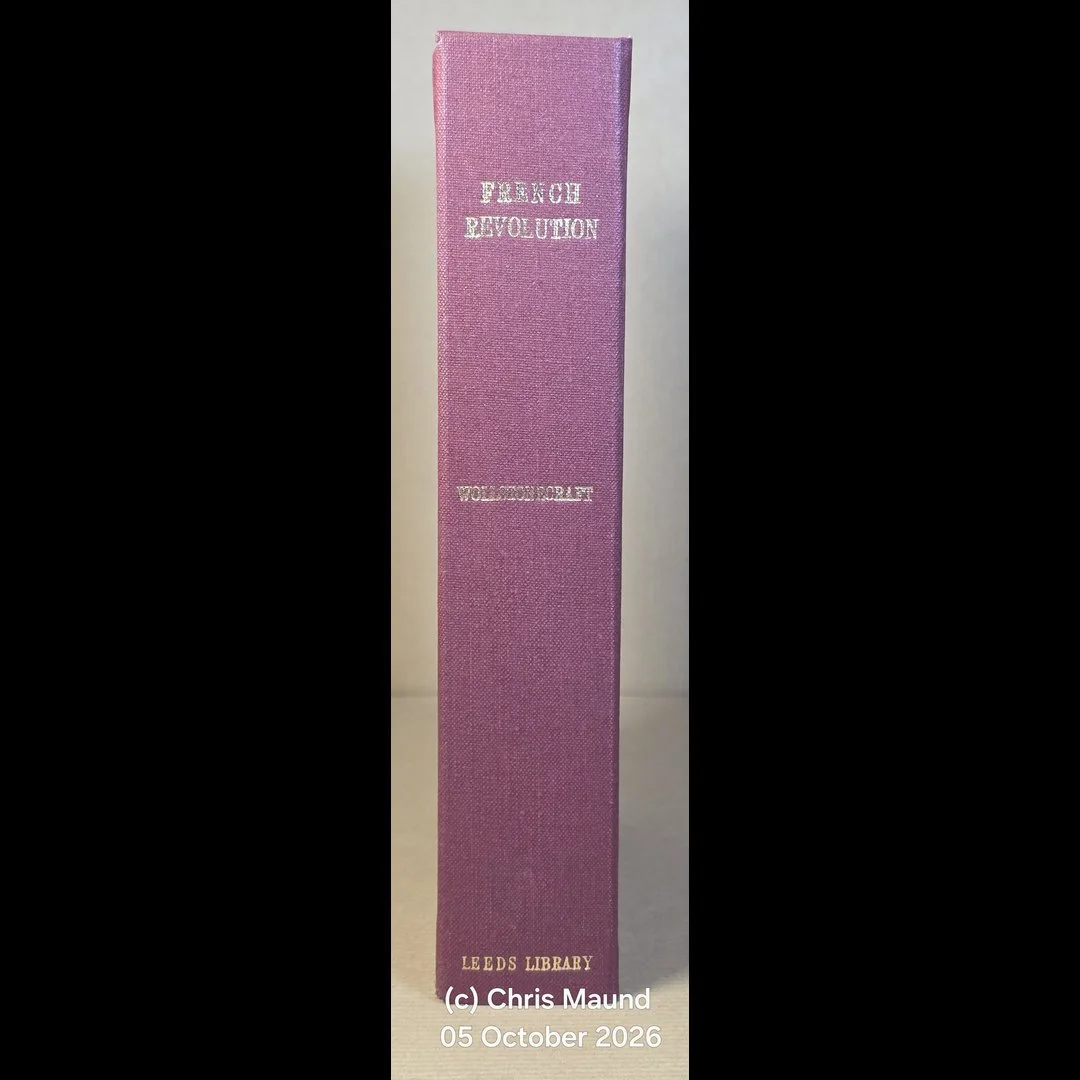 Image 1 of 29
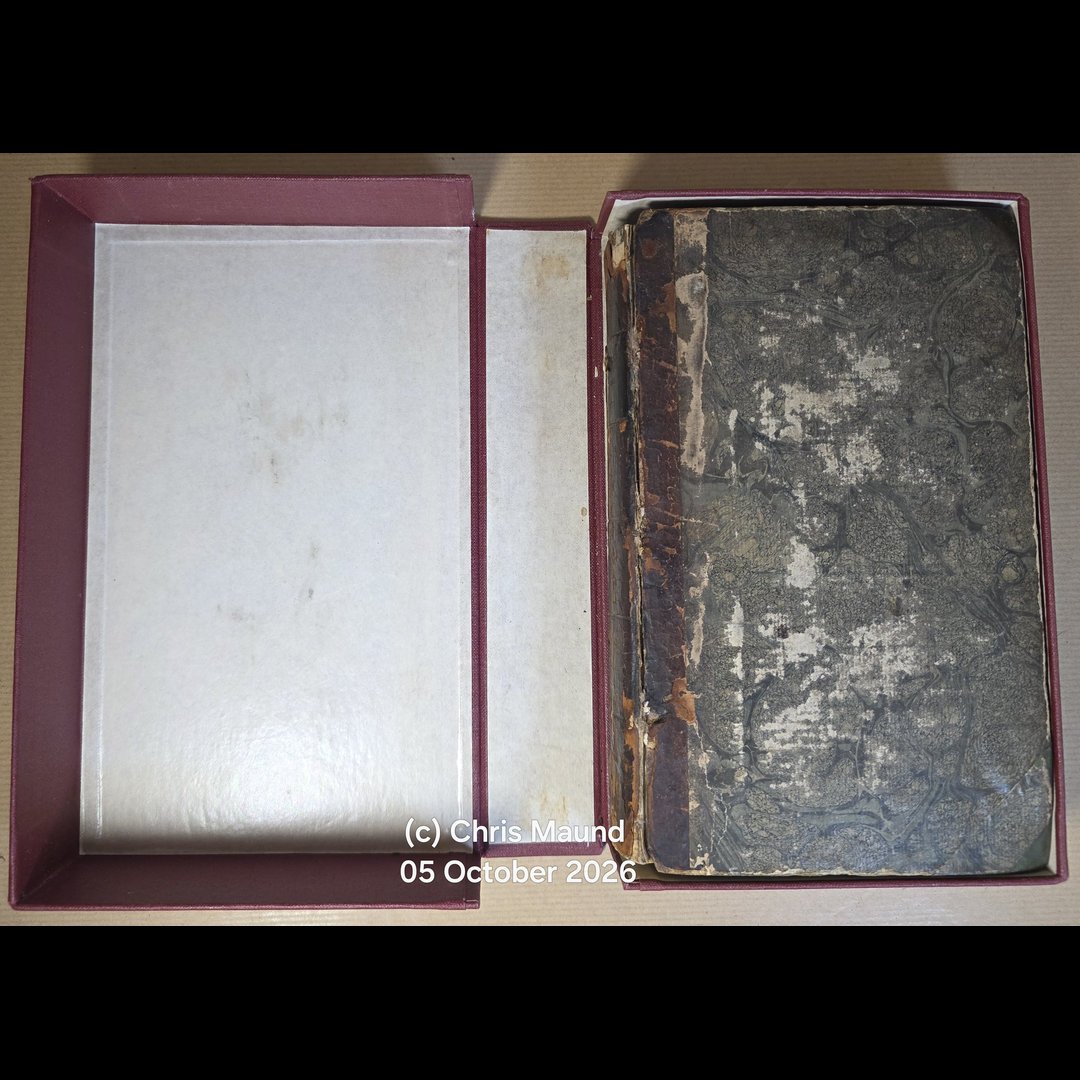 Image 2 of 29
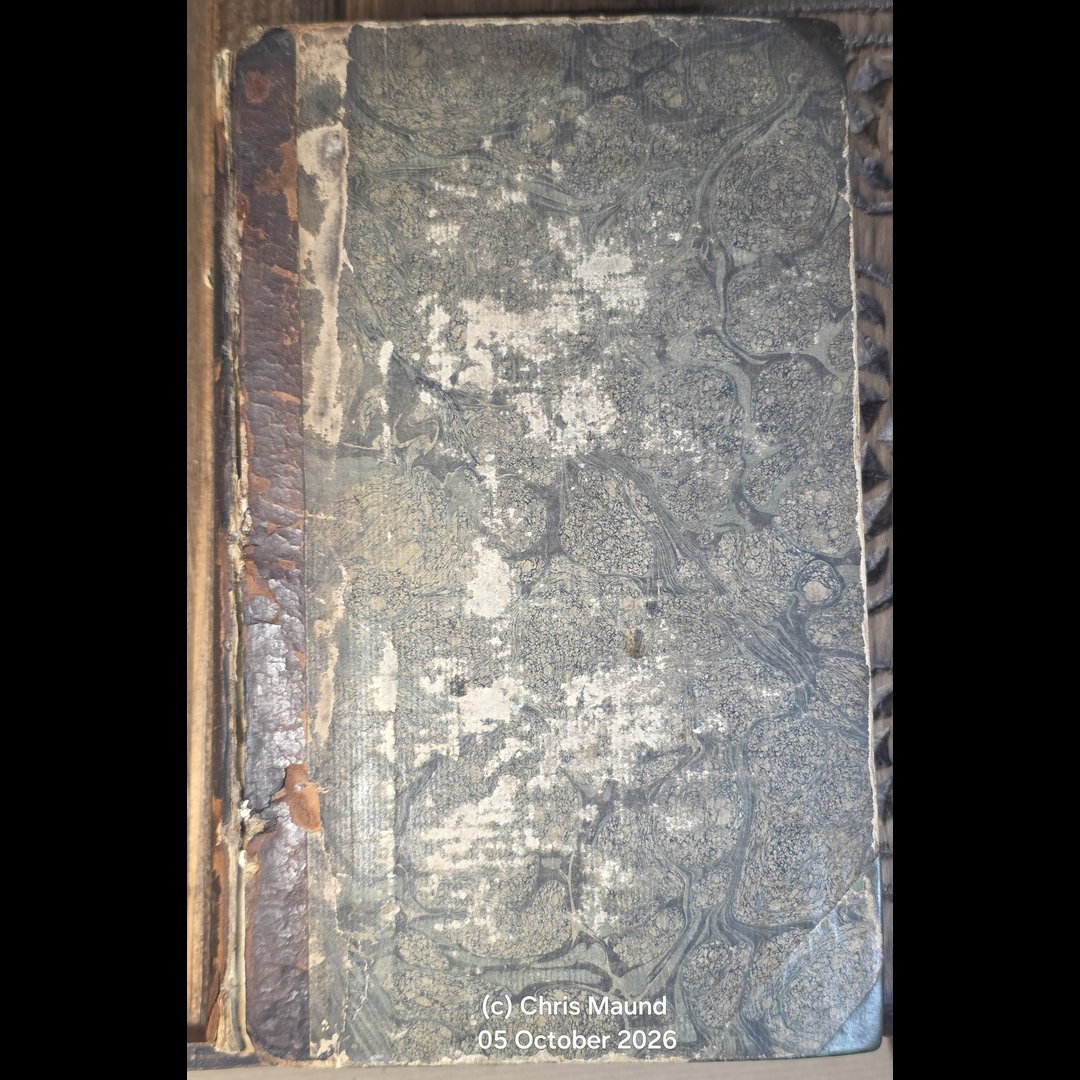 Image 3 of 29
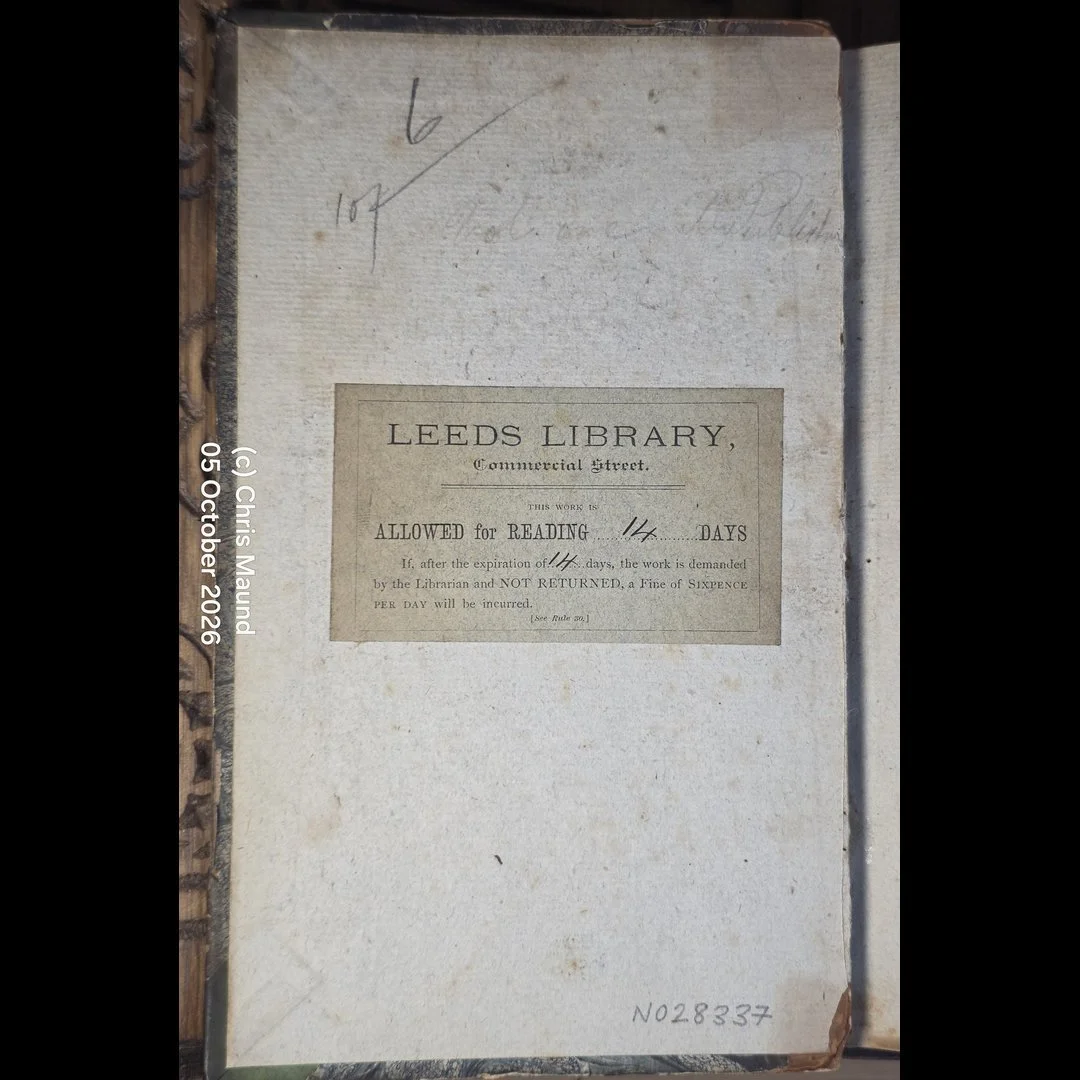 Image 4 of 29
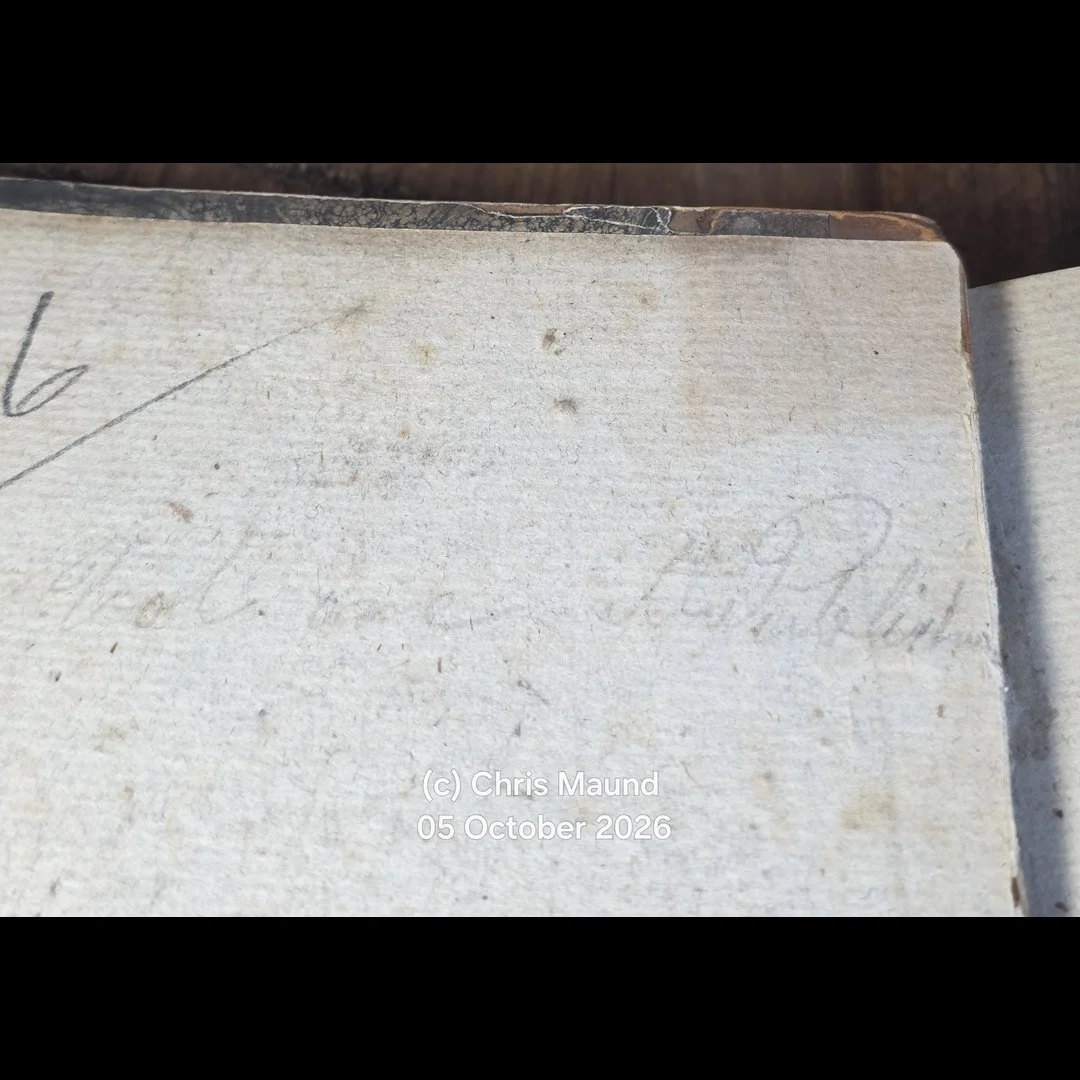 Image 5 of 29
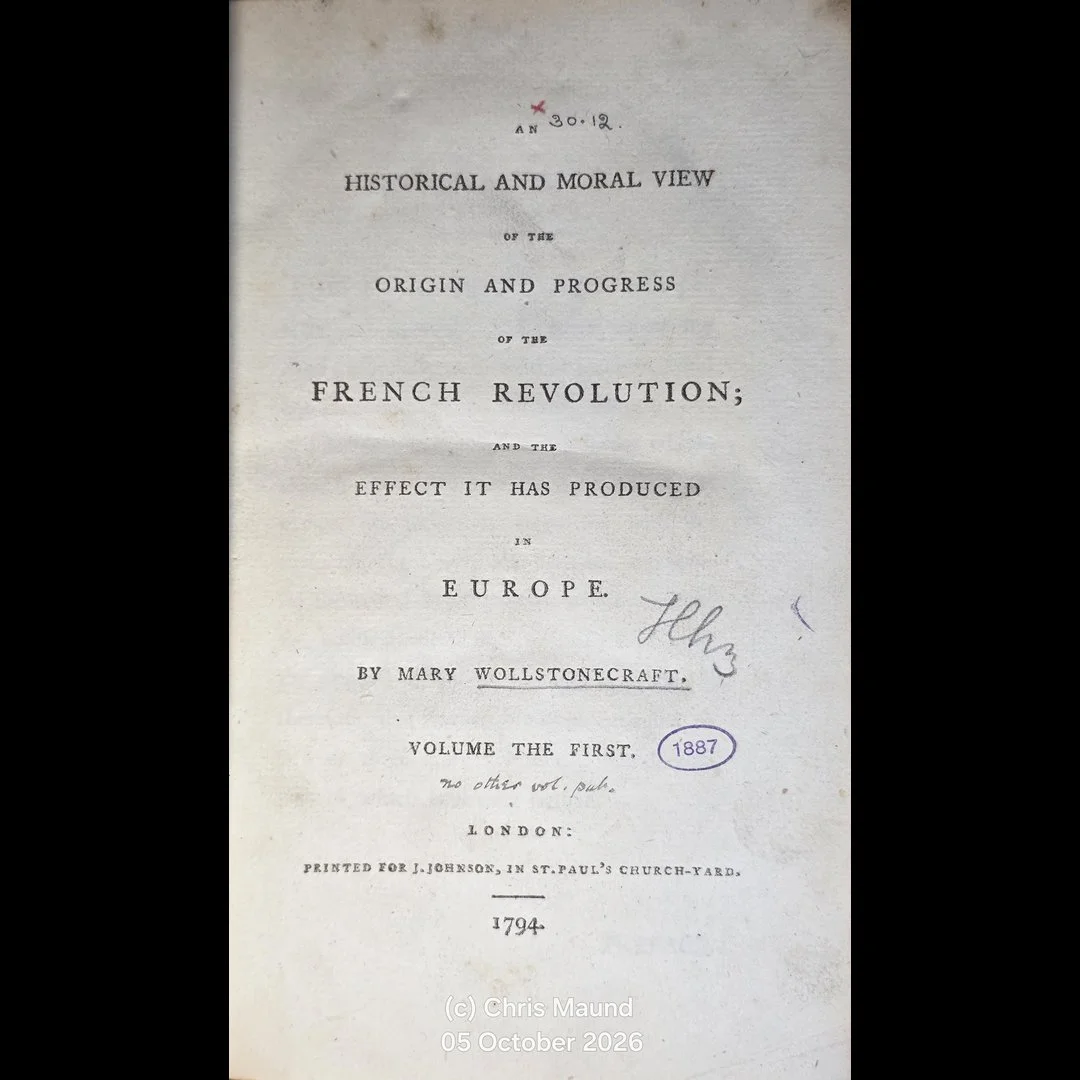 Image 6 of 29
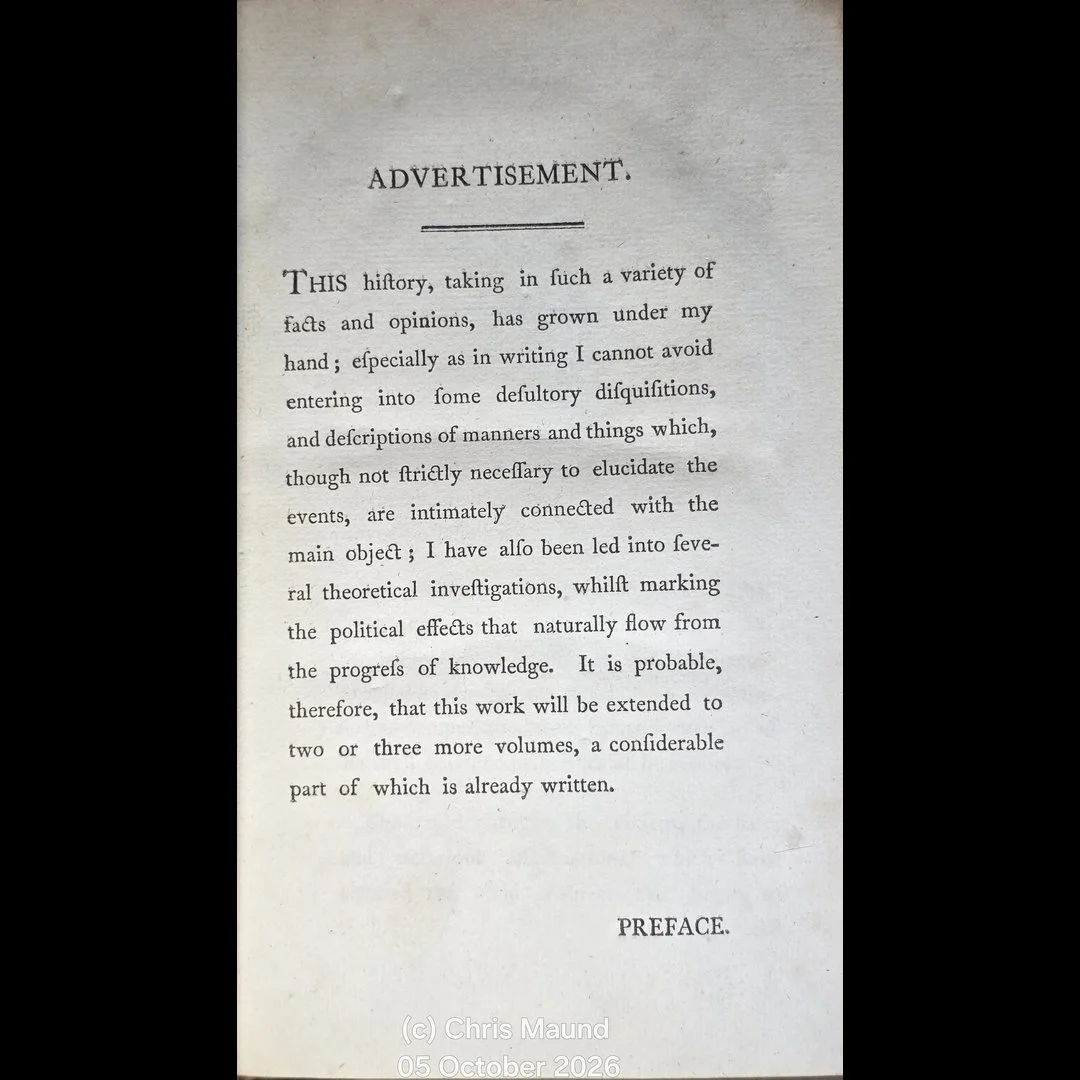 Image 7 of 29
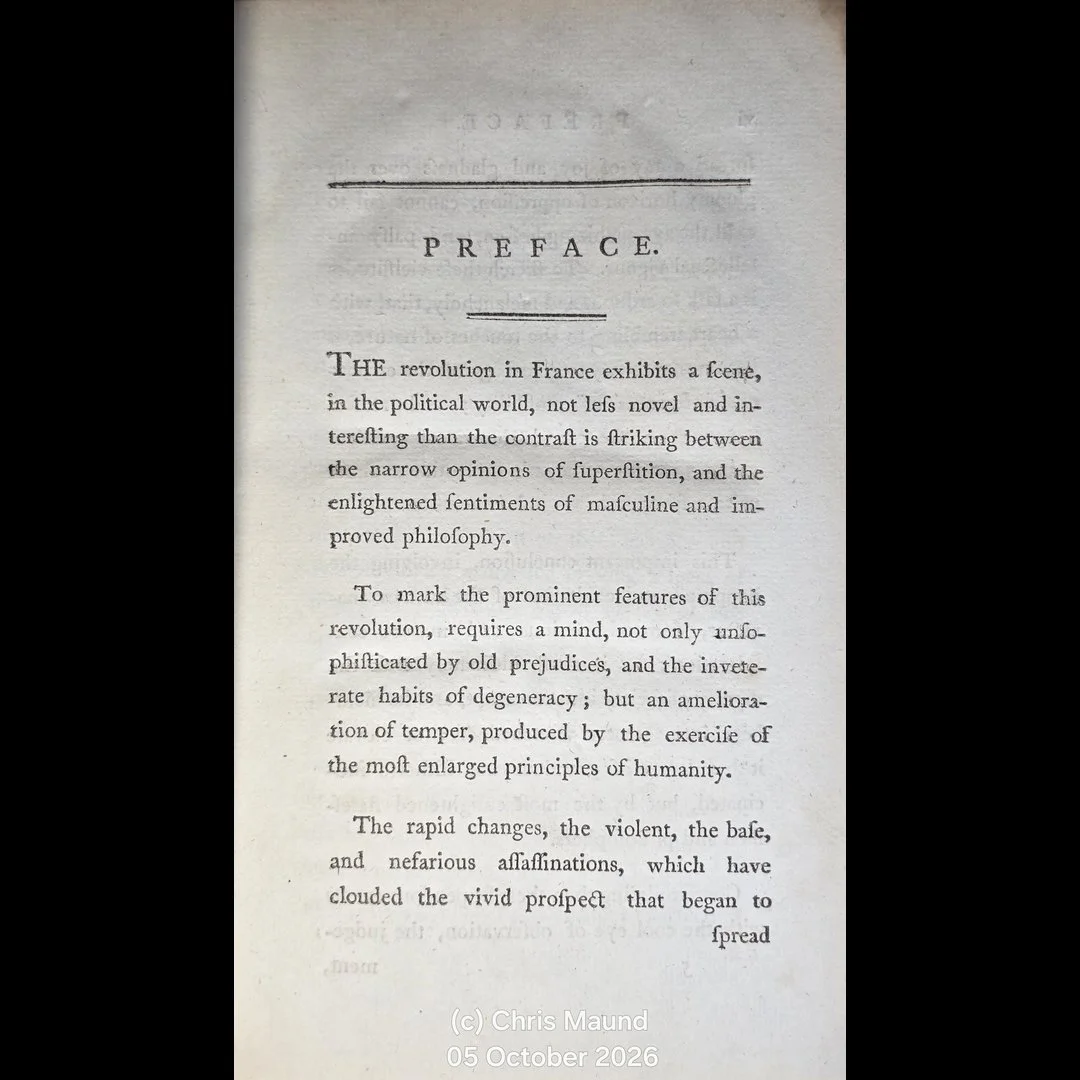 Image 8 of 29
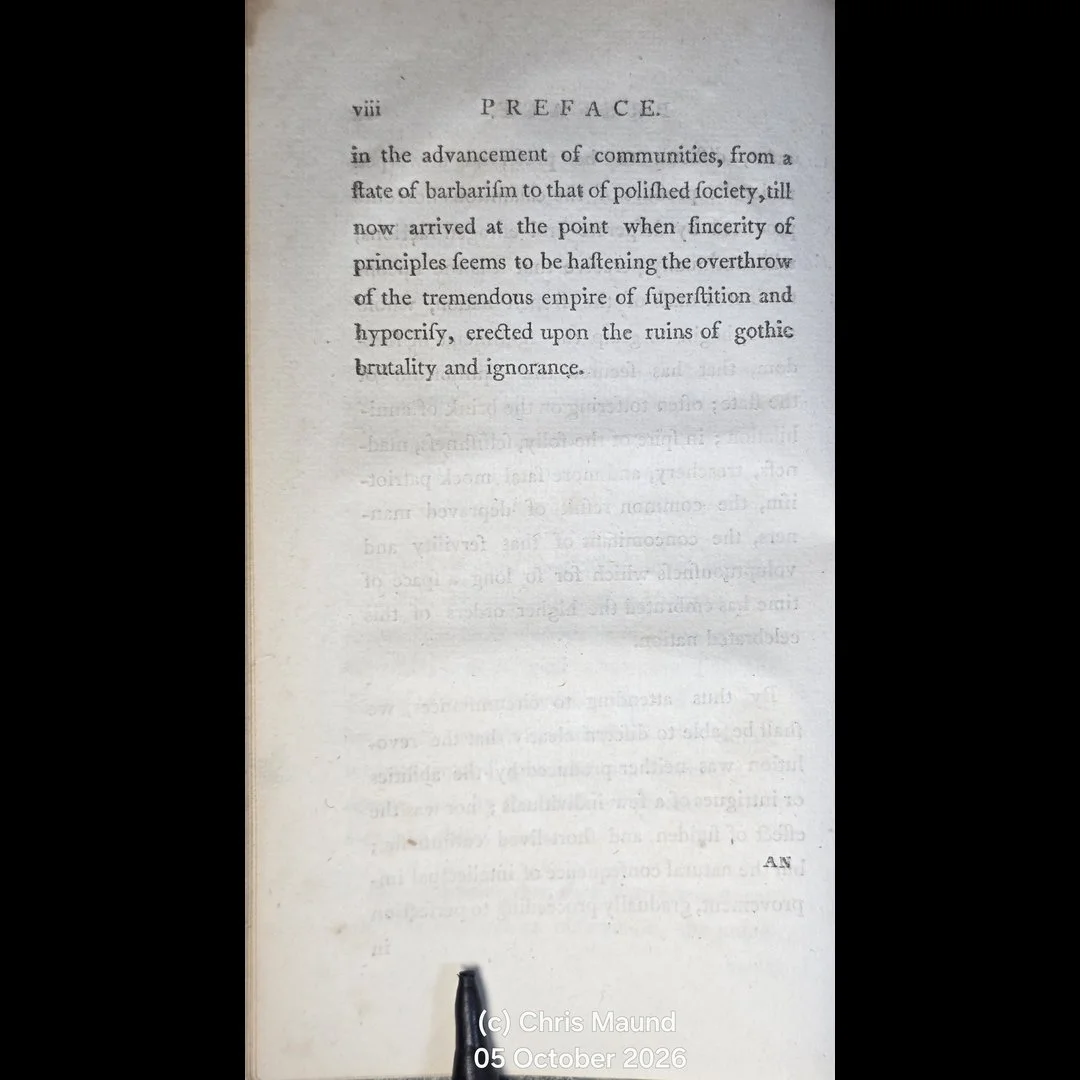 Image 9 of 29
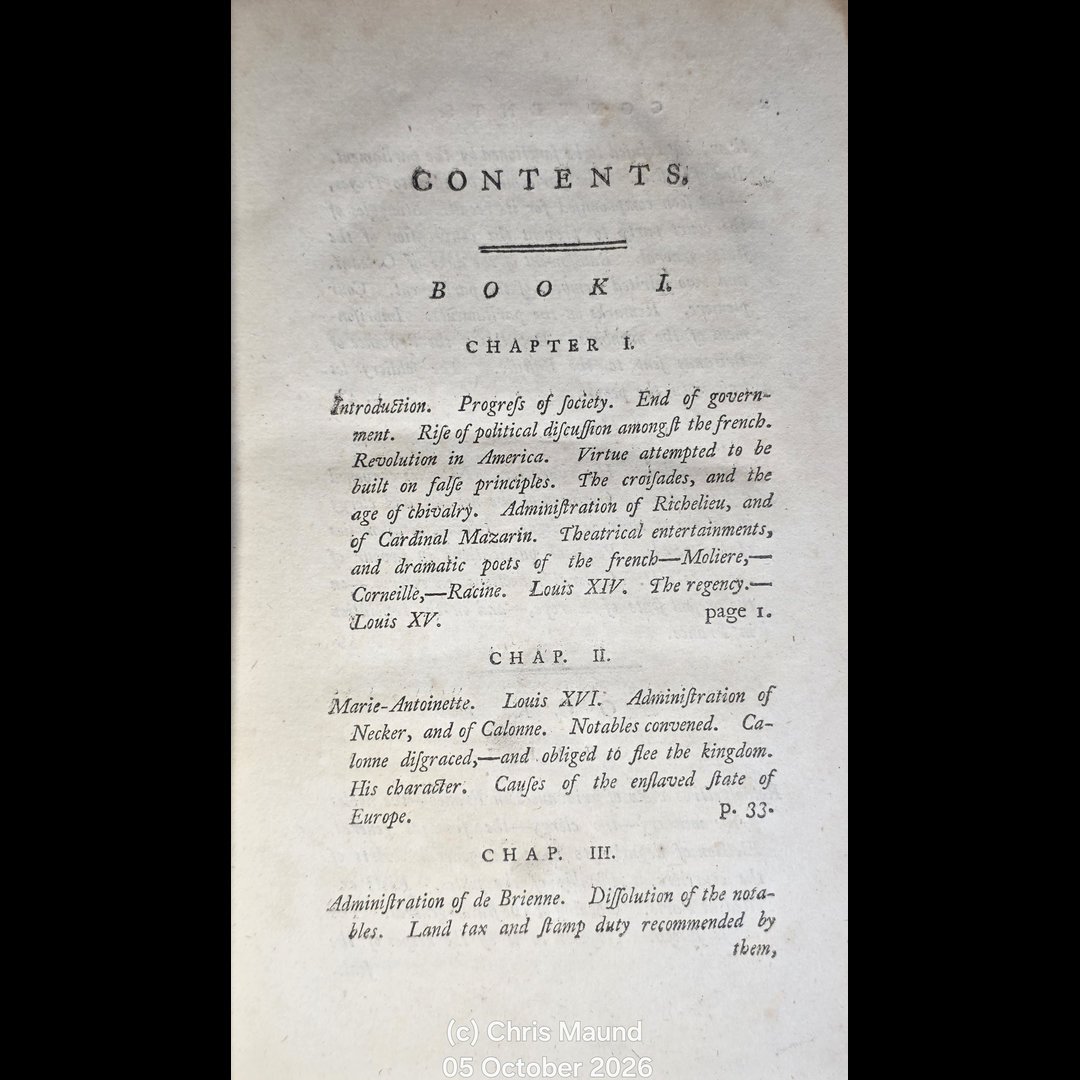 Image 10 of 29
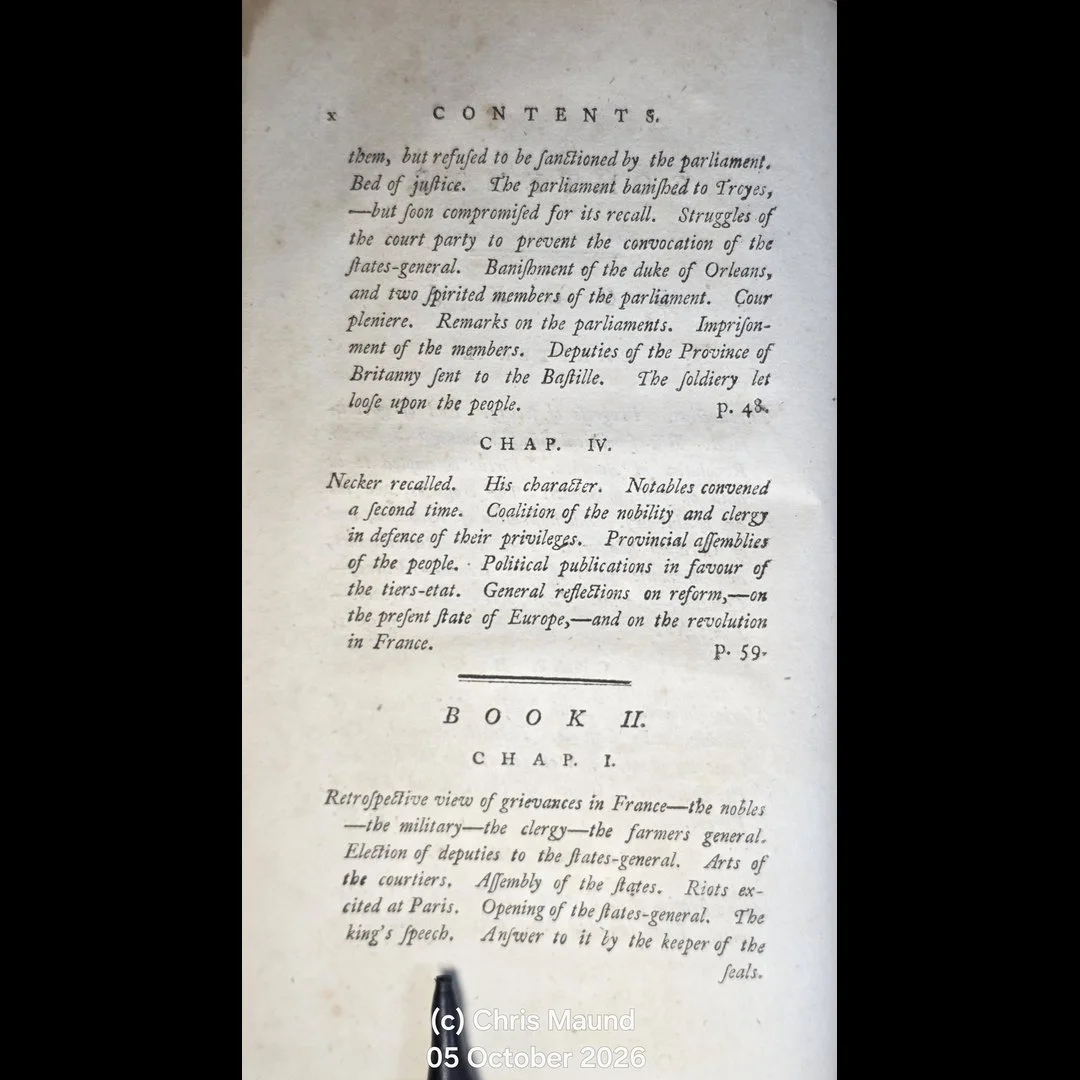 Image 11 of 29
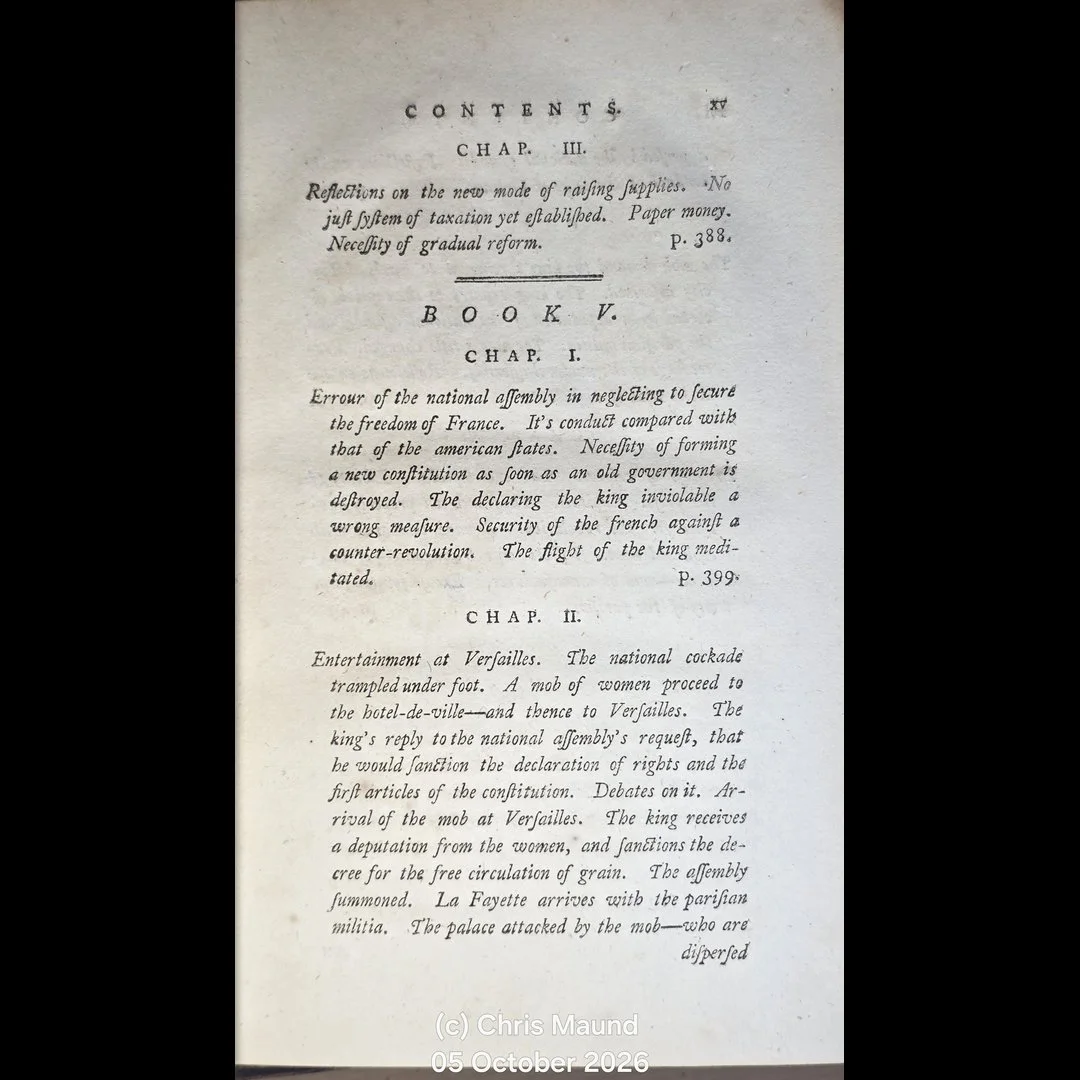 Image 12 of 29
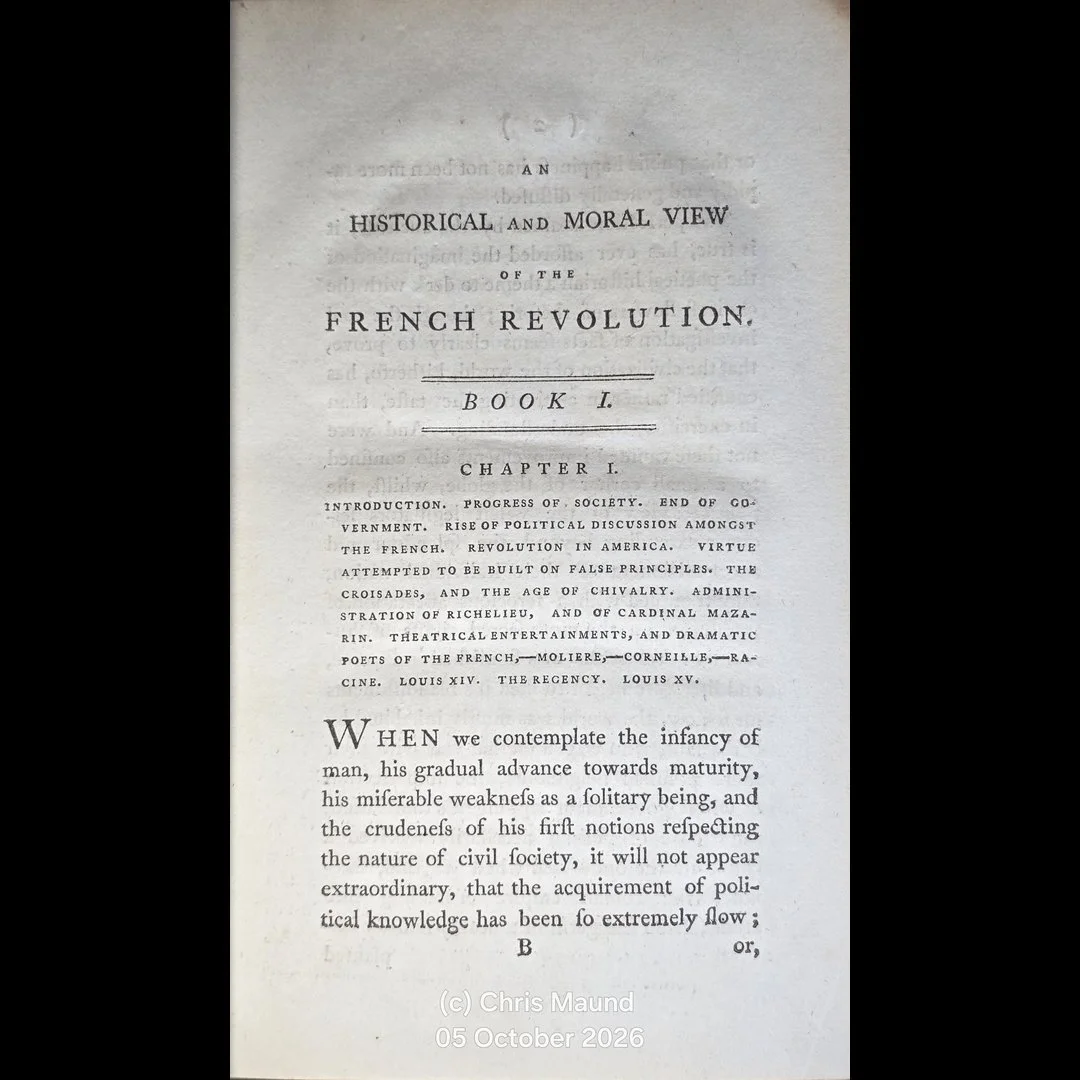 Image 13 of 29
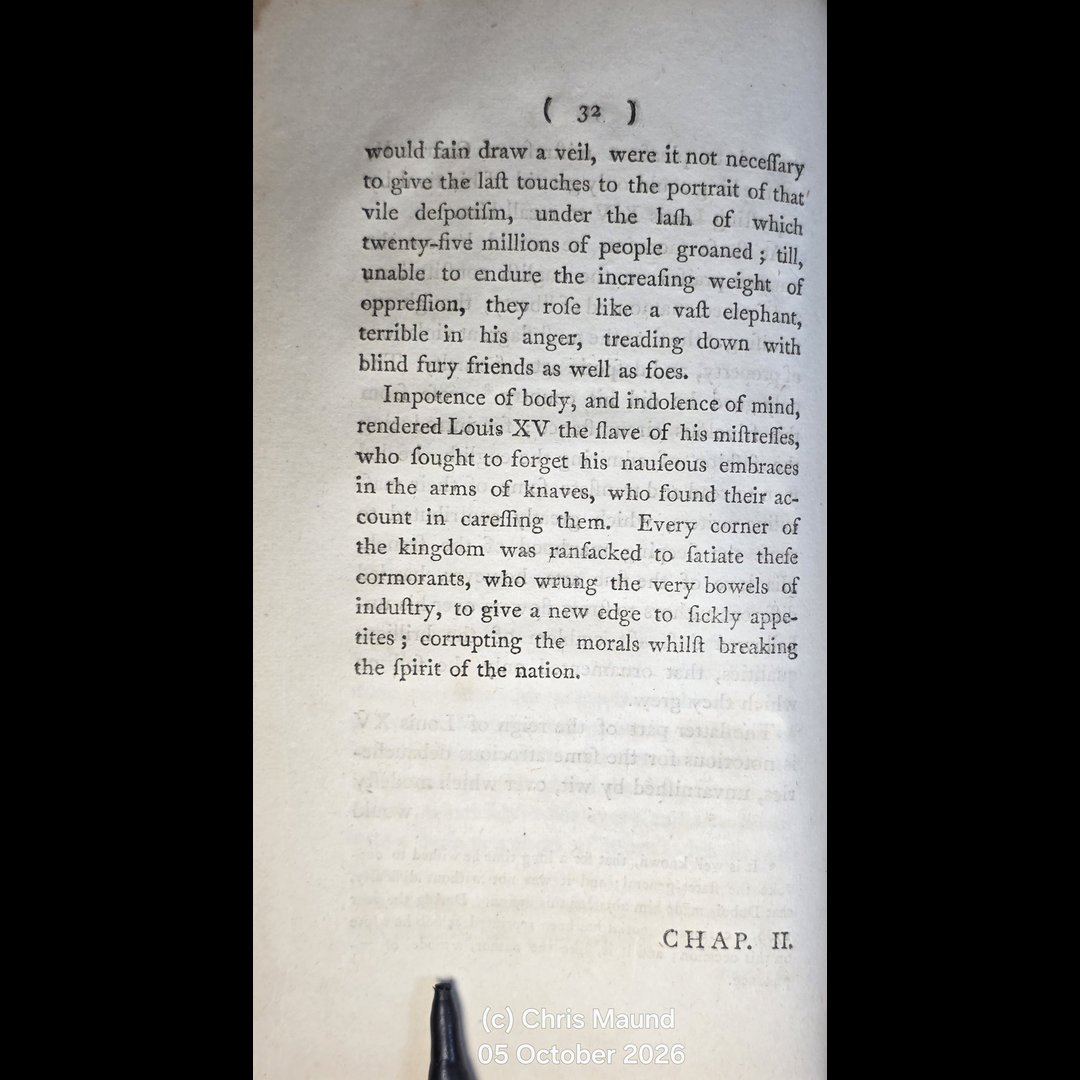 Image 14 of 29
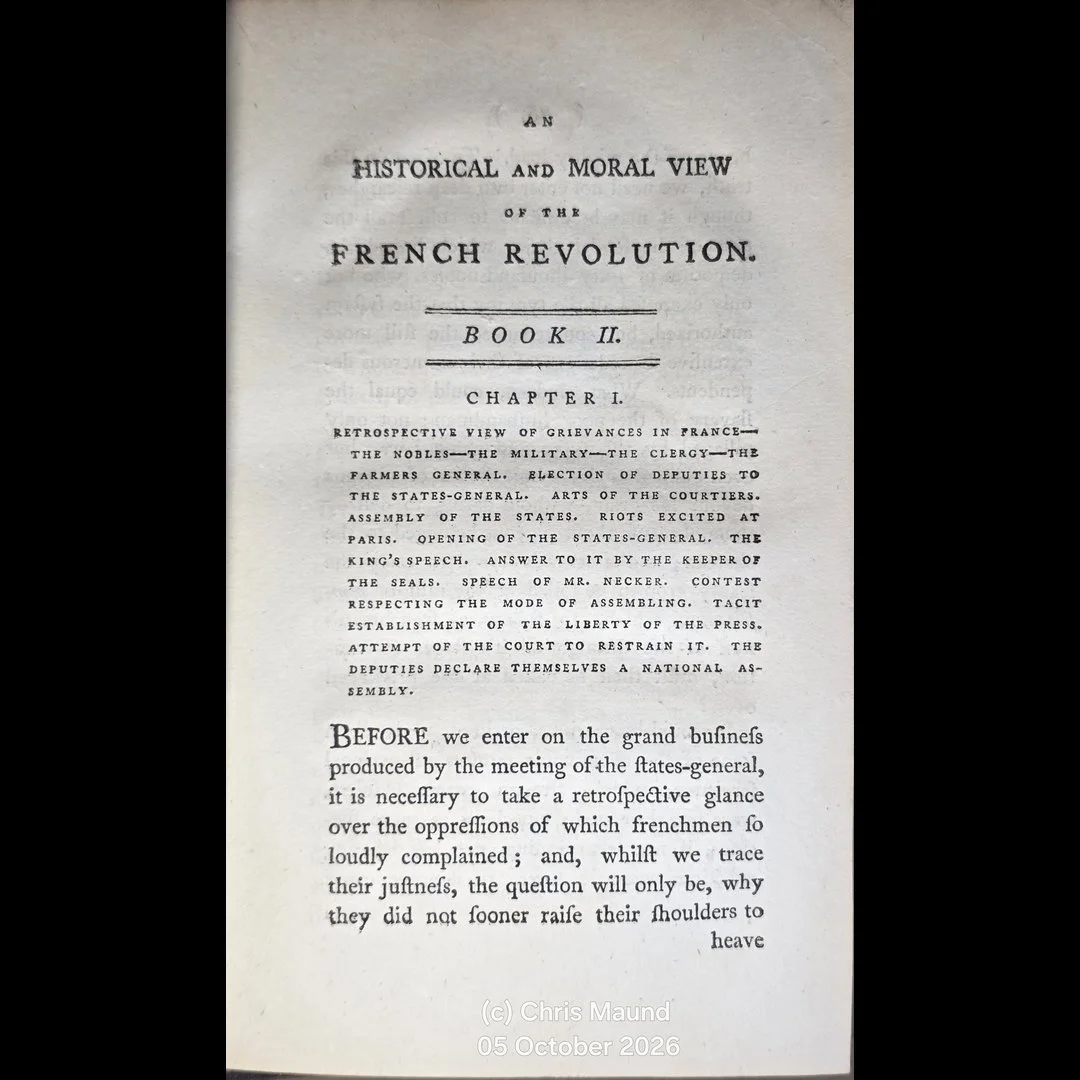 Image 15 of 29
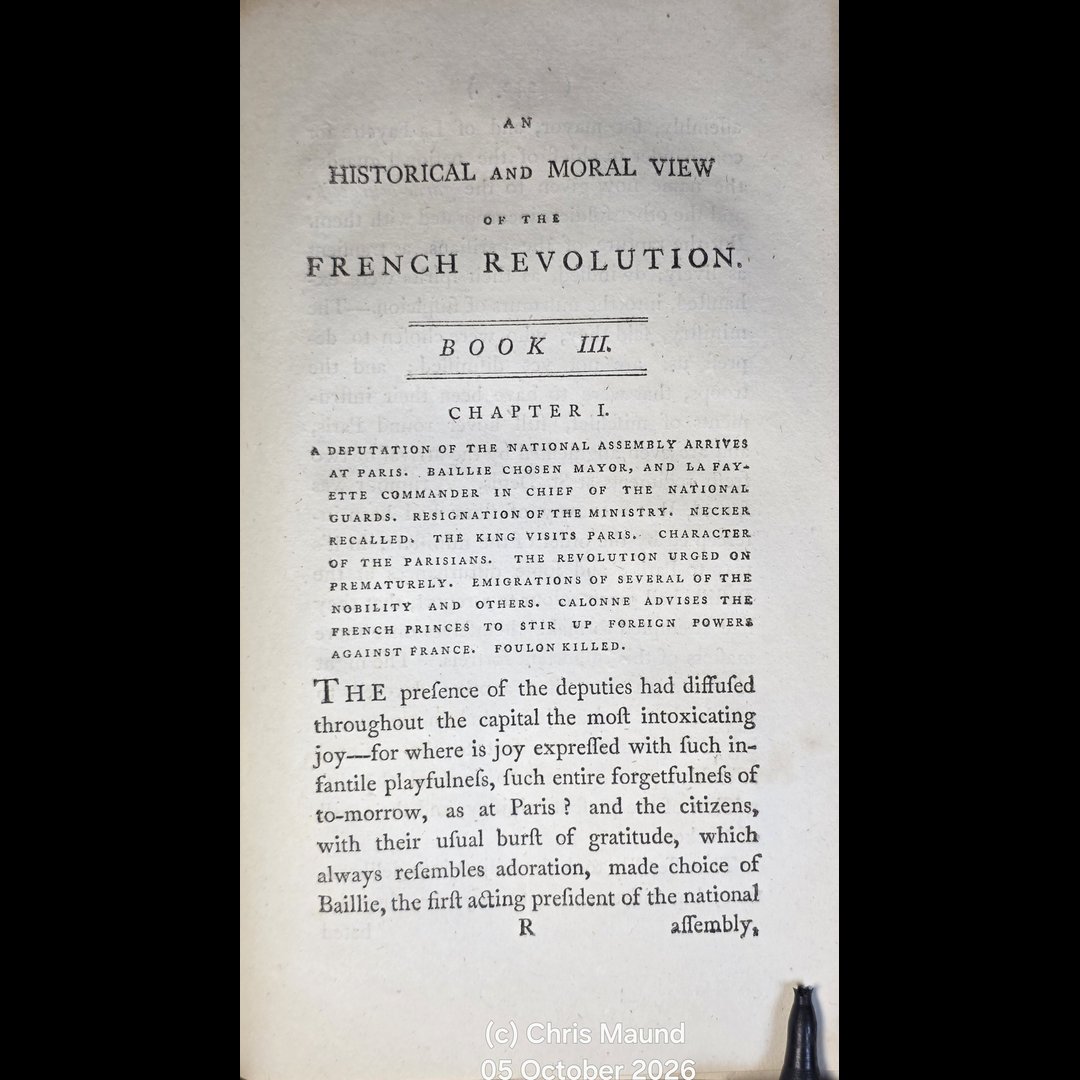 Image 16 of 29
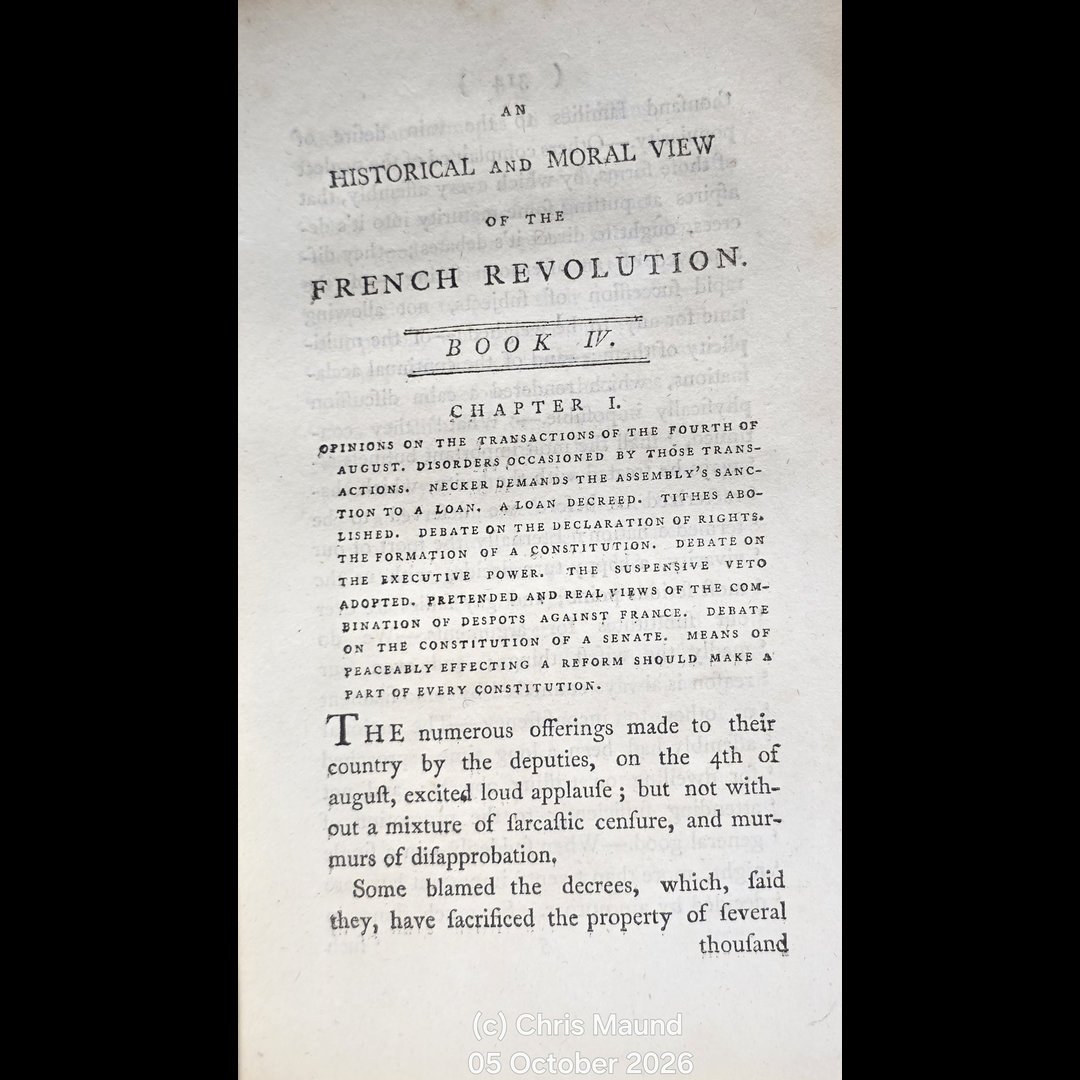 Image 17 of 29
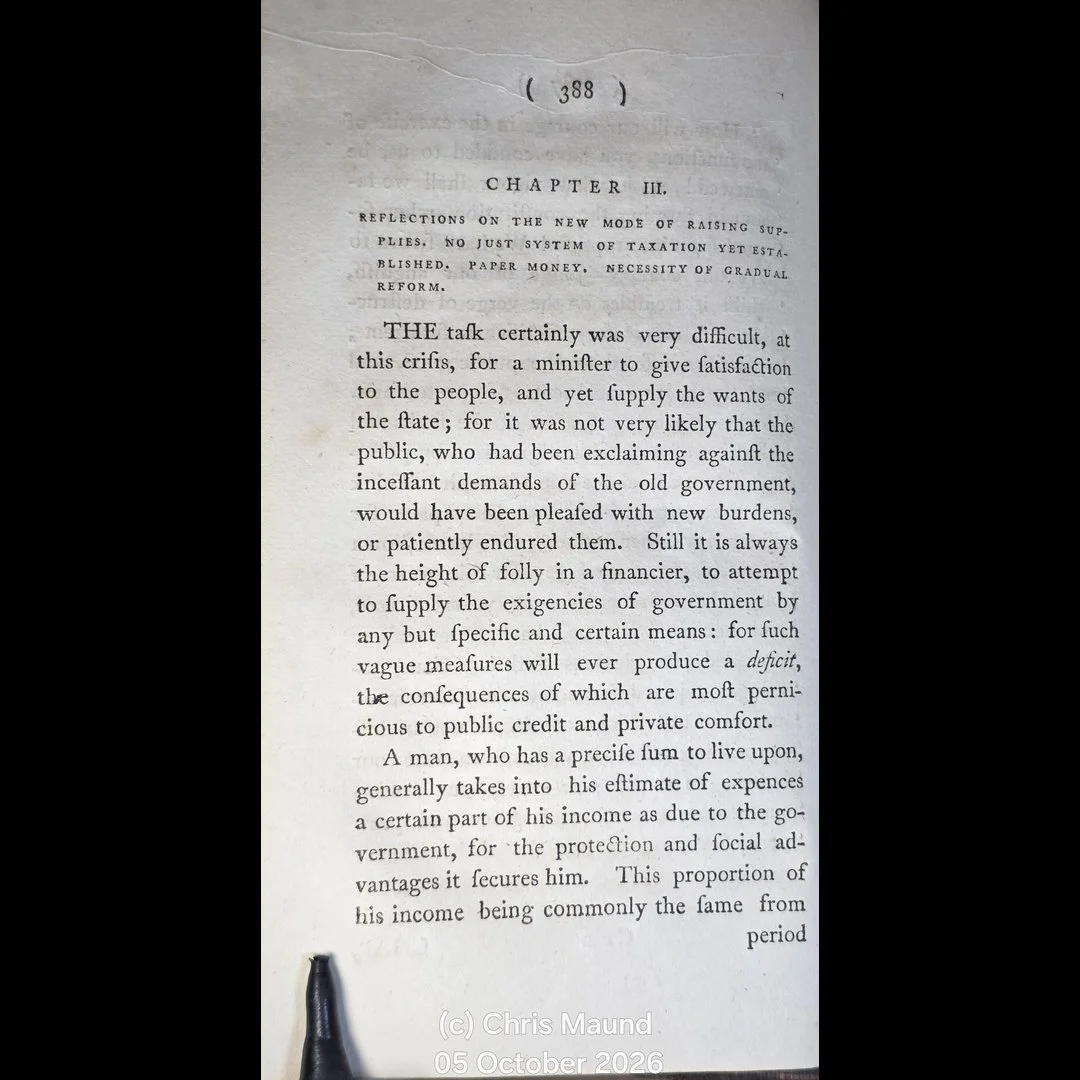 Image 18 of 29
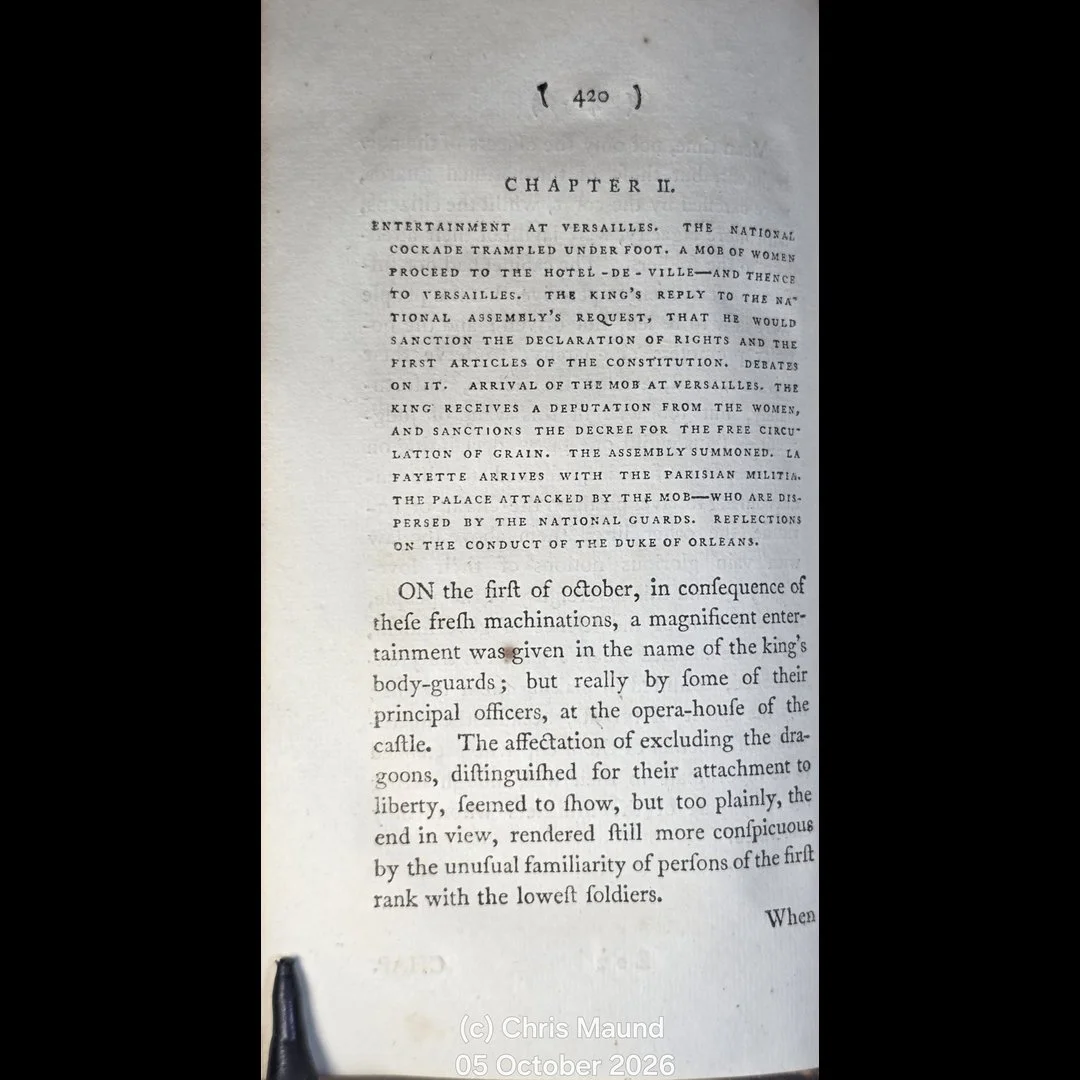 Image 19 of 29
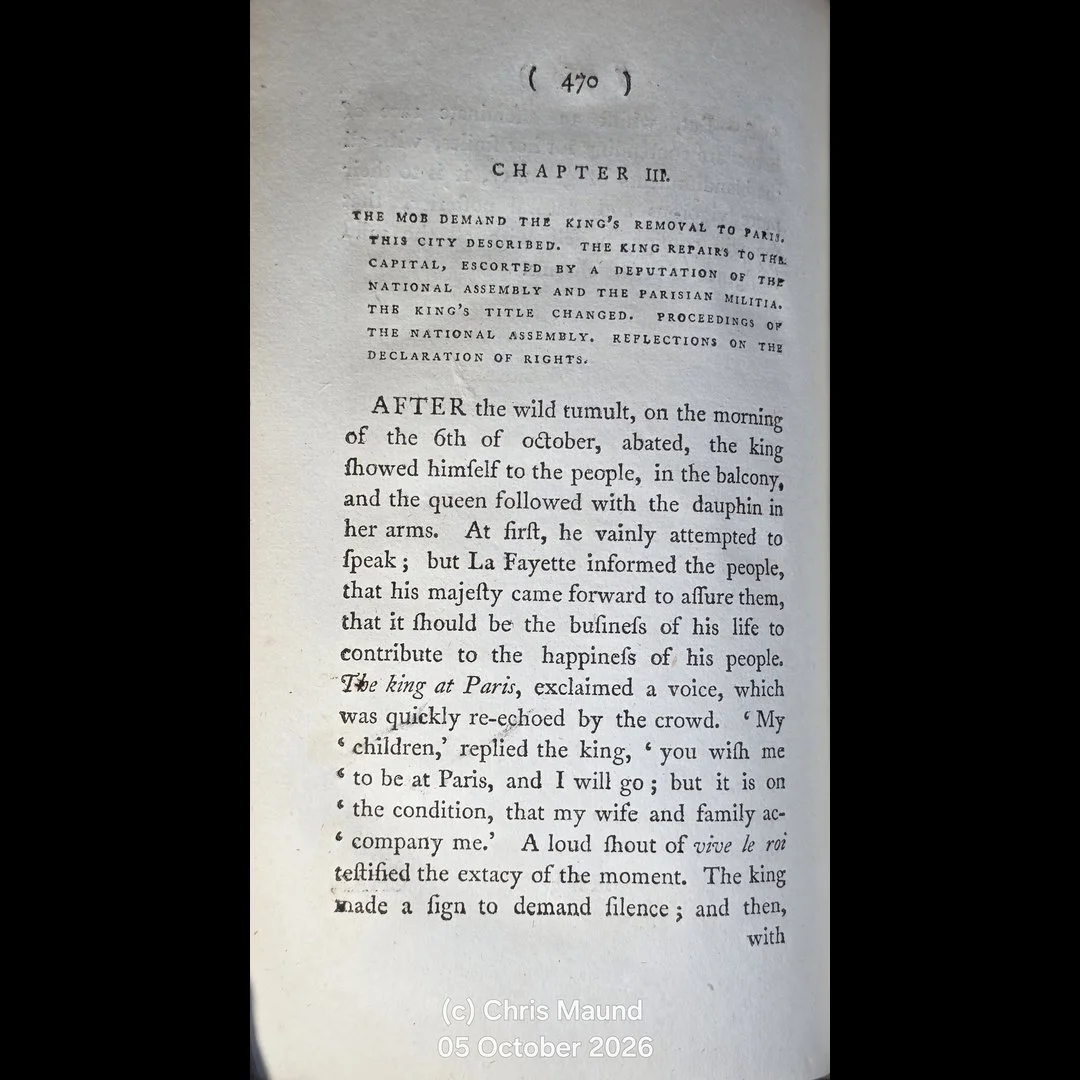 Image 20 of 29
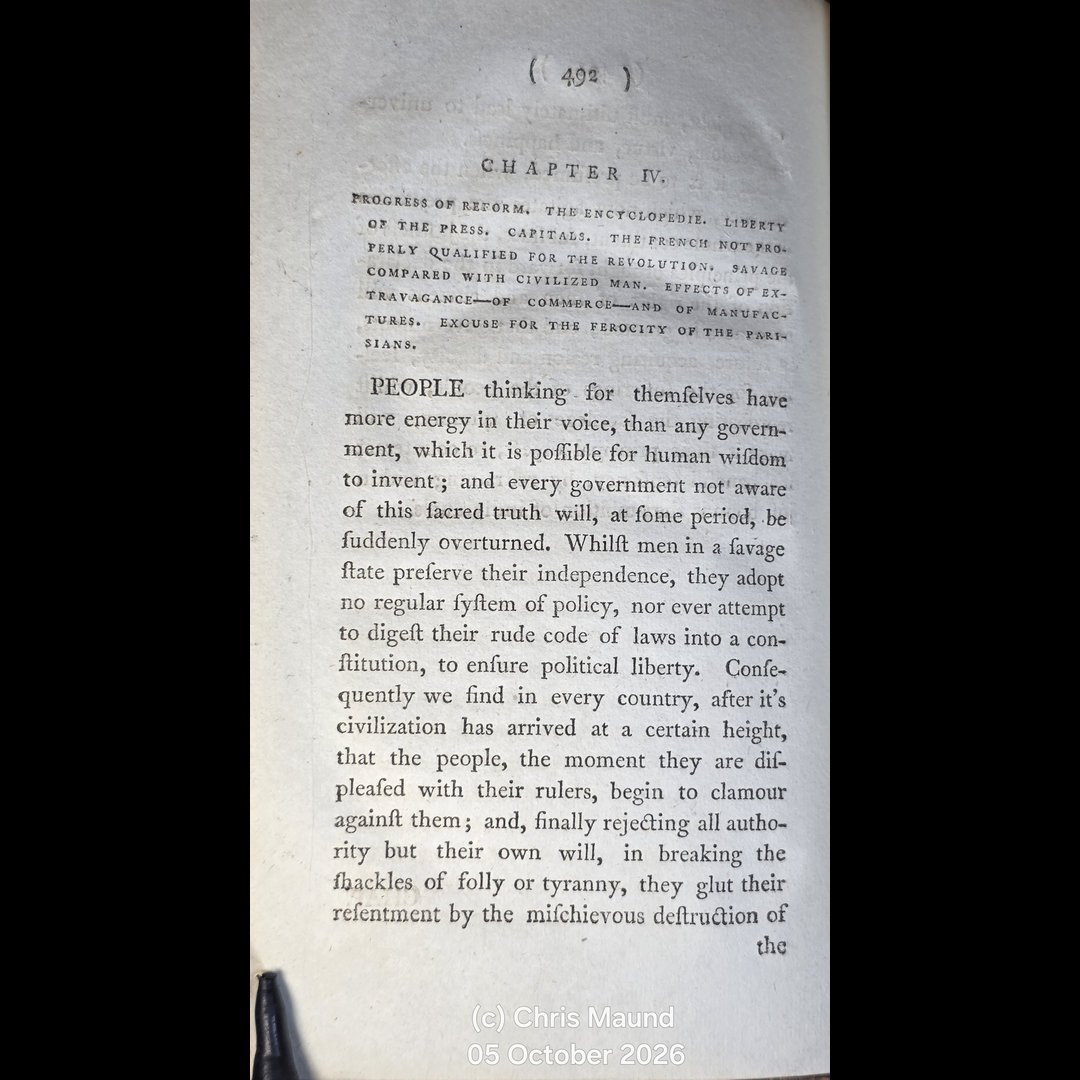 Image 21 of 29
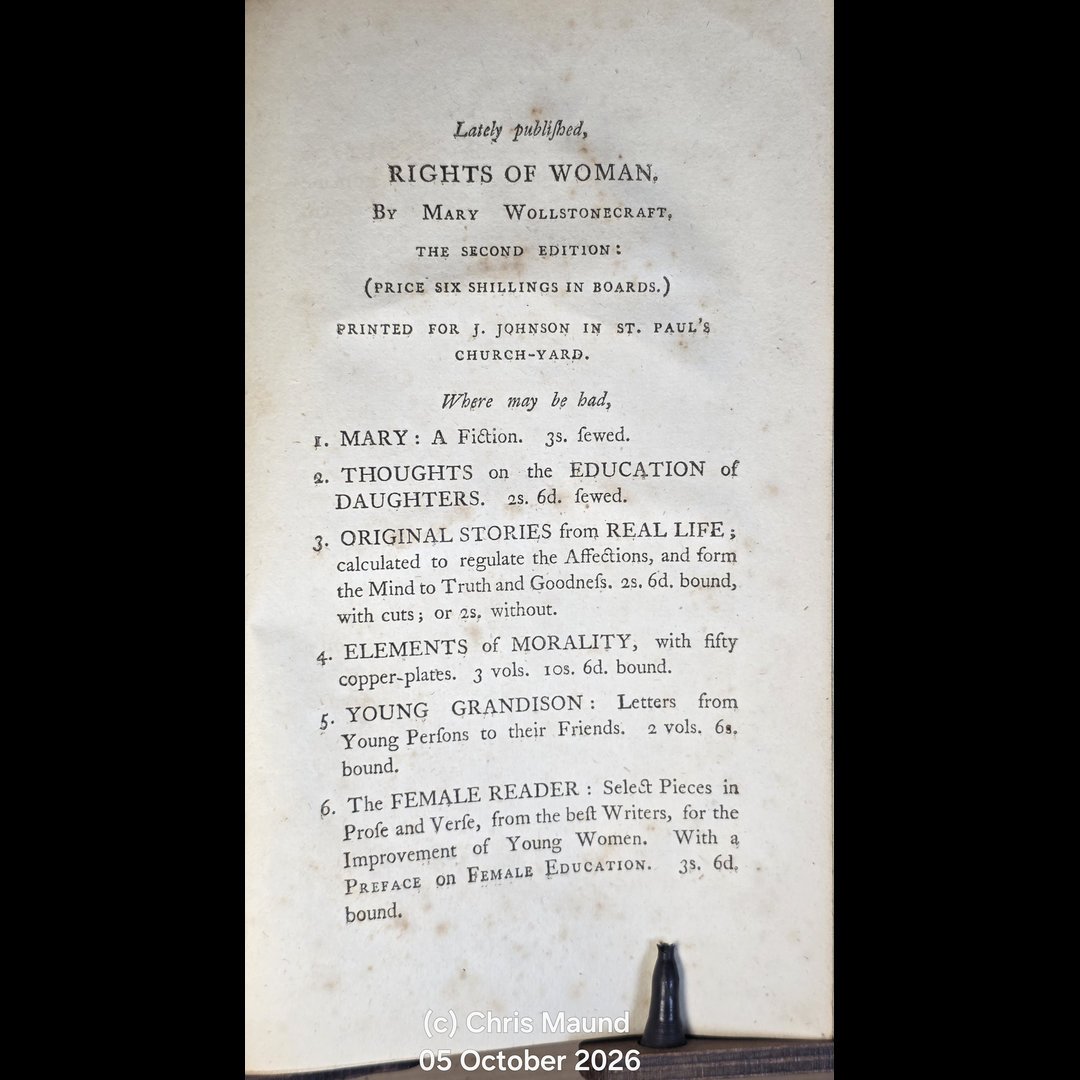 Image 22 of 29
 Image 23 of 29
 Image 24 of 29
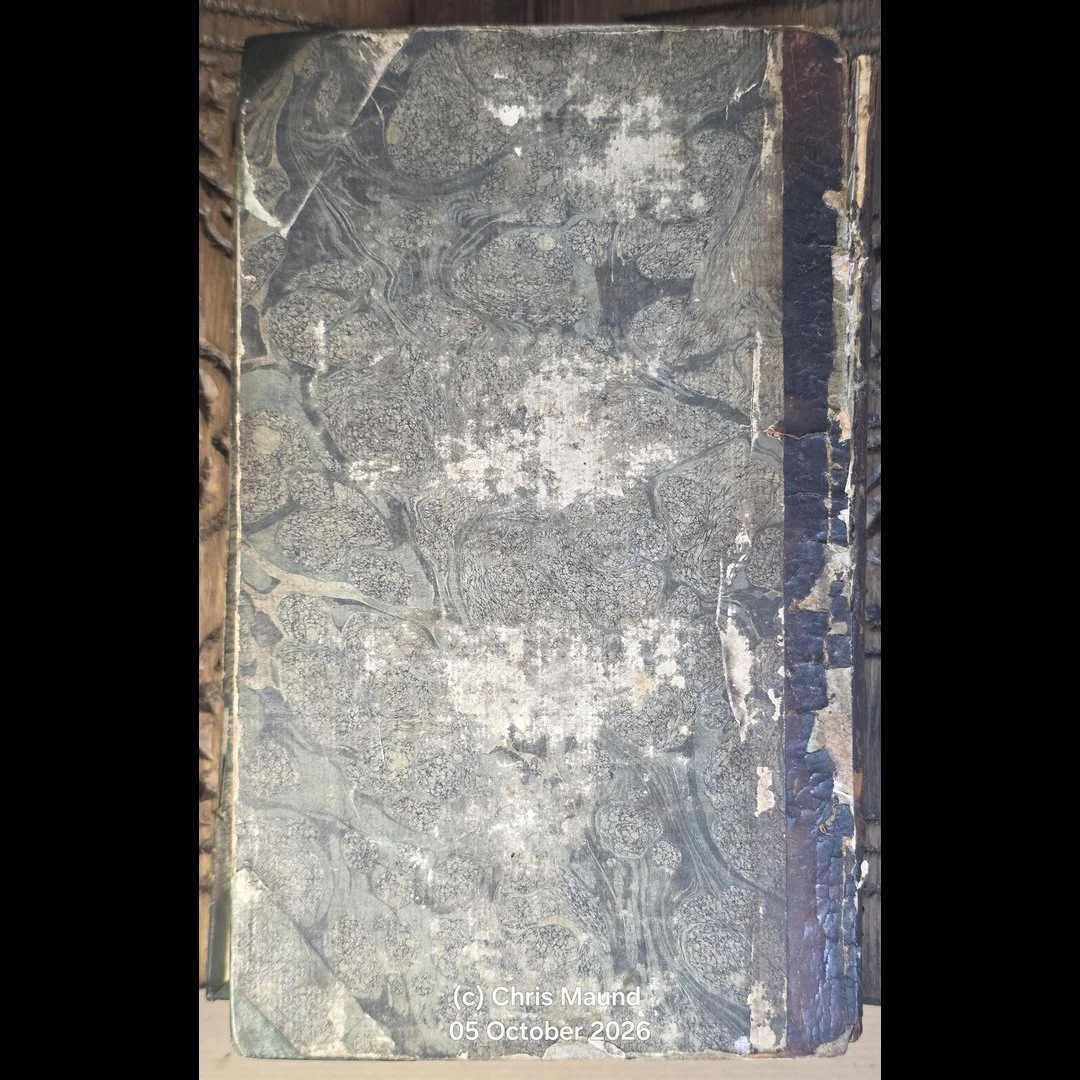 Image 25 of 29
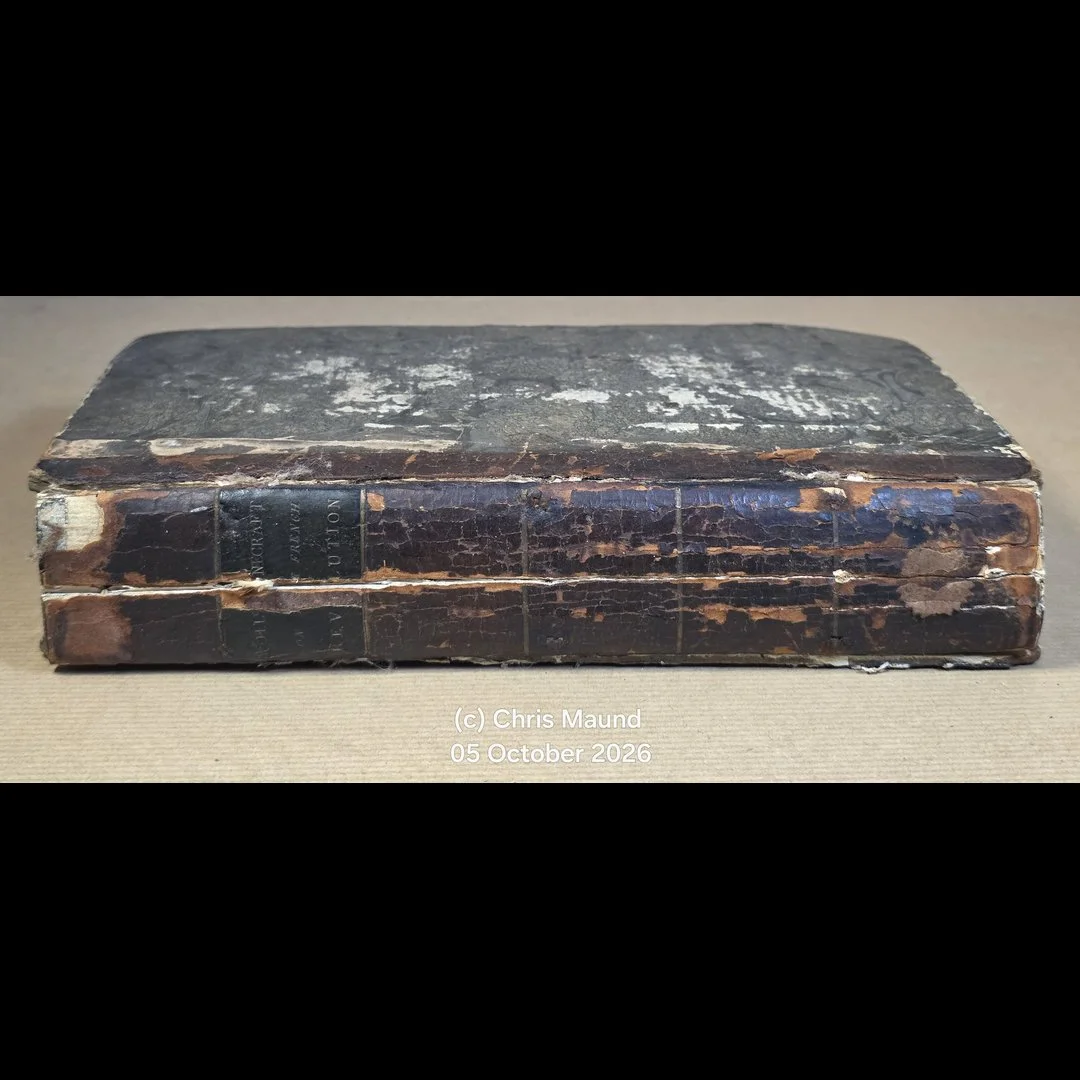 Image 26 of 29
 Image 27 of 29
 Image 28 of 29
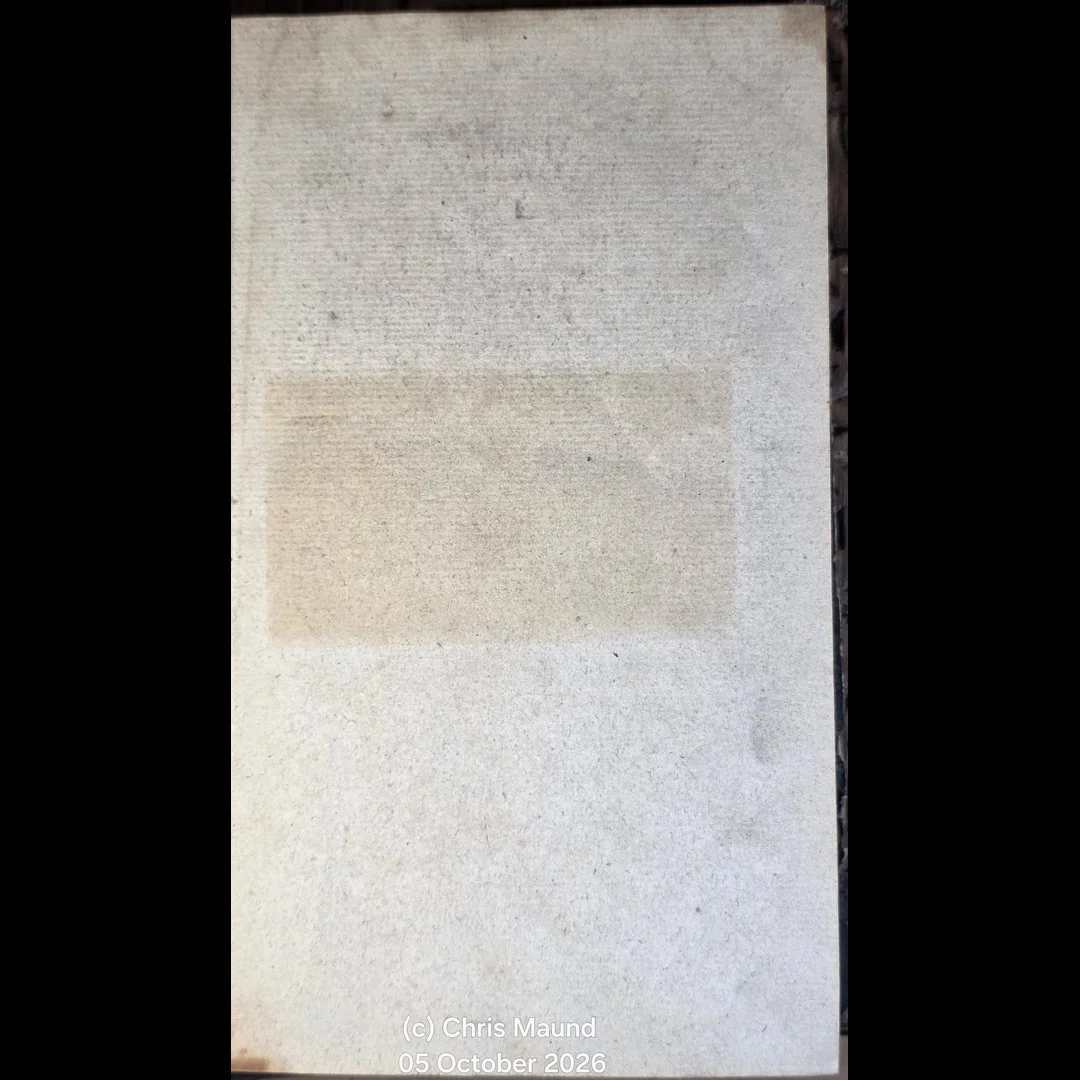 Image 29 of 29