1769 First Collected Edition Leeds Library Provenance
EXPERIMENTS AND OBSERVATIONS ON ELECTRICITY
By Benjamin Franklin
KEY DETAILS
Condition: Very Good
Format: Hardcover, 4to; approx 250 x 185 mm
Published By: Printed for David Henry; and sold by Francis Newbery, at the Corner of St. Paul’s Church-Yard, London, 1769
Language: English
Provenance: The Leeds Library, Leeds.
Collation: [4], iv, [2], 496 [with the edition’s characteristic mispagination], [16] pp. Standard issue with seven engraved plates, two folding. This copy retains Plates I–IV and VI–VII; Plate V is lacking, its removal recorded by an early manuscript note in the volume. Six of seven required engraved plates present, together with woodcut diagrams and musical notation within the text.
Dust Jacket: None, as issued
SKU: BTETM0002748
Shipping Info: Approximate Package Dimensions H: , L: 30, W: 25 (Units: cm), W: 2Kg
Tracked Shipping, Insurance Coverage as per Customer Request
DESCRIPTION
Experiments and Observations on Electricity
Made at Philadelphia in America
To Which Are Added, Letters and Papers on Philosophical Subjects
A highly important edition of one of the foundational works in the history of experimental electricity: Benjamin Franklin’s 1769 fourth edition of Experiments and Observations on Electricity, the first edition in which his electrical writings were revised, reorganised and collected into a single substantial volume.
The title page itself announces the significance of the edition: “The Whole corrected, methodized, improved, and now first collected into one Volume, and illustrated with Copper Plates.” Earlier editions had appeared piecemeal in separately issued parts; the 1769 edition brought the developing body of Franklin’s electrical research together in a coherent form and added further letters and philosophical papers.
Franklin’s experiments fundamentally altered eighteenth-century understanding of electricity. Through his investigations into positive and negative charge, electrical conduction, the Leyden jar, atmospheric electricity and lightning, he helped establish a conceptual framework that would influence the subsequent development of electrical science. His identification of lightning as an electrical phenomenon led directly to the development of the lightning conductor, perhaps the most publicly visible practical application of his scientific work.
This edition contains Franklin’s correspondence and experimental reports alongside papers extending far beyond electricity alone, demonstrating the breadth of his scientific and philosophical interests. The engraved plates illustrate electrical apparatus, experimental arrangements and related phenomena, while numerous diagrams appear throughout the text.
The 1769 edition is generally regarded as the first collected and most important lifetime edition of Franklin’s electrical writings, substantially revised and improved under Franklin’s direction and incorporating material not present in the earlier editions.
The present copy is additionally distinguished by its long association with The Leeds Library, one of Britain’s earliest surviving subscription libraries, founded in 1768 — only one year before publication of this volume.
PROVENANCE
The Leeds Library, Leeds.
The volume bears repeated evidence of institutional ownership, including library stamps, shelfmarks and other manuscript and ink markings associated with its former library use.
The title is recorded in the 1889 printed catalogue of The Leeds Library, establishing the book within the collection by that date. Earlier Leeds Library catalogues survive, and research is continuing in an attempt to determine how much further back the provenance can be documented.
This association is particularly interesting in the context of the Library’s early history. The Leeds Library was founded in 1768, the year before this edition appeared, with the scientist and theologian Joseph Priestley closely involved in its establishment. Priestley was himself one of the foremost eighteenth-century investigators of electricity and was personally acquainted with Franklin.
No claim is presently made that Priestley owned, selected or personally handled this particular volume. The significance lies instead in the book’s documented institutional provenance within a library formed in the immediate intellectual environment in which Franklin’s and Priestley’s electrical researches were being actively discussed.
Should the copy prove to be identifiable in one of the Library’s earlier catalogues or accession records, the provenance may be capable of being pushed materially earlier than the presently documented 1889 date.
CONDITION, COLLATION & COPY NOTES
COLLATION
[4], iv, [2], 496 [with the edition’s characteristic mispagination], [16] pp. Standard issue with seven engraved plates, two folding. This copy retains Plates I–IV and VI–VII; Plate V is lacking, its removal recorded by an early manuscript note in the volume. Six of seven required engraved plates present, together with woodcut diagrams and musical notation within the text.
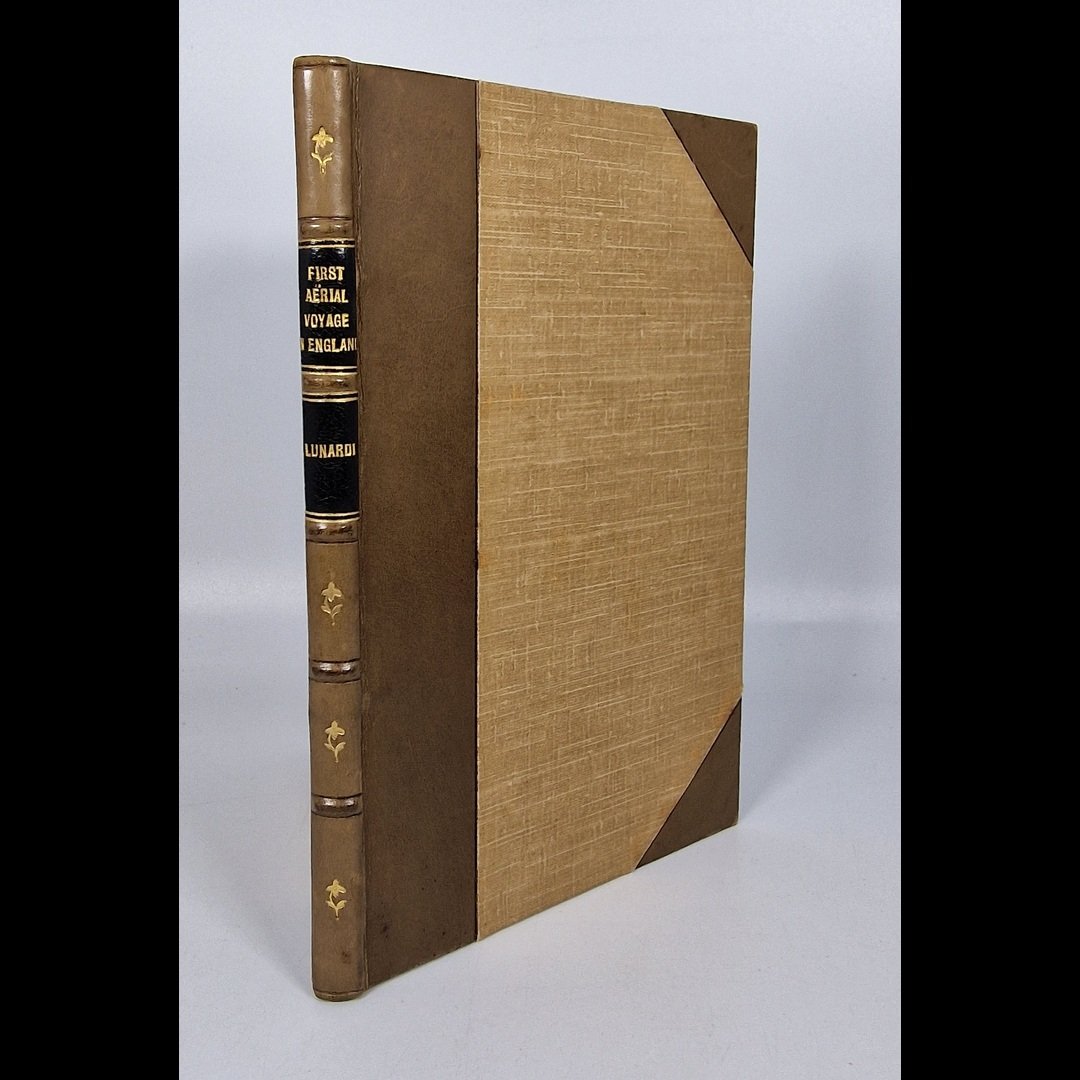
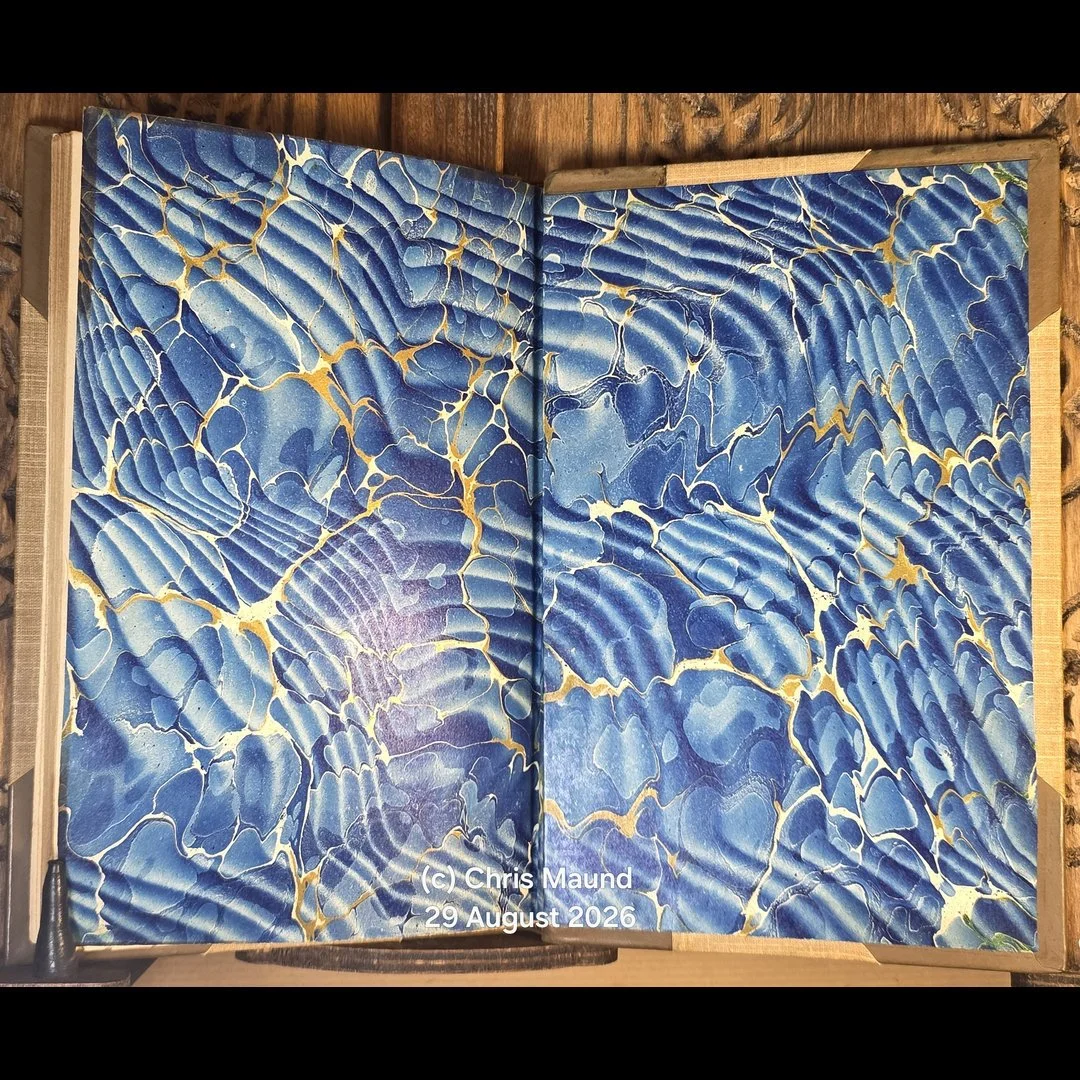
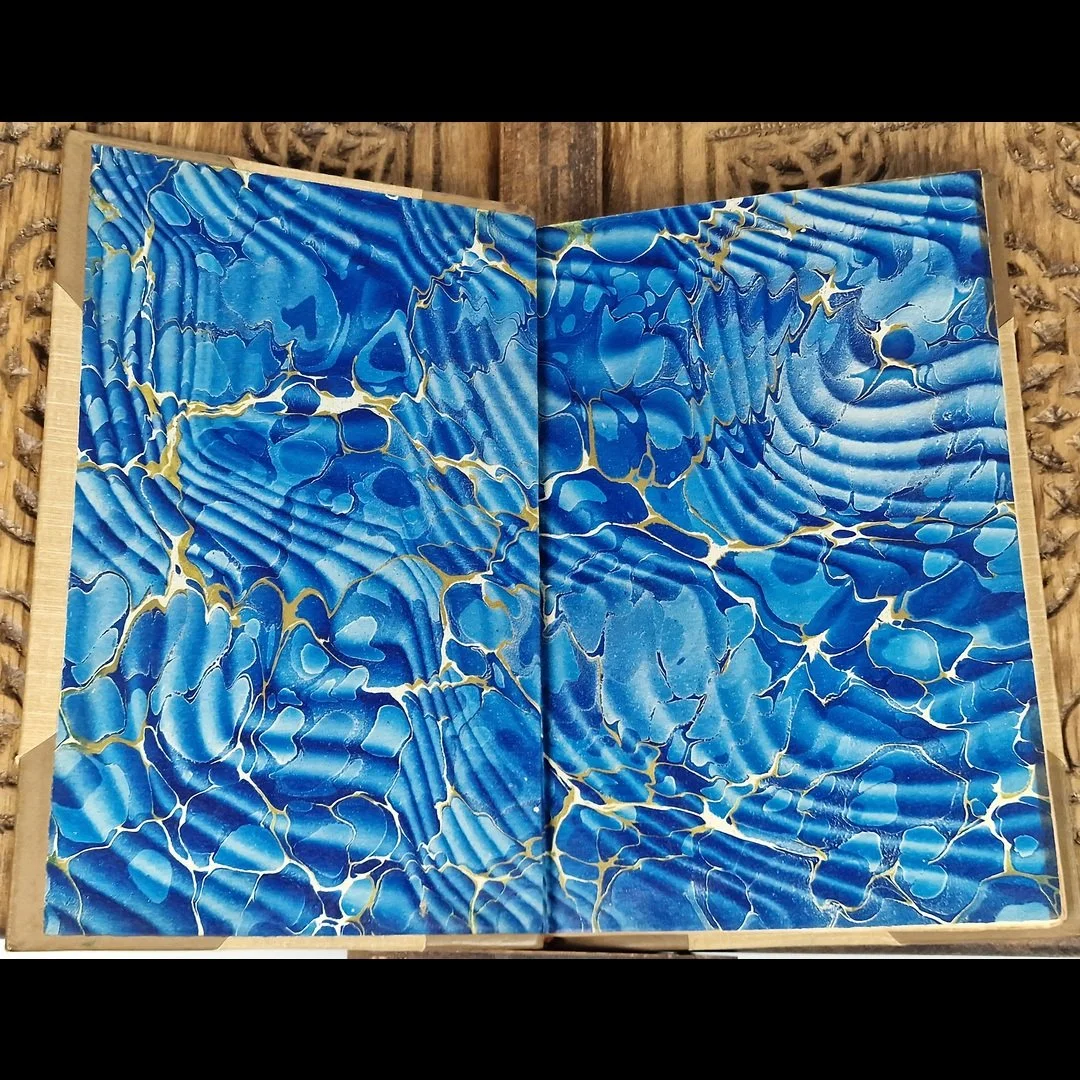
Rebound in 1987 in maroon half morocco over marbled boards, with five raised bands and gilt-lettered spine. Circular binder’s device “D&S”, dated 1987, to the rear pastedown. The identity of the binder has not yet been established. Matching slipcase present, showing some wear and minor chipping. Internally, this is an extensively used and historically conserved institutional copy.
Scattered browning, spotting, foxing and occasional staining throughout, varying in intensity. Numerous leaves show old repairs, reinforcement or conservation, consistent with prolonged institutional use. Some marginal wear and occasional repaired tears.
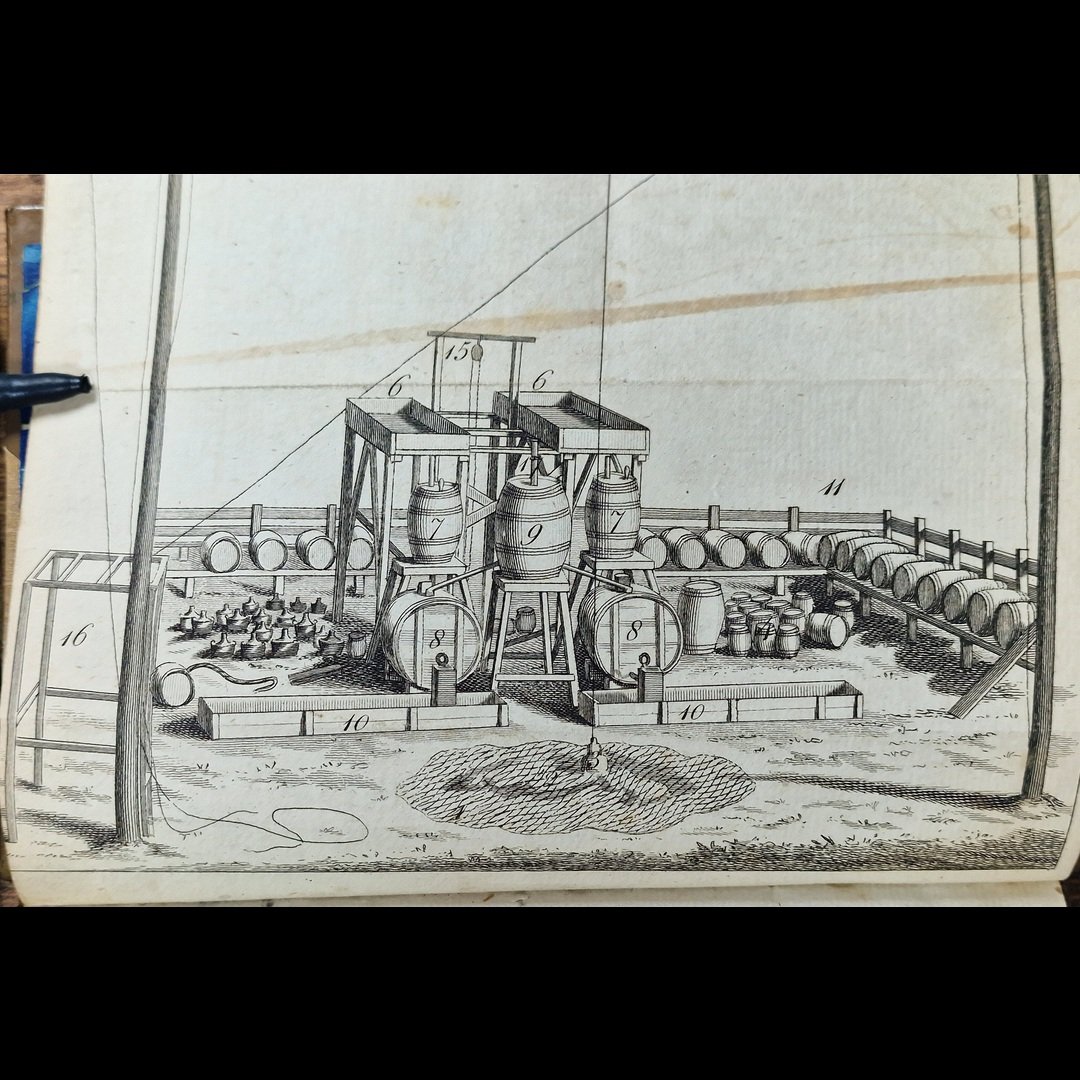
The engraved plates show varying degrees of wear and conservation. Several have repaired or strengthened areas, with fold wear and staining particularly evident to the folding material. Despite this, the surviving engravings remain strong and visually effective.
Of the seven engraved plates required, six are present:
Plates I, II, III, IV, VI and VII present. Plate V lacking.
The loss is not recent: an early manuscript annotation within the volume records “Plate 5th is cut out”, demonstrating that its absence was already known at an earlier stage in the book’s history.
The text appears otherwise substantially complete according to the standard pagination of the edition, including the terminal index. The somewhat irregular pagination is characteristic of the 1769 printing and should not in itself be interpreted as textual loss.
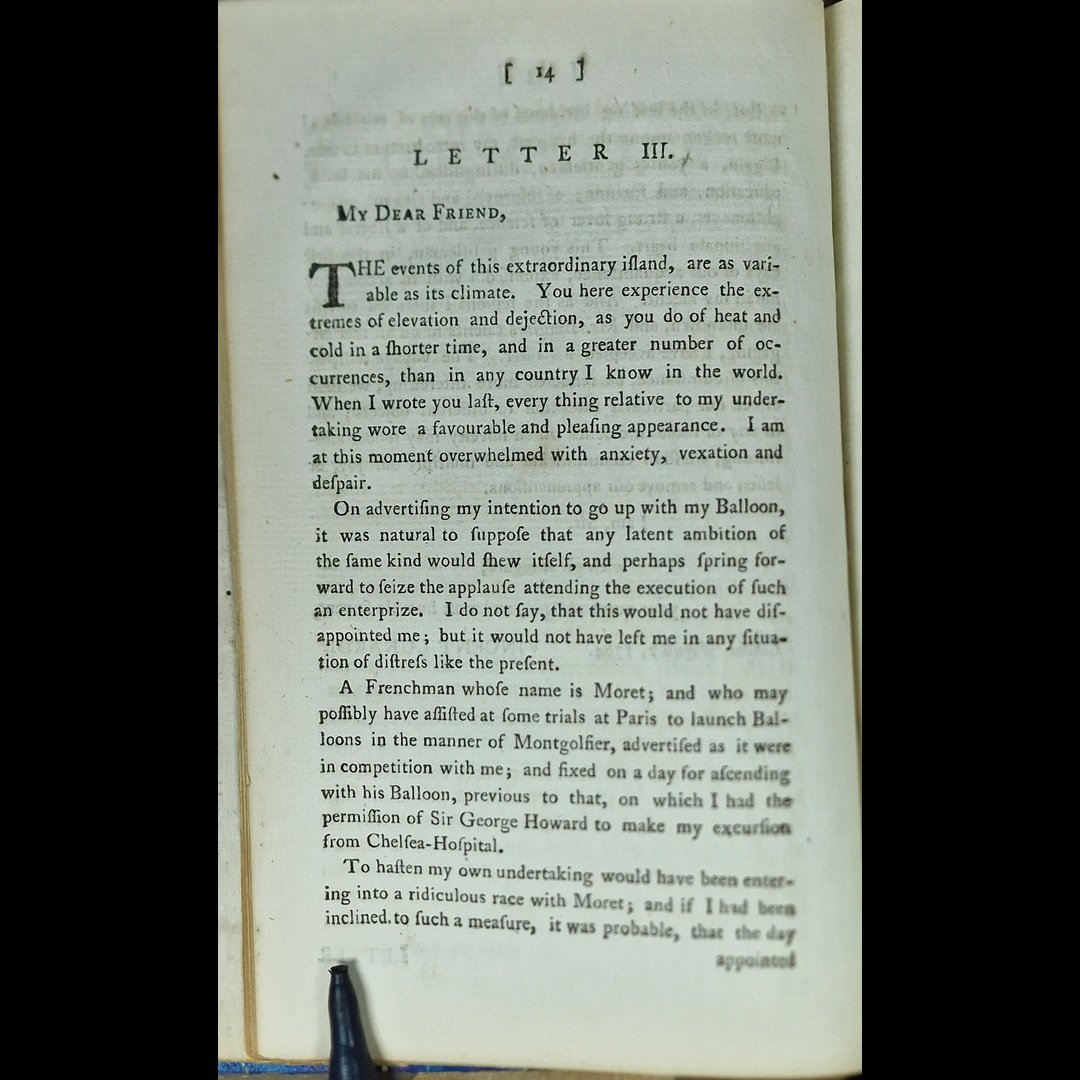
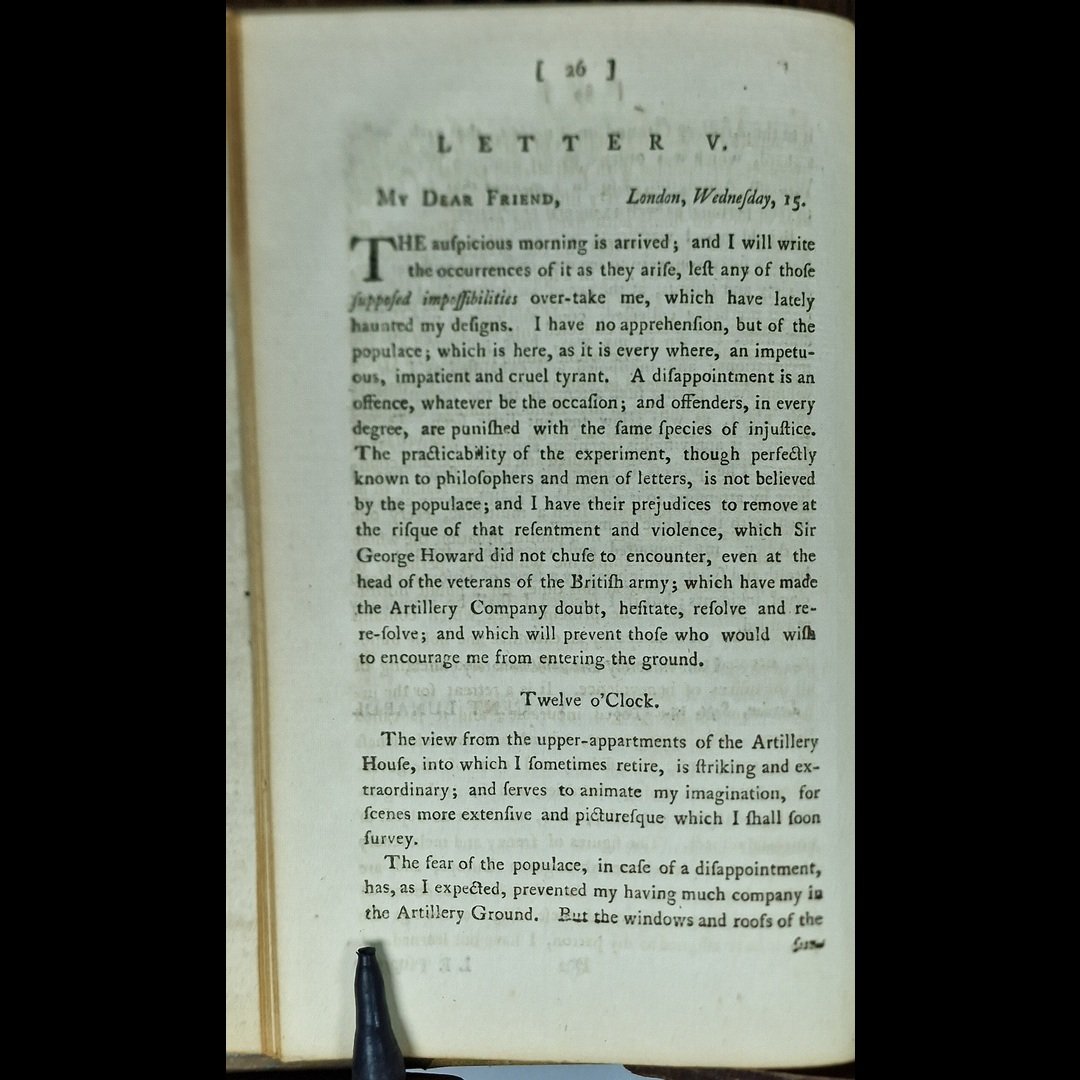
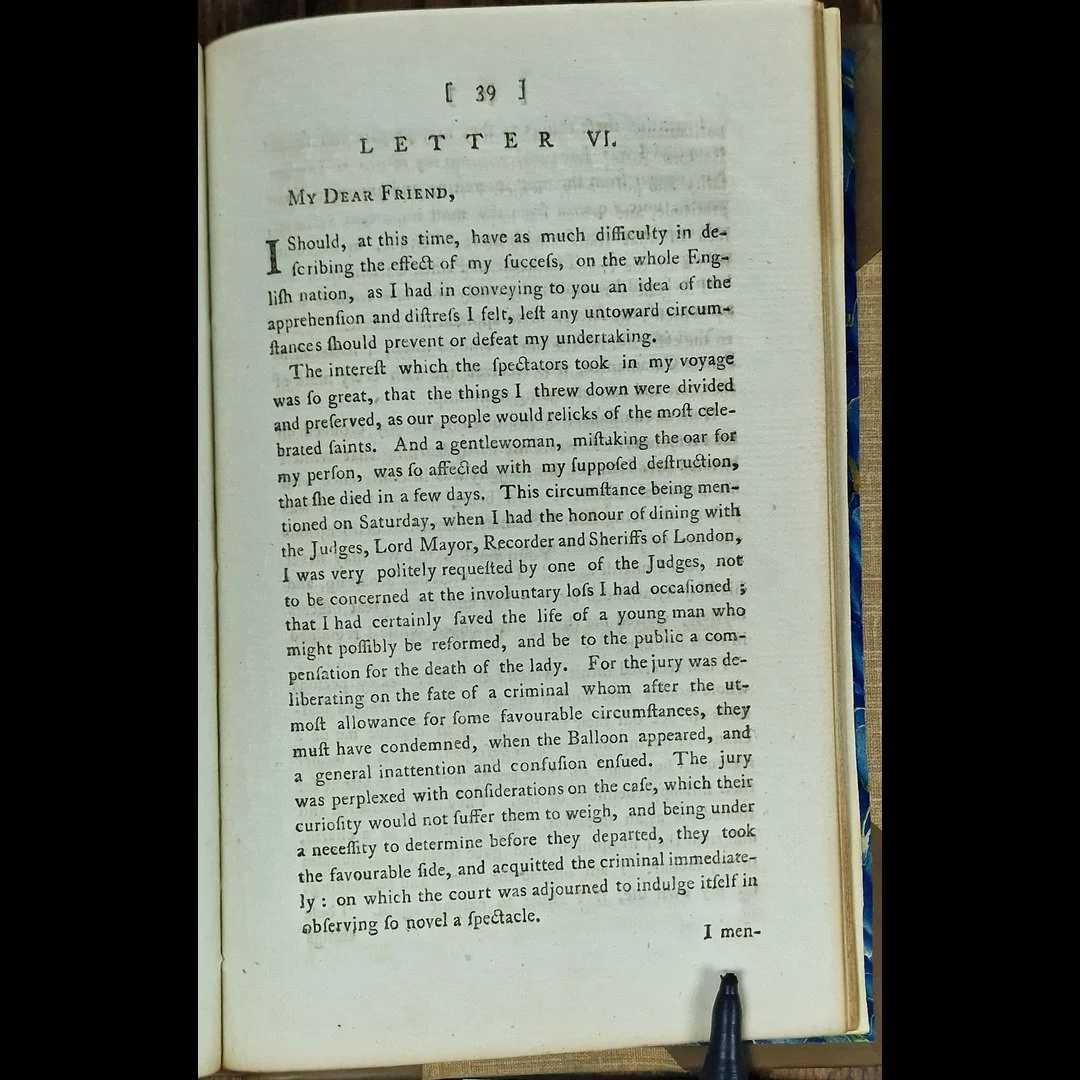
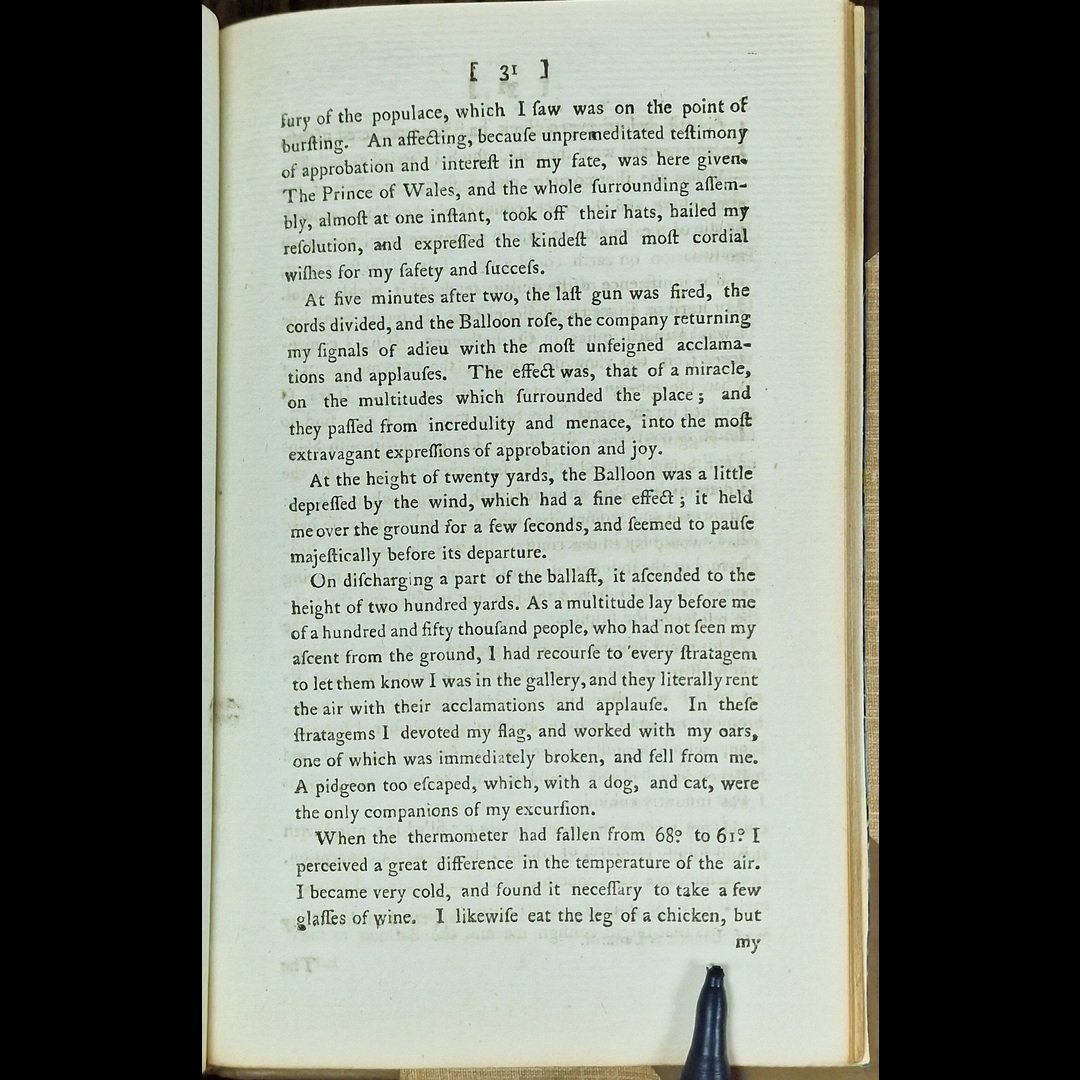
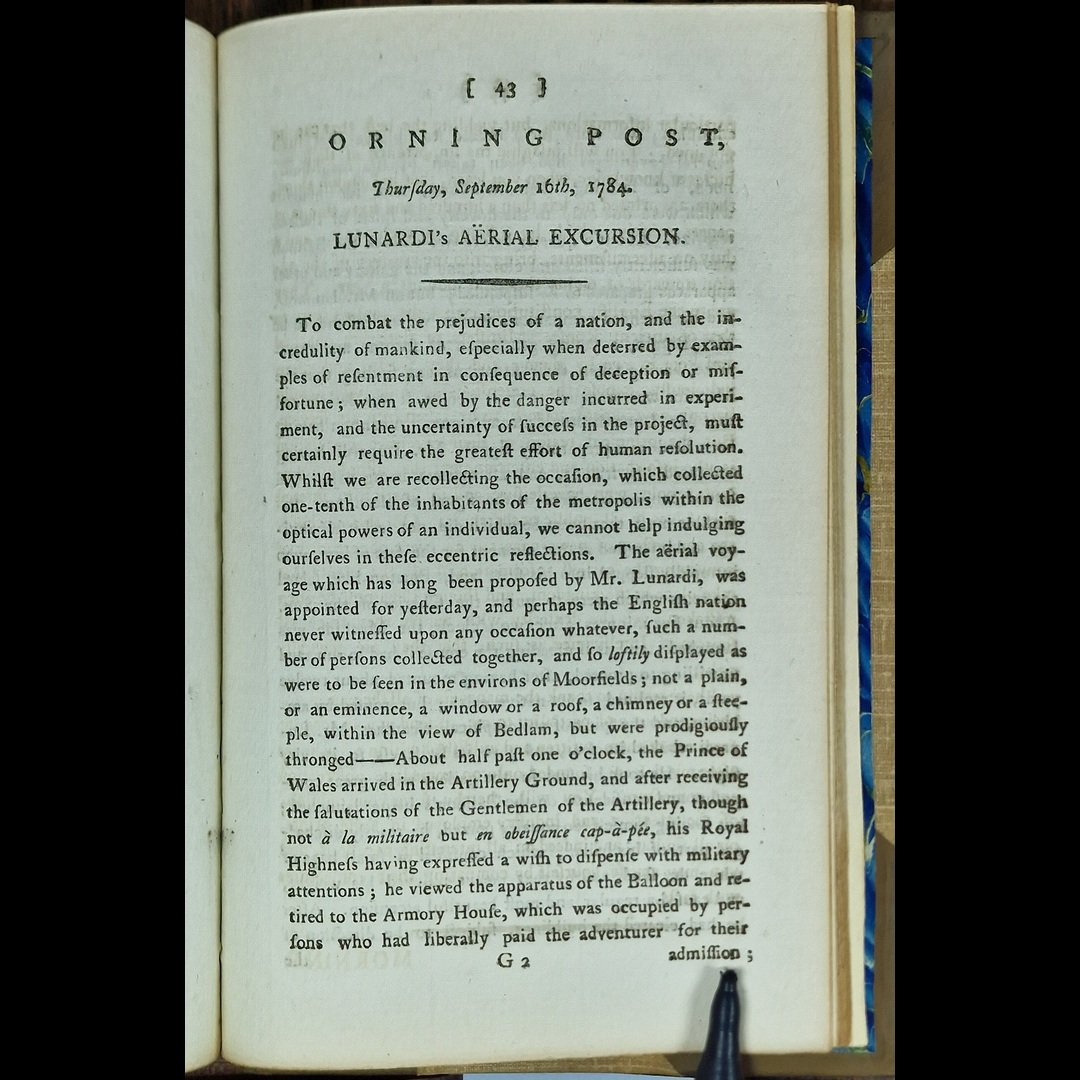
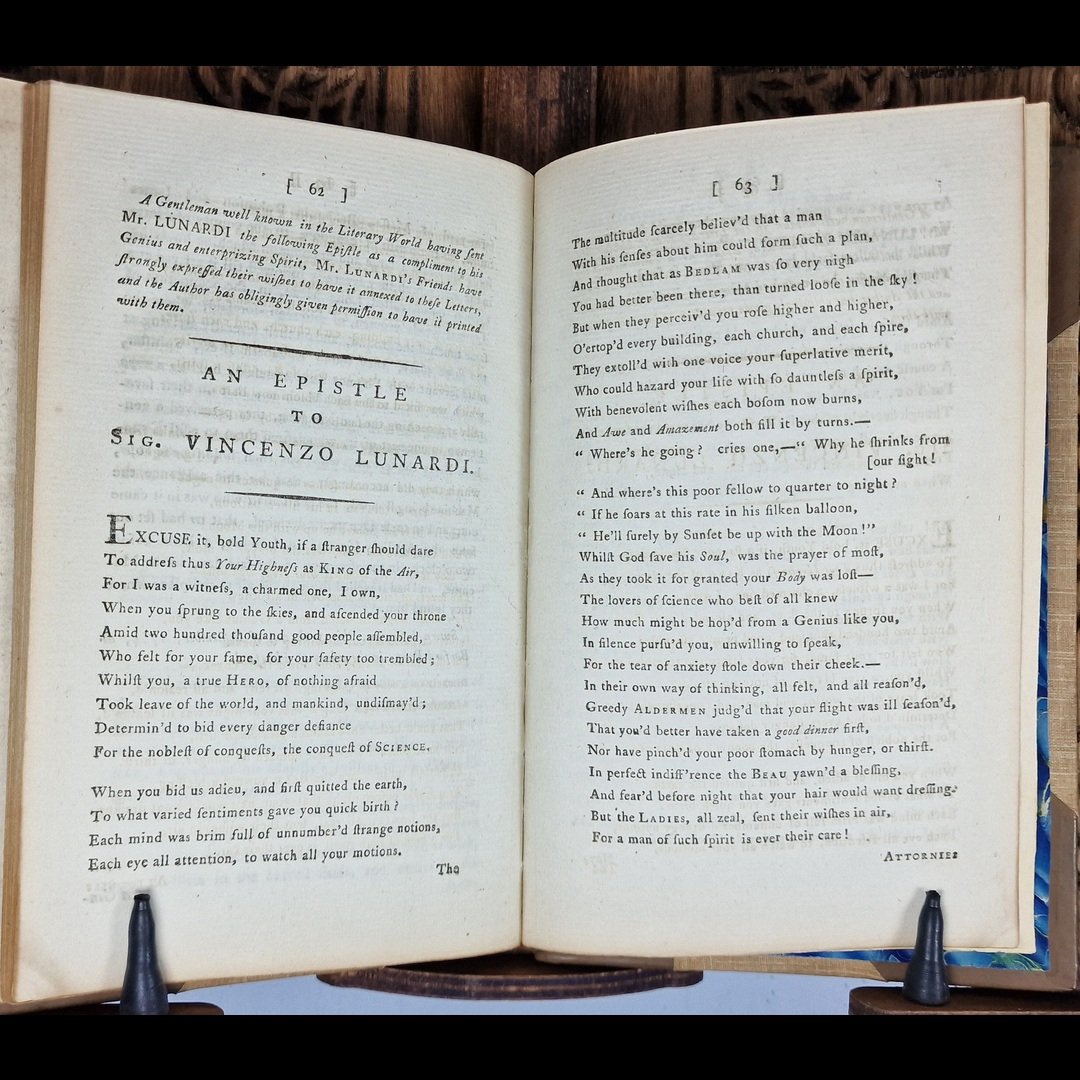
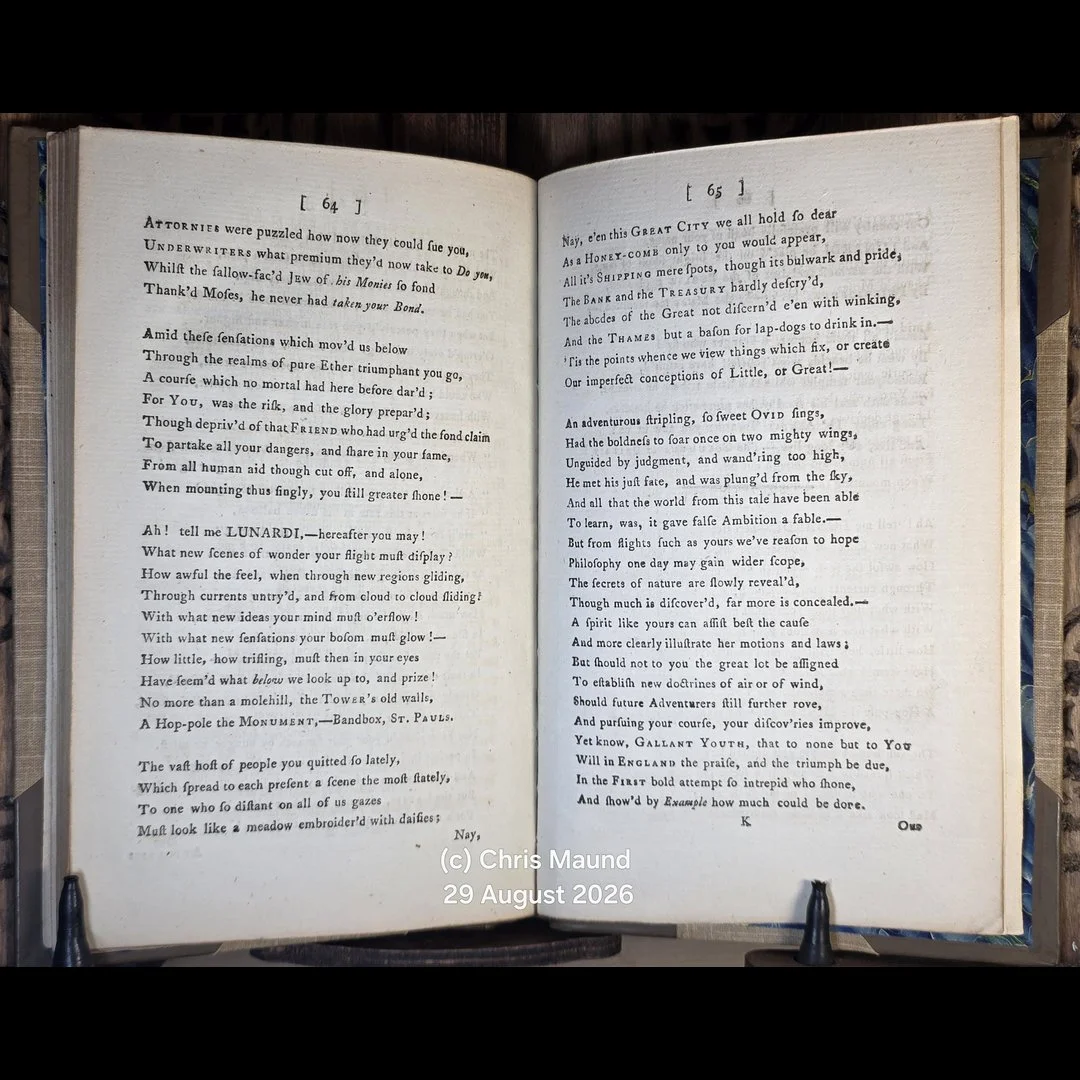
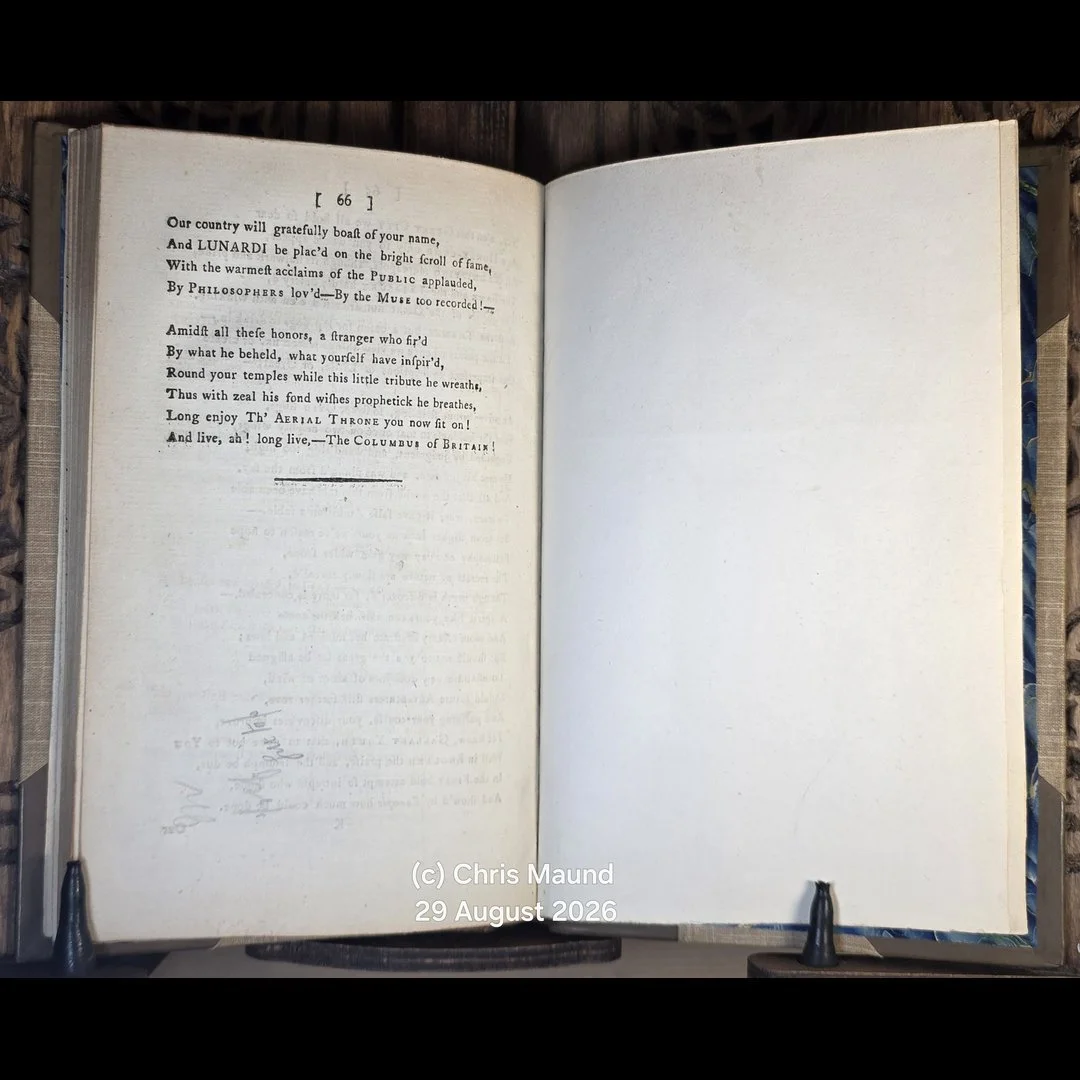
There are scattered early manuscript annotations and reading marks throughout. These appear consistent with historic scholarly or institutional use and have been retained as part of the volume’s provenance and history.
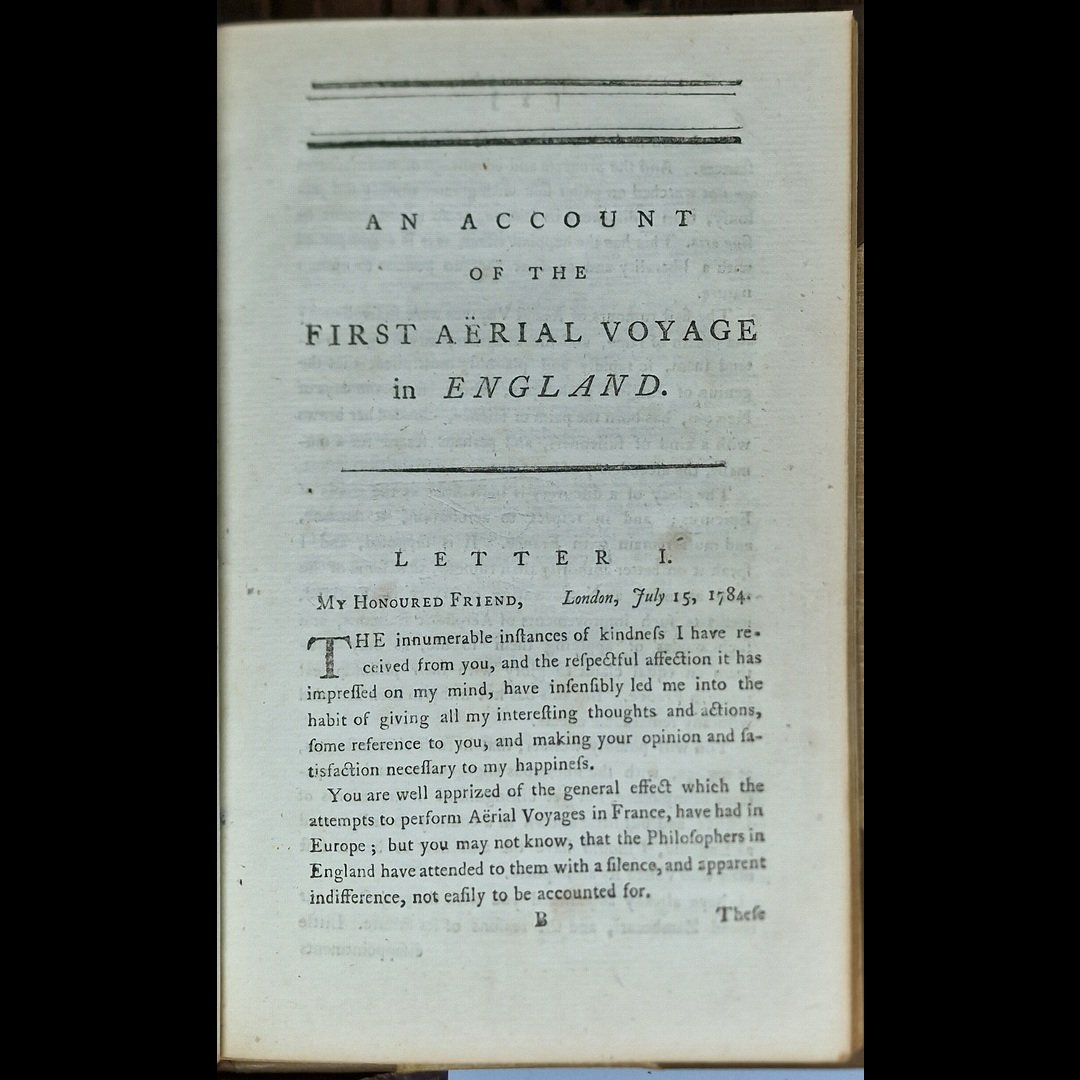
Library stamps and shelf markings occur within the volume, including to the title page and plates.
A copy with considerable evidence of use, conservation and institutional history, rather than a fine or untouched example, but retaining strong historical and bibliographical interest.
Please see Photos as part of condition report.
REFERENCES
ESTC T101040
Ford 307
Howes F320
Norman 830
Sabin 25506
Wellcome III, 62
Printing and the Mind of Man, cf. the discussion of Franklin’s electrical experiments.
SYNOPSIS
First published from 1751 onwards in a sequence of parts, Franklin’s Experiments and Observations on Electricity grew from letters describing experiments undertaken in Philadelphia into one of the most influential scientific works of the eighteenth century.
Franklin developed the concept of electricity as a single fluid capable of existing in positive and negative states and investigated the storage and discharge of electrical charge using Leyden jars and other apparatus. His experiments helped clarify the behaviour of conductors and insulators and produced the terminology of positive and negative electricity that remains in use today.
Most famously, Franklin proposed that lightning and laboratory electricity were manifestations of the same phenomenon. His investigations led to experiments involving pointed conductors and ultimately to the lightning rod, providing dramatic practical confirmation of the usefulness of experimental science.
The book also contains Franklin’s correspondence with figures including Peter Collinson and other European and American natural philosophers, charting the rapid international circulation of his discoveries.
The 1769 fourth edition was the first to bring Franklin’s accumulated electrical writings together within a single organised volume. Franklin corrected and expanded the earlier material, added explanatory notes and incorporated additional philosophical papers, making this the definitive lifetime collection of his electrical researches.
Beyond electricity, the volume demonstrates Franklin’s extraordinarily wide-ranging curiosity, with papers touching upon meteorology, population, fire prevention, heating, navigation, physical phenomena and other subjects.
AUTHOR BIO
Benjamin Franklin (1706–1790) was an American printer, author, inventor, scientist, diplomat and statesman whose achievements spanned both the scientific and political worlds of the eighteenth century.
Born in Boston and established professionally in Philadelphia, Franklin became internationally celebrated for his investigations into electricity. His experiments gained him election to the Royal Society and numerous European scientific honours, while his electrical terminology and theoretical insights became embedded within the developing discipline of physics.
His practical inventions included the lightning rod, Franklin stove and bifocal spectacles, while his scientific interests extended to meteorology, ocean currents, refrigeration, population studies and numerous other fields.
Franklin later became one of the central political figures of the American Revolution, helping draft the Declaration of Independence, negotiating the alliance with France and participating in the Constitutional Convention.
Few eighteenth-century figures combined experimental science, practical invention, political influence and literary ability to comparable effect.
The present volume represents his most important scientific achievement in its first fully collected lifetime form.
1769 First Collected Edition Leeds Library Provenance
EXPERIMENTS AND OBSERVATIONS ON ELECTRICITY
By Benjamin Franklin
KEY DETAILS
Condition: Very Good
Format: Hardcover, 4to; approx 250 x 185 mm
Published By: Printed for David Henry; and sold by Francis Newbery, at the Corner of St. Paul’s Church-Yard, London, 1769
Language: English
Provenance: The Leeds Library, Leeds.
Collation: [4], iv, [2], 496 [with the edition’s characteristic mispagination], [16] pp. Standard issue with seven engraved plates, two folding. This copy retains Plates I–IV and VI–VII; Plate V is lacking, its removal recorded by an early manuscript note in the volume. Six of seven required engraved plates present, together with woodcut diagrams and musical notation within the text.
Dust Jacket: None, as issued
SKU: BTETM0002748
Shipping Info: Approximate Package Dimensions H: , L: 30, W: 25 (Units: cm), W: 2Kg
Tracked Shipping, Insurance Coverage as per Customer Request
DESCRIPTION
Experiments and Observations on Electricity
Made at Philadelphia in America
To Which Are Added, Letters and Papers on Philosophical Subjects
A highly important edition of one of the foundational works in the history of experimental electricity: Benjamin Franklin’s 1769 fourth edition of Experiments and Observations on Electricity, the first edition in which his electrical writings were revised, reorganised and collected into a single substantial volume.
The title page itself announces the significance of the edition: “The Whole corrected, methodized, improved, and now first collected into one Volume, and illustrated with Copper Plates.” Earlier editions had appeared piecemeal in separately issued parts; the 1769 edition brought the developing body of Franklin’s electrical research together in a coherent form and added further letters and philosophical papers.
Franklin’s experiments fundamentally altered eighteenth-century understanding of electricity. Through his investigations into positive and negative charge, electrical conduction, the Leyden jar, atmospheric electricity and lightning, he helped establish a conceptual framework that would influence the subsequent development of electrical science. His identification of lightning as an electrical phenomenon led directly to the development of the lightning conductor, perhaps the most publicly visible practical application of his scientific work.
This edition contains Franklin’s correspondence and experimental reports alongside papers extending far beyond electricity alone, demonstrating the breadth of his scientific and philosophical interests. The engraved plates illustrate electrical apparatus, experimental arrangements and related phenomena, while numerous diagrams appear throughout the text.
The 1769 edition is generally regarded as the first collected and most important lifetime edition of Franklin’s electrical writings, substantially revised and improved under Franklin’s direction and incorporating material not present in the earlier editions.
The present copy is additionally distinguished by its long association with The Leeds Library, one of Britain’s earliest surviving subscription libraries, founded in 1768 — only one year before publication of this volume.
PROVENANCE
The Leeds Library, Leeds.
The volume bears repeated evidence of institutional ownership, including library stamps, shelfmarks and other manuscript and ink markings associated with its former library use.
The title is recorded in the 1889 printed catalogue of The Leeds Library, establishing the book within the collection by that date. Earlier Leeds Library catalogues survive, and research is continuing in an attempt to determine how much further back the provenance can be documented.
This association is particularly interesting in the context of the Library’s early history. The Leeds Library was founded in 1768, the year before this edition appeared, with the scientist and theologian Joseph Priestley closely involved in its establishment. Priestley was himself one of the foremost eighteenth-century investigators of electricity and was personally acquainted with Franklin.
No claim is presently made that Priestley owned, selected or personally handled this particular volume. The significance lies instead in the book’s documented institutional provenance within a library formed in the immediate intellectual environment in which Franklin’s and Priestley’s electrical researches were being actively discussed.
Should the copy prove to be identifiable in one of the Library’s earlier catalogues or accession records, the provenance may be capable of being pushed materially earlier than the presently documented 1889 date.
CONDITION, COLLATION & COPY NOTES
COLLATION
[4], iv, [2], 496 [with the edition’s characteristic mispagination], [16] pp. Standard issue with seven engraved plates, two folding. This copy retains Plates I–IV and VI–VII; Plate V is lacking, its removal recorded by an early manuscript note in the volume. Six of seven required engraved plates present, together with woodcut diagrams and musical notation within the text.
Rebound in 1987 in maroon half morocco over marbled boards, with five raised bands and gilt-lettered spine. Circular binder’s device “D&S”, dated 1987, to the rear pastedown. The identity of the binder has not yet been established. Matching slipcase present, showing some wear and minor chipping. Internally, this is an extensively used and historically conserved institutional copy.
Scattered browning, spotting, foxing and occasional staining throughout, varying in intensity. Numerous leaves show old repairs, reinforcement or conservation, consistent with prolonged institutional use. Some marginal wear and occasional repaired tears.
The engraved plates show varying degrees of wear and conservation. Several have repaired or strengthened areas, with fold wear and staining particularly evident to the folding material. Despite this, the surviving engravings remain strong and visually effective.
Of the seven engraved plates required, six are present:
Plates I, II, III, IV, VI and VII present. Plate V lacking.
The loss is not recent: an early manuscript annotation within the volume records “Plate 5th is cut out”, demonstrating that its absence was already known at an earlier stage in the book’s history.
The text appears otherwise substantially complete according to the standard pagination of the edition, including the terminal index. The somewhat irregular pagination is characteristic of the 1769 printing and should not in itself be interpreted as textual loss.
There are scattered early manuscript annotations and reading marks throughout. These appear consistent with historic scholarly or institutional use and have been retained as part of the volume’s provenance and history.
Library stamps and shelf markings occur within the volume, including to the title page and plates.
A copy with considerable evidence of use, conservation and institutional history, rather than a fine or untouched example, but retaining strong historical and bibliographical interest.
Please see Photos as part of condition report.
REFERENCES
ESTC T101040
Ford 307
Howes F320
Norman 830
Sabin 25506
Wellcome III, 62
Printing and the Mind of Man, cf. the discussion of Franklin’s electrical experiments.
SYNOPSIS
First published from 1751 onwards in a sequence of parts, Franklin’s Experiments and Observations on Electricity grew from letters describing experiments undertaken in Philadelphia into one of the most influential scientific works of the eighteenth century.
Franklin developed the concept of electricity as a single fluid capable of existing in positive and negative states and investigated the storage and discharge of electrical charge using Leyden jars and other apparatus. His experiments helped clarify the behaviour of conductors and insulators and produced the terminology of positive and negative electricity that remains in use today.
Most famously, Franklin proposed that lightning and laboratory electricity were manifestations of the same phenomenon. His investigations led to experiments involving pointed conductors and ultimately to the lightning rod, providing dramatic practical confirmation of the usefulness of experimental science.
The book also contains Franklin’s correspondence with figures including Peter Collinson and other European and American natural philosophers, charting the rapid international circulation of his discoveries.
The 1769 fourth edition was the first to bring Franklin’s accumulated electrical writings together within a single organised volume. Franklin corrected and expanded the earlier material, added explanatory notes and incorporated additional philosophical papers, making this the definitive lifetime collection of his electrical researches.
Beyond electricity, the volume demonstrates Franklin’s extraordinarily wide-ranging curiosity, with papers touching upon meteorology, population, fire prevention, heating, navigation, physical phenomena and other subjects.
AUTHOR BIO
Benjamin Franklin (1706–1790) was an American printer, author, inventor, scientist, diplomat and statesman whose achievements spanned both the scientific and political worlds of the eighteenth century.
Born in Boston and established professionally in Philadelphia, Franklin became internationally celebrated for his investigations into electricity. His experiments gained him election to the Royal Society and numerous European scientific honours, while his electrical terminology and theoretical insights became embedded within the developing discipline of physics.
His practical inventions included the lightning rod, Franklin stove and bifocal spectacles, while his scientific interests extended to meteorology, ocean currents, refrigeration, population studies and numerous other fields.
Franklin later became one of the central political figures of the American Revolution, helping draft the Declaration of Independence, negotiating the alliance with France and participating in the Constitutional Convention.
Few eighteenth-century figures combined experimental science, practical invention, political influence and literary ability to comparable effect.
The present volume represents his most important scientific achievement in its first fully collected lifetime form.

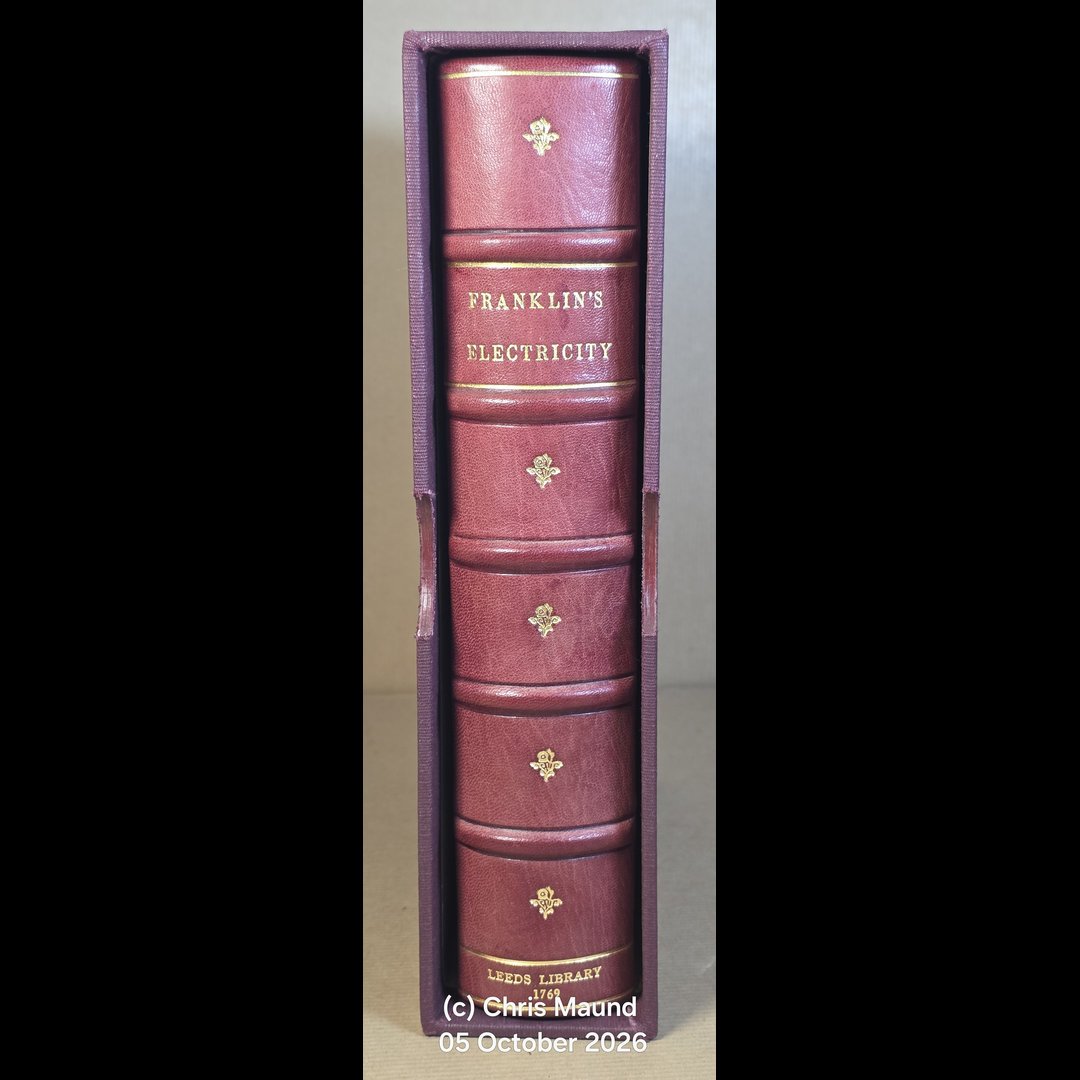 Image 1 of 41
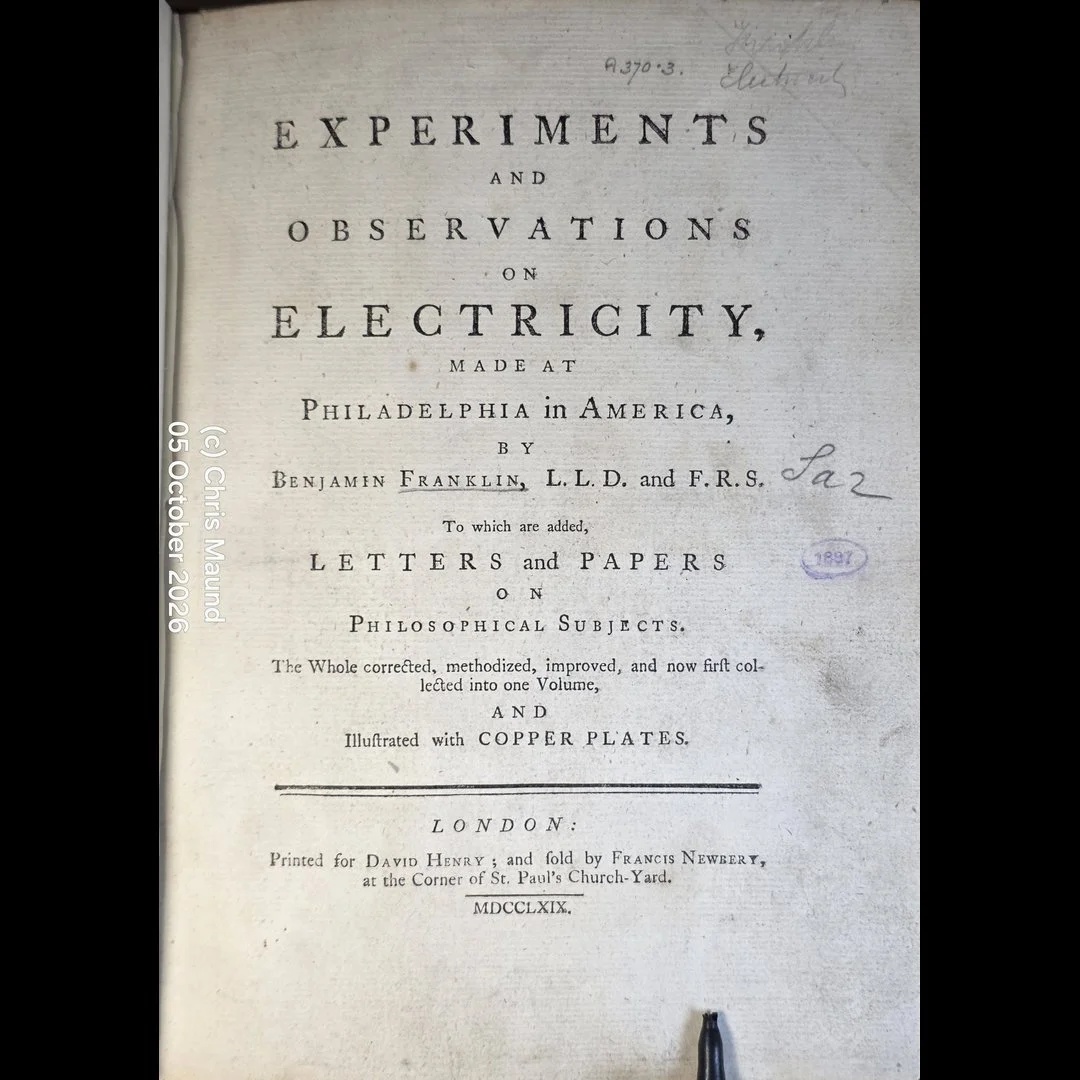 Image 2 of 41
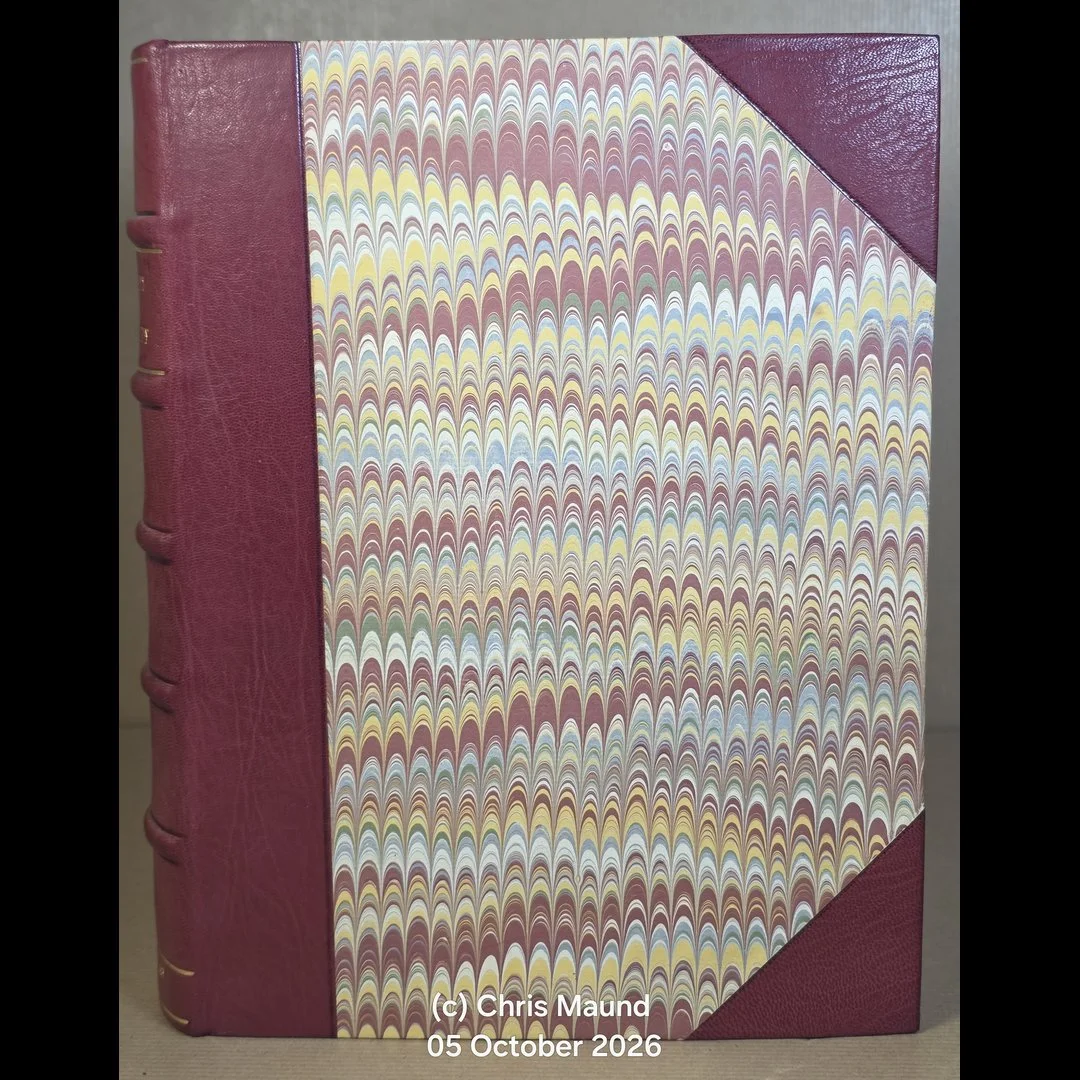 Image 3 of 41
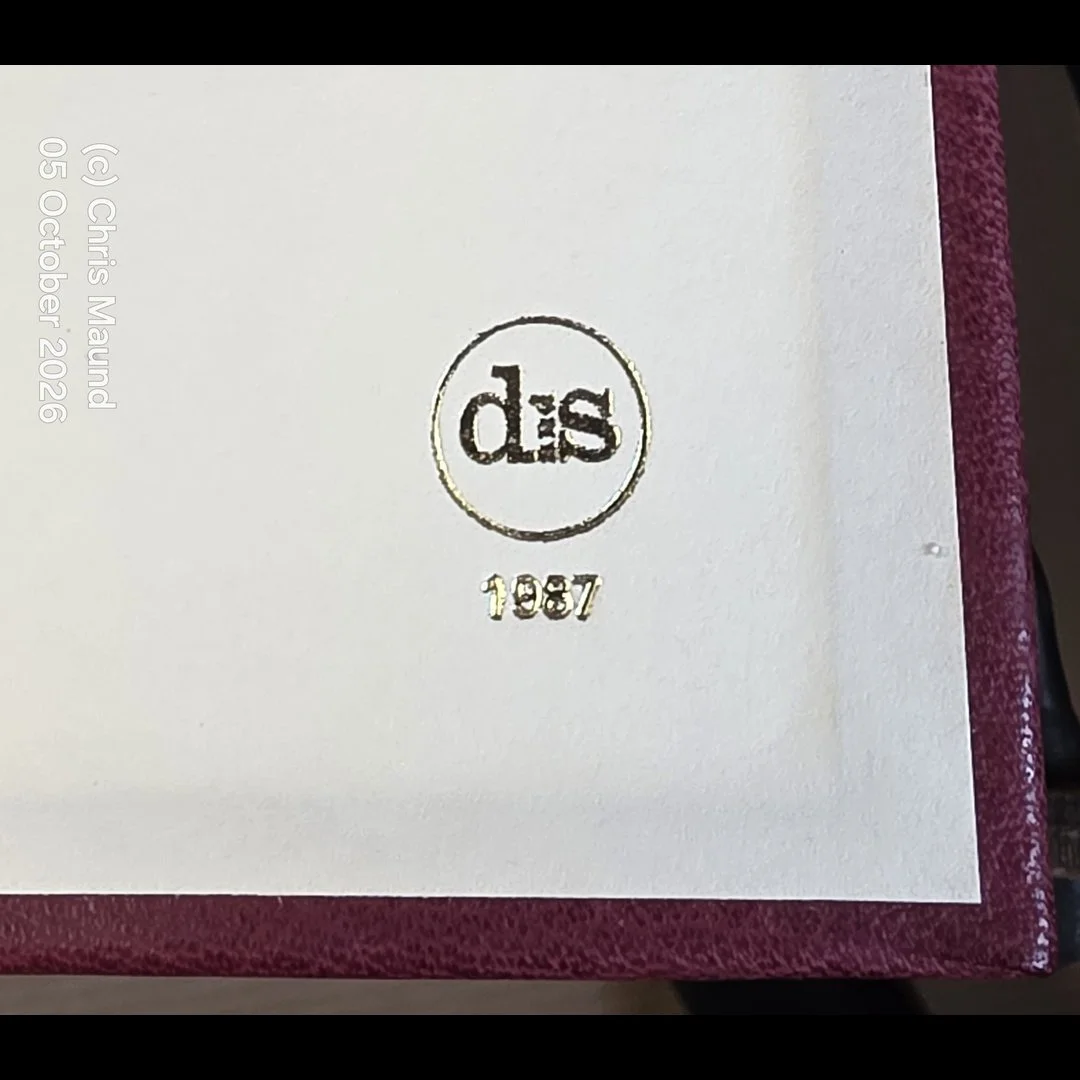 Image 4 of 41
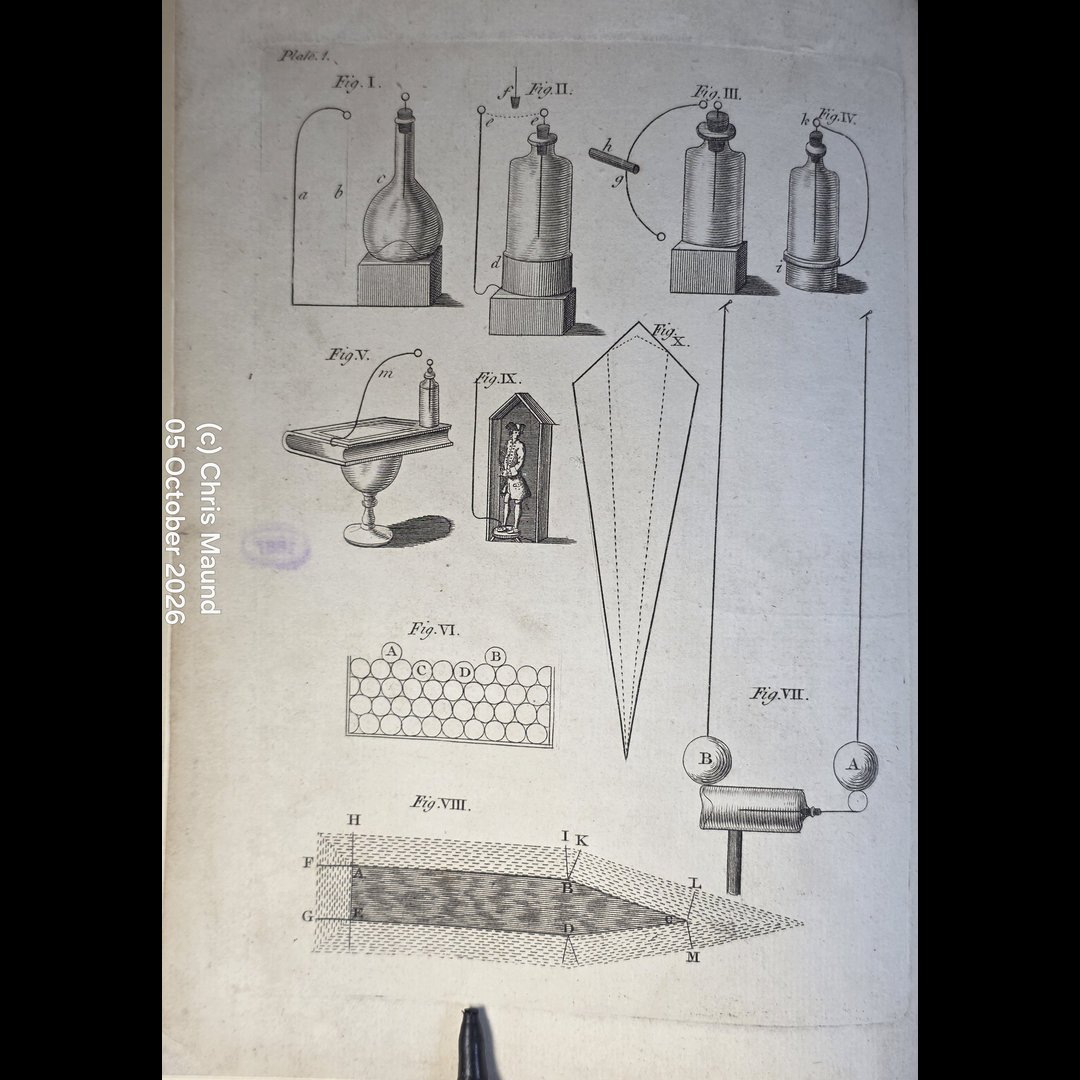 Image 5 of 41
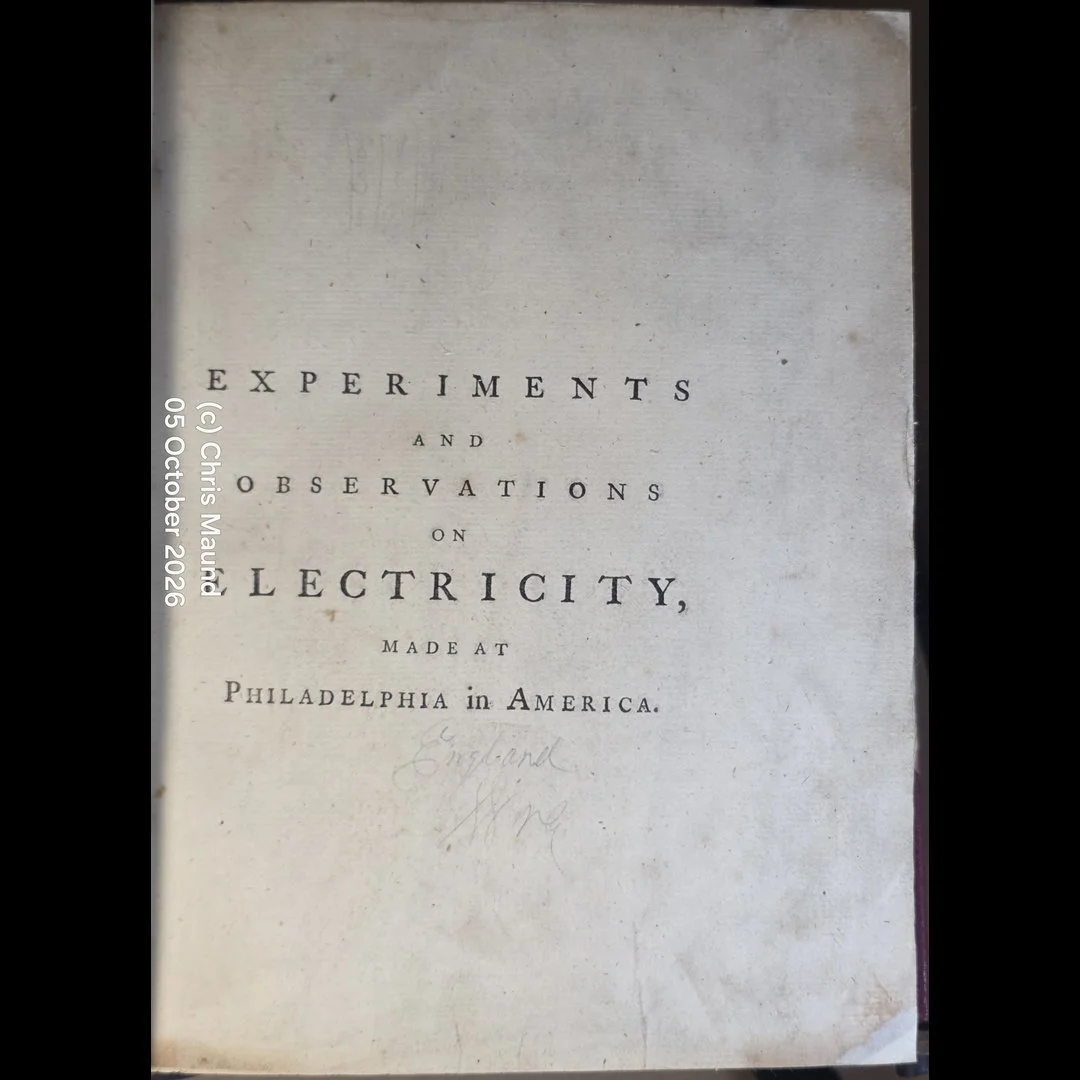 Image 6 of 41
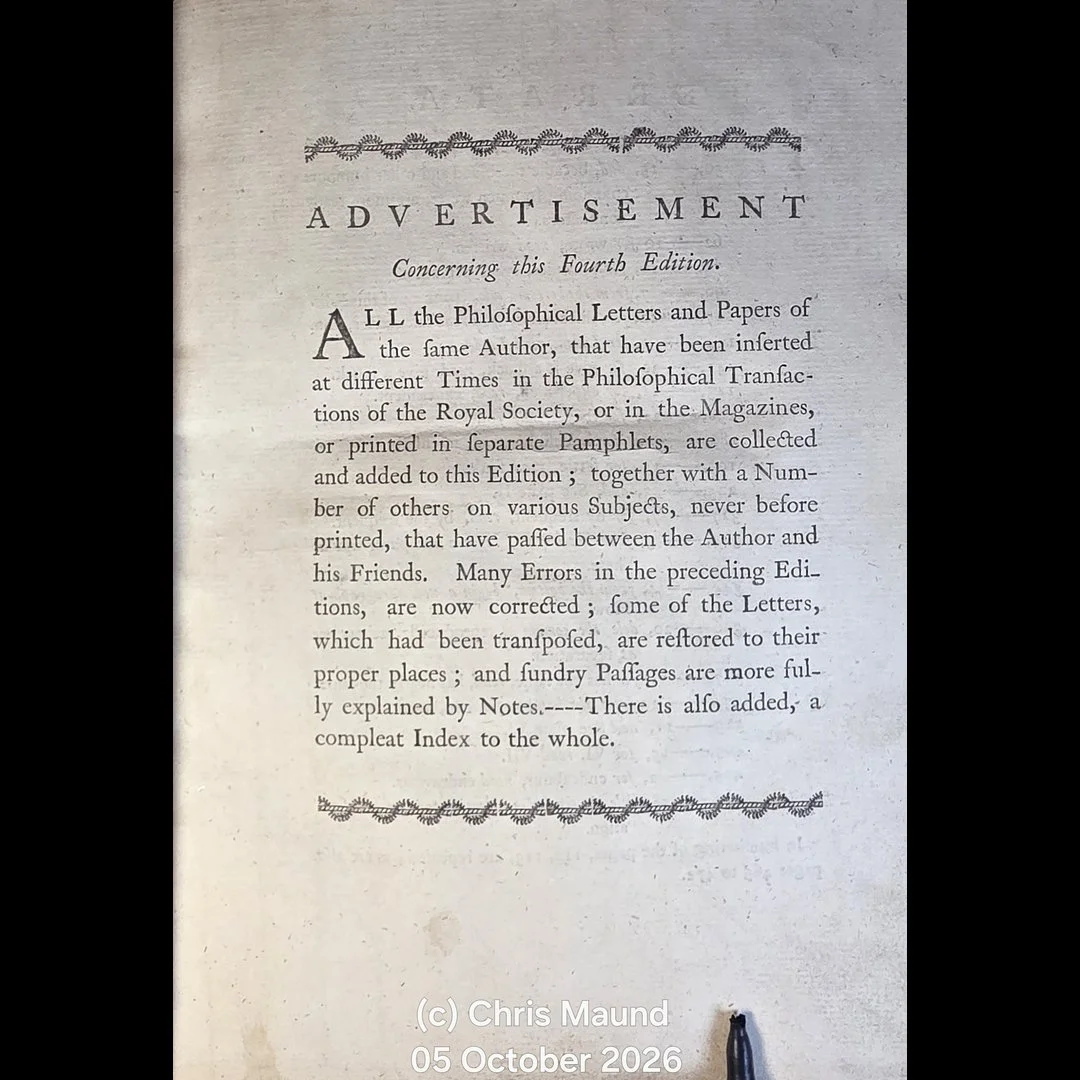 Image 7 of 41
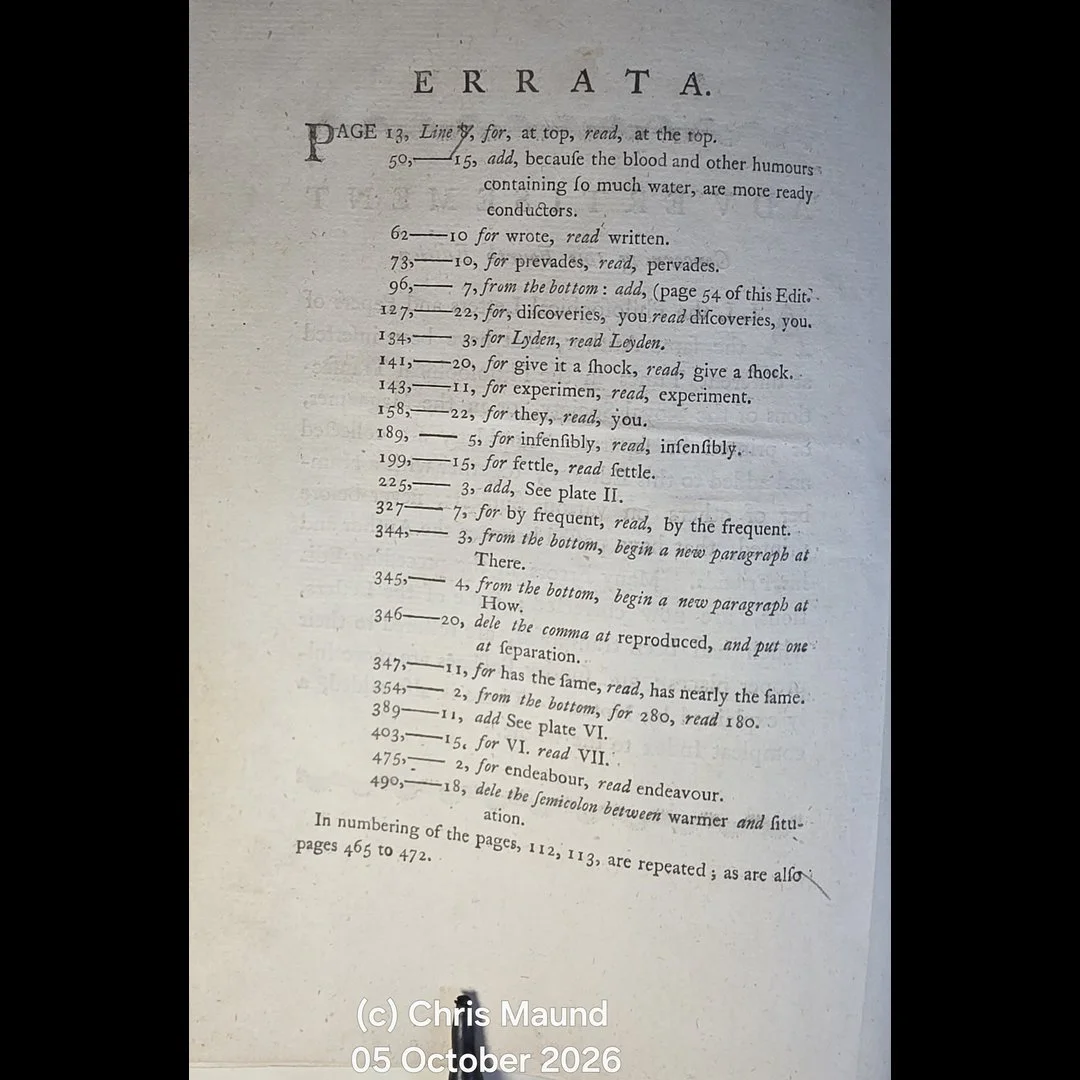 Image 8 of 41
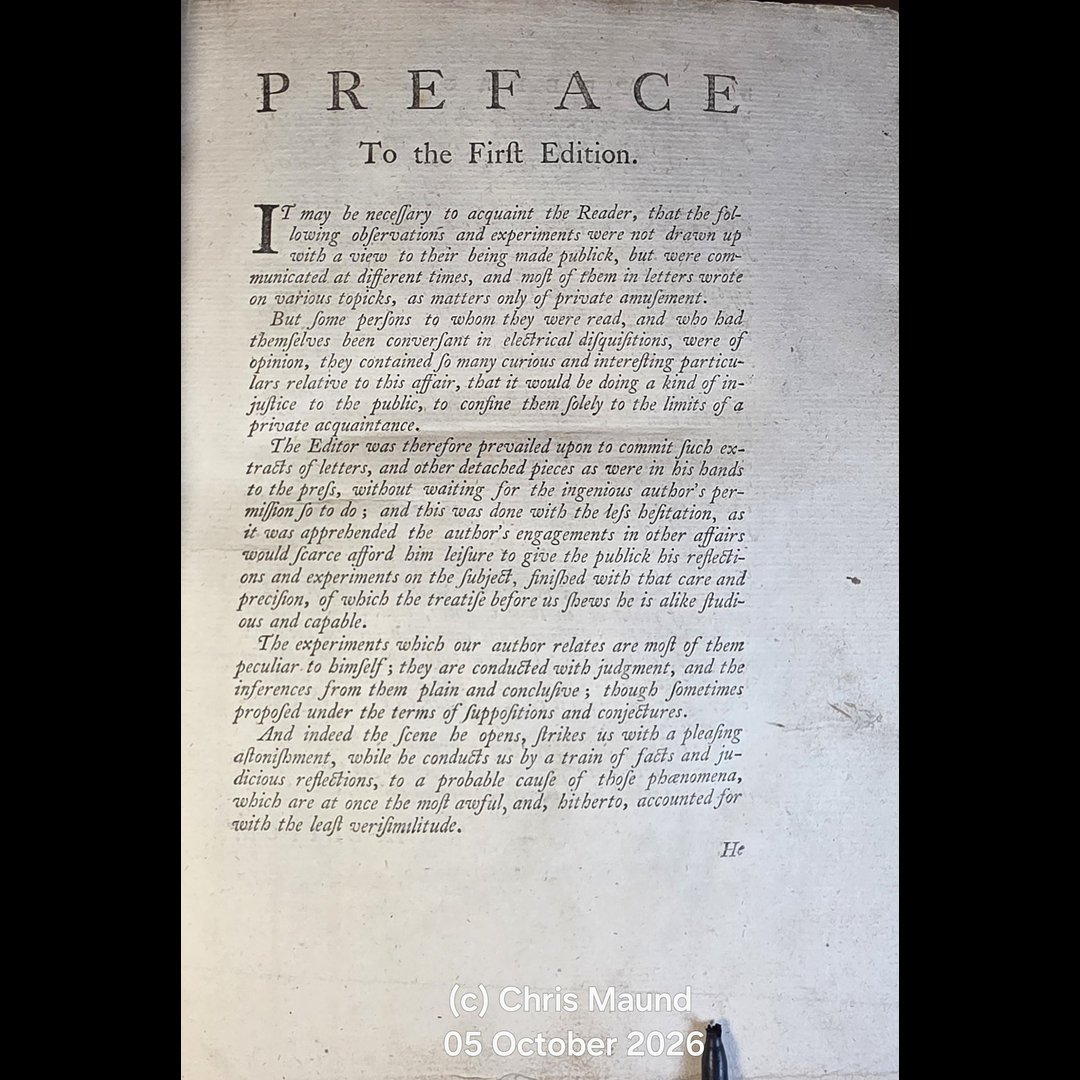 Image 9 of 41
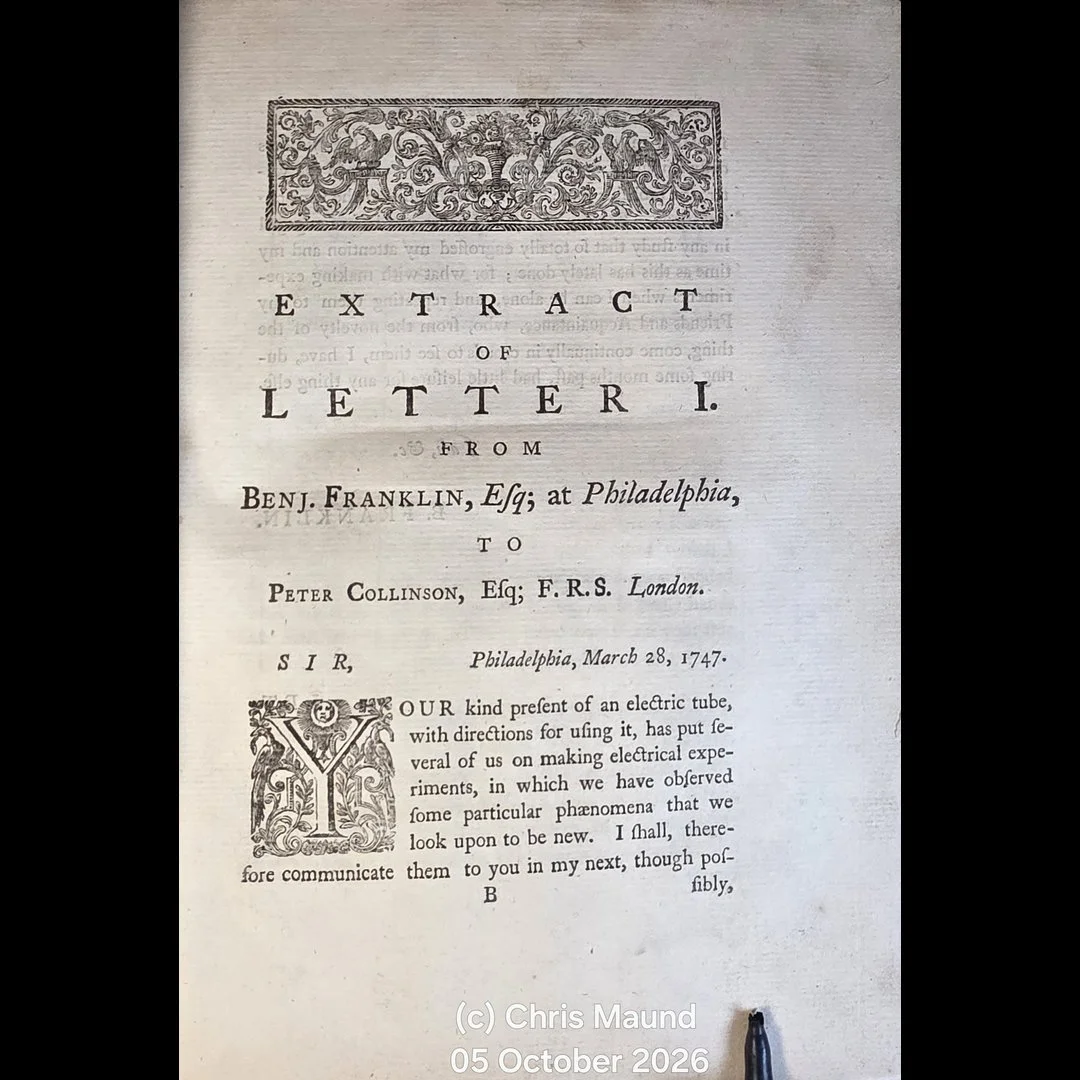 Image 10 of 41
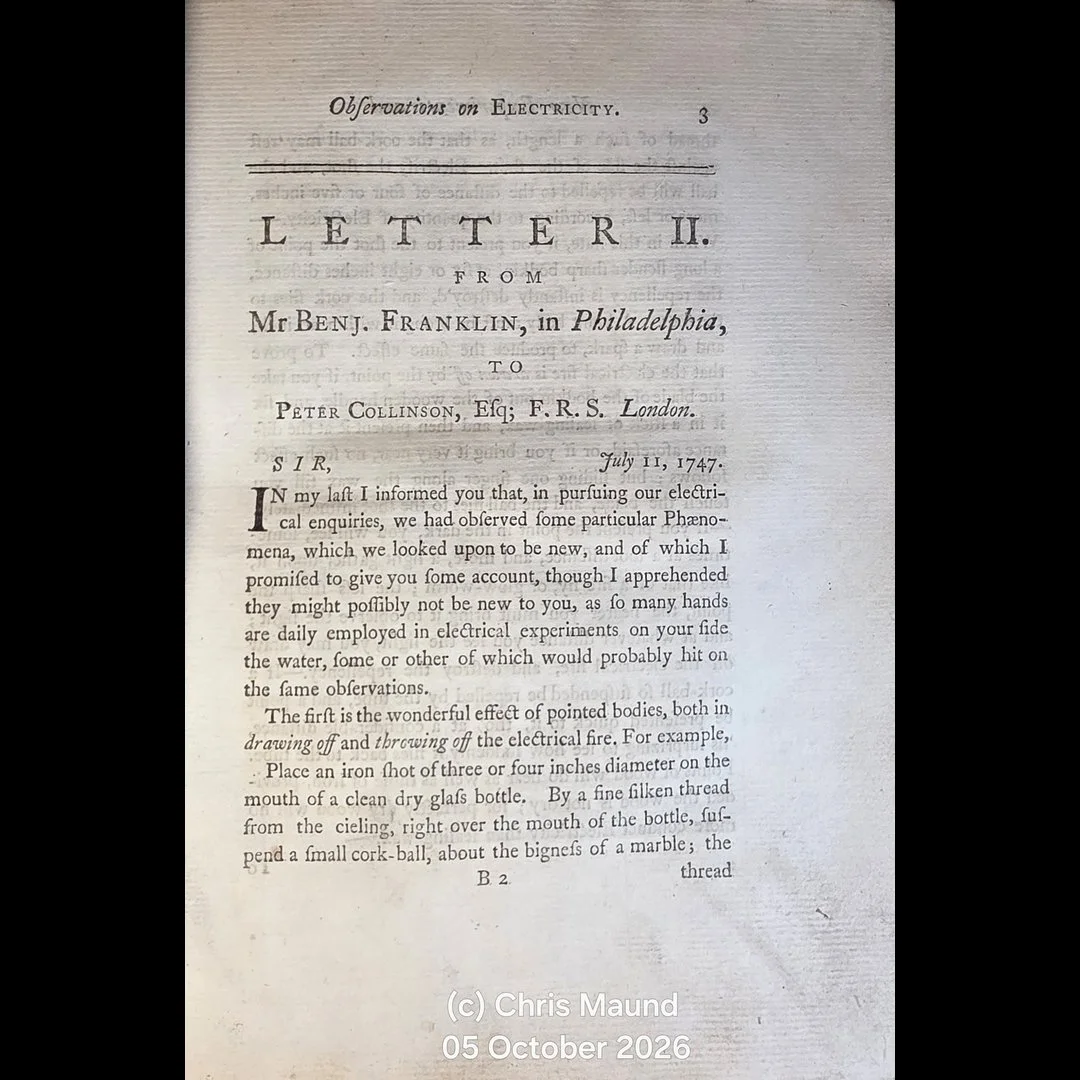 Image 11 of 41
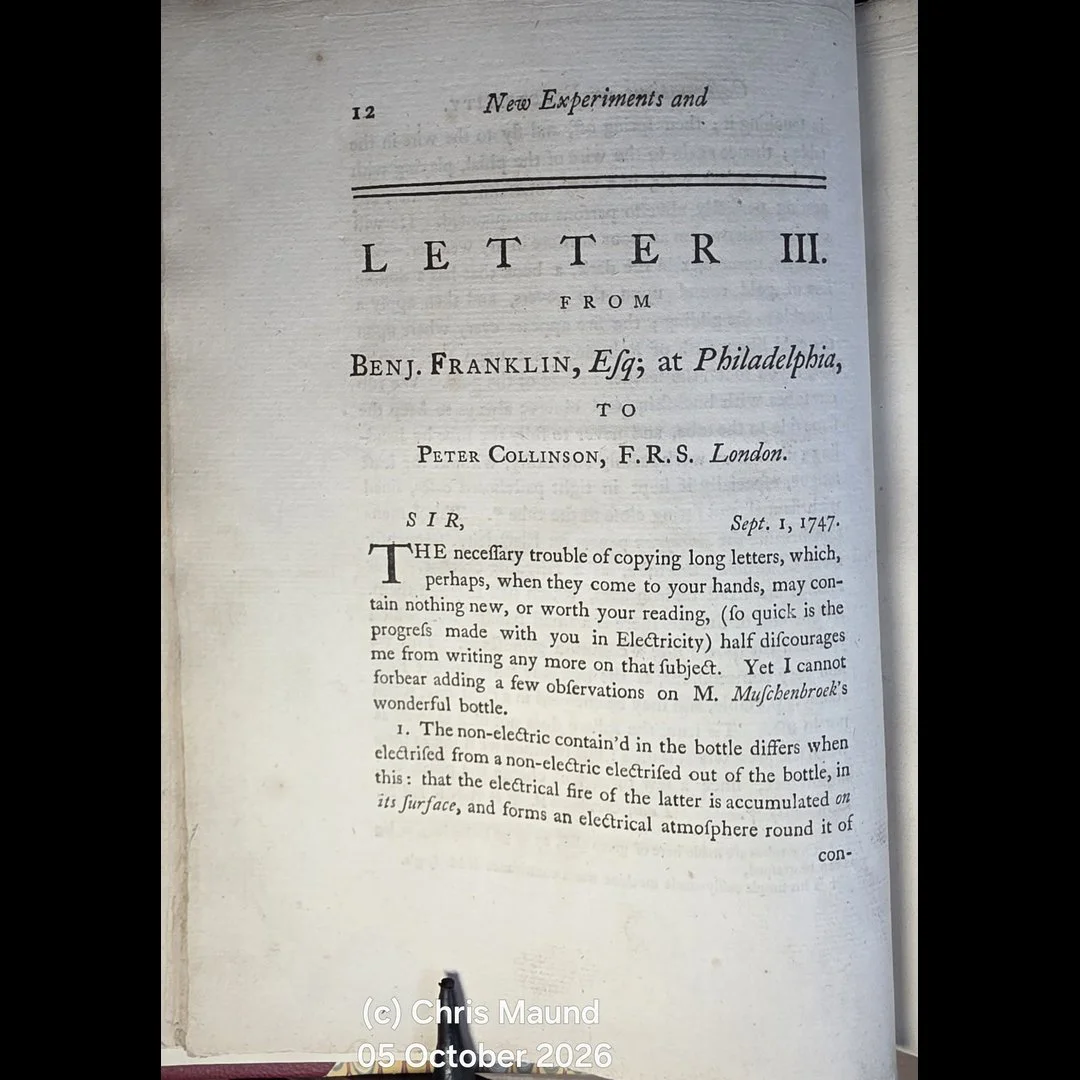 Image 12 of 41
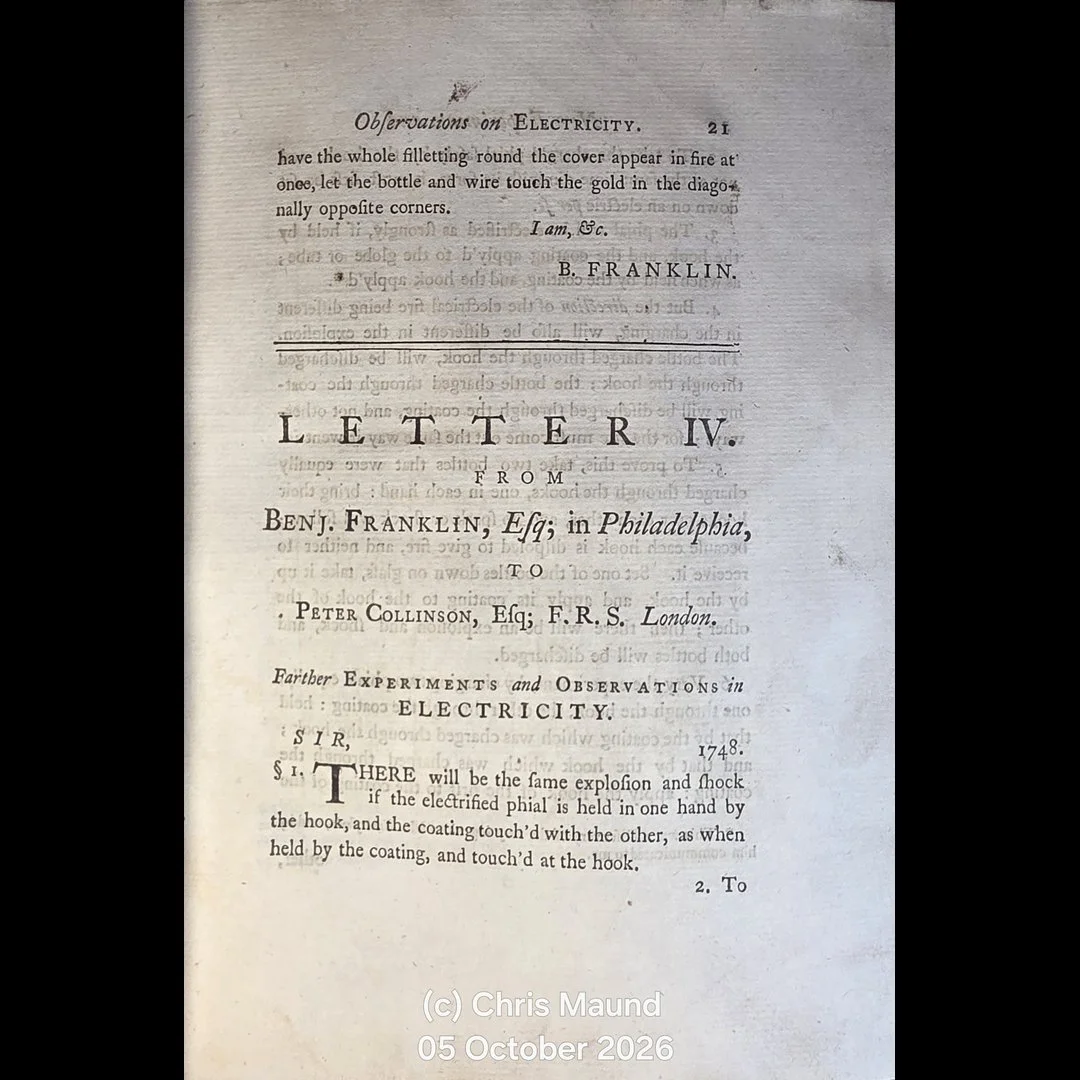 Image 13 of 41
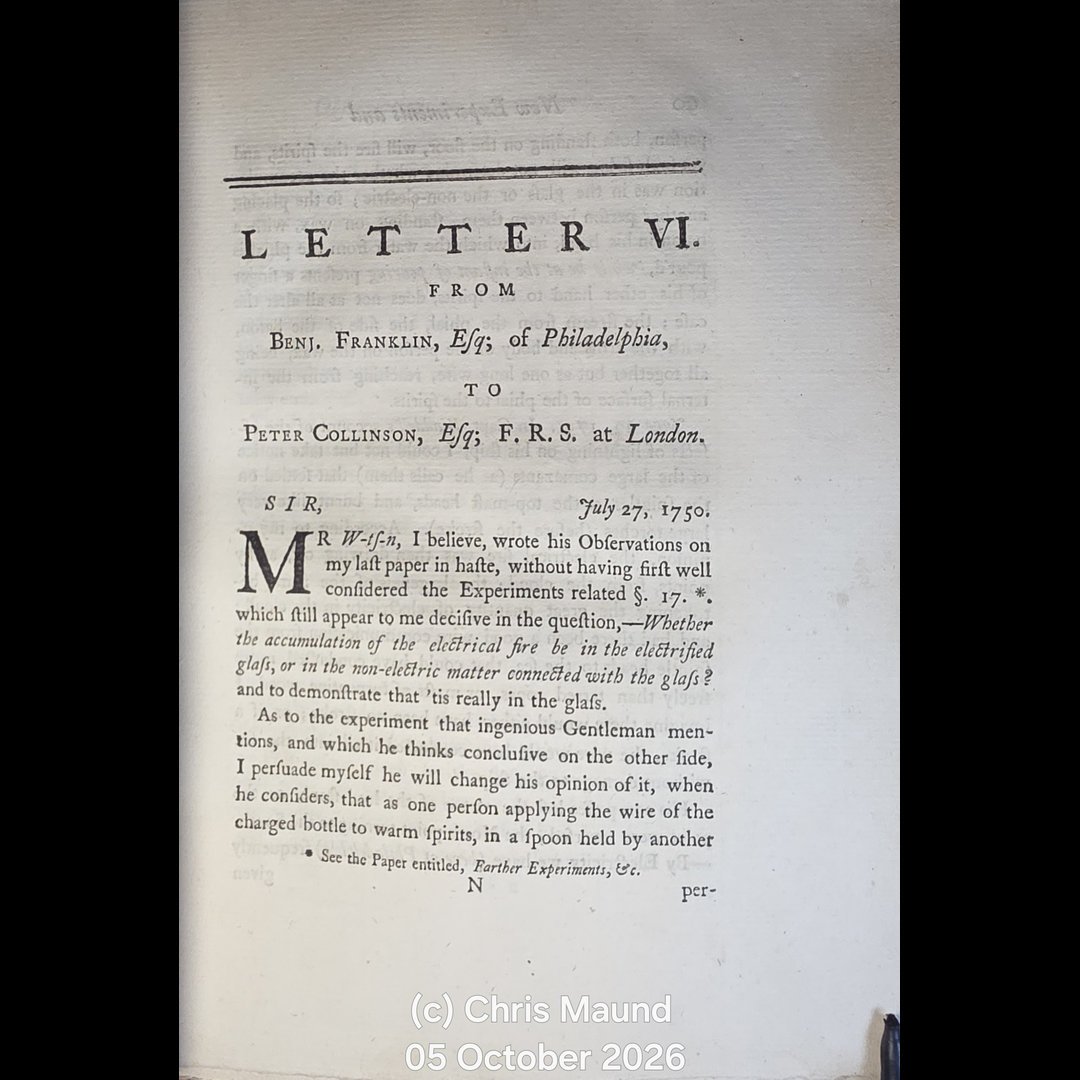 Image 14 of 41
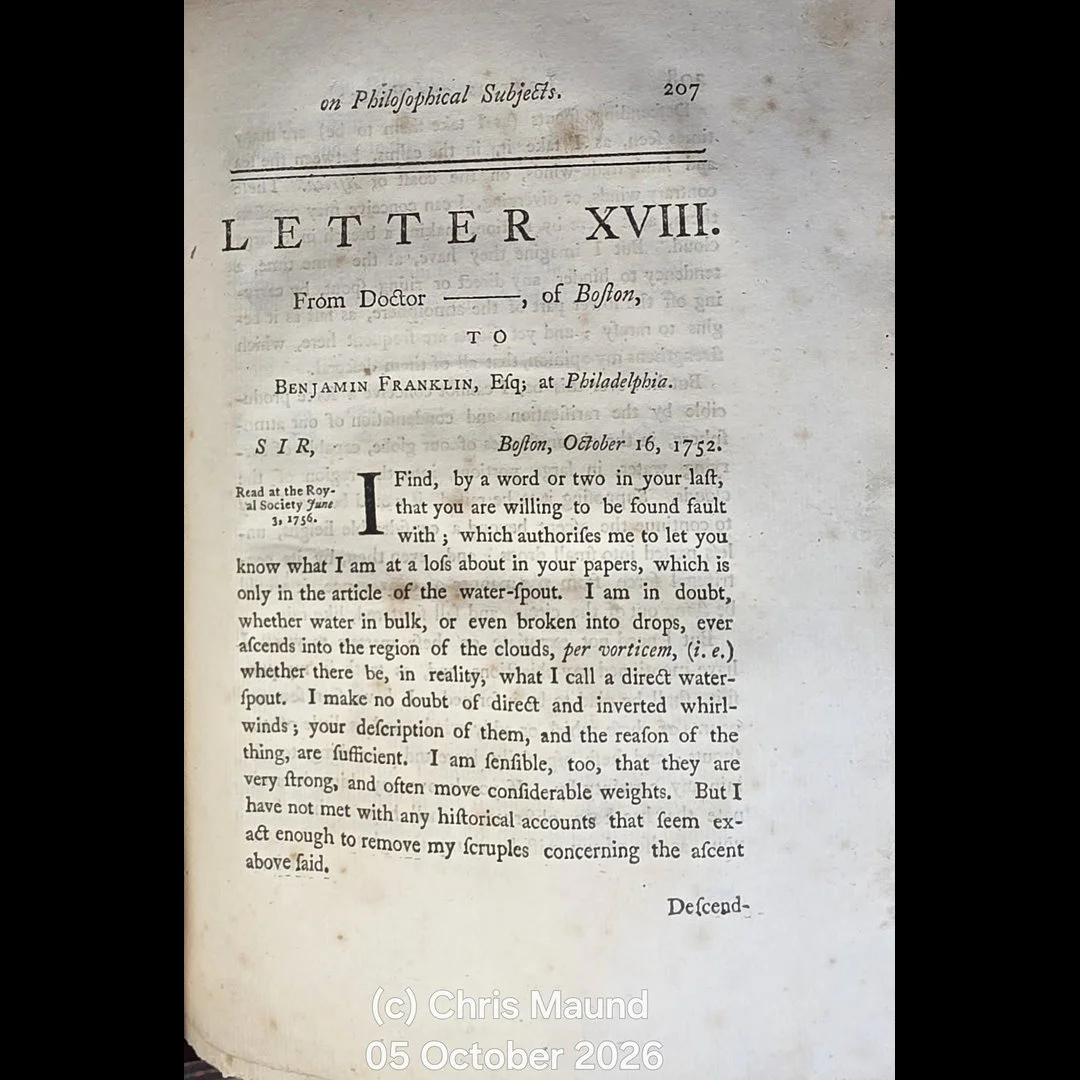 Image 15 of 41
 Image 16 of 41
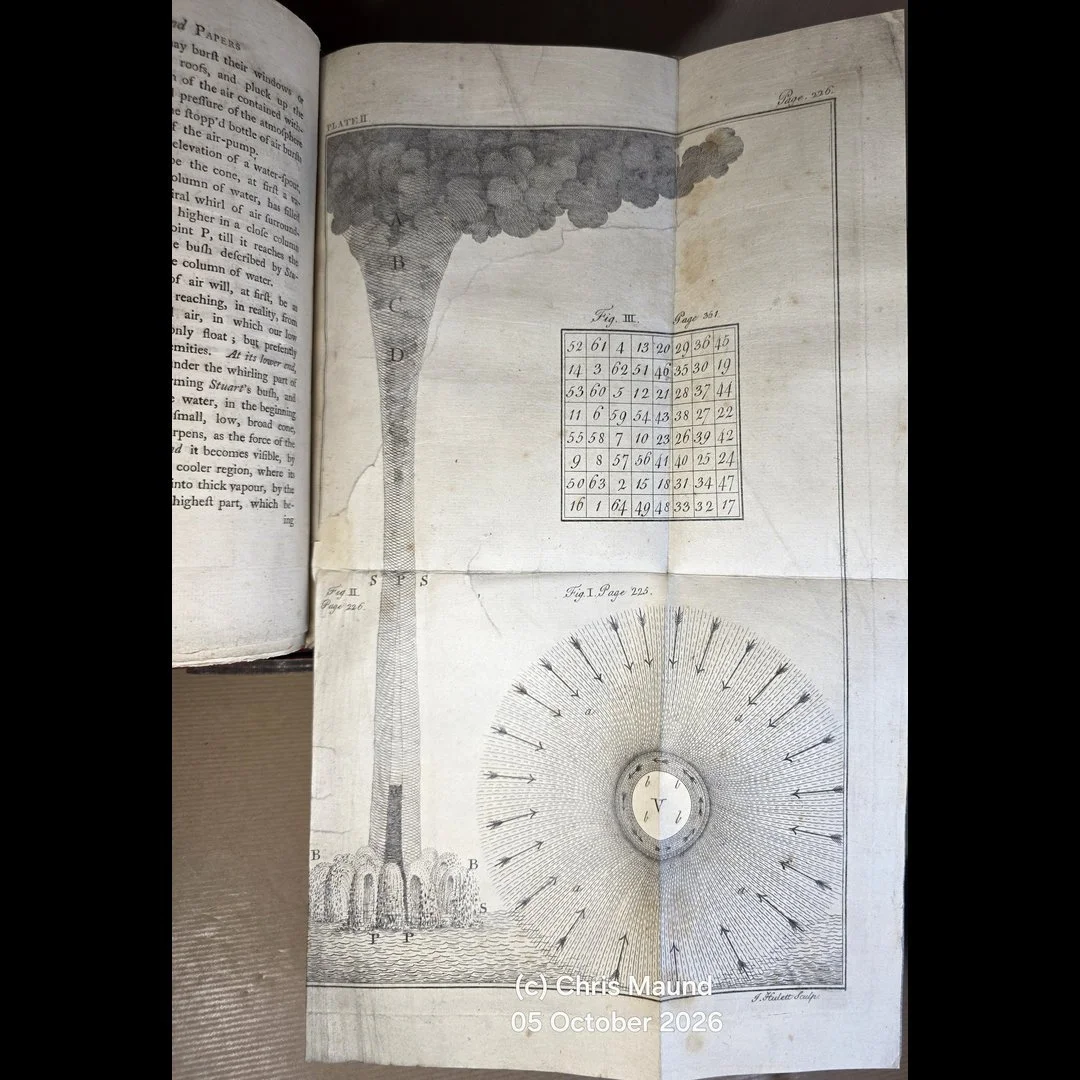 Image 17 of 41
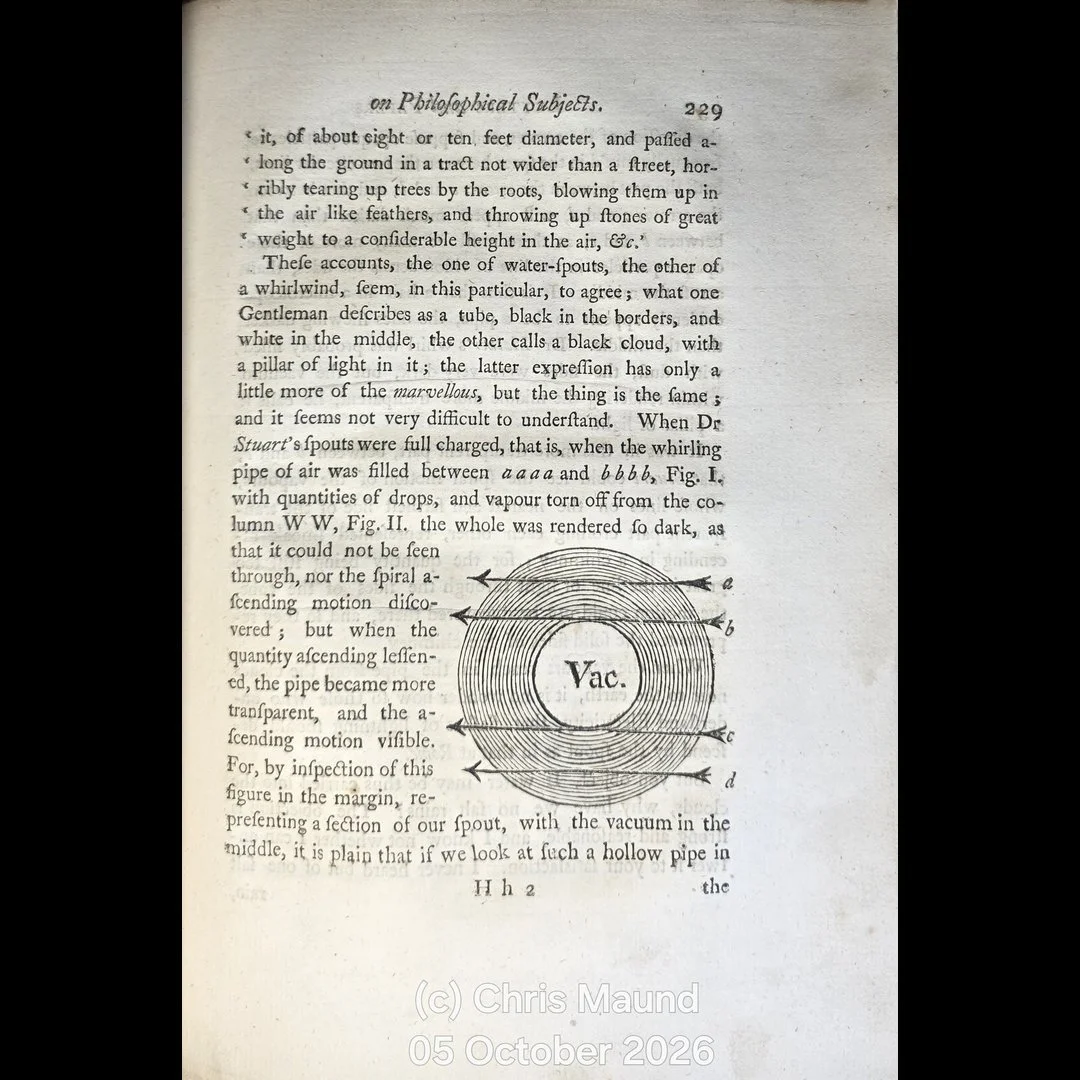 Image 18 of 41
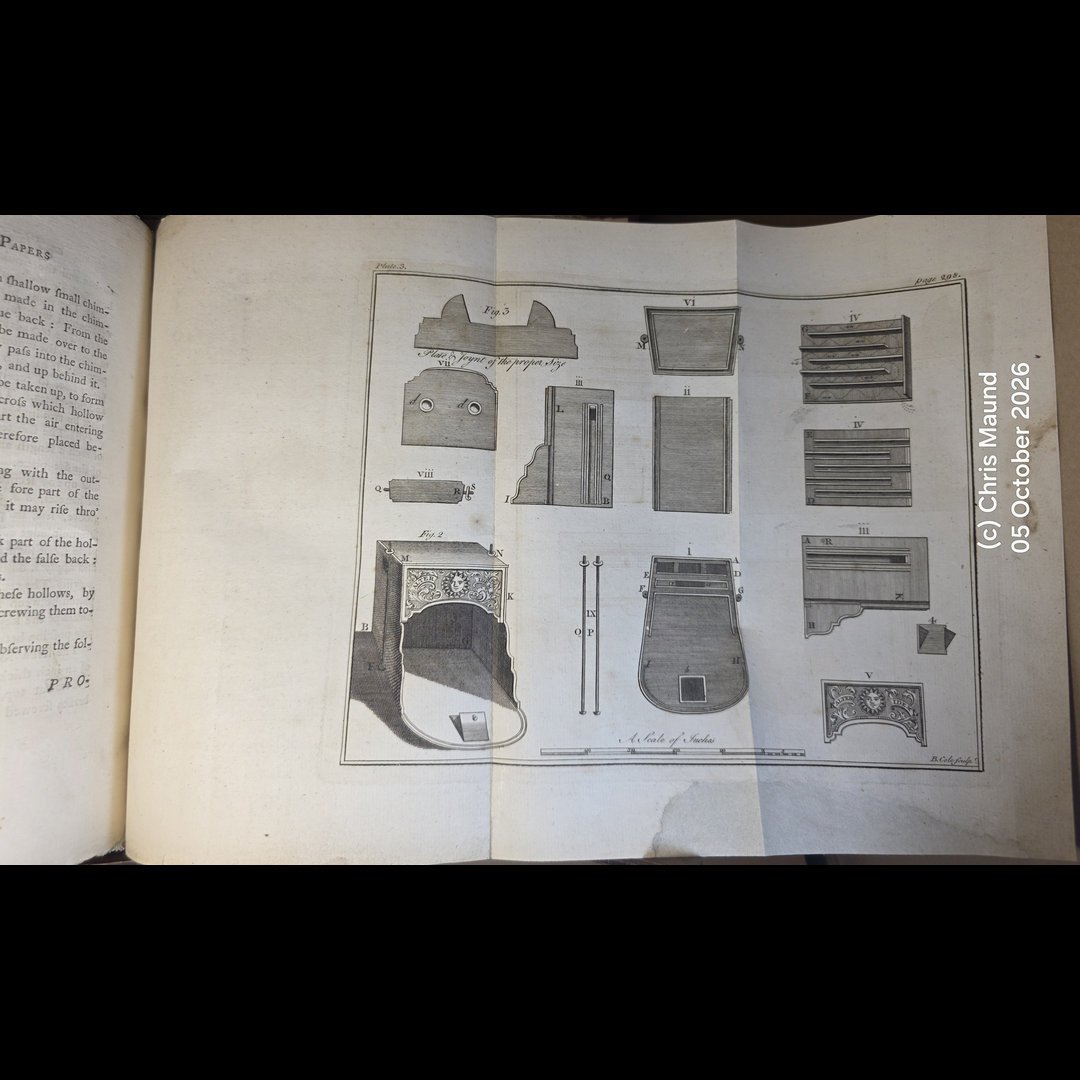 Image 19 of 41
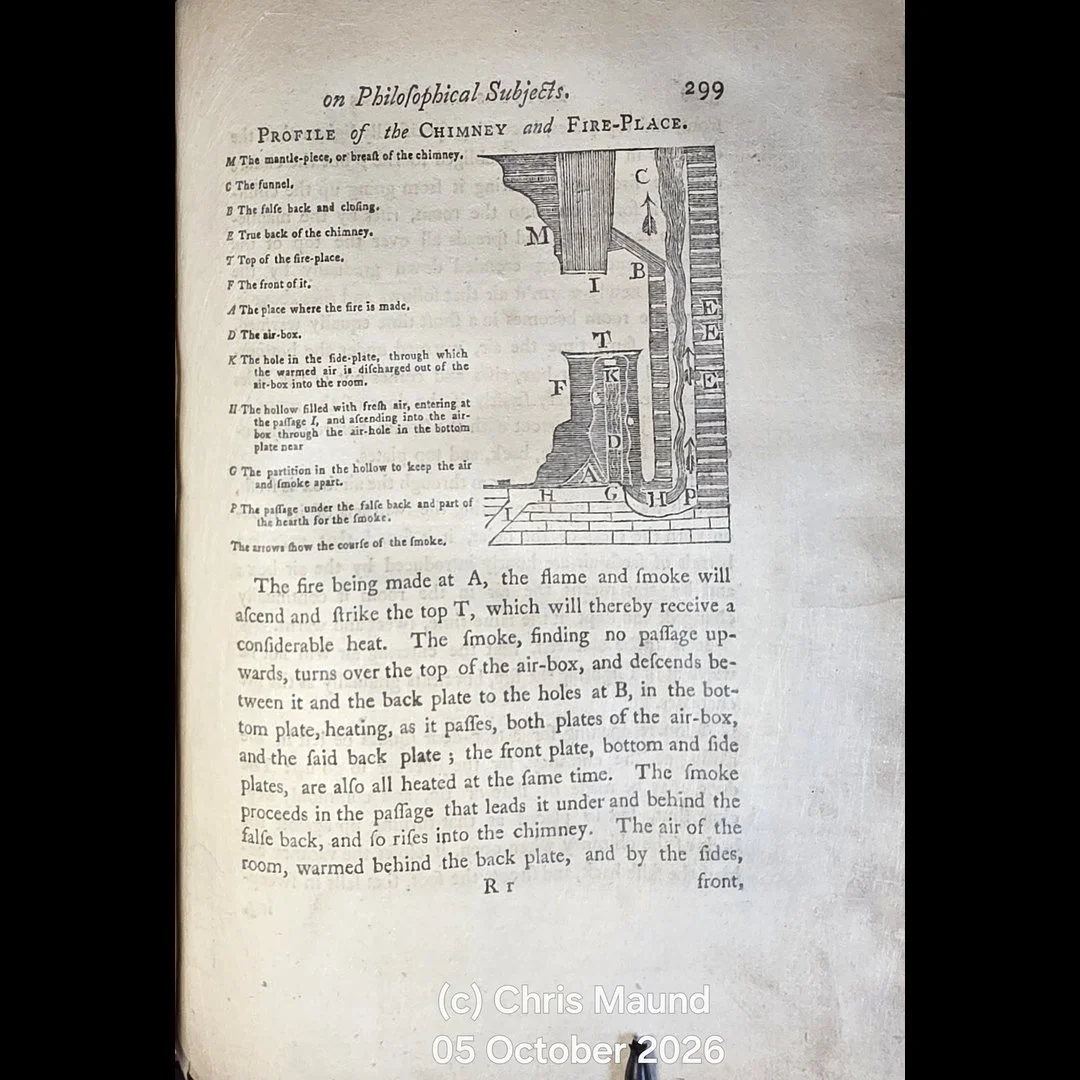 Image 20 of 41
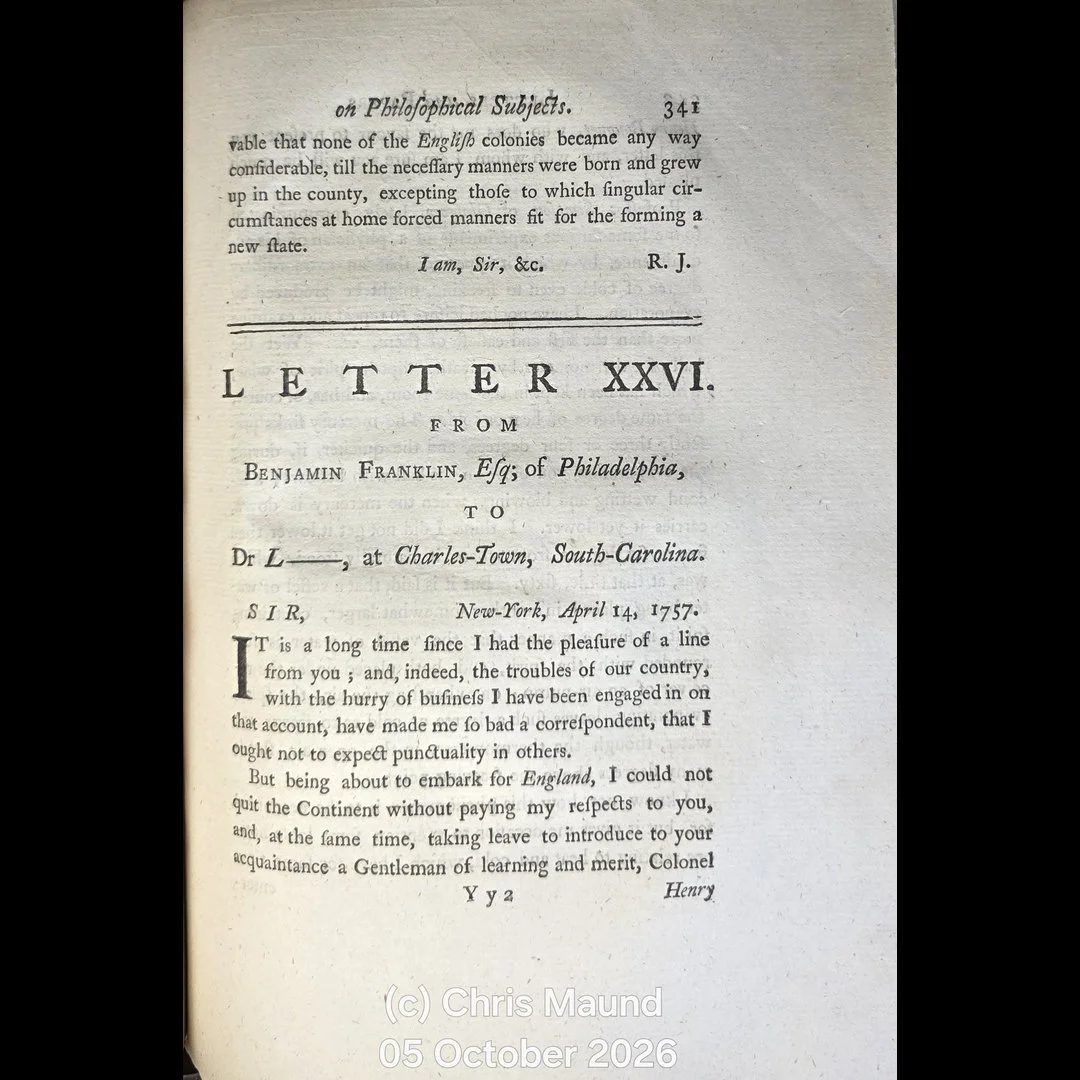 Image 21 of 41
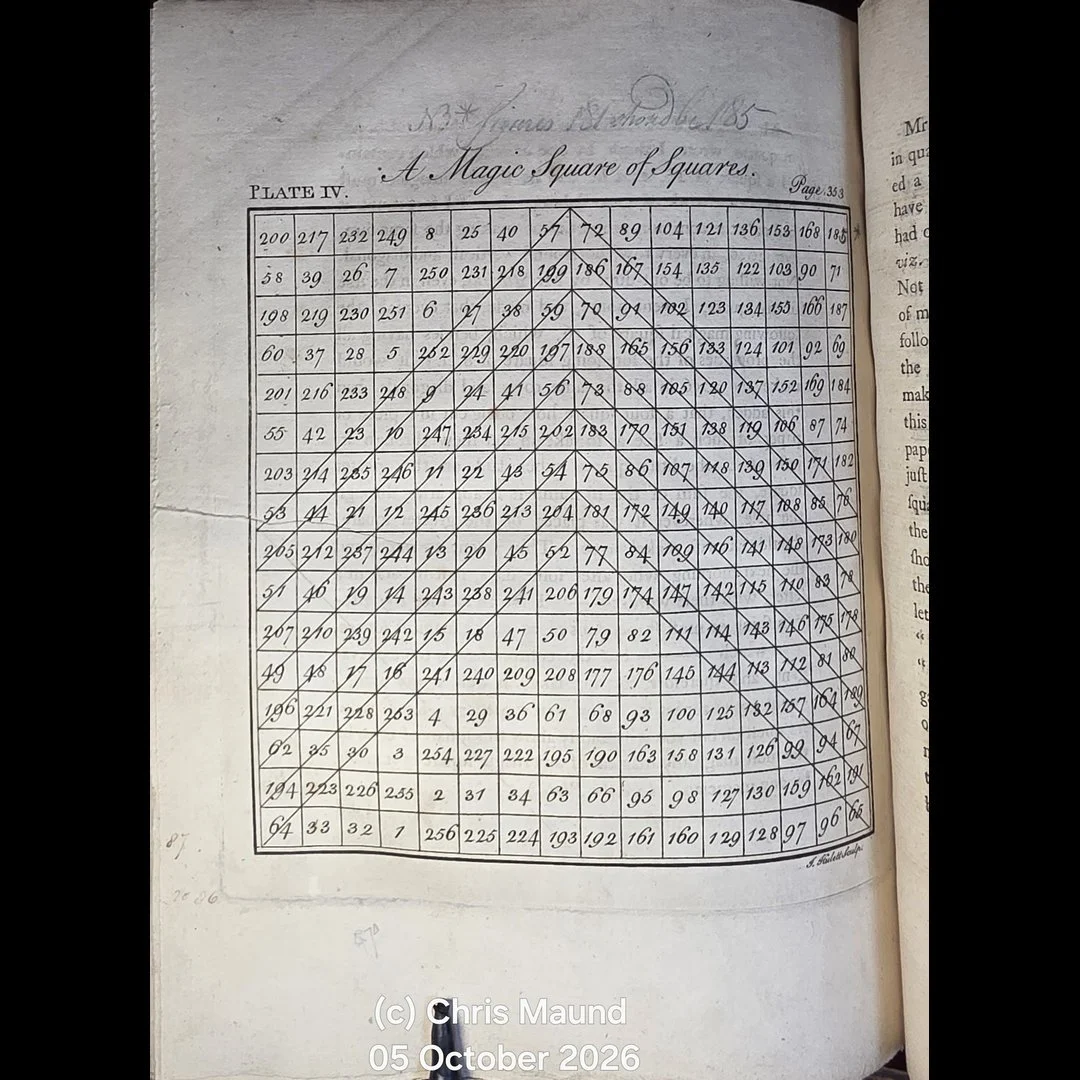 Image 22 of 41
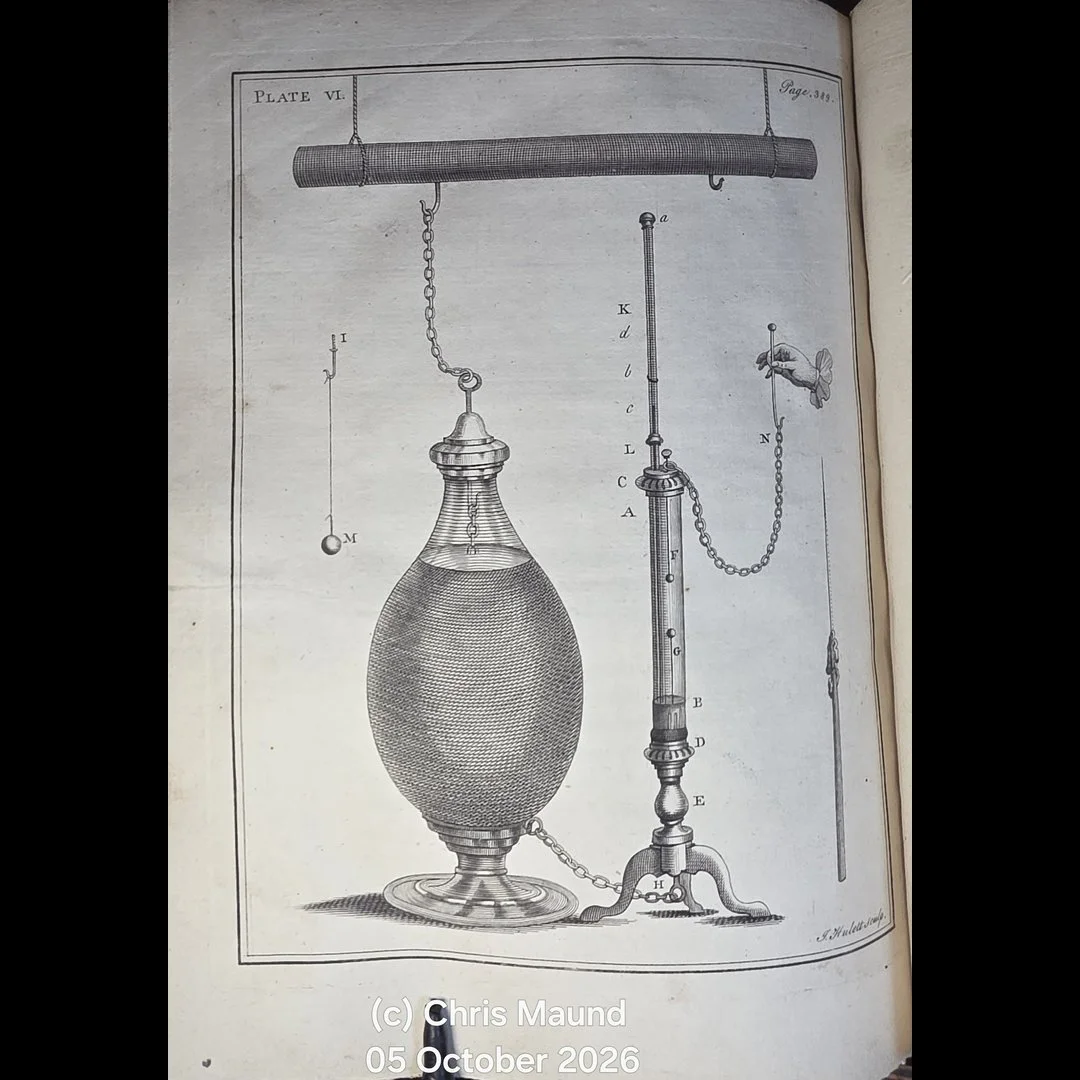 Image 23 of 41
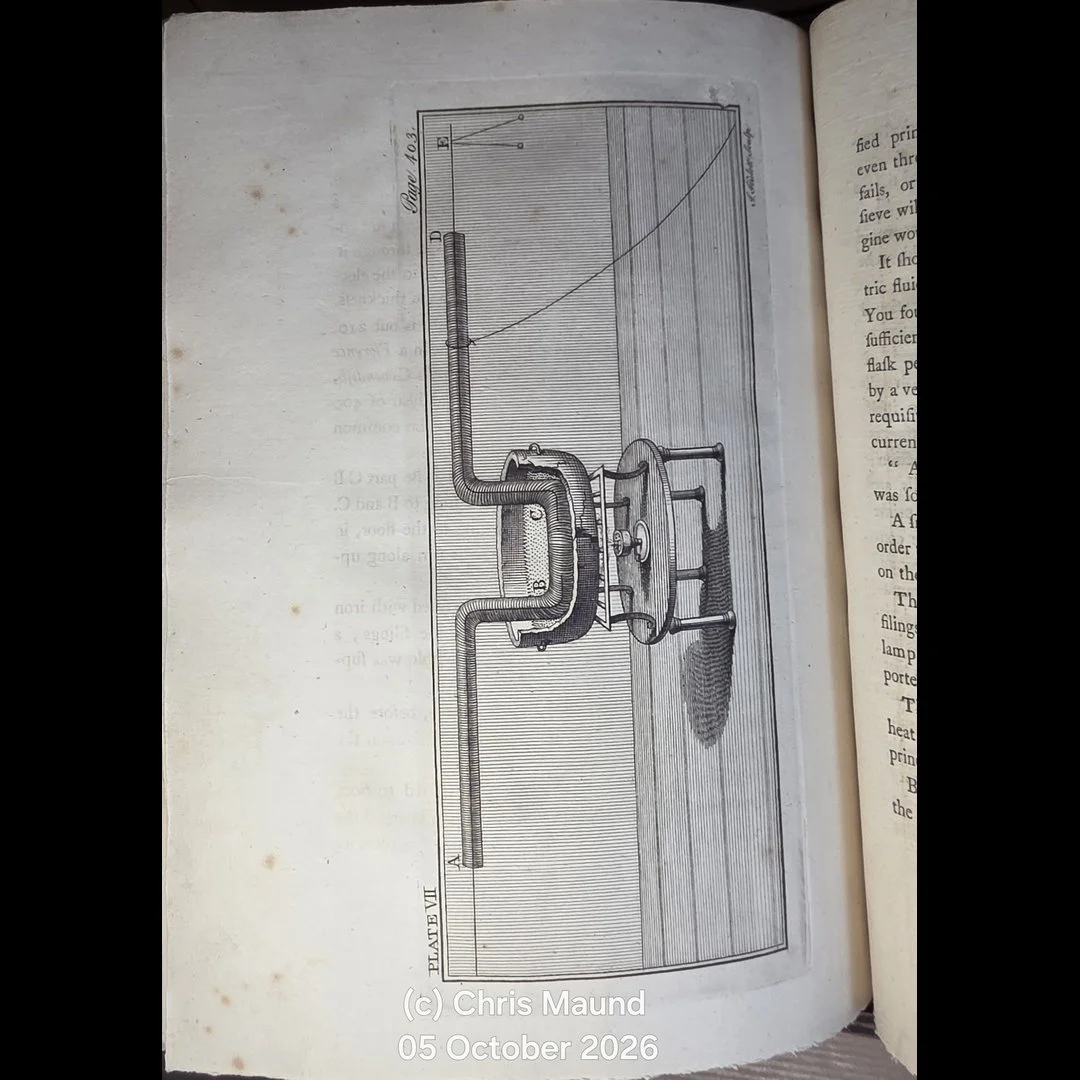 Image 24 of 41
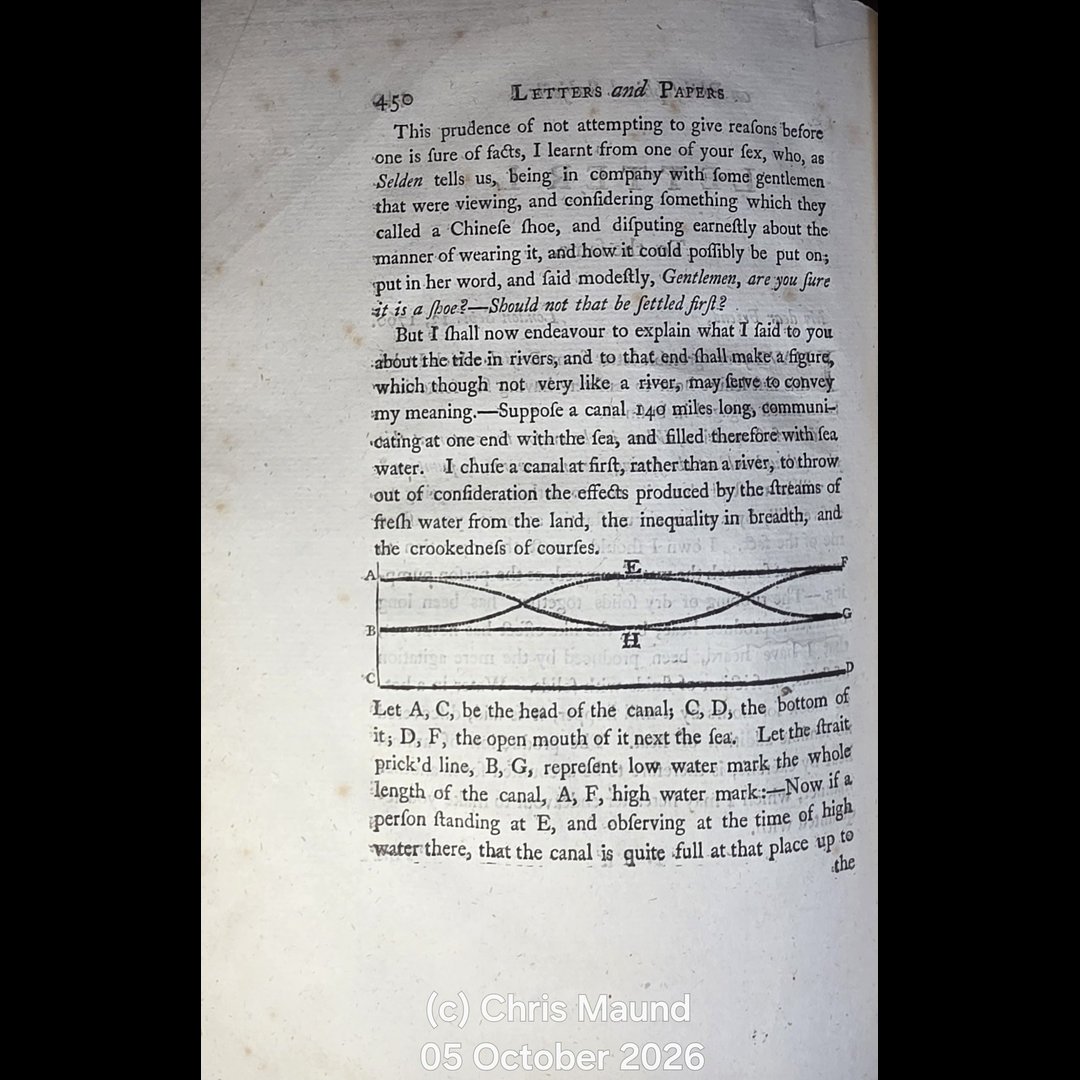 Image 25 of 41
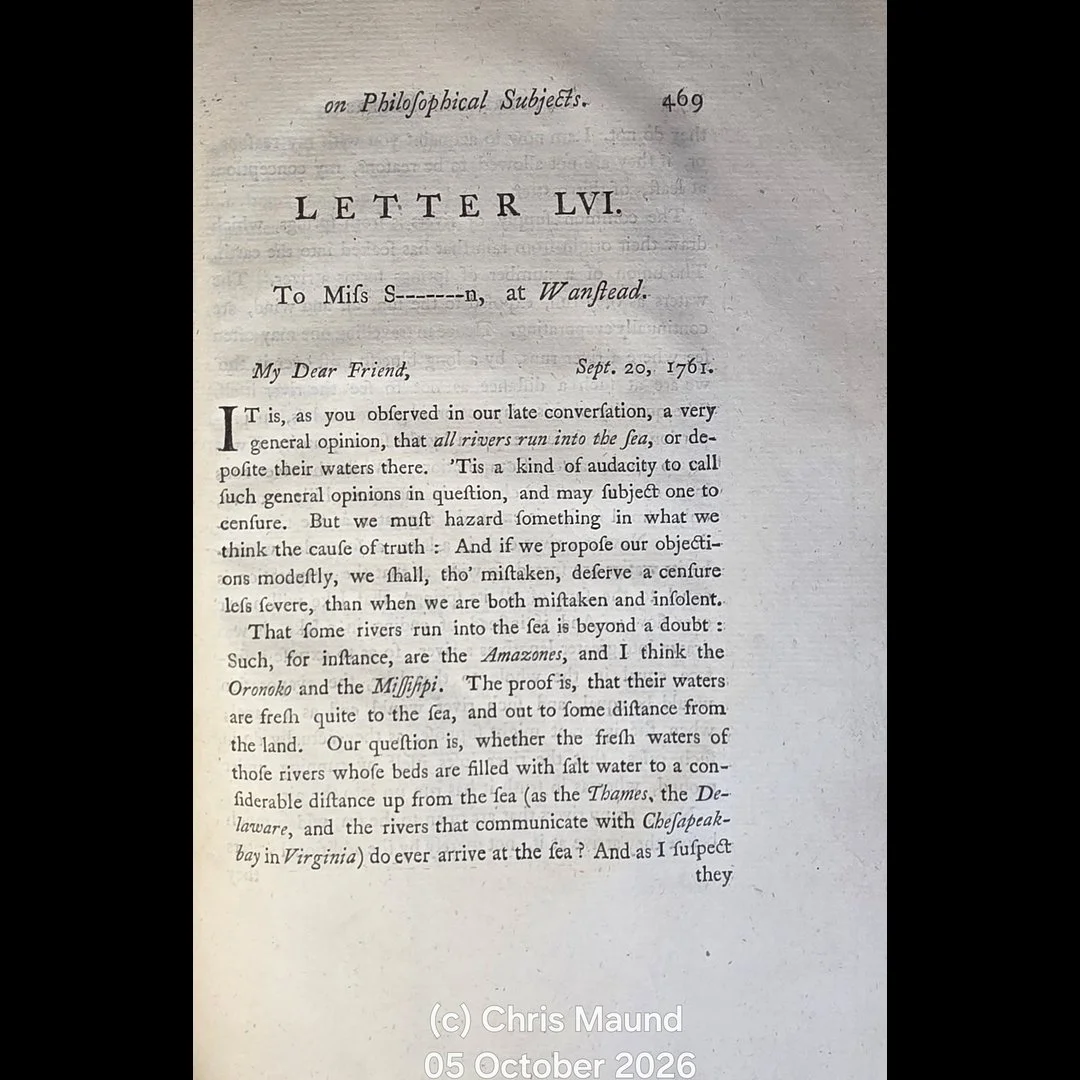 Image 26 of 41
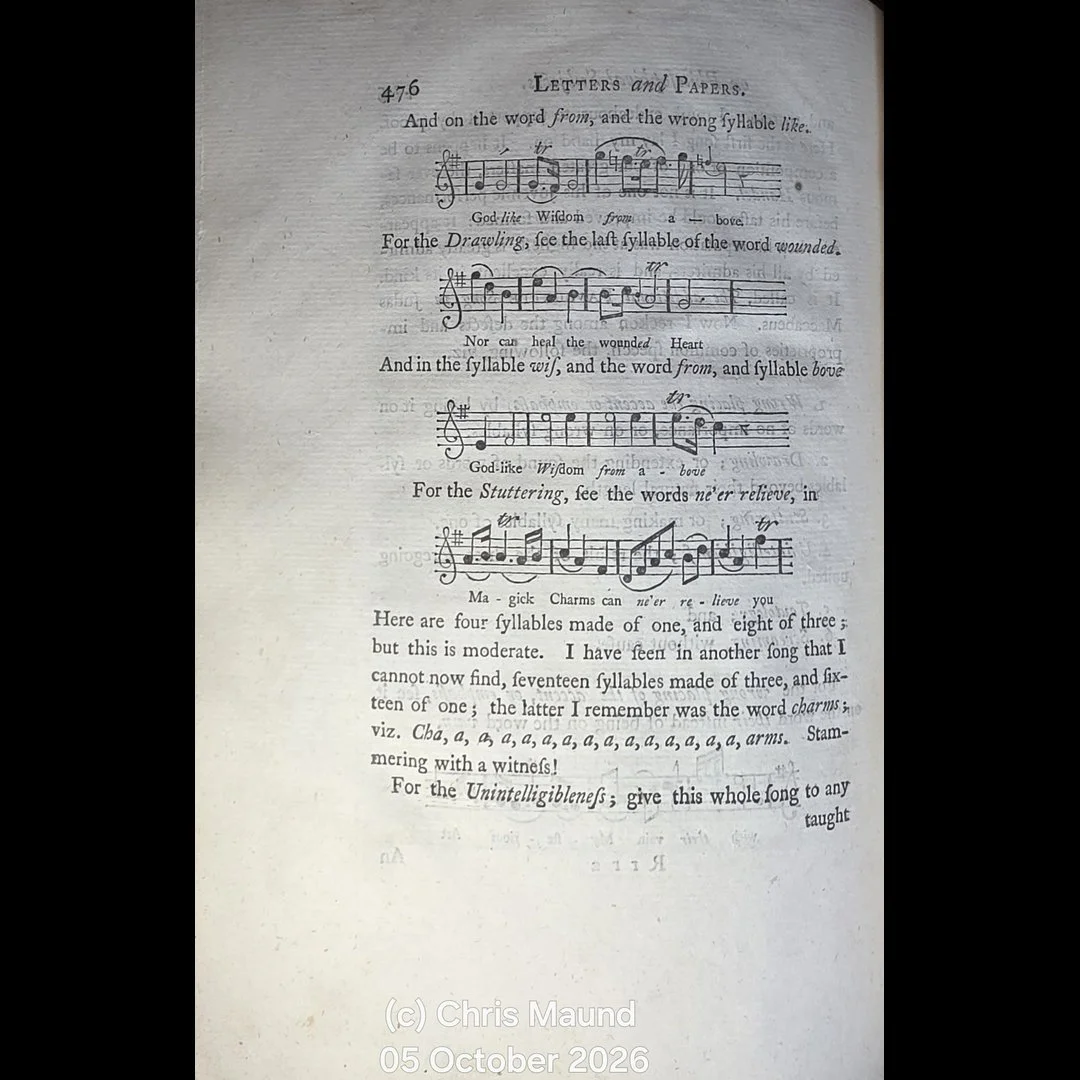 Image 27 of 41
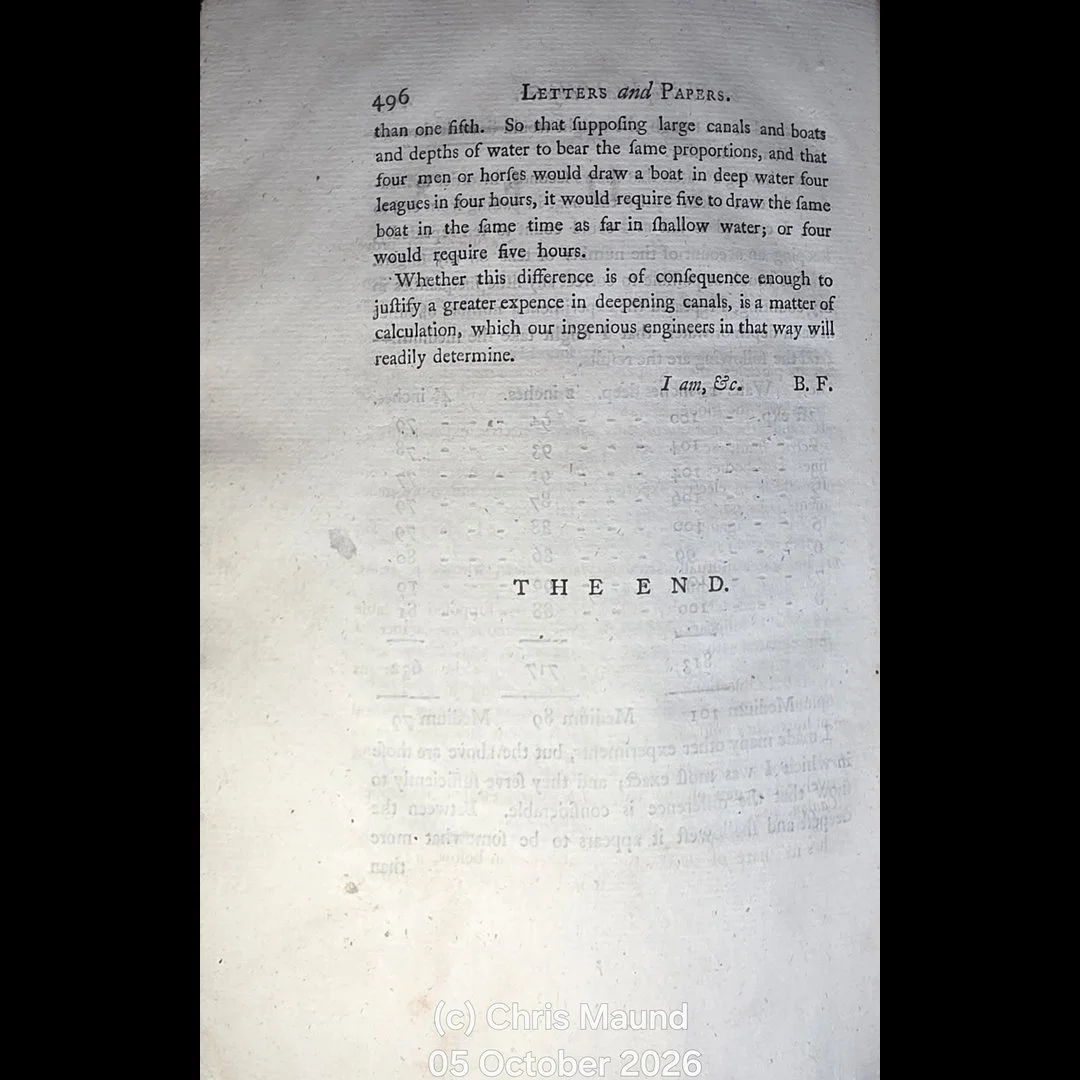 Image 28 of 41
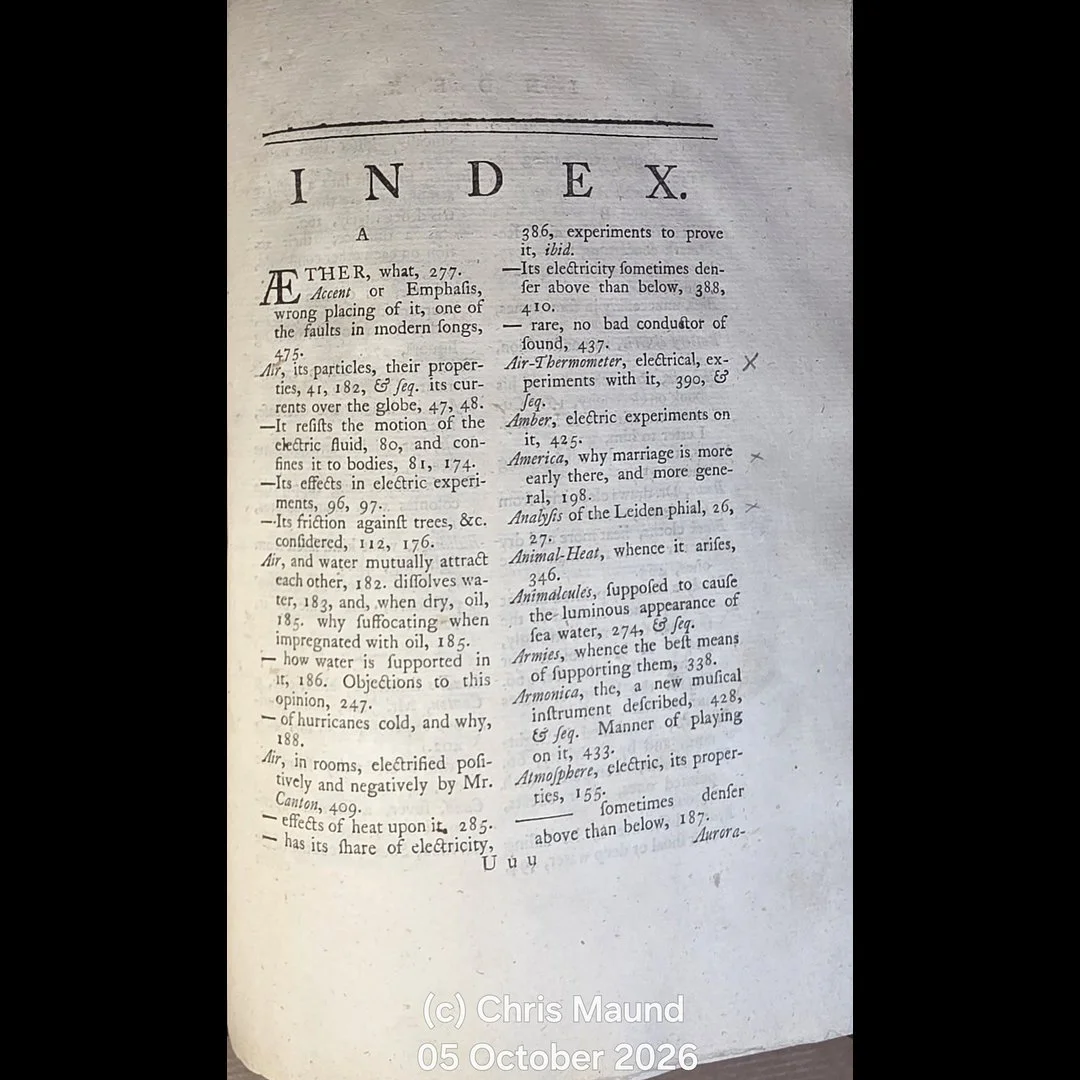 Image 29 of 41
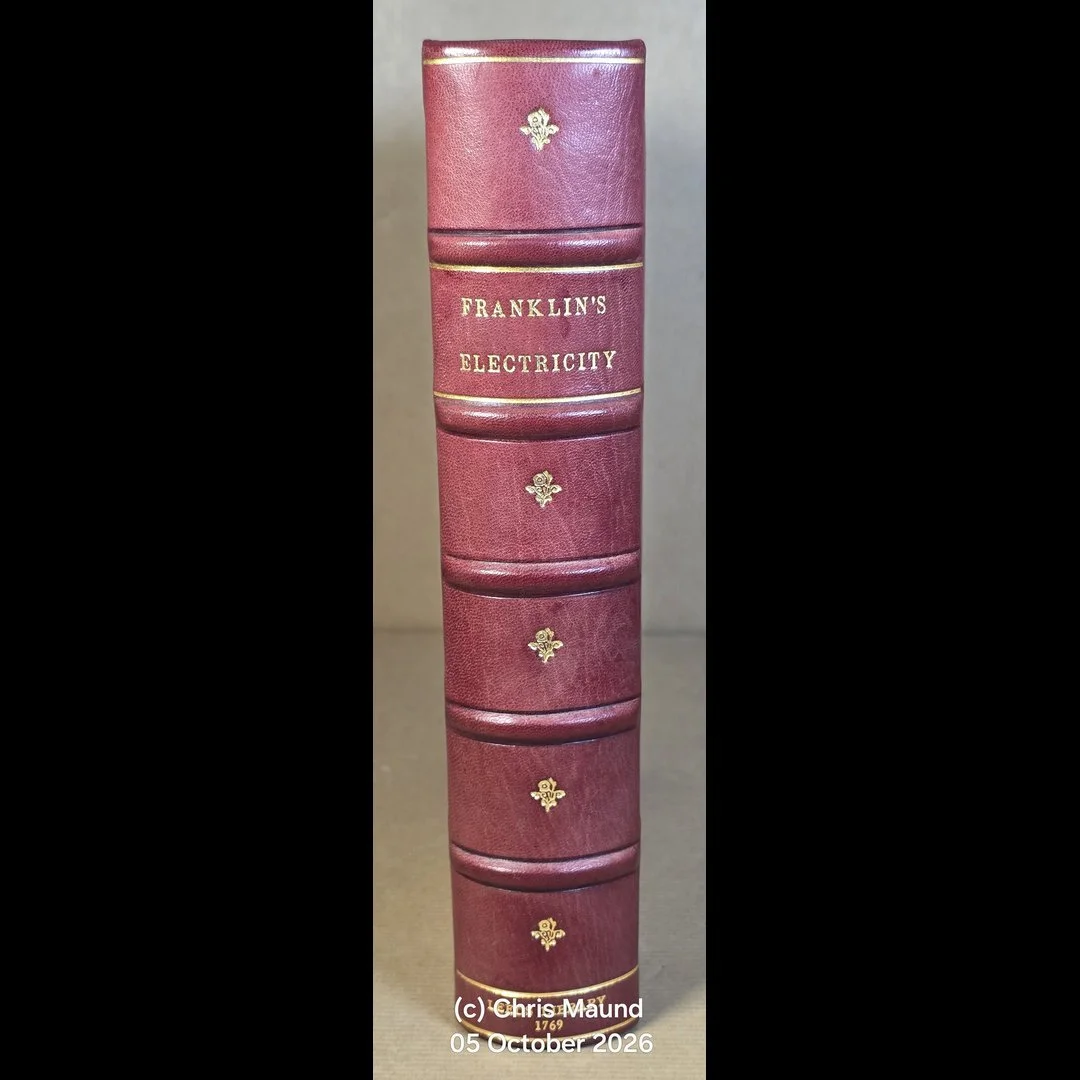 Image 30 of 41
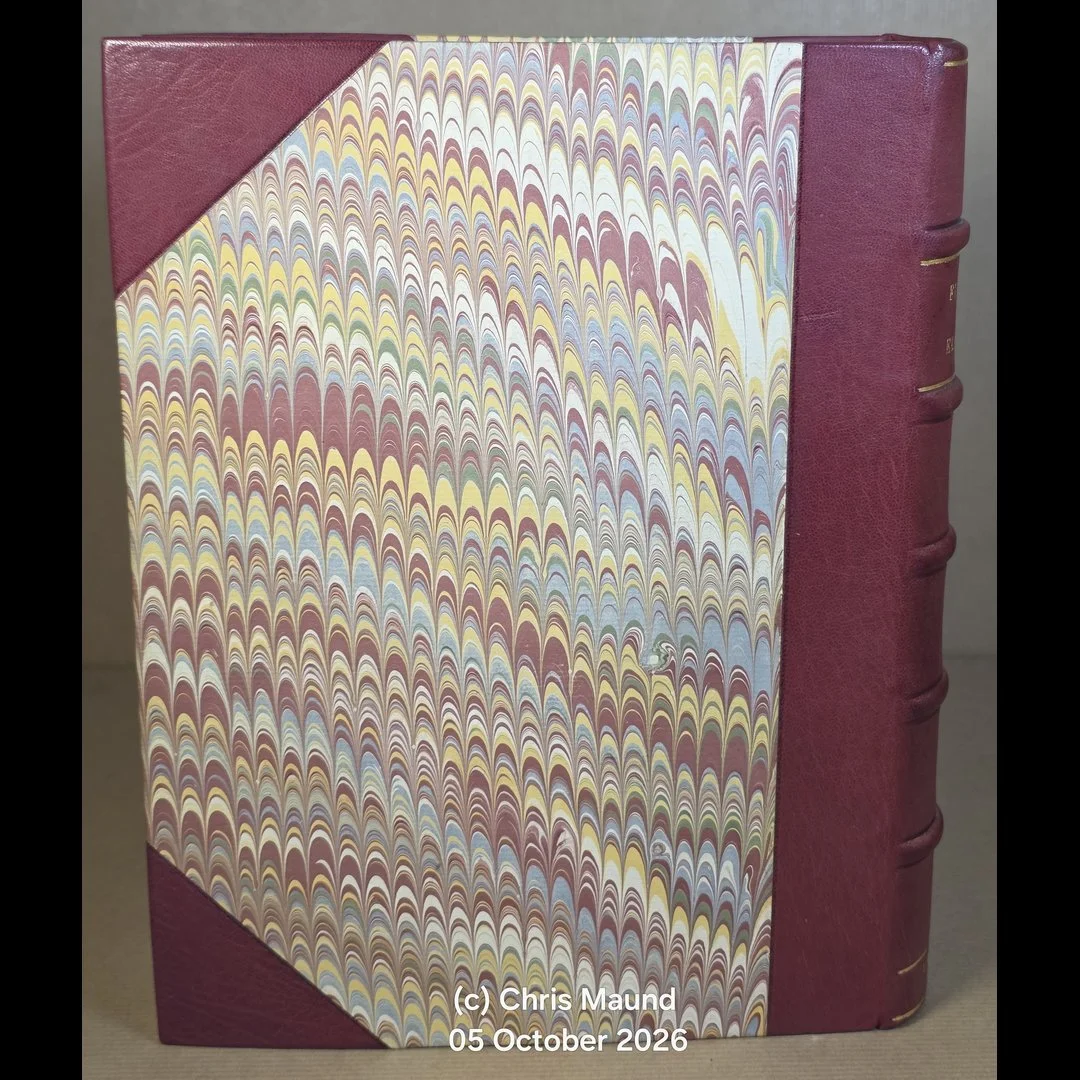 Image 31 of 41
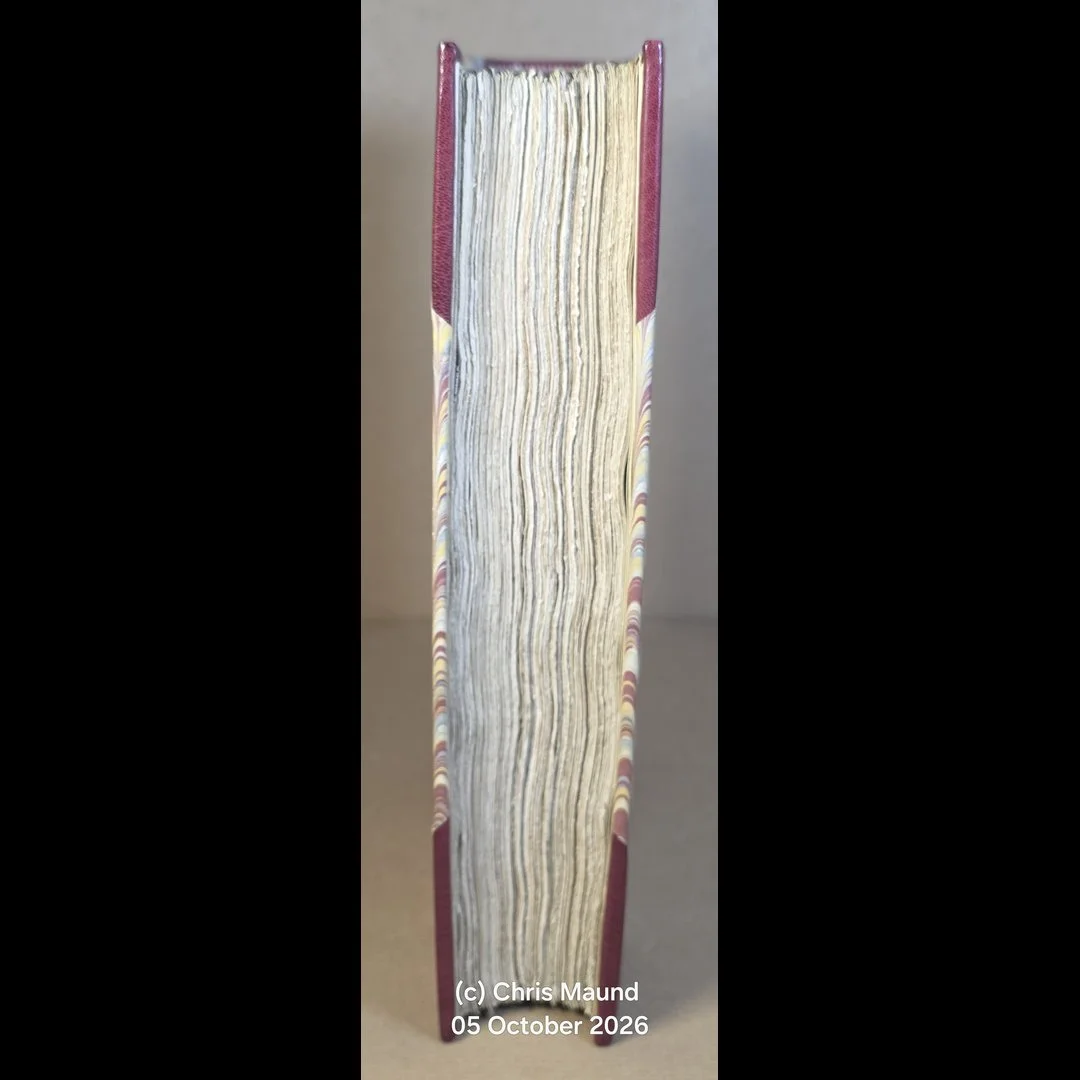 Image 32 of 41
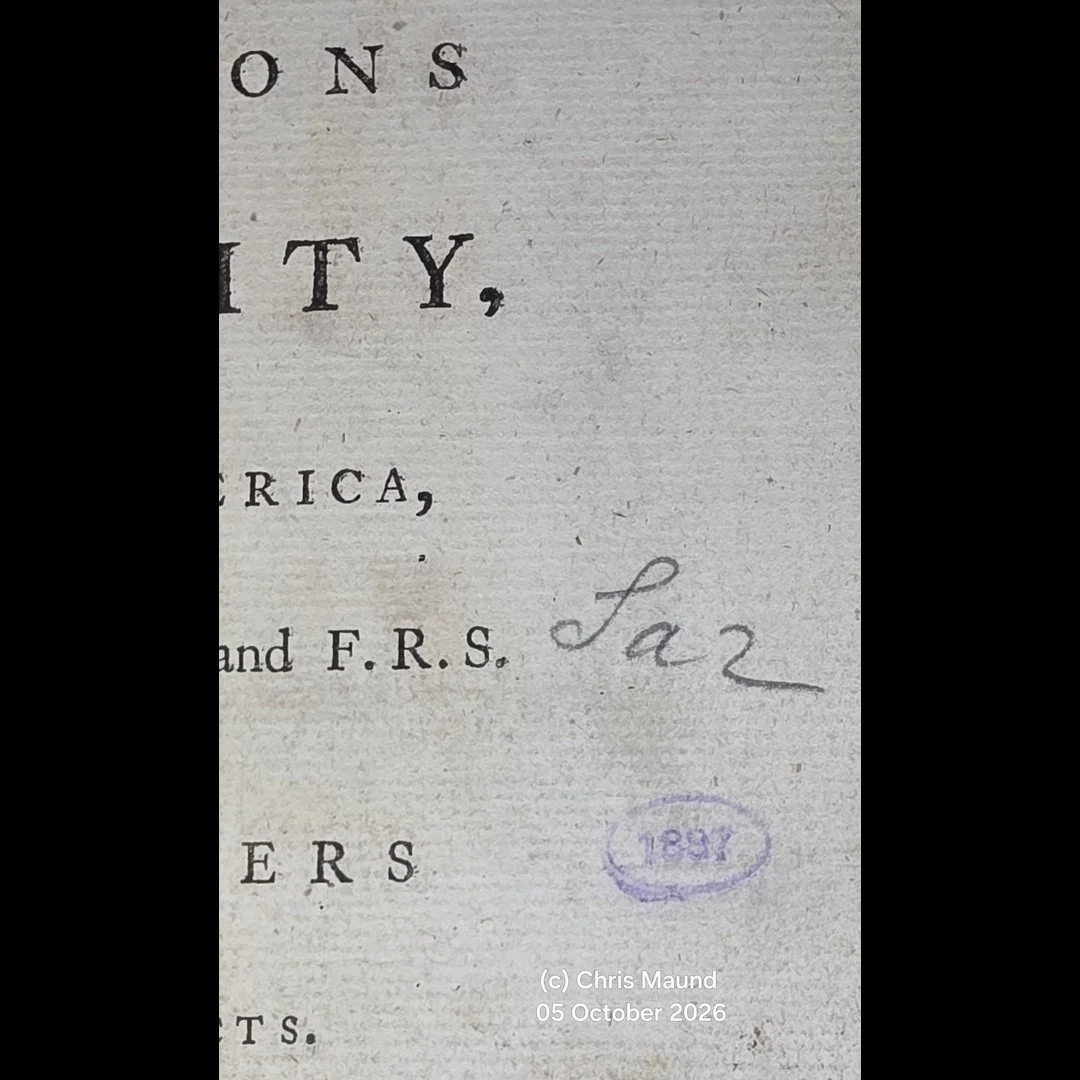 Image 33 of 41
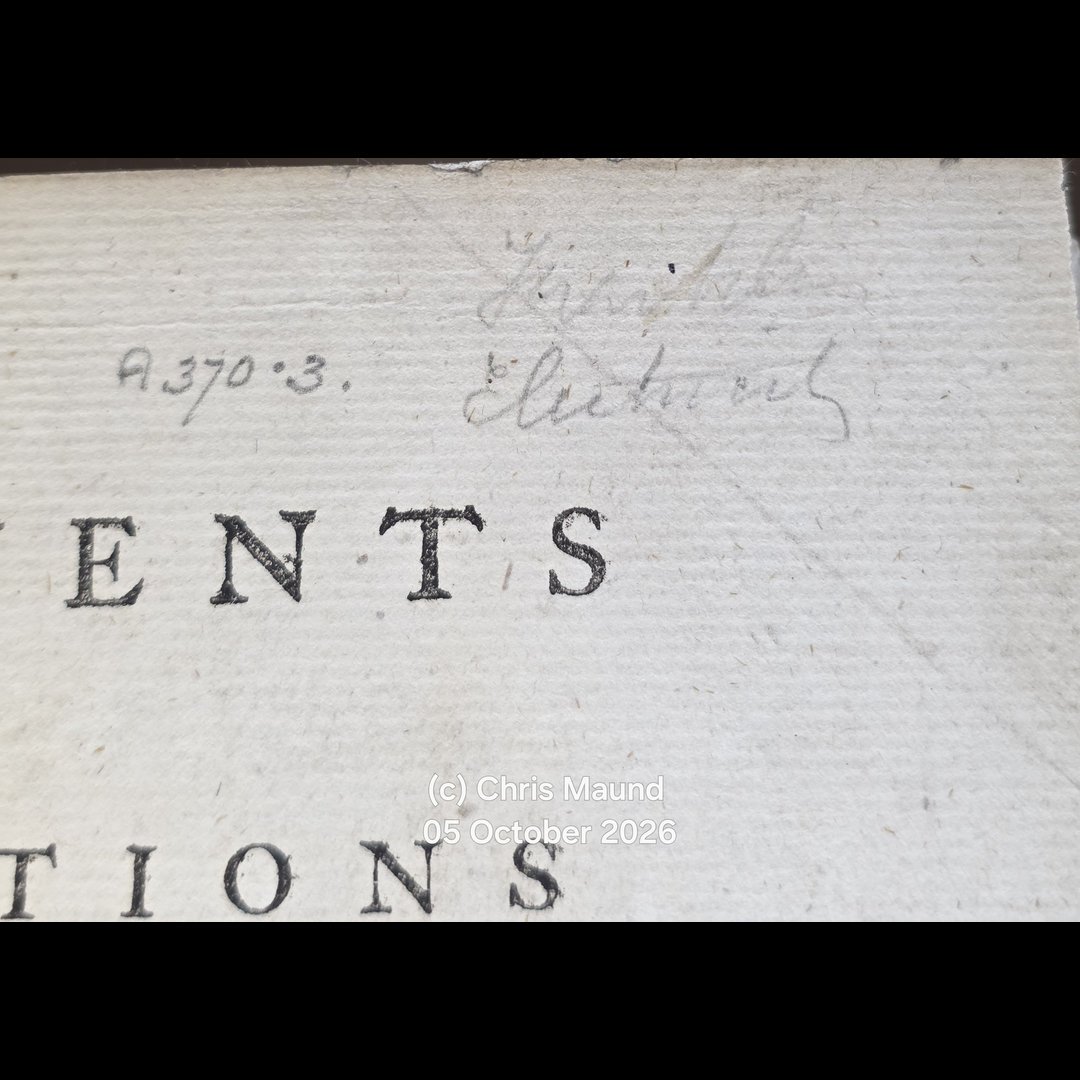 Image 34 of 41
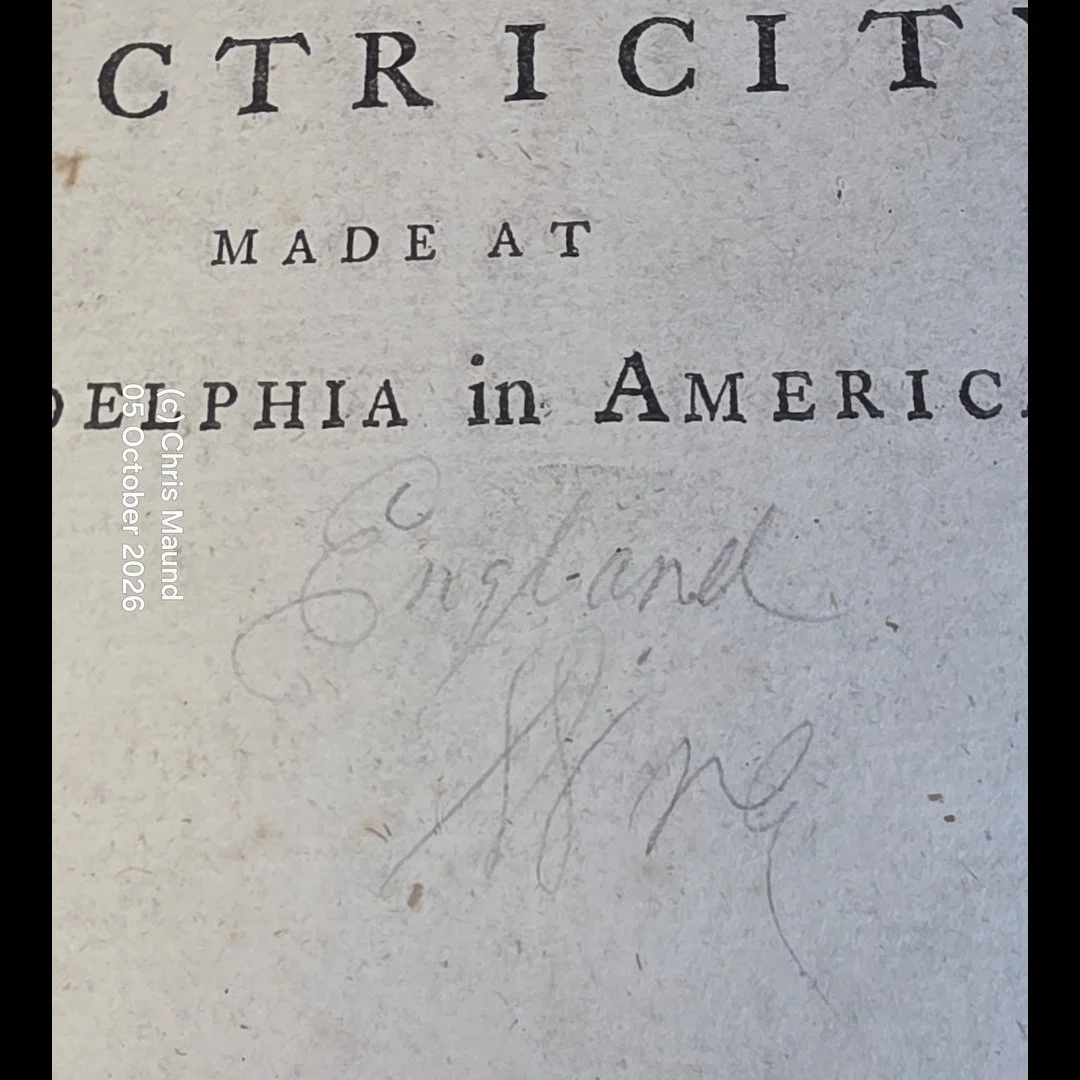 Image 35 of 41
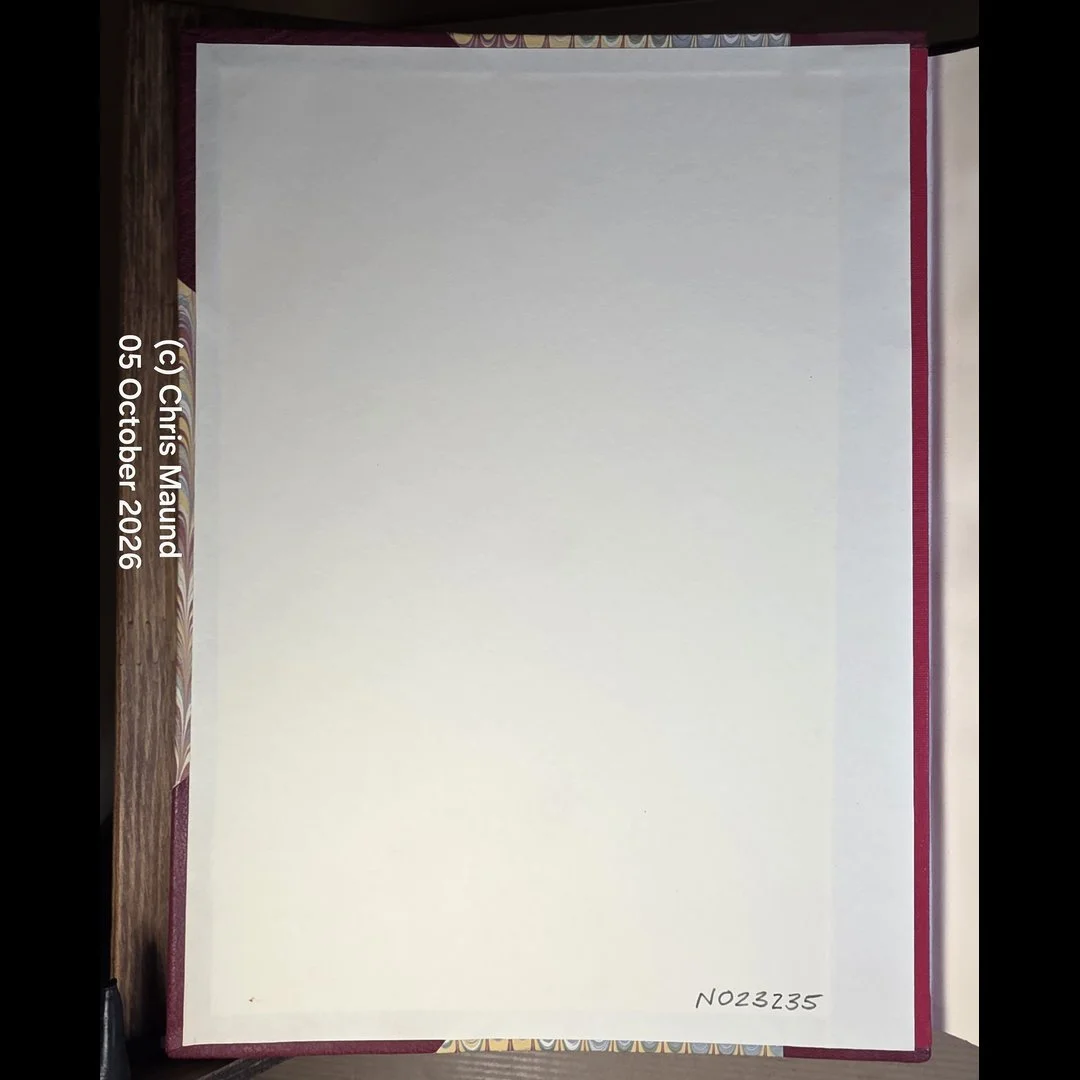 Image 36 of 41
 Image 37 of 41
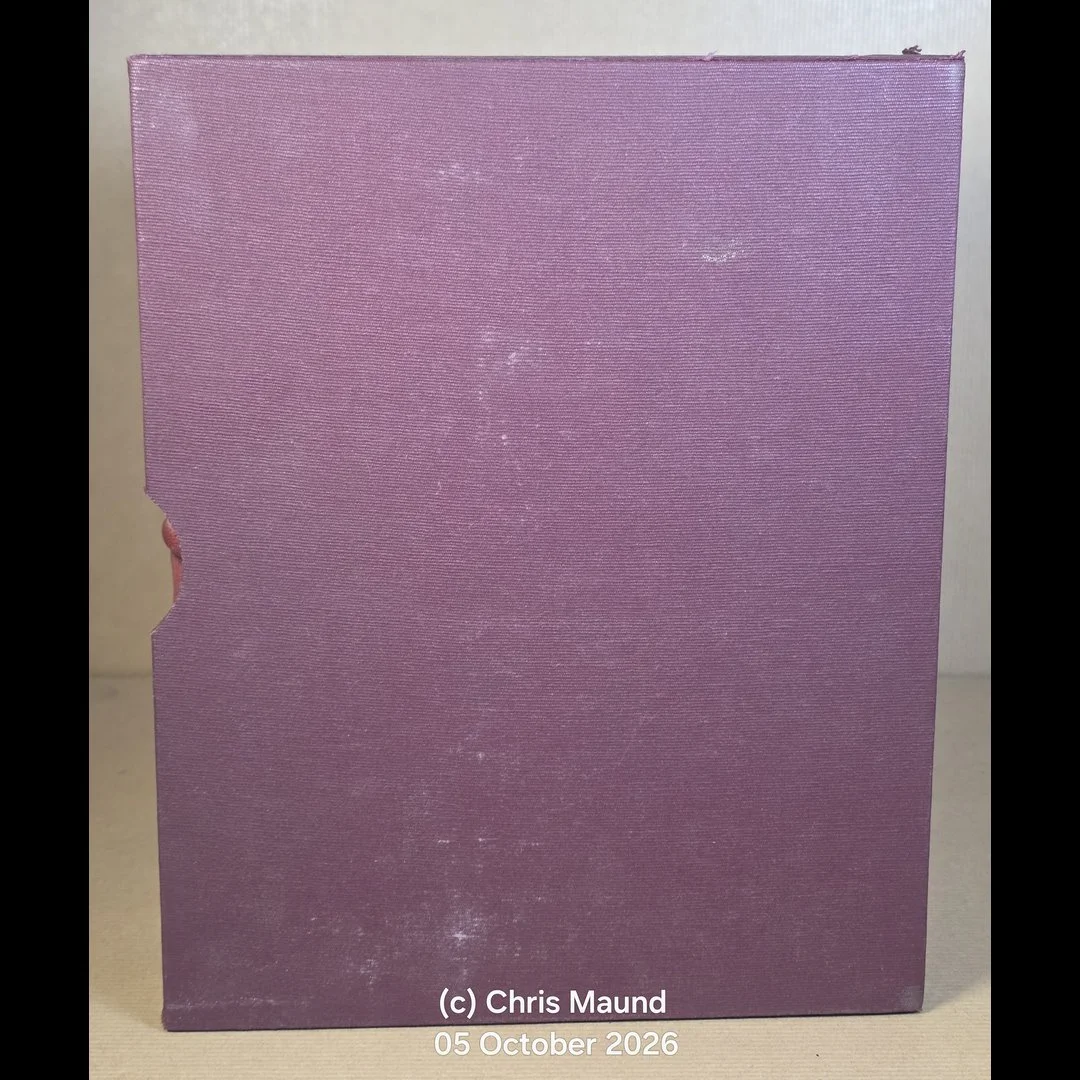 Image 38 of 41
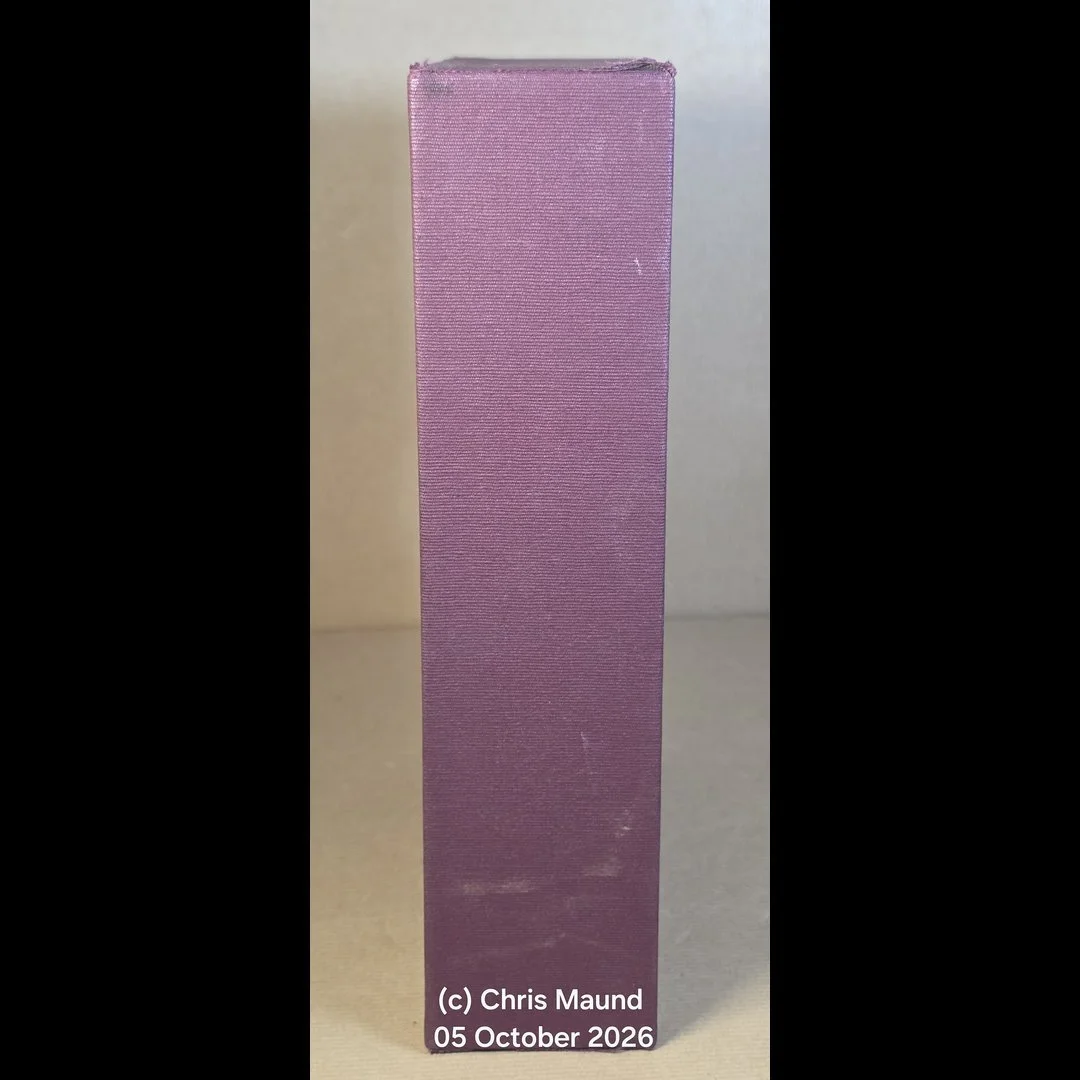 Image 39 of 41
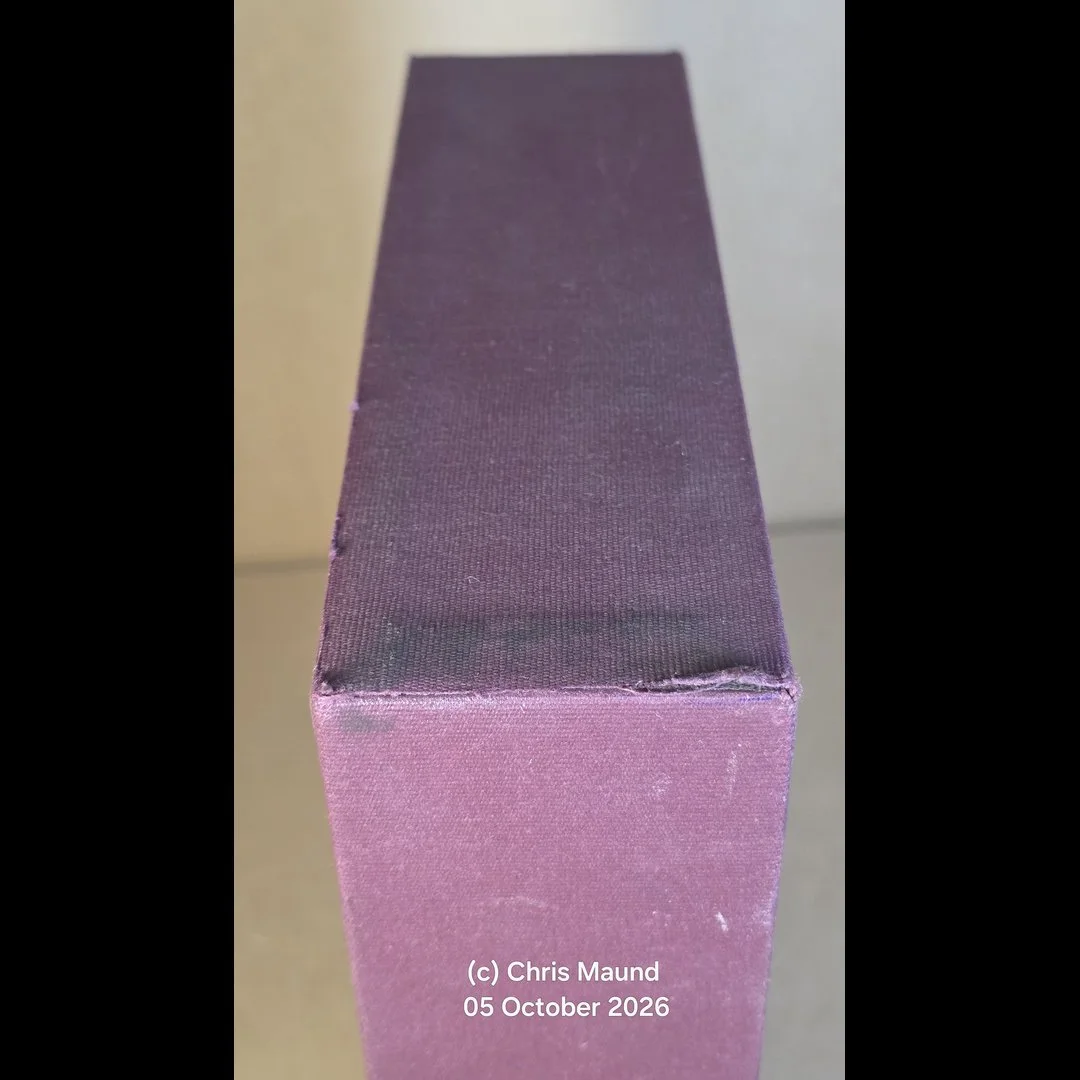 Image 40 of 41
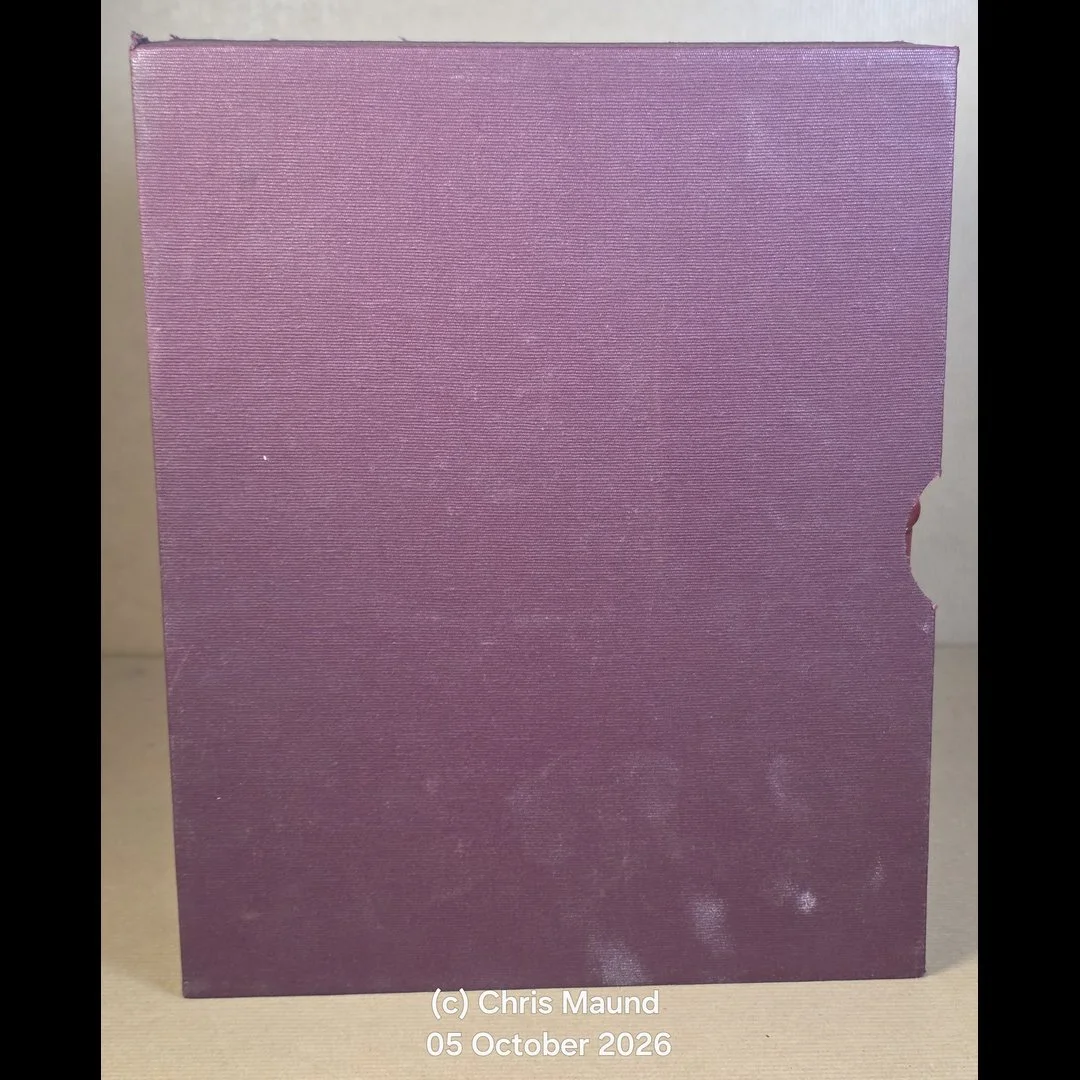 Image 41 of 41