1920 Sixth Edition Ex-Libri
PRIMATIVE CULTURE
By Edward B. Taylor
KEY DETAILS
Condition: Good
Format: Hardcover, 8vo; approx. 226 x 145 mm
Published By: John Murray, Albemarle Street, London, 1920
Language: English
Provenance: Both volumes bear institutional ownership markings associated with the University of Bristol Joint Tutorial Classes Committee.
Collation: Two volumes. Volume I: pp. 502; Volume II: pp. 471, including index. Preliminary leaves additional. Both volumes retain their terminal text leaves. Complete.
Dust Jacket: None, as issued
SKU: BTETM0002756
Shipping Info: Approximate Package Dimensions H: 15, L: 55, W: 40 (Units: cm), W: 2Kg
Tracked Shipping, Insurance Coverage as per Customer Request
DESCRIPTION
Primative Culture
Researches into the Development of Mythology, Philosophy, Religion, Language, Art, and Custom
An important sixth edition of Edward Burnett Tylor's pioneering two-volume study of mythology, animism, magic, religion, folklore, spiritual beliefs and the origins of human culture.
First published in 1871, Primitive Culture is one of the foundational works of modern anthropology and the comparative study of religion. Tylor's investigation of human beliefs, customs and religious practices across different societies helped establish the systematic study of culture and provided an influential framework for understanding the historical development of religious and supernatural thought.
The present edition, published by John Murray in June 1920, brings together Tylor's extensive examinations of mythology, philosophy, religious belief, ritual observances and cultural traditions. Of particular interest is his exploration of animism, the attribution of spiritual life or agency to human beings, animals, natural phenomena and inanimate objects, which Tylor regarded as fundamental to the development of religious ideas.
Although primarily recognised as a landmark in anthropology, the work is exceptionally wide-ranging in its coverage of subjects associated with the history of occultism, comparative religion and esoteric philosophy.
Animism, the Soul and the Spirit World
Central to Tylor's investigation is the concept of animism and the historical development of beliefs concerning the soul and spiritual existence.
Drawing upon accounts of traditions and religious practices from numerous cultures, Tylor explores how human beings have attempted to explain dreams, visions, death, consciousness and apparently supernatural experiences.
His investigations encompass beliefs in the separability of the soul from the body, the continued existence of the dead, spiritual beings, ghosts and other supernatural entities.
These discussions include the relationship between dreams and the formation of spiritual beliefs, the concept of the wandering or departing soul, ancestral spirits and the interaction between the living and the dead.
For readers interested in spiritualism, psychical research and the history of esoteric philosophy, these chapters provide an important nineteenth-century perspective on ideas that also occupied contemporary occult and spiritualist thinkers.
Magic, Witchcraft, Fetishism and Supernatural Agency
A particularly engaging aspect of Primitive Culture is its examination of beliefs and practices concerning magical and supernatural powers.
Tylor considers the attribution of spiritual agency to objects, the veneration of material things associated with spiritual beings, and the religious and magical significance of what nineteenth-century writers termed fetishism.
The work also examines possession by spirits, demoniacal influence, good and evil supernatural beings, and the practices developed by different societies in response to such beliefs.
These investigations offer valuable historical context for the study of magic, witchcraft, demonology, protective practices and religious ritual, illustrating how nineteenth-century scholarship attempted to interpret beliefs that were also central to the developing literature of comparative occultism.
Mythology, Folklore and the Survival of Ancient Beliefs
Tylor devotes substantial attention to mythology and the persistence of traditional beliefs and customs across different periods of human history.
His influential concept of survivals describes practices, customs and ideas that continue within a society after the circumstances in which they originally developed have changed.
Through this approach, Tylor investigates the persistence of ancient traditions in later folklore, popular superstition, ceremonial practices and religious observances.
His discussions encompass mythology, nature myths, traditional explanations of natural phenomena, legends, inherited customs and the transmission of beliefs between generations.
This material is of particular relevance to the historical study of folklore, pagan traditions, folk magic and the relationship between pre-Christian beliefs and later religious customs.
Death, the Afterlife and Ancestor Worship
The second volume contains extensive material concerning religious beliefs surrounding death and the continued existence of the soul.
Subjects include funerary customs, offerings to the dead, feasts associated with departed ancestors, the veneration of ancestral spirits and differing conceptions of the afterlife.
Tylor examines beliefs concerning Hades and other realms of the dead, the relationship between spirits and the living, and religious practices intended to honour, communicate with or placate supernatural beings.
These chapters provide a broad comparative perspective on ancestor worship, mortuary ritual and the development of ideas concerning spiritual immortality.
Religious Ecstasy, Trance and Altered States
Among the more unusual subjects explored are religious ecstasy, spirit possession and altered states of consciousness.
Tylor considers experiences interpreted as manifestations of supernatural influence, including ecstatic religious behaviour and the use of intoxicating substances in certain ritual contexts.
His discussions of induced ecstasy, possession and spiritual inspiration are of interest to readers studying the historical interpretation of trance, shamanistic practices, visionary experiences and ecstatic religious traditions.
Rather than approaching these subjects as practical instructions, Tylor examines them as phenomena within the comparative history of religion and belief.
Comparative Religion and the Development of Religious Thought
Throughout the work, Tylor draws comparisons between the beliefs and practices of different societies, seeking to identify recurring patterns in religious thought.
His investigations address the development of concepts relating to spiritual beings, deities, offerings, sacrifices, religious ceremonies and the relationship between humanity and the supernatural.
These discussions formed part of the nineteenth-century effort to investigate religion through comparative historical and ethnographic evidence.
The resulting study remains an important primary source for understanding the intellectual foundations of comparative religion and the historical relationship between anthropology, mythology and the academic study of supernatural belief.
Historical Significance and Collecting Interest
Primitive Culture occupies an important position in the intellectual history of anthropology, folklore and comparative religion.
Its significance extends beyond the development of anthropology into the broader nineteenth-century investigation of religious origins, supernatural beliefs and the persistence of traditional customs.
The book is particularly relevant to collectors and researchers interested in:
Animism, spiritualism and beliefs concerning the soul
Magic, witchcraft, demonology and supernatural agency
Mythology, folklore, superstition and traditional customs
Pagan traditions and the survival of ancient religious beliefs
Ancestor worship, funerary customs and the afterlife
Religious ecstasy, trance and spirit possession
Comparative religion and the origins of religious thought
Nineteenth-century anthropology and the intellectual history of occultism
The work is also a valuable companion to the writings of later comparative scholars, particularly James George Frazer, whose The Golden Bough similarly explored mythology, religion and magical traditions through a comparative approach.
An accessible early twentieth-century edition of a major nineteenth-century intellectual landmark, offering an unusually broad investigation of the mythological, magical, spiritual and religious beliefs of humanity.
PROVENANCE
Both volumes bear institutional ownership markings associated with the University of Bristol Joint Tutorial Classes Committee.
The surviving bookplates and library stamps document the set's former institutional ownership, including withdrawal stamps dated 15 August 2000.
These markings provide an identifiable history of the volumes' use within an educational collection, consistent with the importance of Tylor's writings to the teaching of anthropology and the comparative study of religion.
CONDITION, COLLATION & COPY NOTES
COLLATION
Two volumes. Volume I: pp. 502; Volume II: pp. 471, including index. Preliminary leaves additional. Both volumes retain their terminal text leaves. Complete.
Good.
Complete two-volume set as examined, in matching original publisher's cloth bindings.
The covers exhibit rubbing, fading, general shelf wear and wear to the extremities, consistent with age and institutional use. The boards of both volumes remain firmly attached.
There is some splitting at the inner gutters, as photographed, although the text blocks remain intact, with no loose gatherings reported.
Internally, the pages are generally clean and legible, with age-related toning, occasional marks and minor discolouration.
Both volumes are ex-library, retaining University of Bristol Joint Tutorial Classes Committee ownership bookplates, library stamps and withdrawal markings. There is some adhesive residue, evidence of removed labels and a surviving transparent library pocket.
The concluding text leaves of both volumes are present, with Volume I ending on page 502 and Volume II retaining its index through page 471.
A sound, serviceable set with the expected signs of age and institutional use.
Please see photographs as part of the condition report.
REFERENCES
Tylor, Edward B. Primitive Culture: Researches into the Development of Mythology, Philosophy, Religion, Language, Art, and Custom. London: John Murray, 1871. First edition, two volumes.
Tylor, Edward B. Primitive Culture. London: John Murray, 1920. Sixth edition, two volumes.
British Library and other major institutional catalogues record the work and its successive editions.
Project Gutenberg, Primitive Culture, Volumes I–II, transcribed from the sixth edition of 1920.
Publication history: First edition, April 1871; second edition, November 1873; third edition, December 1891; fourth edition, October 1903; fifth edition, January 1913; sixth edition, June 1920.
AUTHOR BIO
Sir Edward Burnett Tylor was an English anthropologist and one of the principal figures in the establishment of anthropology as an academic discipline.
His early work, Researches into the Early History of Mankind and the Development of Civilization (1865), preceded the publication of Primitive Culture in 1871.
In Primitive Culture, Tylor advanced his influential definition of culture as a complex whole encompassing knowledge, beliefs, art, morals, laws, customs and other capabilities acquired by individuals as members of society.
His comparative approach to the study of human societies, and particularly his formulation of animism as a theory concerning the origins of religion, became central to subsequent anthropological debates.
Tylor's work belongs to the nineteenth-century tradition of cultural evolutionism, and his assumptions about the relative development of different societies are now recognised as historically situated and frequently ethnocentric. Nevertheless, his writings remain essential primary sources for understanding the emergence of anthropology and comparative religious studies.
His theories concerning animism, myth and cultural survivals also contributed to the wider intellectual environment in which later writers investigated folklore, magic and ancient religious traditions.

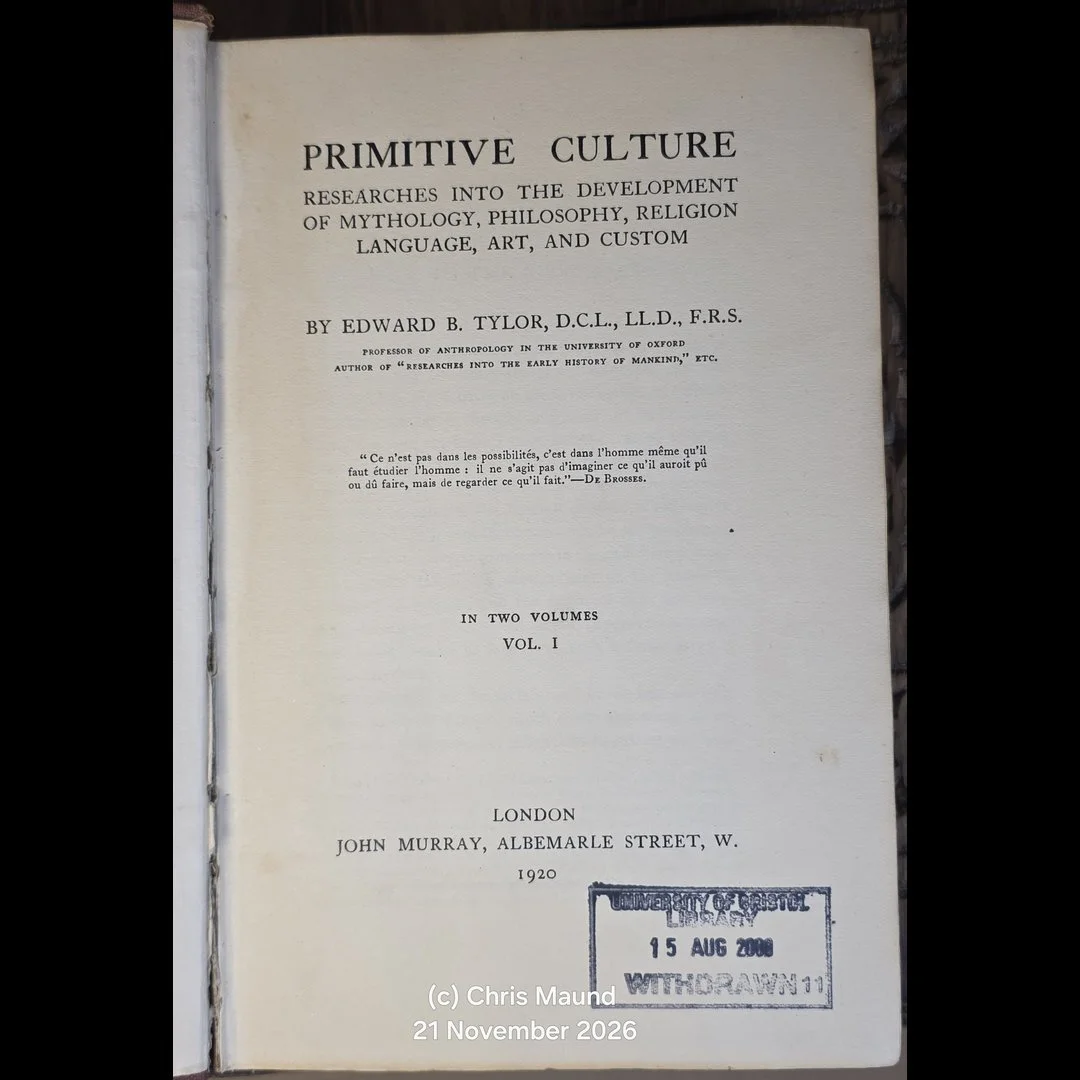 Image 1 of 41
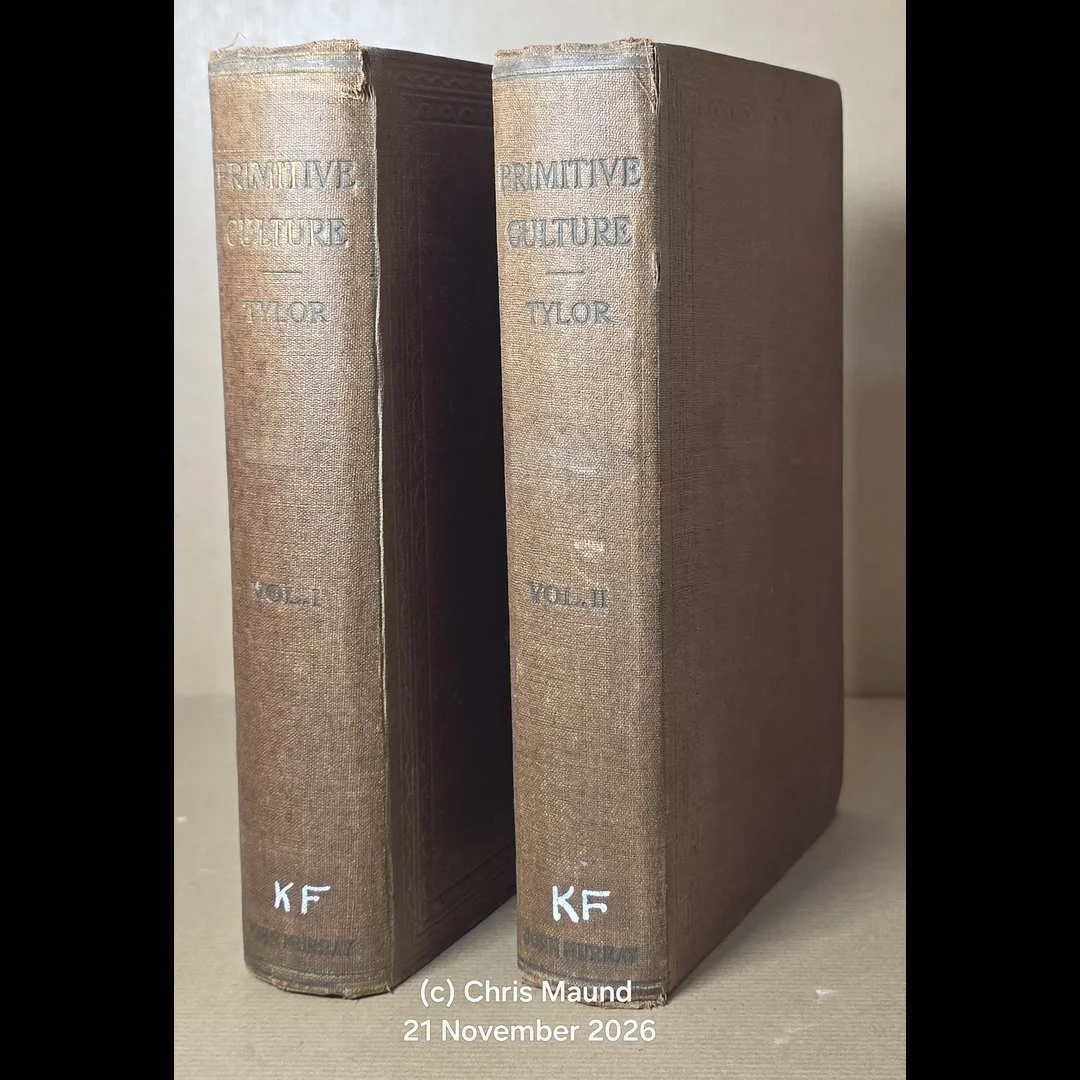 Image 2 of 41
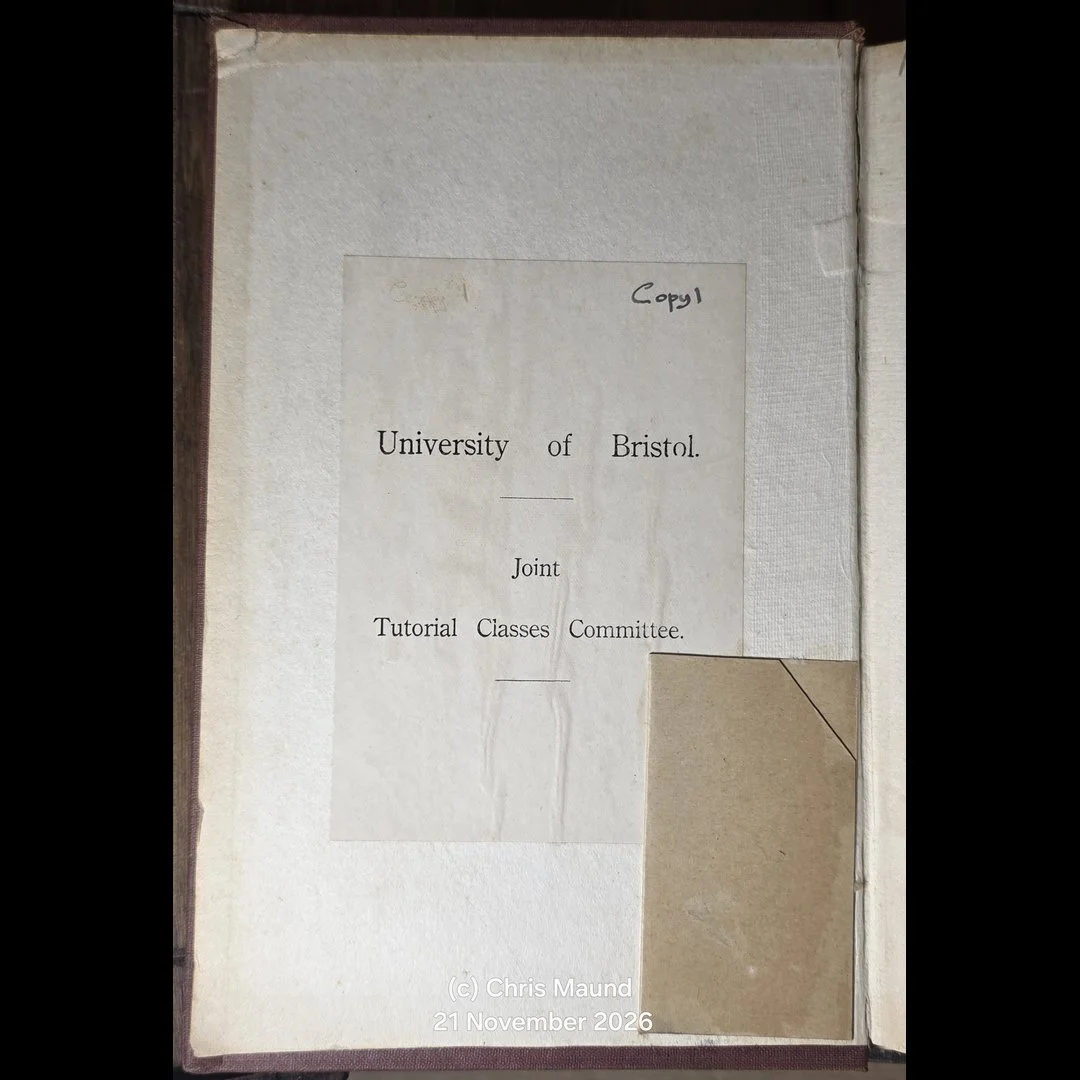 Image 3 of 41
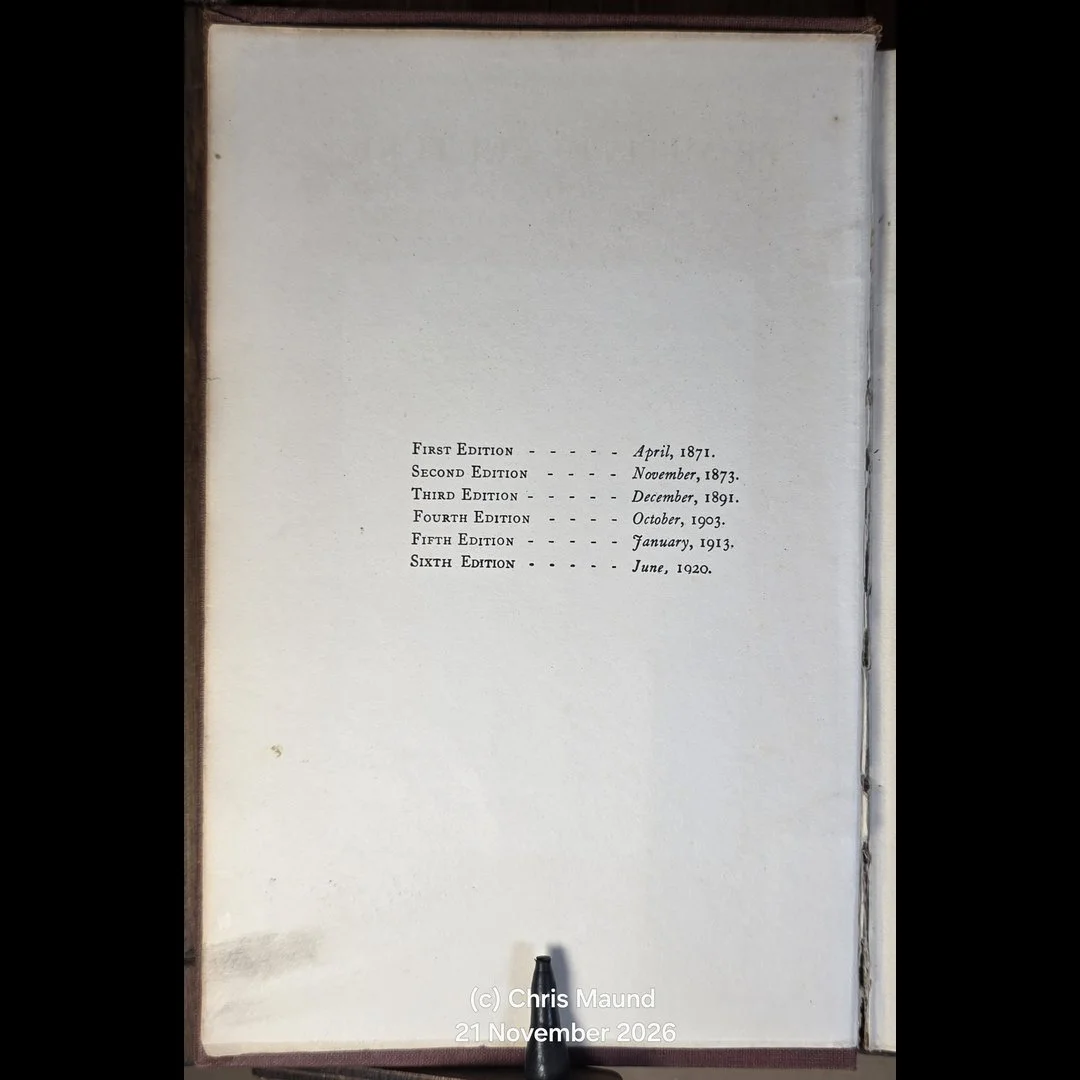 Image 4 of 41
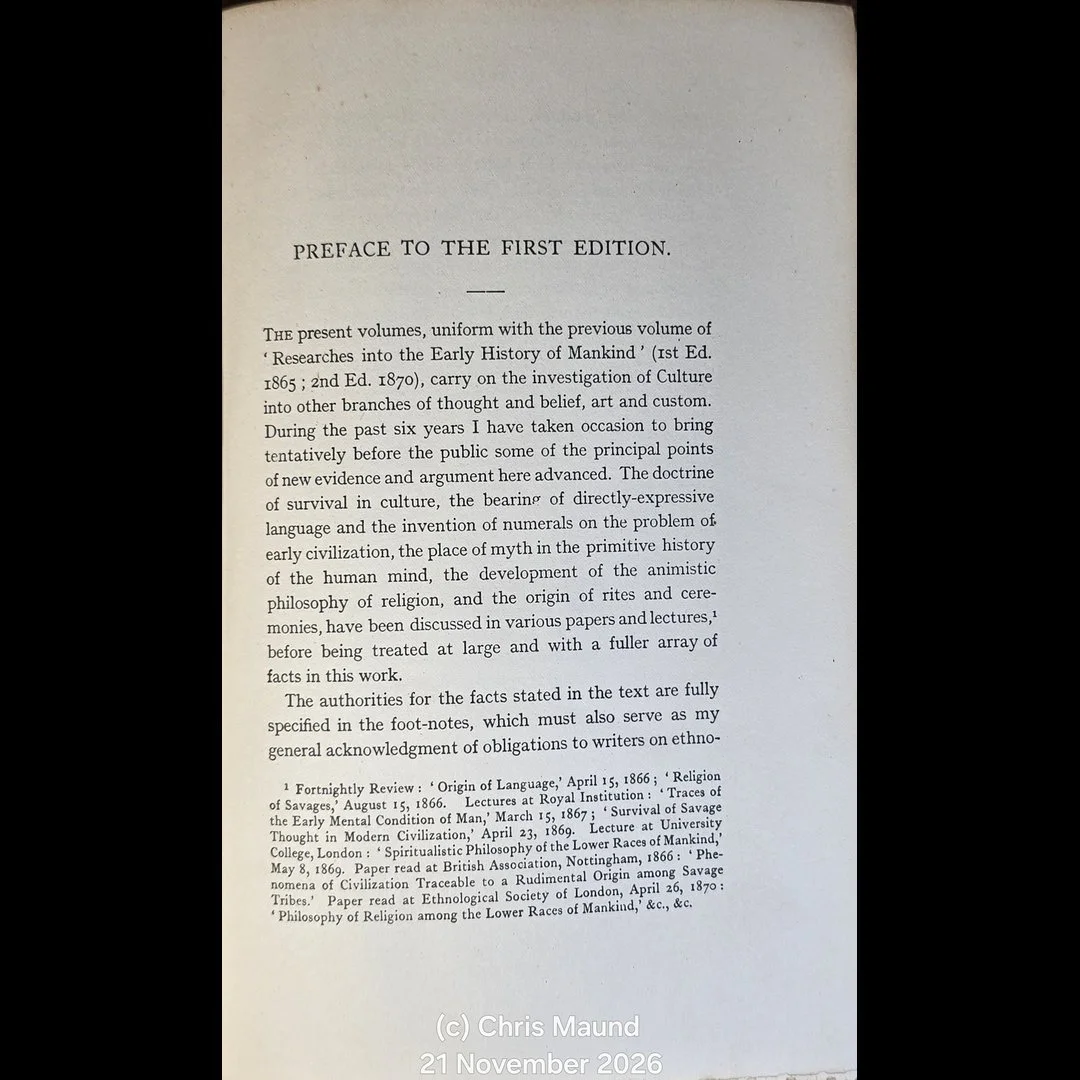 Image 5 of 41
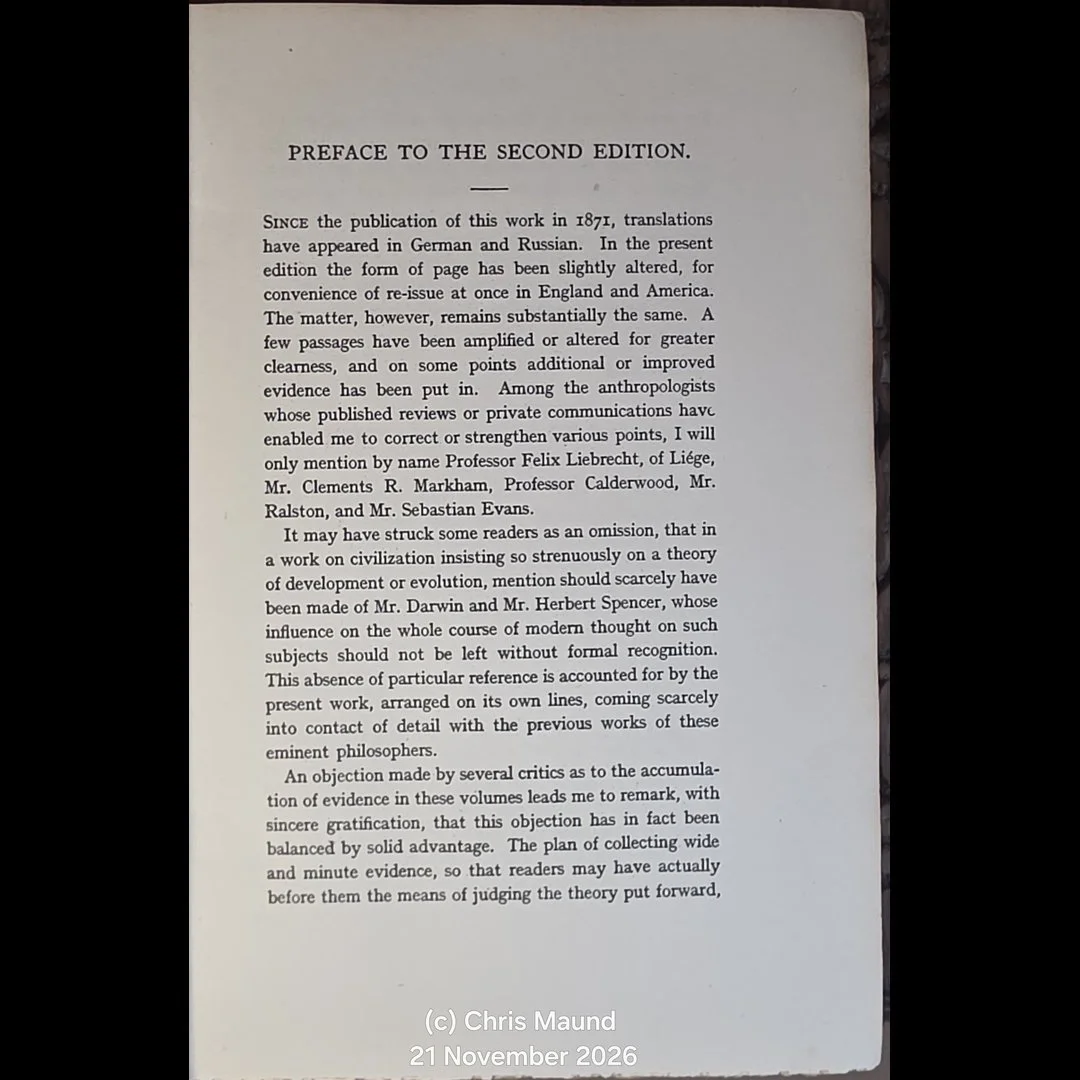 Image 6 of 41
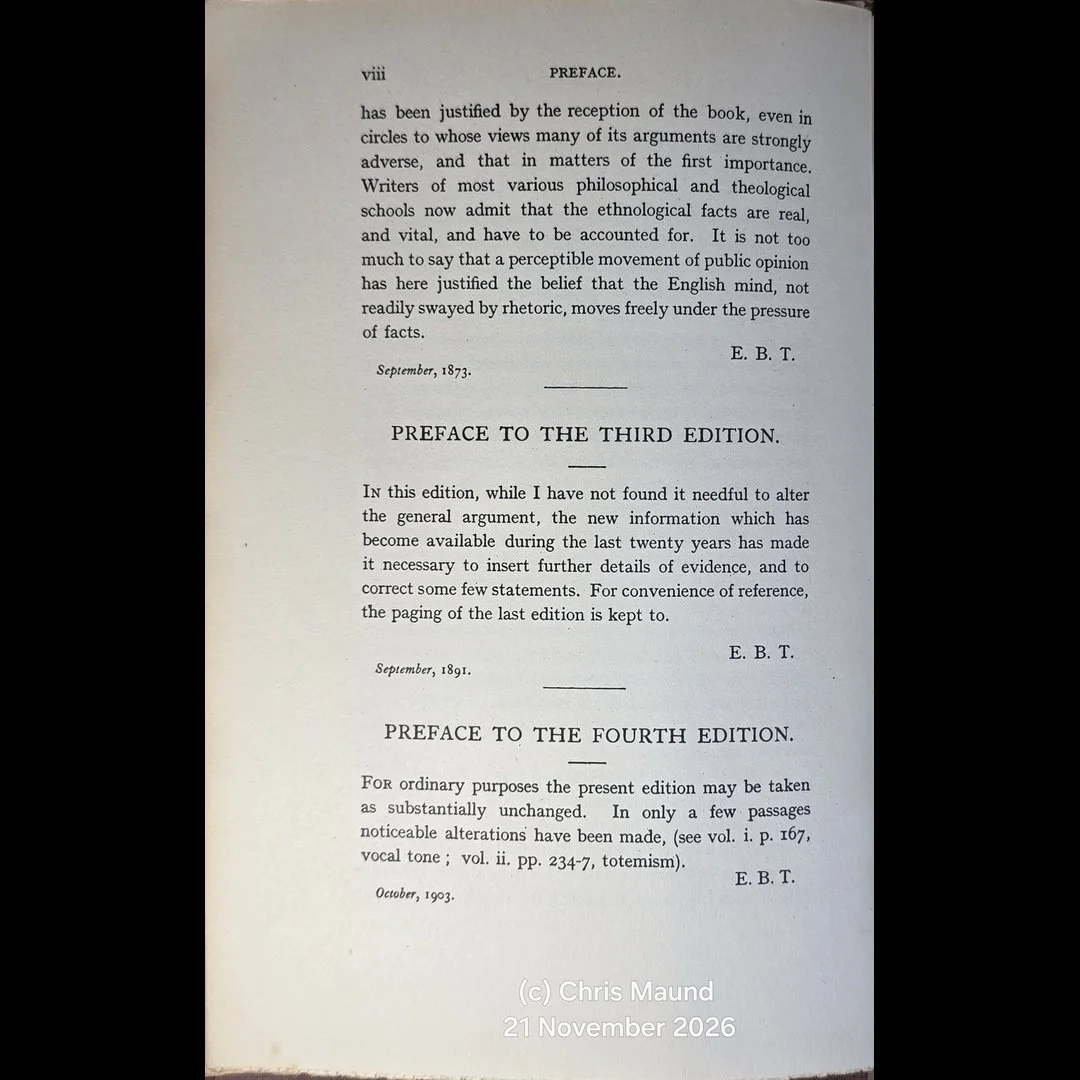 Image 7 of 41
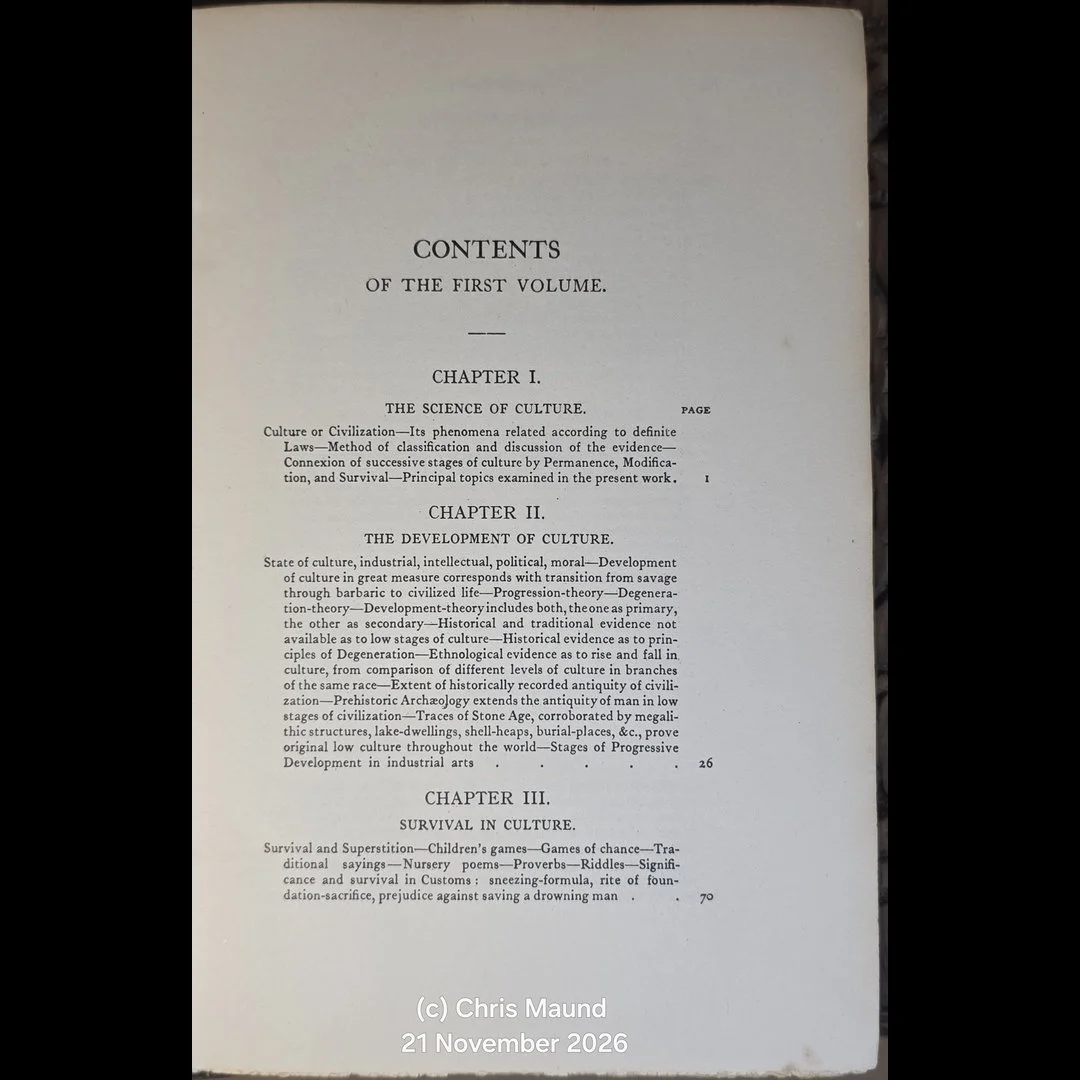 Image 8 of 41
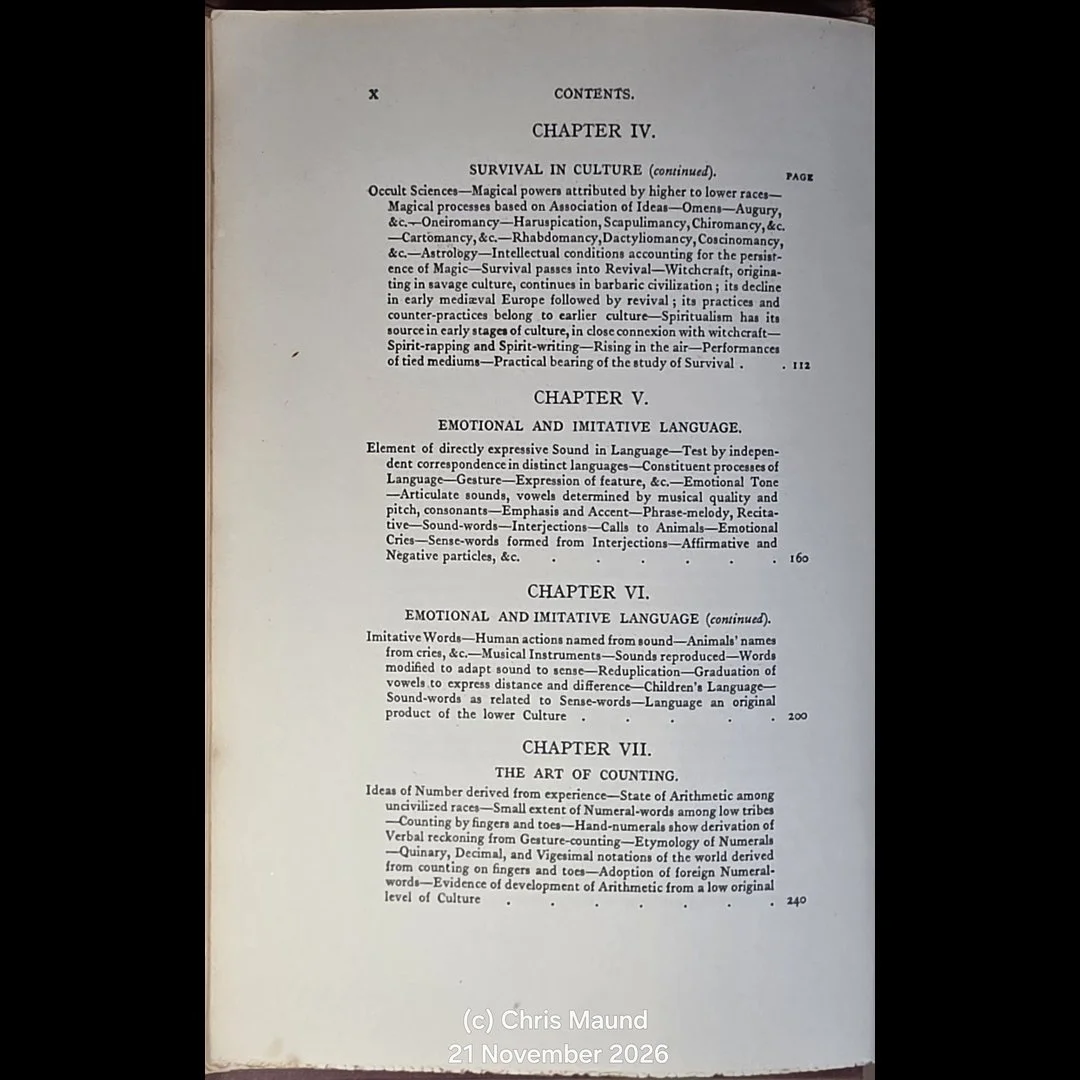 Image 9 of 41
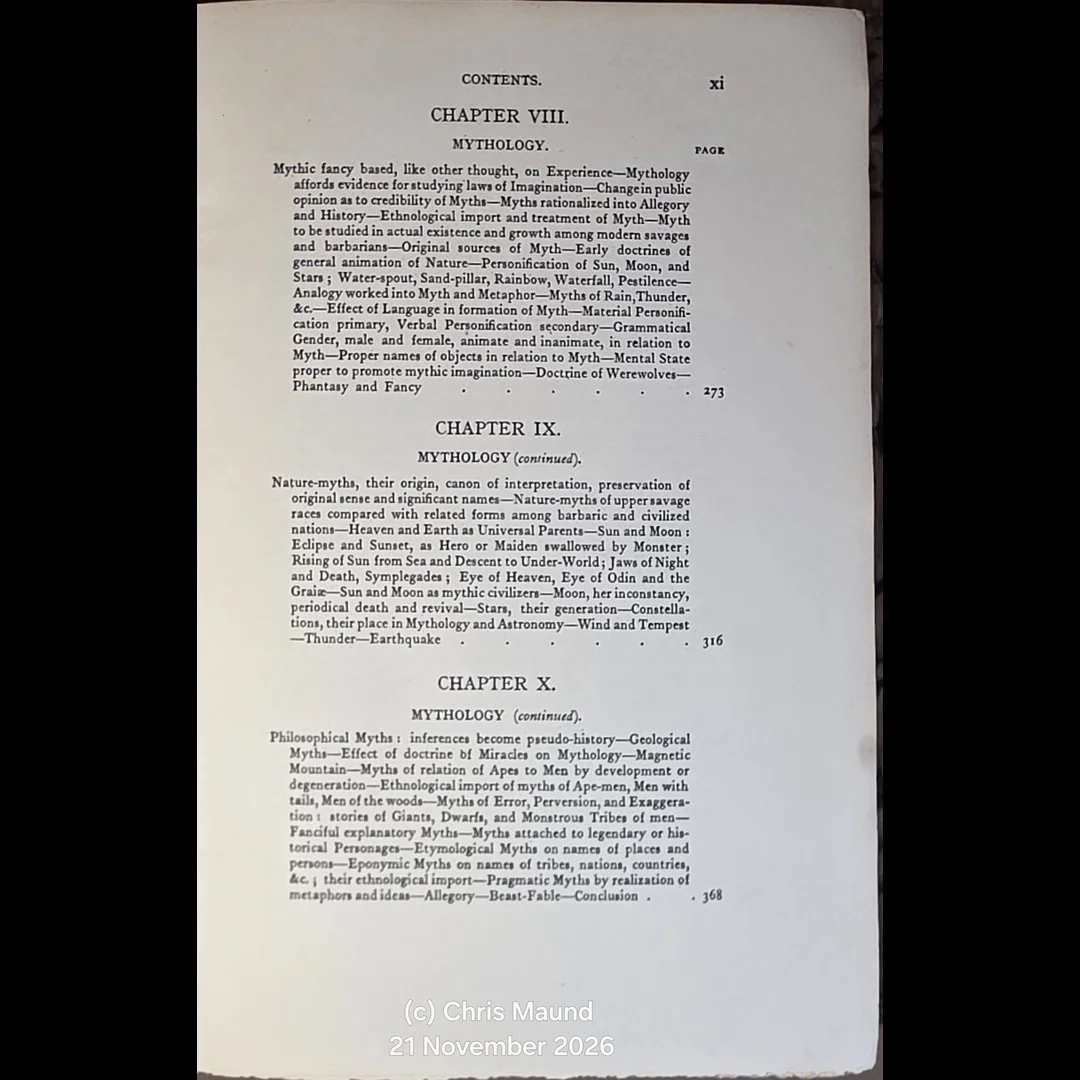 Image 10 of 41
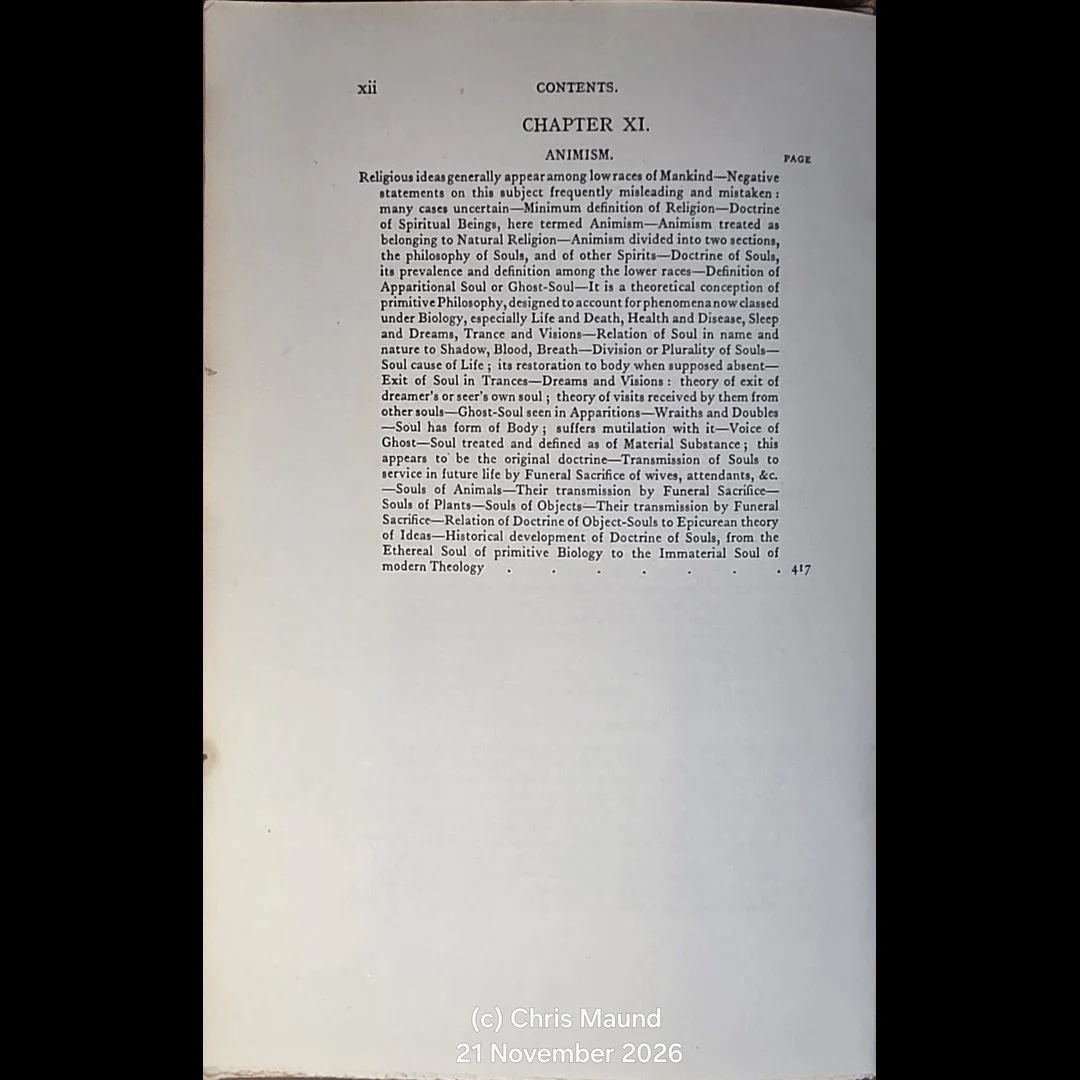 Image 11 of 41
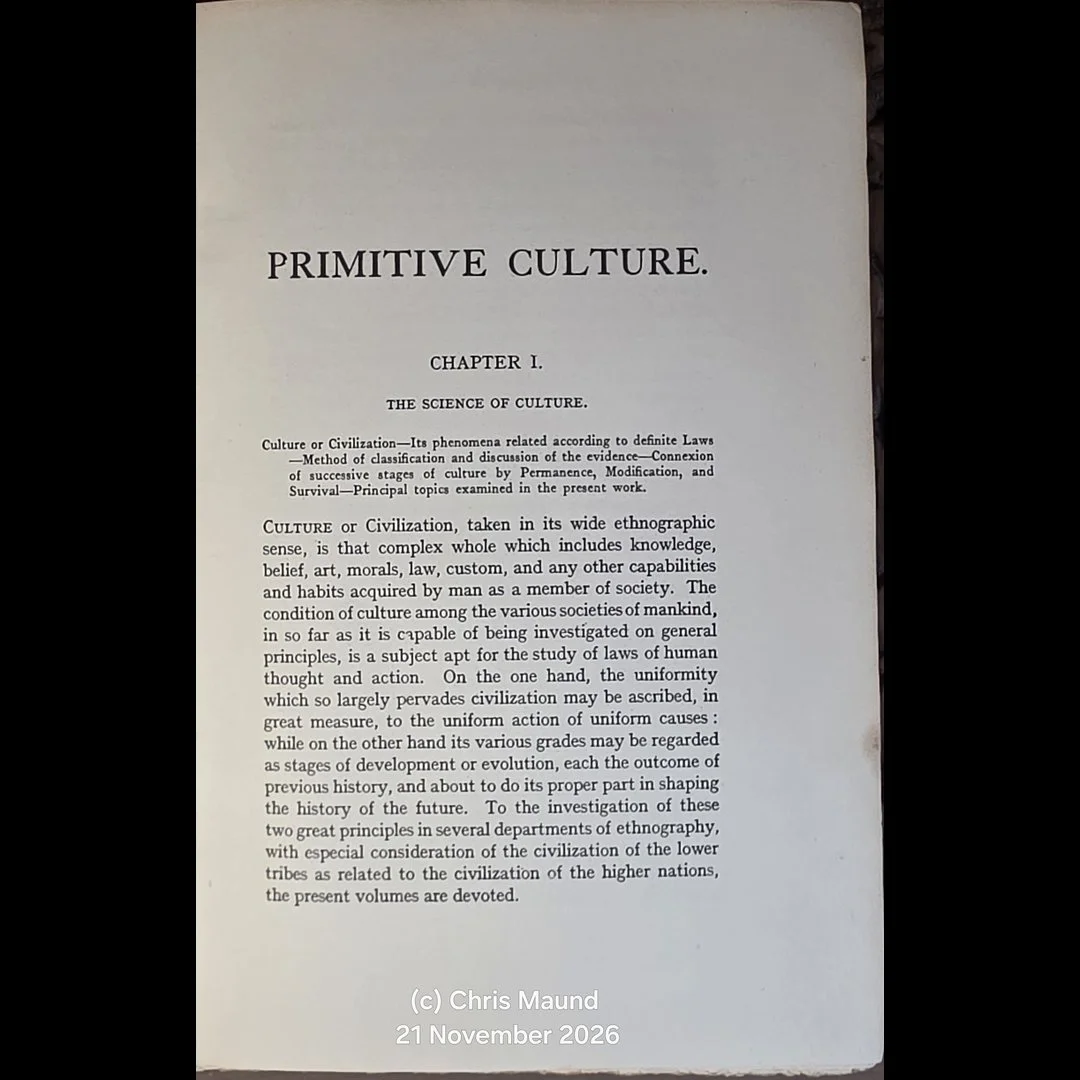 Image 12 of 41
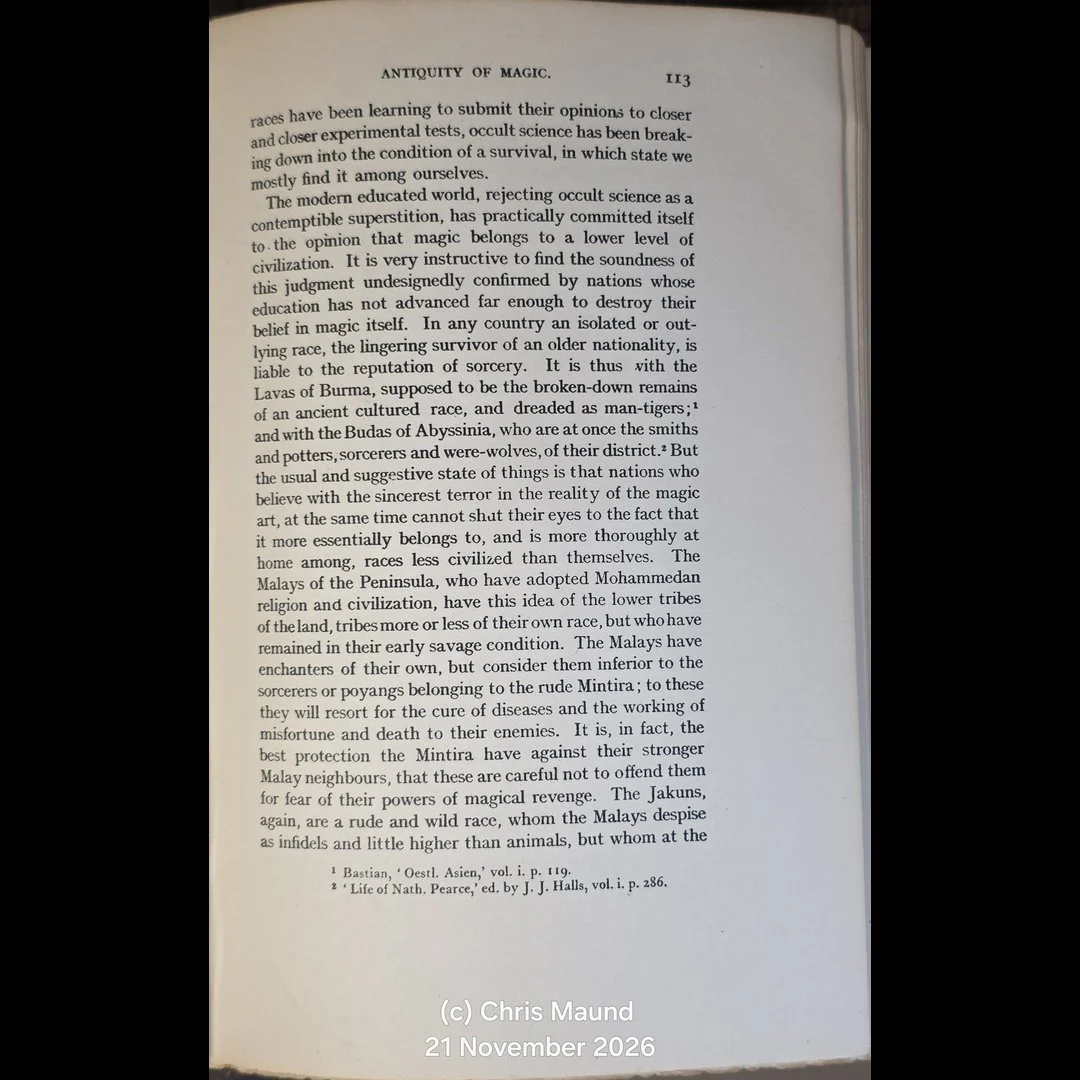 Image 13 of 41
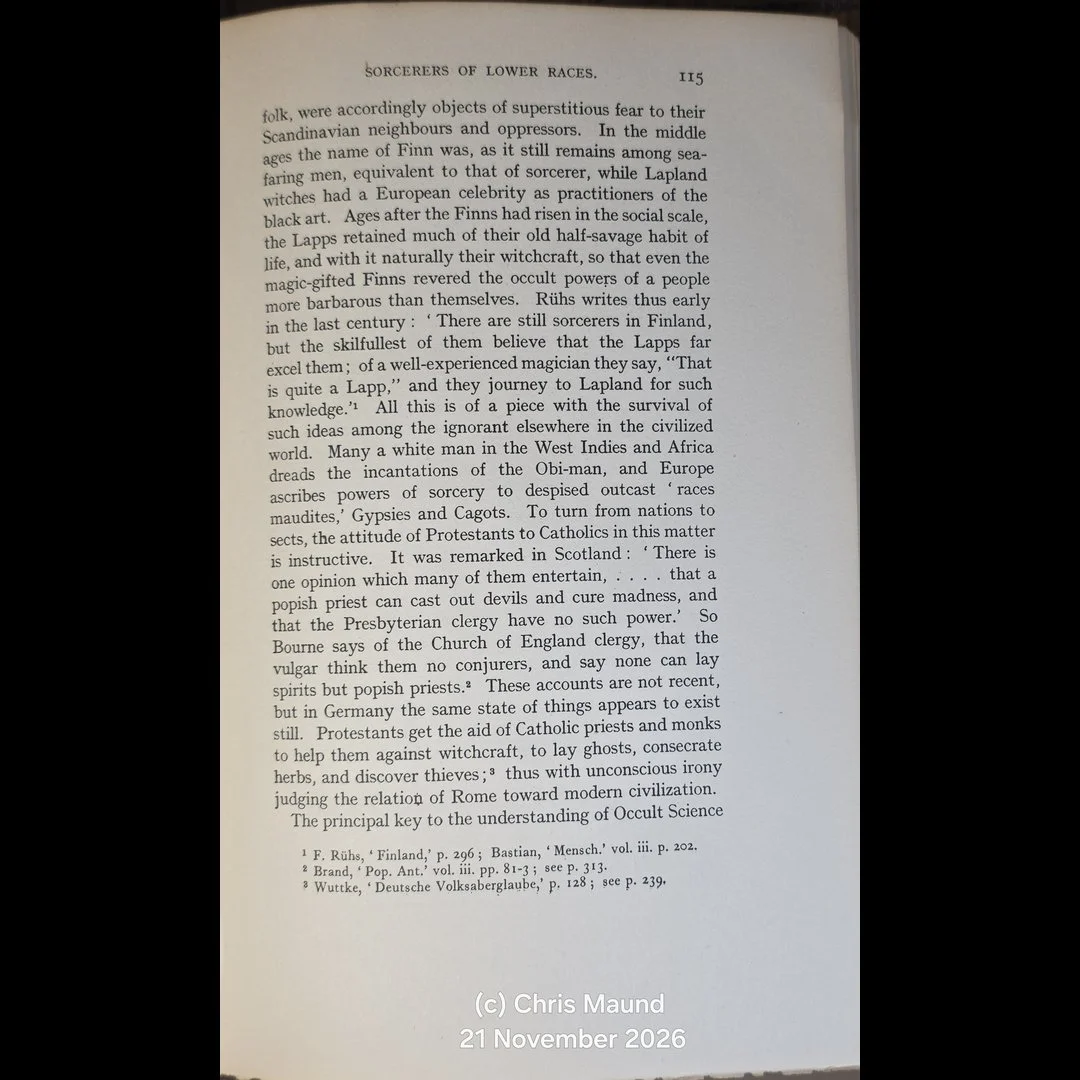 Image 14 of 41
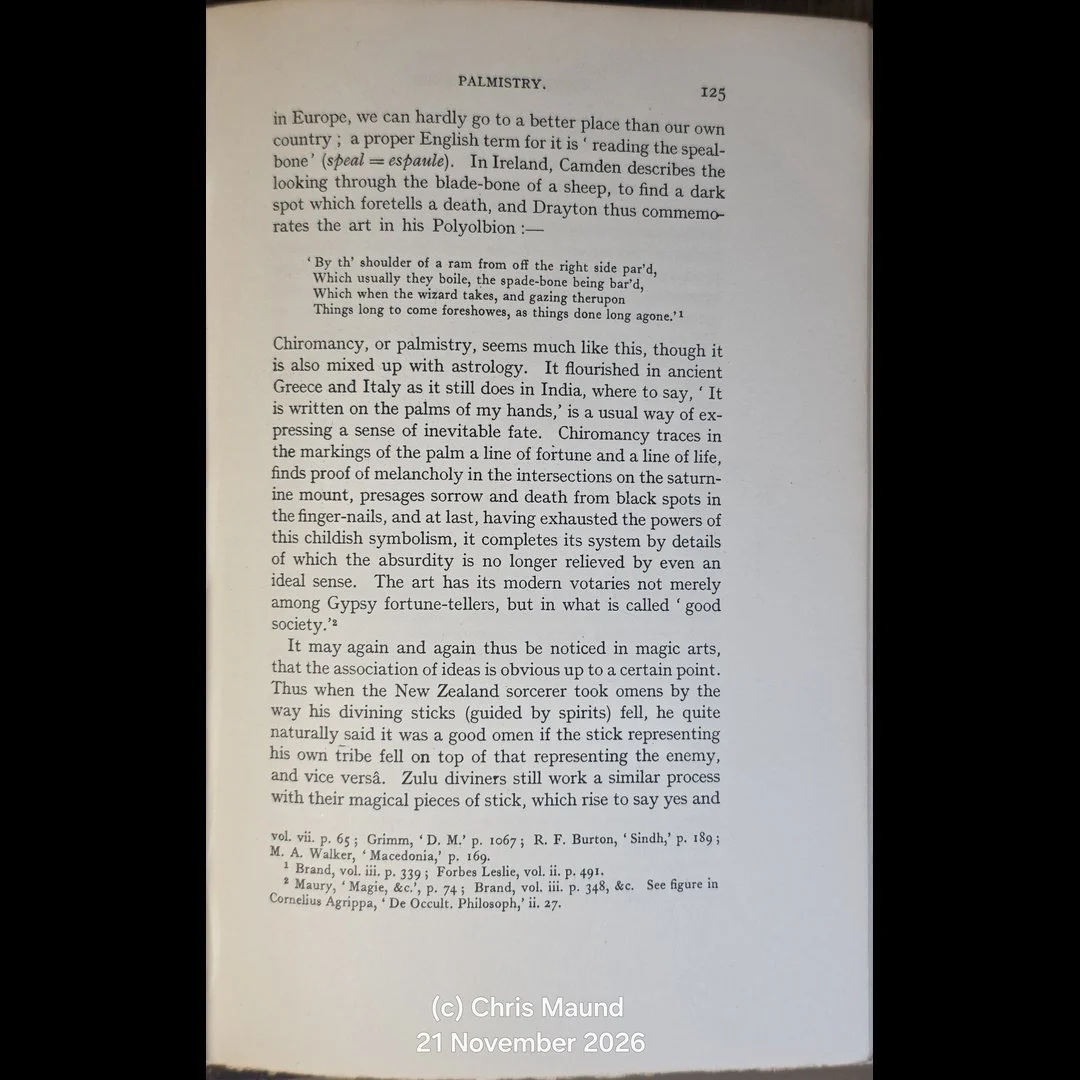 Image 15 of 41
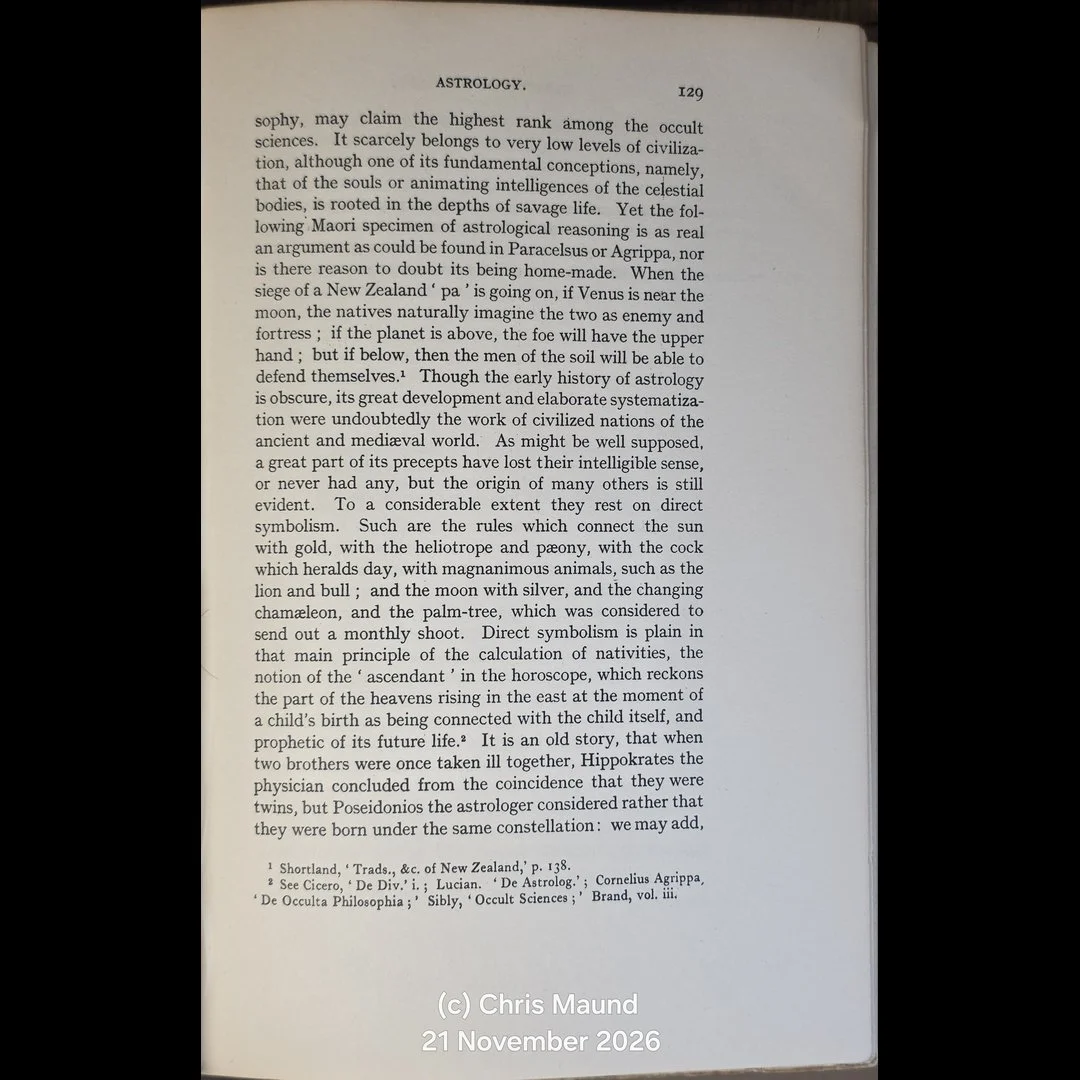 Image 16 of 41
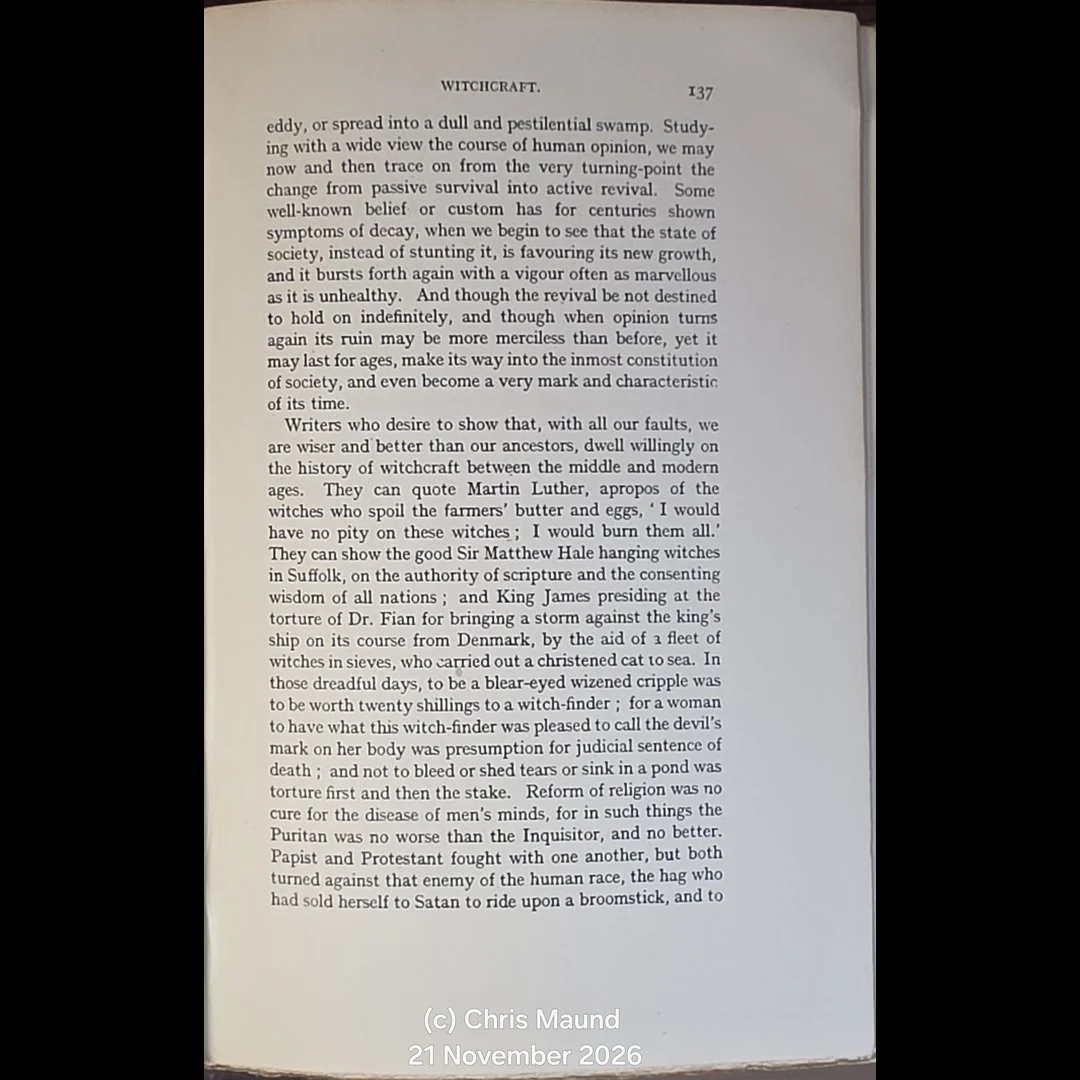 Image 17 of 41
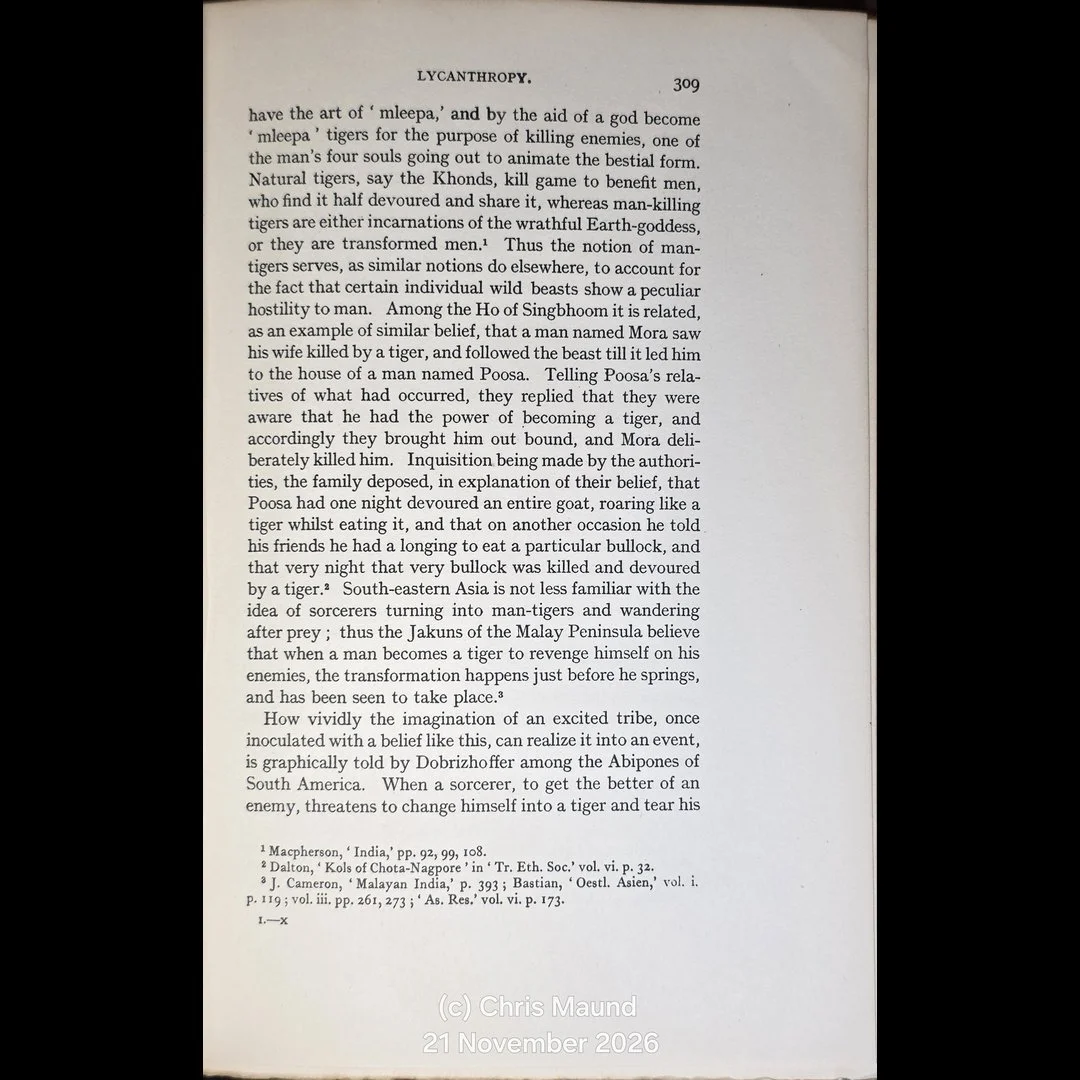 Image 18 of 41
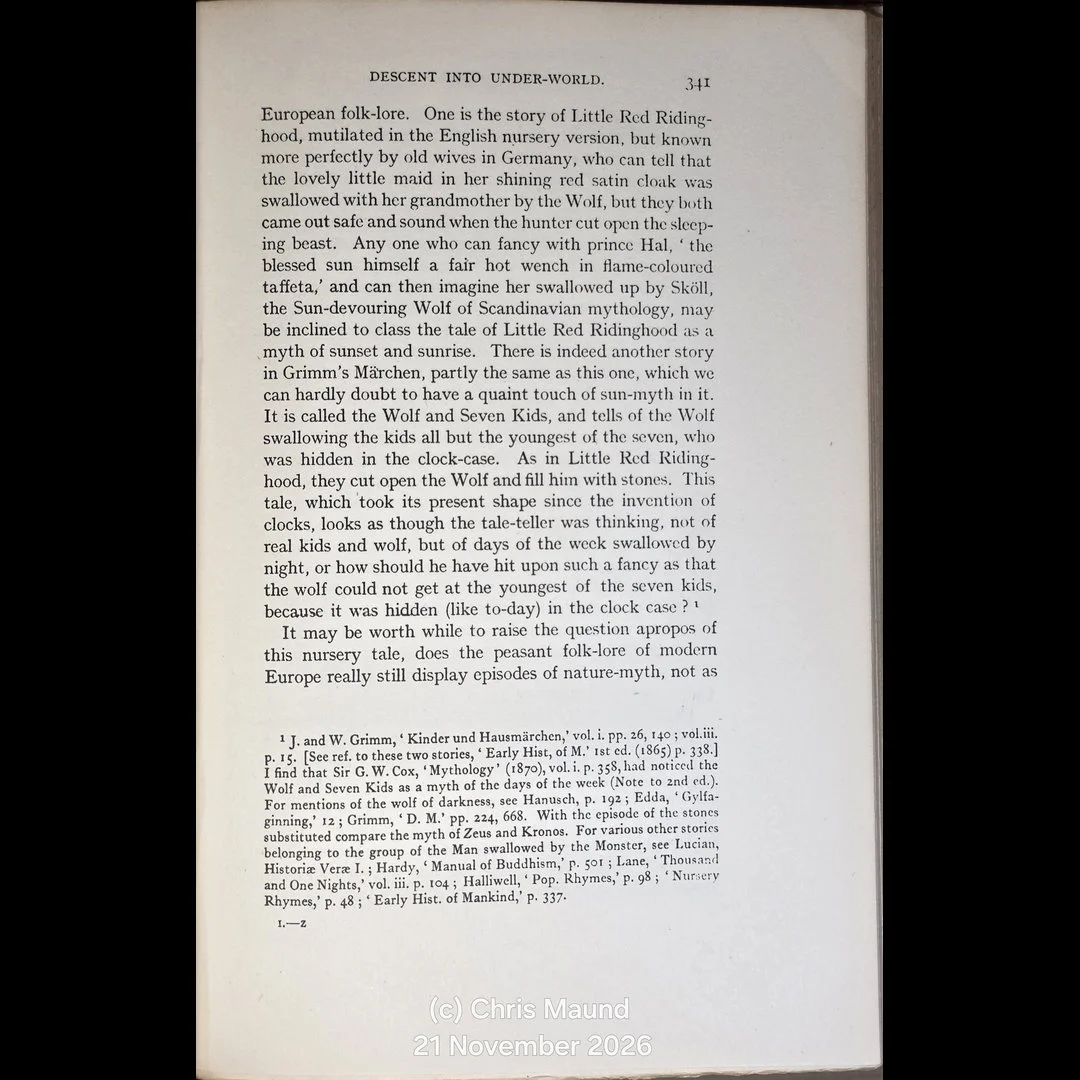 Image 19 of 41
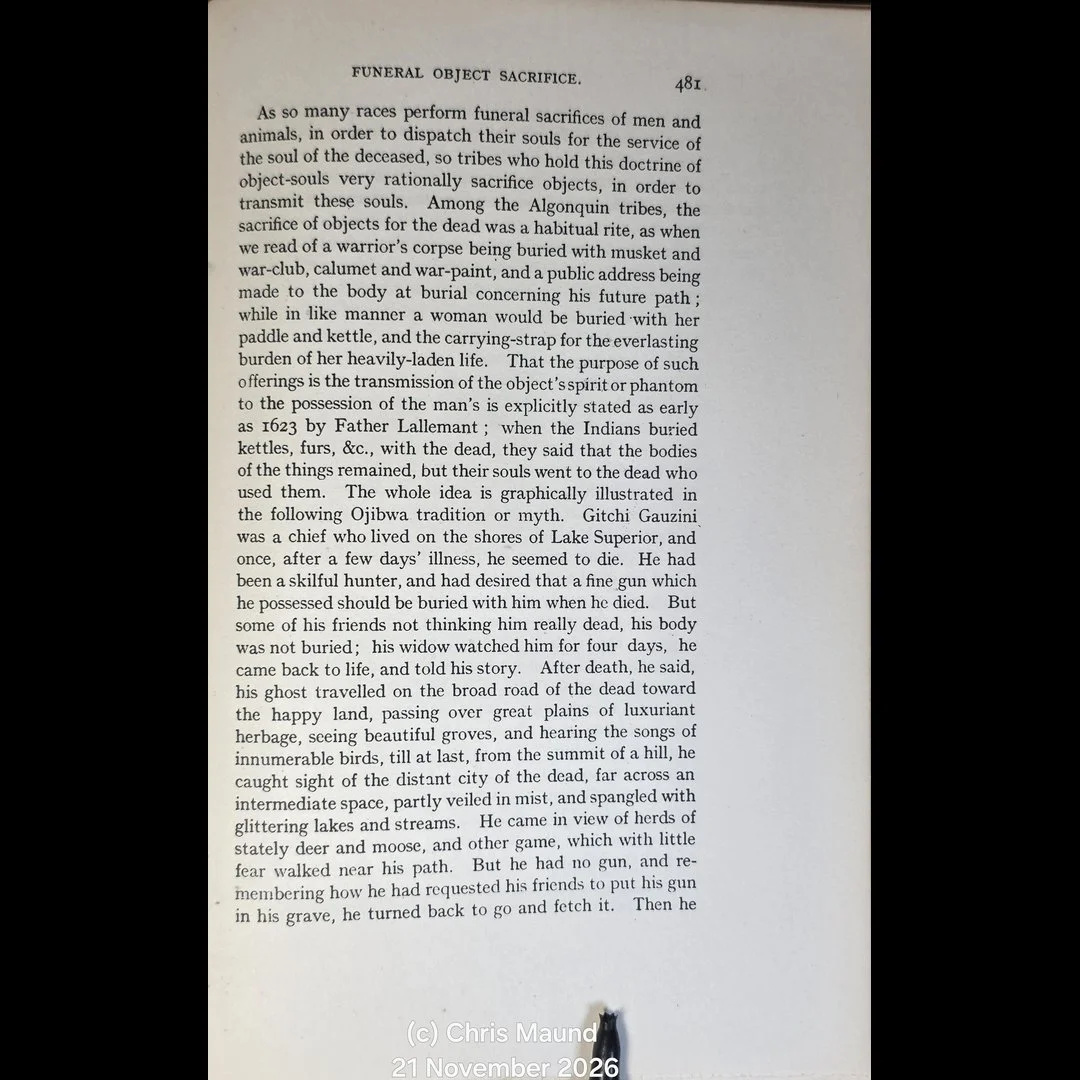 Image 20 of 41
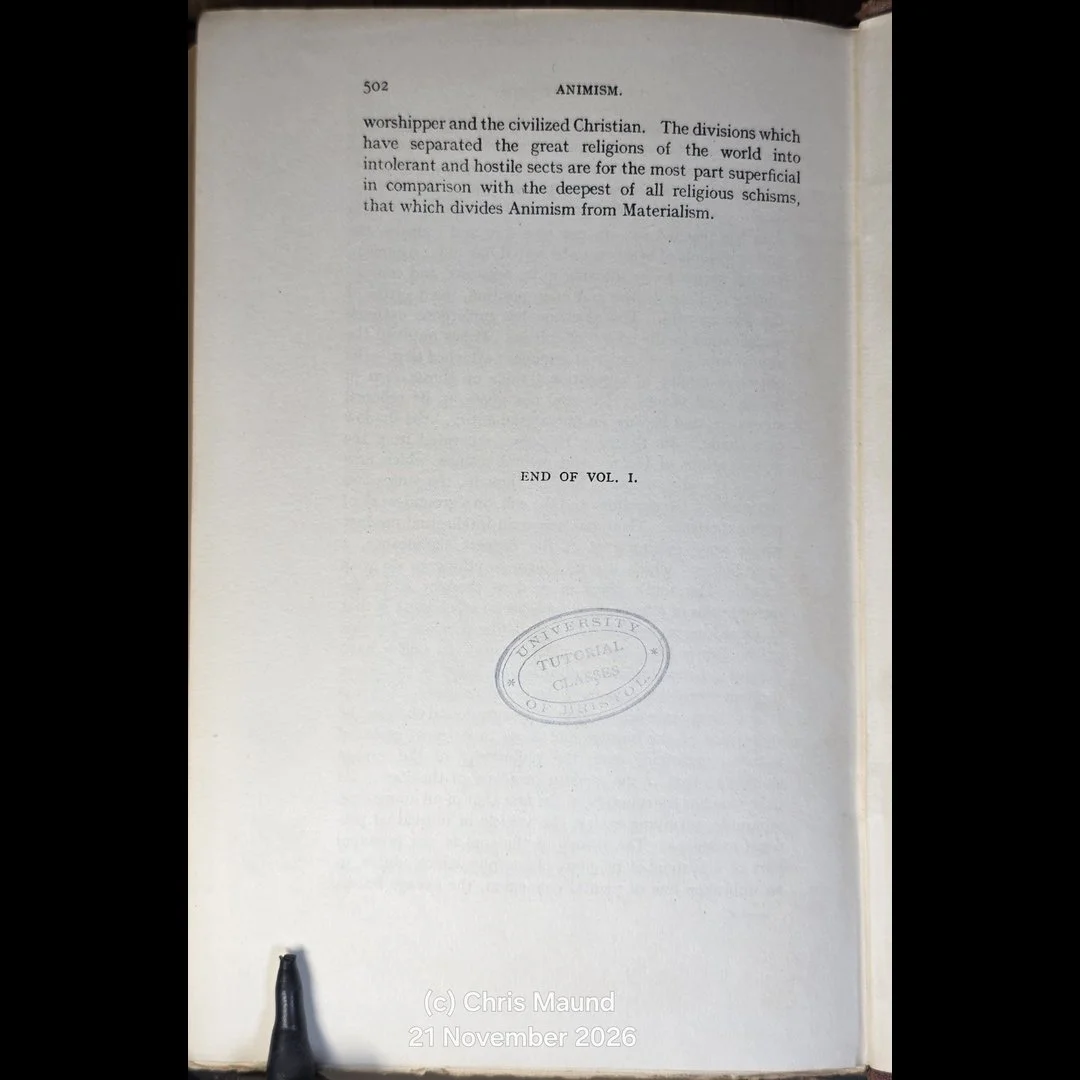 Image 21 of 41
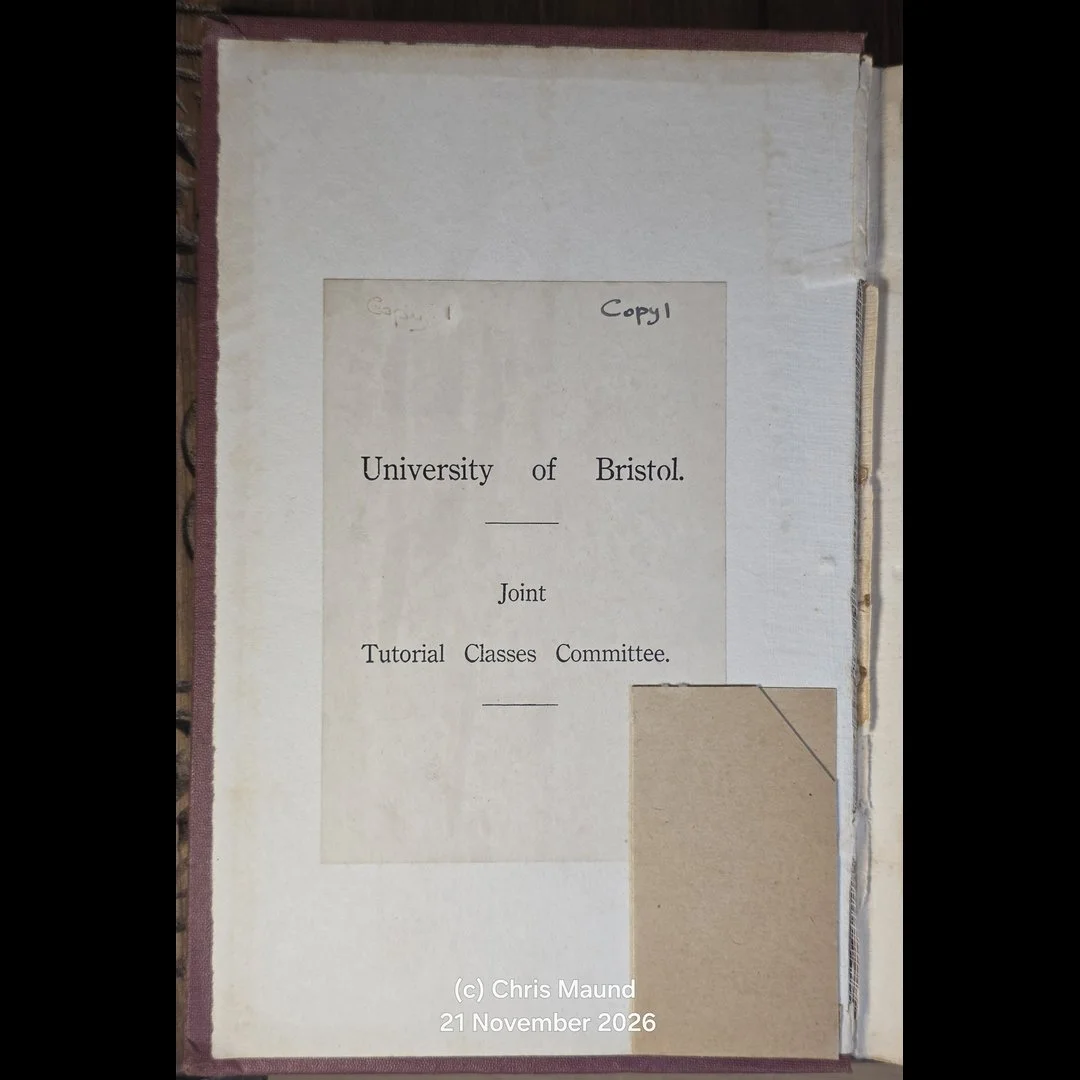 Image 22 of 41
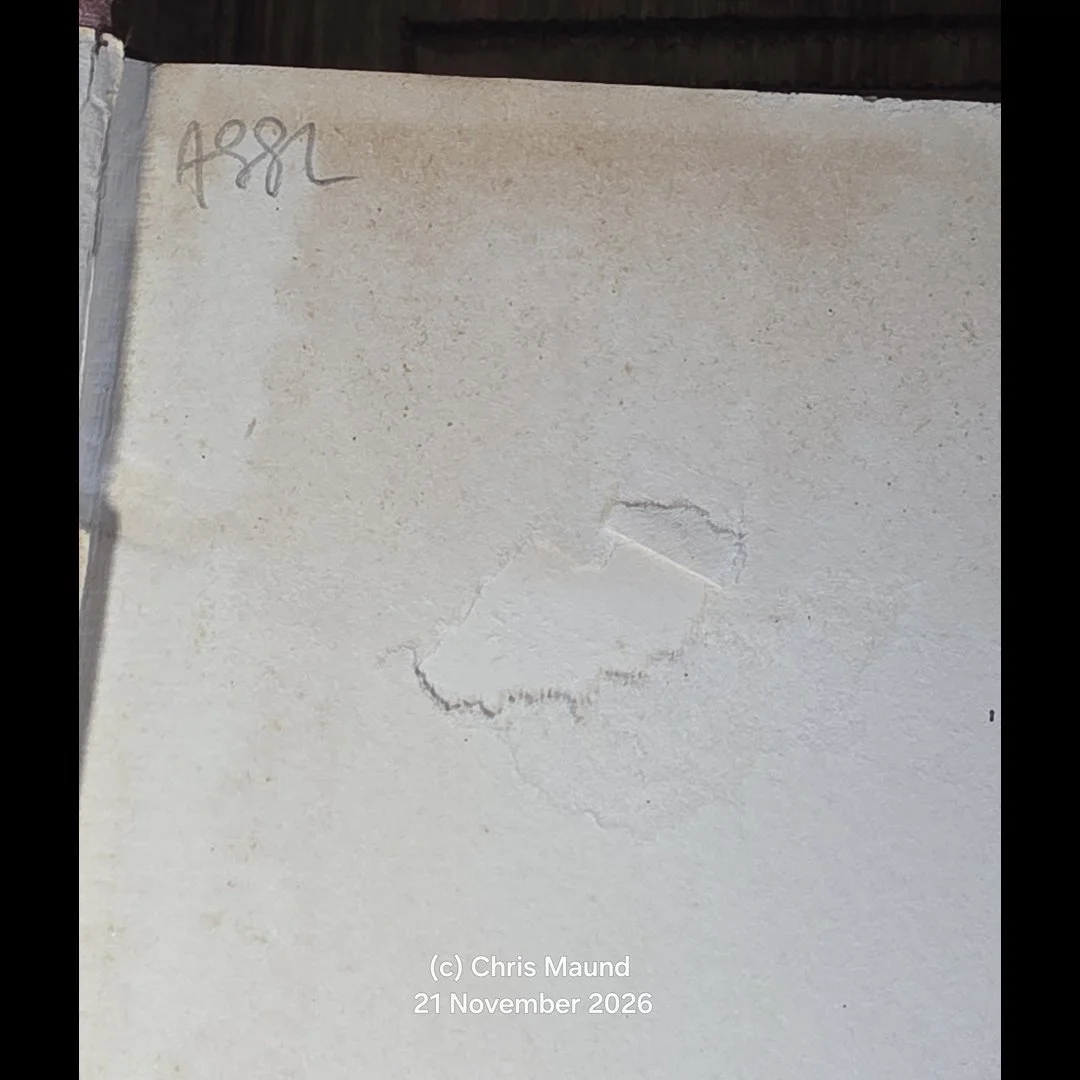 Image 23 of 41
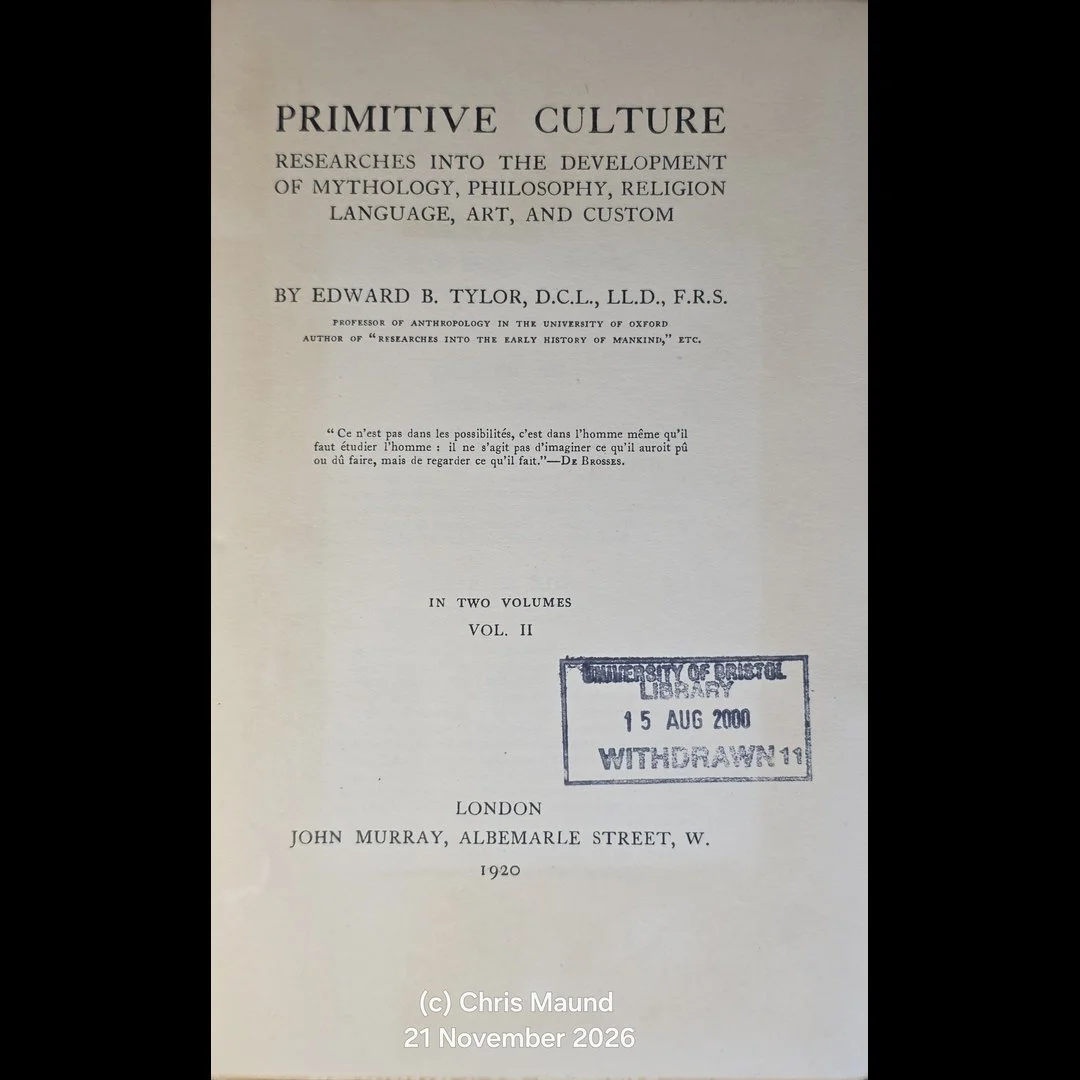 Image 24 of 41
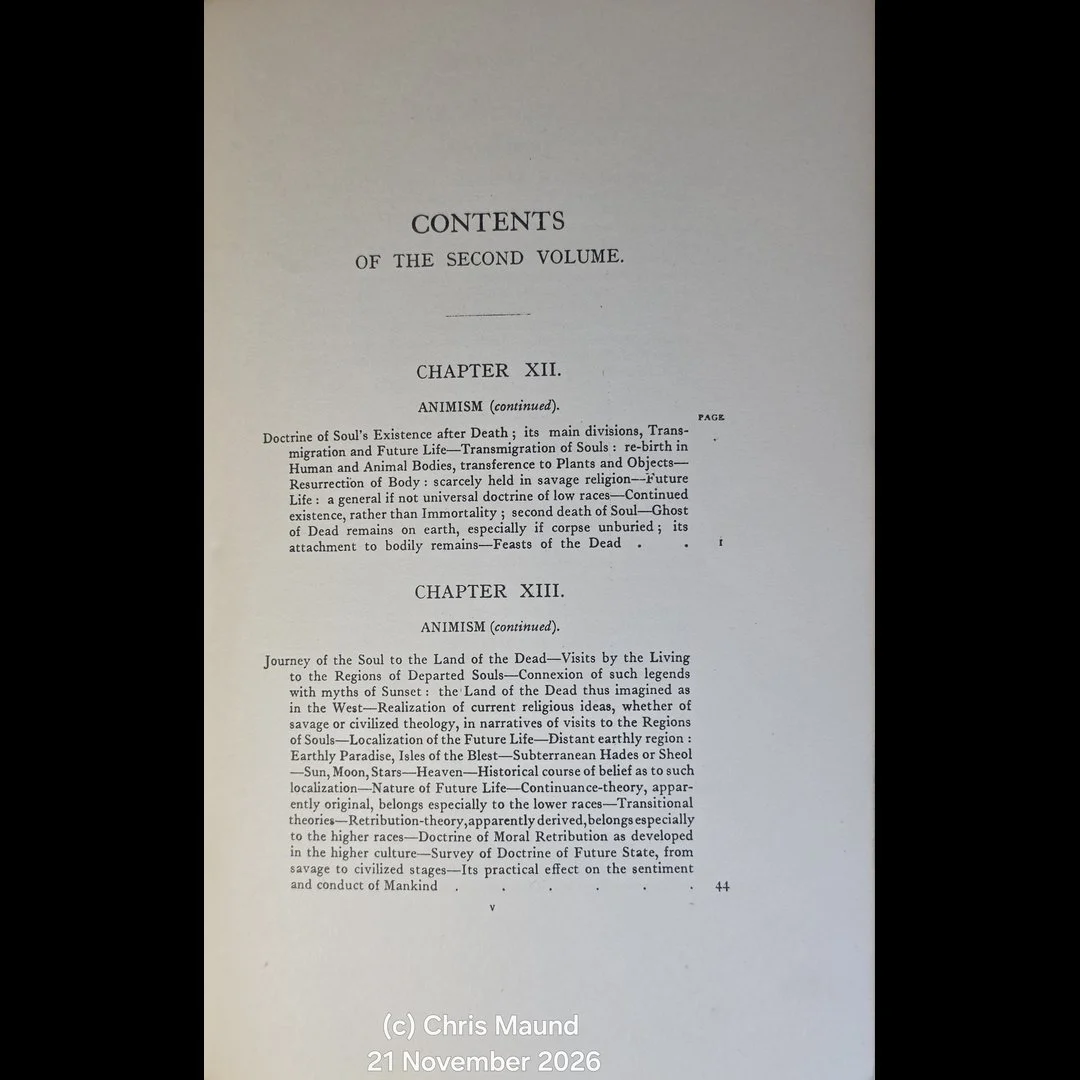 Image 25 of 41
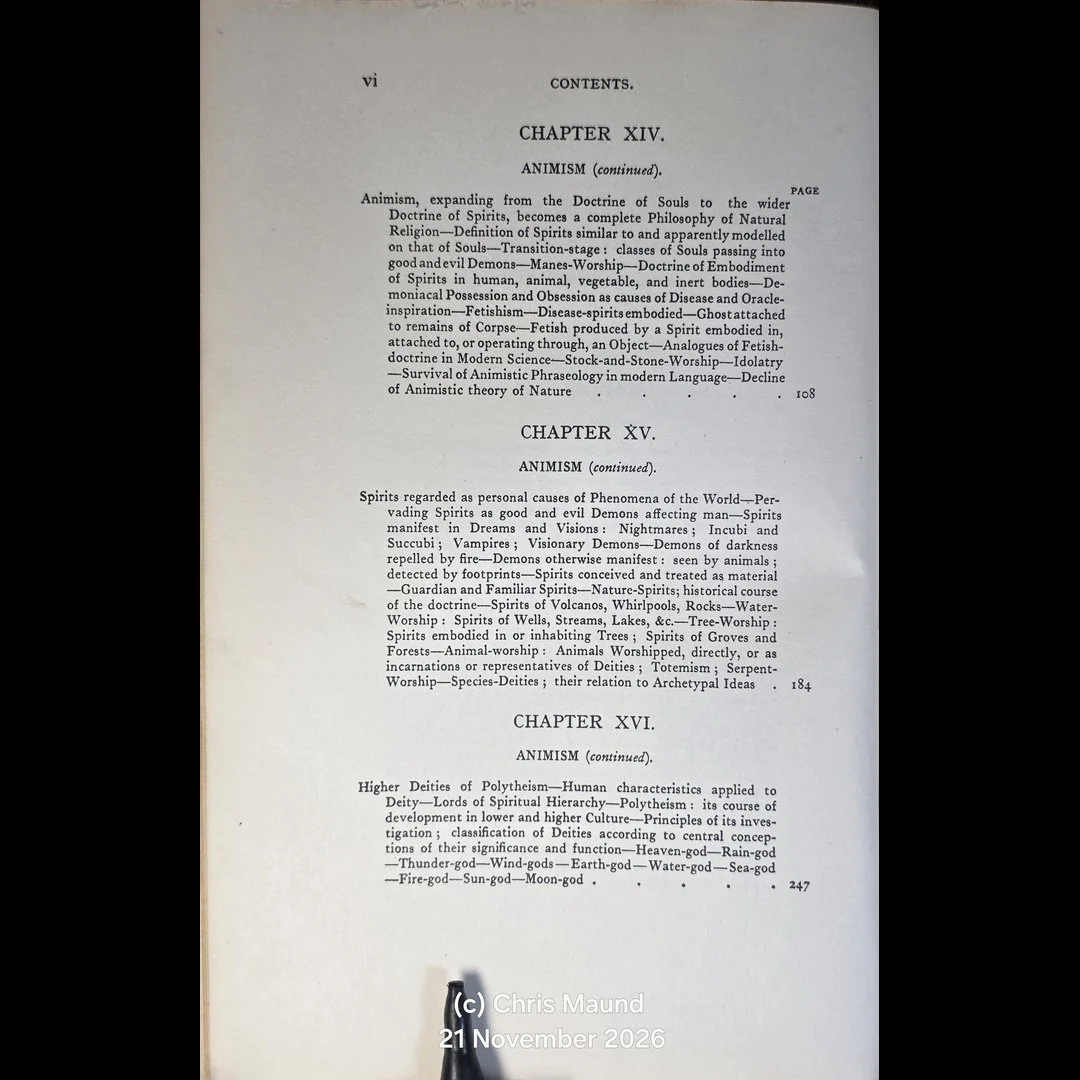 Image 26 of 41
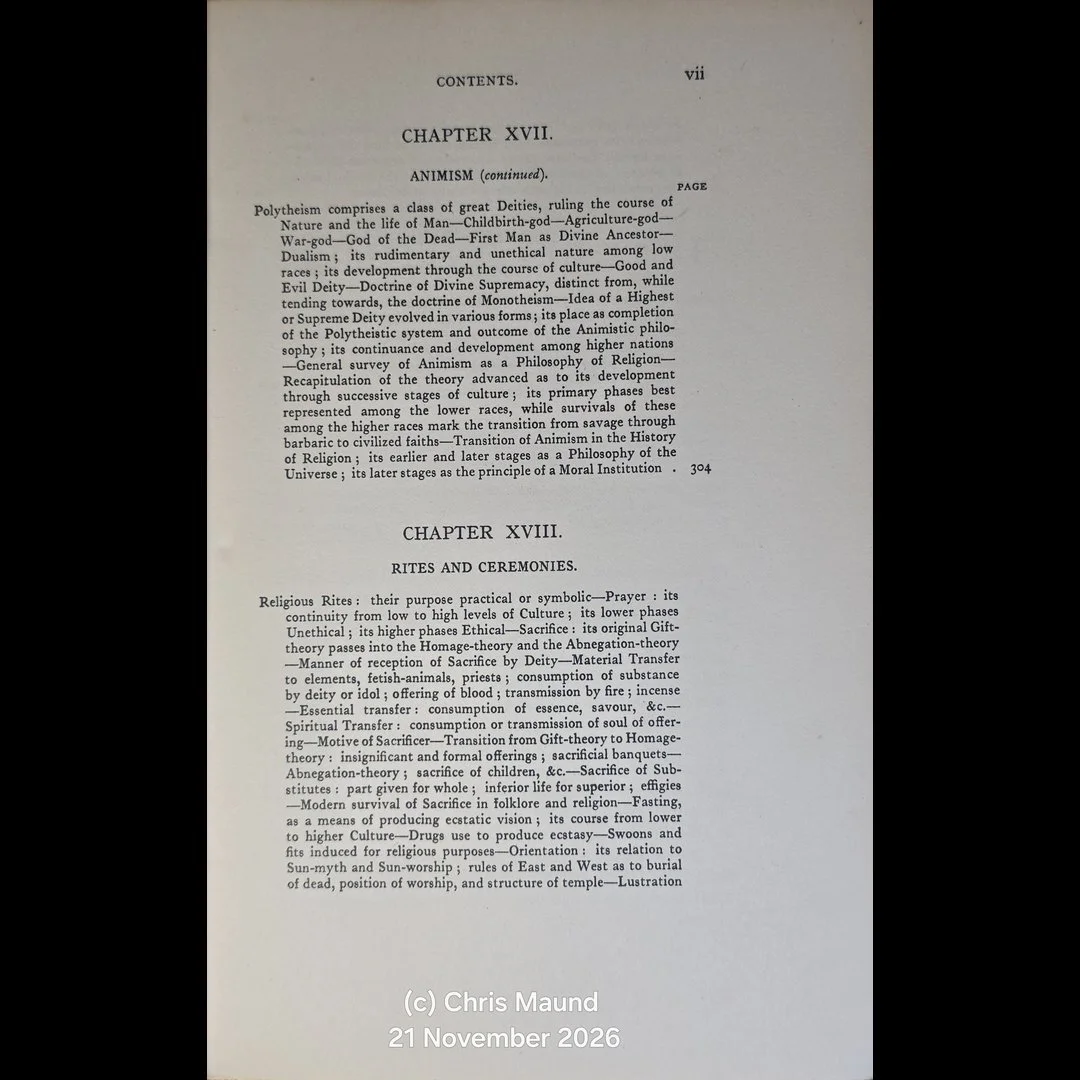 Image 27 of 41
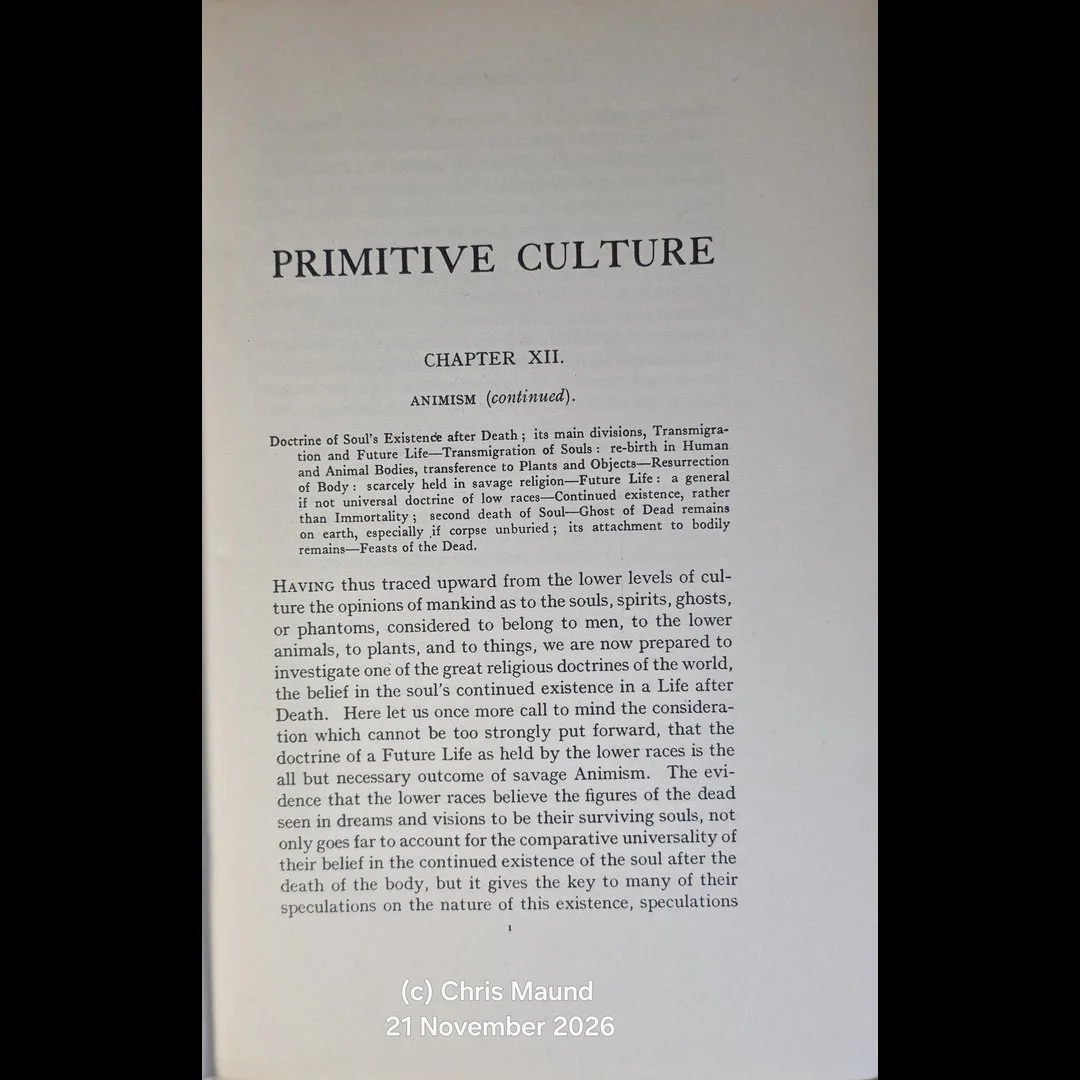 Image 28 of 41
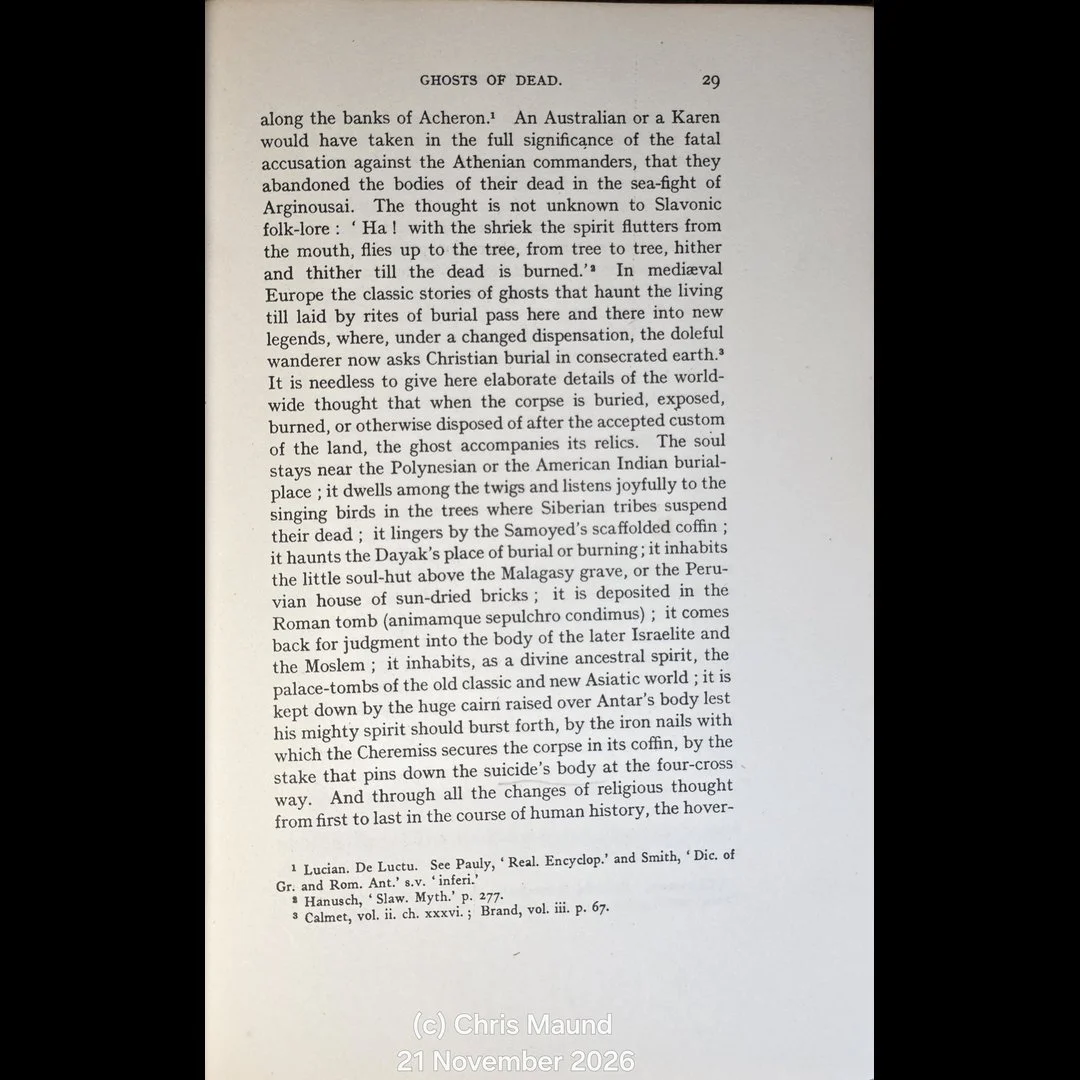 Image 29 of 41
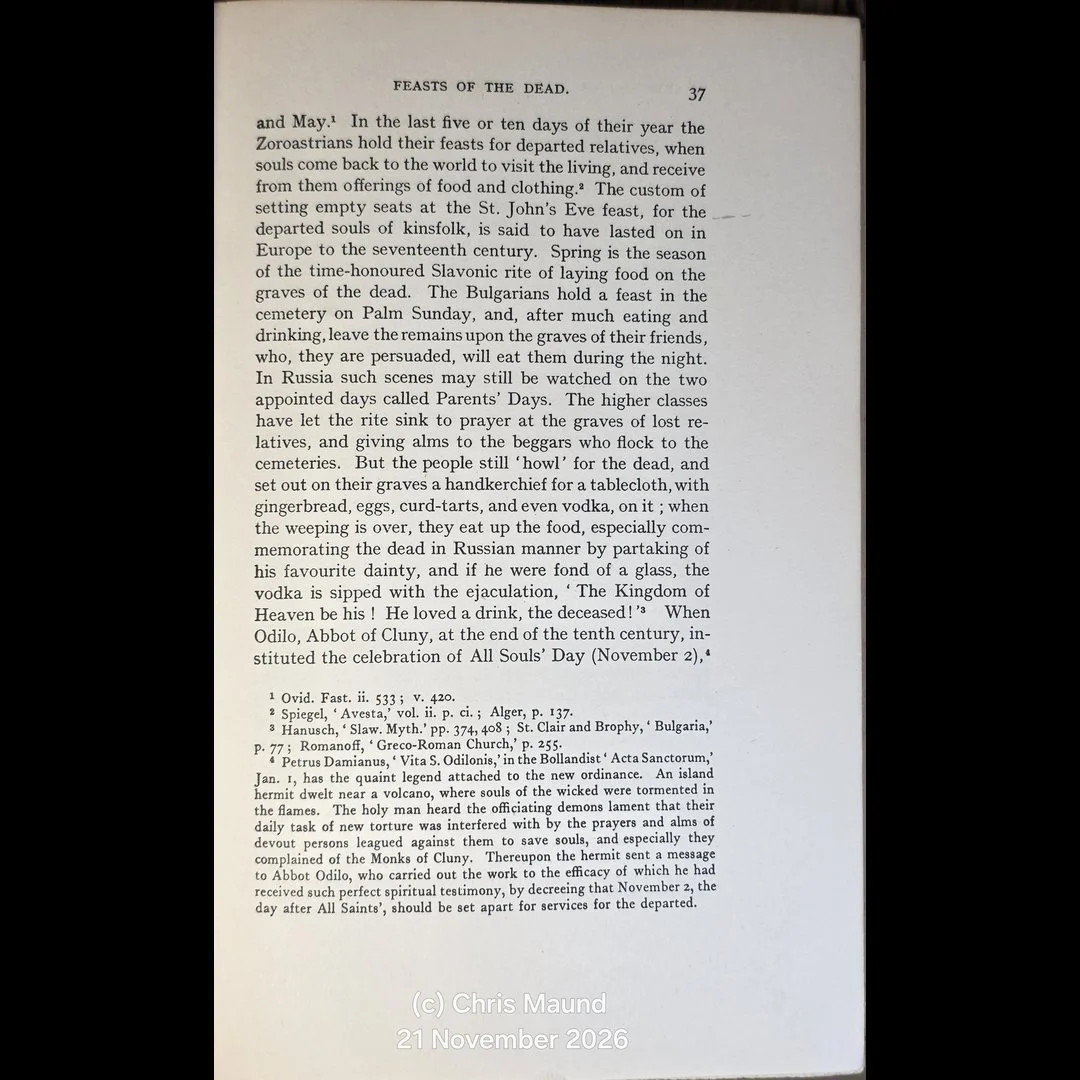 Image 30 of 41
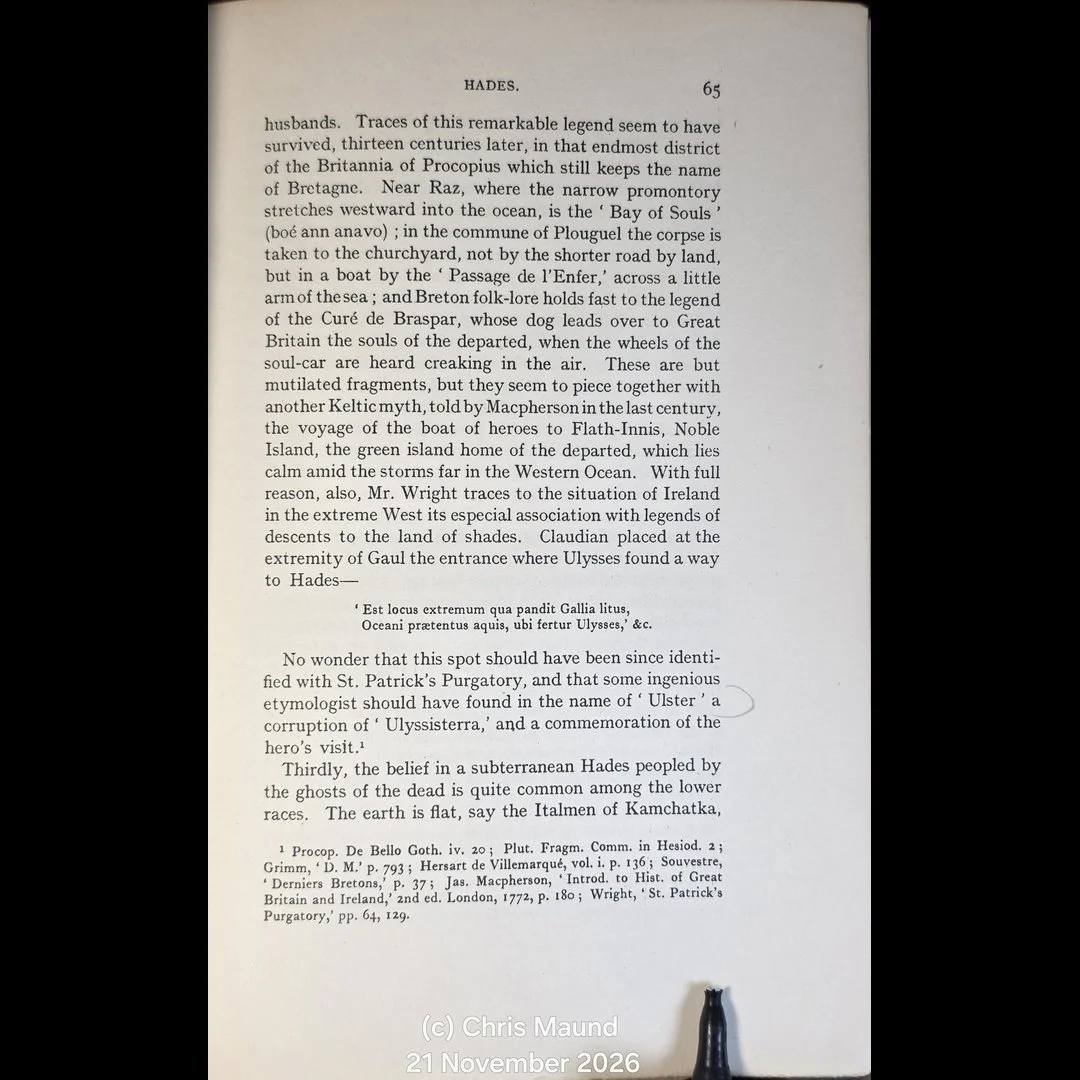 Image 31 of 41
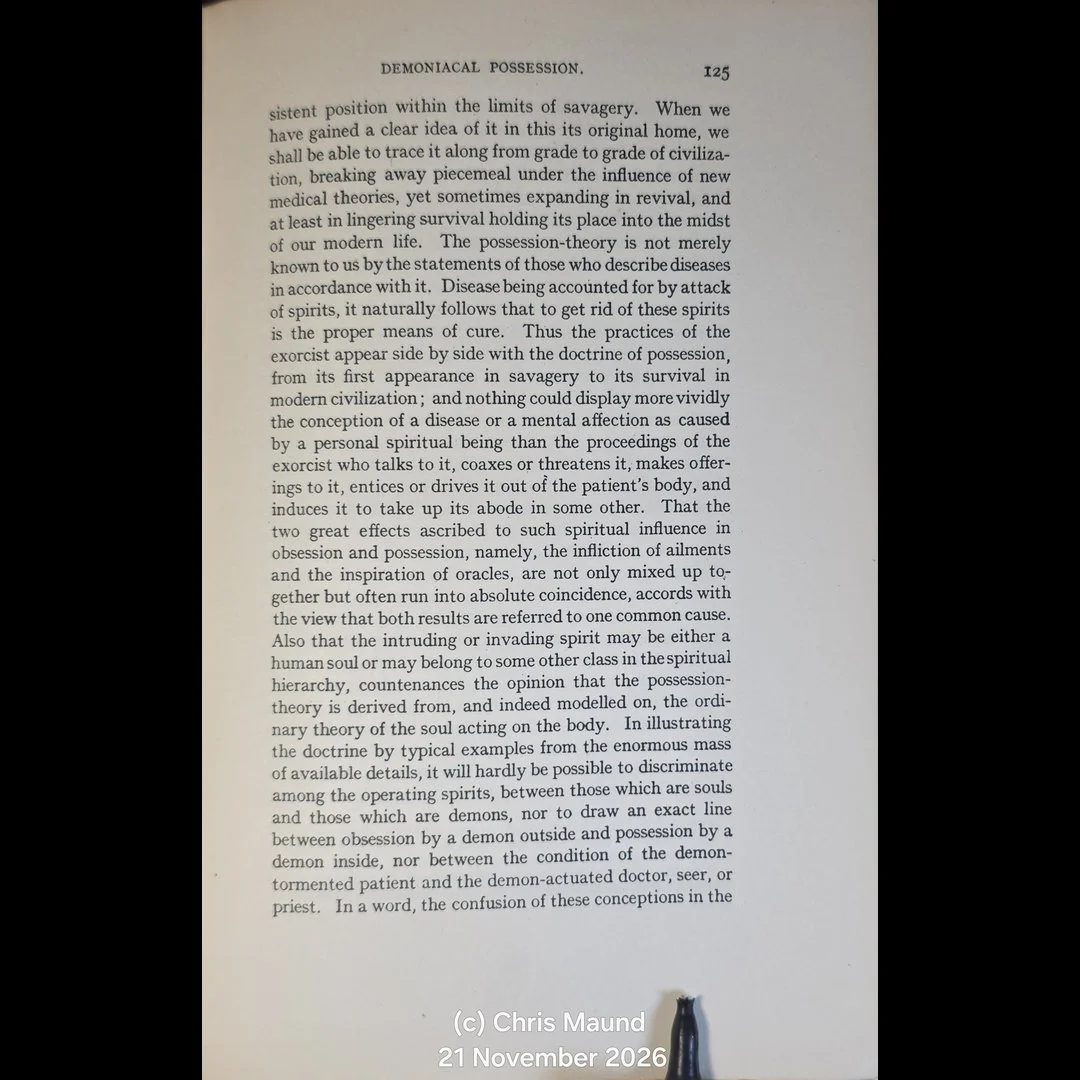 Image 32 of 41
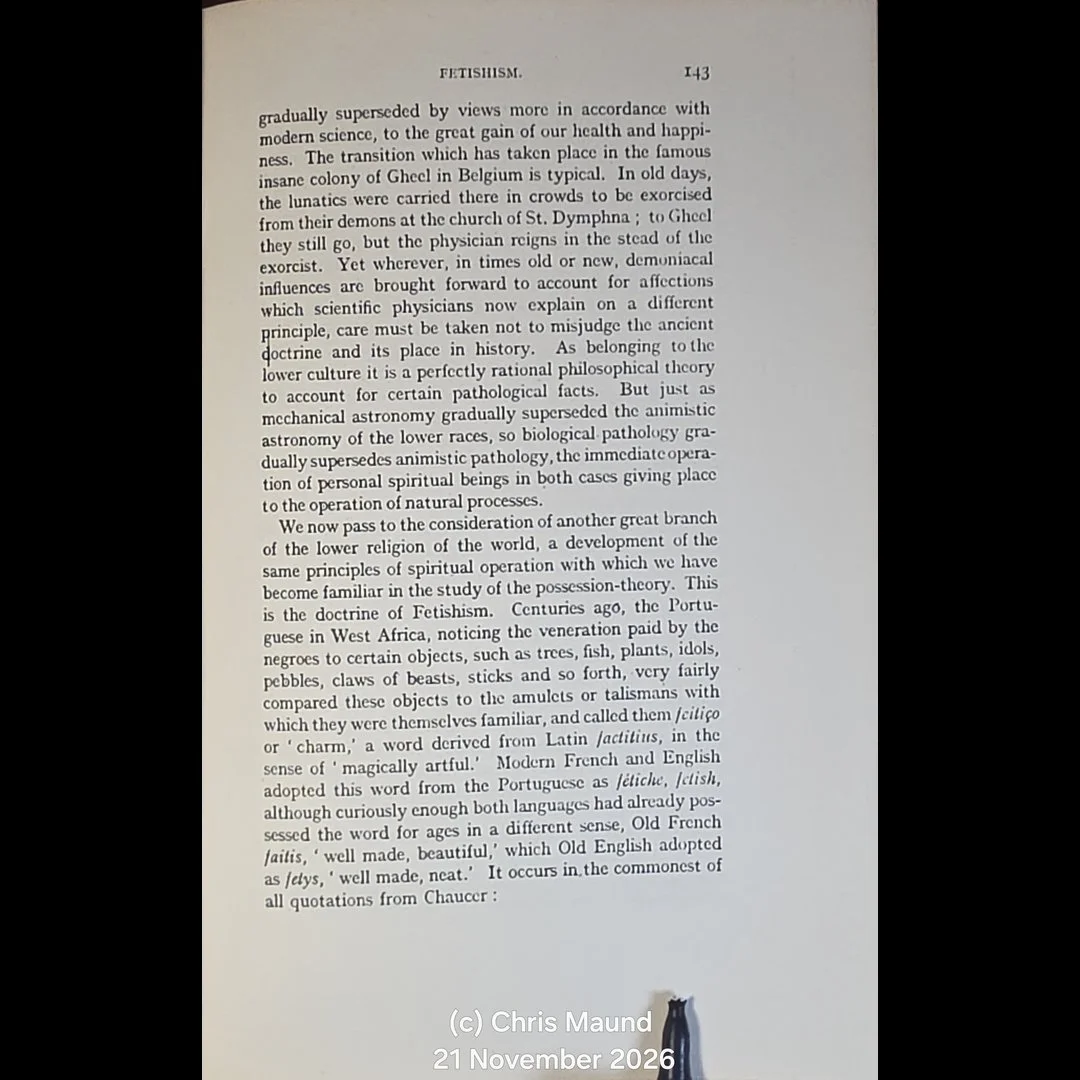 Image 33 of 41
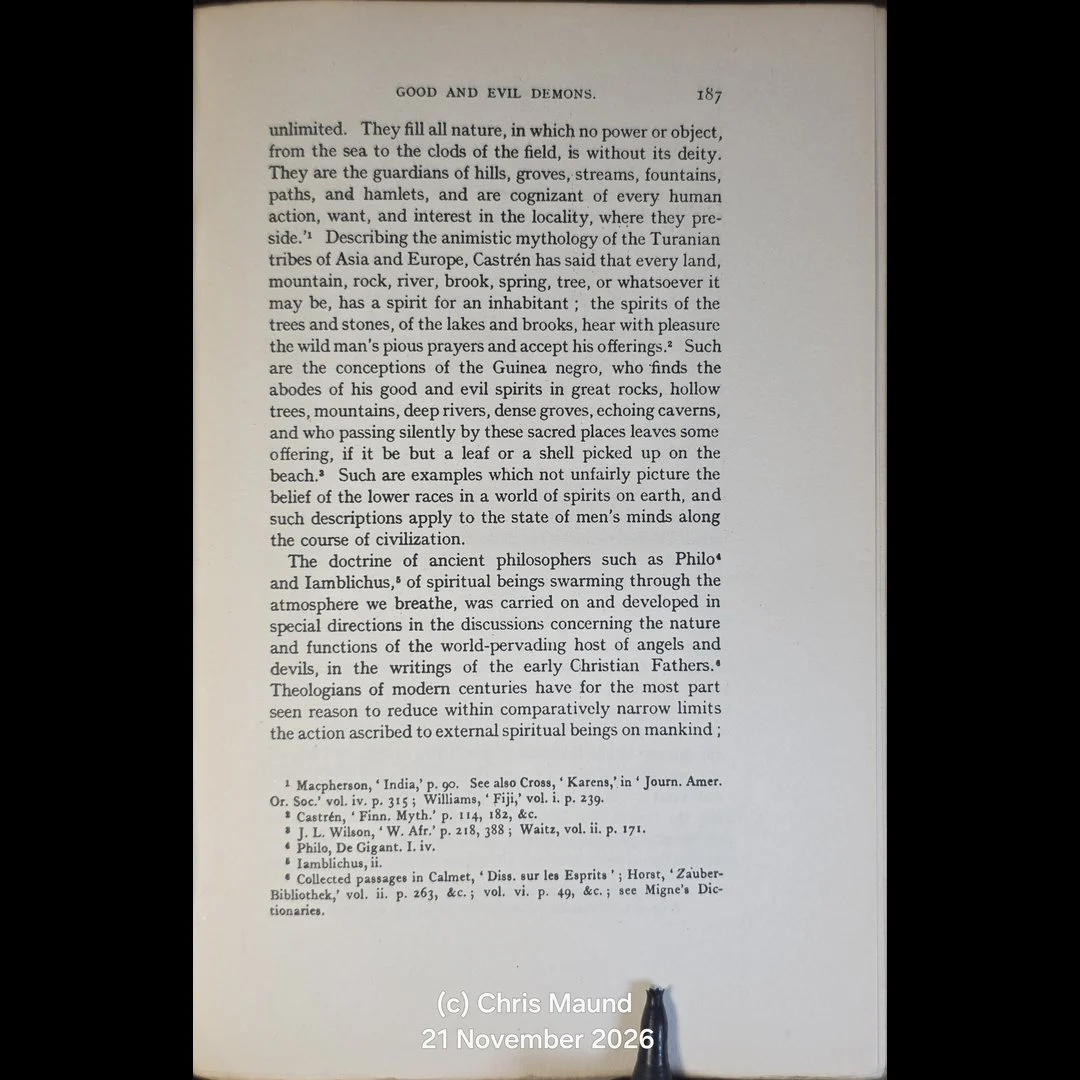 Image 34 of 41
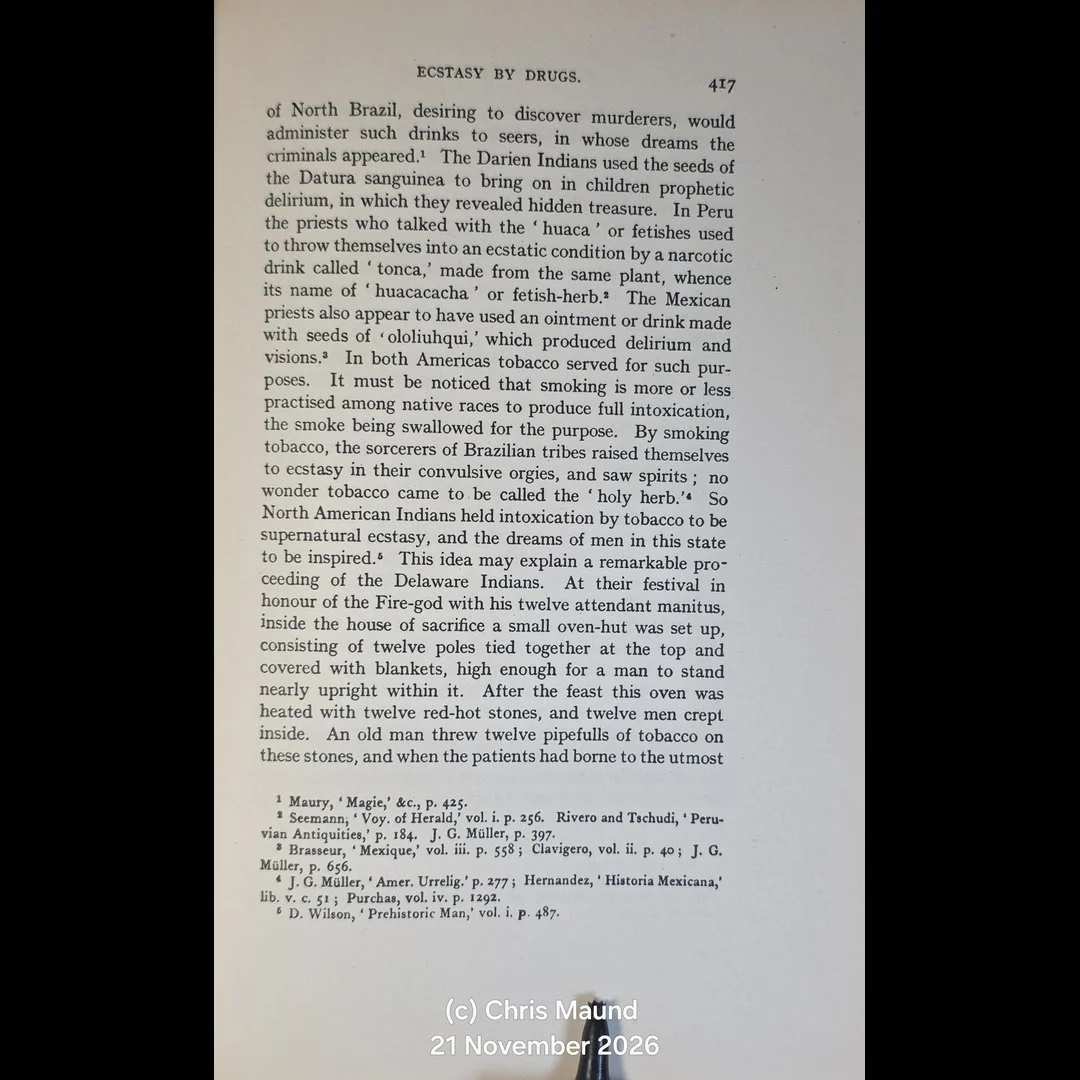 Image 35 of 41
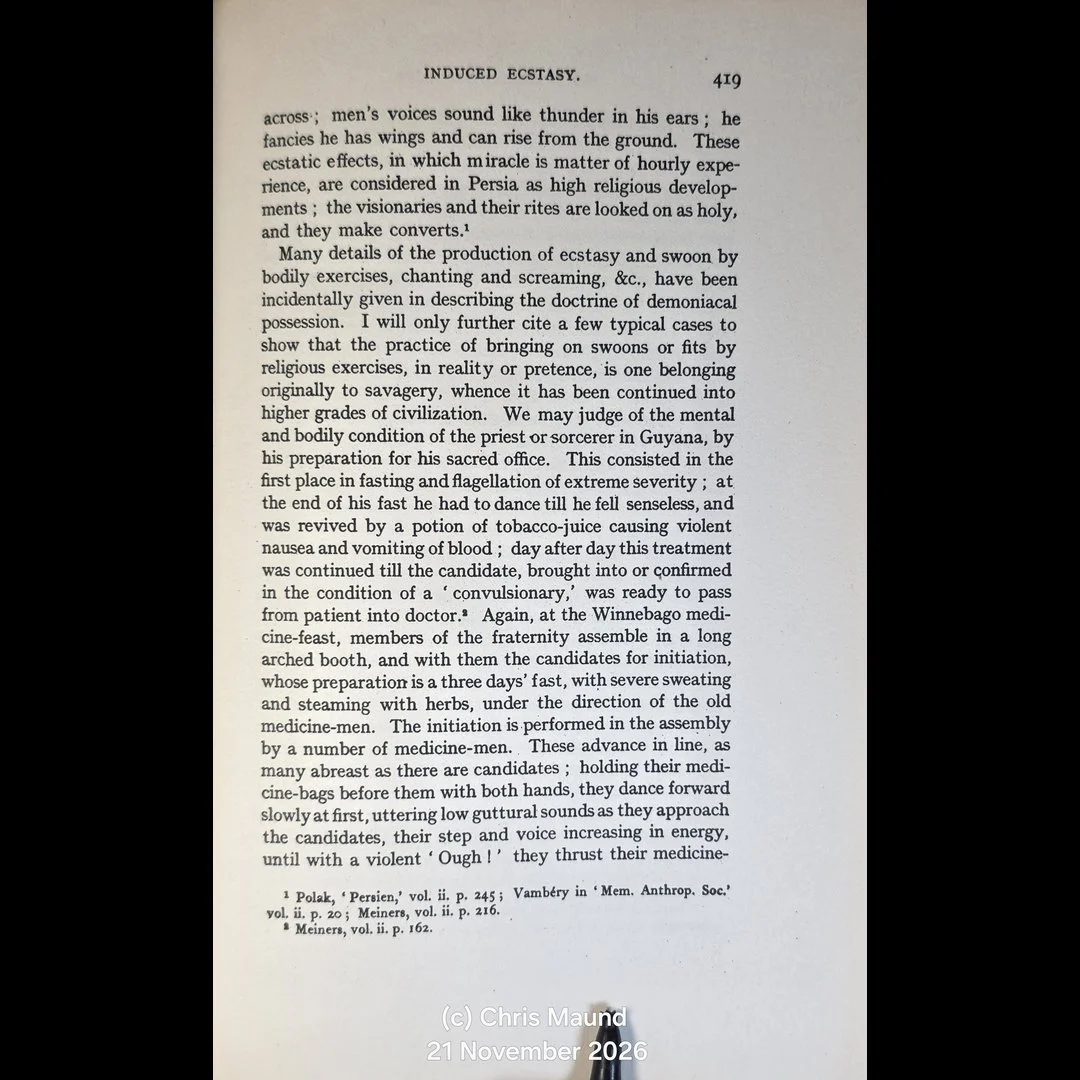 Image 36 of 41
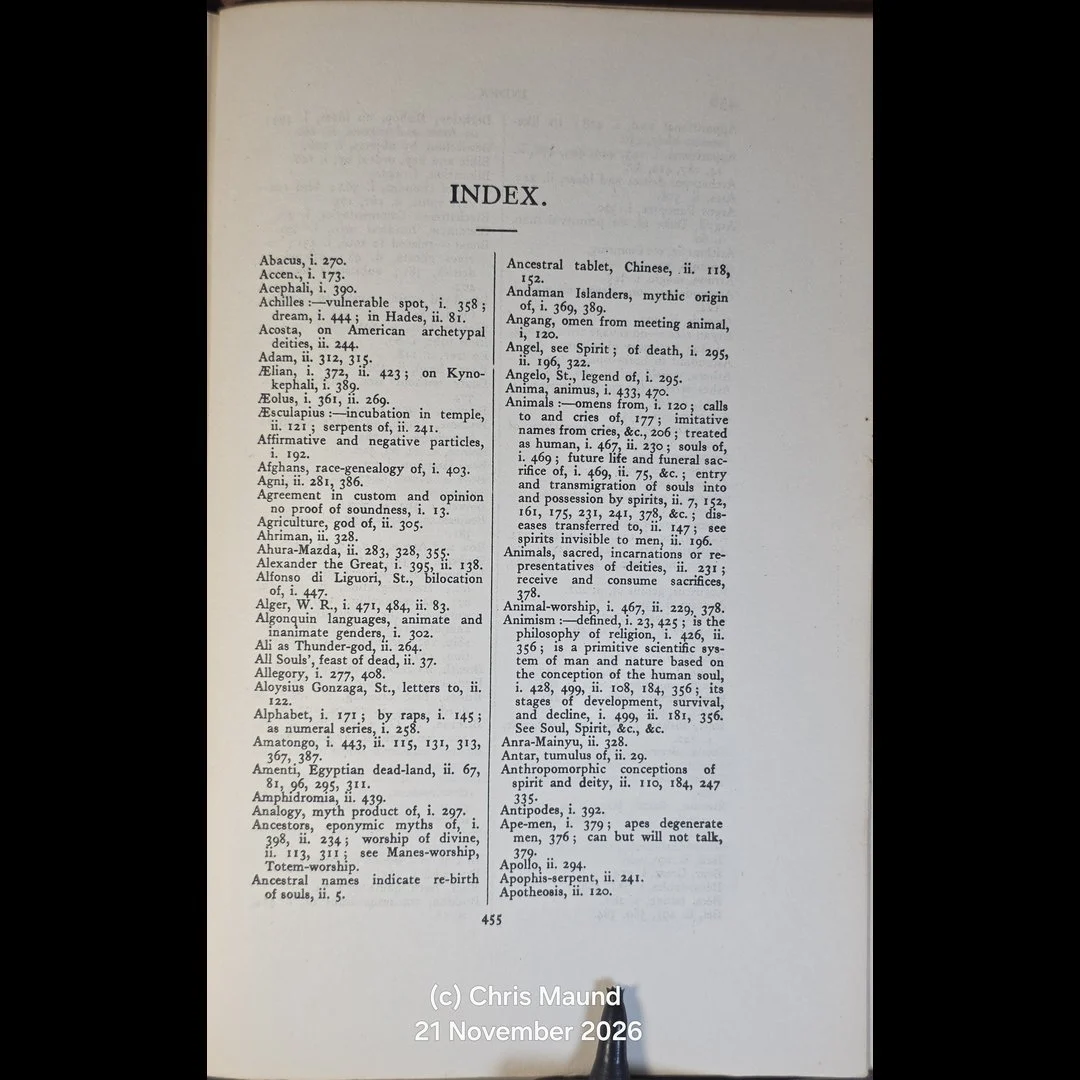 Image 37 of 41
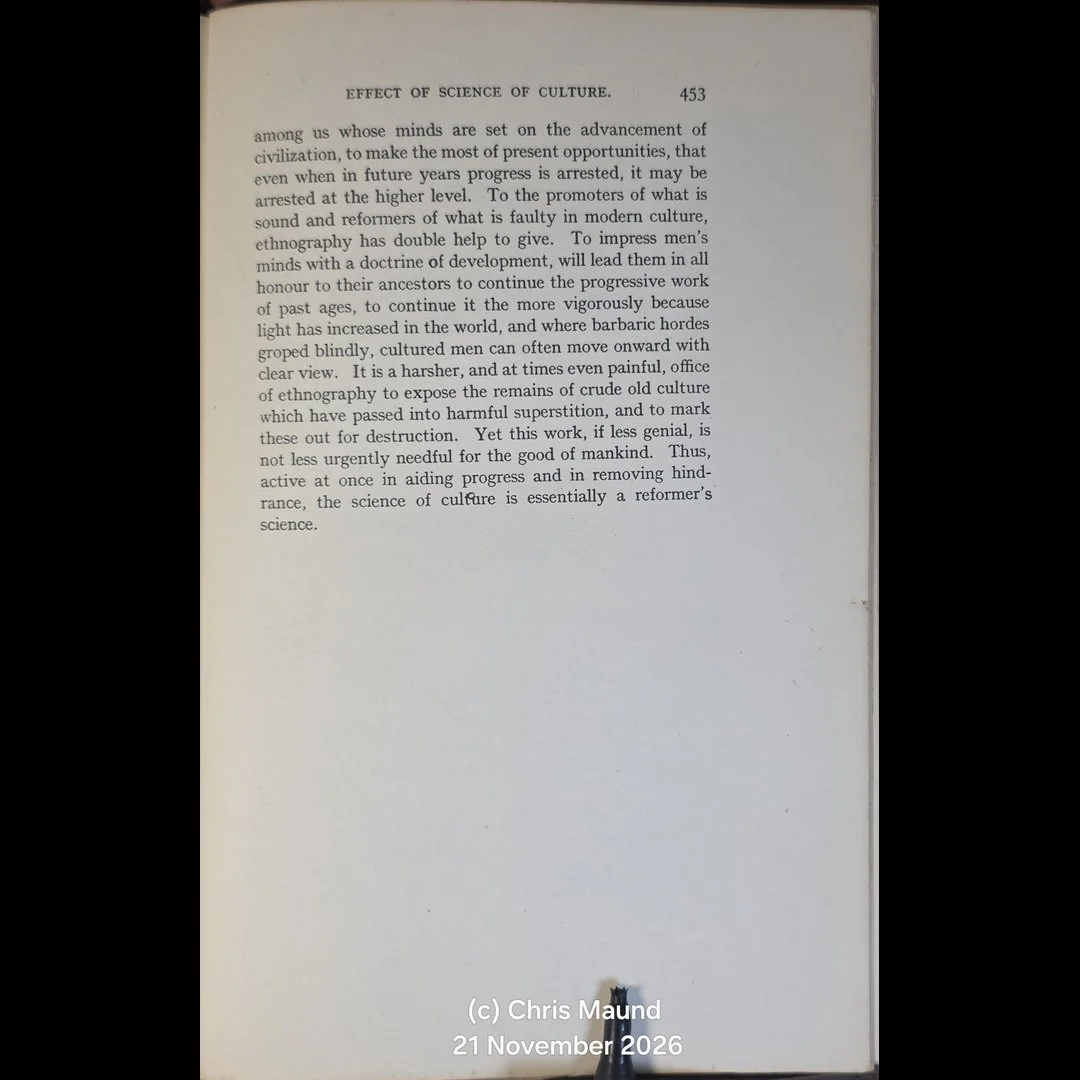 Image 38 of 41
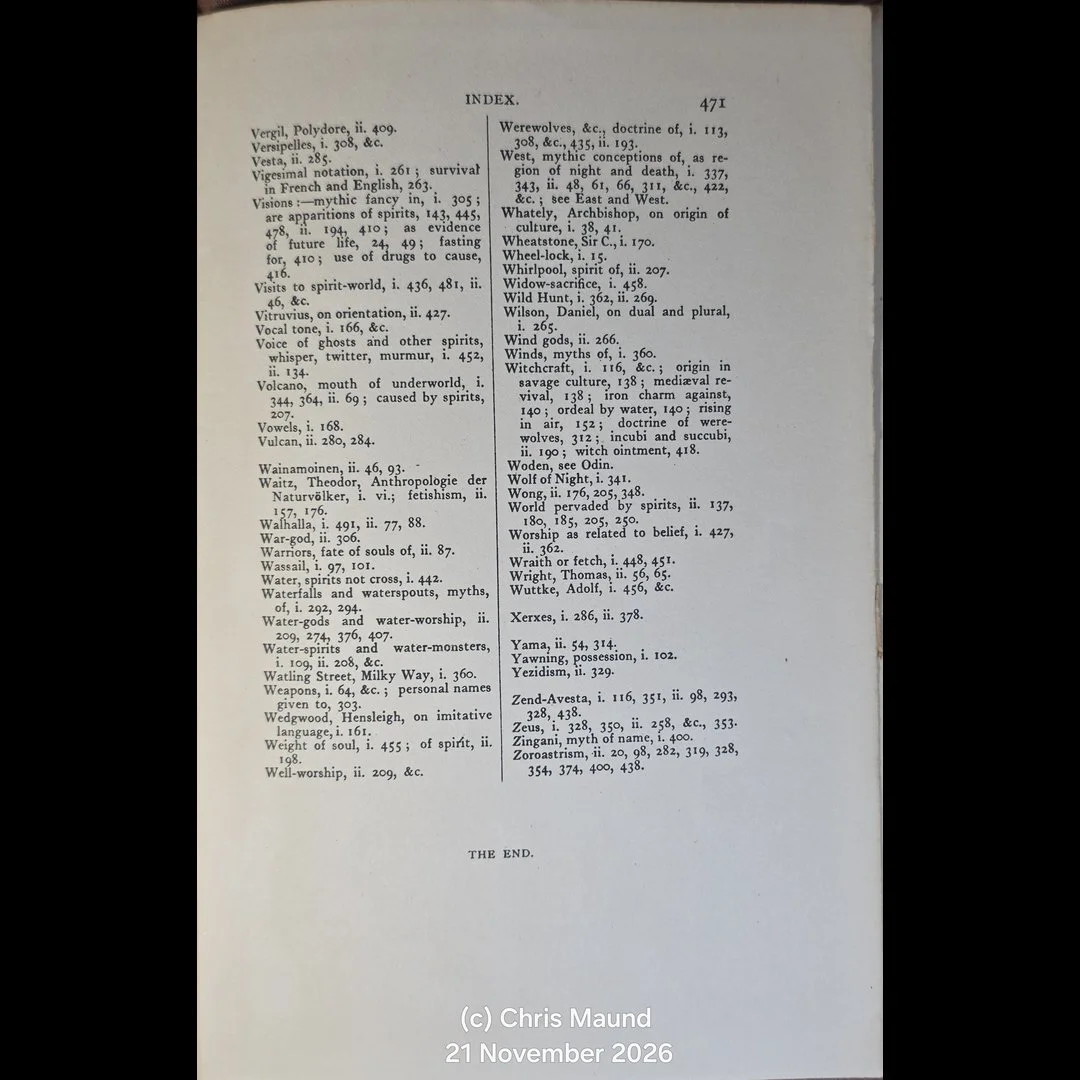 Image 39 of 41
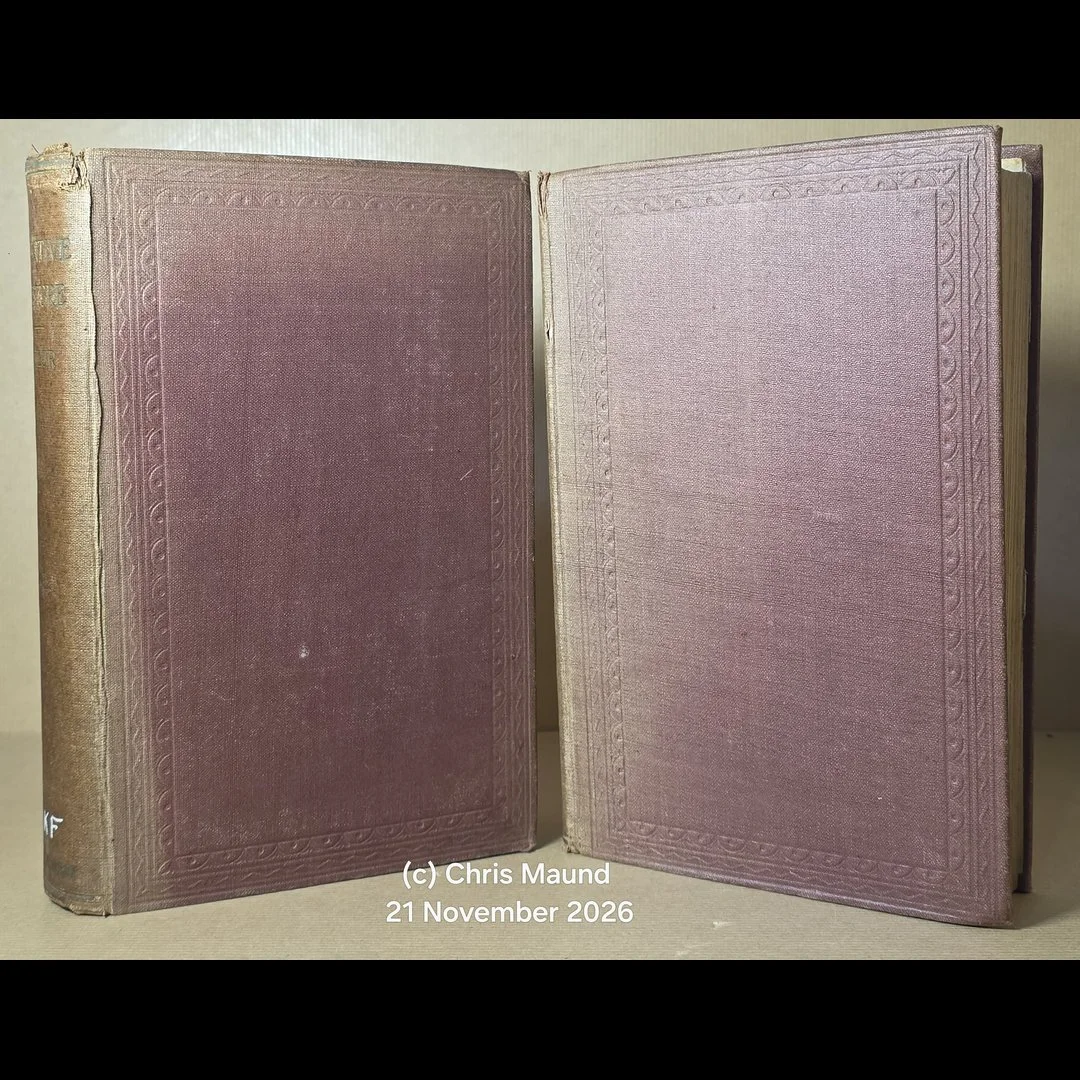 Image 40 of 41
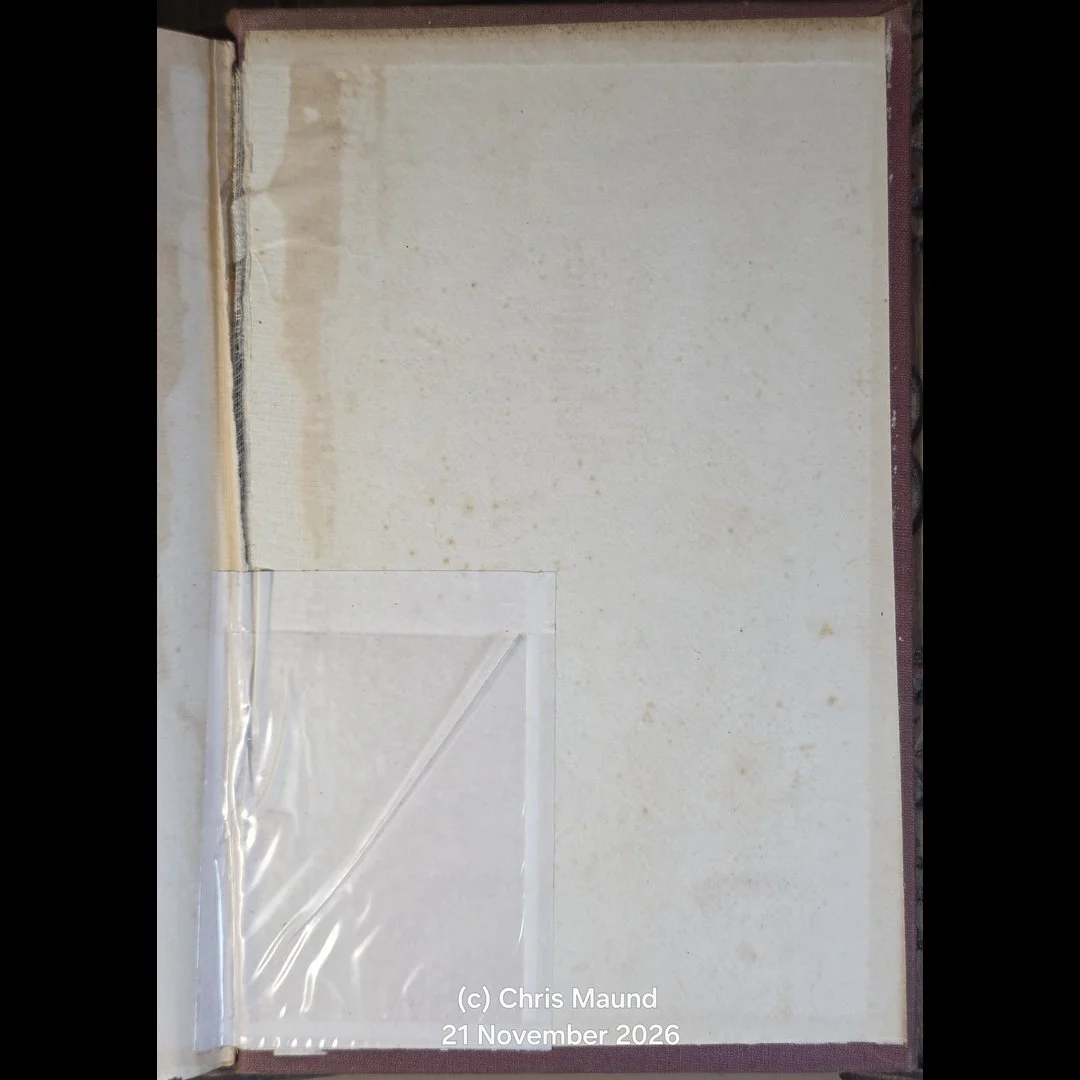 Image 41 of 41