1880 Victorian Illustrated Edition
RAMBLES AMONG THE INDIANS
By George Catlin
KEY DETAILS
Condition: Good
Format: Hardcover,
Note: Binding/size selection follows standard bibliographic conventions and is approximate; exact measurements may vary.
Published By: , 1880
Language: English
Provenance: School Board for London Prize Provenance
Dust Jacket: None, as issued
SKU: BTETM0002757
Shipping Info: Approximate Package Dimensions H: 15, L: 55, W: 40 (Units: cm), W: 2Kg
Tracked Shipping, Insurance Coverage as per Customer Request
DESCRIPTION
Rambles Among The Indians
Of the Rocky Mountains and the Andes
Original Multicoloured Pictorial Cloth — School Board for London Prize Binding — 24 Illustrations
An attractive and extensively illustrated Victorian edition of George Catlin's account of his travels and observations among Indigenous peoples of North and South America, published by Gall & Inglis of London and Edinburgh.
The volume is particularly distinguished by its remarkably vivid original publisher's red pictorial cloth, with elaborate multicoloured illustrations to the front board and spine, complemented by gilt lettering.
The rear board bears the gilt prize emblem of the School Board for London, providing an interesting association with the development of public education in Victorian Britain.
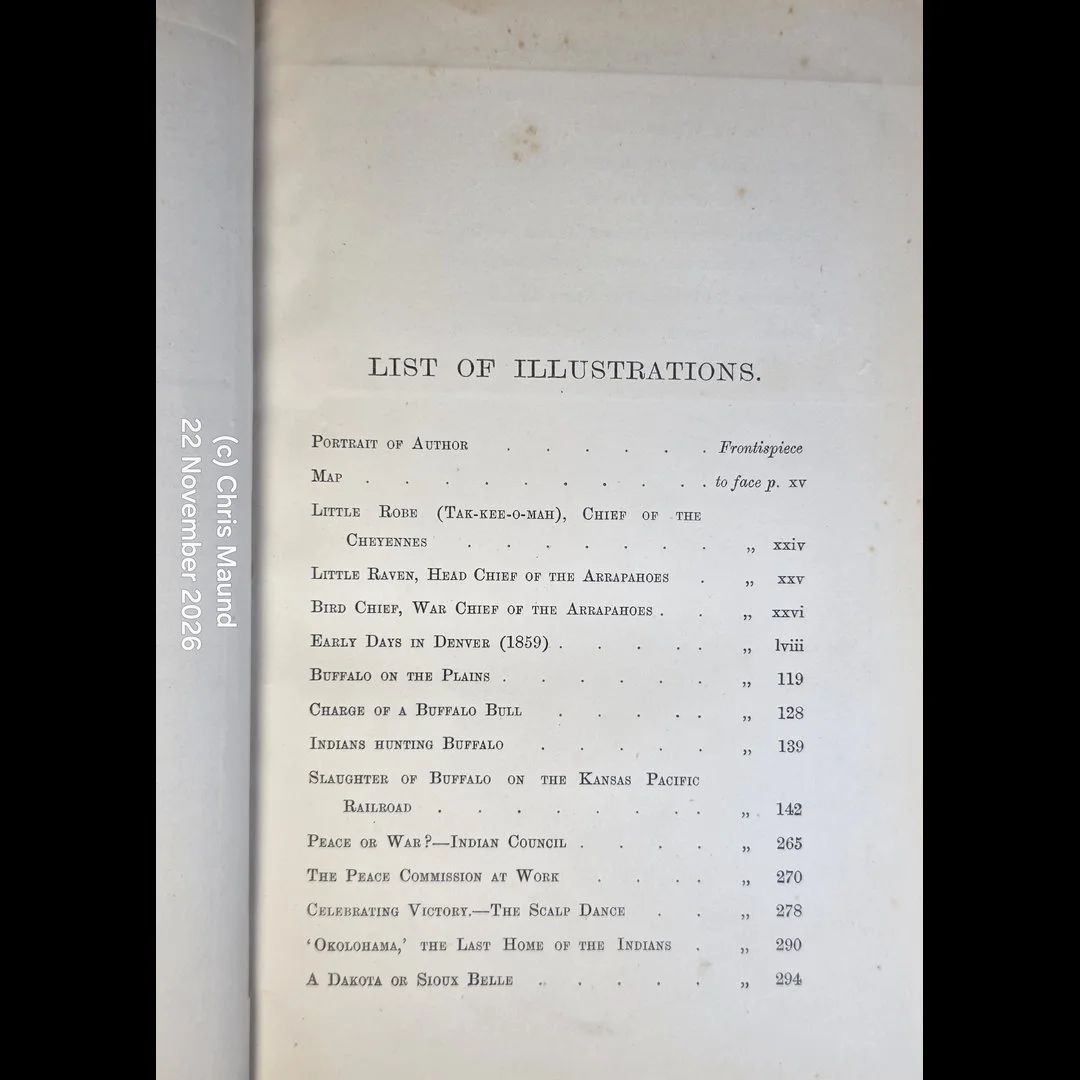
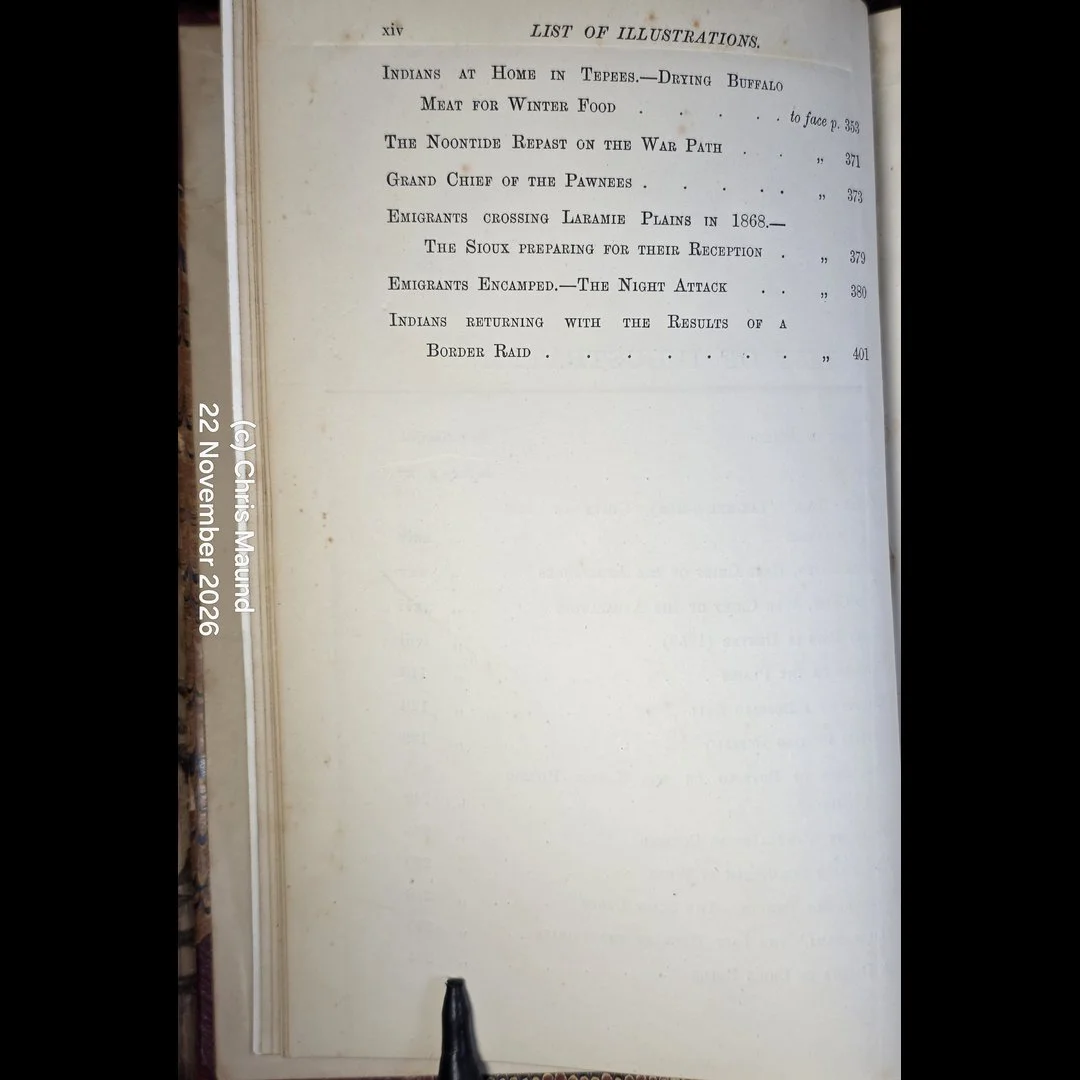
Illustrated with 24 wood engravings, including the frontispiece The Rattlesnake in Rowley's Trap, the work combines accounts of exploration, encounters with Indigenous communities, natural history, folklore and reflections upon the changing circumstances of the Indigenous peoples of the Americas. This copy retains all 24 illustrations recorded in the printed List of Illustrations, with the numbered text concluding on page 351.
George Catlin and the Indigenous Peoples of the Americas
George Catlin (1796–1872) was an American artist, explorer and author whose travels among the Indigenous peoples of North America during the 1830s resulted in one of the most extensive early visual records of Plains Indian societies.
Originally trained as a lawyer, Catlin abandoned his legal career to pursue portraiture and the documentation of Indigenous cultures.
Over successive journeys he travelled among numerous Indigenous nations, producing paintings of individuals, ceremonies, clothing, dwellings and aspects of daily life.
His work was motivated in part by his conviction that Indigenous societies were undergoing profound changes as a consequence of European-American settlement, territorial expansion and government policies.
Catlin sought to preserve a visual and written record of traditions that he believed were threatened with disappearance.
His paintings and writings became influential sources for nineteenth-century European and American understanding of Indigenous cultures, although his interpretations also reflected the assumptions and prejudices of his own period.
The present work belongs to Catlin's later literary output, extending his observations beyond the Great Plains to the Rocky Mountains, California and South America.
Publication History and the Gall & Inglis Edition
The work first appeared as Last Rambles Amongst the Indians of the Rocky Mountains and the Andes, published in New York in 1867 and in London in 1868.
It followed Catlin's earlier Life Amongst the Indians, continuing his presentation of travel experiences, natural history, Indigenous customs and cultural observations for a broad readership, including younger readers.
This later Gall & Inglis edition was published under the shortened title Rambles Among the Indians of the Rocky Mountains and the Andes.
The title page is undated, as is common with several of the publisher's Victorian illustrated editions. A publication date around 1880 is provisionally assigned, although an exact year has not been established for this copy.
The edition contains 351 numbered pages and 24 illustrations, principally wood engravings, presented in the publisher's elaborate pictorial cloth binding.
The Original Victorian Pictorial Binding
A particularly attractive feature of this copy is its original red cloth binding, which combines coloured pictorial decoration with gilt lettering and black ornamental borders.
The front board features two illustrated scenes.
The upper illustration depicts a tropical setting with a figure resting in a hammock, a large anteater in the foreground and another figure beside a tree.
The lower illustration portrays an Indigenous encampment, with several figures seated before a brightly coloured tent.
The spine continues the decorative scheme, retaining a gilt title panel and a striking coloured illustration depicting a figure carrying a large load.
The strong surviving colour and extensive pictorial decoration make the volume an appealing example of late-Victorian illustrated publisher's cloth.
Despite some wear to the spine head, the binding remains structurally sound, with both boards and inner hinges firmly attached.
PROVENANCE
School Board for London Prize Provenance
The rear board bears a gilt oval emblem inscribed: PRIZE AWARDED BY THE SCHOOL BOARD FOR LONDON
The School Board for London operated between 1870 and 1904 and was responsible for the development and administration of elementary education across London during a period of major educational reform.
Books awarded as school prizes frequently carried decorative bindings or institutional prize stamps, reflecting their role in encouraging literacy, educational attainment and wider reading.
The presence of the School Board emblem provides an interesting link between Catlin's accounts of travel and Indigenous cultures and the educational interests of Victorian Britain.
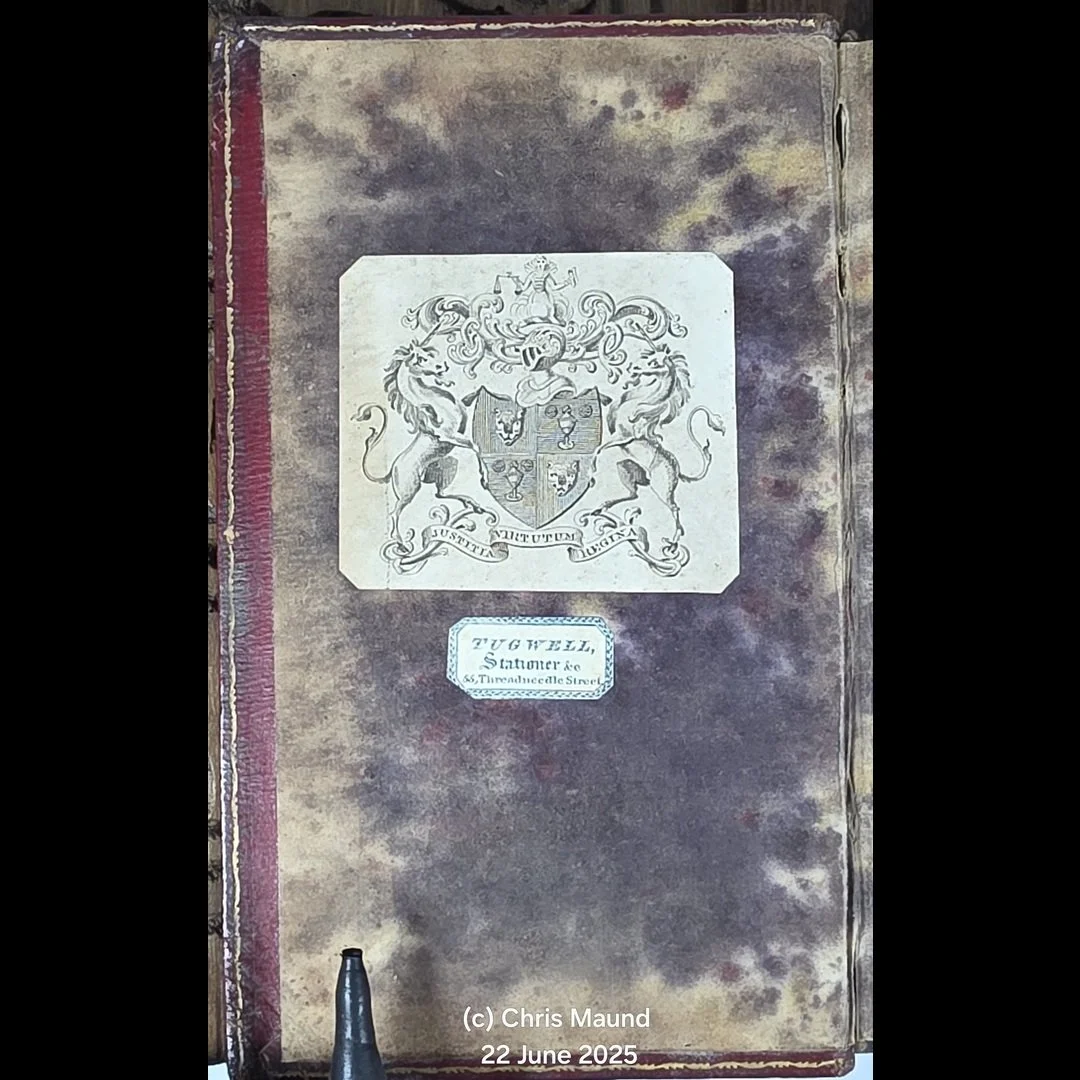
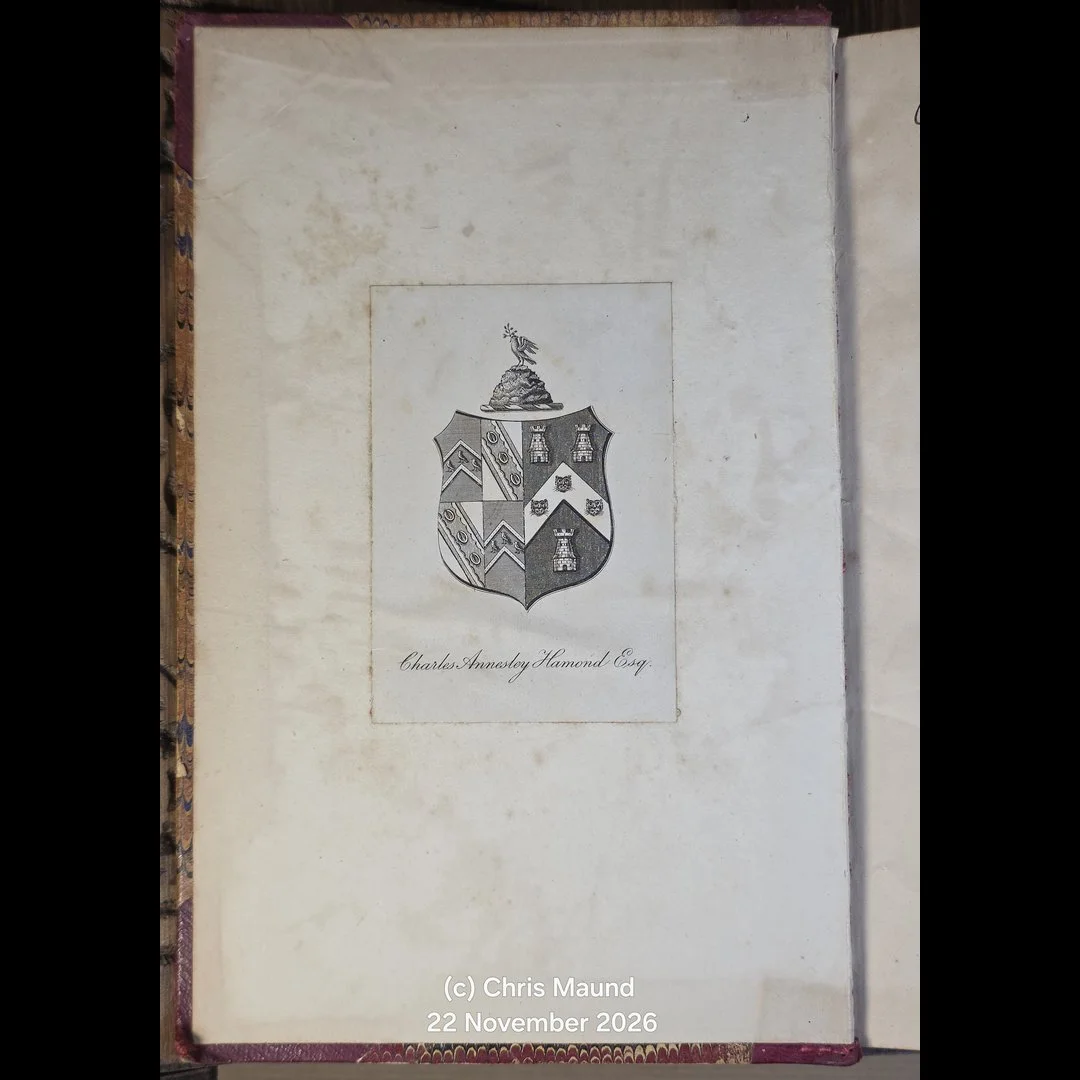
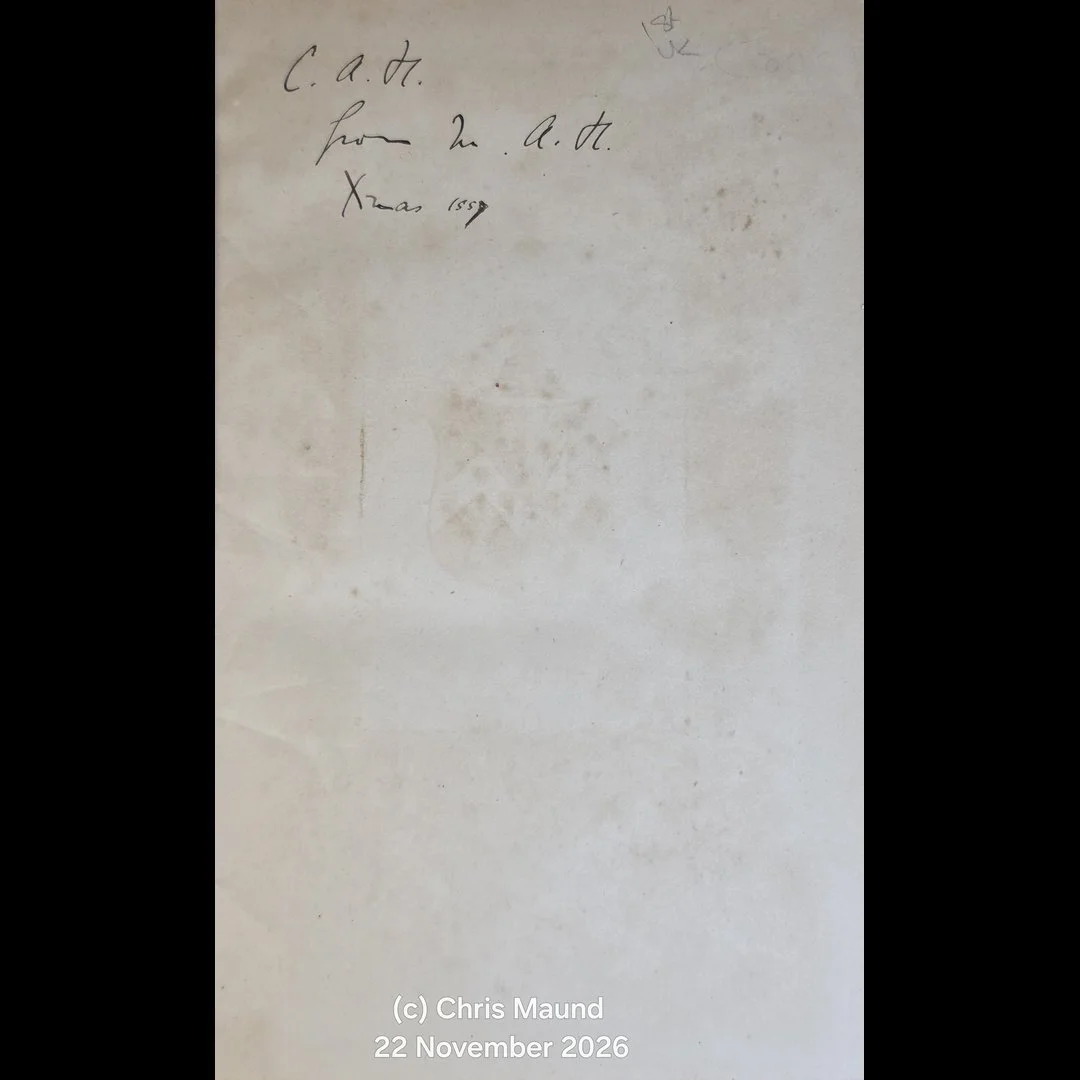
The front pastedown retains substantial traces of a removed or abraded label, possibly associated with the book's institutional or prize history. No recipient or award date can presently be established from the surviving evidence.
CONDITION, COLLATION & COPY NOTES
Good.
An attractive example in its original publisher's red pictorial cloth, retaining particularly bright multicoloured illustrations and gilt lettering to the front board.
Binding: The front board presents particularly well, with strong original colour, clear gilt lettering and only modest surface wear.
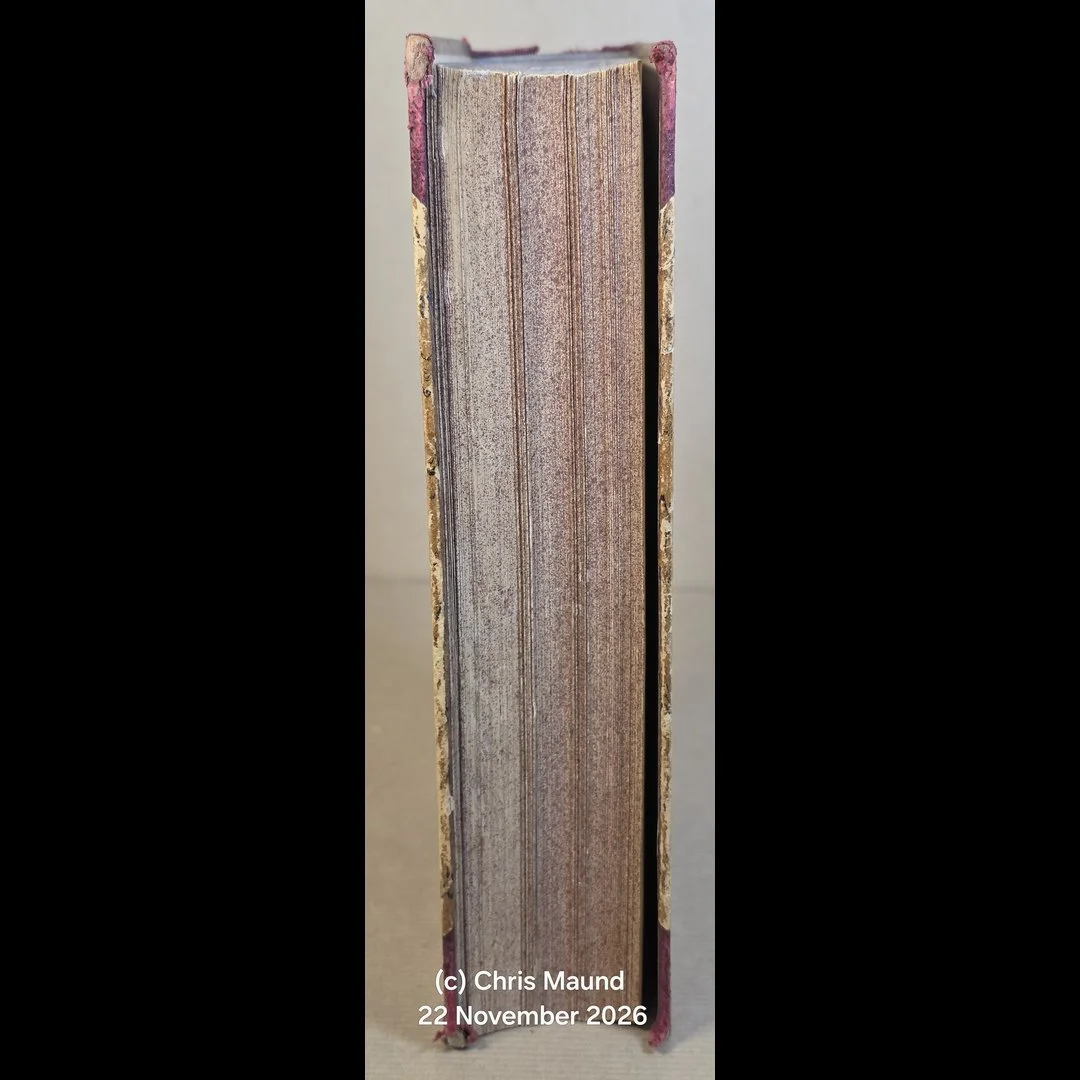
The illustrated spine retains its coloured decoration and gilt title panel, although the spine head exhibits fraying, short tears and small areas of cloth loss. There is lighter wear to the foot and corners.
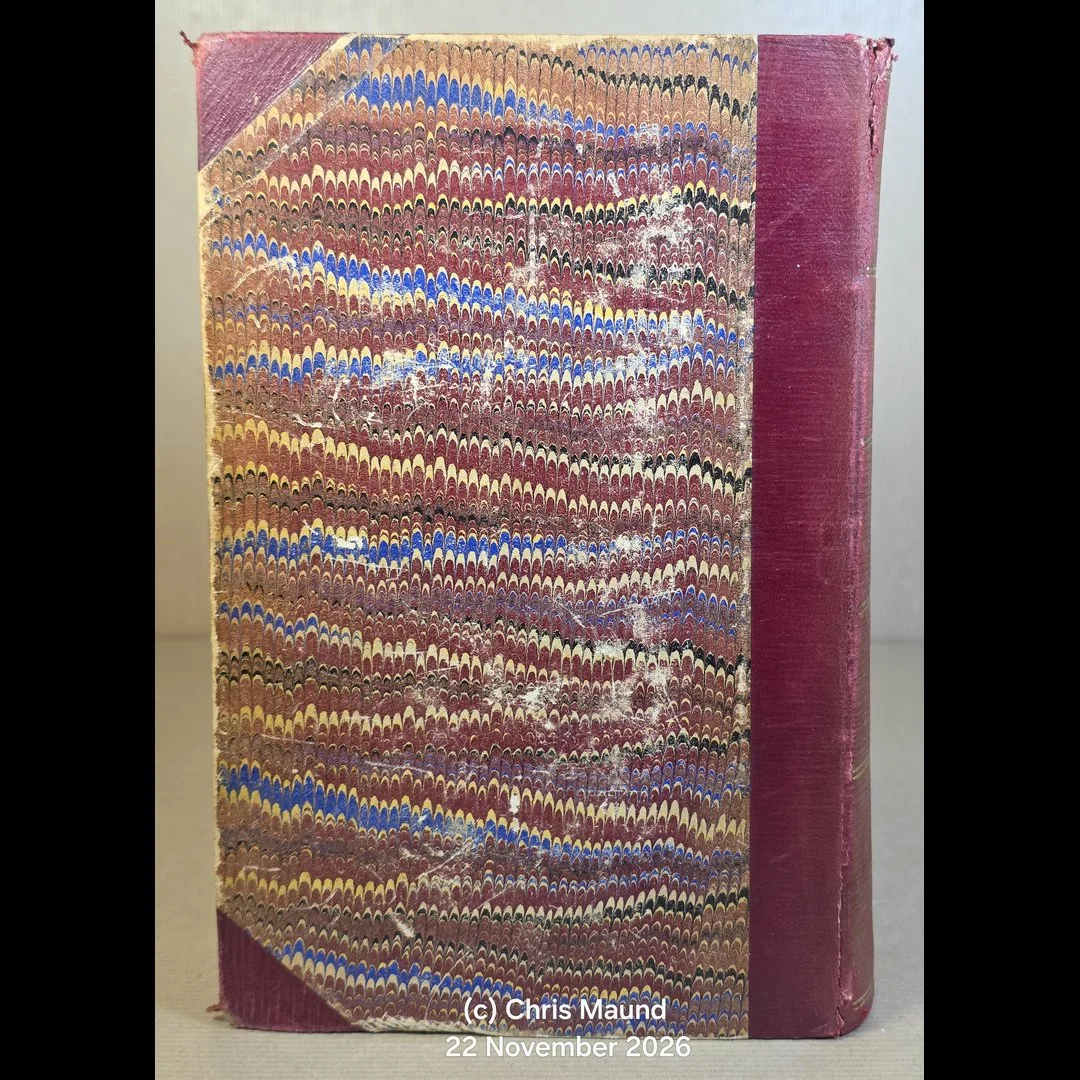
The rear board shows general rubbing, surface scratches and scattered pale marks consistent with age and handling.
Both boards are firmly attached, and the inner hinges remain sound without structural splitting.
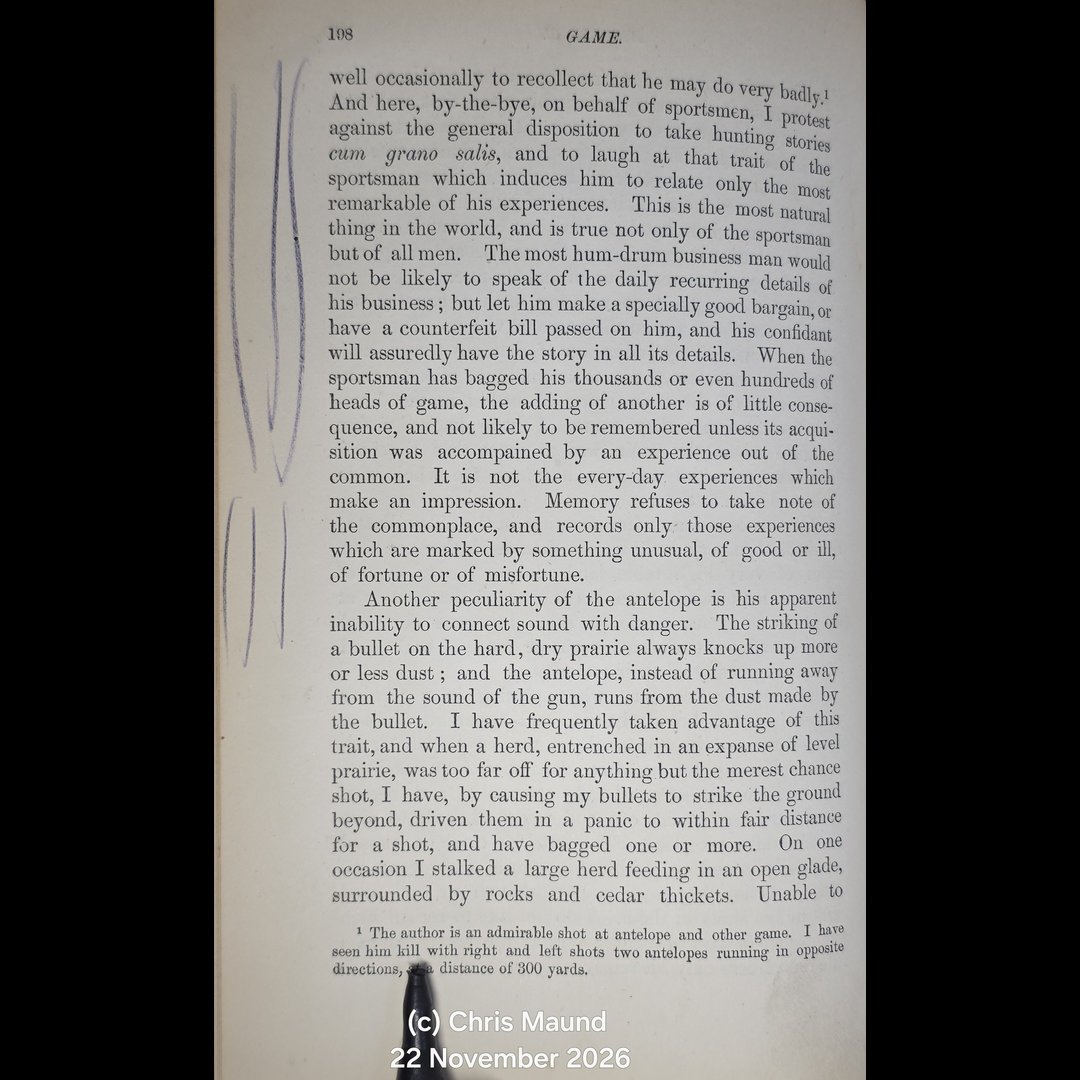
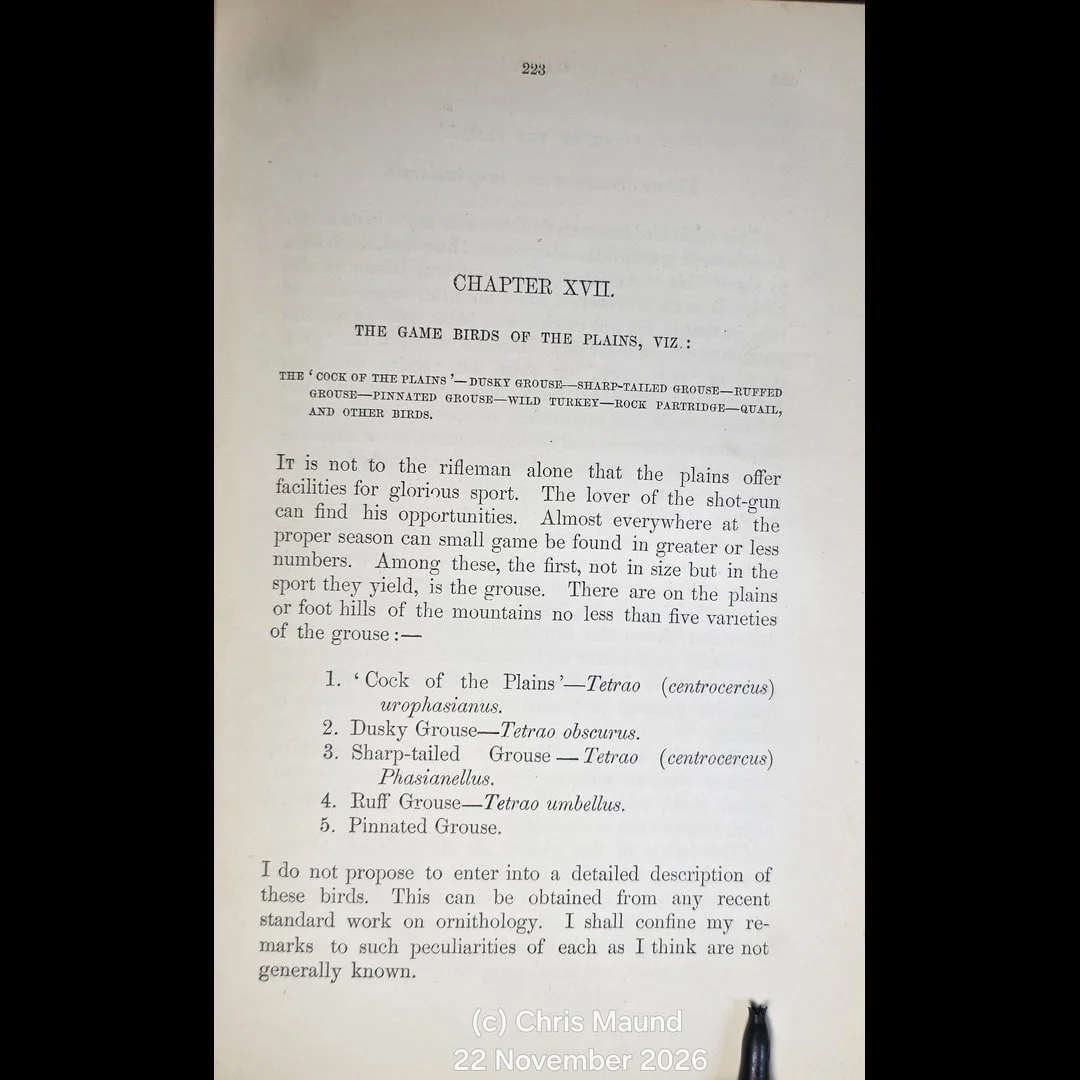
Interior: Generally clean and well preserved for a nineteenth-century illustrated volume, with occasional light foxing, age-related toning and scattered small marks.
The illustrations retain good definition and are generally clean.
The rear pastedown bears considerable abrasion and remnants of a removed label. Some foxing is present to the endpapers and adjacent leaves.
The School Board for London prize emblem remains clearly legible on the rear board.
The final numbered page and all 24 listed illustrations are present.
Overall, a sound and visually appealing copy, particularly notable for the preservation of its richly coloured original pictorial binding.
Illustrations
The book retains all 24 illustrations recorded in its printed List of Illustrations, including the frontispiece.
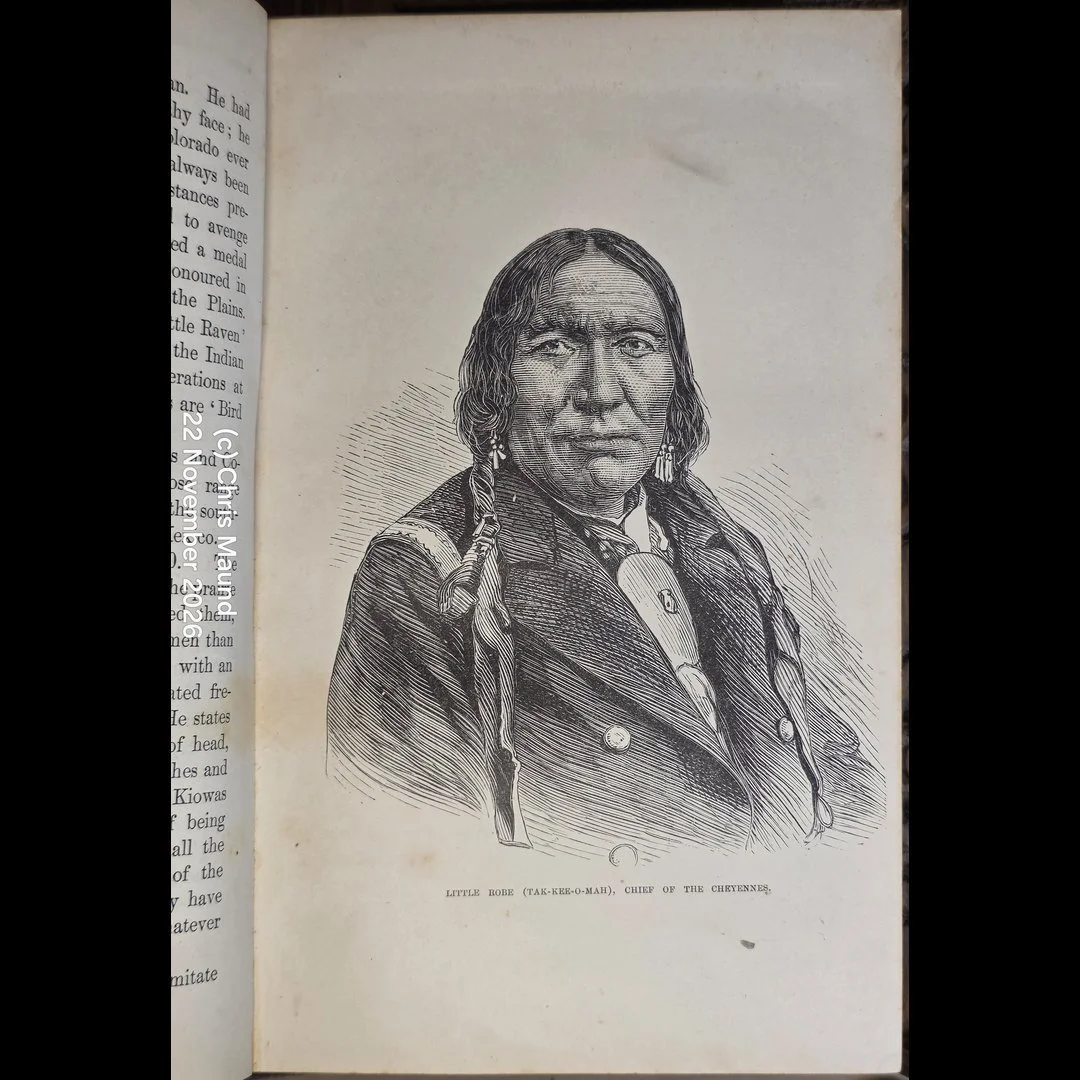
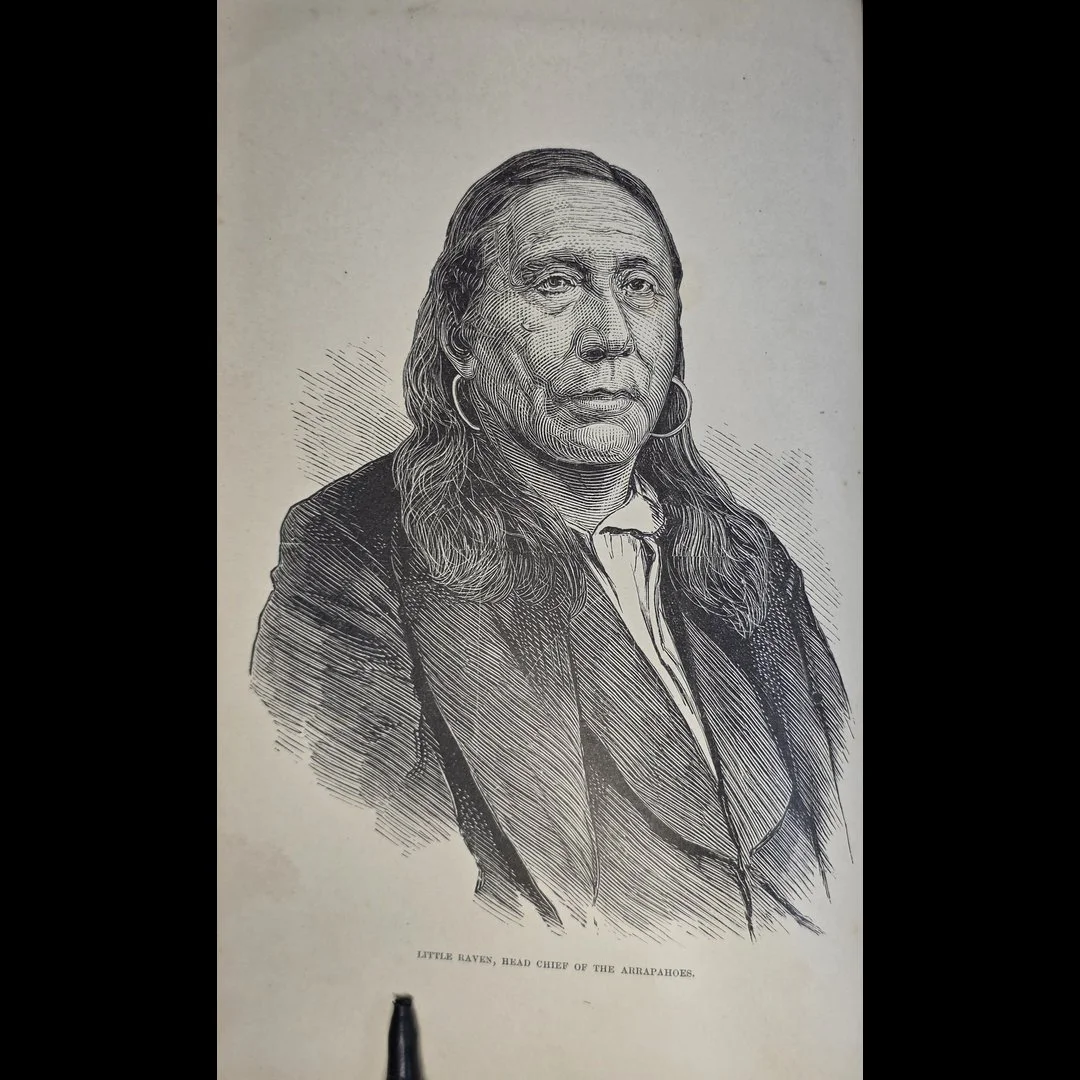
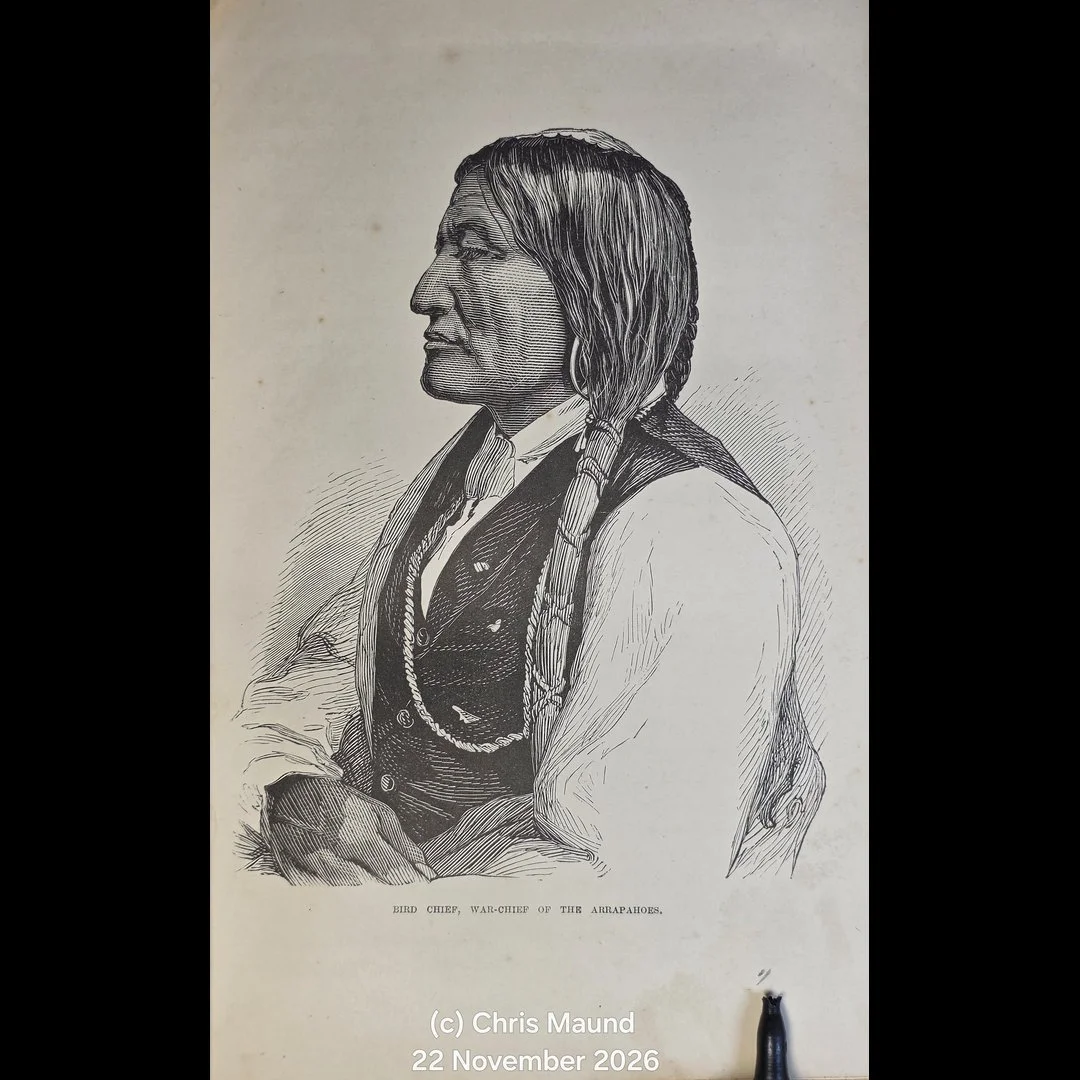
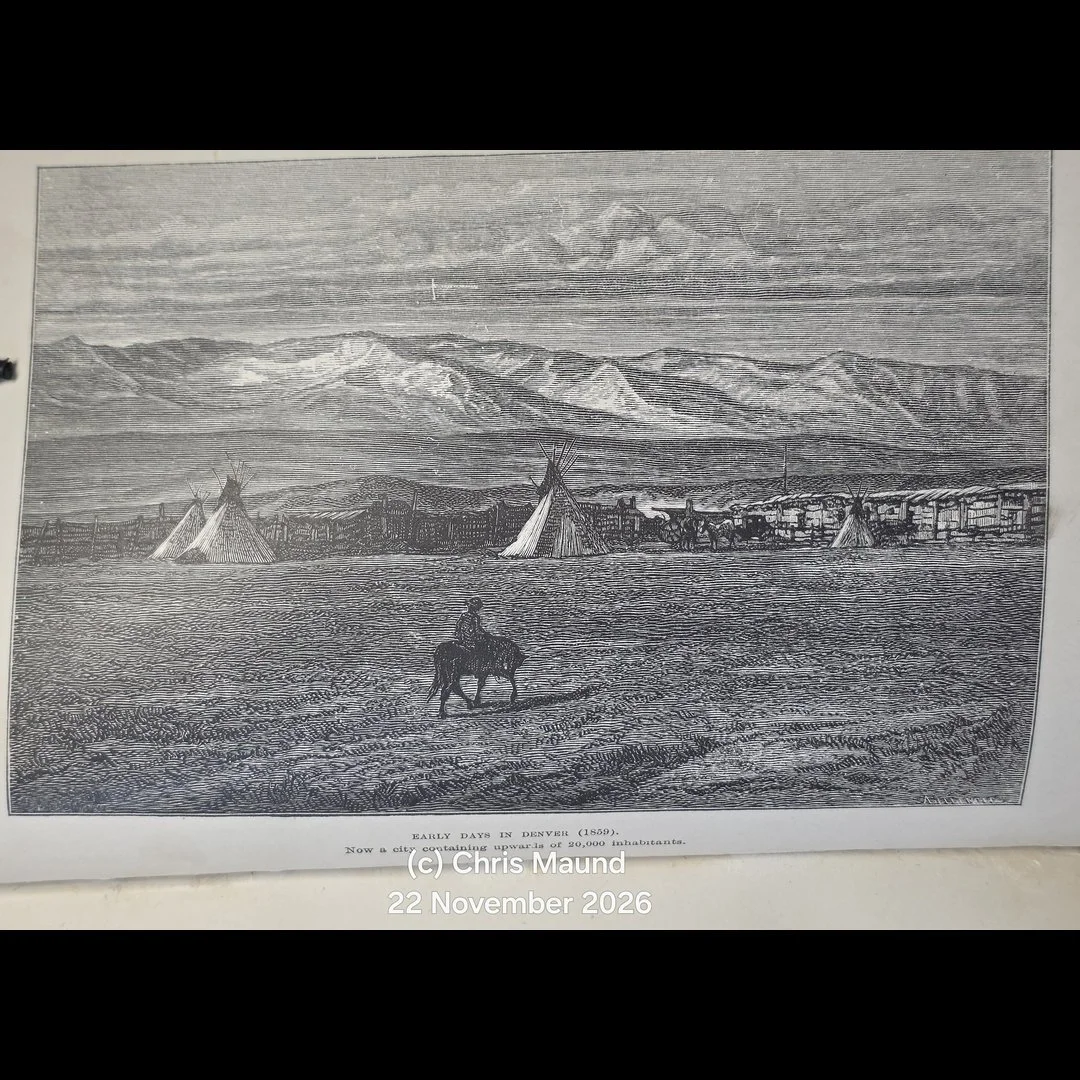
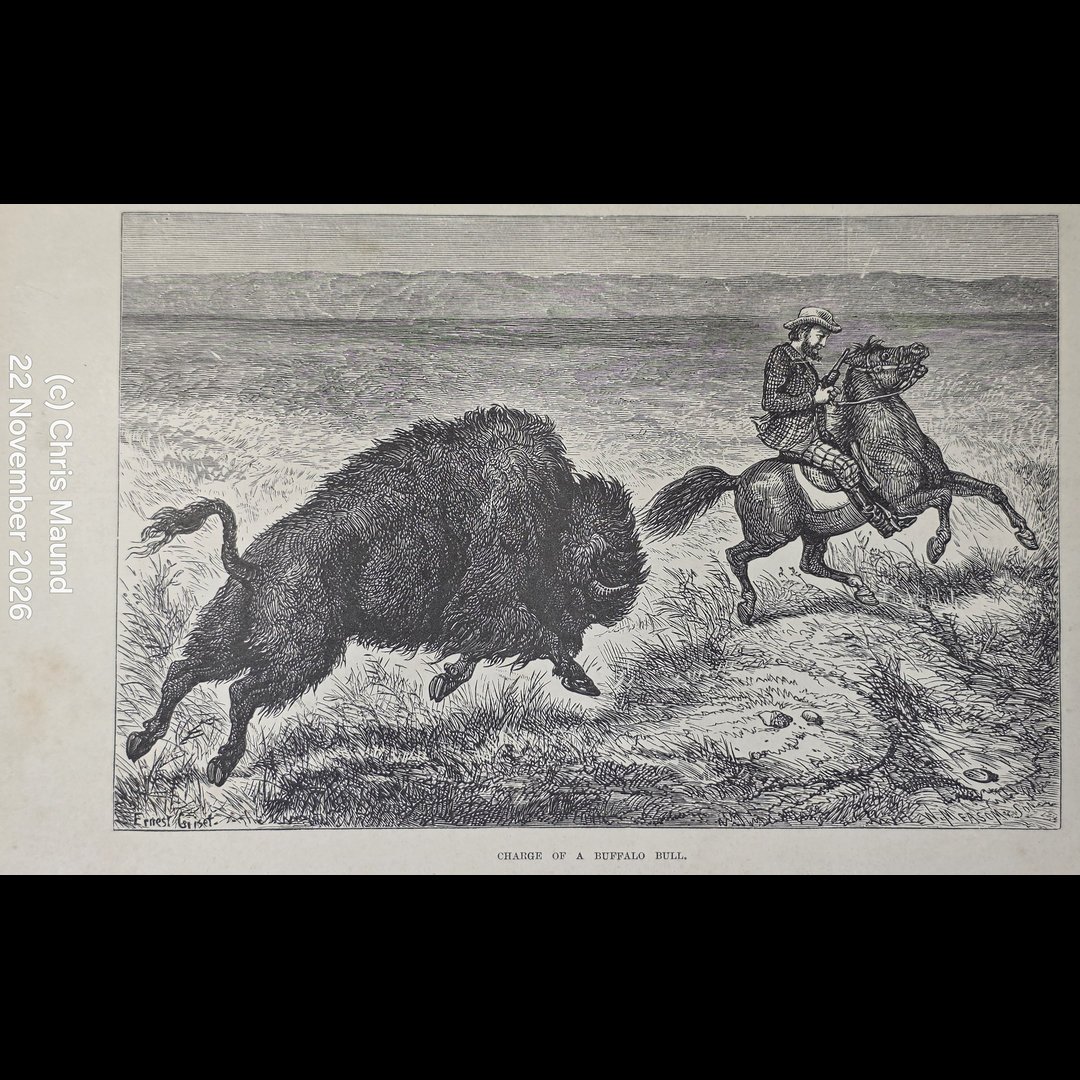
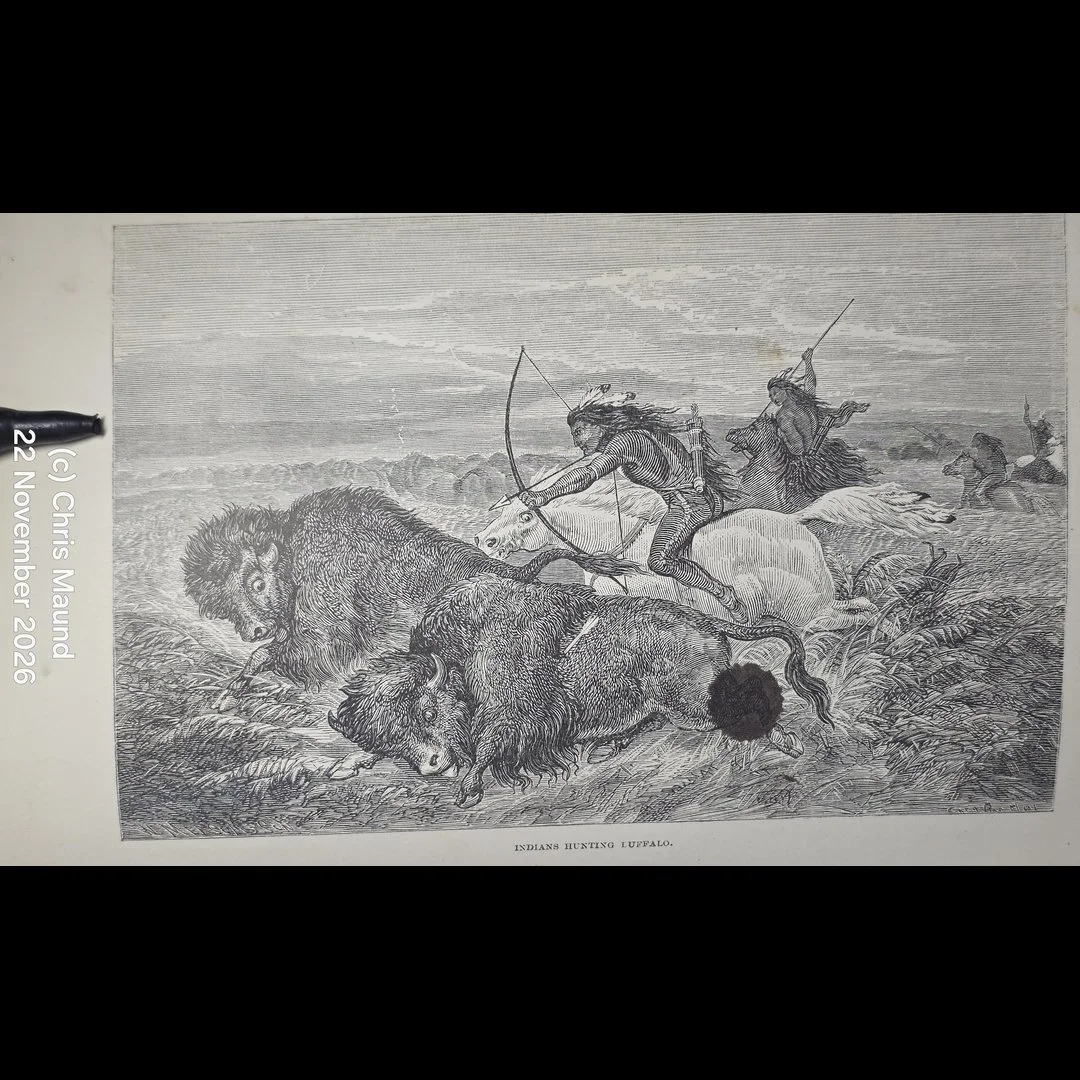
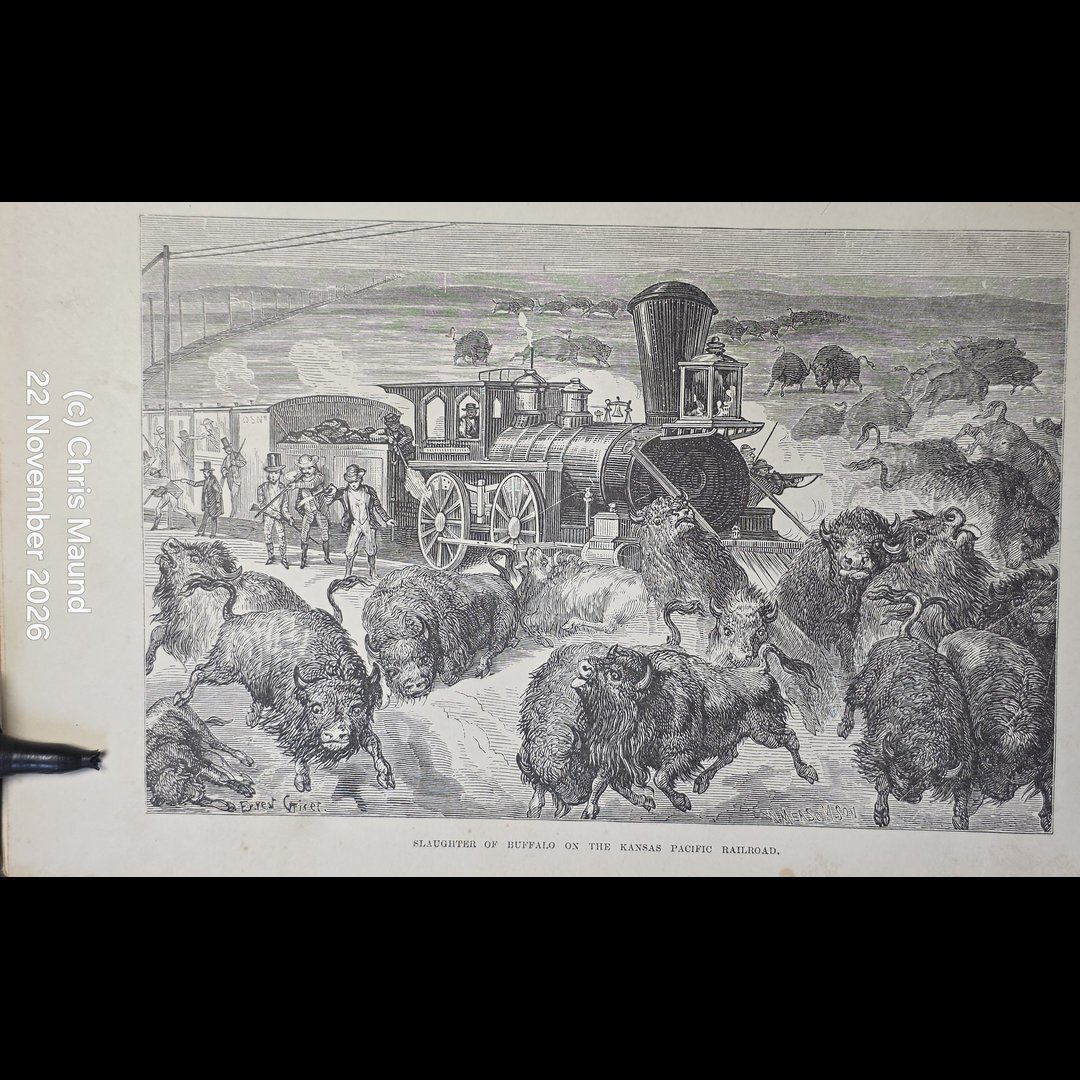
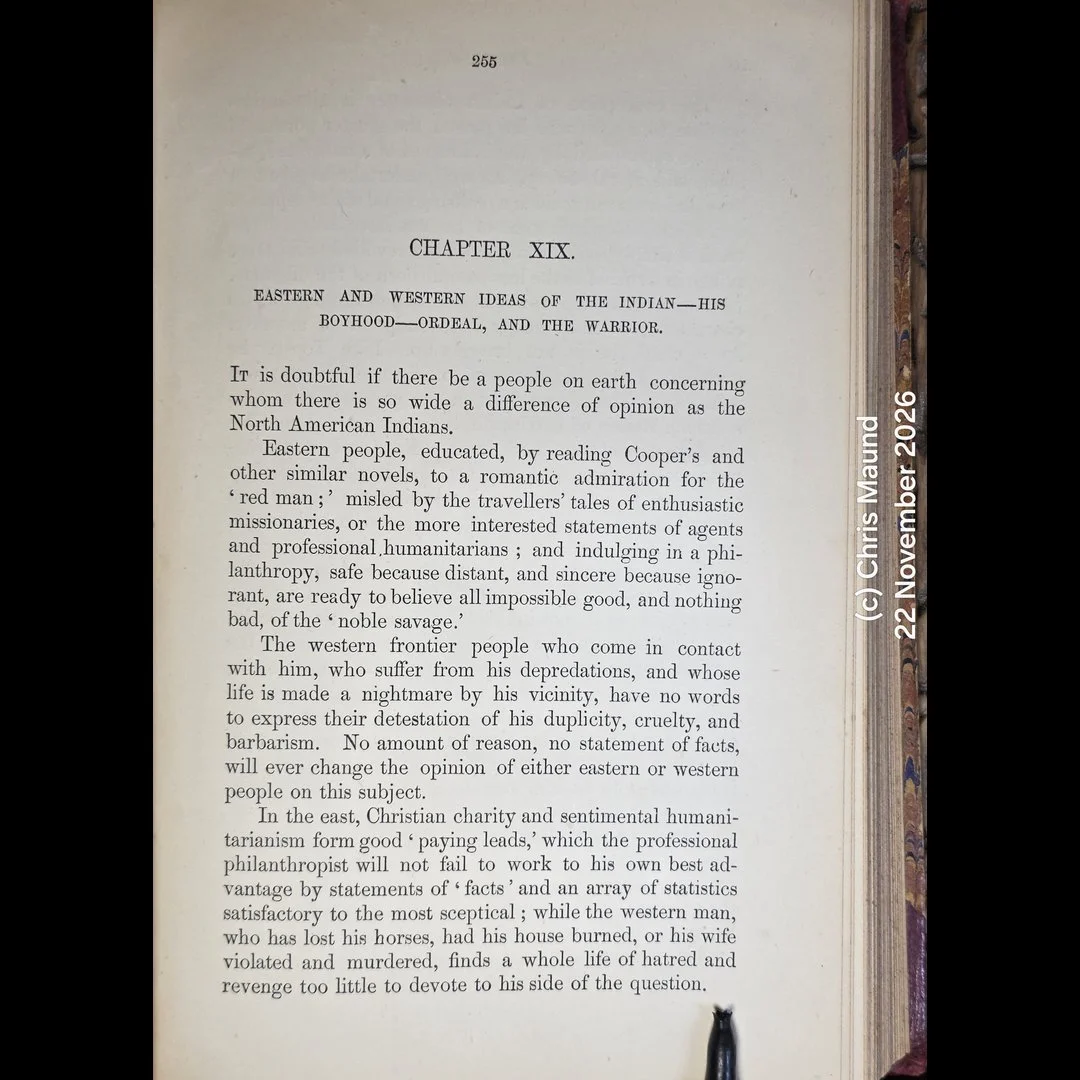
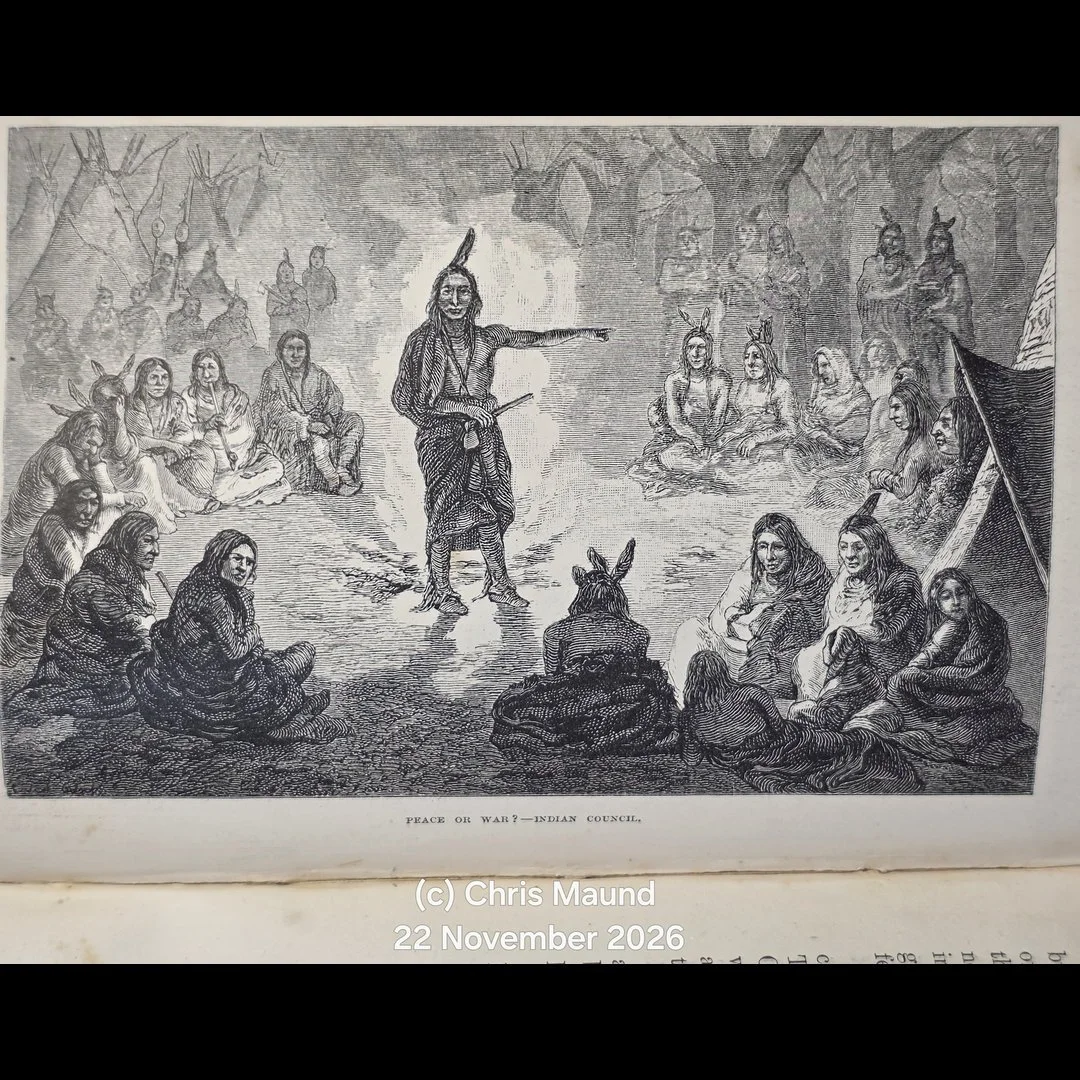
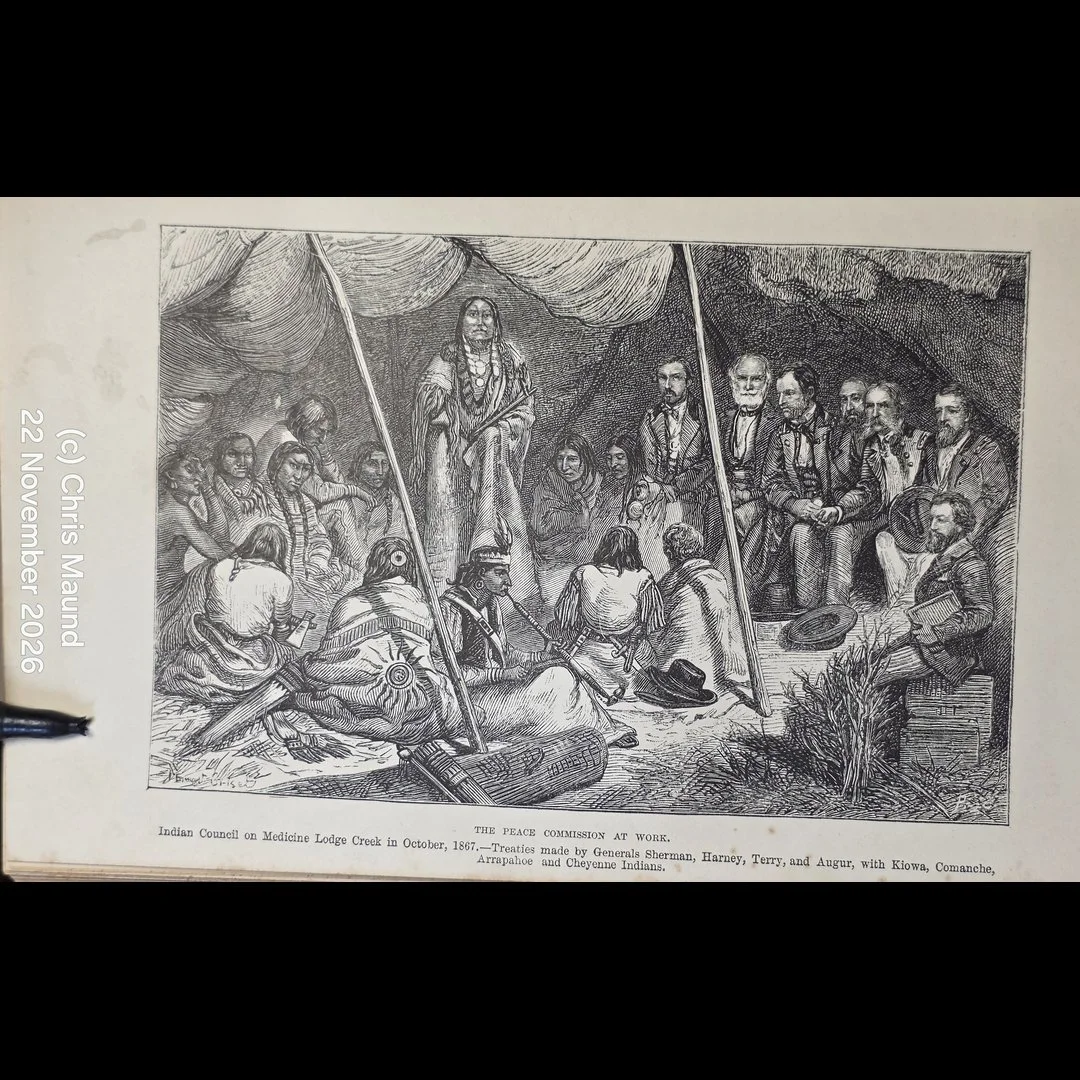
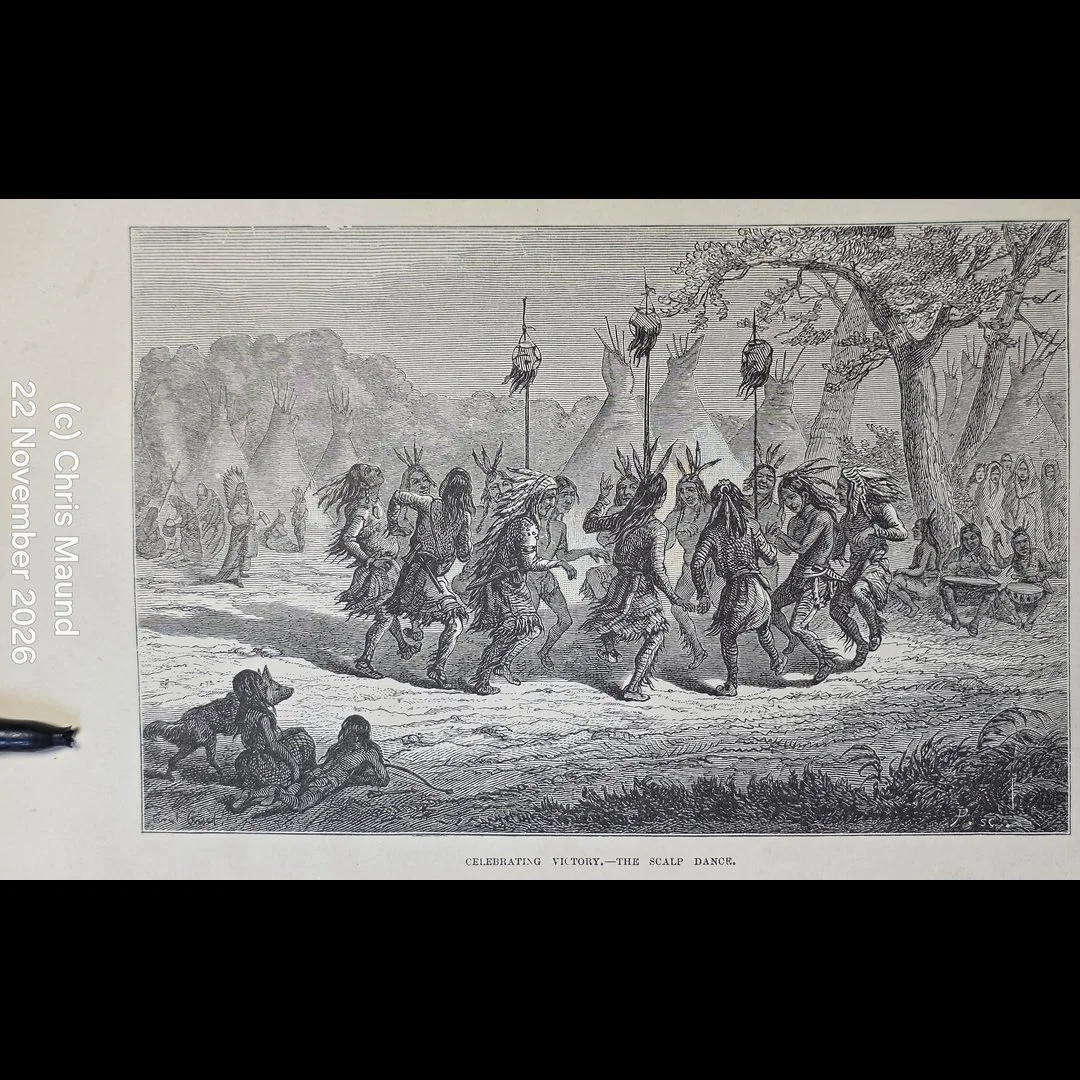
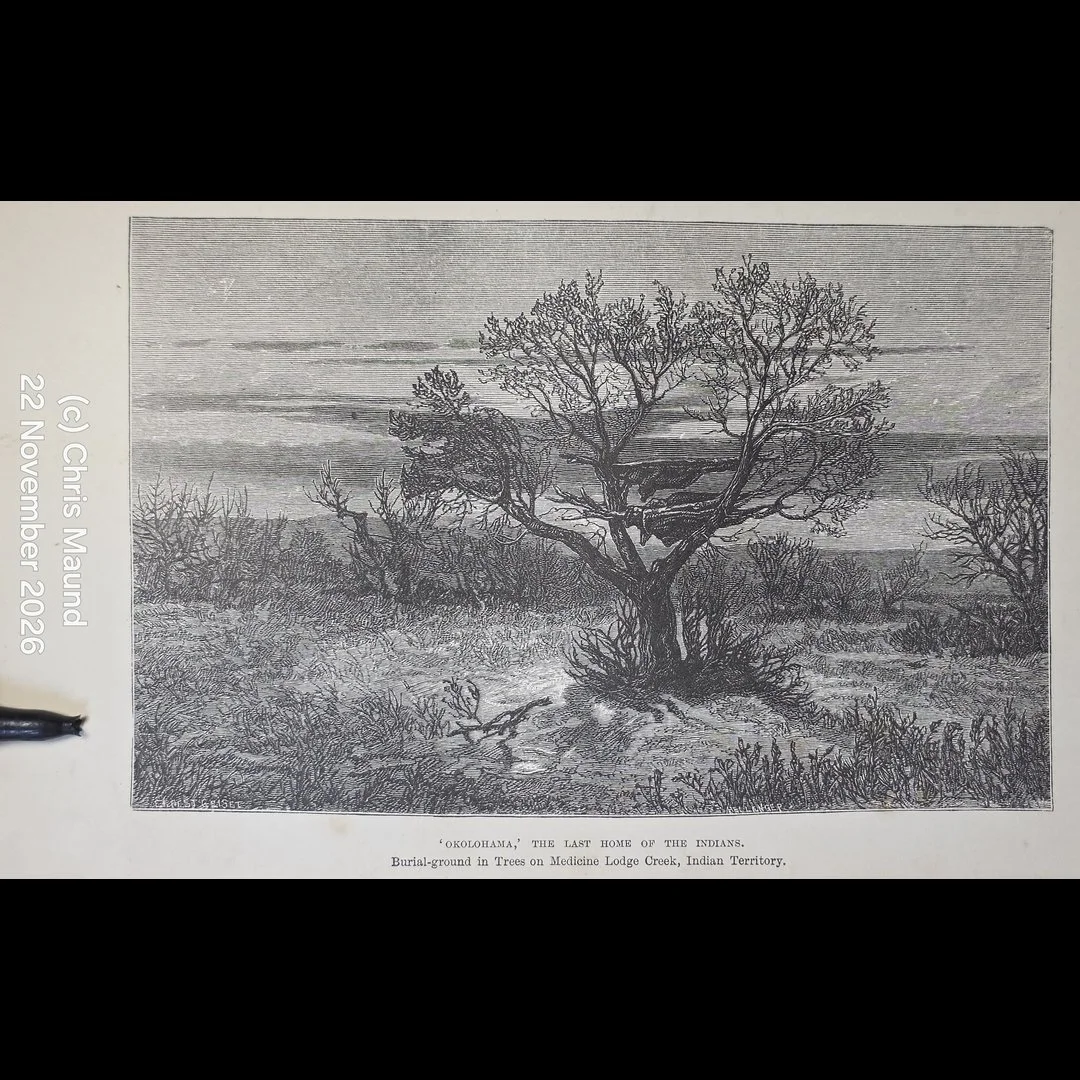
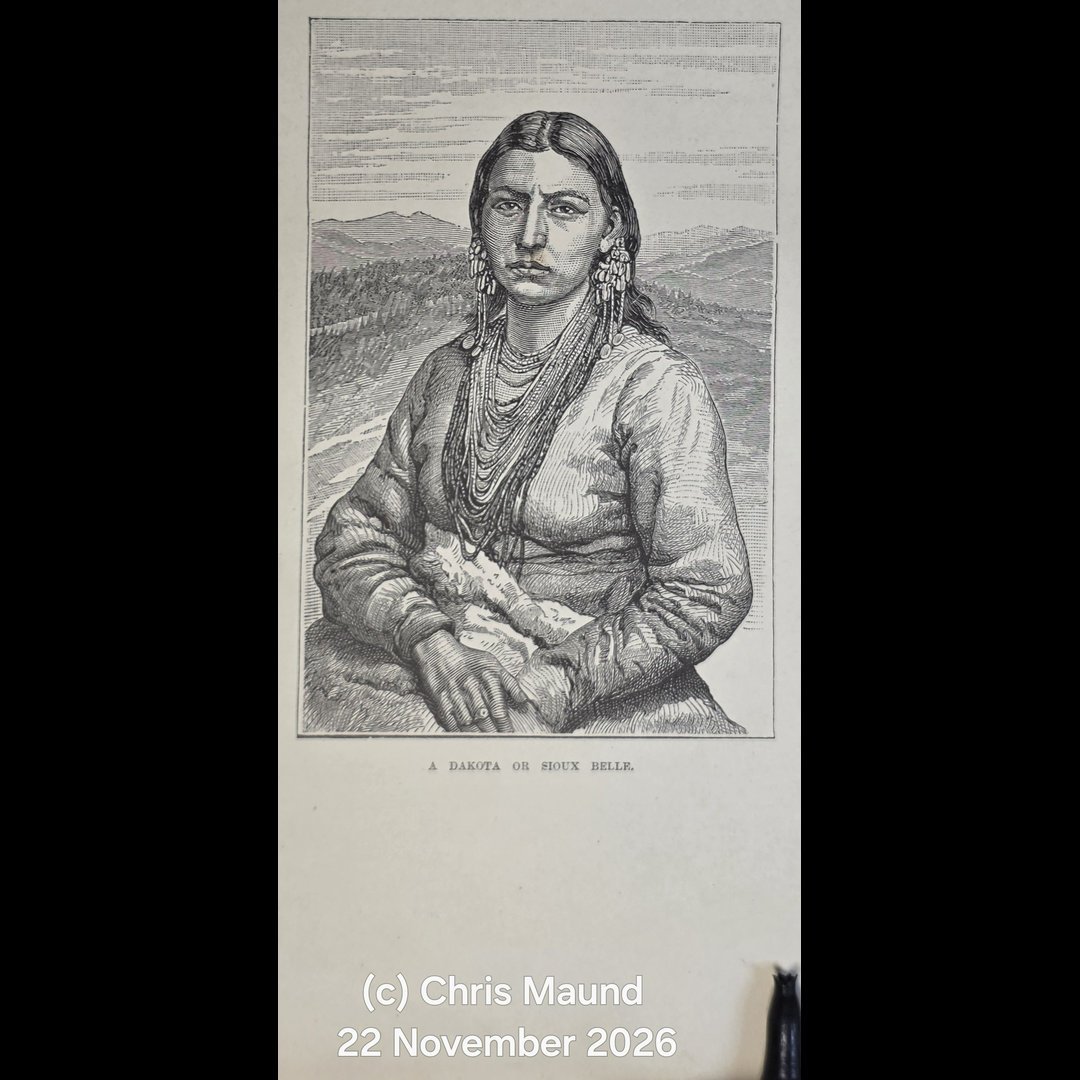
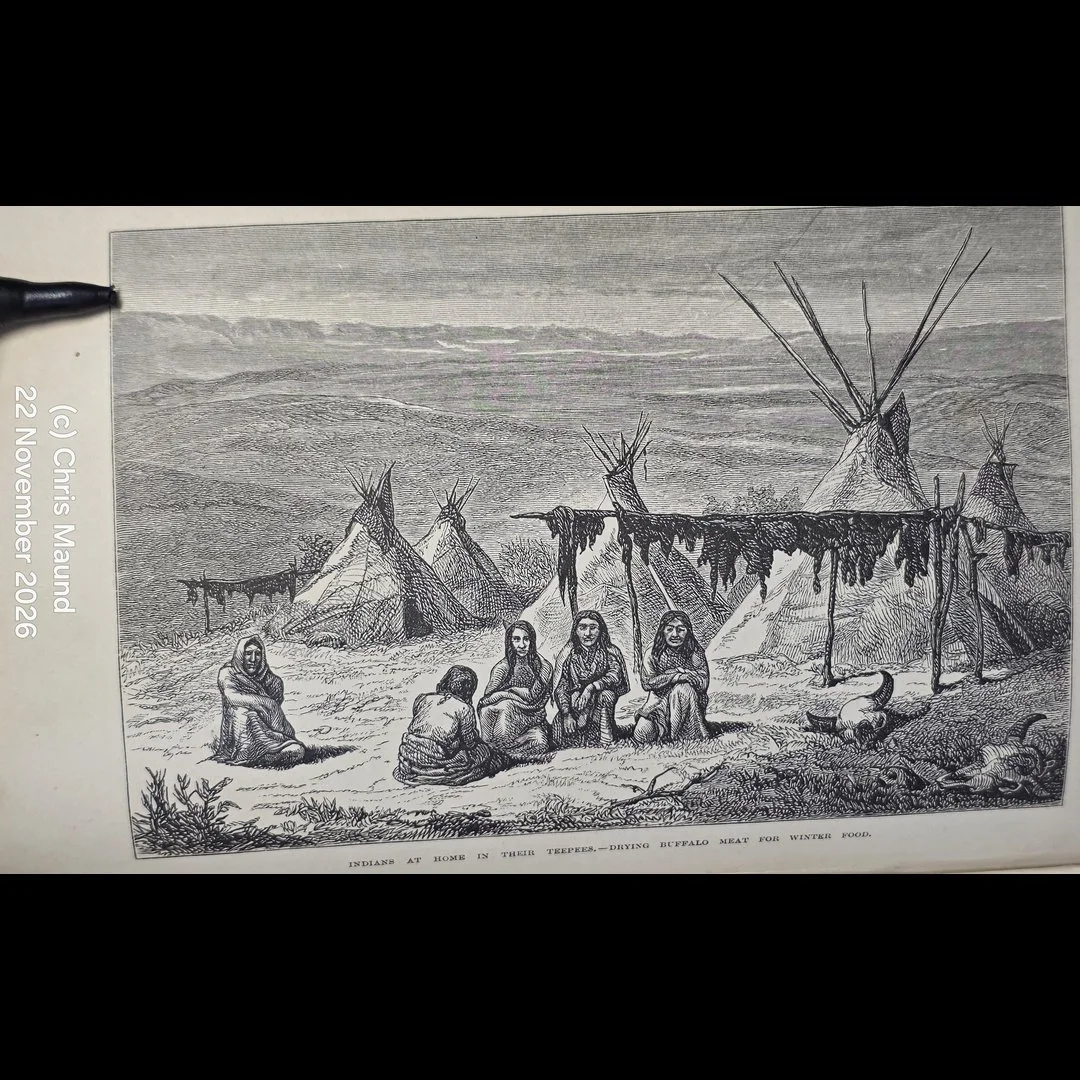
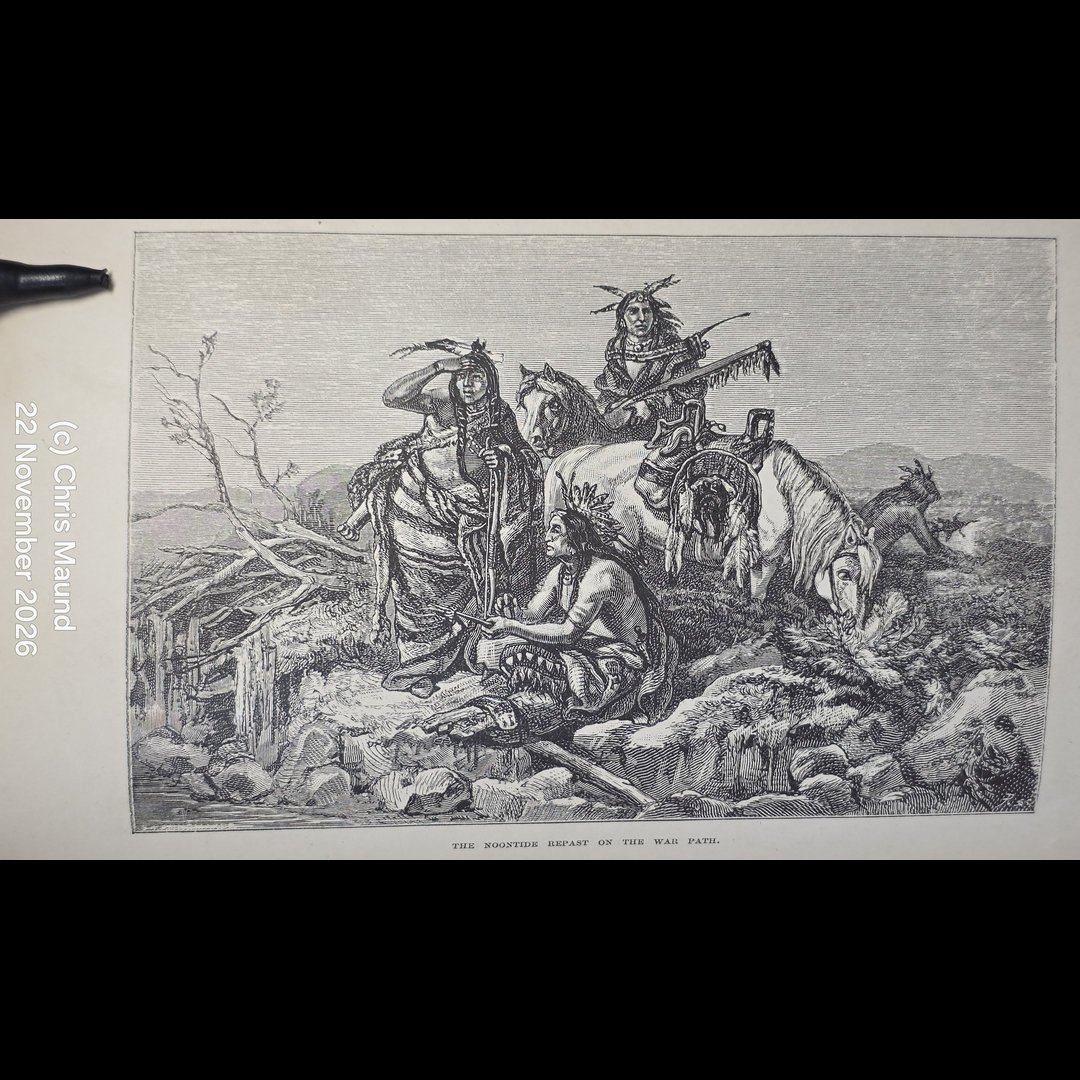
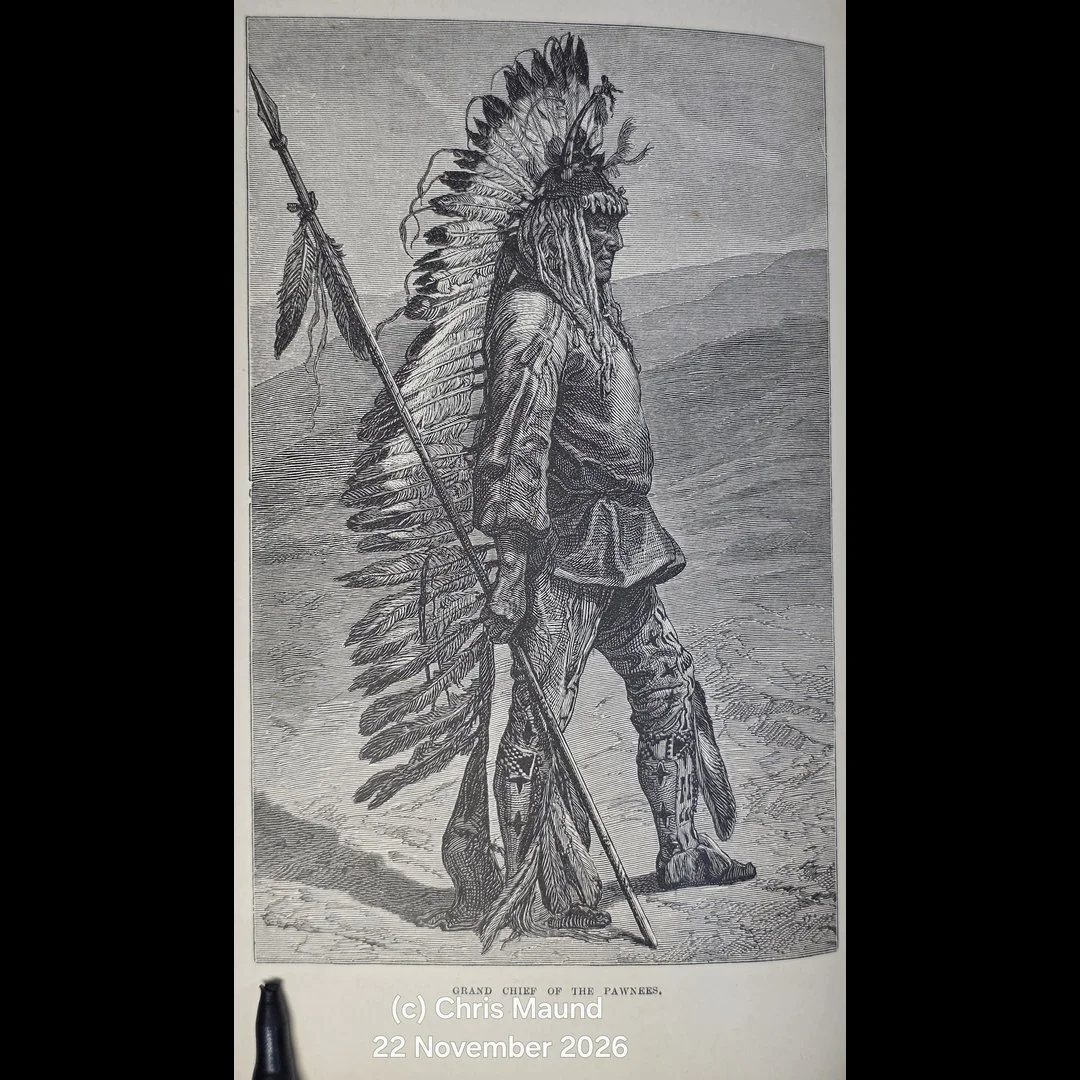
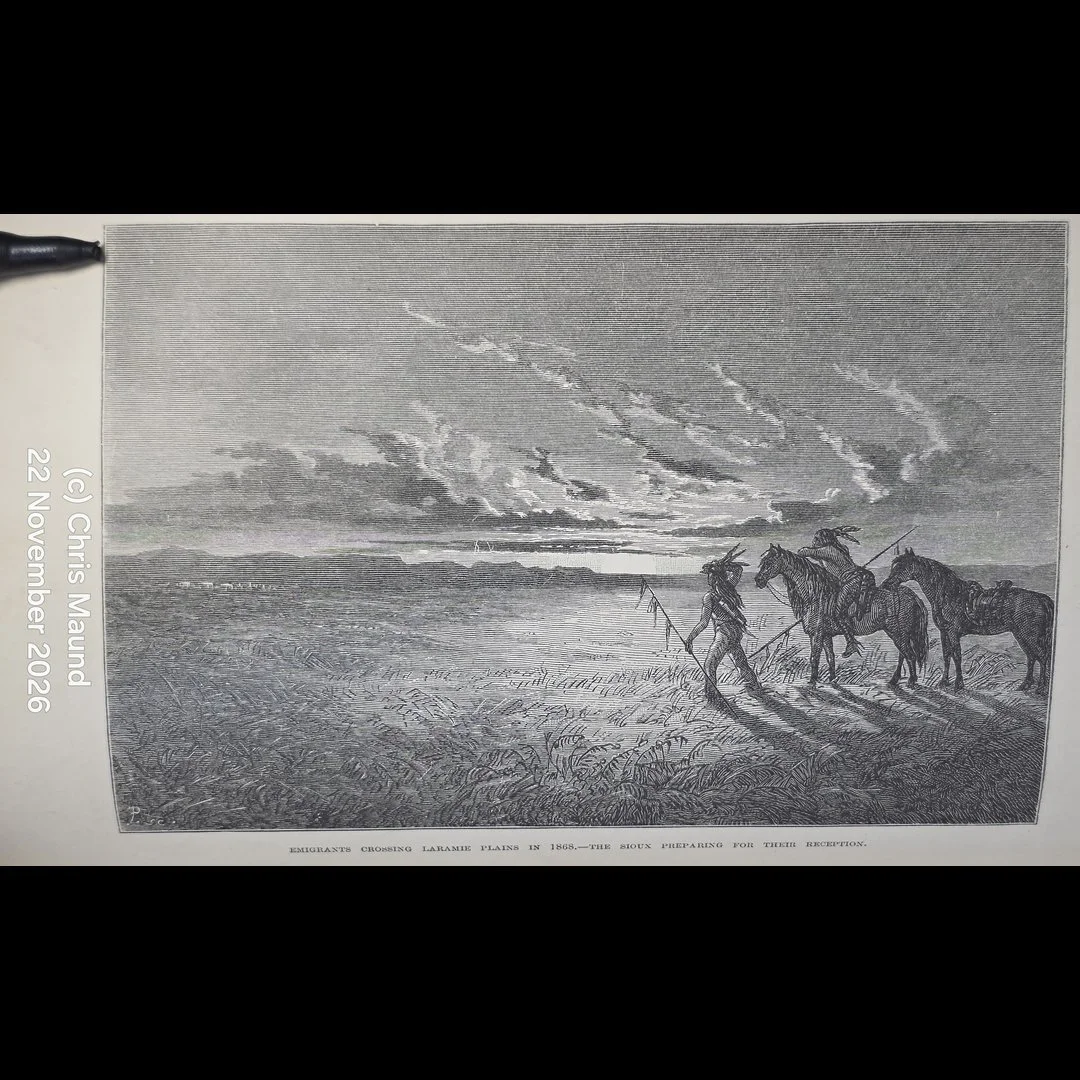
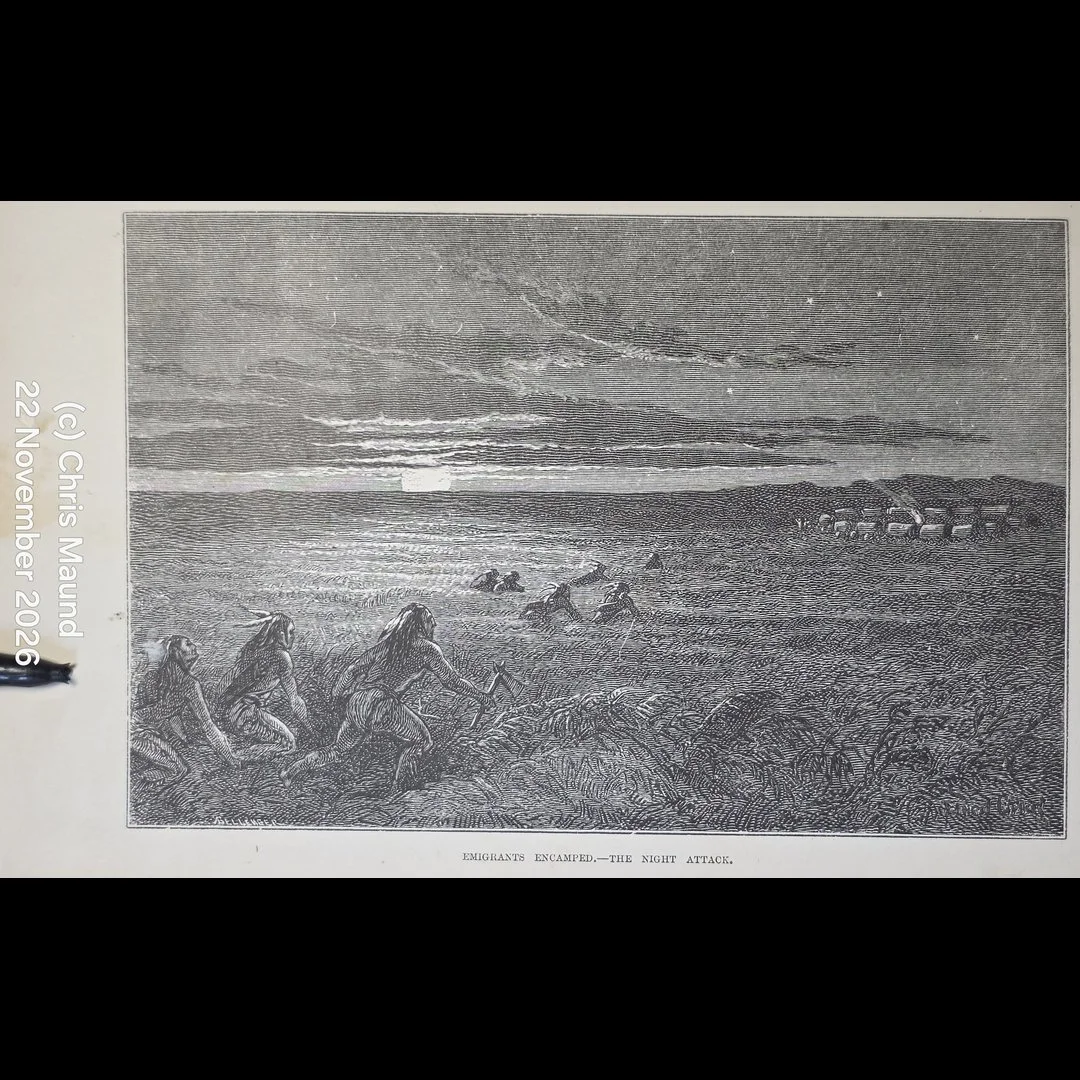
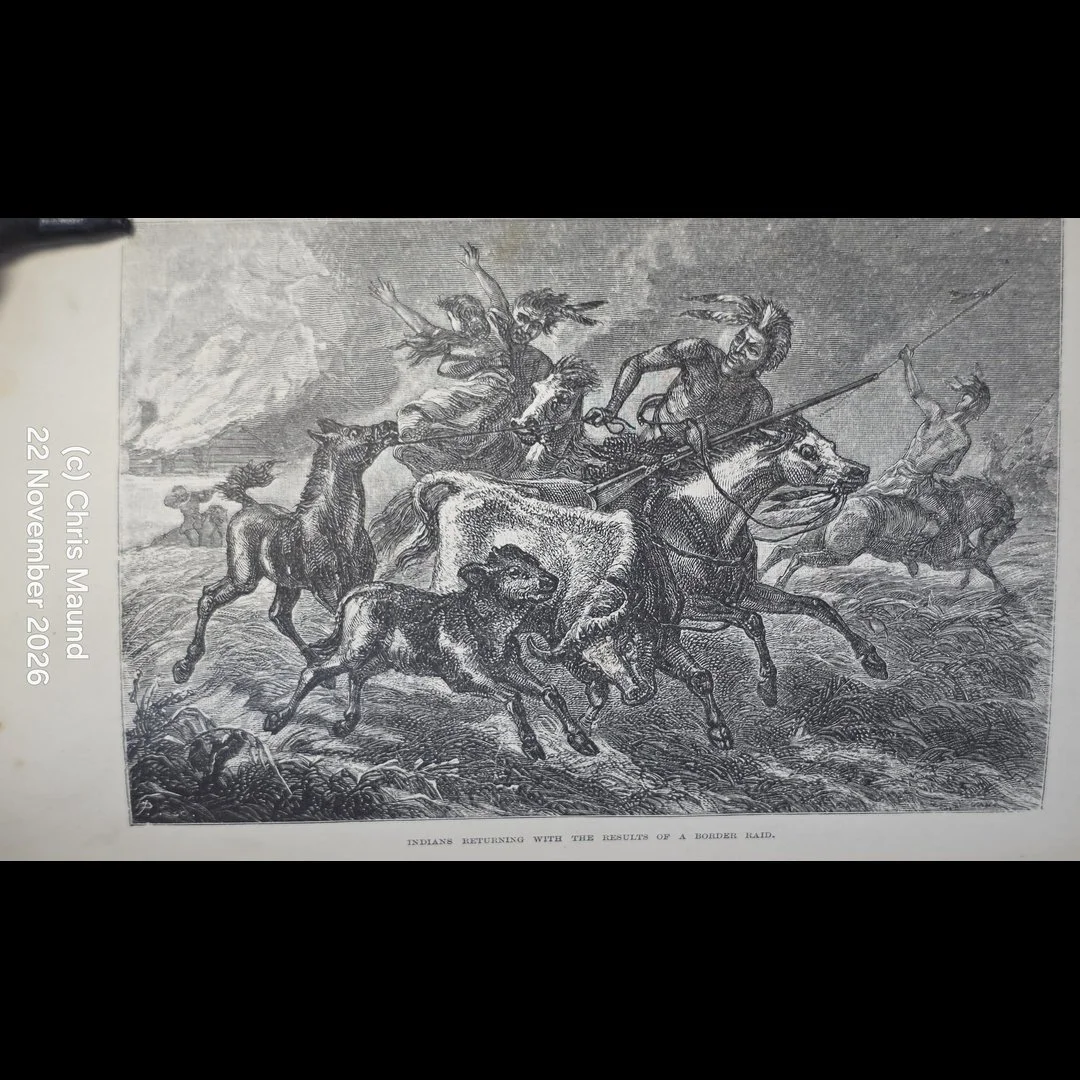
The wood engravings depict episodes from Catlin's travels, Indigenous individuals and communities, ceremonies, wildlife and scenes of exploration.
Subjects include rattlesnakes and their capture, encounters with peccaries and an anteater, canoes, Indigenous portraits, the Flathead Indians, ceremonial dancing, the Amazon and other South American subjects.
The illustrations contribute significantly to the character of the work, combining adventurous narrative scenes with images intended to document or interpret the people and environments described by Catlin.
The frontispiece, The Rattlesnake in Rowley's Trap, survives in good condition.
The illustrated content has been checked against the book's printed list, with all 24 illustrations accounted for.
Please see photographs as part of the condition report.
REFERENCES
Library of Congress — Last Rambles Amongst the Indians of the Rocky Mountains and the Andes, New York, D. Appleton & Company, 1867.
Cambridge University Press — Last Rambles Amongst the Indians of the Rocky Mountains and the Andes, reproduction of the London 1868 edition.
Gall & Inglis — Rambles Among the Indians, corresponding Victorian illustrated editions, pp. [viii], 351.
The Huntington Library — George Catlin papers and illustrations, collection mssHM 35183.
SYNOPSIS
Rambles Among the Indians of the Rocky Mountains and the Andes combines adventurous travel narrative with accounts of Indigenous societies, wildlife and the natural environments of the American continents.
The narrative opens with encounters involving rattlesnakes before proceeding through accounts of exploration, gold hunting and journeys through mountainous and forested regions.
The eleven principal chapters cover the Rattlesnakes' Den, gold hunting in the Crystal Mountains, descent of the Yucayali, the Flathead Indians, California, Rio de Janeiro, Buenos Aires and Tierra del Fuego.
Throughout these episodes Catlin describes Indigenous communities, their customs, appearance, ceremonies and ways of life, alongside episodes involving wild animals, challenging terrain and the practical difficulties of travel.
Particular attention is given to the inhabitants of the Rocky Mountain regions and the Amazon basin, with descriptions of their clothing, ornaments, settlements and customs.
The work's illustrations reinforce these themes, providing contemporary interpretations of individuals, activities and encounters described in the text.
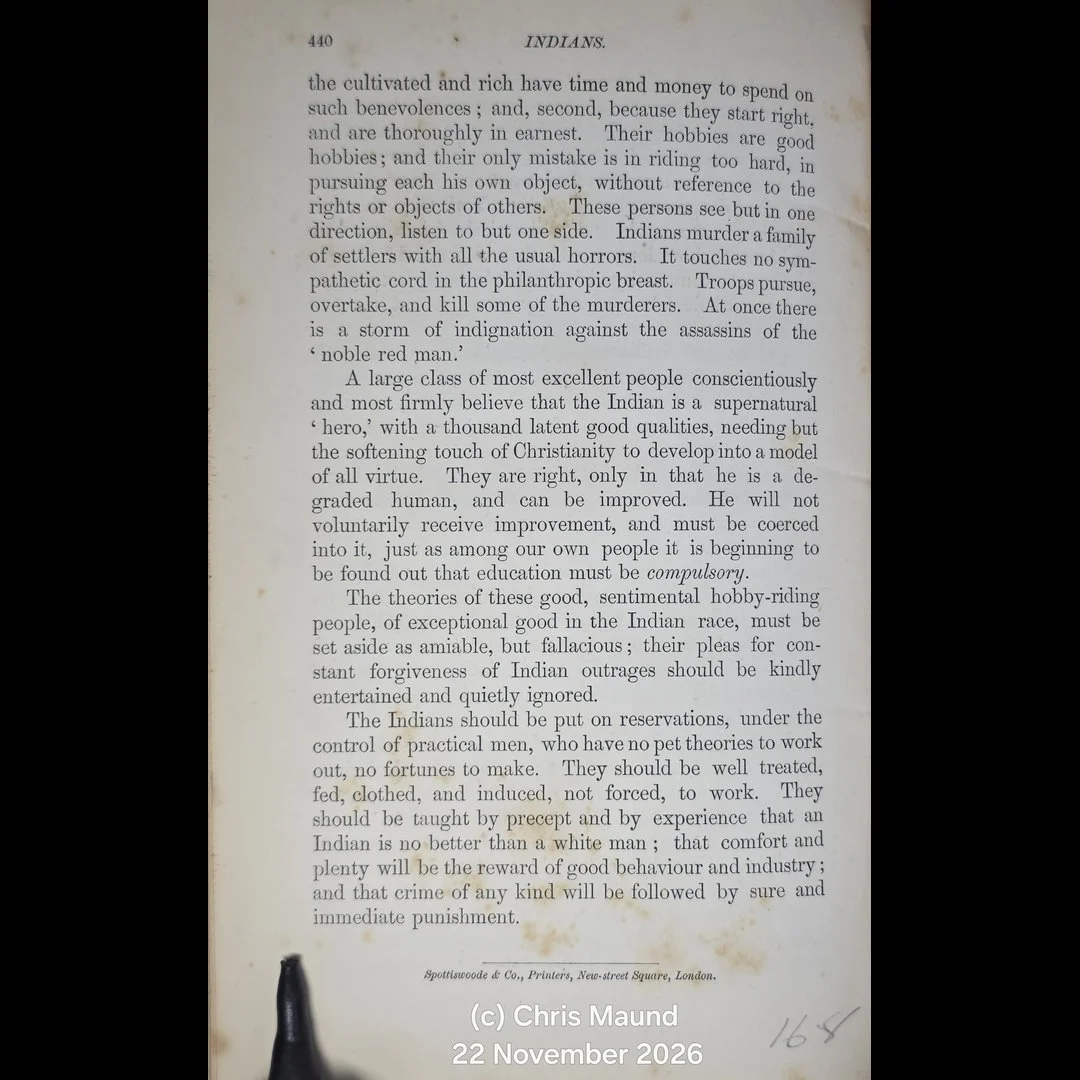
The concluding chapters adopt a more reflective character, addressing questions concerning the origins, identity and future of Indigenous peoples.
Catlin expresses concern for the survival of Indigenous communities in the face of territorial expansion and the transformative influence of European-American settlement.
While his observations provide an important nineteenth-century perspective, the narrative also reflects the paternalistic assumptions and limited understanding characteristic of much contemporary ethnographic writing.
The volume is therefore of interest both as a work of Victorian adventure literature and as a historical document illustrating changing European and American attitudes towards Indigenous peoples.
AUTHOR BIO
George Catlin (1796–1872)
George Catlin was an American painter, author and traveller best known for his extensive portraits and representations of Indigenous peoples of North America.
Born in Pennsylvania, Catlin initially trained as a lawyer before abandoning the profession to pursue an artistic career.
During the 1830s he undertook a series of journeys through the American West, visiting numerous Indigenous communities and recording their appearance, traditions and daily lives through paintings, sketches and written accounts.
His extensive collection became known as the Indian Gallery and included portraits, ceremonial scenes, landscapes and depictions of clothing and material culture.
Catlin subsequently travelled to Europe, where his exhibitions attracted considerable public attention and stimulated interest in the Indigenous peoples of North America.
Among his most important publications were Letters and Notes on the Manners, Customs, and Condition of the North American Indians (1841), Life Amongst the Indians (1861) and Last Rambles Amongst the Indians of the Rocky Mountains and the Andes (1867–1868).
His later writings and illustrations extended his interests to Central and South America, including the Amazon and the Andes.
Catlin's work occupies an important place in the history of American art, exploration and nineteenth-century ethnography.
Although some of his interpretations have been challenged by later scholarship, his surviving paintings and writings remain significant historical sources for understanding the representation of Indigenous societies during a period of profound change.
The present volume, with its original Victorian pictorial binding, complete illustration sequence and London School Board prize association, offers an attractive example of the popular nineteenth-century dissemination of Catlin's work.

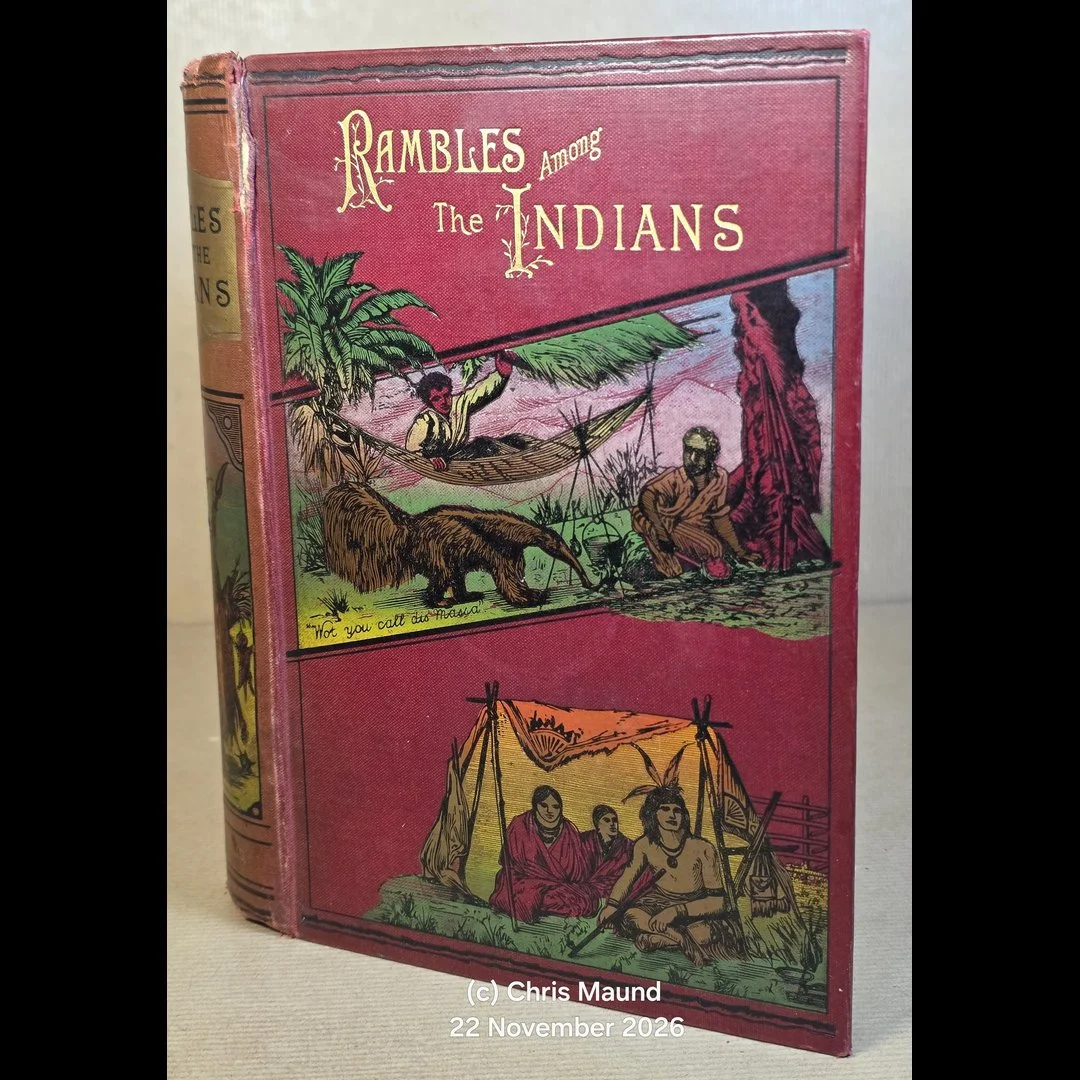 Image 1 of 50
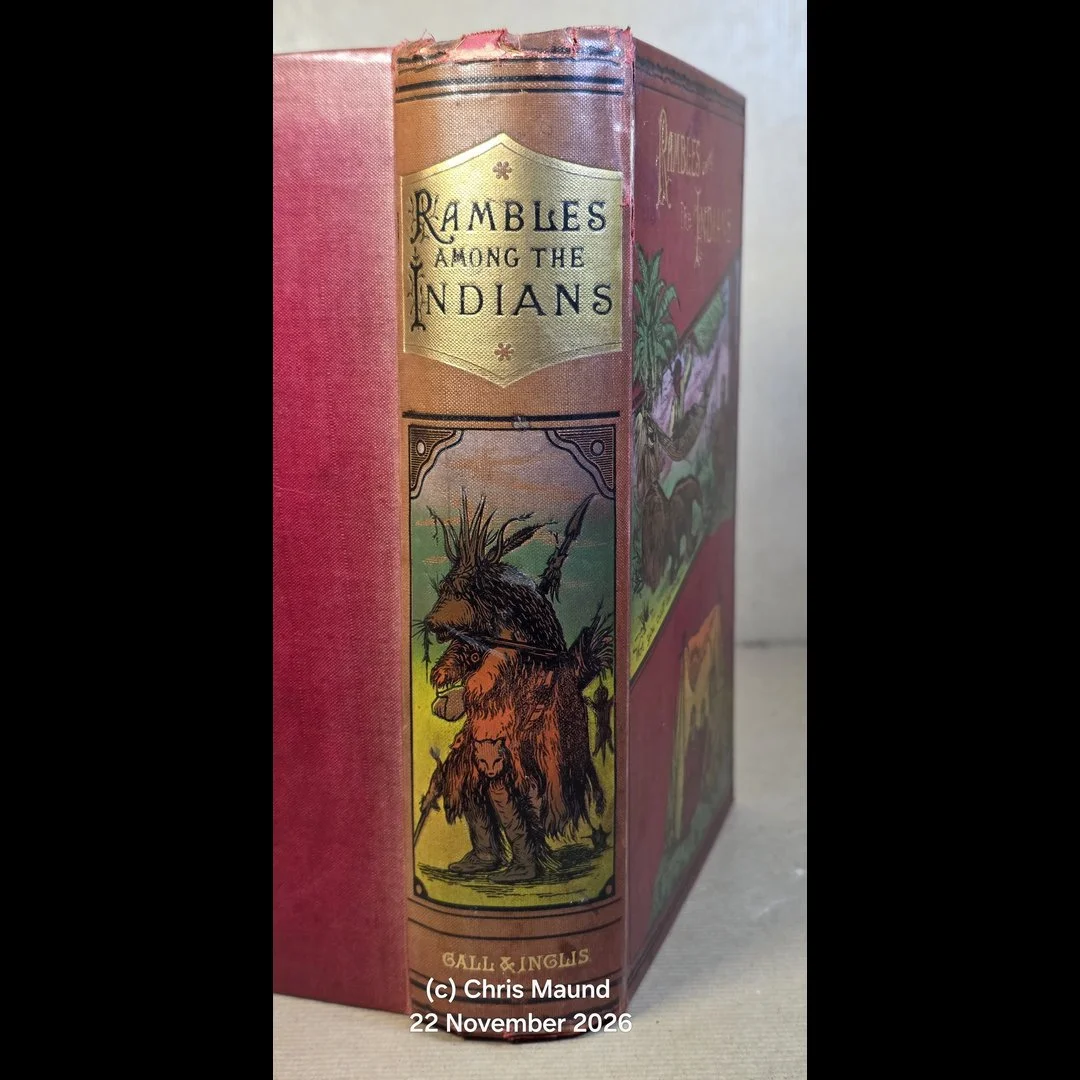 Image 2 of 50
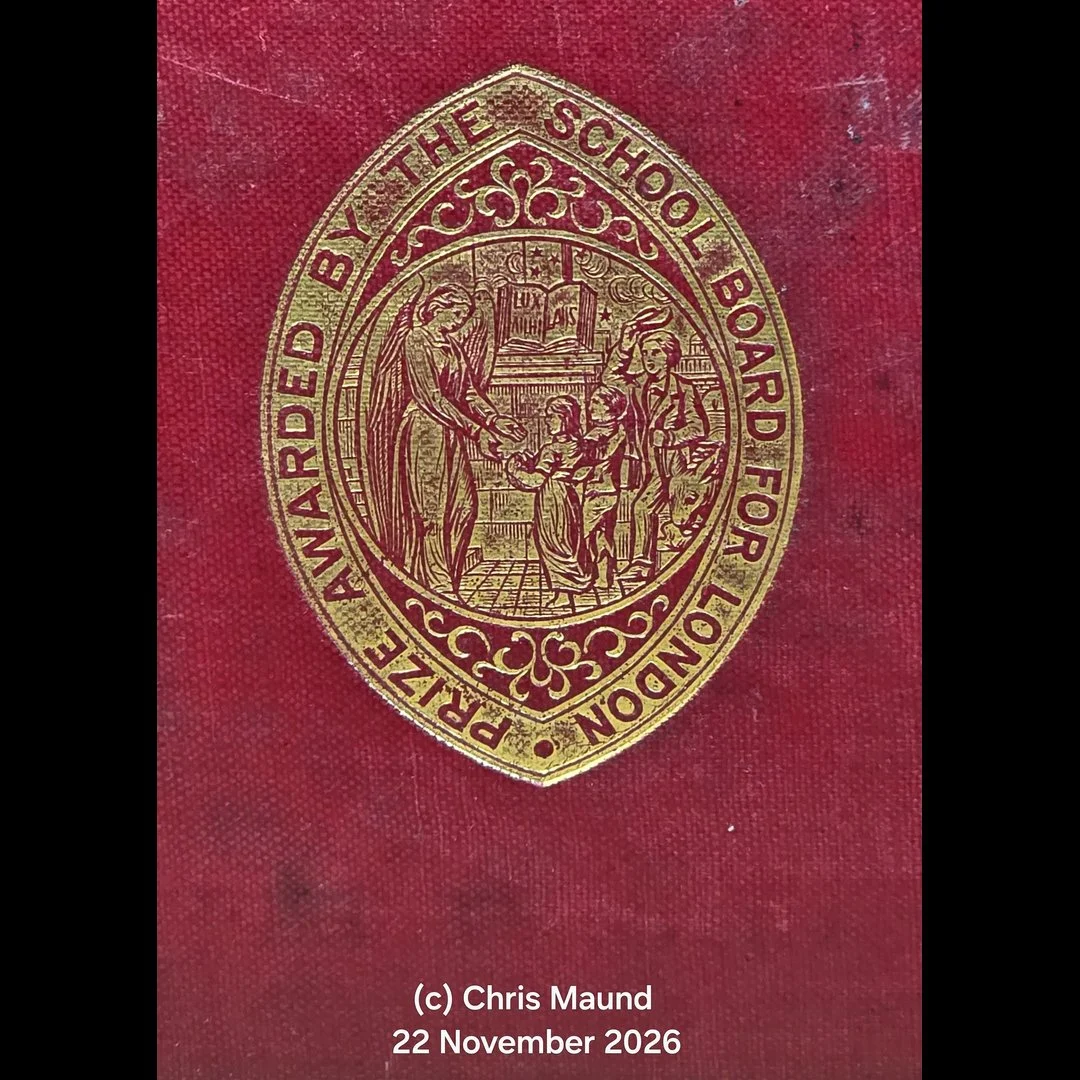 Image 3 of 50
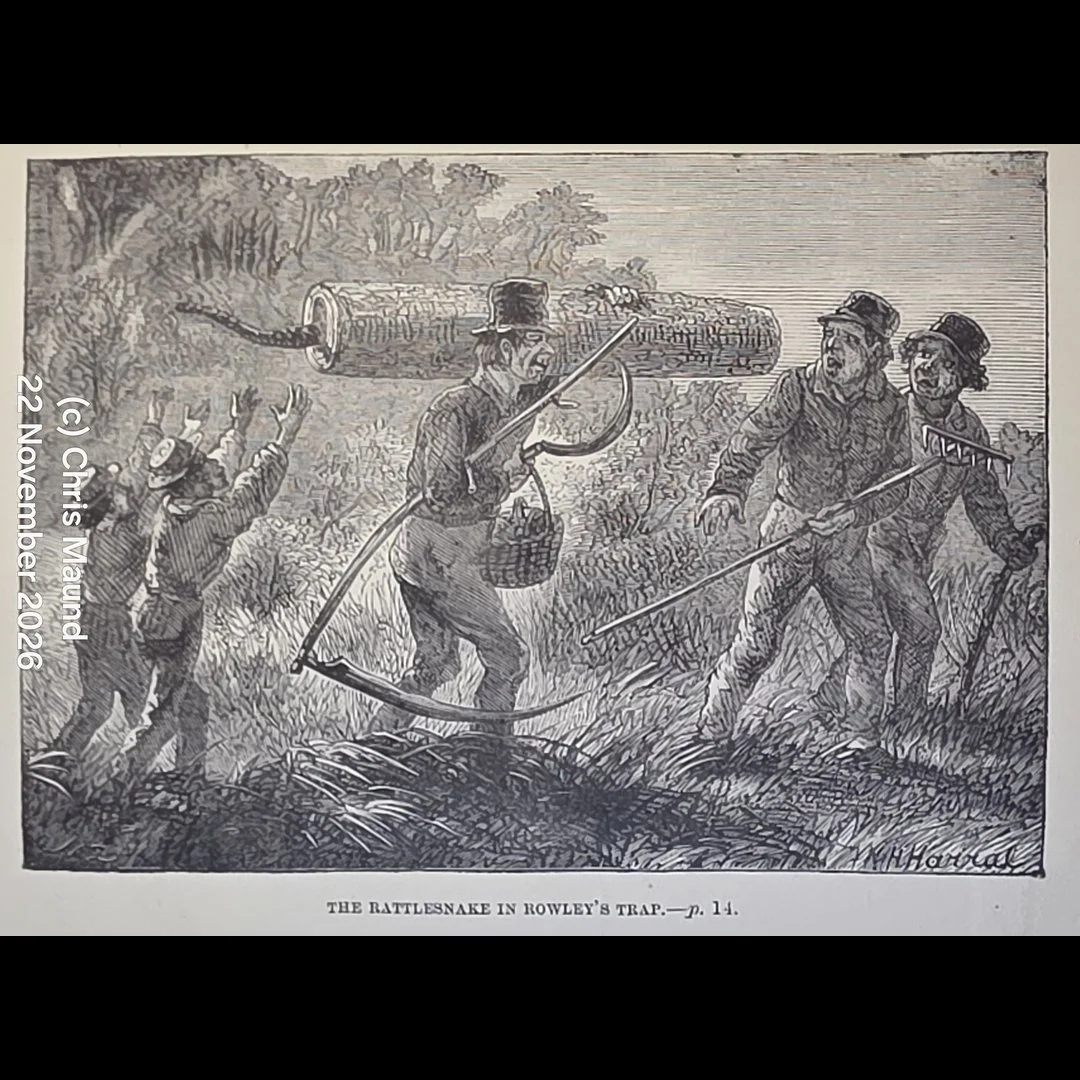 Image 4 of 50
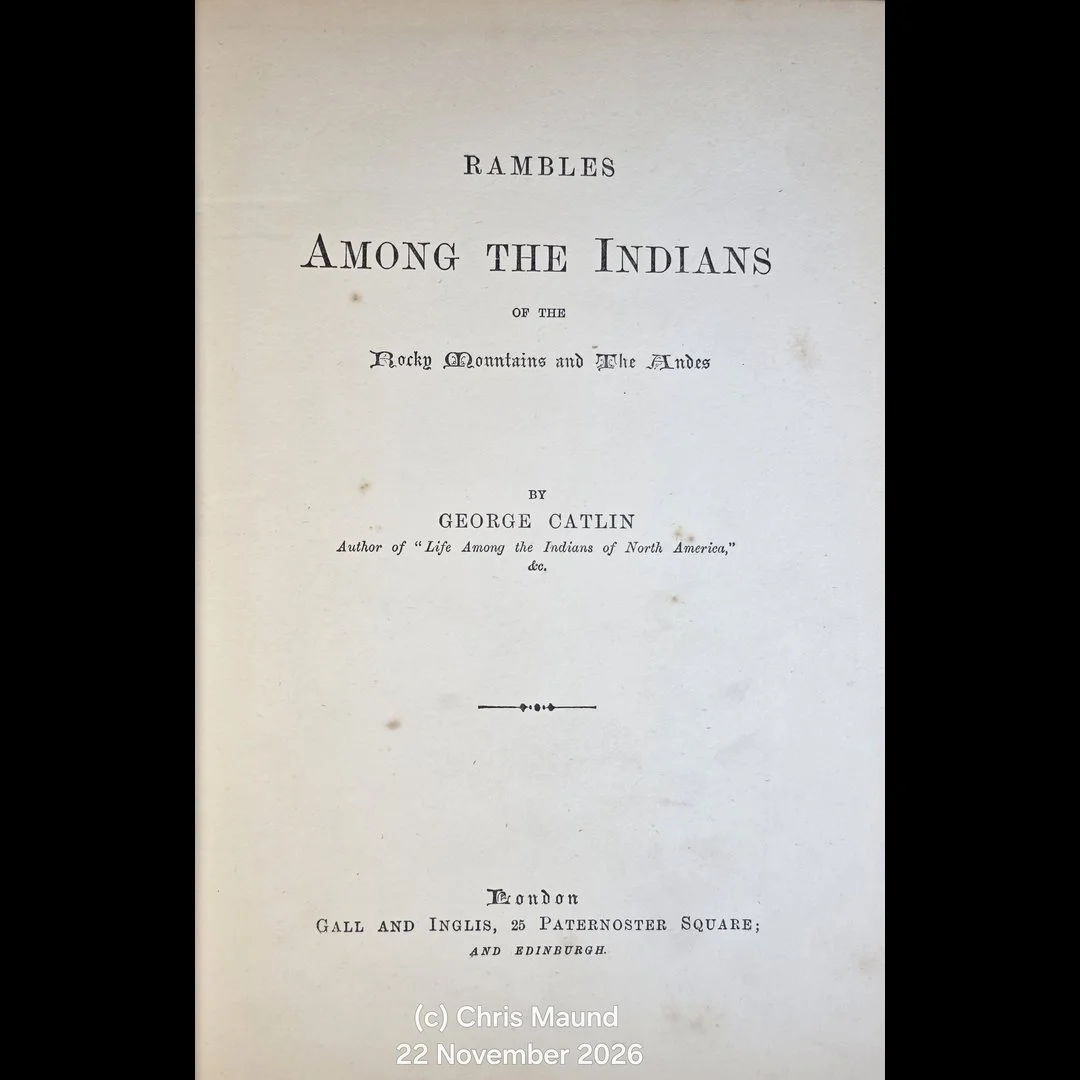 Image 5 of 50
 Image 6 of 50
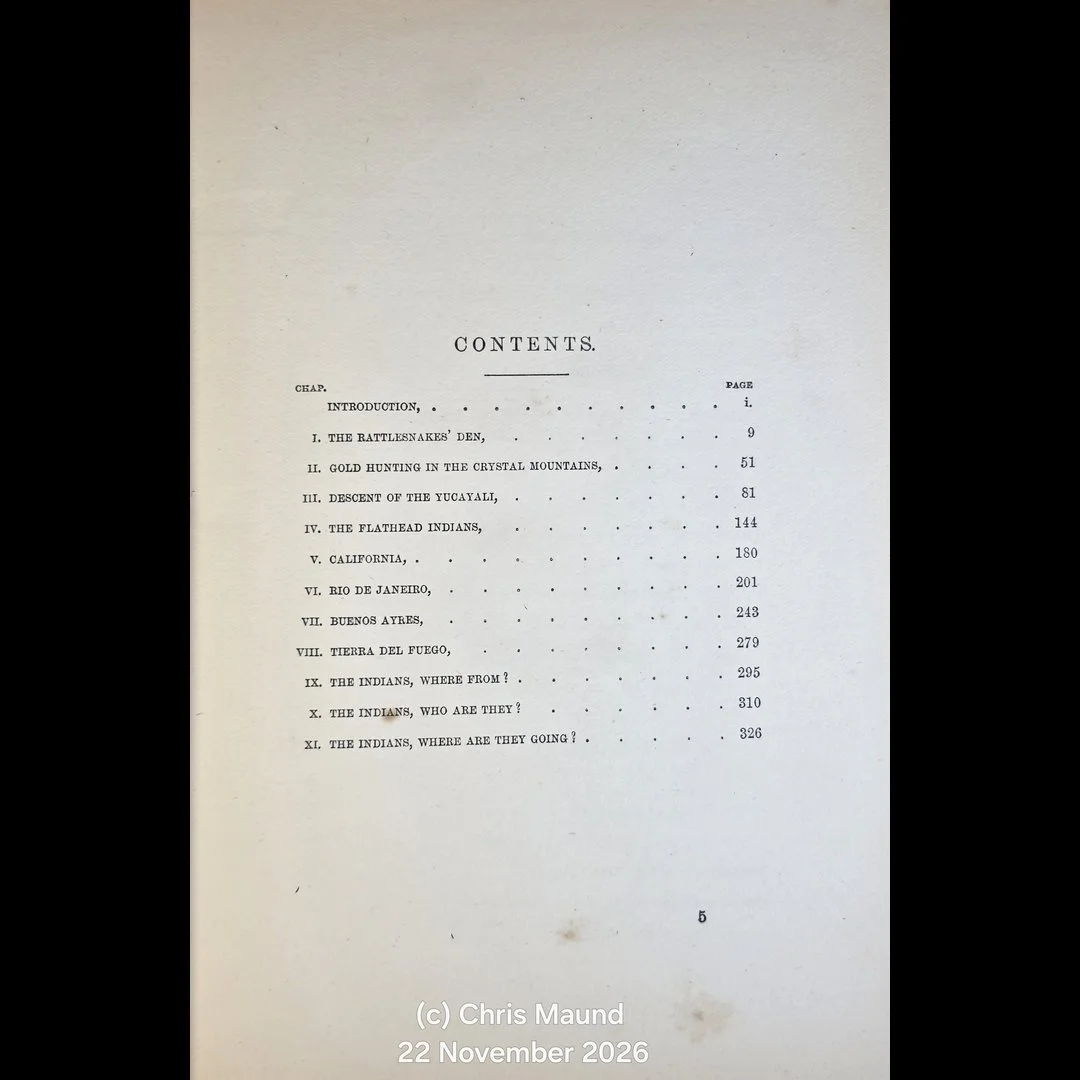 Image 7 of 50
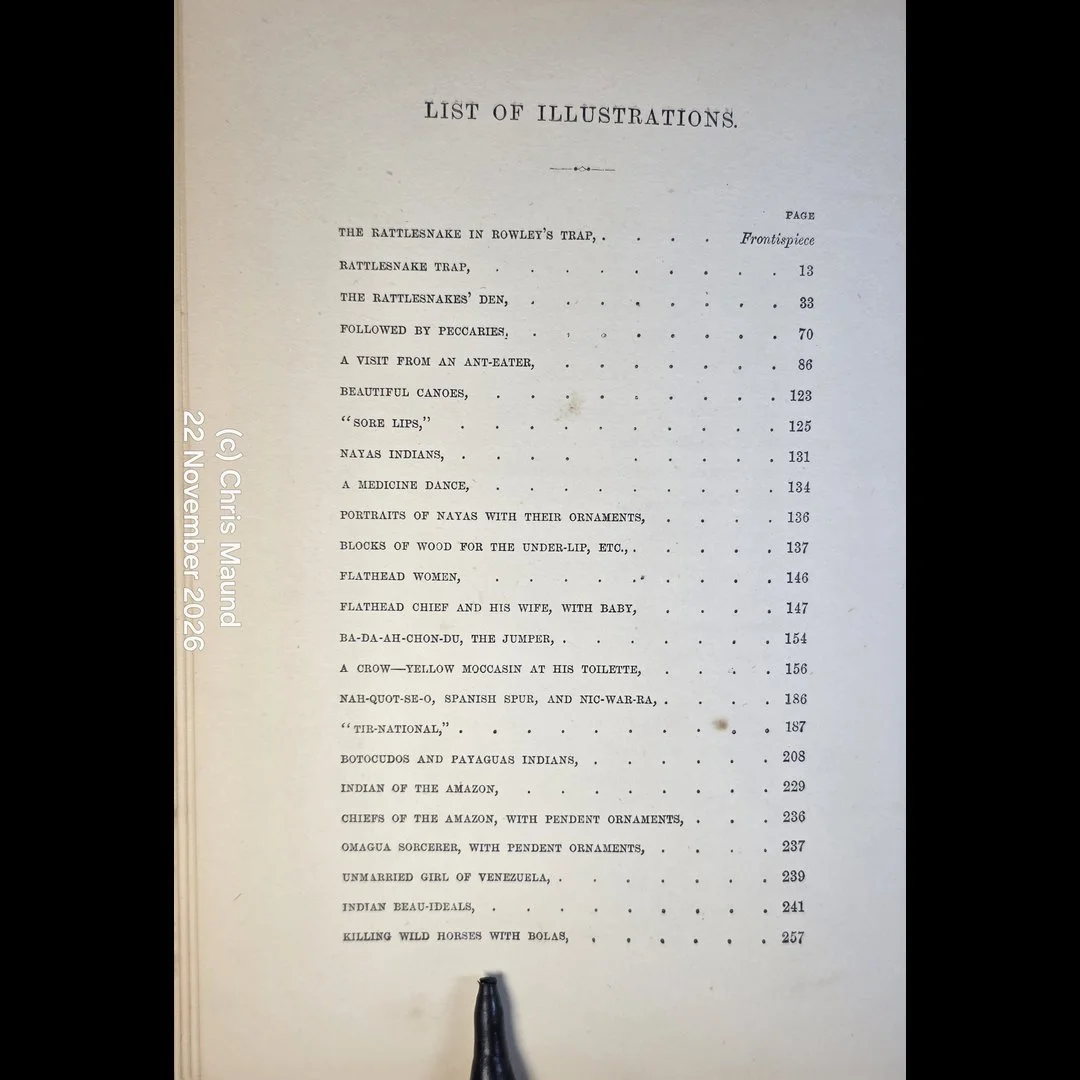 Image 8 of 50
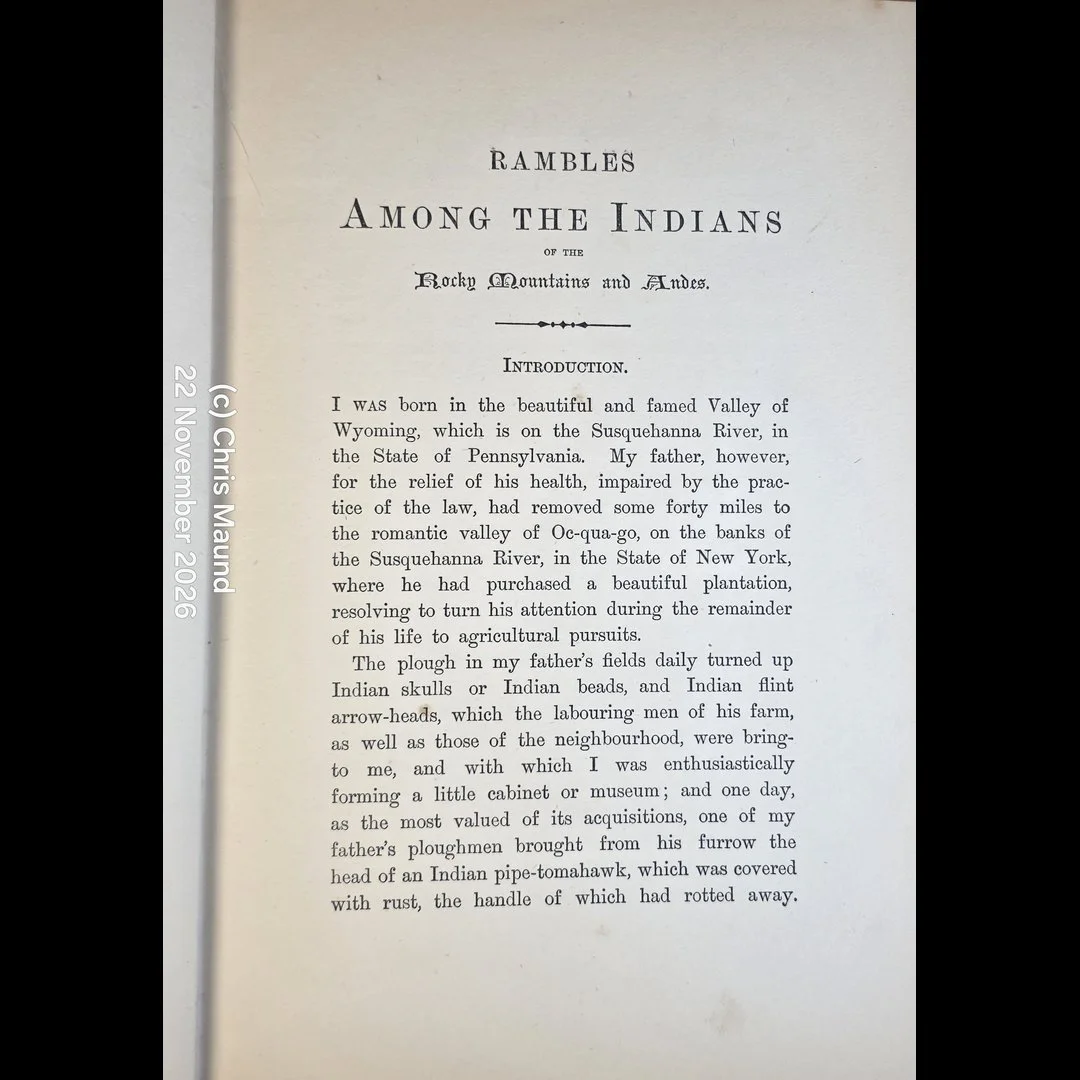 Image 9 of 50
 Image 10 of 50
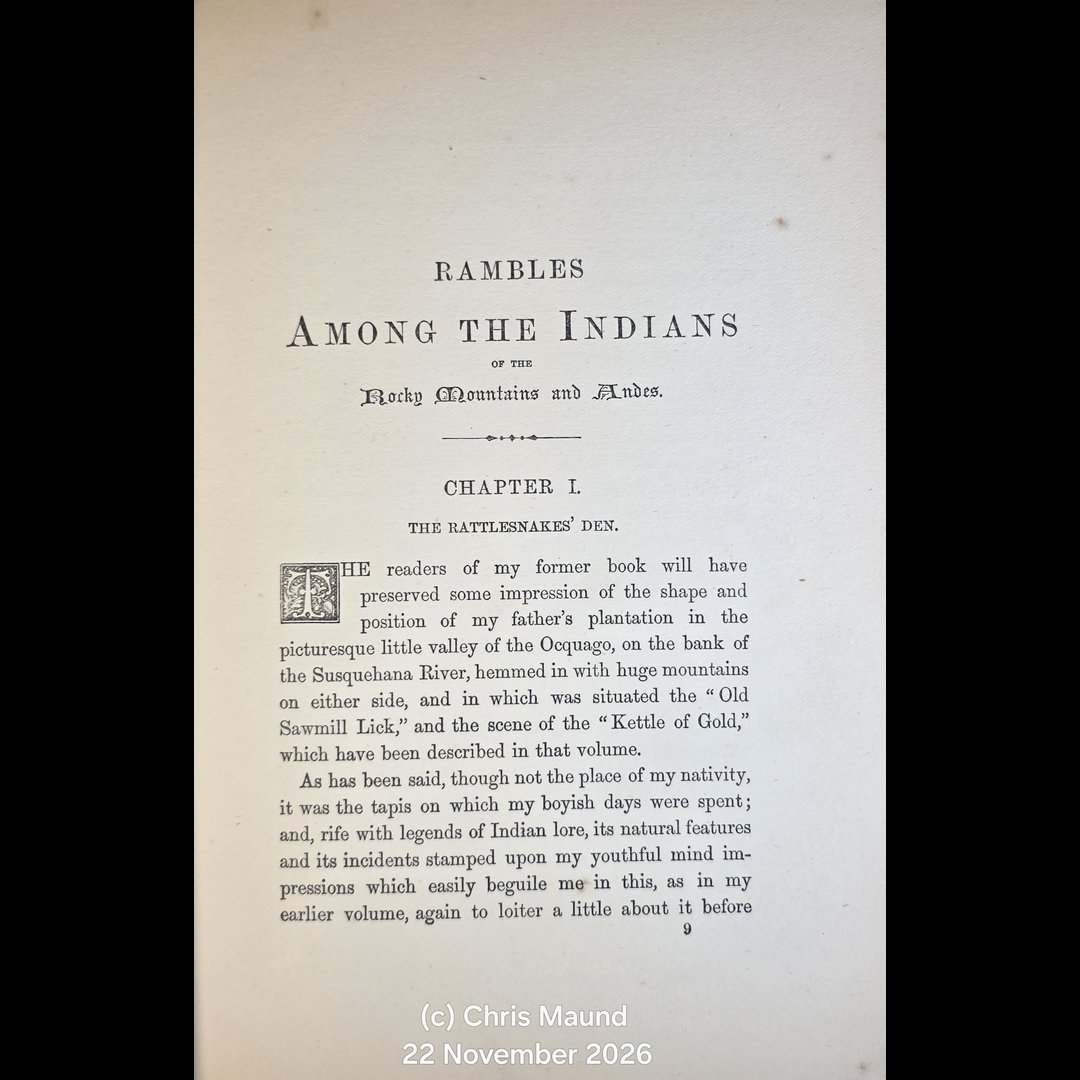 Image 11 of 50
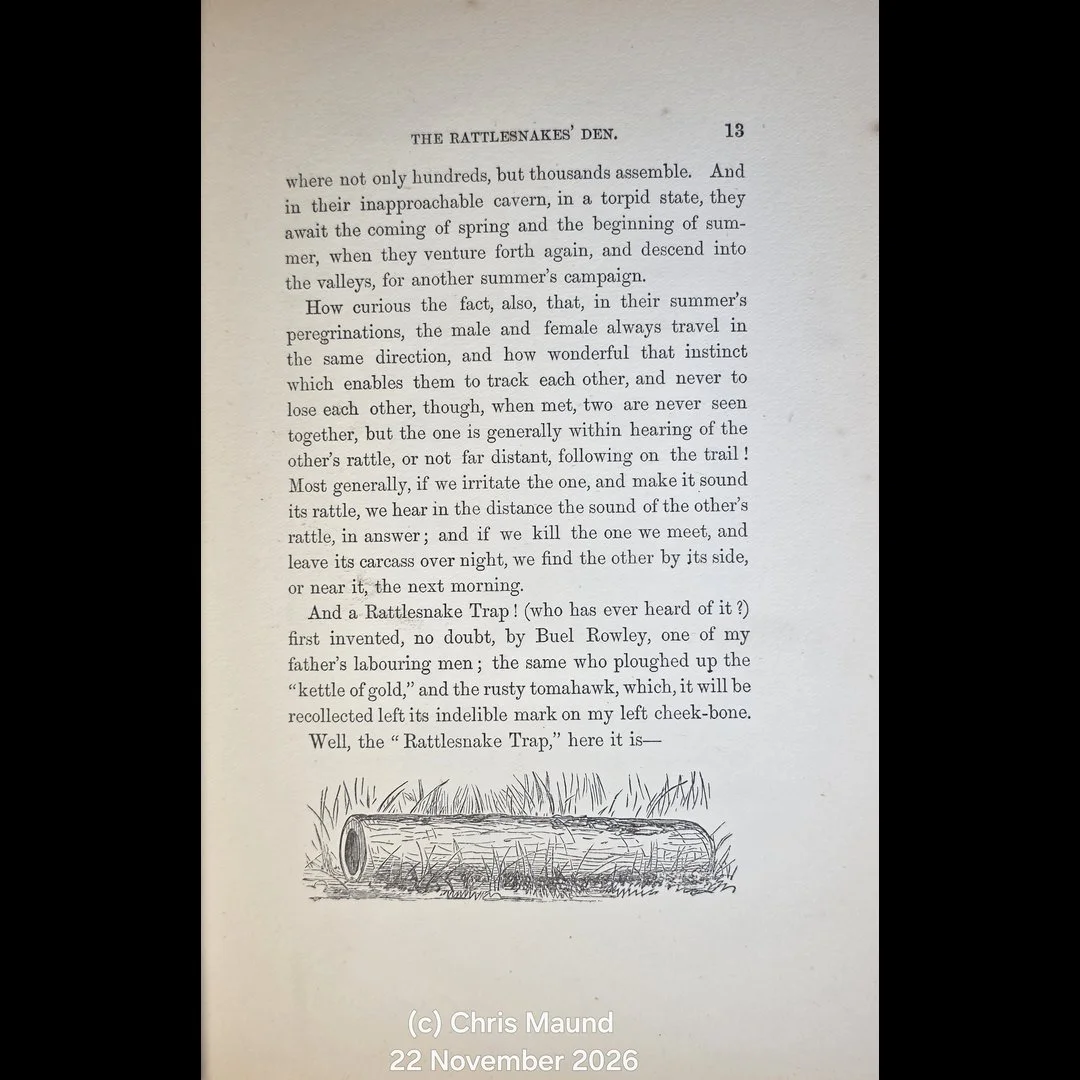 Image 12 of 50
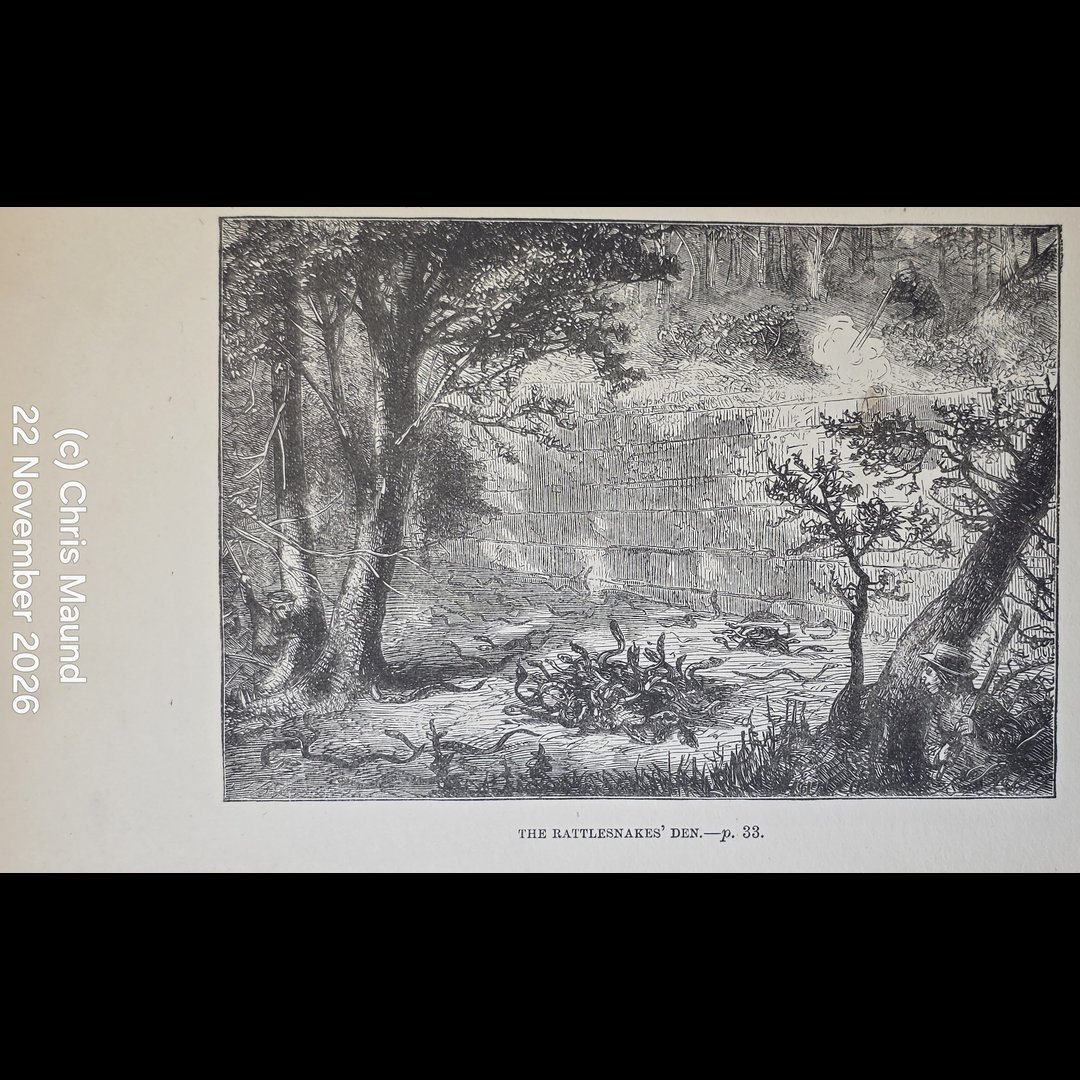 Image 13 of 50
 Image 14 of 50
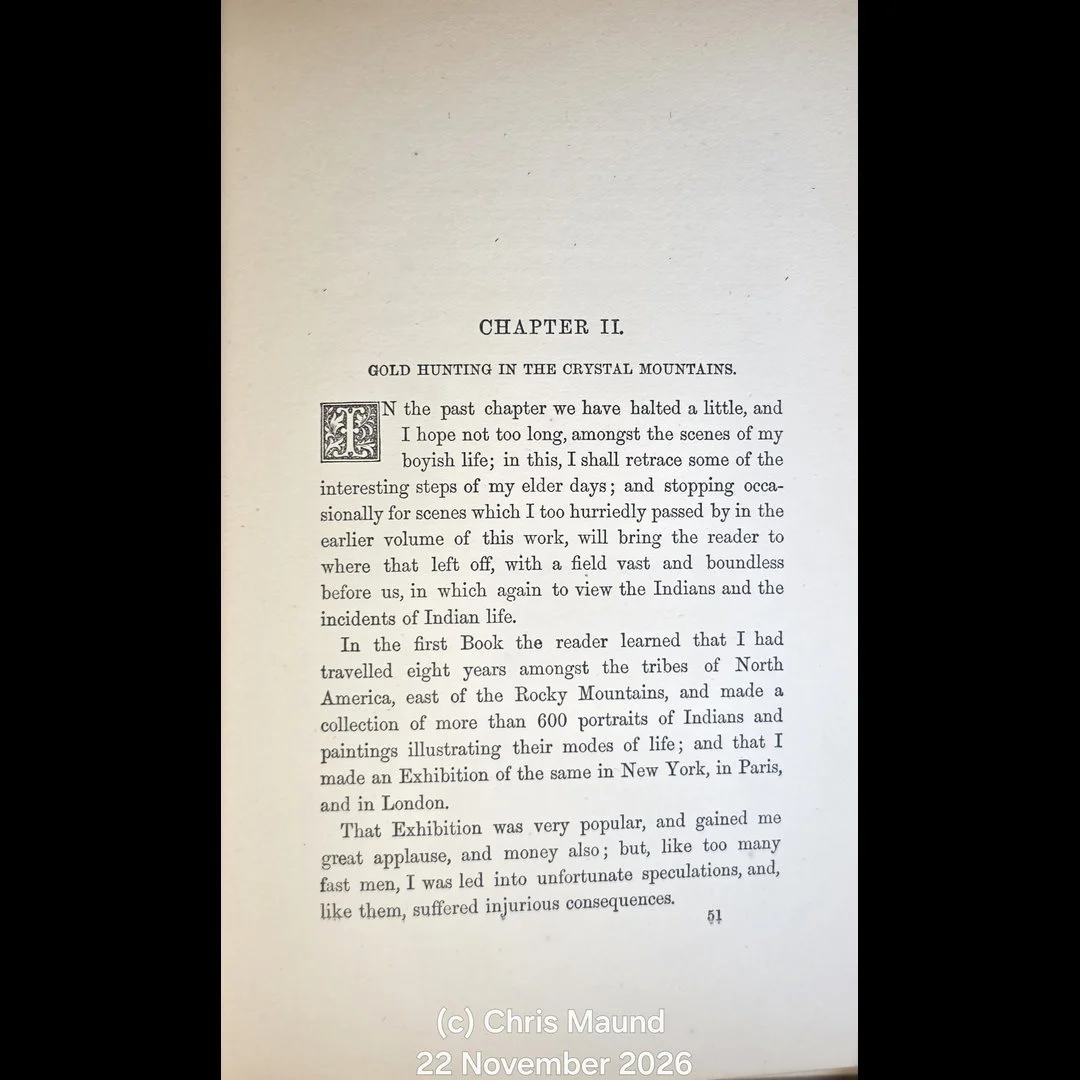 Image 15 of 50
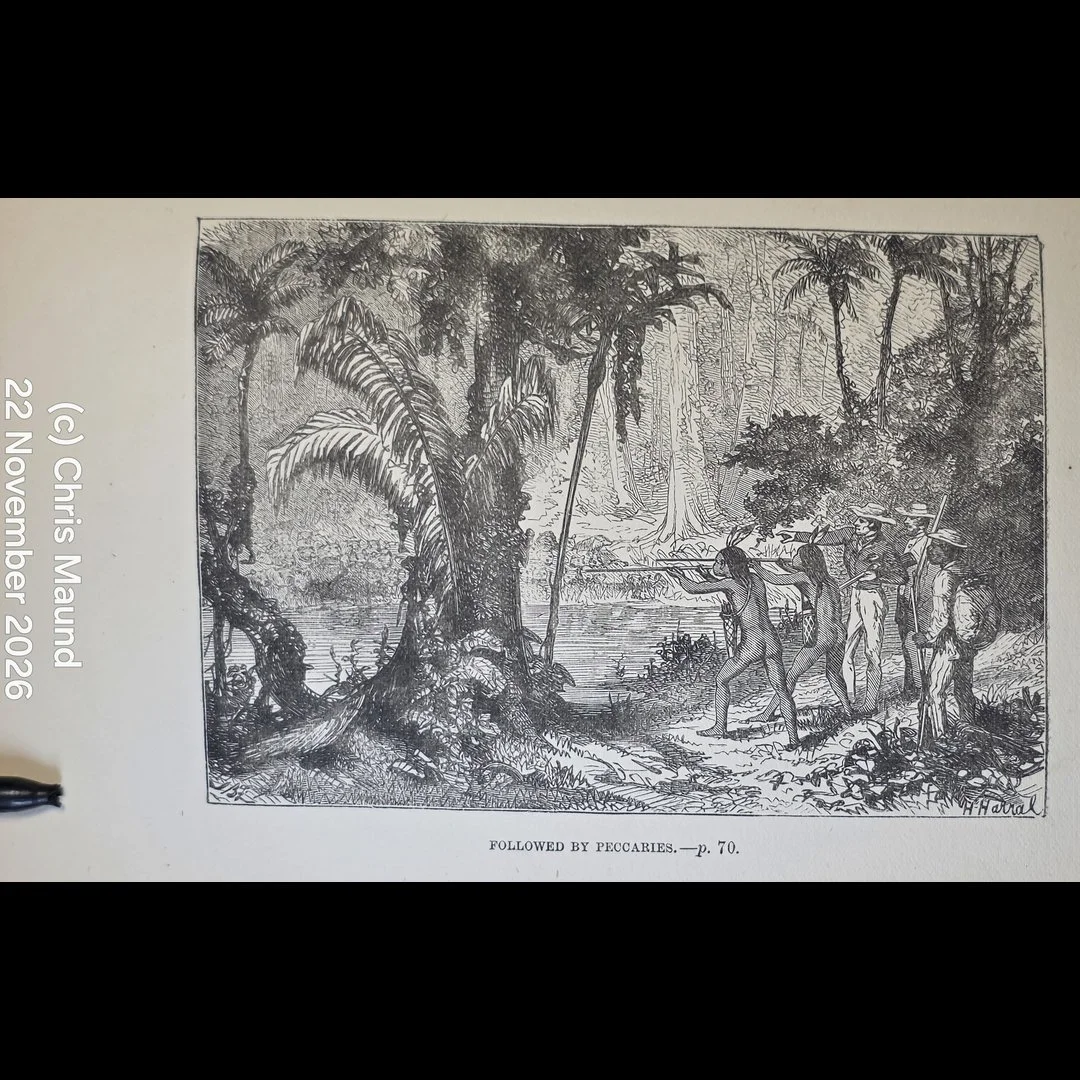 Image 16 of 50
 Image 17 of 50
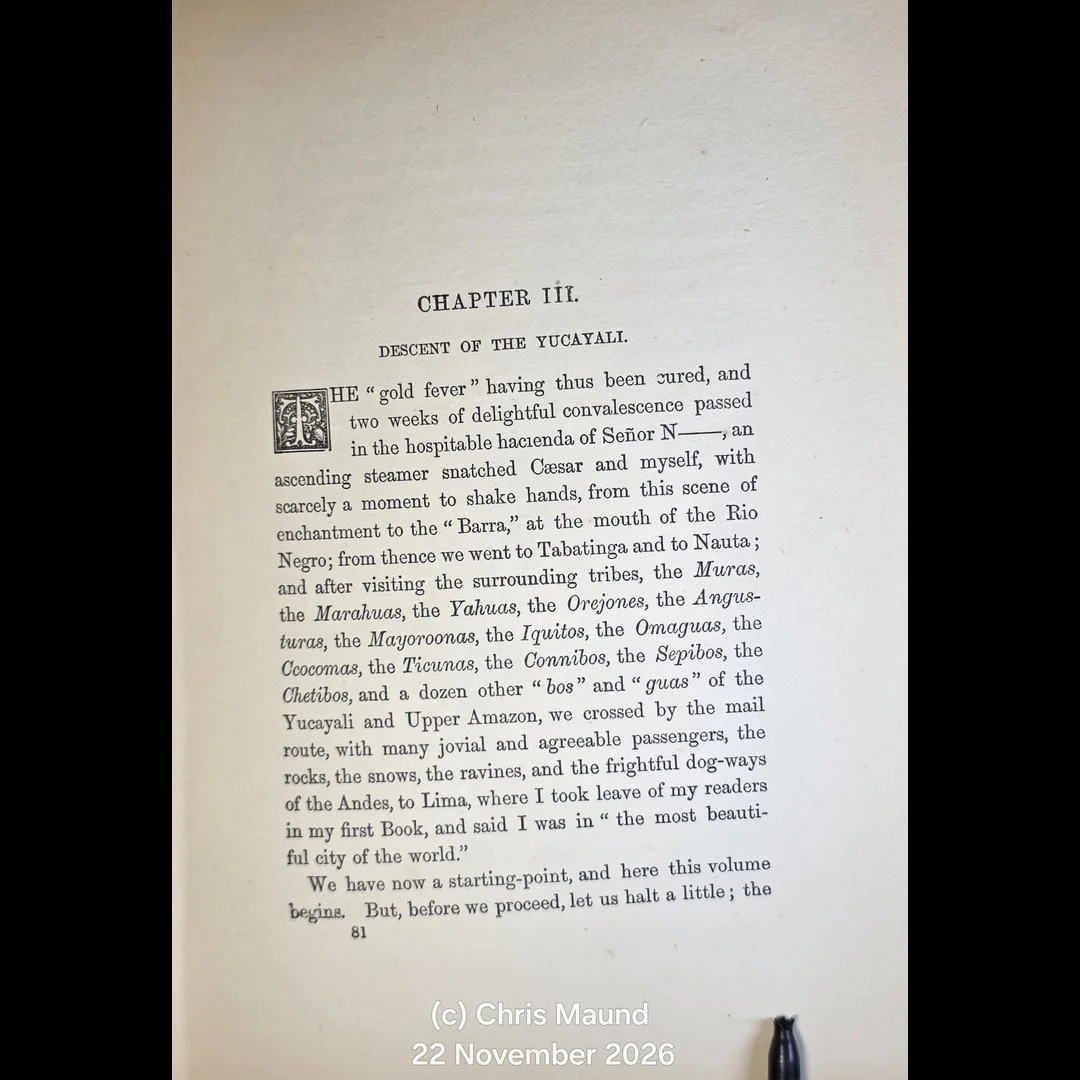 Image 18 of 50
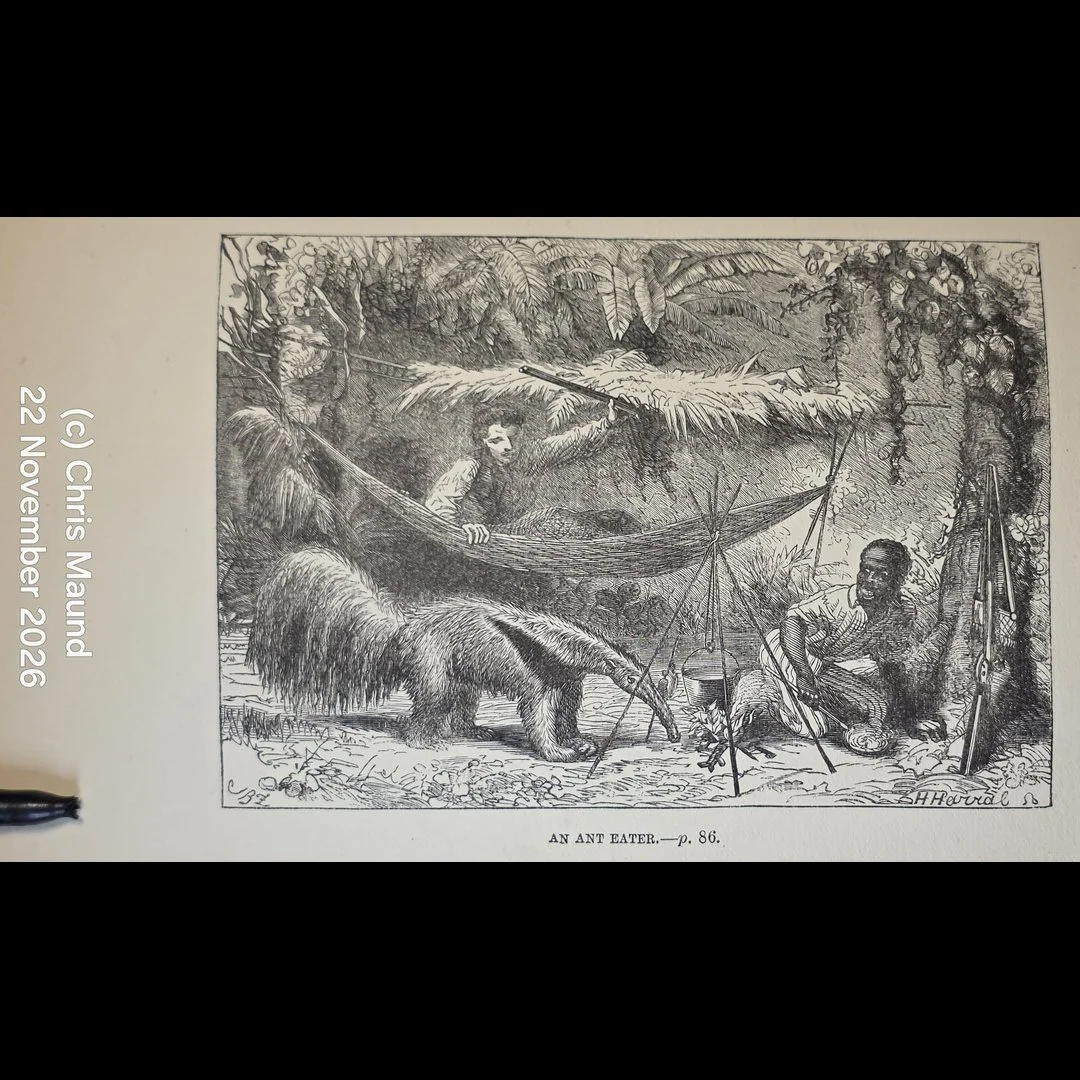 Image 19 of 50
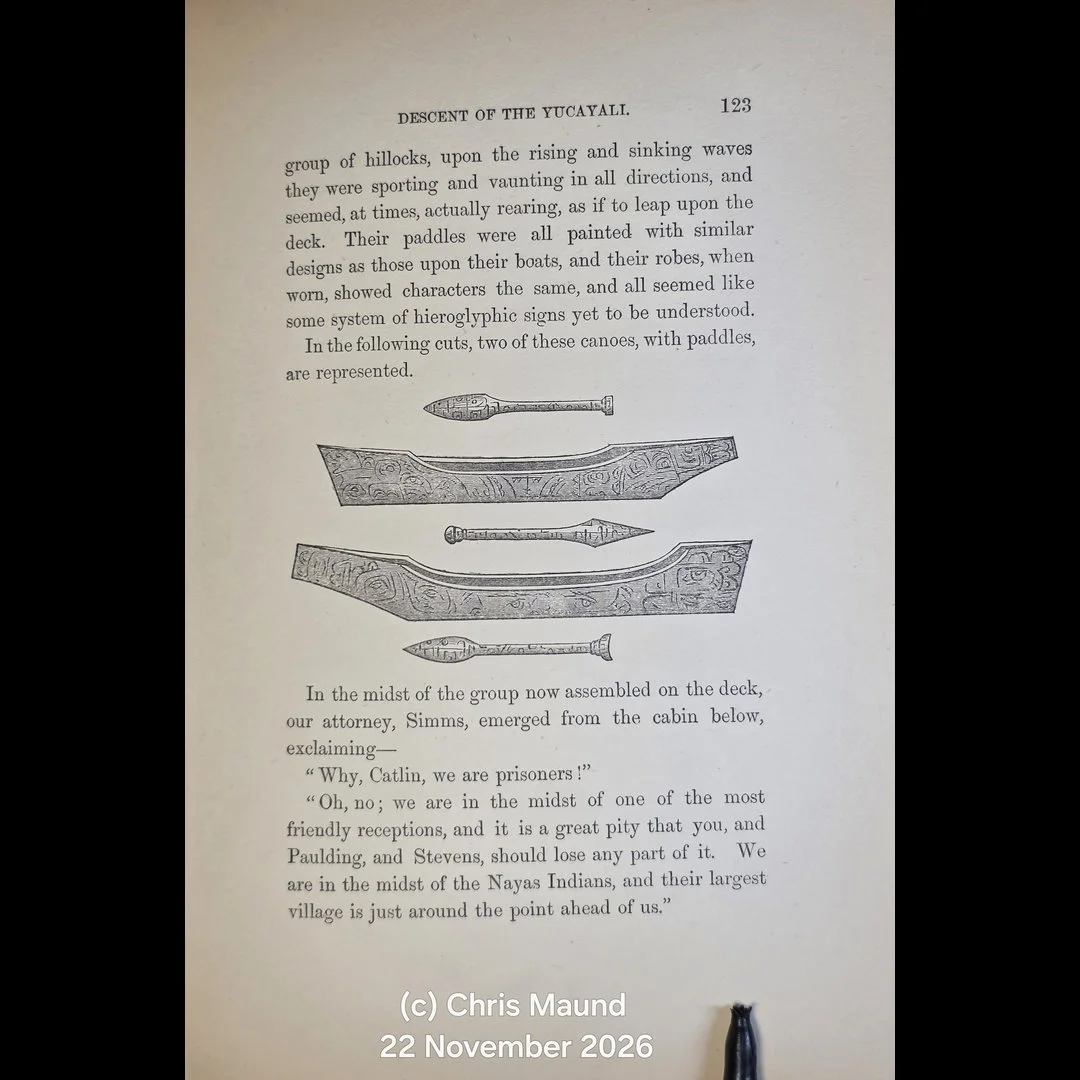 Image 20 of 50
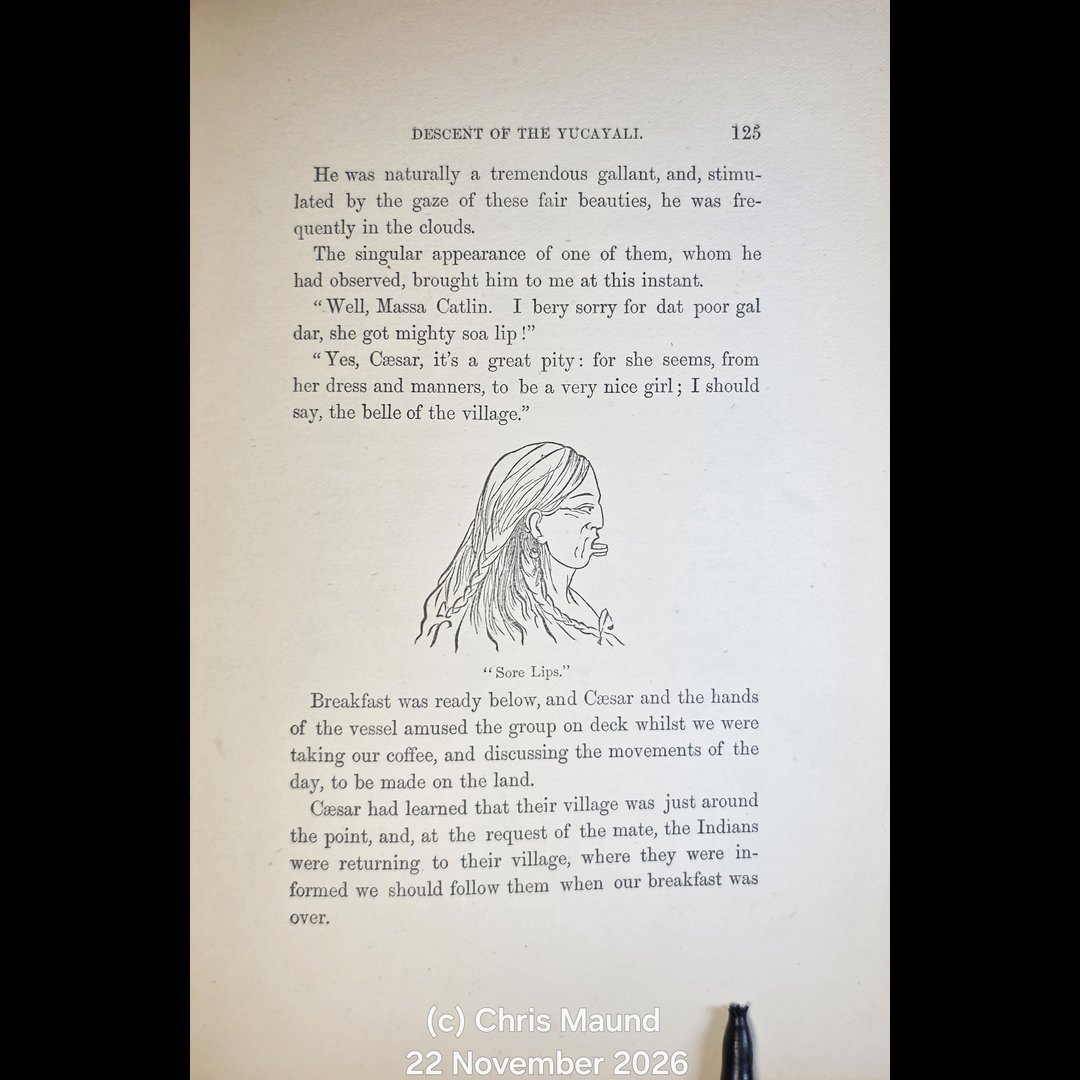 Image 21 of 50
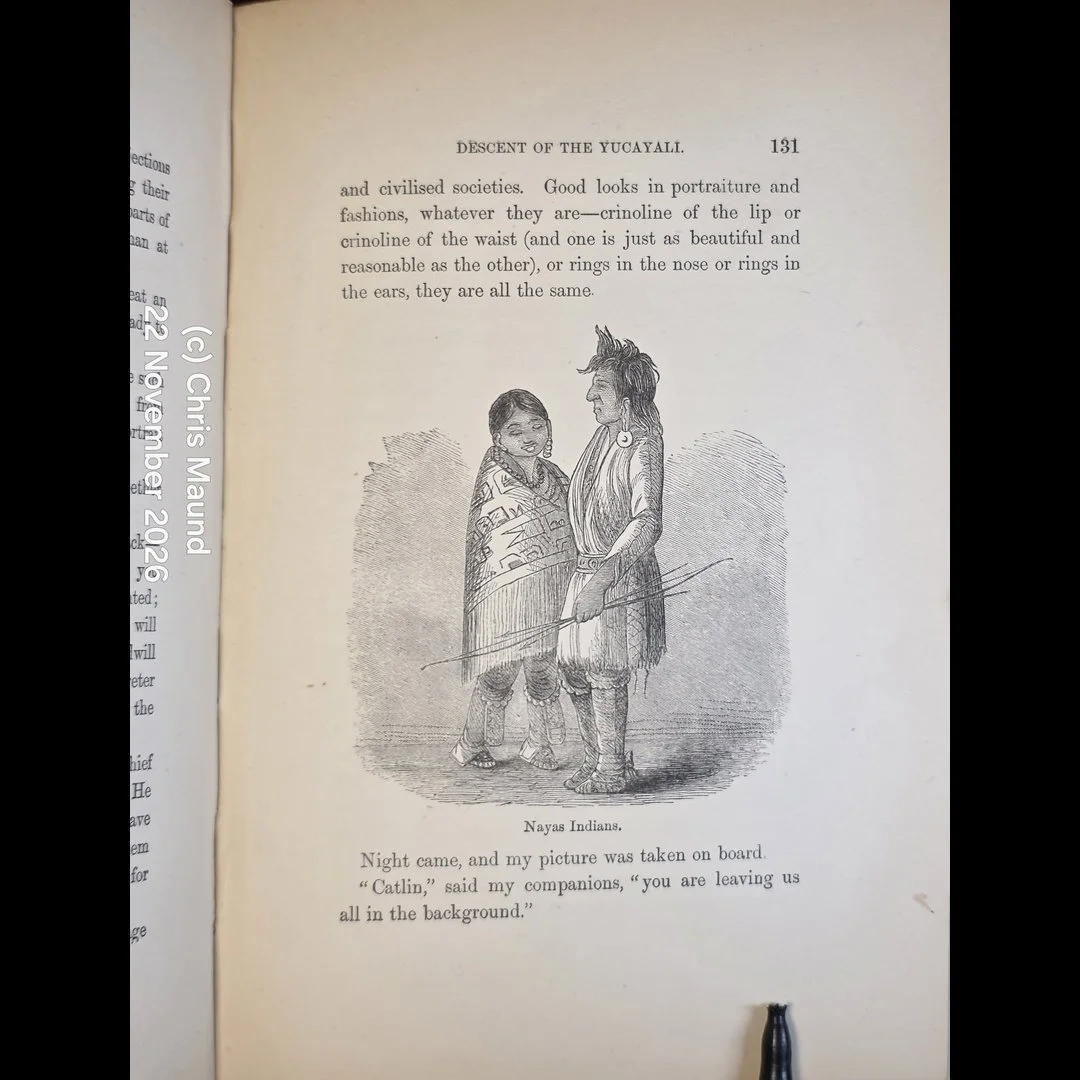 Image 22 of 50
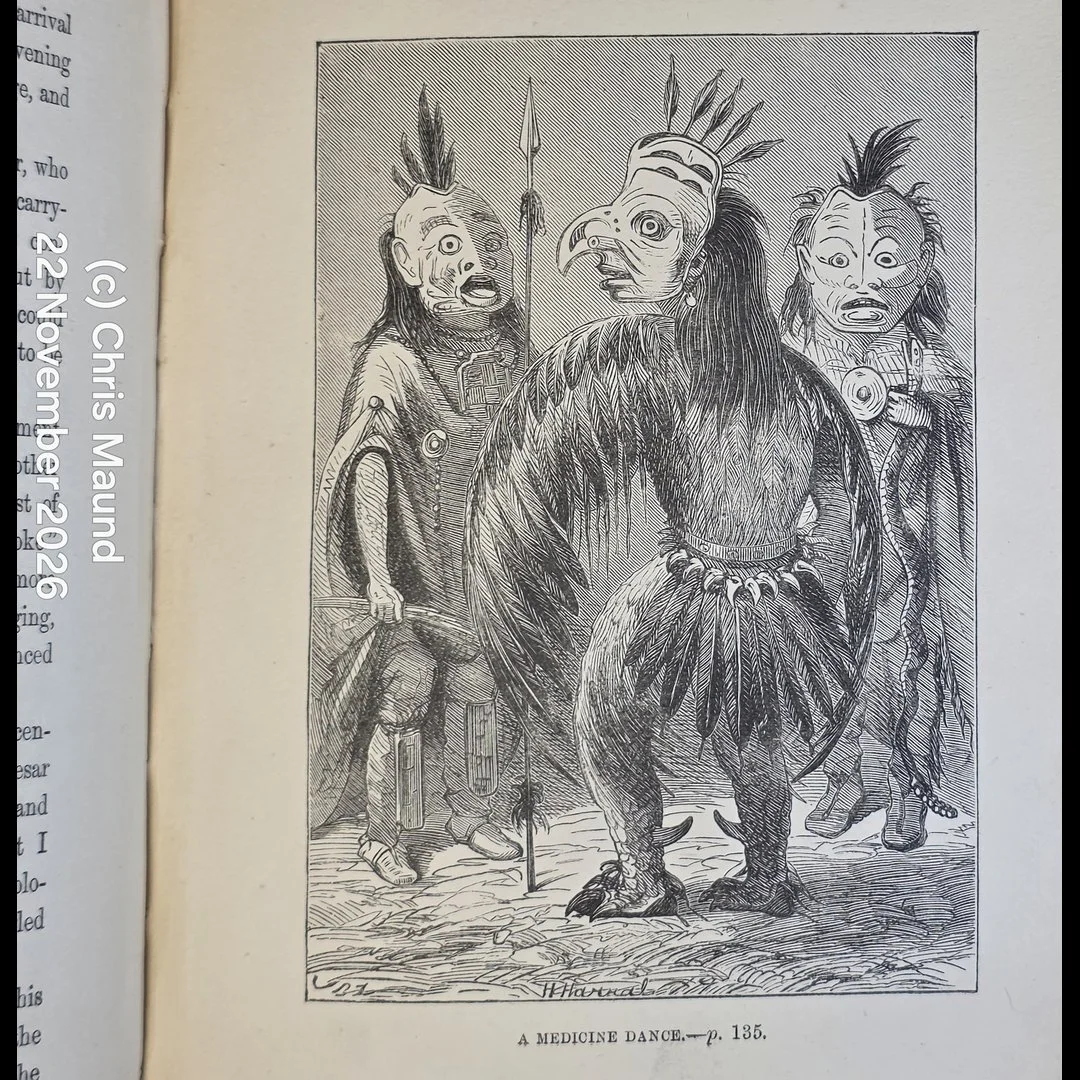 Image 23 of 50
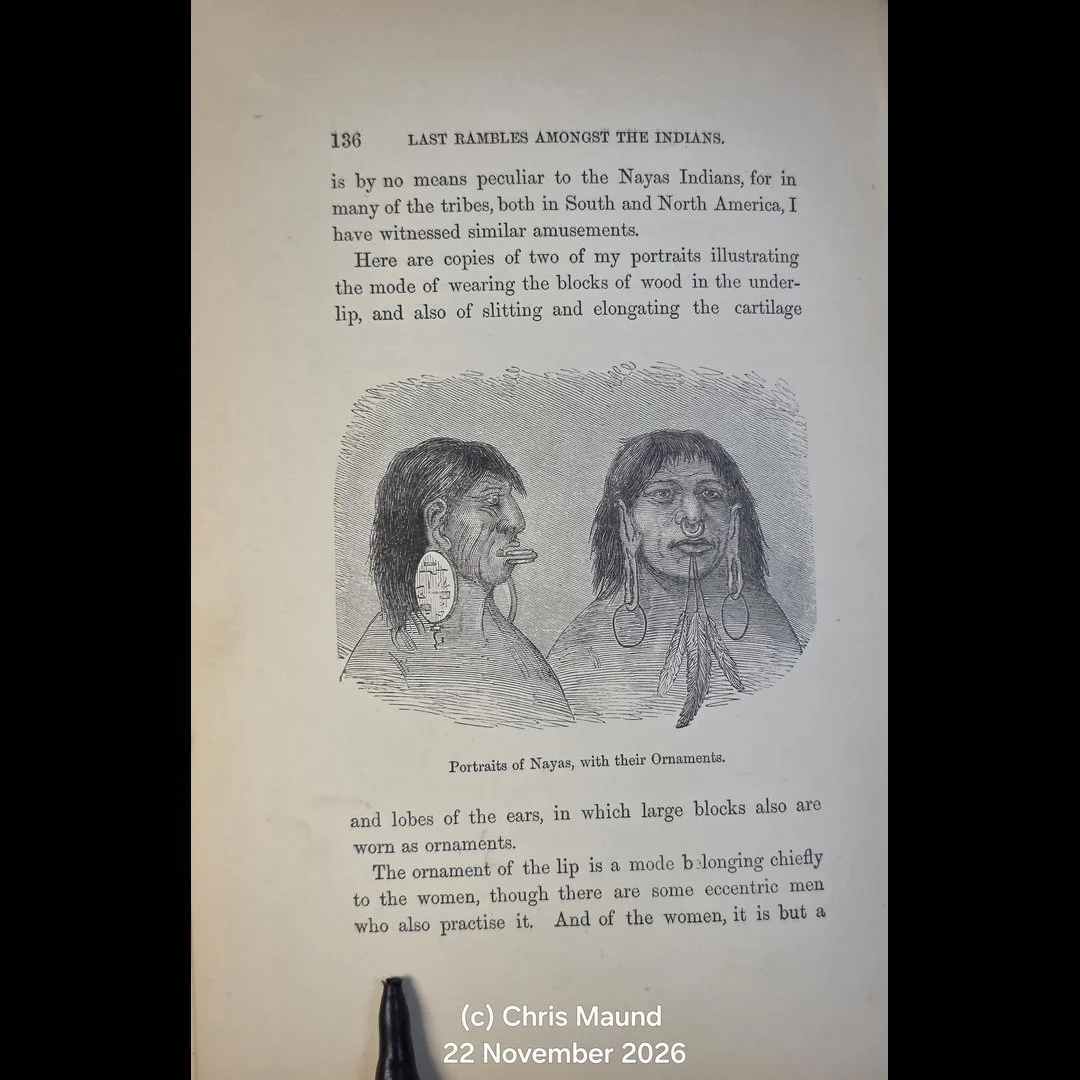 Image 24 of 50
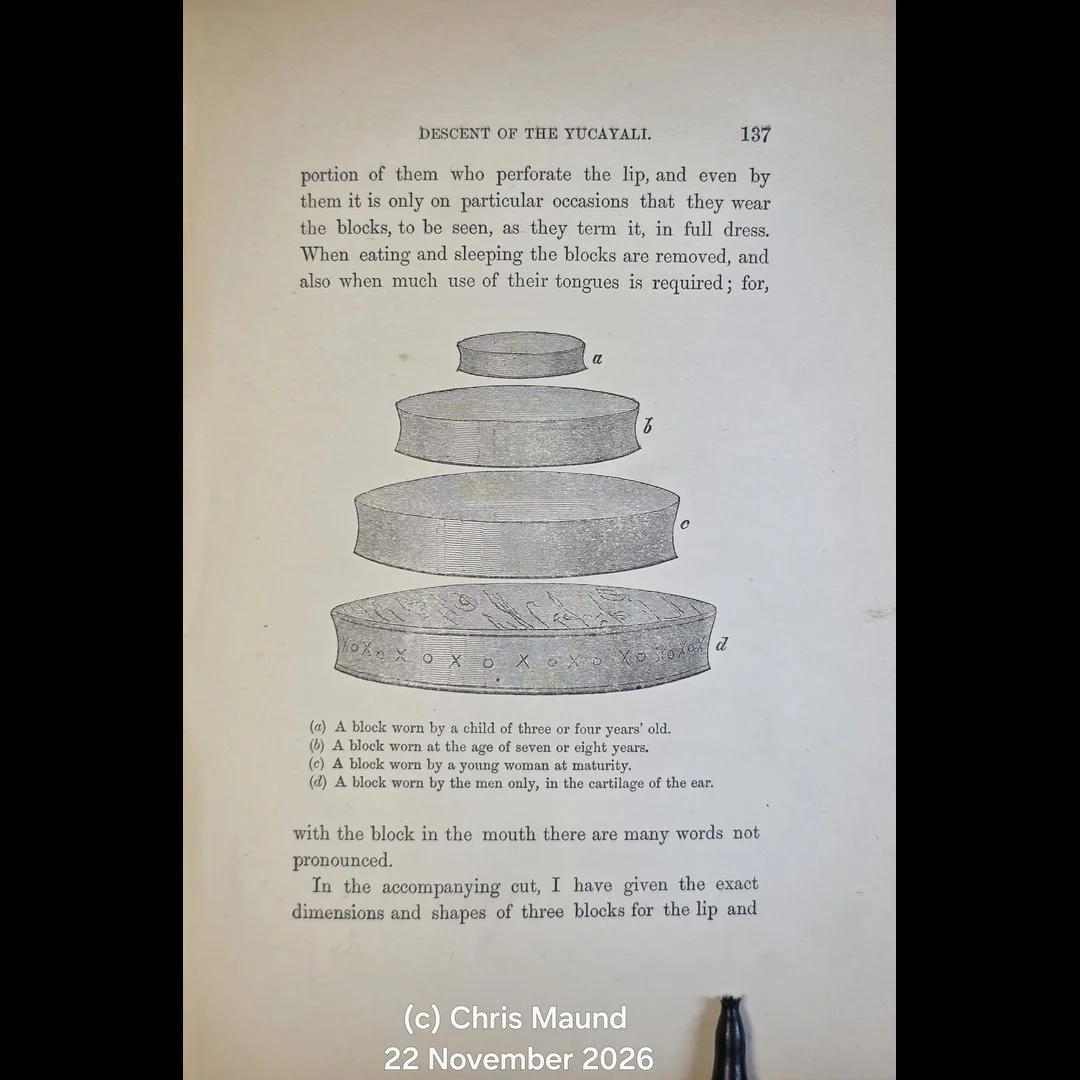 Image 25 of 50
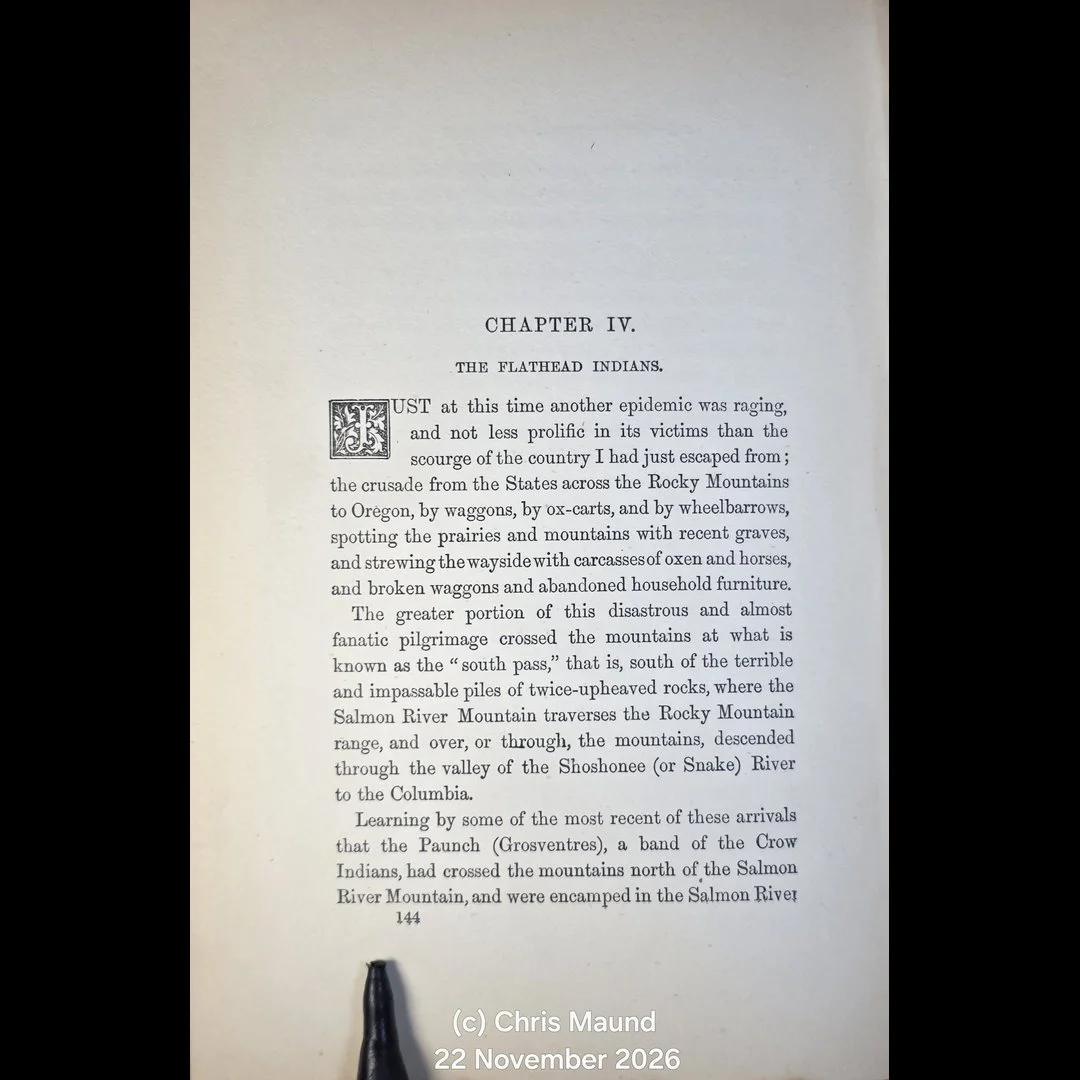 Image 26 of 50
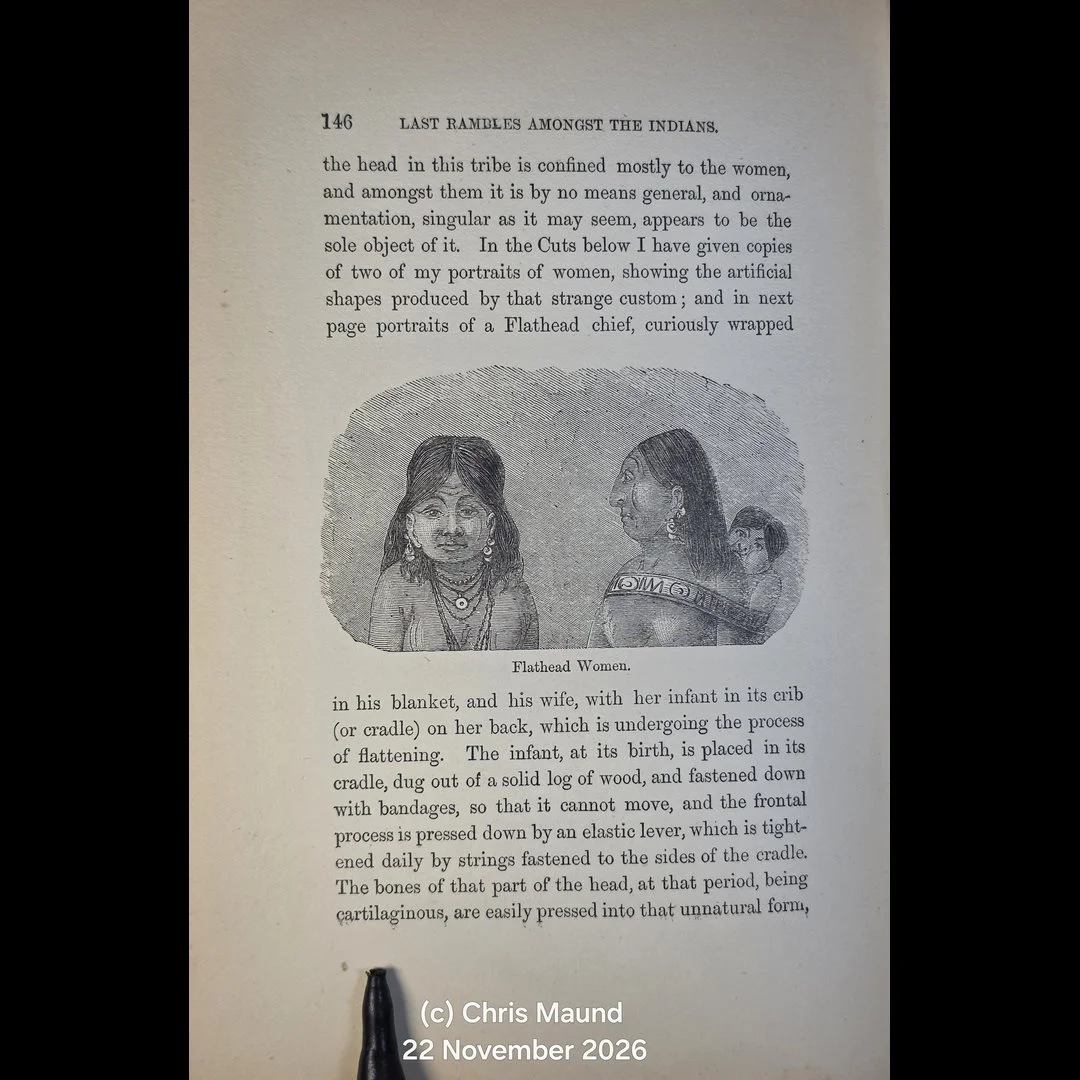 Image 27 of 50
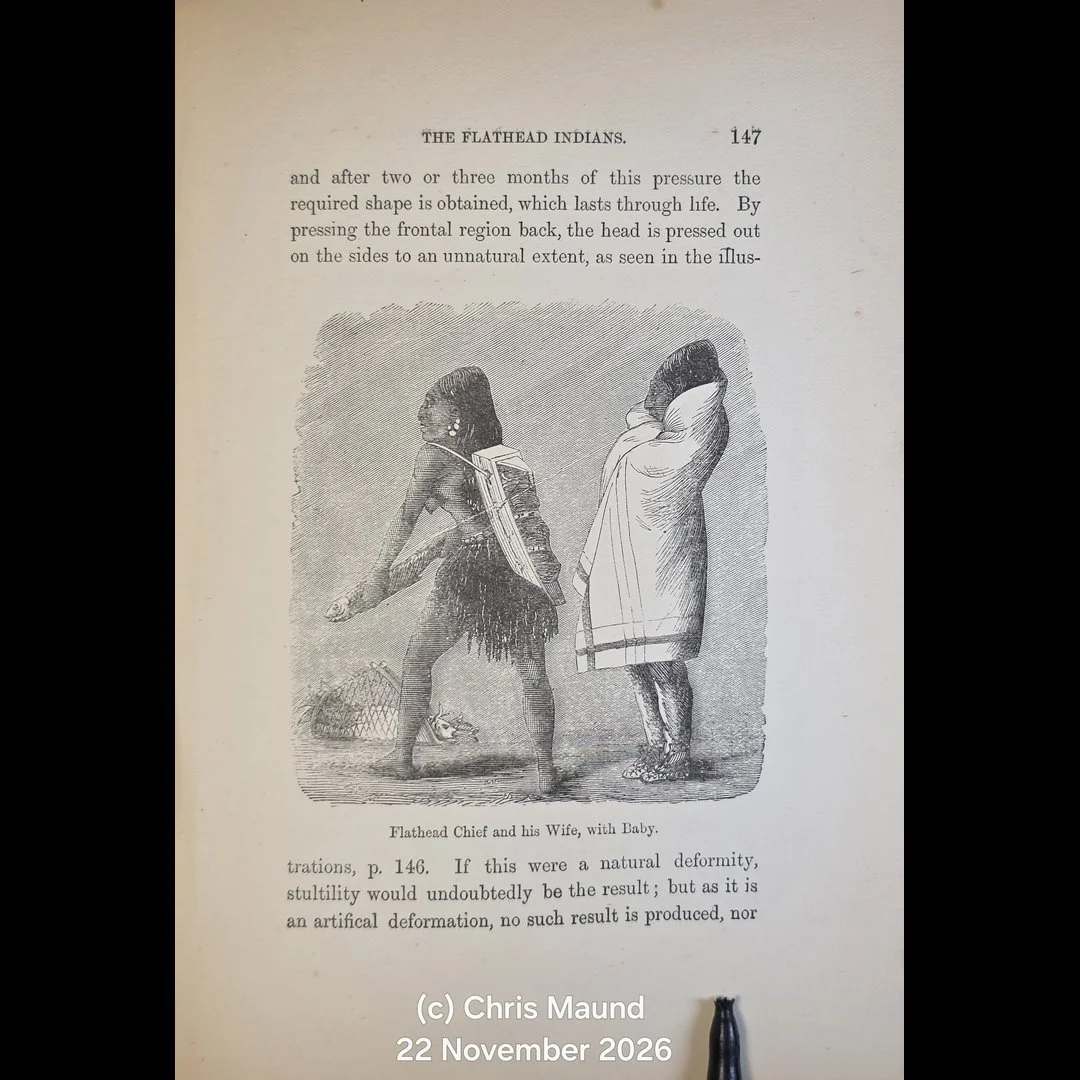 Image 28 of 50
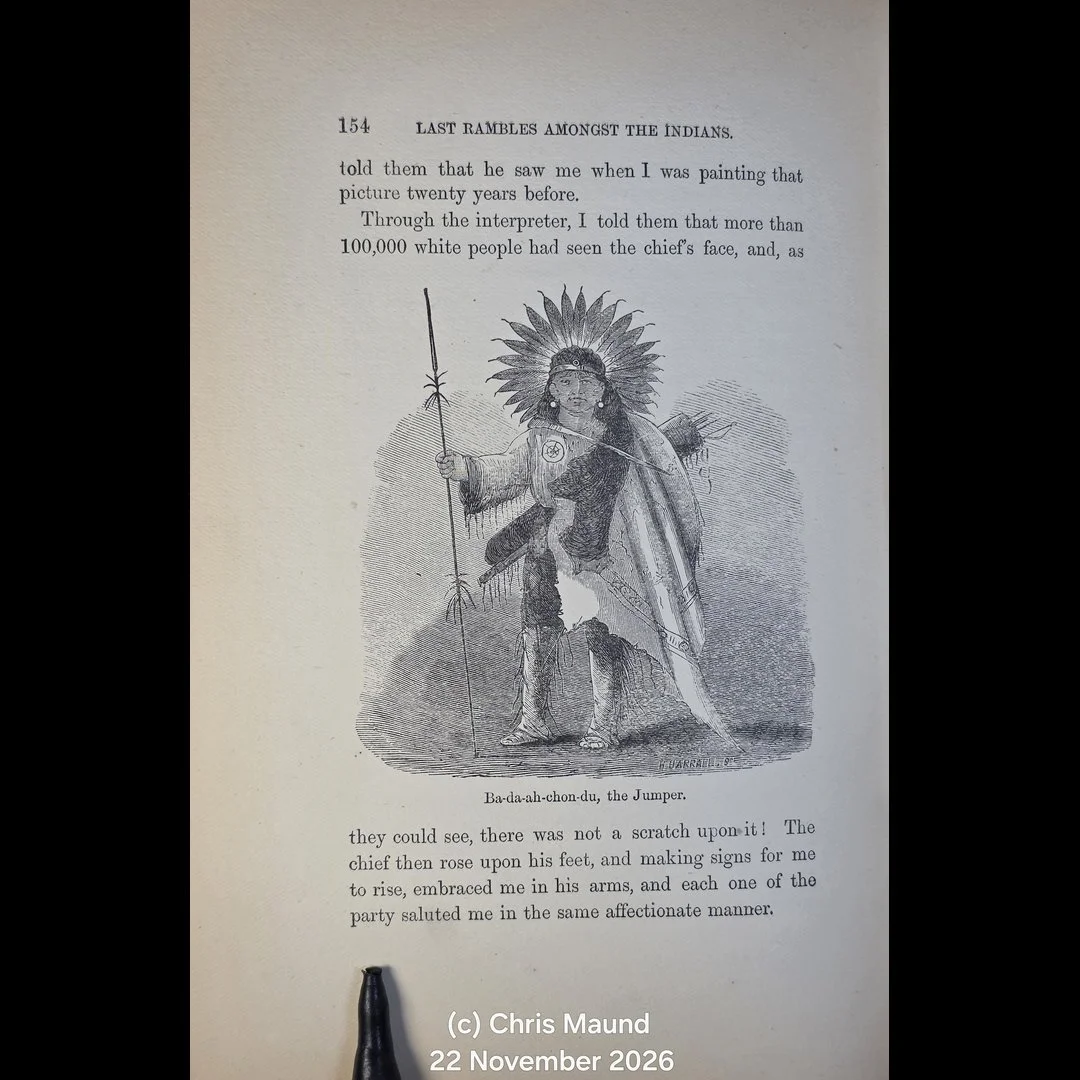 Image 29 of 50
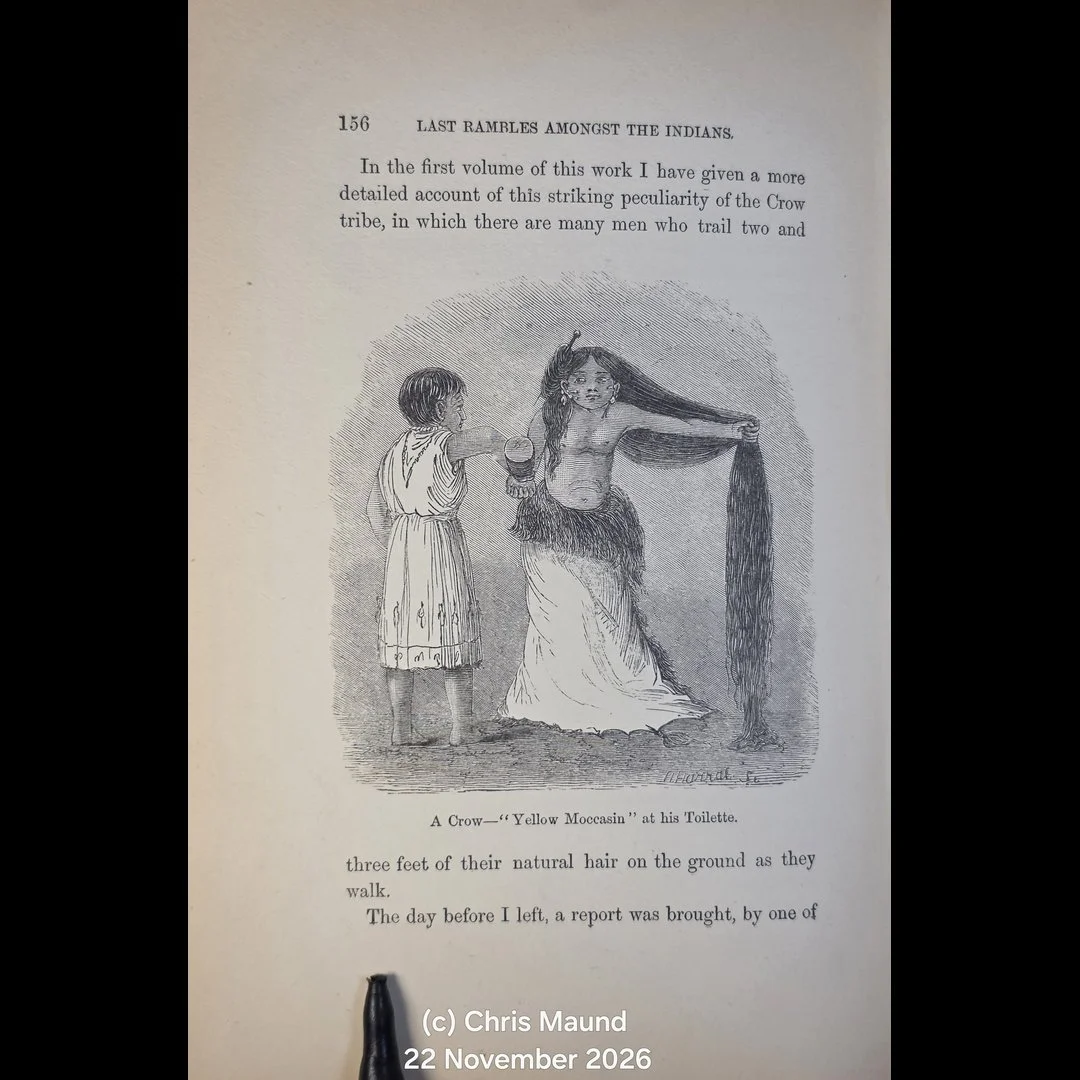 Image 30 of 50
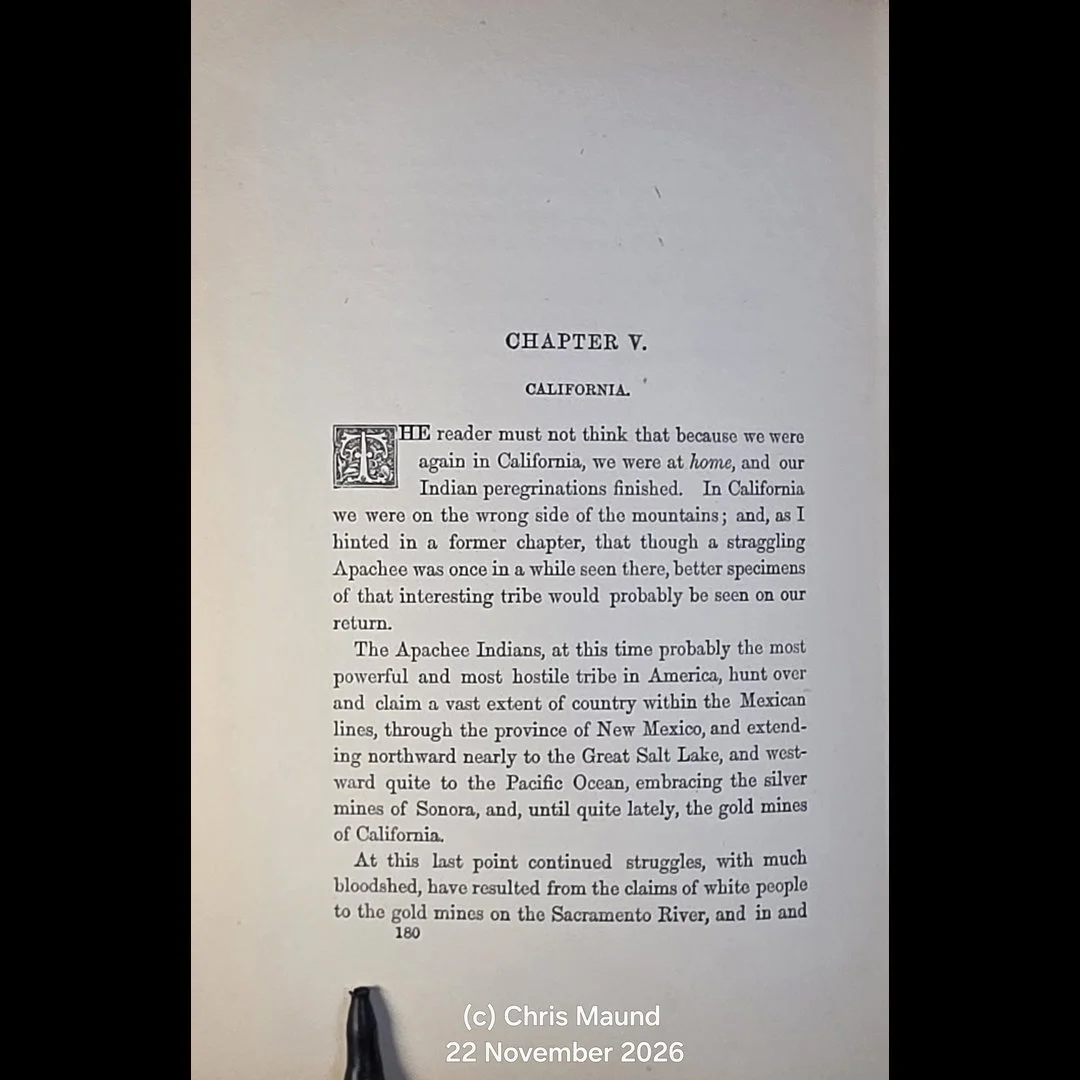 Image 31 of 50
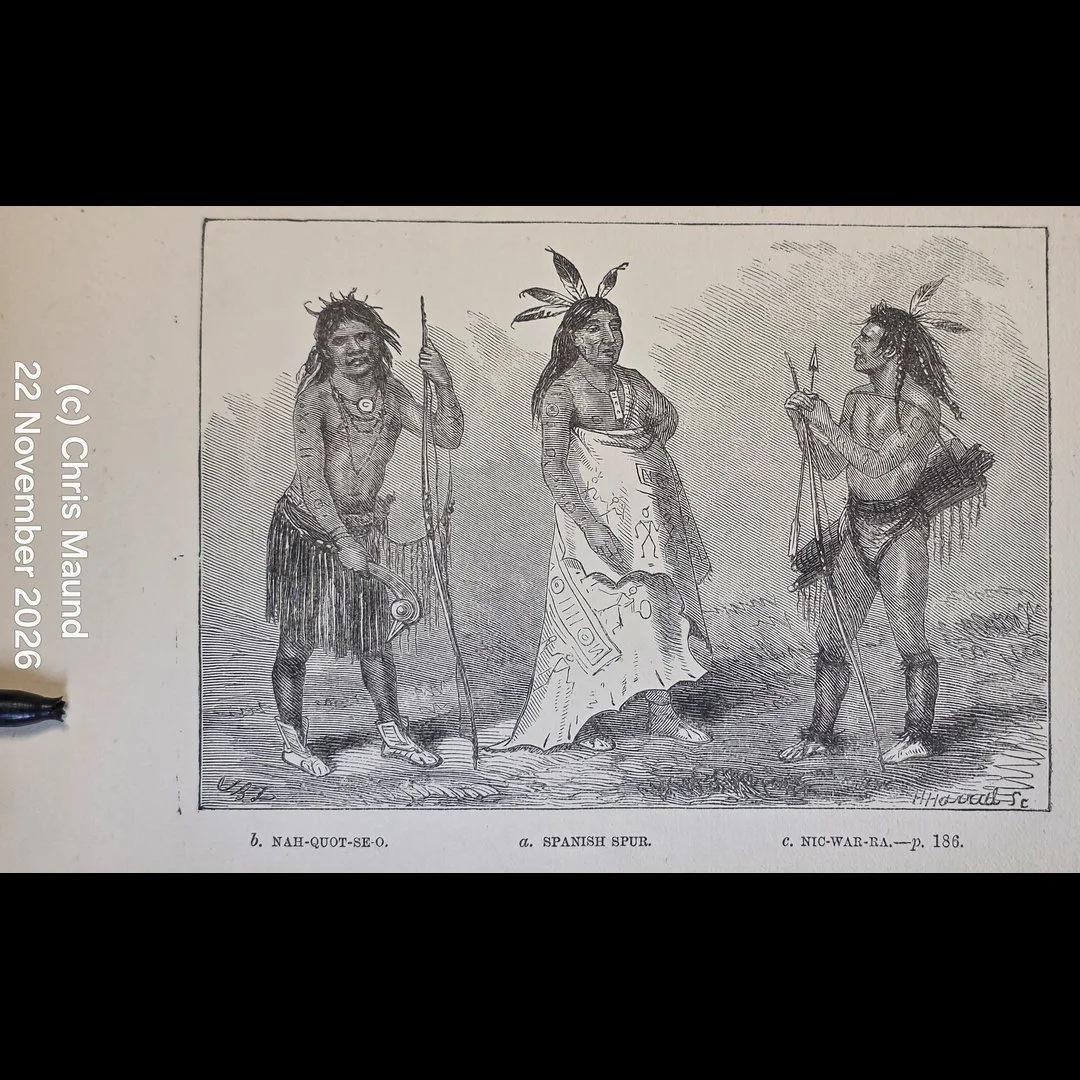 Image 32 of 50
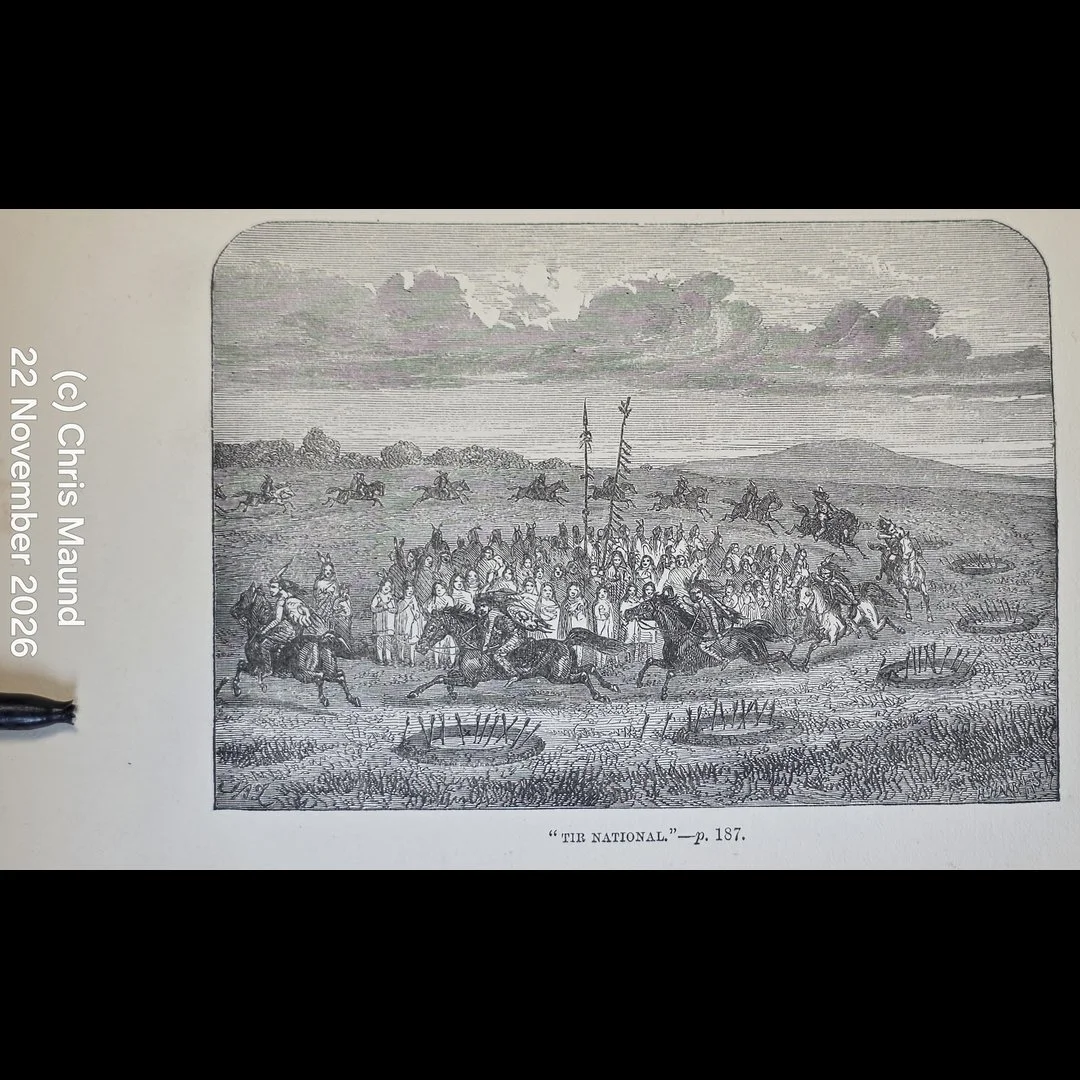 Image 33 of 50
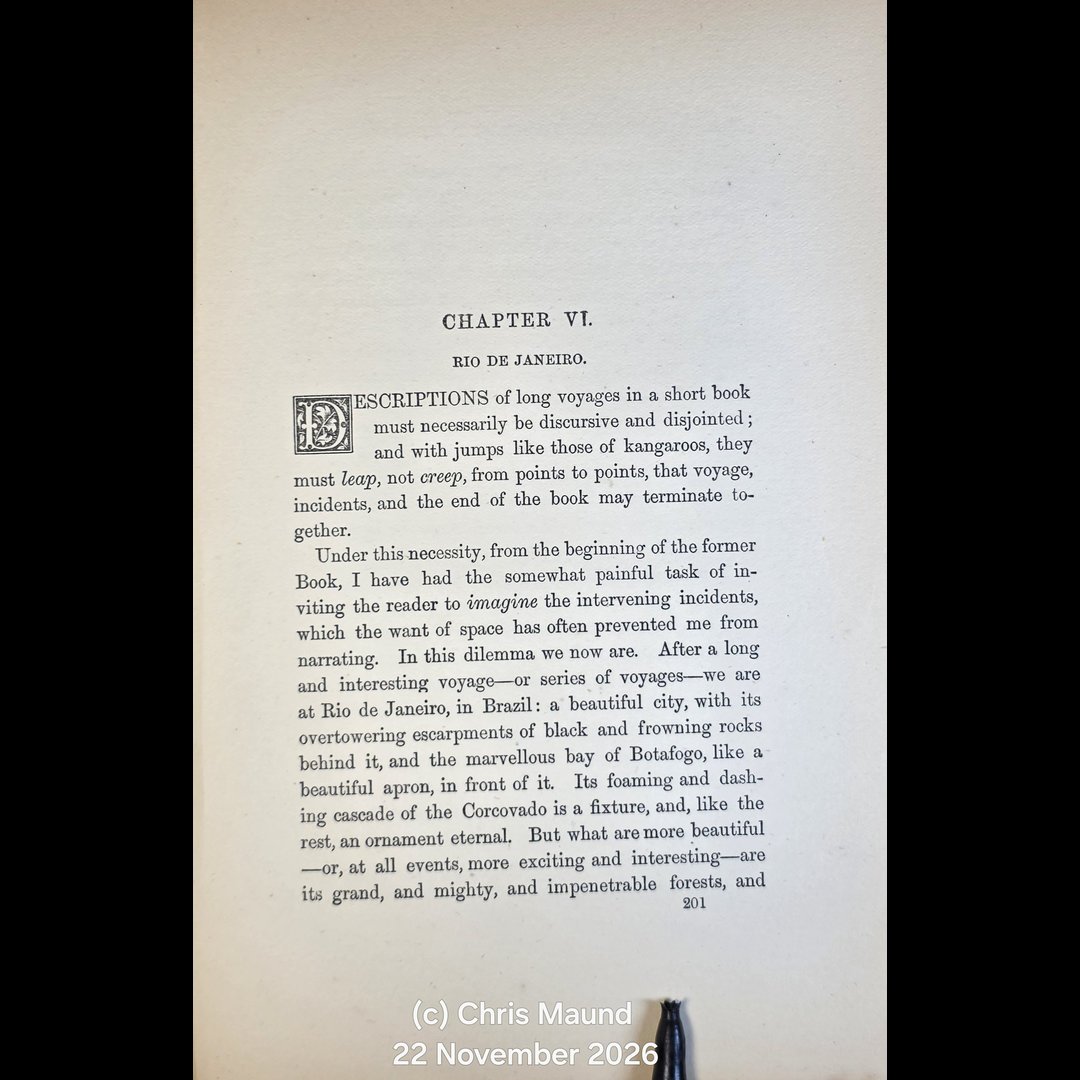 Image 34 of 50
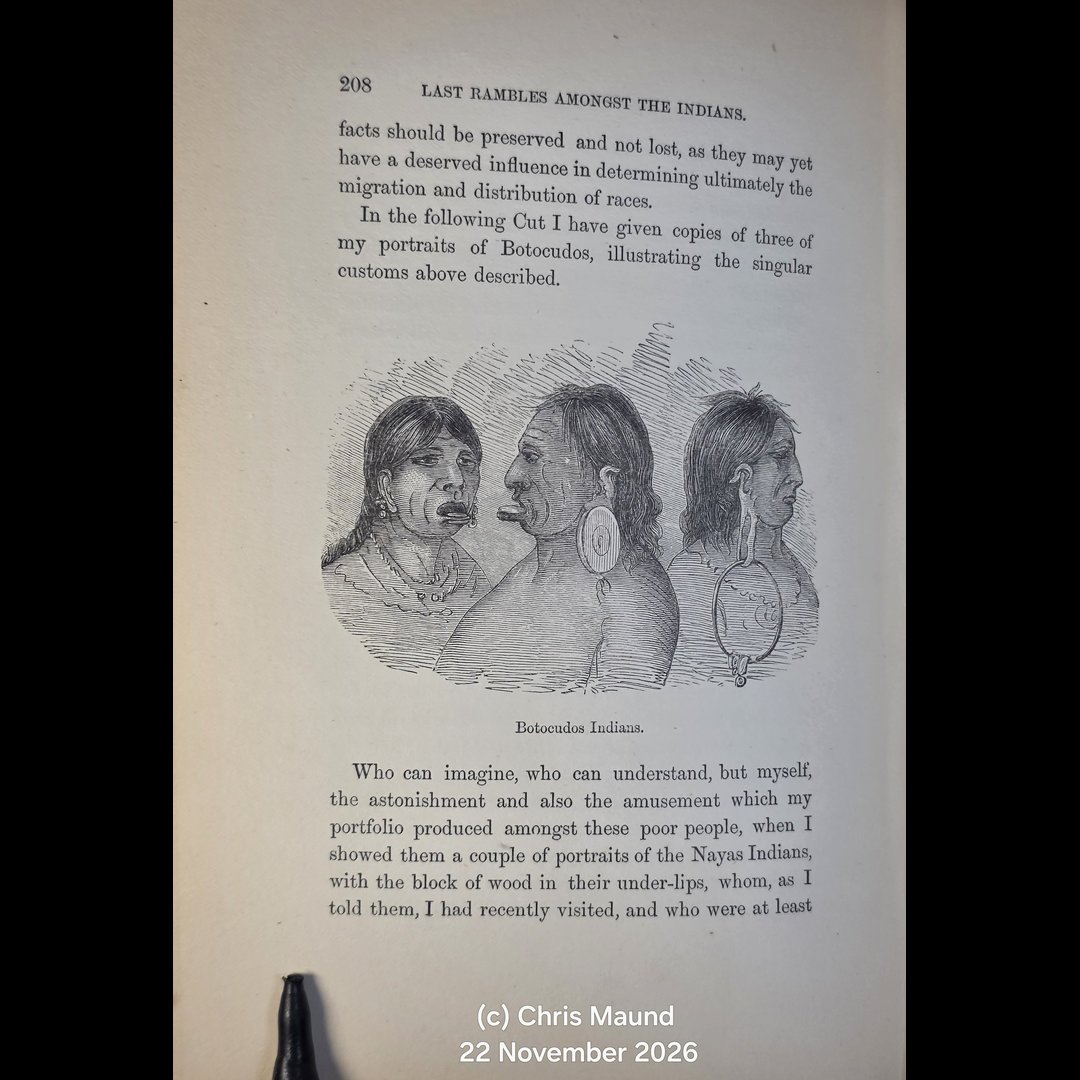 Image 35 of 50
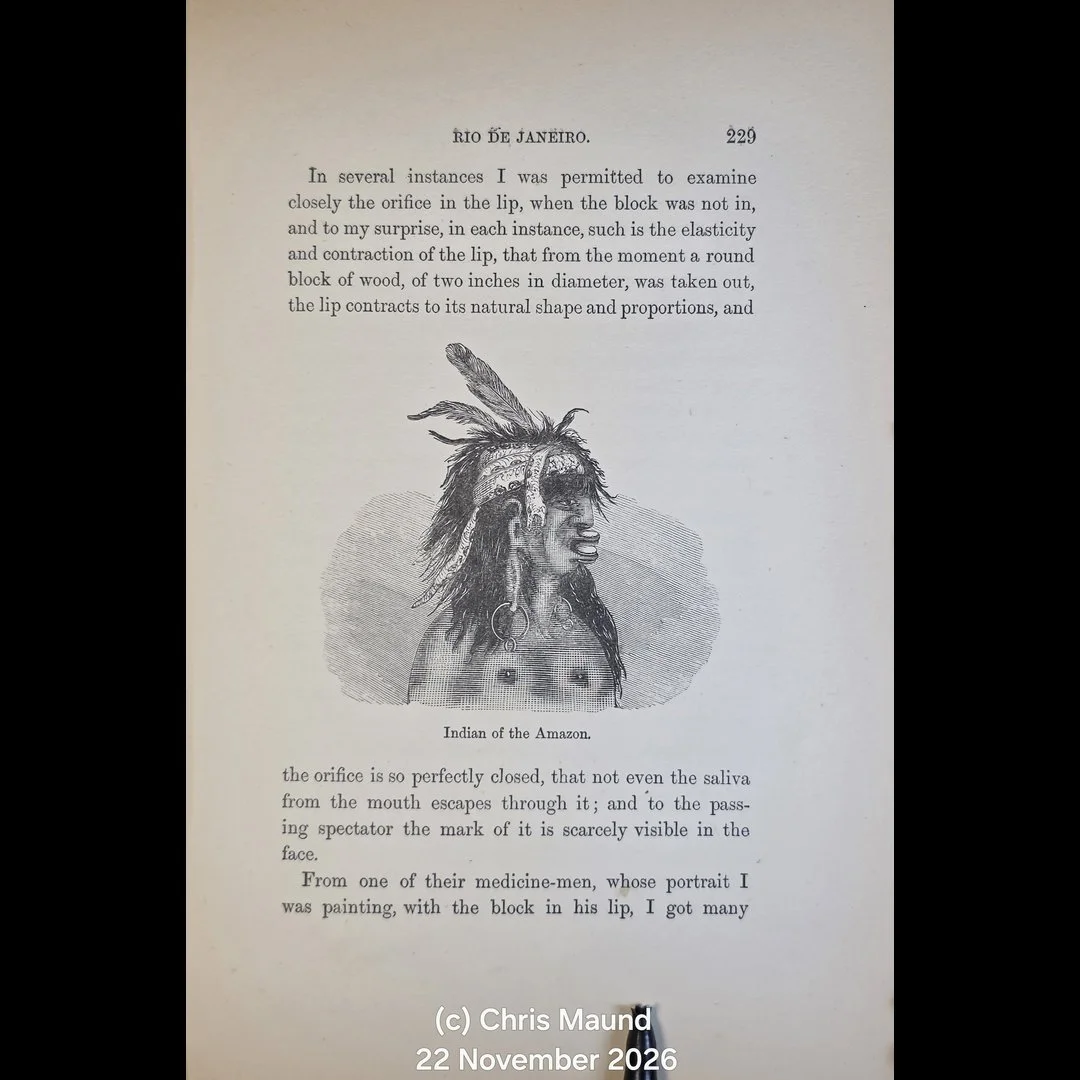 Image 36 of 50
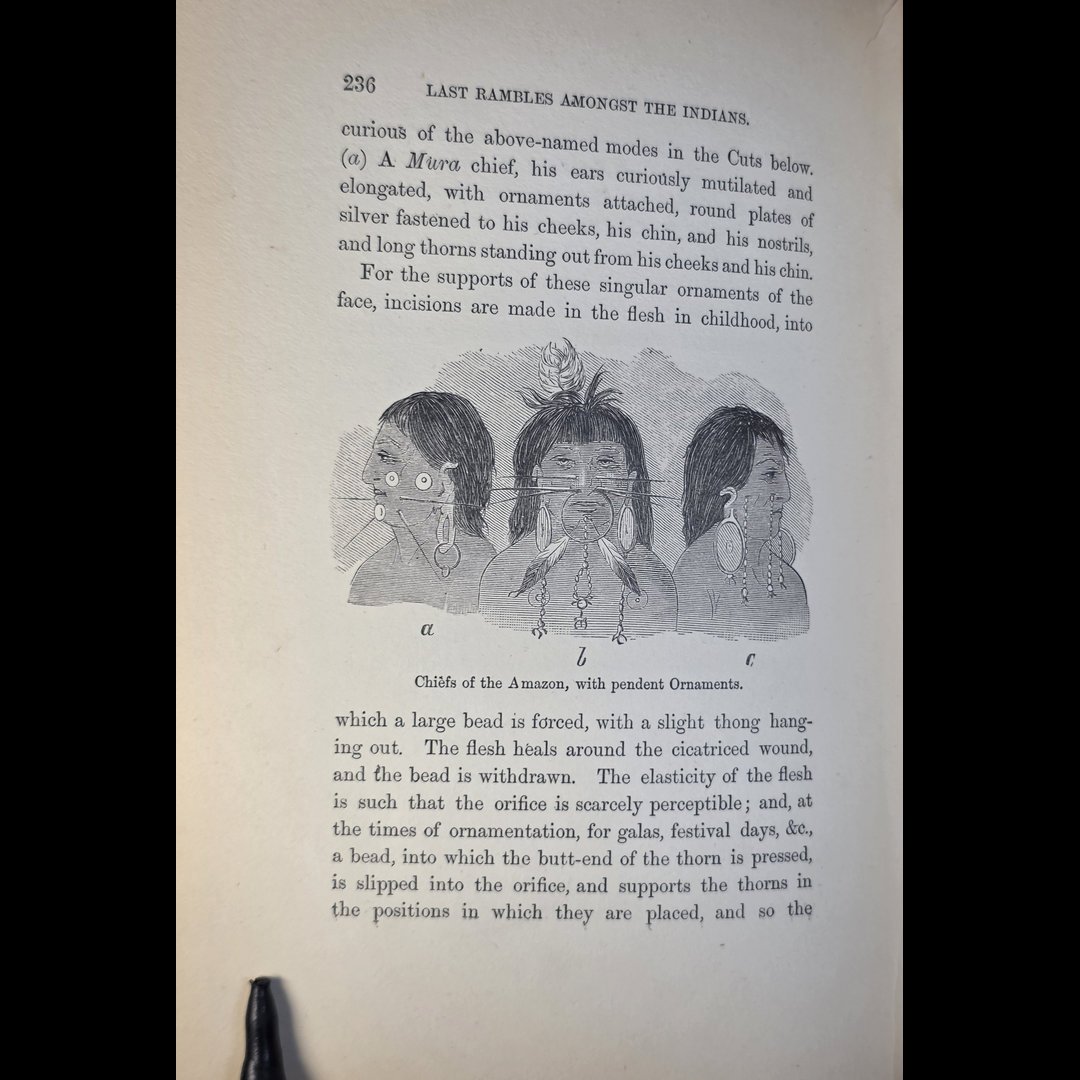 Image 37 of 50
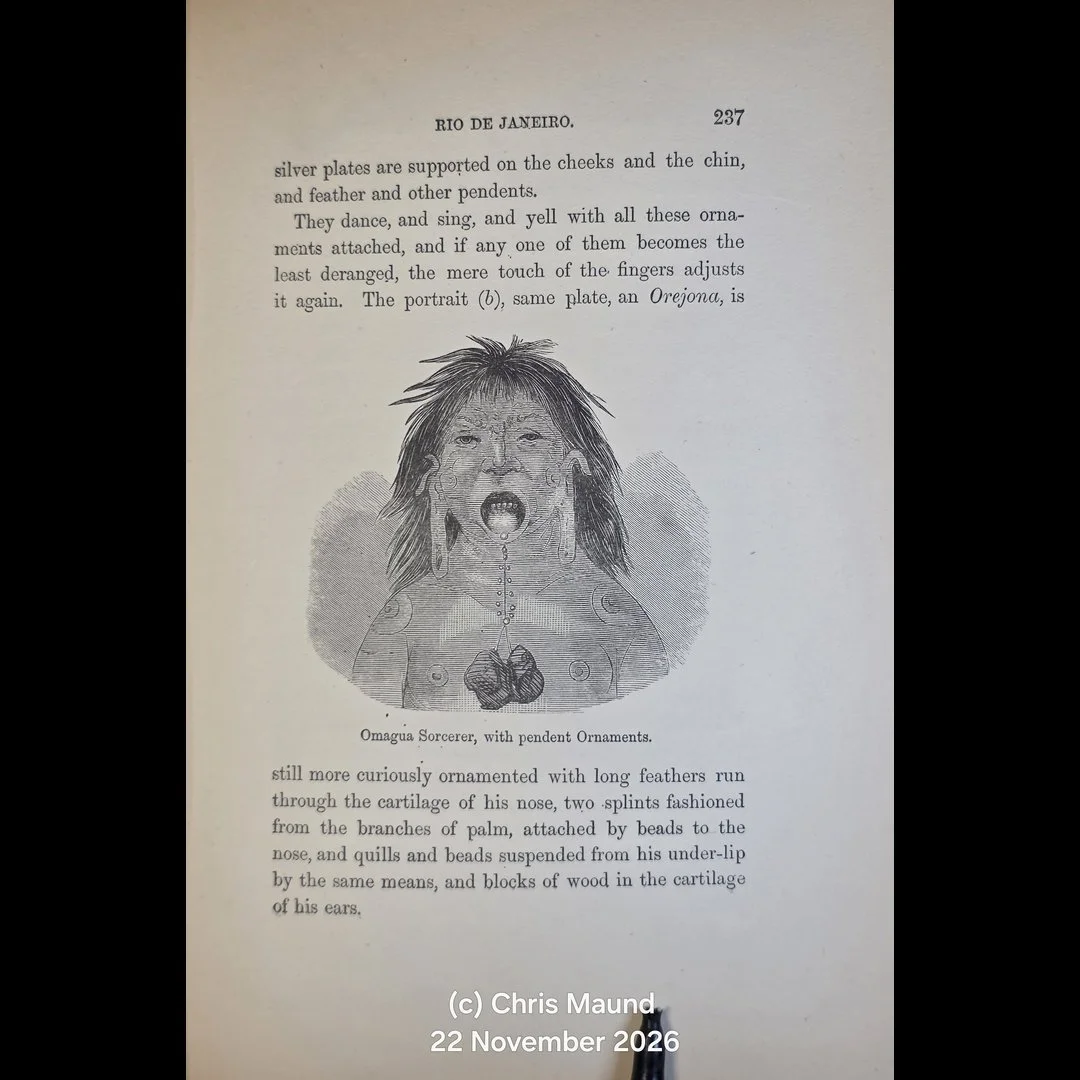 Image 38 of 50
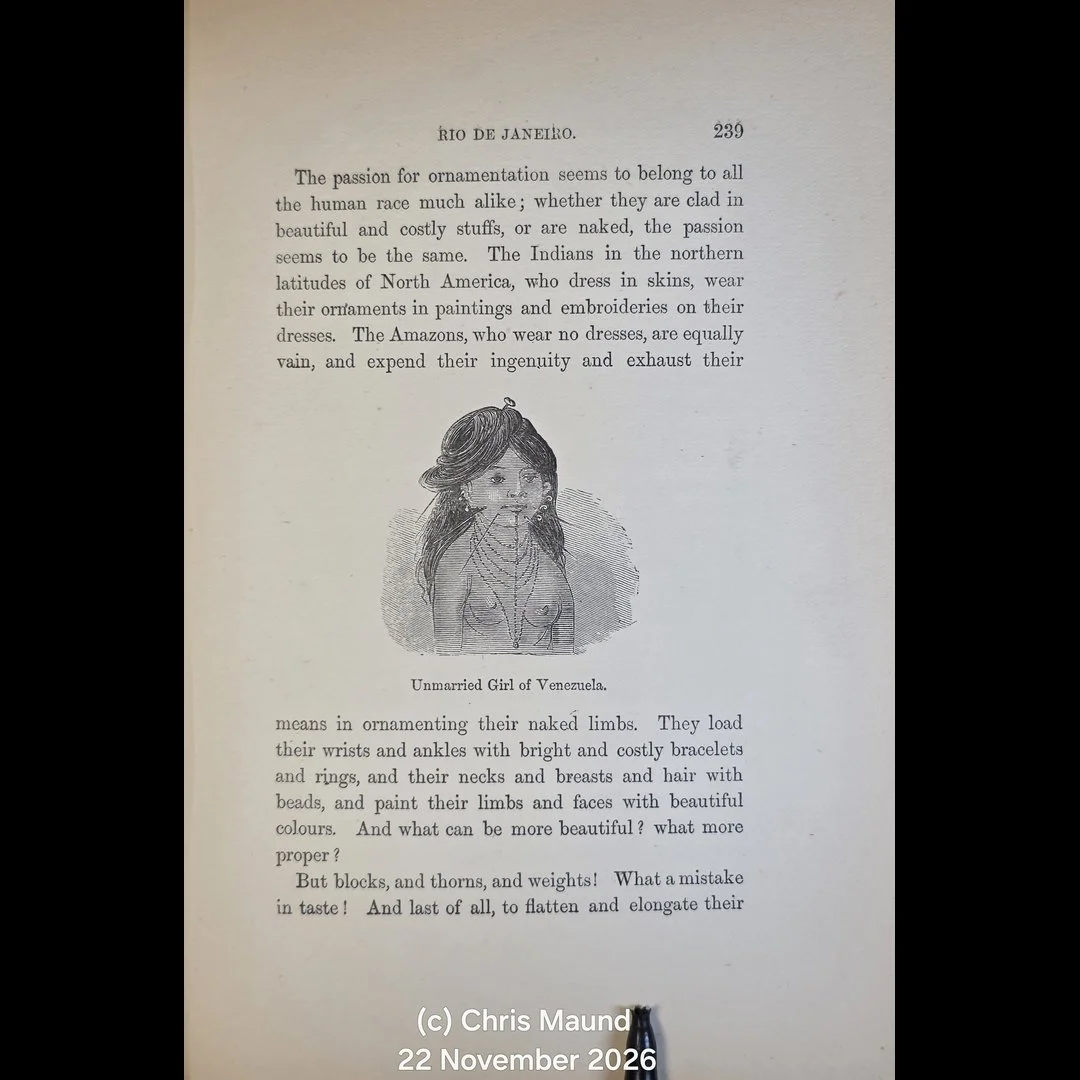 Image 39 of 50
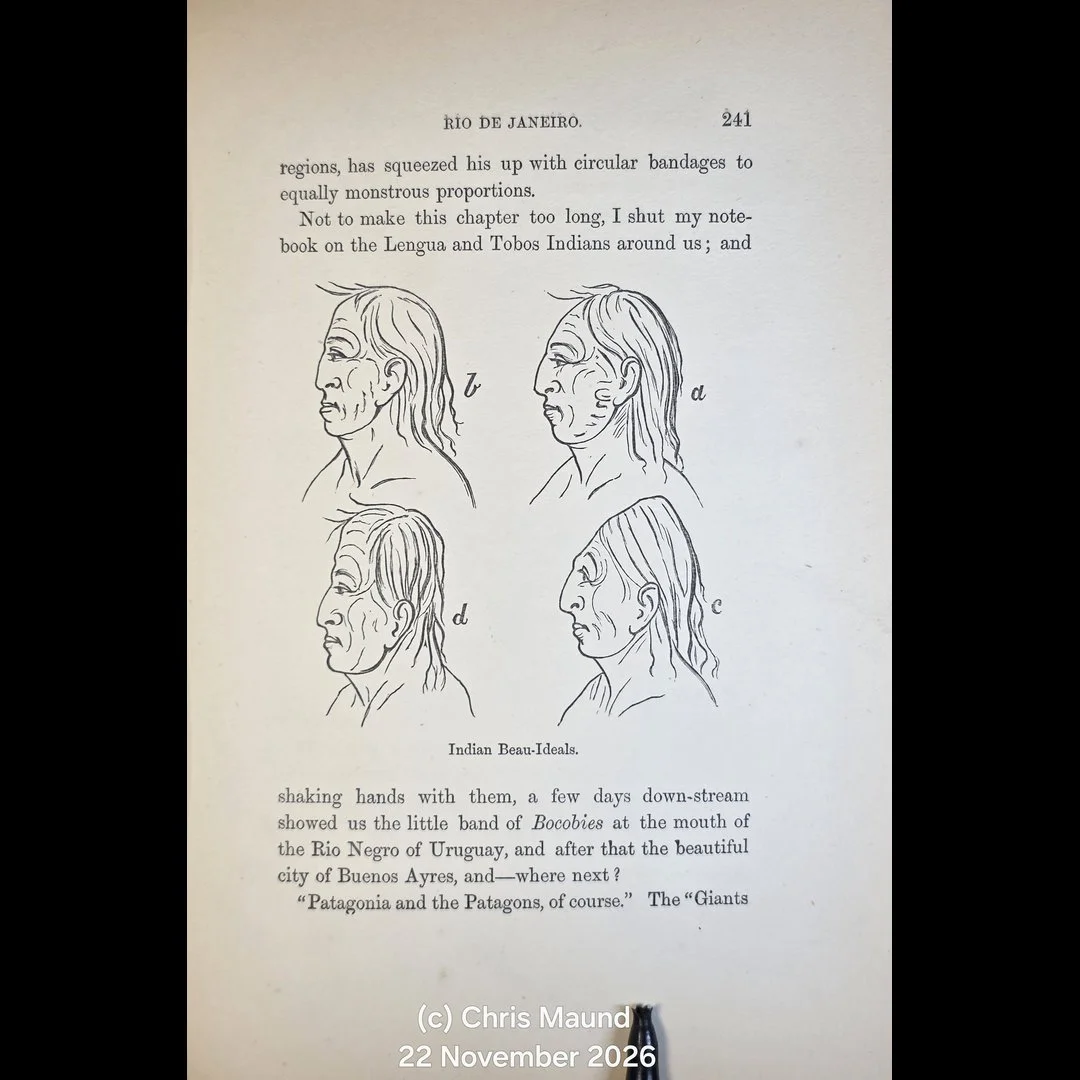 Image 40 of 50
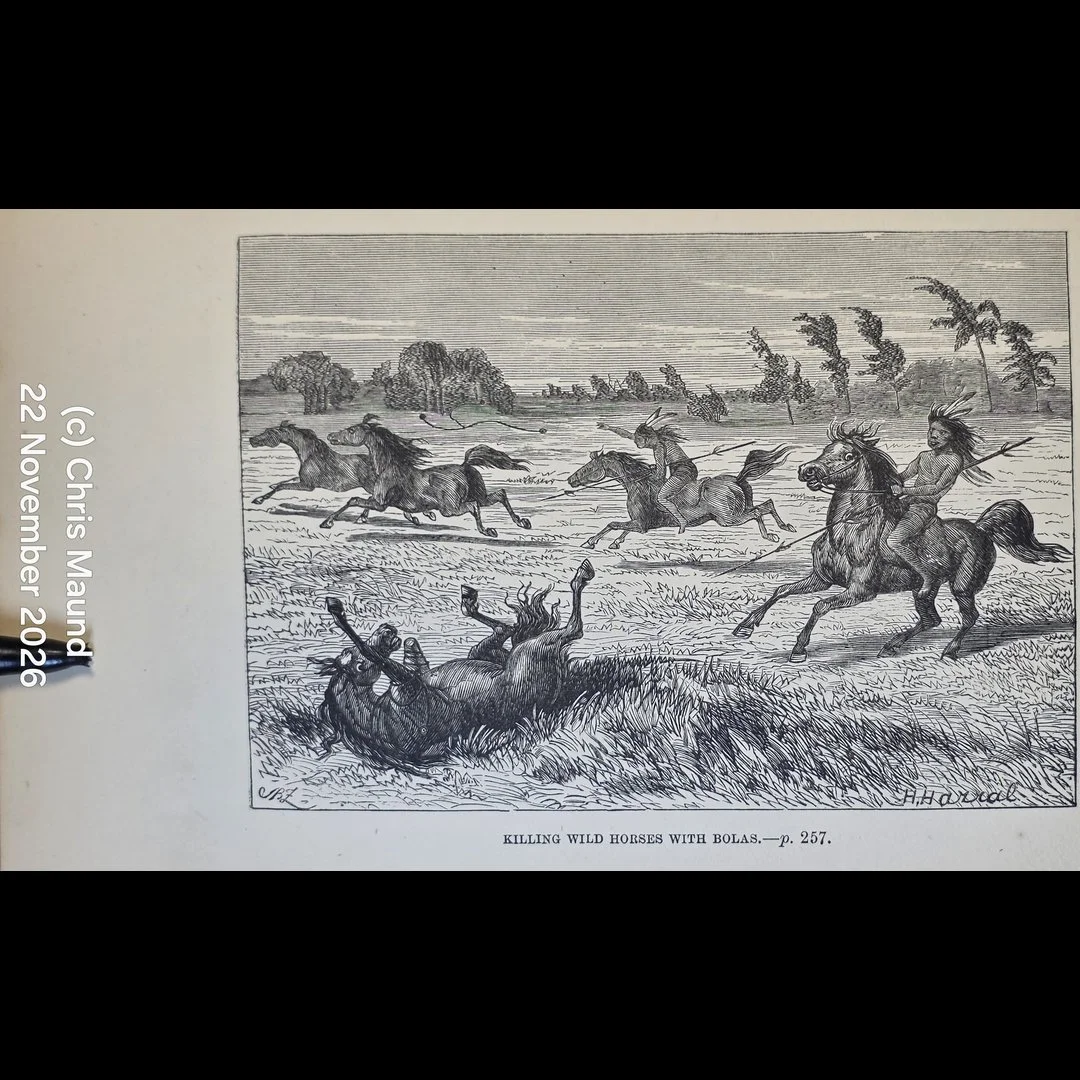 Image 41 of 50
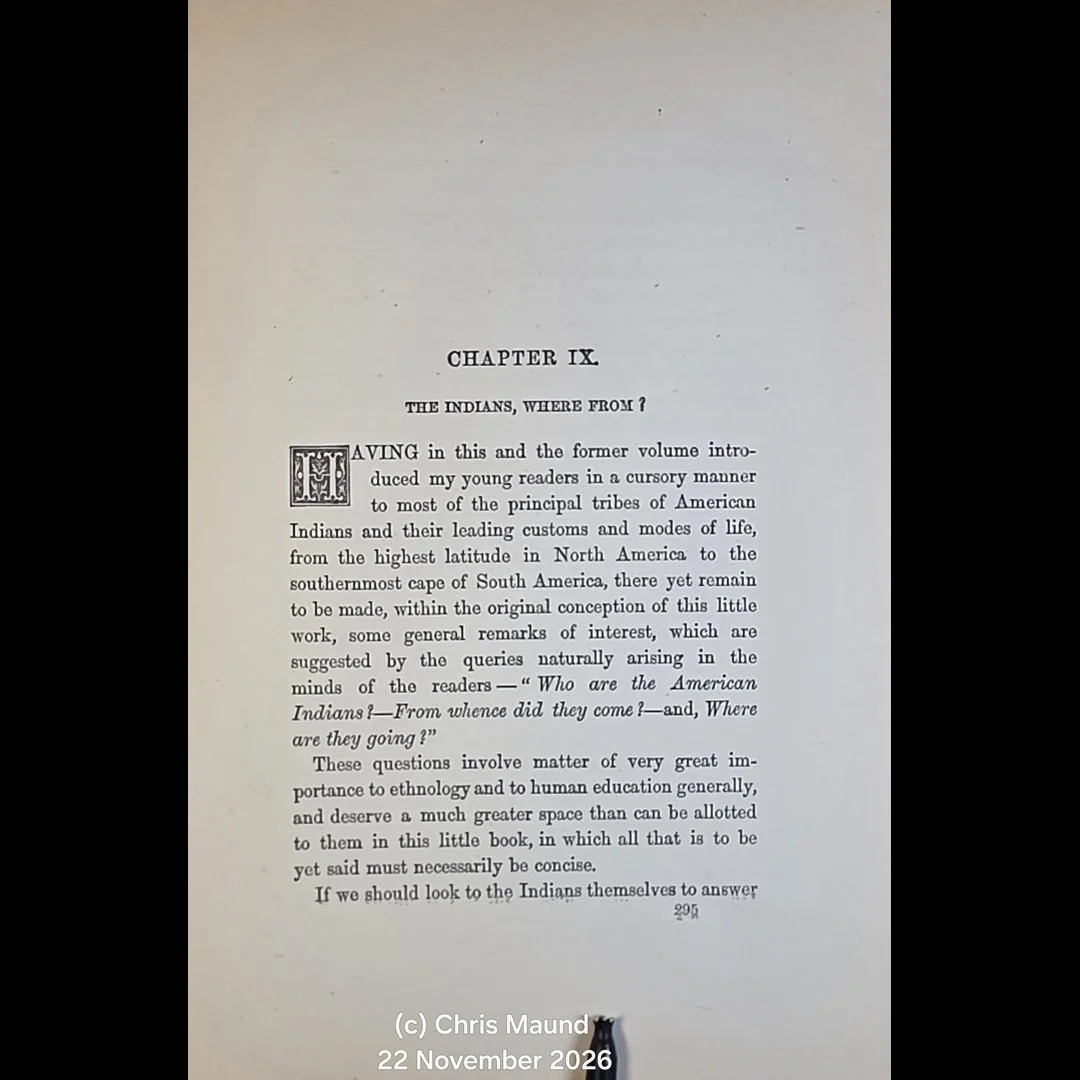 Image 42 of 50
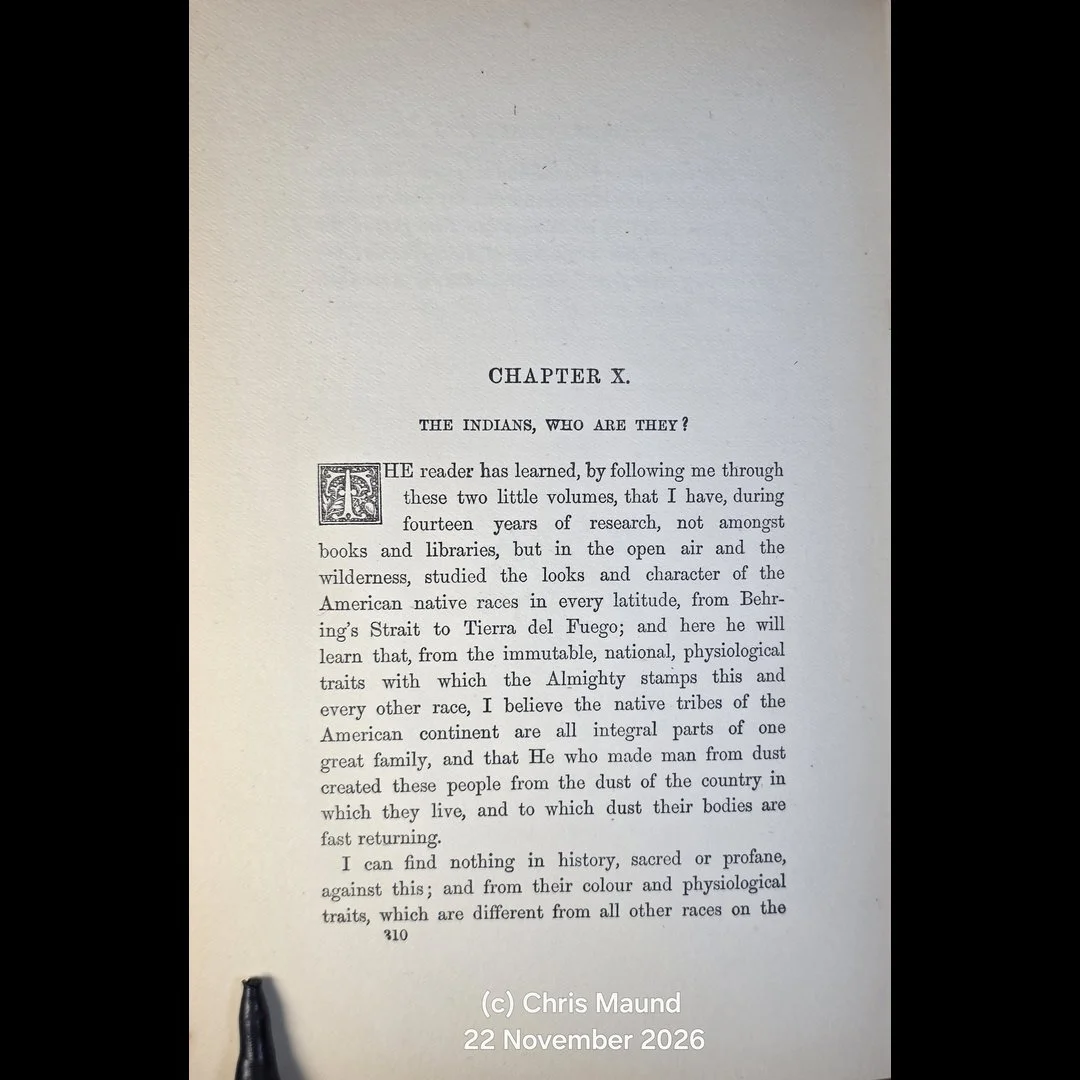 Image 43 of 50
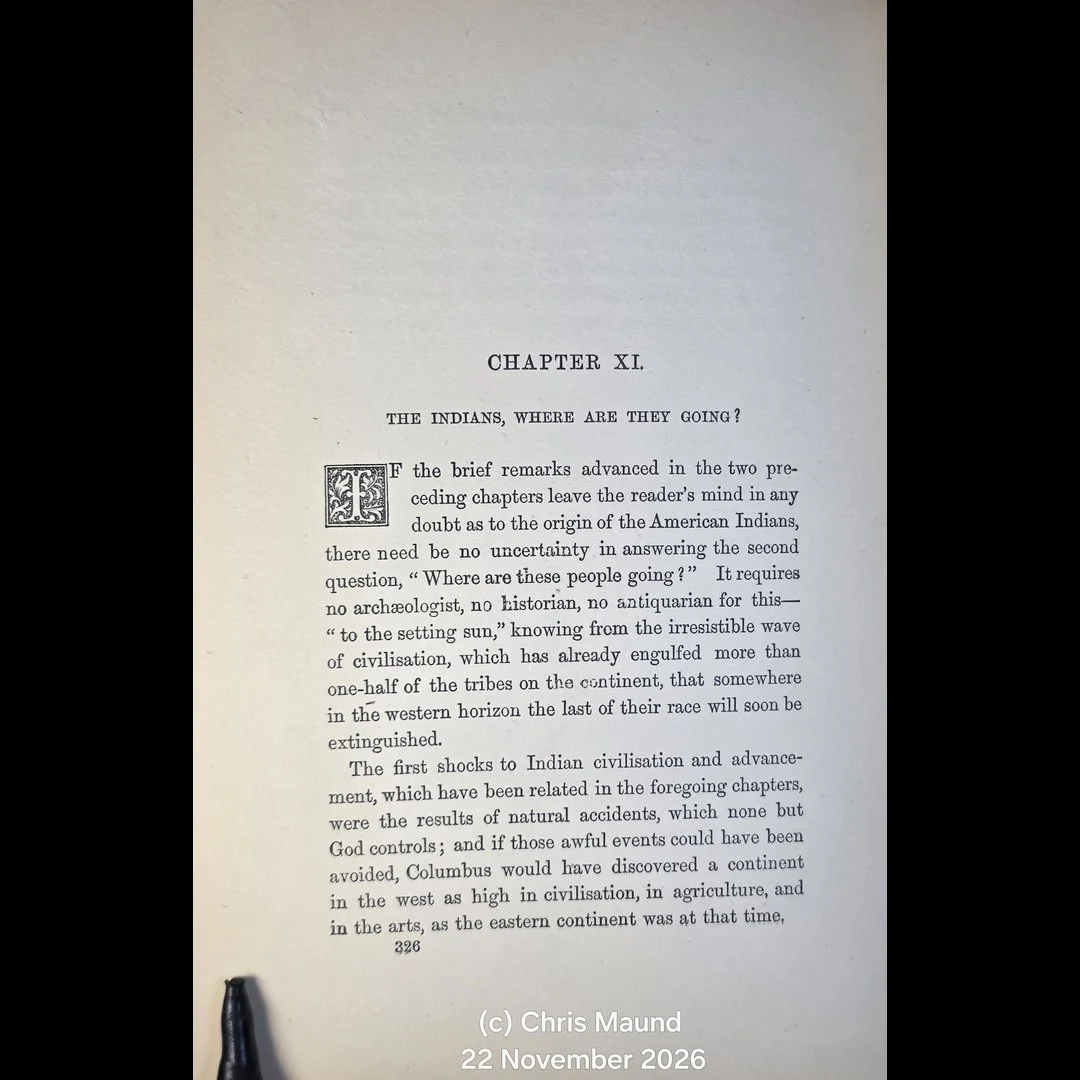 Image 44 of 50
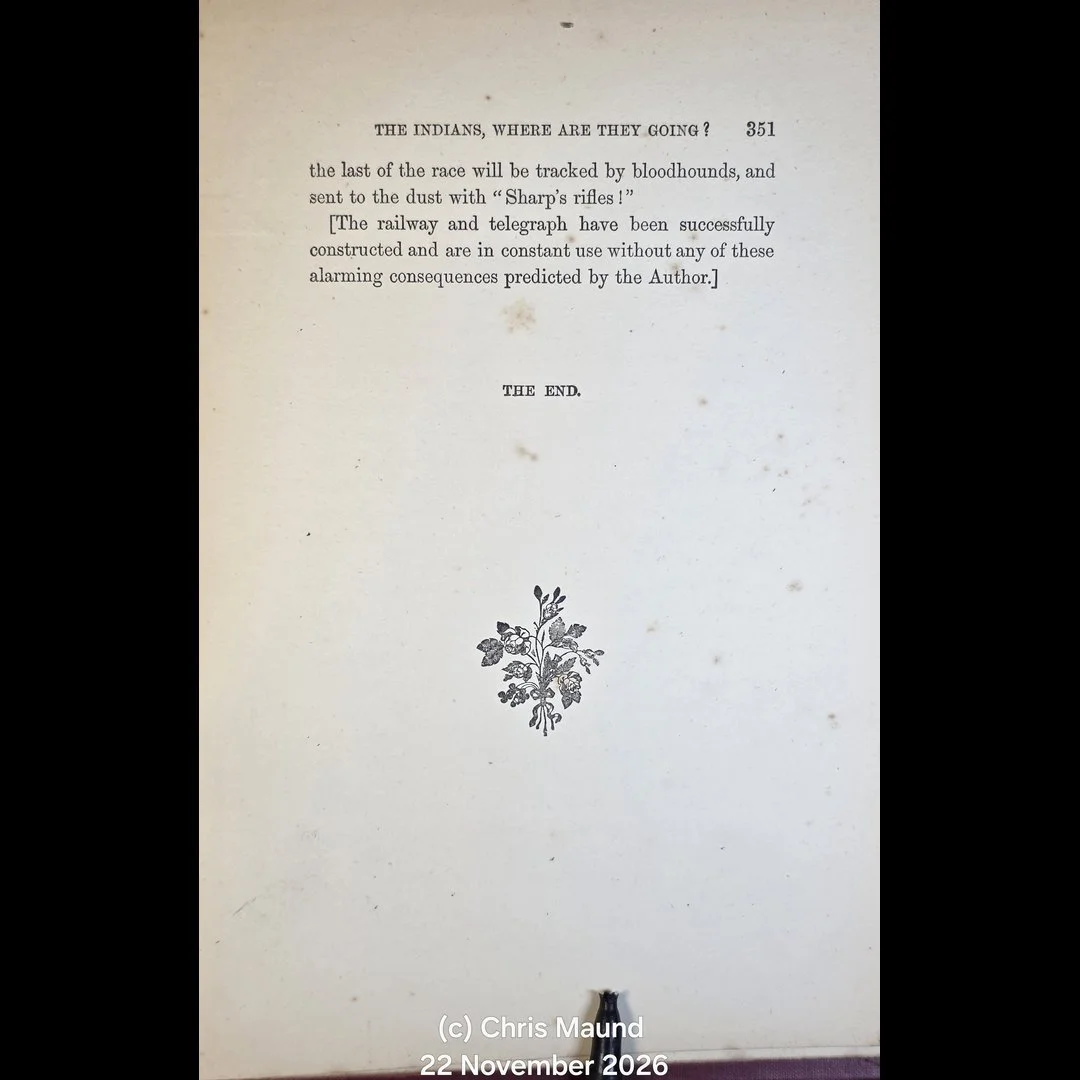 Image 45 of 50
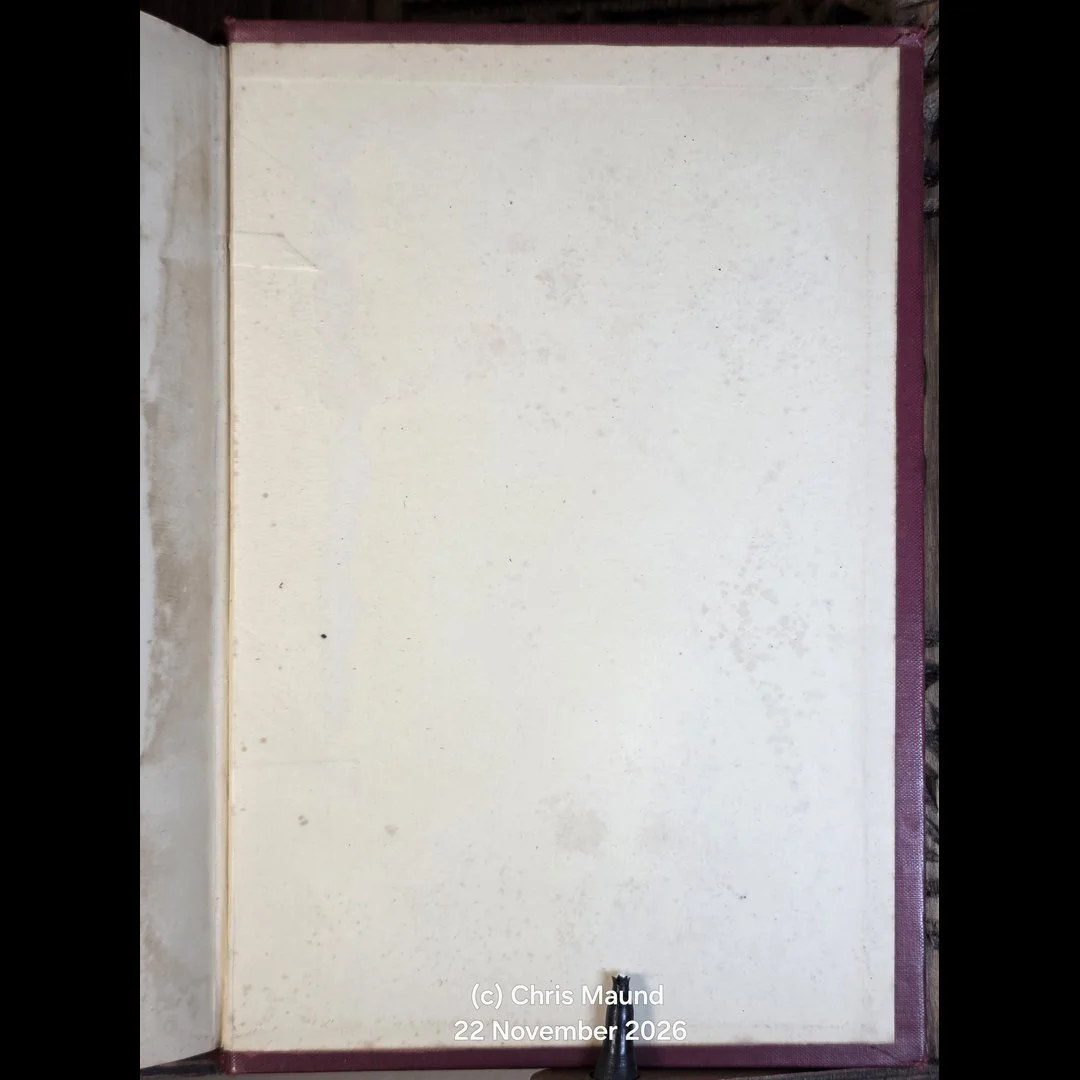 Image 46 of 50
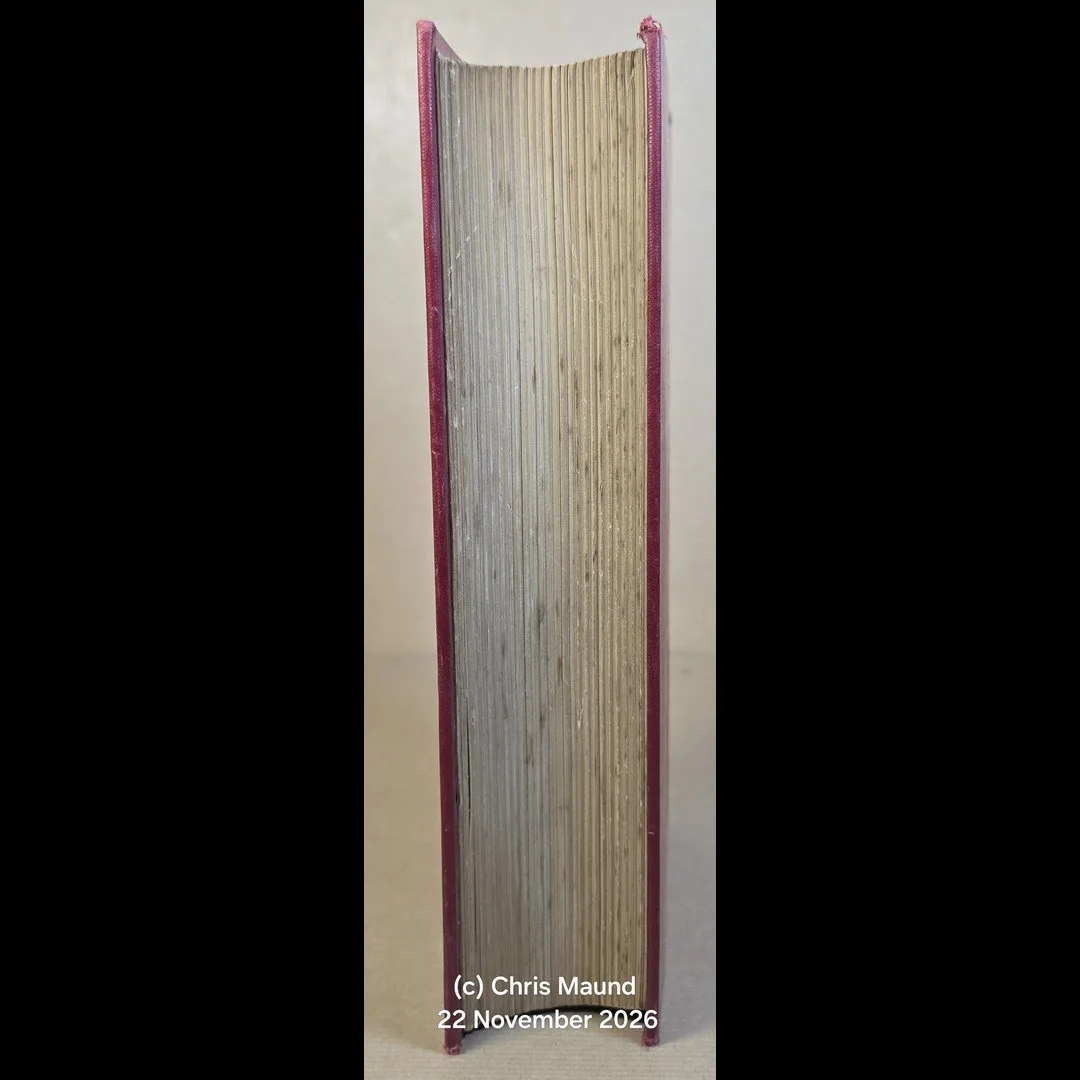 Image 47 of 50
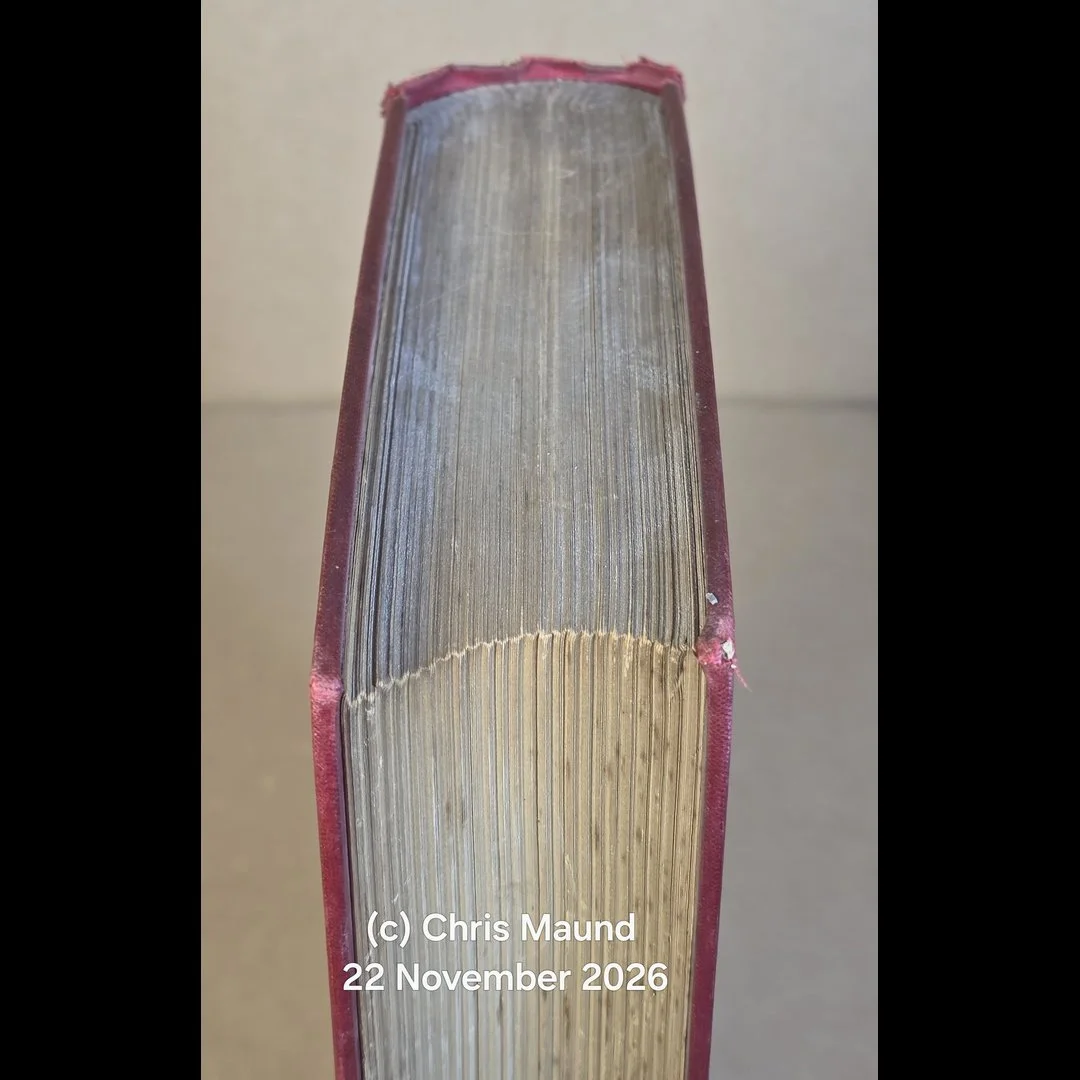 Image 48 of 50
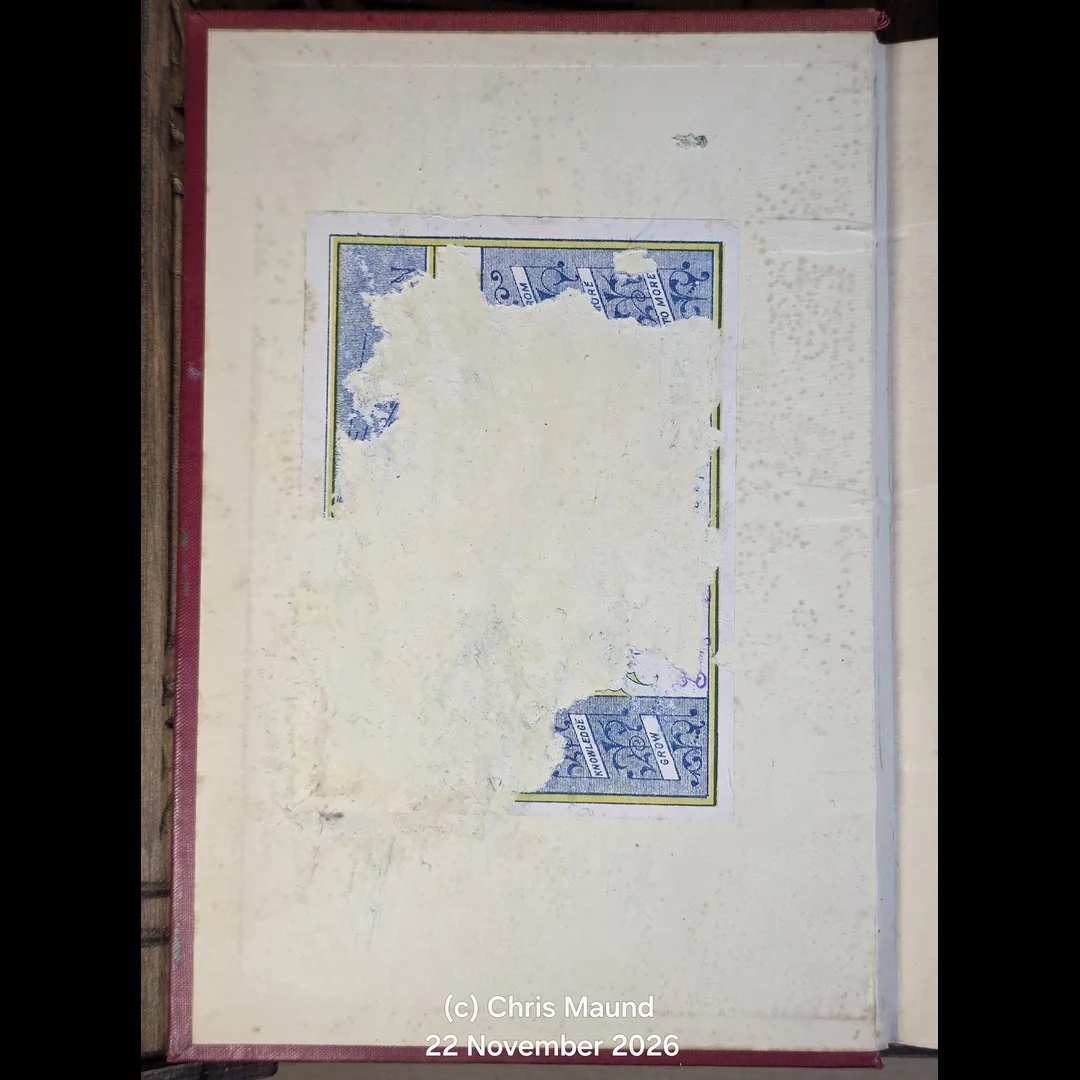 Image 49 of 50
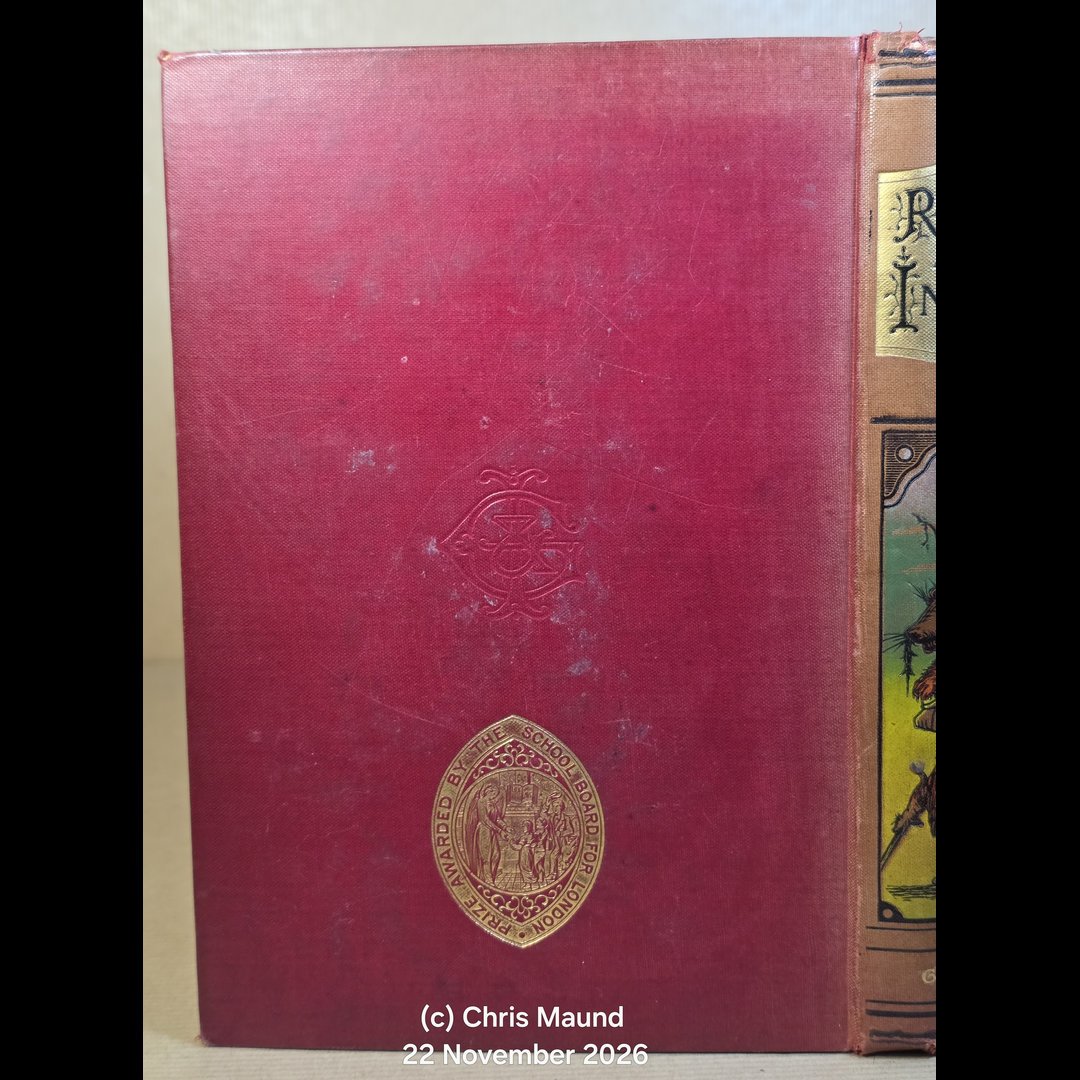 Image 50 of 50