1877 First British Edition With Hamond Family Provenance
THE HUNTING GROUNDS OF THE GREAT WEST
By Richard Irving Dodge
KEY DETAILS
Condition: Good
Format: Hardcover, 8vo; approx. 217 × 138 mm
Published By: Chatto & Windus, Piccadilly, London, 1877
Language: English
Illustrated By: Ernest Griset
Provenance: This copy bears the engraved armorial bookplate of Charles Annesley Hamond, Esq., of Twyford Hall, East Dereham, Norfolk.
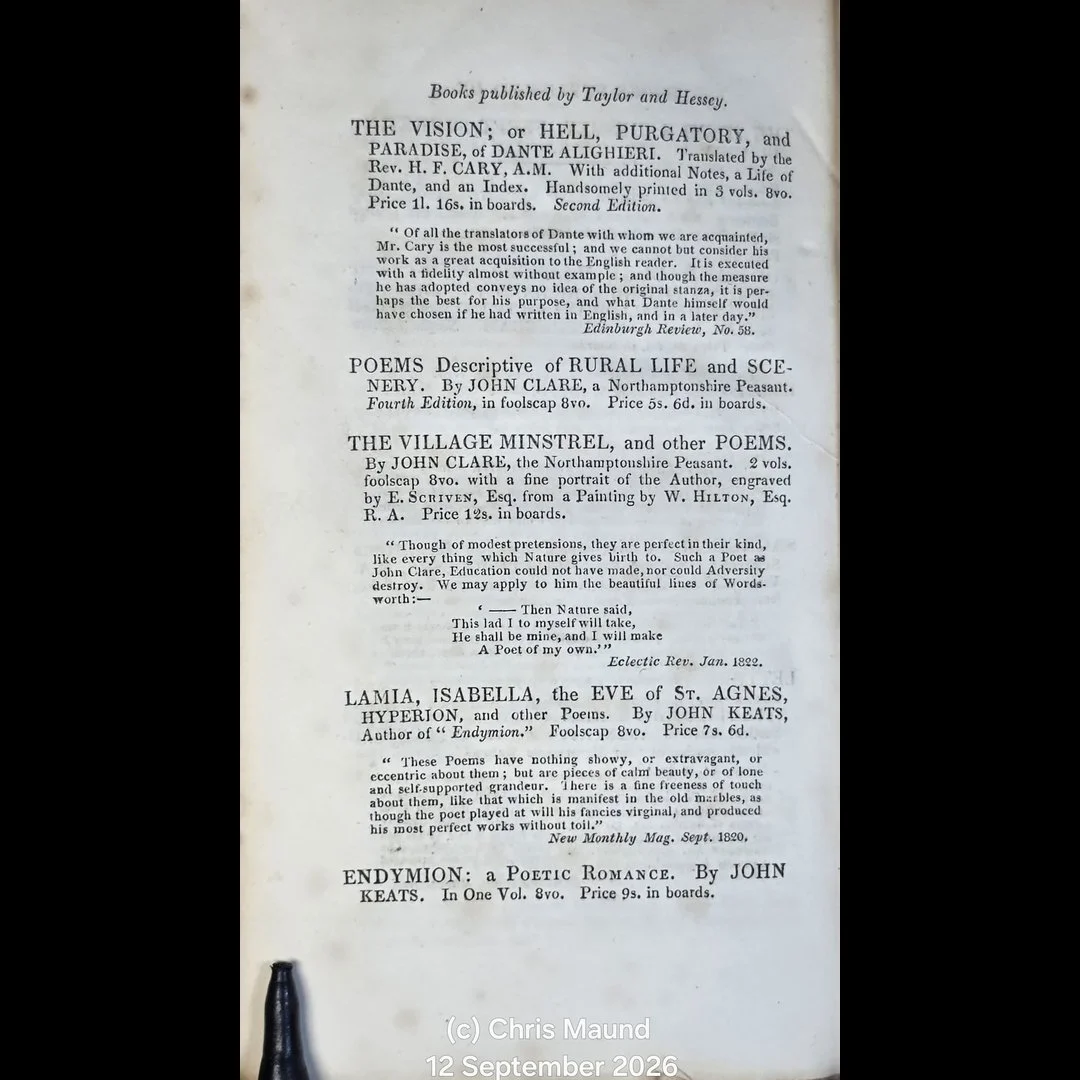
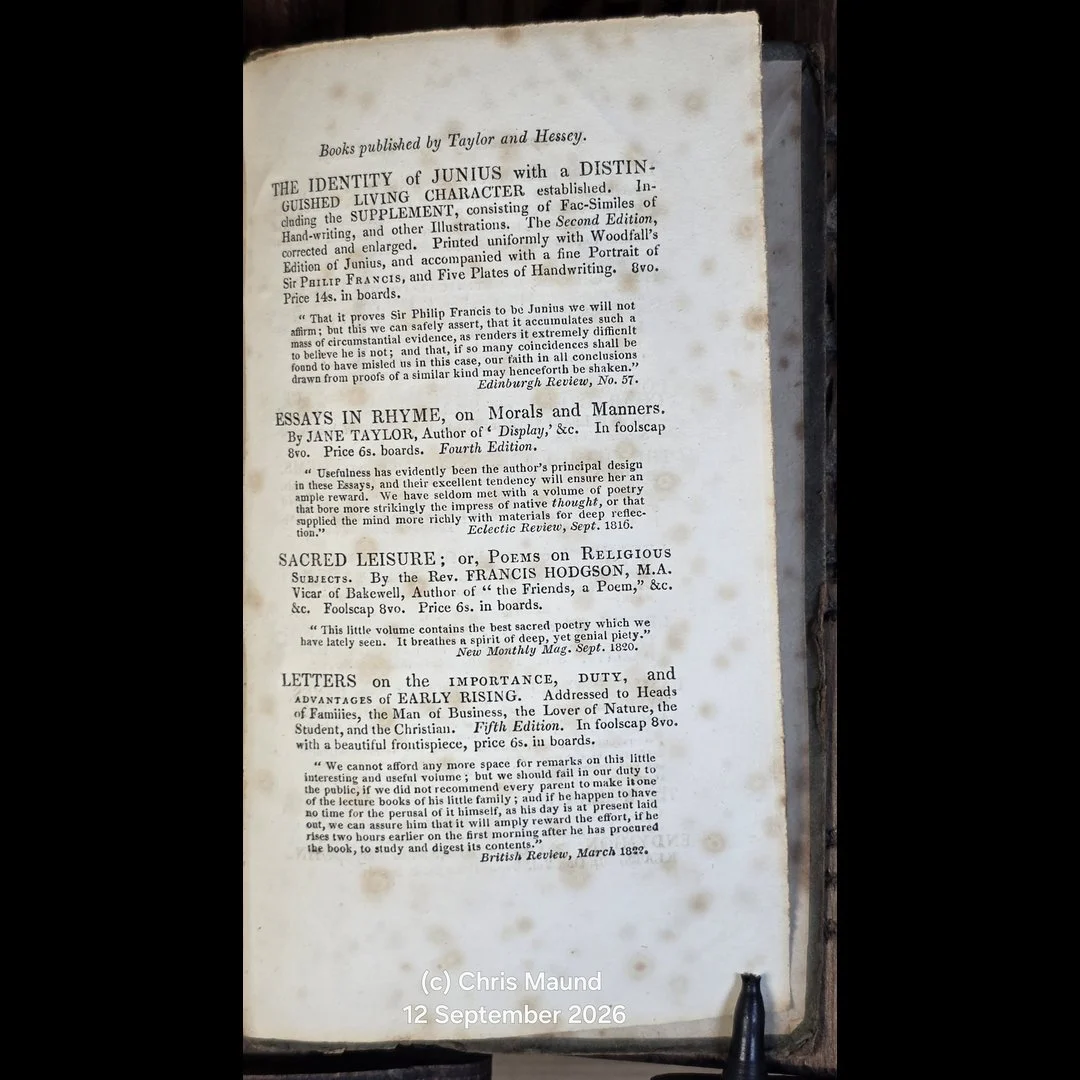
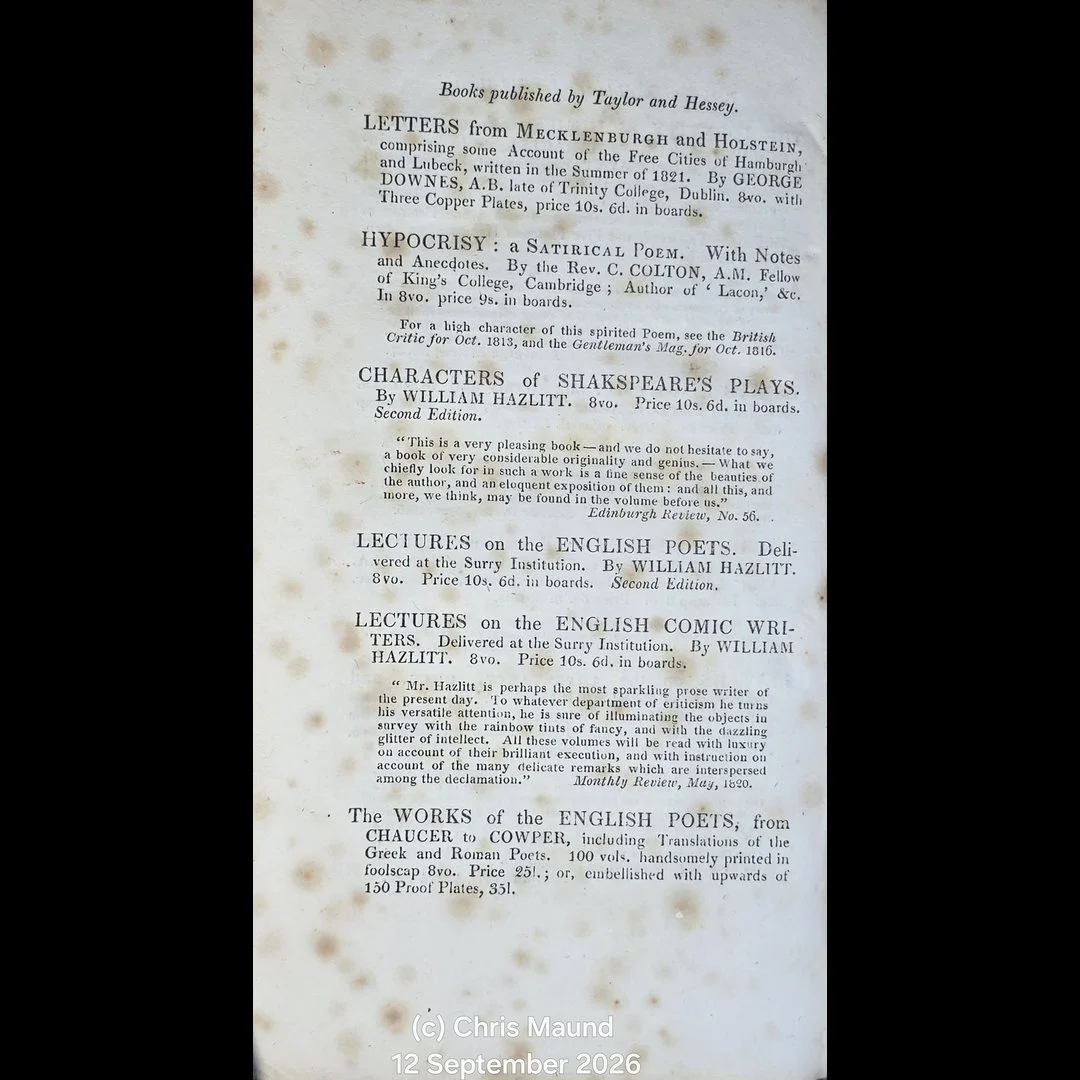
Collation: pp. lvii, 440; portrait frontispiece, numerous full-page and in-text illustrations, and folding map. The text ends on p. 440, without terminal publisher's advertisements. Complete.
Dust Jacket: None, as issued
SKU: BTETM0002758
Shipping Info: Approximate Package Dimensions H: 15, L: 55, W: 40 (Units: cm), W: 2Kg
Tracked Shipping, Insurance Coverage as per Customer Request
DESCRIPTION
The Hunting Grounds of the Great West
A Description of the Plains, Game, and Indians of the Great North American Desert
An attractive first British edition of Richard Irving Dodge's important nineteenth-century account of the American Great Plains, published by Chatto & Windus in 1877, with an introduction by the English anthropologist and collector William Blackmore and numerous illustrations by Ernest Griset.
This copy is particularly interesting for its contemporary half-leather binding, folding map documenting the dramatic contraction of the American buffalo's range, and its provenance from the library of Charles Annesley Hamond (1856–1914), a Norfolk naturalist and later president of the Norfolk and Norwich Naturalists' Society.
An additional manuscript inscription, dated Christmas 1899, appears to record the volume's presentation to Hamond, possibly by his wife, Mary Augusta.
Originally published in the United States in 1876 under the title The Plains of the Great West and Their Inhabitants, Dodge's work draws extensively upon his experiences as a serving officer in the United States Army.
It combines firsthand observations of the geography, natural history, wildlife and Indigenous peoples of the American West with accounts of frontier travel, hunting expeditions, military life and encounters between Native American communities and the expanding United States.
Although written from the perspective of a nineteenth-century American military officer, and reflecting many of the cultural assumptions and prejudices of that period, the work remains an important contemporary record of a region undergoing profound environmental, political and social transformation.
The Folding Map — The Decline of the American Buffalo
Of particular historical importance is the folding map entitled: Map of the Western States and Territories of the United States, Showing the Existing Indian Reservations and the Buffalo Range in 1830 and 1876.
Published by Chatto & Windus, the map depicts the geography of the American West, including territorial boundaries, settlements, rivers, mountain ranges, railways and Indigenous reservations.
Most significantly, it uses contrasting outlines to illustrate the contraction of the American buffalo's range between 1830 and 1876.
The comparison provides a striking contemporary visual record of the near-destruction of the great bison populations that had once dominated the North American plains.
The disappearance of these herds was closely associated with commercial hunting, railway expansion, changing land use and government policies that profoundly affected Indigenous communities whose economies and cultures depended upon the buffalo.
The map consequently possesses significance beyond its geographical purpose, illustrating an important episode in the environmental and Indigenous history of North America.
The map remains present in this copy, with a tear approximately 3.5 cm long near the upper fold on the right-hand side, as detailed in the condition report.
HISTORICAL SIGNIFICANCE
First published during a pivotal period in the history of the American West, The Hunting Grounds of the Great West documents a landscape and way of life undergoing rapid and irreversible change.
During the nineteenth century, the expansion of railways, military outposts, commercial hunting and settler populations transformed the Great Plains.
The American bison, once numbering in the millions, suffered catastrophic population losses, with consequences for the ecosystems of the plains and for Indigenous peoples who depended upon the herds.
Dodge's observations, together with the accompanying illustrations and folding map, provide a contemporary account of these changes.
The work also offers valuable evidence for the study of nineteenth-century American military attitudes, frontier society and the representation of Indigenous communities within European-American travel literature.
Its historical value lies not only in Dodge's firsthand experiences, but also in the opportunity it affords modern readers to examine the assumptions, conflicts and environmental consequences of the westward expansion of the United States.
The book will appeal particularly to collectors interested in American history, exploration, natural history, Indigenous American studies, historical cartography, hunting and sporting literature, and nineteenth-century illustrated books.
The documented Hamond family provenance adds a further dimension, connecting this example with a Norfolk naturalist whose own interests closely reflected several of the book's principal subjects.
PROVENANCE
This copy bears the engraved armorial bookplate of Charles Annesley Hamond, Esq., of Twyford Hall, East Dereham, Norfolk.
Hamond was a member of a prominent Norfolk family with longstanding connections to the Hamond estates at West Acre and the Chaworth-Musters family of Annesley Hall, Nottinghamshire.
He was the son of Captain Philip Hamond (1813–1886) and Richenda Catherine Buxton (1820–1858).
Through his mother, Charles was a grandson of Sir Thomas Fowell Buxton (1786–1845), the British abolitionist and social reformer, whose parliamentary and philanthropic activities contributed significantly to the nineteenth-century movement against slavery.
Hamond was himself an active naturalist, with a particular interest in ornithology and the natural history of Norfolk.
He was associated with the Norfolk and Norwich Naturalists' Society and served as its president in 1906–1907.
His interests were not confined to British natural history. In 1904 he presented an account of his travels and observations in Spain, including its birds, wildlife and landscapes.
These documented interests make his ownership of Dodge's account particularly appropriate, given the book's extensive treatment of wildlife, geography and the natural environment of the American West.
The Chaworth-Musters Connection
Hamond's extended family included the British naval officer and explorer George Chaworth Musters (1841–1879), his first cousin.
Musters achieved distinction for his travels through Patagonia and his celebrated account At Home with the Patagonians (1871), an important nineteenth-century narrative of South American exploration and encounters with Indigenous peoples.
The association is particularly interesting in the context of Dodge's work, with both books addressing the landscapes, wildlife and Indigenous communities of the Americas through the experiences of nineteenth-century travellers.
Although there is no evidence that Musters owned or handled this particular copy, the family connection provides additional historical context for Hamond's library and intellectual interests.
Christmas 1899 Presentation Inscription
A manuscript inscription accompanying the bookplate appears to read: “C.A.H. from M.A.H. Xmas 1899.”
The recipient's initials correspond to Charles Annesley Hamond, while the donor's initials may correspond to his wife, Mary Augusta Hamond (née Hardcastle), whom he married in 1882.
The first donor initial is somewhat ambiguous but appears consistent with a cursive capital M. The interpretation as M.A.H. is supported by the documented family relationship.
The inscription therefore suggests that the book may have been presented by Mary Augusta Hamond to her husband as a Christmas gift in 1899.
This attribution is considered probable, although it has not been conclusively verified against an independent example of Mary Augusta Hamond's handwriting.
The combination of the armorial bookplate, nineteenth-century inscription and independently documented ownership provides an attractive and historically meaningful provenance.
CONDITION, COLLATION & COPY NOTES
COLLATION
pp. lvii, 440; portrait frontispiece, numerous full-page and in-text illustrations, and folding map. The text ends on p. 440, without terminal publisher's advertisements. Complete.
Good.
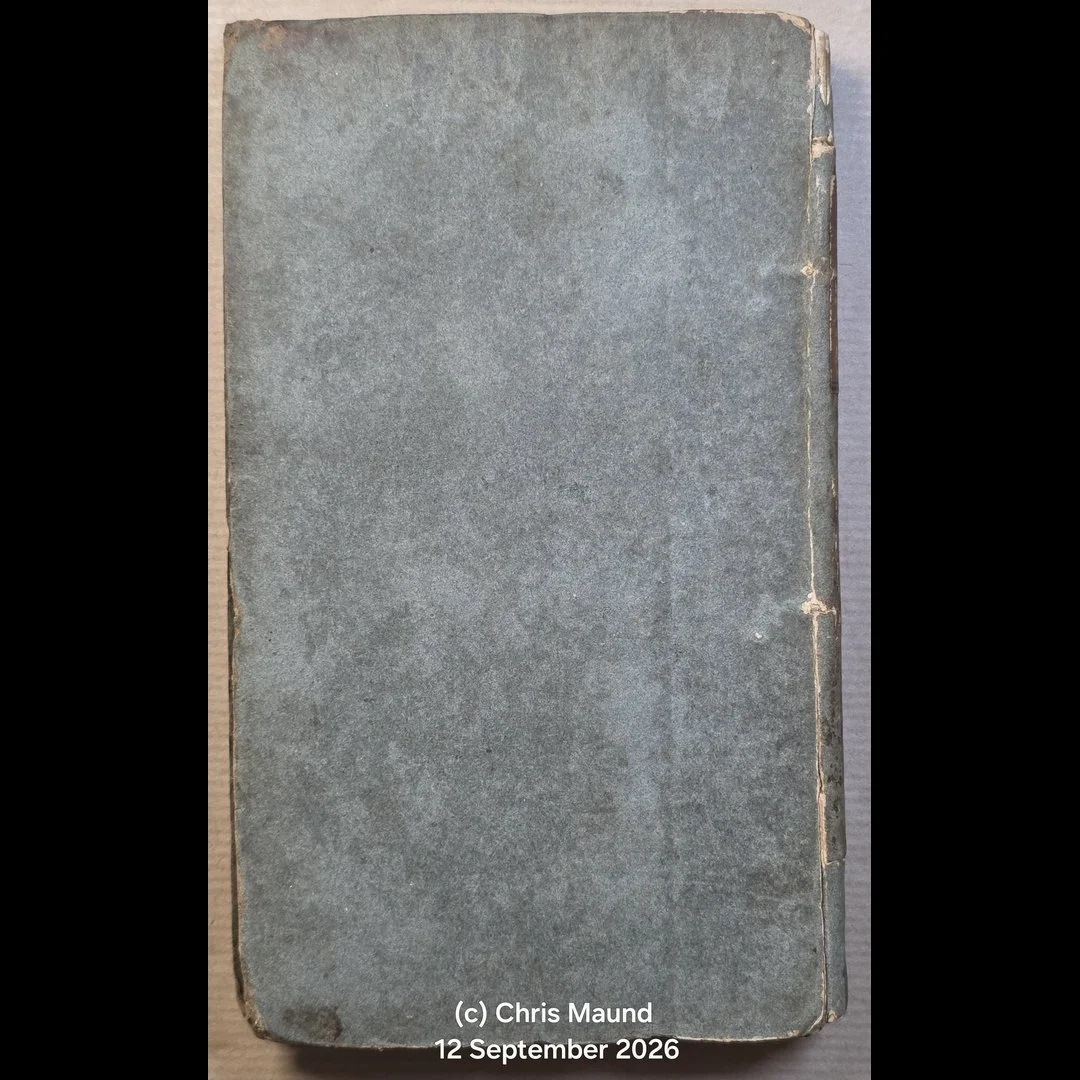
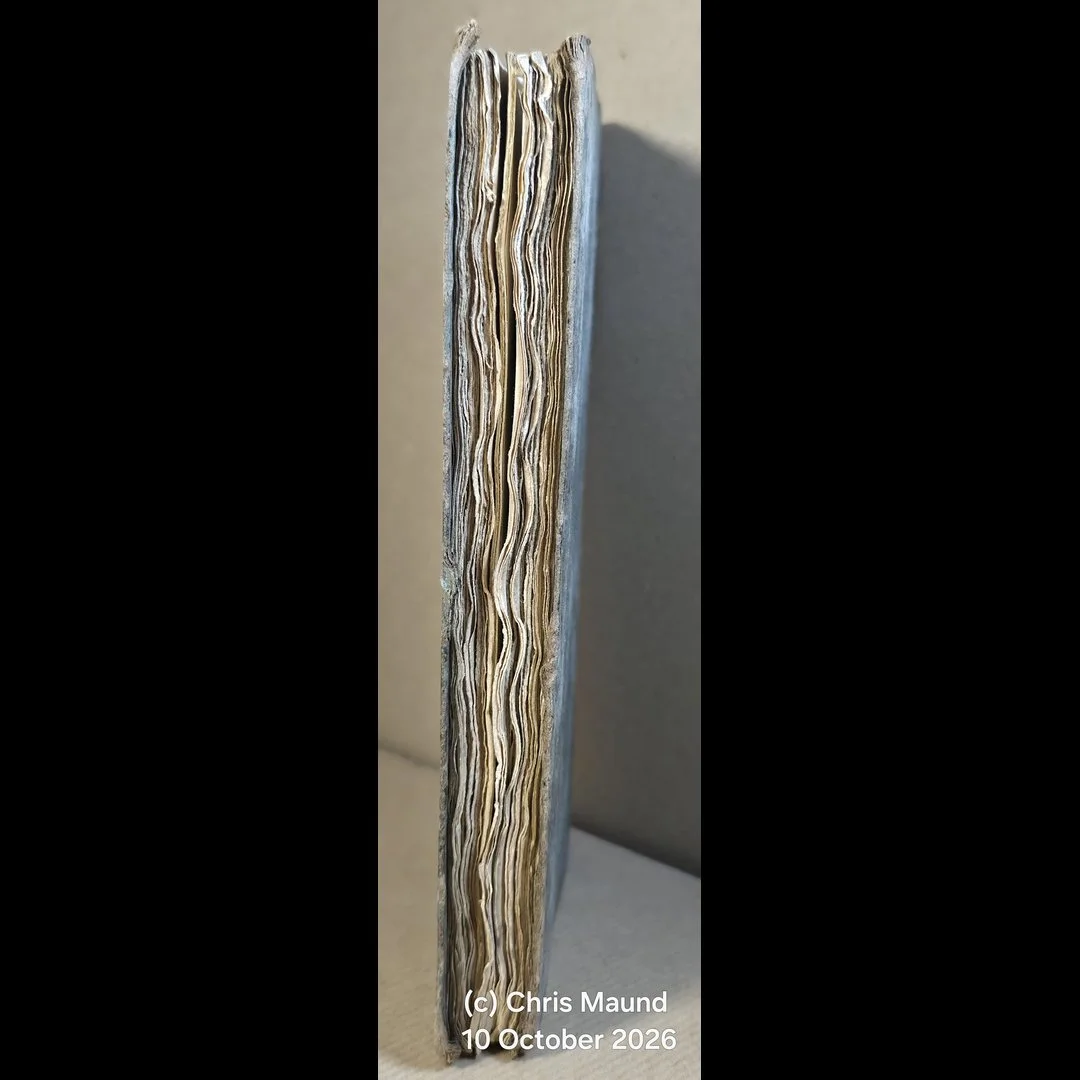
Binding: Contemporary half red leather over attractive multicoloured marbled boards. The spine is gilt-lettered and decorated with horizontal gilt rules. General age-related rubbing and wear to the leather, with more pronounced wear at the spine extremities, including some loss and fraying at the head. Rubbing to the corners and board edges, with surface abrasion and handling wear to the marbled paper. The binding nevertheless retains an attractive period appearance.
Boards and Hinges: Both boards are firmly attached. Inner hinges remain intact, without structural splitting. No detached boards or loose gatherings reported.
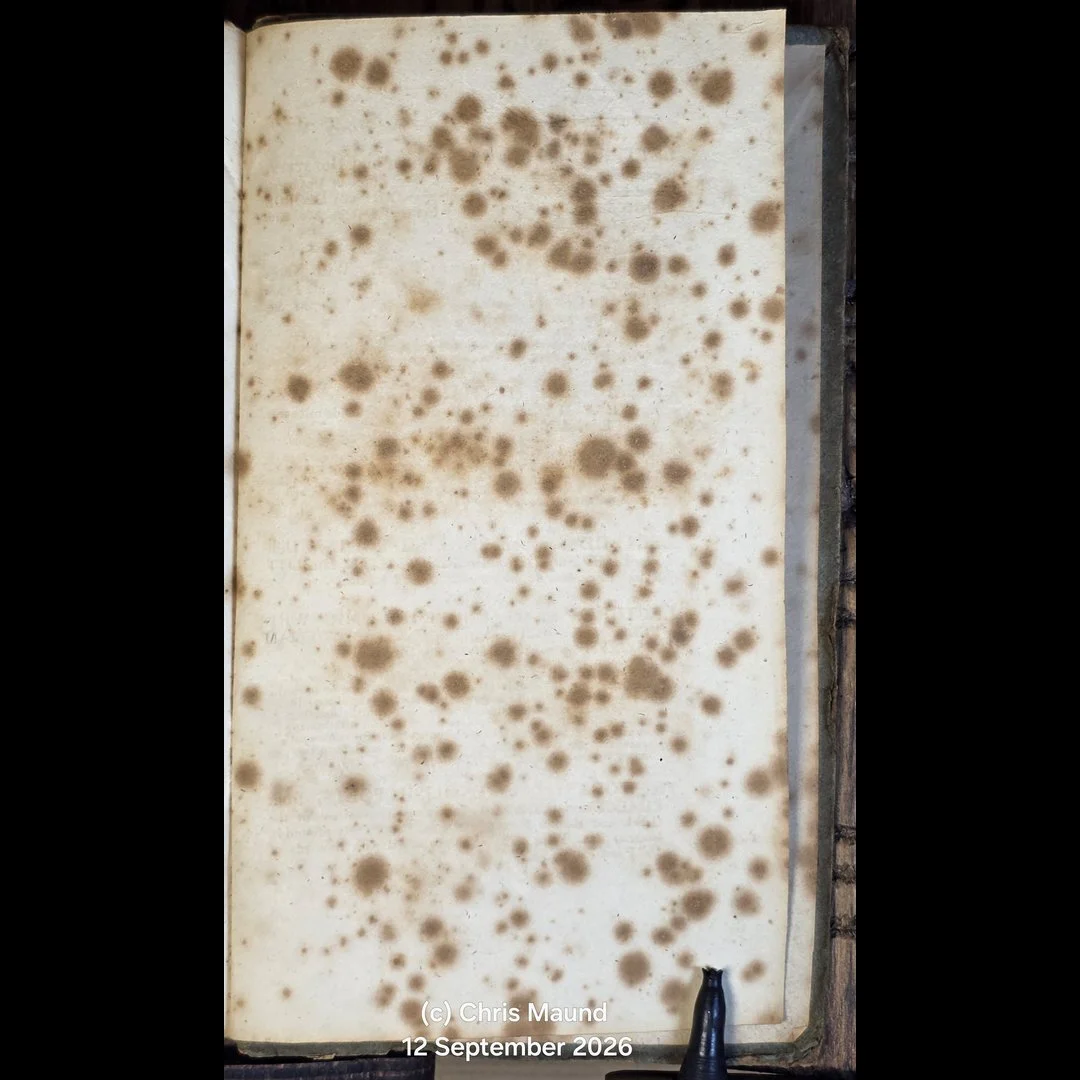
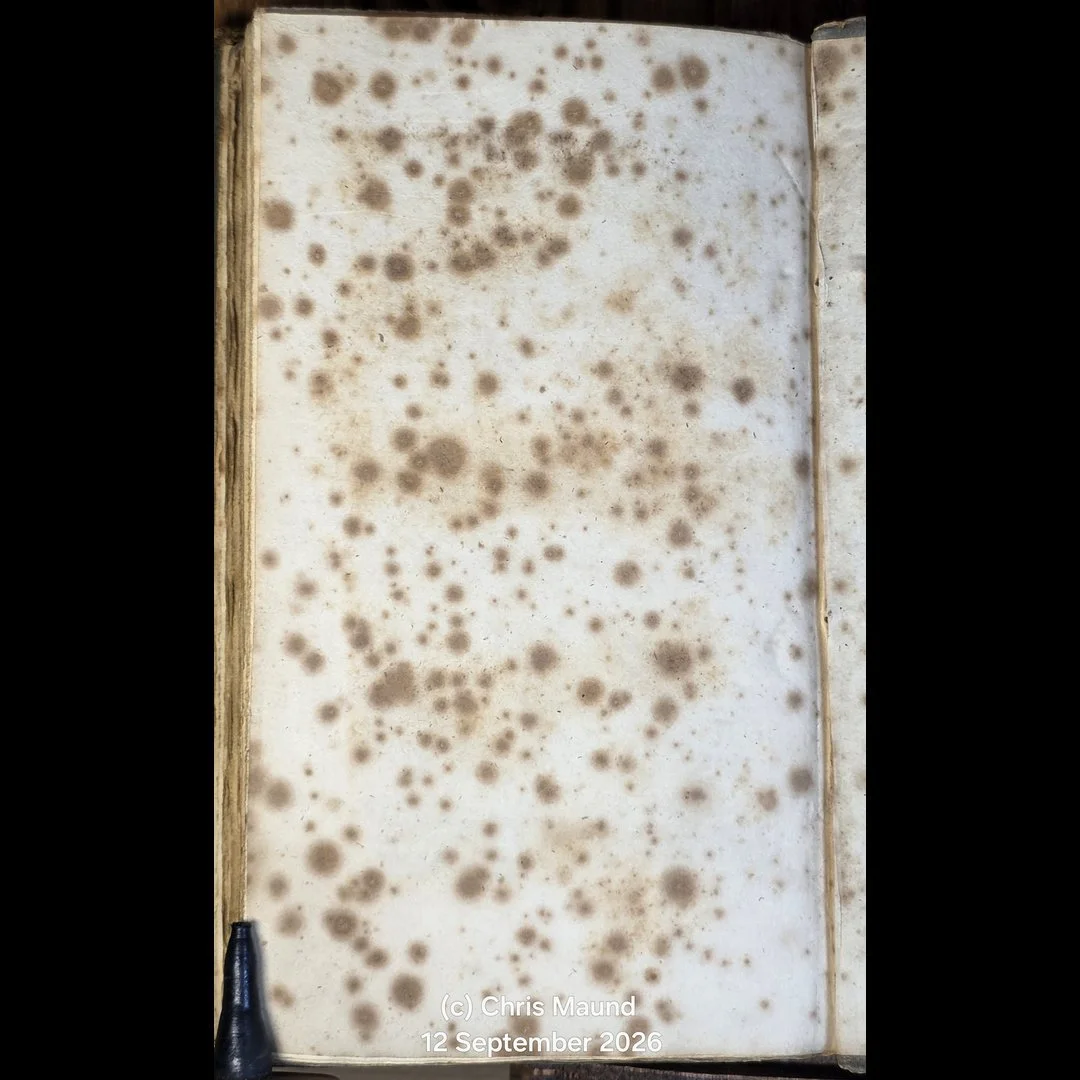
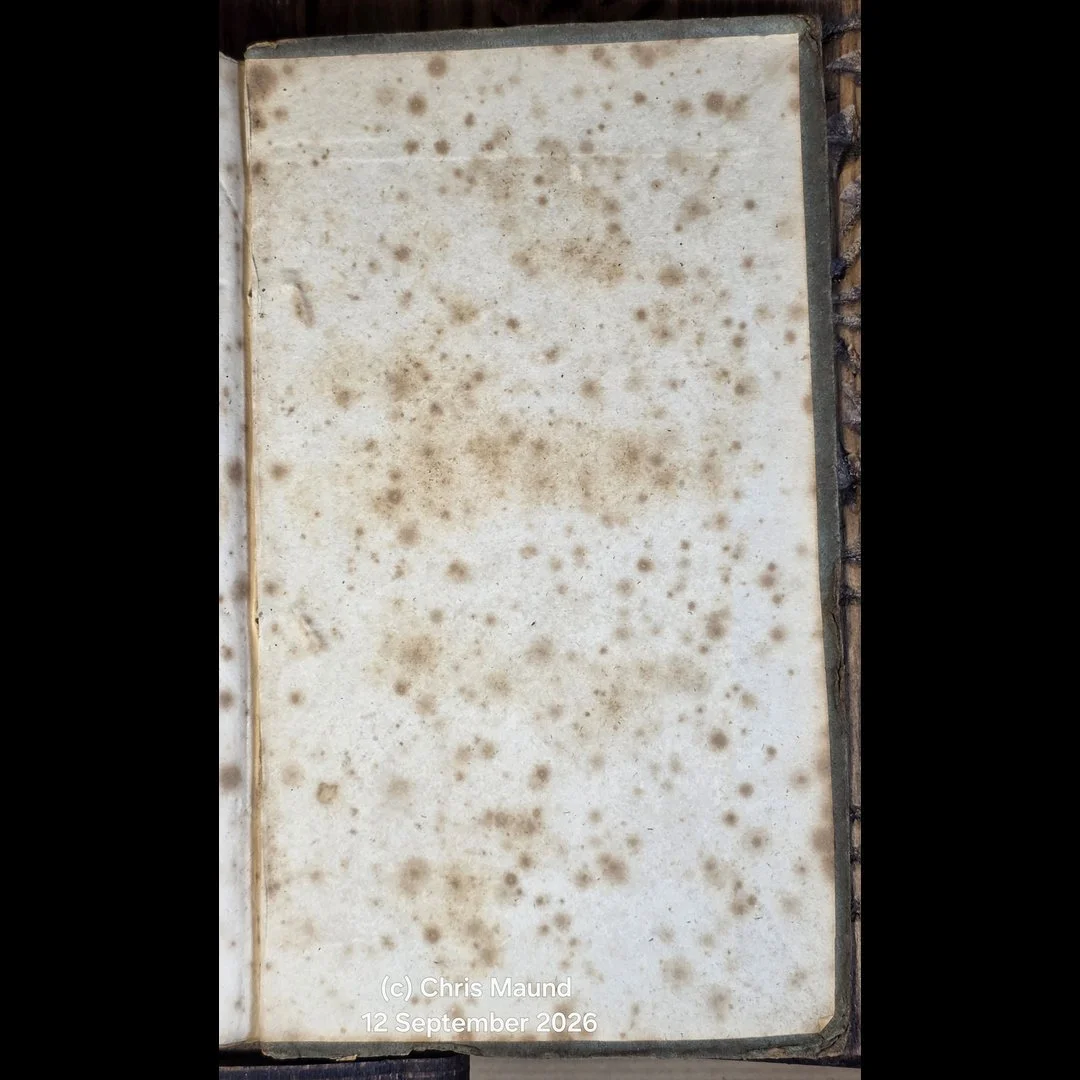
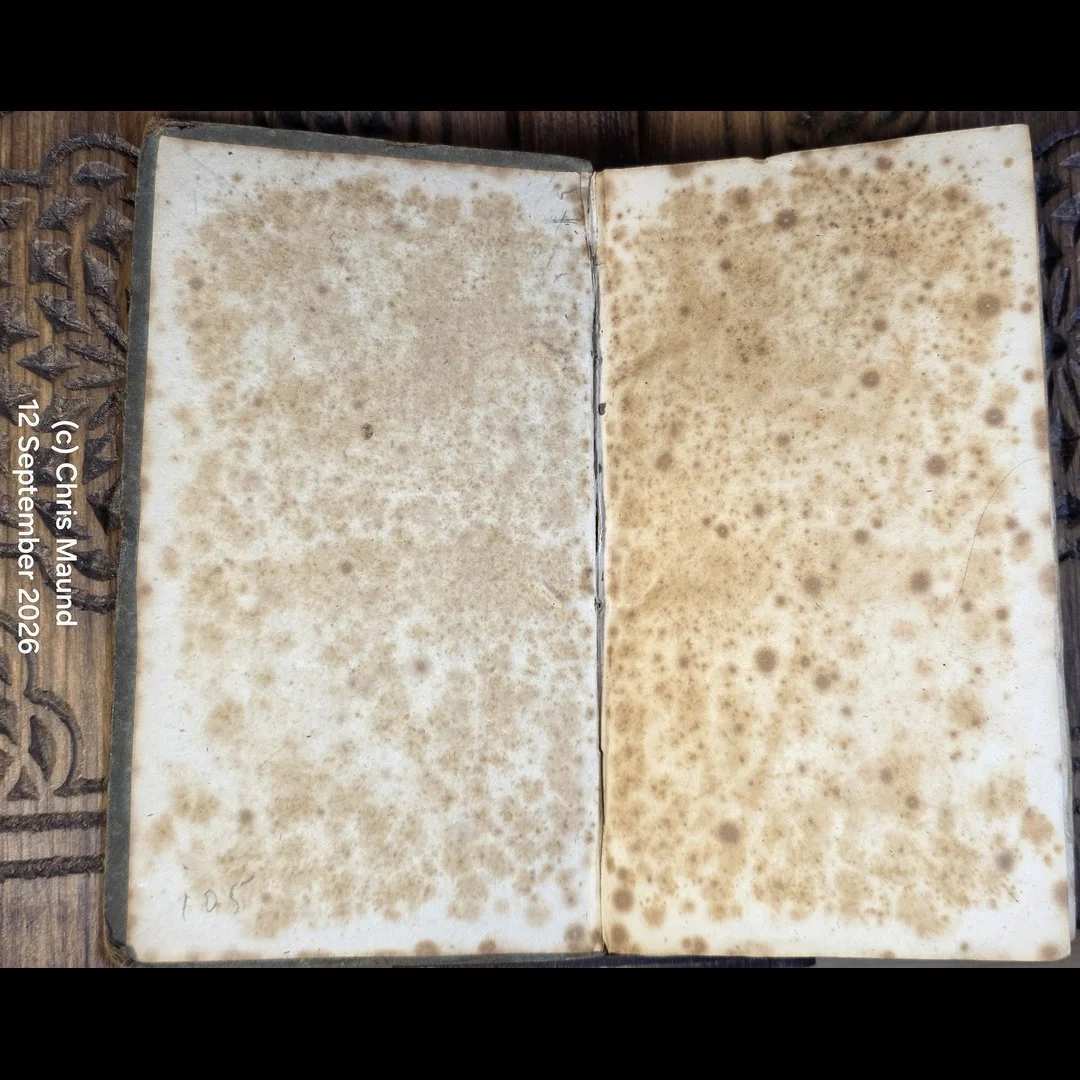
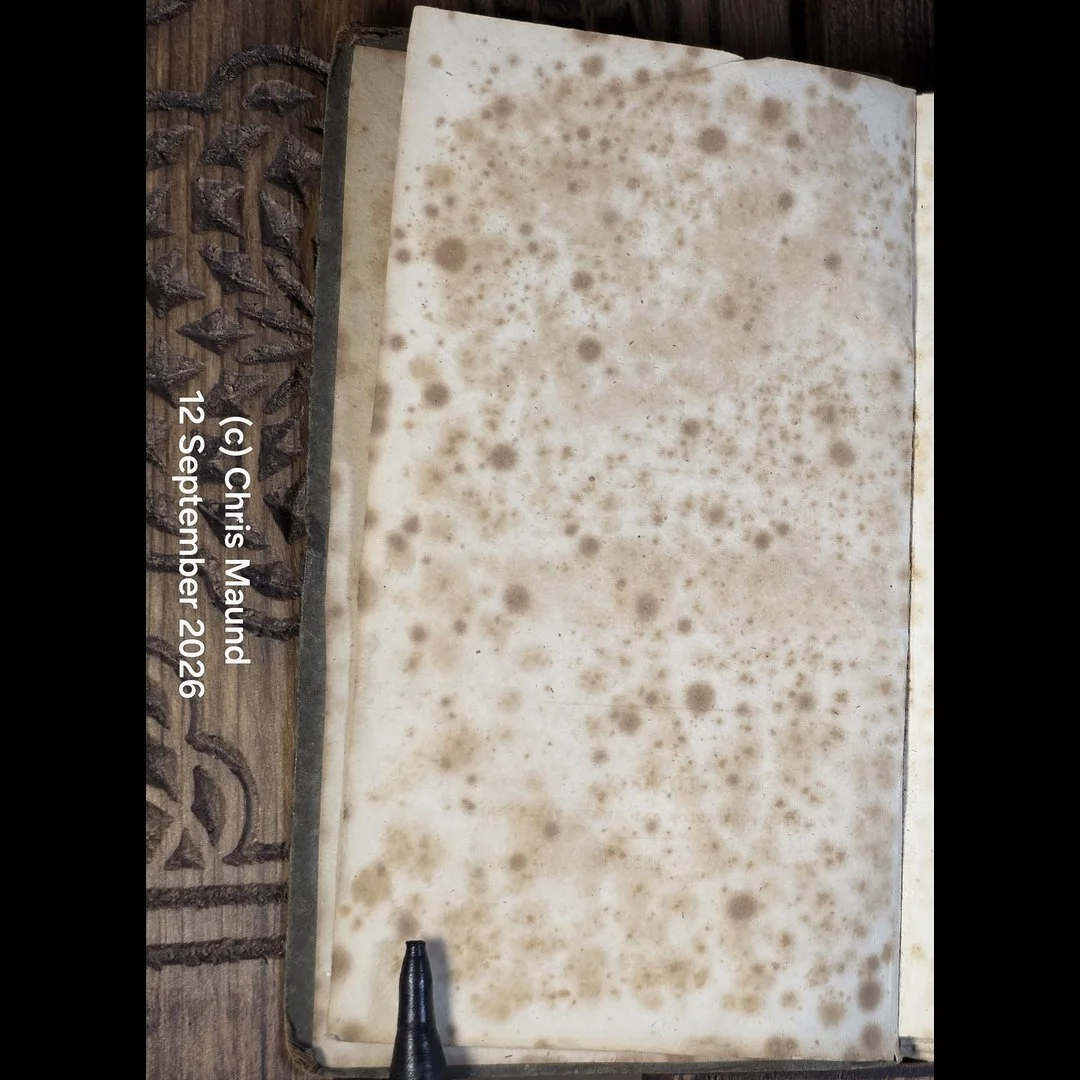
Text Block: Generally clean, legible and well preserved for its age. Scattered foxing and occasional spotting, particularly noticeable on some preliminary leaves and margins. Minor age-toning and handling marks consistent with a nineteenth-century volume. The principal text concludes at page 440.
Illustrations: Numerous full-page and in-text illustrations present, including the portrait frontispiece. Some age-related spotting and toning. The exact plate-leaf count has not been formally reconciled against a reference copy.
Folding Map: Present and substantially intact, with the printed geographical information clearly preserved. A tear of approximately 3.5 cm is present near the upper fold on the right-hand side. Some age-related creasing and handling wear along the folds.
Please see photographs as part of the condition report.
REFERENCES
Dodge, Richard Irving. The Hunting Grounds of the Great West. London: Chatto & Windus, 1877.
Nature, Vol. 15, 4 January 1877, pp. 194–195 — contemporary notice of the publication.
Norfolk and Norwich Naturalists' Society, Transactions — records relating to Charles Annesley Hamond and his presidency of the Society.
University of Nottingham, Manuscripts and Special Collections — Chaworth-Musters family papers and genealogical records.
AUTHOR BIO
Richard Irving Dodge was an American army officer, explorer and writer whose military career brought him into extensive contact with the landscapes, wildlife and Indigenous communities of the western territories.
Serving during a period of rapid westward expansion, Dodge travelled across large areas of the Great Plains, observing the geography, wildlife, hunting practices and conditions of frontier life.
His writings drew upon these experiences, combining natural-history observations with detailed accounts of military expeditions, hunting and Native American societies.
In The Hunting Grounds of the Great West, Dodge describes the abundance of wildlife that had once characterised the plains, particularly the vast herds of American bison, while recording their rapid destruction during the nineteenth century.
His observations provide evidence of the environmental consequences of commercial hunting, railway expansion and European-American settlement, alongside contemporary attitudes towards the Indigenous populations of the West.
The book remains of interest to historians of the American frontier, military history, environmental history, ethnography and nineteenth-century exploration.
William Blackmore (1827–1878)
The work includes an introduction by William Blackmore, the English collector, anthropologist and founder of the Blackmore Museum in Salisbury.
Blackmore developed a particular interest in North American archaeology and ethnography and travelled in the American West, where he became acquainted with Dodge.
His introduction provides additional historical and ethnographic commentary concerning Indigenous American peoples, their cultures and their circumstances during the period of European-American expansion.
Blackmore's involvement gives the British edition additional interest within the history of nineteenth-century anthropology and collecting.
ILLUSTRATOR
Ernest Griset
The volume is extensively illustrated with striking nineteenth-century engravings by Ernest Griset (1843–1907), the French-born artist and illustrator whose work frequently depicted animals, natural history, adventure and dramatic scenes.
The illustrations are an important feature of the book, providing a visual accompaniment to Dodge's observations of the American West.
Subjects include:
Portraits of Indigenous American leaders, including Little Raven, Bird Chief and Little Robe.
Buffalo on the plains, buffalo hunting and the slaughter of bison along the Kansas Pacific Railroad.
Indigenous councils, ceremonies and scenes of everyday life.
Settler caravans crossing the western plains.
Encampments, frontier conflict and the experiences of emigrants travelling westward.
The engravings are particularly evocative of Victorian illustrated travel literature, although, like the text, they must be understood in the context of the period's Euro-American representations of Indigenous peoples.
The portrait frontispiece of Dodge incorporates a printed facsimile manuscript inscription reading “Always your sincere friend, Richd. I. Dodge.” This is part of the published illustration, rather than an original autograph.

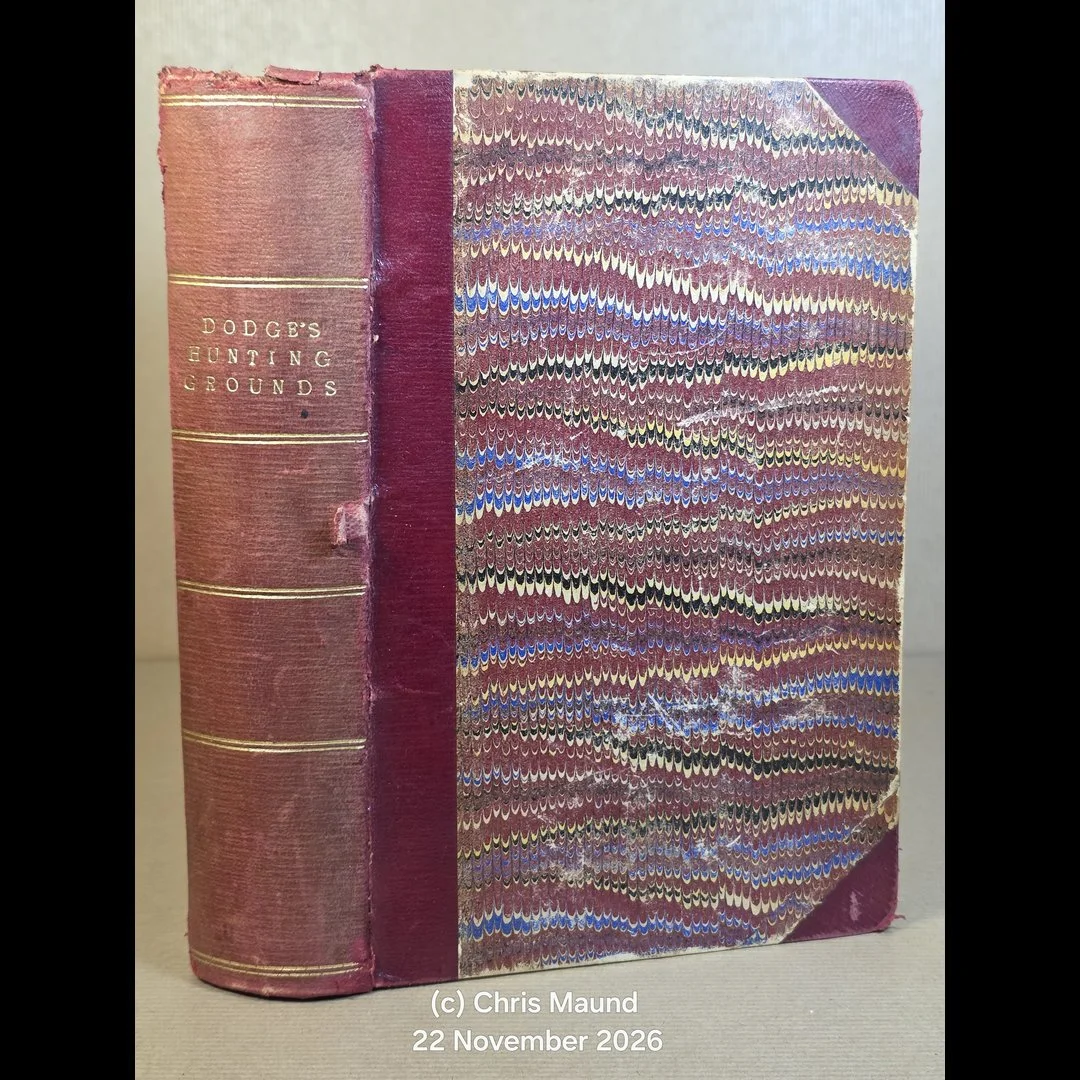 Image 1 of 55
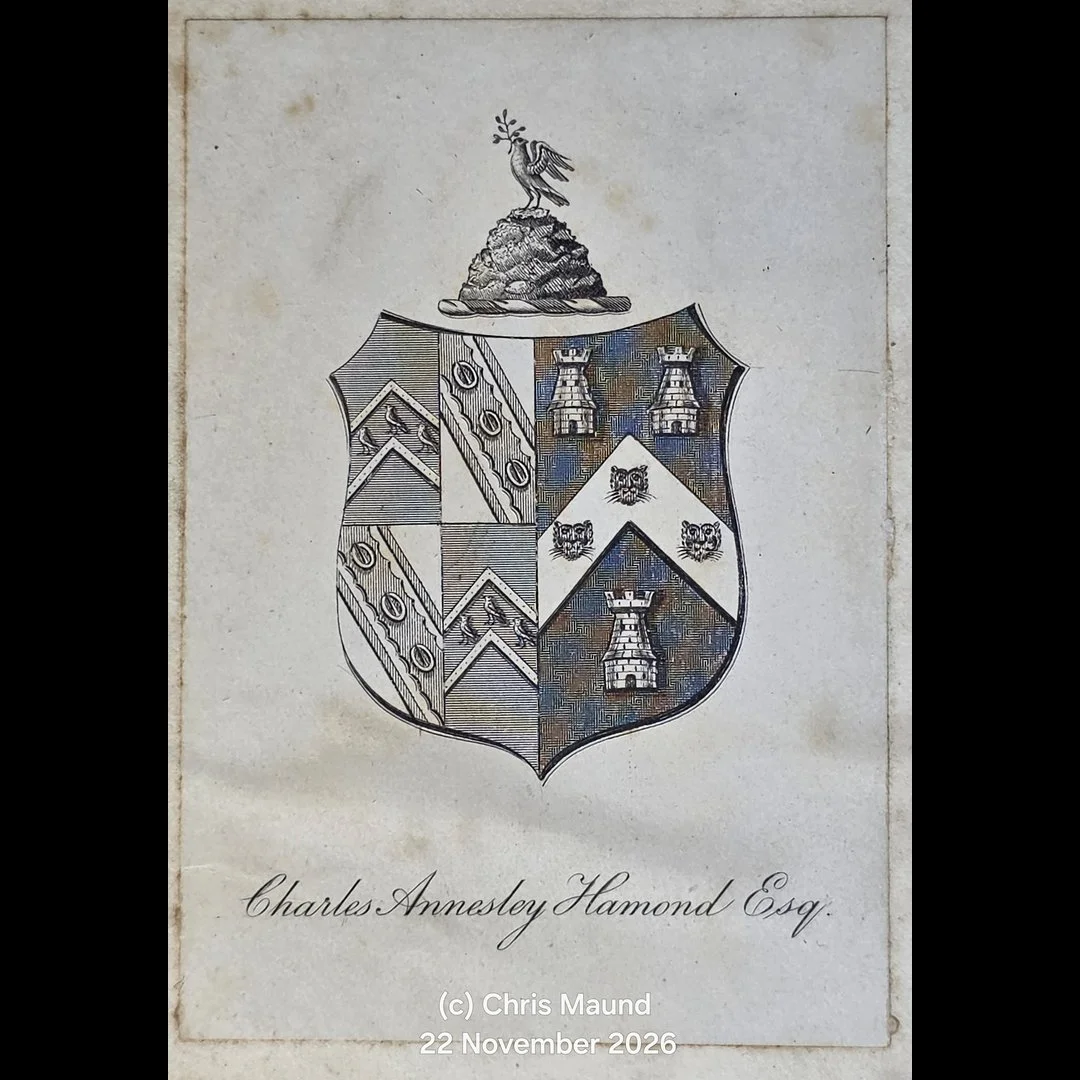 Image 2 of 55
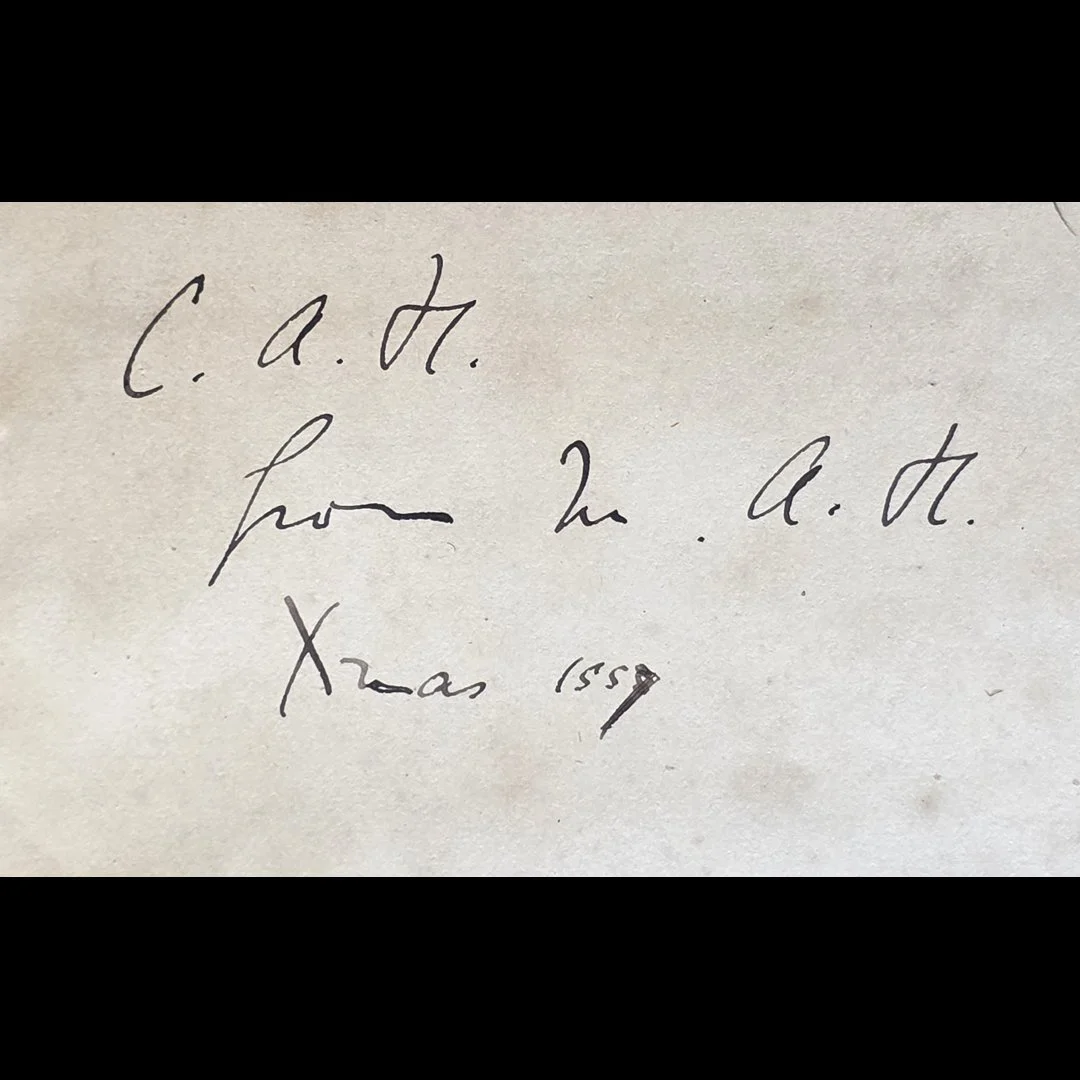 Image 3 of 55
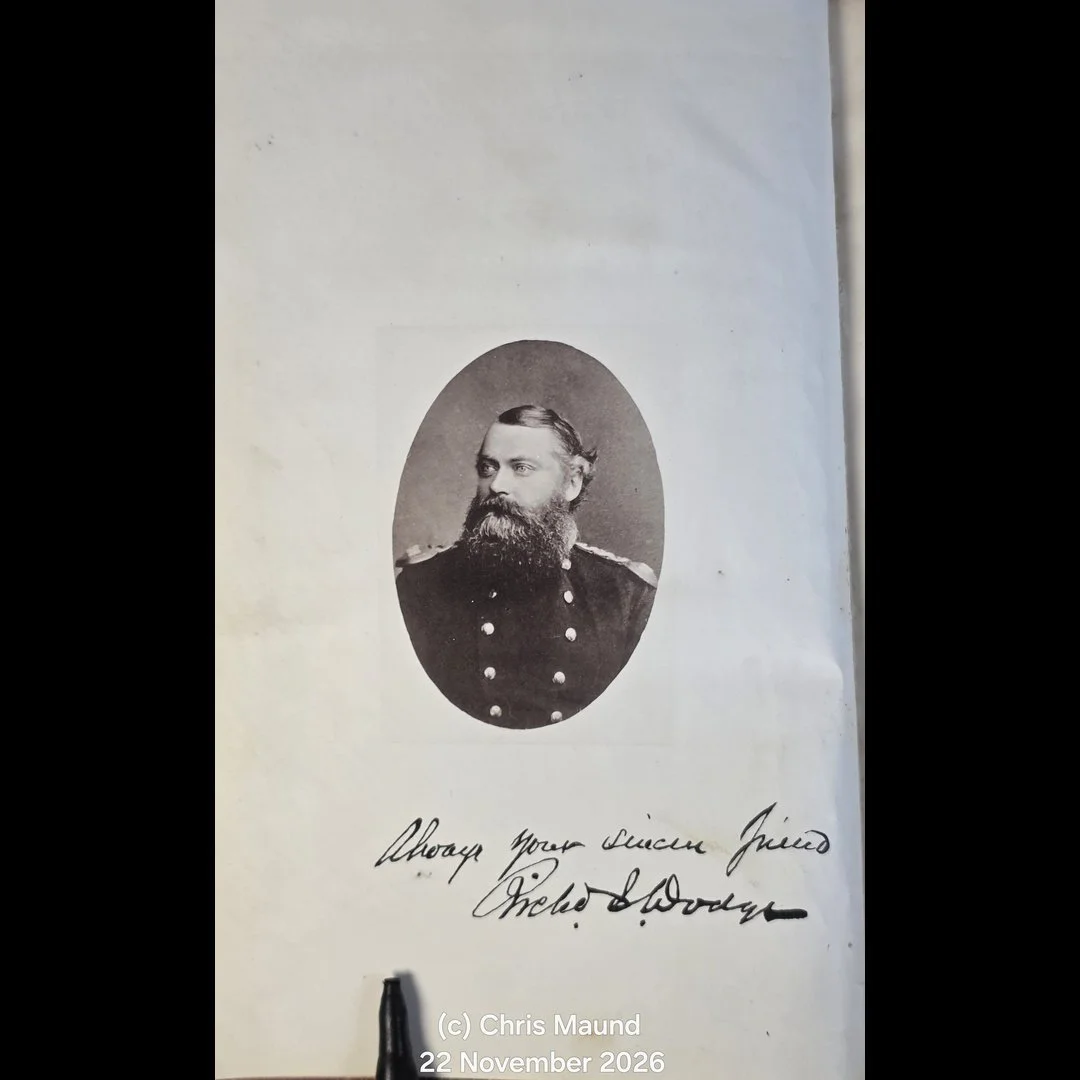 Image 4 of 55
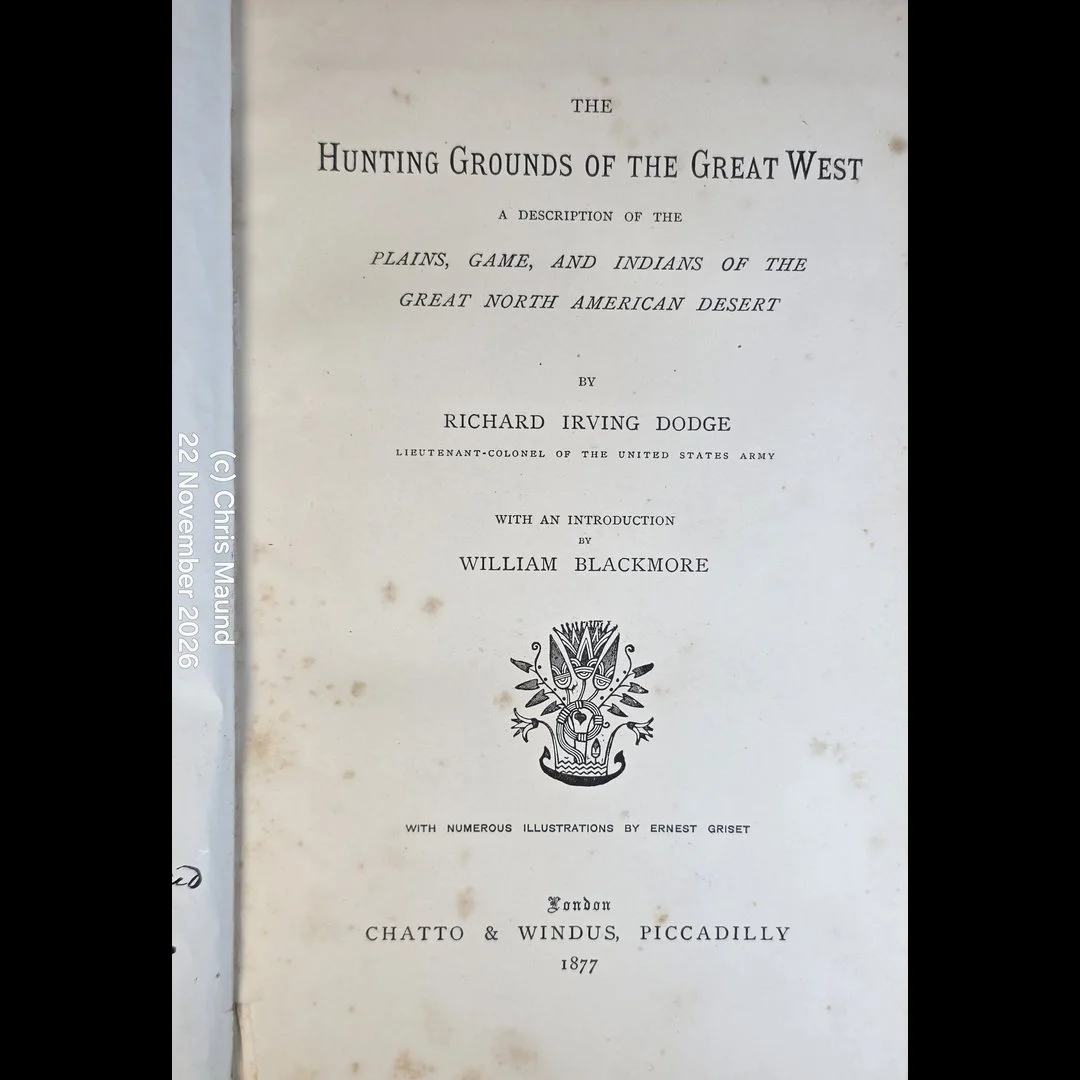 Image 5 of 55
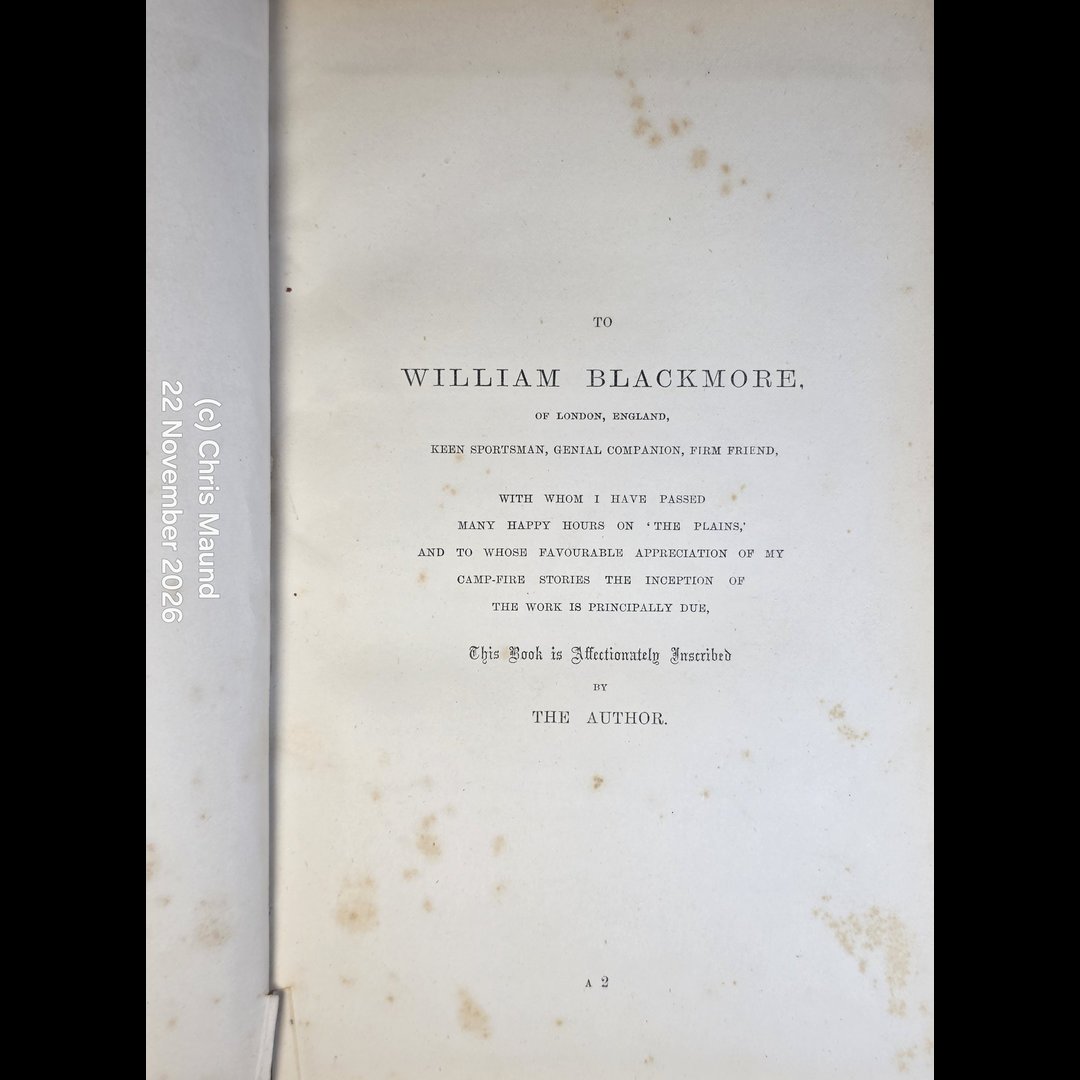 Image 6 of 55
 Image 7 of 55
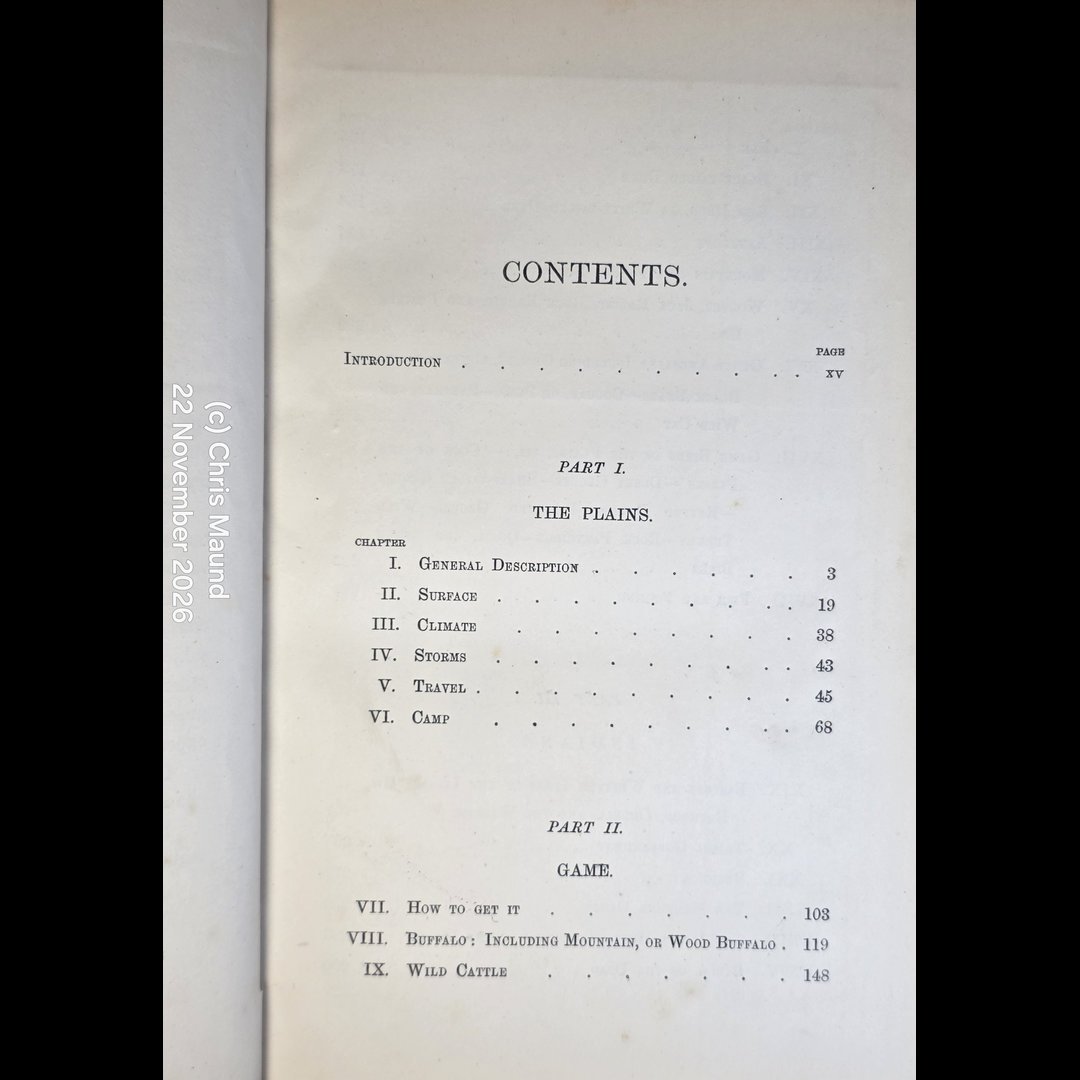 Image 8 of 55
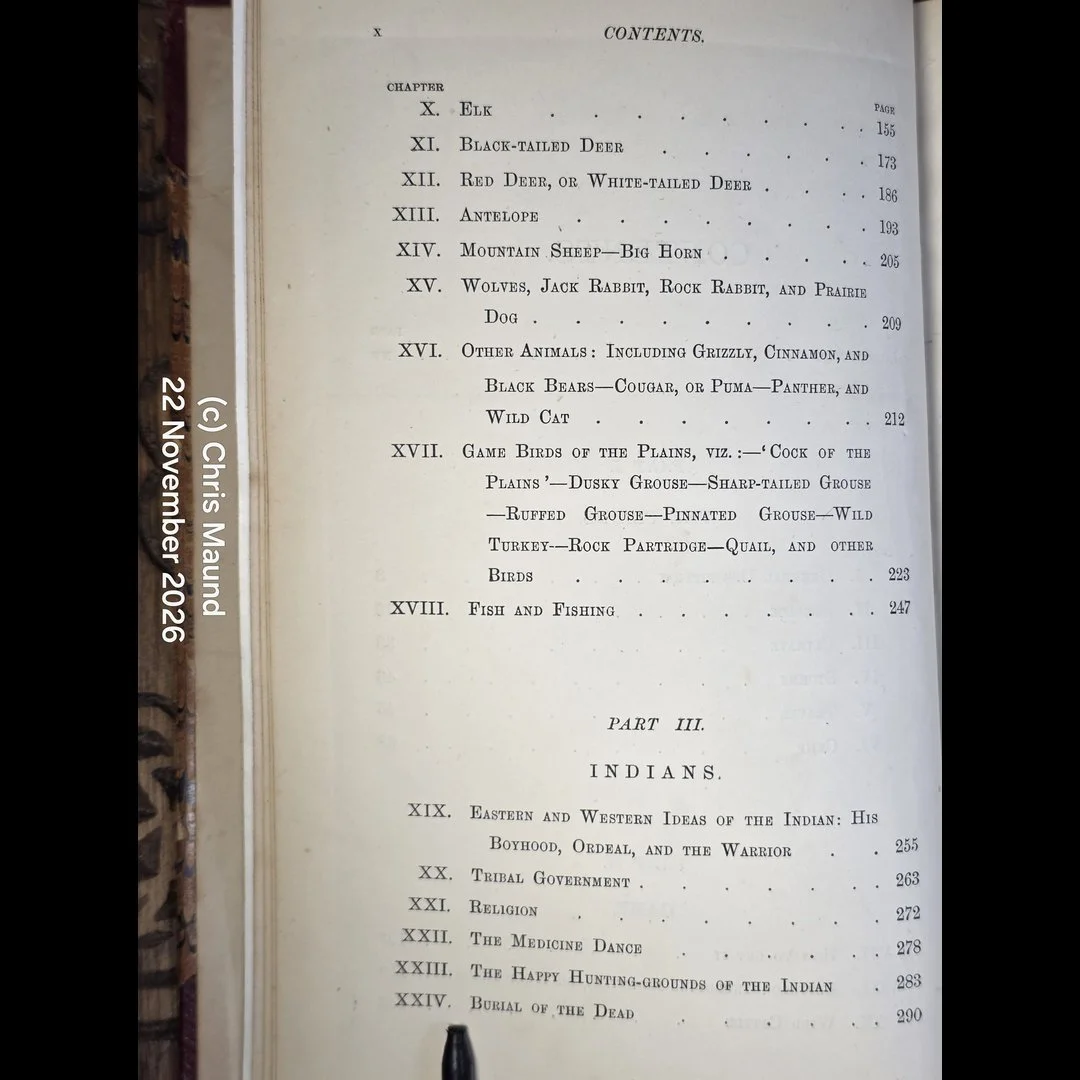 Image 9 of 55
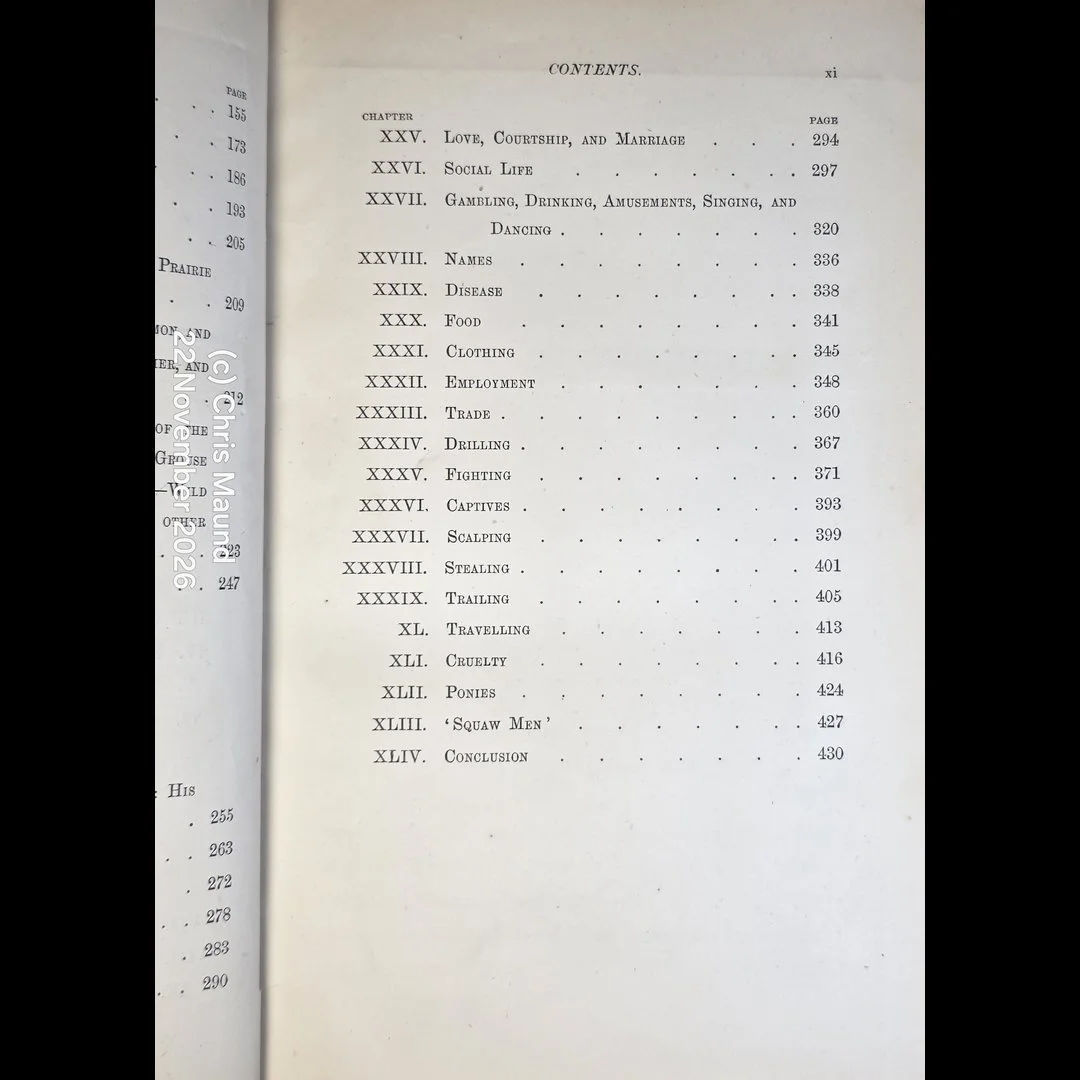 Image 10 of 55
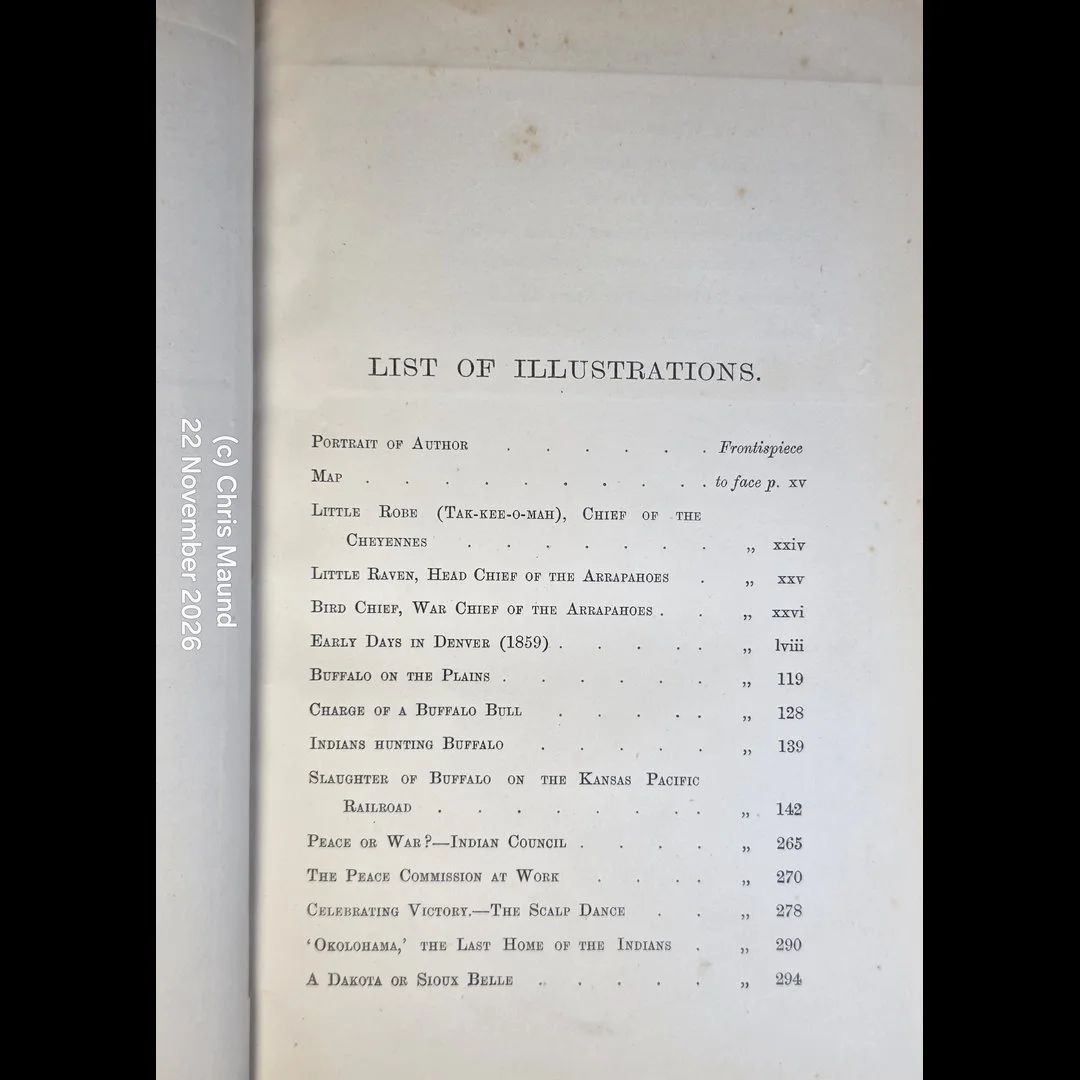 Image 11 of 55
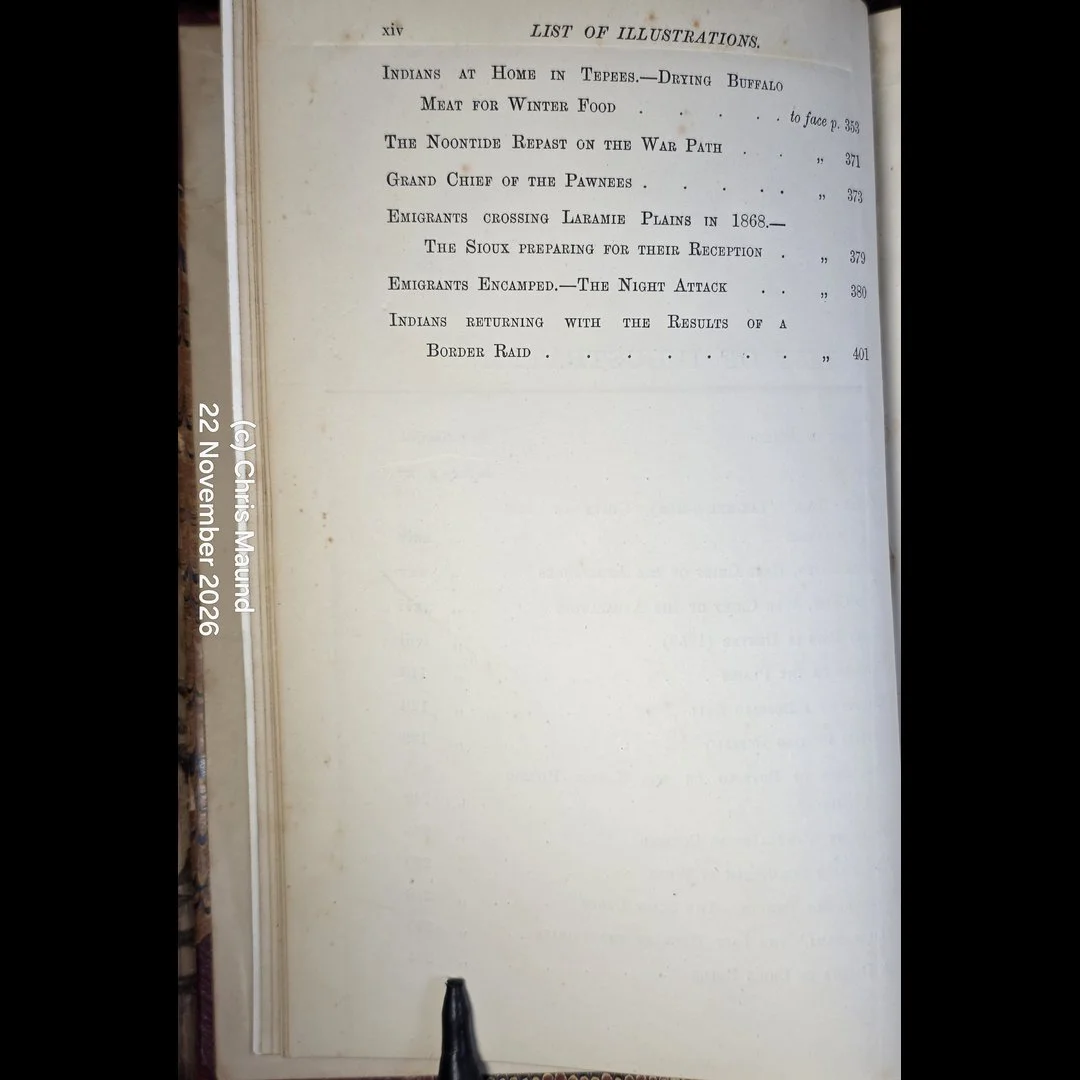 Image 12 of 55
 Image 13 of 55
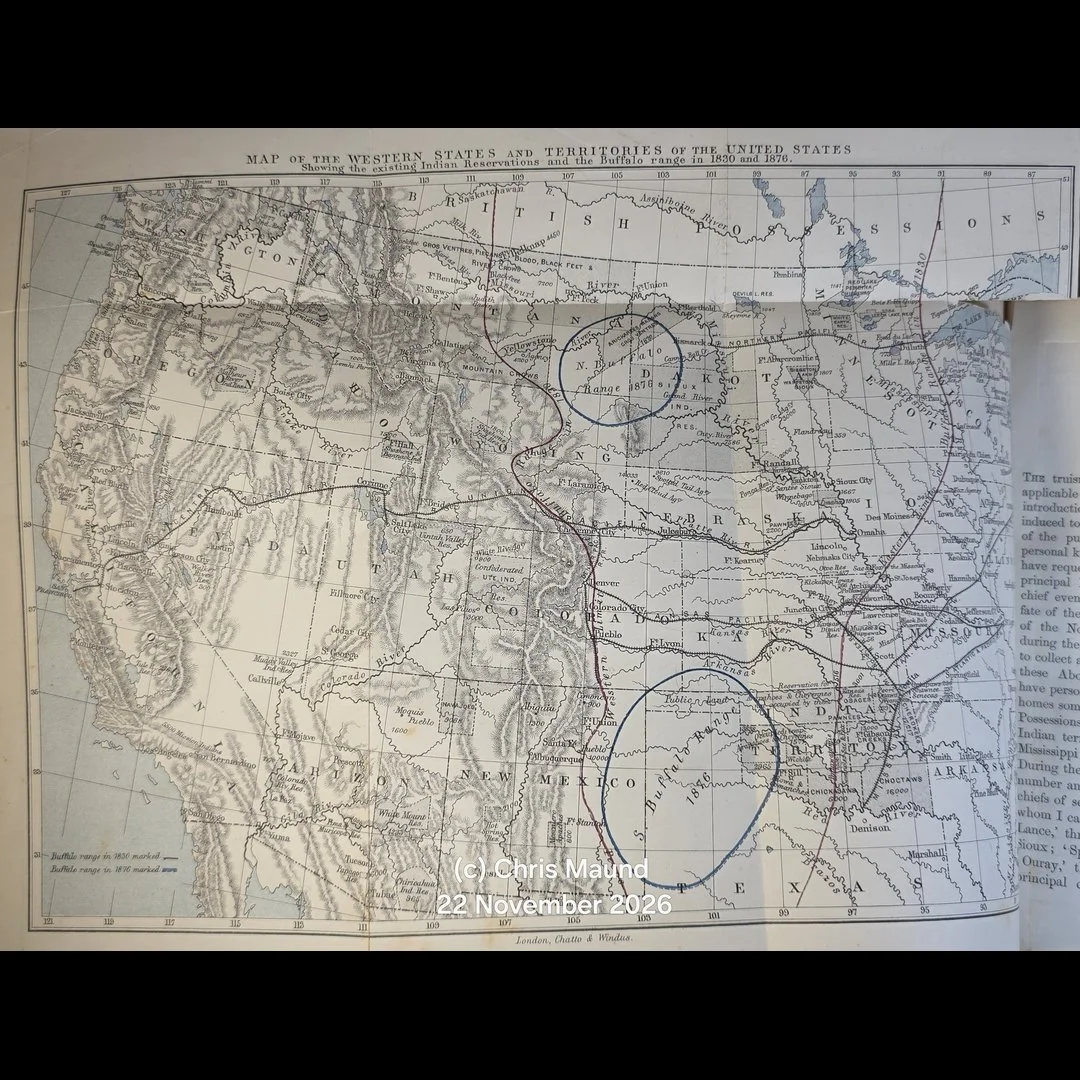 Image 14 of 55
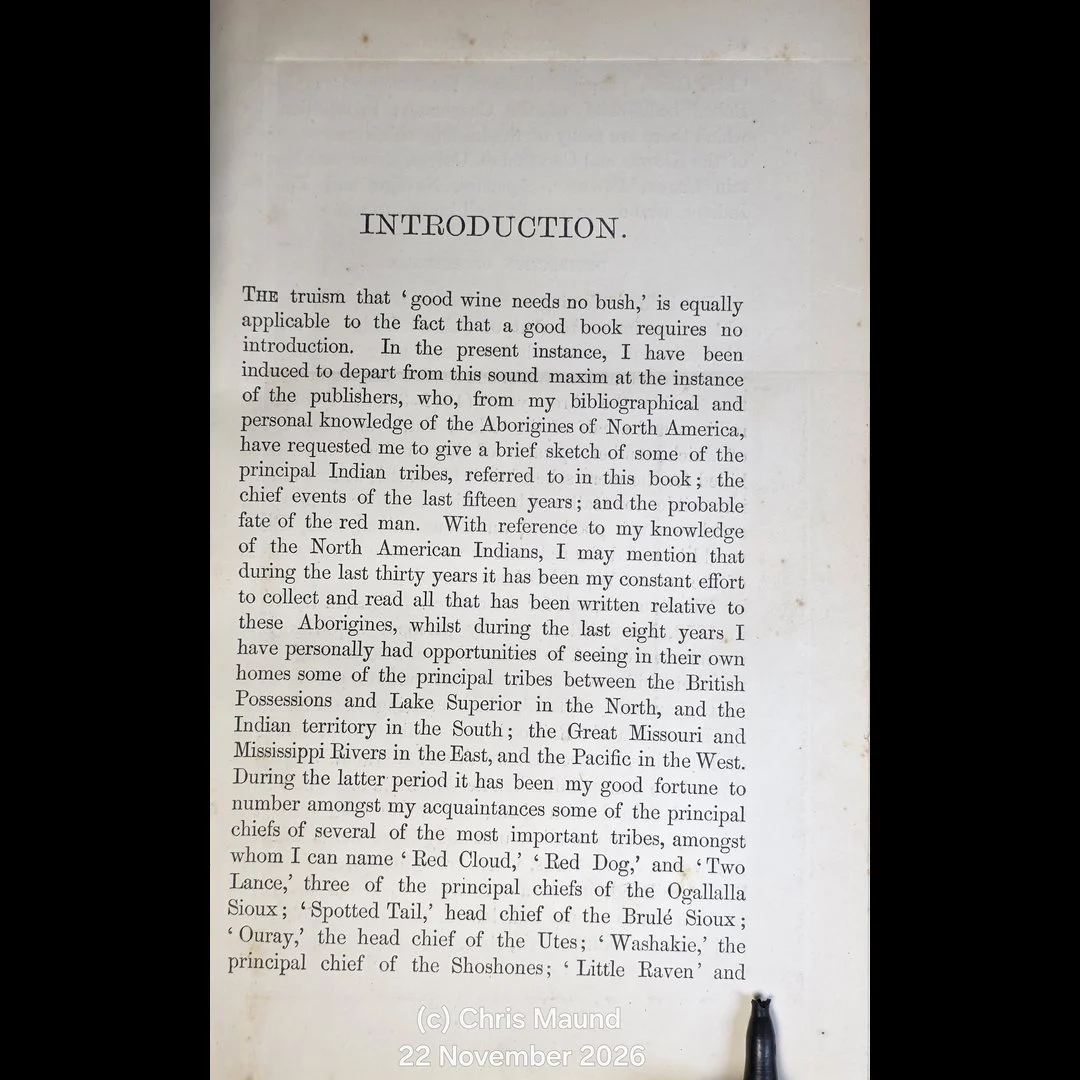 Image 15 of 55
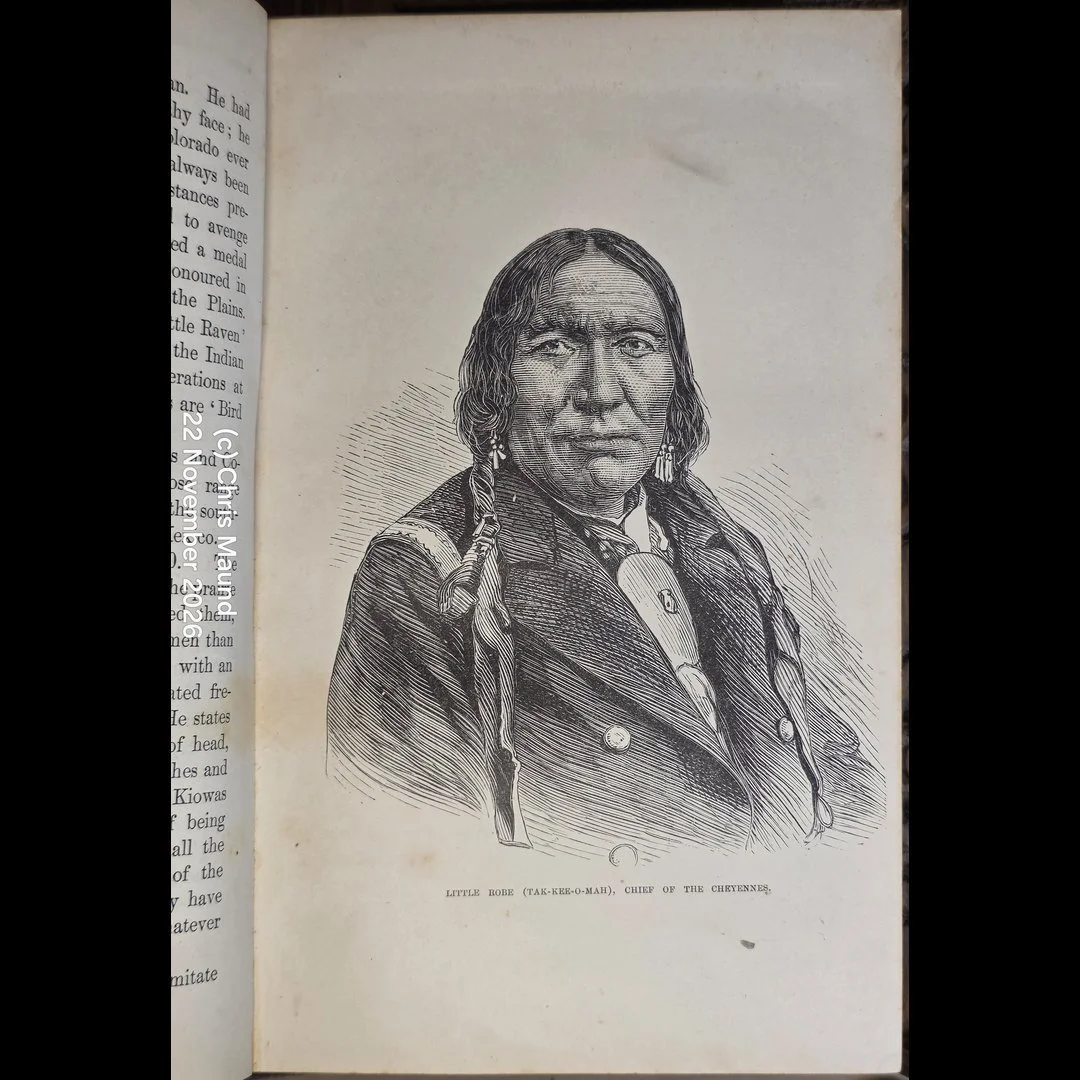 Image 16 of 55
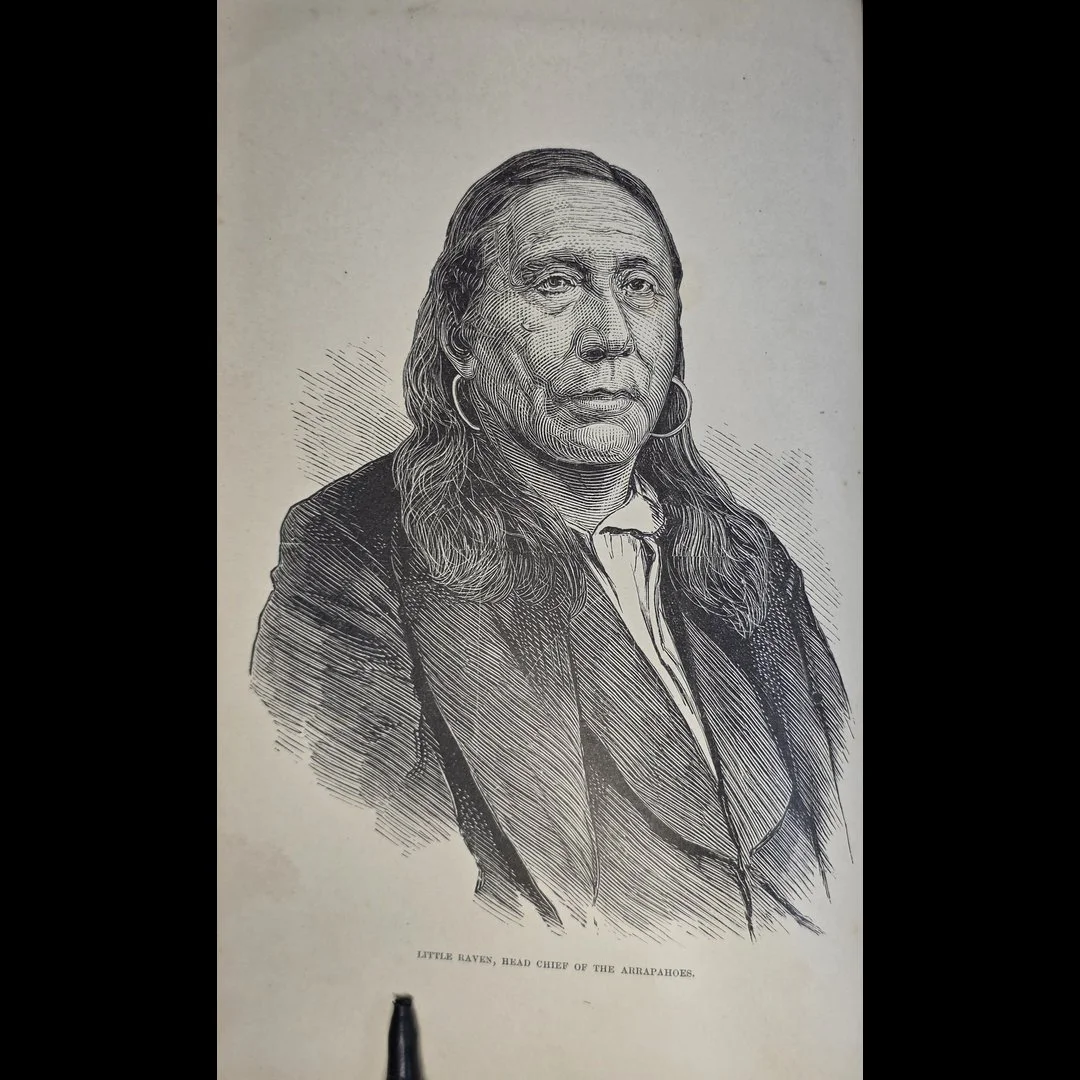 Image 17 of 55
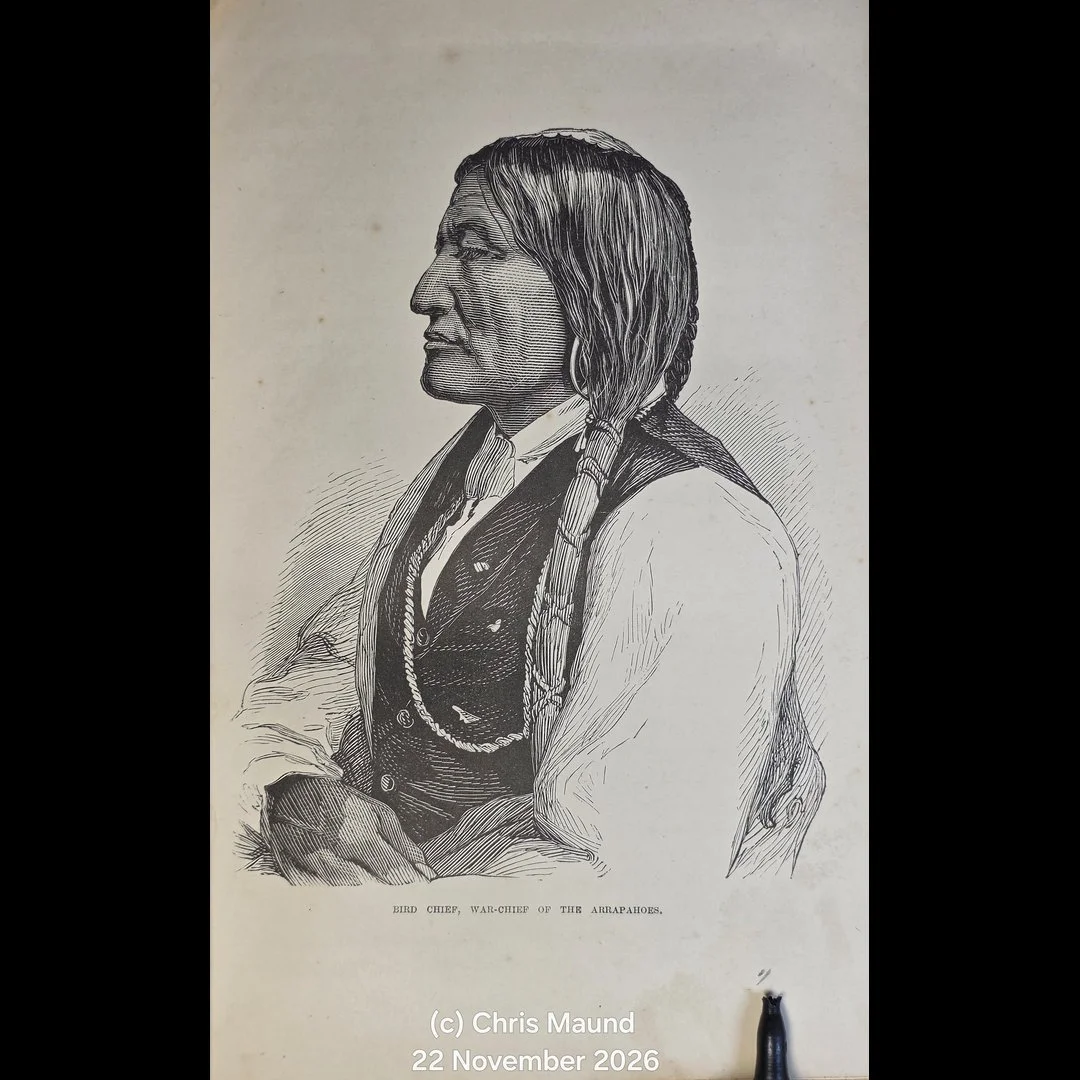 Image 18 of 55
 Image 19 of 55
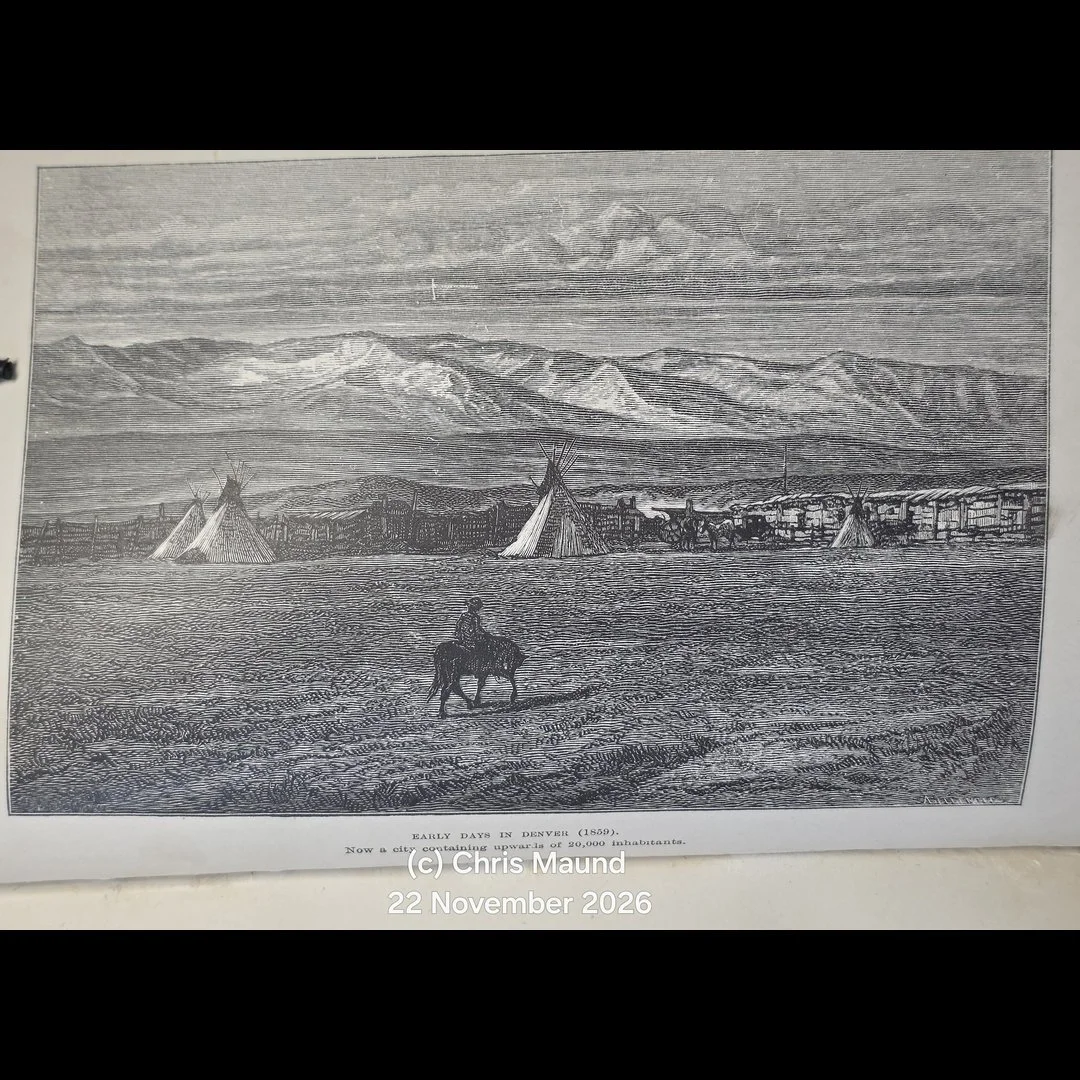 Image 20 of 55
 Image 21 of 55
 Image 22 of 55
 Image 23 of 55
 Image 24 of 55
 Image 25 of 55
 Image 26 of 55
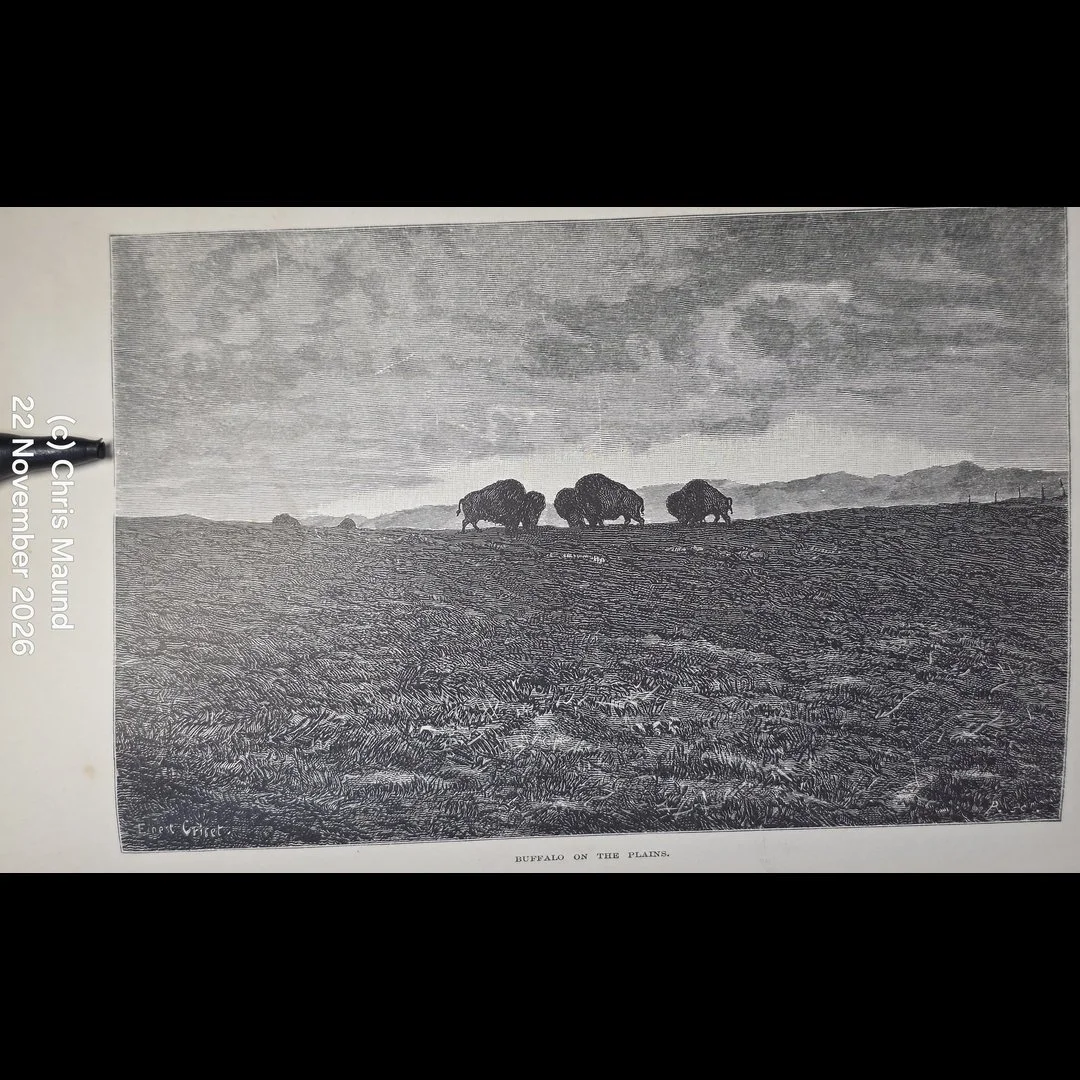 Image 27 of 55
 Image 28 of 55
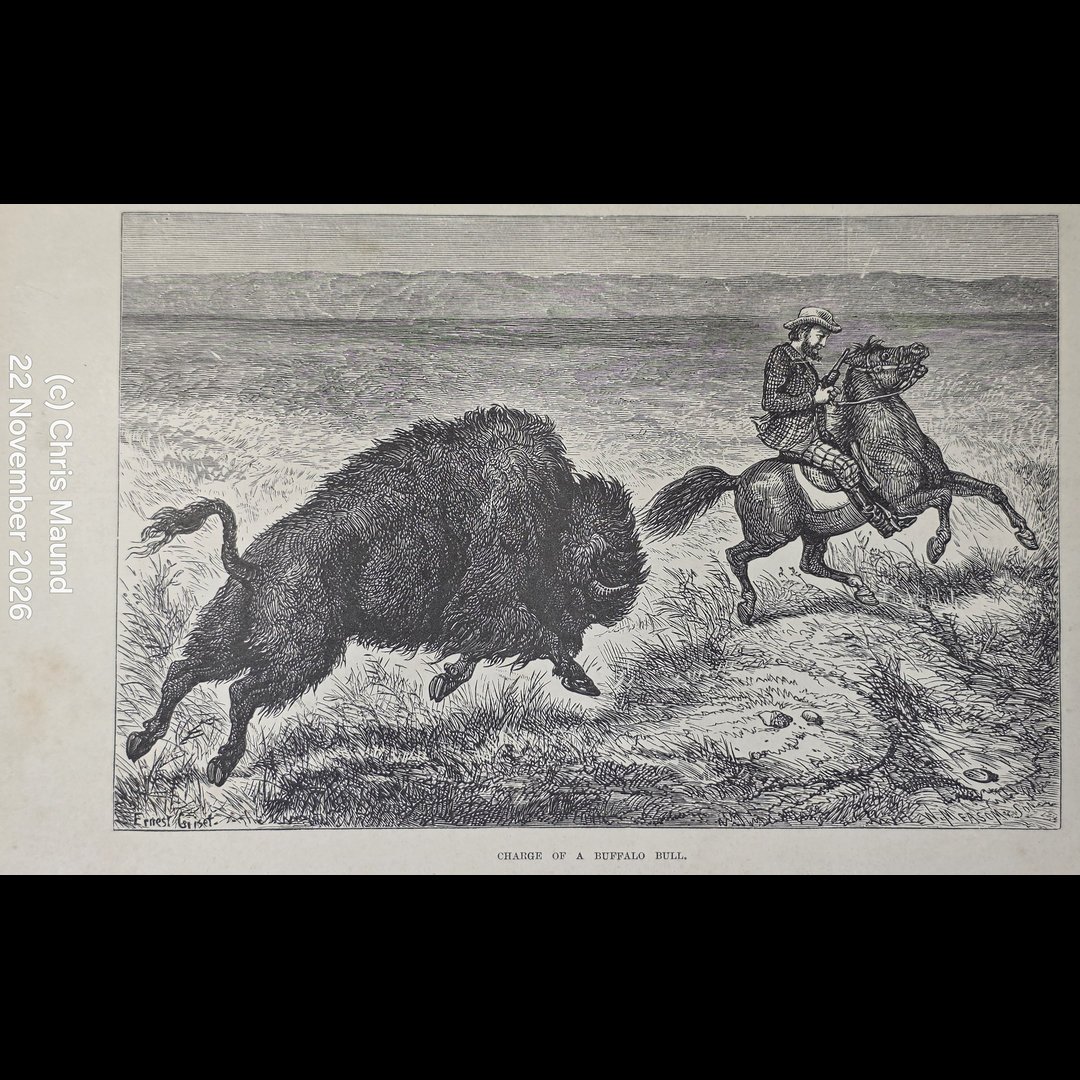 Image 29 of 55
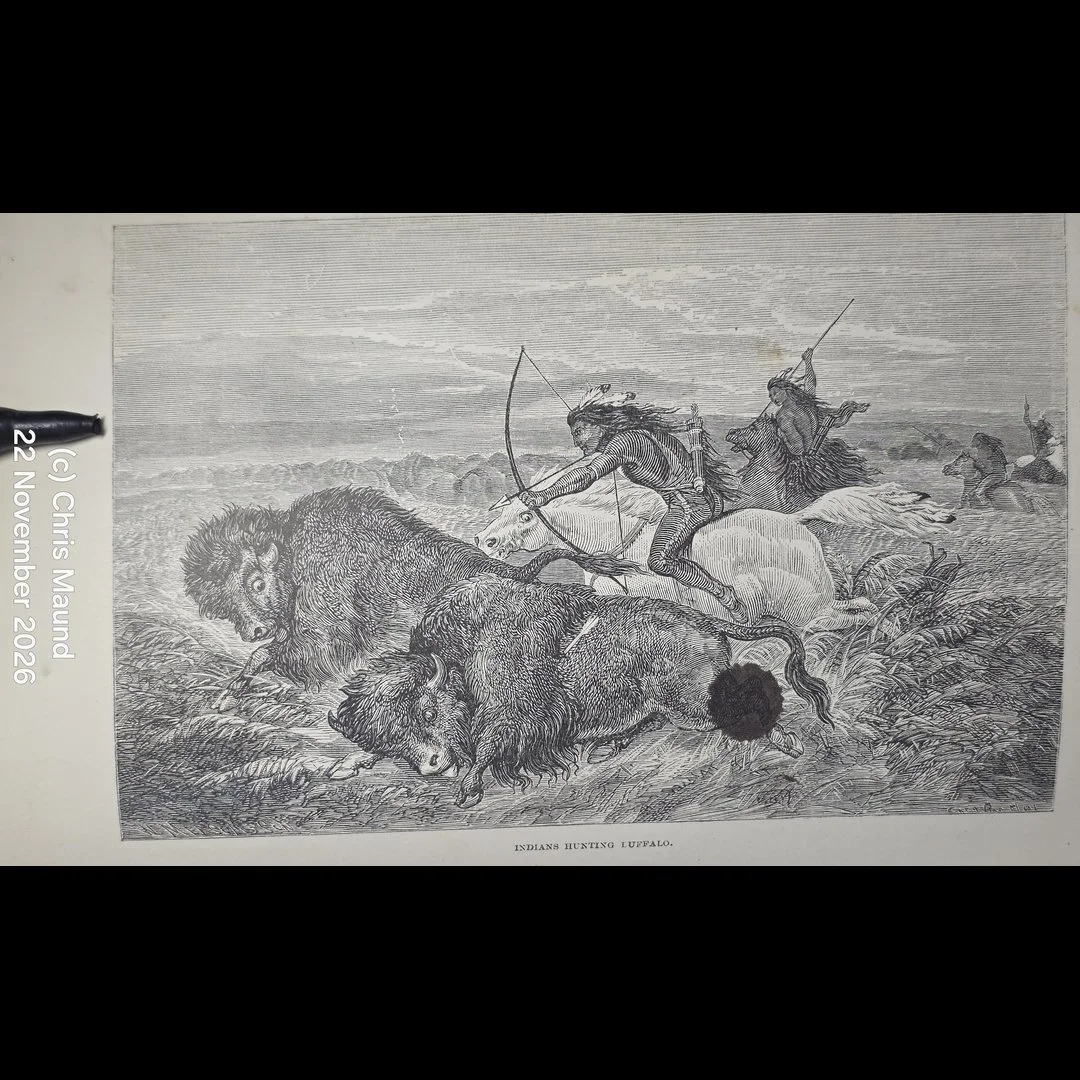 Image 30 of 55
 Image 31 of 55
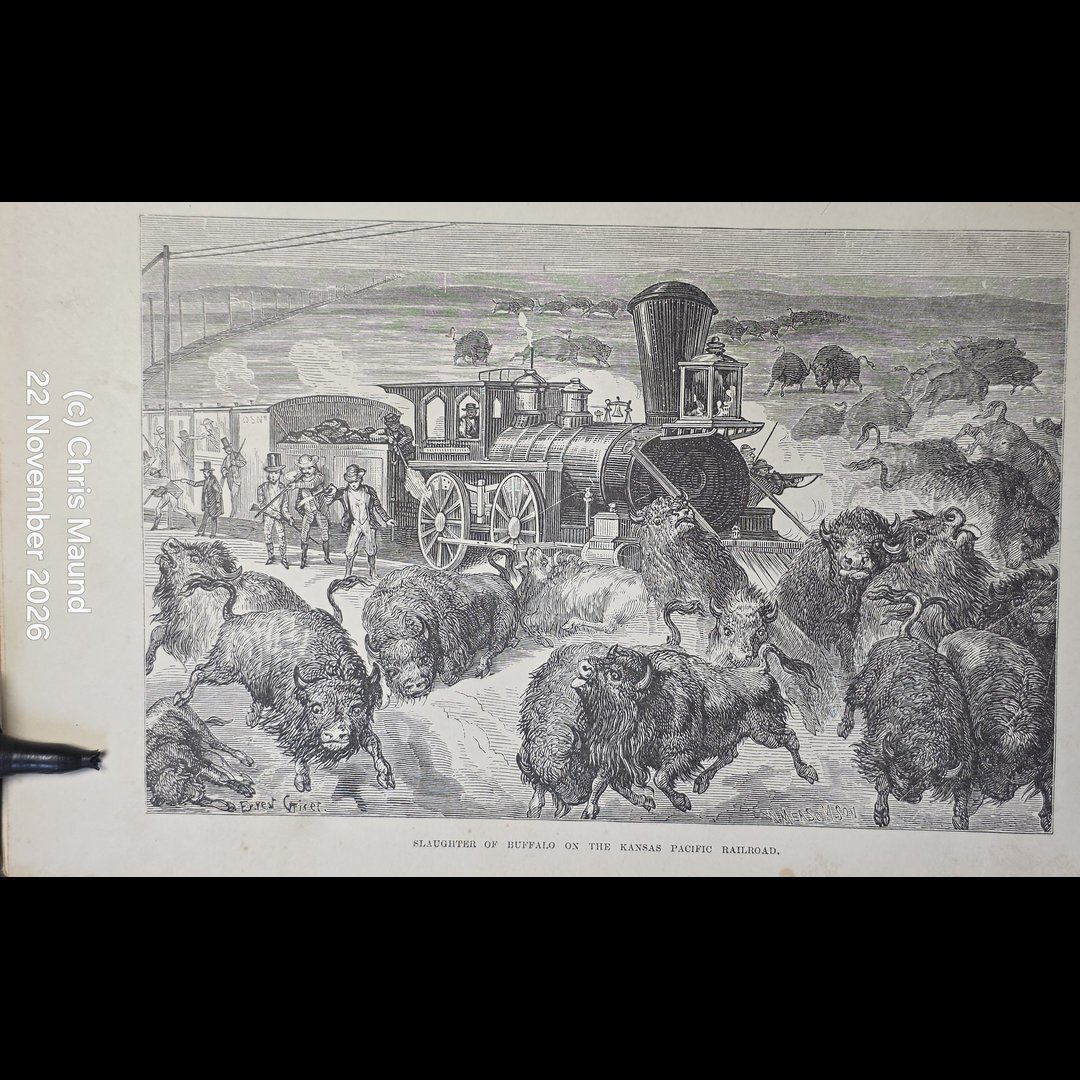 Image 32 of 55
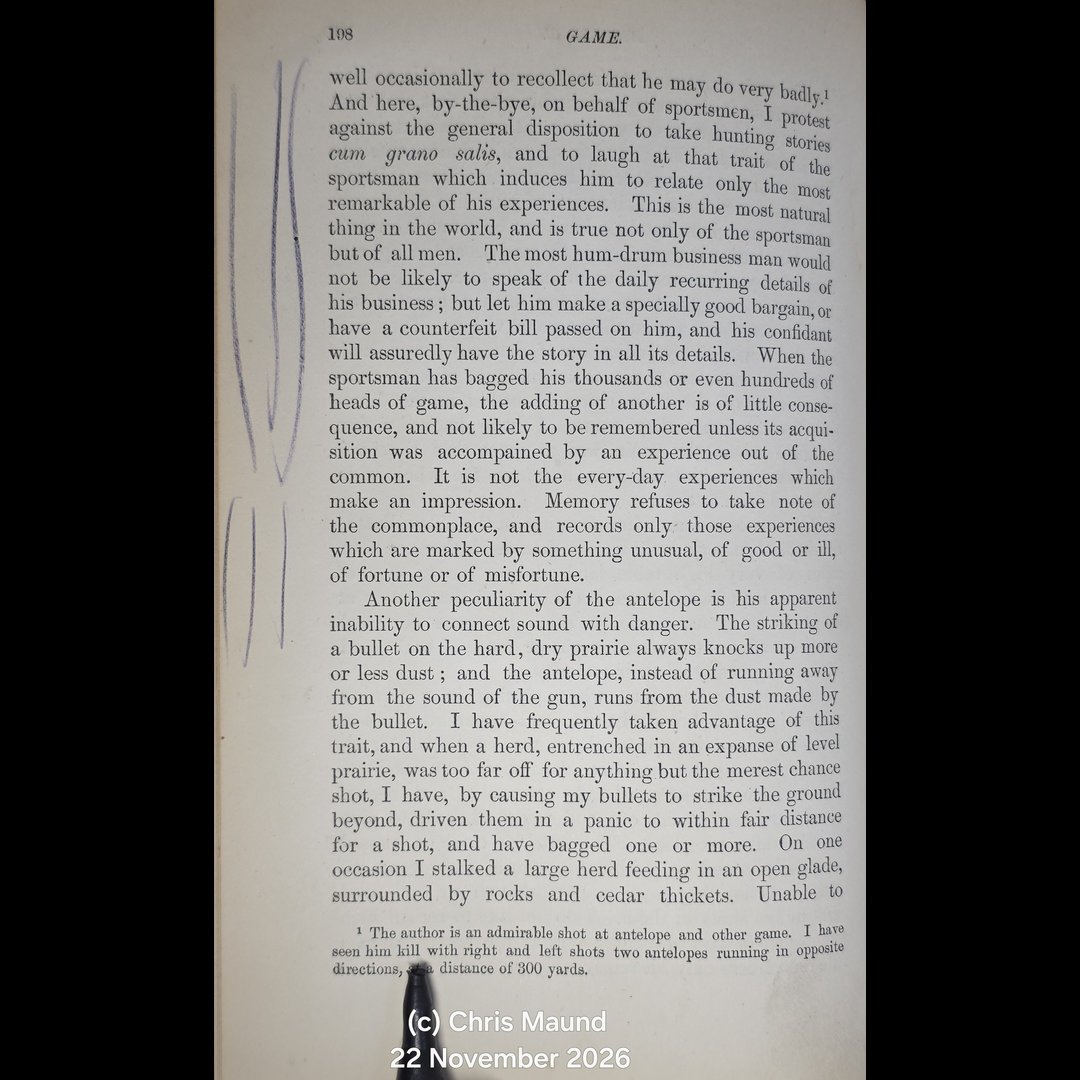 Image 33 of 55
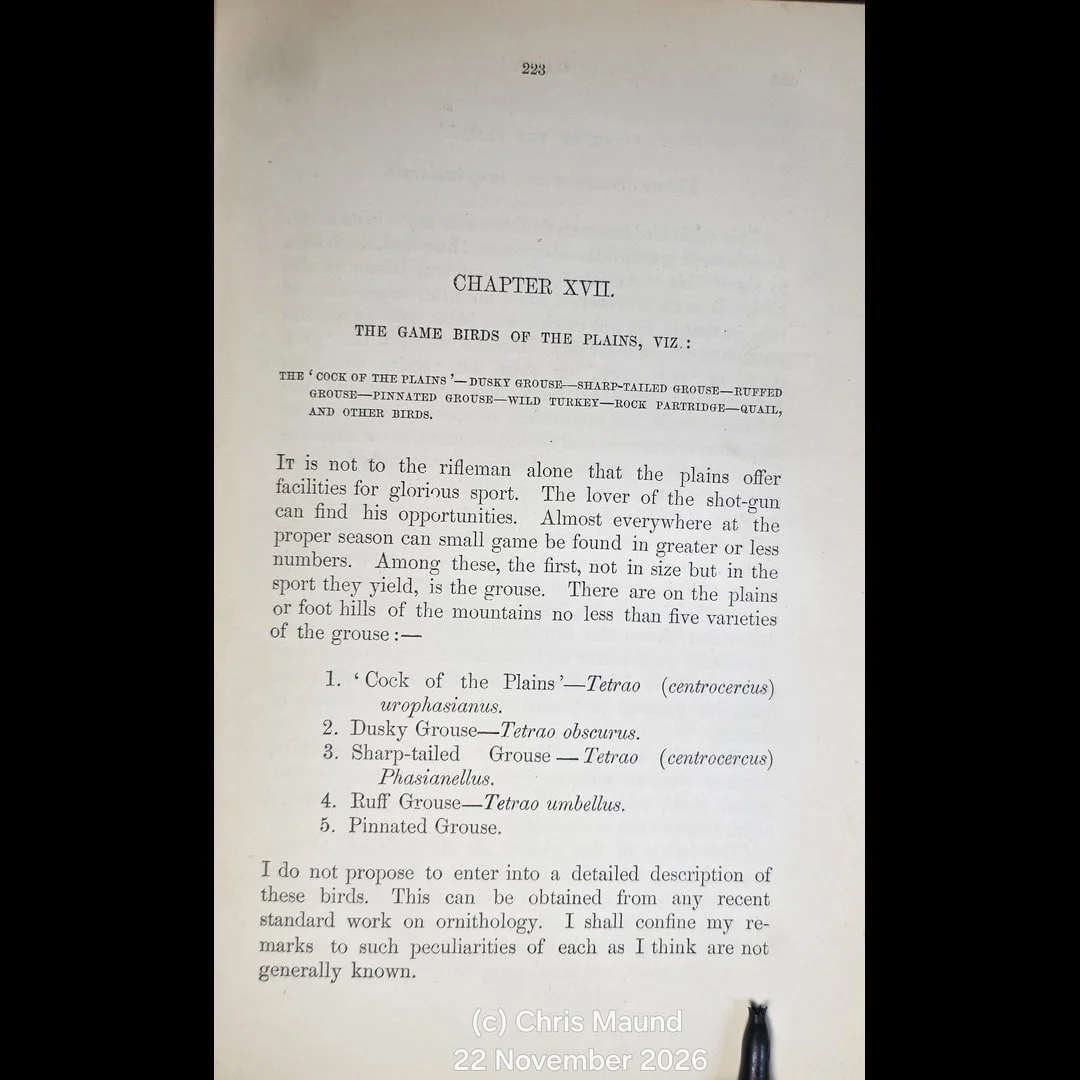 Image 34 of 55
 Image 35 of 55
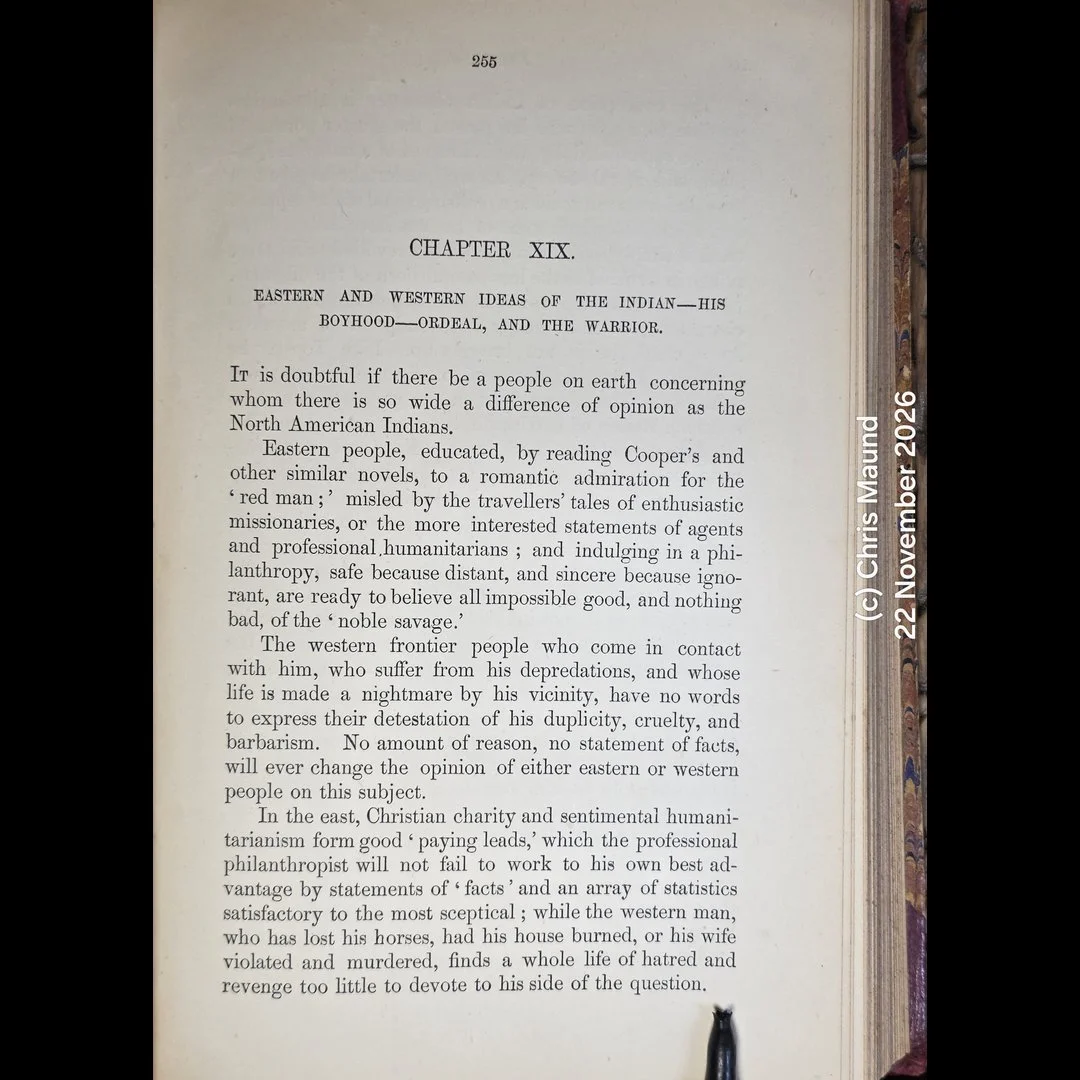 Image 36 of 55
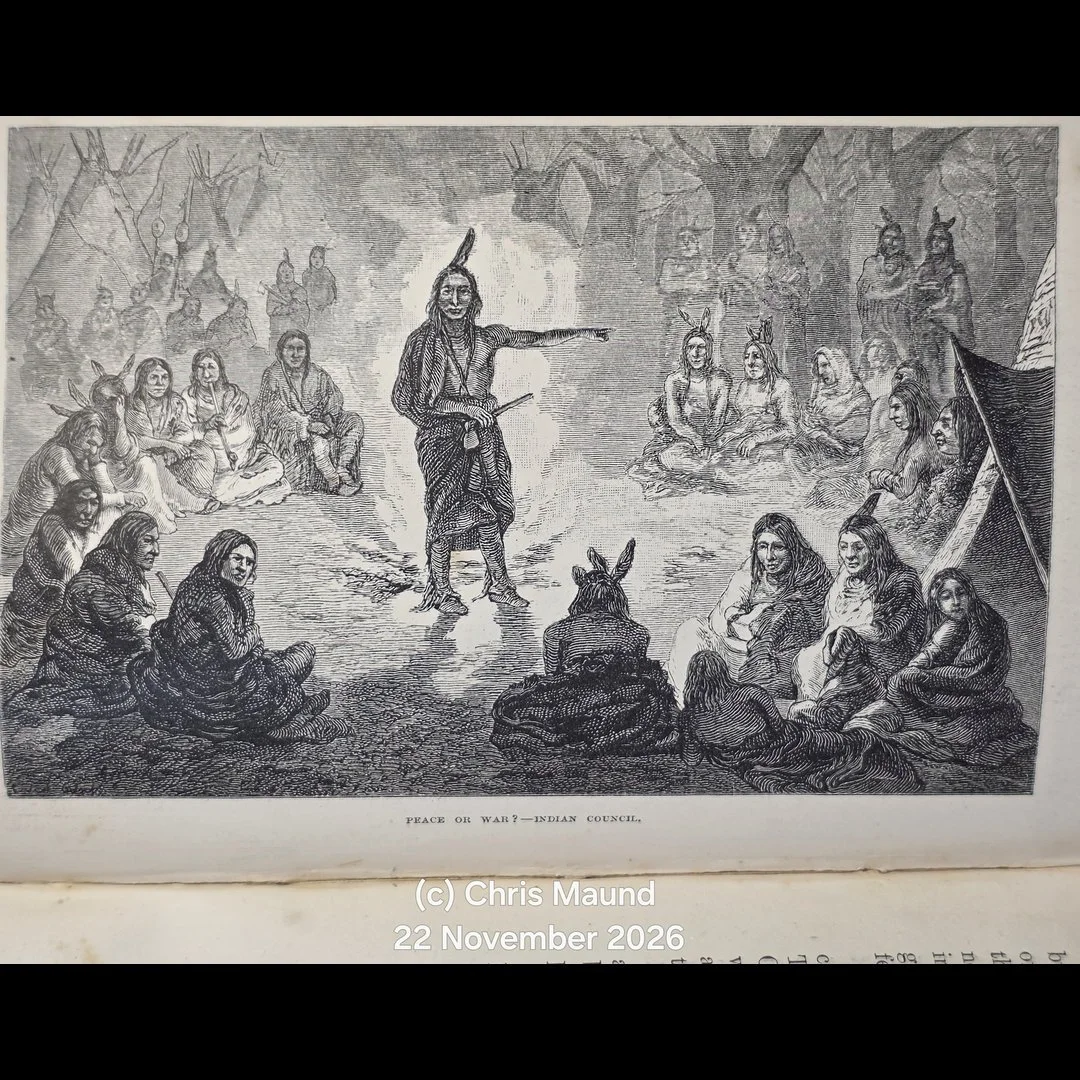 Image 37 of 55
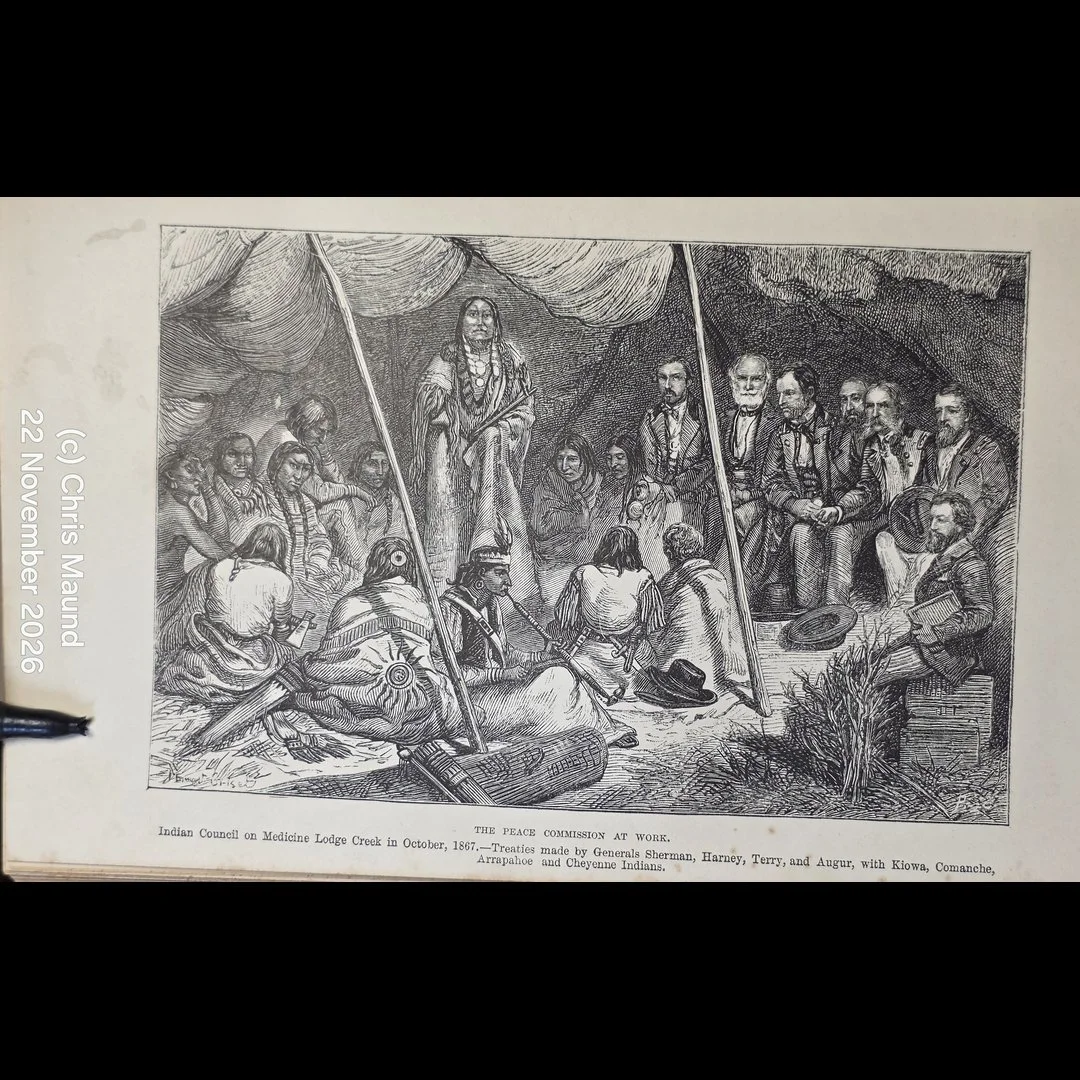 Image 38 of 55
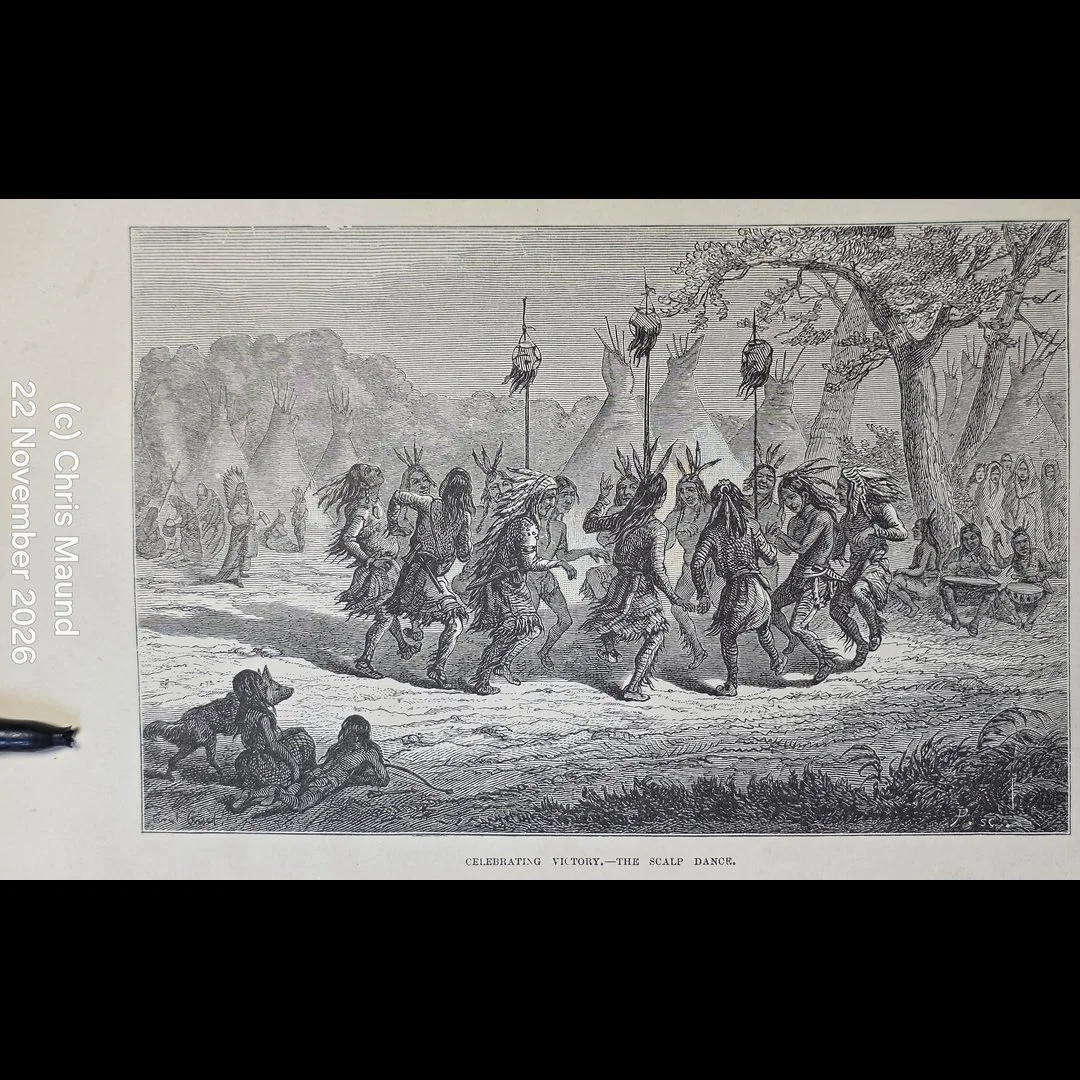 Image 39 of 55
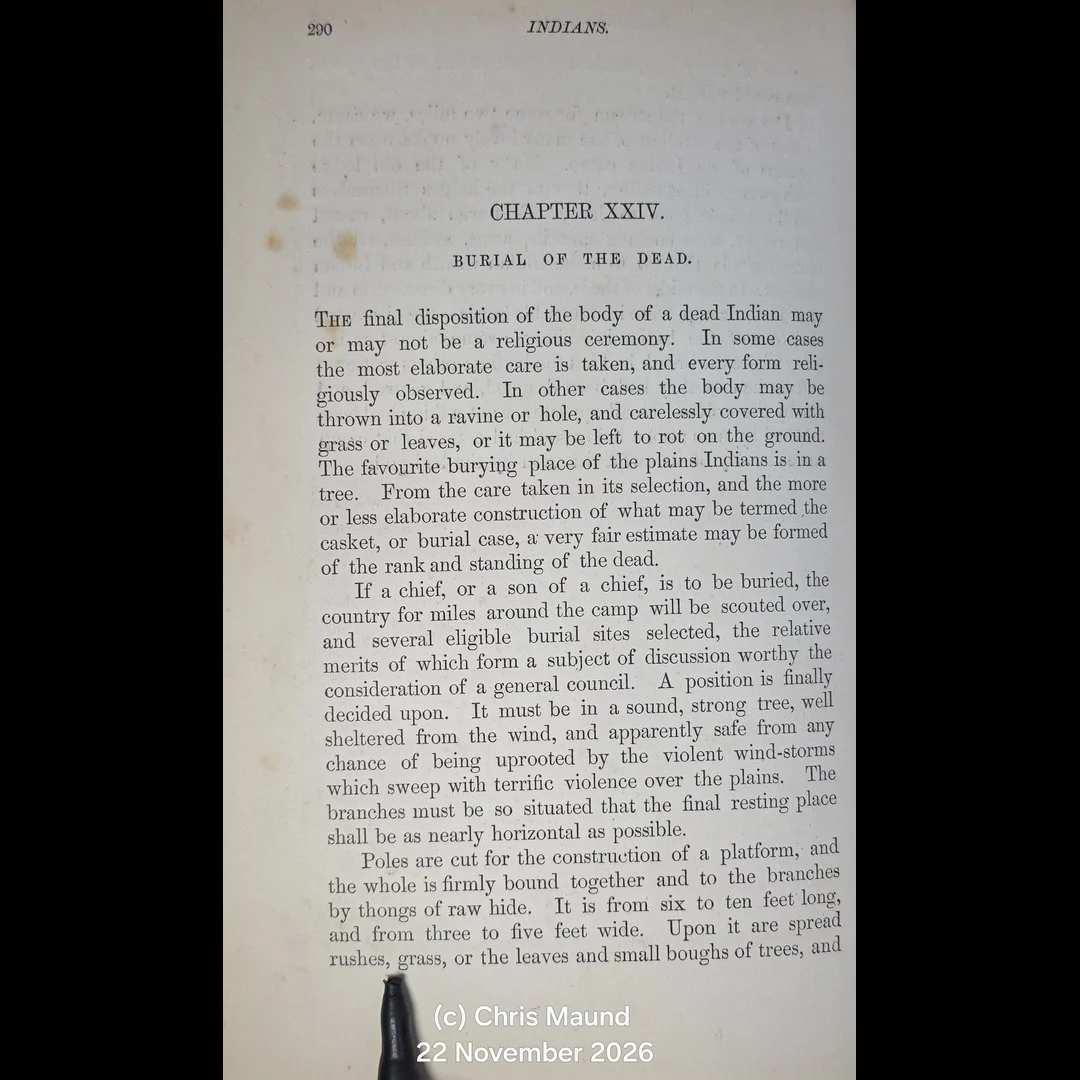 Image 40 of 55
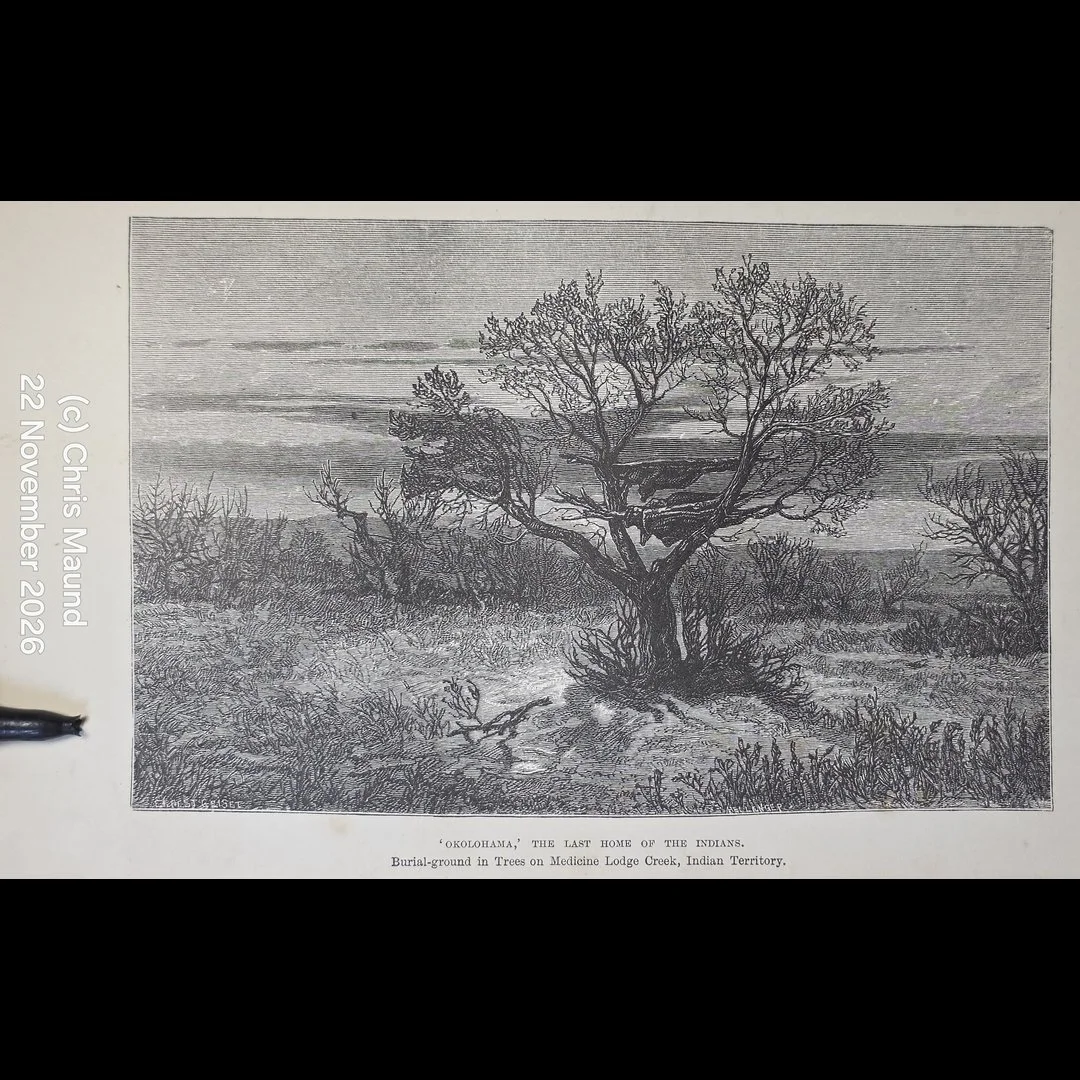 Image 41 of 55
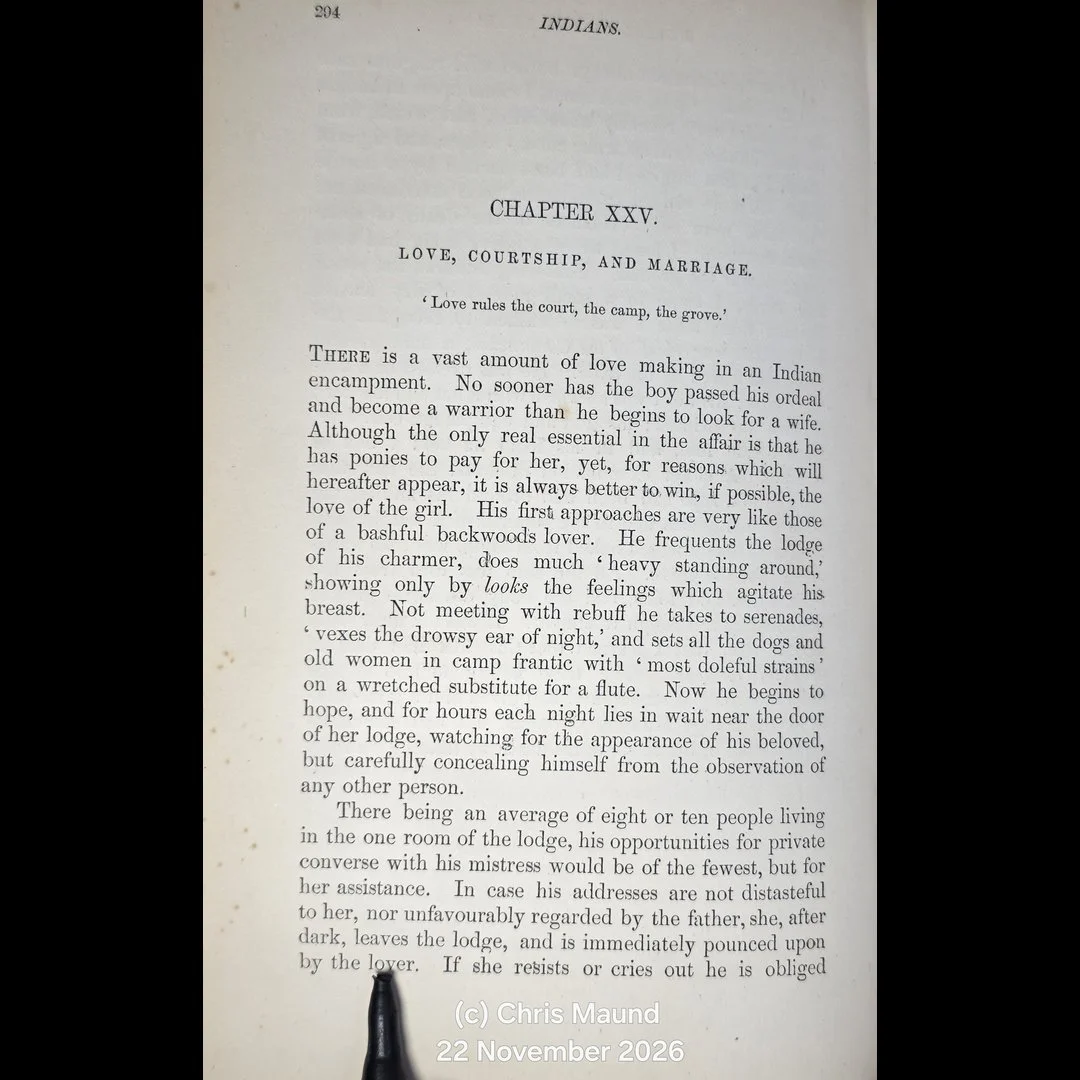 Image 42 of 55
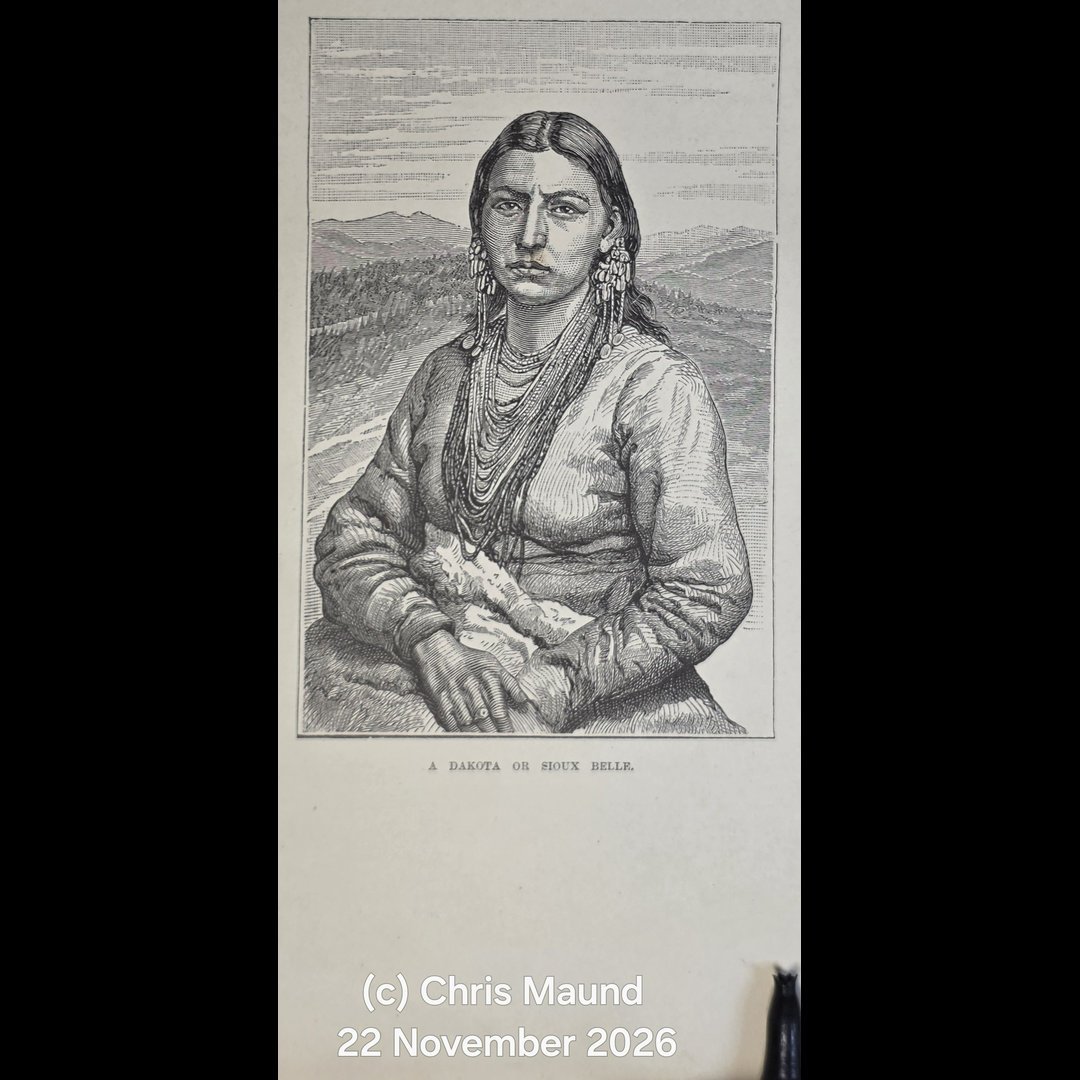 Image 43 of 55
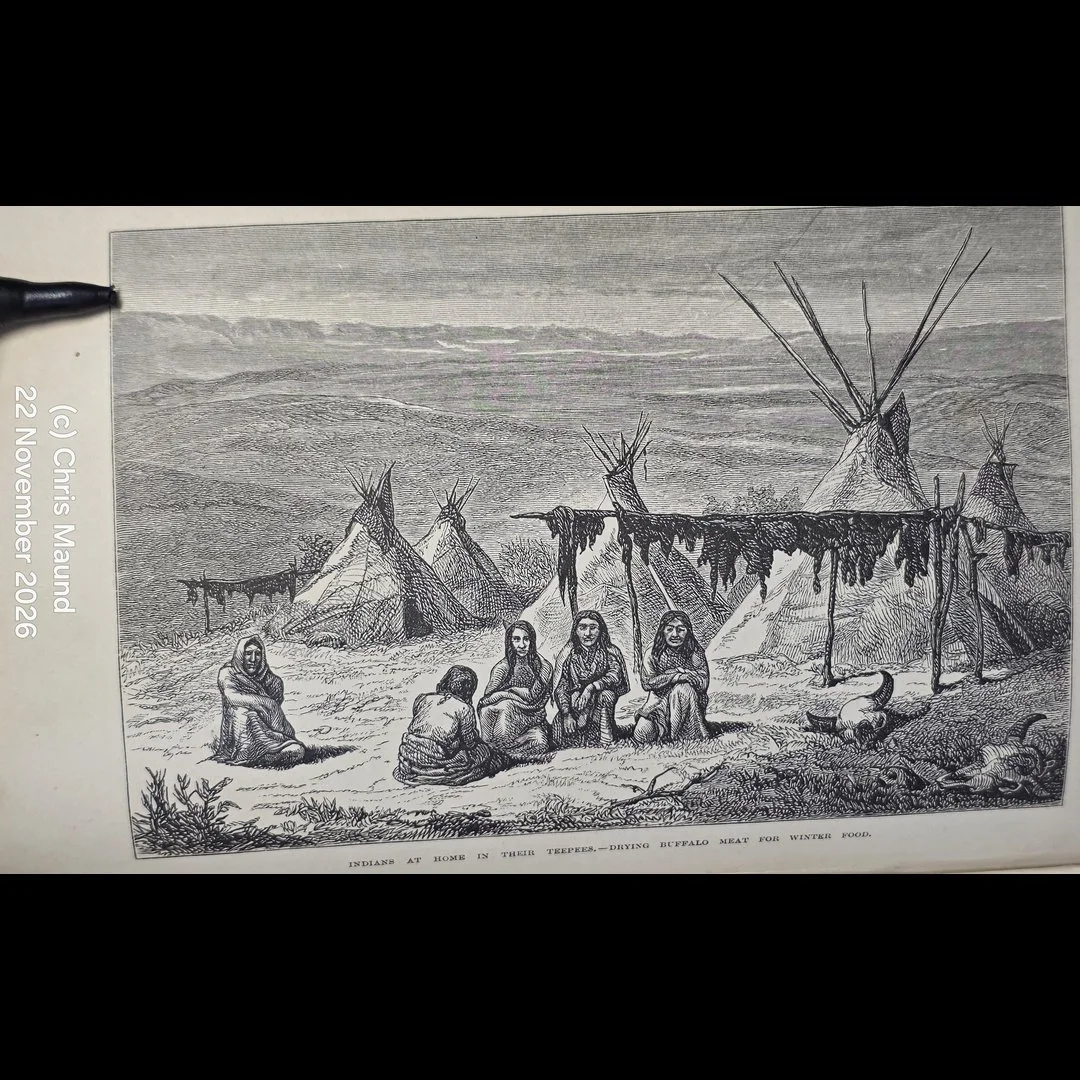 Image 44 of 55
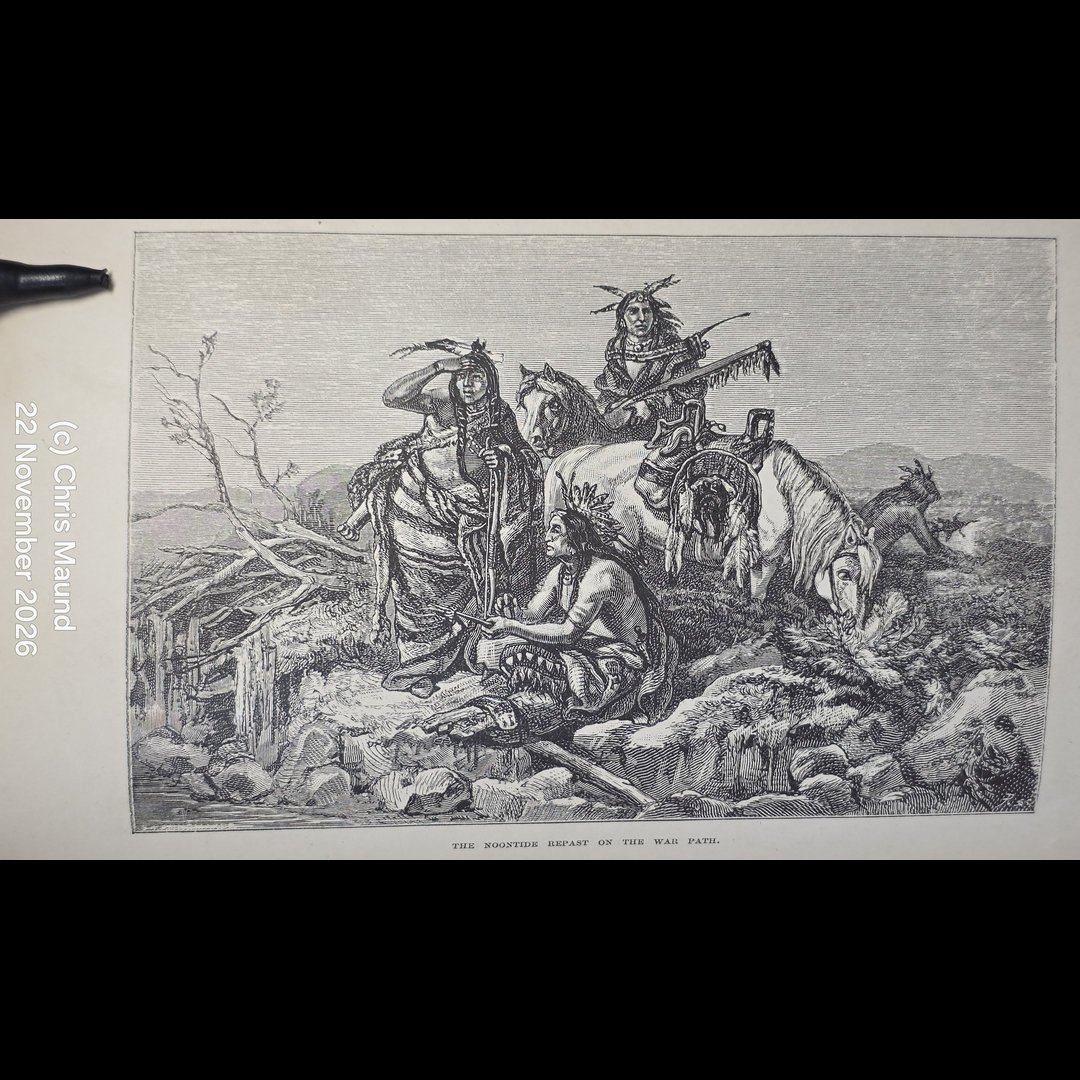 Image 45 of 55
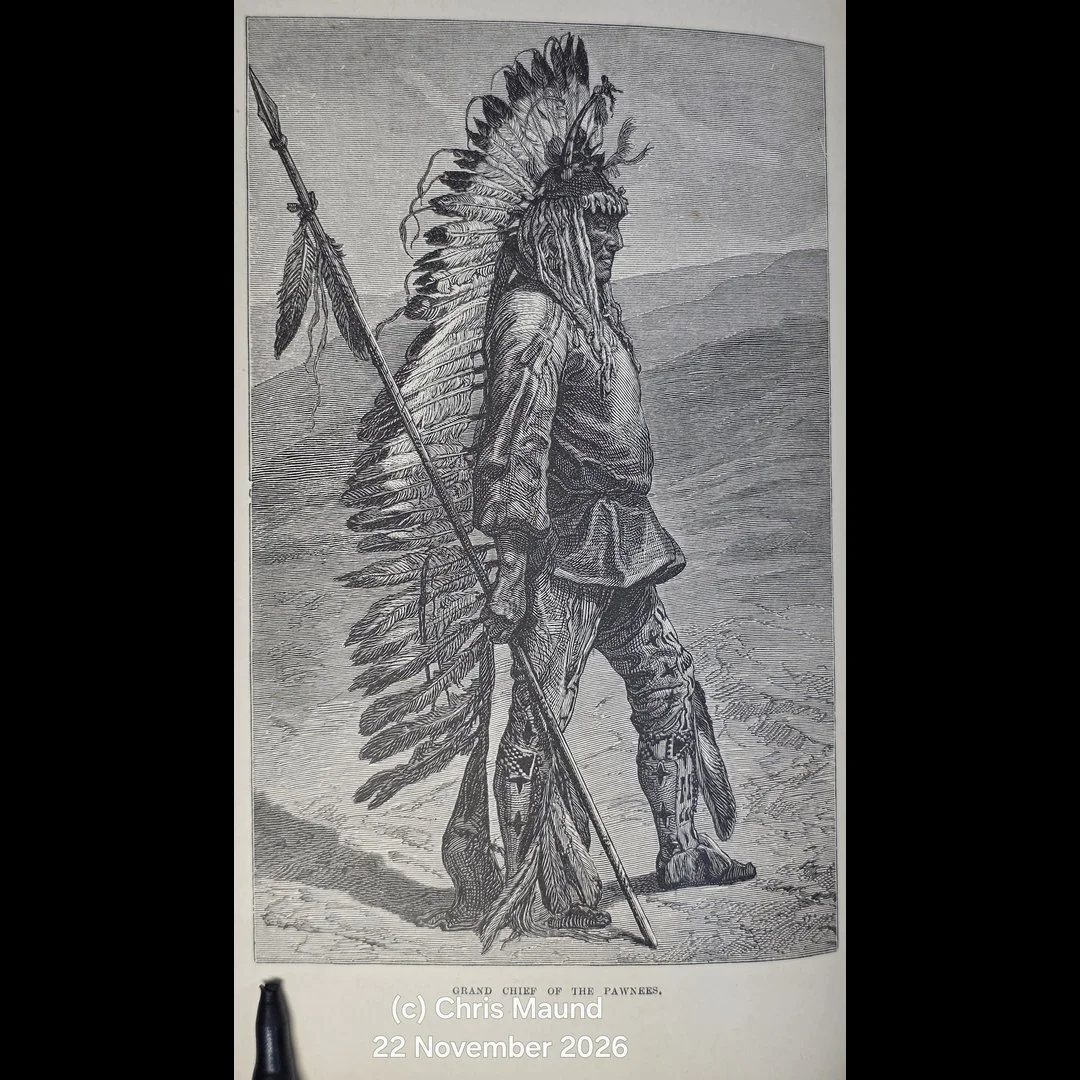 Image 46 of 55
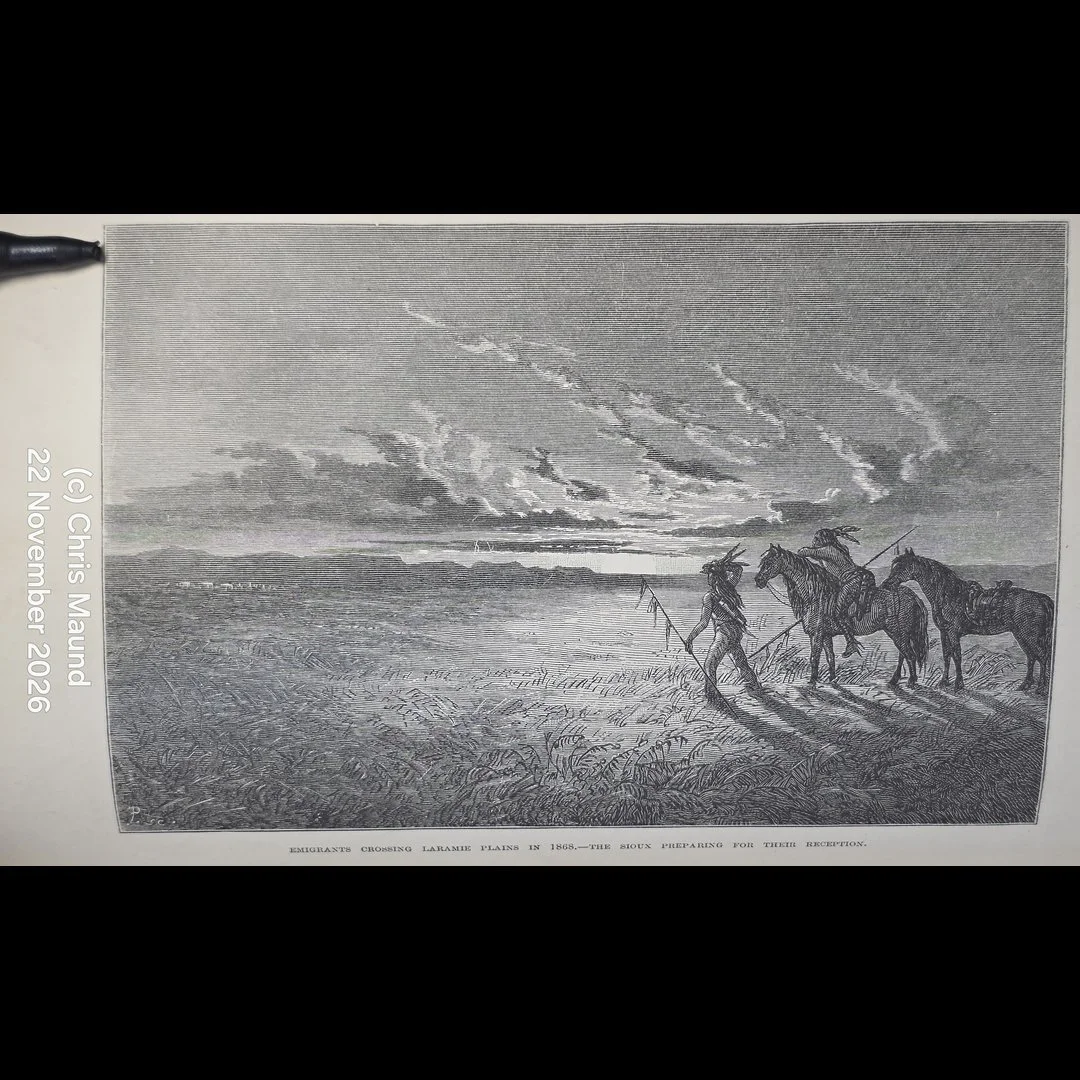 Image 47 of 55
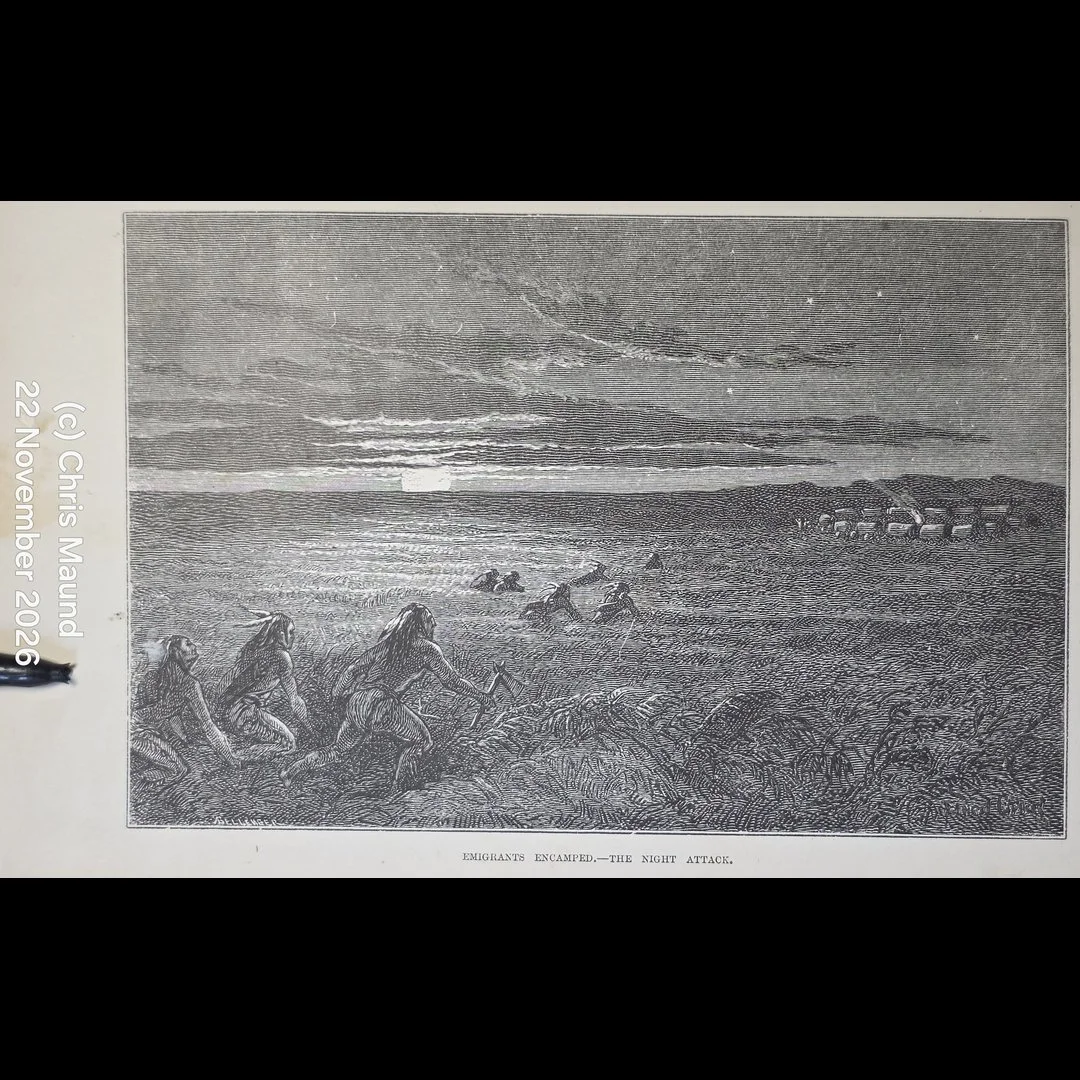 Image 48 of 55
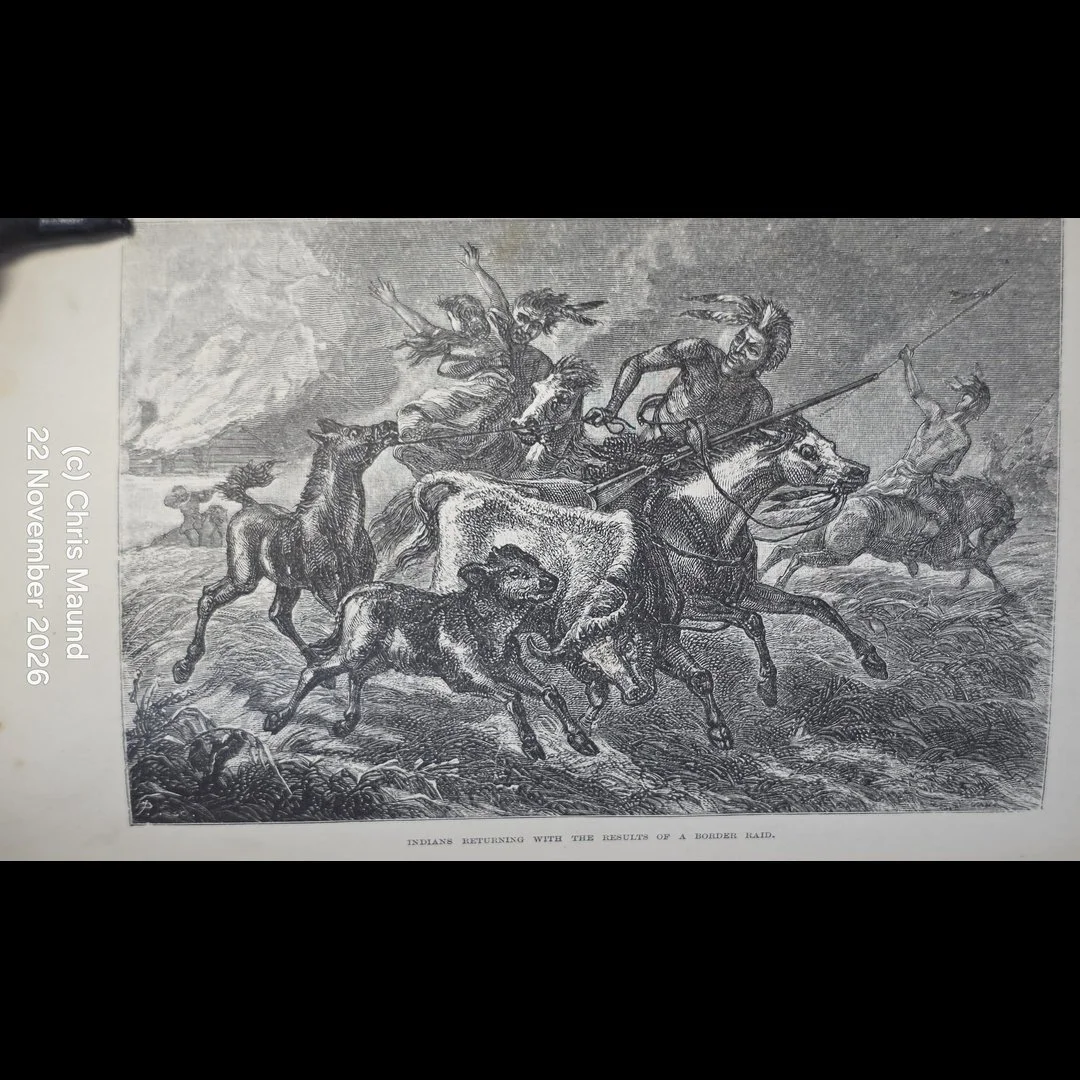 Image 49 of 55
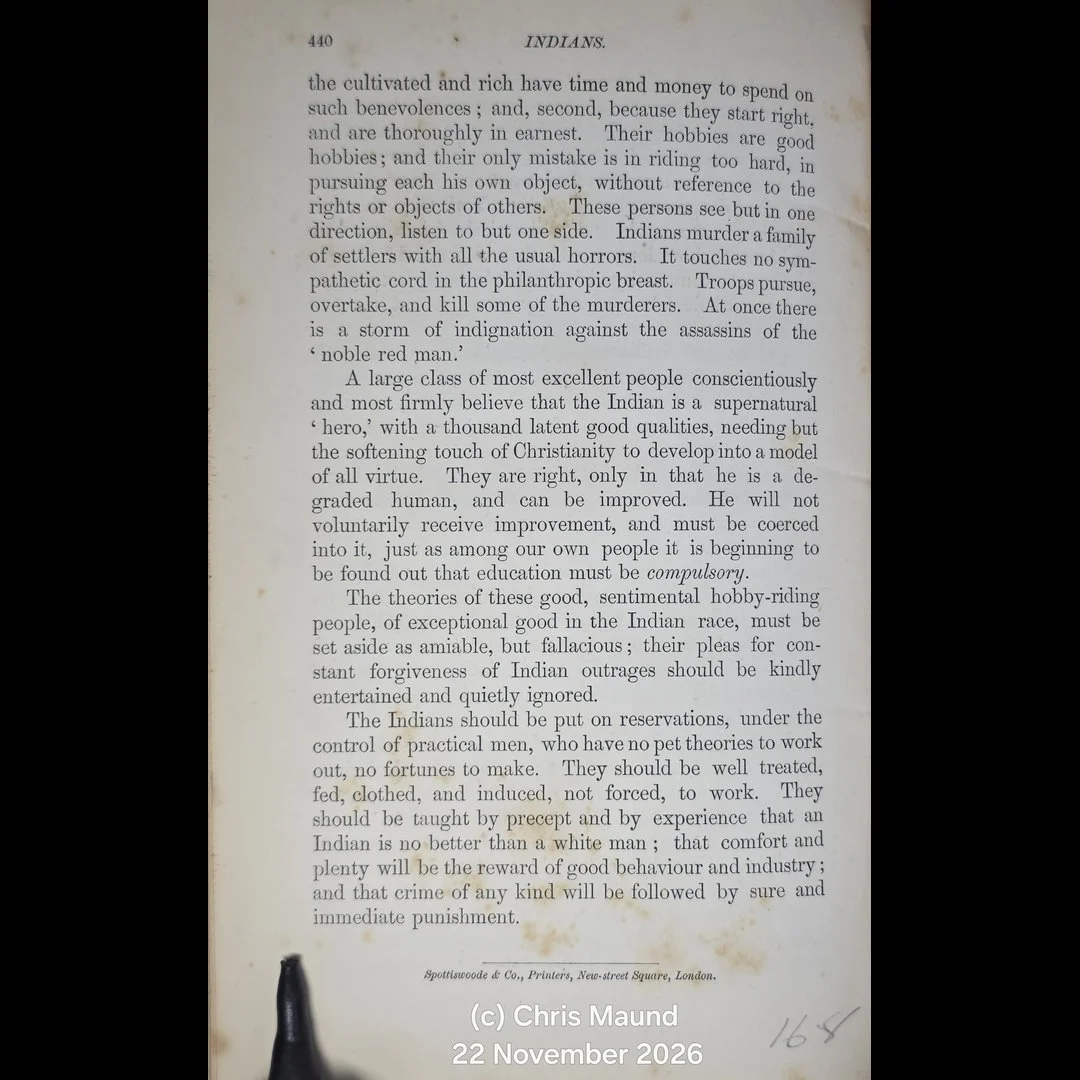 Image 50 of 55
 Image 51 of 55
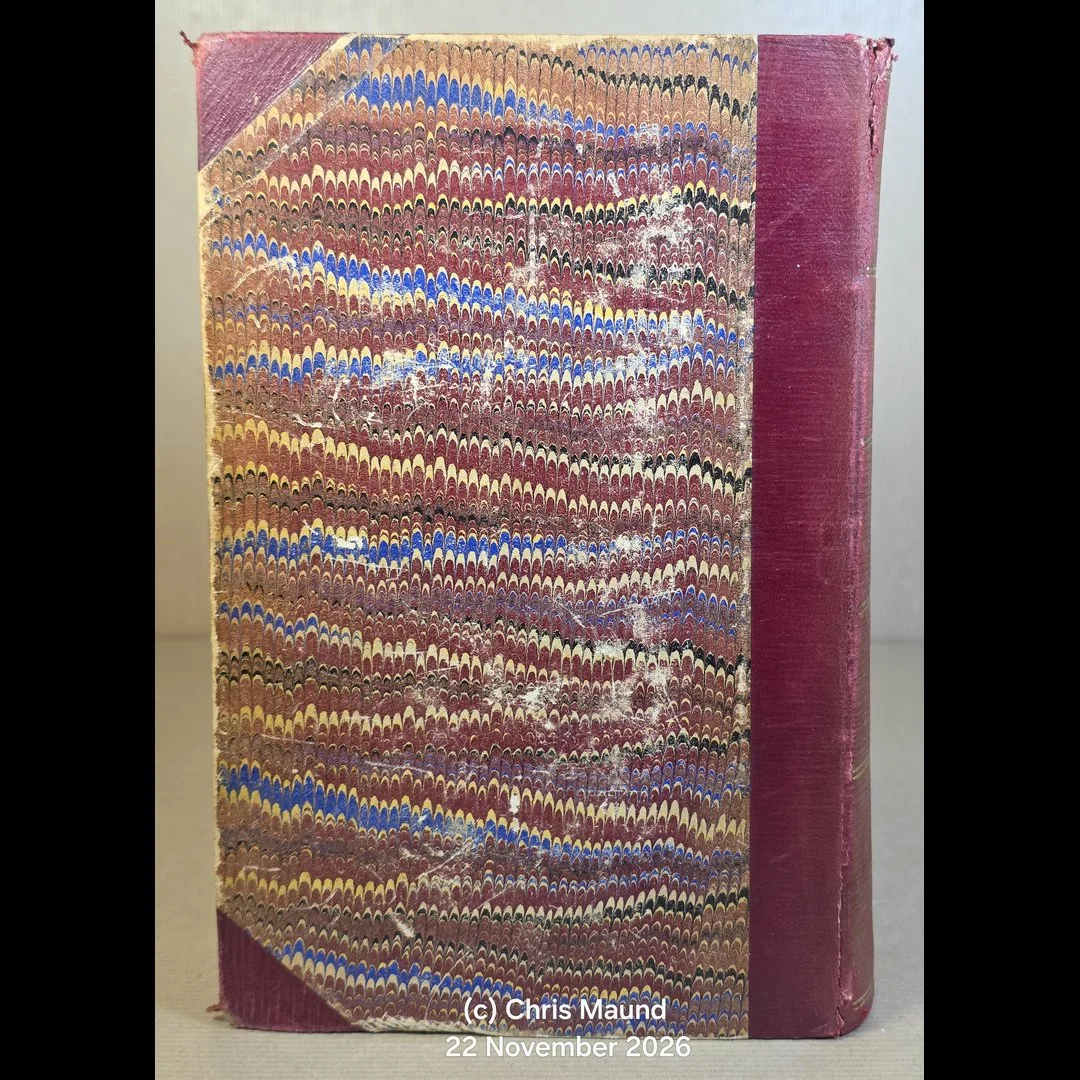 Image 52 of 55
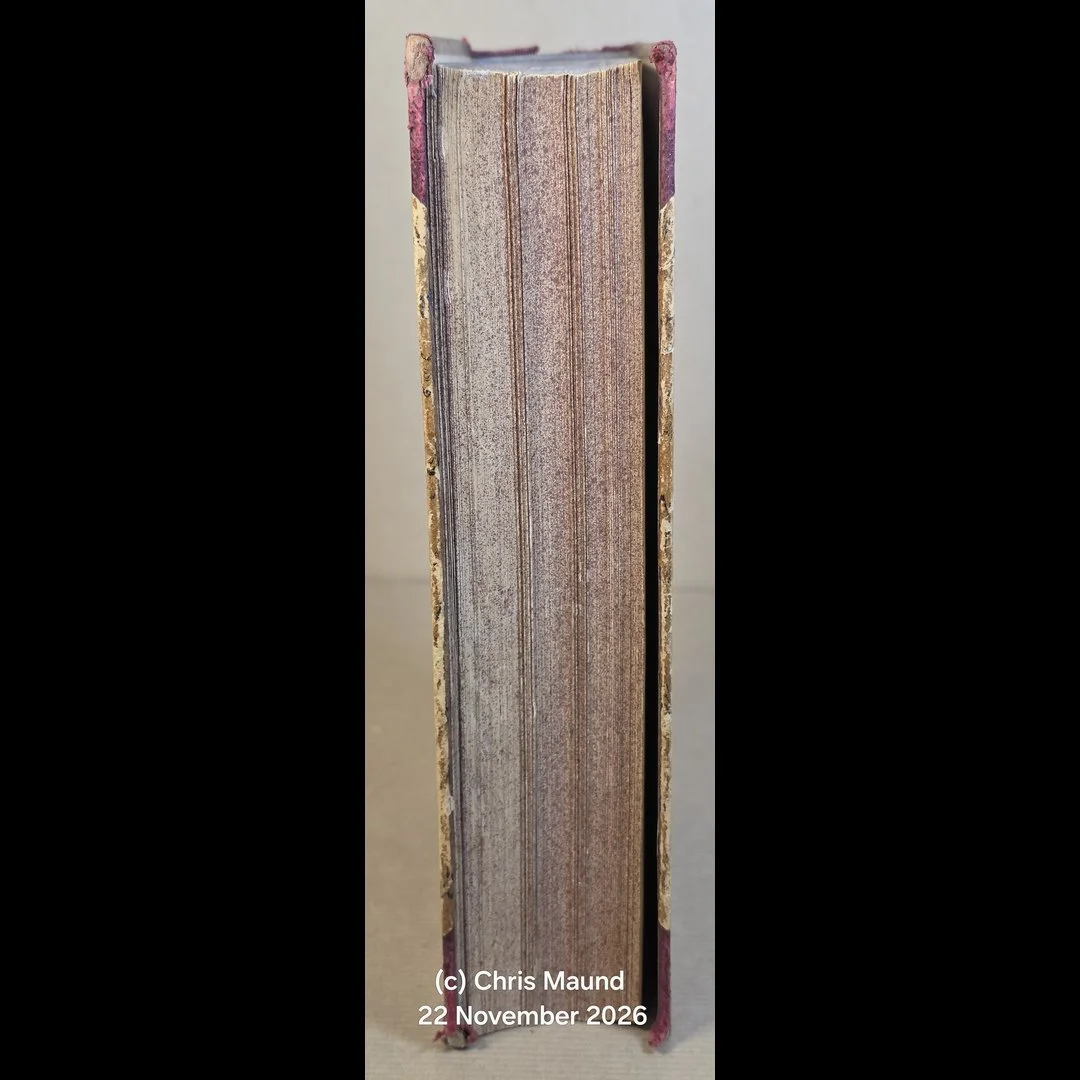 Image 53 of 55
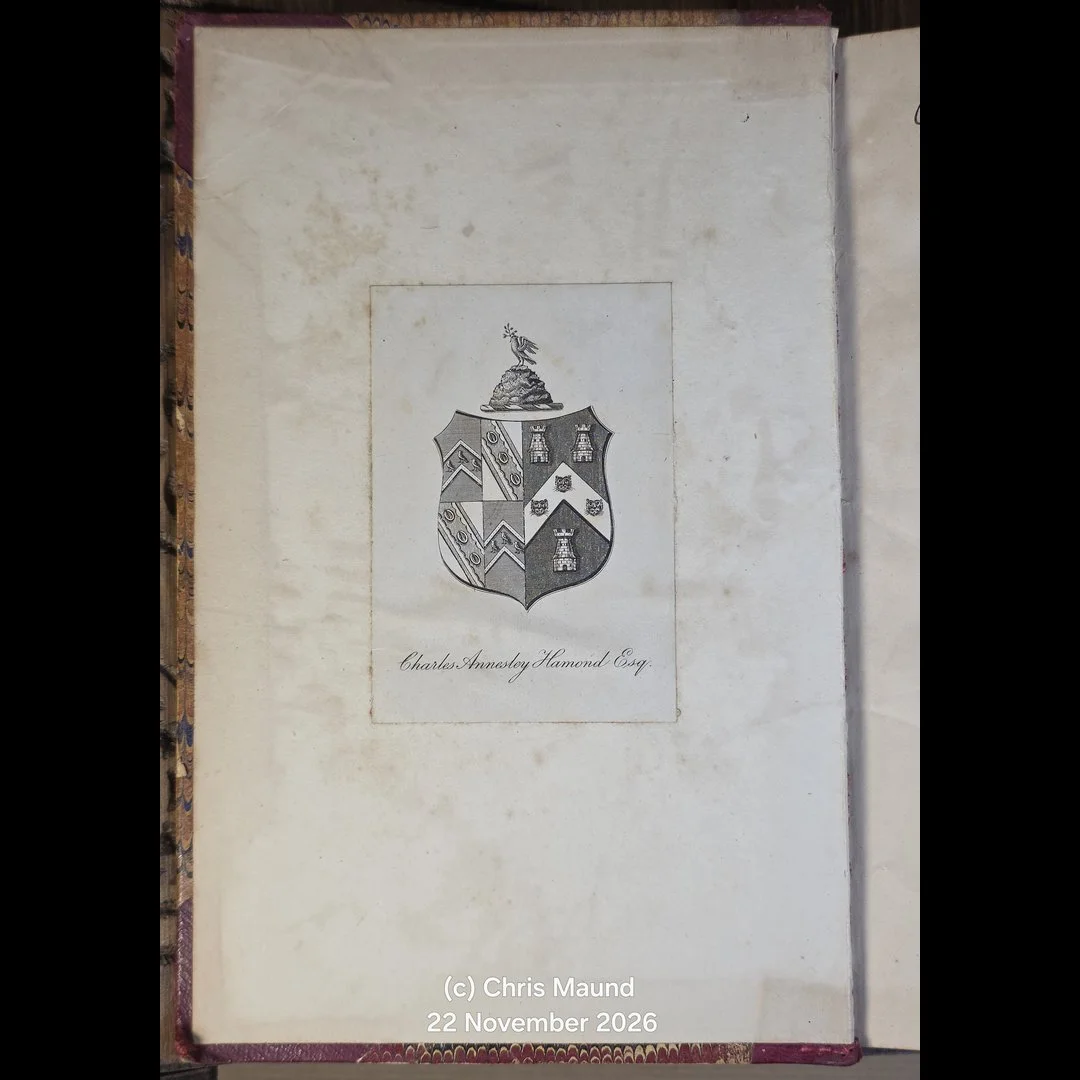 Image 54 of 55
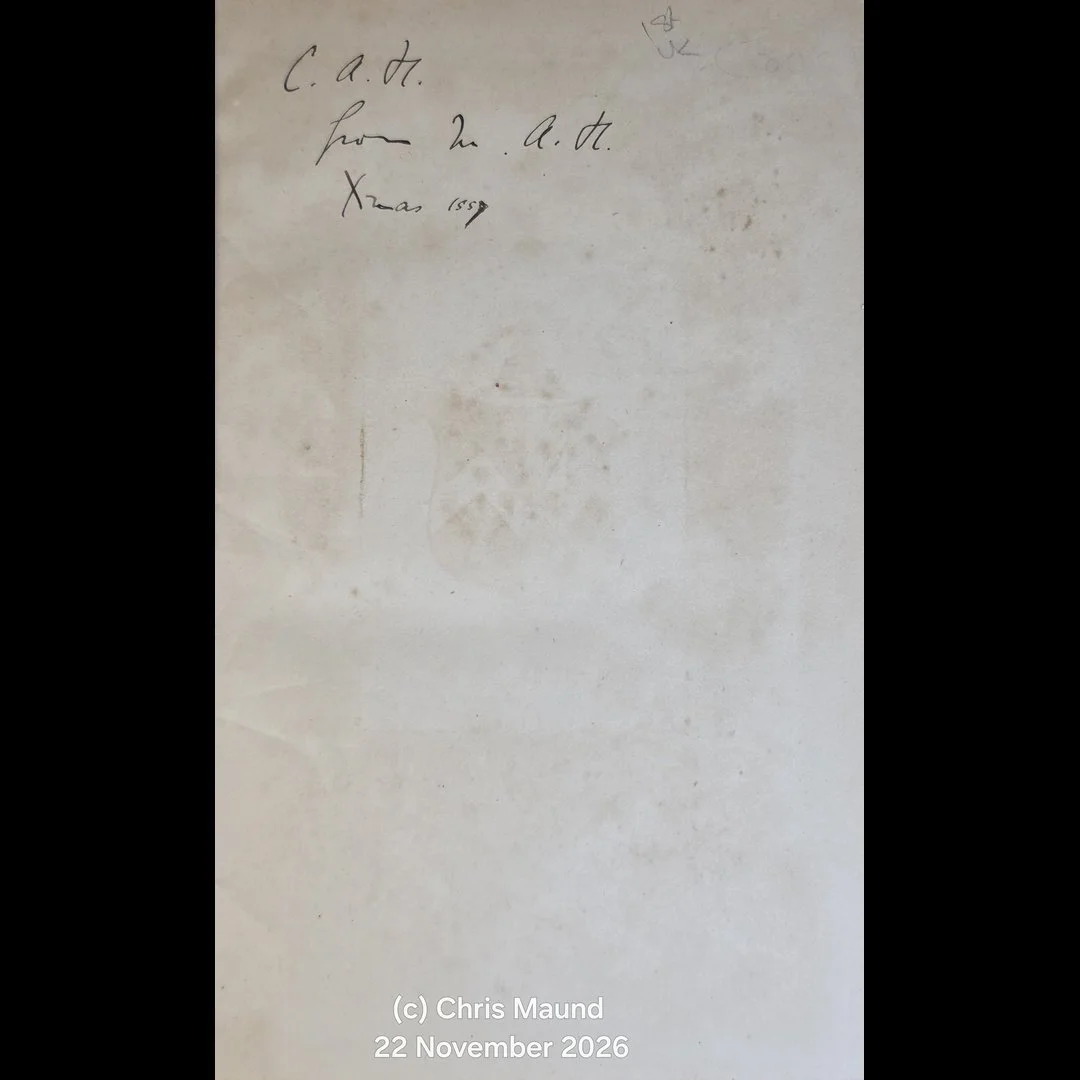 Image 55 of 55