1760 First Baskerville Edition With Provenance
THE BOOK OF COMMON PRAYER
KEY DETAILS
Condition: Good
Format: Hardcover, 8vo; approx. 245 x 153 mm
Published By: John Baskerville, Printer to the University, Cambridge, 1760
Printed By: John Baskerville, Cambridge
Language: English
Provenance: The Wood Family of Yorkshire
Collation: a⁸ b⁸ c⁴ B–T⁸ U⁶ χ¹ x–aa⁸ bb² X–Ll⁸ Mm² Nn–Pp⁸ Qq⁴; 347 leaves, including original preliminary blank; unpaginated. Both supplementary prayer sequences present.
Dust Jacket: None, as issued
SKU: BTETM0002759
Shipping Info: Approximate Package Dimensions H: 15, L: 55, W: 40 (Units: cm), W: 2Kg
Tracked Shipping, Insurance Coverage as per Customer Request
DESCRIPTION
The Book of Common Prayer
John Baskerville's Celebrated First Edition, 1760
An attractive and historically interesting example of the first Baskerville edition of The Book of Common Prayer, printed at Cambridge in 1760, retaining its decorative ornamental borders and the complete supplementary prayer sequences.
The volume is distinguished by its elaborate gilt-decorated leather binding and a substantial body of eighteenth- and nineteenth-century manuscript annotations documenting its history within the Wood, Busfeild and O'Reilly families of Yorkshire.
The recorded family connections extend to the first Viscount Halifax, Charles Wood (1800–1885), the distinguished British statesman and former Chancellor of the Exchequer.
The book is also notable for a manuscript memorial to Robert Mackenzie Beverley (1797/98–1868), the religious writer and controversialist.
John Baskerville and the History of English Printing
John Baskerville (1706–1775) was among the most influential English printers and type designers of the eighteenth century.
Celebrated for the precision and elegance of his typography, Baskerville pursued improvements in type design, printing techniques and paper preparation that had a lasting influence on the development of modern book production.
Following his appointment as Printer to the University of Cambridge, Baskerville undertook the production of the Book of Common Prayer, first published in 1760.
The first edition was printed in long, single-column lines using Baskerville's distinctive type. Copies were issued both with and without ornamental borders.
The present example belongs to the decorative-border impression, with the characteristic lozenge-and-star ornaments framing the title and text pages.
Edition and Bibliographical Identification
The volume has been identified as the first Baskerville edition, corresponding to Gaskell 12 and Griffiths 1760/4.
The title page retains the printed price of seven shillings and sixpence, unbound, representing a later-priced title-page issue of the first edition.
Importantly, the text retains the original royal-family wording referring to George as Prince of Wales, before his accession to the throne as George III in October 1760.
Both supplementary prayer sequences are present, including the services for use at sea, Gunpowder Treason, King Charles the Martyr, the King's Restoration and other prescribed occasions.
The final sections include the Thirty-Nine Articles of Religion and the Table of Kindred and Affinity.
The gathering containing the prayer commemorating 22 June retains the earlier George II wording.
The book has been physically collated against the published bibliographical formula, with 347 leaves accounted for, including a presumed initial blank. A duplicated printed signature, Oo4, occurs on consecutive leaves containing continuous text.
COLLECTOR INTEREST
An appealing example for collectors of Baskerville printing, eighteenth-century typography, Anglican liturgical history, historic bindings, manuscript genealogy and the political and religious history of nineteenth-century Yorkshire.
The combination of a collated first edition, decorative-border impression, gilt binding and substantial identifiable family provenance makes this a particularly interesting surviving copy.
PROVENANCE
The Wood Family of Yorkshire
An early manuscript ownership inscription records: Eliz: Wood of York — bought July 9th 85.
A later annotation identifies this as Elizabeth Wood's handwriting and interprets the year as 1785.
The owner is plausibly identifiable as Elizabeth Wood (died 1803), daughter of Francis Wood of Barnsley and Mary Dorothy Palmer.
Her brother, Captain Charles Wood, RN, of Bowling Hall, was the ancestor of the Wood family subsequently associated with Hickleton Hall and the Viscounts Halifax.
This identification is supported by the extensive manuscript family history preserved within the book.
The Busfeild and O'Reilly Family History
Substantial handwritten notes, principally compiled by Francis J. O'Reilly at Scarborough in March 1866, document the family's history and the reported succession of ownership.
The manuscript describes the prayer book's association with Caroline Wood, wife of William Busfeild, MP, and its subsequent passage into the possession of Francis J. O'Reilly.
The genealogical account incorporates biographical details concerning the Wood family, including Sir Francis Lindley Wood, the second Baronet, and his son Charles Wood, first Viscount Halifax.
These details are accompanied by pasted contemporary newspaper notices recording deaths, marriages and other family events.
The manuscript provides an unusually detailed documentary history of the book's ownership and the relationships of the families concerned.
The Halifax Family Connection
Charles Wood, first Viscount Halifax (1800–1885), was a leading nineteenth-century British politician who served as Chancellor of the Exchequer and held several other senior offices of state.
The manuscript refers to the Halifax family and contains an apparent instruction that the volume should become the property of Lord Halifax of Hickleton following a death.
This annotation records an apparent intended bequest; it has not been established that Lord Halifax subsequently received or personally owned the volume.
Nevertheless, the Wood family connection is supported by the genealogical records and provides an important historical context for the manuscript.
Robert Mackenzie Beverley
An additional handwritten memorial records the death of Robert Mackenzie Beverley at Scarborough on 3 November 1868, describing him as a close Christian friend.
Beverley was a prominent religious controversialist whose writings addressed church authority, Christian ministry, spiritual worship and other theological questions.
This personal memorial contributes a further dimension to the volume's religious and intellectual history.
CONDITION, COLLATION & COPY NOTES
COLLATION
a⁸ b⁸ c⁴ B–T⁸ U⁶ χ¹ x–aa⁸ bb² X–Ll⁸ Mm² Nn–Pp⁸ Qq⁴
347 leaves, including original preliminary blank; unpaginated. Both supplementary prayer sequences present.
Good.
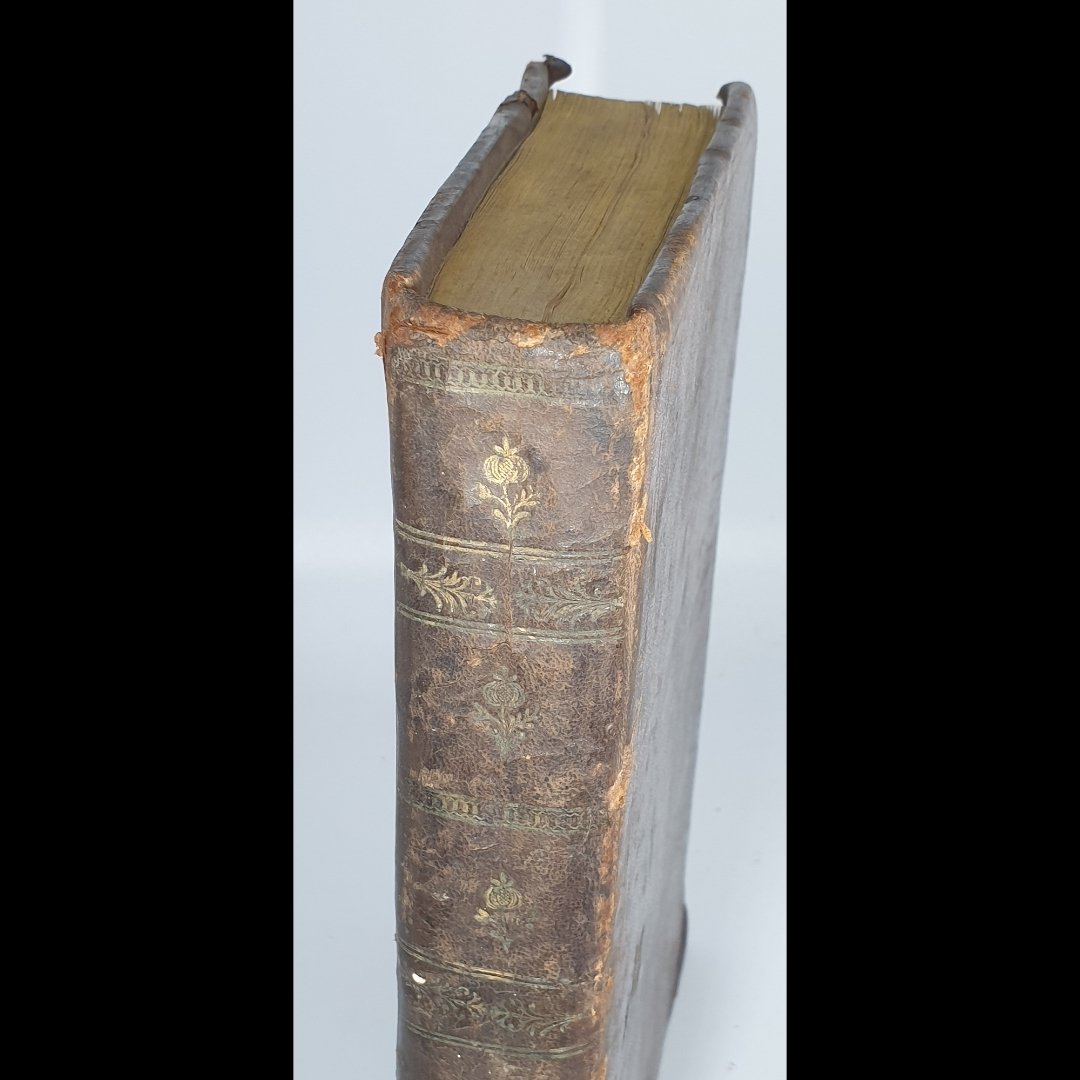
An extensively gilt-decorated dark leather binding, with raised bands and gilt spine compartments. The boards have elaborate ornamental borders surrounding central floral gilt devices.
The binding exhibits considerable age-related rubbing, particularly to the spine, joints and extremities. There is surface wear, scattered pale marks and some loss of definition to the gilt decoration. The board edges and corners show wear.
The marbled endpapers survive.
Internally, the printed text is generally clean and legible, with occasional spotting, light age-related discolouration and scattered marks.
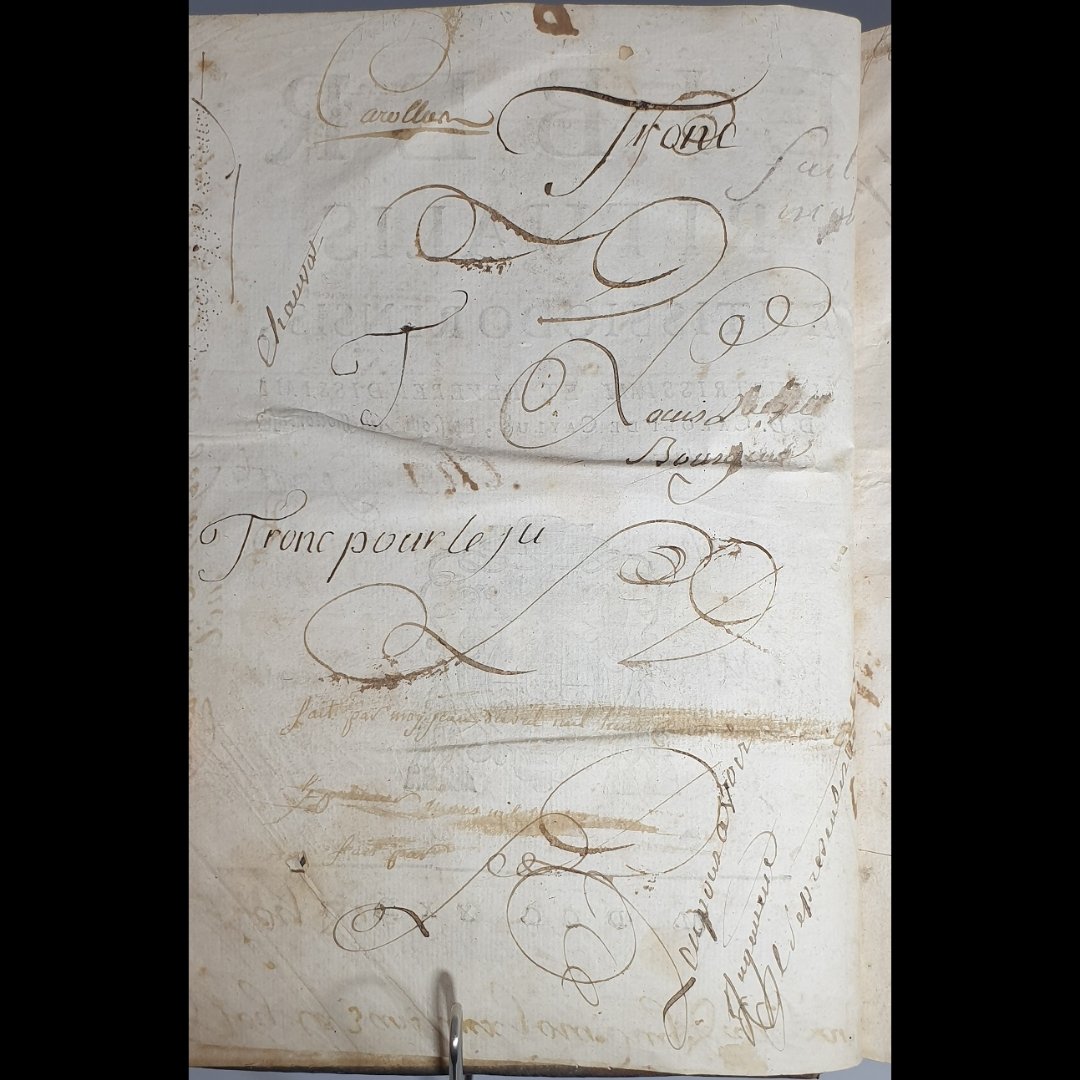
There are extensive historic handwritten annotations, genealogical records and pasted newspaper notices, forming an integral part of the volume's provenance.
The book has been physically collated against the published edition, with all 347 leaves accounted for, including the presumed initial blank and both supplementary prayer sequences.
The overall structural condition of the joints remains subject to final confirmation.
Please see photographs as part of the condition report.
REFERENCES
Philip Gaskell, A Bibliography of John Baskerville, no. 12.
Griffiths, The Bibliography of the Book of Common Prayer, 1760/4.
ESTC T219867.
Eton College Library, catalogue B53367.
Birmingham Baskerville Collection, Gaskell 12.

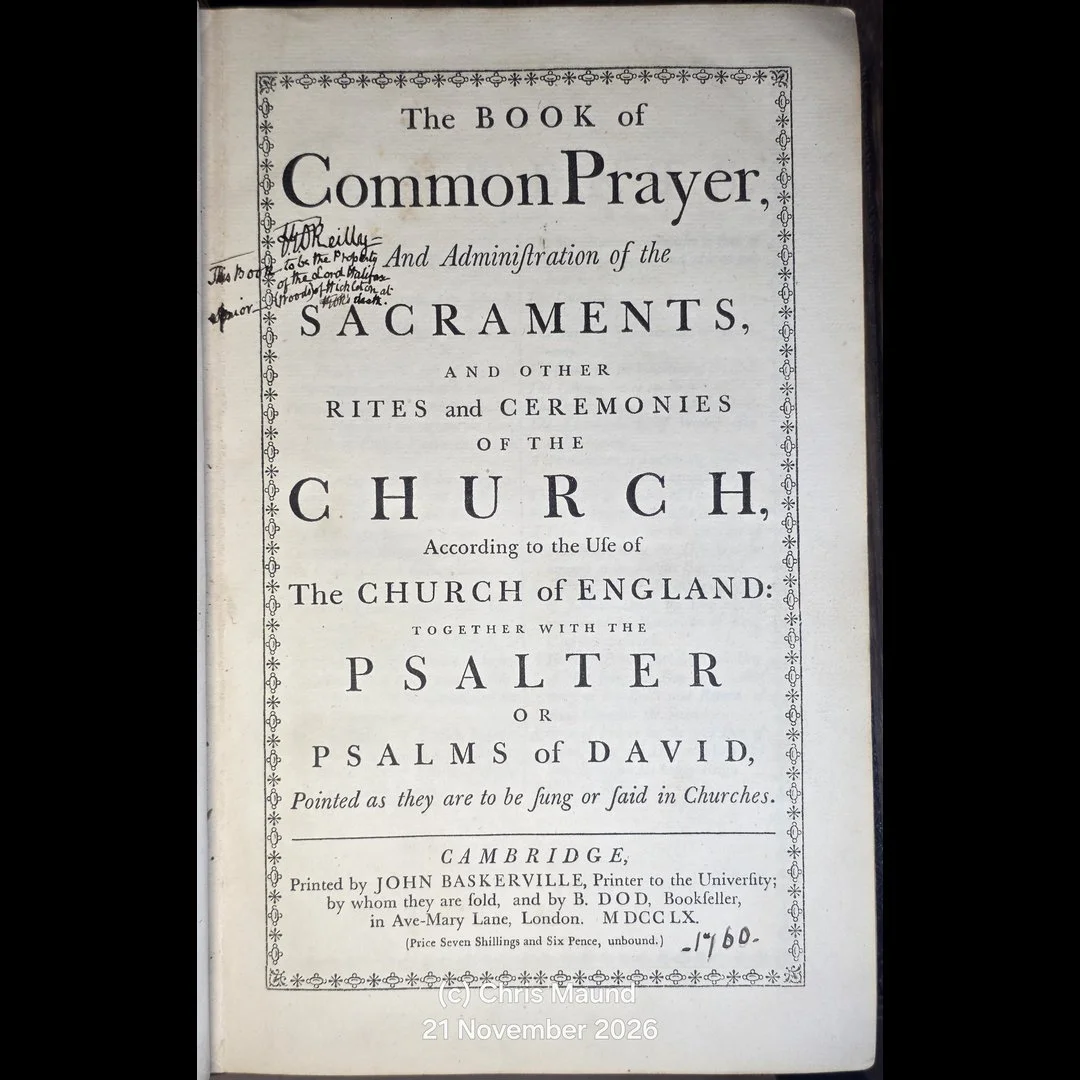 Image 1 of 37
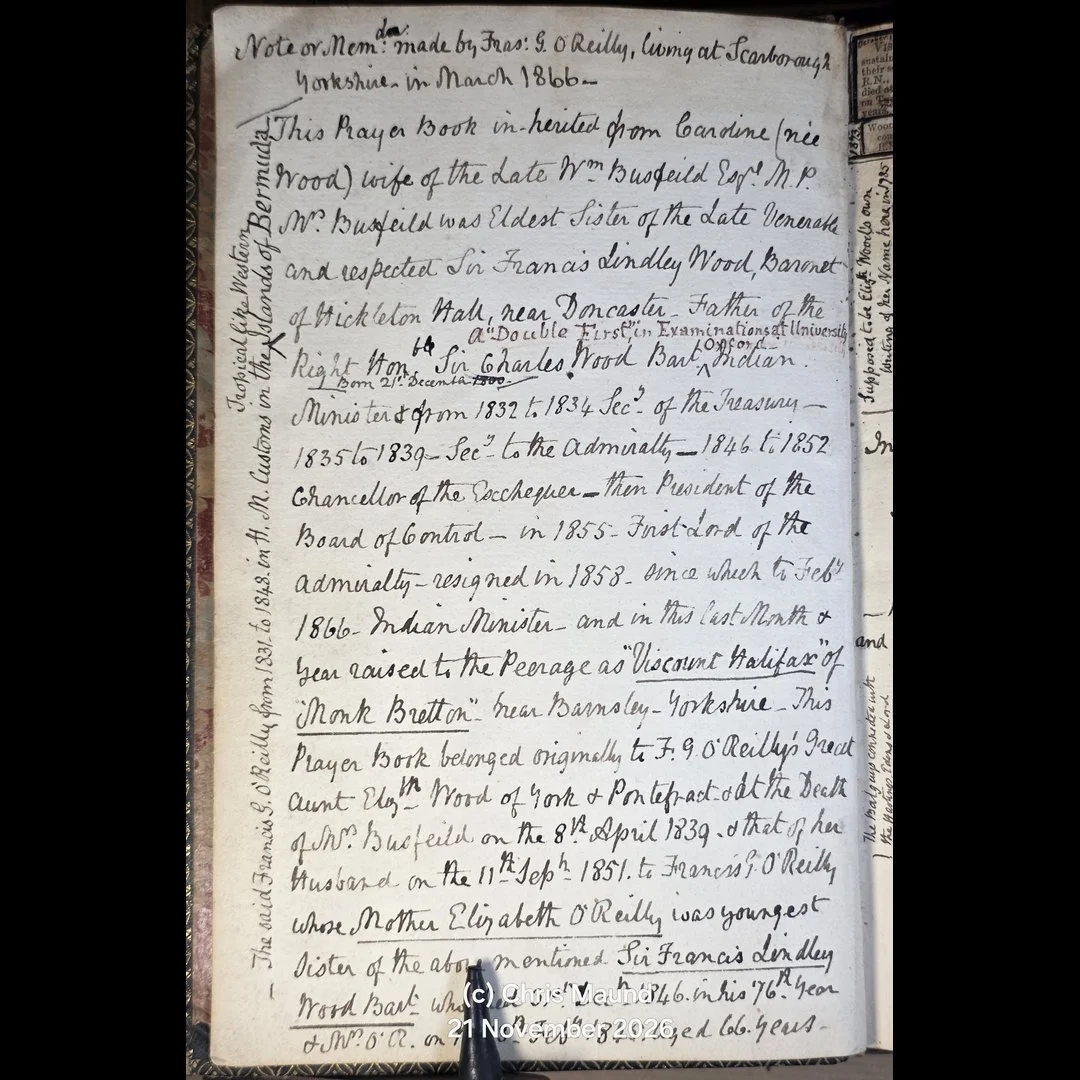 Image 2 of 37
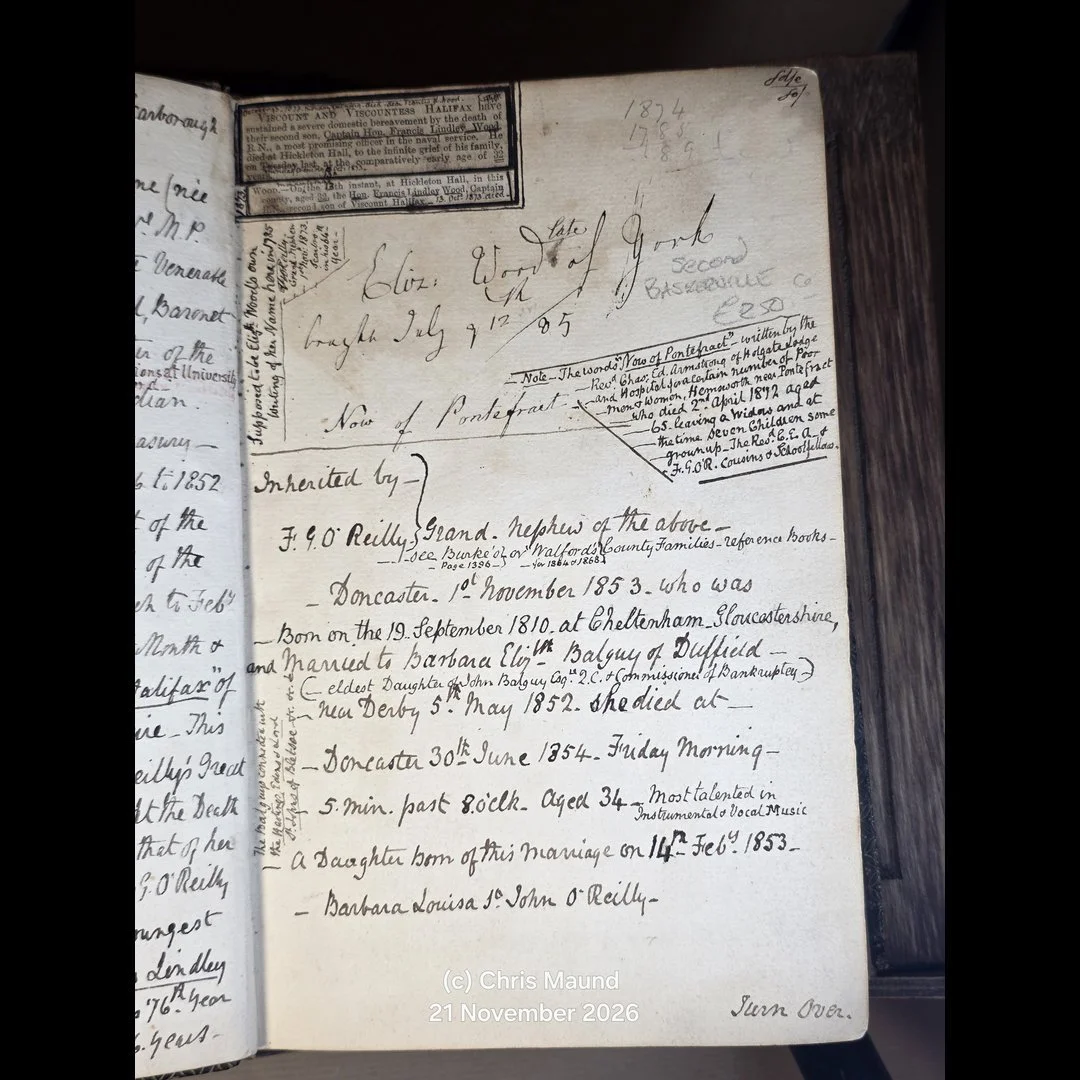 Image 3 of 37
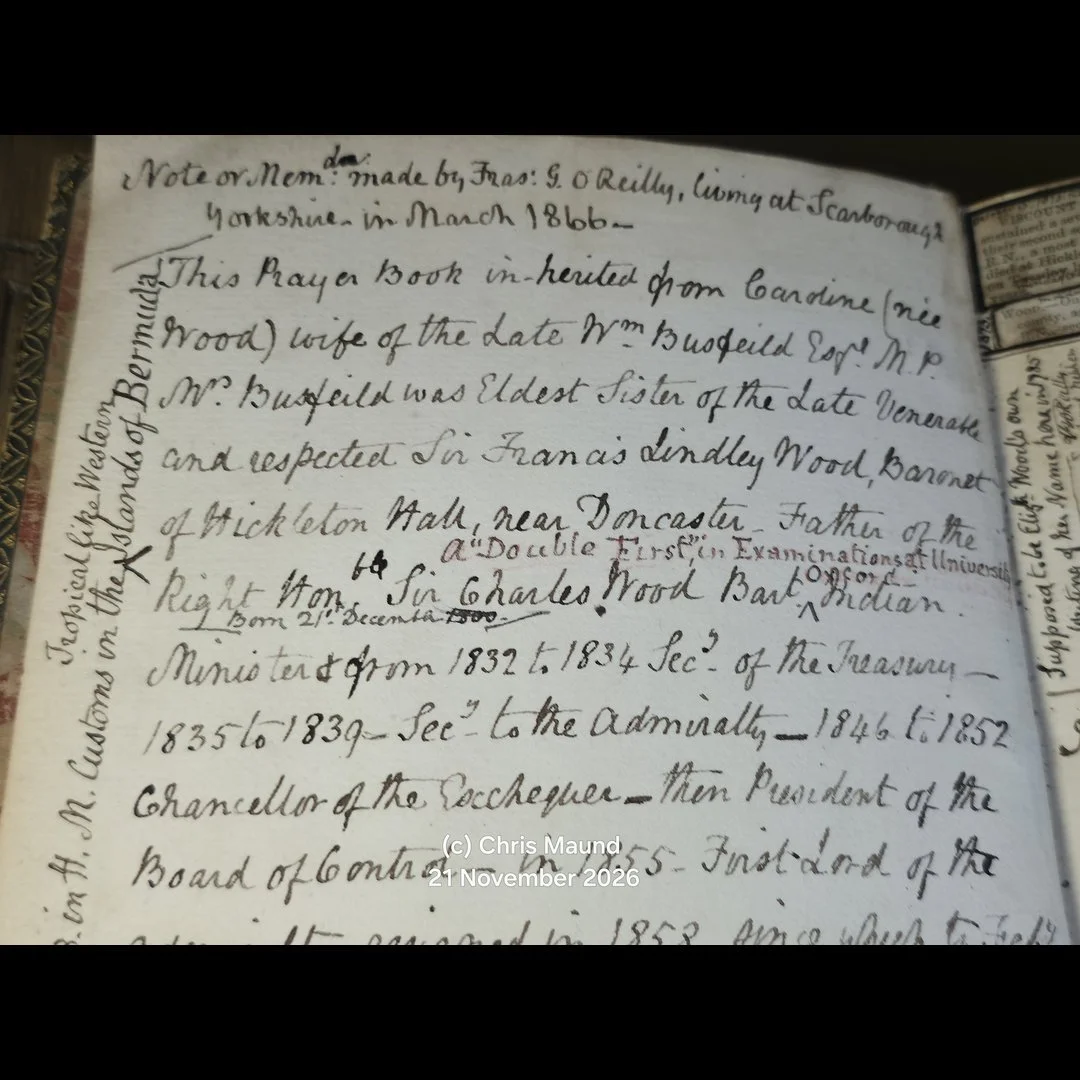 Image 4 of 37
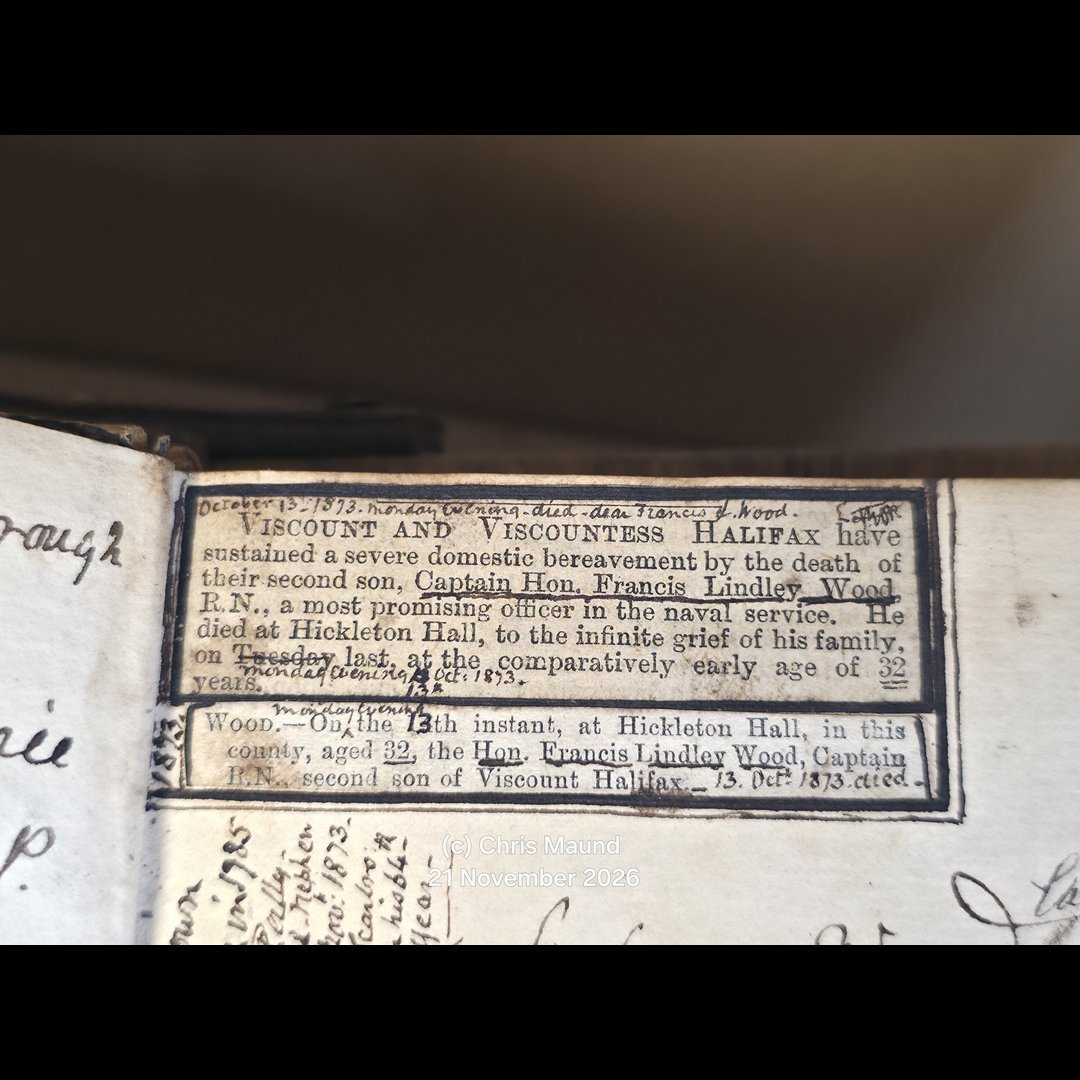 Image 5 of 37
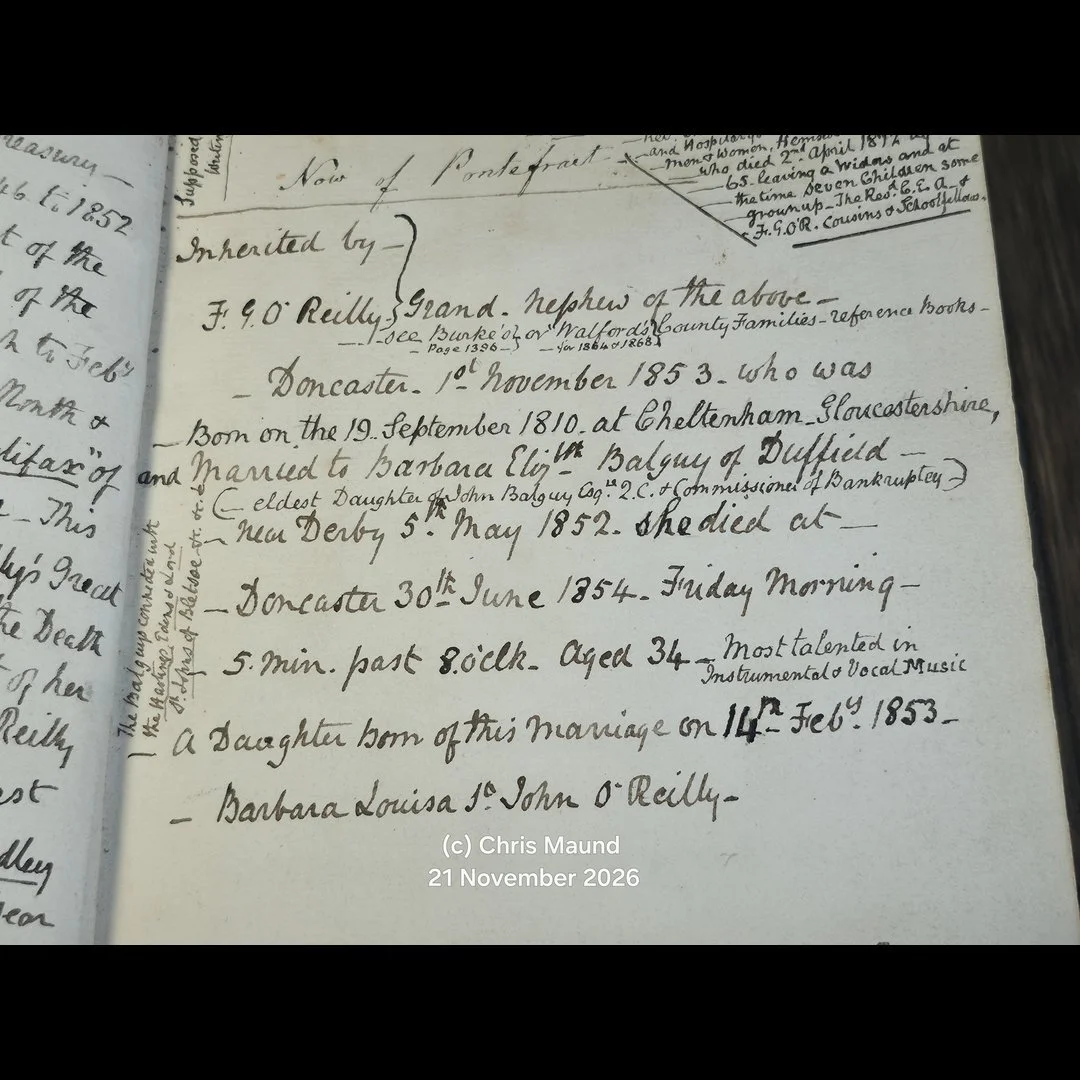 Image 6 of 37
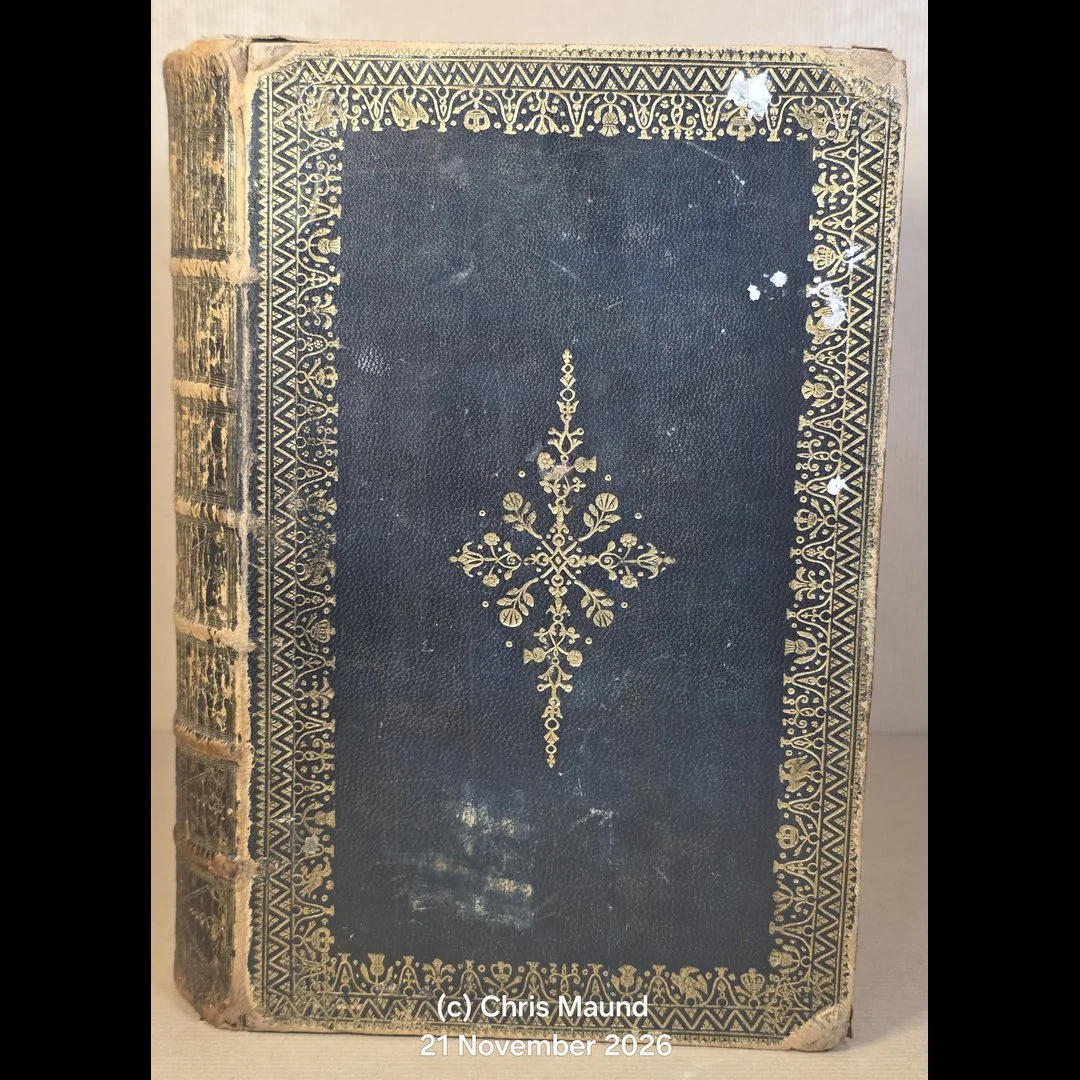 Image 7 of 37
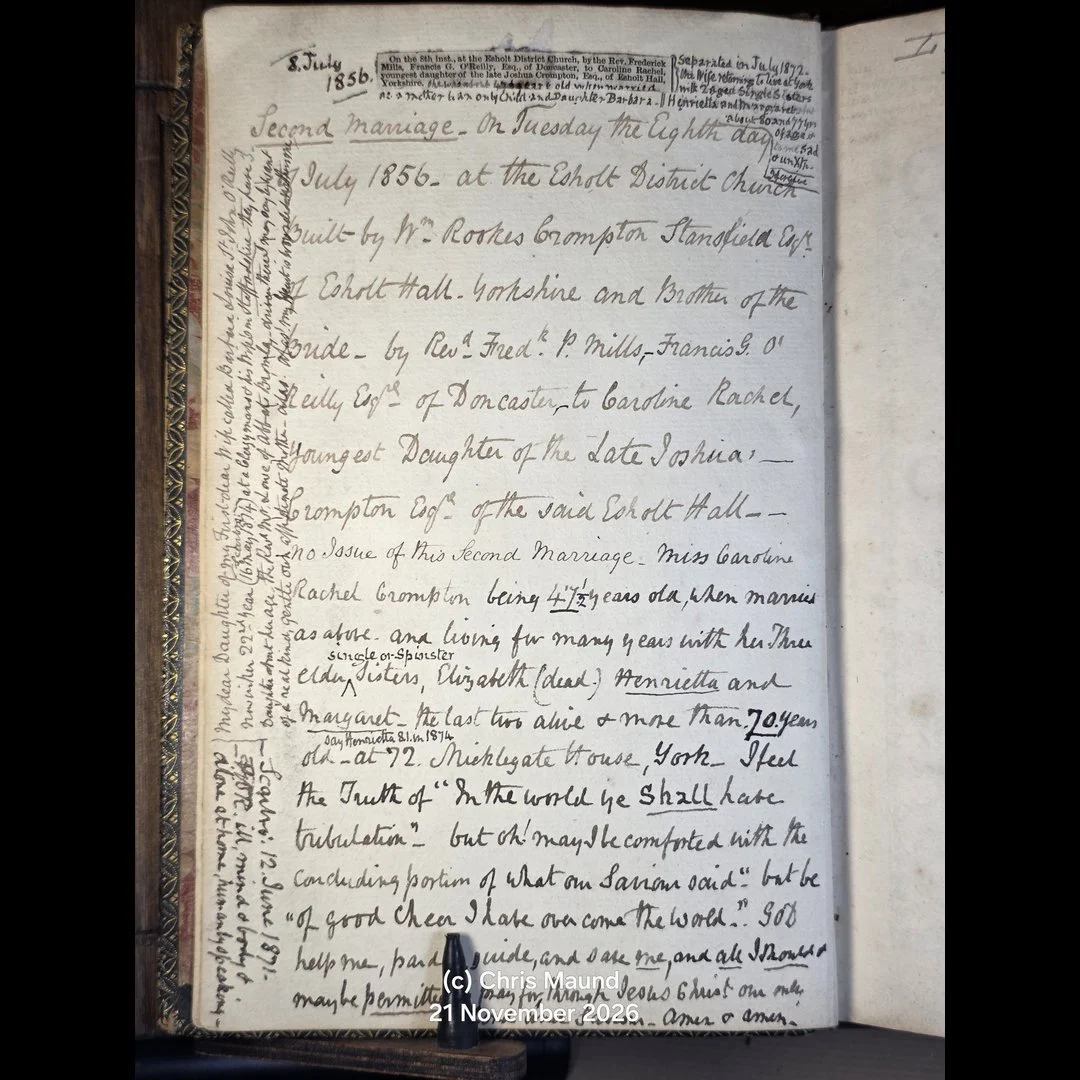 Image 8 of 37
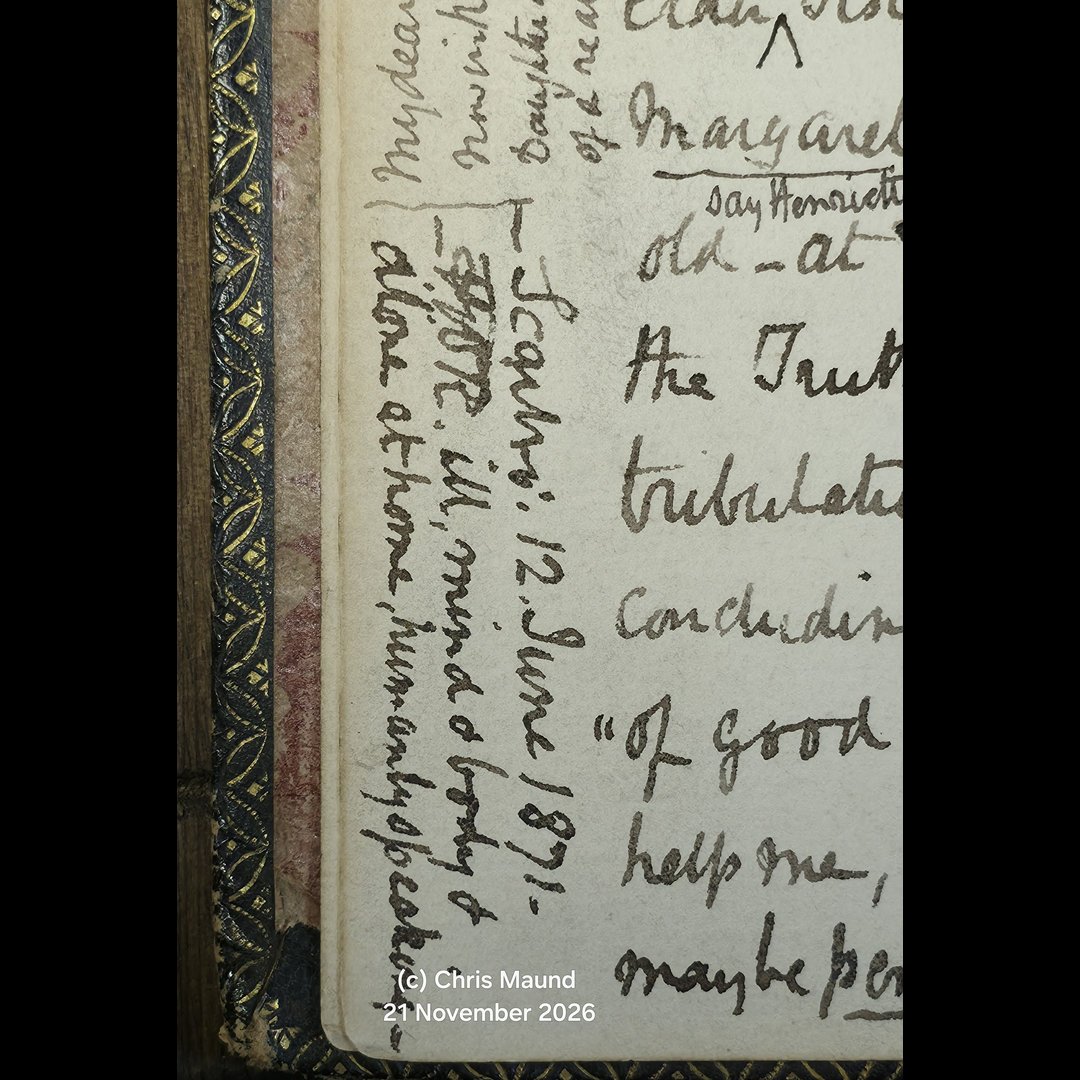 Image 9 of 37
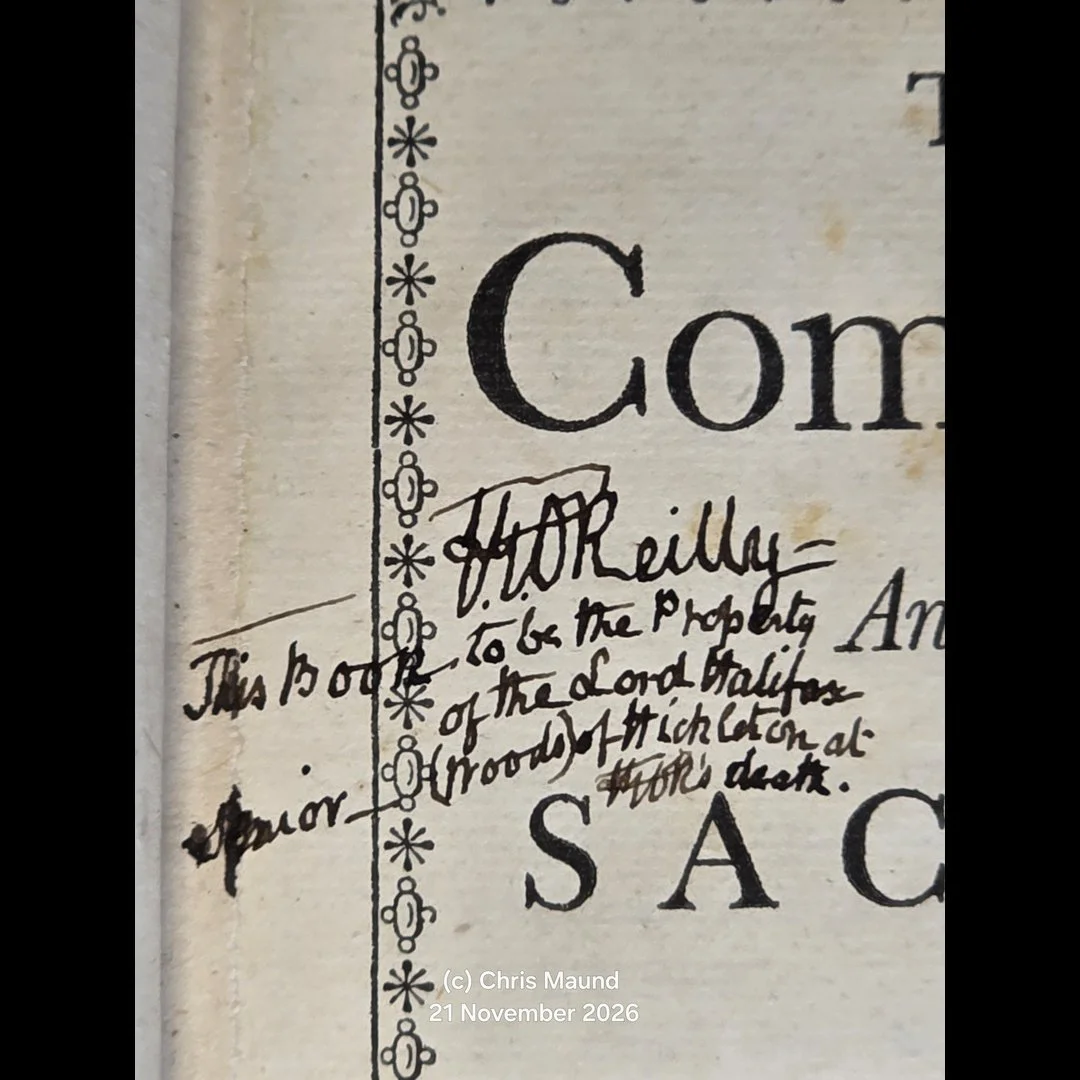 Image 10 of 37
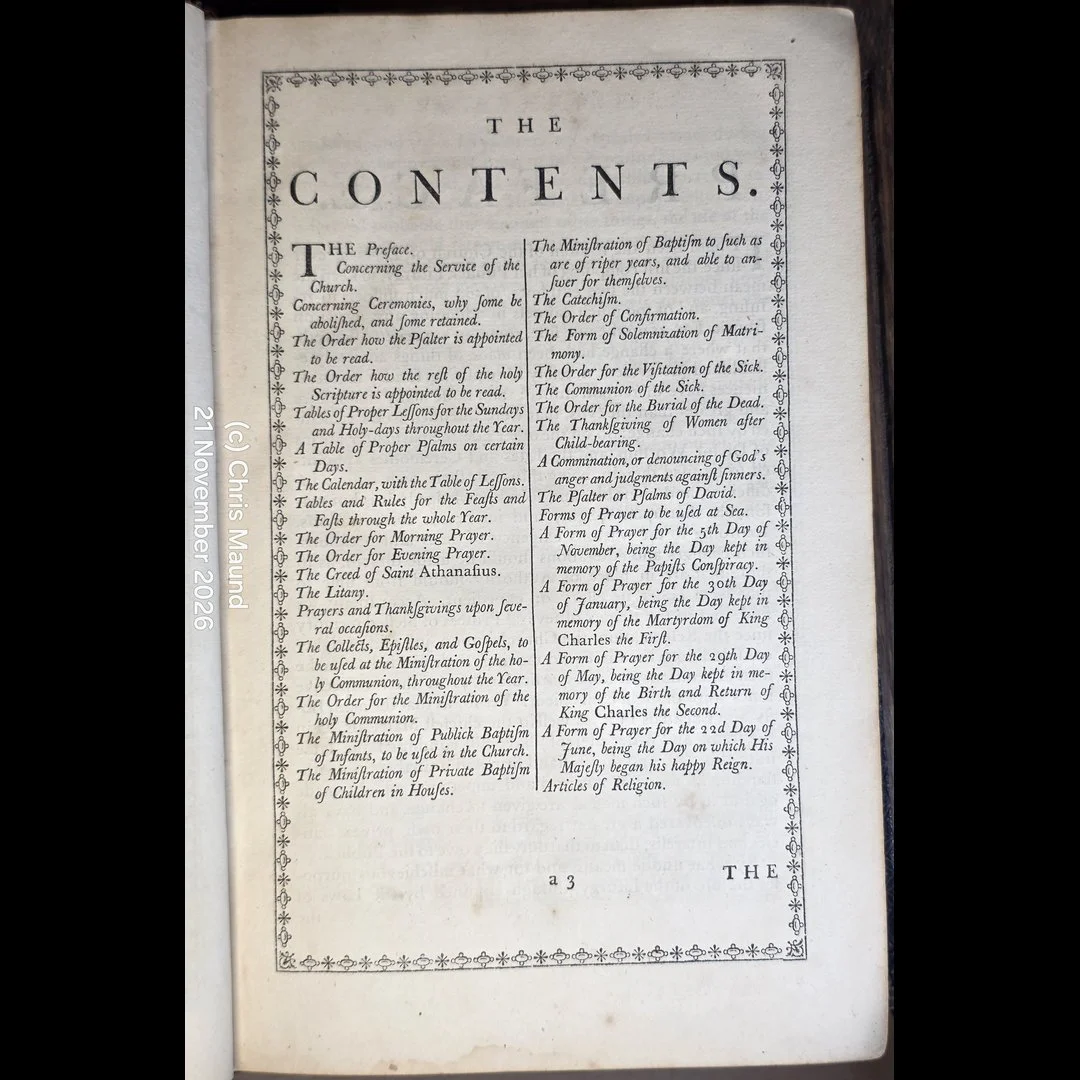 Image 11 of 37
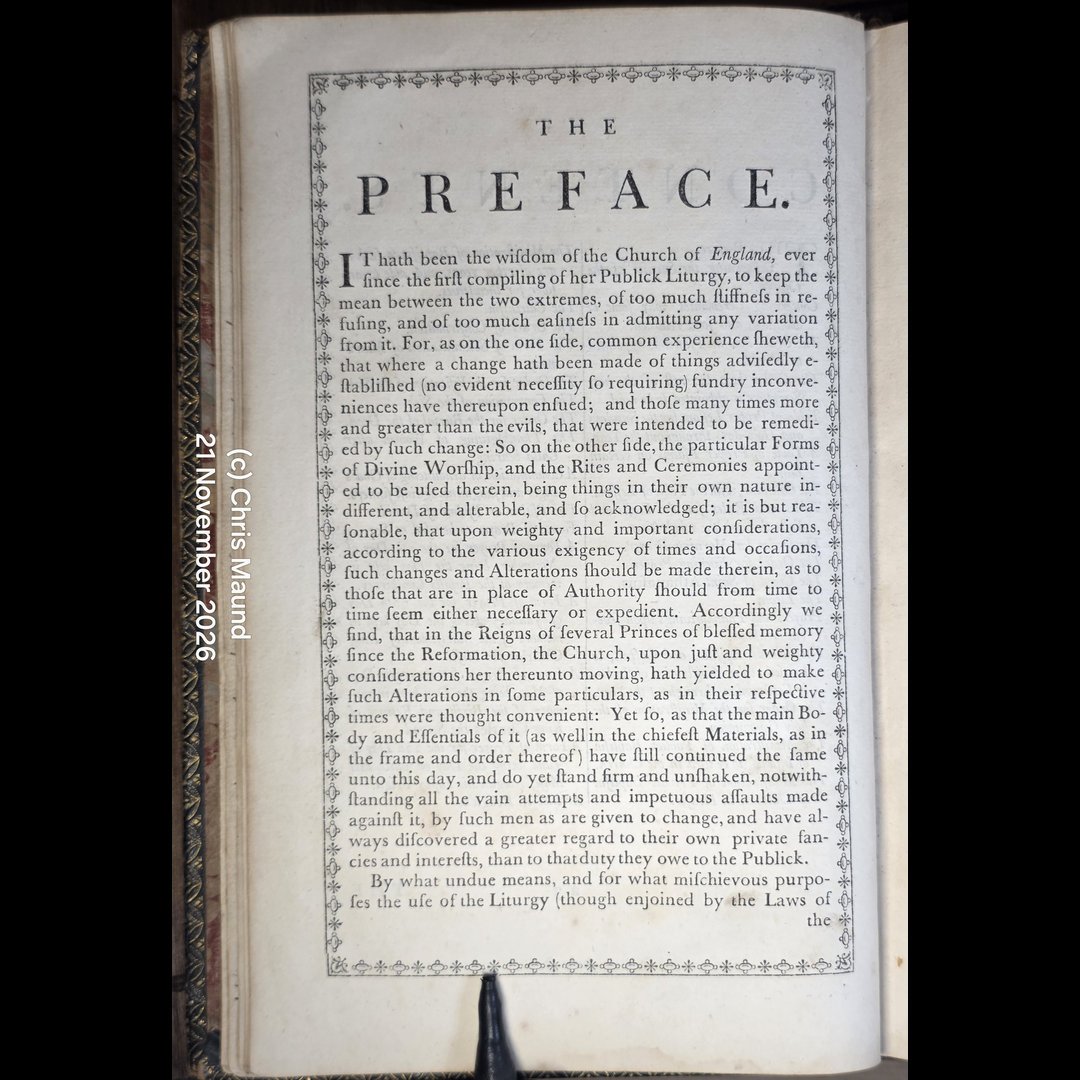 Image 12 of 37
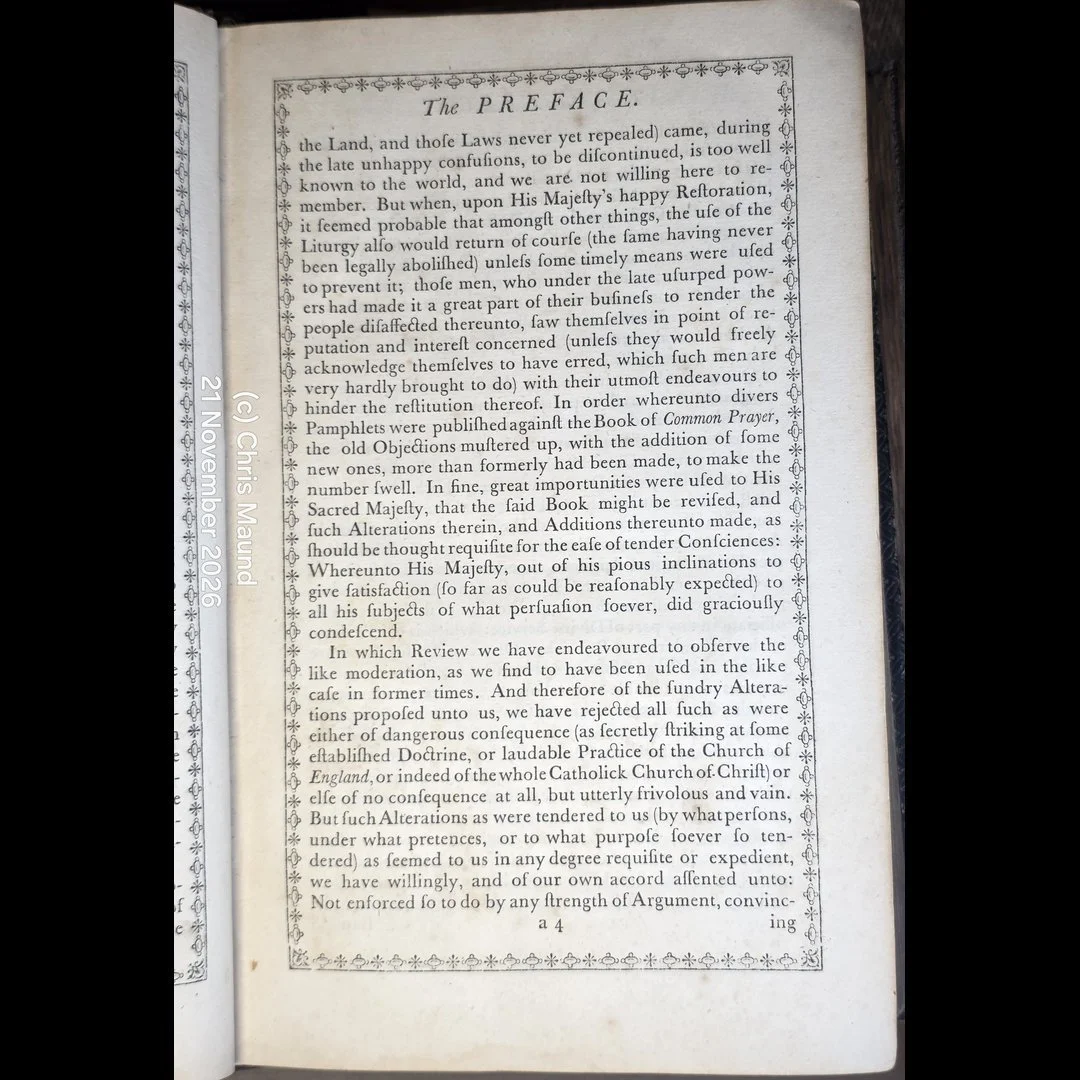 Image 13 of 37
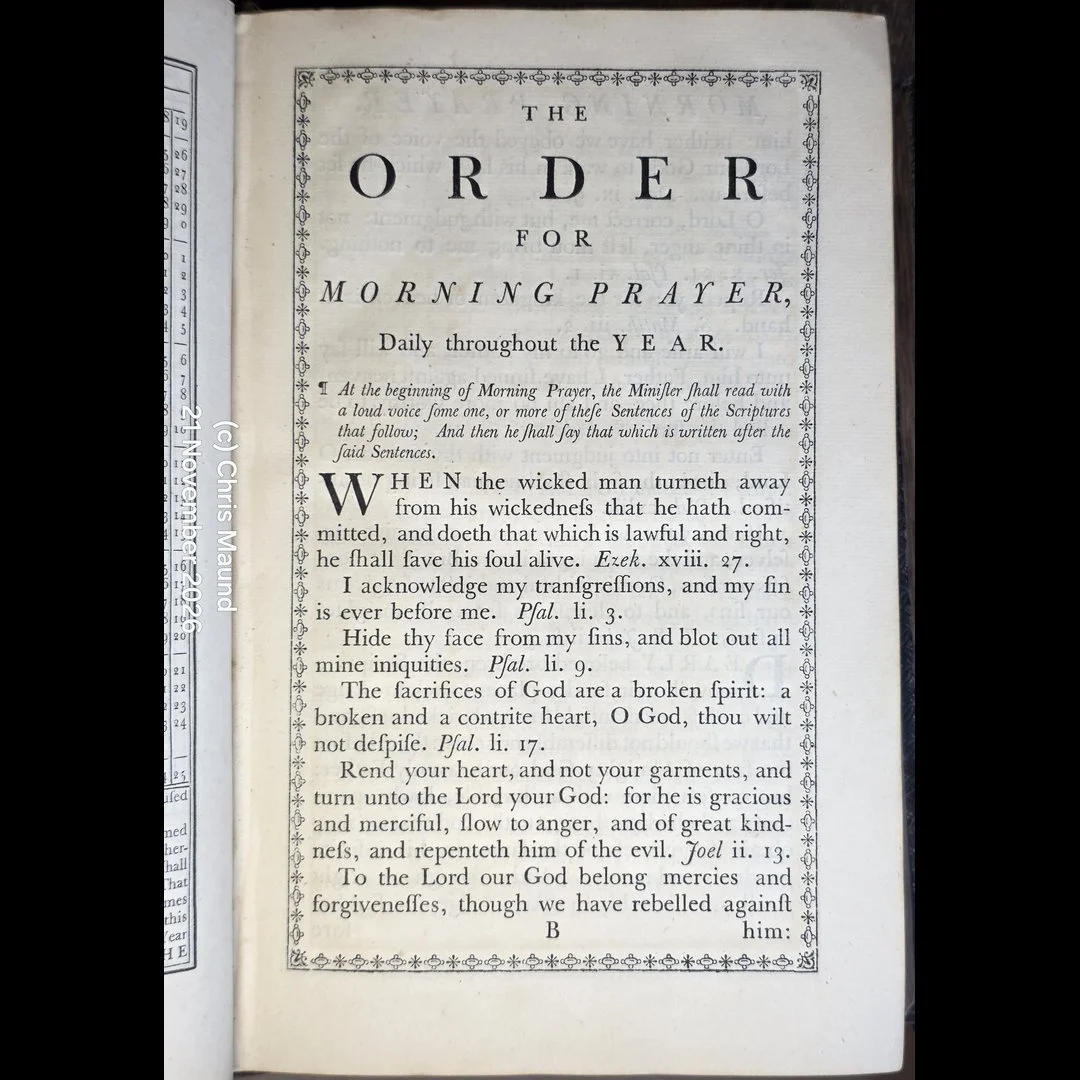 Image 14 of 37
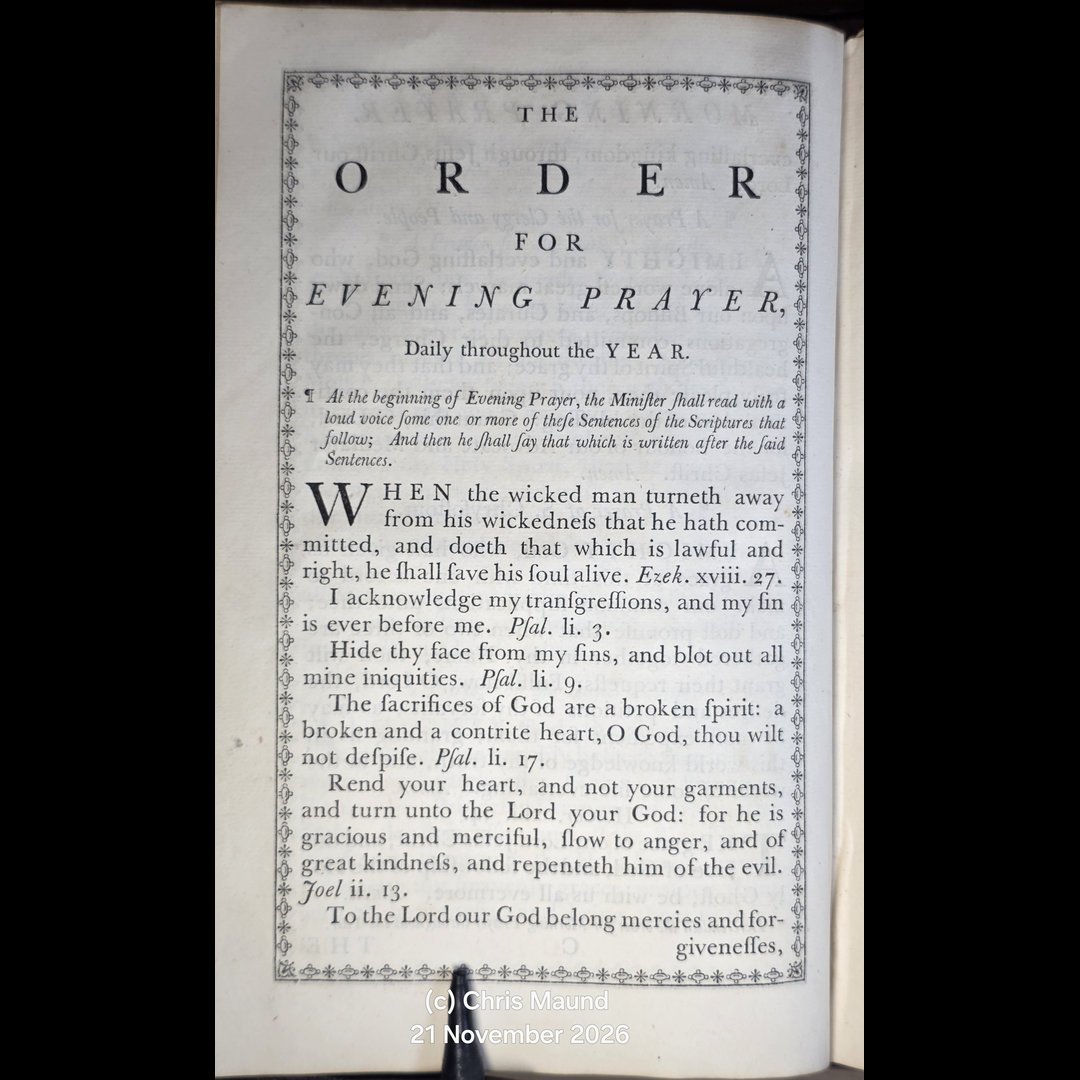 Image 15 of 37
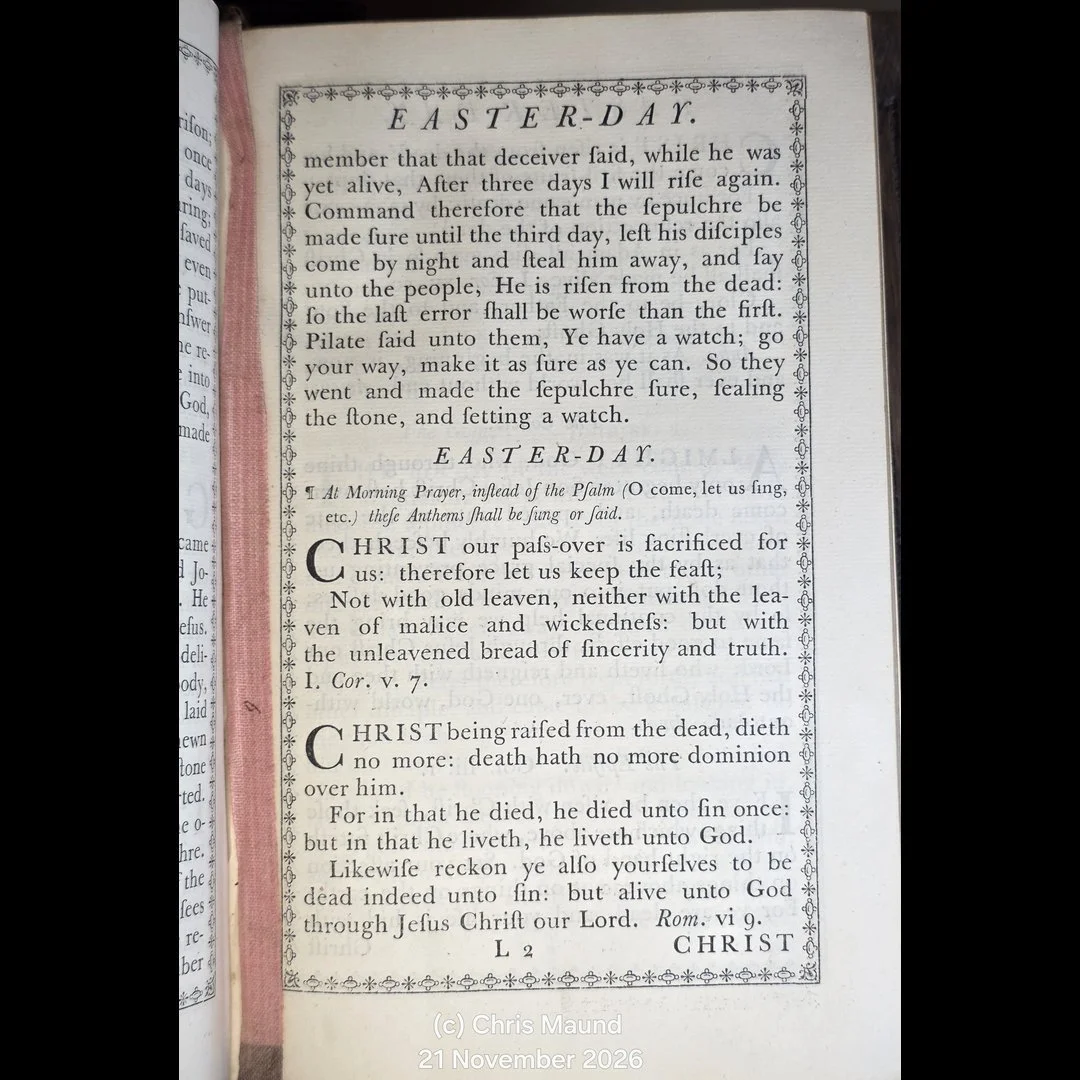 Image 16 of 37
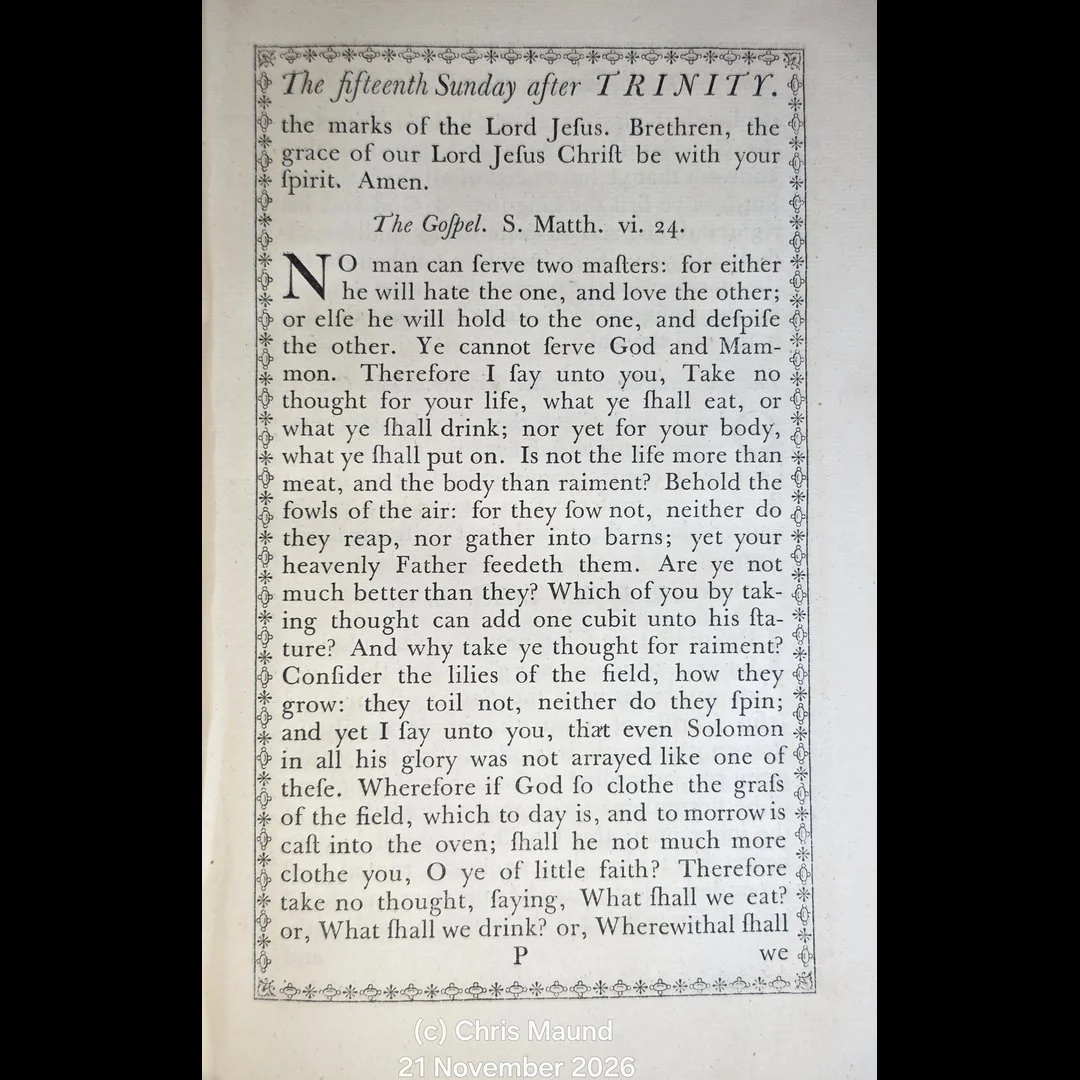 Image 17 of 37
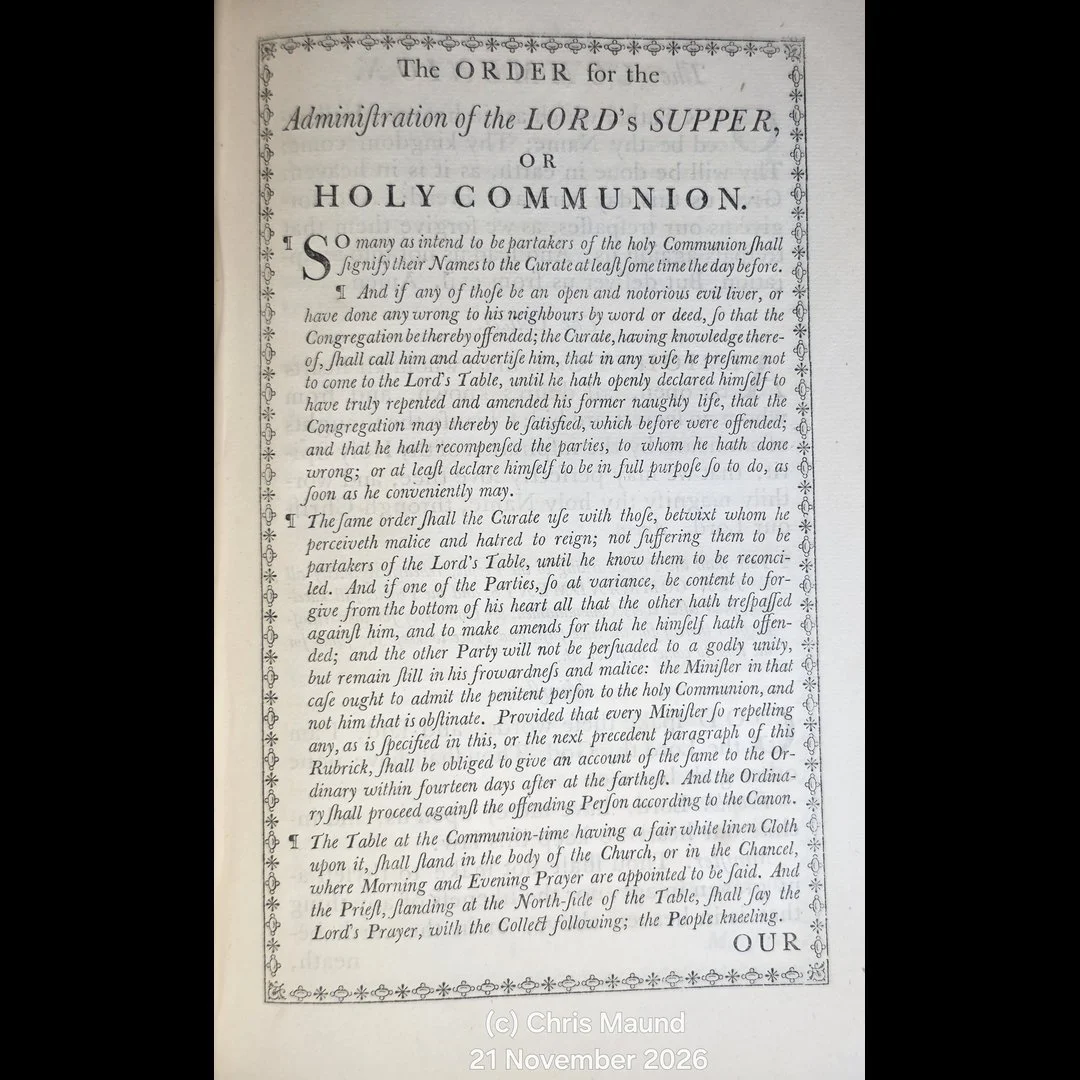 Image 18 of 37
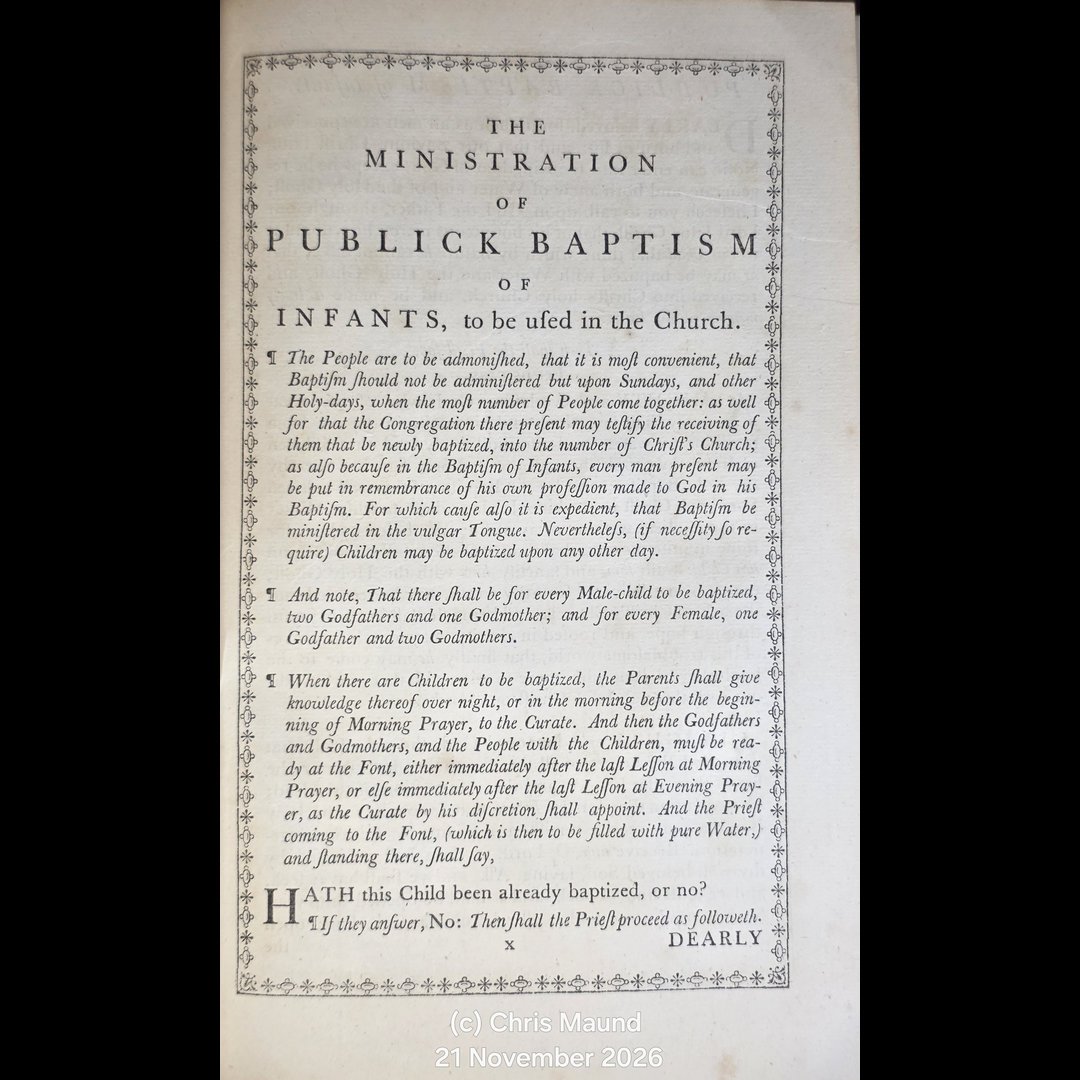 Image 19 of 37
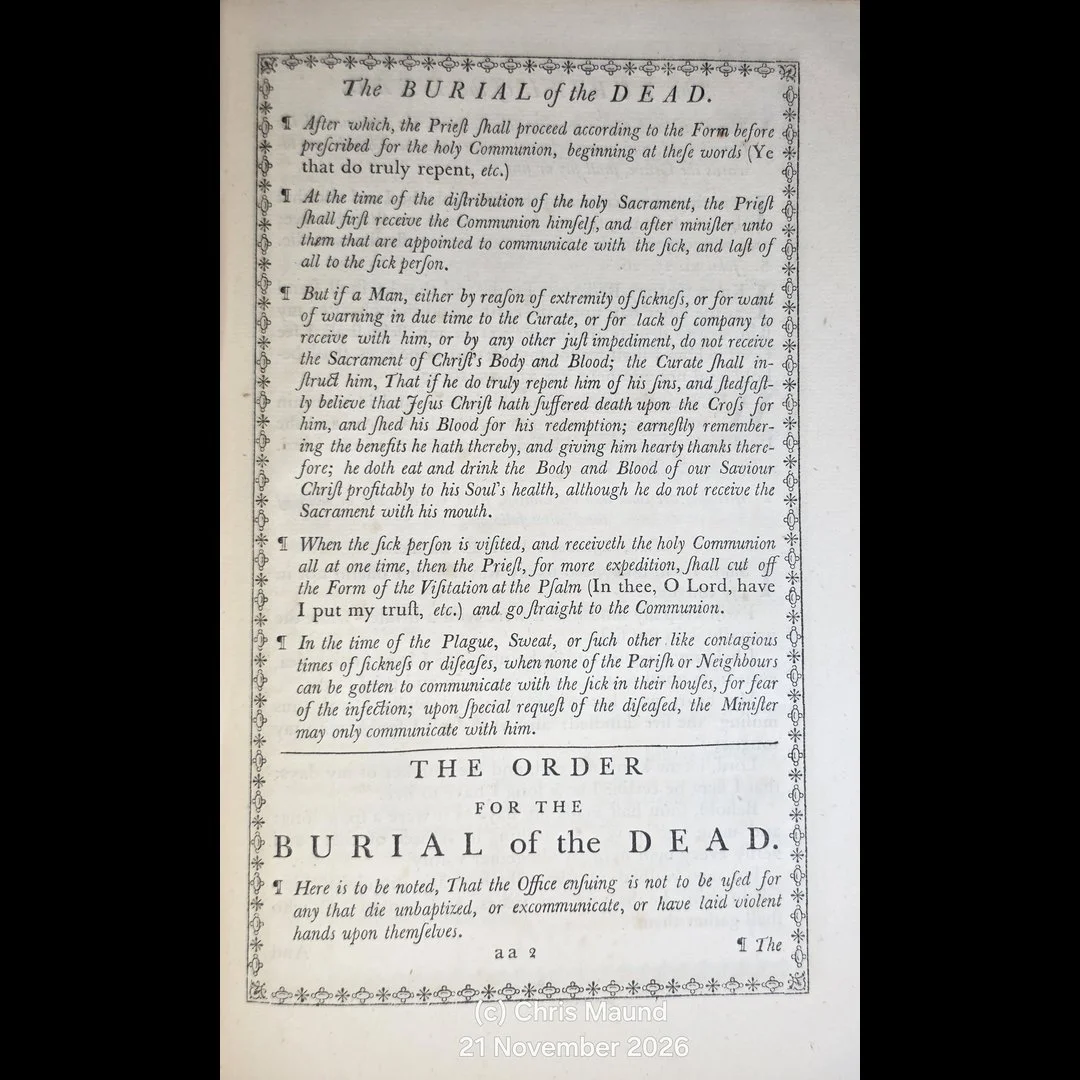 Image 20 of 37
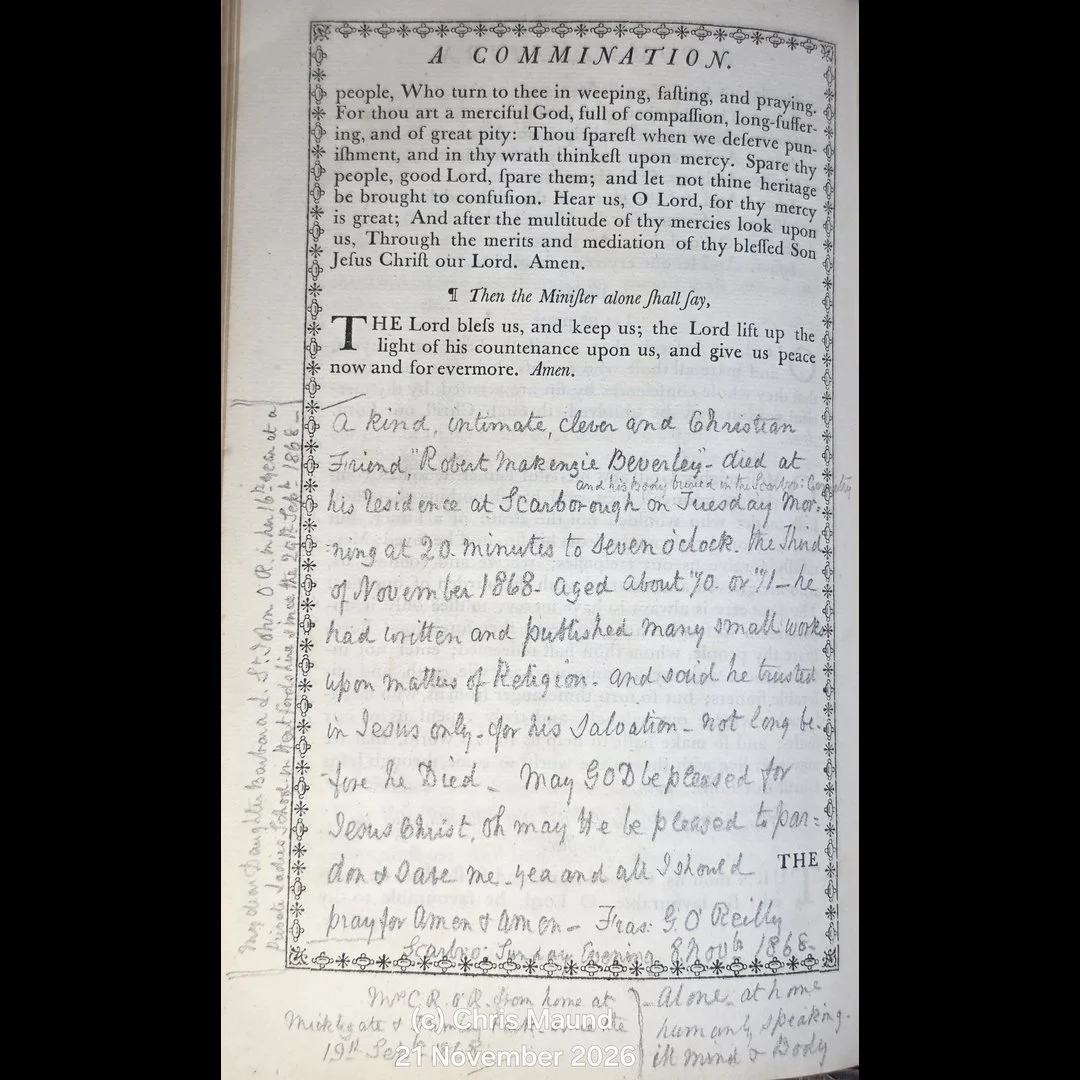 Image 21 of 37
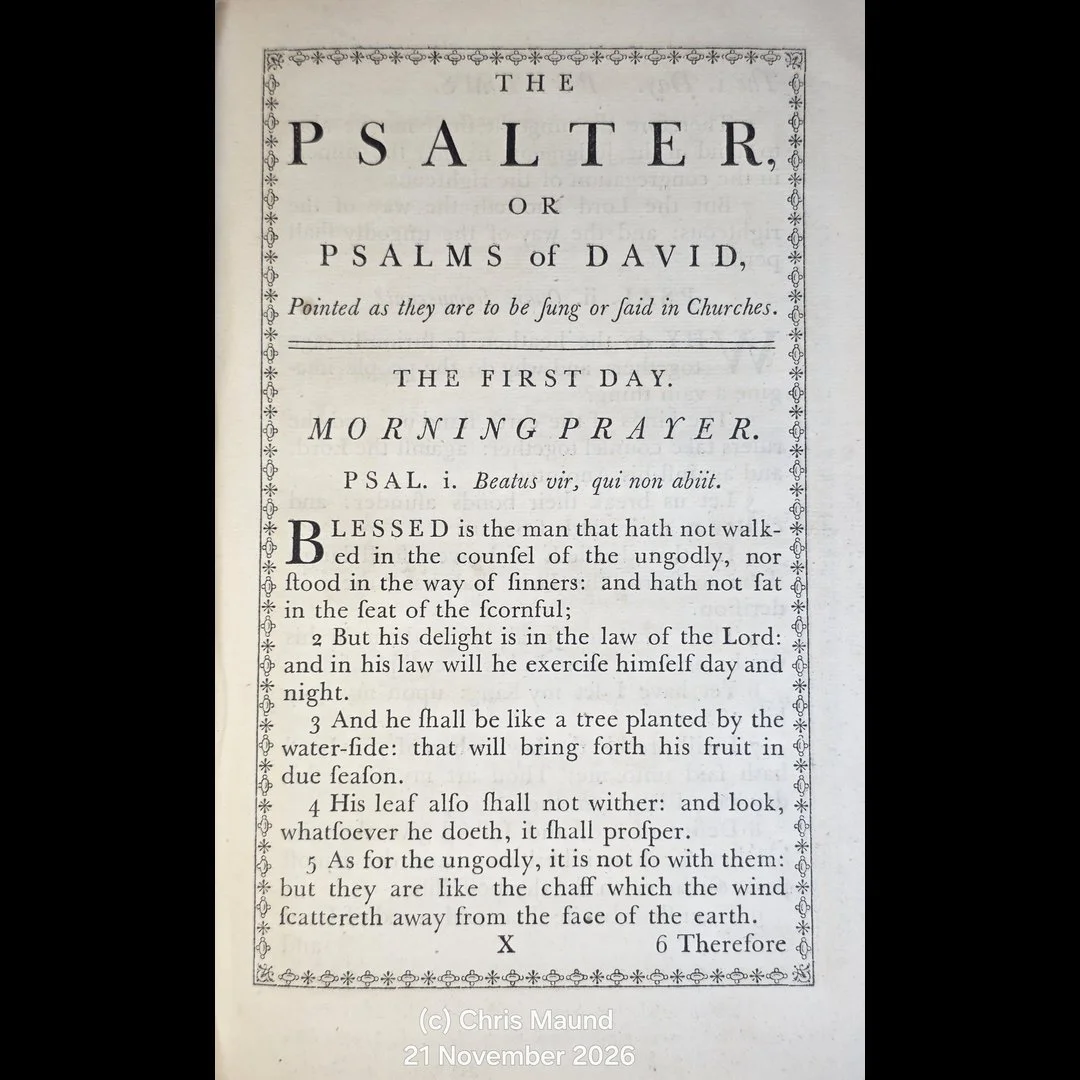 Image 22 of 37
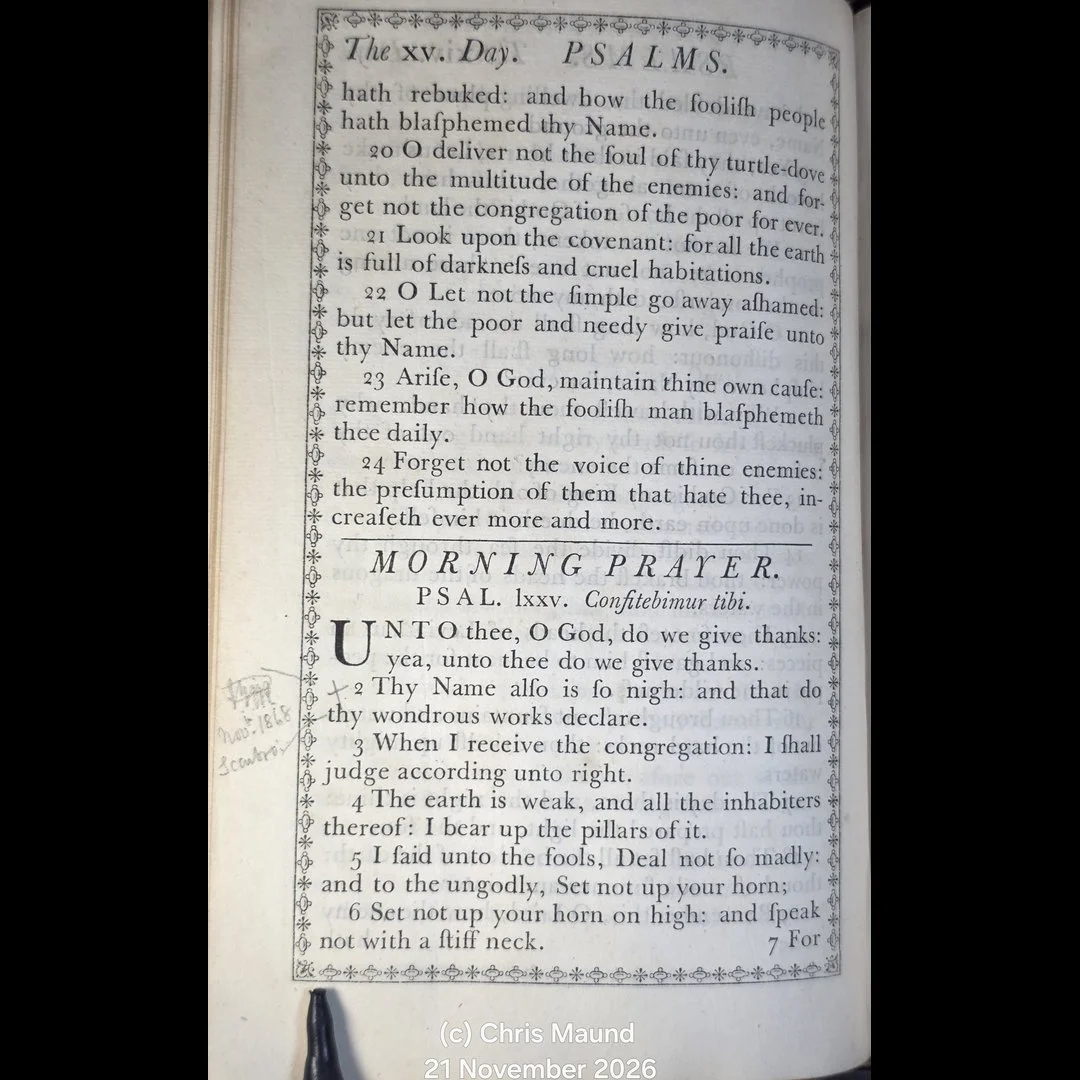 Image 23 of 37
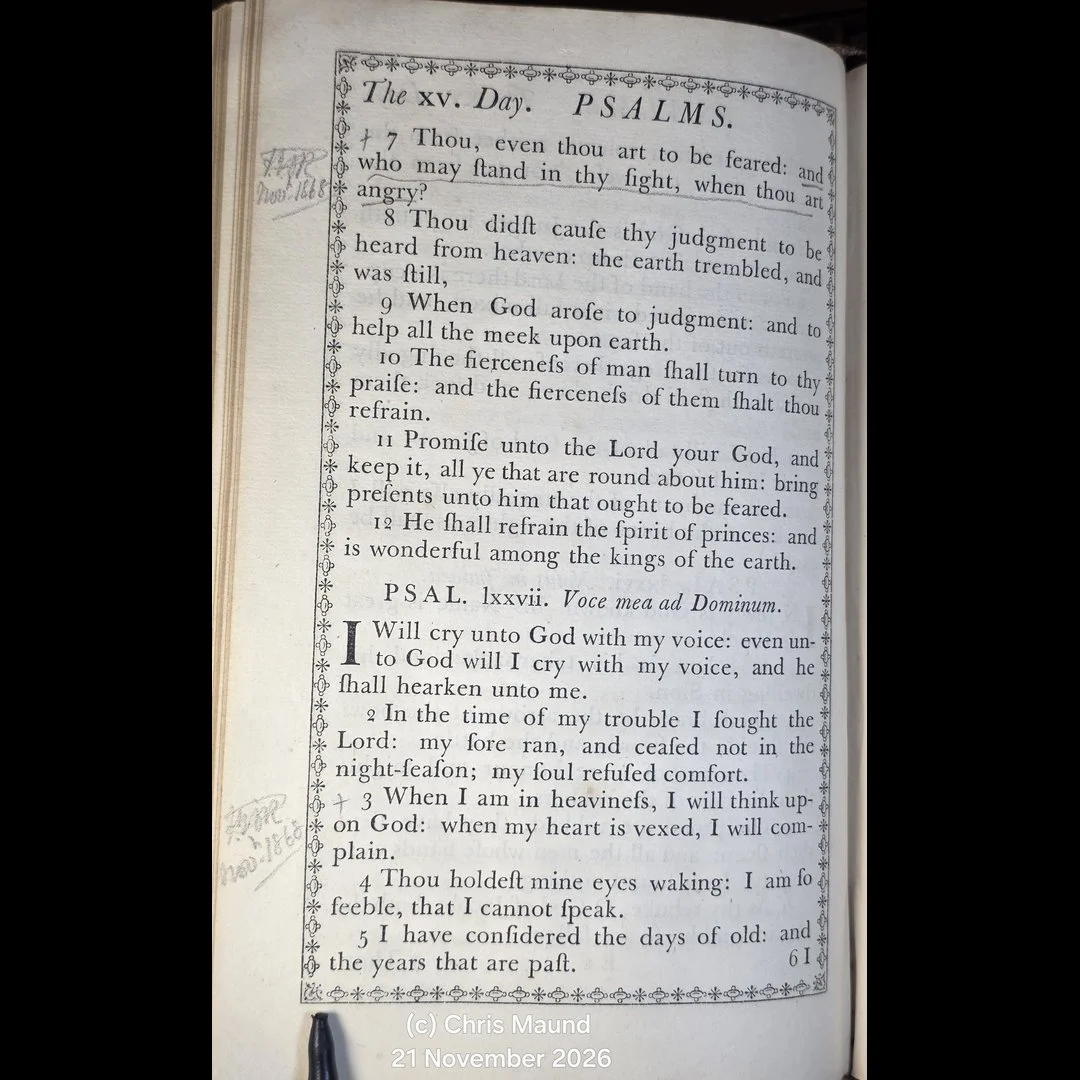 Image 24 of 37
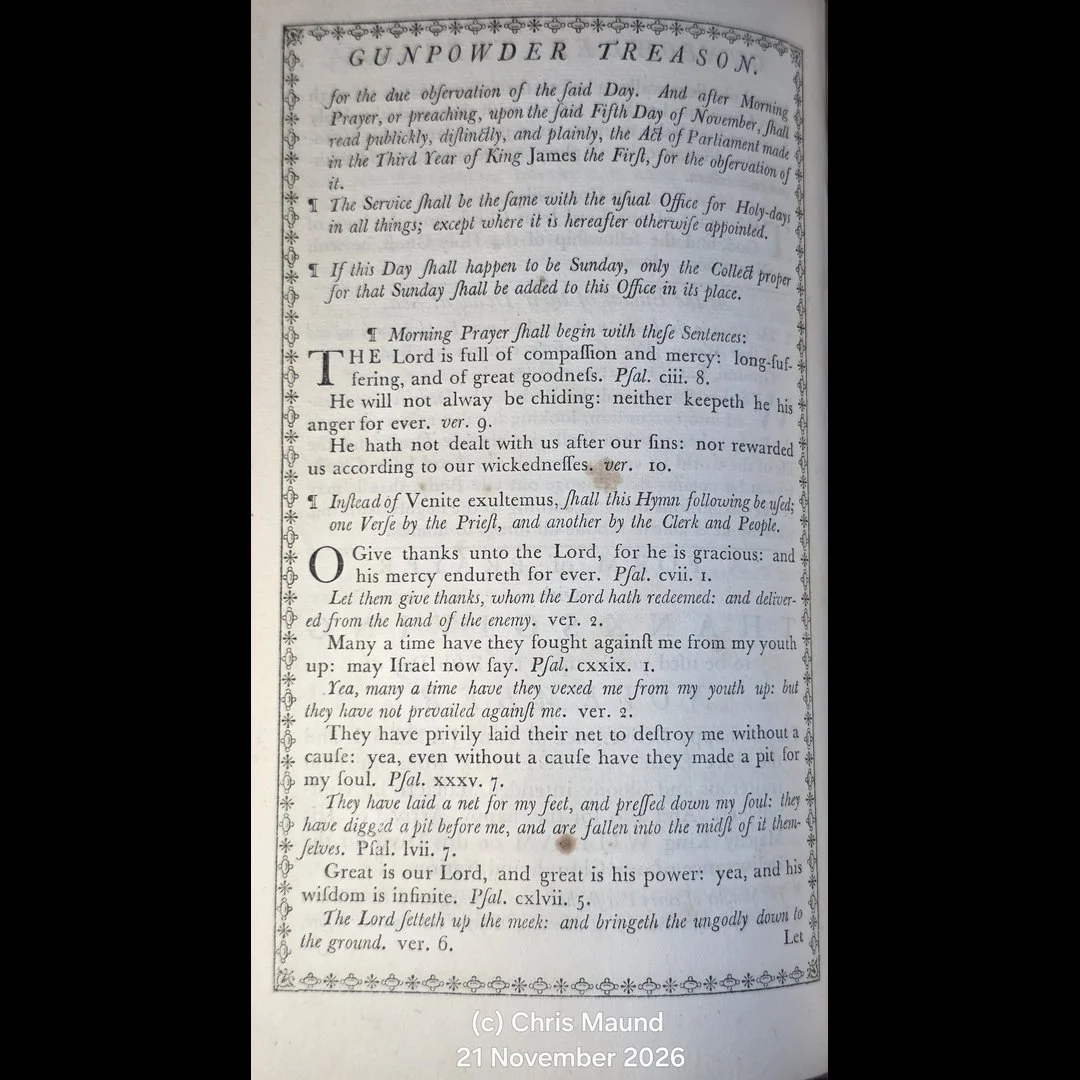 Image 25 of 37
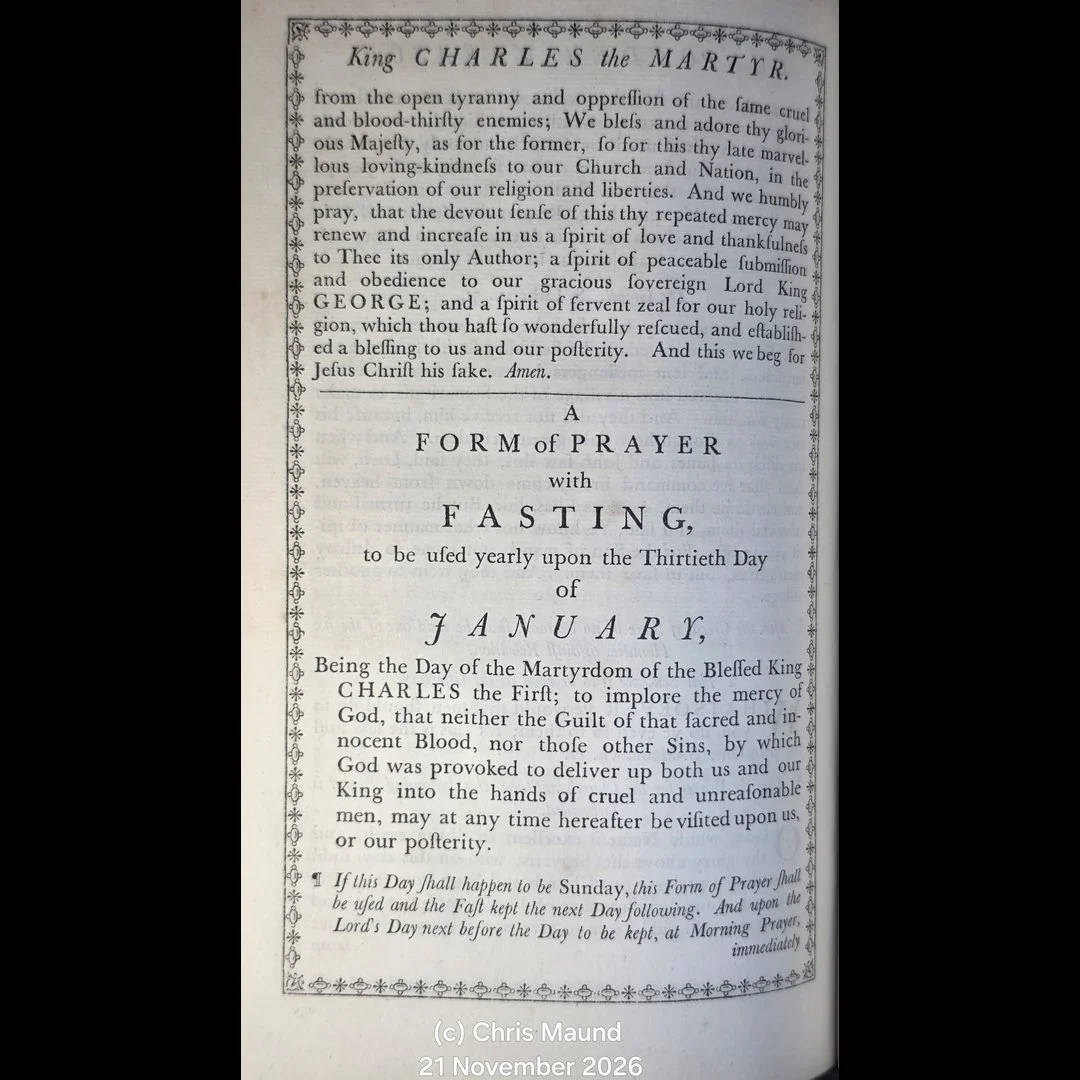 Image 26 of 37
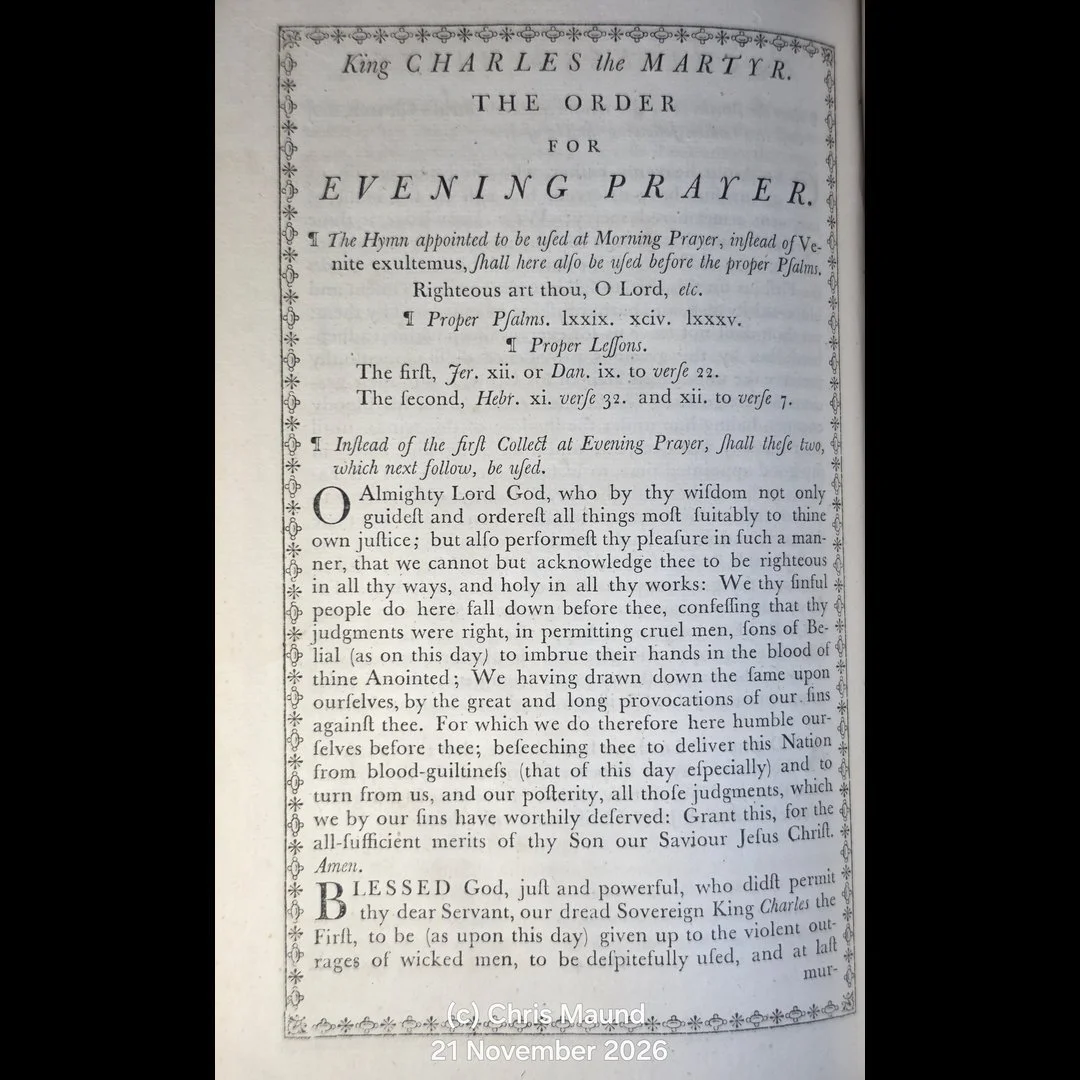 Image 27 of 37
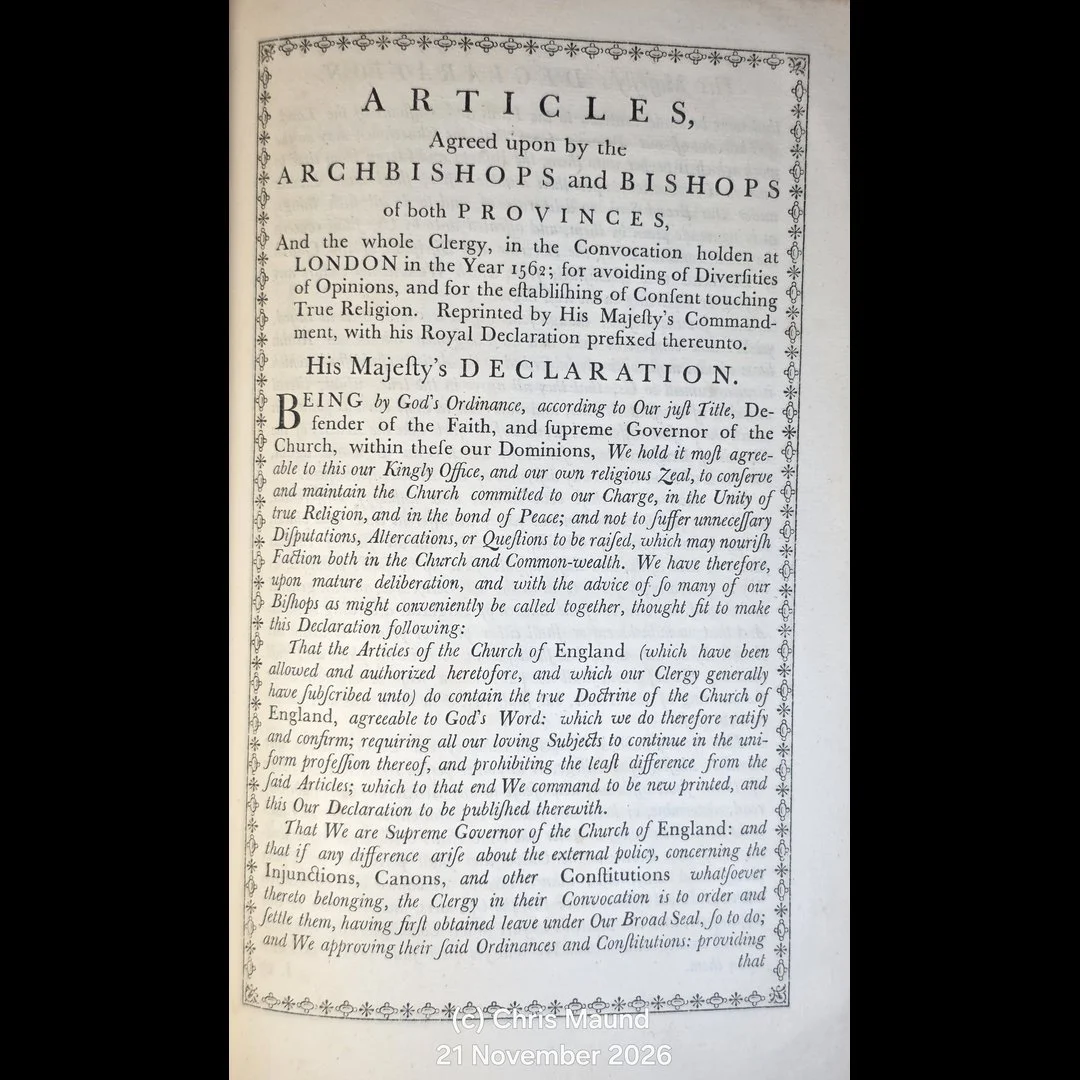 Image 28 of 37
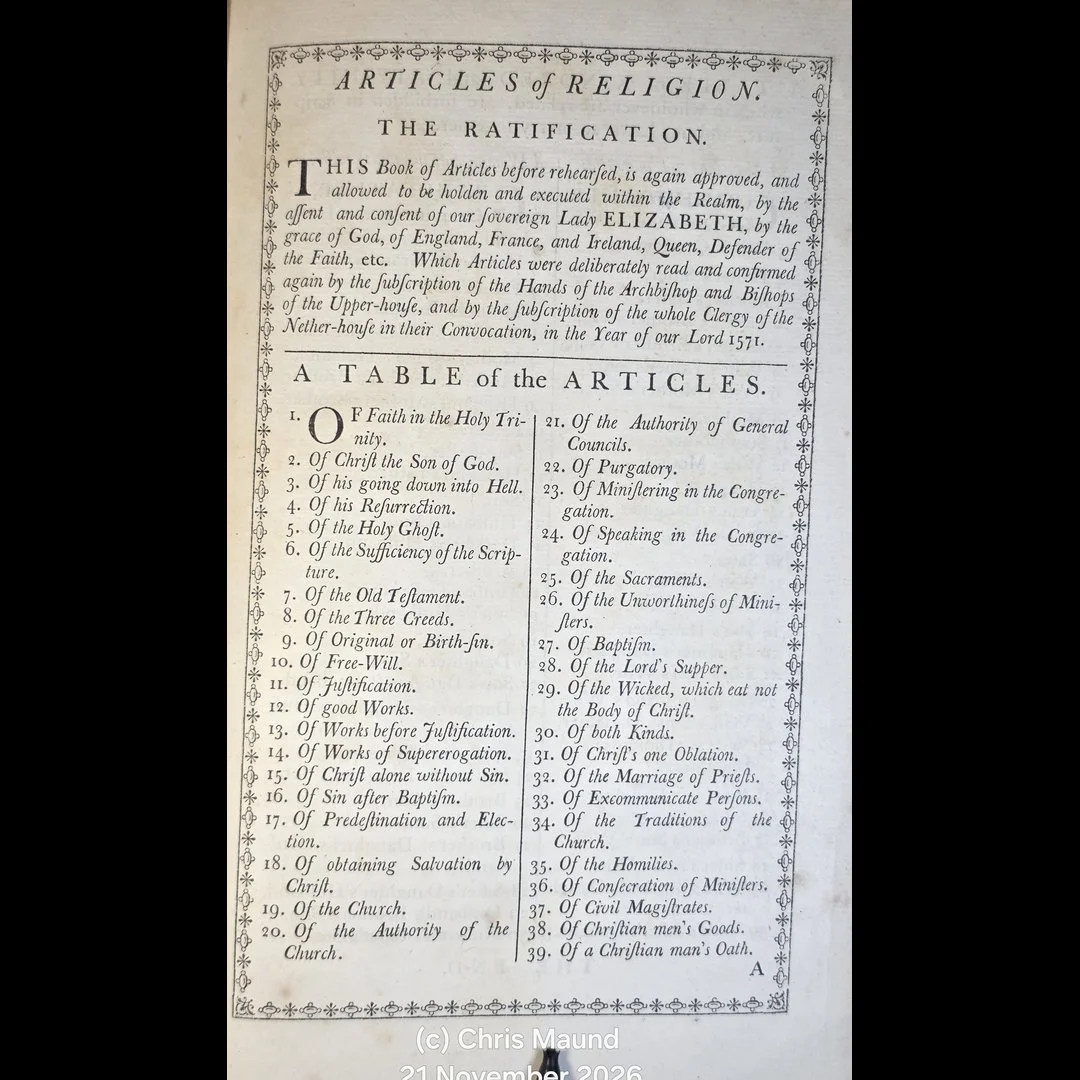 Image 29 of 37
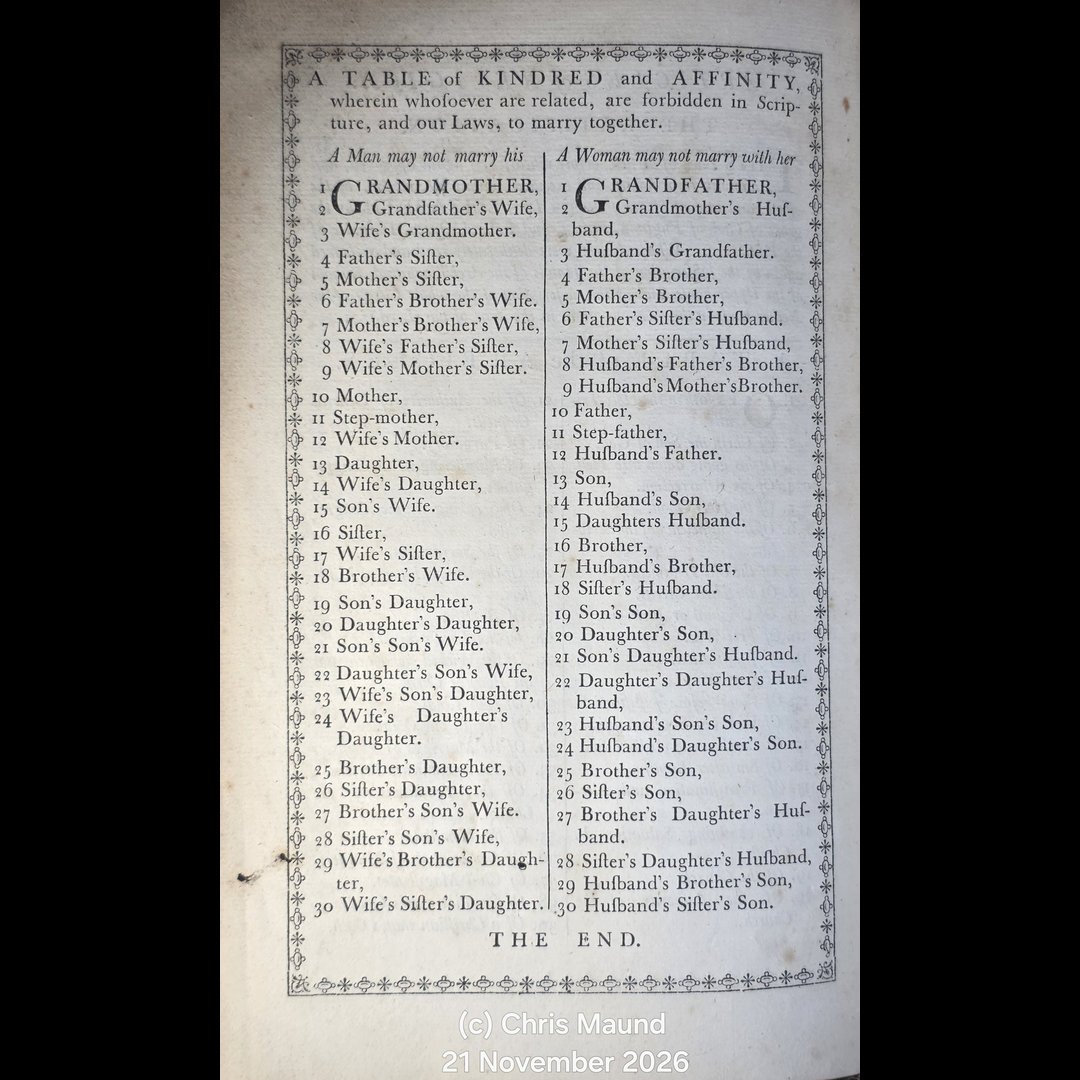 Image 30 of 37
 Image 31 of 37
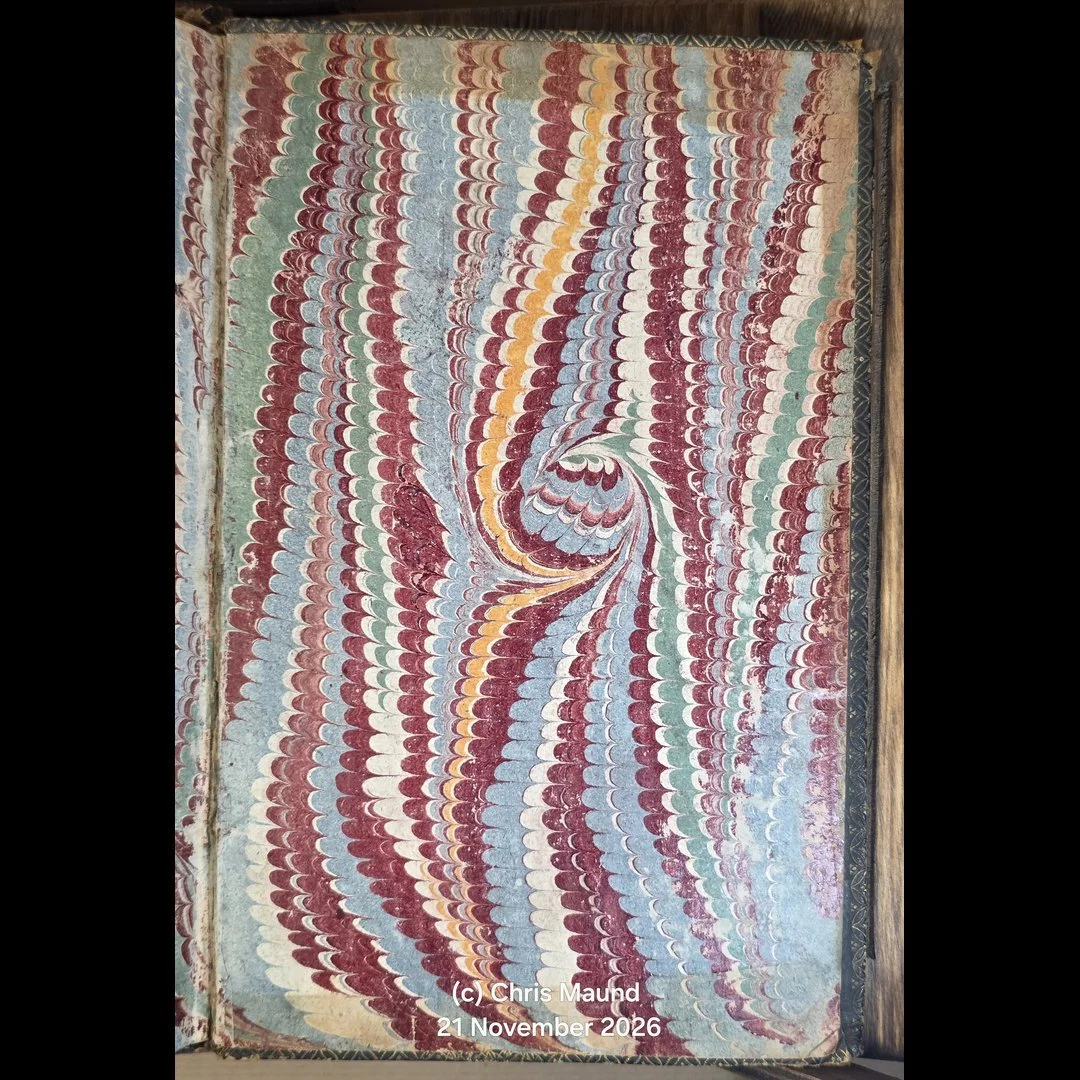 Image 32 of 37
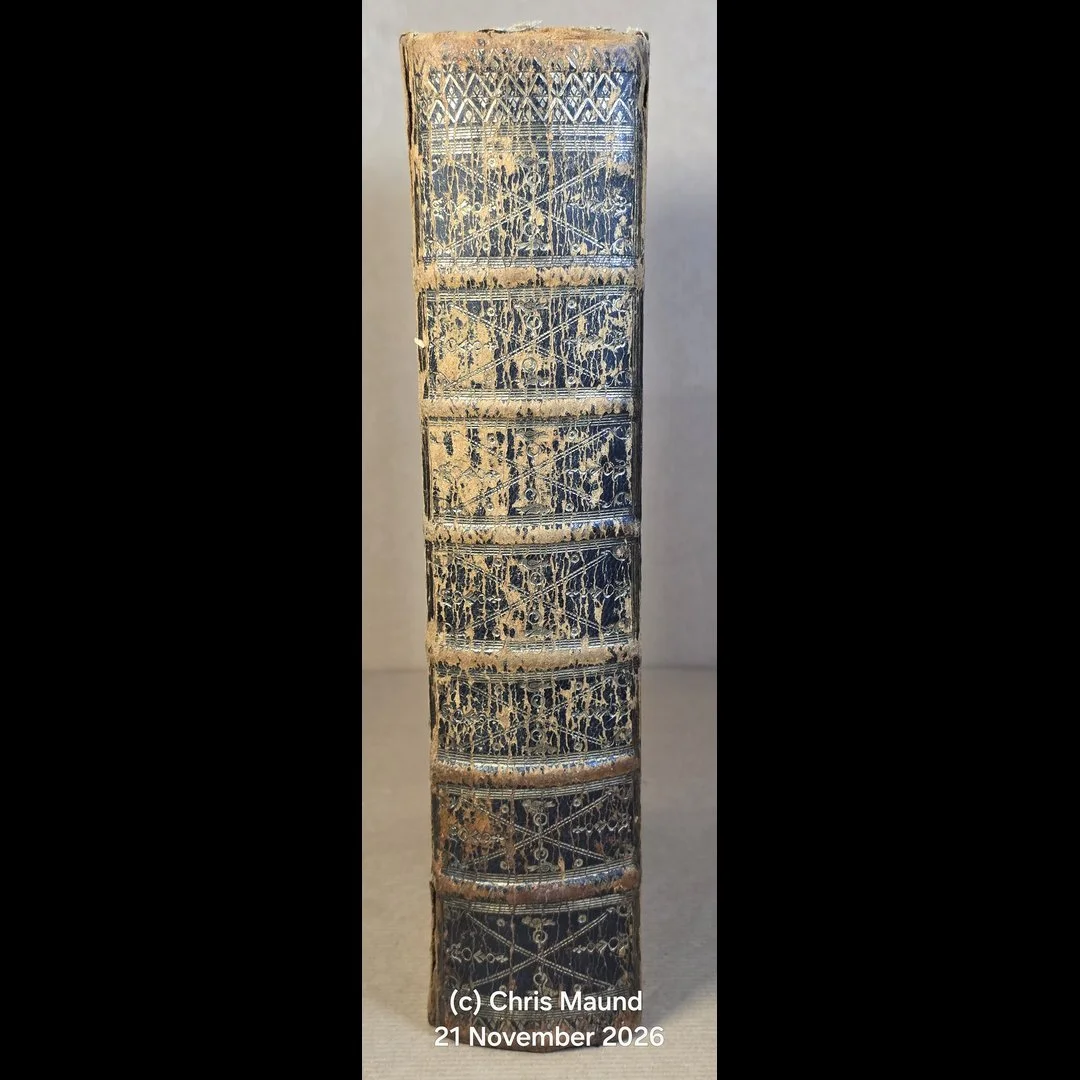 Image 33 of 37
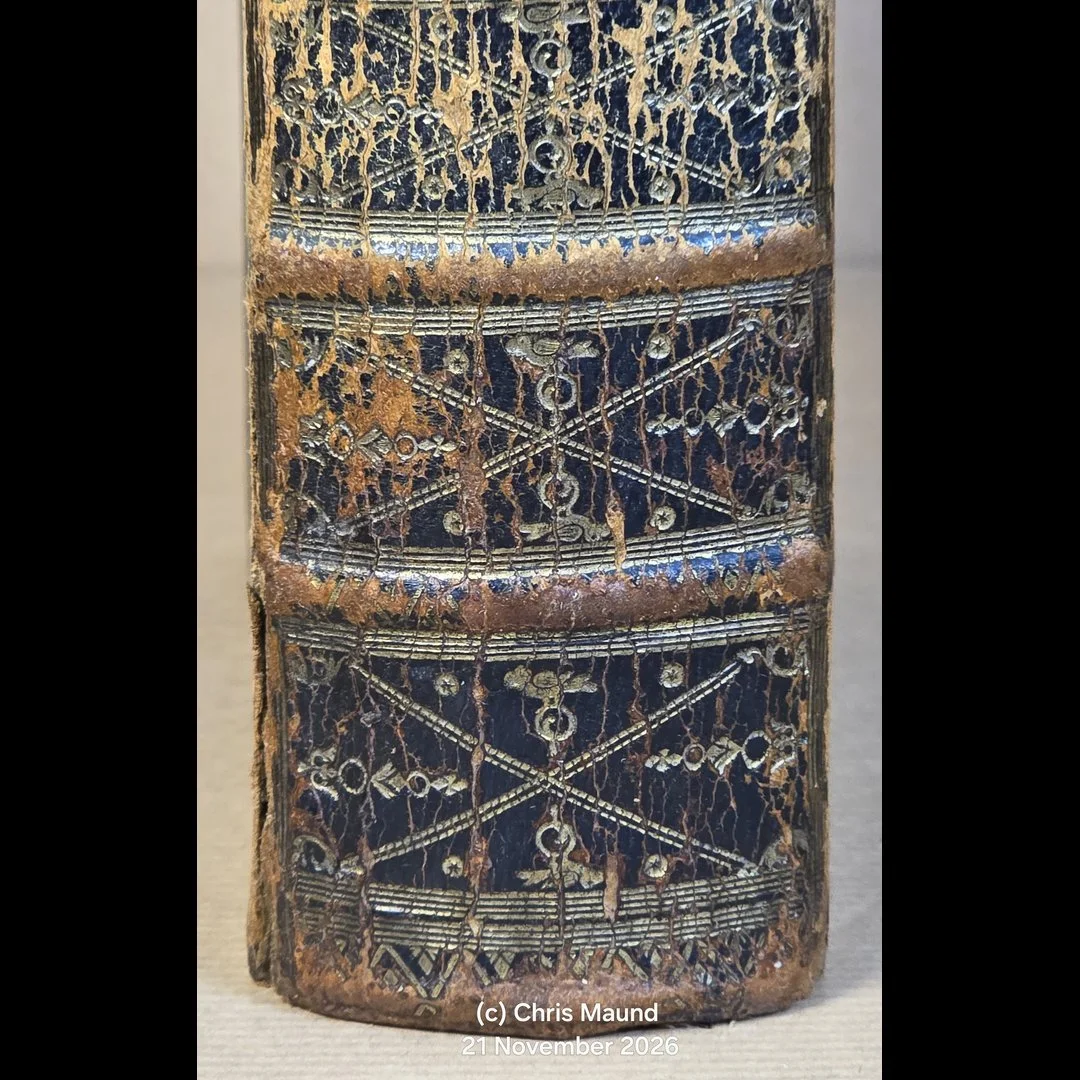 Image 34 of 37
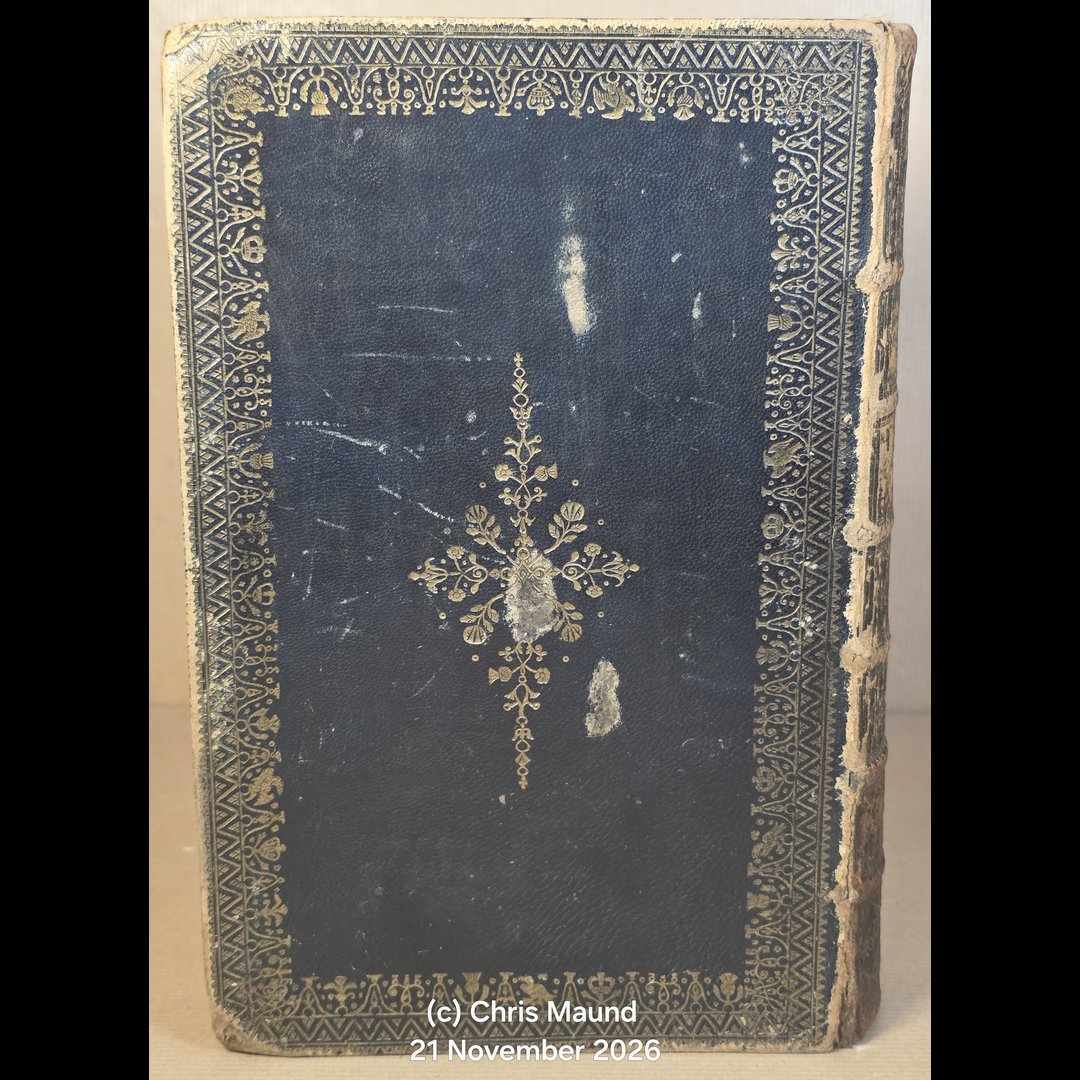 Image 35 of 37
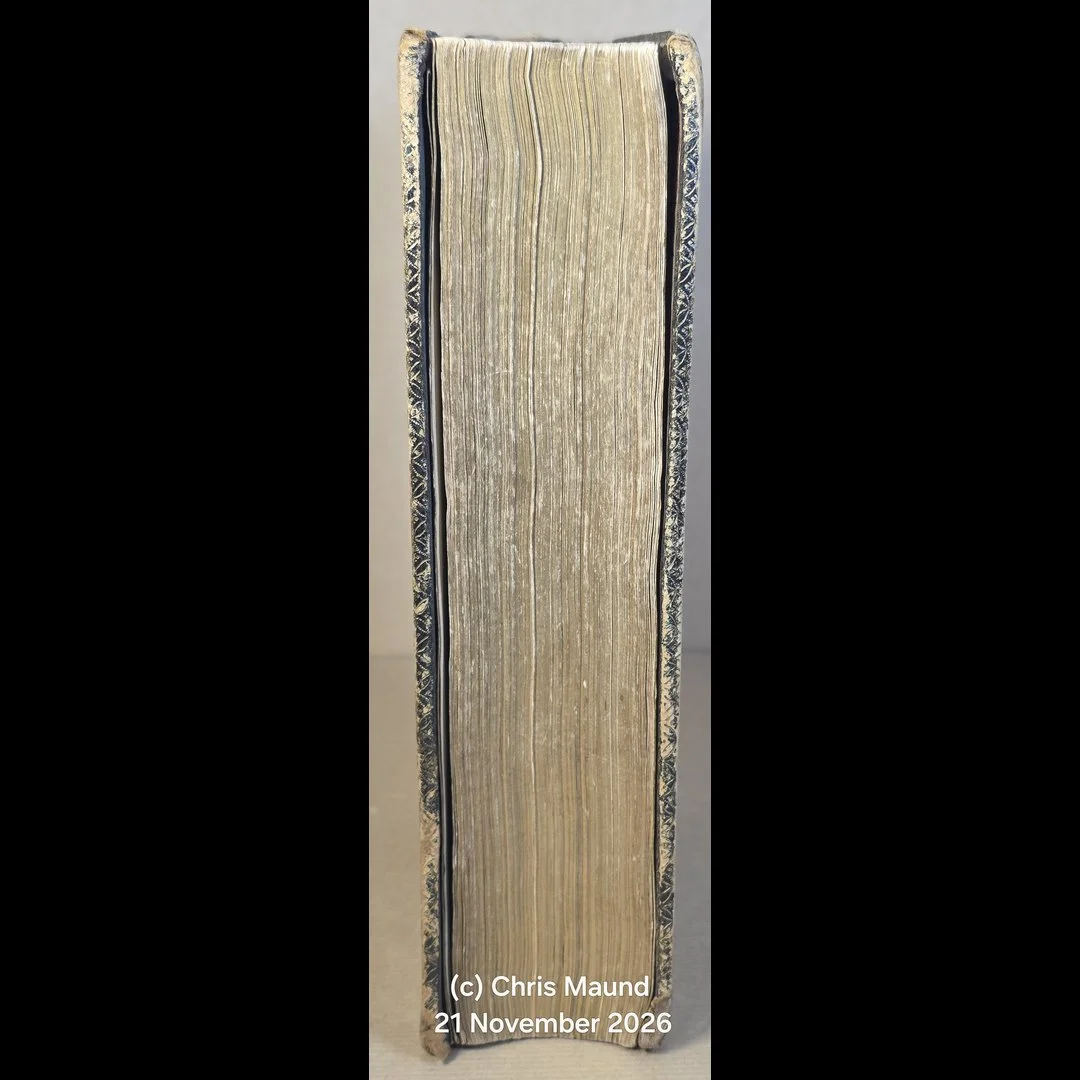 Image 36 of 37
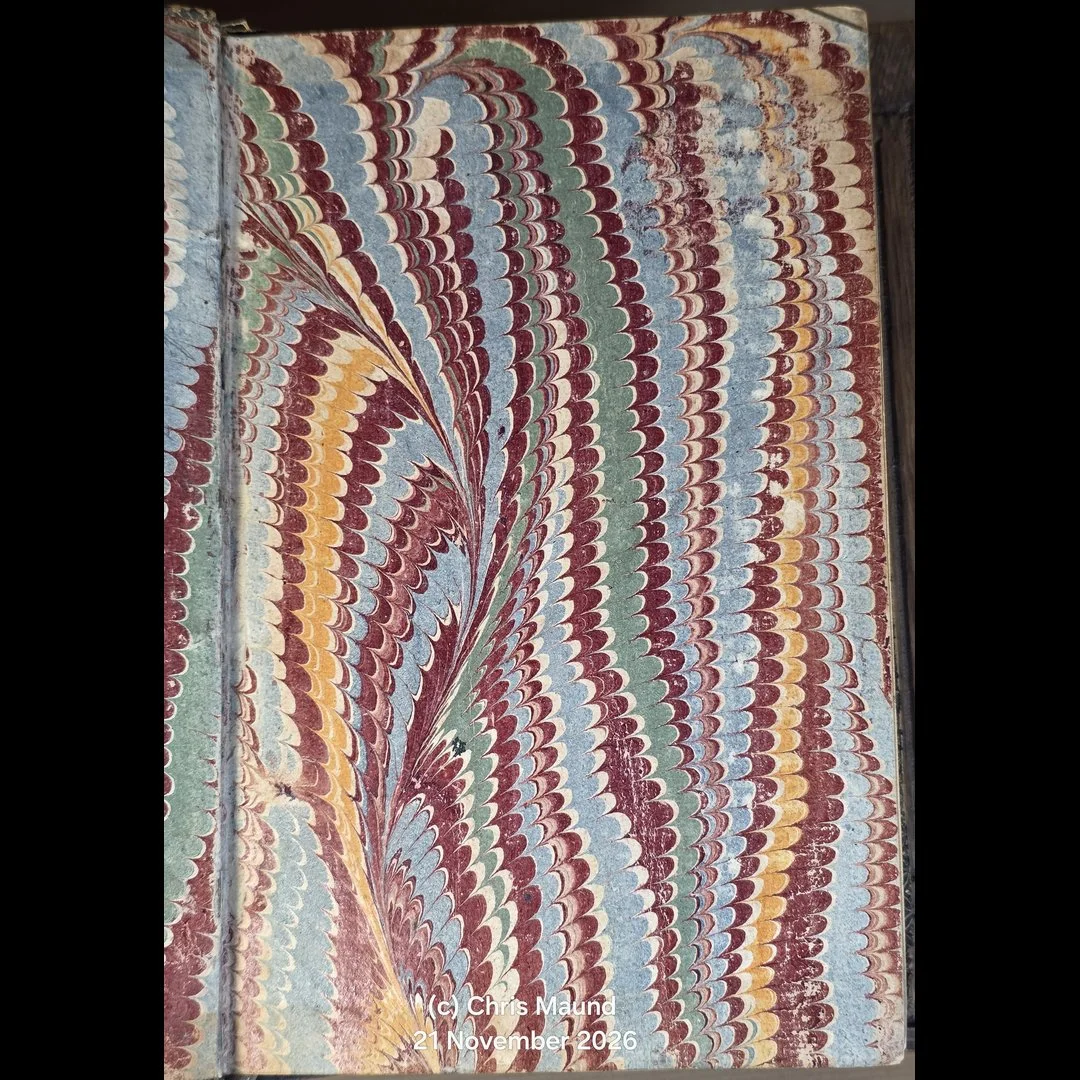 Image 37 of 37